The Strong, Silent Star
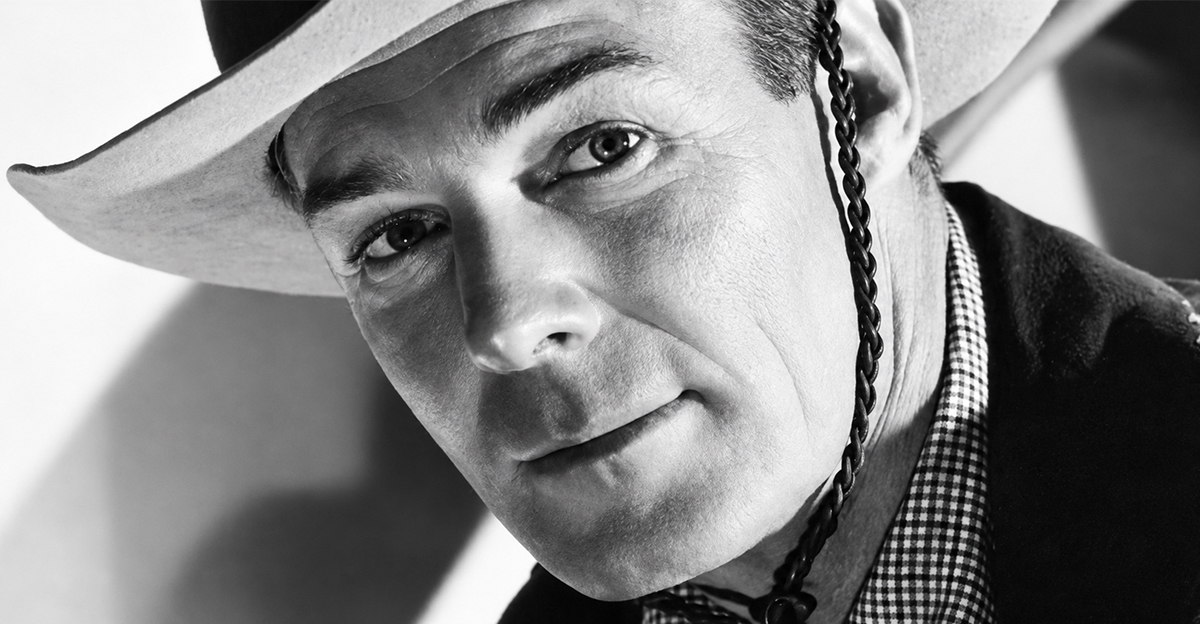
Tall, handsome, and seemingly born for the saddle, Randolph Scott became one of Hollywood’s defining Western heroes. Yet the famously private actor’s life extended far beyond six-shooters and frontier towns: wartime service; two marriages; a successful life of business and investmenting; and a much-discussed friendship with Cary Grant all complicated the image of the simple frontiersman.
 MoviePix for Silver Screen Collection/Getty Images
A Virginia Birth
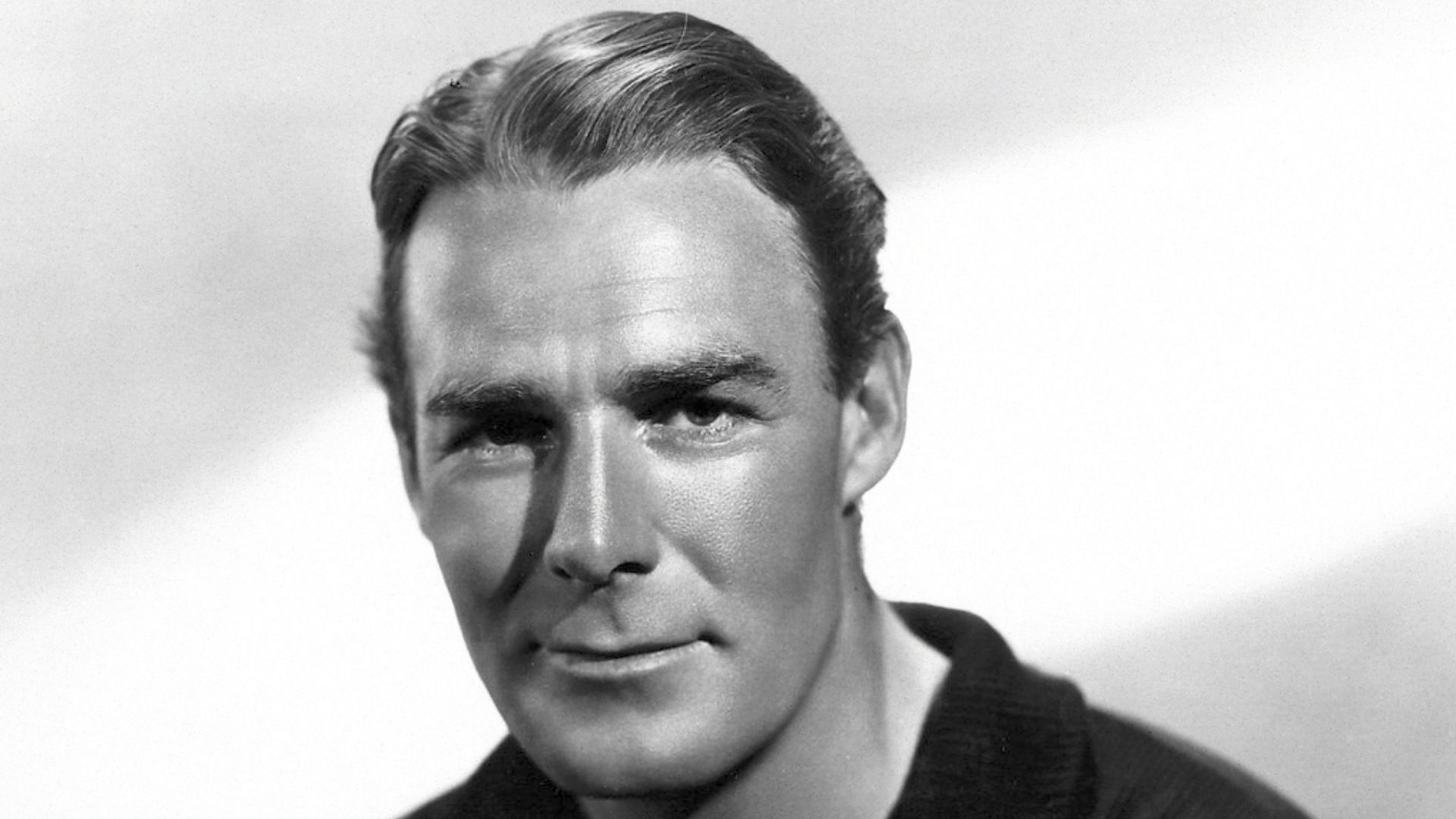
George Randolph Scott was born on January 23, 1898, in Orange County, Virginia, although he was raised in Charlotte, North Carolina, and considered it home. His comfortable upbringing allowed him to attend private school, while his athletic abilities emerged early through football, baseball, swimming, and other sports.
War Before Hollywood
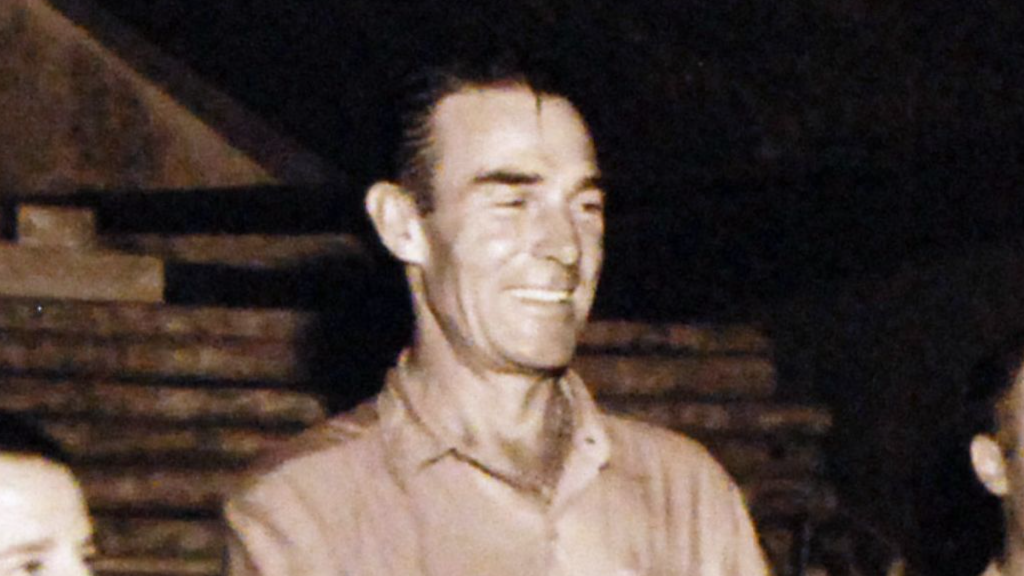
When America entered World War I, Scott enlisted in 1917 and trained with the Coast Artillery. He eventually served in France with the 2nd Trench Mortar Battalion and remained overseas after the Armistice, receiving a commission as a second lieutenant. His military training included skills that later looked remarkably natural in adventure pictures and Westerns.
 National Museum of the U.S. Navy, Wikimedia Commons
College Didn't Last
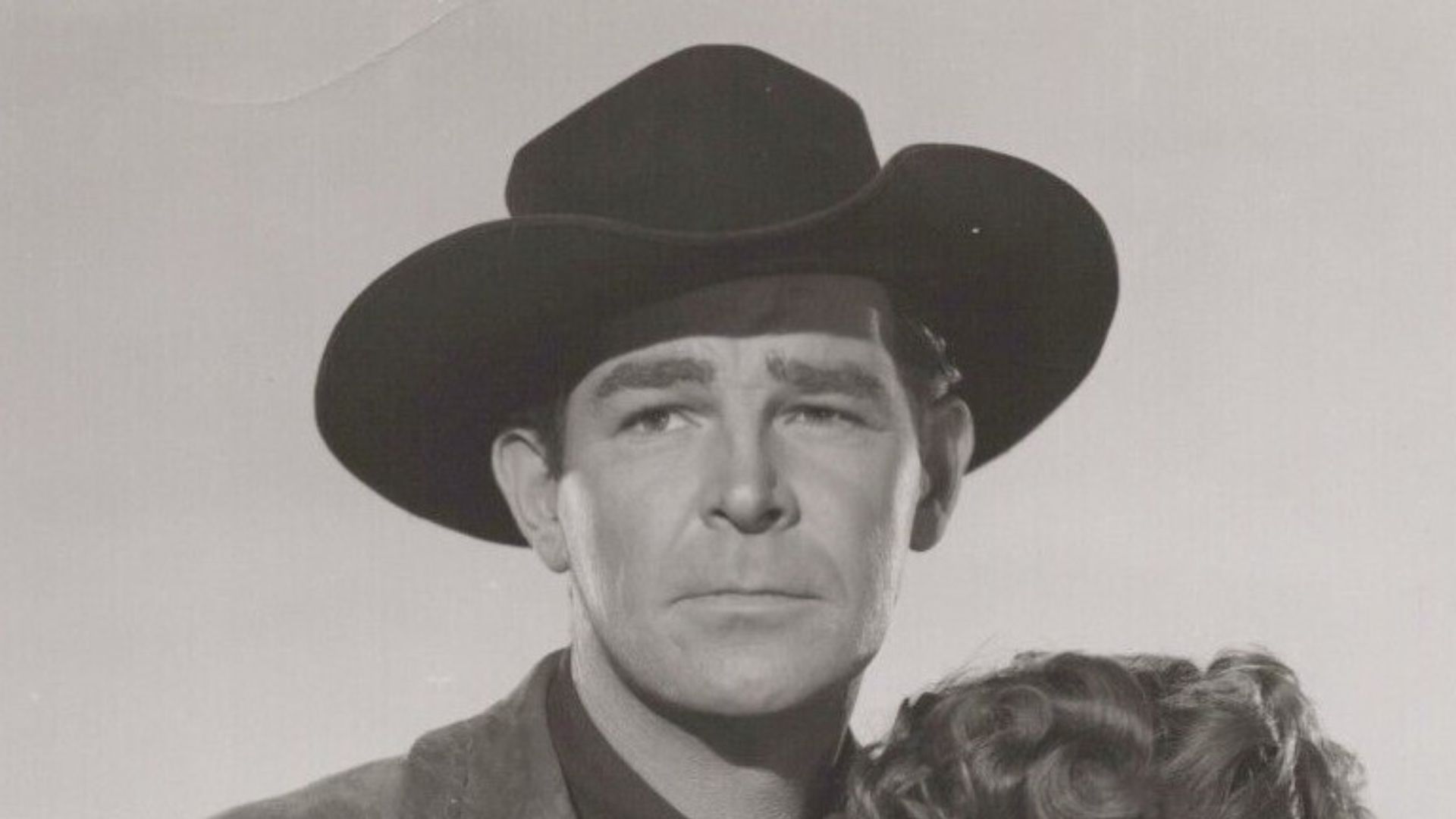
Returning home in 1919, Scott attended Georgia Tech and played football before leaving the school. He later studied textile engineering and manufacturing at the University of North Carolina but never graduated. A conventional career held little appeal, and after briefly working in textiles, the strikingly handsome young veteran began looking toward Hollywood.
 unknown (20th Century Fox), Wikimedia Commons
Learning How To Act
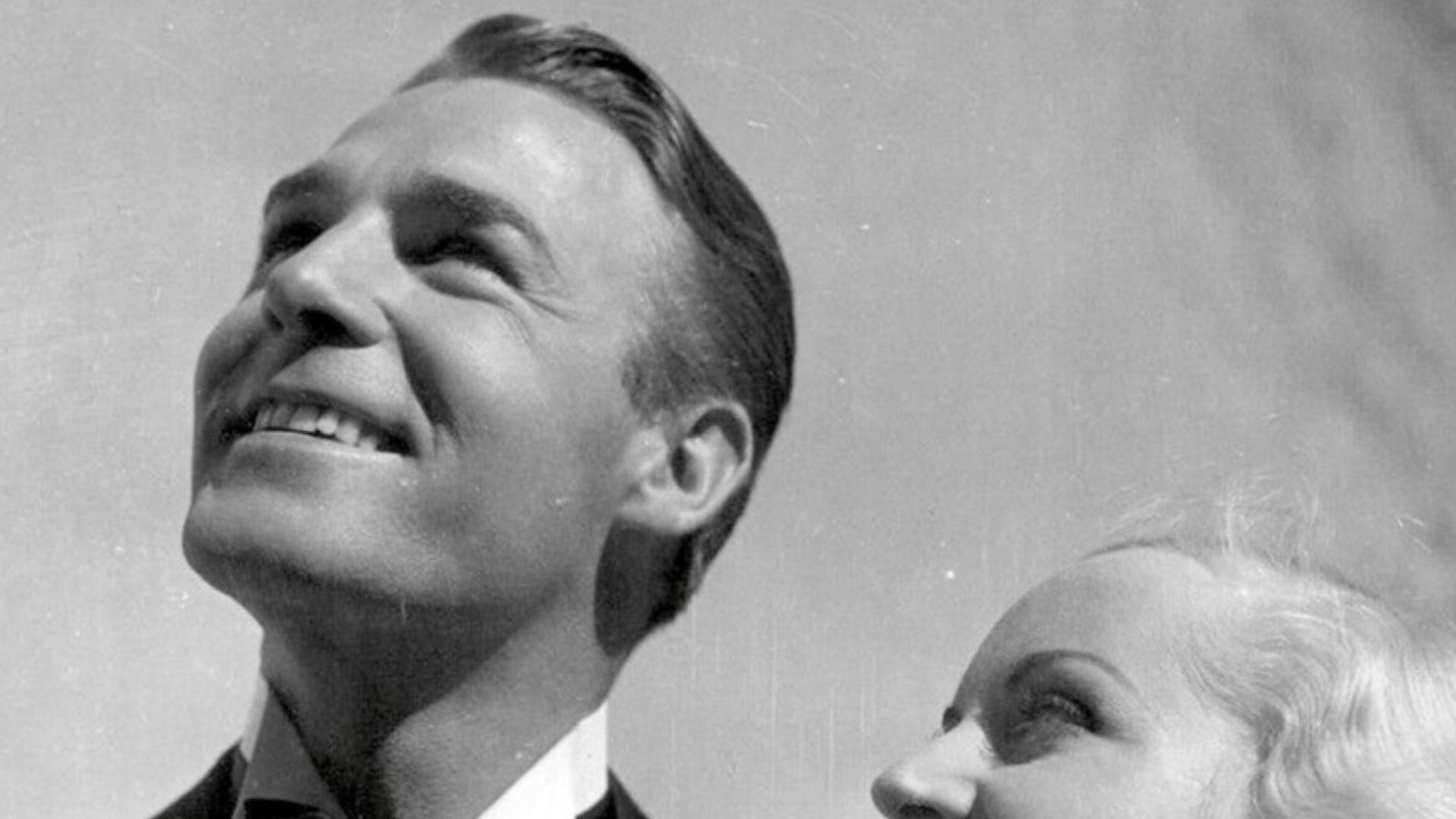
Scott arrived in California without much acting experience and picked up small, often uncredited film work. Cecil B. DeMille reportedly advised him to learn his craft onstage, leading Scott to the Pasadena Playhouse. Roles there gave him valuable training before Hollywood began seeing him as something more than a handsome extra.
 Paramount Studios, Wikimedia Commons
Paramount Came Calling
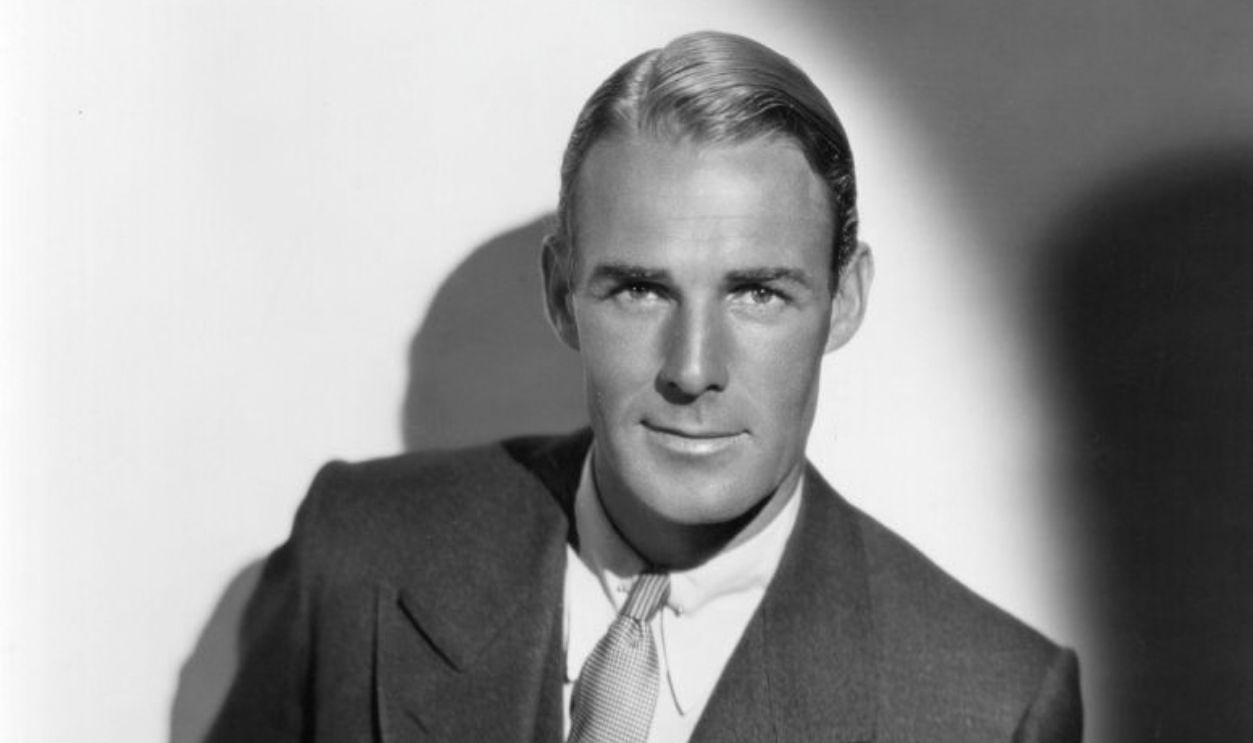
By 1932, Scott's persistence paid off with a Paramount contract reportedly worth $400 a week. The studio soon discovered that his height, Southern drawl, athleticism, and natural horsemanship were especially useful in Westerns. Zane Grey adaptations helped establish him as a leading man, though Scott continued working across numerous genres.
 Paramount Pictures, Getty Images
Cary Grant Entered His Life
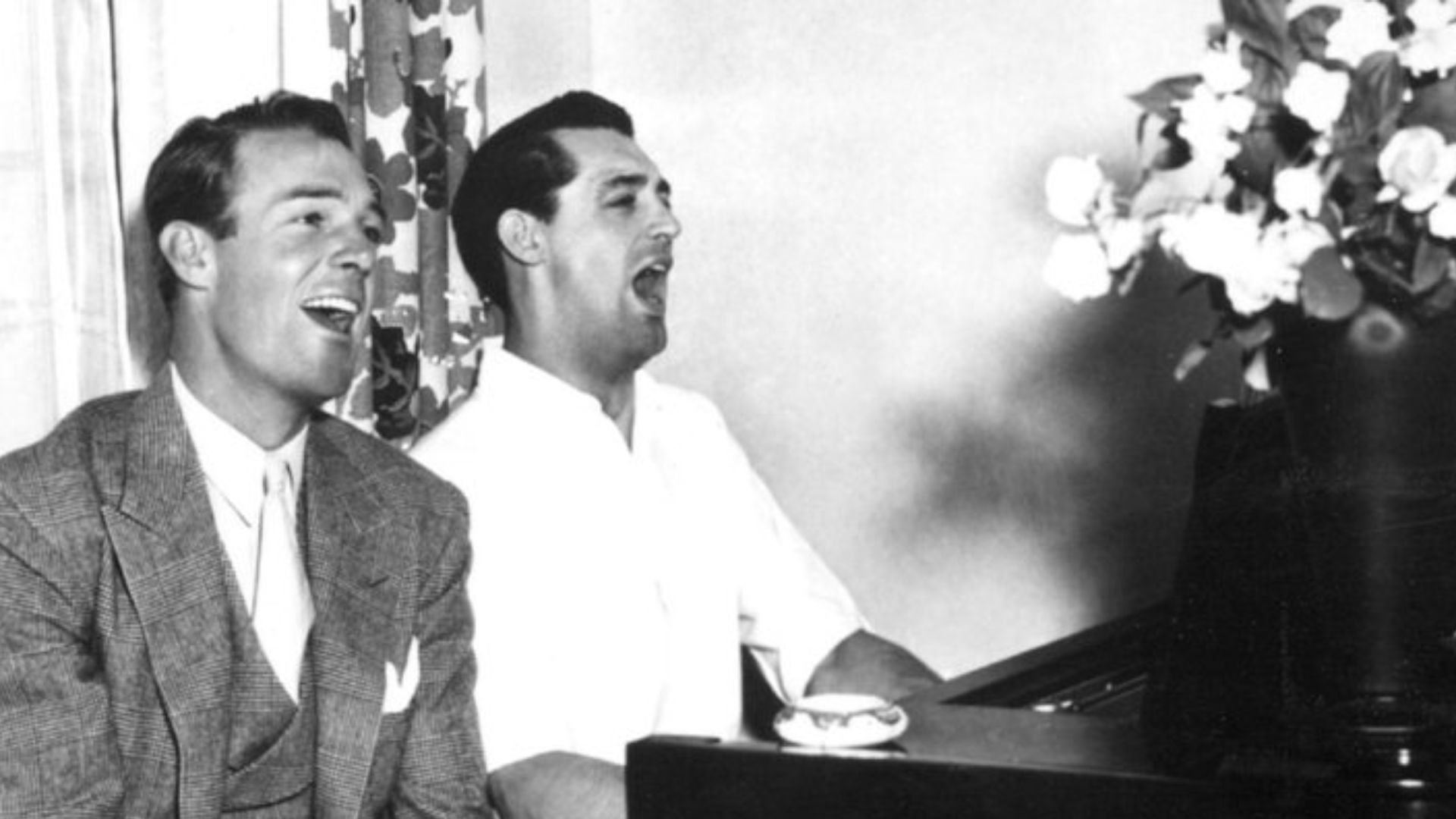
Scott also met another rising Paramount actor, Cary Grant, while making Hot Saturday (1932), starring Nancy Carroll. Grant and Scott became exceptionally close friends at a formative moment in both careers. Before either man became a Hollywood institution, their friendship would produce one of classic Hollywood's most enduring personal mysteries.
 Tower Magazines, Wikimedia Commons
Bachelor Hall
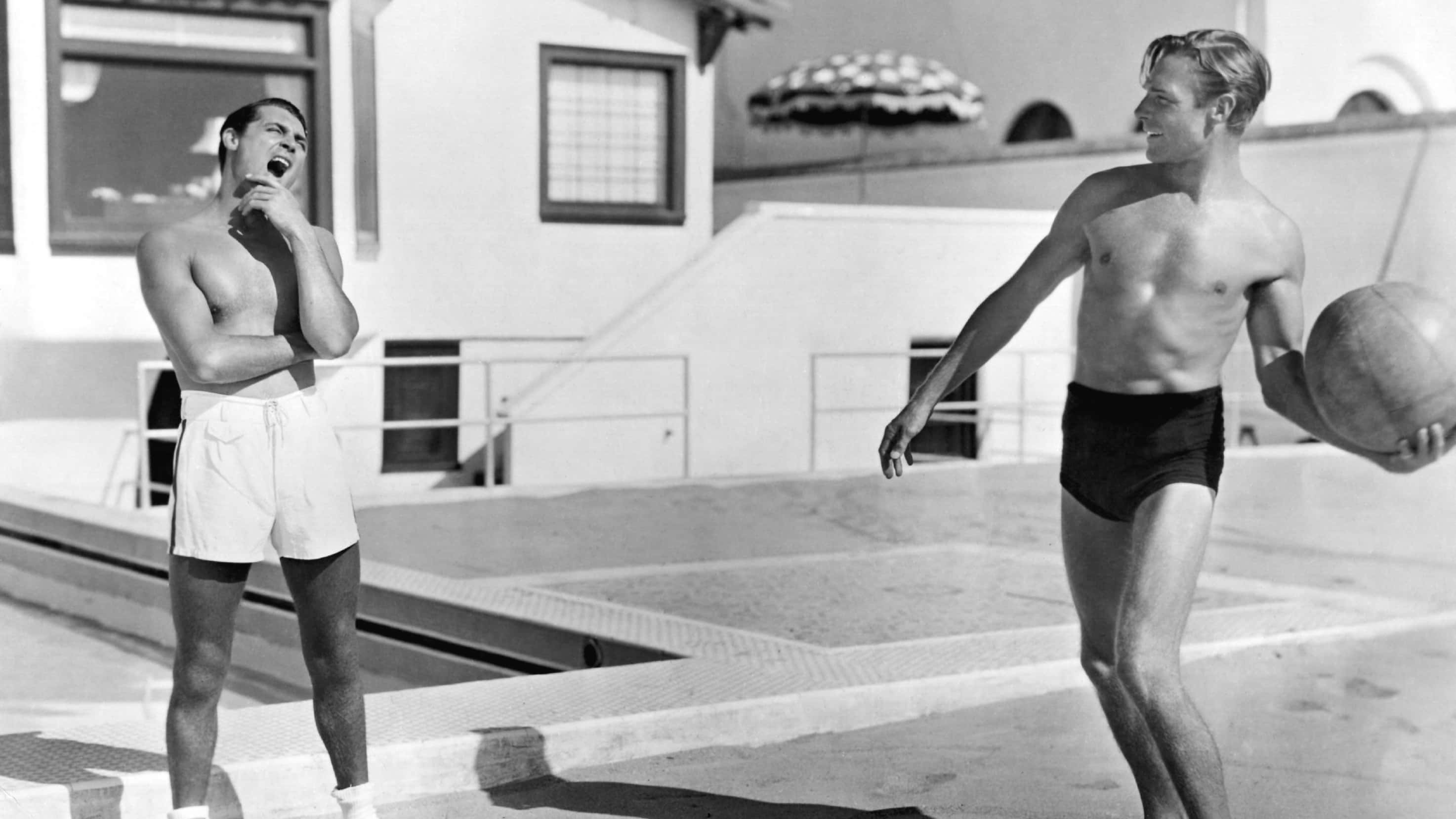
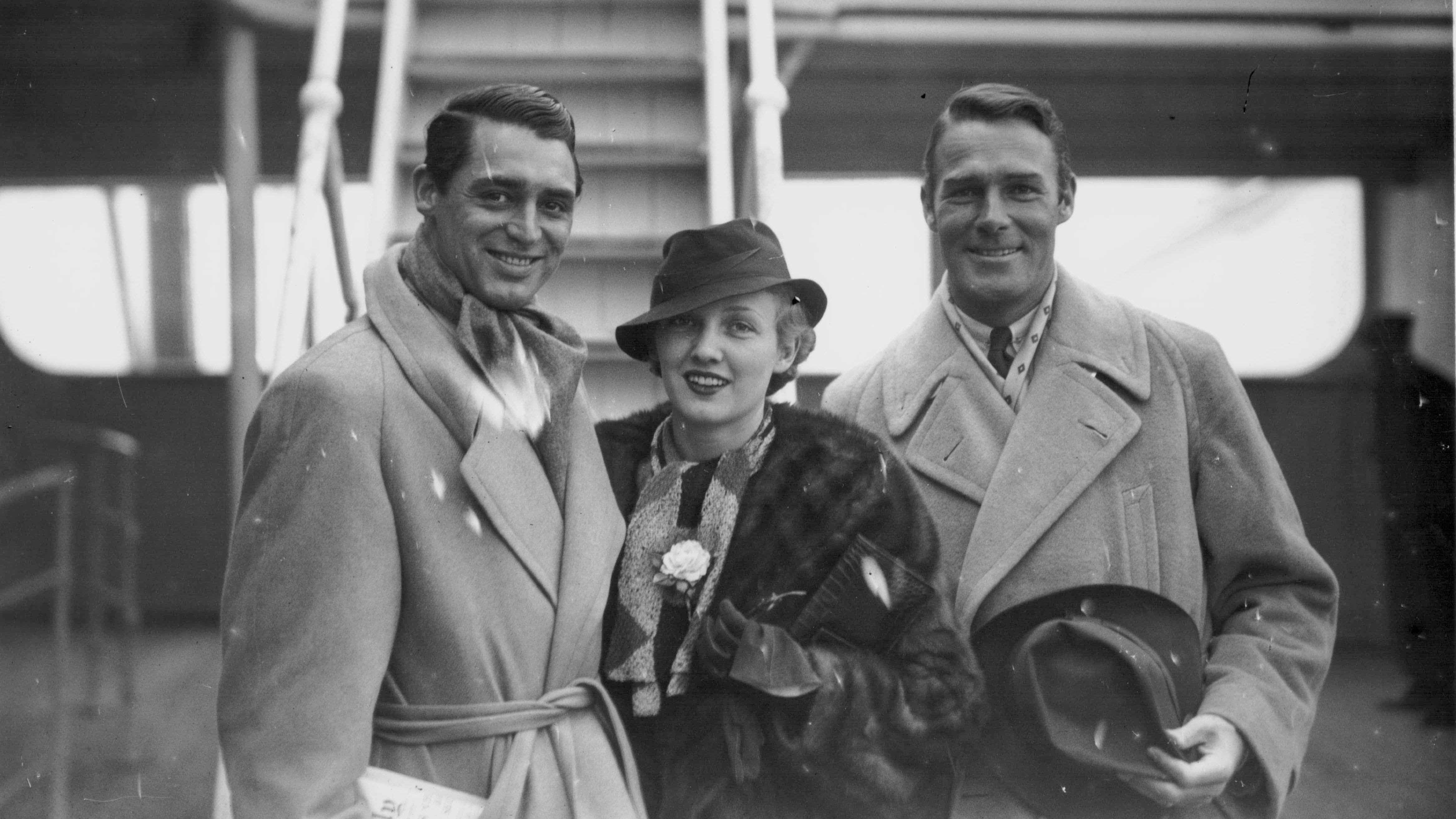
Grant and Scott shared a lavish beach house in the Los Angeles area, living together on and off for years. Publicity photographs showed the handsome bachelors swimming, exercising, cooking, and relaxing together, and their home became nicknamed “Bachelor Hall.” The unusually domestic images inevitably generated speculation that lasted long after both men became stars.
What Do We Actually Know?
Biographers and acquaintances have offered conflicting accounts of Grant and Scott's relationship. Some, including photographer Jerome Zerbe, suggested a romantic connection, while others disputed that interpretation. Although the two men shared a home for years and remained close friends, the exact nature of their relationship remains a subject of debate.
Roberta (1935)
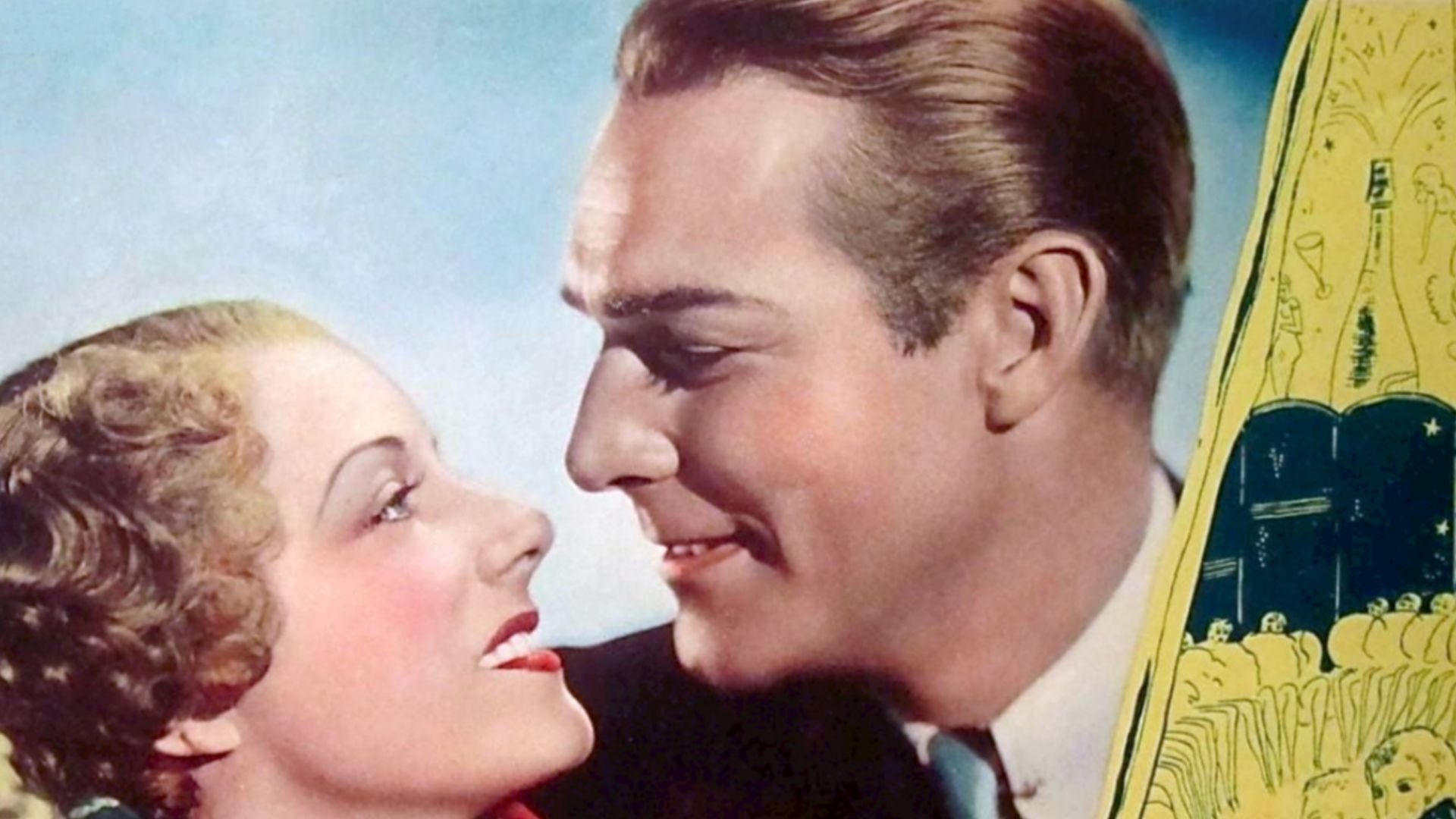
Scott proved he wasn't limited to Westerns in director William A. Seiter's musical Roberta (1935), starring Irene Dunne, Fred Astaire, and Ginger Rogers. Scott played John Kent, giving him substantial exposure alongside some of RKO's biggest talent. The sophisticated production showed just how varied his contributions could be.
 RKO Radio Pictures, Wikimedia Commons
The Last Of The Mohicans (1936)
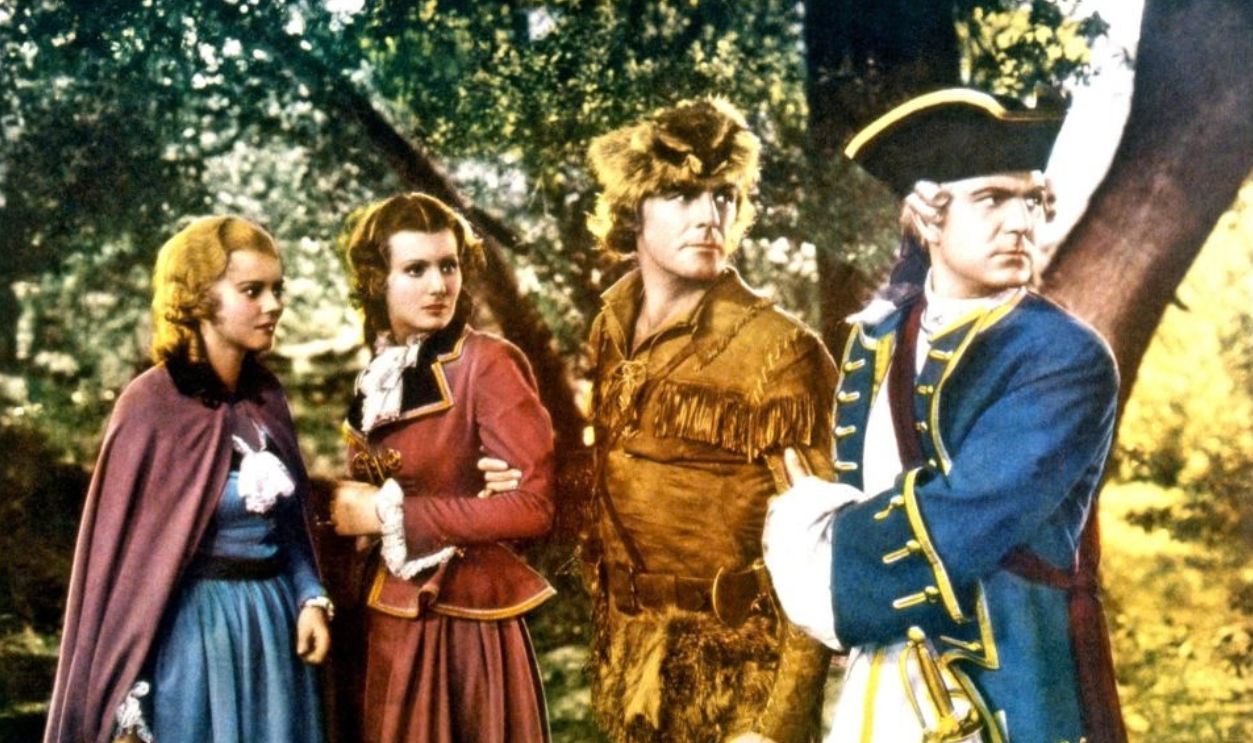
Scott took on James Fenimore Cooper's frontier hero Hawkeye in George B. Seitz's The Last of the Mohicans (1936), opposite Binnie Barnes, Henry Wilcoxon, and Bruce Cabot. The adventure brought together qualities that would define Scott's career: physical confidence, restraint, romantic heroism, and an unmistakable comfort in rugged outdoor settings.
Marriage To An Heiress
In 1936, Scott married Marion du Pont, an heiress from the enormously wealthy du Pont family and an accomplished horsewoman. Intriguingly, Scott had previously been best man at her marriage to George Somerville. Scott and Marion's own marriage proved relatively brief, ending in divorce in 1939 without children.
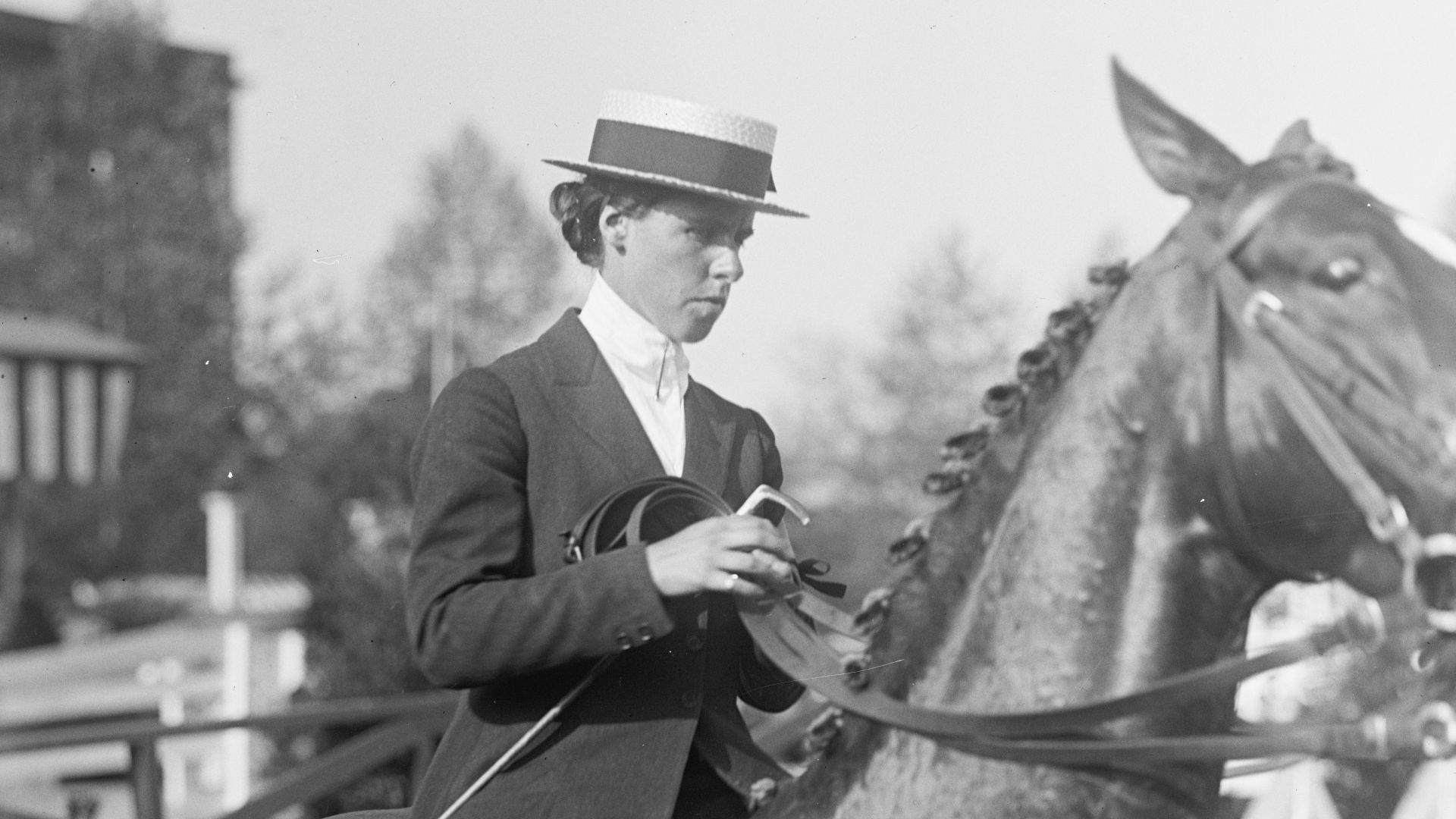 Harris & Ewing, photographer, Wikimedia Commons
Jesse James (1939)
Director Henry King's lavish Jesse James (1939) cast Tyrone Power as Jesse, Henry Fonda as Frank James, Nancy Kelly as Zerelda, and Scott as lawman Will Wright. The major 20th Century Fox production left no doubt that Scott could comfortably inhabit prestigious studio Westerns rather than merely the cheaper programmers that sustained the genre.
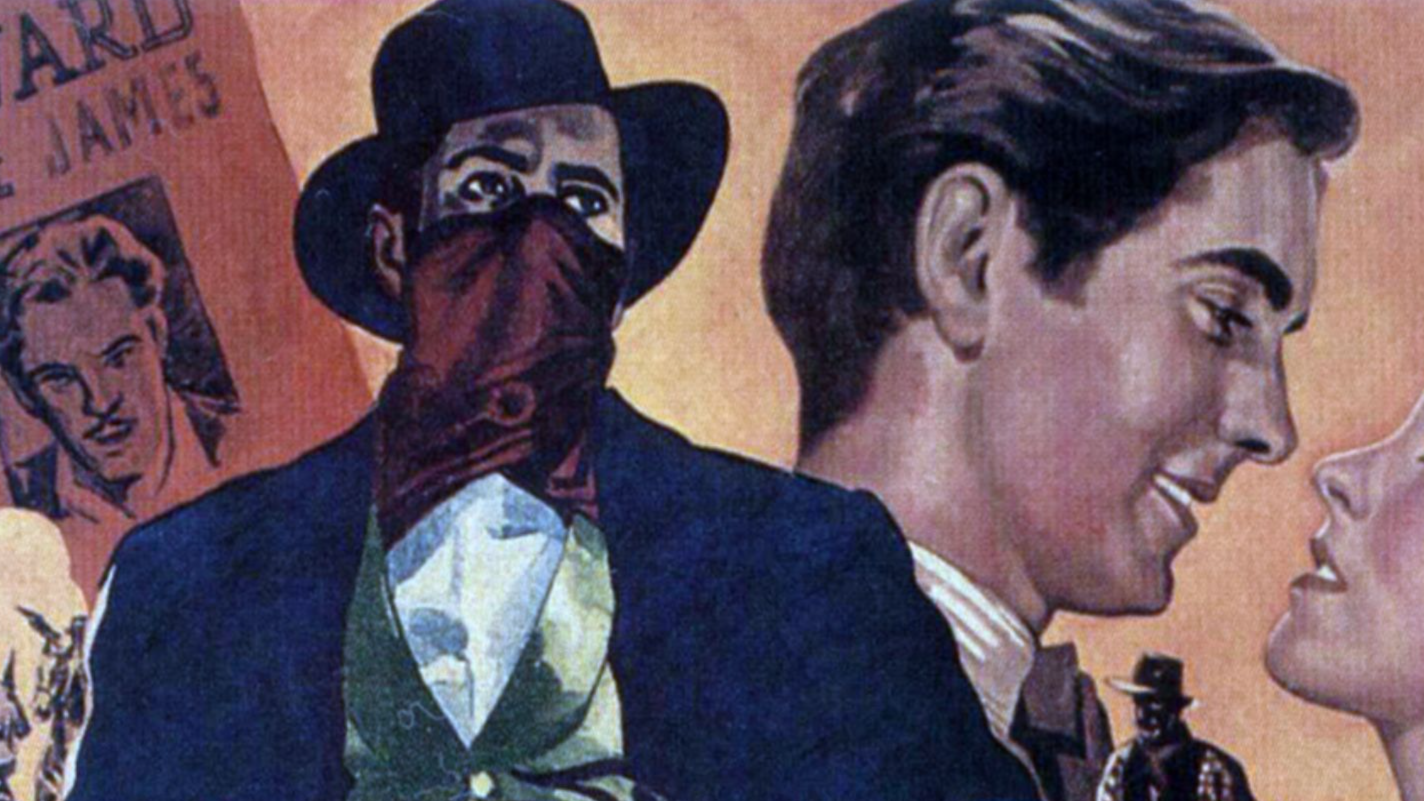 Unknown authorUnknown author, Wikimedia Commons
Reunited With Grant
Scott's friendship with Grant crossed onto the screen again in Garson Kanin's screwball comedy My Favorite Wife (1940). Irene Dunne played Grant's supposedly deceased wife, who returns after years stranded on an island—with Scott's handsome Stephen Burkett. The casting gave their offscreen friendship an amusing cinematic twist.
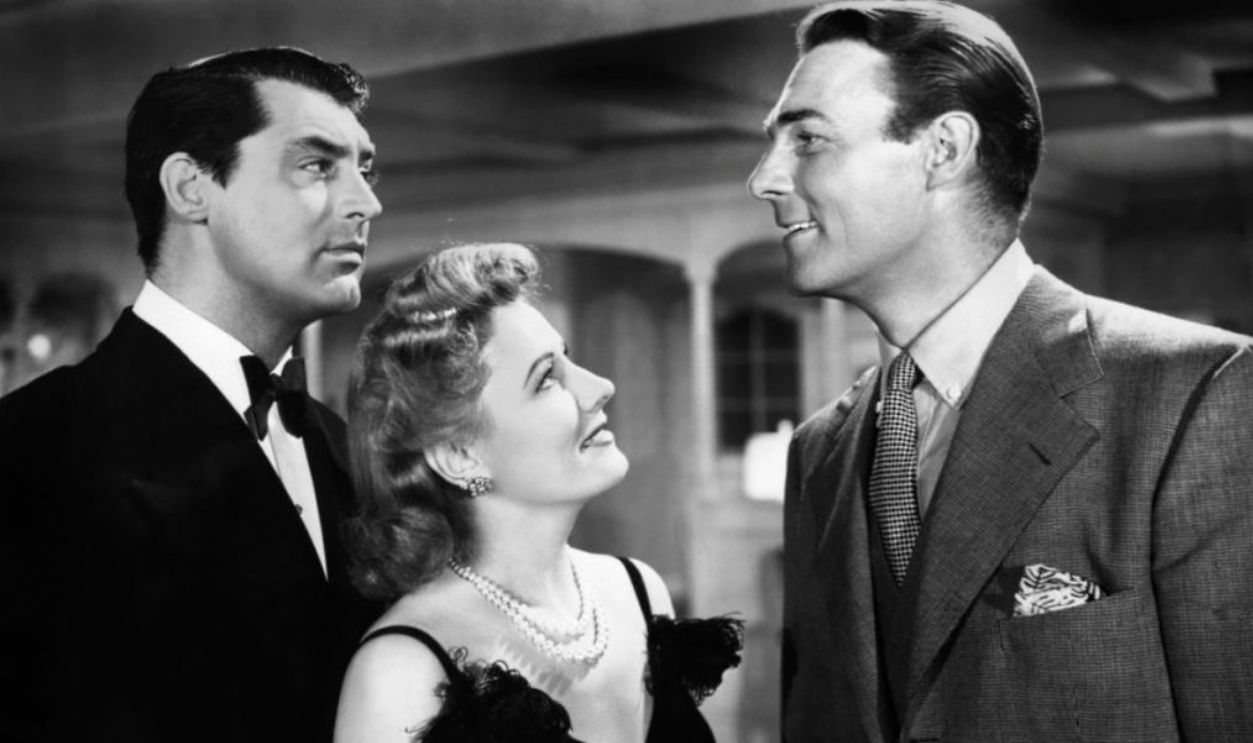 Donaldson Collection, Getty Images
Western Union (1941)
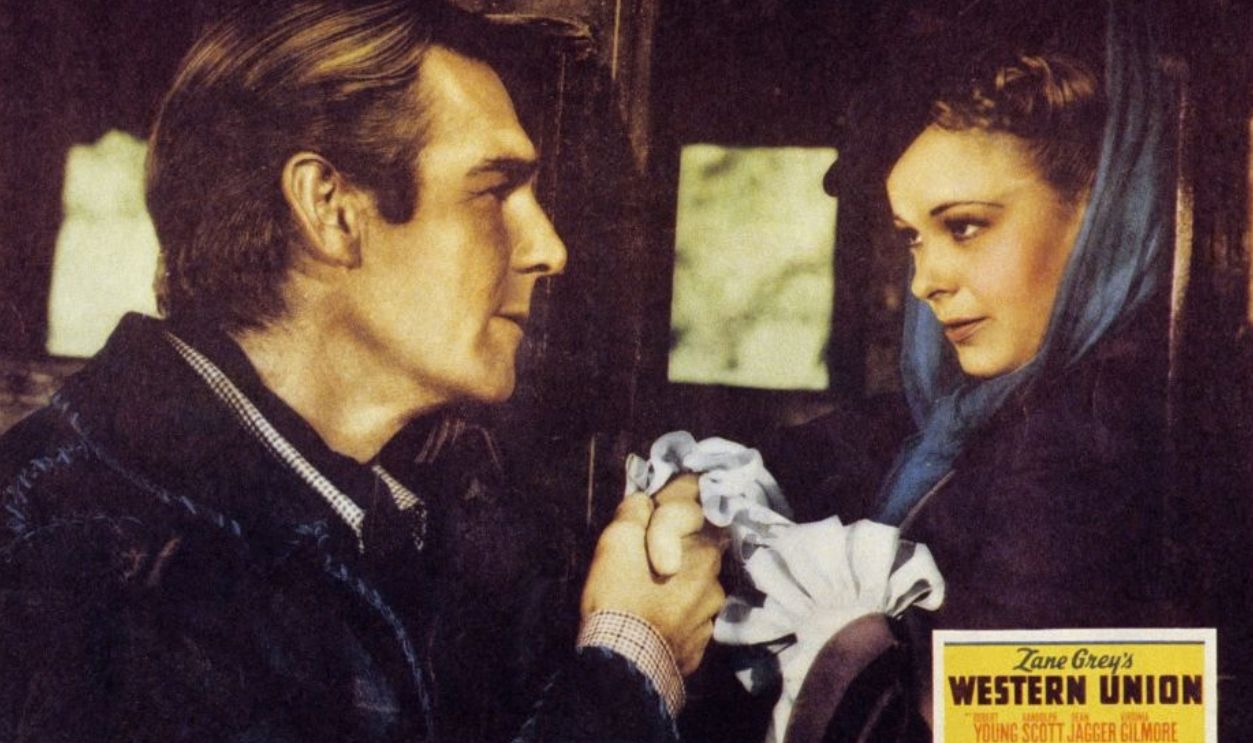
Fritz Lang directed Scott alongside Robert Young and Dean Jagger in Western Union (1941), based on the Zane Grey novel. Scott's Vance Shaw is a former outlaw trying to remake himself while helping build a telegraph line. The morally conflicted role anticipated the increasingly complicated Western heroes of his later career.
Another Marriage
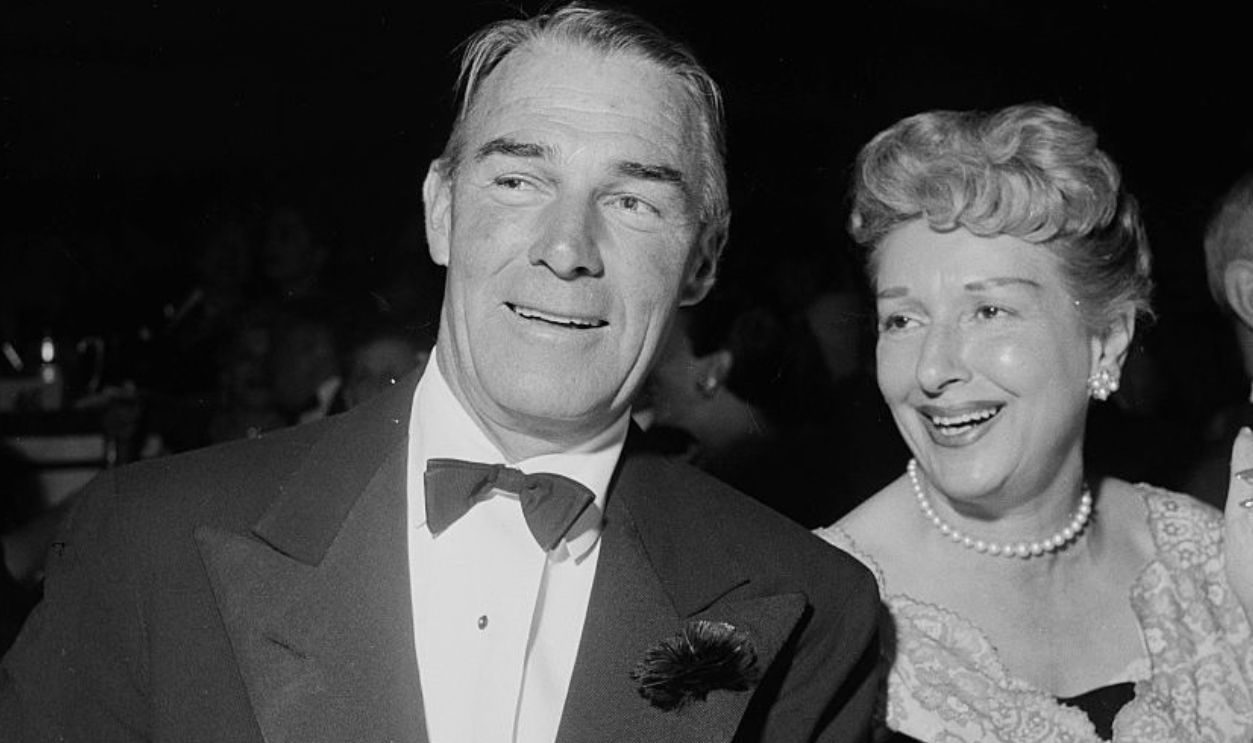
Scott married Patricia Stillman, a former actress, in 1944. Unlike his first marriage, this one endured for the remainder of his life—more than four decades. The couple eventually adopted two children, Sandra and Christopher, and Scott increasingly separated his quiet family life from the Hollywood publicity machine surrounding his career.
 Michael Ochs Archives, Getty Images
Hollywood Went To War
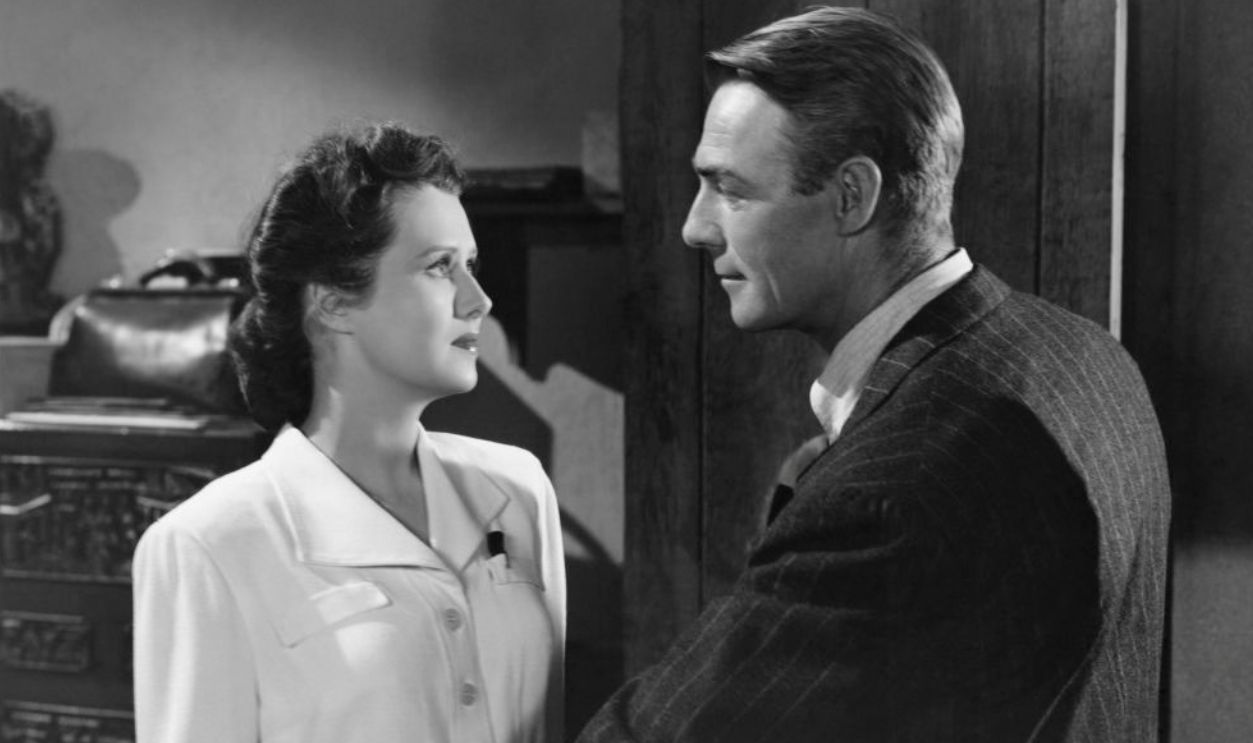
Although Scott's military service belonged to World War I, World War II brought him a run of military films rather than another enlistment. He appeared in pictures including Bombardier (1943), Corvette K-225 (1943), Gung Ho! (1943), and later China Sky (1945), transforming his real military bearing into screen heroism.
 De Carvalho Collection, Getty Images
Westerns Became His Kingdom
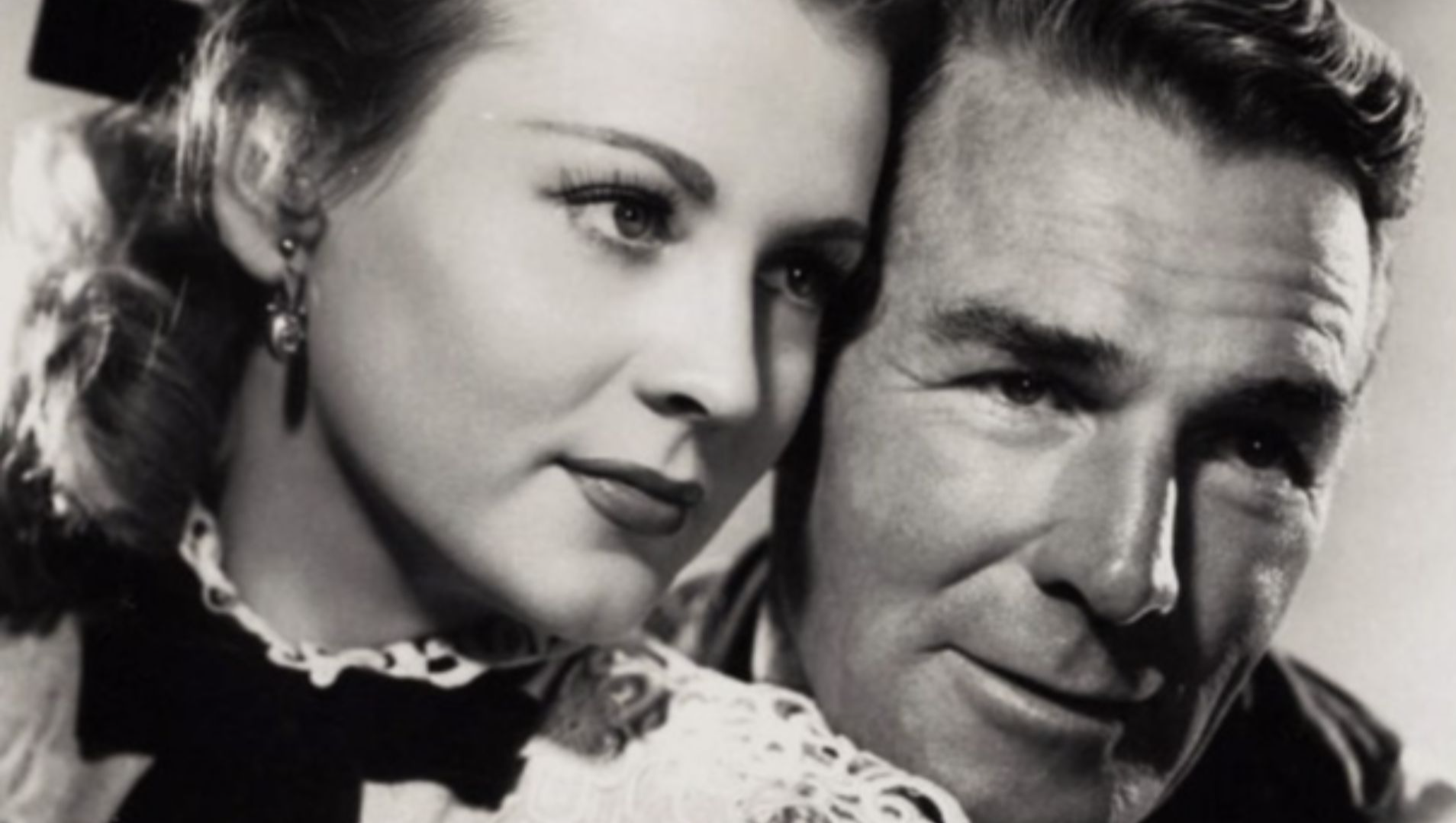
By the late 1940s, Scott was concentrating more and more on Westerns, and this direction proved extraordinarily successful. Movies including Trail Street (1947), Coroner Creek (1948), and Return of the Bad Men (1948) cemented his image. He was still right up there among America's most dependable box-office attractions as many contemporaries' careers faded.
 unknown (RKO Pictures), Wikimedia Commons
Scott Became The Boss
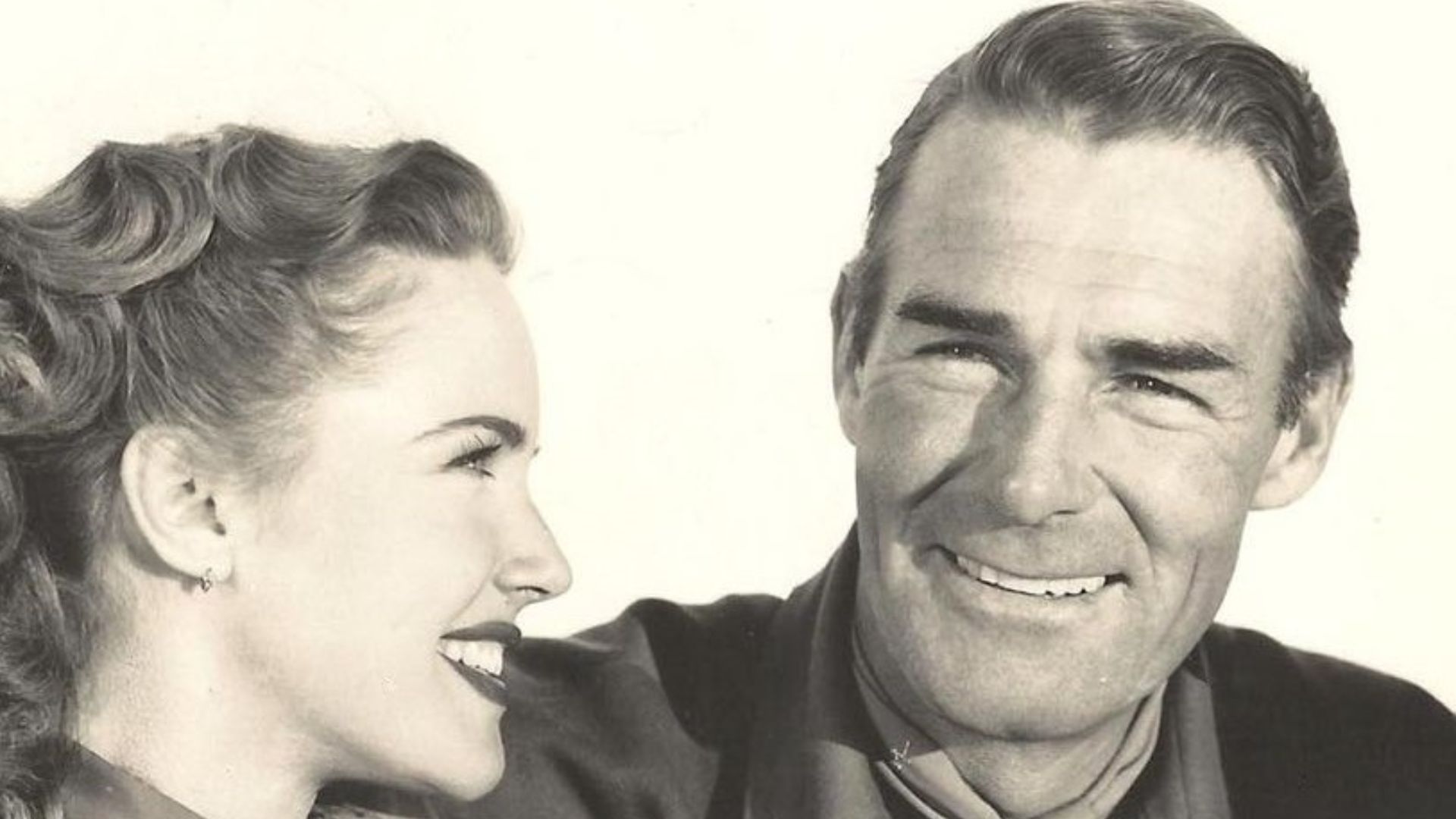
Scott wasn't just collecting paychecks. His partnership with producer Harry Joe Brown gave him greater control over his Westerns, while investments outside Hollywood made him independently wealthy. Their production company, originally called Scott-Brown Productions, later became Ranown Pictures, a name combining elements of Randolph Scott's first name and Brown's surname.
 unknown (Columbia Pictures), Wikimedia Commons
Seven Men From Now (1956)
Then came the collaboration that transformed Scott's critical reputation. Budd Boetticher directed him in Seven Men from Now (1956), written by Burt Kennedy and produced through John Wayne's Batjac company. Scott's former sheriff encounters Lee Marvin's charismatic outlaw, creating the spare, morally ambiguous template that would define their subsequent Westerns.
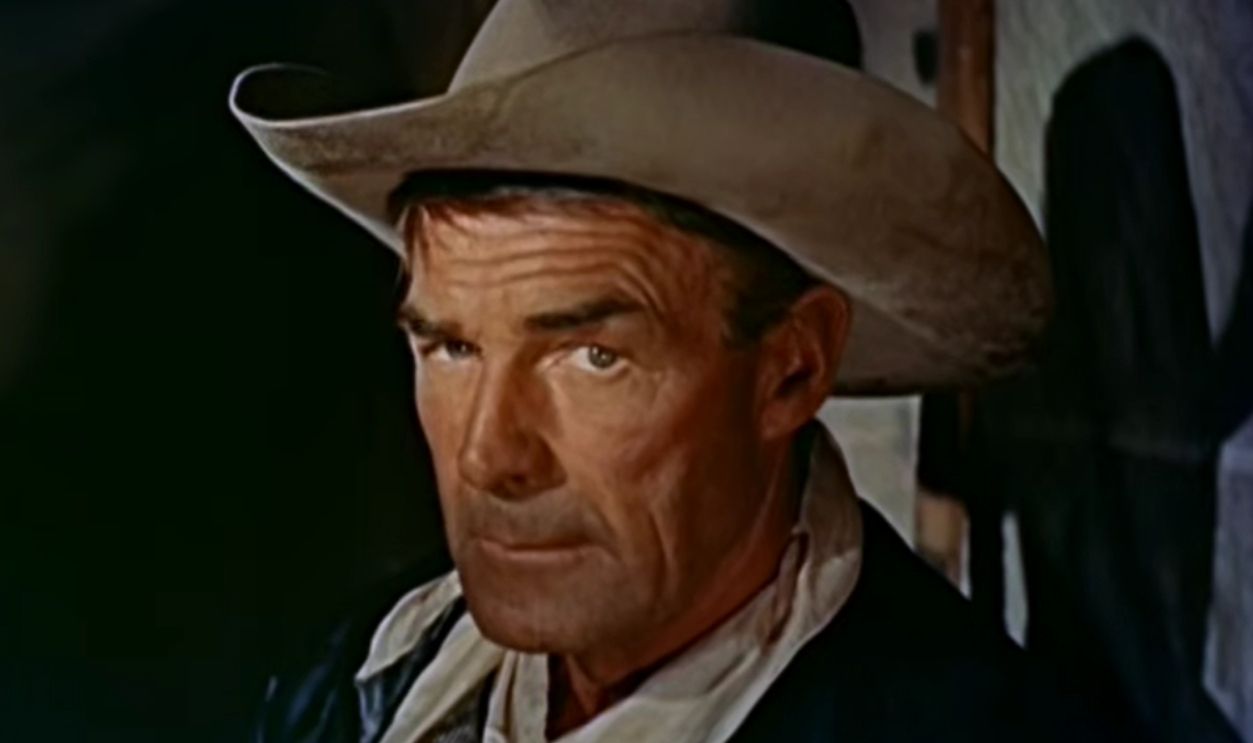 Screenshot from Seven Men from now, Paramount Global (1956)
The Tall T (1957)
Boetticher and Scott reunited for The Tall T (1957), adapted from an Elmore Leonard story and co-starring Richard Boone and Maureen O'Sullivan. Scott's Pat Brennan is captured by vicious outlaws, but the film's psychological tension mattered more than gunfire. Today it stands among their most celebrated collaborations.
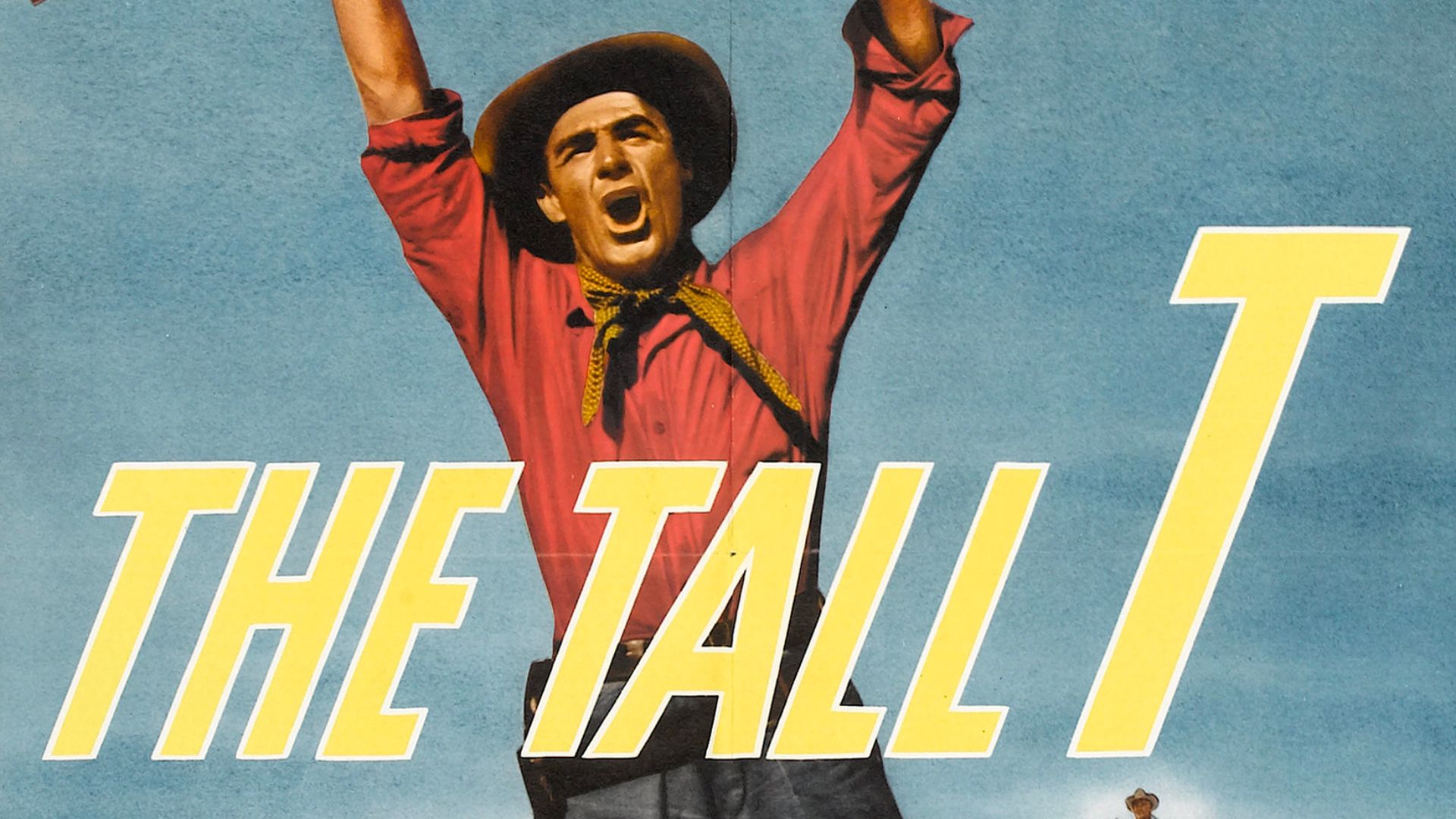 1957 Columbia Pictures, Wikimedia Commons
Ride Lonesome (1959)
In Ride Lonesome (1959), Scott played bounty hunter Ben Brigade opposite Pernell Roberts, Karen Steele, Lee Van Cleef, and newcomer James Coburn. Burt Kennedy's screenplay gradually reveals that Brigade's pursuit conceals a deeply personal motive. Criterion now regards its climactic imagery among the most memorable moments in the entire Ranown series.
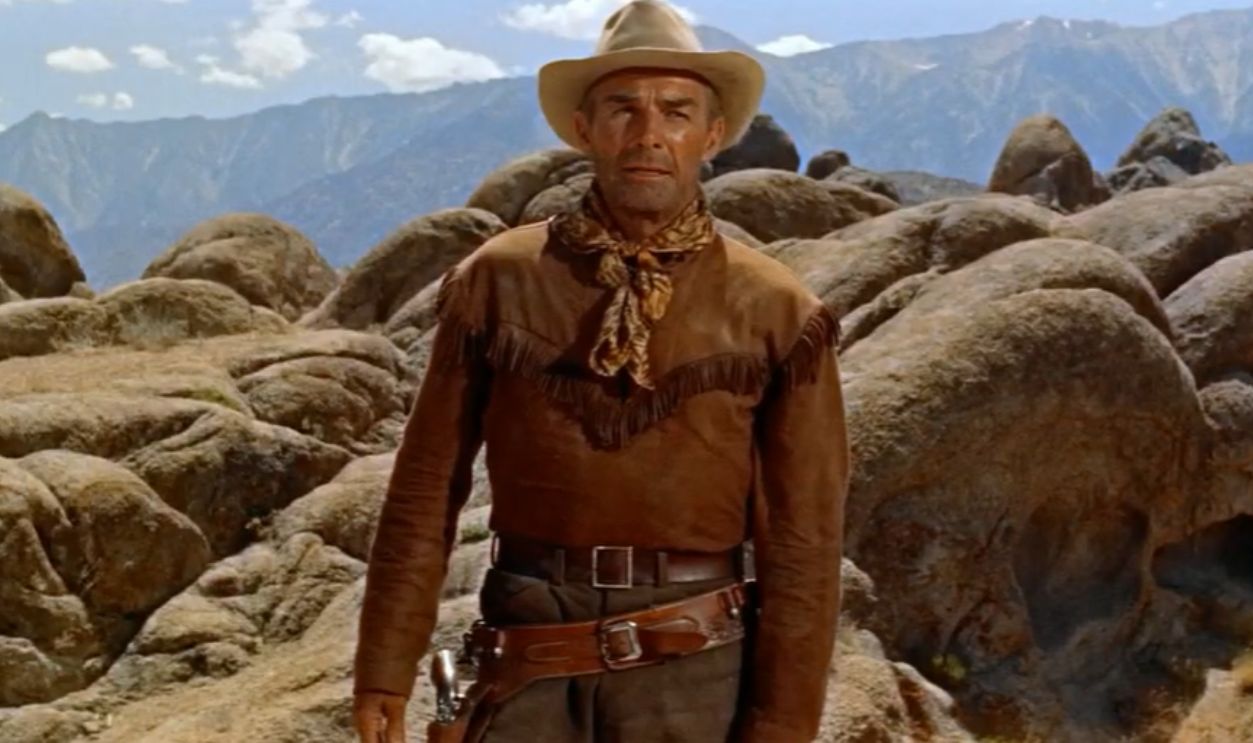 Screenshot from Ride Lonesome, Columbia Pictures (1959)
Comanche Station (1960)
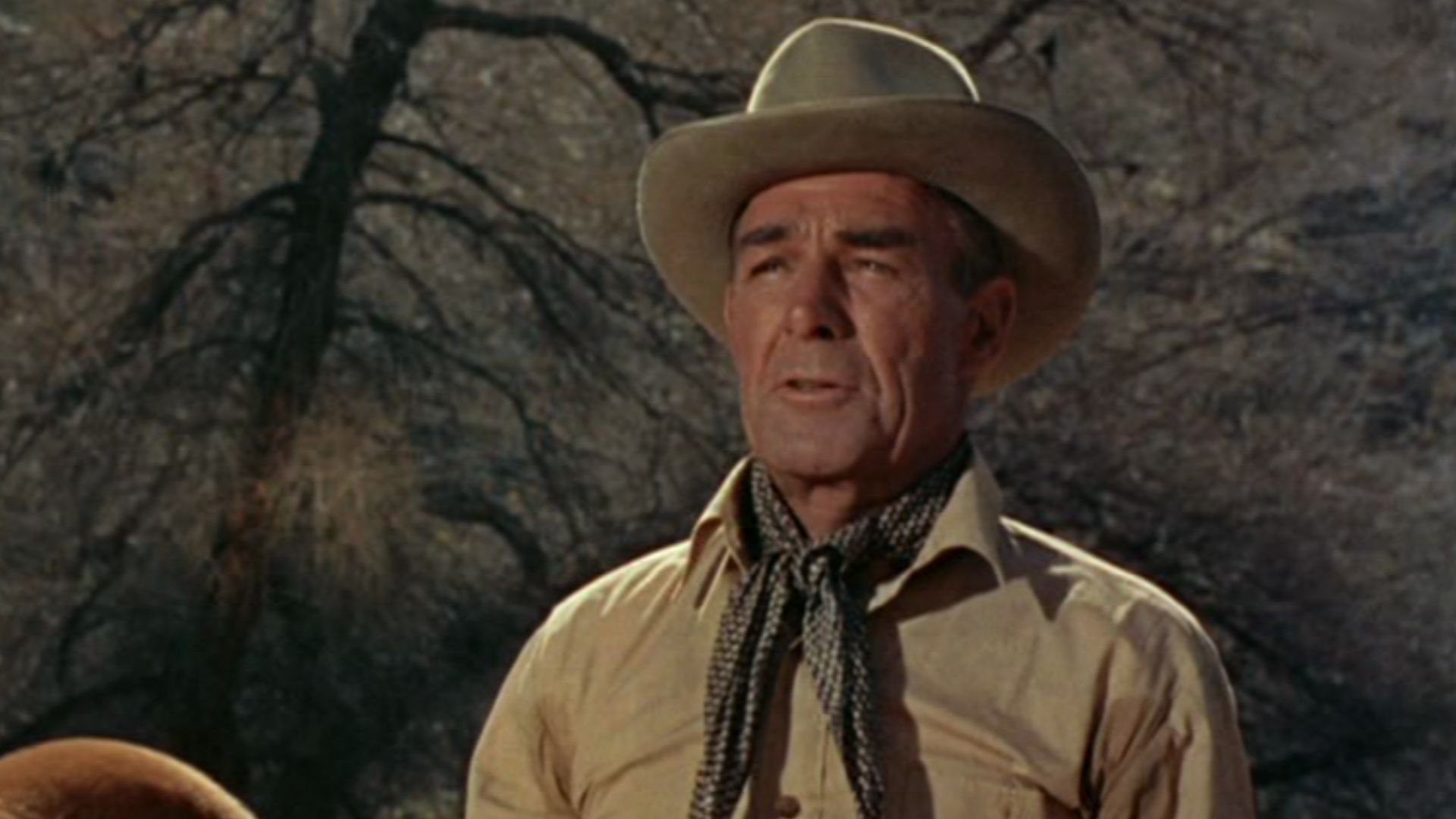
Scott's final film with Boetticher was Comanche Station (1960), with Nancy Gates, Claude Akins, Skip Homeier, and Richard Rust. As Jefferson Cody, Scott searches relentlessly for his missing wife while rescuing another kidnapped woman. The spare film distilled the loneliness, moral codes, and hidden motivations that defined their partnership.
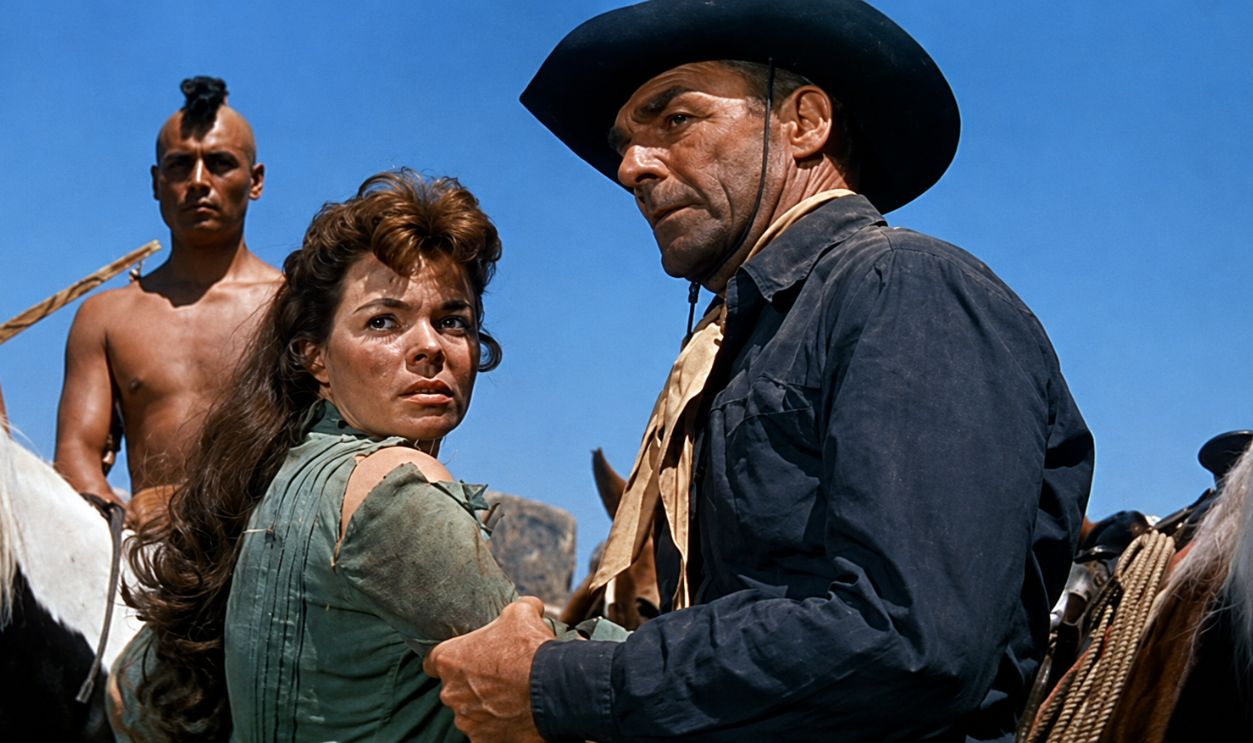 Budd Boetticher, Wikimedia Commons, Enhanced
Ride The High Country (1962)
Scott's farewell couldn't have been better chosen. Sam Peckinpah's Ride the High Country (1962) paired him with fellow Western veteran Joel McCrea as aging former lawmen confronting a changing world. Scott played Gil Westrum, whose compromised morality gives the actor unusual complexity. The haunting Western became one of his most acclaimed films.
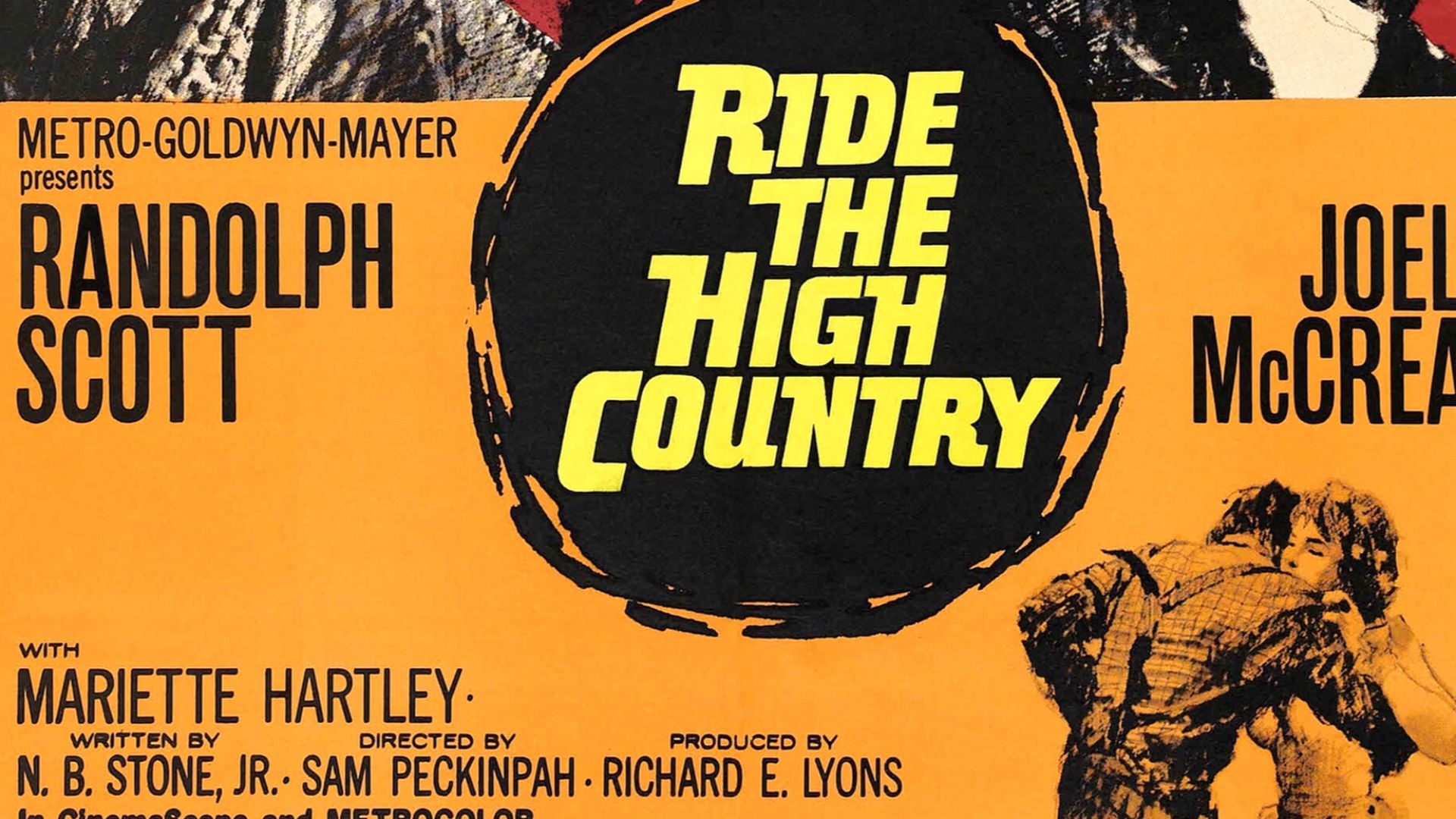 Incorporates illustration by Howard Terpning., Wikimedia Commons
He Simply Walked Away
After Ride the High Country (1962), Scott retired. There would be no string of undistinguished comeback pictures and no desperate pursuit of television roles. Now in his mid-60s and already financially secure through investments including real estate, he left Hollywood while audiences still remembered him as a star and largely resisted attempts to lure him back.
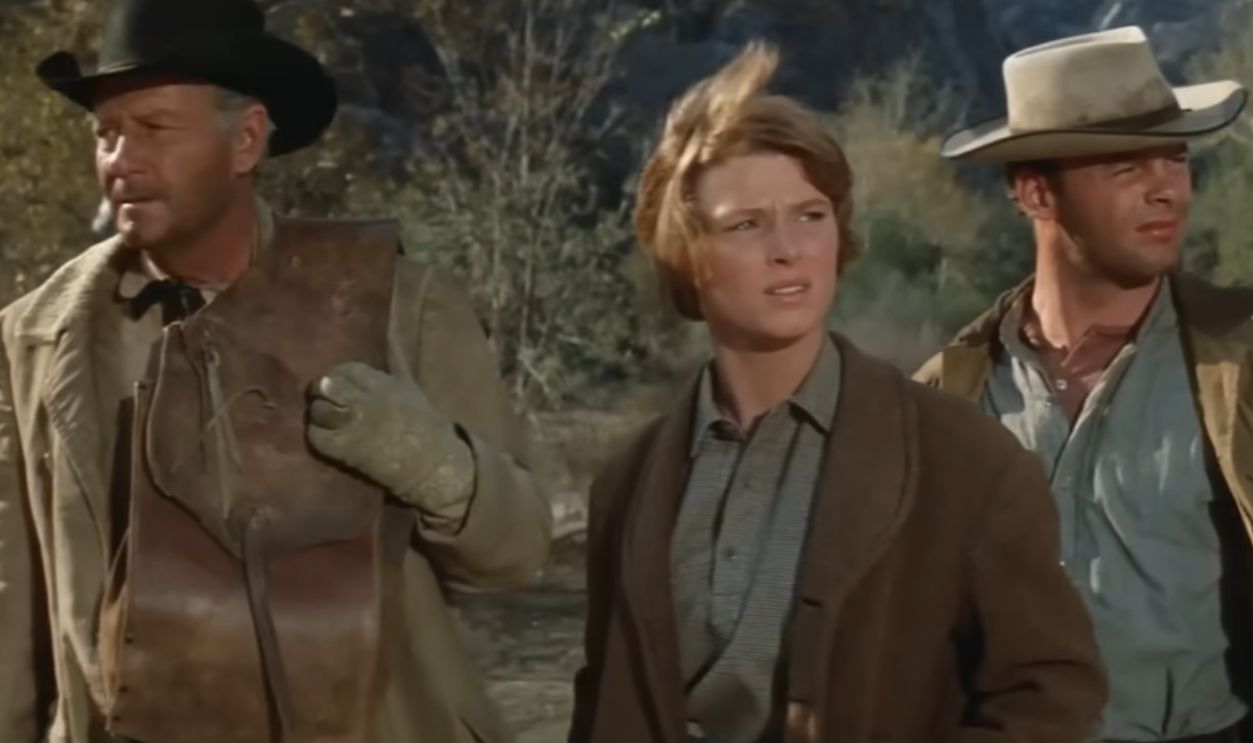 Screenshot from Ride the High Country, Warner Bros. Discovery (1962)
A Quiet Final Act
Scott spent roughly a quarter-century in retirement, enjoying golf, investments, family, and the privacy he had always prized. Meanwhile, critics increasingly recognized the artistry of his Westerns with Budd Boetticher. Their spare, psychologically complex films earned a growing reputation as classics, establishing Scott as something more than Hollywood's dependable cowboy hero.
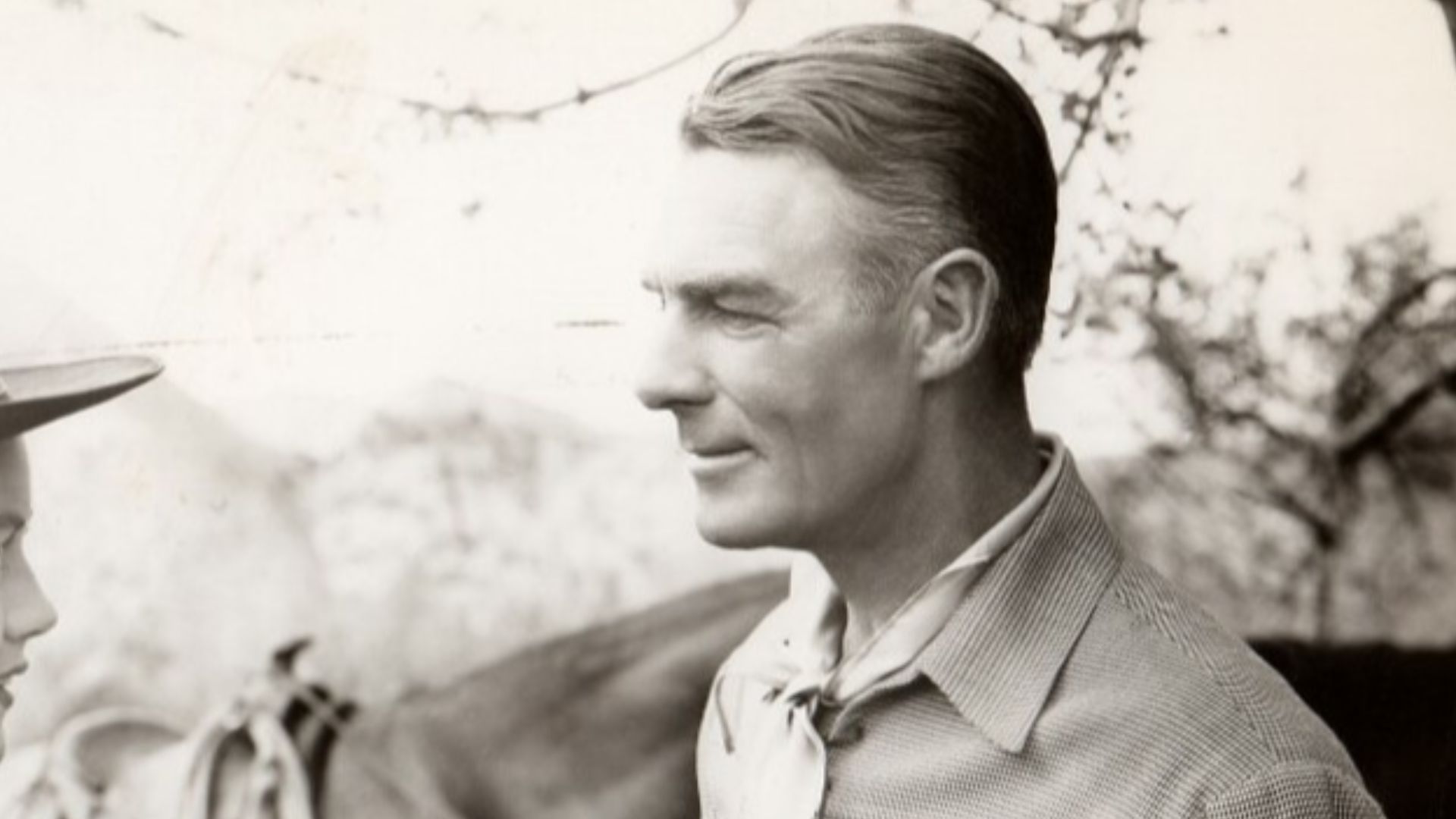 Unknown authorUnknown author, Wikimedia Commons
The Cowboy Rode Away
Randolph Scott died on March 2, 1987, at 89 after years of declining health involving heart and lung problems. Patricia, Sandra, and Christopher survived him. By then his standing had changed considerably: the Boetticher films were increasingly treated as essential Westerns, while Ride the High Country (1962) had become a recognized classic.
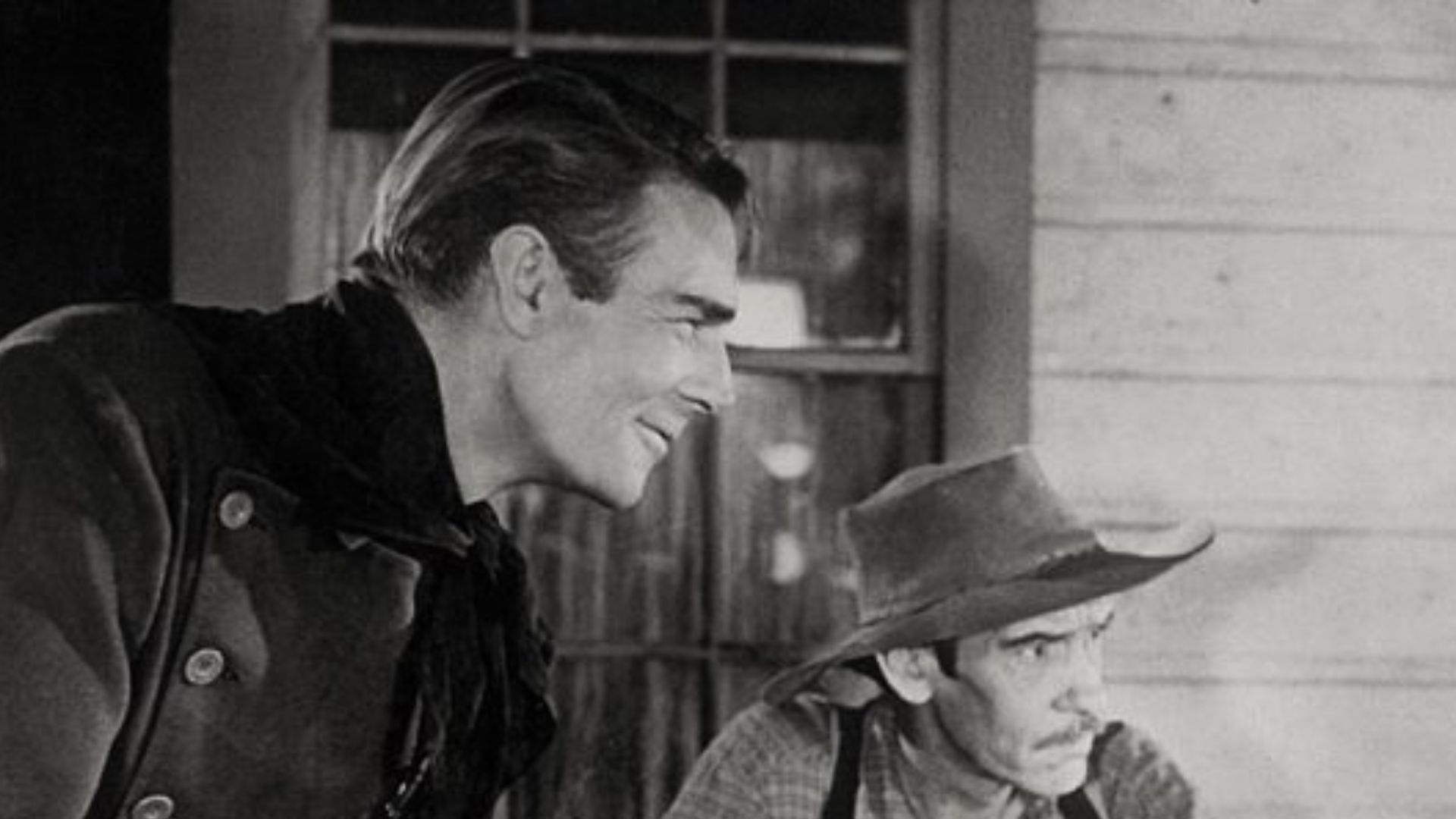 film screenshot (Guild Productions Inc. / United Artists), Wikimedia Commons
He Cast A Long Shadow
Scott's influence even became a joke about reverence itself. Mel Brooks' Blazing Saddles (1974) invokes his name and has an entire frontier crowd respond as though someone had mentioned a sacred figure. Decades later, Criterion describes the Boetticher-Scott Westerns as essential examples of the genre. The strong, silent cowboy had become a classic symbol of America itself.
 Budd Boetticher, Wikimedia Commons
You May Also Like:
The Western Movie Stars Baby Boomers Had On Their Bedroom Walls
Forgotten Westerns That Are Better Than Most Of The Classics Everyone Talks About
Westerns That Were Massive Hits And Made So Much Money, But Now Have Nearly Been Forgotten