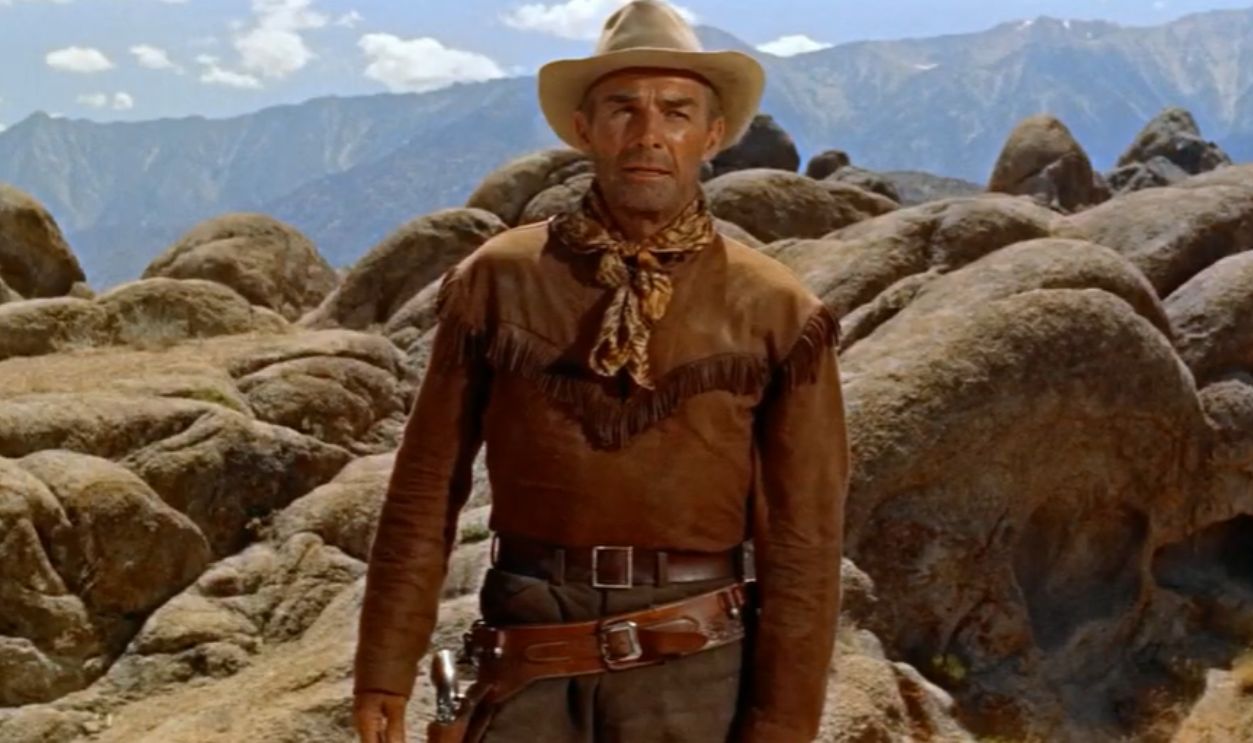
Beyond The Usual Classics
Everyone knows The Searchers (1956), High Noon (1952), and The Good, The Bad And The Ugly (1966), but the Western runs far deeper than its standard greatest-hits list. Western fans continue championing these overlooked gems, cult favorites, unusual experiments, and once-popular films that deserve another ride.
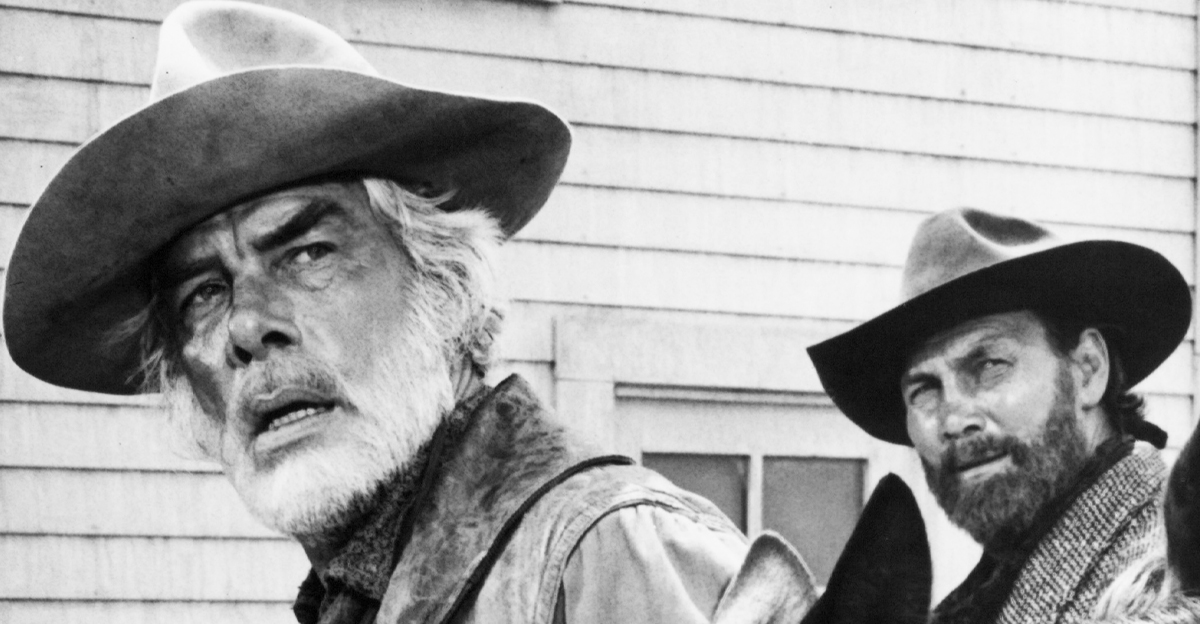 Michael Ochs Archives/Getty Images
Pursued (1947)
Raoul Walsh essentially crossed a Western with film noir in this brooding psychological drama. Robert Mitchum plays a man haunted by fragmented memories of his family's murder, with Teresa Wright, Judith Anderson, and Dean Jagger completing an impressive cast. James Wong Howe supplied the atmospheric cinematography.
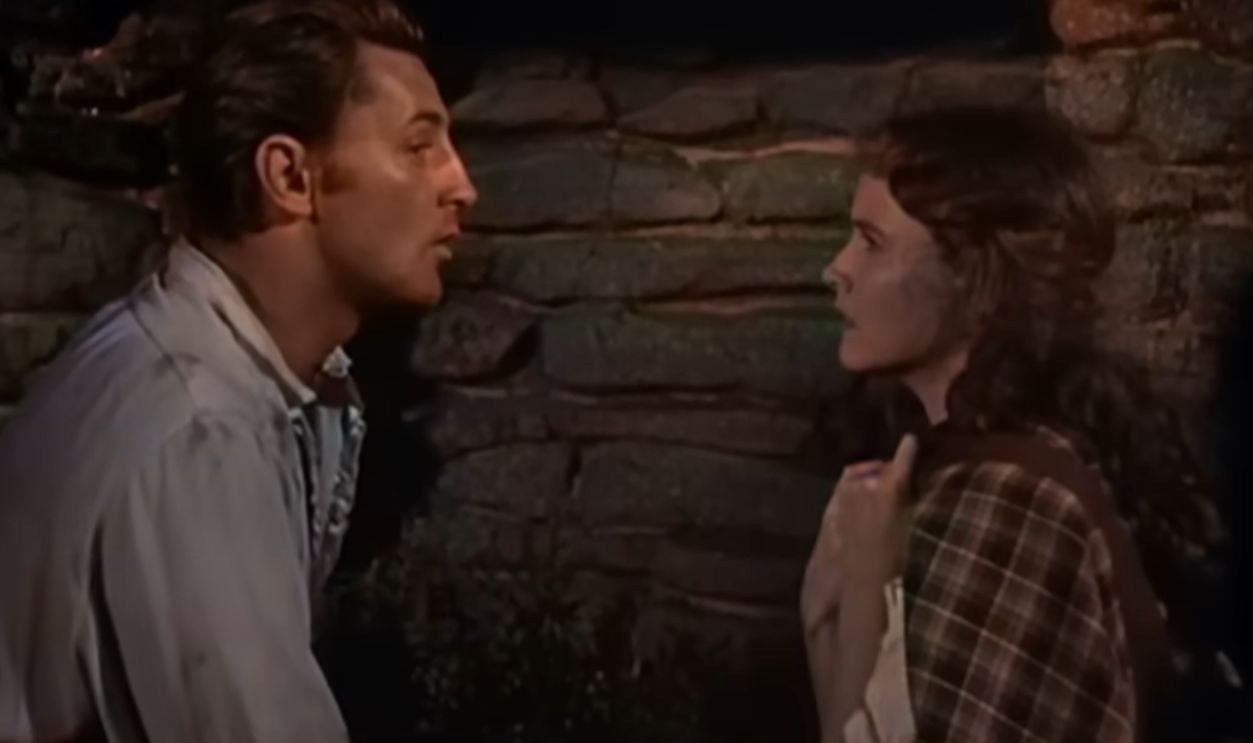 Screenshot from Pursued, Warner Bros. Pictures (1947)
The Walking Hills (1949)
Before John Sturges made some of Hollywood's biggest action pictures, he directed this intriguing Western about treasure hunters searching Death Valley for a wagon supposedly loaded with gold. Randolph Scott, Ella Raines, Arthur Kennedy, and John Ireland headline a remarkably strong cast for such an obscure film.
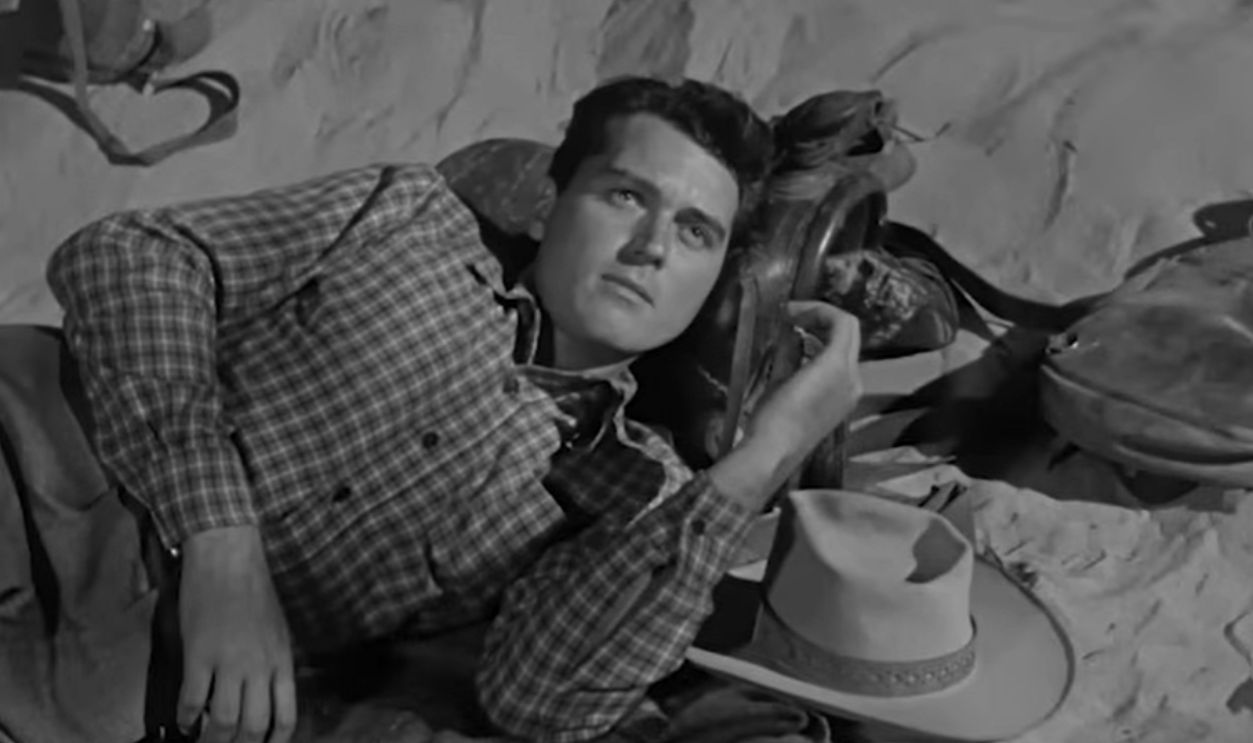 Screenshot from The Walking Hills, Columbia Pictures (1949)
The Gunfighter (1950)
Gregory Peck's Jimmy Ringo is a famous gunslinger who desperately wants to escape the reputation that keeps attracting young challengers. Director Henry King stripped away much of the genre's romanticism, producing a melancholy examination of celebrity, violence, and consequences that feels strikingly modern.
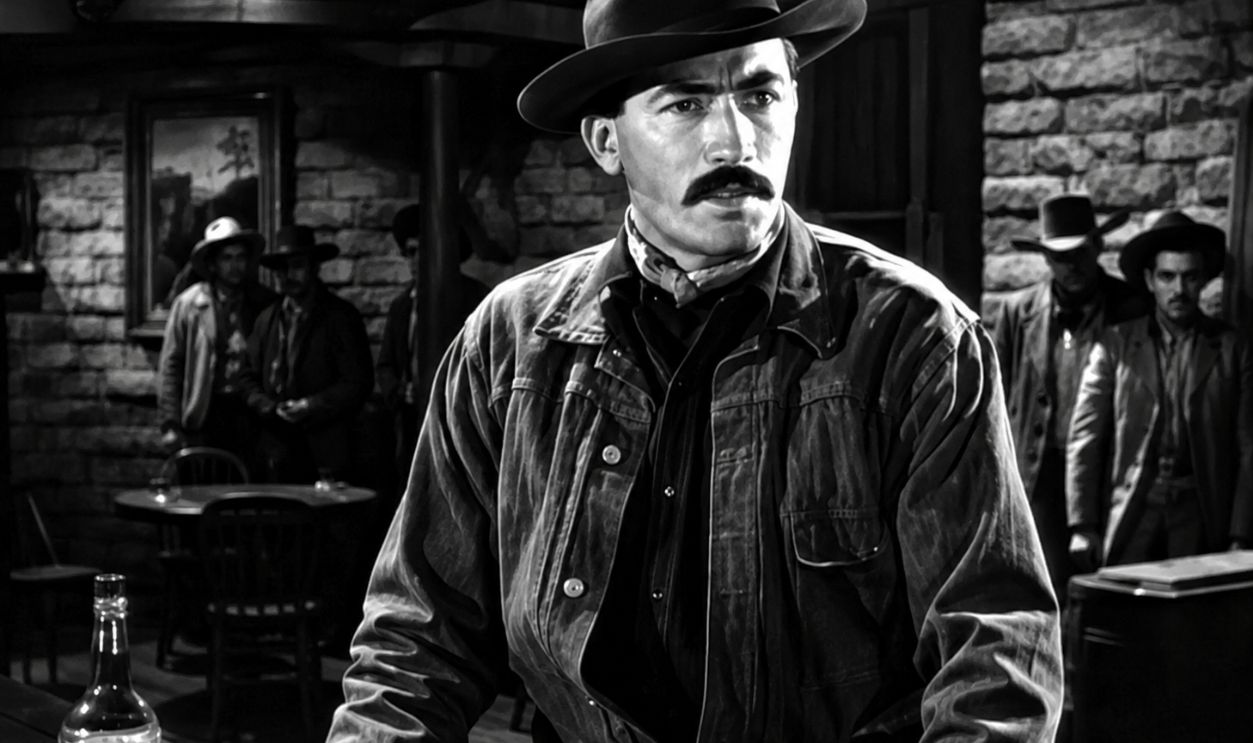 Screenshot by Wayne77, Wikimedia Commons, Enhanced
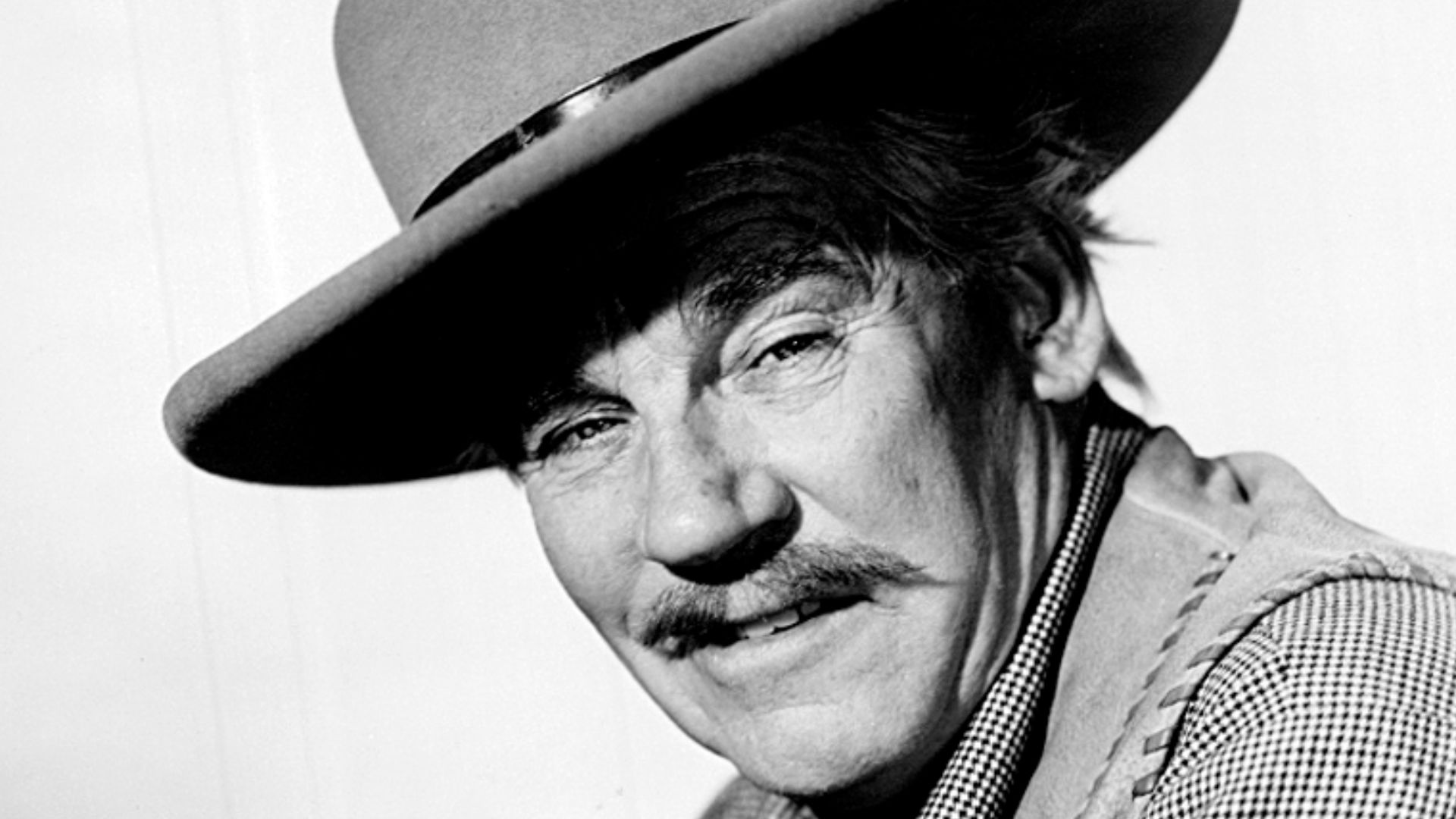
The Furies (1950)
Barbara Stanwyck and Walter Huston wage an extraordinary battle of wills in Anthony Mann's dark family Western. Wendell Corey, Judith Anderson, and Gilbert Roland round out the formidable cast. Its combination of cattle-empire spectacle, psychological warfare, and almost Shakespearean family dysfunction makes The Furies (1950) ripe for rediscovery.
Westward The Women (1951)
William A. Wellman's wagon-train adventure follows women making the punishing journey west to meet prospective husbands in California. Robert Taylor leads an ensemble featuring Denise Darcel, Hope Emerson, and John McIntire. Western enthusiasts repeatedly single it out as a terrific film that receives far less attention than it deserves.
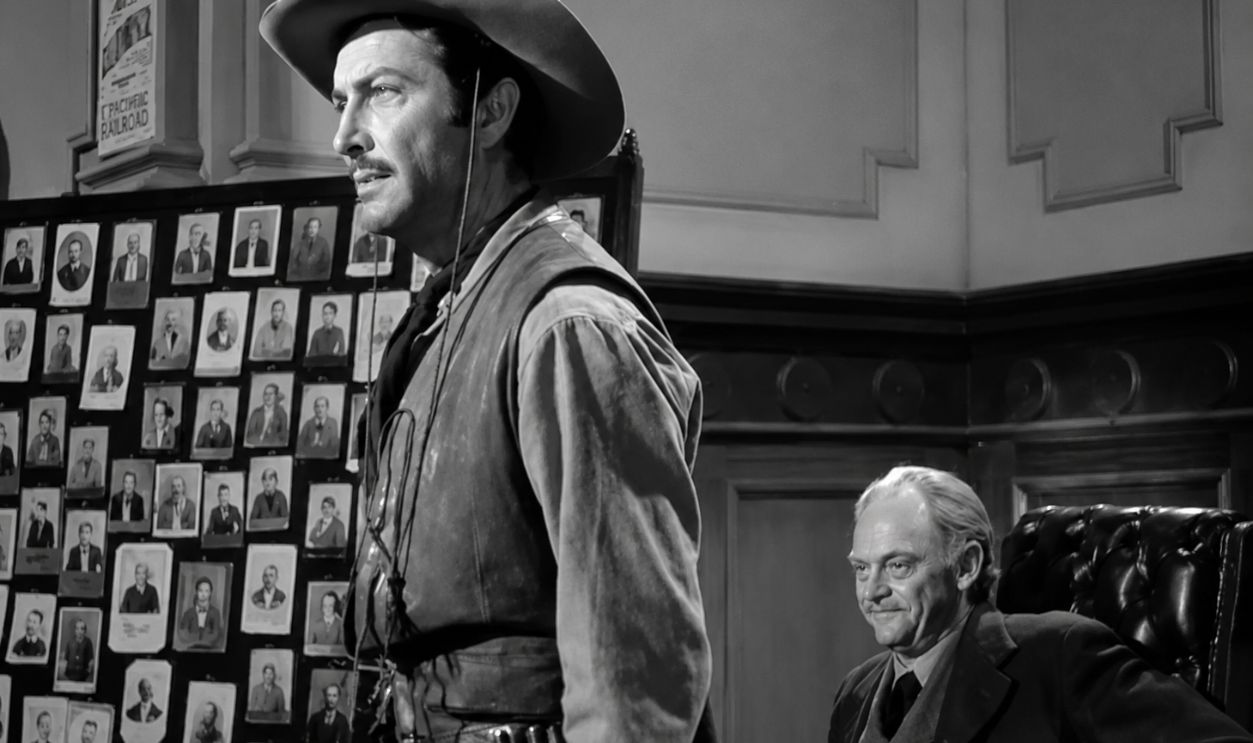 Screenshot from Westward The Women, Metro-Goldwyn-Mayer (1951), Enhanced
Hangman’s Knot (1952)
Randolph Scott leads Confederate soldiers who attack a Union gold shipment, only to discover that the Civil War has already ended. Directed by Roy Huggins and co-starring Donna Reed and Claude Jarman Jr., the compact story steadily transforms from military adventure into a tense siege picture.
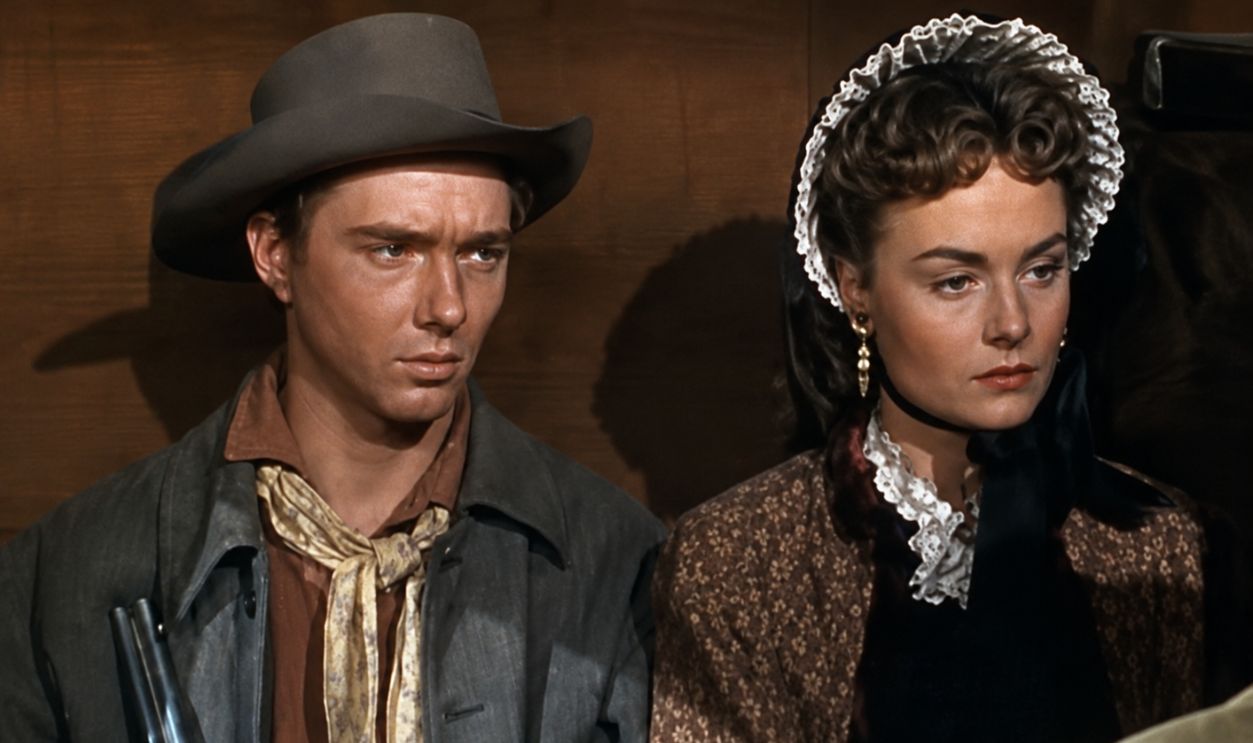 trailer screenshot (Columbia Pictures), Wikimedia Commons, Enhanced
The Man From The Alamo (1953)
Glenn Ford plays a defender who leaves the Alamo before its destruction to protect the families of his fellow fighters, then finds himself branded a coward. Budd Boetticher directed this unusual Western, which turns familiar Alamo mythology into a story about shame, duty, and misunderstood courage.
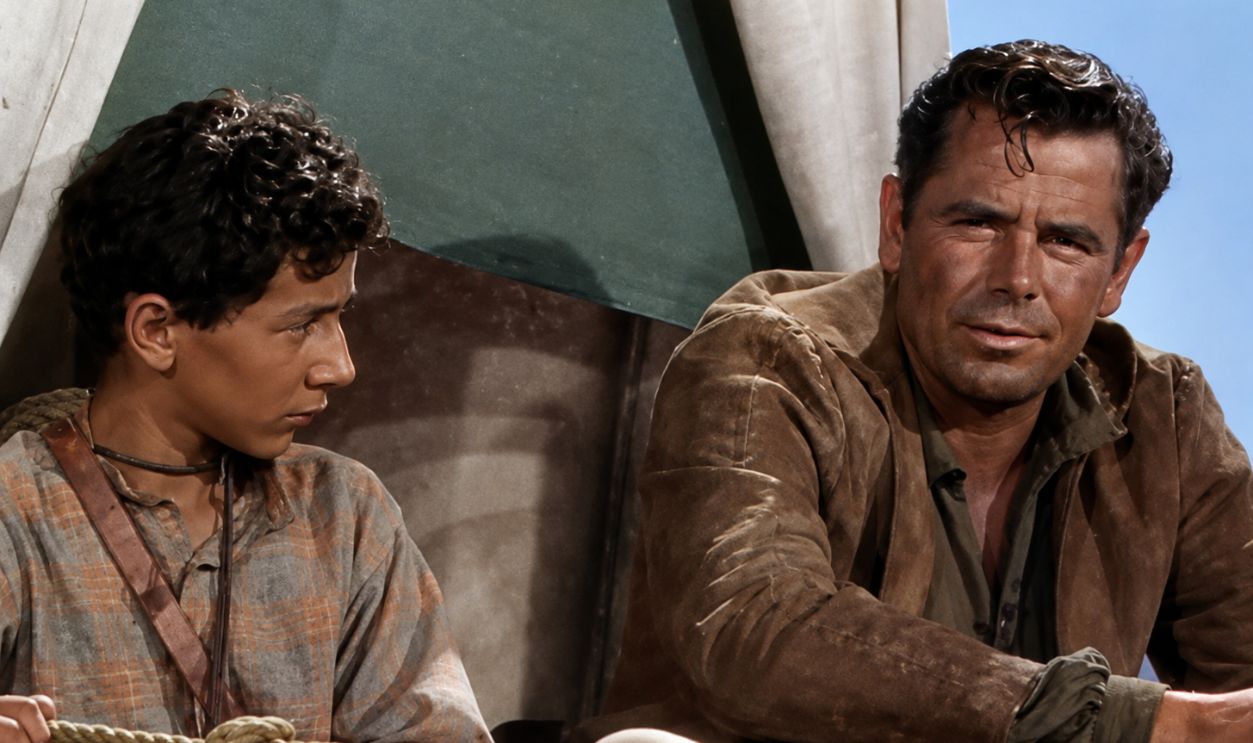 Screenshot from The Man From The Alamo, Universal Pictures (1953), Enhanced
Silver Lode (1954)
John Payne is preparing to marry Lizabeth Scott when Dan Duryea arrives claiming to be a U.S. marshal with a warrant for his arrest. Allan Dwan's suspenseful Western watches an apparently respectable community turn against one of its own, giving the film an unmistakable political undercurrent.
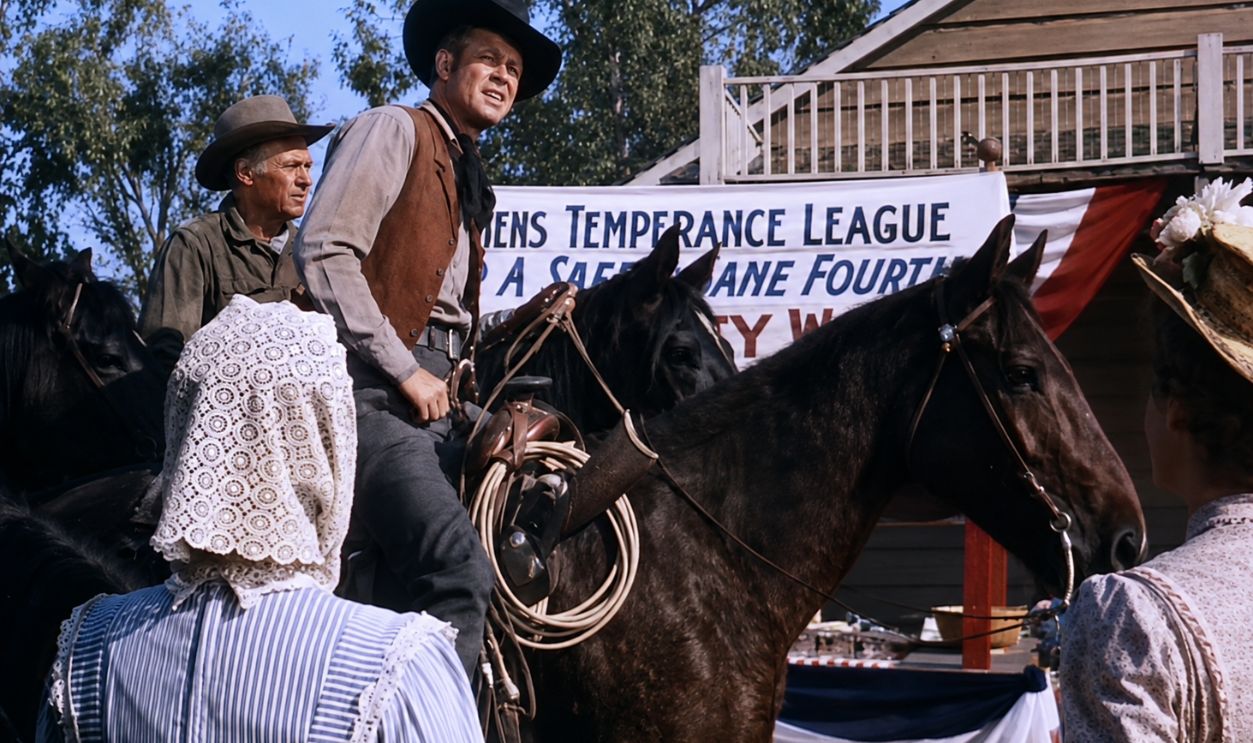 Screenshot from Silver Lode, RKO Radio Pictures (1954), Enhanced
The Naked Dawn (1955)
Edgar G. Ulmer rarely had lavish budgets, but he knew how to make small movies interesting. Arthur Kennedy stars as a Mexican bandit whose friendship with a poor farmer becomes complicated by the farmer's wife, played by Betta St. John, in this unusually intimate frontier drama.
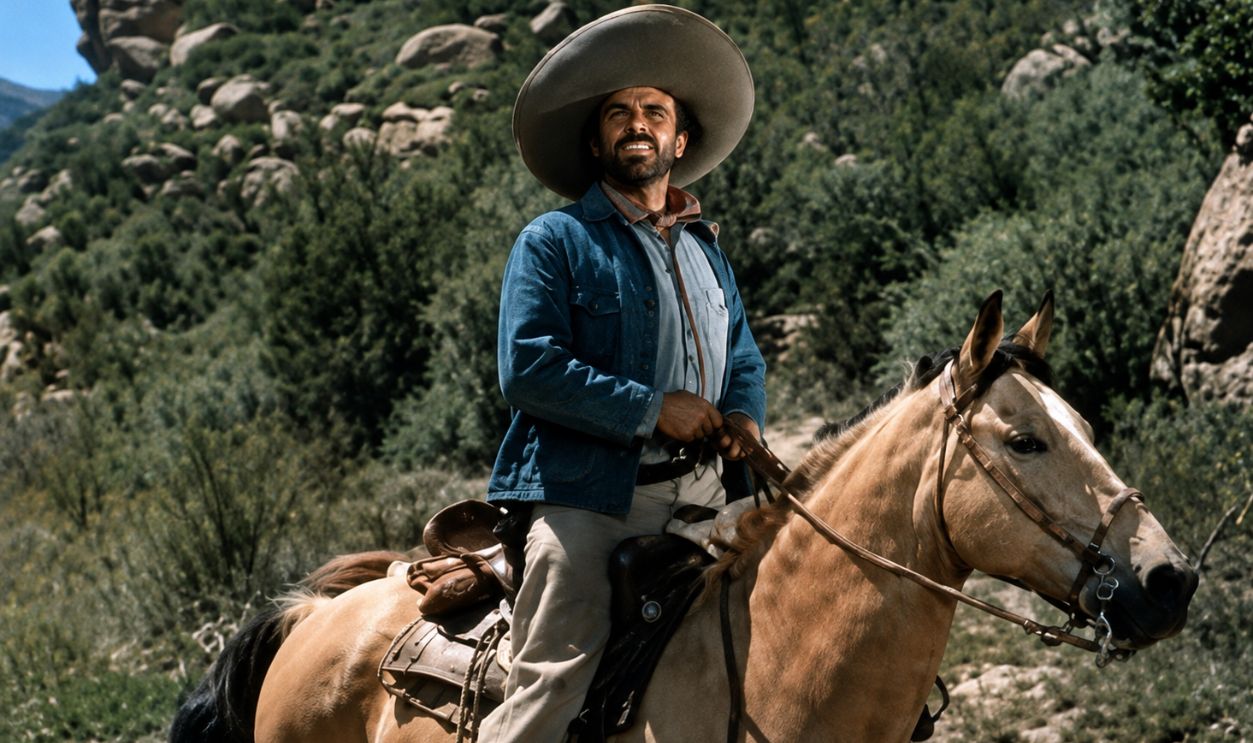 Screenshot from The Naked Dawn, Universal Pictures (1955), Enhanced
The Last Wagon (1956)
Richard Widmark plays Comanche Todd, a prisoner accused of murder who unexpectedly becomes the best hope for survivors of an Apache attack. Delmer Daves directed this beautifully photographed survival Western, with Felicia Farr, Susan Kohner, Tommy Rettig, and Nick Adams among the young travelers relying on him.
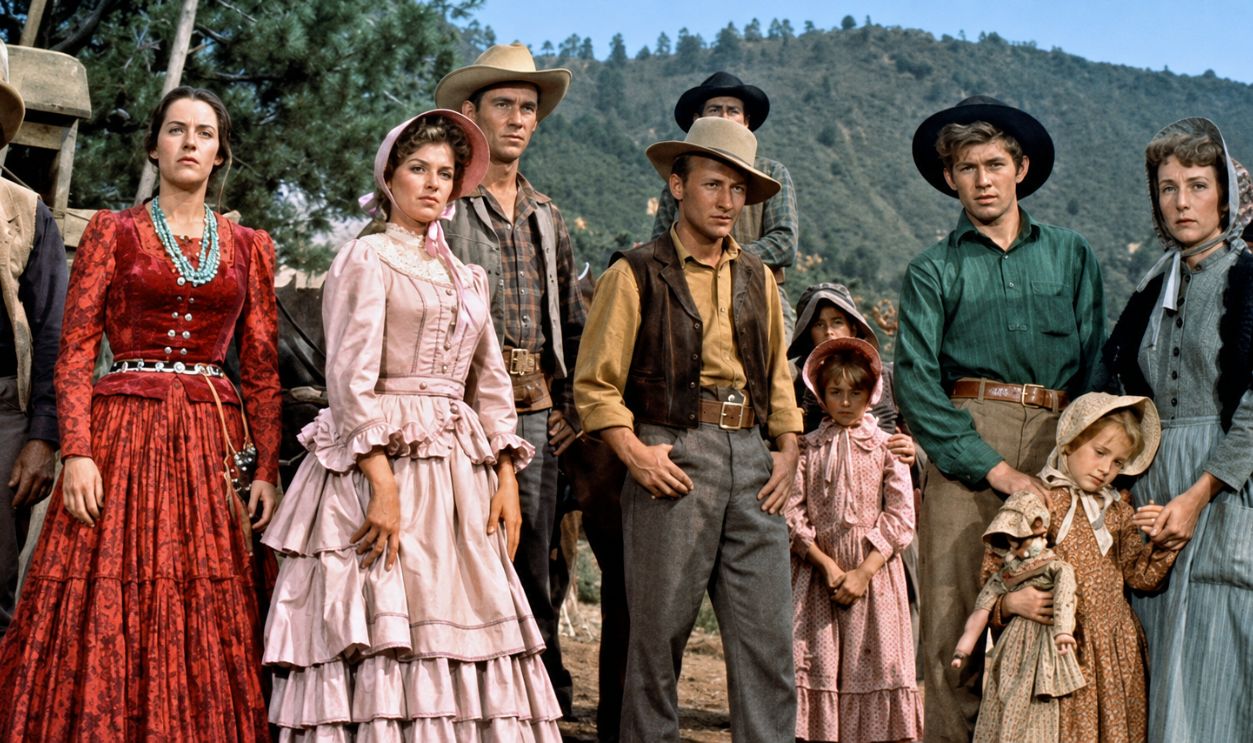 Screenshot by Wayne77, Wikimedia Commons, Enhanced
Jubal (1956)
Imagine Othello transplanted to cattle country. Glenn Ford's wandering cowboy becomes entangled in jealousy and manipulation after finding work with a generous rancher played by Ernest Borgnine. Delmer Daves directs an exceptional cast that also includes Rod Steiger, Valerie French, and Charles Bronson.
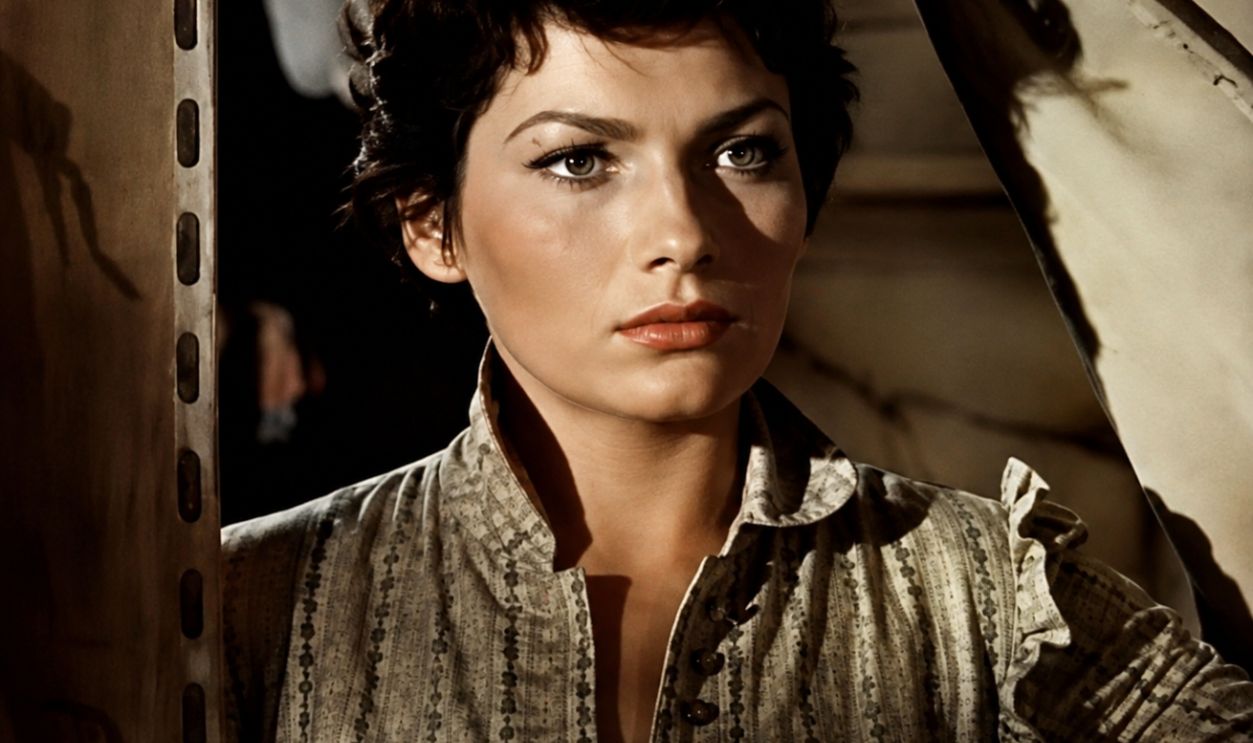 trailer screenshot (Columbia Pictures), Wikimedia Commons, Enhanced
Reprisal! (1956)
Guy Madison plays a man of mixed heritage who attempts to conceal his Native American ancestry while becoming embroiled in a murder dispute. Directed by George Sherman and co-starring Felicia Farr and Kathryn Grant, Reprisal! (1956) tackles prejudice more directly than many Westerns of its period.
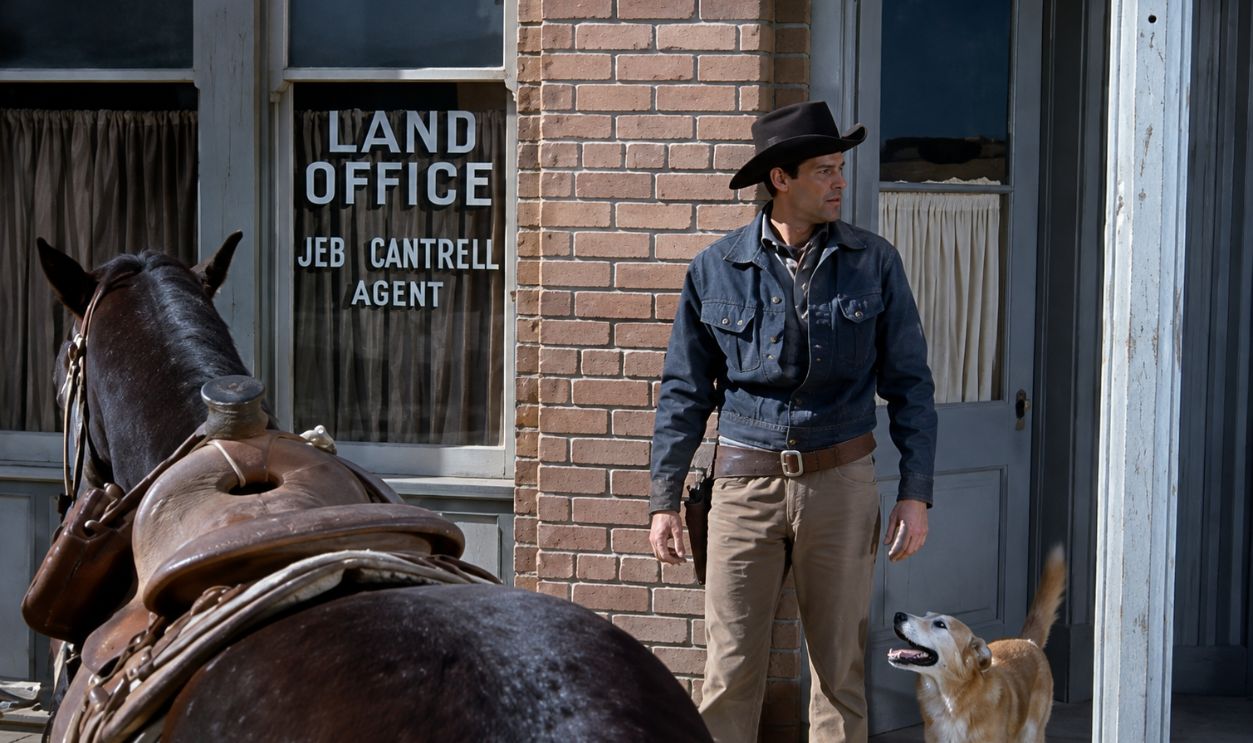 Screenshot from Reprisal!, Columbia Pictures (1956), Enhanced
The Tall T (1957)
Budd Boetticher and Randolph Scott made a remarkable series of lean, psychologically sharp Westerns that modern viewers frequently overlook. The Tall T (1957), with Richard Boone and Maureen O'Sullivan, traps Scott's rancher with ruthless outlaws and wrings extraordinary tension from a deceptively simple situation.
Decision At Sundown (1957)
Randolph Scott arrives in Sundown determined to kill the powerful man he blames for his wife's death, only for his righteous revenge narrative to become increasingly complicated. Budd Boetticher directed, with John Carroll, Karen Steele, Valerie French, Noah Beery Jr., and Andrew Duggan supporting Scott.
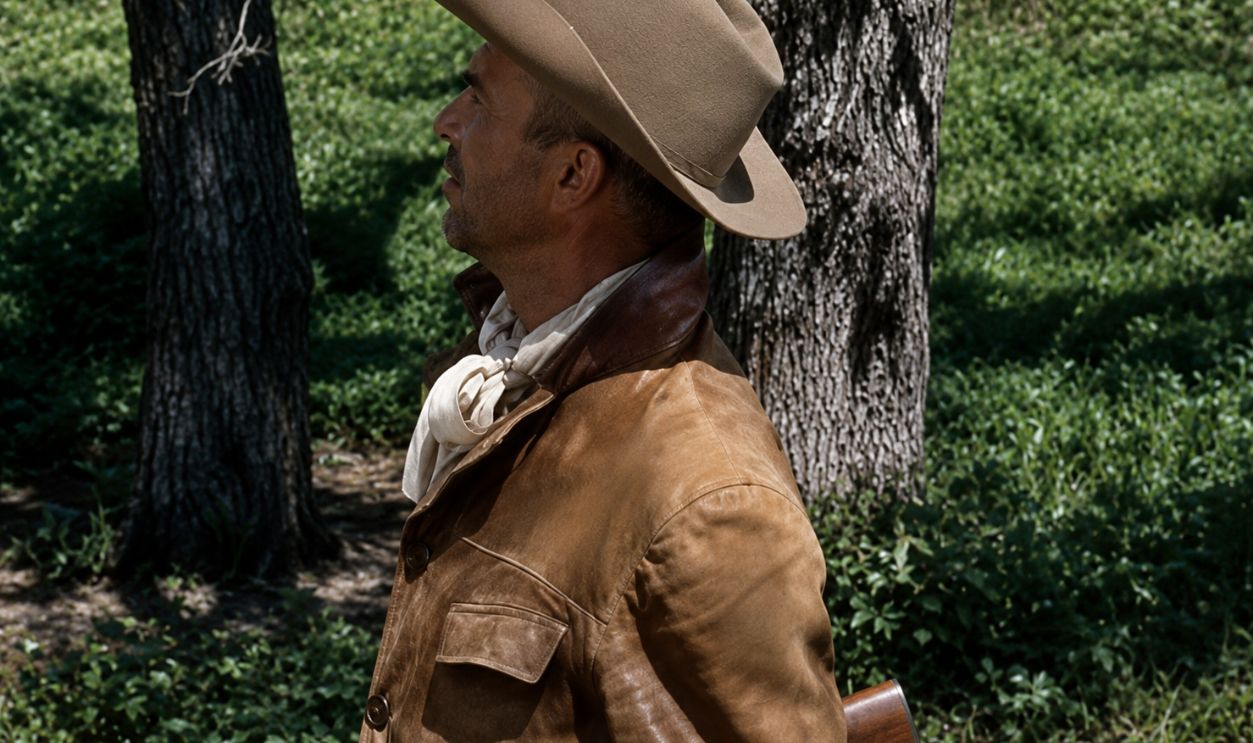 Screenshot from Decision At Sundown, Columbia Pictures (1957), Enhanced
Forty Guns (1957)
Barbara Stanwyck commands the screen as Arizona ranching baron Jessica Drummond, backed by an army of cowboys. Samuel Fuller wrote and directed this visually audacious CinemaScope Western, pairing Stanwyck with Barry Sullivan and Gene Barry while mixing action, sexuality, dark humor, and startlingly unconventional filmmaking.
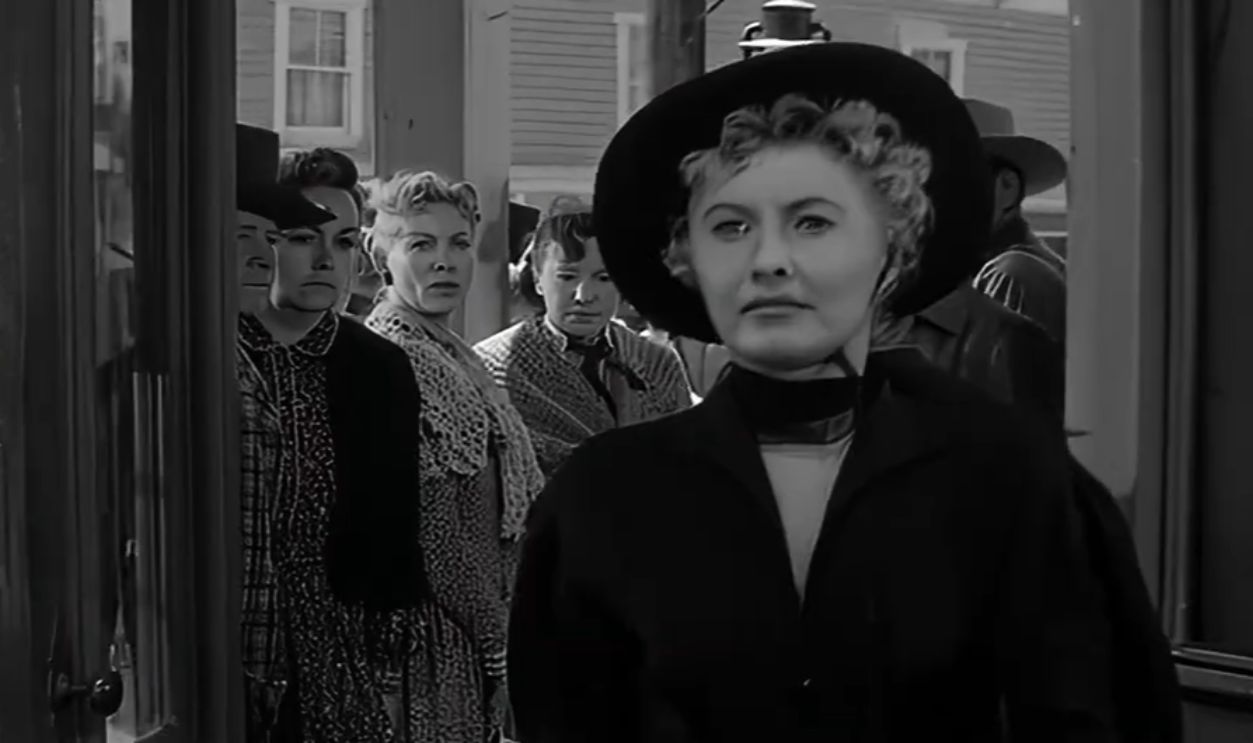 Screenshot from Forty Guns, 20th Century Fox (1957)
Buchanan Rides Alone (1958)
Randolph Scott rides into a corrupt border town and discovers practically everybody in authority belongs to the same crooked family. Another Budd Boetticher collaboration, this brisk Western uses Scott's wonderfully understated screen presence to navigate shifting alliances, greed, revenge, and some unexpectedly dry humor.
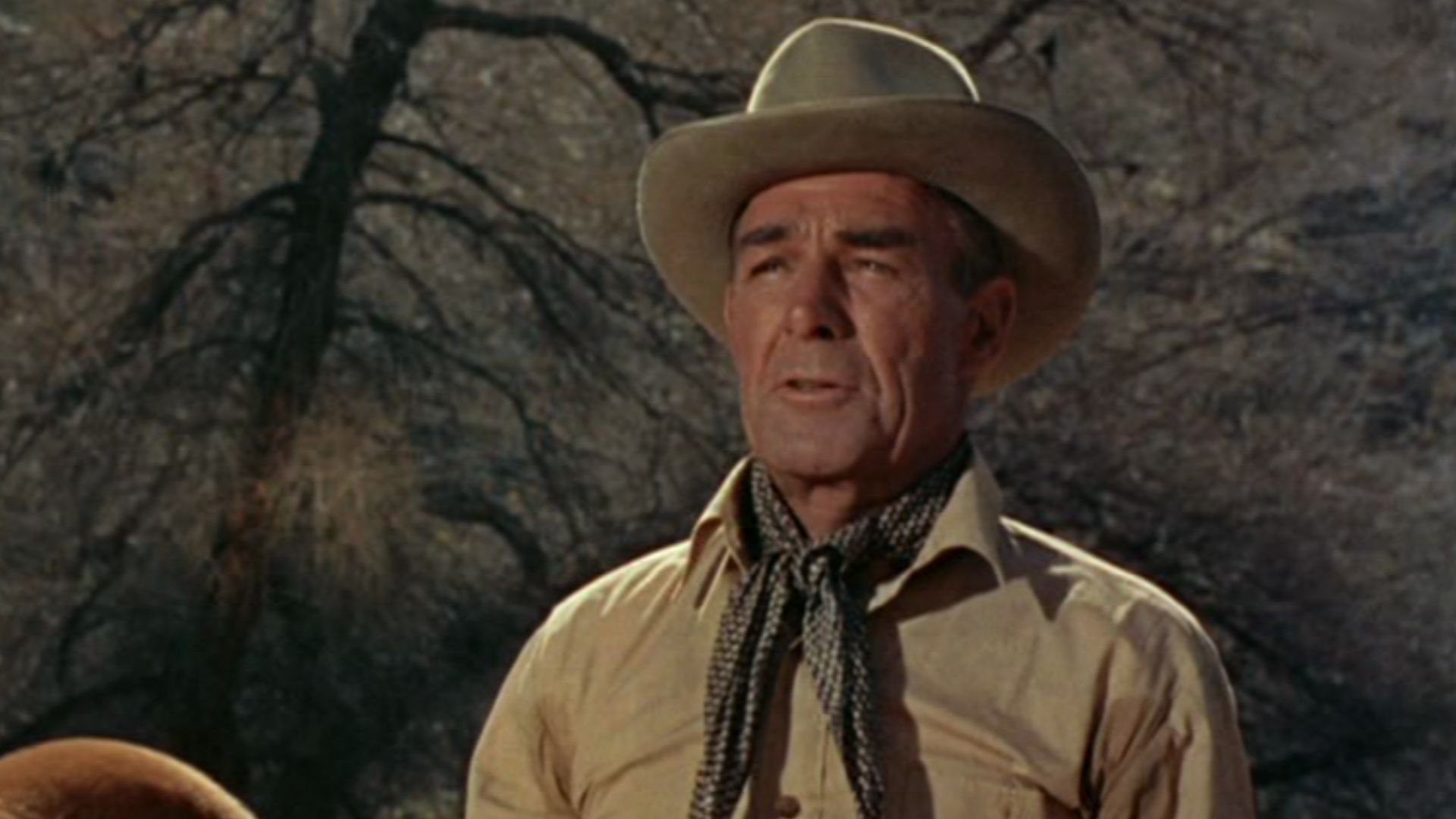 Budd Boetticher, Wikimedia Commons
Ride Lonesome (1959)
Randolph Scott's bounty hunter captures an outlaw partly to lure the man's murderous brother into the open. Budd Boetticher surrounds Scott with Karen Steele, Pernell Roberts, Lee Van Cleef, James Best, and a young James Coburn, then brings everything together around an unforgettable hanging tree.
 Screenshot from Ride Lonesome, Columbia Pictures (1959)
Day Of The Outlaw (1959)
Robert Ryan and Burl Ives face off in André De Toth's bleak, snowbound Western, which looks almost nothing like the sunbaked frontier movies audiences expect. Tina Louise co-stars in a story where a town's internal feud suddenly becomes irrelevant when dangerous outlaws arrive and take control.
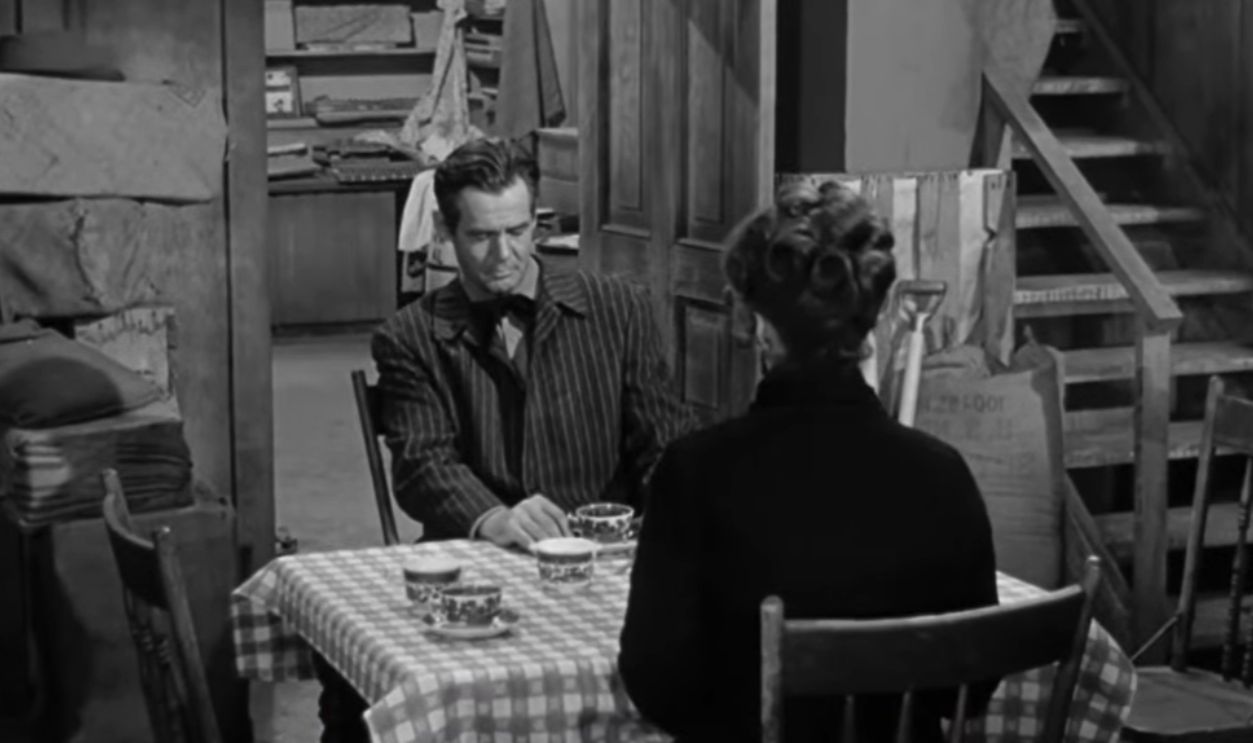 Screenshot from Day Of The Outlaw, United Artists (1959)
Warlock (1959)
Edward Dmytryk assembled Henry Fonda, Richard Widmark, Anthony Quinn, and Dorothy Malone for this morally complicated tale of a town that hires a famous gunman to restore order. Rather than delivering straightforward heroics, Warlock (1959) keeps asking whether hired violence can ever truly create civilized law.
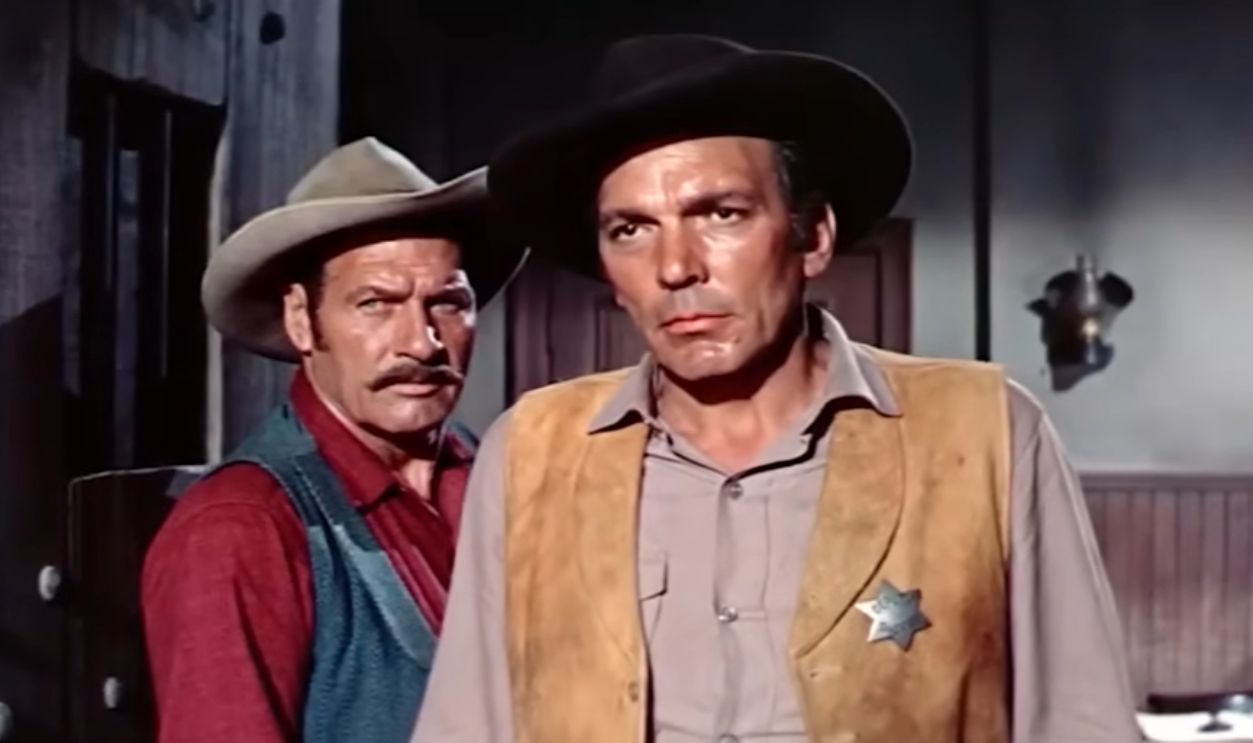 Screenshot from Warlock, 20th Century Fox (1959)
Comanche Station (1960)
Budd Boetticher's final Ranown Western sends Randolph Scott across dangerous country with a woman he has rescued from captivity. Nancy Gates and Claude Akins co-star. At only about 73 minutes, Comanche Station (1960) is a reminder that a Western doesn't need epic length to feel complete.
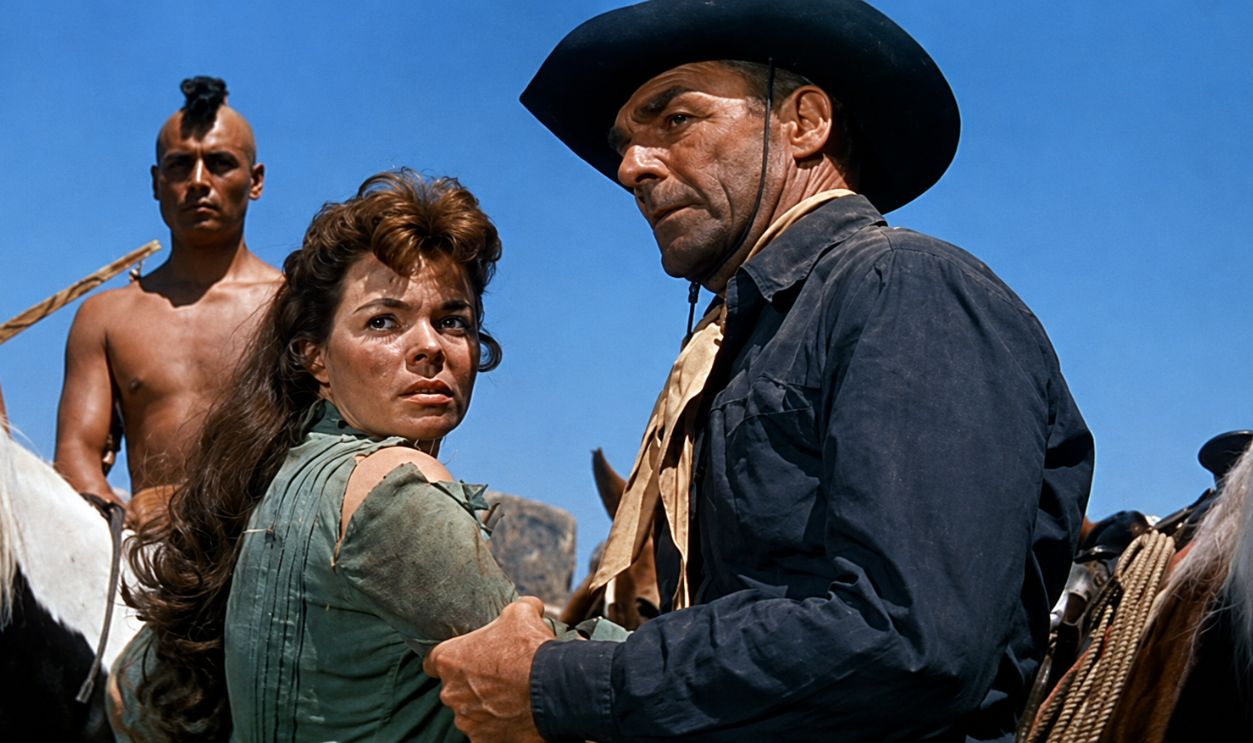 Budd Boetticher, Wikimedia Commons, Enhanced
Lonely Are The Brave (1962)
Kirk Douglas considered this contemporary Western among his personal favorites. Playing a cowboy hopelessly out of step with modern America, Douglas is pursued by lawmen through a world of highways and helicopters. Walter Matthau and Gena Rowlands co-star in David Miller's melancholy tale of disappearing freedom.
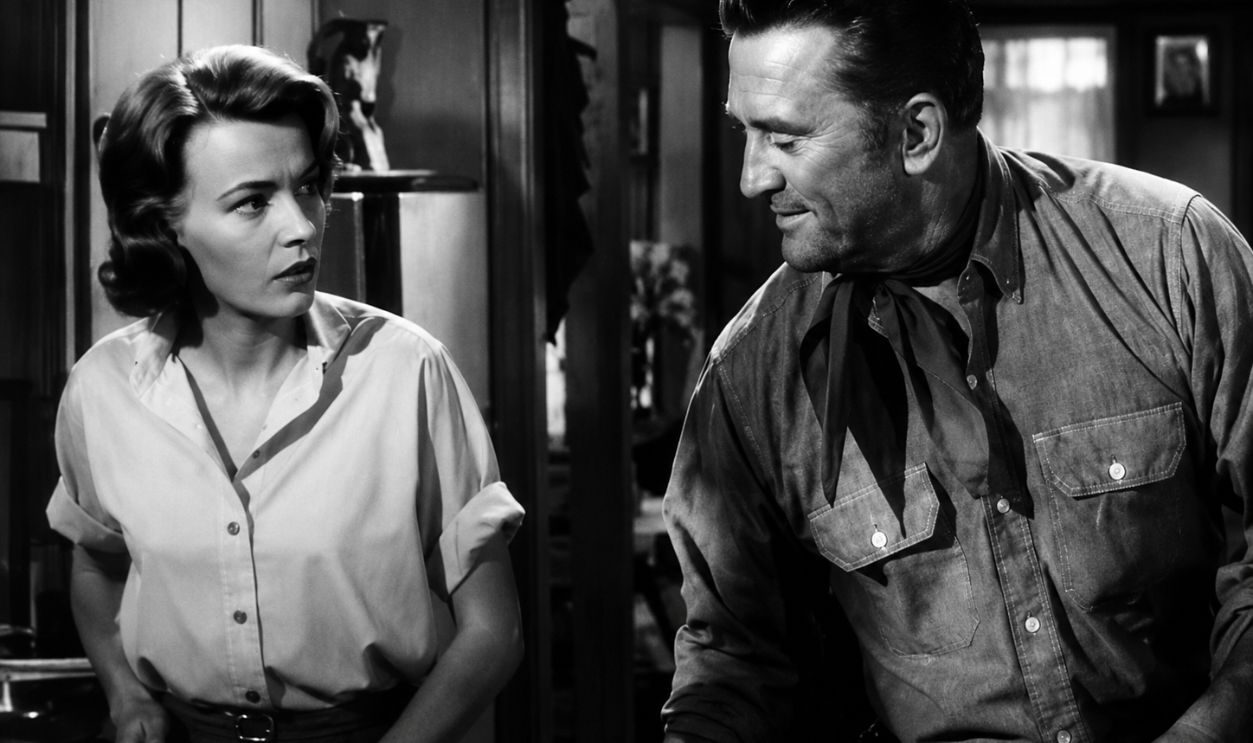 trailer screenshot (Universal Pictures), Wikimedia Commons, Enhanced
The Shooting (1966)
Monte Hellman's minimalist Western stars Warren Oates, Millie Perkins, Will Hutchins, and Jack Nicholson in an increasingly mysterious journey across an unforgiving landscape. The plot deliberately withholds easy explanations, turning the familiar Western pursuit into something eerie, existential, and closer to a nightmare than a conventional horse opera.
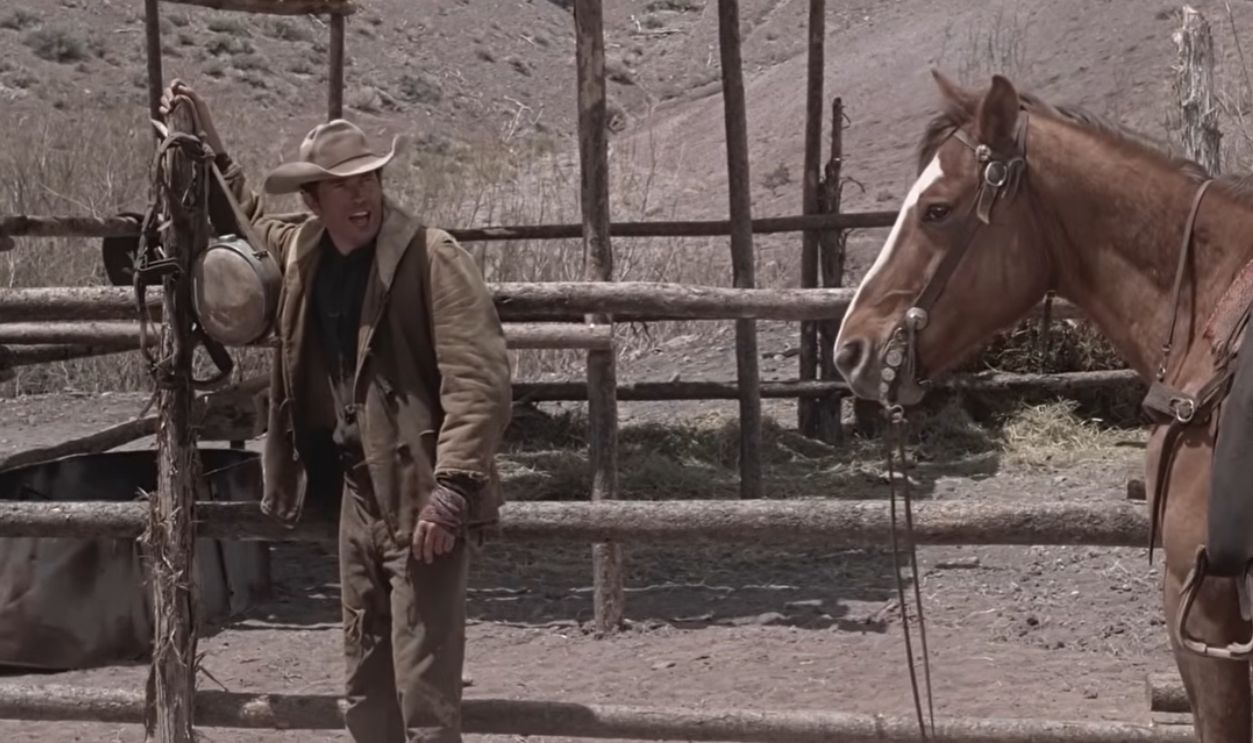 Screenshot from The Shooting, Favorite Films (1966)
Ride In The Whirlwind (1966)
Shot alongside The Shooting (1966), Monte Hellman's second low-budget Western follows innocent cowboys mistaken for members of an outlaw gang. Jack Nicholson both wrote and starred, alongside Cameron Mitchell and Millie Perkins. Its unglamorous frontier feels dangerous largely because justice itself proves frighteningly arbitrary.
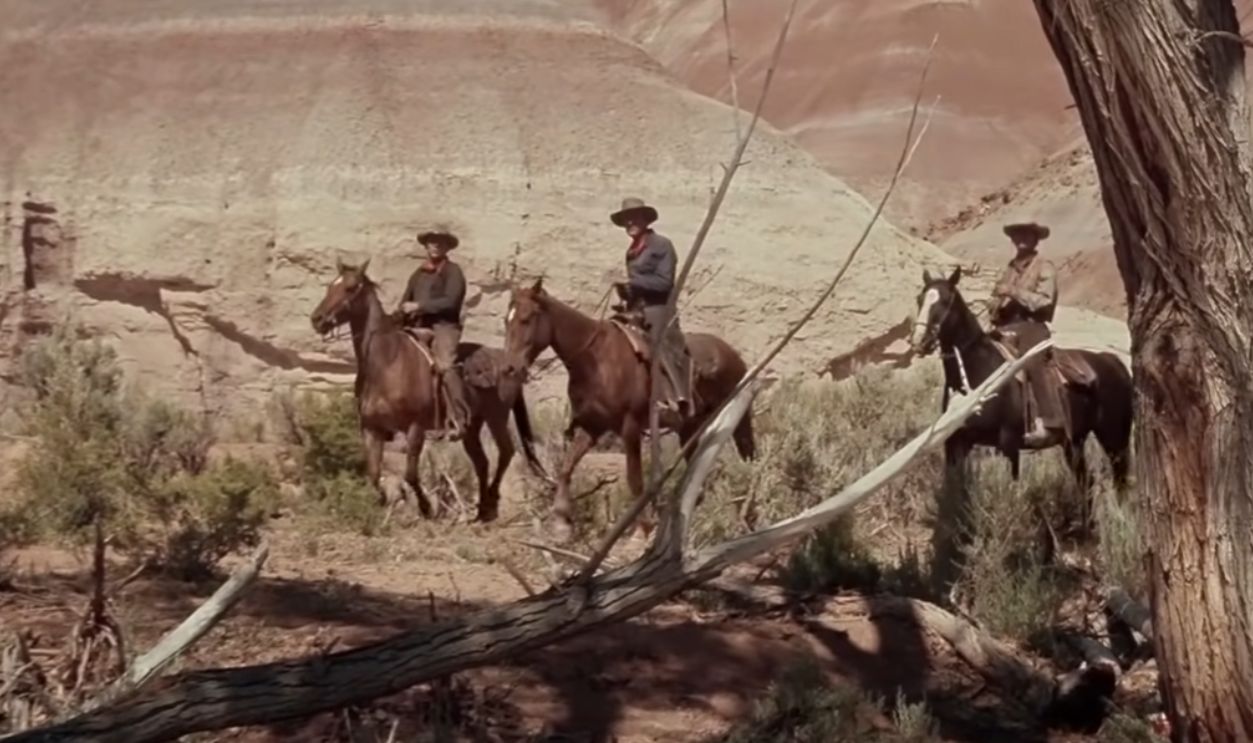 Screenshot from Ride In The Whirlwind, Jack H. Harris Enterprises (1966)
The Professionals (1966)
Richard Brooks sends Lee Marvin, Burt Lancaster, Robert Ryan, and Woody Strode into Mexico to rescue Claudia Cardinale from Jack Palance. The spectacular action is reason enough to watch, but shifting loyalties and questions about who actually needs rescuing elevate The Professionals (1966) beyond a simple mercenary adventure.
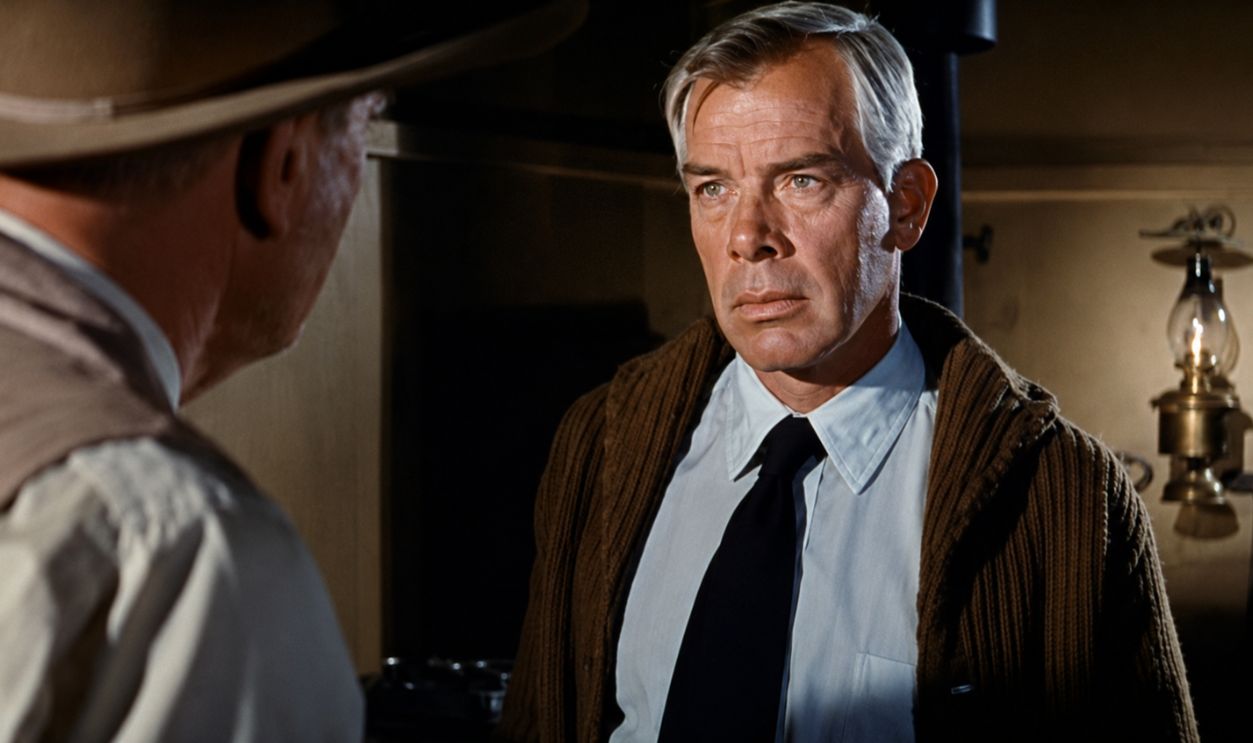 Screenshot from The Professionals, Columbia Pictures(1966)
Welcome To Hard Times (1967)
Henry Fonda plays the ineffective mayor of a frontier settlement devastated by a sadistic stranger in Burt Kennedy's adaptation of E.L. Doctorow's novel Welcome To Hard Times. Janice Rule, Keenan Wynn, and Warren Oates co-star in an unusually pessimistic examination of cowardice and communal responsibility.
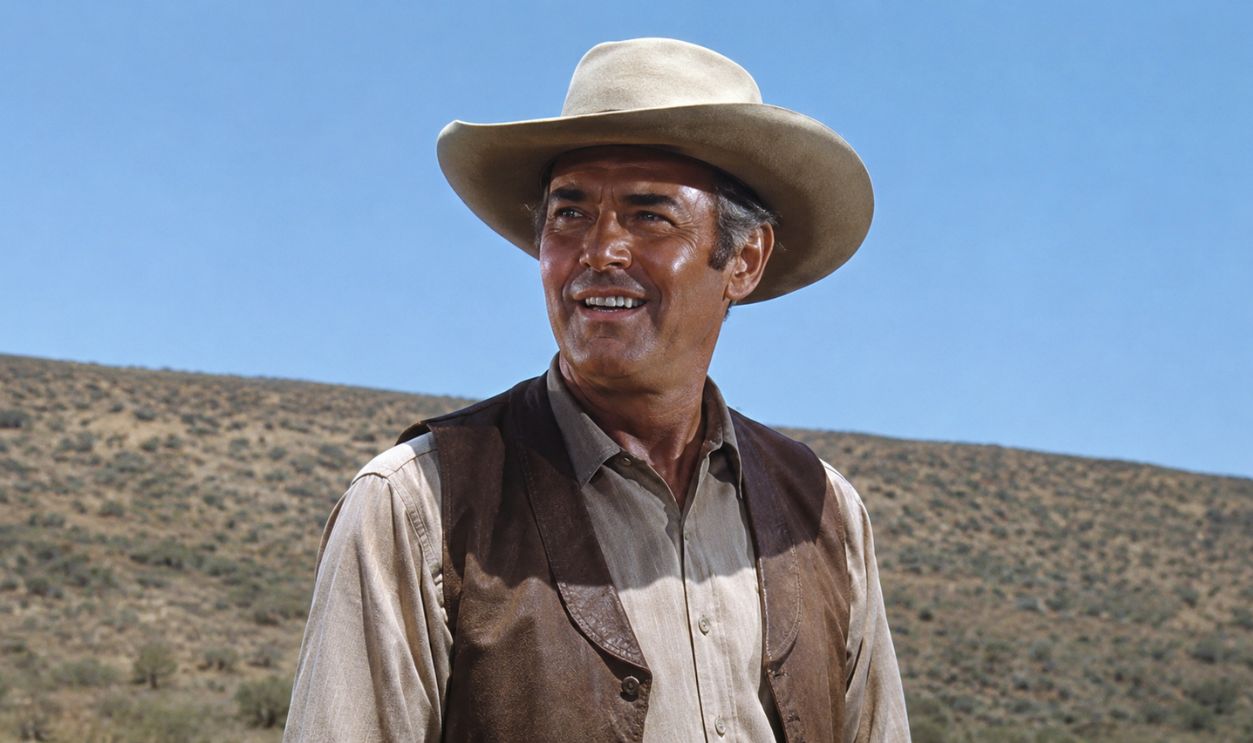 Screenshot from Welcome To Hard Times, Metro-Goldwyn-Mayer (1967)
Chuka (1967)
Rod Taylor plays a wandering gunfighter trapped inside a remote cavalry fort threatened with attack. Gordon Douglas directs a surprisingly strong cast including Ernest Borgnine and John Mills. Much of Chuka (1967) concerns frightened people confronting old regrets while realizing they may not survive what's coming.
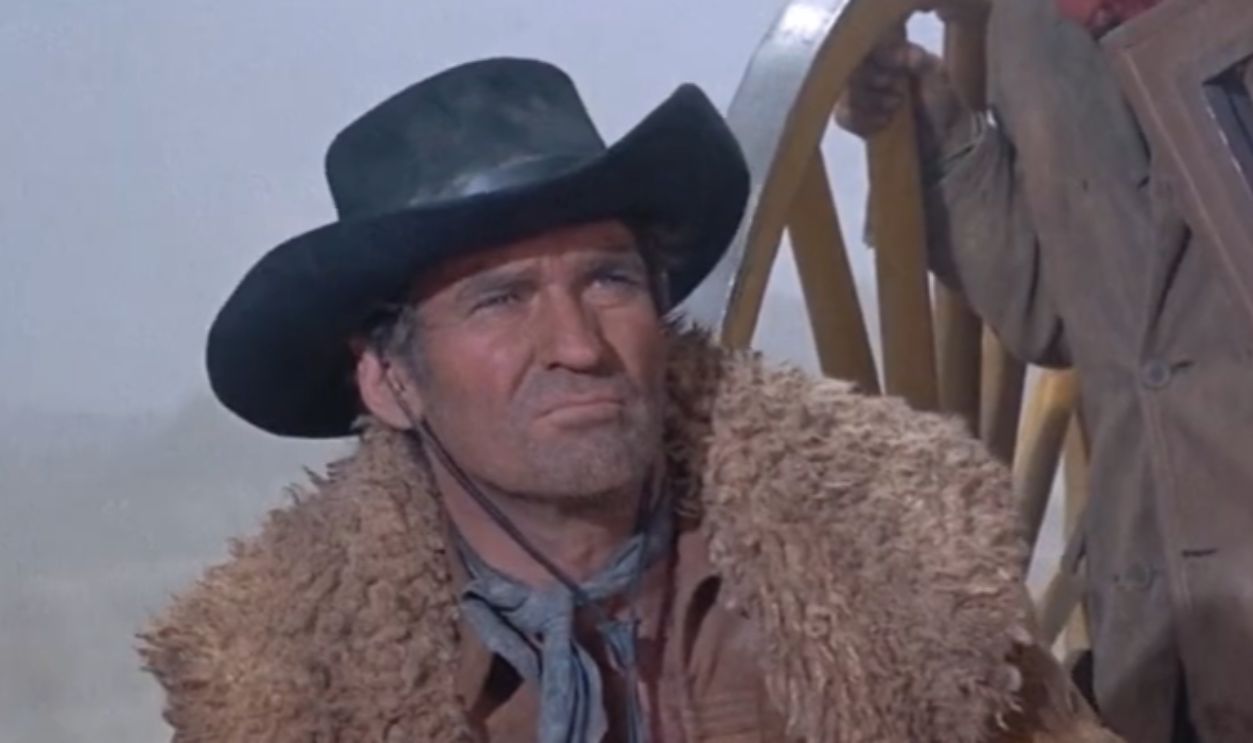 Screenshot from Chuka, Paramount Pictures (1967)
Will Penny (1968)
Charlton Heston considered Will Penny one of his favorite roles, and it's easy to understand why. Rather than an invincible Western hero, he plays an aging cowboy confronting loneliness and obsolescence. Joan Hackett and Donald Pleasence co-star in Tom Gries' unusually tender frontier drama.
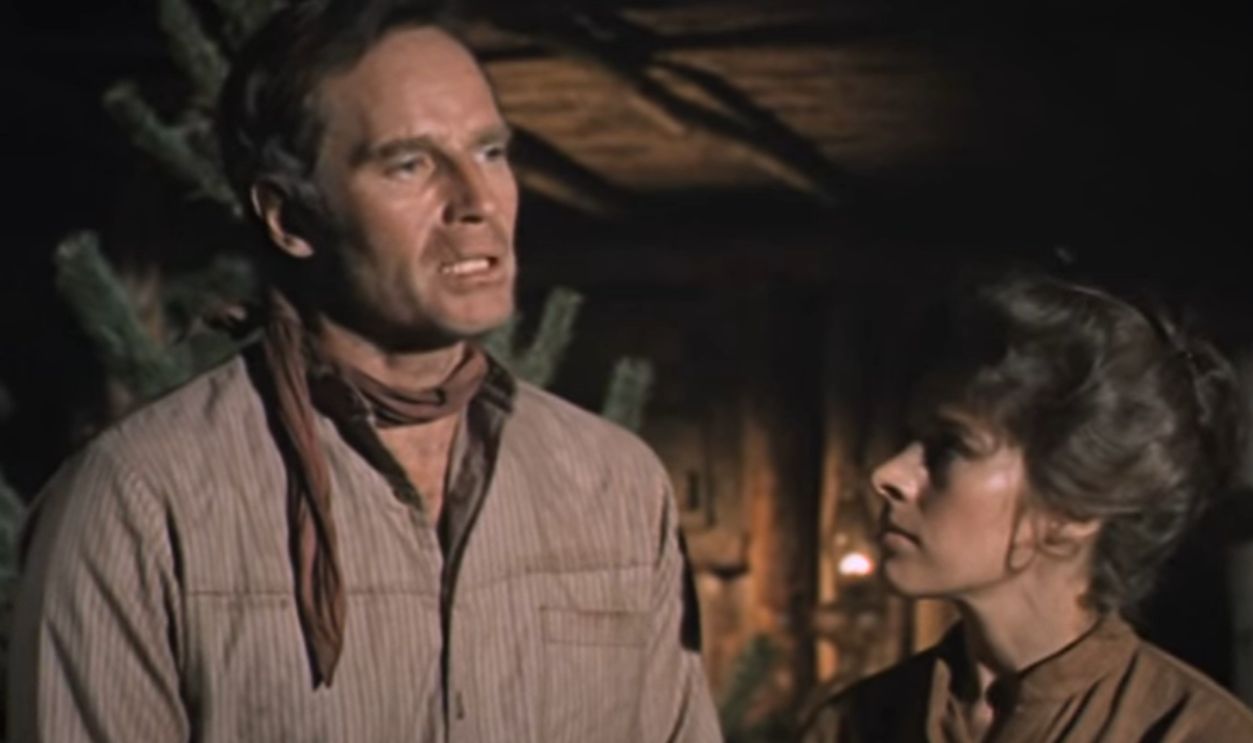 Screenshot from Will Penny, Paramount Pictures(1967)
Five Card Stud (1968)
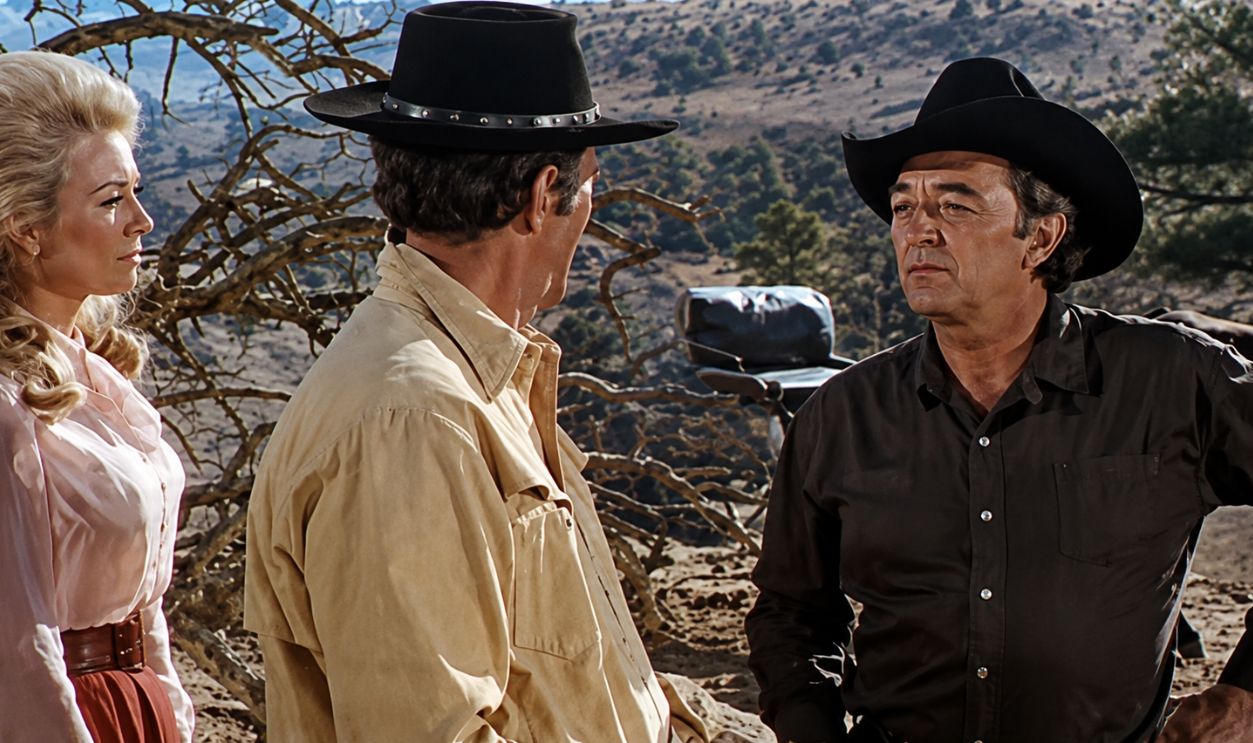
Dean Martin and Robert Mitchum headline this intriguing mixture of Western and murder mystery. After a poker cheat is lynched, members of the card game begin dying one by one. Henry Hathaway directs, with Inger Stevens, Roddy McDowall, and Yaphet Kott adding to a cast far better than the film's obscurity suggests.
 Screenshot from Five Card Stud, Paramount Pictures(1968)
Monte Walsh (1970)
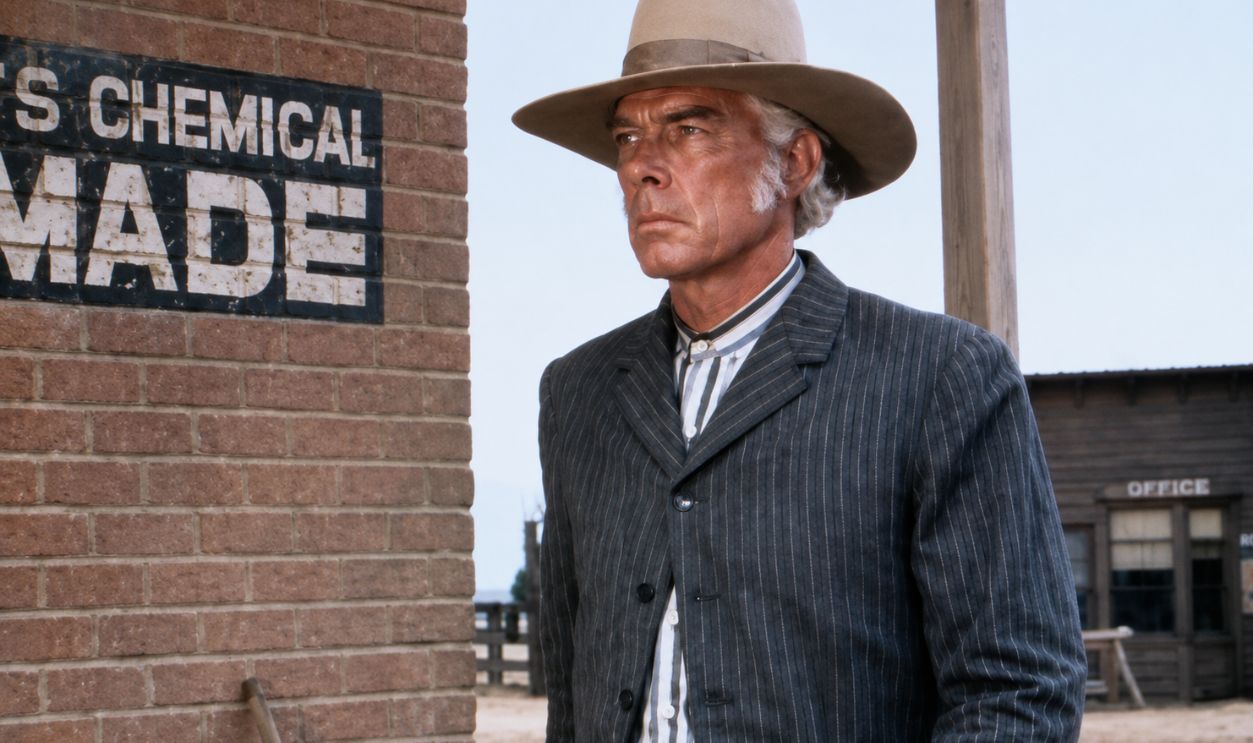
Lee Marvin and Jack Palance play aging cowboys watching their way of life disappear as modernization overtakes the West. Cinematographer William A. Fraker made his directorial debut, while Jeanne Moreau co-stars. Its sadness comes not from losing a gunfight, but from becoming unnecessary.
 Screenshot from Monte Walsh, National General Pictures (1970)
The Hired Hand (1971)
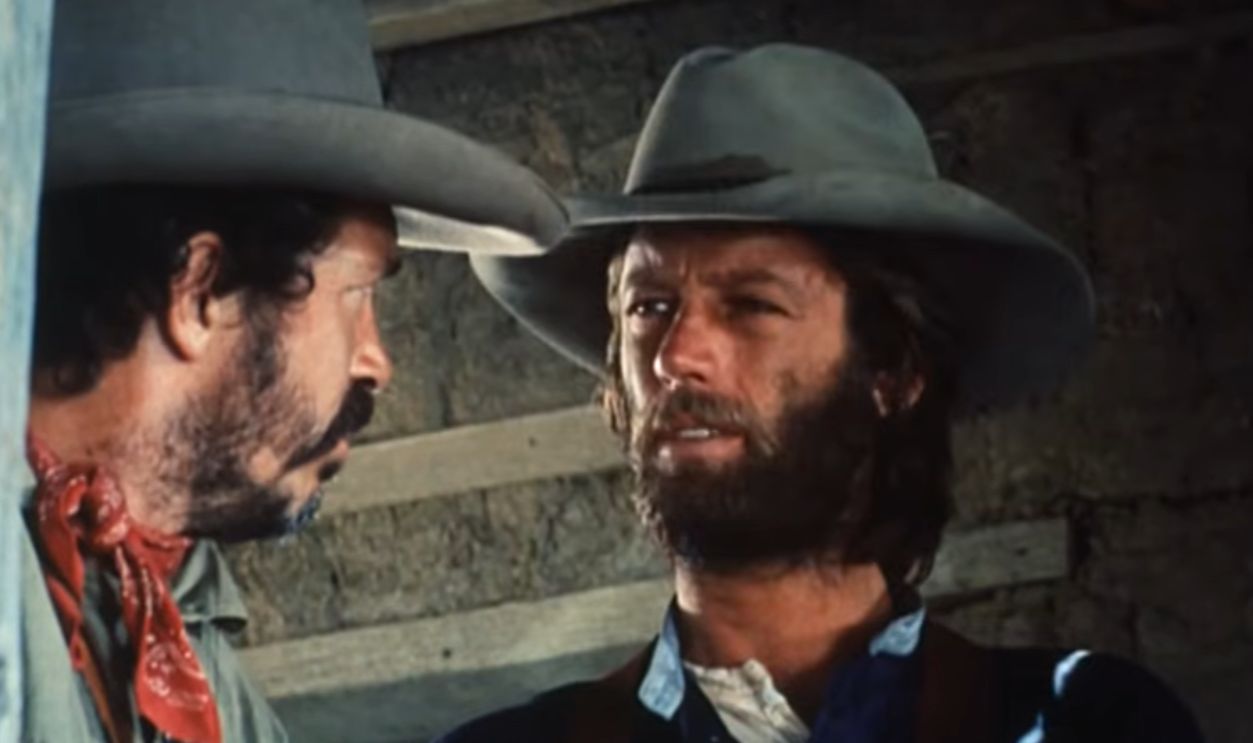
Peter Fonda directed and starred in this quiet, visually striking Western about a drifting cowboy returning to the wife he abandoned years earlier. Warren Oates and Verna Bloom co-star. Largely overshadowed after its release, The Hired Hand (1971) has gradually acquired a much stronger critical reputation.
 Screenshot from The Hired Hand, Universal Pictures (1971)
Red Sun (1971)
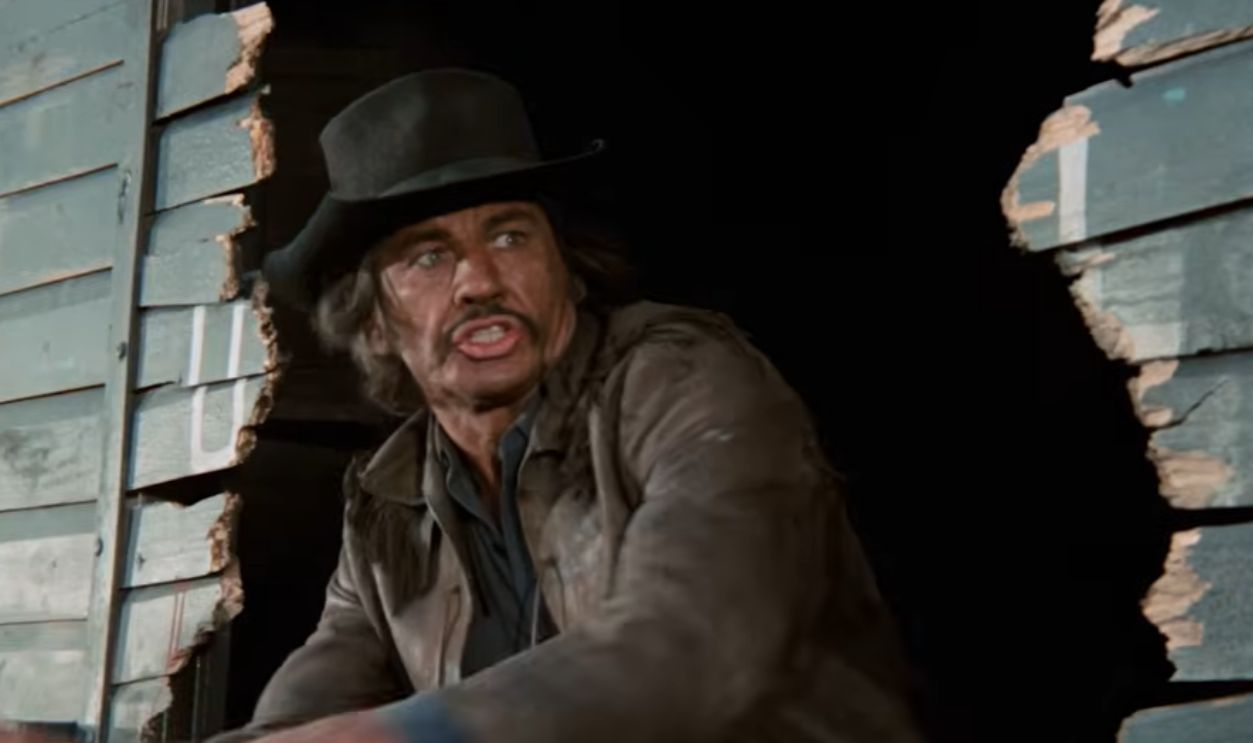
Charles Bronson and legendary Japanese actor Toshirō Mifune sharing a Western sounds like somebody's fantasy casting, yet it happened. Terence Young's international adventure sends cowboy and samurai after Alain Delon's treacherous outlaw, with Ursula Andress joining one of the genre's strangest and most entertaining ensembles.
 Screenshot from Red Sun, National General Pictures (1971)
Man In The Wilderness (1971)
Long before The Revenant (2015), Richard Harris played a frontiersman mauled by a bear and abandoned to die by his companions. Richard C. Sarafian directs, with filmmaker John Huston playing the expedition leader. The story was loosely inspired by legendary mountain man Hugh Glass.
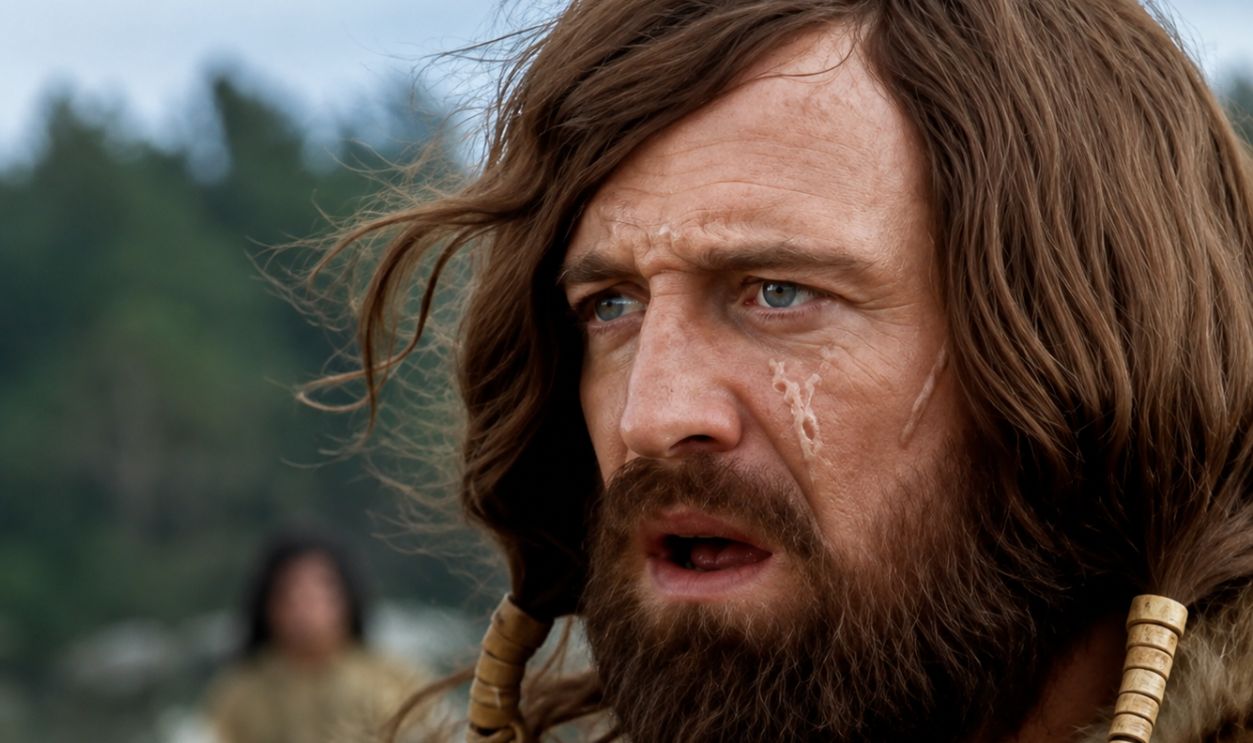 Screenshot from Man In The Wilderness, Warner Bros. (1971)
Ulzana’s Raid (1972)
Robert Aldrich's brutal Western follows inexperienced cavalry officer Bruce Davison, veteran scout Burt Lancaster, and Apache scout Jorge Luke as they pursue Ulzana. Uncomfortable and deliberately unsentimental, the film explores warfare, prejudice, and frontier violence with a bleakness that Western fans still find difficult to forget.
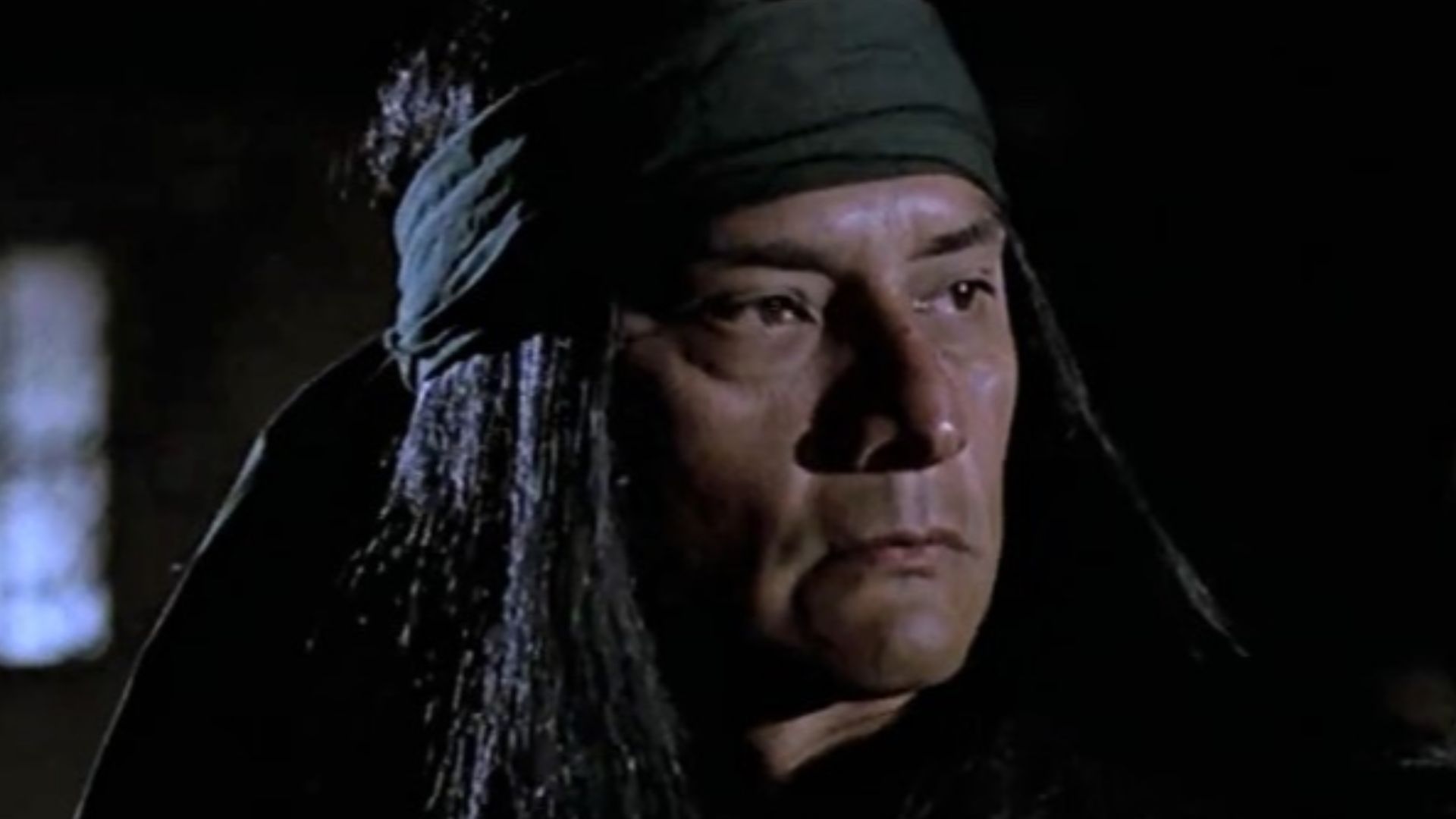 Film trailer screenshot (Universal Pictures), Wikimedia Commons
The Culpepper Cattle Co. (1972)
Gary Grimes plays a teenager who romanticizes cowboy life until joining a cattle drive and discovering the reality is filthy, exhausting, and brutally dangerous. Dick Richards directs a terrific collection of character actors including Billy Green Bush, Luke Askew, Bo Hopkins, Geoffrey Lewis, and Charles Martin Smith.
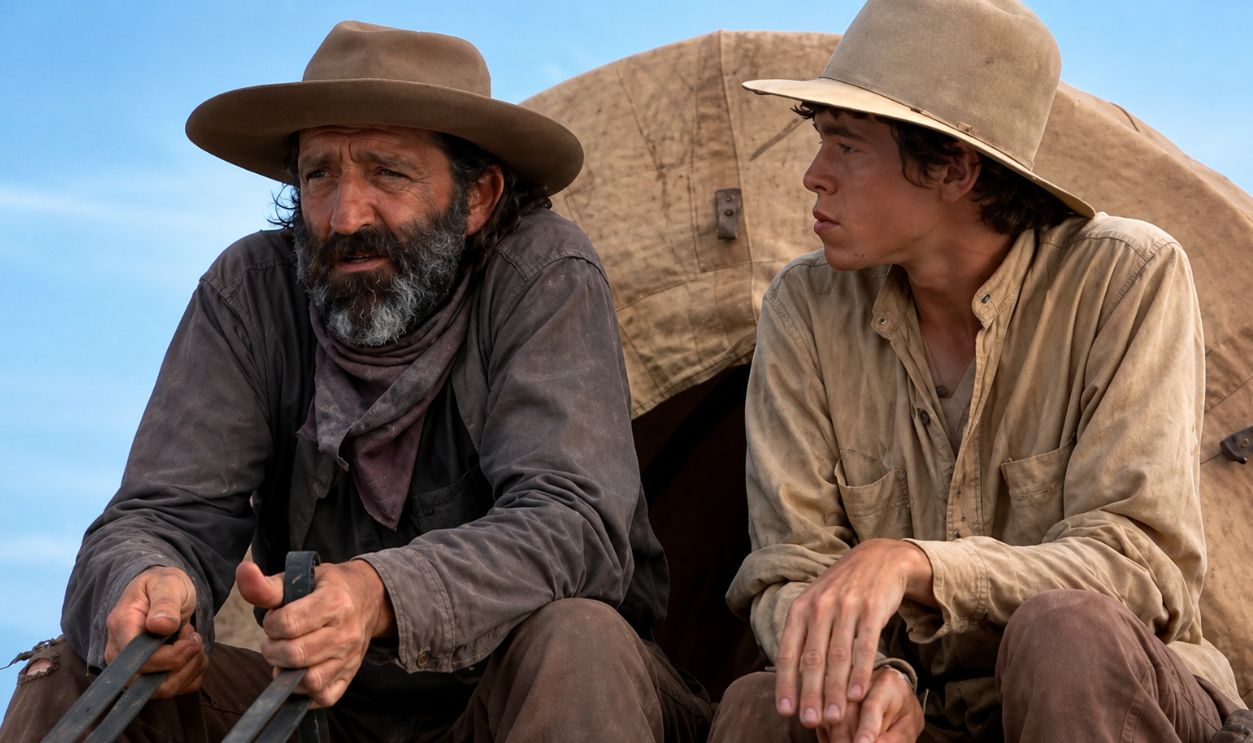 Screenshot from The Culpepper Cattle Co., 20th Century Studios (1972)
Buck And The Preacher (1972)
Sidney Poitier made his directorial debut with this distinctive Western about formerly enslaved people attempting to build new lives in the West. Poitier stars alongside Harry Belafonte and Ruby Dee, bringing Black frontier experiences to a genre that had spent decades largely pretending those stories didn't exist.
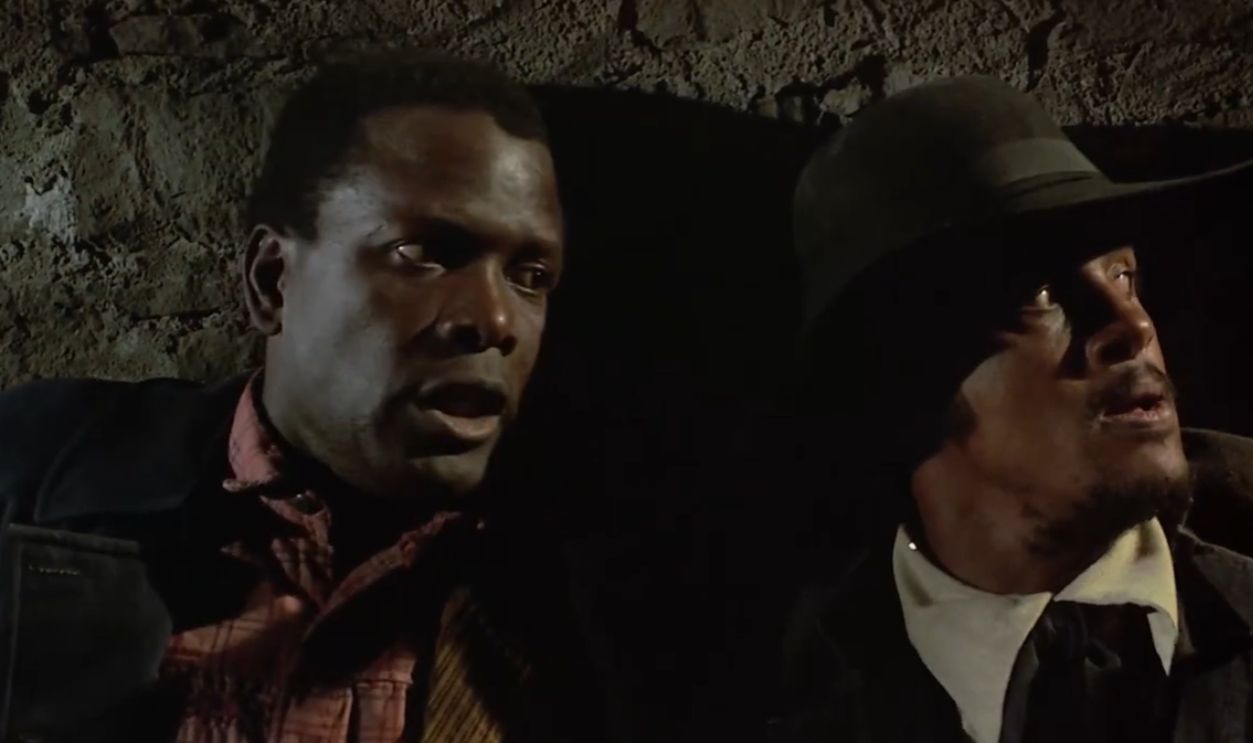 Screenshot from Buck And The Preacher, Columbia Pictures (1972)
Chato’s Land (1972)
Charles Bronson plays Pardon Chato, who kills a sheriff in self-defense and is pursued by a posse led by former Confederate officer Jack Palance. Michael Winner directs a cast packed with familiar faces, including James Whitmore, Richard Jordan, Ralph Waite, Richard Basehart, Simon Oakland, and Victor French.
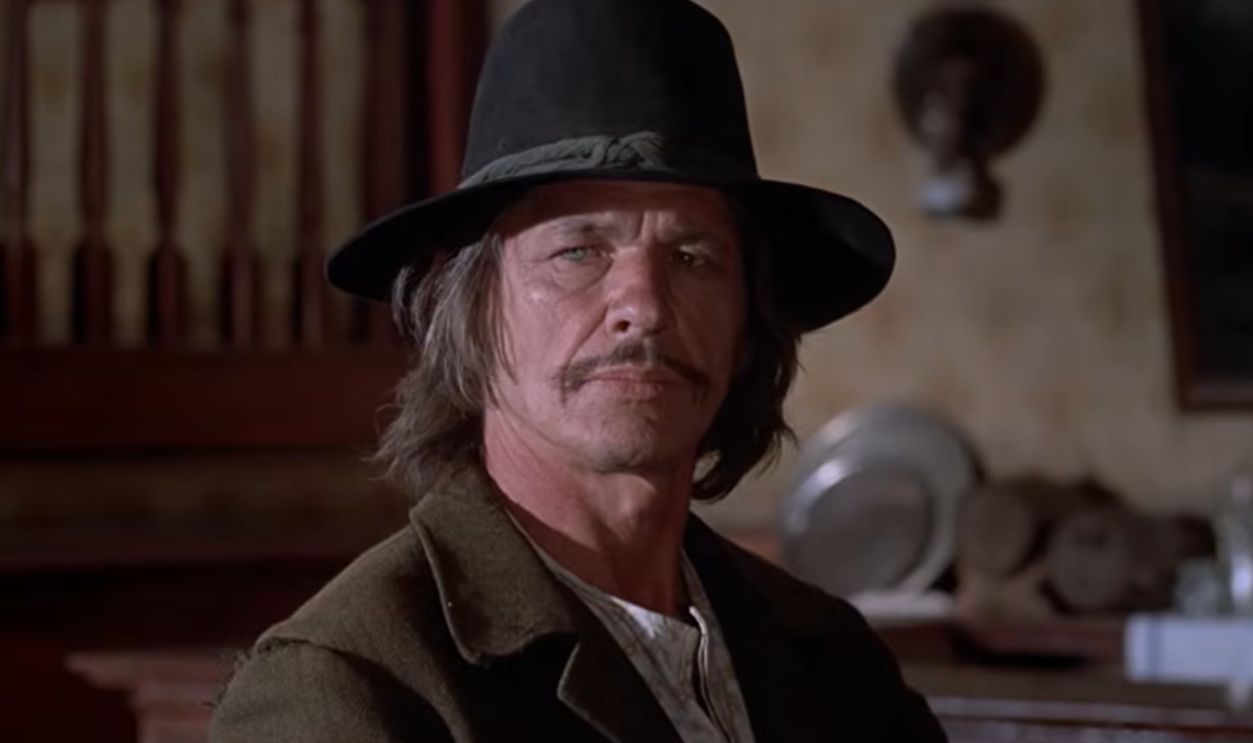 Screenshot from Chato’s Land, United Artists (1972)
The Great Northfield Minnesota Raid (1972)
Philip Kaufman wrote and directed this unconventional retelling of the disastrous Northfield bank robbery. Cliff Robertson plays Cole Younger while Robert Duvall portrays Jesse James, surrounded by Luke Askew, R.G. Armstrong, Elisha Cook Jr., and Royal Dano. It deliberately scrapes away the romantic mythology surrounding famous outlaws.
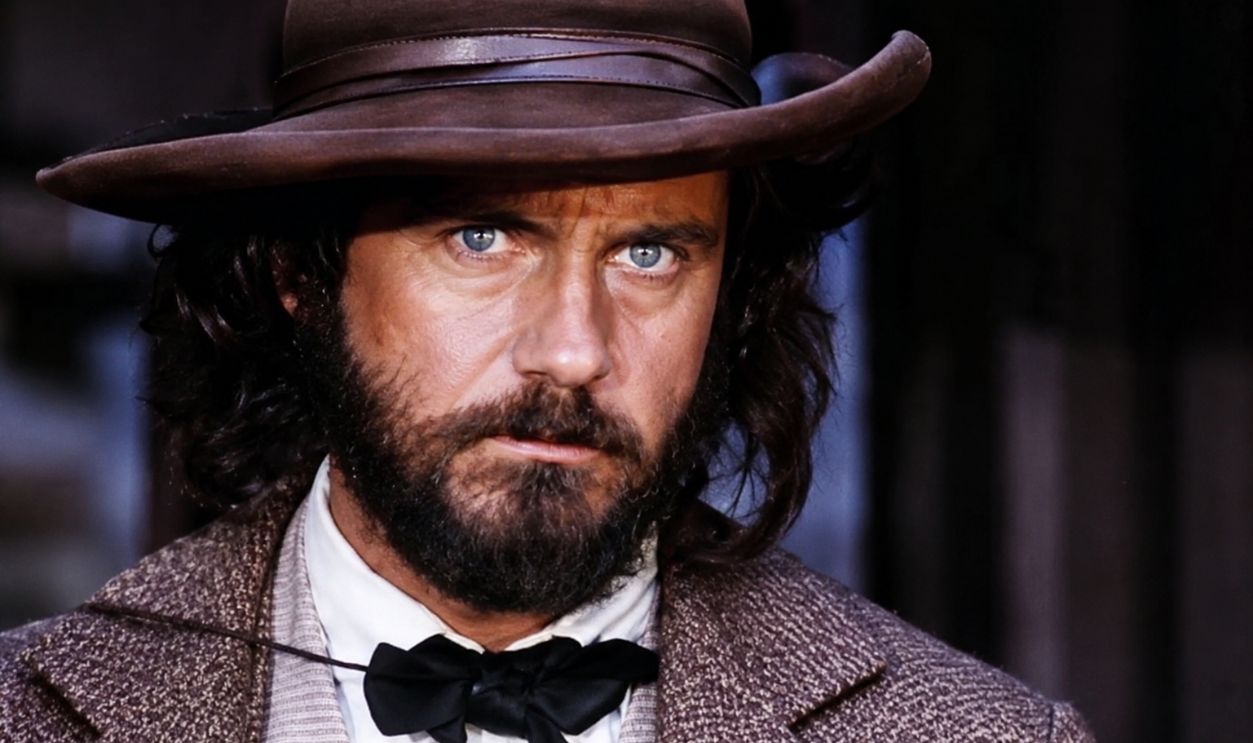 Screenshot from The Great Northfield Minnesota Raid, Universal Pictures (1972)
Bad Company (1972)
Robert Benton's directorial debut follows Civil War draft dodgers who head west expecting adventure and discover hunger, crime, and disillusionment instead. Barry Brown and Jeff Bridges lead the cast. The film's grubby realism helped make Bad Company (1972) an unusually effective example of the revisionist "acid Western."
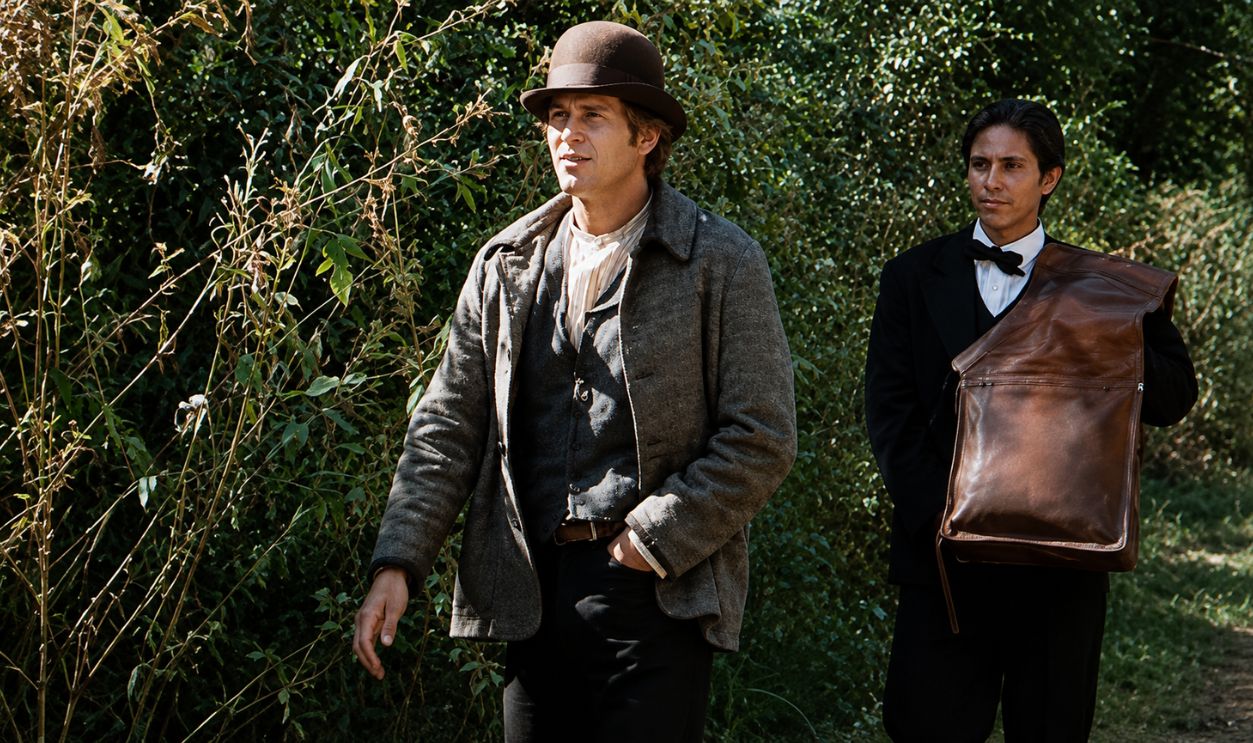 Screenshot from Bad Company, Paramount Pictures (1972), Enhanced
The Spikes Gang (1974)
Lee Marvin plays an aging outlaw who becomes a dangerous role model for three impressionable young men, played by Gary Grimes, Ron Howard, and Charles Martin Smith. Richard Fleischer's largely forgotten Western gradually dismantles the boys' romantic ideas about outlaw life with increasingly painful consequences.
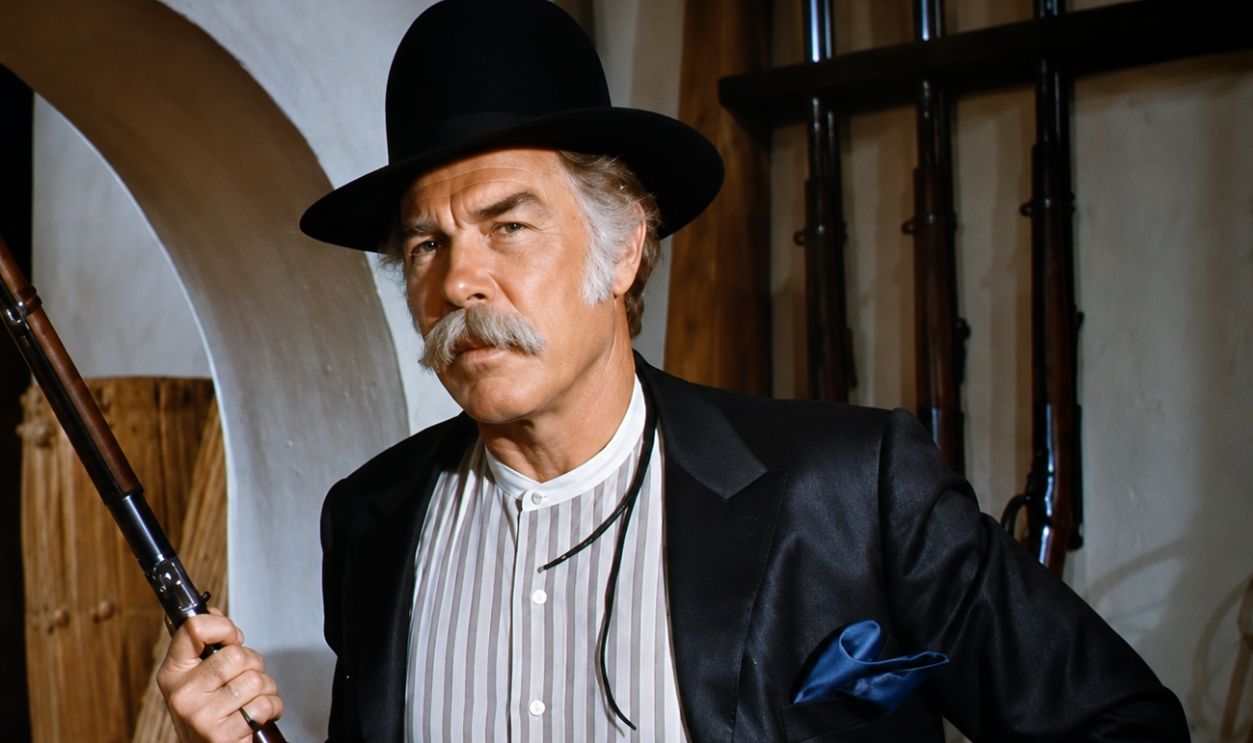 Screenshot from The Spikes Gang, United Artists (1974)
Breakheart Pass (1975)
Part Western, part murder mystery, and part runaway-train thriller, Breakheart Pass (1975) stars Charles Bronson as a mysterious prisoner aboard a train where passengers keep dying. Tom Gries directs a formidable supporting cast including Ben Johnson, Richard Crenna, Jill Ireland, Charles Durning, and Ed Lauter.
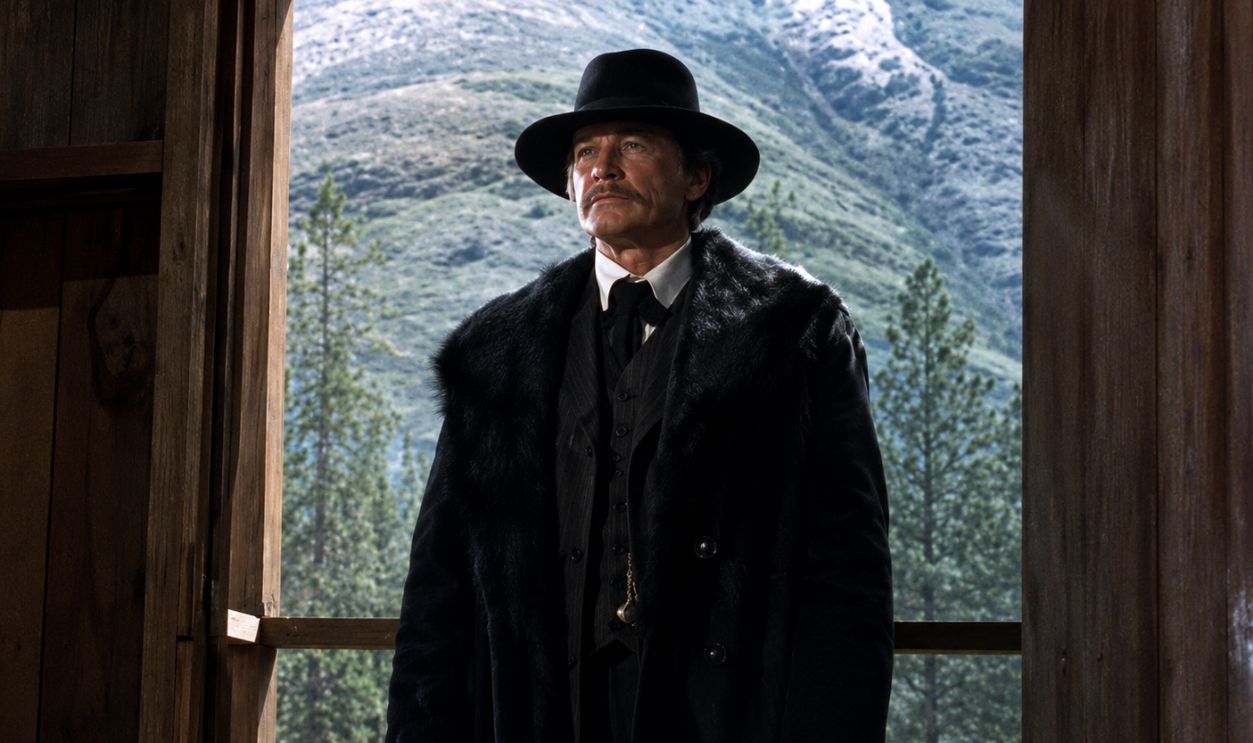 Screenshot from Breakheart Pass, United Artists (1975)
The Missouri Breaks (1976)
How did a Western starring Marlon Brando and Jack Nicholson become comparatively obscure? Arthur Penn's strange, deliberately eccentric film pits Nicholson's cattle rustler against Brando's bizarre hired regulator. Randy Quaid, Frederic Forrest, and Harry Dean Stanton co-star, with John Williams providing the score.
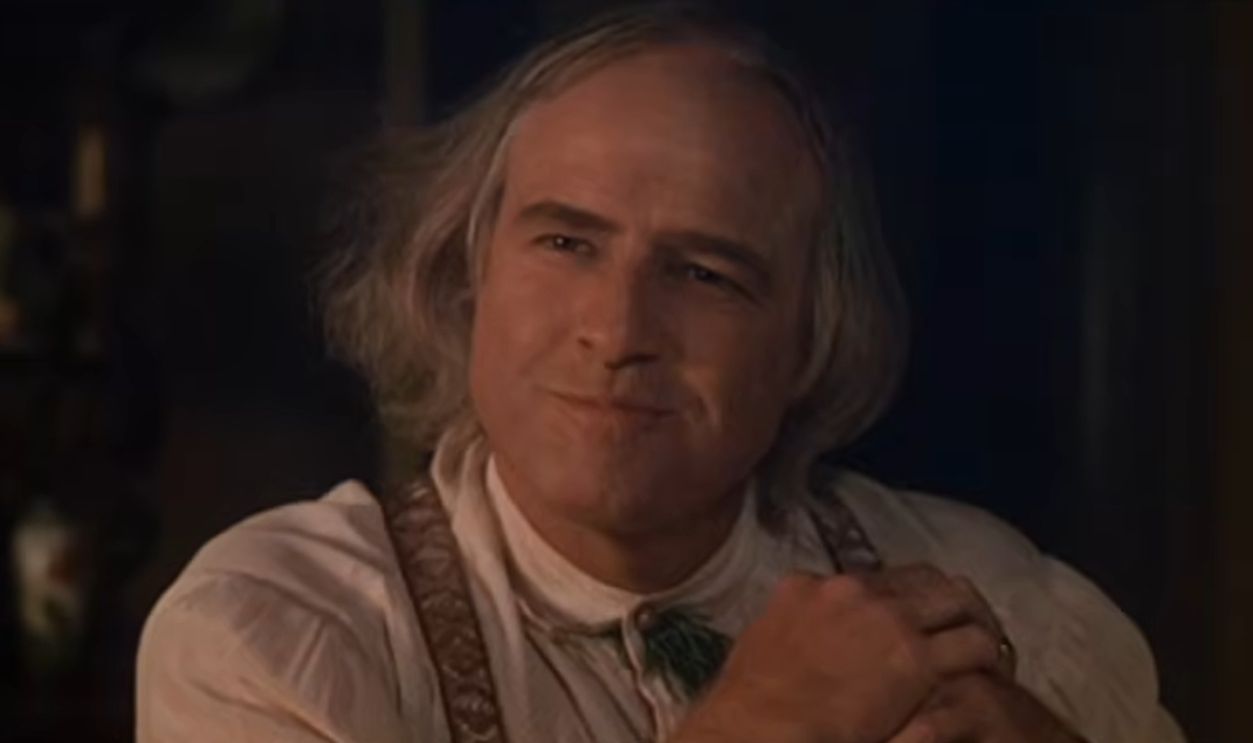 Screenshot from The Missouri Breaks, United Artists (1976)
The White Buffalo (1977)
Charles Bronson plays Wild Bill Hickok, plagued by dreams of an enormous white buffalo that he becomes determined to hunt. J. Lee Thompson directs this peculiar mixture of Western, monster movie, and myth, with Jack Warden and Will Sampson helping turn its odd premise into a genuine cult curiosity.
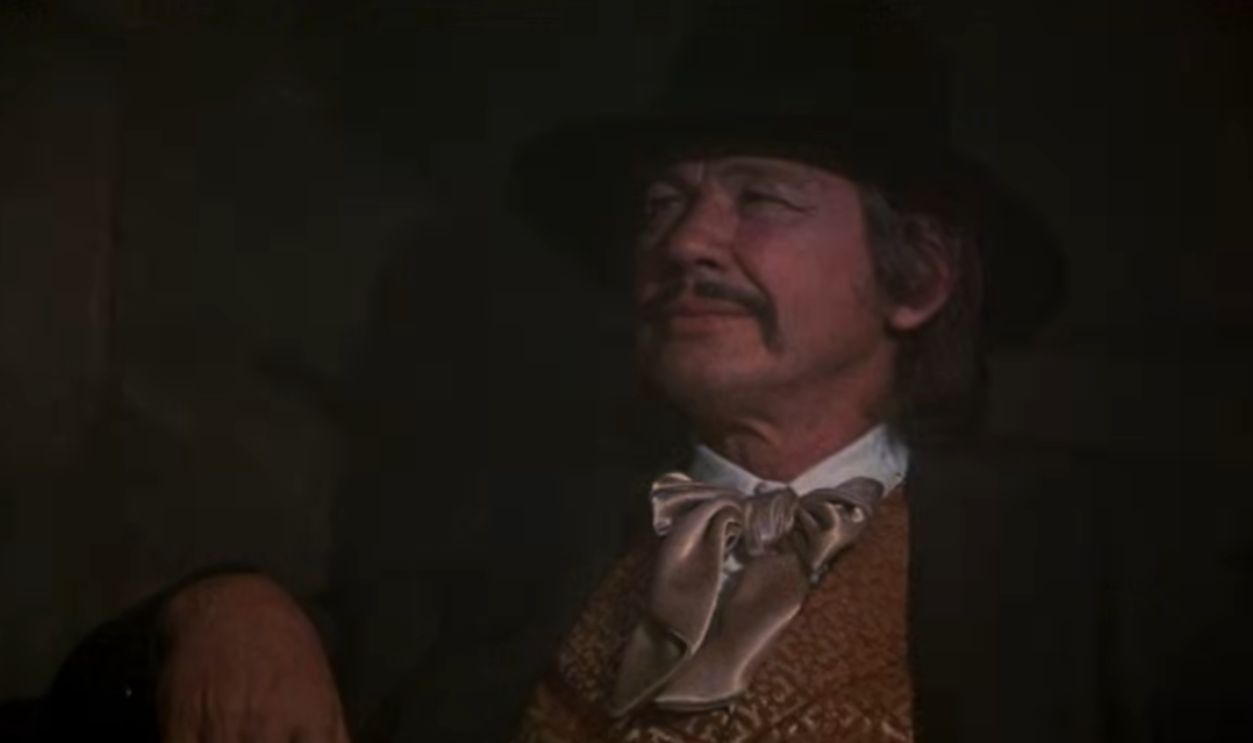 Screenshot from The White Buffalo, United Artists (1977)
The Ballad Of Gregorio Cortez (1982)
Edward James Olmos produced and starred in Robert M. Young's account of Mexican American farmer Gregorio Cortez, whose misunderstanding with a Texas sheriff triggers a huge manhunt. Based on a real incident, the independent production became a landmark of Chicano cinema and a fascinating revision of Western mythology.
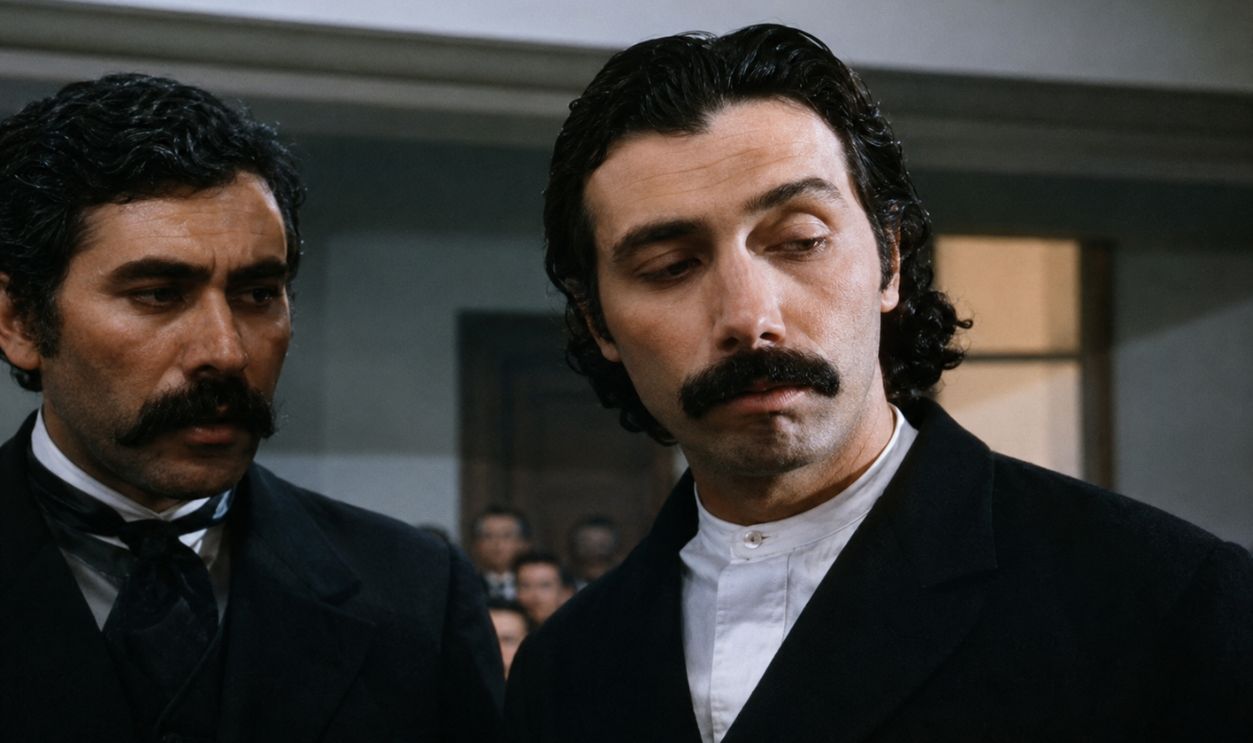 Screenshot from The Ballad Of Gregorio Cortez, Embassy Pictures (1982)
The Grey Fox (1982)
Veteran stuntman and character actor Richard Farnsworth finally received a magnificent leading role as real-life stagecoach robber Bill Miner, released from prison into a rapidly changing 20th century. Phillip Borsos' beautifully restrained Canadian Western co-stars Jackie Burroughs and treats its aging outlaw with unusual warmth and melancholy.
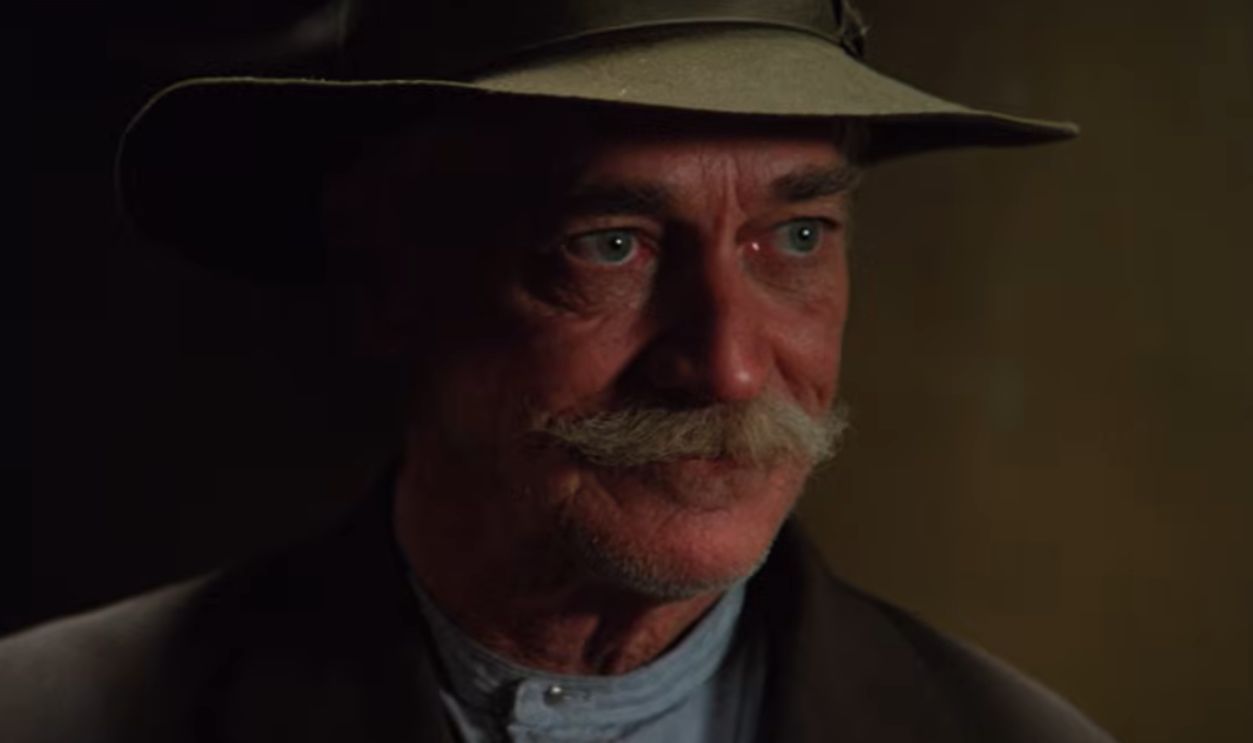 Screenshot from The Grey Fox, United Artists Classics (1982)
The Quick And The Dead (1987)
Not to be confused with the later Sharon Stone Western, The Quick And The Dead (1987) was an HBO adaptation of Louis L'Amour's novel. Sam Elliott and Kate Capshaw star as a mysterious gunslinger and a settler's wife in a rugged frontier story directed by Robert Day and co-starring Tom Conti and Matt Clark.
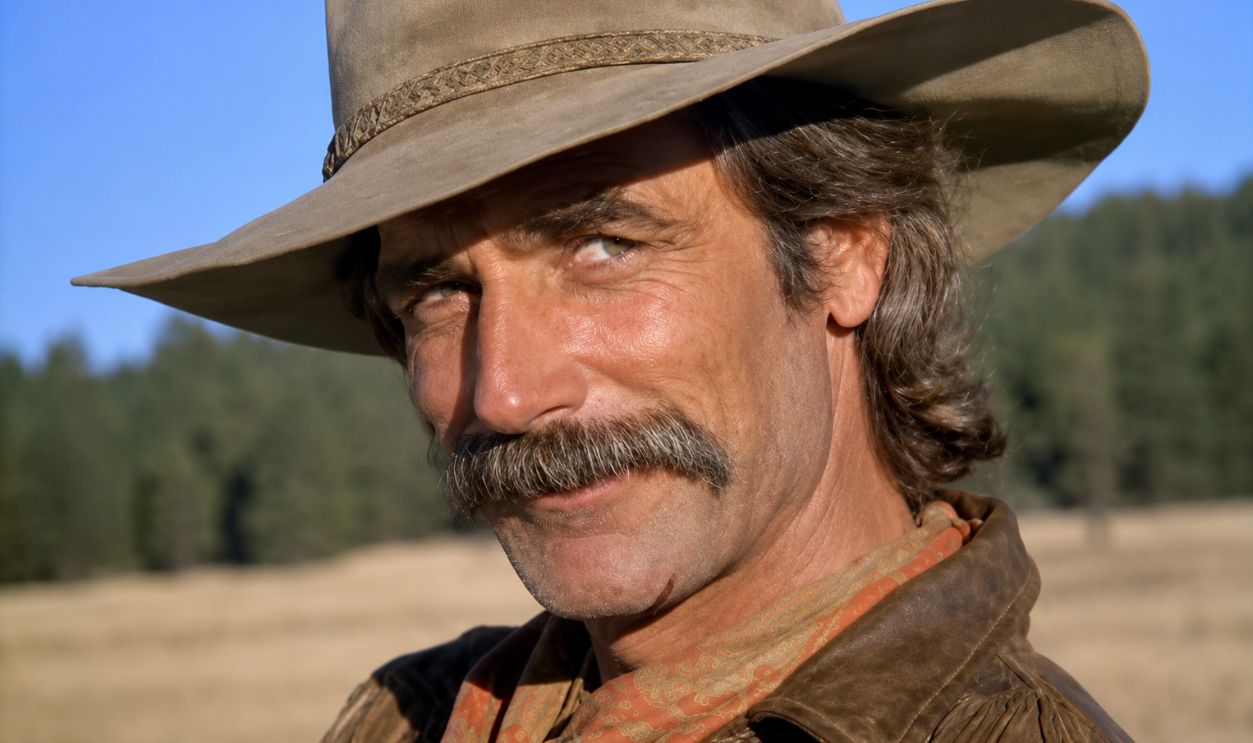 Screenshot from The Quick And The Dead, HBO Pictures (1987)
You May Also Like:
Classic 1960s Westerns That No One Recognizes Today—Seriously, Do You Recognize Any Of These Shows?
These Photos Show Life On The Set Of Classic American Westerns