When Cowboys Were Movie Stars, Not Just Characters
Before superheroes took over bedroom posters, Western stars had the hats, the horses, the squints, and the jawlines. These were the actors Baby Boomers grew up seeing on movie screens and TV reruns. Some were rugged heroes, some were dangerous antiheroes, and some looked like they had been carved directly out of Monument Valley.
Steve McQueen
Steve McQueen made every genre look cooler, and Westerns were no exception. Before becoming the King of Cool, he broke through on TV’s Wanted: Dead or Alive and later rode into films like The Magnificent Seven. He didn’t need big speeches. The squint, the posture, and the attitude did the work.
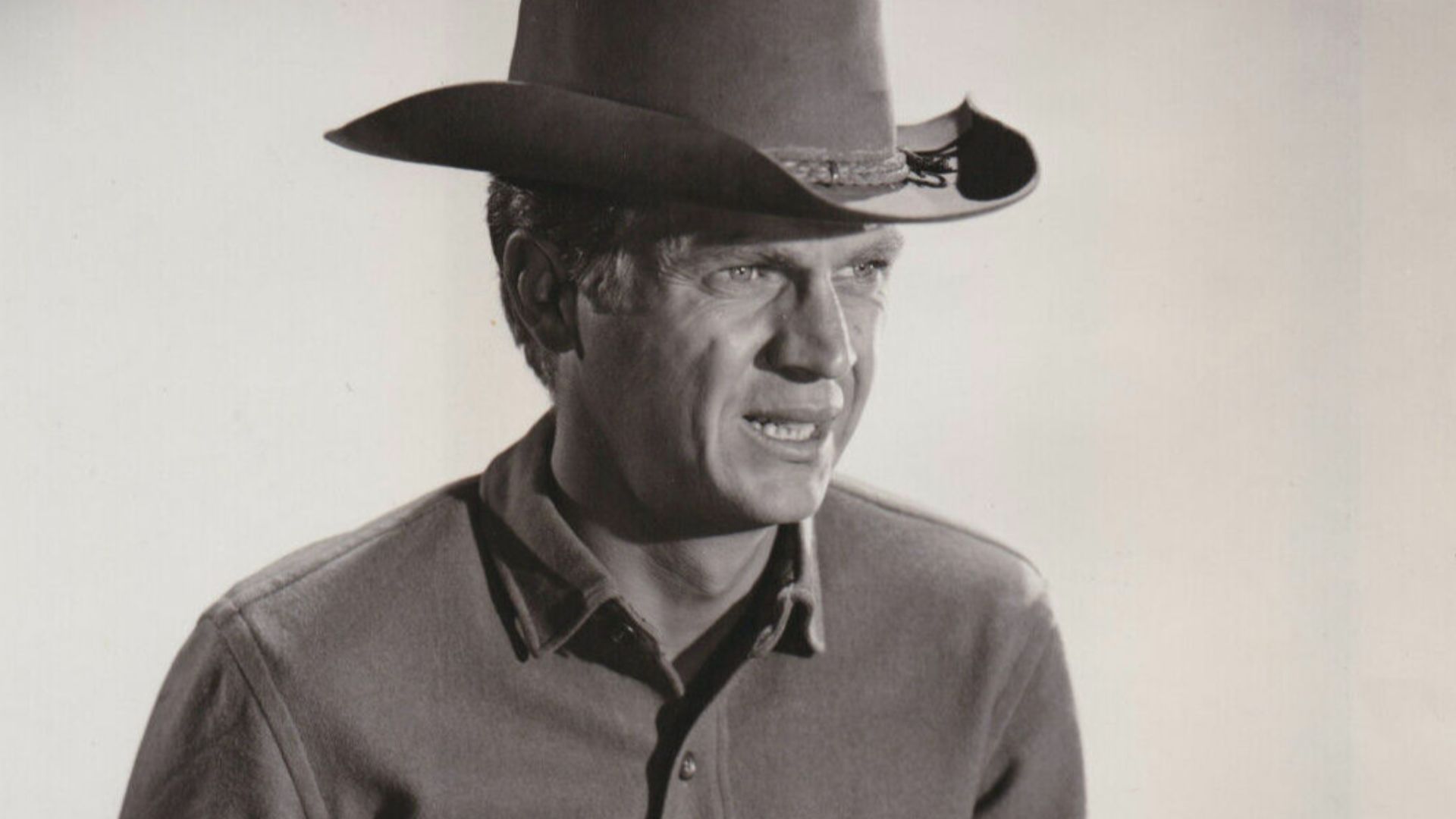 CBS Television, Wikimedia Commons
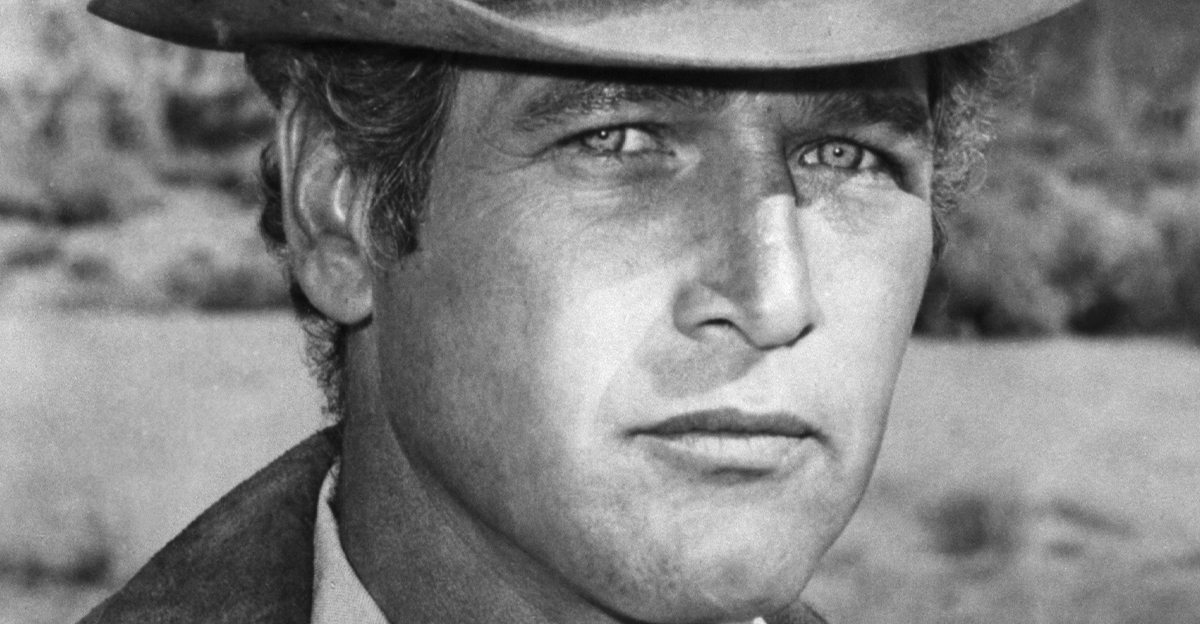
Paul Newman
Paul Newman brought movie-star beauty, wit, and mischief to the Western. Butch Cassidy and the Sundance Kid turned him into the charming outlaw everyone wanted to follow, even when the walls were closing in. He had the rare ability to look dangerous and playful at the same time, which made him poster material forever.
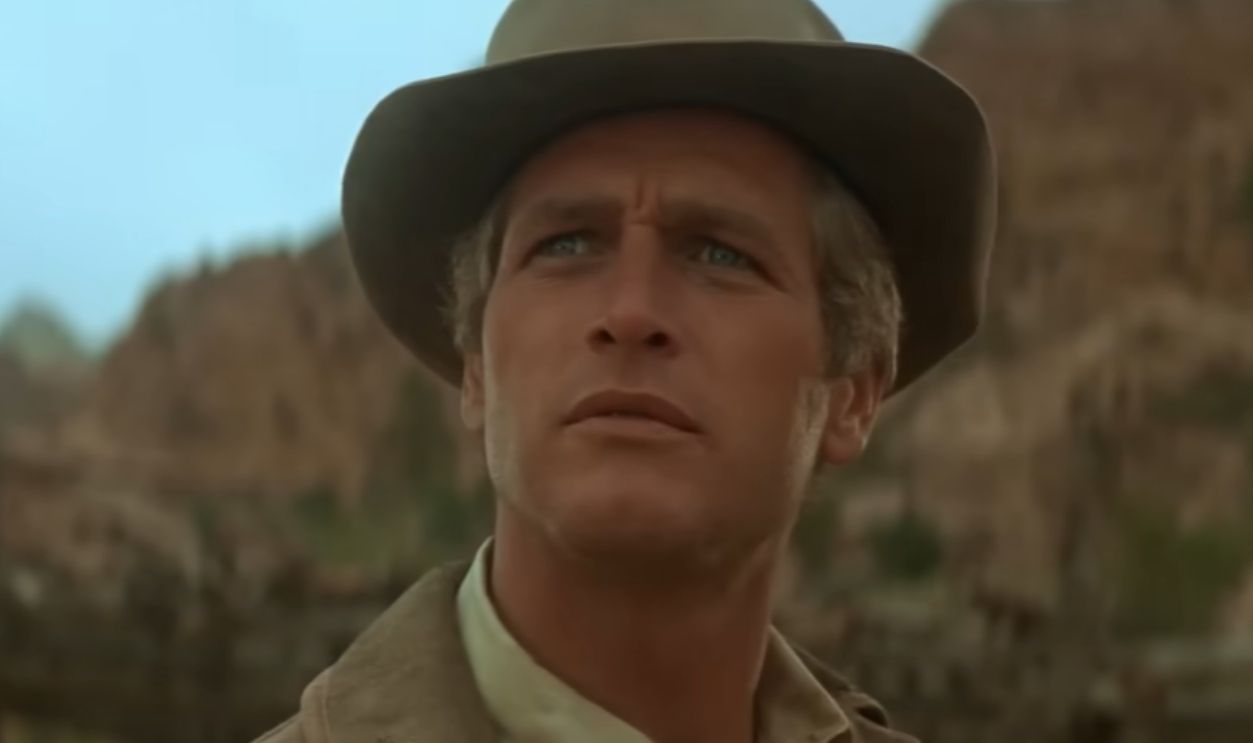 Screenshot from Butch Cassidy And The Sundance Kid, The Walt Disney Company (1969)
Randolph Scott
Randolph Scott practically became shorthand for the classic Hollywood cowboy. Tall, calm, handsome, and almost impossibly dignified, he built his later career around Westerns like Seven Men from Now and Ride the High Country. He wasn’t flashy, but that was the whole appeal. He looked like the kind of man who would settle trouble before lunch.
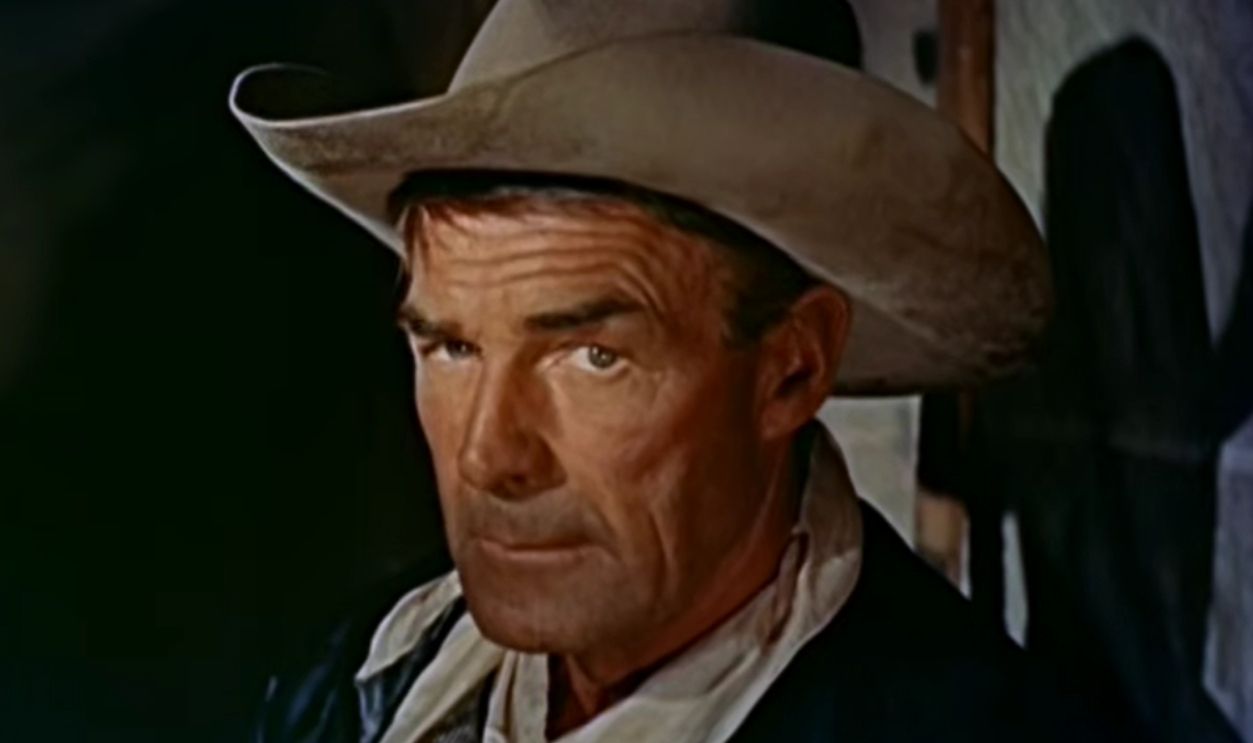 Screenshot from Seven Men from now, Paramount Global (1956)
Gary Cooper
Gary Cooper brought quiet strength to the Western long before movie heroes had to announce how tough they were. In films like High Noon and The Westerner, he made hesitation, duty, and moral pressure feel riveting. His lanky frame and plainspoken delivery gave him a romantic seriousness that made him irresistible without seeming like he was trying.
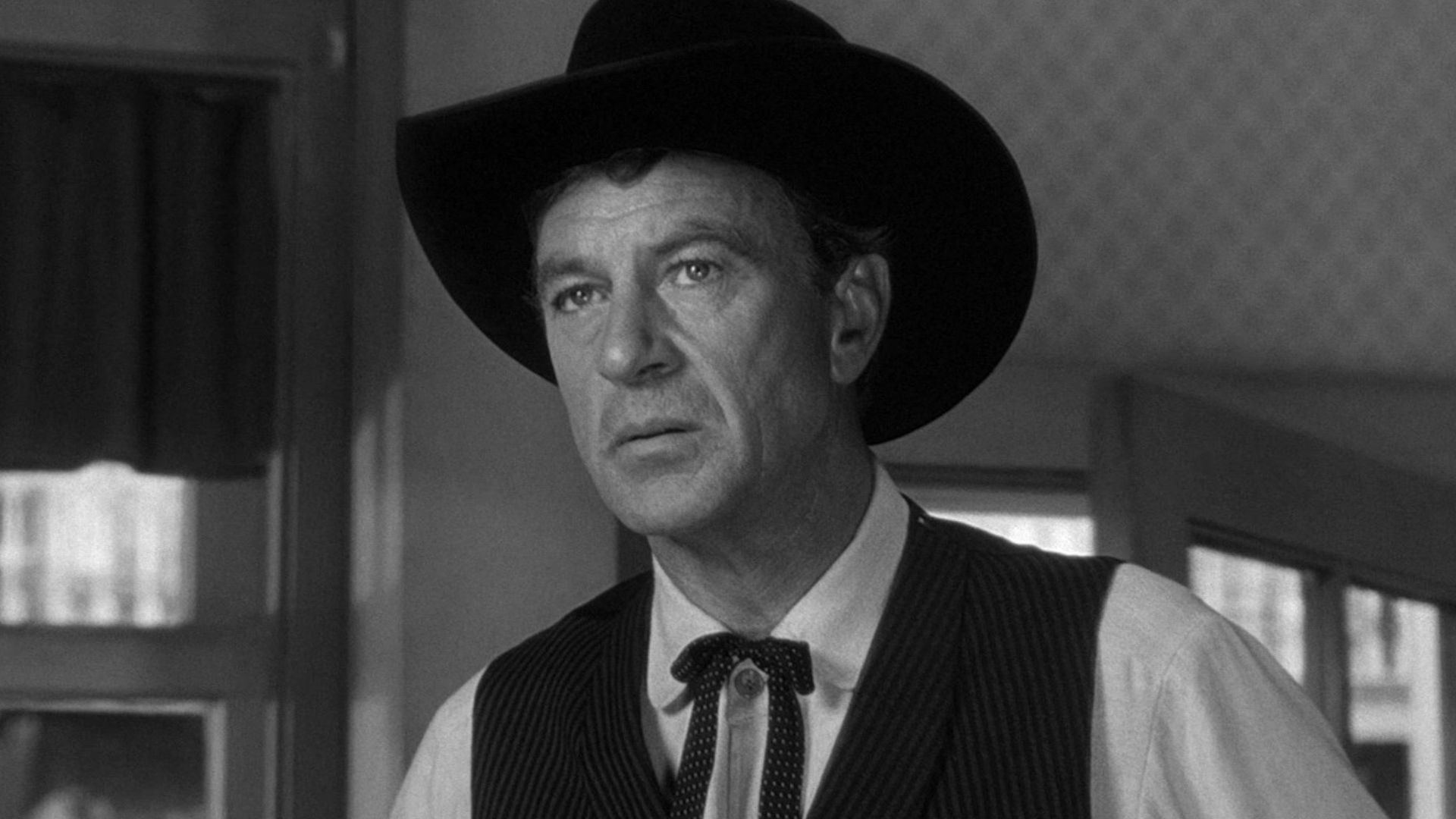 United Artists, Wikimedia Commons
Jimmy Stewart
Jimmy Stewart was not the obvious tough-guy Western type, which made his best Western roles even more interesting. In films like Winchester ’73 and The Man Who Shot Liberty Valance, he brought nervous intensity, decency, and hidden anger to the genre. Boomers knew him as charming, but his Westerns proved he could get dark.
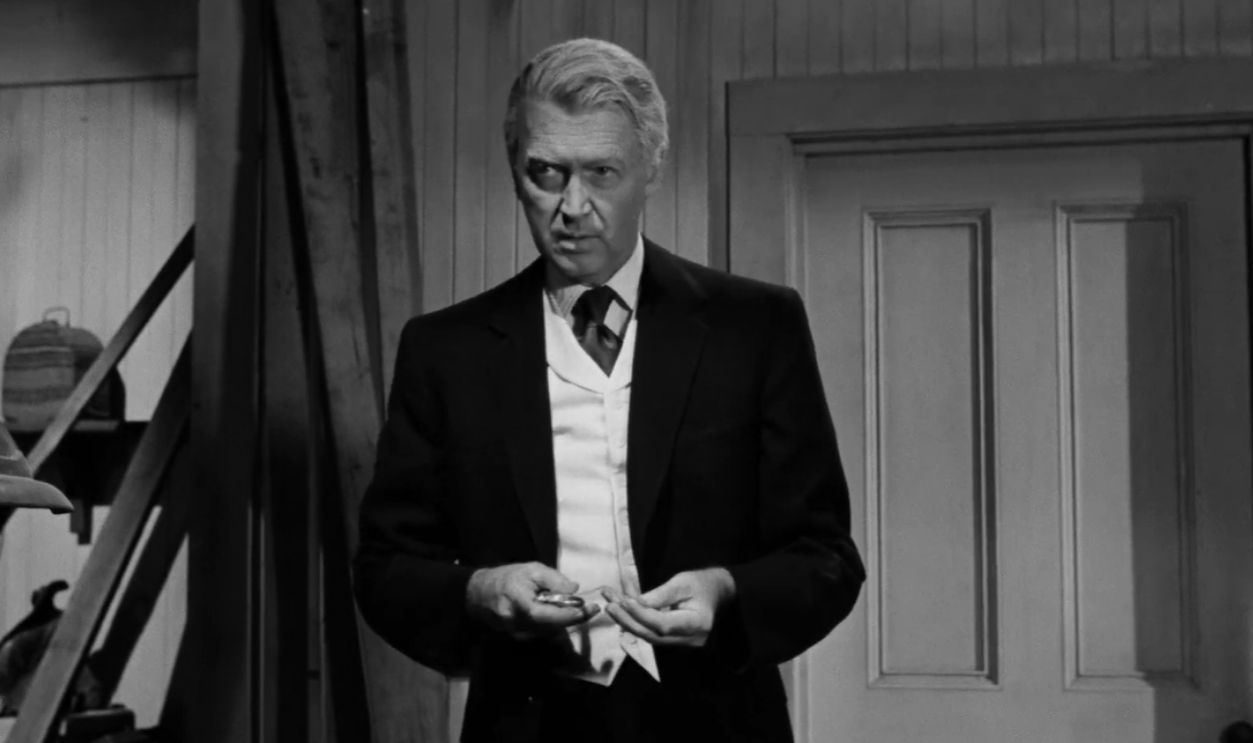 Screenshot from The Man Who Shot Liberty Valance, Paramount Global (1962)
John Wayne
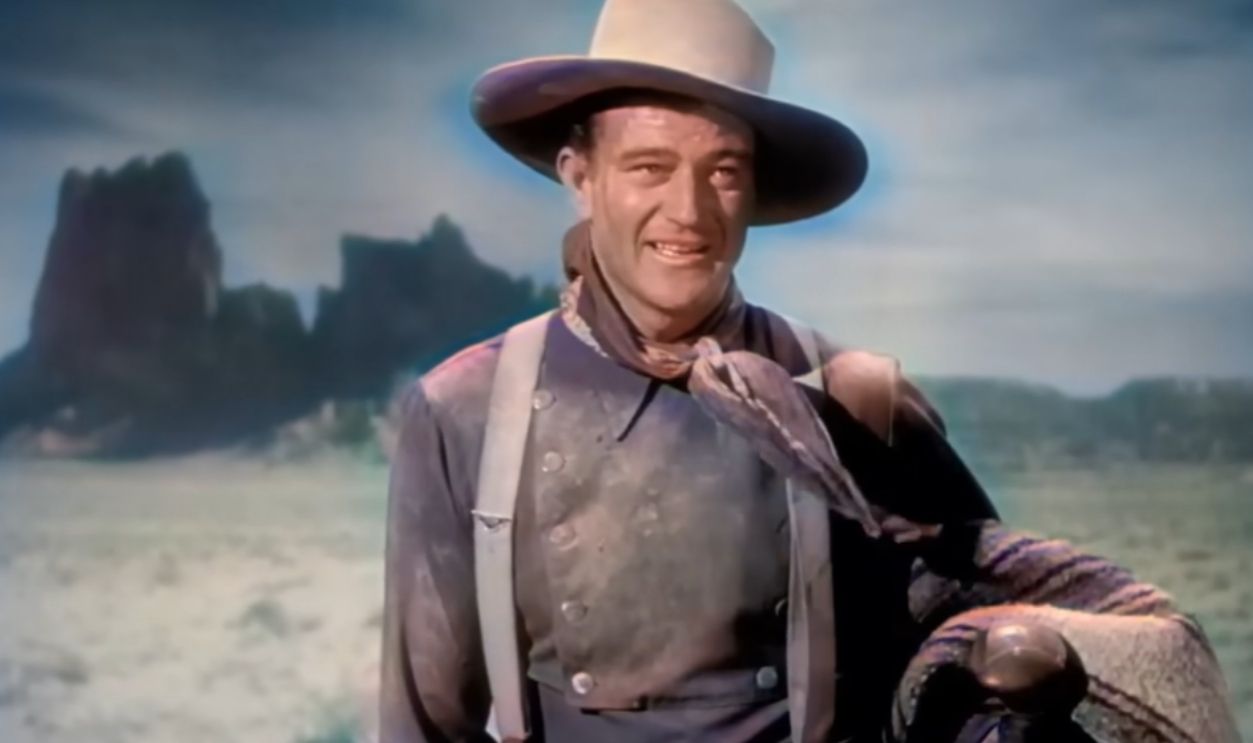
John Wayne was the Western star for generations of viewers. Whether riding through Stagecoach, commanding Red River, or aging into legend in True Grit, he carried himself like the whole frontier depended on him. His walk, voice, and sheer presence became so iconic that many people still picture him first when they think “cowboy".
 Screenshot from stagecoach, Shout! Factory (1939)
Errol Flynn
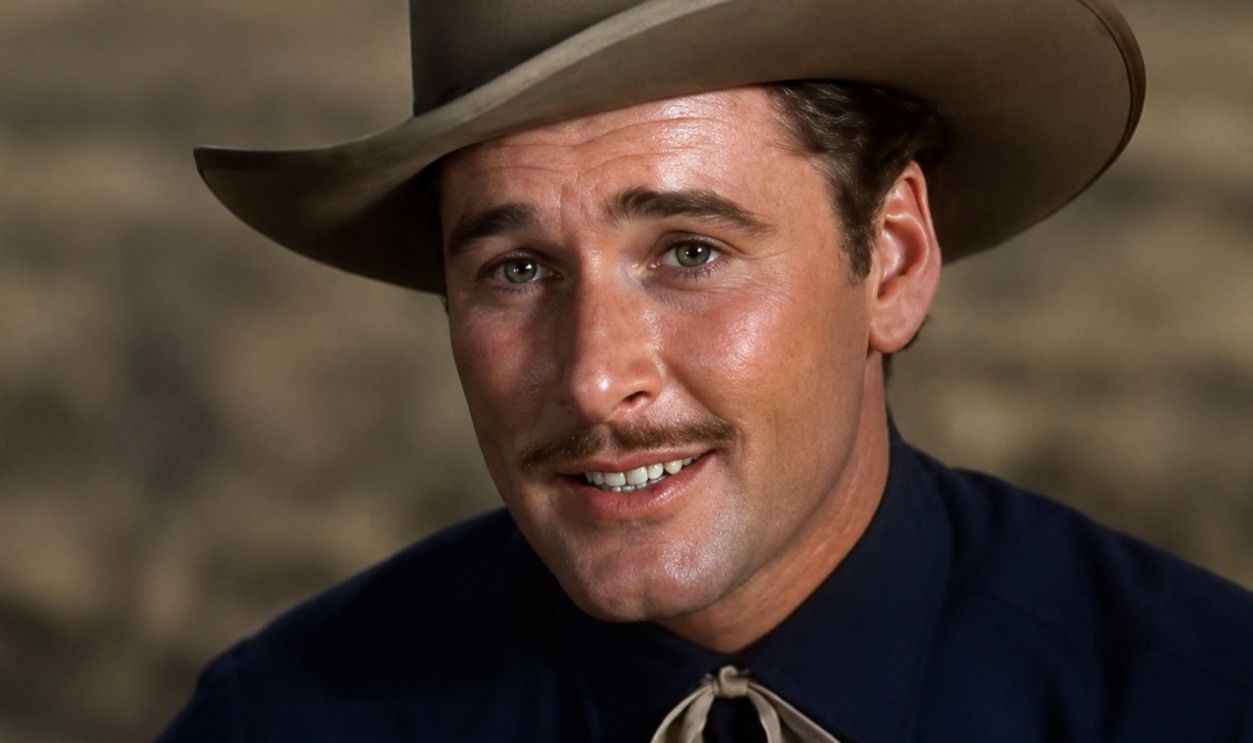
Errol Flynn was better known for swashbucklers, but when he rode into Westerns, he brought the same reckless charm with him. Films like Dodge City and Virginia City let him trade swords for six-shooters without losing that movie-star sparkle. He was less dusty ranch hand and more glamorous outlaw fantasy, which absolutely worked.
 Screenshot from Dodge City, Warner Bros. Discovery (1939), enhanced
Burt Lancaster
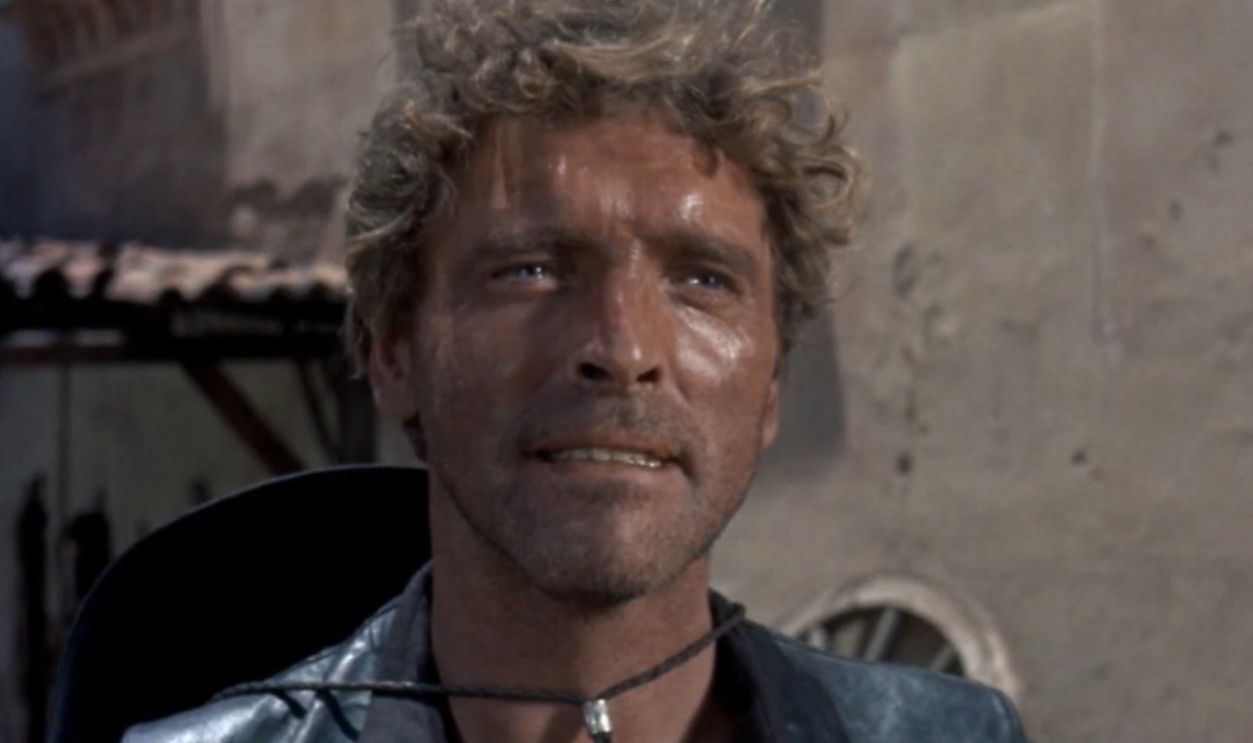
Burt Lancaster had the athletic build and electric smile of someone who could dominate almost any genre. In Westerns like Vera Cruz, Gunfight at the O.K. Corral, and The Professionals, he mixed swagger with danger. He didn’t just look heroic. He looked like he might enjoy the fight a little too much.
 Screenshot from Vera Cruz, Amazon MGM Studios (1954)
Glenn Ford
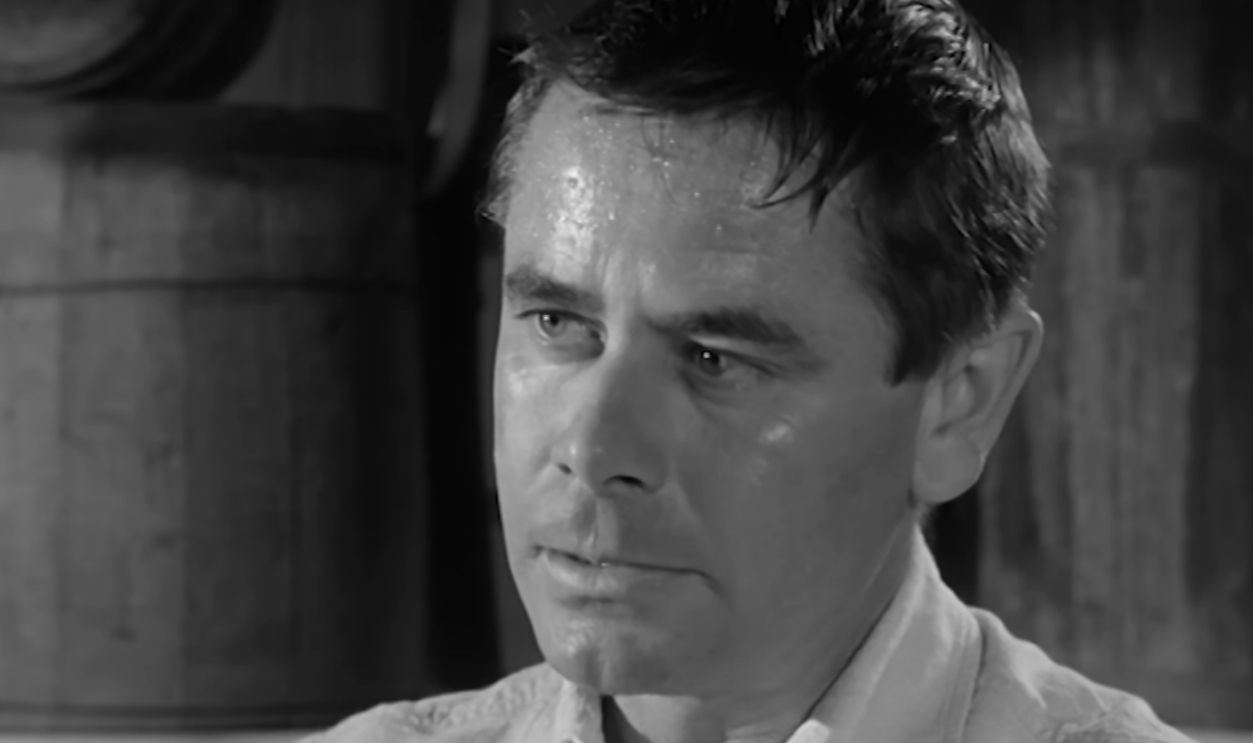
Glenn Ford had one of the great underplayed Western presences. He could be charming, weary, honorable, or quietly dangerous, depending on the film. In 3:10 to Yuma, The Fastest Gun Alive, and The Rounders, he made restraint feel masculine. He rarely needed to raise his voice to control a scene.
 Screenshot from The Fastest Gun Alive, Warner Bros. Discovery (1956)
Henry Fonda
Henry Fonda’s Western appeal came from that calm, upright quality that made him seem trustworthy even before he spoke. Then Once Upon a Time in the West flipped that image into something shocking and sinister. Whether noble or frightening, Fonda had the kind of face audiences remembered: gentle, sharp, and impossible to dismiss.
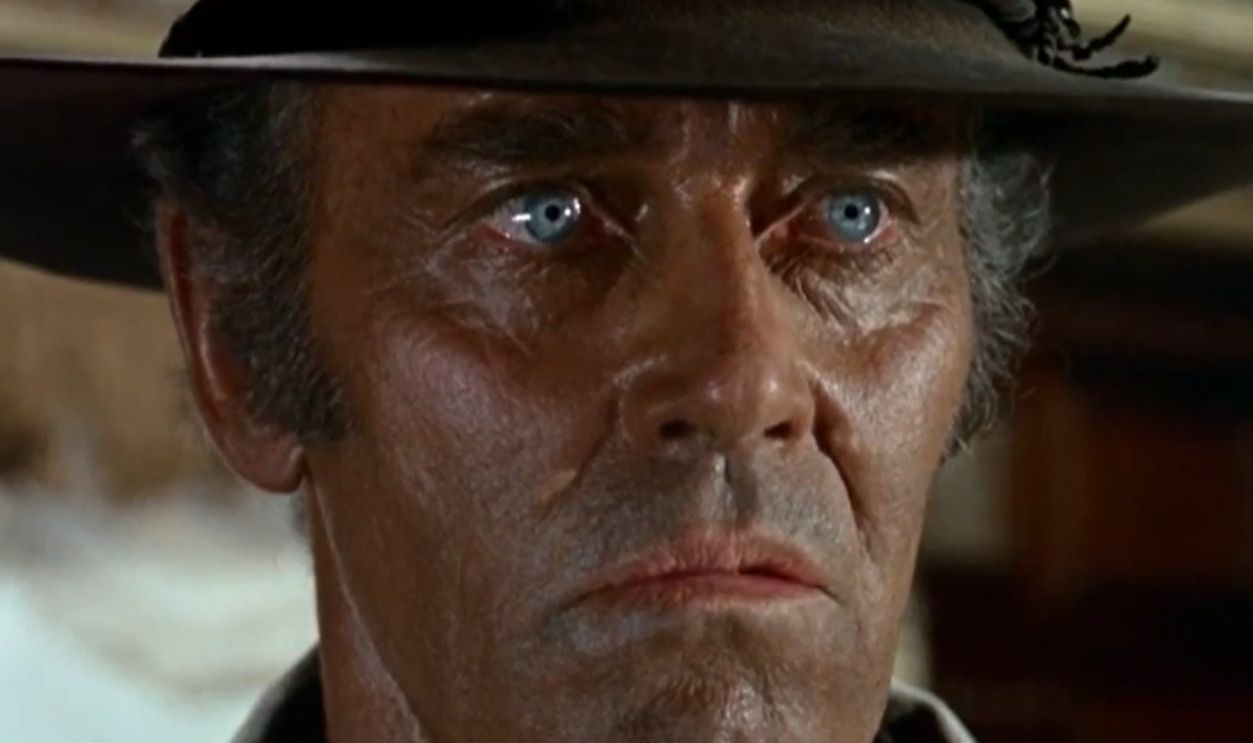 Screenshot from Once Upon a Time in the West, Paramount Global (1968)
Kirk Douglas
Kirk Douglas brought intensity to everything, and Westerns gave him plenty of room to burn. In films like Last Train from Gun Hill, The War Wagon, and Lonely Are the Brave, he played men driven by pride, pain, or stubborn independence. He wasn’t the still, silent type. He was the storm coming over the ridge.
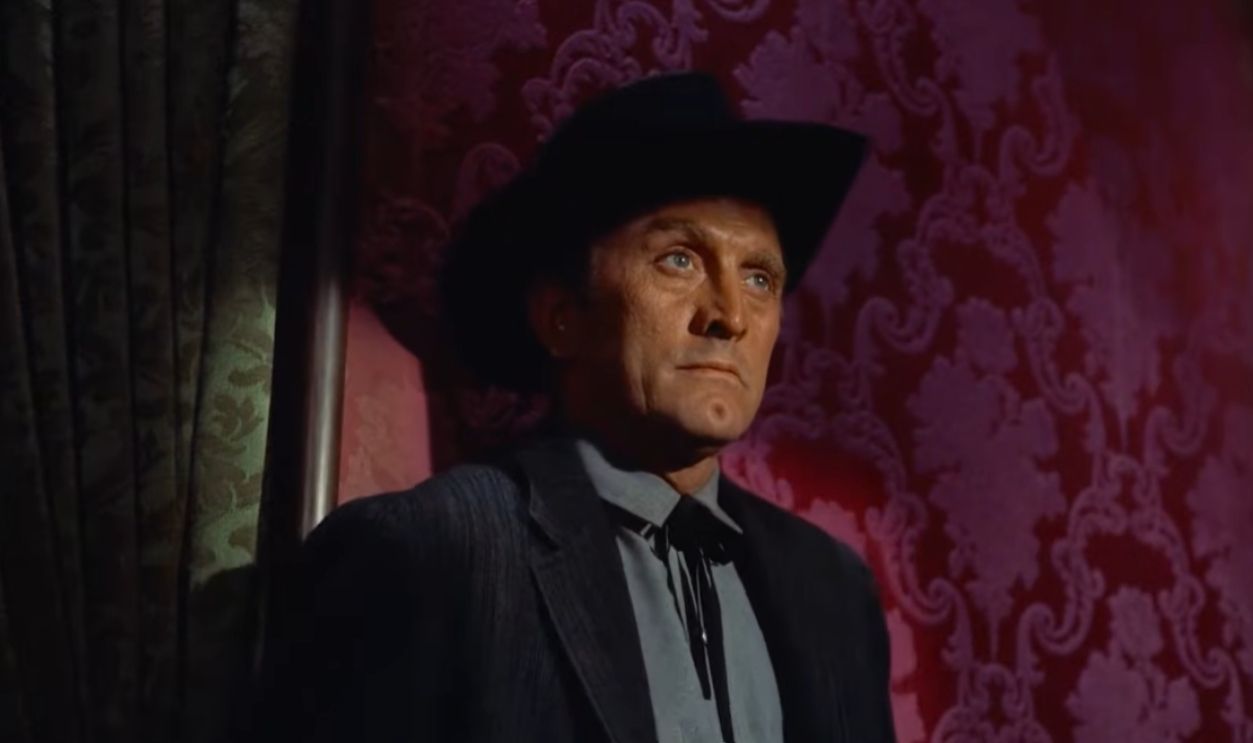 Screenshot from Last Train from Gun Hill, Paramount Global (1959)
Robert Mitchum
Robert Mitchum made Western cool look effortless. He had the heavy-lidded stare, the lazy voice, and the dangerous calm of a man who might be half-asleep or plotting something terrible. In films like Blood on the Moon and El Dorado, he brought noir moodiness to the frontier and made it look natural.
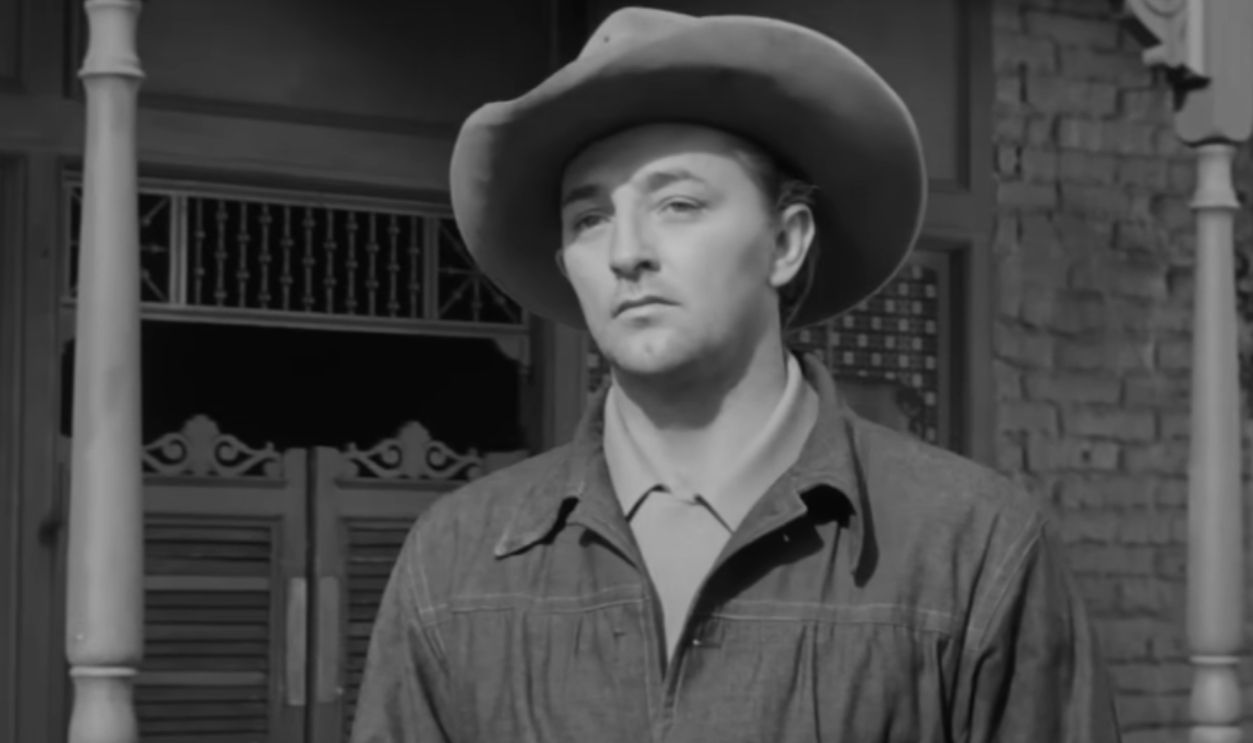 Screenshot from Blood on the Moon, Warner Bros. Discovery (1948)
Joel McCrea
Joel McCrea had a quieter kind of cowboy appeal. He seemed decent, capable, and grounded, like a man who belonged outdoors and never needed to prove it. His long Western career included Union Pacific, Colorado Territory, and Ride the High Country, where his weathered dignity paired beautifully with Randolph Scott’s.
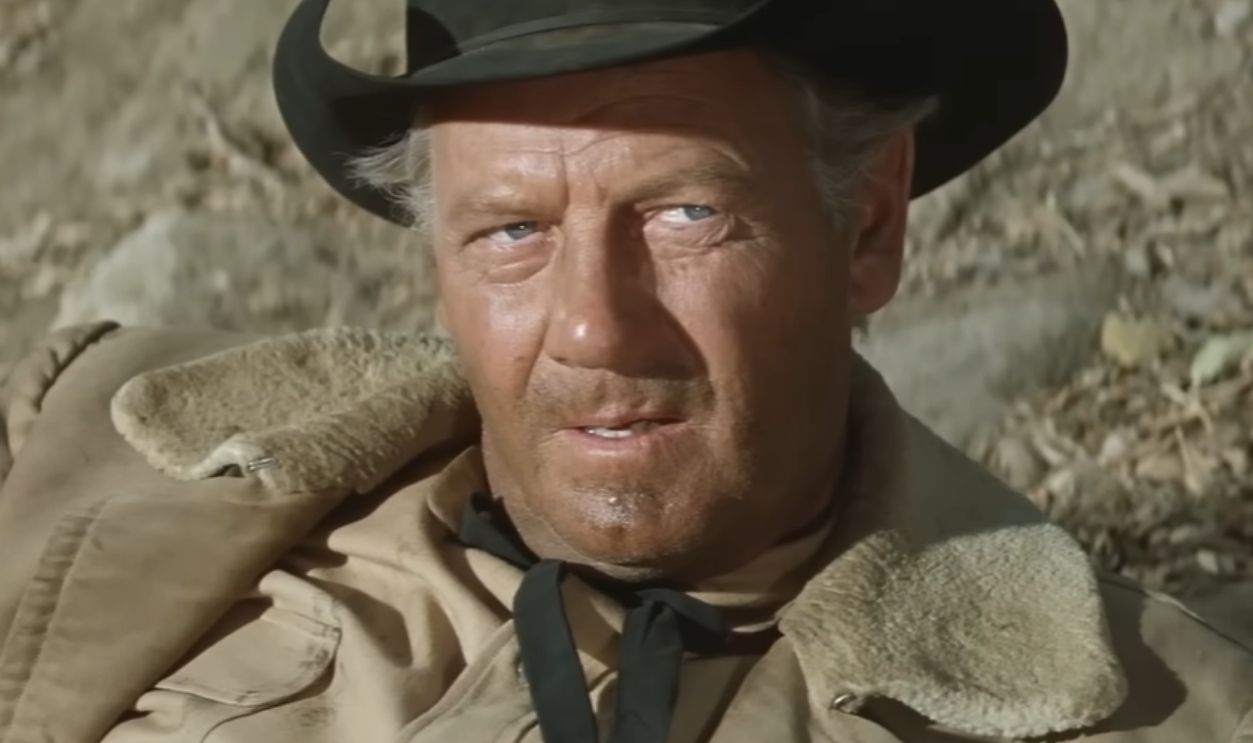 Screenshot from Ride the High Country, Warner Bros. Discovery (1962)
Gregory Peck
Gregory Peck brought moral weight and leading-man polish to Westerns. In The Big Country, he played a man whose courage came from self-control rather than macho posturing. That made him stand out in a genre full of gunfighters and loud threats. Peck’s Western image was handsome, thoughtful, and stubbornly principled.
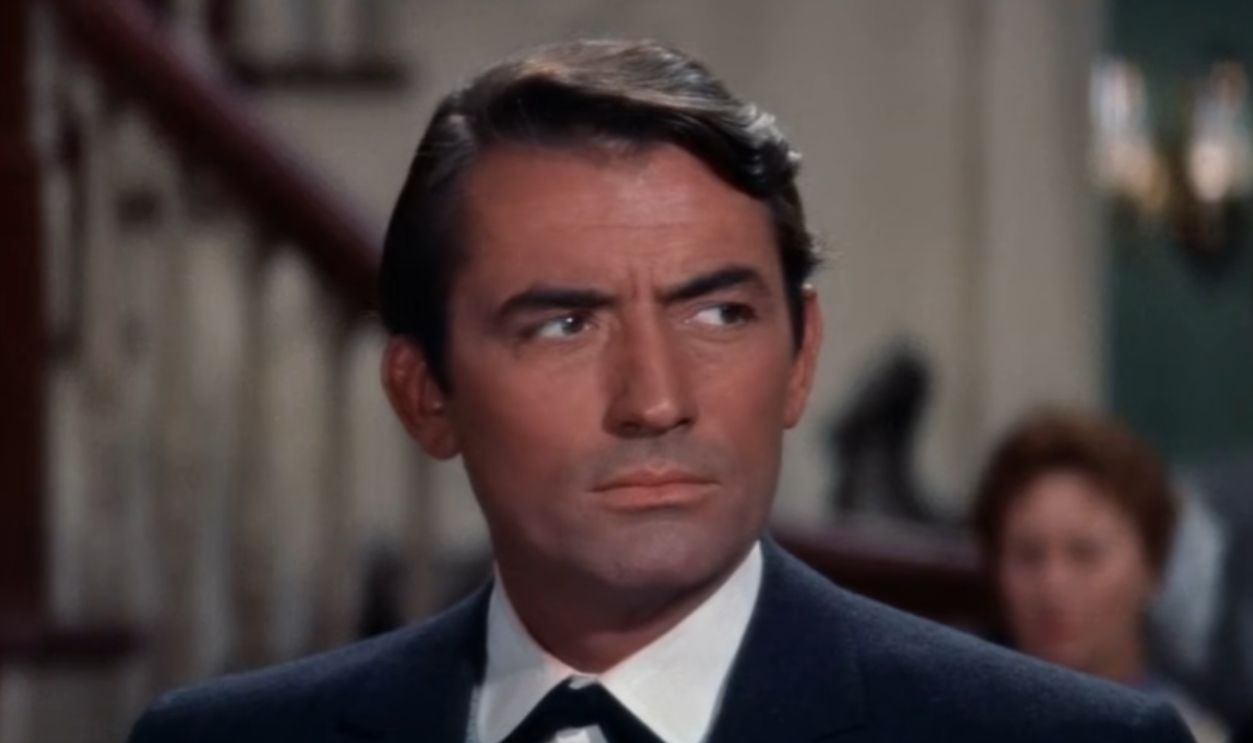 Screenshot from The Big Country, Amazon MGM Studios (1958)
Richard Widmark
Richard Widmark had a sharp edge that made him fascinating in Westerns. He could play charming, nervous, cruel, or heroic, sometimes all in the same general neighborhood. In films like The Last Wagon, Two Rode Together, and Warlock, he brought a more volatile energy than the genre’s traditional square-jawed heroes.
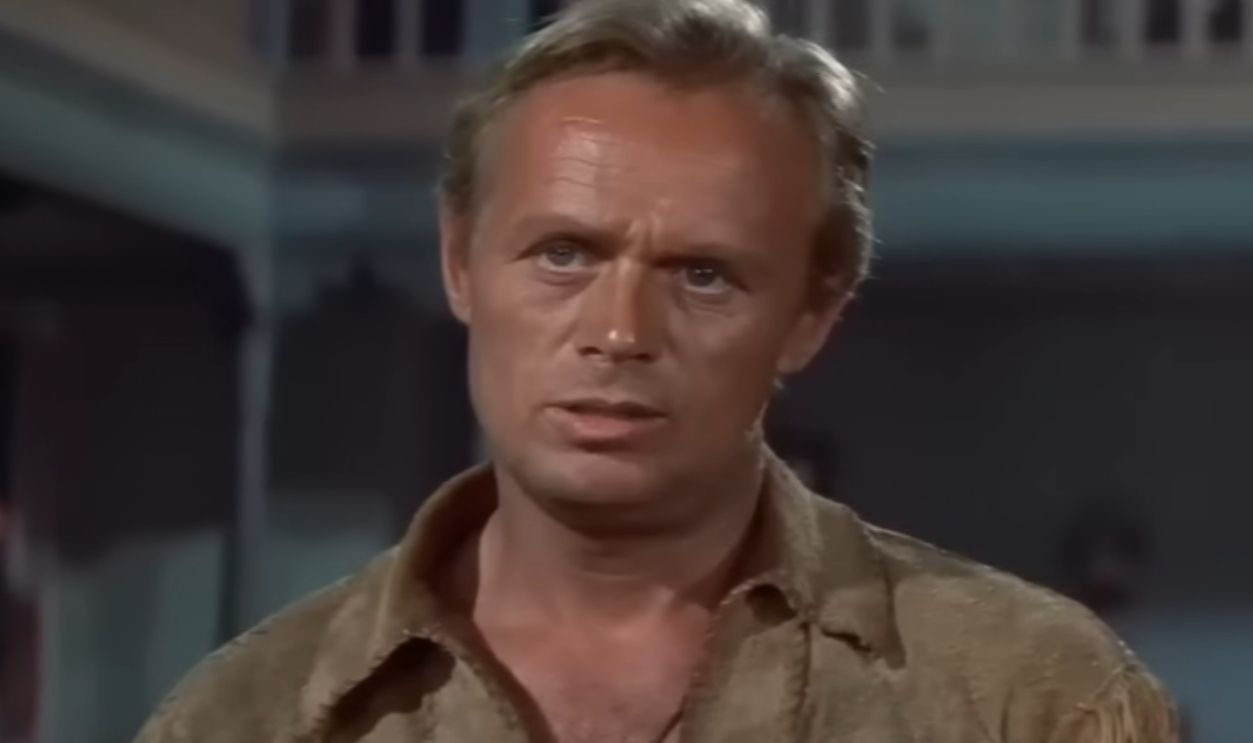 Screenshot from The Last Wagon, The Walt Disney Company (1956)
Audie Murphy
Audie Murphy’s Western stardom came with a real-life legend behind it. As one of the most decorated American soldiers of World War II, he already carried an aura before becoming a movie star. In Westerns like Destry and No Name on the Bullet, his youthful looks contrasted with a surprisingly tough screen presence.
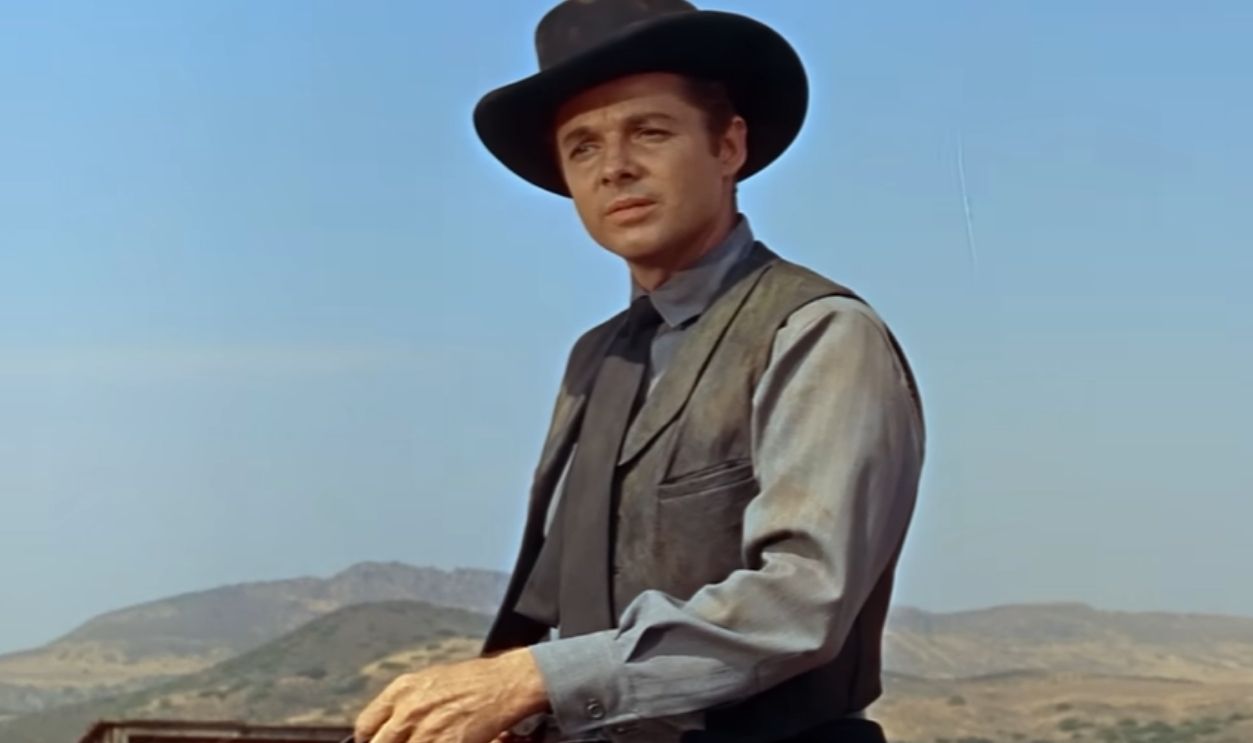 Screenshot from No Name on the Bullet, NBCUniversal (1959)
Alan Ladd
Alan Ladd became permanently linked to the Western through Shane, one of the genre’s most beloved films. He wasn’t physically imposing like some cowboy stars, but that almost made him more compelling. His quiet voice, blond looks, and haunted stillness turned Shane into a mysterious dream figure riding through childhood memories.
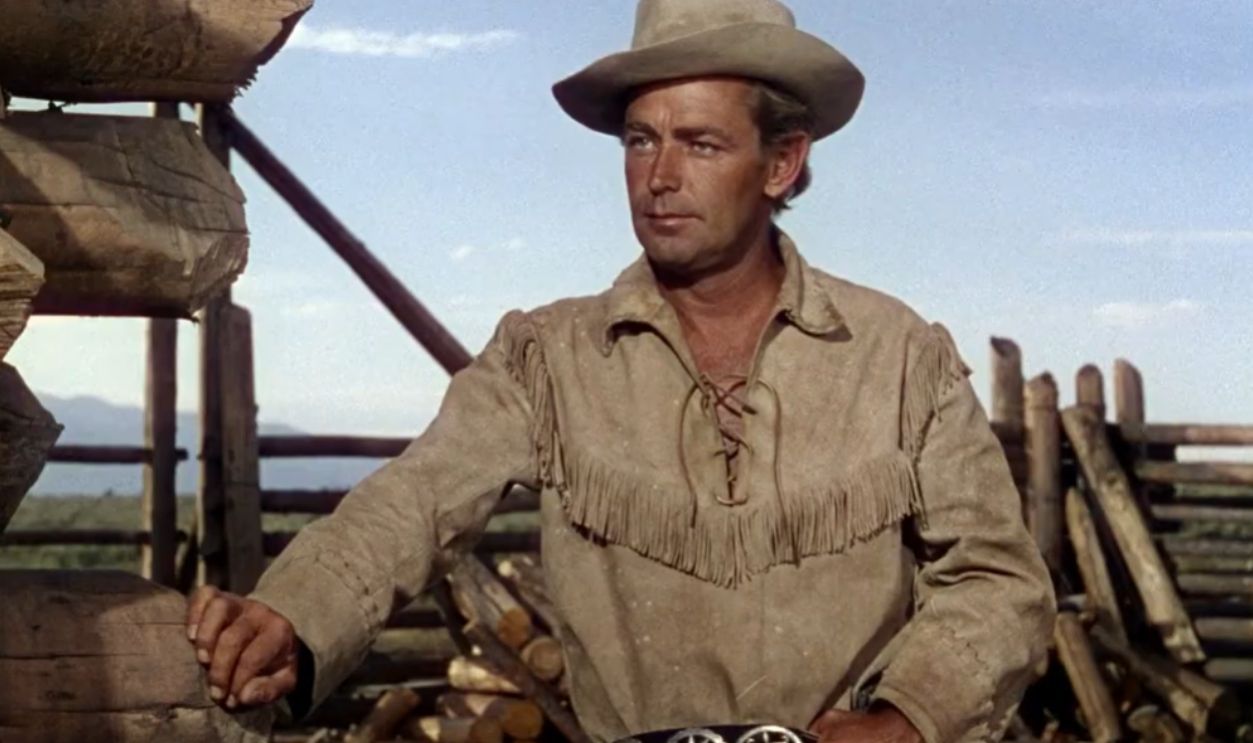 Screenshot from Shane, Paramount Global (1953)
Charles Bronson
Charles Bronson looked like he had never trusted anyone in his life, which made him perfect for rougher Westerns. In The Magnificent Seven, Once Upon a Time in the West, and Chato’s Land, he brought a stony toughness that felt modern and dangerous. He wasn’t polished. He was carved, weathered, and impossible to intimidate.
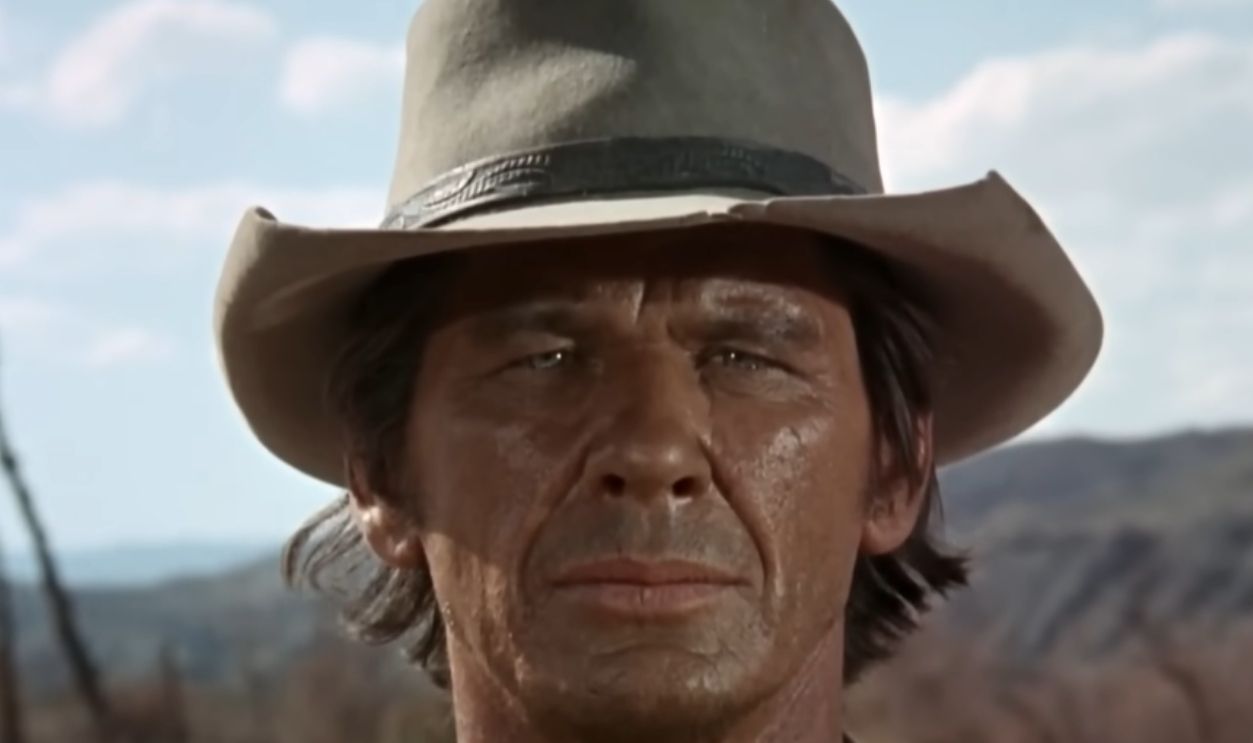 Screenshot from Once Upon a Time in the West, Paramount Global (1968)
Clint Eastwood
Clint Eastwood gave the Western a colder, leaner, more dangerous kind of heartthrob. His Man with No Name in Sergio Leone’s Dollars trilogy barely spoke, barely smiled, and still became one of the coolest figures in movie history. For Boomers coming of age in the 1960s, Eastwood was the cowboy rewritten for a more cynical era.
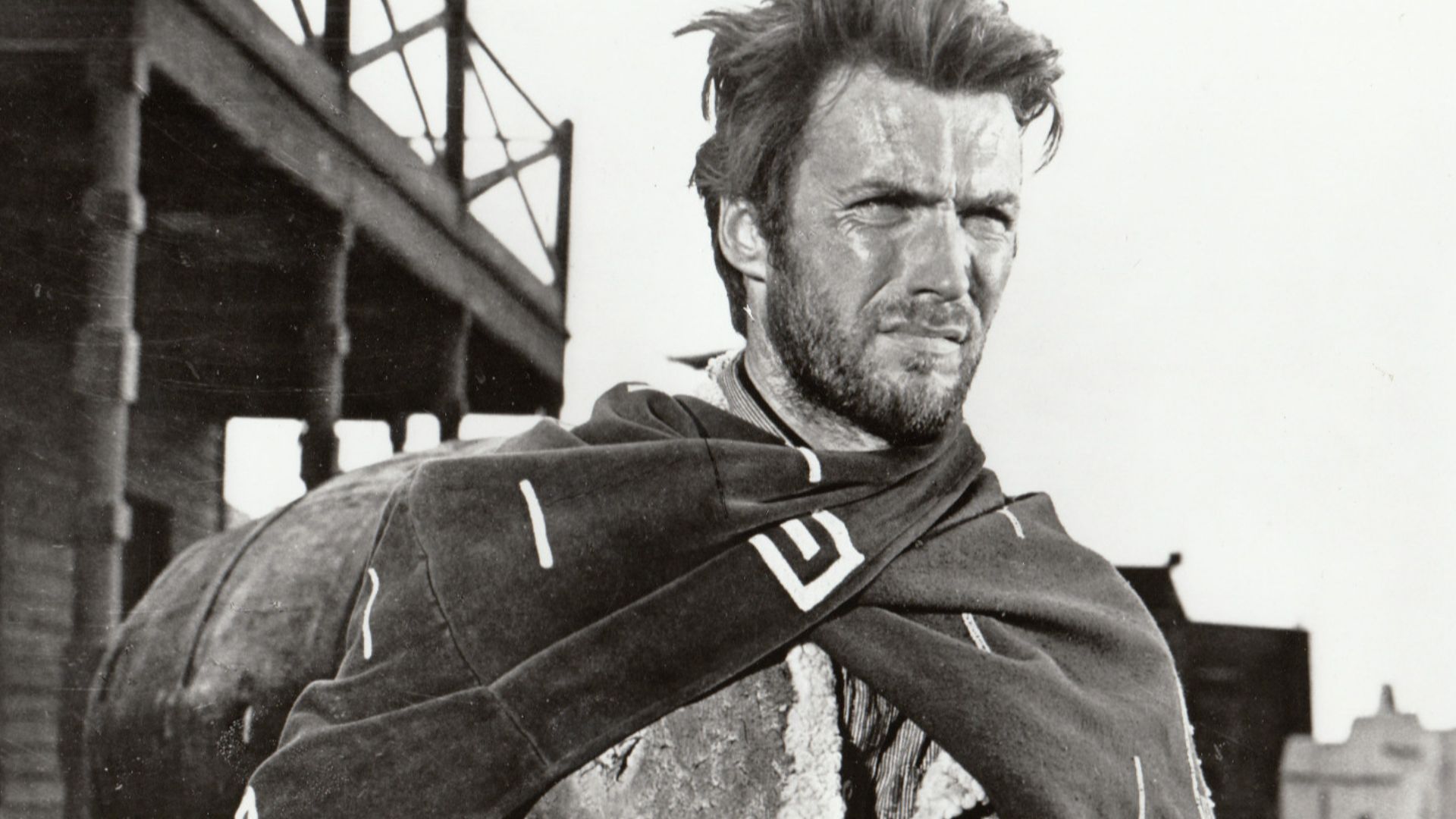 movie studio, Wikimedia Commons
Robert Redford
Robert Redford’s Sundance Kid was so cool that the name basically became a brand. In Butch Cassidy and the Sundance Kid, he played the quieter, deadlier half of the outlaw duo opposite Paul Newman. With the hat, the mustache, and that golden leading-man face, Redford made the doomed gunslinger look almost unfairly handsome.
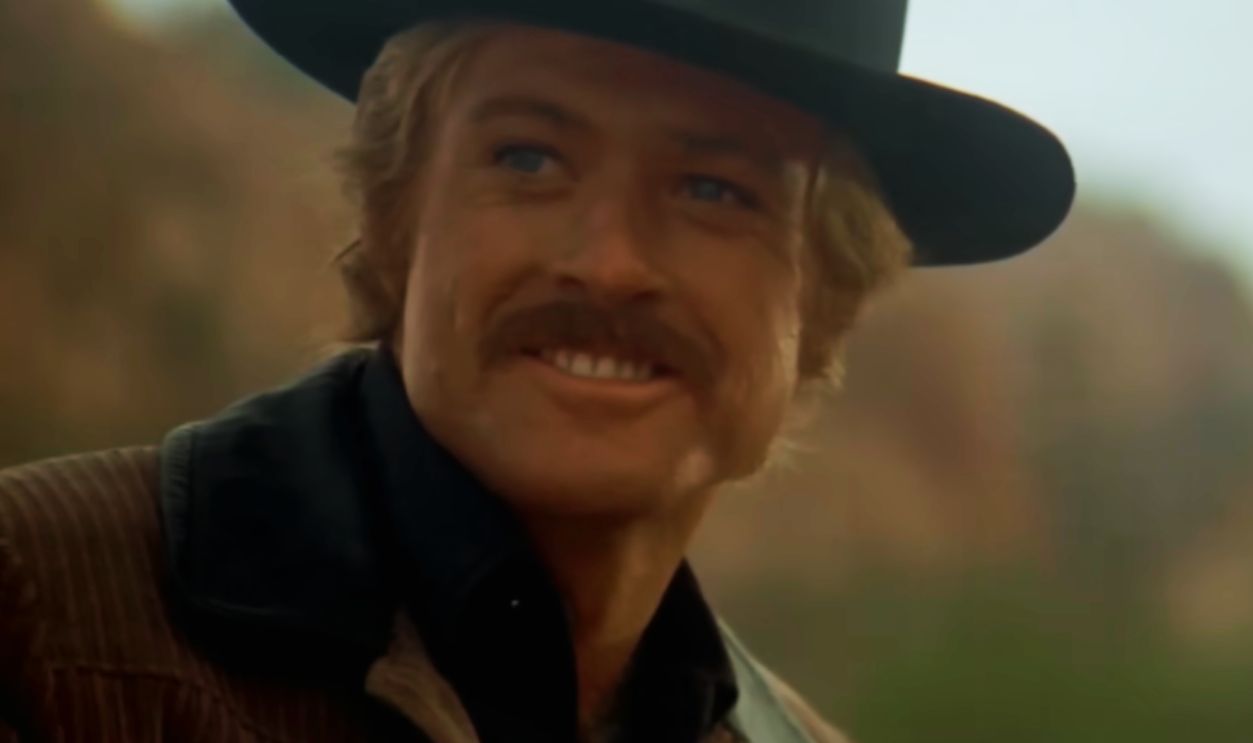 Screenshot from Butch Cassidy And The Sundance Kid, The Walt Disney Company (1969)
James Garner
James Garner gave Western heroes a relaxed, funny, slightly skeptical charm. In Support Your Local Sheriff! and Hour of the Gun, he showed he could handle both comedy and drama without losing his cool. He was handsome in a more approachable way, like the cowboy who would rather outsmart trouble than pose for it.
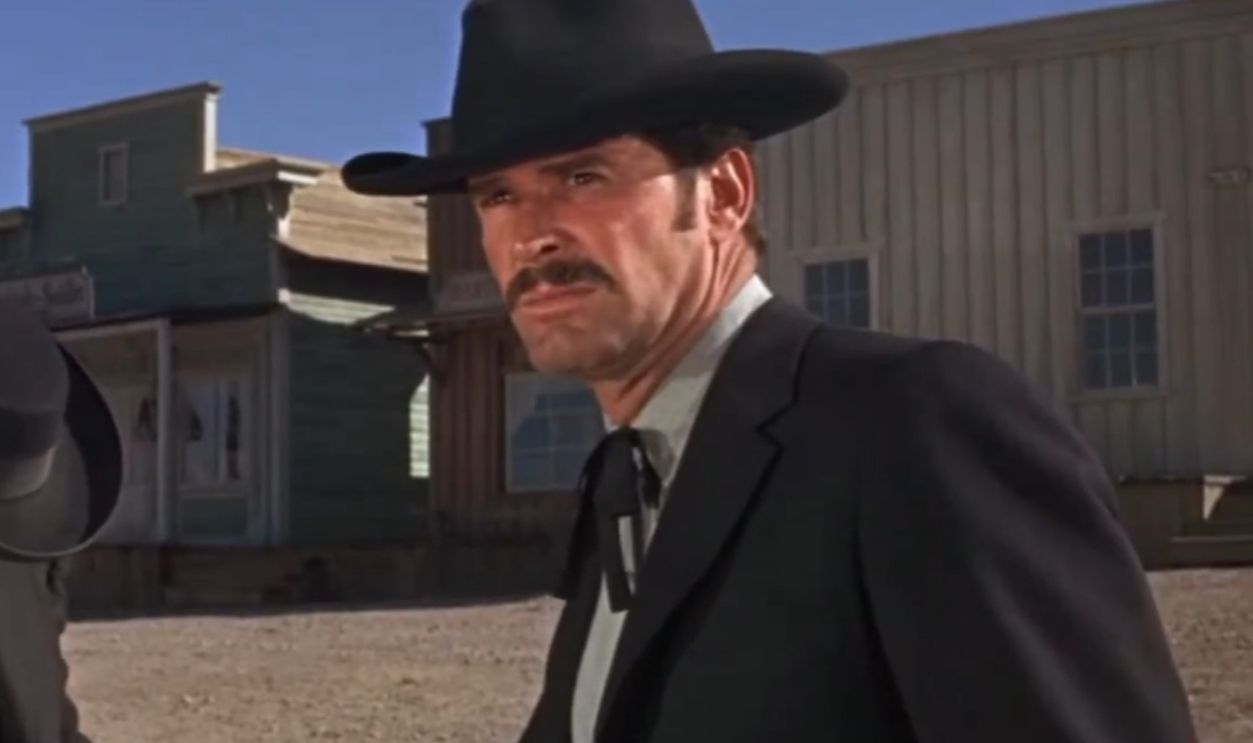 Screenshot from Hour of the Gun, Amazon MGM Studios (1967)
Lee Marvin
Lee Marvin was not a traditional heartthrob, but he absolutely had a dangerous magnetism. In Westerns like The Man Who Shot Liberty Valance, Cat Ballou, and The Professionals, he could be terrifying, funny, inebriated, brutal, or oddly noble. He looked like trouble had followed him across three states and lost.
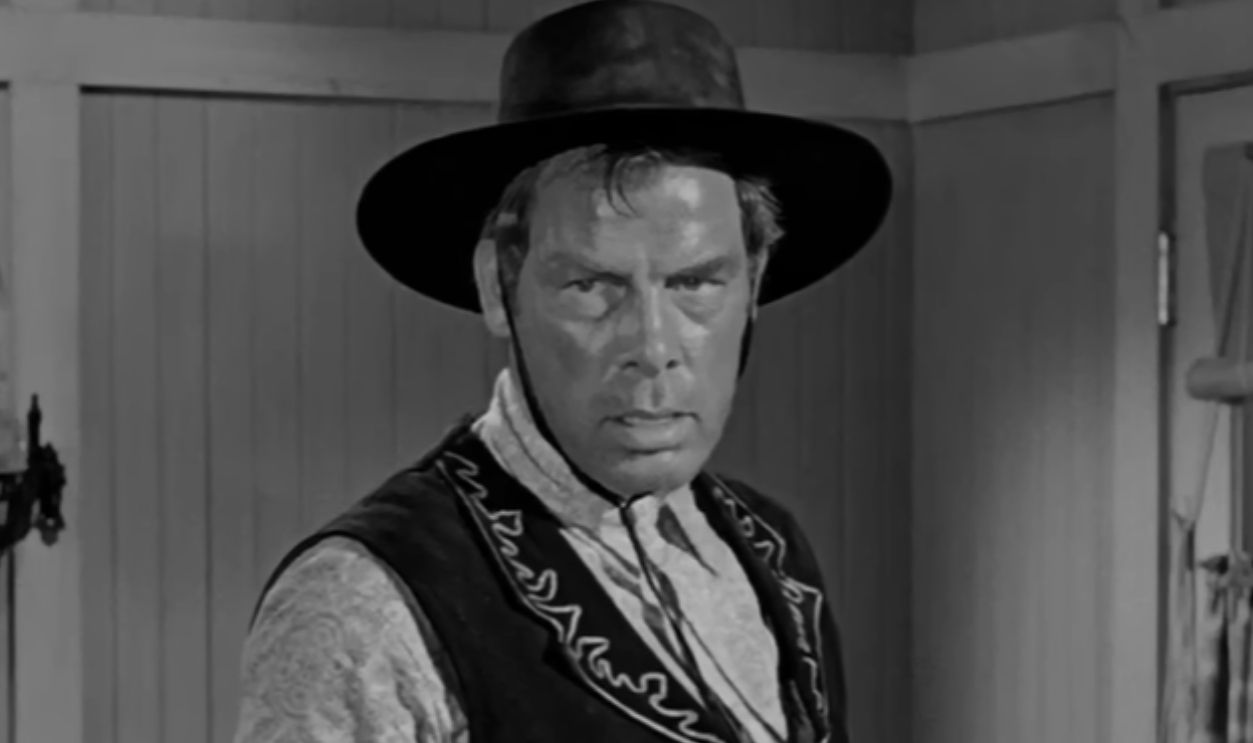 Screenshot from The Man Who Shot Liberty Valance, Paramount Global (1962)
Yul Brynner
Yul Brynner brought sleek, commanding style to the Western. As Chris Adams in The Magnificent Seven, he looked unlike the dusty cowboy stereotype, which made him even more memorable. His shaved head, black clothing, and calm authority gave him a striking screen presence that made every other gunslinger seem a little less mysterious.
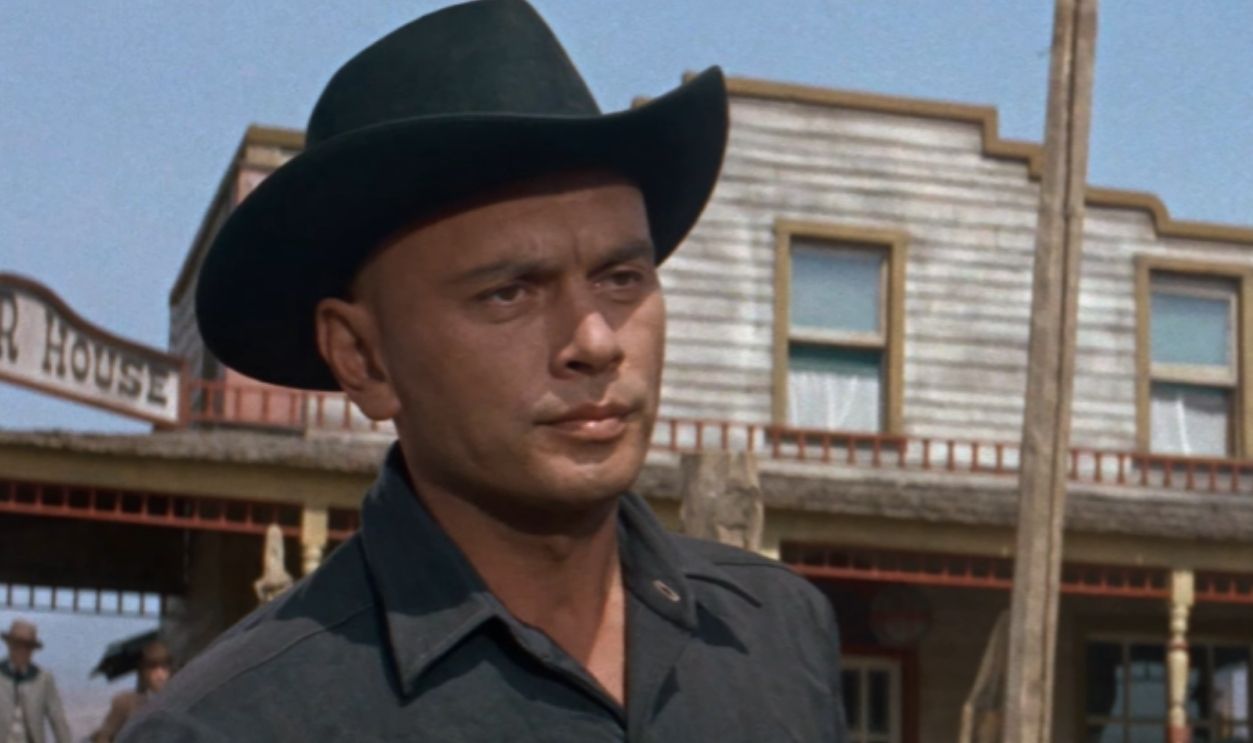 Screenshot from The Magnificent Seven, Amazon MGM Studios (1960)
Lee Van Cleef
Lee Van Cleef’s face was made for Western close-ups. Sharp cheekbones, narrow eyes, and a smile that promised absolutely nothing good made him unforgettable in For a Few Dollars More and The Good, the Bad and the Ugly. He wasn’t the bedroom-wall hero for everyone, but he was the villainous crush with style.
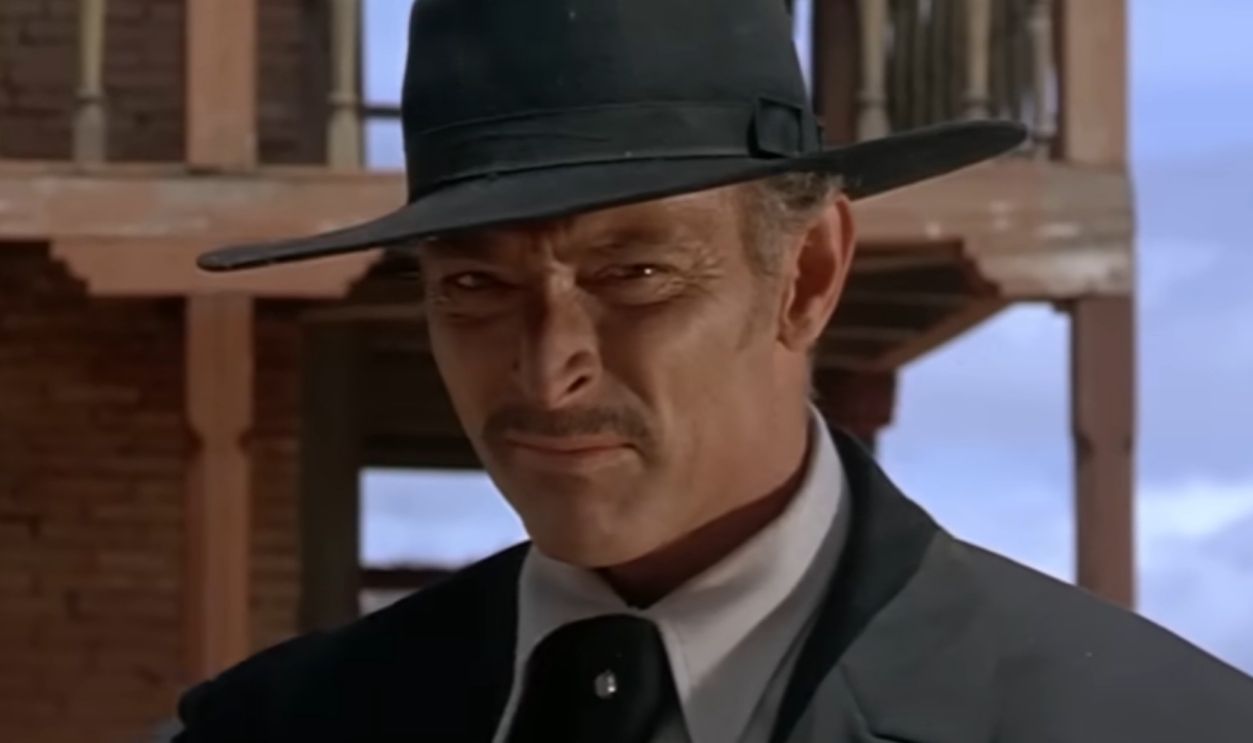 Screenshot from For a Few Dollars More, Amazon MGM Studios (1965)
Franco Nero
Franco Nero became an international Western icon with Django, dragging a coffin through the mud and looking impossibly cool while doing it. His blue eyes, brooding presence, and European edge helped define the spaghetti Western’s more violent, stylish image. For movie fans who liked their cowboys darker and stranger, Nero was hard to forget.
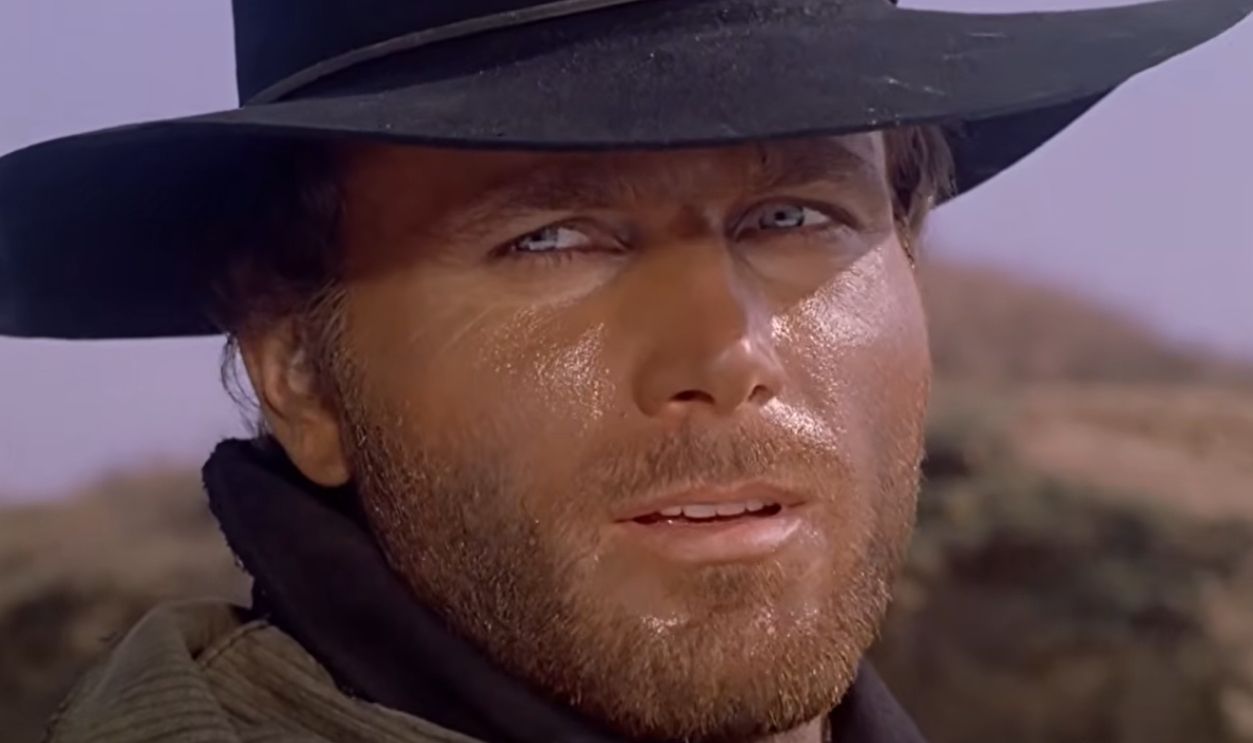 Screenshot from Django, Blue Underground (1966)
You May Also Like:
The Toughest Women In Classic Westerns. How Many Do You Remember?
Movie Stars Who Made Just One Western—And Absolutely Nailed It
Forgotten Westerns That Are Better Than Most Of The Classics Everyone Talks About