Two TV Legends With A Surprising Family Connection
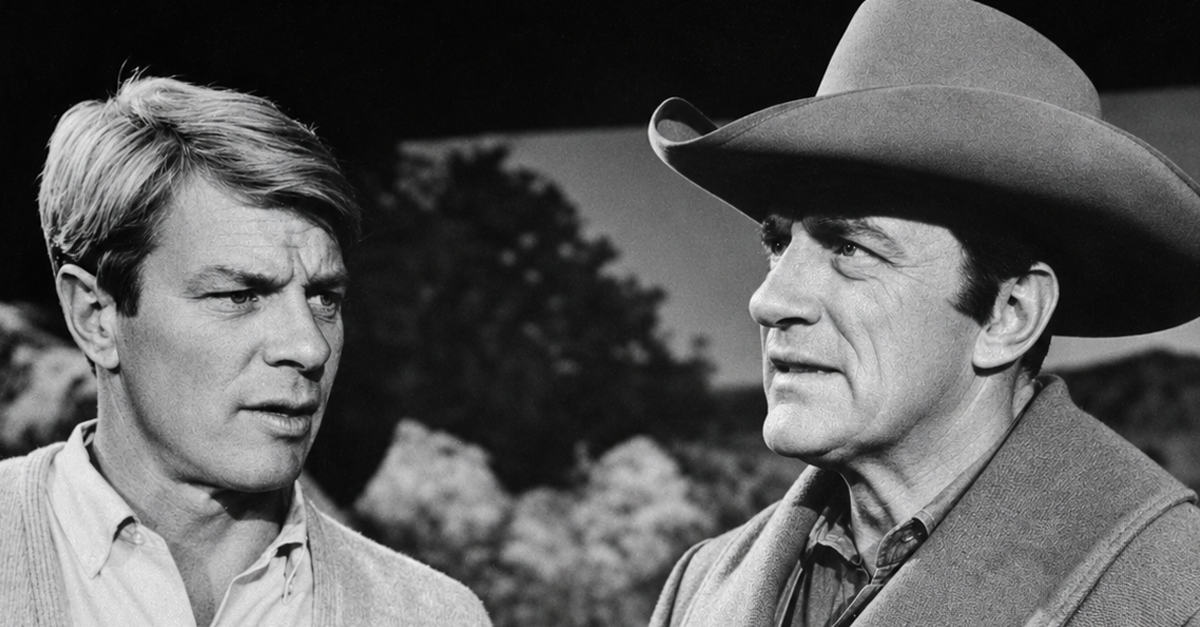
If you've ever noticed a resemblance between Gunsmoke star James Arness and Mission: Impossible leading man Peter Graves, there's a good reason. The two television legends were actually brothers, although many fans never knew they were related. Unlike some famous Hollywood siblings, they built their careers under different last names and became stars of two very different television hits.
So how did two brothers from Minnesota become such enduring TV icons?
They Grew Up Together In Minnesota
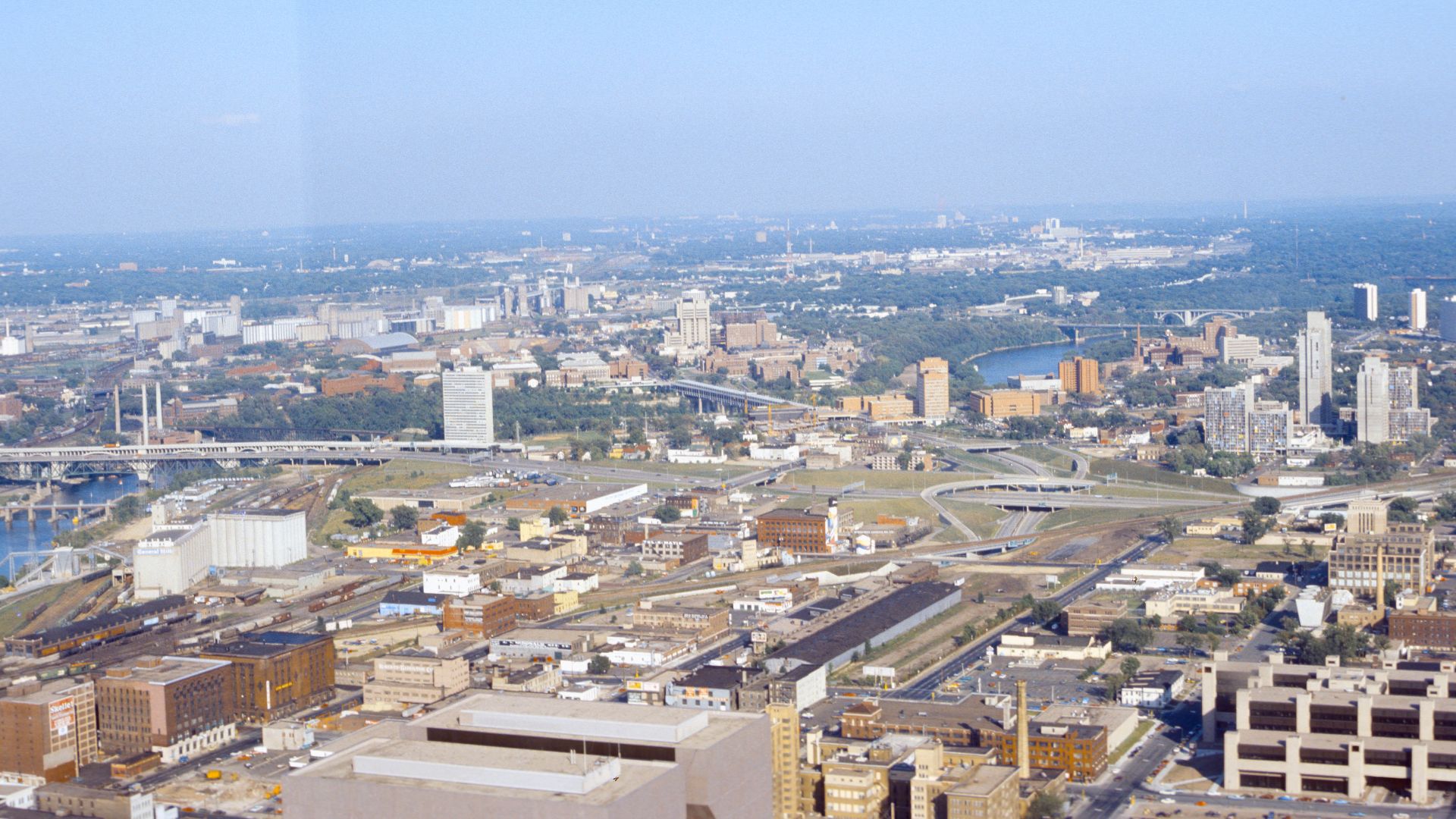
James Arness was born James Aurness in Minneapolis on May 26, 1923, followed by his younger brother, Peter, on March 18, 1926. Their parents were Rolf and Ruth Aurness, and both boys grew up in a family with Norwegian roots. James later described their childhood together as a happy one, long before either brother became famous.
They Had The Same Last Name Originally
The brothers were born with the surname Aurness, but neither kept it professionally. James dropped the letter "u" because people struggled to pronounce and remember the original name. Peter chose Graves, his grandfather's surname, partly to avoid confusion with his already established brother.
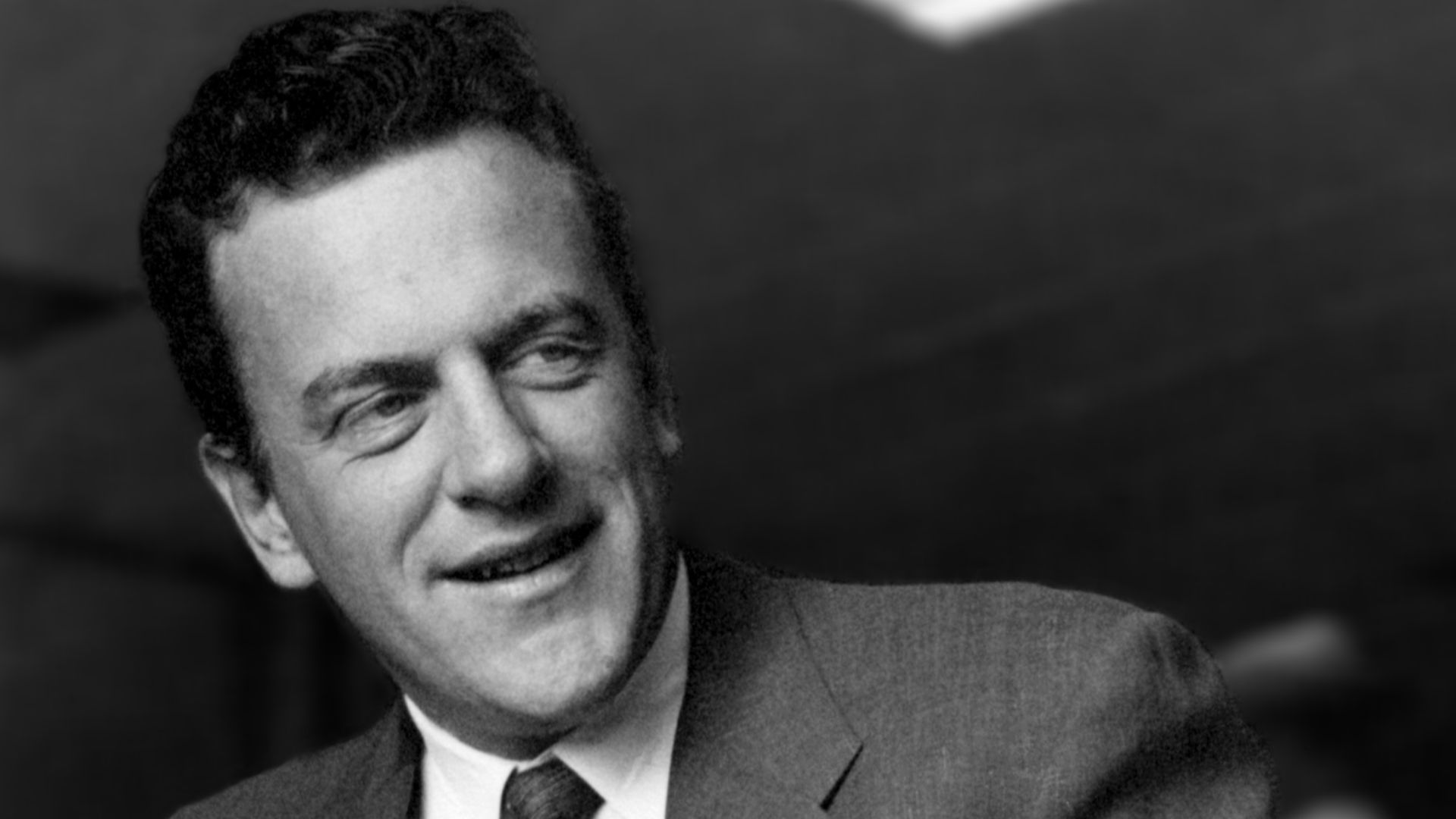
They Were Eager To Grow Up
Looking back on their childhood, Peter recalled that neither brother had been particularly interested in remaining a kid. Both wanted independence, adventure, and the freedom to explore beyond Minnesota. In a 1971 interview, Peter even suggested that James would have been perfectly suited to exploring the American frontier.
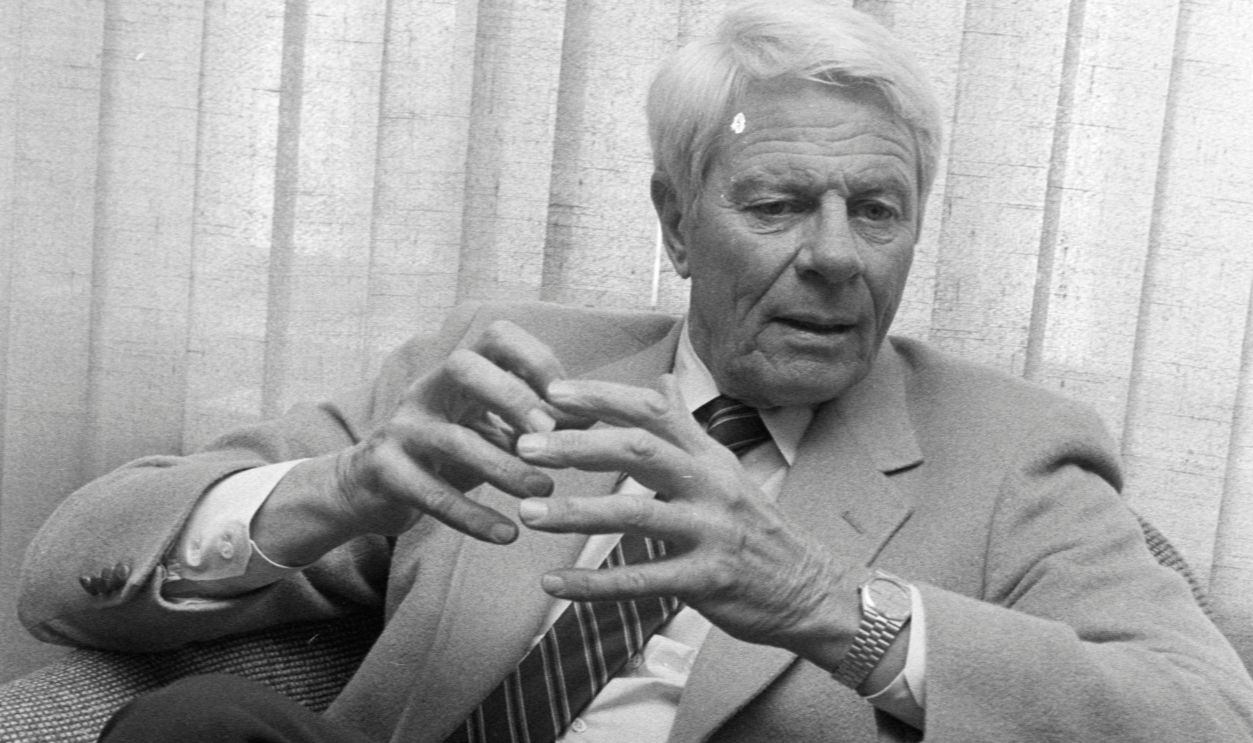
World War II Changed Both Their Lives
Before Hollywood came calling, both brothers served in the military during World War II. James was drafted into the Army in 1943, while Peter served in the Army Air Forces. Their experiences took them away from Minnesota and helped shape the paths they would follow after the war.
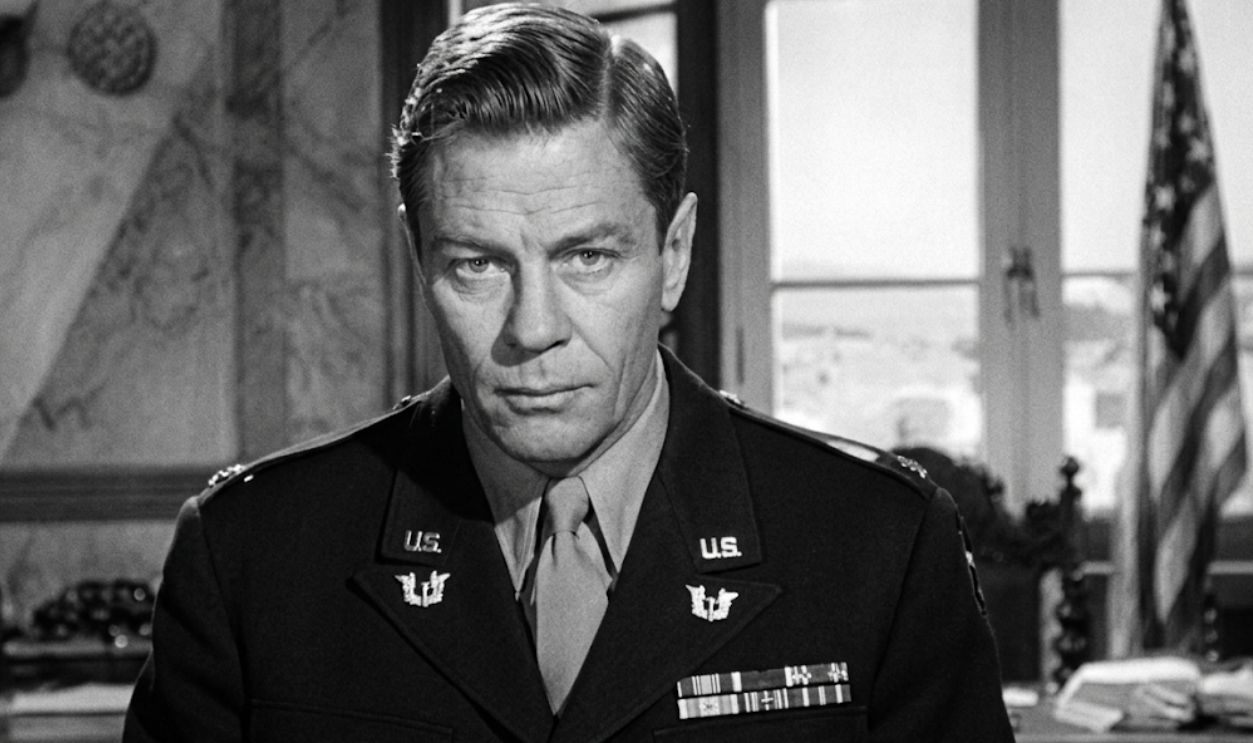 Screenshot from Court Martial, Universal Television (1965-1966), Enhanced
James Nearly Lost His Life In Italy
James participated in the Allied landing at Anzio, Italy, in 1944. During a later patrol, German machine-gun fire severely wounded his right leg, leaving him hospitalized for months. He received a Purple Heart and a Bronze Star, but the injury would affect him for the rest of his life.
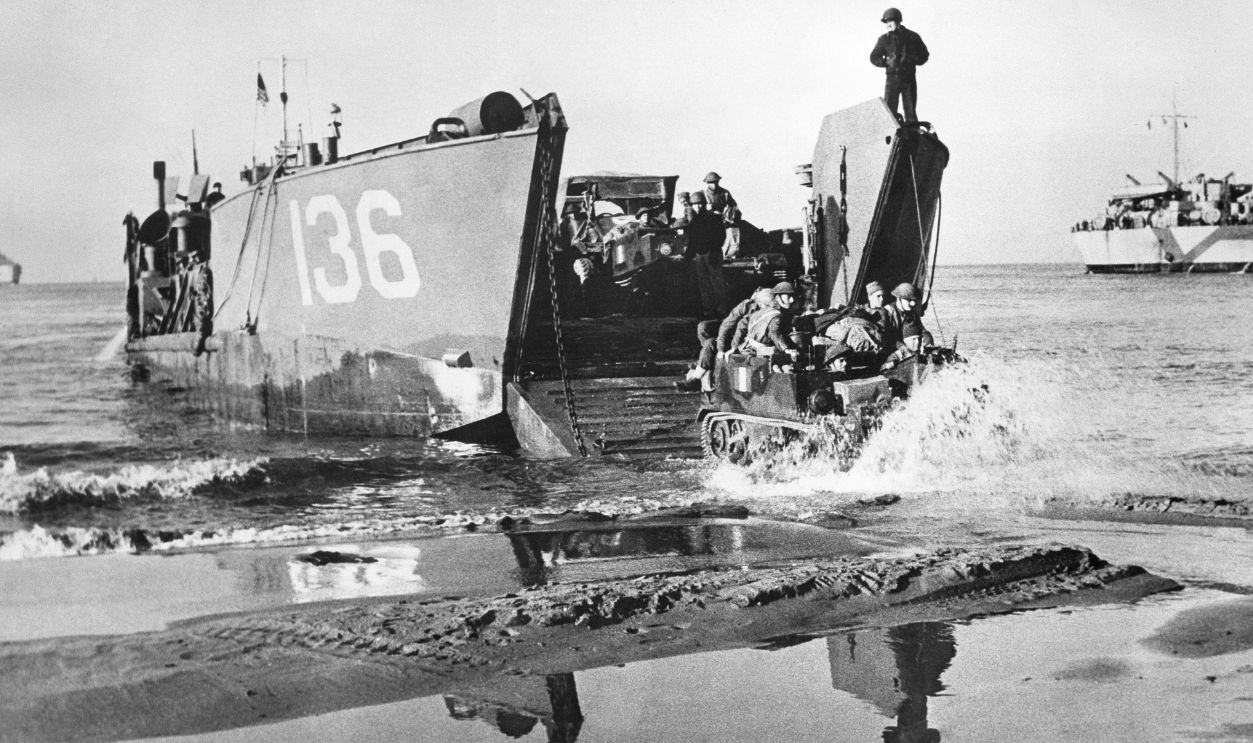 ullstein bild Dtl., Getty Images
His Younger Brother Helped Him Find A Career
After returning to Minnesota, James wasn't immediately headed for Hollywood. At Peter's suggestion, he enrolled in a radio announcing school and subsequently found work as a disc jockey. Without Peter's advice, James might never have gotten his start in entertainment.
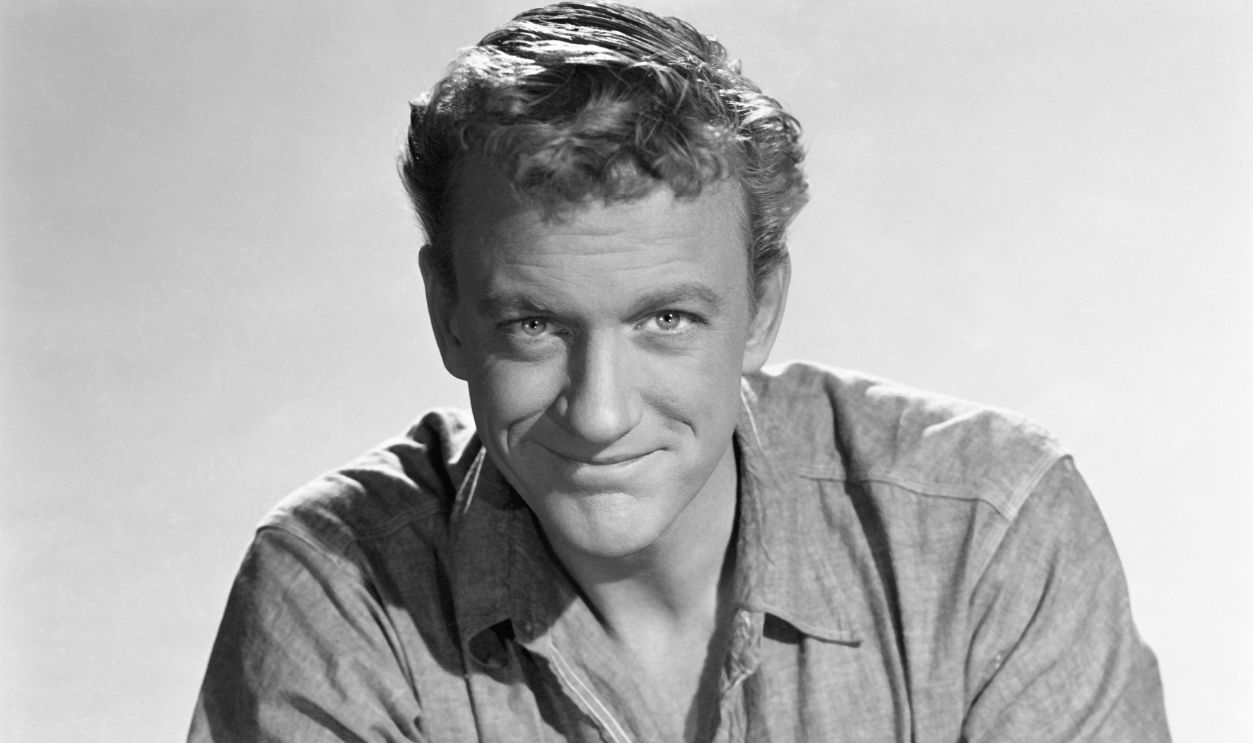
James Reached Hollywood First
James eventually traveled to Los Angeles and decided to pursue acting. His first film appearance came in The Farmer's Daughter in 1947, where he played one of Loretta Young's character's brothers. By the time Peter headed west to pursue acting himself, James already had a foothold in the movie business.
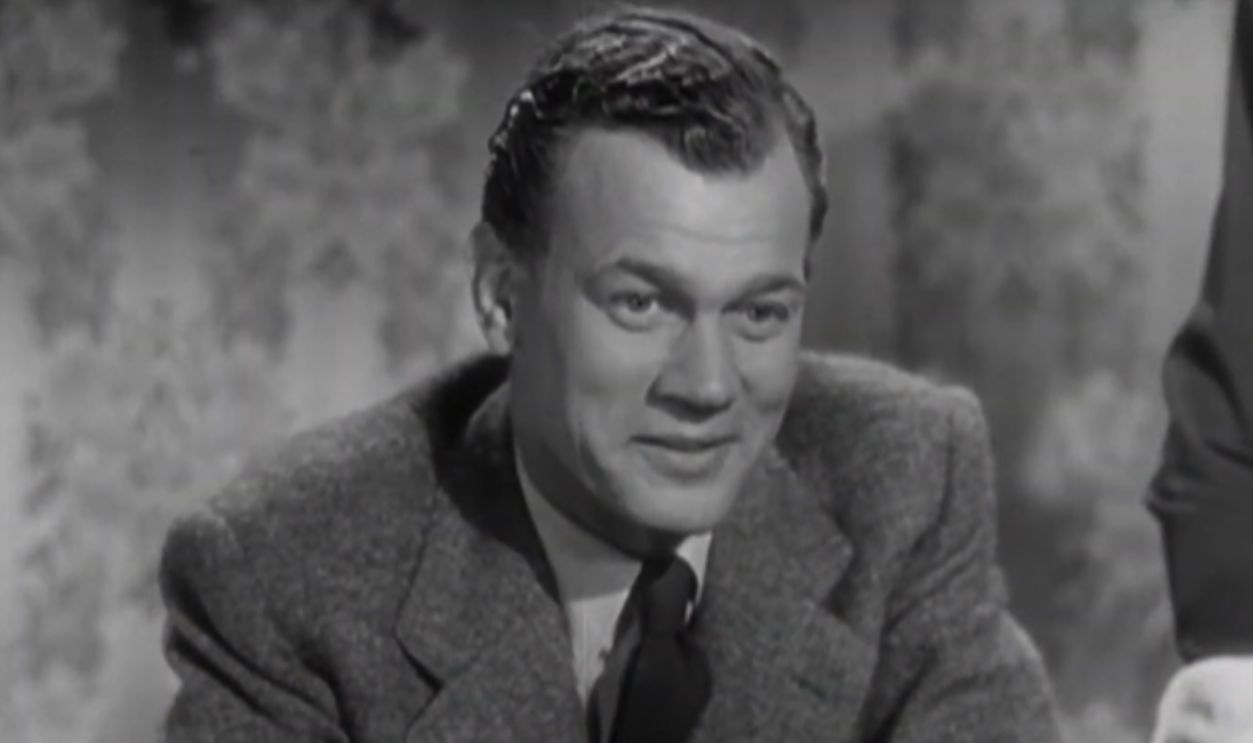 Screenshot from The Farmer's Daughter, RKO Radio Pictures (1947)
Peter Wanted To Make His Own Name
Peter studied drama at the University of Minnesota before beginning his Hollywood career. Although his older brother was already working in films, Peter didn't want to build his identity around James' success. His decision to use a different surname helped establish him as a separate performer, even as their careers increasingly overlapped.
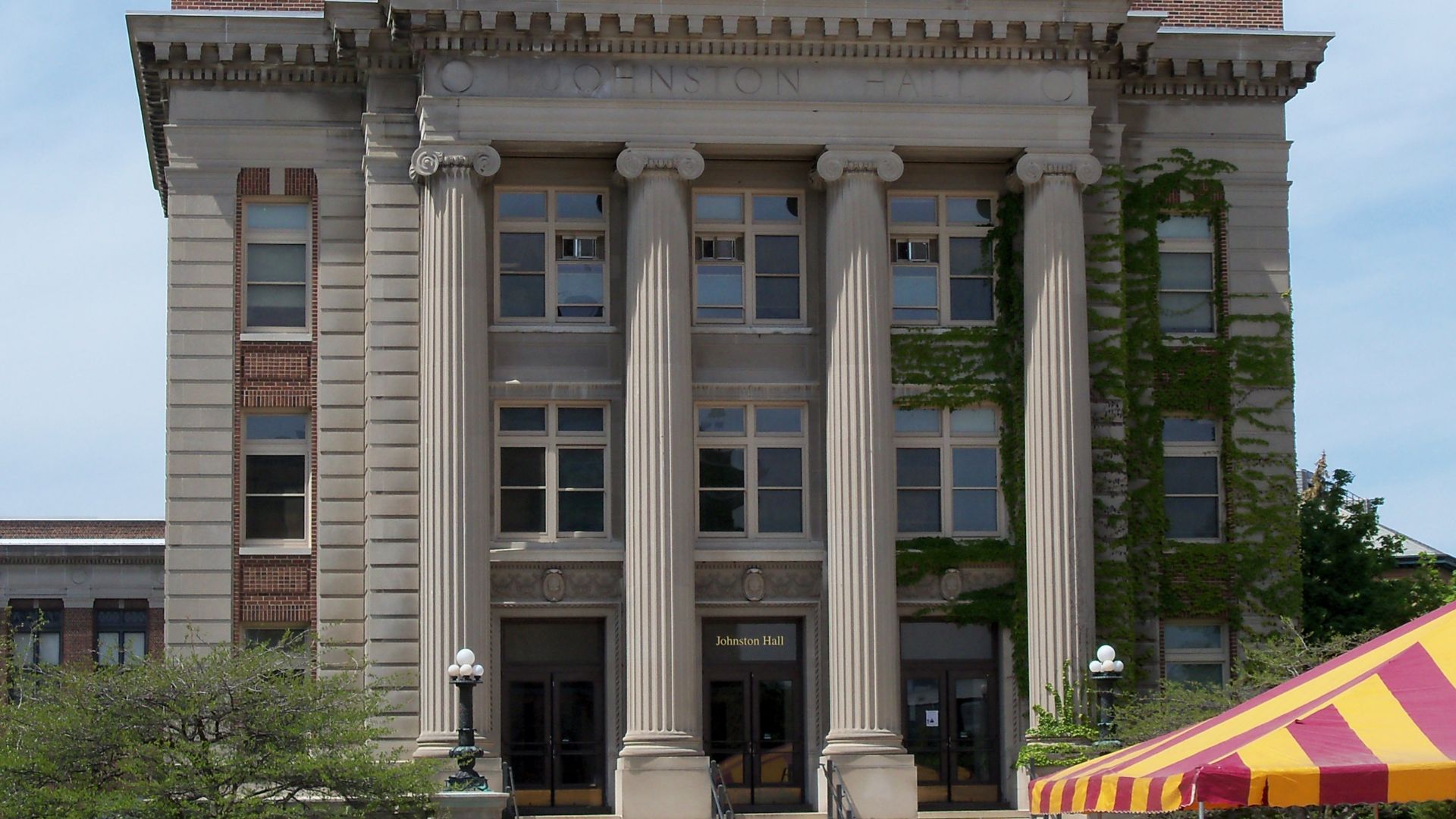 AlexiusHoratius, Wikimedia Commons
They Both Appeared In Unexpected Movies
Before becoming television icons, the brothers took roles that might surprise their later fans. James portrayed the frightening alien in the 1951 science-fiction film The Thing From Another World, while Peter played a German spy disguised as an American prisoner in 1953's Stalag 17. Neither performance resembled the dependable television heroes they would eventually become.
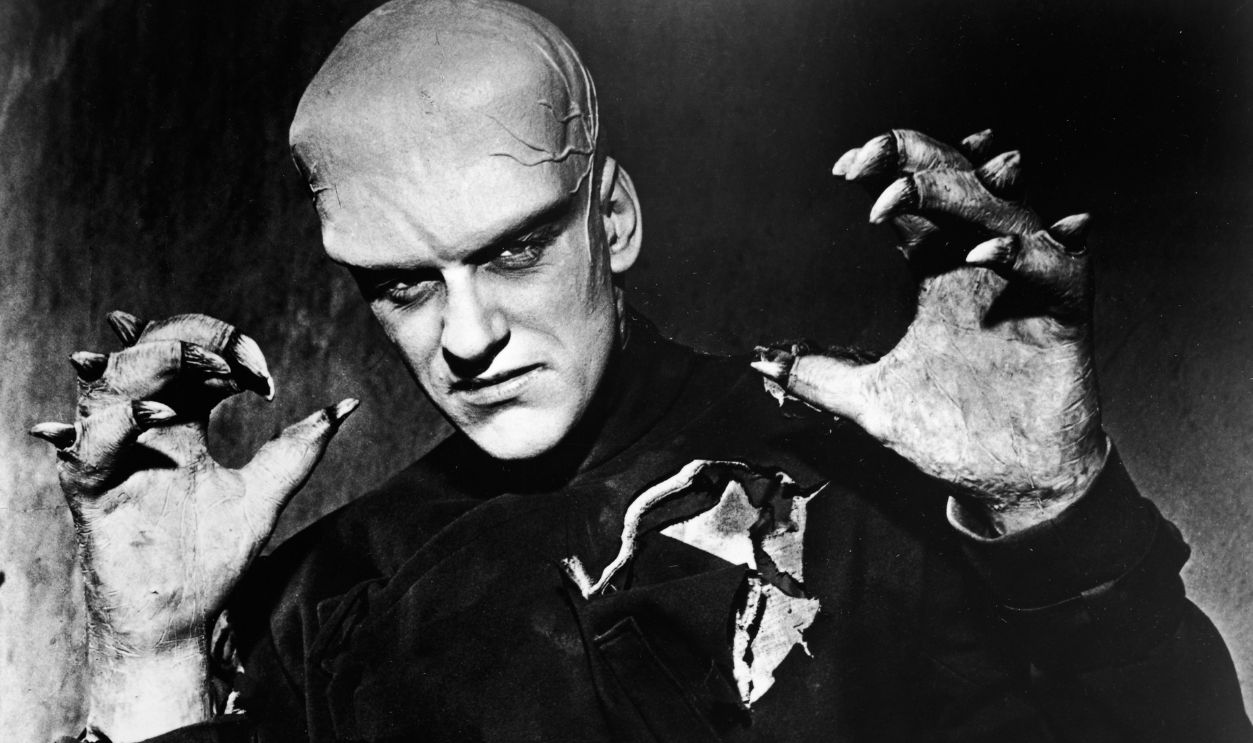
John Wayne Gave James Important Advice
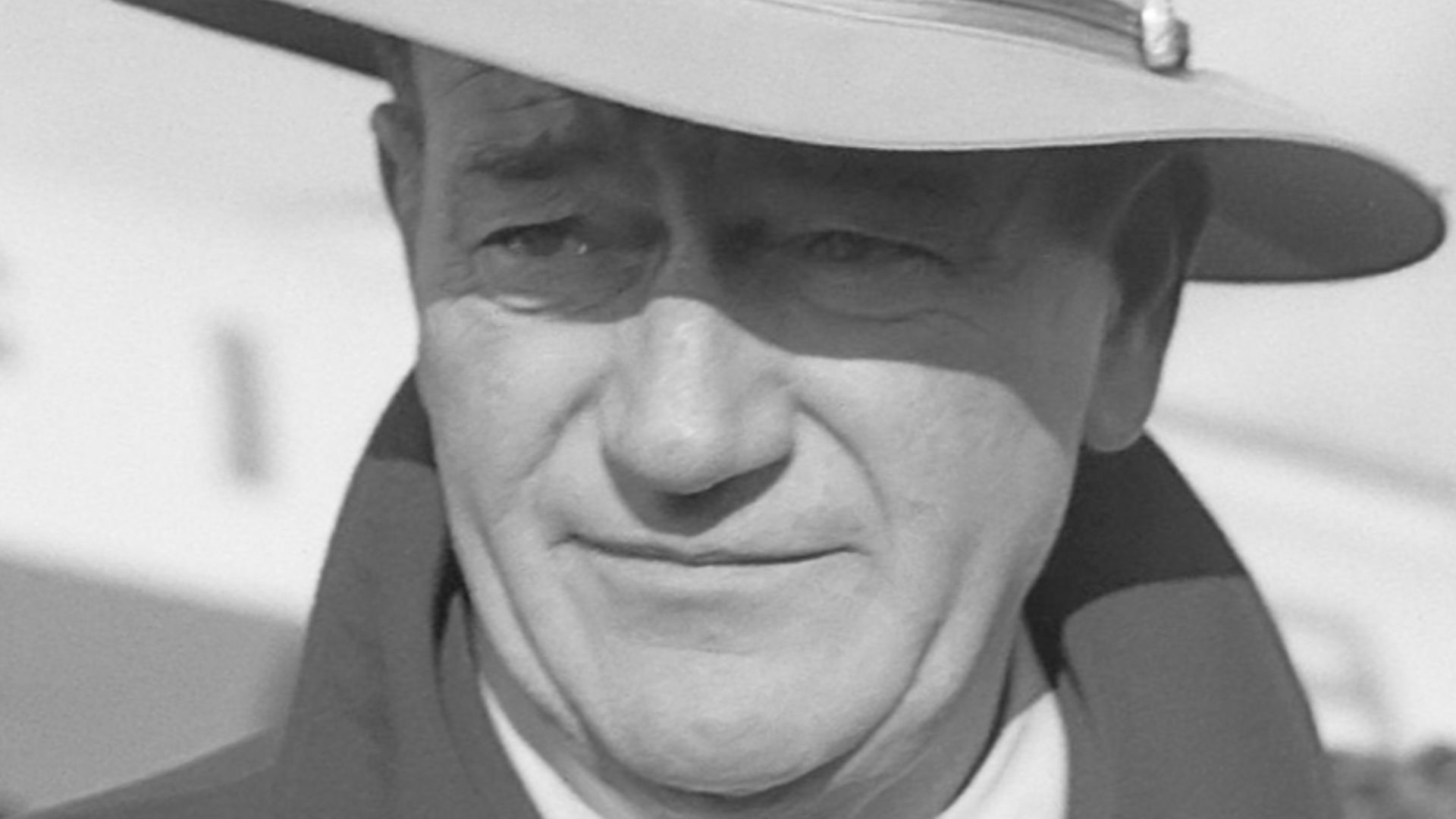
James' movie career brought him into contact with Western superstar John Wayne, with whom he appeared in several films. When CBS offered James the starring role in Gunsmoke, he initially hesitated about committing to television. Wayne encouraged him to accept, helping launch the role that would define his career.
 Hugo van Gelderen / Anefo, Wikimedia Commons
Gunsmoke Made Him A Household Name
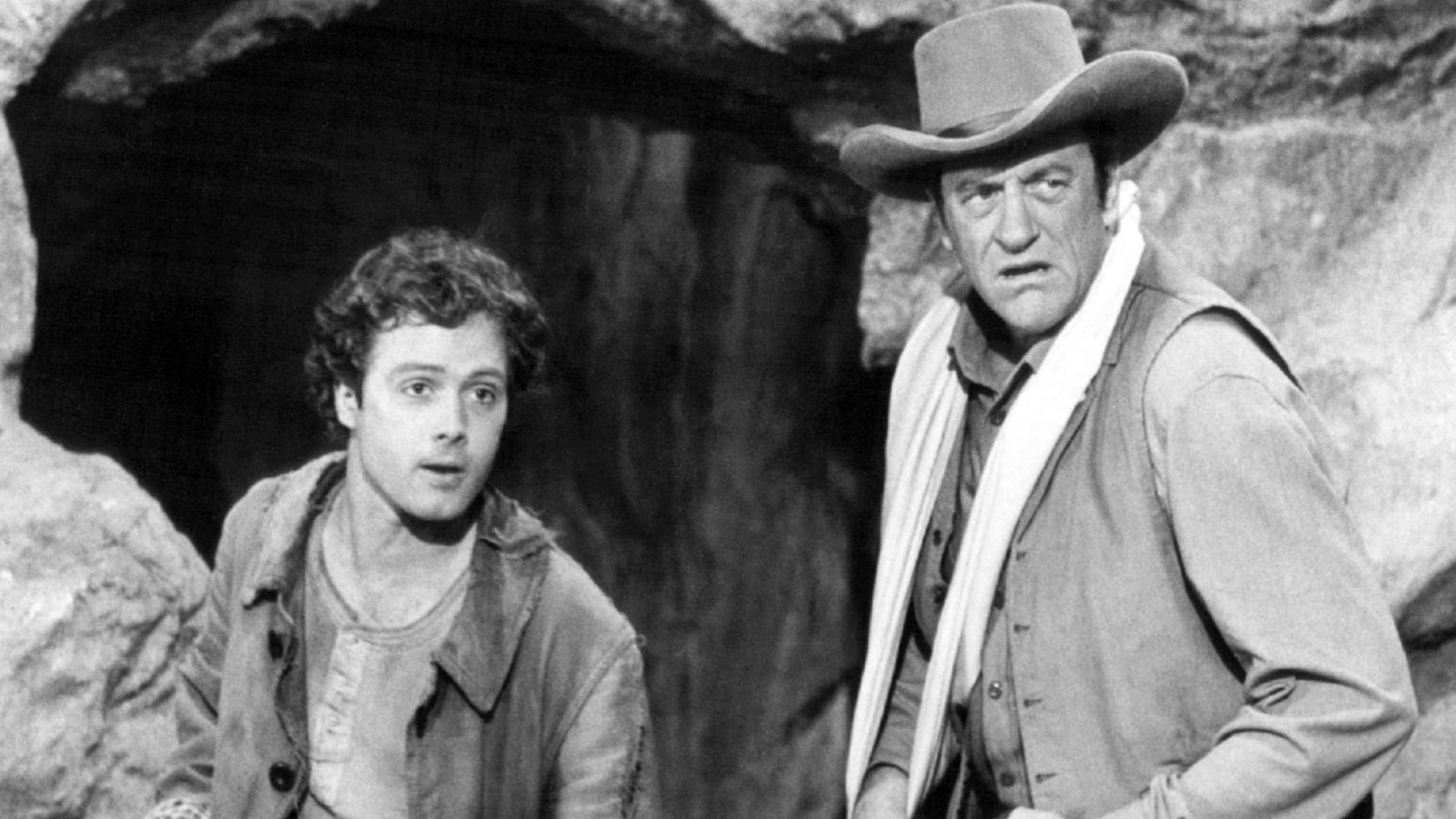
Gunsmoke premiered on September 10, 1955, with James playing Marshal Matt Dillon in Dodge City, Kansas. Standing approximately 6 feet 7 inches tall, he brought an unmistakable physical presence to the role despite his lingering wartime injury. His reserved, thoughtful portrayal helped make the series one of television's most successful Westerns.
 CBS Television, Wikimedia Commons
His Brother Had A Western Hit Too
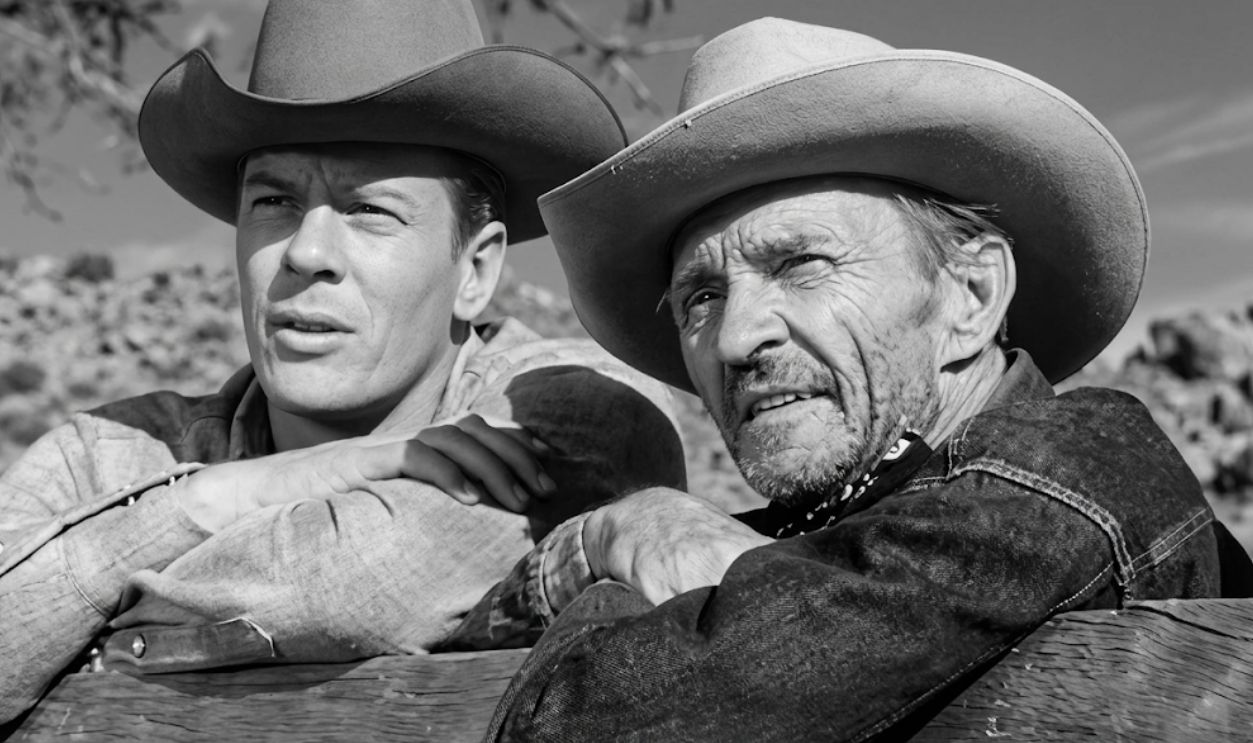
That same year, Peter began starring in the NBC series Fury, playing rancher Jim Newton. Unlike James' adult-oriented prime-time Western, Peter's show was a family adventure that aired on Saturday mornings. For five seasons, the brothers were simultaneously starring in successful television Westerns.
 Screenshot from Fury, NBC (1955-1960), Enhanced
Two Brothers Dominated Different Corners Of Television
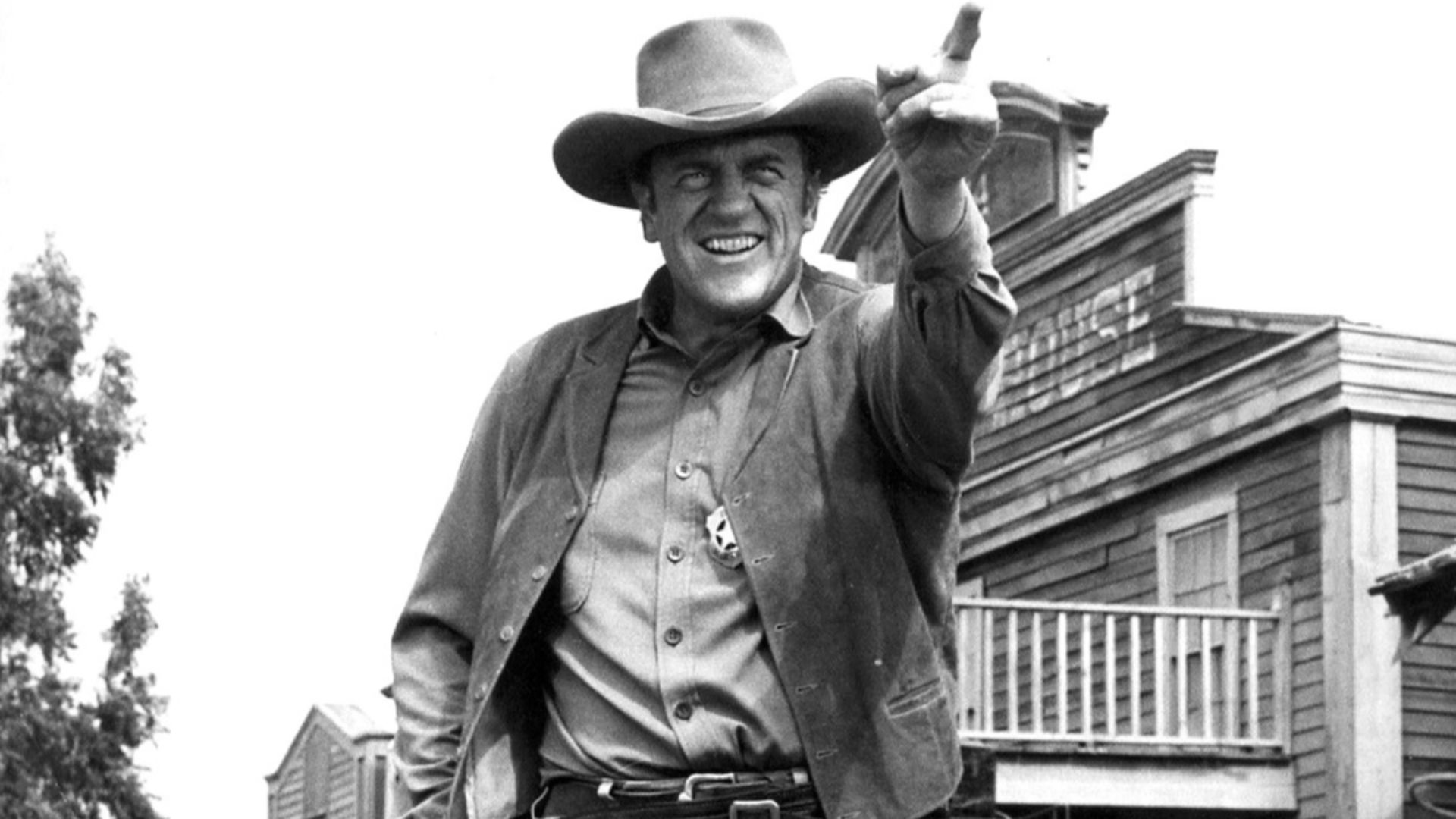
While James became synonymous with the lawman who protected Dodge City, Peter played a rancher raising an orphaned boy. Their shows appealed to different audiences, but both actors developed reputations for playing dependable authority figures. By 1960, the Aurness brothers had become familiar faces to millions of television viewers, even if audiences didn't recognize their family connection.
 CBS Television, Wikimedia Commons
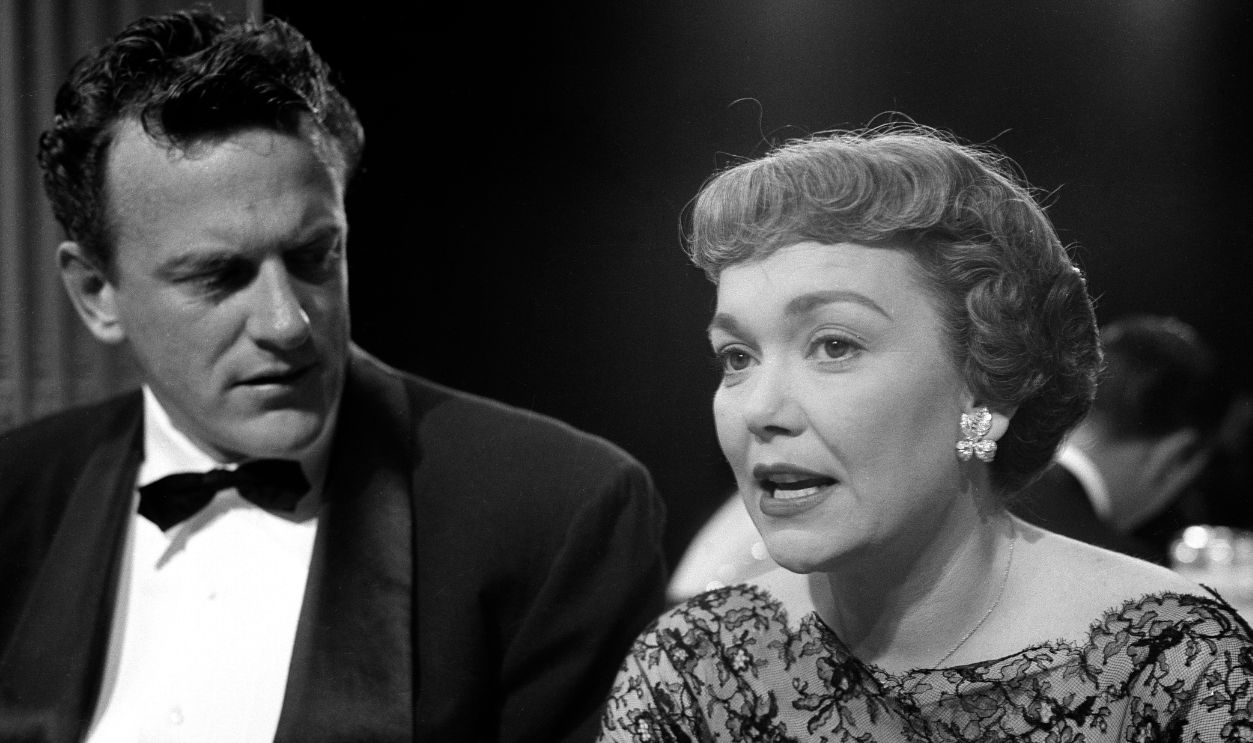
James Became One Of Television's Biggest Stars
Gunsmoke continued attracting audiences throughout the 1960s, eventually running for 20 seasons and 635 episodes. James received three Emmy nominations for his portrayal of Matt Dillon and became closely identified with the character. His success was enormous, but his younger brother was about to land a very different kind of television role.
 Michael Ochs Archives, Getty Images
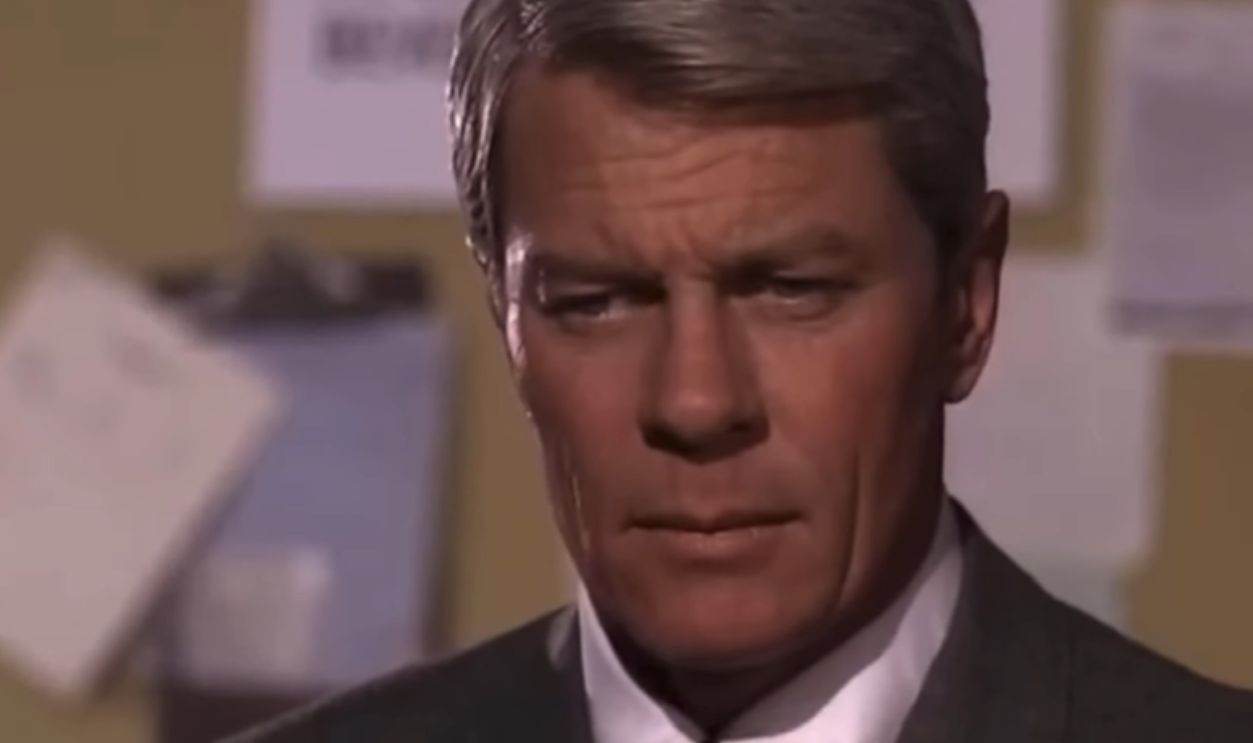
Mission: Impossible Changed Peter's Career
Mission: Impossible premiered in 1966 with Steven Hill leading a secret team of operatives. Peter joined the following year as Jim Phelps, the new leader of the Impossible Missions Force. While James kept order in the Old West, Peter was now coordinating elaborate espionage missions involving disguises, deception, and international intrigue.
 Screenshot from Mission: Impossible, CBS (1966-1973)
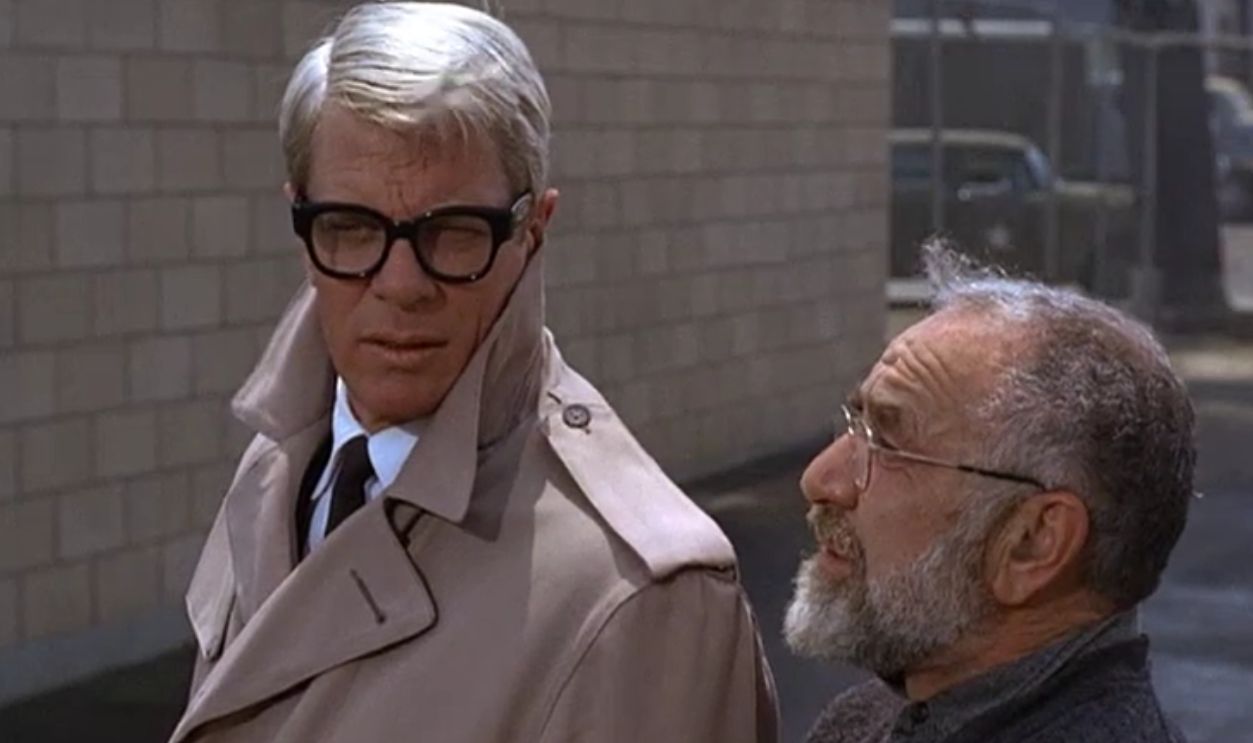
Their Television Heroes Were Surprisingly Similar
Matt Dillon and Jim Phelps operated in completely different worlds, yet both relied on calm authority rather than flashy personalities. James' character confronted dangerous outlaws, while Peter's organized secret operations against powerful enemies. Their distinctive voices and commanding screen presence helped make both characters memorable, something the Los Angeles Times later highlighted when comparing the brothers.
 Screenshot from Mission: Impossible, CBS (1966-1973)
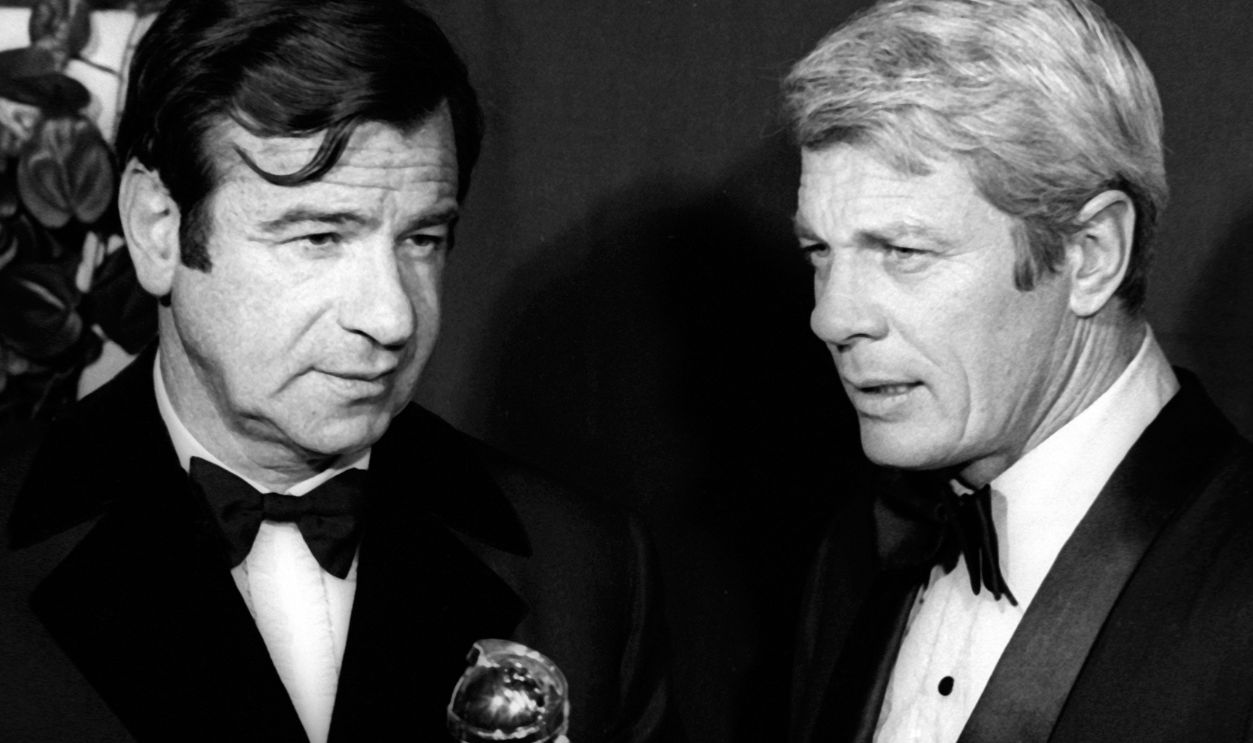
Peter Had His Own Award-Winning Success
Peter's portrayal of Jim Phelps earned him the Golden Globe for Best Actor in a Television Drama Series in 1971. By then, Mission: Impossible had become a major hit, giving him a signature role comparable to his brother's Matt Dillon. Both brothers had now reached the highest levels of television success without sharing a professional surname.
Even Peter Knew Their Connection Wasn't Widely Known
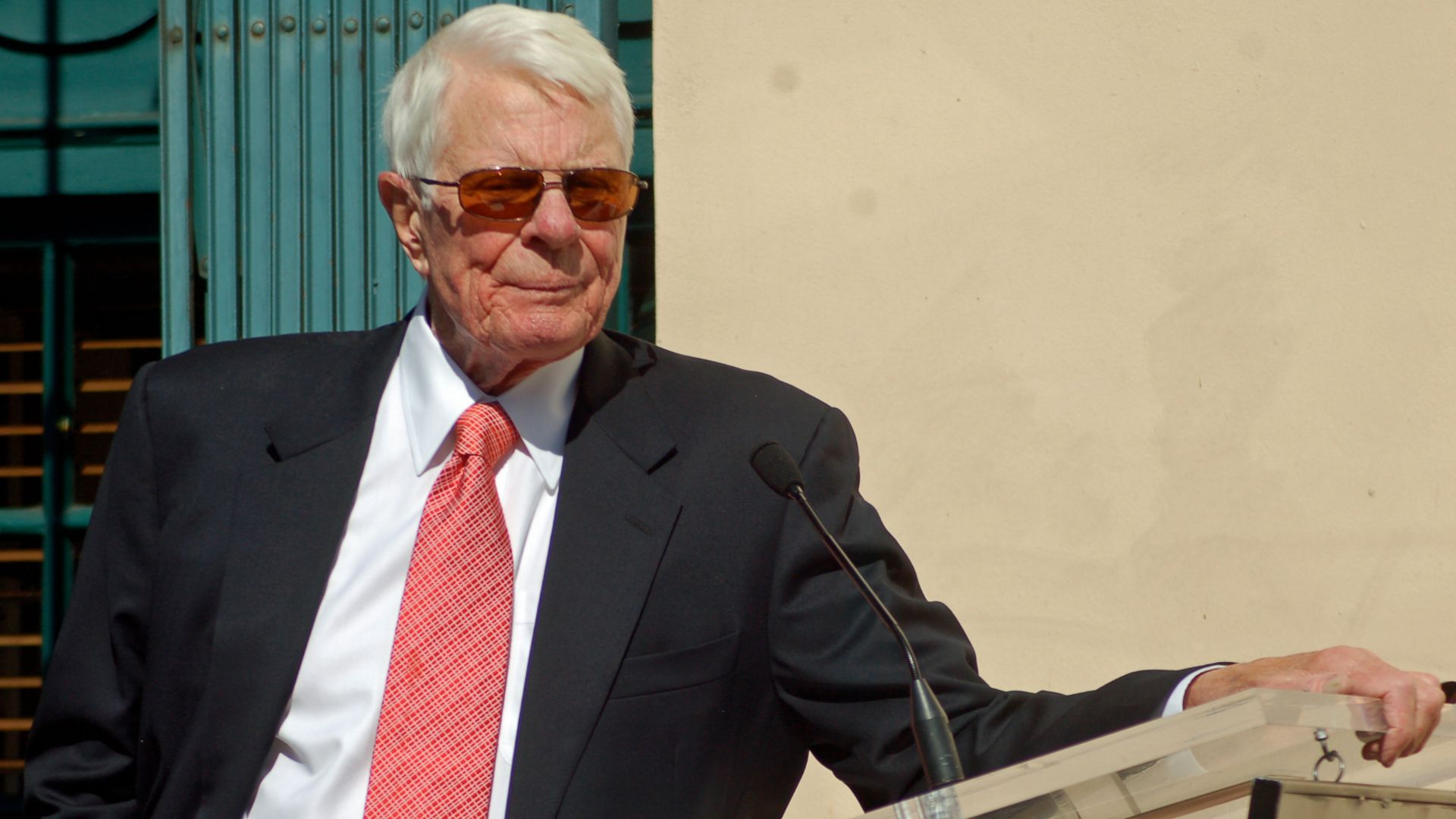
By 1972, the brothers were among television's most recognizable leading men. Yet Peter acknowledged in an interview that their relationship remained a surprise to many viewers. He estimated that only about half the public realized they were brothers, despite their years of overlapping television success.
 Angela George at https://www.flickr.com/photos/sharongraphics/, Wikimedia Commons
Peter Was Asked To Play James' Brother
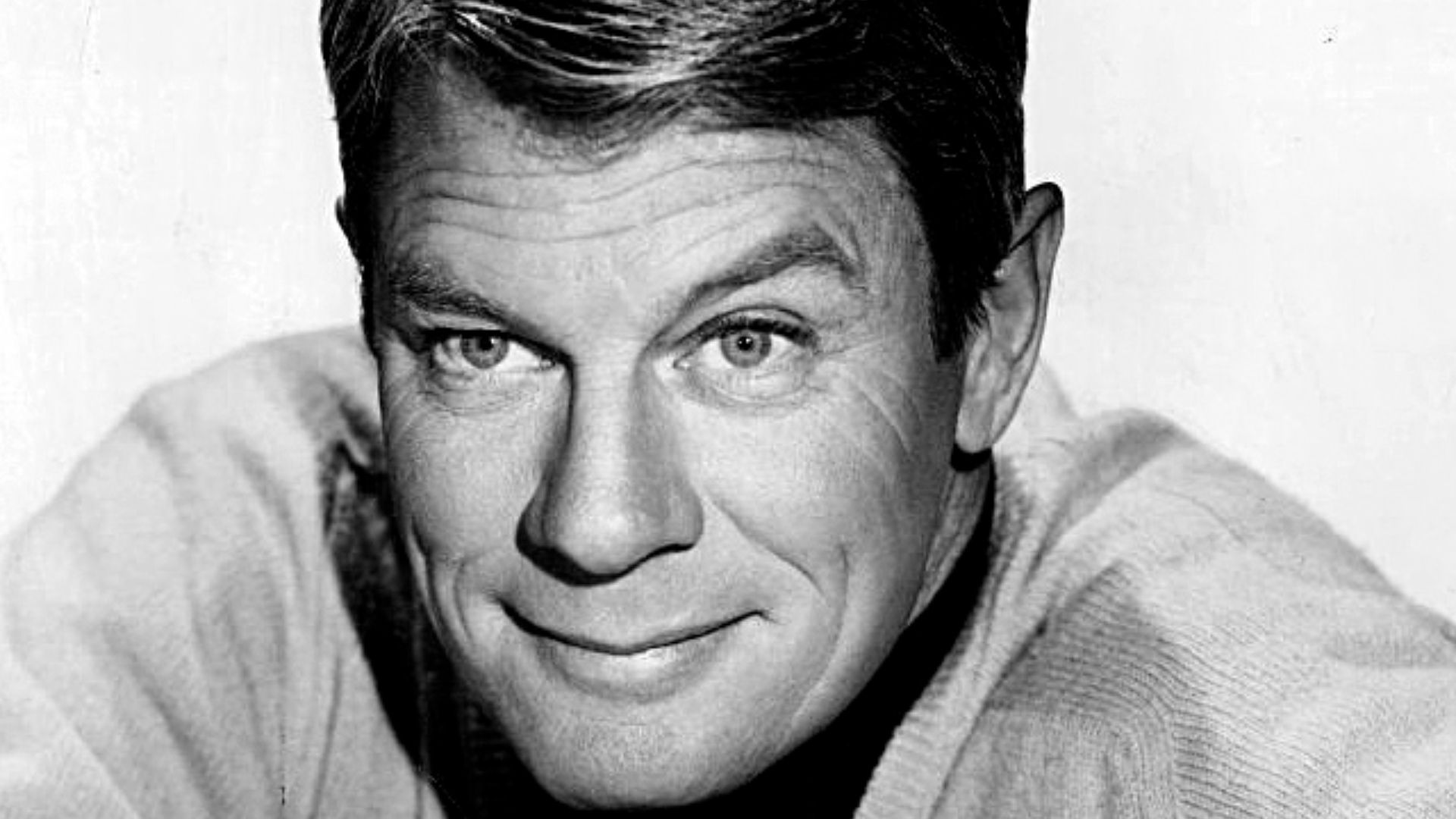
The possibility of bringing the famous siblings together on Gunsmoke wasn't entirely overlooked. Peter revealed that he'd been offered several scripts in which he would portray Matt Dillon's troublesome brother. The proposed stories would have given audiences a rare opportunity to watch the real-life brothers act opposite each other.
But They Turned Down The Opportunity
Peter explained that he and James had discussed the proposed Gunsmoke scripts together. Ultimately, neither felt the stories were right for them, so they passed on the opportunity. As a result, the two television stars never played brothers on the legendary Western, despite being siblings in real life.
Peter Actually Directed James On Gunsmoke
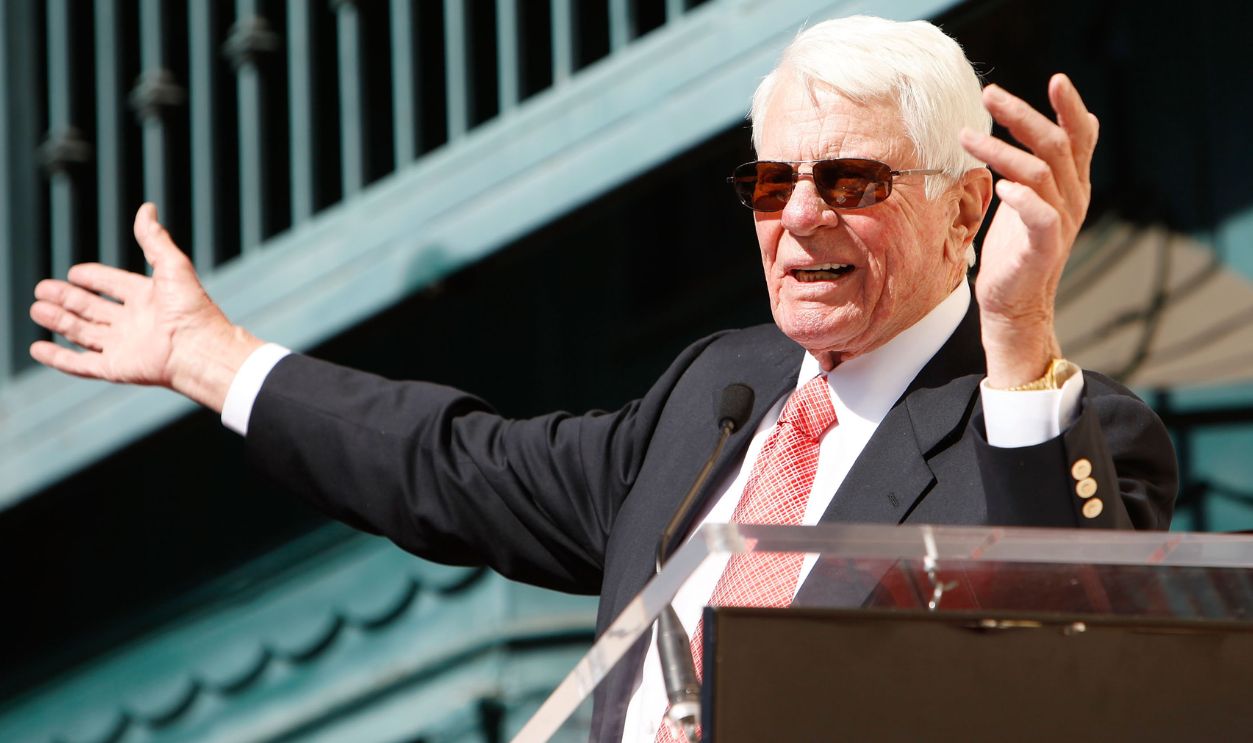
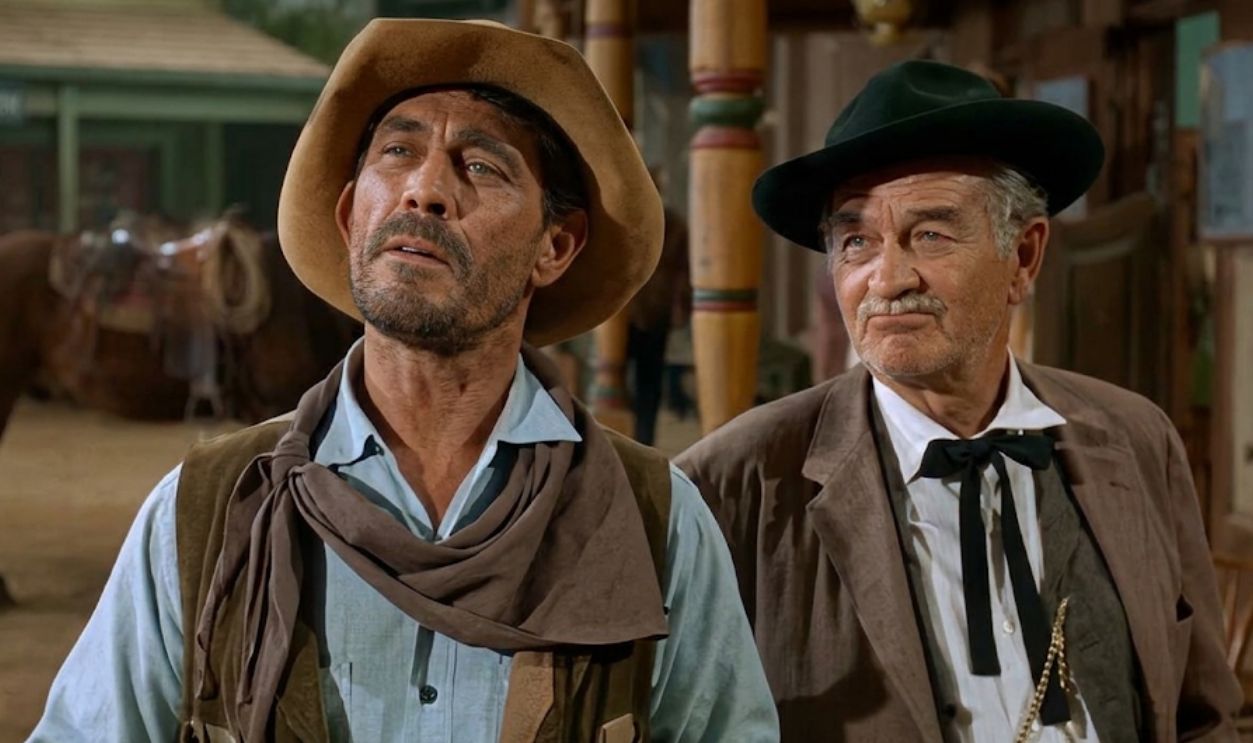
Although they never acted together on the series, Peter did direct a Gunsmoke episode titled "Which Dr.", broadcast on March 19, 1966. The story largely followed Doc Adams and Festus Haggen, with Matt Dillon appearing only briefly. Peter later joked about getting to boss his older brother around, recalling that he gave James directions and James followed them.
 Screenshot from Gunsmoke, CBS (1955-1975), Enhaced
The Experience Wasn't Quite What Fans Might Imagine
Peter's directing assignment sounds like the perfect Hollywood family collaboration, but there was a catch. James' character rode away early in the episode and returned near the end, leaving Peter relatively little time directing his brother. Peter considered the experience worthwhile but decided that acting, rather than directing, was where he wanted to concentrate his efforts.
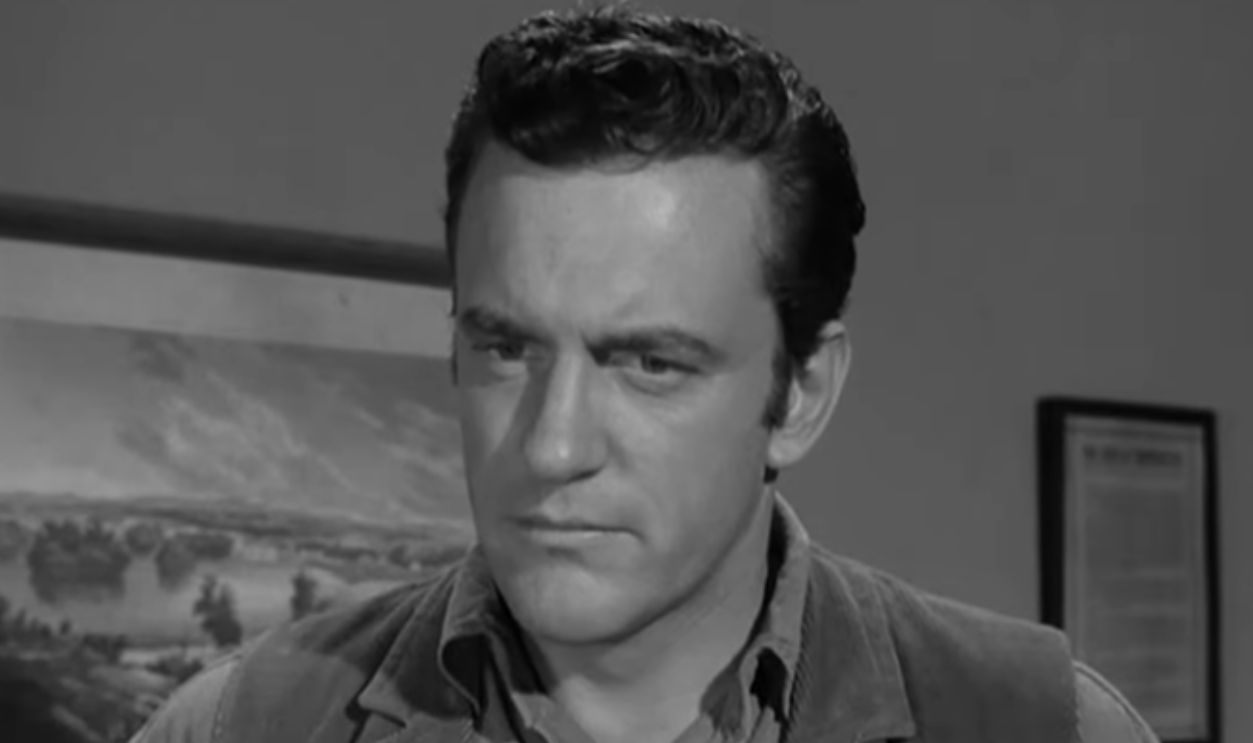 Screenshot from Gunsmoke, CBS (1955-1975)
Peter Insisted There Was No Sibling Rivalry
With two brothers enjoying enormous television success, comparisons were inevitable. However, Peter rejected the idea that he resented James' fame, explaining that he considered Gunsmoke a wonderful opportunity for his older brother. In a 2009 interview with the Ventura County Star, he emphasized that they had always been pleased with each other's achievements.
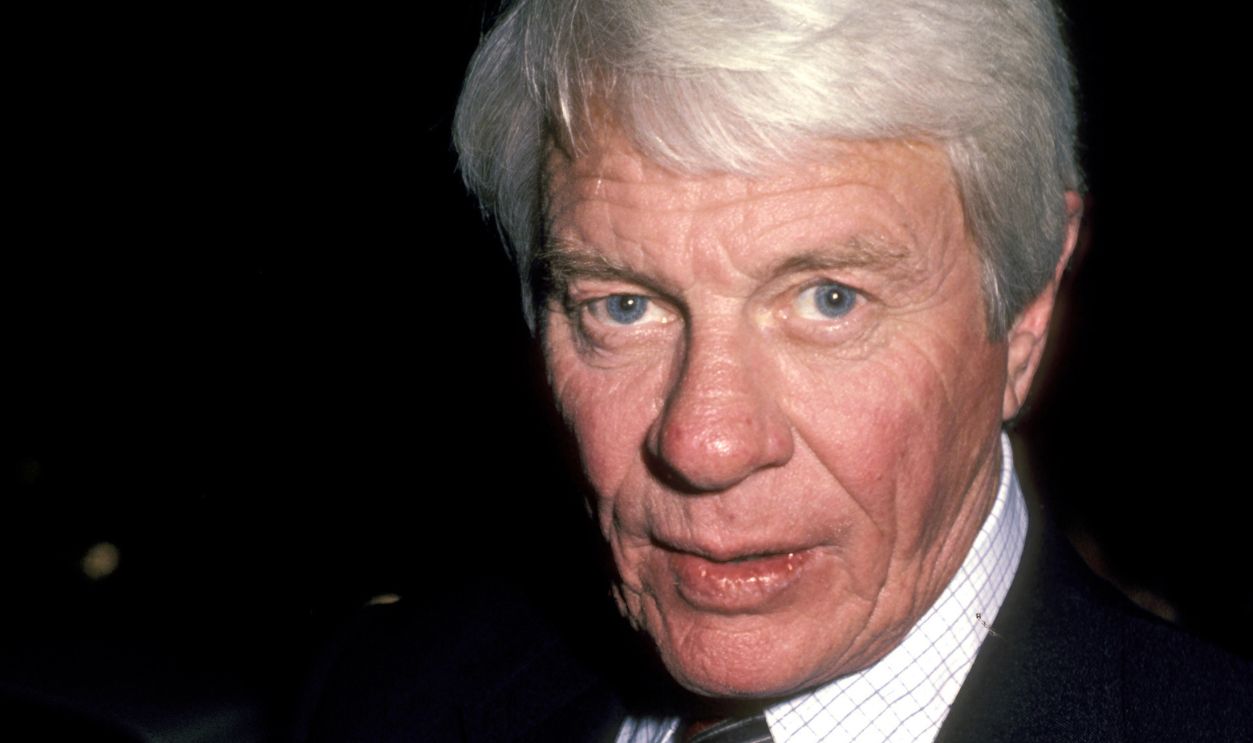
But Their Personalities Were Quite Different
Despite their shared upbringing, the brothers had noticeably different attitudes toward fame. James was famously private, avoiding interviews and much of Hollywood's social scene, while Peter was more comfortable dealing with the public. Peter understood his brother's independent nature and accepted that James preferred to live on his own terms.
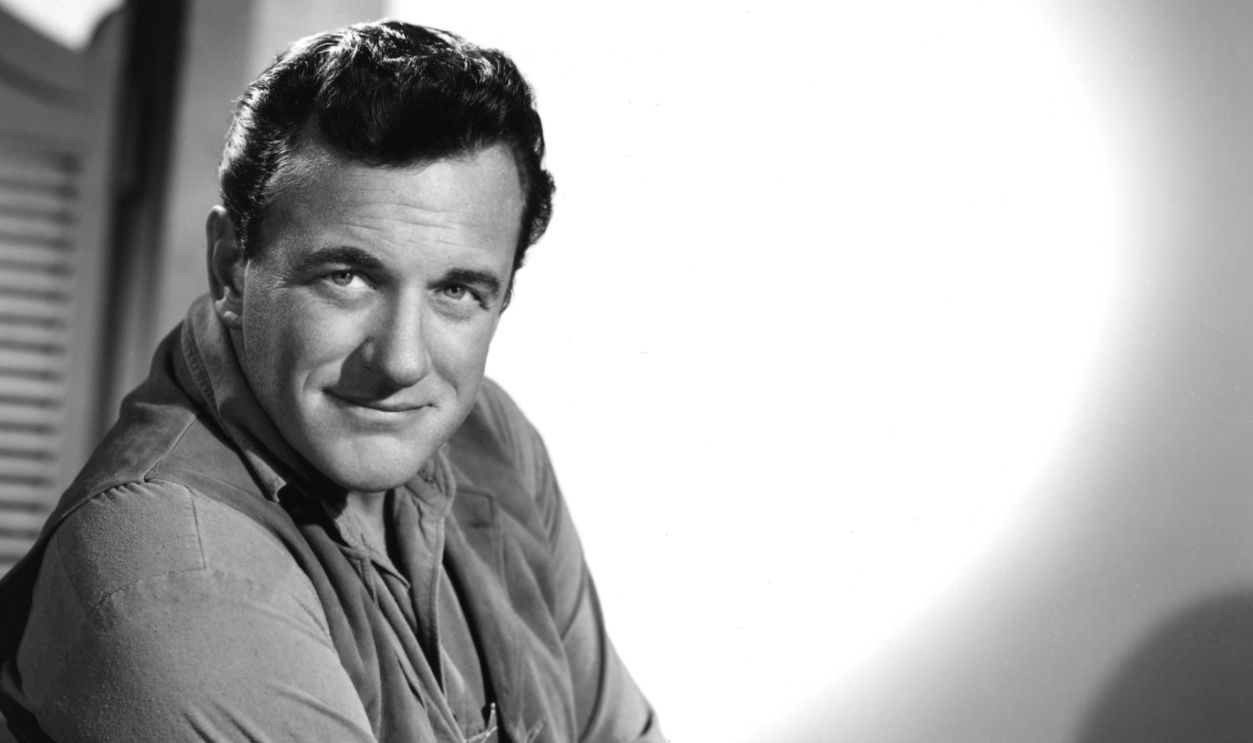 Michael Ochs Archives, Getty Images
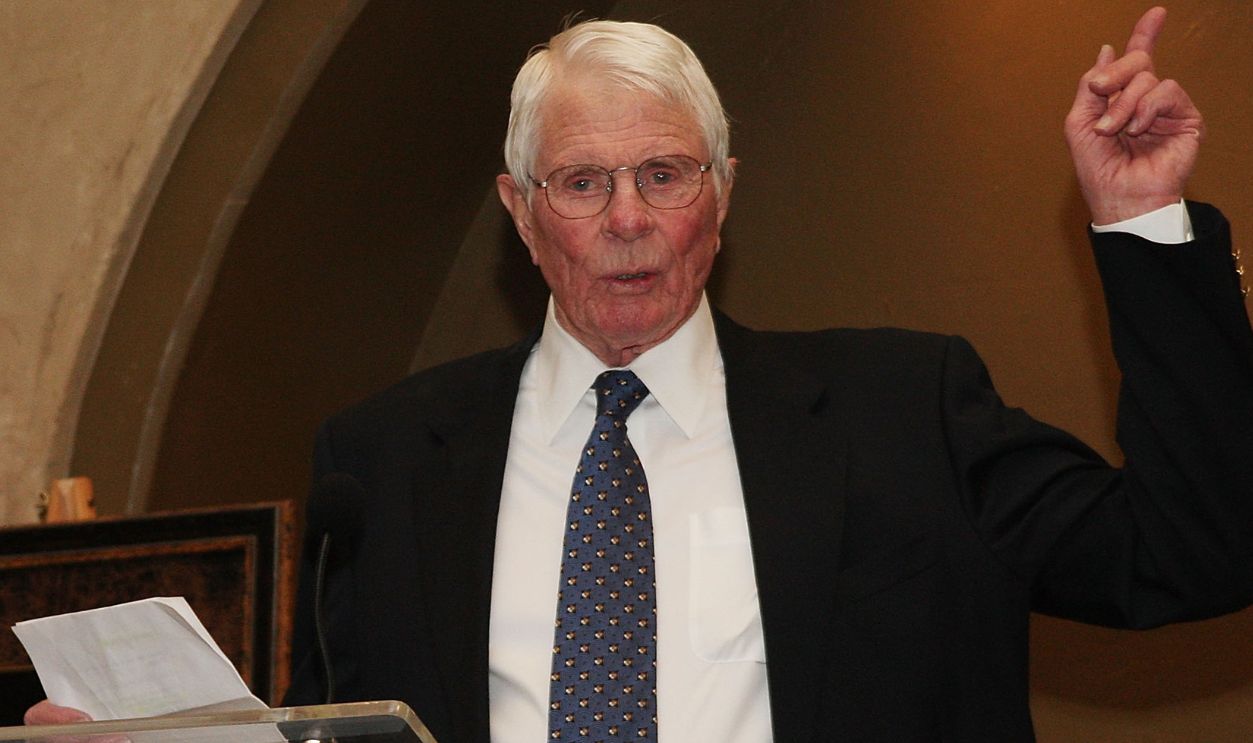
James Once Refused To Appear At Peter's Tribute
Their personality differences became particularly clear when Peter was honored on the television program This Is Your Life. Host Ralph Edwards tried to persuade James to participate, but the famously private actor refused to appear in person. James eventually agreed to record a voice greeting for Peter, offering his congratulations without stepping into the spotlight.
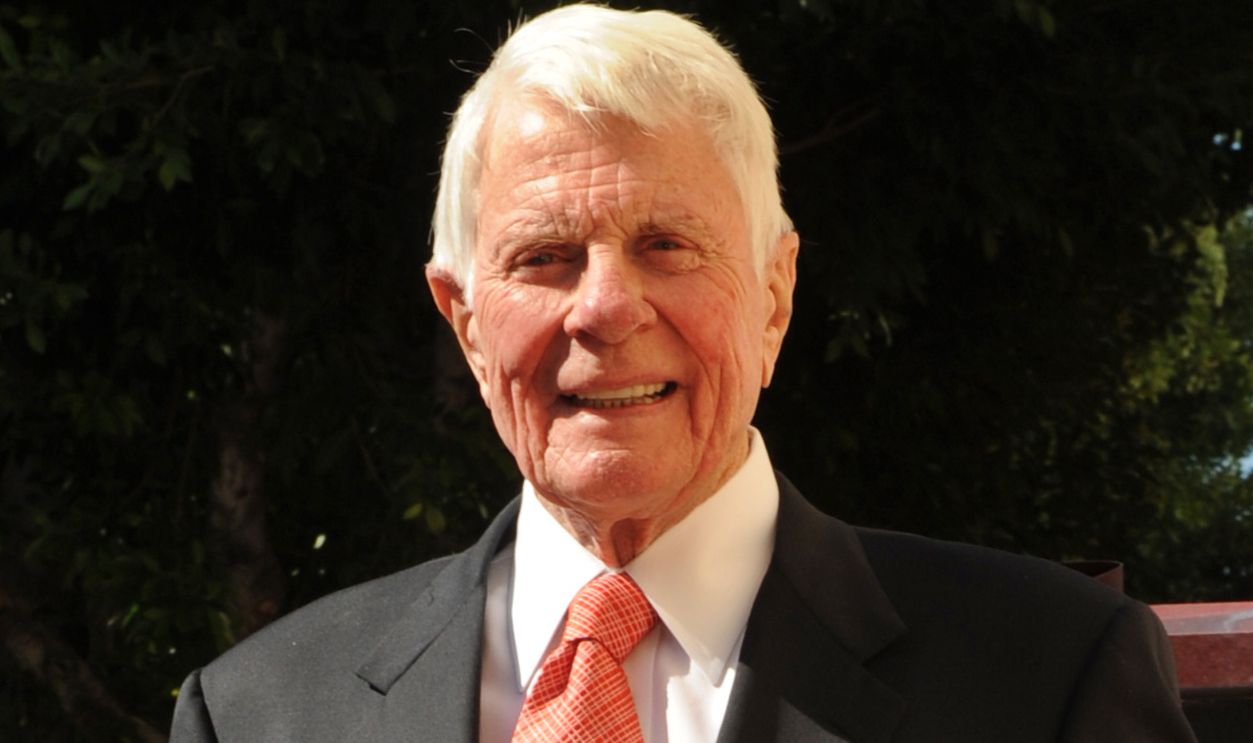
Peter Wasn't Offended By His Brother's Decision
In a 1971 Ladies' Home Journal interview, Peter explained that James' reluctance hadn't upset him. He understood his brother's dislike of publicity so well that he would have discouraged producers from approaching James in the first place. Far from criticizing him, Peter spoke affectionately about James' individuality and said he wouldn't want him to change.
 Frederick M. Brown, Getty Images
Their Careers Took Different Turns
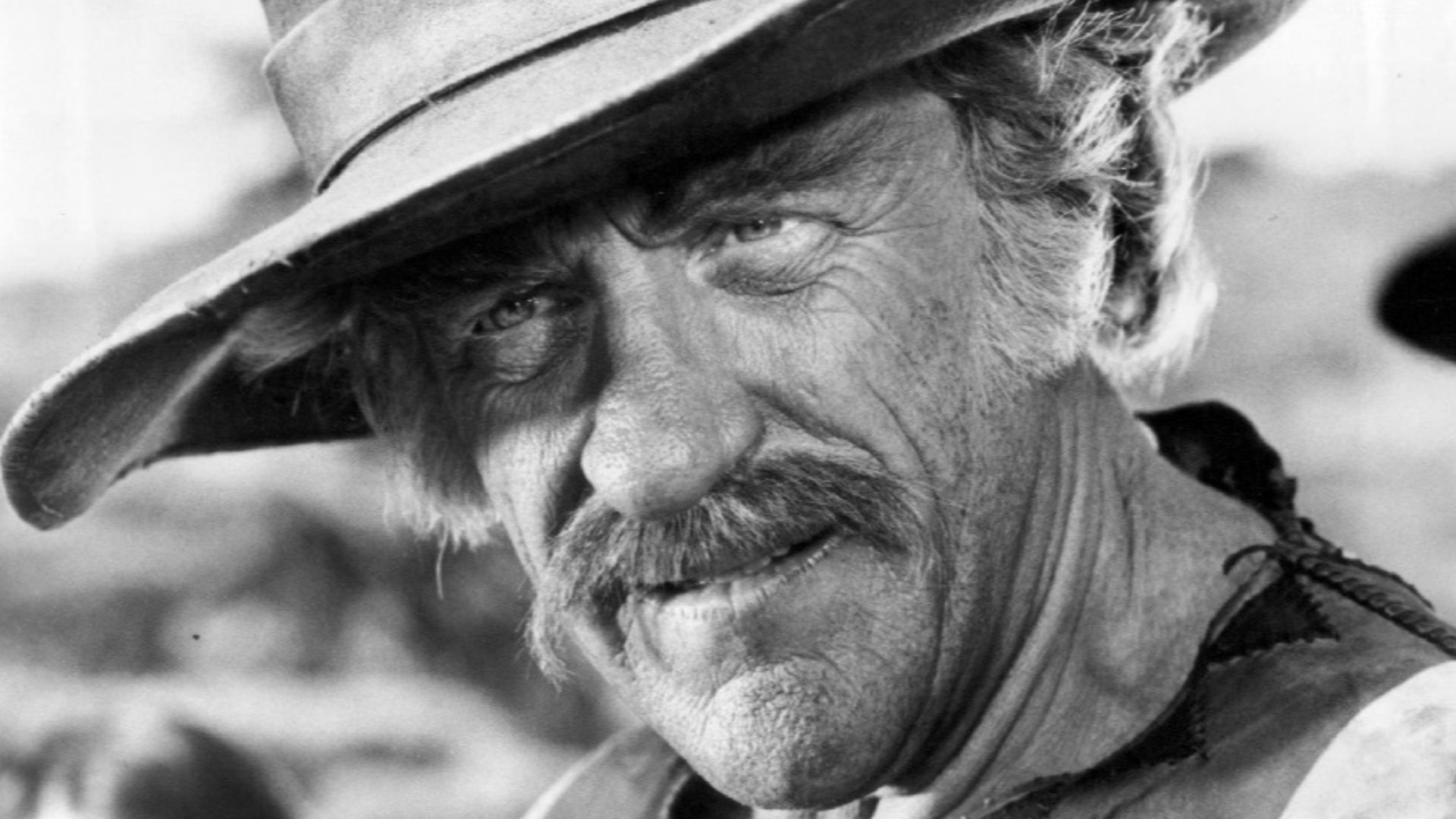
After Gunsmoke ended in 1975, James continued exploring Western stories, particularly through How The West Was Won, and eventually returned as Matt Dillon in five television movies. Peter took a more surprising turn in 1980, playing the straight-faced Captain Clarence Oveur in the hit comedy Airplane!. He initially worried about departing so dramatically from his serious image, but the film introduced him to a new generation of fans.
 ABC Television, Wikimedia Commons
The Brothers Left Behind Extraordinary Legacies
Peter continued acting and hosting television programs, including A&E's Biography, before his death on March 14, 2010, at age 83. James died on June 3, 2011, at age 88, after a career that had made him one of television's most enduring Western stars. They had followed different paths through Hollywood, but both became legends without allowing their shared family history to define their individual achievements.
You May Also Like:
How Peter Graves Built A Television Career That Lasted More Than 50 Years
Greg Morris Broke Ground On Mission: Impossible—Even When The Industry Refused To Give Him Credit
Amanda Blake's Greatest Legacy Had Nothing To Do With Gunsmoke