A Breakout Role That Changed Everything
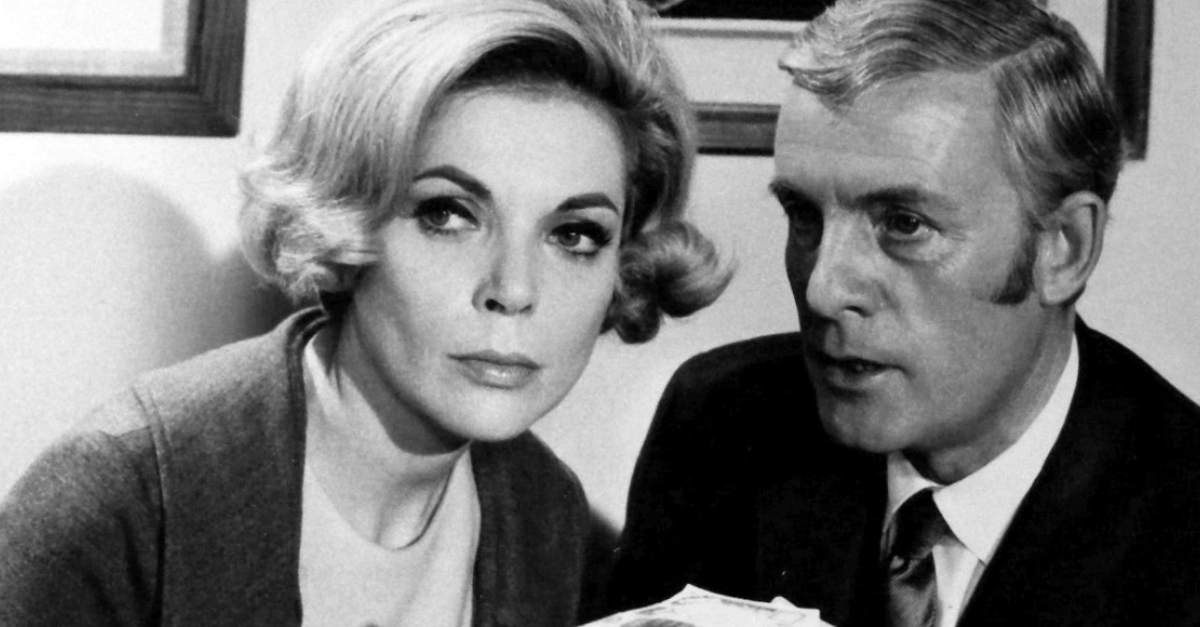
When Mission: Impossible premiered on CBS in 1966, Barbara Bain quickly became one of its biggest attractions. As master spy Cinnamon Carter, she brought intelligence, elegance, and confidence to every mission. The series became an immediate hit, and Bain's performance helped define what audiences expected from sophisticated television espionage.
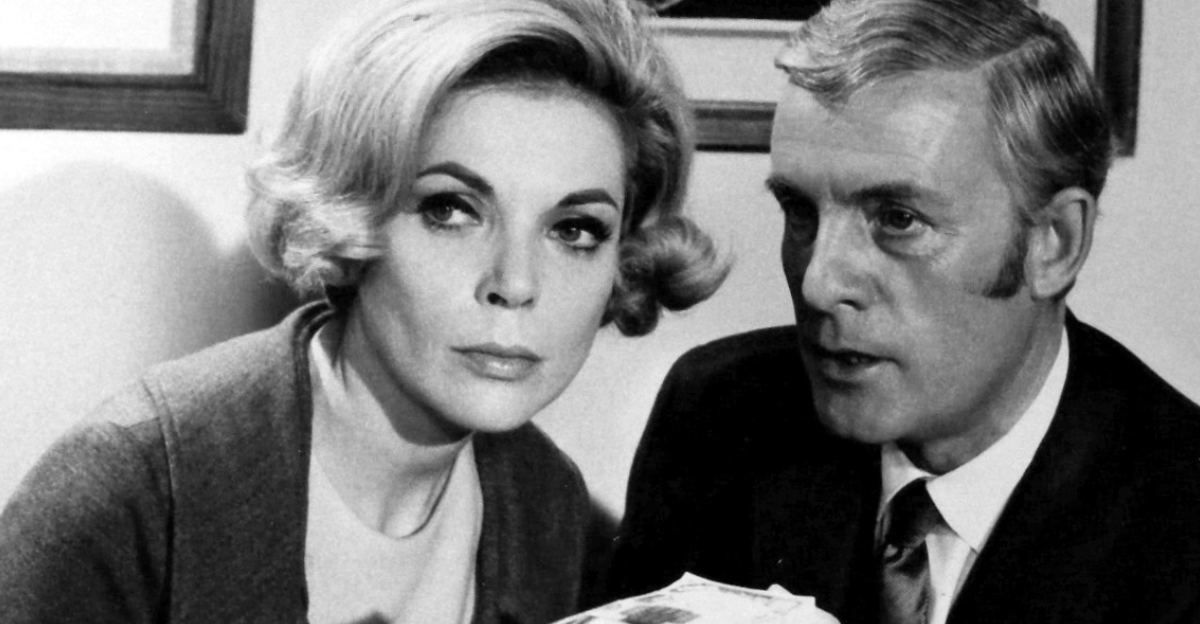 CBS Television, Wikimedia Commons
She Was Already An Experienced Performer
Although Mission: Impossible made her famous, Bain wasn't a newcomer. After studying dance and acting, including time at the Actors Studio, she spent years building her résumé through guest appearances on popular television shows like Perry Mason and Get Smart. Those early roles prepared her for the demanding work that lay ahead.
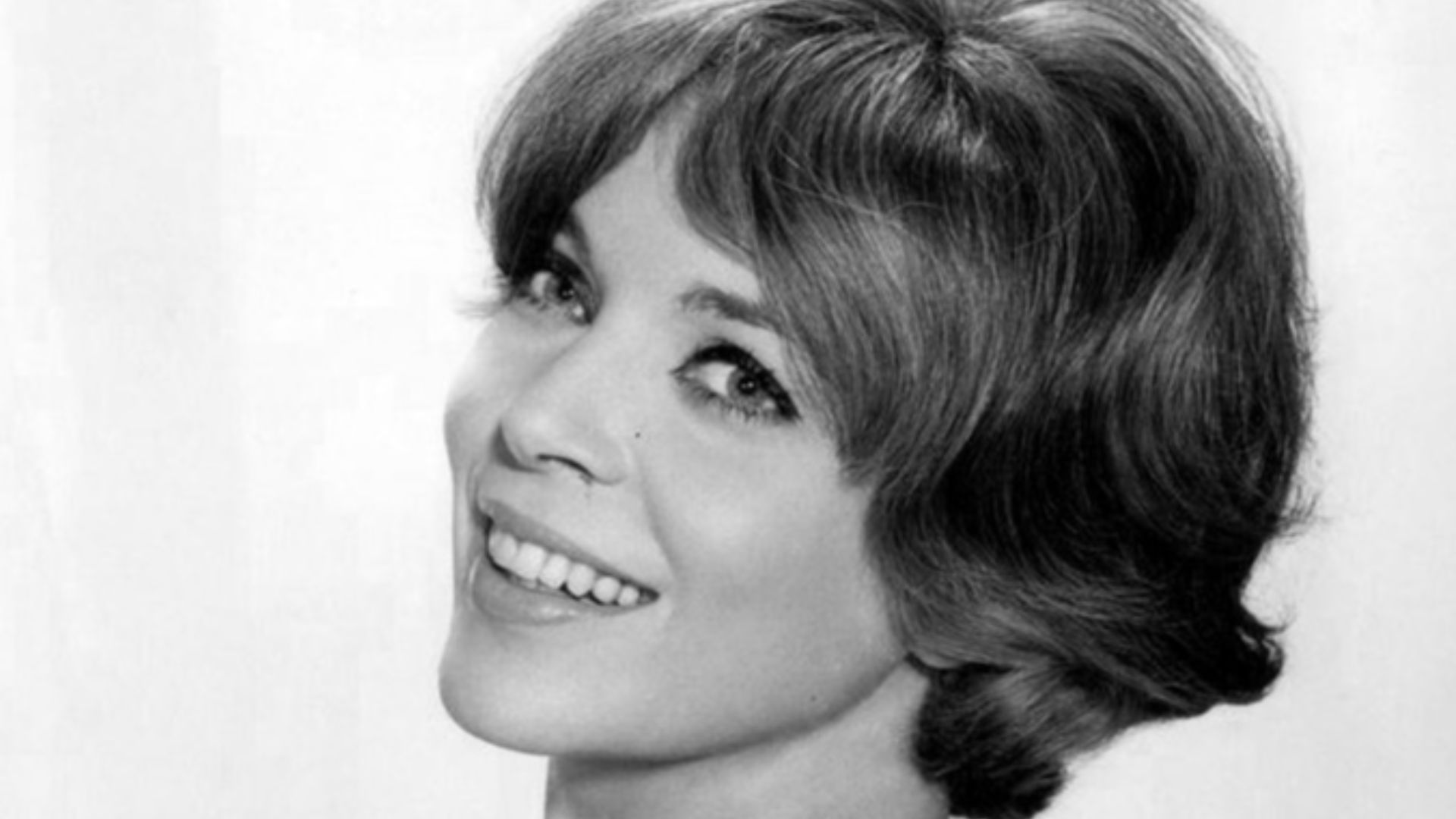 CBS Television-enough of the release is on back to identify CBS as the issuer., Wikimedia Commons
Cinnamon Carter Was Unlike Most TV Women
Rather than simply serving as a romantic interest, Cinnamon Carter regularly drove the team's missions. She used disguises, acting ability, psychological manipulation, and quick thinking to outsmart dangerous targets. At a time when many television dramas gave women limited responsibilities, Bain's character stood out as an equal member of the Impossible Missions Force.
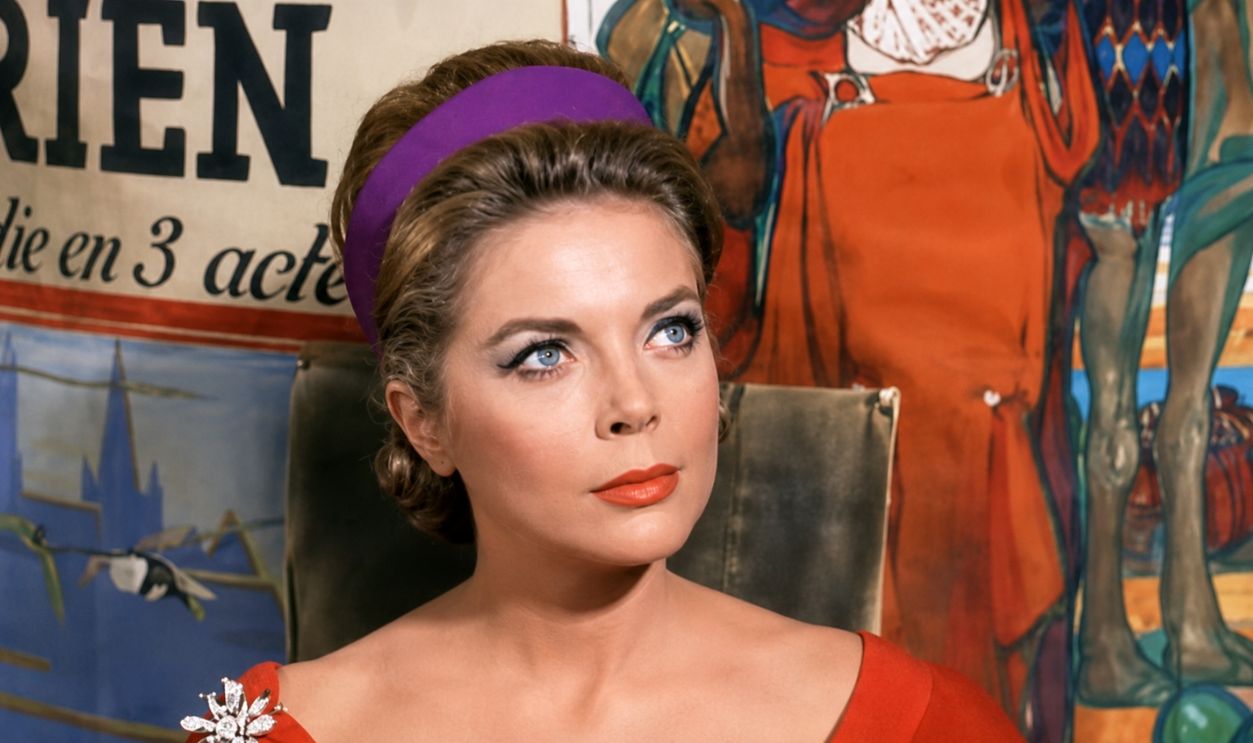 Screenshot from Mission: Impossible, Paramount Television (1966-1973), Enhanced
Awards Quickly Followed
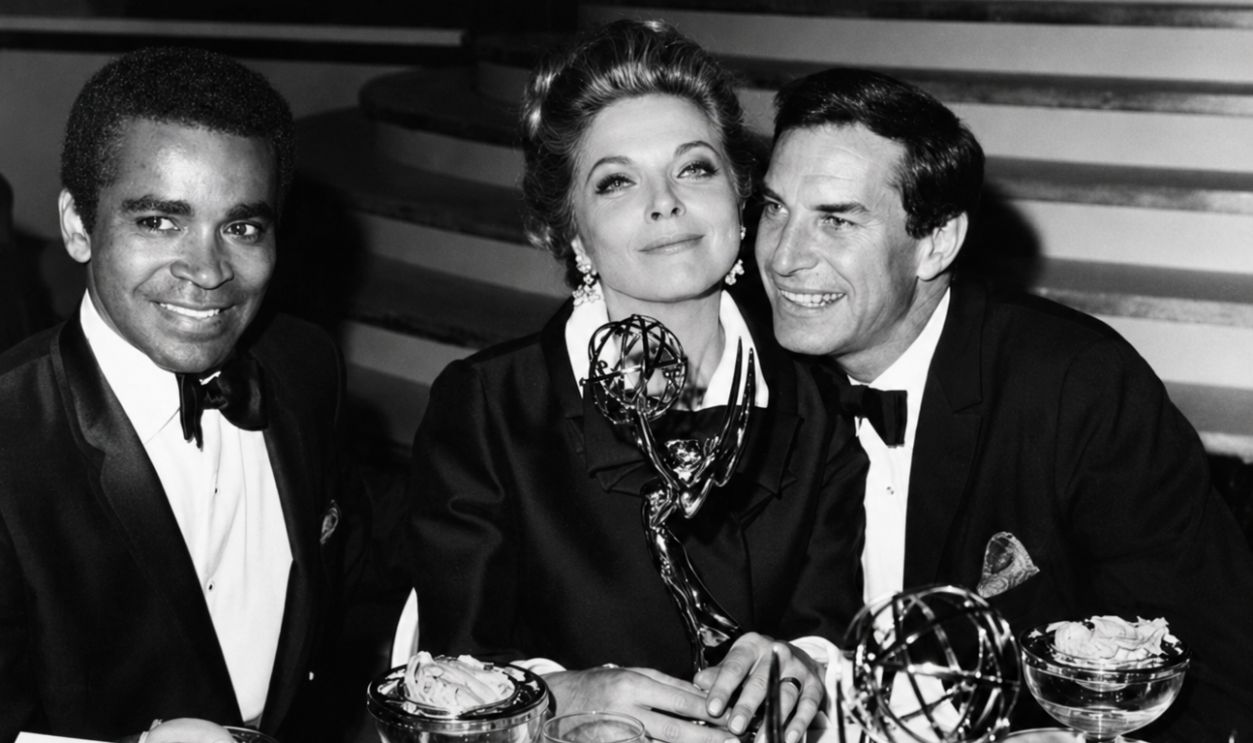
Audiences weren't the only ones paying attention. Bain won the Primetime Emmy Award for Outstanding Lead Actress in a Drama Series three consecutive years—1967, 1968, and 1969—for playing Cinnamon Carter. No other performer has matched that feat in the category for the same role, making her one of television's earliest dramatic superstars.
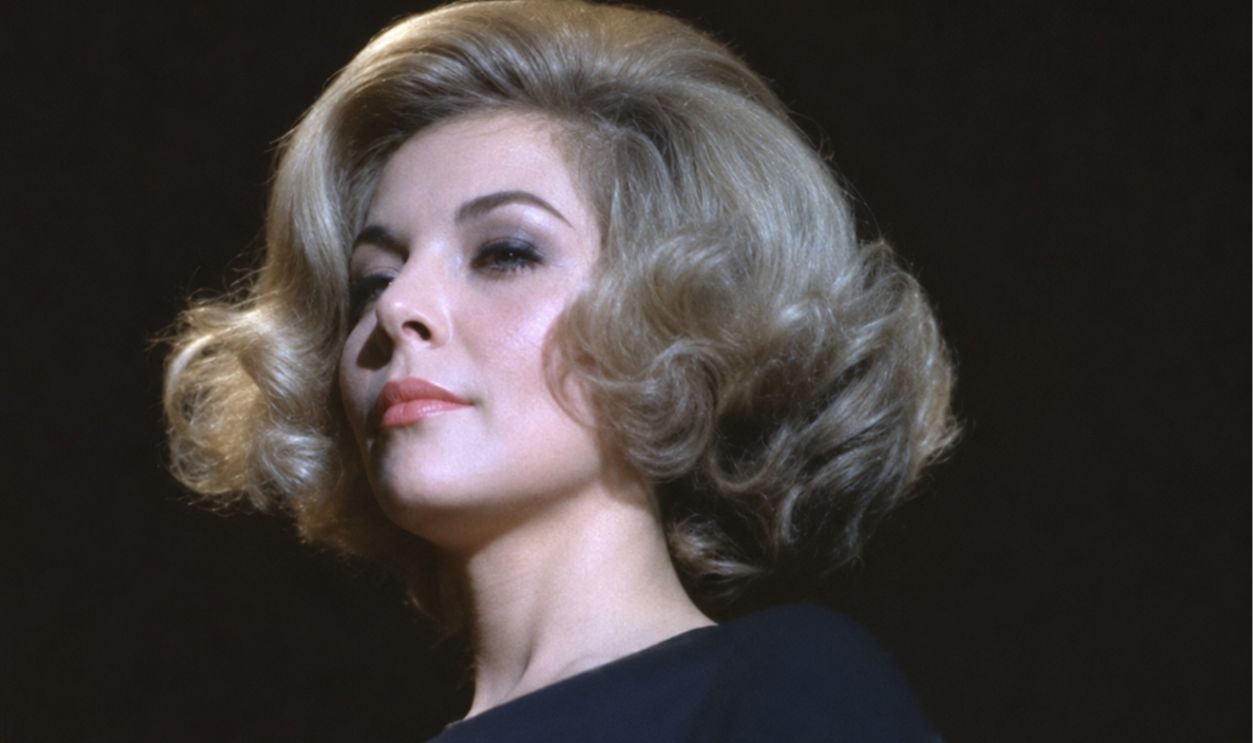 Screenshot from Mission: Impossible, Paramount Television (1966-1973), Enhanced
Success Didn't Eliminate Workplace Frustrations
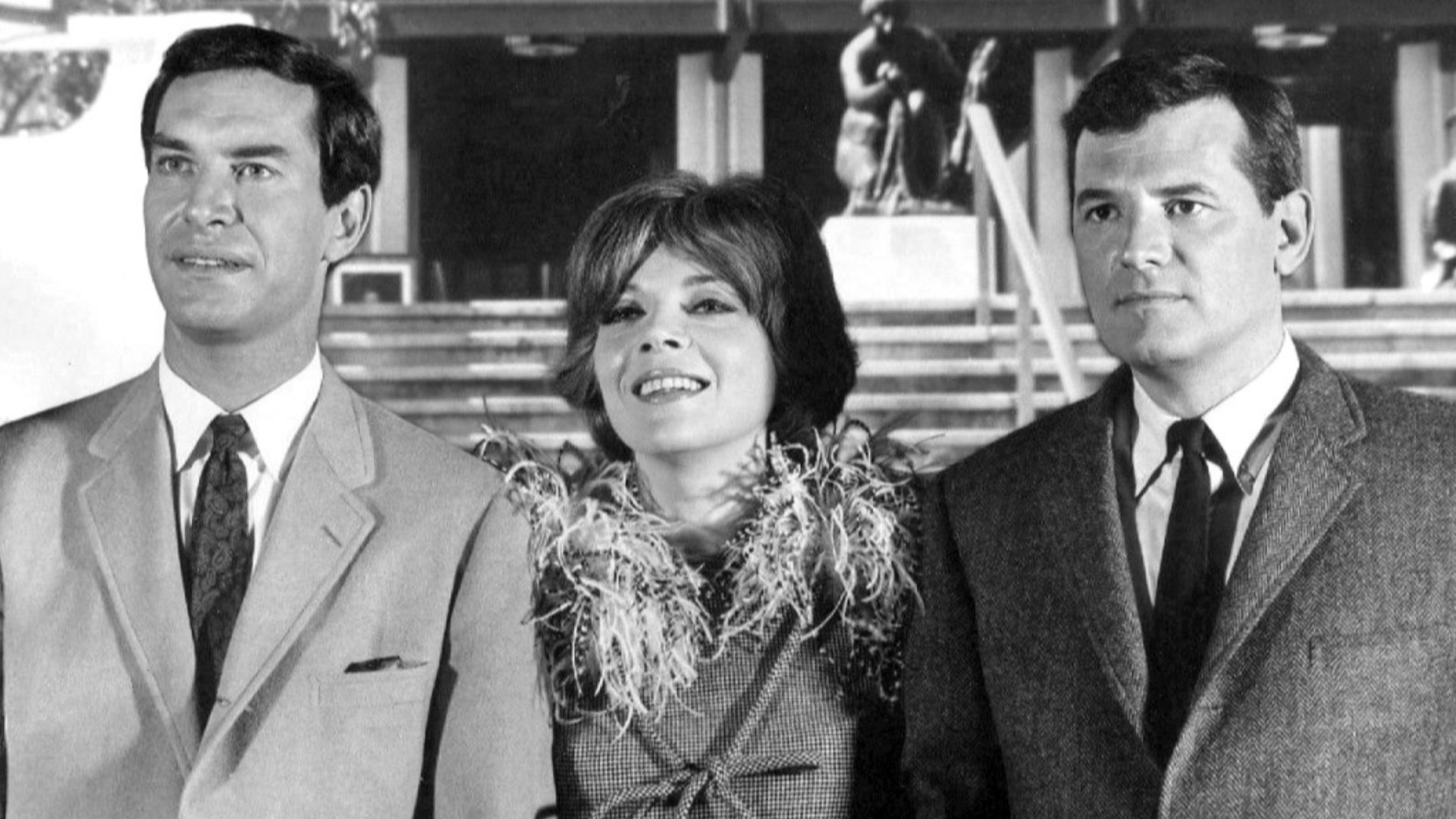
Despite the acclaim, behind-the-scenes tensions were growing. Bain and her husband, fellow cast member Martin Landau, believed their success on the series justified improved contracts. By the third season, the show's popularity had increased significantly, but negotiations with the studio became increasingly difficult.
 CBS Television, Wikimedia Commons
Martin Landau's Contract Played A Major Role
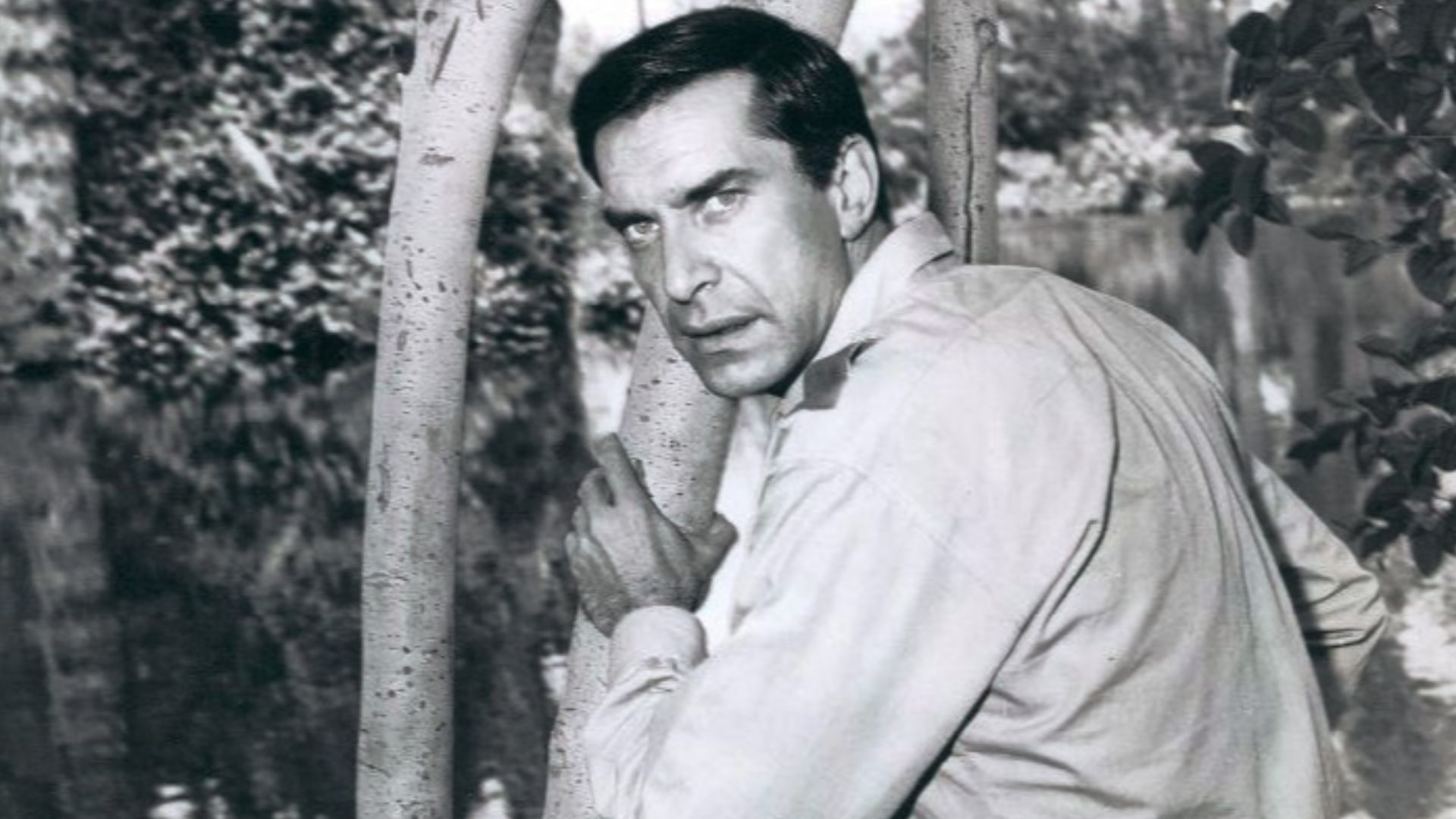
Landau had initially joined Mission: Impossible as a recurring guest star rather than signing the standard long-term television contract. That arrangement gave him greater negotiating leverage once the show became successful. When discussions about new contracts stalled, Bain's future on the series became closely tied to her husband's situation.
 Paramount Television, Wikimedia Commons
Money Became The Central Issue
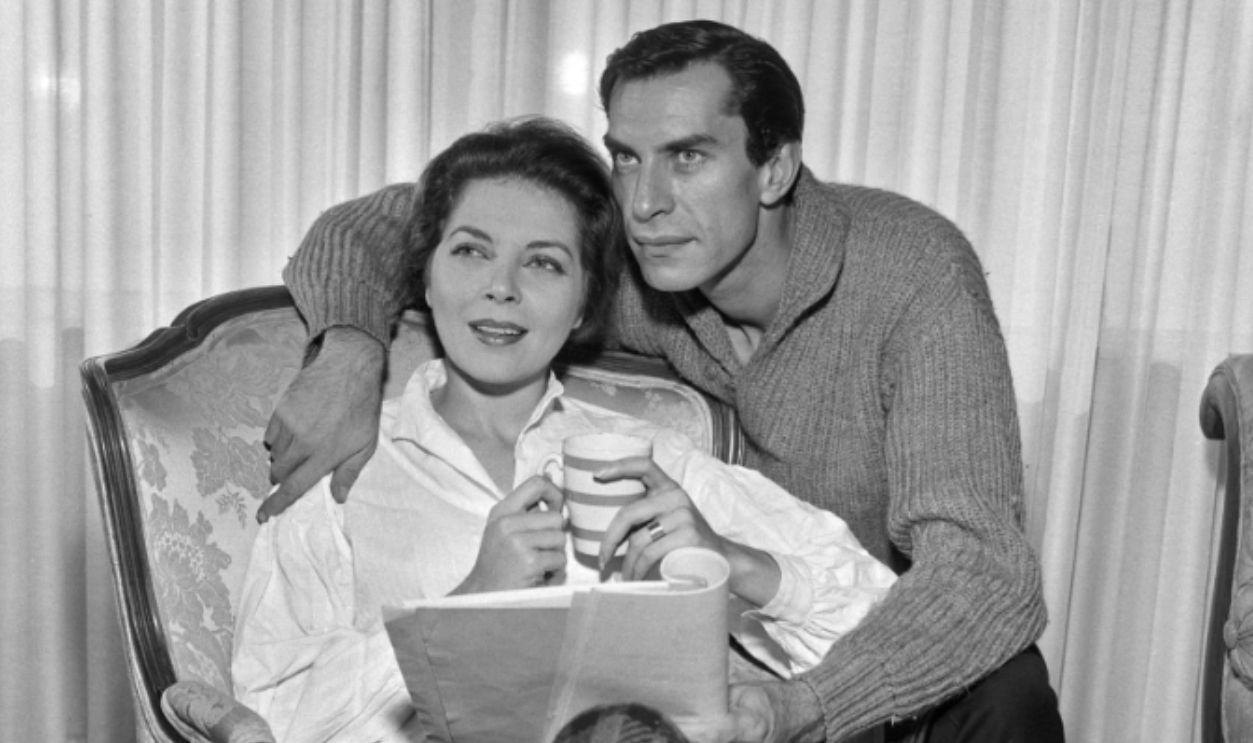
Multiple interviews and historical accounts point to compensation as the primary reason Bain and Landau departed. They sought raises that reflected both the show's success and their importance to its popularity. The studio declined to meet their demands, leading to a contract impasse neither side could resolve.
 CBS Photo Archive, Getty Images
Studio Changes Added More Uncertainty
The show's business environment also shifted during its early years. Desilu Productions became part of Paramount following Gulf+Western's acquisition, bringing new management and tighter budget considerations. According to several accounts from cast members and historians, those financial realities complicated already tense negotiations.

Bruce Geller's Departure Raised Concerns
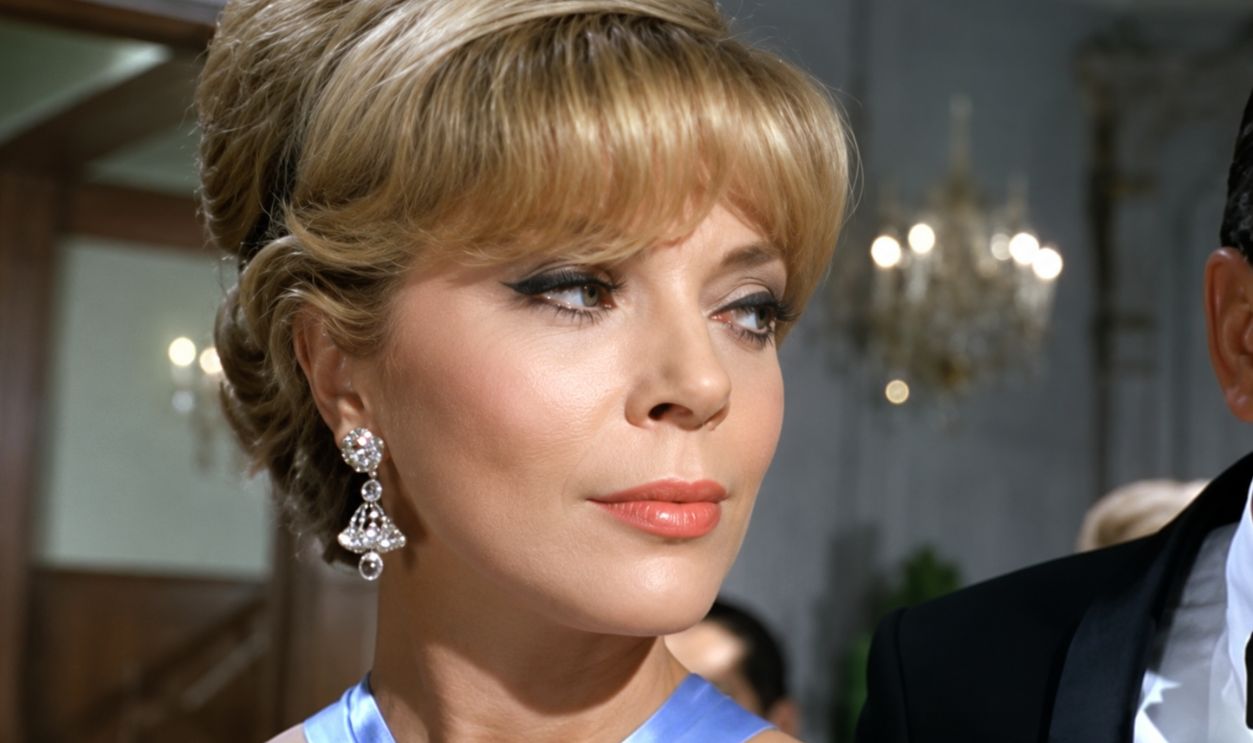
Series creator Bruce Geller also began stepping away from day-to-day involvement. Bain later acknowledged that Geller's changing role influenced the atmosphere surrounding the production. With both creative and financial uncertainty increasing, remaining with the series became less appealing for the actors.
 Screenshot from Mission: Impossible, Paramount Television (1966-1973), Enhanced
Bain Refused To Stay Without Landau
Although Bain had become one of television's biggest stars in her own right, she chose not to continue after Landau's departure. She later explained that she became caught up in the broader contract dispute involving her husband and the show's changing direction. Rather than accept a separate arrangement, she left alongside him after the third season.
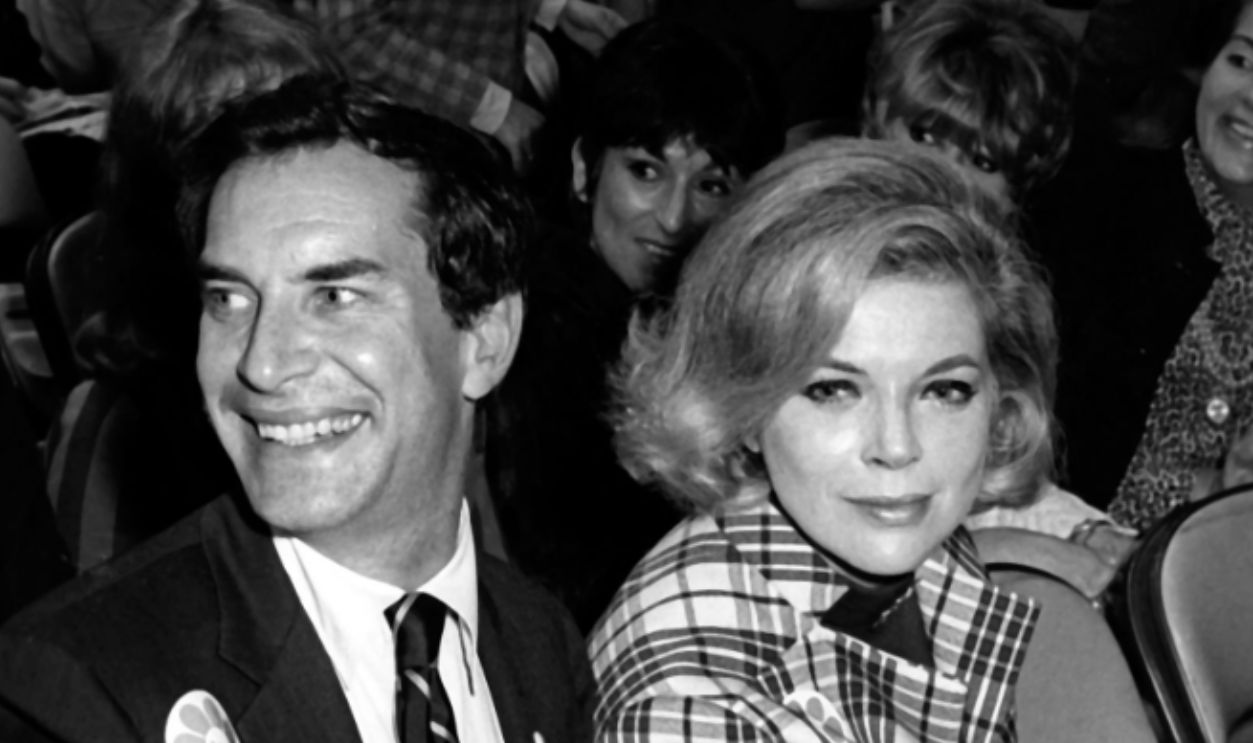
Walking Away Meant Leaving At Her Peak
Few television stars voluntarily exit a hit series immediately after winning three straight Emmys. Bain did exactly that. From a career standpoint, it was a bold decision because Mission: Impossible remained one of television's most popular dramas and continued for four more seasons without her.
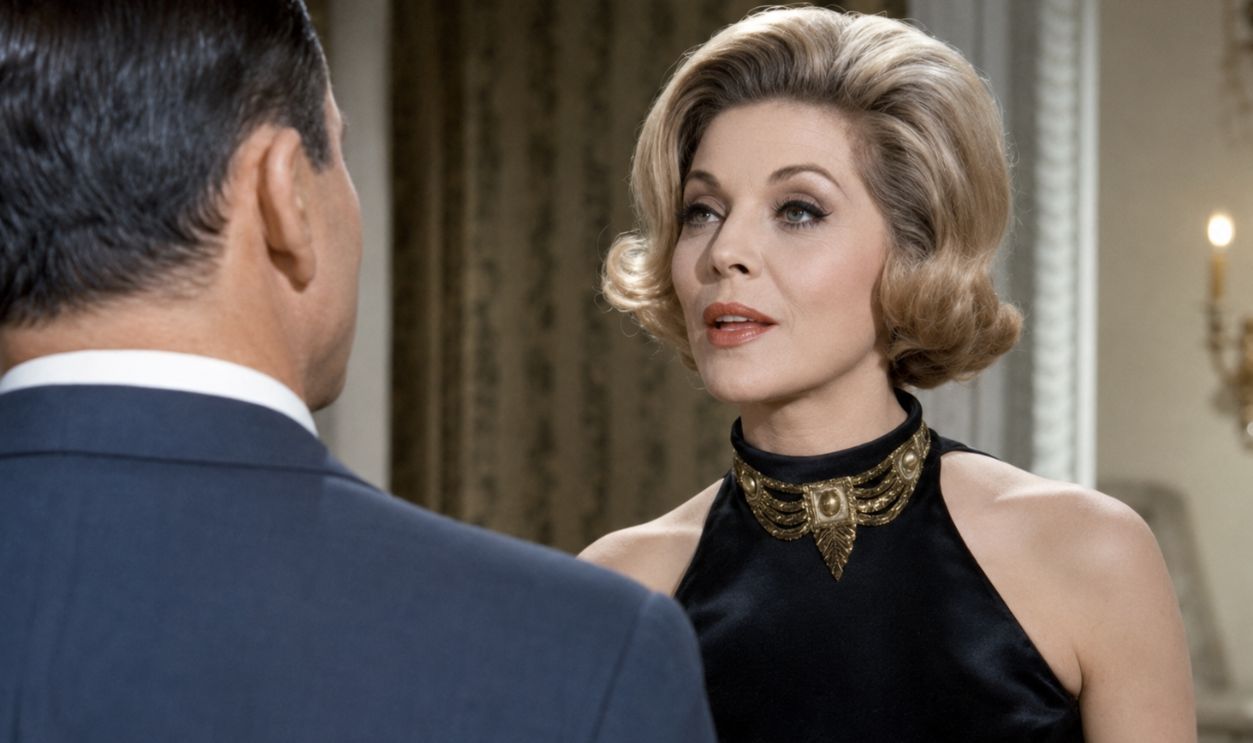 Screenshot from Mission: Impossible, Paramount Television (1966-1973)
The Show Quickly Replaced Cinnamon Carter
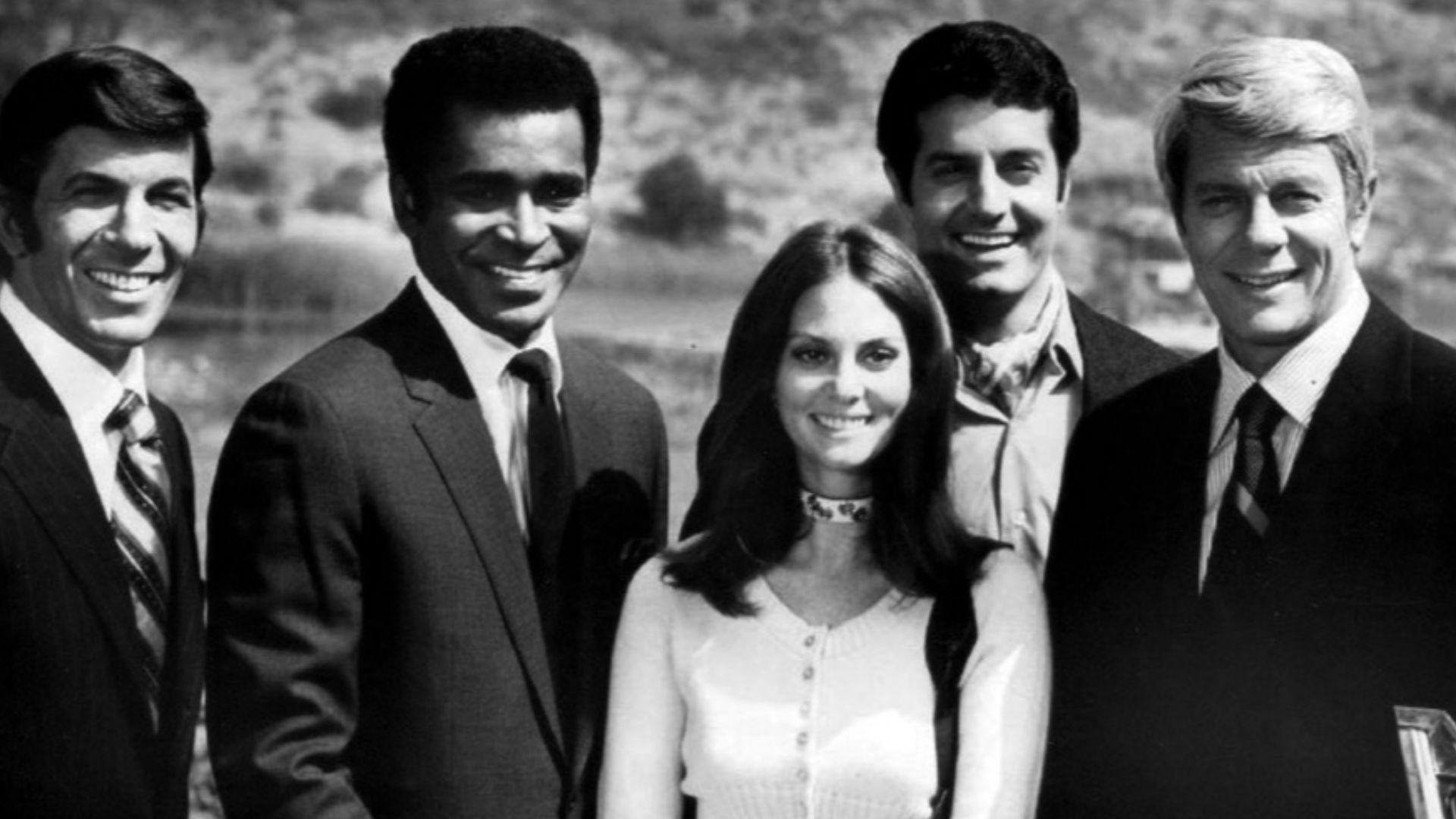
Rather than recast Bain's character, the producers introduced new female IMF agents over the following seasons. Actresses including Lee Meriwether, Lesley Ann Warren, and later Lynda Day George joined the cast in similar disguise-oriented roles. While each brought something different, many longtime fans continued comparing them to Bain's original performance.
 CBS Television, Wikimedia Commons
Her Career Didn't End After Leaving
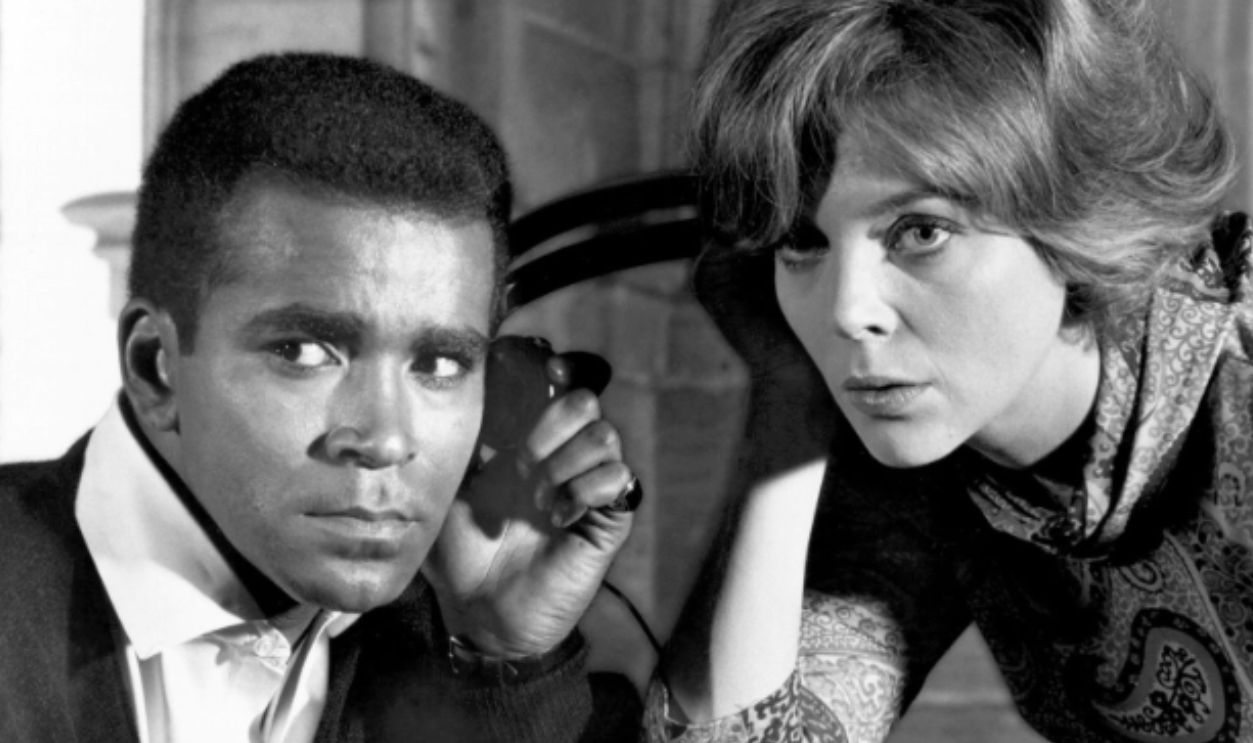
Leaving a hit television series did not slow Bain's career. She remained active throughout the early 1970s, appearing in television movies and guest roles while continuing to work in theater. Although no single project matched Mission: Impossible's popularity, she consistently found meaningful work.
 CBS Photo Archive, Getty Images
She And Landau Found Another Major Success
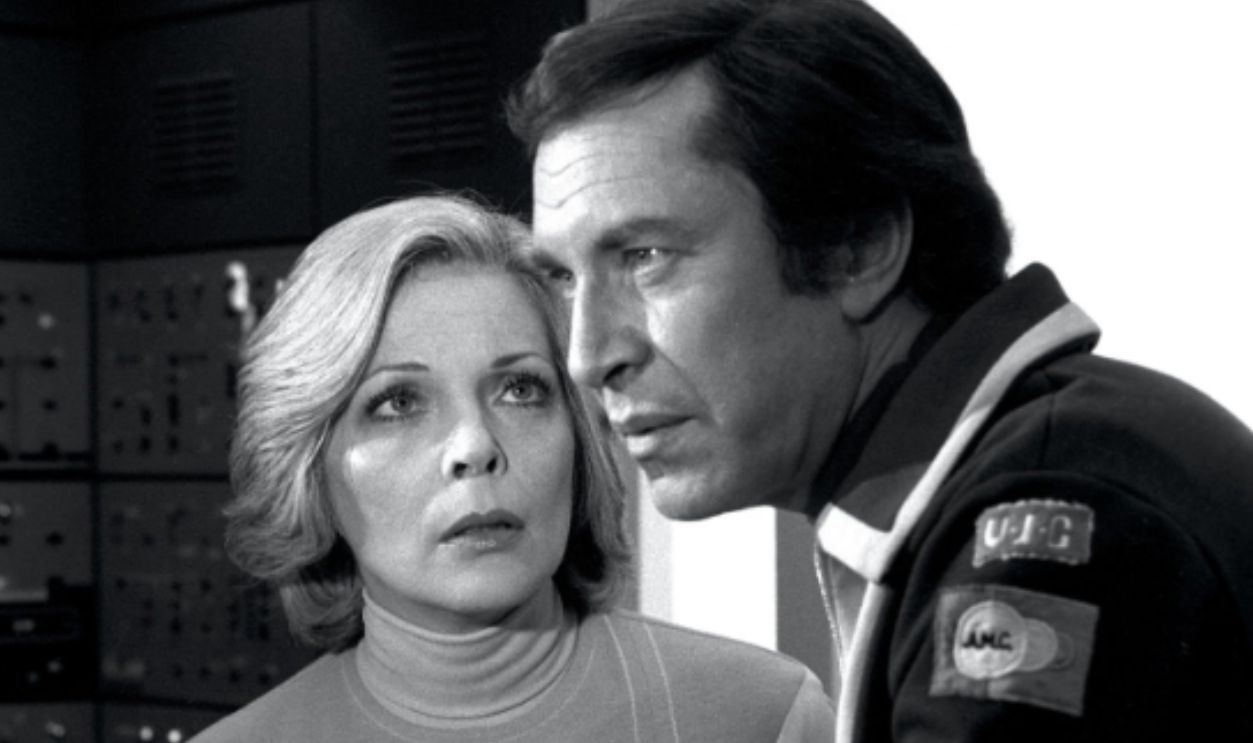
In 1975, Bain reunited with Martin Landau as co-stars of the science-fiction series Space: 1999. She played Dr Helena Russell, the chief medical officer of Moonbase Alpha. The series developed a devoted international following and introduced Bain to an entirely new generation of viewers.
Theater Remained One Of Her Greatest Passions
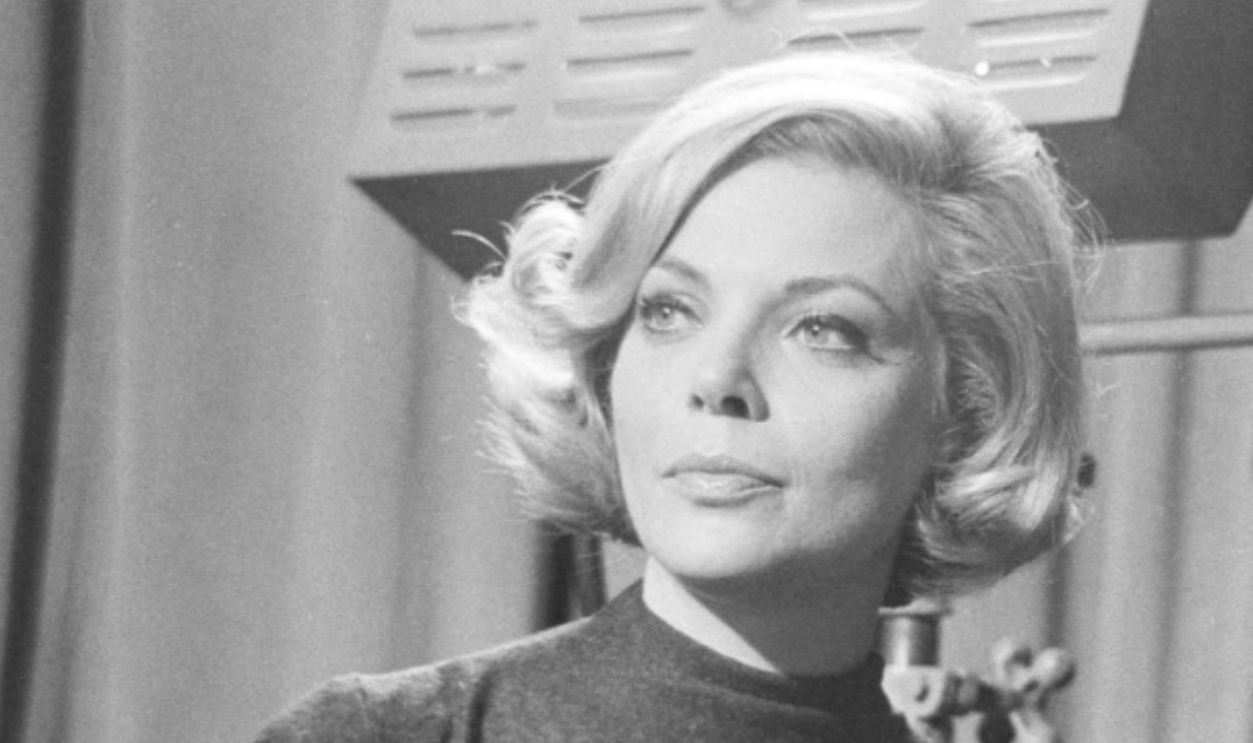
Throughout her career, Bain frequently returned to the stage. She earned praise for performances in productions including Wings, Happy Days, and The Chairs. Her theater work demonstrated that she never wanted to be defined solely by one television role.
 CBS Photo Archive, Getty Images
She Continued Acting For Decades
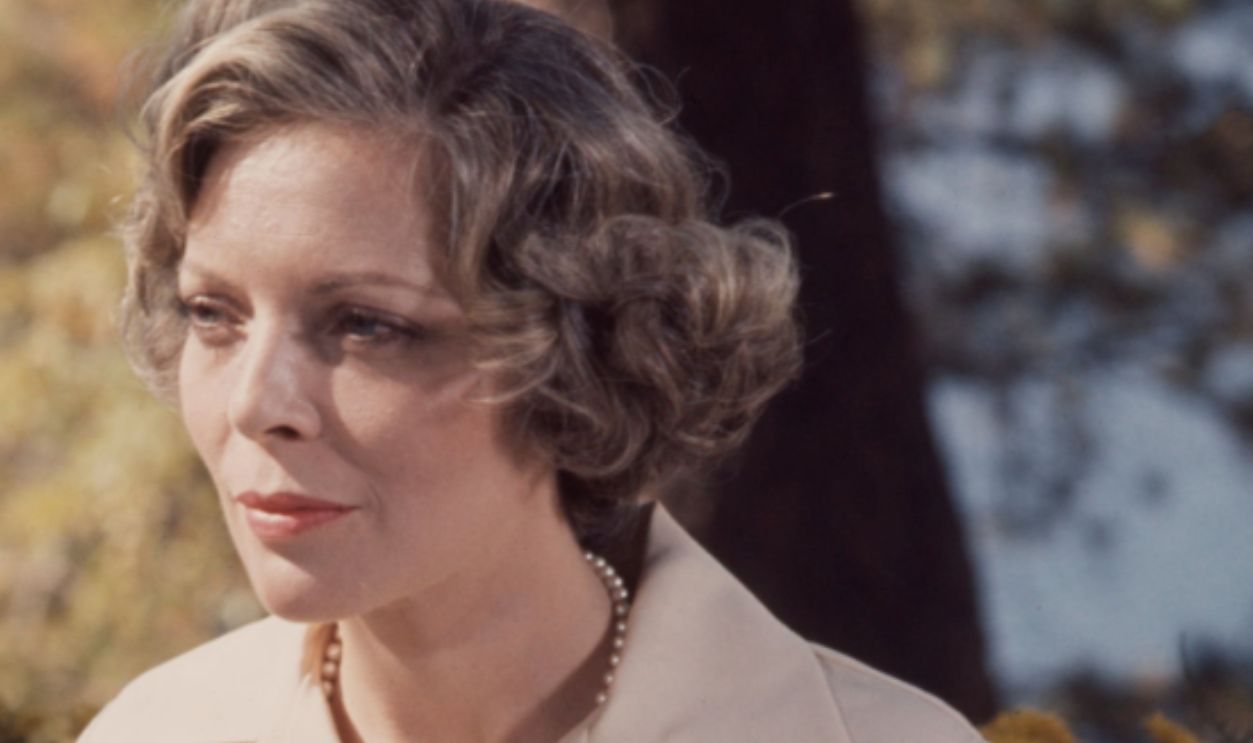
Bain remained active well into her later years, appearing in films, independent productions, television projects, and stage performances. Her credits include Panic, Forget Me Not, Take My Hand, and Sofia Coppola's On the Rocks. Few television stars from the 1960s maintained such a lengthy acting career.
 Walt Disney Television Photo Archives, Getty Images
Fans Never Forgot Cinnamon Carter
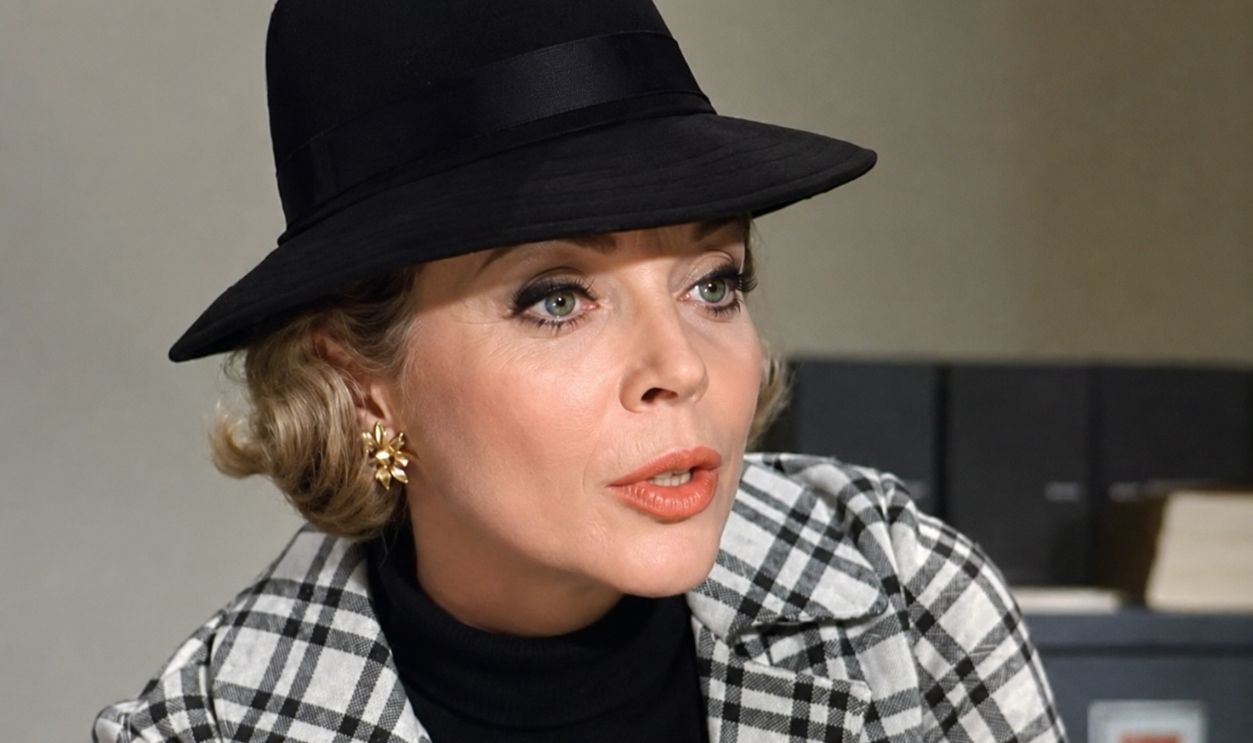
Even after decades and countless spy dramas, Cinnamon Carter remains the role most associated with Bain. The character helped establish the blueprint for capable female intelligence operatives on television long before similar portrayals became common. Her work continues to be celebrated by fans of classic television.
 Screenshot from Mission: Impossible, Paramount Television (1966-1973), Enhanced
Her Legacy Goes Beyond One Decision
Although headlines often focus on why Bain left Mission: Impossible, her departure reflected a broader issue facing many television performers during that era. Successful actors increasingly challenged studios over compensation and creative respect, helping reshape contract negotiations in Hollywood over time.
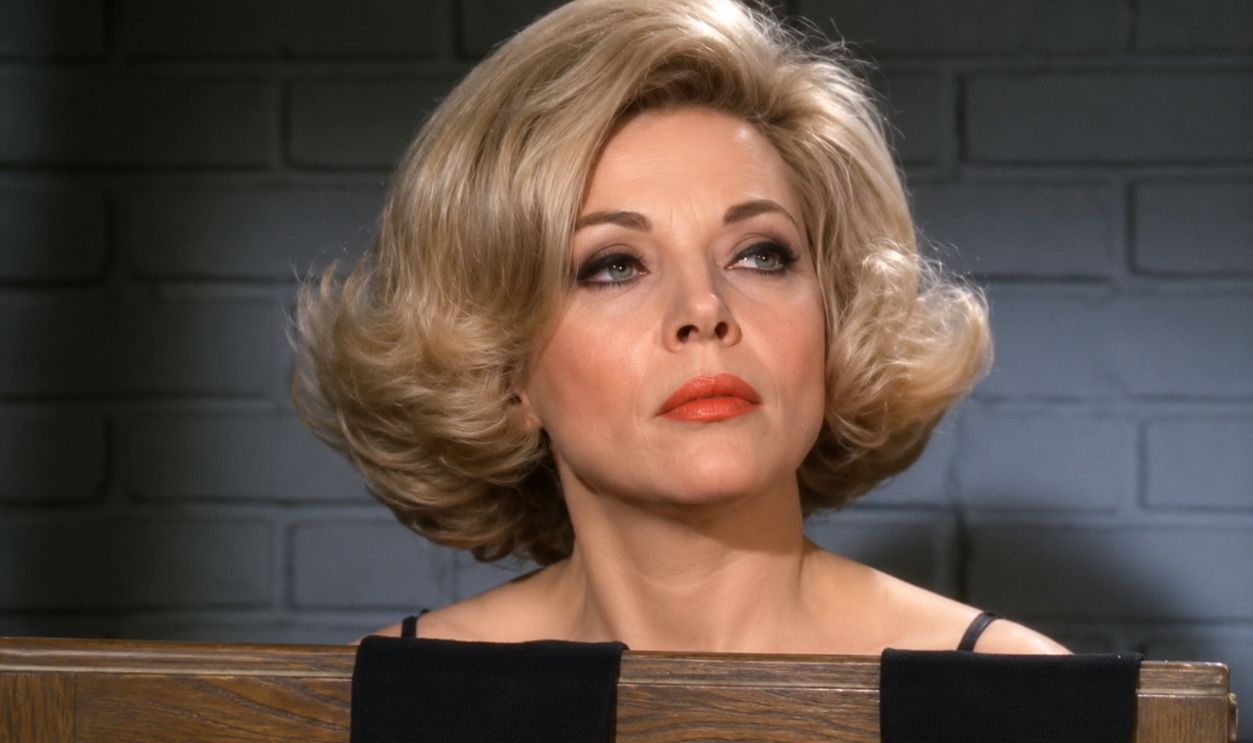 Screenshot from Mission: Impossible, Paramount Television (1966-1973), Enhanced
The Risk Ultimately Paid Off
Walking away from a hit television series would have ended some careers, but not Barbara Bain's. She collected three Emmy Awards, starred in another internationally recognized series, built a respected theater career, and continued acting for decades. Her refusal to stay wasn't an act of self-sabotage—it was a decision to prioritize professional principles over remaining on television's hottest show.
Why Her Exit Still Fascinates Fans
More than half a century later, Bain's departure remains one of classic television's most discussed cast exits. Because she left while at the height of both the show's popularity and her own success, her story continues to stand out. It serves as a reminder that even the biggest stars sometimes decide that success alone isn't enough to justify staying.
 Silver Screen Collection, Getty Images, Modified
You May Also Like:
What happened to Dawn Wells after playing Mary Ann on Gilligan's Island?
How Typecasting Nearly Ruined Henry Winkler’s Career After “The Fonz”
Unforgettable Facts About John Cazale, The Greatest Supporting Actor