What Happened After The Public Image Faded
Classic Hollywood often encouraged carefully managed public images, and family life could become part of that presentation. Decades later, many stars’ children complicated the picture. Some described mistreatment or neglect. Others revealed addiction, secrecy, or emotional distance.
Not every account was undisputed, but together they showed what fame could look like from inside the family.
Joan Crawford Built An Image Of Perfection
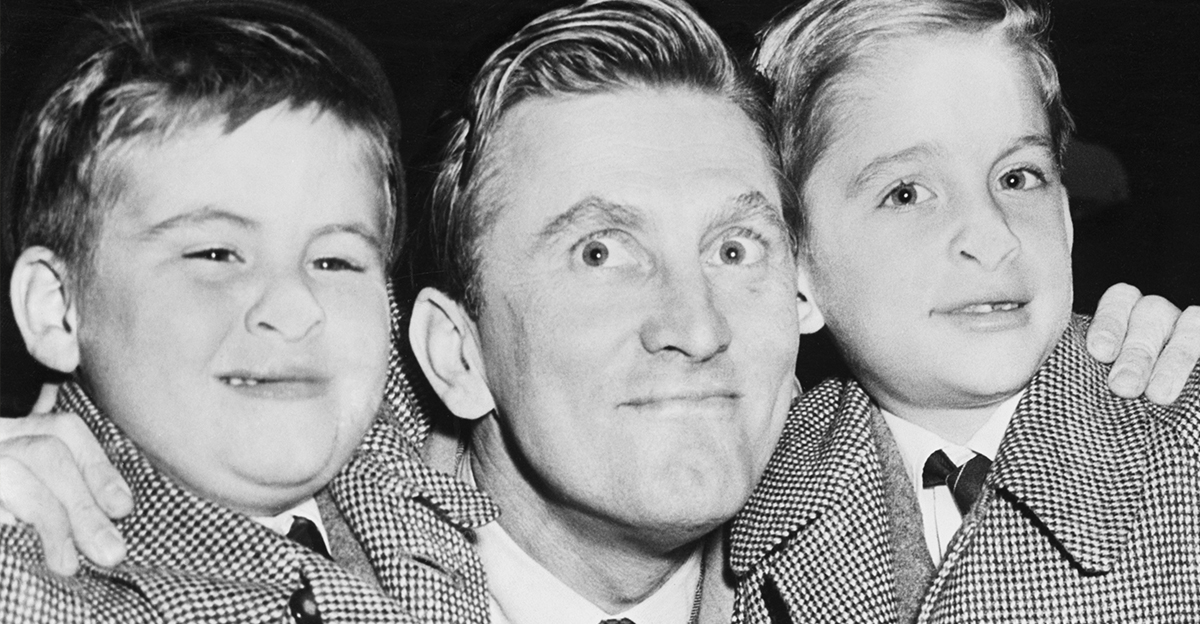
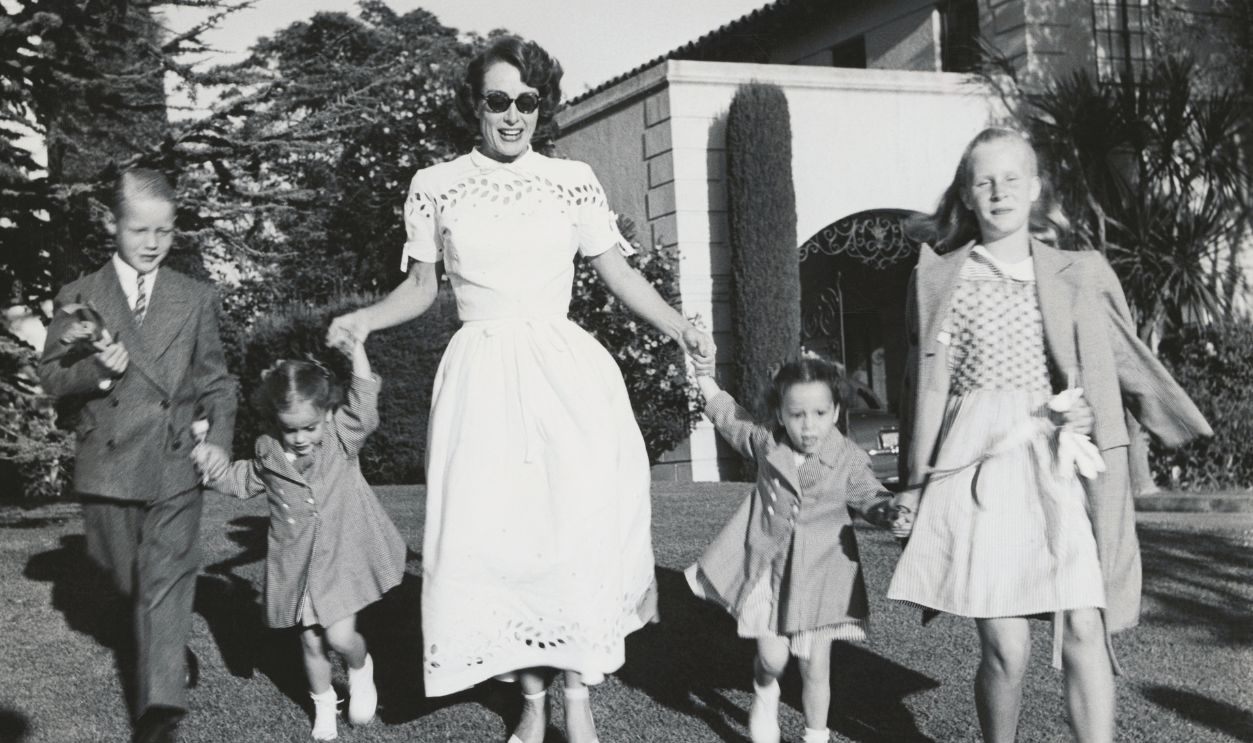
Joan Crawford presented herself as disciplined, glamorous, and devoted to the children she adopted. Photographs showed a polished Hollywood household. After Crawford passed in 1977, however, her eldest daughter Christina published Mommie Dearest, permanently changing the way millions of people saw the star.
Christina Crawford Described Something Far Darker
In Mommie Dearest, Christina alleged severe physical and emotional mistreatment, obsessive control, and frightening punishments behind closed doors. Her account became enormously influential, although Crawford’s younger daughters Cathy and Cindy publicly disputed Christina’s version. The family never produced one universally accepted story.
Bing Crosby Seemed Like America’s Relaxed Father
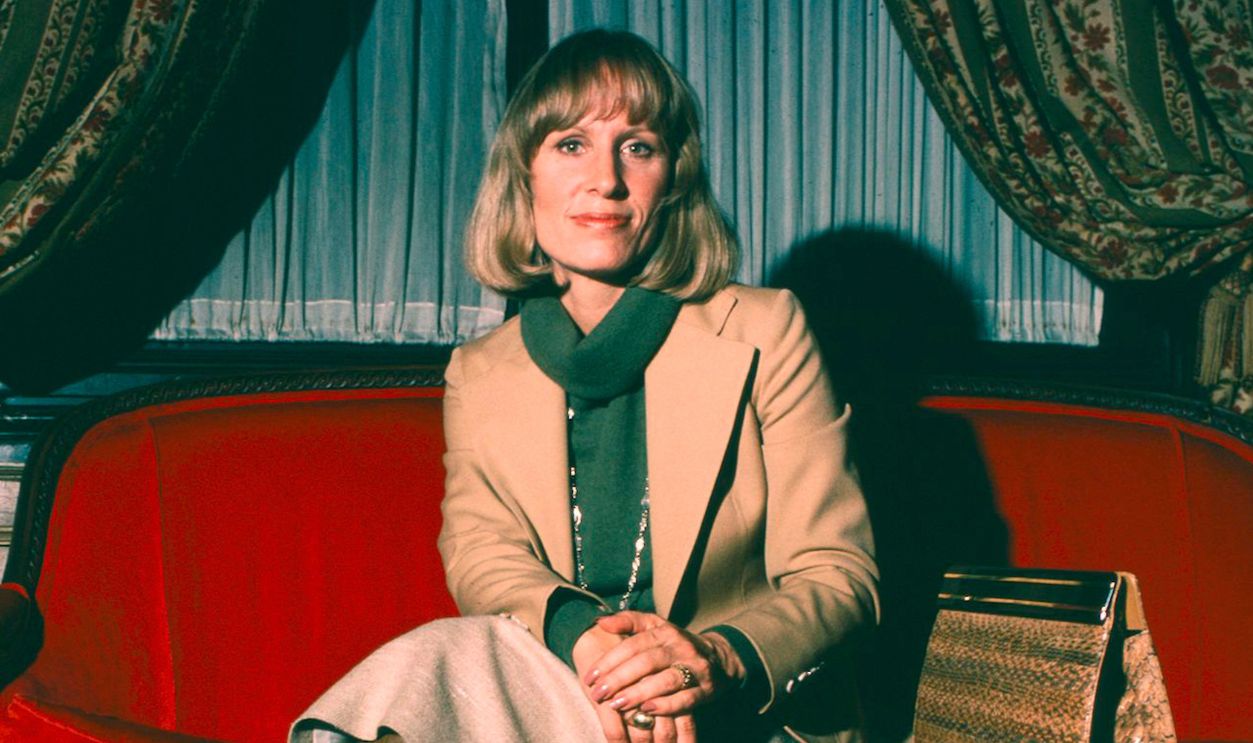
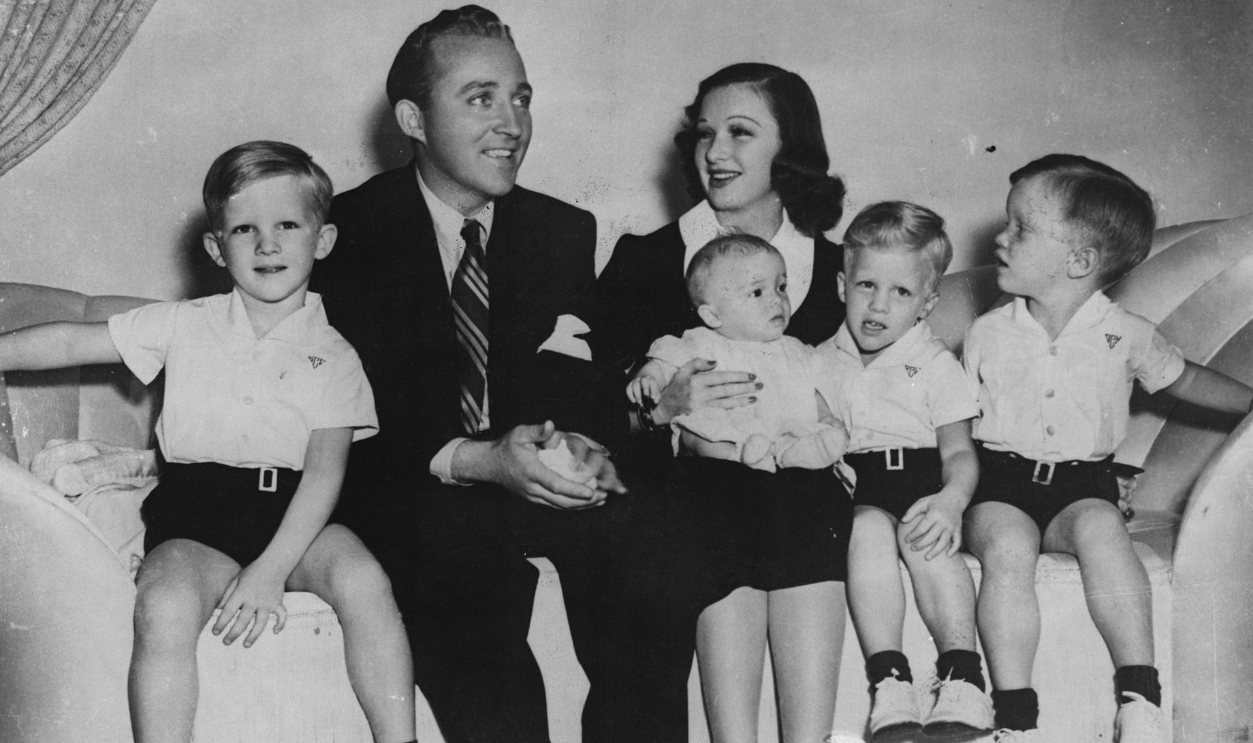
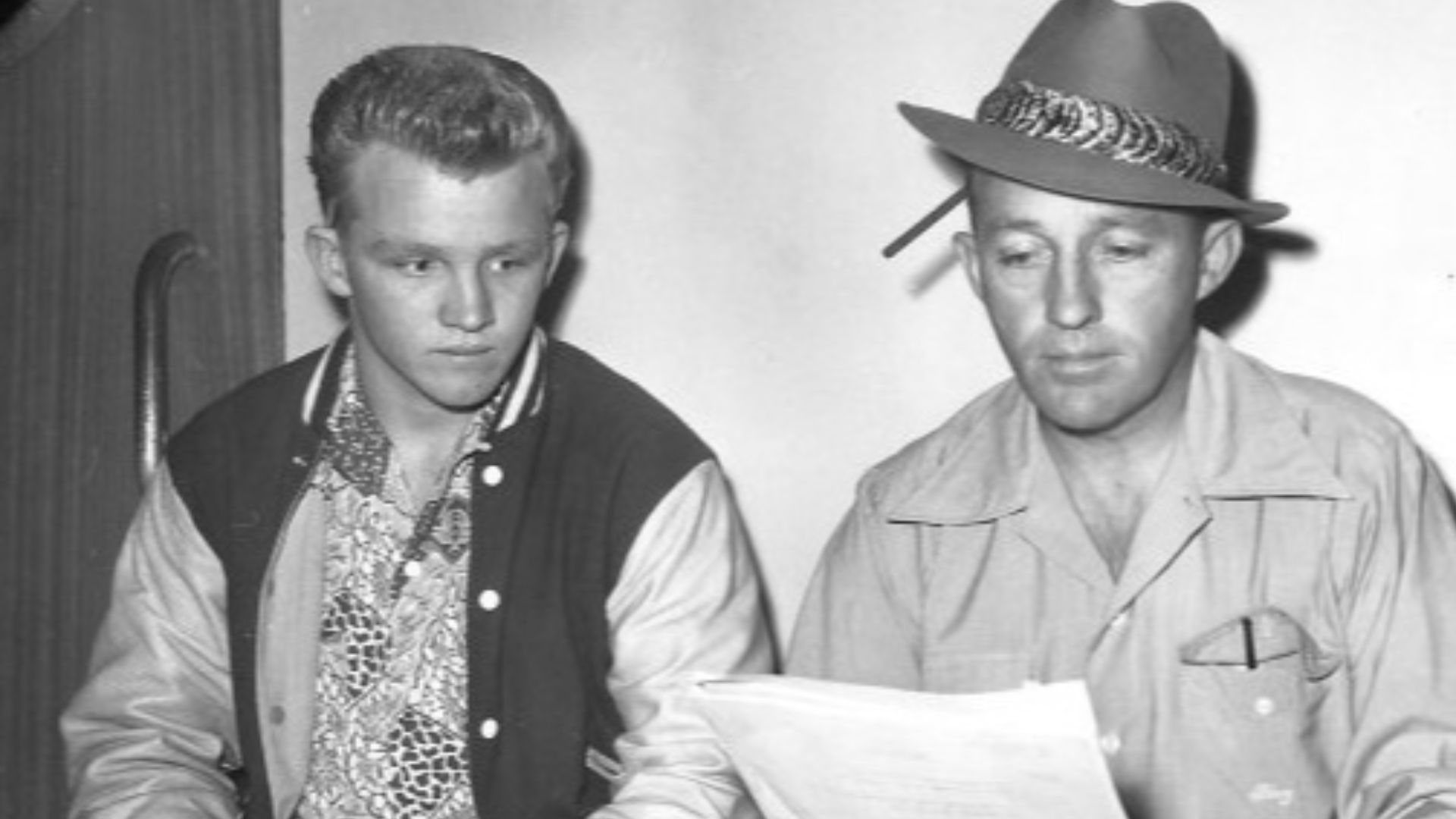
Bing Crosby’s soothing voice and easygoing movie persona made him seem almost impossibly comfortable. His Christmas specials reinforced an image of wholesome domestic warmth. That picture changed sharply in 1983 when his eldest son, Gary Crosby, published Going My Own Way.
Gary Crosby Remembered A Much Harsher Home
Gary described a childhood dominated by fear, punishment, and a demanding father. The allegations remain complicated: Bing never denied using corporal punishment, while daughter Mary Crosby later said Gary admitted exaggerating some material to make the memoir more commercial. The public father and private father remain difficult to reconcile.
Bette Davis Made Fierceness Part Of Her Legend
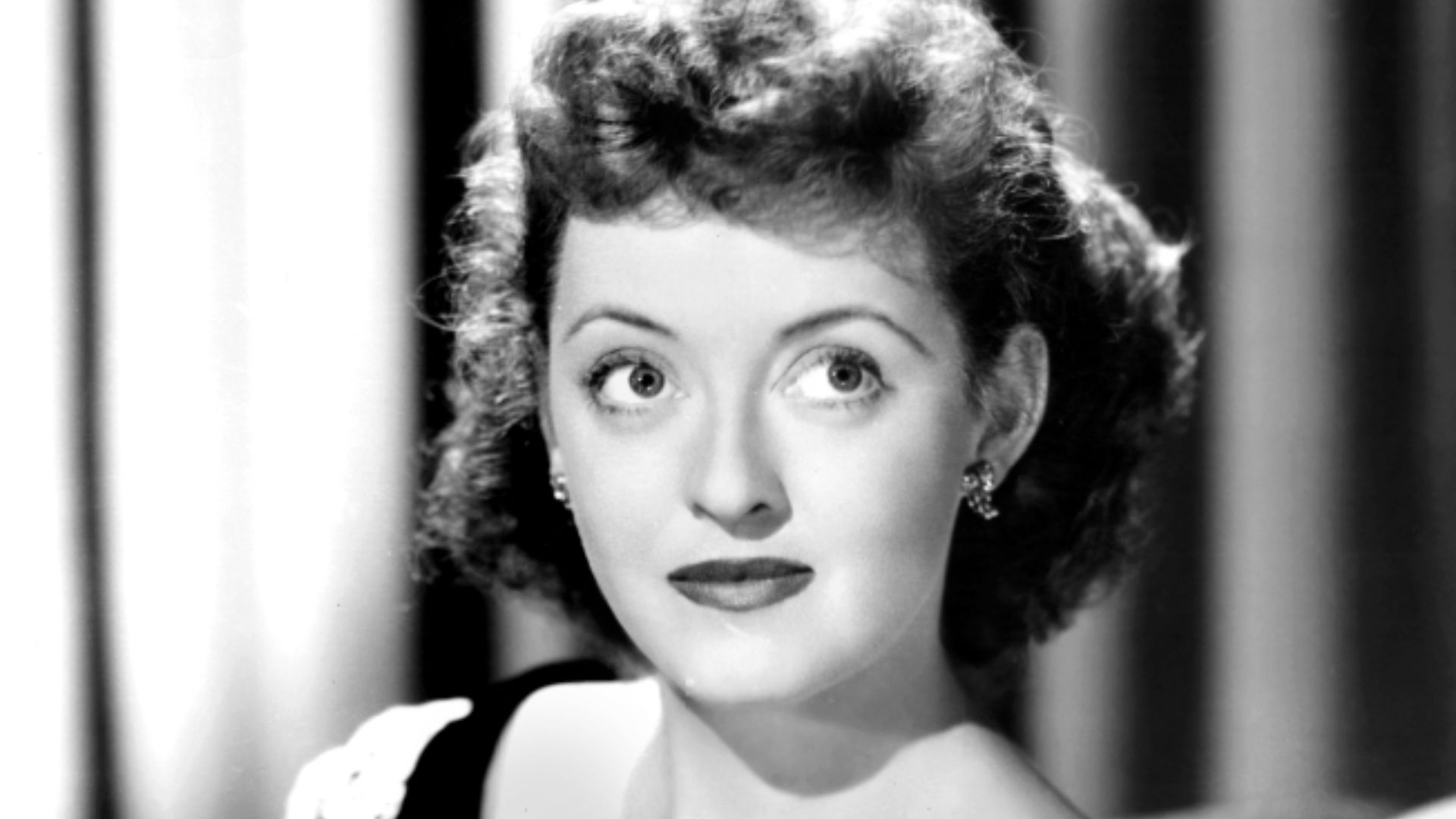
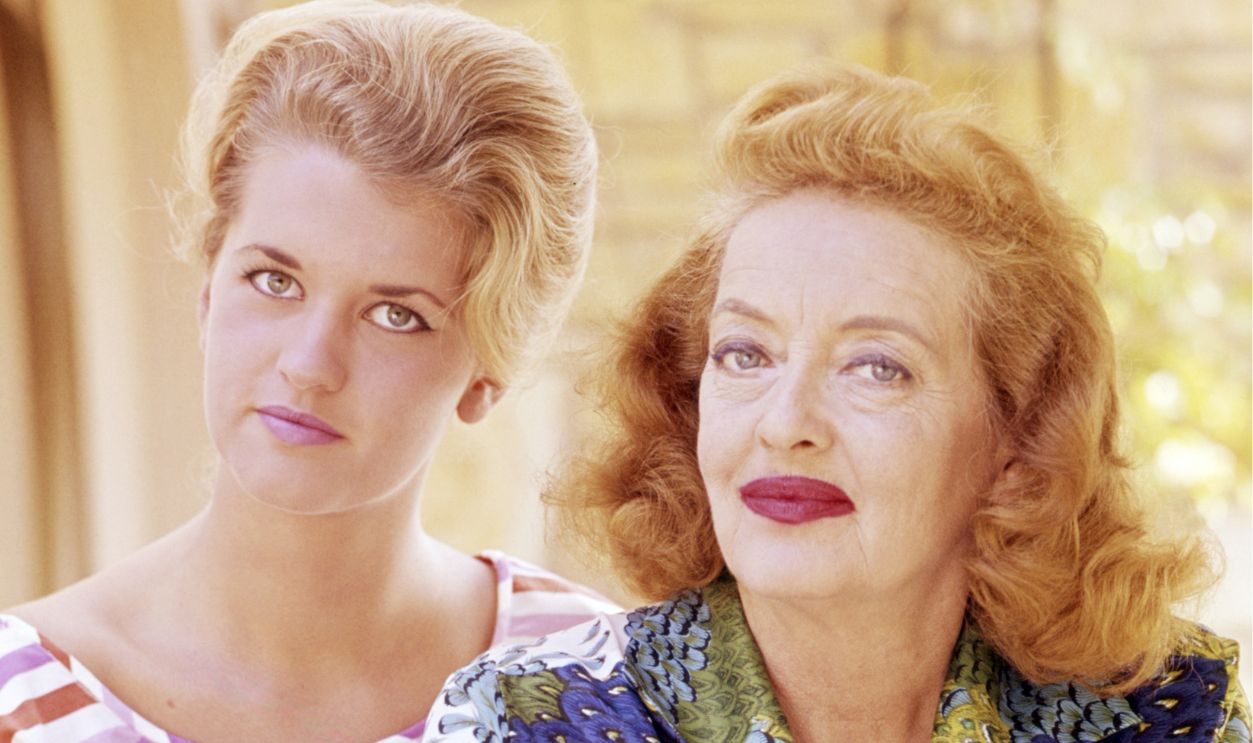
Bette Davis built her reputation playing women who refused to soften themselves for anyone. Off screen, she was similarly formidable. In 1985, her daughter BD Hyman published My Mother’s Keeper, portraying life with Davis as controlling, volatile, and emotionally exhausting.
 Studio Publicity, Wikimedia Commons
B.D. Hyman’s Book Tore The Family Apart
Hyman alleged heavy drinking, meanness, possessiveness, and chaotic fights inside the household. Davis rejected the book, and her former husband Gary Merrill publicly protested it as well. Mother and daughter never reconciled. Whatever one believes about every allegation, the memoir exposed a family rupture fame had concealed.
 Silver Screen Collection, Getty Images
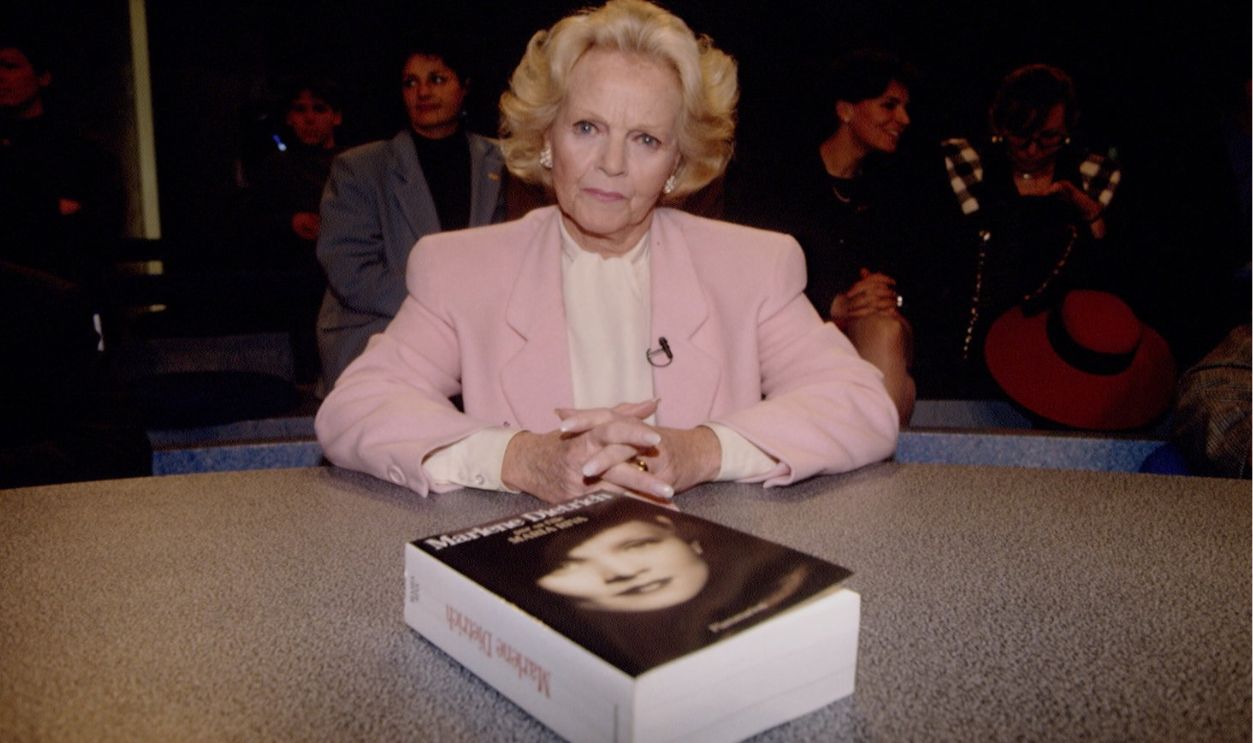
Marlene Dietrich Controlled Every Detail Of Her Image
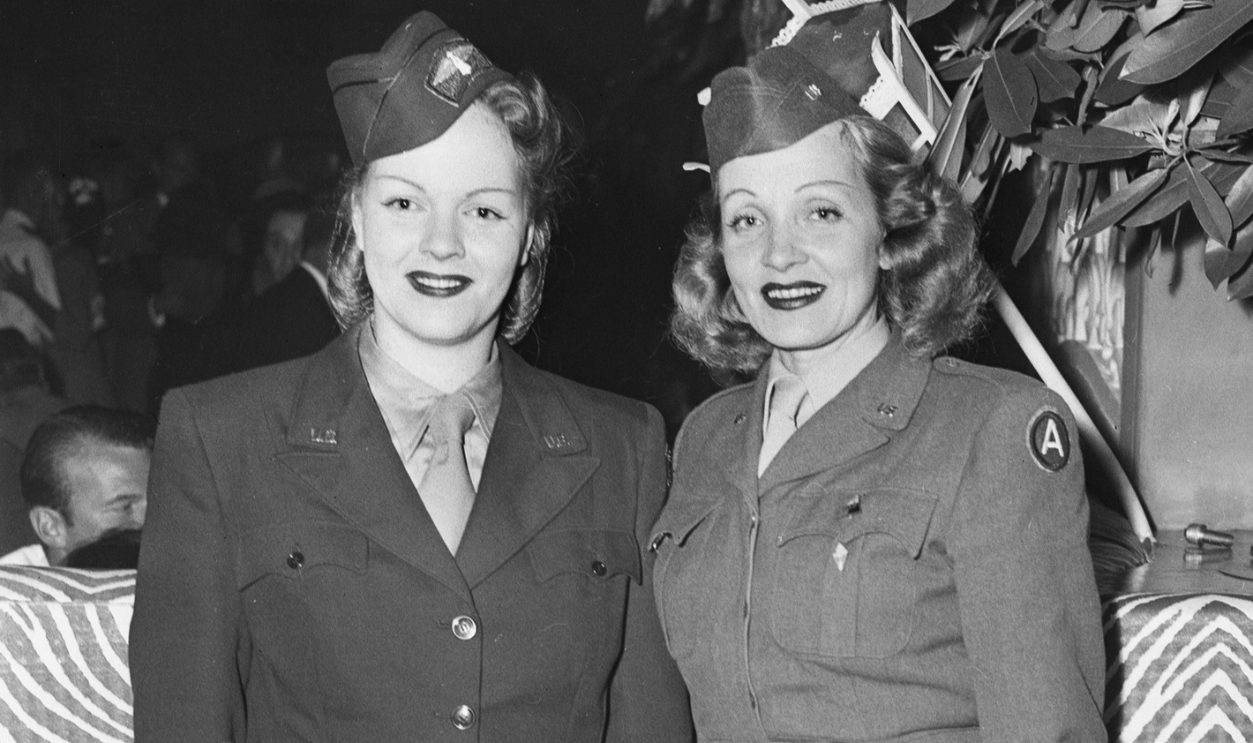
Marlene Dietrich turned self-invention into an art form. Lighting, clothing, posture, voice, and mystery all helped create an image of almost superhuman sophistication. Her only daughter, Maria Riva, knew exactly how much work went into maintaining that illusion.
Maria Riva Took Readers Behind The Curtain
Riva’s 1993 biography Marlene Dietrich described a mother who could be brilliant and professionally magnetic but also controlling, emotionally remote, and consumed with her image. Riva had spent years helping preserve the public persona while witnessing the private crises behind it.
Judy Garland’s Pain Was Already Partly Public
By the end of Judy Garland’s life, audiences knew she had struggled with pills, drinking, unstable relationships, and crushing professional pressure. But knowing that from magazines was different from hearing what it felt like to be her child. Daughter Lorna Luft eventually supplied that perspective.
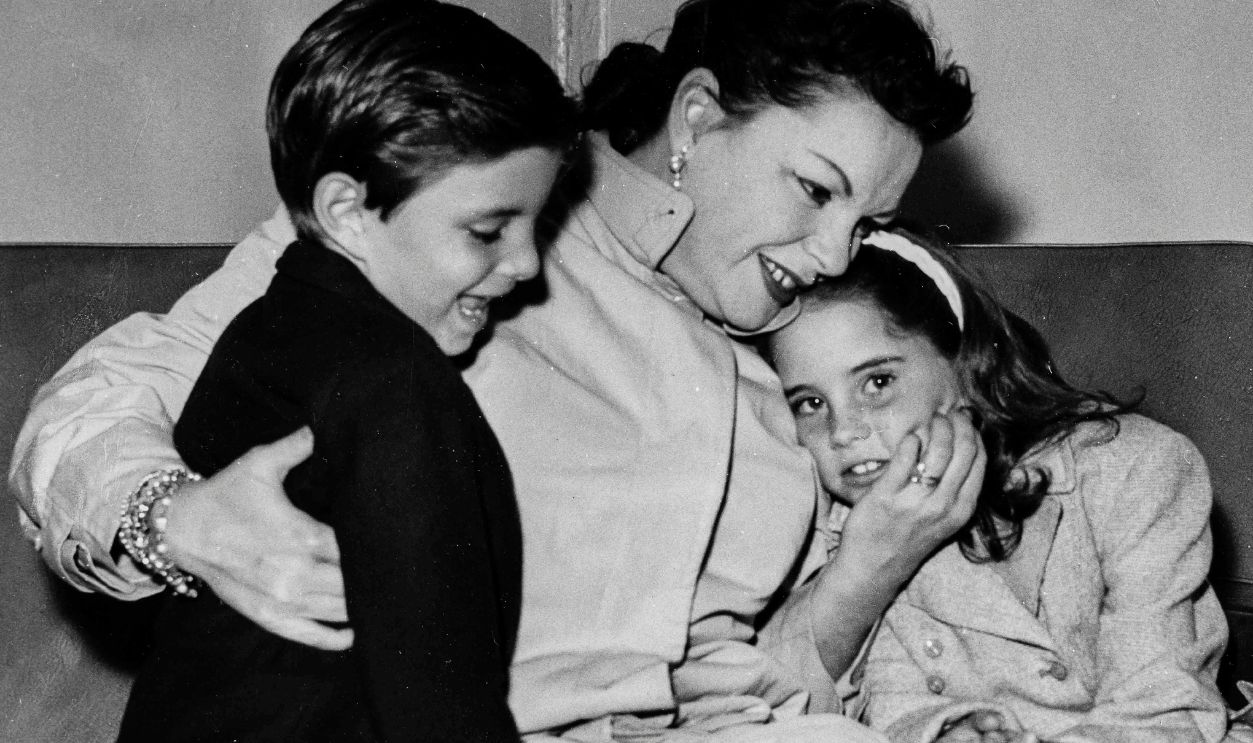 Universal History Archive, Getty Images
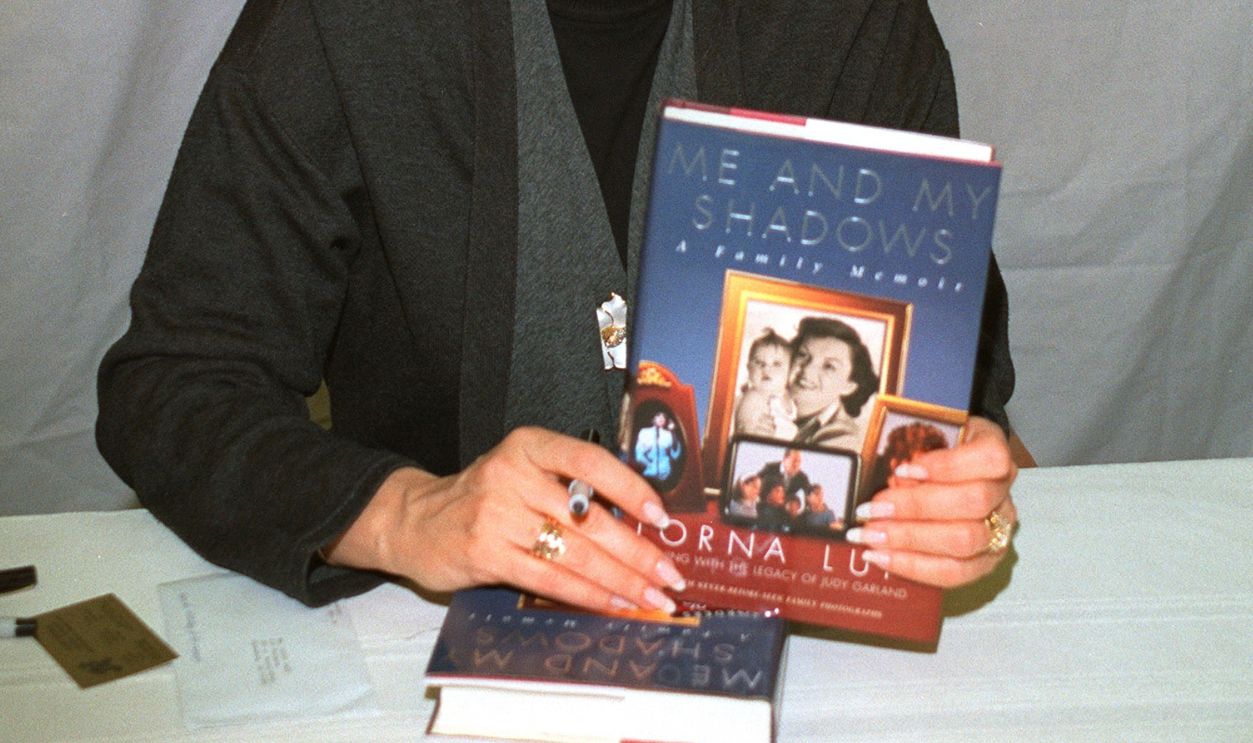
Lorna Luft Remembered Becoming The Caregiver
In Me and My Shadows, Luft described a childhood in which she increasingly watched over her famous mother and experienced addiction from inside the home. Yet she resisted reducing Garland to a cautionary tale. Luft emphasized that her mother repeatedly tried to recover and was more than the addictions that consumed her.
Henry Fonda Played Men Americans Trusted
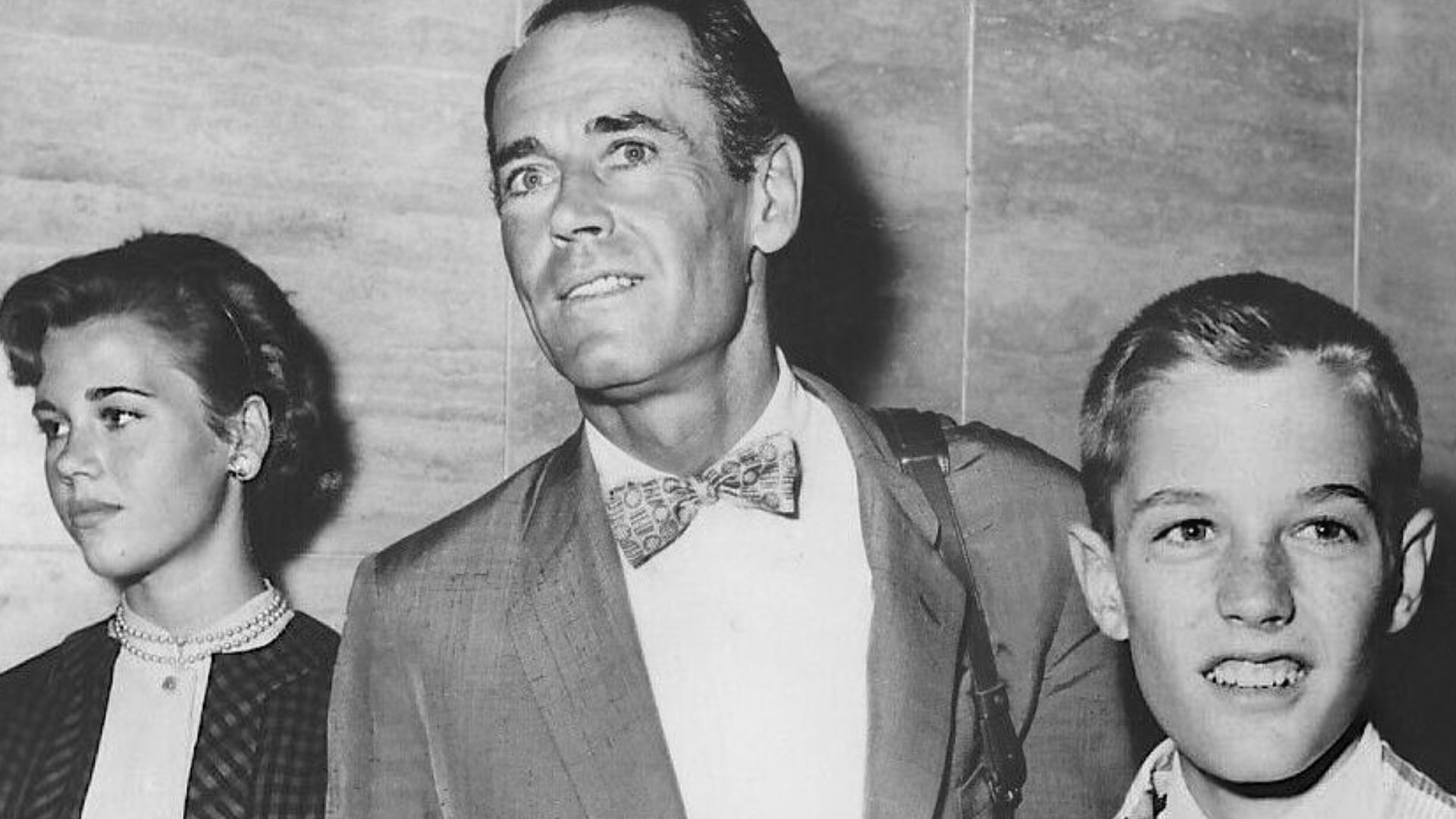
Henry Fonda became a symbol of quiet integrity through films like The Grapes of Wrath and 12 Angry Men. To audiences, he embodied decency. His children Jane and Peter admired much about him too, but both later described a father who found emotional intimacy extraordinarily difficult.
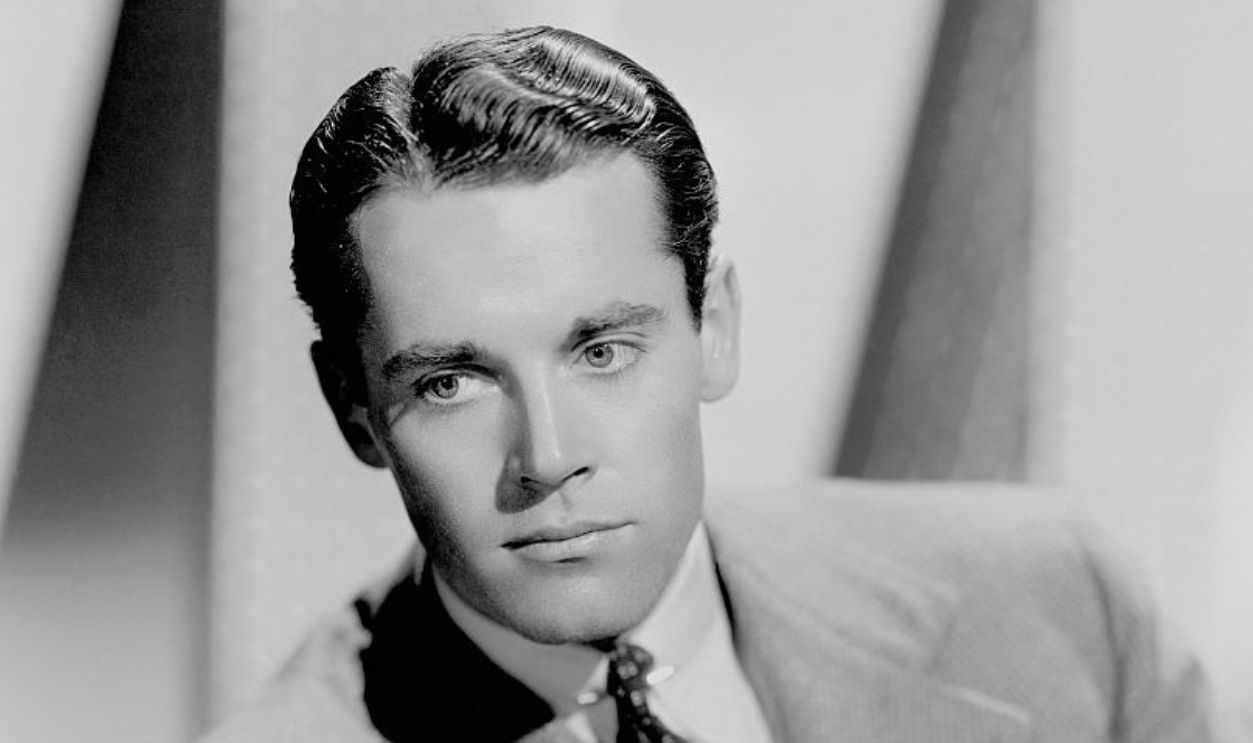 John Springer Collection, Getty Images
Jane And Peter Remembered The Distance
Jane said she spent years longing for her father’s approval and struggling to understand his emotional reserve. Peter eventually said he and Henry grew closer and treasured a rare late-life declaration of love. Jane’s relationship remained more difficult, though she continued trying to understand the father she had spent years trying to please.
 United Press Association. Please credit United Press Photo, Wikimedia Commons
Debbie Reynolds Represented Old Hollywood Optimism
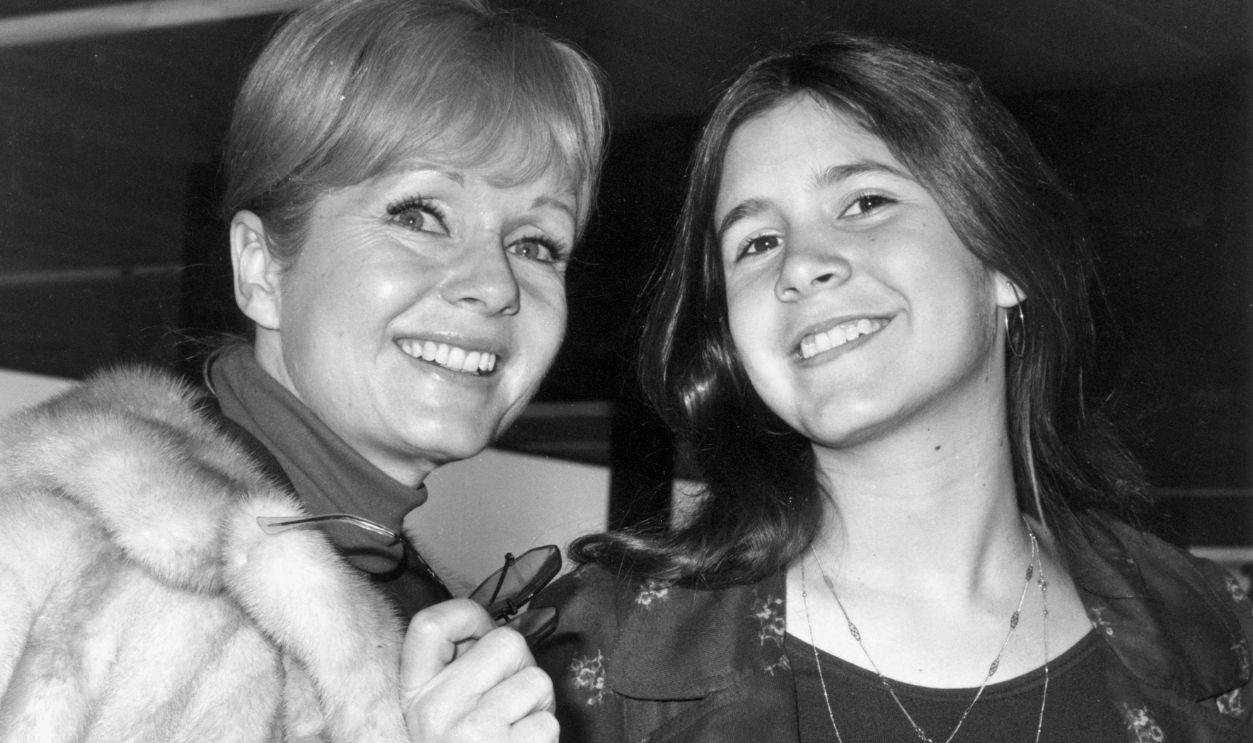
Debbie Reynolds survived public humiliation, failed marriages, financial disasters, and career upheaval while maintaining an almost stubbornly cheerful public persona. Her daughter Carrie Fisher grew up inside that world and eventually became one of Hollywood’s sharpest observers of celebrity families.
Carrie Fisher Turned Family Chaos Into Material
Through interviews, Wishful Drinking, and the semi-autobiographical fiction of Postcards from the Edge, Fisher examined a childhood shaped by famous parents, Eddie Fisher’s departure, Debbie Reynolds’ intense relationship with show business, and her own later struggles with addiction and mental health.
Their Relationship Was Complicated But Deeply Loving
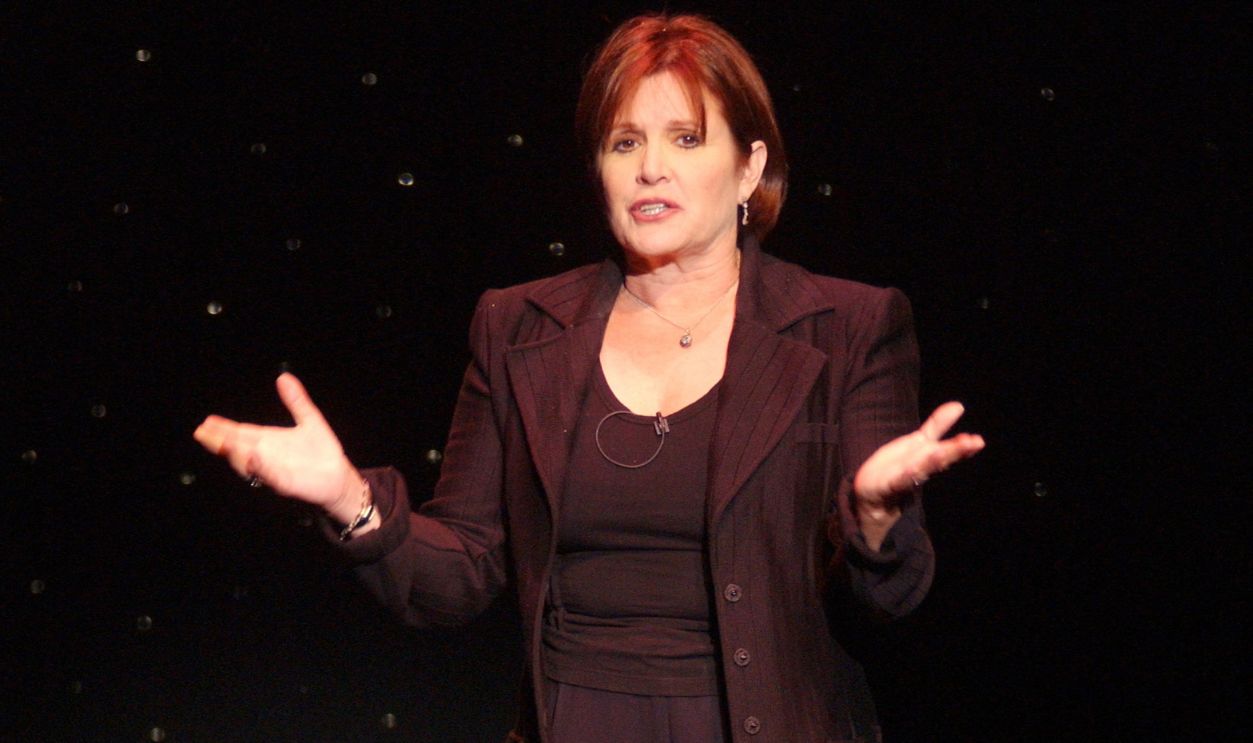
Fisher could be mercilessly funny about her mother, yet their bond survived decades of conflict and instability. The documentary Bright Lights showed them living next door to one another late in life, still arguing, still performing, and still profoundly attached.
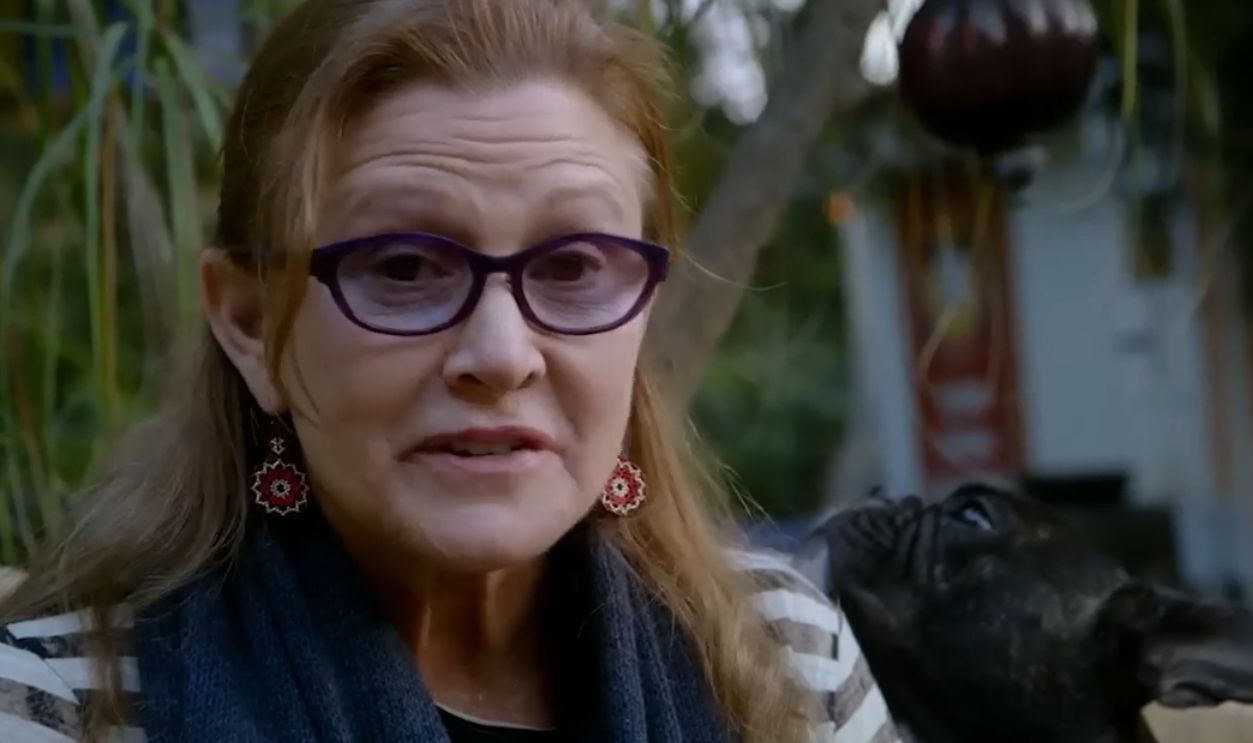 Screenshot from Bright Lights: Starring Carrie Fisher and Debbie Reynolds, HBO (2016)
Tony Curtis Looked Like The Ultimate Movie-Star Father
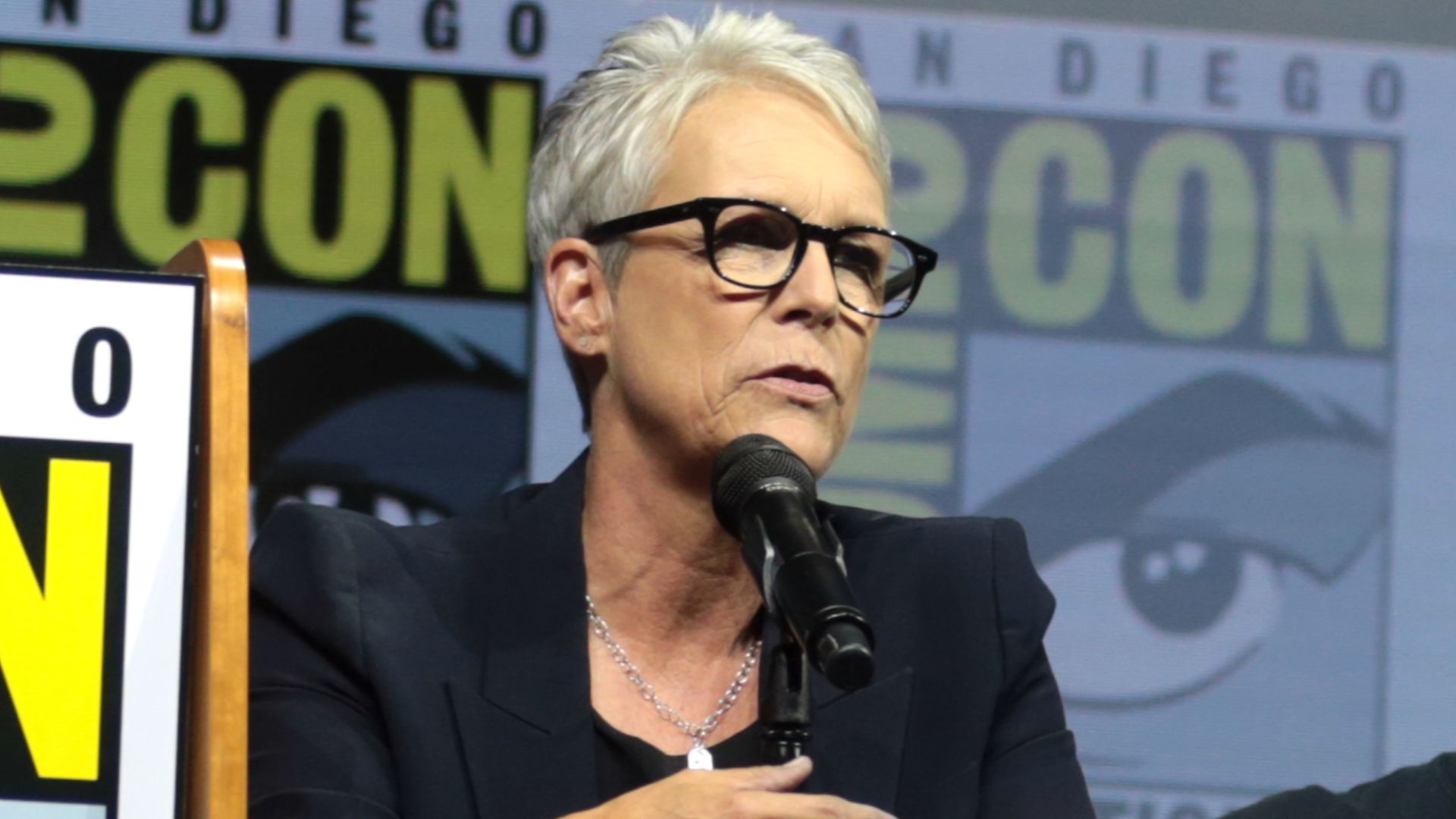
Tony Curtis was handsome, charismatic, and internationally famous. His marriages and children made him part of several glamorous Hollywood families. But daughter Jamie Lee Curtis later spoke about the gulf between admiring Tony Curtis the star and actually experiencing him as a father.
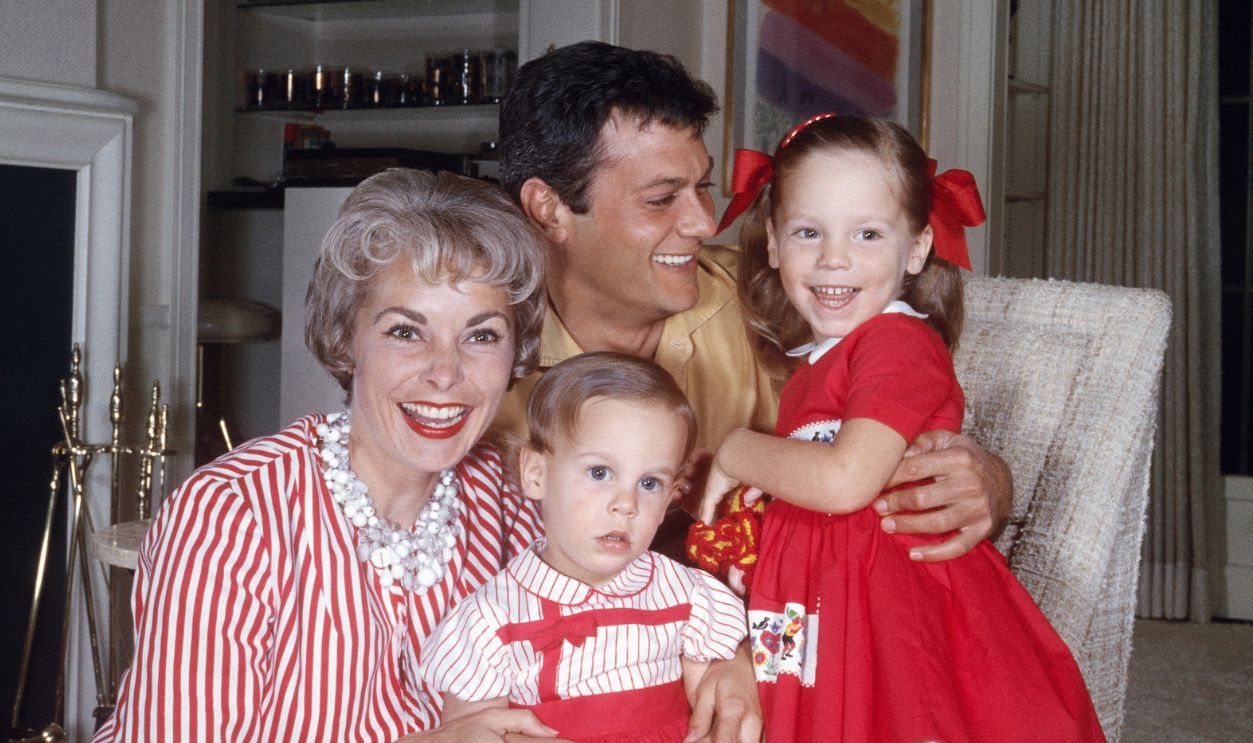
Jamie Lee Curtis Said The Bond Was Barely There
After Tony’s passing, Jamie Lee said she had not felt genuinely bonded to him and described herself more as an admirer of the performer he created. Other children remembered him differently, but several accounts describe an often-absent father whose career and complicated personal life left lasting distance.
 Gage Skidmore from Peoria, AZ, United States of America, Wikimedia Commons
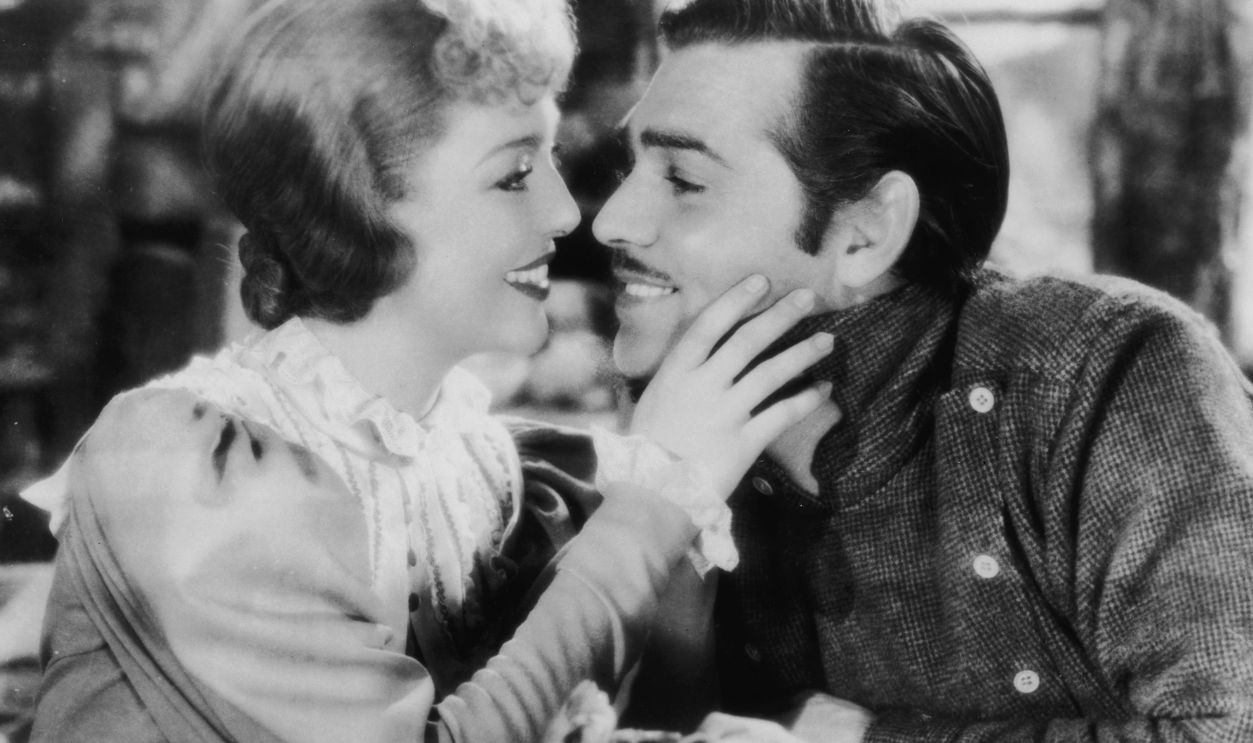
Loretta Young And Clark Gable Hid An Entire Child
One of Hollywood’s most extraordinary secrets concerned Judy Lewis. She grew up believing Loretta Young had adopted her, while much of Hollywood already knew the truth: Young was her biological mother, and Clark Gable was widely understood to be her father.
 20th Century Fox, Getty Images
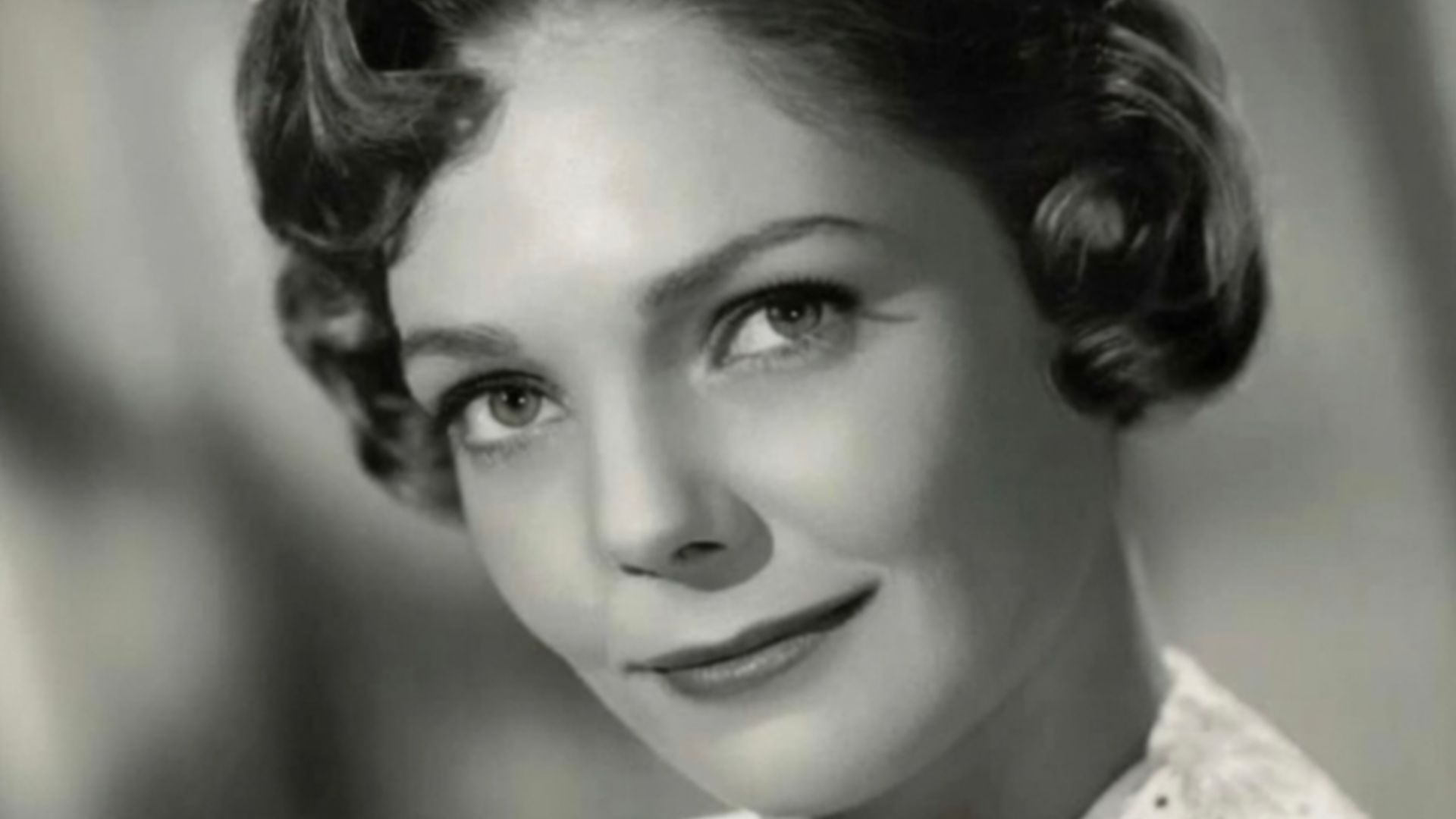
Judy Lewis Had To Publicly Claim Her Own Identity
Lewis eventually confronted Young and later wrote Uncommon Knowledge. She described the pain of discovering that friends and adults around her had known her parentage while she had been kept in the dark. Her memoir transformed a glamorous Hollywood secret into the story of a child denied open acknowledgment by both famous parents.
 NBC Television Network, Wikimedia Commons
Lana Turner’s Home Life Was More Dangerous Than Her Image
Lana Turner embodied Hollywood glamour, but her daughter Cheryl Crane grew up amid unstable relationships and enormous publicity. In 1958, when Crane was 14, she fatally stabbed Turner’s boyfriend Johnny Stompanato during a confrontation. An inquest ultimately ruled the incident a justifiable homicide.
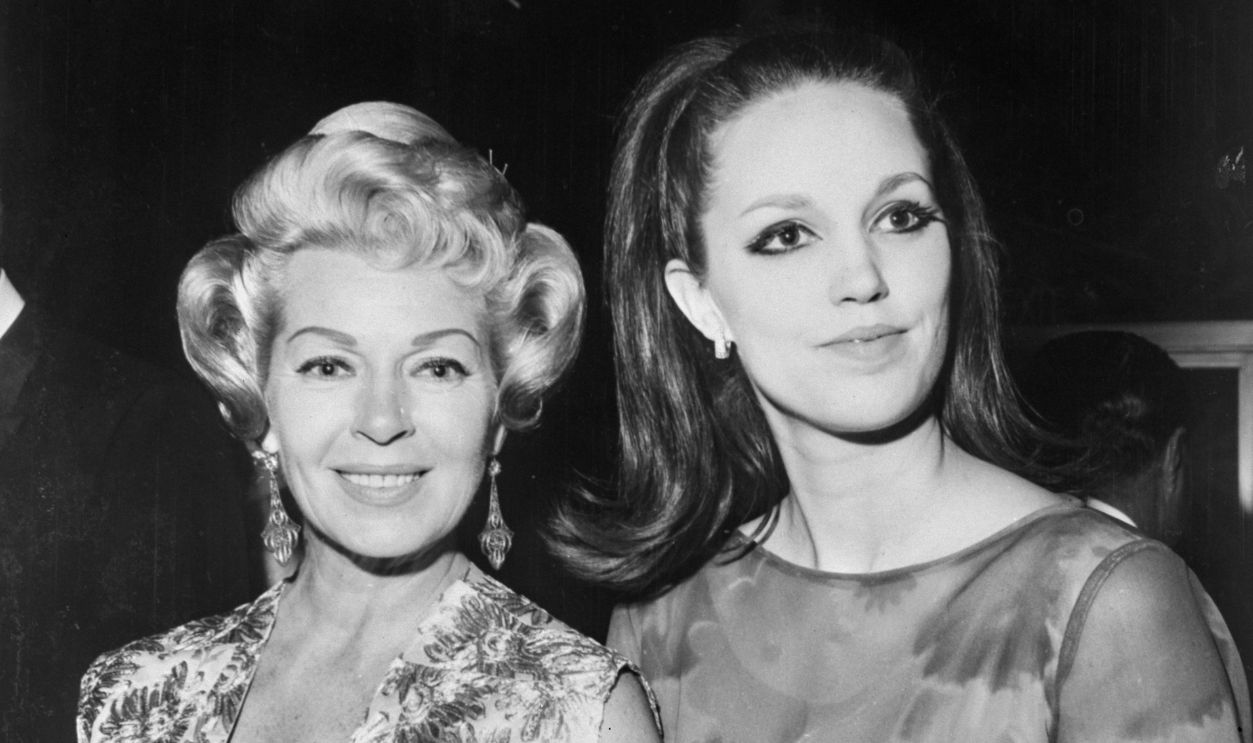
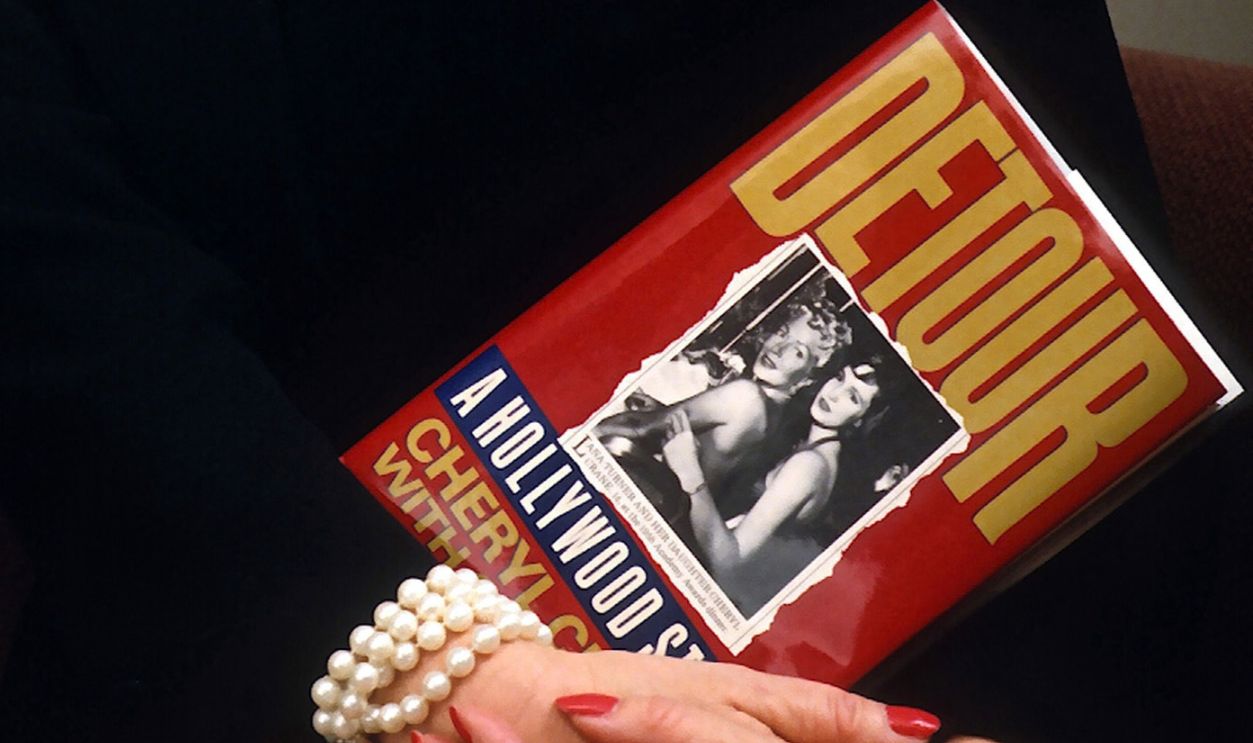
Cheryl Crane Later Revealed More Than The Famous Killing
In Detour, Crane alleged that her stepfather Lex Barker repeatedly abused her, beginning when she was about 10. Crane said Turner ended the marriage after learning about Barker's horrifying behavior. The allegation added another disturbing layer to a childhood already reduced by tabloids to one sensational night.
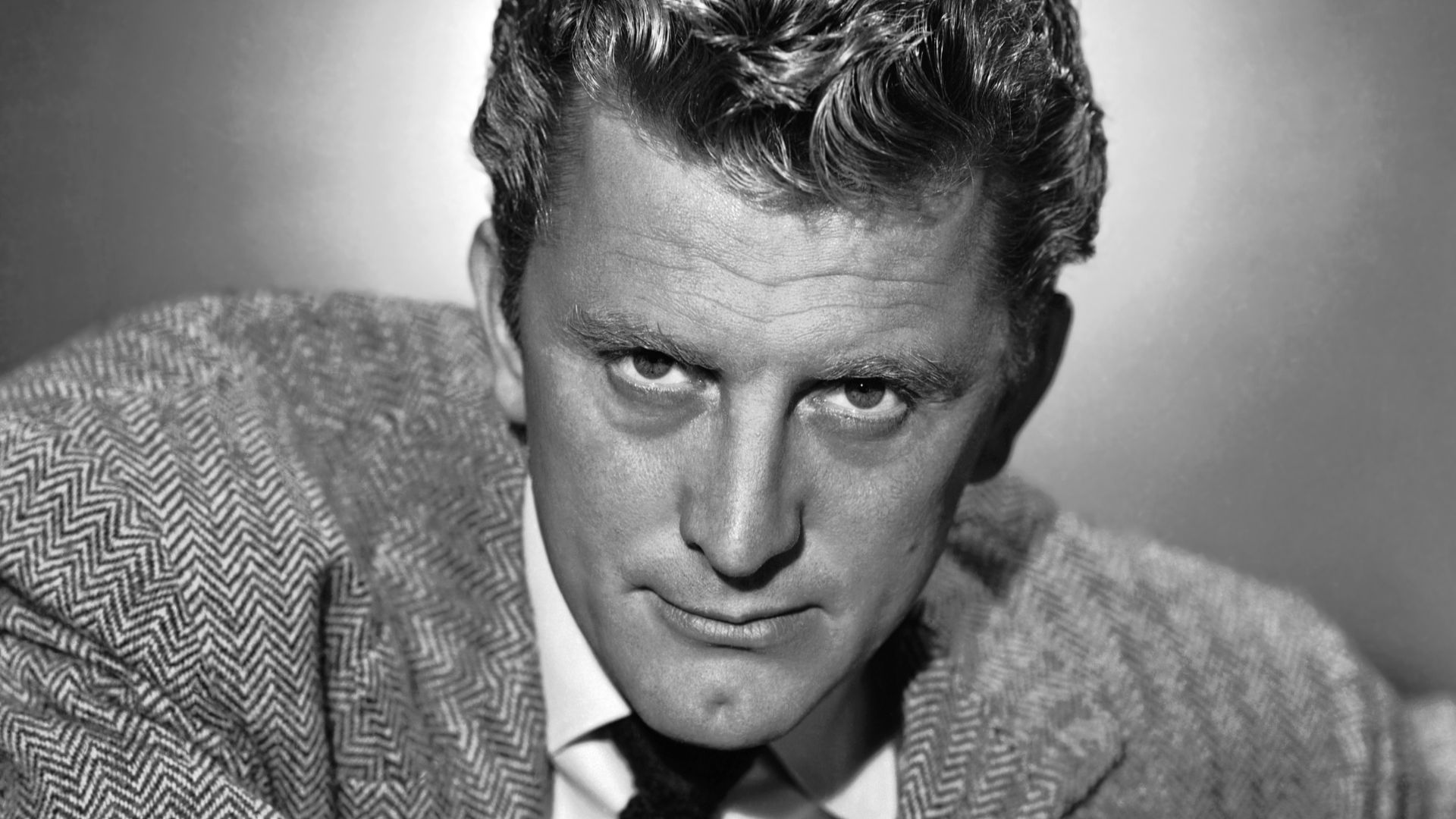
Kirk Douglas Was Larger Than Life Everywhere
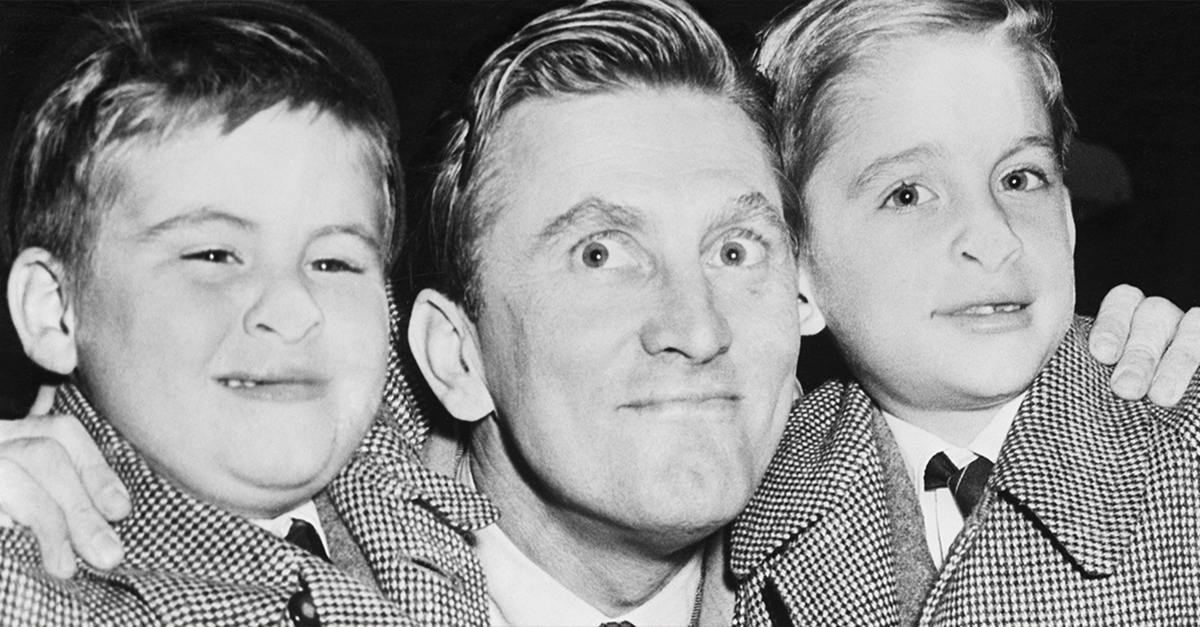
Kirk Douglas’s forceful personality helped make him one of Hollywood’s defining stars. For years, Michael Douglas described the downside in relatively restrained terms, emphasizing how much his father’s ambition and career consumed him. In 2026, Michael went further in his memoir One Helluva Ride.
 Unknown photographer, Wikimedia Commons
Michael Douglas Eventually Told A Harder Story
Michael’s later account discussed emotional distance and painful incidents from childhood, including physical mistreatment. He also wrote about healing and greater closeness with Kirk as they aged. The reconciliation did not erase the damage, but it made the story more complicated than either condemnation or nostalgia alone.

John Huston Lived Like An Adventure-Movie Character
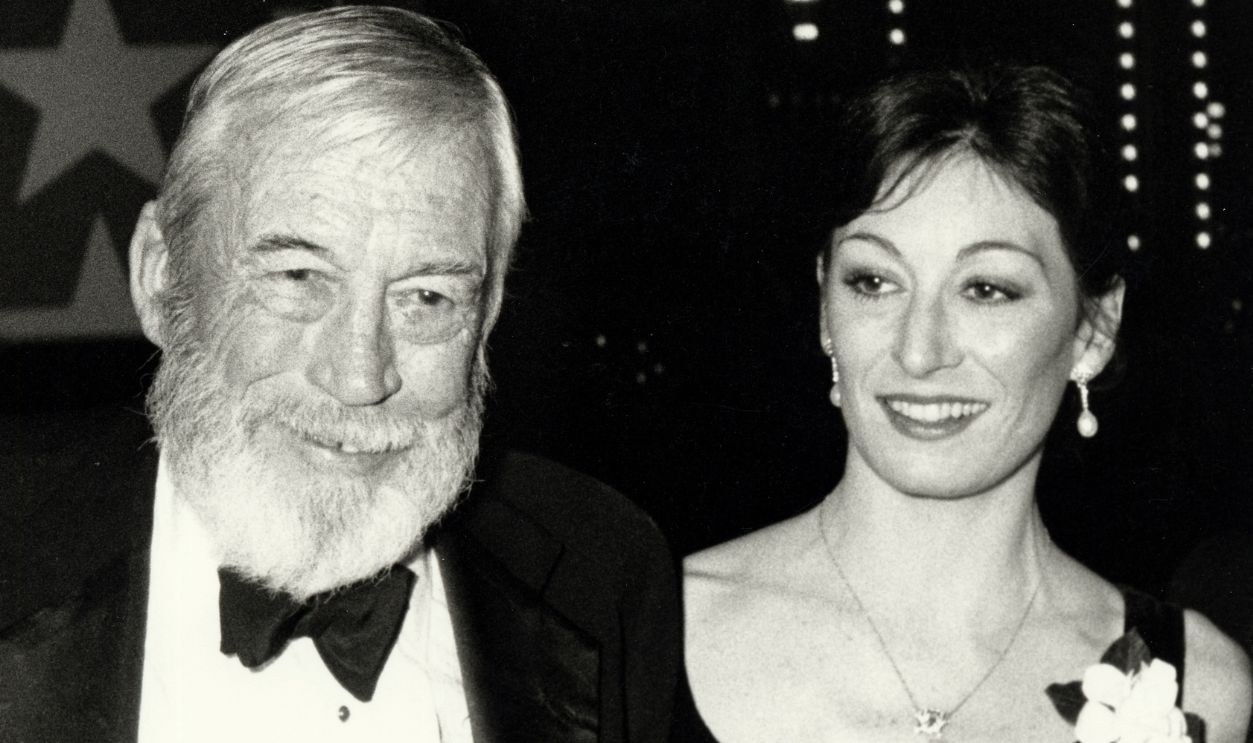
Director and actor John Huston cultivated an almost mythic life of films, travel, hunting, art, romances, and enormous personality. His daughter Anjelica grew up surrounded by extraordinary people and beautiful places, but she later made clear that being the child of that kind of legend could also mean growing up without much stability.
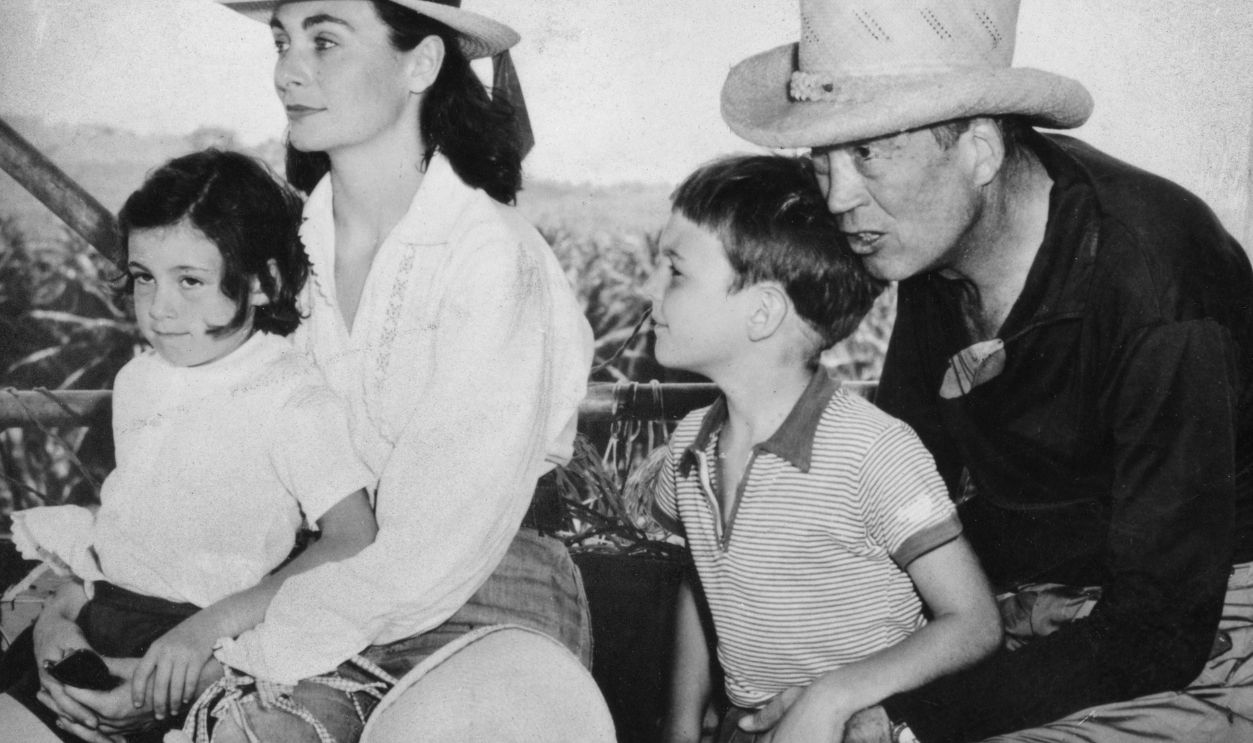
Anjelica Huston Remembered A Father Who Was Often Gone
Anjelica described John as demanding and largely absent during parts of her childhood. She feared disappointing him and later recognized how his toughness shaped her relationships. Yet affection survived the difficulty. As an adult, she eventually found ways to relate to him beyond the intimidating father she remembered.
Not Every Child Told The Same Kind Of Story
Some of these accounts involved disputed allegations. Others centered on addiction, absence, secrets, or emotional distance rather than outright mistreatment. Lorna Luft defended much of Judy Garland’s humanity. Michael Douglas found greater closeness with Kirk. Carrie Fisher adored Debbie Reynolds even while turning their family chaos into art.
 Gage Skidmore, Wikimedia Commons
Why These Stories Changed Classic Hollywood
The point is not that every Hollywood legend was secretly monstrous. It is that fame rarely revealed what family life actually felt like. Their children added missing context: loneliness behind glamour, instability behind publicity, and love complicated by ambition. In doing so, they turned untouchable screen icons back into flawed, deeply human parents.
You May Also Like:
Carol Burnett’s Laughter Hid A Lifetime Of Heartbreak—And She Still Changed Comedy
Hollywood Leading Men From The 1930s Who Were Never The Same After WWII
Henry Fonda’s Complicated Hollywood Friendships Were More Dramatic Than His Movies
Sources: 1, 2, 3, 4, 5, 6, 7, 8, 9, 10, 11, 12, 13, 14, 15, 16, 17, 18