Hollywood sent some of its biggest stars to war.
Combat, loss, years away from the studios, and changing priorities reshaped both the men themselves and the kinds of characters audiences saw when they returned.
 Herbert Dorfman / Getty Images
James Stewart Had Already Perfected The Nice Guy
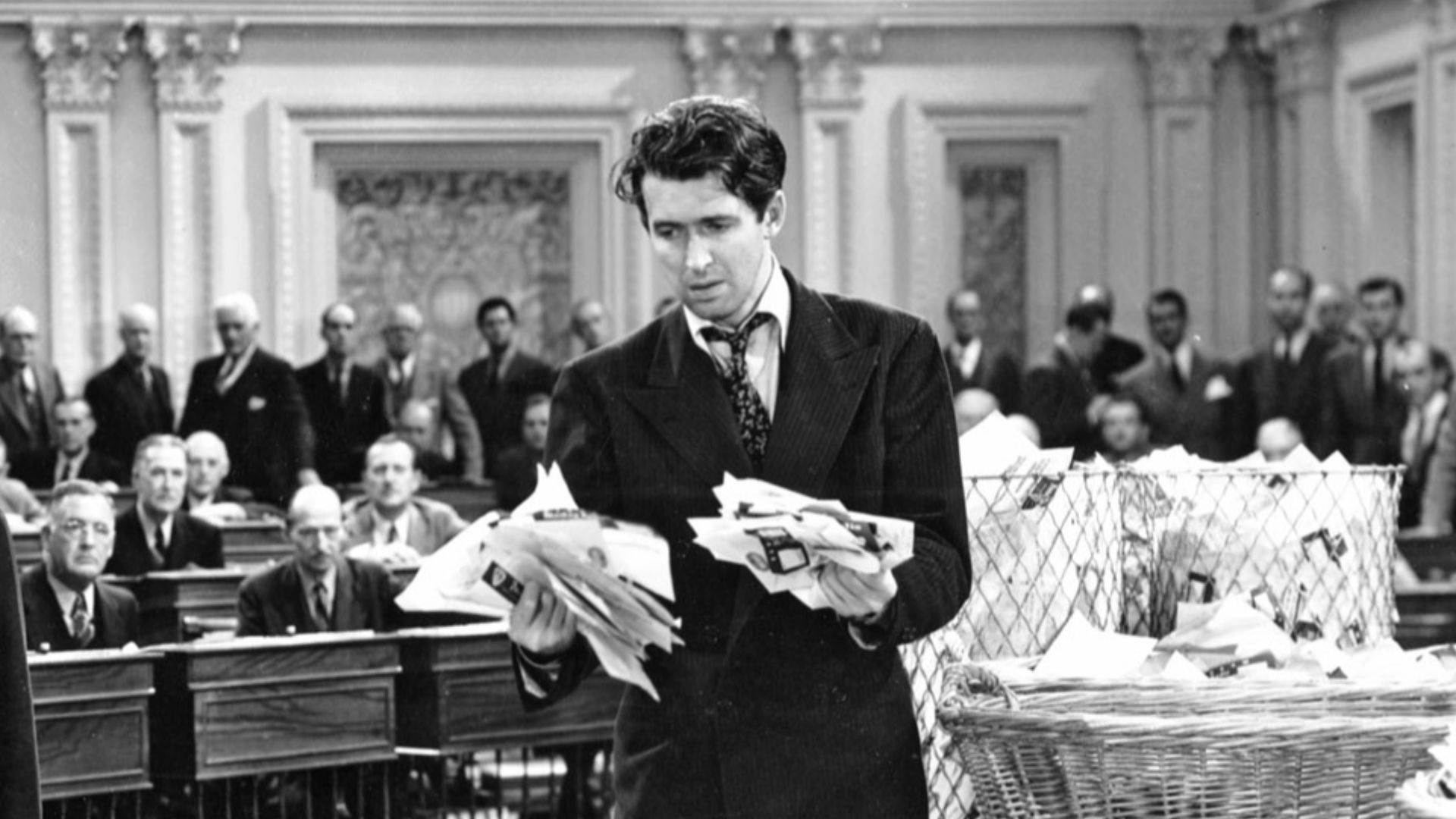
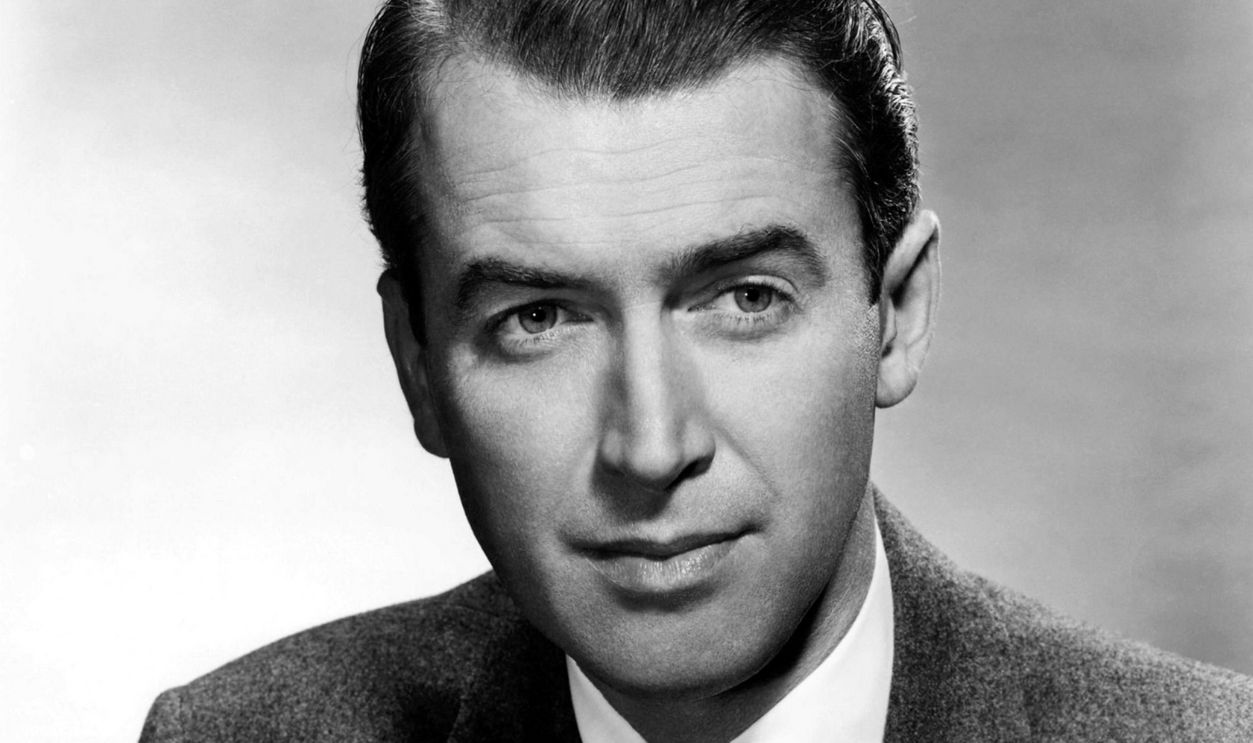
By 1940, James Stewart had become one of Hollywood’s most likable leading men through films such as Mr. Smith Goes to Washington and The Philadelphia Story. His lanky awkwardness and hesitant delivery made sincerity seem almost effortless. Then Hollywood disappeared from his life for more than four years.
 Columbia Pictures, Wikimedia Commons
Stewart Insisted On Doing More Than Publicity
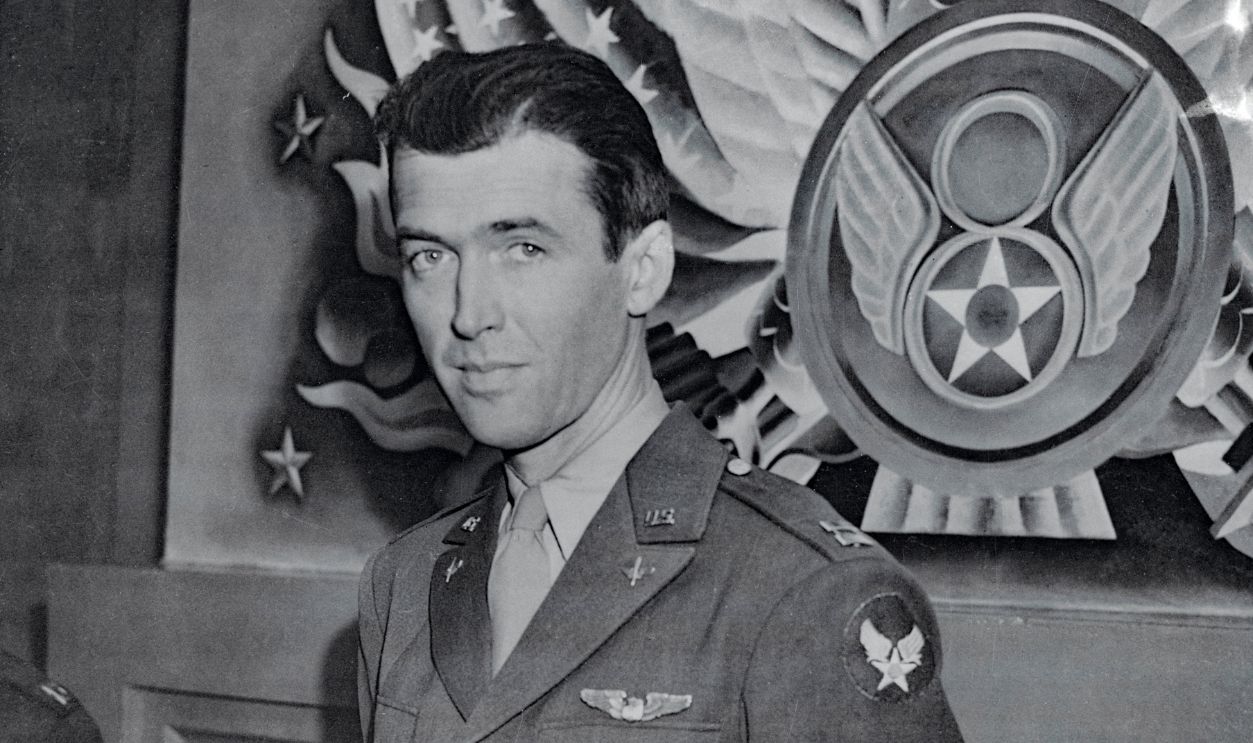
Stewart entered the Army before the United States formally entered the war and pushed for flying duty rather than a comfortable celebrity assignment. He eventually commanded bomber crews in Europe and flew 20 combat missions. He entered military service as a private and emerged as a colonel with an impressive record.
The Man Who Came Home Looked Different
People close to Stewart immediately noticed the change. Air & Space Forces Magazine records that his parents were startled by how much he had aged, while Stewart himself acknowledged that things had become extremely rough overseas. He rarely discussed what he had experienced and did not make another film for roughly a year.
 Universal History Archive, Getty Images
George Bailey Wasn't The Old Jimmy Stewart
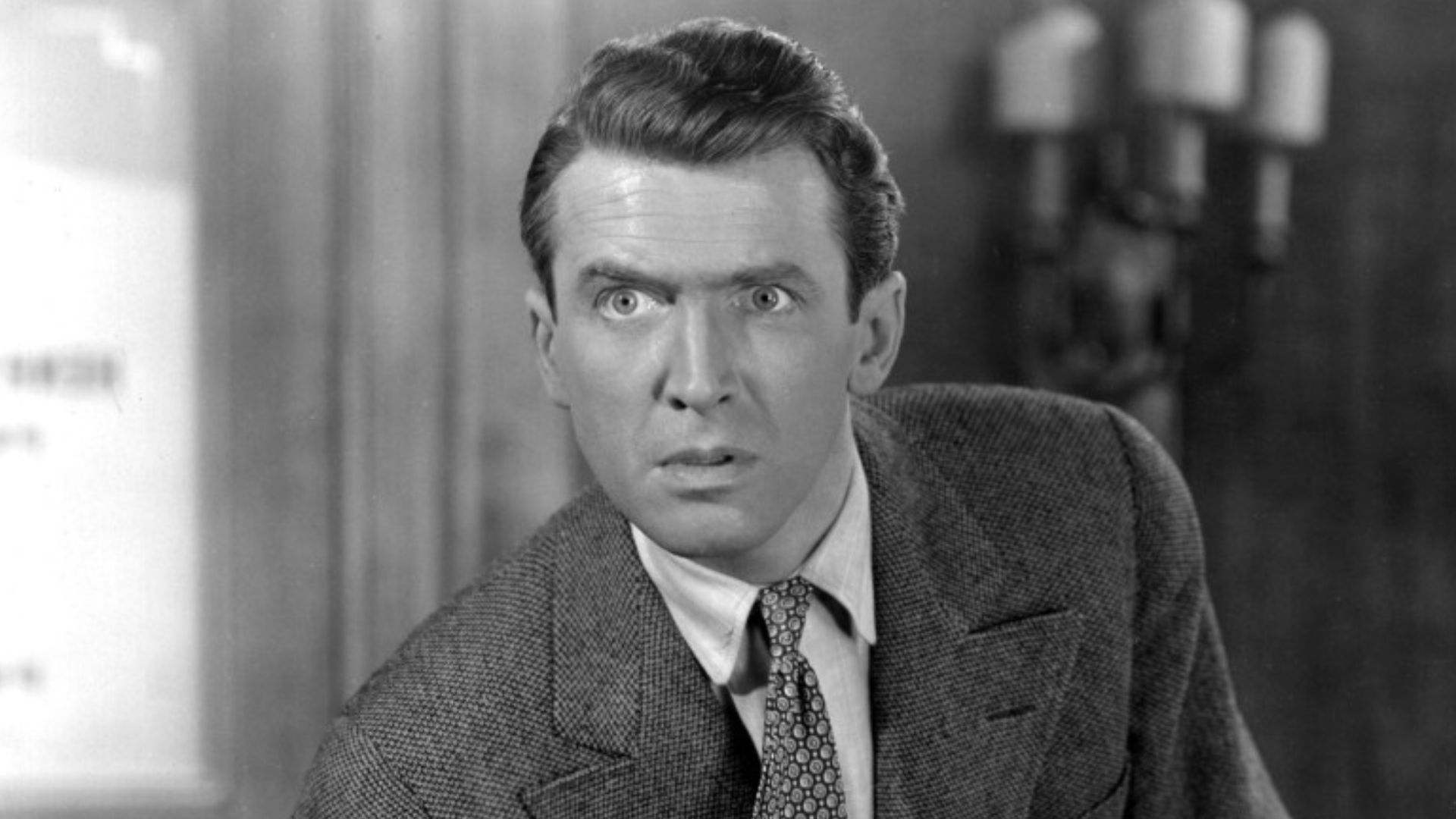
His first film back was Frank Capra’s It’s a Wonderful Life. Beneath its eventual reputation as comforting holiday viewing is a performance filled with desperation, anger, disappointment, and fear. Turner Classic Movies notes that the postwar Stewart increasingly moved toward characters with far darker emotional lives than his prewar heroes.
 Liberty Films, Wikimedia Commons
The Westerns Finished The Transformation
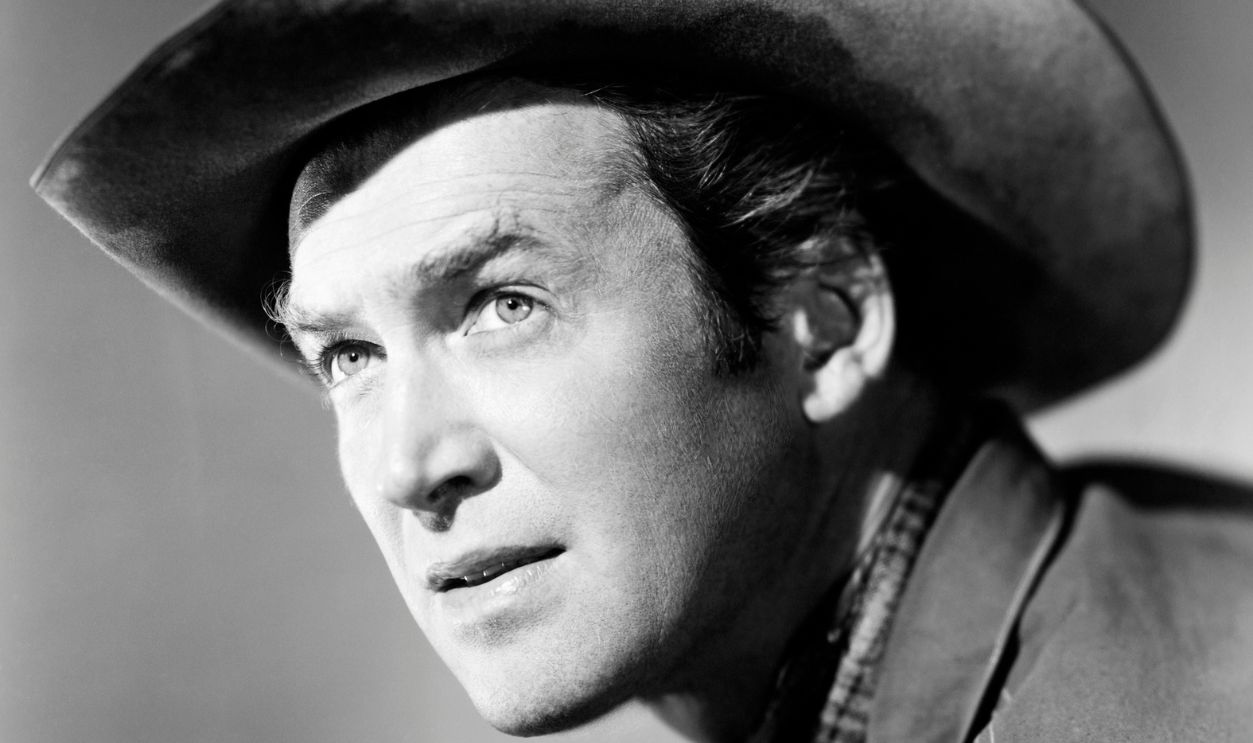
By the 1950s, Stewart was making a series of psychologically intense Westerns with director Anthony Mann. Winchester ’73, The Naked Spur, and The Man from Laramie allowed him to play obsessive, angry, morally uncertain men who would have seemed startling before the war. The friendly small-town idealist had become one of Hollywood’s most convincing troubled heroes.
 John Springer Collection, Getty Images
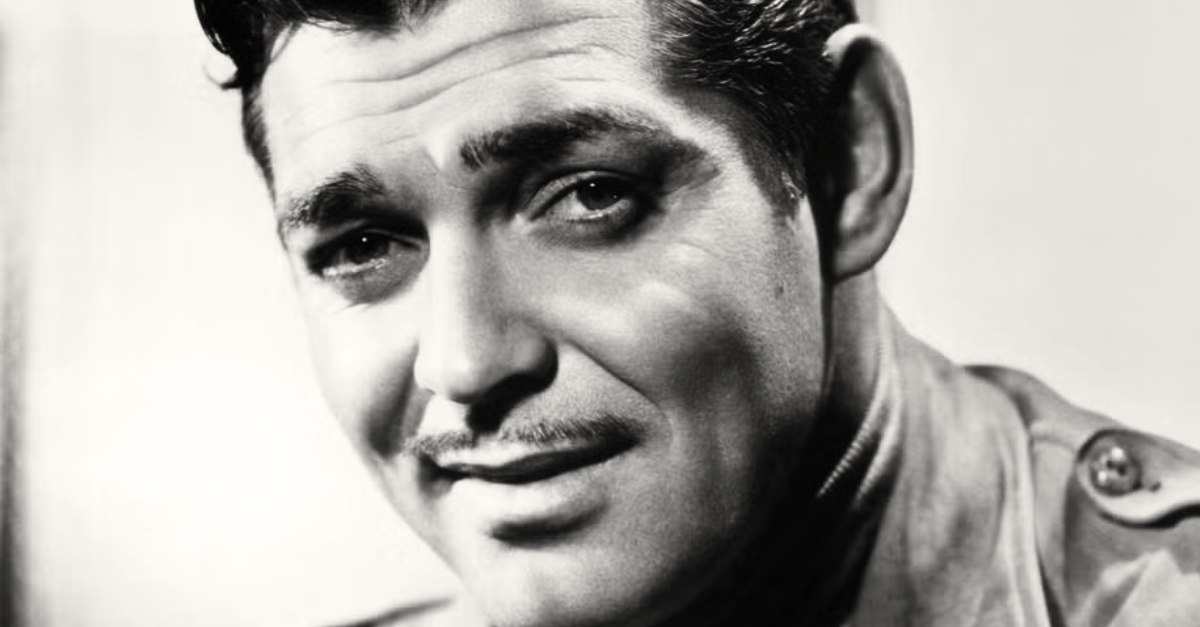
Clark Gable Had Been Hollywood Royalty
Few stars entered the 1940s with more power than Clark Gable. He had won an Oscar for It Happened One Night, dominated the box office throughout the 1930s, and finished the decade as Rhett Butler in Gone with the Wind. Turner Classic Movies notes that his uninterrupted run among Hollywood’s top moneymakers ended only when World War II took him away from movies.
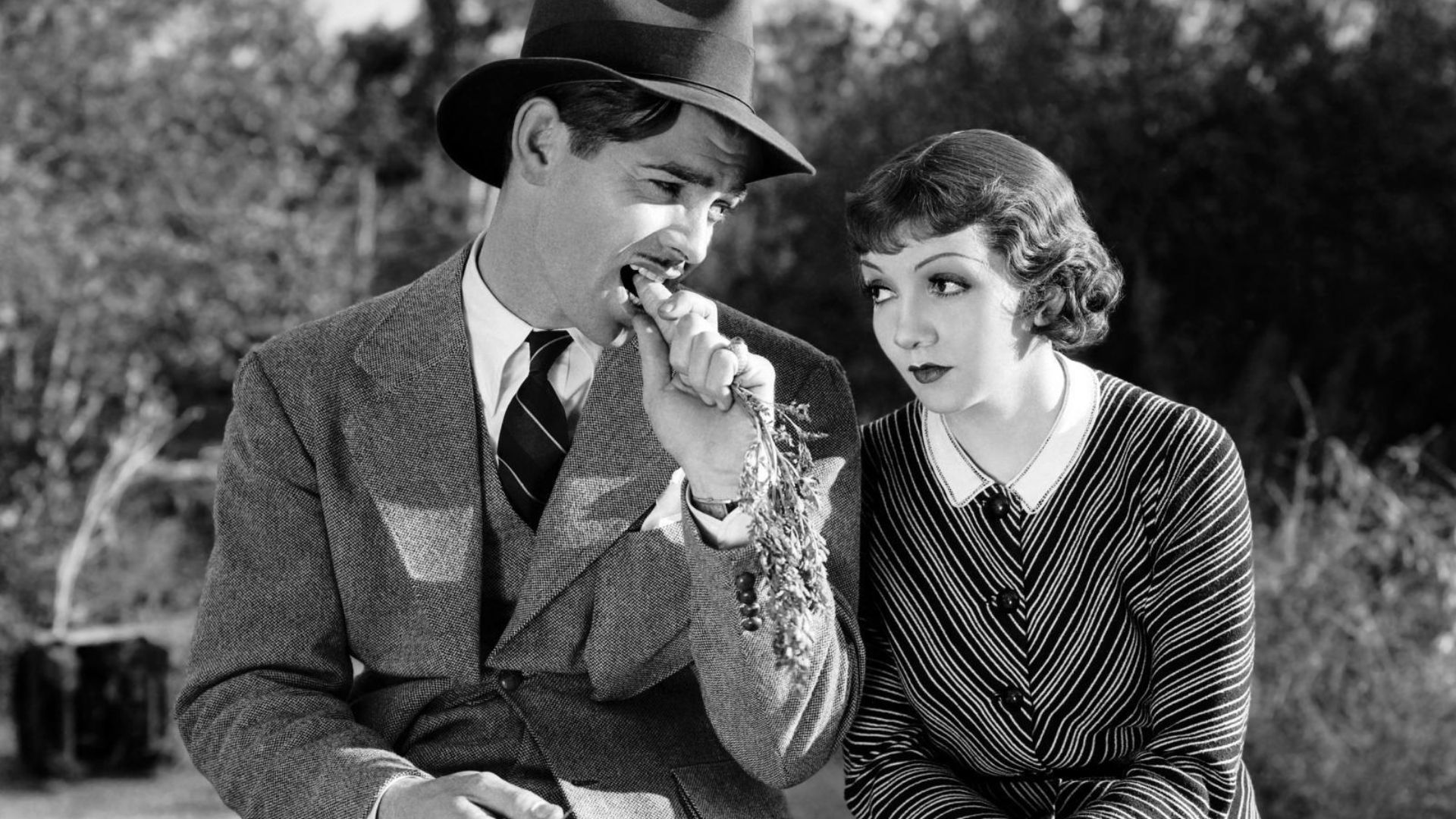 Unknown authorUnknown author, Wikimedia Commons
Then Gable Lost Carole Lombard
Gable’s wife, actress Carole Lombard, was killed in a January 1942 plane crash while returning from a war-bond trip. The loss devastated him. Several months later, at age 41, Gable enlisted in the Army Air Forces and told reporters that he considered it his right to fight.

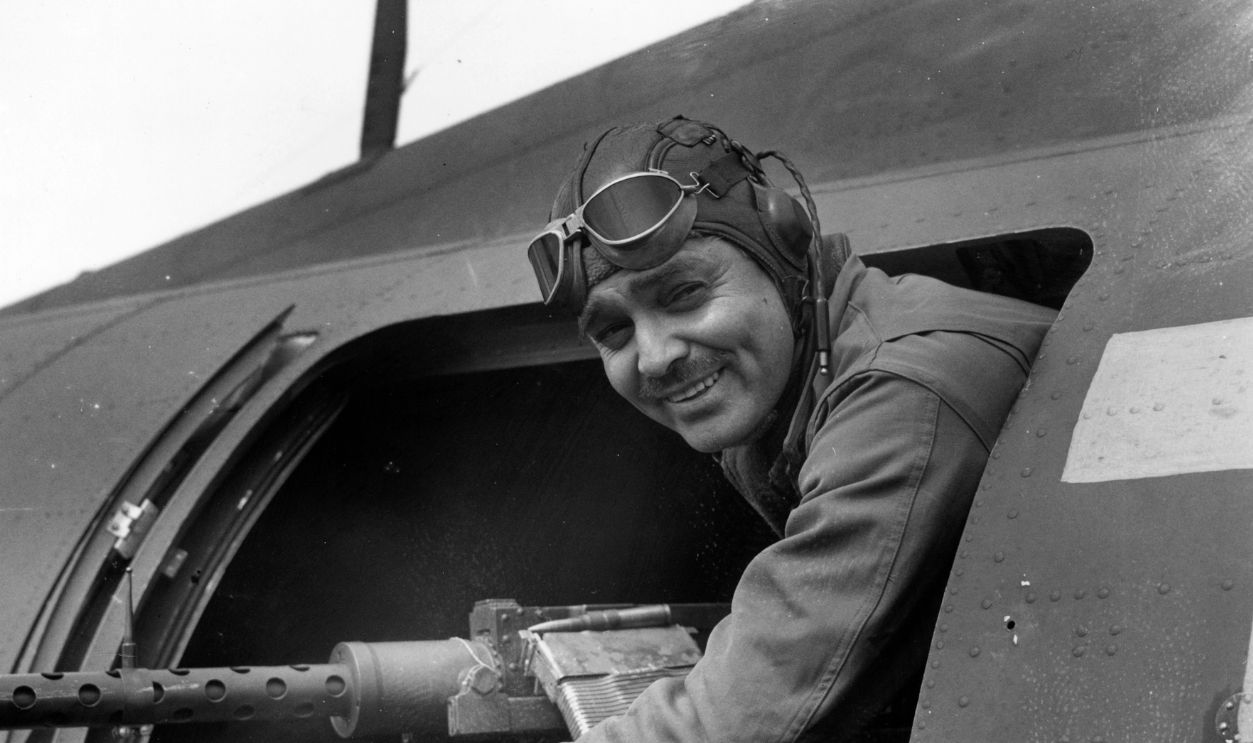
The King Of Hollywood Flew Combat Missions
Gable trained as an aerial gunner and went to England with a unit producing a film about bomber crews. He did not remain safely behind a desk. Air & Space Forces Magazine records that he flew several B-17 combat missions over Europe before leaving active duty in 1944.
Hollywood Got A More Somber Gable Back
The Gable who returned no longer projected quite the same carefree swagger. Turner Classic Movies explicitly describes his postwar screen presence as more somber and mature. His first film back, Adventure, struggled, while later pictures such as The Hucksters increasingly used the sense of weariness he now carried naturally.
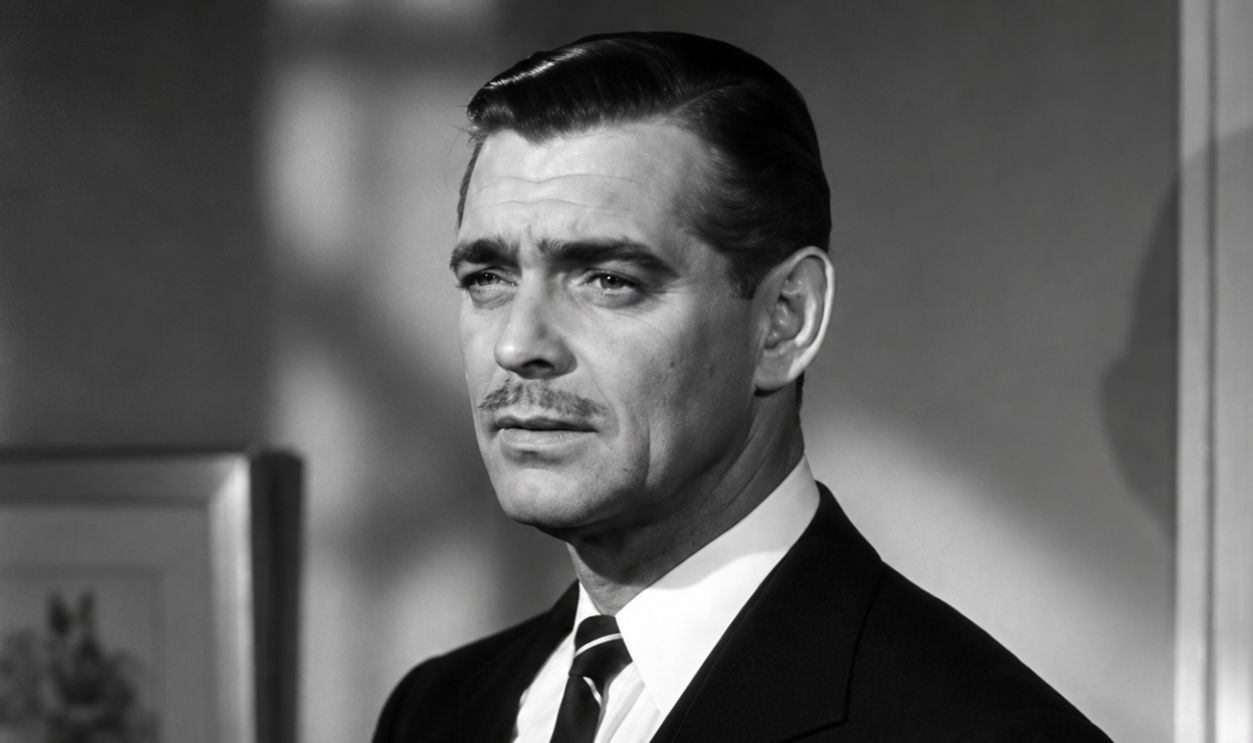 Screenshot from The Hucksters, Loew's Inc. (1947), Modified
Even His Sadness Became Part Of The Performance
That change was especially visible in 1948’s Homecoming. TCM observed that Gable projected a palpable sense of loss in the film and connected that emotional weight to the bereavement and wartime experiences he had already endured. The invincible “King” of 1930s Hollywood now looked like someone who understood that confidence could disappear overnight.
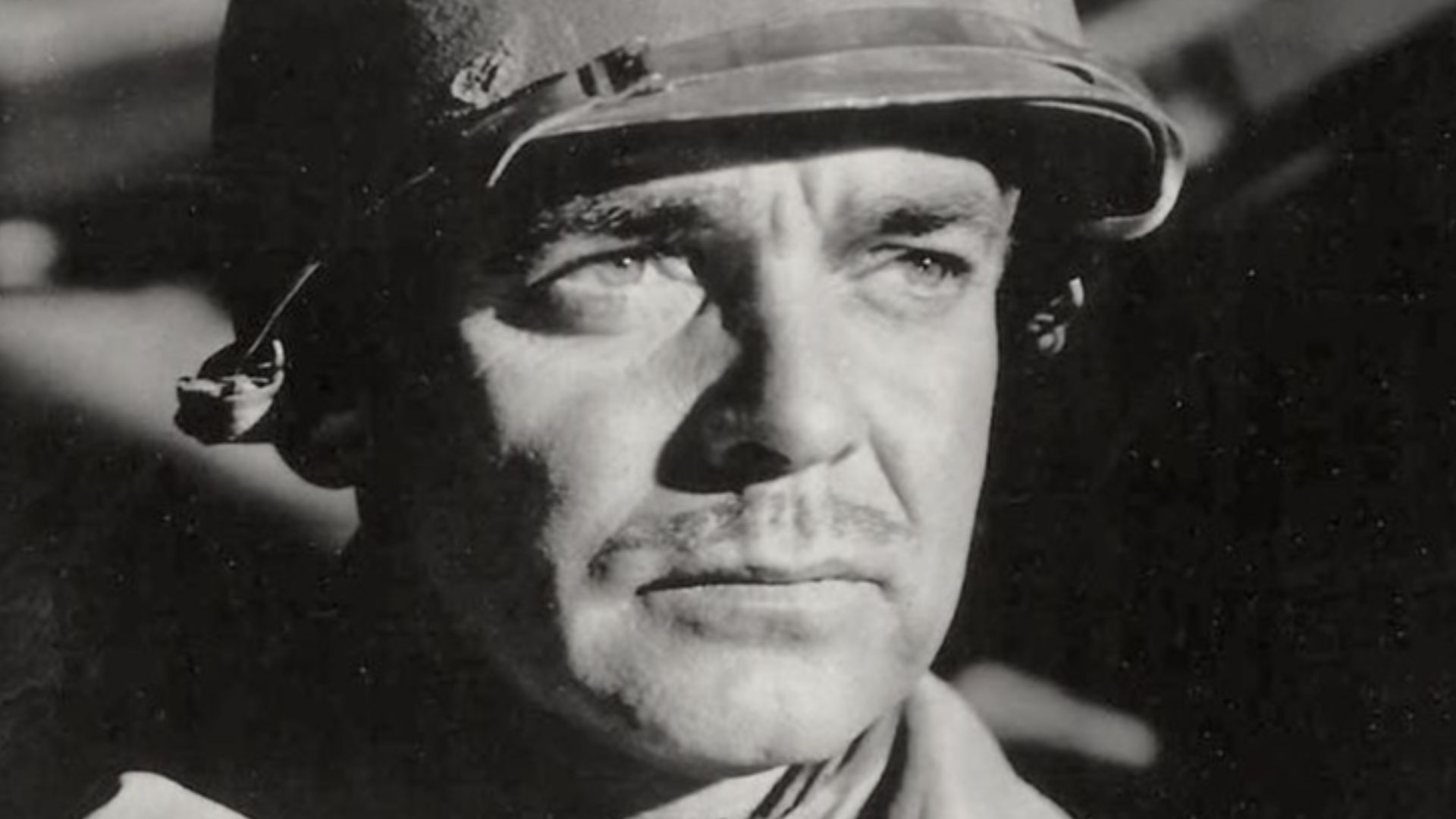 Unknown authorUnknown author, Wikimedia Commons
Tyrone Power Had Been Built As A Matinee Idol
Tyrone Power emerged in the late 1930s as one of 20th Century-Fox’s most bankable leading men. Films such as Jesse James, The Mark of Zorro, and The Black Swan emphasized his looks, athleticism, and heroic presence. The problem was that Power increasingly wanted parts that demanded something beyond charm and swordplay.
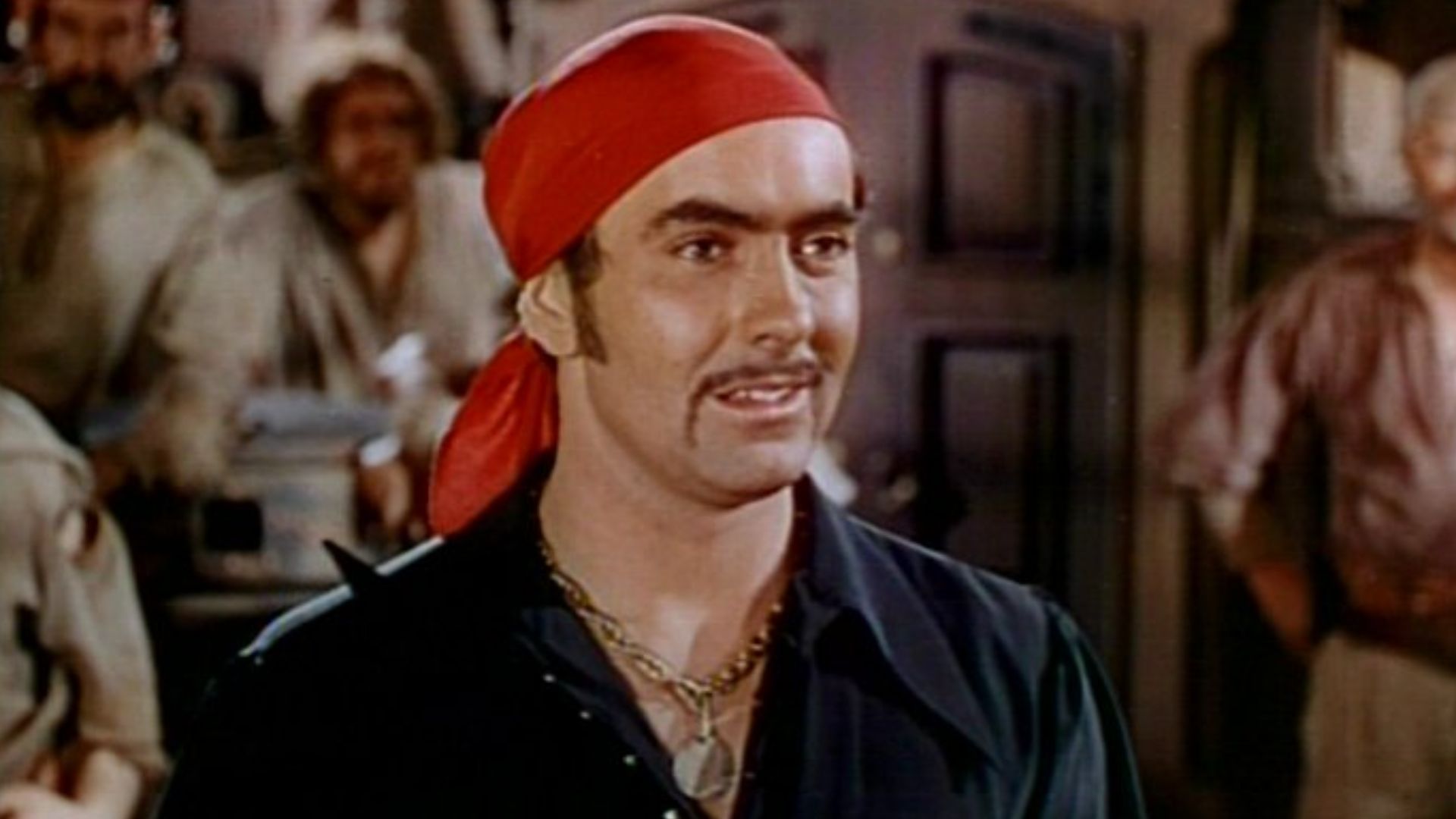 Trailer screenshot, Wikimedia Commons
Power Chose The Marine Corps
After Pearl Harbor, Power wanted military service rather than simply playing heroic men on screen. Already a licensed pilot, he eventually entered the Marine Corps and became a transport pilot. His duties took him into the Pacific, where he carried supplies and helped move wounded personnel from dangerous areas.
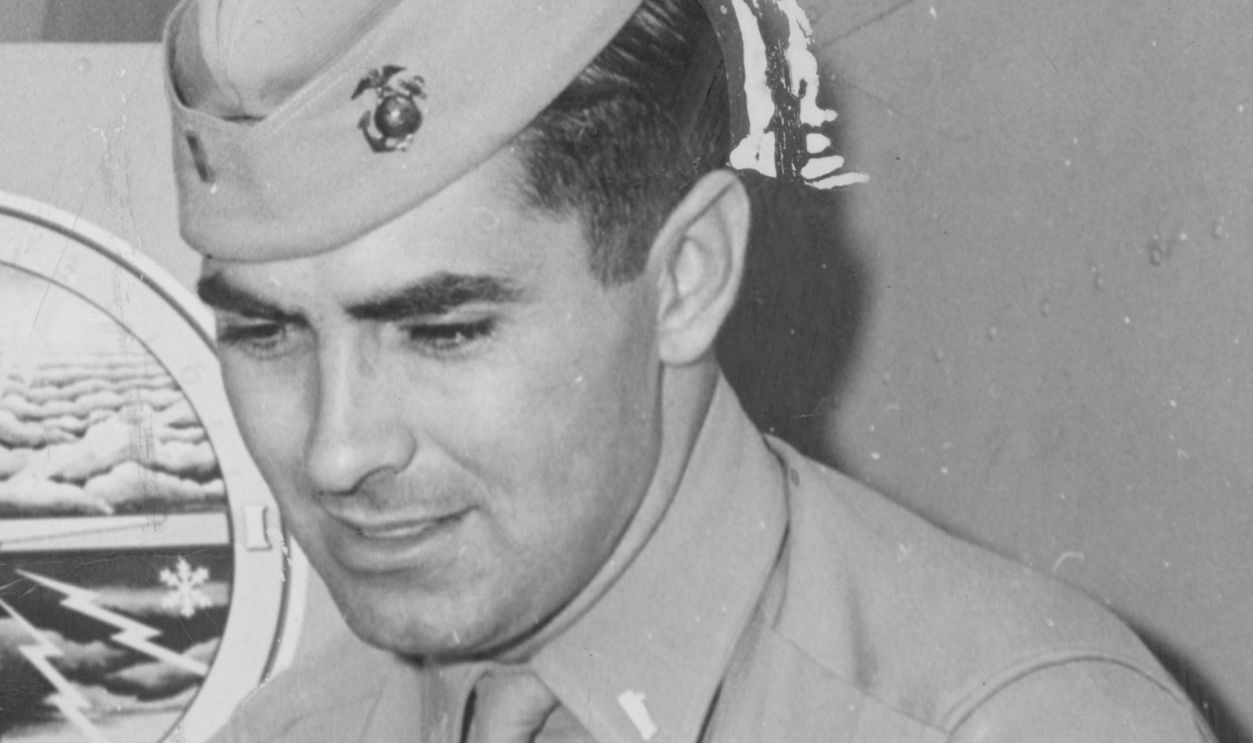 Smith Collection/Gado, Getty Images
The Old Roles Felt Even Smaller Afterwards
Power returned to Fox and immediately remained commercially successful. The Razor’s Edge became the studio’s biggest moneymaker of 1946, proving audiences had not forgotten him. Yet Power was increasingly restless with the same handsome-hero roles that had defined his prewar career.
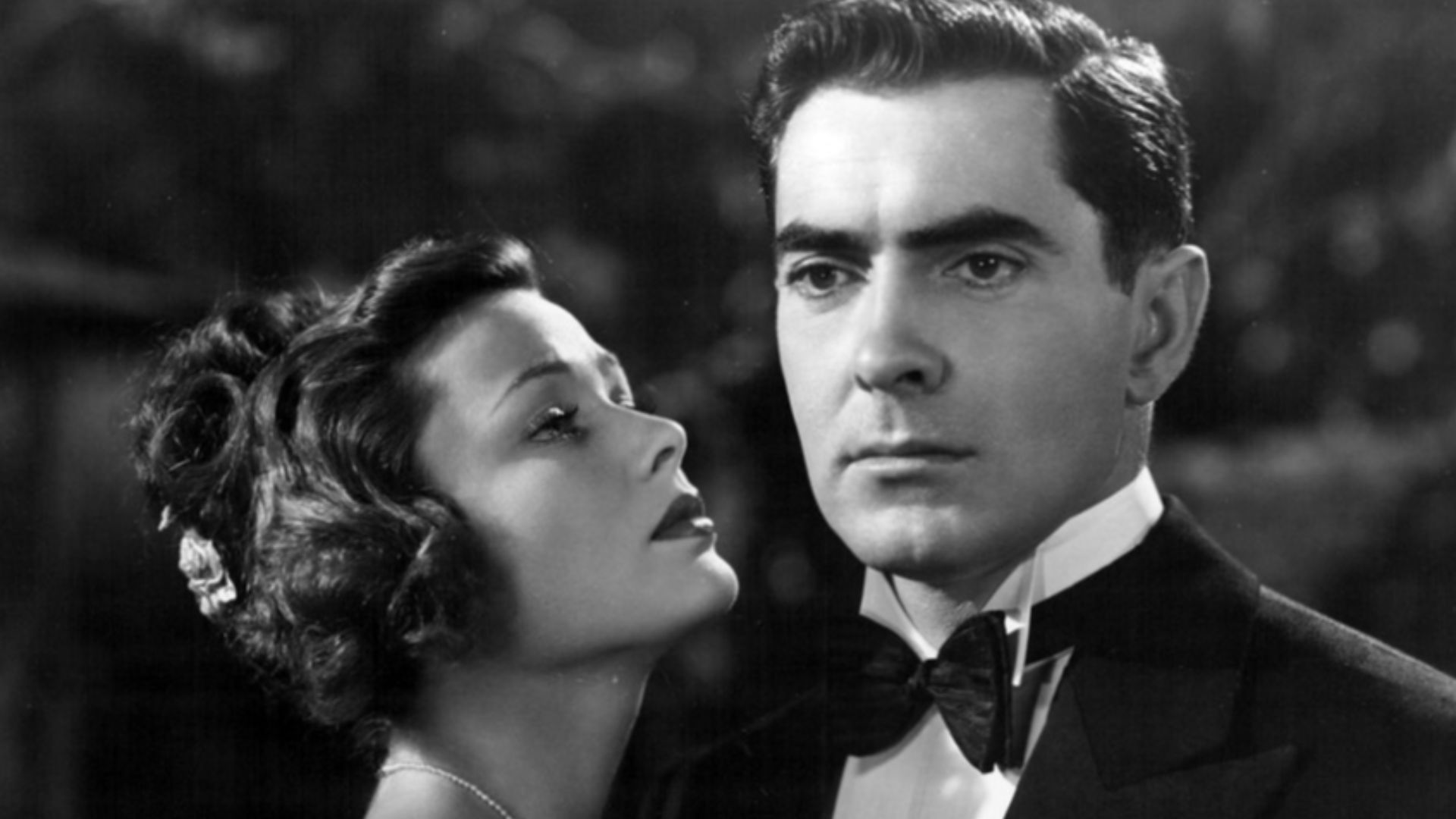 20th Century Fox, Wikimedia Commons
Nightmare Alley Was The Role He Wanted
Power fought studio chief Darryl F. Zanuck for the chance to star in Nightmare Alley. The grim 1947 film cast him against type as the ambitious Stanton Carlisle, giving Power the morally complicated material he had been seeking. TCM notes that the project mattered deeply to him and that he personally pushed to get it made.
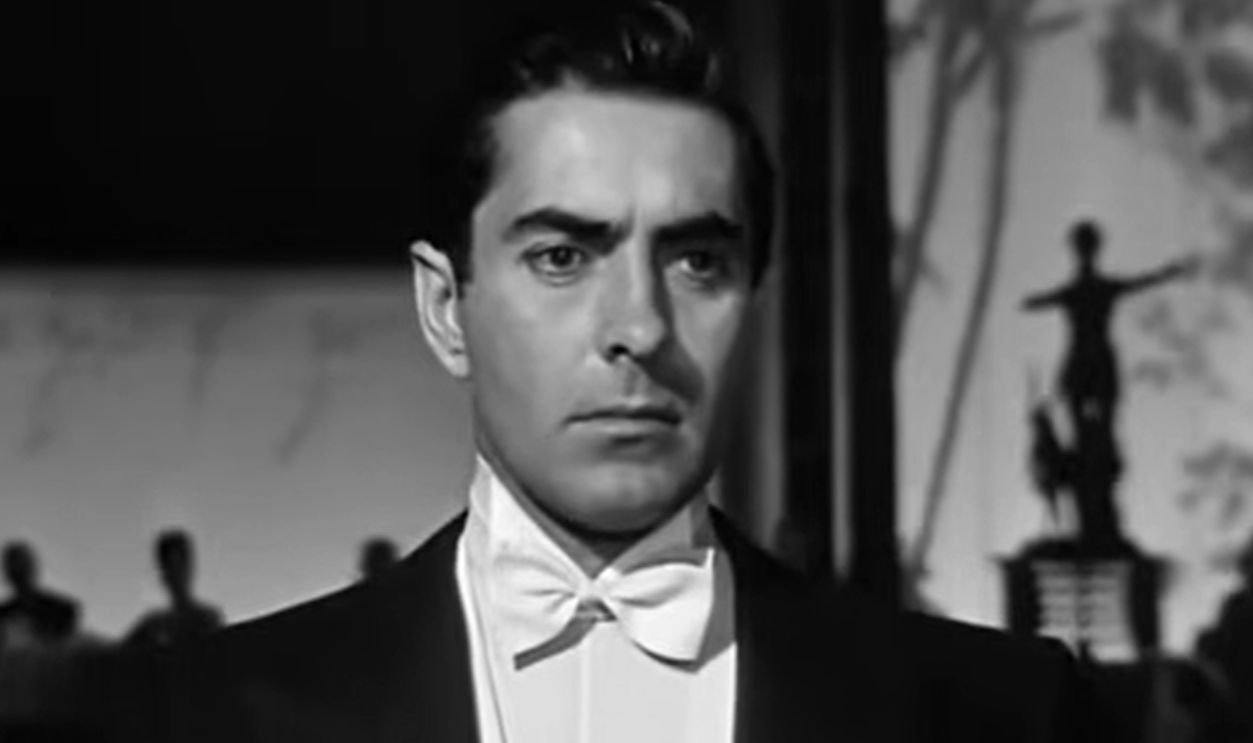 Screenshot from Nightmare Alley, Twentieth Century-Fox Film Corporation (1947)
Audiences Weren't Ready For The New Tyrone
The gamble did not immediately pay off commercially. Contemporary audiences who preferred Power as a romantic or heroic figure stayed away, even though later critics came to regard the performance as one of his best. The war had not destroyed his stardom, but it had intensified his determination to prove that stardom was not enough.
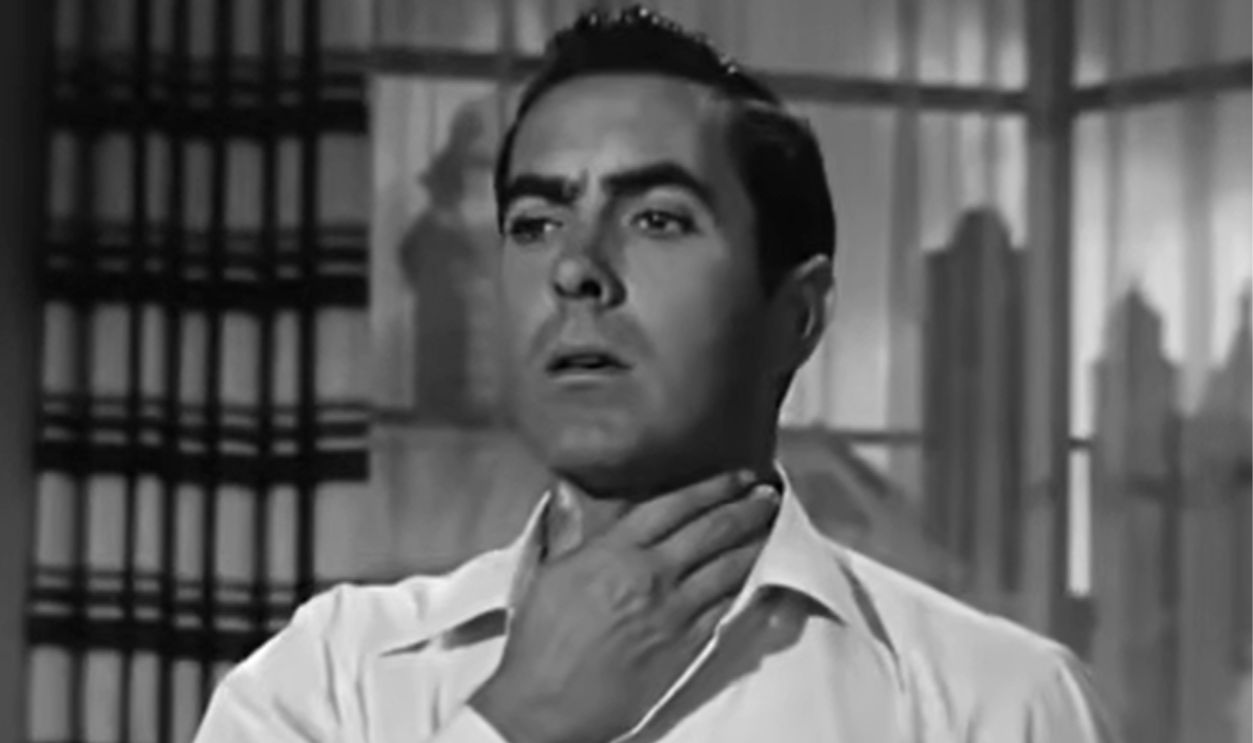 Screenshot from Nightmare Alley, Twentieth Century-Fox Film Corporation (1947)
Robert Montgomery Once Specialized In Sophistication
Robert Montgomery spent the 1930s as one of MGM’s dependable leading men. He appeared opposite stars including Norma Shearer, Joan Crawford, and Greta Garbo and became especially associated with polished comedies and dramas. He also earned an Oscar nomination for Night Must Fall, demonstrating that he could turn unexpectedly dark when the material demanded it.
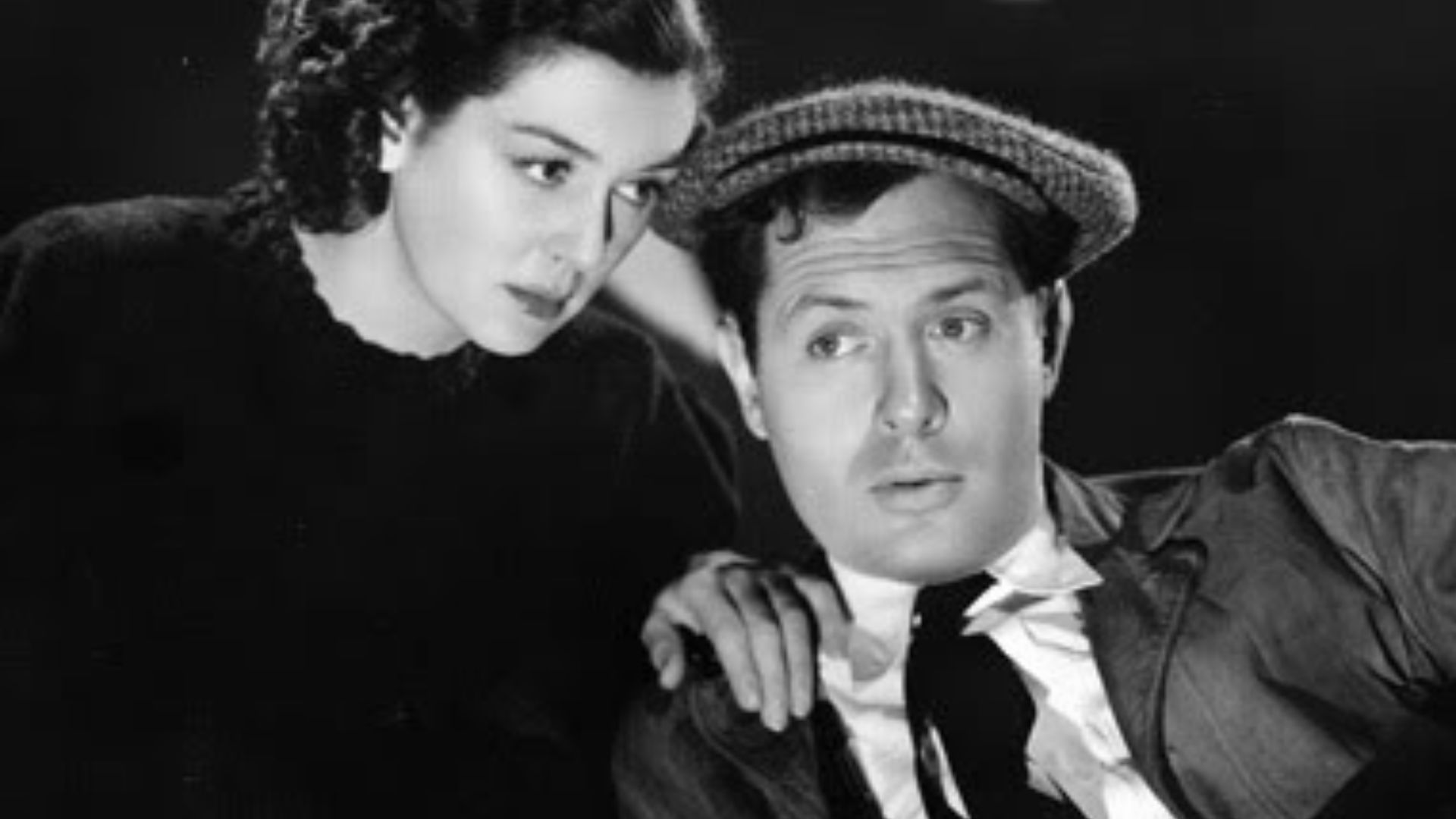 Metro-Goldwyn-Mayer, Wikimedia Commons
Montgomery Went To War Before America Did
Montgomery initially volunteered as an ambulance driver in France before the United States formally joined the conflict. He later entered the U.S. Navy and served in both Europe and the Pacific. His wartime assignments eventually included PT-boat command and service connected with major Allied operations.
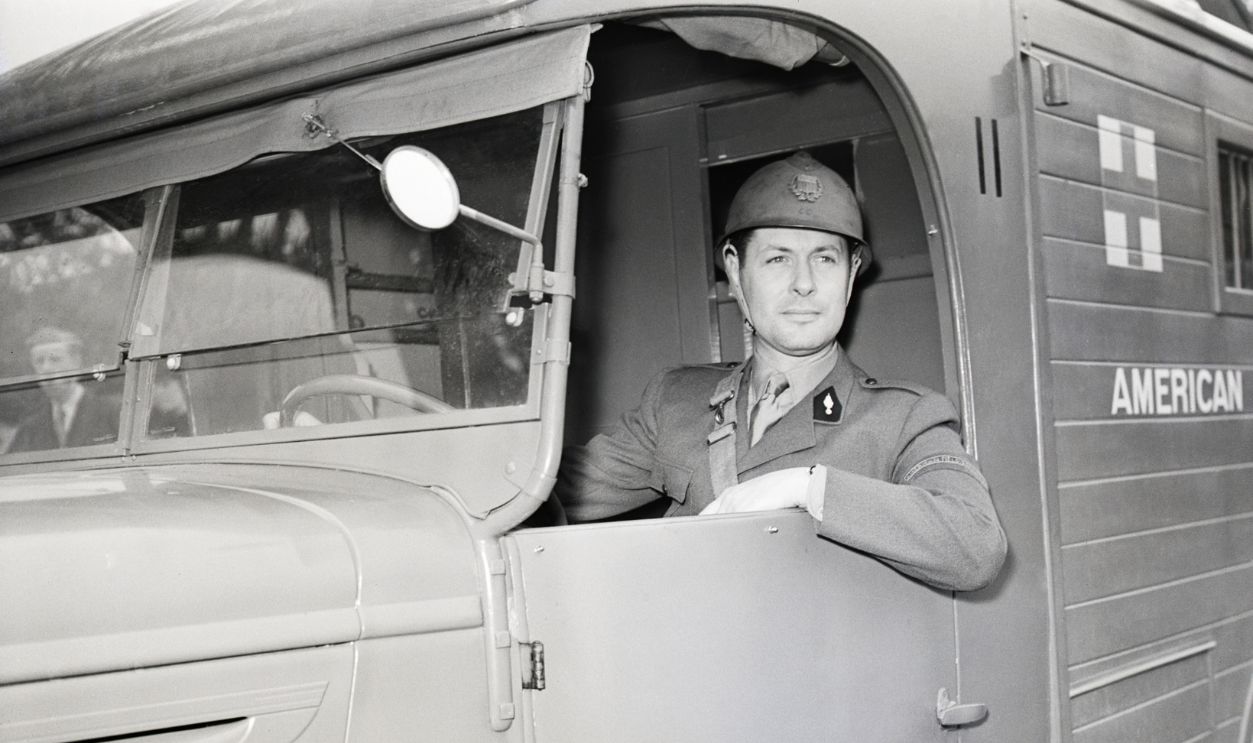
They Were Expendable Barely Required Acting
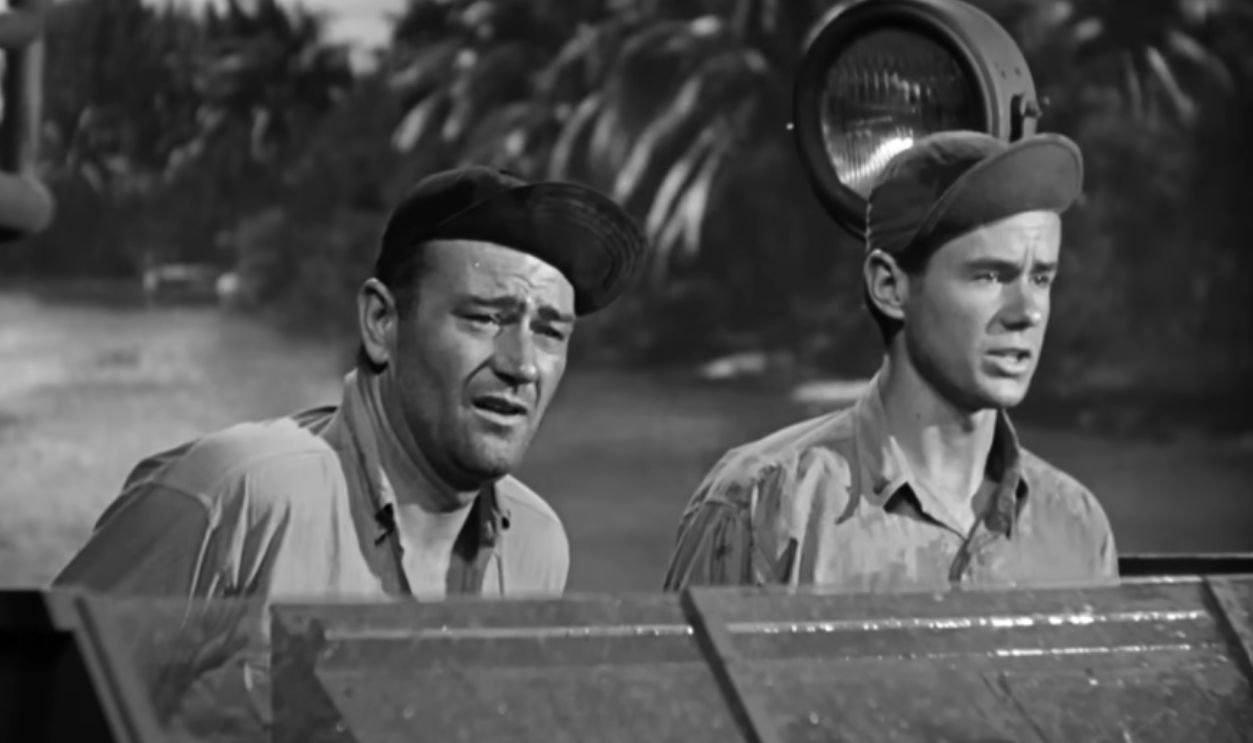
His first major postwar film was John Ford’s They Were Expendable, a mournful account of American PT-boat crews in the Philippines. Montgomery had actually commanded a PT boat during the war, giving the performance an unusual firsthand authority. TCM regards it as one of his finest screen performances.
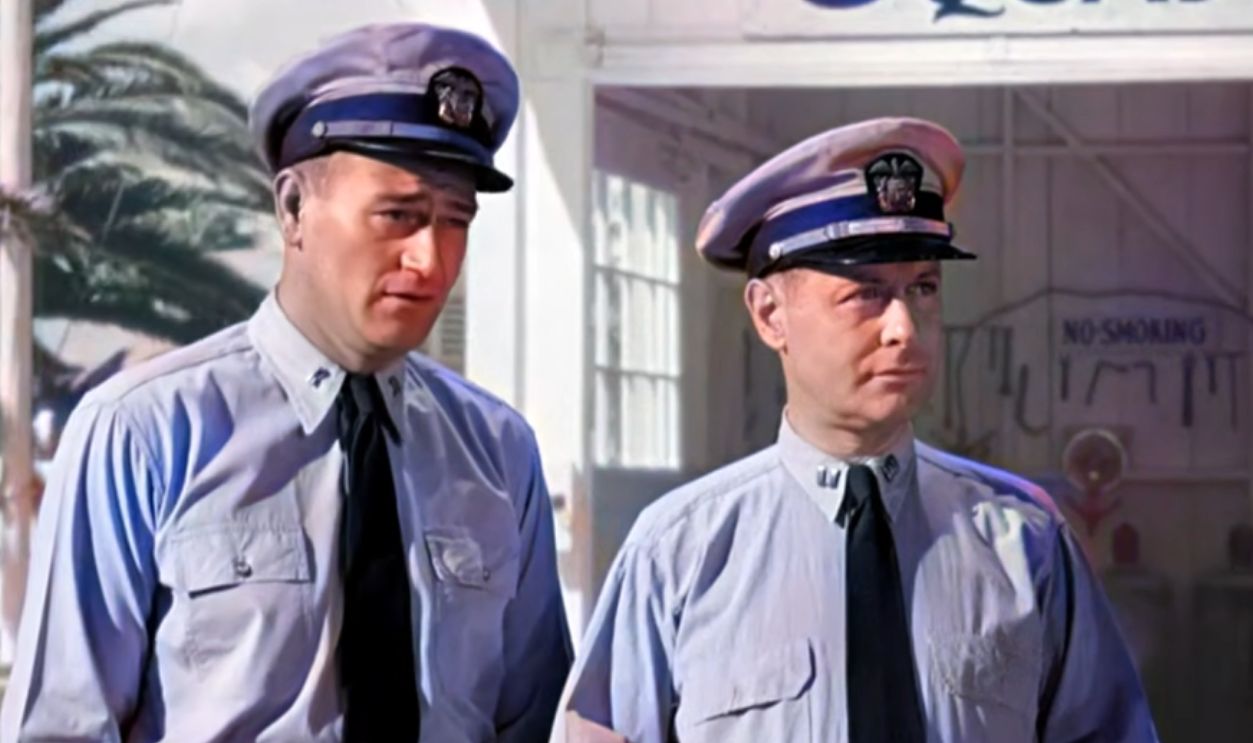 Screenshot from They Were Expendable, Loew's Inc. (1945)
He Suddenly Discovered Directing
When Ford was injured during production, Montgomery stepped behind the camera and directed portions of They Were Expendable. The experience opened an entirely new professional path. Within a few years, he was directing features himself, including the visually experimental Lady in the Lake.
 Screenshot from They Were Expendable, Loew's Inc. (1945)
He Never Returned To Being Just A Leading Man
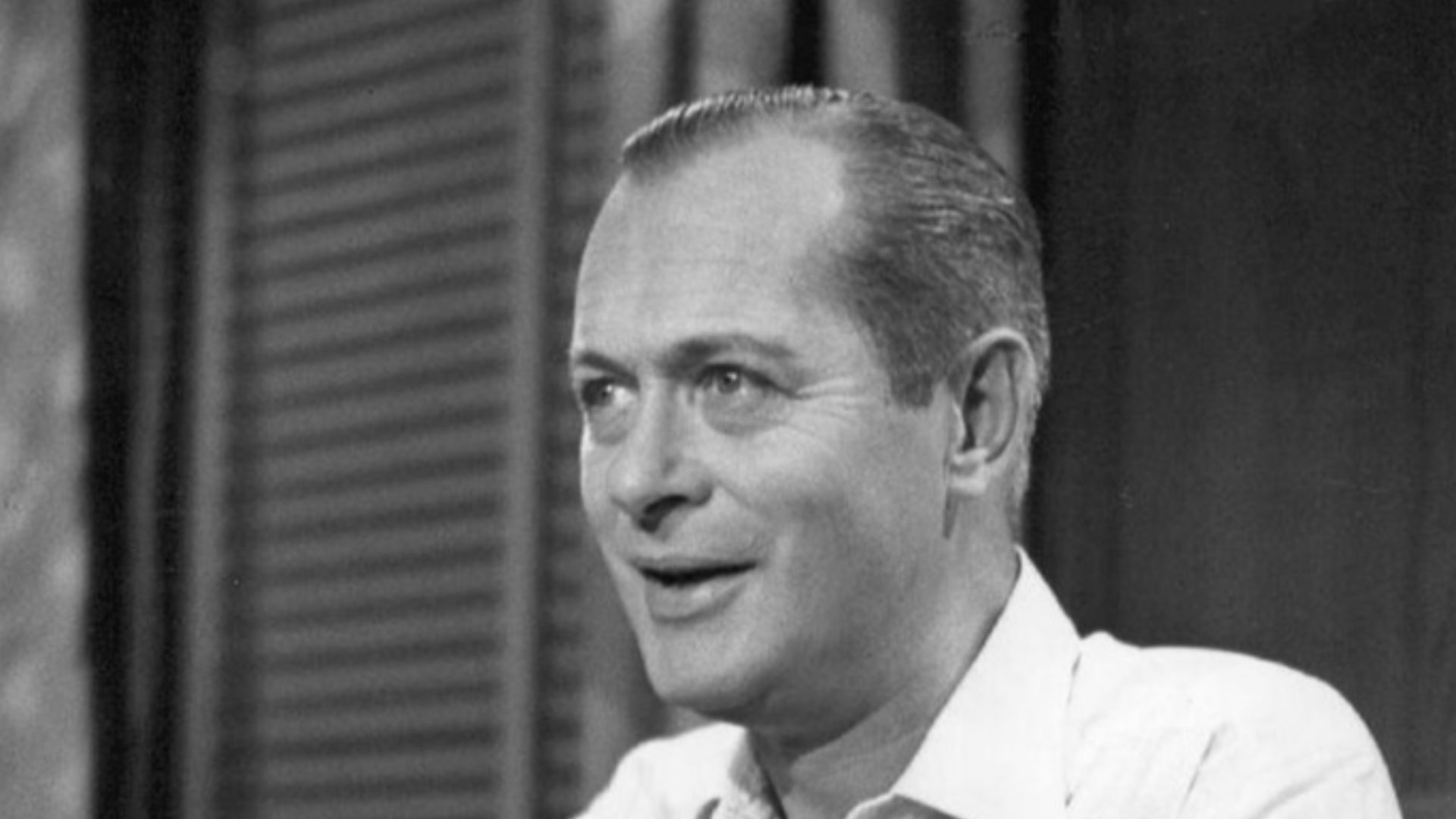
Postwar Montgomery increasingly divided his attention among acting, directing, producing, television, and public affairs. Robert Montgomery Presents eventually made him a major figure in early television, and he later advised President Dwight Eisenhower on television appearances. The elegant MGM actor had come home interested in controlling far more than his own performance.
 NBC Television, Wikimedia Commons
Henry Fonda Was Already America's Conscience
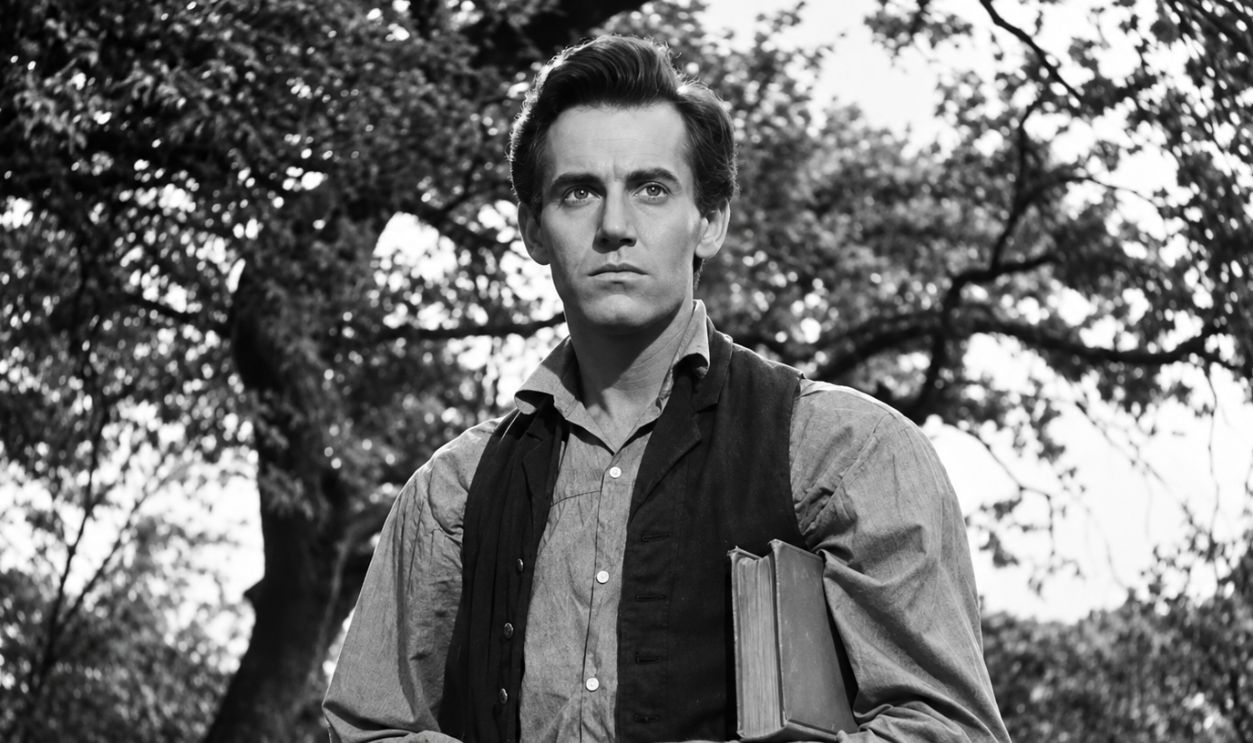
During the late 1930s and early 1940s, Henry Fonda became closely identified with plainspoken American integrity. Young Mr. Lincoln, The Grapes of Wrath, and The Ox-Bow Incident turned his quiet screen presence into something almost symbolic. Yet Fonda became uncomfortable merely portraying sacrifice while other men were actually serving.
 Screenshot from Young Mr. Lincoln, Twentieth Century-Fox Film Corporation (1939), Modified
Fonda Walked Away From Hollywood For The Navy
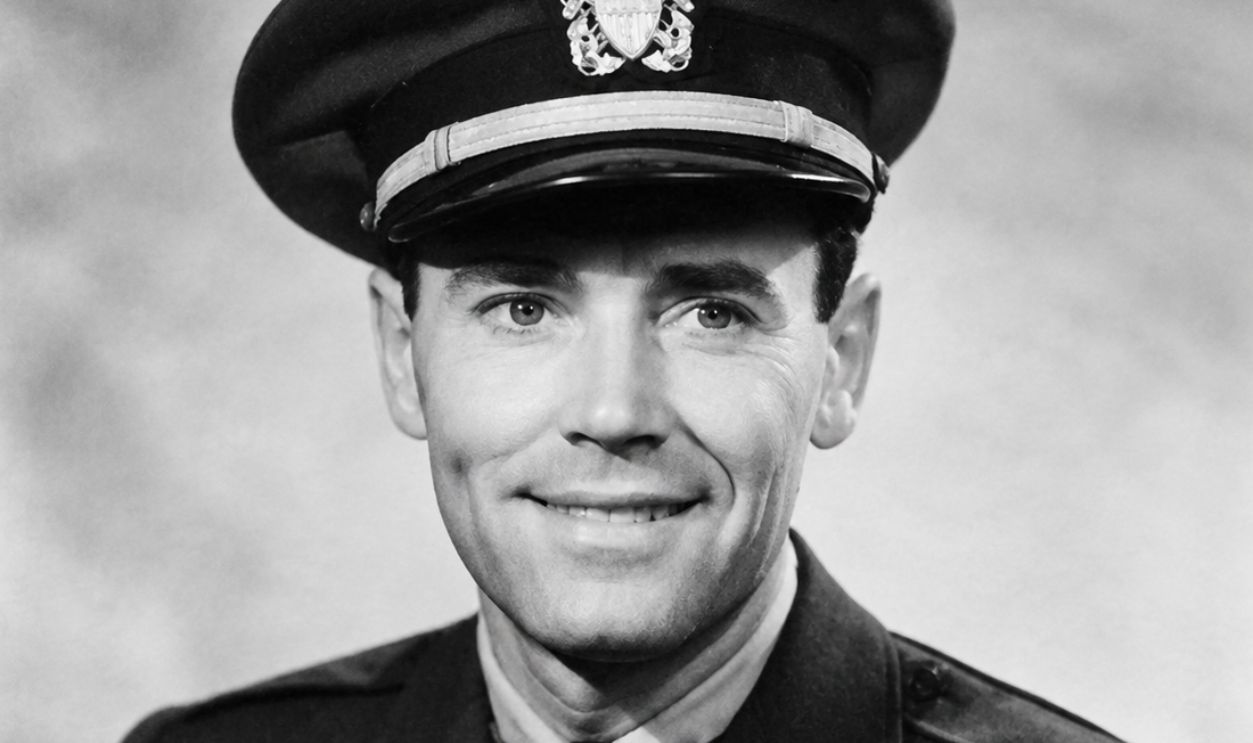
Fonda joined the U.S. Navy in 1942 despite already having a thriving film career. He eventually served in Air Combat Intelligence in the Pacific and earned a Bronze Star. The National WWII Museum notes that he remained on active duty until late 1945 and continued in the Naval Reserve afterward.
 Creadited as U.S. Navy photo, Wikimedia Commons, Modified
His First Films Back Were Harder Edged
Fonda returned to the screen as Wyatt Earp in John Ford’s My Darling Clementine and later played the rigid Colonel Thursday in Fort Apache. TCM notes that Thursday represented Fonda’s first notably unsympathetic role. The actor so closely associated with moral certainty was beginning to explore what happened when conviction hardened into something dangerous.
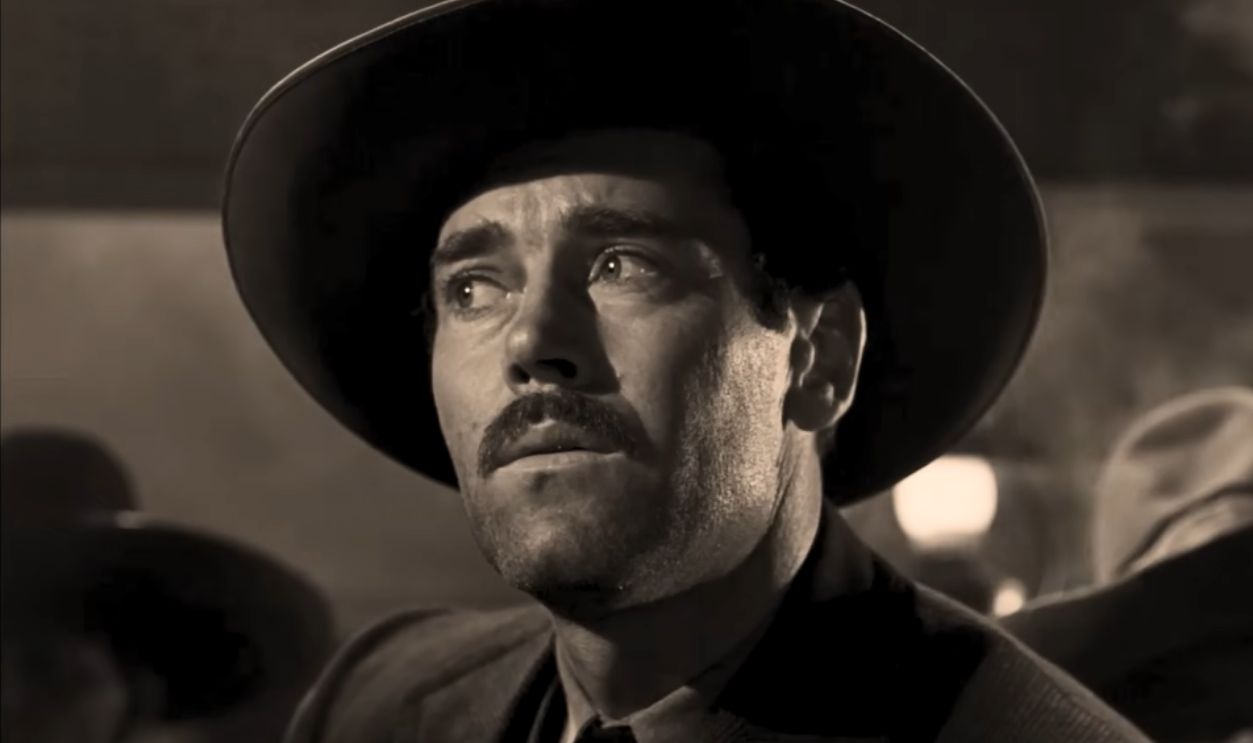 Screenshot from My Darling Clementine, Twentieth Century-Fox Film Corporation (1946)
Then He Basically Left Hollywood Again
After Fort Apache, Fonda stepped away from films for seven years and returned to Broadway. His great postwar stage triumph was Mister Roberts, a story set aboard a supply ship in the Pacific and rooted in the frustrations of wartime naval service. Fonda performed the role for years and won a Tony.
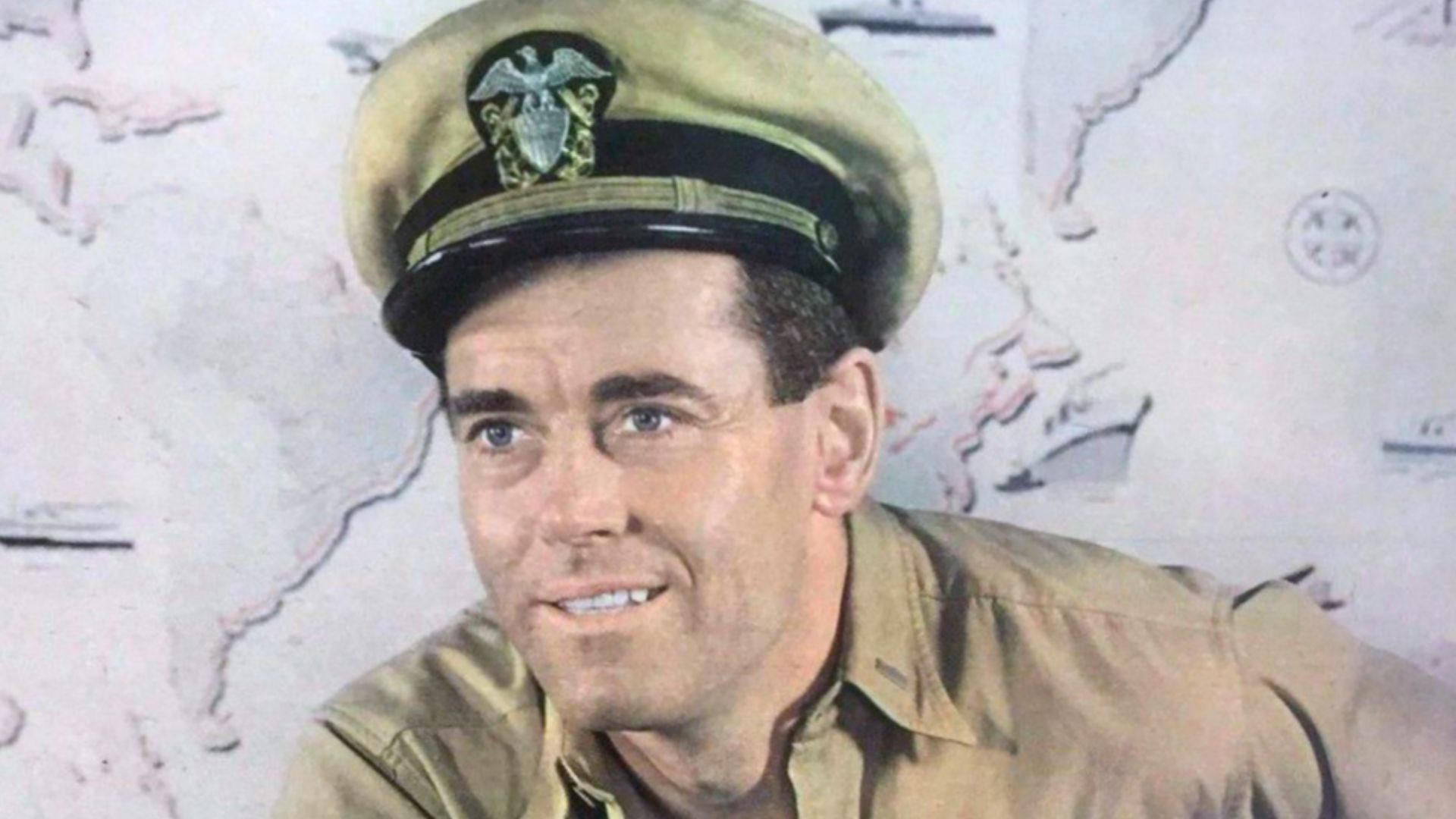 New York Sunday News, Wikimedia Commons
War Followed Him Back Into His Best Work
When Fonda eventually returned fully to movies, he did so with greater independence and increasingly serious material. He reprised Mister Roberts, then co-produced and starred in 12 Angry Men. His wartime interruption had not merely delayed his career; it helped lead him away from studio-star routine and toward the stage, producing, and projects built around moral pressure.
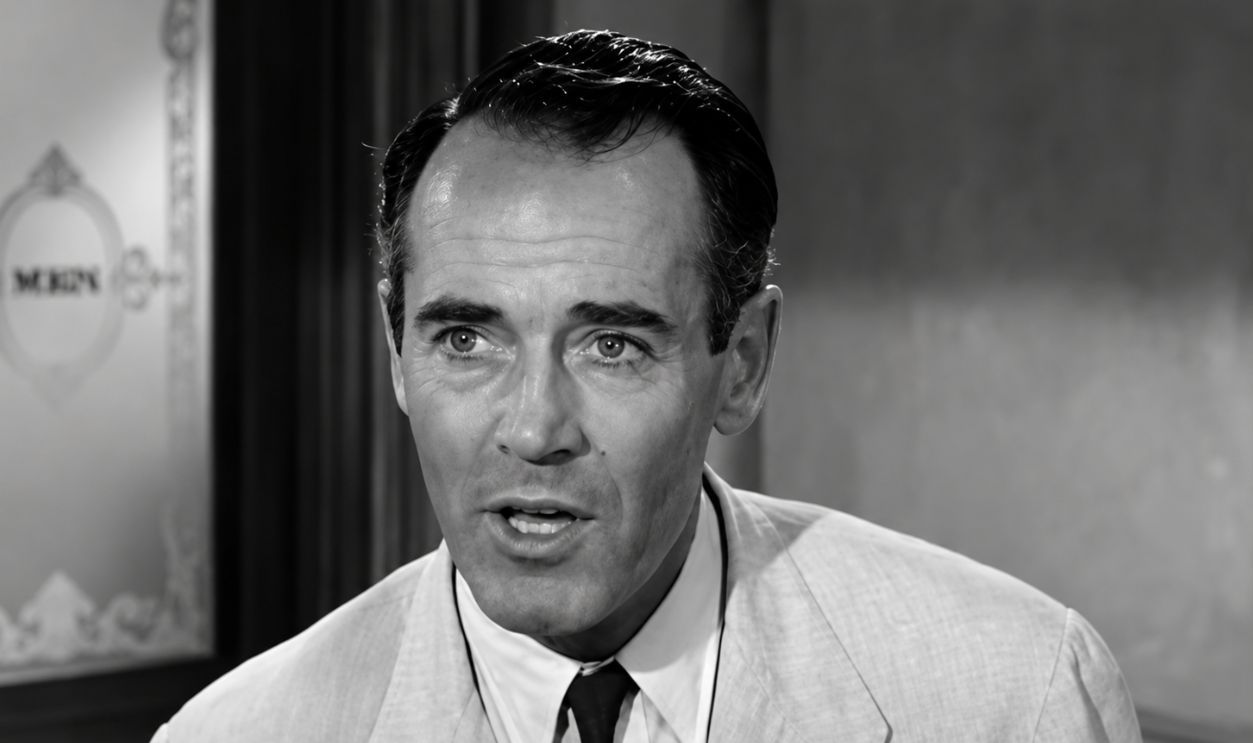 Screenshot from 12 Angry Men, United Artists Corp. (1957), Modified
David Niven Had Just Become A Star
David Niven spent much of the 1930s building a reputation as Hollywood’s charming English gentleman. By The Dawn Patrol and Bachelor Mother, his supporting work was giving way to genuine leading-man status. Raffles finally put his name at the top just as Europe went to war.
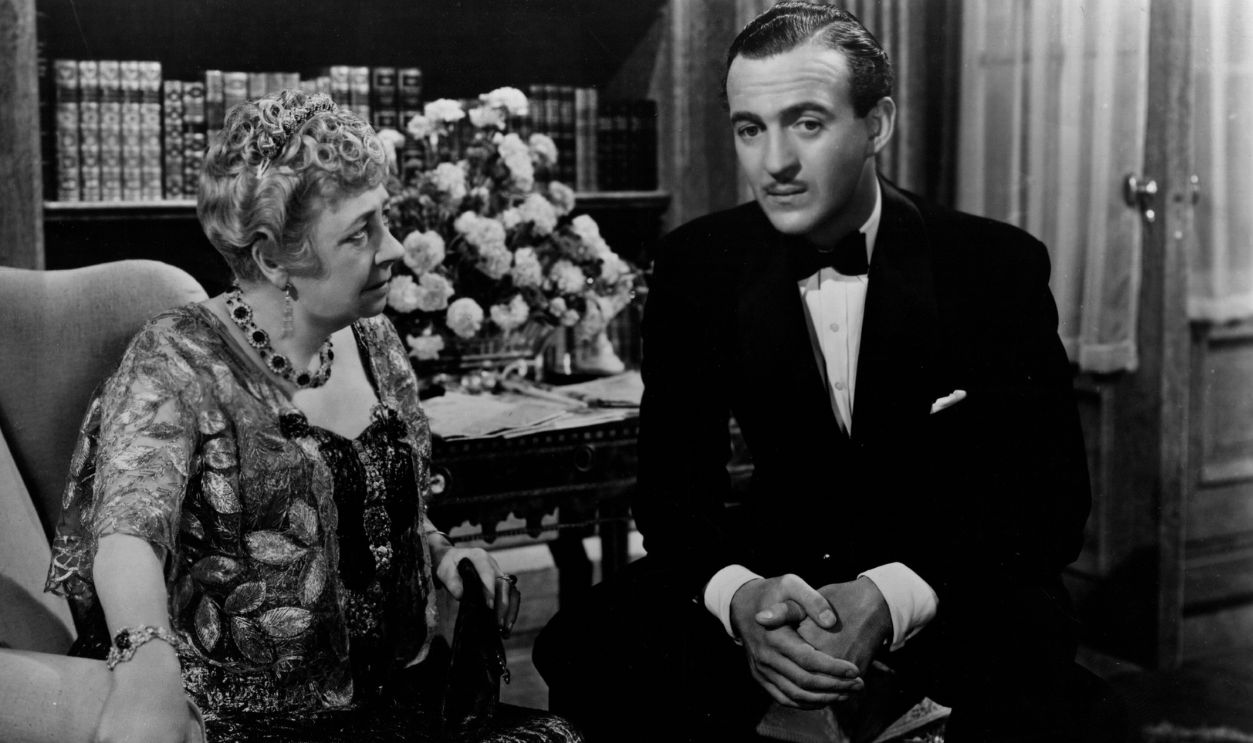
Niven Walked Away Almost Immediately
Once Britain entered the war, Niven returned home to serve rather than remain in Hollywood. The Museum of Modern Art notes that he was among the first major actors to answer Britain’s call and served on active duty for the duration. His military career ultimately took him to the rank of lieutenant colonel.
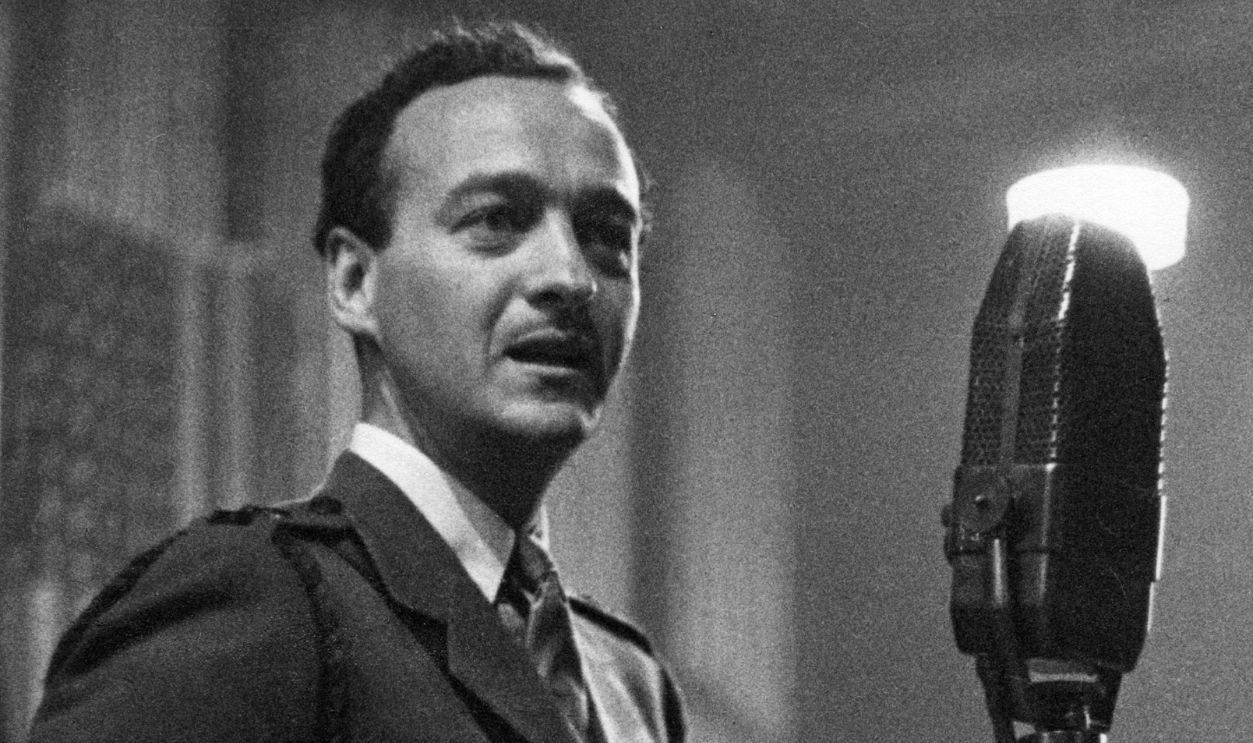
The Hollywood Gentleman Had Become A Soldier
Niven’s wartime work included training troops and serving in units connected with British special operations. He occasionally returned to film work while on leave, appearing in projects such as The First of the Few and The Way Ahead. Those appearances now carried the unusual reality that the elegant screen officer had become an actual serving officer.
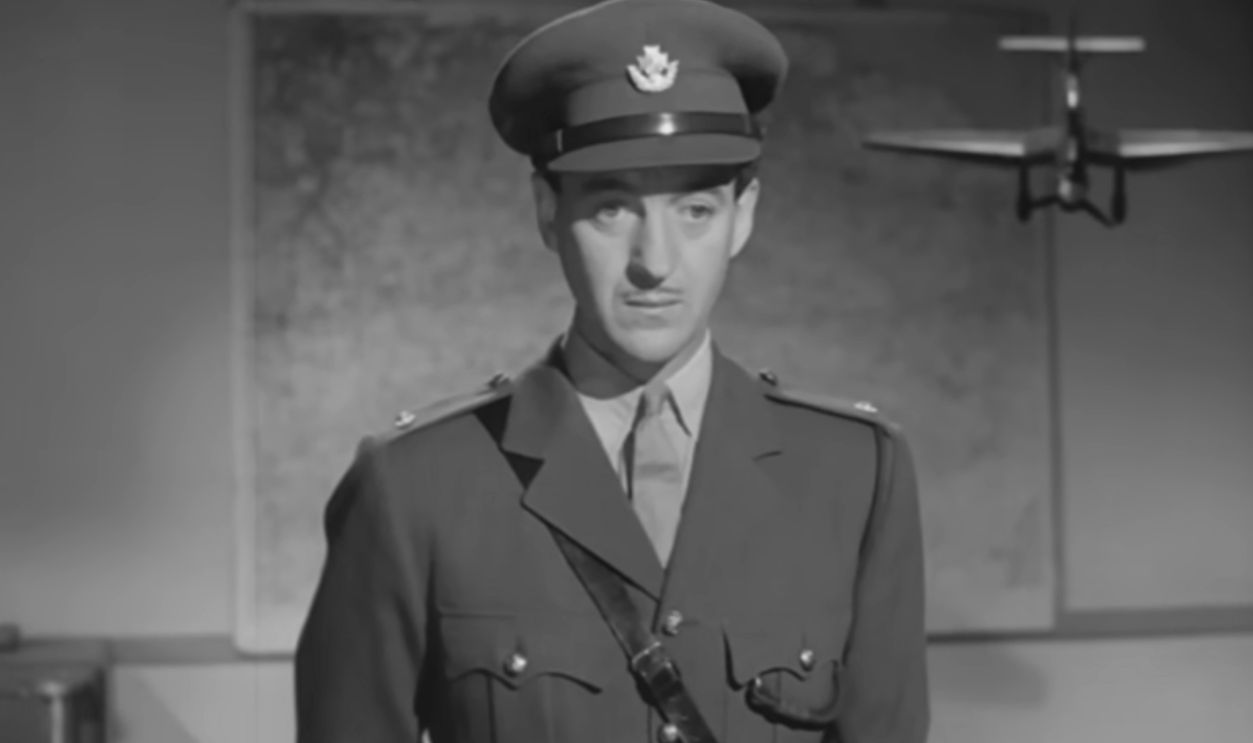 Screenshot from The Way Ahead, General Film Distributors (1944)
His Comeback Started With A Stranger Film
Niven’s major return to movies was Powell and Pressburger’s A Matter of Life and Death in 1946. The imaginative fantasy gave him a richer and more reflective role than many of his carefree prewar pictures. MoMA describes the film as the beginning of a postwar career that expanded across movies, television, theater, and eventually writing.
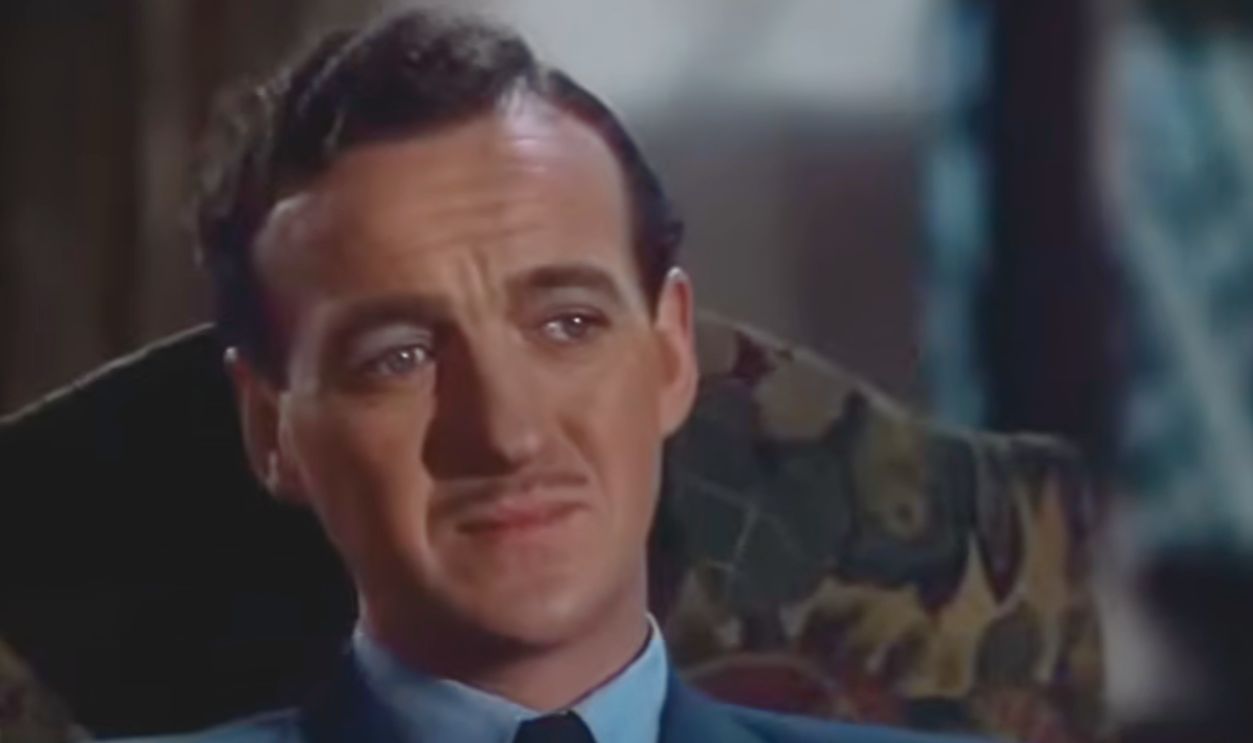 Screenshot from A Matter of Life and Death, Eagle-Lion Films (1946), Modified
The War Didn't End These Careers, It Rewrote Them
None of these men returned to exactly the version of Hollywood he had left. Stewart discovered darkness, Gable carried visible weariness, Power challenged his own image, Montgomery moved behind the camera, Fonda retreated to the stage, and Niven rebuilt himself as something broader than a polished supporting gentleman. World War II interrupted their careers for only a few years, but its influence followed them through decades of work that came afterward.
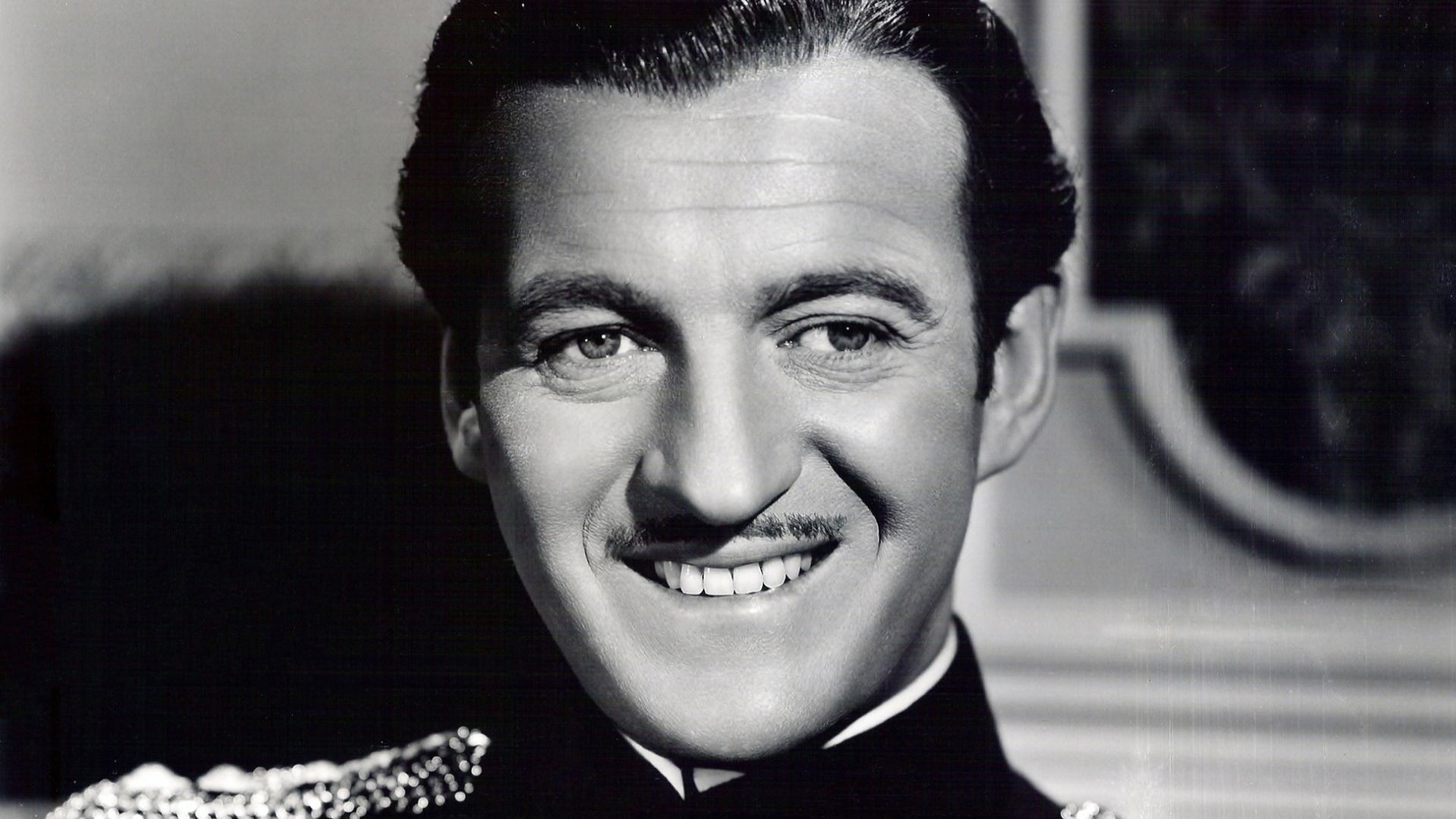 Employee(s) of Samuel Goldwyn Productions, Wikimedia Commons
You May Also Like:
1960s Movies That Started Like Old Hollywood And Ended Like The 1970s
Photos Of The Most Beautiful Old Hollywood Actresses
Old Hollywood’s Most Stunning Actresses
Sources: 1, 2, 3, 4, 5, 6, 7, 8, 9, 10, 11, 12, 13, 14, 15, 16, 17, 18, 19, 20, 21, 22, 23, 24, 25, 26, 27, 28, 29, 30, 31