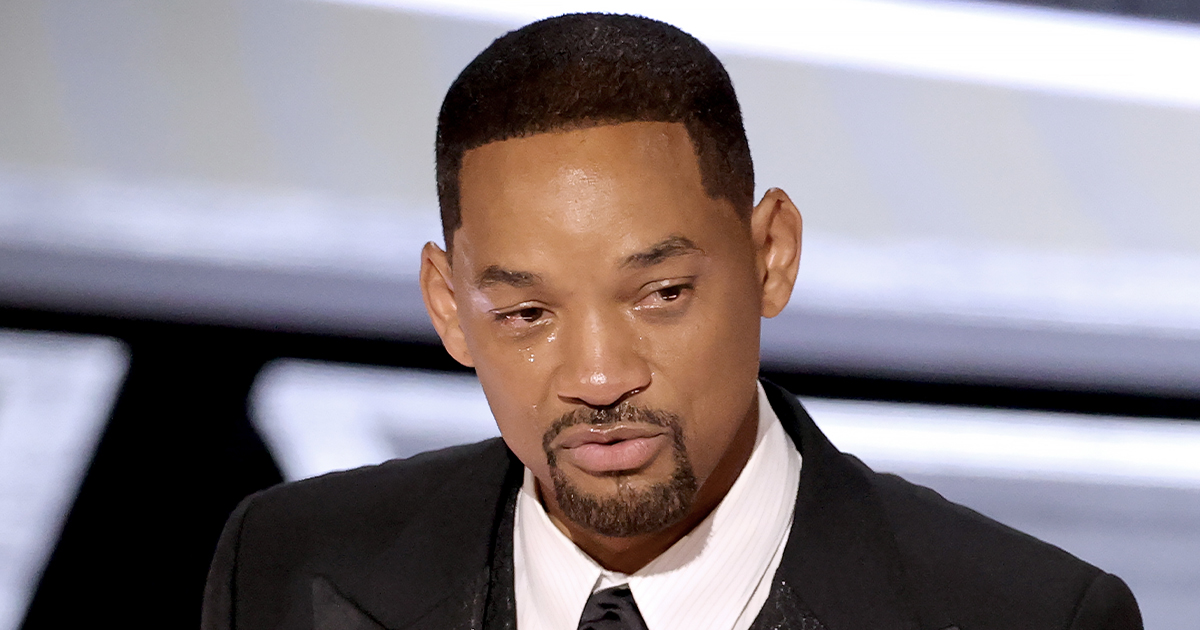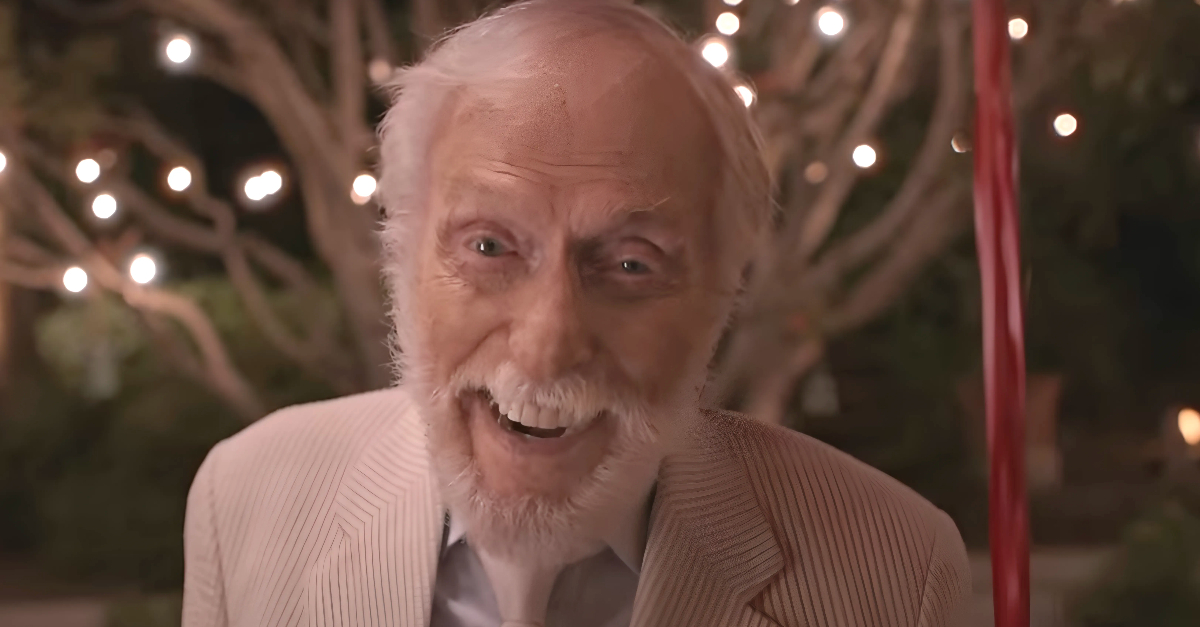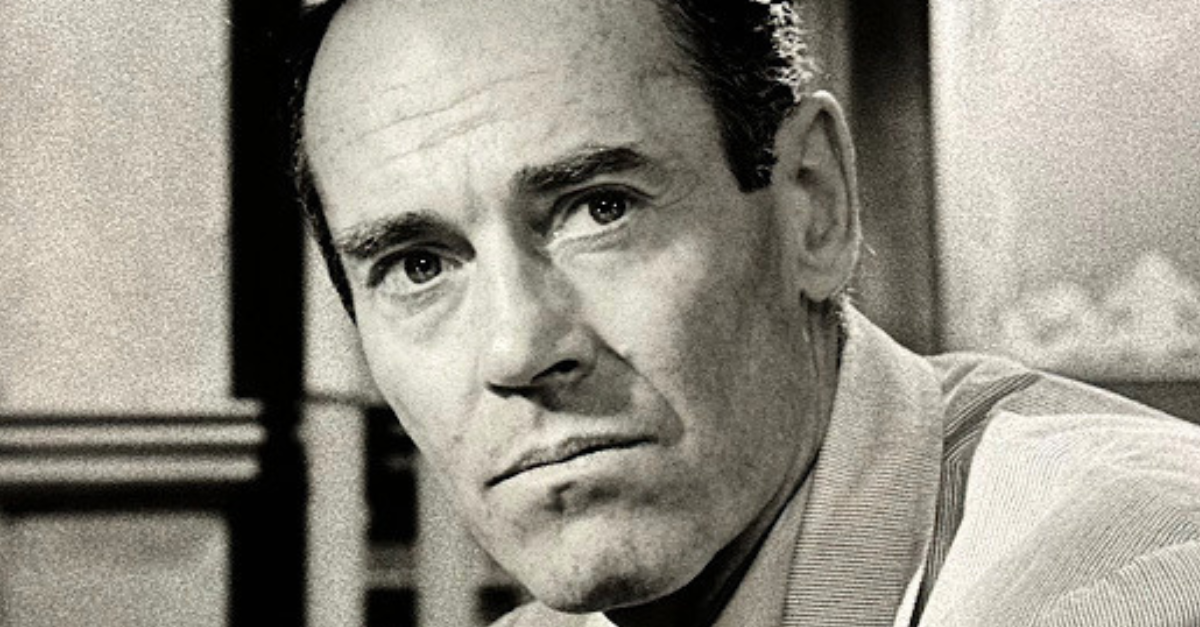
He played men who knew where they stood.
His real friendships were messier. Jimmy Stewart remained beside him for half a century, while other once-close Hollywood relationships ended with doors firmly shut.
His First Hollywood Circle Started Before Hollywood
Long before Fonda became a movie star, he joined the University Players, the summer theater company that gathered an astonishing collection of future talent. The group included Joshua Logan, Margaret Sullavan, and eventually James Stewart. Those early theatrical friendships would shape Fonda’s personal and professional life for decades.
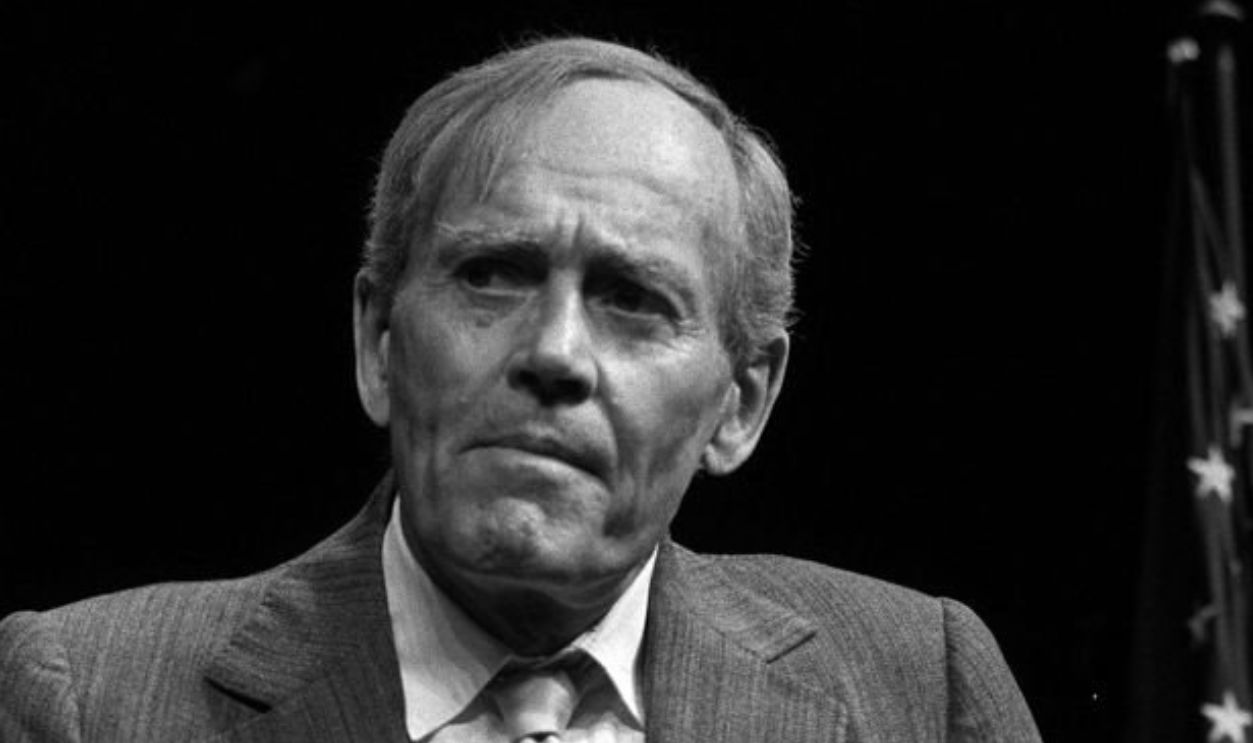
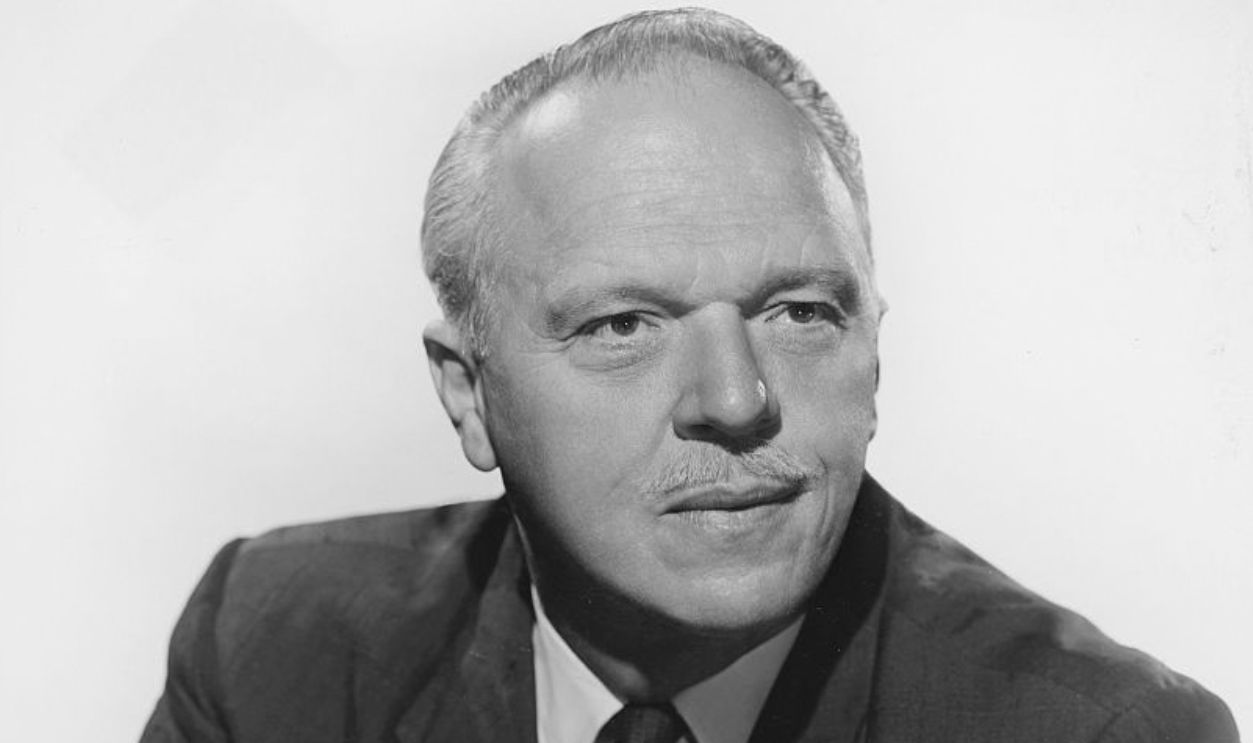
Joshua Logan Helped Open The Door
Logan became one of the most important figures in Fonda’s early development. The future director was deeply involved with the University Players and helped create the environment where Fonda could grow from an inexperienced performer into a professional actor. Their relationship would become especially important again when Mister Roberts entered Fonda’s life.
 John Springer Collection, Getty Images
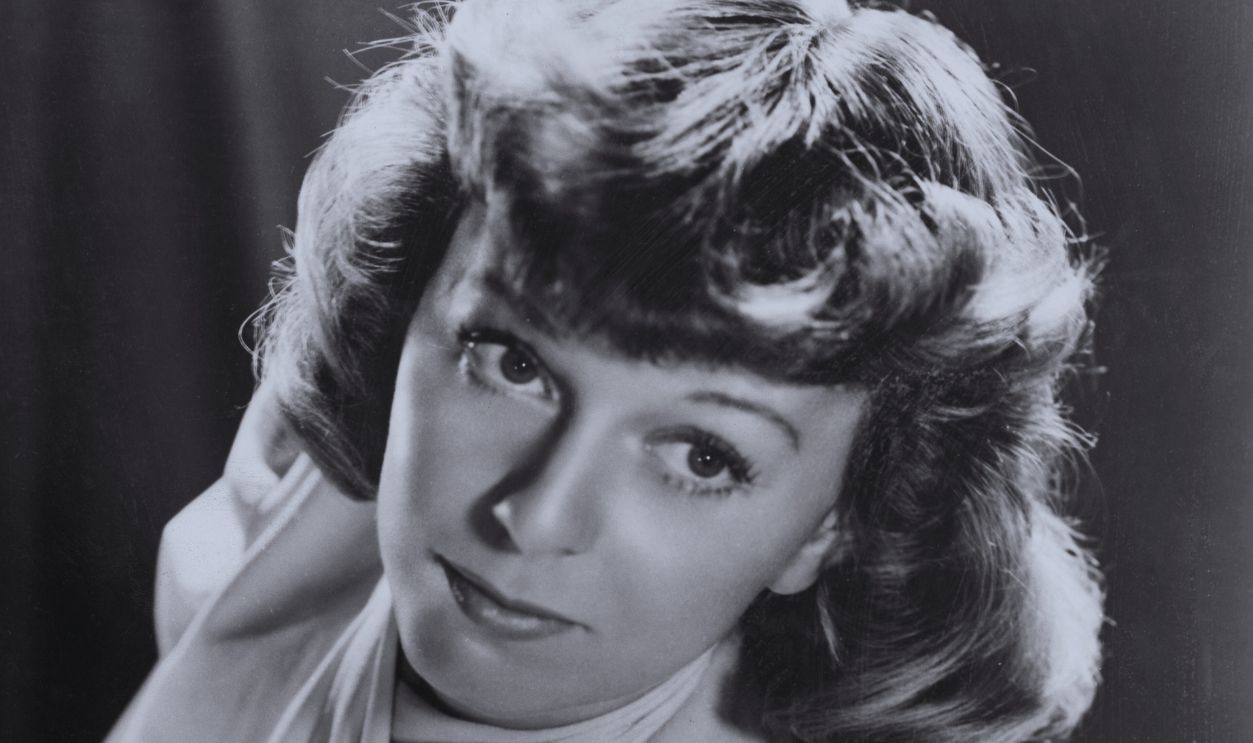
Margaret Sullavan Complicated The Circle
Fonda and fellow University Player Margaret Sullavan became close enough to marry in 1931. The marriage ended quickly, but their lives remained intertwined through the same theatrical circle that included Stewart and Logan. Accounts of their later relationship describe them as remaining friendly long after the marriage itself had failed.
Then Jimmy Stewart Walked In
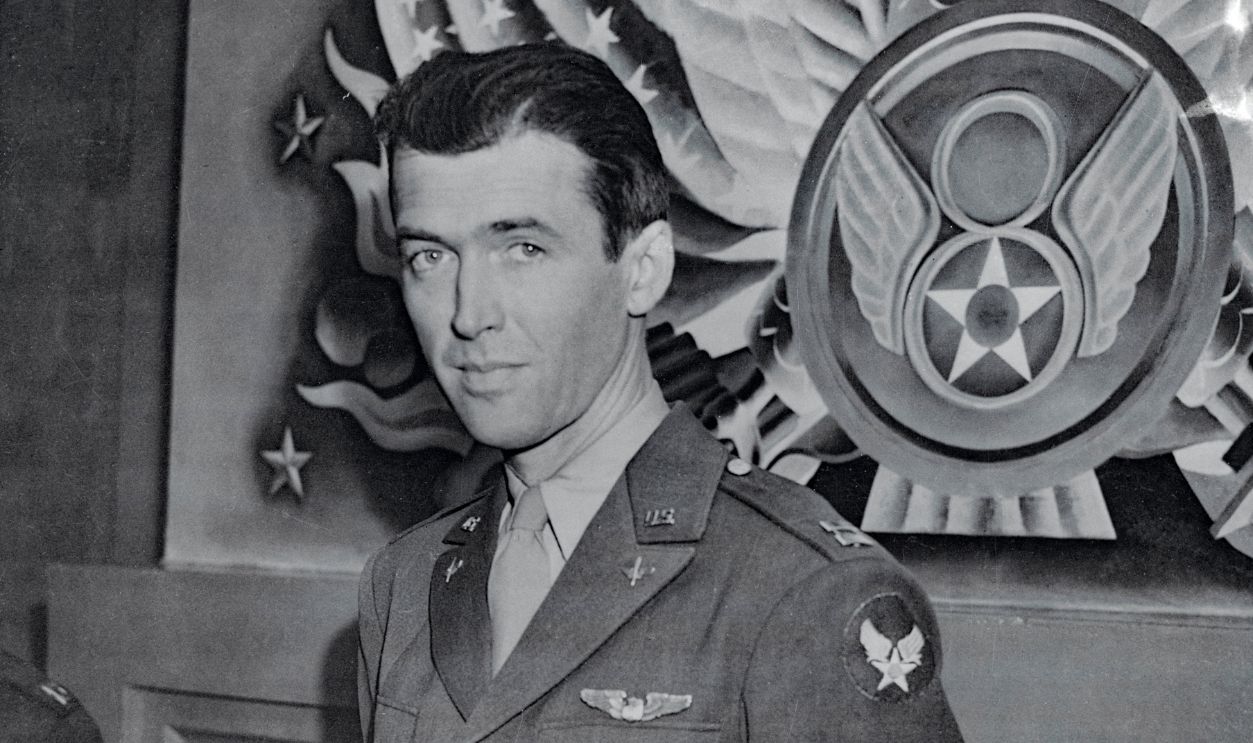
James Stewart entered the University Players slightly later and quickly became part of Fonda’s world. Logan helped connect the two men again when they reached New York, where both were trying to establish themselves professionally. What began as a practical friendship between struggling actors became the most durable relationship in Fonda’s Hollywood life.
They Were Broke Together
Fonda and Stewart shared living quarters while trying to survive as young actors in New York. Work could be scarce, money was limited, and neither had any guarantee that Broadway would lead anywhere. Years later, their children and biographers would still point to those lean years as the foundation of their extraordinary bond.
 Silver Screen Collection, Getty Images
Hollywood Couldn't Separate Them
When the two men eventually headed west, they became roommates again in California. By then, both careers were beginning to accelerate, but celebrity did not fundamentally change the friendship. They could step away from the studio machinery and return to the same companionship they had built before either was famous.
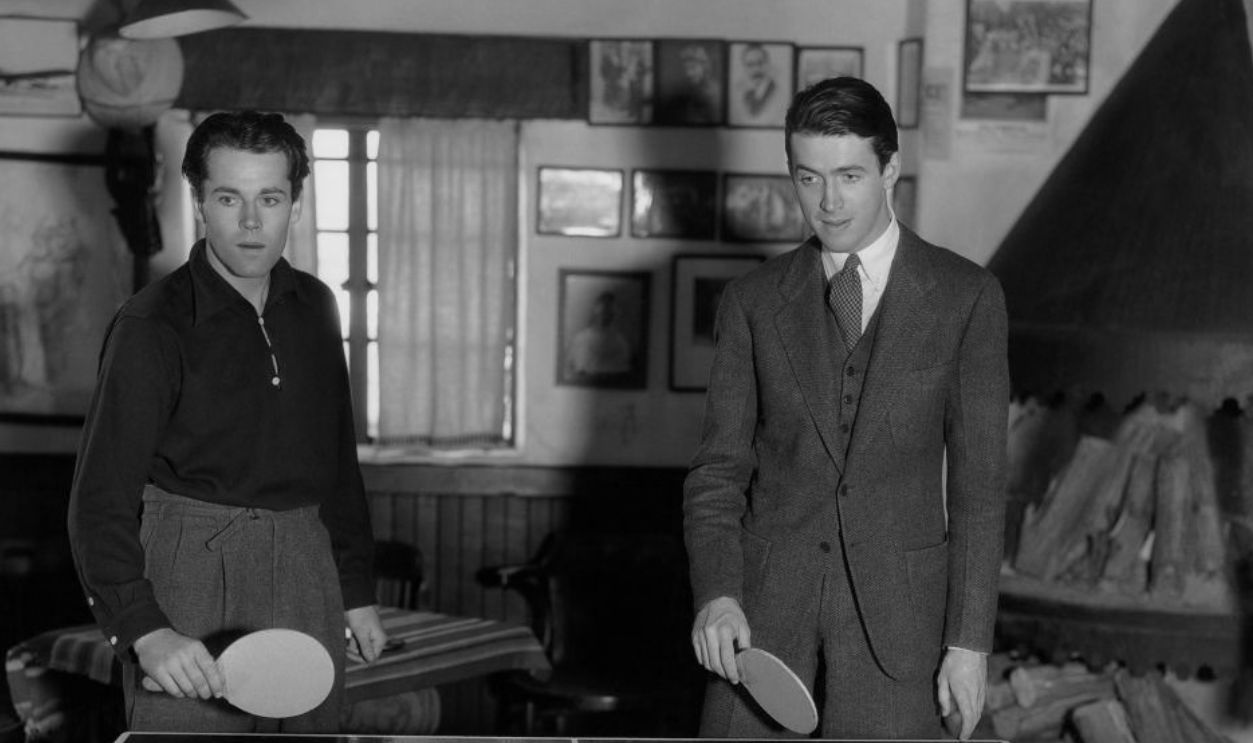 John Kobal Foundation, Getty Images
They Were Surprisingly Different Men
The similarities between Fonda and Stewart concealed major differences. Fonda was politically liberal and married several times, while Stewart was conservative and eventually remained in one long marriage. Biographer Scott Eyman found that those differences never mattered as much as their shared reserve, professionalism, humor, and dislike of Hollywood pretension.
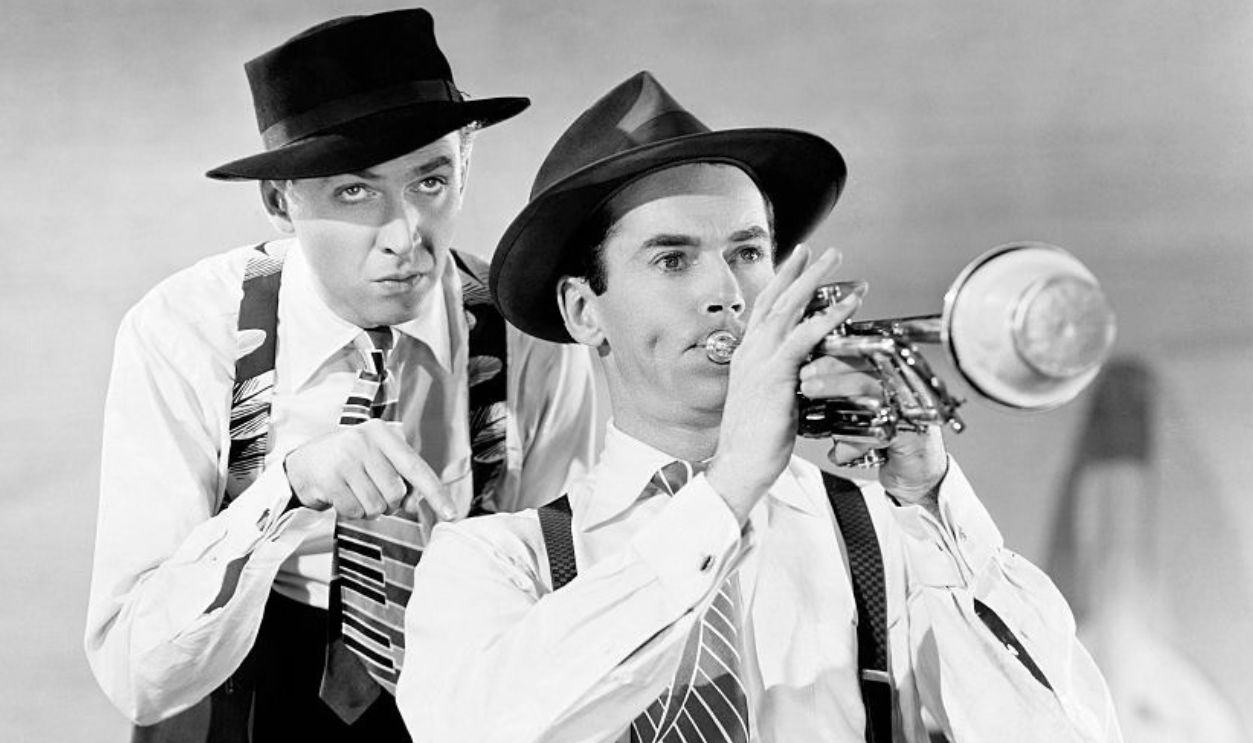 John Springer Collection, Getty Images
Politics Finally Broke The Peace
Their political differences eventually produced one serious confrontation. Accounts collected by Eyman describe a heated argument connected to Hollywood politics and the blacklist era. The disagreement was serious enough that the two men realized one subject could genuinely threaten their friendship.
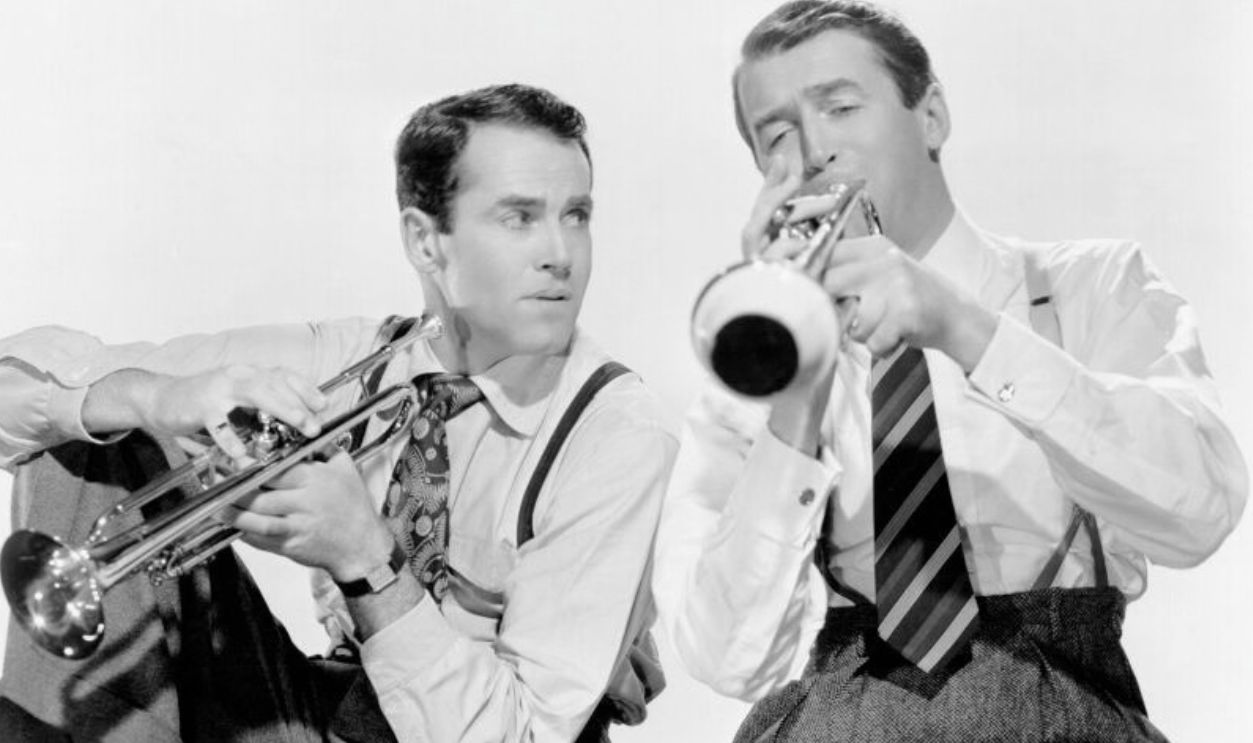 Michael Ochs Archives, Getty Images
They Made A Remarkable Rule
Fonda and Stewart solved the problem by essentially refusing to discuss politics again. They also rarely spent their private time debating acting, careers, or other subjects that could create competition. Instead, they built model airplanes, played practical jokes, and simply enjoyed occupying the same space.
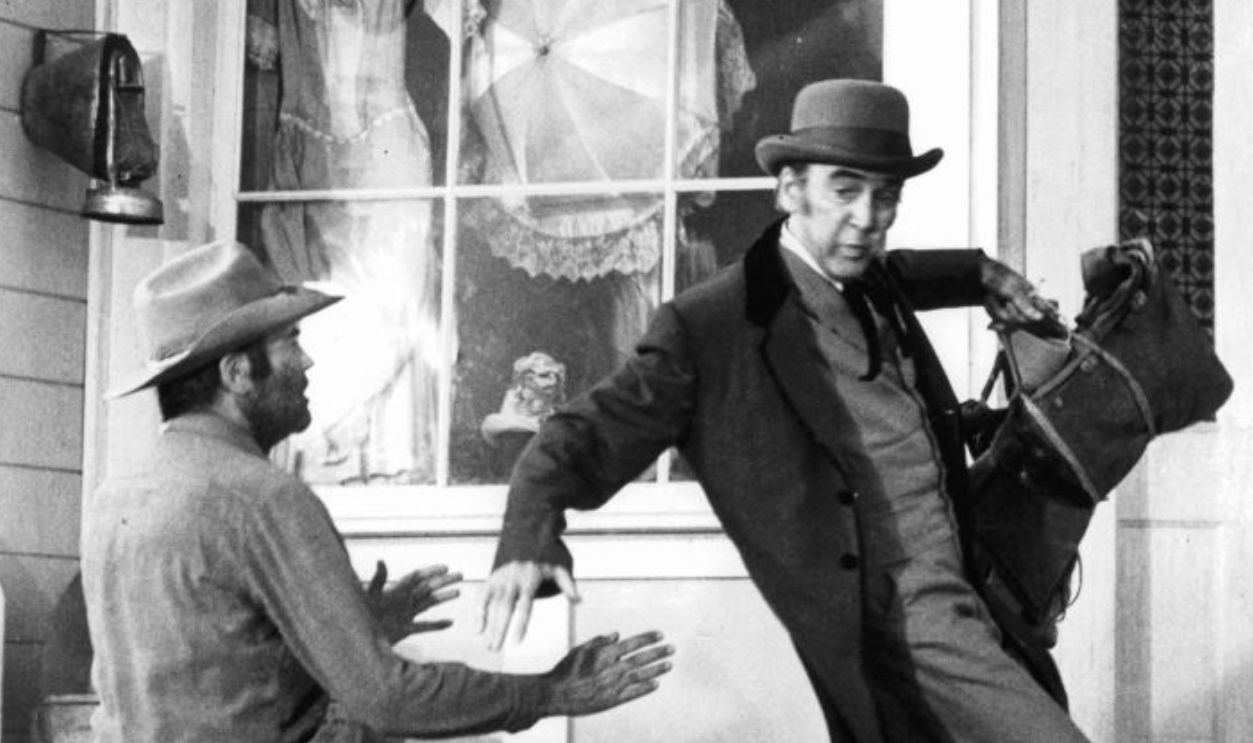 Michael Ochs Archives, Getty Images
Silence Saved A Fifty-Year Friendship
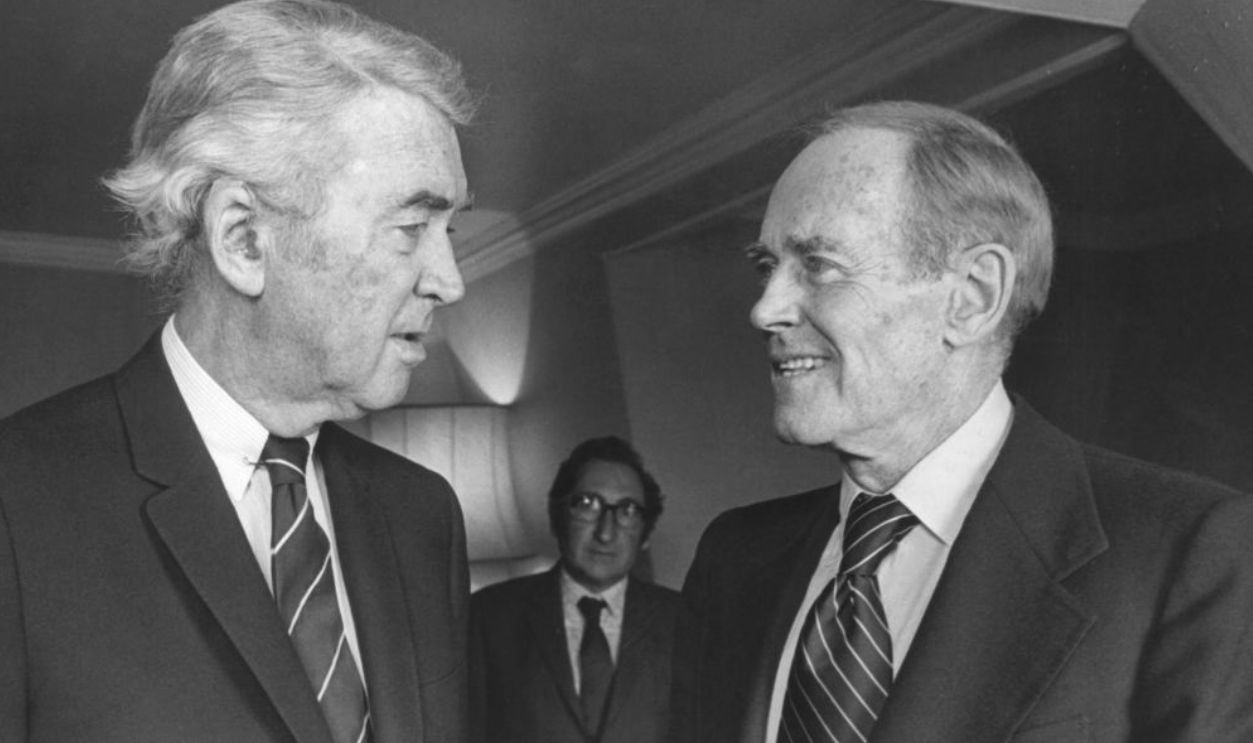
That arrangement might sound emotionally distant, but it worked for them. The Washington Post noted that their friendship endured for roughly half a century despite political views that moved in opposite directions. Rather than repeatedly trying to change each other, they protected the parts of the friendship that worked.
War Sent Them Down Different Paths
Both men eventually interrupted thriving careers to serve during World War II. Stewart joined the Army Air Forces and flew combat missions, while Fonda served in the Navy and later received the Bronze Star for his intelligence work in the Pacific. Their wartime experiences added another serious chapter to a friendship that had begun with theater rehearsals and cheap New York rooms.
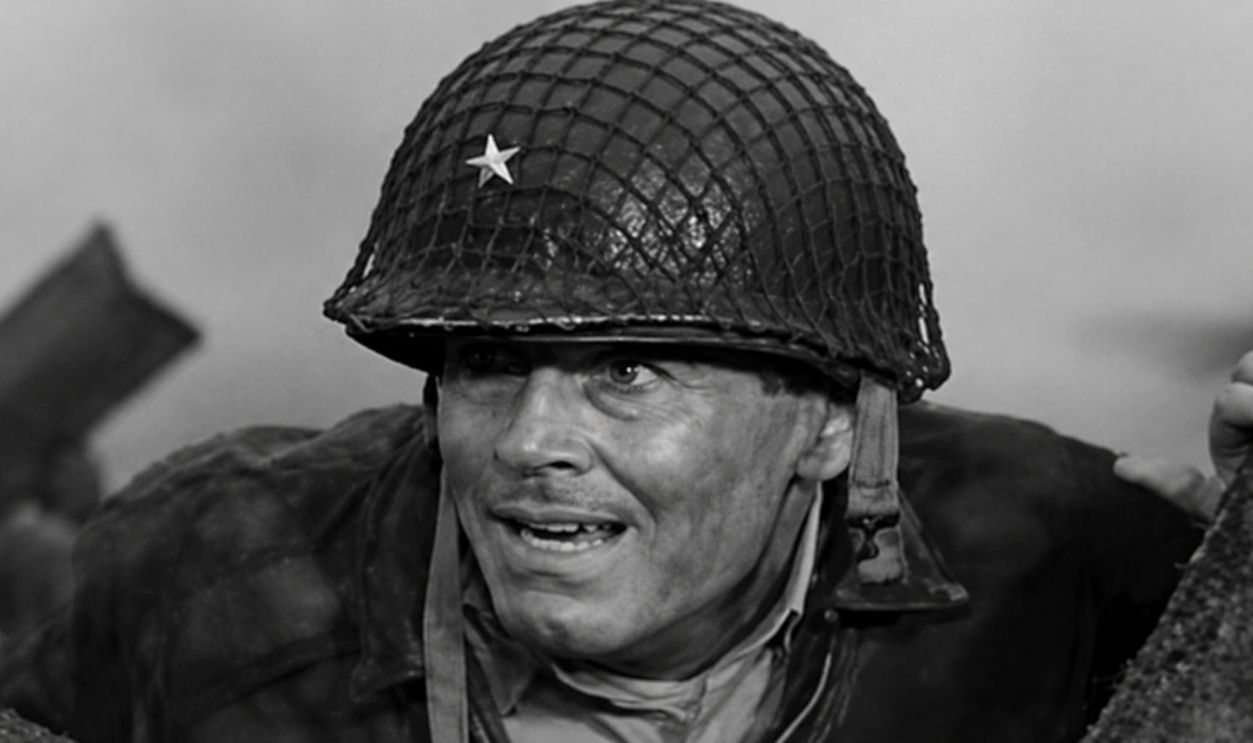 Screenshot from The Longest Day, 20th Century-Fox (1962)
Jimmy Came Back To The Fonda House
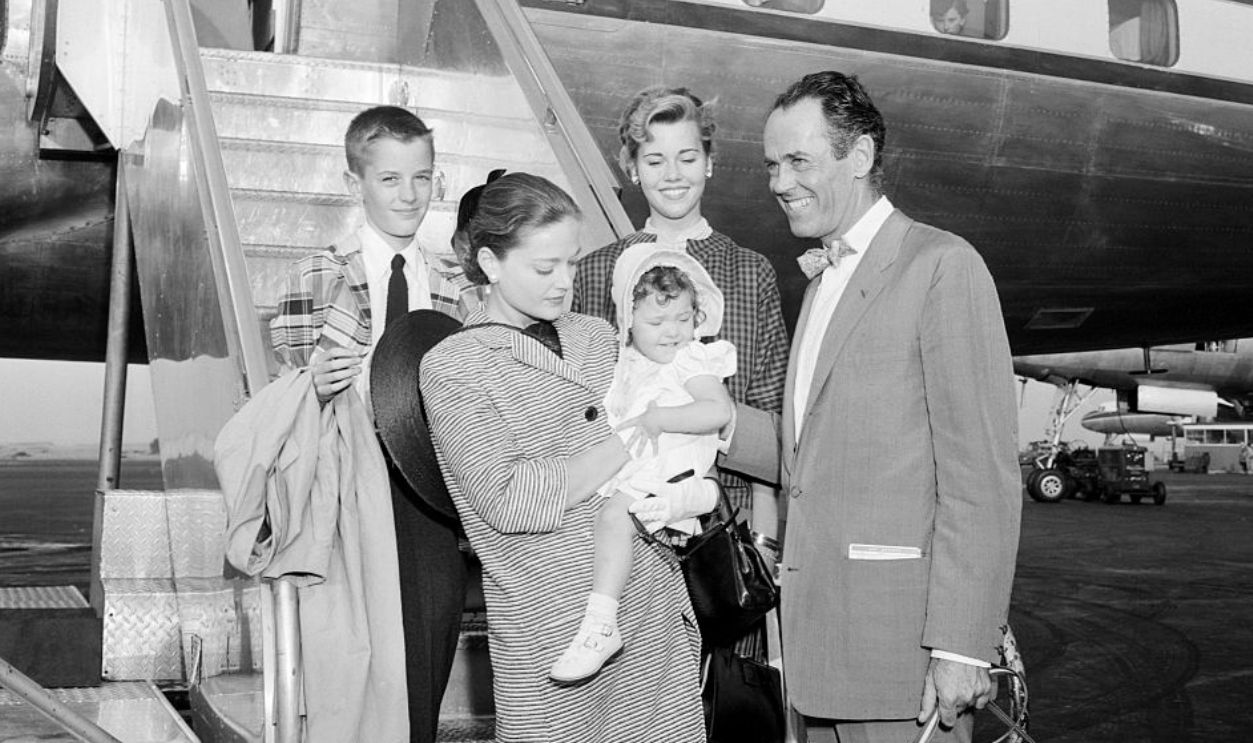
After the war, Stewart remained close enough to Fonda that he again became part of his domestic world. Biographical accounts say Stewart moved in for a time with Fonda, his wife Frances, and their children. Jane and Peter Fonda knew the famous actor simply as “Uncle Jimmy.”
Even An Oscar Couldn't Create Rivalry
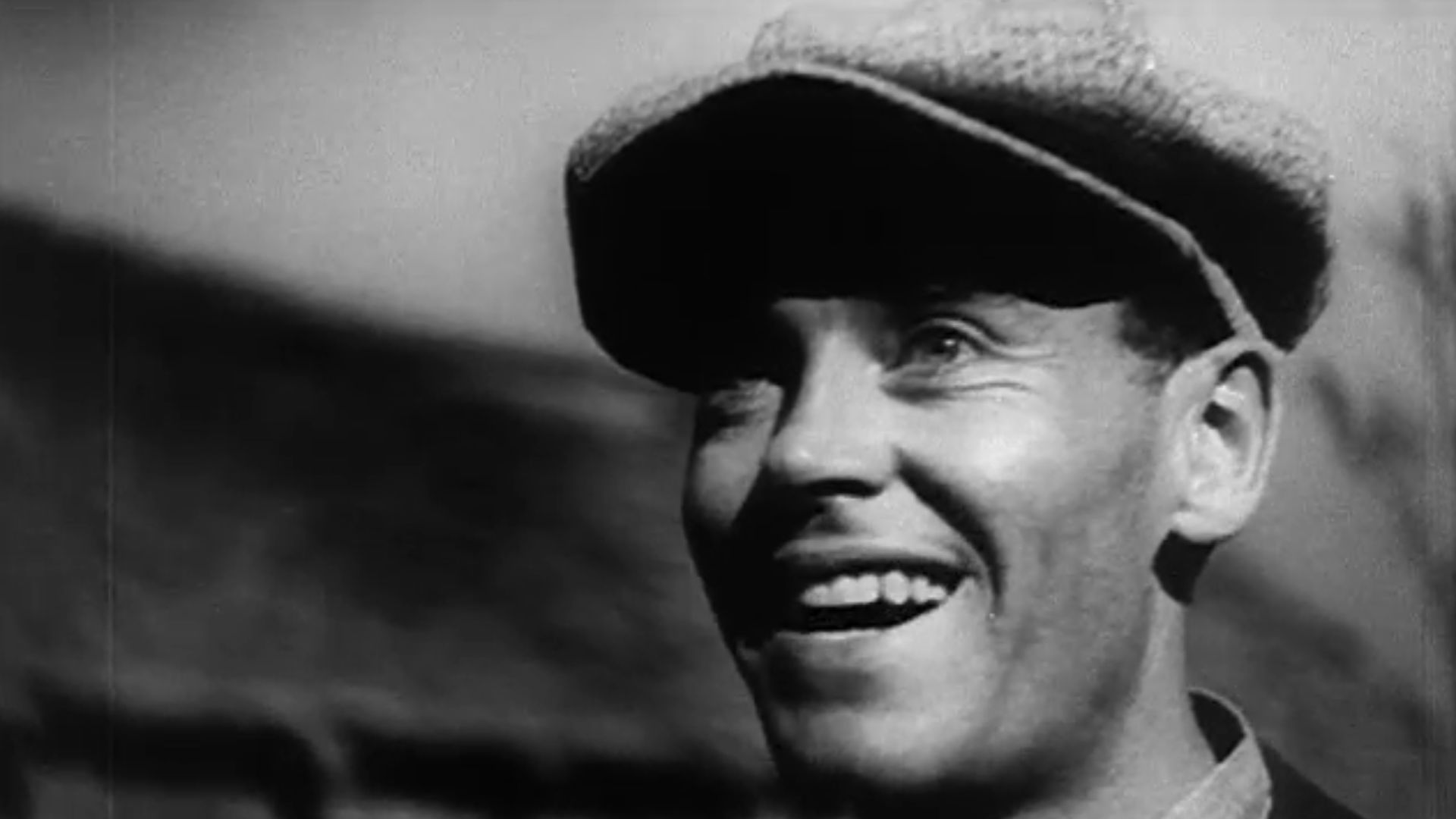
Fonda received an Academy Award nomination for The Grapes of Wrath, while Stewart won that year's acting prize for The Philadelphia Story. Their friendship survived the kind of direct professional comparison that could easily have poisoned another relationship. Fonda and Stewart somehow remained notably free of the competitiveness that often surrounds actors of similar stature.
 A Darryl F. Zanuck Production, Wikimedia Commons
They Finally Shared The Screen
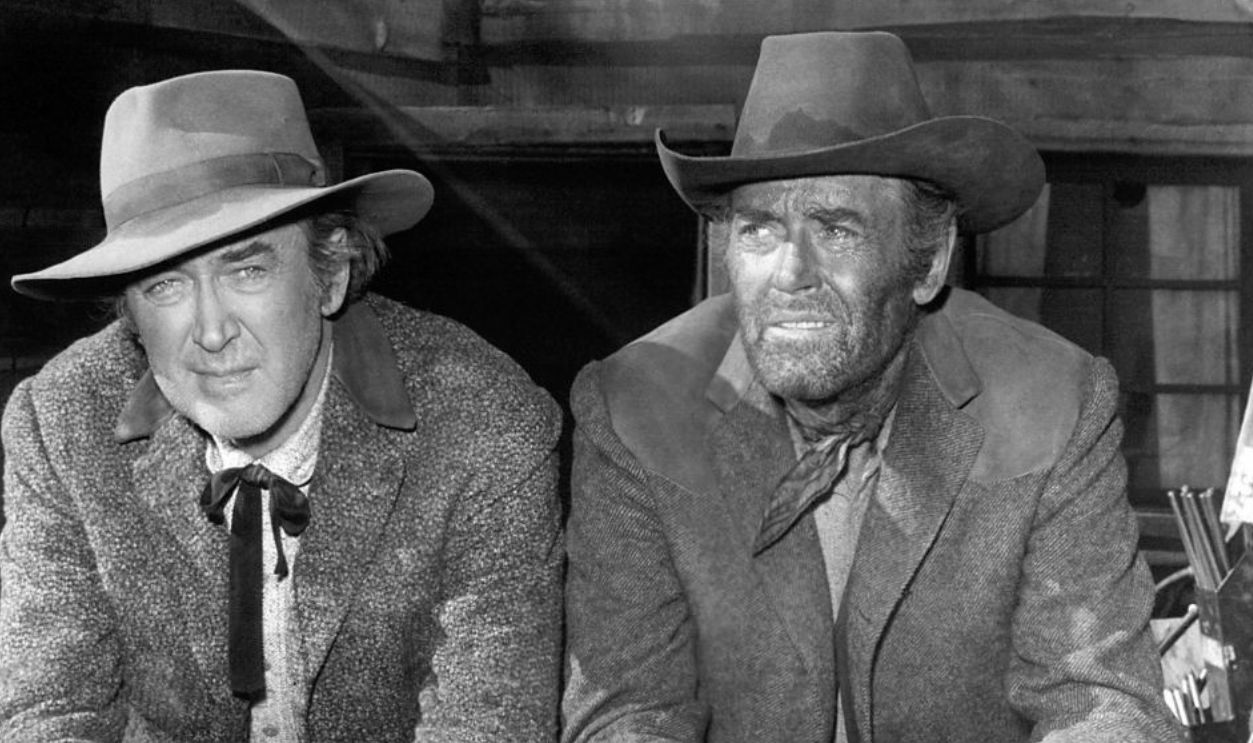
Despite their closeness, Fonda and Stewart did not spend much of their careers acting together. Their shared film credits eventually included On Our Merry Way, How the West Was Won, Firecreek, and The Cheyenne Social Club. Their private friendship was far more substantial than their on-screen partnership.
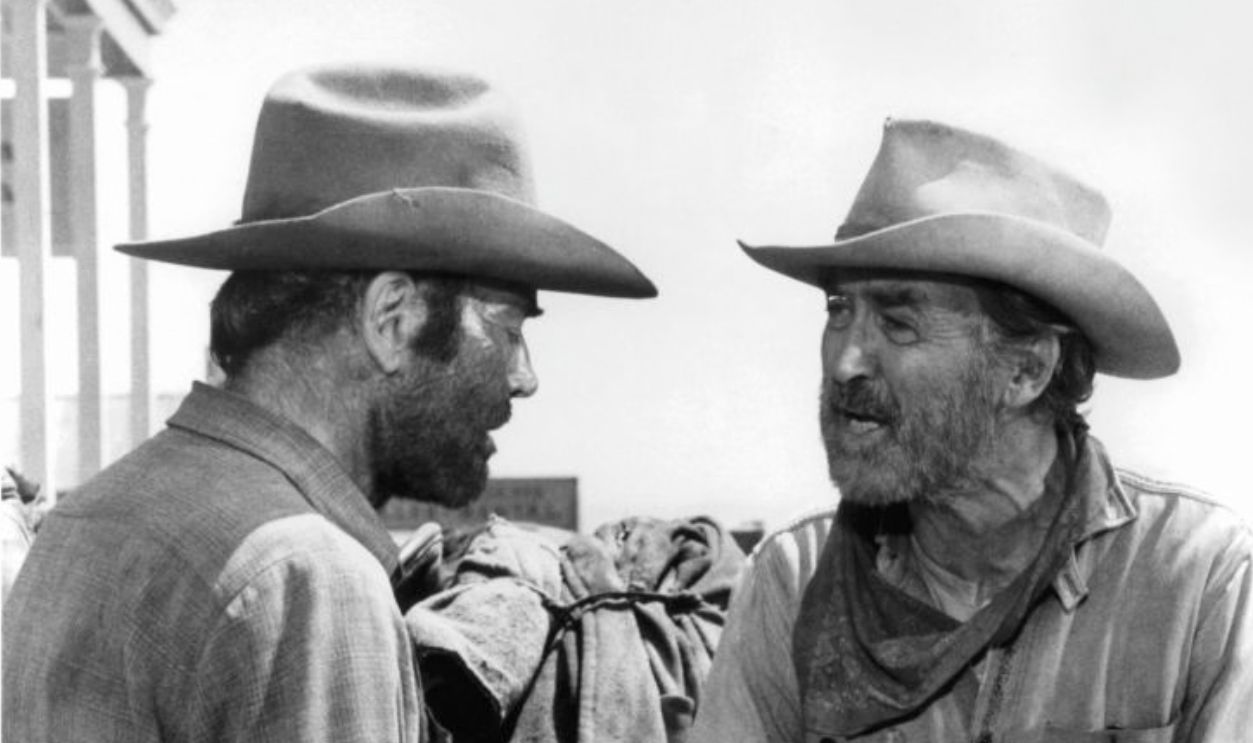 Michael Ochs Archives, Getty Images
John Ford Was A Different Kind Of Friend
Director John Ford occupied a much more volatile place in Fonda’s life. Ford helped shape Fonda’s screen image through a run of major films including Young Mr. Lincoln, Drums Along the Mohawk, and The Grapes of Wrath. Their collaboration became one of the important director-actor partnerships of classic Hollywood.
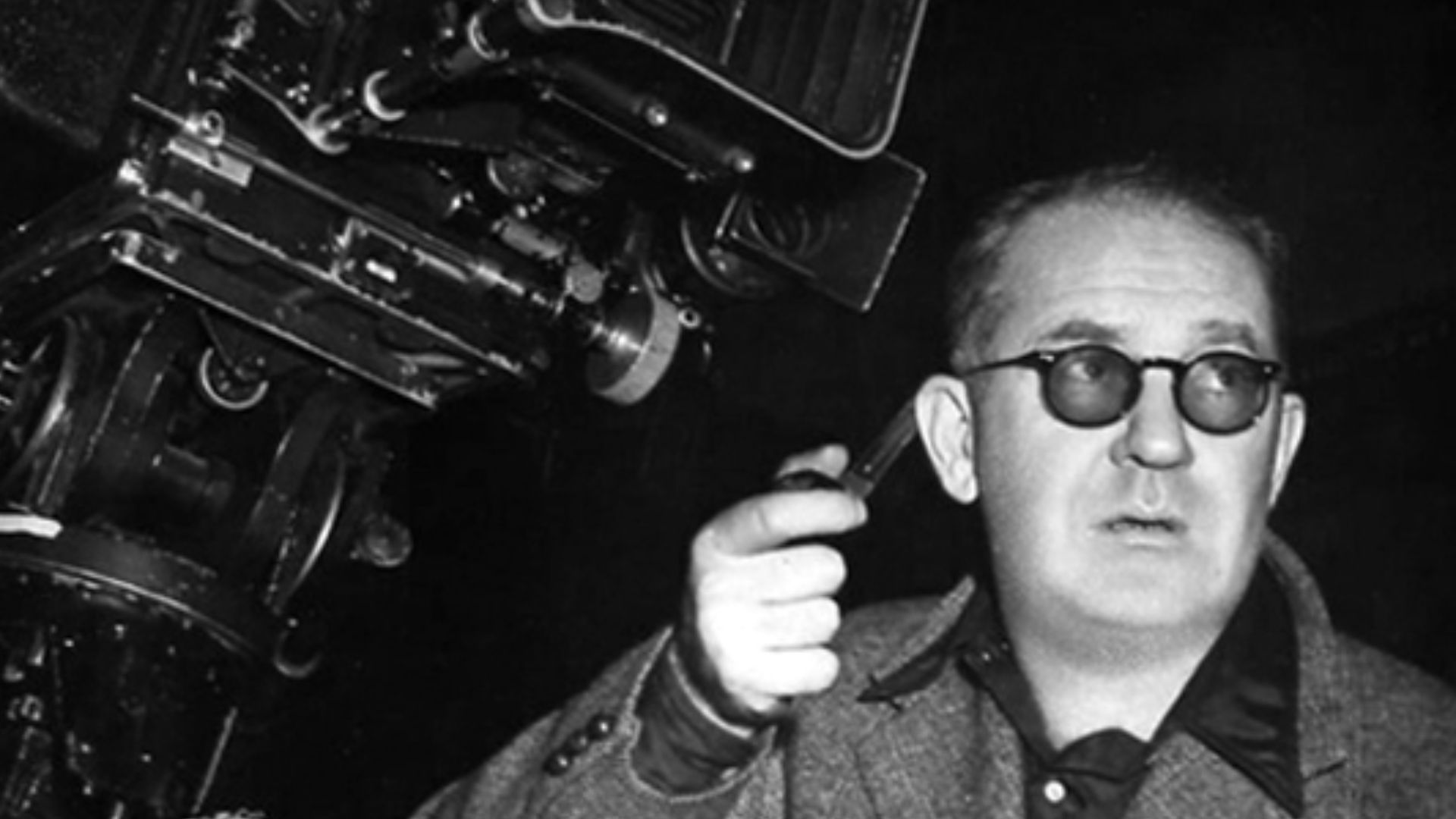 unknown (United Artists), Wikimedia Commons
Ford Helped Turn Him Into An American Icon
Fonda’s understated style fit Ford’s vision of historical and ordinary American heroes remarkably well. Their films helped cement Fonda’s reputation as the screen embodiment of decency and quiet conviction. For years, professional admiration and personal familiarity kept the partnership thriving.
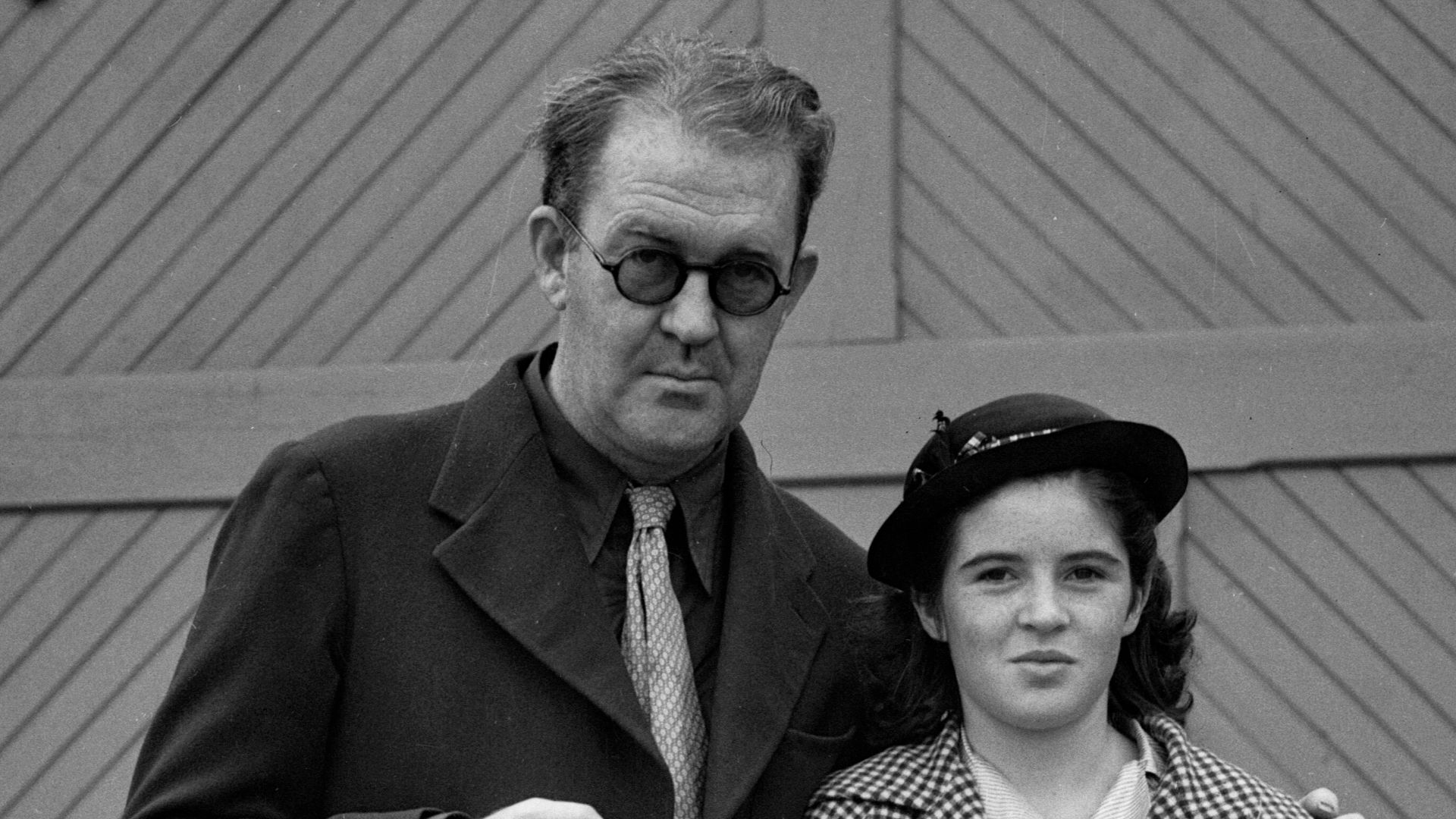 Los Angeles Times, Wikimedia Commons
Ford's Inner Circle Could Be Rough
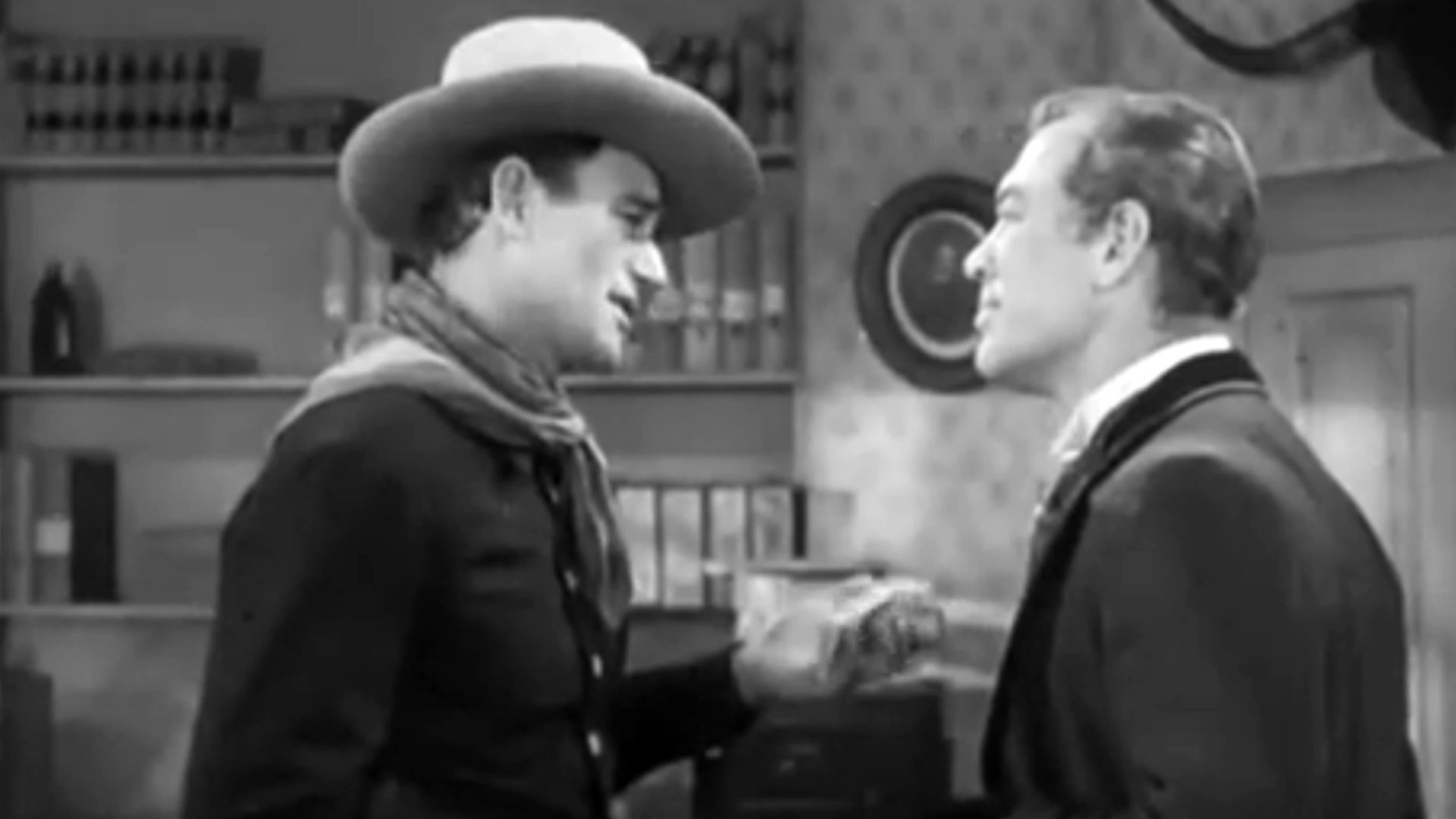
Ford maintained a tight social and professional circle that included Fonda, John Wayne, Ward Bond, and other regular collaborators. PBS records that the men joined Ford on sailing trips that looked like extended vacations away from the studios. Friendship with Ford, however, also meant accepting a director famous for humiliating and provoking even people he liked.
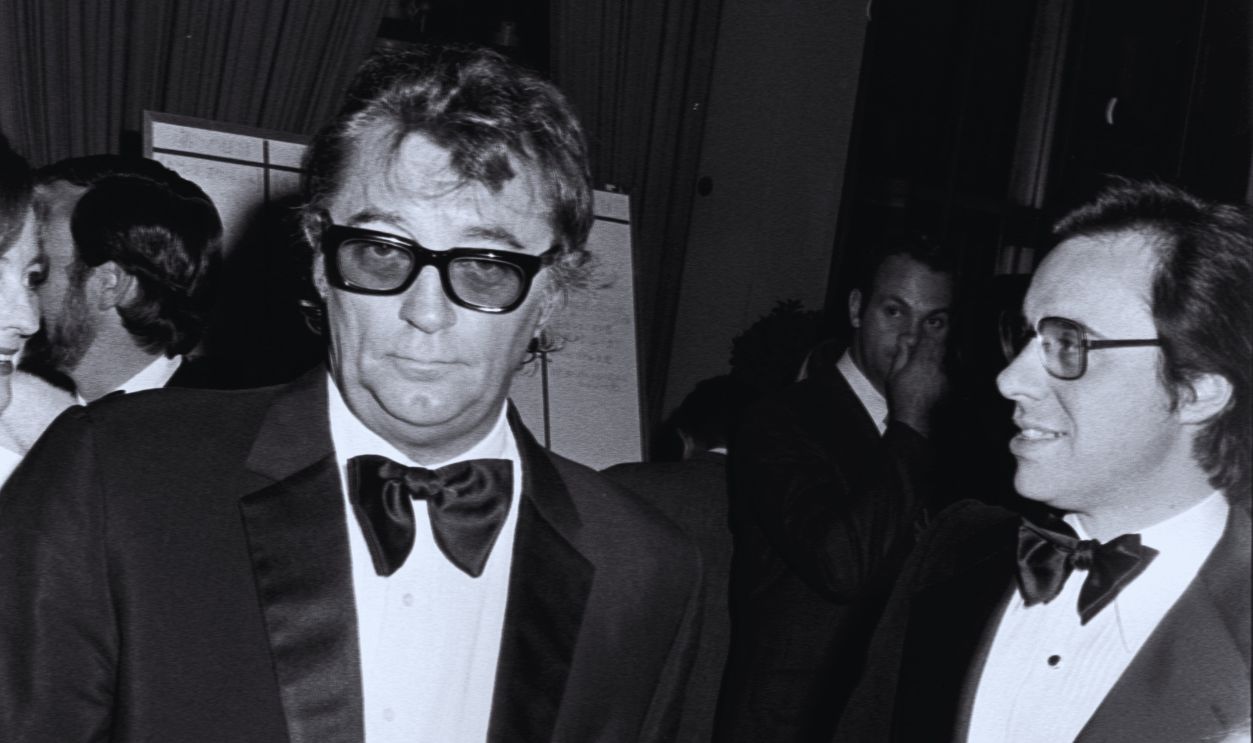
Wayne And Bond Were Once Part Of Fonda's Gang
Fonda therefore spent significant time socially with Wayne and Bond long before their political differences became impossible to overlook. Peter Fonda later remembered Wayne, Bond, Ford, and others gathering around the family home. These were not merely performers Fonda occasionally encountered on a set.
 Edwin L. Marin, Wikimedia Commons
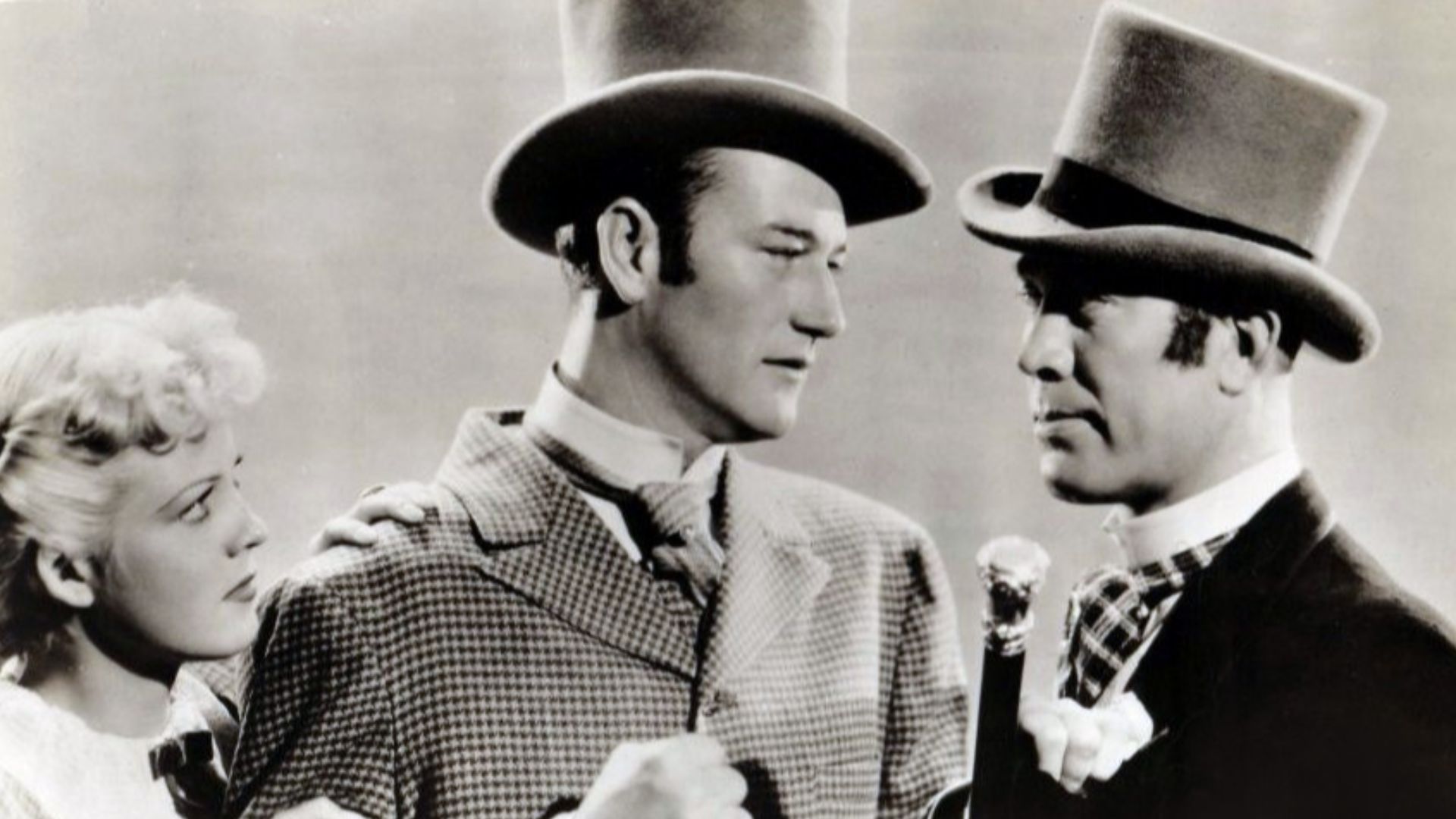
Hollywood Politics Changed The Friendship Map
The blacklist era put pressure on that old circle. Fonda strongly objected to efforts to identify and exclude people in the film business over their political associations, while Wayne and Bond became prominent anti-Communist voices. Fonda later said those events made him less friendly with both men.
 unknown (Universal), Wikimedia Commons
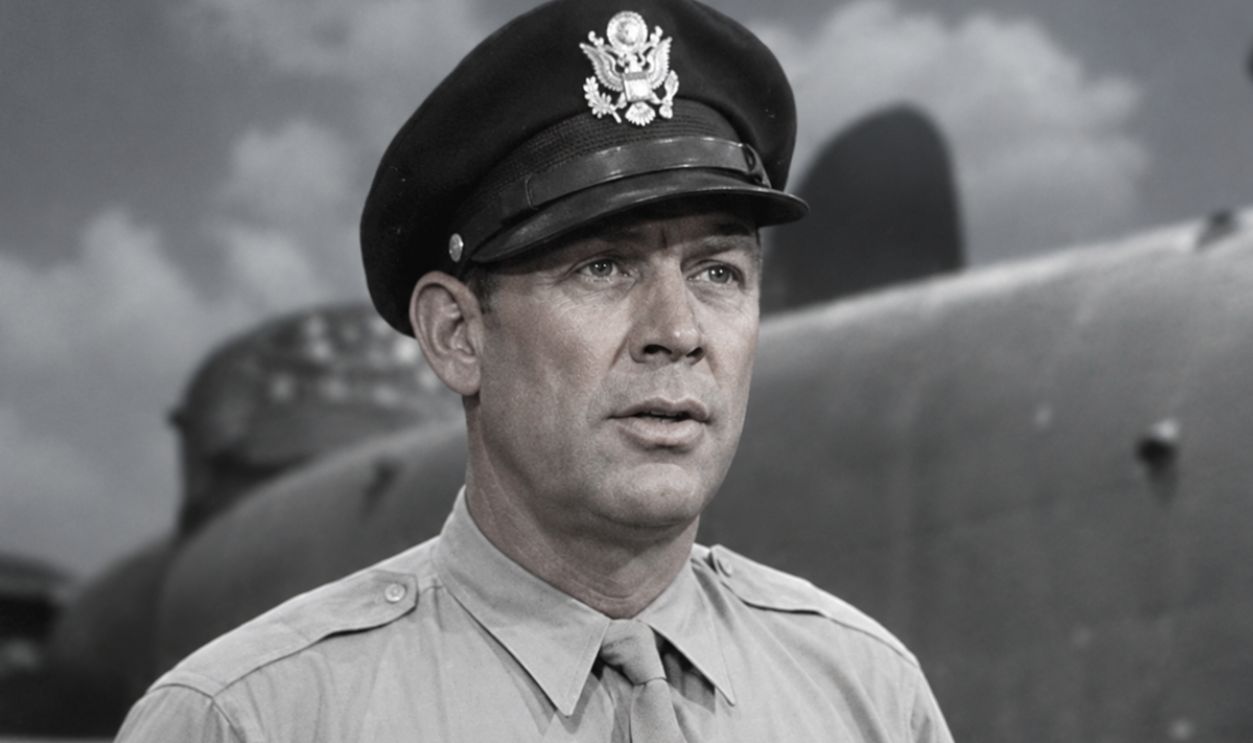
Ward Bond Became The Hard Break
Fonda's comments about Bond were especially definitive. In an interview later incorporated into the documentary Henry Fonda for President, he said he never forgave Bond and never spoke to him again. One of his old Hollywood friendships had ended over principles neither side was willing to set aside.
 Trailer screenshot, Wikimedia Commons
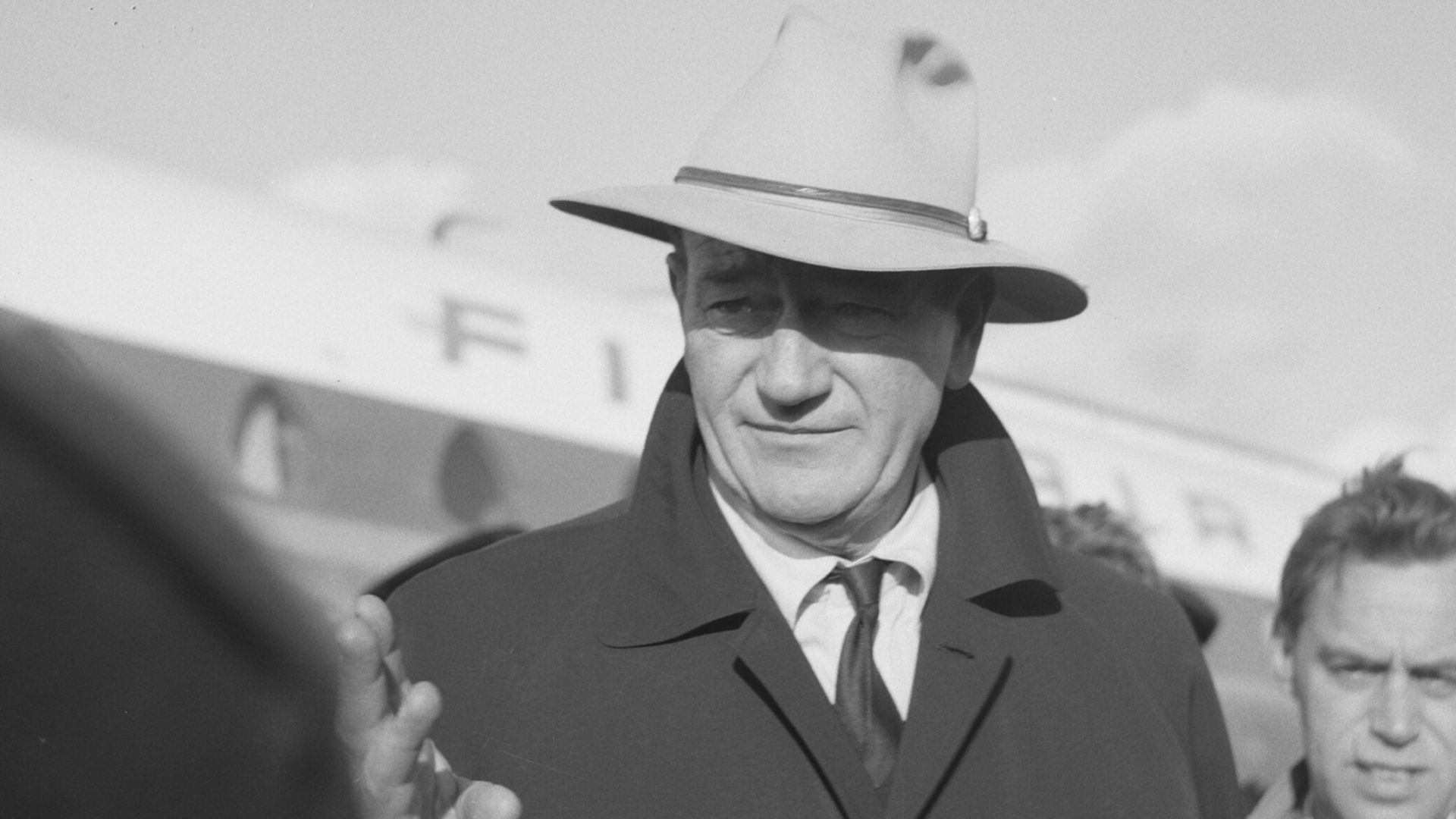
John Wayne Was Different
Fonda's break with Wayne proved less permanent. In the same interview, he said their relationship eventually became somewhat warmer again and remembered Wayne as good-humored. Their political differences remained real, but the personal door was not closed as completely as it had been with Bond.
 Hugo van Gelderen / Anefo, Wikimedia Commons
Ford Had Already Started Testing Him
Even before their final rupture, Ford and Fonda did not always have an easy relationship. Fort Apache placed Fonda in the unusually severe role of Colonel Owen Thursday, while Wayne played the more sympathetic Captain York. Film historian Joseph McBride has suggested that the casting reflected some of Ford’s complicated feelings toward Fonda.
 United Press Association. Please credit United Press Photo, Wikimedia Commons
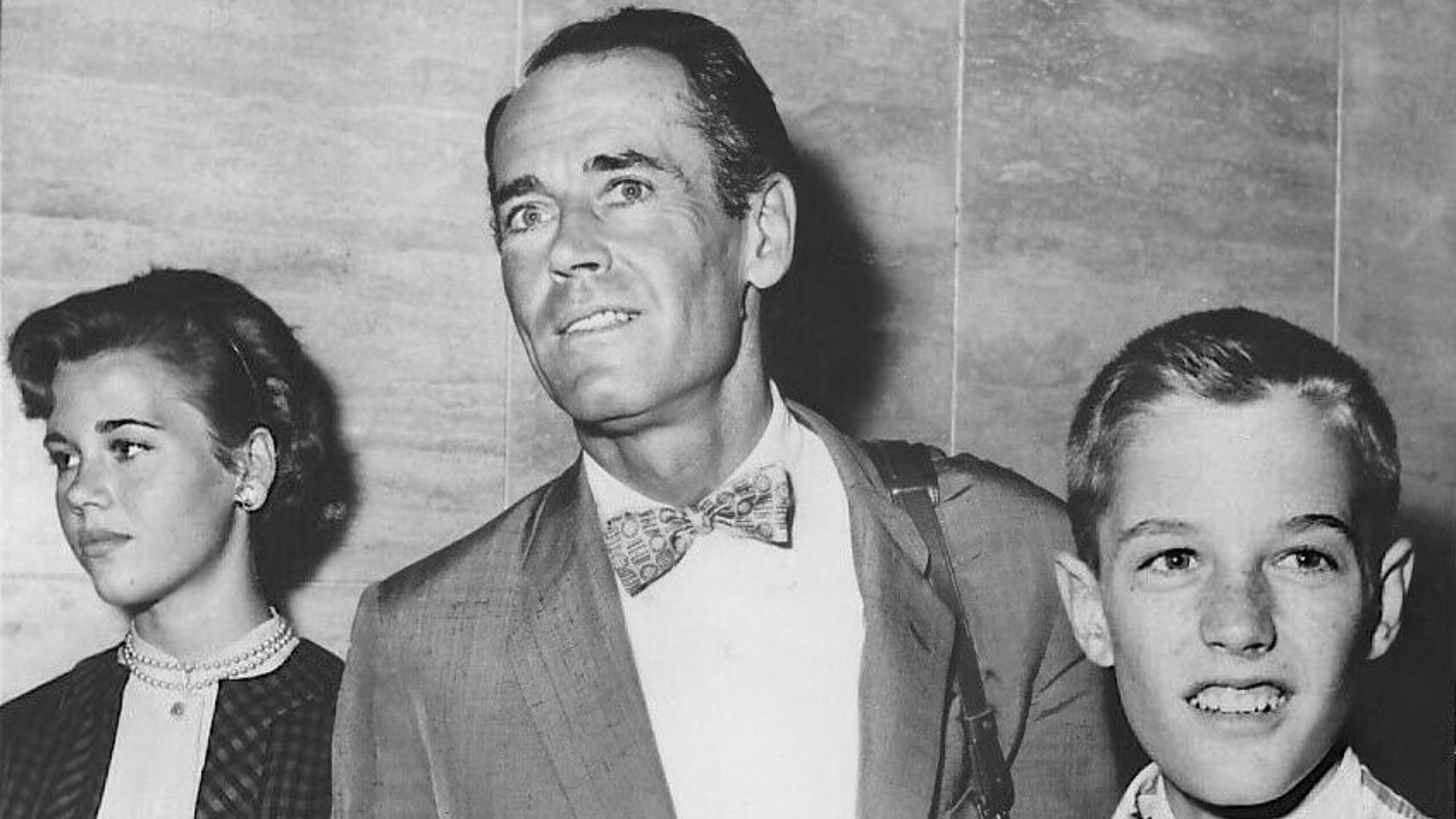
Mister Roberts Meant Too Much To Fonda
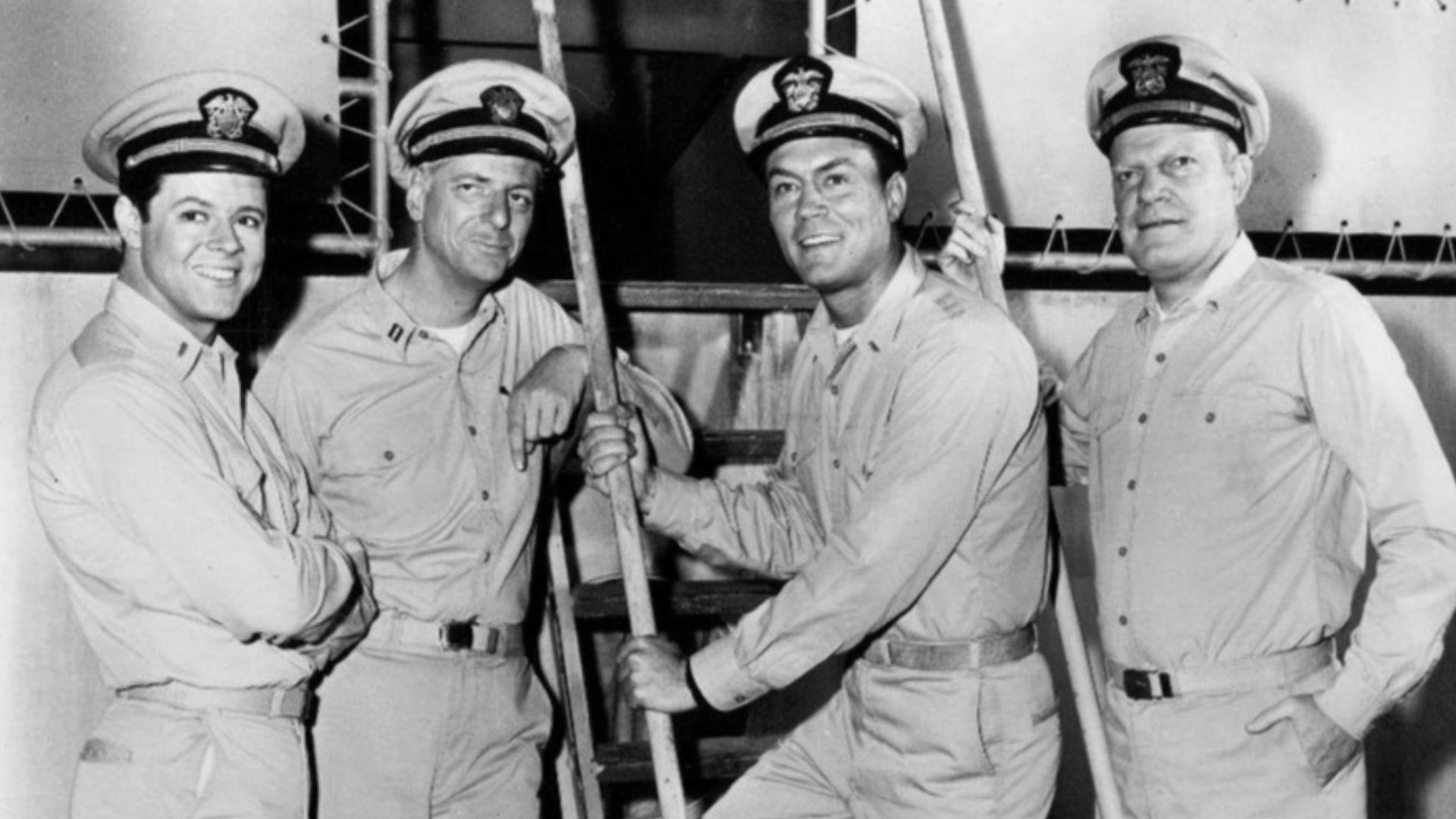
The real explosion came over Mister Roberts. Fonda had created the title role on Broadway and performed it for years, becoming deeply attached to the character. Joshua Logan, his old friend from the University Players, had co-written the stage adaptation, making the project personal on several levels before Hollywood ever touched it.
 WGN Television, Wikimedia Commons
Ford Seemed Like The Perfect Choice
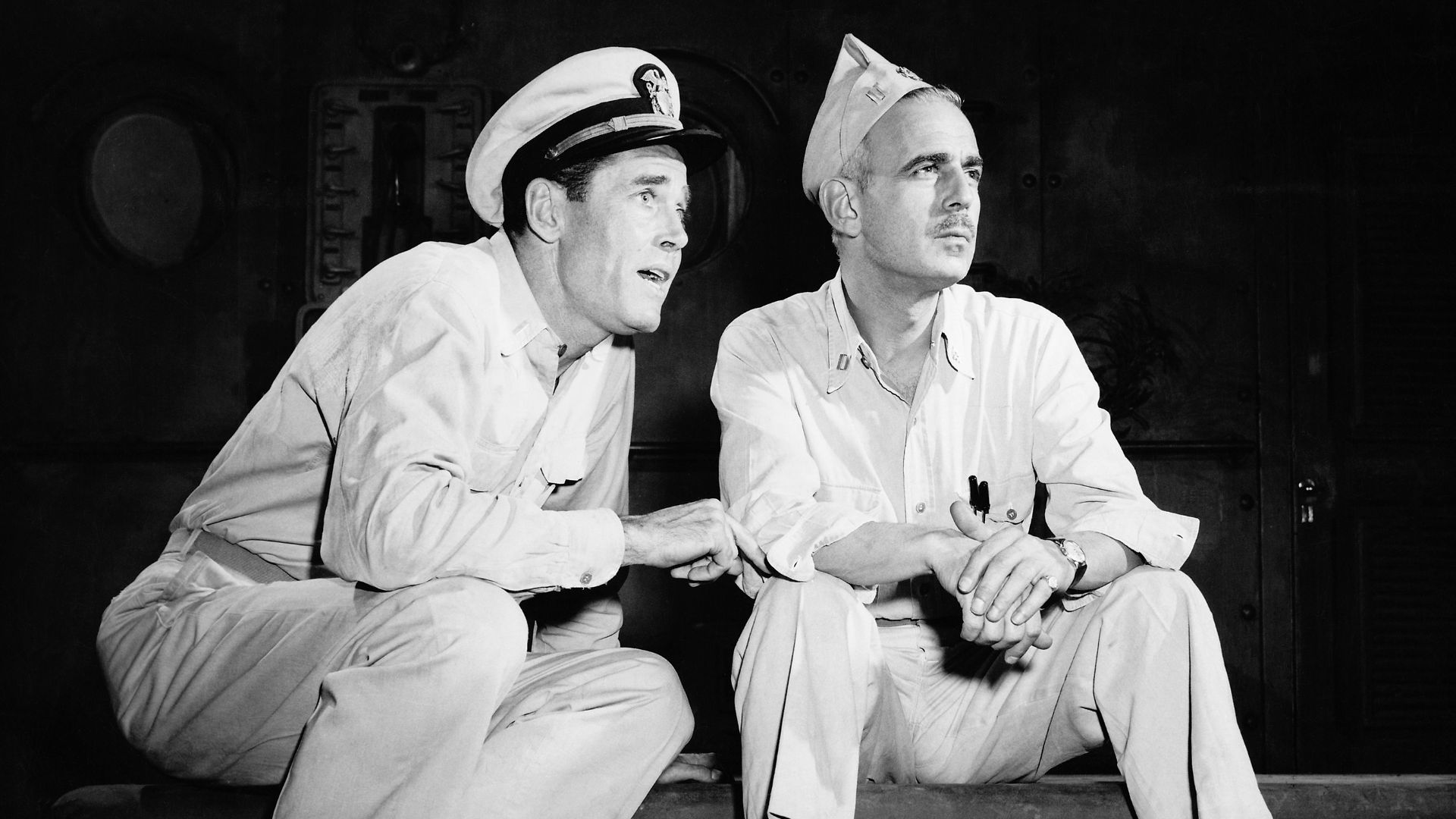
When Warner Bros. made the film, Ford came aboard as director. On paper, reuniting Fonda with an old friend who had directed some of his greatest films seemed ideal. Instead, Ford's interpretation of the material quickly collided with Fonda's intimate understanding of the stage version.
 Culver Service, 660 First Avenue, New York 16, N.Y., Wikimedia Commons
Neither Man Wanted To Back Down
Ford added broad comedy and shifted emphasis within the story, while Fonda quietly grew dissatisfied. According to Turner Classic Movies, Ford eventually confronted him directly about whether he disliked the director's work. Fonda, never known for pretending agreement when pressed, confirmed that he did.
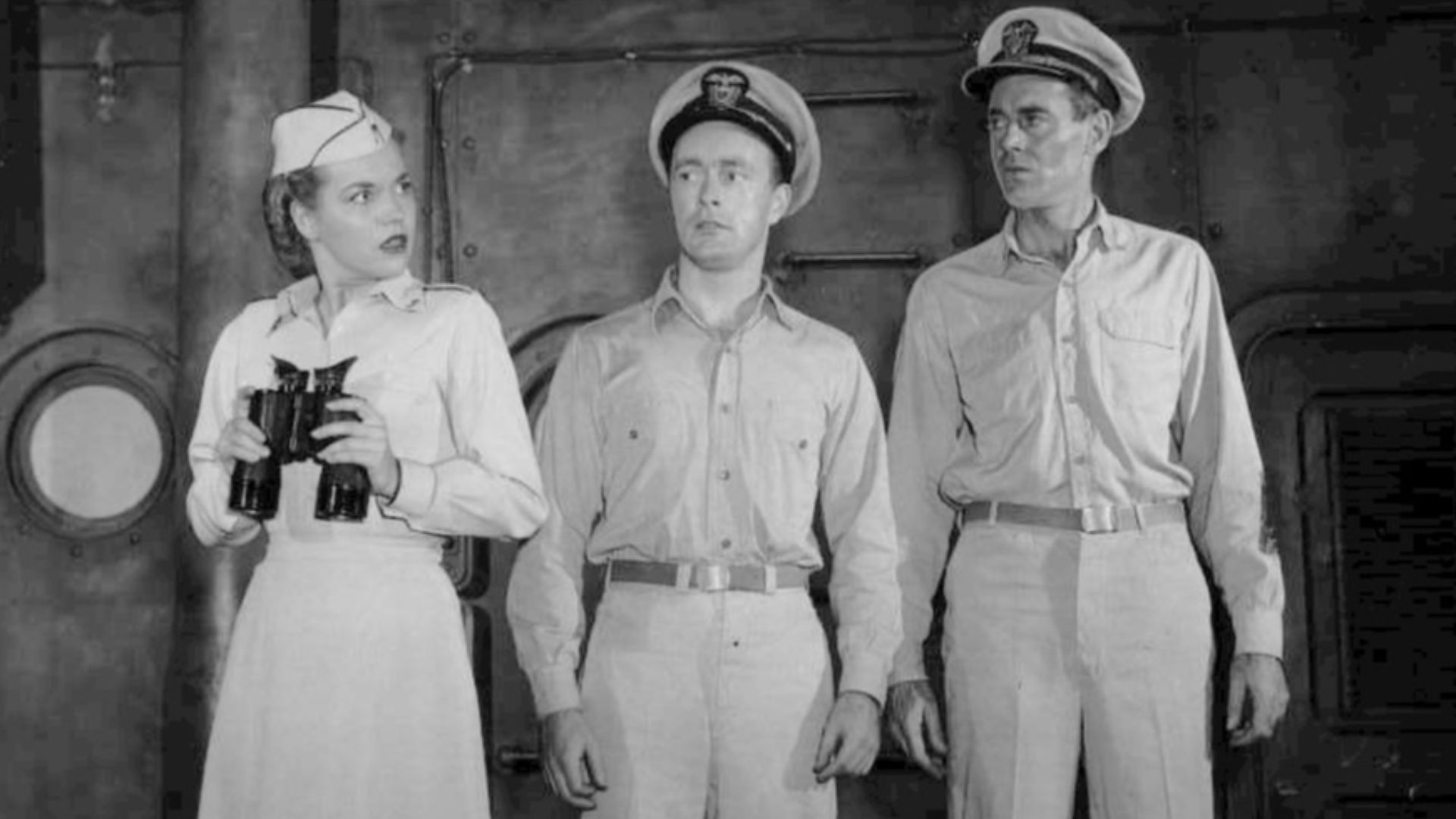
Then Ford Swung At Him
The confrontation became physical. Accounts differ slightly on the exact mechanics, but Ford either struck Fonda or charged at him and began swinging during an early-morning confrontation in Fonda's quarters. A friendship that had survived years of demanding productions suddenly collapsed in a few ugly moments.
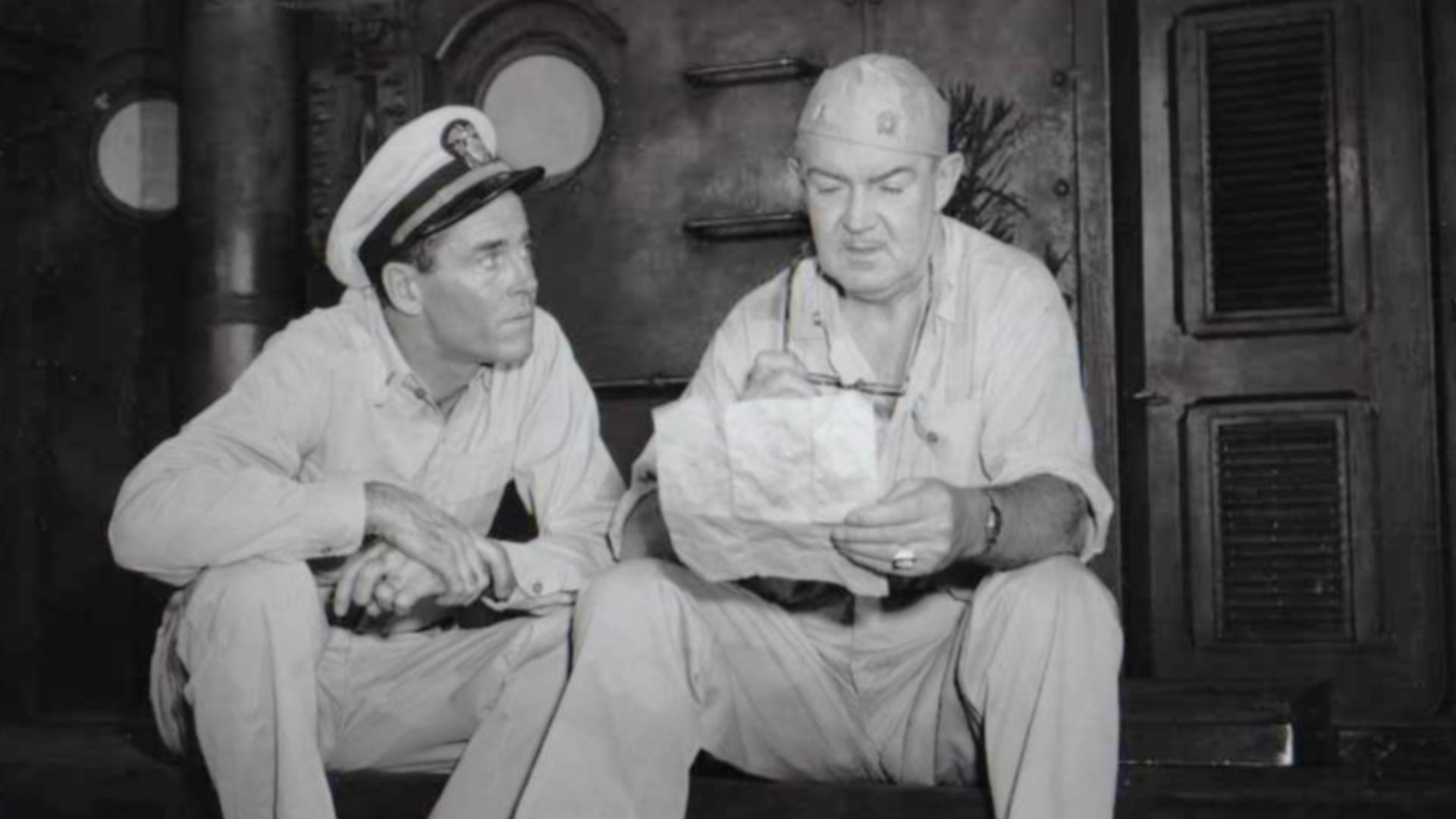 Photo by Arthur Zinn, NY, Wikimedia Commons
An Apology Couldn't Fix It
Ford later apologized, but the relationship was fundamentally damaged. TCM describes the break as irreparable and notes that the two men never worked together again. For a director and actor responsible for several American classics, it was an astonishingly abrupt ending.
 NBC Television, Wikimedia Commons
Joshua Logan Had To Help Rescue The Movie
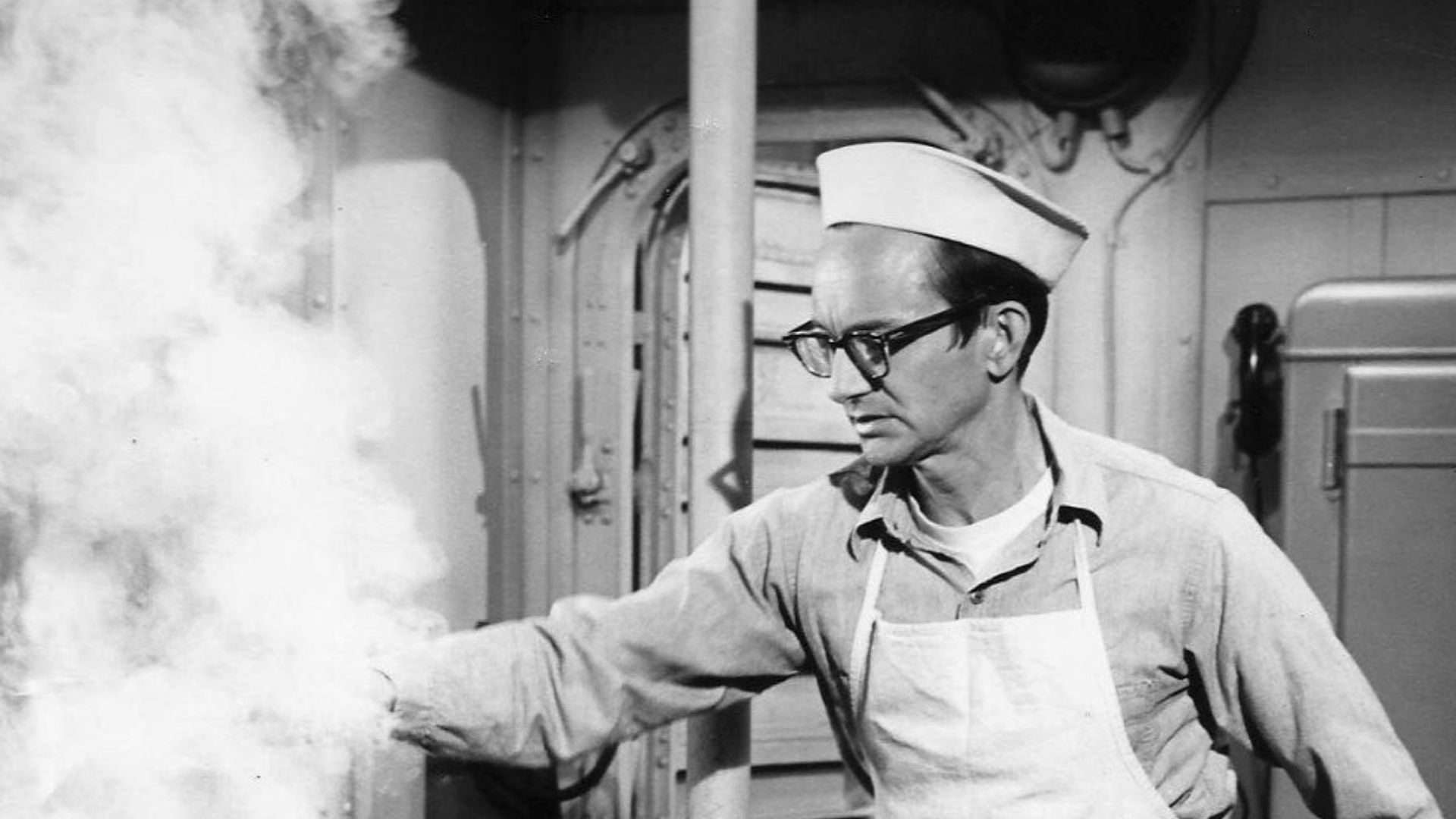
Ford eventually left the production after becoming ill, and Mervyn LeRoy took over much of the remaining work. Logan, the same man who had helped launch Fonda's theatrical life decades earlier, stepped in to direct two scenes without screen credit. One friendship had imploded while another old theatrical friendship quietly helped get the picture finished.
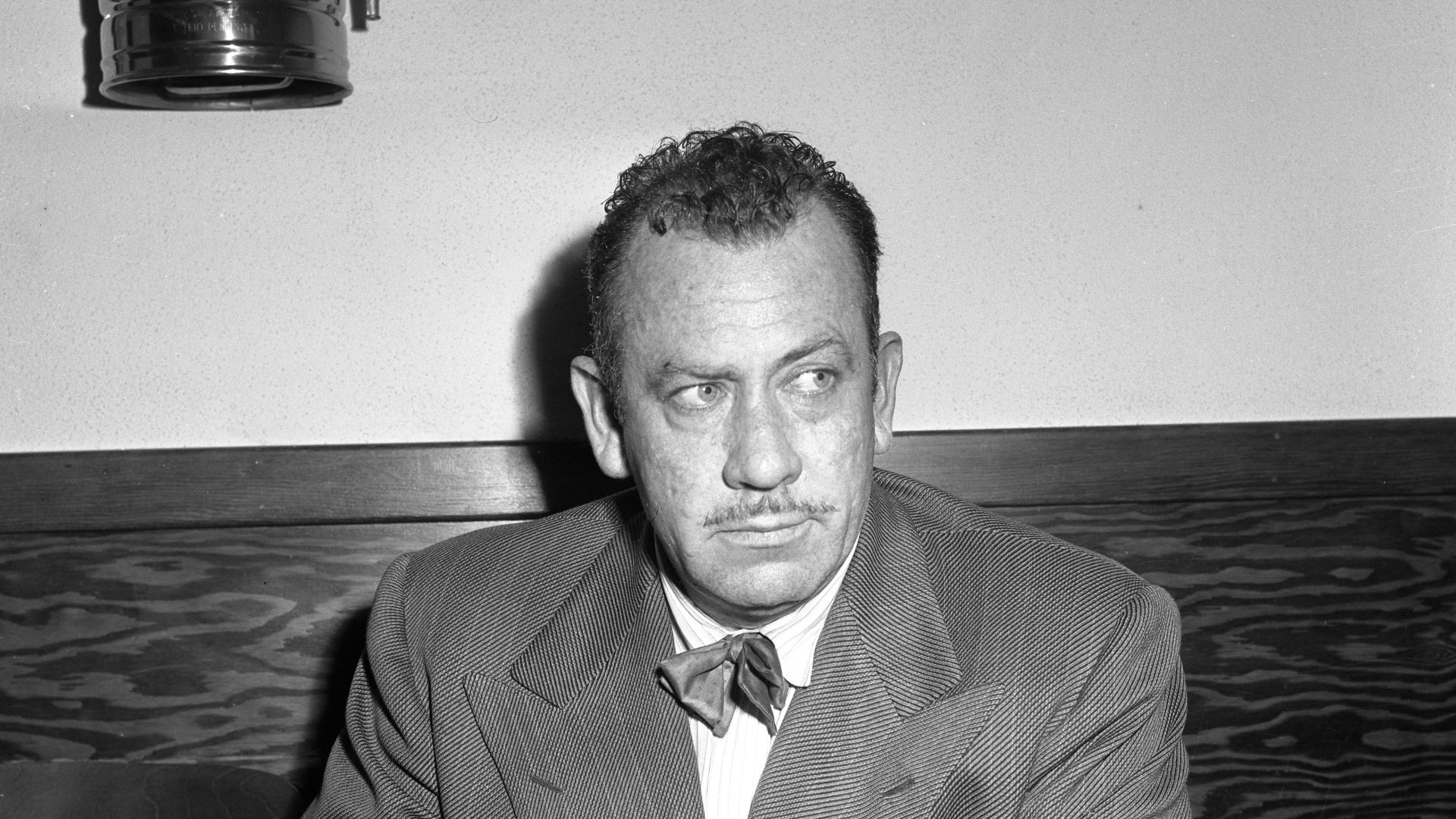
John Steinbeck Became A Different Kind Of Friend
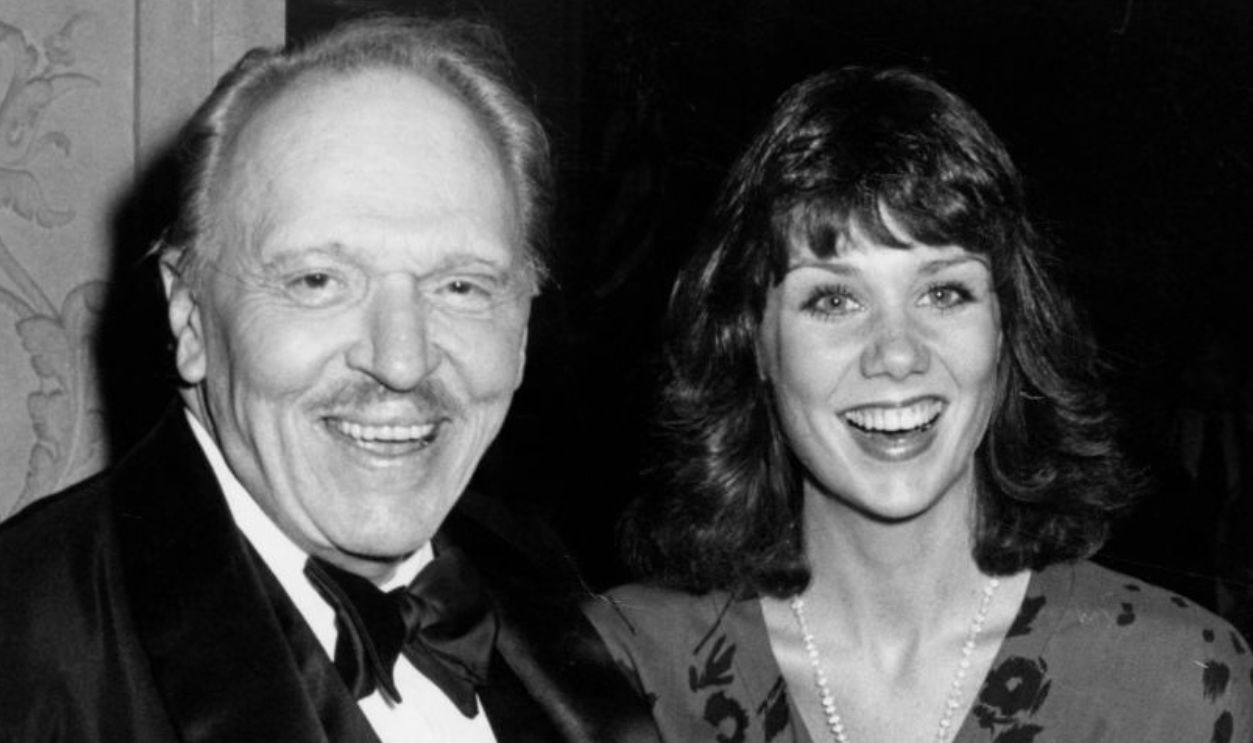
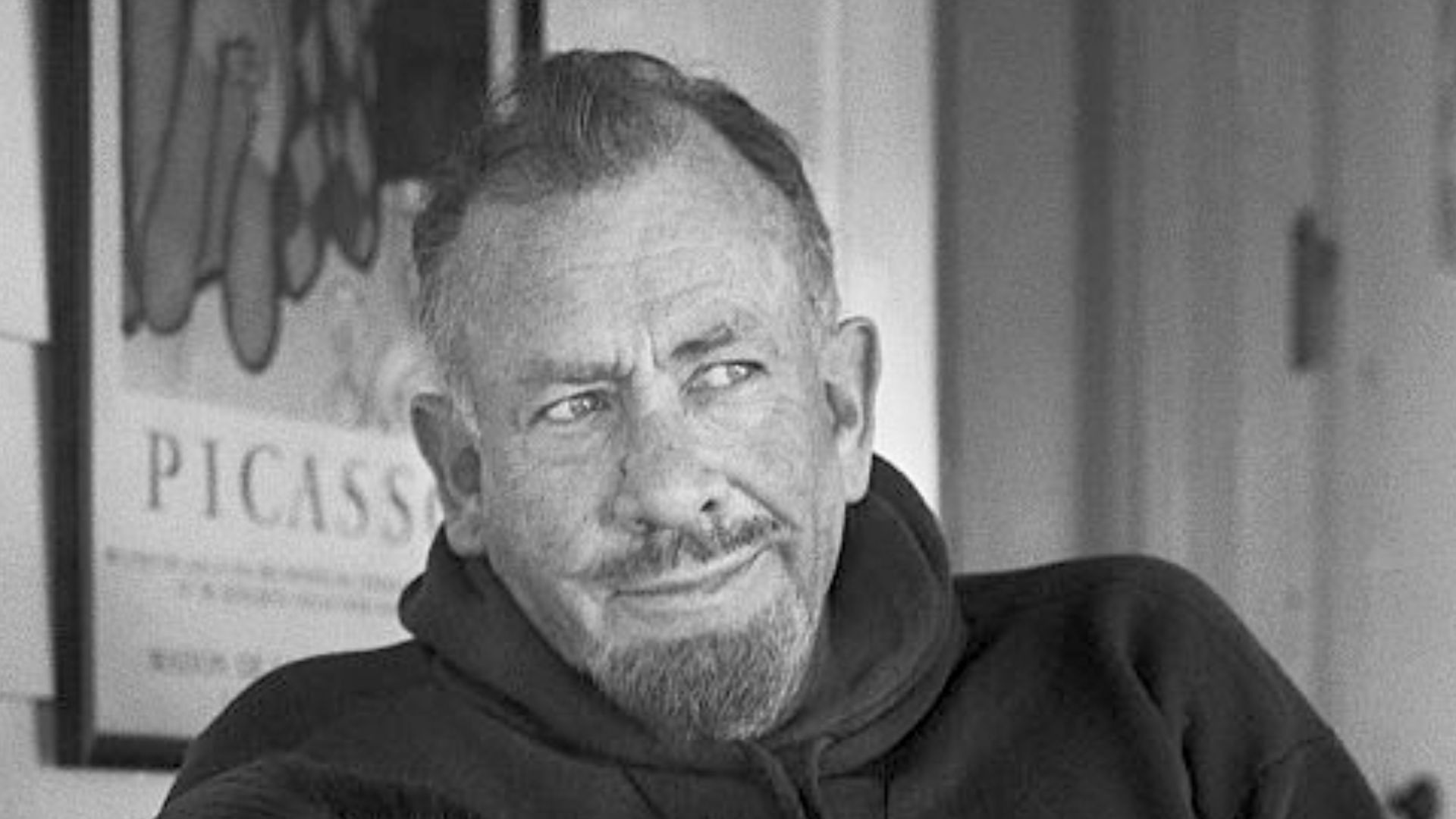
The Grapes of Wrath also connected Fonda with author John Steinbeck. TCM records that the actor and writer remained friends for life after Fonda's unforgettable portrayal of Tom Joad. Steinbeck even imagined Fonda while developing later characters, evidence that the actor had become connected to the writer's creative imagination as well as his personal circle.
 Unknown (UPI), Wikimedia Commons
Fonda Said Goodbye To Steinbeck Himself
When Steinbeck died in 1968, Fonda participated in his New York funeral and read poetry during the service. Their connection had lasted almost three decades after The Grapes of Wrath. It was one of the quieter friendships in Fonda's story, without the spectacular fracture that ended his partnership with Ford.
 Los Angeles Daily News, Wikimedia Commons
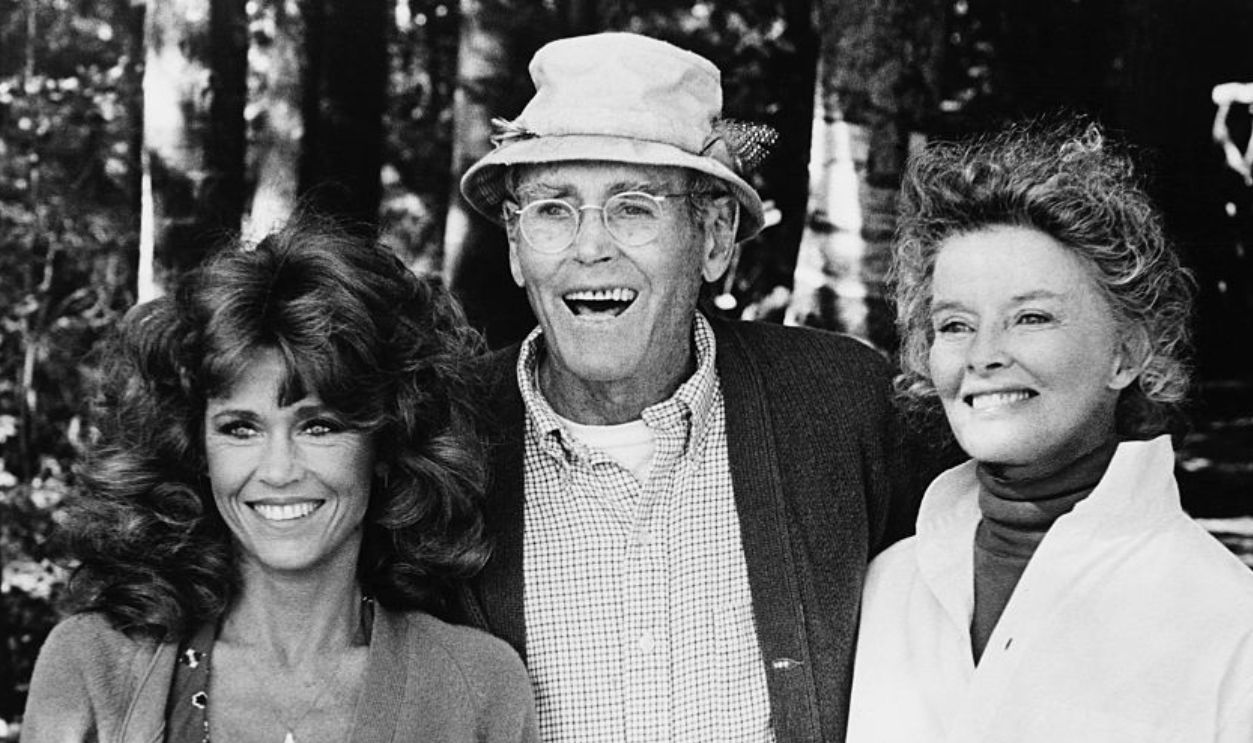
Jimmy Stewart Was Still There At The End
When Fonda died in August 1982, Stewart was among the friends who came to the family home. He publicly called Fonda his “oldest and dearest friend” and said he had always been proud of him. After Hollywood feuds, political arguments, marriages, wars, and five decades of fame, the broke roommate from New York was the friendship that lasted.
 John Springer Collection, Getty Images
You May Also Like:
Henry Fonda, The Master Of Hollywood
Peter Fonda, Hollywood’s Counterculture Icon
Jane Fonda, Hollywood’s Unstoppable Icon
Sources: 1, 2, 3, 4, 5, 6, 7, 8, 9, 10, 11, 12, 13, 14, 15, 16, 17, 18, 19, 20, 21, 22, 23, 24, 25, 26, 27, 28, 29