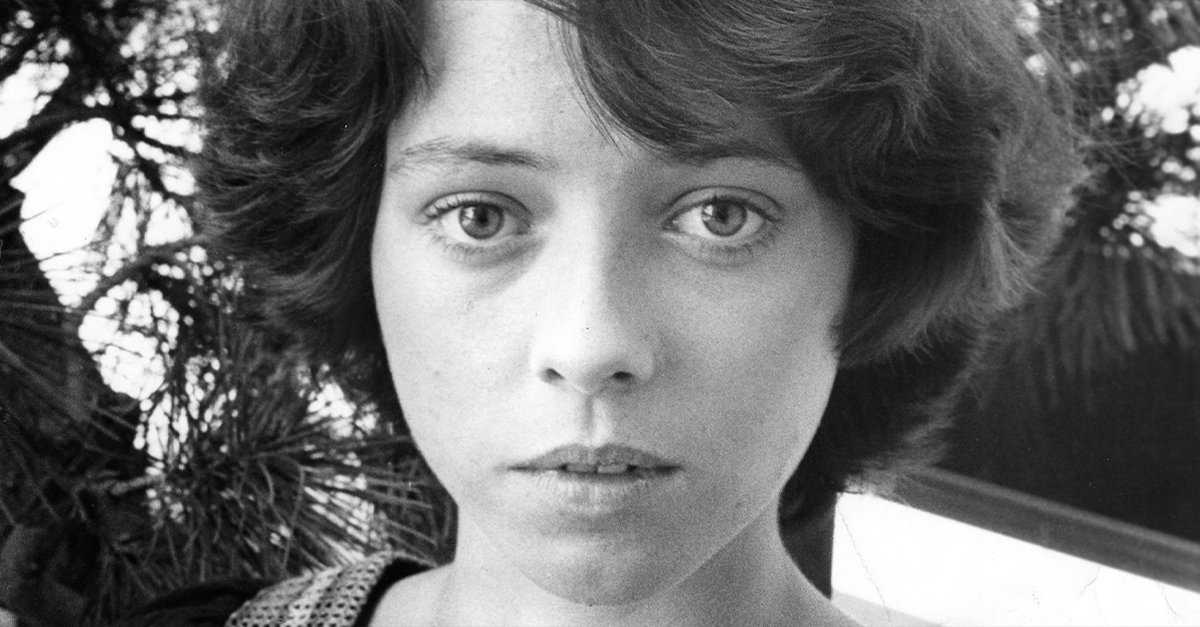
The Teen Star With Too Much Money And Too Little Protection
Mackenzie Phillips became famous playing Julie Cooper on One Day at a Time, one of the defining sitcoms of the 1970s. On screen, she was the rebellious daughter in a groundbreaking family comedy. Off screen, she was a teenage performer earning a reported $50,000 a week while addiction, instability, and adult chaos were already swallowing her life.
 Michael Ochs Archives, Getty Images
She Was Born Into Rock-And-Roll Chaos
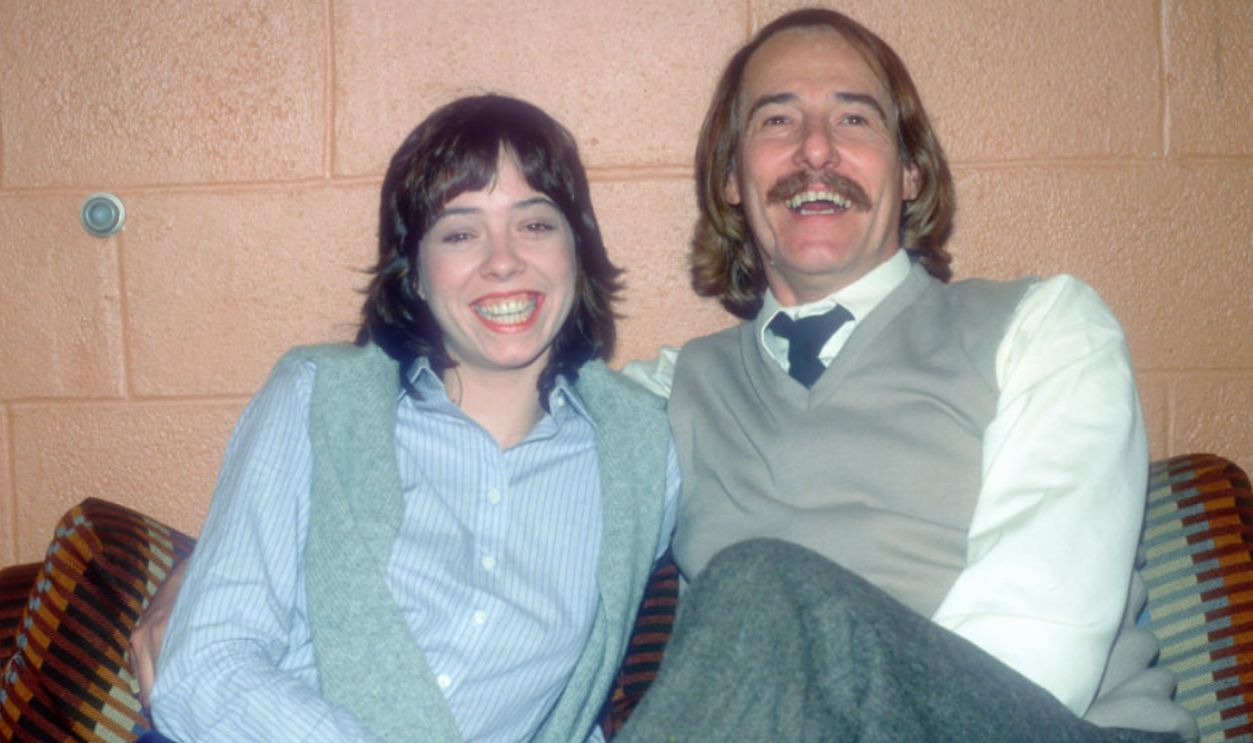
Phillips was born in 1959, the daughter of John Phillips of The Mamas & the Papas and Susan Adams. Fame was not something she discovered from a distance. It surrounded her early. Her childhood unfolded inside a world of music, substance use, celebrity, and adults who often behaved like children themselves.
 CBS Television, Wikimedia Commons
Her Father’s World Was Not Safe
John Phillips was brilliant, famous, and deeply troubled. Mackenzie later wrote and spoke about a childhood shaped by substance use, blurred boundaries, and instability. Long before television money entered her life, she had already learned dangerous lessons about fame, access, and self-destruction.
She Started Acting Very Young
Phillips broke through in film before she became a sitcom star. As a young teenager, she appeared in George Lucas’s American Graffiti, released in 1973. The role made her visible, cool, and connected to a major cultural hit before she was old enough to manage the attention that followed.
 Screenshot from American Graffiti, NBCUniversal (1973)
Television Made Her A Household Name
In 1975, Phillips joined One Day at a Time as Julie Cooper, the older daughter of Ann Romano, played by Bonnie Franklin. The show followed a divorced mother raising two teenage daughters, making it unusually modern for its time. Julie was spirited, emotional, and relatable.
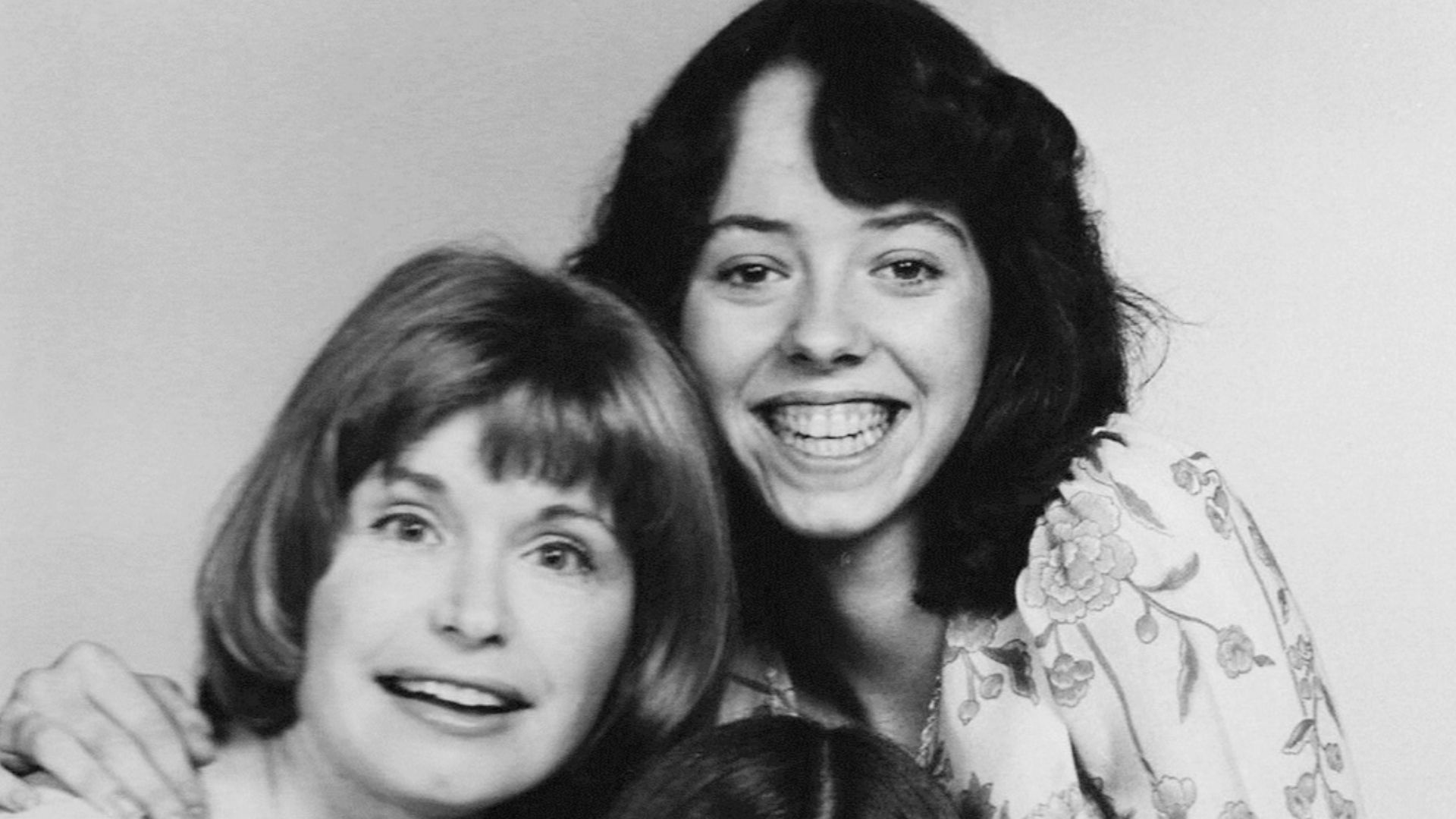 CBS Television, Wikimedia Commons
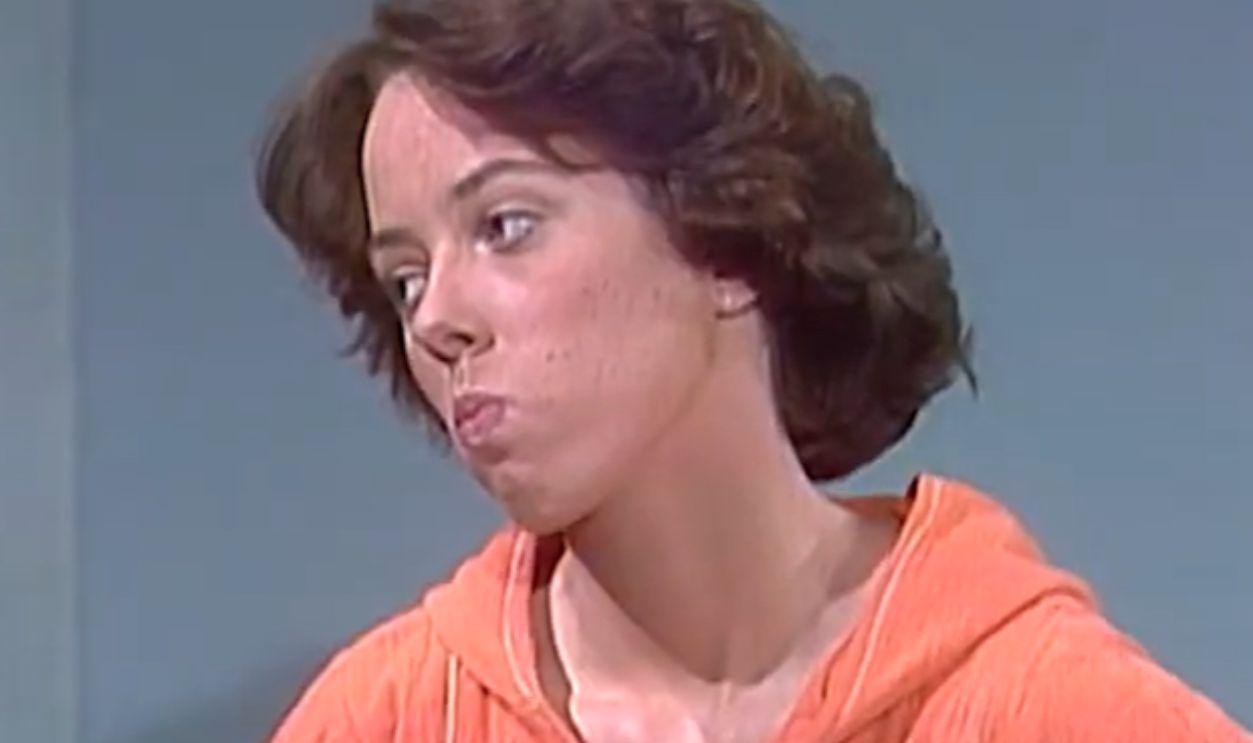
Julie Cooper Felt Like A Real Teenager
Phillips brought a natural looseness to Julie. She did not seem like a polished child actor pretending to rebel. She had rough edges, impatience, humor, and vulnerability. That made her convincing as a teenager testing limits inside a home already full of change.
 Screenshot from One Day at a Time, Sony Pictures Entertainment (1975-1984)
The Show Became A Major Hit
One Day at a Time ran for nine seasons and became one of Norman Lear’s important sitcom successes. It dealt with divorce, single motherhood, dating, intimacy, independence, and class in ways that felt fresh for network television. Phillips was part of why the family dynamic worked.
 Screenshot from One Day at a Time, Sony Pictures Entertainment (1975-1984)
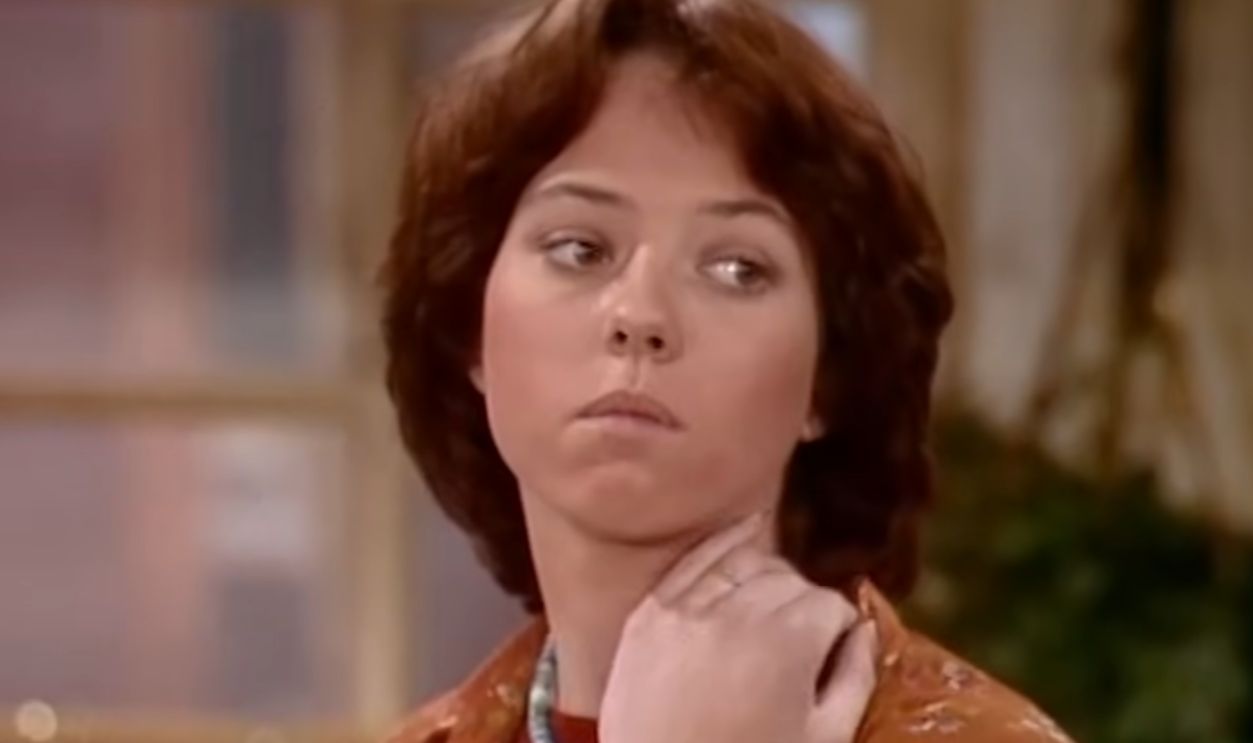
She Was Still A Teenager
The success came when Phillips was very young. She was not a seasoned adult performer with stable habits and emotional tools. She was a teenager suddenly earning huge money, carrying a famous last name, and working inside an industry that often rewarded talent without asking whether the person behind it was safe.
 Screenshot from One Day at a Time, Sony Pictures Entertainment (1975-1984)
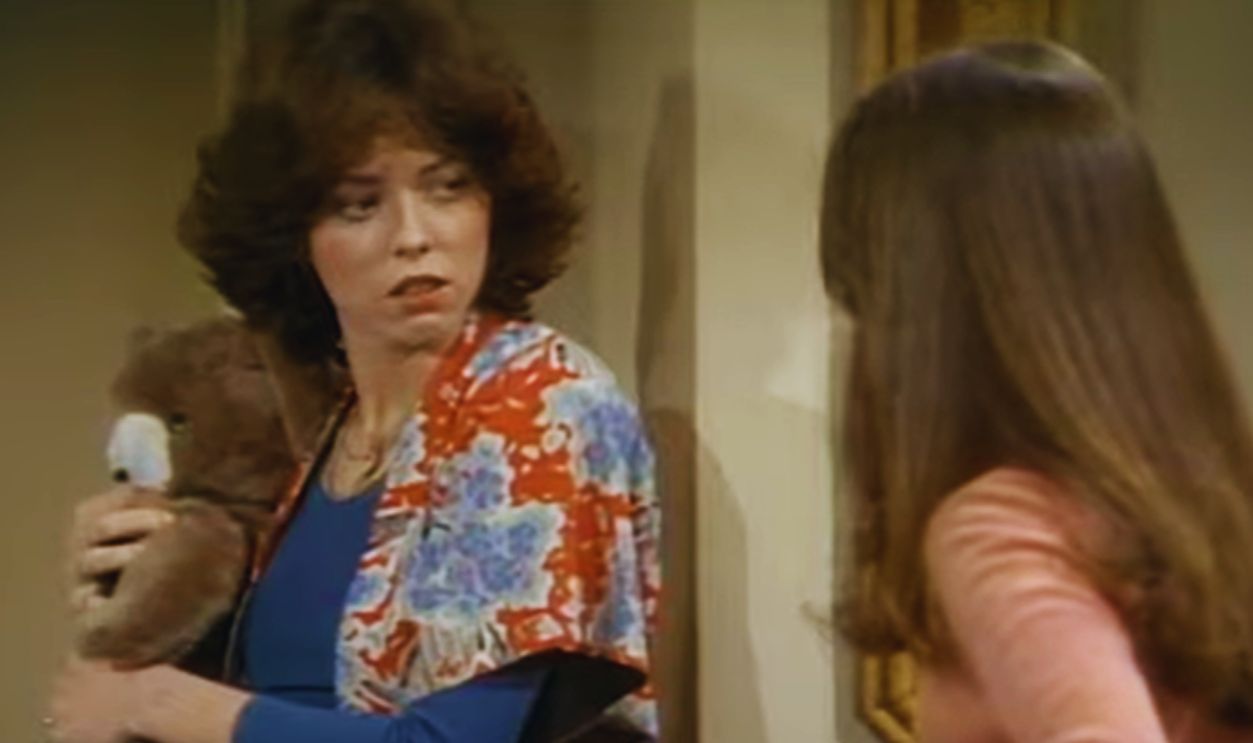
The Money Became Dangerous
Phillips has been described as earning a reported $50,000 a week during her One Day at a Time fame. For a teenager already struggling with substance use, that kind of income could become fuel. It gave her access, independence, and the ability to keep destructive habits going.
 Screenshot from One Day at a Time, Sony Pictures Entertainment (1975-1984)
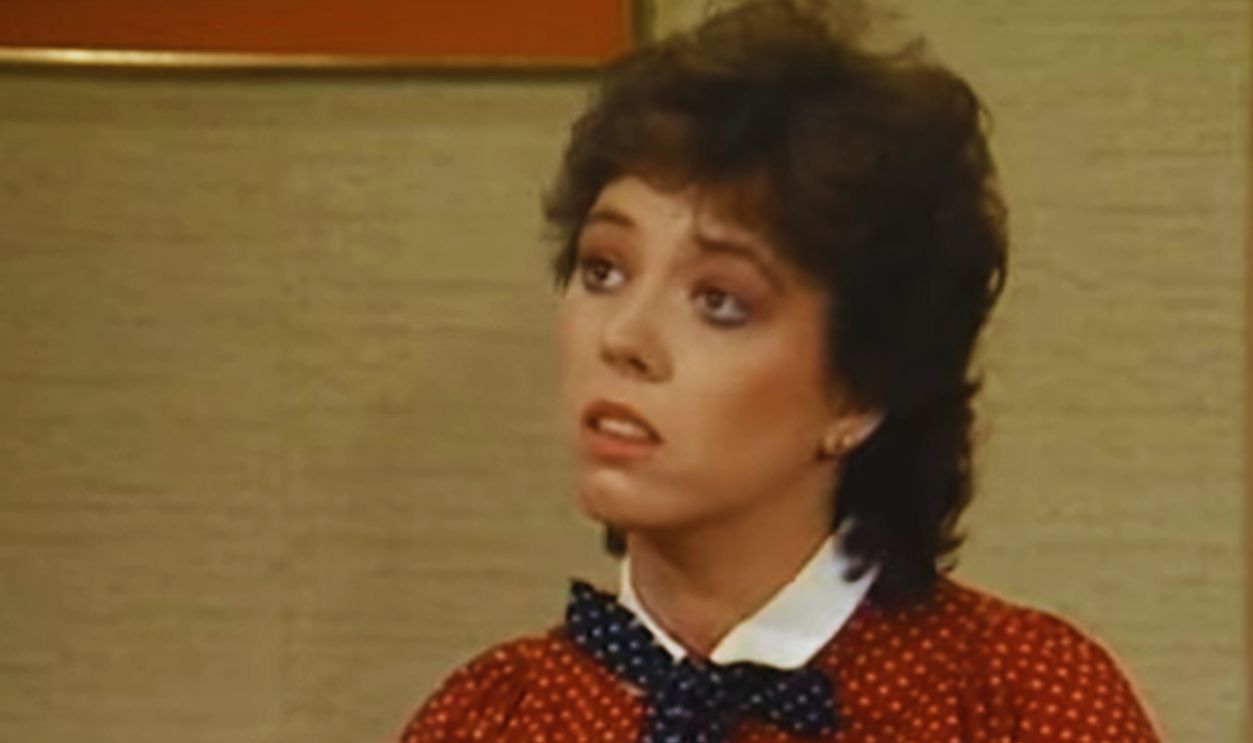
She Could Not Handle The Freedom
Money did not give Phillips stability. It gave her more room to spiral. She had fame, income, and access before she had the inner structure to survive them. The tragedy is not that she was paid well. It is that no paycheck could substitute for protection, boundaries, or recovery.
 Screenshot from One Day at a Time, Sony Pictures Entertainment (1975-1984)
Addiction Had Started Early
Phillips has said her addiction history began frighteningly young. In later accounts, she described early exposure to illicit substances and a childhood where dangerous behavior seemed normalized. By the time she was famous on television, addiction was not a sudden new problem. It was already part of her life.
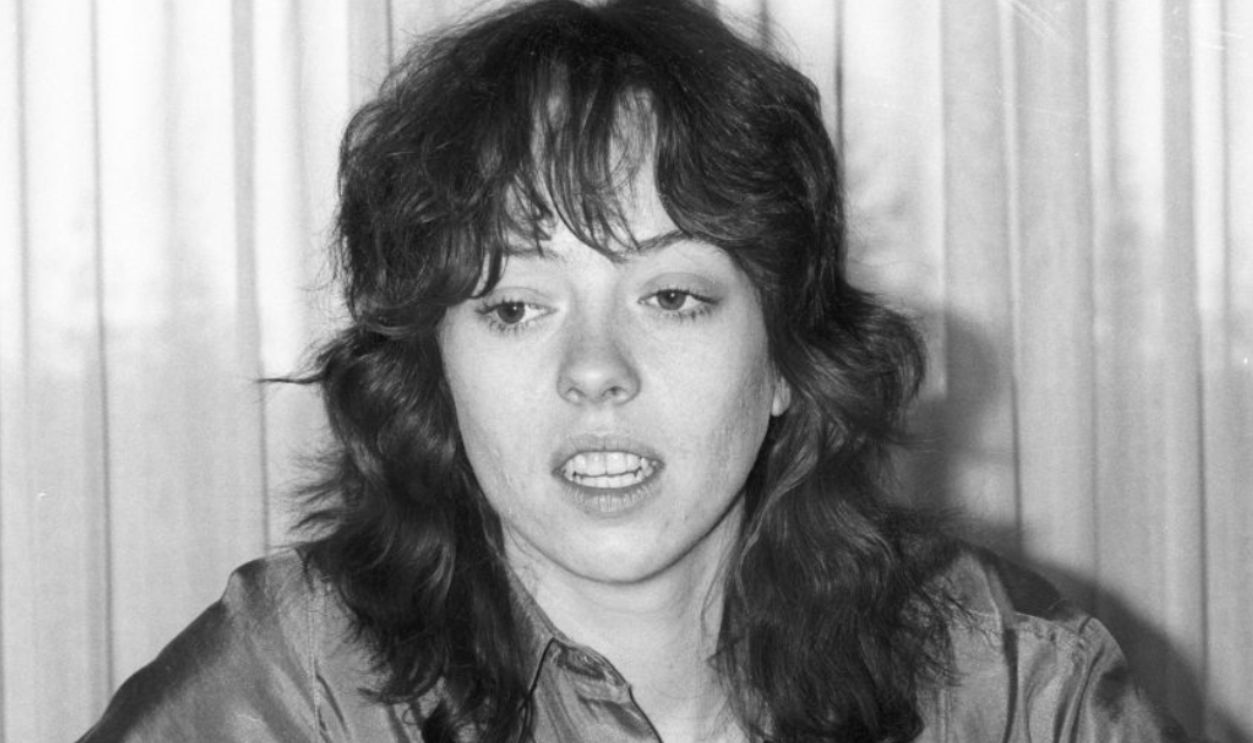 Michael Ochs Archives, Getty Images
Fame Made The Problem Public
A private teenager might have struggled in secret. Phillips struggled while millions of people watched her every week. That made her situation especially cruel. Audiences saw Julie Cooper growing up on television, while Mackenzie Phillips was falling apart under pressure the public barely understood.
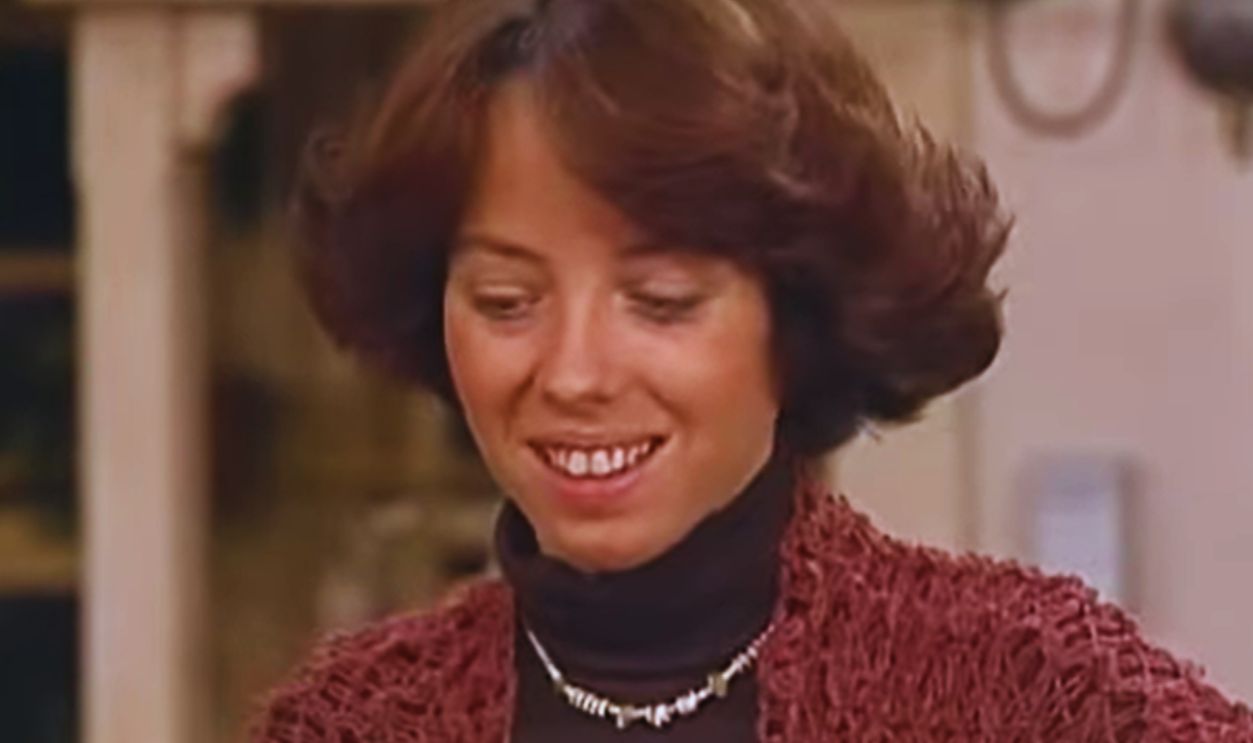 Screenshot from One Day at a Time, Sony Pictures Entertainment (1975-1984)
The Set Became Part Of The Story
Phillips later spoke about her substance use during her One Day at a Time years. The fact that such behavior could exist around a young sitcom star reveals how poorly Hollywood often understood addiction, especially when the performer was still helping deliver a hit.
 Greg Hernandez, Wikimedia Commons
Valerie Bertinelli Was Pulled Into It Too
Valerie Bertinelli, who played Barbara Cooper, later wrote about trying illicit substances with Phillips. Phillips has also spoken about the two using during lunch breaks, while clarifying that Bertinelli did not have the same addiction she did. That detail is jarring because the show’s warmth hid a much darker reality.
 Screenshot from One Day at a Time, Sony Pictures Entertainment (1975-1984)
Her Behavior Became Impossible To Ignore
As Phillips’s addiction worsened, it affected her work. During the third season, she was reportedly apprehended by authorities and began arriving late and incoherent for rehearsals. Producers ordered her to take a six-week break, an early sign that the problem had become impossible for the show to ignore.
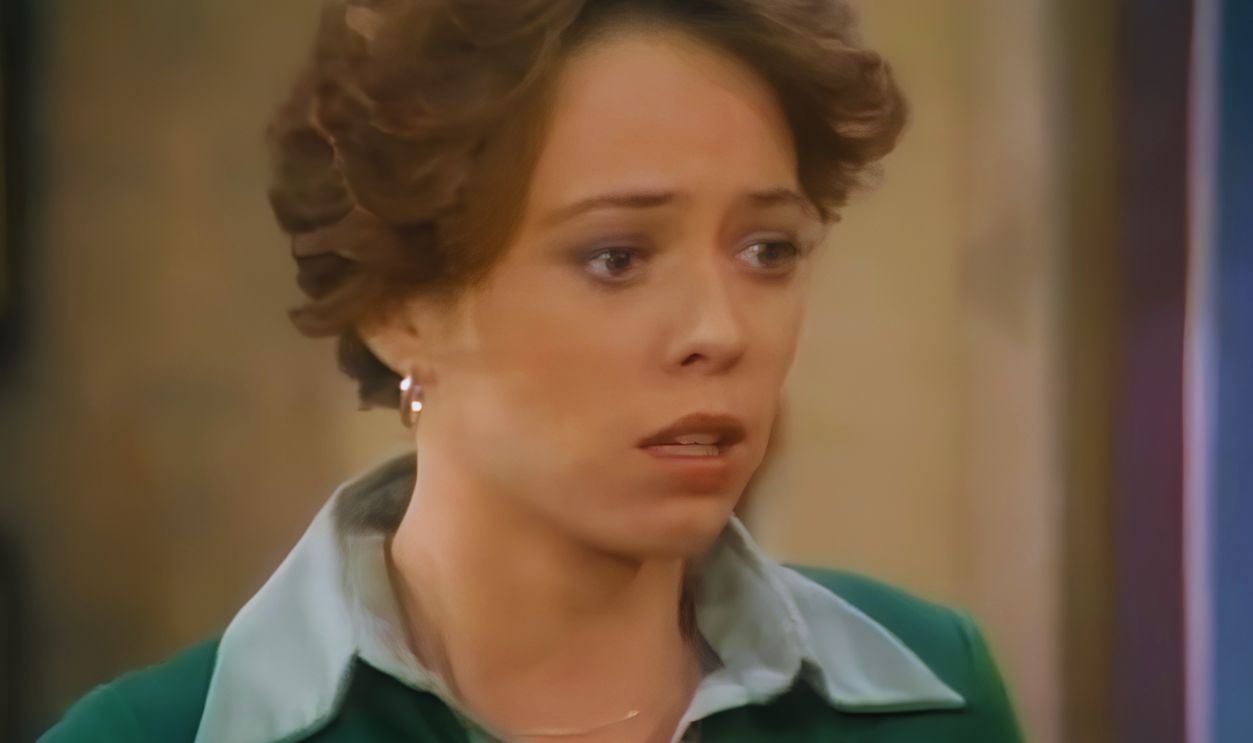 Screenshot from One Day at a Time, Sony Pictures Entertainment (1975-1984)
She Was Fired In 1980
Phillips was fired from One Day at a Time in 1980 as her substance use continued to damage her reliability. The firing was a public and professional blow. The sitcom family that had helped make her famous could not keep functioning around a crisis that had become too visible.
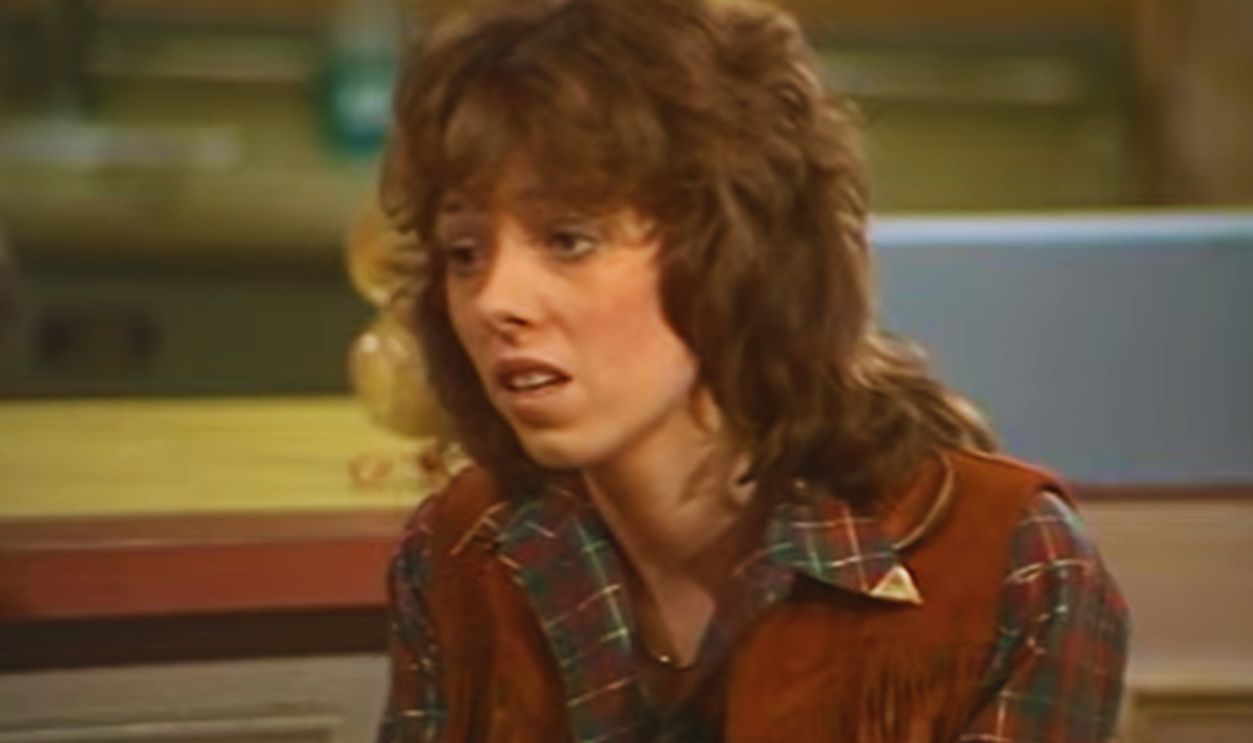 Screenshot from One Day at a Time, Sony Pictures Entertainment (1975-1984)
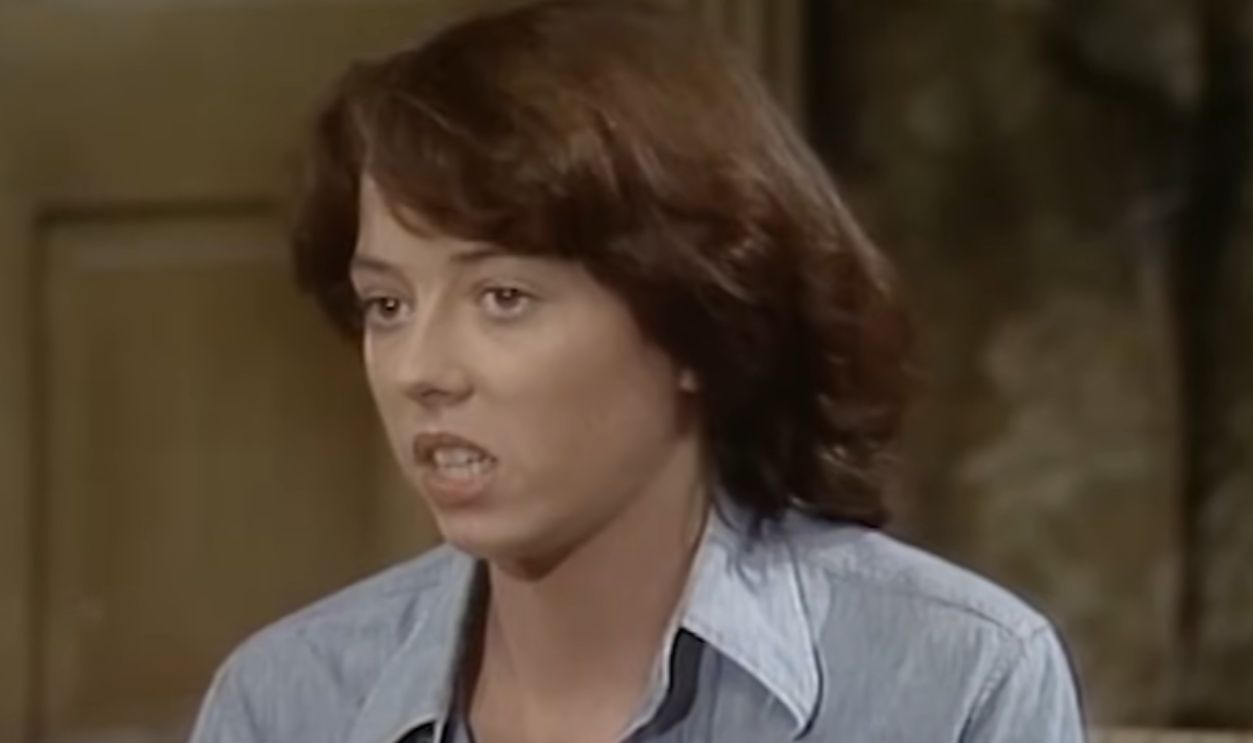
She Returned, But The Struggle Was Not Over
Phillips returned to the series in 1981, giving the impression that the situation might stabilize. But addiction rarely follows a clean television arc. She relapsed in 1982, and the problems that had cost her the job once began moving toward another painful breaking point.
 Screenshot from One Day at a Time, Sony Pictures Entertainment (1975-1984)
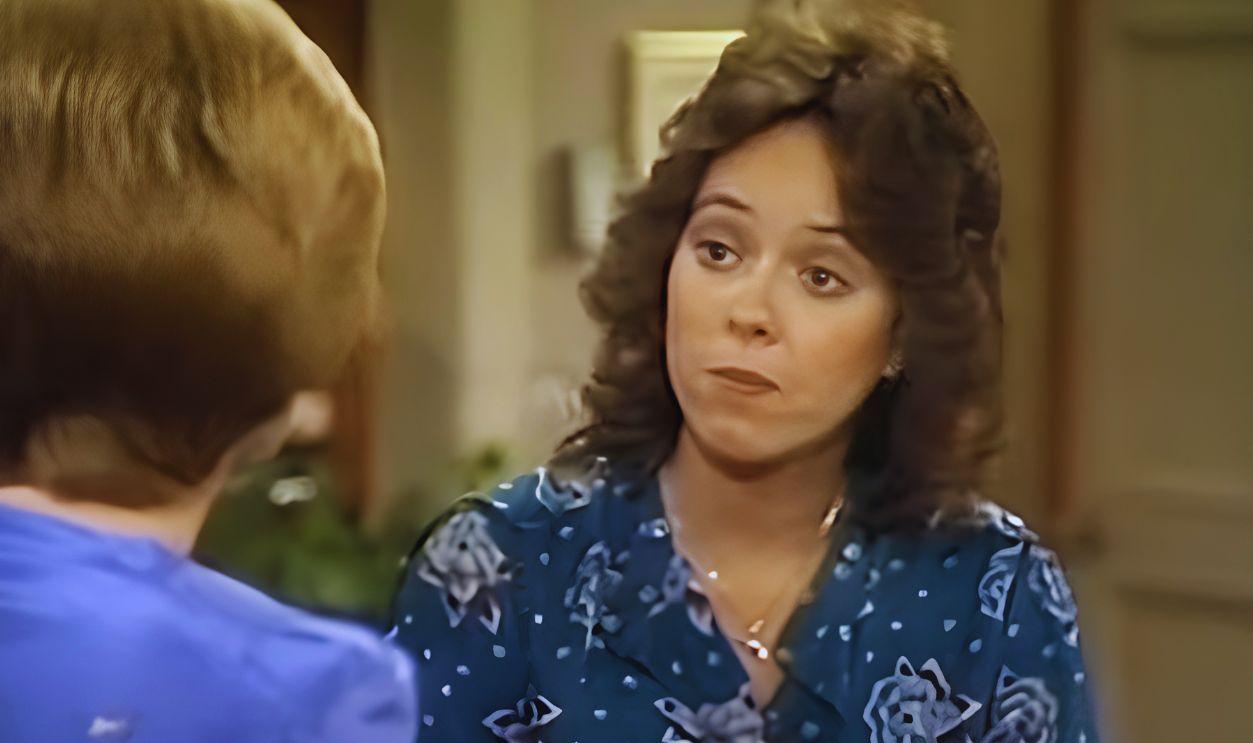
The Final Firing Came After A Shocking Refusal
In 1983, Phillips reportedly collapsed on set and refused to take a substance test. She was fired permanently afterward. In later interviews, she described the experience as devastating, especially because she had grown up with the cast and crew. The family sitcom had become another place where she lost her footing.
 Screenshot from One Day at a Time, Sony Pictures Entertainment (1975-1984)
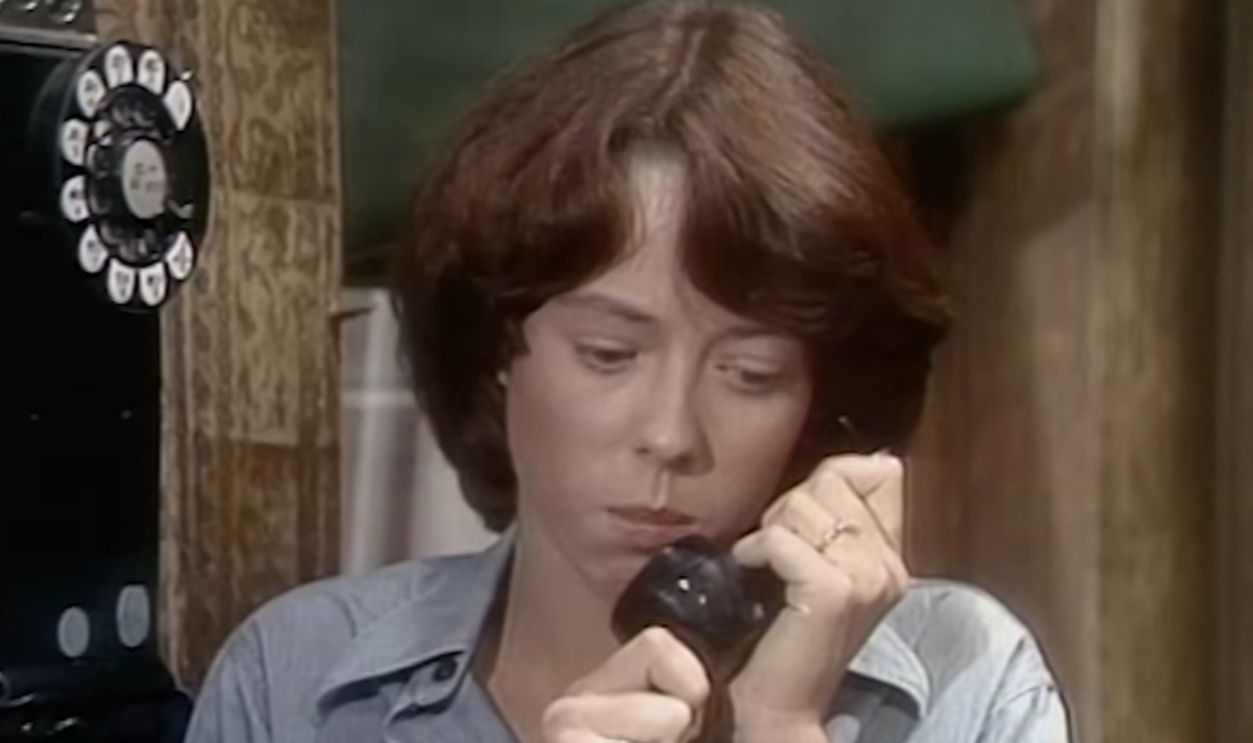
The Role Could Not Save Her
Julie Cooper gave Phillips fame, money, and visibility, but it could not rescue her from addiction. In some ways, success made everything harder. She was expected to keep performing while carrying an illness that demanded secrecy, denial, and constant damage control.
 Screenshot from One Day at a Time, Sony Pictures Entertainment (1975-1984)
Her Father’s Influence Made Recovery Harder
Phillips’s later memoir, High on Arrival, described a deeply damaging relationship with her father and a family culture tied to substance use. That history mattered because her addiction was not just about television pressure. It grew from an earlier environment where chaos had been treated as normal.

She Became A Cautionary Young-Star Story
By the early 1980s, Phillips was often discussed as a young performer who had lost control. That framing was harsh, but it also reflected a real pattern. A teenager with enormous access and little protection had been praised, paid, exploited, and then punished when her illness became visible.
 Michael Ochs Archives, Getty Images
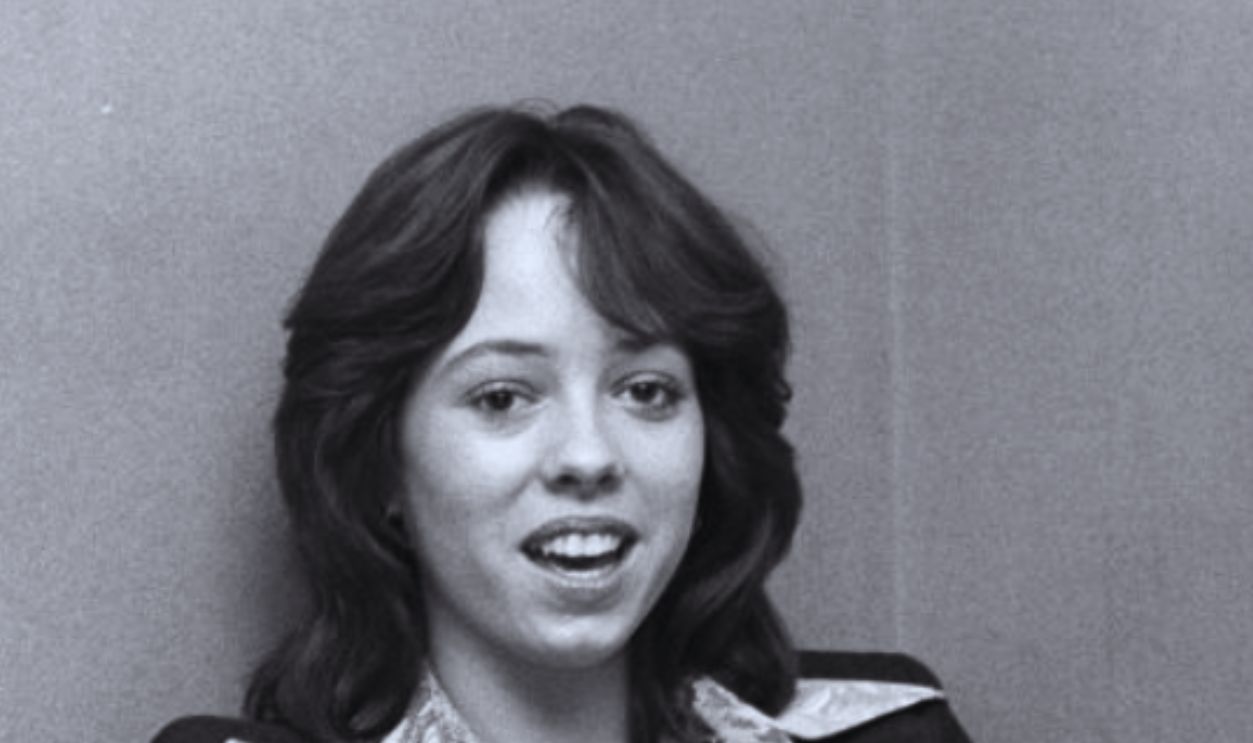
The Money Was Never The Real Answer
The reported $50,000 weekly paycheck sounds glamorous until the rest of the story is included. Money could buy harmful substances, privacy, escape, and temporary relief. It could not buy emotional safety, sobriety, or a healthy childhood. For Phillips, success arrived before survival skills did.
She Spent Years Fighting Addiction
Phillips’s struggle did not end when One Day at a Time ended. She spent years in and out of recovery, facing public setbacks and private pain. Her addiction became one of the defining battles of her adult life, even as she continued acting and trying to rebuild.

Her Later Honesty Changed The Story
As an adult, Phillips became increasingly open about addiction, trauma, and recovery. Her willingness to tell the truth reshaped her public image. She was no longer only the teen star who “couldn’t handle it”. She became someone trying to explain what it looked like from the inside.
 Frederick M. Brown, Getty Images, enhanced
She Eventually Became A Recovery Counselor
One of the most meaningful turns in Phillips’s life came when she began working in the recovery field. She used her own history to help others struggling with addiction. That did not erase the damage, but it transformed pain into something useful.

She Returned To One Day At A Time In A New Way
Phillips later appeared in the Netflix reboot of One Day at a Time, playing a different character. The return carried emotional weight. Decades after being fired from the original series, she came back to the world that had once exposed her unraveling, this time as a survivor.
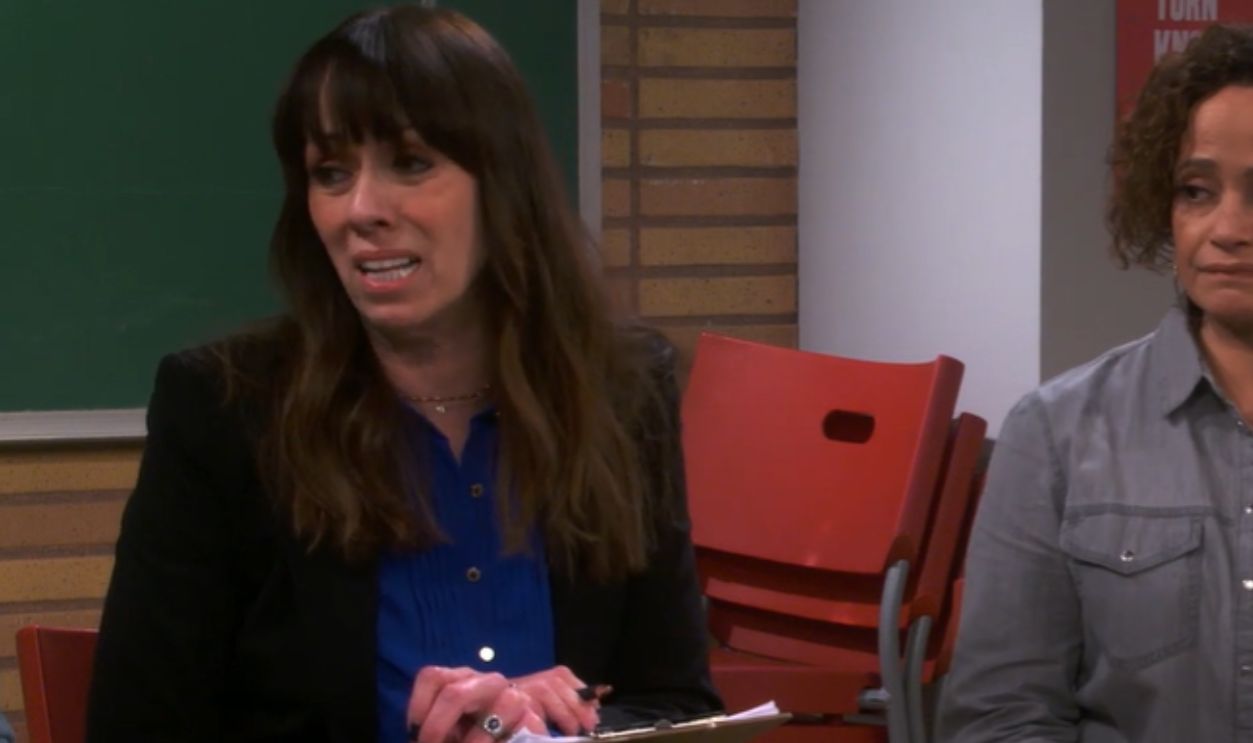 Screenshot from One Day at a Time, Sony Pictures Entertainment (2017-2020)
She Became Proof That Collapse Is Not The End
Phillips’s life includes painful chapters, but it is not only a story of destruction. She has spoken about sobriety, healing, counseling, and survival. The young star who could not handle the money, fame, and addiction eventually became an adult able to name what happened to her.
Why Her One Day At A Time Story Still Hurts
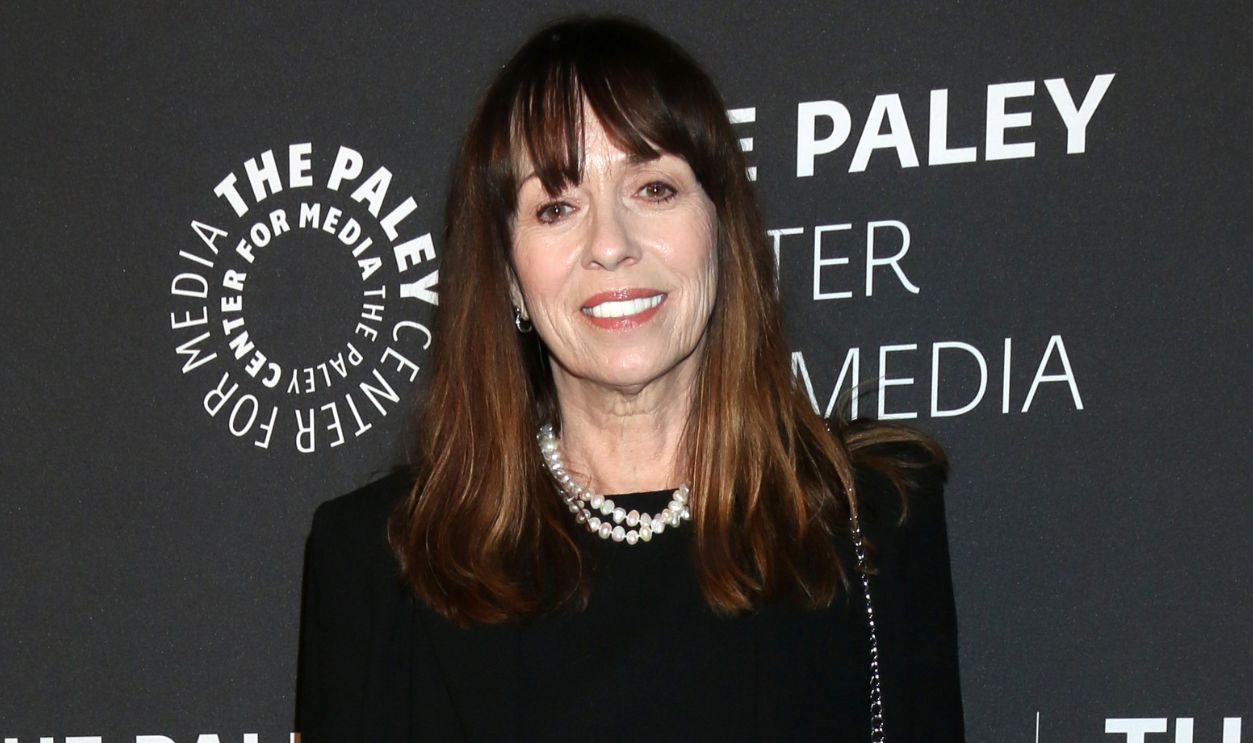
Mackenzie Phillips earned a reported $50,000 a week on One Day at a Time, but the money arrived in the hands of a teenage performer already carrying addiction and trauma. Her story is painful because success did not protect her. It magnified the danger. Behind the sitcom daughter was a young star who needed help long before Hollywood knew how to give it.

You May Also Like:
Don Most Played Happy Days’ Wisecracking Ralph Malph, Then Chased A Very Different Kind Of Career
Classic Facts About Grace Kelly, Hollywood's Lost Princess
How Family Ties Star Michael Gross Became One Of The Most Believable Sitcom Dads On TV