From Wisecracks To Crooning
For millions of viewers, Don Most will always be Ralph Malph, the redheaded wisecracker who helped make Happy Days a television institution. But Most never wanted one sitcom character to define him. After leaving Milwaukee behind, he built a wonderfully unpredictable career involving acting, directing—and eventually a microphone and big band.
 ABC Television, Public domain, via Wikimedia Commons
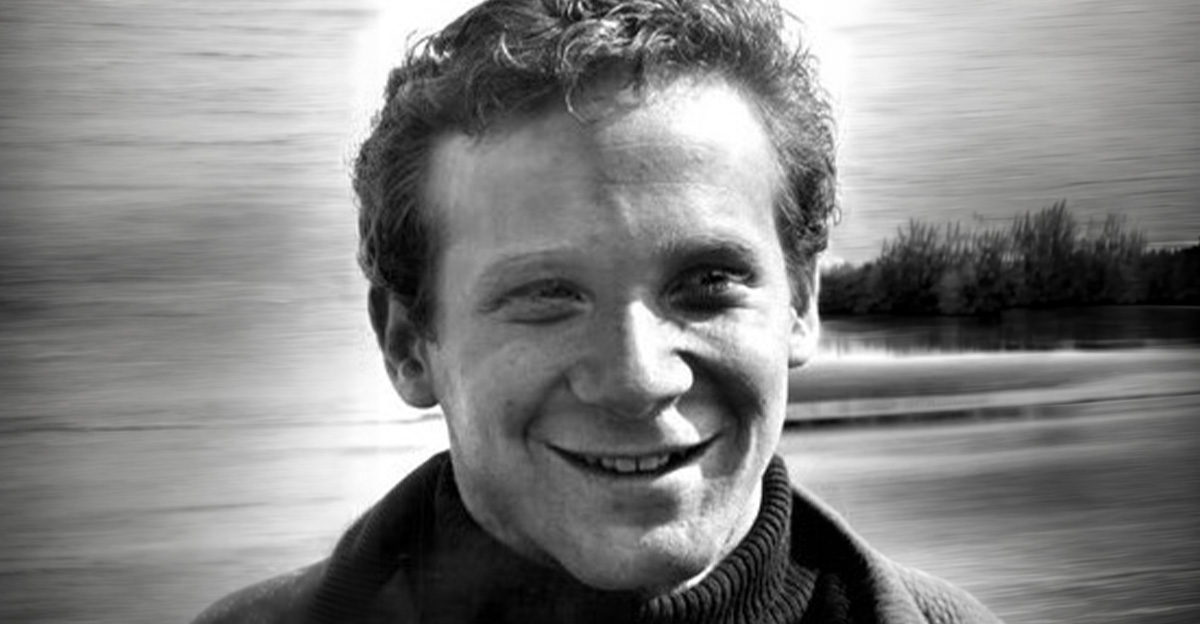
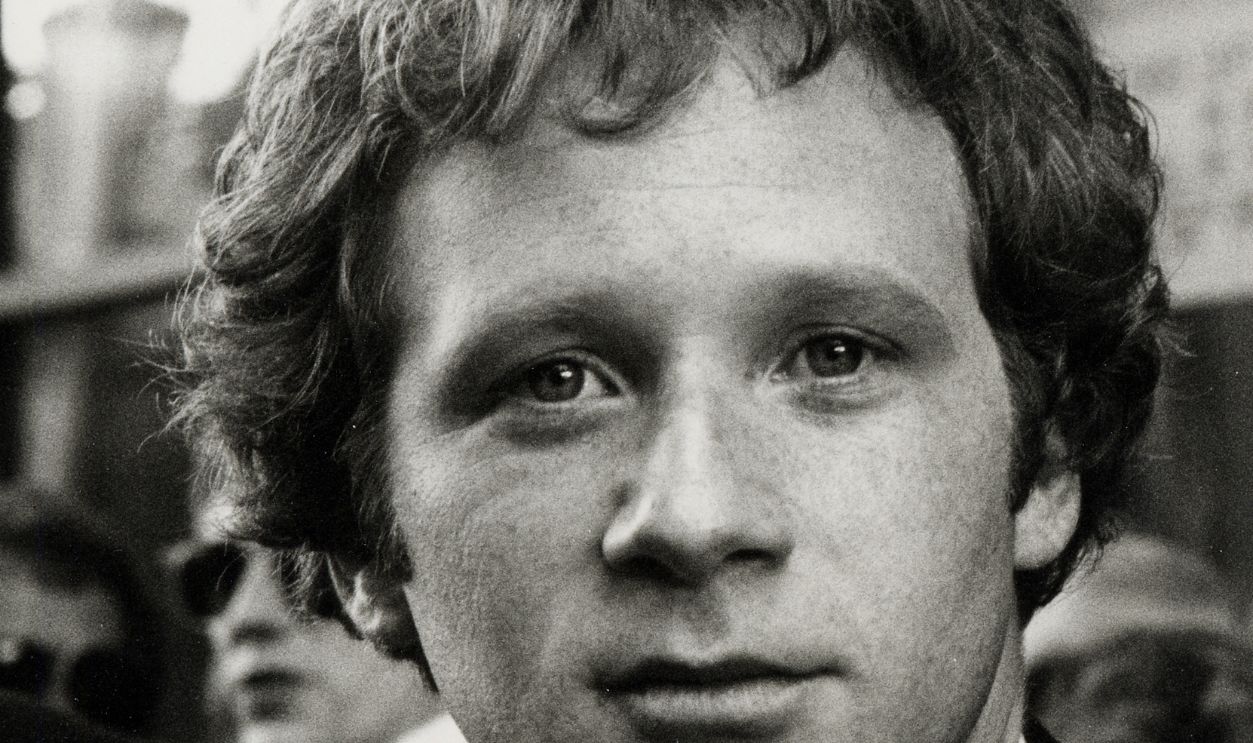
A Brooklyn Kid With Showbiz Dreams
Born in Brooklyn, New York, in 1953, Most caught the performing bug early. Long before anyone knew the name Ralph Malph, he was already fascinated by old-school entertainers and the idea of commanding a stage. Acting, singing, and dancing became serious interests rather than childhood hobbies.
The Movie That Started It All
One major inspiration was The Jolson Story, the 1946 musical biography starring Larry Parks as entertainer Al Jolson. Most has said the film made a huge impression on him as a child. Suddenly, becoming the kind of entertainer who could act and sing seemed like an actual goal.
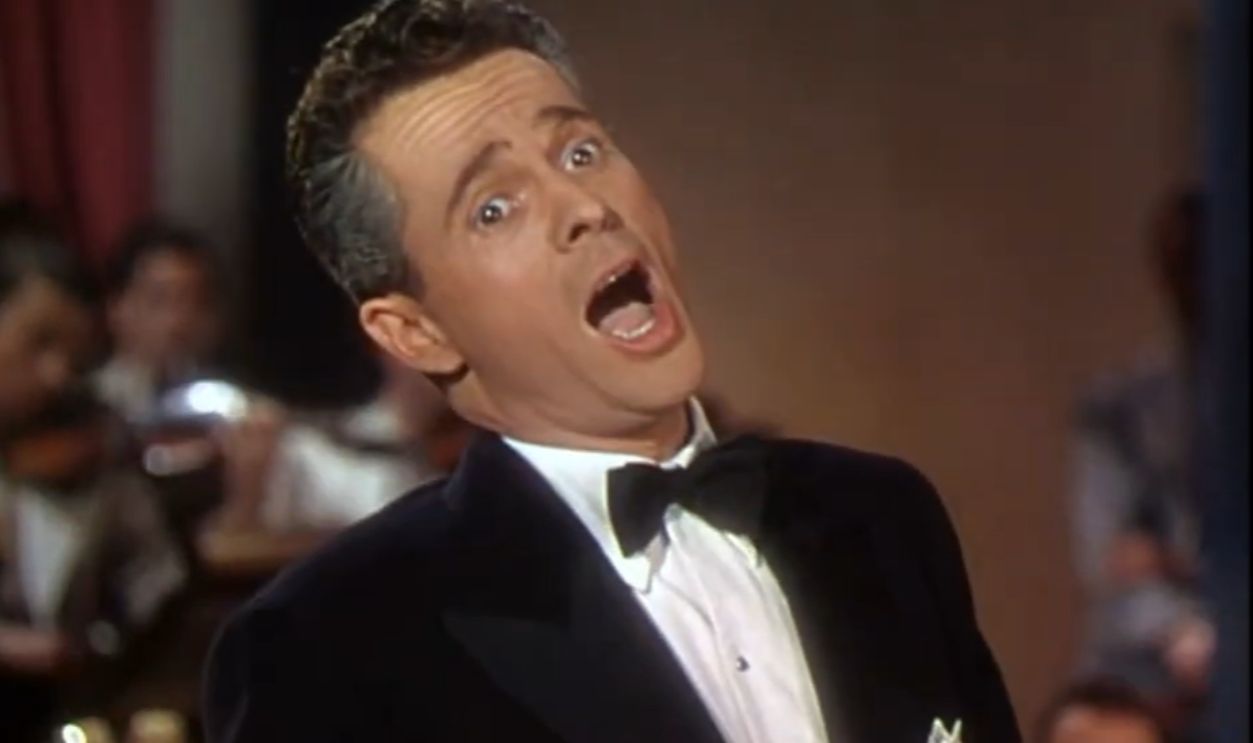 Screenshot from The Jolson Story, Columbia Pictures Corp. (1946)
Working The Catskills At 15
Most did not wait until adulthood to test himself in front of audiences. At just 15, he joined a teenage musical revue performing on New York’s famous Catskills “Borscht Belt” circuit. Years before prime-time television, he was already learning how to entertain a live crowd.
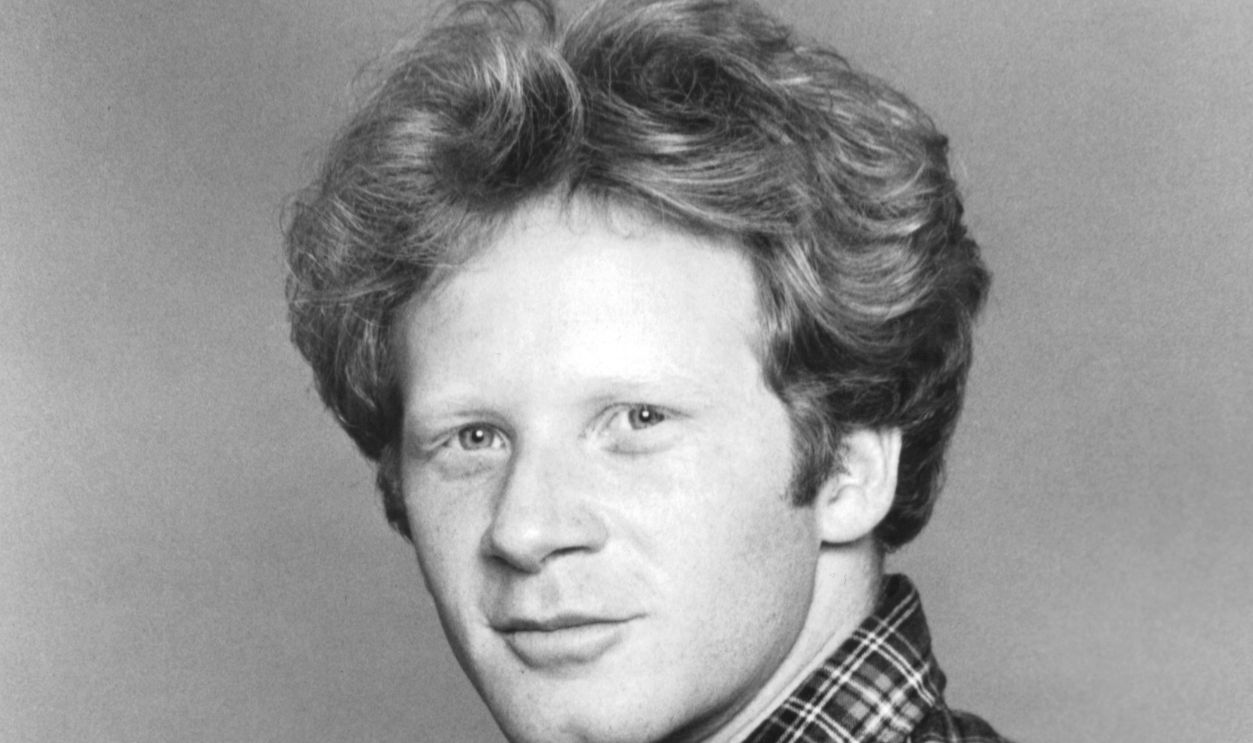 Michael Ochs Archives, Getty Images
College Couldn’t Keep Him Away
Most later attended Lehigh University, initially considering engineering before switching to business. Hollywood, however, proved much harder to ignore. During his junior year, he headed west intending to spend a summer looking for acting work. That supposedly temporary adventure ended up changing his life.
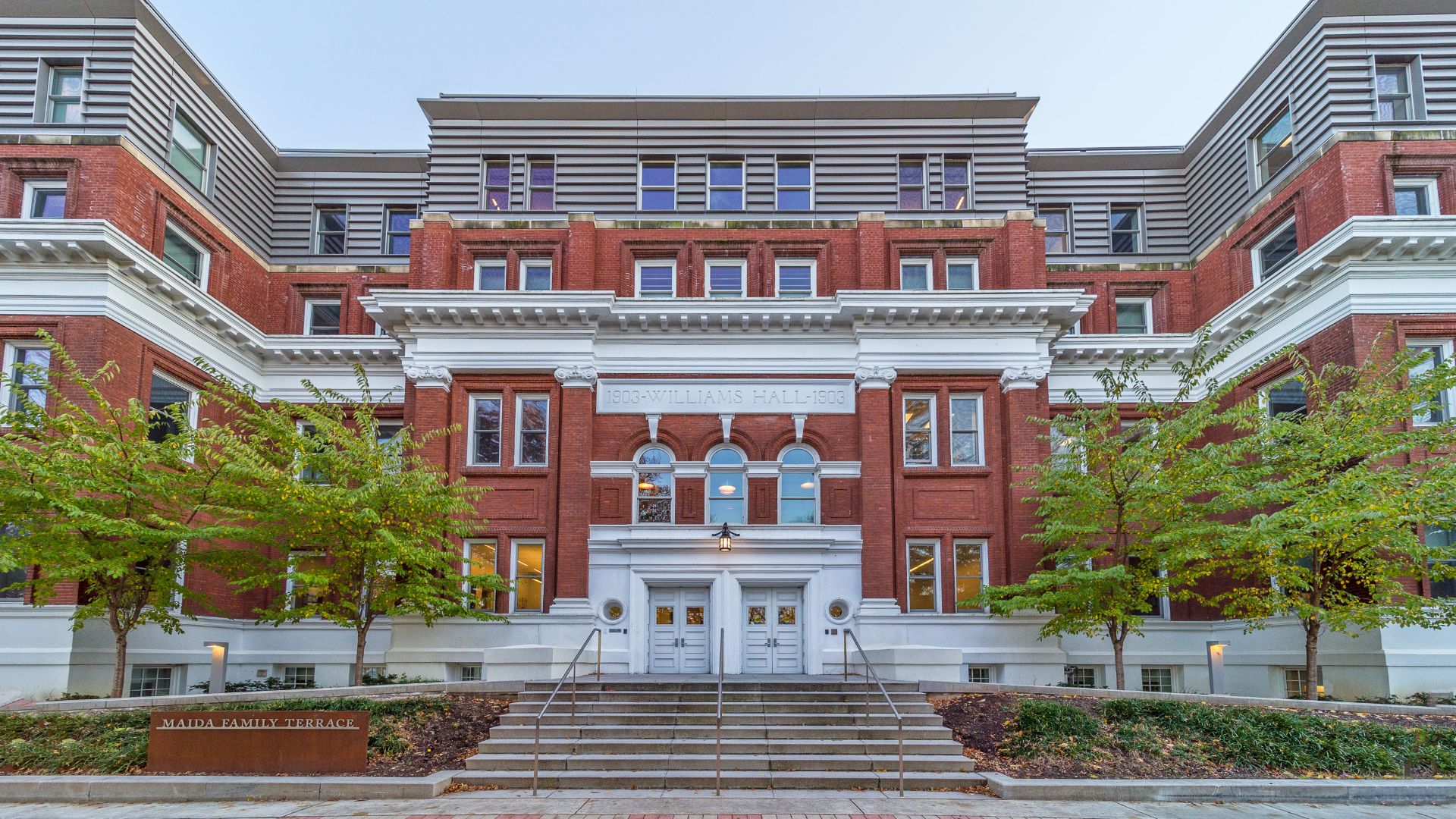 Kenneth C. Zirkel, Wikimedia Commons
A Summer Trip Changed Everything
Most was only 20 when he auditioned for a new television pilot called Happy Days. He landed Ralph Malph on his third audition and abandoned plans to return to college. Not bad for a summer job search: instead of a few acting credits, he landed a place in sitcom history.
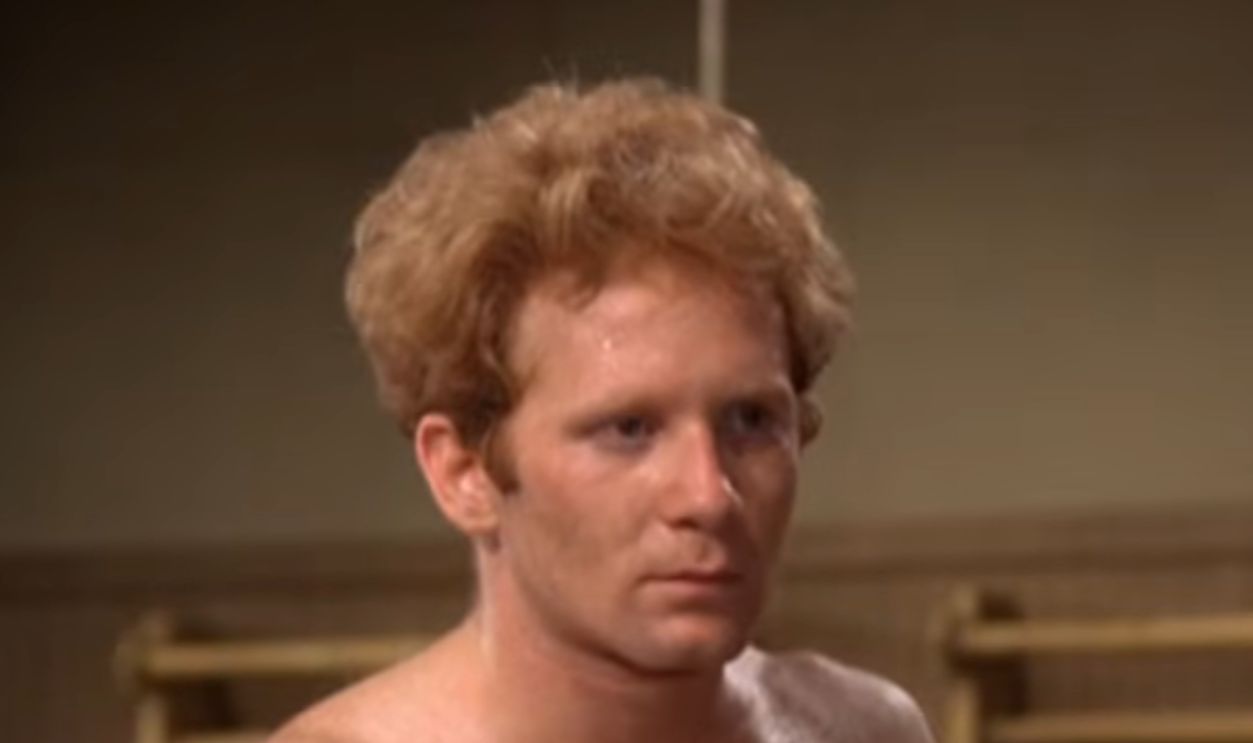 Screenshot from Happy Days, Paramount Domestic Television (1974–1984)
Ralph Malph Was Supposed To Be Cooler
The Ralph viewers eventually loved was not quite the Ralph the producers originally imagined. Most has explained that the character began as something closer to a cool, athletic guy rather than Richie Cunningham’s resident joke machine. That changed once the producers saw what Most could do with comedy.
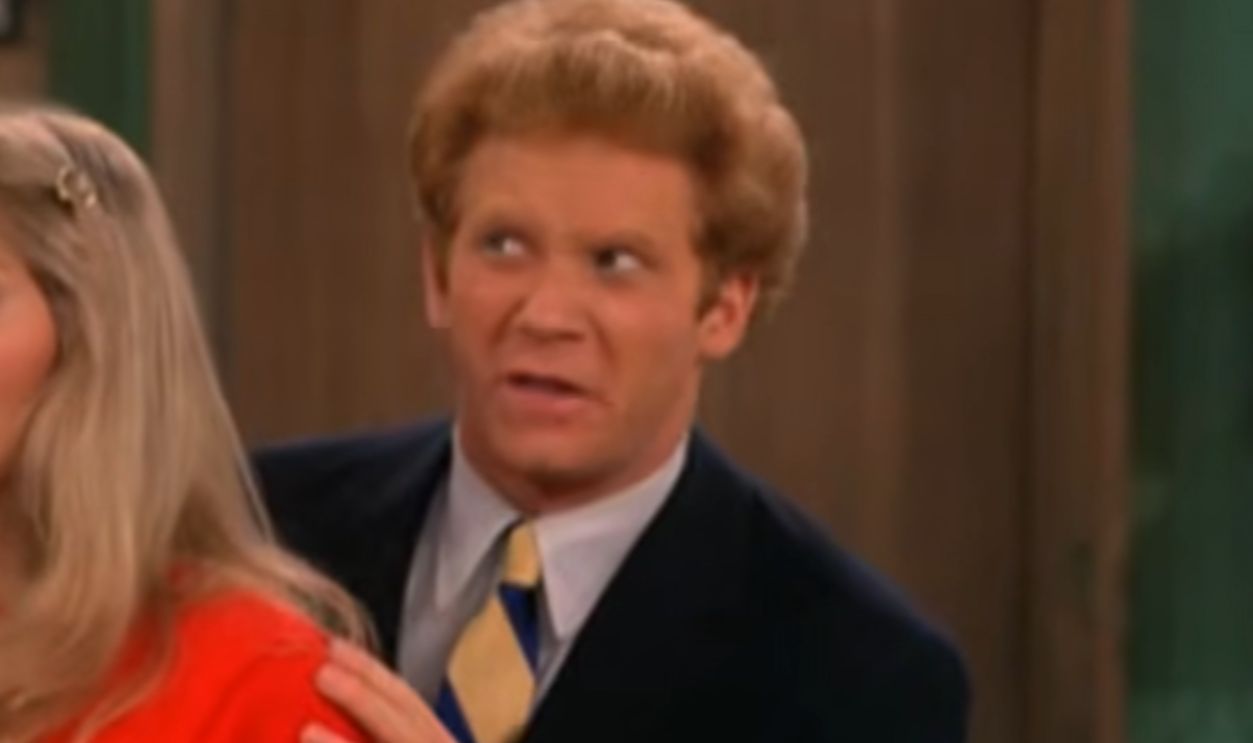 Screenshot from Happy Days, Paramount Domestic Television (1974–1984)
Don Made Ralph Funnier
Director Jerry Paris and producer Garry Marshall liked Most’s comic timing enough to reshape Ralph around it. The character became the class clown, constantly throwing out jokes and reacting to the madness around him. Ralph was no longer background decoration—he had become an essential ingredient in the show’s chemistry.
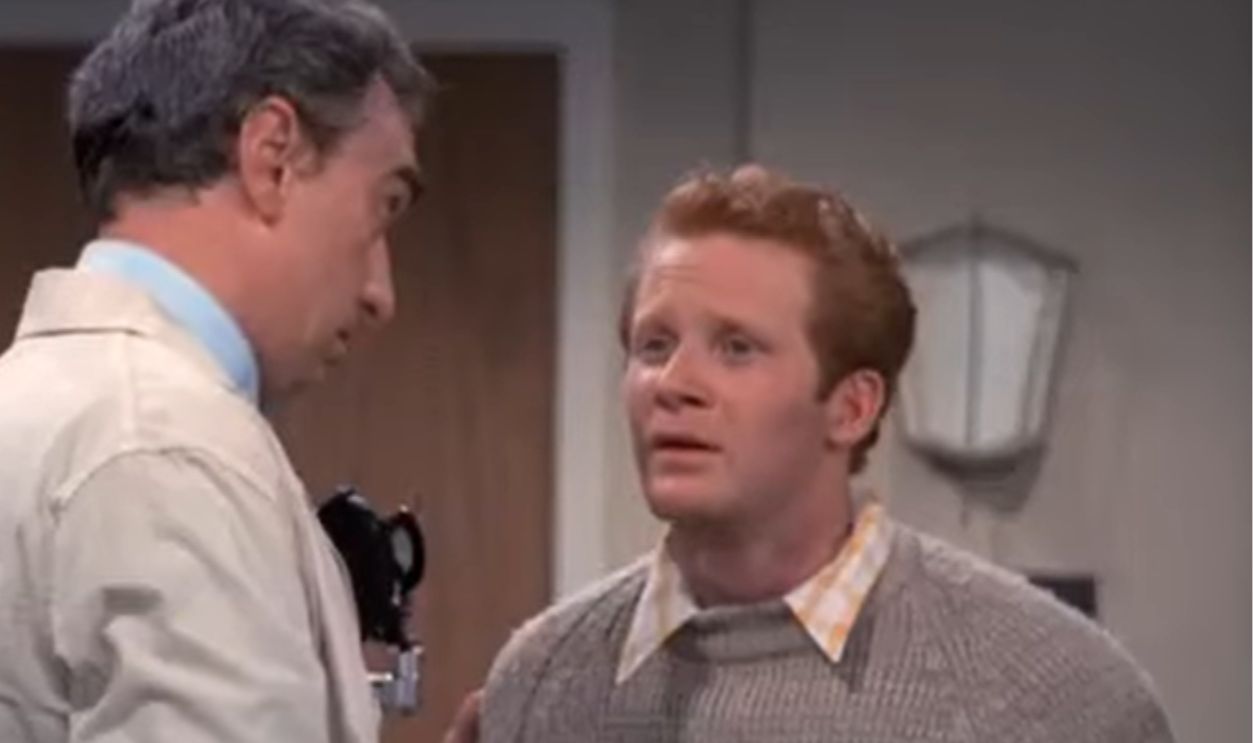 Screenshot from Happy Days, Paramount Domestic Television (1974–1984)
Happy Days Became A Phenomenon
Premiering in 1974, Happy Days turned its nostalgic version of 1950s Milwaukee into one of television’s defining sitcom worlds. Ralph joined Richie, Potsie, Fonzie and the Cunninghams as familiar faces in American living rooms, while Most suddenly found himself famous at an age when most actors were still chasing auditions.
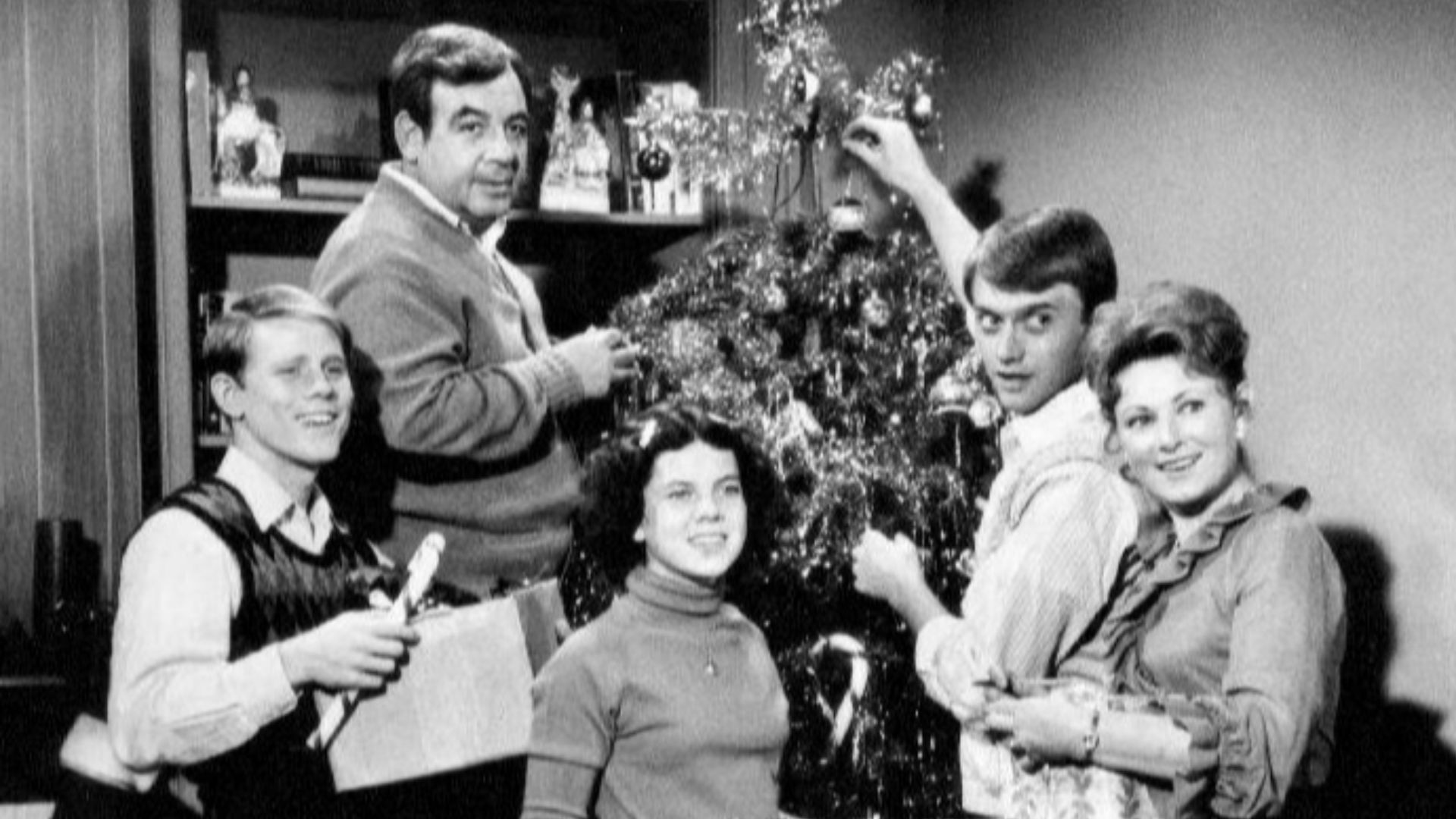 ABC Television, Wikimedia Commons
“I Still Got It” Became His Calling Card
Ralph’s swagger was usually funnier than his actual jokes, and his recurring declaration—“I still got it”—became closely associated with the character. Most played him with just enough confidence and nervous energy to make Ralph lovable rather than obnoxious, which is a trickier balance than it looks.
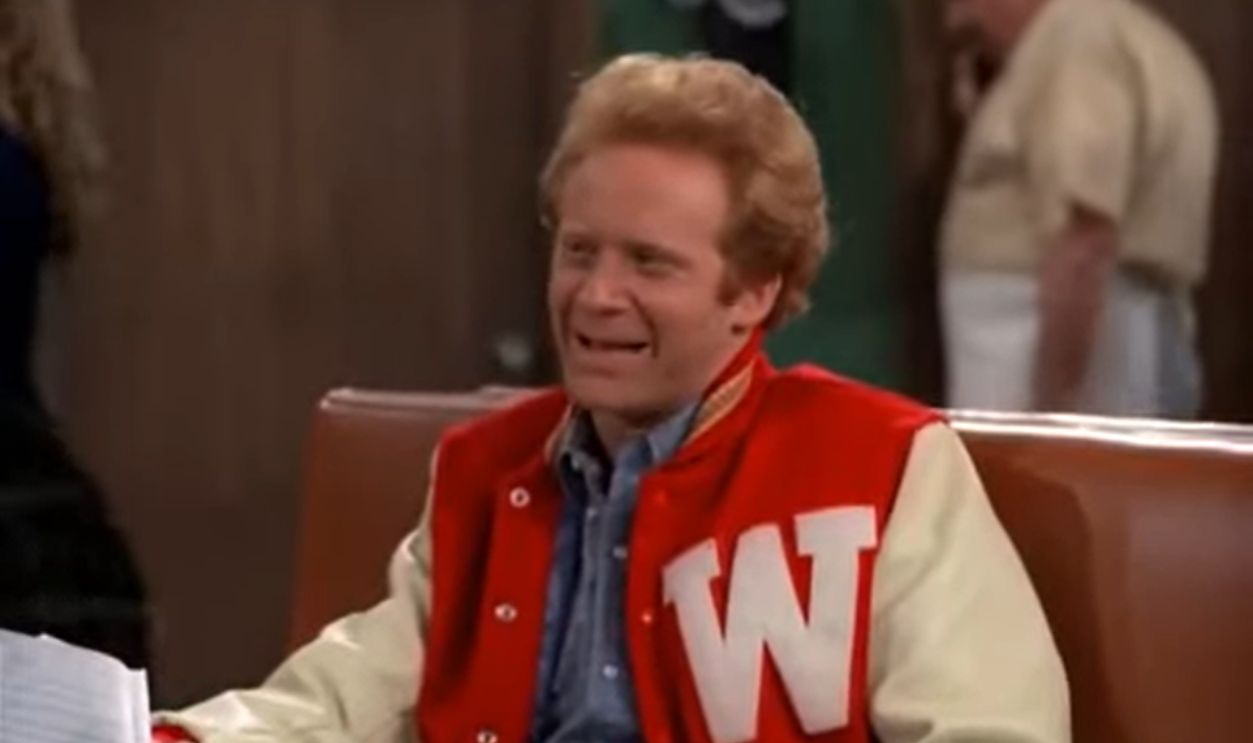 Screenshot from Happy Days, Paramount Domestic Television (1974–1984)
More Than Richie’s Third Wheel
Ralph could easily have remained a minor school friend, but he grew into part of the show’s core group alongside Richie Cunningham and Potsie Weber. The friendships gave Happy Days much of its warmth, while Ralph supplied the one-liners whenever things threatened to become a little too wholesome.
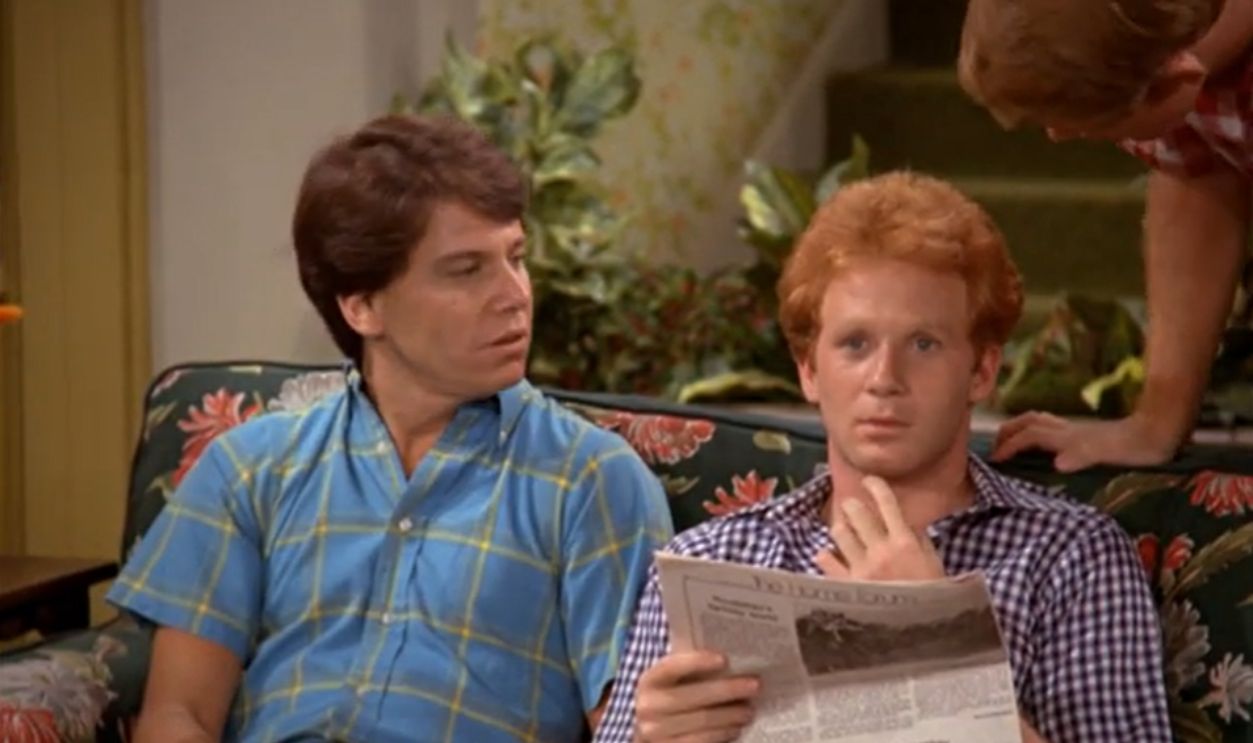 Screenshot from Happy Days, Paramount Domestic Television (1974–1984)
Fame Came With A Catch
Being instantly recognizable is great—until casting directors can only see one character. After years of playing Ralph, Most became worried that audiences and Hollywood would never accept him as anything else. The sitcom had given him a career, but staying too long might also have limited it.
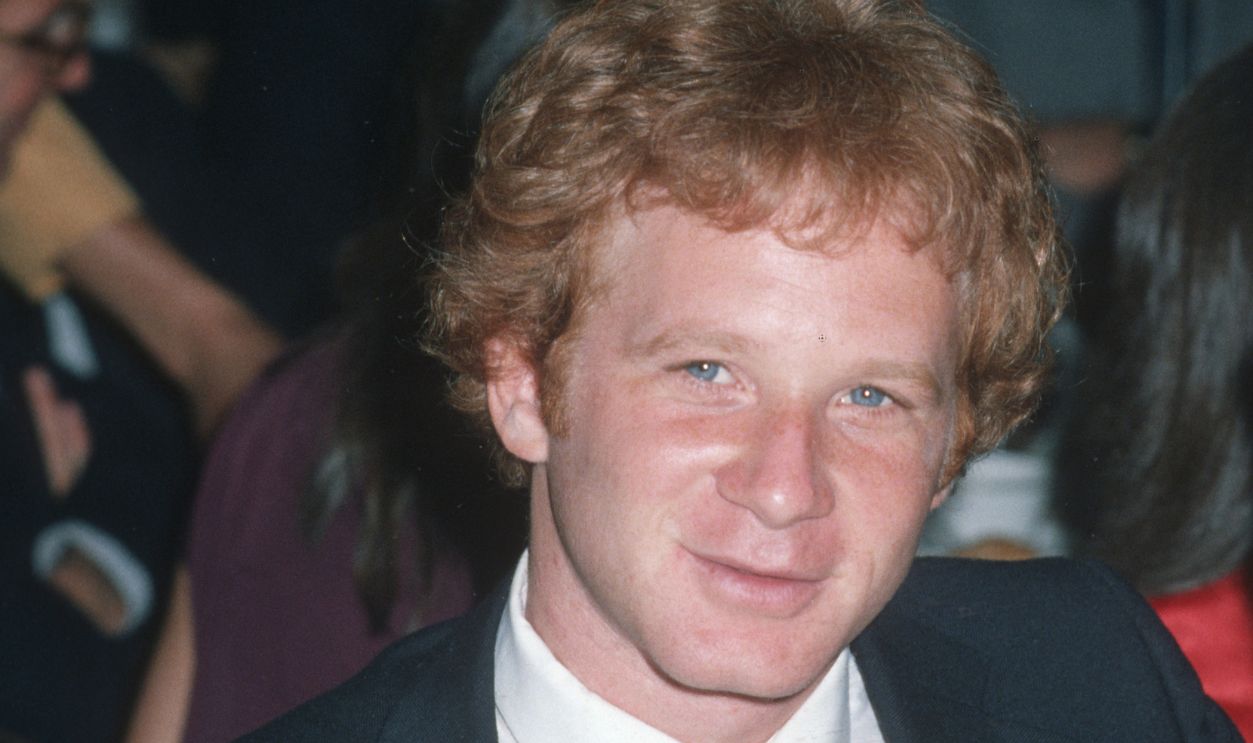
Music Was Already Calling
Here is the twist: Most’s later singing career was not some random retirement hobby. Music had been part of his ambitions from childhood. Even while Happy Days was dominating television, he was trying to establish himself as a recording artist under the name Donny Most.
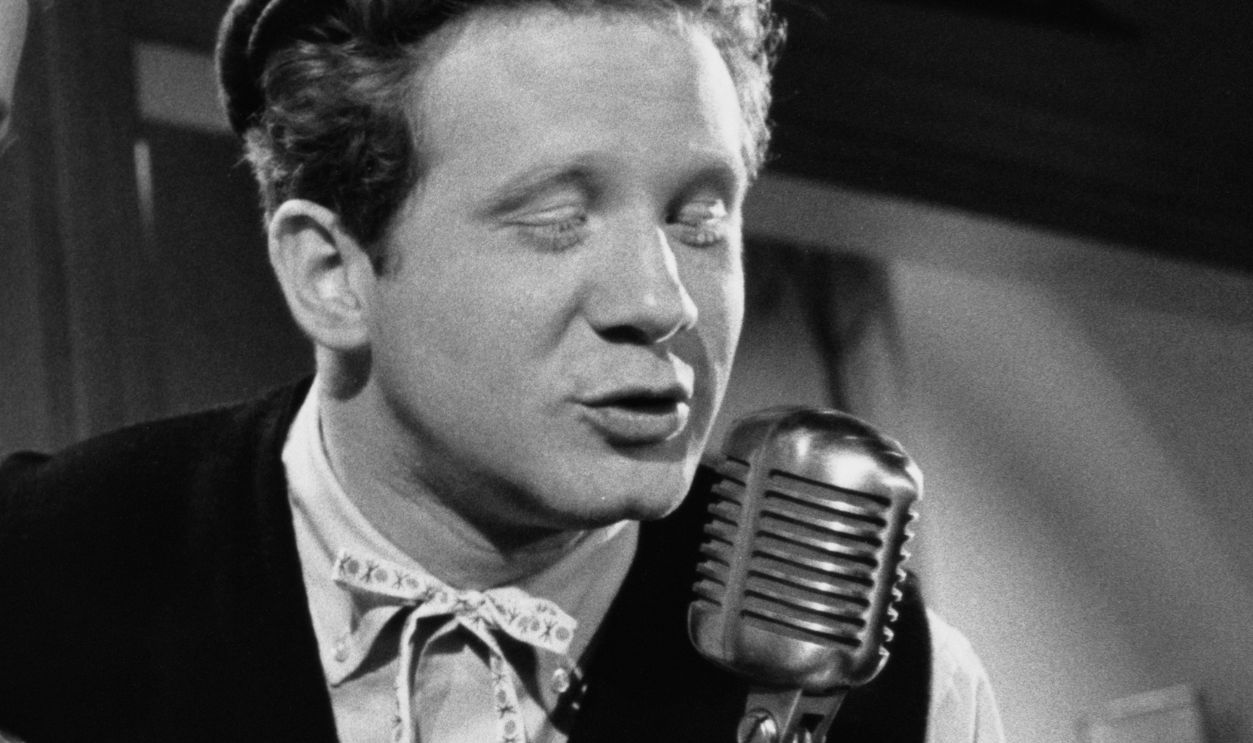 Michael Ochs Archives , Getty Images
Donny Most The Pop Singer
In 1976, Most released a self-titled pop album. Its single “All Roads (Lead Back to You)” even reached the Billboard Hot 100, although only briefly, peaking at No. 97. Ralph Malph was one of TV’s biggest wiseguys, and the actor playing him was quietly trying to become a pop star.
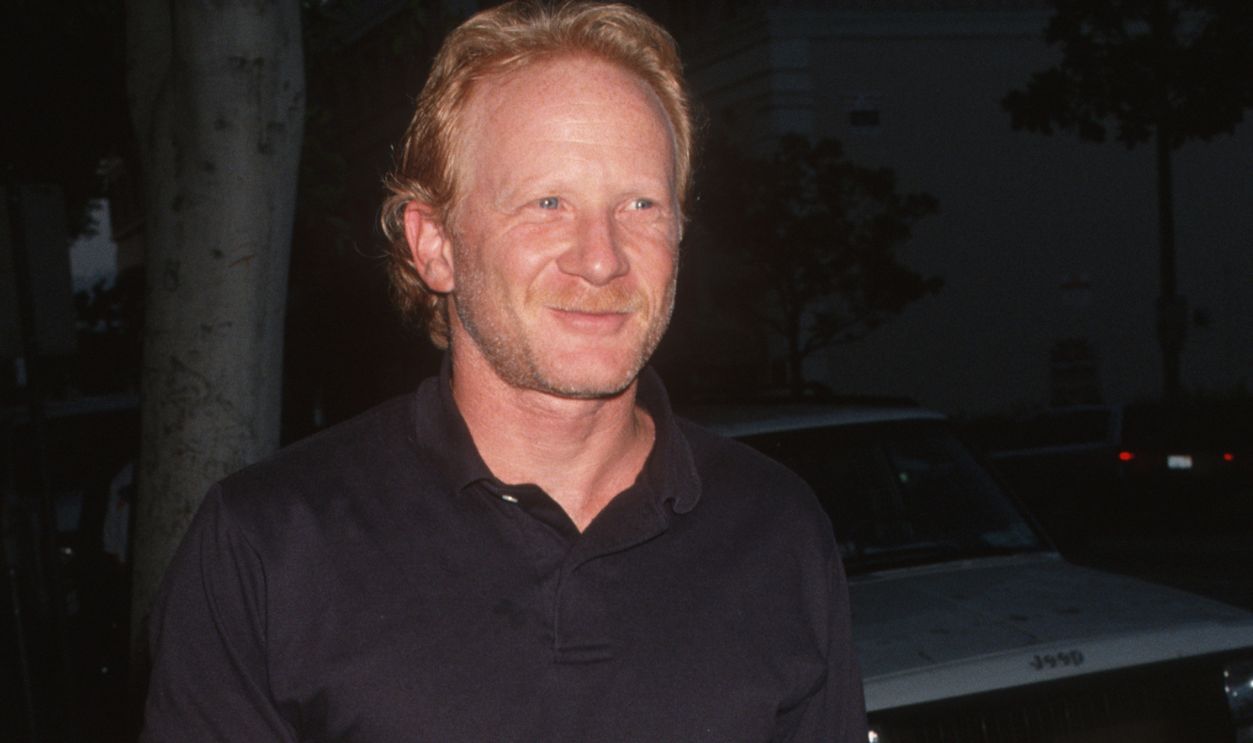 Ron Galella, Ltd., Getty Images
Walking Away From Happy Days
Most left Happy Days after its seventh season in 1980, departing around the same time as Ron Howard. He later explained that avoiding permanent typecasting was an important motivation. Ralph was written out by joining the Army with Richie, though Most eventually returned for the series finale.
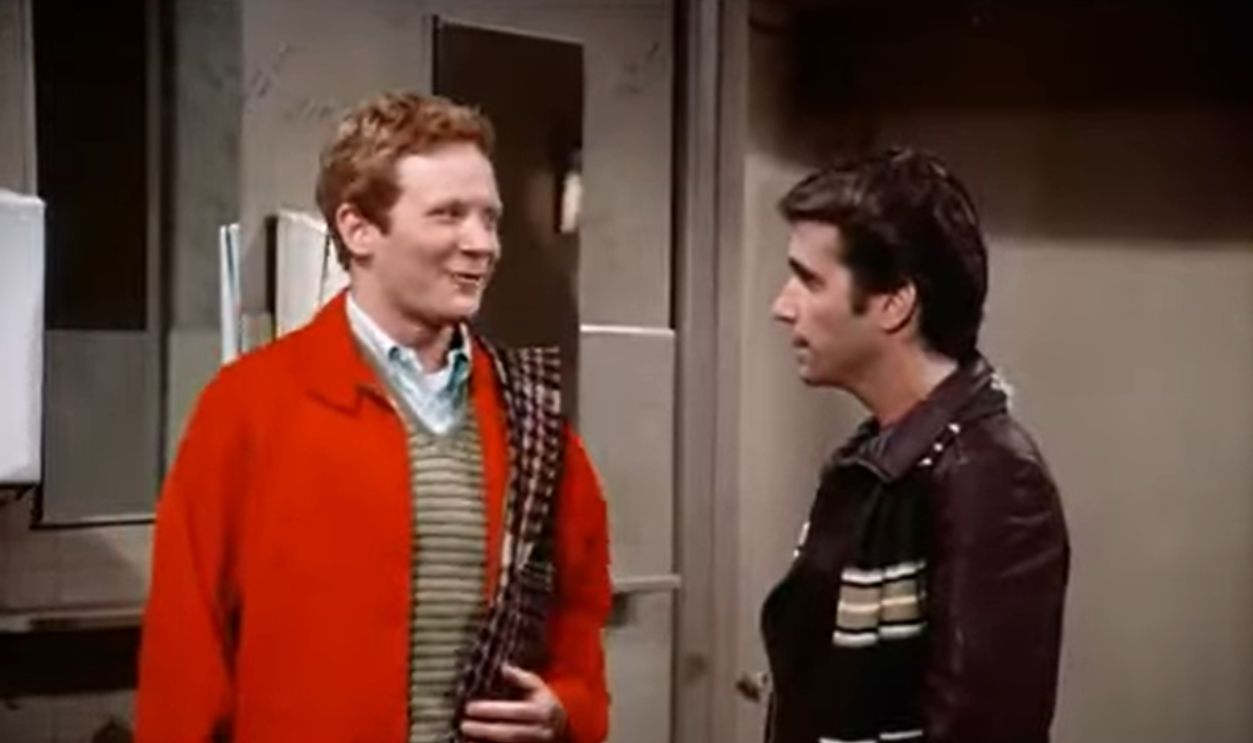 Screenshot from Happy Days, Paramount Domestic Television (1974–1984)
The Typecasting Problem Was Real
Escaping Ralph proved easier on paper than in practice. Most has recalled deliberately avoiding sitcom auditions for a period because he wanted dramatic opportunities and greater variety. It was a risky move for an actor leaving a massive hit, but he was determined not to spend decades repeating himself.
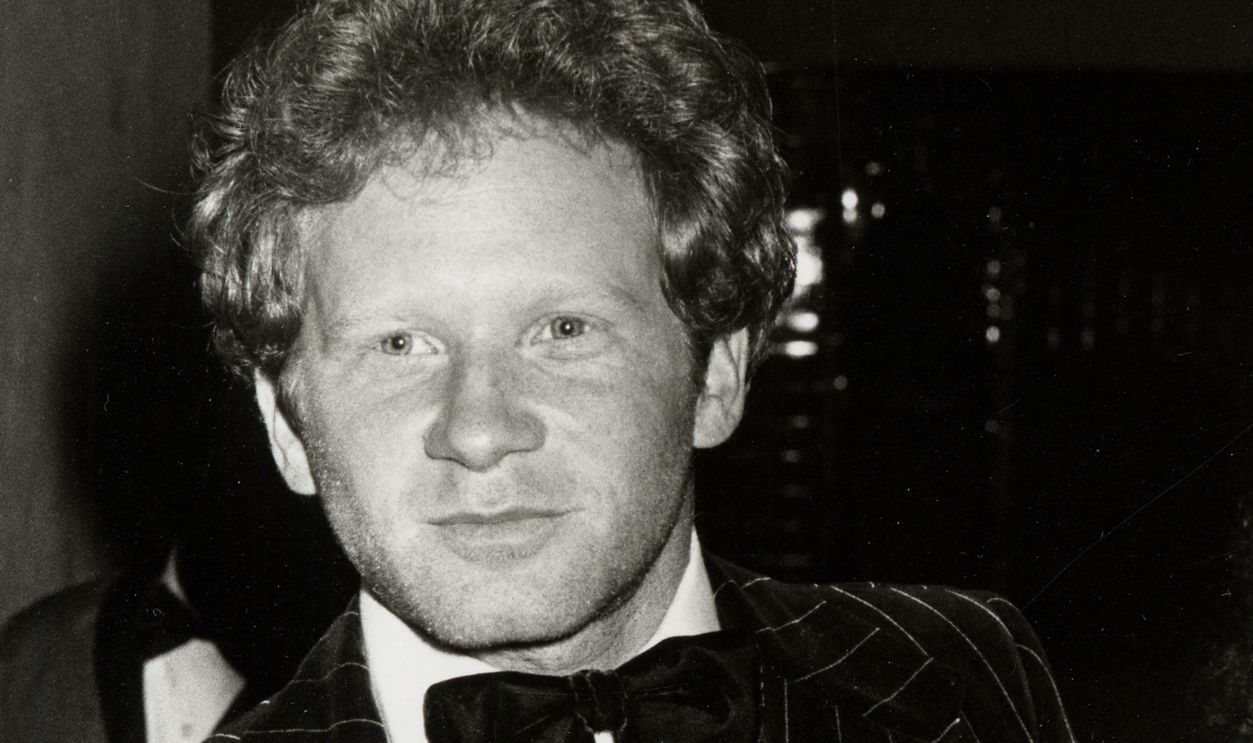
He Kept Acting Anyway
The roles continued coming. Most appeared in shows ranging from The Love Boat and CHiPs to Baywatch, Sliders, Star Trek: Voyager, Sabrina the Teenage Witch, Diagnosis: Murder, Glee and Men of a Certain Age. Ralph might have lingered, but Most kept stretching his résumé.
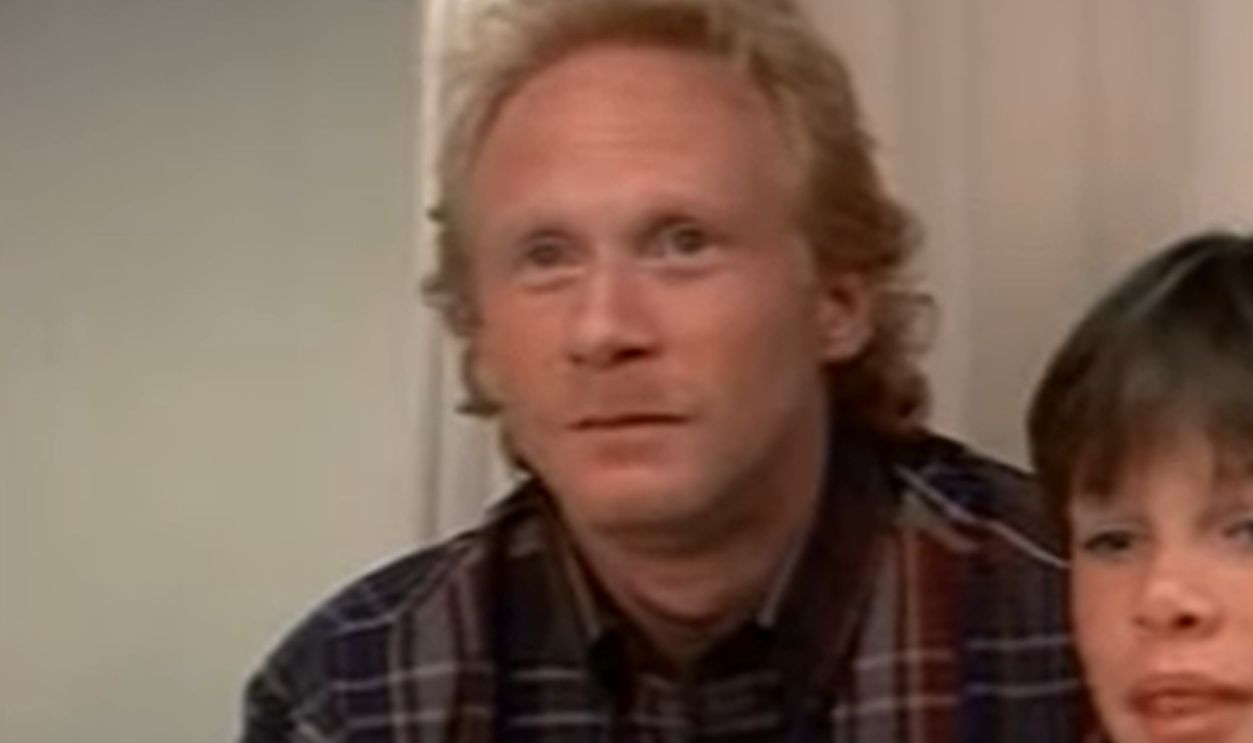 Screenshot from Baywatch, All American Television (1989–2001)
Voice Acting Opened Another Door
Most also found plenty of work without appearing on camera at all. He returned to Ralph for the animated The Fonz and the Happy Days Gang and later contributed voices to other cartoons. It was a clever way of using his comic instincts without being physically trapped in Ralph’s sweater.
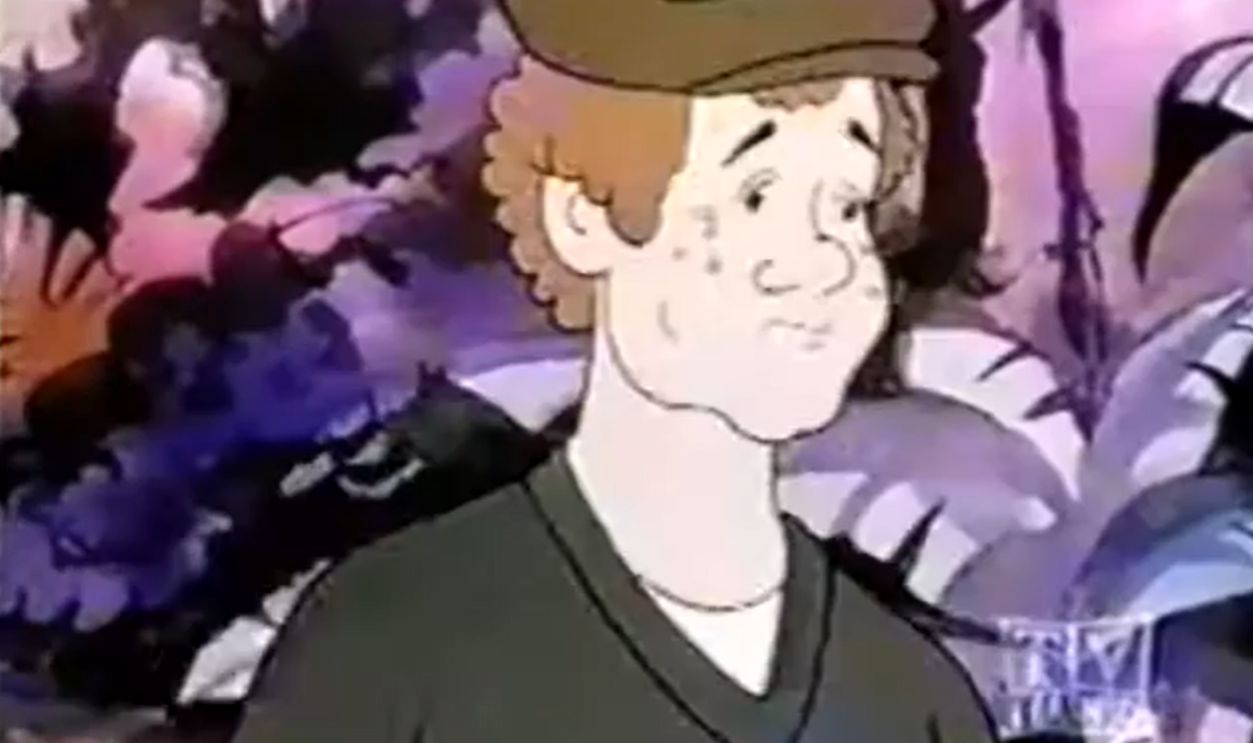 Screenshot from The Fonz and the Happy Days Gang, Paramount Television (1980–1981)
Dungeons & Dragons Gave Him Another Fanbase
In the 1980s animated Dungeons & Dragons, Most voiced Eric the Cavalier, the sarcastic, frequently complaining member of the adventuring group. The show became a cult favorite, giving Most the amusing distinction of being recognizable to one generation as Ralph Malph and another as an animated fantasy hero.
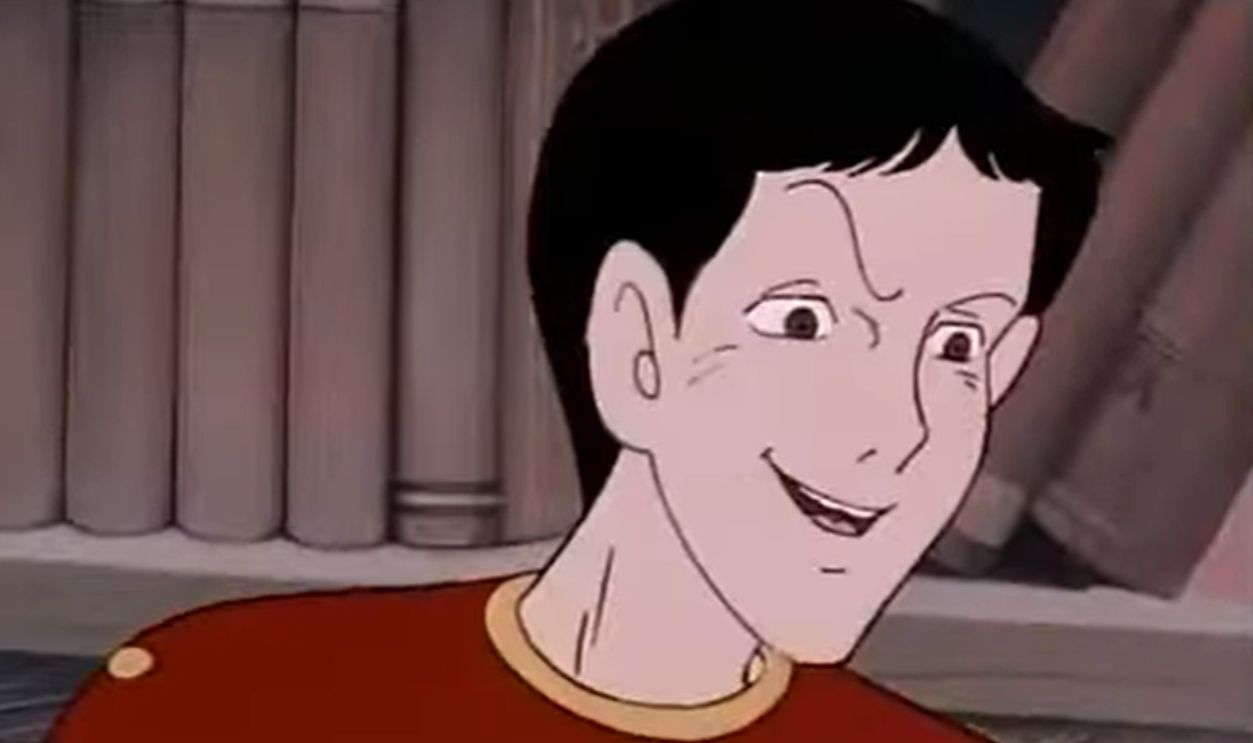 Screenshot from Dungeons & Dragons, CBS (1983–1985)
Then He Stepped Behind The Camera
Most eventually decided performing was not enough. He wanted to direct, moving behind the camera for a completely different creative challenge. That ambition produced his first feature as a director, The Last Best Sunday, which premiered at the Seattle International Film Festival in 1999.
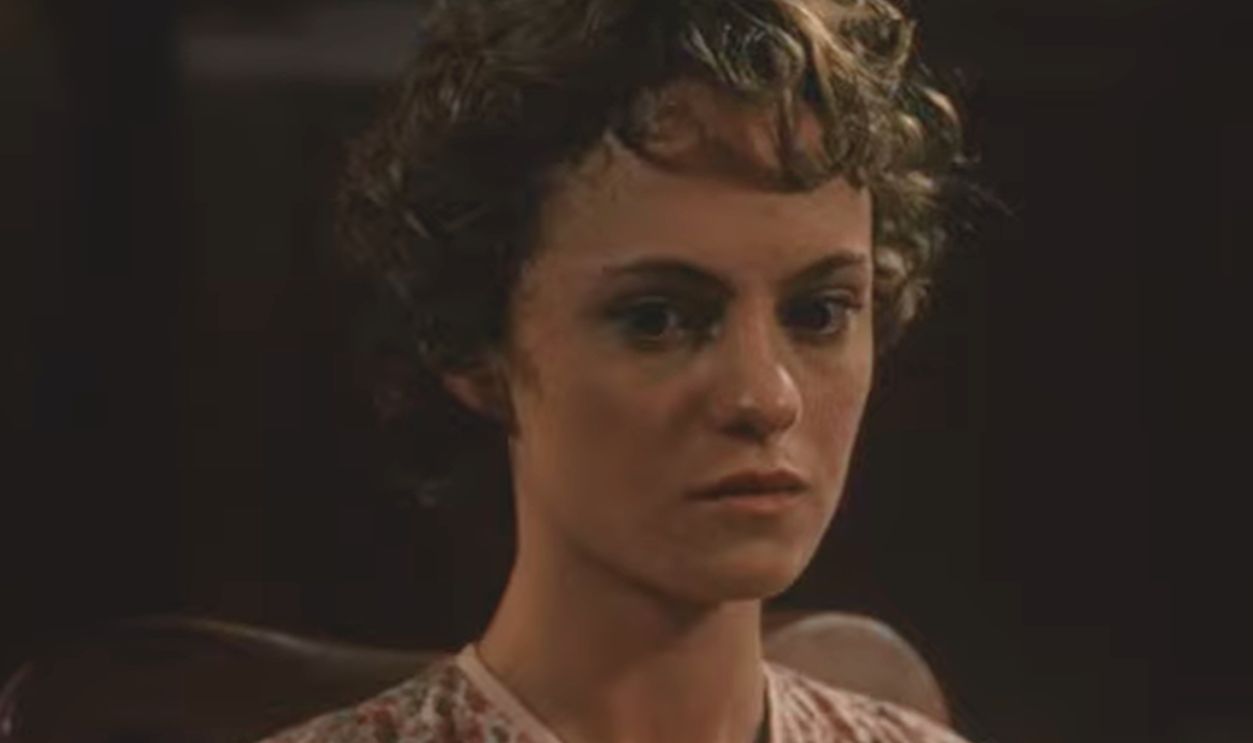 Screenshot from The Last Best Sunday, Vanguard Cinema (1999)
The Last Best Sunday Paid Off
The directing experiment was more than celebrity dabbling. The Last Best Sunday won Best Feature at the Telluride IndieFest, according to Most’s official biography. After years of trying to prove he was more than Ralph Malph, directing gave him another way to demonstrate just how broad his ambitions actually were.
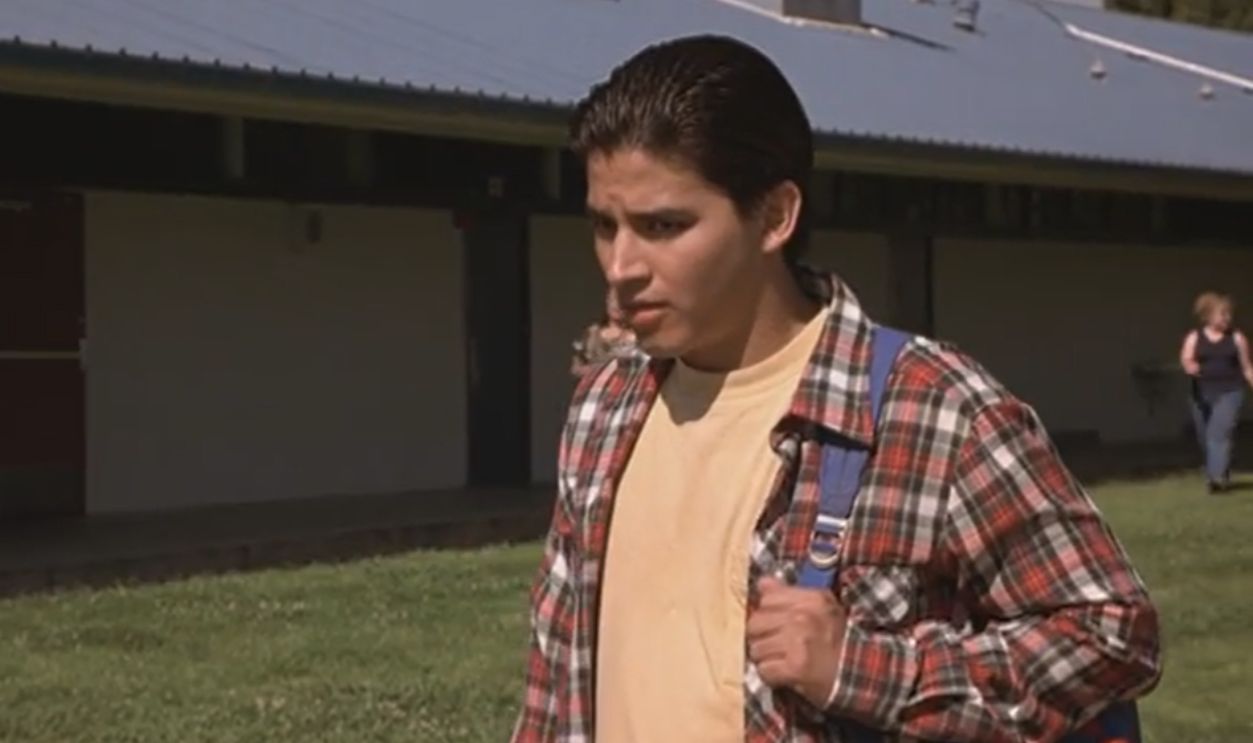 Screenshot from The Last Best Sunday, Vanguard Cinema (1999)
More Directing Followed
Most followed with Moola, starring William Mapother and a young Shailene Woodley. His official biography credits the film with earning him an Outstanding Achievement in Directing award at the Newport Beach Film Festival. He later directed the family movie Harley’s Hill, extending his second career behind the camera.
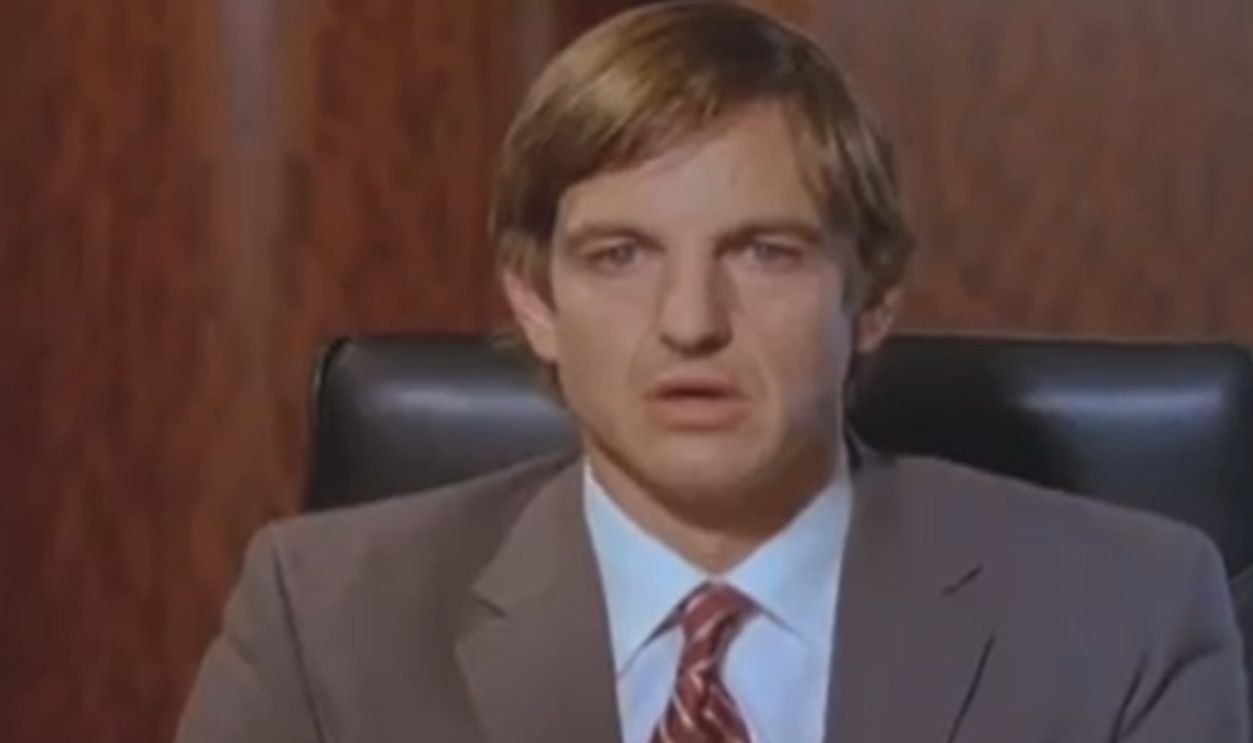 Screenshot from Moola, Allumination Filmworks (2007)
The Crooner Finally Took Center Stage
Eventually, Most circled back to the dream that had grabbed him before television ever did. Inspired by Bobby Darin, Frank Sinatra, Dean Martin and Nat King Cole, he began performing standards, swing and big-band music professionally. Suddenly Ralph Malph’s wisecracking voice had become the voice of a nightclub crooner.
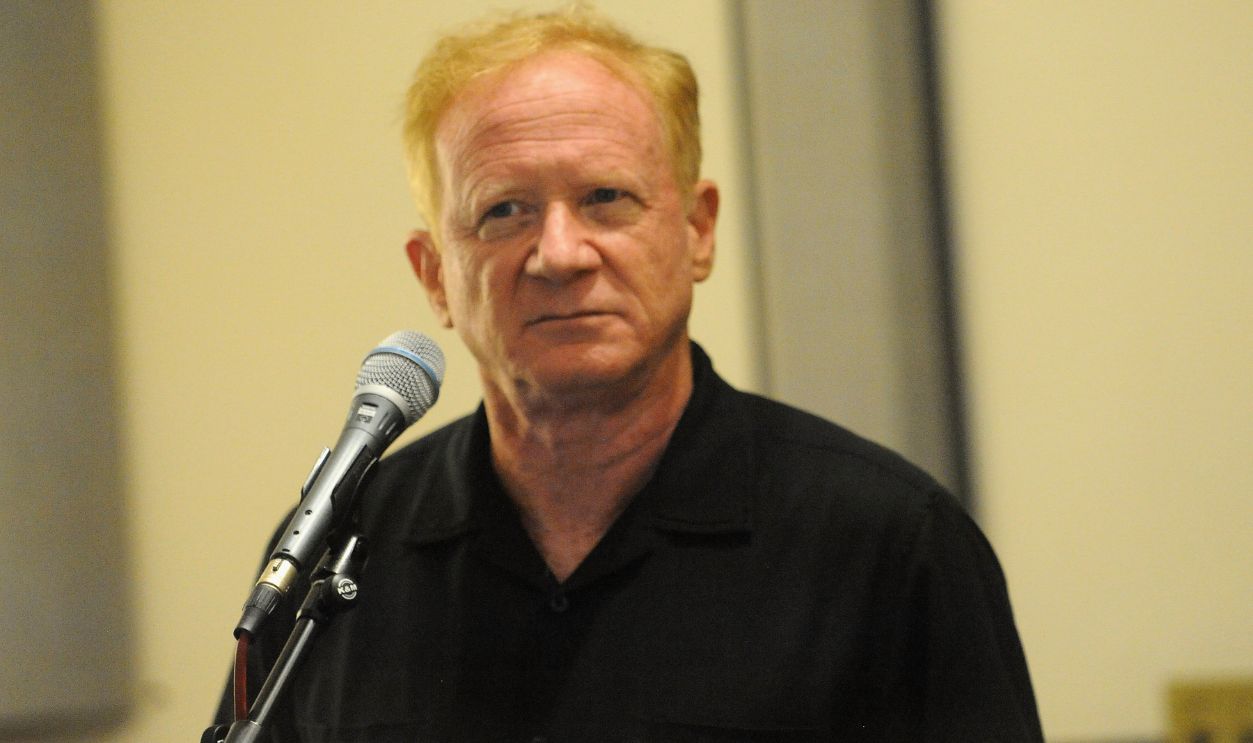
Mostly Swinging Was No Gimmick
Most developed Donny Most: Mostly Swinging, performing with ensembles ranging from smaller bands to full jazz orchestras. Rather than leaning entirely on Happy Days nostalgia, the show was built around his genuine affection for the Great American Songbook and the cool, polished showmanship of his musical heroes.
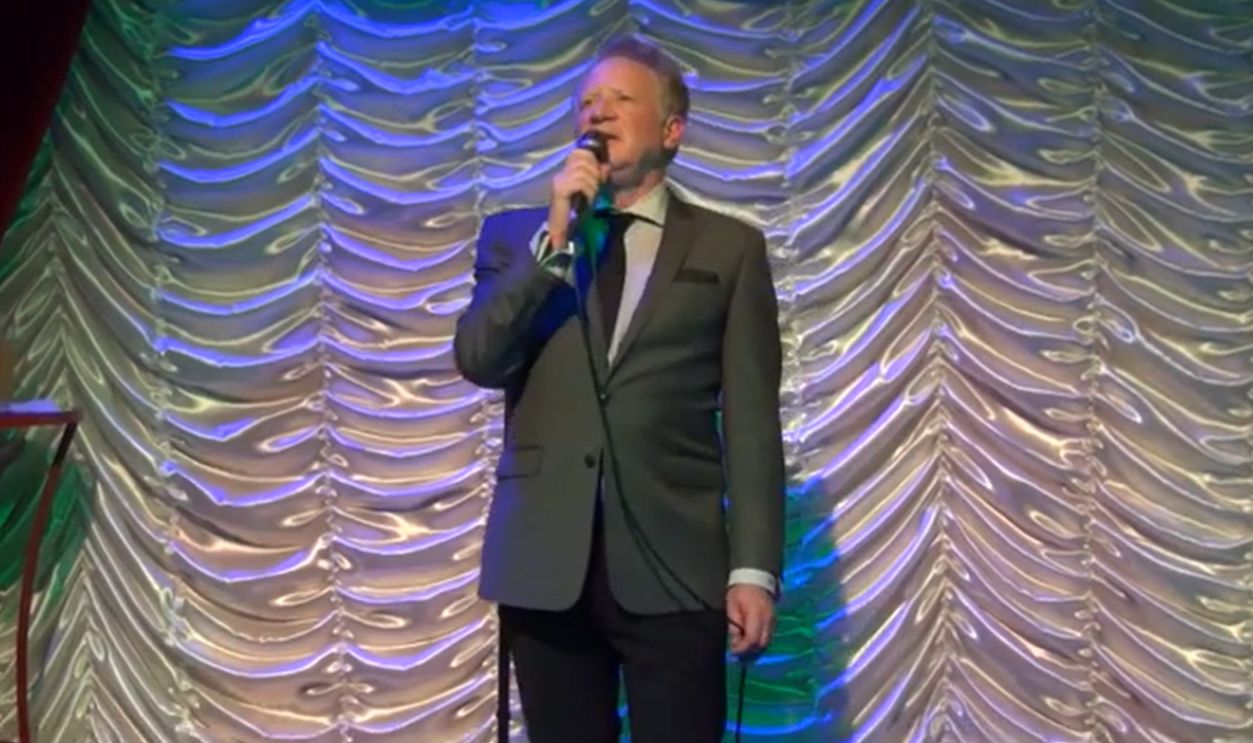 Screenshot from D Most: Mostly Swinging, Summit Records (2017)
He Returned To Recording
His music career eventually produced new recordings, including D Most Mostly Swinging in 2017 and New York High in 2023. It was the career left turn few casual Happy Days fans would have predicted—but for Most, who had loved this music since childhood, it was more like coming home.
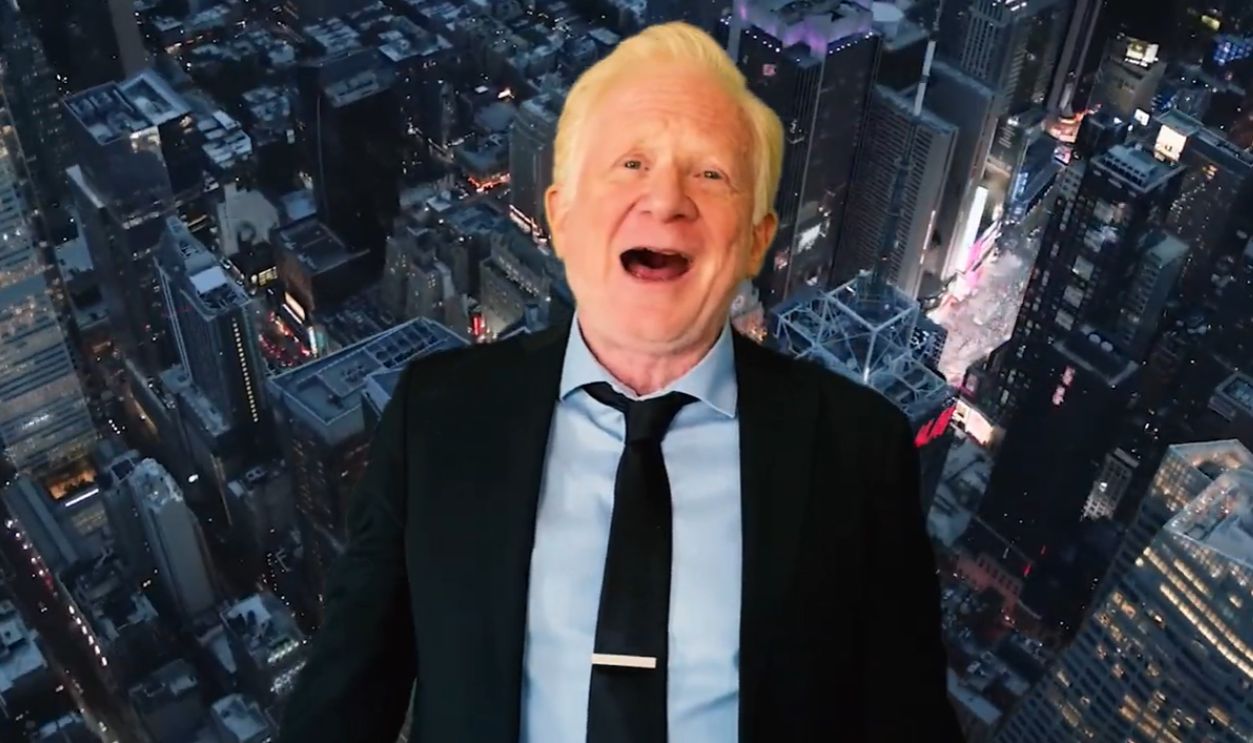 Screenshot from New York High, Plateau Music (2023)
Still Working And Still Reuniting
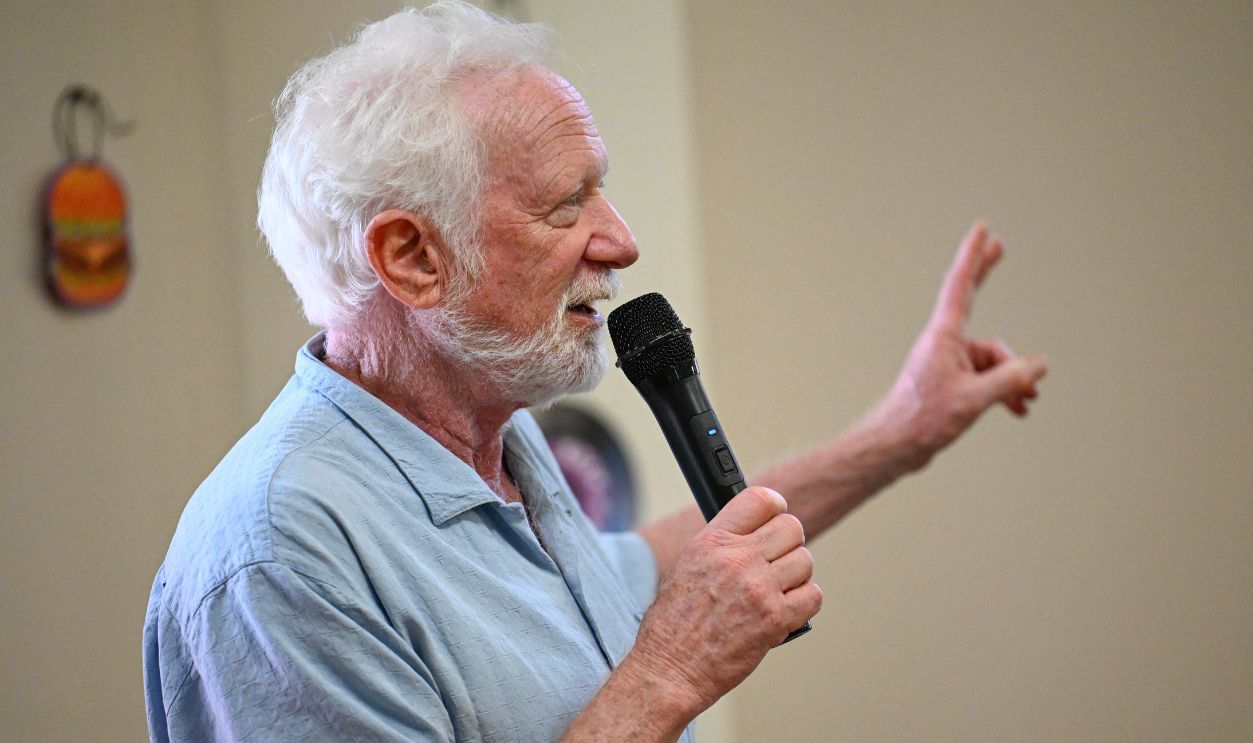
Most has never entirely abandoned acting or his sitcom family. He continues appearing at fan events and reuniting with former castmates including Henry Winkler and Anson Williams. In 2026, he also appeared onstage in On Golden Pond, showing that performing remains very much part of his life.
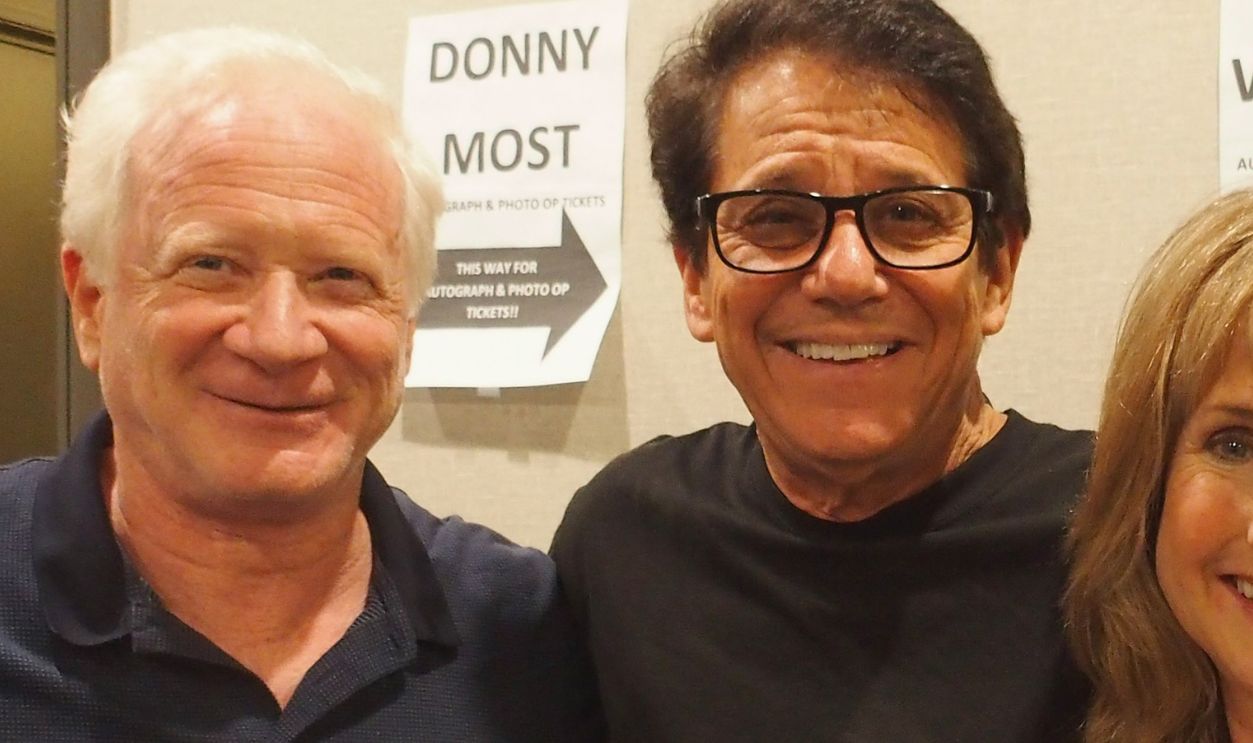
Ralph Malph Made It To The Opry
Just after turning 73, Most reached another unexpected milestone: his Grand Ole Opry debut on August 7, 2026. He performed as part of the Opry’s centennial celebrations before continuing his birthday weekend with another Tennessee appearance—quite a journey for the kid who once cracked jokes at Arnold’s Drive-In.
 Matthew Jonas/Boulder Daily Camera via Getty Images , Getty Images
Ralph Malph Was Only Act One
Don Most could easily have spent his life trading on Happy Days nostalgia, but that was never really his style. Actor, voice performer, director and big-band singer—his career has been less a straight line than a collection of interesting detours. And after all these years? Apparently, he still got it.
You May Also Like:
The Beach Boy With A Dark Side
Popular Britbox Miniseries That Are Great From Start To Finish