Think You Know Seventies TV?
The 1970s gave us sharp sitcoms, gritty detectives, lovable oddballs, and unforgettable theme songs. This quiz skips the obvious questions and digs into addresses, workplaces, character details, and facts only devoted rerun watchers remember. Let’s see whether your prime-time memory still works.
 CBS Television, Public domain, via Wikimedia Commons
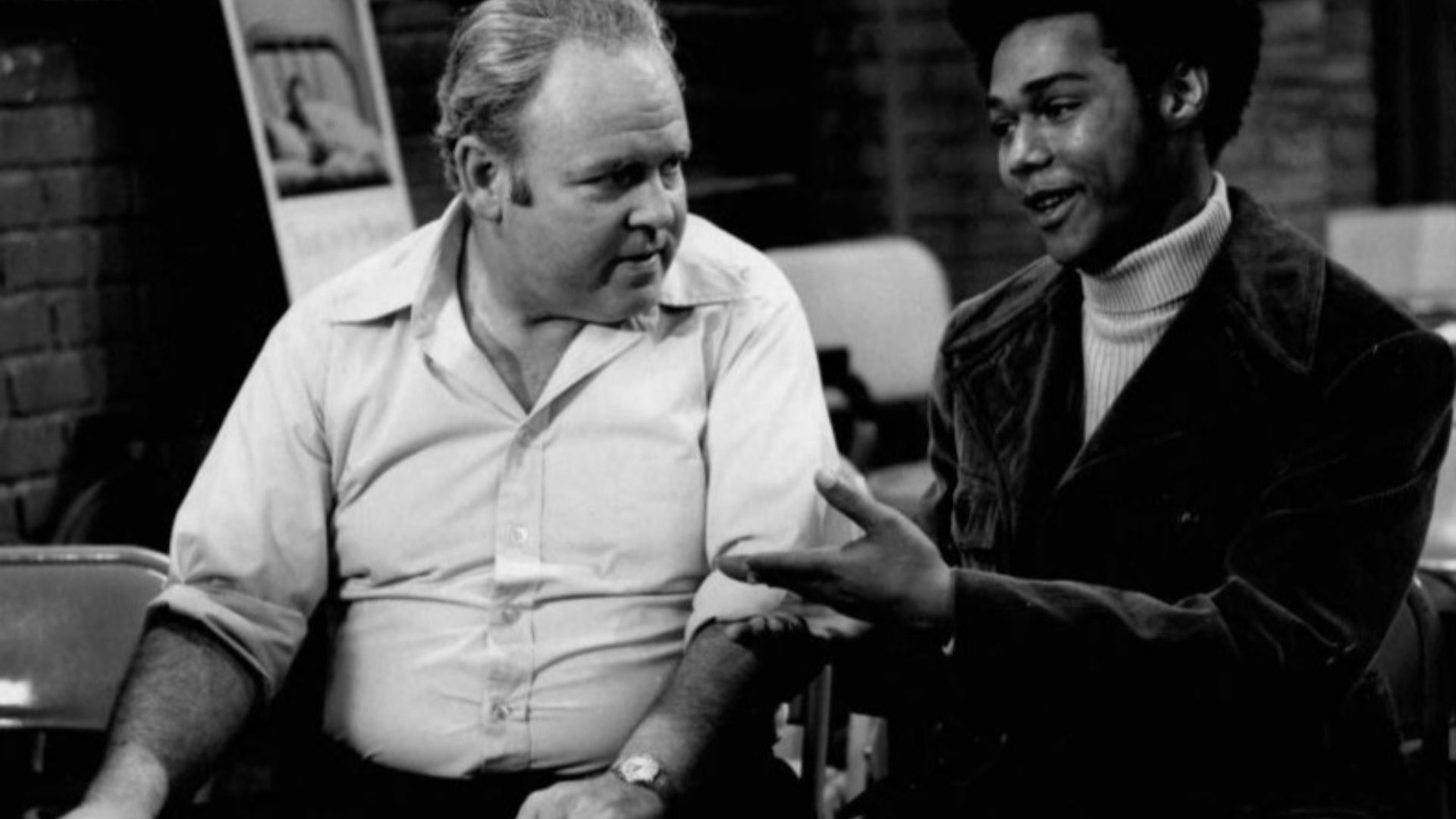
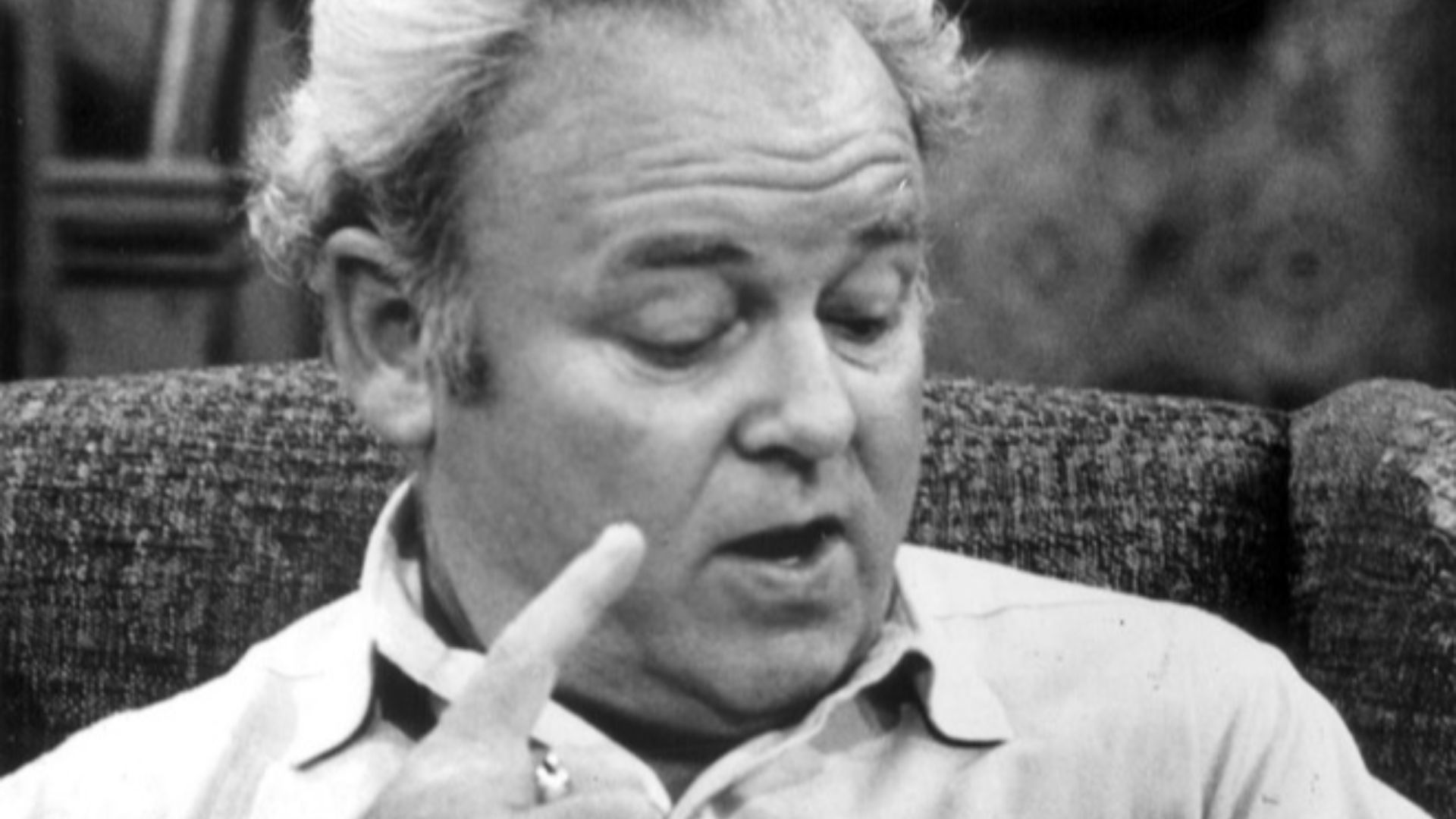
Archie Bunker’s Front Door
On All in the Family, Archie and Edith Bunker lived on fictional Hauser Street in Queens. What was their house number?
 CBS Television, Wikimedia Commons
The Number Revealed
The answer is 704. The Bunkers lived at 704 Hauser Street, an address nearly as famous as Archie’s chair. Take a point if it returned before the theme song entered your head.
 CBS Television, Wikimedia Commons
Mary’s Workplace
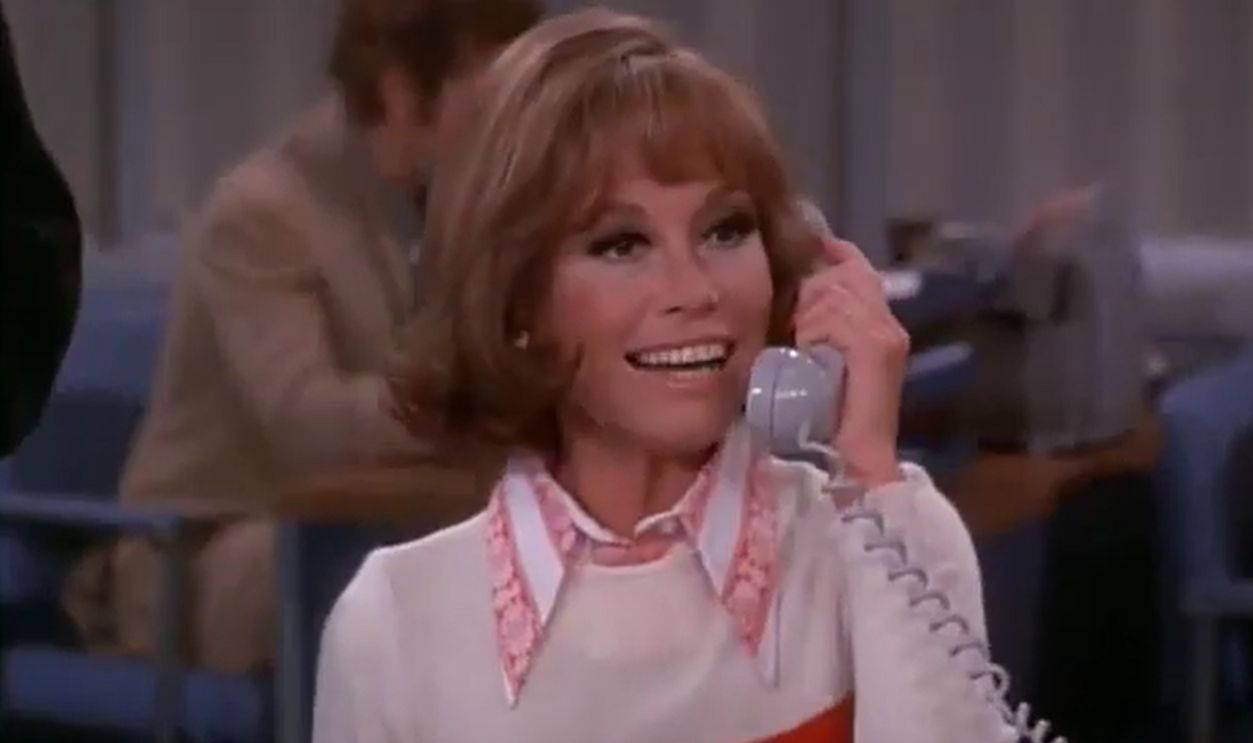
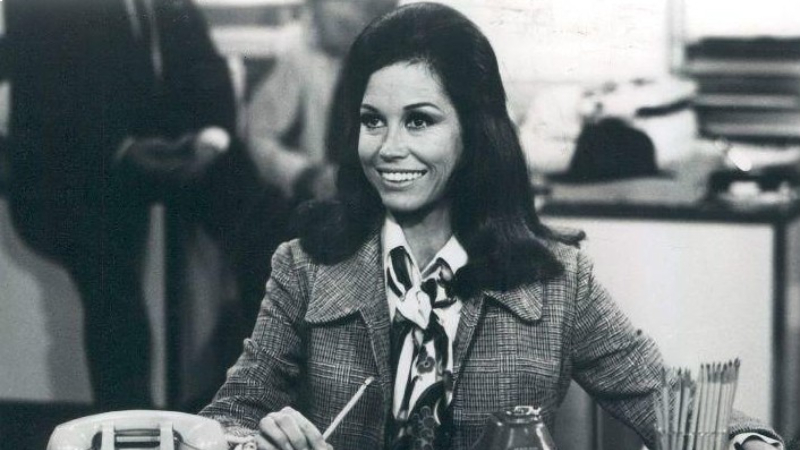
Mary Richards worked in the newsroom of a Minneapolis television station on The Mary Tyler Moore Show. What were its call letters?
 Screenshot from The Mary Tyler Moore Show, CBS (1970–1977)
Time for the Broadcast
The answer is WJM-TV. Mary started as an associate producer and spent seven seasons managing deadlines, egos, and Ted Baxter. Remembering Minneapolis was easy; remembering those three letters is the tricky part.
 CBS Television, Wikimedia Commons
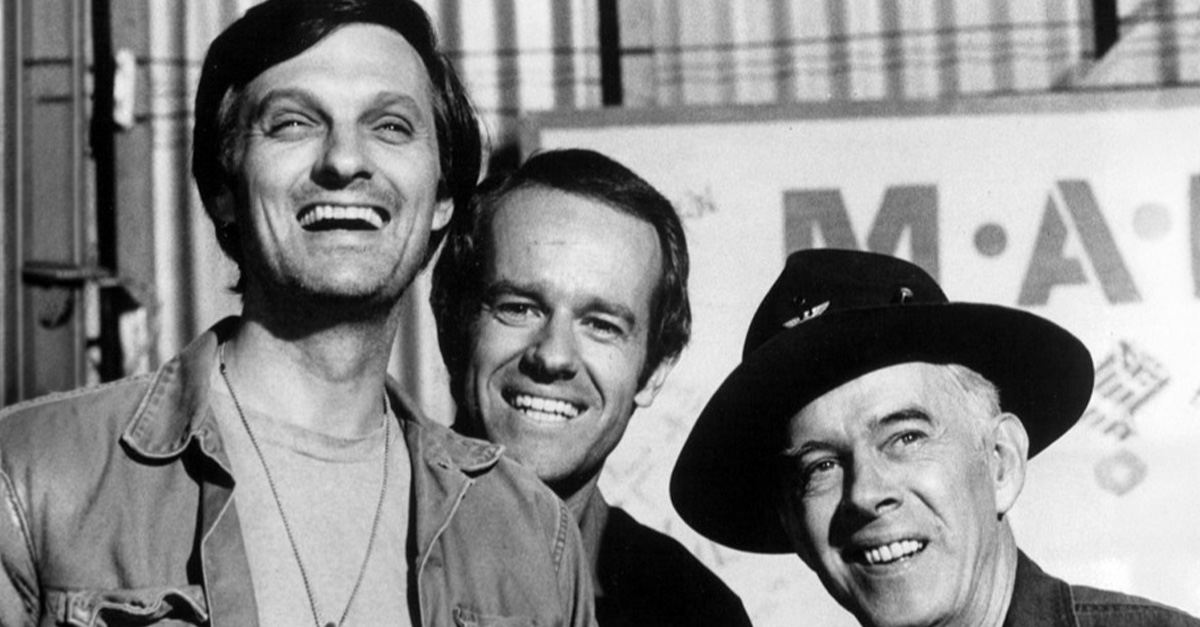
Klinger’s Hometown
Corporal Maxwell Klinger spent much of M*A*S*H trying to escape the Army. Which Ohio city did he proudly call home?
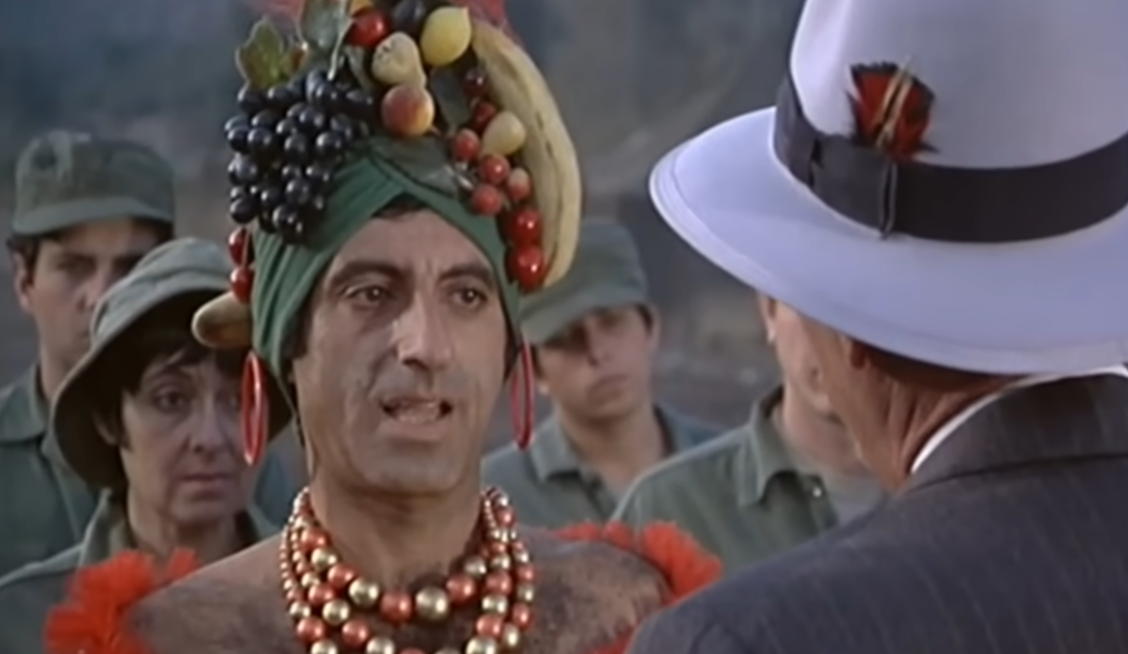 Screenshot from M*A*S*H, CBS (1972–1983)
Pack Your Bags
The answer is Toledo. Klinger constantly mentioned the city, its Mud Hens baseball team, and Tony Packo’s restaurant. Actor Jamie Farr was also born there, making the references especially personal.
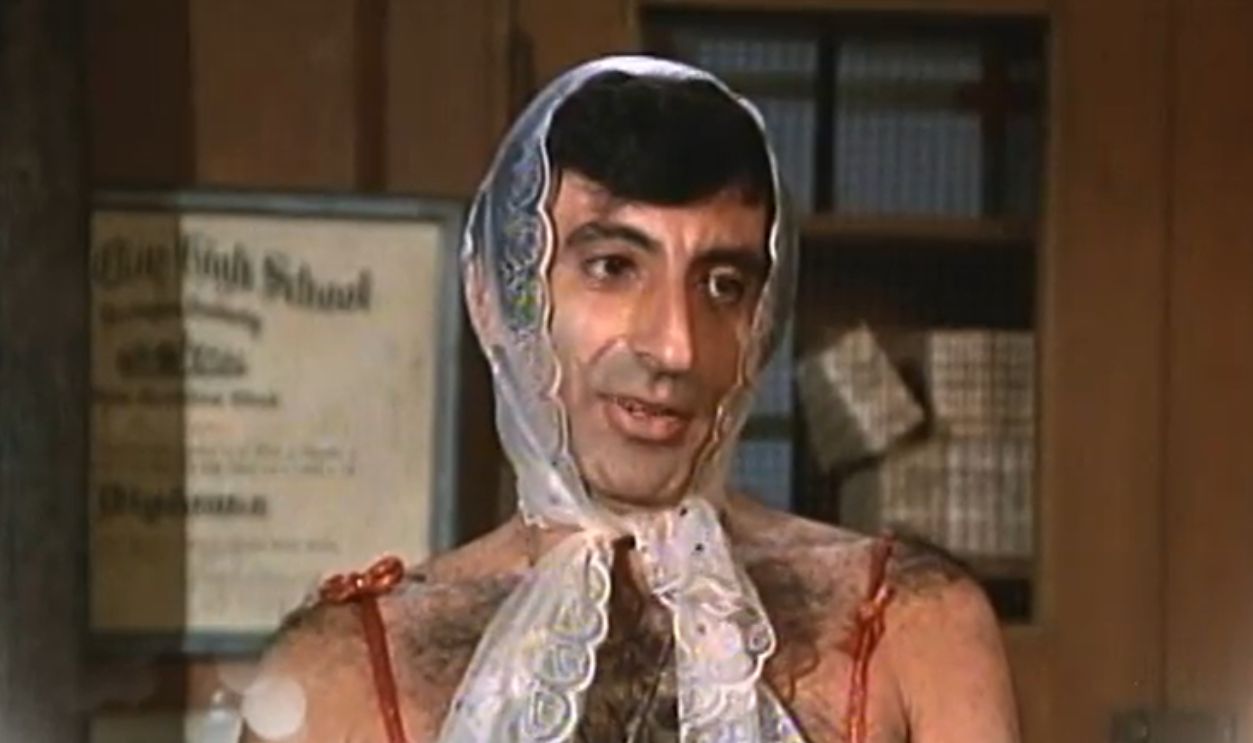 Screenshot from M*A*S*H, CBS (1972–1983)
Arnold’s New Owner
After the original Arnold left Happy Days, a mustached regular took over the drive-in. What was the new owner’s name?
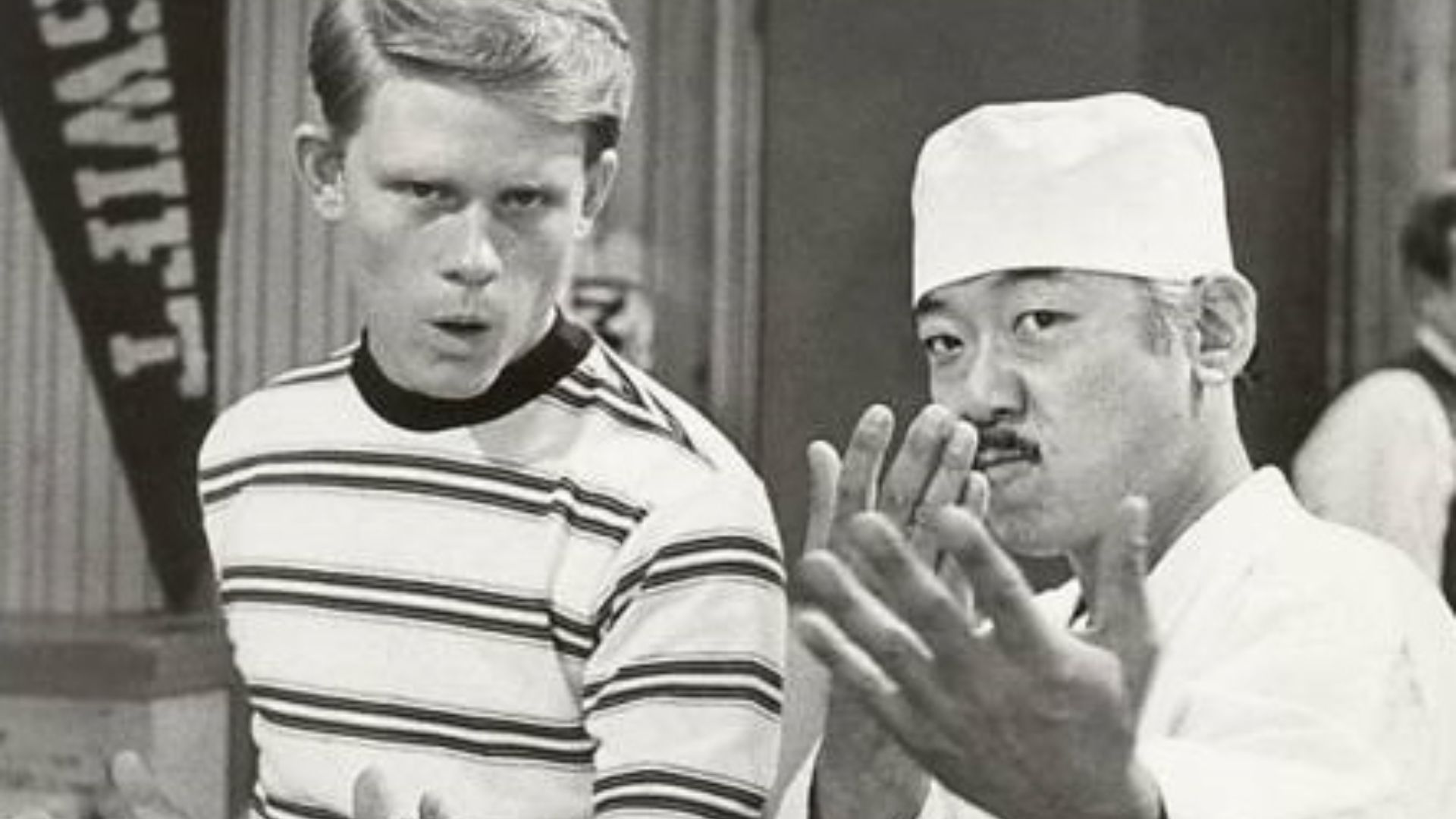 ABC Television Press Relations, Wikimedia Commons
Order Up
The answer is Al Delvecchio. Played by Al Molinaro, Al became the familiar face behind the counter and often delivered bad news with a drawn-out “Yep, yep, yep.”
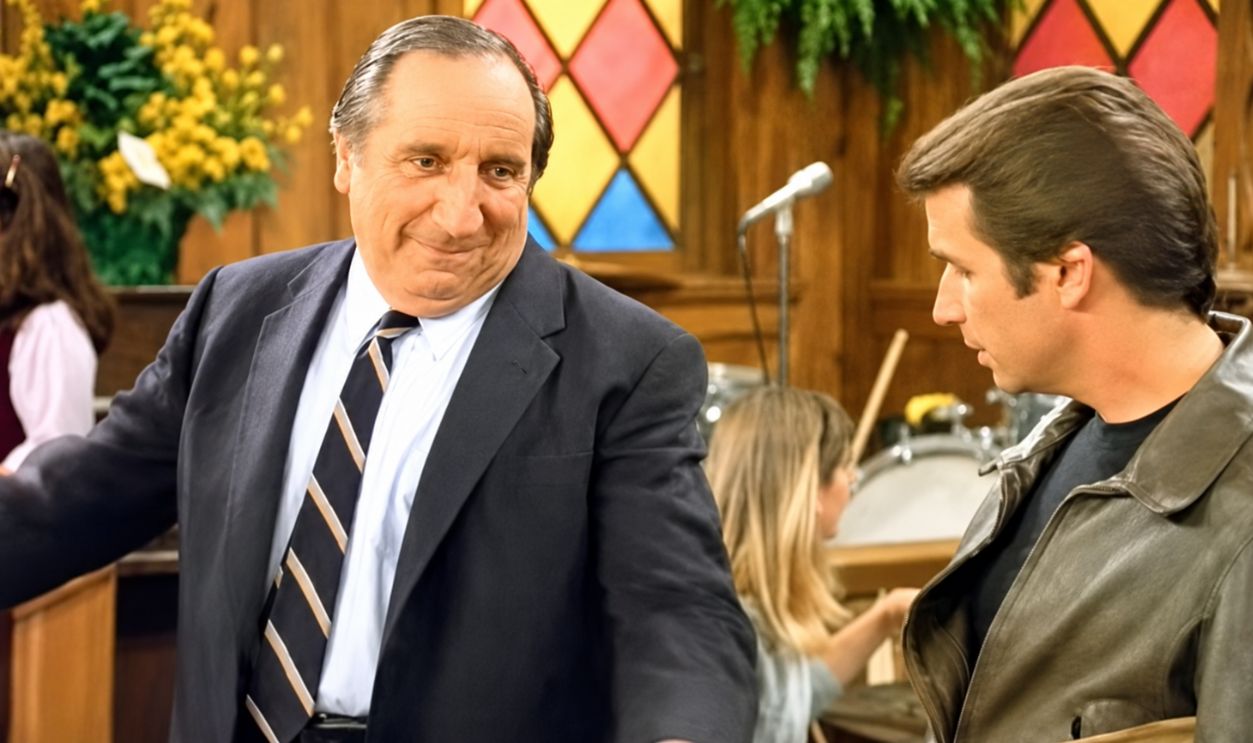 Screenshot from Happy Days, ABC (1974-1984)
The Trio’s Apartment
Jack, Janet, and Chrissy shared a Santa Monica apartment on Three’s Company. What apartment number appeared on their door?
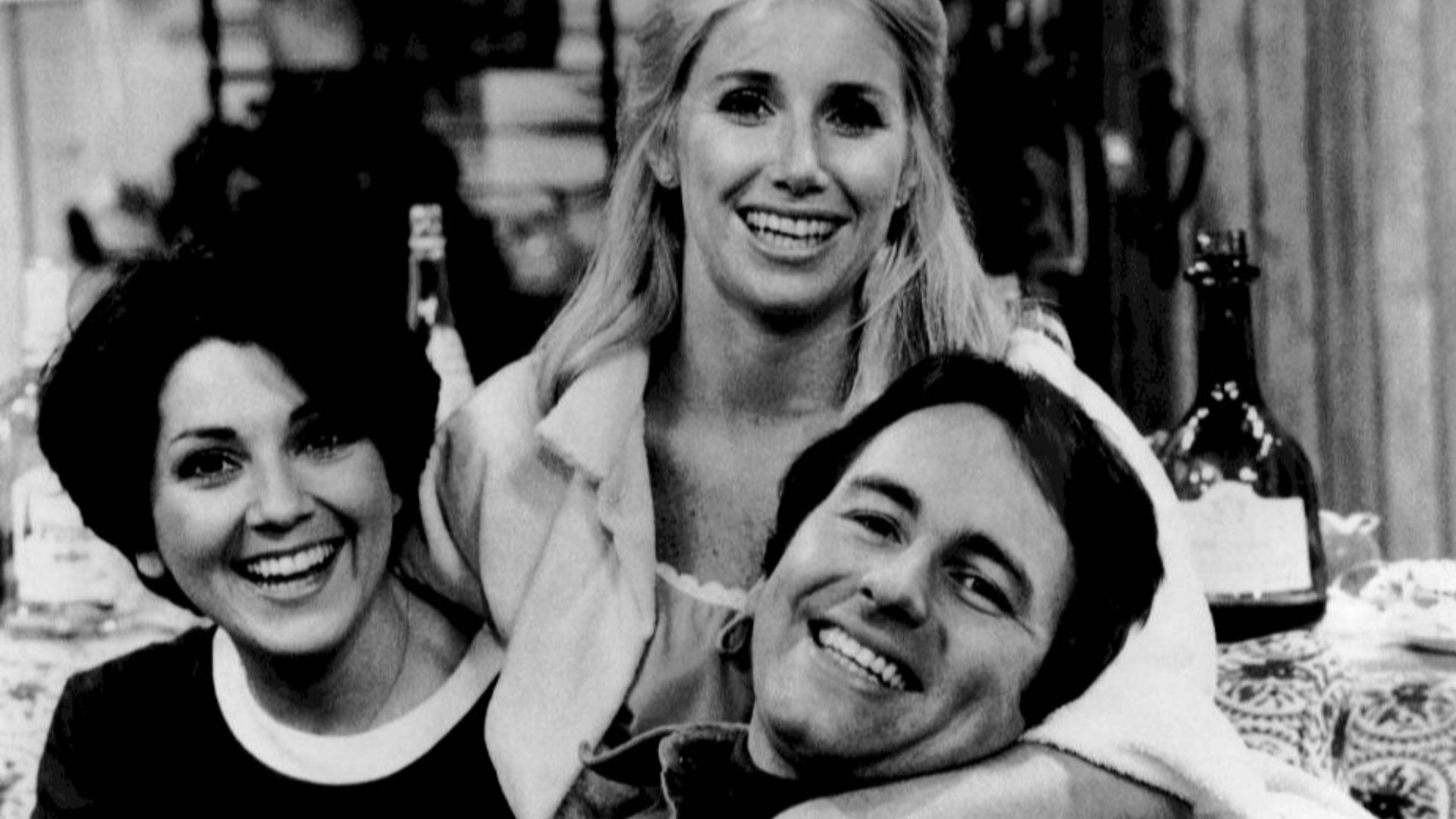 ABC Television, Wikimedia Commons
Check the Door
The answer is 201. That apartment hosted nearly every misunderstanding, overheard conversation, and badly timed entrance. It looked roomy enough for three people, though privacy clearly was not included in the rent.
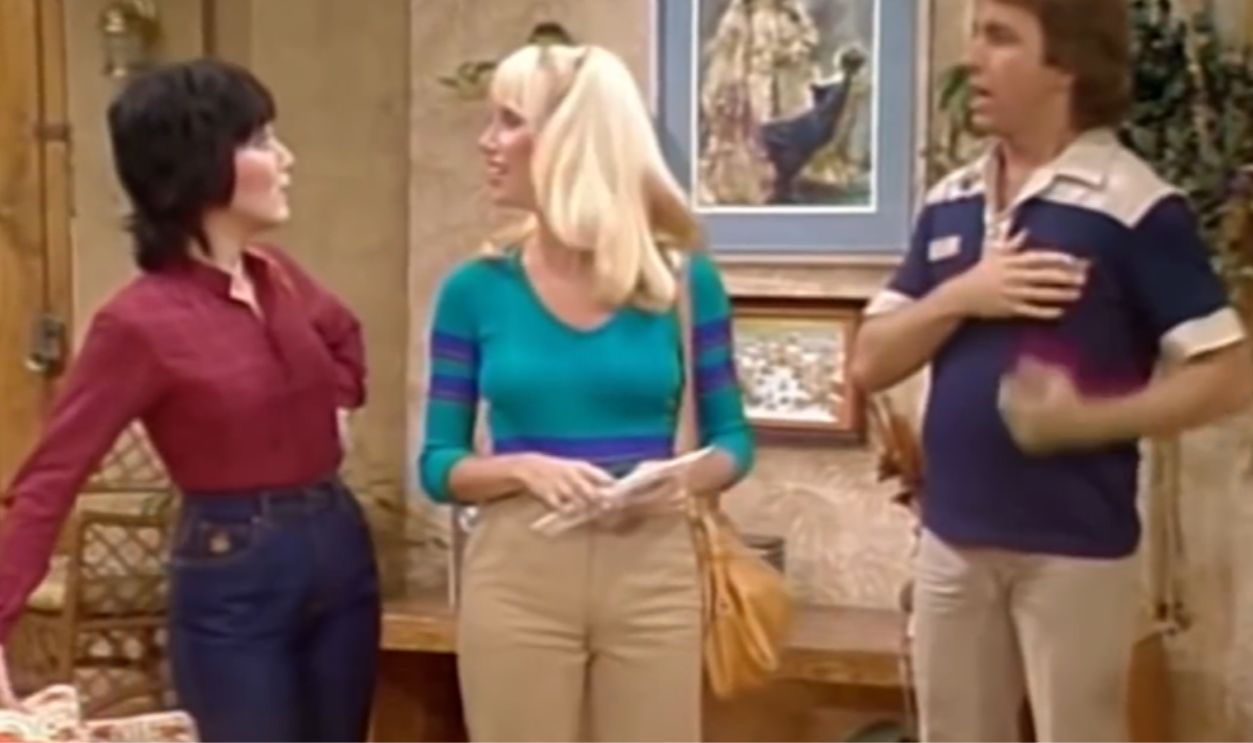 Screenshot from Three's Company, ABC (1977–1984)
Charlie’s Famous Voice
Viewers rarely saw Charlie Townsend on Charlie’s Angels, but they heard him through a speakerphone. Which actor supplied his mysterious voice?
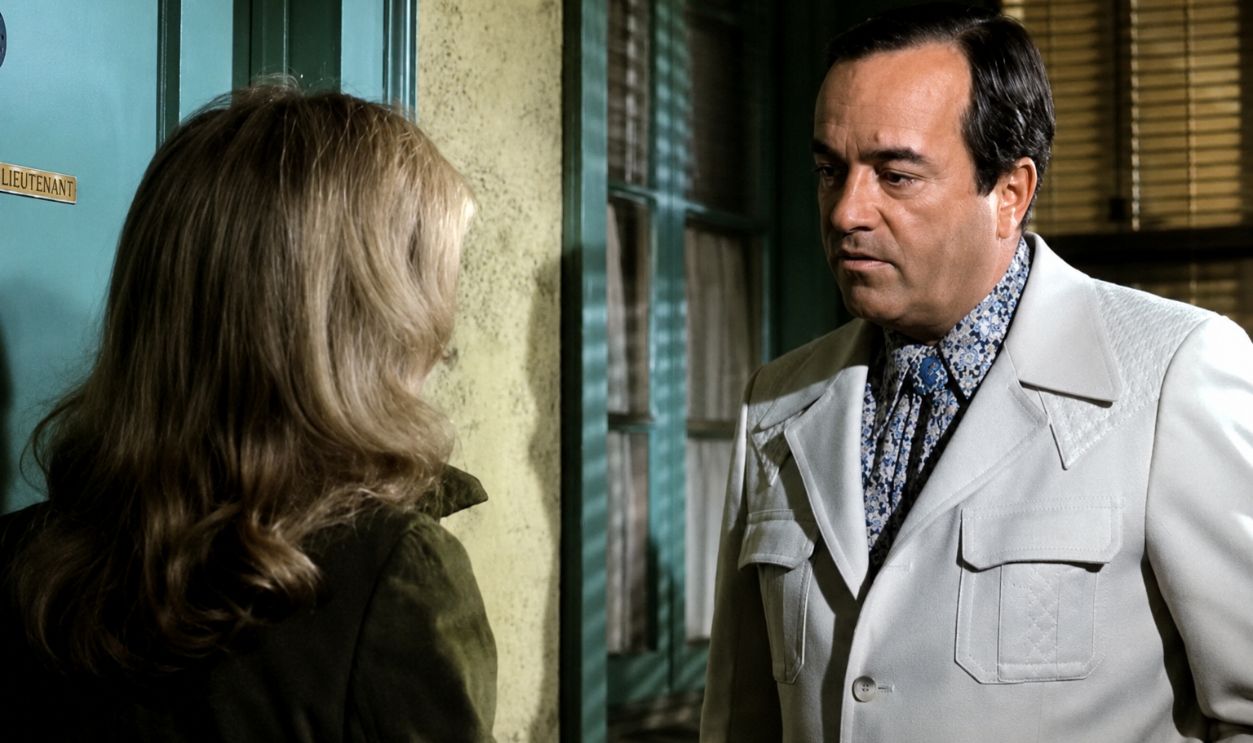 Screenshot from Charlie’s Angels, ABC (1976-1981), Enhanced
The Mystery Man
The answer is John Forsythe. He recorded Charlie’s dialogue without appearing on camera, creating one of television’s most recognizable unseen characters. He later played Blake Carrington on Dynasty.
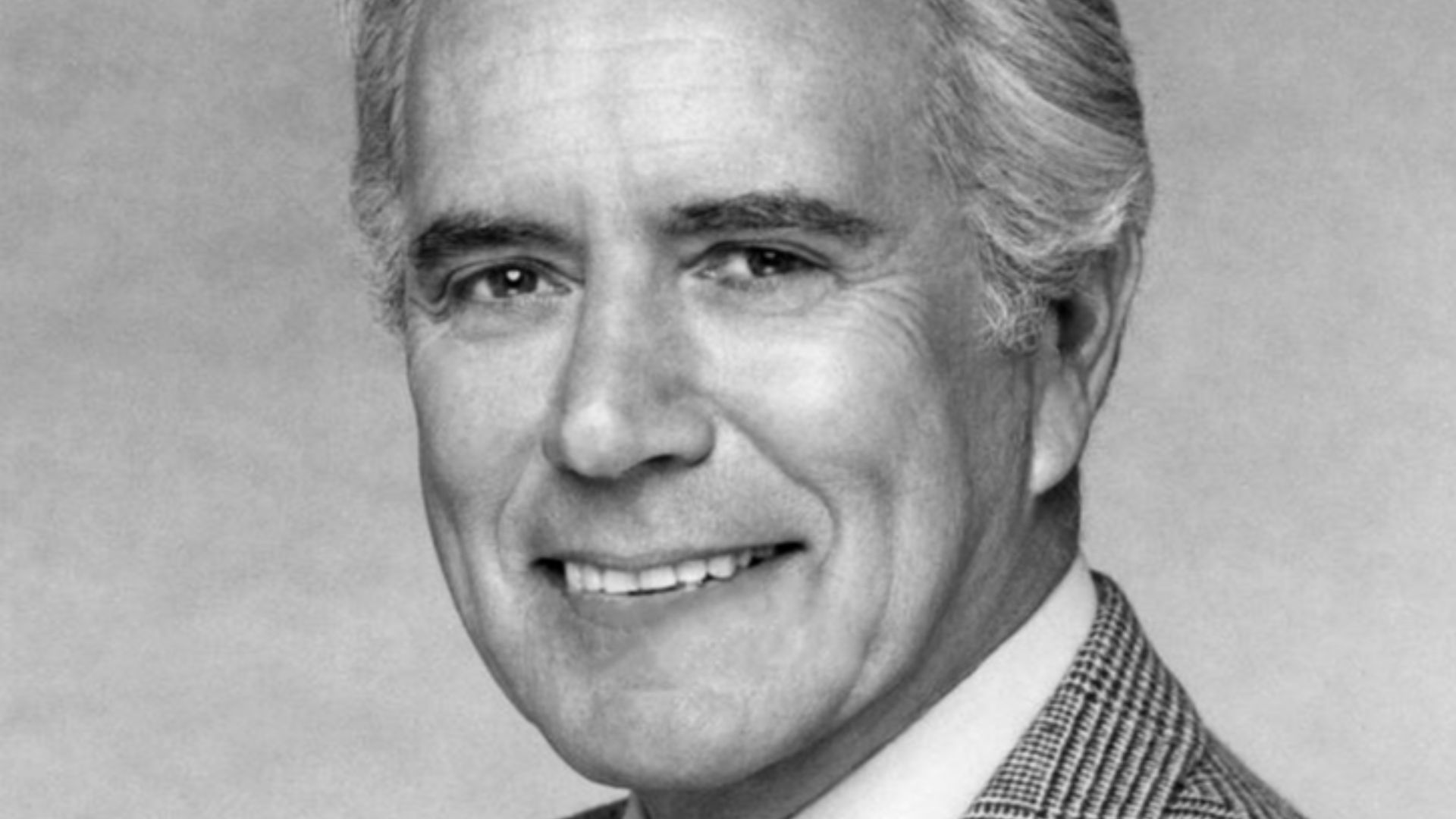 ABC Television, Wikimedia Commons
Rockford’s License Plate
Jim Rockford’s gold Pontiac Firebird was almost as important as his answering machine. What unusual license-plate number appeared on the car?
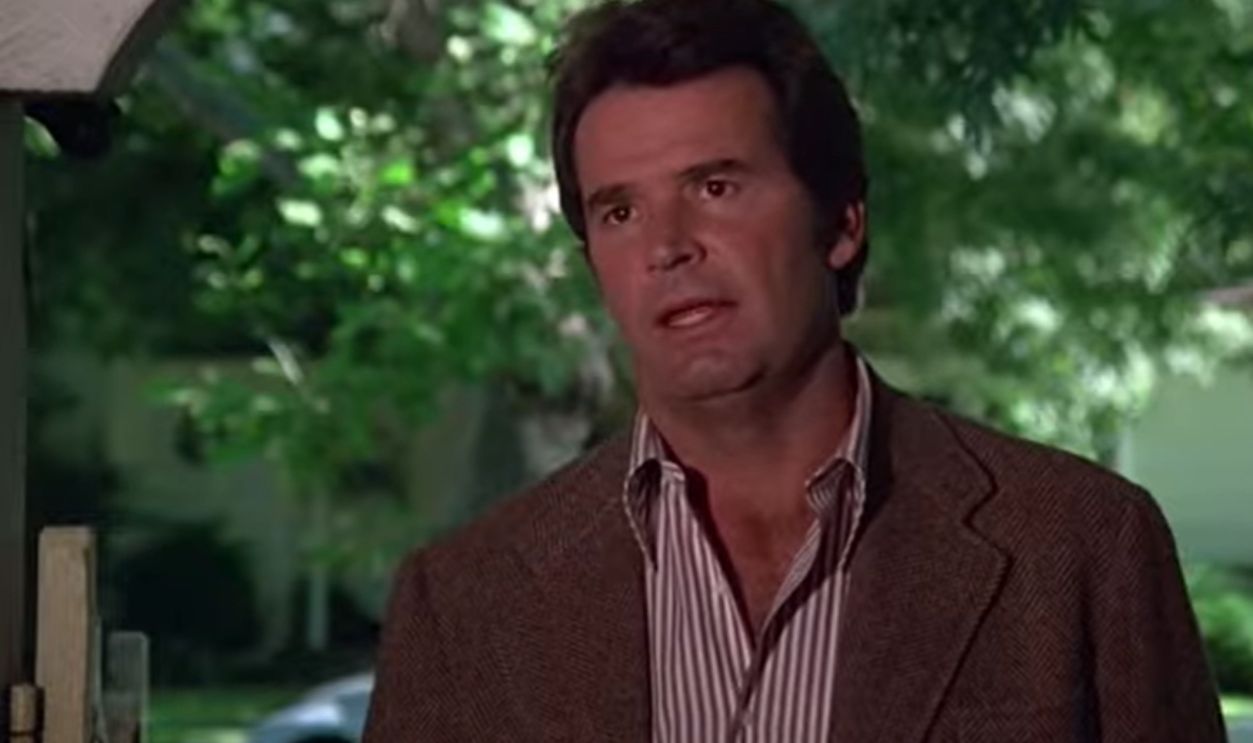 Screenshot from The Rockford Files, NBCUniversal (1974-1980)
Read the Plate
The answer is 853 OKG. Fans spotted it during chases, stakeouts, and plenty of sharp turns. Remembering it earns serious bragging rights, because this is expert-level rerun trivia.
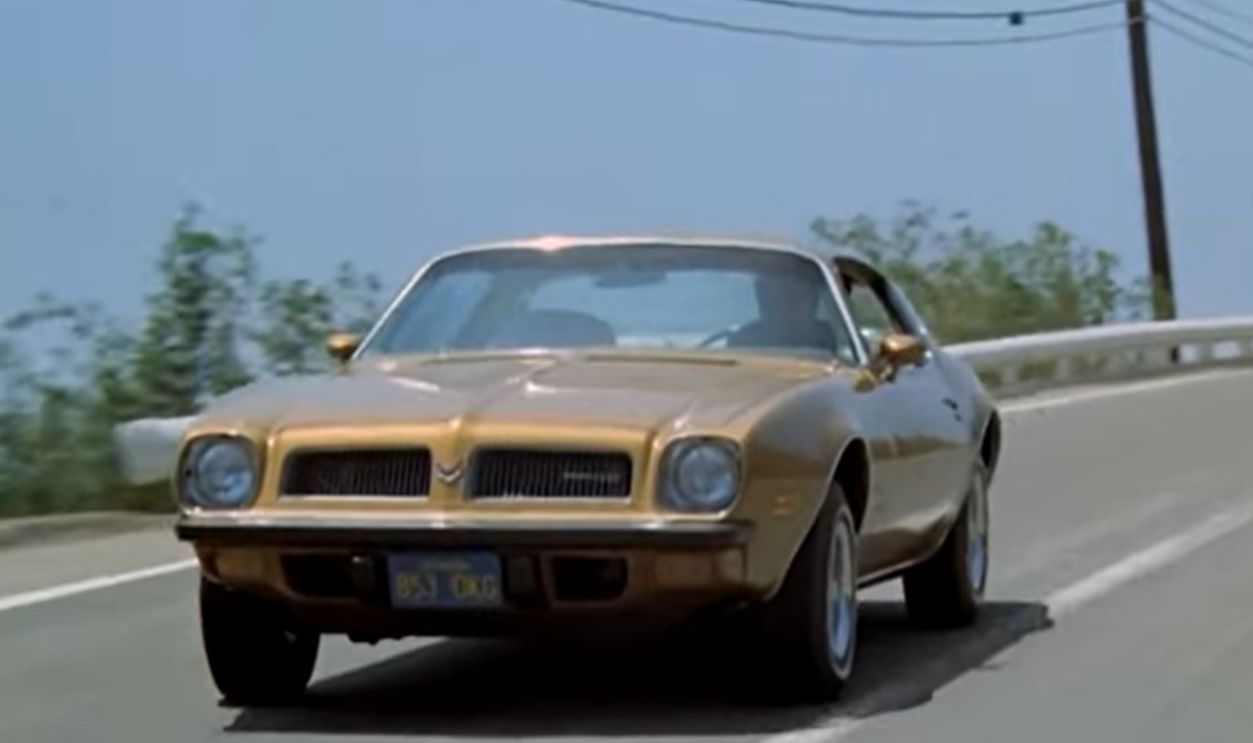 Screenshot from The Rockford Files, NBC (1974–1980)
Barney’s Precinct
Most of Barney Miller unfolded inside a tired New York police station. Which precinct did Captain Barney Miller command?
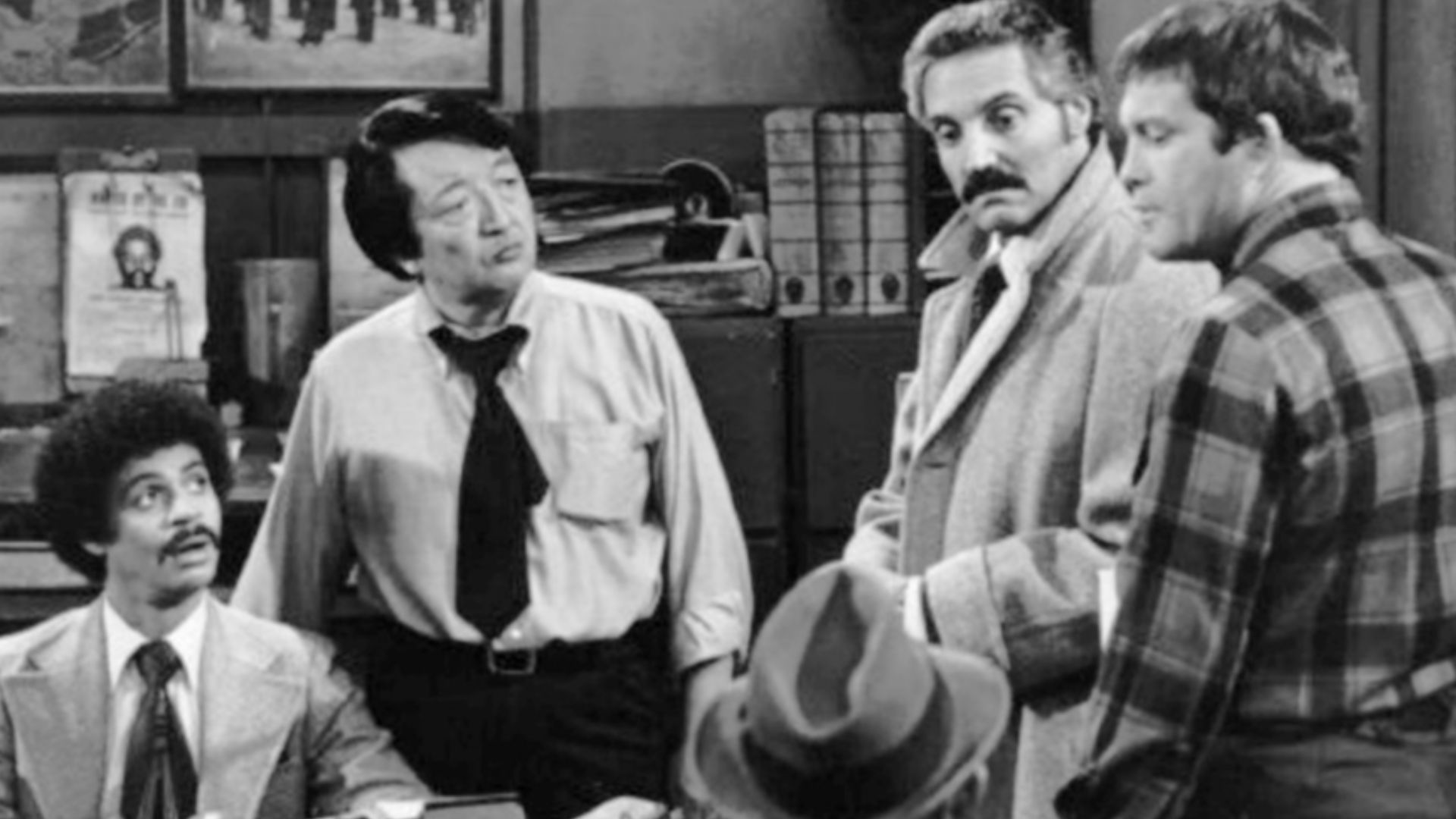 ABC Television, Wikimedia Commons
Report for Duty
The answer is the 12th Precinct. The number was fictional, but the squad room felt wonderfully real. The show found comedy in strange visitors, small conversations, and endless paperwork.
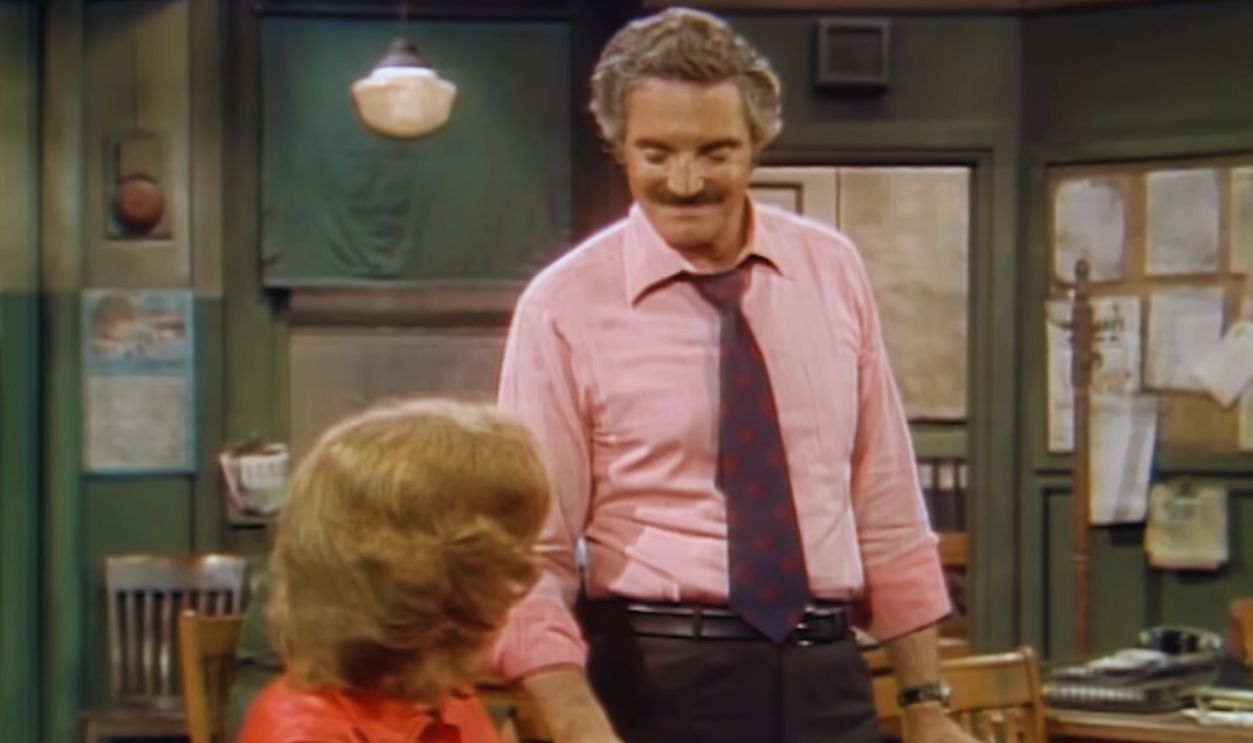 Screenshot from Barney Miller, Sony Pictures Television (1975–1982)
The Families on Soap
Soap followed two wildly complicated families through affairs, murders, kidnappings, and outrageous cliffhangers. What were their surnames?
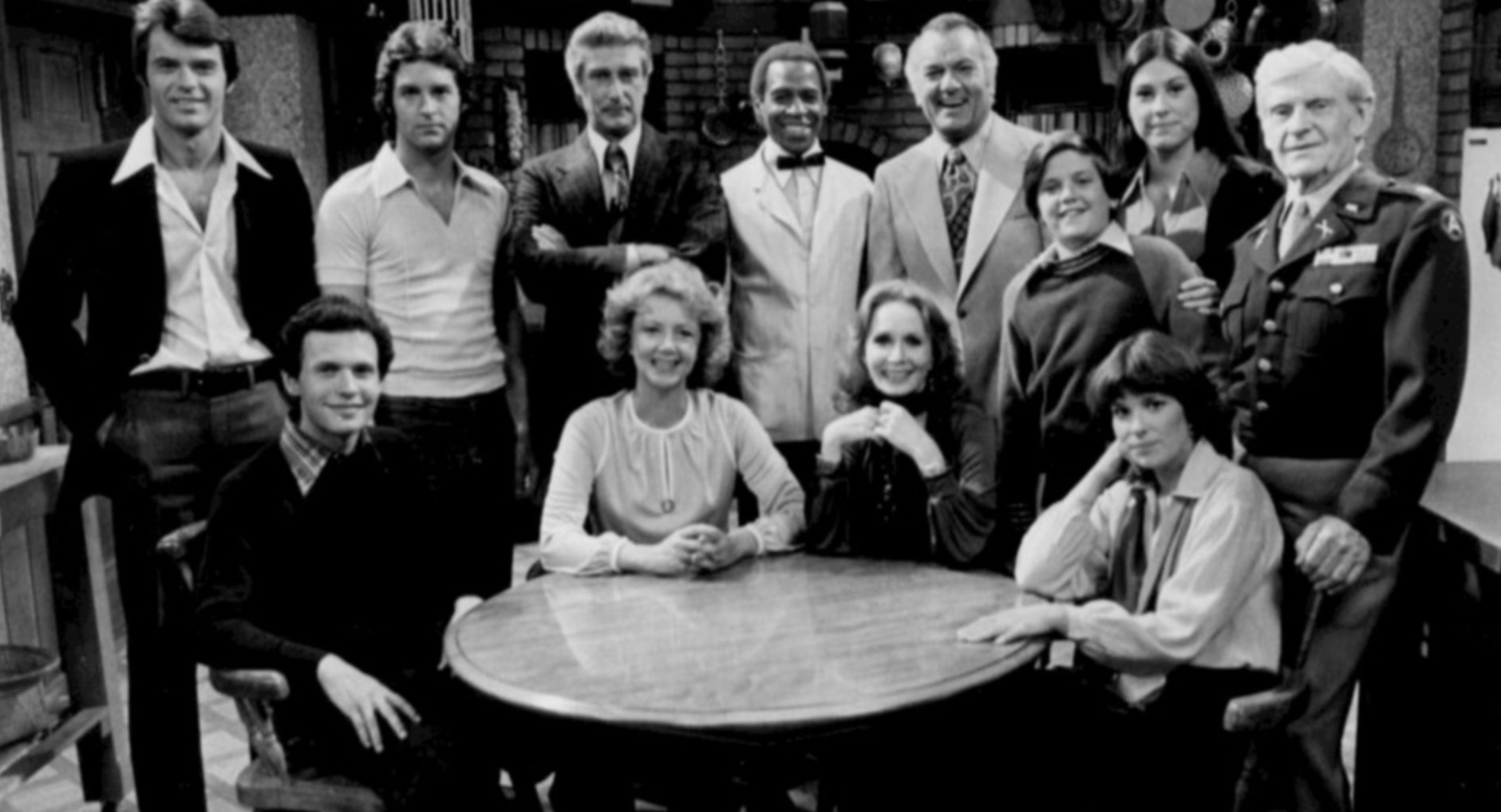 ABC Television, Wikimedia Commons
Untangling the Family Tree
The answer is the Tates and the Campbells. Jessica Tate and Mary Campbell were sisters, linking both households and their nonstop chaos. One point proves you kept track through the madness.
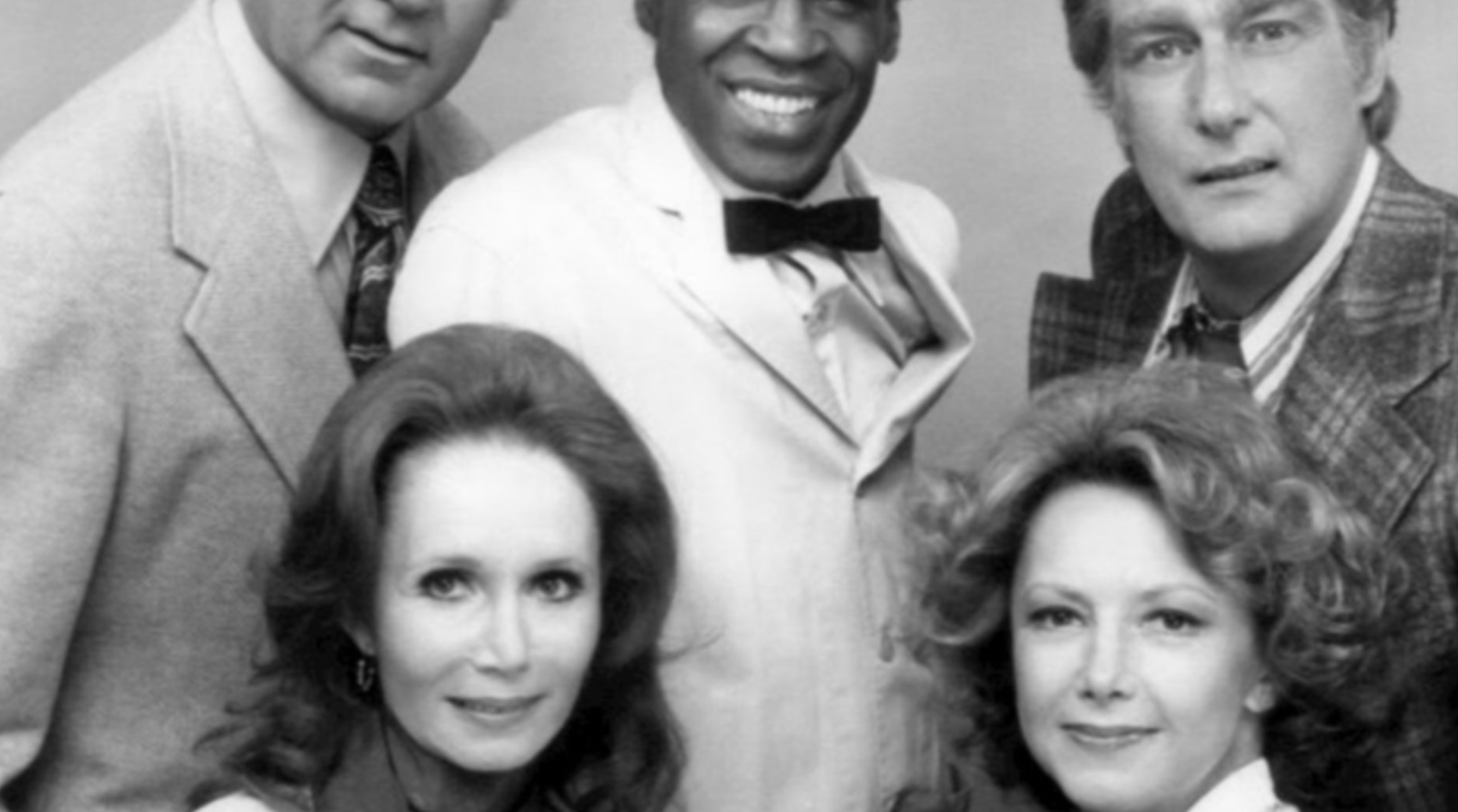 ABC Television, Wikimedia Commons
Taxi’s Cab Company
The drivers on Taxi gathered in a grimy New York garage under Louie De Palma’s watch. What was their company called?
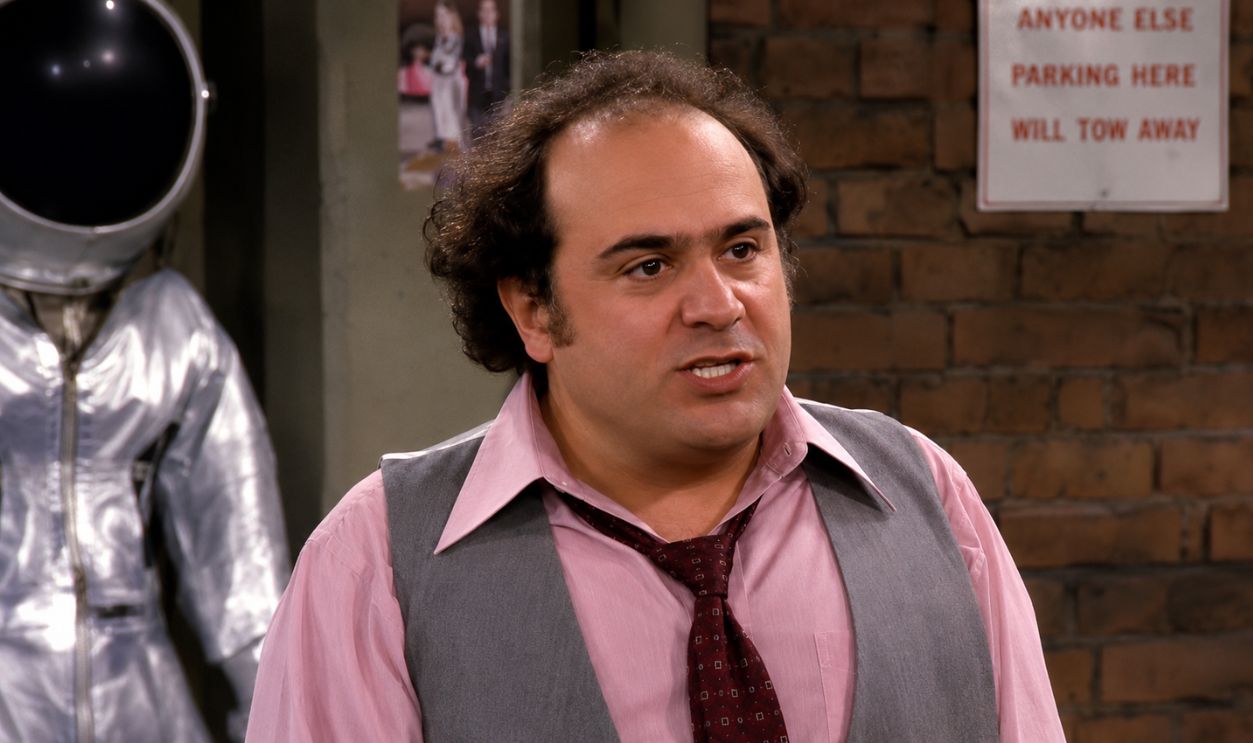 Screenshot from Taxi, Paramount Television (1978-1983), Enhanced
Start the Meter
The answer is the Sunshine Cab Company. The cheerful name was wonderfully ironic, considering the gloomy garage and Louie’s personality. The drivers dreamed bigger, but the garage kept pulling them back.
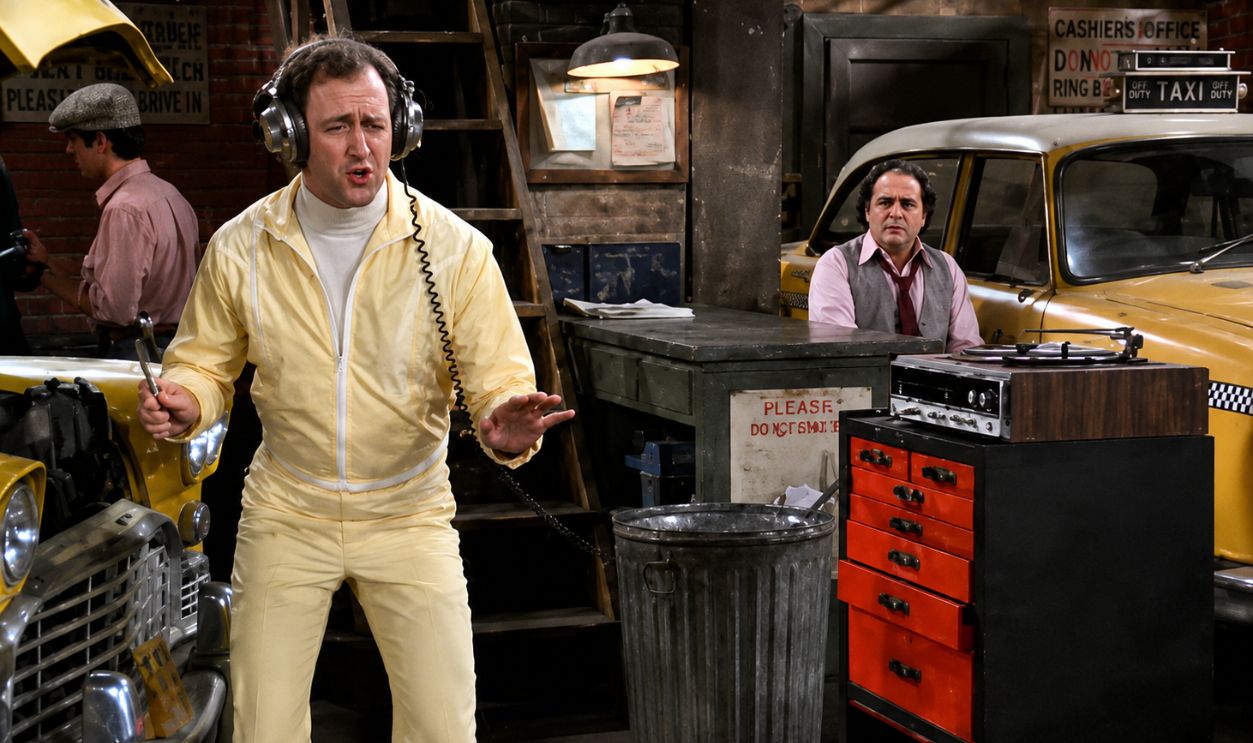 Screenshot from Taxi, Paramount Television (1978-1983), Enhanced
Starsky’s Red Ride
Starsky and Hutch patrolled in a red Ford Gran Torino with a bold white stripe. What nickname did the car earn?
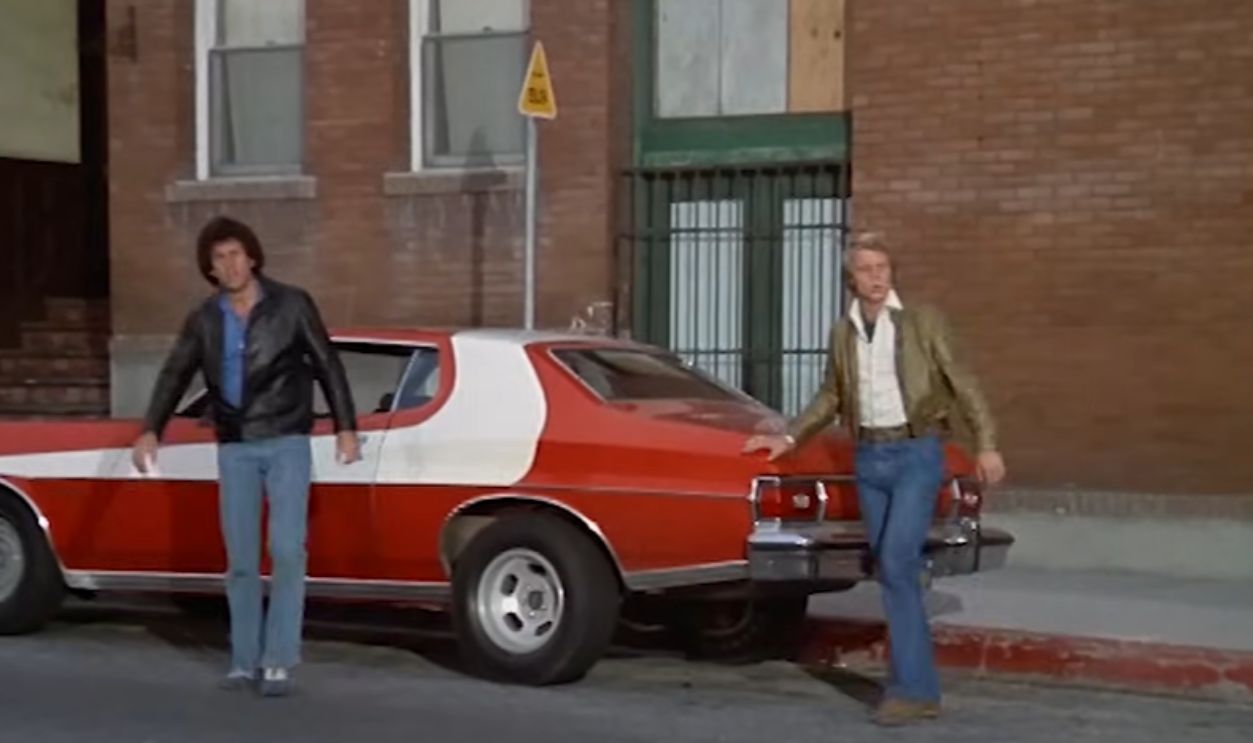 Screenshot from Starsky & Hutch, Warner Bros. Pictures (2004)
Behind the Wheel
The answer is the Striped Tomato. The flashy car became a 1970s television icon, although its paint job made unnoticed police work nearly impossible. Subtle, it definitely was not.
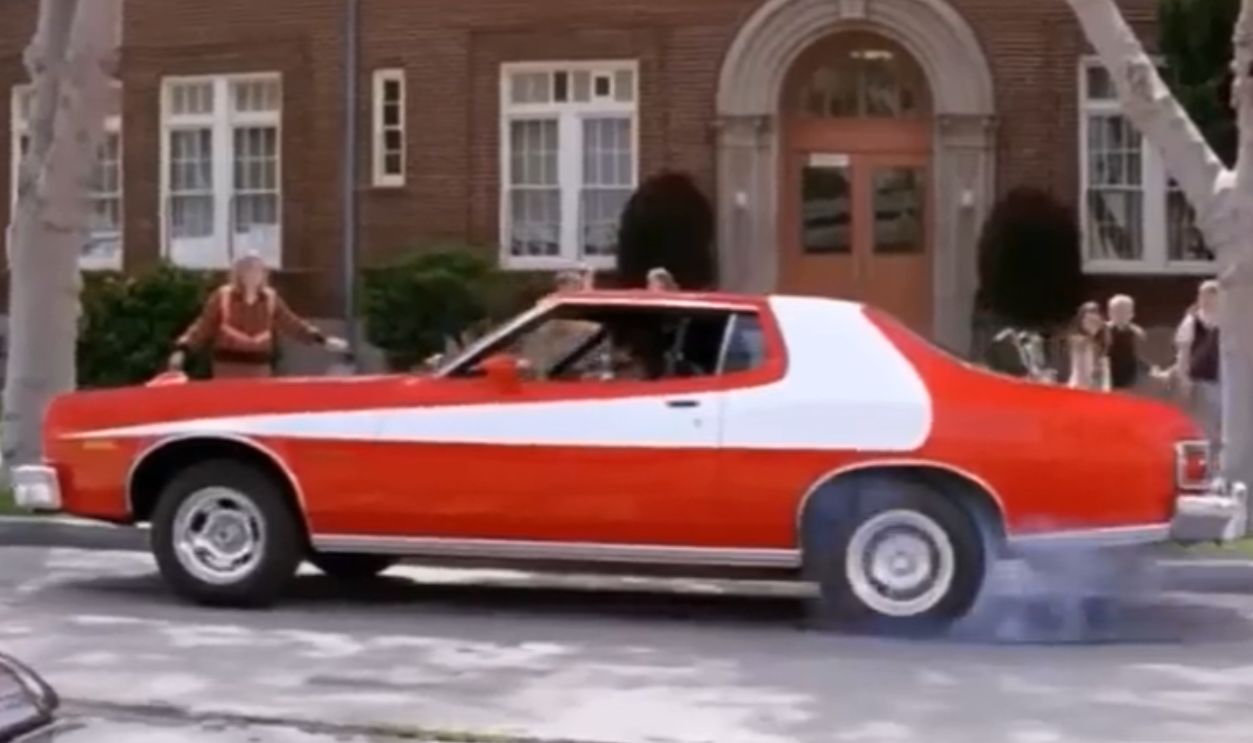 Screenshot from Starsky & Hutch, Warner Bros. Pictures (2004)
Johnny Fever’s Real Name
WKRP in Cincinnati’s rebellious DJ called himself Dr. Johnny Fever. What was the surname behind his on-air identity?
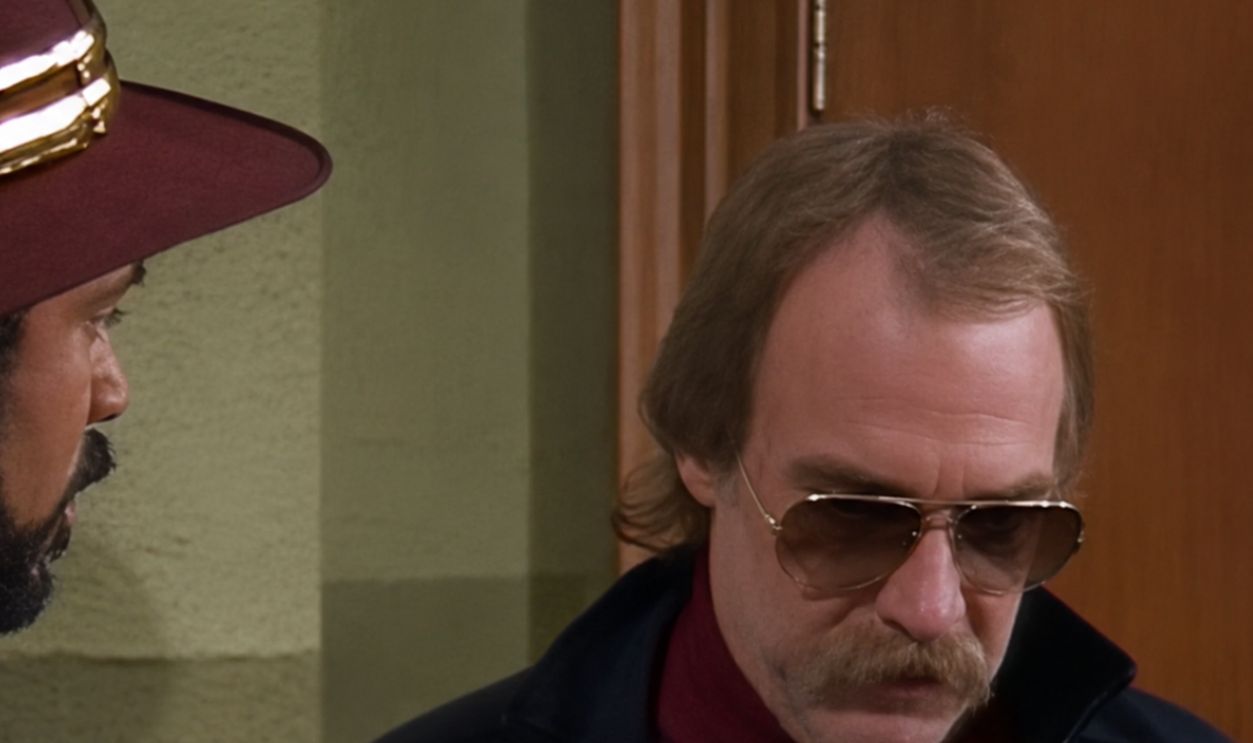 Screenshot from WKRP In Cincinnati, CBS (1978-1982)
Spin the Record
The answer is Caravella. His full name was John Caravella, though he used several radio names during his career. Howard Hesseman gave Johnny the perfect mix of cool and chaos.
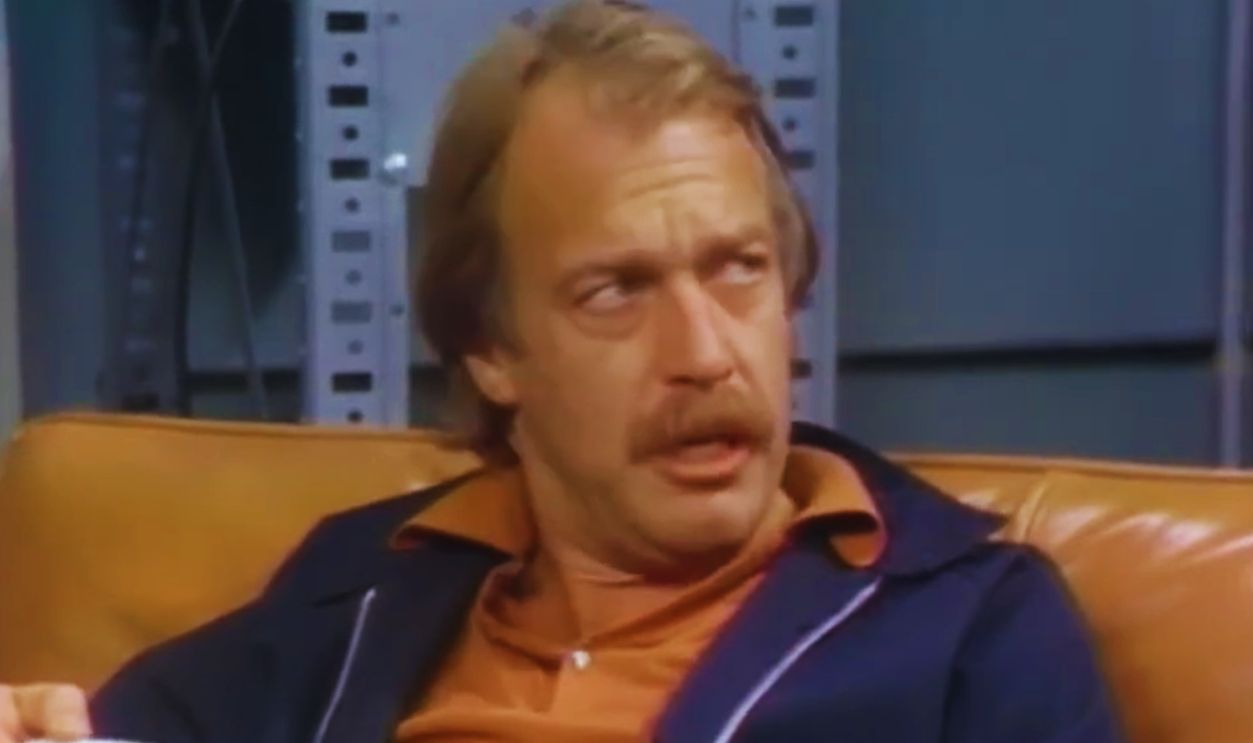 Screenshot from WKRP in Cincinnati, 20th Television (1978–1982)
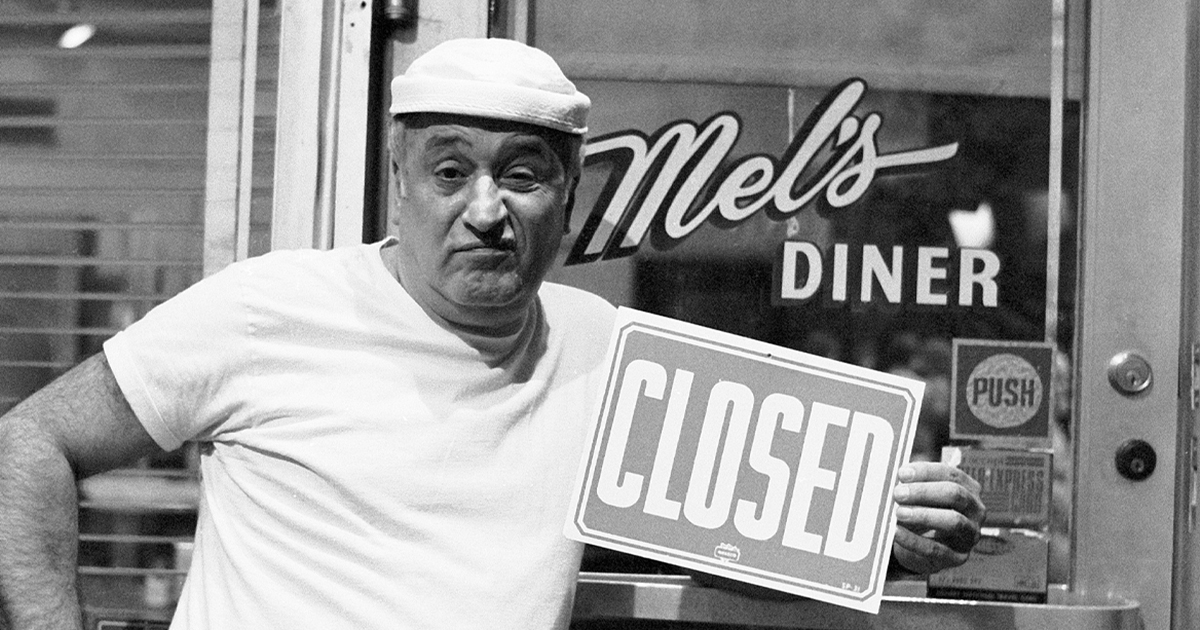
Mel’s Diner Location
On Alice, the title character took a waitressing job at Mel’s Diner after her car broke down. Which city became her new home?
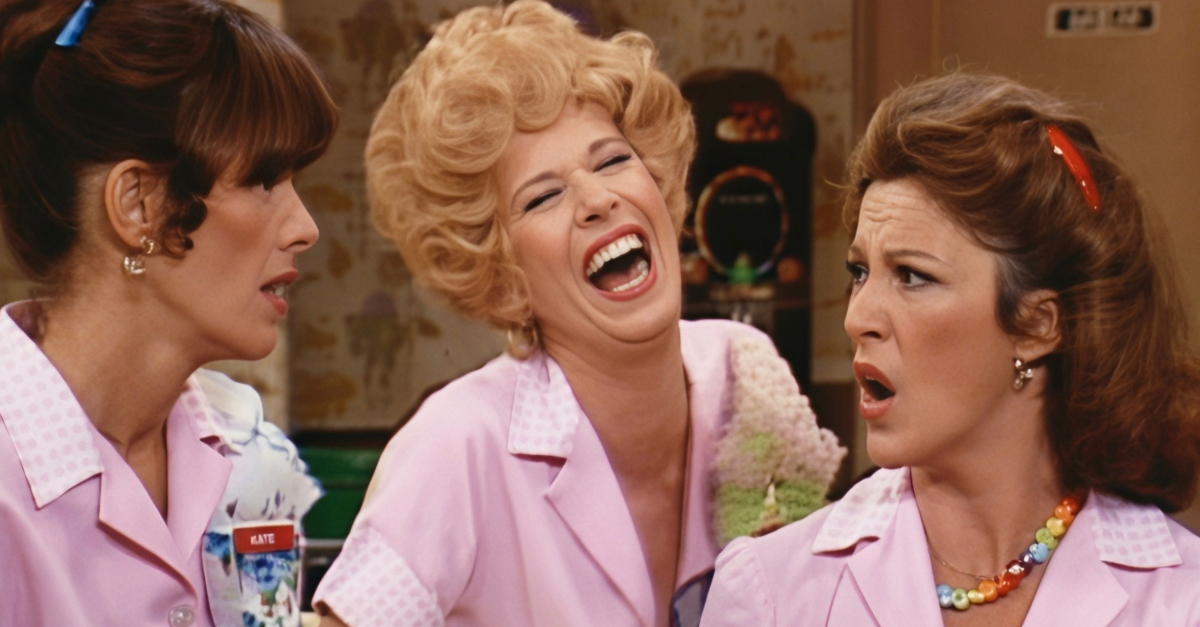 Screenshot from Alice, CBS (1976–1985)
Today’s Special
The answer is Phoenix, Arizona. Alice planned to reach Hollywood but built a life in Phoenix instead. With Mel, Vera, and Flo nearby, the diner rarely enjoyed a peaceful shift.
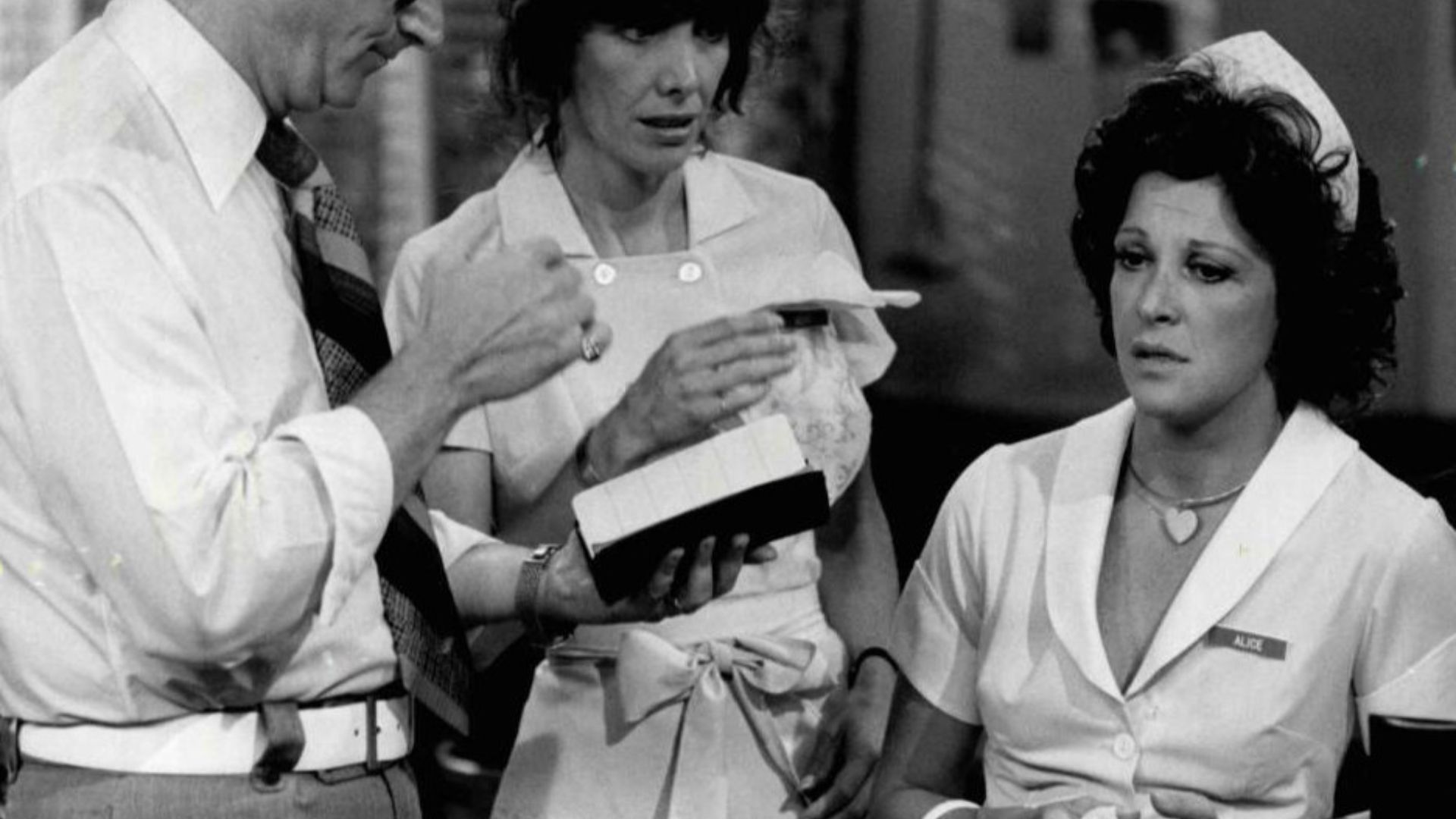 CBS Television, Wikimedia Commons
Maude’s Hometown
Maude Findlay lived in a comfortable New York suburb where she freely shared her opinions. What town was it?
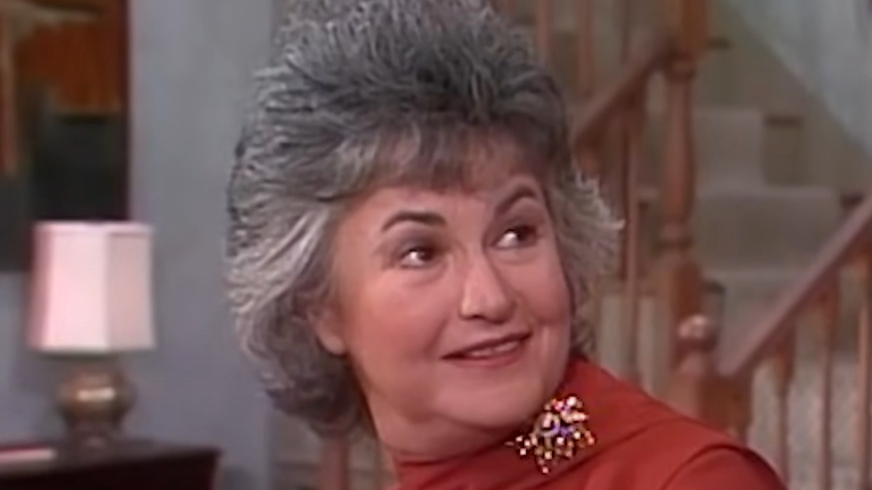 Screenshot from Maude, CBS (1972–1978)
Welcome to the Neighborhood
The answer is Tuckahoe, New York. The respectable suburban setting was perfect for Maude’s loud living-room debates. Bea Arthur made every argument sound commanding, personal, and very funny.
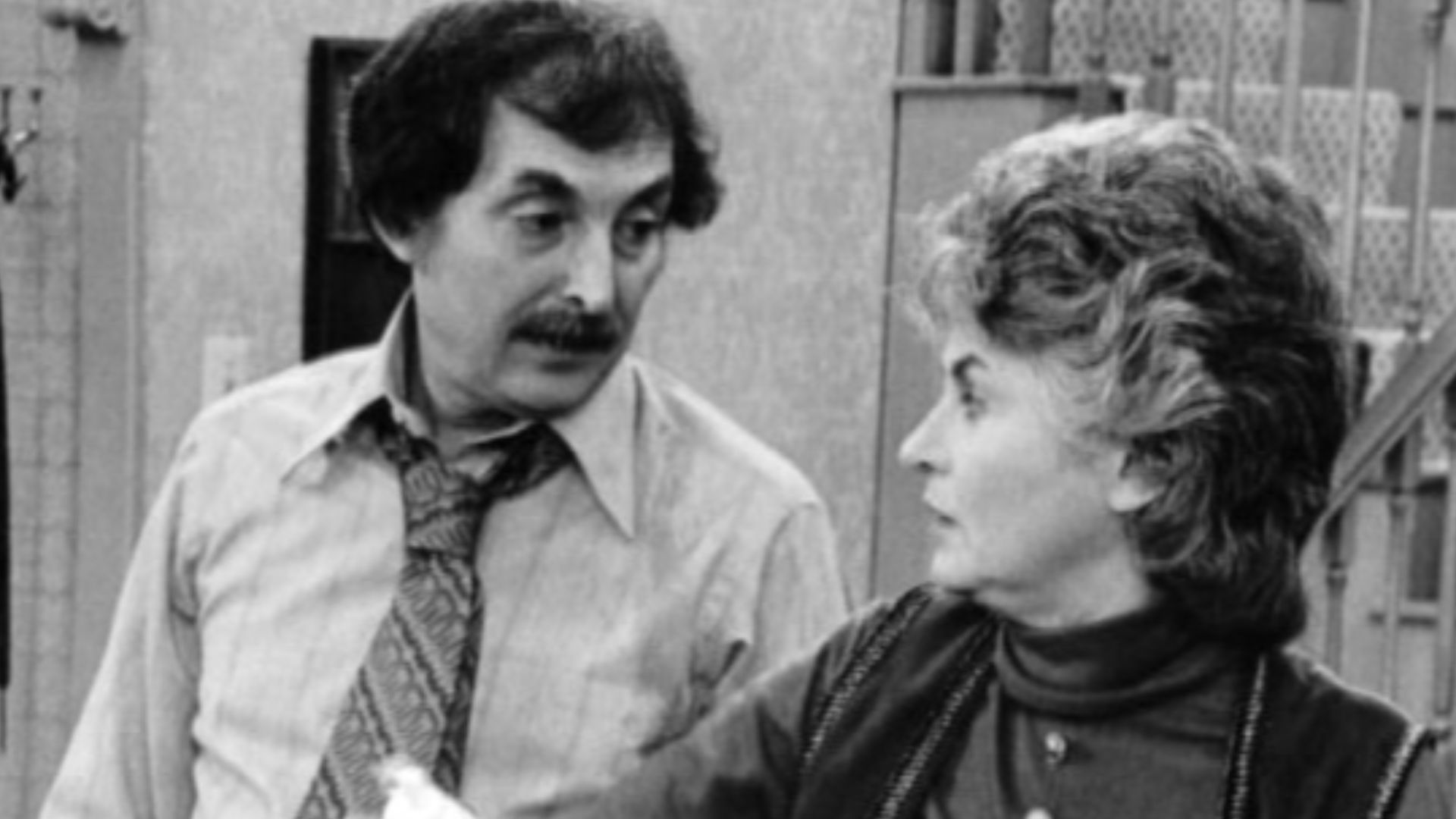 CBS Television, Wikimedia Commons
Sanford’s Street Address
Fred and Lamont Sanford ran their junk business from a Los Angeles property. What street number and name appeared as the address?
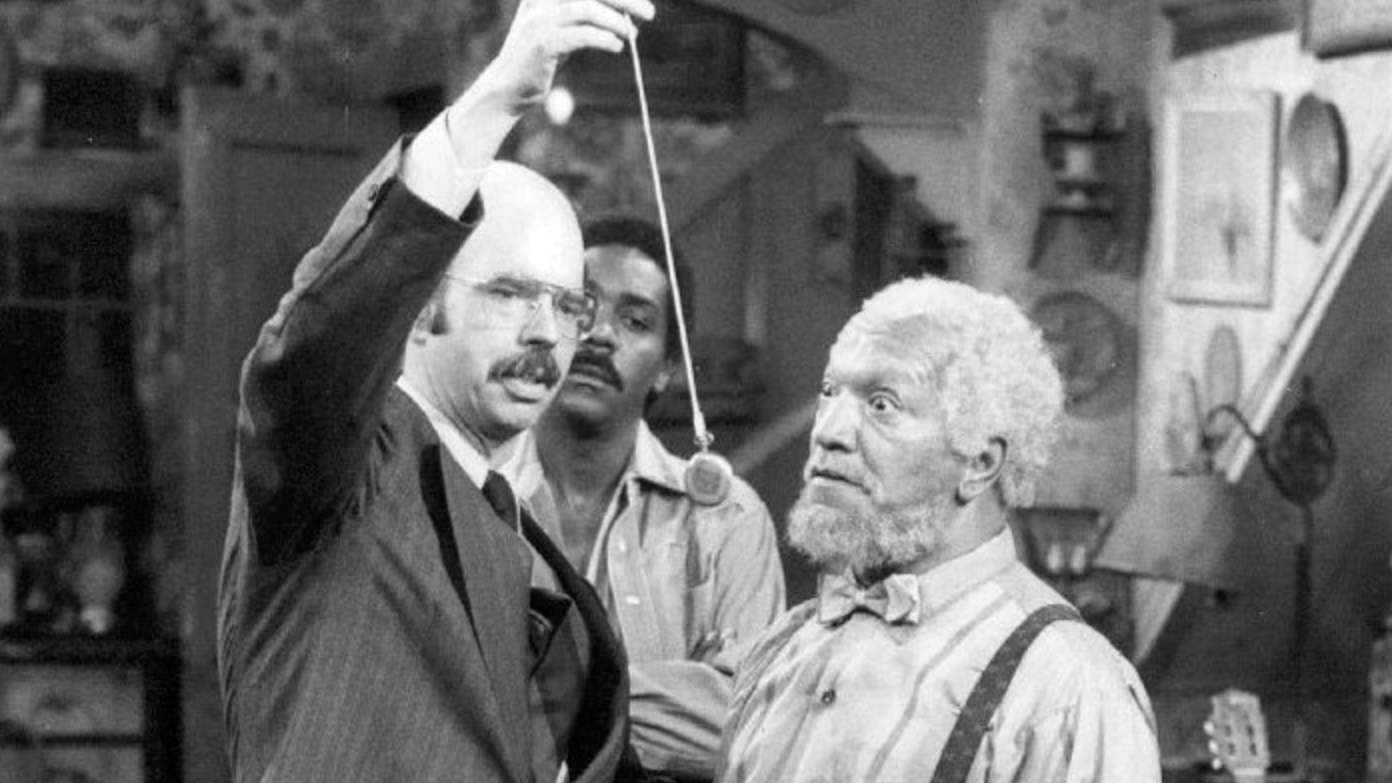 NBC Television, Wikimedia Commons
Check the Junkyard Sign
The answer is 9114 South Central Avenue. That Watts address became headquarters for Fred’s schemes, fake heart attacks, and arguments with Lamont. Remembering it deserves a dramatic clutch of the chest.
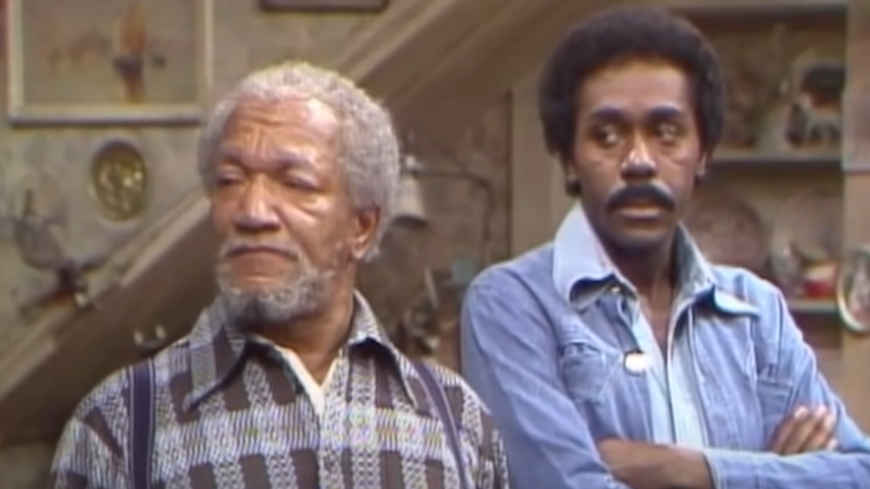 Screenshot from Sanford and Son, NBC (1972–1977)
Emergency Station Number
Paramedics Johnny Gage and Roy DeSoto raced across Los Angeles County on Emergency! Which fire-station number was their home base?
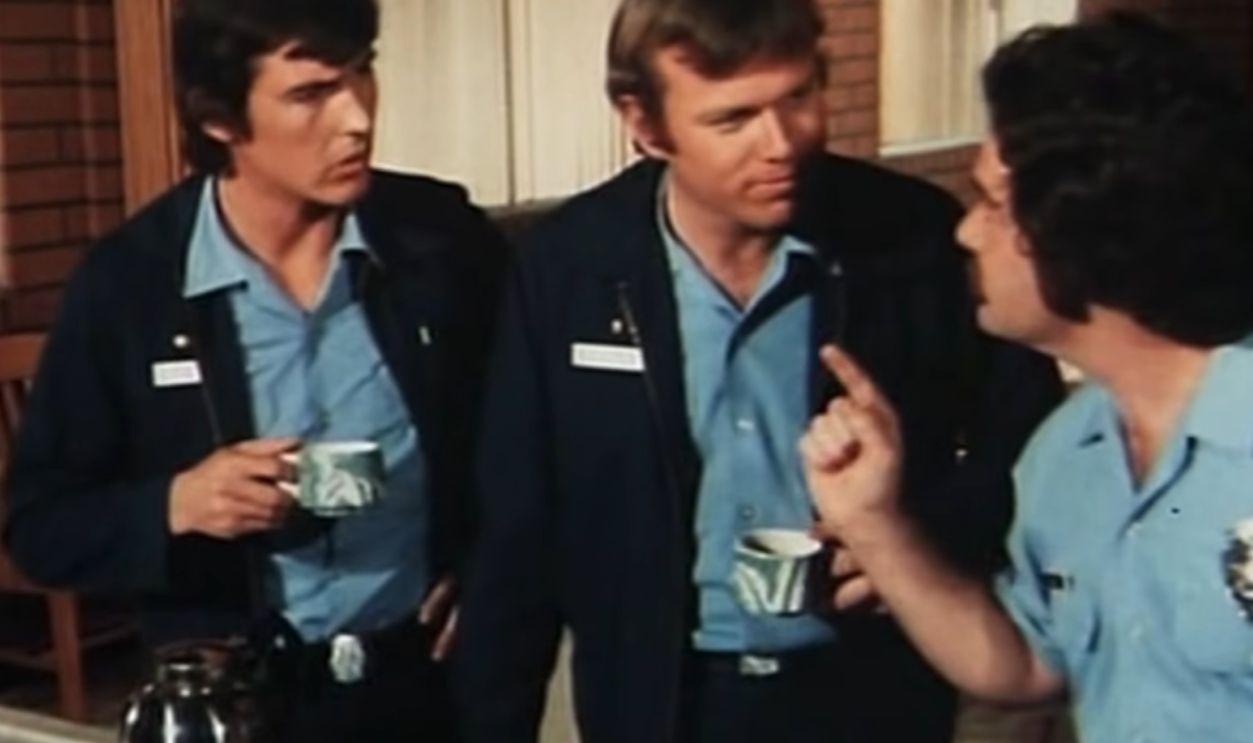 Screenshot from Emergency!, NBC (1972–1979)
Sound the Alarm
The answer is Station 51. Johnny and Roy responded to everything from household accidents to major disasters, usually before delivering patients to Rampart General Hospital. This one should ring a bell.
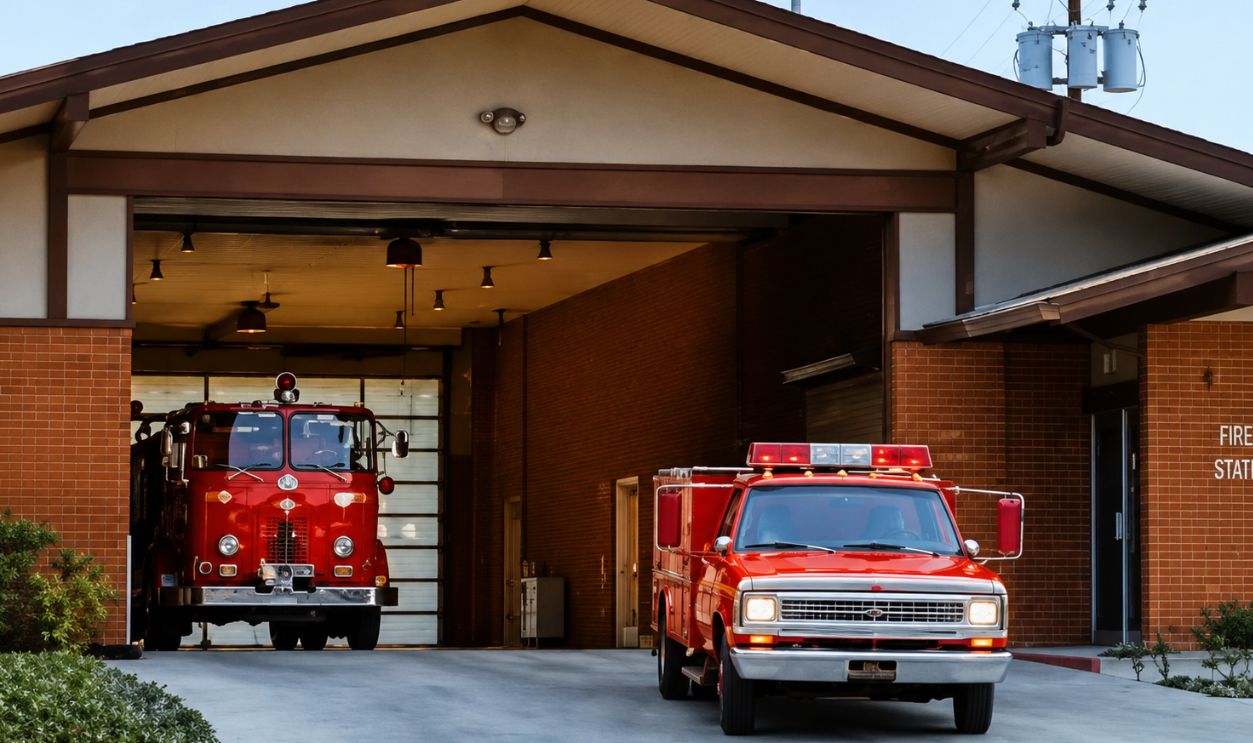 Screenshot from Emergency!, NBC (1972–1979), Modified
Ann Romano’s New City
At the start of One Day at a Time, newly divorced Ann Romano moved with daughters Julie and Barbara. Which city became their home?
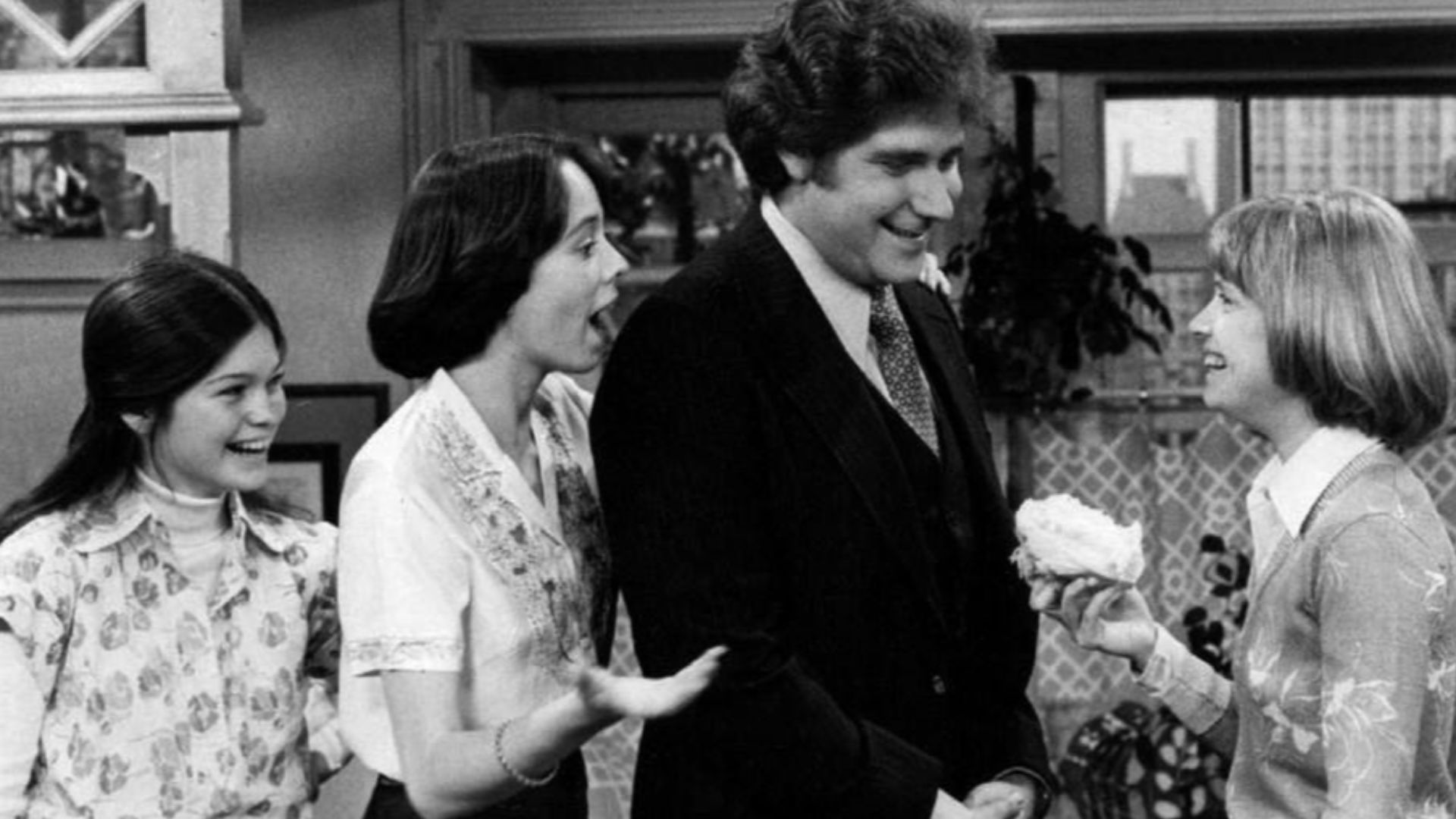 CBS Television, Wikimedia Commons
A Fresh Start
The answer is Indianapolis, Indiana. The setting grounded stories about work, dating, money, and growing up. Schneider acted like he owned the building, but Ann firmly controlled her apartment.
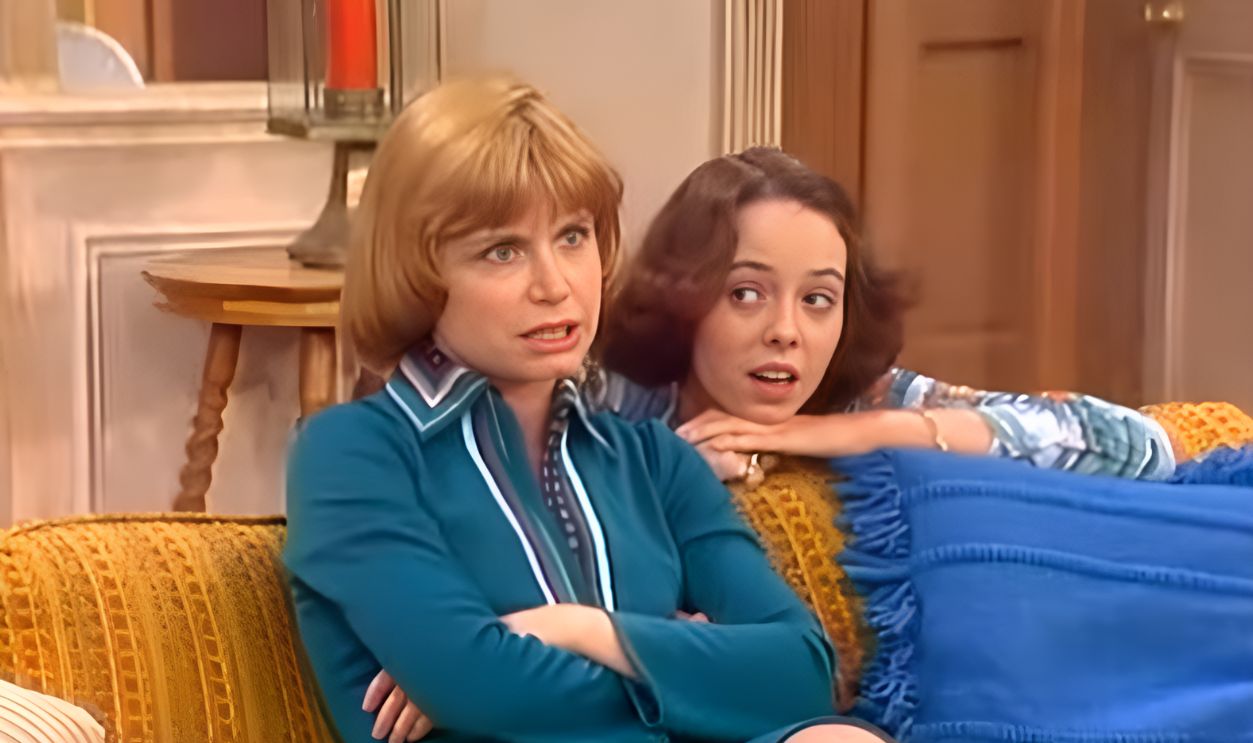 Screenshot from One Day at a Time, CBS (1975–1984), Modified
Lou Grant’s Newspaper
After leaving WJM-TV, Lou Grant moved to Los Angeles and became a newspaper city editor. What was the paper called?
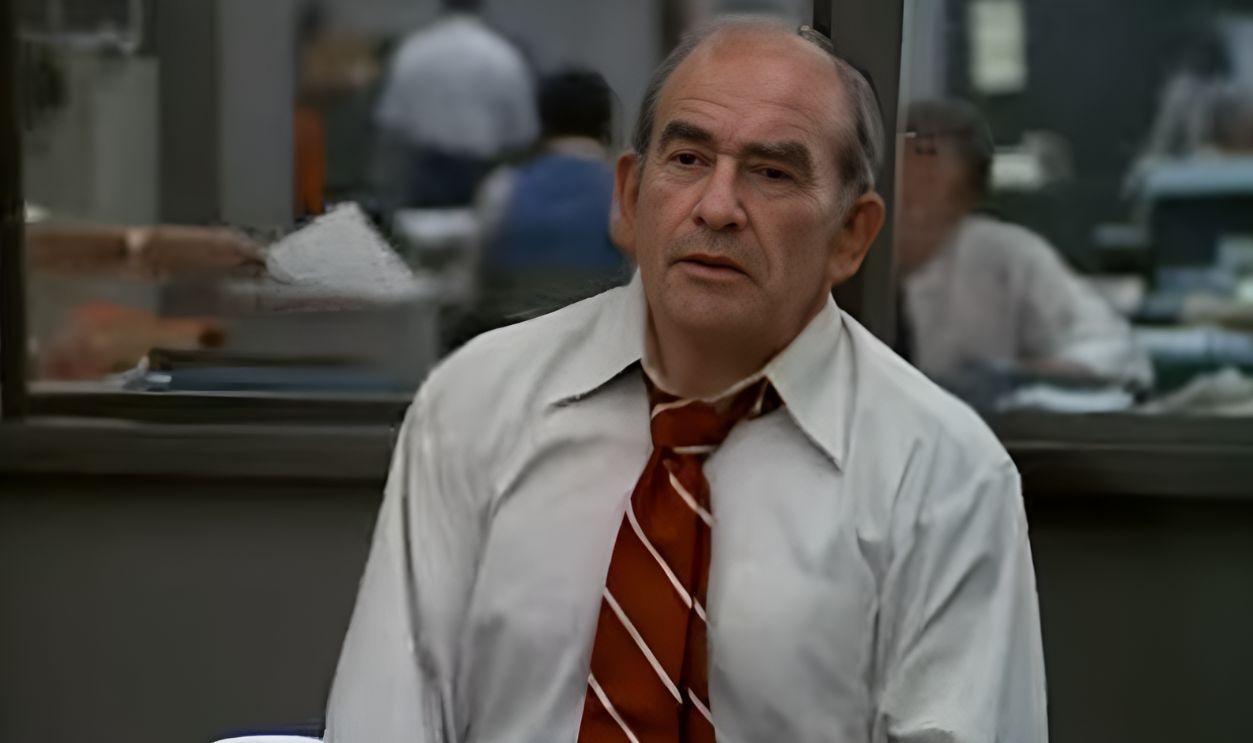 Screenshot from Lou Grant, CBS (1977–1982), Modified
Stop the Presses
The answer is the Los Angeles Tribune. The series traded sitcom punchlines for serious stories about journalism, ethics, and politics, while Ed Asner played the same character in a new genre.
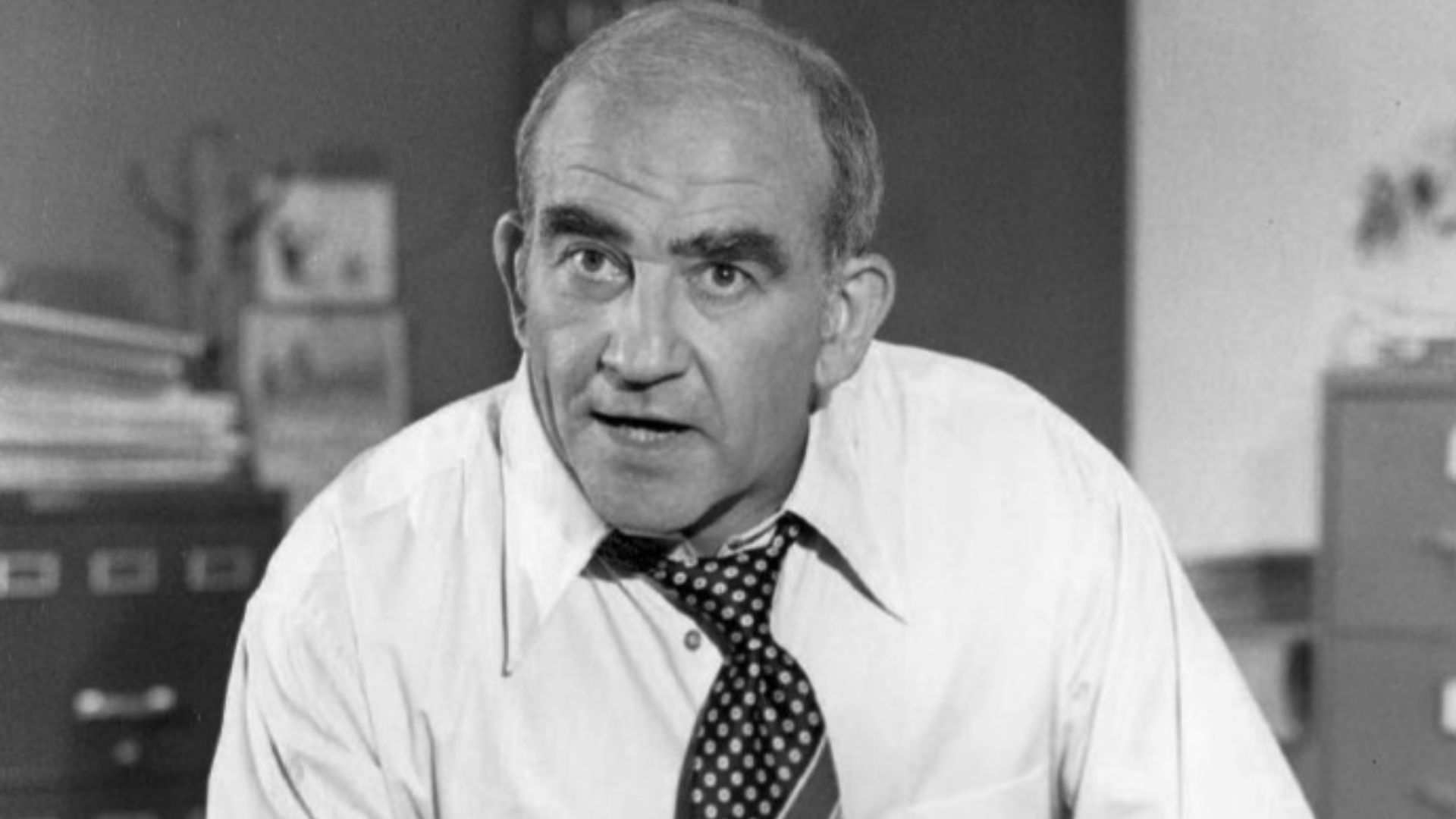 CBS Television, Wikimedia Commons
The Hulk’s Persistent Reporter
In The Incredible Hulk, a determined tabloid reporter followed rumors of the creature from town to town. What was his name?
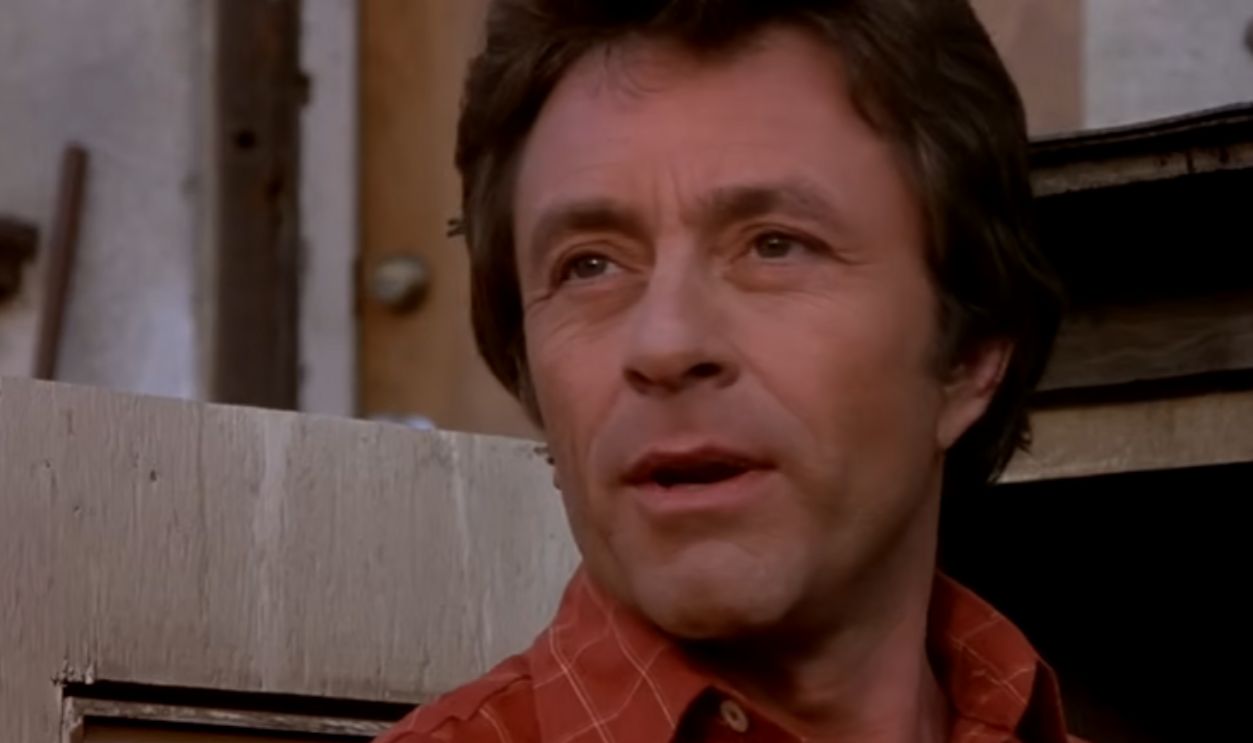 Screenshot from The Incredible Hulk, CBS (1977–1982)
The Chase Continues
The answer is Jack McGee. Working for the National Register, he believed the Hulk had killed David Banner. He never realized the man and the monster were the same person.
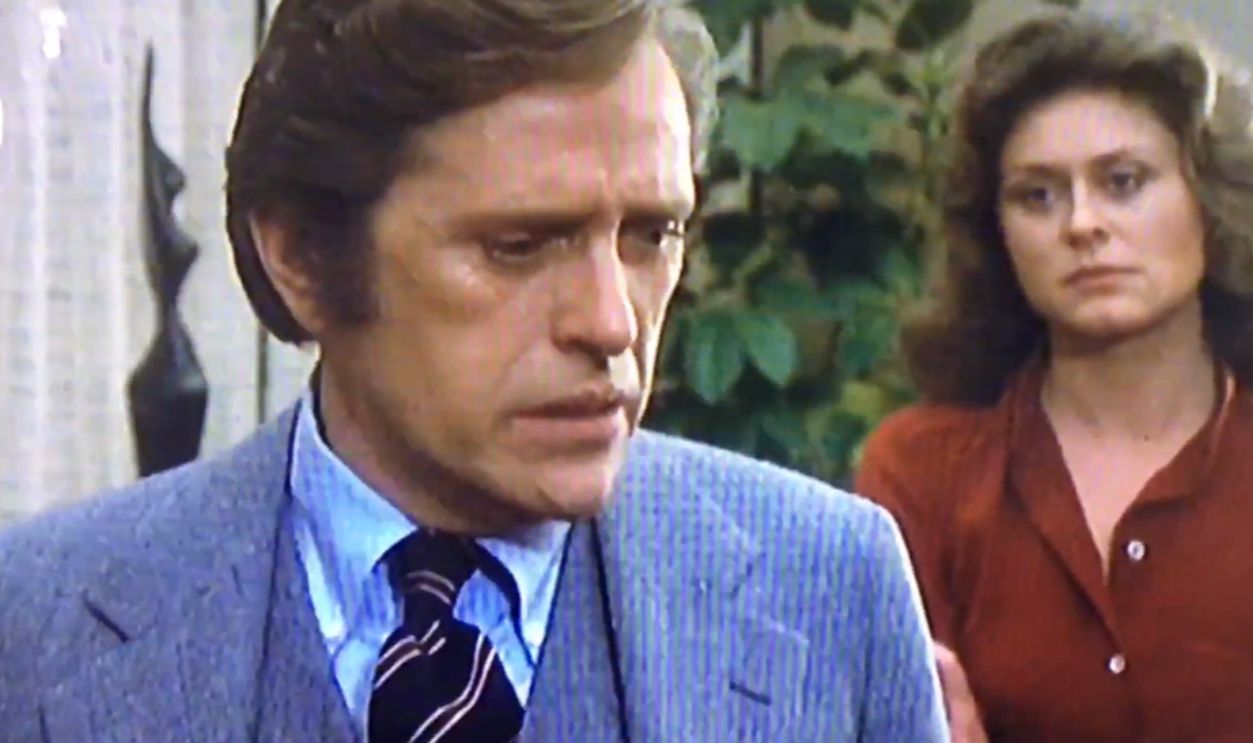 Screenshot from The Incredible Hulk, CBS (1977–1982)
Add Up Your Score
Give yourself one point per correct answer. Scores of 0–6 call for reruns, 7–12 show solid couch-potato credentials, 13–16 make you a prime-time pro, and 17–19 crown you a 1970s television legend. Post your score in the comments below!
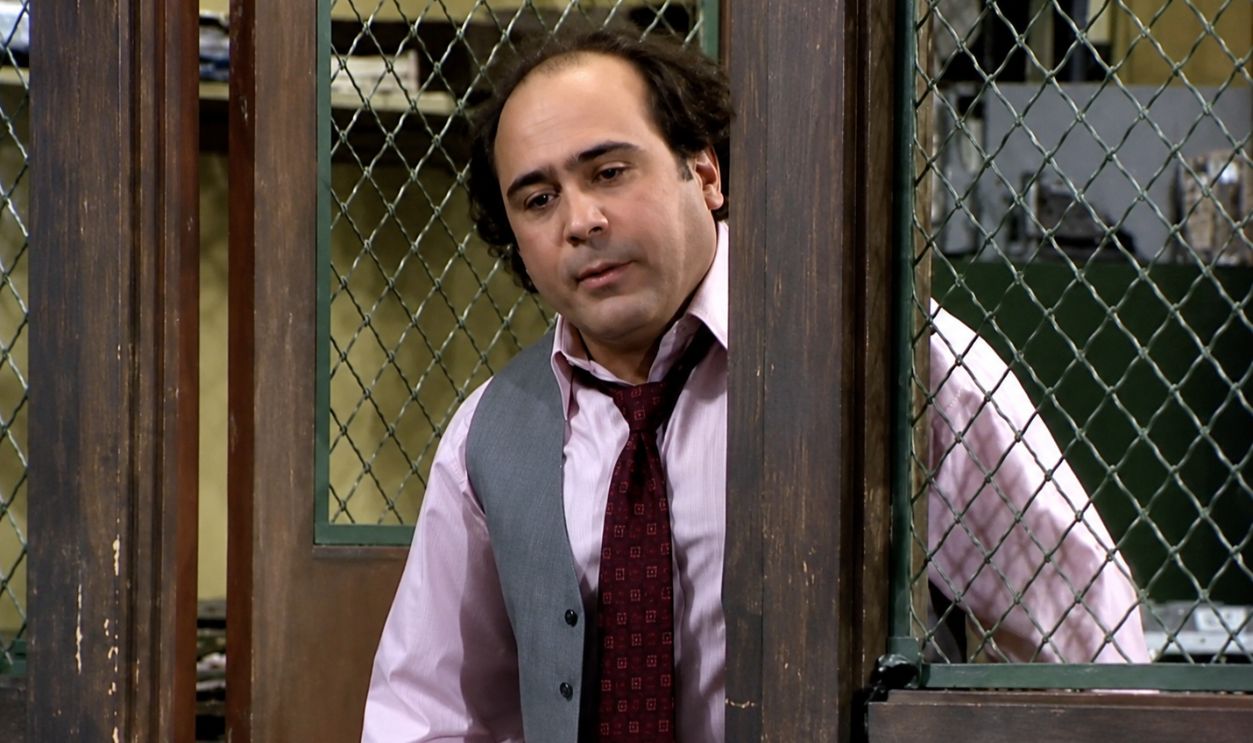 Screenshot from Taxi, Paramount Television (1978-1983), Enhanced
You May Also Like:
Which Of These 1980s TV Dads Were Most Like Your Dad?
Famous Actors Who Appeared On Both Columbo And Murder, She Wrote—Do Any Of These Surprise You?
Dan Blocker was Bonanza’s most popular star, but his story ended in sudden tragedy.