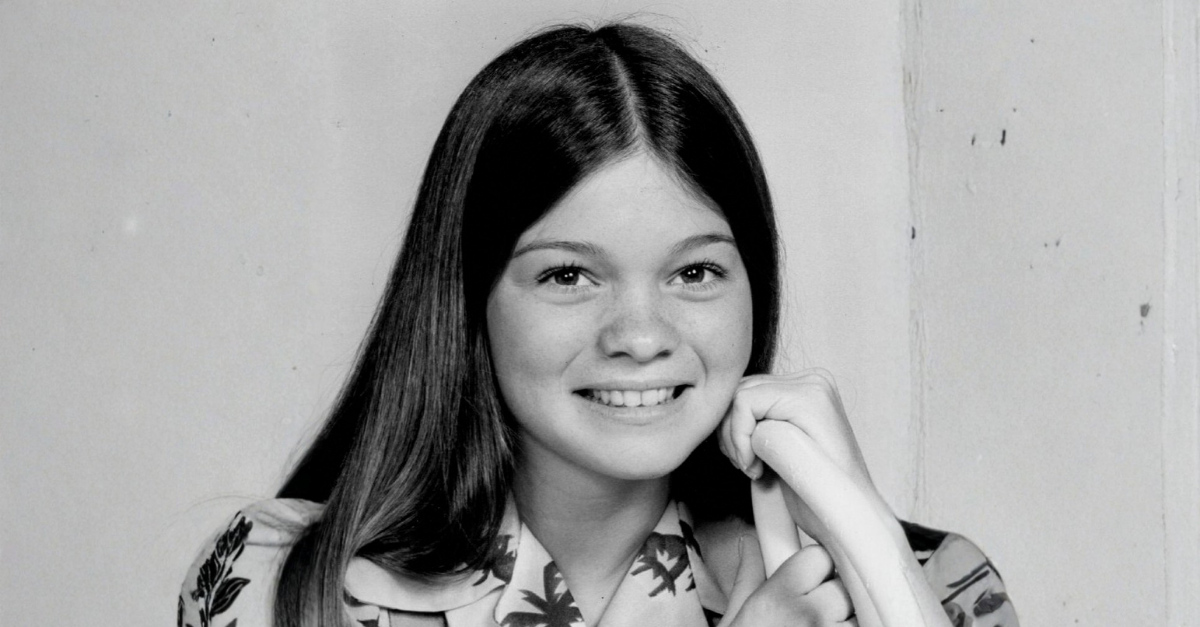
She Knew Everything Was About To Change
Valerie Bertinelli was only 15 when One Day at a Time premiered on CBS on December 16, 1975, yet she sensed immediately that this was no ordinary acting job. Decades later, she recalled standing near the apartment door before delivering her first line and thinking the series was going to change her life. She was right. Within a remarkably short time, Bertinelli went from a young performer with limited television experience to one of the most recognizable teenagers on American television.
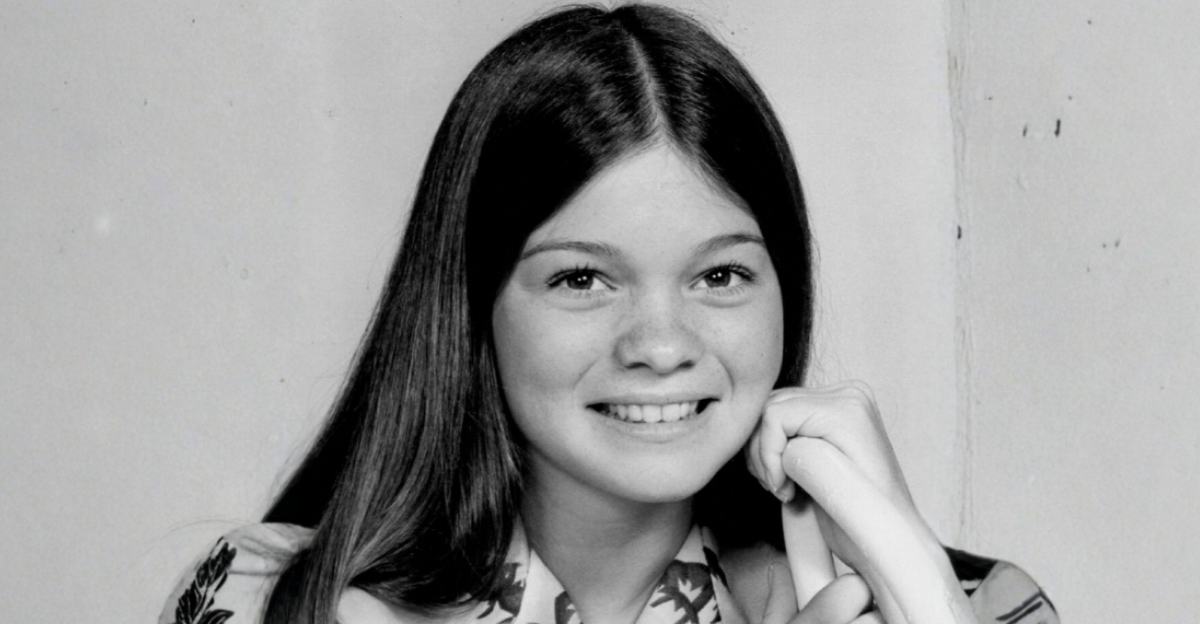 CBS Television, Wikimedia Commons
Barbara Cooper Found Her Audience
Bertinelli played Barbara Cooper, the younger daughter of Ann Romano, played by Bonnie Franklin. Mackenzie Phillips portrayed older sister Julie, while Pat Harrington Jr. became a fan favorite as building superintendent Schneider. The family setup gave Bertinelli a prominent place in a series that was willing to portray American home life differently from many earlier sitcoms.
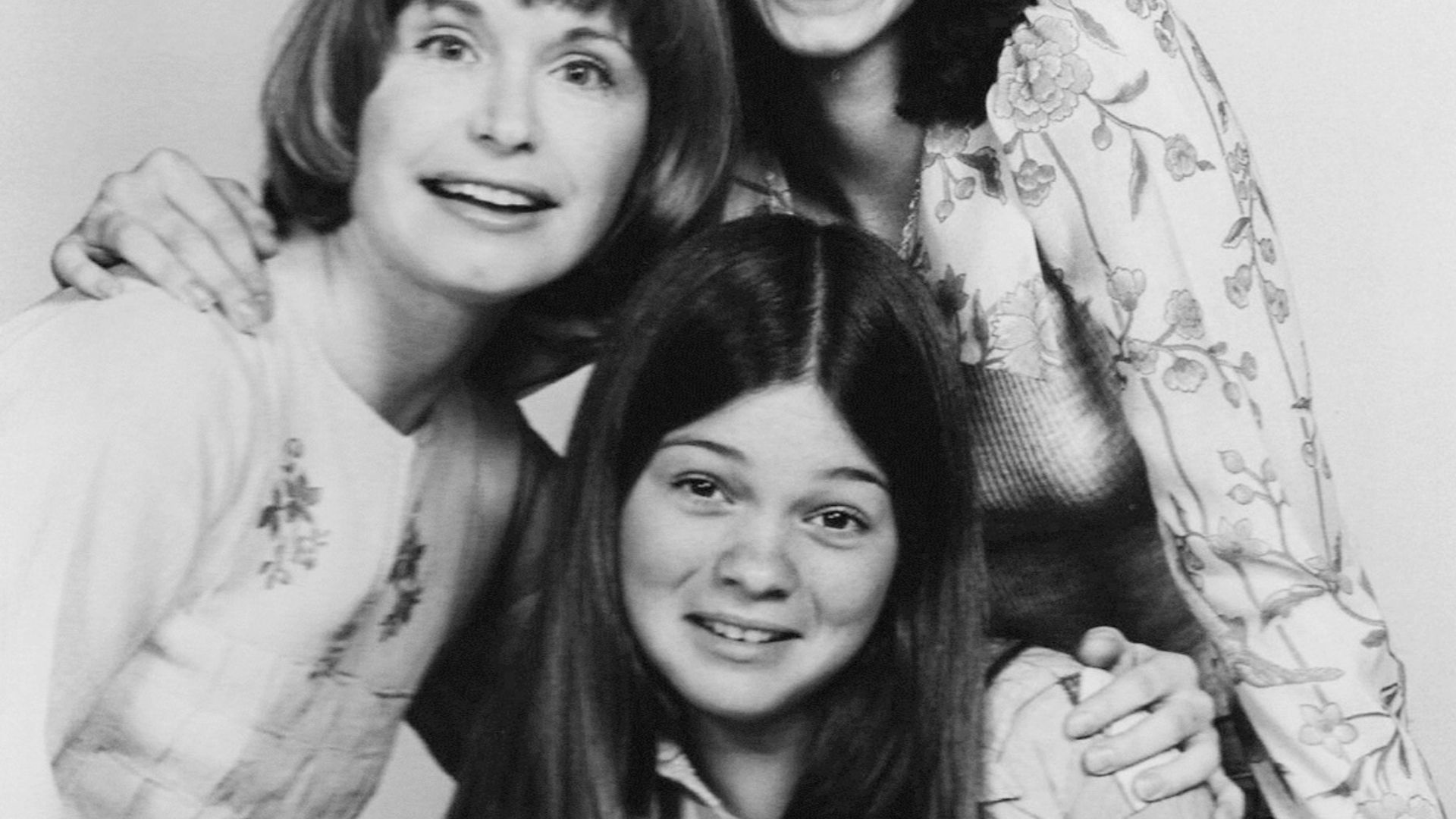 CBS Television, Wikimedia Commons
The Show Wasn't Your Typical Family Sitcom
Created during Norman Lear's extraordinary run of television successes, One Day at a Time centered on a newly single mother raising two teenage daughters in Indianapolis. That premise stood apart in an era when television families were still frequently presented in more traditional arrangements. The show's willingness to address changing family dynamics helped make it another Lear success.
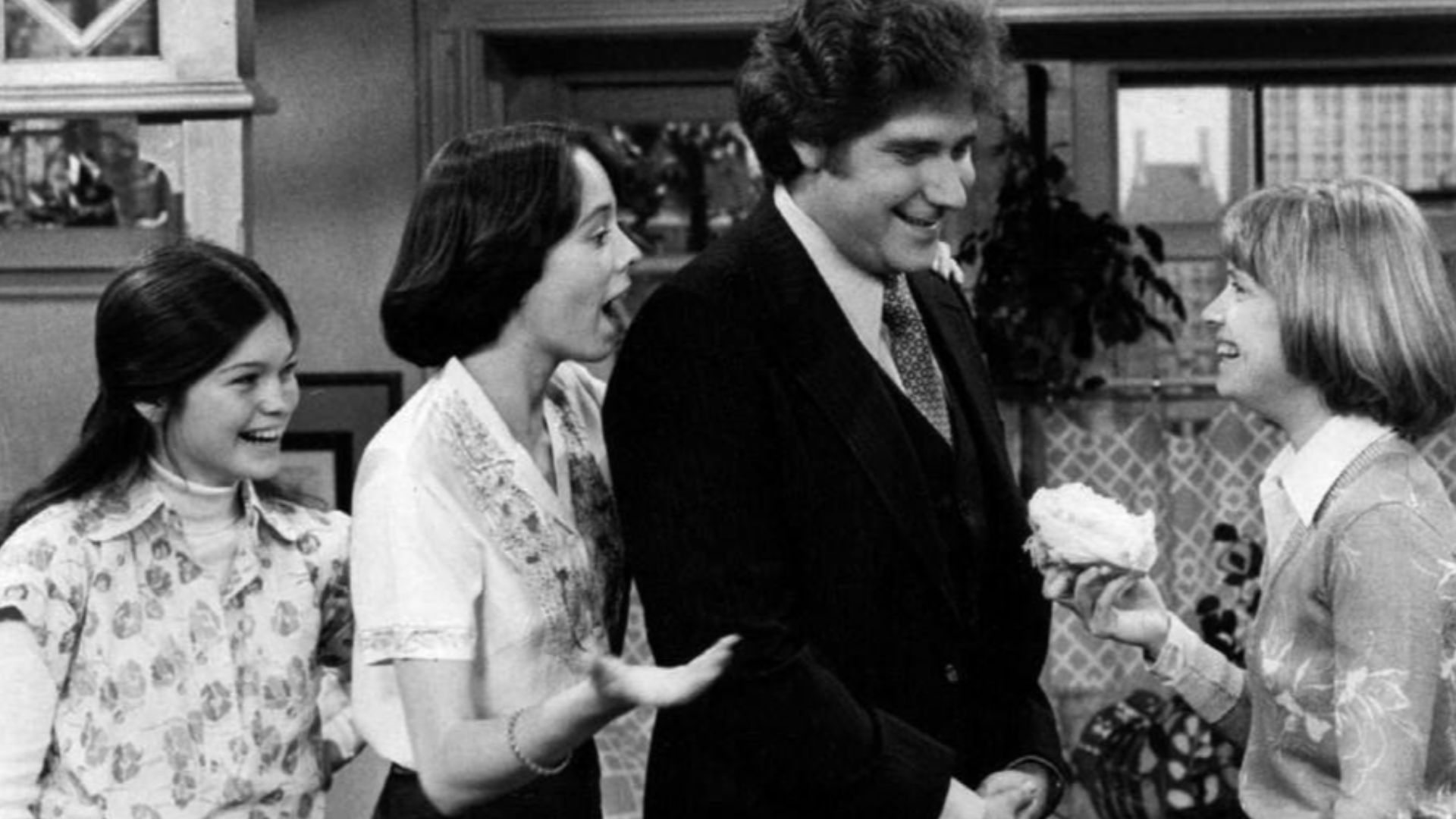 CBS Television, Wikimedia Commons
Valerie Quickly Became America's Teen Sweetheart
Barbara's youthful personality made Bertinelli especially popular with younger viewers. AARP later described her as America's teen sweetheart in 1975, while CBS noted that her approachable charm remained part of her appeal decades afterward. The young actor suddenly had the kind of recognition most performers spend years chasing.
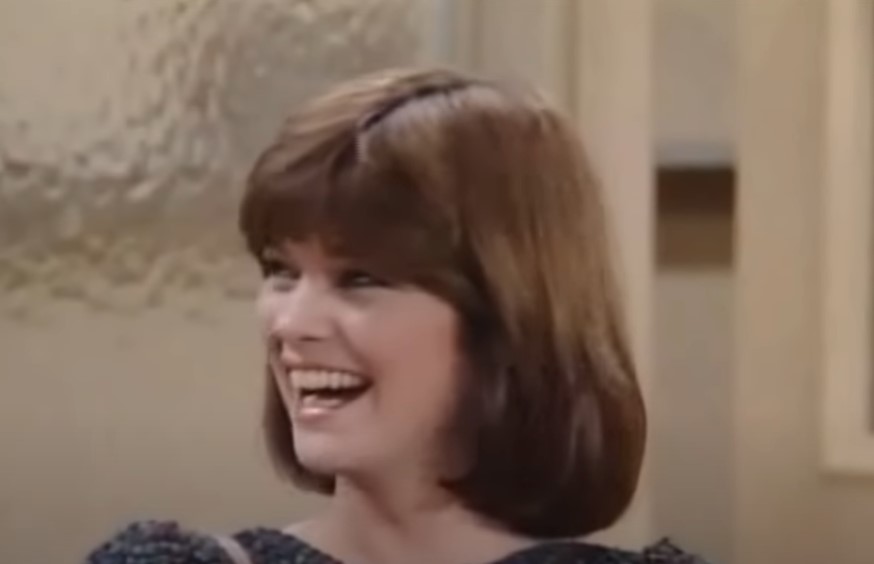 CBS, One Day at a Time (1975–1984)
Growing Up Suddenly Became A Public Event
The difficult part was that Bertinelli wasn't simply portraying a teenager. She actually was one. Her formative years unfolded while millions of viewers watched, and Bertinelli has since reflected on how starting a professional career so young forced her to mature unusually quickly. The experience gave her opportunities most teenagers could only imagine, but ordinary adolescence was no longer particularly ordinary.
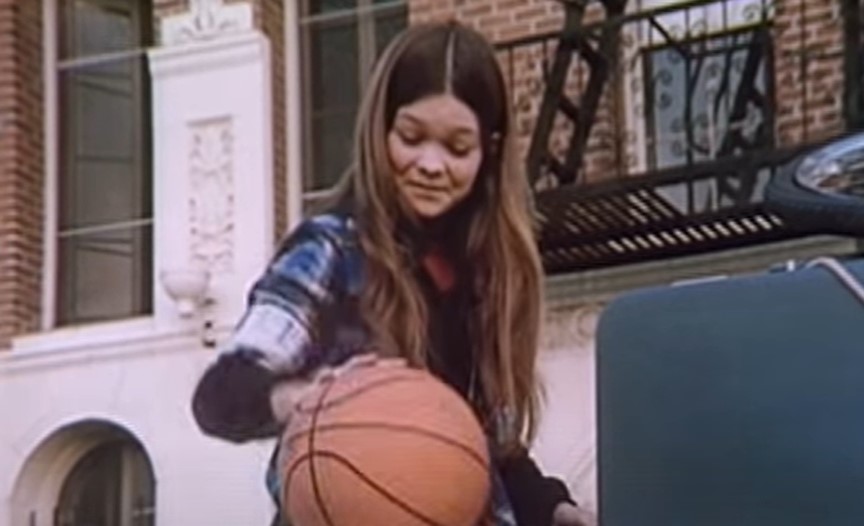 Screenshot from One Day at a Time, CBS (1975–1984)
The Memories Never Really Left Her
Five decades later, Bertinelli could still vividly recall her earliest days on the program. She remembered the stage, the studio audience and rehearsing her opening line while holding a basketball. The details remained so clear that she told interviewers she could practically recall the distinctive atmosphere of the studio itself. Few first jobs leave memories quite that permanent.
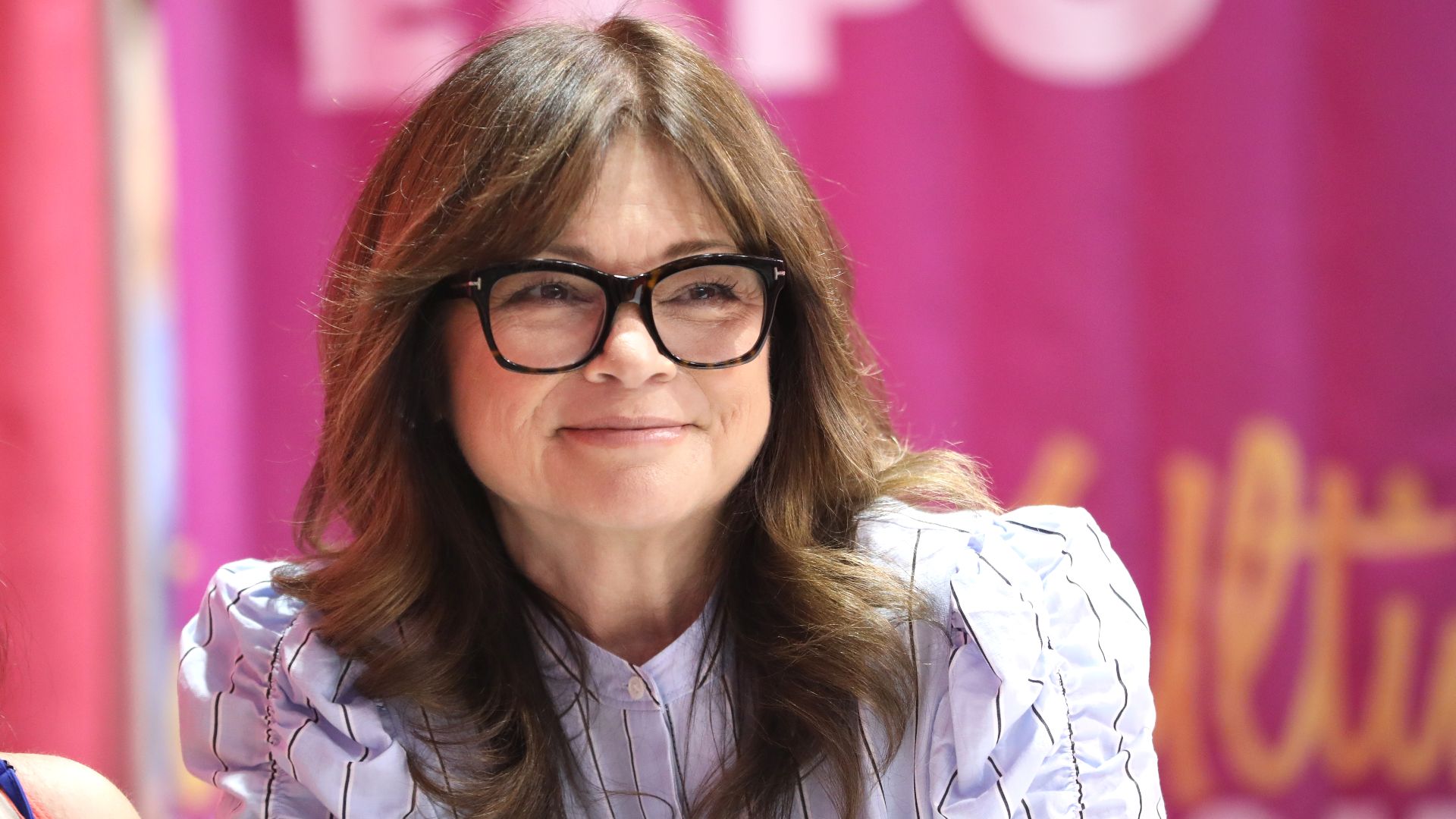 Gage Skidmore from Surprise, AZ, United States of America, Wikimedia Commons
Barbara Became Bigger Than A Single Season
There was no quick return to normal life after the first batch of episodes. One Day at a Time remained on television for nine seasons, from 1975 through 1984. Bertinelli therefore spent much of her adolescence and early adulthood associated with Barbara, turning what began as a breakthrough opportunity into the defining role of her early career.
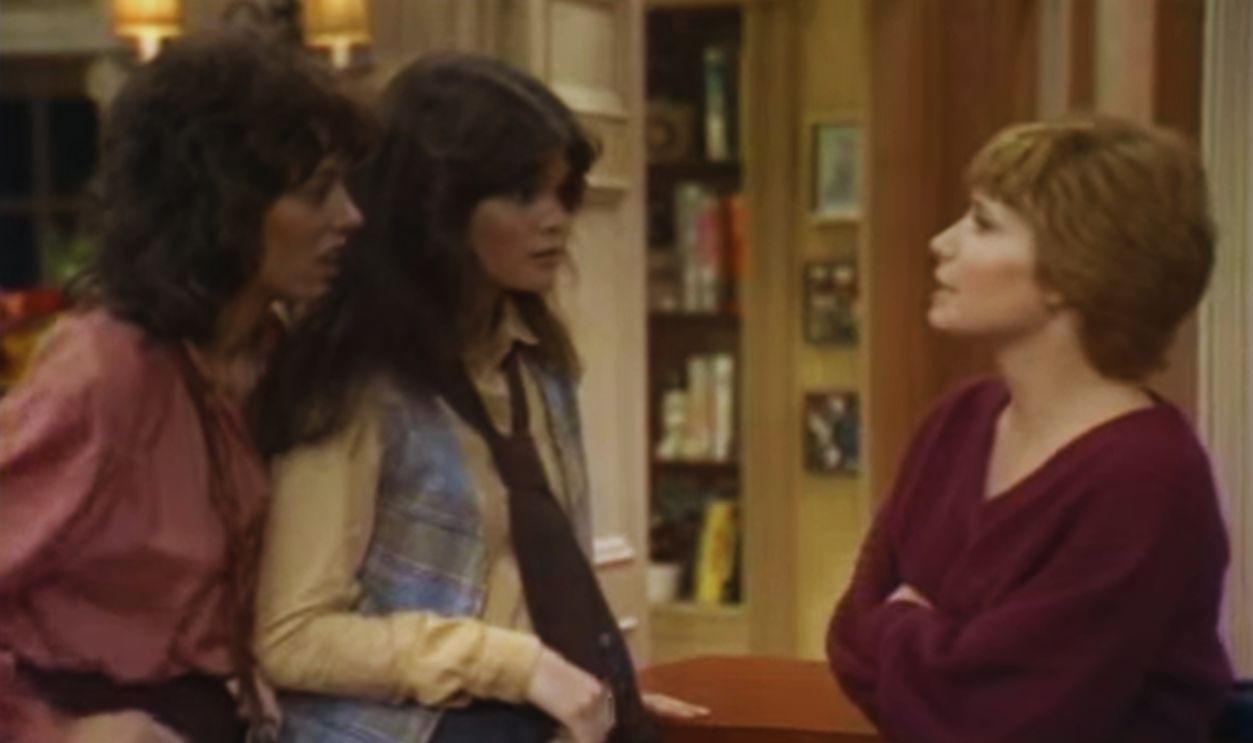 Screenshot from One Day at a Time, CBS (1975–1984)
Recognition Soon Followed Popularity
Bertinelli eventually earned major industry recognition for the role. She received Golden Globe nominations three times for One Day at a Time and won twice, in 1981 and 1982. Those honors confirmed that her success had moved well beyond simply being a familiar young face on a popular sitcom.
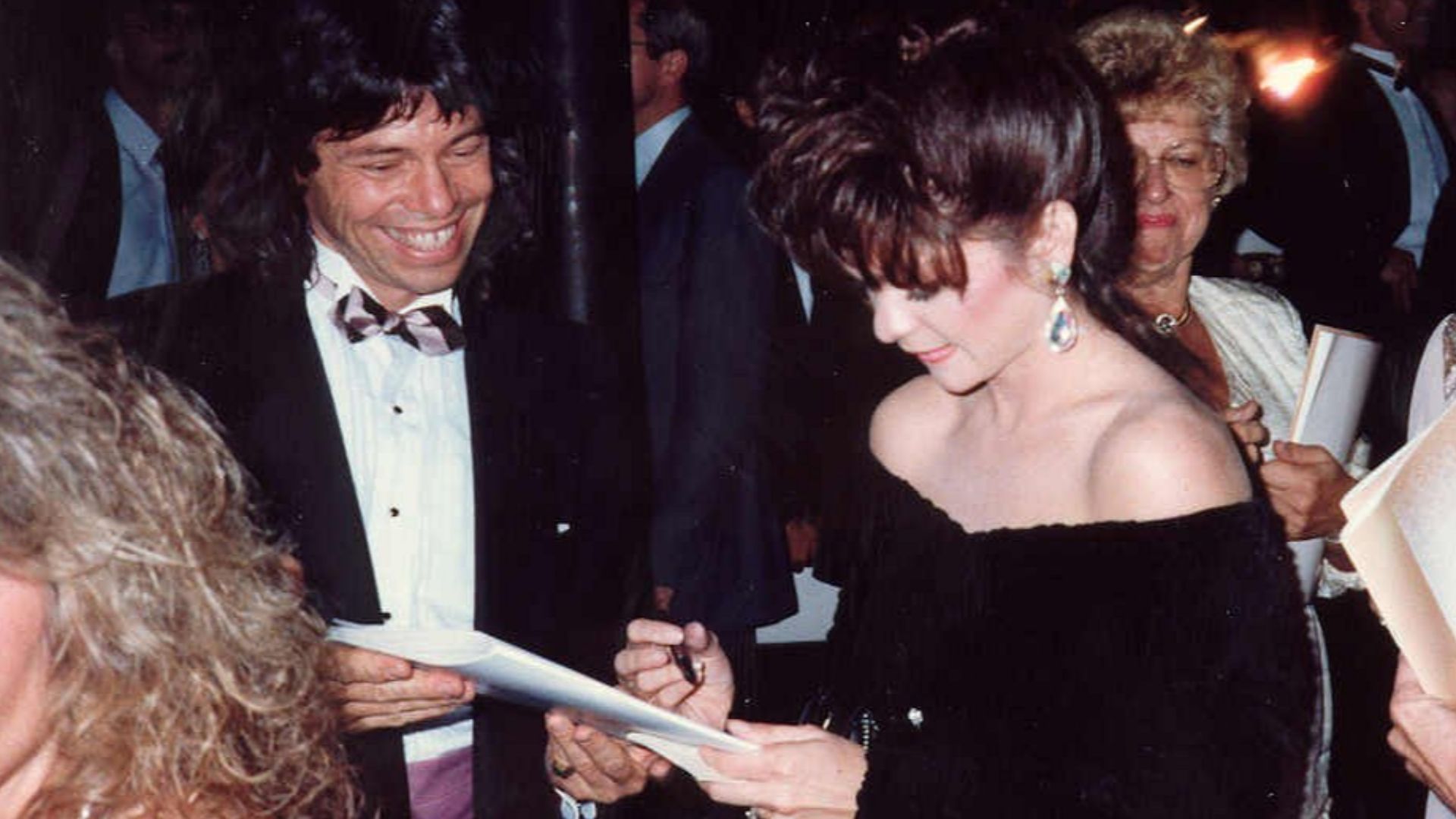
The Girl-Next-Door Image Became Hard To Escape
Bertinelli's public image followed her long after Barbara Cooper left television. CBS was still describing her girl-next-door charm as an important part of her appeal more than two decades after the series ended. That familiarity helped sustain her career, but it also meant audiences felt they had watched her grow up and knew her personally.
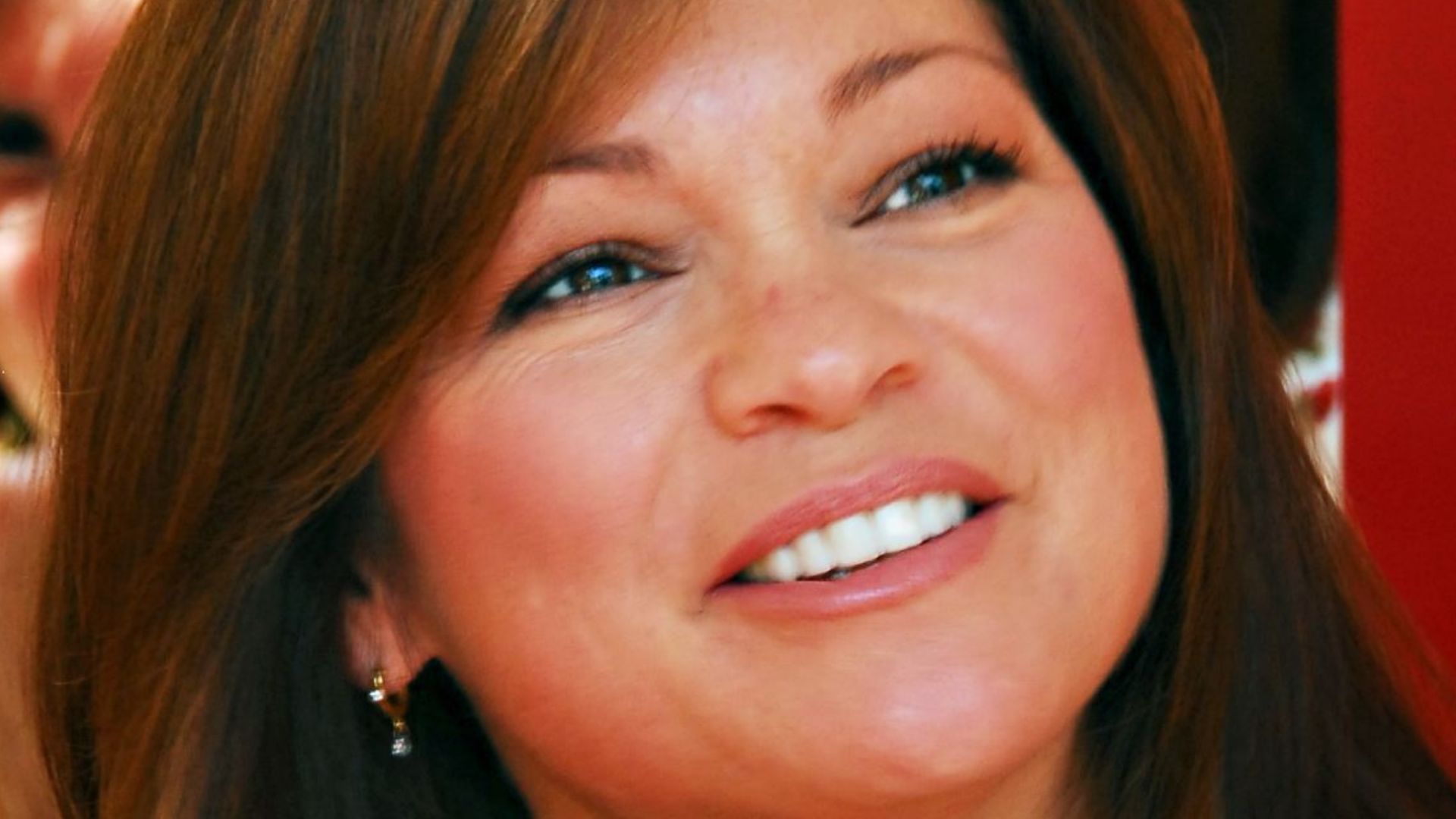 Mark Coggins from San Francisco, Wikimedia Commons
Appearance Became Part Of The Conversation
The attention wasn't always focused on Bertinelli's acting. Over time, discussion of her appearance became intertwined with her celebrity image, something she has addressed repeatedly in interviews and books. She has described spending years worrying about her size and allowing outside judgments to influence the way she viewed herself.
Success Didn't Automatically Bring Confidence
Being famous from such a young age did not prevent insecurity. Bertinelli has spoken openly about struggling with self-worth and learning to separate her value from her appearance. Her later reflections make her teenage success look more complicated: she had achieved enormous professional visibility before she had fully figured out who she was away from television.
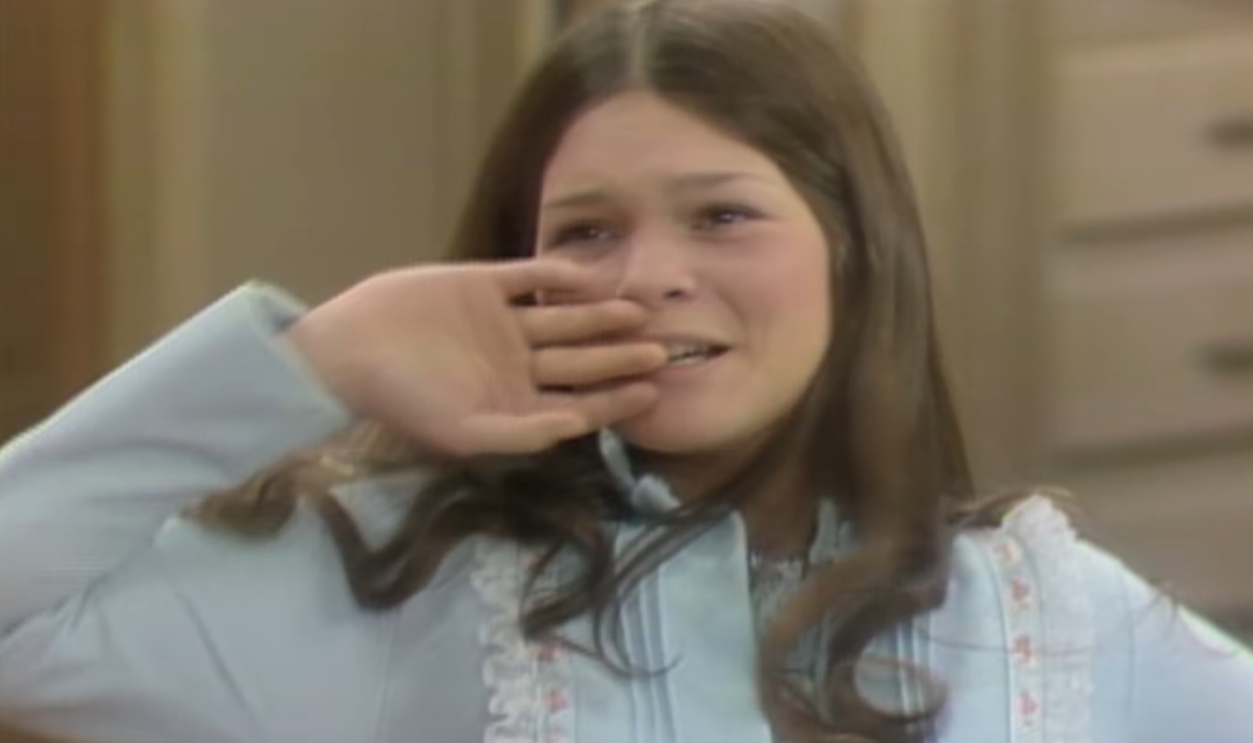 Screenshot from One Day at a Time, CBS (1975–1984)
Hollywood Added Its Own Pressure
Bertinelli has connected some of her long-running appearance concerns to comments she heard when she was young and to the expectations surrounding performers. The entertainment industry placed her image before a national audience while she was still developing her own sense of identity. What viewers saw as effortless teen stardom came with pressures that followed her for years.
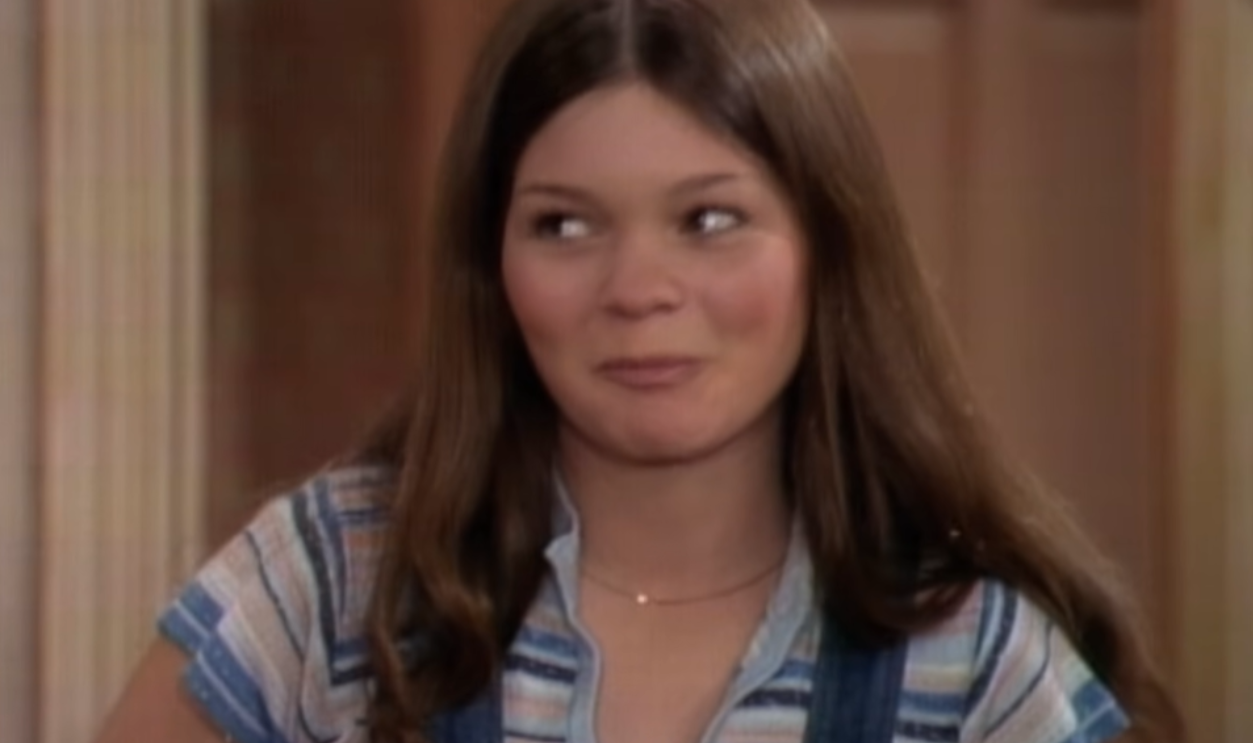 Screenshot from One Day at a Time, CBS (1975–1984)
Her Private Life Became Public Entertainment
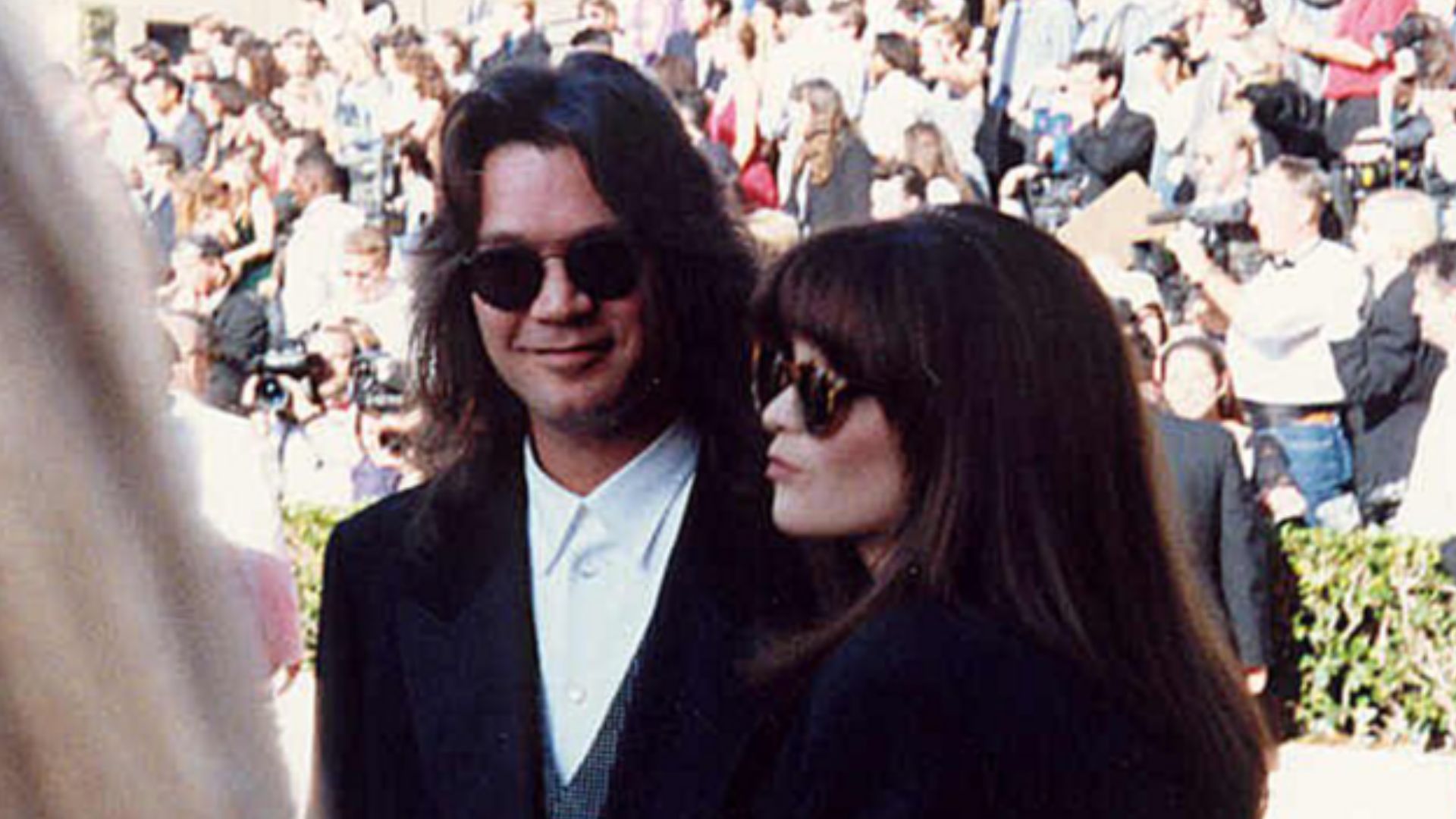
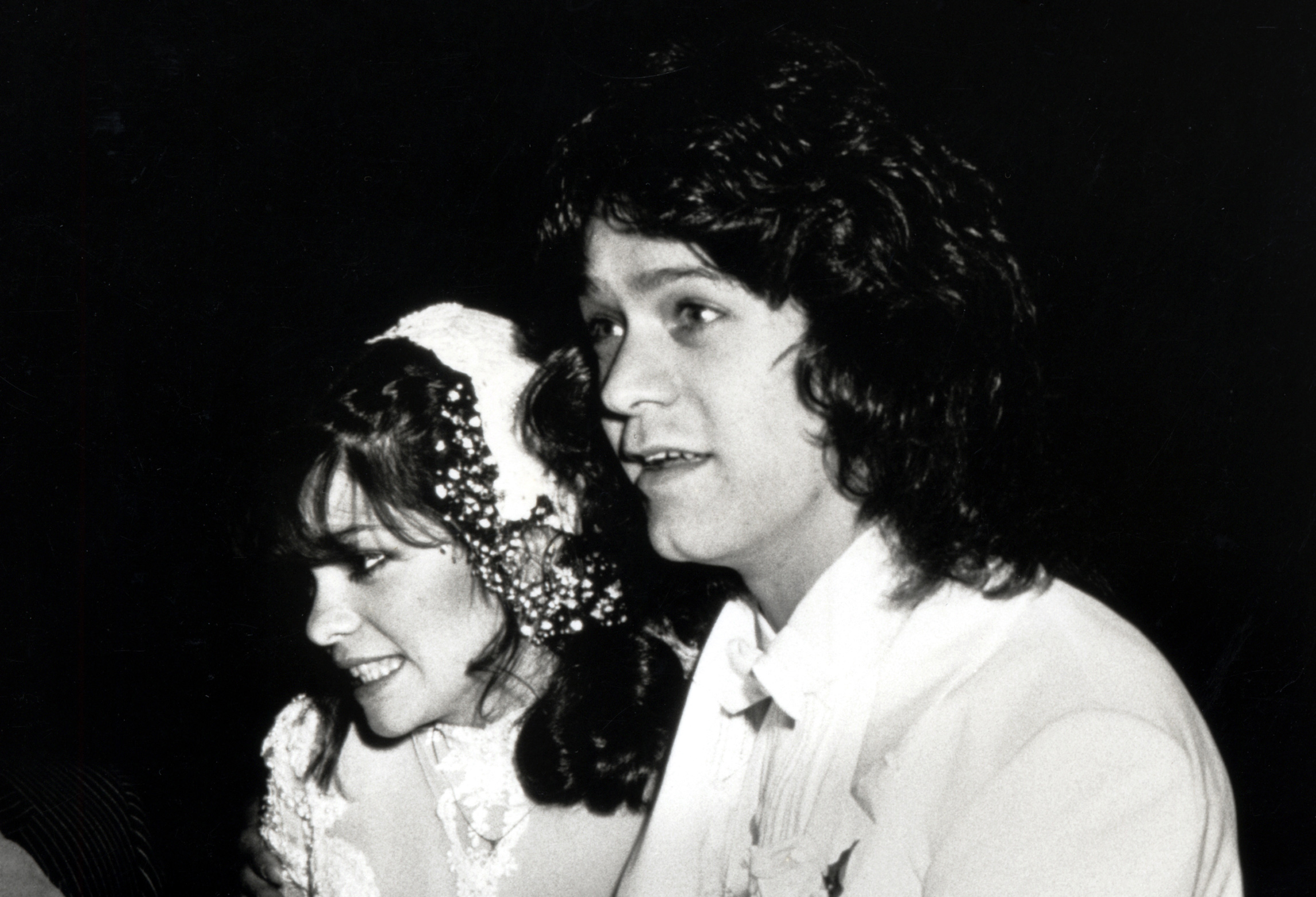
As Bertinelli moved into adulthood, public interest extended far beyond One Day at a Time. Her relationship and 1981 marriage to rock star Eddie Van Halen made the pair fixtures of celebrity coverage. Suddenly the former sitcom teenager wasn't simply famous for playing Barbara. Her personal life had become part of the entertainment press as well.
She Kept Working After Barbara Cooper
When One Day at a Time ended in 1984, Bertinelli didn't disappear with it. She continued acting in television projects and eventually built a career stretching across several decades. The longevity mattered because Barbara had been such an enormous early success that remaining permanently associated with the character would have been easy.
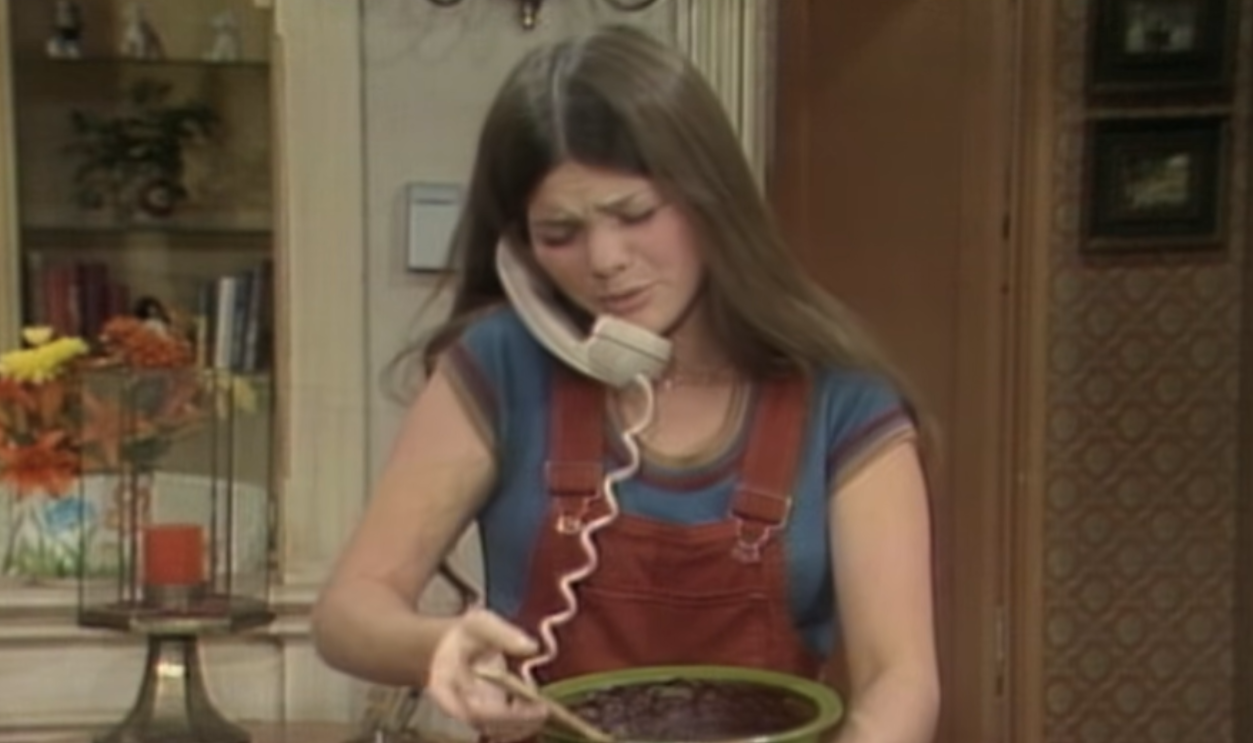 Screenshot from One Day at a Time, CBS (1975–1984)
Reinvention Became A Career Skill
Bertinelli gradually proved she could move into very different corners of television. Later acting work included Touched by an Angel, and she eventually returned to sitcom success with Hot in Cleveland. Each chapter introduced her to viewers who may have known little about the teenager America first met in 1975.
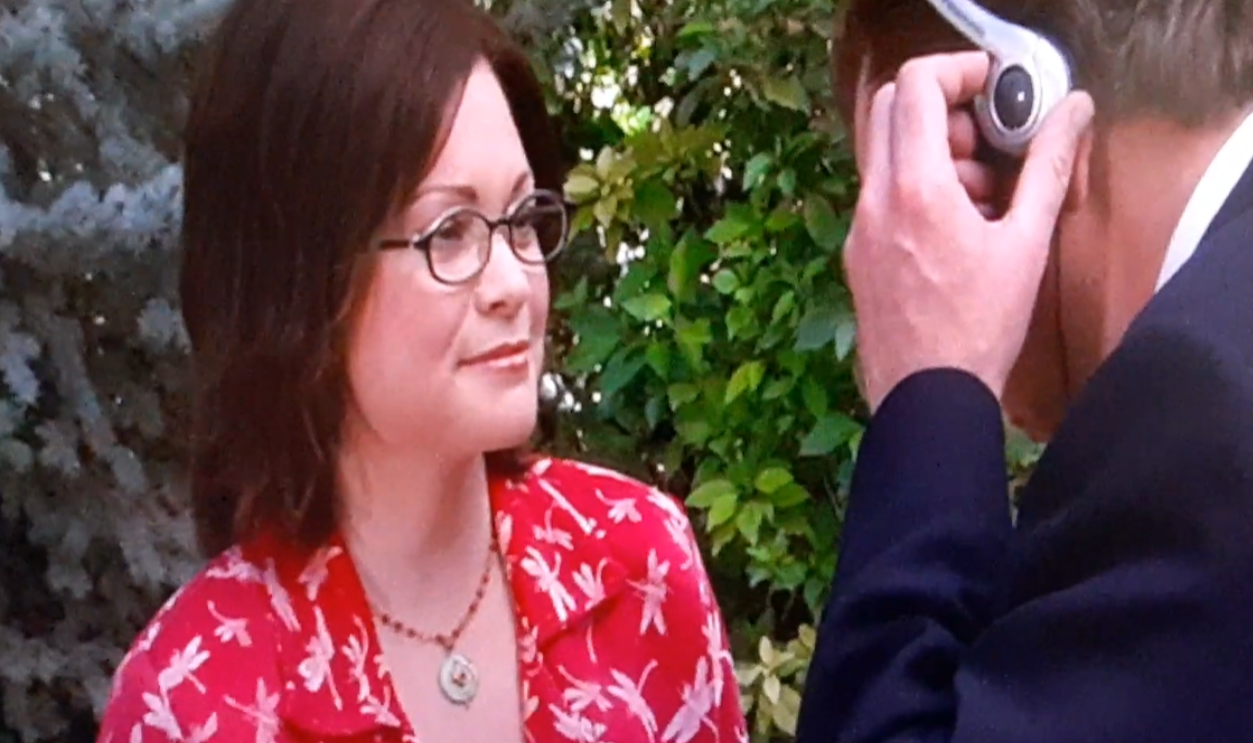 Screenshot from Touched by an Angel, MGM (1994–2003)
She Eventually Told Her Own Story
Rather than allowing decades of magazine coverage to define her, Bertinelli began writing about her experiences herself. Her 2008 memoir Losing It examined her life, career and complicated relationship with her appearance. A follow-up, Finding It, continued that conversation the next year. The books allowed Bertinelli to reconsider the polished image audiences had known for decades.
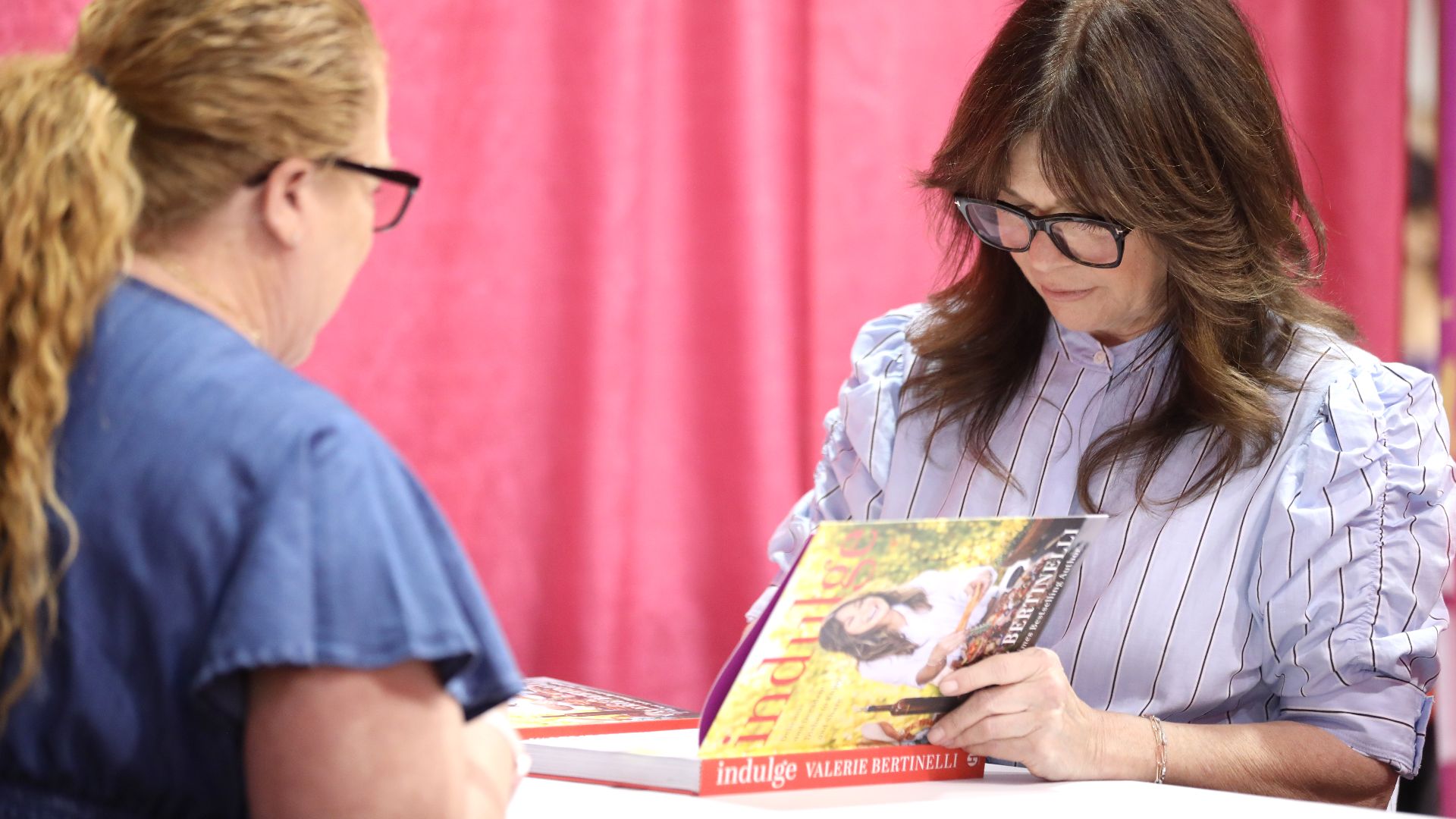 Gage Skidmore from Surprise, AZ, United States of America, Wikimedia Commons
The Scale Had Become Far Too Important
Bertinelli later acknowledged just how much energy she had devoted to her weight. In conversations about self-acceptance, she described moving away from an obsession with dieting and numbers and toward a broader understanding of well-being. That shift took years, illustrating how long some of the pressures surrounding her public image remained with her.
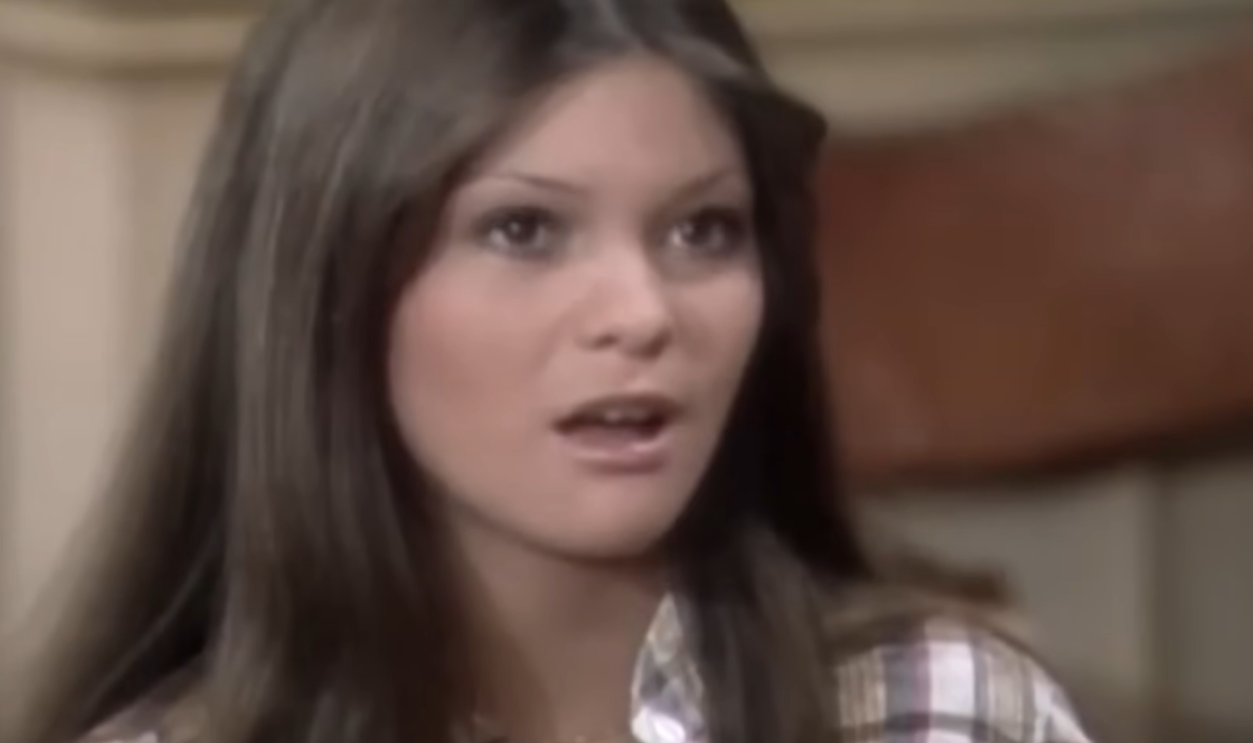 Screenshot from One Day at a Time, CBS (1975–1984)
Television Eventually Led Her Somewhere Unexpected
In 2015, Bertinelli began another major professional chapter with Food Network. Valerie's Home Cooking transformed her from sitcom favorite into a successful culinary television personality. The series earned Daytime Emmy recognition, including honors for both the program and Bertinelli's hosting work.
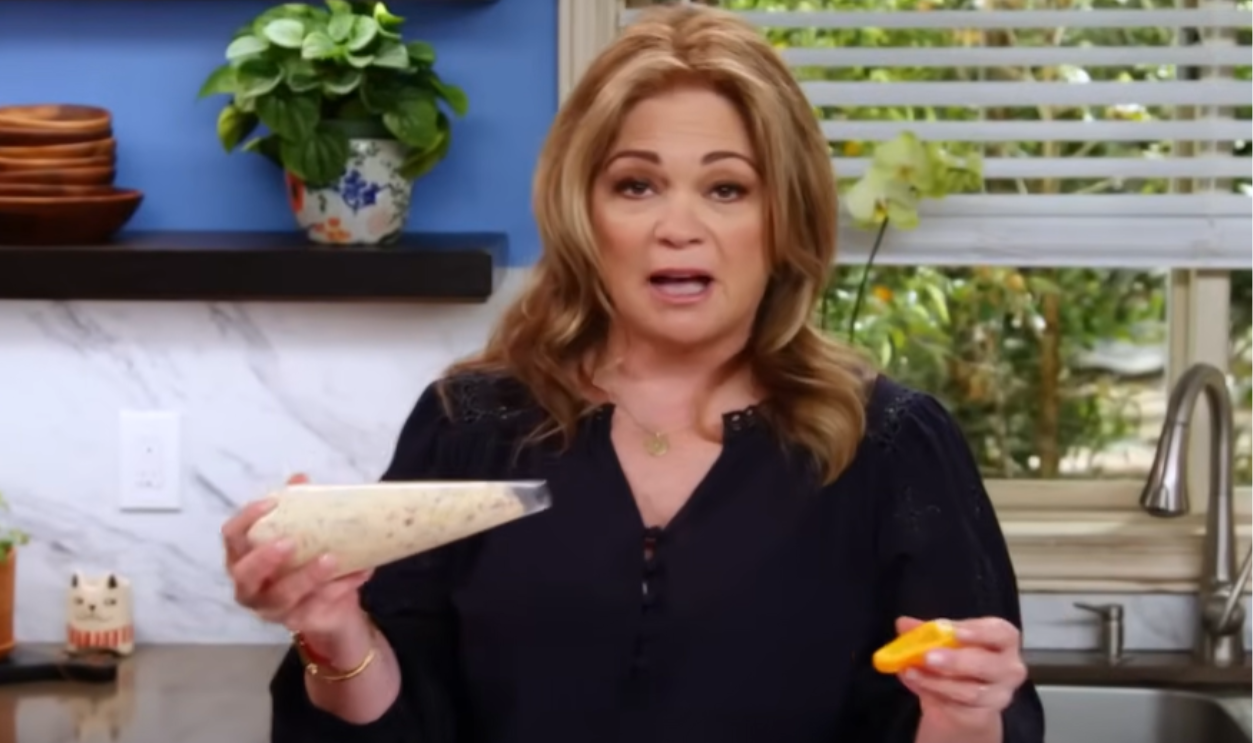 Screenshot from Valerie's Home Cooking, Food Network (2015–2023)
Hollywood Finally Put Her Name In The Sidewalk
Bertinelli received a star on the Hollywood Walk of Fame in August 2012, with her Hot in Cleveland colleagues joining her at the ceremony. By then, nearly four decades had passed since teenage Barbara Cooper first entered American living rooms. The honor represented something larger than nostalgia for one beloved sitcom role.
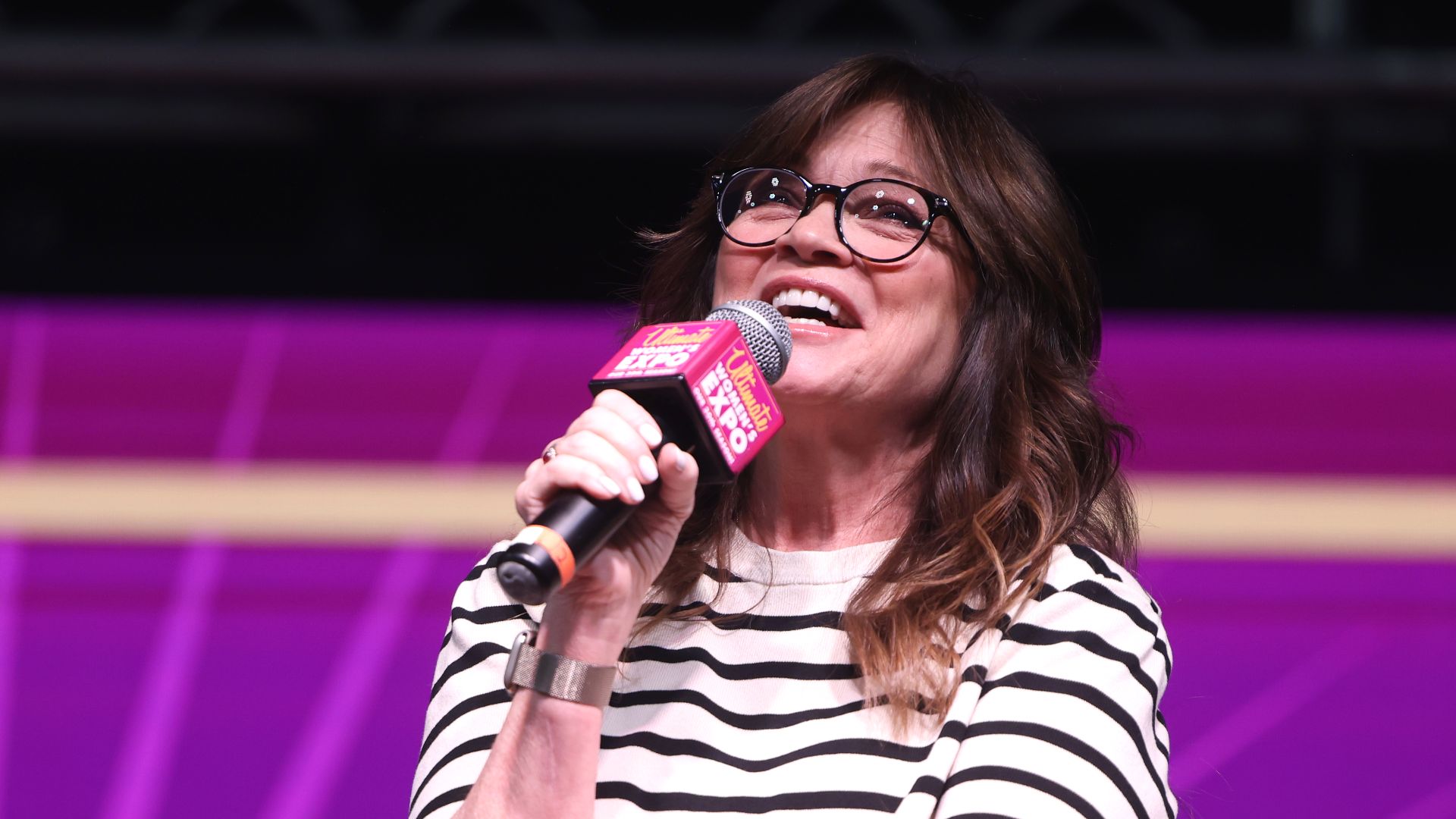 Gage Skidmore from Surprise, AZ, United States of America, Wikimedia Commons
She Started Rethinking The Way She Saw Herself
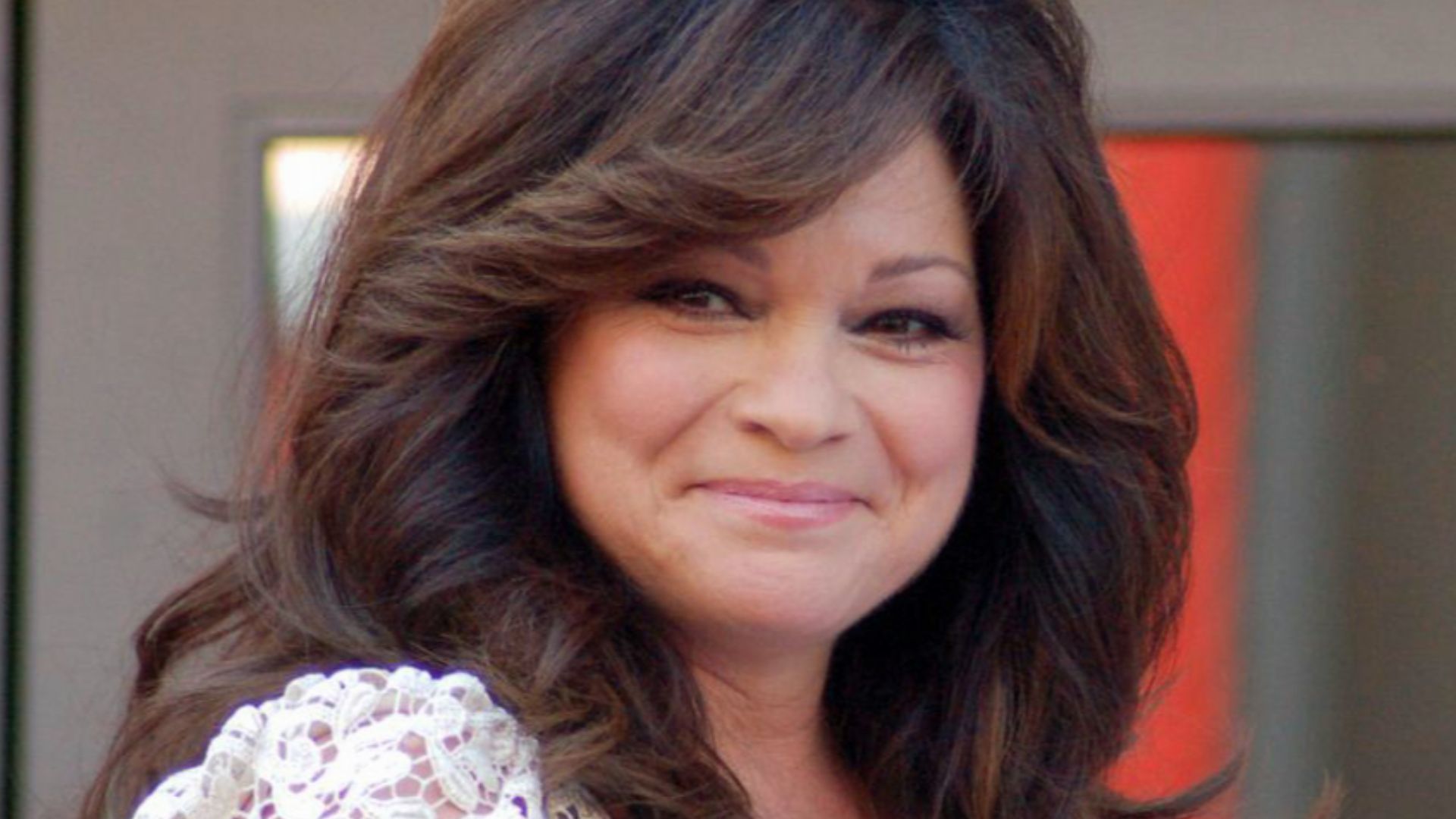
In more recent years, Bertinelli has increasingly discussed acceptance rather than chasing an idealized version of herself. She has spoken publicly about learning to appreciate her body instead of measuring herself against outside expectations. After decades in an industry built partly around appearances, that change in perspective became one of her most personal reinventions.
 Angela George, Wikimedia Commons
Starting Young Still Shapes Her Perspective
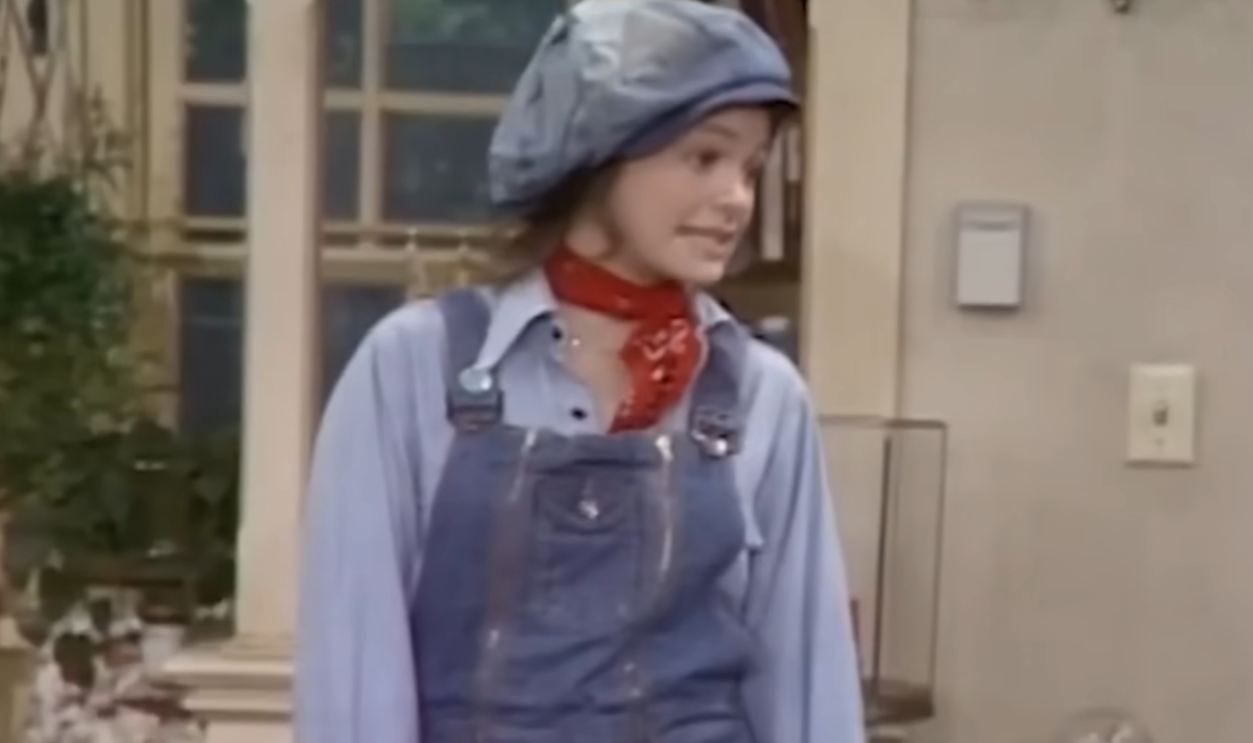
Looking back on child stardom alongside Drew Barrymore in 2025, Bertinelli observed that beginning work so young can make a person grow up unusually fast. Her comment helps explain the complicated legacy of One Day at a Time. The series gave her an extraordinary career at 15, yet adulthood arrived alongside scripts, studio audiences, publicity and constant professional expectations.
 Screenshot from One Day at a Time, CBS (1975–1984)
Barbara Cooper Was Only The Beginning
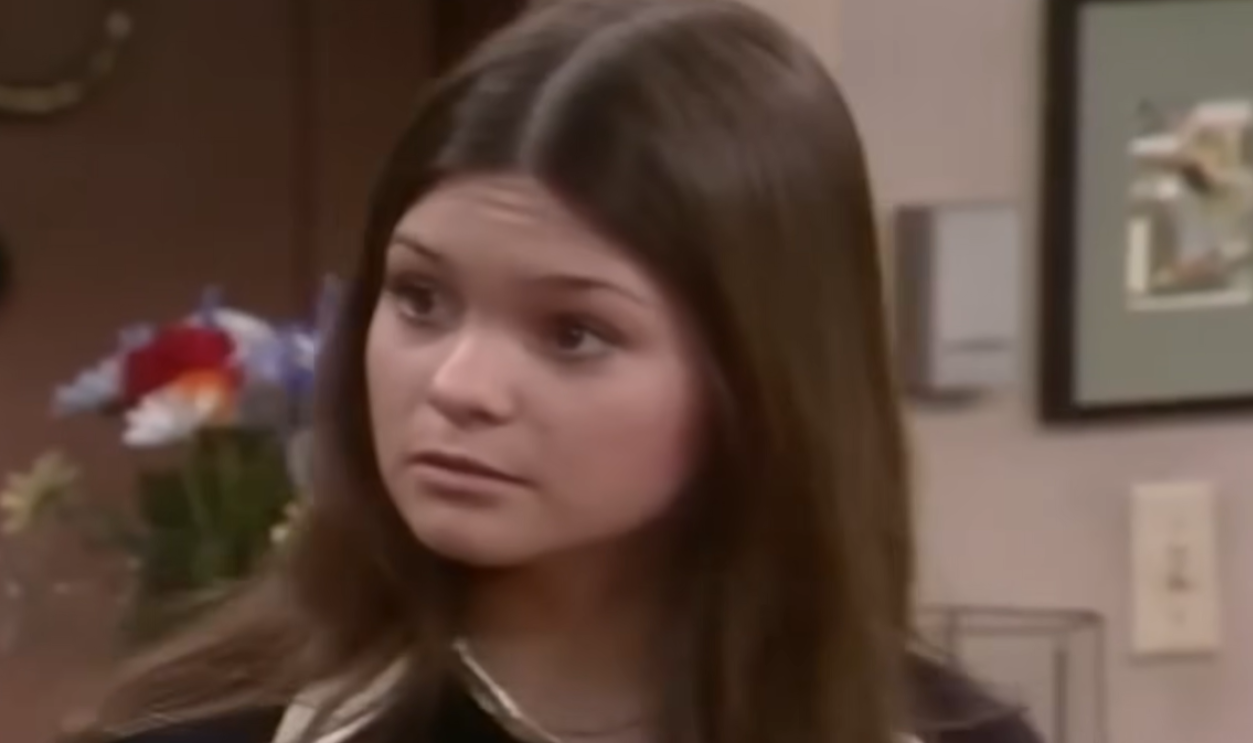
Bertinelli's teenage breakthrough could easily have become the only chapter anyone remembered. Instead, she turned it into the beginning of a career spanning acting, books, daytime television and cooking programs. The price of early visibility was considerable, particularly in the way she came to view herself, but Bertinelli has spent much of her later life challenging those old expectations. Fifty years after that nervous 15-year-old rehearsed her first line, One Day at a Time remains the role that introduced Valerie Bertinelli to America, not the role that ultimately defined everything she became.
 Screenshot from One Day at a Time, CBS (1975–1984)
You May Also Like:
Rugged Facts About James Caan, America’s Tough Guy
Source: 1