What Actually Happened To Tony Dow?
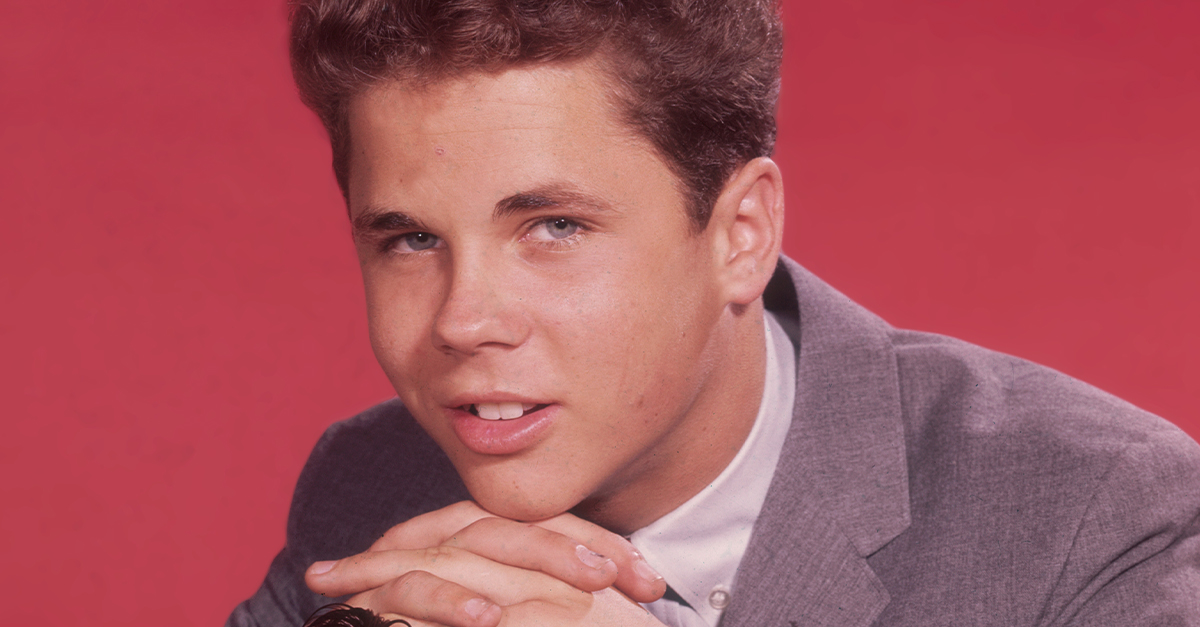
To generations of television viewers, Tony Dow was the all-American older brother Wally Cleaver on Leave It to Beaver. Calm, polite, and endlessly dependable, he became one of the most recognizable teenage faces of early television. But after the sitcom ended, Dow slowly disappeared from Hollywood’s spotlight for reasons far more complicated than audiences realized.
Tony Dow Became Famous As A Teenager
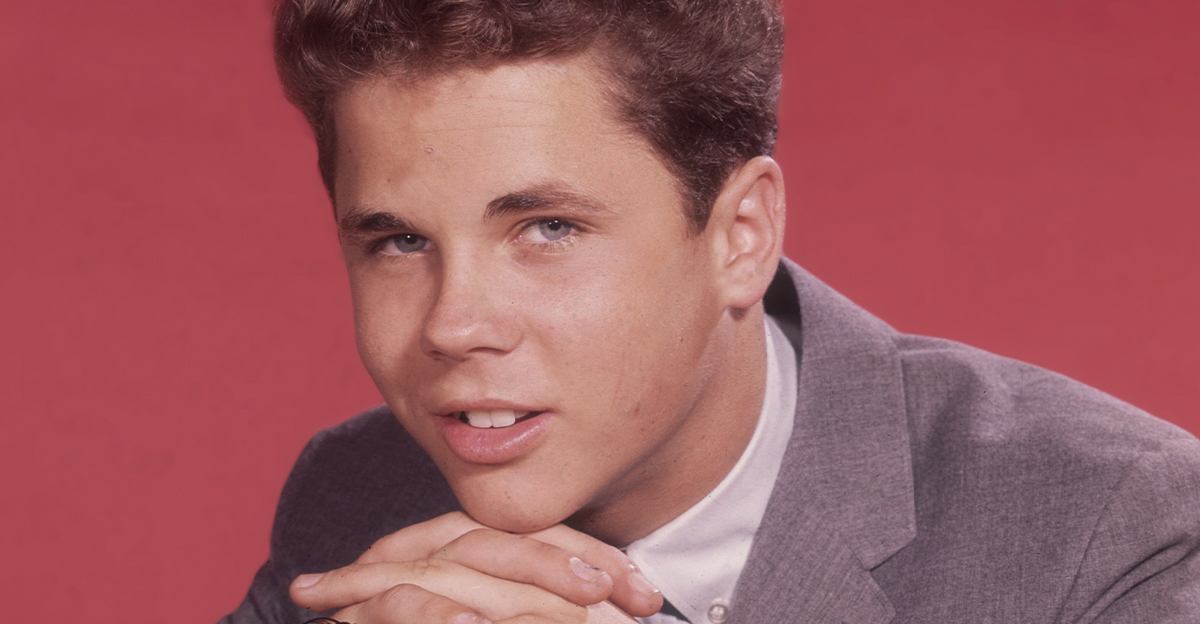
When Leave It to Beaver premiered in 1957, Tony Dow was still a teenager himself. Cast as Wally Cleaver, he quickly became one of television’s first major teen idols, representing the idealized American son during a rapidly changing era.
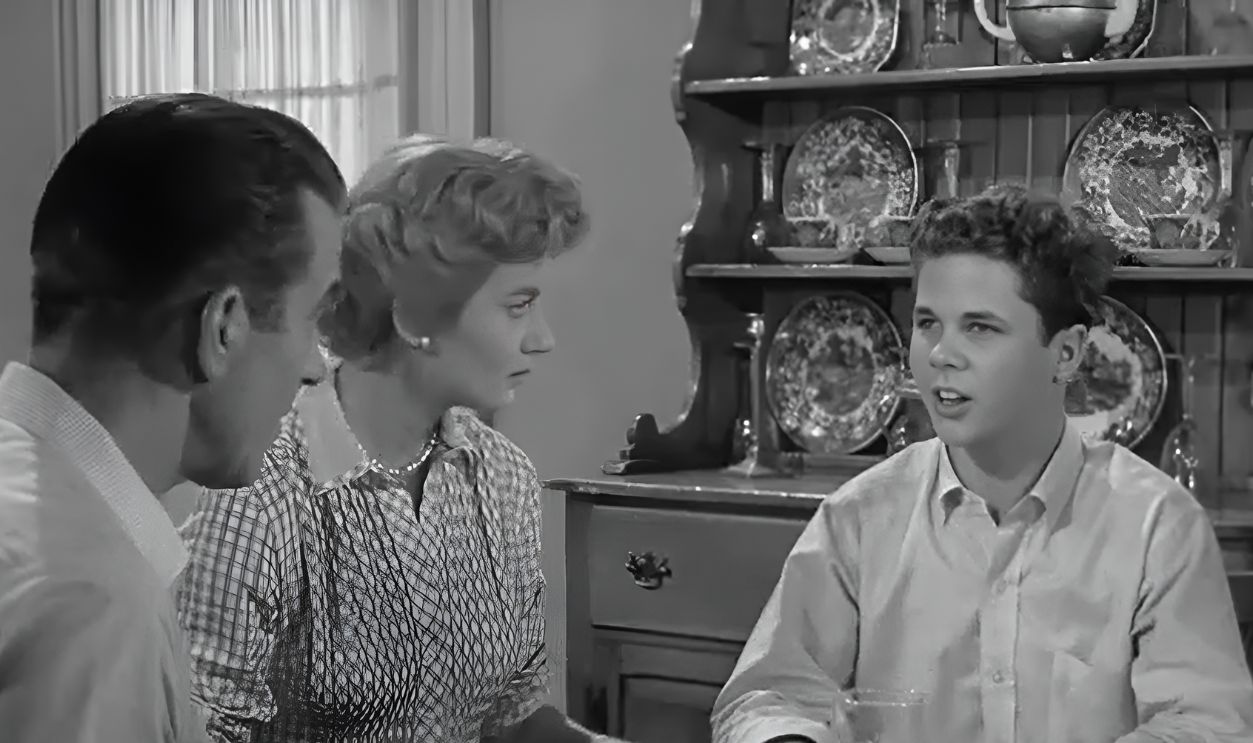 Screenshot from Leave It to Beaver, CBS (1957–1963), Modified
Leave It To Beaver Defined His Identity
The enormous popularity of the sitcom made Dow instantly recognizable across America. But like many child and teen stars, he eventually discovered that success could become a trap. Audiences saw Wally Cleaver everywhere he went, not Tony Dow himself.
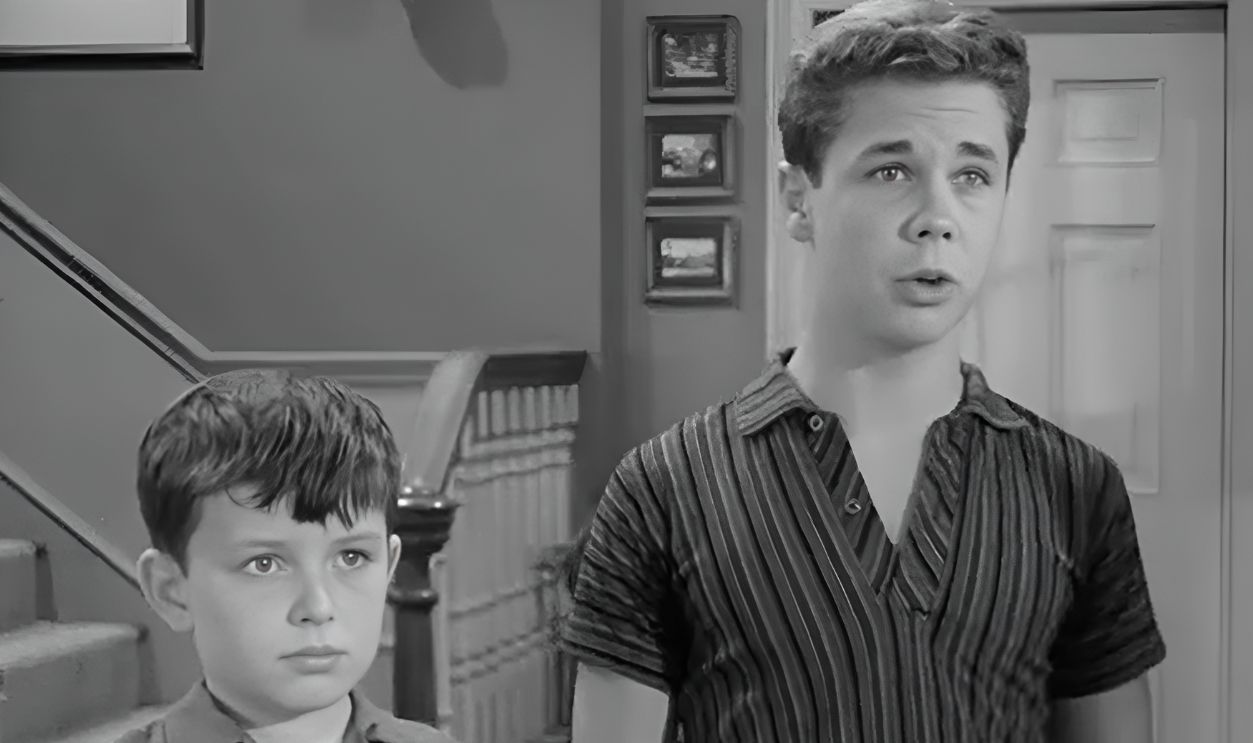 Screenshot from Leave It to Beaver, CBS (1957–1963), Modified
Hollywood Typecast Him After The Series Ended
After Leave It to Beaver ended in 1963, Dow struggled to find major acting work. Producers and casting directors strongly associated him with wholesome teenage roles, making it difficult for him to transition into more mature adult characters.
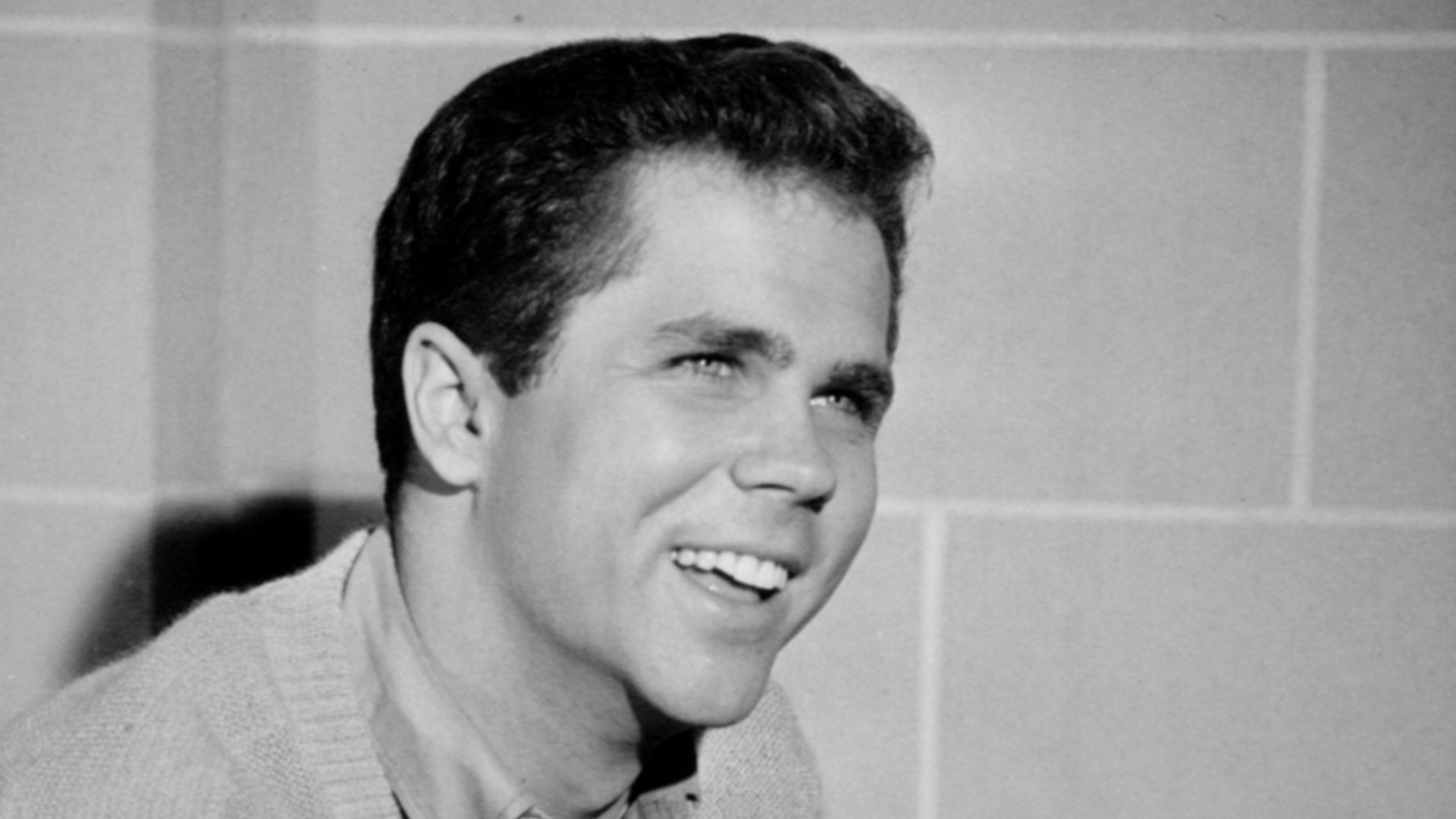 NBC Television, Wikimedia Commons
The Industry Changed Around Him
Television and film changed dramatically during the late 1960s and 1970s. More rebellious and edgy characters became popular while the clean-cut suburban image of Wally Cleaver increasingly felt outdated in Hollywood’s evolving entertainment landscape.
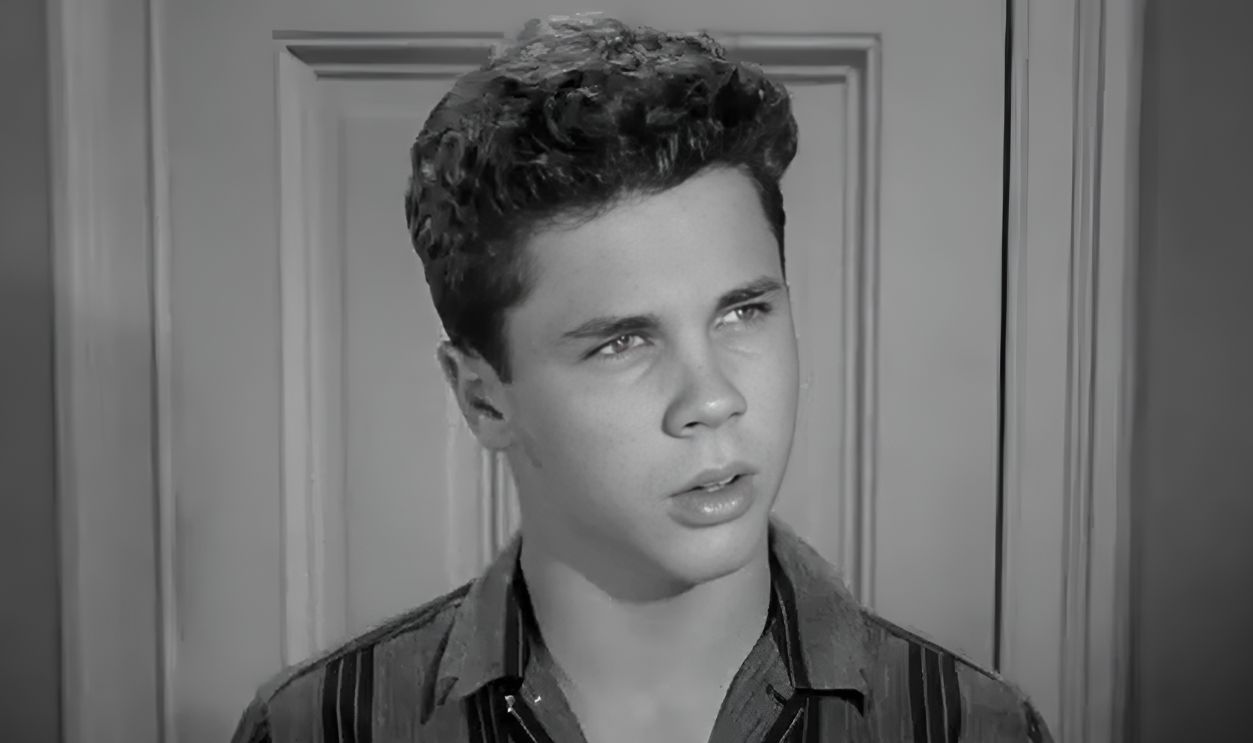 Screenshot from Leave It to Beaver, CBS (1957–1963), Modified
Tony Dow Appeared In Smaller Roles
Although he never vanished completely, Dow mostly appeared in guest roles on television after Leave It to Beaver. He acted in shows like Dr. Kildare, My Three Sons, and Square Pegs, but none recreated the fame of his earlier success.
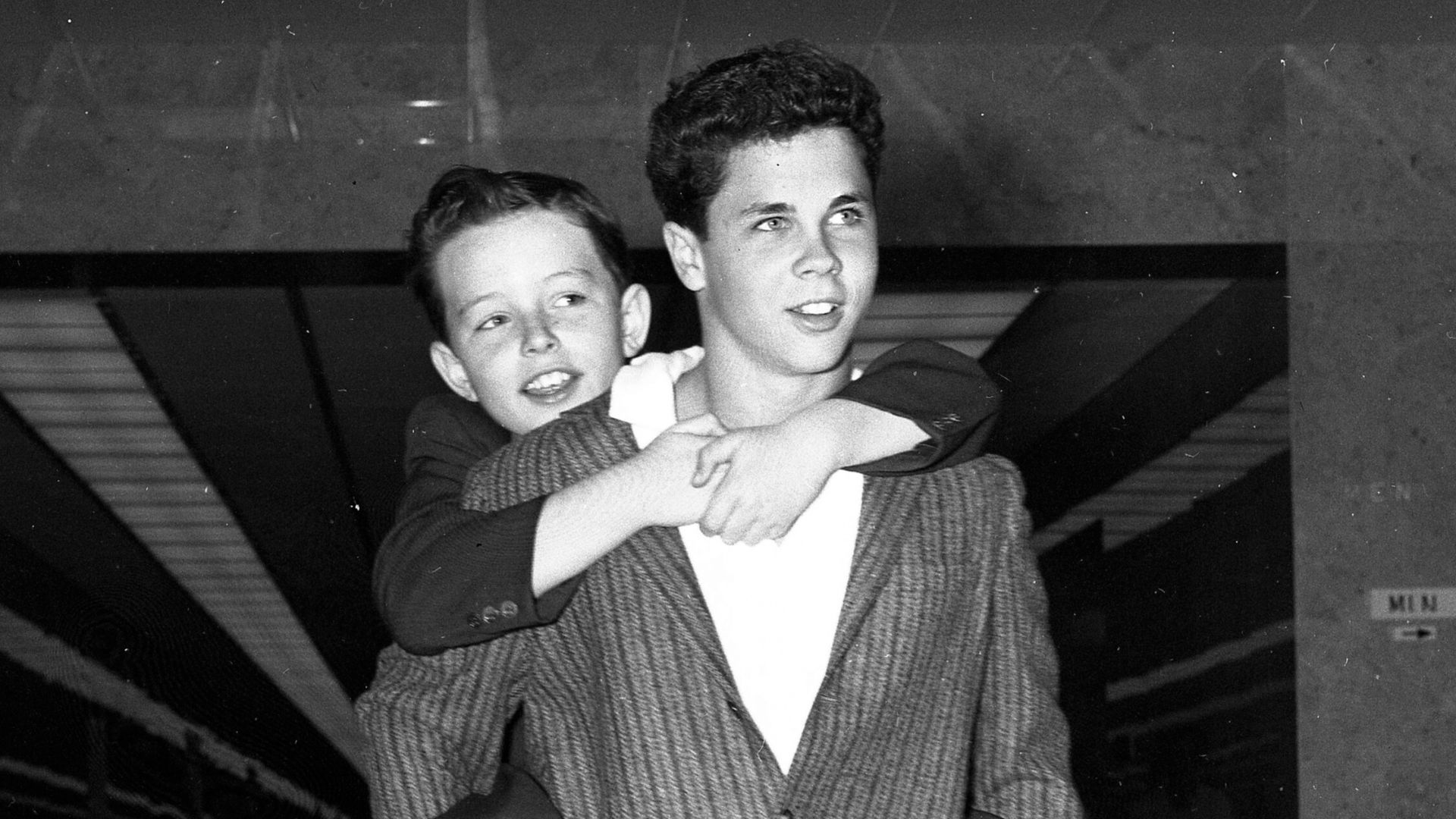 Los Angeles Times, Wikimedia Commons
Fame Did Not Bring Long-Term Security
Like many former television stars, Dow learned that early fame did not guarantee lasting career stability. Acting opportunities became inconsistent, and the enormous visibility he once enjoyed as a teenager gradually faded as Hollywood moved on to newer faces.
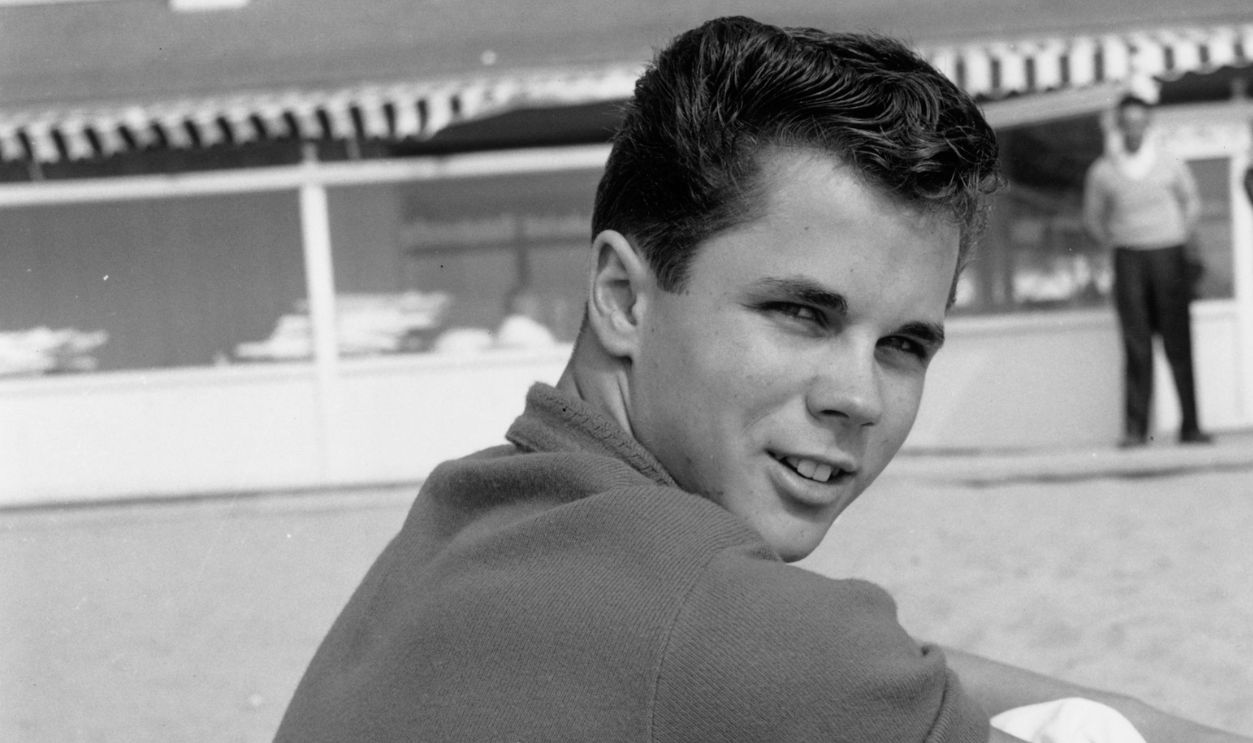
Depression Became A Hidden Struggle
Behind his calm public image, Tony Dow quietly battled severe depression for much of his adult life. He later spoke openly about experiencing deep emotional lows. In a later interview, he shared, "It's sad to be famous at 12 years old or something, and then you grow up and become a real person, and nothing's happening for you."
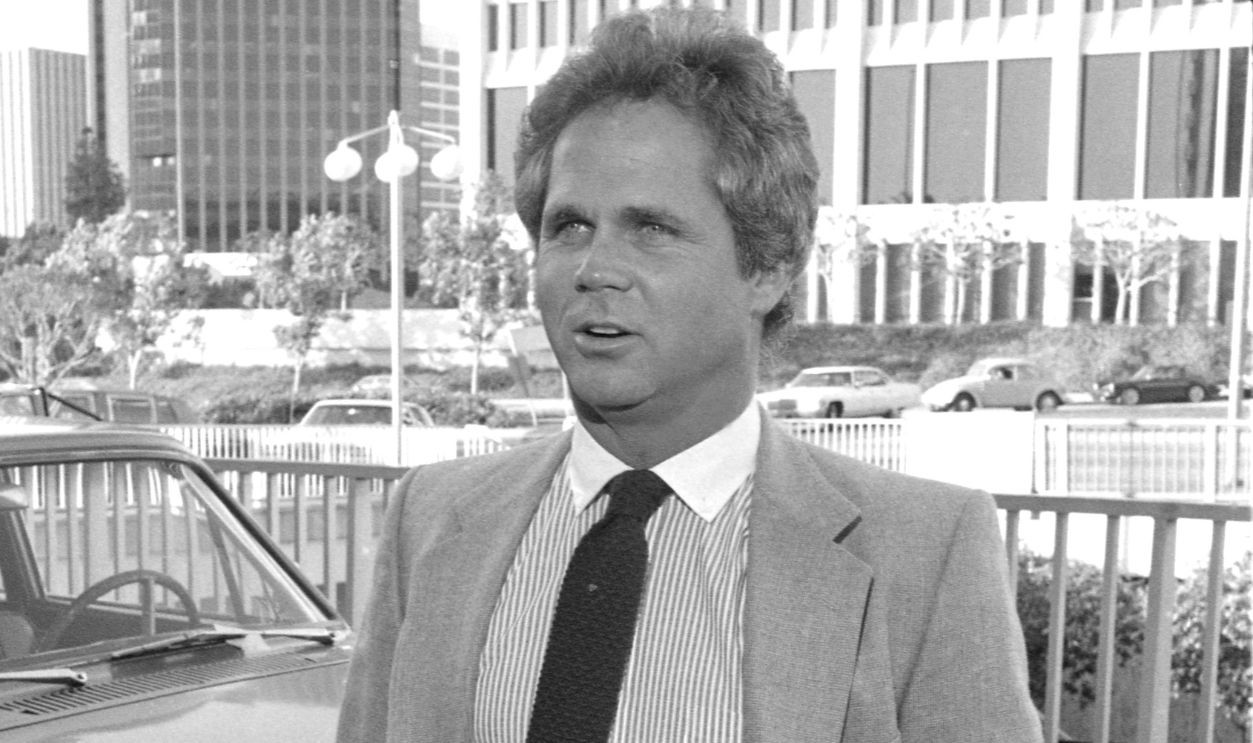
He Said Fame Sometimes Made Depression Worse
Dow explained that celebrity did not protect him from emotional suffering. In interviews, he described how public expectations and the pressure of being permanently associated with Wally Cleaver often intensified his sadness.
He also expressed how he felt about his time as a child star, telling CBS This Morning, "From the time I was 11 or 12, I was told what to do. I was told on the set. I was told at home. I didn't have control of my life."
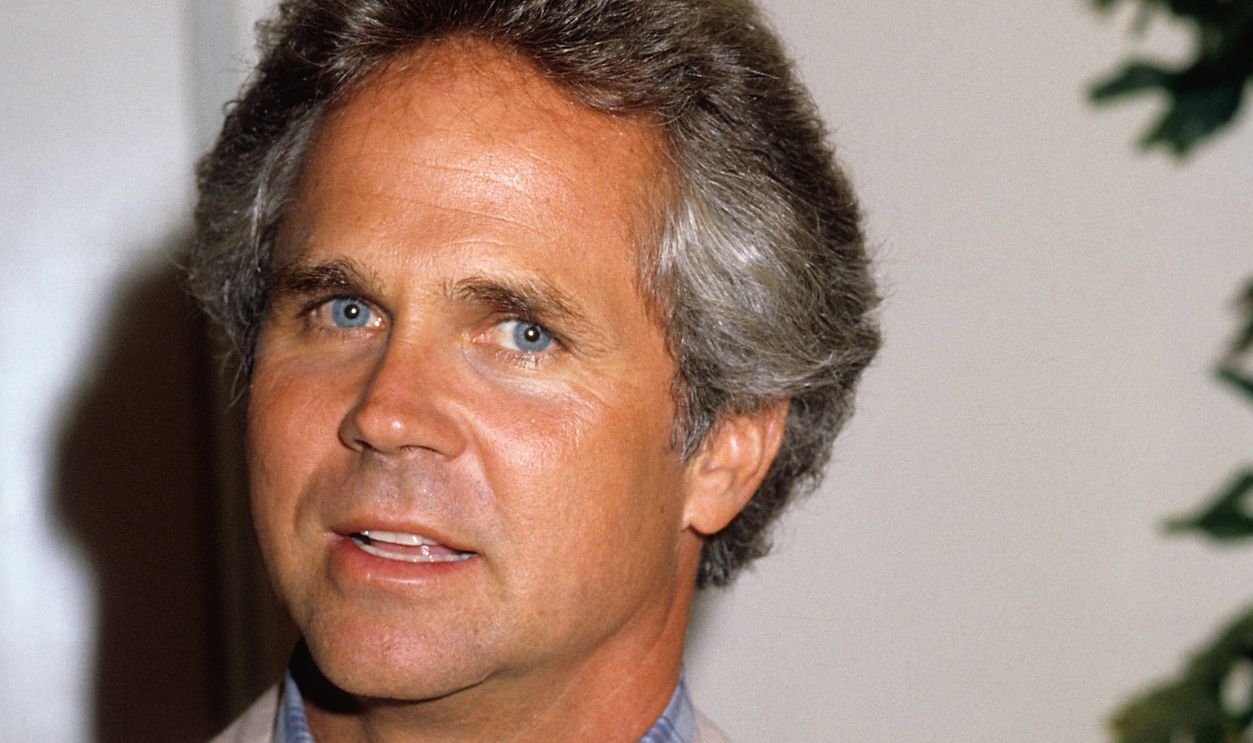 Donaldson Collection, Getty Images
Mental Health Was Rarely Discussed At The Time
When Dow struggled emotionally during the 1960s and 1970s, mental health conversations were far less open than they are today. Many celebrities hid depression out of fear it would damage their careers or public reputations.
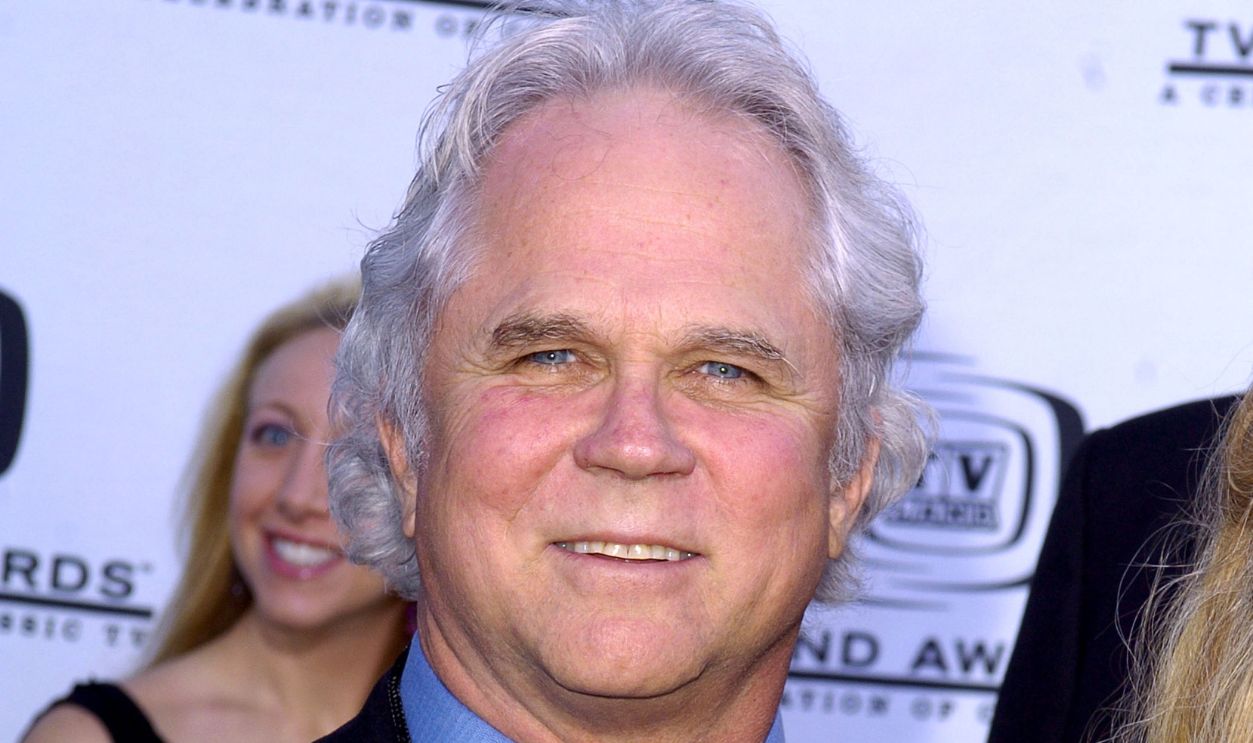
Tony Dow Left Acting For Construction Work
At one point, Dow stepped away from Hollywood almost entirely and worked in the construction industry. The decision surprised fans, but it reflected his growing desire for stability and normalcy outside the unpredictable entertainment business.
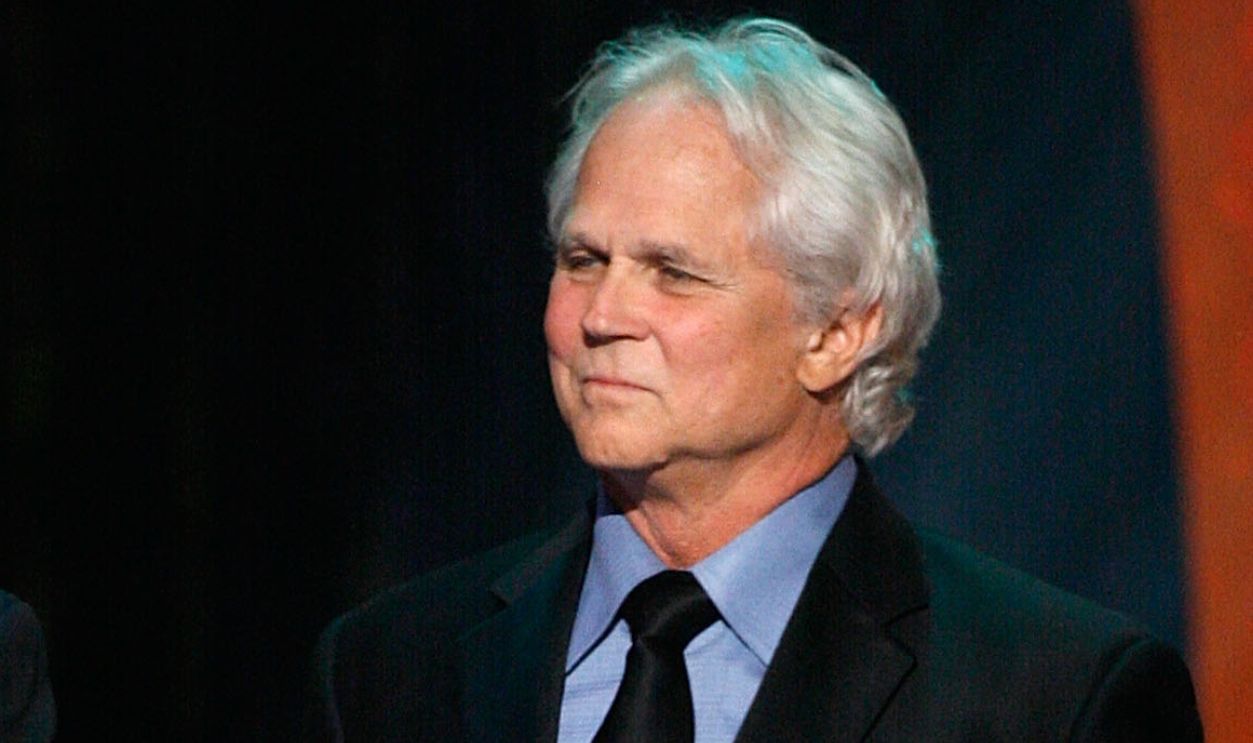
He Found Comfort In Creativity
Beyond acting, Dow developed a passion for sculpture and visual art. Over time, creating abstract sculptures became an important emotional outlet for him and eventually evolved into a respected second career outside television fame.
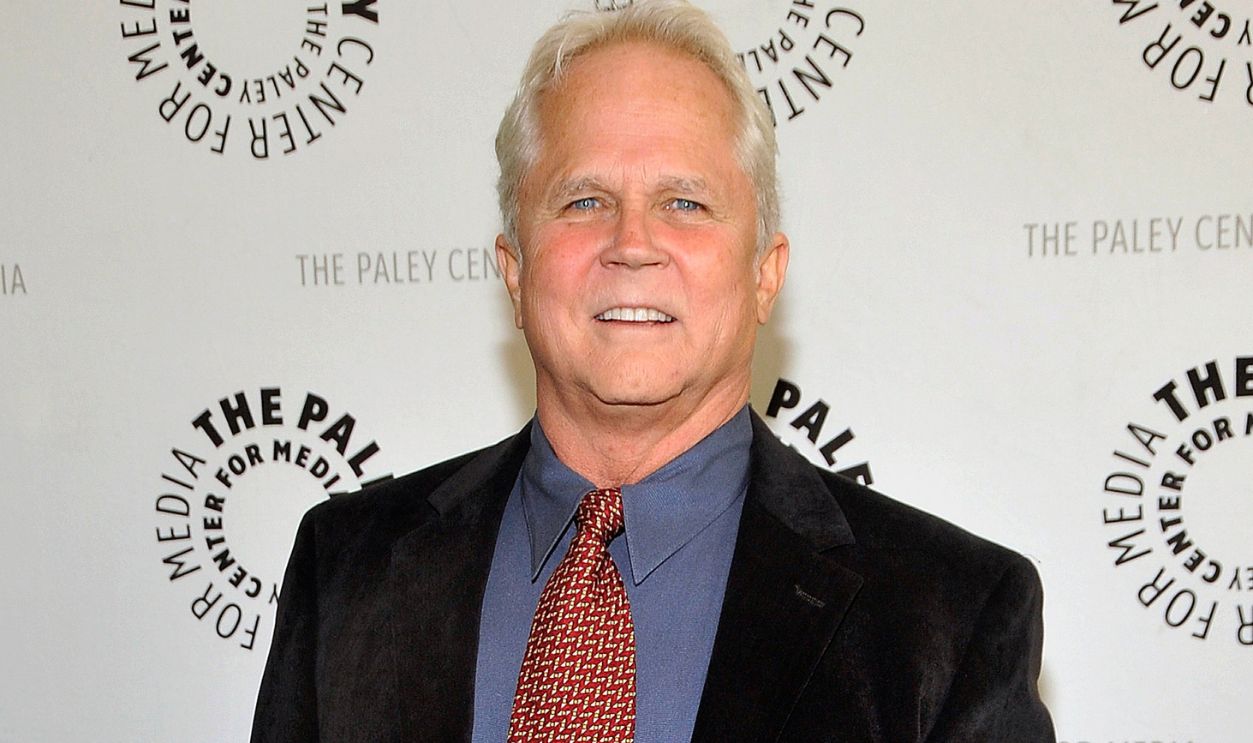
Art Helped Him Rebuild His Identity
For Dow, sculpture offered something Hollywood often could not: personal control and self-expression. Rather than being remembered only as Wally Cleaver, he slowly built a reputation as a serious artist whose work appeared in galleries and exhibitions.
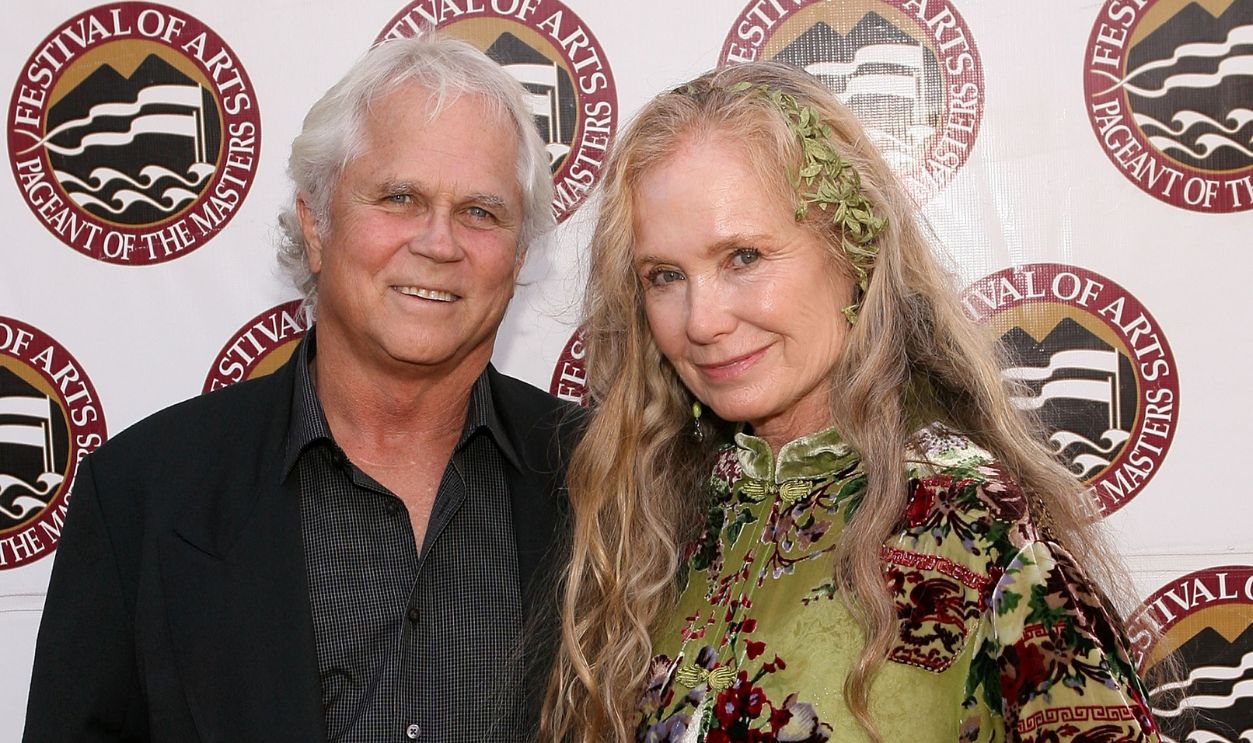
He Eventually Returned To Leave It To Beaver
In the 1980s, Dow reunited with much of the original cast for the revival series The New Leave It to Beaver. The show allowed audiences to reconnect with Wally Cleaver as an adult while giving Dow another chance at television visibility.
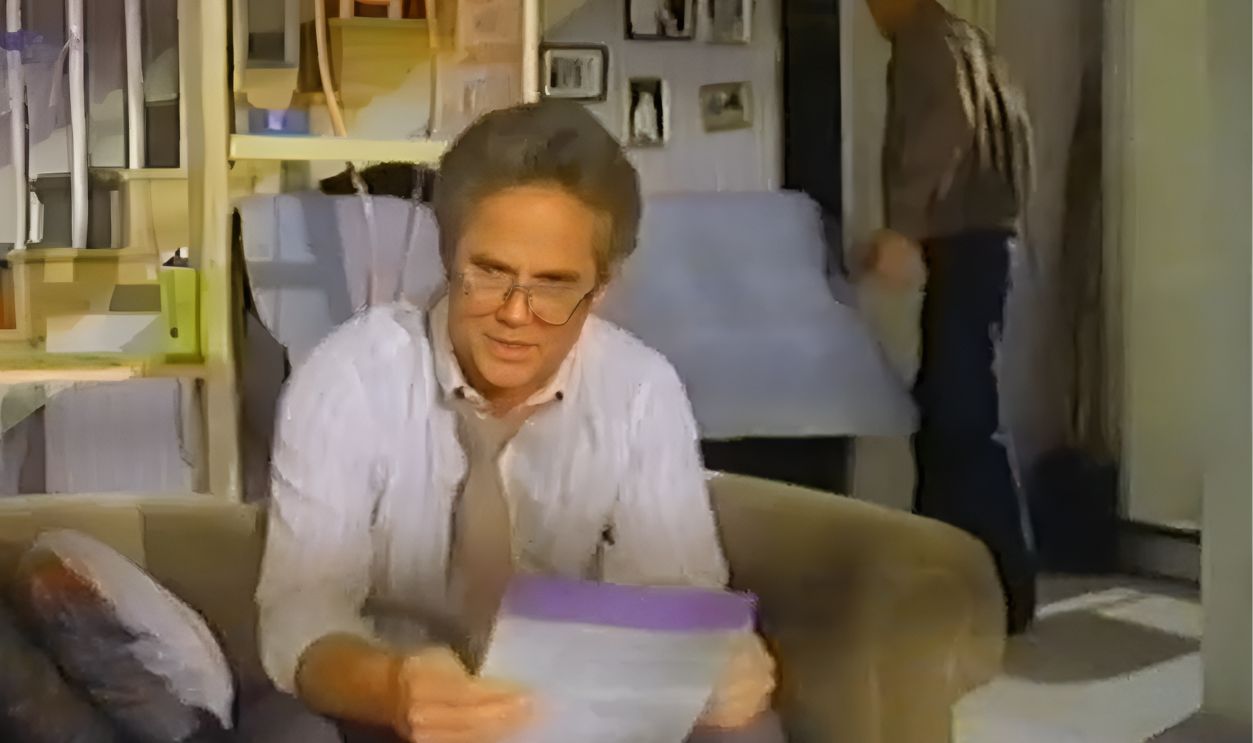 Screenshot from The New Leave It to Beaver, The Disney Channel (1983–1989), Modified
Dow Also Worked Behind The Camera
As acting opportunities slowed, Dow successfully transitioned into directing and producing. He directed episodes of television shows including Harry and the Hendersons, Coach, and Babylon 5, quietly building a respected behind-the-scenes career.
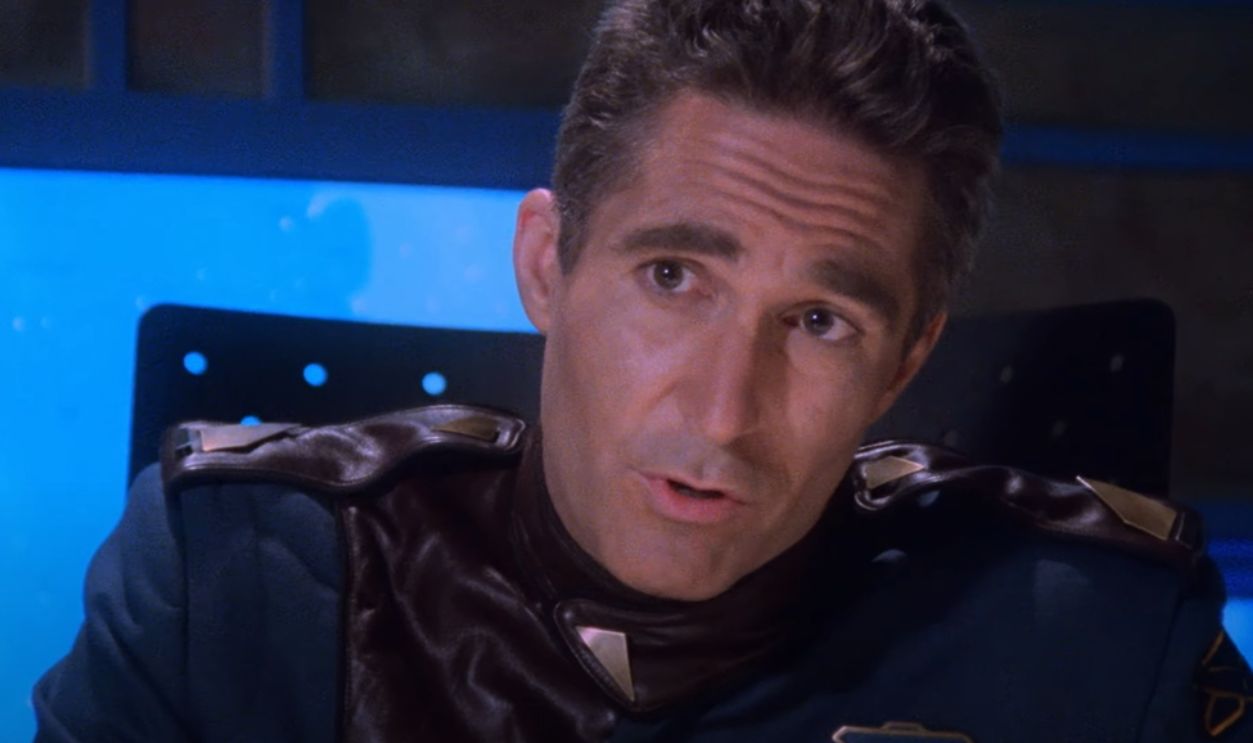 Screenshot from Babylon 5, TNT (1993–1998)
He Spoke Honestly About Depression Later In Life
Unlike many stars from earlier television generations, Dow became increasingly candid about mental health struggles as he got older. His honesty helped many fans understand that emotional suffering can affect even people who seem successful and beloved publicly.
Fans Never Fully Stopped Seeing Wally Cleaver
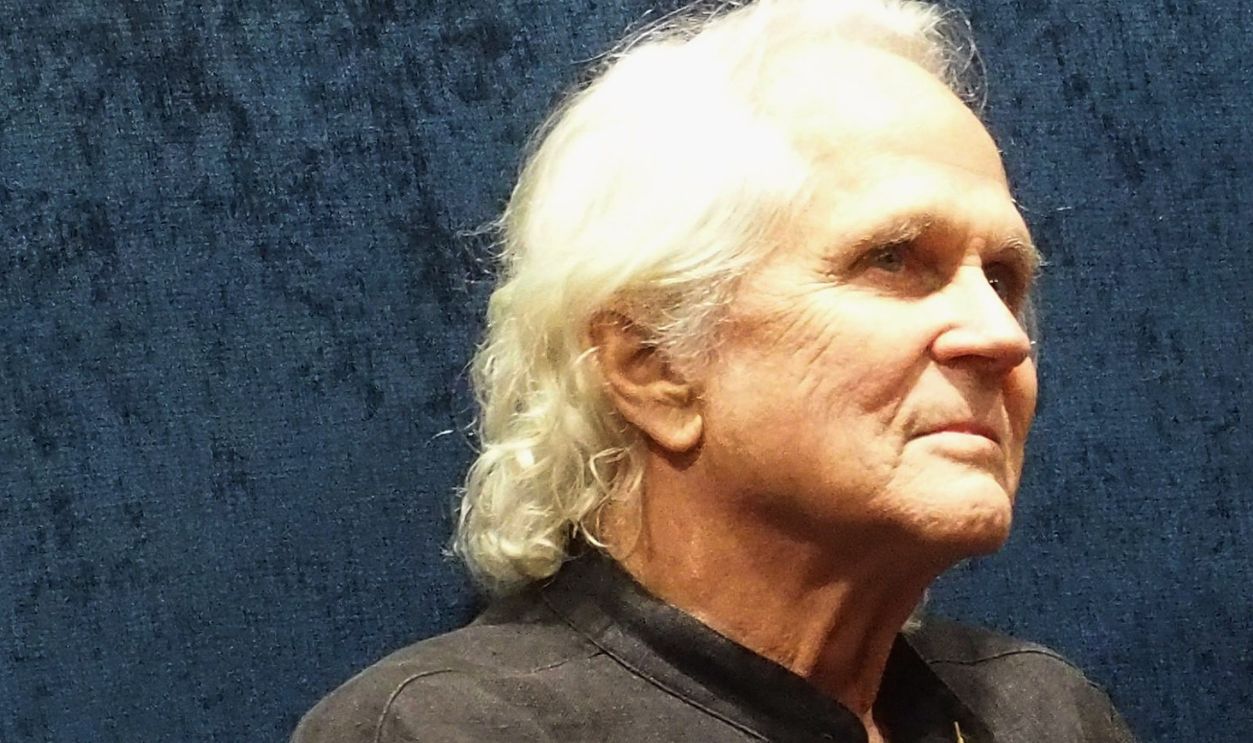
Even decades after Leave It to Beaver ended, Dow remained permanently linked to Wally Cleaver in the public imagination. While audiences remembered the role fondly, the lasting association sometimes made it difficult for Dow to feel fully separate from the character.
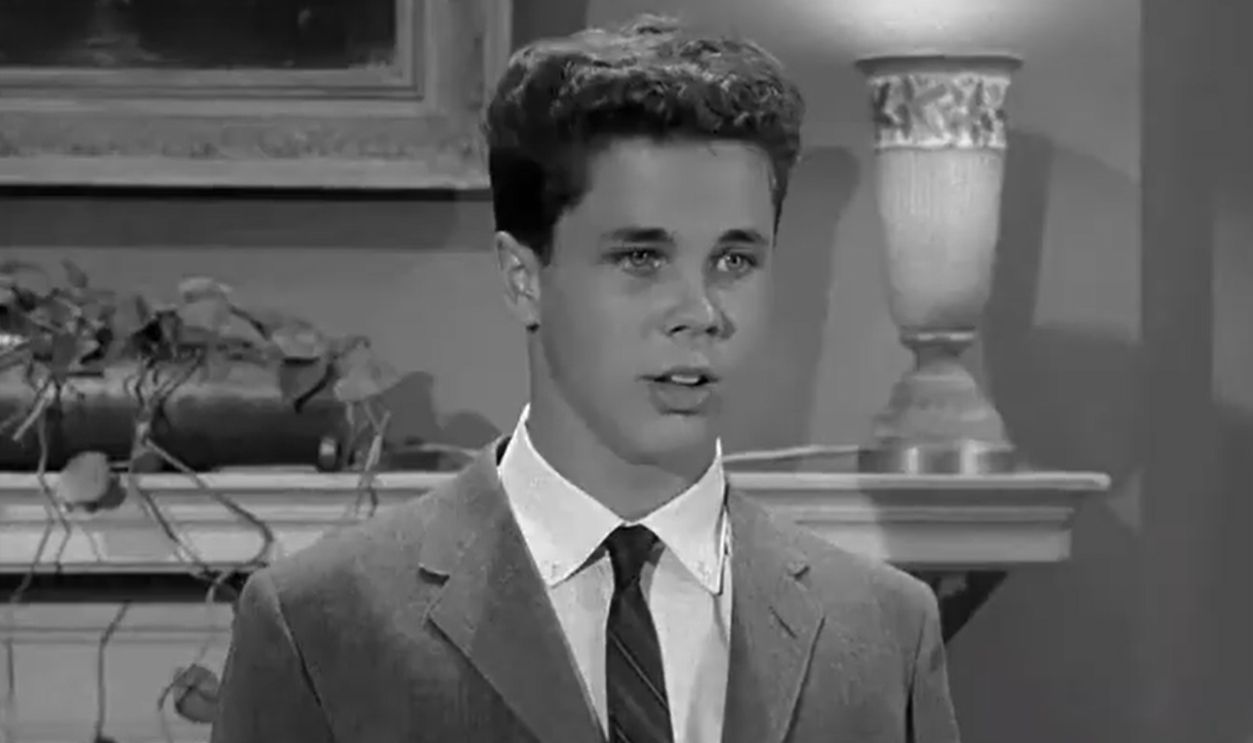 Screenshot from Leave It to Beaver, CBS (1957–1963)
Health Problems Emerged Later In Life
In his later years, Dow faced serious health issues, including a liver cancer diagnosis that worried longtime fans. Despite these challenges, he continued speaking publicly, creating art, and maintaining close relationships with former cast members and supporters.
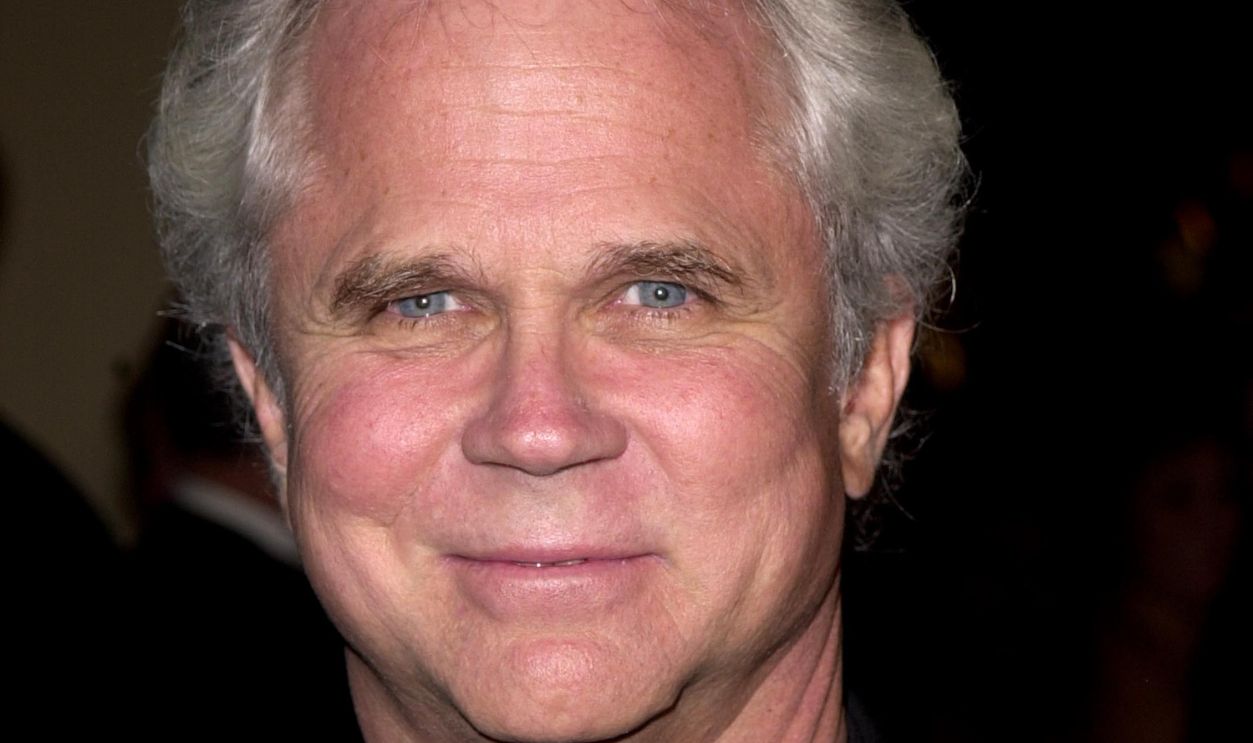
Tony Dow Died In 2022
Tony Dow died in July 2022 at age 77 following complications related to cancer. His death prompted enormous public nostalgia, with many fans mourning not just the actor, but the comforting television era he represented.
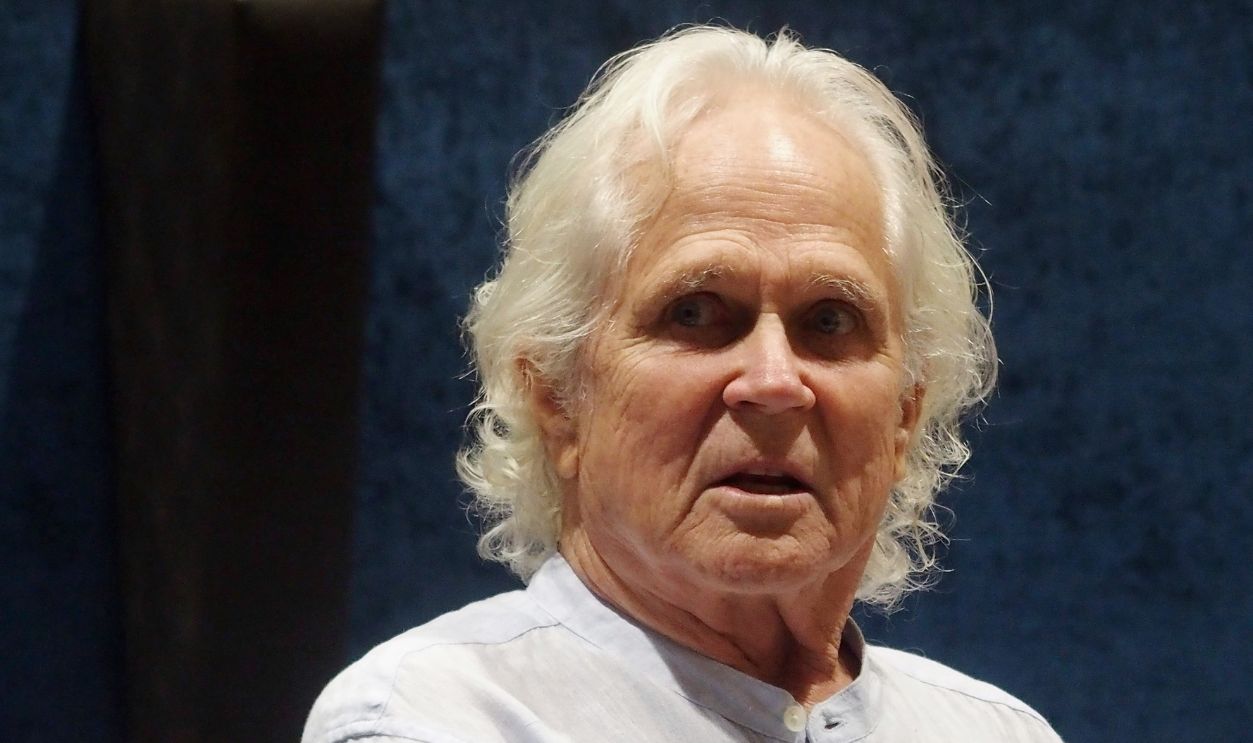
Why Tony Dow’s Story Still Resonates
Tony Dow disappeared from Hollywood partly because the industry changed, but also because he wanted something deeper than fame alone. Behind America’s ideal television brother was a man searching for identity, stability, creativity, and peace beyond childhood stardom.
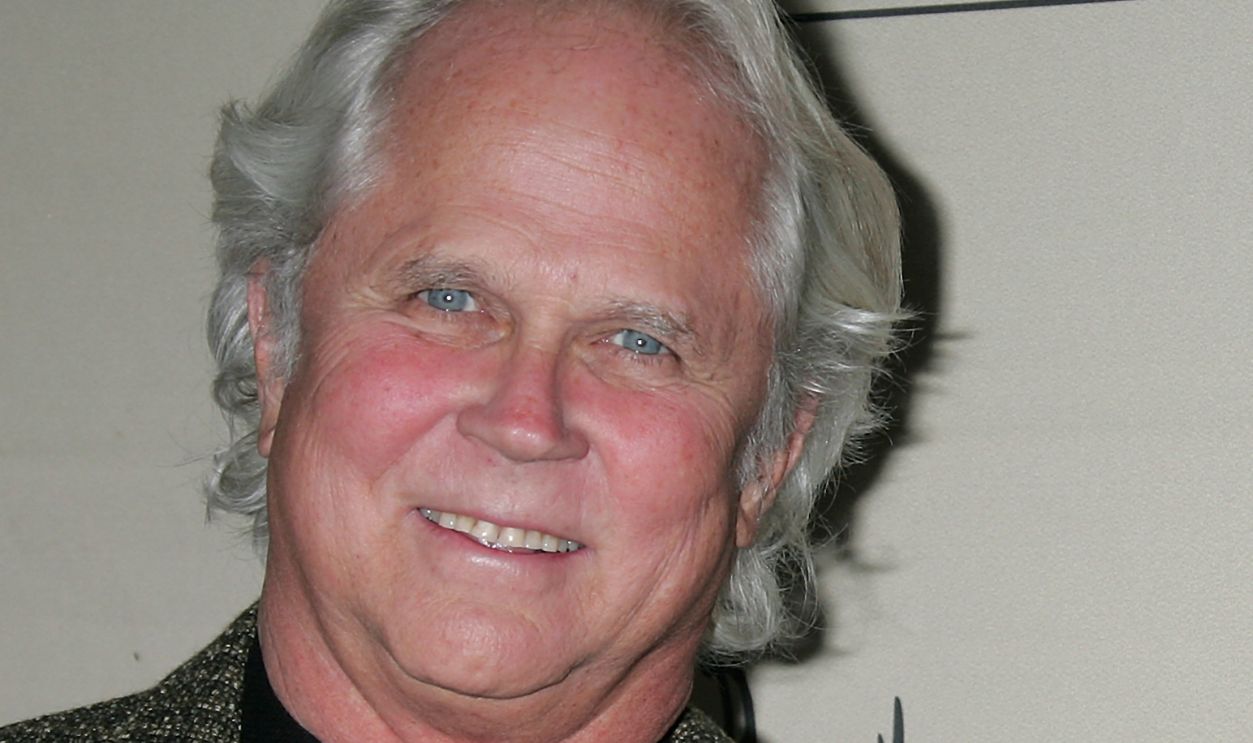 David Livingston, Getty Images
You May Also Like:
What happened to Barbara Eden after I Dream of Jeannie ended?
The Queen Of Evangelical Television