When The Budget Became The Biggest Problem On Set
Television loves ambition right up until the invoices arrive. These shows built ancient cities, traveled across continents, created digital dinosaurs, and staged enormous battles, becoming far more expensive than their audiences could support. Some were outright flops. Others were acclaimed shows that viewers still wish had survived. In every case, the economics eventually became impossible to ignore.
Rome (2005)
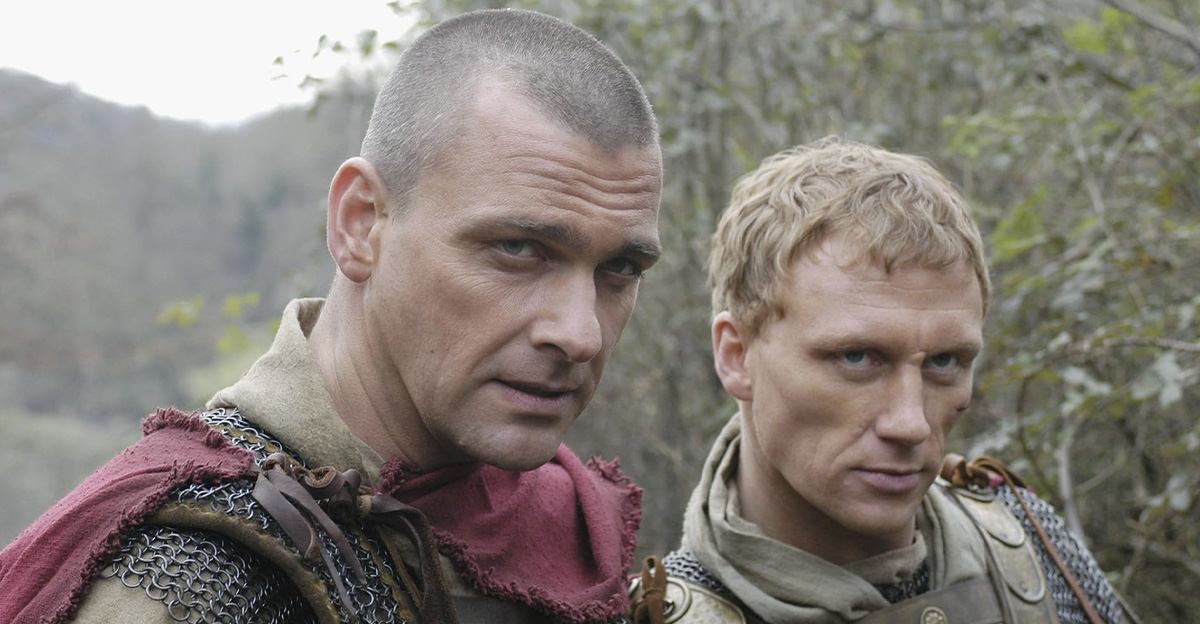
HBO and the BBC wanted ancient Rome to look like an actual civilization rather than actors wandering around a few reusable columns, and they paid heavily for it. The first season reportedly cost around $100 million, with sprawling sets constructed at Cinecittà Studios, huge crowds, elaborate costumes, and complicated location work. HBO ultimately decided the economics were too difficult to sustain, especially once the initial co-production arrangement with the BBC had run its course. The cancellation was decided before Season 2 aired, forcing the writers to compress material that might otherwise have filled several additional seasons into the remaining episodes. The irony is that its DVD popularity later convinced HBO executives they may have ended it too quickly.
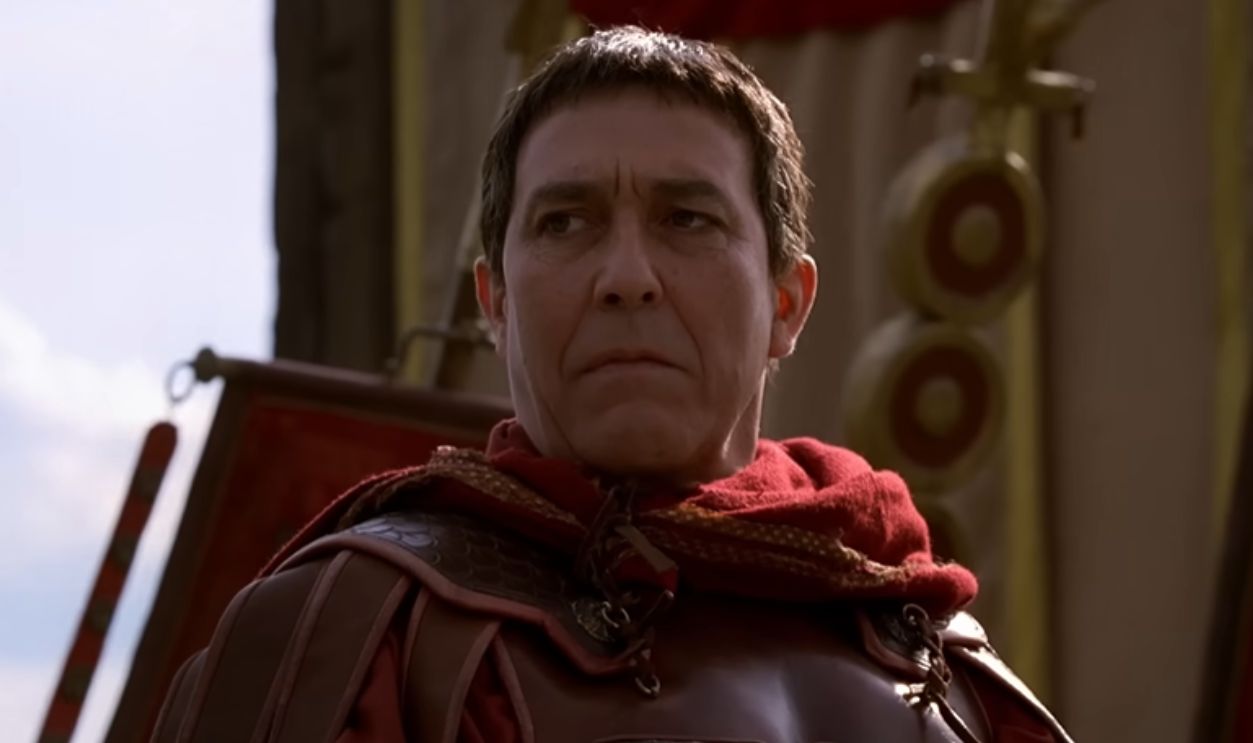 Screenshot from Rome, HBO (2005-2007)
Vinyl (2016)
Vinyl had Martin Scorsese directing its feature-length premiere, Mick Jagger producing, Terence Winter running the show, expensive music rights, and an obsessive recreation of 1970s New York. HBO reportedly spent around $100 million on the first season. The network initially renewed it after the premiere, but enthusiasm faded as the ratings failed to justify that investment. Winter departed amid creative differences, plans were made to overhaul the show, and HBO eventually reversed its own renewal. It was an unusually public admission that throwing another expensive season at the problem was no longer attractive.
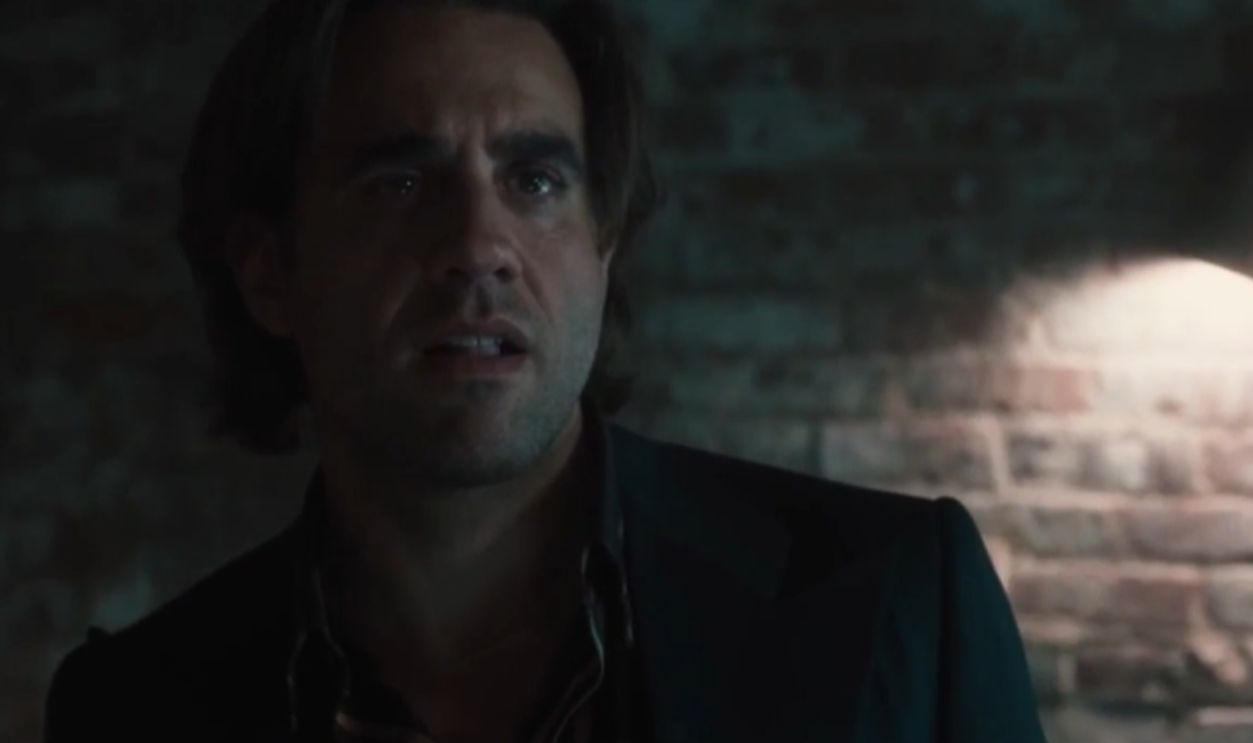 Screenshot from Vinyl, HBO (2016)
The Get Down (2016)
Baz Luhrmann’s history of early hip-hop began with a reported budget around $7.5 million per episode and spiraled into a production costing roughly $120 million. Recreating the South Bronx of the late 1970s involved massive sets, period music, choreography, graffiti, costumes, and young actors who needed specialized training. Multiple showrunner changes and production delays pushed things further off course, while Luhrmann became far more involved than originally planned. After the series ended, Netflix executive Ted Sarandos was unusually clear about the problem: the audience simply wasn’t large enough to support the economics of something that expensive.
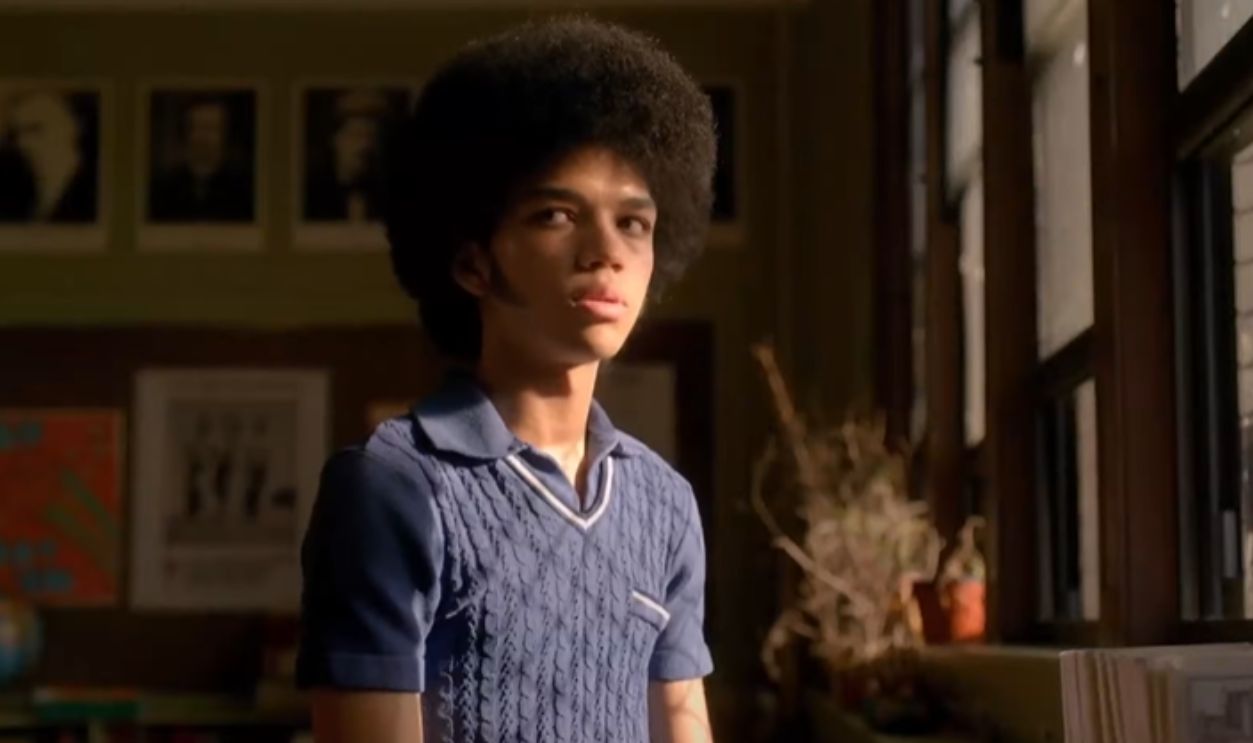 Screenshot from The Get Down, Netflix (2016-2017)
Jupiter’s Legacy (2021)
Netflix hoped Jupiter’s Legacy would launch an entire superhero universe based on Mark Millar’s comics. Instead, its first season became a cautionary tale about what happens when a franchise-sized budget meets production instability. Original showrunner Steven S DeKnight left during production following creative disagreements, filming paused, and additional work was required under new leadership. Reports eventually put the eight-episode season somewhere between roughly $130 million and $200 million. Netflix released the cast from their contracts only weeks after the premiere and shifted its Millarworld plans toward other properties rather than pouring another enormous budget into Season 2.
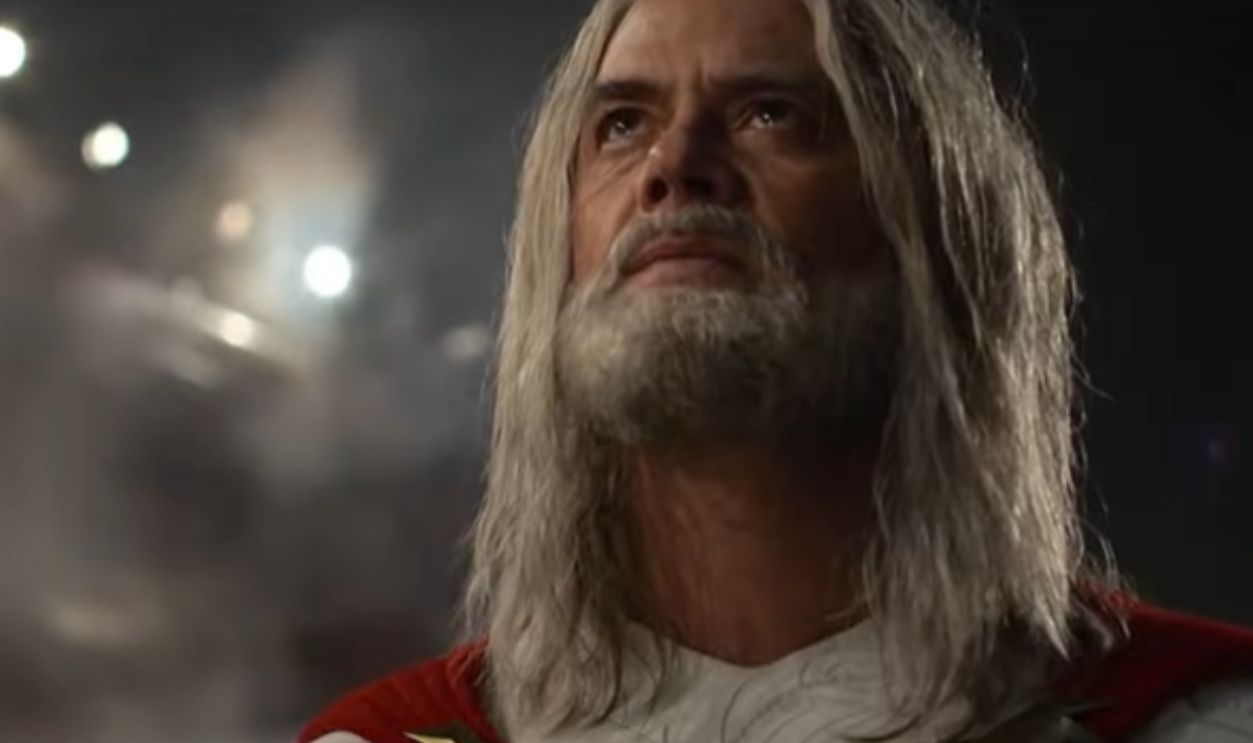 Screenshot from Jupiter's Legacy, Netflix (2021)
Kings (2009)
NBC took a huge swing with Kings, an alternate-world political drama loosely inspired by the biblical story of King David. Creating its fictional monarchy required lavish interiors, military sequences, large sets, and expensive New York production. Executive producer Erwin Stoff later remembered the pilot costing around $12 million, while reports during the run placed regular episodes near $4 million. Then the two-hour premiere attracted only around six million viewers, and the audience fell further almost immediately. NBC moved the series from Sunday to Saturday and eventually burned off the remaining episodes during summer, leaving behind one of network television’s more ambitious and costly experiments.
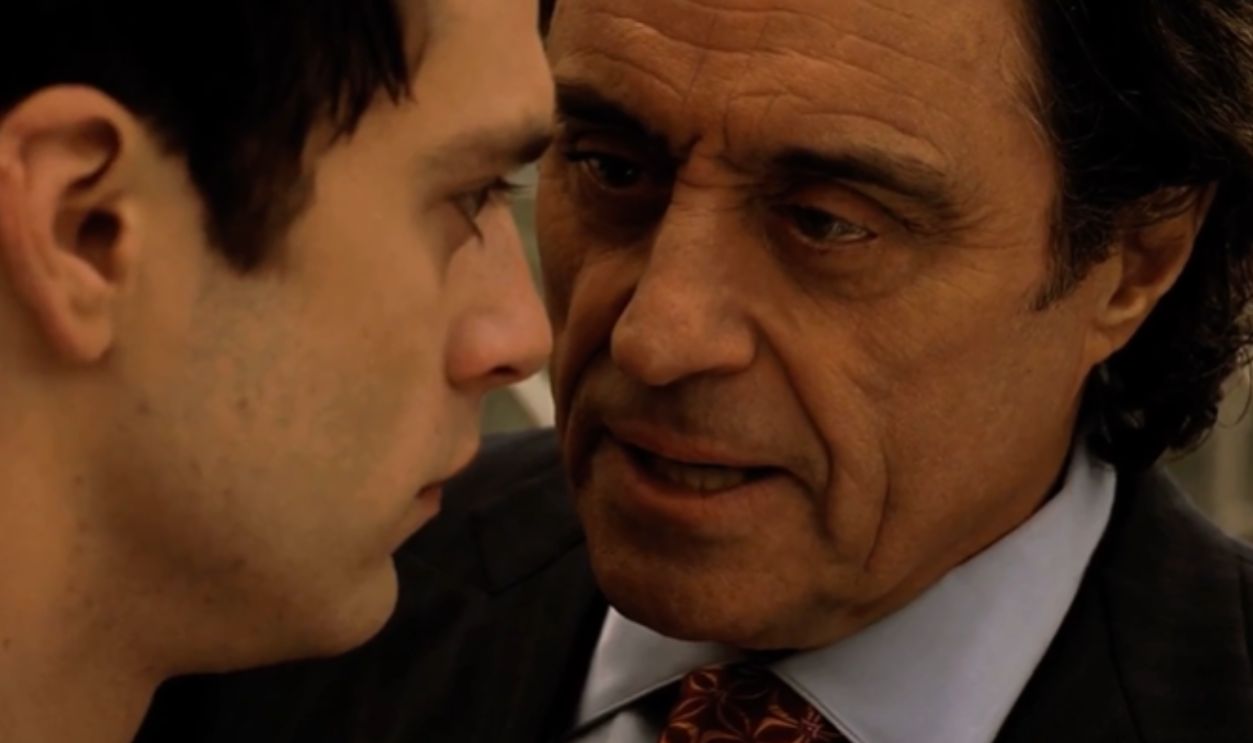 Screenshot from Kings, NBC (2009)
Terra Nova (2011)
Fox wanted Terra Nova to look like a weekly Steven Spielberg movie about colonists living among dinosaurs. Unsurprisingly, that became expensive very quickly. The pilot alone was reported to cost somewhere between $10 million and $20 million, while the regular series required Australian location filming, enormous sets, futuristic technology, creature effects, and complicated post-production. The show premiered to 9.2 million viewers but finished the season with a noticeably smaller audience. Fox canceled it after one run, and 20th Century Fox Television tried unsuccessfully to find another network willing to take on the prehistoric production.
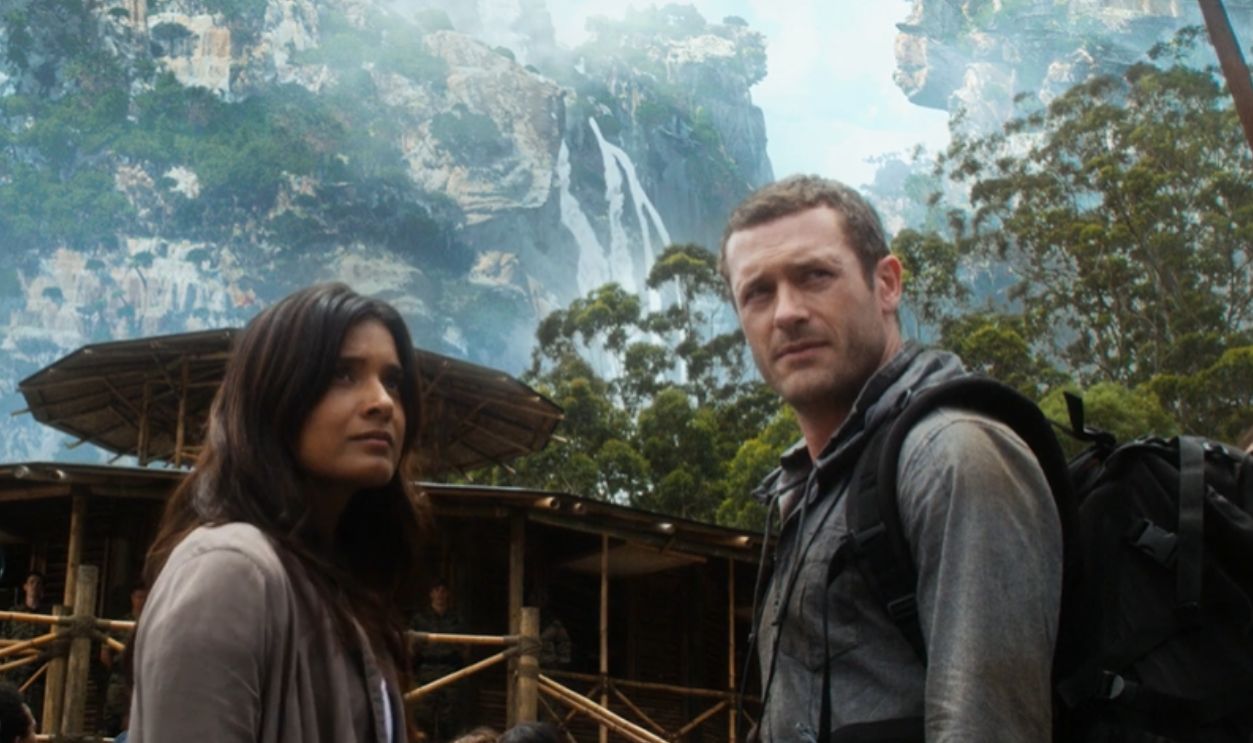 Screenshot from Terra Nova, Fox (2011)
Carnivàle (2003)
Carnivàle looked unlike almost anything else on television, which was both its greatest strength and its financial problem. HBO recreated a traveling 1930s carnival with period vehicles, costumes, tents, Depression-era locations, an enormous ensemble, and a mythology that creator Daniel Knauf intended to unfold across multiple seasons. Knauf later recalled HBO spending somewhere around $3.7 million per episode, an extraordinary figure for the period. Ratings were improving, but the series still required a huge commitment to keep its elaborate world intact. HBO ended it after two seasons, leaving Knauf’s much larger planned story only partially told.
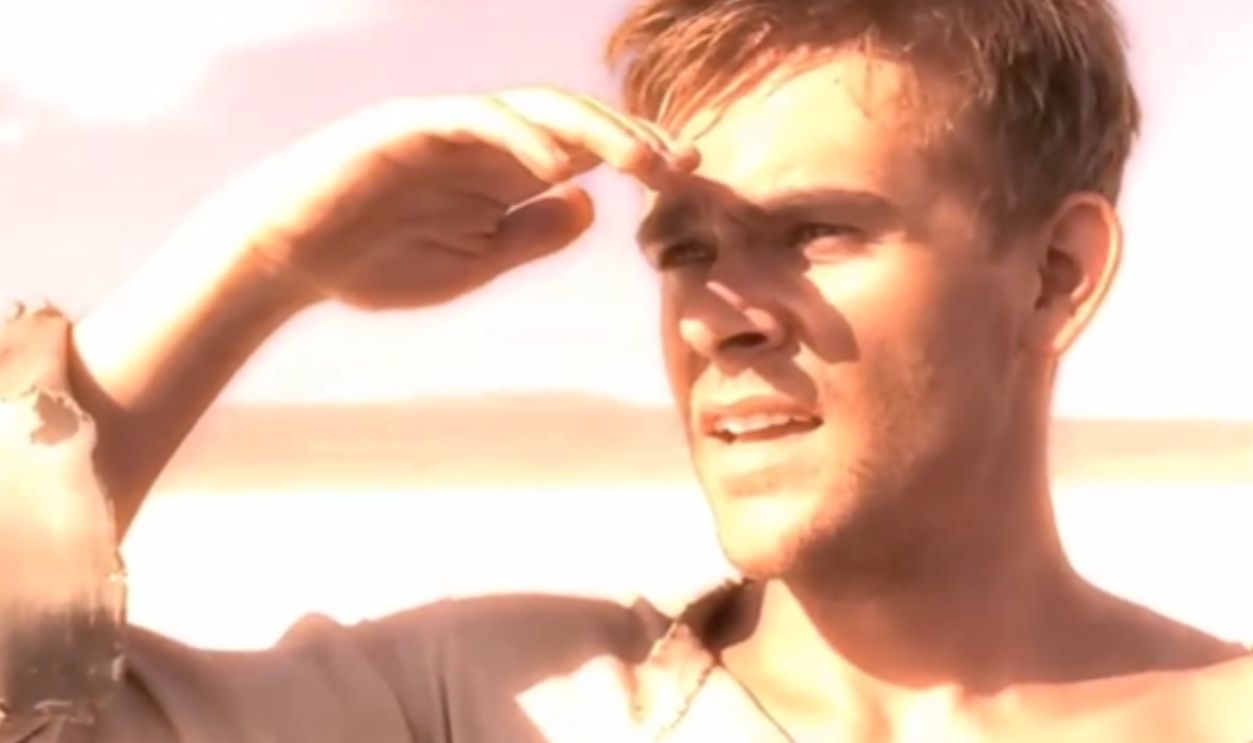 Screenshot from Carnivàle, HBO (2003-2005)
Camelot (2011)
Starz entered the fantasy race with castles, horses, armor, elaborate costumes, location filimg, and Eva Green doing everything possible to make Morgan le Fey more interesting than everyone else. Camelot premiered to more than a million viewers, but its audience dropped sharply afterward. When Starz declined a second season, the network specifically cited “significant production challenges”. Filimg a large-scale medieval drama abroad also meant coordinating a substantial cast whose schedules were becoming increasingly complicated. With Game of Thrones simultaneously exploding into a phenomenon, Camelot needed much stronger returns to make those headaches worthwhile. Instead, Arthur’s reign ended after 10 episodes.
 Screenshot from Camelot, Starz (2011)
Battlestar Galactica (1978)
The original Battlestar Galactica was effectively trying to put Star Wars-level spectacle on weekly television immediately after Star Wars changed science fiction forever. Its feature-length pilot reportedly cost around $8 million, making it one of the most expensive television productions of its time. The regular show demanded miniatures, spaceships, visual effects, massive sets, elaborate costumes, and recurring battle sequences. Its ratings were far from disastrous, but ABC was paying an enormous premium for them. Richard Hatch later recalled that the cast went home expecting to return, only to learn the show wasn’t coming back because its production costs could no longer be justified. The network cancelled the series after one season, then later attempted a much cheaper revival with Galactica 1980.
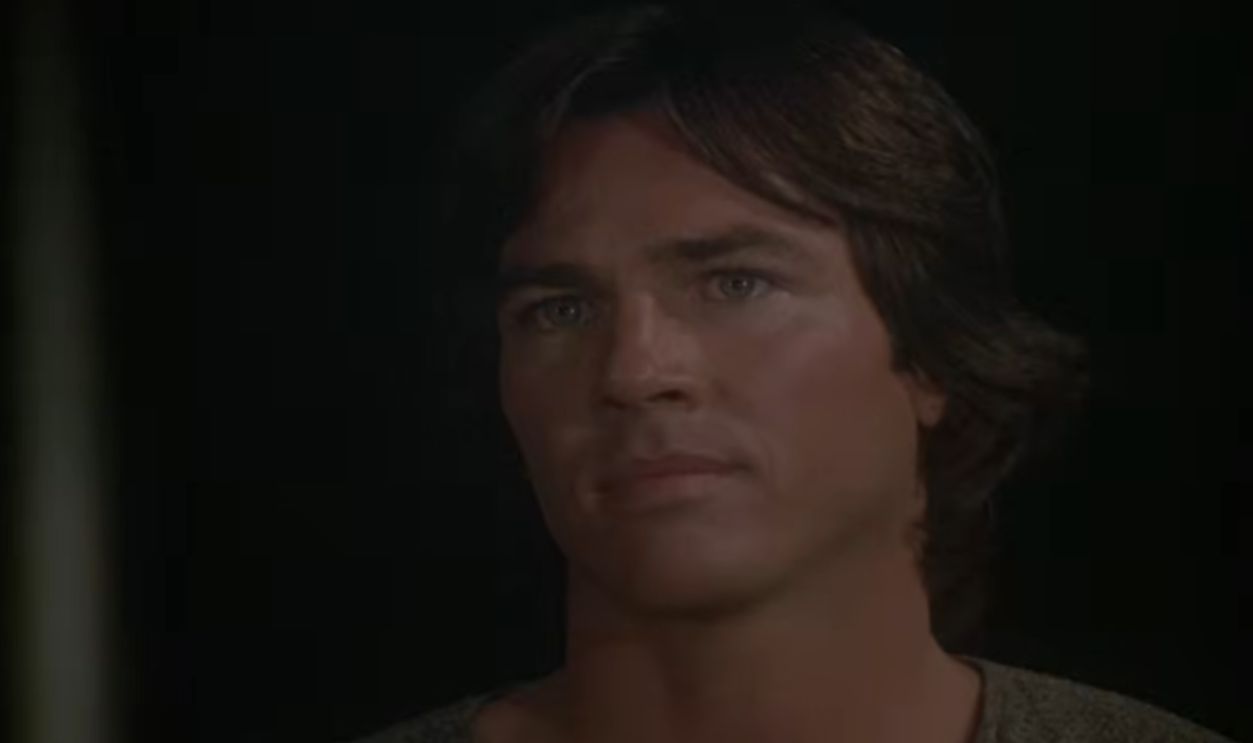 Screenshot from Battlestar Galactica, Universal Television (1978-1979)
Father Of The Pride (2004)
DreamWorks attempted something extremely unusual with Father of the Pride: a prime-time sitcom rendered in feature-style computer animation. The technology was still expensive enough that NBC was reportedly paying nearly $2 million per half-hour episode. Producing animated lions, Las Vegas environments, celebrity voices, and sophisticated visual comedy also meant the series had to be completed well ahead of broadcast. Its premiere drew 12.3 million viewers, but the audience quickly fell despite heavy Olympic promotion. NBC pulled it from November sweeps with episodes still unaired, and Jeffrey Katzenberg was acknowledging by December that another season was unlikely. Spending movie-like animation money on a sitcom-sized audience was not a formula anyone wanted to repeat.
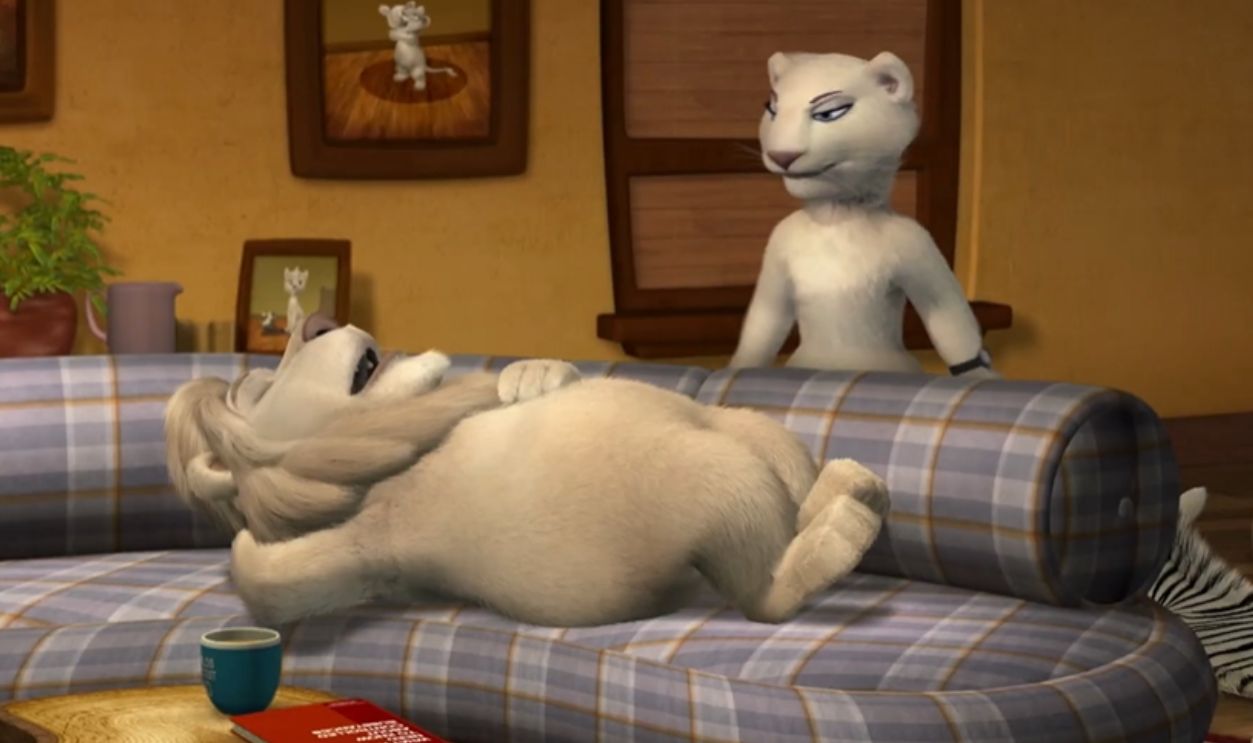 Screenshot from Father of the Pride, DreamWorks Television (2004-2005)
Cop Rock (1990)
Steven Bochco had enough clout after Hill Street Blues and L.A. Law to sell ABC on a show where investigations routinely stopped for elaborate musical numbers. That format meant the network was funding an already expensive hour-long cop drama while also paying for original songs, choreography, rehearsals, and musical staging every week. ABC openly admitted that its heavy financial investment was one reason it initially resisted canceling the show despite dreadful ratings. Viewership never improved, however, and production stopped after 11 episodes rather than the original 13. Even Bochco later conceded that another network musical cop drama was unlikely to happen anytime soon.
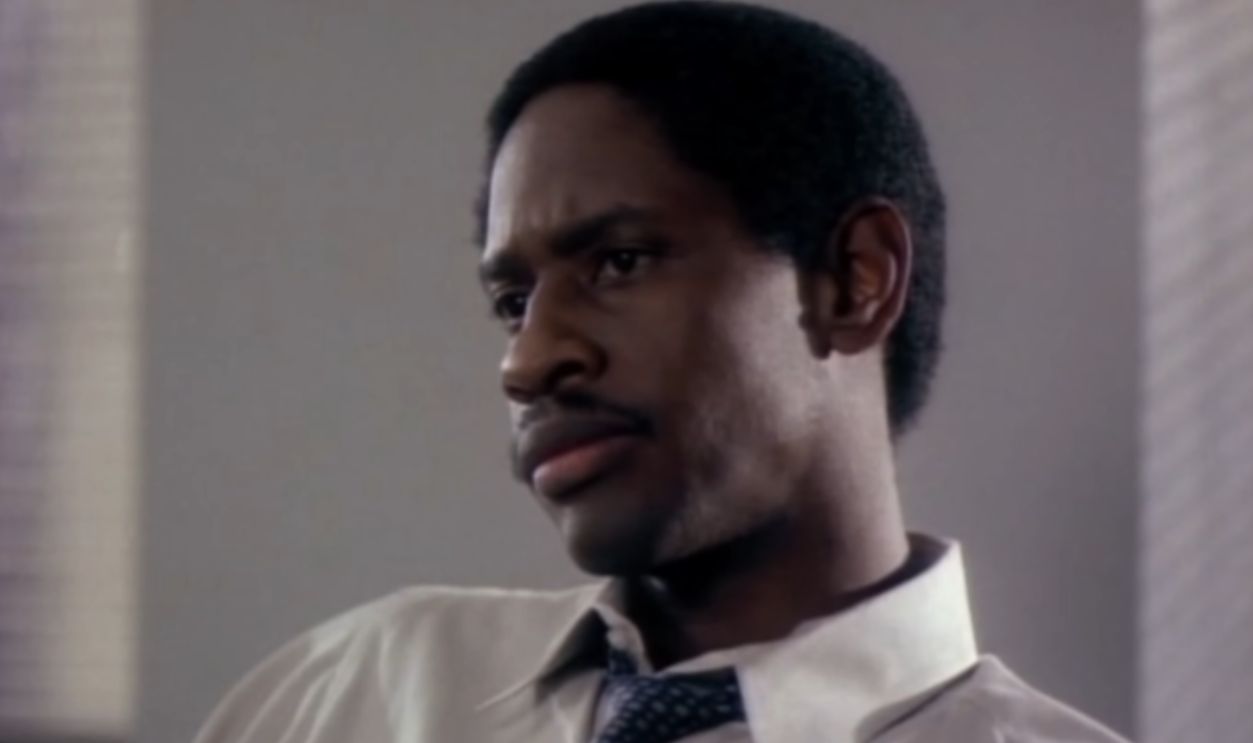 Screenshot from Cop Rock, 20th Television (1990)
Supertrain (1979)
Supertrain may be the purest example on this list. NBC reportedly spent close to $12 million just getting the show onto television, including roughly $10 million on three different versions of its futuristic nuclear-powered train. Construction crews worked frantically, miniatures were damaged, staff quit, scripts caused problems, and producer Dan Curtis was removed while the show was still trying to find itself. NBC then retooled the series and changed its time slot in an attempt to salvage the investment. Nothing worked. Ratings stayed miserable, and a project designed to rescue NBC instead became one of the most famous financial disasters in network-TV history.
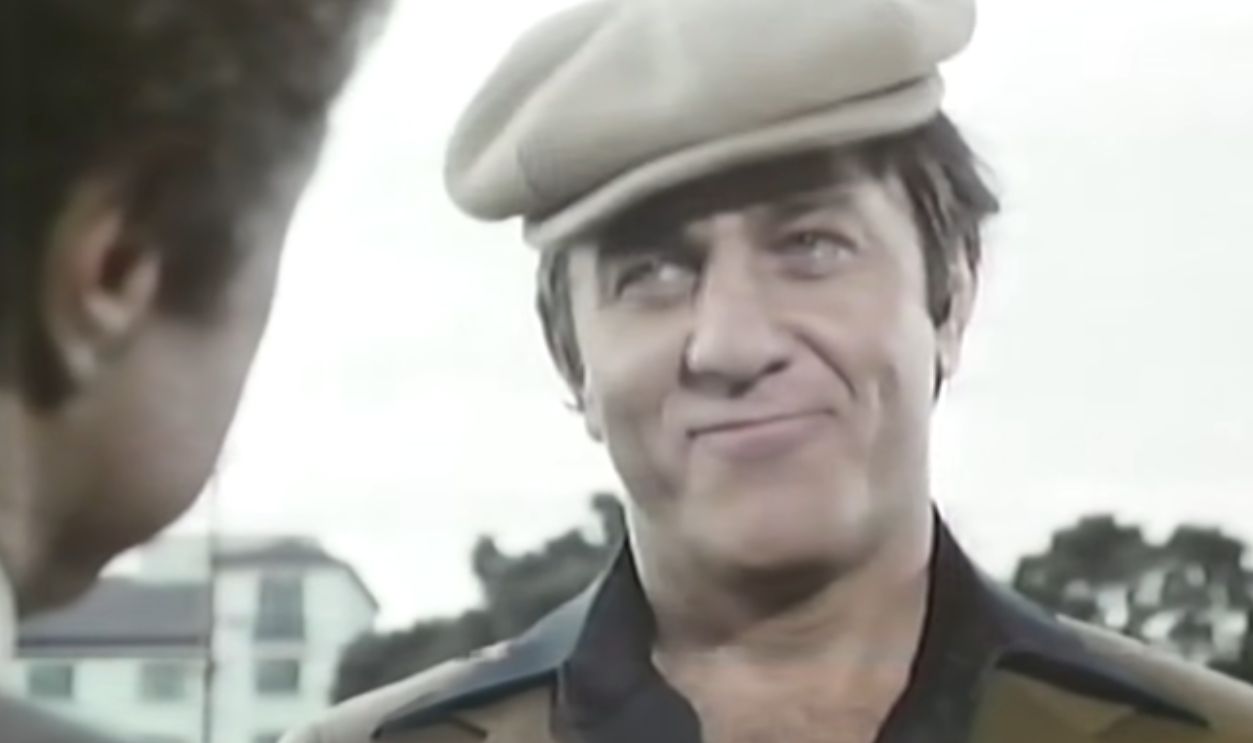 Screenshot from Supertrain, NBC (1979)
Viva Laughlin (2007)
CBS tried turning the British series Blackpool into a glossy American musical mystery built around casinos, slayings, famous songs, and Hugh Jackman periodically appearing to perform. That required far more production muscle than the average network drama, and CBS ordered 13 episodes before seeing how audiences would respond. The answer came quickly. Its heavily promoted preview attracted 8.4 million viewers despite following CSI, which had drawn more than 21 million. Its regular Sunday airing fell to about 6.8 million. CBS canceled Viva Laughlin after only two broadcasts, leaving completed installments unaired and a costly launch dead within days.
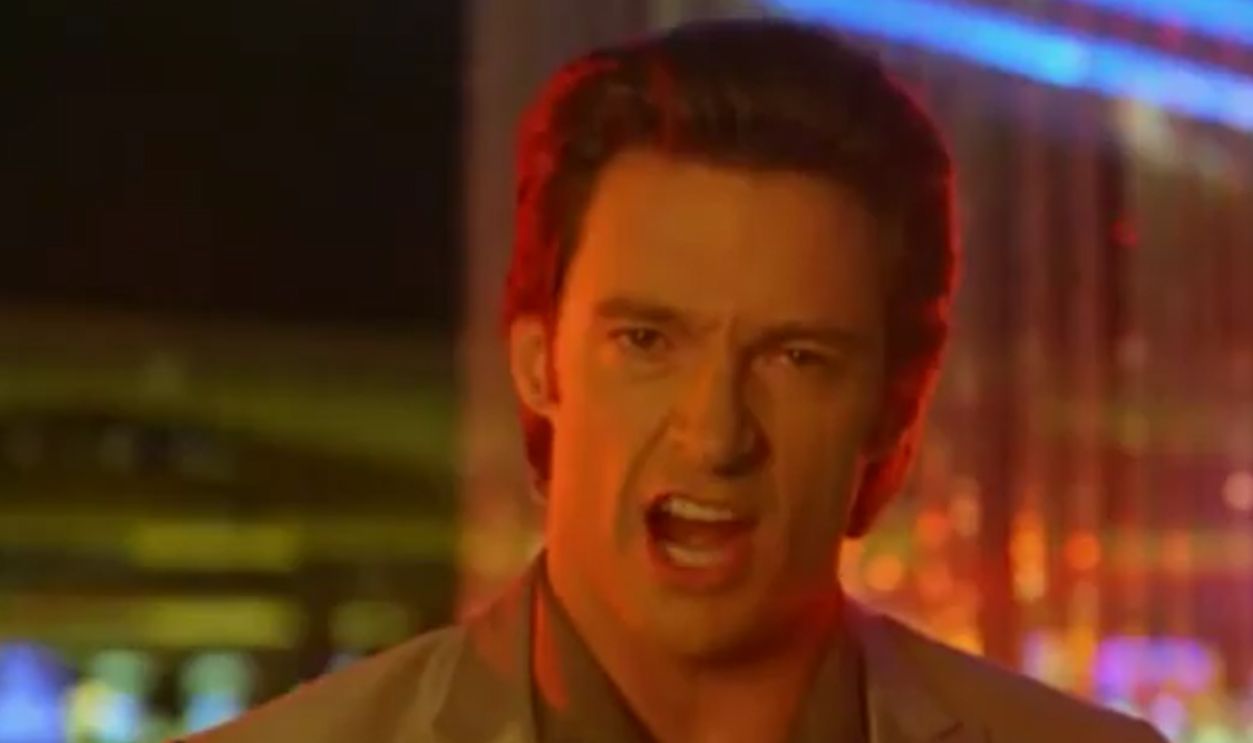 Screenshot from Viva Laughlin, CBS (2007)
The Acolyte (2024)
Disney’s Star Wars series began as an already ambitious production and became substantially more expensive once filming was underway. UK company filings showed gross spending eventually reaching about $230 million, far beyond early expectations, before production incentives reduced Disney’s final net cost. The eight-episode series required extensive sets, location work, creatures, costumes, lightsaber choreography, and effects while building an entirely new corner of the franchise. Disney canceled it after one season. A production carrying that level of spending faced an extraordinarily high bar when the time came to decide whether another season made financial sense.
 Screenshot from The Acolyte, Disney+ (2024)
Y: The Last Man (2021)
Few shows spent as long trying to reach television as Y: The Last Man. FX began developing it years before its premiere, changed showrunners, recast important roles, and then saw COVID shut down production. Those delays created a less obvious but extremely expensive problem: actor contracts. FX had already paid to extend cast options while production dragged on, and another deadline arrived while Season 1 was still rolling out. Keeping the cast tied to the series reportedly required another $3 million payment. FX declined and canceled the show before the finale had even aired, while the creative team unsuccessfully searched for another home.
 Screenshot from Y: The Last Man, FX on Hulu (2021)
Space: Above And Beyond (1995)
Fox described Space: Above and Beyond as one of its most ambitious science-fiction projects, and the finished episodes showed why. The military-space drama needed futuristic sets, spacecraft, visual effects, alien worlds, and battle sequences on a weekly network schedule. Contemporary reporting put its production cost above $2 million per episode, making it one of the pricier dramas on television at the time. Fox gave the show an entire season, but the audience never became large enough to turn that investment into a sustainable hit. It was canceled after one year, leaving its cliffhanger finale unresolved and its expensive war against the Chigs permanently unfinished.
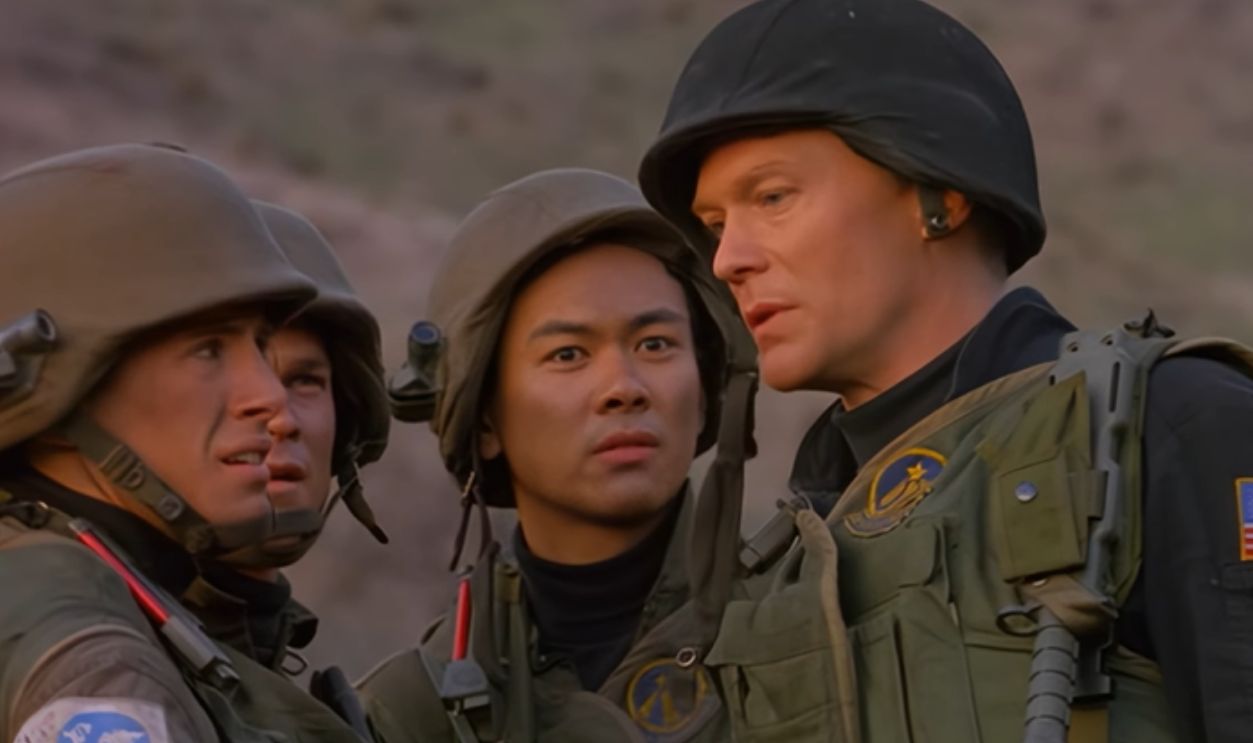 Screenshot from Space: Above and Beyond, 20th Television (1995-1996)
Marco Polo (2014)
Netflix entered the prestige-TV arms race with Marco Polo, a historical epic packed with palaces, armies, horses, battles, international locations, and huge purpose-built sets in Malaysia. The first season alone reportedly cost around $90 million. Netflix nevertheless ordered another, hoping the series would grow into a global franchise. It never generated the cultural impact its enormous production demanded. When Netflix canceled it after two seasons, reports estimated that the streaming company and The Weinstein Company had taken a combined loss of roughly $200 million. Writers had already mapped out about 10 hours of Season 3 when the decision arrived.
 Screenshot from Marco Polo, Netflix (2014-2016)
Sense8 (2015)
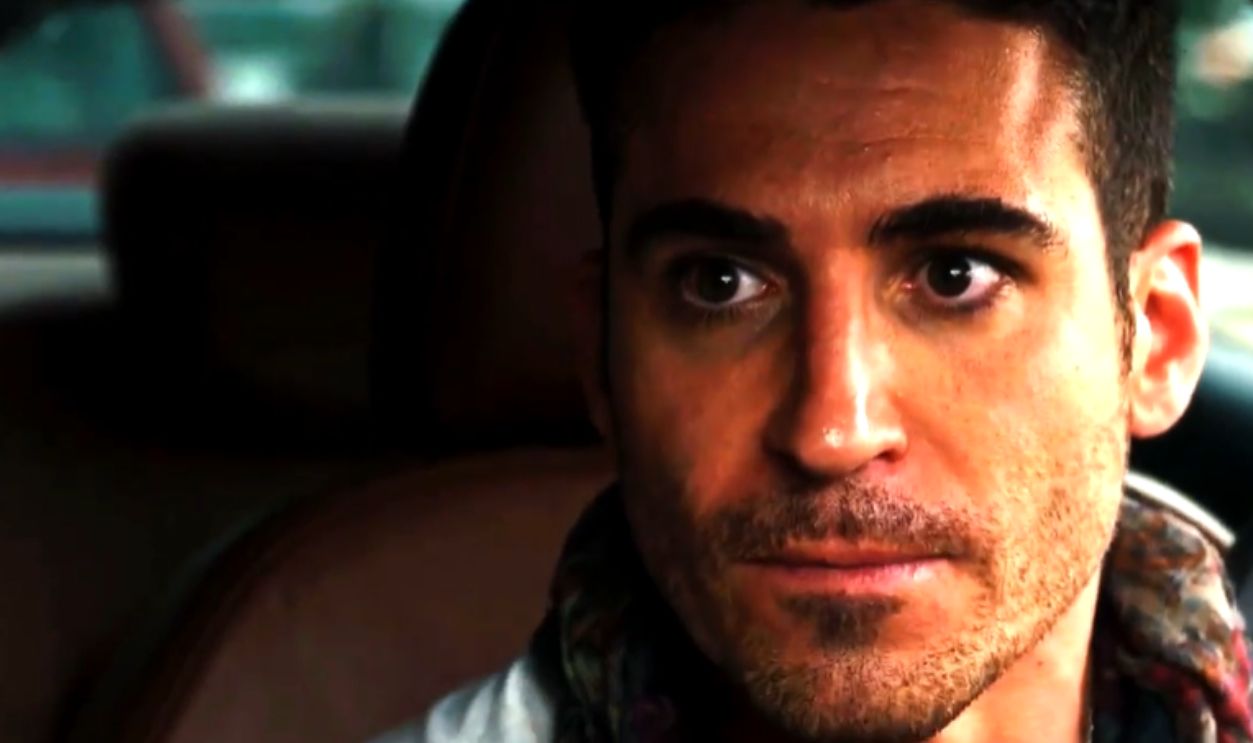
The Wachowskis refused to fake the international scale of Sense8. Instead of filming one city and pretending it was eight, the production traveled around the world with its ensemble, filming in places including Nairobi, Seoul, Berlin, Mumbai, Mexico City, Chicago, and San Francisco. Reports put episodes around $9 million apiece. The show inspired an intensely loyal fan base, but Netflix executive Ted Sarandos later said the audience was not large enough to support the economics of something that ambitious. The backlash to cancellation was substantial enough that Netflix eventually paid for a feature-length finale, but it stopped short of financing another globe-spanning season.
 Screenshot from Sense8, Netflix (2015-2018)
Deadwood (2004)
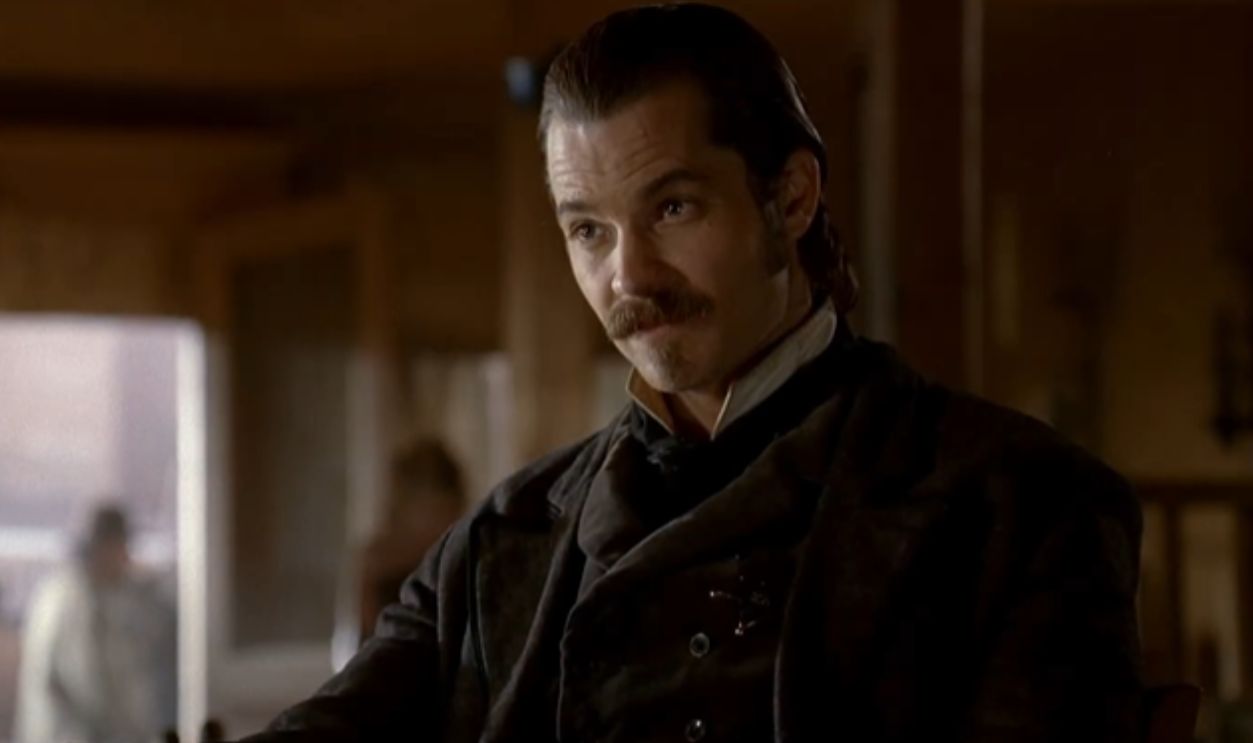
Deadwood was not a failure in any creative sense. It was acclaimed, award-winning television with a fiercely loyal audience. It was also reportedly costing around $5 million an episode, with a massive ensemble and extraordinarily detailed Western sets requiring long shoots. When discussions turned toward a fourth season, HBO offered creator David Milch a shortened six-episode order rather than another normal season. Milch believed six episodes could not properly finish the story and chose not to proceed under those terms. Holding the large cast under contract was another major expense, so the options eventually expired. More than a decade passed before HBO finally funded a concluding movie.
 Screenshot from Deadwood, HBO (2004-2006)
Nash Bridges (1996)
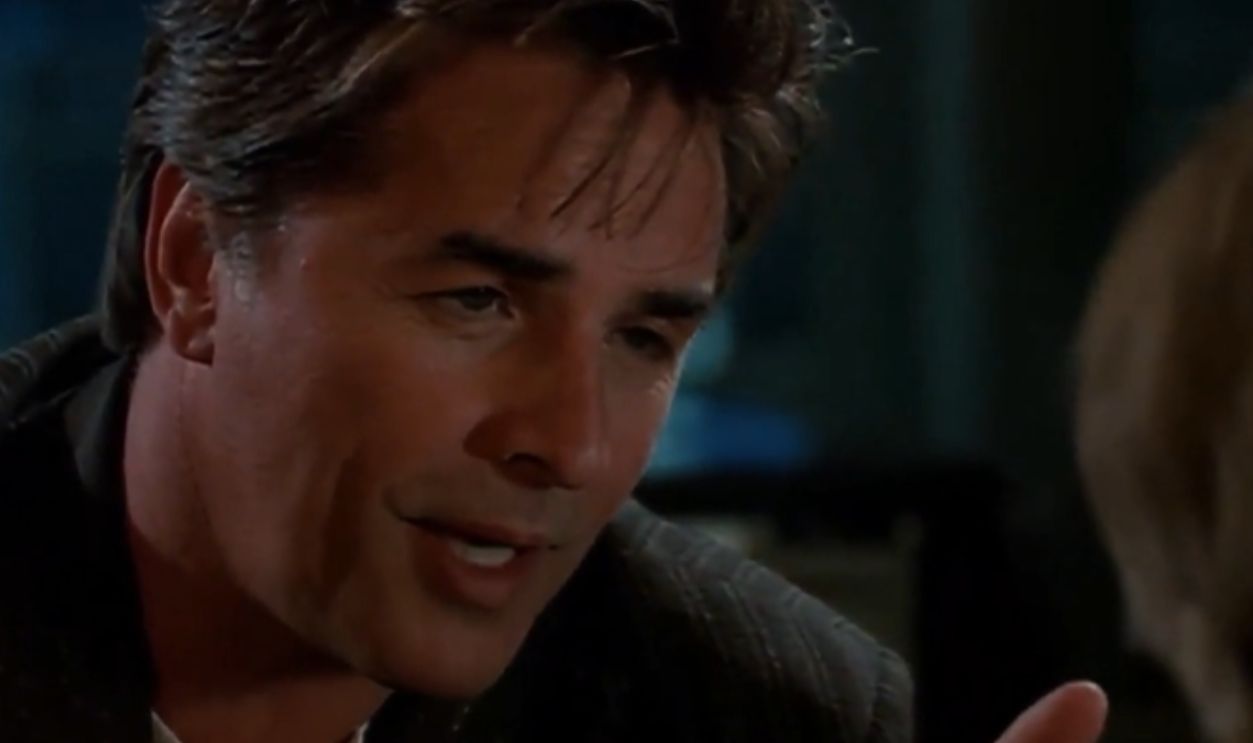
CBS reportedly wanted another season of the Don Johnson-led Nash Bridges, but production company Paramount Television had become increasingly unhappy with the economics. The San Francisco-based drama was costing more than $2 million per episode, with location filming, action sequences, a large crew, and expensive permanent sets driving up the bill. By 2001, Paramount decided another season was not worth financing, even though CBS remained interested. The floating production set used as the law enforcement headquarters was sold after cancellation, ending six seasons of unusually expensive Friday-night television.
 Screenshot from Nash Bridges, CBS (1996-2001)
You May Also Like:
The Iconic TV Teen Idols Of The 90s Gen Z Hasn’t Even Heard Of
The 1980s TV Couples That Set Gen X’s Expectations For Love
TV Stars Who Publicly Fought Their Own Hit Shows And Risked Everything To Get Their Way