When The Star Stops Playing Nice
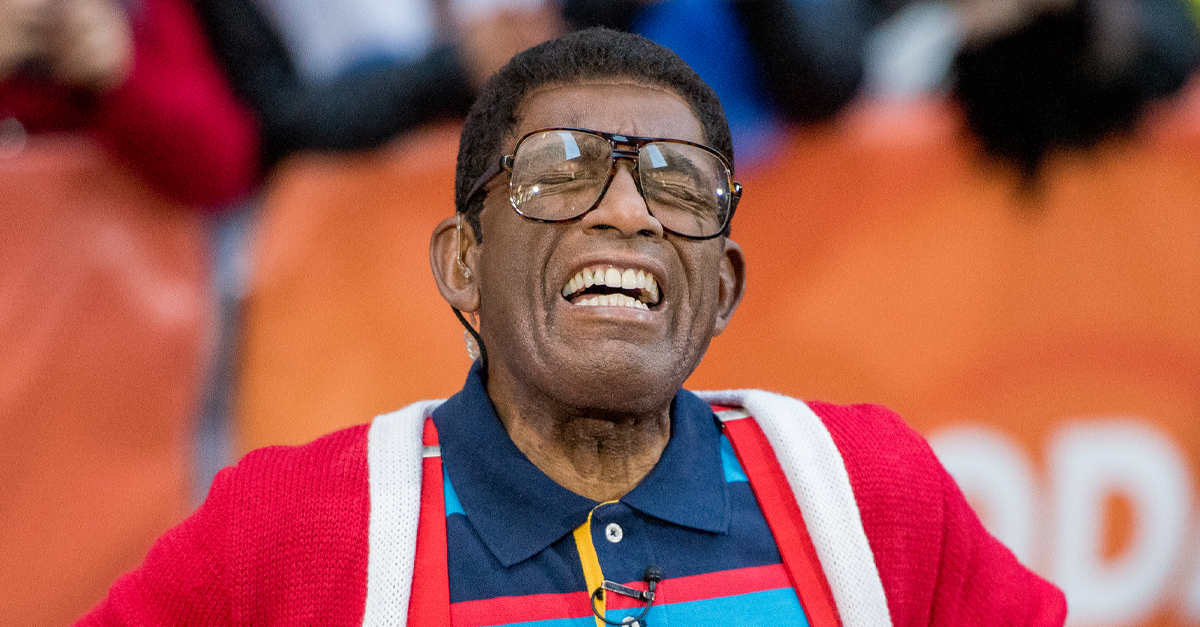
A hit show can make an actor famous, but fame also creates leverage. Some stars used it to demand higher pay, more control, or an exit. Others challenged producers and discovered that even the face of a successful series could be replaced.
 Creative Commons Attribution Sharealike
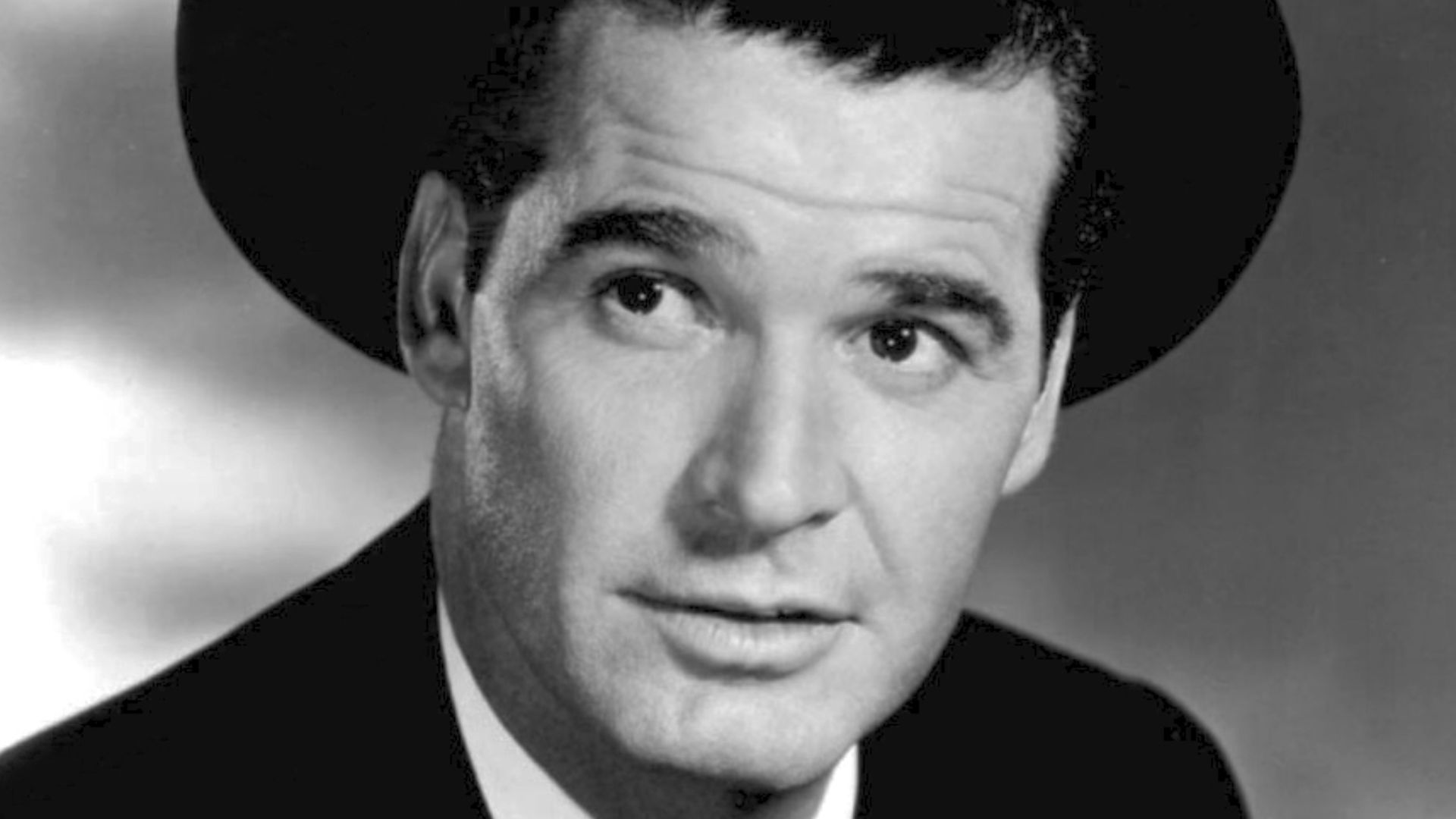
James Garner Took Warner Bros. To Court
James Garner became a breakout star on Maverick but disliked his low pay and Warner Bros.’ control over his career. After he was suspended without pay during a writers’ strike, Garner sued to escape his contract. He won and left the hit series in 1960.
 Warner Brothers Television, Wikimedia Commons
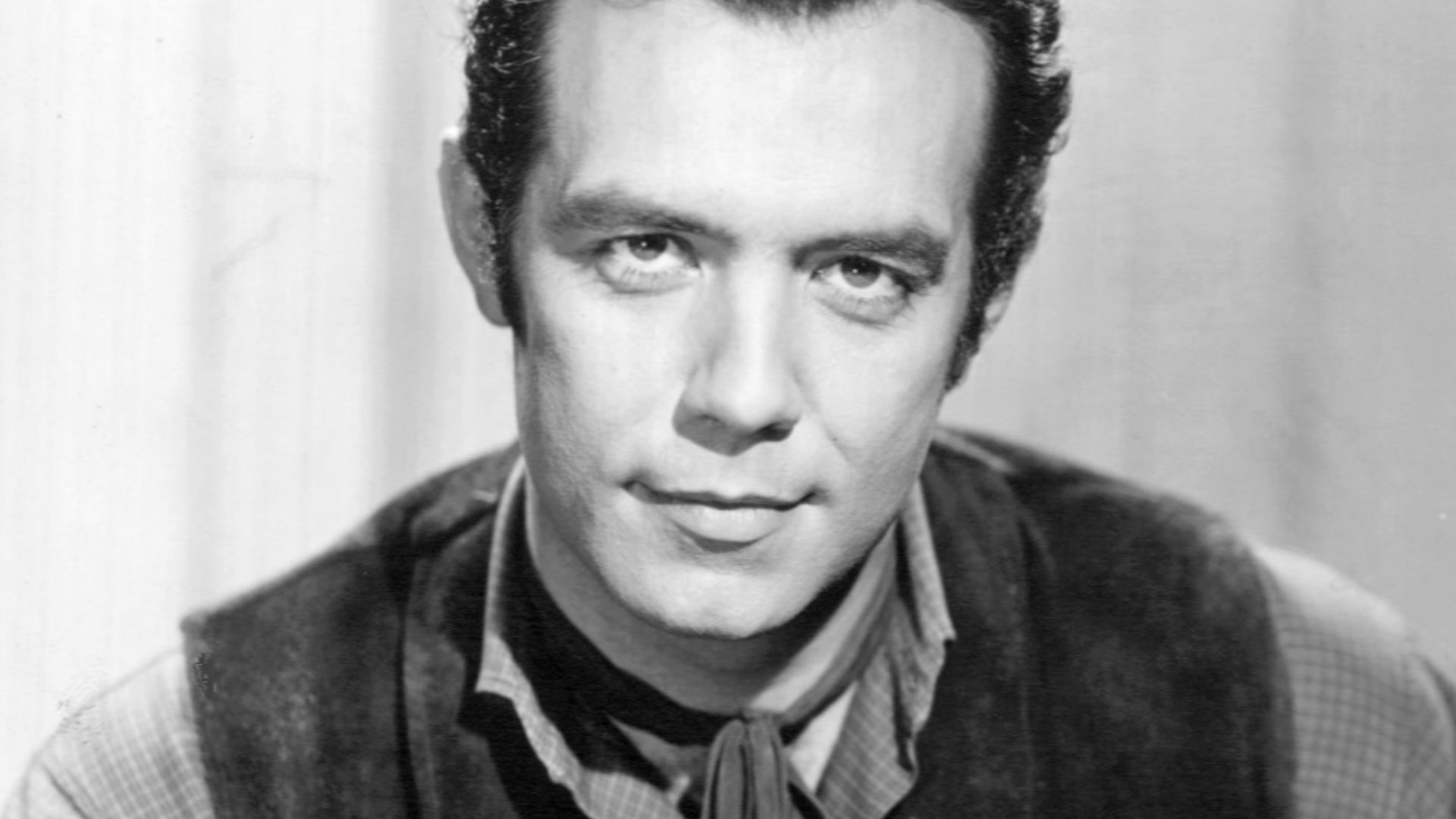
Pernell Roberts Refused To Keep Quiet About Bonanza
Pernell Roberts openly criticized Bonanza while the Western was a television giant. He disliked Adam Cartwright’s limited development and the grown sons’ dependence on their father. Roberts finally left after six seasons, despite warnings that walking away from such a hit could hurt his career.
 NBC Television, Wikimedia Commons
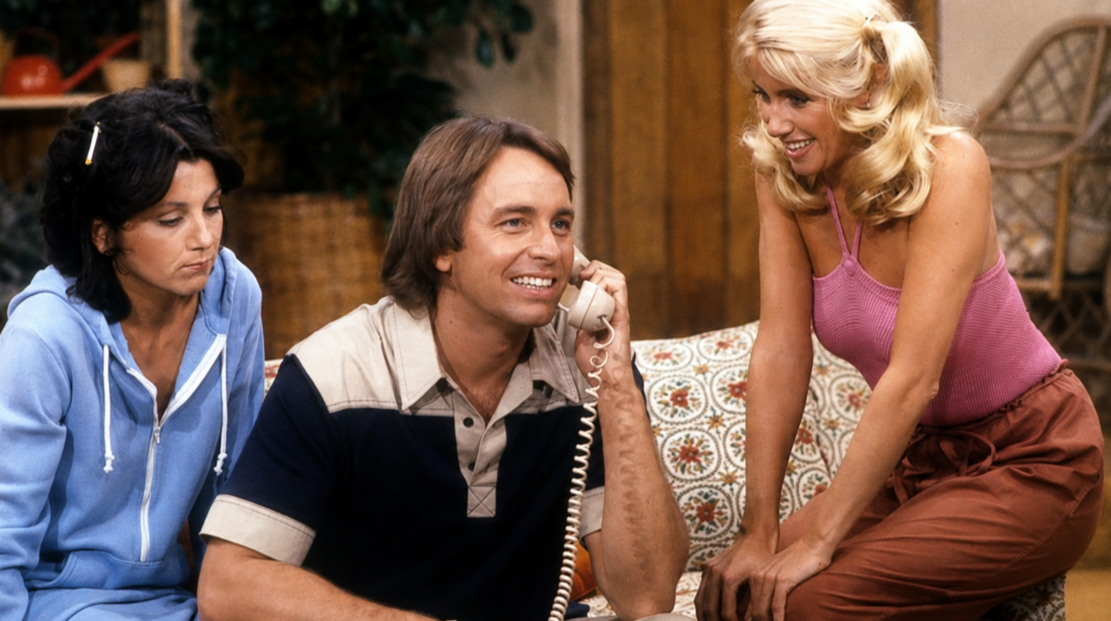
Suzanne Somers Gambled On A Bigger Three’s Company Deal
At the height of Three’s Company, Suzanne Somers pushed for higher pay and a share of profits. Producers refused, and Chrissy Snow was gradually separated from the main cast before Somers disappeared from the series. Her gamble became a famous television contract showdown.
 Screenshot from Three’s Company, ABC (1977-1984)
Farrah Fawcett Tried To Leave Charlie’s Angels
Farrah Fawcett became a phenomenon during the first season of Charlie’s Angels, then tried to leave for other work. Producers sued her for breach of contract. The dispute ended with a settlement requiring Fawcett to return for a limited number of guest appearances.
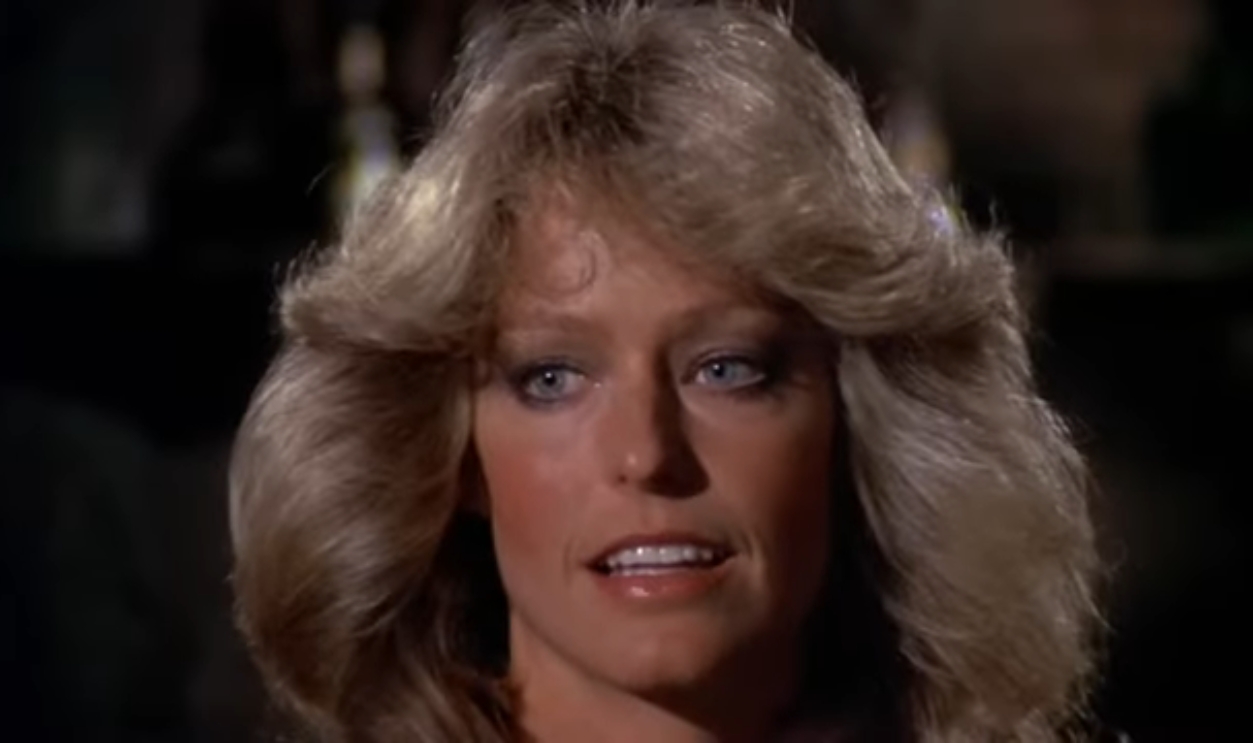 Screenshot from Charlie’s Angels, ABC Television (1976–1981)
Esther Rolle Walked Away From Good Times
Esther Rolle objected to Good Times increasingly centering J.J. and his broad comic antics instead of the family stories she preferred. After three years, she left. Rolle stayed away for a season, then returned after receiving assurances that she would have more input into the scripts.
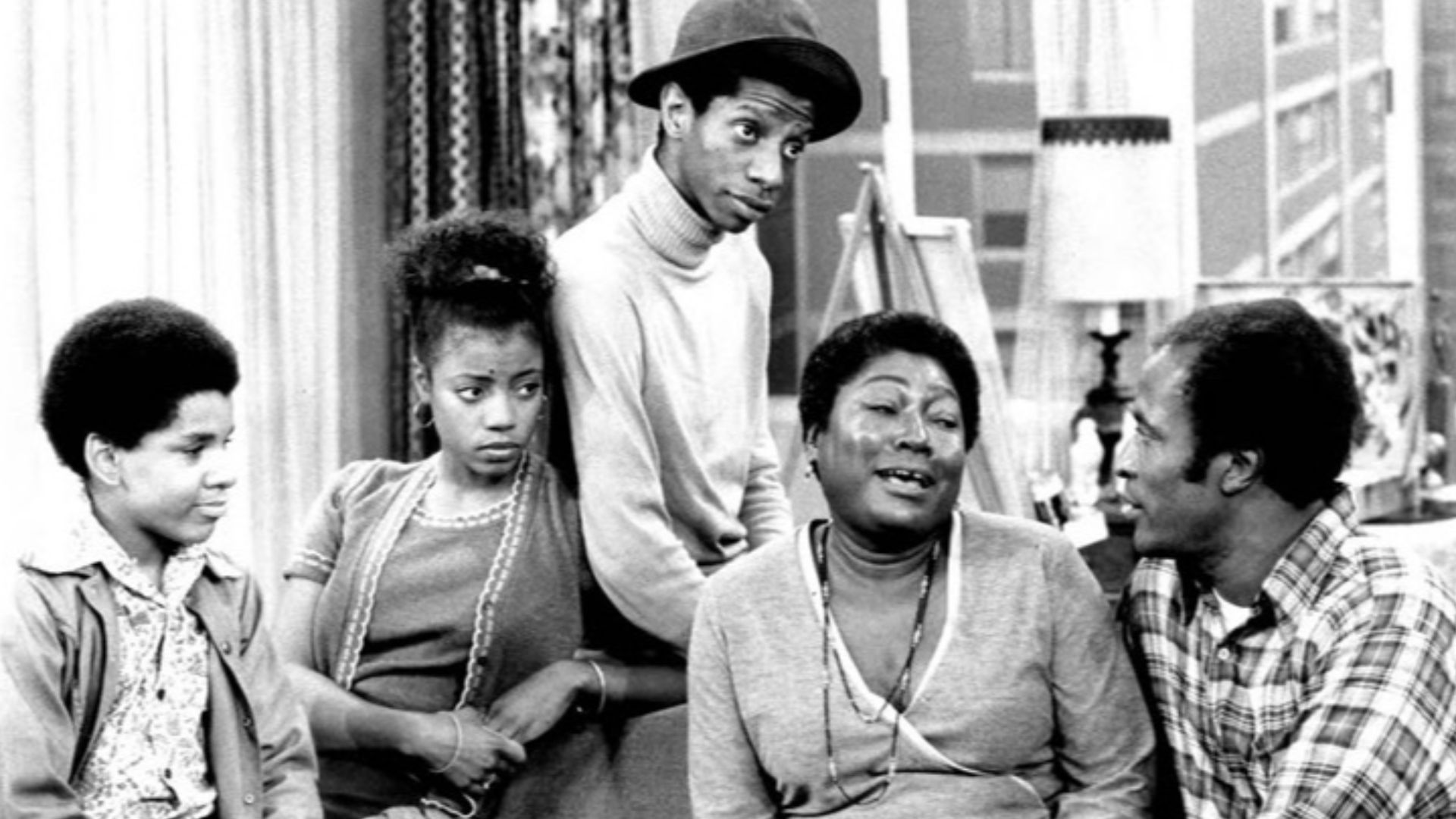 CBS Television, Wikimedia Commons
John Amos Fought The Same Battle And Lost His Job
John Amos also pushed back against Good Times, arguing that its Black family deserved stronger, more authentic writing. He later acknowledged that his blunt approach created friction with the writers and producers. Amos was fired after Season 3, and James Evans Sr. was written out.
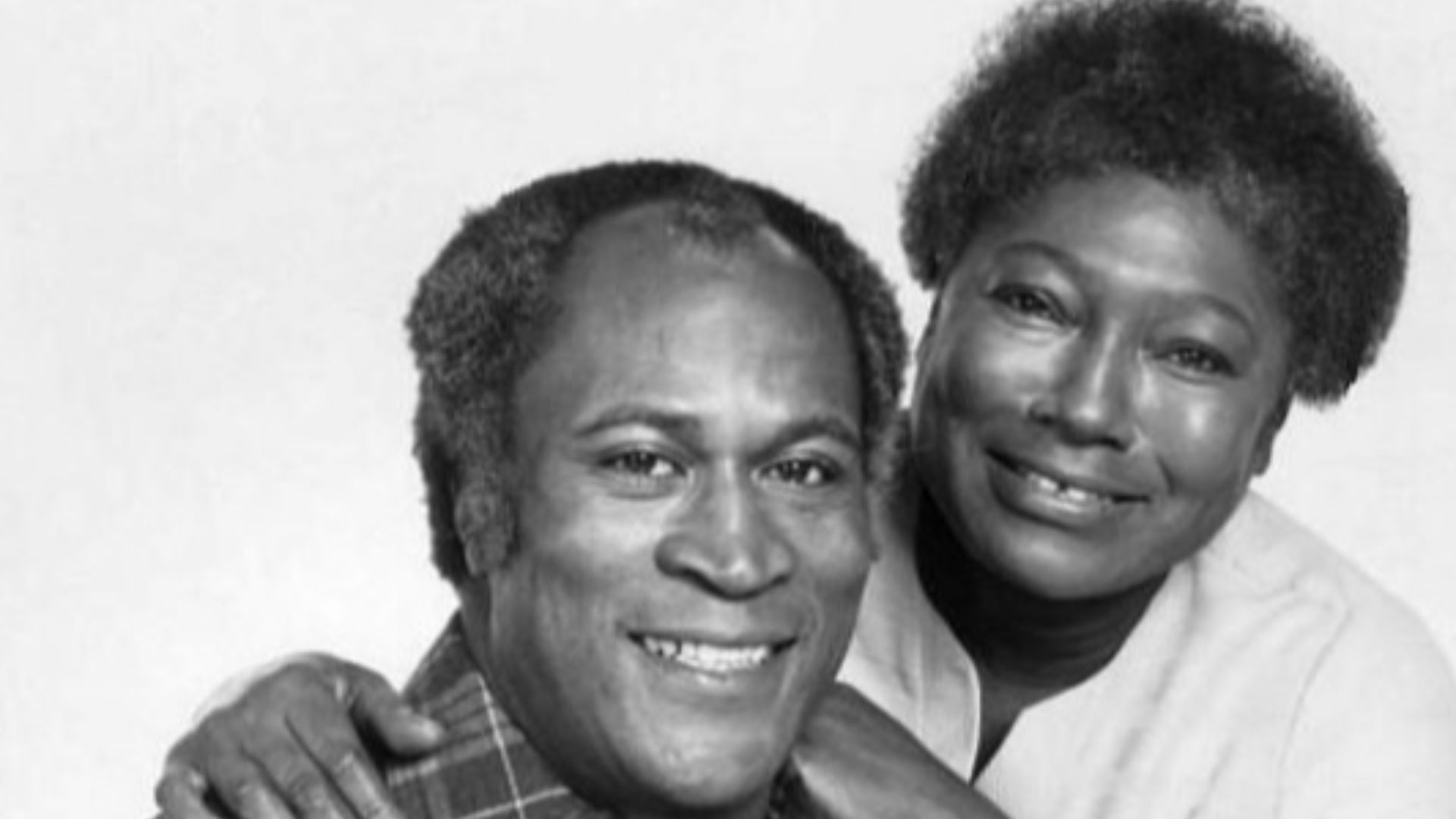 CBS Television. Uploaded by We hope at en.wikipedia, Wikimedia Commons
Erik Estrada’s CHiPs Holdout Brought In A Replacement
During CHiPs, Erik Estrada became involved in a salary dispute that led NBC to temporarily bring in Bruce Jenner as Officer Steve McLeish. Estrada eventually reached an agreement and returned, but the episode showed that producers were willing to test the series without him.
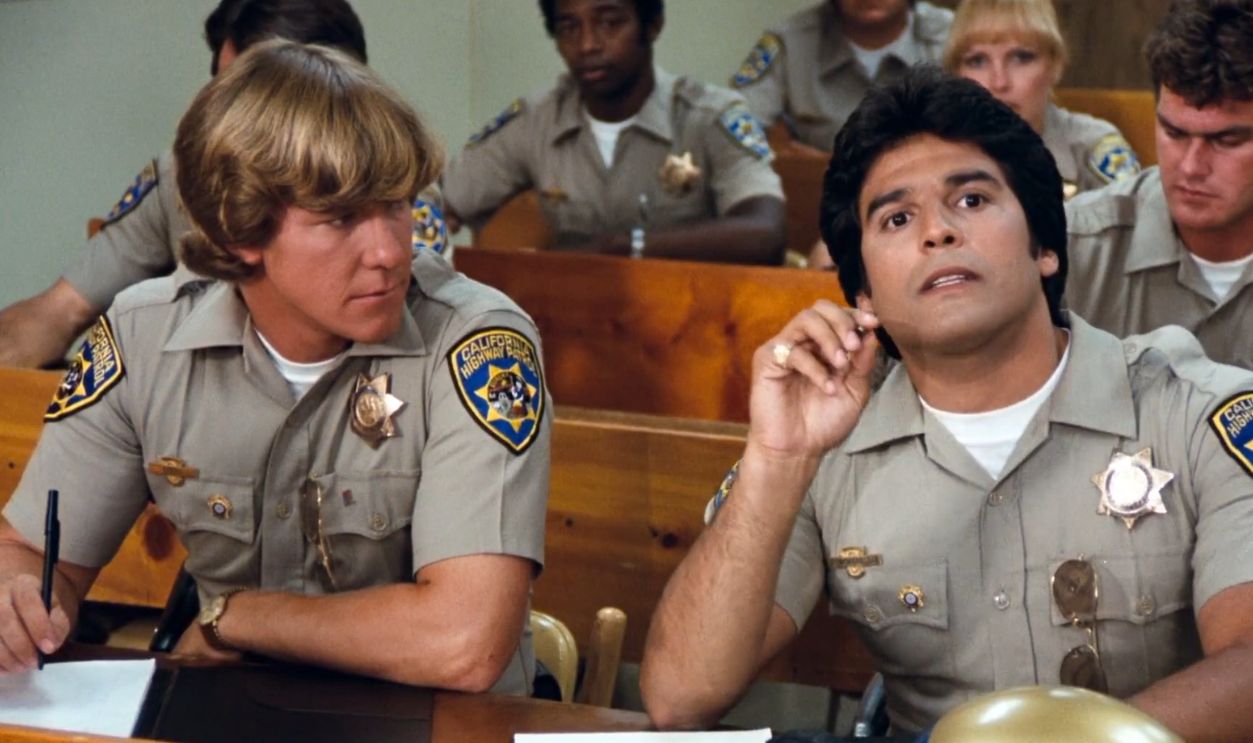 Screenshot from CHiPs, NBC (1977–1983)
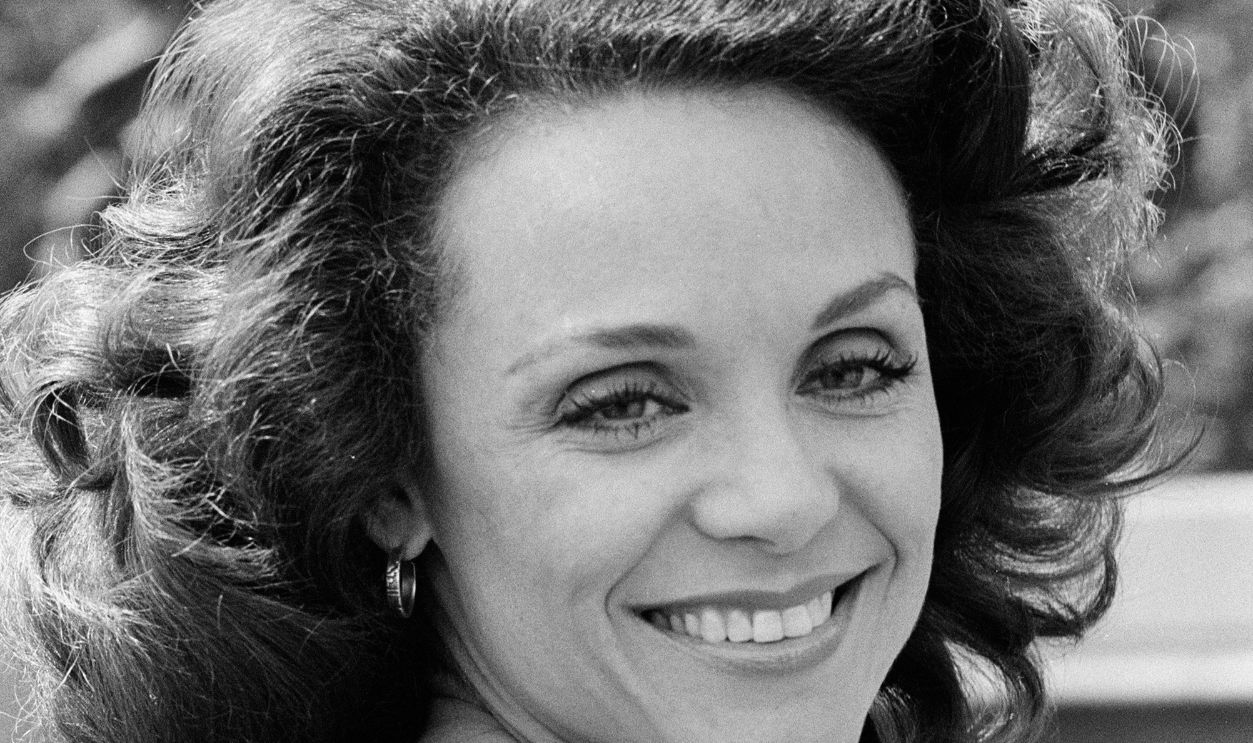
Valerie Harper Fought Valerie All The Way To Court
Valerie Harper’s dispute with the producers of Valerie involved money and creative input. She missed work during negotiations, returned, and was then told not to come back. Harper sued and later won a jury verdict finding Lorimar had wrongfully fired her, plus damages and profit participation.
Roseanne Barr Won A Fight Over Who Controlled Roseanne
Roseanne Barr clashed with creator Matt Williams over scripts, characterization, and creative authority on Roseanne. Williams later described a constant struggle as the sitcom became a major hit. He ultimately left the series, while Barr gained greater control over the show built around her.
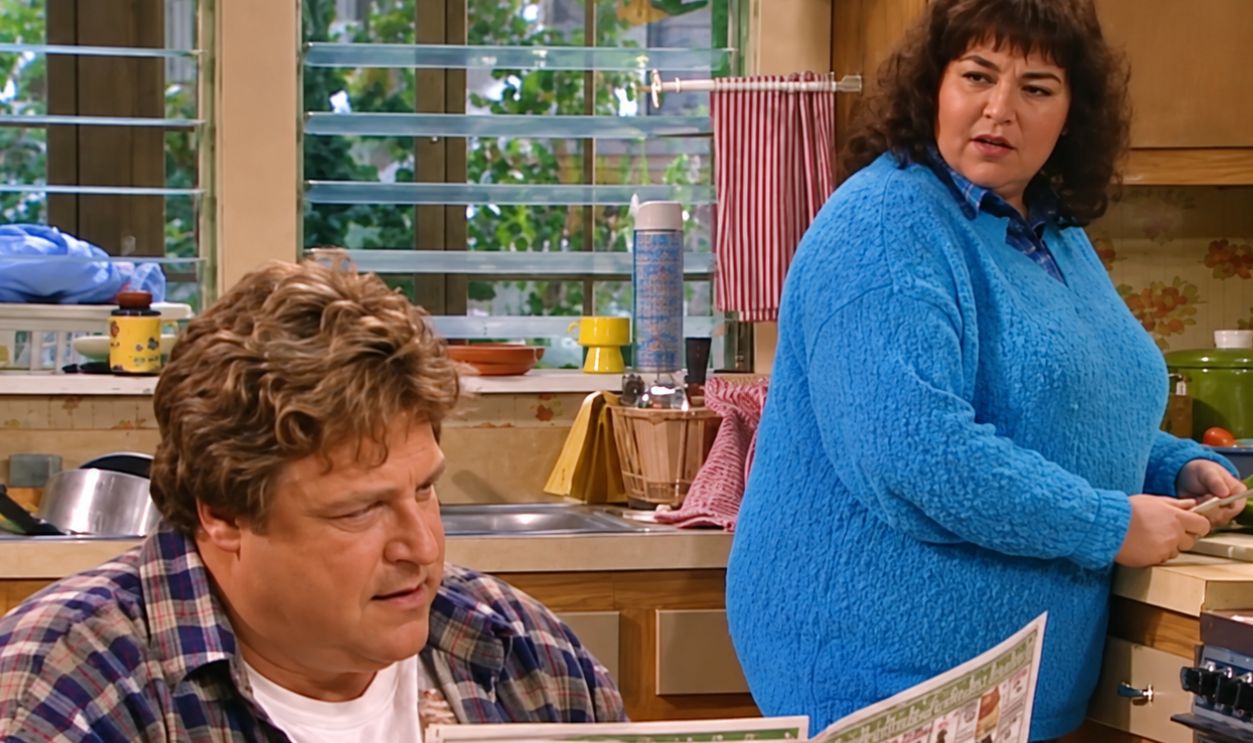 Screenshot from Roseanne, Carsey-Werner Distribution (1988-1997, 2018), Enhanced
Delta Burke Took Her Designing Women Feud Public
Delta Burke’s relationship with Designing Women producers Linda Bloodworth-Thomason and Harry Thomason spilled into the press in 1990. Burke accused the producers of mistreating her, while they publicly rebutted her claims. The conflict continued into production, and Burke was ultimately dropped from the series.
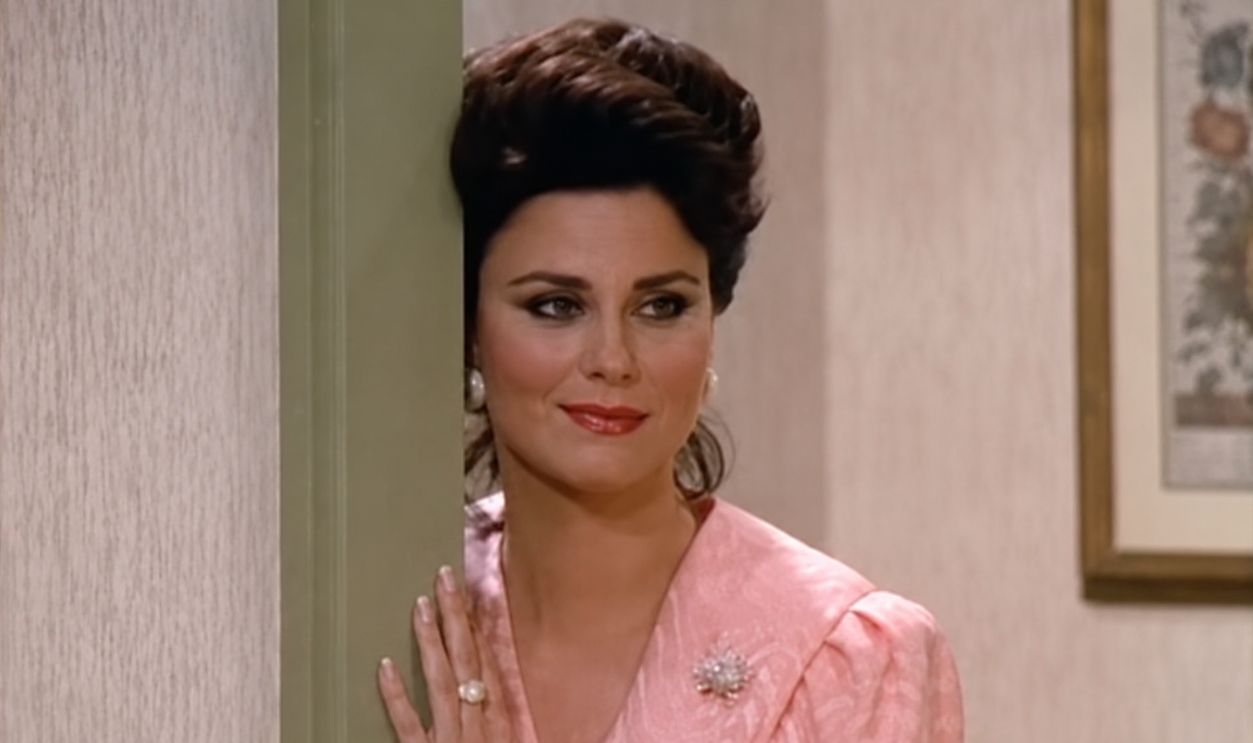 Screenshot from Designing Women, CBS (1986–1993), Enhanced
David Caruso Bet He Could Walk Away From NYPD Blue
After one breakout season of NYPD Blue, David Caruso entered negotiations over salary, scheduling, and his ability to make movies. Producers eventually let him out of his contract, and he departed early in Season 2. Caruso later said he had hoped to do television and films simultaneously.
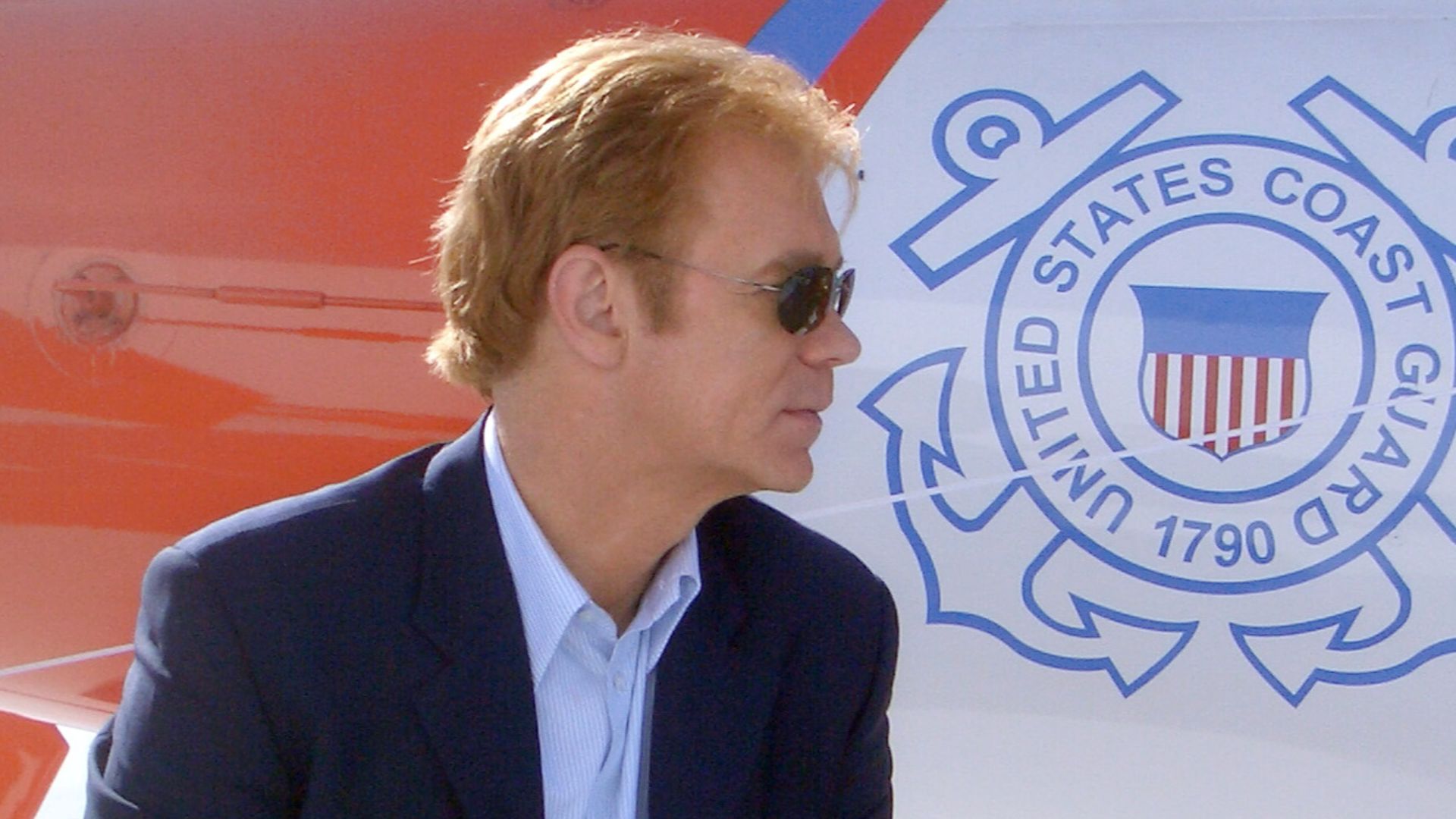 USCG photo by Lt. Cmdr. Jeff Loftus., Wikimedia Commons
David Duchovny Sued The Company Behind The X-Files
In 1999, David Duchovny sued 20th Century Fox over how X-Files reruns were sold to Fox-affiliated outlets, arguing that the arrangement reduced his profit participation. The case was settled. Duchovny later spoke openly about the cost and professional risk of taking on a major studio.
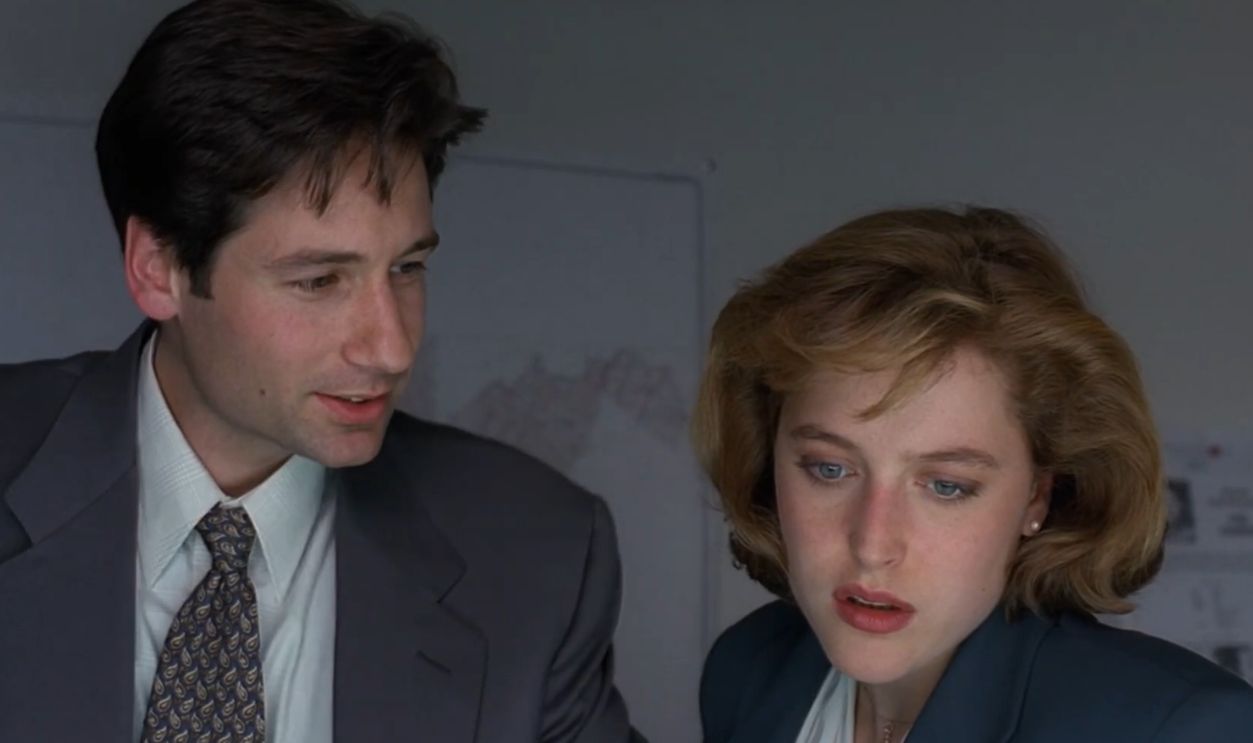 Screenshot from The X-Files, Fox Broadcasting Company (1993–2018)
Gillian Anderson Had To Fight For Equal X-Files Pay Twice
Gillian Anderson said it took years during the original X-Files run to close the salary gap with David Duchovny. For the revival, she said her initial offer was half his pay. Anderson pushed back, and the two stars ultimately received equal compensation for the event series.
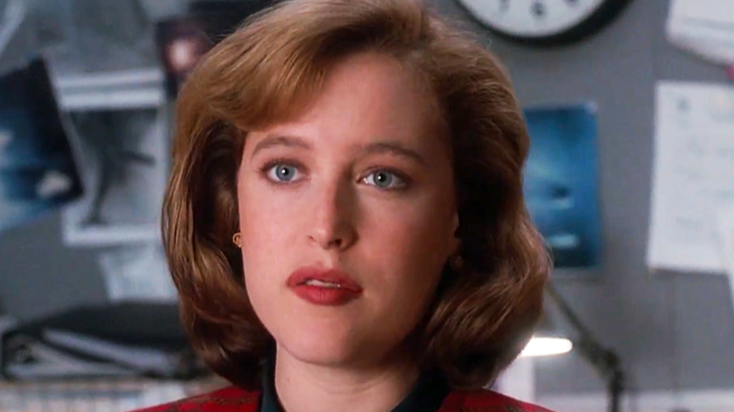 Screenshot from The X-Files, Fox (1993–2018)
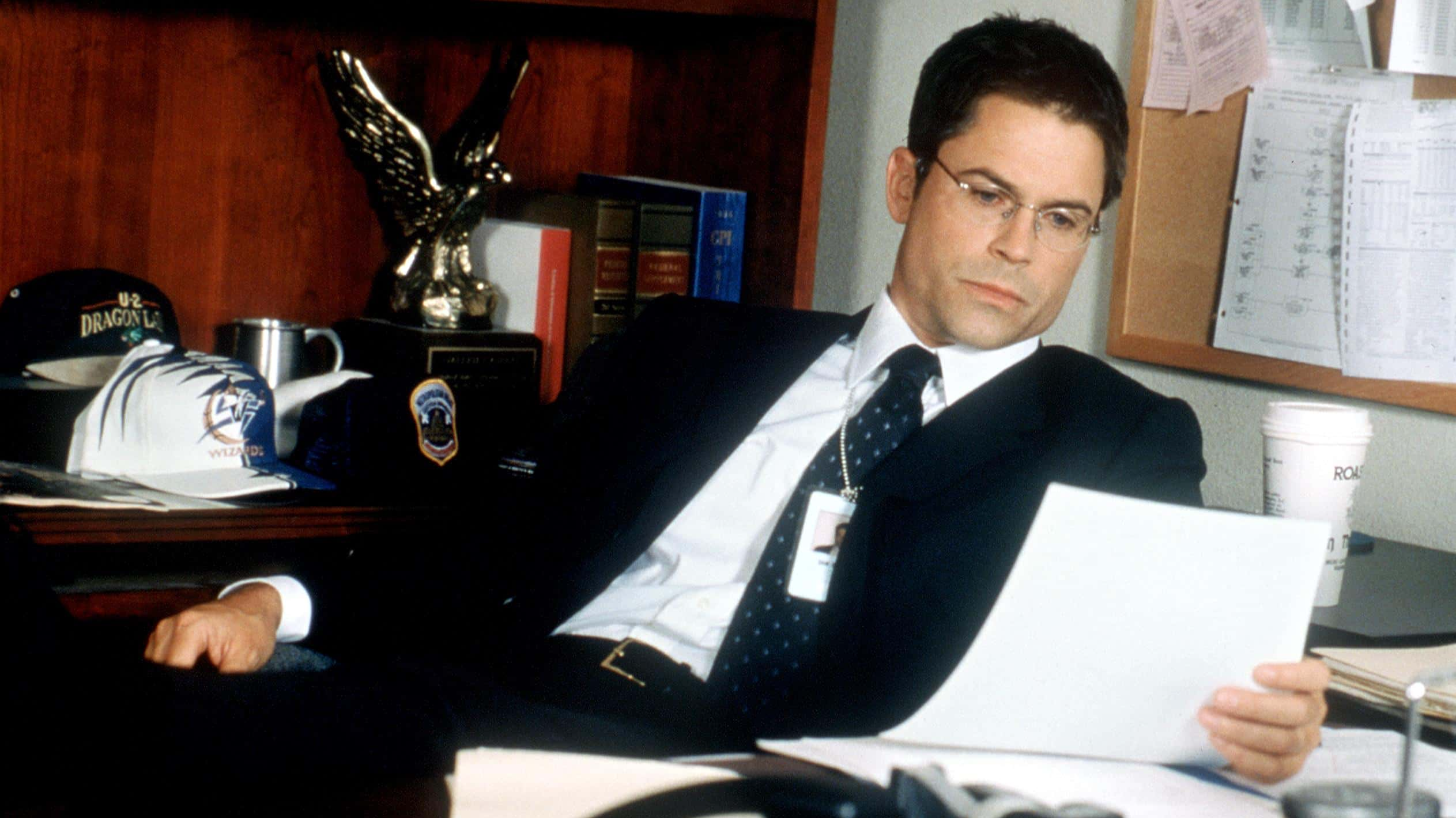
Rob Lowe Left The West Wing After A Pay Standoff
Rob Lowe announced he would leave The West Wing after negotiations failed to produce the raise he wanted. Other cast members had already secured increases, while Lowe had begun as one of the show’s highest-paid names. He exited as Sam Seaborn during Season 4.
George Eads Was Fired During A CSI Salary Fight
George Eads learned how dangerous a contract standoff could become when CBS fired him during salary negotiations before CSI’s fifth season. The dispute went public and disrupted production. Eads was soon rehired, but the network had shown it was willing to remove a regular rather than immediately concede.
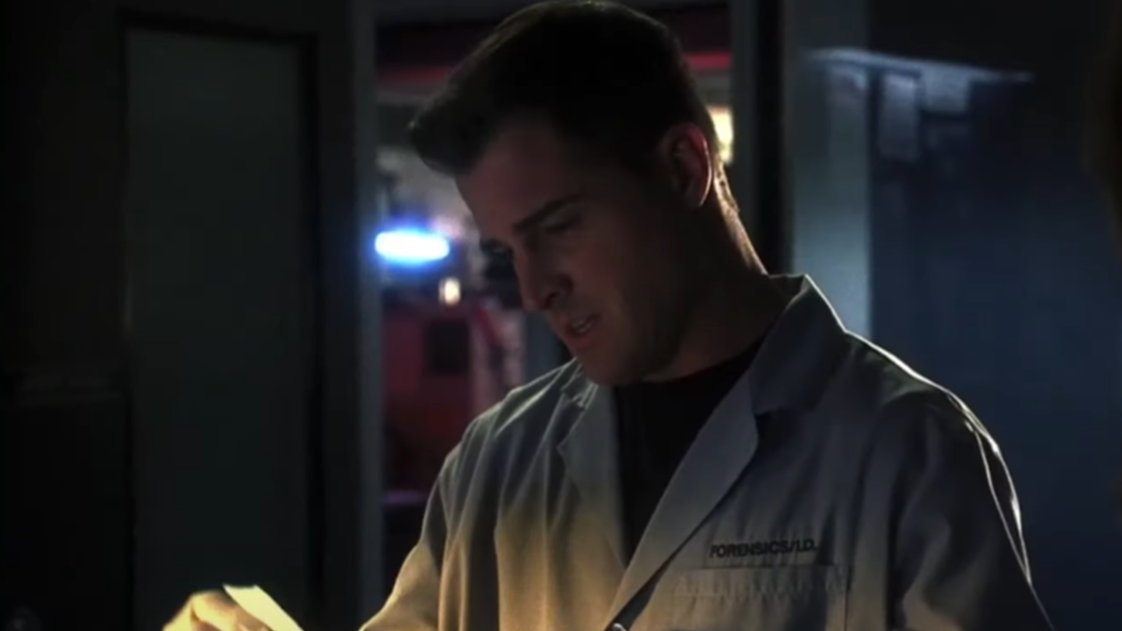 Screenshot from CSI: Crime Scene Investigation, CBS (2000-15)
Katherine Heigl Publicly Criticized Her Grey’s Anatomy Material
Katherine Heigl sparked a storm in 2008 when she declined to submit herself for Emmy consideration and said she did not feel she had been given material worthy of a nomination. ABC defended the show’s writers, while her comments fueled speculation about her future on Grey’s Anatomy.
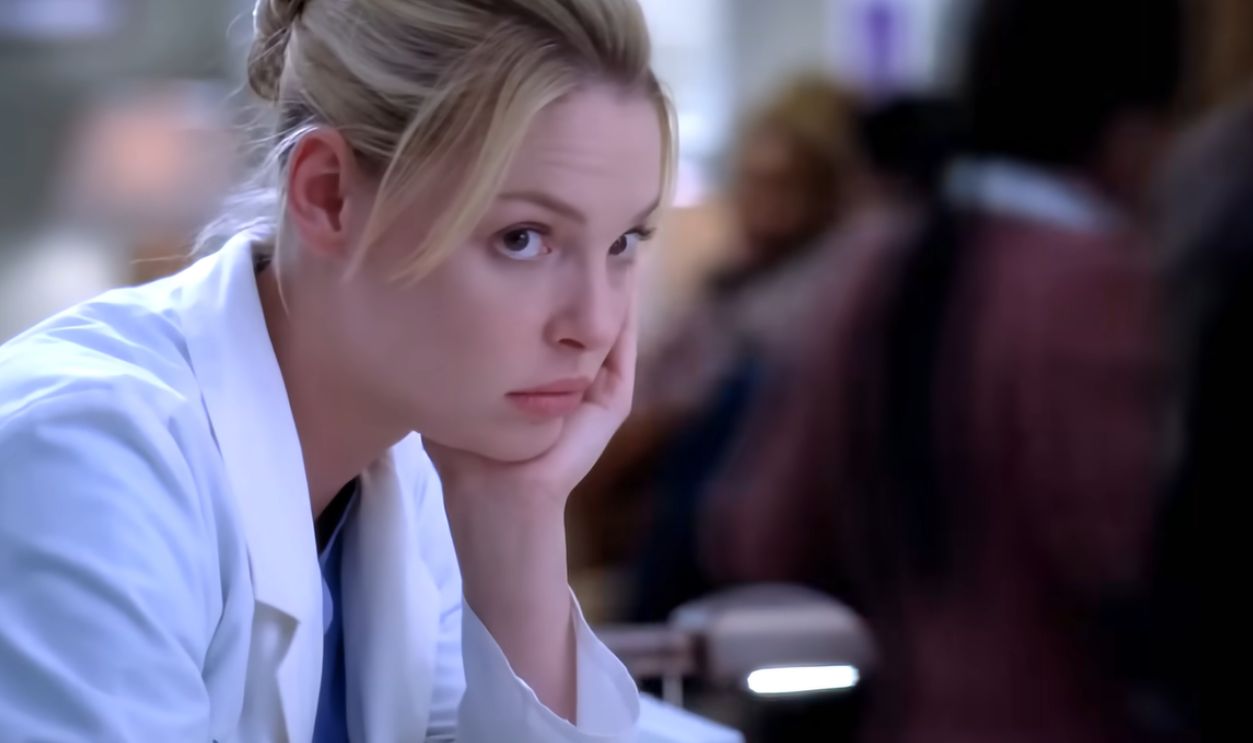 Screenshot from Grey’s Anatomy, ABC (2005–)
Charlie Sheen Turned His Two And A Half Men Feud Into A Spectacle
Charlie Sheen’s conflict with Two and a Half Men creator Chuck Lorre escalated into public attacks on Lorre, CBS, and Warner Bros. Production stopped, the season was cut short, and Warner Bros. fired Sheen. He pursued legal action before settling, while the sitcom continued with Ashton Kutcher.
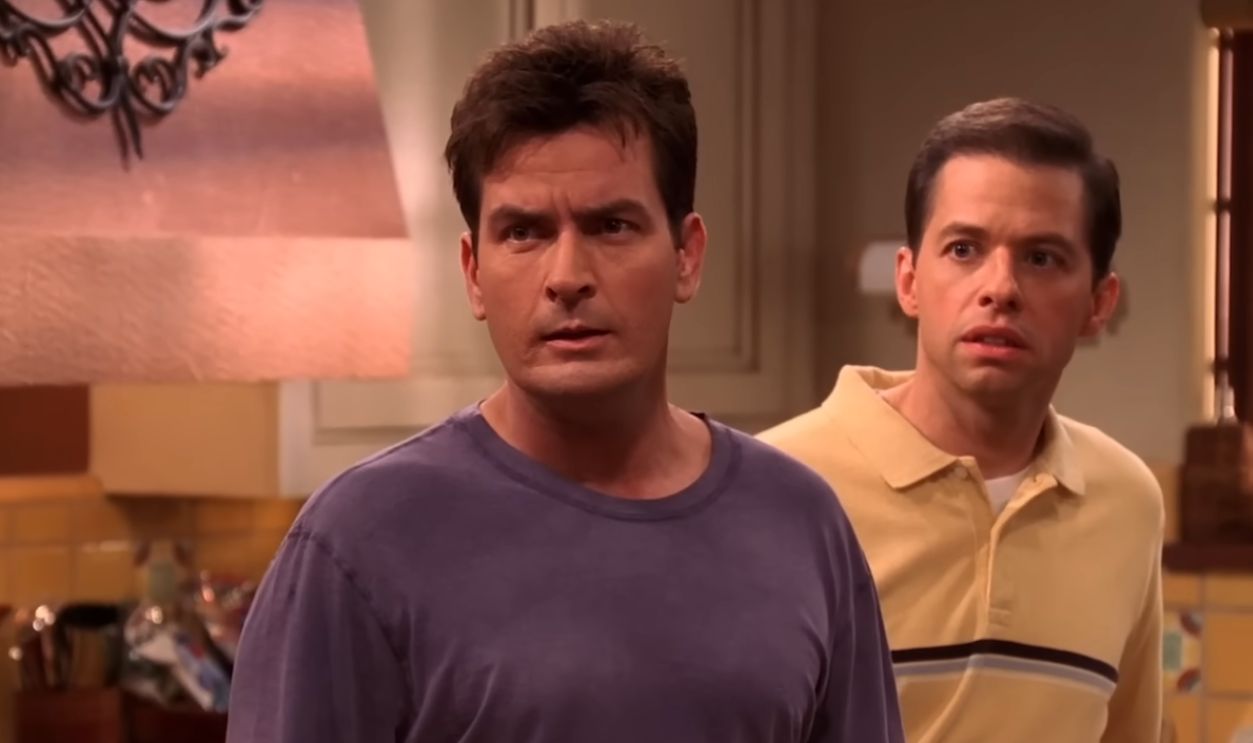 Screenshot from Two and a Half Men, CBS (2003–2015)
Chevy Chase’s Community Feud Went Very Public
Chevy Chase repeatedly expressed dissatisfaction with Community and clashed with creator Dan Harmon. Their feud exploded after Harmon publicly criticized Chase and later played an angry voicemail from him for an audience. Chase eventually left by mutual agreement during Season 4, ending a very public creative battle.
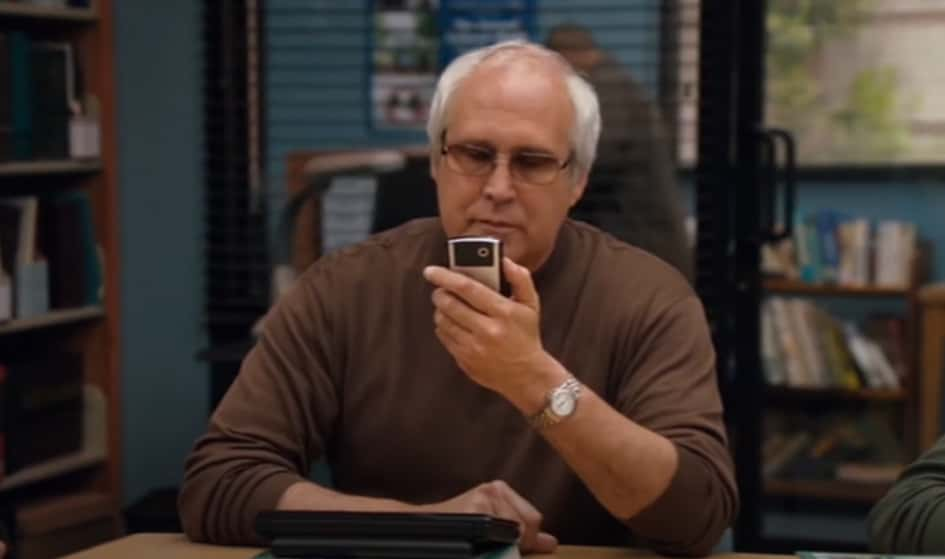 Screenshot from Community, NBC (2009–2015)
Paget Brewster Pushed Back Against Criminal Minds
Paget Brewster said CBS first removed her from Criminal Minds, then later exercised a contract option that required her to return. She publicly described her anger and said she eventually told producers she wanted to leave for good. Her account showed how restrictive television contracts could become.
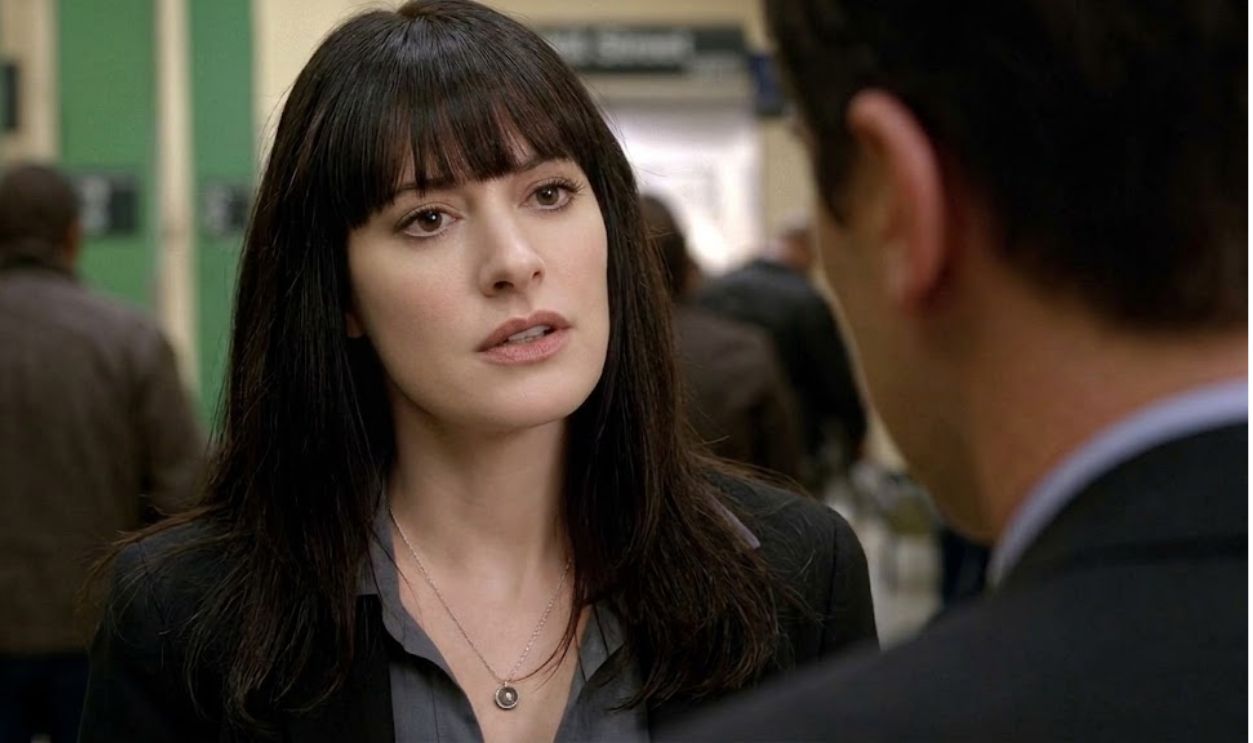 Screenshot from Criminal Minds, CBS Studios (2005), Modified
Nicollette Sheridan Took Desperate Housewives To Court
After leaving Desperate Housewives, Nicollette Sheridan sued creator Marc Cherry and the studio, alleging her character was killed off in retaliation after she complained about an on-set confrontation. Cherry disputed that account and said the decision was based on story needs. The dispute became a high-profile courtroom fight.
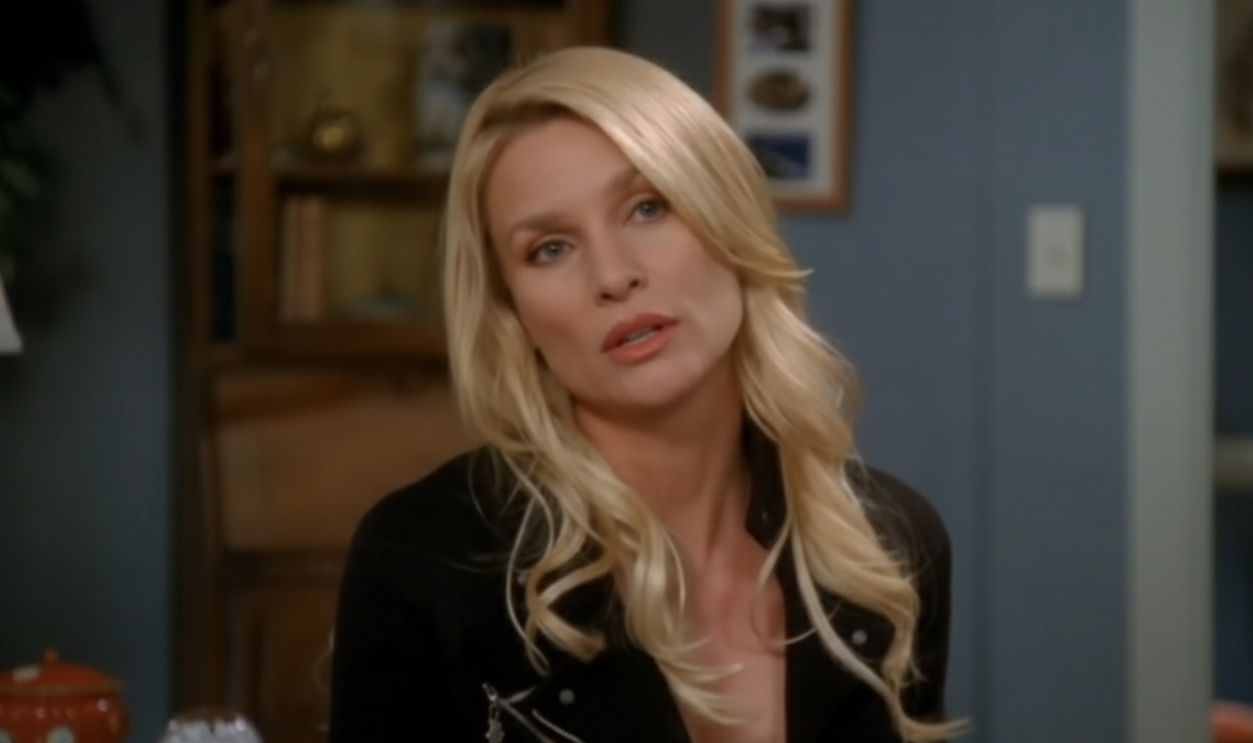 Screenshot from Desperate Housewives, ABC (2004)
Emmy Rossum Held Out On Shameless Pay
Emmy Rossum said she spent years pressing for pay parity on Shameless. The dispute became public in 2016 when reports described a contract stalemate. Rossum later said the public attention changed the negotiations quickly, and she ultimately returned after reaching a new deal.
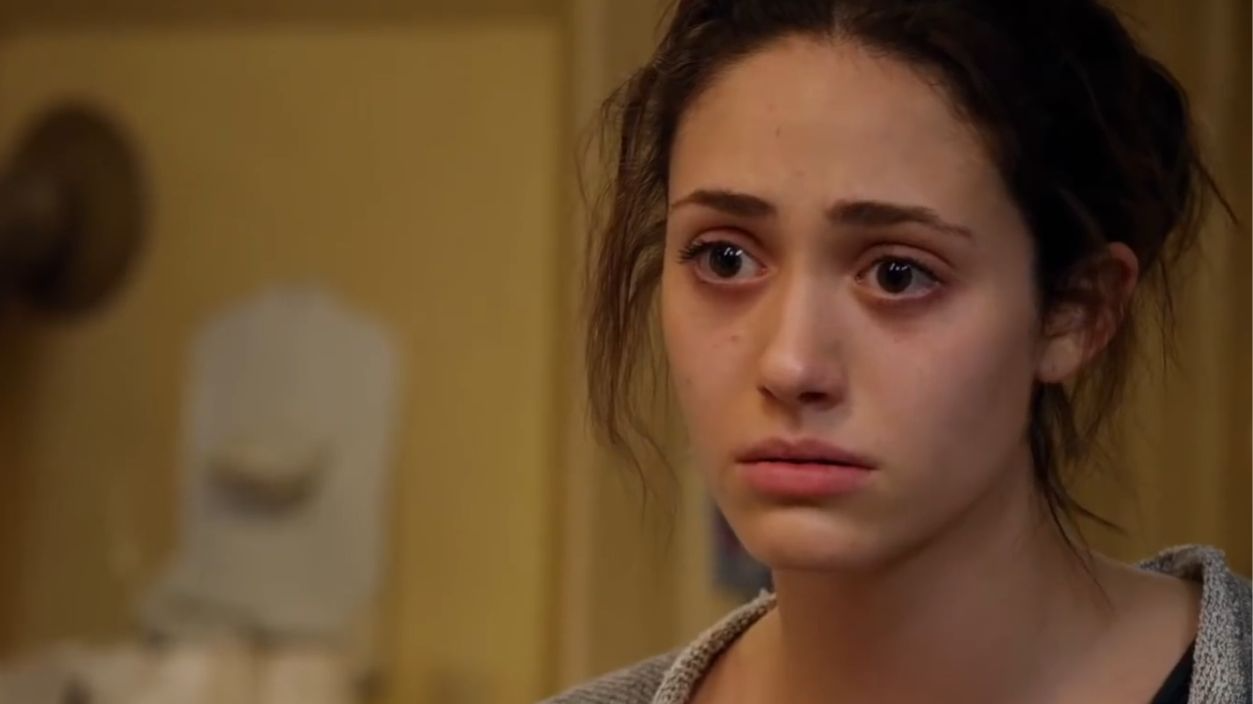 Screenshot from Shameless, Showtime (2011–2021)
You May Also Like:
The Tragic Fates Of The Gone With The Wind Cast
Virna Lisi Was Supposed To Be Hollywood’s Next Marilyn Monroe—Then She Walked Away From It All