Hollywood Thought It Had Found Its New Marilyn
In 1964, Hollywood was convinced Virna Lisi could be its next Marilyn Monroe. She had the looks, the glamour, and the instant star power, so studios bleached her hair, piled on the makeup, and tried to remake her in Marilyn’s image. There was just one problem: Lisi had no interest in spending her career pretending to be someone else.
 Silver Screen Collection, Getty Images
She Had Already Built A Career In Italy
Hollywood did not discover Lisi out of nowhere. Born Virna Pieralisi in Ancona in 1936, she began appearing in Italian films as a teenager during the 1950s. Early roles often relied on her striking looks, but she steadily built experience in movies, television, and advertising.
 Mondadori Portfolio, Getty Images
Italian Audiences Knew Her Face
One of Lisi's early breakthroughs came through television advertising. A hugely popular toothpaste campaign helped make her smile recognizable across Italy long before American studios took notice. By the early 1960s, she was already an established screen presence at home.
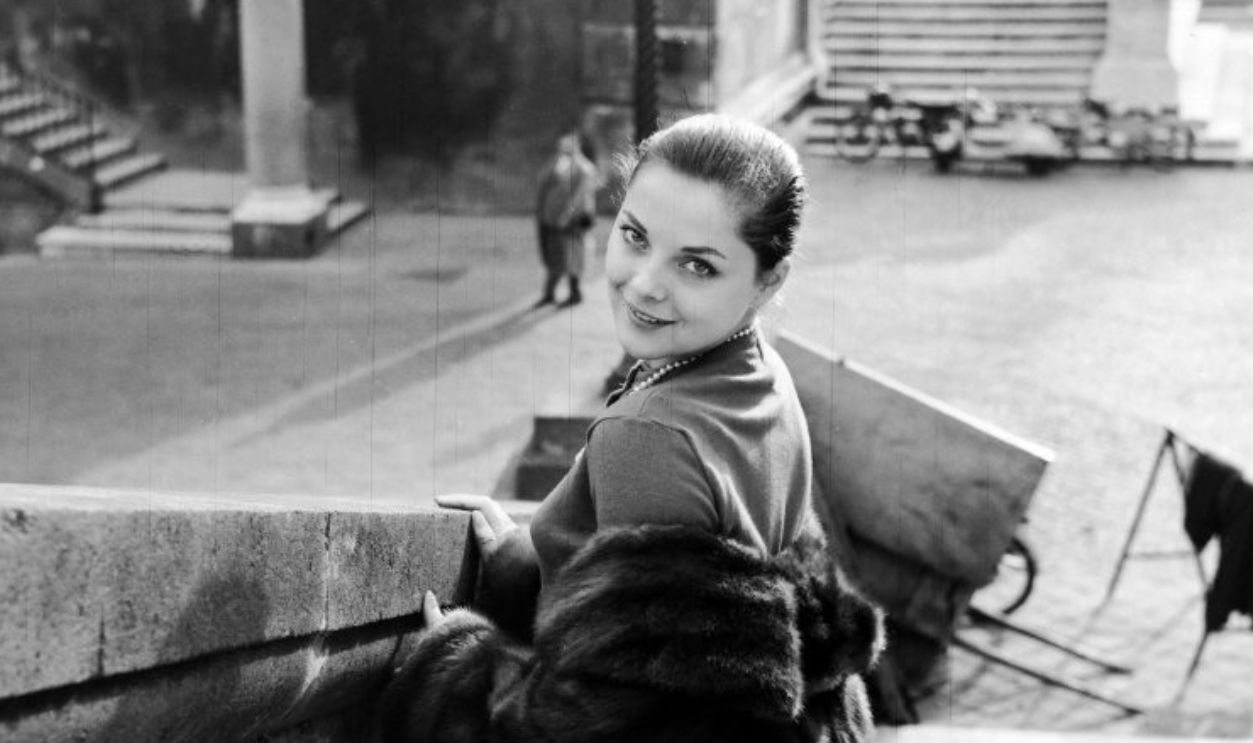
She Was More Than A Pretty Face
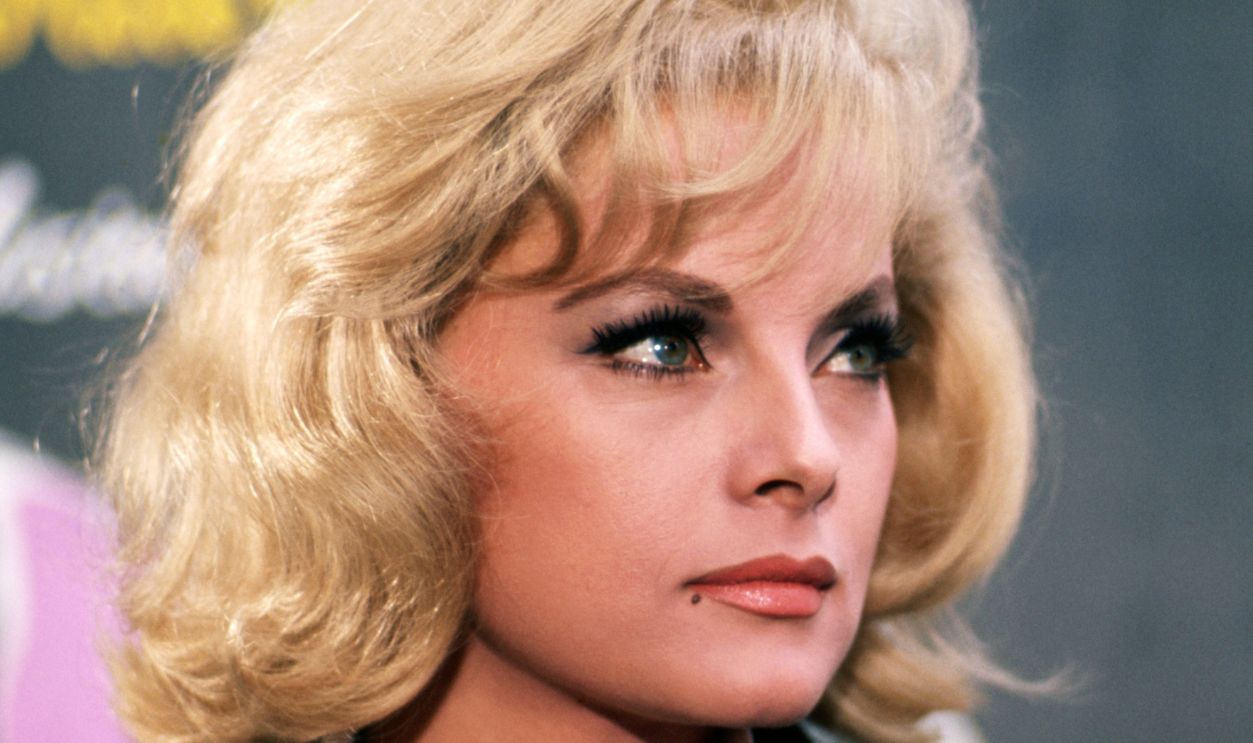
The problem was that beauty could easily become a professional trap. Lisi was routinely cast as glamorous women, romantic heroines, and decorative figures in adventure films. She wanted opportunities that would allow her personality and acting ability to come through as strongly as her appearance.
 Silver Screen Collection, Getty Images
France Helped Raise Her Profile
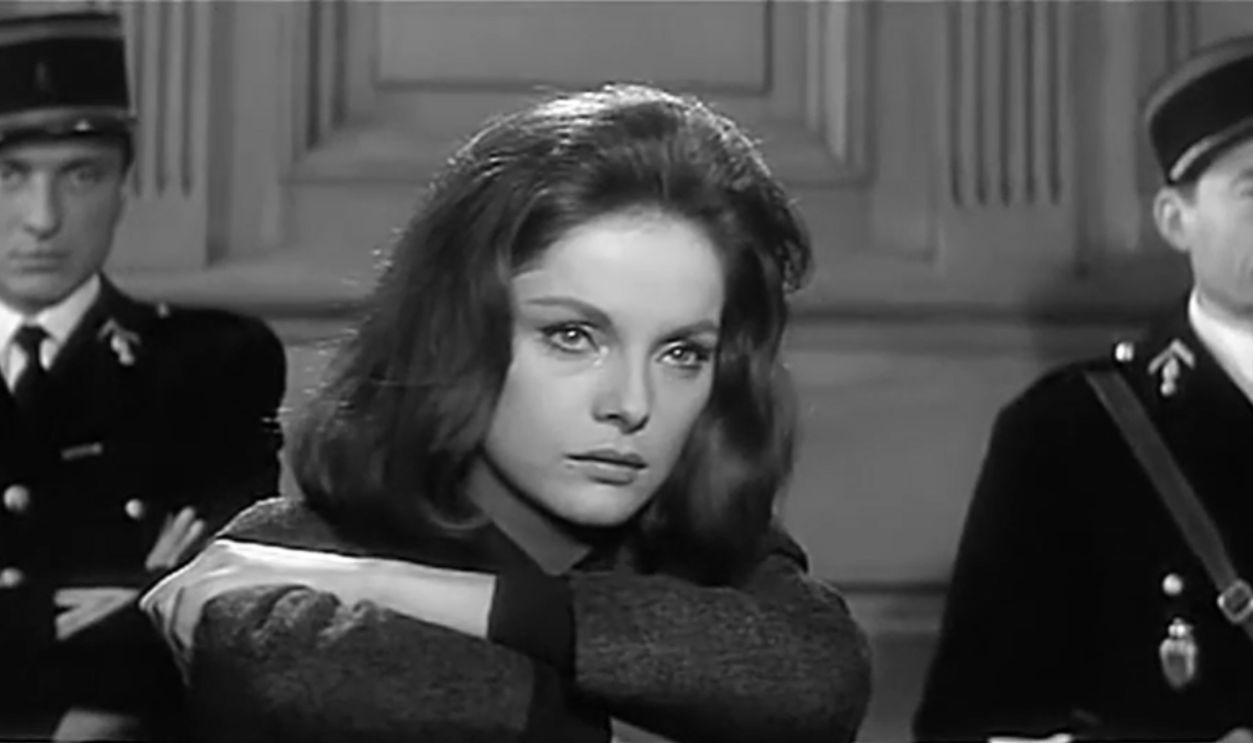
Lisi also began working outside Italy, particularly in French productions. She appeared in Don't Tempt the Devil before starring opposite Alain Delon in The Black Tulip in 1964. The hit adventure introduced her to a much wider international audience and confirmed that her appeal extended well beyond Italy.
 Screenshot from Don't Tempt the Devil, Variety Distribution (1963)
Hollywood Came Calling
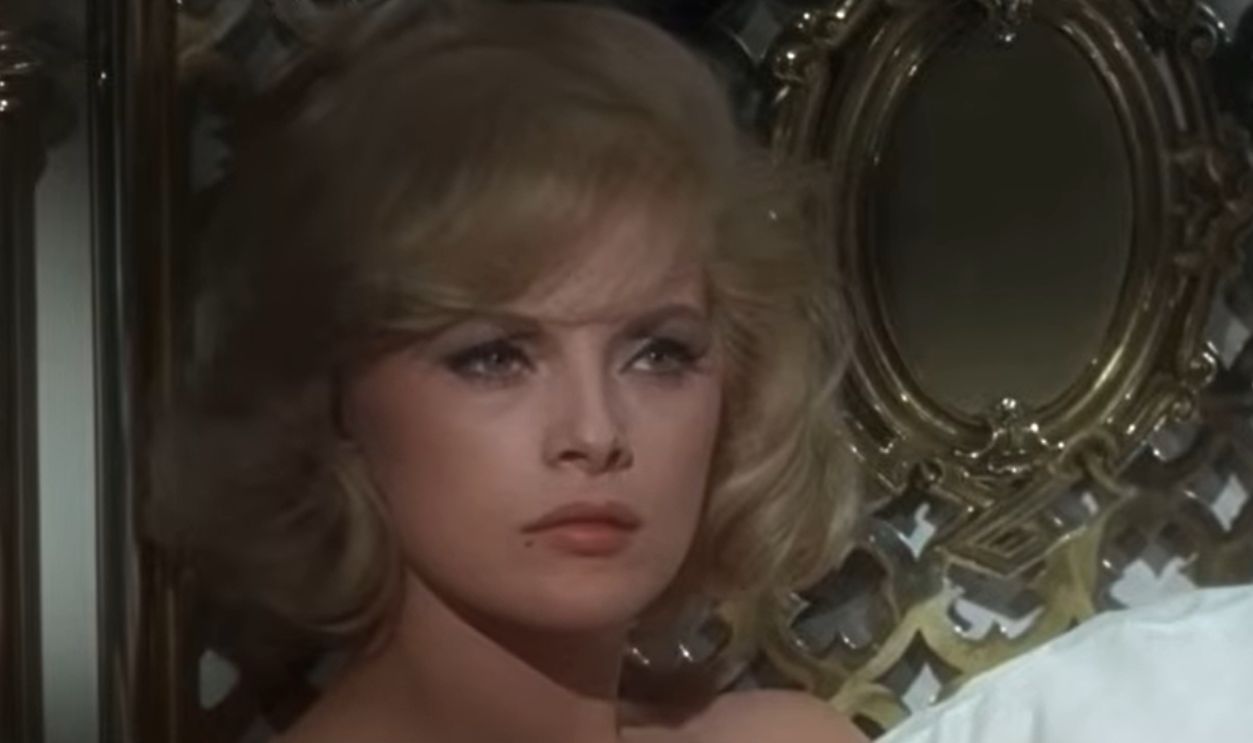
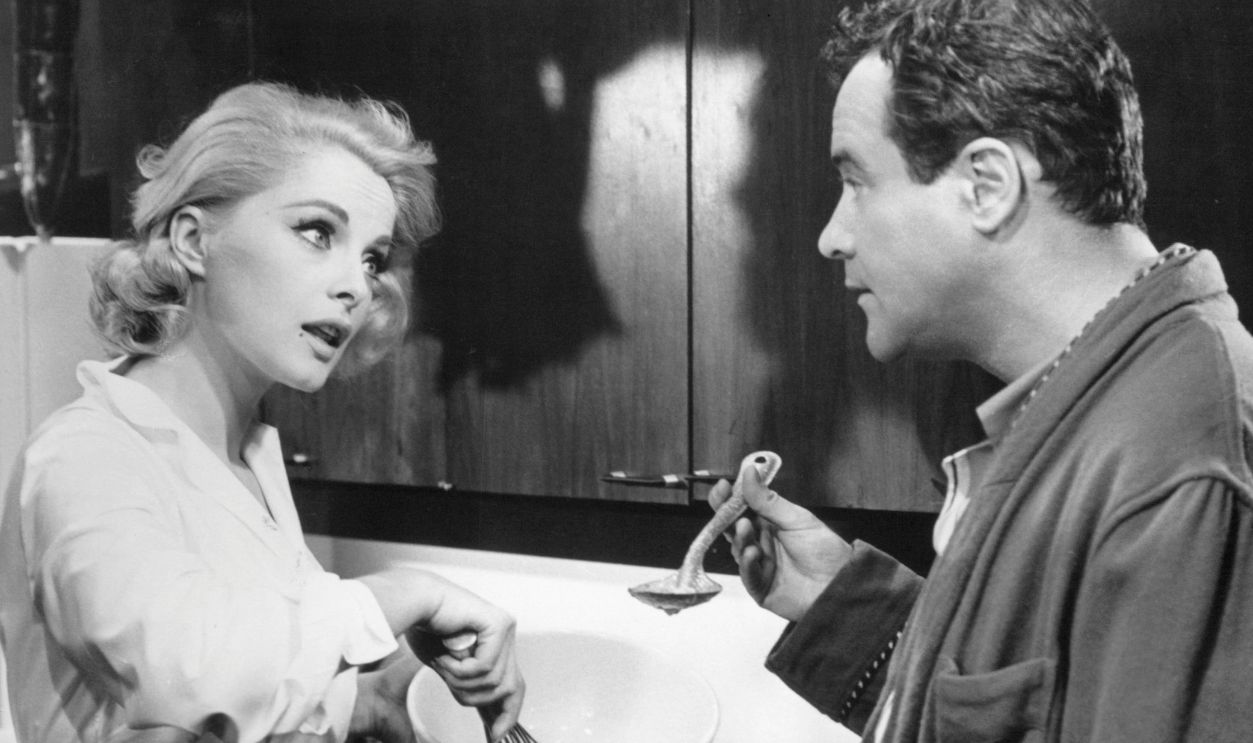
That growing profile soon caught Hollywood’s attention. Lisi was brought to the United States to star opposite Jack Lemmon in How to Murder Your Wife. It was the kind of opportunity that could turn a successful European actress into a major American star.
 Screenshot from How to Murder Your Wife, United Artists (1965)
The Marilyn Comparison Was Very Real
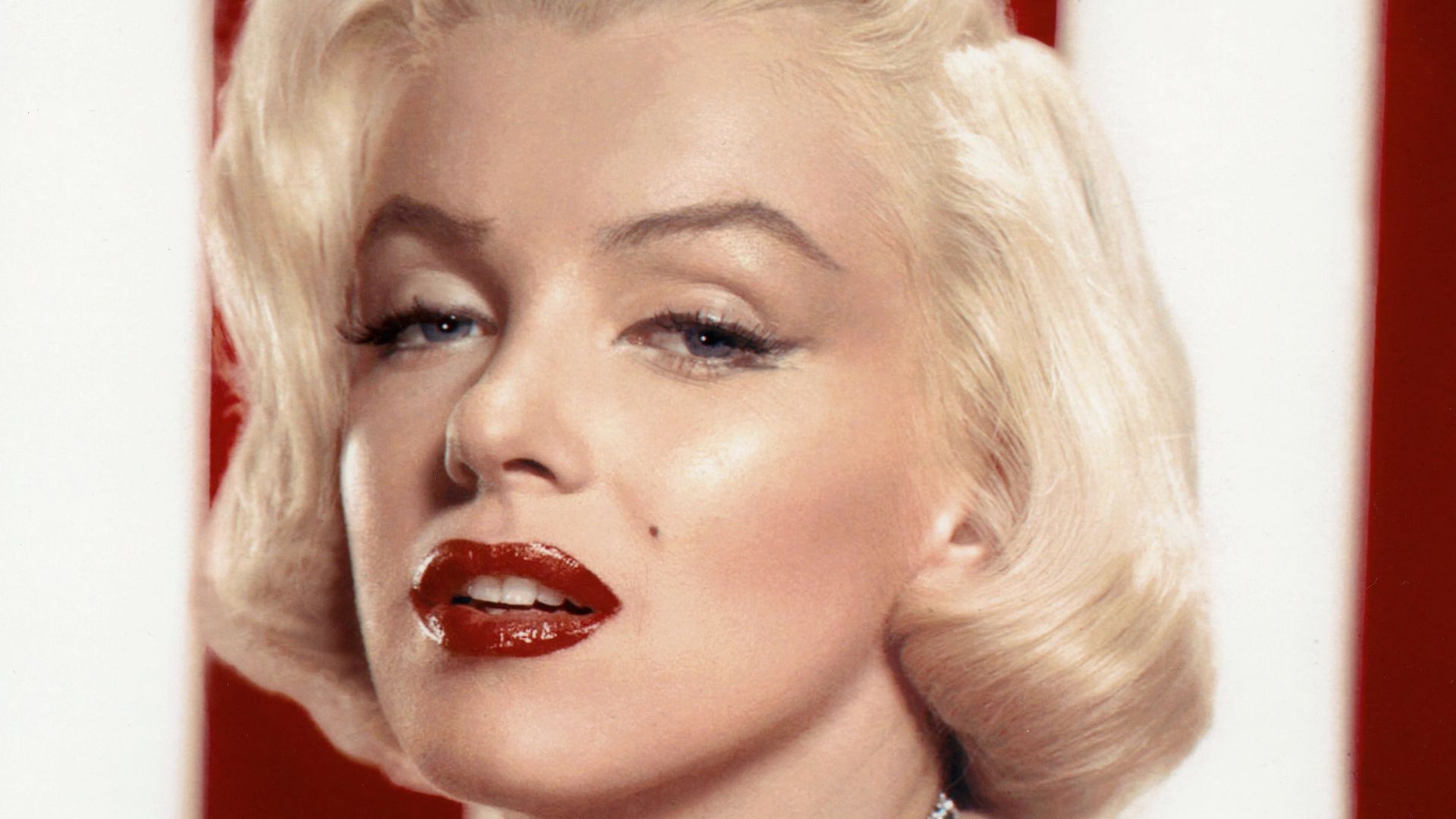
The Marilyn Monroe comparison started almost as soon as Lisi arrived in Hollywood. In a 1964 interview with journalist Oriana Fallaci, she recalled producers debating whether she should be presented as another Monroe or as a new Grace Kelly. Lisi's own reaction was much simpler: she wanted to be Virna Lisi.
 Studio publicity still, Wikimedia Commons
She Didn't Think She Was Anything Like Marilyn
Lisi admired Monroe, but she considered the comparison absurd. She told Fallaci that the two women were different physically, psychologically, and emotionally. She actually felt she had more in common with Grace Kelly's reserved image than Monroe's carefully cultivated screen persona.
 Metro Goldwyn Mayer, Wikimedia Commons
Hollywood Changed Her Appearance
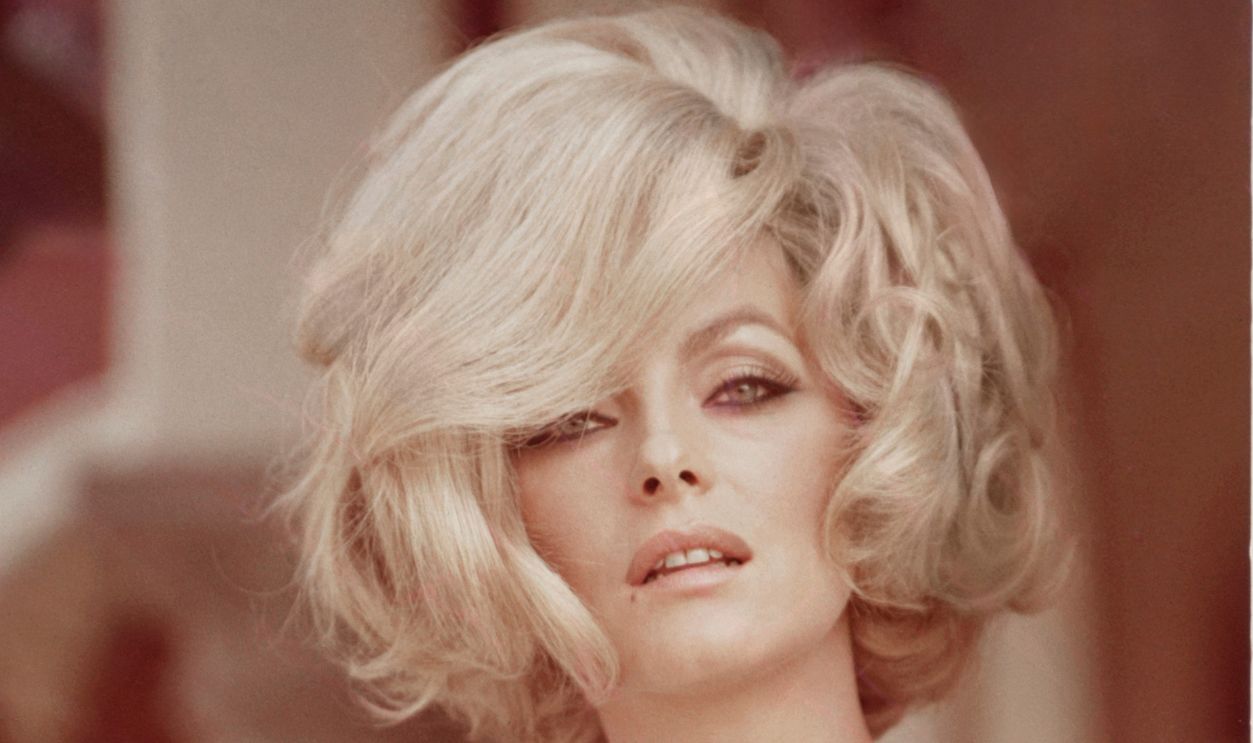
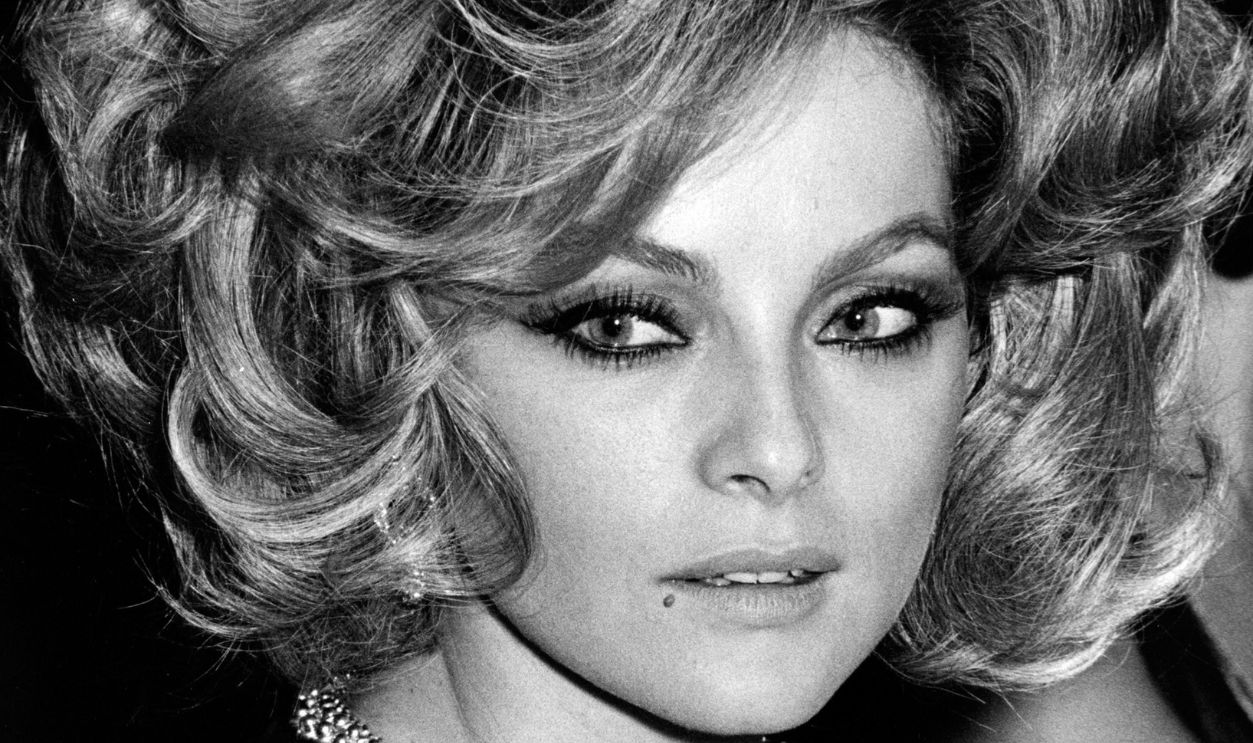
The studio machine went to work anyway. Lisi said her hair was lightened, she wore heavier makeup and false eyelashes, and she was encouraged to gain several pounds so her clothes would fit more tightly. Even her public appearances were expected to match the glamorous character Hollywood was constructing for her.
Sometimes She Barely Recognized Herself
The transformation could feel bizarre to Lisi. She told Fallaci that she sometimes looked in the mirror after being styled and barely recognized the woman staring back. Beneath the platinum hair and glamorous publicity photos was someone far more serious and disciplined than the persona being sold.
Her Hollywood Debut Made An Impression
How to Murder Your Wife reached theaters in 1965 with Jack Lemmon playing a committed bachelor who wakes up married after a drunken night. Lisi played his glamorous Italian bride, a role that leaned heavily into exactly the image Hollywood had created for her. It established her quickly as a recognizable American screen presence.
 Michael Ochs Archives, Getty Images
The Offers Kept Coming
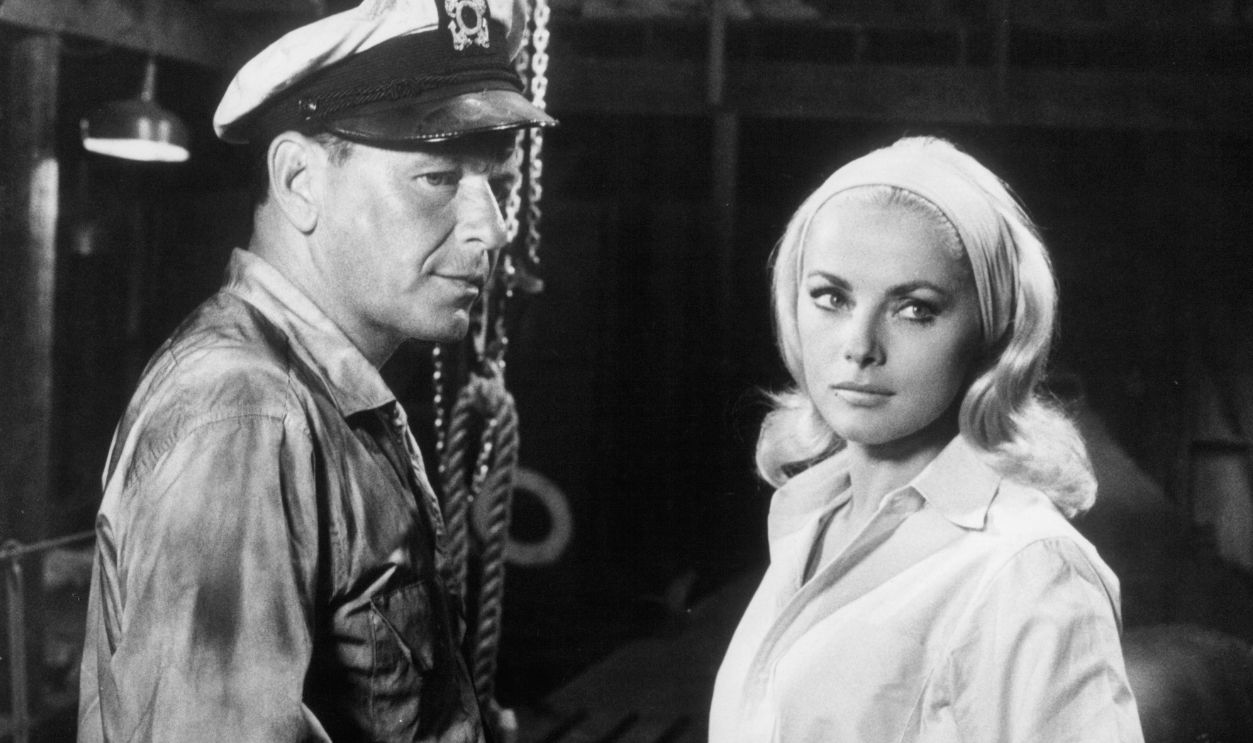
Hollywood soon paired Lisi with some of its biggest male stars. She appeared with Frank Sinatra in Assault on a Queen and with Tony Curtis and George C. Scott in Not With My Wife, You Don't! Both films kept her firmly within the glamorous leading-lady mold.
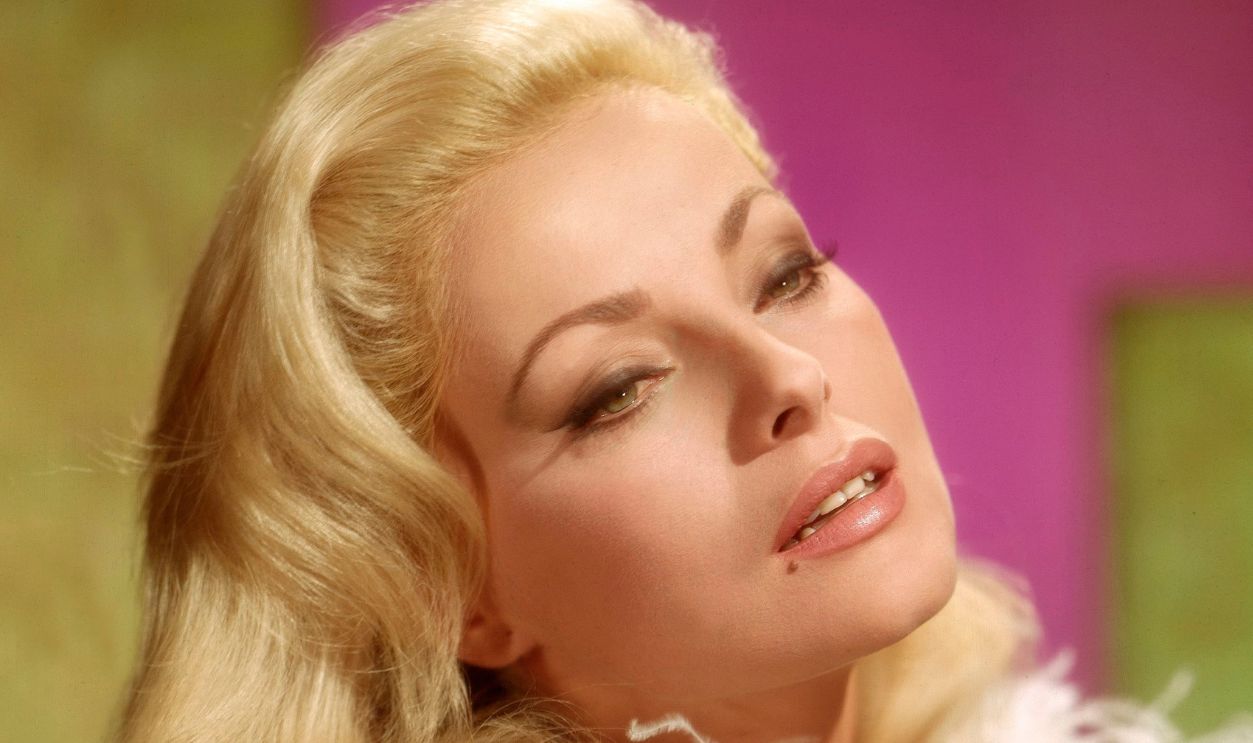
She Even Said No To Playboy
Hollywood's fascination with Lisi's appearance extended beyond the movies. She accepted the reality of becoming a magazine cover star, but according to The Guardian, she rejected a lucrative offer to pose for Playboy. She was increasingly unwilling to let her appearance determine every aspect of her career.
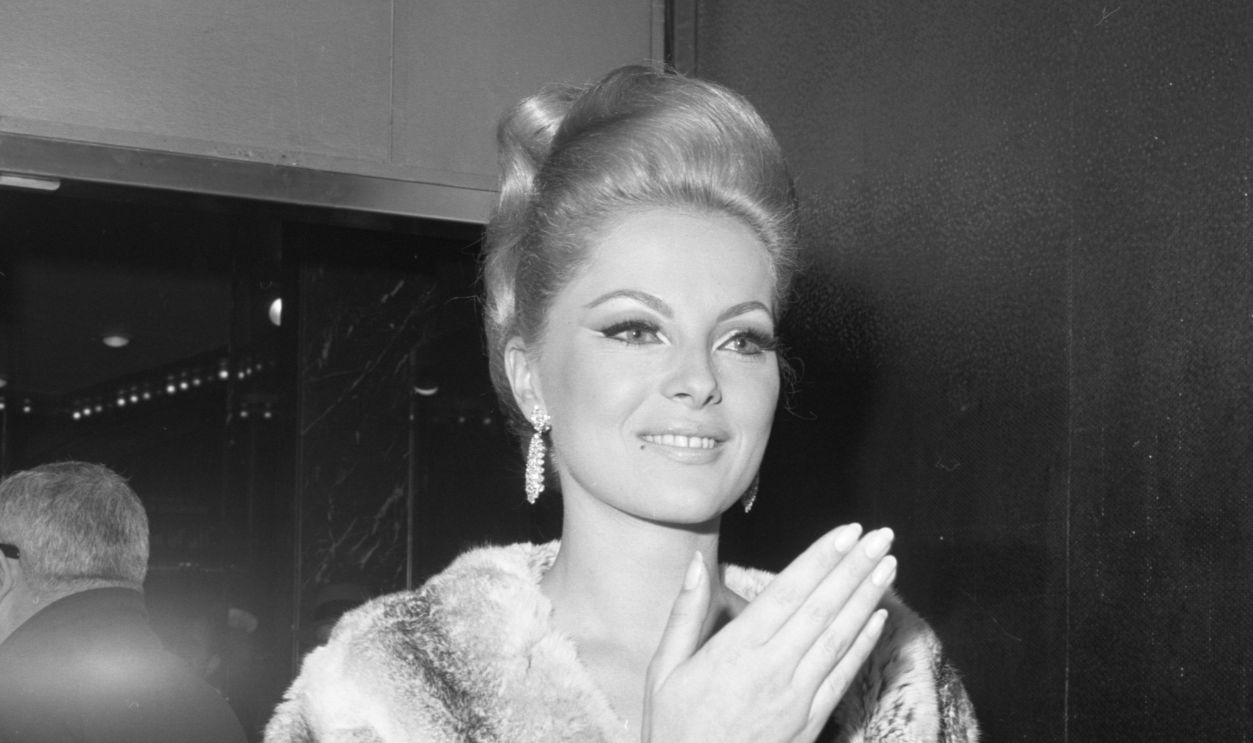
Stardom Wasn't The Problem
Lisi did not simply hate America or everything about Hollywood. She later spoke positively about the professionalism she encountered while working there. What frustrated her was being pushed toward a narrowly defined image that left little room for the actress she wanted to become.
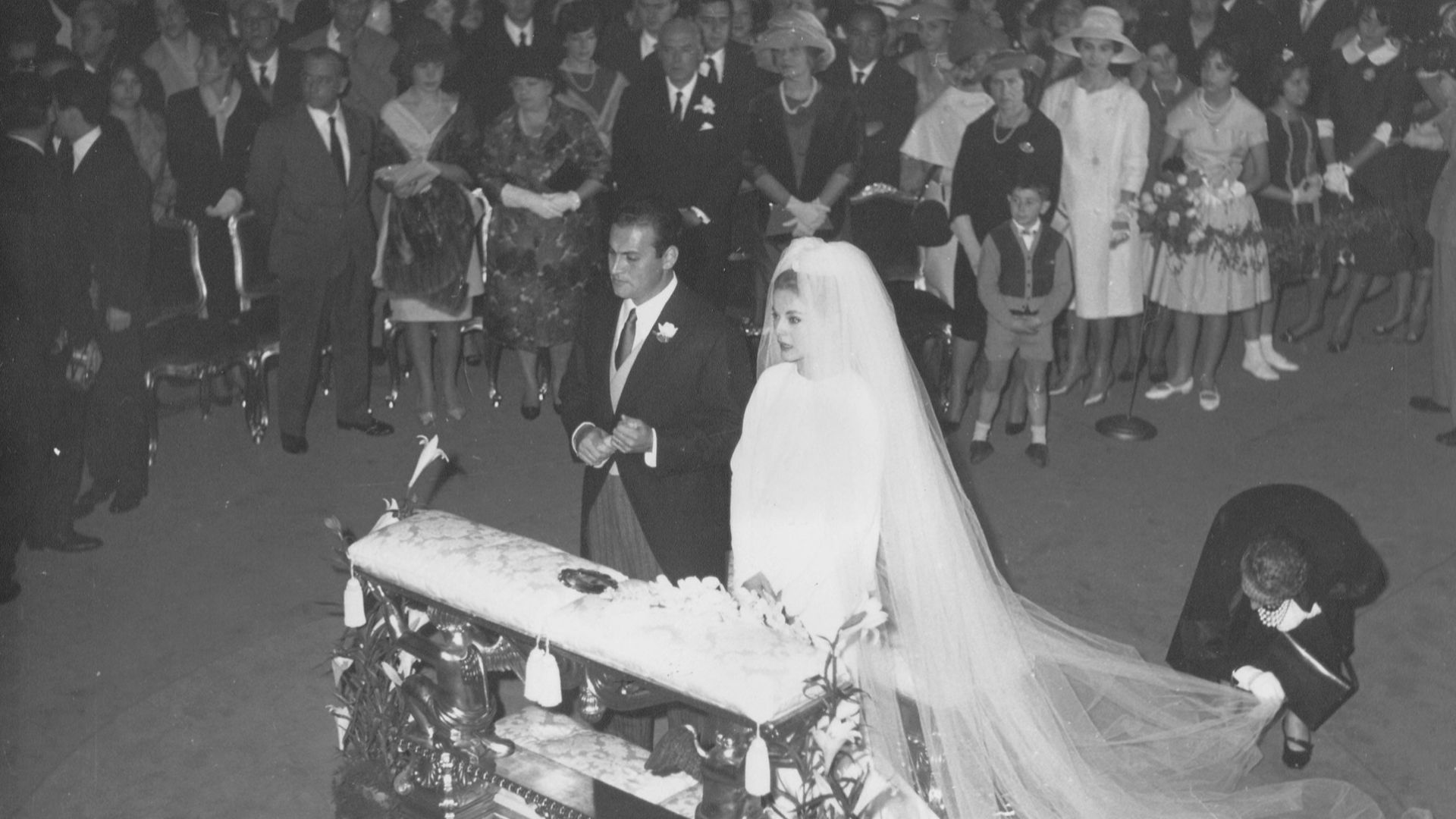
She Had A Life Waiting In Italy
Lisi also had strong reasons not to build her entire existence around Hollywood. She had married Italian architect Franco Pesci and would remain married to him for more than five decades, raising their son Corrado together. Her family remained central to her life even as her career became increasingly international.
 FondazioneVirnaLisi, Wikimedia Commons
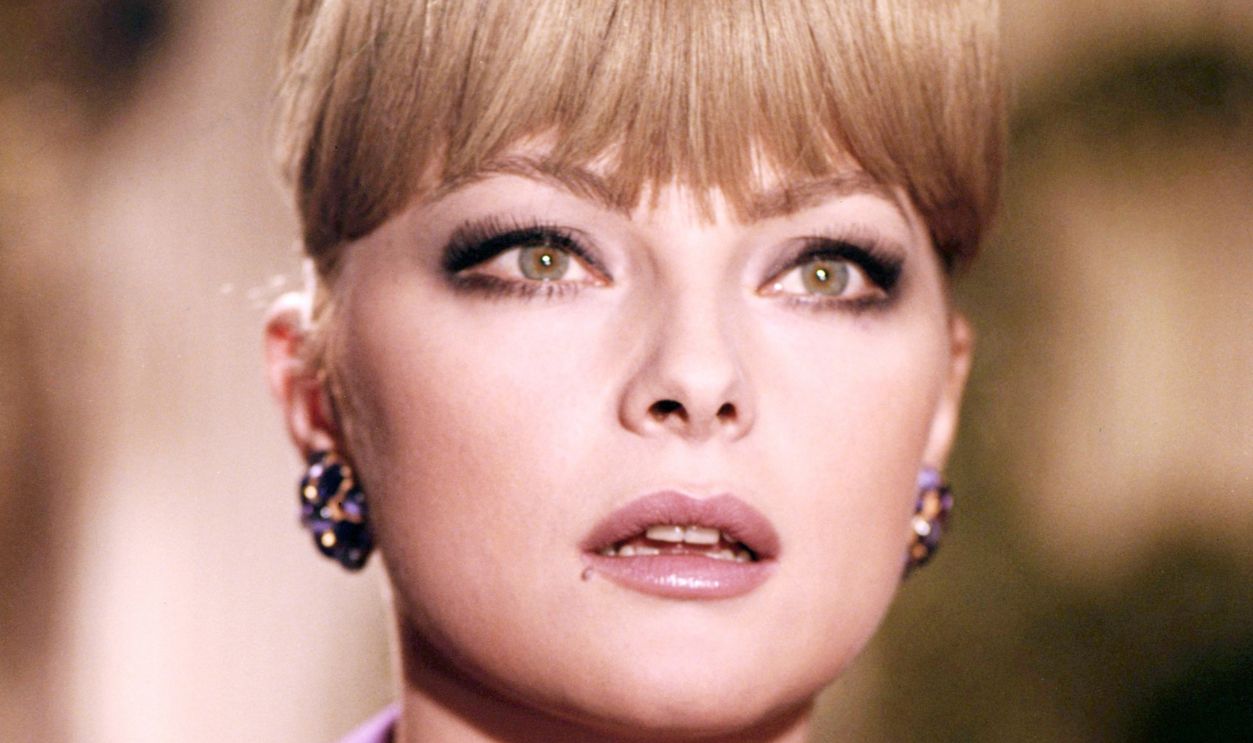
Then She Walked Away
Despite being positioned for much bigger American stardom, Lisi ultimately turned back toward European cinema. She grew tired of the "new Marilyn" image being imposed on her and returned to the industry where she had already spent years building a career. Hollywood had offered her celebrity, but Europe offered more freedom.
 Silver Screen Collection, Getty Images
She Passed On Barbarella
One of the clearest signs that Lisi was changing direction came when producer Dino De Laurentiis offered her Barbarella. Lisi turned the role down, and Jane Fonda eventually played the title character in the 1968 film. Instead of doubling down on international glamour roles, Lisi pursued very different opportunities in Europe.
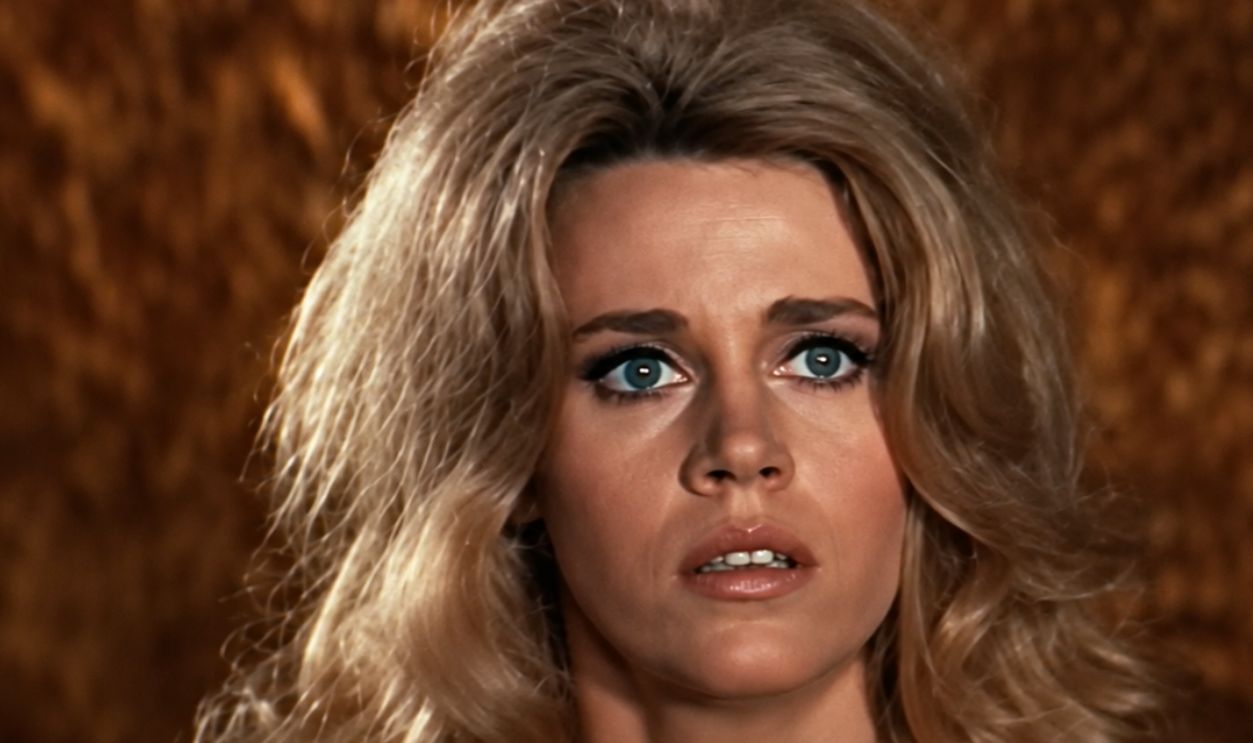 Screenshot from Barbarella, Paramount Pictures (1968), Modified
She Chose A Sharp Italian Satire Instead
Among those projects was Pietro Germi's Signore & Signori, known in English as The Birds, the Bees and the Italians. The 1966 comedy satirized the hypocrisy and private behavior of a supposedly respectable provincial community. It was a much more pointed piece of filmmaking than the Hollywood roles Lisi had been receiving.
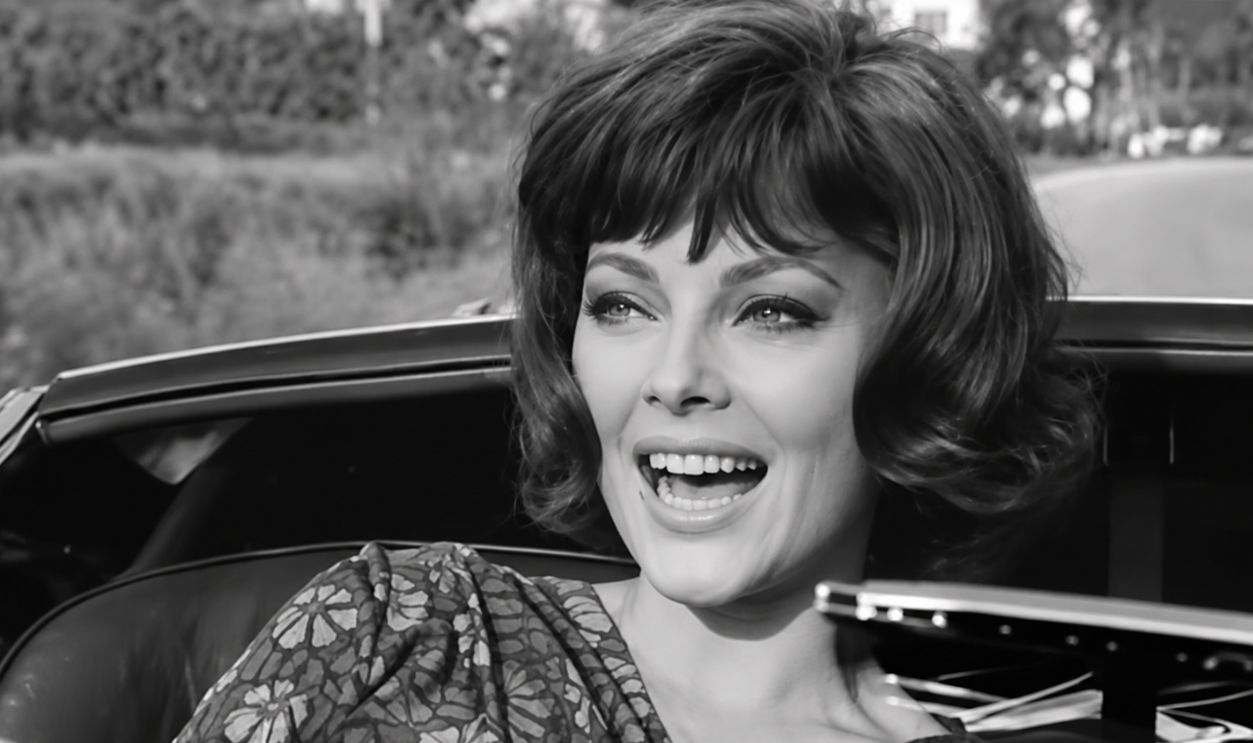 Screenshot from Signore & Signori, Dear Film (1966), Modified
The Movie Won Big At Cannes
Lisi's decision hardly amounted to disappearing from prestigious cinema. Signore & Signori shared Cannes' top prize in 1966 with Claude Lelouch's A Man and a Woman. The film has since remained an important entry in the history of Italian comedy.
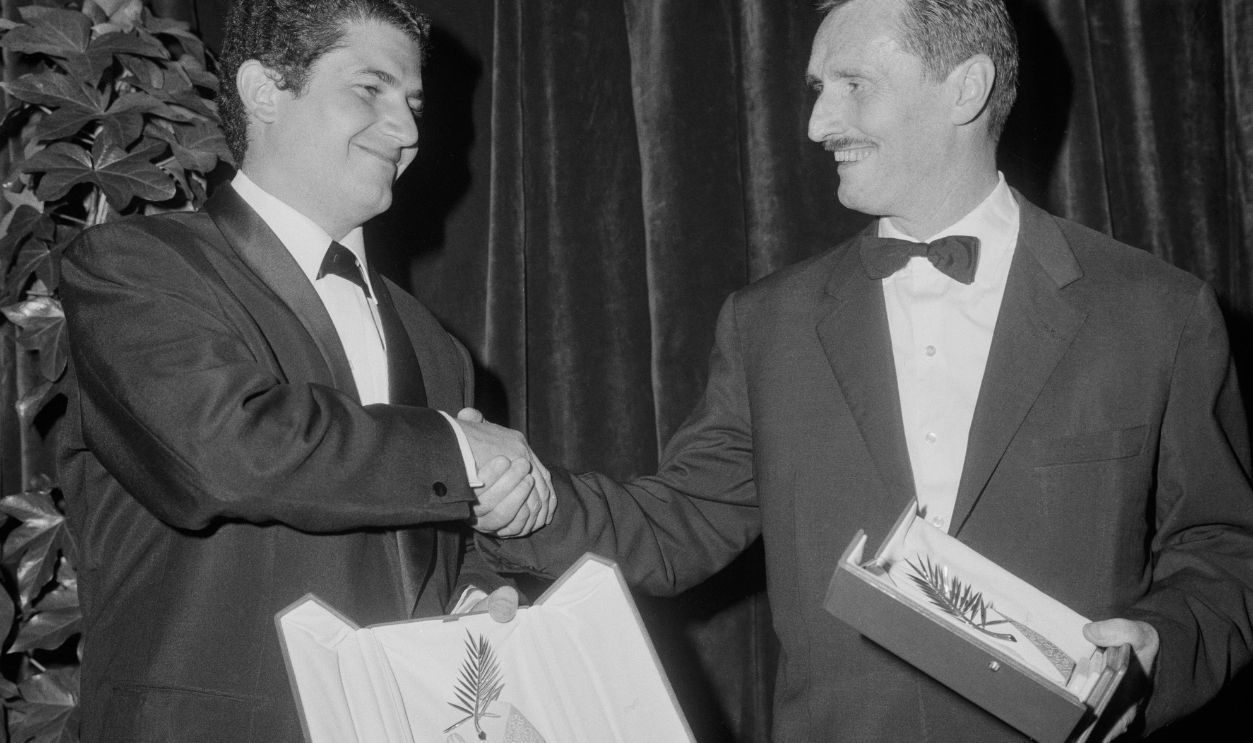
Hollywood Wasn't Completely Finished
Lisi still occasionally appeared in major international productions. She worked with Anthony Quinn in Stanley Kramer's The Secret of Santa Vittoria in 1969, playing an Italian woman caught up in the film's wartime conflict. The role gave her considerably more dramatic substance than some of her earlier American work.
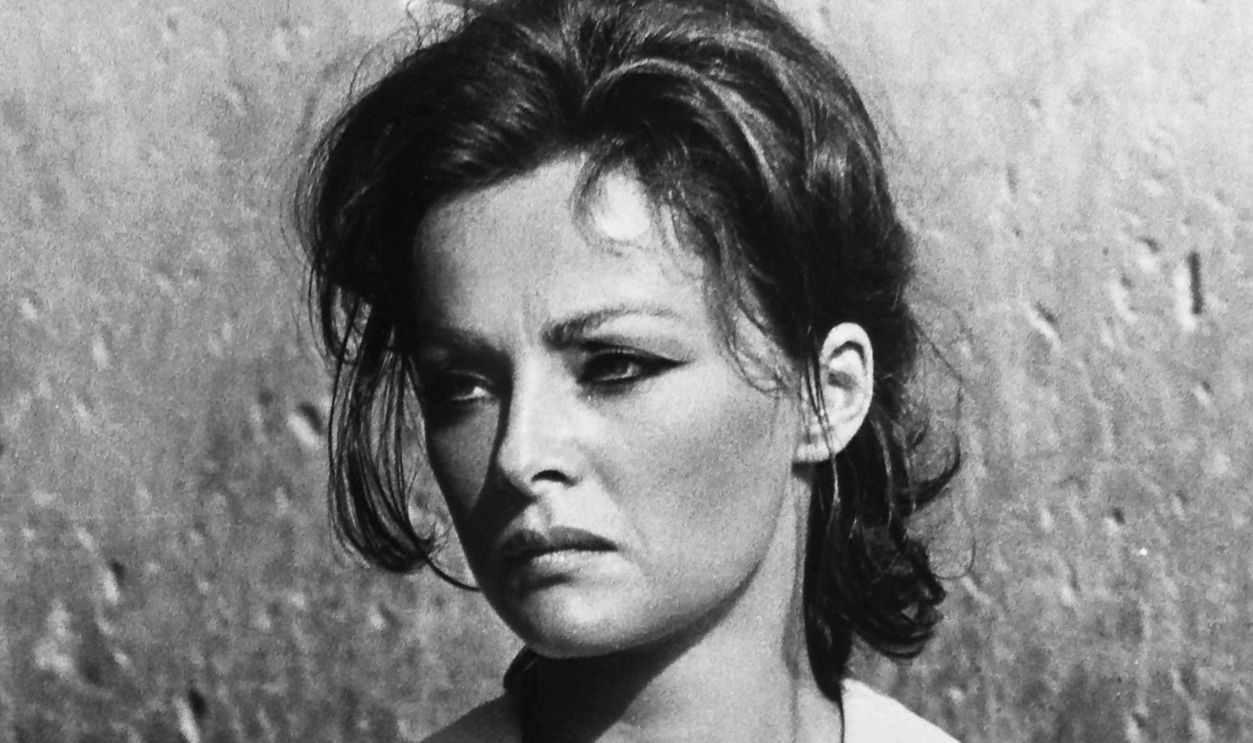 ullstein bild Dtl., Getty Images
She Became More Interesting With Age
Rather than desperately trying to preserve the blonde ingénue image, Lisi allowed her screen identity to evolve. Her later work increasingly featured stronger, more complicated women with sharper personalities. Those roles finally gave her room to show the range that her earlier glamorous parts had often kept in the background.
 Mondadori Portfolio, Getty Images
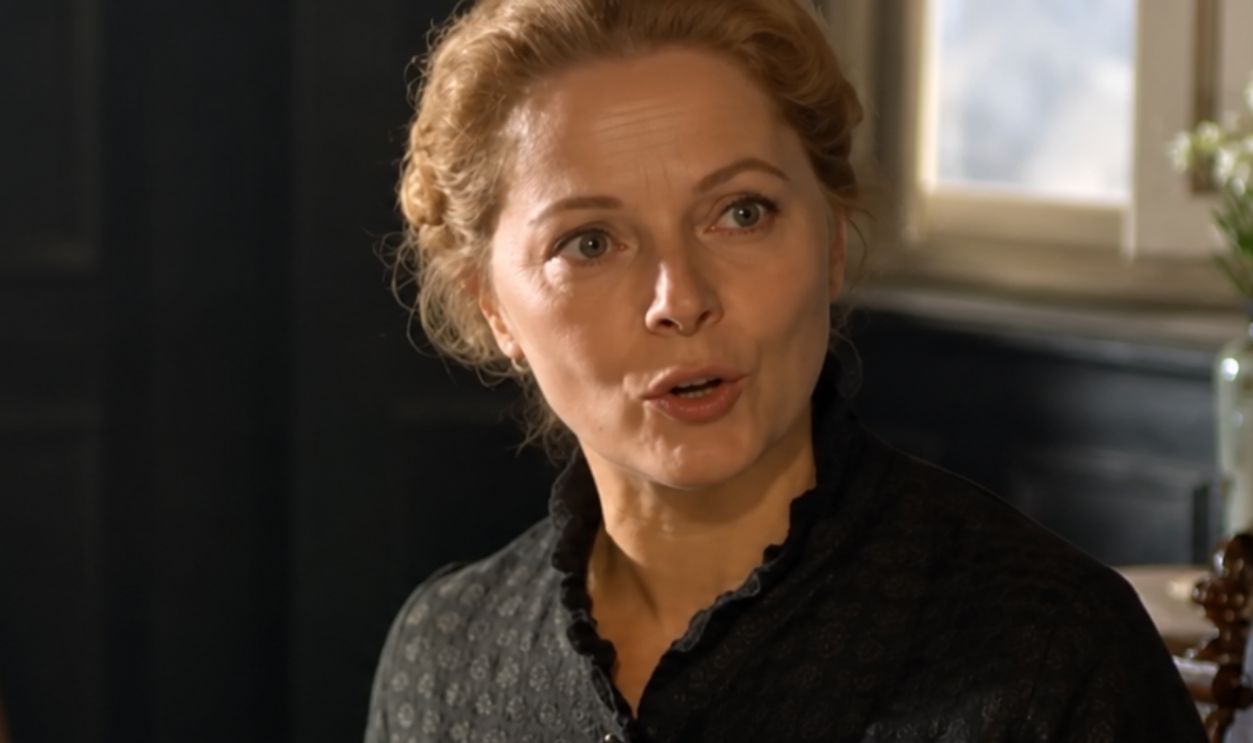
A 1977 Role Marked Another Turning Point
Liliana Cavani's Beyond Good and Evil gave Lisi the role of Elisabeth Nietzsche, sister of philosopher Friedrich Nietzsche. The performance marked another step toward the darker, more demanding characters she had been seeking. By then, her career looked very different from Hollywood's old plans for its platinum-blonde import.
 Screenshot from Beyond Good and Evil, United Artists (1977), Modified
She Won One Of Italy's Biggest Acting Prizes
In 1980, Lisi starred in Alberto Lattuada's La Cicala. Her performance as a passionate, complicated mother brought her the David di Donatello for Best Actress. The actress once promoted primarily for her looks was now receiving major recognition for dramatic performances.
 Screenshot from La Cicala, Produzione Intercontinentale Cinematografica (1980), Modified
Television Gave Her Another Career
Lisi also became a familiar presence on Italian television. From the 1980s onward, she appeared in successful miniseries and later in long-running dramas including Il Bello delle Donne and Caterina e le sue figlie. Her longevity was becoming as remarkable as the Hollywood career she had once left behind.
 Screenshot from Il Bello delle Donne, Mediaset (2001–2003), Modified
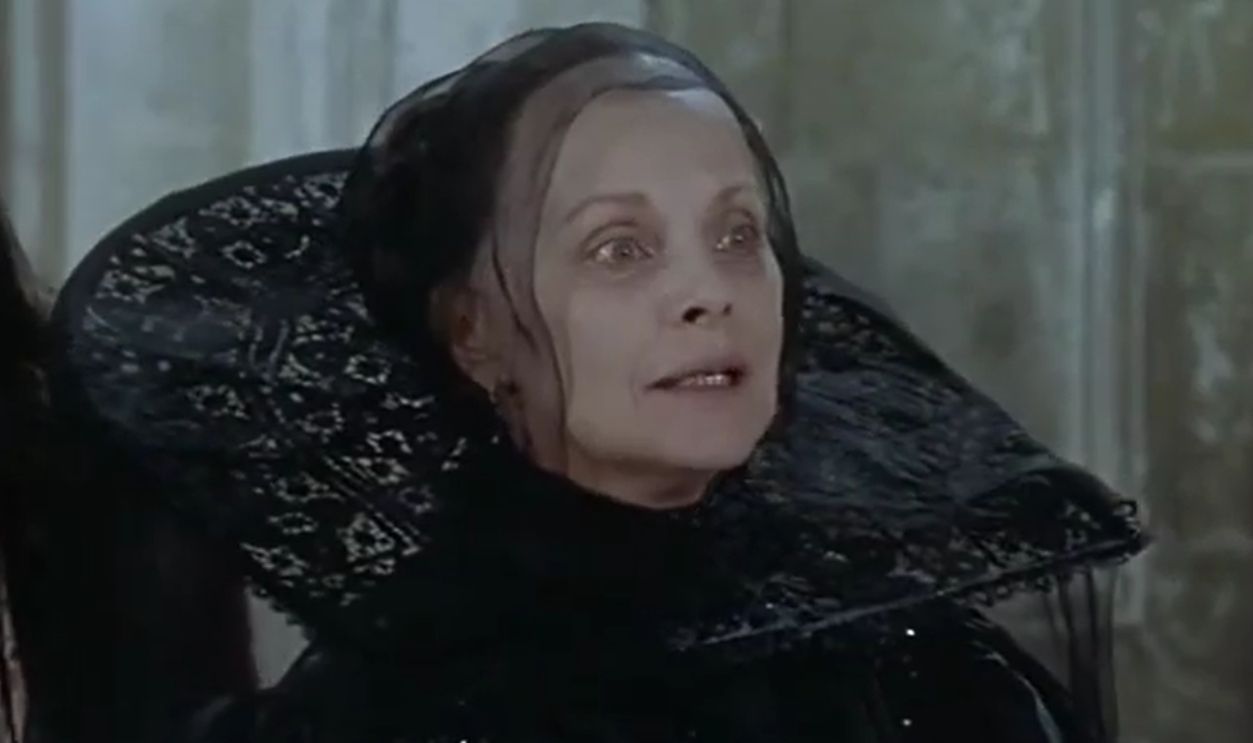
Then Came Catherine De' Medici
One of Lisi's greatest roles arrived when she was well into her fifties. Patrice Chéreau cast her as the ruthless Catherine de' Medici in the 1994 historical epic La Reine Margot. It was exactly the kind of severe, transformative character that Hollywood's old Marilyn-inspired image could never have contained.
 Screenshot from La Reine Margot, AMLF (1994)
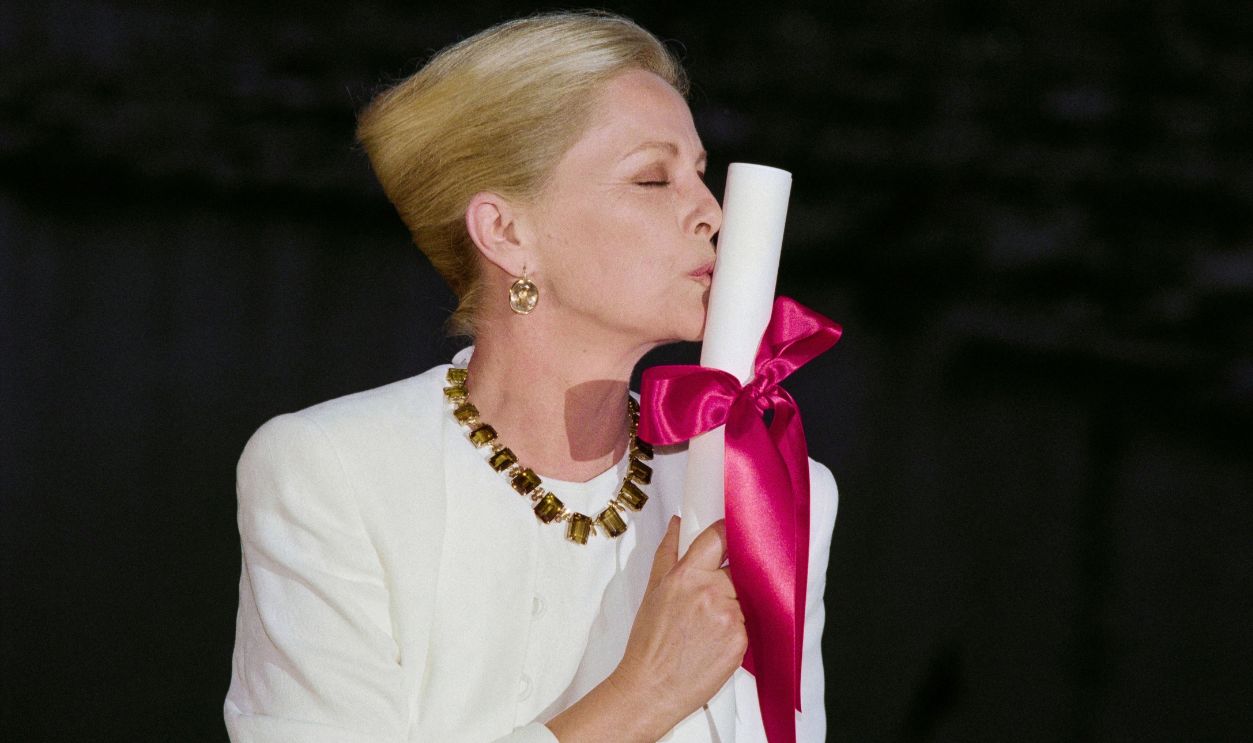
Cannes Finally Honored Her Personally
At the 1994 Cannes Film Festival, Lisi won the Best Actress award for La Reine Margot. The film itself also received the Jury Prize. Roughly three decades after Hollywood had tried to package her as its next blonde bombshell, one of world cinema's biggest festivals was rewarding her acting.
 GEORGES BENDRIHEM, Getty Images
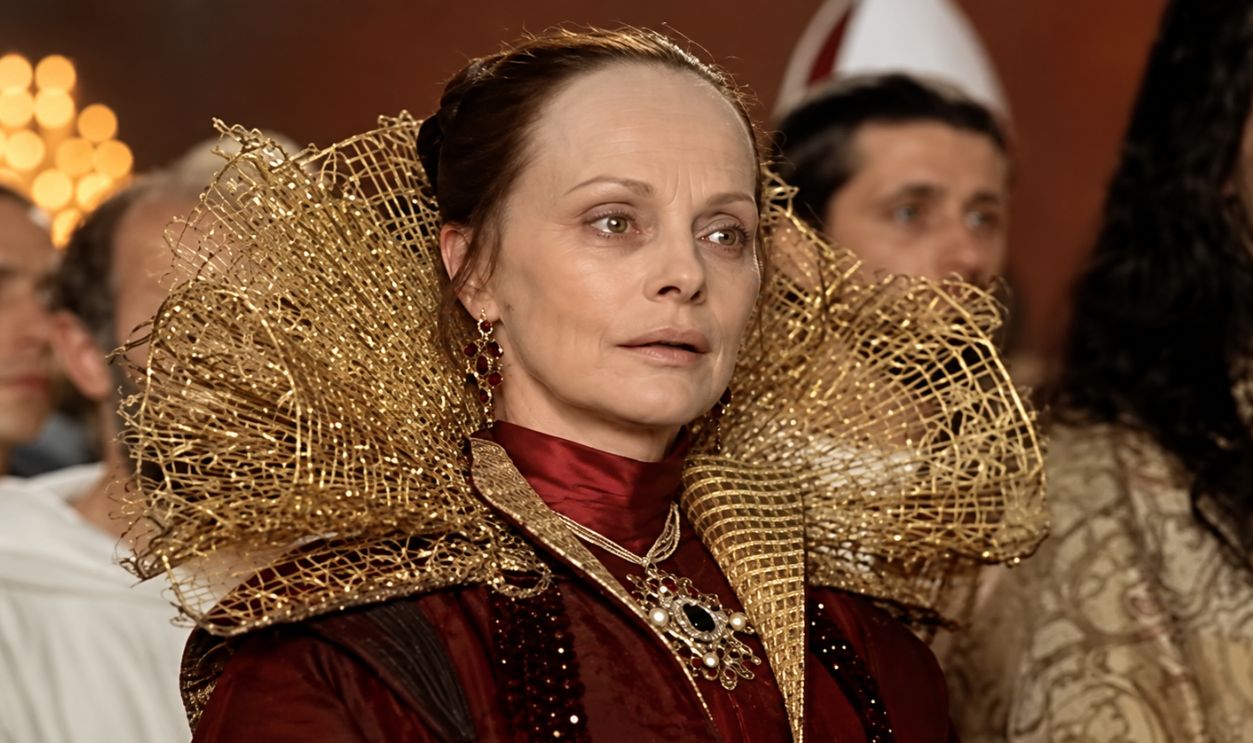
France Honored Her Too
The acclaim continued at the César Awards the following year. Lisi won Best Supporting Actress for her performance as Catherine de' Medici, while Isabelle Adjani won Best Actress for the same film. La Reine Margot became one of the defining achievements of Lisi's long career.
 Screenshot from La Reine Margot, AMLF (1994), Modified
She Never Really Stopped Working
Lisi continued acting in movies and television well into the 21st century. Her later credits included Follow Your Heart, The Best Day of My Life, The Honour and the Respect, and Madre aiutami. Her final film, Cristina Comencini's Latin Lover, was released posthumously in 2015.
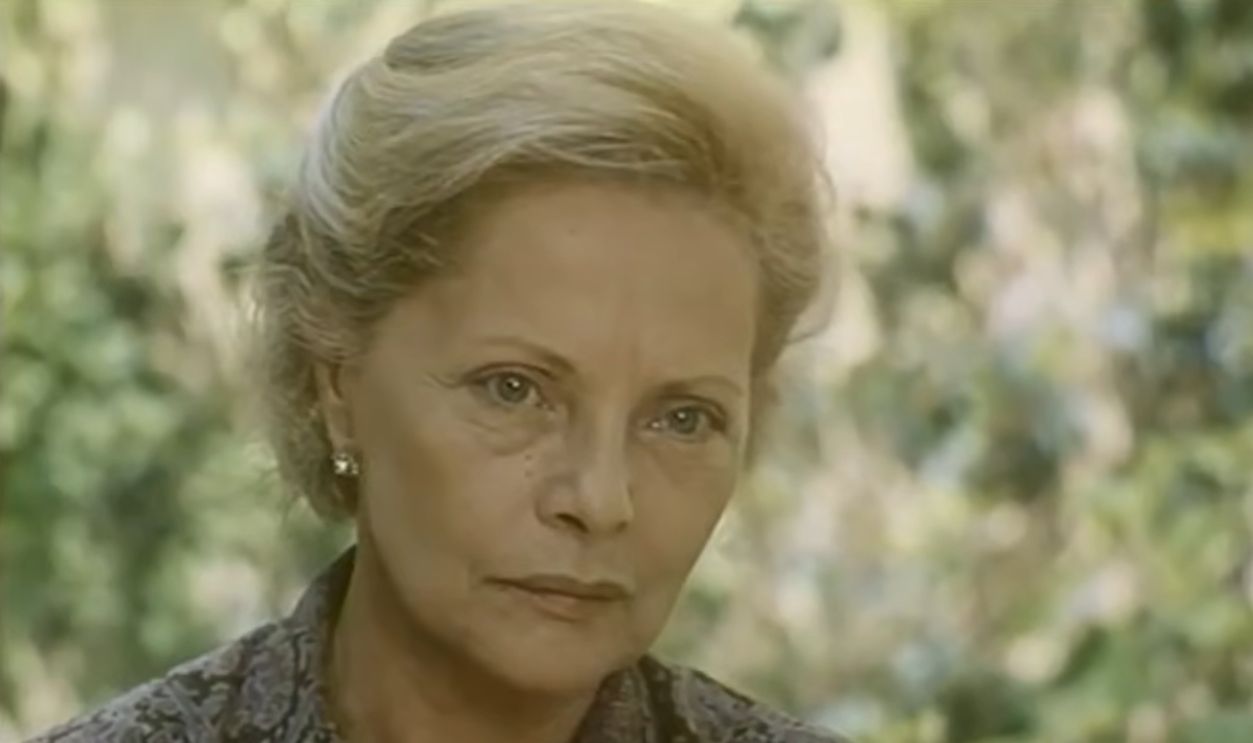 Screenshot from Follow Your Heart, Filmauro (1996)
Hollywood Wanted Another Marilyn, But Got Virna Lisi
Virna Lisi died at her home in Rome in December 2014 at age 78, leaving behind a career that had lasted more than six decades. Hollywood once tried to transform her into somebody audiences already knew, but walking away gave her the chance to become something much harder to manufacture. She spent the rest of her career proving that Virna Lisi was more interesting than anyone else's idea of the next Marilyn Monroe.
You May Also Like:
The Vatican Condemned Jane Birkin’s Steamiest Love Song—Then It Topped The UK Charts
Ursula Andress Became An Overnight Icon In A White Bikini—Then Quietly Turned Away From Fame