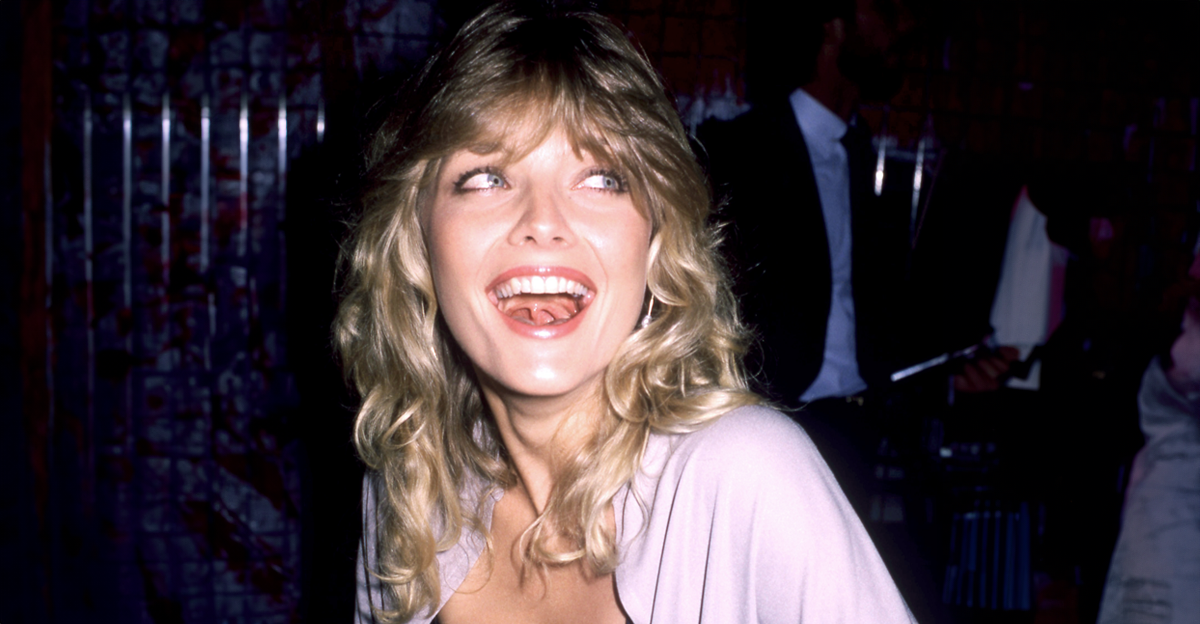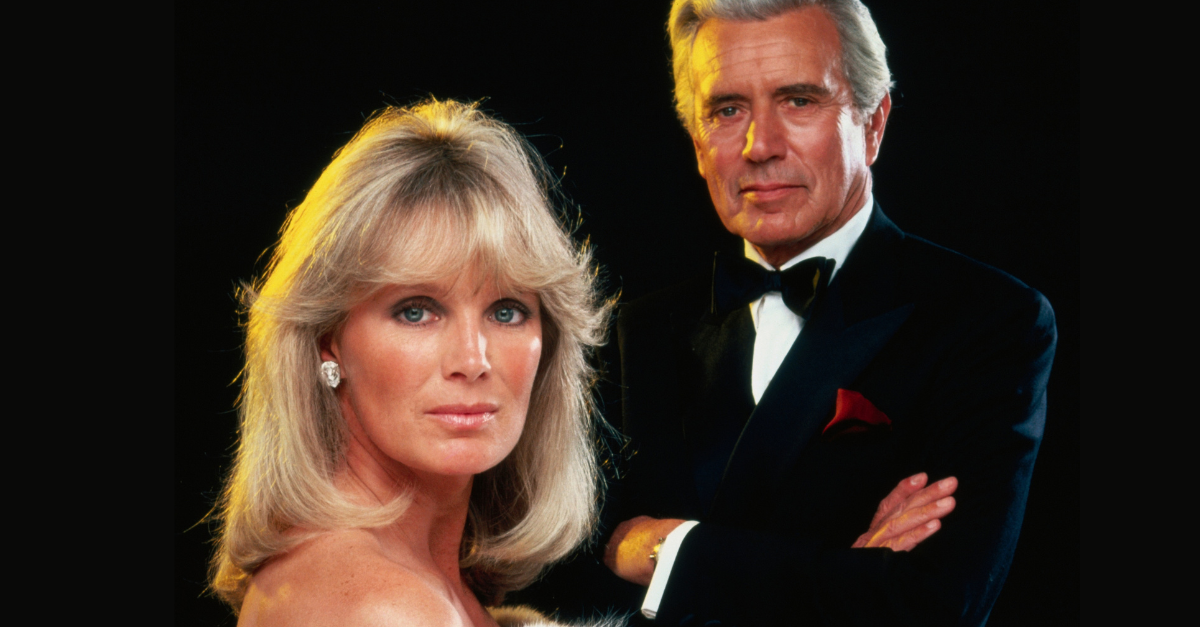
When Prime-Time Romance Became A Weekly Obsession
For Gen X viewers, television in the 1980s offered a surprisingly complicated education in romance. Some couples were happily married, others spent years avoiding commitment, and a few seemed incapable of getting through dinner without starting an argument. From sitcom kitchens to detective agencies and Texas oil empires, these relationships suggested that love could be comfortable, chaotic, funny, frustrating, or all four at once.
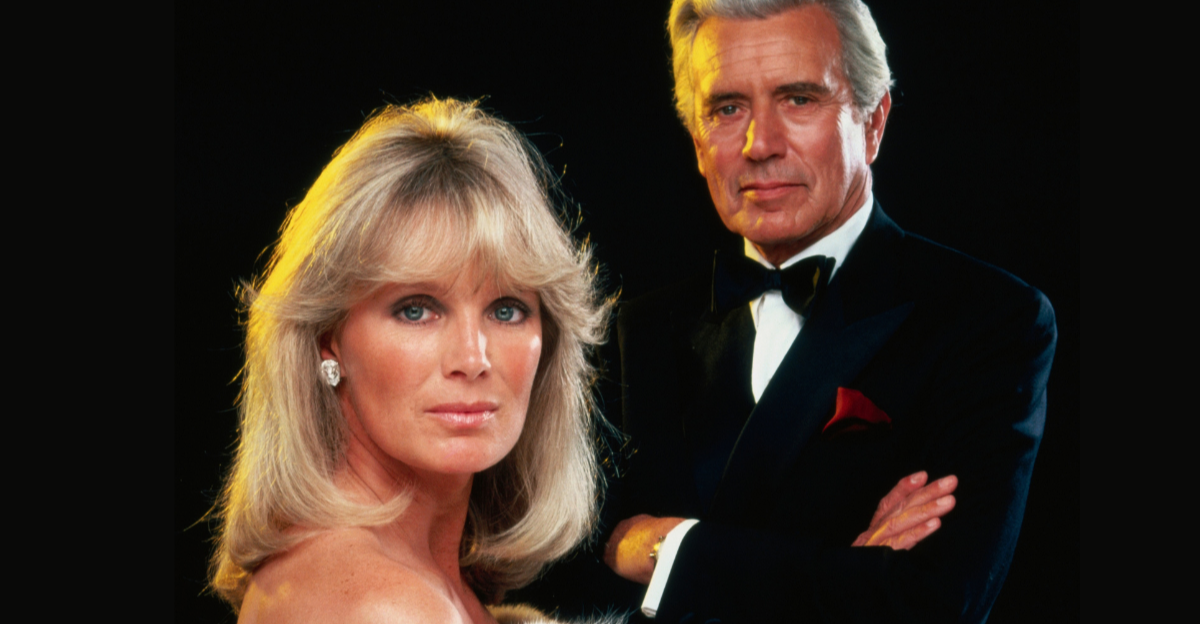 Bettmann / Contributor, Getty Images
Sam Malone And Diane Chambers—Cheers
Sam and Diane practically turned romantic incompatibility into an art form. Their attraction began in the 1982 premiere of Cheers, but their clashing personalities kept producing breakups, reconciliations, arguments, and marriage discussions. The Television Academy describes their on-again, off-again romance as central to the show's serialized storytelling, making uncertainty itself part of the appeal.
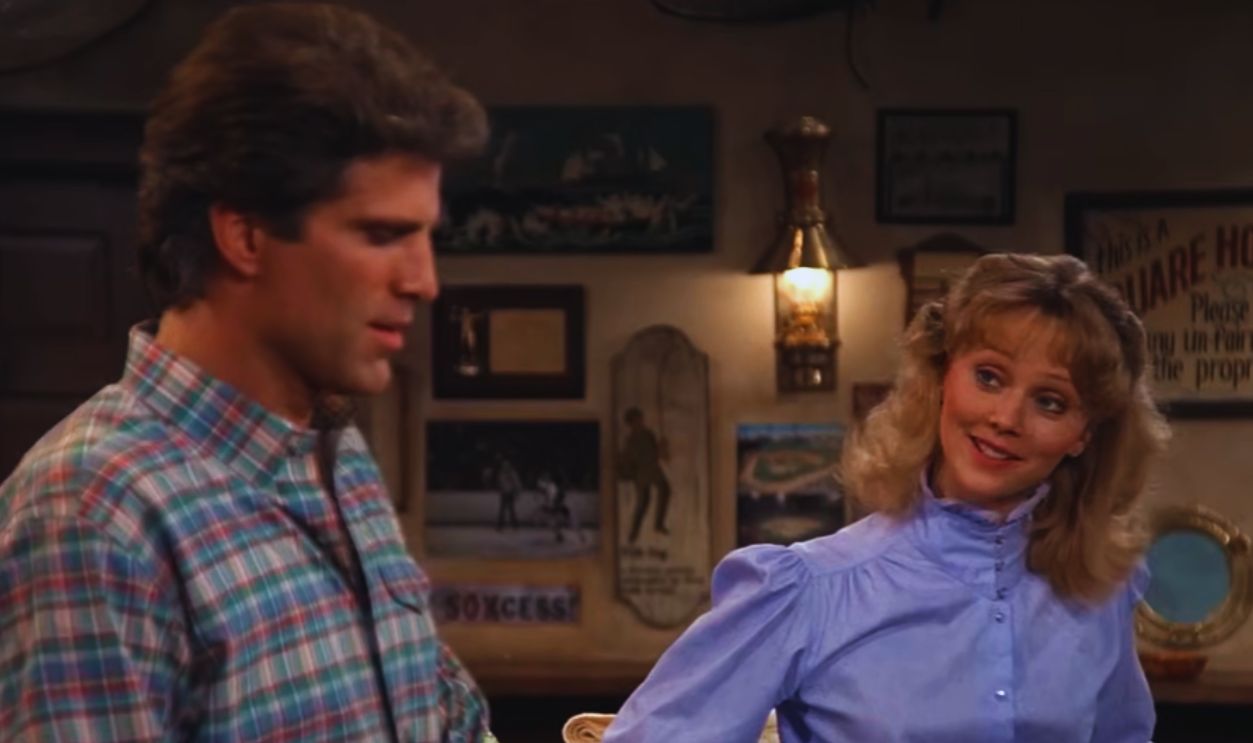 Screenshot from Cheers, Paramount (1982-1993)
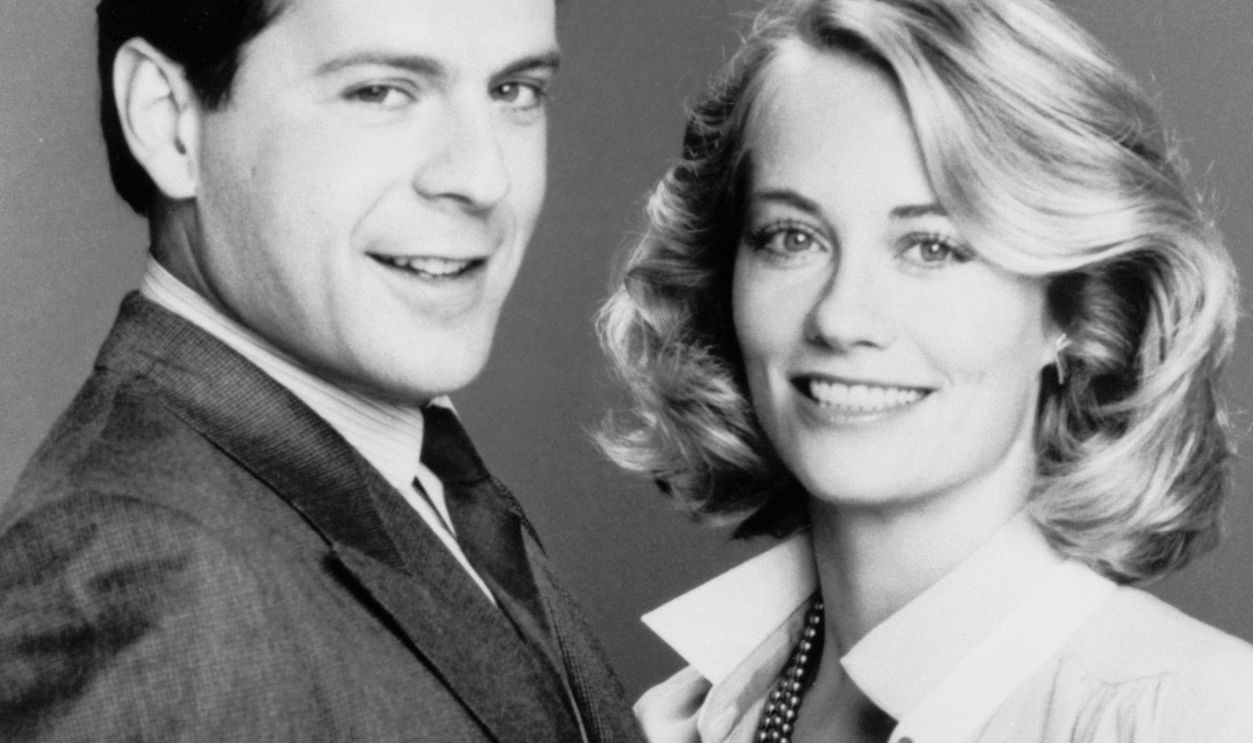
Maddie Hayes And David Addison—Moonlighting
Few television couples stretched romantic tension as effectively as Maddie and David. Moonlighting built much of its identity around their rapid-fire arguments and obvious attraction before finally bringing them together in 1987. The moment was such a television event that the Los Angeles Times reported that many letter-writing fans had been eagerly waiting for it.
Tony Micelli And Angela Bower—Who’s The Boss?
Tony arrived as Angela's live-in housekeeper, reversing familiar television gender roles while quietly creating one of the decade's longest romantic teases. The Television Academy notes that the show's core became their attraction as they progressed from flirting to kisses and declarations of love. Their unconventional household became a family long before they officially became a couple.
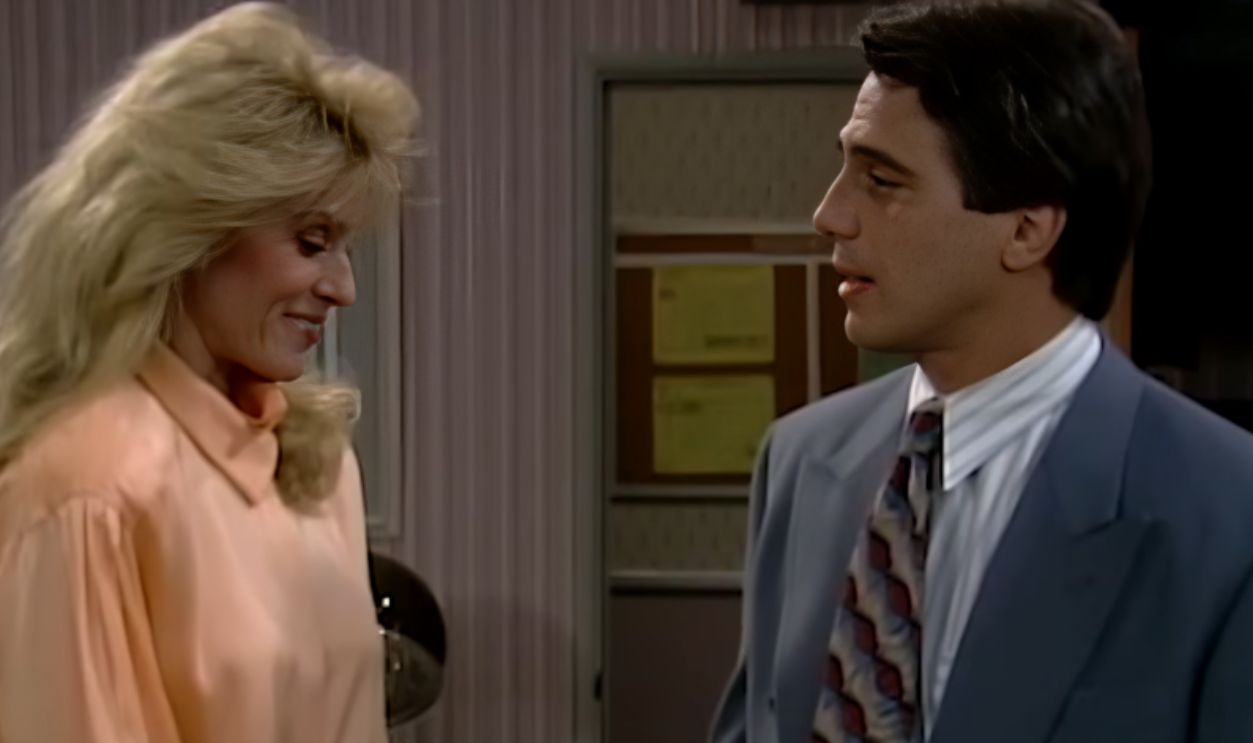 Screenshot from Who’s The Boss?, Sony Pictures Entertainment (1984-1992), Enhanced
Jonathan And Jennifer Hart—Hart To Hart
Jonathan and Jennifer Hart skipped the endless will-they-or-won't-they question because they were already happily married. Instead, Hart to Hart sent them around the world solving mysteries together. Stefanie Powers later described the characters as adults who had freely chosen each other, while Robert Wagner summed up their partnership even more simply: they were a team.
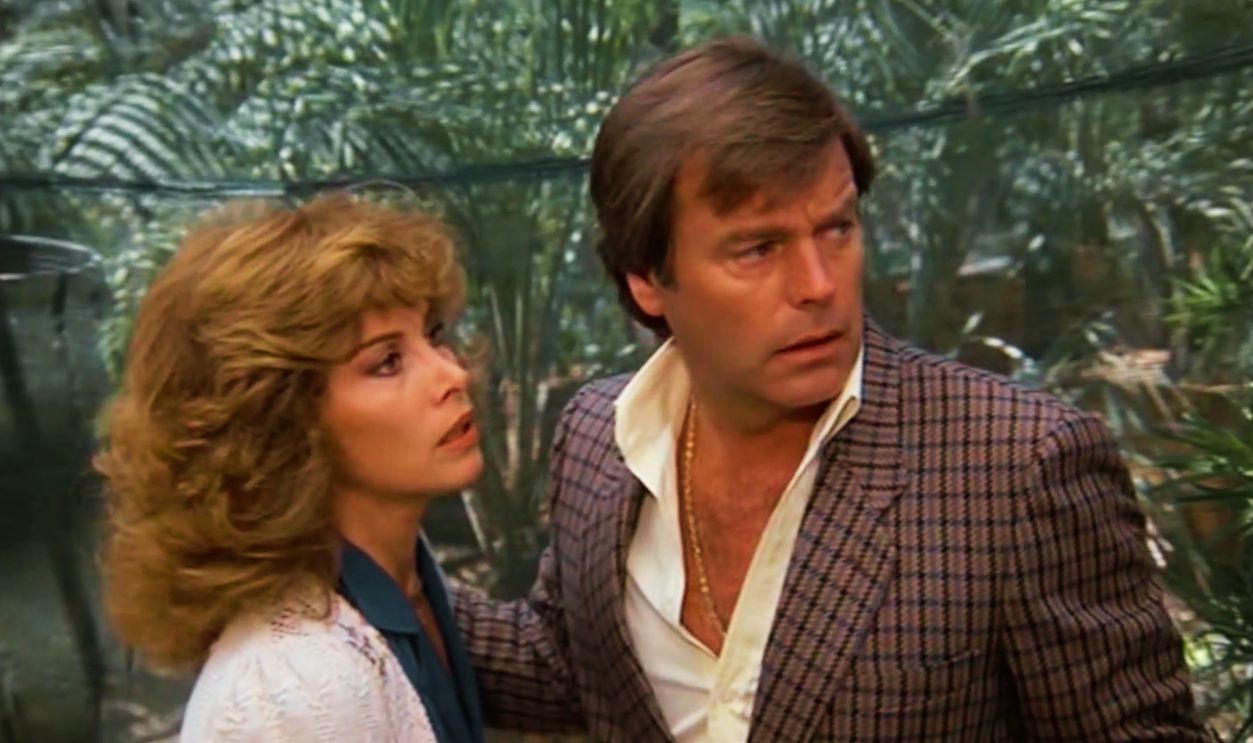 Screenshot from Hart to Hart, ABC (1979-1984)
Laura Holt And Remington Steele—Remington Steele
Laura invented a fictional male boss because potential clients would not take her detective agency seriously, only to have a mysterious con man assume the identity. That absurd arrangement became a years-long courtship. Co-creator Michael Gleason told the Los Angeles Times that Laura and Steele clearly loved each other, but the show's creative challenge was preserving the friction between them.
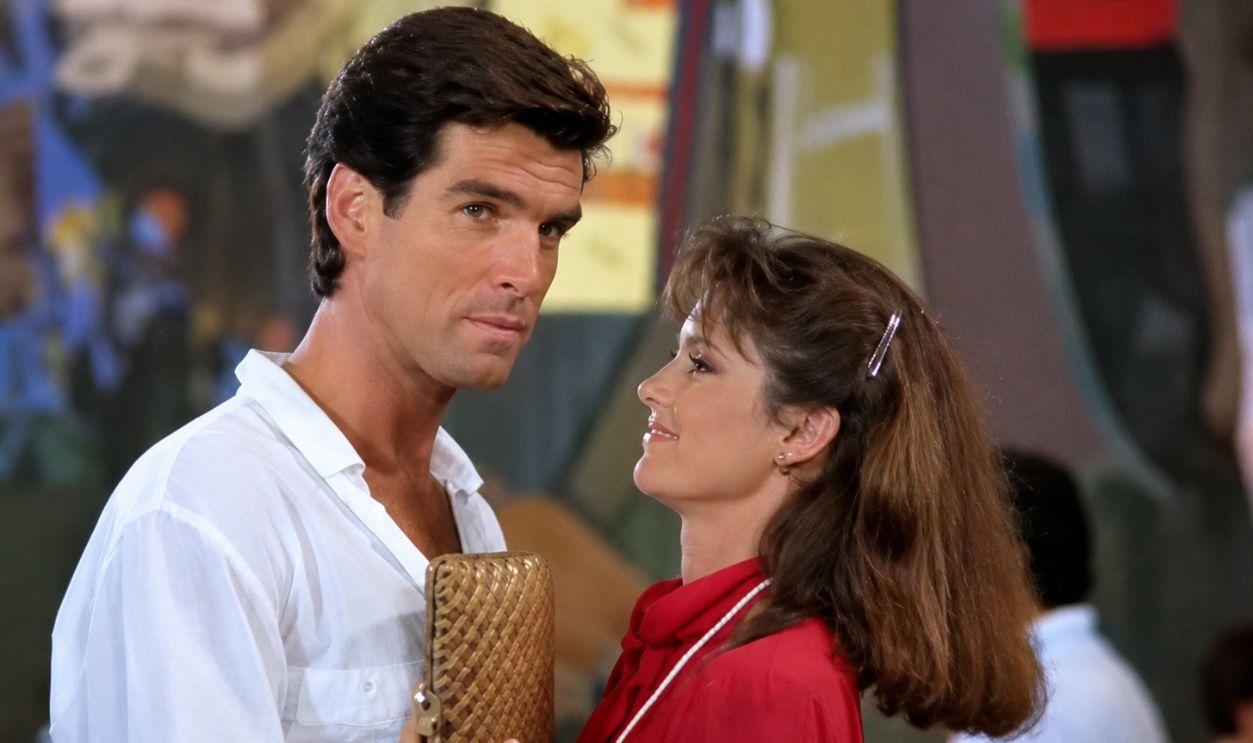 Screenshot from Remington Steele, The Walt Disney Company (1982–1987), Enhanced
Steven And Elyse Keaton—Family Ties
While their children generated much of the comedy on Family Ties, Steven and Elyse provided its stable center. The former 1960s radicals had married in college and were raising their family in a very different cultural era. Even episodes in which they argued ultimately emphasized that maintaining a marriage required attention, compromise, and occasionally admitting when both people were being ridiculous.
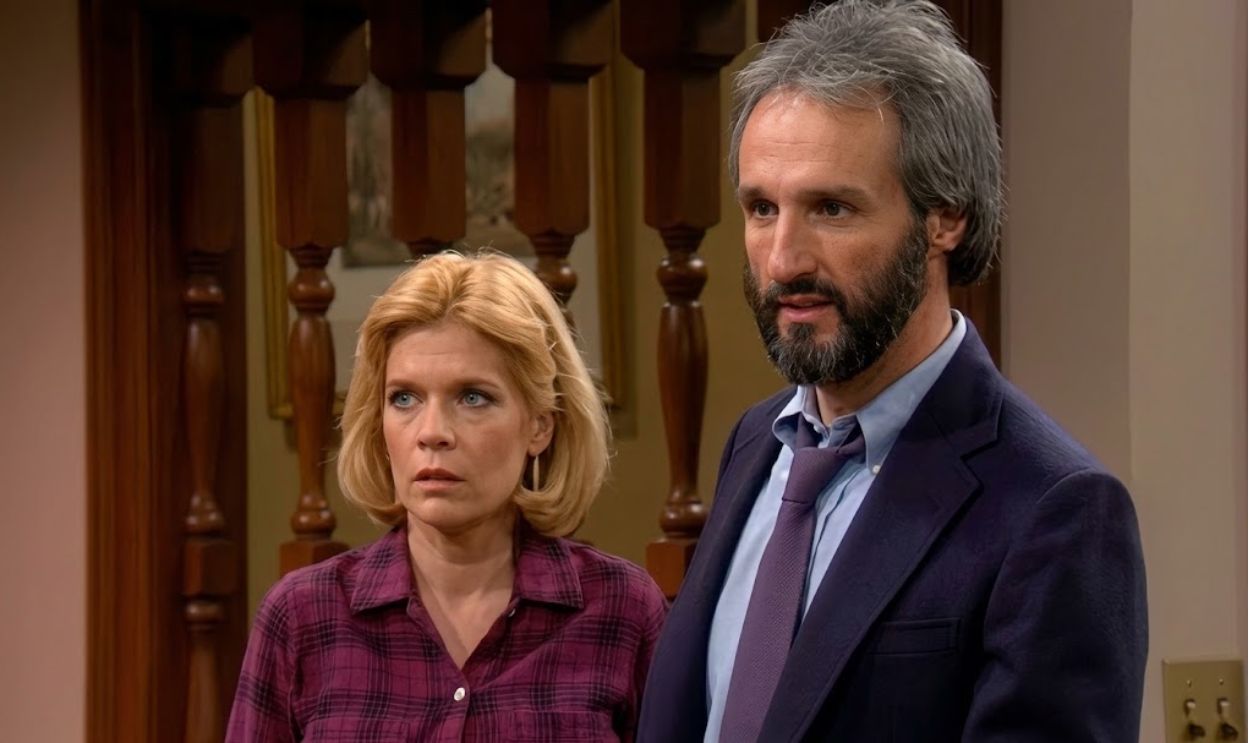 Screenshot from Family Ties, Paramount (1982-1989), Enhanced
Jason And Maggie Seaver—Growing Pains
The Seavers offered another version of the two-career television marriage. When Maggie returned to work as a newspaper reporter, psychiatrist Jason moved his practice into their home so he could be more available for the children. That arrangement made their marriage feel unusually collaborative for a family sitcom built around the changing expectations of the 1980s.
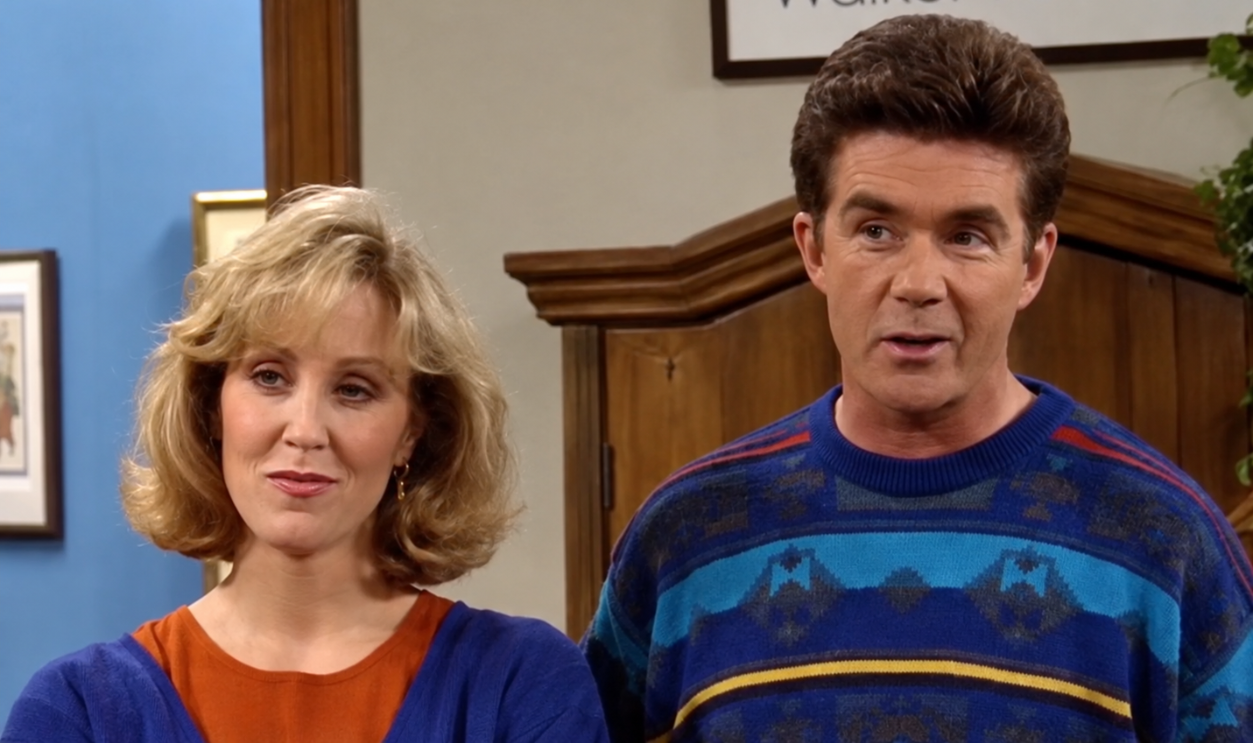 Screenshot from Growing Pains, Warner Bros. Discovery (1985-1992), Enhanced
Kevin Arnold And Winnie Cooper—The Wonder Years
Kevin and Winnie gave younger Gen X viewers something entirely different: the overwhelming importance of first love. The 1988 pilot had them share their first kiss during an emotionally difficult moment for Winnie. Their relationship would change repeatedly as they grew older, reinforcing one of the show's central ideas: childhood feelings can be enormous even when they do not last forever.
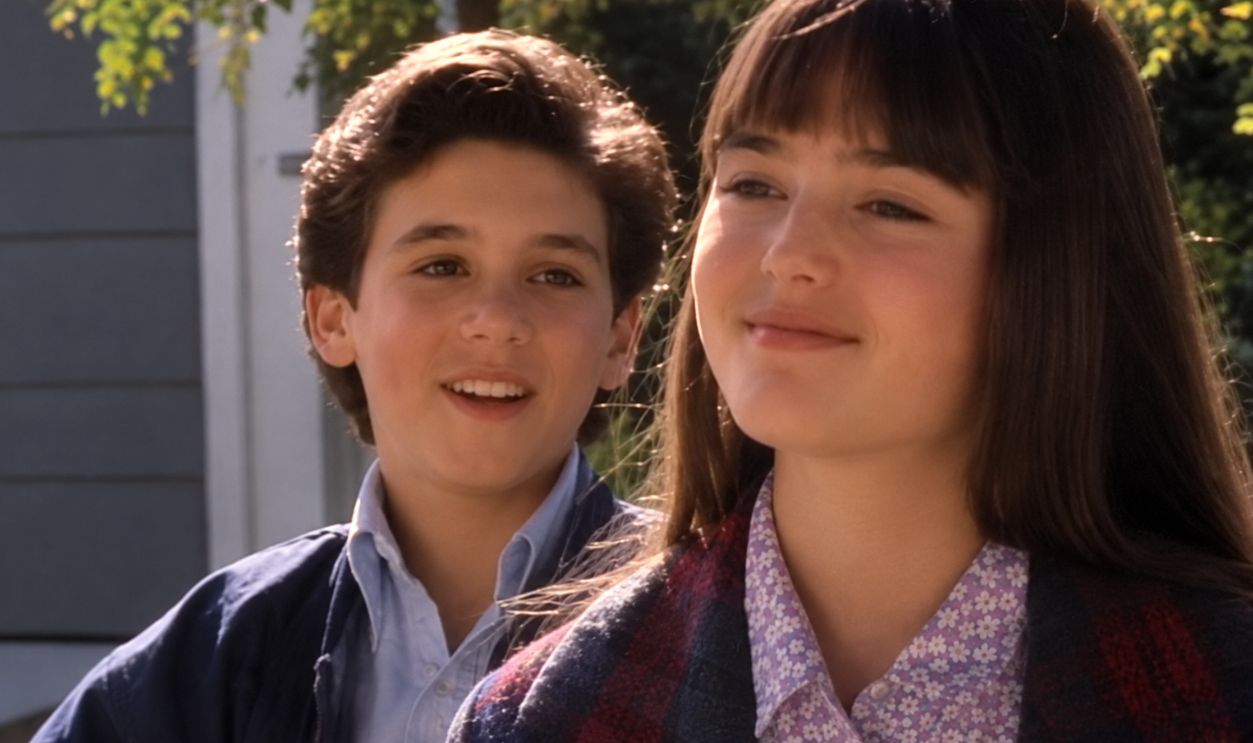 Screenshot from The Wonder Years, The Walt Disney Company (1988-1993), Enhanced
Jesse Katsopolis And Rebecca Donaldson—Full House
Rebecca Donaldson entered Full House during its second season as Danny Tanner's new television co-host, and Jesse immediately became interested. His early attempts to date her went nowhere, but by Valentine's Day 1989 they were having their first serious date. Before that season ended, a trip to Lake Tahoe had them contemplating a secret wedding.
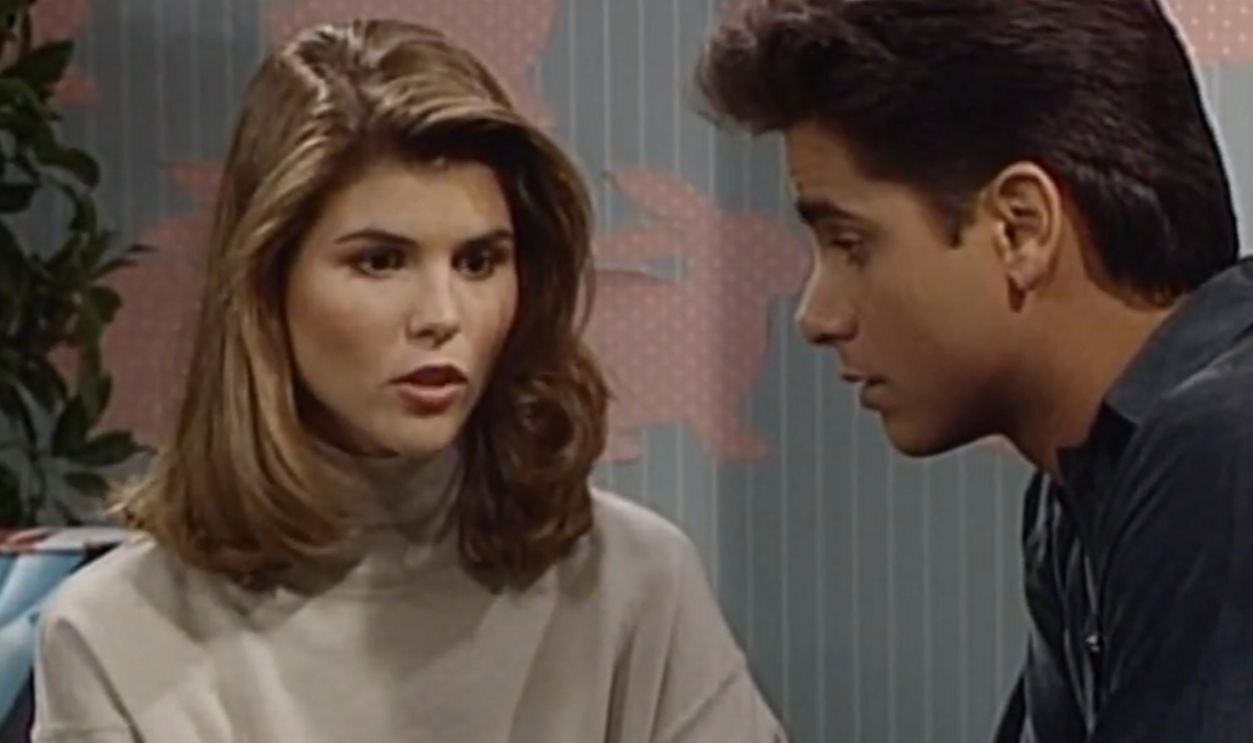 Screenshot from Full House, Warner Bros. (1987-1995)
Michael And Hope Steadman—thirtysomething
Michael and Hope made marriage look considerably less tidy than sitcom couples did. When thirtysomething premiered in 1987, they were young parents adjusting to a baby, work, exhaustion, and changing expectations. The Los Angeles Times described their young marriage as strained by parenting, while the Television Academy later noted that the series made emotional and physical intimacy central to its storytelling.
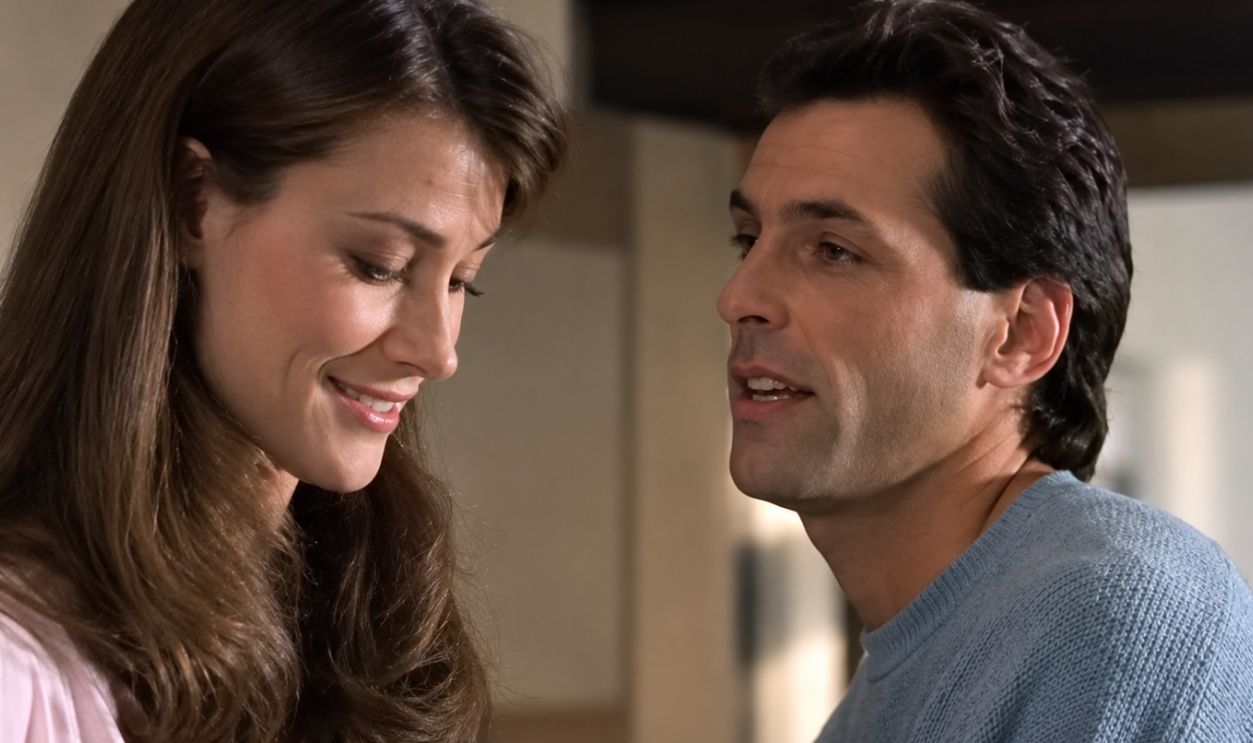 Screenshot from Thirtysomething, Amazon MGM Studios (1987-1991), Enhanced
Vincent And Catherine Chandler—Beauty And The Beast
CBS's Beauty and the Beast turned romance into something almost mythic. After Vincent rescued Catherine, an emotional bond developed between them that allowed him to sense her feelings. The series deliberately focused on their developing relationship while keeping Vincent physically unchanged, making his character and emotional connection with Catherine more important than a conventional fairy-tale transformation.
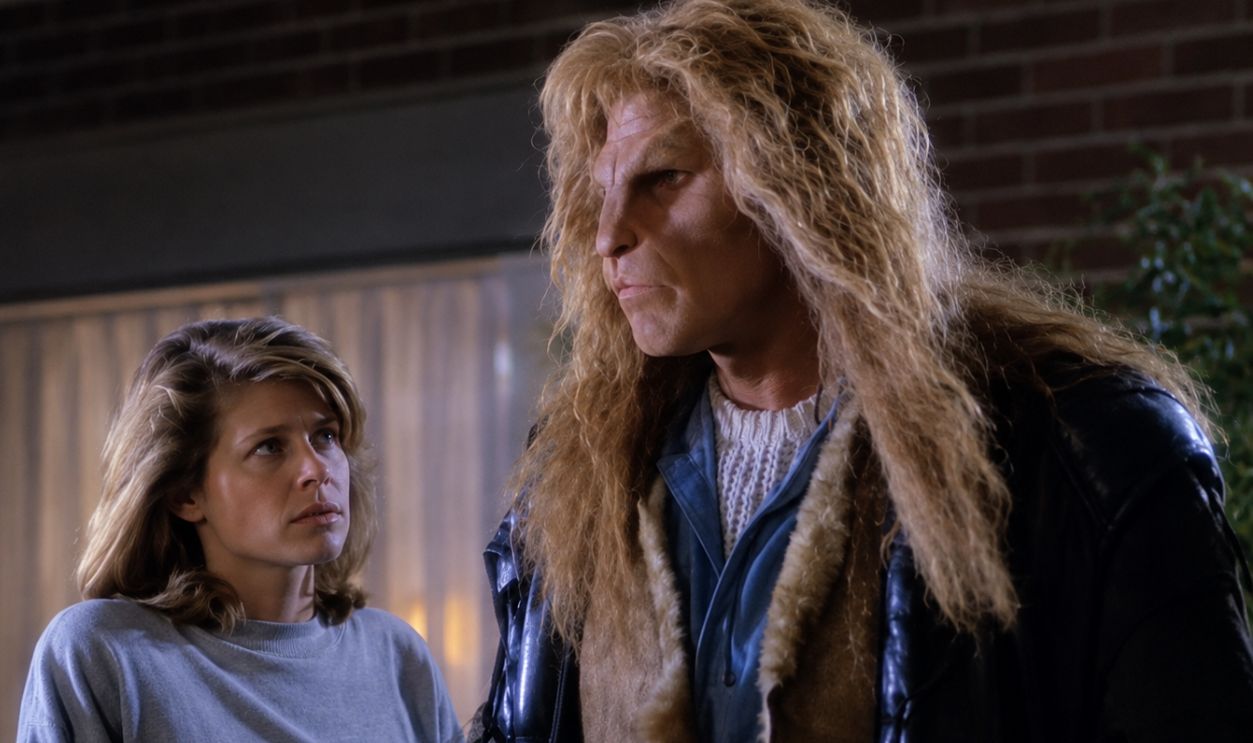 Screenshot from Beauty and the Beast, Paramount (1987-1990), Enhanced
Charlene Frazier And Bill Stillfield—Designing Women
Charlene's romance with Air Force Colonel Bill Stillfield brought an unabashedly sentimental streak to Designing Women. By March 1989, they were engaged and Charlene was nervously meeting Bill's mother and aunt. Their April wedding episode then surrounded the ceremony with the show's usual comic chaos, giving Charlene the sweeping romance she had always imagined.
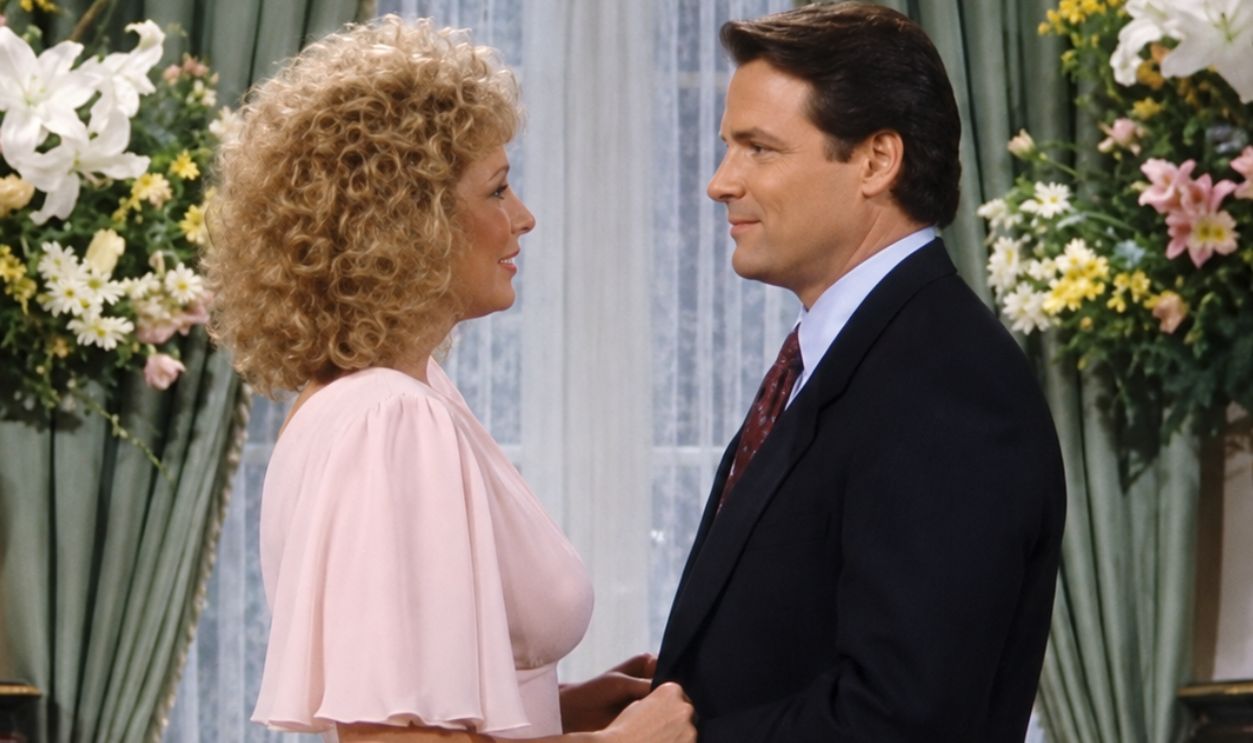 Screenshot from Designing Women, Sony Pictures Entertainment (1986-1993), Enhanced
Alex P. Keaton And Ellen Reed—Family Ties
Alex and Ellen were opposites even by Family Ties standards. Conservative, ambitious Alex unexpectedly fell for Ellen, an artistic young woman with very different instincts. Their romance became closely associated with Billy Vera and the Beaters' "At This Moment," while Tracy Pollan later described Alex and Ellen's relationship as optimistic and possessing the sweetness of first love.
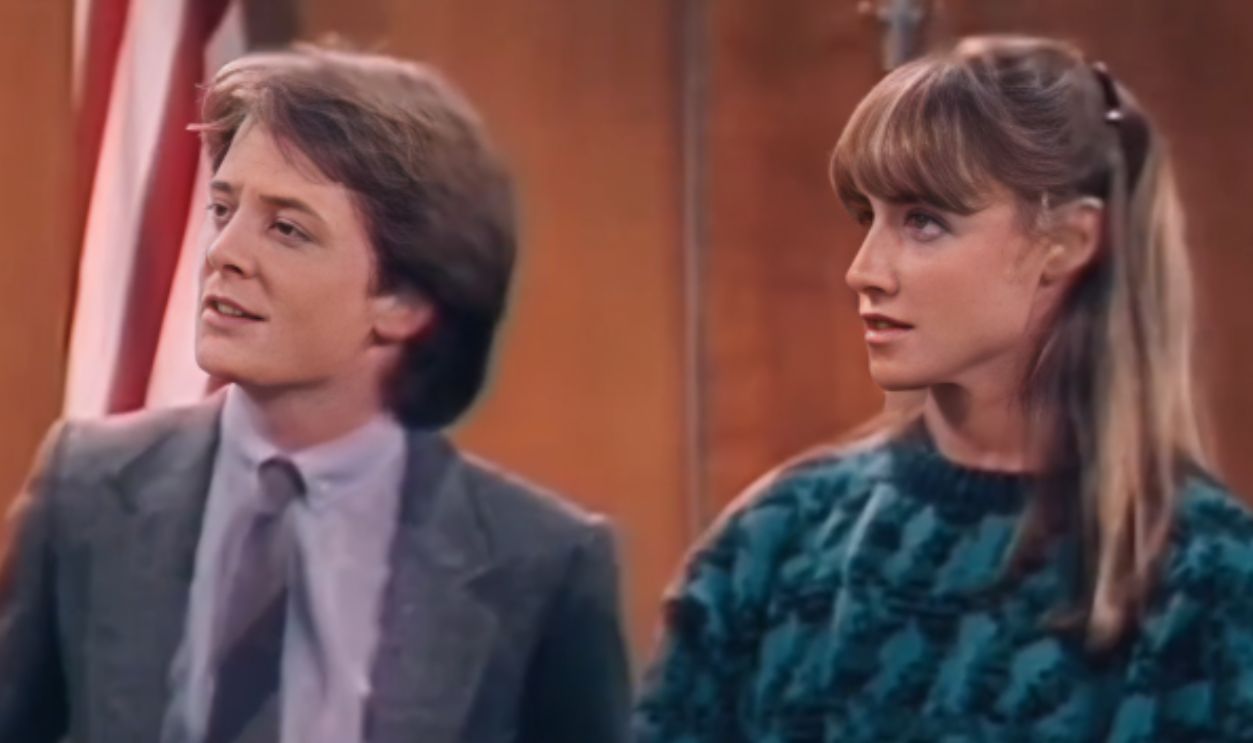 Screenshot from Family Ties, Paramount (1982-1989), Enhanced
Allie Lowell And Bob Barsky—Kate & Allie
Kate & Allie began by showing that divorce did not mean family life was finished, and Allie's later relationship with sportscaster Bob Barsky expanded that idea. Bob proposed during the fifth season, although Allie initially had doubts about accepting. Their wedding arrived in the sixth-season premiere, creating a new blended household without erasing Allie's defining friendship with Kate.
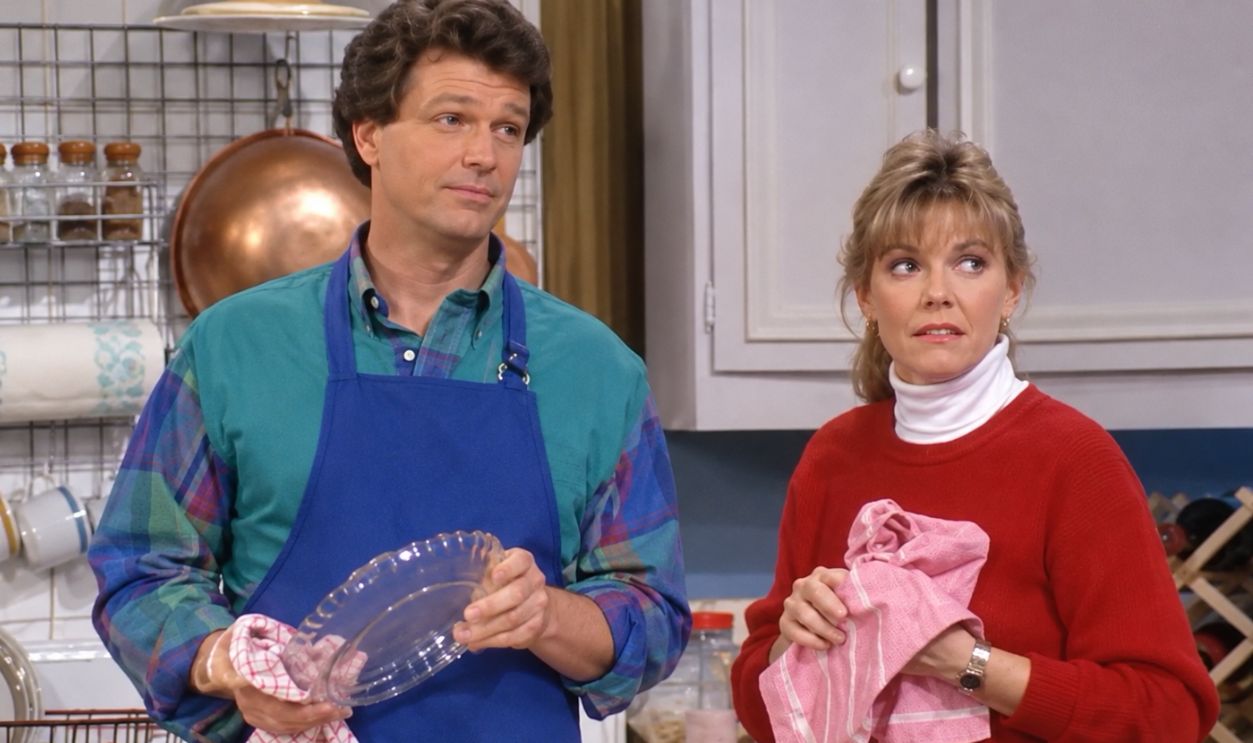 Screenshot from Kate & Allie, NBCUniversal (1984-1989), Enhanced
Bobby Ewing And Pamela Barnes—Dallas
Bobby and Pam began Dallas as newlyweds whose families were bitter rivals, instantly giving their marriage a Romeo-and-Juliet quality. Victoria Principal later said producers had not anticipated how much chemistry she would have with Patrick Duffy and decided to keep Bobby and Pam together. Even divorce could not completely settle matters, and by 1985 they were planning to marry again.
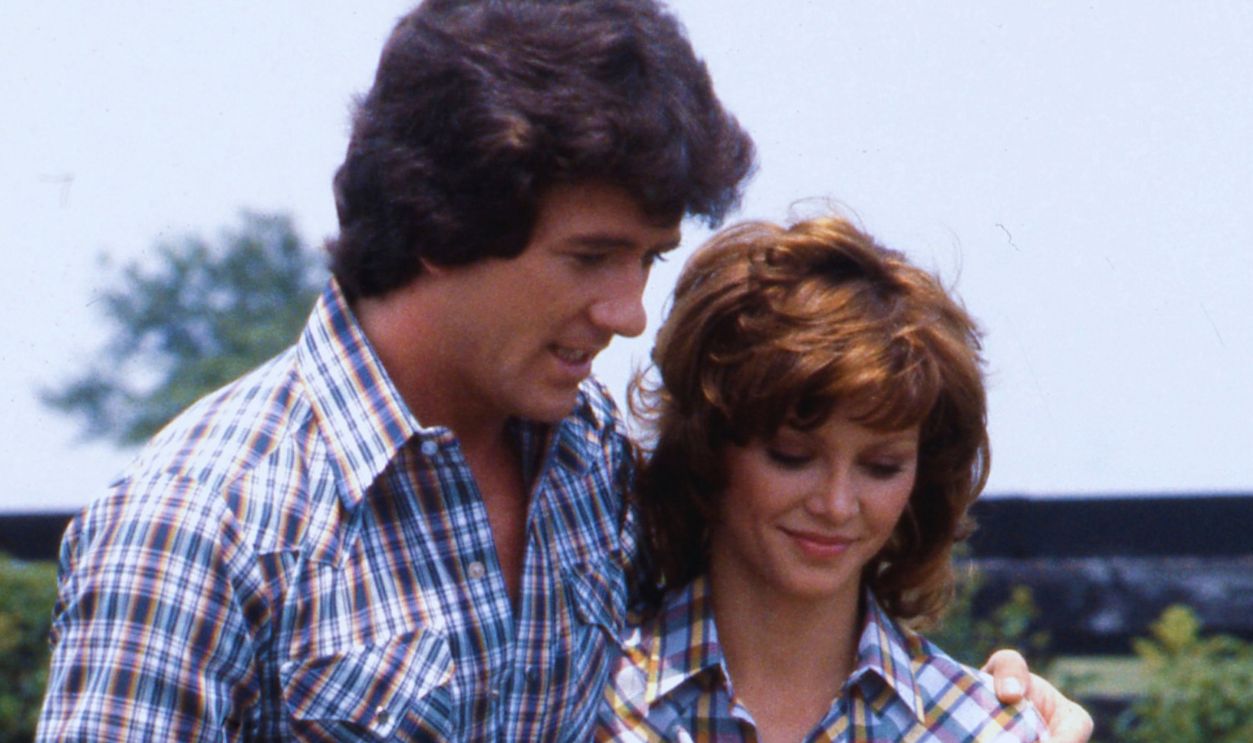 Donaldson Collection, Getty Images
Gary Ewing And Valene Ewing—Knots Landing
Gary and Valene made persistence look practically superhuman. Their history stretched back to a teenage marriage, and Knots Landing repeatedly separated and reunited them while other relationships complicated their lives. By 1990, actor Ted Shackelford was telling the Los Angeles Times that fans were eager to see Gary and Val get back together yet again.
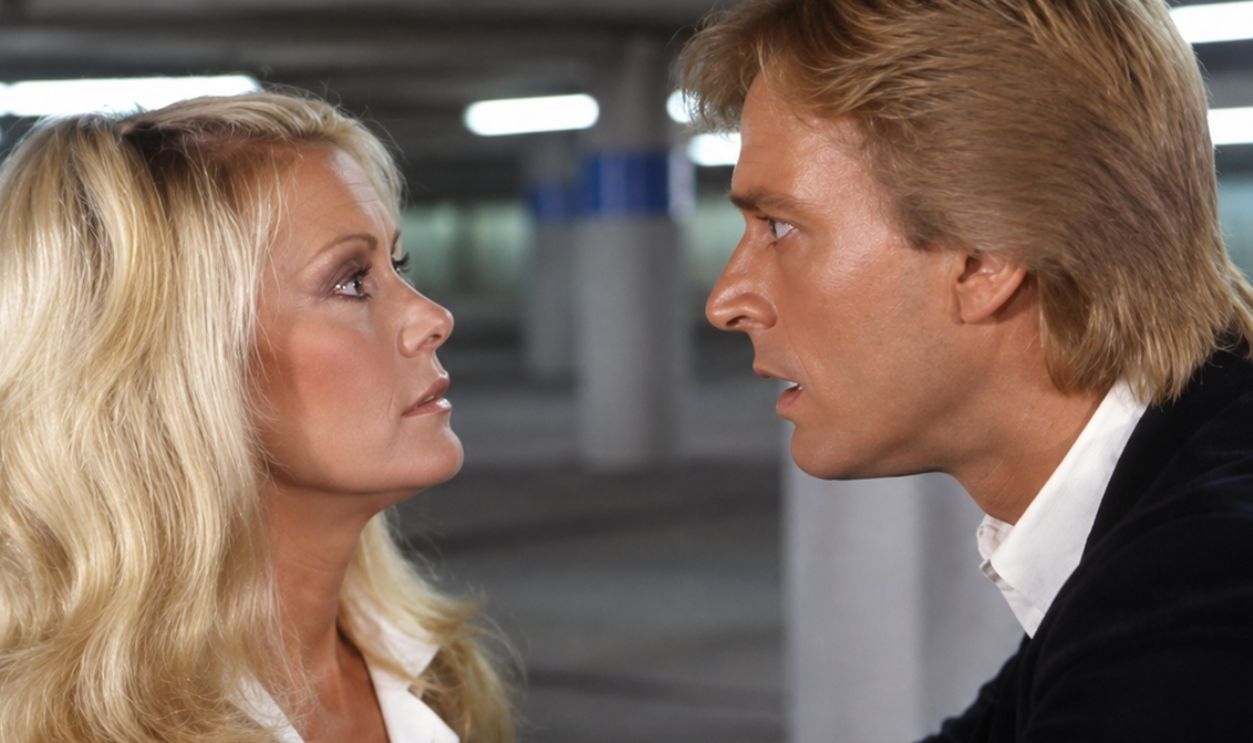 Screenshot from Knots Landing, Warner Bros. Discovery (1979-1993), Enhanced
Blake And Krystle Carrington—Dynasty
Nothing about Blake and Krystle's marriage happened on a modest scale. They occupied the glittering center of Dynasty, surrounded by wealth, former partners, family conflicts, and elaborate melodrama. Their relationship became so important to viewers that a television executive later recalled receiving letters begging producers not to break the couple apart.
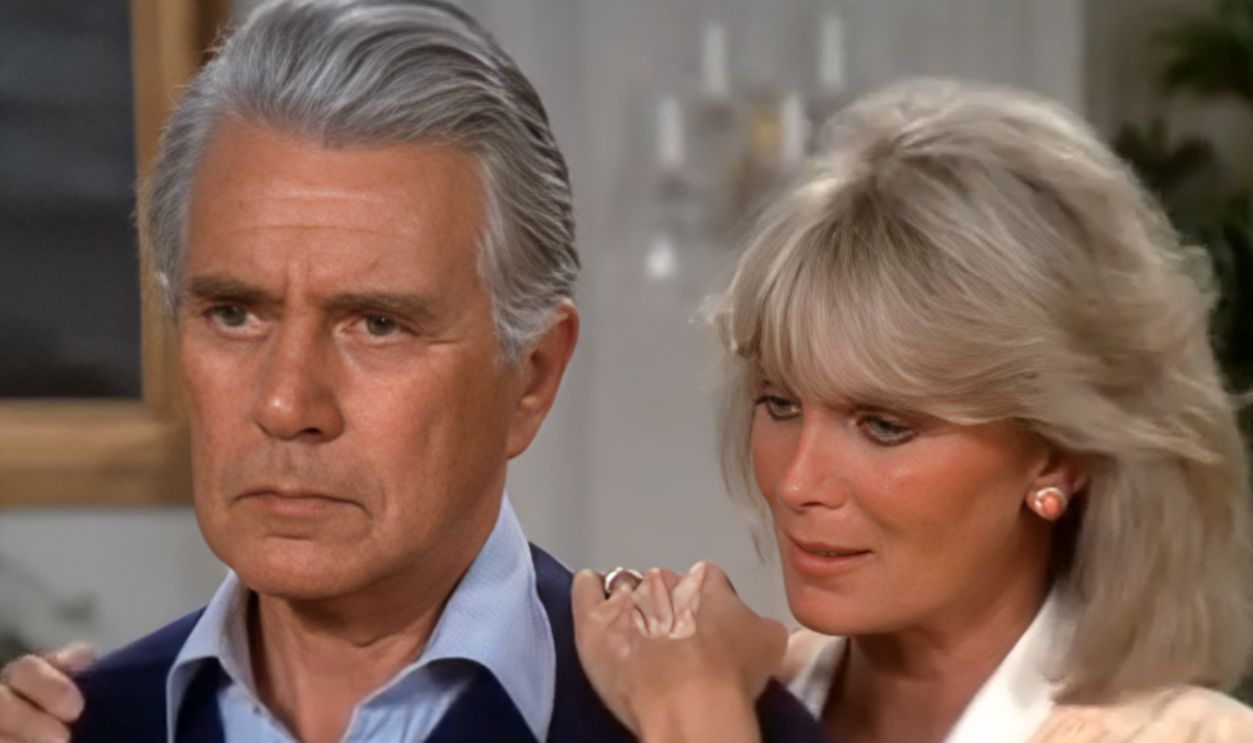 Screenshot from Dynasty, Paramount Global (1981-1989), Enhanced
Roseanne And Dan Conner—Roseanne
Roseanne and Dan offered a sharp contrast to television's wealthier couples. When Roseanne premiered in 1988, they were working-class parents dealing with jobs, children, household repairs, and money while constantly teasing each other. The Los Angeles Times praised the premiere for finding warmth beneath their loud arguments and described their marriage as fundamentally loving.
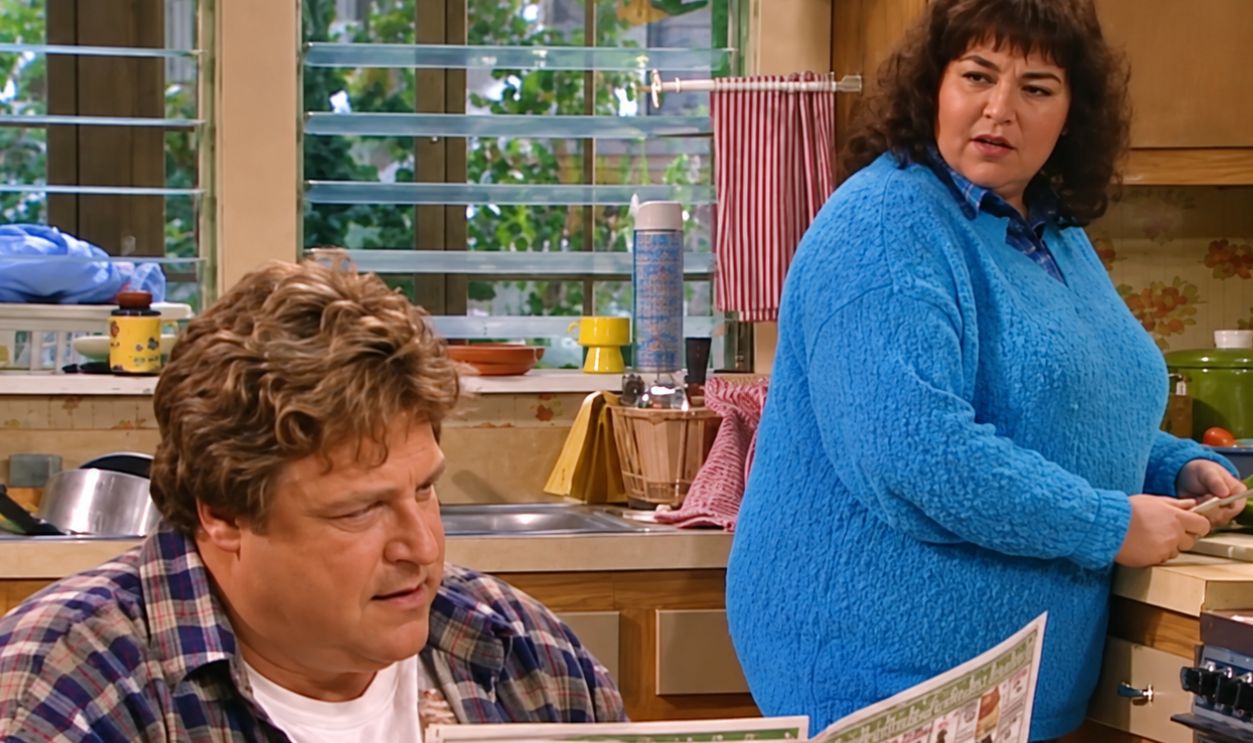 Screenshot from Roseanne, Carsey-Werner Distribution (1988-1997, 2018), Enhanced
Ann Kelsey And Stuart Markowitz—L.A. Law
Ann and Stuart proved that romance could flourish between two people who looked and behaved very differently. The L.A. Law colleagues became romantically involved and married during the show's second season. Their chemistry had an unusual advantage: Jill Eikenberry and Michael Tucker, the actors playing them, were already married in real life when the television characters tied the knot.
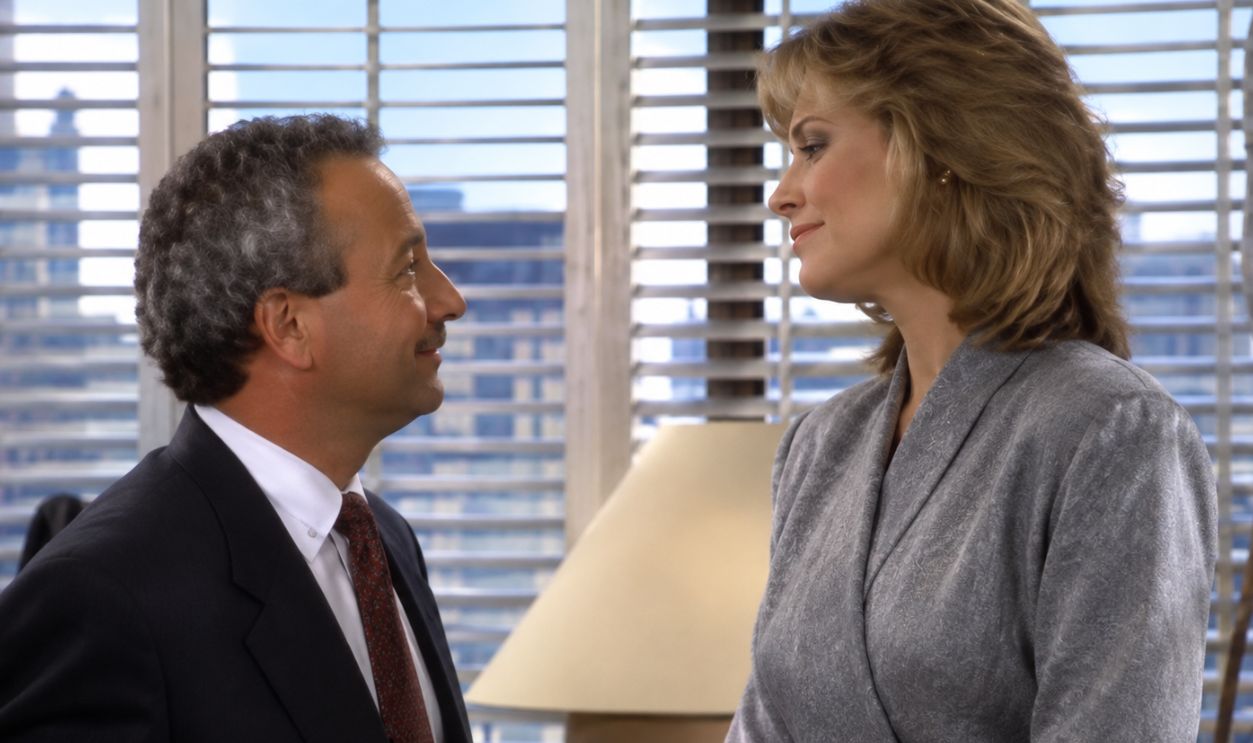 Screenshot from L.A Law, The Walt Disney Company (1986-1994), Enhanced
Love Was Never Just One Thing
Taken together, these couples gave Gen X viewers wildly contradictory lessons, which may have been the most realistic lesson of all. Television romance could mean stability, endless banter, second chances, first heartbreak, shared responsibilities, or years of unresolved attraction. The couples were memorable precisely because there was no single 1980s formula for love, even when shoulder pads and enormous hair were practically mandatory.
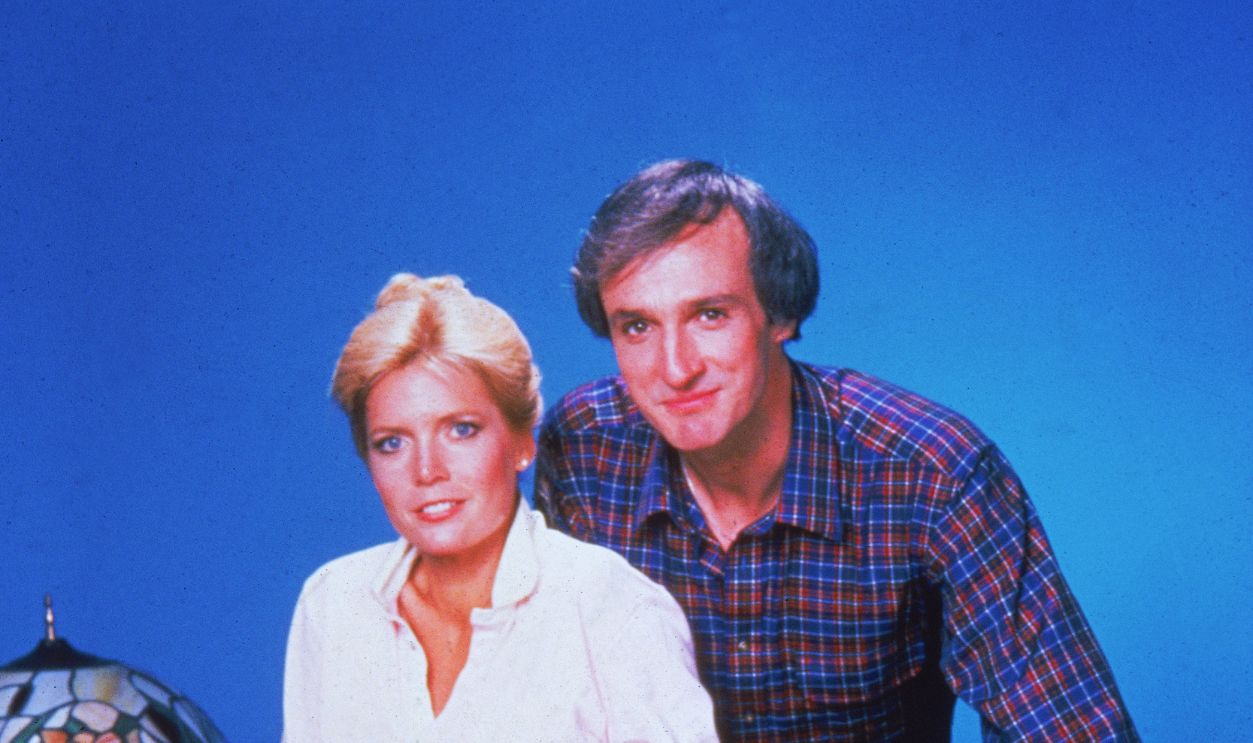 Pictorial Parade, Getty Images
You May Also Like:
Jaw-Dropping Facts About The Jerry Springer Show
Source: 1