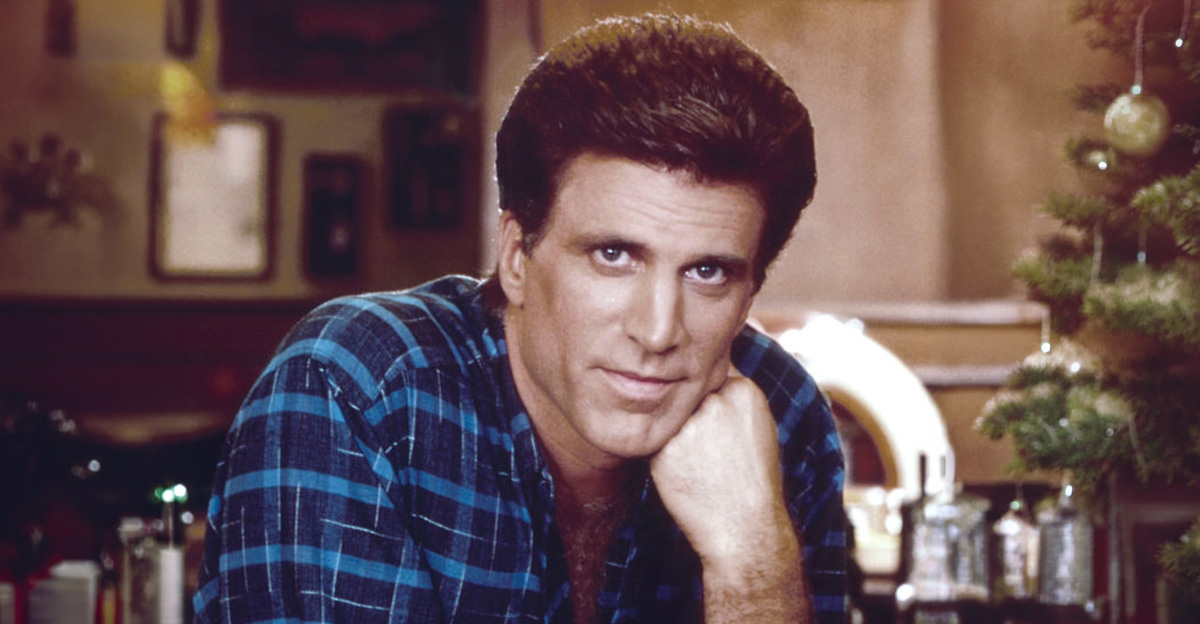
When Everybody Really Did Know His Name
There was a time when millions of Americans spent Thursday nights watching the same television shows at the same time. No streaming menus, no catching up six months later. In the middle of that era stood Ted Danson, grinning behind the bar on Cheers. Amazingly, that wasn't even the peak of his career.
Before Sam Malone Walked Behind The Bar
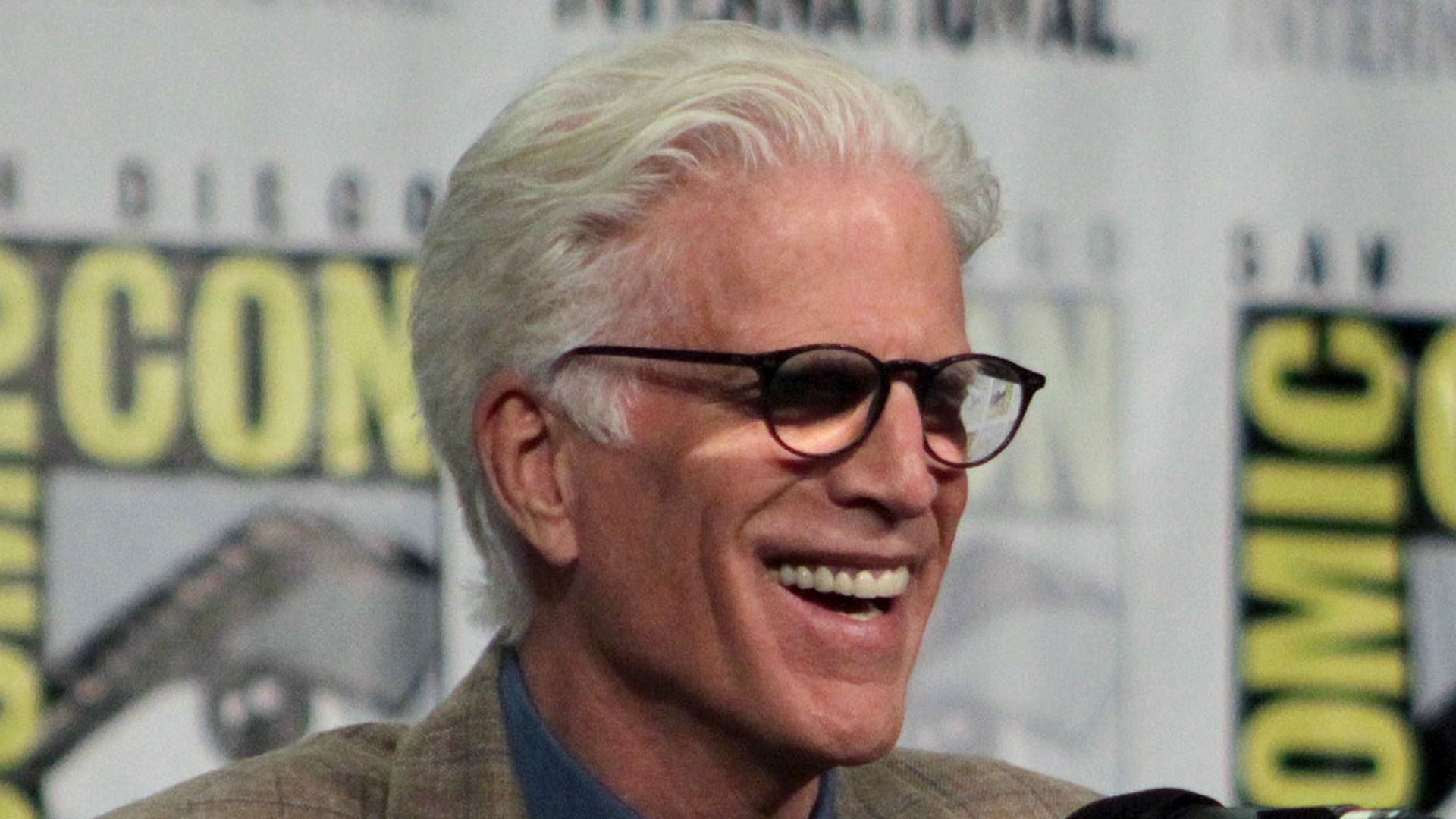
Danson was born in 1947 in San Diego and grew up in Arizona, long before anyone associated him with Boston bars and television theme songs. He eventually studied drama and headed into acting, joining countless young performers hoping for the role that would finally make relatives stop asking about a “real job.”
 aitchisons from United States, Wikimedia Commons
Those Familiar Pre-Fame Television Appearances
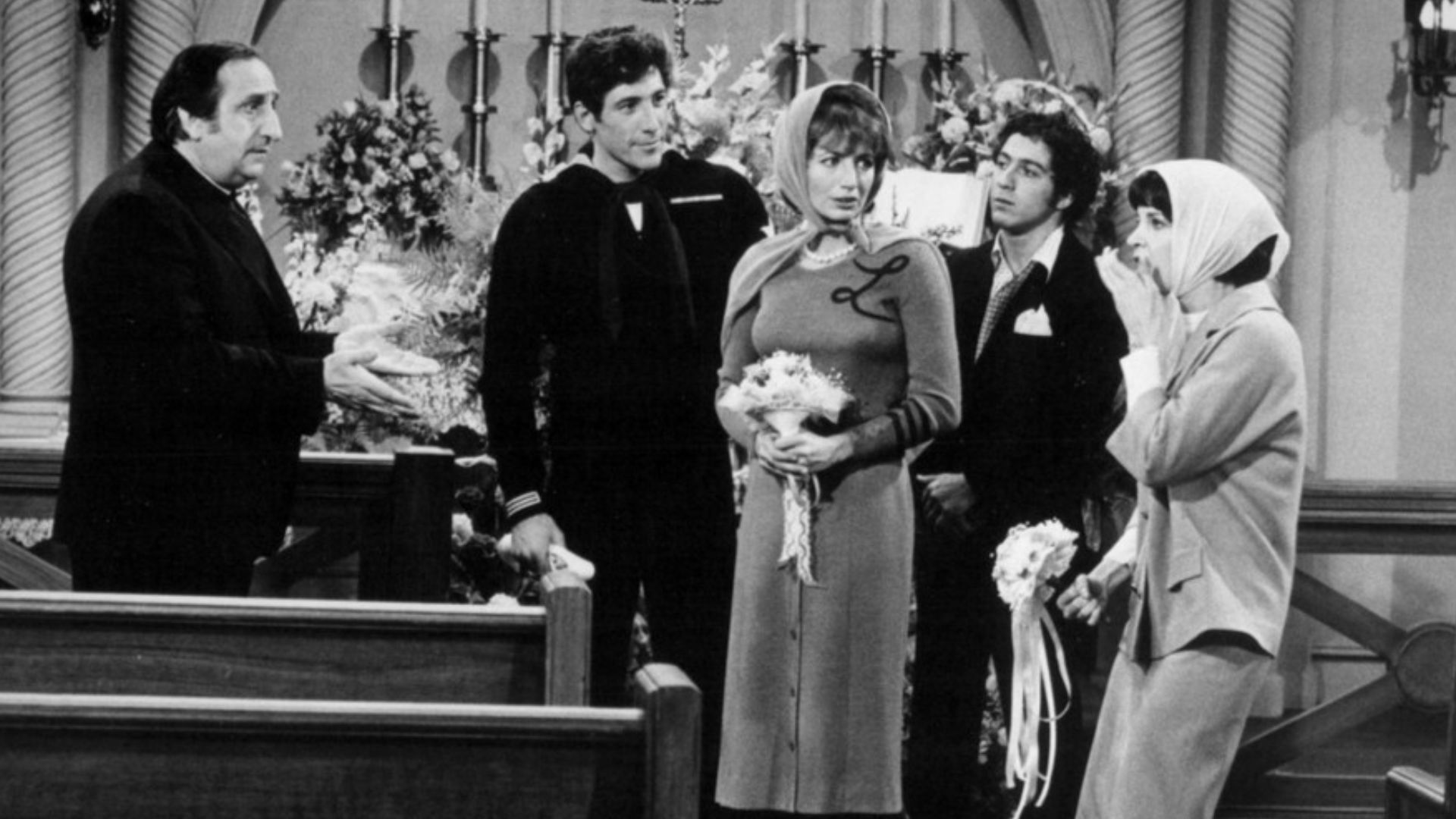
Like many stars of his generation, Danson spent years popping up on television before becoming famous. He appeared in commercials and guest roles on programs including Laverne & Shirley and Taxi. For viewers flipping channels in the late 1970s, his face might have looked familiar even if his name didn't.
 ABC Television, Wikimedia Commons
Body Heat Showed Another Side
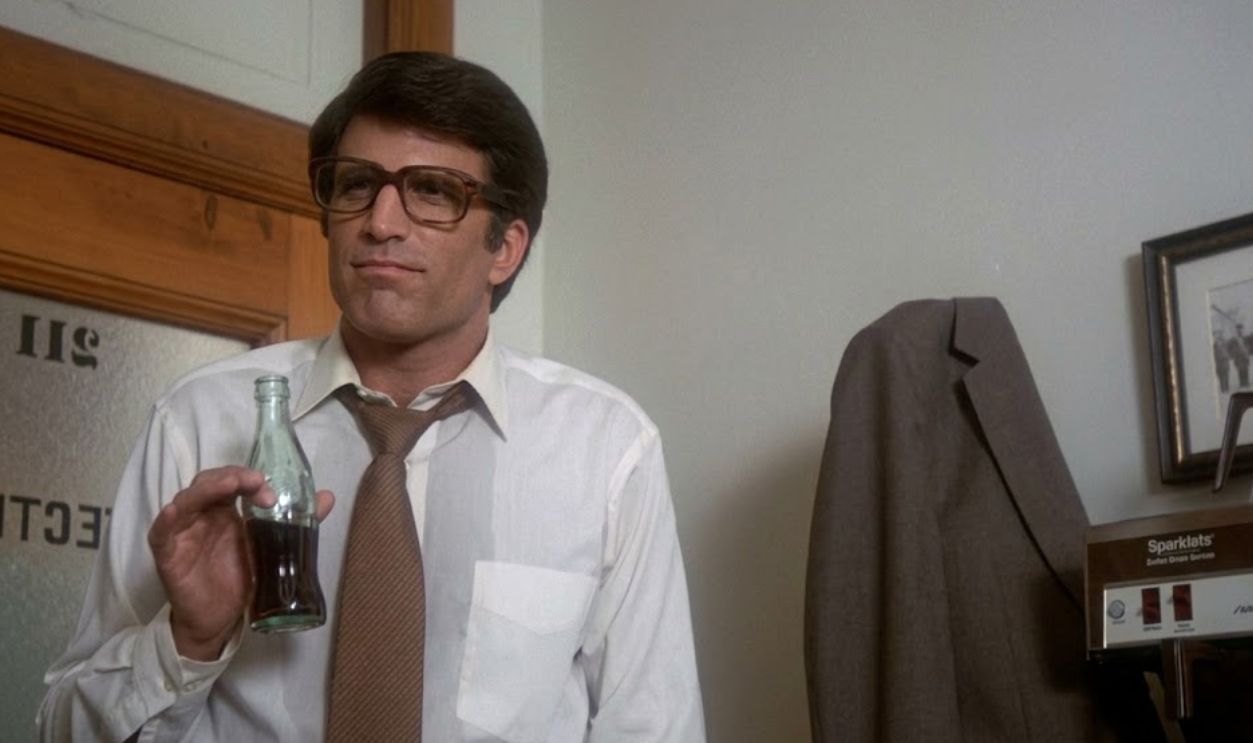
Before Cheers, Danson appeared in the steamy 1981 thriller Body Heat. He played prosecutor Peter Lowenstein, giving moviegoers a glimpse of the range he would eventually display throughout his career. It wasn't exactly the Ted Danson most viewers came to know, but it proved comedy wasn't his only gear.
 Screenshot from Body Heat, The Ladd Company (1981)
Then Came Sam Malone
In 1982, Danson stepped behind the fictional bar at Cheers and television history quietly began. Sam Malone was a former baseball player, recovering alcoholic, relentless ladies' man, and world-class charmer. He looked like the fellow every guy knew from somewhere, only with much better hair and considerably more confidence.
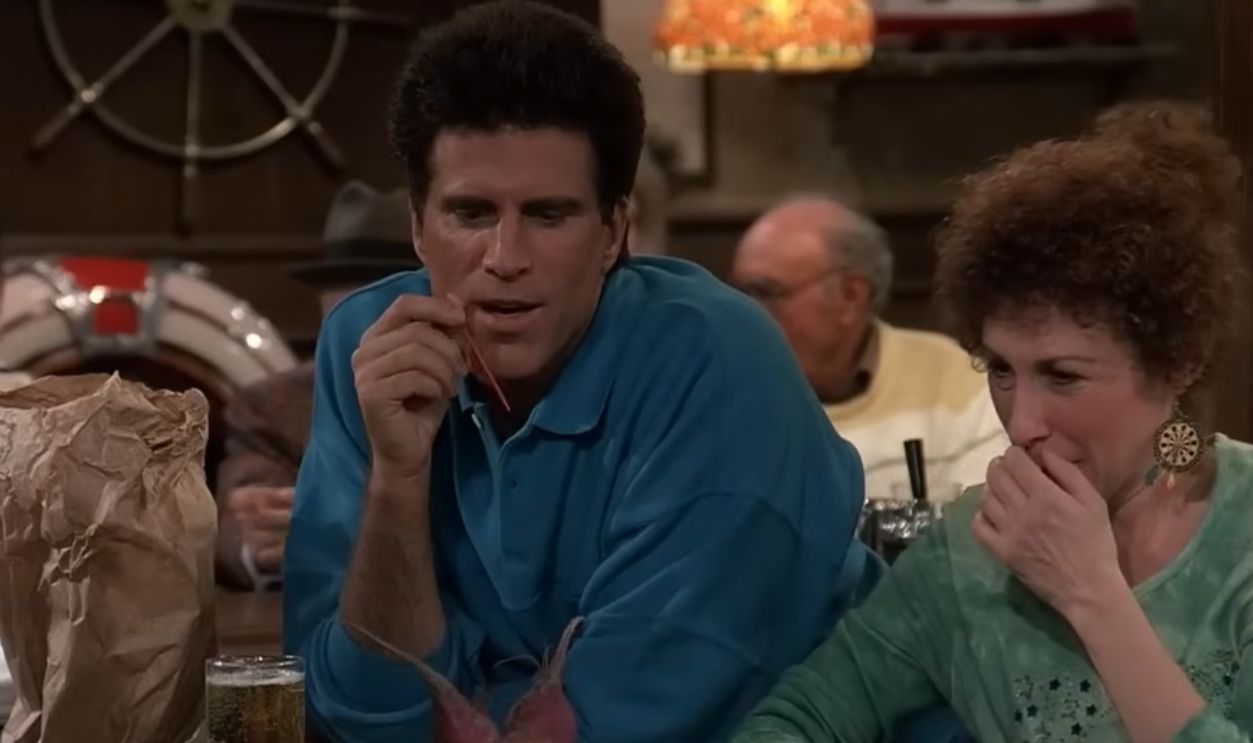 Screenshot from Cheers, NBC (1982–1993)
Cheers Almost Didn't Become Cheers
Today, Cheers feels like one of those programs that must have been a hit immediately. It wasn't. Early ratings were disappointing, and cancellation was a genuine possibility. NBC stayed patient, however, and viewers gradually discovered the Boston watering hole that would become one of television's most comforting destinations.
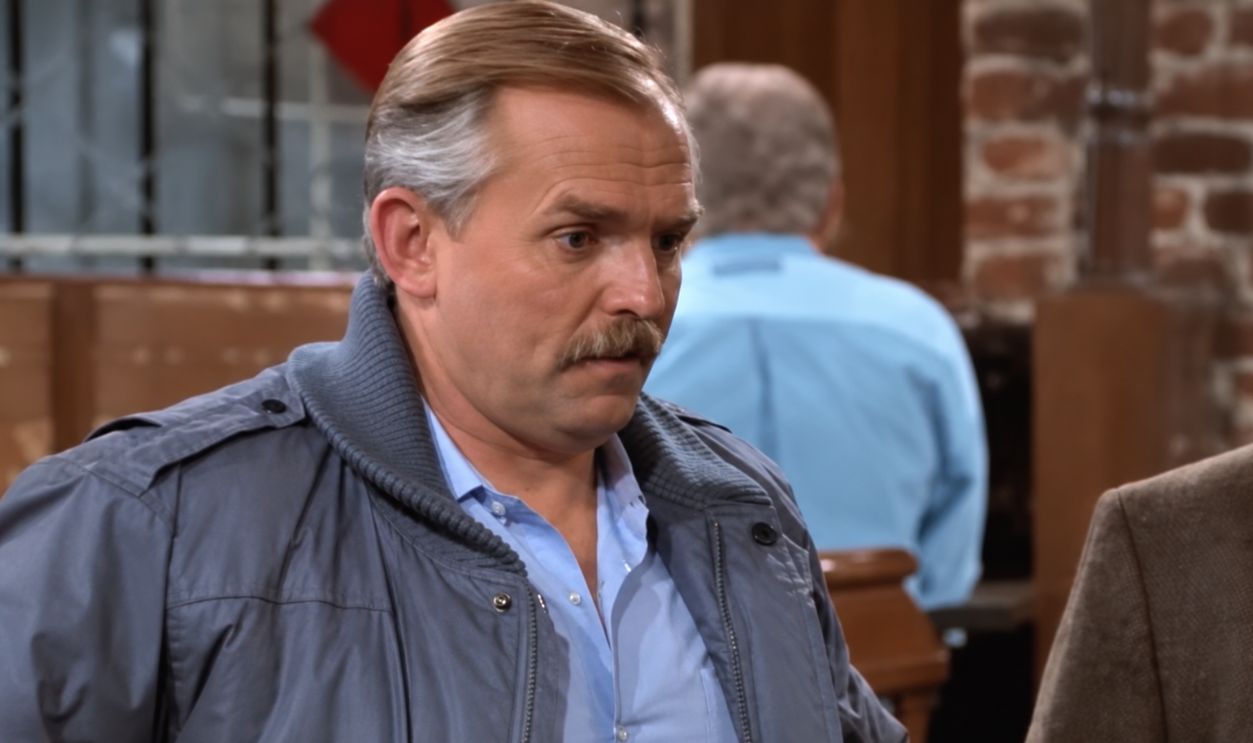 Screenshot from Cheers, NBC (1982–1993), Enhanced
Thursday Nights Became An Event
For many Baby Boomers, shows like Cheers belonged to an era when television still created a weekly ritual. You knew when it was on, and you planned around it. The opening theme started, that familiar bar appeared, and for half an hour the outside world could wait.
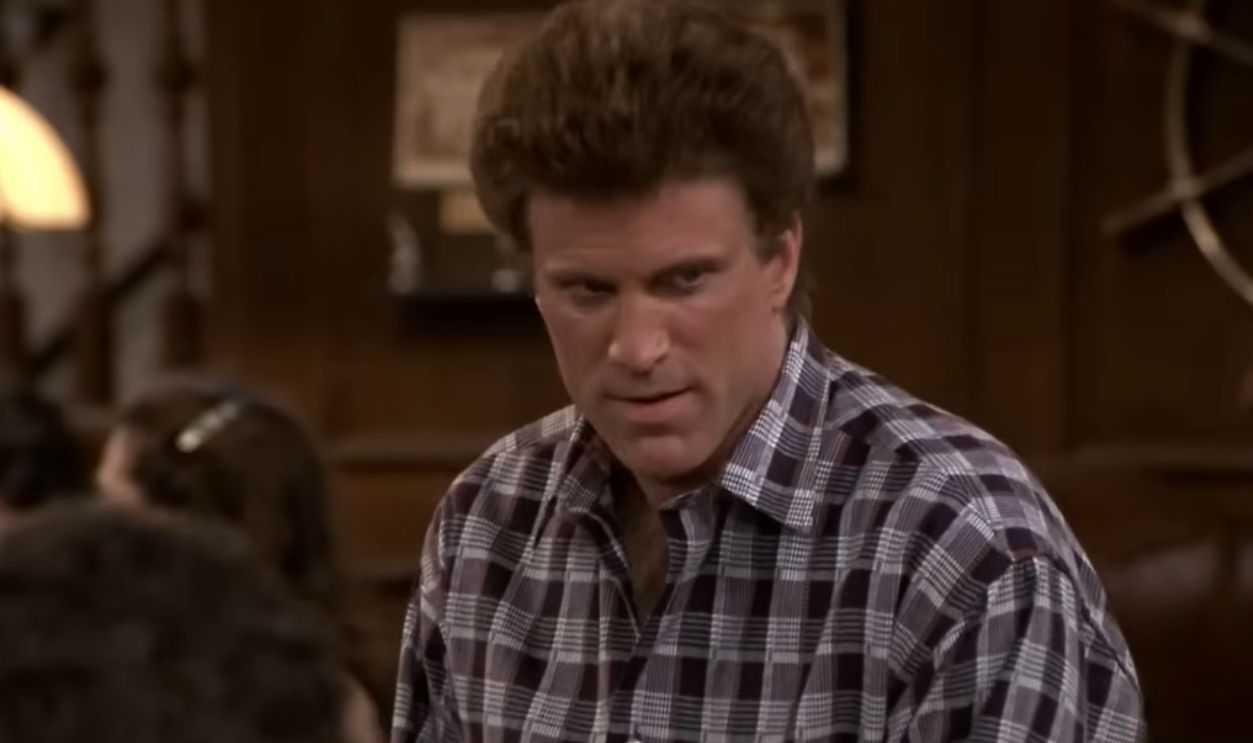 Screenshot from Cheers, NBC (1982–1993)
Sam And Diane Kept Everyone Watching
The early heart of Cheers was the constant push and pull between Sam and Diane Chambers, played by Shelley Long. They flirted, argued, reunited, broke apart, and generally drove each other crazy. Long before “will-they-won't-they” became a television cliché, these two were practically writing the instruction manual.
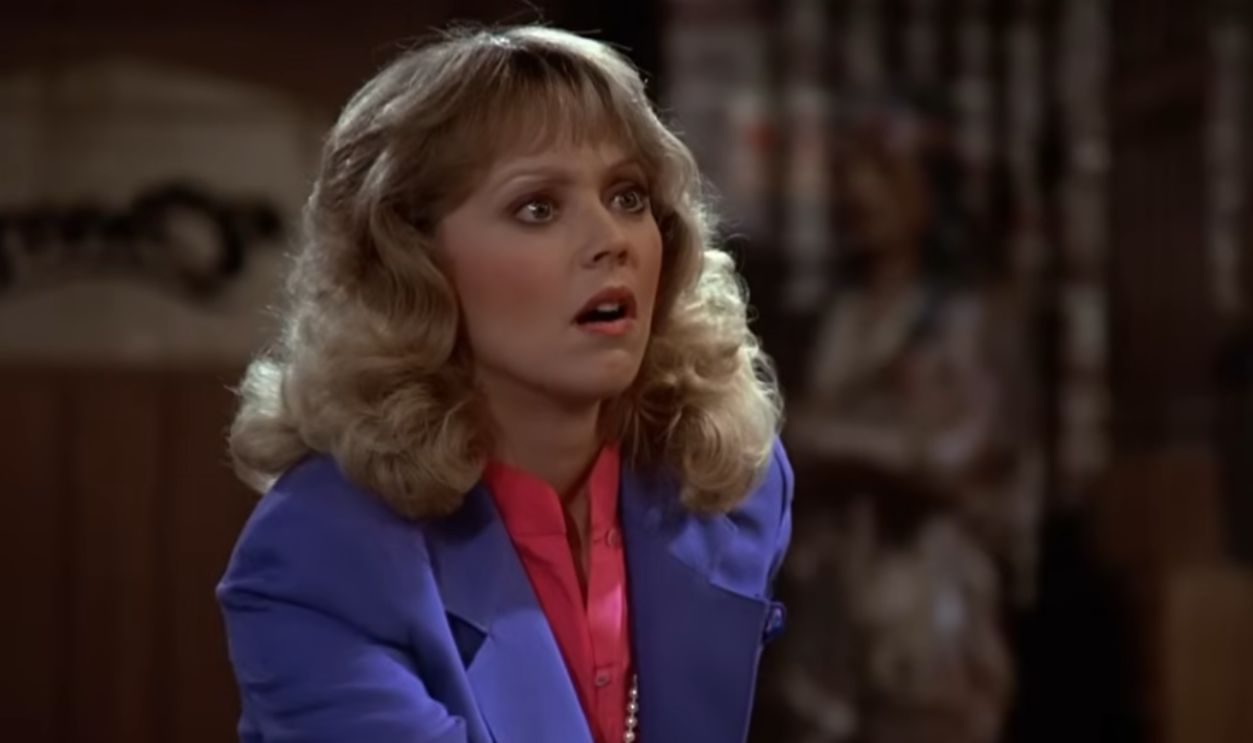 Screenshot from Cheers, NBC (1982–1993)
Sam Was More Than A Pretty Face
Danson could have played Sam as nothing more than a handsome flirt. Instead, there was always something slightly sad underneath the swagger. Sam missed baseball, struggled with addiction, feared aging, and often wondered whether his best years were already behind him. That gave the comedy surprising weight.
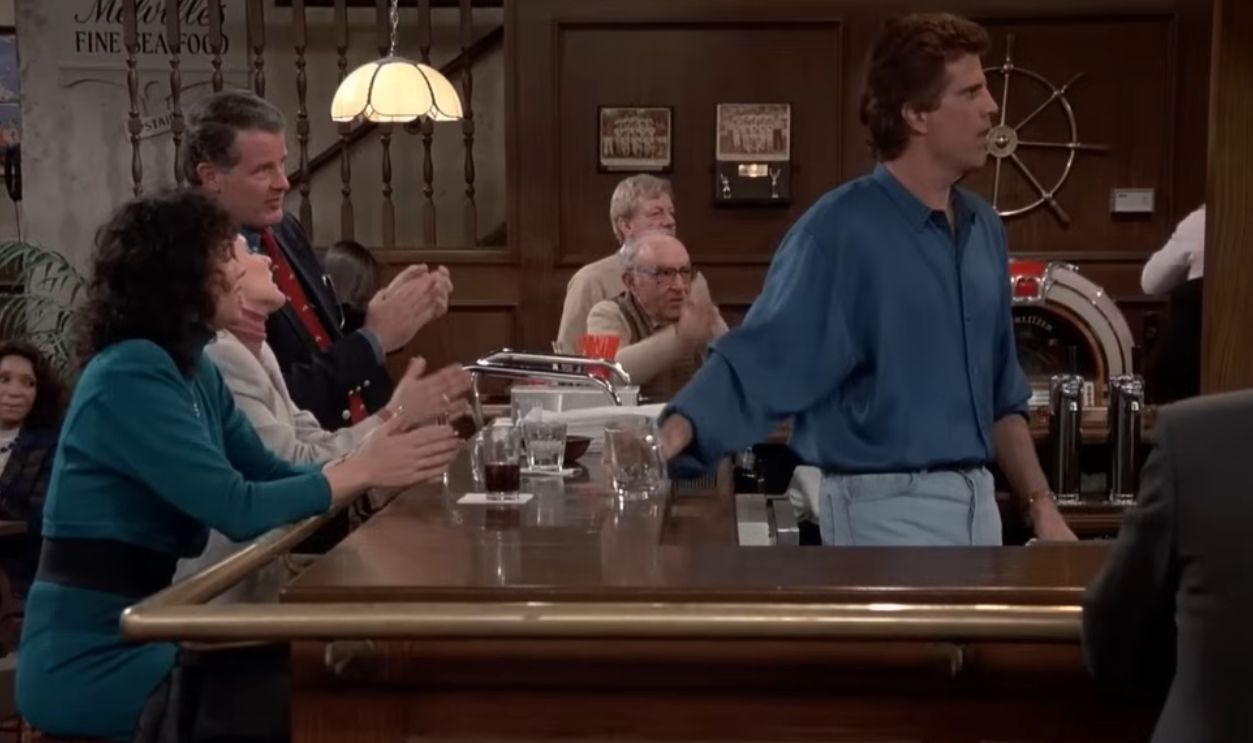 Screenshot from Cheers, NBC (1982–1993)
The Bar Was Full Of Characters
Of course, nobody watched Cheers just for Sam. Carla, Norm, Cliff, Frasier, Woody, Coach, Rebecca, and the rest made the place feel like a neighborhood hangout viewers actually knew. Danson's greatest trick was remaining the show's leading man without ever making the show feel like it belonged only to him.
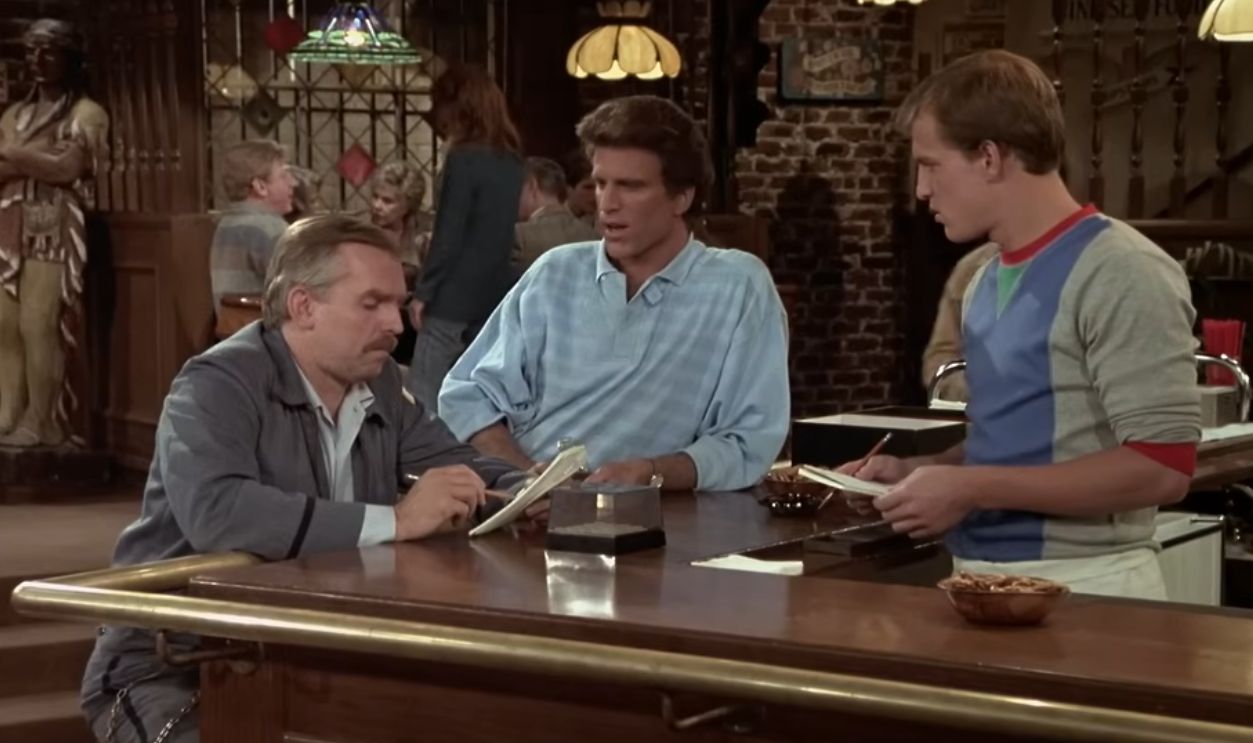 Screenshot from Cheers, NBC (1982–1993)
Everybody Got Their Moment
Ted Danson understood ensemble comedy. When George Wendt had a great Norm joke, Danson let it land. When John Ratzenberger launched into another ridiculous Cliff Clavin theory, Sam's reaction often made it even better. He could command a scene, but he was equally good at setting up everybody around him.
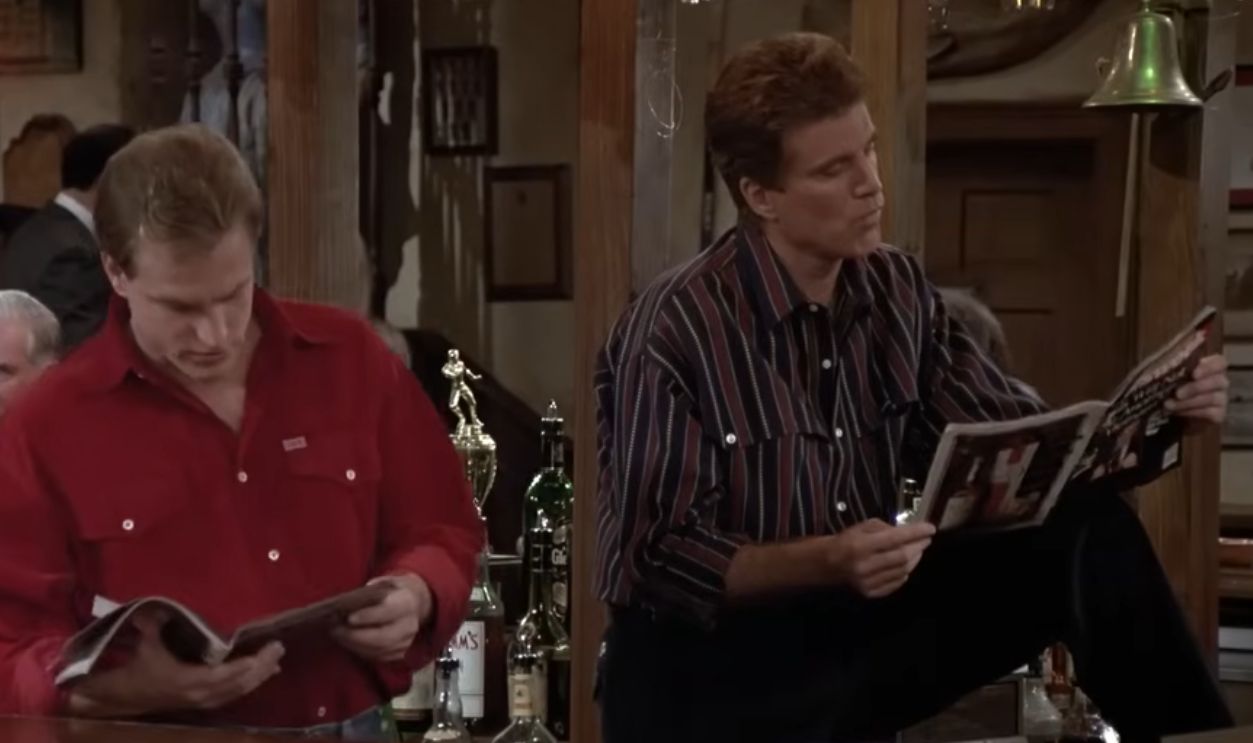 Screenshot from Cheers, NBC (1982–1993)
Emmy Voters Noticed
Danson's work brought him repeated Emmy nominations and two wins for Outstanding Lead Actor in a Comedy Series. By the height of Cheers, he was one of the biggest stars on American television. For many viewers, seeing Ted Danson's face instantly meant you were about to have a pretty good half-hour.
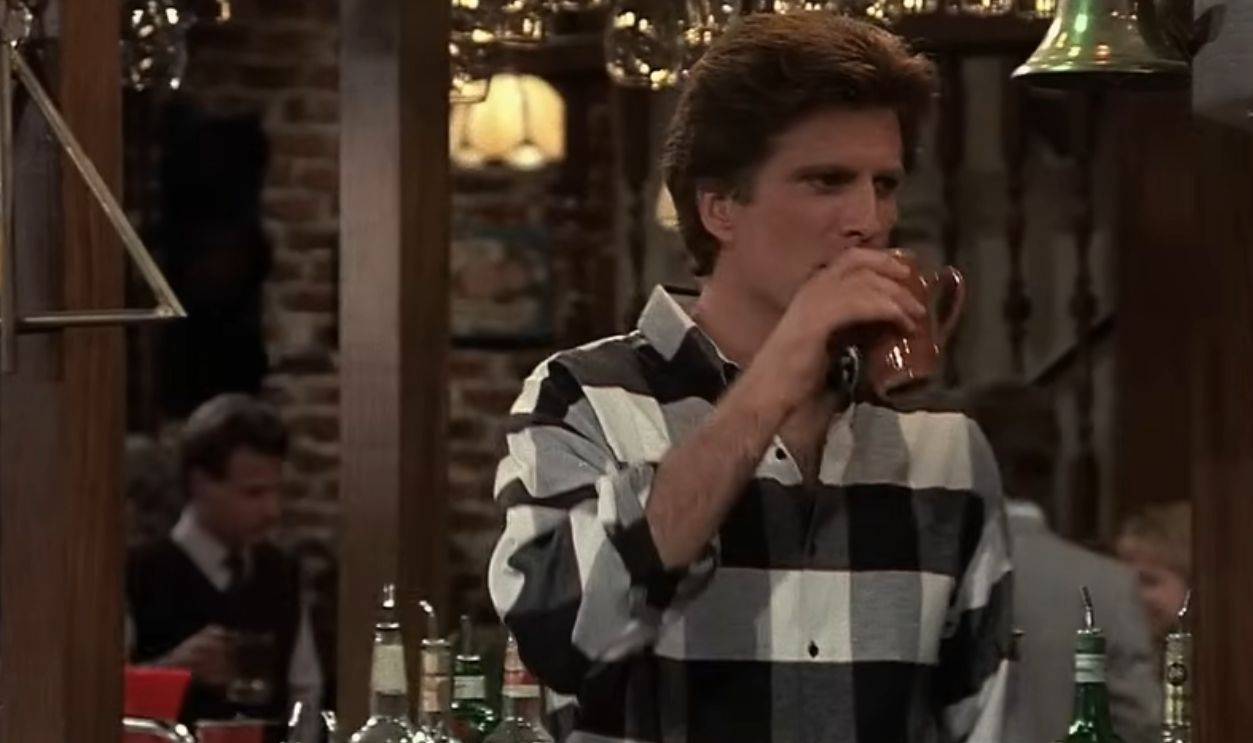 Screenshot from Cheers, NBC (1982–1993)
Hollywood Wanted Him Too
Television fame soon turned into movie opportunities. Danson appeared in several films, but Three Men and a Baby became the big one. Released in 1987, it paired him with Tom Selleck and Steve Guttenberg, creating a collection of late-'80s star power that practically required its own VHS shelf.
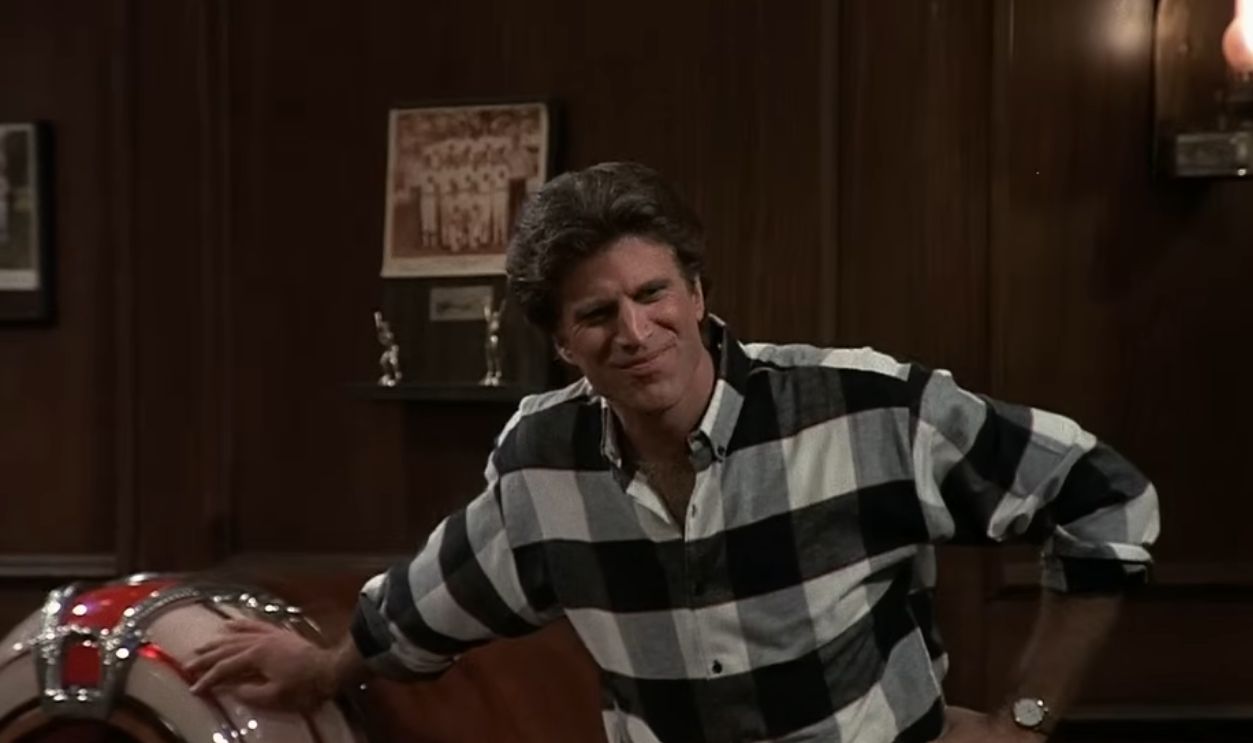 Screenshot from Cheers, NBC (1982–1993)
Three Men Became A Phenomenon
Three Men and a Baby was a massive hit, and Danson suddenly had another memorable character away from the bar. The film was followed by Three Men and a Little Lady in 1990. For a moment, it seemed perfectly reasonable that Danson might leave sitcoms behind and become a full-time movie star.
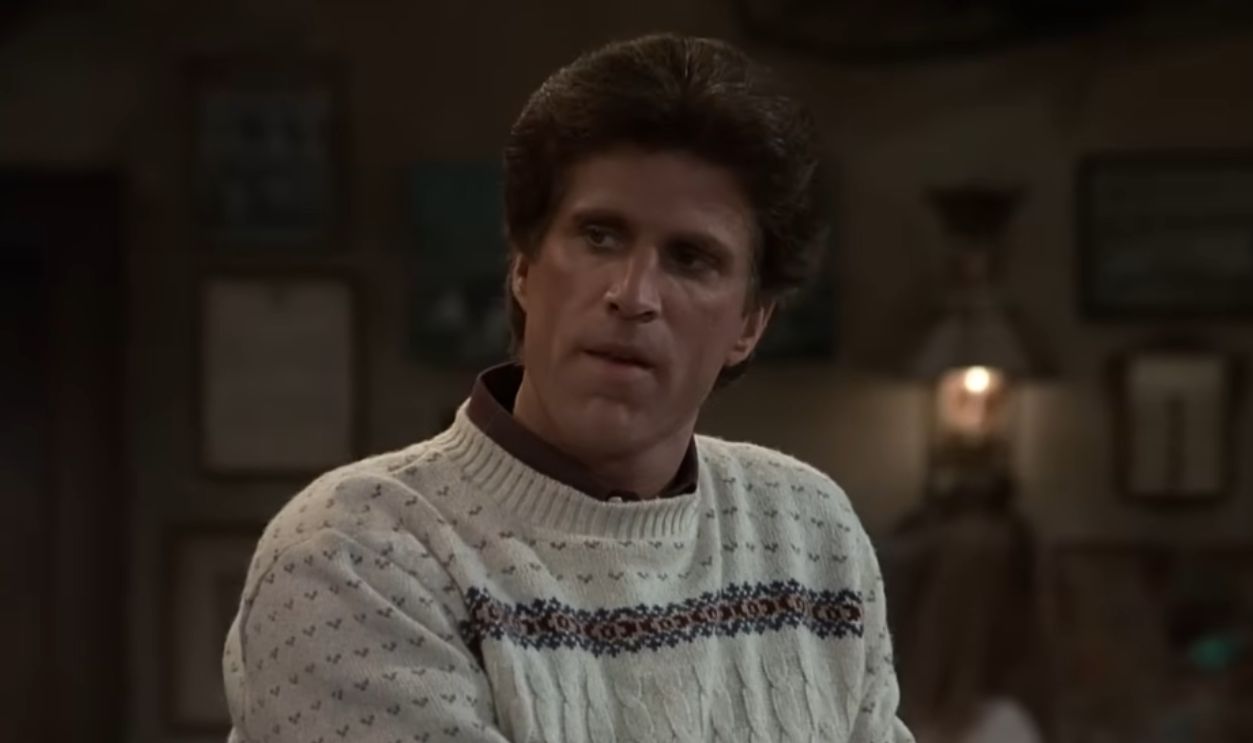 Screenshot from Cheers, NBC (1982–1993)
Saying Goodbye Felt Like The End Of An Era
When Cheers ended in 1993 after 11 seasons, it wasn't simply another television finale. For longtime viewers, it felt like losing a familiar place. The bar had been there through marriages, new jobs, growing children, and changing decades. Danson closed the door, and an entire television era seemed to close with him.
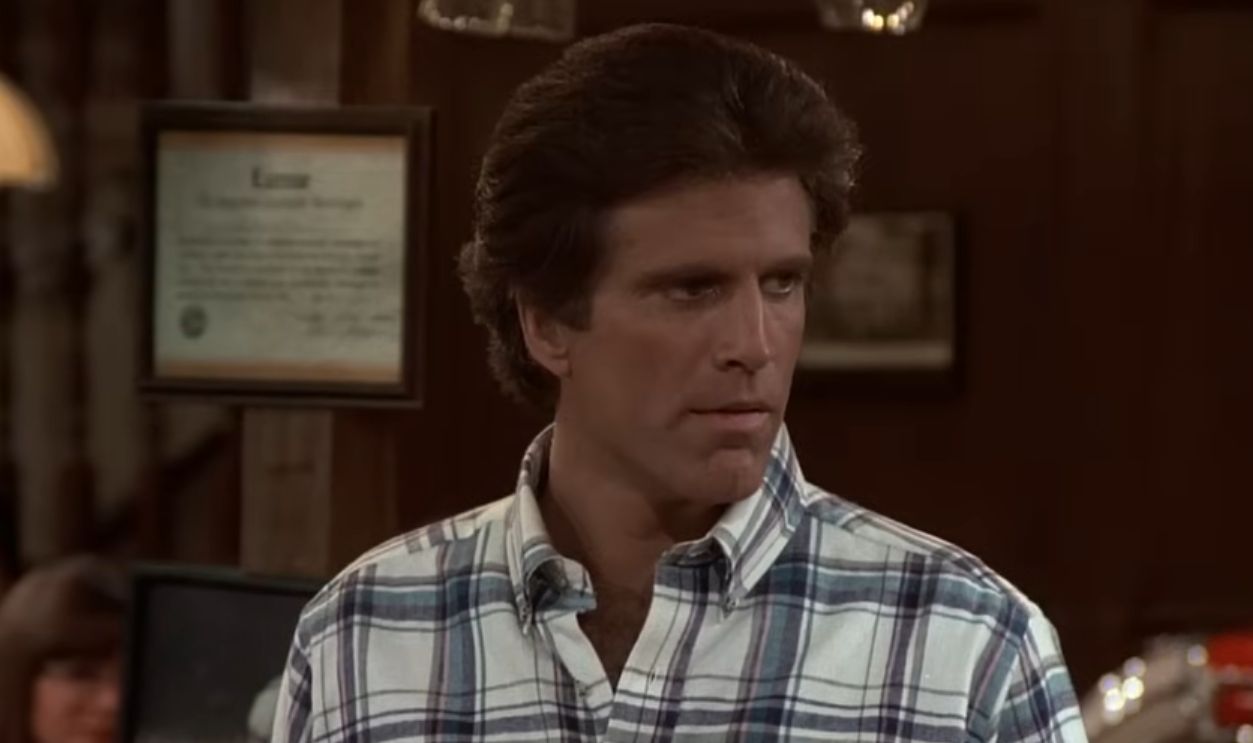 Screenshot from Cheers, NBC (1982–1993)
The Sam Malone Problem
After playing one beloved character for more than a decade, Danson faced the problem many television stars know well. Would viewers accept him as anyone else? Sam Malone was so closely connected to him that another actor might have simply coasted on nostalgia. Danson kept looking for ways to escape it.
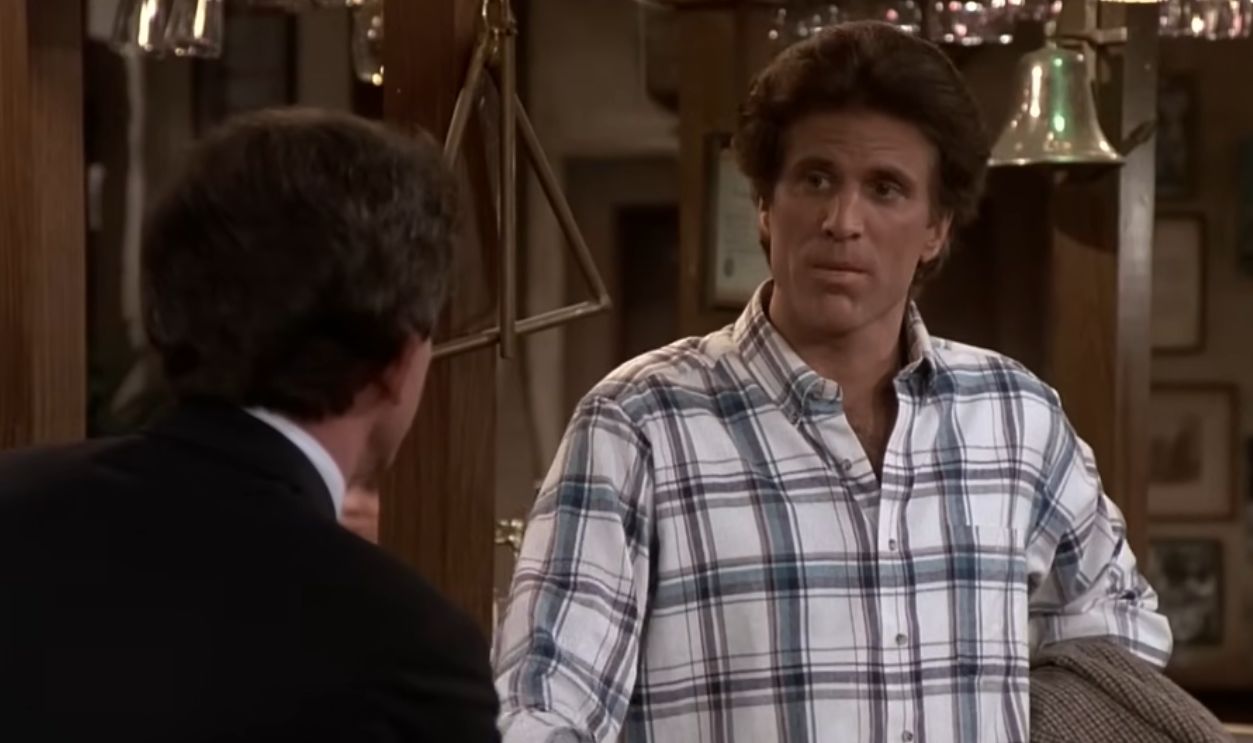 Screenshot from Cheers, NBC (1982–1993)
Becker Was Nobody's Sam Malone
In 1998, Danson returned to sitcom television as Dr. John Becker. If Sam was charming, Becker was irritated. If Sam wanted everyone to like him, Becker seemed annoyed that other people existed at all. The scruffy, cynical doctor was a clever way for Danson to smash his old image immediately.
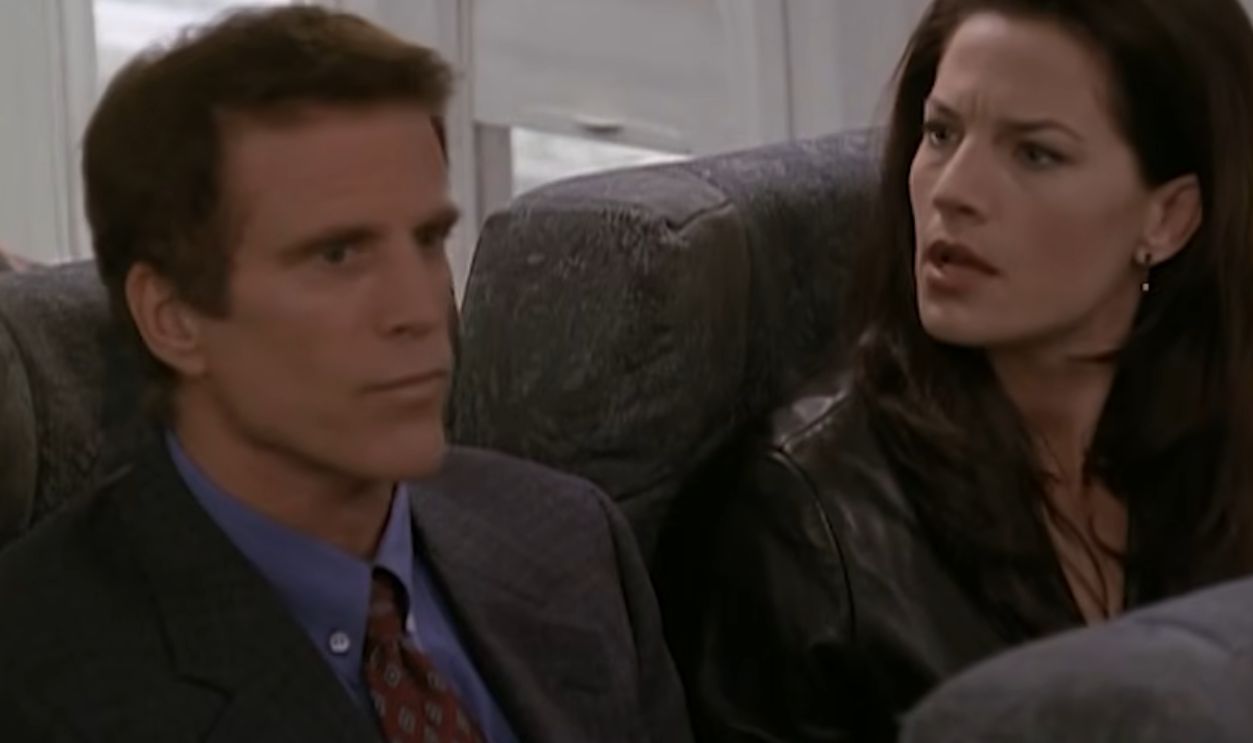 Screenshot from Becker, Paramount Television (1998–2004)
Another Sitcom, Another Long Run
Becker lasted six seasons, giving Danson something many sitcom stars never achieve: a second successful television lead. Viewers who had once gathered around for Cheers could now watch him complain his way through a doctor's office. He was older, crankier, and still exceptionally funny.
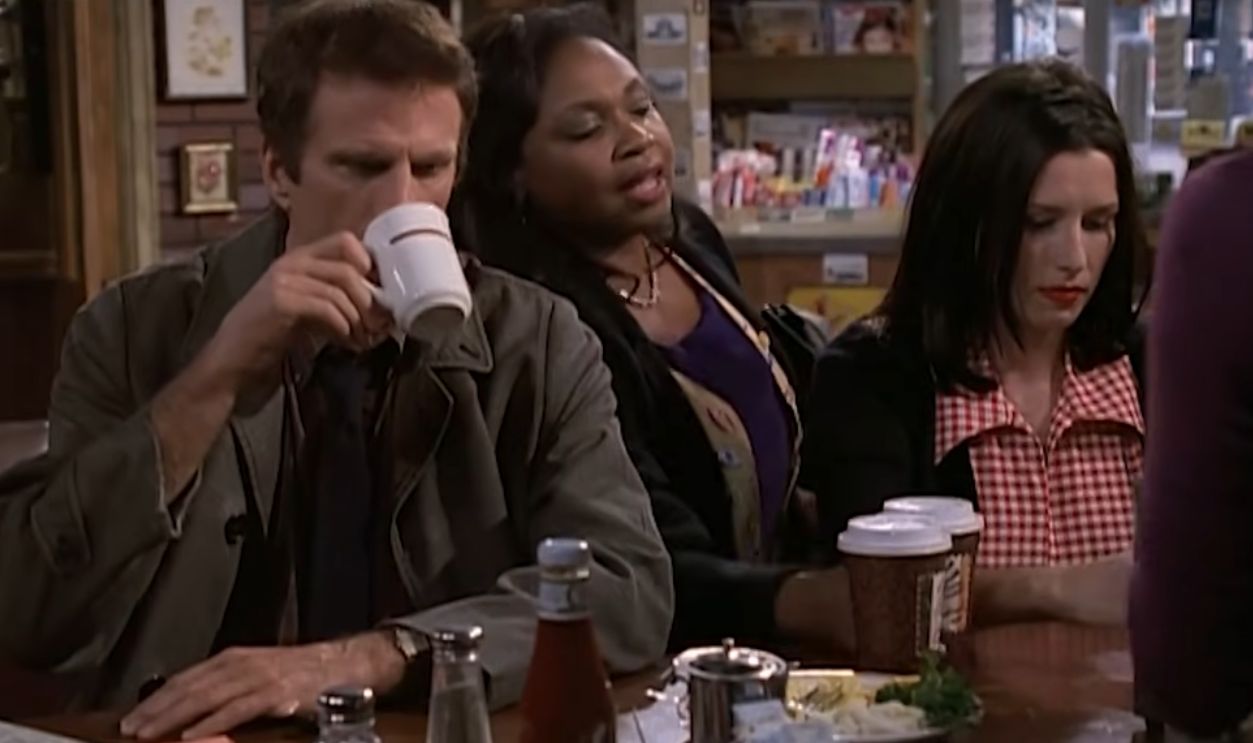 Screenshot from Becker, Paramount Television (1998–2004)
Curb Let Him Laugh At Himself
Danson's recurring appearances on Curb Your Enthusiasm turned his wholesome public image into part of the joke. Playing an exaggerated version of himself, he frequently found himself battling Larry David over incredibly petty matters. Seeing the famously likable Ted Danson behave smugly somehow made the whole thing even funnier.
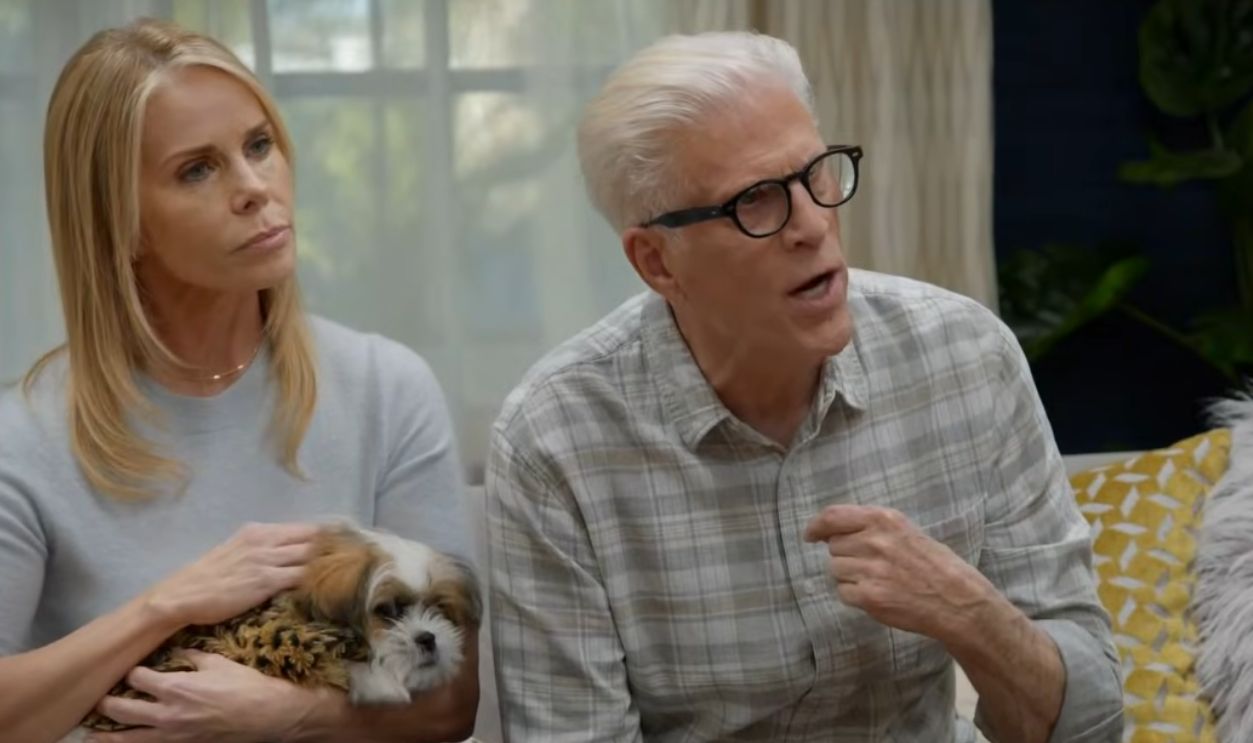 Screenshot from Curb Your Enthusiasm, HBO Entertainment (2000–2024)
Drama Was Never Off The Table
Danson also refused to stay inside the sitcom box. On Damages, he played wealthy businessman Arthur Frobisher, a character with considerably darker edges than Sam or Becker. Viewers who remembered him mostly for laughs got a reminder that Danson had always been a much more versatile actor than his easygoing style suggested.
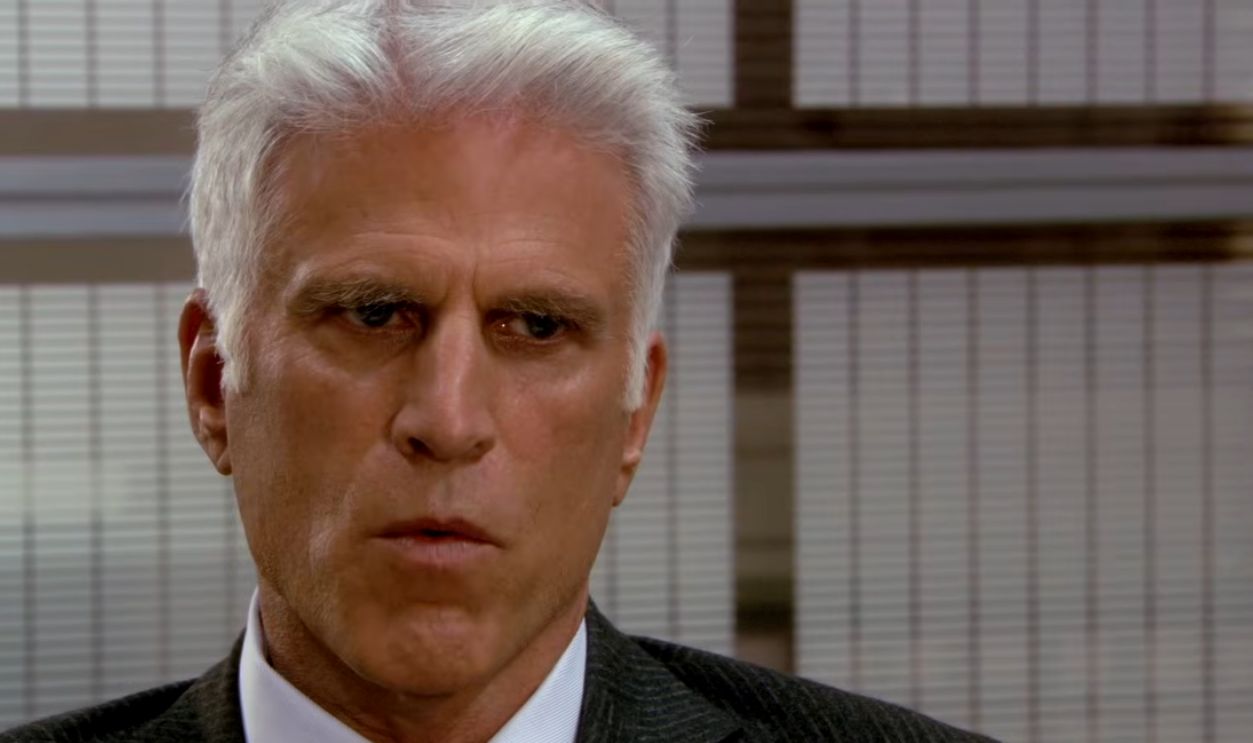 Screenshot from Damages, Sony Pictures Television (2007–2012)
CSI Put Him In Another Television Institution
Danson later joined CSI: Crime Scene Investigation as D.B. Russell. By then, he had been famous for decades, yet he slipped surprisingly naturally into another giant television franchise. Plenty of viewers probably tuned in expecting to see Sam Malone investigating fingerprints. Before long, they simply saw D.B. Russell.
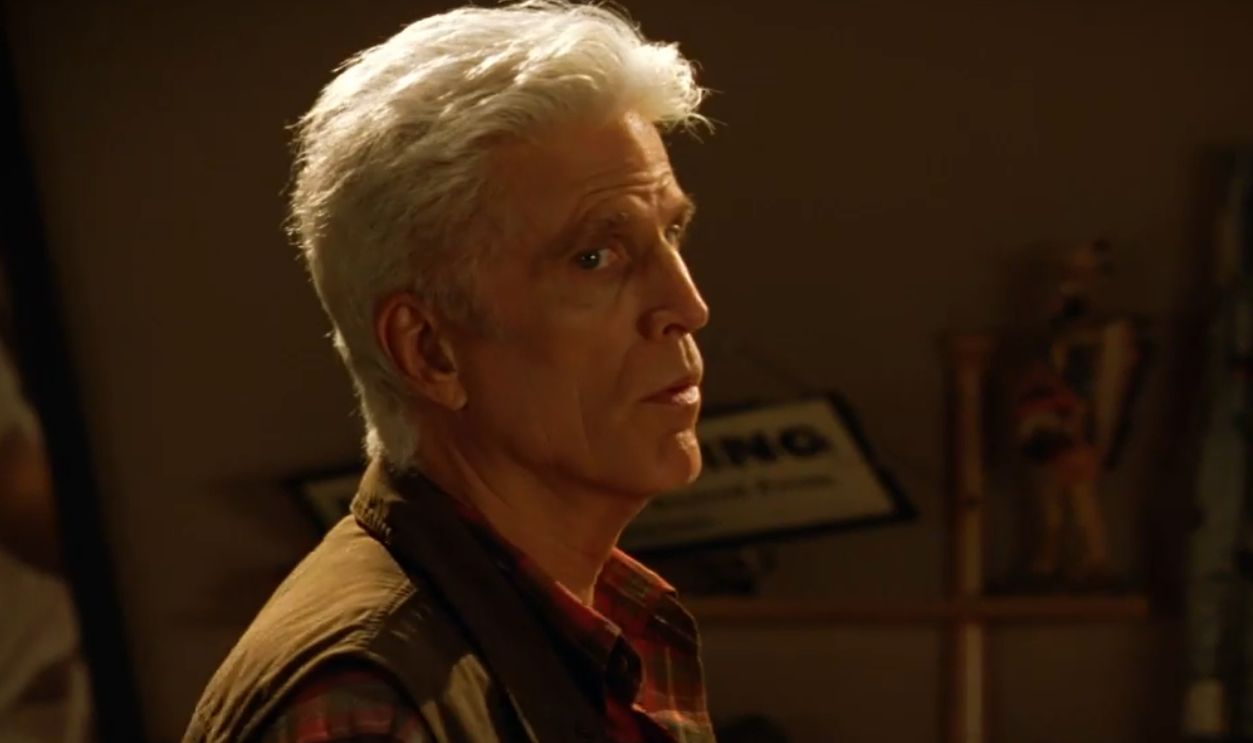 Screenshot from CSI: Crime Scene Investigation, Jerry Bruckheimer Television (2000–2015)
Fargo Found His Quiet Side
In Fargo, Danson played Sheriff Hank Larsson, delivering one of the understated performances of his later career. There was no Sam Malone swagger and no Becker-style grouchiness. Instead, Danson brought warmth, patience, and quiet authority to a strange, violent world. Once again, he seemed completely comfortable reinventing himself.
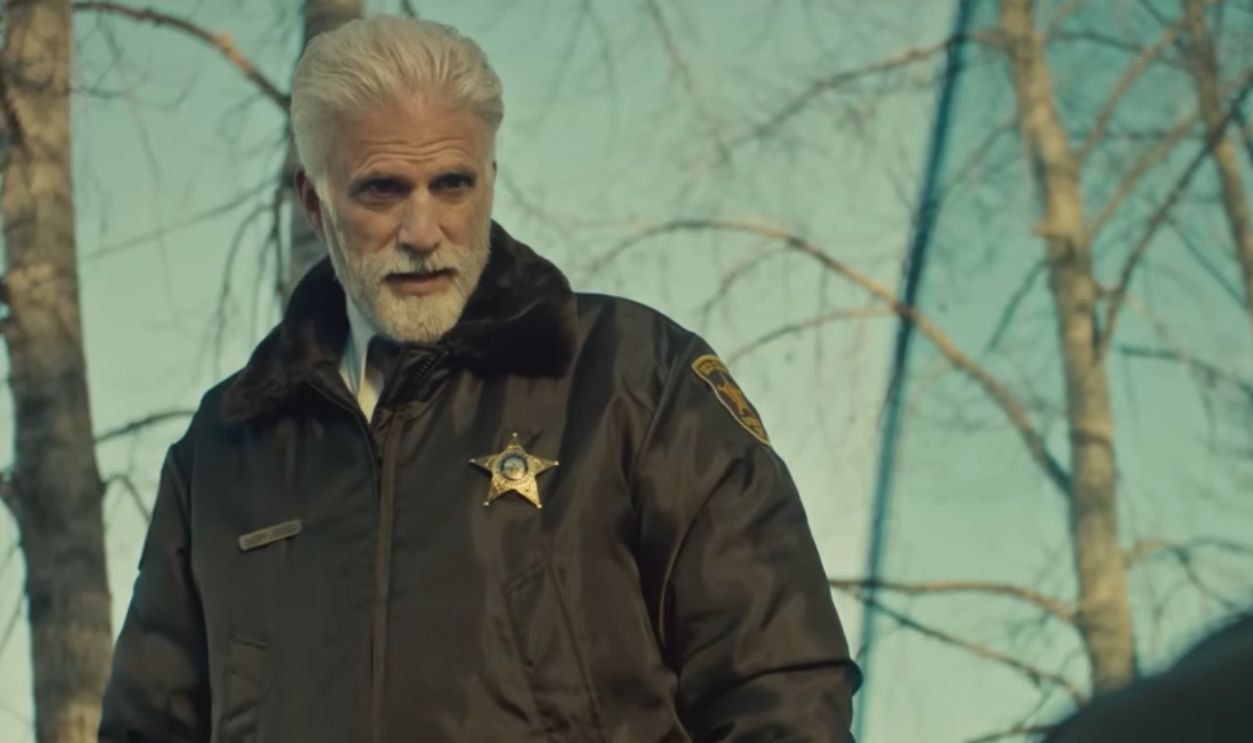 Screenshot from Fargo, MGM Television (2014–2024)
Then A New Generation Met Ted Danson
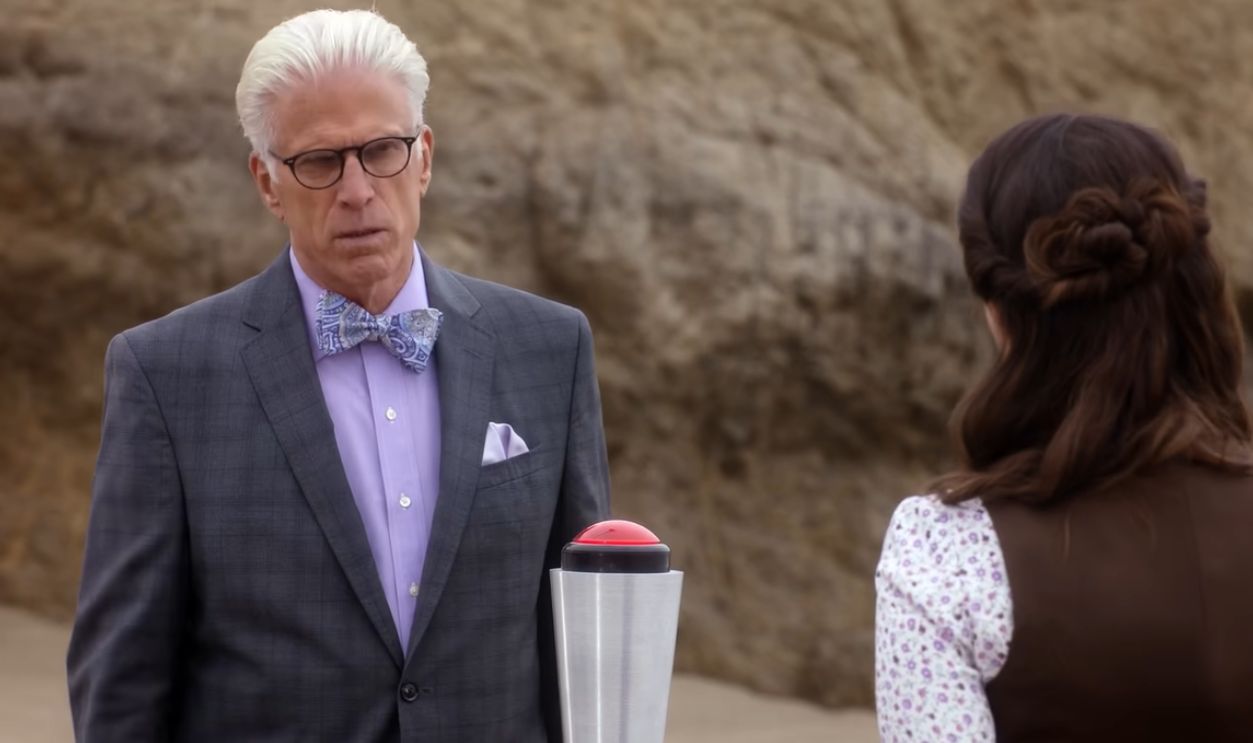
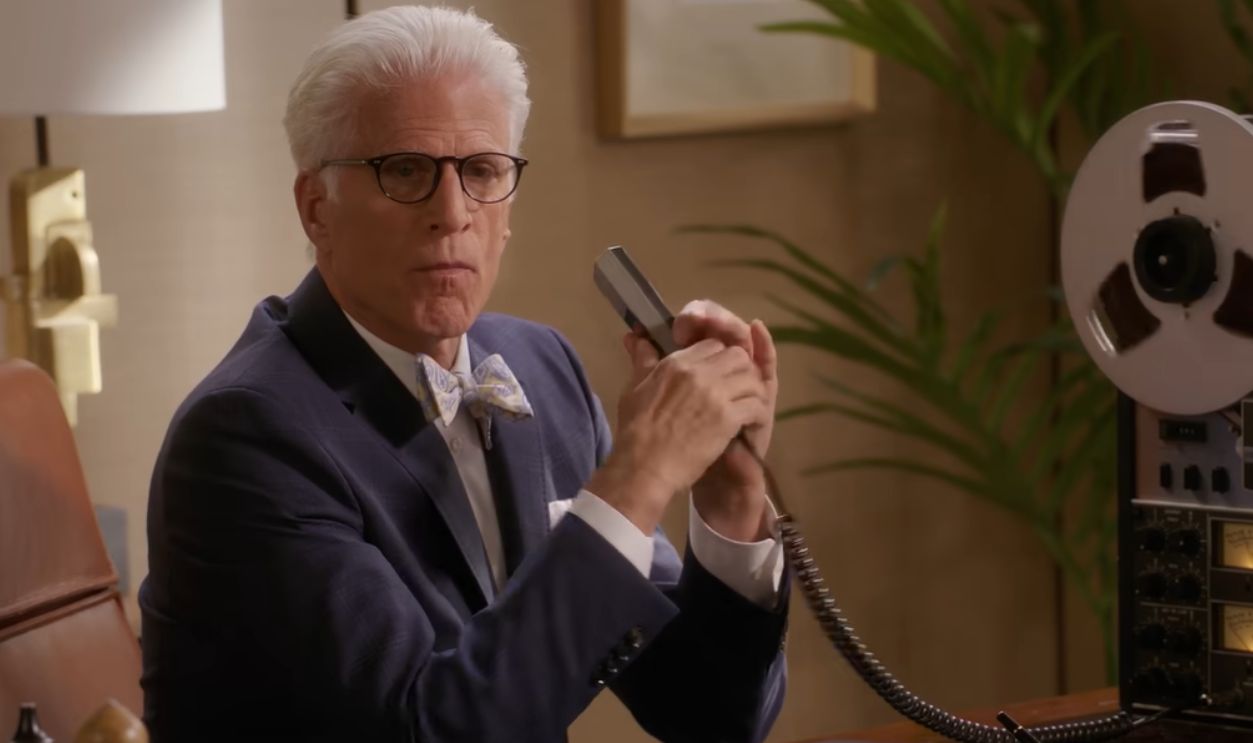
In 2016, The Good Place introduced Danson to viewers who may never have watched an episode of Cheers. As Michael, the architect of an unusual afterlife neighborhood, he was cheerful, mysterious, goofy, and occasionally something else entirely. The role became another defining performance nearly 25 years after Cheers closed.
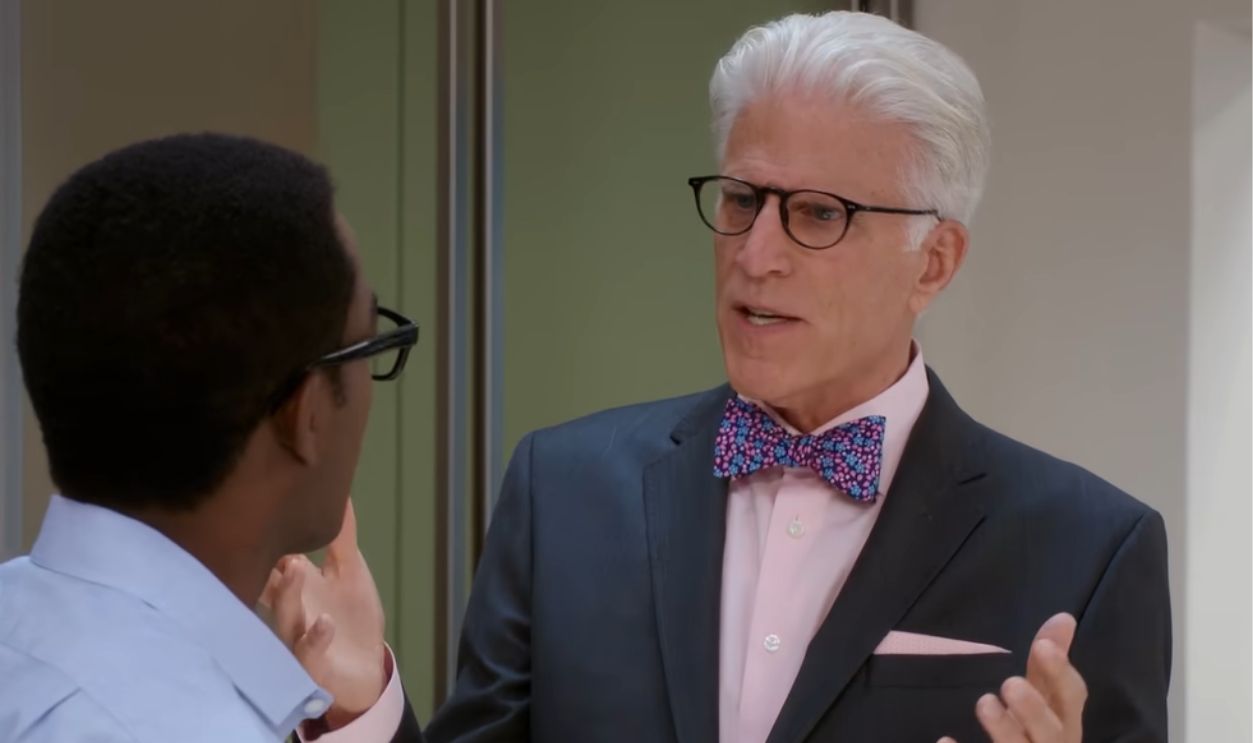 Screenshot from The Good Place, Universal Television (2016–2020)
Michael Was A Perfect Late-Career Role
The Good Place gave Danson a character who could change constantly. Michael could seem wise one minute and completely baffled by basic human behavior the next. Danson played every twist with enthusiasm. Watching him have this much fun decades into his career felt like watching an old pro discover a brand-new toy.
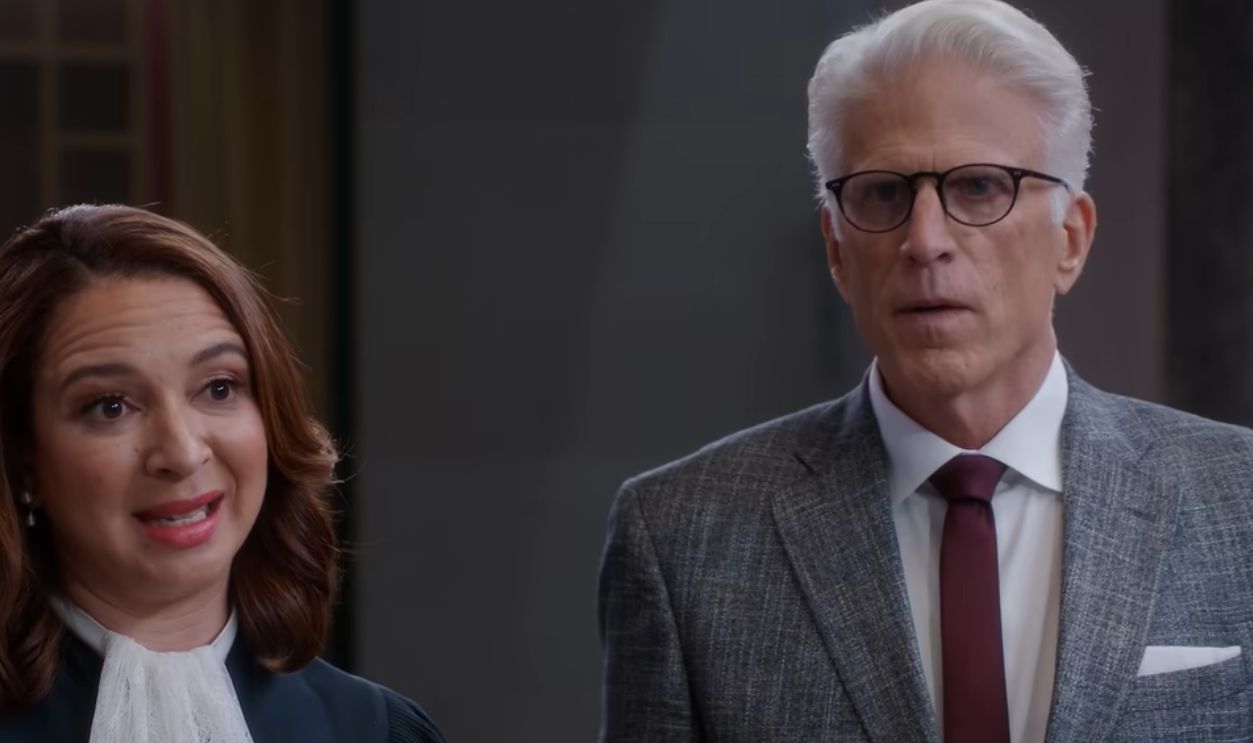 Screenshot from The Good Place, Universal Television (2016–2020)
Parents Suddenly Had Something To Explain
For longtime viewers, The Good Place created a funny generational moment. Younger family members suddenly started talking about how great “that Ted Danson guy” was. Baby Boomers could smile and explain that, yes, they'd noticed. About 35 years earlier. There had been this little show called Cheers.
 Screenshot from The Good Place, Universal Television (2016–2020)
He Kept Finding New Television Homes
Danson later starred in Mr. Mayor, playing a wealthy businessman who unexpectedly becomes mayor of Los Angeles. Once again, he found a character suited to his age without making age itself the joke. His career never felt like an extended farewell tour. He simply kept turning up in interesting places.
 Screenshot from The Good Place, Universal Television (2016–2020)
He Survived Every Television Era
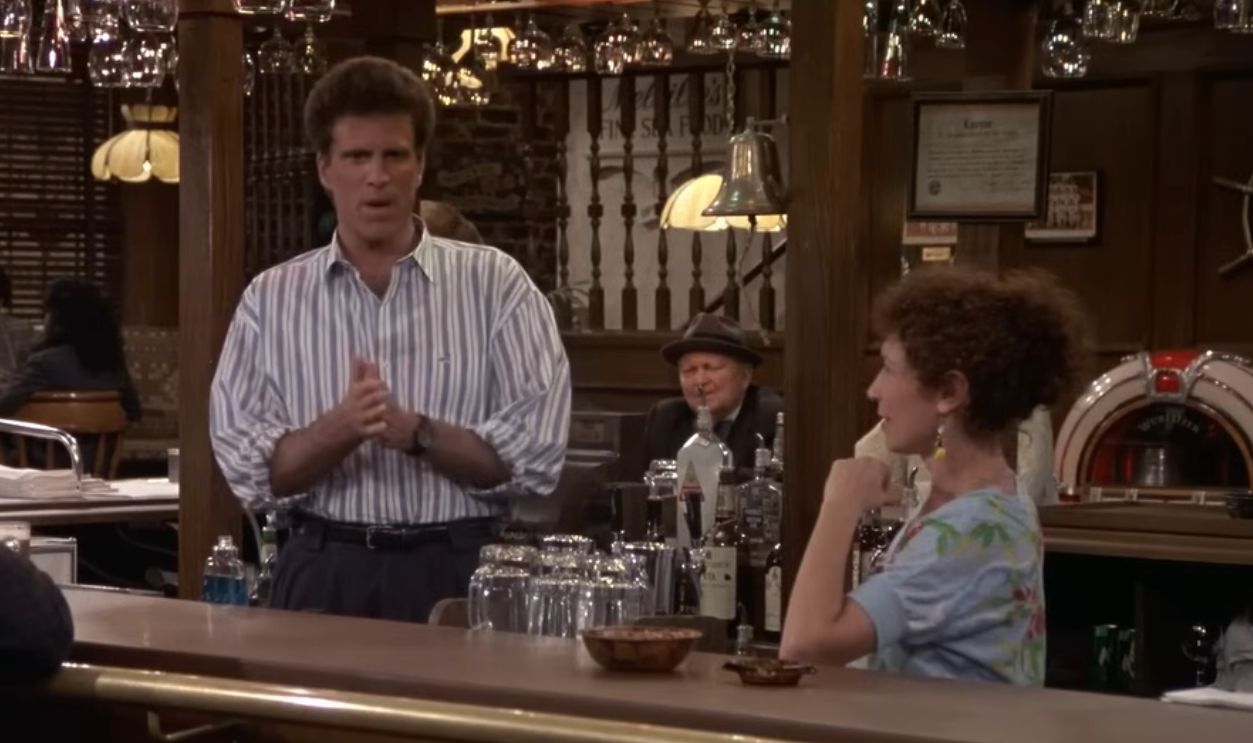
That may be the most impressive part of Ted Danson's career. He thrived when three major networks dominated television, survived the explosion of cable, and remained relevant in the streaming age. The televisions got flatter, the remote controls gained more buttons, and viewers stopped buying TV Guide. Danson kept working.
 Screenshot from Cheers, NBC (1982–1993)
Cheers Was Only The Beginning
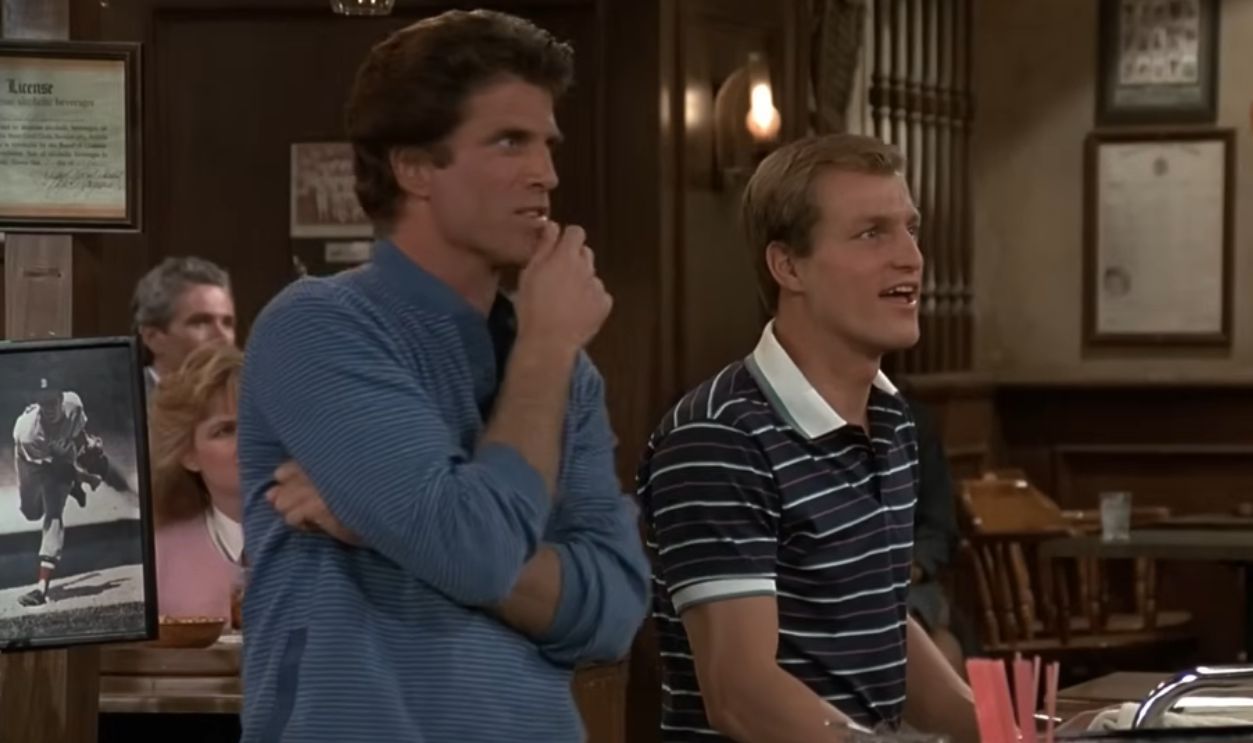
For an entire generation, Ted Danson will always be Sam Malone pouring drinks while Norm walked through the door. That alone would have been one heck of a career. Instead, Danson spent the next several decades proving that Cheers wasn't his grand finale. It was simply where everybody first learned his name.
 Screenshot from Cheers, NBC (1982–1993)
You May Also Like:
Vic Tayback Became Mel Sharples So Completely That Viewers Forgot How Long He Had Been Acting