When The Best Doctor In Town Was On TV
Long before anyone searched their symptoms online, millions of people were getting unofficial medical advice from television. The doctors of the 1970s and 1980s were calm, brilliant, compassionate, and almost always available. Some were surgeons, some were psychiatrists, and a few were absolute chaos magnets.
 CBS Television, Public domain, via Wikimedia Commons
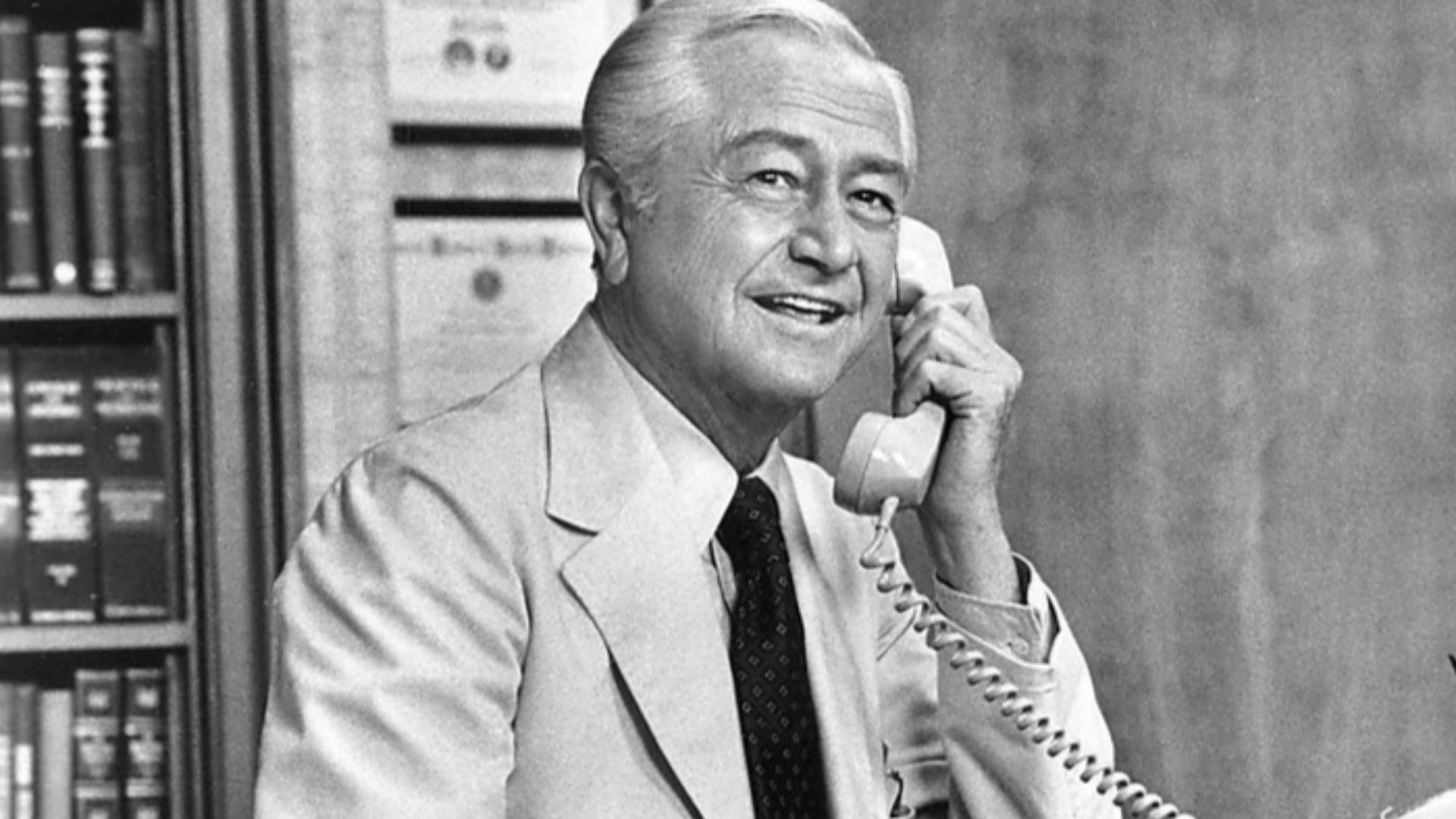
Dr. Marcus Welby
If television ever created the perfect family doctor, Marcus Welby was probably it. Robert Young played him with endless patience on Marcus Welby, M.D. Welby listened carefully, cared about his patients, and somehow made every medical crisis feel manageable. Viewers practically wanted him making house calls.
 ABC Television, Wikimedia Commons
Dr. Steven Kiley
Welby may have been the reassuring veteran, but Dr. Steven Kiley brought youthful energy to the practice. Played by James Brolin, Kiley was modern, handsome, and occasionally more willing to challenge traditional thinking. Together, the pair created the ultimate old-school-meets-new-school medical team.
 ABC Television, Wikimedia Commons
Dr. Joe Gannon
Chad Everett's Dr. Joe Gannon made Medical Center appointment television throughout much of the 1970s. Gannon was talented, confident, and exactly the guy audiences wanted walking into the operating room. Even when the situation looked grim, he had a way of making viewers believe everything would work out.
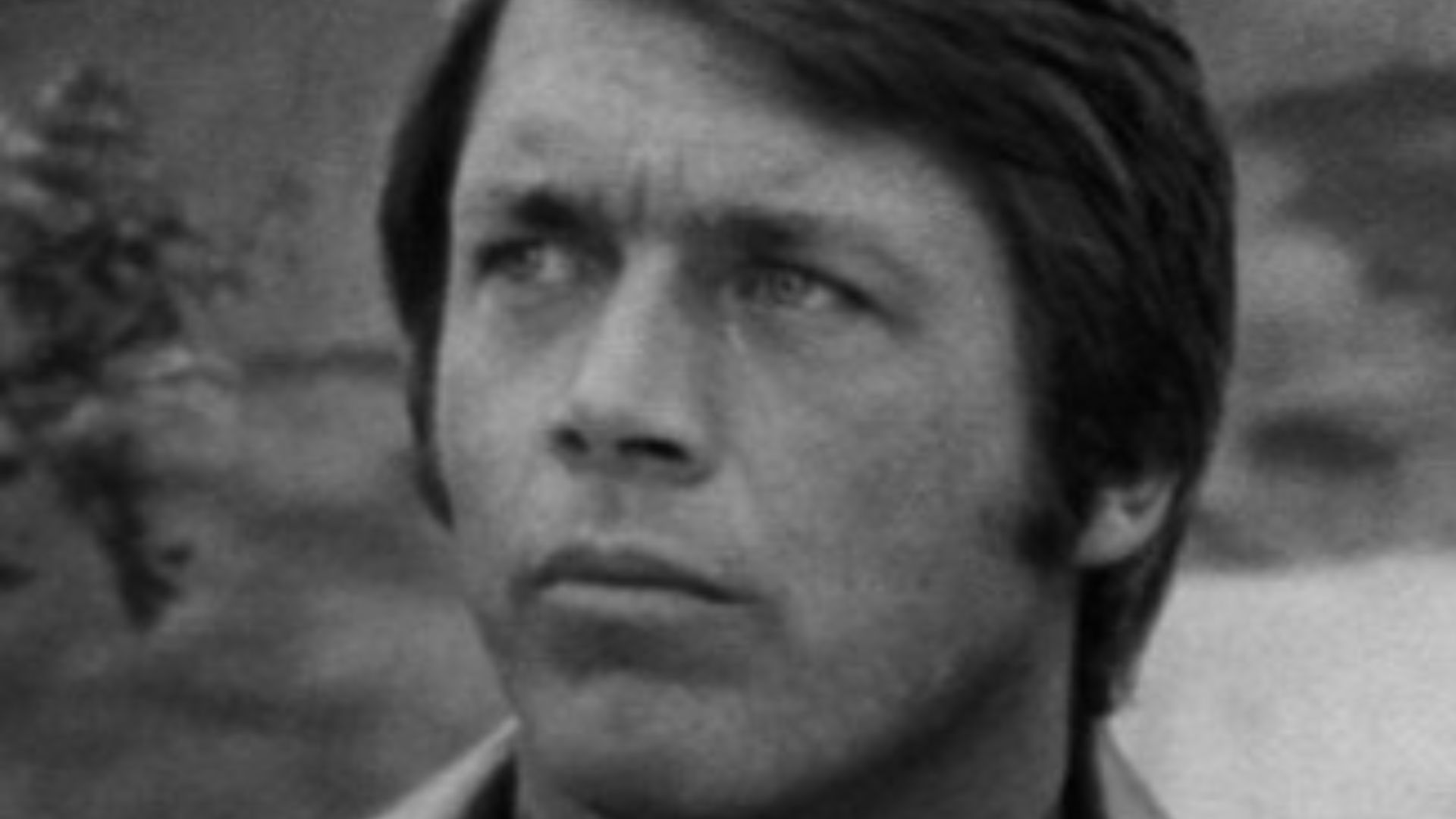 CBS Television, Wikimedia Commons
Dr. Kelly Brackett
Before medical dramas turned emergency rooms into nonstop relationship disasters, Emergency! gave viewers Dr. Kelly Brackett. Played by Robert Fuller, Brackett was cool under pressure and remarkably convincing as an ER physician. When the paramedics called Rampart, hearing Brackett's voice meant help was officially on the way.
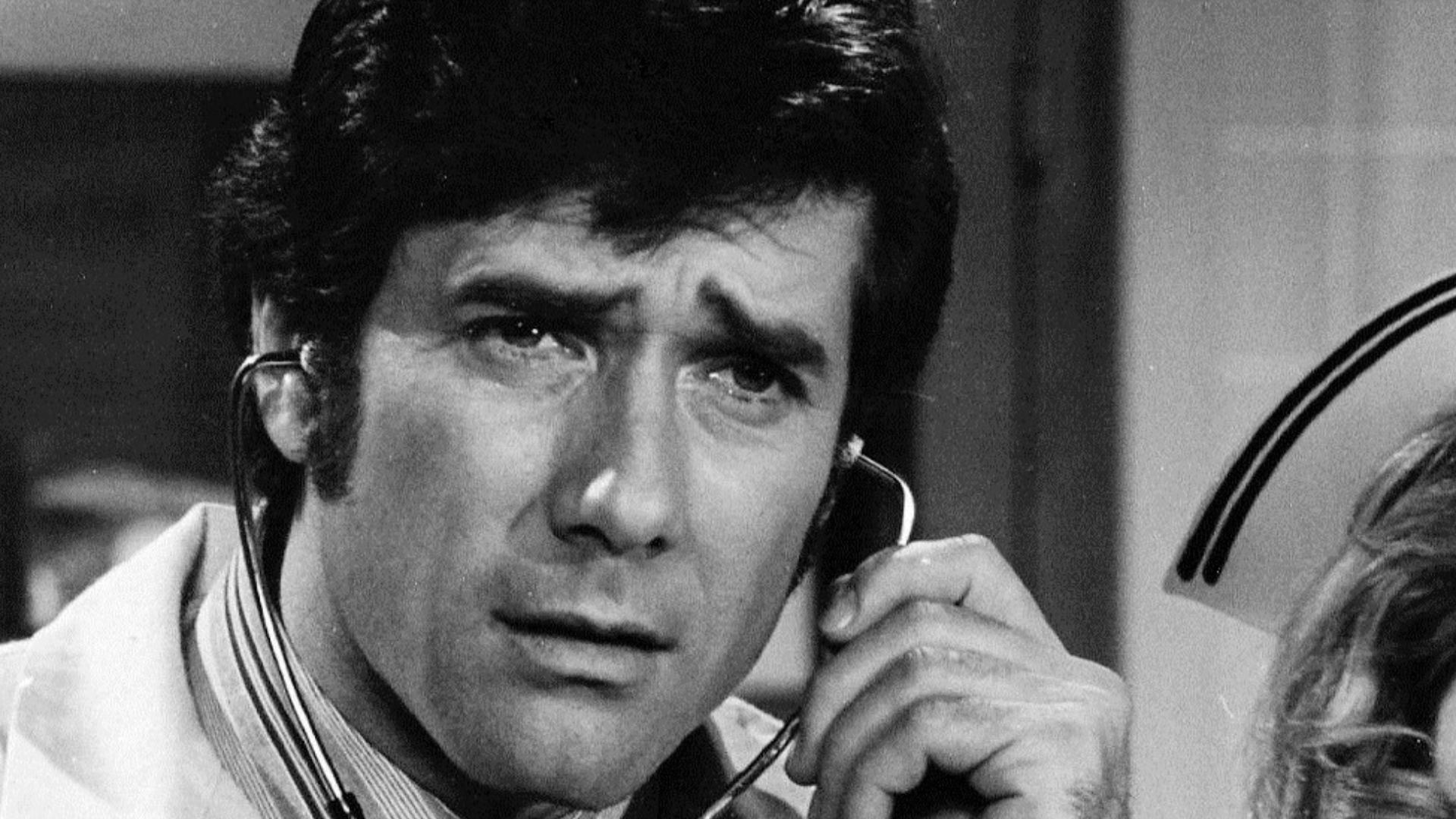 NBC Television, Wikimedia Commons
Dr. Joe Early
Dr. Joe Early was the kind of television physician who seemed impossible to rattle. Bobby Troup gave the Emergency! doctor a warm, experienced presence that balanced out all those sirens and disasters. He never needed dramatic speeches. Looking like he knew exactly what to do was usually enough.
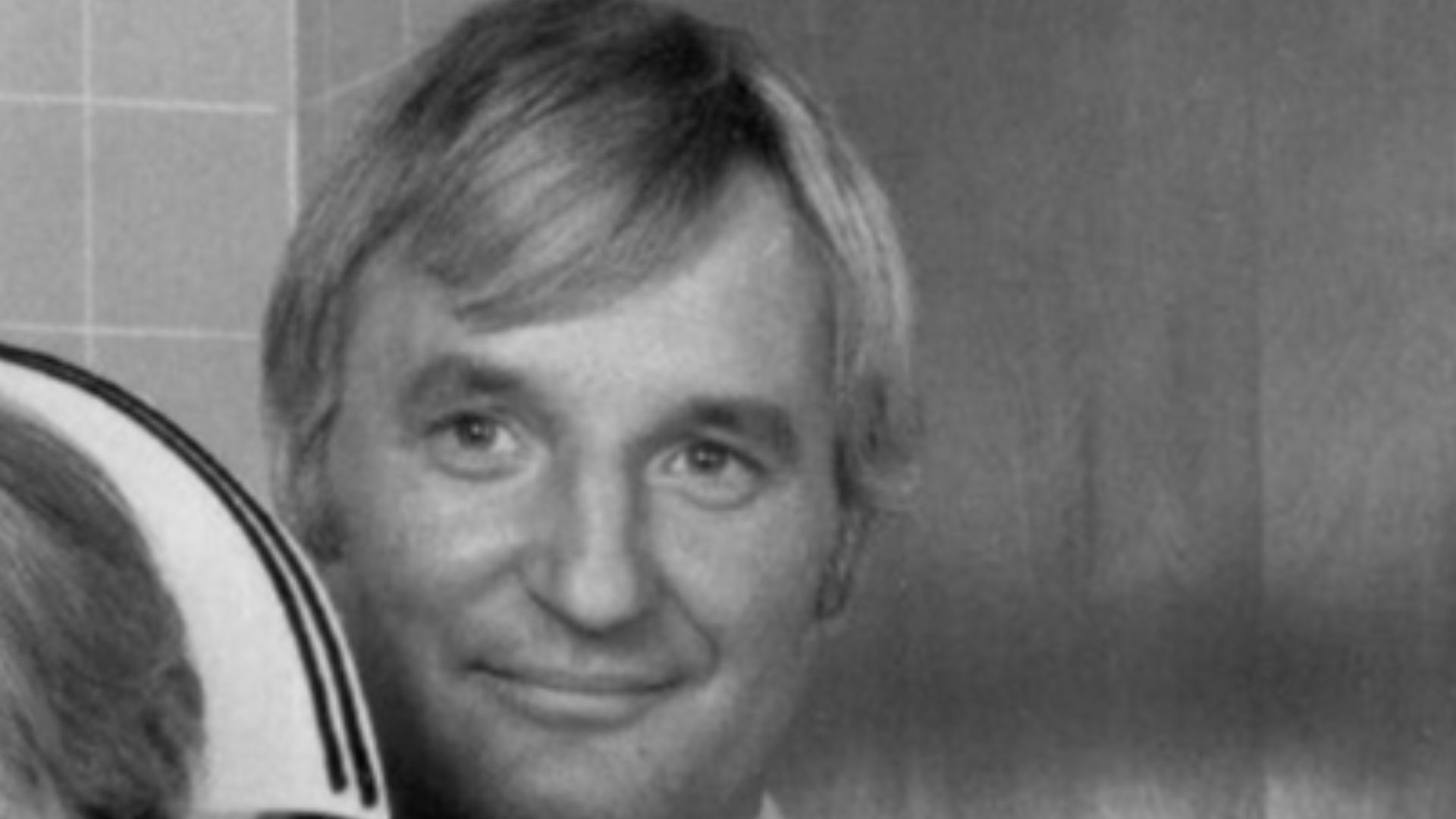 NBC Television, Wikimedia Commons
Dr. Hawkeye Pierce
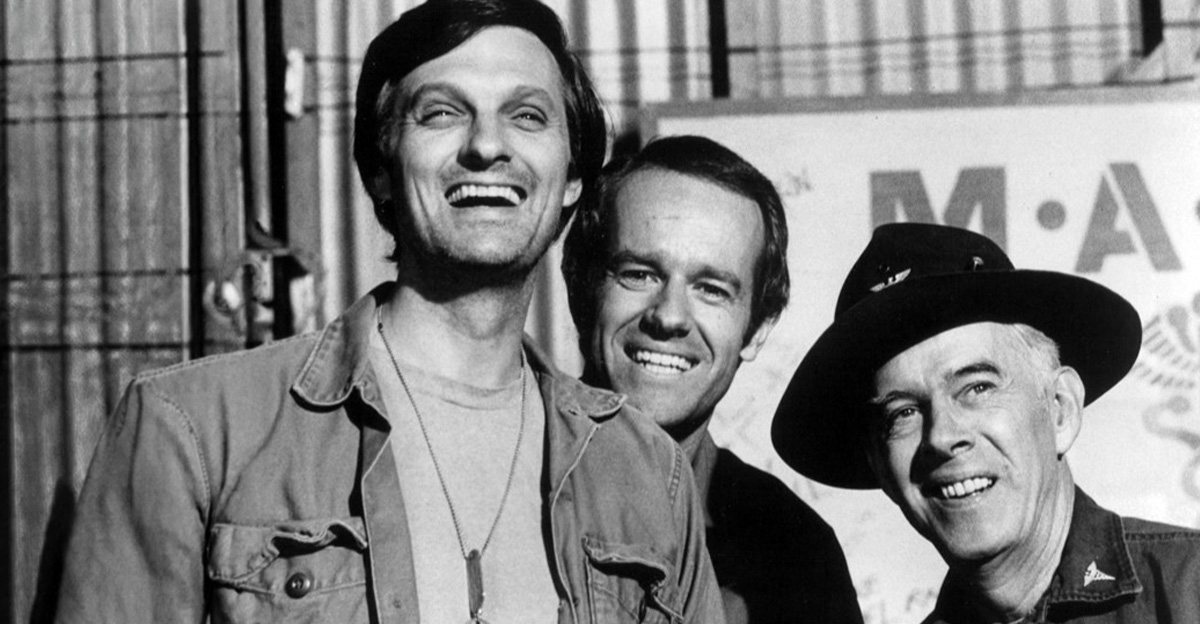
Hawkeye Pierce would probably joke through your entire examination, but somehow you'd still trust him with your life. Alan Alda turned the MASH* surgeon into one of television's most beloved characters. Beneath all the wisecracks was an exceptionally gifted doctor who cared deeply about every patient.
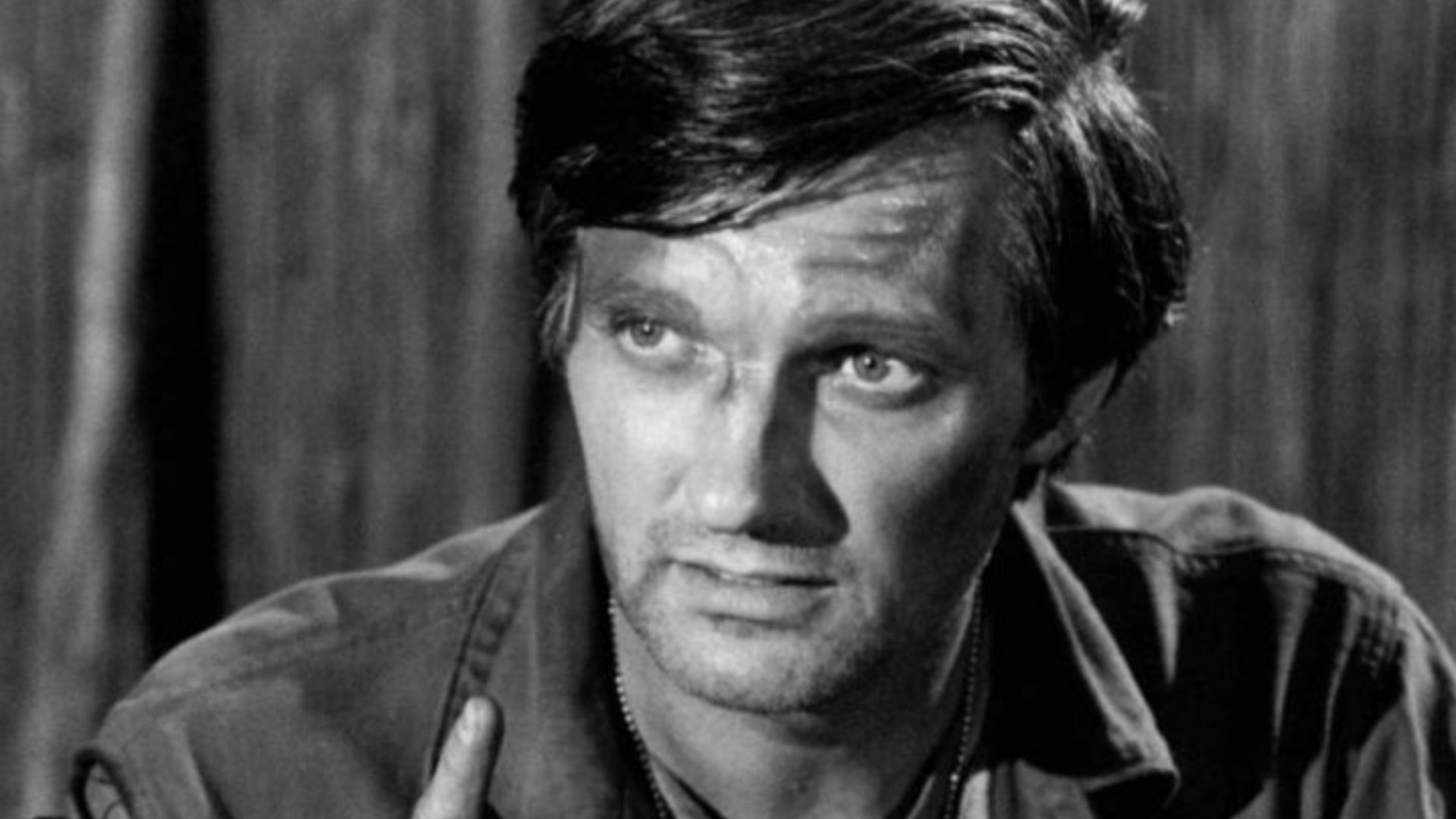 CBS Television, Wikimedia Commons
Dr. Trapper John McIntyre
Wayne Rogers' Trapper John was Hawkeye's original partner in medical mischief on MASH*. He drank, joked, bent rules, and generally behaved unlike anyone you'd meet at a modern hospital. Yet when patients arrived, Trapper became exactly the surgeon you'd want standing beside the operating table.
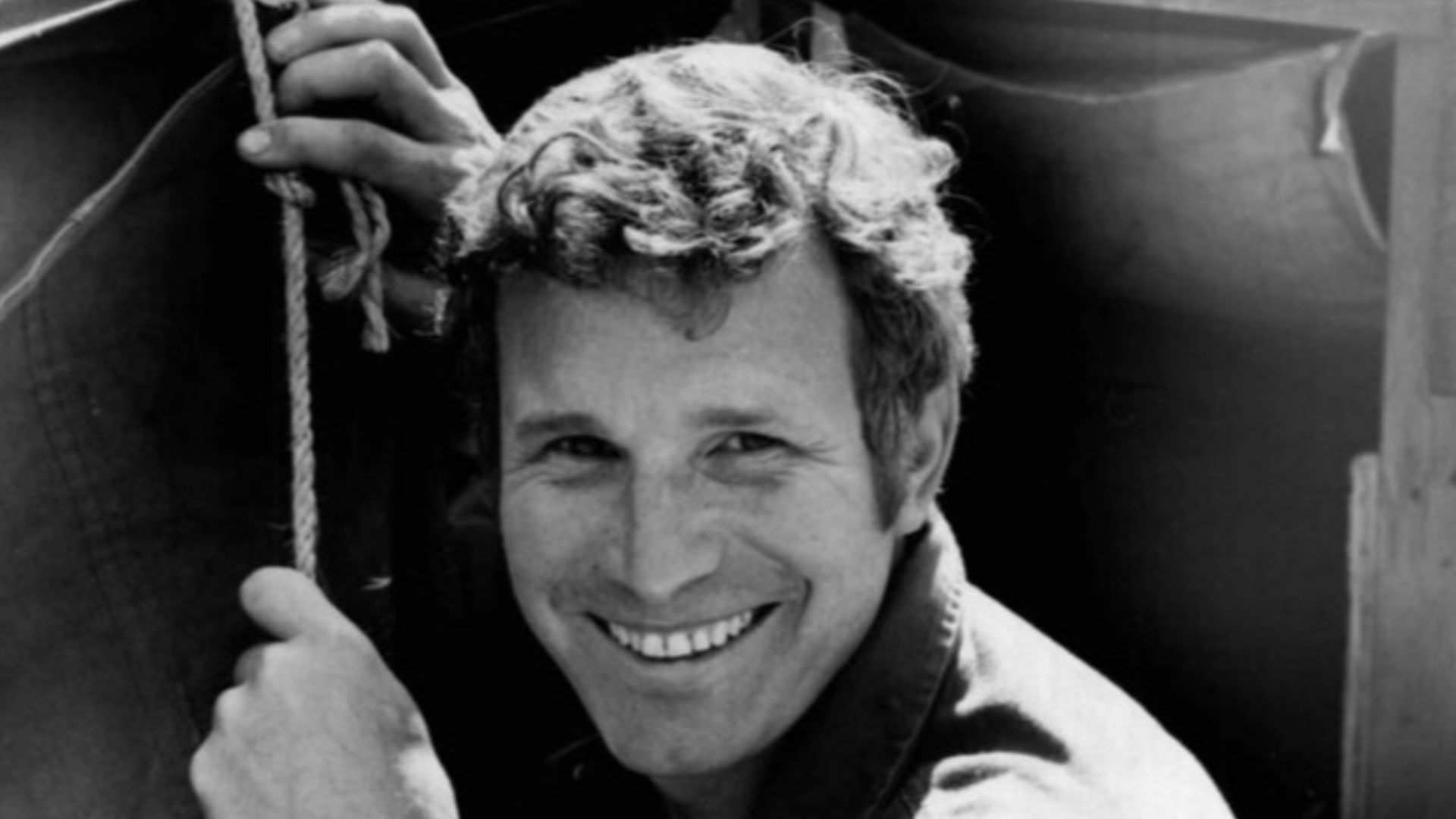 CBS Television, Wikimedia Commons
Dr. B.J. Hunnicutt
When Trapper left MASH*, Mike Farrell's B.J. Hunnicutt stepped into one of television's toughest replacement jobs. Thankfully, he quickly became beloved in his own right. B.J. was funny, thoughtful, devoted to his family, and the kind of doctor whose compassion felt just as important as his surgical skills.
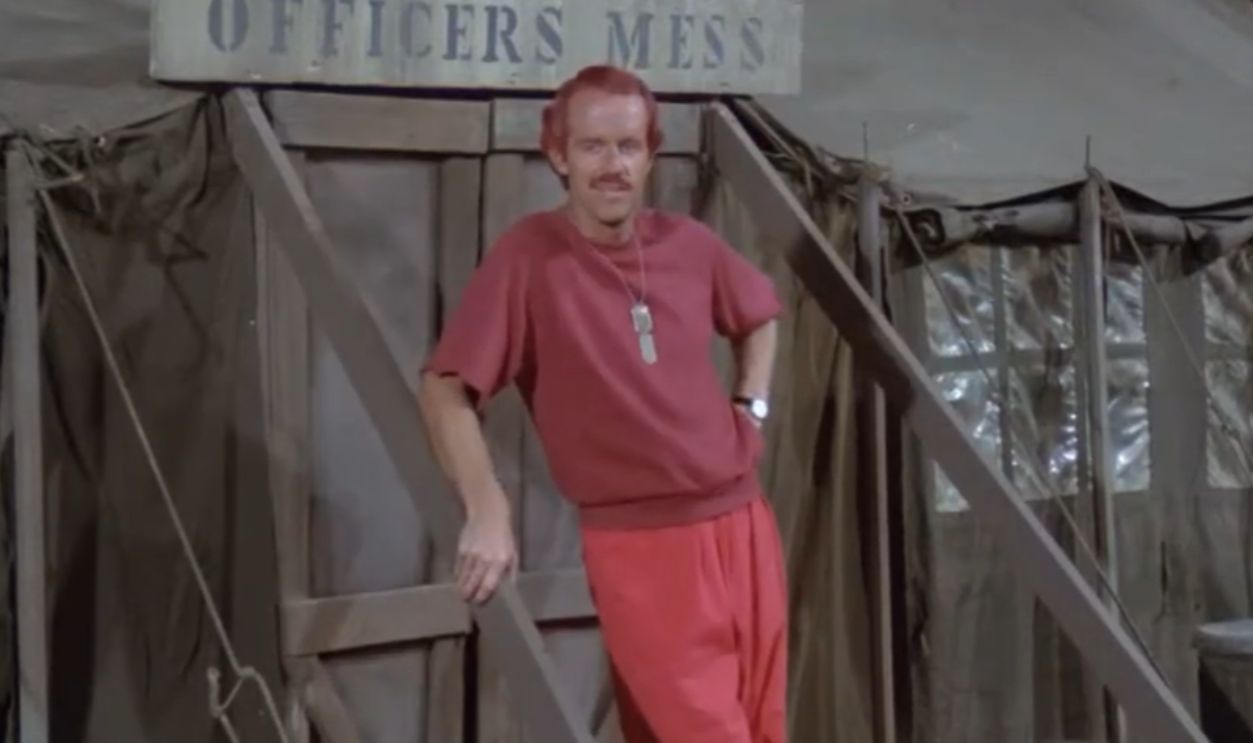 Screenshot from MASH*, 20th Century Fox Television (1972–1983)
Dr. Sherman Potter
Colonel Sherman Potter looked like the grandfather who might give you some unwanted advice before quietly saving your life. Harry Morgan brought tremendous warmth to MASH* as the experienced surgeon and commanding officer. Potter was practical, decent, and refreshingly free of the enormous ego doctors often get on TV.
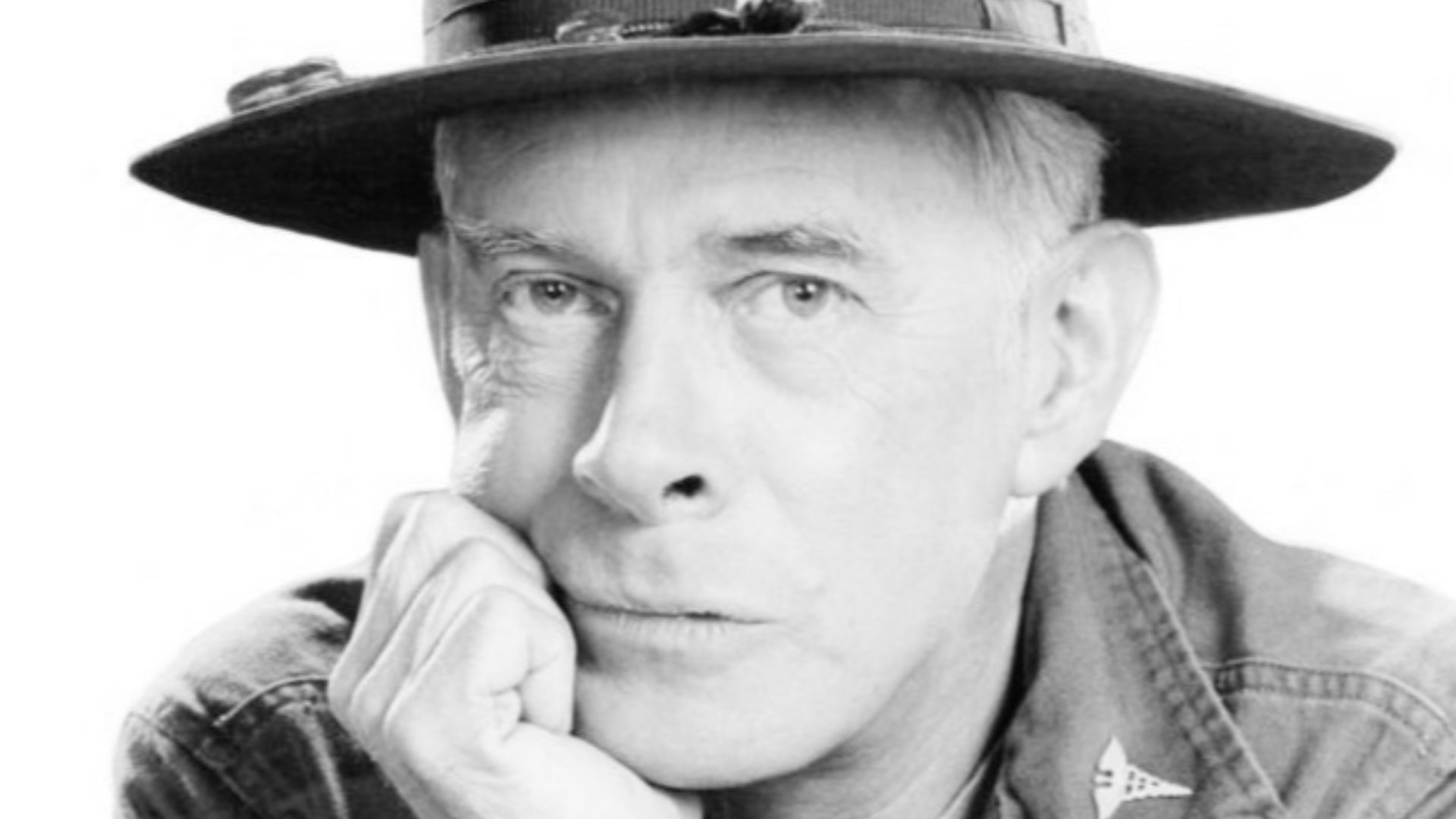 CBS Television, Wikimedia Commons
Dr. Charles Emerson Winchester III
Charles Winchester definitely had the enormous ego. David Ogden Stiers played the brilliant Boston surgeon as sophisticated, pompous, and frequently irritated by everyone around him. But Winchester could back up the attitude. When something medically complicated appeared, you knew he was going to take it very seriously.
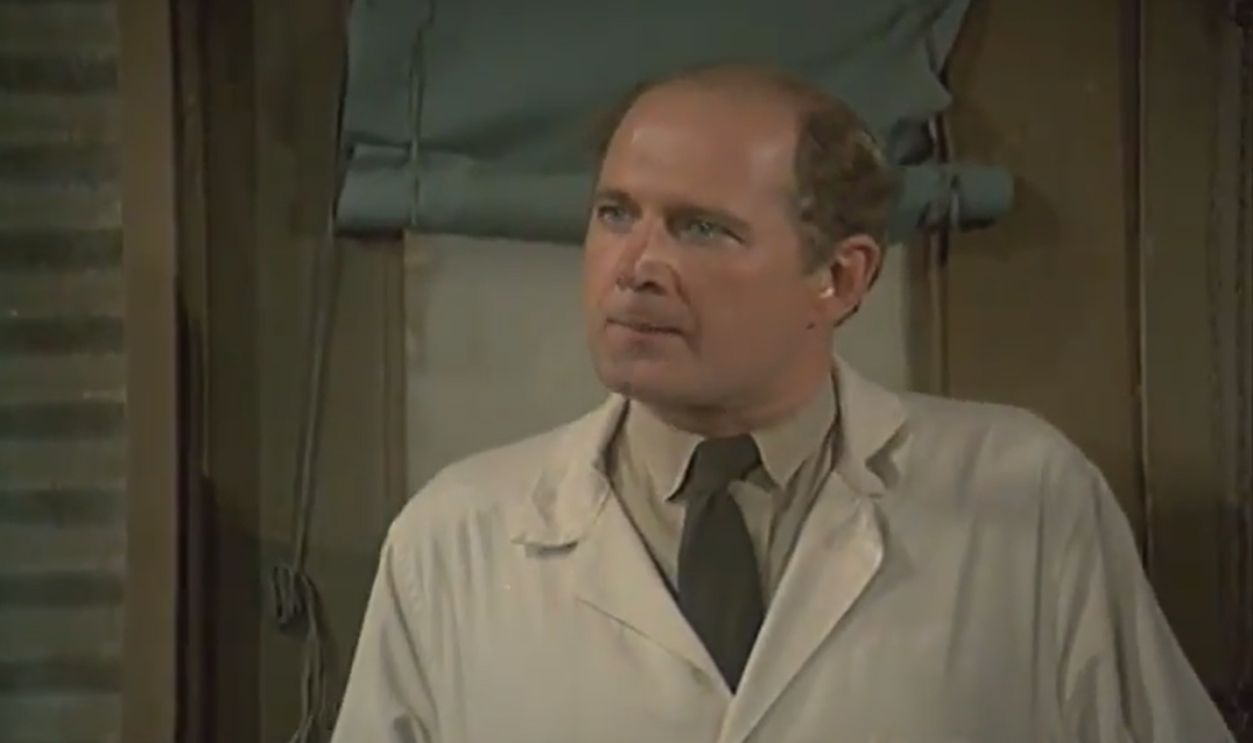 Screenshot from MASH*, 20th Century Fox Television (1972–1983)
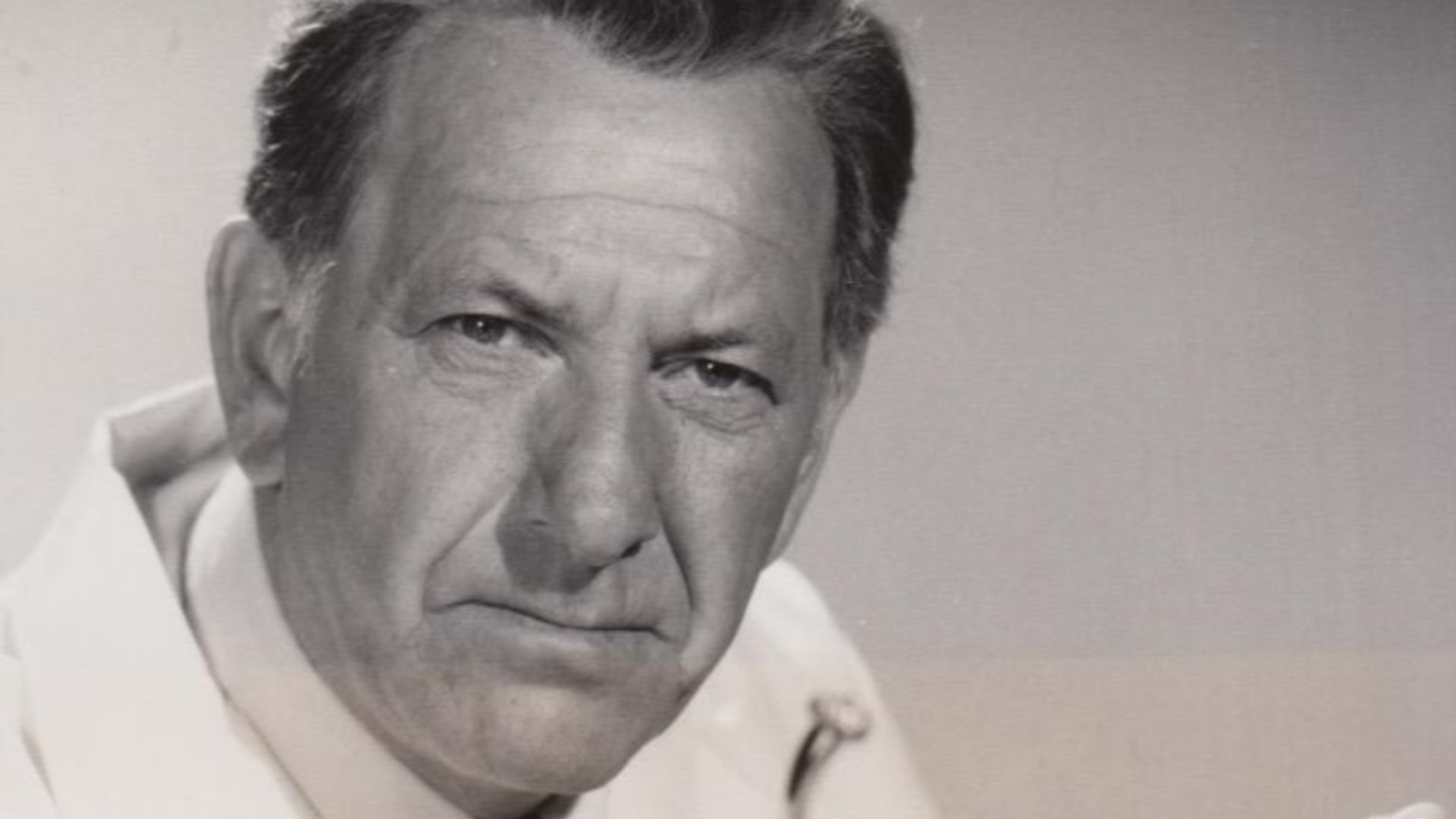
Dr. Quincy
Technically, Quincy spent more time figuring out why people died than keeping them alive. Still, Jack Klugman's medical examiner on Quincy, M.E. became one of television's most trusted medical authorities. He treated every suspicious death like a personal mission and never seemed afraid of annoying absolutely everyone while searching for answers.
 NBC Television, Wikimedia Commons
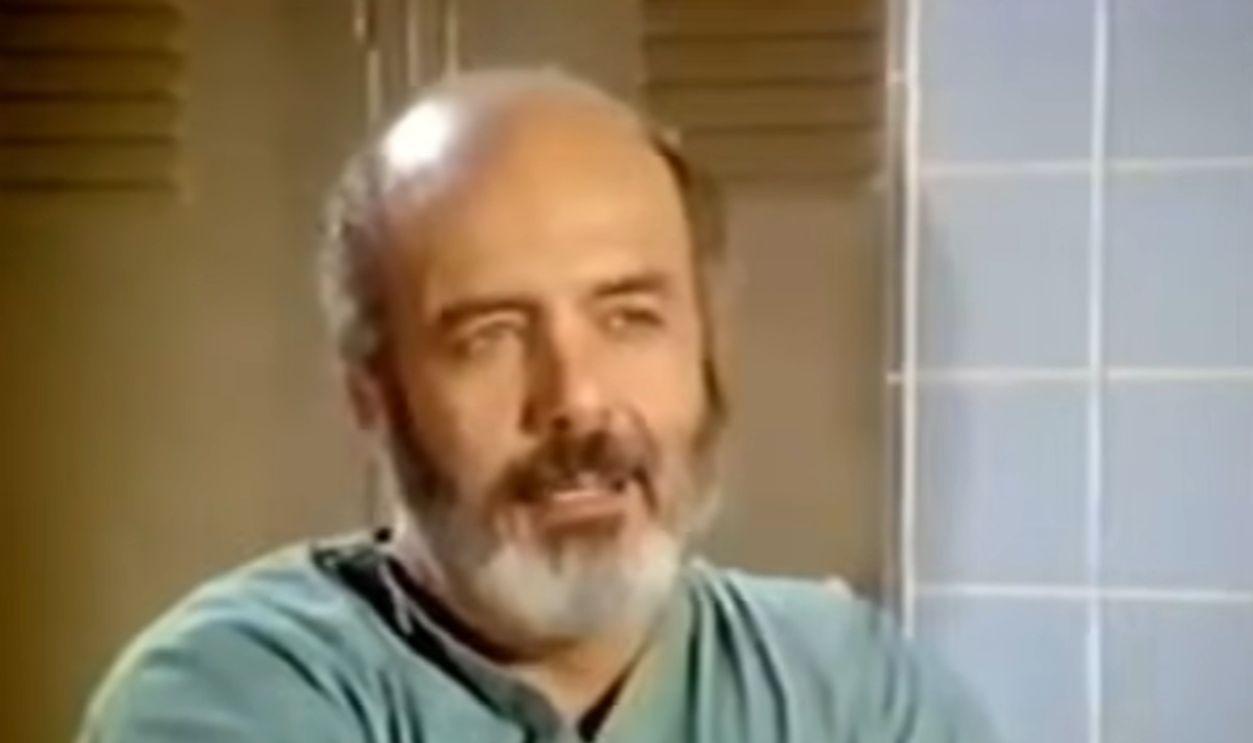
Dr. Trapper John McIntyre Returns
Years after MASH*, Trapper John returned with Pernell Roberts playing an older version of the character on Trapper John, M.D. This Trapper had traded wartime antics for hospital leadership, but the charm remained. He was wiser, steadier, and exactly the veteran surgeon viewers wanted running the place.
 Screenshot from Trapper John, M.D., 20th Century Fox Television (1979–1986)
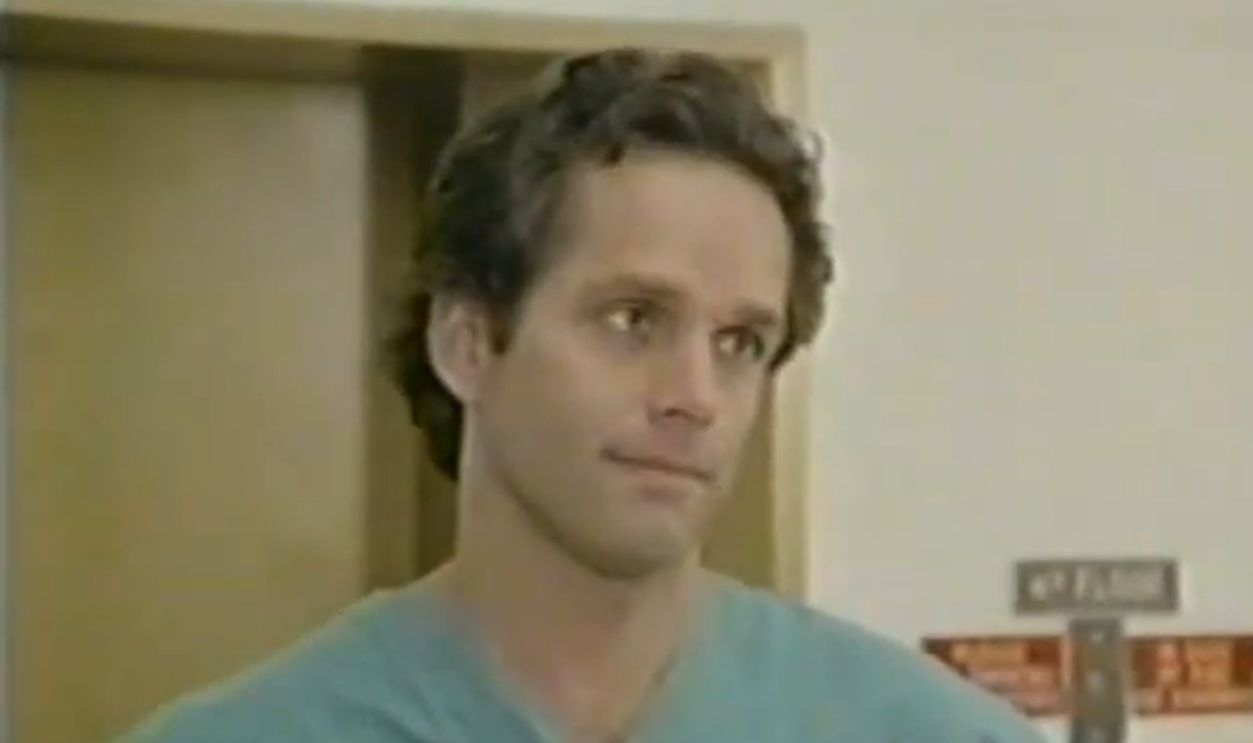
Dr. Gonzo Gates
Every serious television hospital needs at least one doctor willing to ignore conventional behavior. Gregory Harrison's Dr. George "Gonzo" Gates filled that role perfectly on Trapper John, M.D. He was adventurous, unconventional, and charming enough to make questionable decisions seem strangely reasonable. Patients certainly never got a boring doctor.
 Screenshot from Trapper John, M.D., 20th Century Fox Television (1979–1986)
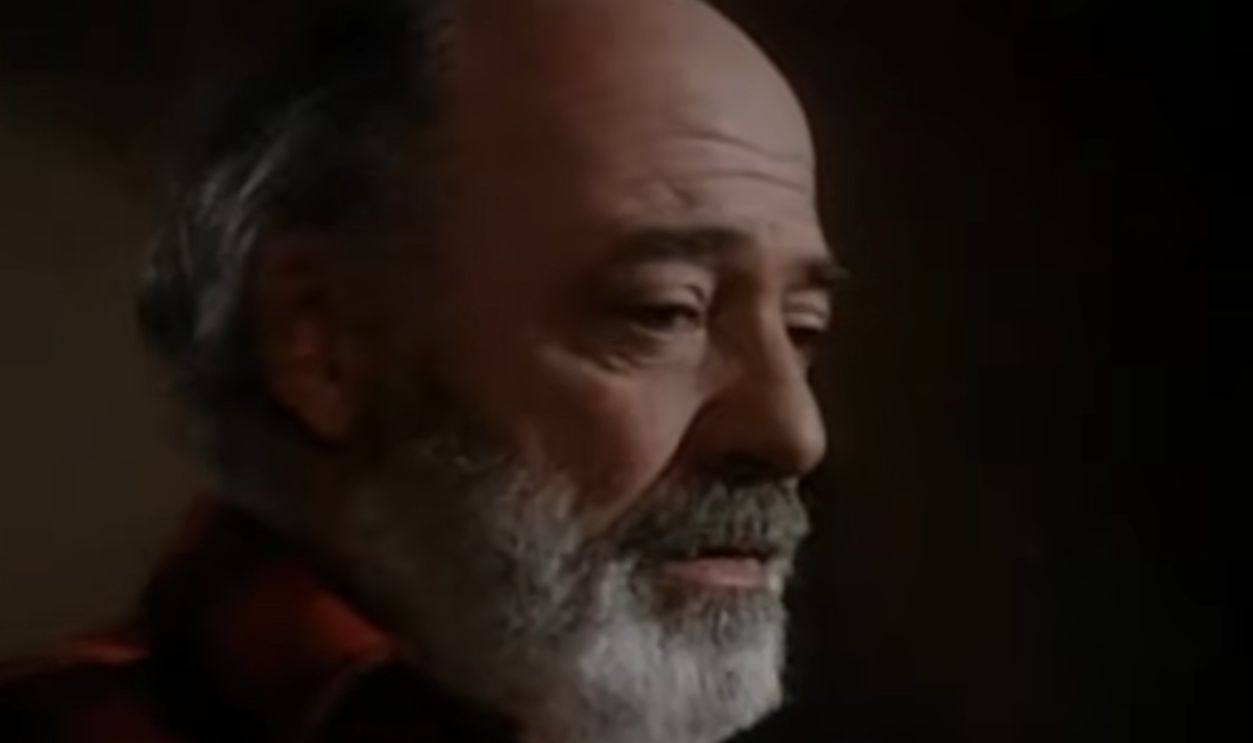
Dr. Donald Westphall
St. Elsewhere changed the medical-drama formula by making hospitals feel complicated, messy, and genuinely unpredictable. Ed Flanders' Dr. Donald Westphall was the humane center of that chaos. Thoughtful and compassionate, he seemed genuinely interested in treating people rather than simply solving whatever medical mystery appeared that week.
 Screenshot from St. Elsewhere, NBC (1982–1988)
Dr. Mark Craig
William Daniels' Dr. Mark Craig was not going to win any bedside-manner awards. The brilliant surgeon on St. Elsewhere could be abrasive, demanding, and intimidating. Yet audiences understood something important: if Craig was performing your surgery, his personality suddenly became much less important than those very talented hands.
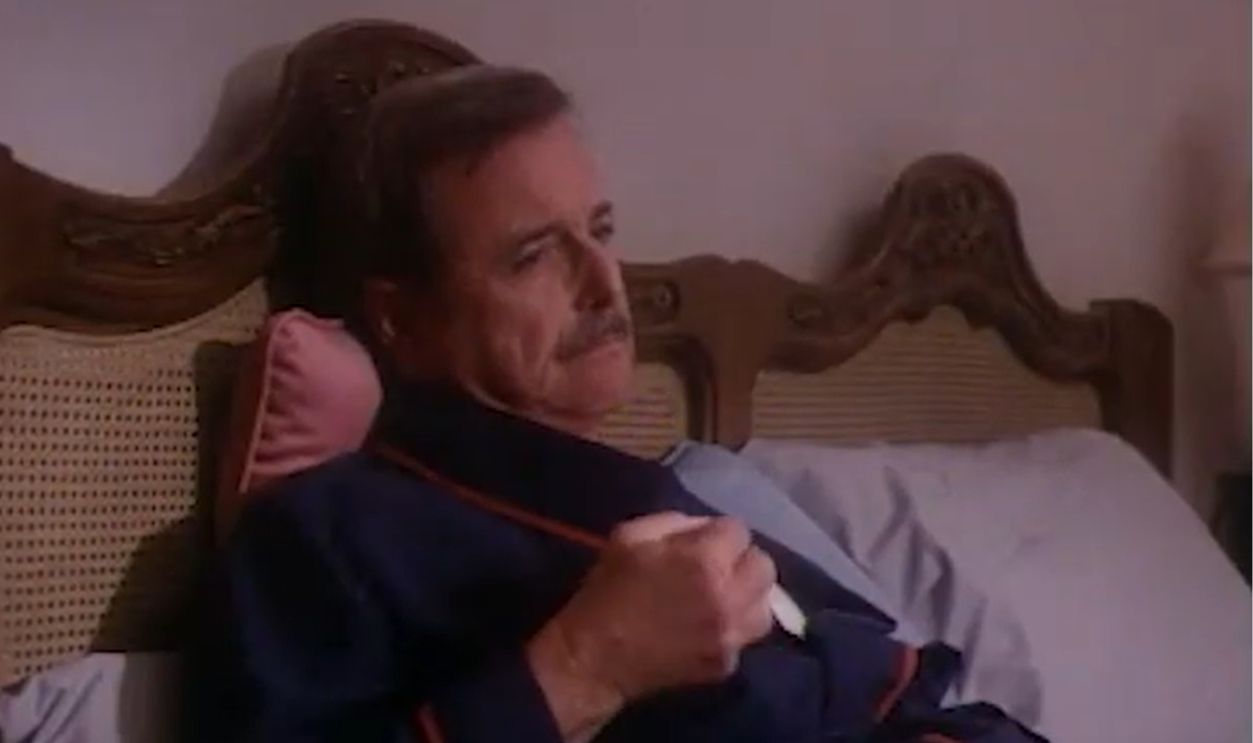 Screenshot from St. Elsewhere, NBC (1982–1988)
Dr. Daniel Auschlander
Norman Lloyd gave Dr. Daniel Auschlander a gentle authority that made him one of St. Elsewhere's most memorable physicians. His own health struggles added another layer to the character. He understood hospitals from both sides of the bed, making his compassion feel especially believable whenever frightened patients needed reassurance.
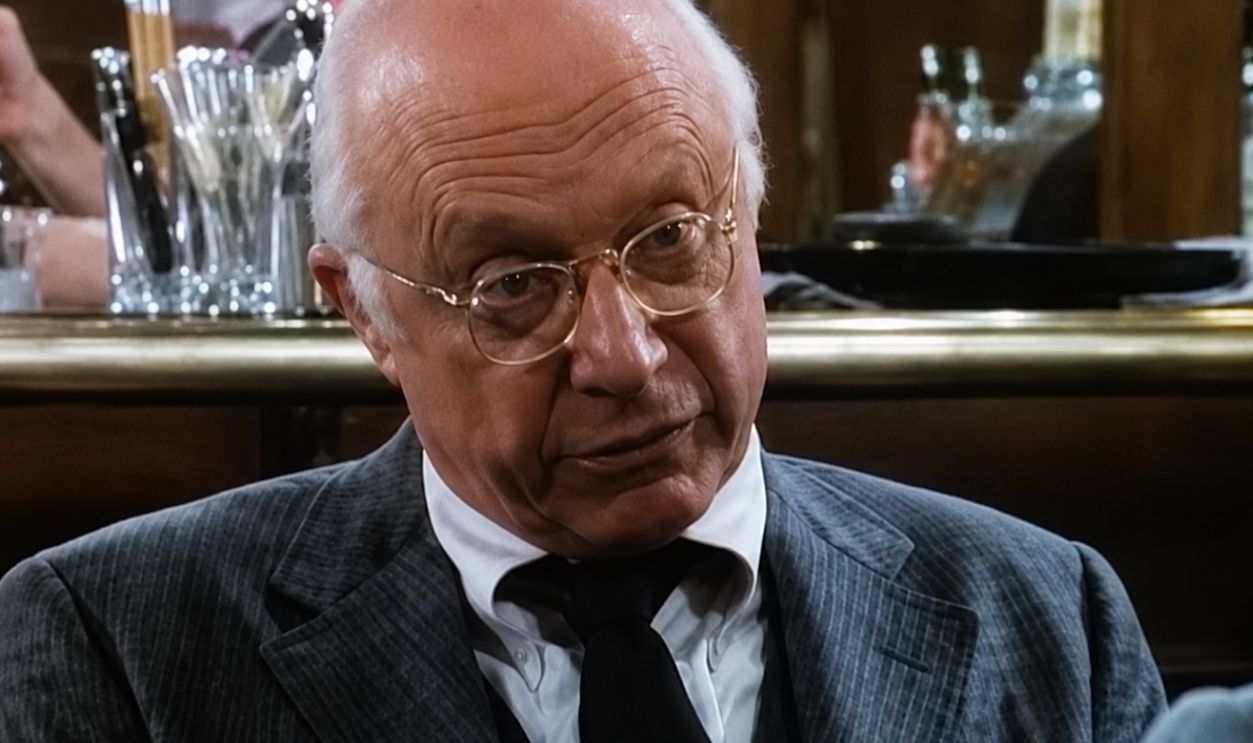 Screenshot from St. Elsewhere, NBC (1982–1988), Modified
Dr. Wayne Fiscus
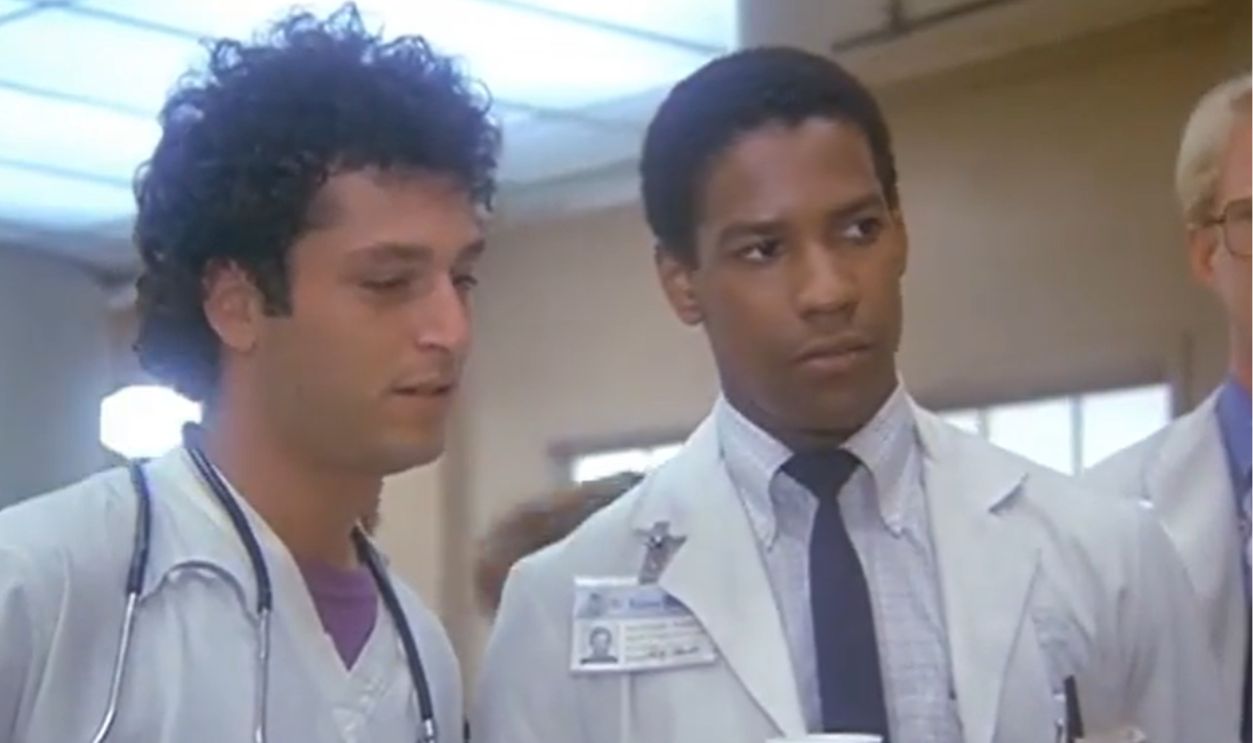
Howie Mandel's Dr. Wayne Fiscus brought some much-needed youthful humor into the frequently heavy world of St. Elsewhere. Fiscus could be immature, sarcastic, and occasionally overwhelmed, which actually made him feel more believable. He wasn't television's perfect physician. He was a doctor viewers could imagine actually knowing.
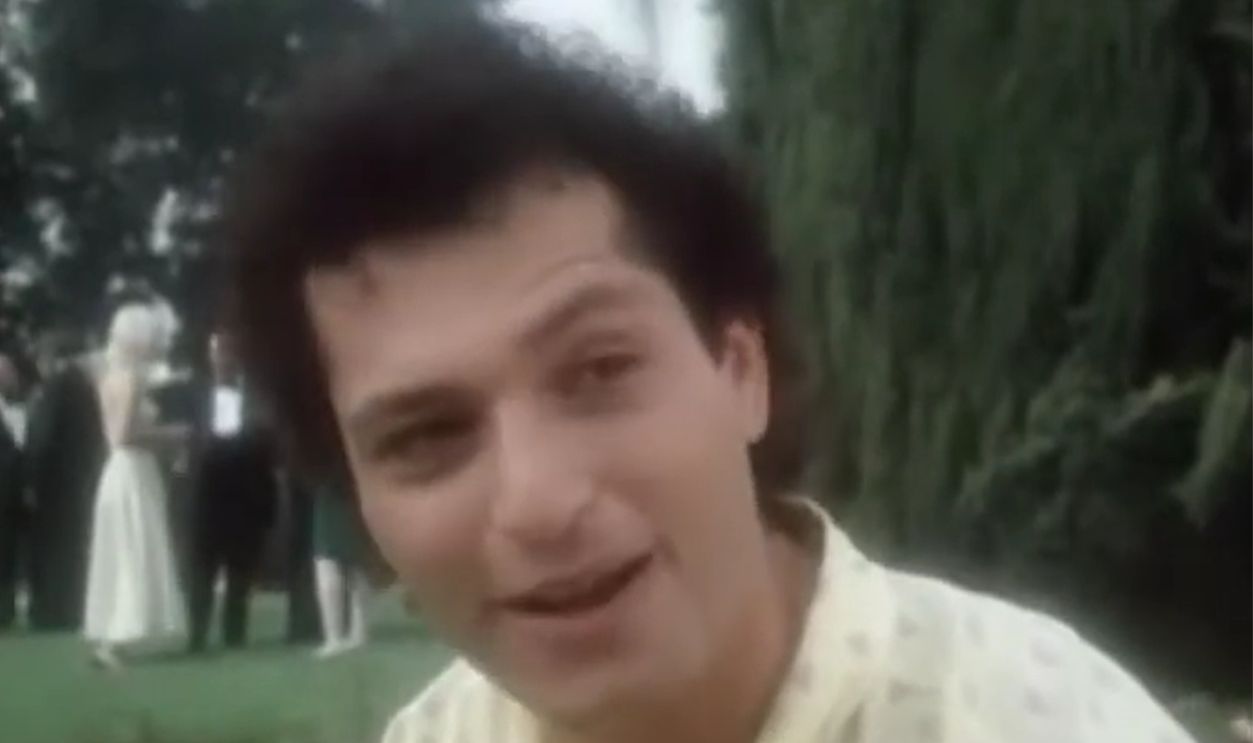 Screenshot from St. Elsewhere, NBC (1982–1988)
Dr. Phillip Chandler
Denzel Washington was still years away from becoming one of Hollywood's biggest stars when he played Dr. Phillip Chandler on St. Elsewhere. Chandler was ambitious, intelligent, and increasingly frustrated by the realities surrounding him. Even early in Washington's career, the character had a presence that was difficult to ignore.
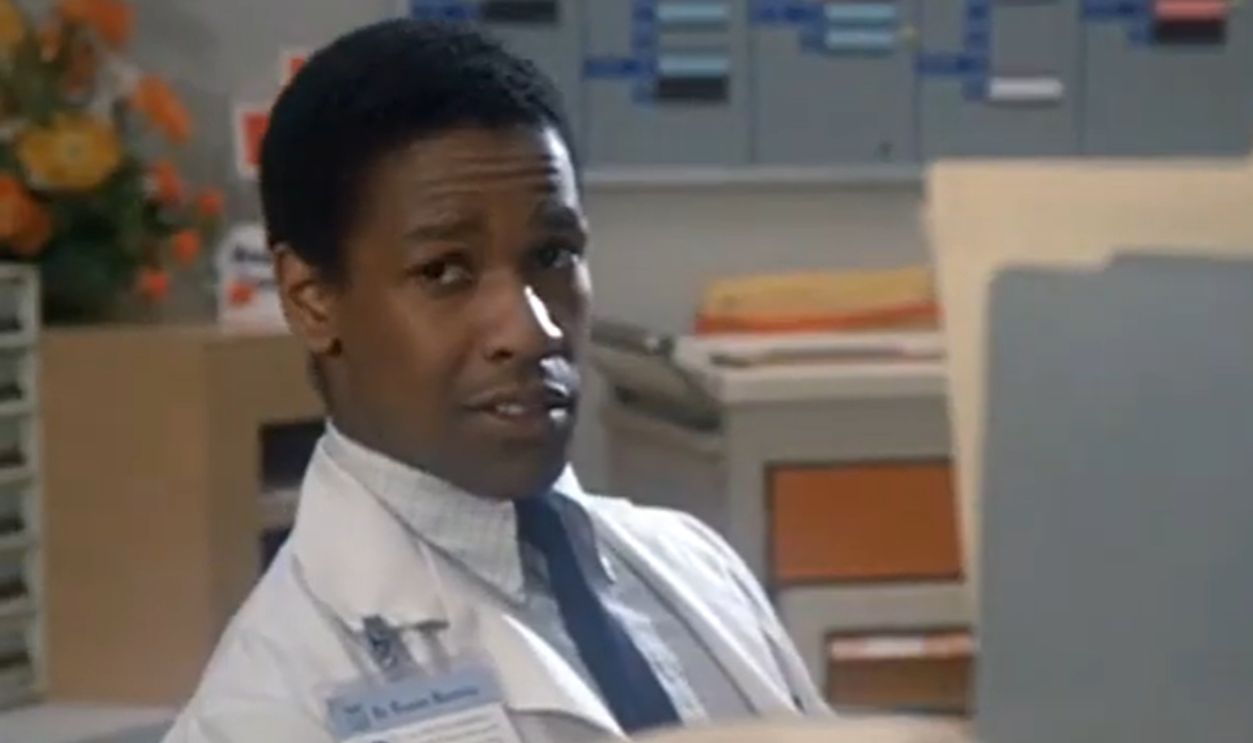 Screenshot from St. Elsewhere, NBC (1982–1988)
Dr. Robert Caldwell
Mark Harmon's Dr. Robert Caldwell looked like he had stepped directly out of a television hospital casting brochure. Handsome and confident, Caldwell initially seemed like another effortlessly charming physician. St. Elsewhere, however, gave his story considerably more depth, helping push television medicine into complicated and uncomfortable territory.
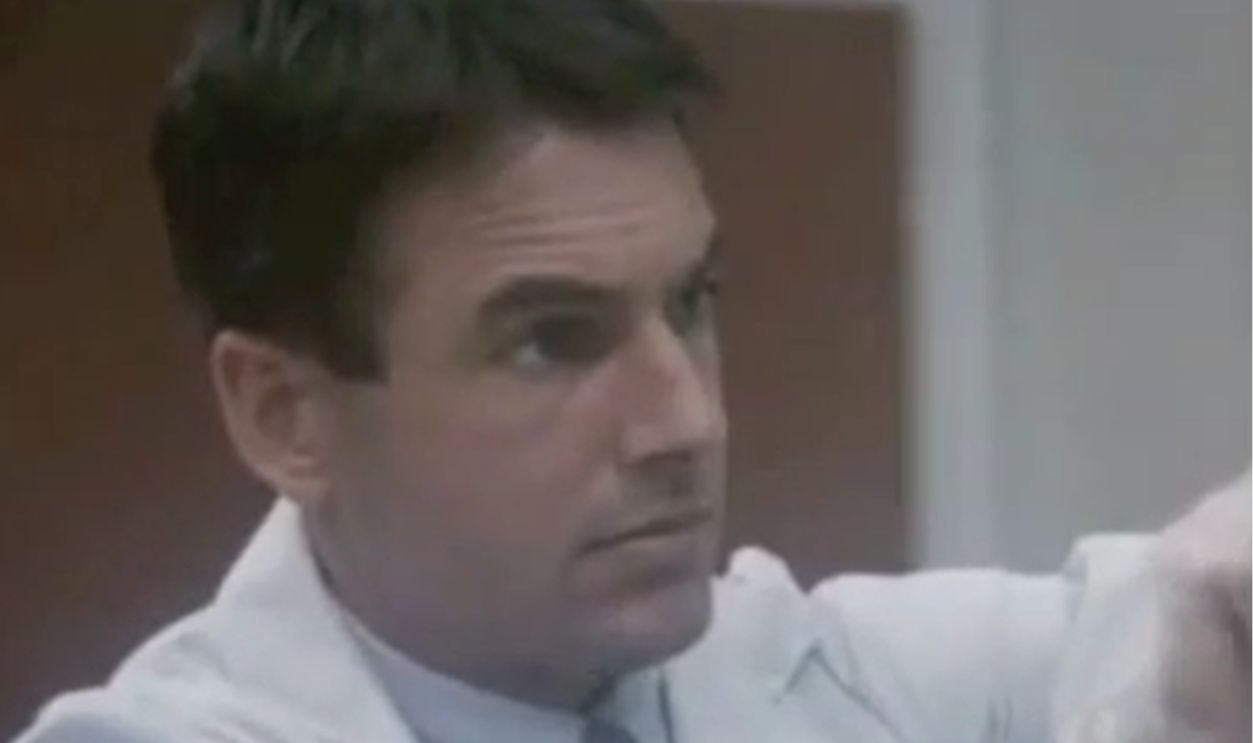 Screenshot from St. Elsewhere, NBC (1982–1988)
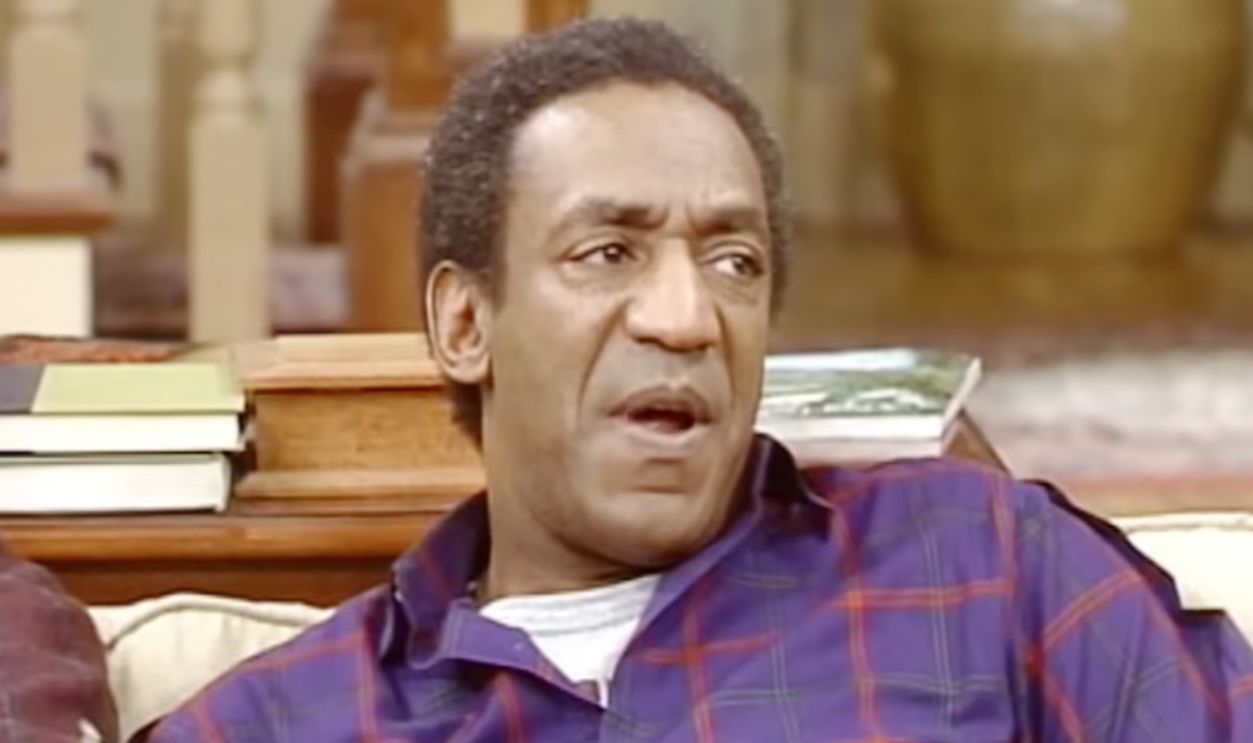
Dr. Heathcliff Huxtable
Cliff Huxtable wasn't working hospital corridors every episode of The Cosby Show, but the character's career as an obstetrician was an important part of his identity. For 1980s audiences, Dr. Huxtable represented a successful physician whose professional life existed alongside the everyday chaos of raising a large family.
 Screenshot from Days of Our Lives, Sony Pictures Television (1965–present)
Dr. Harry Weston
Richard Mulligan's Dr. Harry Weston on Empty Nest was the pediatrician you wished lived next door. Warm, funny, and permanently surrounded by eccentric people, Harry rarely seemed like the stereotypical television doctor. His medical career simply reinforced what viewers already knew: this was a guy you could trust.
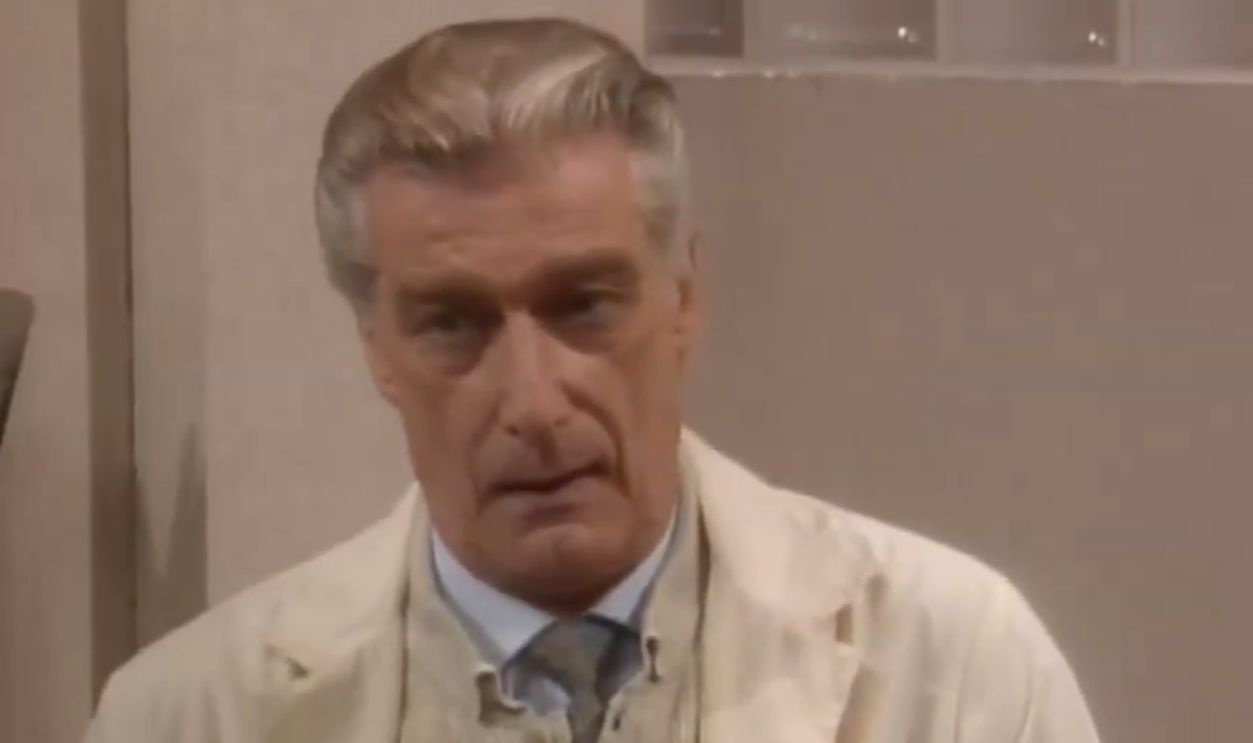 Screenshot from Empty Nest, Buena Vista Television (1988–1995)
Dr. Doogie Howser
Only television could convince millions of people that putting a 16-year-old in charge of their medical care was adorable. Neil Patrick Harris made teenage physician Doogie Howser surprisingly believable when Doogie Howser, M.D. debuted in 1989. He had genius-level medical skills and completely ordinary teenage problems.
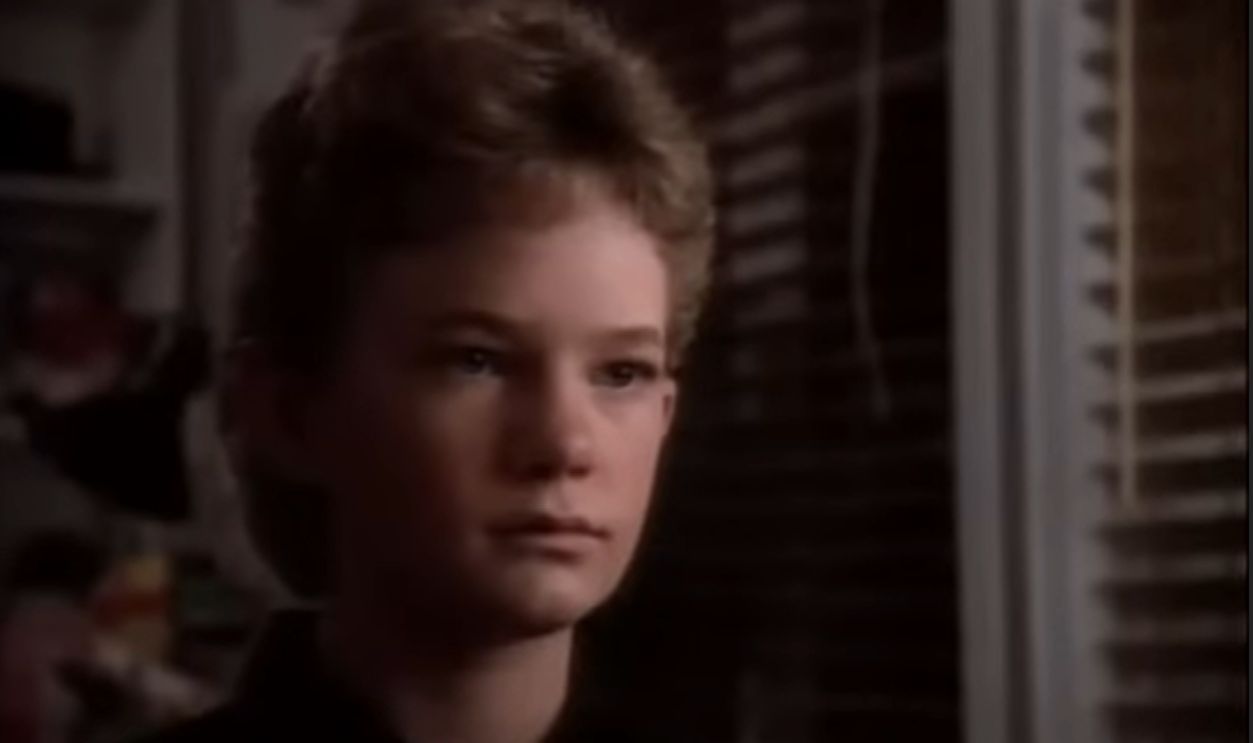 Screenshot from Doogie Howser, M.D., Twentieth Television (1989–1993)
Dr. Steve Hardy
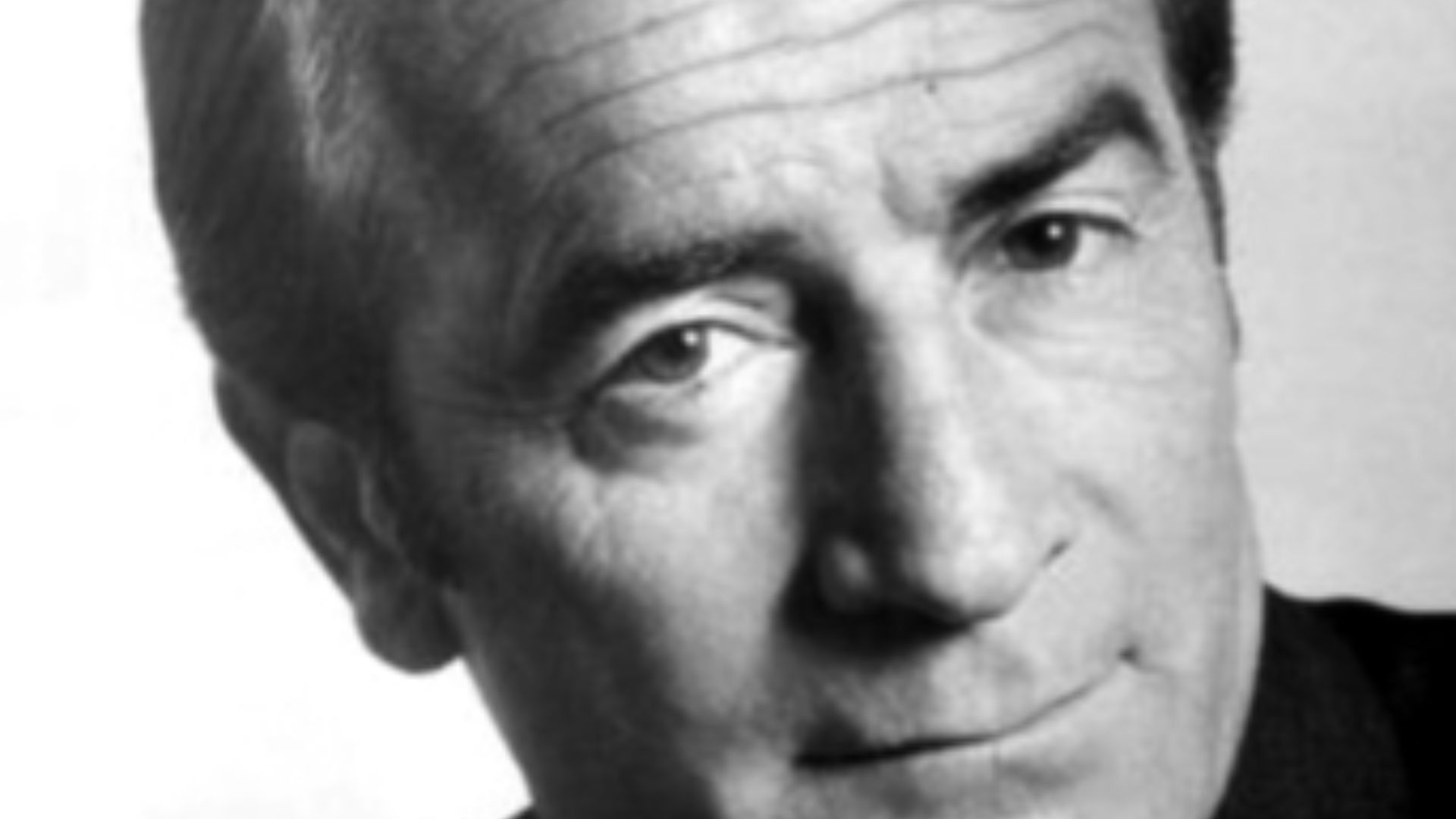
Longtime General Hospital viewers knew that if things got truly serious, Dr. Steve Hardy would probably know what to do. John Beradino played the respected physician for decades, making Hardy one of daytime television's defining doctors. He brought stability to a hospital where stability was frequently in very short supply.
 ABC Television, Wikimedia Commons
Dr. Marlena Evans
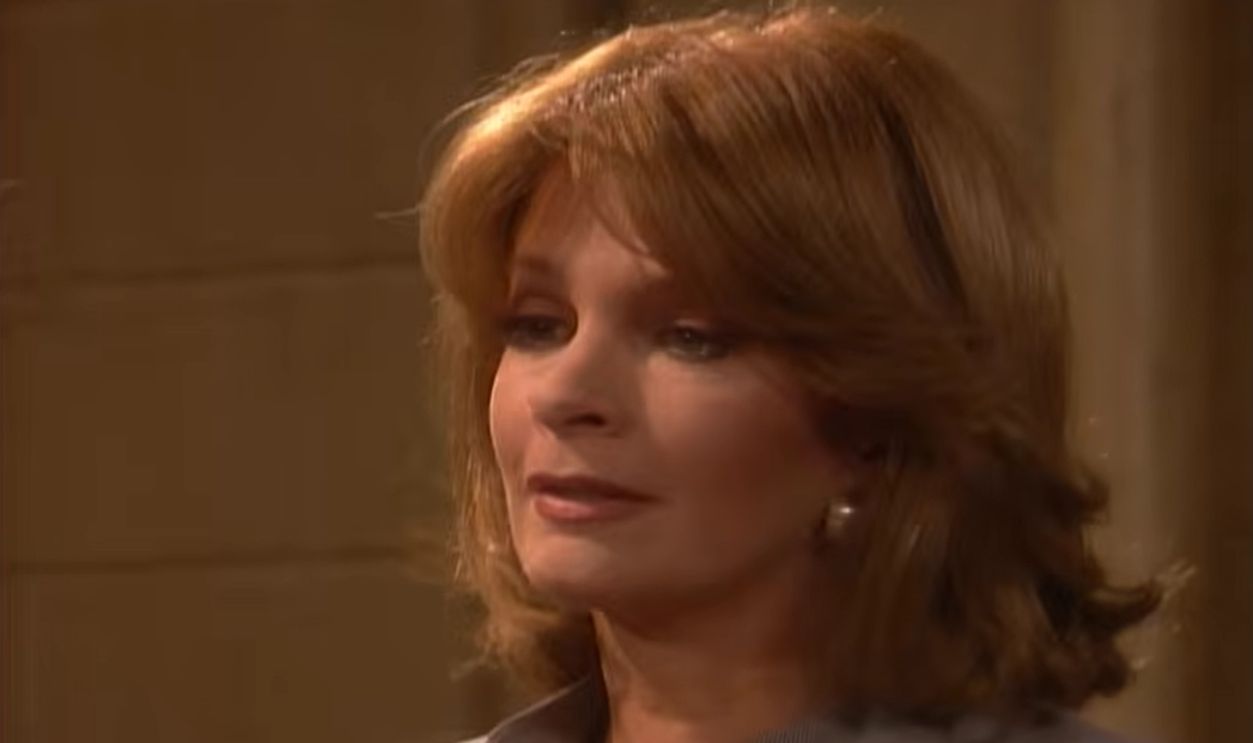
Dr. Marlena Evans didn't need a scalpel to become one of television's most famous doctors. Deidre Hall's Days of Our Lives psychiatrist became a daytime institution after arriving in the 1970s. Marlena was intelligent, compassionate, and remarkably calm considering the outrageous situations Salem continually threw in her direction.
 Screenshot from Days of Our Lives, Sony Pictures Television (1965–present)
Dr. Monica Quartermaine
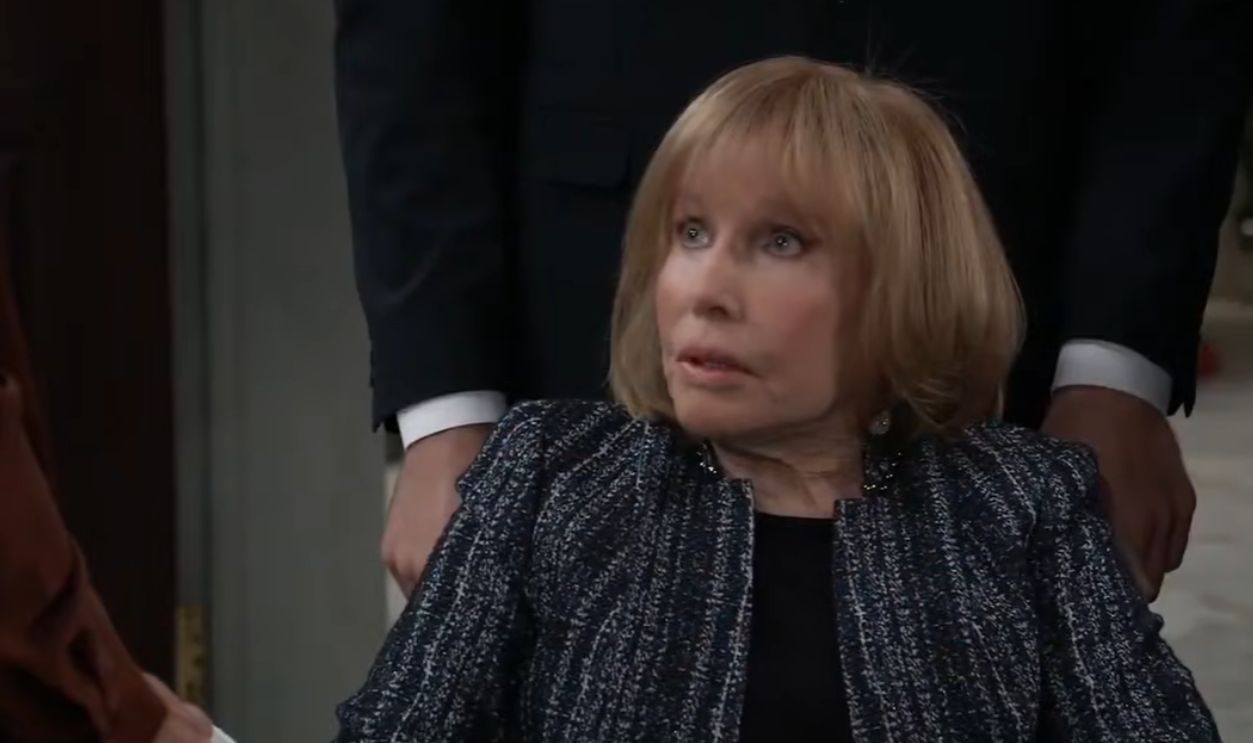
Leslie Charleson's Dr. Monica Quartermaine became one of General Hospital's most recognizable physicians during the show's enormous late-1970s and 1980s popularity. Monica was intelligent and professionally accomplished, even when her personal life became spectacularly messy. She proved you could save patients while creating plenty of soap-opera drama.
 Screenshot from General Hospital, American Broadcasting Company (ABC) (1963–present)
The Doctors Who Made Television Feel Safer
These doctors weren't perfect. Some were arrogant, some were reckless, and some spent suspicious amounts of time discussing their personal lives at work. But audiences trusted them anyway. For viewers who grew up in the 1970s and 1980s, television's best doctors made even the scariest diagnosis feel slightly less frightening.
 Screenshot from St. Elsewhere, NBC (1982–1988)
You May Also Like:
Popular Britbox Miniseries That Are Great From Start To Finish
George Lindsey Built Goober Pyle into a Character That Never Died