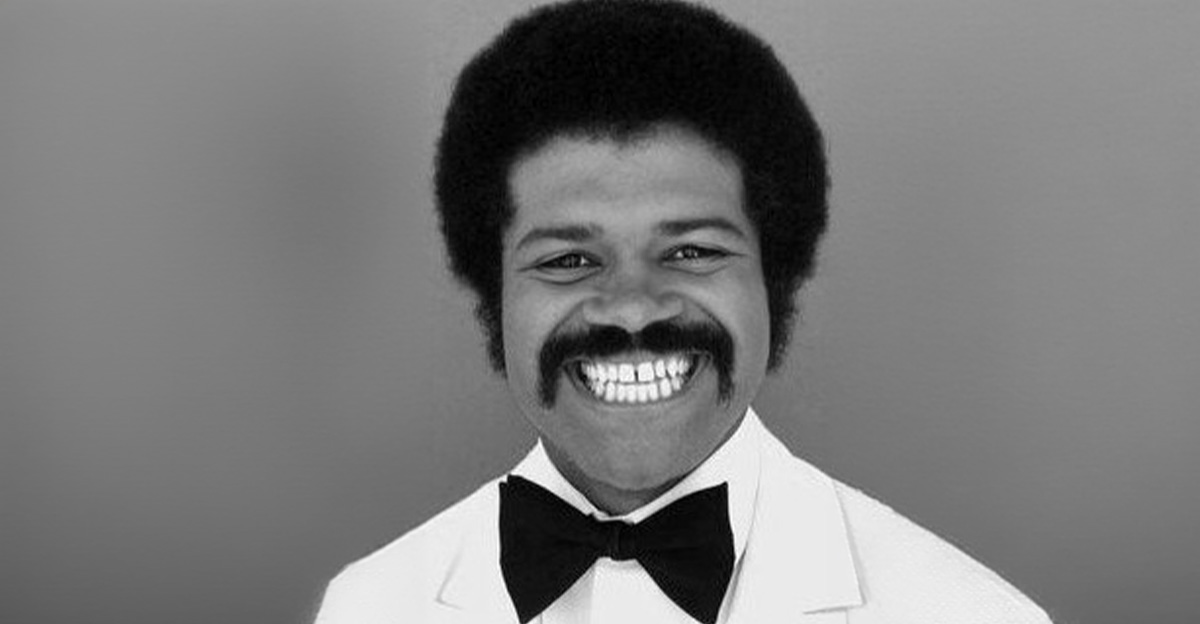
Everybody Knew Isaac
For millions of viewers, Ted Lange will always be Isaac Washington, the smiling bartender aboard The Love Boat. With his unmistakable mustache, easy charm, and playful pointing gesture, Lange made Isaac one of television’s most recognizable supporting characters. But that famous bar was only one stop in a much bigger career.
 ABC Television, Public domain, via Wikimedia Commons
His Story Started In Oakland
Lange was born in Oakland, California, in 1948 and developed an interest in performing long before Hollywood came calling. He studied drama in the Bay Area, attending Merritt College and City College of San Francisco, where his talent quickly stood out. Television fame was still years away.
 Mx. Granger, Wikimedia Commons
Theater Came First
Before sitcom sets and cruise ships, Lange was building himself as a stage actor. He performed with theatrical companies in Northern California and developed the kind of classical foundation that would remain important throughout his life. That background helps explain why his post-Love Boat career took so many unexpected turns.
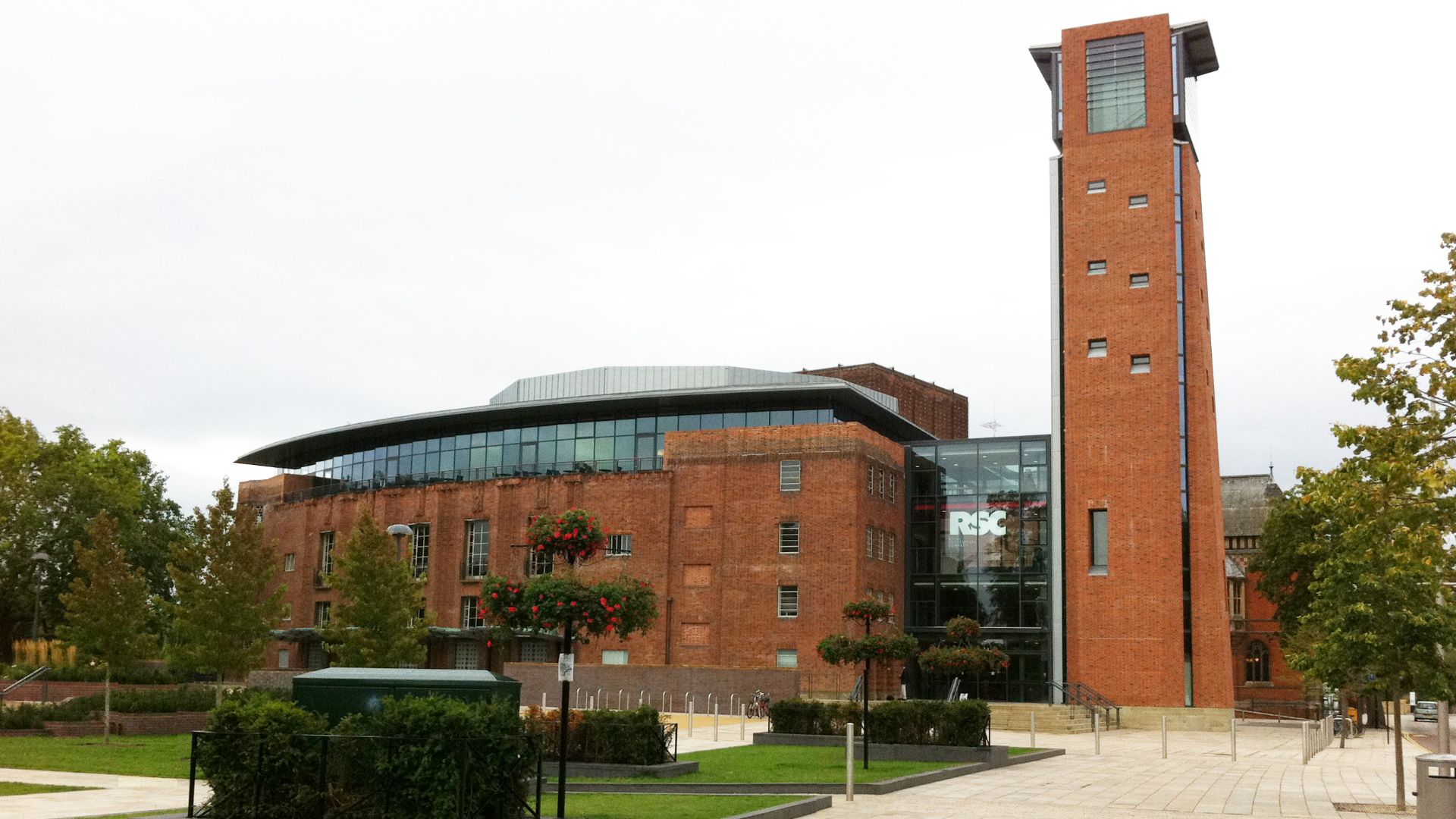
He Joined Hair
Lange eventually made his Broadway debut in the groundbreaking musical Hair and also appeared with its first national touring company. It was a major early credit for a young performer, placing him inside one of the era’s biggest theatrical sensations before most television audiences had ever seen his face.
 Majalah Aktuil, Wikimedia Commons
The Camera Started Calling
His early screen work included an appearance in the celebrated 1973 concert documentary Wattstax. The following year, Lange appeared in the action film Black Belt Jones. Neither made him a household name, but Hollywood was beginning to notice the energetic young actor with serious theatrical training.
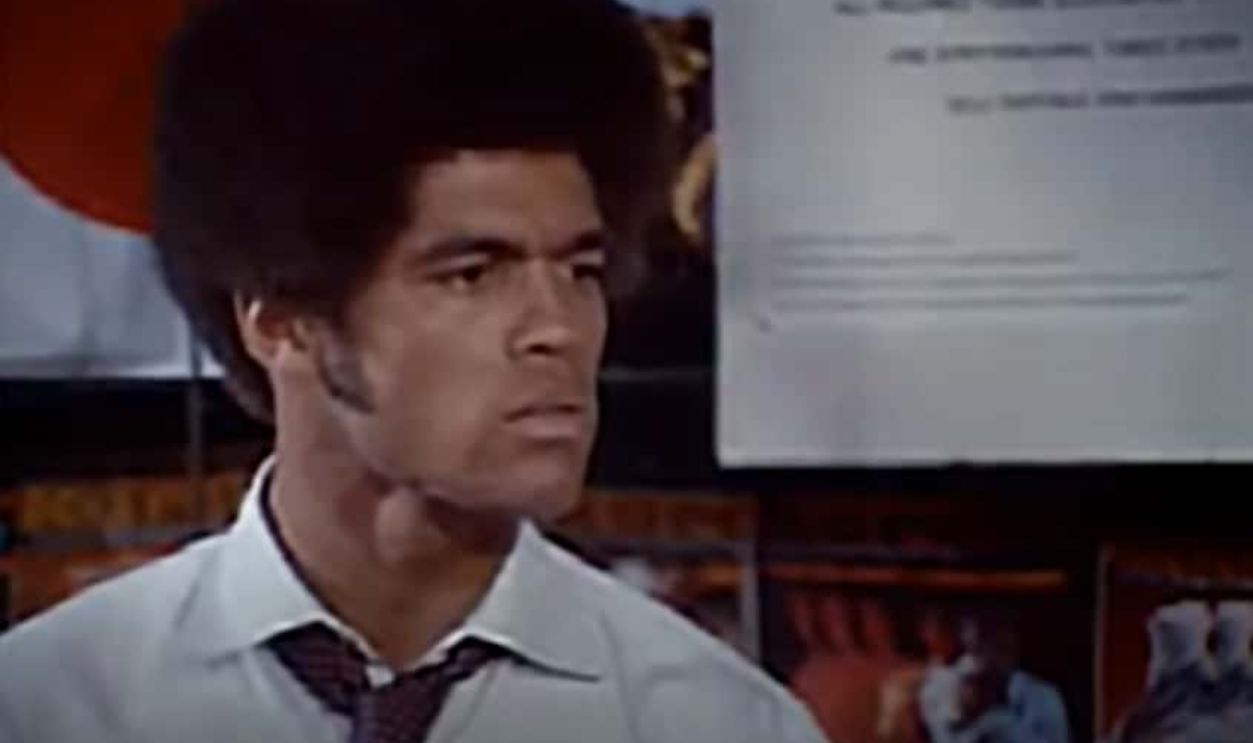 Screenshot from Black Belt Jones, Warner Bros. Pictures (1974)
That’s My Mama Came Next
Lange received a much bigger television opportunity when he landed the role of Junior on the sitcom That’s My Mama. The series ran during the mid-1970s and gave him valuable network television experience. More importantly, it helped put him in position for the part that would completely change his career.
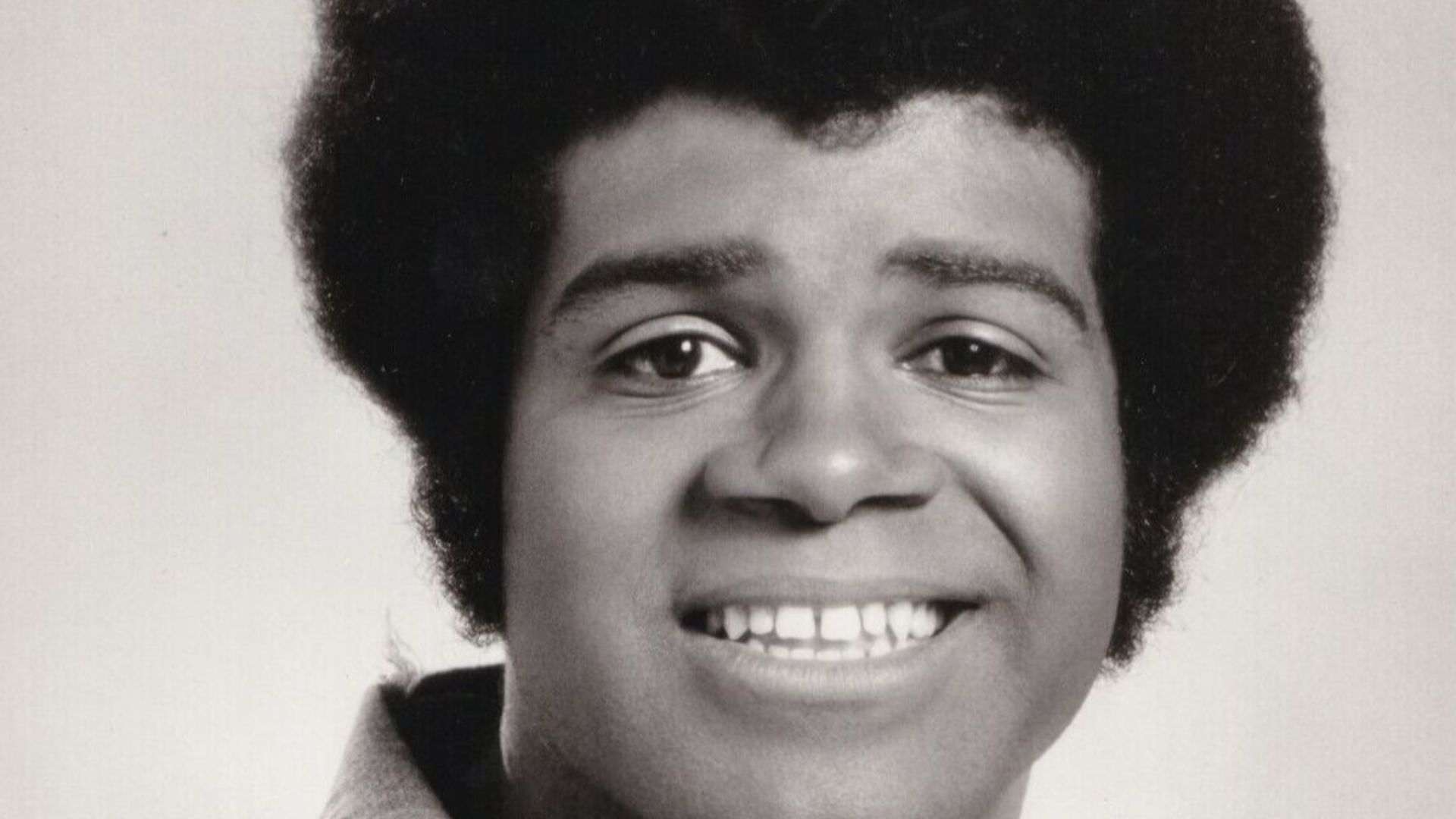 ABC Television, Wikimedia Commons
Welcome Aboard The Love Boat
In 1977, Lange boarded The Love Boat as bartender Isaac Washington. The breezy ABC comedy became a massive pop-culture fixture, mixing romance, comedy, celebrity guest stars, and exotic locations. Isaac might have been serving the drinks, but Lange quickly became an essential part of the show’s personality.
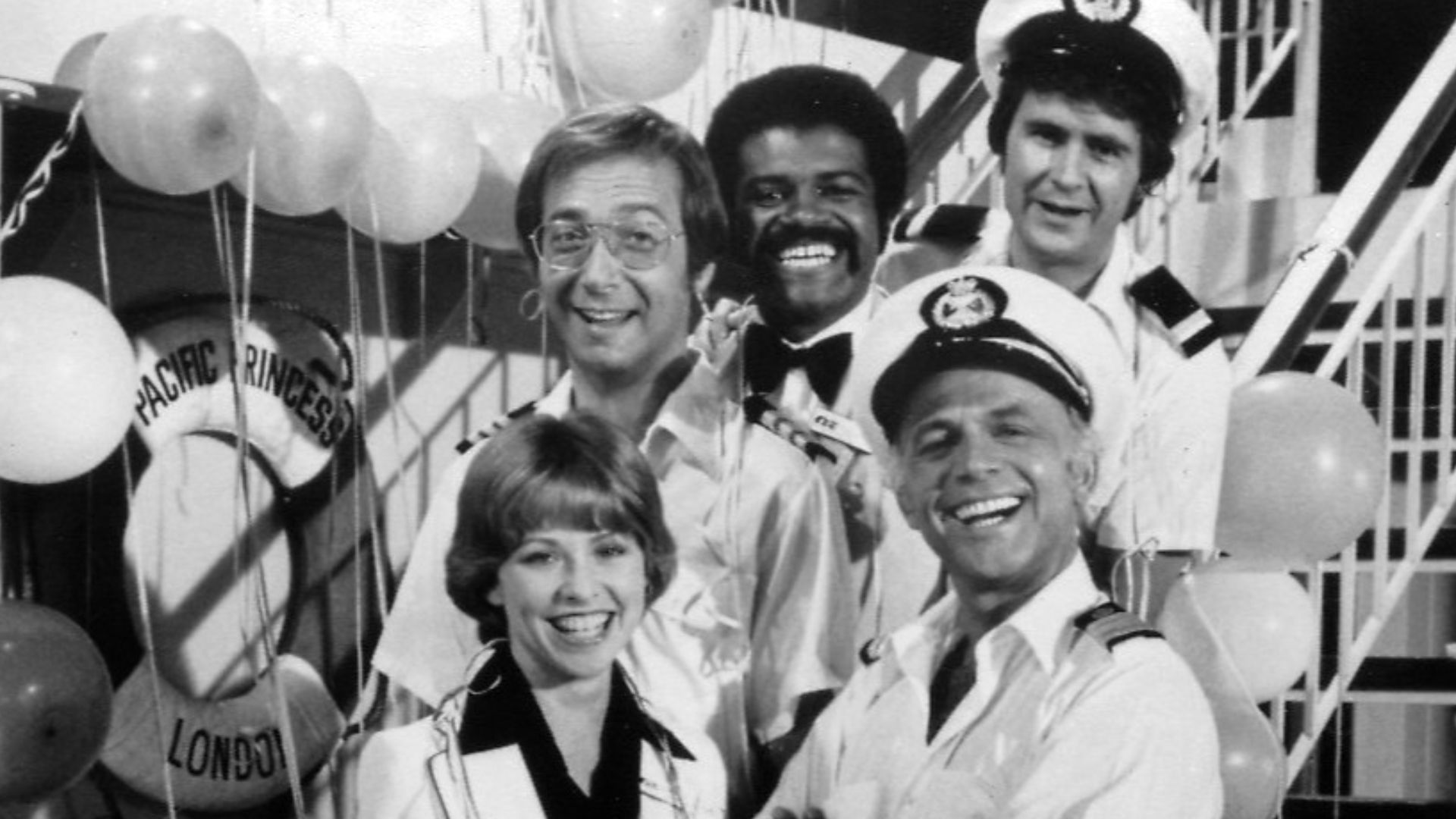 ABC Television Uploaded by We hope at en.wikipedia, Wikimedia Commons
Isaac Had An Instant Look
Some television characters need years to become iconic. Isaac basically needed one entrance. Lange’s huge smile, sharp uniforms, mustache, and signature pointing gesture created a character viewers could recognize immediately. His warmth also made the ship’s bar feel like the place where everybody eventually wanted to end up.
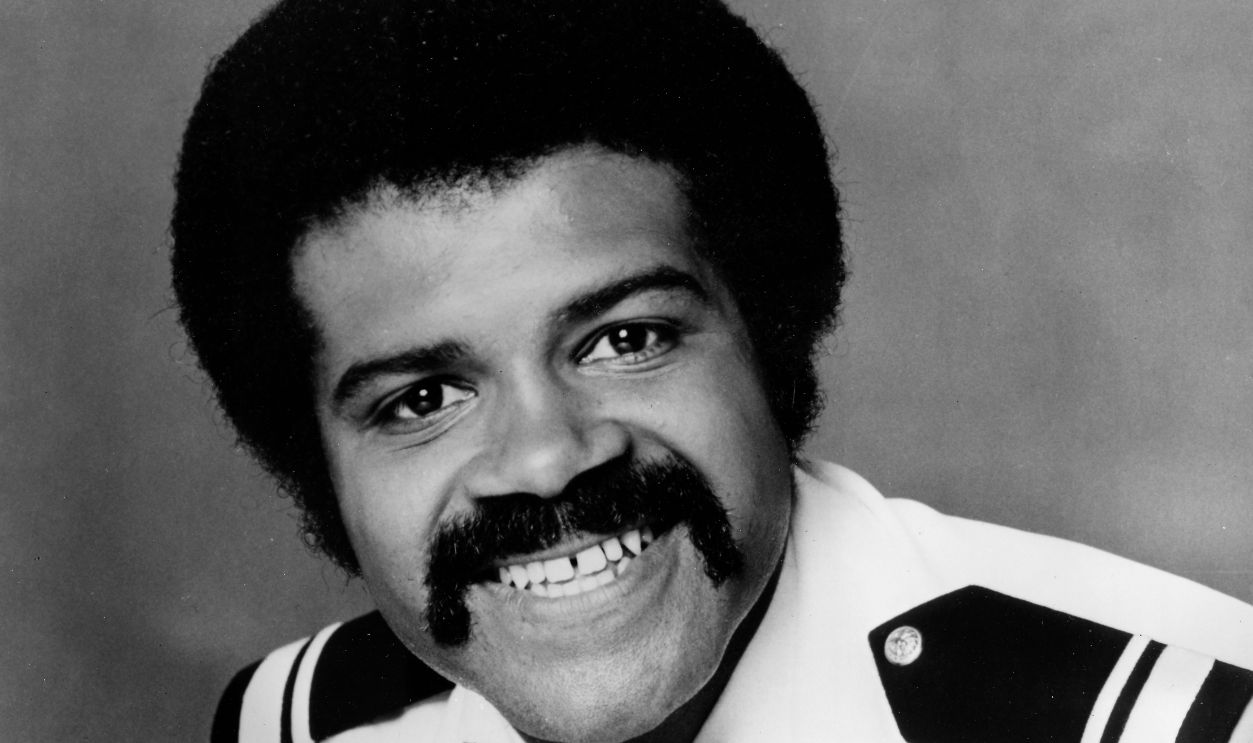 Afro Newspapers/Gado, Getty Images
He Was More Than The Punchline
Lange understood that Isaac could easily have become a one-note supporting character. Instead, he gave him confidence, intelligence, humor, and a genuine connection with passengers. Isaac could deliver a joke one minute and offer surprisingly useful advice the next, making him far more than background decoration.
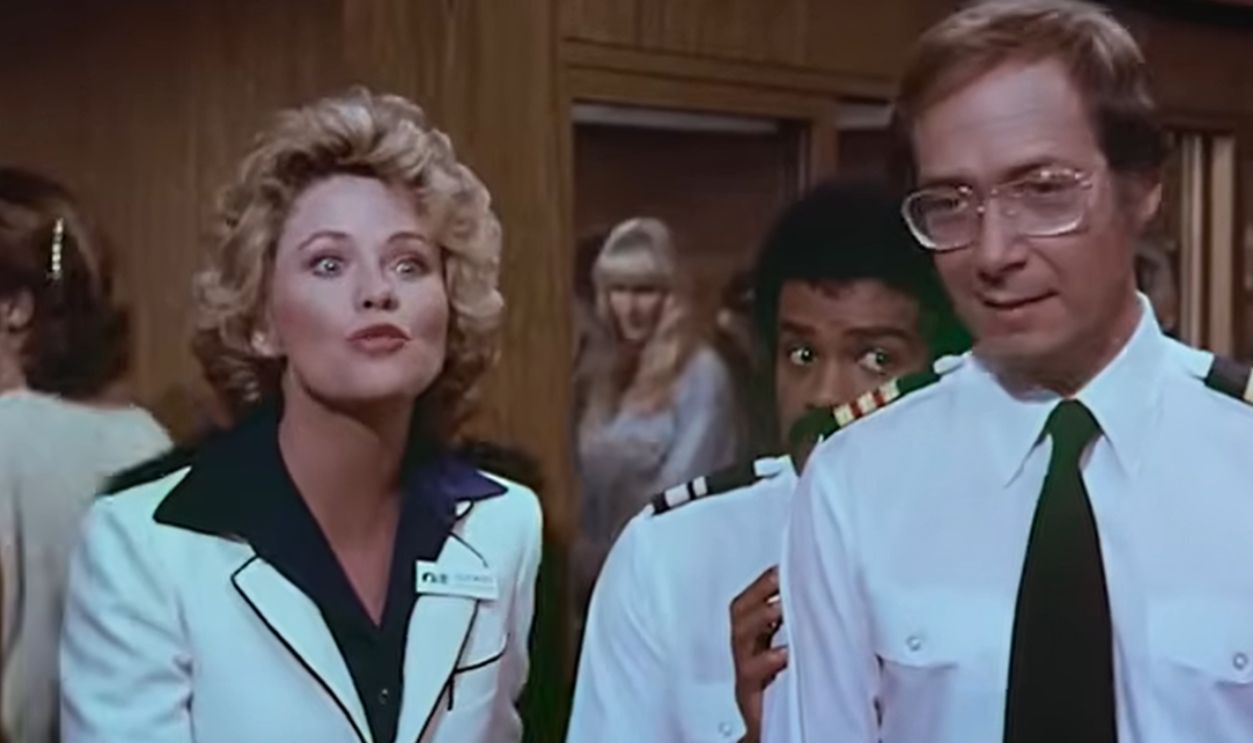 Screenshot from The Love Boat, Aaron Spelling Productions (1977–1986)
He Also Faced Frustrations
Years later, Lange spoke openly about being the only Black regular in a largely white cast and feeling that Isaac sometimes received less attention from the writers. He pushed for the character to receive meaningful stories, including romantic plots instead of simply watching everyone else fall in love.
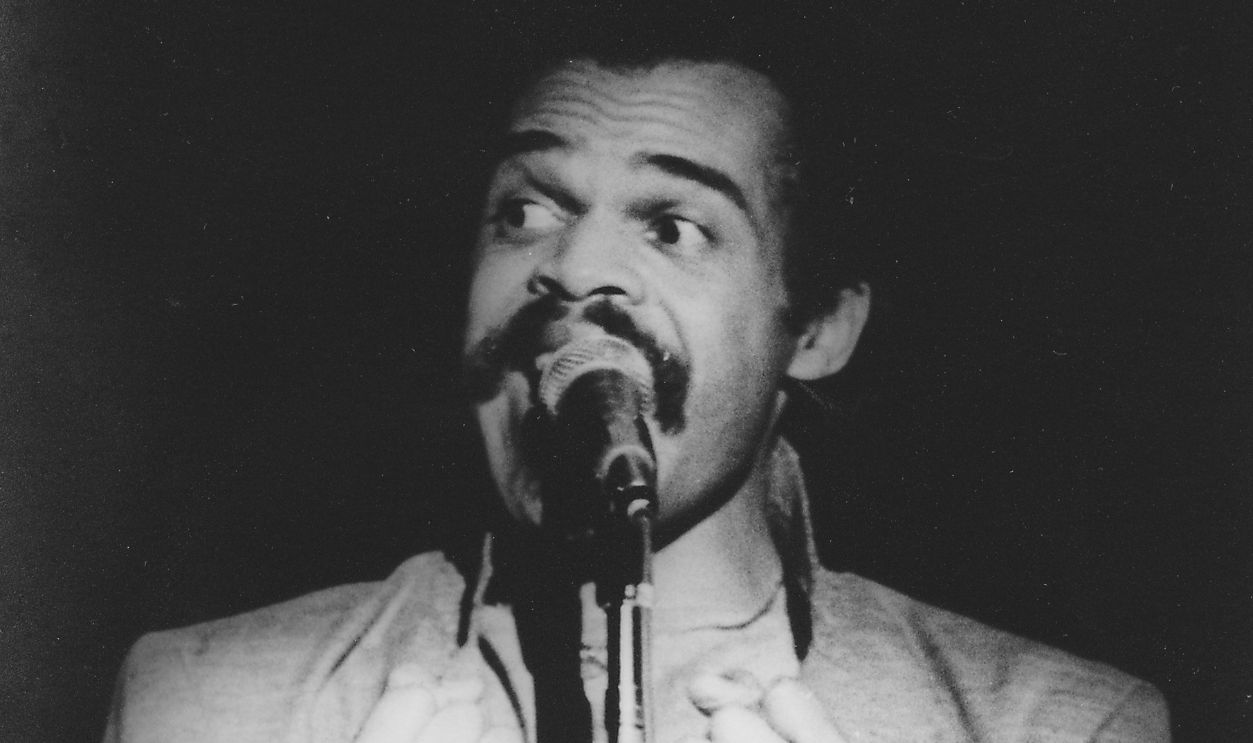 Clarence Gatson/Gado, Getty Images
His Castmates Had His Back
According to Lange, several of his fellow cast members recognized the problem and supported his efforts to give Isaac stronger material. That camaraderie reflected the relationships behind the scenes. Decades later, Lange continued speaking warmly about colleagues including Gavin MacLeod, Bernie Kopell, and Fred Grandy.
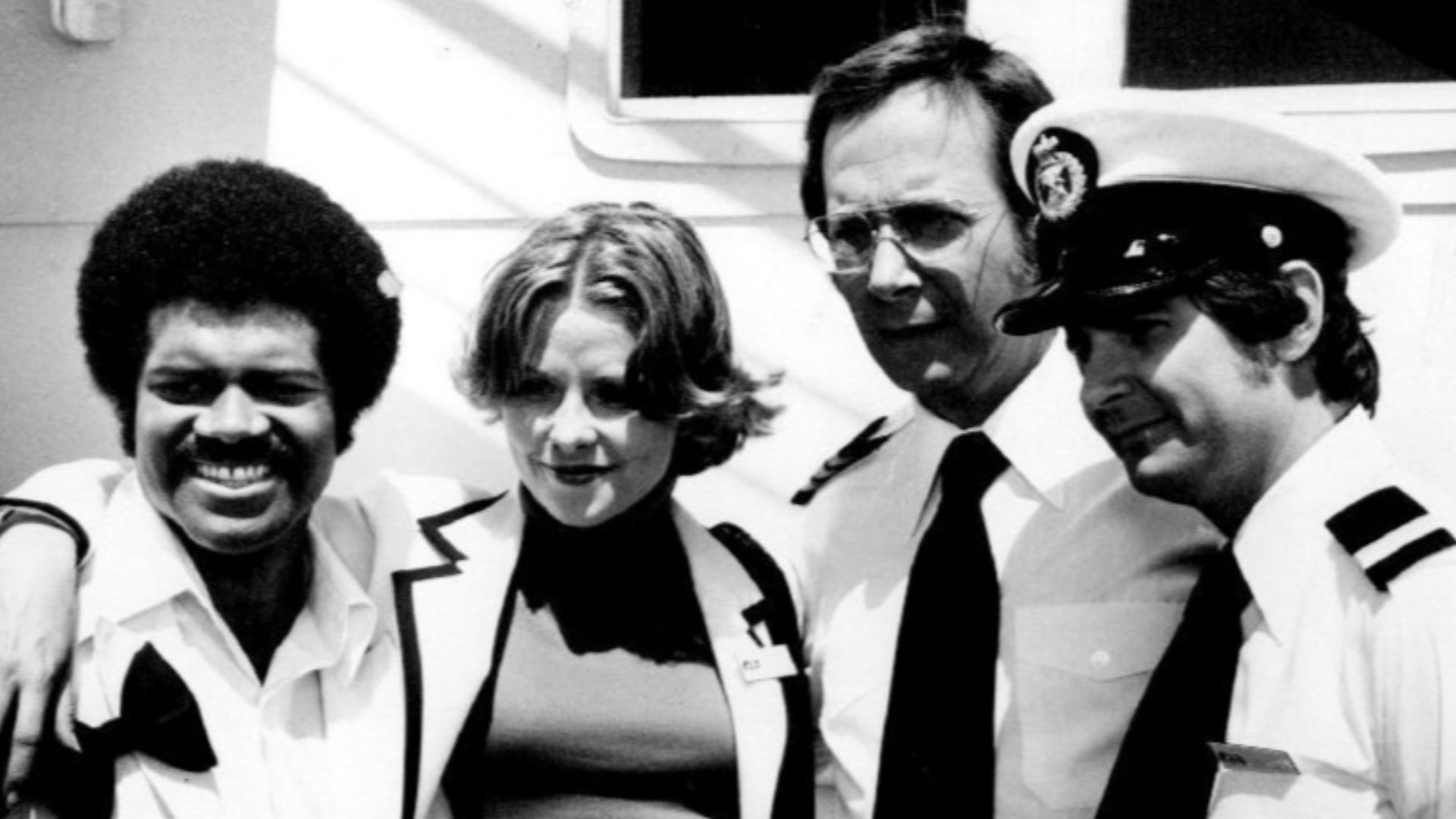 ABC Television, Wikimedia Commons
He Started Writing His Own Opportunities
Lange wasn’t interested in waiting forever for somebody else to create good material. Writing became another way to control his career. He co-wrote the 1977 drama Passing Through, and during The Love Boat years, he began contributing creatively to the show that had made him famous.
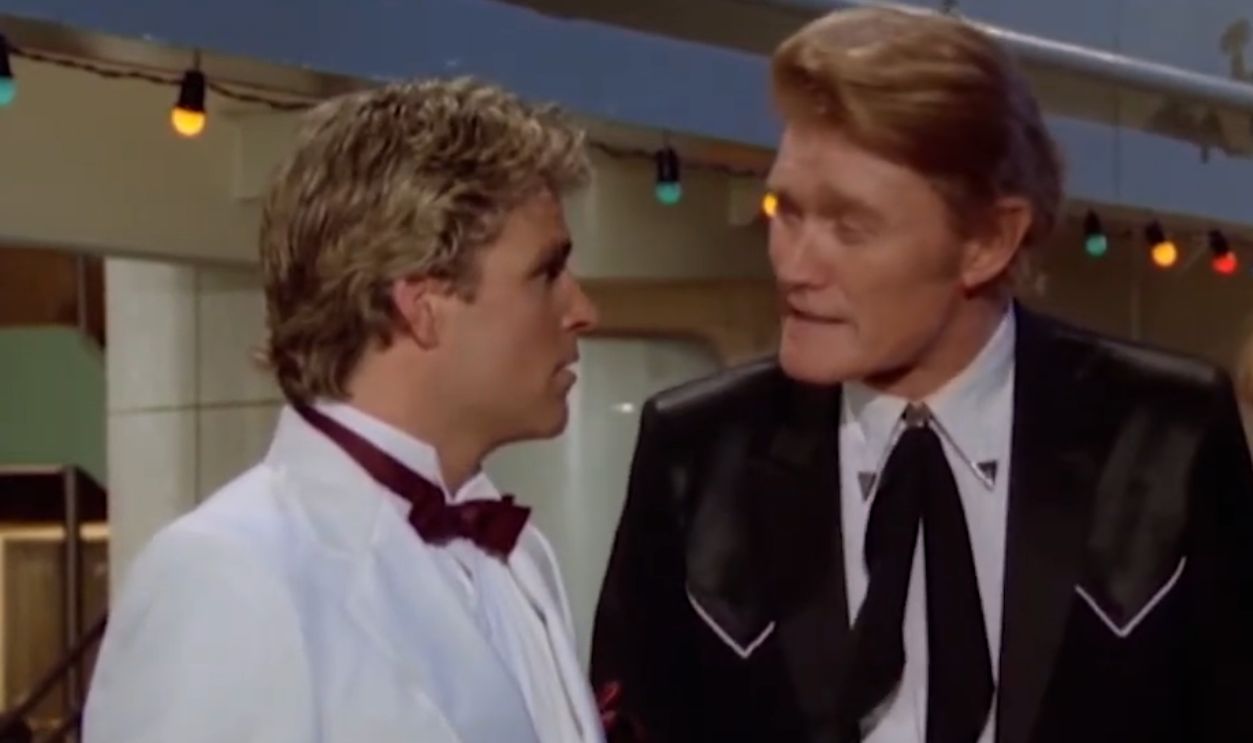 Screenshot from The Love Boat, ABC (1977–1986)
Then He Stepped Behind The Camera
Acting was only part of Lange’s ambition. During The Love Boat, he moved into directing and eventually directed episodes himself. That was an important shift: audiences saw Isaac mixing drinks onscreen, while Lange was quietly learning how to shape performances, scenes, and entire productions from behind the camera.
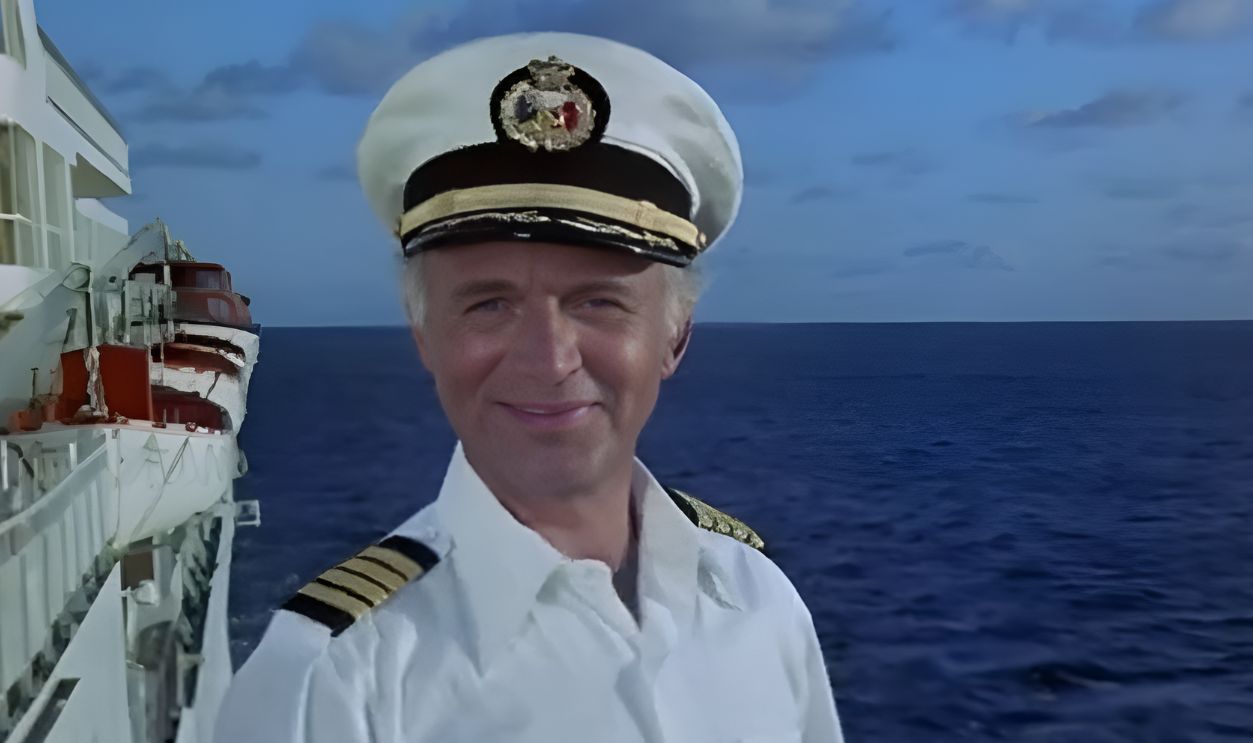 Screenshot from The Love Boat, ABC (1977–1986)
He Took Directing Seriously
Lange did not treat directing as a celebrity side project. He studied the craft and became an alumnus of the American Film Institute’s directing program. Over time, he built directing credits in television, film, and theater, turning what could have been a temporary experiment into another substantial branch of his career.
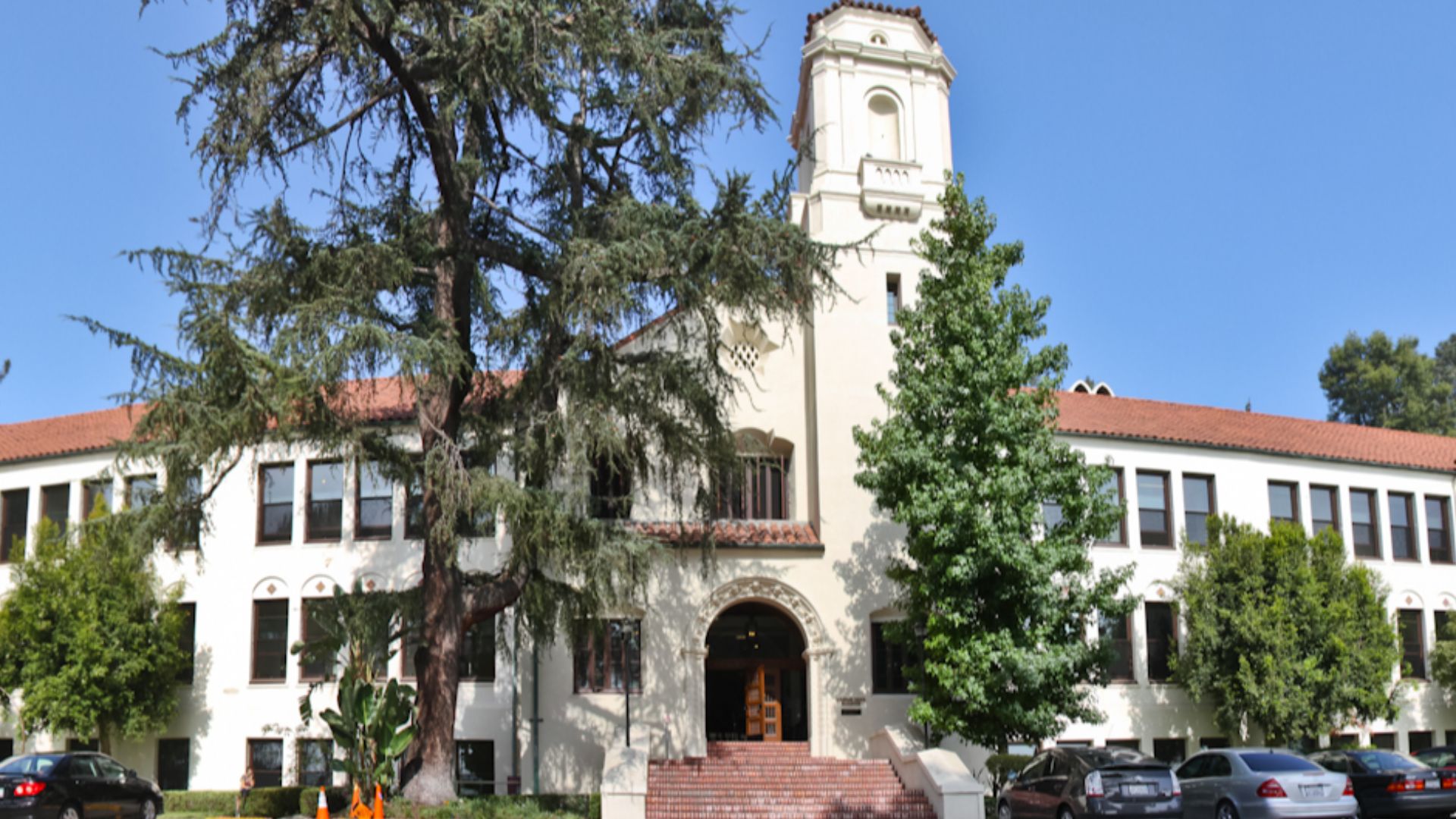 American Film Institute, Wikimedia Commons
Shakespeare Never Left Him
There was another side of Lange that casual Love Boat viewers might never have guessed: he loved Shakespeare. During the 1980s, he studied at the Royal Academy of Dramatic Art in London, strengthening the classical skills he had begun developing long before Isaac Washington entered the picture.
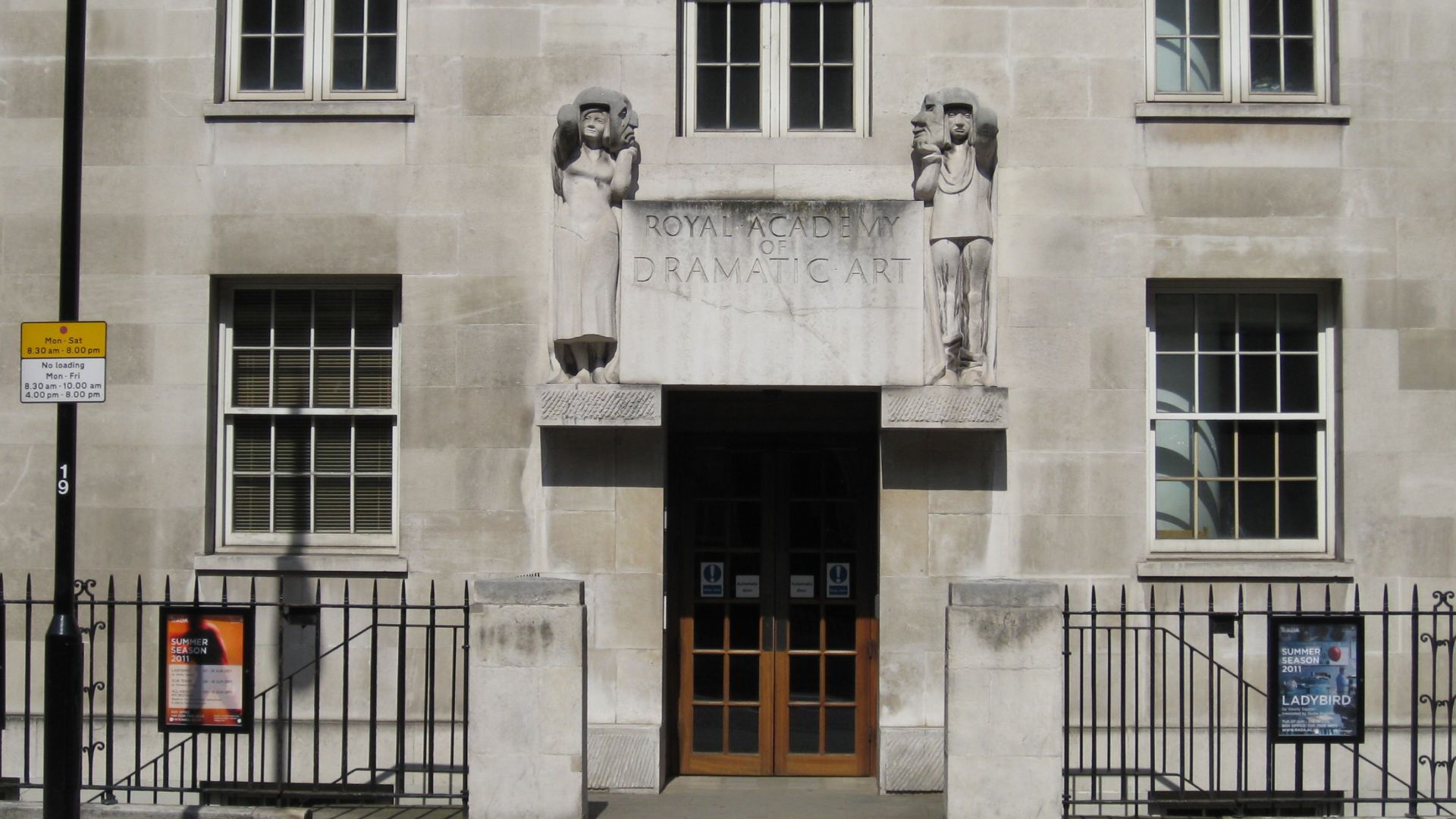 Chemical Engineer, Wikimedia Commons
He Even Tackled Othello
In 1989, Lange directed and starred in a filmed production of Othello. It was about as far from the sunny decks of the Pacific Princess as an actor could travel. The project showed that Lange had no interest in allowing one enormously popular television role to define what he could perform.
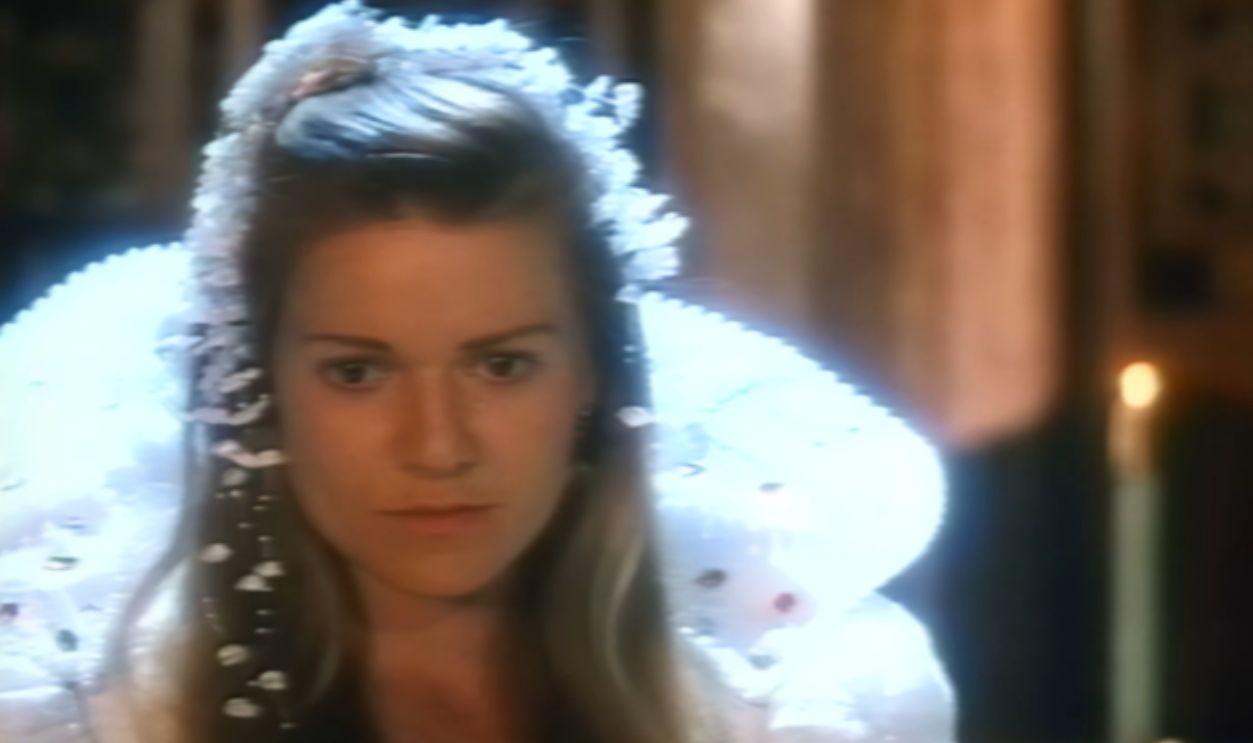 Screenshot from Othello, Intercontinental Releasing Corporation (1989)
Playwriting Became A Passion
Lange also developed an extensive career as a playwright. Rather than simply chasing another long-running sitcom, he wrote plays that mixed history, race, politics, and classical influences. The stage became a place where he could explore subjects with more depth than network television usually offered him.
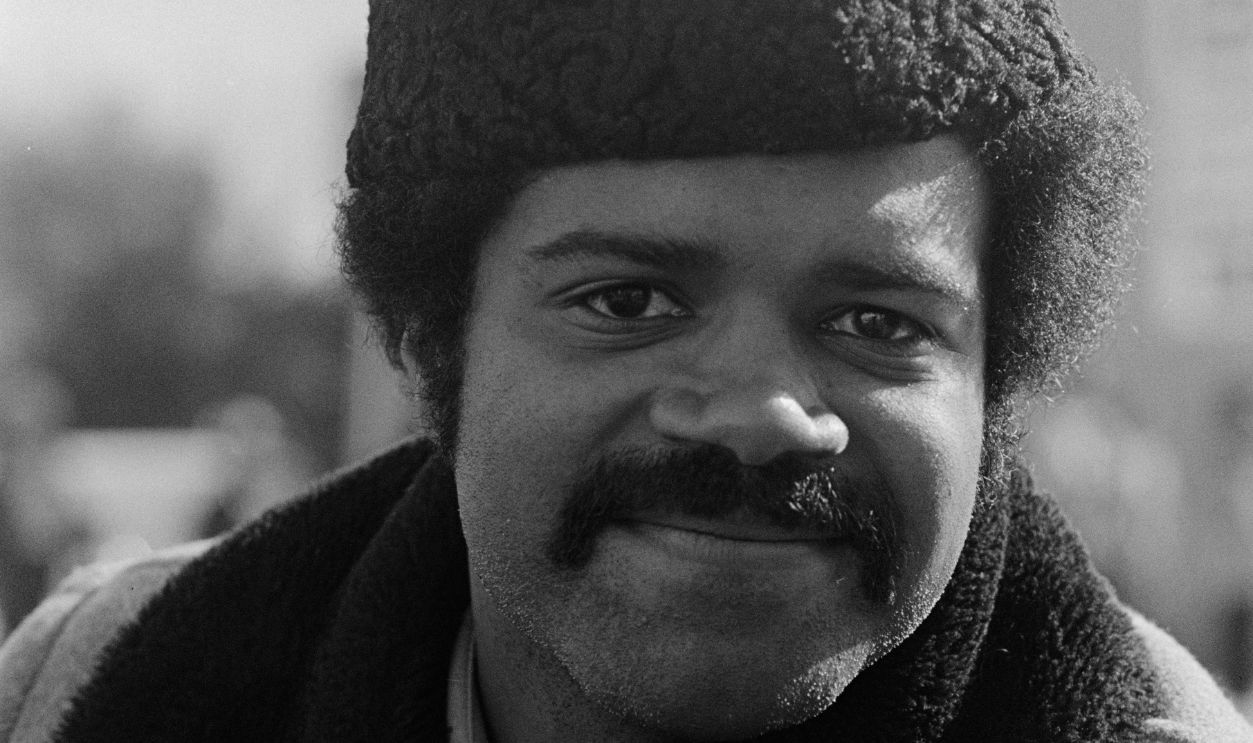 Michael Ochs Archives, Getty Images
History Became His Material
Much of Lange’s writing has focused on overlooked figures and chapters from Black American history. He has described an artistic mission built around finding forgotten stories and bringing them to audiences. It became one of the defining themes of his work away from mainstream television.
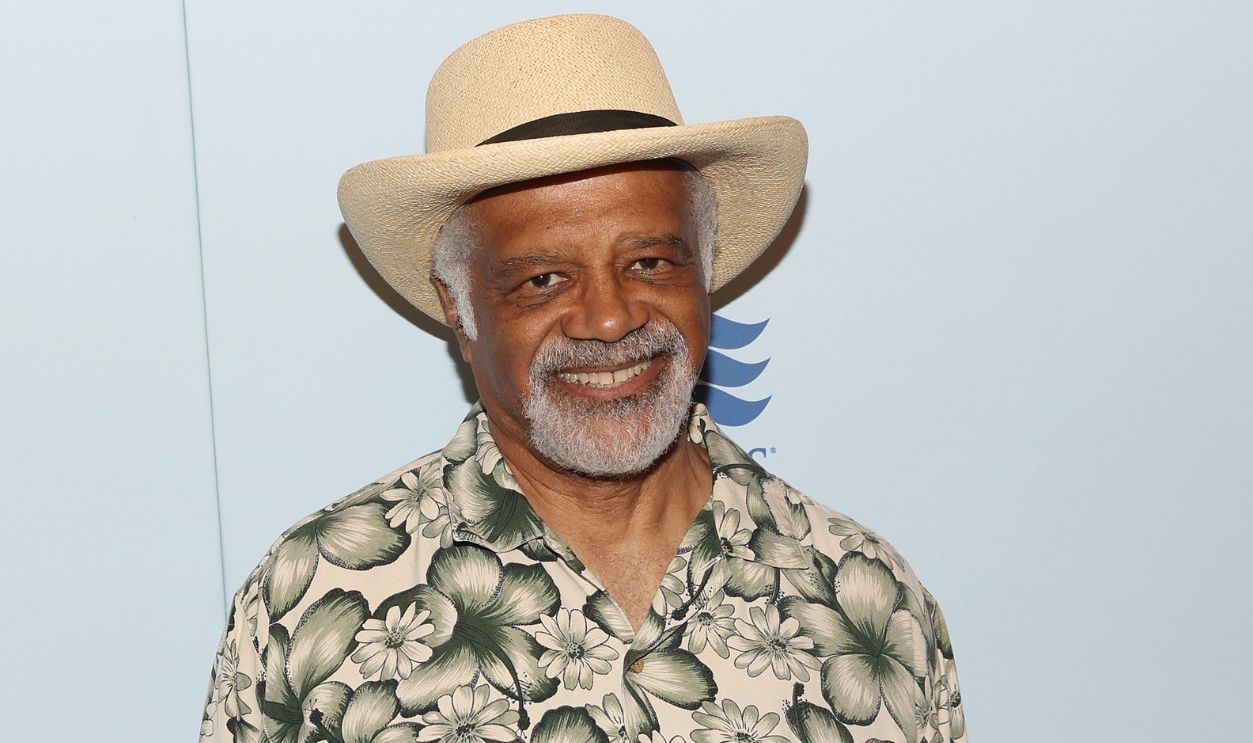
George Washington’s Boy Dug Deeper
One of Lange’s best-known historical plays is George Washington’s Boy, centered on William “Billy” Lee, an enslaved man who served as Washington’s personal attendant. The play examined American history from a perspective audiences rarely encountered in traditional textbook versions of the country’s founding.
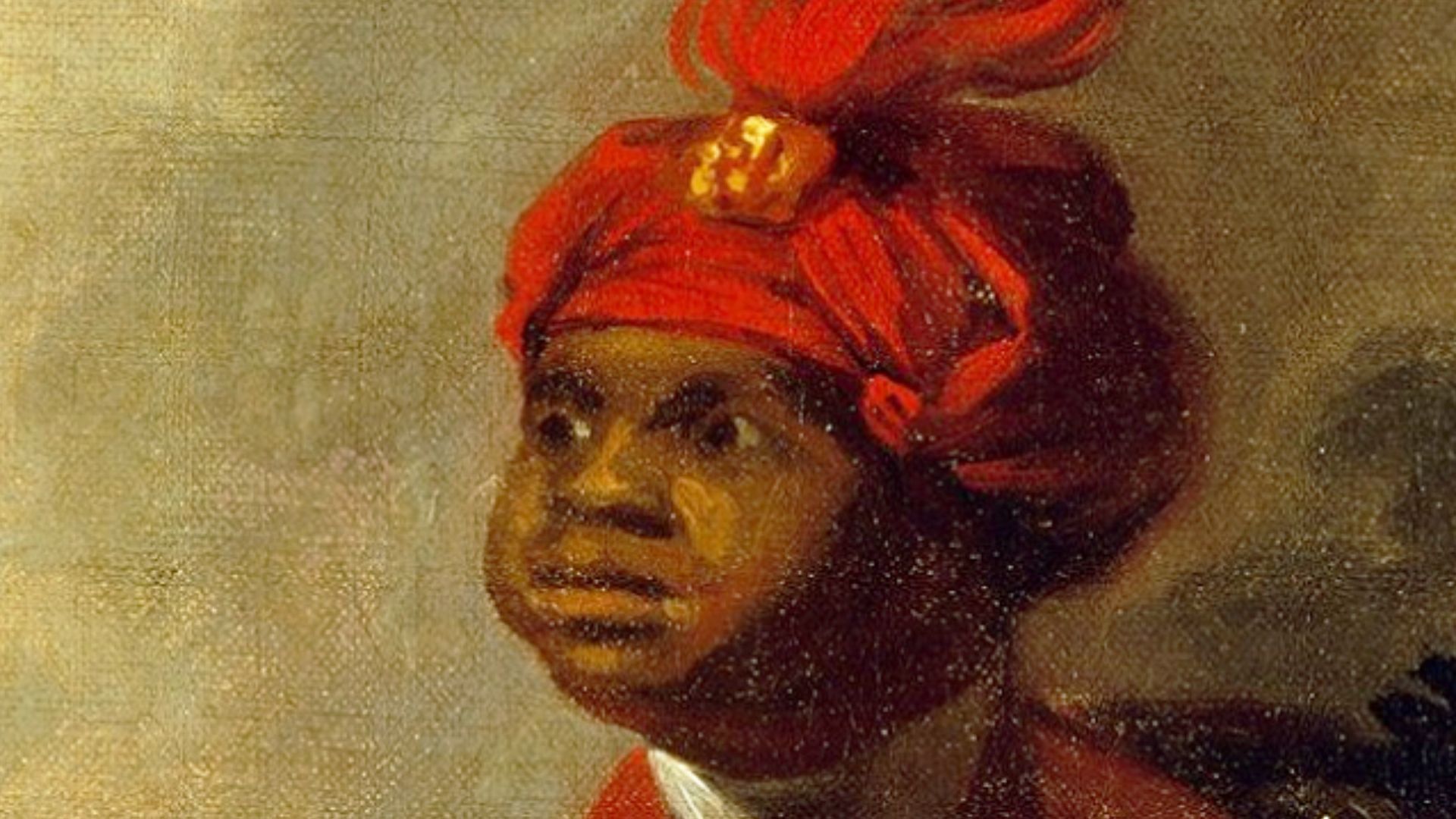 John Trumbull, Wikimedia Commons
He Revisited John Brown’s Raid
Lange continued exploring overlooked history with The Journals of Osborne P. Anderson. The play focuses on Black participants in abolitionist John Brown’s 1859 raid on Harpers Ferry, bringing attention to figures often pushed to the margins when that famous event is retold.
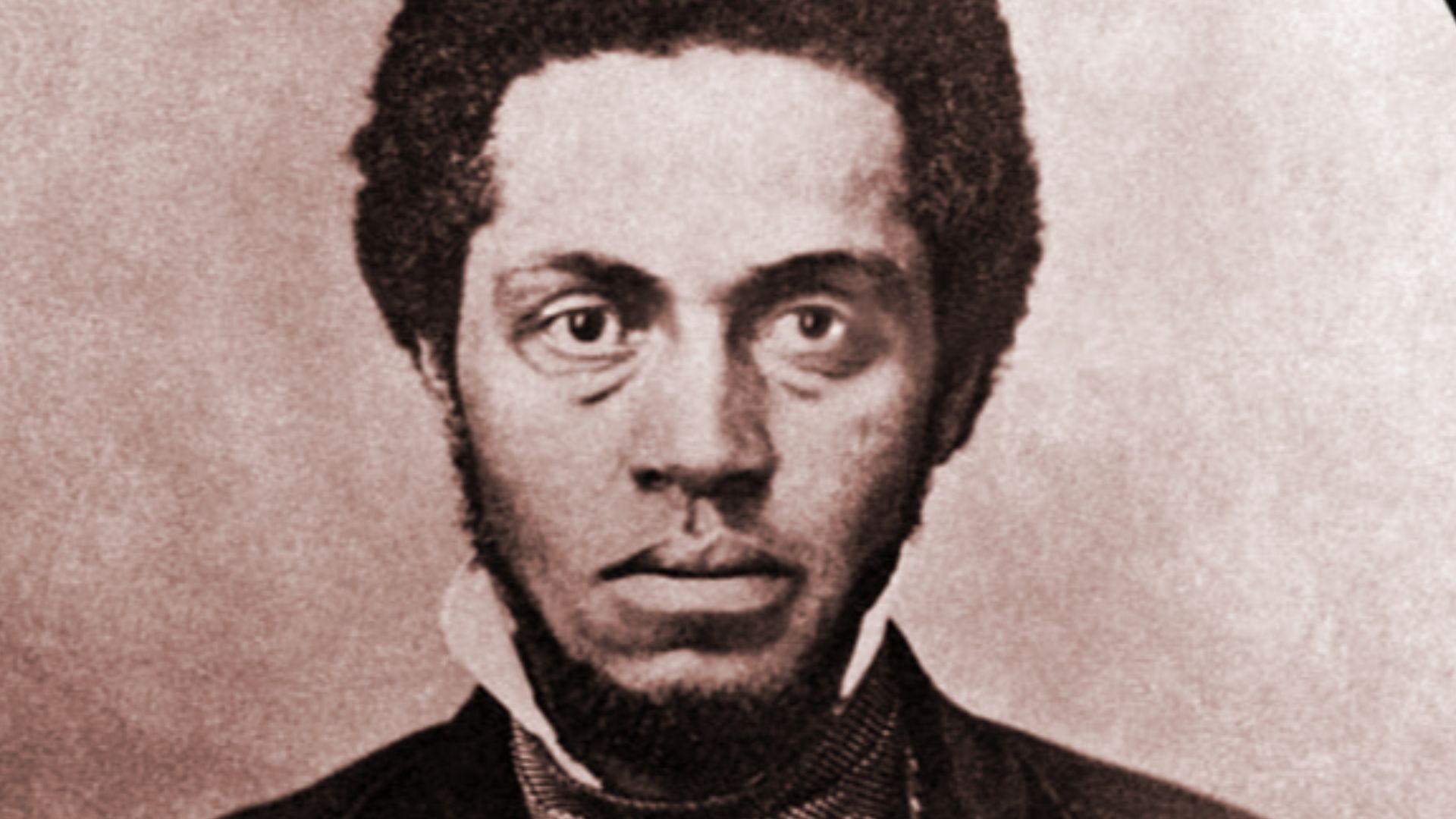
Lady Patriot Kept The Mission Going
His historical play Lady Patriot, about a Union spy inside the Confederate White House, became another major project. Remarkably, Lange was still seeing the work reach new audiences decades after The Love Boat: an Off-Broadway production opened in New York in 2025, with old castmates attending.
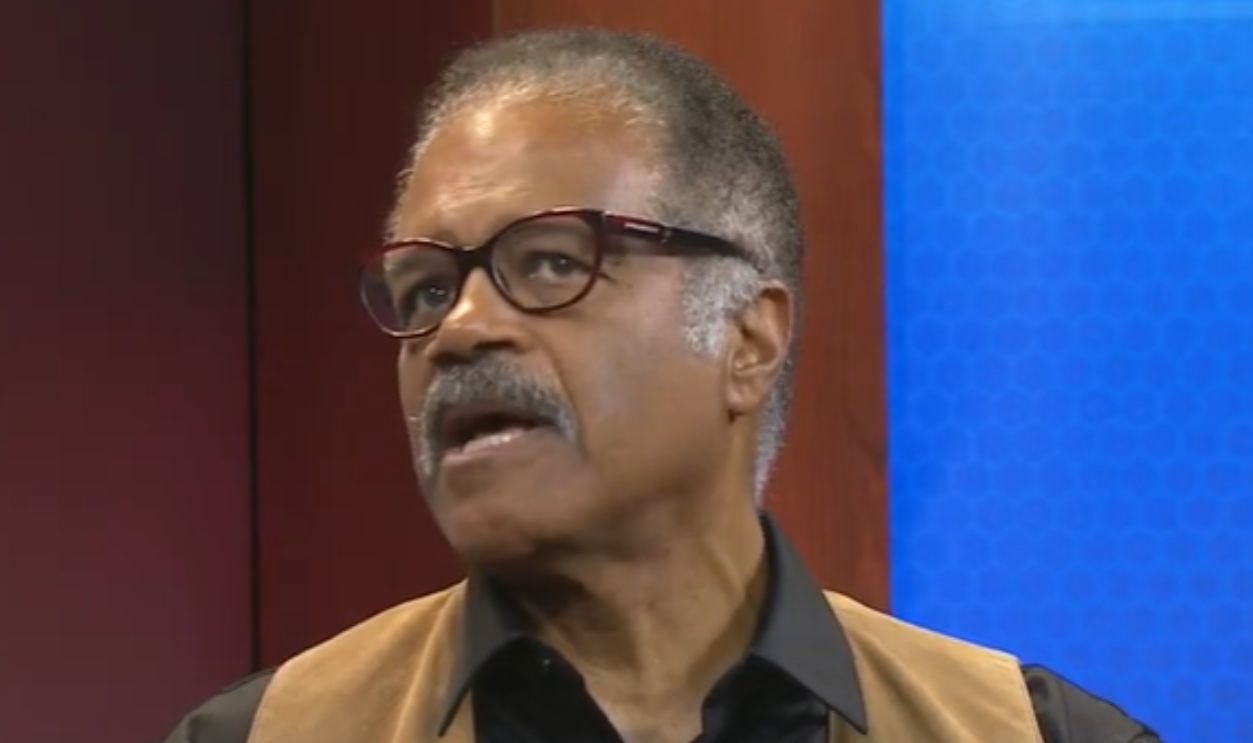 Screenshot from Lady Patriot, Trafford Publishing (2013–2025)
The Awards Followed
Lange’s theater work earned serious recognition. Four Queens — No Trump won an NAACP theater award, while his Shakespeare-inspired The Cause, My Soul was named an NAACP Theatre Award winner for Best Play in 2017. Isaac may have brought fame, but the stage brought a different kind of respect.
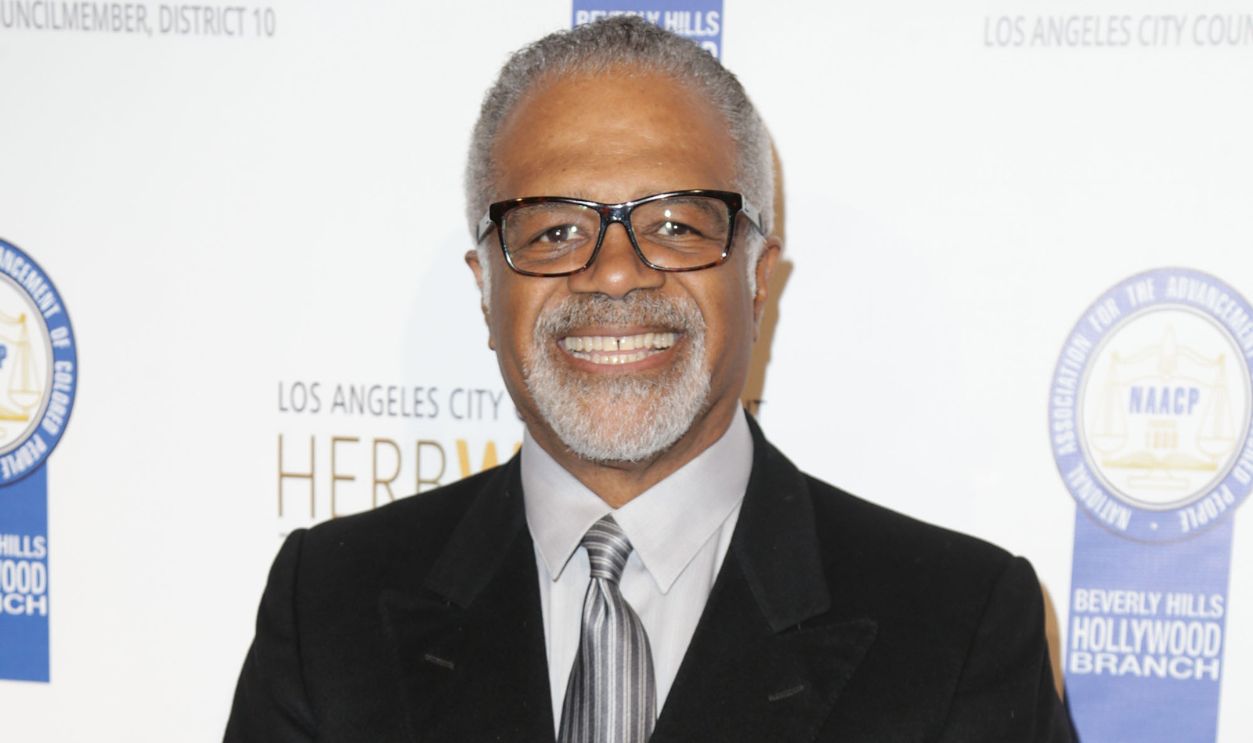
He Became A Teacher Too
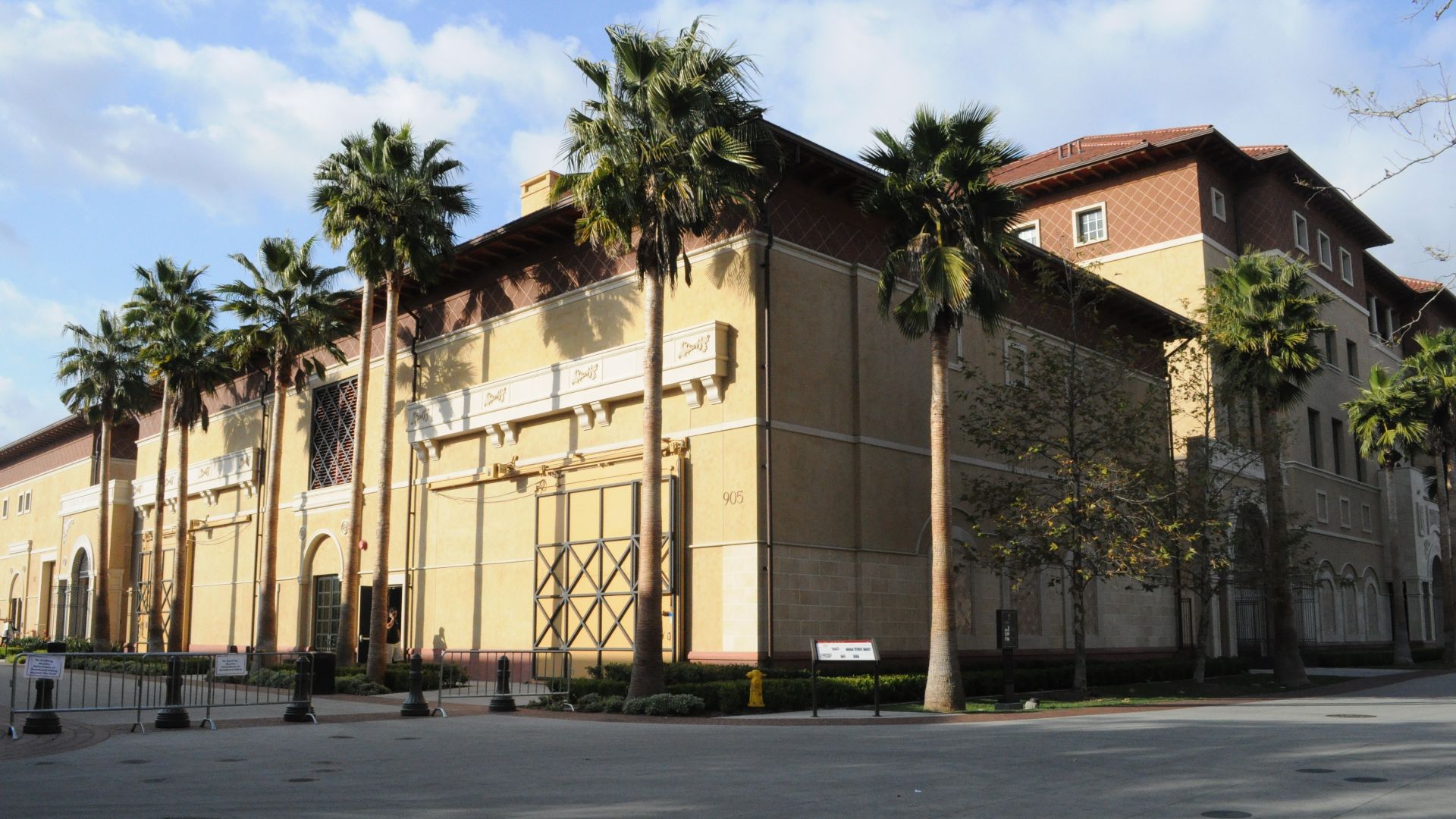
Eventually, Lange began passing his experience on to younger filmmakers and actors. His résumé includes teaching film directing at USC and lecturing about Shakespeare, acting, and theater. It makes sense for someone whose career kept moving between the classroom, stage, television set, writer’s desk, and director’s chair.
Television Never Completely Let Go
Lange continued popping up on television long after the Pacific Princess sailed away. His later credits included appearances on shows such as Boy Meets World, The King of Queens, Scrubs, Drake & Josh, and Psych. For longtime viewers, spotting him was always a welcome surprise.
 ABC Signature, Wikimedia Commons
Ask Isaac Was A Wild Detour
One of the strangest extensions of his Love Boat fame came years later when Lange co-wrote an advice column called “Ask Isaac” for FHM. The concept played off his bartender character’s reputation for listening to everyone’s problems. Apparently, Isaac’s bar stayed open even after the cruise ended.
 Ron Galella, Ltd., Getty Images
Hollywood Finally Made It Official
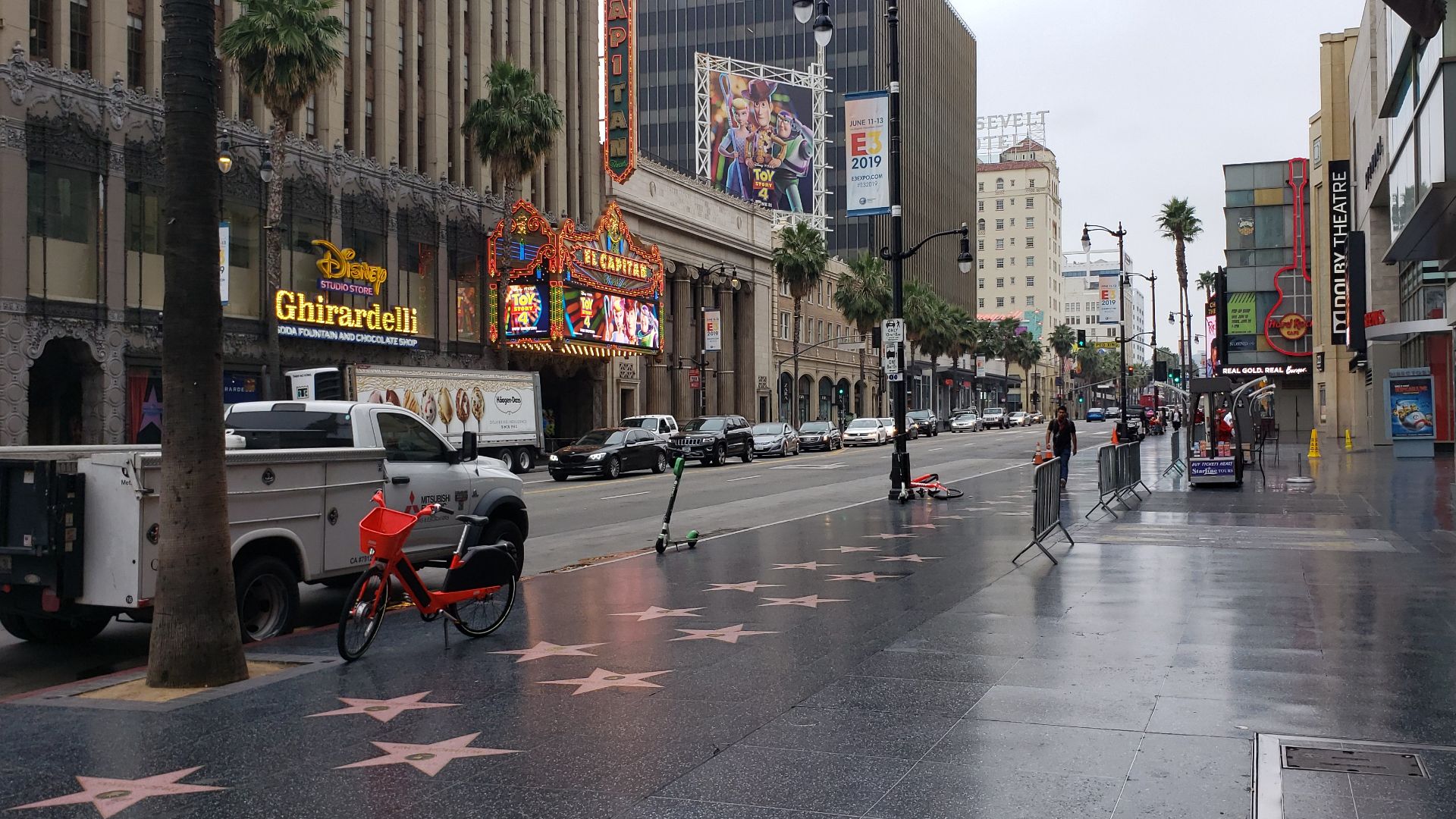
Lange’s place in television history eventually received permanent recognition with a star on the Hollywood Walk of Fame. The honor celebrated the role audiences had loved for decades, but by then his résumé included acting, directing, screenwriting, playwriting, teaching, and decades of serious theatrical work.
 Luijtenphotos, Wikimedia Commons
Much More Than A TV Bartender
Ted Lange could have spent his life simply being introduced as “Isaac from The Love Boat,” and plenty of performers would happily take that legacy. Instead, he kept writing, directing, teaching, acting, and digging into history. Isaac made him instantly recognizable. Everything afterward showed just how much audiences hadn’t seen yet.
You May Also Like:
Jimmy Stewart: It Wasn't Always A Wonderful Life
George Lindsey Built Goober Pyle into a Character That Never Died