Sometimes The Supporting Character Steals The Whole Show
Every great sitcom needs a strong lead, but the funniest person in the room is not always the one whose name appears first in the credits. The best sidekicks create chaos, deliver the sharpest lines, and reveal sides of the star nobody else can reach. Before long, viewers start waiting for them to walk through the door.
Which side character is the main character of your heart?
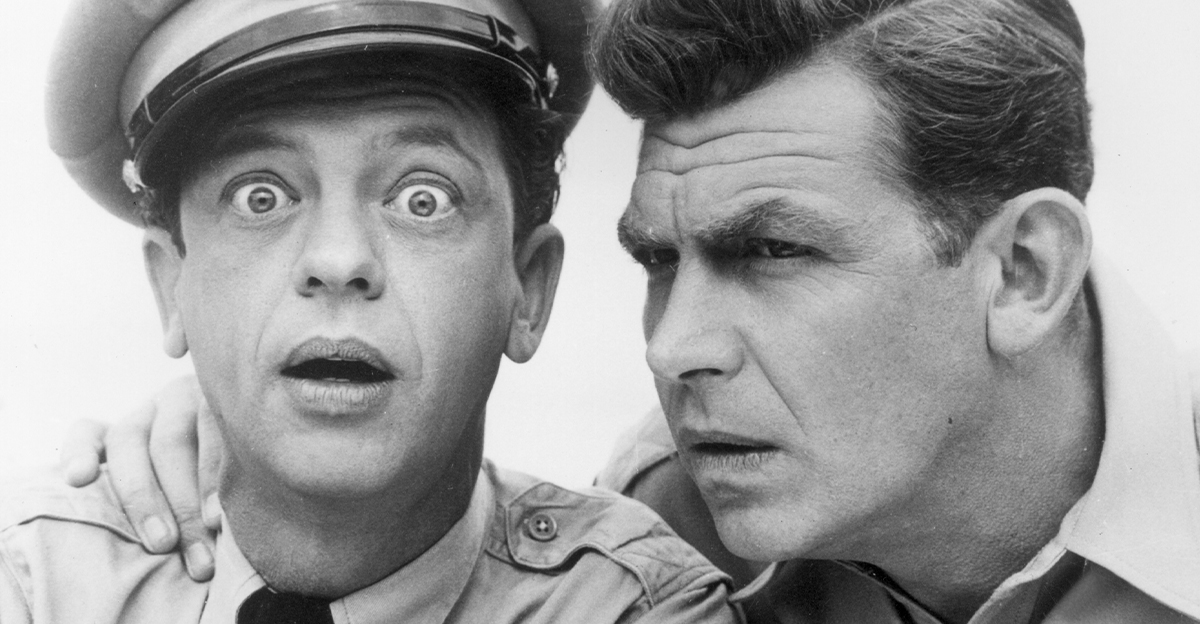
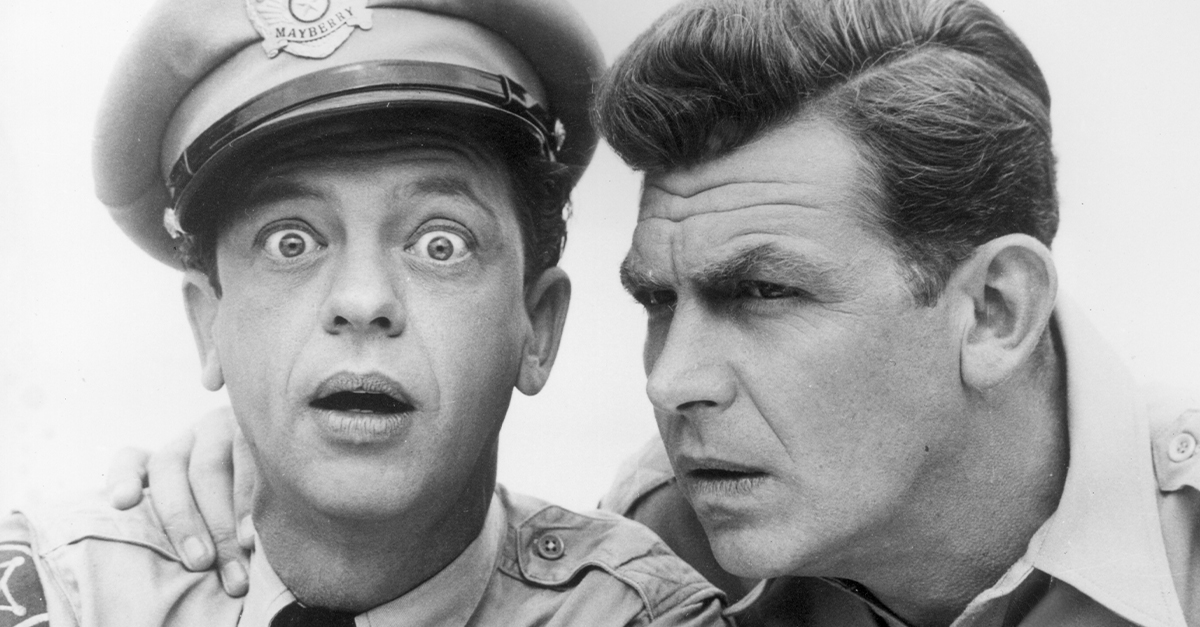
Barney Fife — The Andy Griffith Show
Andy Taylor may have been Mayberry’s steady center, but Barney Fife supplied its nervous energy. Don Knotts turned the overconfident deputy into a perfect bundle of pride, panic, and insecurity. Andy Griffith’s calm reactions made Barney even funnier, creating one of television’s greatest straight-man partnerships.
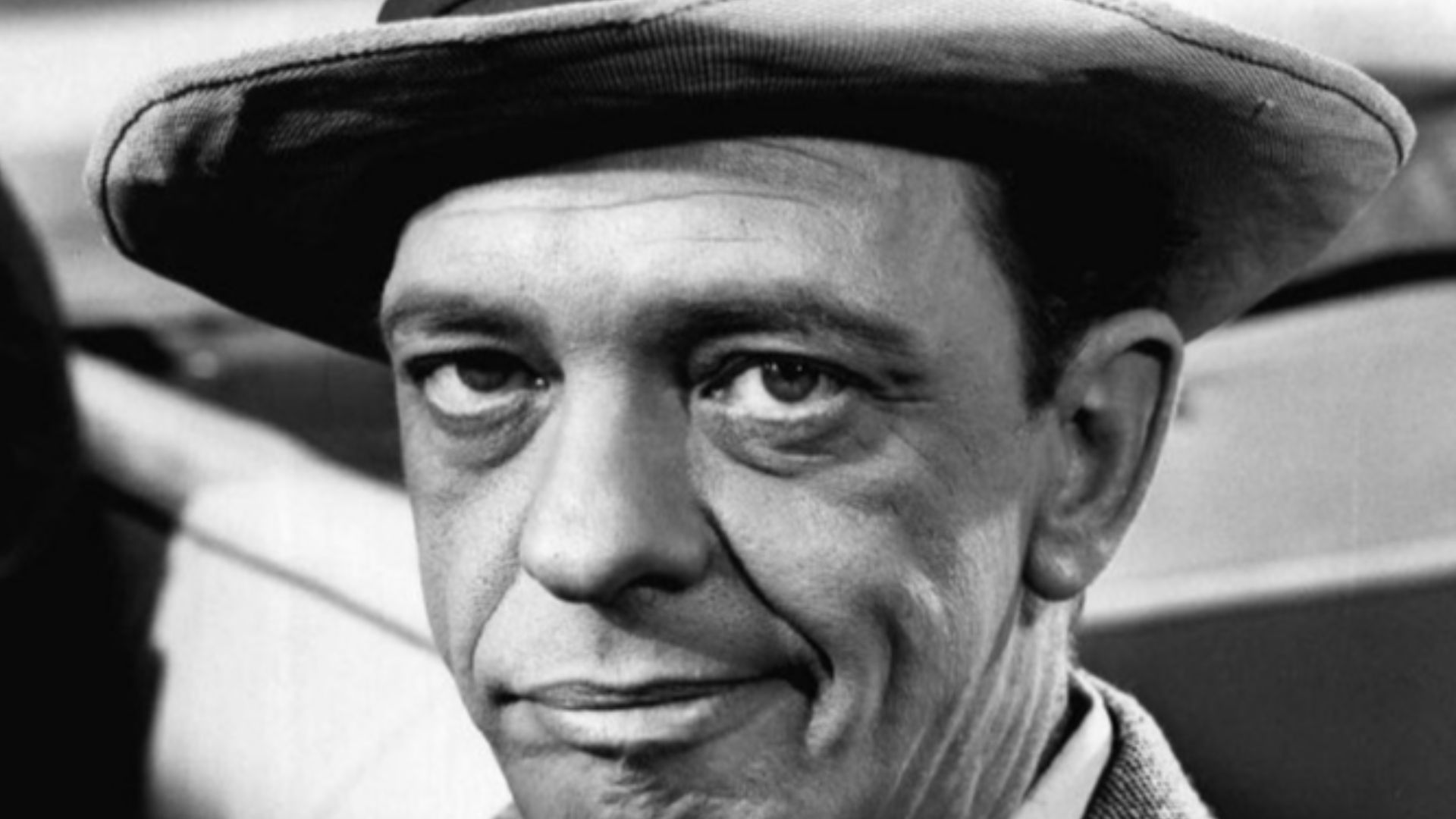 CBS Television, Wikimedia Commons
Arthur “Fonzie” Fonzarelli — Happy Days
Fonzie began as a supporting character in a sitcom centered on Richie Cunningham, but Henry Winkler’s effortless cool quickly changed the show’s balance. He could start a jukebox with one touch, command a room without trying, and still reveal surprising vulnerability. For many viewers, Happy Days simply became Fonzie’s show.
 ABC Television Uploaded by We hope at en.wikipedia, Wikimedia Commons
Niles Crane — Frasier
Frasier was cultured, pompous, and competitive, but Niles somehow intensified all three qualities. David Hyde Pierce gave the character exquisite physical comedy, perfect timing, and a secret romantic streak through his feelings for Daphne. Niles was similar enough to Frasier to understand him and different enough to expose every flaw.
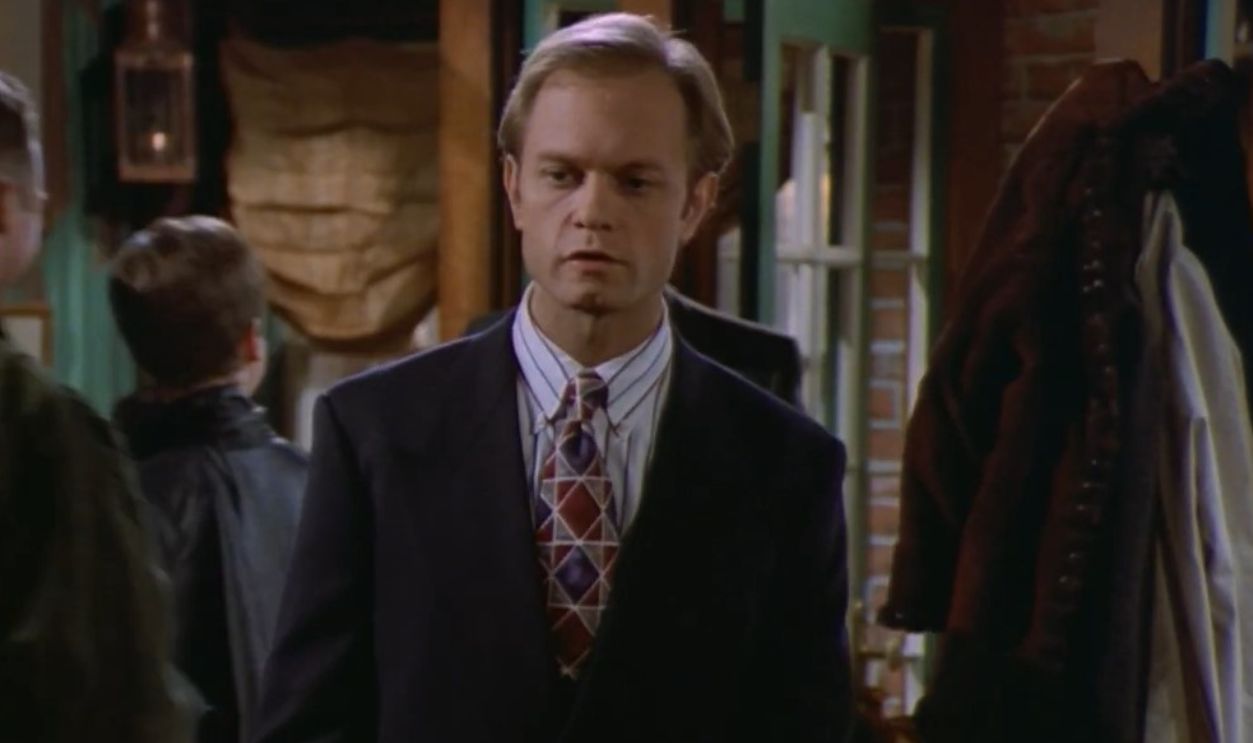 Screenshot from Frasier, NBC (1993–2004)
Karen Walker — Will & Grace
Karen rarely performed any real work for Grace, but she contributed something far more valuable: chaos. Megan Mullally’s distinctive voice, outrageous confidence, and ruthless observations turned Karen into an instant scene-stealer. She could insult everyone in the room and still leave audiences delighted to see her return.
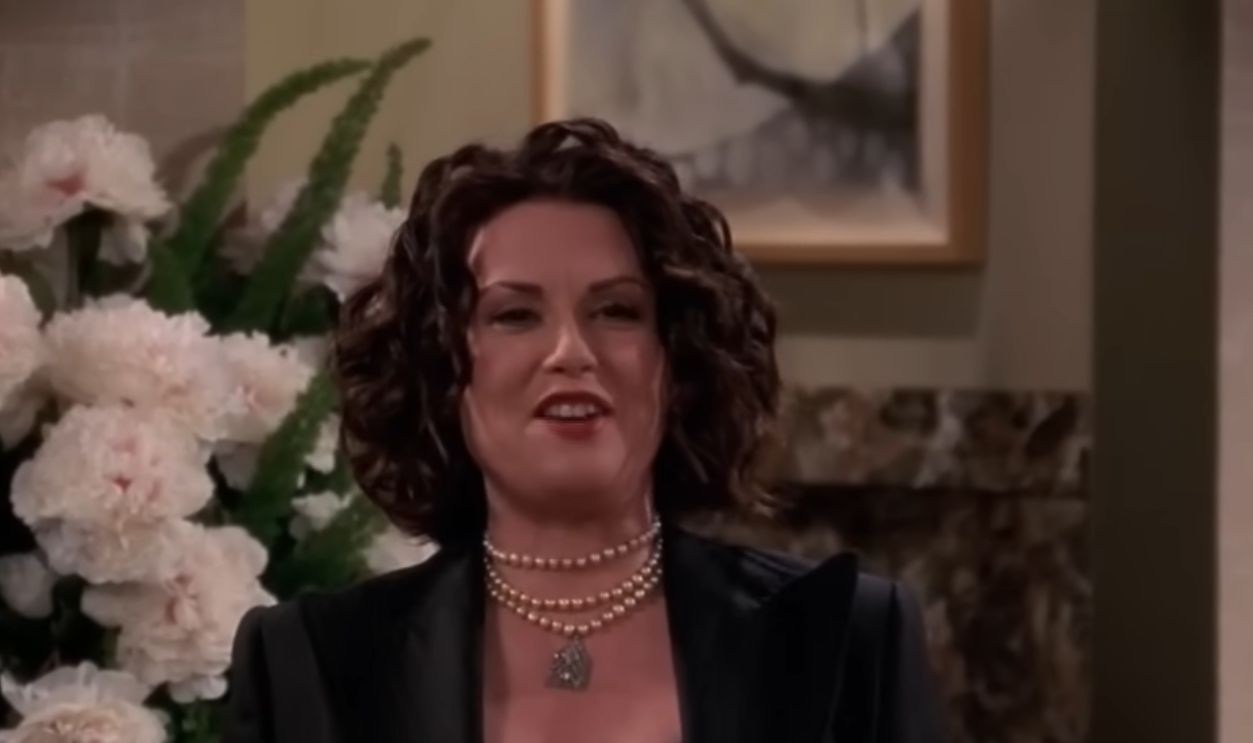 Screenshot from Will & Grace, NBC (2017)
Ethel Mertz — I Love Lucy
Lucy needed someone willing to join her terrible plans, and Ethel was almost always ready. Vivian Vance gave the character skepticism, loyalty, and impeccable comic timing. Ethel frequently knew disaster was coming, but she climbed into the scheme anyway, making her both Lucy’s accomplice and the audience’s voice of reason.
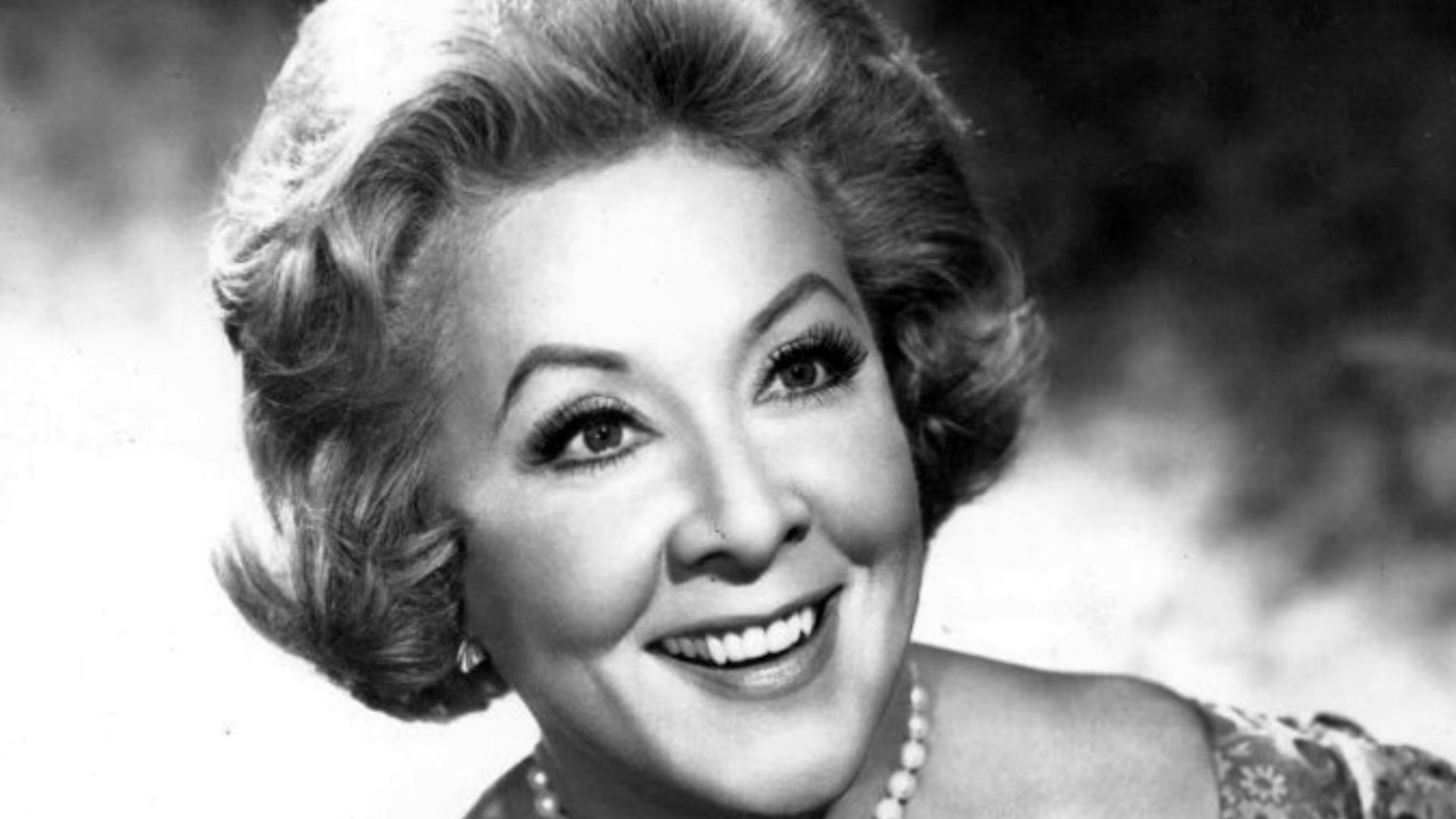
Ed Norton — The Honeymooners
Ralph Kramden had the explosive temper, but Ed Norton knew exactly how to make it worse. Art Carney transformed a cheerful sewer worker into a master of pauses, gestures, and innocent interruptions. Norton’s slow preparation for even the smallest task could push Ralph toward madness before the actual joke had begun.
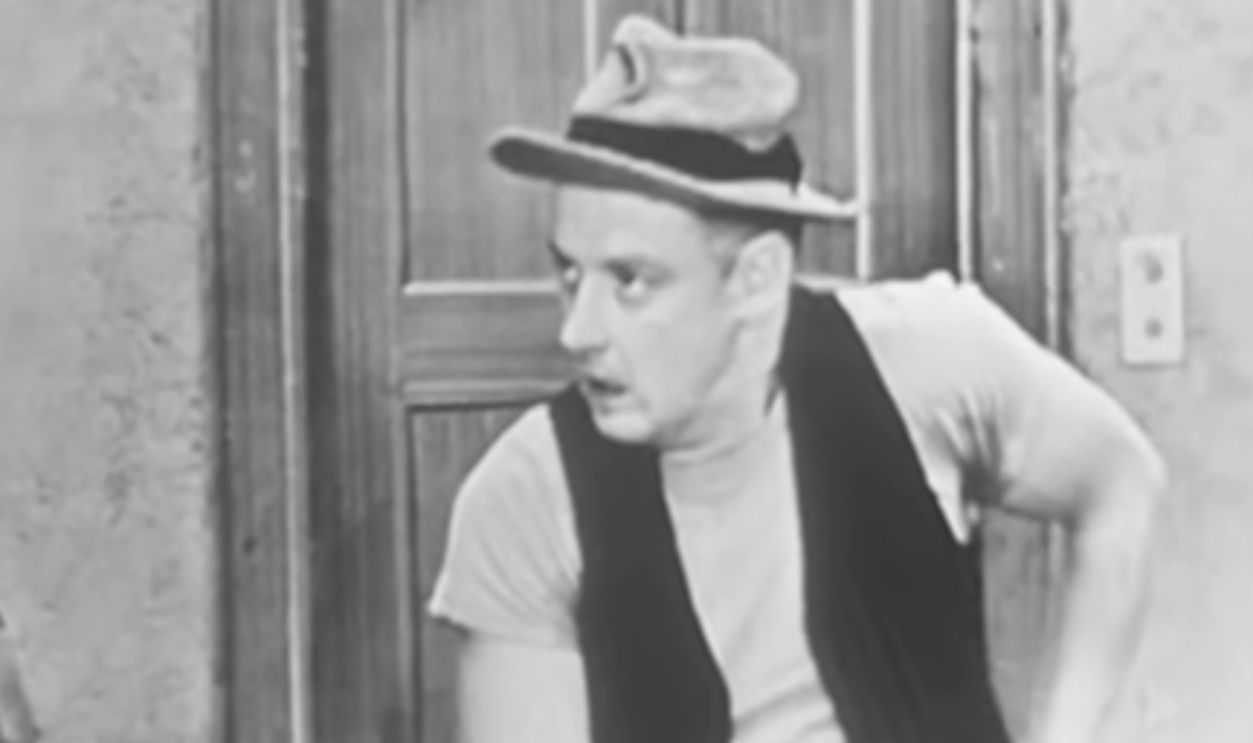 Screenshot from The Honeymooners, CBS (1955–1956)
Mary Ann Summers — Gilligan’s Island
Gilligan caused the accidents, but Mary Ann gave the island its dependable heart. Dawn Wells played her with warmth and practicality, making her seem like the person most likely to keep everyone fed and sane. Her unpretentious charm also inspired a cultural debate that lasted far longer than the castaways’ supposed three-hour tour.
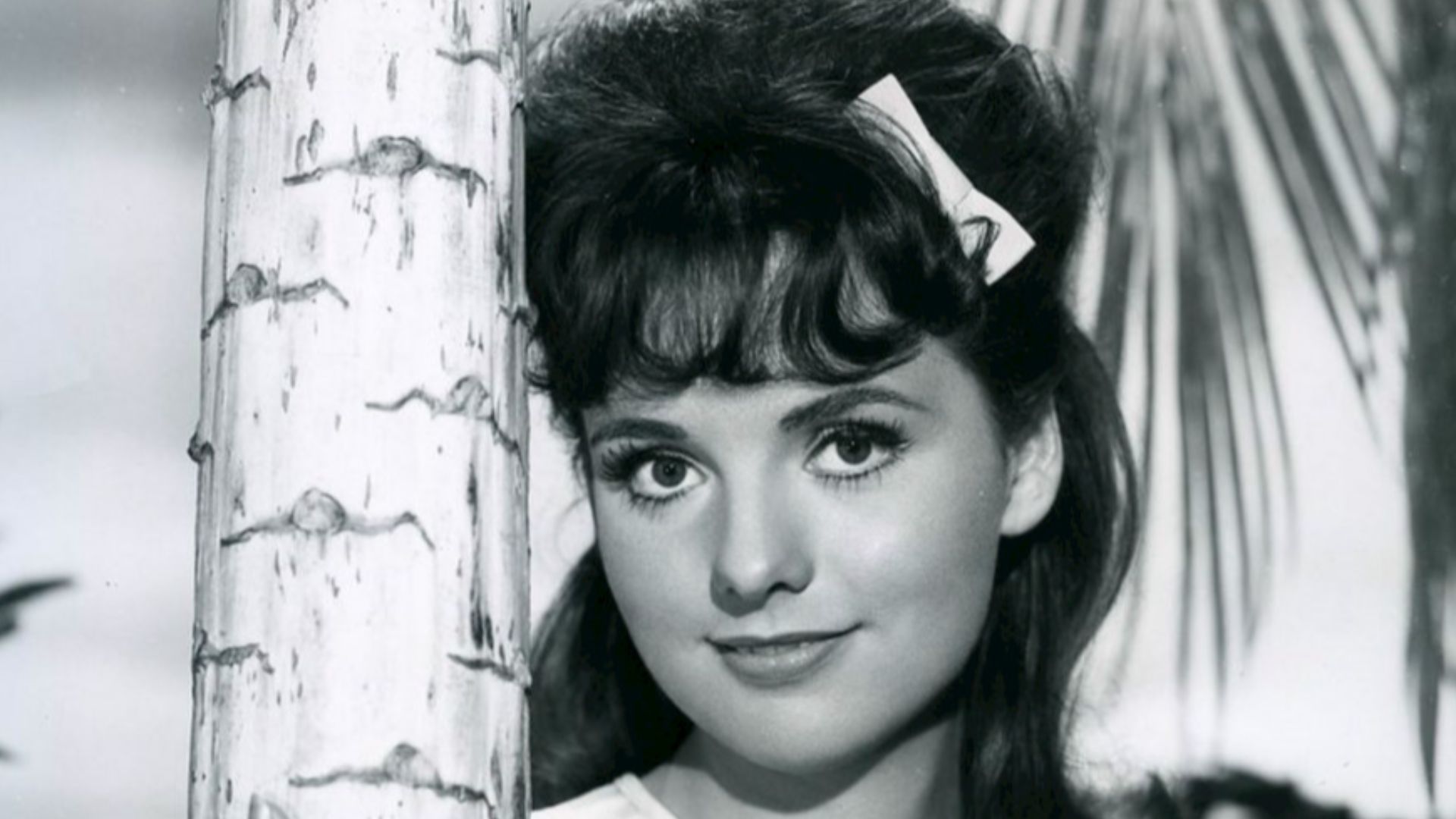 CBS Television, Wikimedia Commons
Reverend Jim Ignatowski — Taxi
The drivers at the Sunshine Cab Company were already an eccentric group, but Reverend Jim operated on an entirely different frequency. Christopher Lloyd turned every delayed reaction and bewildered expression into comedy. Jim seemed detached from reality, yet he occasionally delivered observations more insightful than anything his supposedly sensible friends could manage.
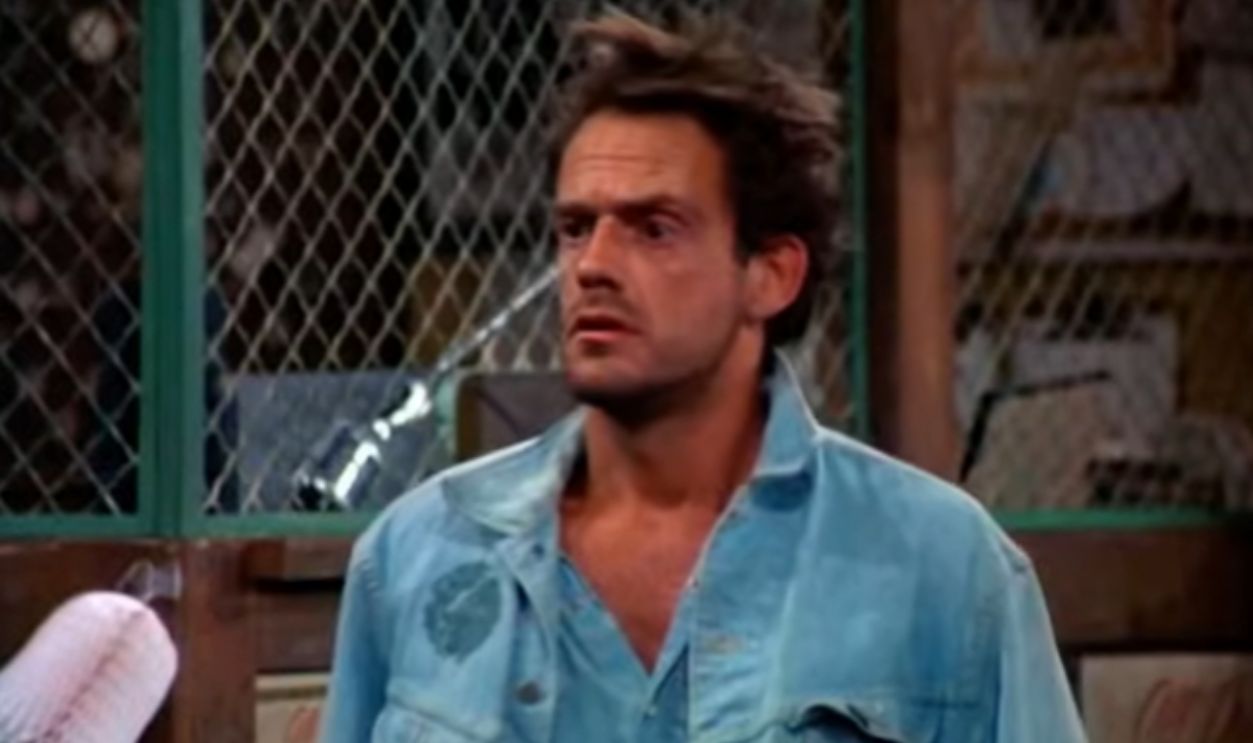 Screenshot from Taxi, Paramount Television (1978–1983)
Carla Tortelli — Cheers
Carla was small, furious, and always prepared to tell someone exactly why she despised them. Rhea Perlman made the sharp-tongued waitress essential to the bar’s rhythm, especially whenever Cliff or Diane became too pleased with themselves. Her insults were brutal, but her loyalty to the people she loved was never really in doubt.
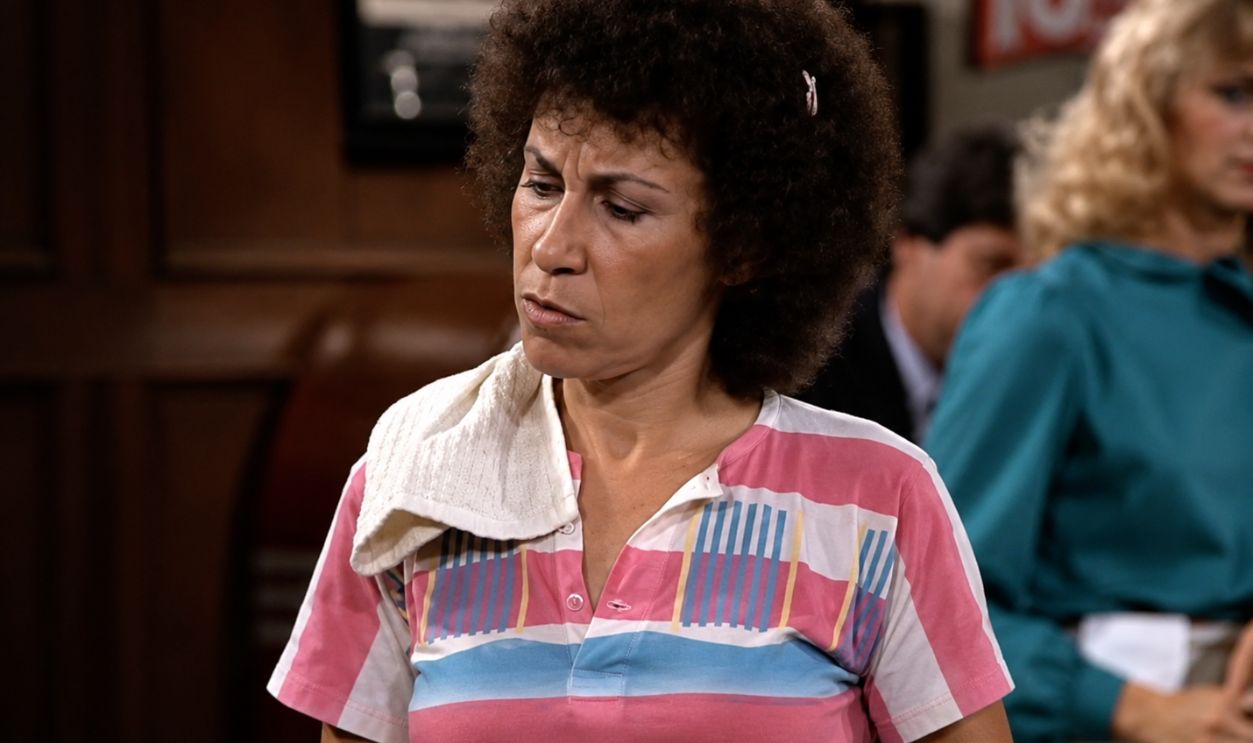 Screenshot from Cheers, Paramount Global (1982-1993)
Coach Ernie Pantusso — Cheers
Coach could misunderstand the simplest conversation and somehow make the confusion feel sweet rather than foolish. Nicholas Colasanto gave him a gentle warmth that balanced the bar’s sarcasm. Whenever Coach finally understood what everyone was discussing, his delayed reaction often became the funniest part of the scene.
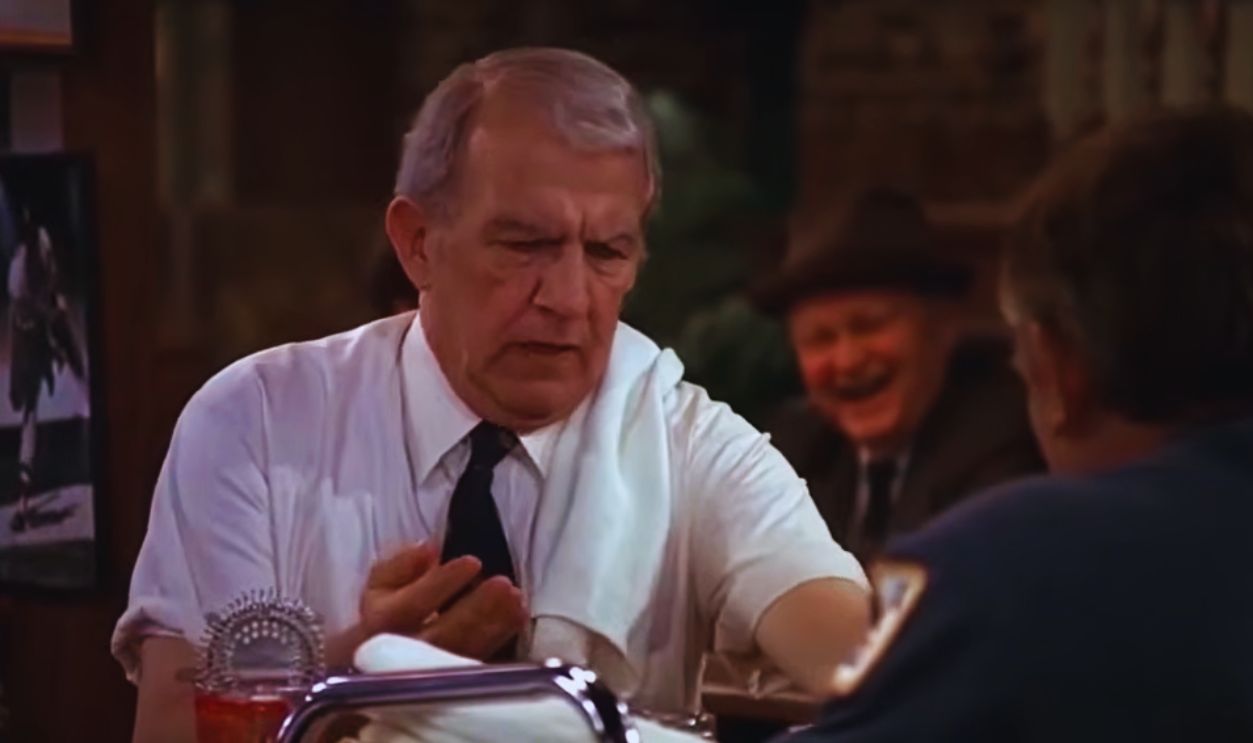 Screenshot from Cheers, Paramount Television (1982–1993)
Sophia Petrillo — The Golden Girls
Dorothy had the strongest connection to Sophia, but nobody in the house was safe from her mother’s comments. Estelle Getty made Sophia fearless, mischievous, and incapable of respecting polite boundaries. Her Sicilian stories rarely stayed believable for long, yet everyone listened because the punchline was usually worth the wait.
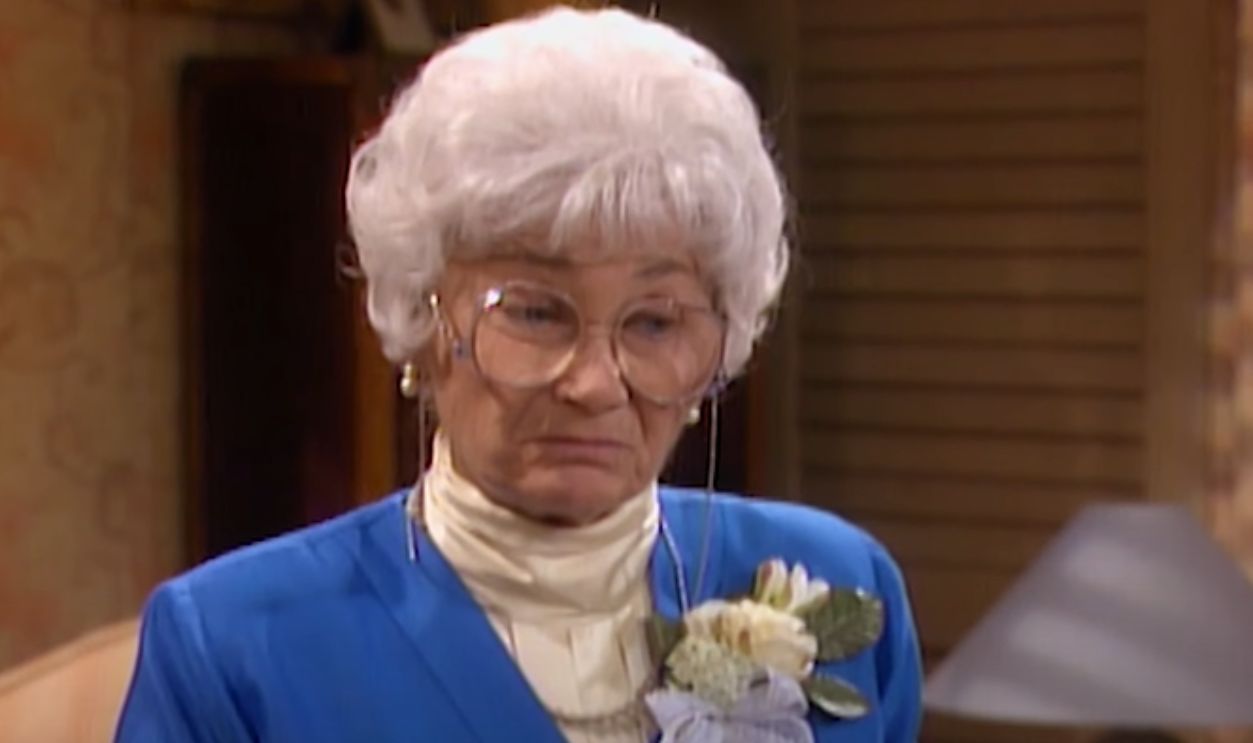 Screenshot from The Golden Girls, NBC (1985–1992)
Rhoda Morgenstern — The Mary Tyler Moore Show
Mary Richards was polished and optimistic, while Rhoda arrived armed with sarcasm and a far less flattering view of life. Valerie Harper made Rhoda immediately relatable through her insecurity, wit, and honesty. Their friendship gave the series emotional depth, and Rhoda became so popular that she eventually received a sitcom of her own.
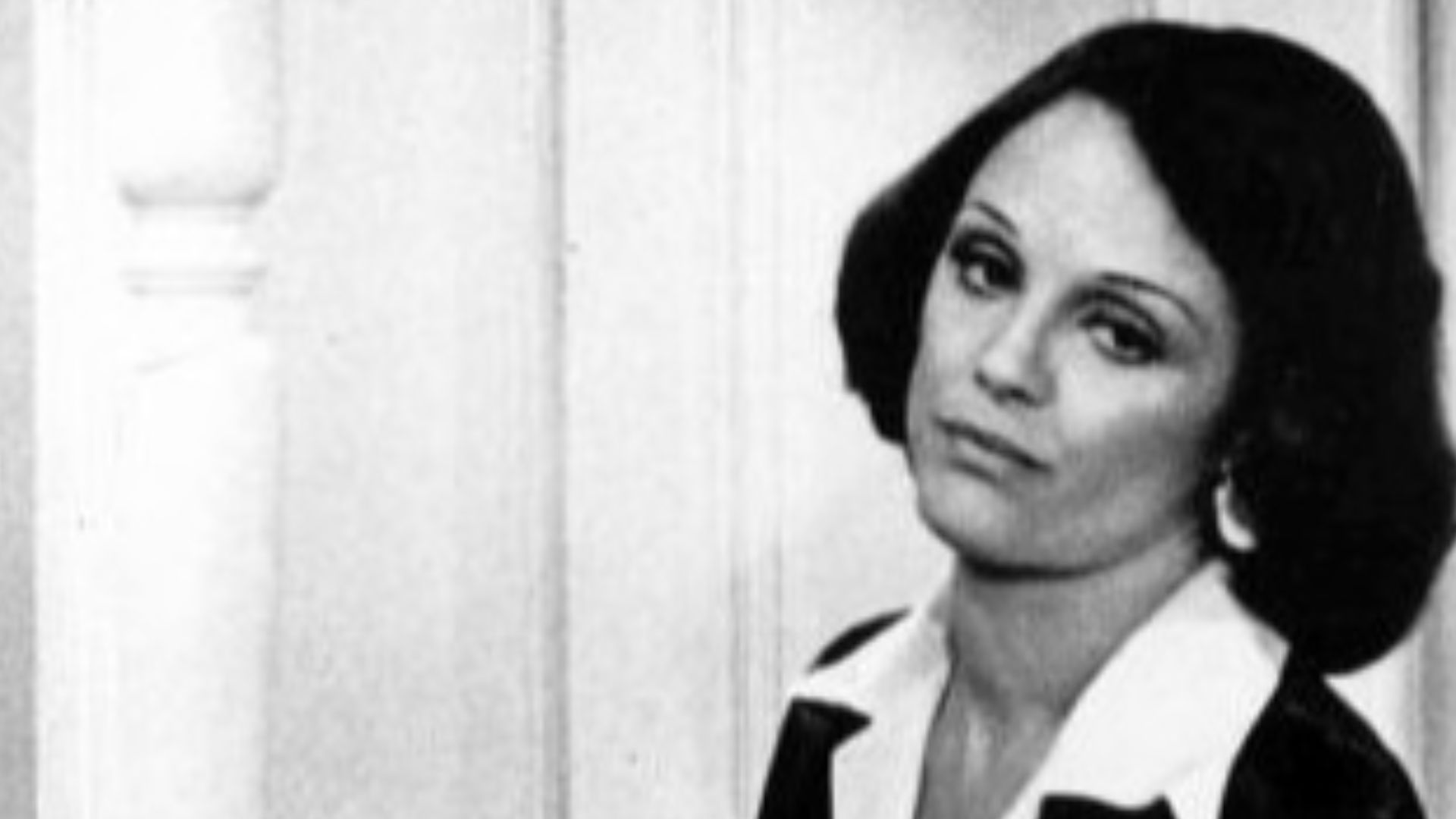 CBS Television Uploaded by We hope at en.wikipedia, Wikimedia Commons
Lou Grant — The Mary Tyler Moore Show
Lou Grant was gruff, intimidating, and far more sentimental than he wanted anyone to know. Ed Asner created a boss who could terrify Mary one moment and quietly support her the next. His blunt reactions punctured the newsroom’s silliness, while his complicated affection for his staff made him impossible to dismiss as merely grouchy.
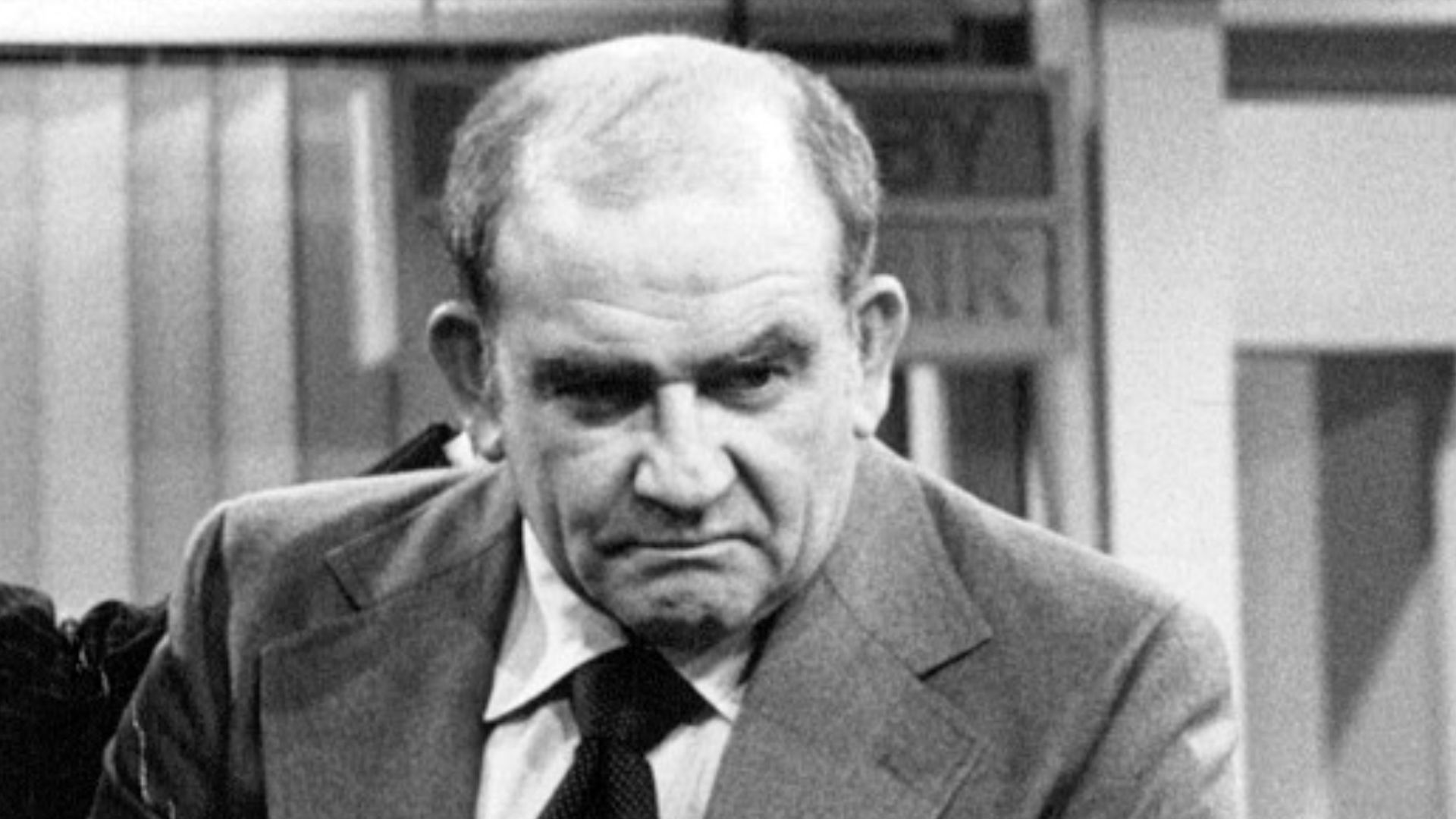 CBS Television, Wikimedia Commons
George Costanza — Seinfeld
Jerry may have been the show’s named star, but George often created its greatest disasters. Jason Alexander made humiliation, dishonesty, and breathtaking selfishness look almost heroic. George could turn a minor inconvenience into a life-altering crisis, then explain his terrible decision with enough conviction to make it briefly sound reasonable.
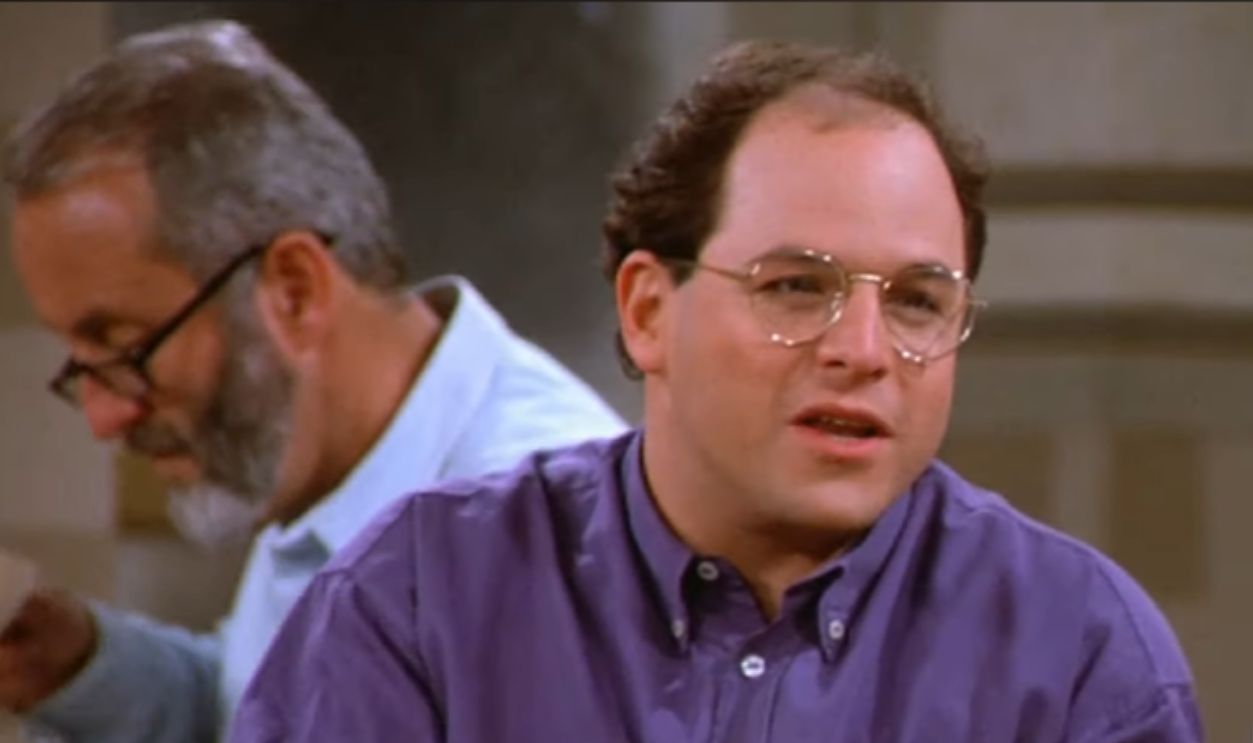 Screenshot from Seinfeld, NBC (1989–1998)
Cosmo Kramer — Seinfeld
Kramer did not simply enter Jerry’s apartment. He burst through the door as though launched from another building. Michael Richards combined extraordinary physical comedy with a character who treated every reckless business idea as a guaranteed success. Kramer’s unpredictability made even an ordinary conversation feel moments away from collapse.
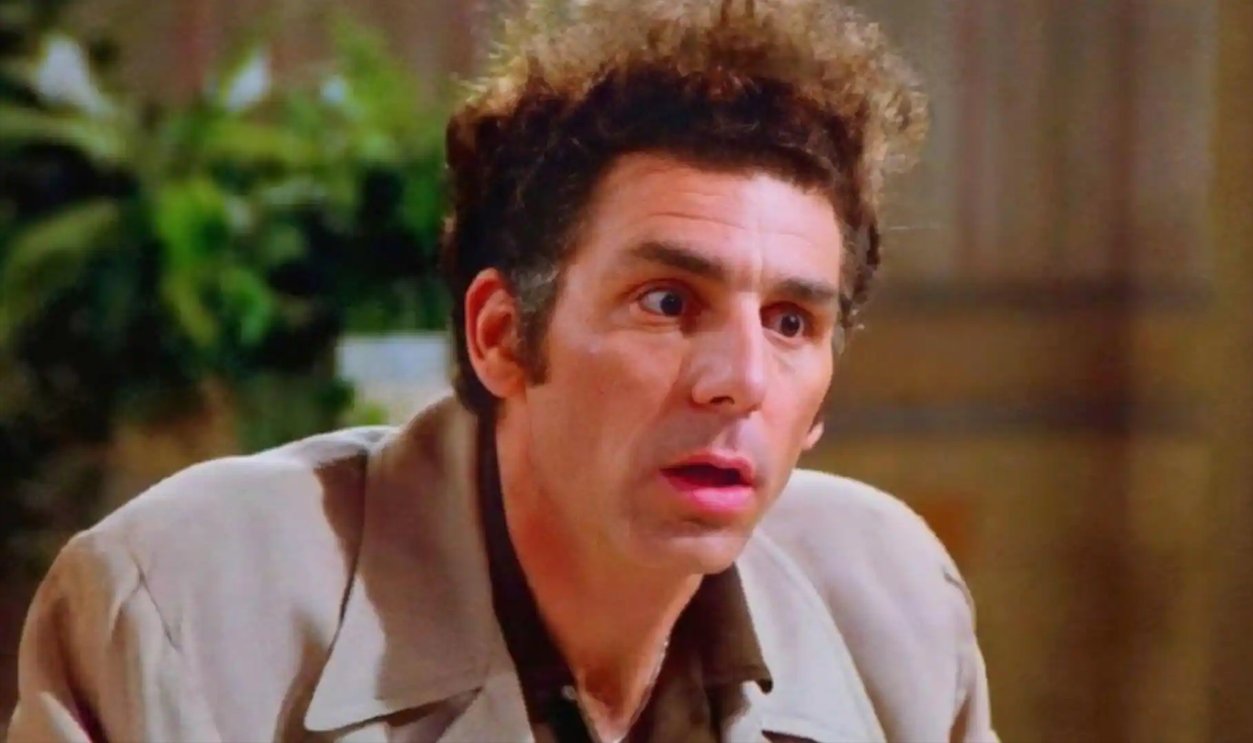 Screenshot from Seinfeld, NBC (1989-1998)
Elaine Benes — Seinfeld
Elaine could be charming, competitive, furious, and spectacularly petty within the same conversation. Julia Louis-Dreyfus ensured she was never merely the woman in Jerry’s group. Her terrible dancing, workplace battles, and willingness to retaliate over tiny insults made her every bit as gloriously flawed as the men around her.
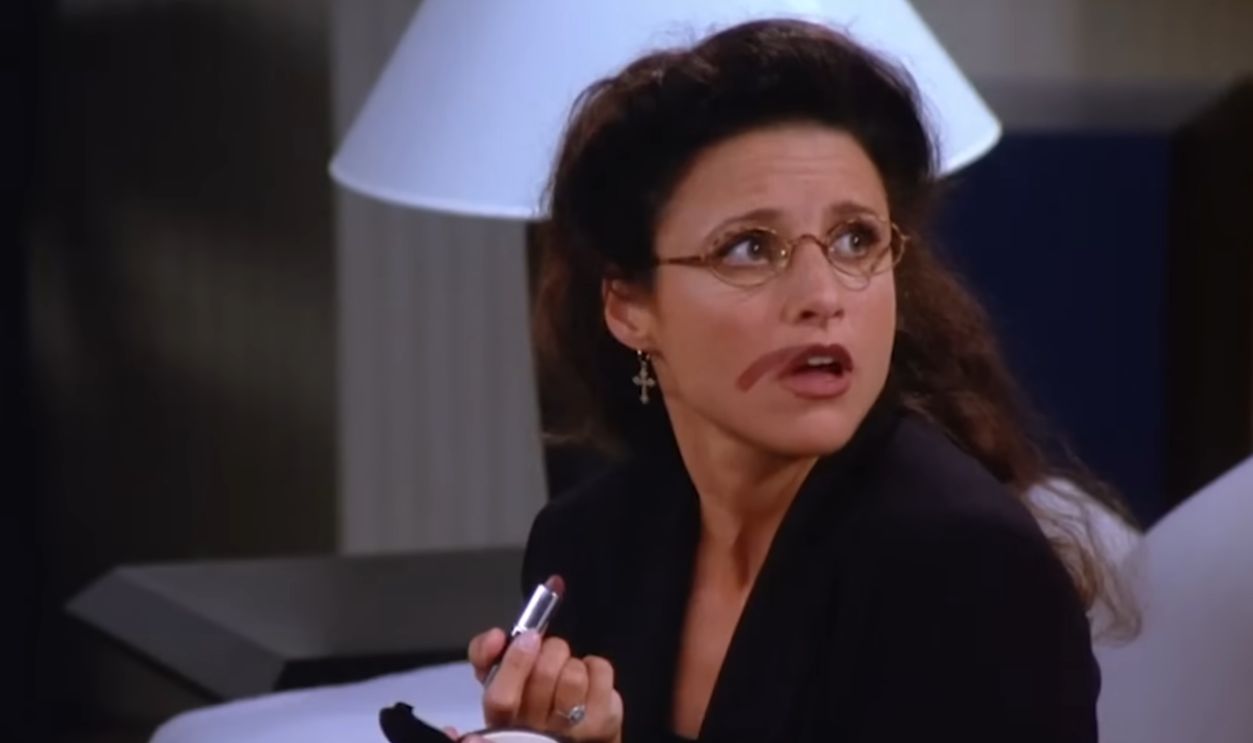 Screenshot from Seinfeld, NBC (1989–1998)
Steve Urkel — Family Matters
Family Matters began as a family-centered sitcom, but Steve Urkel’s popularity completely transformed it. Jaleel White turned the Winslows’ irritating neighbor into a cultural phenomenon with suspenders, inventions, catchphrases, and unshakable confidence. His arrival could destroy Carl’s house, patience, and peace before the first commercial break.
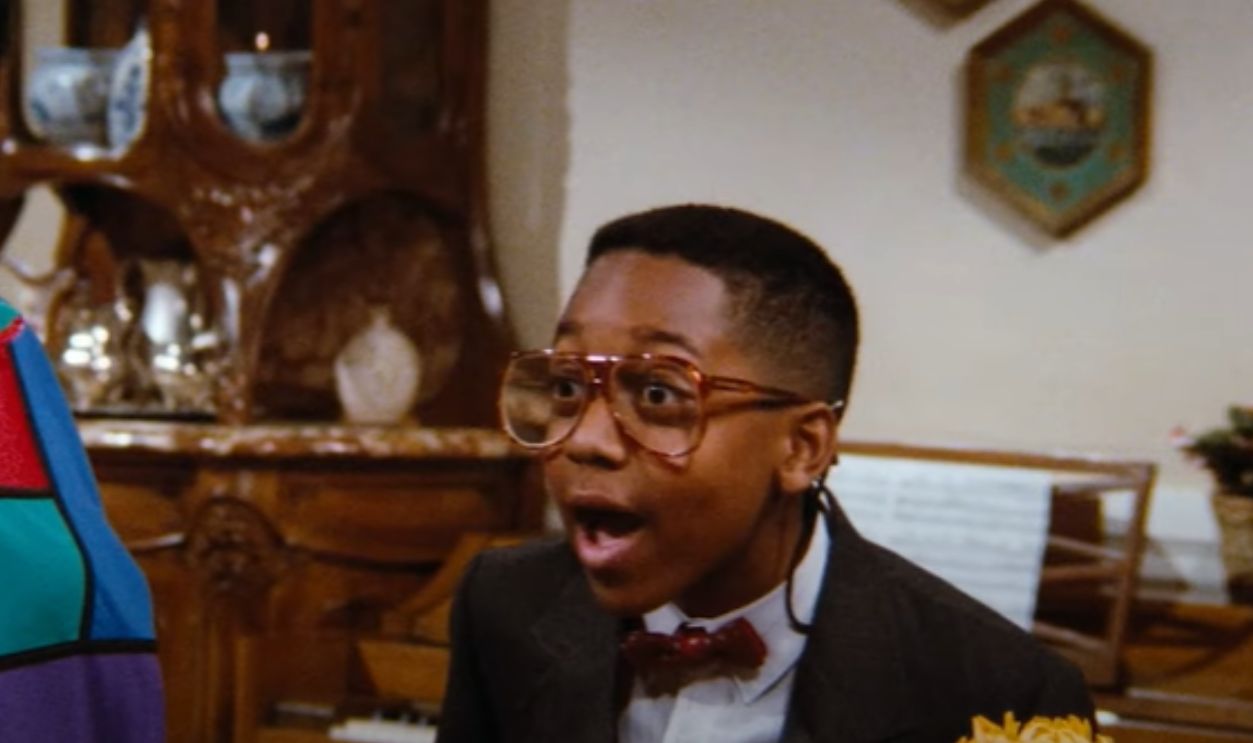 Screenshot from Family Matters, ABC (1989–1998)
Kimmy Gibbler — Full House
The Tanner family home was already crowded, but Kimmy always found room to enter without knocking. Andrea Barber made her loud, strange, and magnificently immune to embarrassment. Although the family constantly complained about her, Kimmy’s loyalty to DJ ensured she remained more than a collection of bizarre outfits and unpleasant smells.
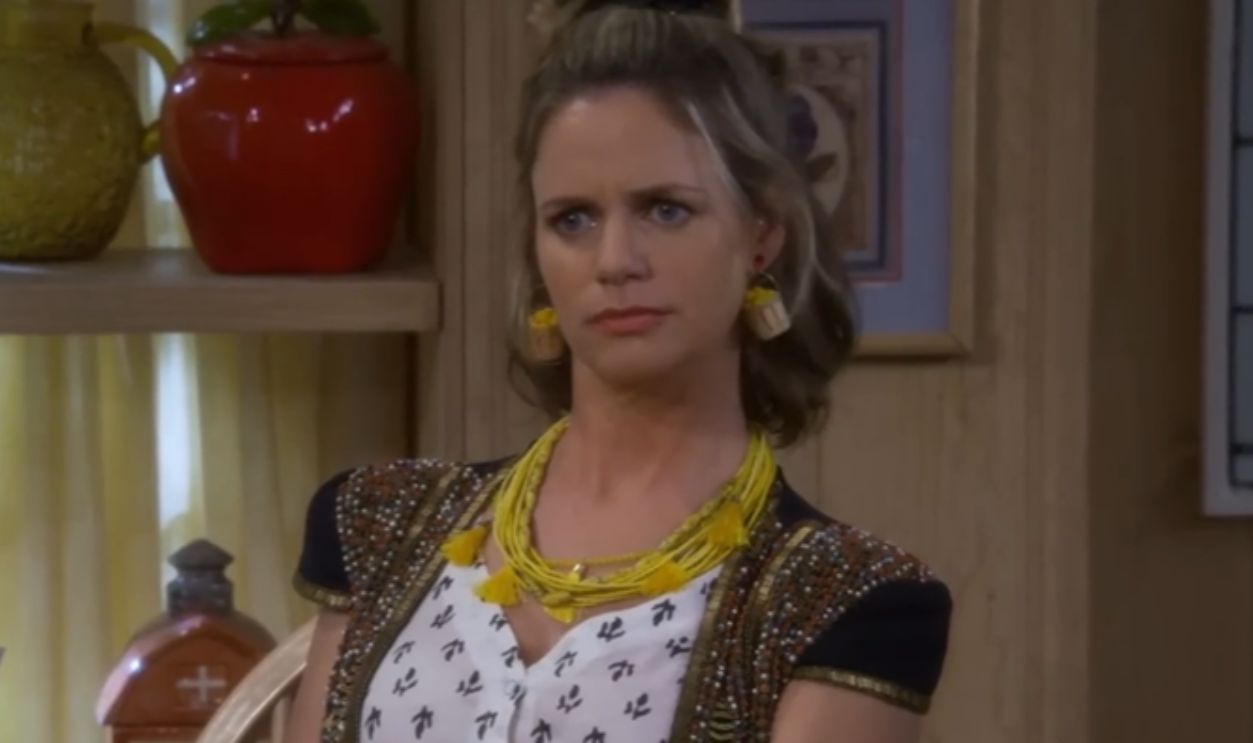 Screenshot from Full House, Warner Bros. Television (1987–1995)
Wilson Wilson Jr. — Home Improvement
Tim Taylor regularly needed advice, and Wilson was always waiting on the other side of the fence with wisdom Tim would immediately misunderstand. Earl Hindman made the partially hidden neighbor warm and memorable without relying on conventional punchlines. Wilson’s calm intelligence gave the show a necessary counterweight to Tim’s impulsive confidence.
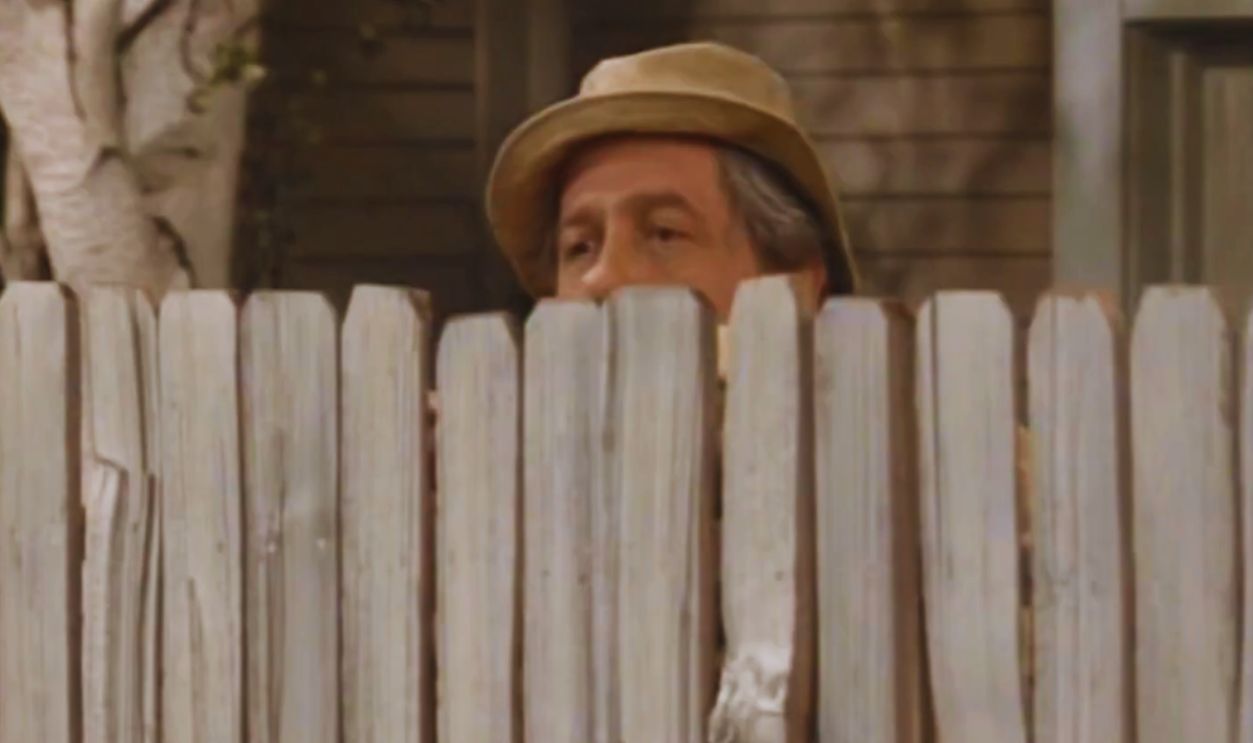 Screenshot from Home Improvement, ABC (1991–1999)
Arthur Spooner — The King Of Queens
Doug and Carrie had enough marital problems before Arthur moved into their basement. Jerry Stiller turned Carrie’s demanding father into a force of pure disruption, capable of escalating a small complaint into a household emergency. His bizarre stories and sudden shouting made him unpredictable, exhausting, and frequently funnier than everyone upstairs.
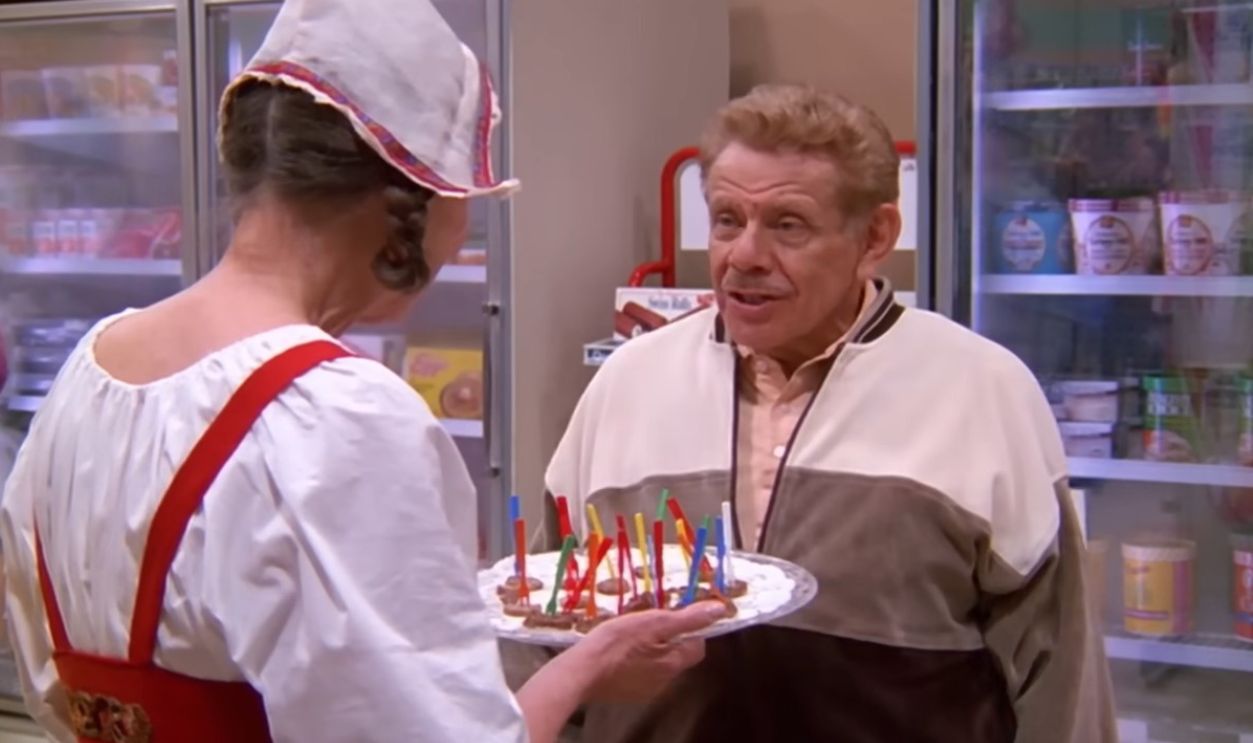 Screenshot from The King of Queens, CBS (1998–2007)
Dwight Schrute — The Office
Michael Scott created plenty of workplace chaos, but Dwight treated every minor event as a test of survival, loyalty, or authority. Rainn Wilson made him rigid, ambitious, and strangely vulnerable beneath the mustard-colored shirts. His rivalry with Jim generated classic pranks, while his devotion to Dunder Mifflin bordered on the heroic.
 Screenshot from The Office (US), NBC (2005-2013)
Ron Swanson — Parks And Recreation
Leslie Knope believed government could improve lives. Her boss, Ron Swanson, would have preferred that government disappear entirely. Nick Offerman’s dry delivery, private habits, and intense devotion to meat turned Ron into a comic institution. His reluctant affection for Leslie made their friendship much richer than their political differences suggested.
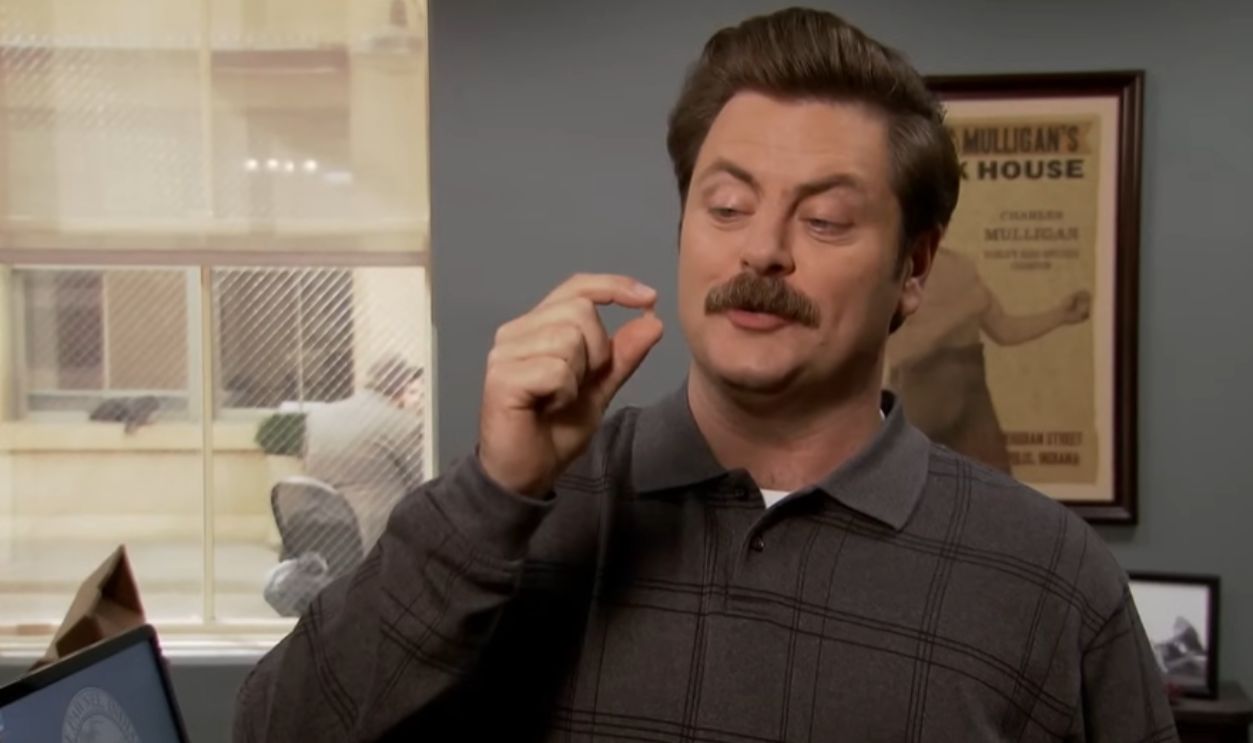 Screenshot from Parks and Recreation, NBC (2009-2015)
Abed Nadir — Community
Jeff Winger was positioned as the group’s central figure, but Abed often understood the show better than anyone living inside it. Danny Pudi used pop-culture references and emotional distance to turn Abed into both a character and a commentator. His friendship with Troy also created some of the series’ warmest and strangest moments.
 Screenshot from Community, NBC (2009–2015)
Troy Barnes — Community
Troy began as a former high-school athlete trying to protect his image, but Donald Glover gradually revealed a much stranger and more lovable character. His imagination flourished around Abed, producing fake morning shows, elaborate costumes, and private adventures. Troy’s joyful silliness made the study group feel like a genuine family.
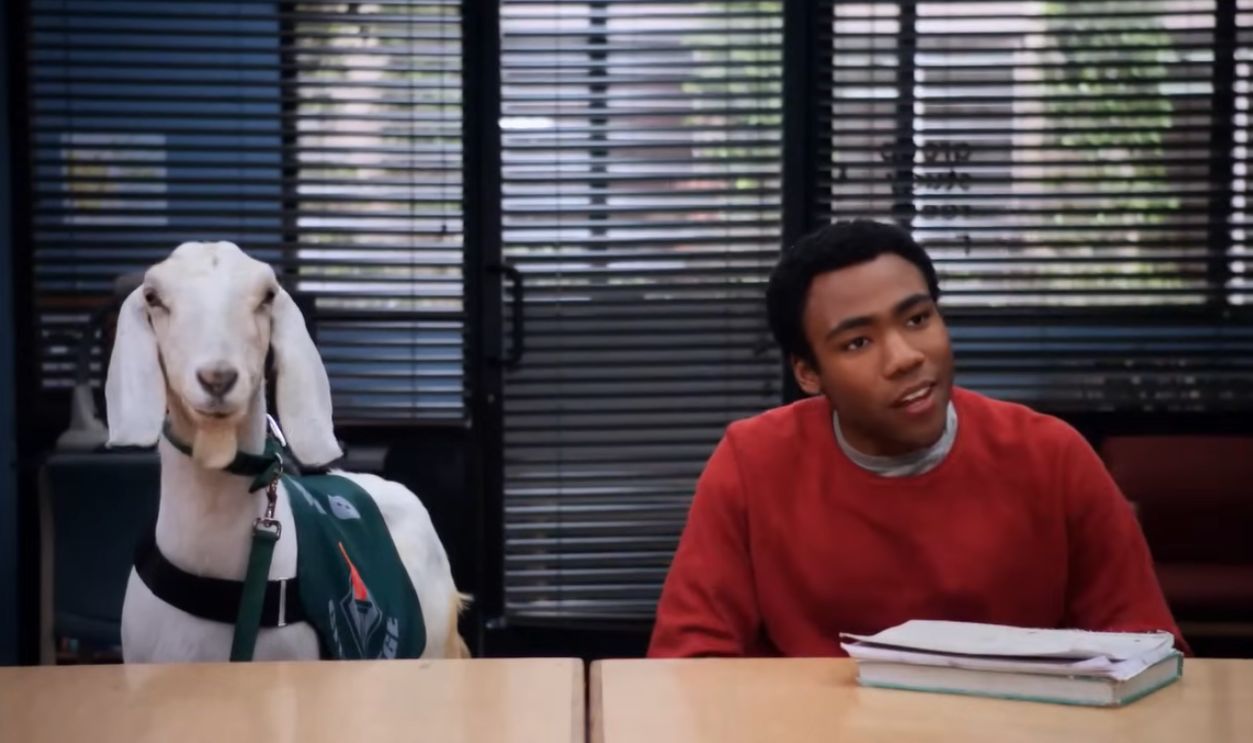 Screenshot from Community, NBC (2009–2015)
Gob Bluth — Arrested Development
Michael Bluth tried to keep his family functioning, while Gob kept arriving with illusions, dangerous plans, and a desperate need for approval. Will Arnett made Gob’s booming confidence especially funny because it concealed obvious insecurity. Even his triumphant entrance music could not disguise how rarely his schemes actually worked.
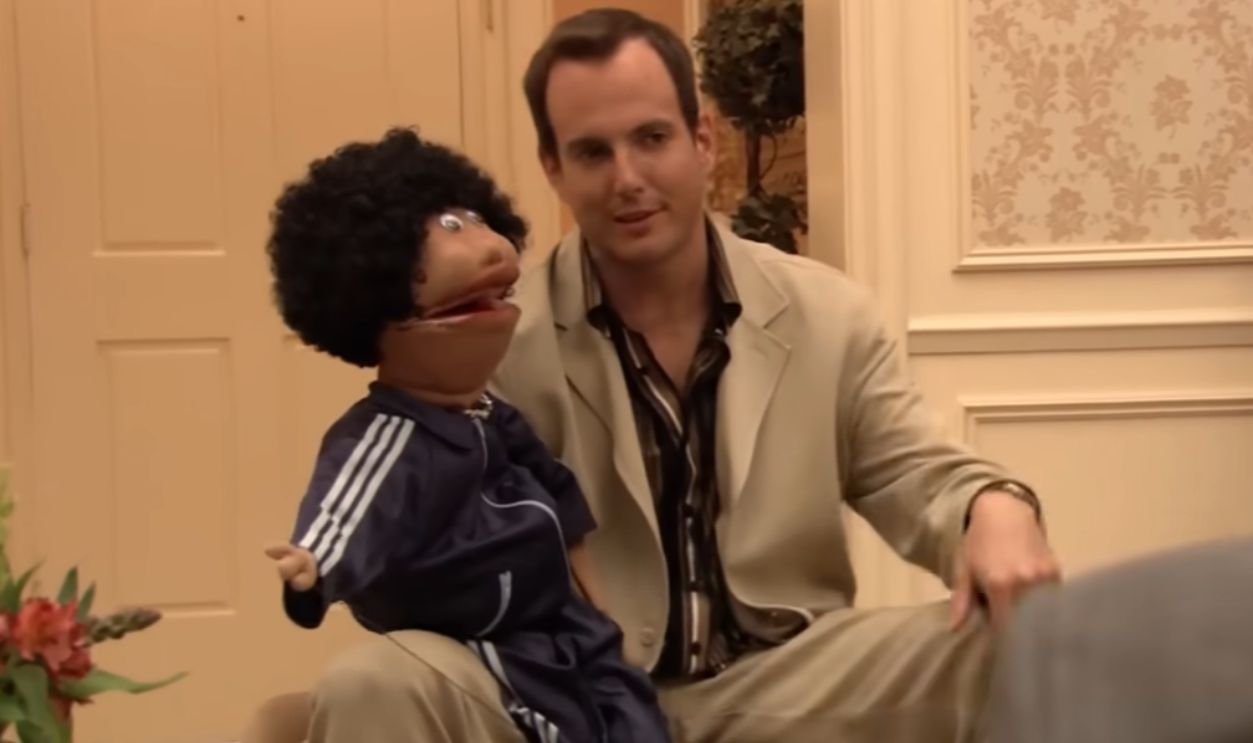 Screenshot from Arrested Development, Netflix (2003-2019)
Buster Bluth — Arrested Development
Buster was sheltered, anxious, and alarmingly dependent on his mother, yet Tony Hale made every breakdown feel inventive. His strange habits and extreme fear of independence pushed the Bluth family’s dysfunction into surreal territory. The character could barely handle a normal afternoon, which made the increasingly absurd things that happened to him even funnier.
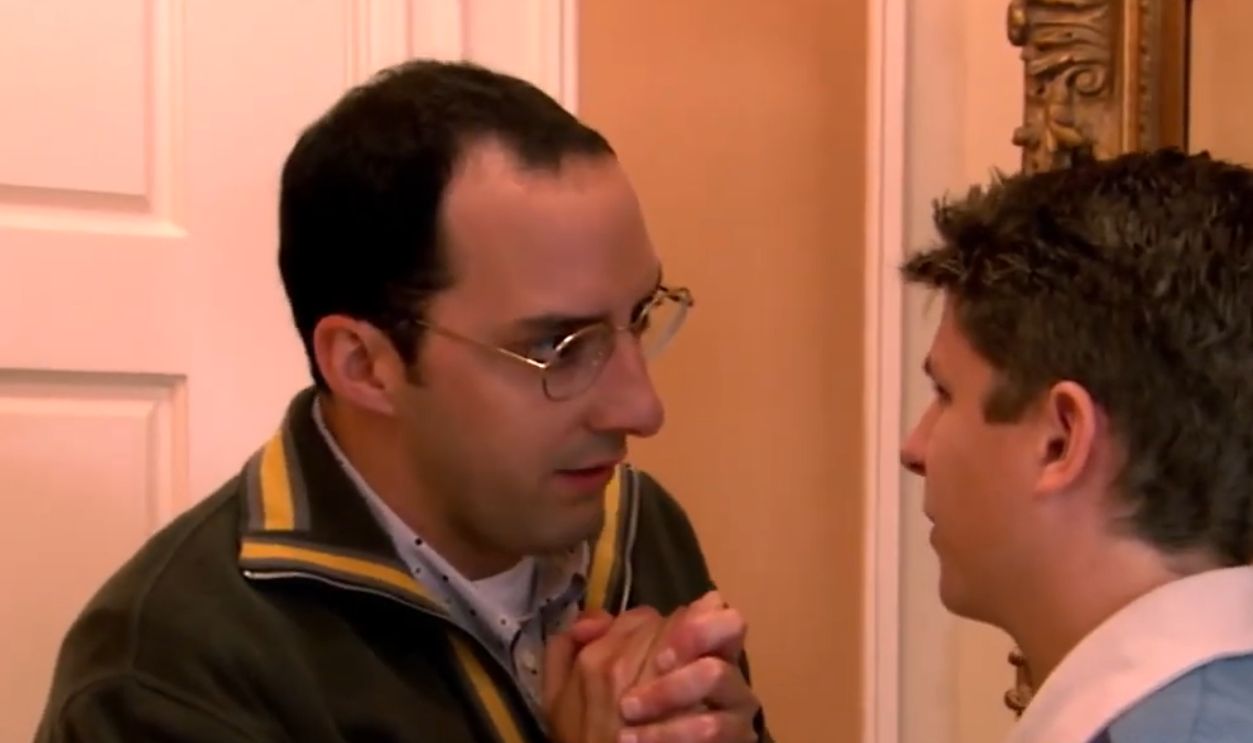 Screenshot from Arrested Development, Netflix (2003–2019)
Phil Dunphy — Modern Family
Jay Pritchett may have been the family patriarch, but Phil frequently became the show’s comic heart. Ty Burrell combined physical comedy, terrible wordplay, and relentless optimism with genuine affection for his family. Phil wanted to be a cool father so badly that his failures somehow made him more lovable.
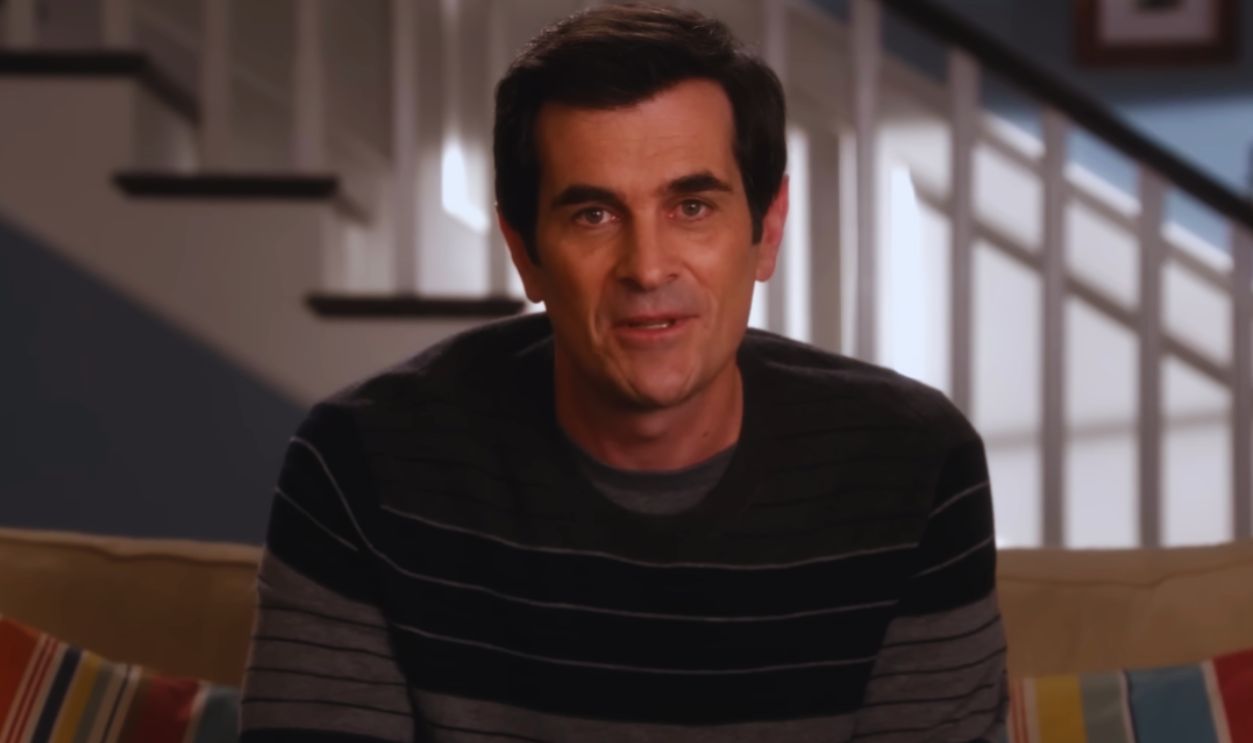 Screenshot from Modern Family, The Walt Disney Company (2009-2020)
Winston Bishop — New Girl
Winston began as the loft’s least clearly defined roommate, but he gradually became its strangest. Lamorne Morris transformed him into a man who loved elaborate pranks, puzzles, cats, and wildly specific hobbies. His confidence in ideas nobody else understood made him increasingly unpredictable and eventually indispensable.
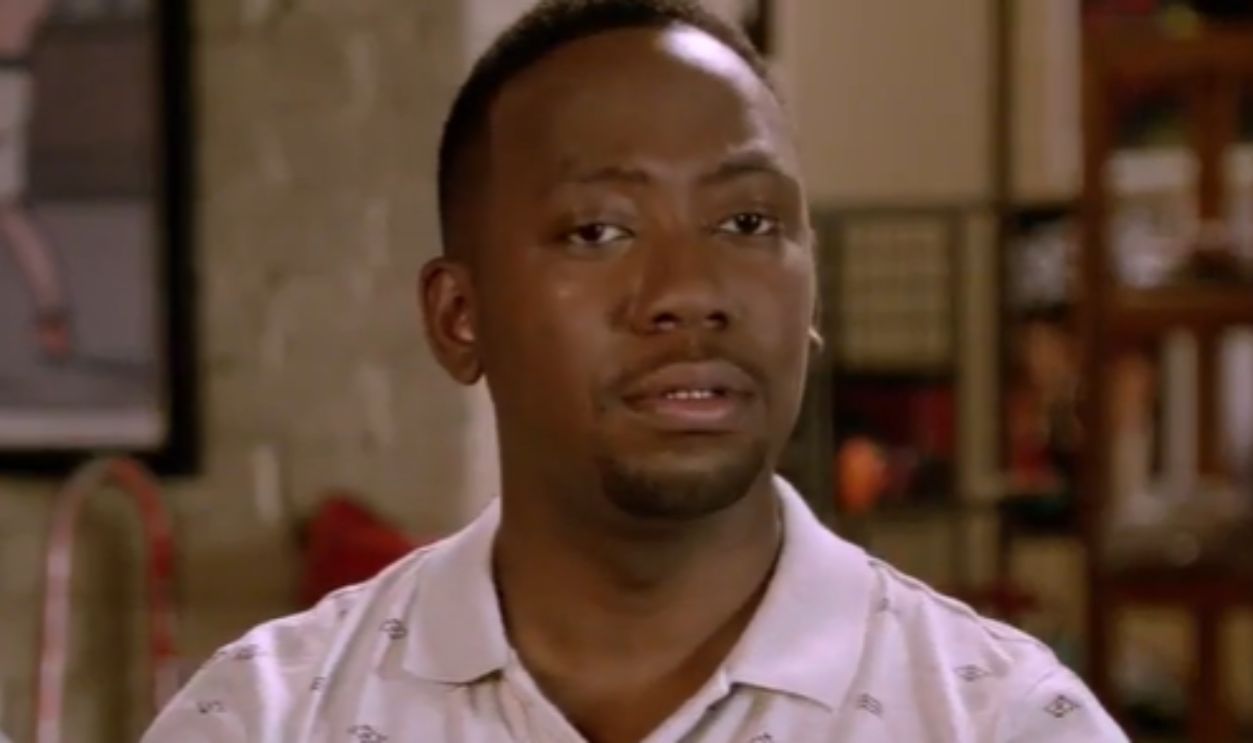 Screenshot from New Girl, 20th Century Fox Television (2011–2018)
Alexis Rose — Schitt’s Creek
David often received the flashiest lines, but Alexis developed one of the show’s most satisfying transformations. Annie Murphy made her casual references to unbelievable adventures hilarious, then slowly revealed the vulnerability beneath them. Alexis grew without losing her distinctive confidence, hand gestures, or talent for turning every sentence into a performance.
 Screenshot from Schitt’s Creek, Lionsgate (2015–2020)
Moira Rose — Schitt’s Creek
Johnny tried to rebuild the Rose family’s life, but Moira made every inconvenience sound like a Shakespearean catastrophe. Catherine O’Hara combined an impossible vocabulary, eccentric wigs, and theatrical despair into something entirely original. Even a simple town meeting became extraordinary once Moira decided it required a dramatic entrance.
 Screenshot from Schitt’s Creek, Lionsgate (2015–2020)
Did The Sidekicks Secretly Become The Stars?
The strongest sitcom sidekicks do more than land a few memorable jokes. They challenge the lead, disrupt predictable stories, and give viewers another reason to return every week. Sometimes they even become the character most closely associated with the series. At that point, calling them a sidekick almost feels unfair.
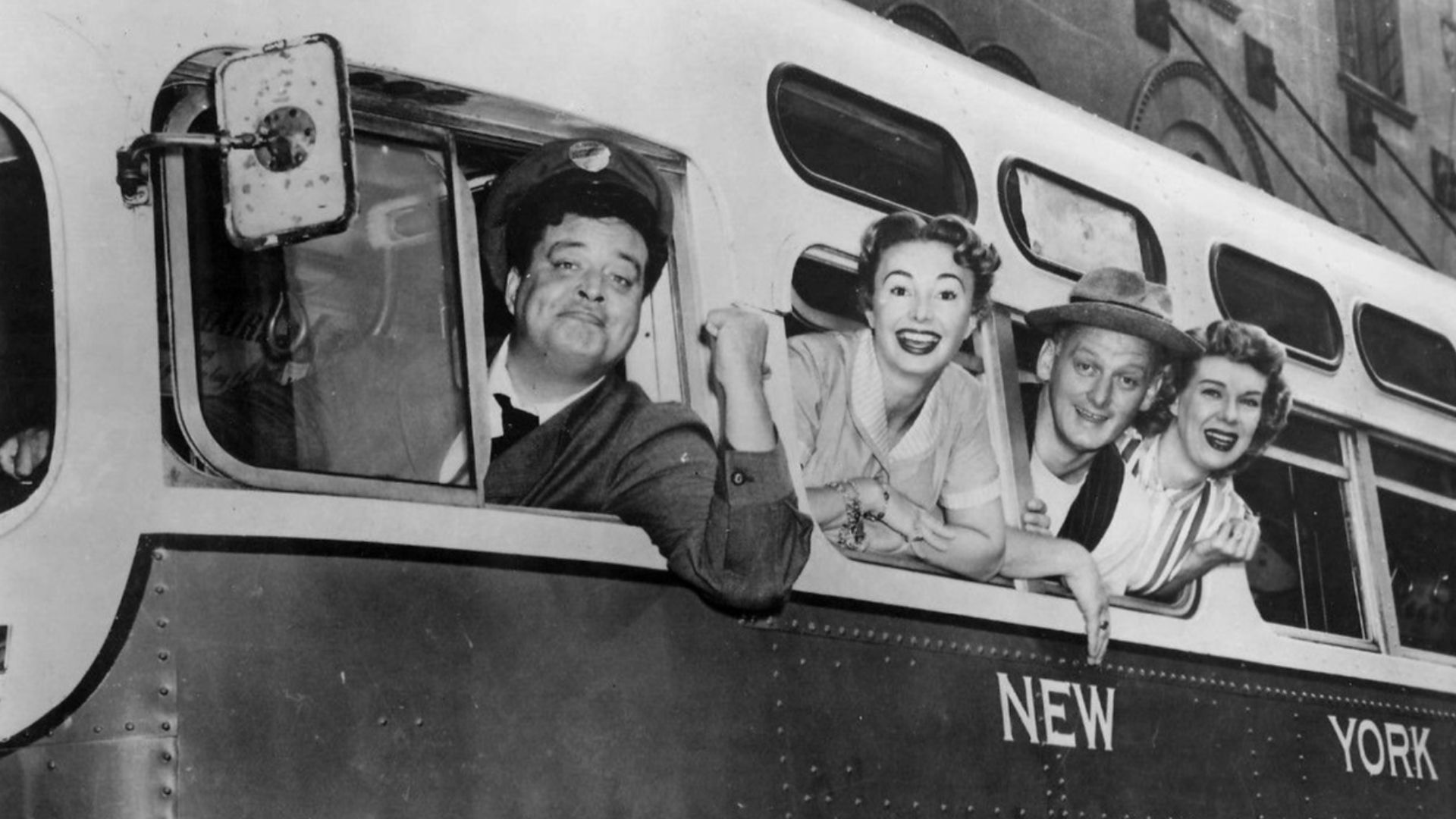 CBS Television, Wikimedia Commons
You May Also Like: