Critics Thought They Were A Fake Band
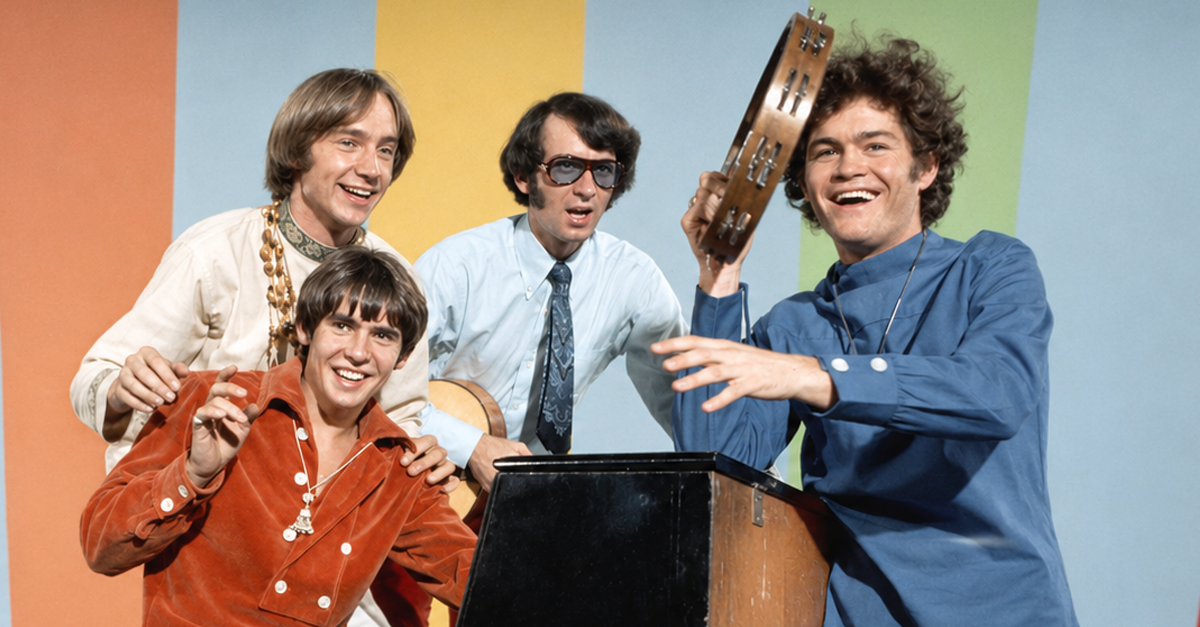
When The Monkees burst onto television screens in 1966, they became overnight sensations, but critics dismissed them as a fake band. Assembled for a comedy series, the four stars had little control over their records, while studio musicians played on their biggest hits. But behind the cheerful image, they were determined to prove they were real musicians.
What followed was a bitter battle for creative control, culminating in one explosive confrontation that changed the group's future.
 Michael Ochs Archives, Getty Images
Hollywood Wanted Its Own Beatles
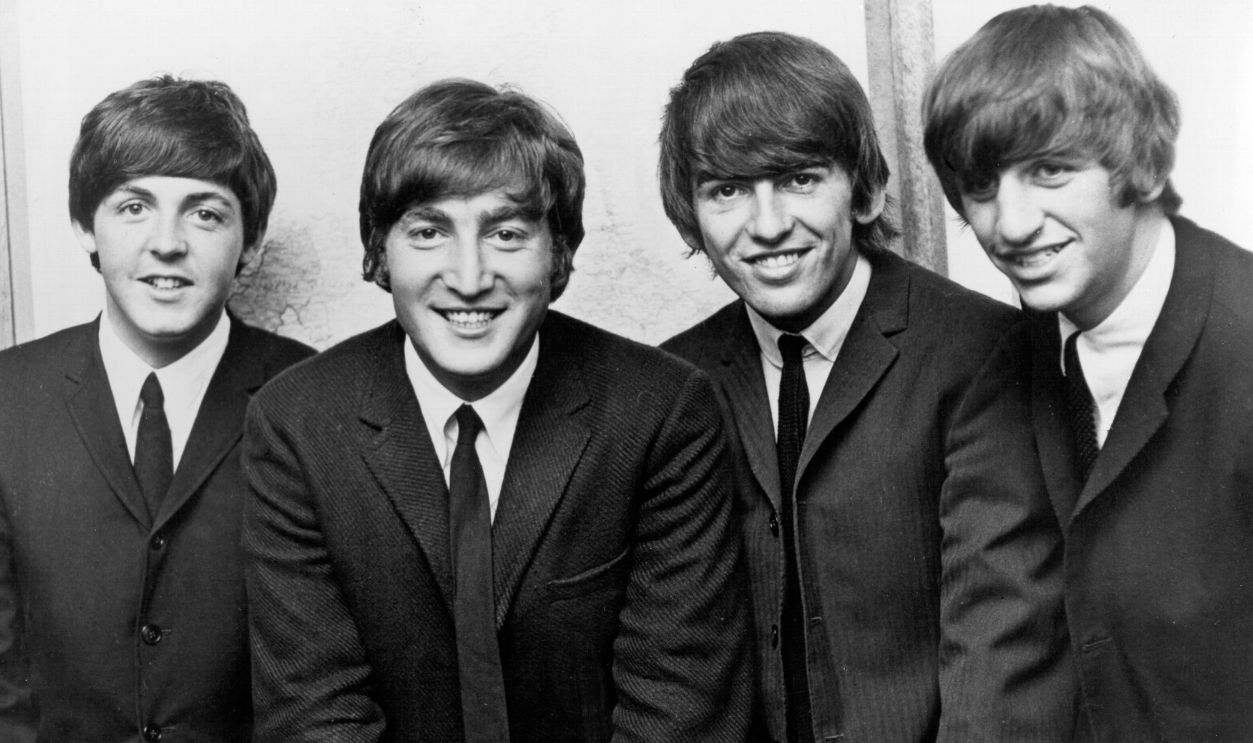
The idea began with producers Bob Rafelson and Bert Schneider, who wanted to capitalize on the enormous popularity of The Beatles. Inspired partly by A Hard Day's Night, they developed a television comedy about four struggling musicians. Rather than hire an existing band, they decided to create one specifically for the show.
 Michael Ochs Archives, Getty Images
An Audition Notice Started Everything
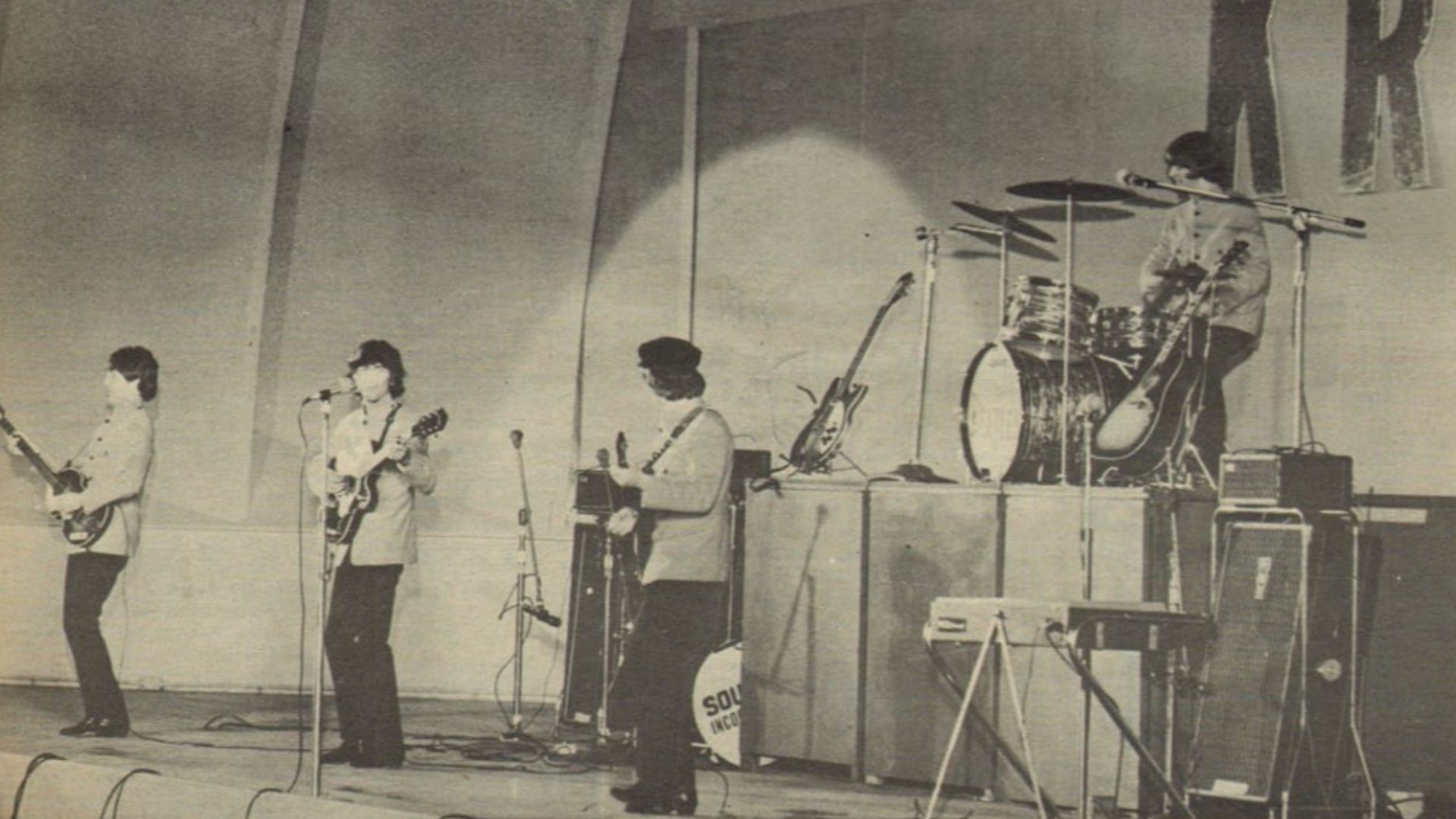
In September 1965, an unusual advertisement appeared in Hollywood trade publications seeking young musicians and singers. More than 400 hopefuls reportedly responded, hoping to land a role in the new television series. Four young men would eventually be selected, none of them realizing just how famous they were about to become.
 Robert W. Young, Wikimedia Commons
Four Very Different Men Got The Job
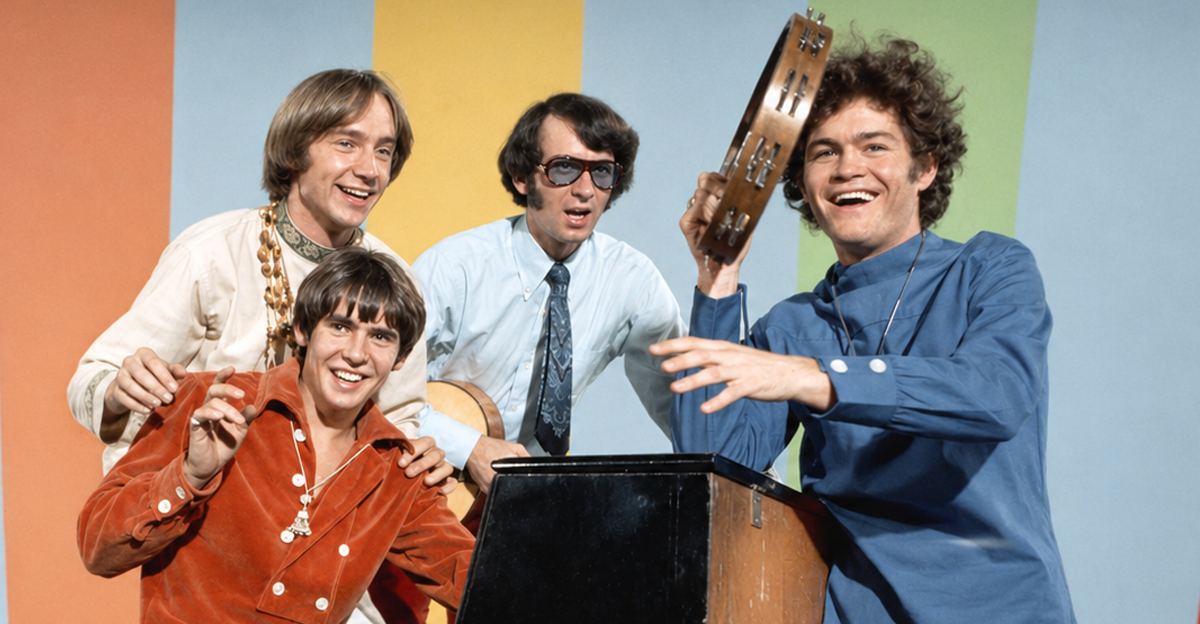
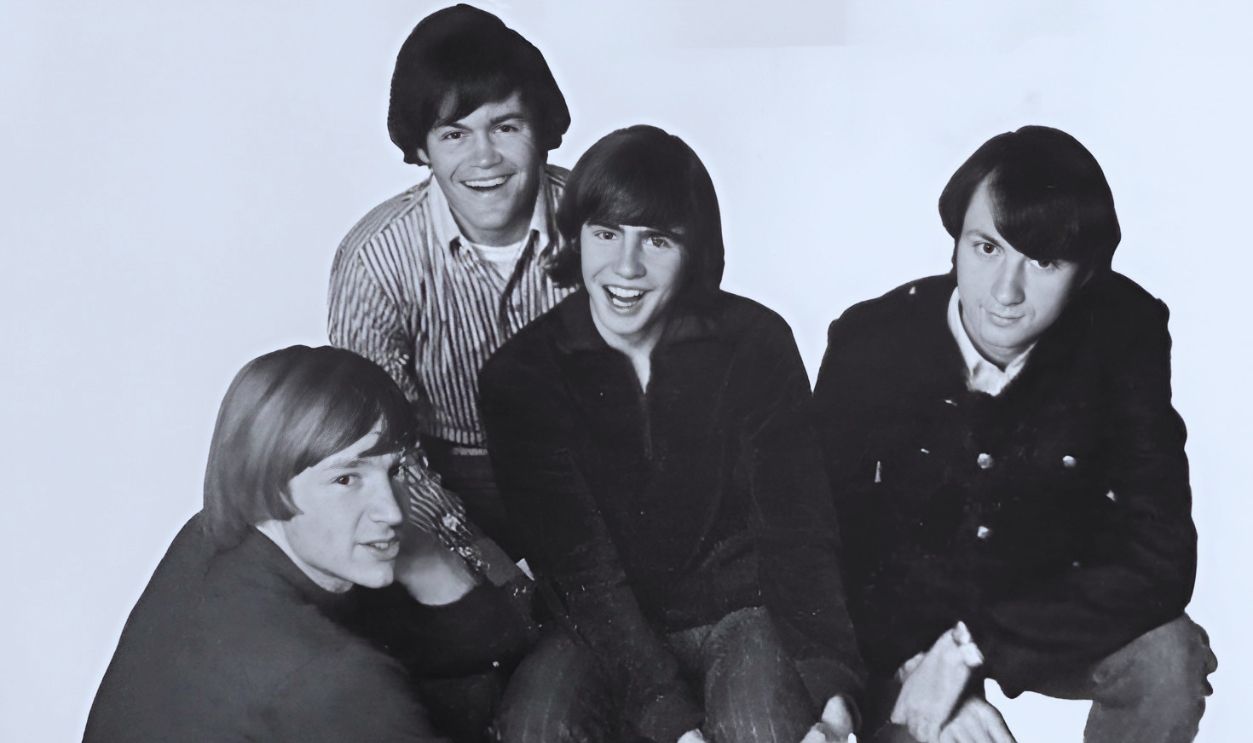
Michael Nesmith was a Texas-born singer-songwriter, while Peter Tork was an experienced folk musician who played several instruments. Davy Jones had performed on Broadway in Oliver!, and Micky Dolenz was a former child actor. Despite their different backgrounds, all four brought genuine performing experience to the project.
 Colgems Records, Wikimedia Commons
NBC Took A Chance On The Experiment
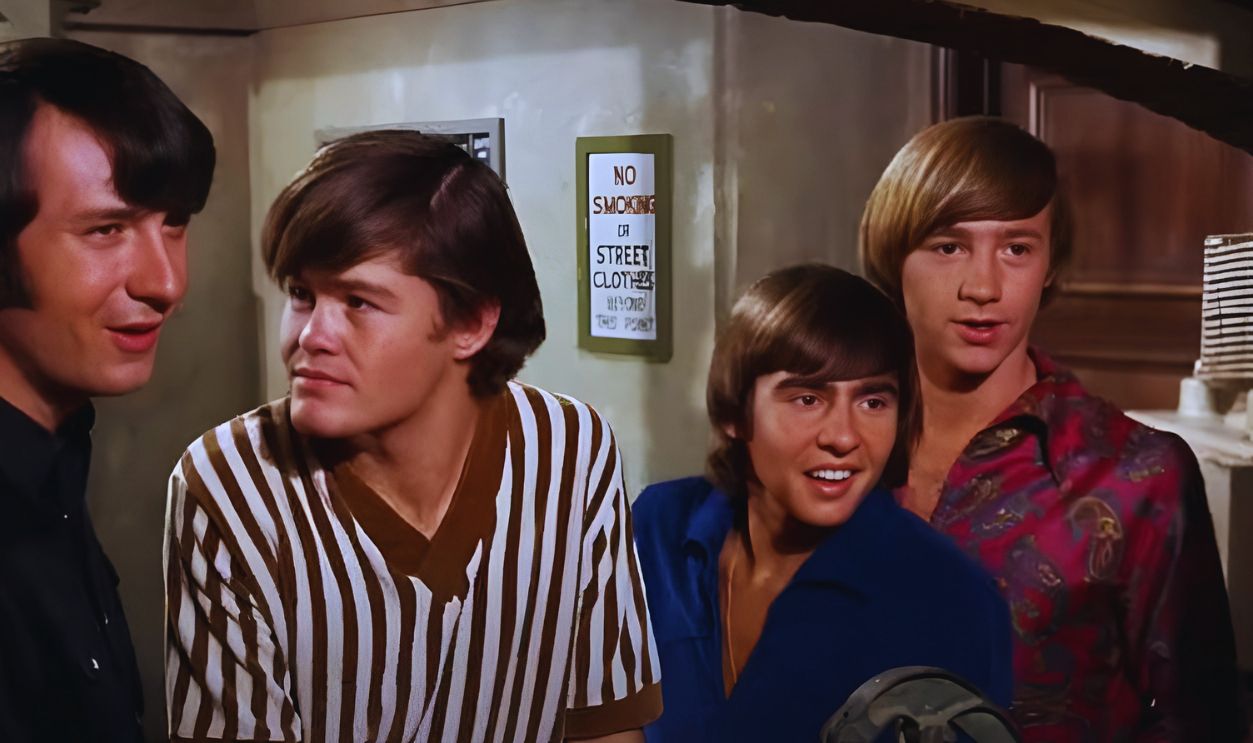
On January 17, 1966, NBC ordered 32 episodes of The Monkees for its upcoming television season. The show combined slapstick comedy, catchy songs, and unconventional editing inspired by contemporary filmmaking. It was an unusual concept, but the network was betting that audiences would embrace Hollywood's answer to The Beatles.
 Screenshot from The Monkees, Screen Gems Television (1966–1968)
Suddenly, They Were Everywhere
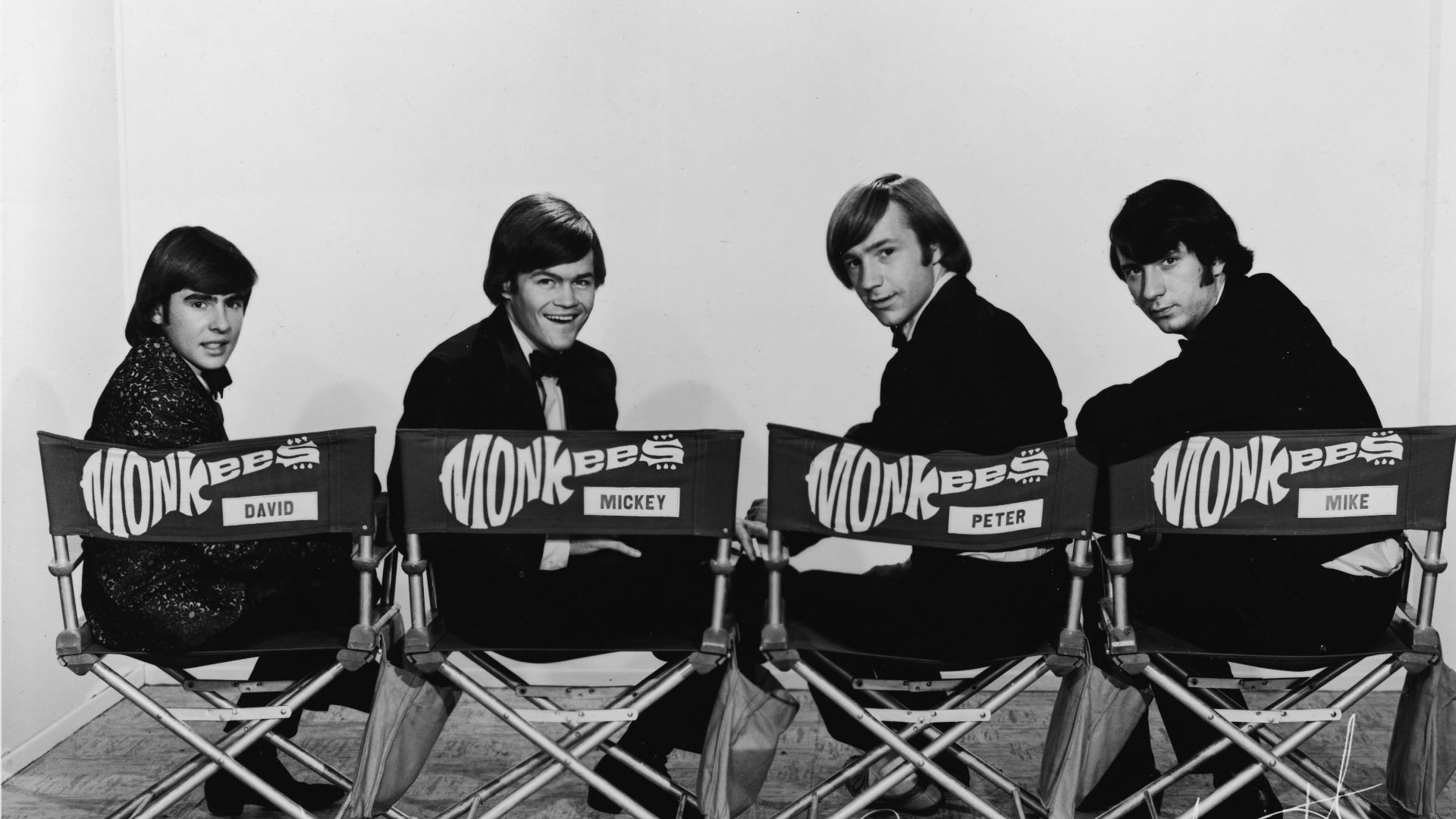
The Monkees premiered on September 12, 1966, and quickly turned its four stars into teenage sensations. Their playful personalities, colorful clothes, and catchy songs attracted millions of young fans. More importantly, the television series provided a powerful promotional platform for their records.
 Entertainment International, Wikimedia Commons
Their First Single Became A Smash
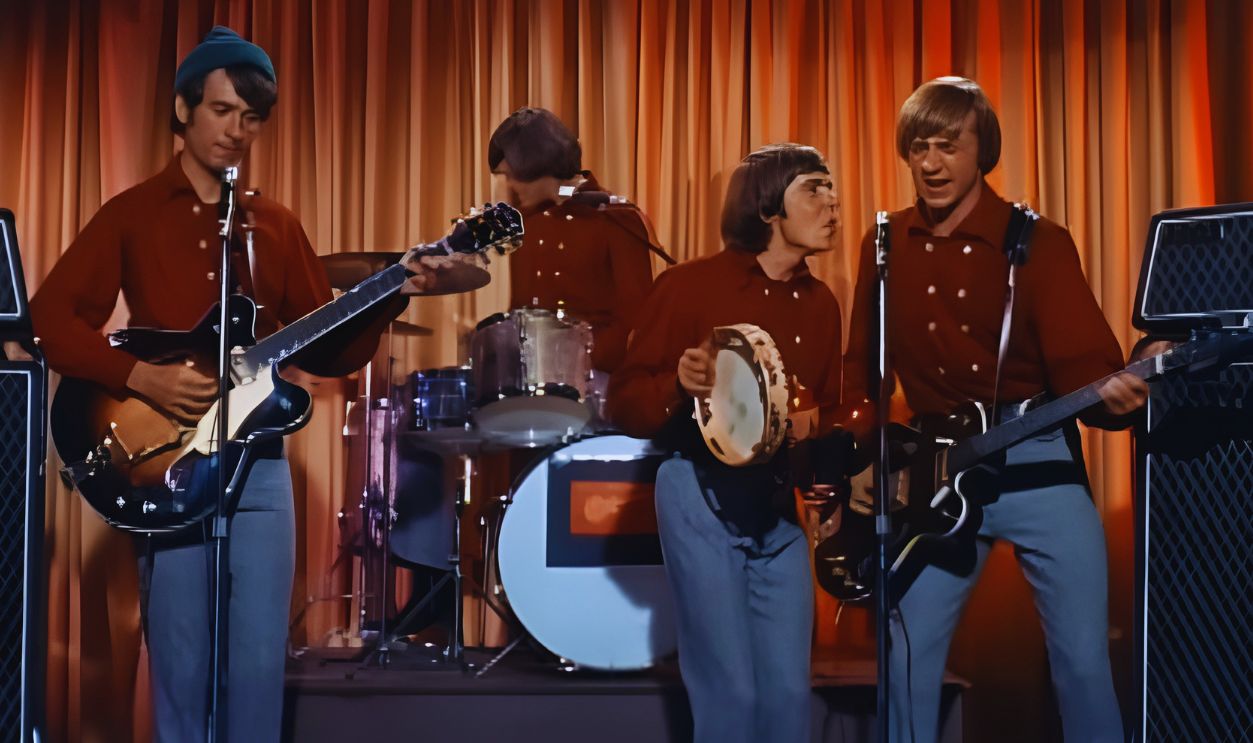
Their debut single, "Last Train to Clarksville," reached number one on the Billboard Hot 100 in November 1966. Written by Tommy Boyce and Bobby Hart, it featured Dolenz singing over backing tracks recorded by professional session musicians. The song's success established The Monkees as major recording stars, even though they hadn't played the instruments on their first hit.
 Screenshot from Last Train to Clarksville, Screen Gems Television (1966)
One Man Controlled Their Sound
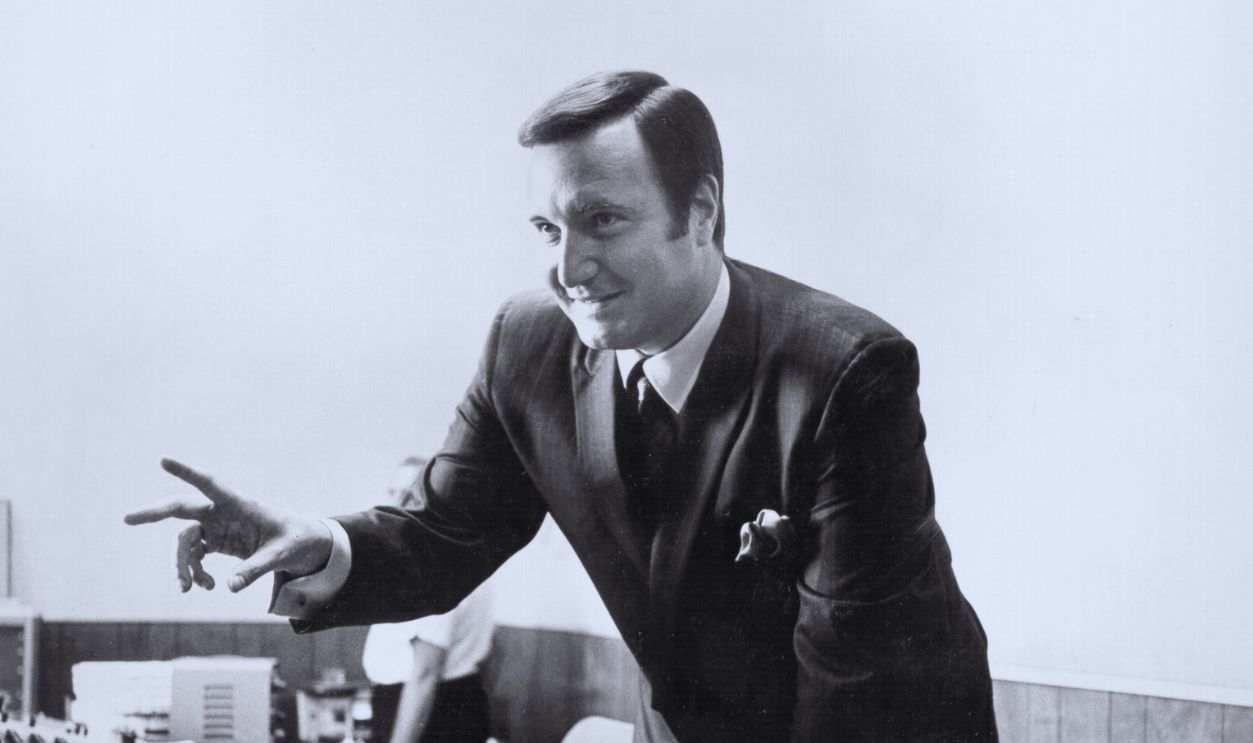
Music supervisor Don Kirshner oversaw the group's early recording operation, selecting material and working with established songwriters and producers. His team created polished pop records designed to dominate the charts. The formula worked spectacularly, but it gave the four stars limited influence over the music released under their names.
 Michael Ochs Archives, Getty Images
Their Records Were Made Without Them
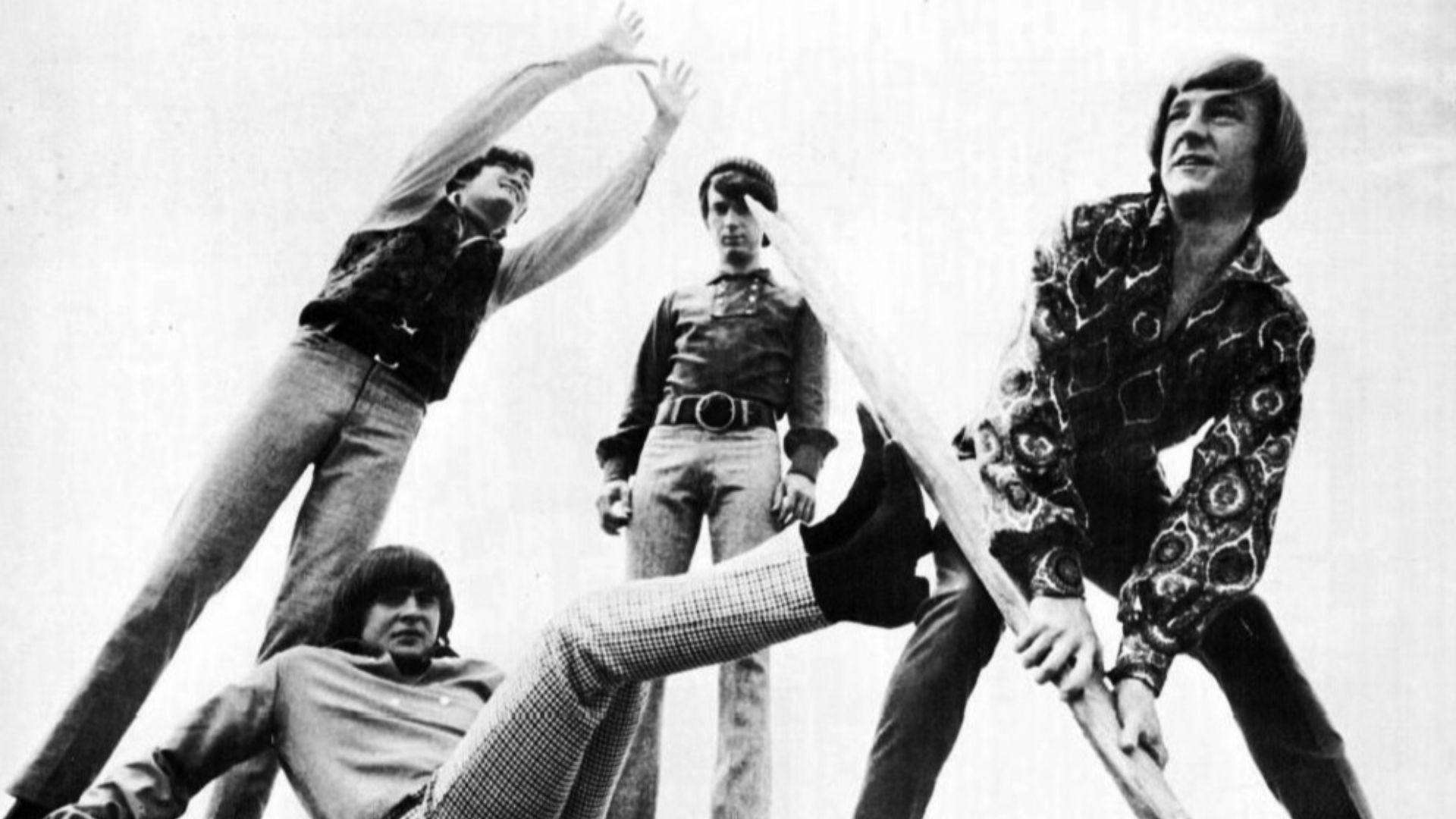
On their earliest recordings, professional musicians generally supplied the instrumental backing while The Monkees contributed vocals. Although Nesmith and Tork were experienced players, they had few opportunities to demonstrate their abilities in the studio. The arrangement increasingly frustrated the musicians, who wanted their records to reflect their own talents.
 Colgems Records, Wikimedia Commons
Their Biggest Hit Made Things Complicated
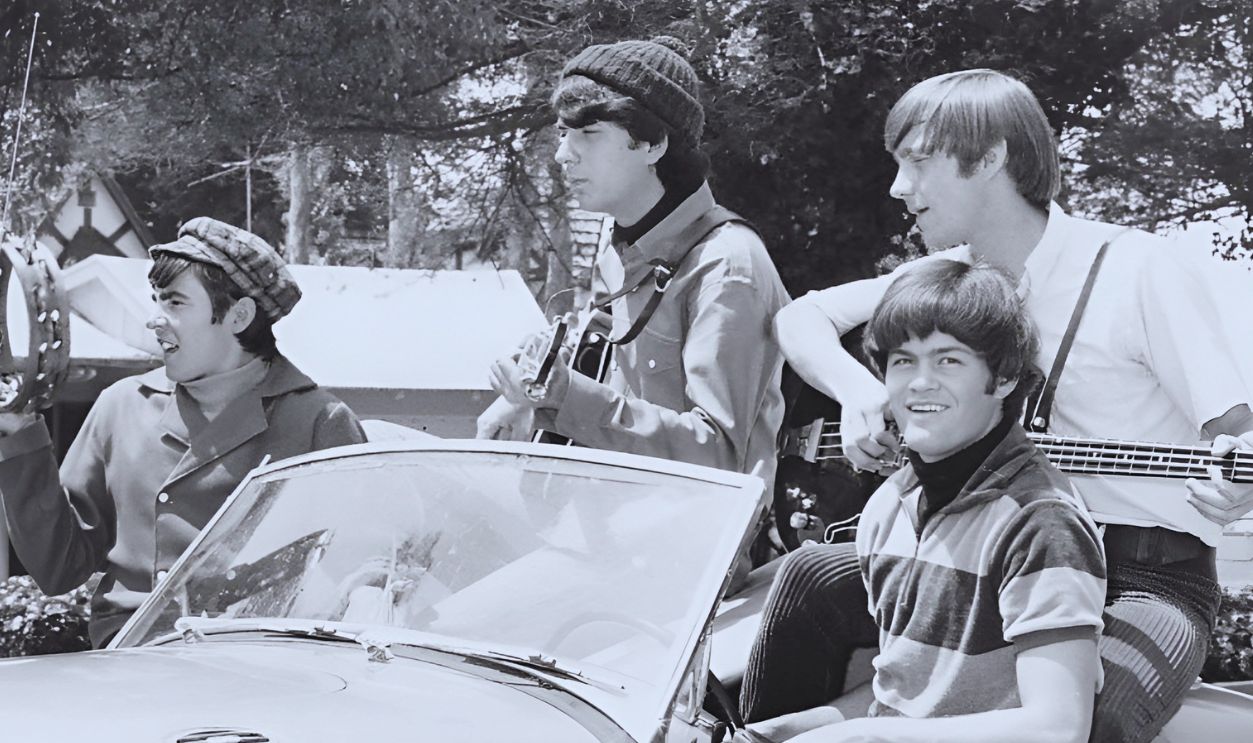
In December 1966, The Monkees scored another massive success with Neil Diamond's "I'm a Believer." The song spent seven weeks at number one, making the group even more valuable to its record label. With the existing formula producing enormous hits, Kirshner had little commercial incentive to change it.
 NBC Television, Wikimedia Commons
They Proved They Could Play Live
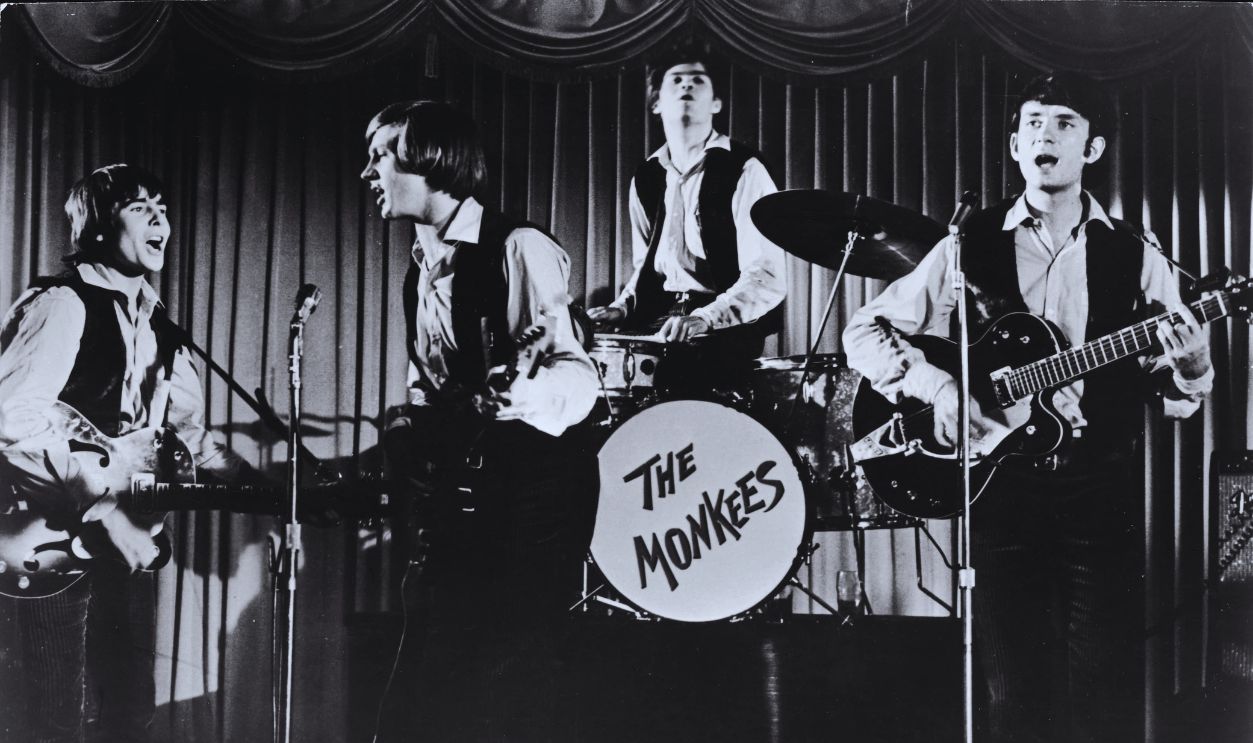
The Monkees began performing live concerts in late 1966, with the members playing their own instruments onstage. Dolenz took the drums, Nesmith played guitar, and Tork contributed bass and other instruments, while Jones handled vocals and percussion. Although they were still developing as a live band, their performances demonstrated that they were more than television actors pretending to be musicians.

Their Second Album Was Another Insult
When More of the Monkees appeared in January 1967, the group had little say in its final presentation. The cover even used a photograph originally taken for a J.C. Penney clothing advertisement, adding to the group's frustration. Although the album became another enormous hit, the band's resentment toward Kirshner's control was growing.

A Hotel Meeting Turned Explosive
During a tense meeting at the Beverly Hills Hotel in early 1967, Kirshner presented the group with a substantial royalty check. According to Dolenz, the gesture did little to satisfy Nesmith, who was determined to gain creative control. The confrontation became so heated that Nesmith punched a hole in the wall of Kirshner's bungalow.

Nesmith Wasn't Fighting Alone
Nesmith became the driving force behind the rebellion, but the other members supported his push for greater independence. Tork also wanted more opportunities to contribute as a musician and songwriter. Dolenz later admitted he hadn't been especially bothered by the original arrangement, but he backed Nesmith out of loyalty.
They Decided To Prove Him Wrong
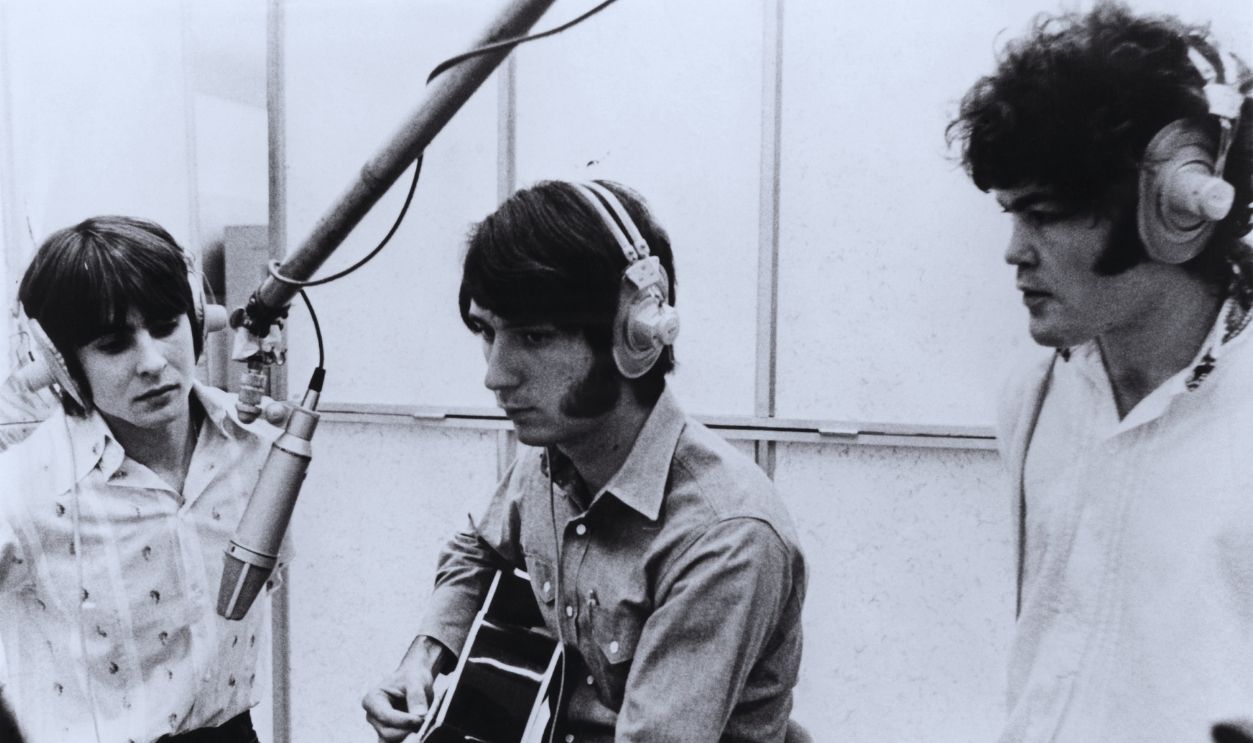
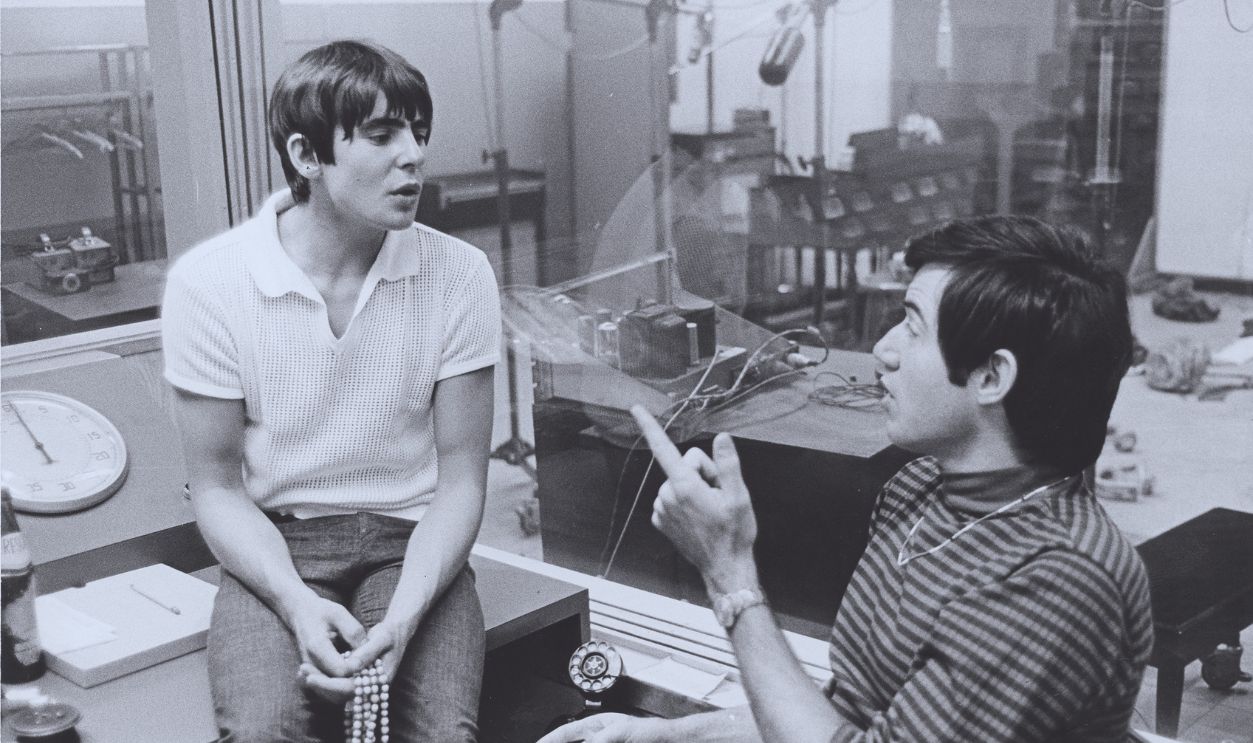
In January 1967, The Monkees began recording with musician Chip Douglas, determined to demonstrate what they could accomplish together. Among the songs attempted were Nesmith's "The Girl I Knew Somewhere" and "All of Your Toys." Rather than simply arguing for creative freedom, they were producing recordings to support their case.
 Michael Ochs Archives, Getty Images
Kirshner Made One Last Costly Decision
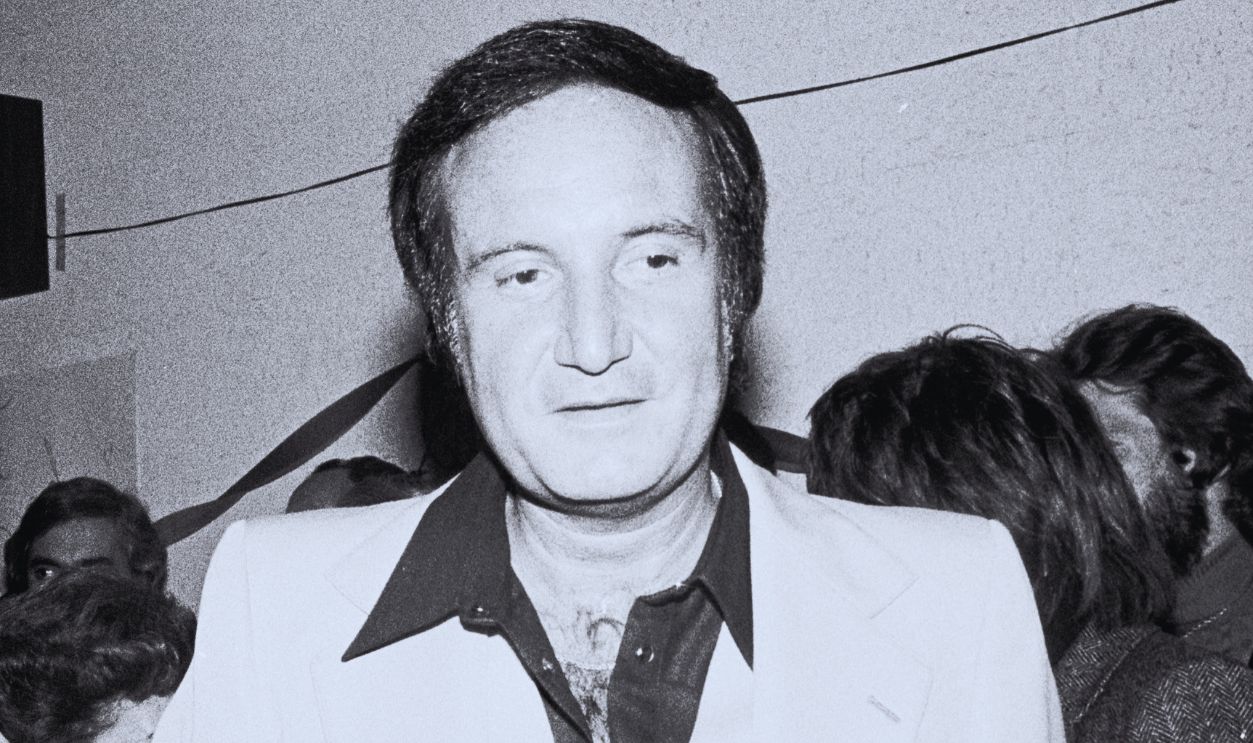
The conflict reached its breaking point when Kirshner authorized a version of "A Little Bit Me, a Little Bit You" backed with "She Hangs Out." He had ignored the producers' wishes to feature the group's recording of "The Girl I Knew Somewhere" on the B-side. Kirshner was dismissed in February 1967, and the disputed single was replaced with the approved version.
The Record Label Wasn't Happy Either
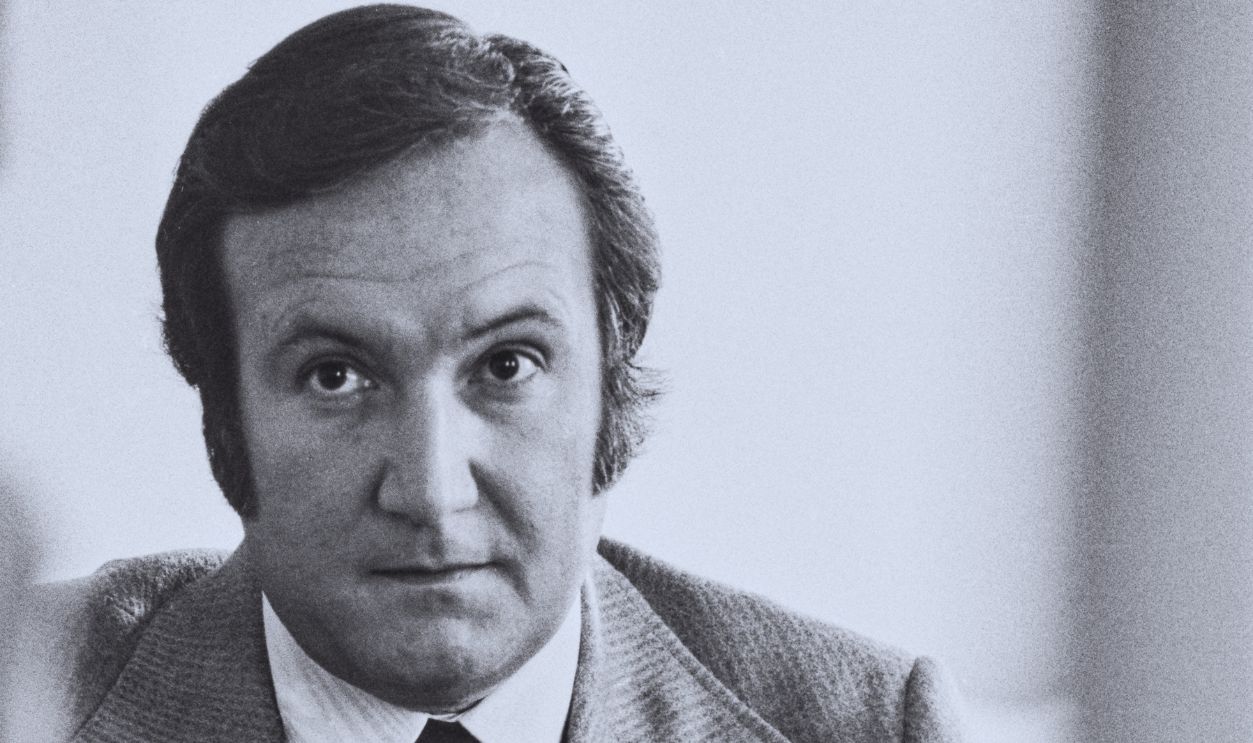
The dispute went beyond four musicians demanding control over their records. Executives at Screen Gems had also grown frustrated with Kirshner's influence and the attention he received for the group's success. Kirshner later claimed that jealousy over credit and money contributed to his dismissal, which eventually led to a financial settlement.
 Evening Standard, Getty Images
Their New Producer Changed Everything
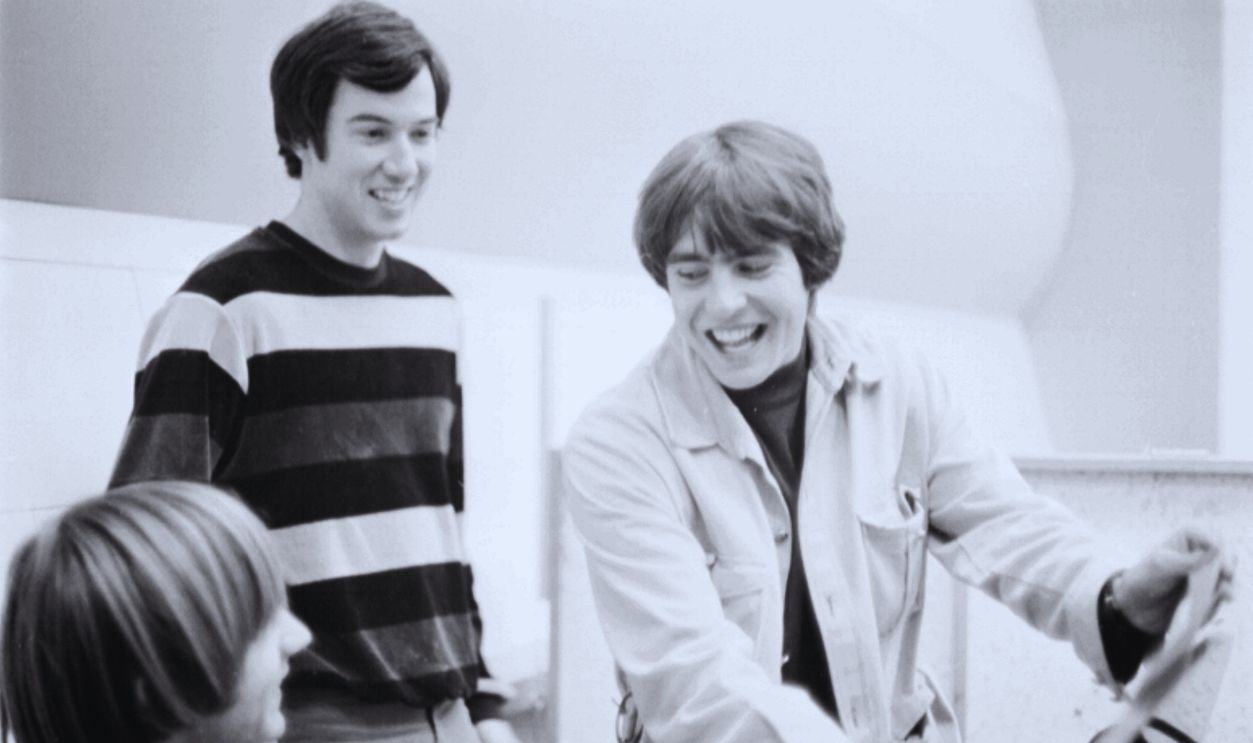
With Kirshner gone, Chip Douglas became central to The Monkees' next album. A former member of The Turtles, Douglas understood how to balance commercial pop with the group's desire to perform together. Under his guidance, the musicians finally had the opportunity to make an album that reflected their own creative ambitions.
 Michael Ochs Archives, Getty Images
They Finally Got To Make Their Own Album
Recording sessions for Headquarters took place in Hollywood during the early months of 1967. Instead of relying primarily on separately recorded backing tracks, the four members played most of their own instrumental parts. Douglas and several additional musicians also contributed, but the album was overwhelmingly shaped by The Monkees themselves.
They Finally Put Their Own Songs First
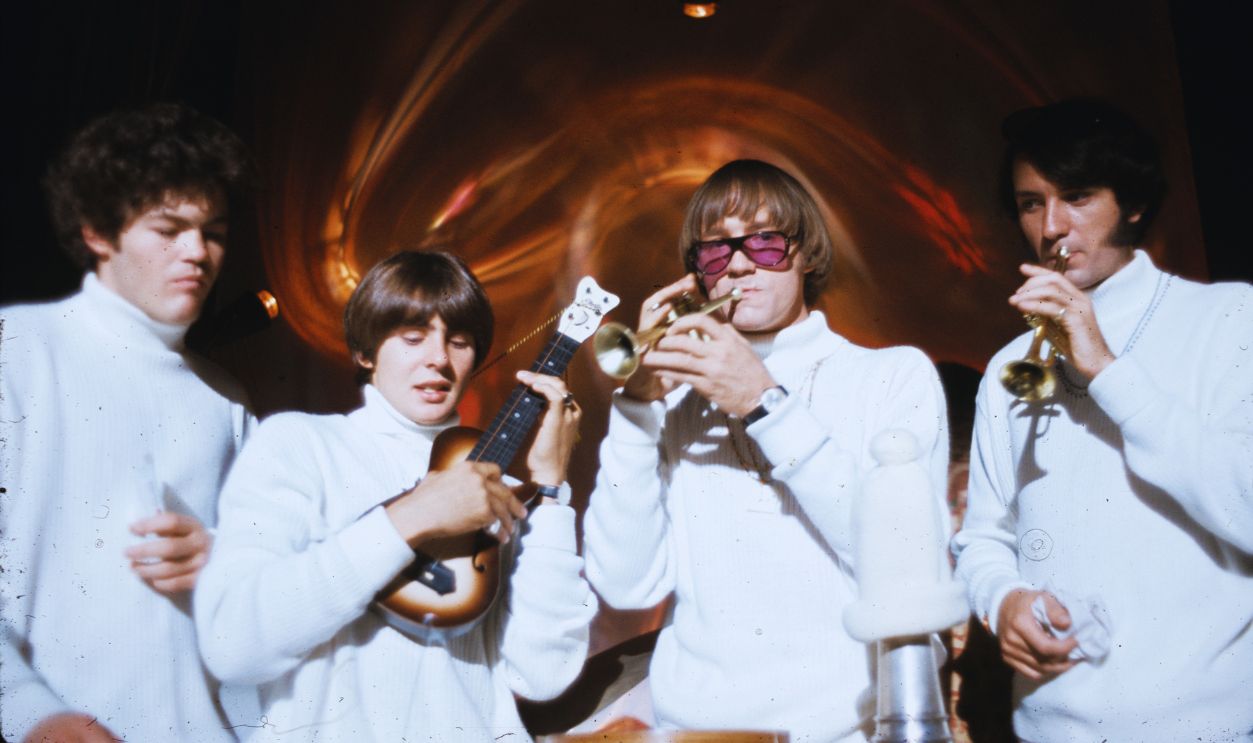
Headquarters featured Nesmith compositions including "You Just May Be the One" and "Sunny Girlfriend." Tork co-wrote "For Pete's Sake," which later became the television show's closing theme, while Dolenz contributed "Randy Scouse Git." Seven of the album's 14 tracks were written or co-written by members of the group.
 Michael Ochs Archives, Getty Images
The Album Became A Number-One Hit
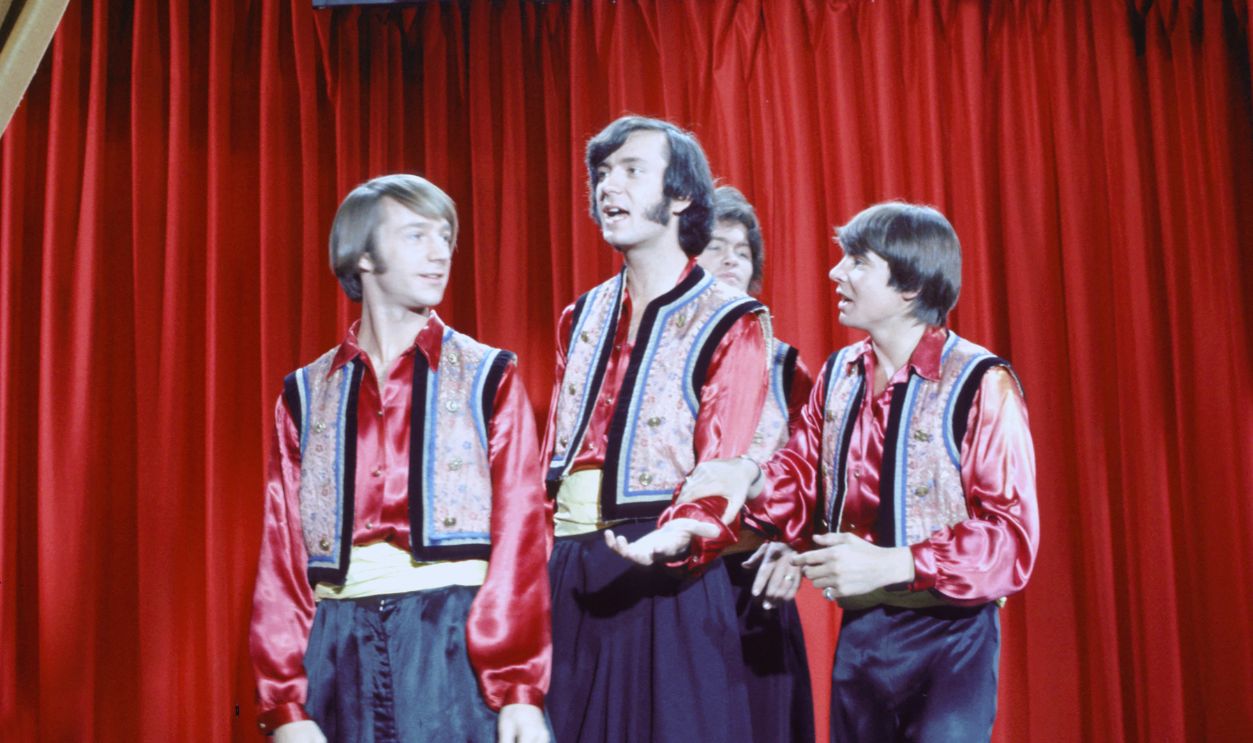
Released in May 1967, Headquarters reached number one on the American album chart in June. It became The Monkees' third consecutive chart-topping album, proving that their newfound musical freedom could produce commercial success. After months of fighting for creative control, the four musicians had finally made a hit record largely on their own terms.
 Michael Ochs Archives, Getty Images
The Beatles Knocked Them Off The Top
After just one week at number one, Headquarters was displaced by The Beatles' Sgt. Pepper's Lonely Hearts Club Band. It then spent 11 consecutive weeks at number two, unable to reclaim the top position. For a group originally created as Hollywood's answer to The Beatles, the timing was almost comically appropriate.
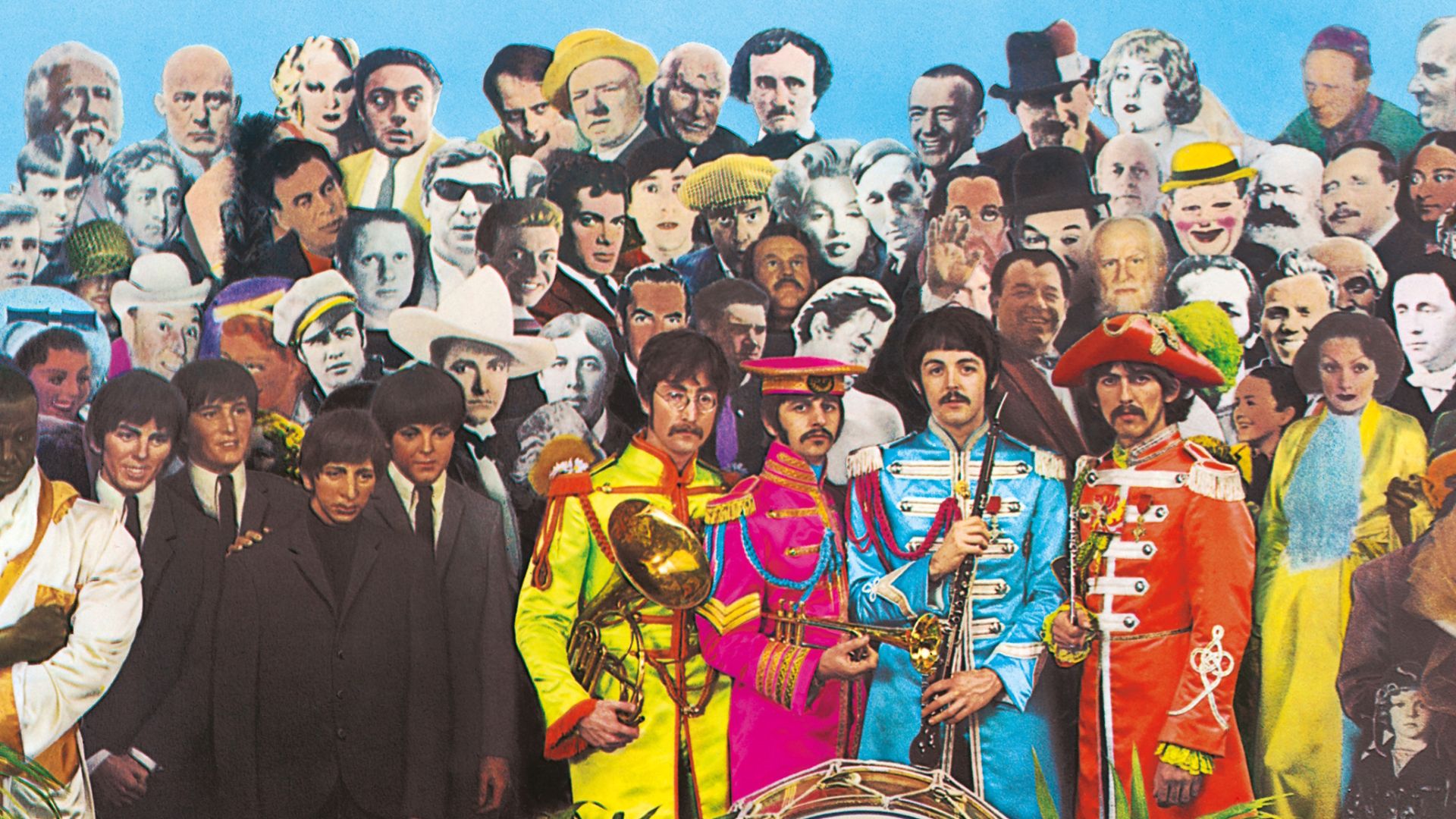 Peter Blake / Parlophone, Capitol Records, Wikimedia Commons
Their Next Album Took A Different Approach
Released in November 1967, Pisces, Aquarius, Capricorn & Jones Ltd. combined the group's creative freedom with contributions from experienced session musicians. It featured hits like "Pleasant Valley Sunday" and experimented with the Moog synthesizer, an unusual instrument in rock music at the time. The album became their fourth consecutive number-one record, extending their remarkable success.
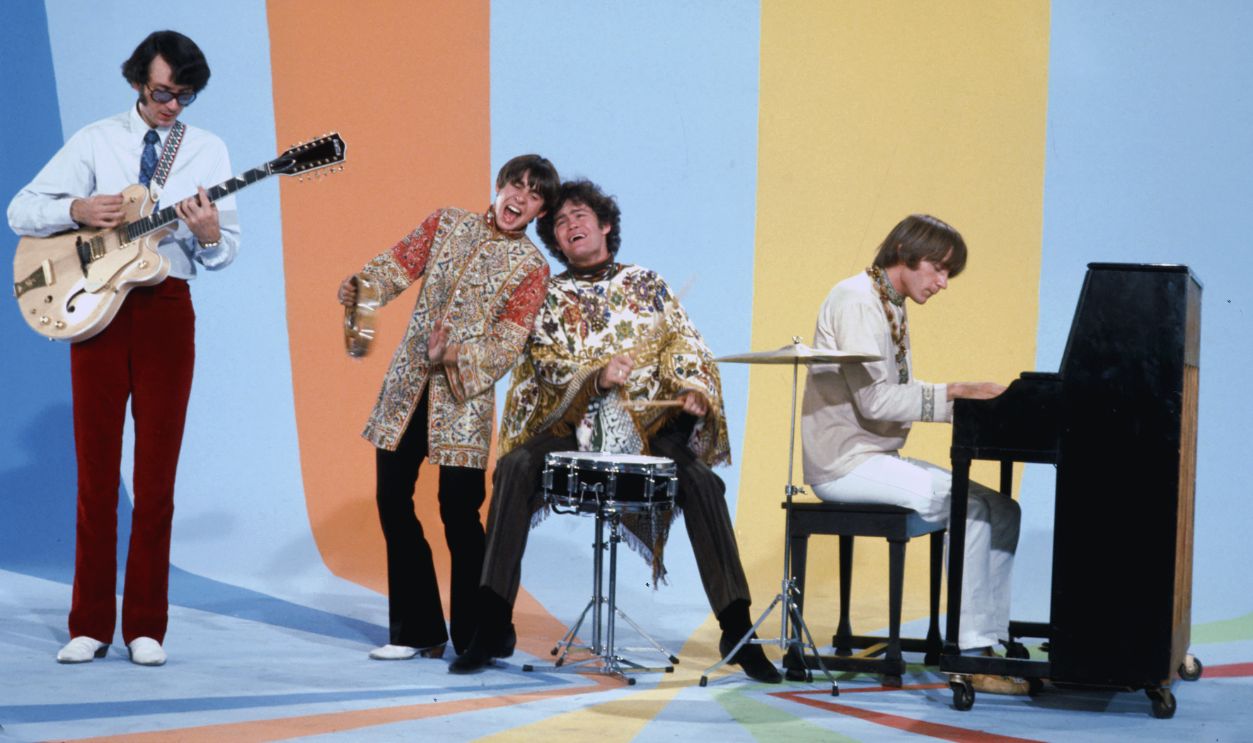 Michael Ochs Archives, Getty Images
Their Creative Freedom Came With Problems
Winning control over their recordings didn't mean the four musicians always agreed about what to do next. Nesmith increasingly pursued his own songwriting interests, while the others developed different musical priorities. As their recording careers progressed, the group became less focused on performing together as a single unit.
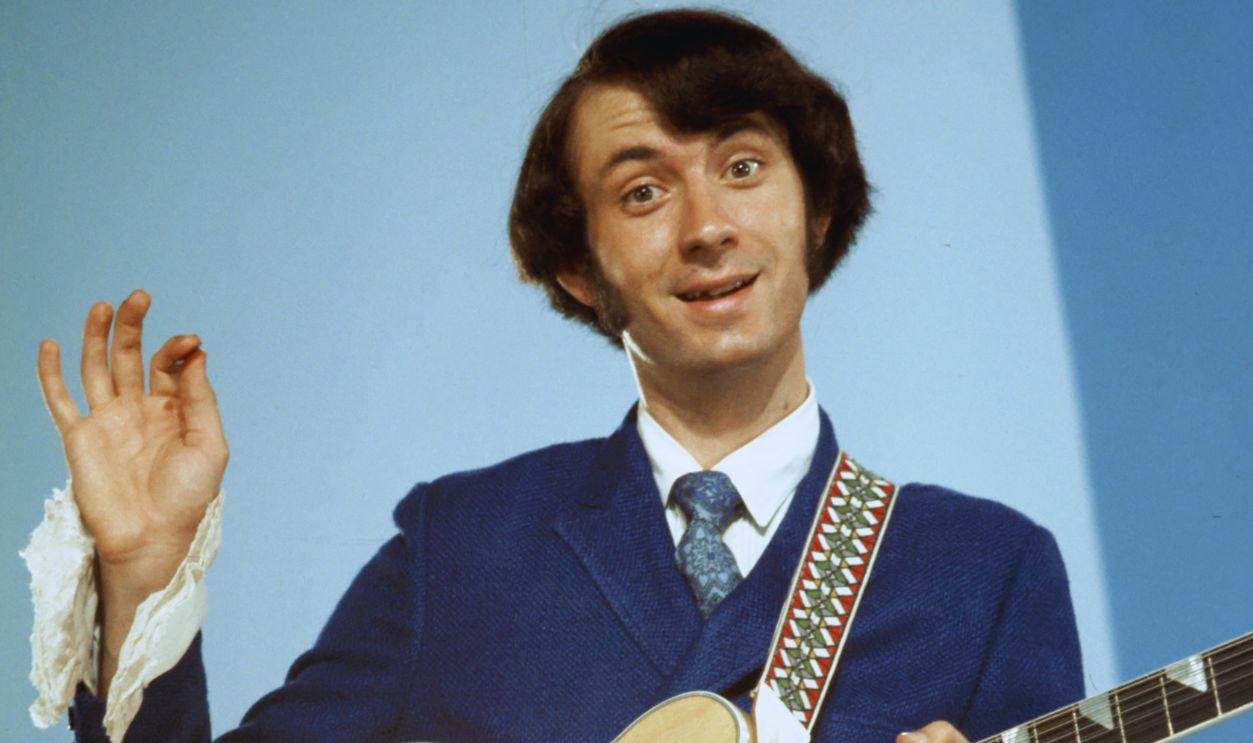 Michael Ochs Archives, Getty Images
Their Television Show Came To An End
After two seasons, The Monkees ended its original NBC run in 1968. The group had successfully transformed a fictional television band into a recording act with four number-one albums. Without the weekly series, however, they lost the promotional platform that had helped make them famous.
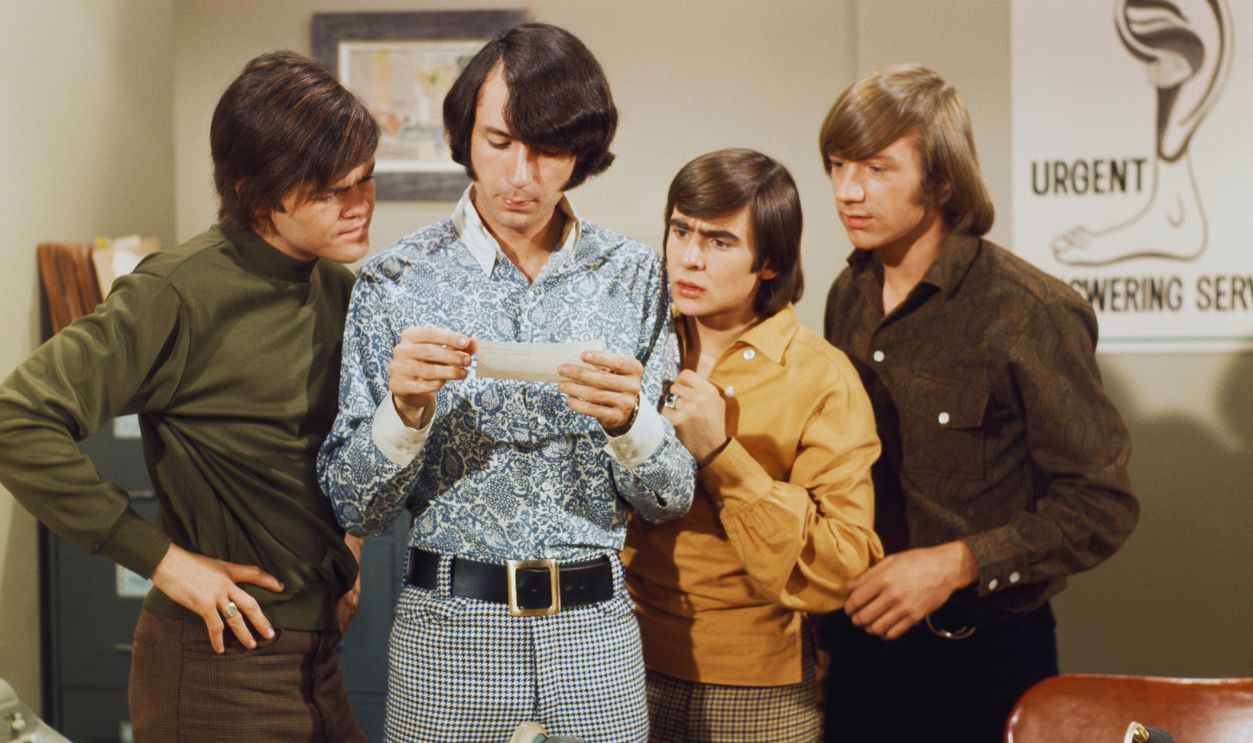 Screenshot from The Monkees, Screen Gems Television (1966–1968)
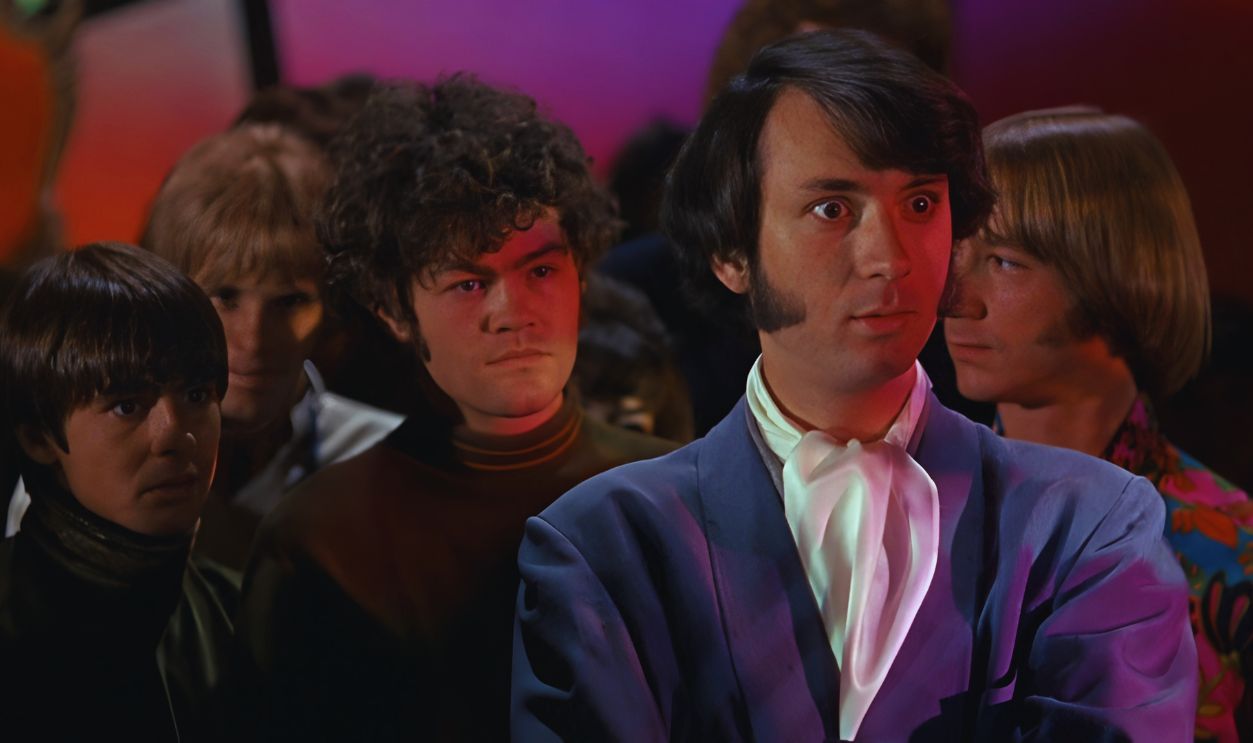
Their Movie Confused Almost Everyone
In November 1968, The Monkees appeared in Head, an experimental film directed by Bob Rafelson and co-written with Jack Nicholson. The movie satirized celebrity culture, commercialism, and the group's manufactured image, abandoning the cheerful formula of their television series. Audiences were largely baffled, and the film failed commercially before eventually developing a cult following.
 Screenshot from Head, Columbia Pictures (1968)
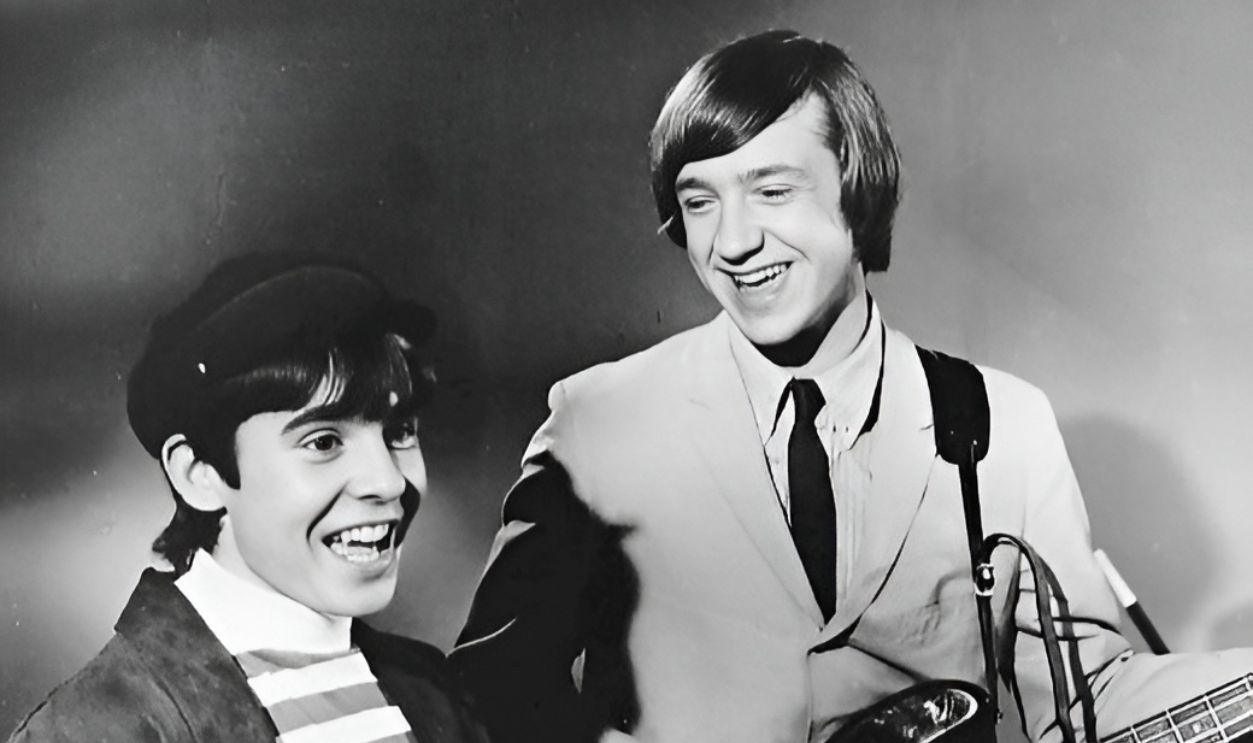
The Original Group Began Falling Apart
Peter Tork departed the group following the release of Head, leaving Dolenz, Jones, and Nesmith to continue as a trio in 1969. Nesmith subsequently left to pursue his own musical career, and Dolenz and Jones released Changes in 1970. Within a few years of their spectacular breakthrough, the original group's recording career had effectively ended.
 Screen Gems, Wikimedia Commons
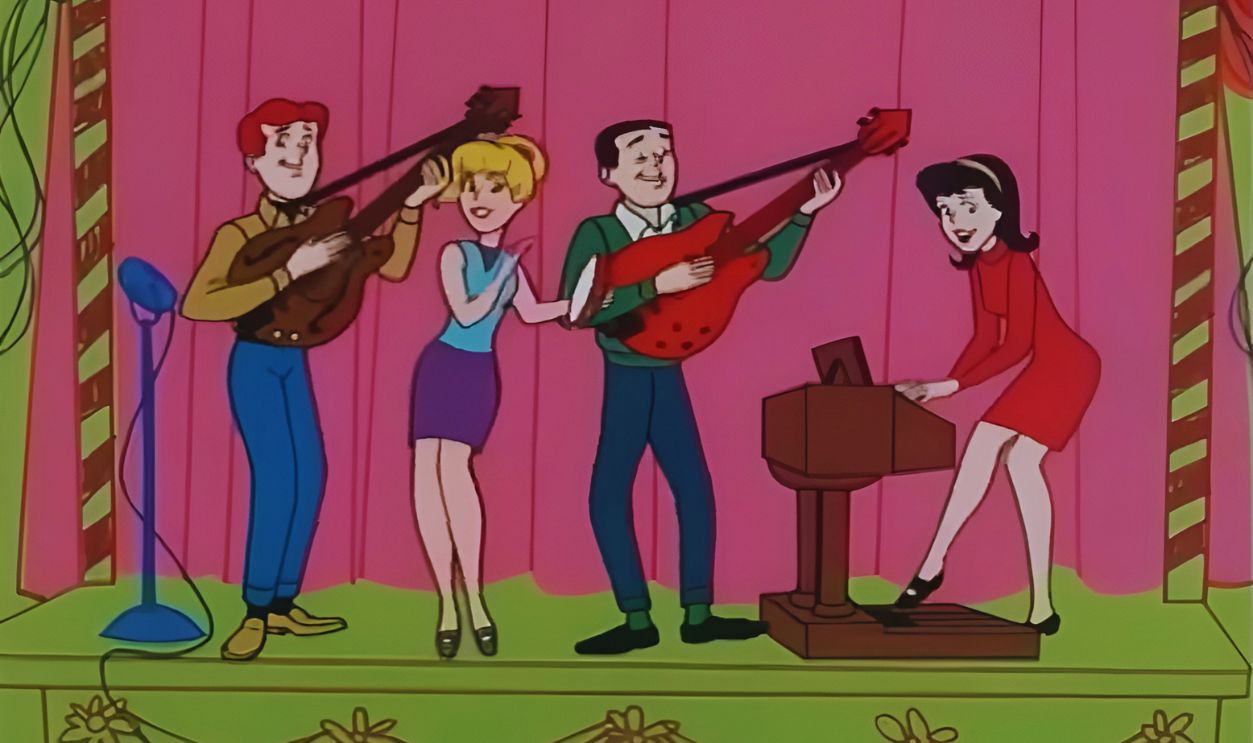
Kirshner Created Another Manufactured Band
Losing The Monkees didn't end Kirshner's involvement with manufactured pop groups. He subsequently helped develop The Archies, a fictional cartoon band whose recordings featured professional studio musicians. Their 1969 single "Sugar, Sugar" became a massive number-one hit, giving Kirshner another commercial triumph without musicians demanding creative control over their own records.
 Screenshot from Sugar, Sugar, Kirshner Records (1969)
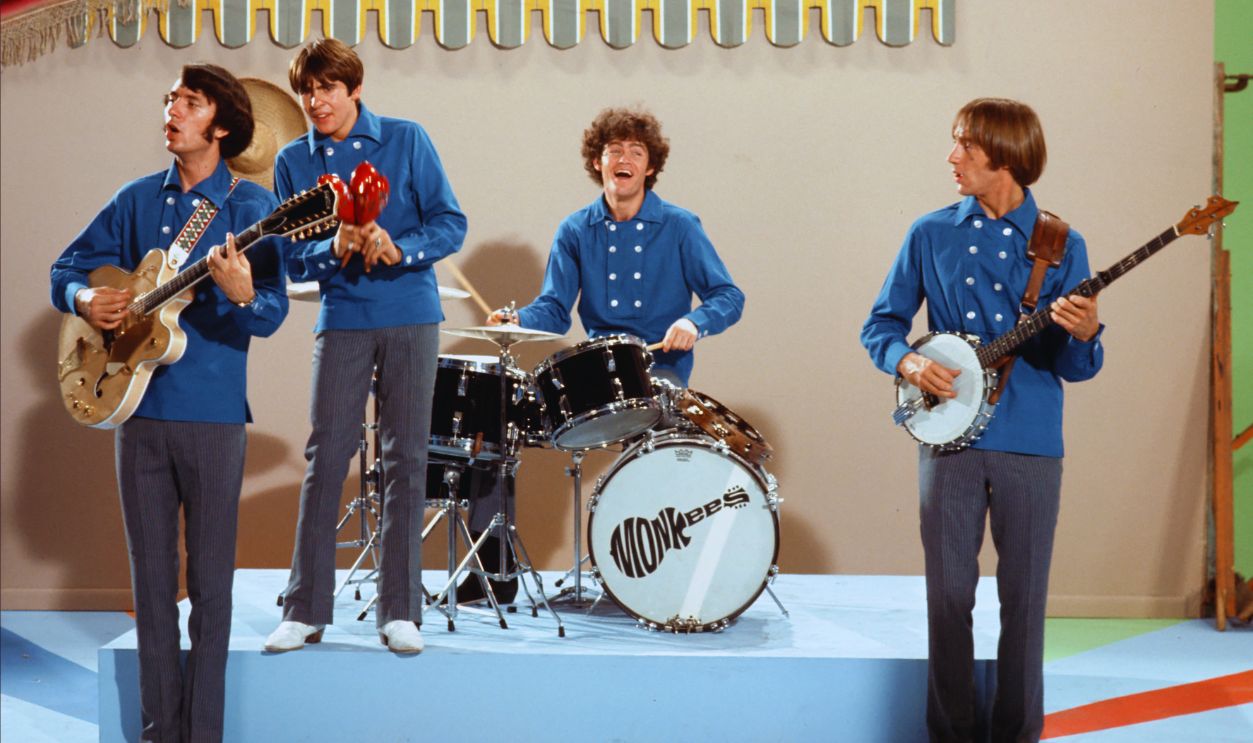
They Were Never Just A Manufactured Band
The Monkees began as television characters, but their determination to become a genuine recording group was real. They challenged a powerful music supervisor, gained greater creative freedom, and produced a number-one album built largely around their own performances. What started as Hollywood's imitation of The Beatles became an unlikely battle for artistic independence, proving The Monkees were far more than the joke their critics imagined.
 Michael Ochs Archives, Getty Images
You May Also Like:
Every Song On The Beatles’ White Album—Ranked. How Wrong Did We Get It?