The Teenager Who Saved Saturday Night
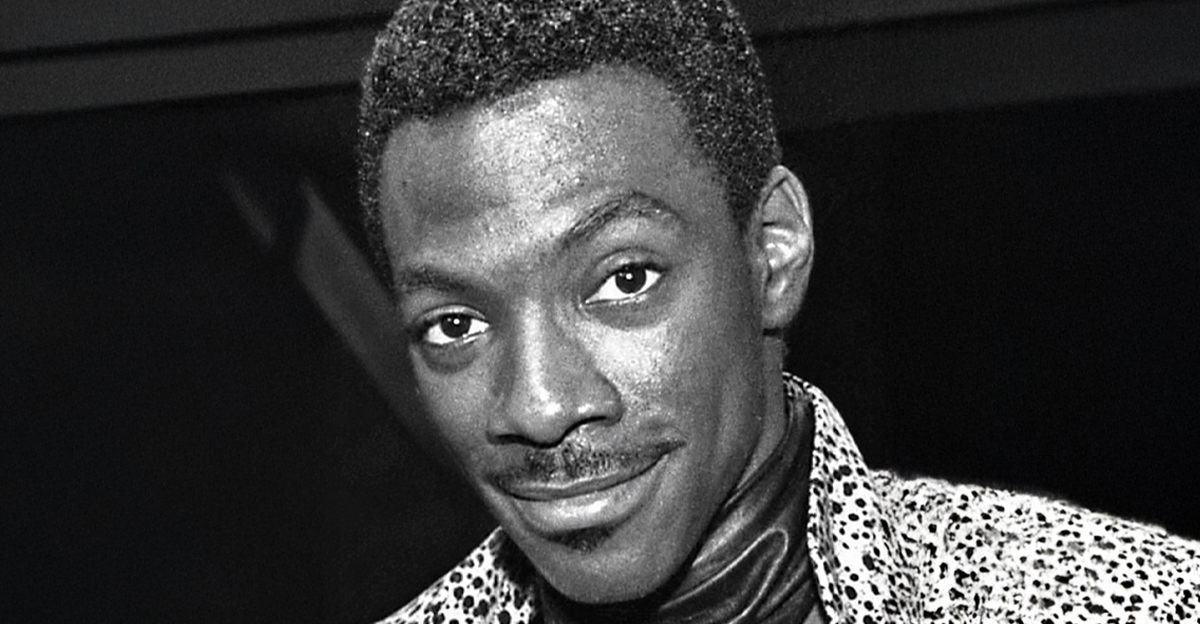
In 1980, Saturday Night Live was in serious trouble. Its legendary original cast had departed, ratings were collapsing, and NBC was wondering whether the once-revolutionary comedy series had run its course. Then a virtually unknown 19-year-old comedian named Eddie Murphy arrived. Within a few years, he would become the show's biggest attraction, rescue its reputation, and launch one of Hollywood's most extraordinary careers.
Saturday Night Live Was Falling Apart
When Saturday Night Live began its sixth season in the fall of 1980, it barely resembled the groundbreaking show that had debuted five years earlier. Creator and executive producer Lorne Michaels had departed, along with stars including Bill Murray, Gilda Radner, Jane Curtin, and Garrett Morris.
New producer Jean Doumanian faced the daunting task of rebuilding the entire program. Her replacement cast included Gilbert Gottfried, Joe Piscopo, Charles Rocket, and Denny Dillon, but audiences weren't impressed. Critics savaged the new episodes, ratings plunged, and the series acquired the humiliating nickname Saturday Night Dead. NBC desperately needed someone who could make viewers laugh again.
 Ellen Jaskol, Wikimedia Commons (modified)
A Teenager From Brooklyn
Eddie Murphy was born in Brooklyn, New York, on April 3, 1961, and grew up on Long Island. Inspired by comedians including Richard Pryor, he began performing stand-up while still a teenager. His impressions, confidence, and remarkable comic timing quickly attracted attention in New York comedy clubs. Murphy auditioned for Saturday Night Live in 1980 and eventually secured a position as a featured performer.
He made his first onscreen appearance on November 22, 1980, in a brief, nonspeaking role during a sketch. His official debut as a featured player came on December 6. Initially given limited opportunities, Murphy was not among the performers producers had expected to become the show's biggest stars. They soon discovered they had underestimated their youngest cast member.
His First Big Breakthrough
Murphy's early appearances revealed an extraordinary ability to command attention, even when given relatively little material. On December 6, 1980, he appeared on Weekend Update as Raheem Abdul Muhammed, a high school basketball player protesting a supposed requirement that basketball teams include more white players. His confident delivery stood out against the show's struggling ensemble.
Meanwhile, the production itself was descending into chaos. Charles Rocket's use of profanity during a live broadcast in February 1981 became another embarrassment for the already troubled series. In March, NBC replaced Doumanian with Dick Ebersol, an executive who had helped launch SNL in 1975. Ebersol quickly recognized Murphy's potential.
The Man Who Changed Everything
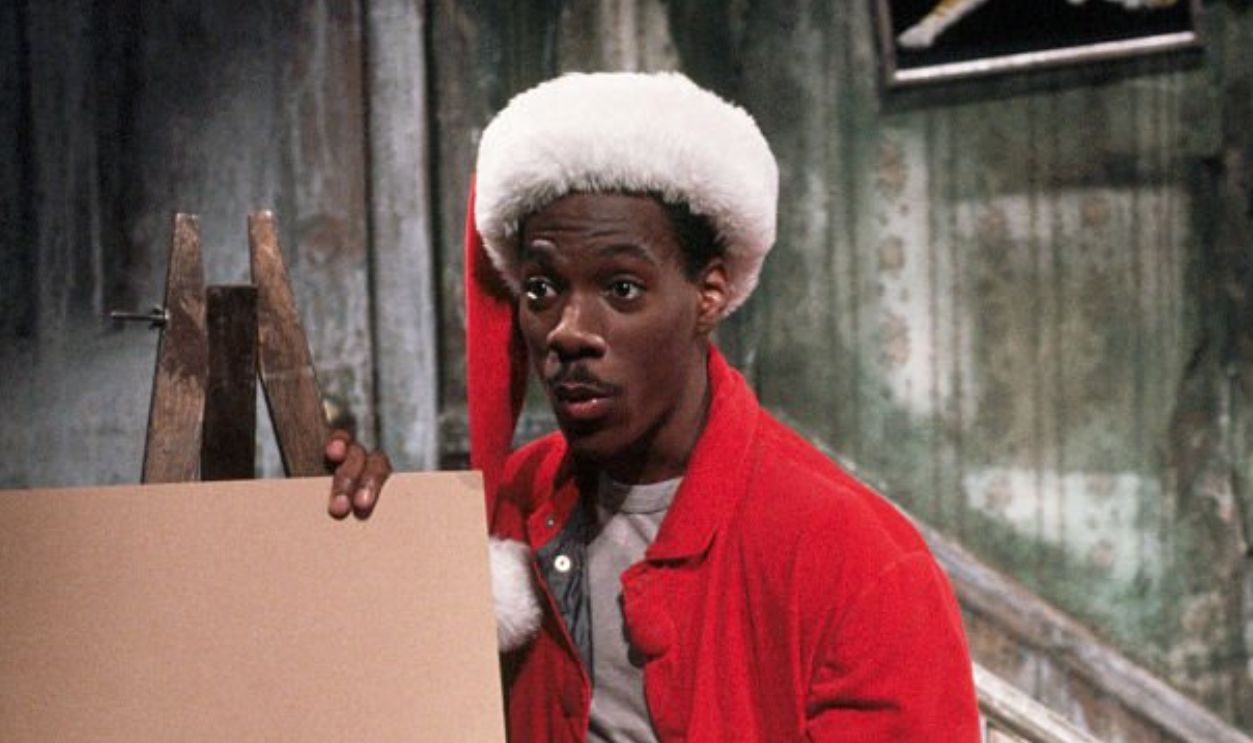
When Ebersol rebuilt the cast for the 1981–82 season, he retained only Murphy and Joe Piscopo from Doumanian's original ensemble. He also made a crucial decision: Murphy would become one of the program's central attractions. Rather than treating the young comedian as another member of the ensemble, Ebersol encouraged recurring characters and sketches built around his talents.
Murphy's appearances became increasingly prominent, helping restore the show's energy and giving viewers a reason to return. Ebersol later credited Murphy with saving Saturday Night Live, a sentiment echoed by numerous comedians and television historians.
His Characters Became Legends
Murphy's most memorable creations quickly became part of American popular culture. In "Mister Robinson's Neighborhood," he transformed the gentle educational format of Mister Rogers' Neighborhood into a hilariously cynical portrait of urban life.
His portrayal of Buckwheat, the former Little Rascals character, became another audience favorite. One elaborate storyline even imagined Buckwheat being assassinated and turned the aftermath into a parody of television news coverage.
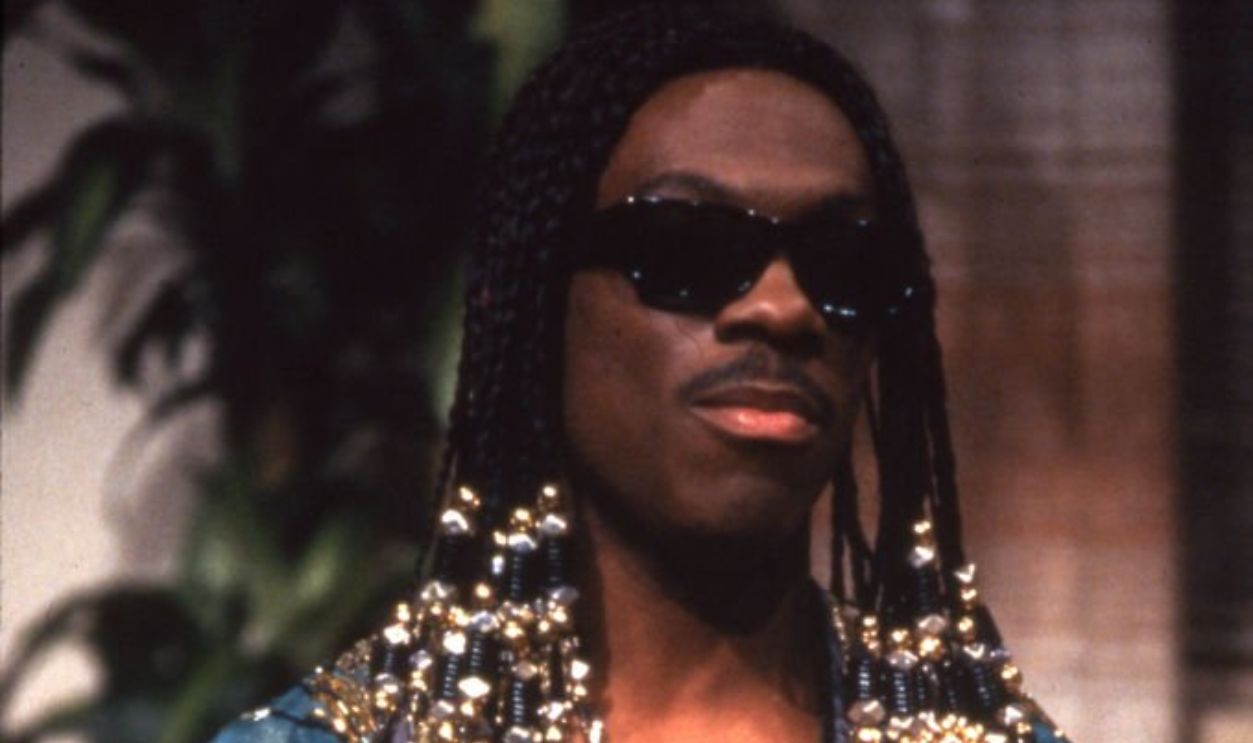
Then there was Gumby, reinvented as an angry, cigar-smoking show-business veteran who demanded respect. Murphy also impersonated James Brown, Stevie Wonder, and numerous other celebrities. Some sketches relied on stereotypes that have aged poorly, but Murphy's comic range and charisma were undeniable.
Hollywood Came Calling
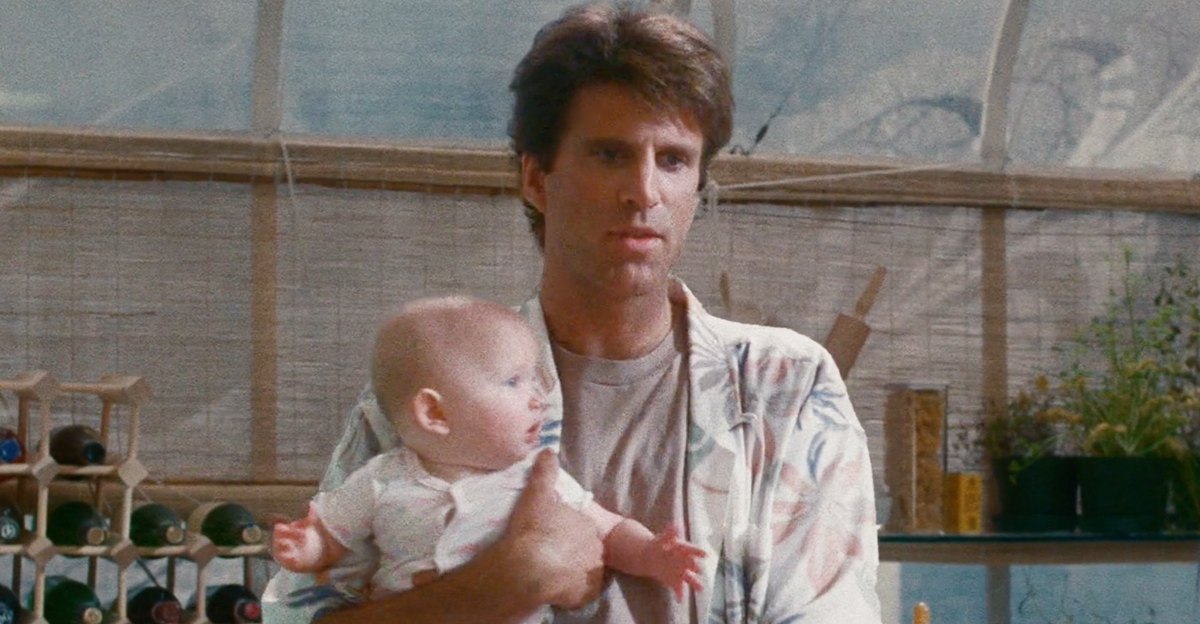
By 1982, Murphy was becoming too big for late-night television. Director Walter Hill cast him opposite Nick Nolte in 48 Hrs. (1982), an action comedy that became a major box-office success. Murphy played Reggie Hammond, a fast-talking convict temporarily released to help a police detective investigate a murder case. The film established him as a bankable movie star almost overnight.
He followed it with Trading Places (1983), starring alongside fellow SNL alumnus Dan Aykroyd, Jamie Lee Curtis, and Ralph Bellamy. The comedy was another enormous hit, proving that Murphy could carry major Hollywood productions while still appearing on television. His acclaimed stand-up special Delirious (1983) further demonstrated his extraordinary popularity.
He Was Ready To Leave
As Murphy's film career exploded, the demands of Saturday Night Live became increasingly difficult to accommodate. For the 1983–84 season, he negotiated an arrangement allowing him to appear in fewer live broadcasts while pursuing movie commitments. He also recorded sketches in advance so they could air during episodes he missed.
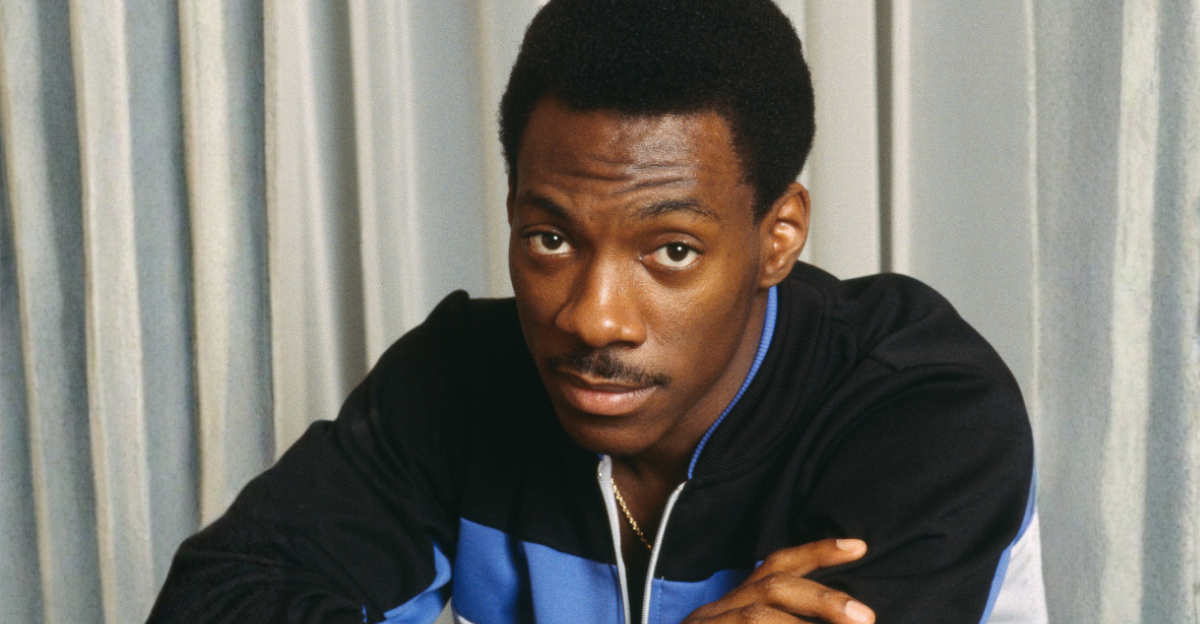
Murphy made his final live appearance as a regular cast member on February 25, 1984, although prerecorded material continued airing through April. His departure ended a remarkable four-season association that had transformed both his career and the program's fortunes. Later that year, Beverly Hills Cop (1984) made him an international superstar. Playing wisecracking Detroit detective Axel Foley, Murphy demonstrated that his appeal extended far beyond television comedy.
 frederic meylan/Sygma via Getty Images
Saturday Night Live Faced Another Crisis
Murphy's departure left Saturday Night Live without the performer who had become its defining attraction. Ebersol responded by assembling a cast featuring established comedy talents including Billy Crystal, Martin Short, Christopher Guest, and Harry Shearer for the 1984–85 season. The strategy helped the show continue, but Murphy's departure marked the end of an era.
Ebersol himself left in 1985, and Lorne Michaels returned to rebuild the program once again. Murphy had demonstrated something crucial about SNL: a single extraordinary performer could transform the show's identity and bring audiences back even during its most difficult years. His success also reinforced the program's reputation as a launching pad for major Hollywood careers.
A Complicated Relationship With SNL
Murphy had already made Saturday Night Live history on December 11, 1982, when he filled in for an ailing Nick Nolte and became the first regular cast member to host the show. He returned as host in December 1984, but his relationship with the program eventually became strained. He later expressed resentment over jokes made at his expense, particularly a 1995 Weekend Update segment in which David Spade mocked his declining box-office fortunes.
Murphy stayed away from the show for decades, although he made a brief appearance during its 40th-anniversary celebration in 2015. In December 2019, he finally returned as host, reviving several of his beloved characters and earning widespread acclaim. The homecoming served as a reminder of just how much the show owed him. Murphy had arrived when Saturday Night Live seemed close to extinction. By the time he left, he had helped make it essential viewing again.
You May Also Like:
Farcical Facts About Eddie Murphy, The Rollercoaster Ride Comedian
Surprisingly Tragic Facts About The Cast Of Saturday Night Live, The Cursed Comedy Ensemble