Hollywood Nearly Lost Its Most Famous Voice
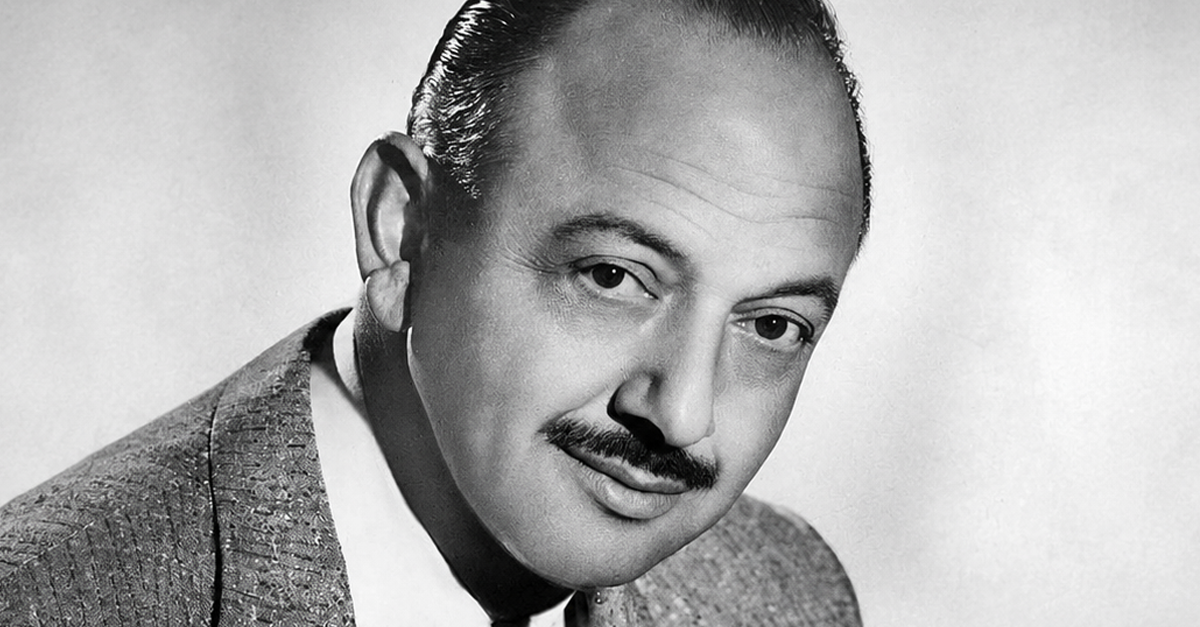
Mel Blanc gave life to Bugs Bunny, Daffy Duck, and Barney Rubble, but a horrific 1961 car accident nearly ended his career. With a fractured skull, broken legs, and a shattered pelvis, he faced months of recovery. Yet somehow, he found a way to keep working on The Flintstones despite his devastating injuries.
How did a man who could barely move manage to keep Barney Rubble alive?
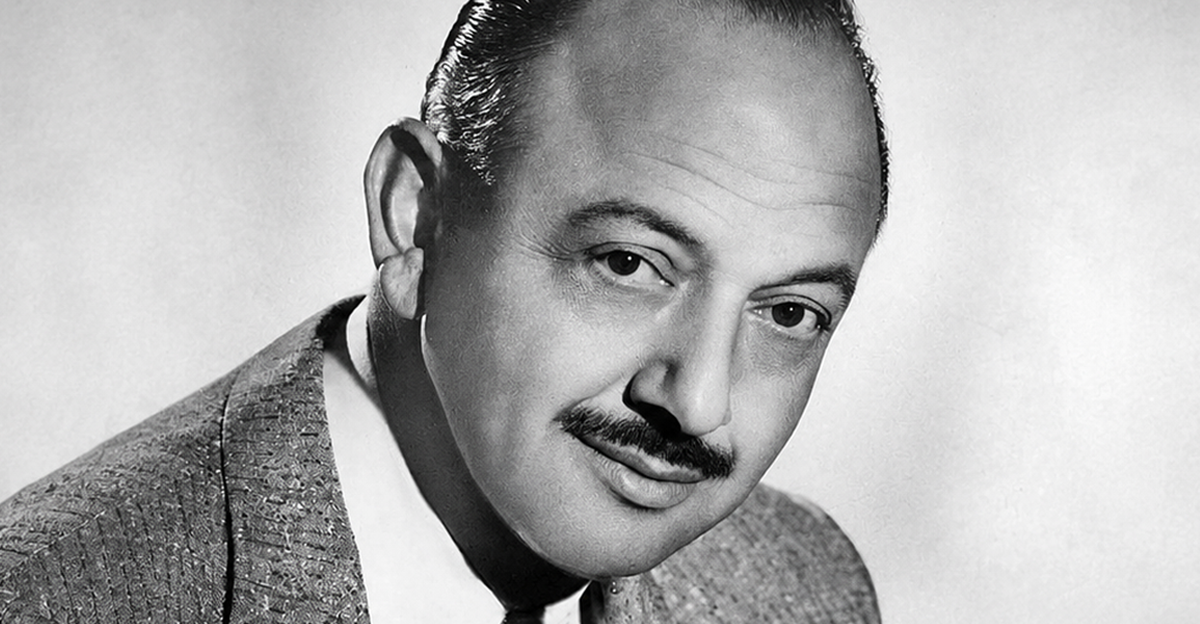 Gene Hester, Wikimedia Commons
He Was The Man Of A Thousand Voices
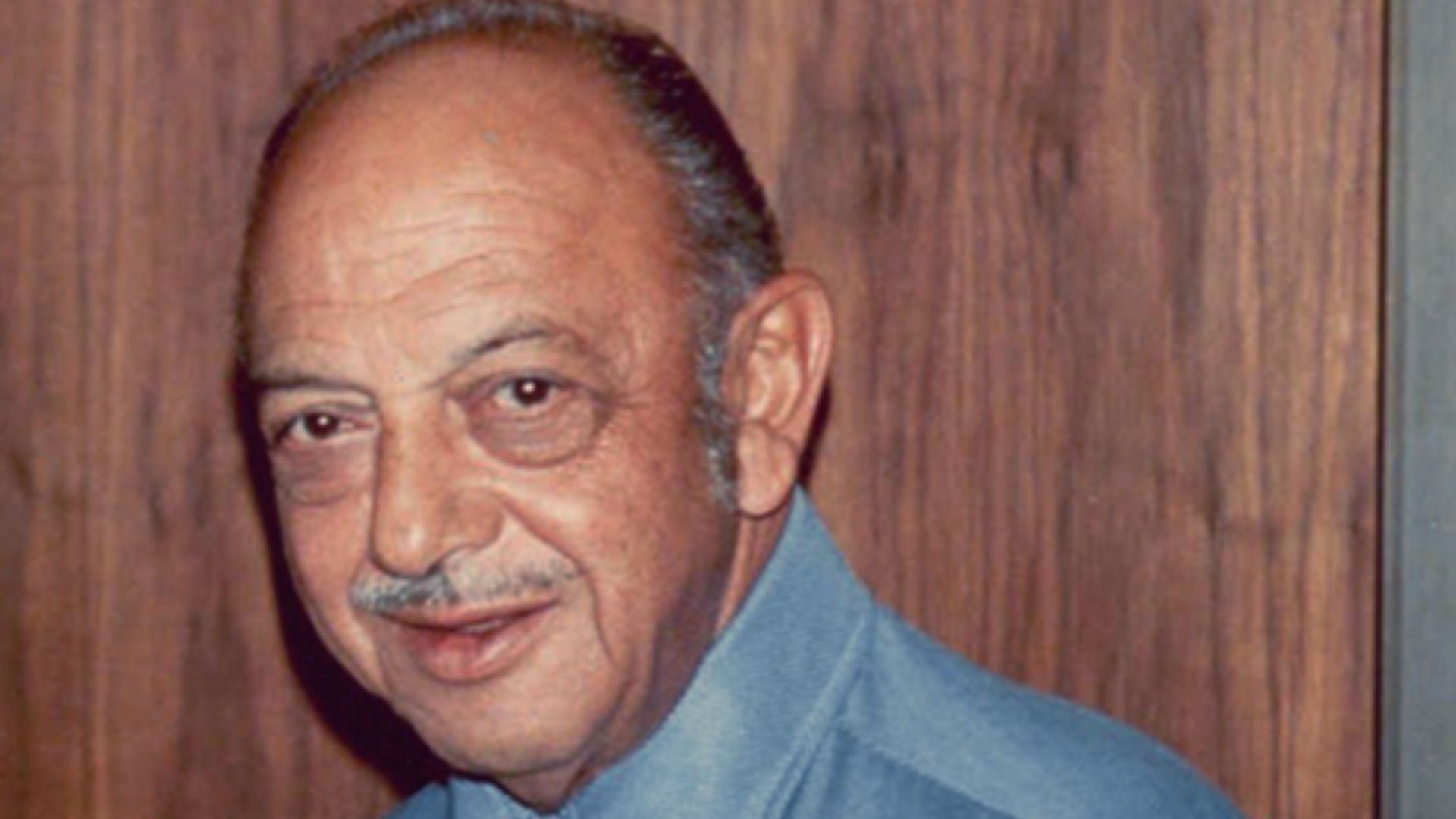
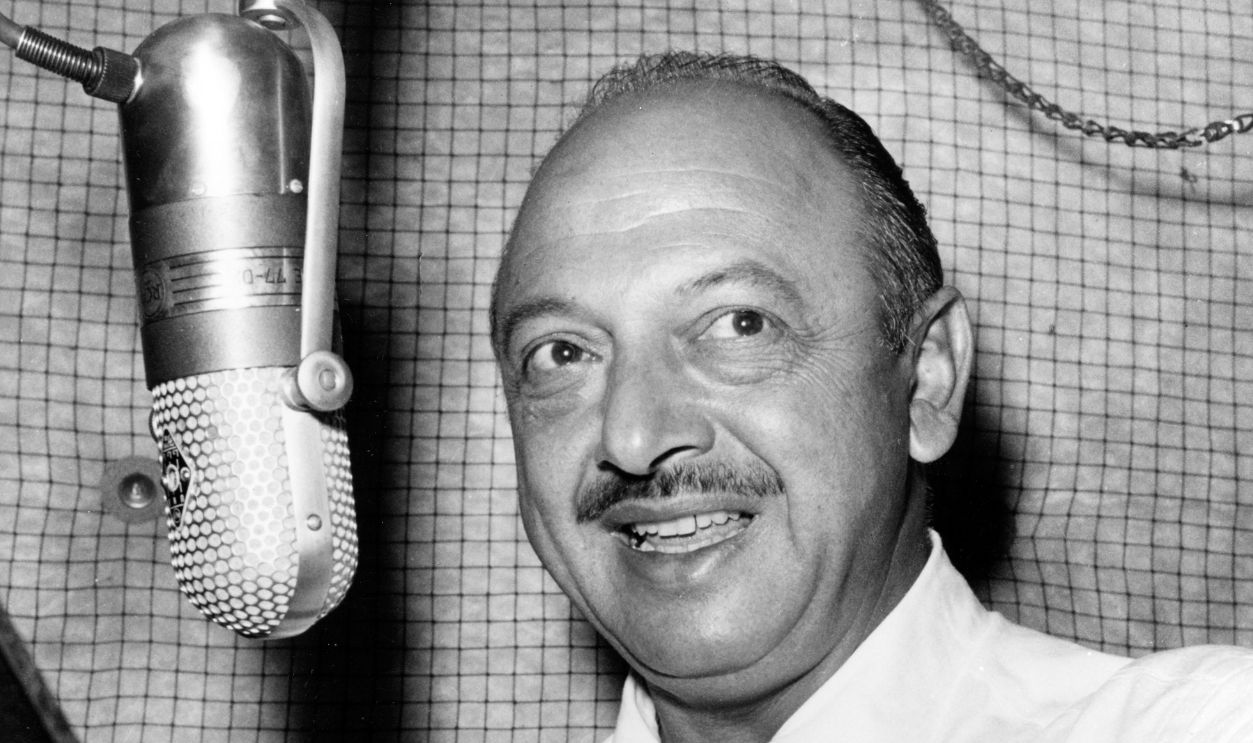
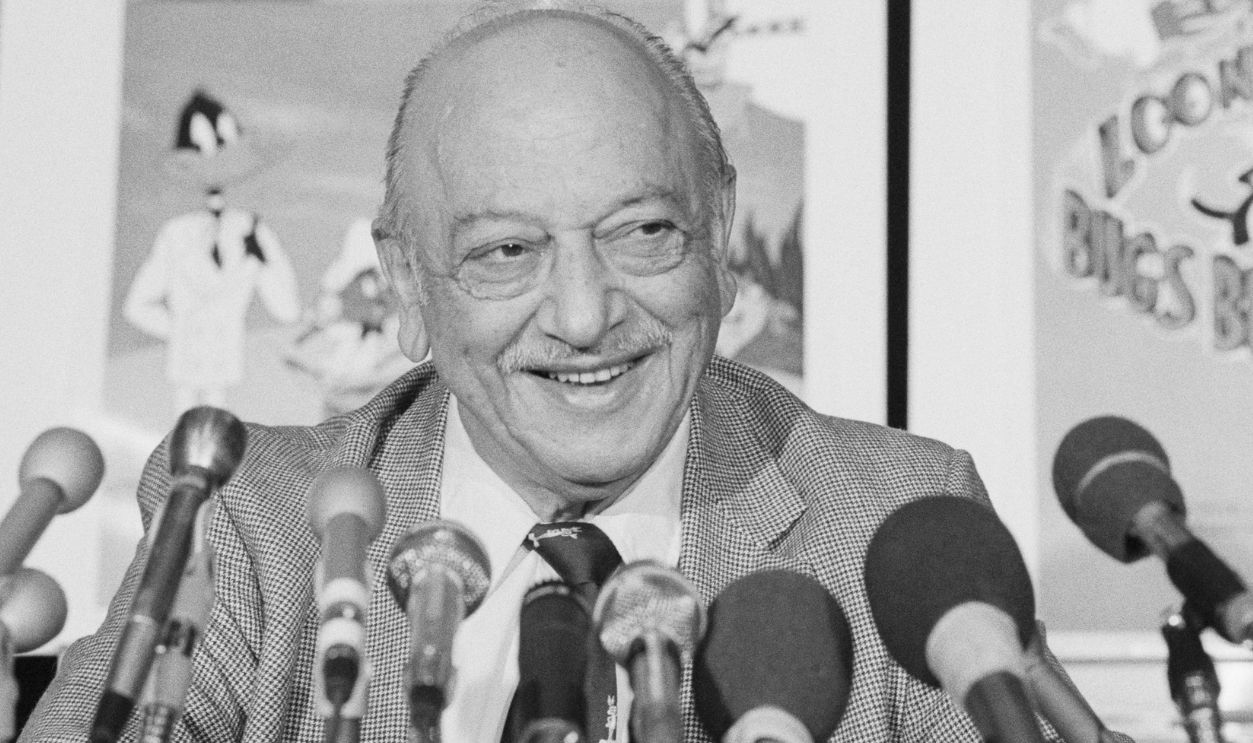
By 1961, Mel Blanc was one of Hollywood's most extraordinary performers. Known as "The Man of a Thousand Voices," he had created unforgettable personalities for Bugs Bunny, Daffy Duck, Porky Pig, and numerous other cartoon favorites. His characters were so recognizable that millions of Americans knew his voice without knowing his face.
His Career Began On The Radio
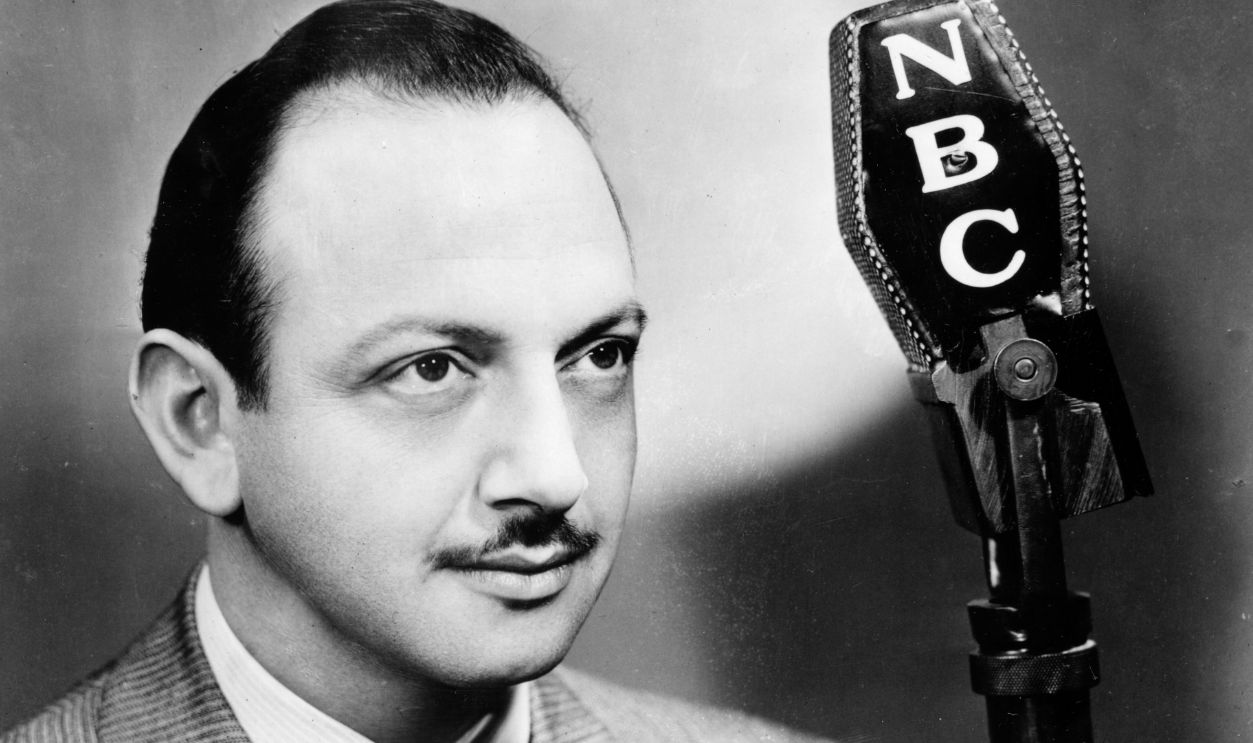
Born in San Francisco in 1908, Blanc grew up in Portland, Oregon, where he began performing on radio as a teenager. His talent for accents, impressions, and unusual sounds eventually brought him to Hollywood. In 1937, he began voicing characters for Warner Bros., launching one of animation's most celebrated careers.
 Michael Ochs Archives, Getty Images
Bugs Bunny Made Him A Superstar
Blanc's performance as Bugs Bunny in 1940's A Wild Hare helped establish the mischievous rabbit as a cartoon icon. He also voiced Daffy Duck, Tweety, Sylvester, and Yosemite Sam, often playing several characters in the same production. His extraordinary range made him almost indispensable to Warner Bros.' animated shorts.
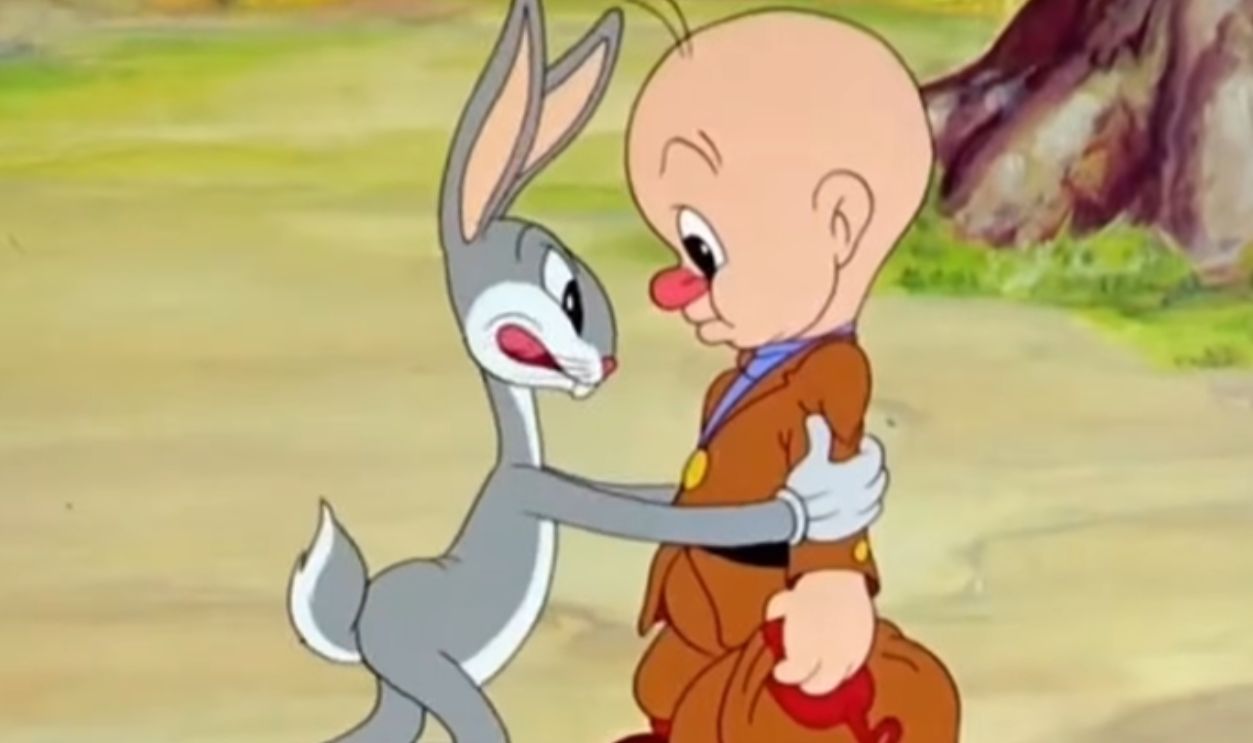 Screenshot from A Wild Hare, Warner Bros. (1940)
Then Came The Flintstones
On September 30, 1960, ABC premiered The Flintstones, a prime-time animated sitcom created by William Hanna and Joseph Barbera. Set in prehistoric Bedrock, it followed Fred and Wilma Flintstone and their neighbors, Barney and Betty Rubble. Blanc was cast as Barney, bringing his unmistakable comedic talent to one of television's most popular new cartoons.
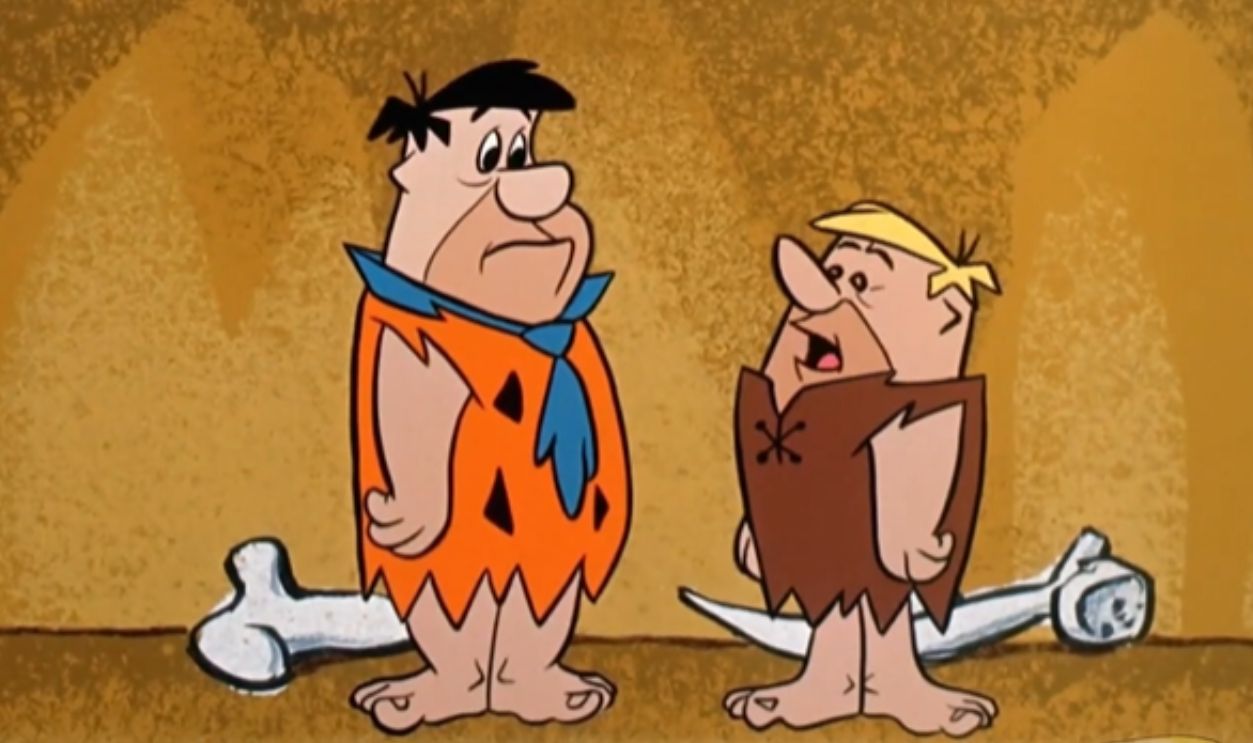 Screenshot from The Flintstones, Warner Bros. (1960-1966)
Barney Quickly Became A Fan Favorite
Blanc gave Barney Rubble a warm, friendly voice and an infectious laugh that perfectly complemented Fred Flintstone's blustering personality. Alongside Alan Reed as Fred, Jean Vander Pyl as Wilma, and Bea Benaderet as Betty, he helped establish the show's chemistry. But just months after the premiere, everything changed.
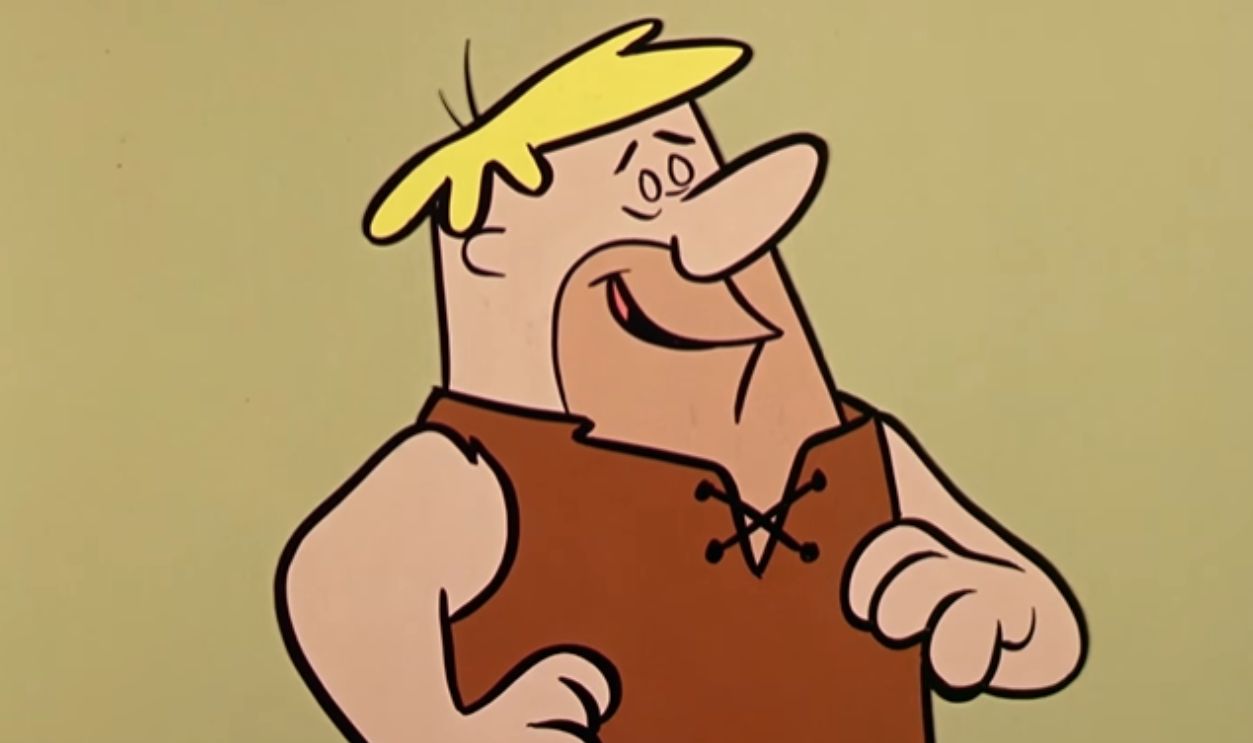 Screenshot from The Flintstones, Warner Bros. (1960-1966)
A Terrible Accident Changed Everything
On January 24, 1961, Blanc was driving along Los Angeles' Sunset Boulevard when another car collided head-on with his vehicle. The crash occurred near a notoriously dangerous stretch known as Dead Man's Curve. The 52-year-old actor suffered catastrophic injuries and was rushed to UCLA Medical Center.
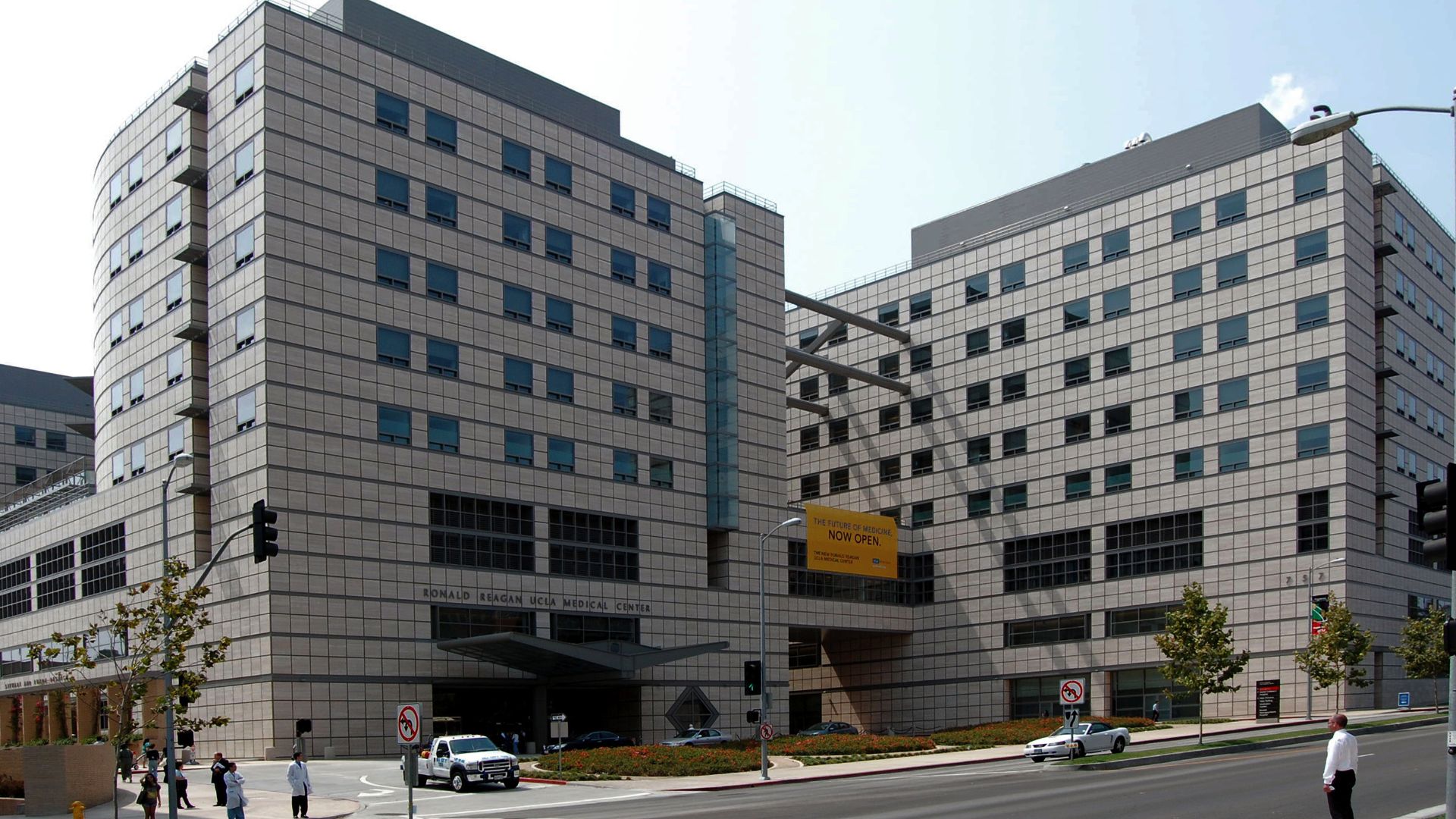
His Injuries Were Devastating
Blanc suffered a triple skull fracture, broken legs, a fractured pelvis, and other serious injuries. Doctors faced the difficult task of stabilizing him, while his wife Estelle and son Noel rushed to the hospital. His injuries were so severe that doctors reportedly warned his wife he might not survive.
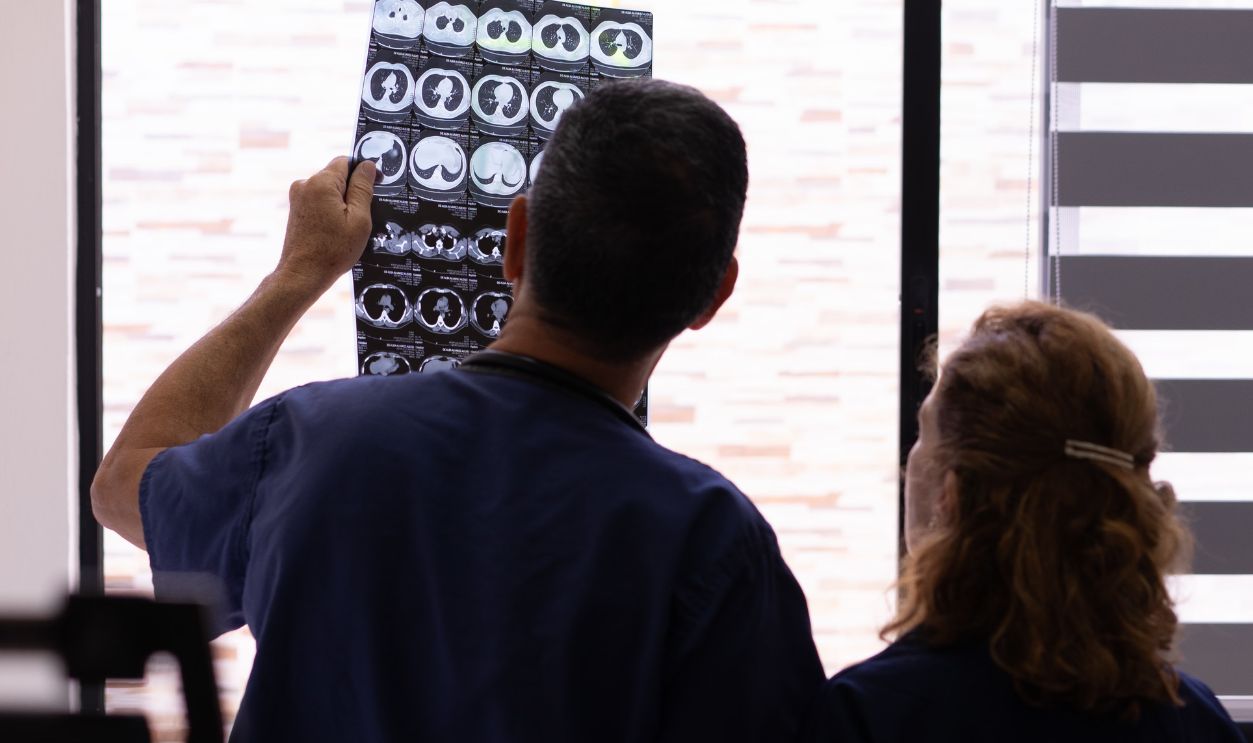
Then He Fell Into A Coma
Blanc remained unconscious, showing little response to attempts to communicate with him. For approximately two weeks, his family and medical team tried repeatedly to reach him. With his future uncertain, doctors began fearing that he might never fully regain consciousness.

One Doctor Had An Unusual Idea
Neurosurgeon Louis Conway, then a young resident, decided to try something different. Rather than address the unconscious performer as Mel Blanc, he spoke directly to one of his famous cartoon characters. He asked Bugs Bunny how he was feeling, hoping that the familiar identity might trigger a response.
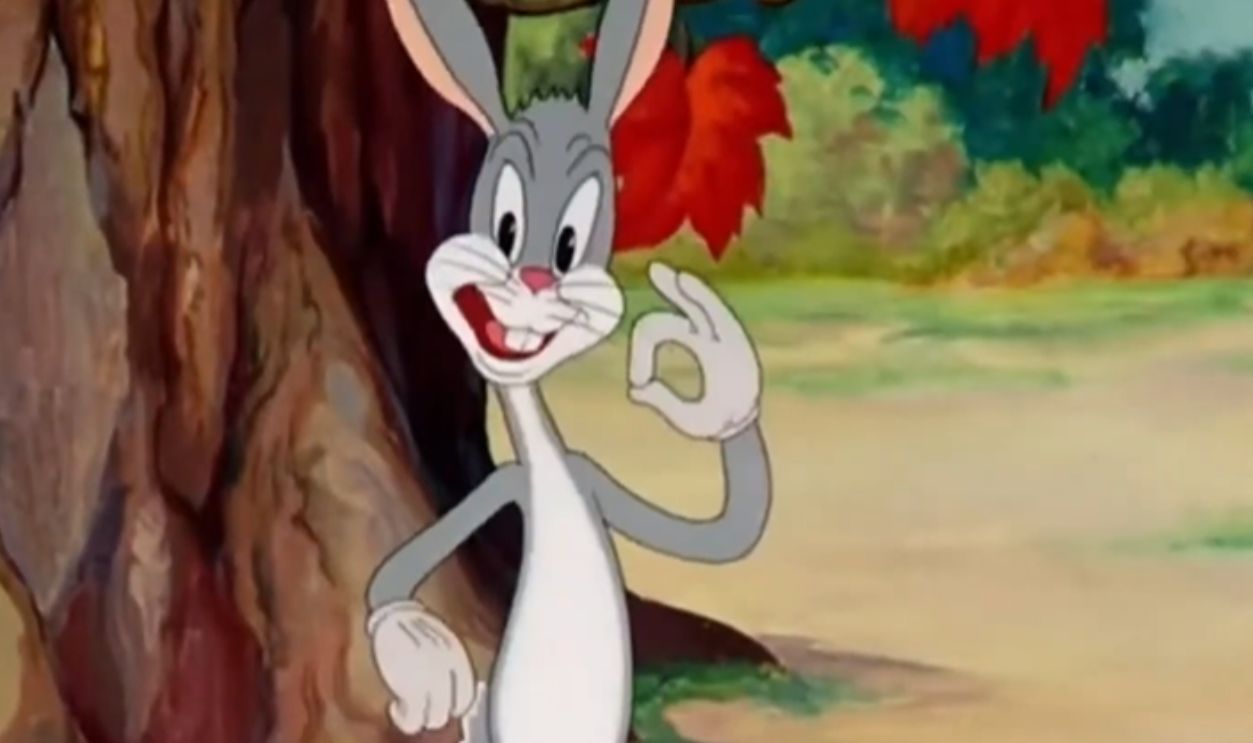 Screenshot from A Wild Hare, Warner Bros. (1940)
Bugs Bunny Answered From The Hospital Bed
To everyone's astonishment, Blanc reportedly responded in Bugs Bunny's familiar voice, delivering his signature greeting. Conway continued addressing other cartoon characters, and Blanc answered as several of them. According to Noel, it was the first meaningful response his father had given since the accident.
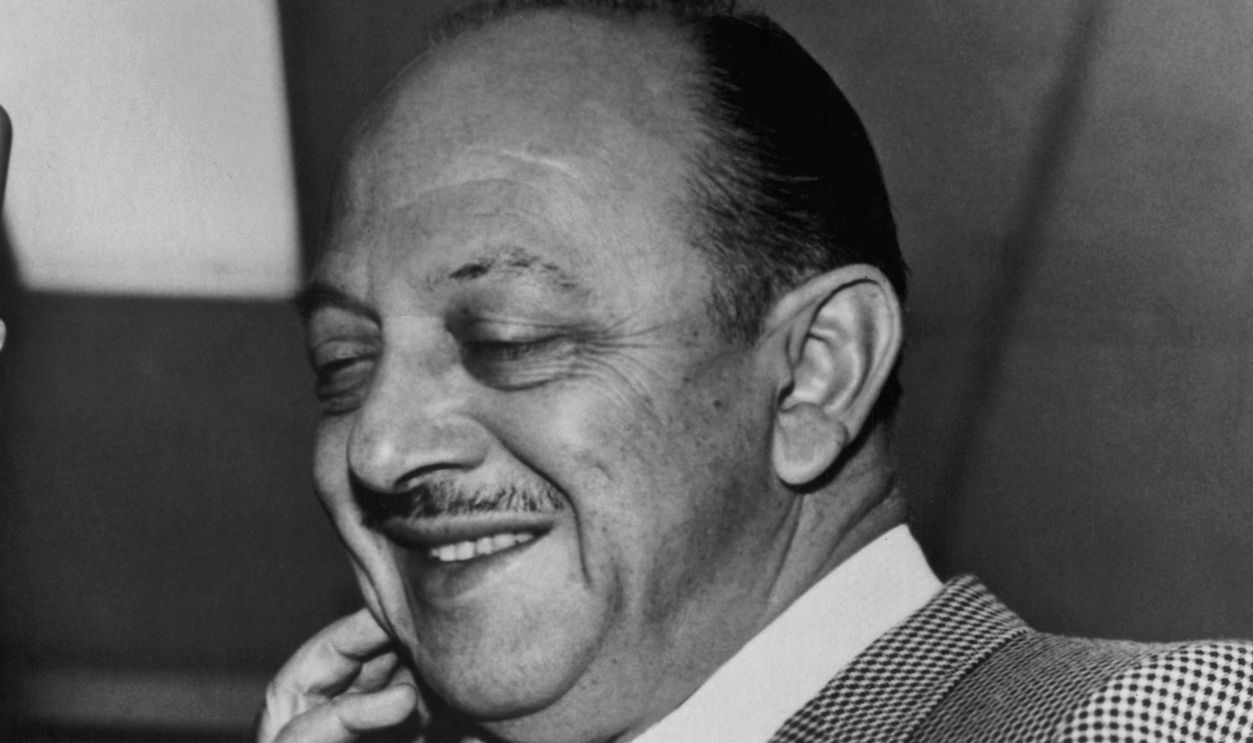
He Finally Spoke As Himself
After responding as Bugs Bunny and several other characters, Blanc began speaking as himself. He reportedly asked where he was and what had happened, prompting his family to explain the accident. The extraordinary exchange became one of the most famous stories of his career, although it would be months before he could resume normal activities.
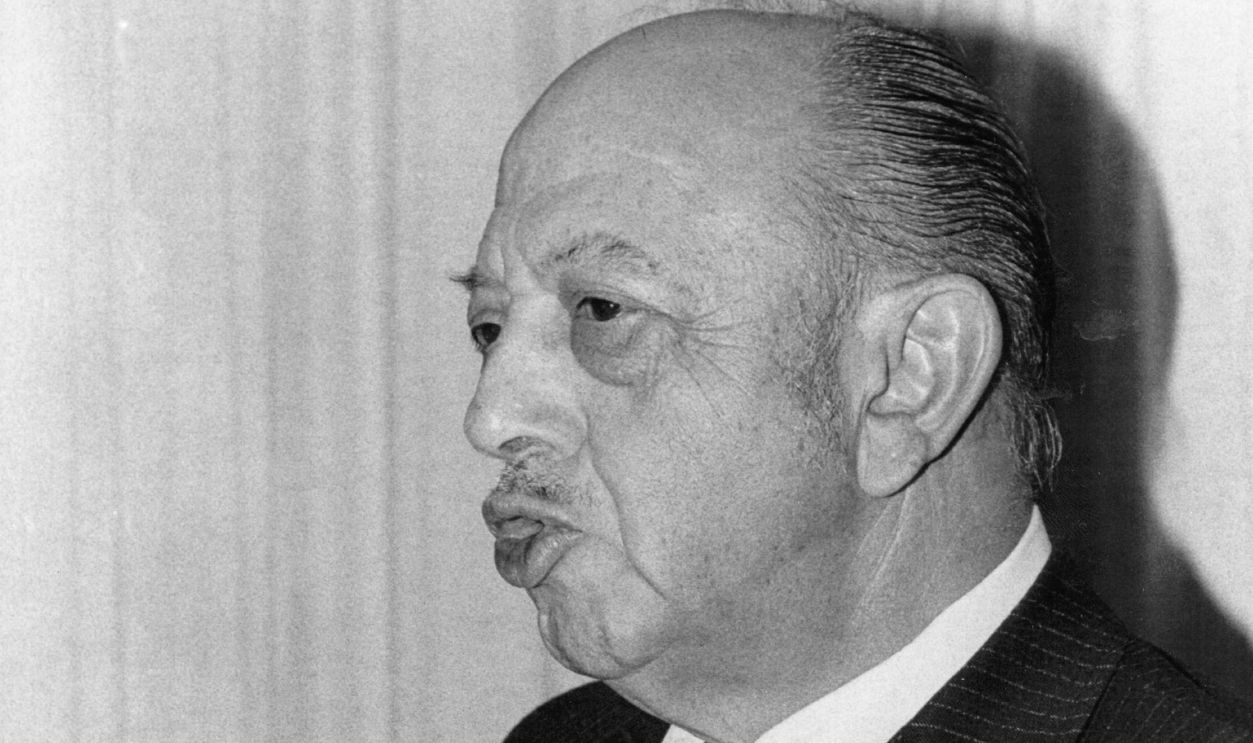
Meanwhile, Hollywood Had A Problem
Blanc's accident left television and animation producers scrambling to cover his roles. The Flintstones was still a relatively new series, and Barney Rubble was an essential part of the cast. The producers needed someone who could keep the character going while Blanc recovered.
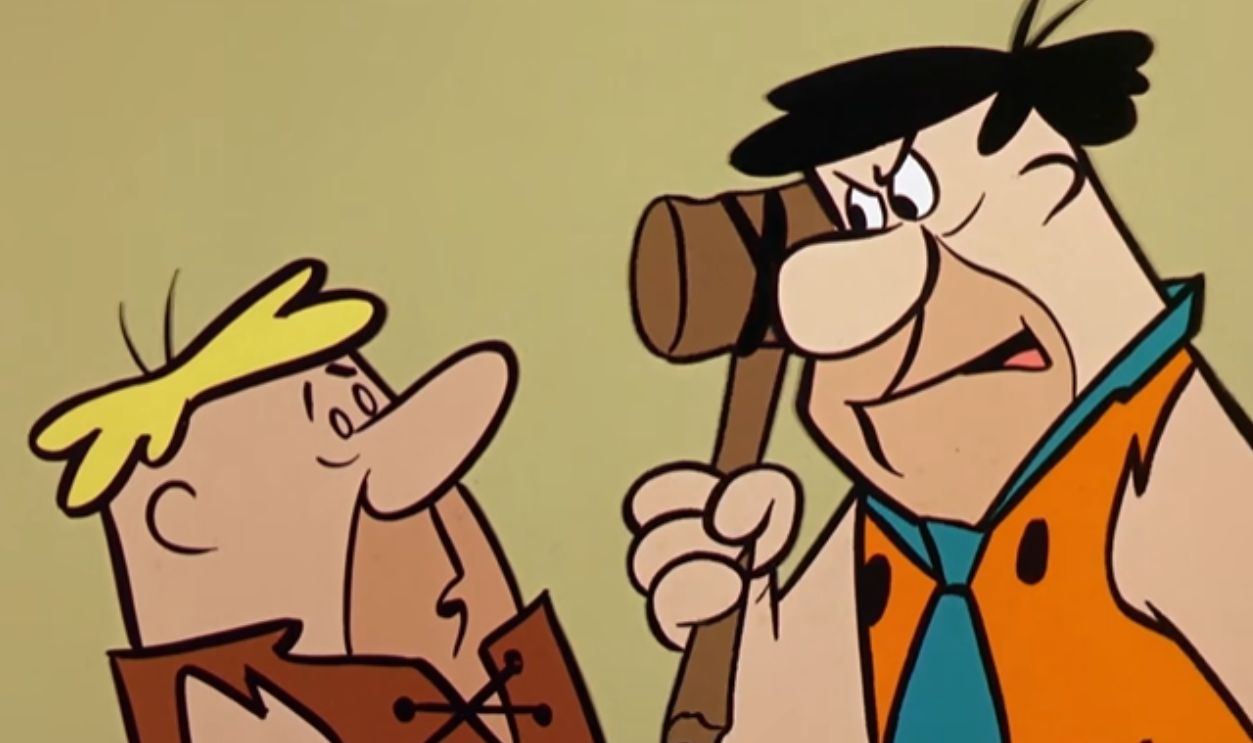 Screenshot from The Flintstones, Warner Bros. (1960-1966)
Another Actor Temporarily Took Over
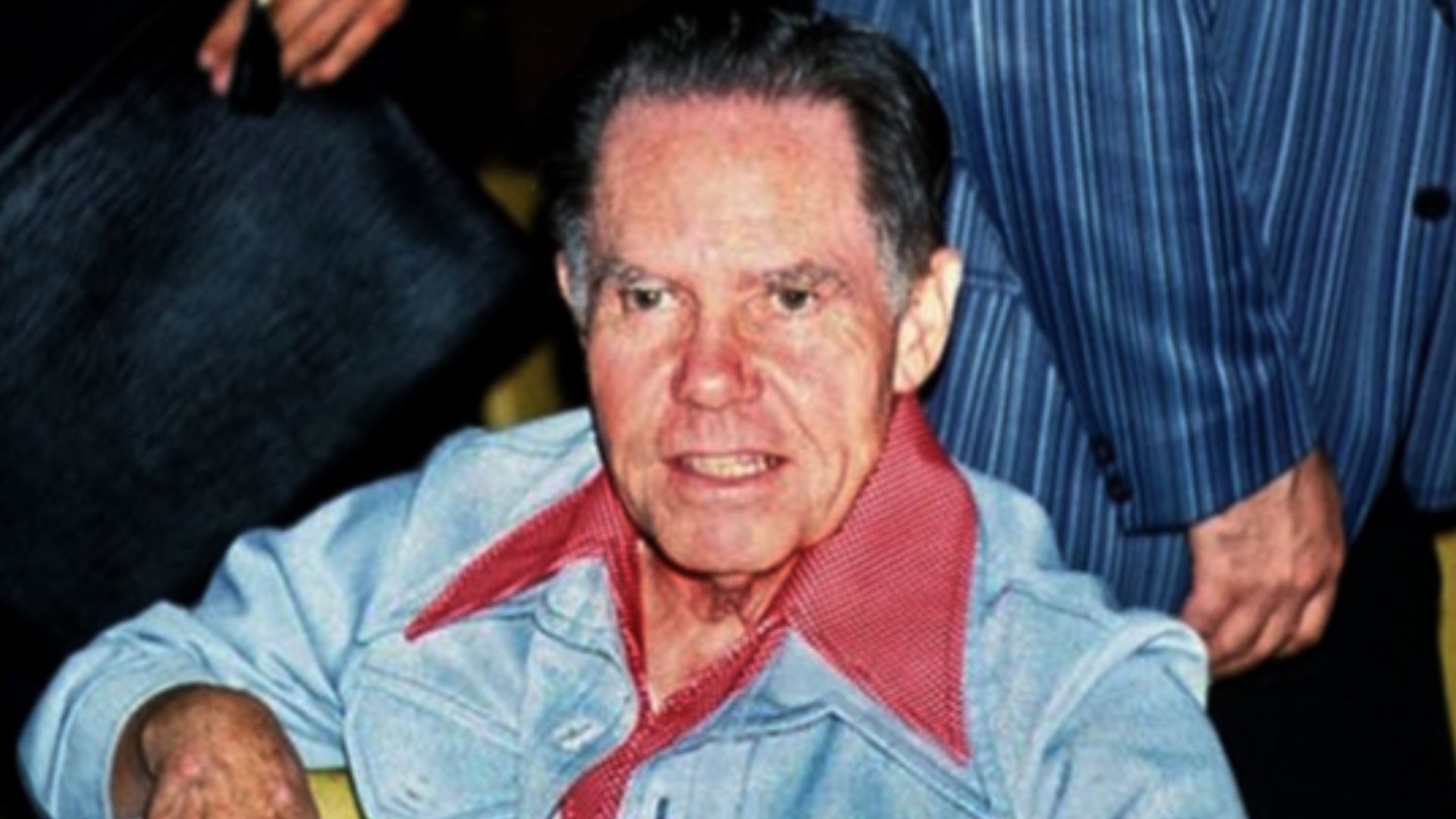
Hanna-Barbera turned to Daws Butler, the talented voice actor behind Yogi Bear and Huckleberry Hound. Butler stepped in as Barney Rubble for five episodes, allowing production to continue during Blanc's absence. But the arrangement was temporary, and Blanc was determined to return to work.
He Wasn't Ready To Give Up
Although Blanc had survived the accident, his injuries required a long and difficult recovery. He remained confined to a full-body cast, making ordinary movement nearly impossible. Still, he wanted to resume recording, partly because so many other people's jobs depended on production continuing.
The Studio Came To His Bedside
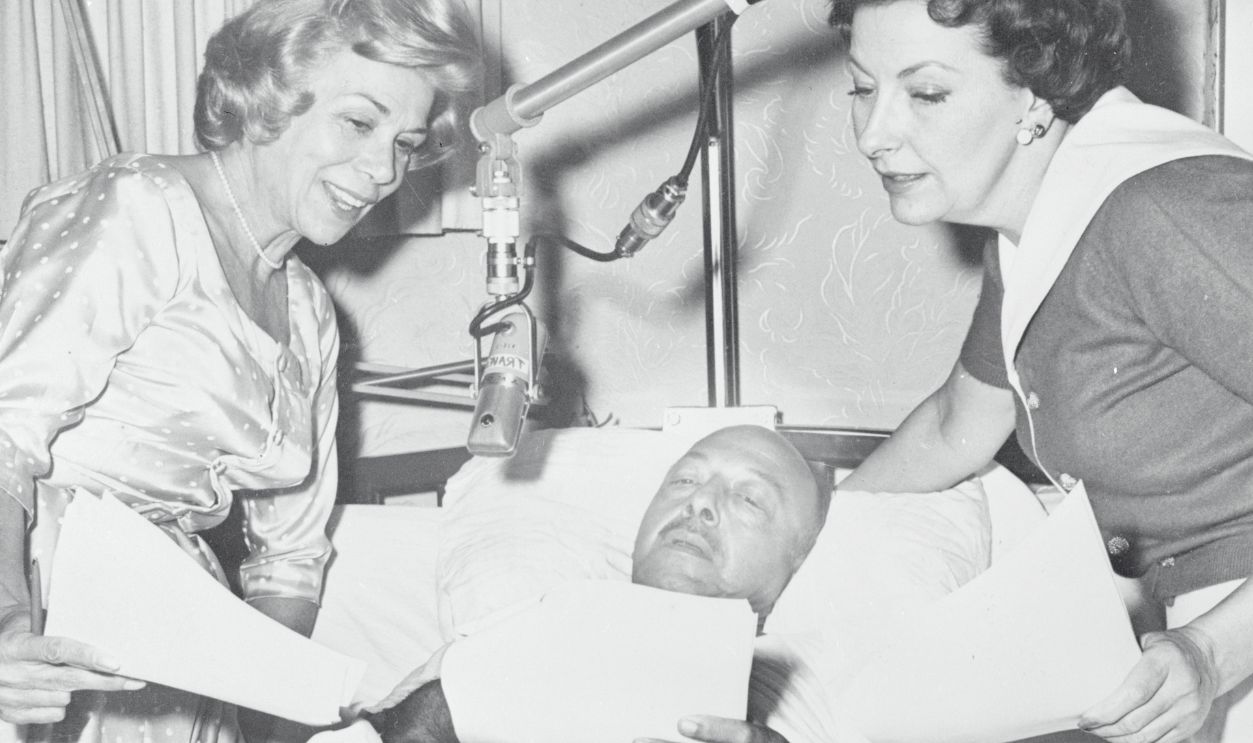
During Blanc's recovery at his Pacific Palisades home, Hanna-Barbera helped arrange an extraordinary recording setup. Five microphones were positioned beside his bed, with cables running underneath the house to a makeshift studio. The arrangement allowed Blanc to continue voicing Barney without leaving his bed.
 Michael Ochs Archives, Getty Images
His Co-Stars Gathered Around Him
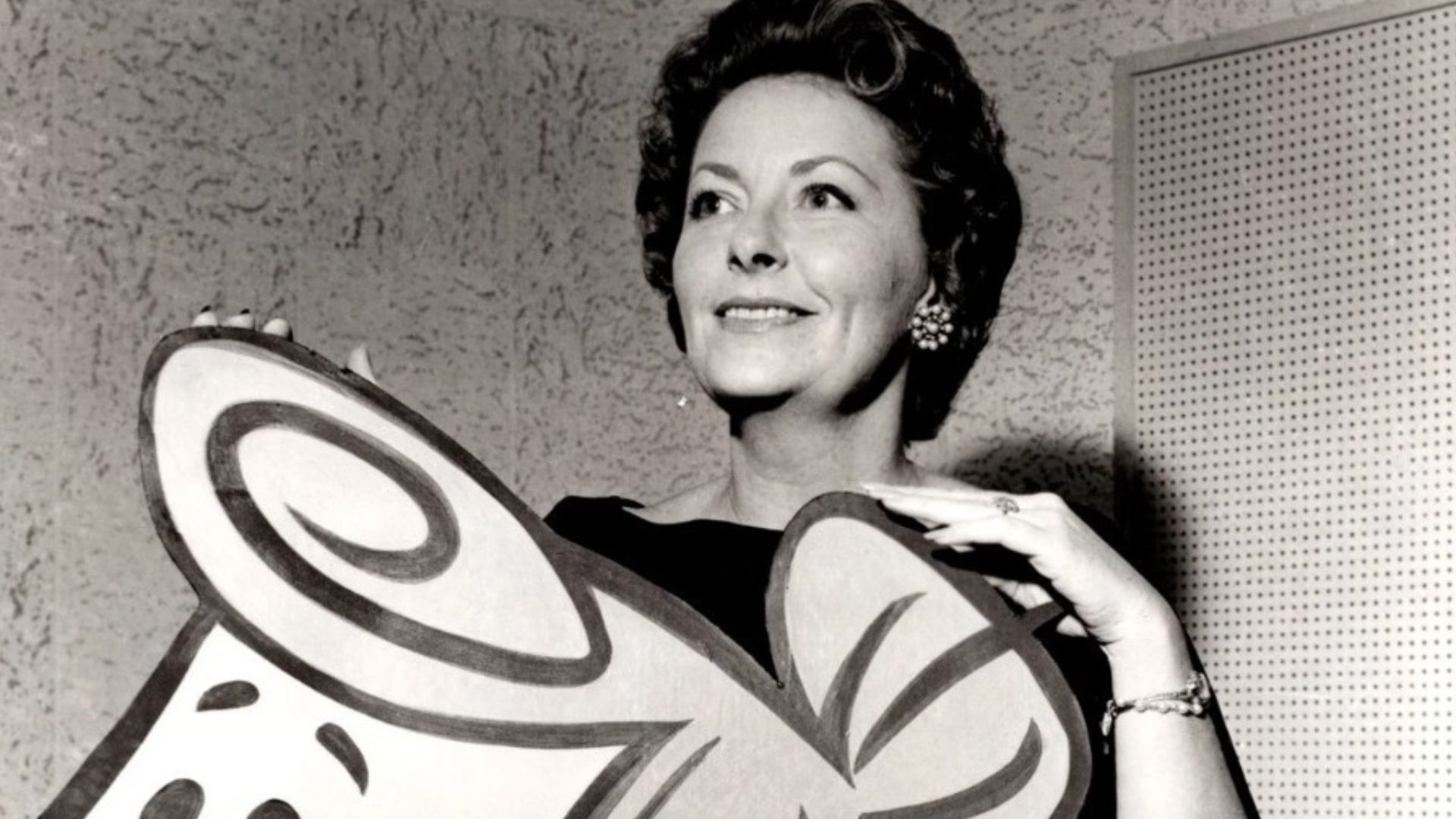
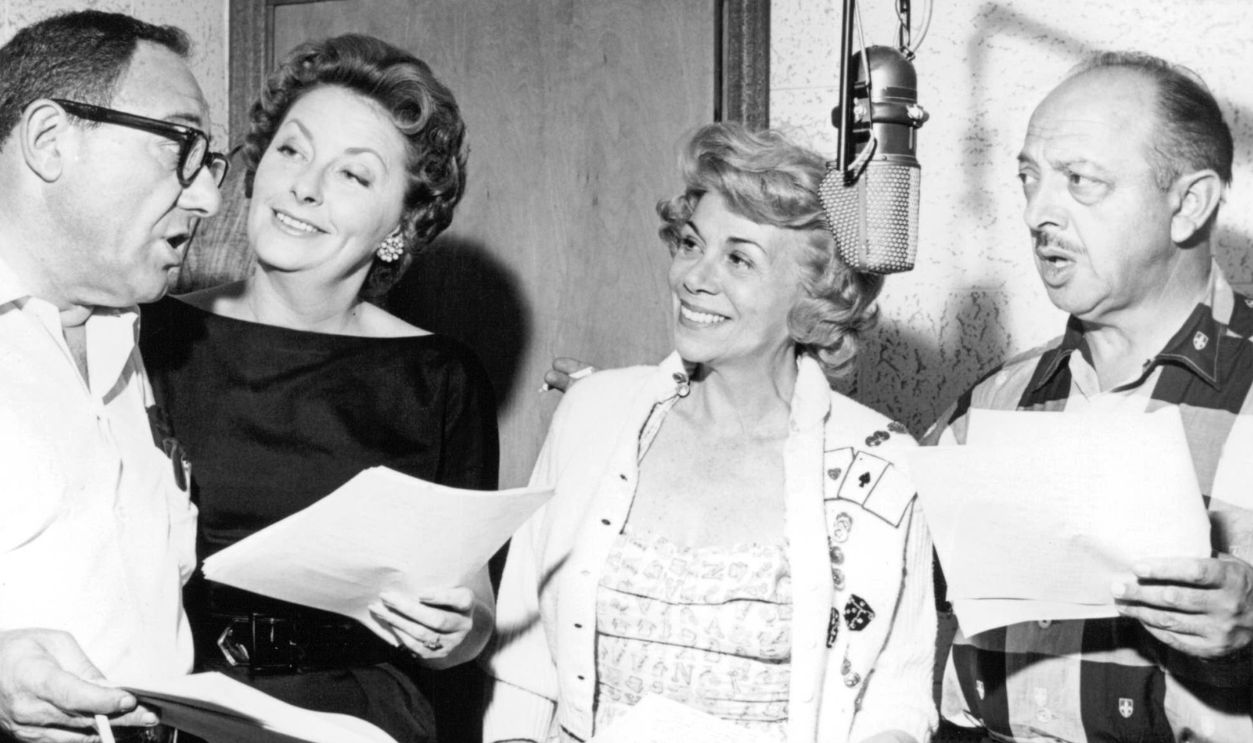
Recording sessions brought the Flintstones cast directly into Blanc's bedroom. Jean Vander Pyl and Bea Benaderet, who voiced Wilma and Betty, sat on one side of his bed, while Alan Reed performed Fred's lines on the other. Their usual recording studio had been replaced by a bedroom crowded with microphones, chairs, and cables.
 Unknown authorUnknown author, Wikimedia Commons
Fred Flintstone Had His Own Routine
Even under these unusual circumstances, Alan Reed maintained his familiar recording habits. Blanc recalled that Reed swallowed spoonfuls of honey and lemon to prepare his voice for Fred's booming dialogue. Meanwhile, Vander Pyl traveled from San Diego to participate in the sessions, demonstrating how far the cast went to keep the show running.
 Silver Screen Collection, Getty Images
The Director Worked From Another Room
Joseph Barbera supervised the sessions from a makeshift control room elsewhere in the house. He communicated with the actors through a speaker while Noel Blanc helped operate the recording equipment. The unusual arrangement allowed the team to produce episodes despite their leading voice actor's physical limitations.
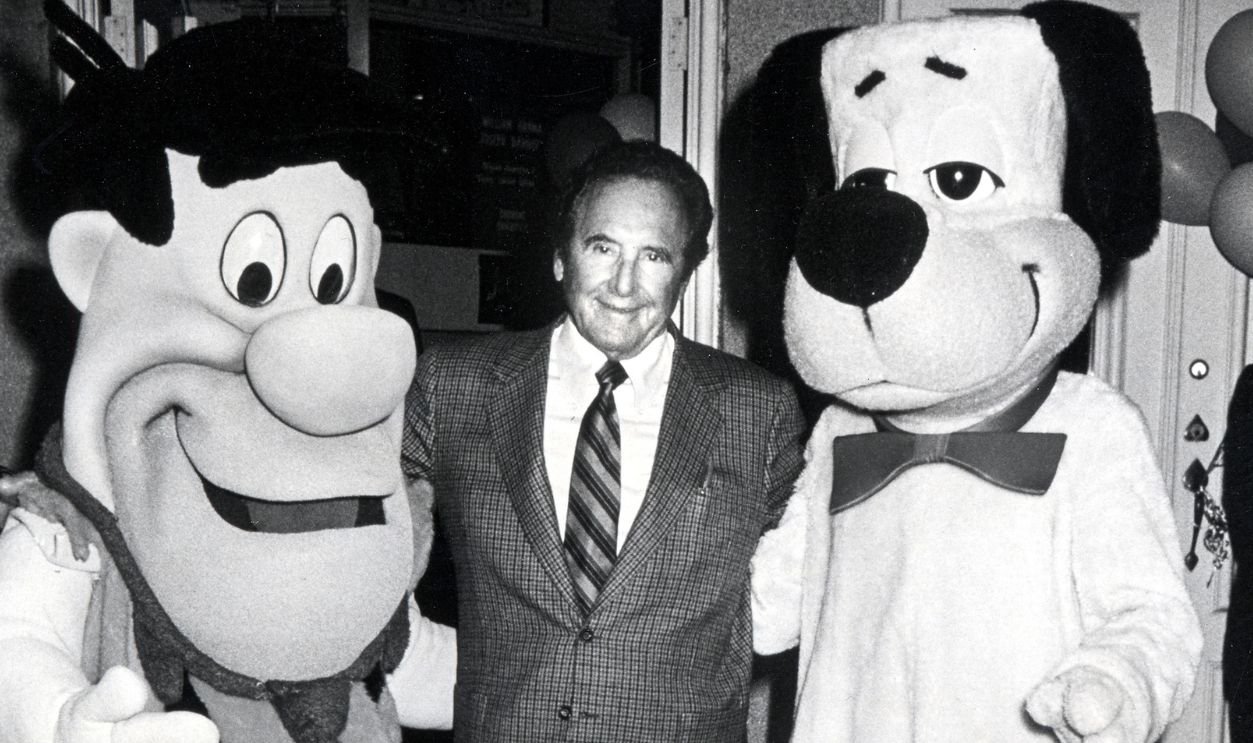
Some Sessions Lasted For Hours
The recording sessions could be exhausting, especially for someone recovering from such serious injuries. According to Blanc's memoir, Barbera periodically checked whether he was becoming too tired to continue. But Blanc insisted on finishing his work, determined not to let his injuries disrupt the production.
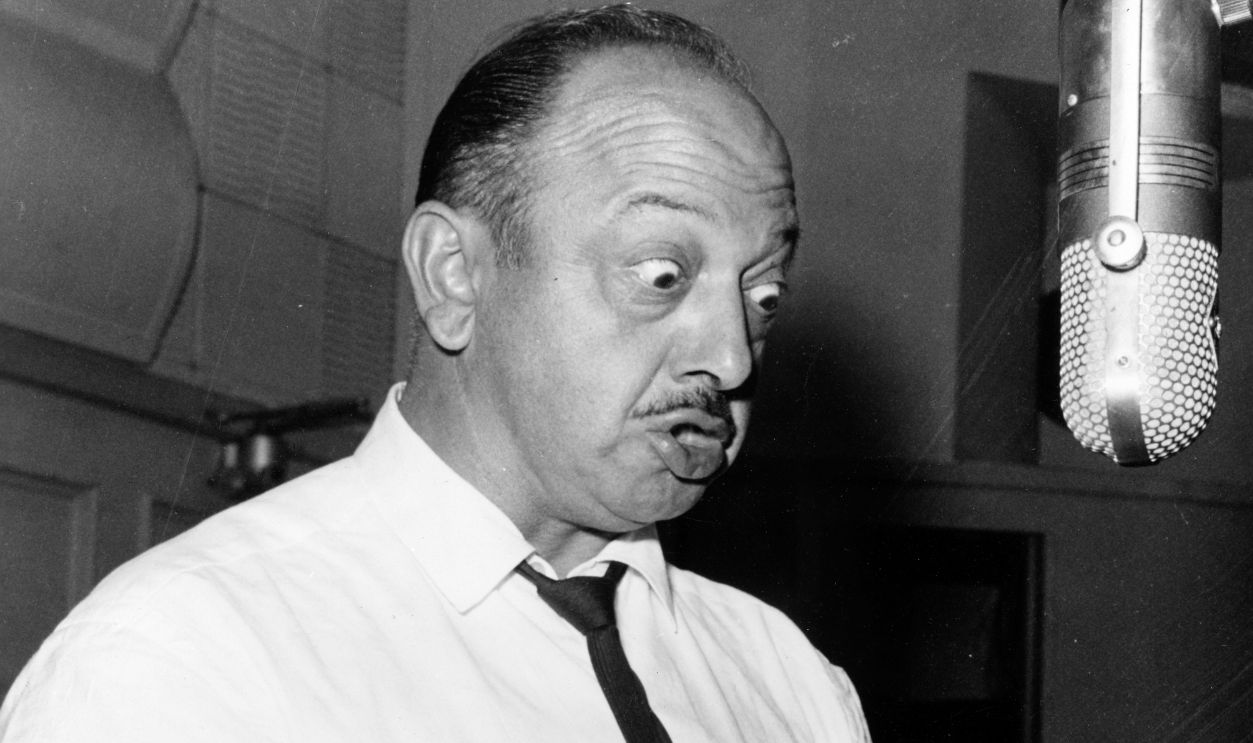 Michael Ochs Archives, Getty Images
He Could Barely See His Fellow Actors
For months, Blanc remained flat on his back, spending much of his time staring at the ceiling. By September 1961, doctors finally permitted him to raise himself a few inches using a pulley system. He joked about finally being able to see his fellow actors' faces rather than simply hearing their voices around him.
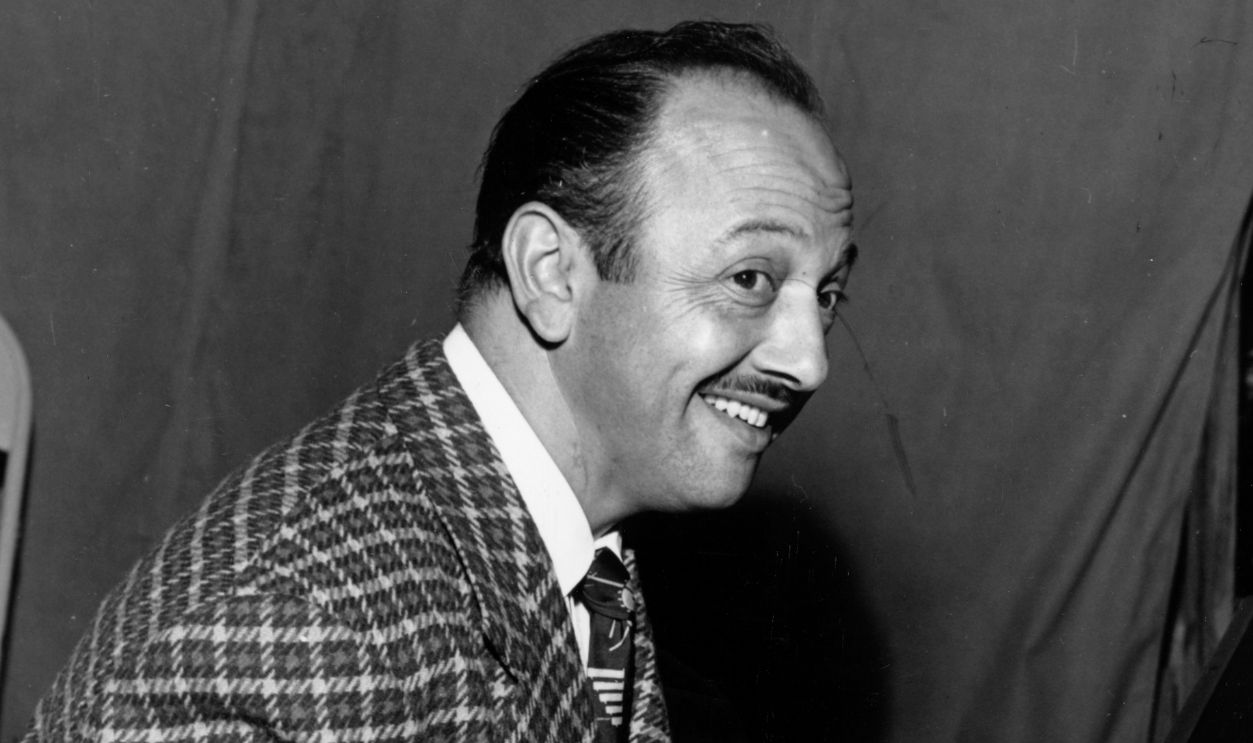 Michael Ochs Archives, Getty Images
His Son Had A Secret Role
Noel Blanc did more than help operate the equipment during his father's recovery. He later revealed that he secretly performed some of Mel's Warner Bros. character voices when his father was unable to handle every assignment. It was an unusual contribution from a son who had grown up surrounded by his father's famous characters.
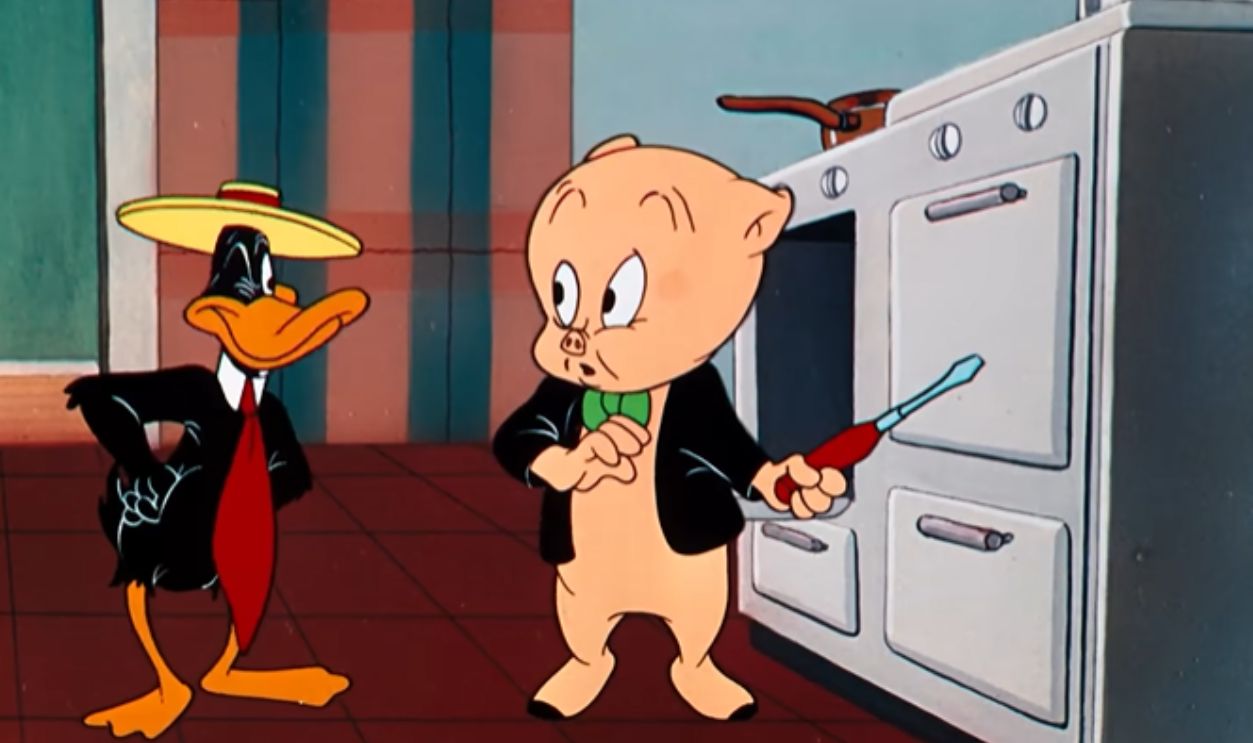 Screenshot from Looney Tunes, Warner Bros. (1961)
Warner Bros. Had Its Own Crisis
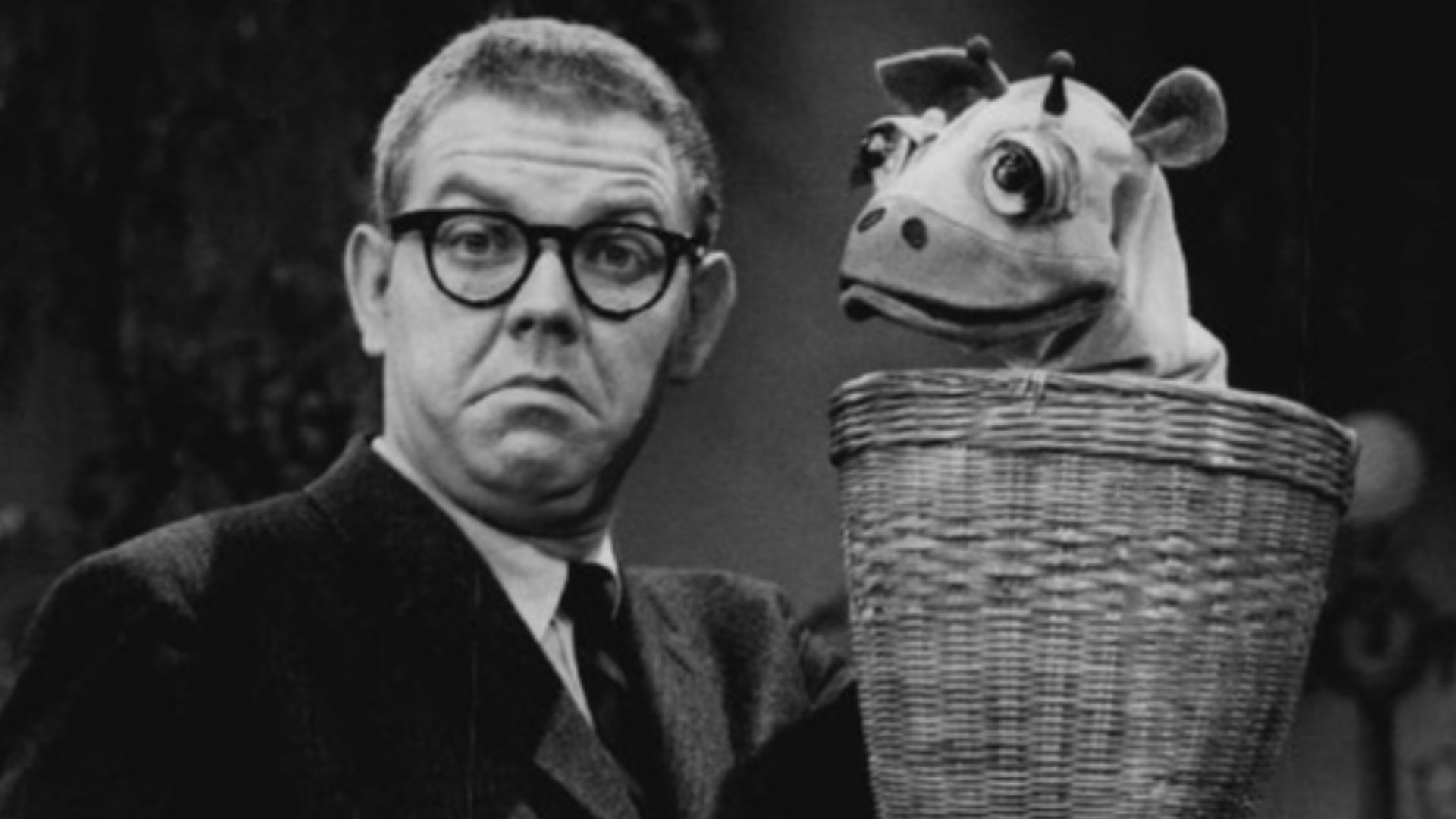
While Hanna-Barbera found a way to keep Barney Rubble on television, Warner Bros. faced difficulties covering Blanc's other characters. According to accounts of the period, the studio approached fellow voice actor Stan Freberg about temporarily performing some of his roles, but Freberg declined out of respect for Blanc. Other performers helped cover certain assignments until Blanc could resume his regular workload.
 NBC Television, Wikimedia Commons
Fans Sent Him Thousands Of Letters
As news of Blanc's accident spread, fans began sending cards, letters, and gifts wishing him a speedy recovery. He reportedly received approximately 15,000 messages, including some addressed simply to Bugs Bunny in Hollywood. Children even sent carrots, apparently hoping to cheer up their favorite cartoon rabbit.
He Eventually Returned To Television
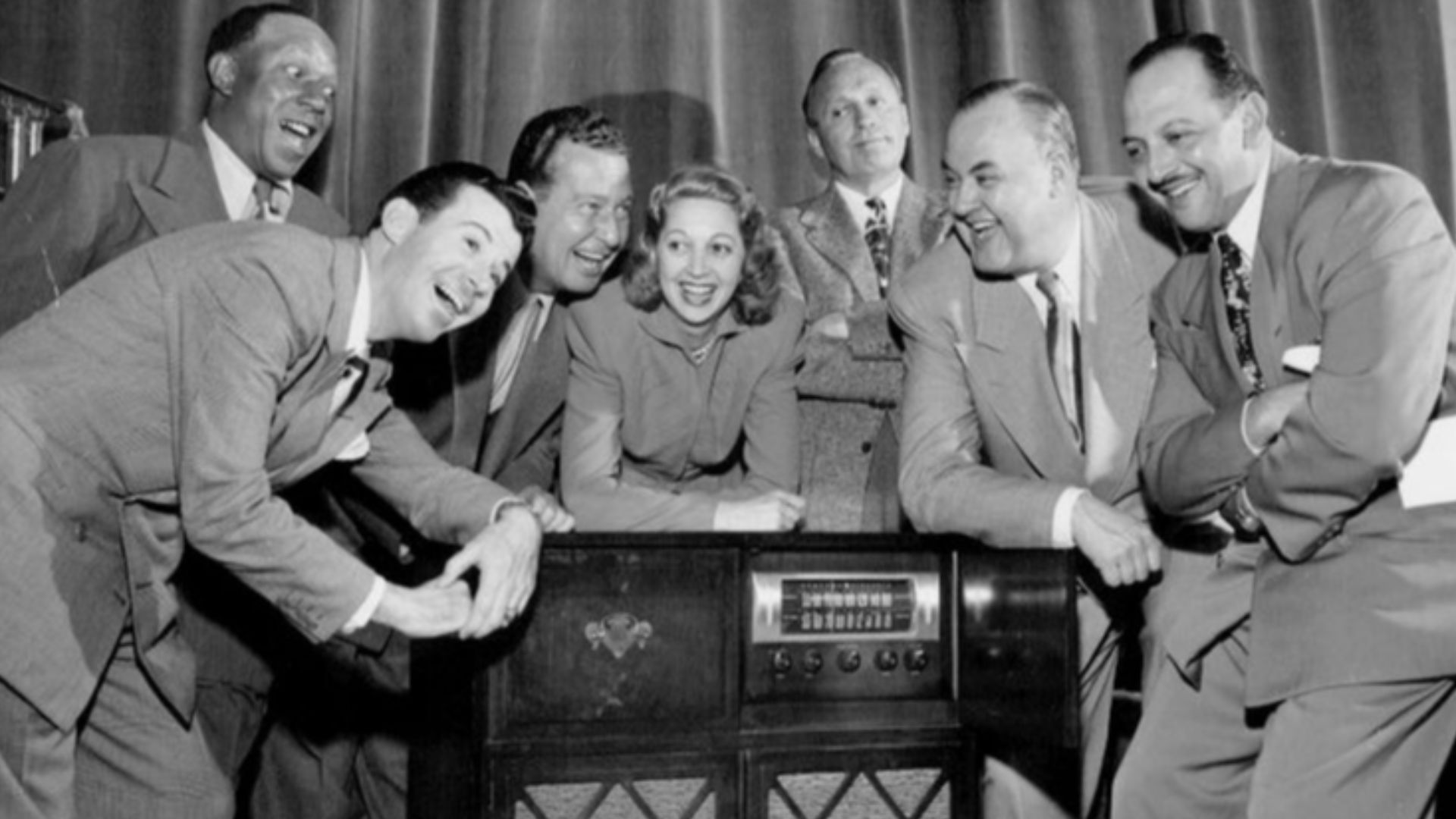
By the end of 1961, Blanc had recovered enough to begin making public appearances again, although his mobility remained limited. He returned to The Jack Benny Program for its Christmas episode, using crutches and a wheelchair during his recovery. After nearly losing his life, he was gradually reclaiming the career that had made him famous.
His Career Was Far From Over
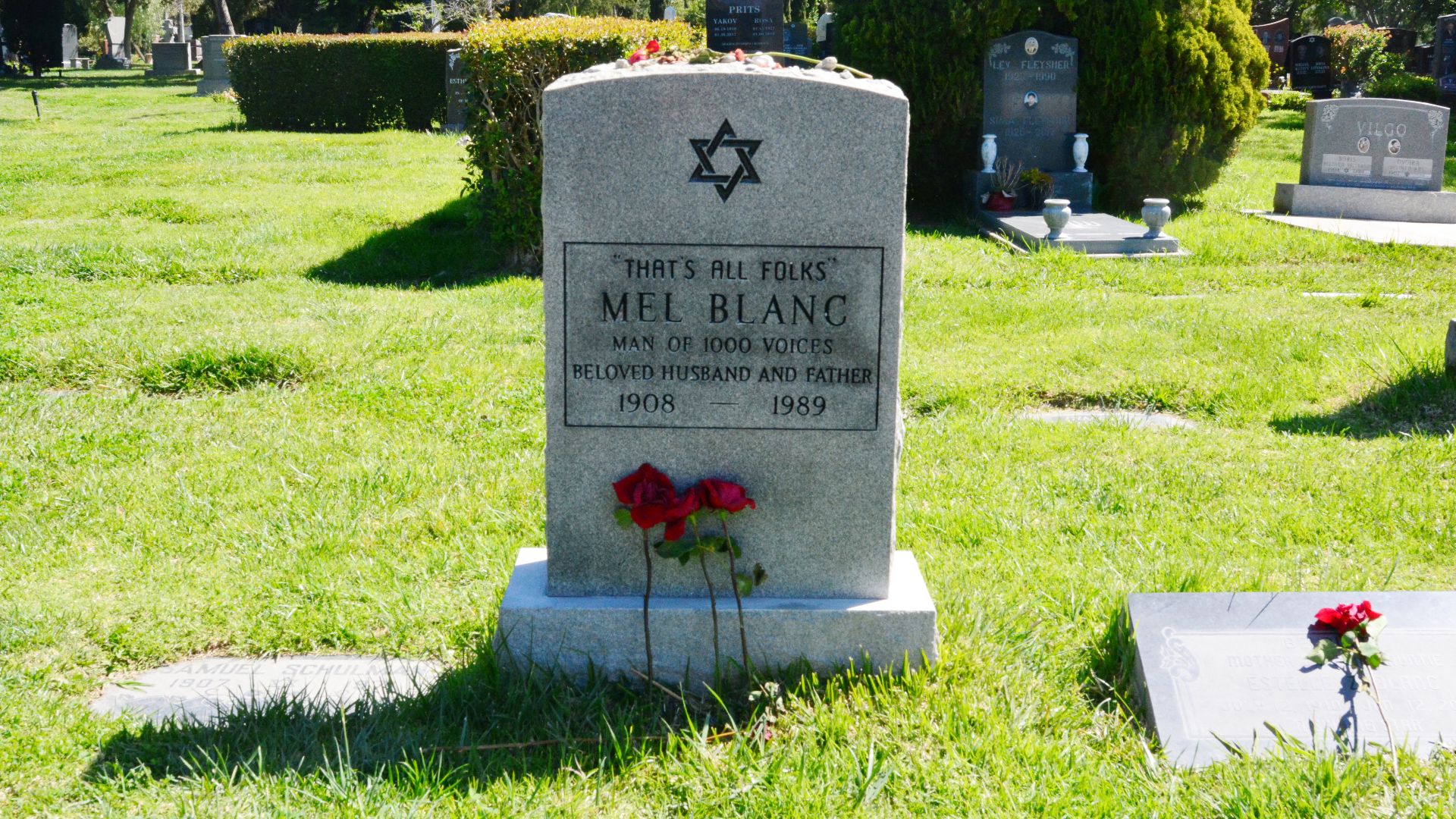
Blanc continued voicing Barney Rubble throughout the original run of The Flintstones, which ended in 1966. He also returned to his beloved Warner Bros. characters and remained active in entertainment for decades. When he died on July 10, 1989, at age 81, he left behind one of the most remarkable careers in animation history.
His Greatest Performance Happened In Bed
Mel Blanc spent his career making cartoon characters come alive, but one of his most extraordinary performances happened while he was fighting to recover. For months, he voiced Barney Rubble from bed, surrounded by colleagues who refused to let the show stop. It was a remarkable demonstration of the determination that made him one of Hollywood's most beloved performers.
You May Also Like:
How Ernest Borgnine Built One of Hollywood's Longest Careers
Why did The Andy Griffith Show star Don Knotts struggle to escape his signature role?
Beautiful Actresses Who Went To War With The Hollywood Studios That Made Them Famous