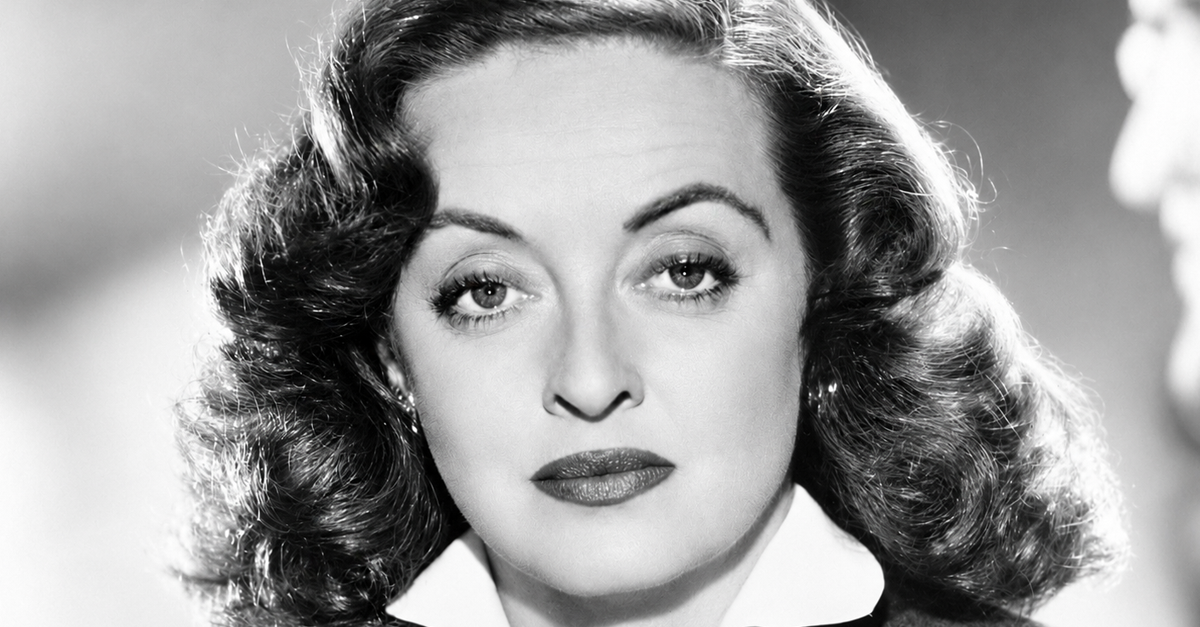
Hollywood Made Them Stars, Then Tried To Control Them
Old Hollywood could make an unknown actress a superstar almost overnight, but it also expected her to play by the studio’s rules. Some of the biggest names in movies eventually had enough. They walked off sets, refused roles, broke contracts, and even dragged their own studios into court. A few of those fights ended up changing Hollywood itself.
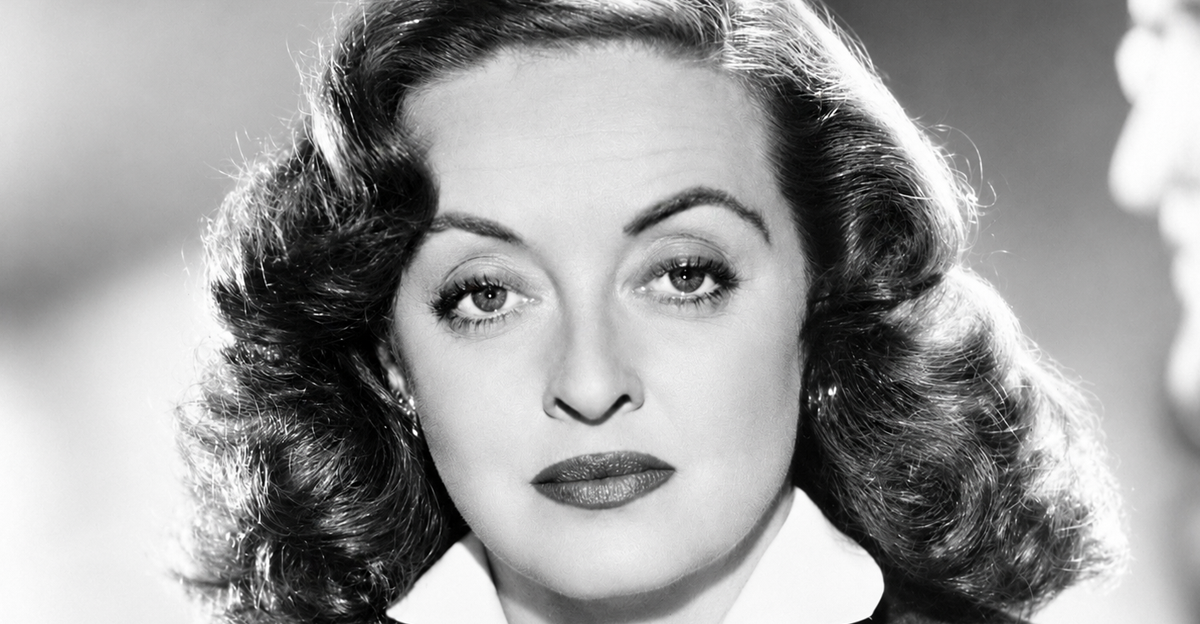
Olivia De Havilland Became Warner Bros. Royalty
Warner Bros. executive Hal Wallis spotted Olivia de Havilland performing onstage and helped bring the young actress to the studio. She signed a long-term contract and quickly became a star, appearing opposite Errol Flynn in Captain Blood and a string of popular adventures. Yet de Havilland soon felt the studio was giving her too many decorative romantic roles instead of the challenging parts she wanted.
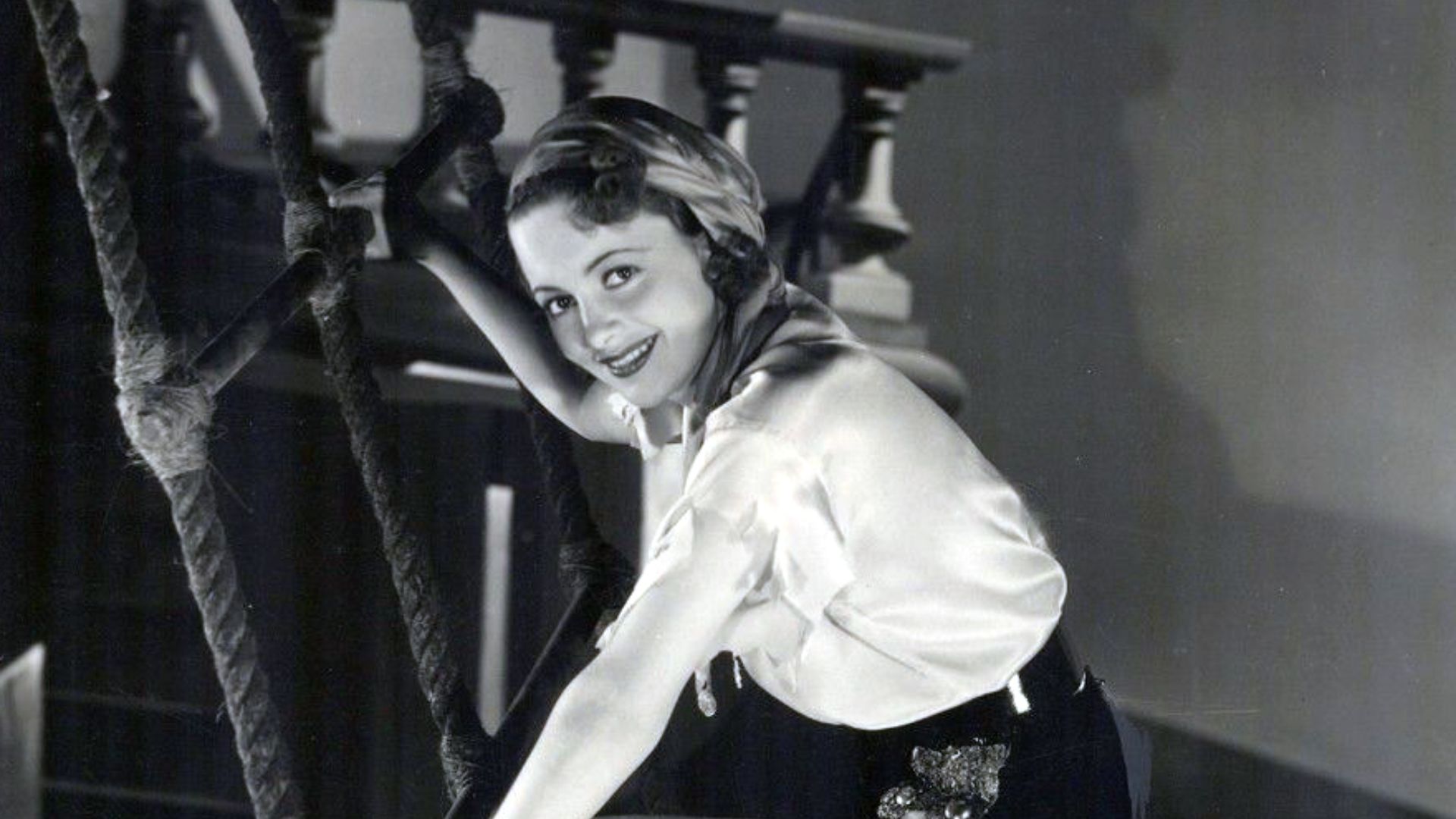 Warner Bros., Wikimedia Commons
Gone With The Wind Changed Everything
De Havilland desperately wanted the role of Melanie Hamilton in Gone with the Wind, but Warner Bros. initially resisted lending her to another producer. She eventually got the part and earned her first Academy Award nomination. Returning to Warner afterward made the contrast even harder to ignore because she wanted more substantial material than the studio routinely offered her.
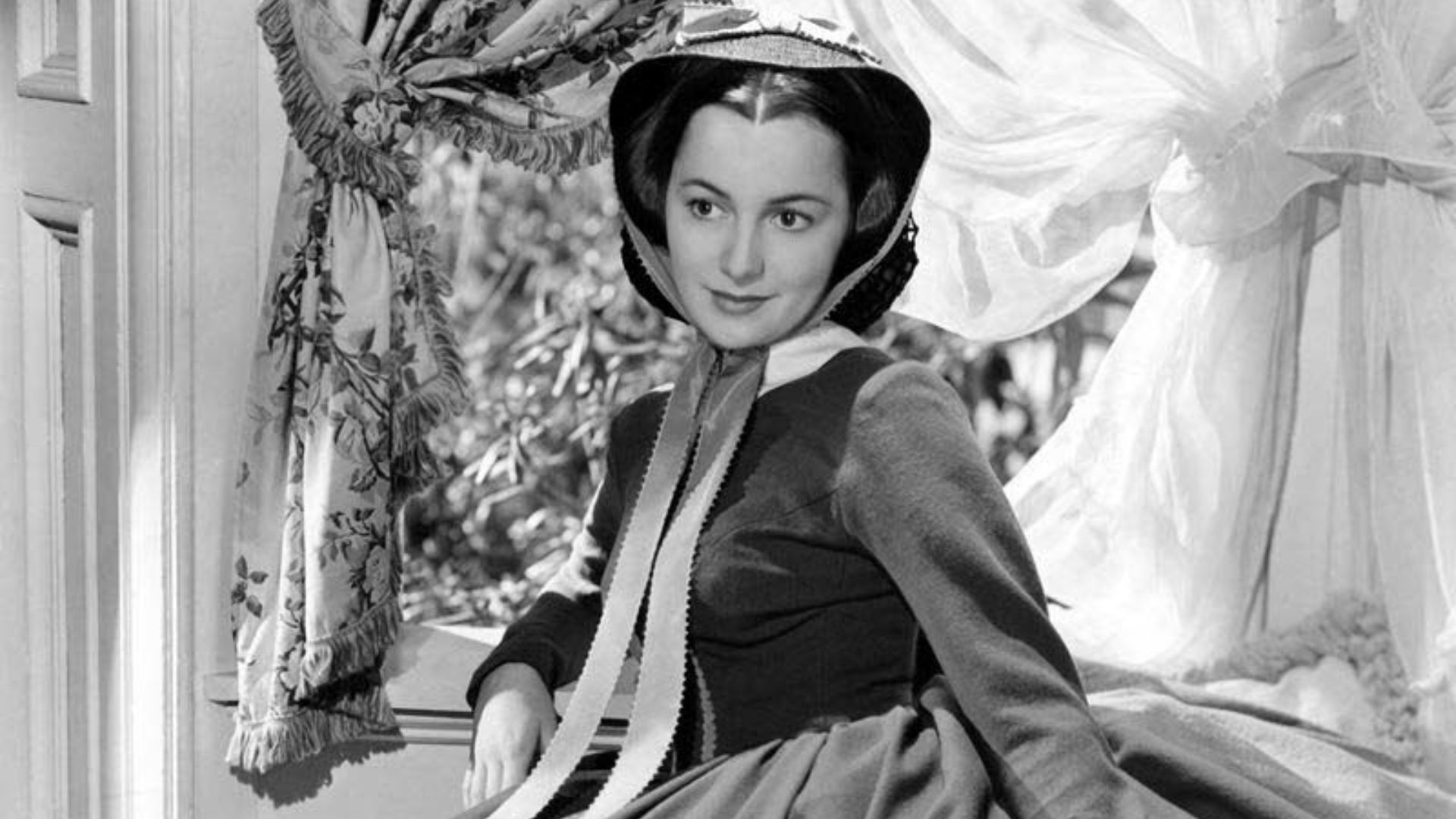 Selznick International Pictures; Fred Parrish, photographer, Wikimedia Commons
She Started Refusing Roles
Instead of accepting every assignment, de Havilland increasingly turned down characters she considered weak or repetitive. Warner Bros. responded by suspending her without pay, a standard weapon studios could use against contract players. When her original seven-year agreement reached its apparent end in 1943, Warner insisted her suspension periods had to be added onto the contract.
 20th Century Fox, Wikimedia Commons, Modified
De Havilland Took Warner Bros. To Court
De Havilland sued, arguing that California's seven-year limit on personal-service contracts meant seven calendar years, not seven years of actual work. The courts ultimately agreed, preventing Warner Bros. from extending her contract to compensate for periods of suspension. The decision became closely associated with her name and weakened one of the studio system's most powerful tools for controlling actors.
 George Hurrell, Wikimedia Commons
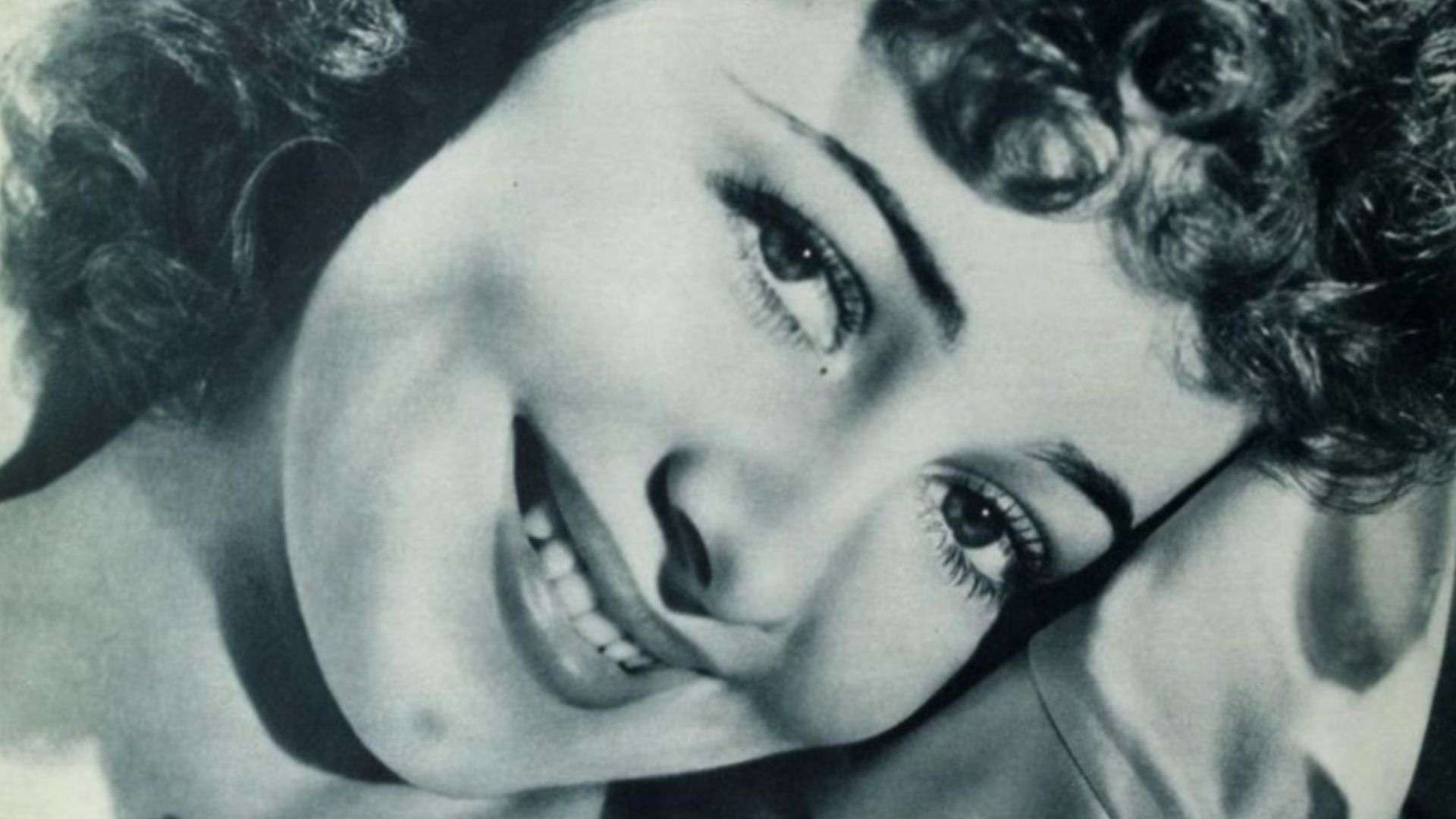
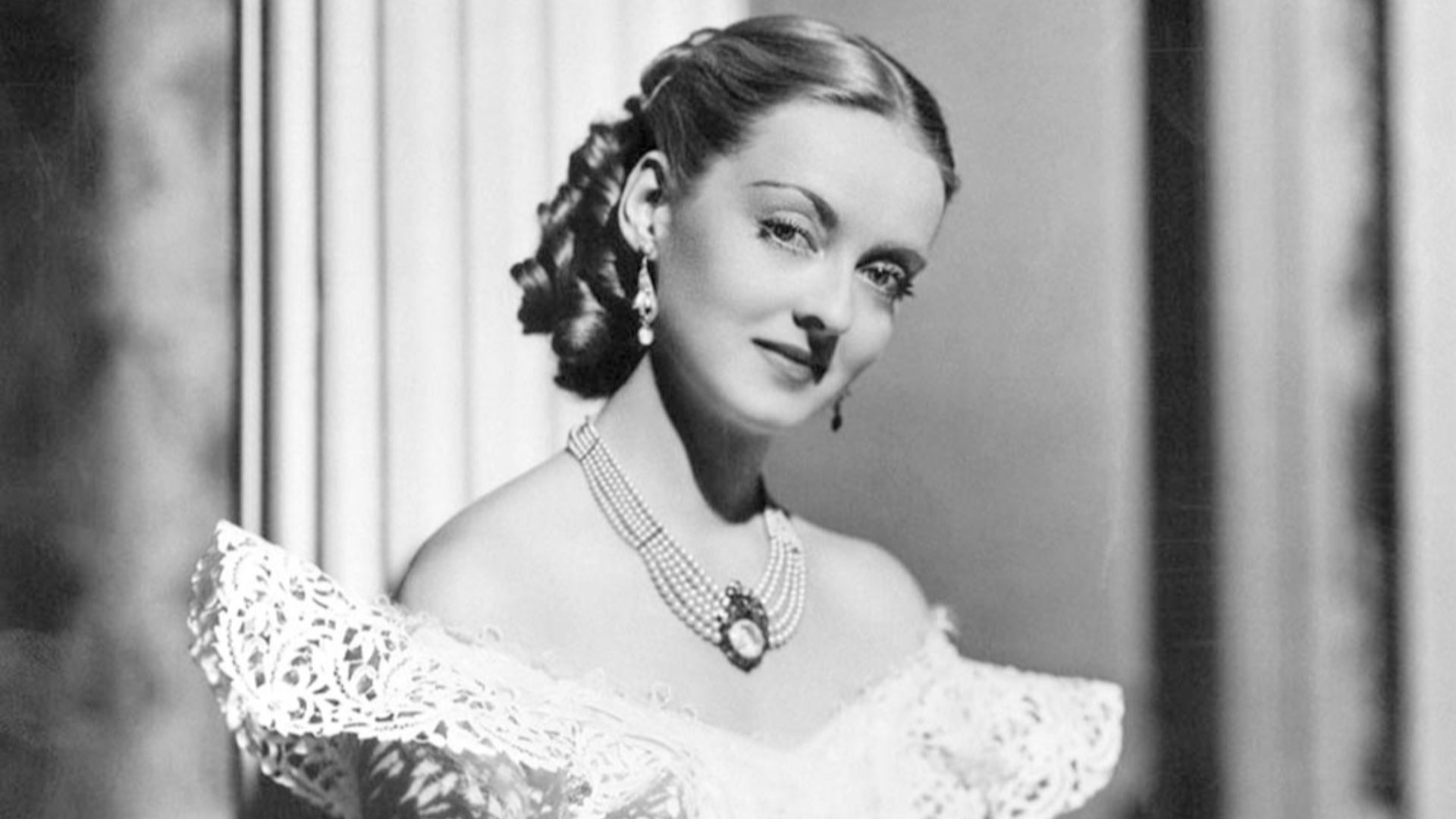
Bette Davis Wanted Better Movies
Bette Davis became a Warner Bros. contract player after struggling to find her place during her earliest Hollywood years. Her performances quickly proved that she could handle complicated characters, but she became frustrated by scripts she considered beneath her abilities. By the mid-1930s, Davis was no longer willing to quietly accept whatever Warner assigned her.
 Photoplay Publishing Company; Warner Bros., Wikimedia Commons
Davis Packed Her Bags For England
In 1936, Davis demanded better roles, more money, and greater control over the films she made. After Warner Bros. suspended her, she traveled to England intending to work for a European producer instead. Warner responded by going to court to stop its star from making movies for somebody else.
 Studio Publicity, Wikimedia Commons
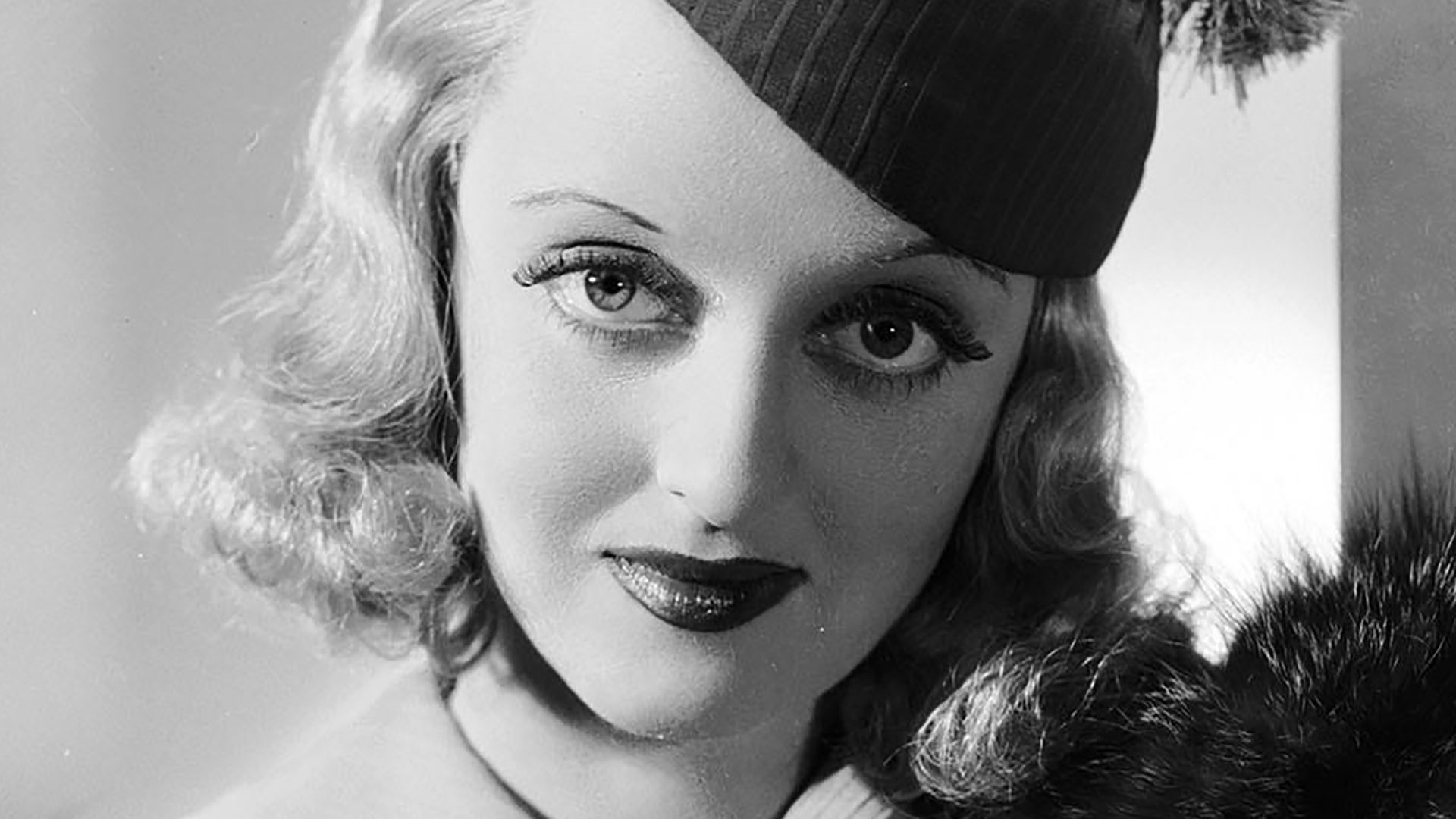
This Time, The Studio Won
Unlike de Havilland several years later, Davis lost her legal battle and remained bound by her Warner contract. Continuing the fight could have kept her from working, so she eventually returned to Hollywood. It looked like a defeat, but Warner Bros. soon began handing her stronger material.
 Unknown authorUnknown author, Wikimedia Commons
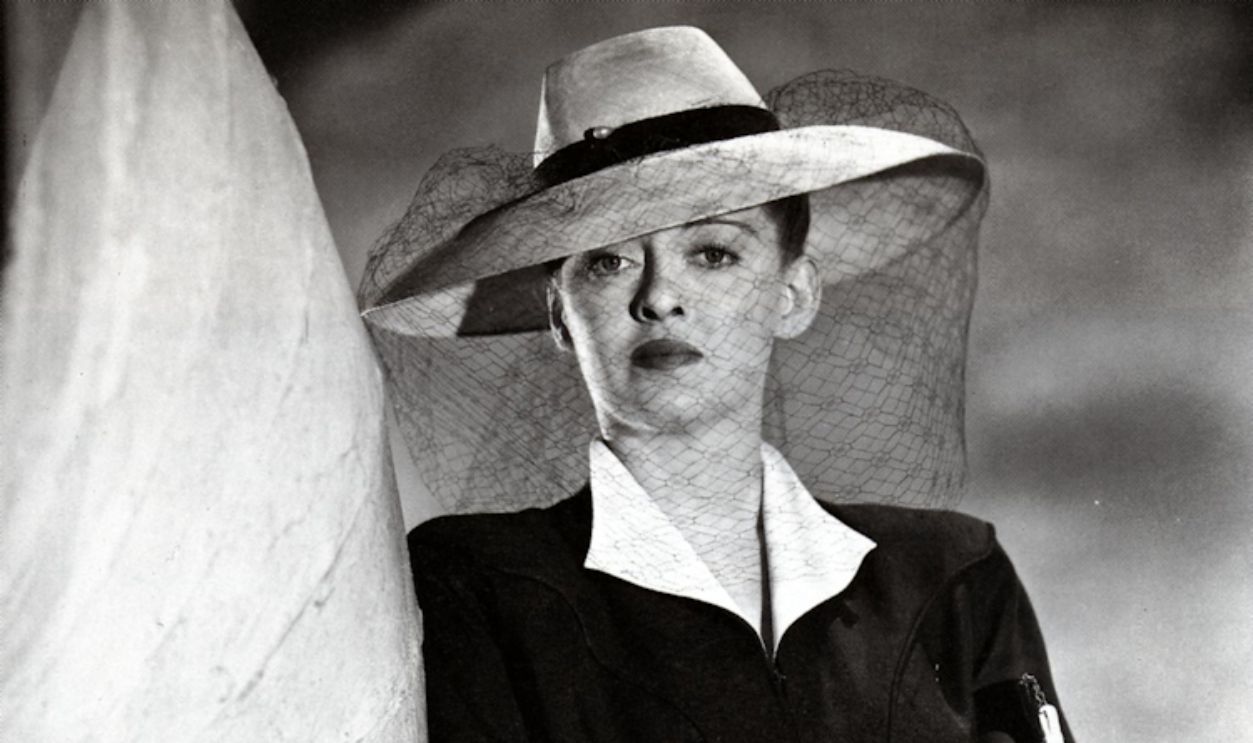
Losing Helped Turn Her Into A Superstar
After returning, Davis appeared in Marked Woman, followed by films such as Jezebel, Dark Victory, The Letter, and Now, Voyager. She still fought Warner over assignments and even billing, but her bargaining position had changed dramatically. Davis had failed to escape the studio, yet she had made it clear that its biggest female star would not be managed quietly.
 Unknown Photographer, Wikimedia Commons
Marilyn Monroe Was Making Fox A Fortune
By the early 1950s, Marilyn Monroe had become one of 20th Century Fox's most valuable stars. Her fame was exploding, but the contract that helped create her celebrity also restricted her choices and paid her far less than some performers sharing the screen with her. Monroe increasingly wanted serious dramatic roles and more control over the direction of her career.
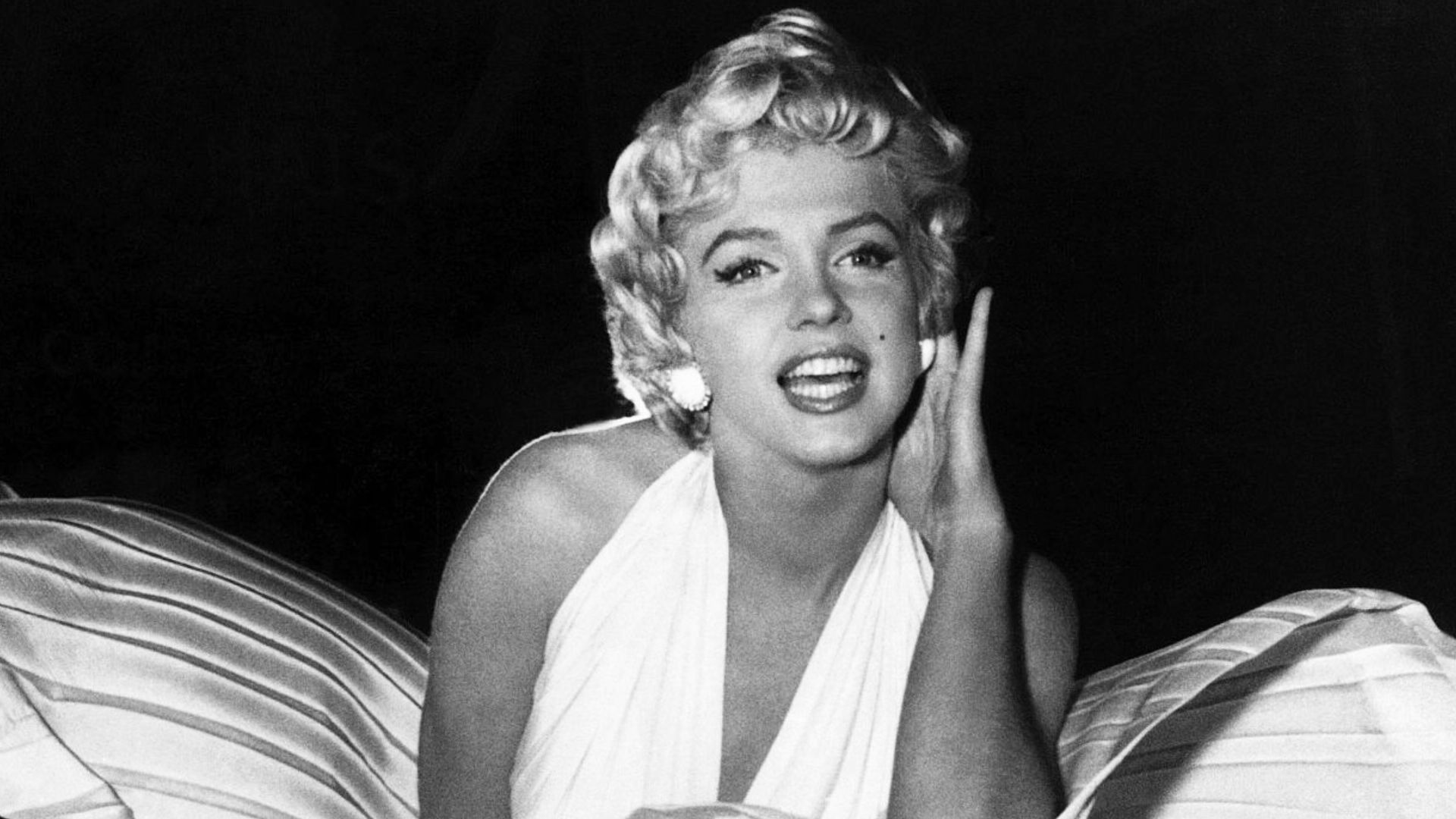
One Musical Pushed Her Too Far
The breaking point came during a dispute over The Girl in Pink Tights in 1954. Monroe objected to the project and was also unhappy that proposed co-star Frank Sinatra was set to receive substantially more money. She refused to proceed, and Fox suspended her.
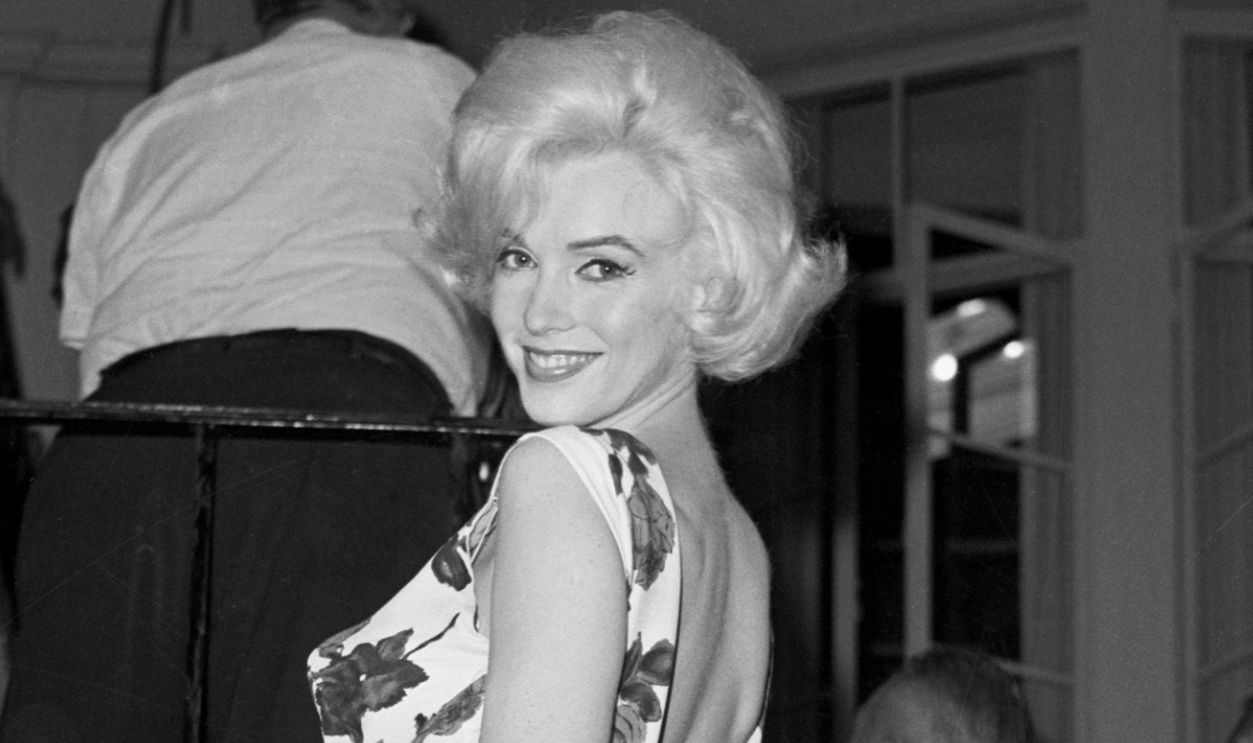
Then Marilyn Monroe Left Hollywood
Rather than back down, Monroe left Hollywood and teamed with photographer Milton Greene while still locked in a contract dispute with Fox. Together they formed Marilyn Monroe Productions, giving her a way to pursue more control over her career. It was a bold move for one of Hollywood’s biggest contract stars, and it put even more pressure on Fox to negotiate.
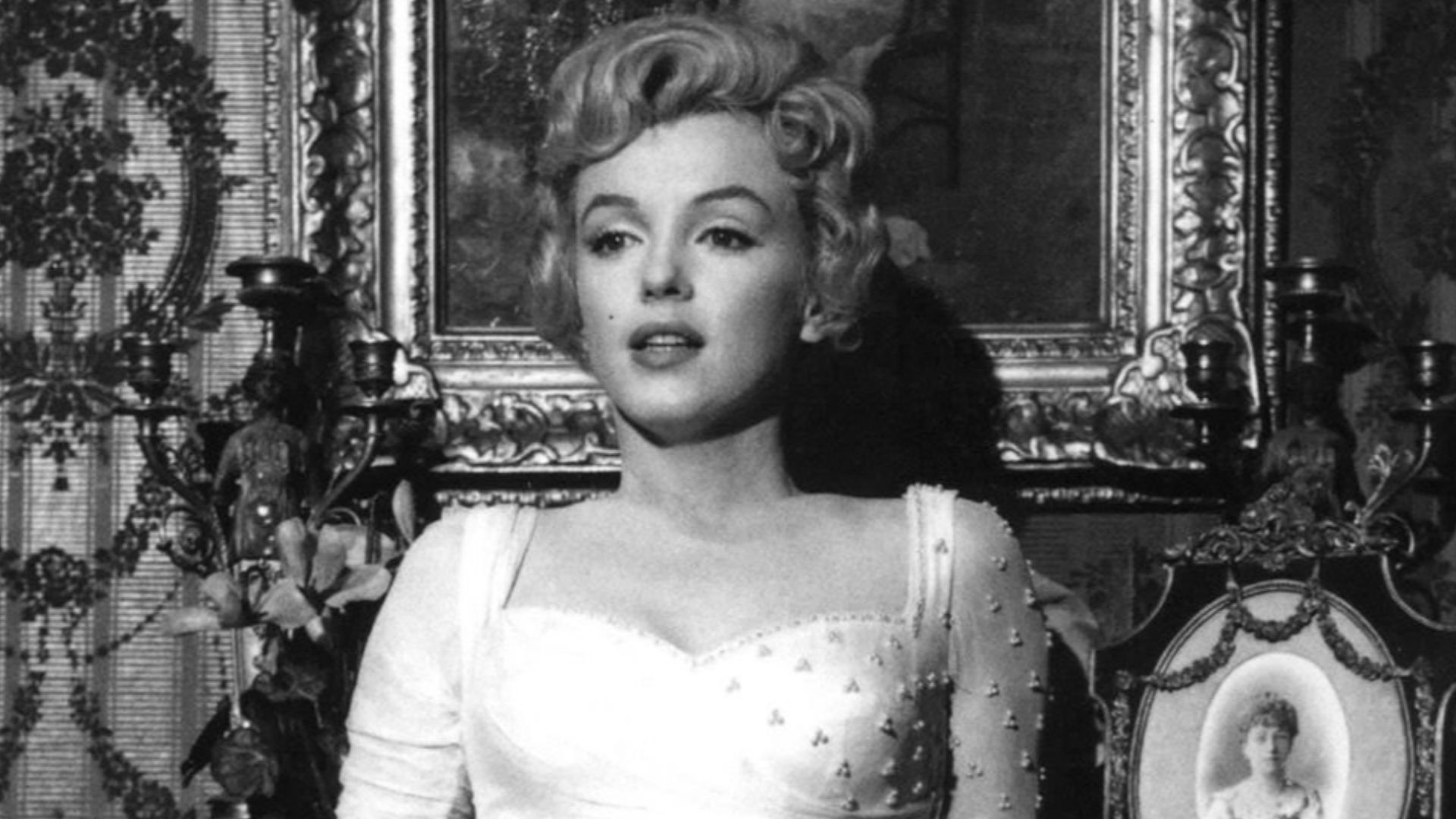 Milton H. Greene, Wikimedia Commons
Fox Eventually Gave Her A Better Deal
Monroe eventually returned under a new arrangement that offered more money and significantly greater influence over her projects. Marilyn Monroe Productions co-produced Bus Stop, which allowed her to pursue the kind of dramatic performance she had wanted. This time, Fox had to meet her on very different terms.
 New York Sunday News, Wikimedia Commons
Columbia Transformed Rita Hayworth
Rita Hayworth's career became closely associated with Columbia Pictures and its powerful studio chief, Harry Cohn. The studio carefully developed her screen image until Gilda turned Hayworth into one of the defining stars of the 1940s. That success, however, also gave her enough leverage to start challenging the studio's control.
 Unknown authorUnknown author, Wikimedia Commons
Gilda Gave Her Bargaining Power
After Gilda became a major success, Hayworth and agent Johnny Hyde pushed Columbia for a share of the profits from her future films. Cohn initially resisted. Hayworth then missed several days while Down to Earth was being made, and a new financial arrangement followed that gave her company a percentage of profits from her remaining Columbia pictures.
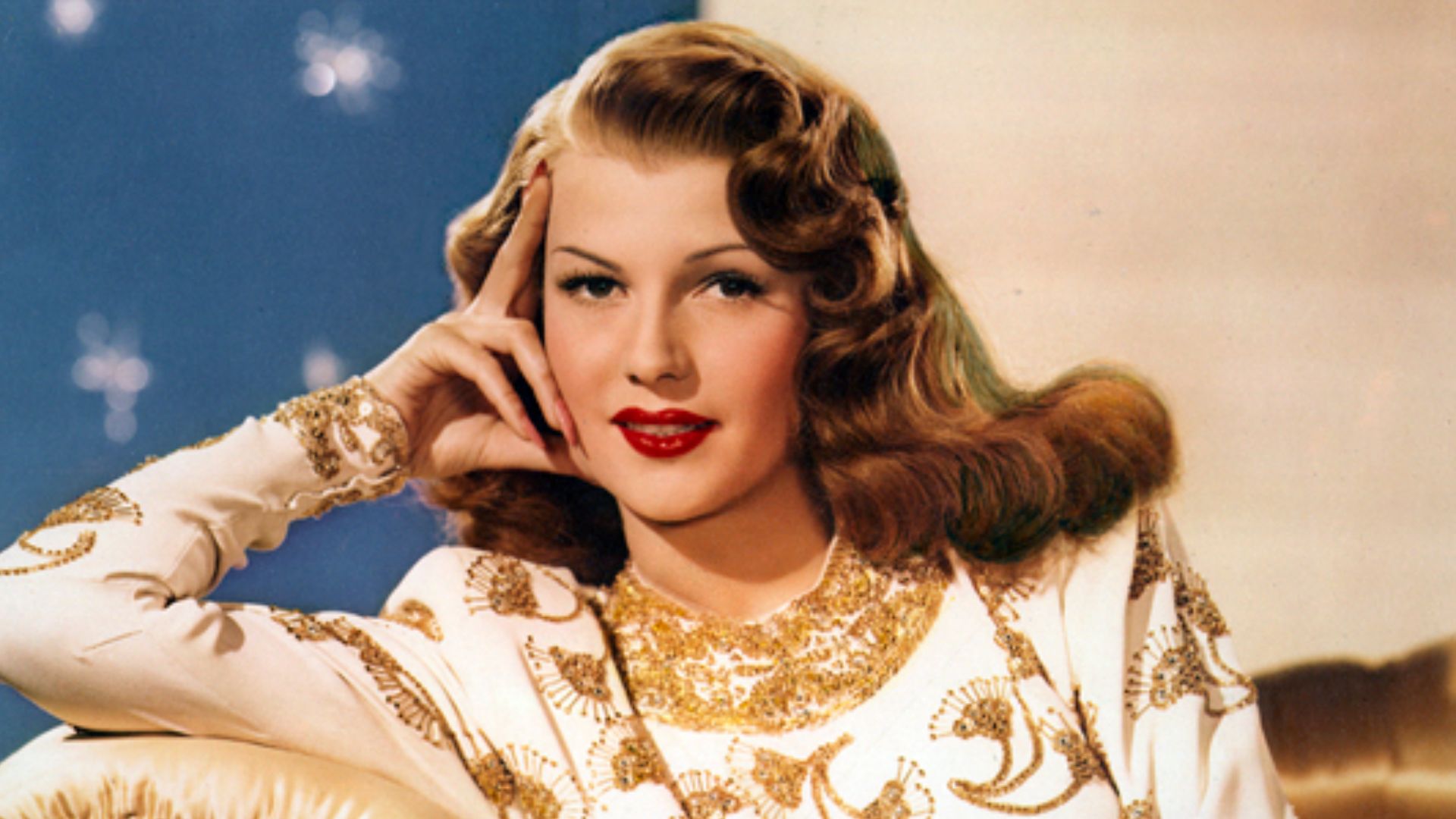 Robert Coburn, Wikimedia Commons
Harry Cohn Did Not Like Losing Control
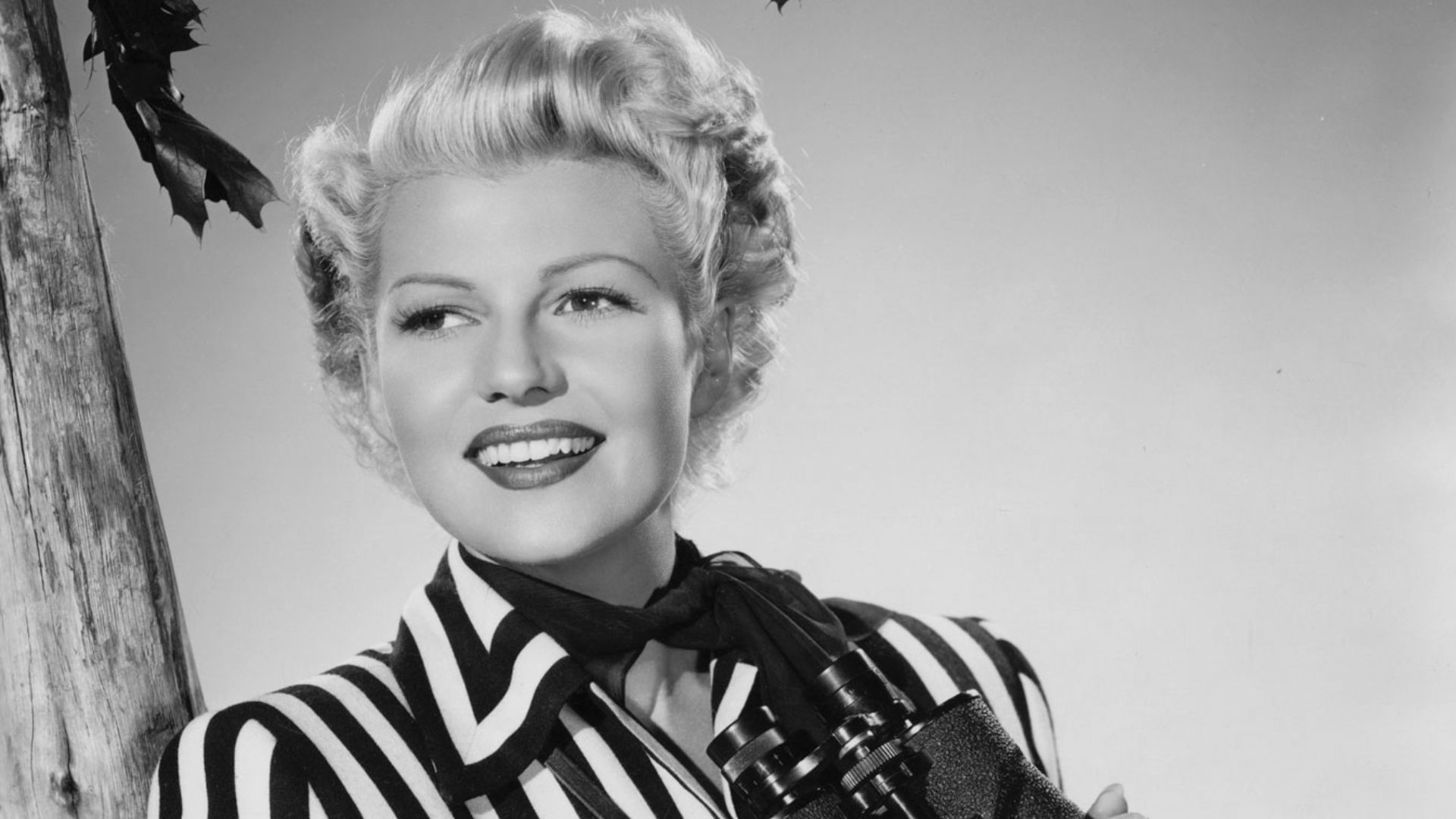
Hayworth also made The Lady from Shanghai with her then-husband Orson Welles, dramatically changing the glamorous image Columbia had built around her. Her famous red hair was cut short and dyed blonde, alarming Cohn and other studio executives. The film ultimately disappointed financially, adding another complication to an already difficult relationship between Hayworth and Columbia.
 Robert Coburn, Wikimedia Commons
Columbia Eventually Suspended Its Biggest Star
Hayworth's clashes with the studio continued, and Columbia later suspended her after she refused an assigned role. By then, one of the actresses most closely identified with the studio had repeatedly demonstrated that she was prepared to risk suspension rather than simply obey Cohn. Her career showed how much power a star could gain once the studio needed her almost as much as she needed the studio.
 Studio publicity still. - 20th Century Fox, Wikimedia Commons
Greta Garbo Quickly Learned Her Value
Greta Garbo arrived at MGM in the 1920s as part of a deal involving Swedish director Mauritz Stiller. Her first American films quickly established her as a major attraction, and Flesh and the Devil confirmed that audiences were fascinated by her. Garbo soon realized that her existing salary no longer reflected what she was worth to the studio.
 Donaldson Collection, Getty Images
Garbo Simply Stopped Showing Up
Garbo wanted a dramatically improved contract, but MGM boss Louis B. Mayer was not eager to surrender. When the studio ordered her into another production, she refused to report and was suspended. MGM could threaten its young star, but the studio also had a problem because her movies were becoming increasingly valuable.
 Ross-Verlag, Wikimedia Commons
MGM Finally Blinked
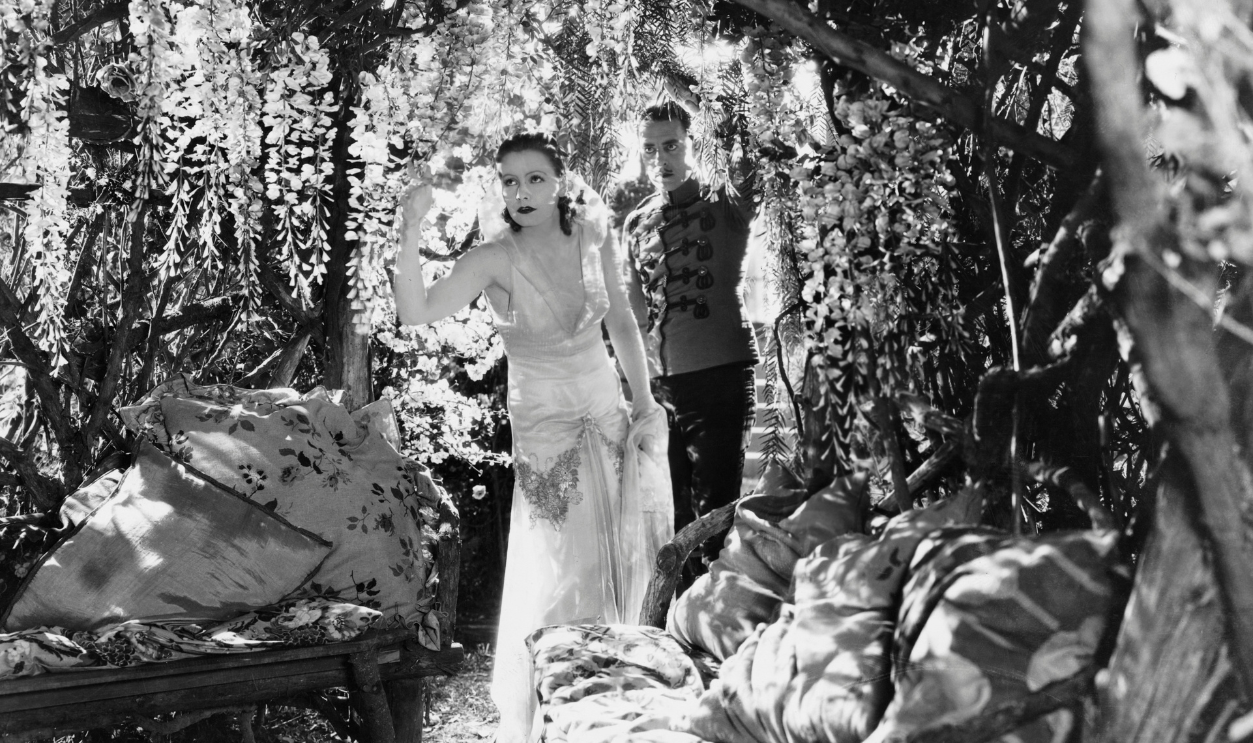
The success of Flesh and the Devil strengthened Garbo's position while she was holding out. MGM eventually granted her a new contract with sharply increased compensation and substantial future raises. Garbo had been in Hollywood only a short time, yet she had already proved that even the most powerful studio could be forced to negotiate.
 John Springer Collection , Getty Images
Her Power Only Kept Growing
Garbo's influence eventually extended beyond salary negotiations. When Queen Christina was being prepared, she successfully pushed for former co-star John Gilbert to receive the male lead despite MGM chief Louis B. Mayer's troubled relationship with him. The immigrant actress who had arrived as an uncertain newcomer had become powerful enough to shape major studio decisions.
MGM Made Luise Rainer A Sensation
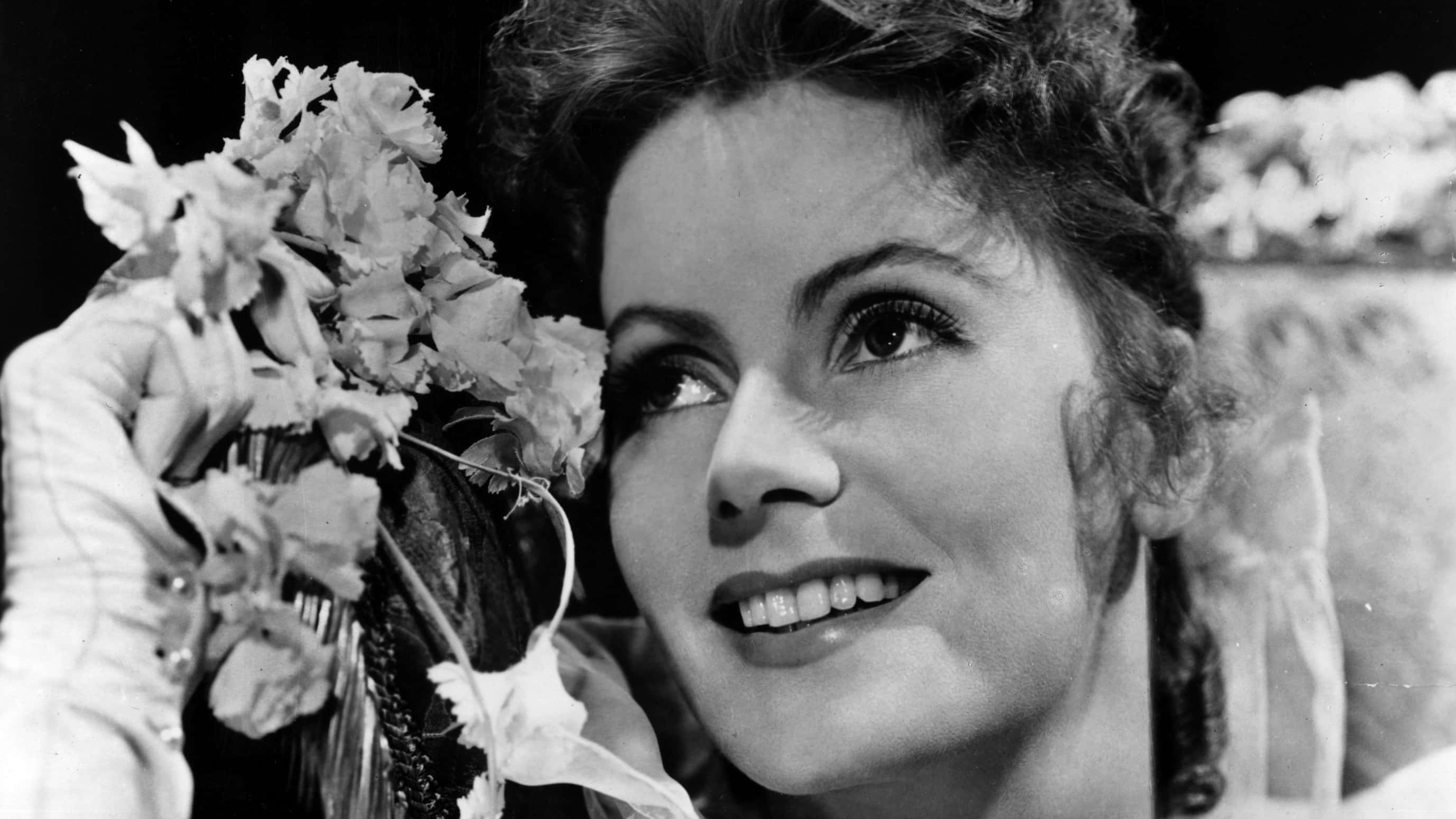
MGM discovered Luise Rainer in Europe and signed her to a seven-year contract during the 1930s. Her Hollywood debut in Escapade quickly established her, and she soon won consecutive Best Actress Oscars for The Great Ziegfeld and The Good Earth. Very few actresses could have appeared more secure.
 Chalmers Publishing notice at bottom of page 212., Wikimedia Commons
Two Oscars Did Not Make Her Happy
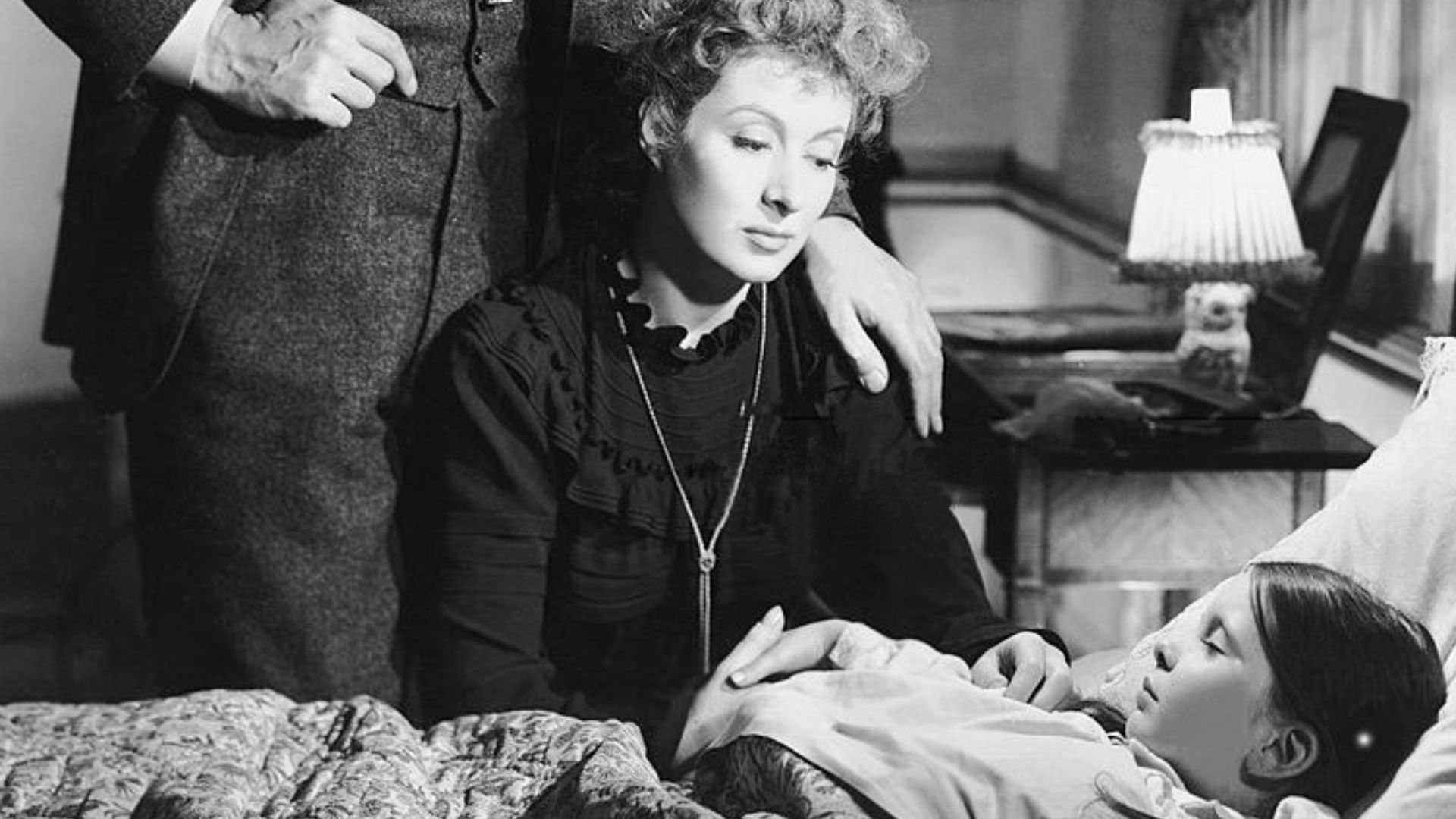
Rainer increasingly disliked the rigid studio system and the parts MGM wanted her to play. She later recalled wanting projects such as Madame Curie while feeling that studio chief Louis B. Mayer blocked her choices. Winning Hollywood's biggest award twice had given her prestige, but it had not provided the artistic freedom she expected.
 Time Inc.; photograph by Metro-Goldwyn-Mayer, Wikimedia Commons
So Rainer Walked Away
Instead of spending the rest of her contract battling MGM, Rainer eventually left Hollywood and broke with the studio system that had made her famous. She later described herself as feeling like a machine or tool inside a huge factory. Her spectacular rise had lasted only a few years, making her one of the clearest examples of a star who valued independence more than Hollywood momentum.
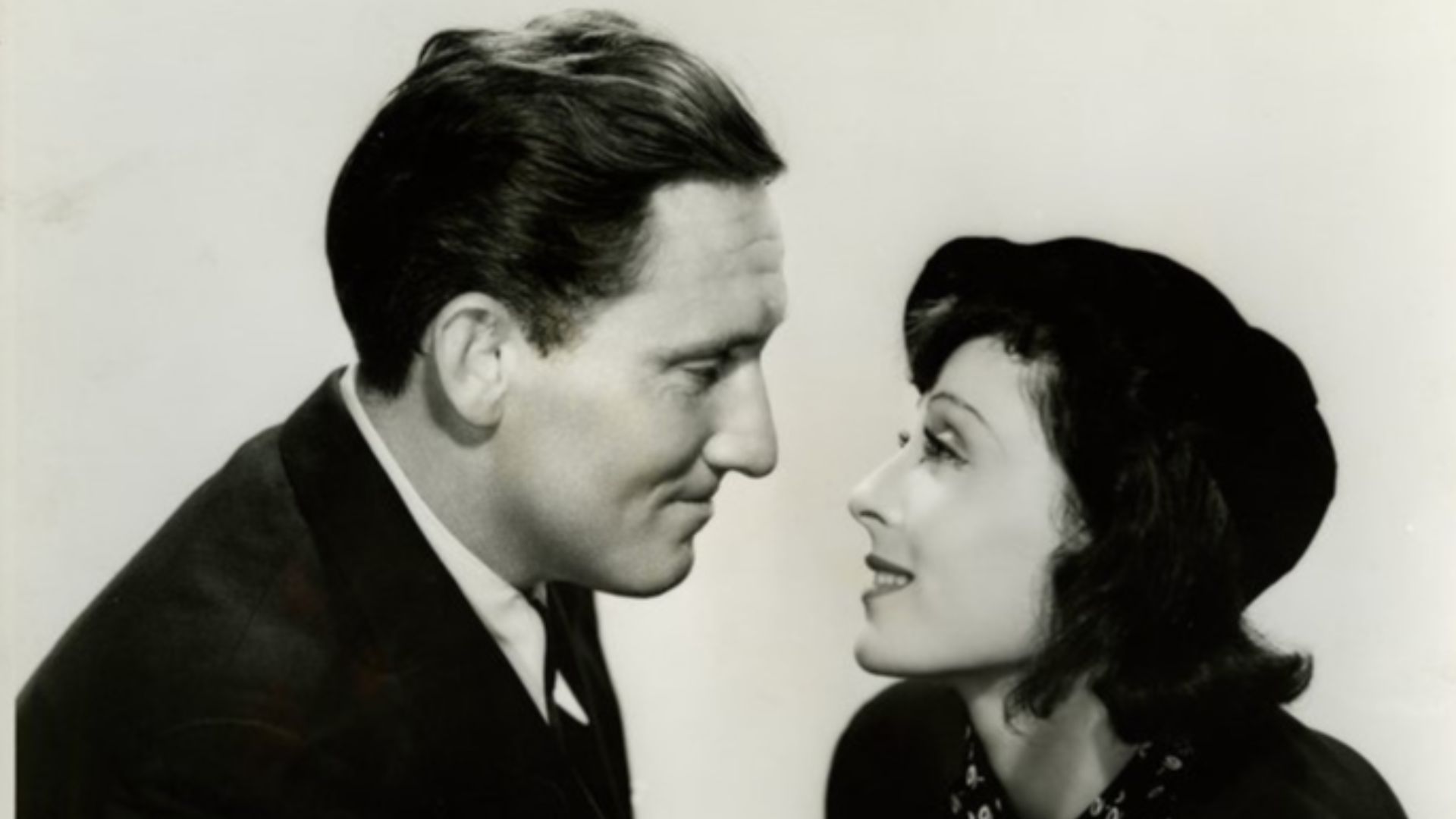 Photo by Clarence Bull, Wikimedia Commons
Katharine Hepburn Had Already Won An Oscar
Katharine Hepburn arrived at RKO and quickly became one of Hollywood's most distinctive stars. She won a Best Actress Oscar for Morning Glory in 1933, only her third film. Yet several later pictures struggled commercially, and by the late 1930s exhibitors had publicly included her among stars they considered poor box-office draws.
 Metro-Goldwyn-Mayer studio (work for hire), Wikimedia Commons
RKO Tried To Push Her Down The Ladder
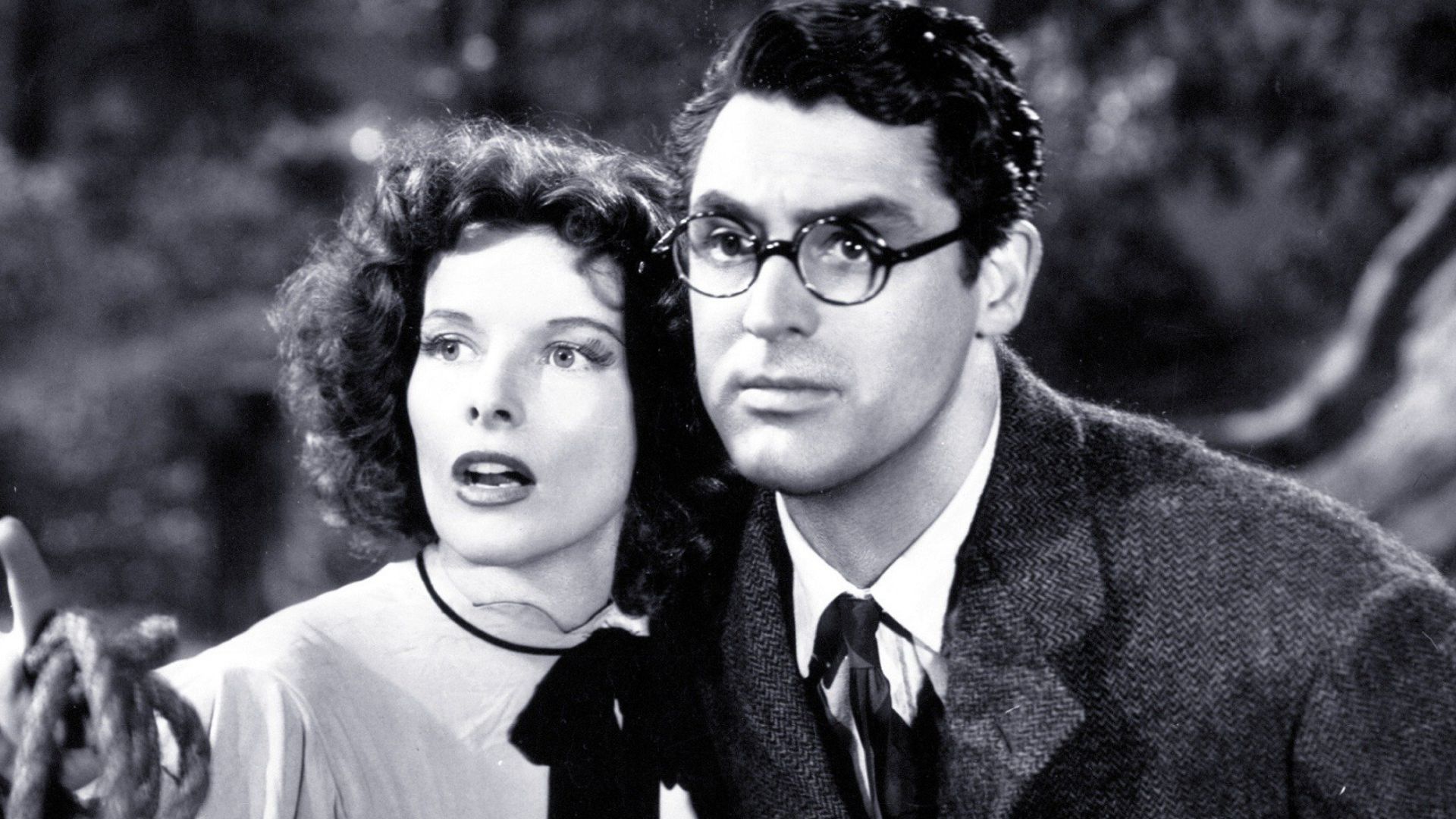
After Bringing Up Baby disappointed at the box office, RKO attempted to assign Hepburn to the lower-budget Mother Carey's Chickens. Hepburn had little interest in watching the studio downgrade her career one assignment at a time. Instead of accepting the picture, she decided to get herself out.
 RKO Radio Pictures (work for hire), Wikimedia Commons
Hepburn Bought Her Own Freedom
Hepburn paid roughly $220,000 to buy out the remainder of her RKO contract. It was an enormous gamble because Hollywood was already questioning her commercial appeal. Free agency, however, meant she could stop waiting for a studio to decide whether she was still worth starring in.
Then She Engineered Her Own Comeback
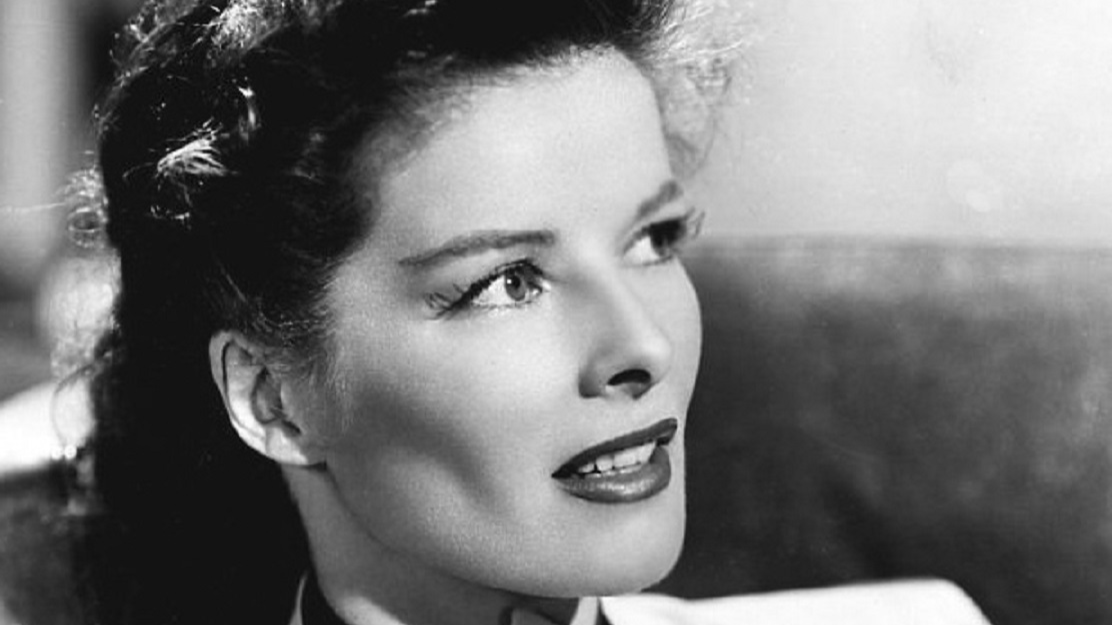
Hepburn returned to Broadway in The Philadelphia Story, a role that perfectly suited her screen persona. She obtained control of the film rights and made a deal with MGM that put her back in the starring role alongside Cary Grant and James Stewart. Rather than allowing RKO's judgment to finish her career, Hepburn regained control and turned The Philadelphia Story into one of her defining triumphs.
 Metro-Goldwyn-Mayer, Wikimedia Commons
The Studios Were Powerful, But The Stars Had Leverage
These actresses fought very different battles, from Garbo refusing to work to de Havilland taking Warner Bros. into court. Some lost their first fights, while others simply walked away and rebuilt somewhere else. What they shared was the realization that being a famous Hollywood actress meant little if somebody else completely controlled what happened next.
 Ruth Harriet Louise, Wikimedia Commons
You May Also Like:
How Hollywood Turned Margarita Cansino Into Rita Hayworth—And Changed Her Forever
Devastating Facts About Gladys Pearl Baker, Marilyn Monroe's Troubled Mother