The Hollywood Roles That Got Away
One decision can change everything. During the 1980s, some of Hollywood's biggest names walked away from movies that would become classics, leaving other actors to create unforgettable performances and, in several cases, achieve a level of fame nobody saw coming.
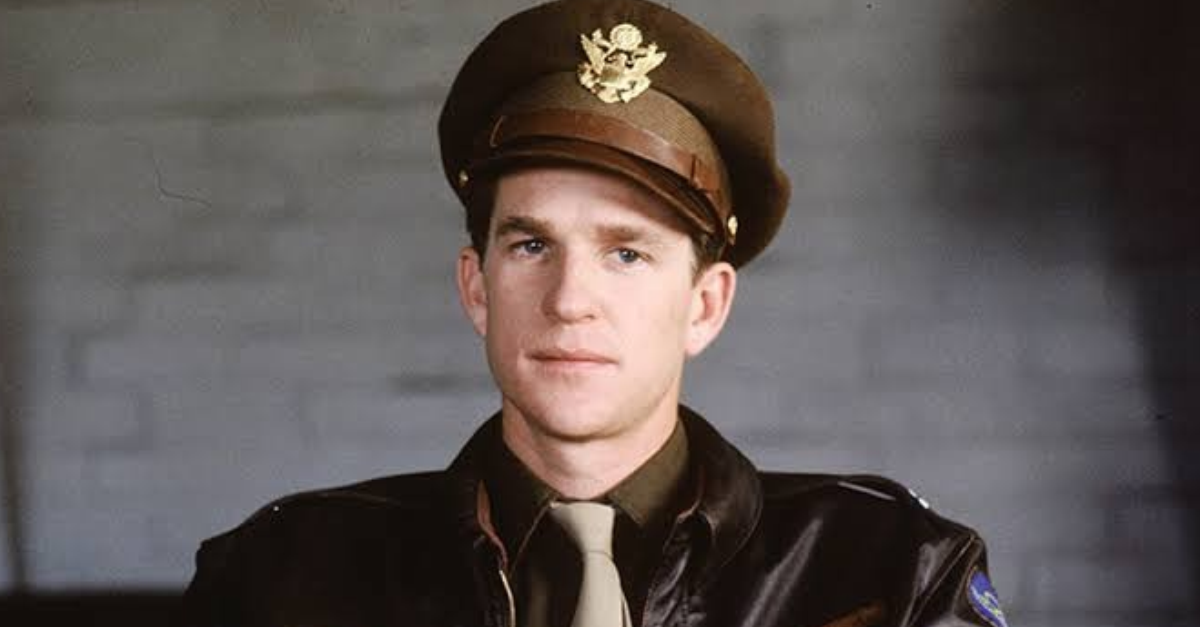
 Memphis Belle (1990), Warner Bros.
Tom Selleck Almost Became Indiana Jones
Before Harrison Ford made his first appearance as Indiana Jones in 1981's Raiders of the Lost Ark, Tom Selleck had already been selected for the role. Director Steven Spielberg and producer George Lucas wanted Selleck to play the adventurous archaeologist, but there was a serious complication involving his television career. Selleck had committed to the CBS series Magnum, P.I., and the network refused to release him from his contract.
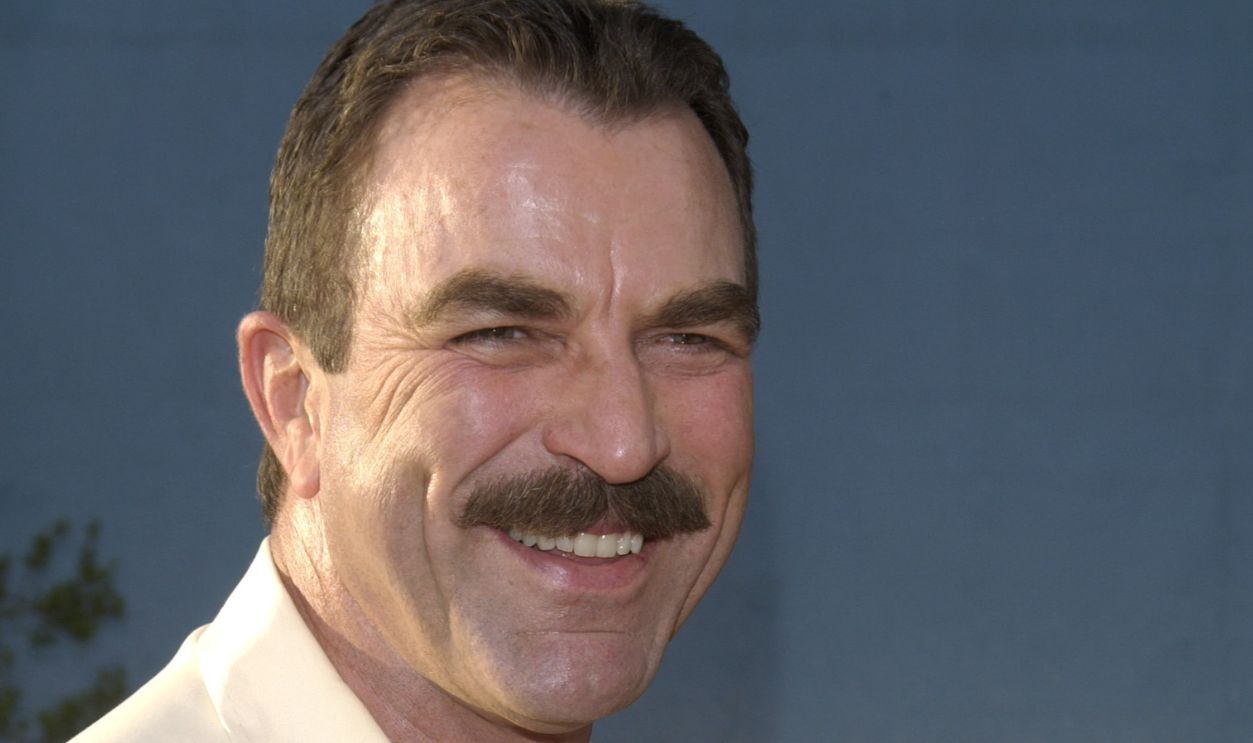 Featureflash Photo Agency, Shutterstock
Harrison Ford Got The Role Of A Lifetime
With Selleck unavailable, the filmmakers turned to Harrison Ford, whose performance helped establish one of cinema's most recognizable adventure heroes. Raiders of the Lost Ark became a massive success and launched a franchise that would continue for decades. Selleck later explained that he held no resentment about the decision, although he admitted that losing the opportunity had been disappointing.
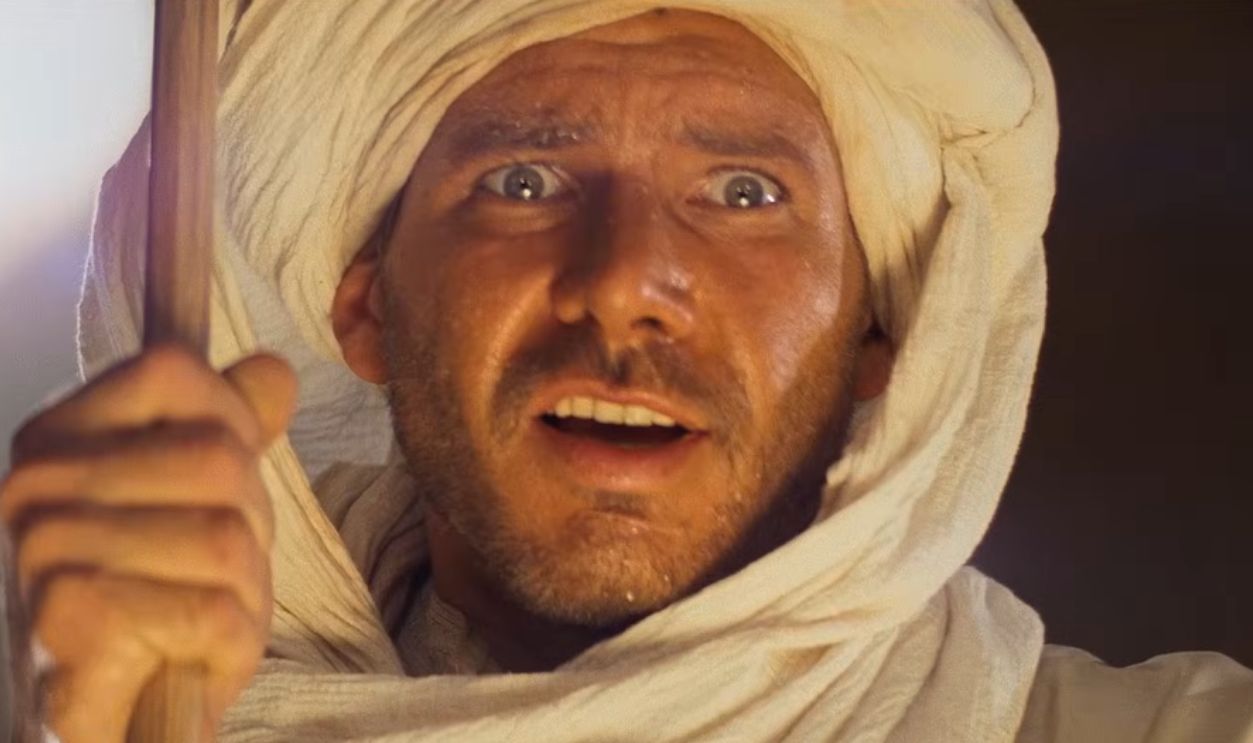 Screenshot from Raiders of the Lost Ark, Paramount Pictures (1981)
Matthew Modine Rejected Top Gun
Matthew Modine was a rising Hollywood talent when he received the opportunity to play Pete "Maverick" Mitchell in Top Gun. The actor was uncomfortable with the film's portrayal of military aviation and decided that the project did not align with his personal beliefs. Instead of accepting the role, Modine pursued other acting opportunities, including Stanley Kubrick's Full Metal Jacket.
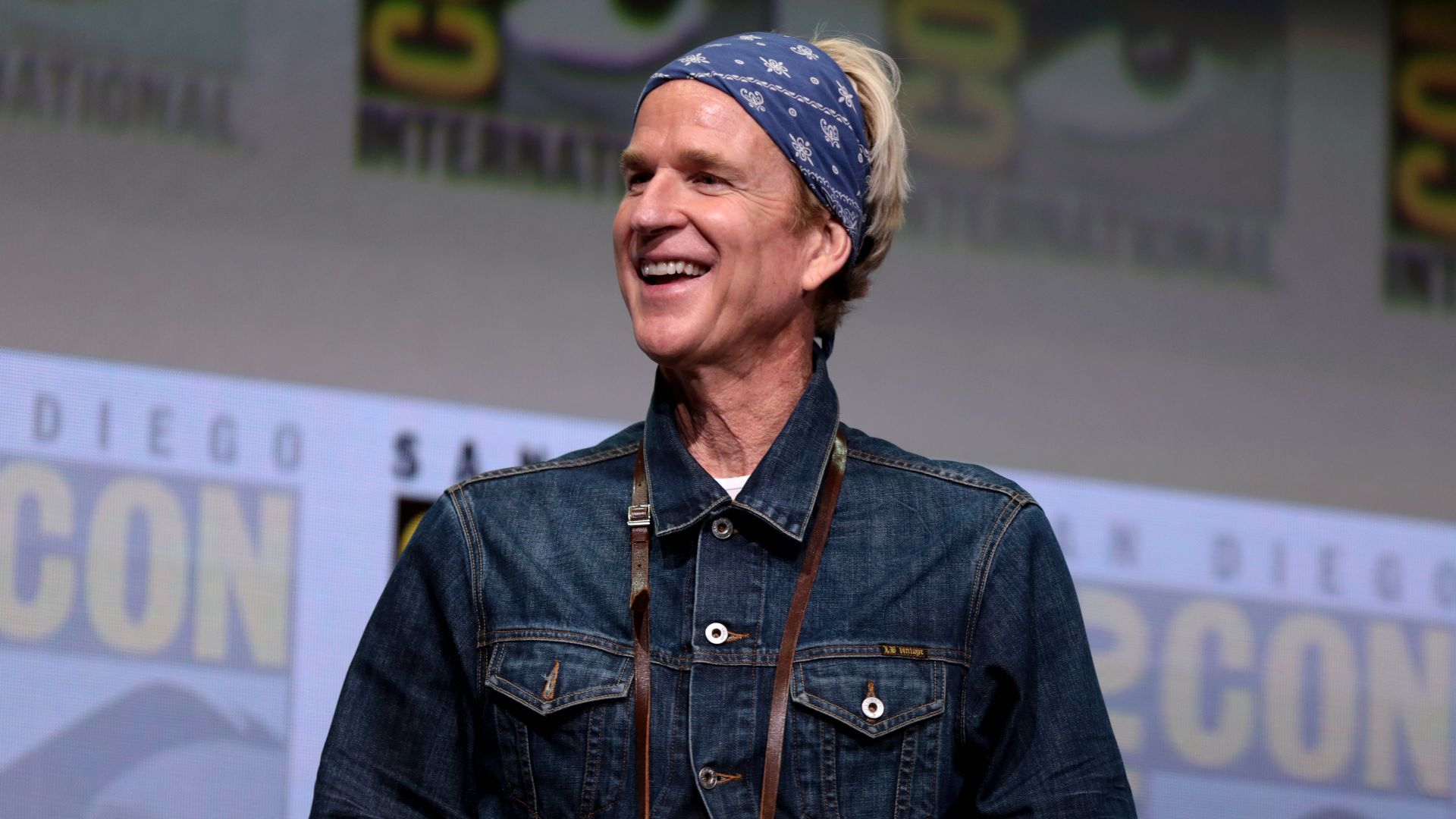 Gage Skidmore from Peoria, AZ, United States of America, Wikimedia Commons
Tom Cruise Became Hollywood's Biggest Action Star
Released in 1986, Top Gun transformed Tom Cruise into one of the industry's most bankable leading men. His portrayal of Maverick became a defining performance of the decade, complete with aviator sunglasses, a rebellious attitude, and unforgettable flying sequences. Modine has repeatedly defended his decision, explaining that he preferred the darker approach to military life explored in Full Metal Jacket.
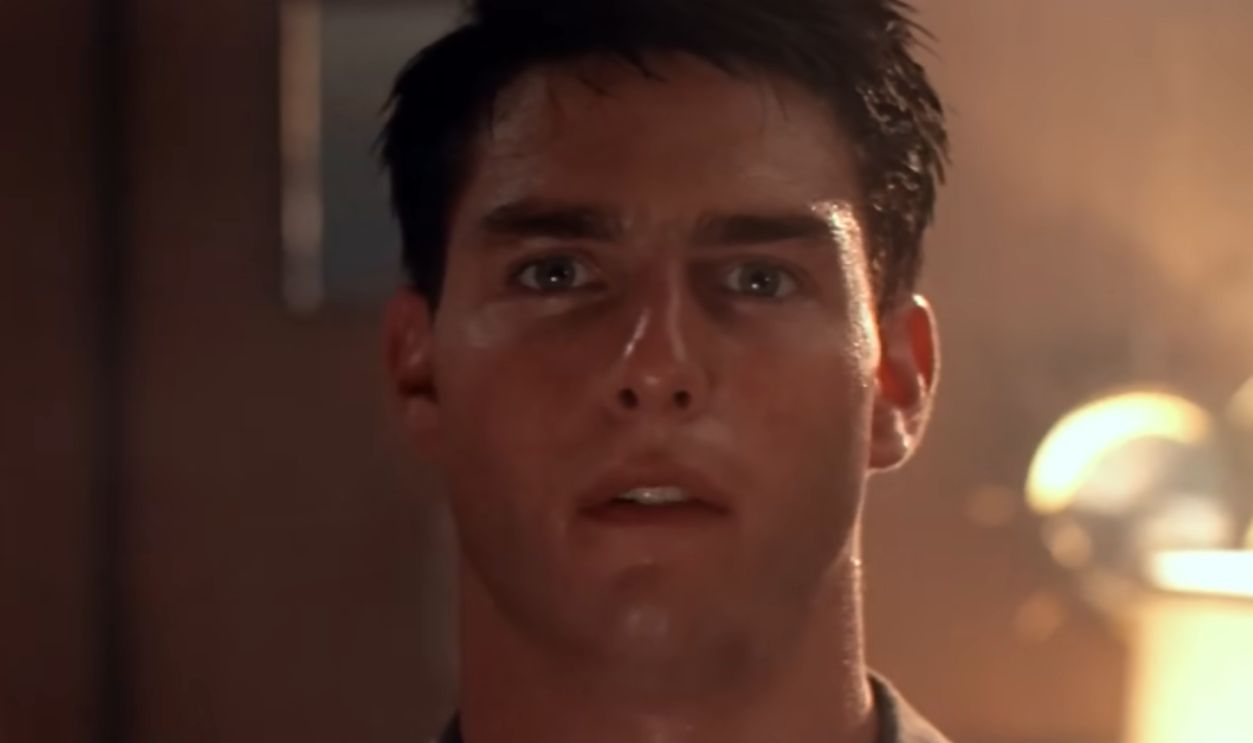 Screenshot from Top Gun, Paramount Pictures (1986)
Matthew Modine Also Passed On Back To The Future
Remarkably, Top Gun wasn't the only enormous 1980s opportunity Matthew Modine rejected. He also turned down the chance to portray Marty McFly in Back to the Future, the 1985 adventure comedy directed by Robert Zemeckis. Modine was establishing himself through serious dramatic performances, but this decision placed him outside another project that would become one of the decade's most beloved films.
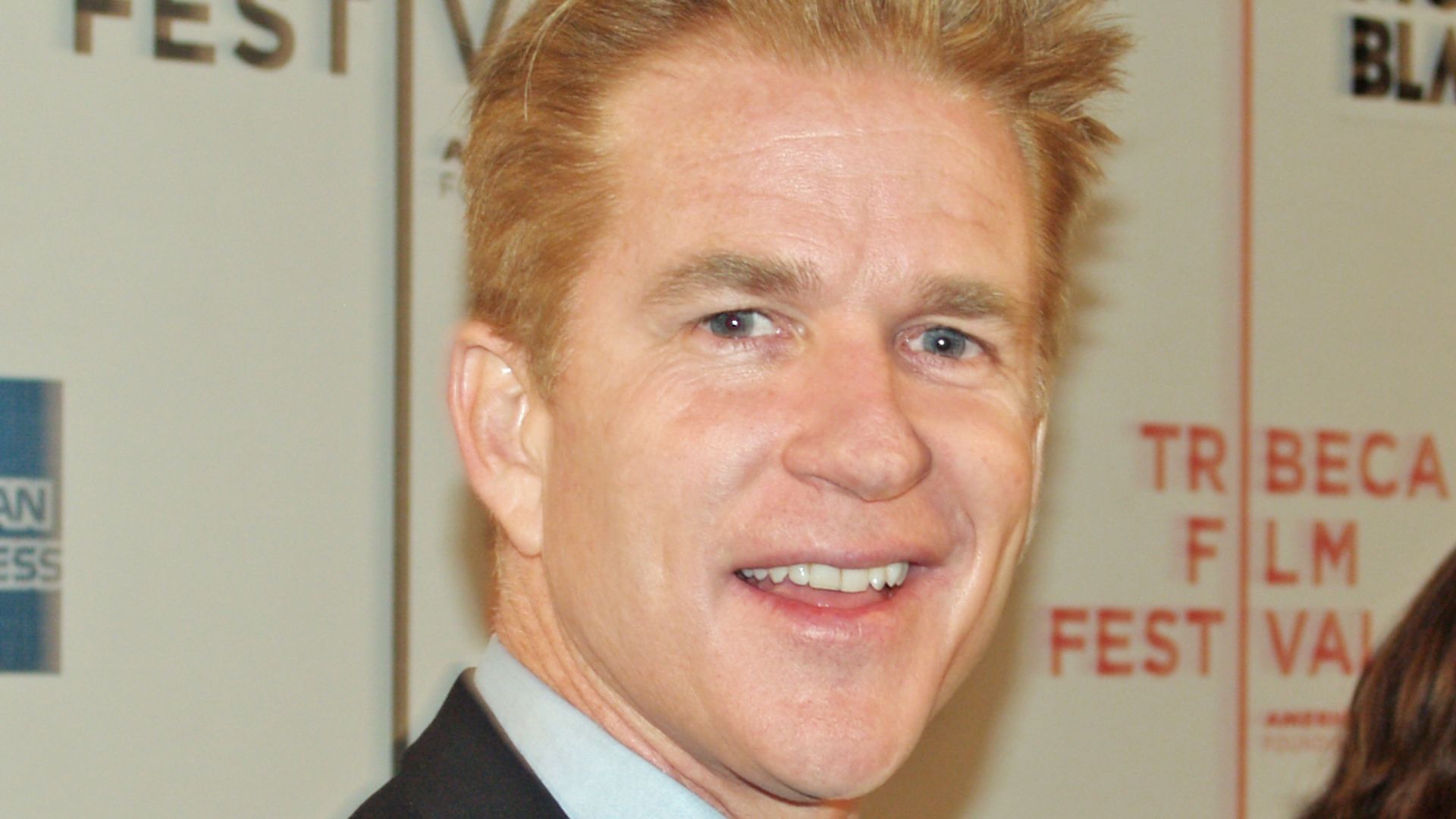 David Shankbone, Wikimedia Commons
Michael J. Fox Became Marty McFly
After casting difficulties, Michael J. Fox ultimately secured the role of Marty McFly, bringing his quick wit and youthful energy to the character. His performance helped make Back to the Future an enduring Hollywood classic and launched a successful film trilogy. Modine subsequently acknowledged that he had passed on several major opportunities, although he remained satisfied with the distinctive career he pursued instead.
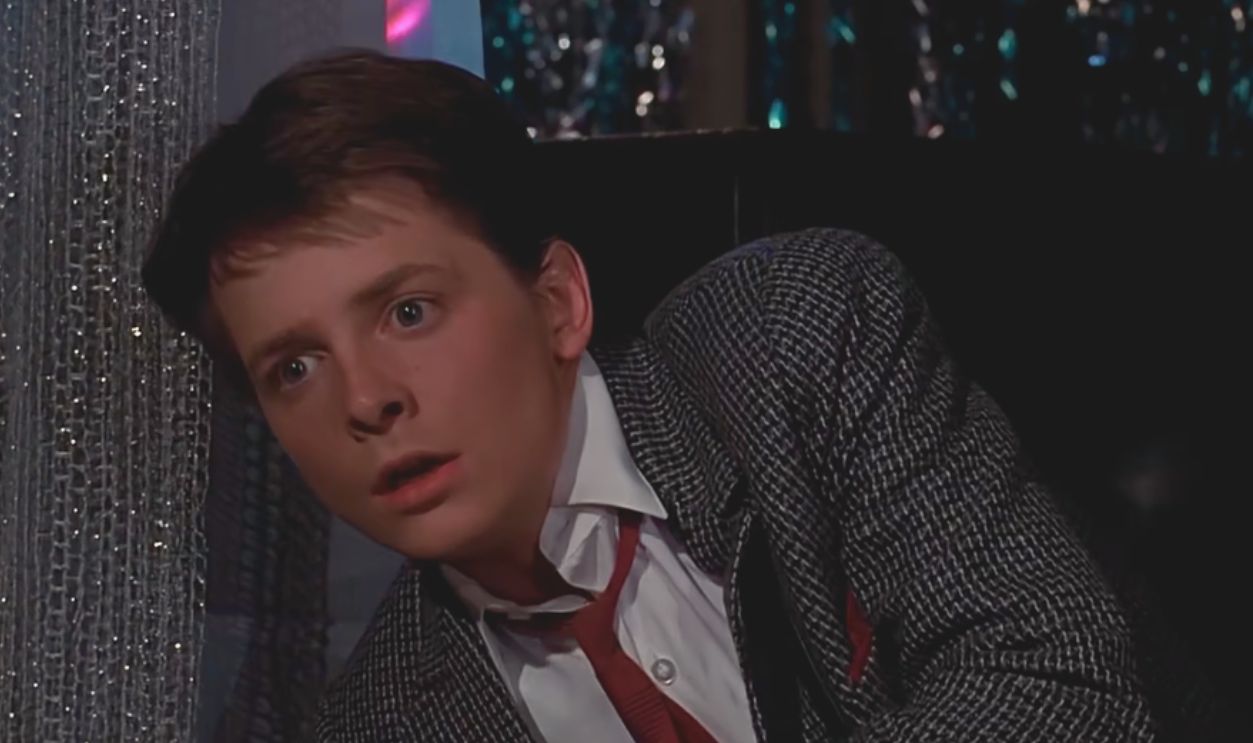 Screenshot from Back to the Future, Universal Pictures (1985), Enhanced
Sylvester Stallone Nearly Played Axel Foley
Beverly Hills Cop could have been an entirely different movie if Sylvester Stallone had remained attached to the project. The actor was preparing to star in the 1984 production but envisioned a much more action-heavy story than producers Don Simpson and Jerry Bruckheimer wanted. His proposed revisions would have substantially increased production costs, creating a disagreement that eventually led to his departure.
 Gage Skidmore from Peoria, AZ, United States of America, Wikimedia Commons
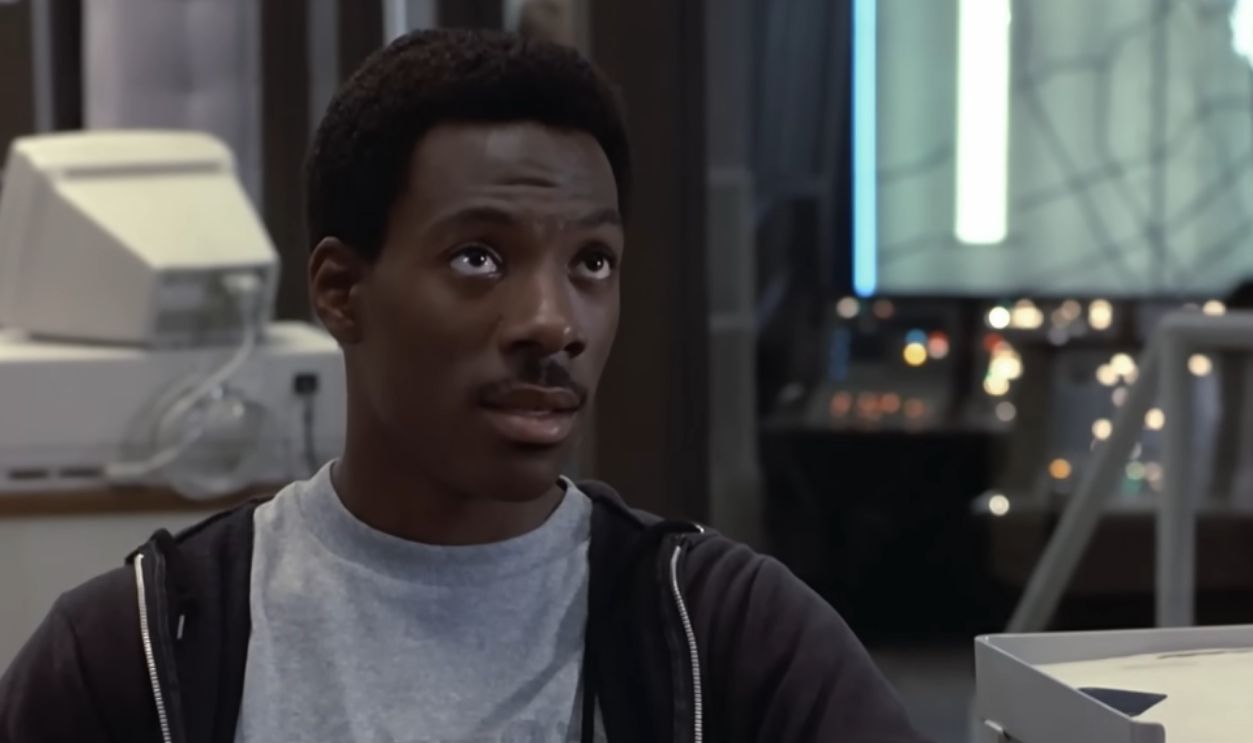
Eddie Murphy Turned Beverly Hills Cop Into Comedy Gold
After Stallone left, Eddie Murphy took over the role of Detroit detective Axel Foley, transforming the character into a fast-talking, wisecracking outsider. Murphy's comedic instincts became central to the finished film, helping Beverly Hills Cop emerge as one of the biggest hits of 1984. Stallone eventually developed some of his action-oriented ideas into the 1986 film Cobra, while Murphy's performance established an enduring screen franchise.
 Screenshot from Beverly Hills Cop, Paramount Pictures (1984)
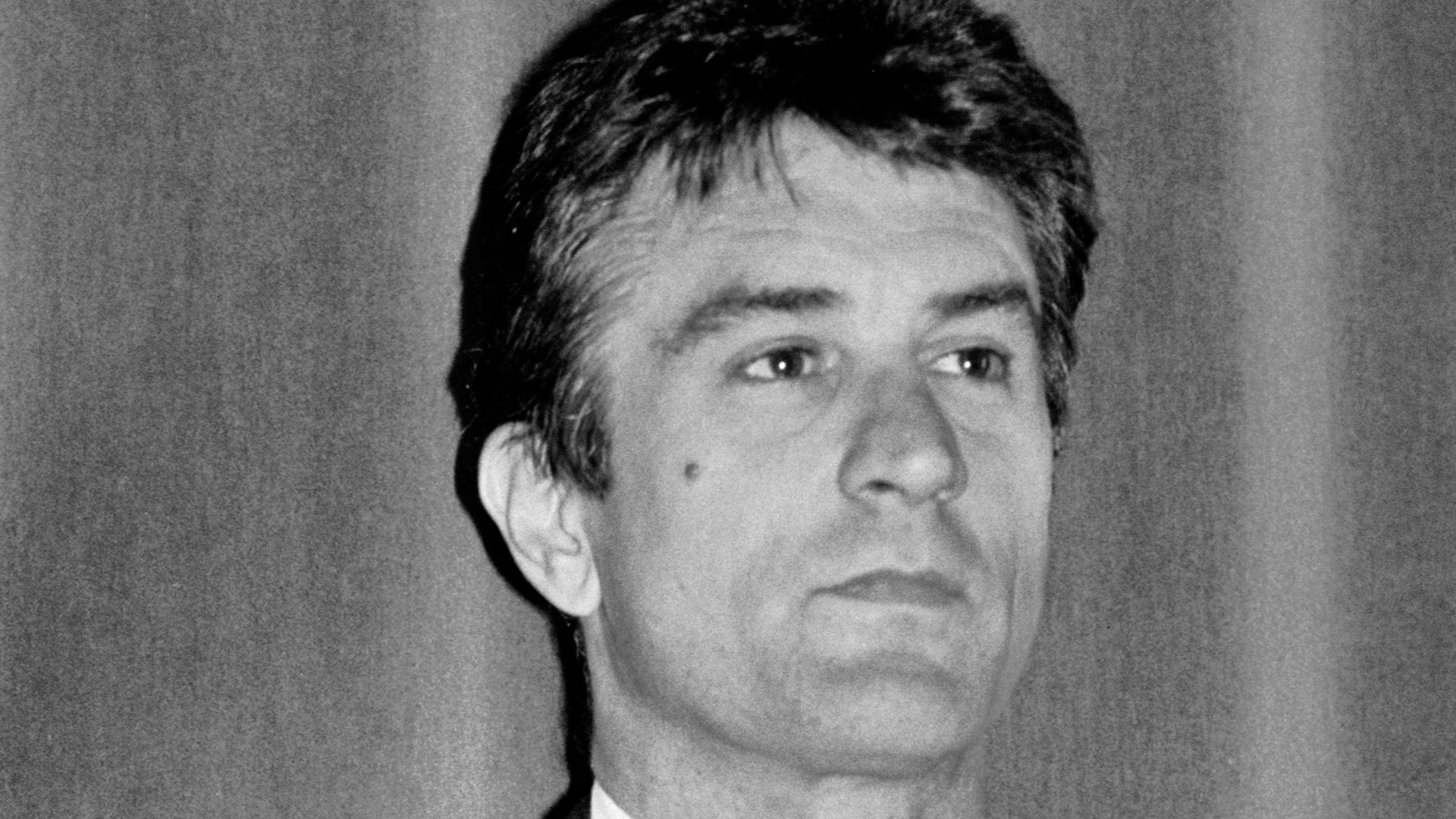
Robert De Niro Was Originally Cast In Big
One of the most surprising casting stories of the decade involves Robert De Niro and the 1988 comedy Big. Long before Tom Hanks played Josh Baskin, De Niro was attached to the project and even participated in the casting process. However, negotiations eventually broke down, forcing the production to seek another leading man for its unusual story about a child who suddenly becomes an adult.
 Roland Godefroy Modifié par: Arad (Dust removed), Wikimedia Commons
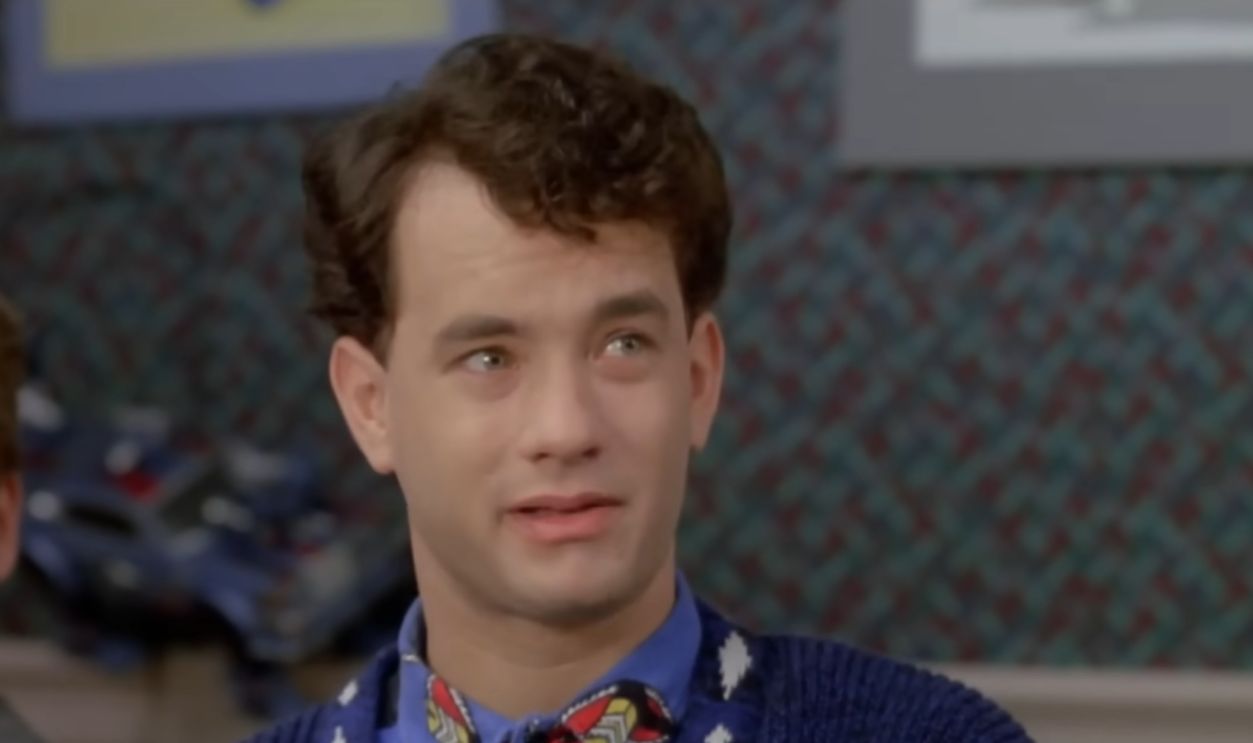
Tom Hanks Made Big An Instant Classic
When Tom Hanks inherited the role, his playful performance gave the movie a warmth that became central to its appeal. Co-star Elizabeth Perkins later recalled that De Niro's interpretation had been noticeably darker than the version audiences eventually saw. Hanks received his first Academy Award nomination for Best Actor, while De Niro subsequently confirmed that negotiating difficulties had prevented him from making the movie.
 Screenshot from Big, 20th Century Fox (1988)
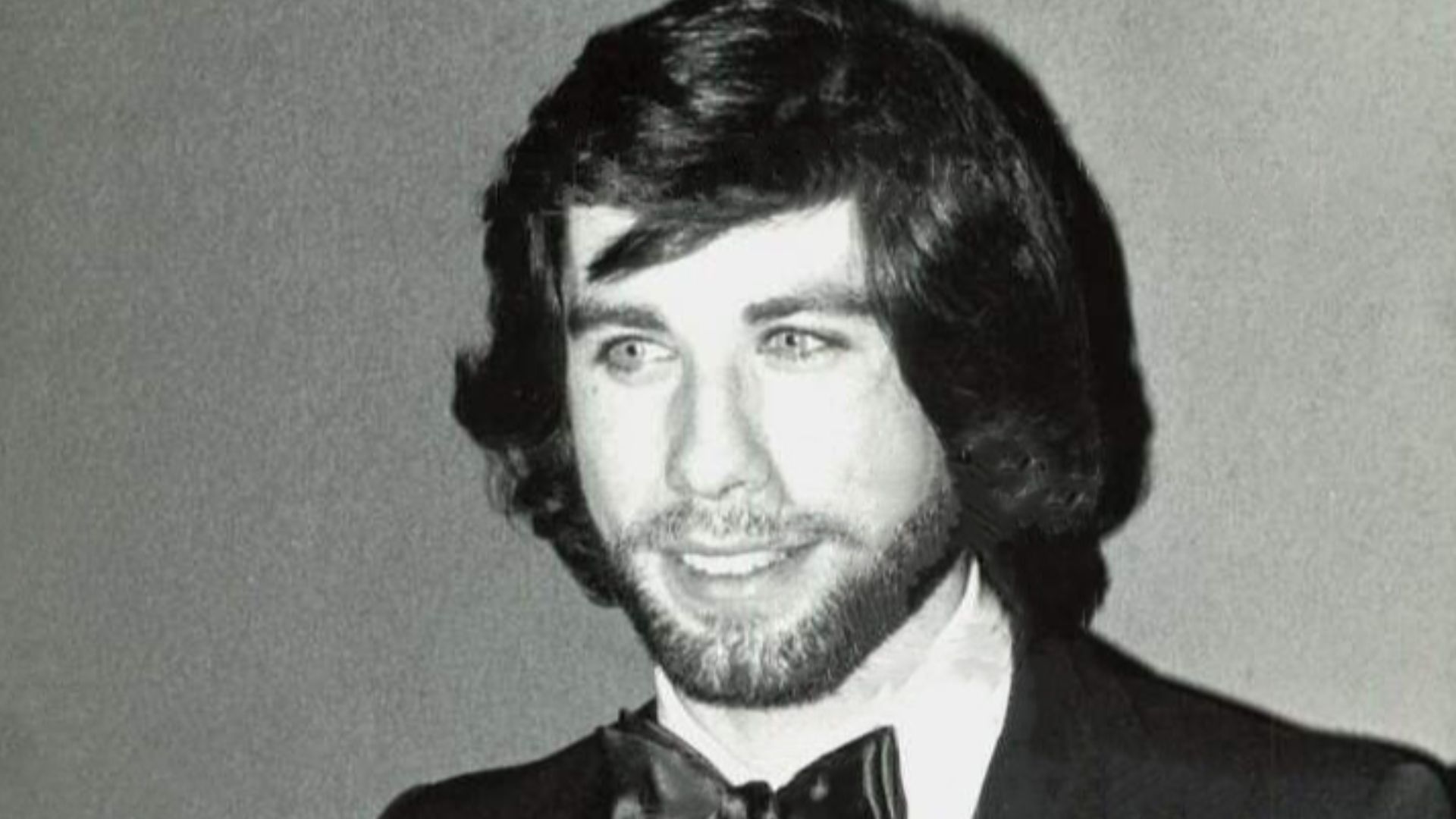
John Travolta Walked Away From American Gigolo
At the end of the 1970s, John Travolta was one of Hollywood's hottest young stars thanks to Saturday Night Fever and Grease. He was originally attached to star in American Gigolo, the stylish 1980 drama directed by Paul Schrader. Travolta's involvement progressed far enough for him to be photographed wearing designer clothes intended for the production, but he ultimately withdrew before filming began.
 Glenn Waggner, Wikimedia Commons
Richard Gere Became A Leading Man Instead
Richard Gere stepped into the role of Julian Kaye, delivering the performance that helped establish him as one of Hollywood's most prominent leading men. His polished appearance and understated confidence became closely associated with the film's sophisticated visual style. Travolta later acknowledged passing on American Gigolo, although he explained that he remained comfortable with the unpredictable career decisions that had shaped his life.
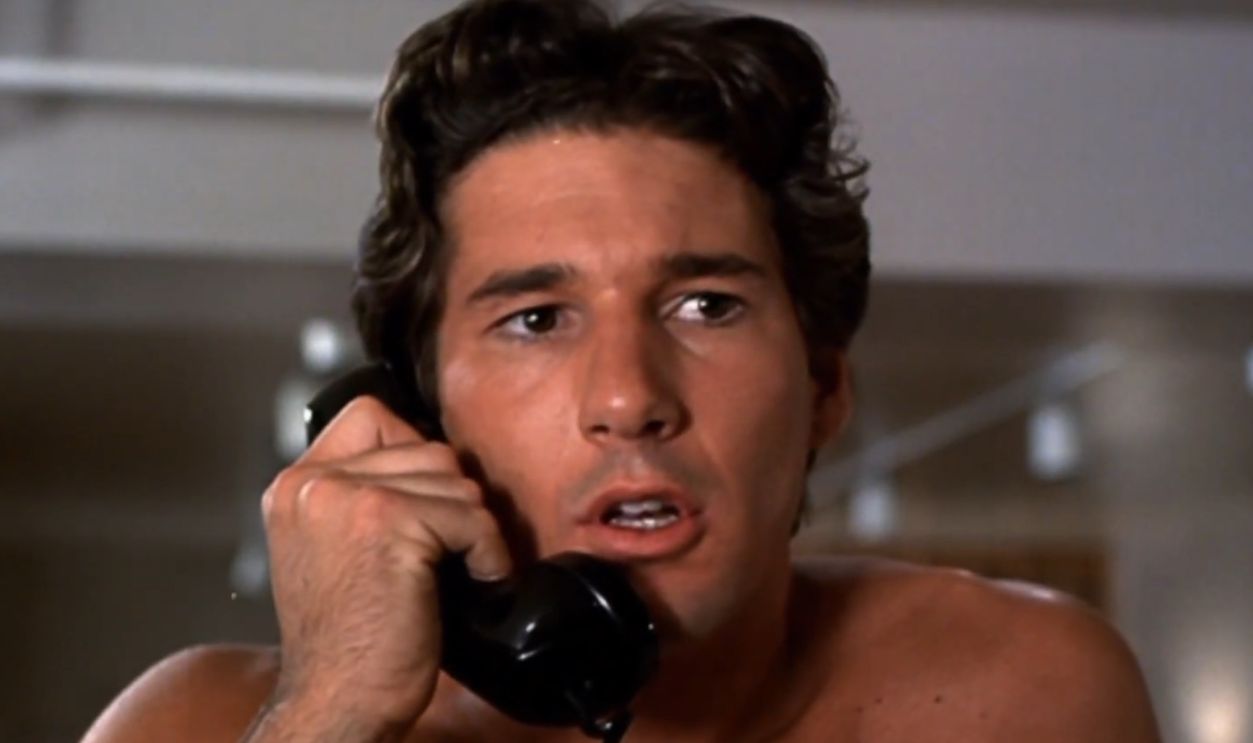 Screenshot from American Gigolo, Paramount Pictures (1980)
Travolta Passed On Another Richard Gere Hit
Only two years after American Gigolo, Travolta missed another opportunity that would strengthen Richard Gere's Hollywood reputation. He was offered the leading role of Zack Mayo in the 1982 romantic drama An Officer and a Gentleman. Travolta ultimately declined, reportedly because he was concentrating on his aviation interests and did not feel the project was right for him at the time.
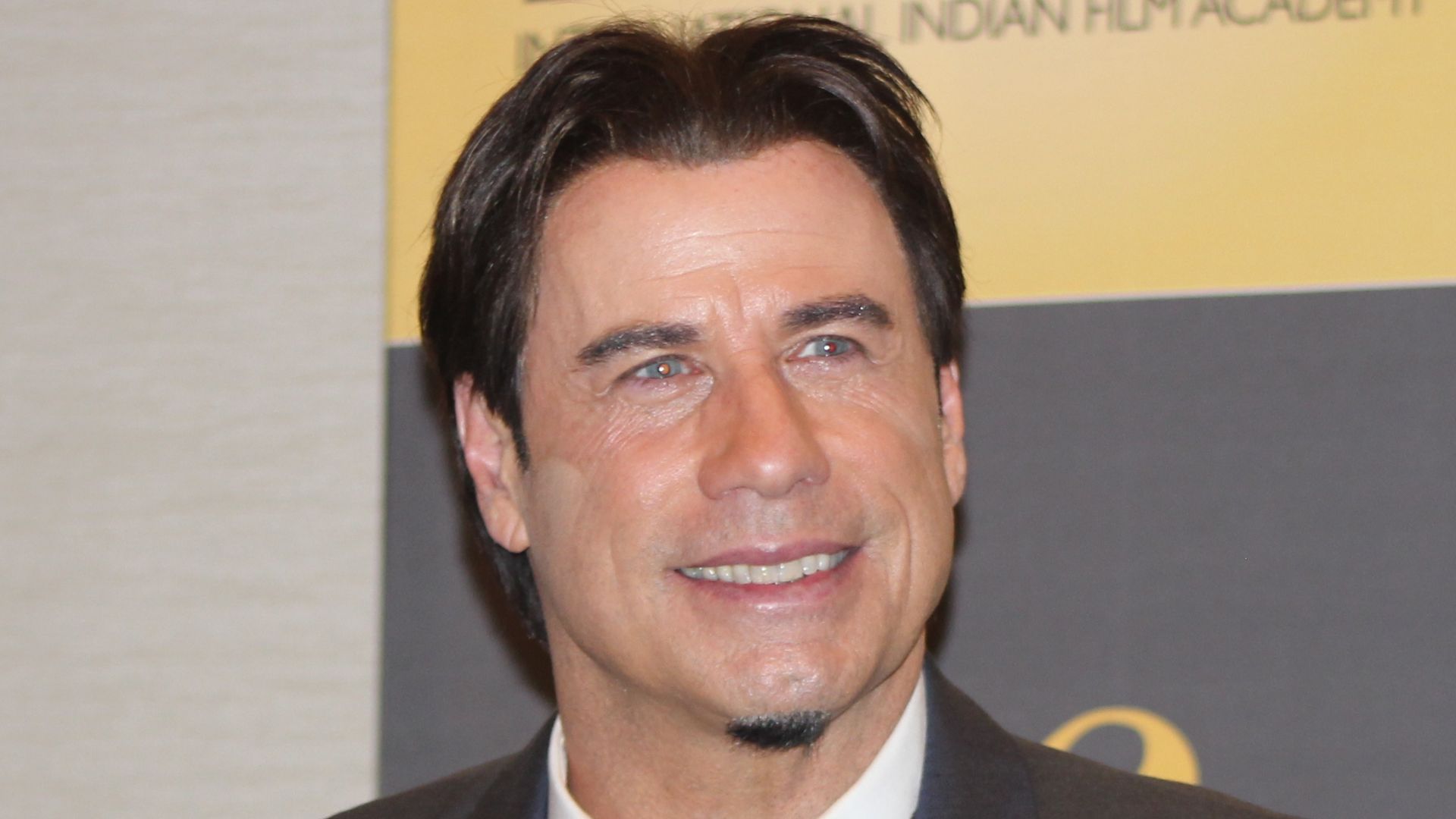 lauraleedooley, Wikimedia Commons
An Officer And A Gentleman Changed Gere's Career
Gere took the part opposite Debra Winger, creating one of the decade's most memorable romantic movie pairings. The film became a major success, earning six Academy Award nominations and winning two. Travolta's decision meant that two of Gere's defining early leading roles had originally been associated with another actor, creating one of Hollywood's most remarkable casting coincidences.
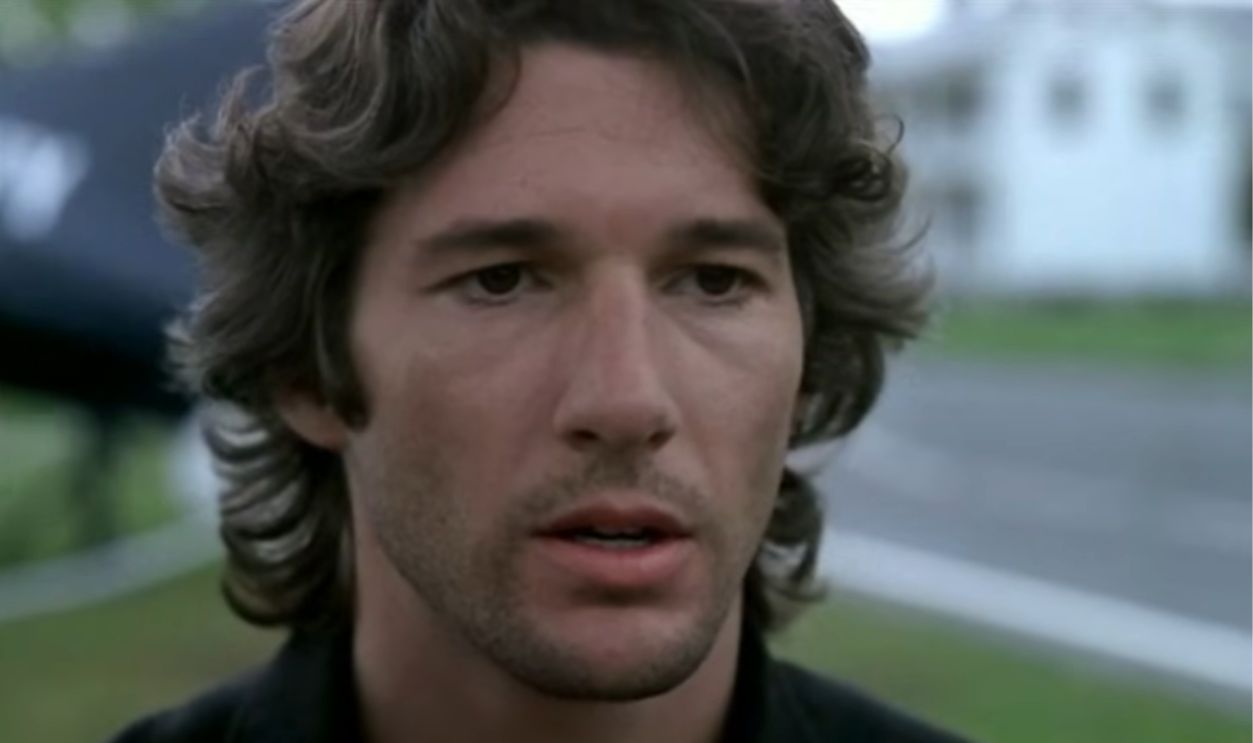 Screenshot from An Officer and a Gentleman, Paramount Pictures (1982)
Richard Gere Nearly Became Gordon Gekko
After establishing himself as a romantic leading man, Richard Gere received an opportunity to play a very different character in Oliver Stone's Wall Street. The 1987 drama centered on financial ambition and corporate power, with Gordon Gekko serving as its ruthless central figure. Gere ultimately rejected the role, passing on a character who would become one of the most recognizable personalities in 1980s cinema.
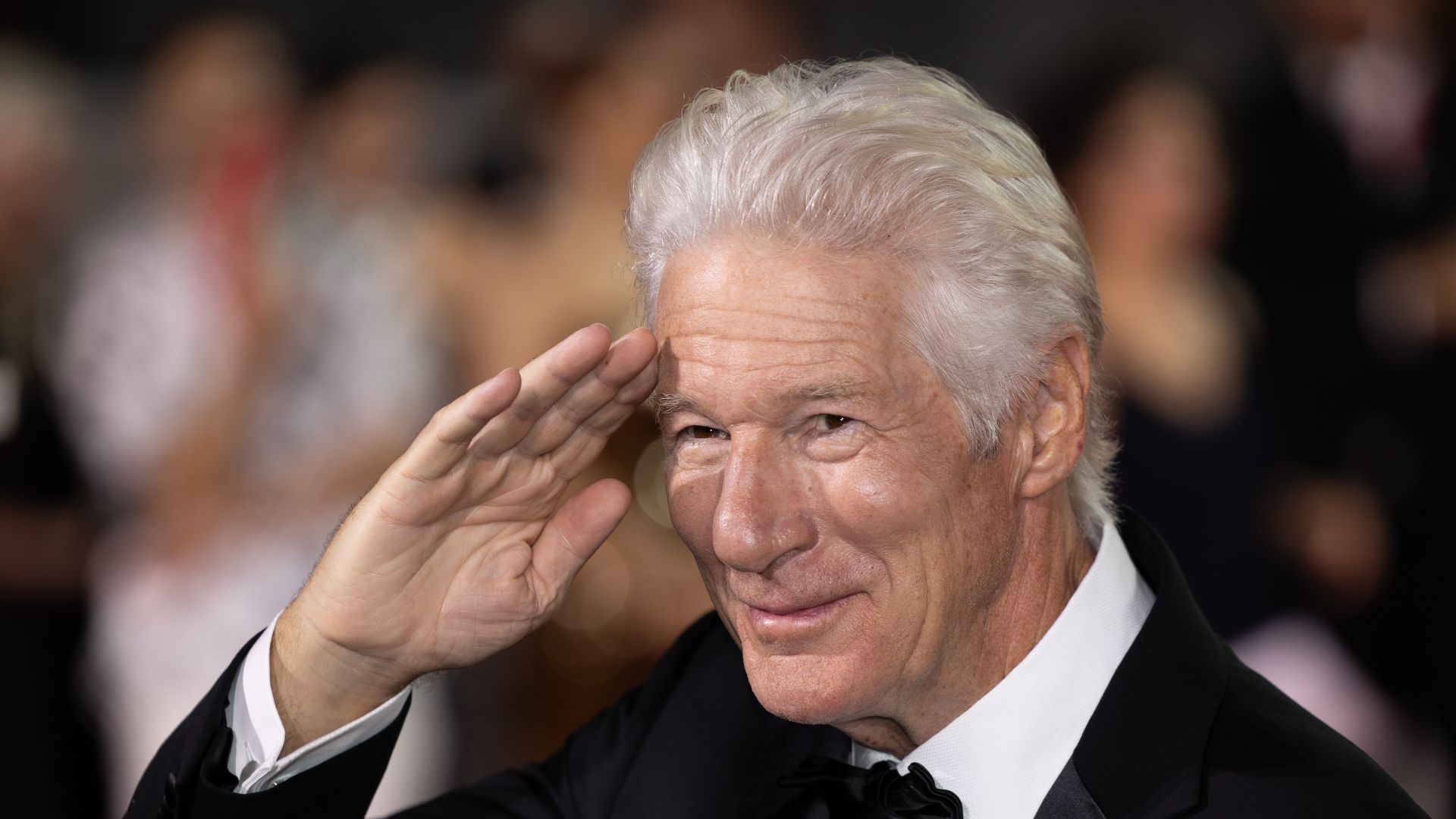 Harald Krichel, Wikimedia Commons
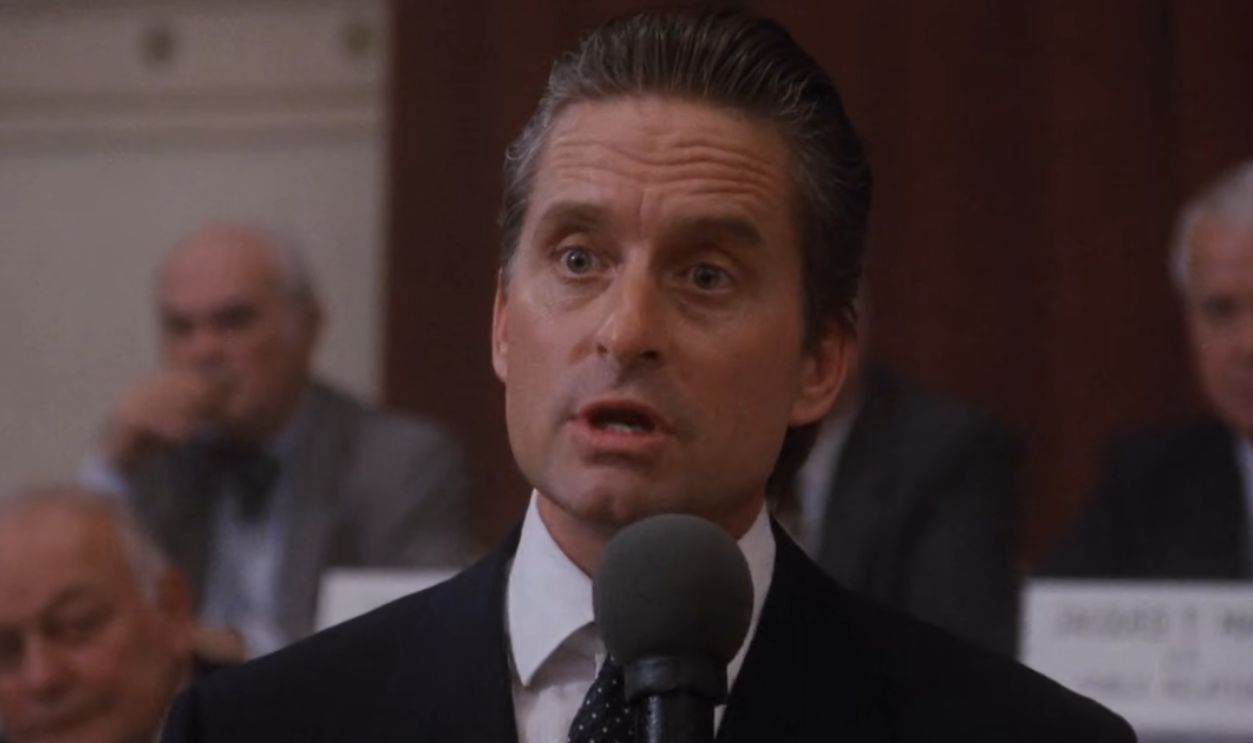
Michael Douglas Won An Oscar For The Part
Michael Douglas eventually accepted the role and created an unforgettable portrayal of Gordon Gekko. His confident delivery and commanding presence helped turn the character into a symbol of the decade's financial excesses. Douglas won the Academy Award for Best Actor, while Gere later acknowledged that his fellow actor had delivered an extraordinary performance.
 Screenshot from Wall Street, 20th Century Fox (1987)
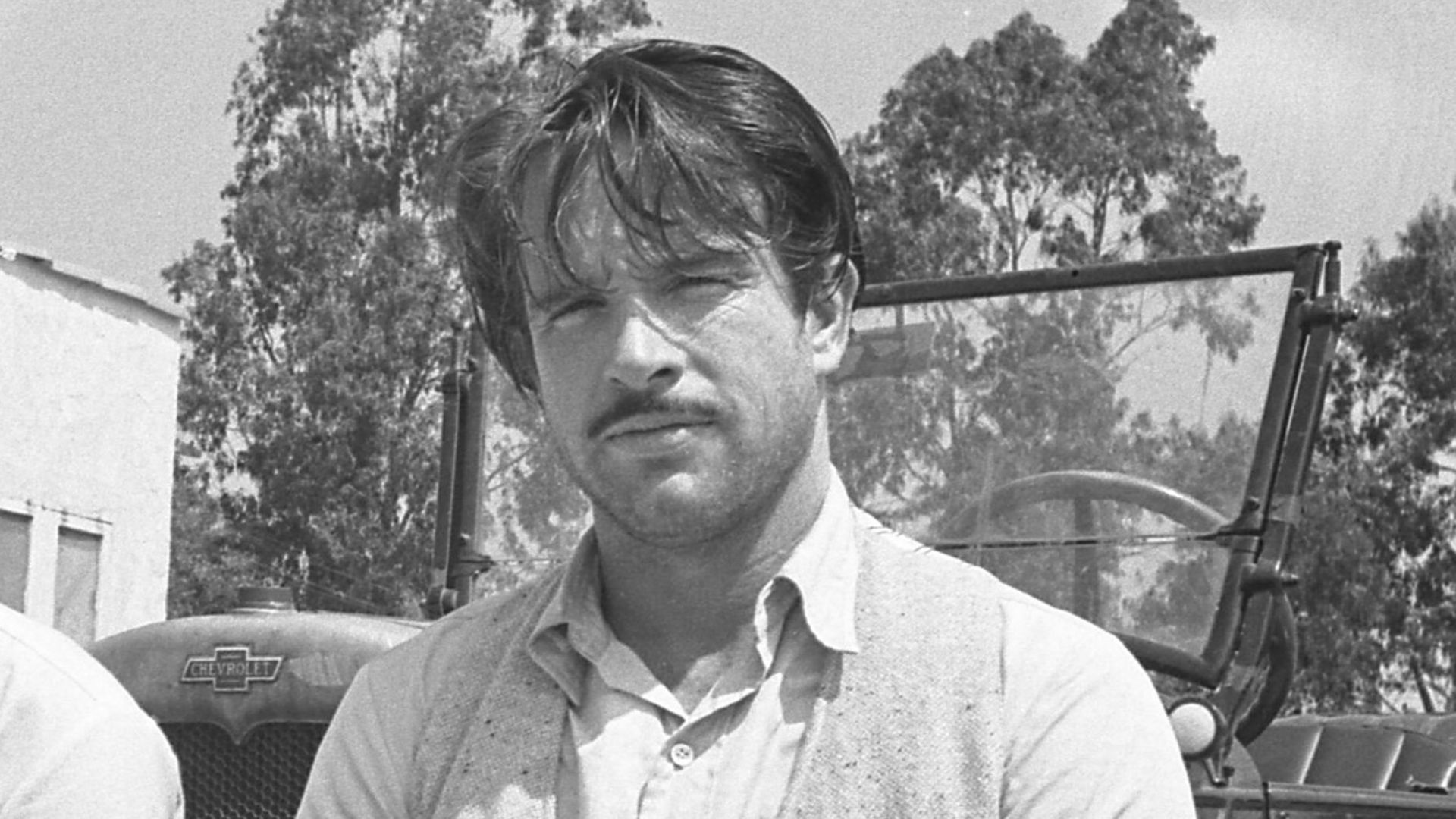
Warren Beatty Also Rejected Wall Street
Richard Gere wasn't the only major actor who passed on the opportunity to play Gordon Gekko. Warren Beatty, already a celebrated Hollywood leading man and filmmaker, was also offered the role before Michael Douglas received it. The casting history remained an interesting behind-the-scenes detail for decades, particularly because Beatty and Gere were both established stars capable of bringing very different qualities to the character.
 Larry Bessel, Los Angeles Times, Wikimedia Commons
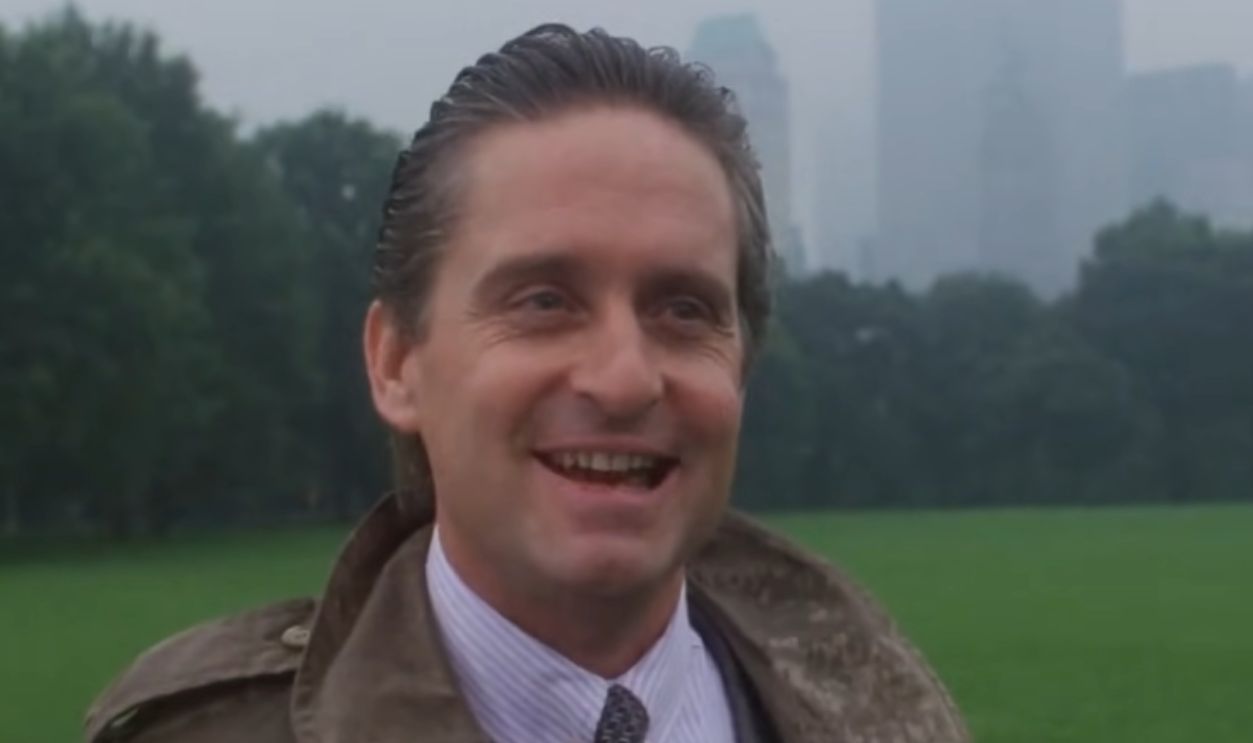
Douglas Didn't Know He Wasn't The First Choice
At a 2026 Turner Classic Movies event, Douglas revealed that he had only recently learned about the earlier offers to Beatty and Gere. He had believed that director Oliver Stone selected him as the preferred actor from the beginning. The revelation added an amusing twist to the history of Wall Street, especially considering that Douglas's Oscar-winning performance became one of the defining achievements of his career.
 Screenshot from Wall Street, 20th Century Fox (1987)
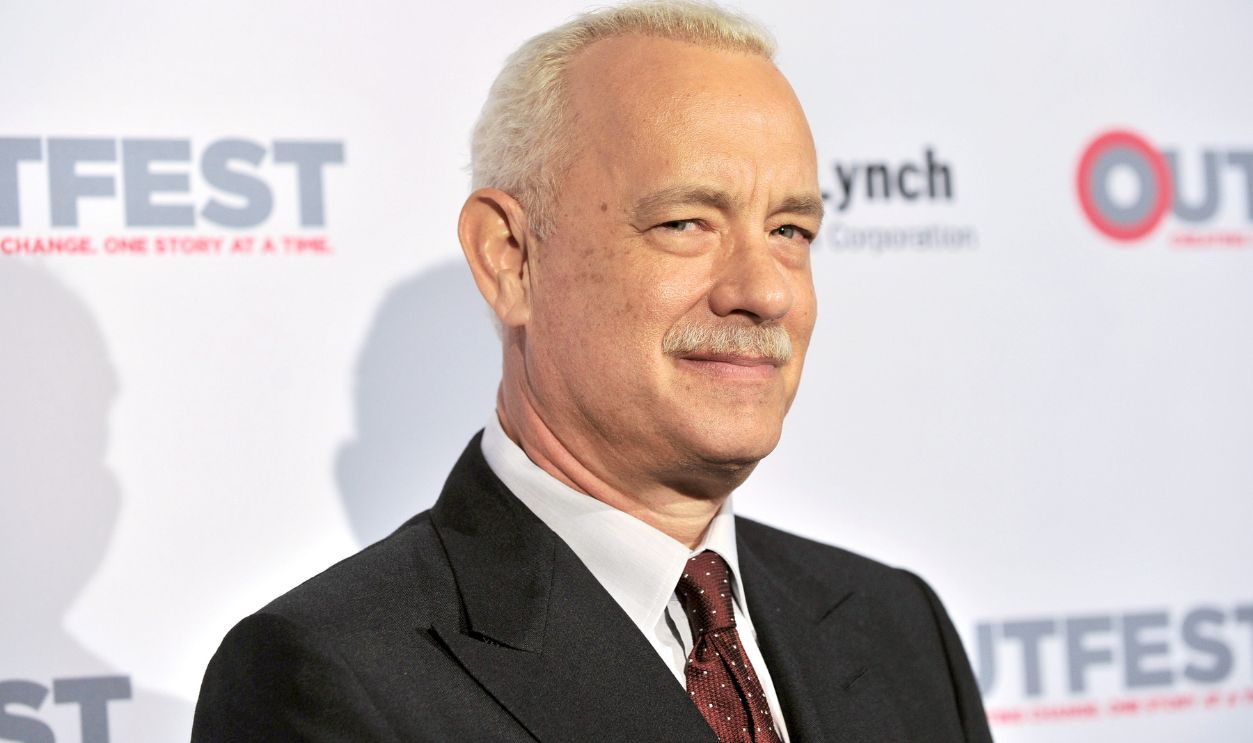
Tom Hanks Turned Down When Harry Met Sally
Tom Hanks was already establishing himself as a versatile movie star when he received an offer to play Harry Burns in the 1989 romantic comedy When Harry Met Sally.... According to his wife Rita Wilson, Hanks wasn't interested because he couldn't identify with the character's unhappy feelings about his previous marriage. The actor had experienced a divorce himself, but his personal outlook was very different from Harry's.
 Allen Berezovsky, Getty Images
Billy Crystal Made The Role His Own
The part eventually went to Billy Crystal, whose chemistry with Meg Ryan became one of the movie's defining strengths. Their lively exchanges and contrasting personalities helped establish When Harry Met Sally... as a beloved romantic comedy. Hanks would eventually appear opposite Ryan in Sleepless in Seattle and You've Got Mail, creating another celebrated screen partnership despite passing on their earlier opportunity to work together.
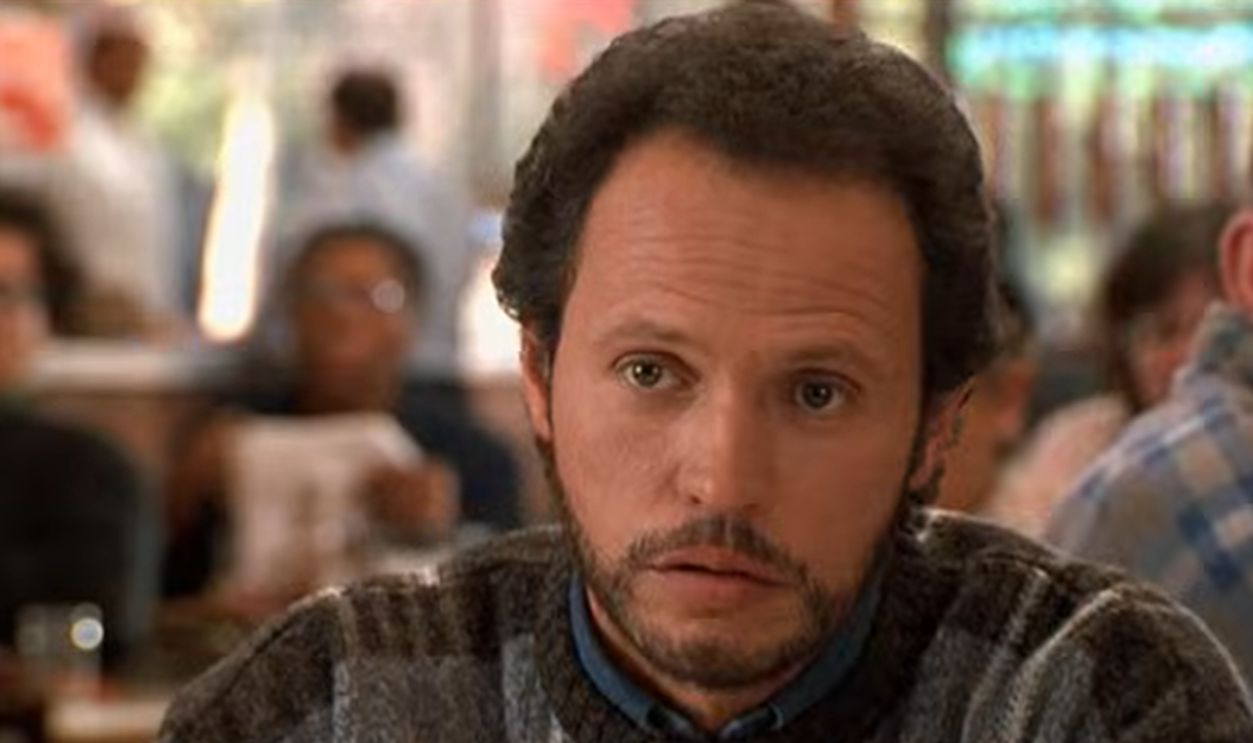 Screenshot from When Harry Met Sally…, Columbia Pictures (1989)
Albert Brooks Also Passed On Harry Burns
Before Billy Crystal secured the role, filmmaker and comedian Albert Brooks was another prominent candidate for When Harry Met Sally.... Director Rob Reiner had approached Brooks about playing Harry Burns, but the actor felt the project resembled the style of Woody Allen's romantic comedies too closely. Brooks decided against participating, leaving the filmmakers to continue their search for someone who could bring the character to life.
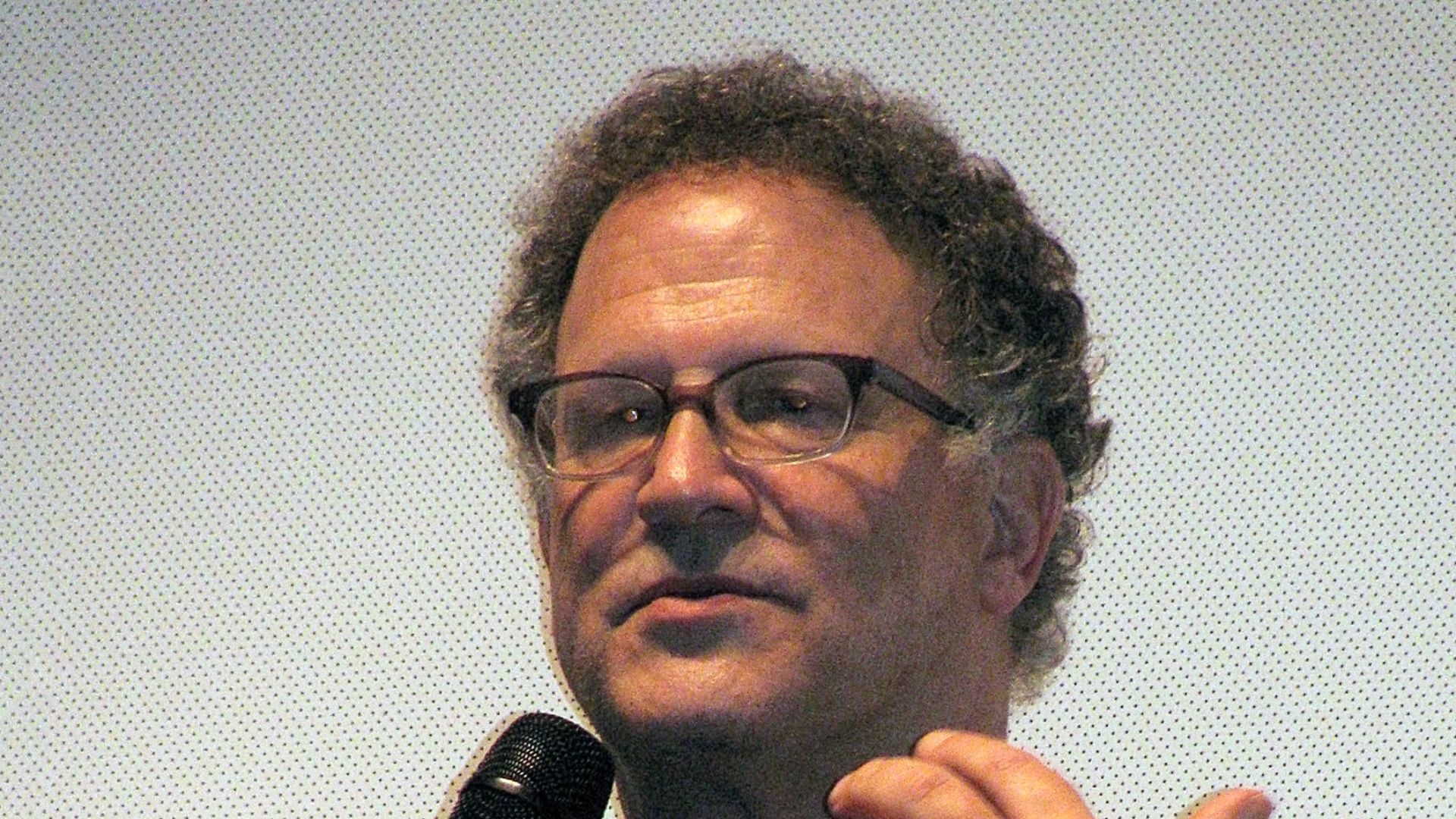 Melissa [email protected] from New York, USA, Wikimedia Commons
Crystal Found The Perfect On-Screen Partner
When Crystal joined the production, his longstanding friendship with Reiner helped establish a comfortable creative working relationship. His natural comic rhythm also complemented Meg Ryan's energetic performance, giving the film its distinctive conversational style. The movie became a defining romantic comedy of the late 1980s, while Brooks continued pursuing his own successful career as an actor, writer, and filmmaker.
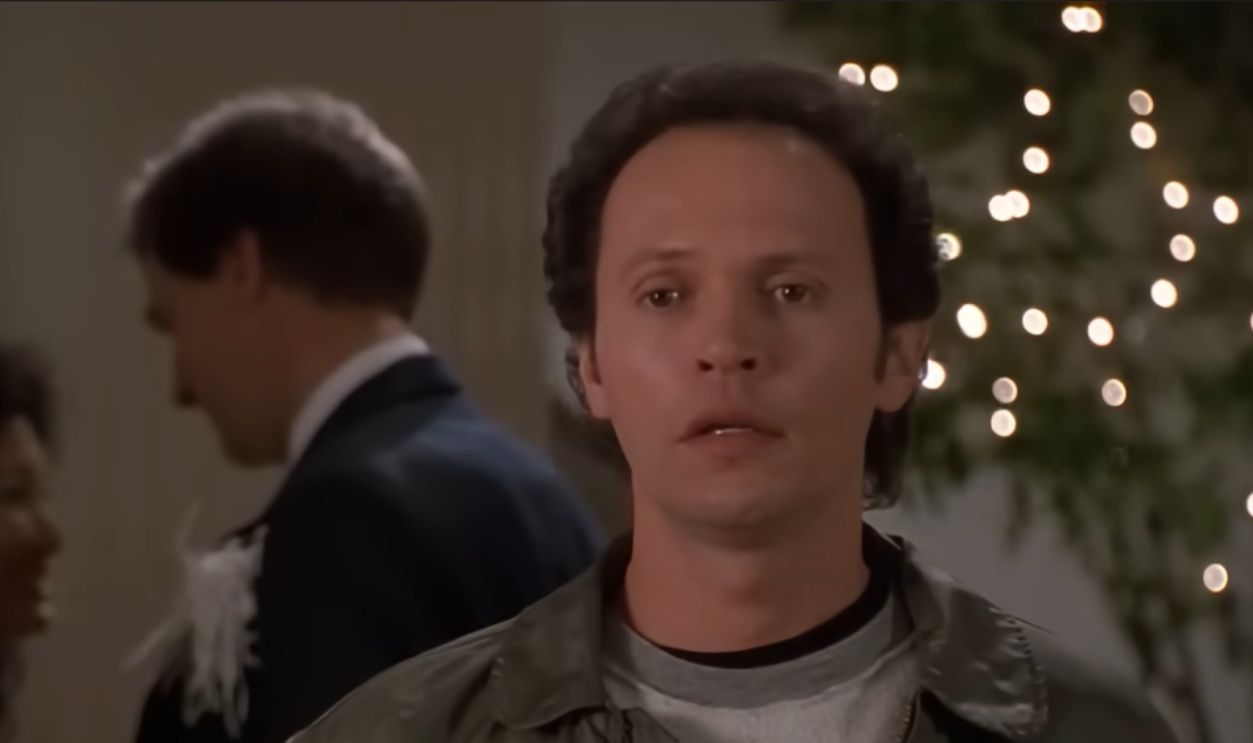 Screenshot from When Harry Met Sally…, Columbia Pictures (1989)
Val Kilmer Turned Down Dirty Dancing
Before Patrick Swayze became Johnny Castle in Dirty Dancing, the role had reportedly been offered to Val Kilmer. The actor was coming off successful performances in Top Secret! and Top Gun, making him a recognizable young Hollywood talent. According to Entertainment Tonight, Kilmer declined the opportunity, leaving producers to find another actor capable of combining convincing dance skills with the charisma required for the romantic lead.
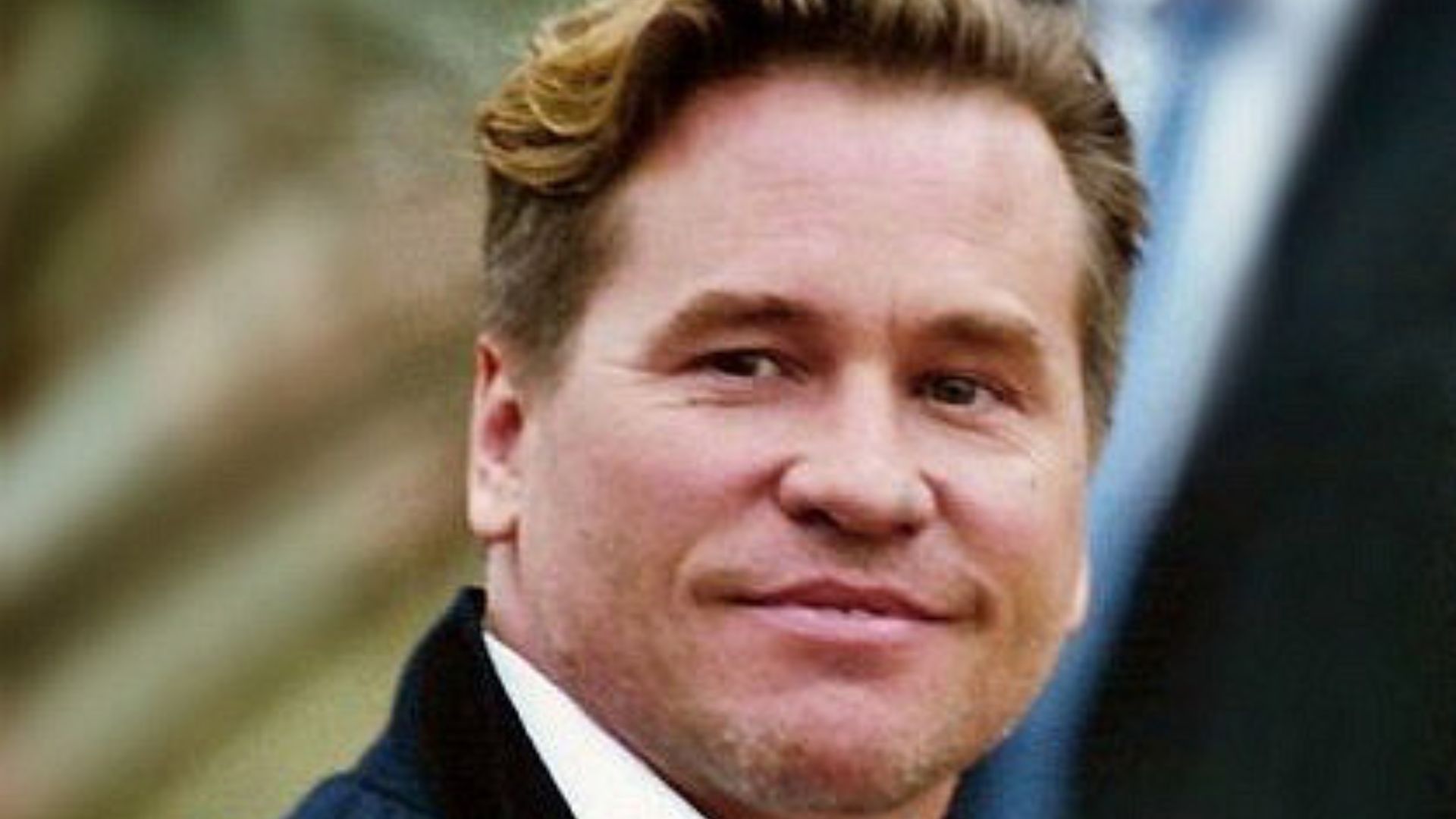 Georges Biard, Wikimedia Commons
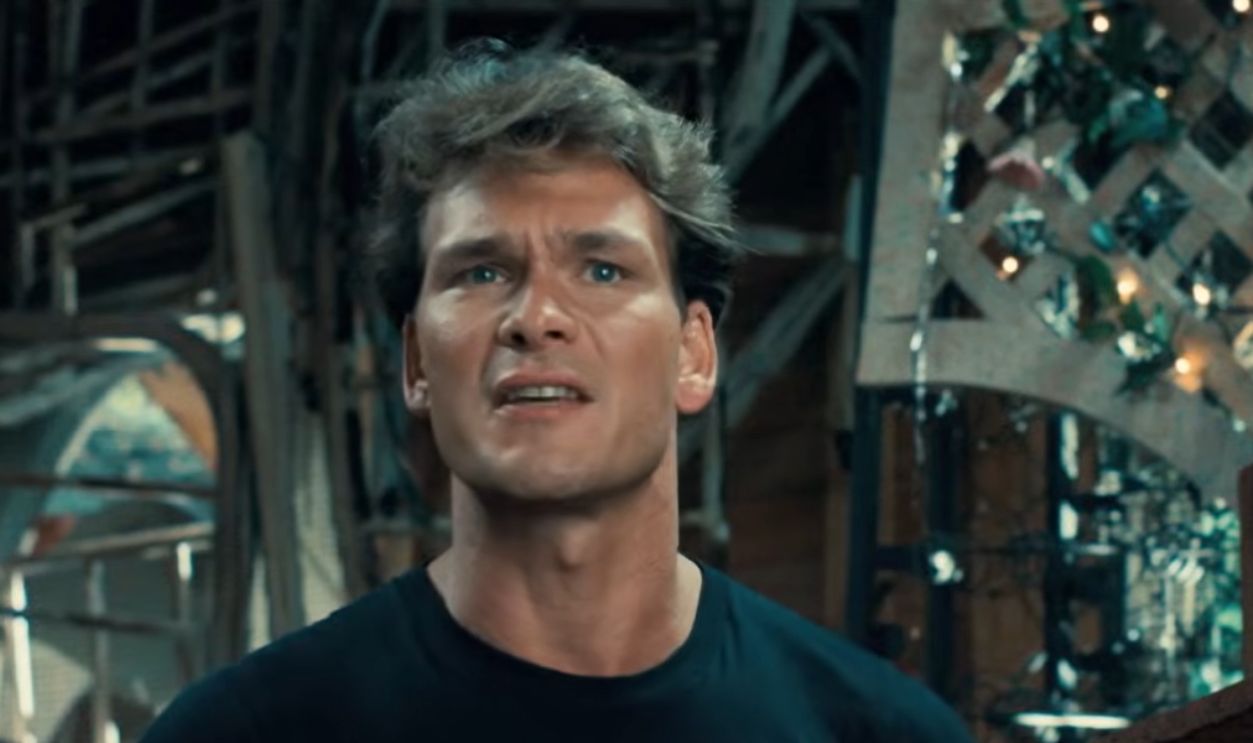
Patrick Swayze Became An Overnight Sensation
Patrick Swayze took the role opposite Jennifer Grey, bringing his professional dance background and athletic screen presence to the character. Released in 1987, Dirty Dancing exceeded expectations and developed into one of the decade's most enduring popular films. Swayze's performance established him as a major romantic leading man, demonstrating just how dramatically an actor's career could change through one perfectly suited role.
 Screenshot from Dirty Dancing, Vestron Pictures (1987)
John Candy Didn't Understand His Ghostbusters Character
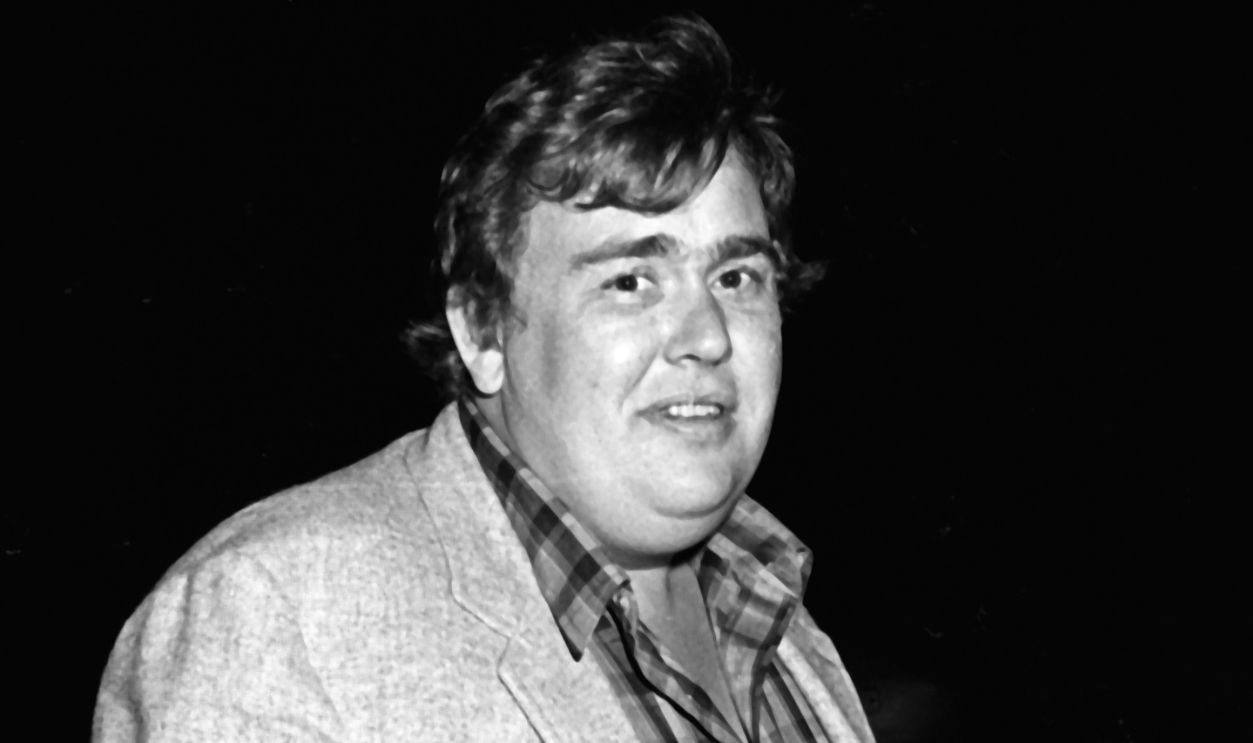
When director Ivan Reitman was developing the 1984 comedy Ghostbusters, he wanted John Candy to portray Louis Tully, the awkward neighbor living near Dana Barrett. Candy had already worked with Reitman on Stripes, making him an appealing choice for the new project. However, the comedian struggled to connect with the character and suggested playing him with a German accent and a collection of large dogs.
Rick Moranis Immediately Saw The Potential
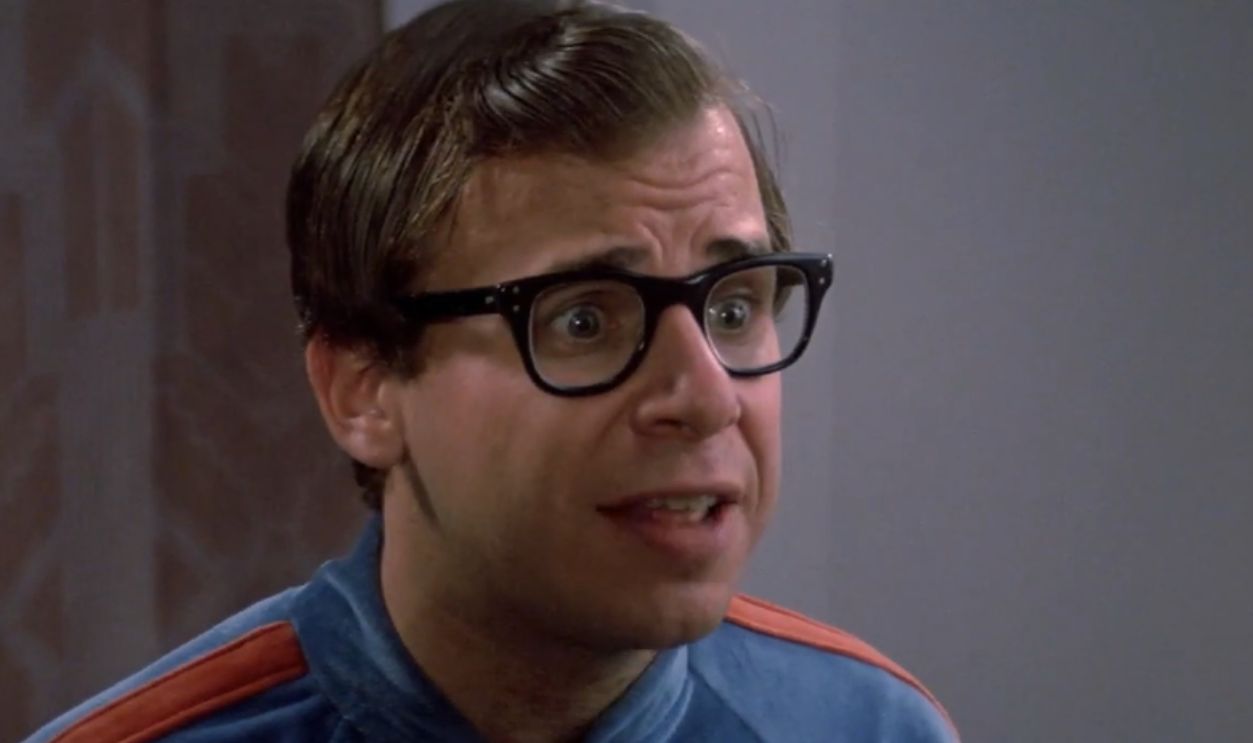
Reitman wasn't convinced by Candy's proposed changes, and the two eventually agreed not to proceed. The director then contacted Rick Moranis, who quickly recognized the character's comedic possibilities and enthusiastically accepted the role. Moranis's nervous, lovable portrayal became one of Ghostbusters' most memorable supporting performances, giving him another major success in a decade filled with popular comedies.
 Screenshot from Ghostbusters, Columbia Pictures (1984)
Molly Ringwald Didn't Want Another John Hughes Movie
By 1986, Molly Ringwald had become the recognizable face of teenage cinema through her collaborations with filmmaker John Hughes. Following Sixteen Candles, The Breakfast Club, and Pretty in Pink, she was approached about appearing in another Hughes-written project, Some Kind of Wonderful. Concerned that audiences would permanently associate her with the same type of character, Ringwald decided to reject the opportunity.
 Panio Gianopoulos, Wikimedia Commons
Lea Thompson Inherited A Memorable Role
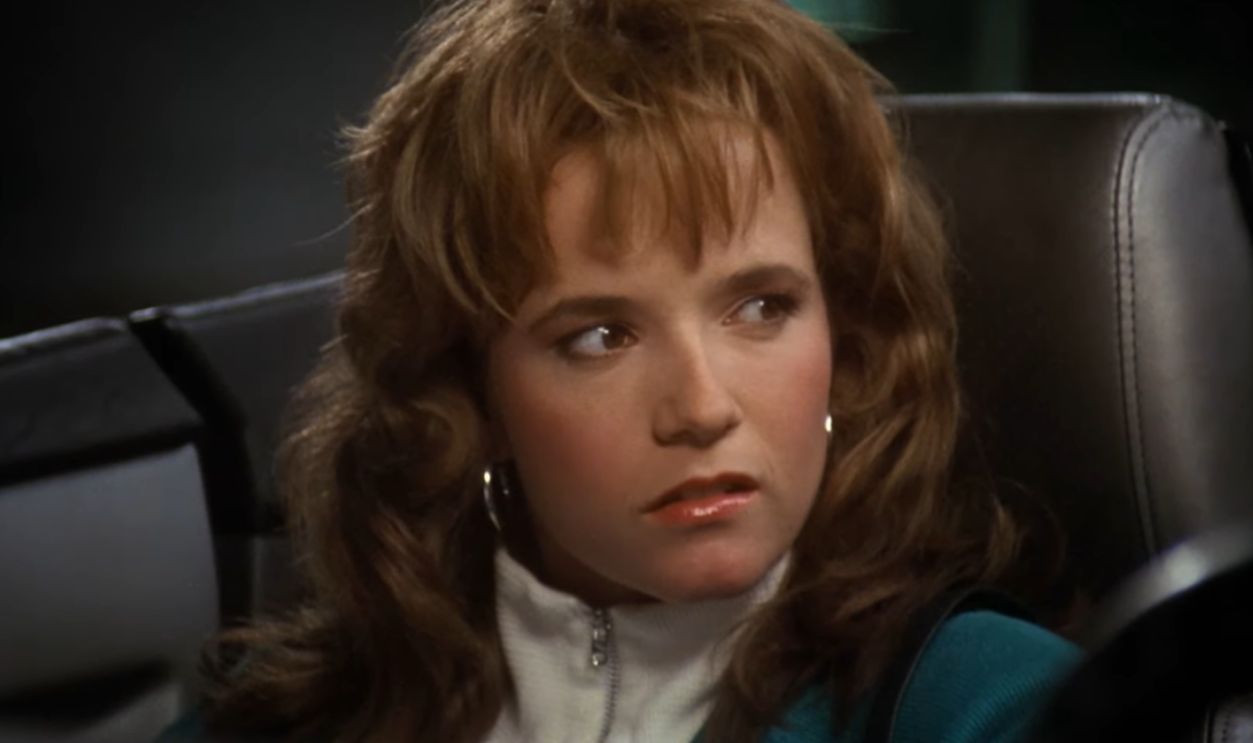
The 1987 film eventually starred Eric Stoltz, Mary Stuart Masterson, and Lea Thompson, who played the popular student Amanda Jones. Although the movie did not achieve the same cultural prominence as some earlier Hughes productions, it developed a lasting following among fans of 1980s teen cinema. Ringwald later admitted that she regretted ending her collaboration with Hughes, joking that her attempt to escape being typecast hadn't worked anyway.
 Screenshot from Some Kind of Wonderful, Paramount Pictures (1987)
Michael Keaton Passed On Splash
Before Michael Keaton became famous for Beetlejuice and Batman, he was among the established performers approached about starring in Ron Howard's Splash. The unusual romantic comedy followed a New York businessman who falls in love with a mysterious woman connected to the sea. Keaton was one of several actors who declined the leading role, alongside performers including Chevy Chase and Burt Reynolds.
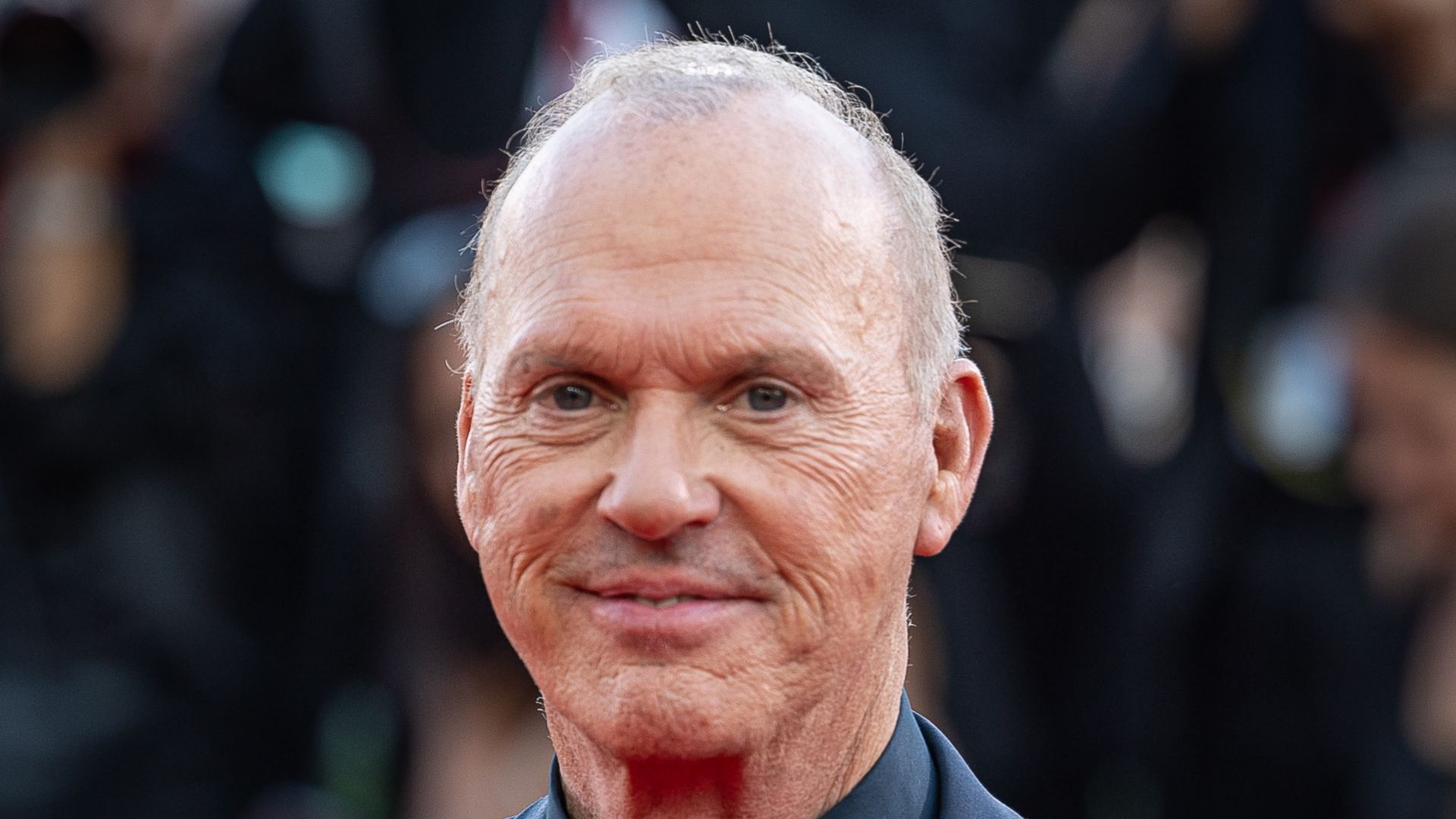 Harald Krichel, Wikimedia Commons
Tom Hanks Got His Hollywood Breakthrough
Howard eventually remembered Tom Hanks from a guest appearance on Happy Days and invited him to audition. Although Hanks initially read for a supporting character, Howard recognized that his approachable personality could make him the perfect leading man. Released in 1984, Splash became a surprise commercial success and helped establish Hanks as a major movie actor, beginning a remarkable journey toward Hollywood superstardom.
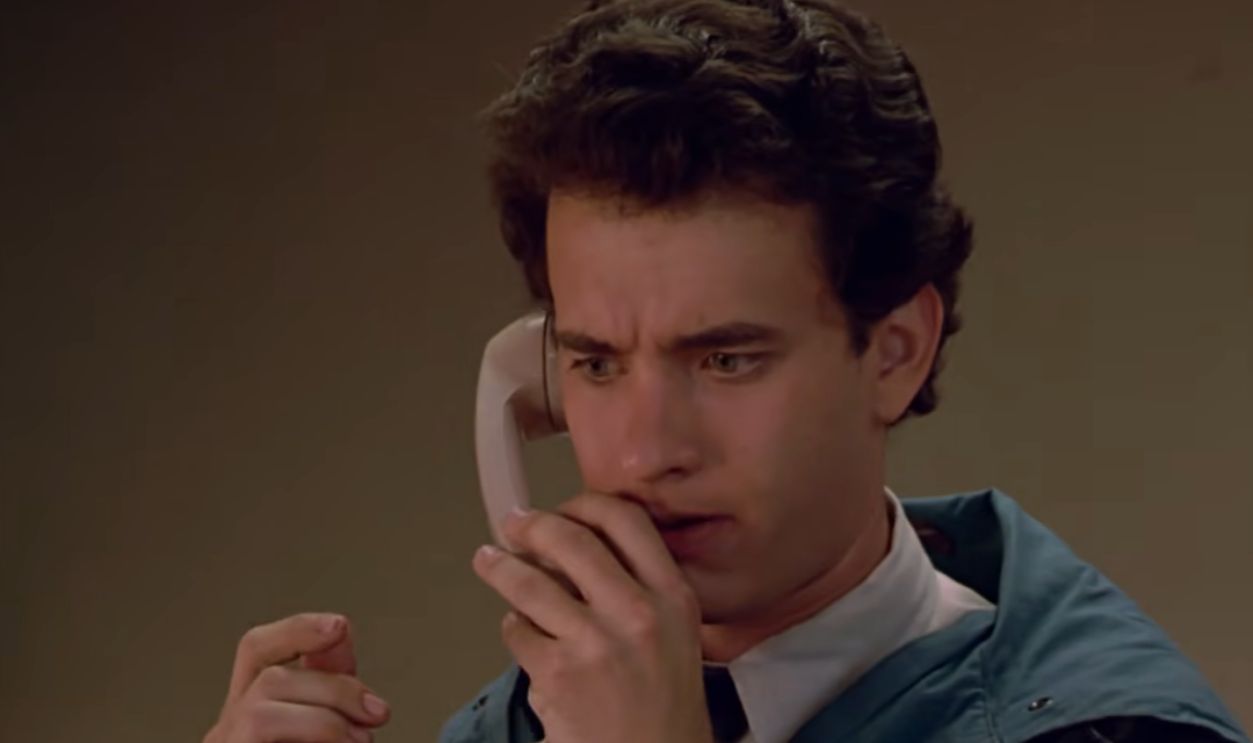 Screenshot from Splash, Touchstone Pictures (1984)
You May Also Like:
Actors’ Most Memorable Breakout Roles
Movie Stars Who Started With Television
1960s Movies That Started Like Old Hollywood And Ended Like The 1970s
Sources: 1, 2, 3, 4, 5, 6, 7, 8, 9, 10, 11, 12, 13, 14, 15, 16, 17, 18, 19, 20, 21, 22, 23, 24