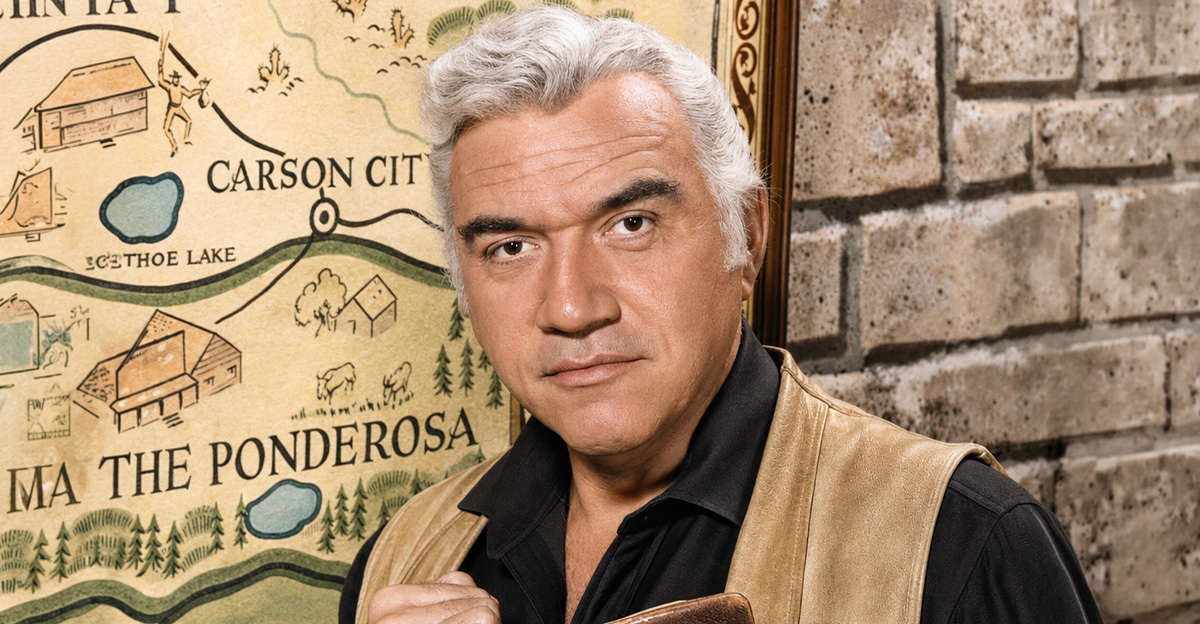
Before He Was Pa Cartwright, He Had Another Famous Voice
For millions of Americans, Lorne Greene will always be Ben Cartwright, the wise father who ruled the Ponderosa on Bonanza. But before he ever saddled a horse on television, Greene had another remarkable career, one that made him famous for delivering some of the darkest news of World War II.
He Was Born Far From The Ponderosa
Lorne Greene was born in Ottawa, Canada, on February 12, 1915. Long before Hollywood came calling, he was growing up in a household where the entertainment industry wasn't an obvious career choice. His father worked as a shoemaker, while young Lorne developed an interest in performing.
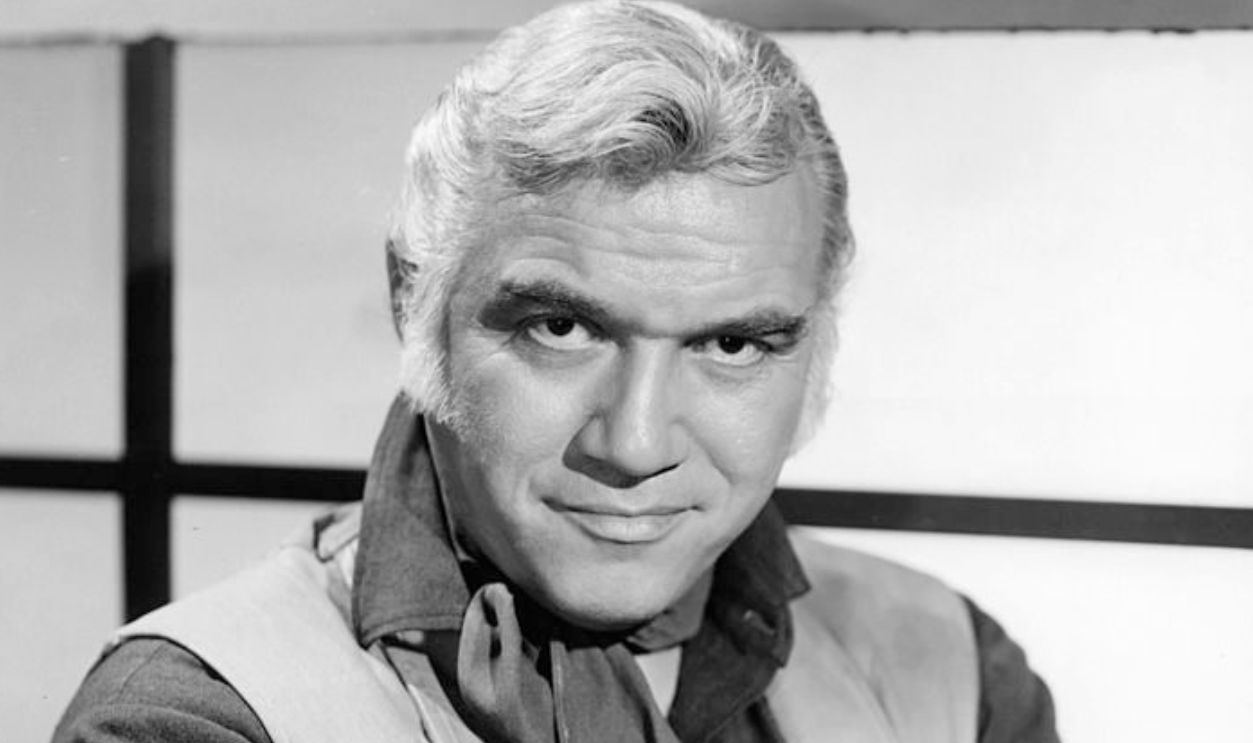
His Parents Had Different Plans
Greene's parents reportedly hoped their son would become a concert violinist. However, he had other interests. Acting eventually won out, and he began appearing in school productions. Those early experiences helped introduce him to a profession that would eventually make him internationally famous.
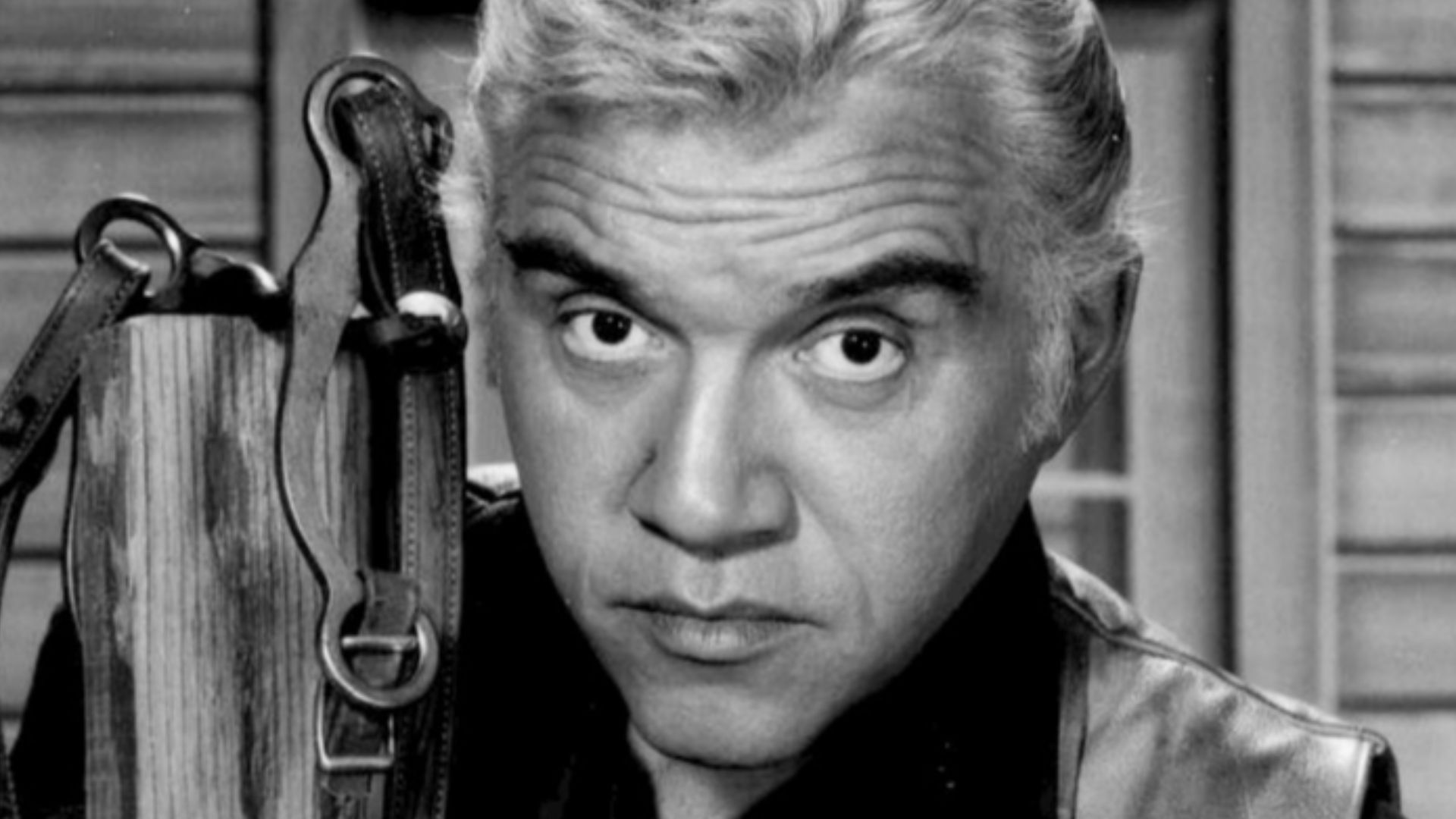 NBC Television-photo by Elmer Holloway, Wikimedia Commons
He Originally Studied Engineering
When Greene entered Queen's University in Kingston, Ontario, in 1932, he was studying chemical engineering. It was a respectable career path, but the university's Drama Guild soon captured his attention. Before long, Greene was spending considerable time acting, directing, and producing theatrical performances.
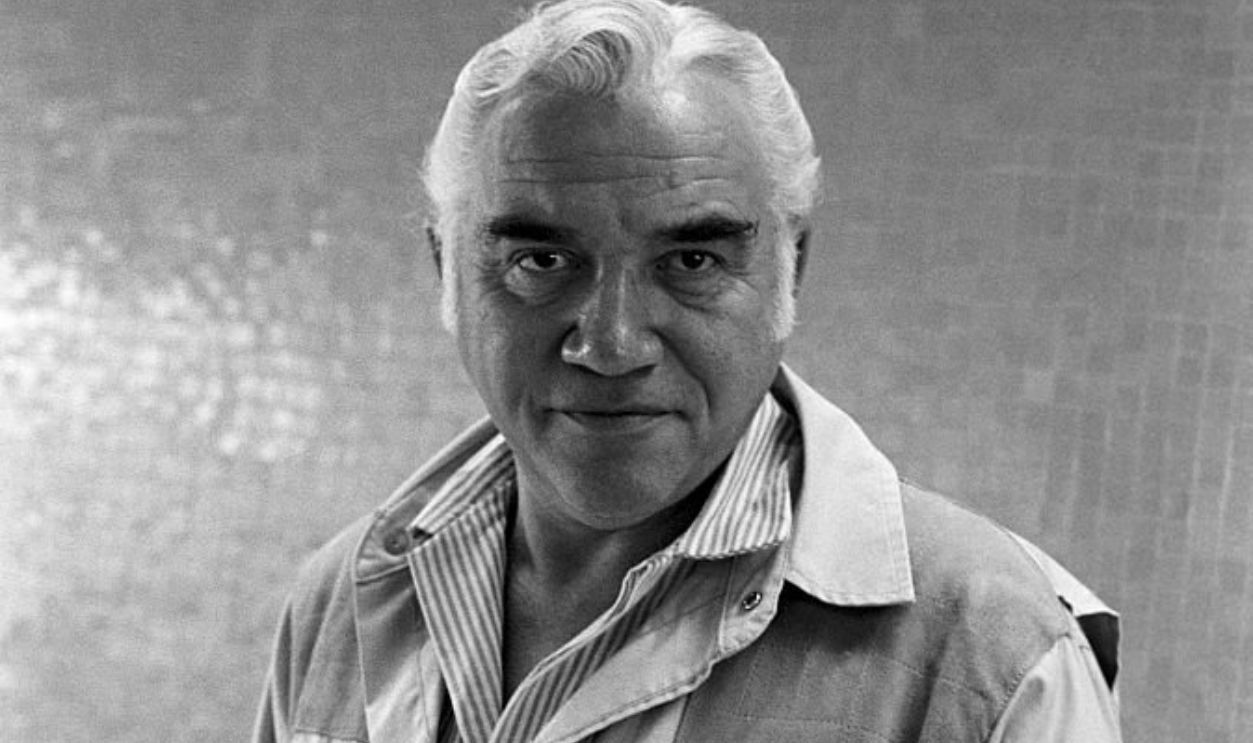
He Made A Surprising Decision
Greene eventually switched from engineering to studying languages, including French and German. The change gave him more time to pursue theater. He graduated in 1937, already equipped with stage experience that would prove valuable when he began working professionally.
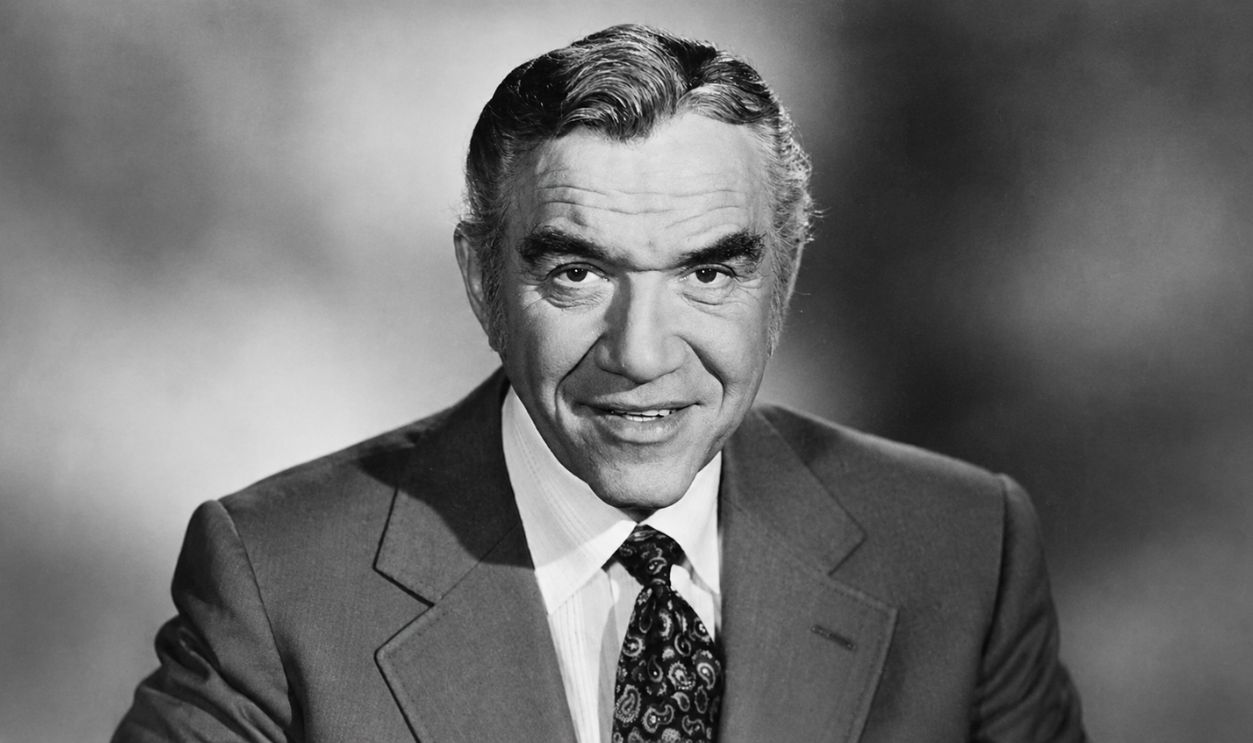 TV studio, Wikimedia Commons, Enhanced
Radio Came Into The Picture
While attending Queen's University, Greene also became involved with the Drama Guild's Radio Workshop at campus station CFRC. It was an important early introduction to broadcasting. His powerful voice would soon become one of his greatest professional assets, although Hollywood fame was still years away.
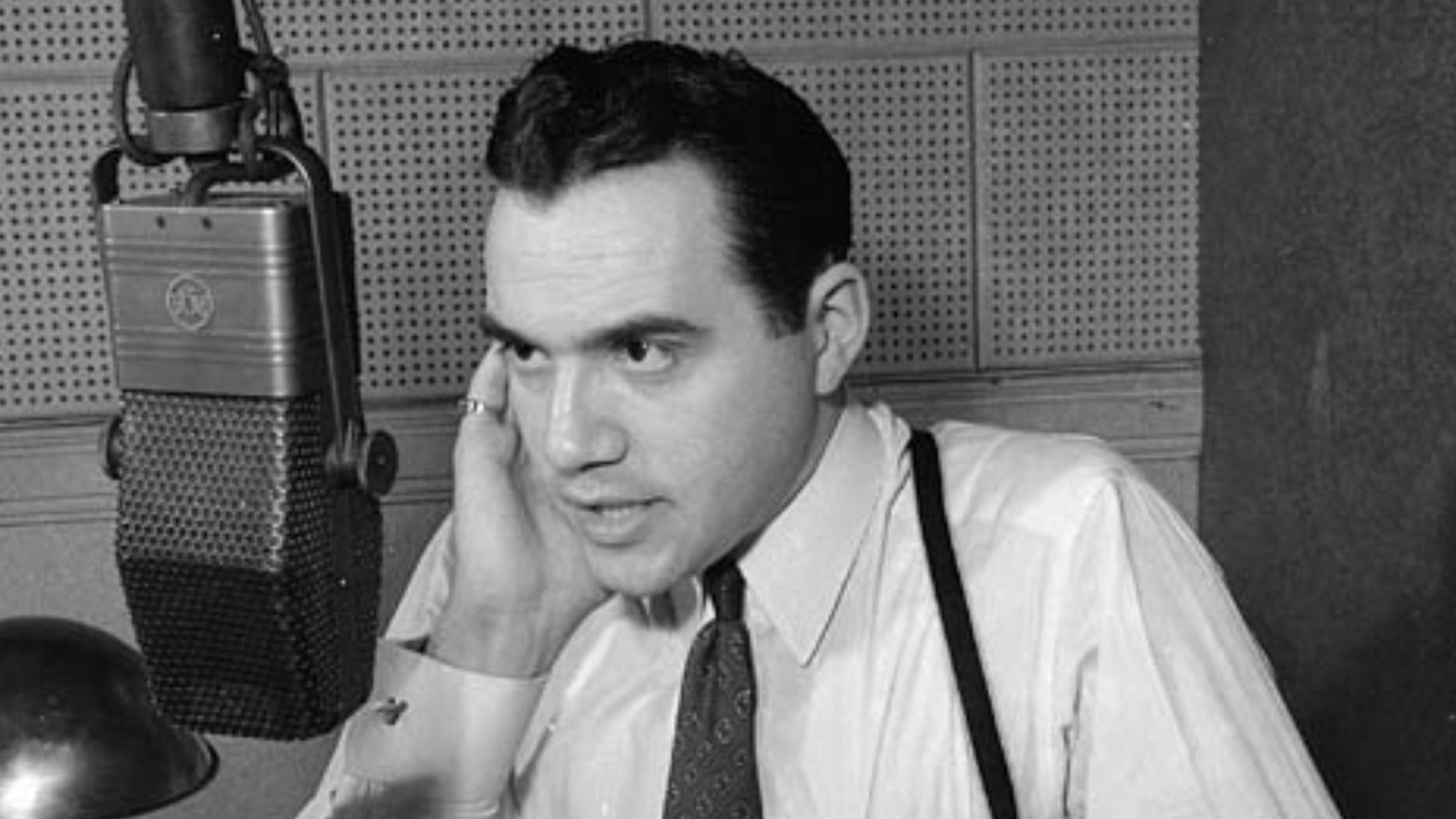
New York Offered Another Opportunity
After graduating, Greene received a fellowship to study at the Neighborhood Playhouse School of the Theatre in New York. He spent approximately two years developing his acting abilities before returning to Canada in 1939, just as the world was heading toward war.
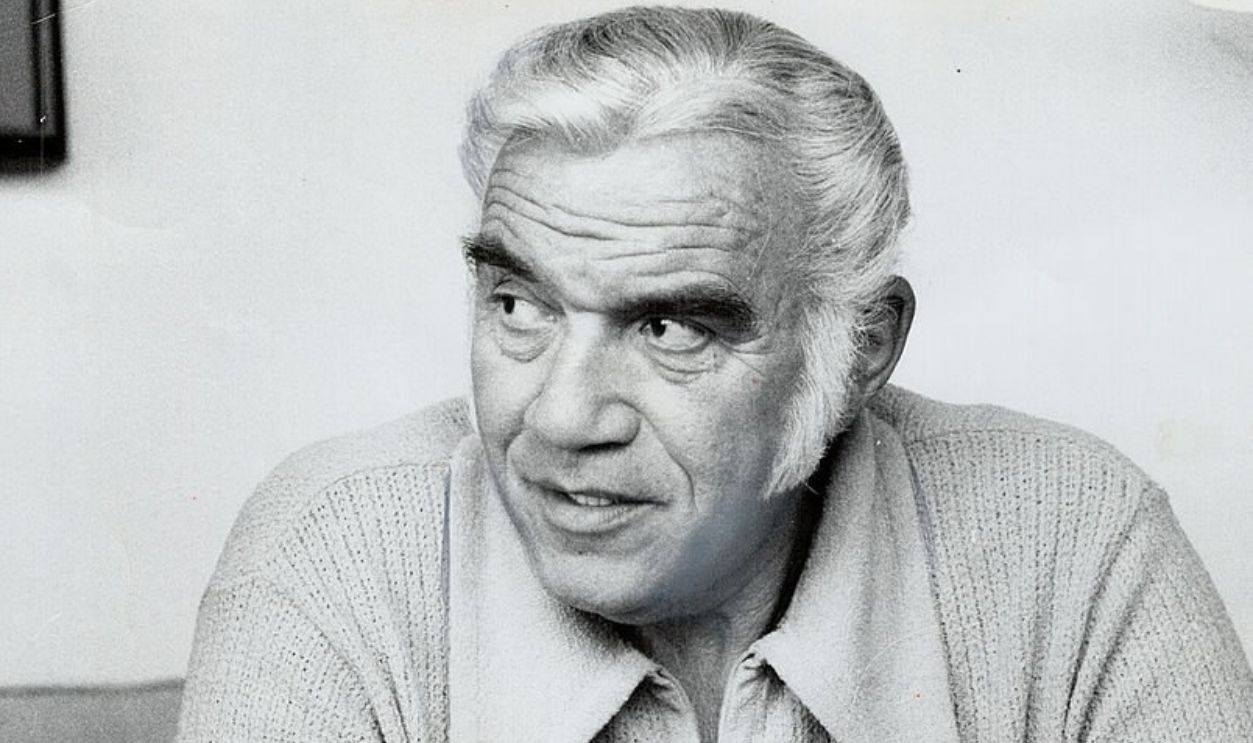
A Job At The CBC Changed Everything
Back in Canada, Greene joined the Canadian Broadcasting Corporation as a radio announcer. His rich, commanding voice quickly distinguished him from other broadcasters. By 1939, he was beginning a news career that would make his voice familiar to countless Canadian households.
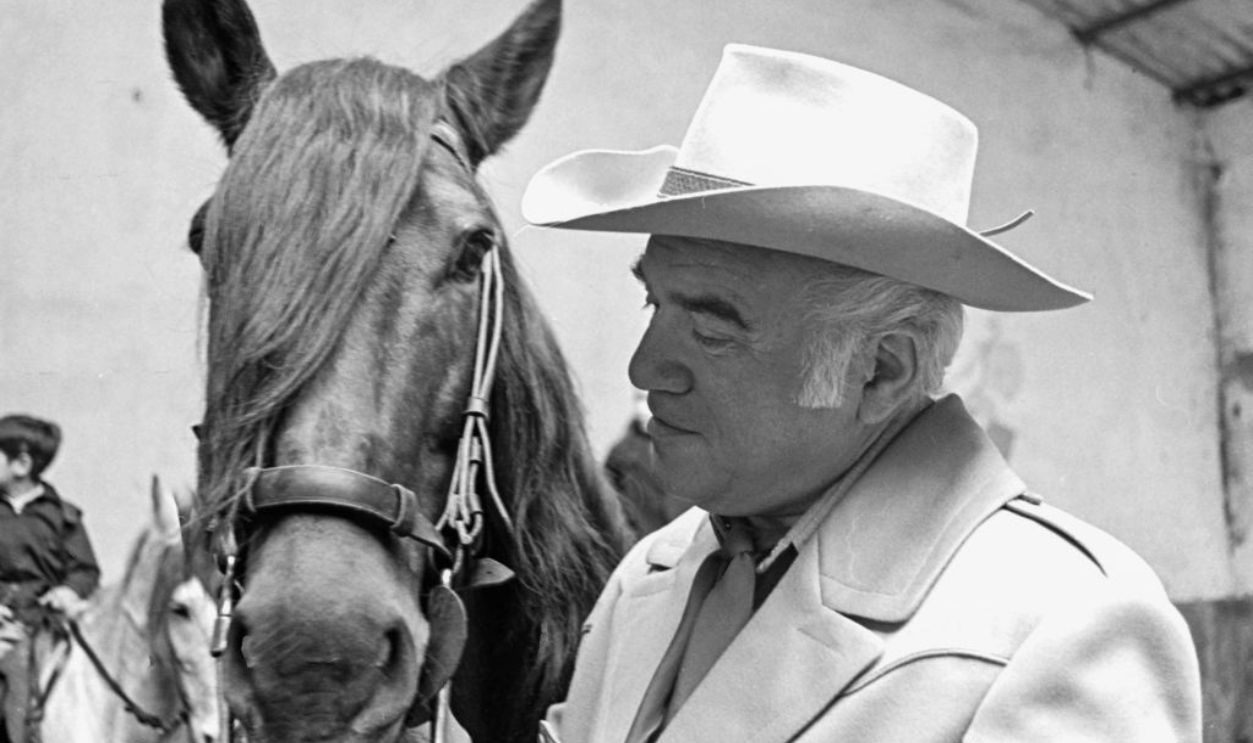
Then World War II Began
When Britain declared war on Germany in September 1939, Canada soon followed. Radio became an essential source of information about the fighting overseas. Greene was among the announcers responsible for bringing wartime developments into Canadian homes during an increasingly uncertain period.
 Michael Ochs Archives, Getty Images
Canadians Called Him The Voice Of Canada
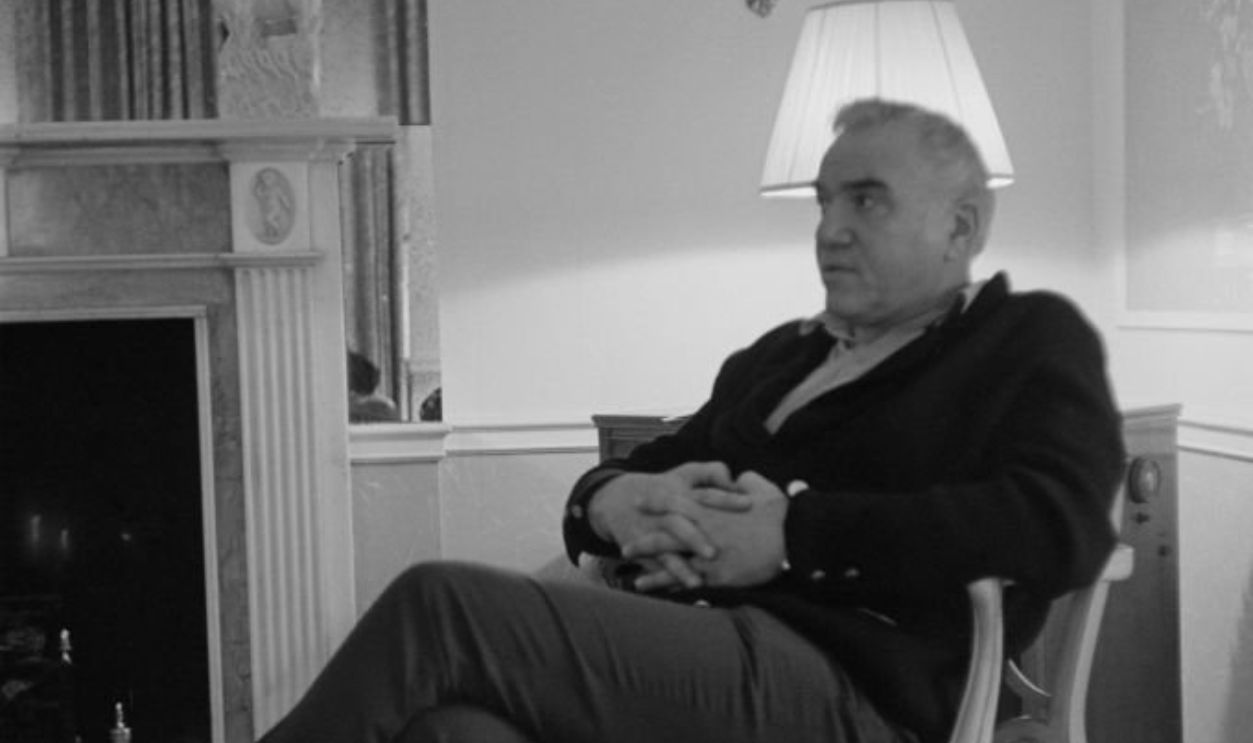
Greene rose to become the CBC's principal national newsreader. His polished delivery and distinctive baritone earned him the nickname "The Voice of Canada." It was quite an achievement for someone who had entered university intending to become an engineer.
But Another Nickname Was Waiting
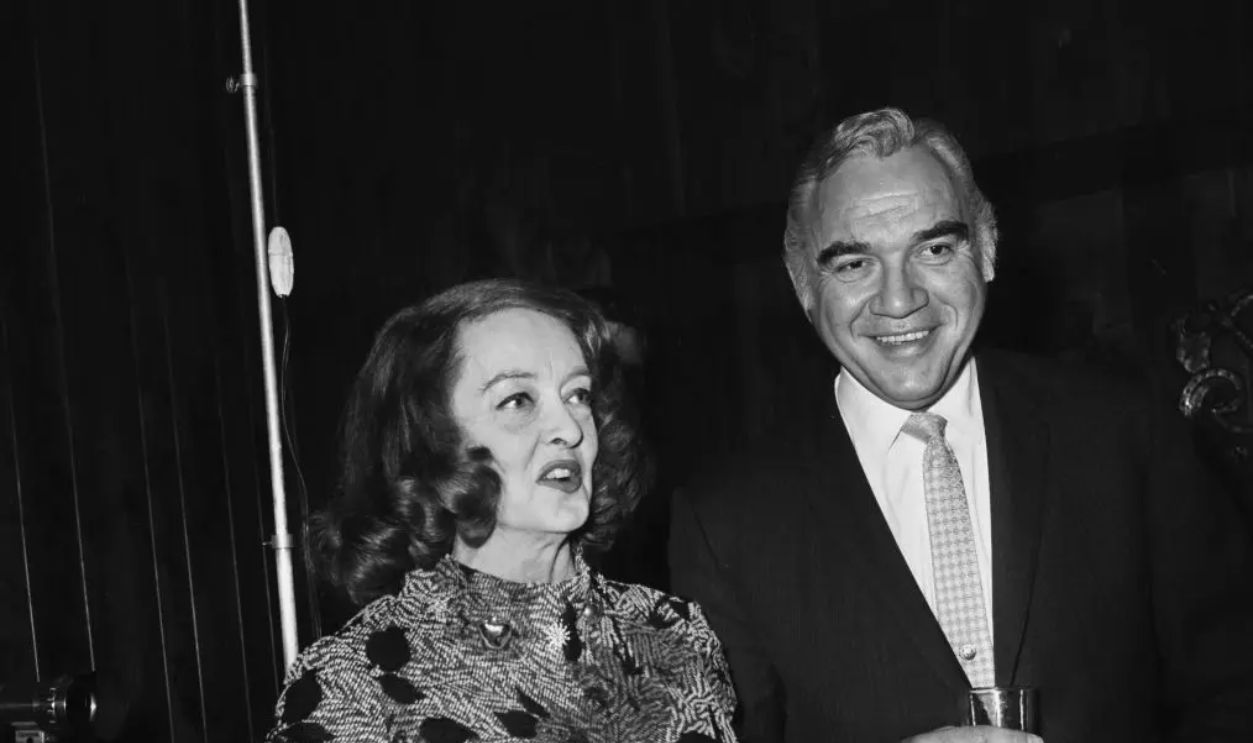
As wartime reports grew increasingly grim, Greene acquired a much darker nickname: "The Voice of Doom." His deep voice became associated with reports of military setbacks and fighting overseas. The description reflected both his unmistakable delivery and the troubling news he regularly announced.
 Michael Ochs Archives, Getty Images
His Voice Became Part Of Wartime Life
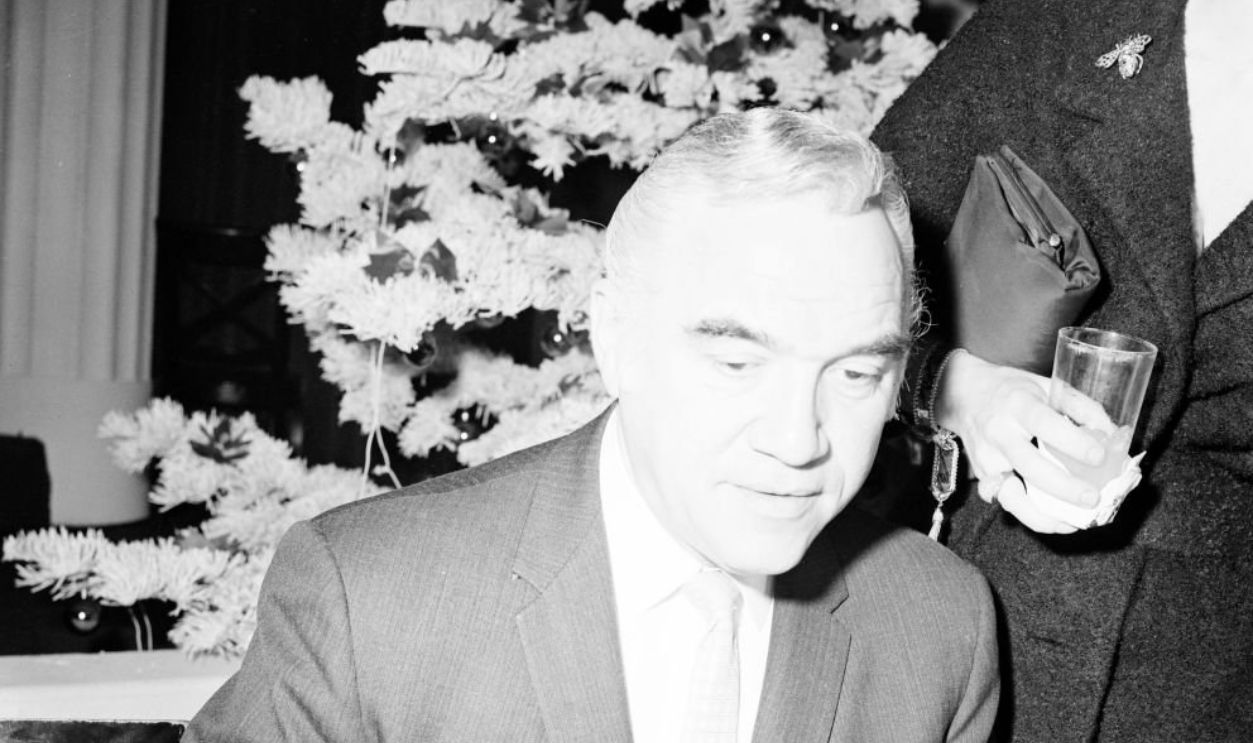
During the early 1940s, Canadians relied heavily on radio bulletins to follow the war. Greene's broadcasts covered a conflict unfolding thousands of miles away. Years before Americans knew him as Pa Cartwright, Canadian listeners already recognized that famous voice.
He Also Served His Country
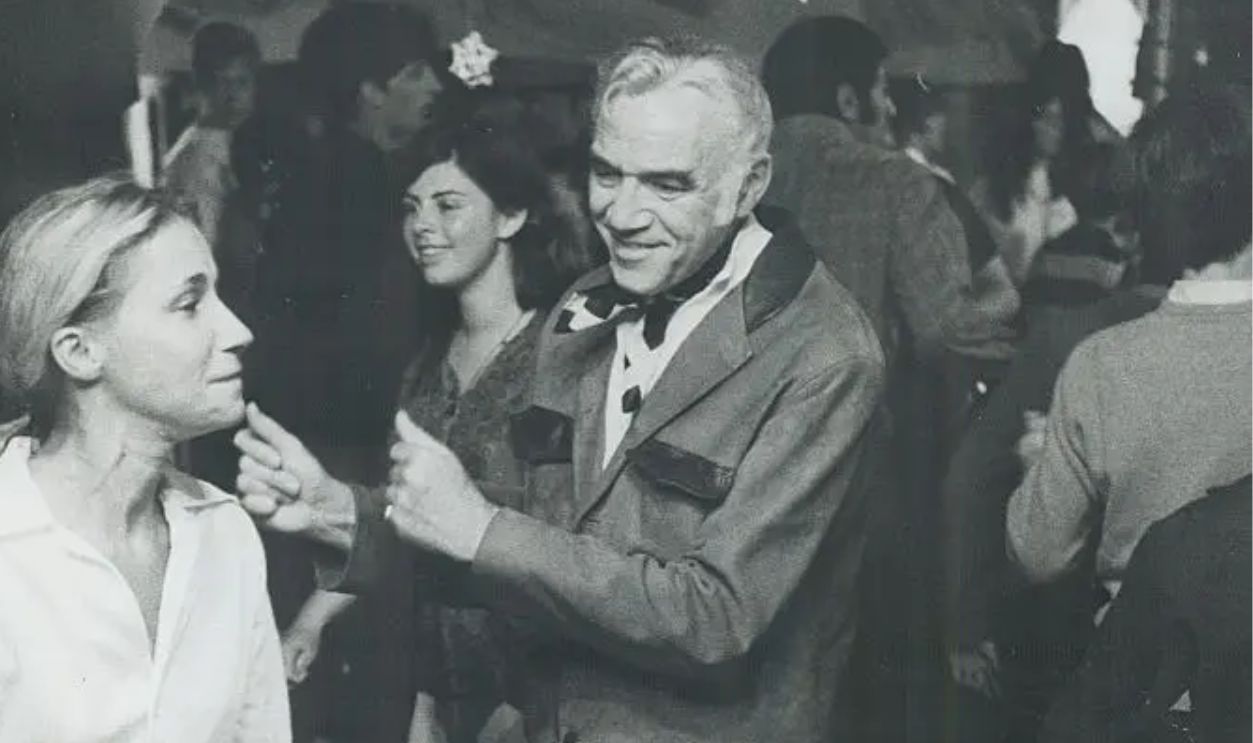
Greene's wartime contribution extended beyond the broadcasting studio. In 1942, he entered military service, eventually serving as a flying officer in the Royal Canadian Air Force. His military service continued until 1945, adding another chapter to an already eventful career.
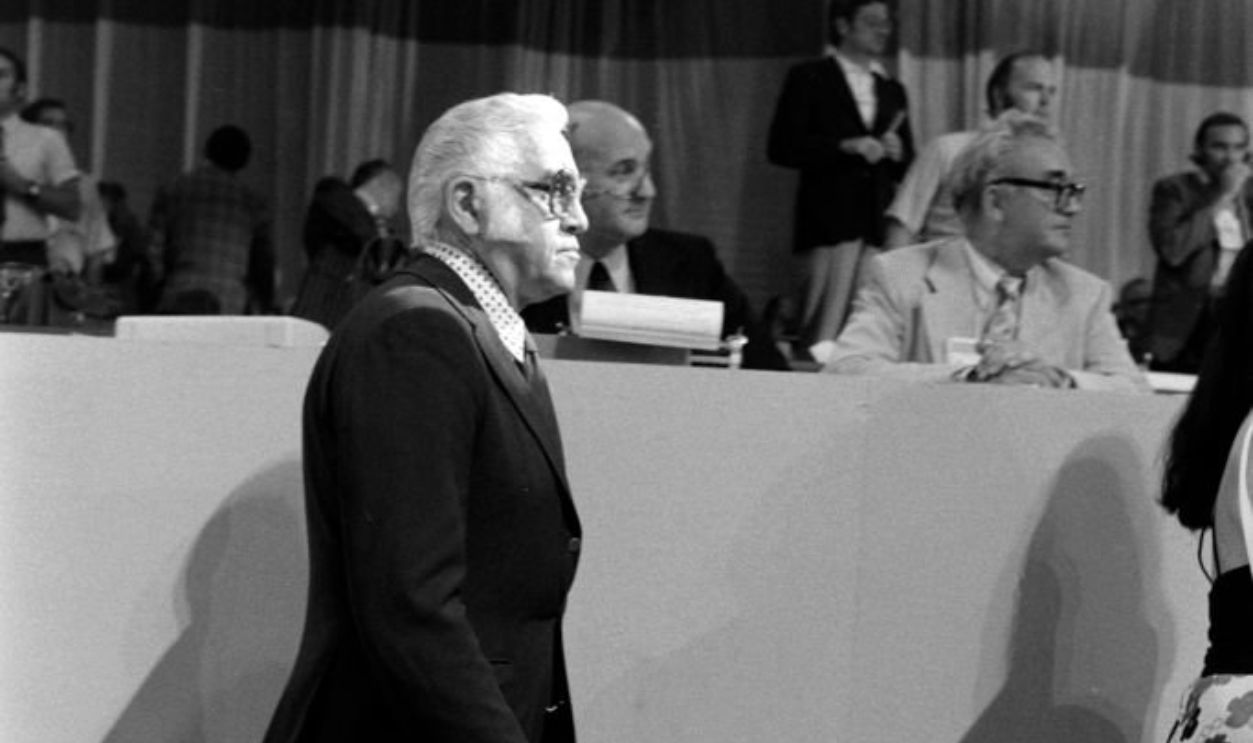
He Even Helped Make A Wartime Documentary
Greene's voice was also heard in documentary filmmaking. He narrated National Film Board of Canada productions, including Churchill's Island, a 1941 documentary about Britain's defenses. The film subsequently won the Academy Award for Documentary Short Subject, giving Greene a connection to Oscar history.
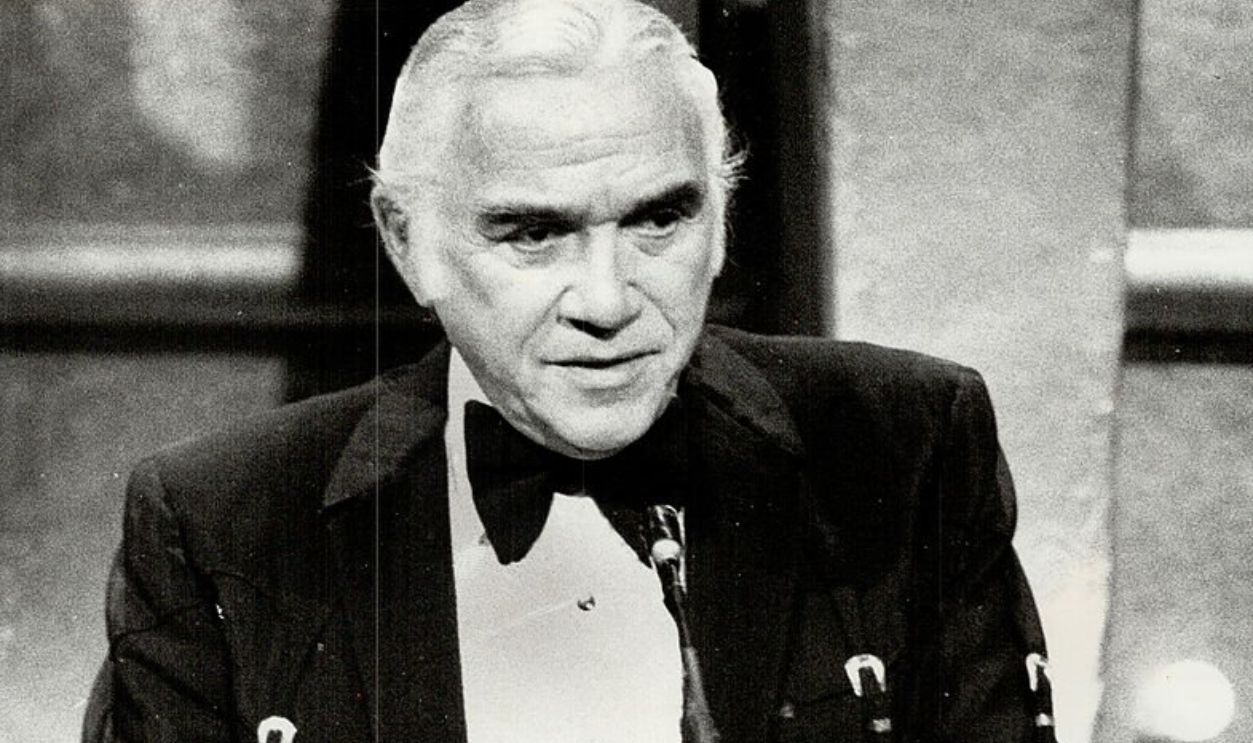
He Was Also Something Of An Inventor
Here's something many Bonanza fans might not know. Greene developed a countdown timing device for radio broadcasters. Unlike an ordinary stopwatch, it counted backward toward zero, allowing announcers to see how much time remained in a broadcast segment.
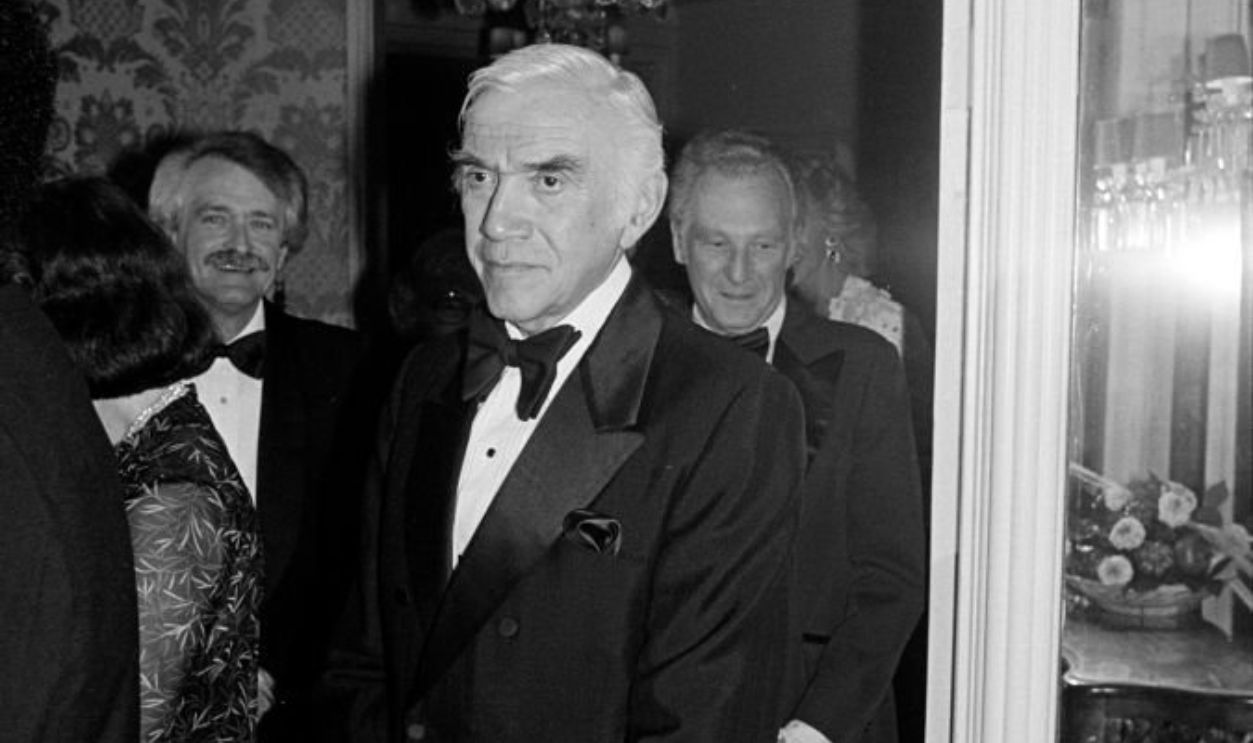
He Didn't Simply Return To Reading The News
After completing his military service in 1945, Greene chose not to resume his former position as the CBC's chief newsreader. Instead, he pursued acting, radio production, and teaching. His postwar career would become a bridge between broadcasting and the stage.
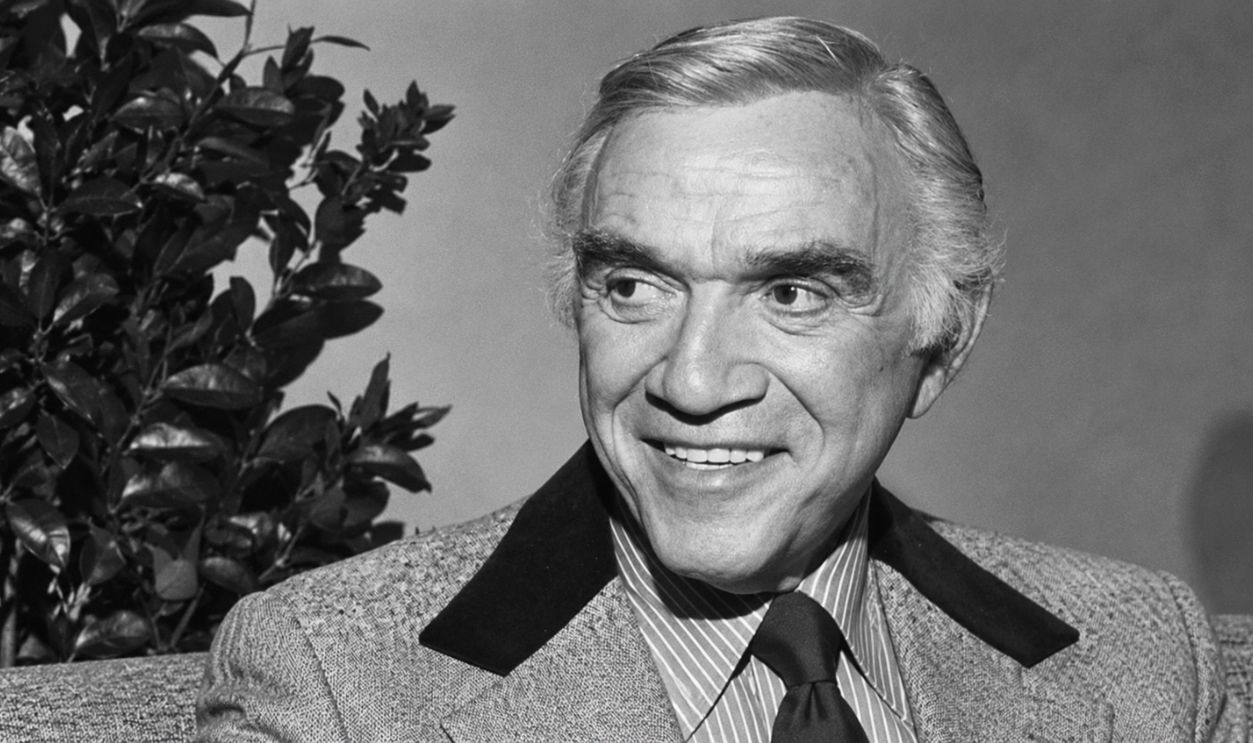 MediaPunch, Getty Images, Enhanced
He Helped Train Future Performers
Greene established the Academy of Radio Arts in Toronto, helping aspiring broadcasters and actors develop their skills. Among the people who attended was Leslie Nielsen, who later became famous for his television dramas and comedy films, including Airplane! and The Naked Gun.
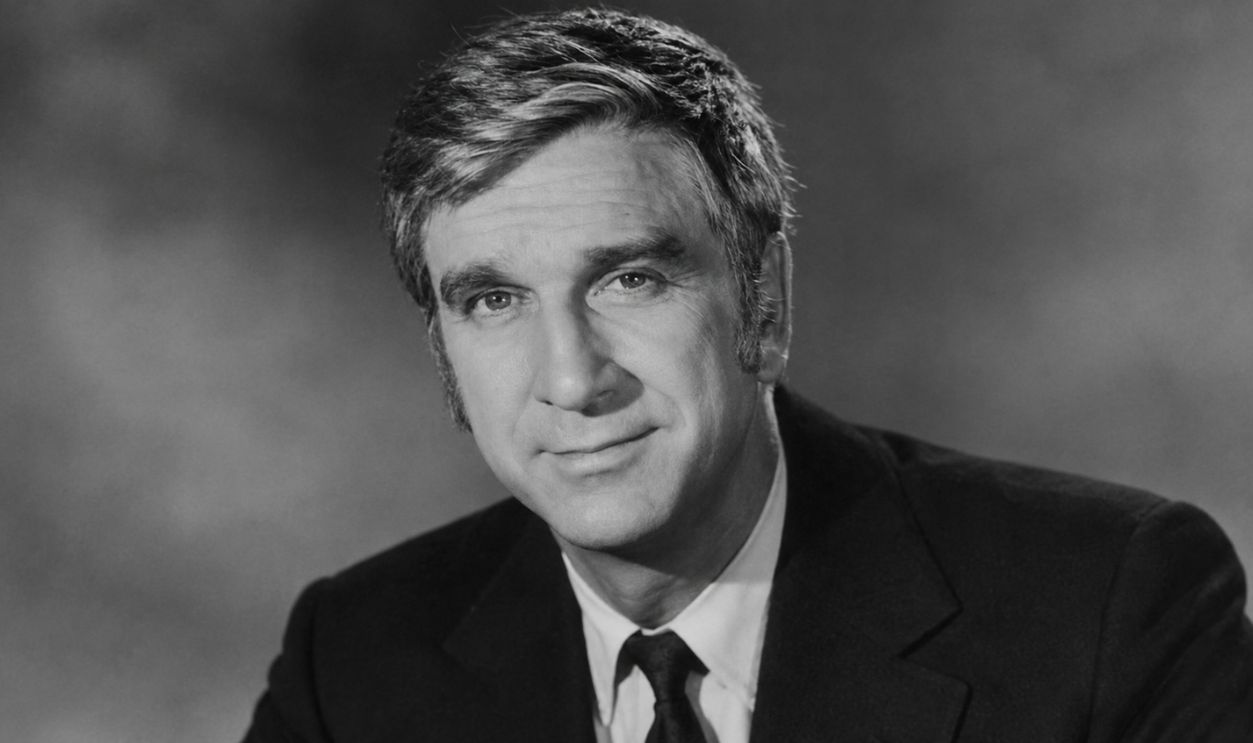 not credited, Wikimedia Commons, Enhanced
Theater Was Still His First Love
Greene also helped establish Toronto's Jupiter Theatre, providing opportunities for performers to develop their craft. He appeared in Canadian theatrical productions and worked with established theater companies. The experience strengthened his credentials long before he became one of television's best-known fathers.
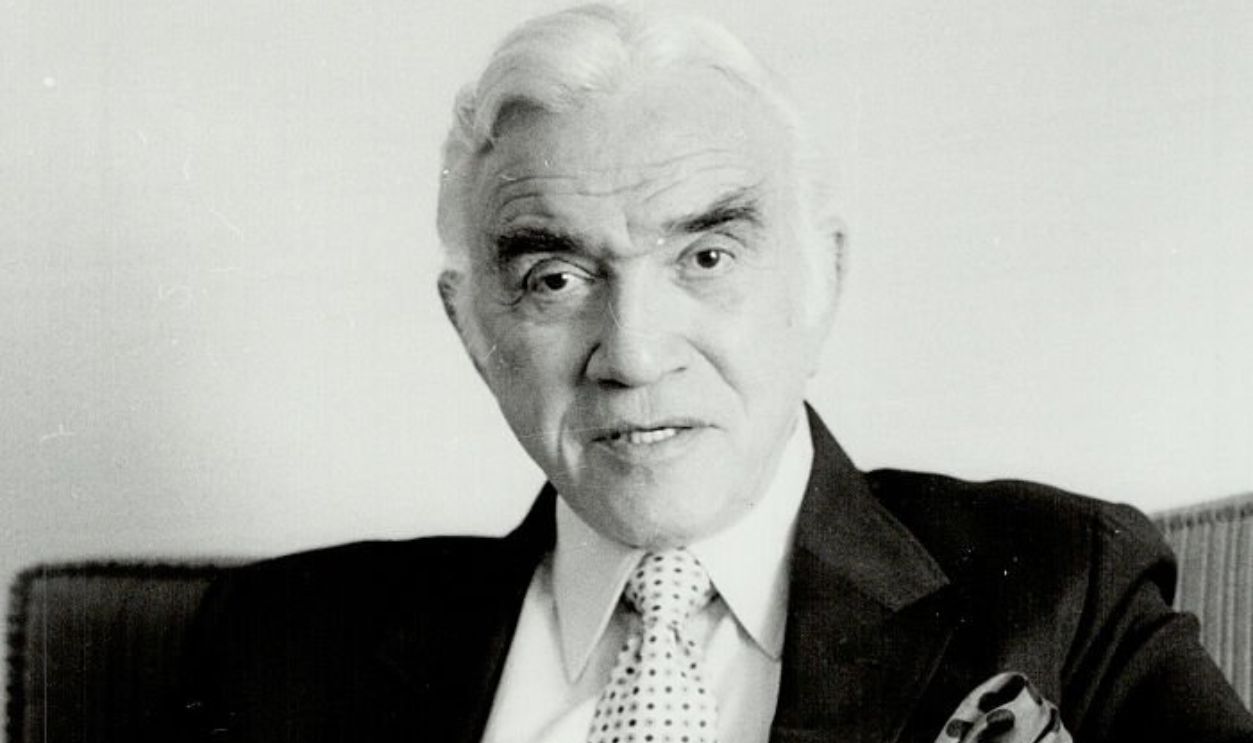
He Was Already Working In Television
In 1950, Greene began hosting the CBC television program Newsmagazine, continuing his involvement in broadcasting as the medium expanded. He remained connected to Canadian television for several years, but by 1953, he was ready to pursue bigger acting opportunities in the United States.
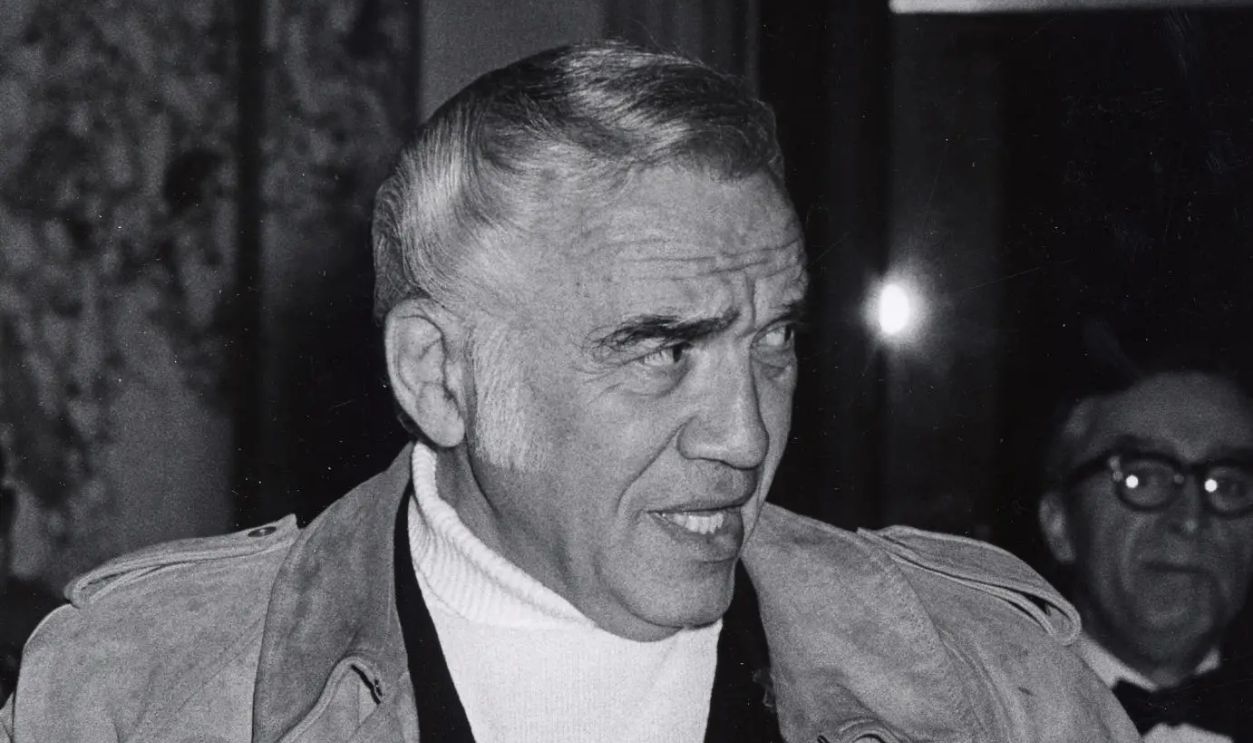
Hollywood Didn't Make Him Famous Overnight
Greene moved south in 1953 and began building his American career through stage, film, and television appearances. He worked on anthology programs including Studio One, Climax!, and Playhouse 90. These dramatic roles introduced American audiences to his imposing screen presence.
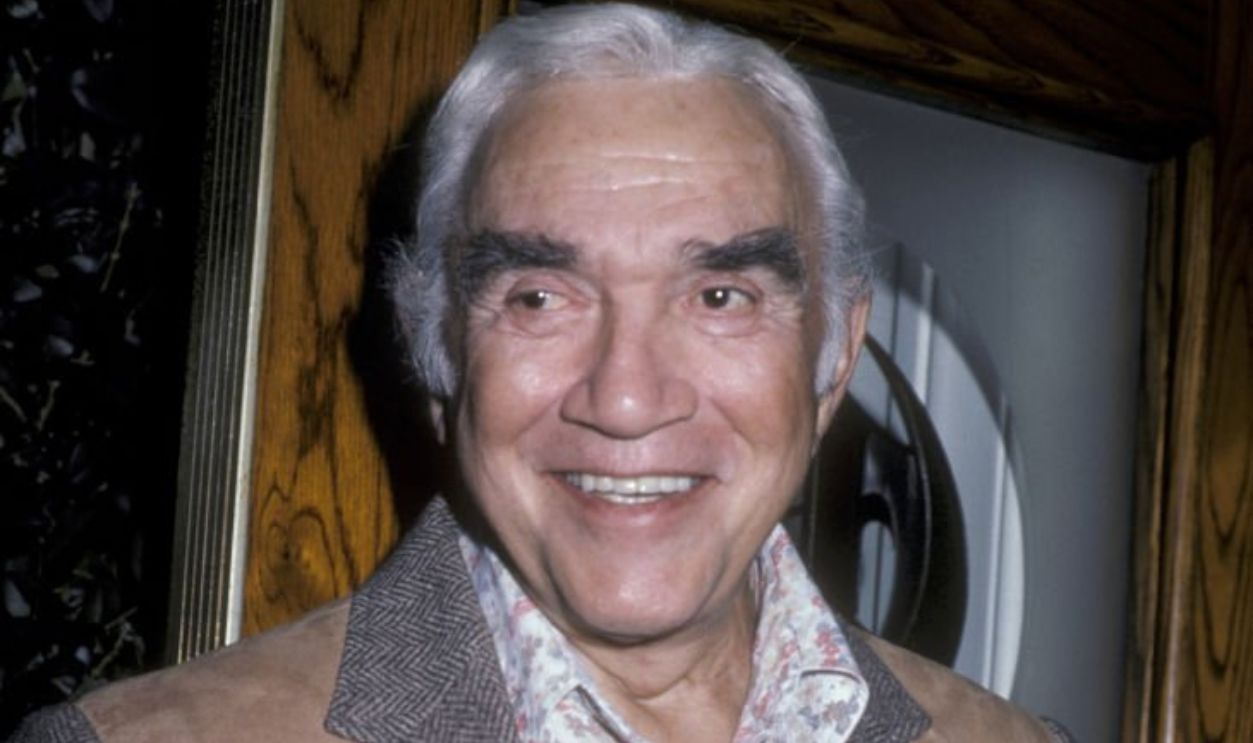 Ron Galella, Ltd., Getty Images
He Played A Chilling Character In 1984
One particularly memorable performance came in a television adaptation of George Orwell's Nineteen Eighty-Four for Studio One. Greene portrayed a sinister authority figure, demonstrating that his commanding voice could be every bit as effective in drama as it had been on wartime radio.
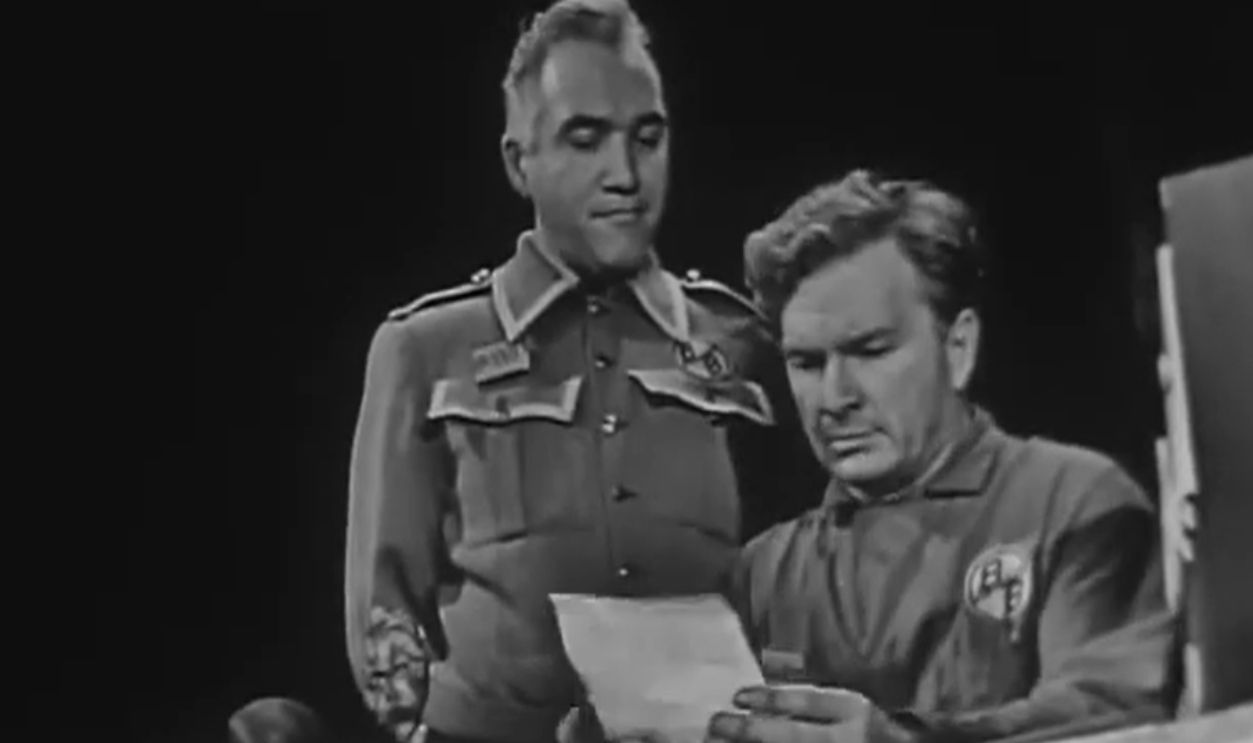 Screenshot from Westinghouse Studio One, CBS (1948-1958)
He Was Already Appearing In Movies
Before Bonanza, Greene appeared in films including The Silver Chalice (1954), Tight Spot (1955), and Autumn Leaves (1956). His movie work helped establish him as a dependable character actor, although his biggest success would come from television rather than the silver screen.
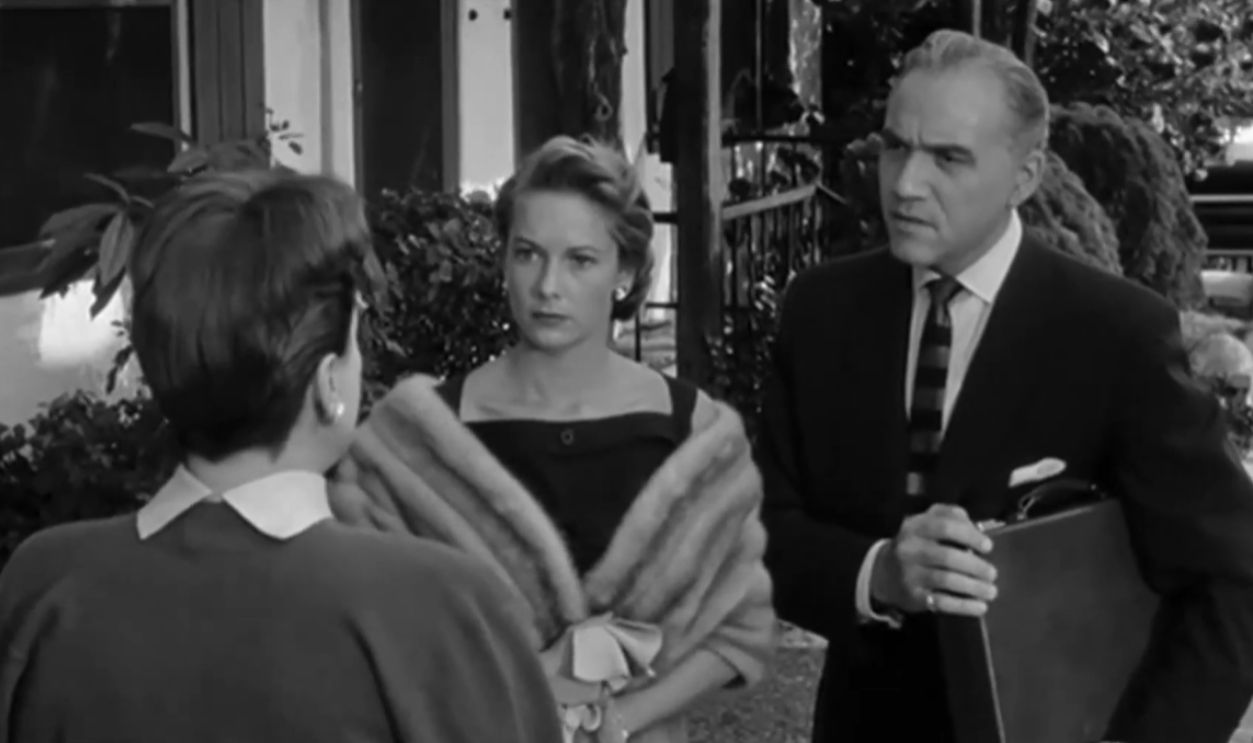 Screenshot from Autumn Leaves, Columbia Pictures (1956)
A Western Guest Appearance Opened The Door
Greene's appearance on the popular Western series Wagon Train helped bring him to the attention of producer David Dortort. Dortort was developing a new television Western centered around a wealthy ranching family. Greene had the authority and presence needed for its leading role.
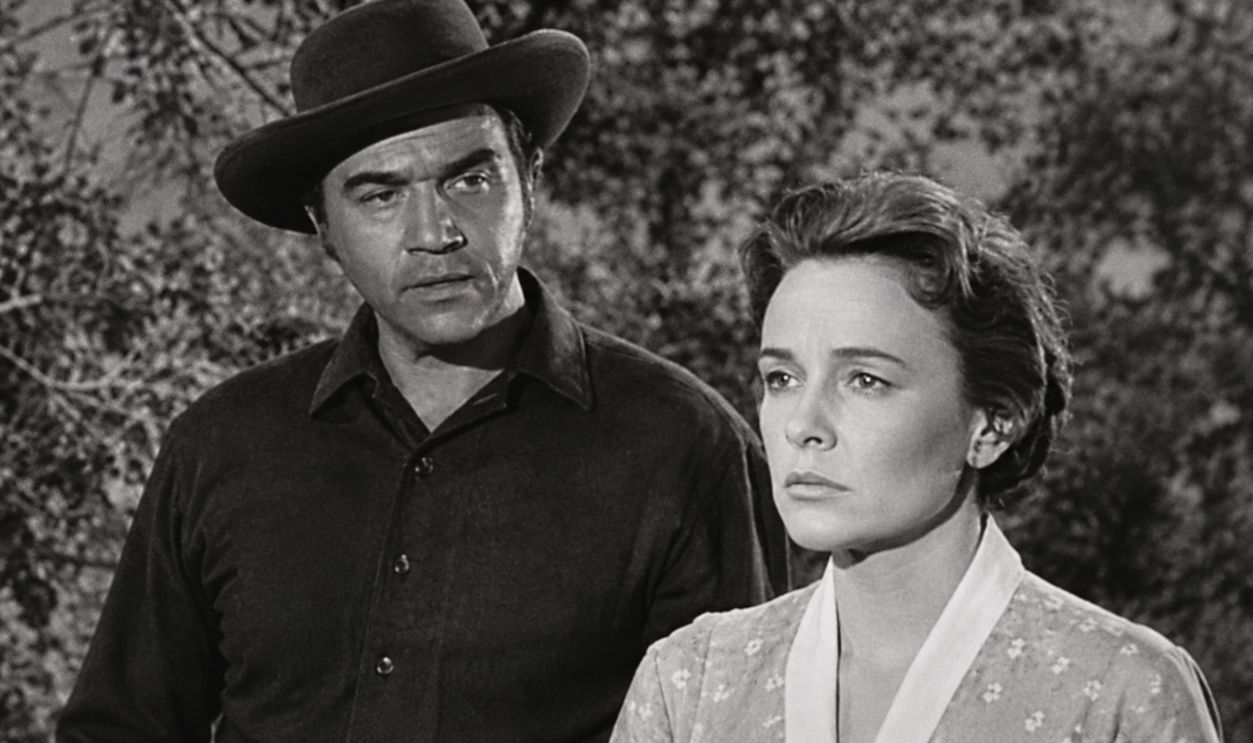 Screenshot from Wagon Train, NBC (1957-1965)
Bonanza Finally Arrived In 1959
On September 12, 1959, Bonanza premiered on NBC, introducing viewers to Ben Cartwright and his family. Greene was 44 years old and finally had the role that would define his career. After years of radio, theater, and smaller screen appearances, he had become a television leading man.
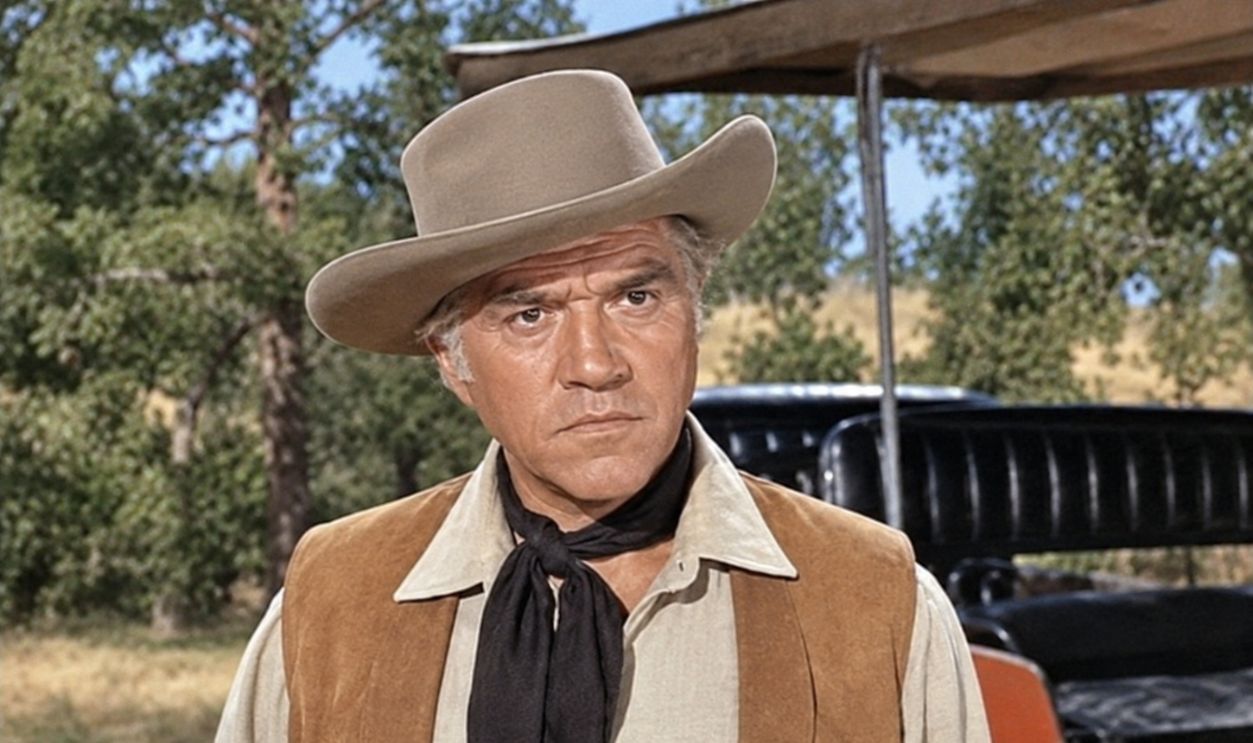 Film screenshot, Wikimedia Commons, Enhanced
Meet The Cartwright Family
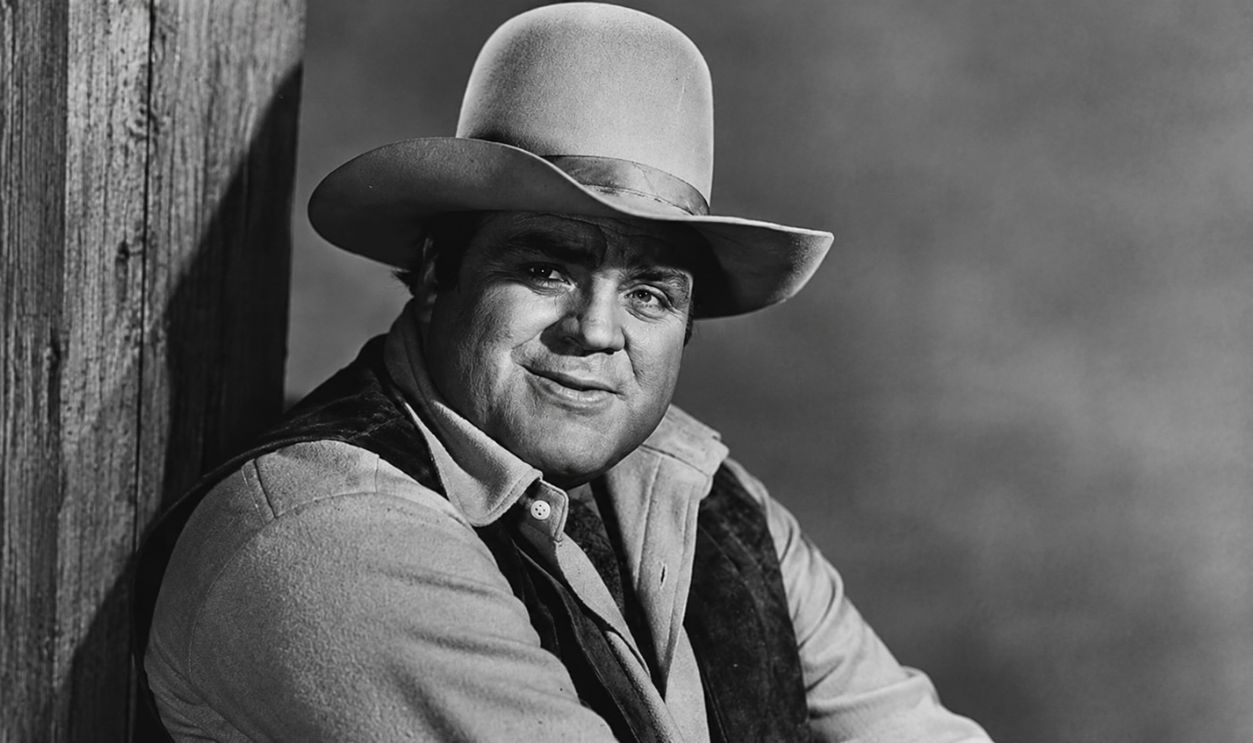
Greene played Ben Cartwright, the widowed owner of the Ponderosa Ranch near Virginia City, Nevada. His sons were Adam, played by Pernell Roberts; Hoss, played by Dan Blocker; and Little Joe, played by Michael Landon. Together, they became one of television's most recognizable families.
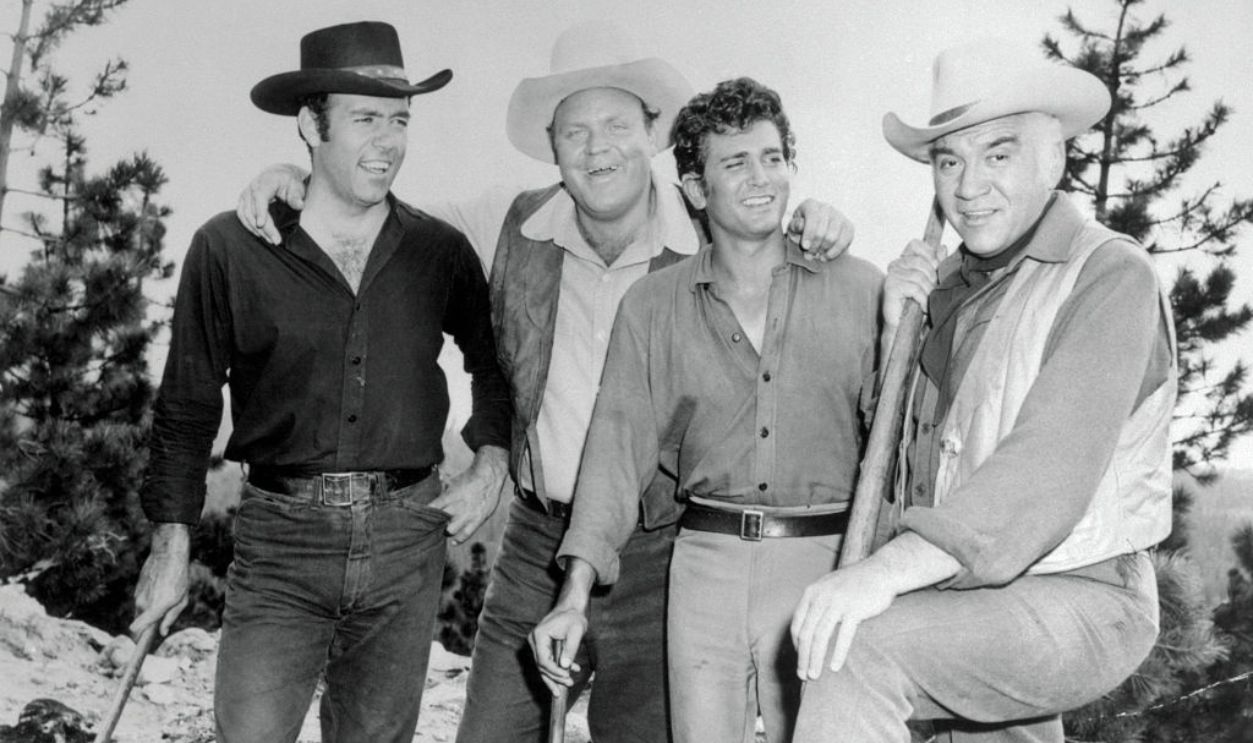
Ben Cartwright Was No Ordinary TV Father
Ben could be stern when his sons stepped out of line, but he also showed remarkable compassion. Unlike many Western heroes, he frequently tried to settle disputes through conversation. Greene's commanding delivery was particularly effective when Pa Cartwright had something important to say.
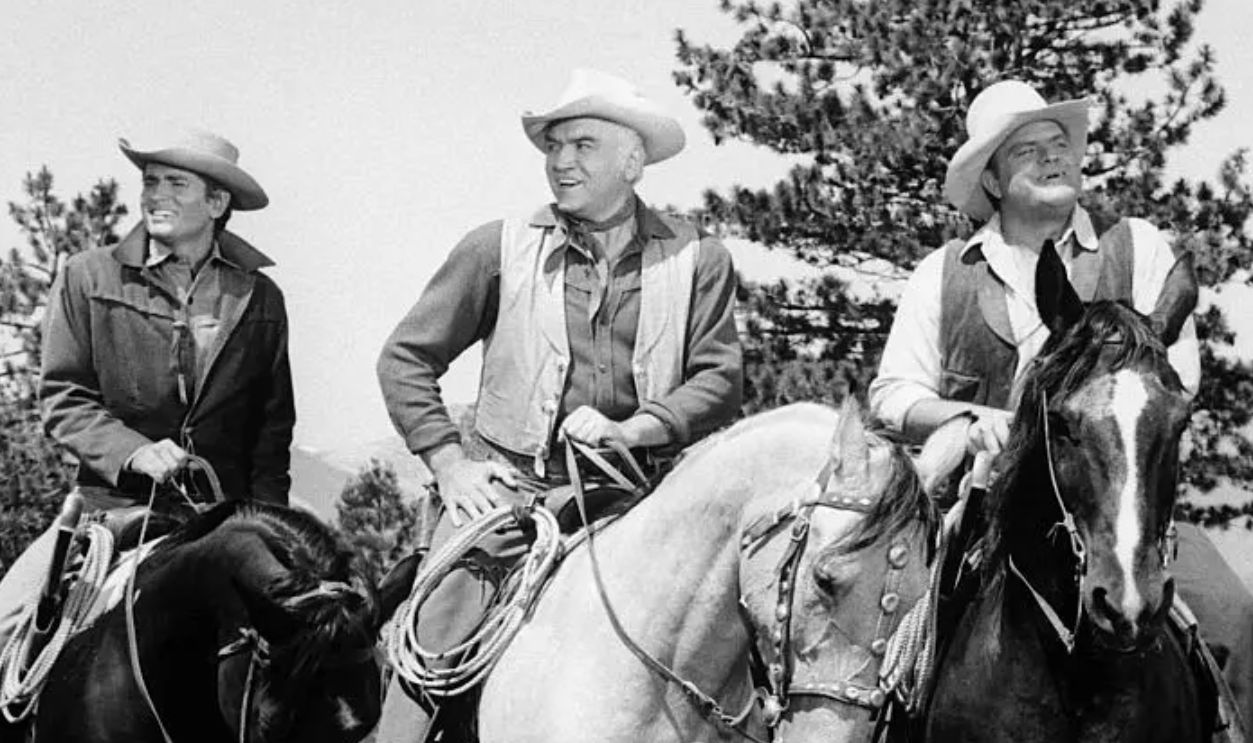
Sunday Nights Belonged To Bonanza
Originally broadcast on Saturdays, Bonanza moved to Sunday evenings in 1961. Its popularity soared, and it became America's highest-rated television program for three consecutive seasons, from 1964 through 1967. Greene was now starring in one of the biggest entertainment successes of the decade.
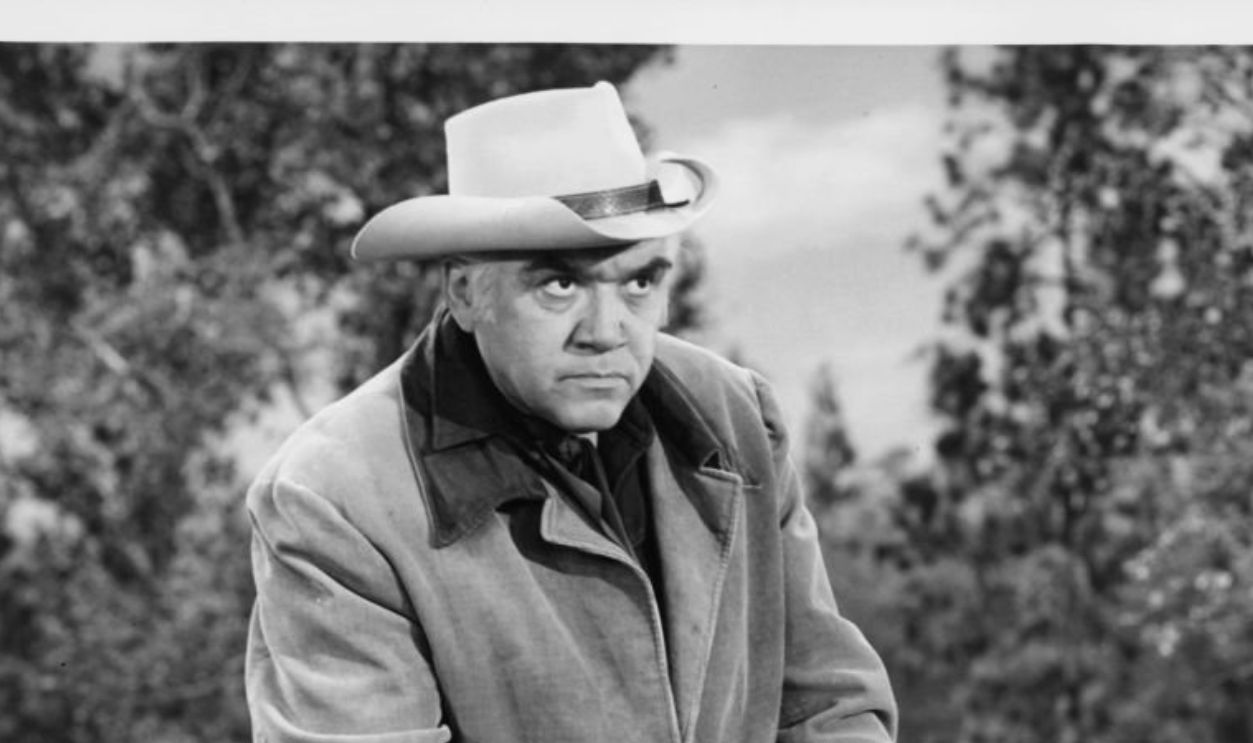
The Show Changed Over The Years
Pernell Roberts left Bonanza after the 1964–65 season, removing Adam Cartwright from the regular cast. Greene continued leading the family through numerous adventures, with Blocker and Landon remaining central figures. Despite the changes, the series stayed enormously popular throughout much of the 1960s.
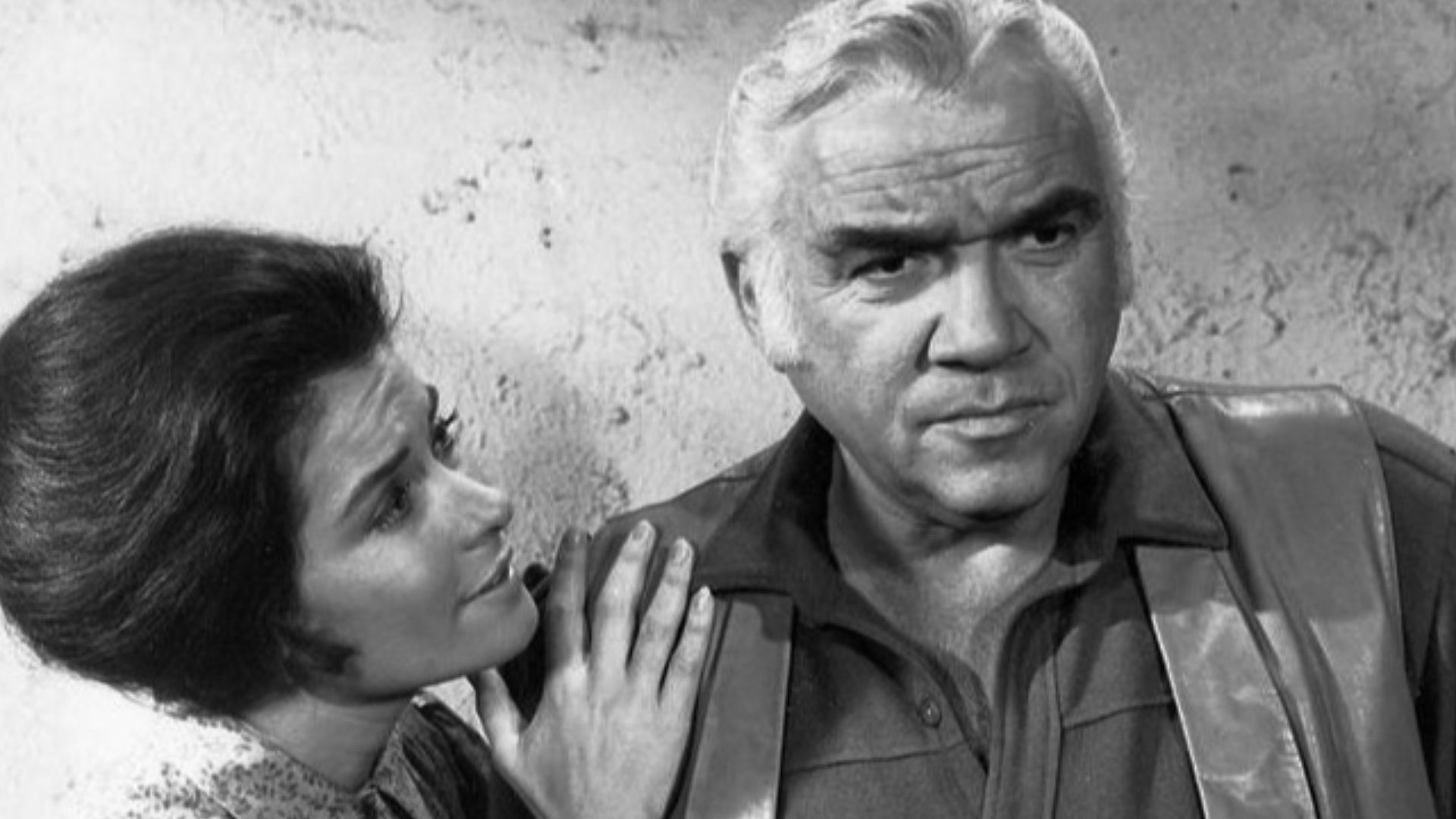 NBC Television, Wikimedia Commons
The Loss Of Dan Blocker Was Devastating
In May 1972, Dan Blocker died unexpectedly at just 43. The loss deeply affected the production. With Hoss gone and the series moved to Tuesday nights, Bonanza struggled during its final season. NBC aired its last original episode on January 16, 1973, ending a remarkable 14-season run.
 TV studio, Wikimedia Commons, Enhanced
From The Voice Of Doom To America's Favorite TV Father
After Bonanza, Greene continued acting, notably playing Commander Adama on Battlestar Galactica. He died on September 11, 1987, aged 72. Yet his greatest legacy remains the remarkable journey from wartime radio announcer to Ben Cartwright, a character generations of television viewers still remember fondly.
You May Also Like:
Musicians Who Recorded Entire Albums That Their Record Labels Refused To Release
The Unexpected Country Voices Behind Famous Television Theme Songs
1970s Rock Stars Who Lost Fortunes Through Bad Deals And Financial Disasters