A Star Gone Too Soon
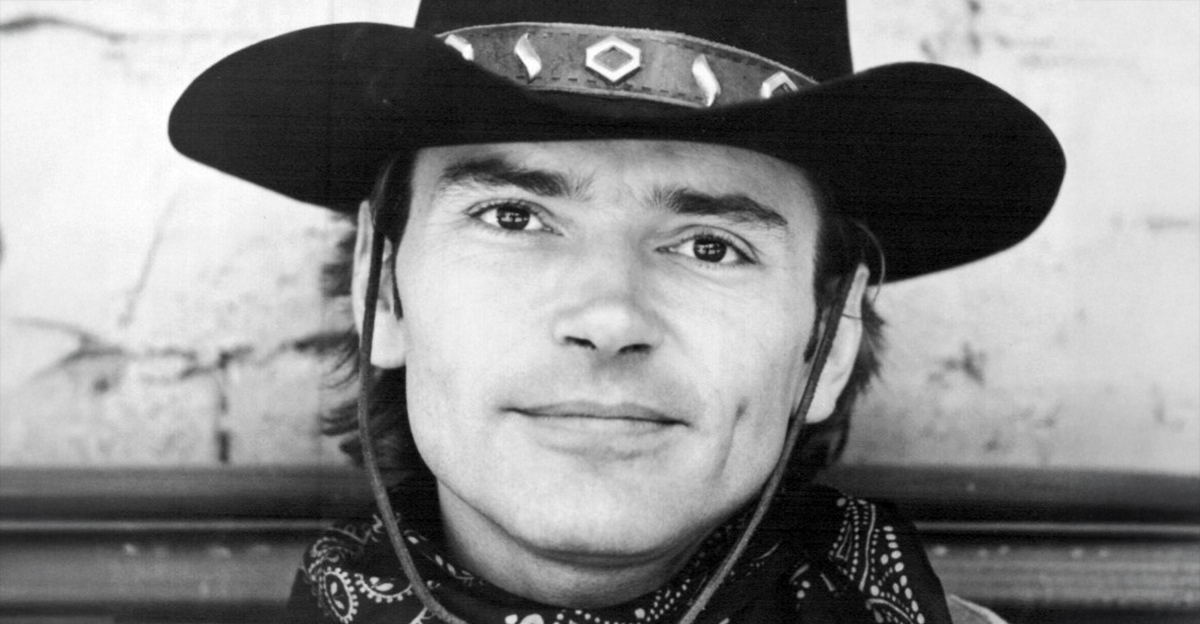
Pete Duel seemed destined for television stardom when Alias Smith and Jones made him one of America's most recognizable young Western actors in the early 70s. Handsome, charismatic, and enormously talented, he had finally found the role that could transform his career. But behind the scenes, Duel was struggling with problems that fame couldn't resolve. His remarkable story would end when he was just 31.
 ABC Television, Wikimedia Commons
A Childhood In New York
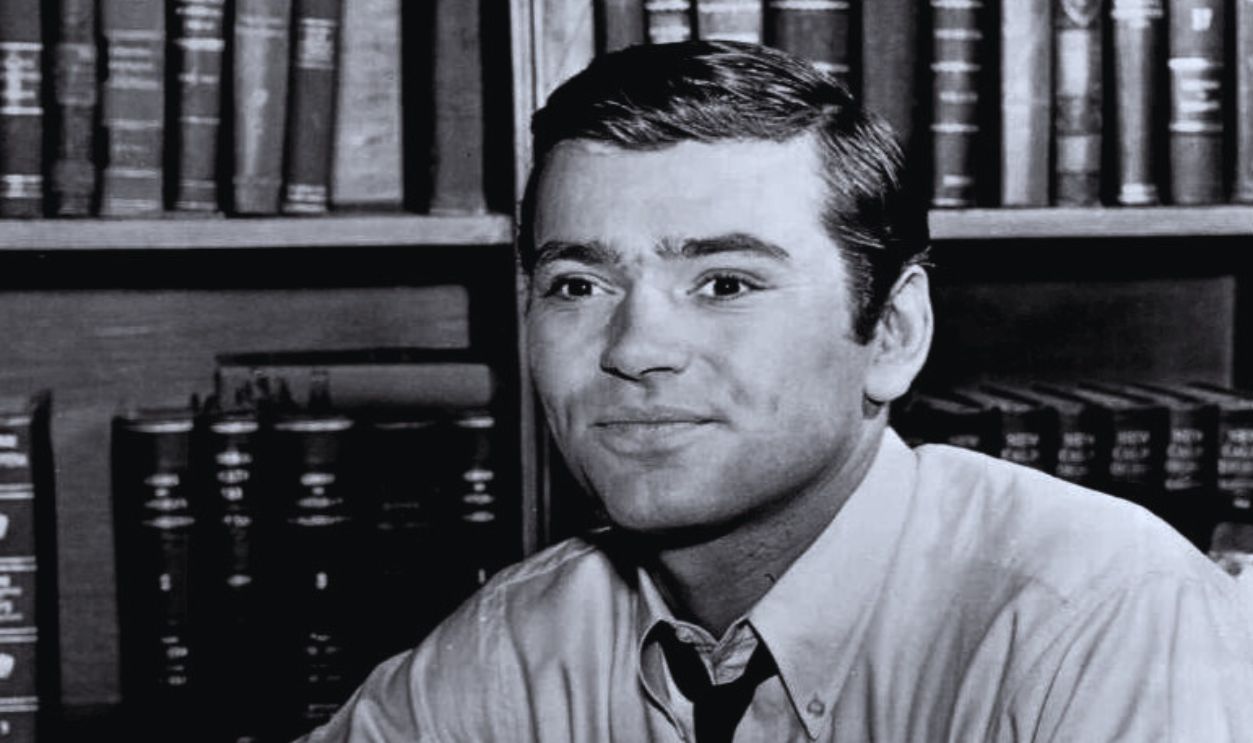
Peter Ellstrom Deuel was born on February 24, 1940, in Rochester, New York. His father, Dr. Ellsworth Deuel, was a physician, while his mother, Lillian, had worked as a nurse. Pete grew up in nearby Penfield with his younger brother Geoffrey and sister Pamela, enjoying the outdoors and developing an early fascination with adventure.
 McFadden, Strauss, Eddy and Irwin-public relations for Armstrong floors, Wikimedia Commons
He Considered Becoming A Doctor
Medicine was practically a family tradition. Duel's father and grandfather were physicians, and he initially seemed likely to follow them into the profession. He enrolled at St. Lawrence University in Canton, New York, but found himself increasingly drawn toward performing. His grades suffered as his enthusiasm for acting grew.
 ABC Television, Wikimedia Commons
Acting Changed His Plans
While attending St. Lawrence, Duel appeared in numerous college productions, including Tennessee Williams' The Rose Tattoo. His parents attended a performance and recognized his enthusiasm for acting. Rather than insist that he pursue medicine, his father encouraged him to follow his theatrical ambitions. It was a turning point that changed the course of Duel's life.
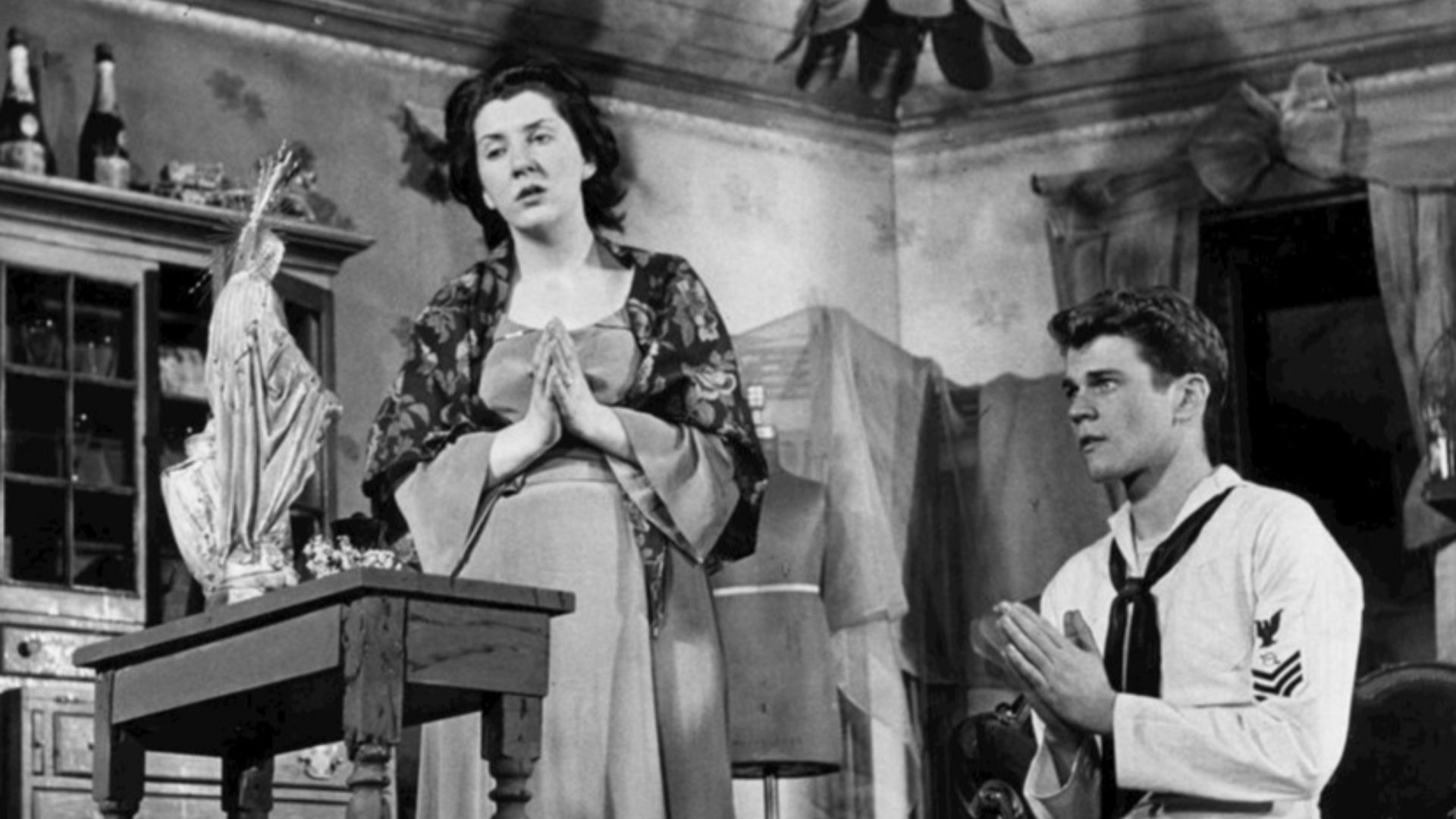 Photo by George Karger, Pix, Inc, New York, Wikimedia Commons
He Studied In New York
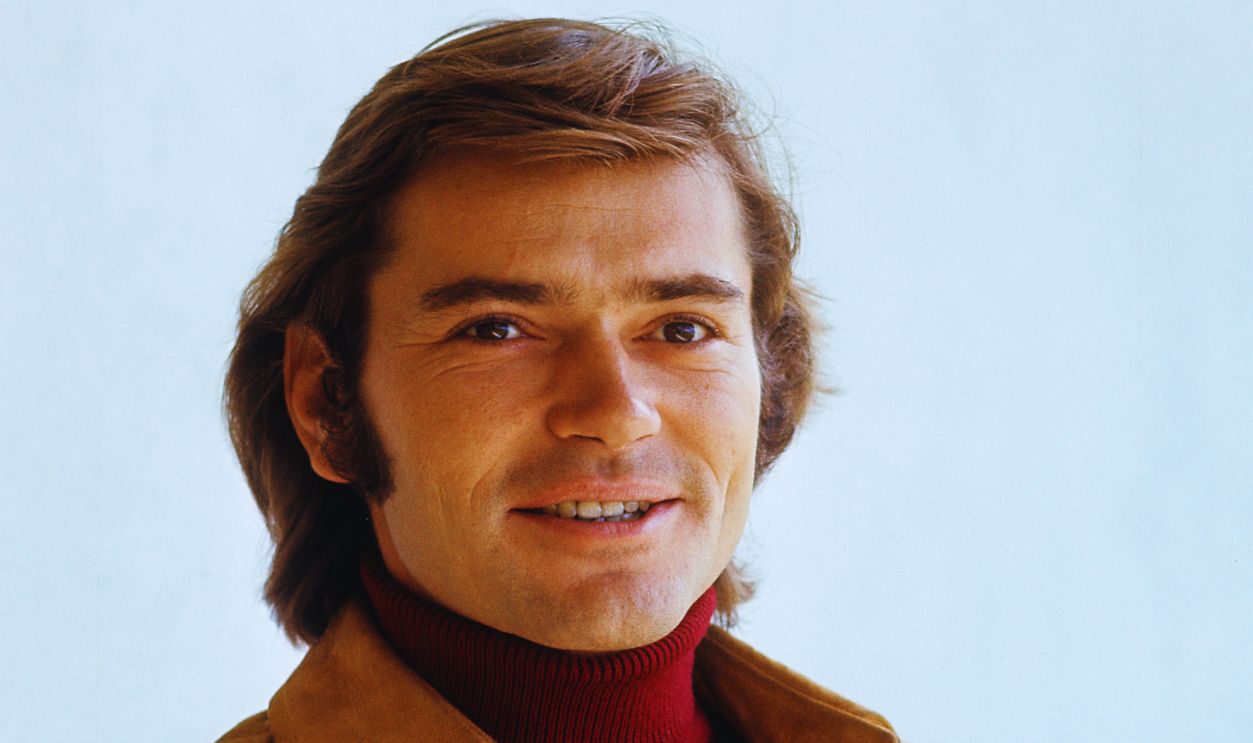
Duel moved to New York City around 1960 and enrolled in the American Theatre Wing's professional training program. He studied classical acting, movement, and stage technique while supporting himself through modest jobs. The young performer was determined to build a serious theatrical career, even if it meant abandoning the security of the medical profession his family knew so well.
 Michael Ochs Archives, Getty Images
His First Professional Roles
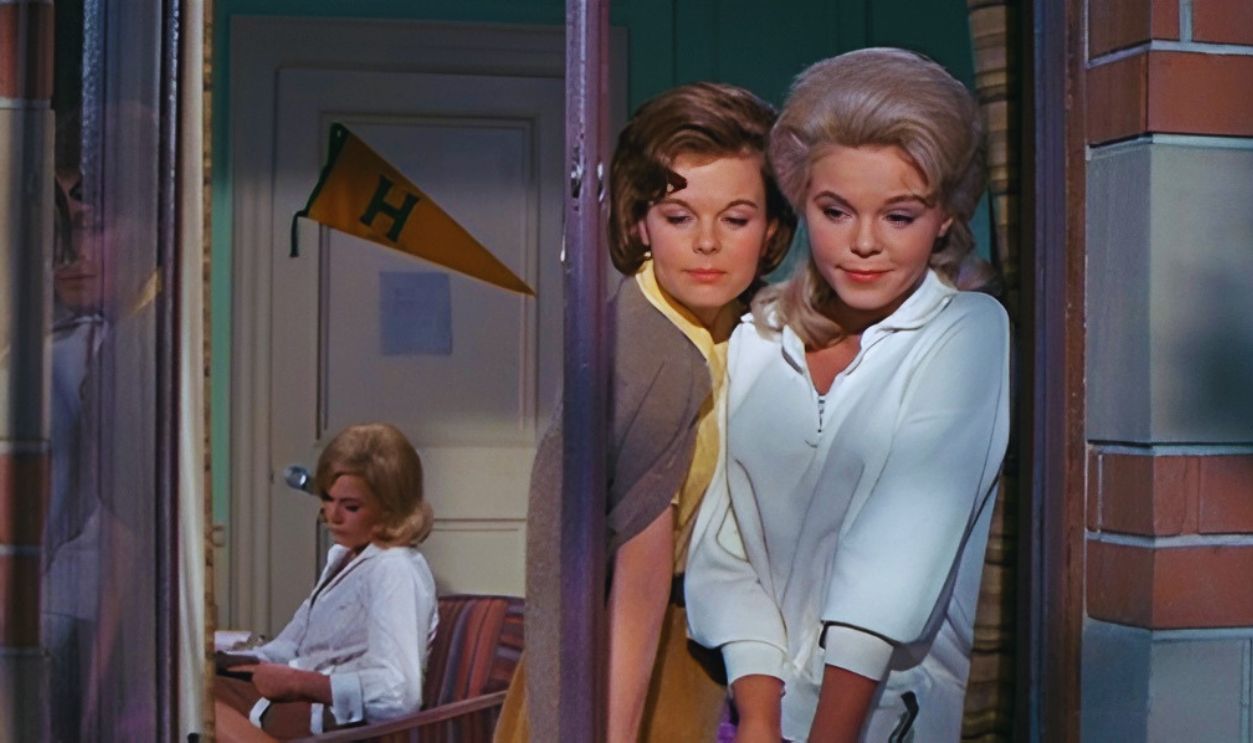
In 1962, Duel appeared in an Off-Broadway production of Electra, also working behind the scenes as an assistant stage manager. He subsequently joined a touring production of Take Her, She's Mine, starring Tom Ewell. The experience gave him valuable professional exposure and eventually brought him to California, where Hollywood offered opportunities that New York theater couldn't.
 Screenshot from Take Her, She's Mine, 20th Century Fox (1963)
Hollywood Beckoned In 1963
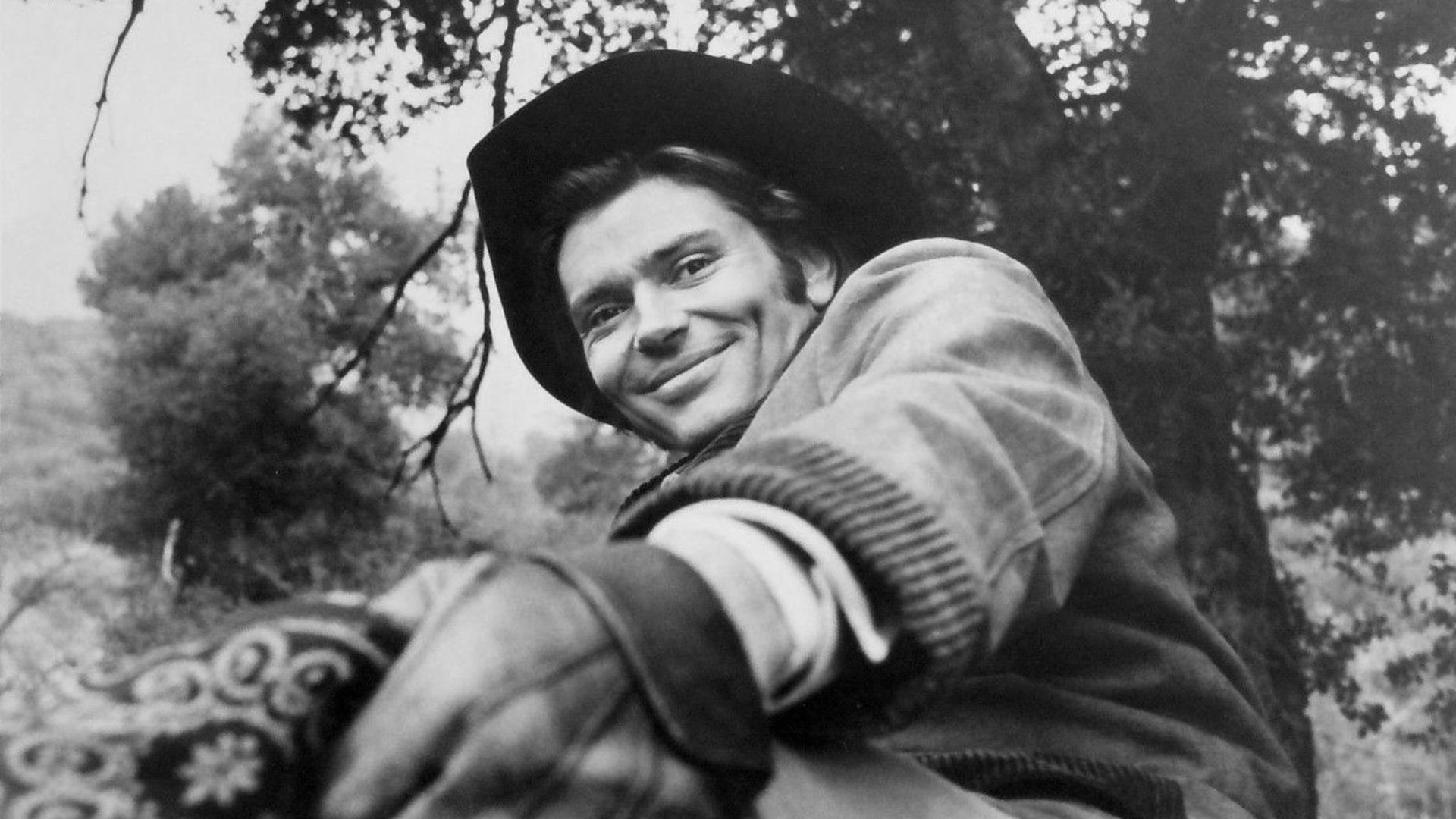
Duel moved to Los Angeles in 1963, hoping to establish himself in television and films. Initially credited as Peter Deuel, he would continue using that name for several years before adopting Pete Duel professionally around 1968–1969. He began auditioning for the numerous Westerns, dramas, and comedies being produced for American television, gradually building a reputation as a versatile young performer.
 ABC Television, Wikimedia Commons
Television Offered Small Parts
His early television appearances included Channing, Combat!, Gomer Pyle, U.S.M.C., and Twelve O'Clock High. Although these were relatively small assignments, they introduced him to the demanding schedules of network television. Duel could convincingly portray troubled young men, rebellious characters, and sympathetic outsiders, qualities that helped him stand out during auditions.
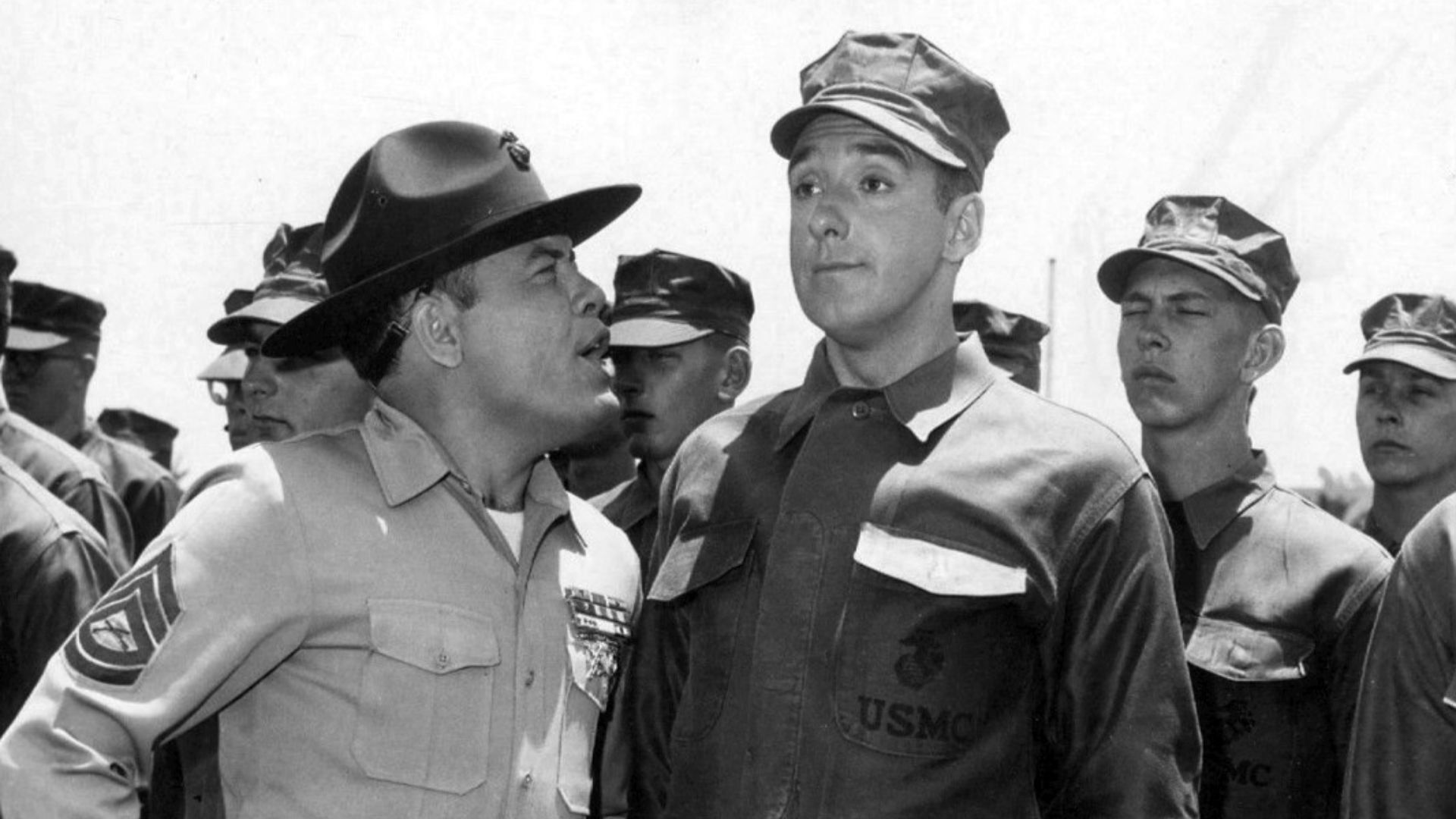 CBS Television, Wikimedia Commons
He Appeared In Major Dramas
As Duel's television career developed, he appeared in established dramas including The Virginian, The Fugitive, and The F.B.I. These productions gave him opportunities to work with experienced television actors and directors. His dramatic performances demonstrated a seriousness that contrasted with the lighter roles for which he would initially become best known.
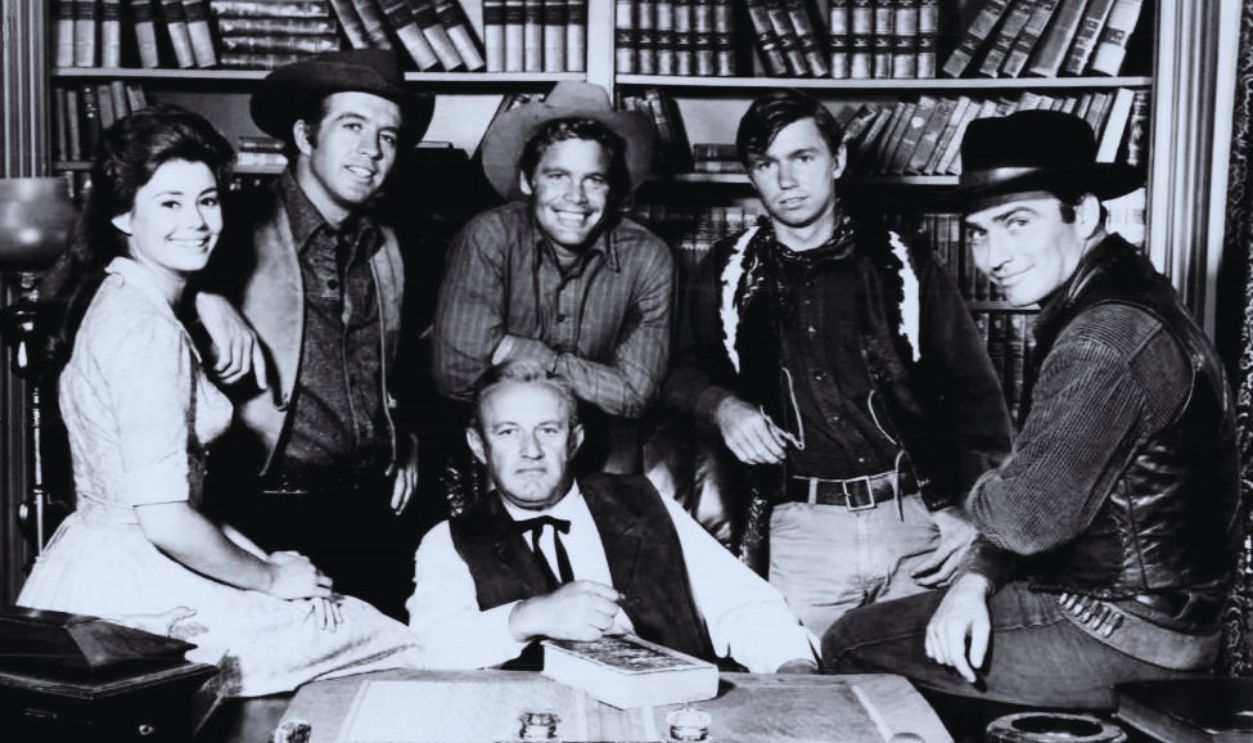 NBC Television, Wikimedia Commons
Gidget Brought Wider Recognition
In 1965, Duel joined the ABC sitcom Gidget, starring Sally Field as an energetic California teenager. He played John Cooper, the husband of Gidget's older sister Anne, portrayed by Betty Conner. Although the series lasted only one season, Duel appeared regularly and gained valuable exposure to a national audience. His television career was starting to gather momentum.
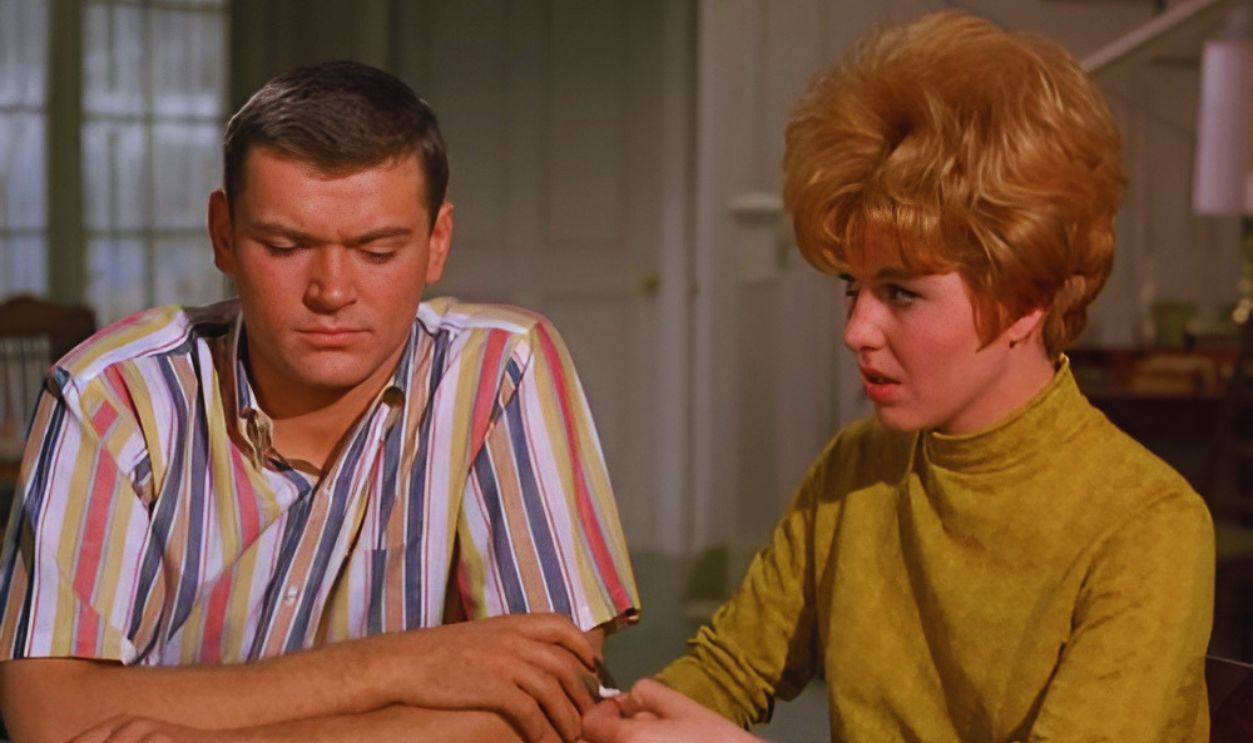 Screenshot from Gidget, Columbia Pictures (1959)
Love On A Rooftop
Duel quickly landed another substantial role in Love on a Rooftop, which premiered in 1966. He starred opposite Judy Carne as Dave Willis, a newly married architect struggling to establish a life with his wife, Julie. The romantic sitcom gave Duel an opportunity to demonstrate his natural comic timing and easygoing screen presence. Unfortunately, it too was canceled after one season.
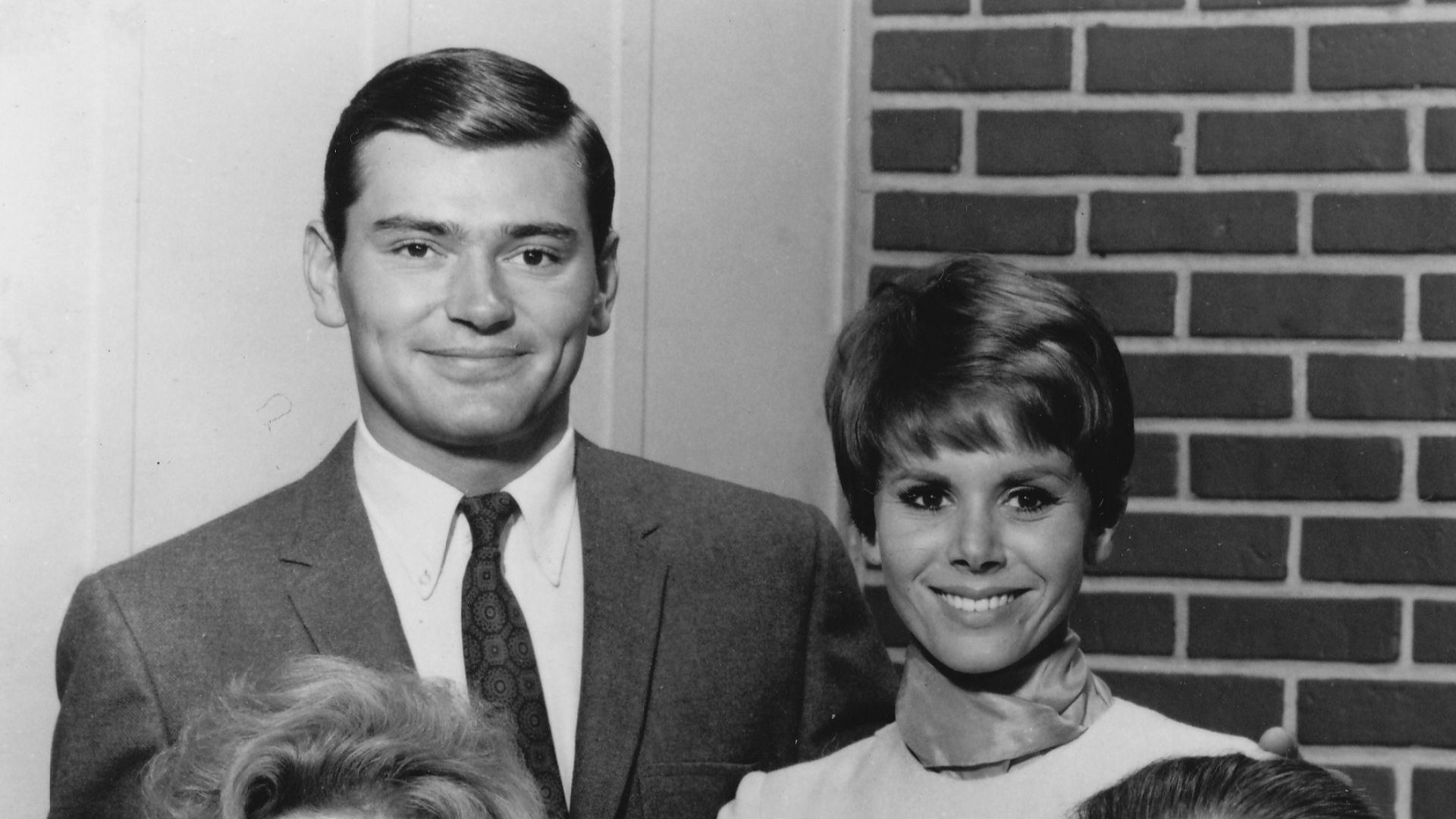 ABC Television Network., Wikimedia Commons
He Wanted More Serious Roles
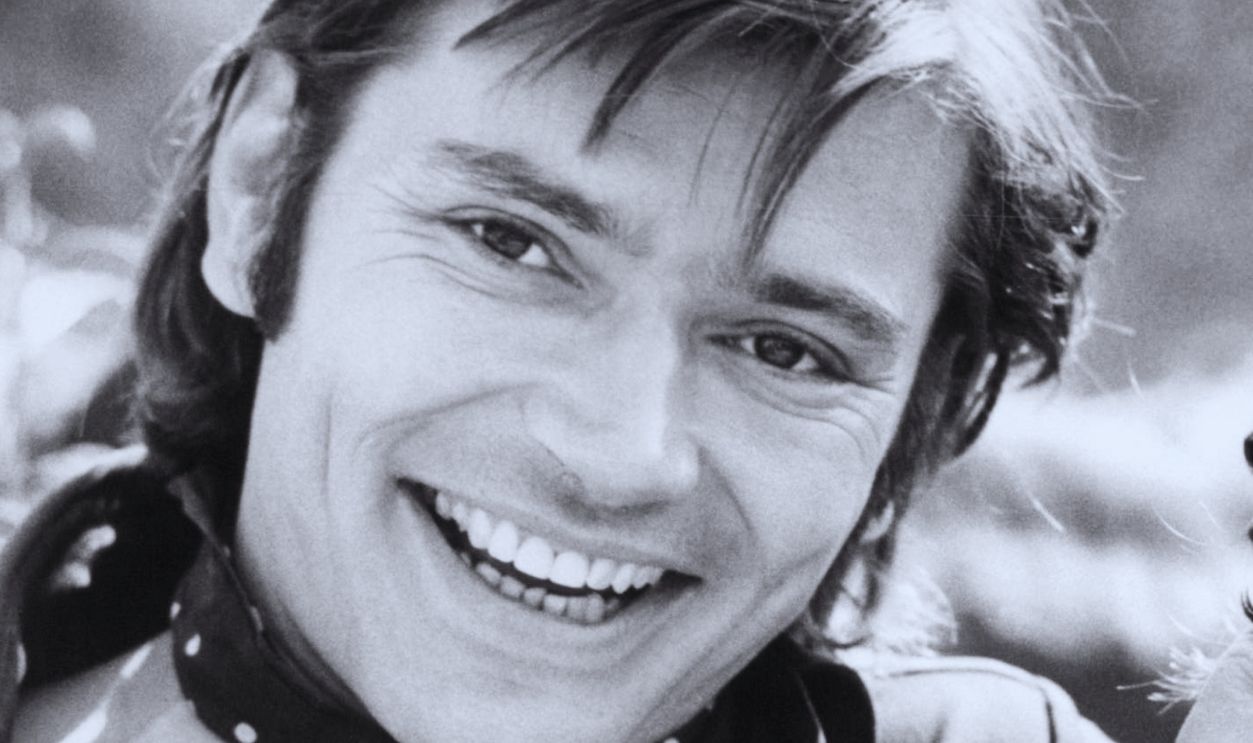
Despite his success in comedy, Duel hoped to establish himself as a dramatic actor. He was concerned that Hollywood might typecast him as a charming television leading man. In 1967, he signed a seven-year contract with Universal Studios, providing greater financial security while opening the door to additional film and television opportunities.
 Silver Screen Collection, Getty Images
He Made His Film Debut
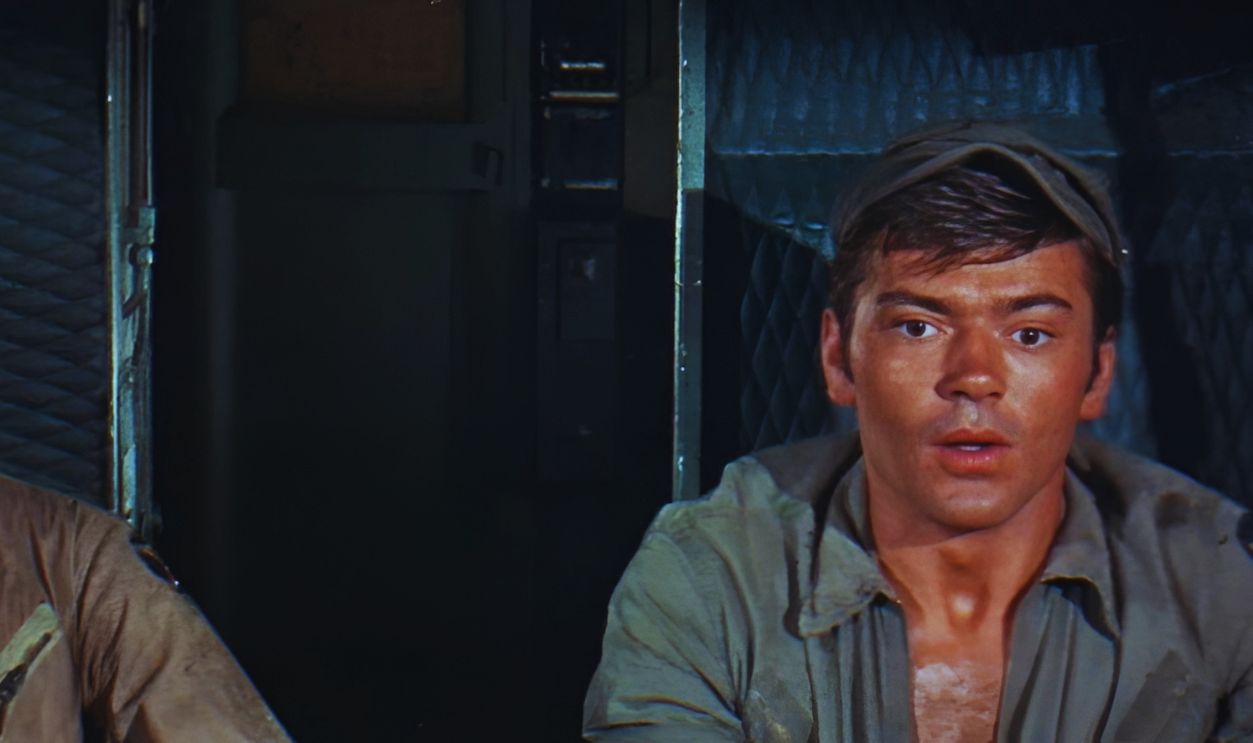
Duel landed an important early feature-film role alongside Rod Taylor and Claudia Cardinale in The Hell With Heroes (1968), directed by Joseph Sargent. Playing Mike Brewer, a former air force pilot caught up in a dangerous smuggling operation, he demonstrated his ability to handle substantial dramatic material. Although he had appeared in the lesser-known W.I.A. Wounded In Action (1966), this was his most significant movie opportunity to date.
 Screenshot from The Hell with Heroes, Universal Pictures (1968)
Generation Brought Romance
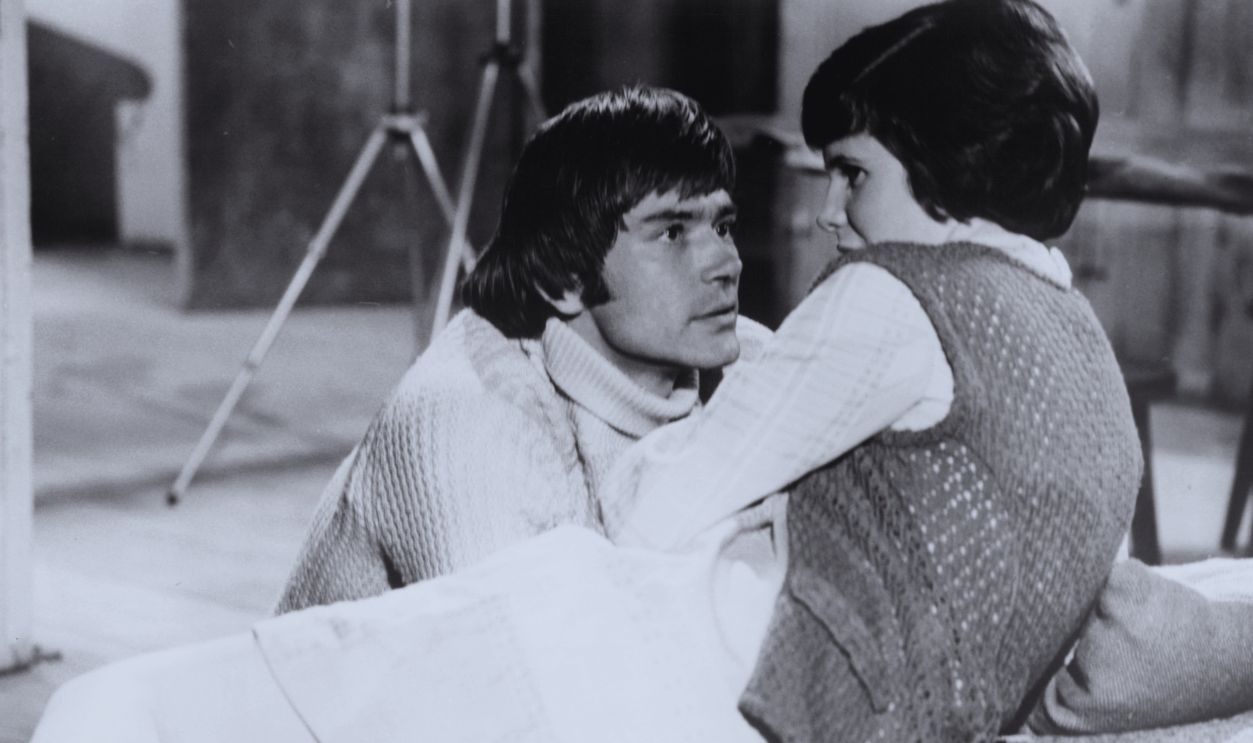
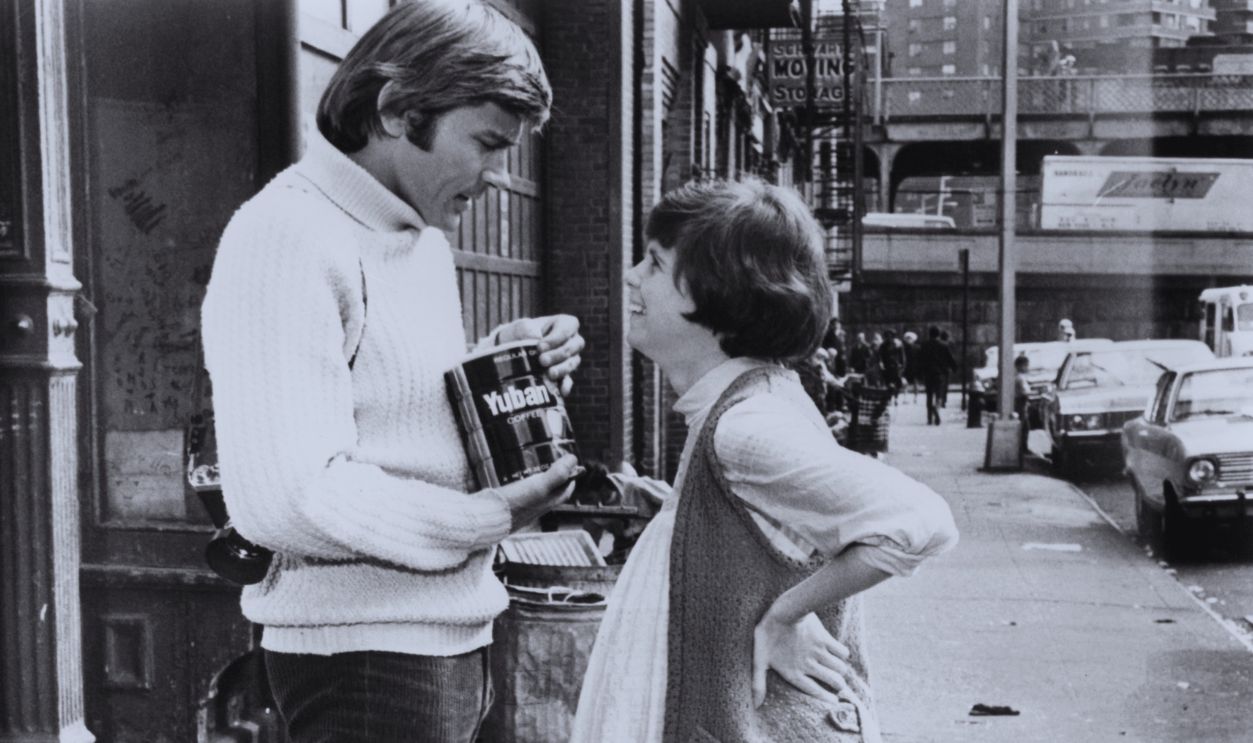
In Generation (1969), Duel starred opposite Kim Darby in a comedy-drama about a young couple preparing for parenthood. Their onscreen relationship developed into a real romance, and Duel became sufficiently serious about Darby to introduce her to his family. He spoke publicly about the possibility of marriage, although the couple never married. Their relationship eventually ended, but they reportedly remained friends.
 Michael Ochs Archives, Getty Images
His Film Career Continued
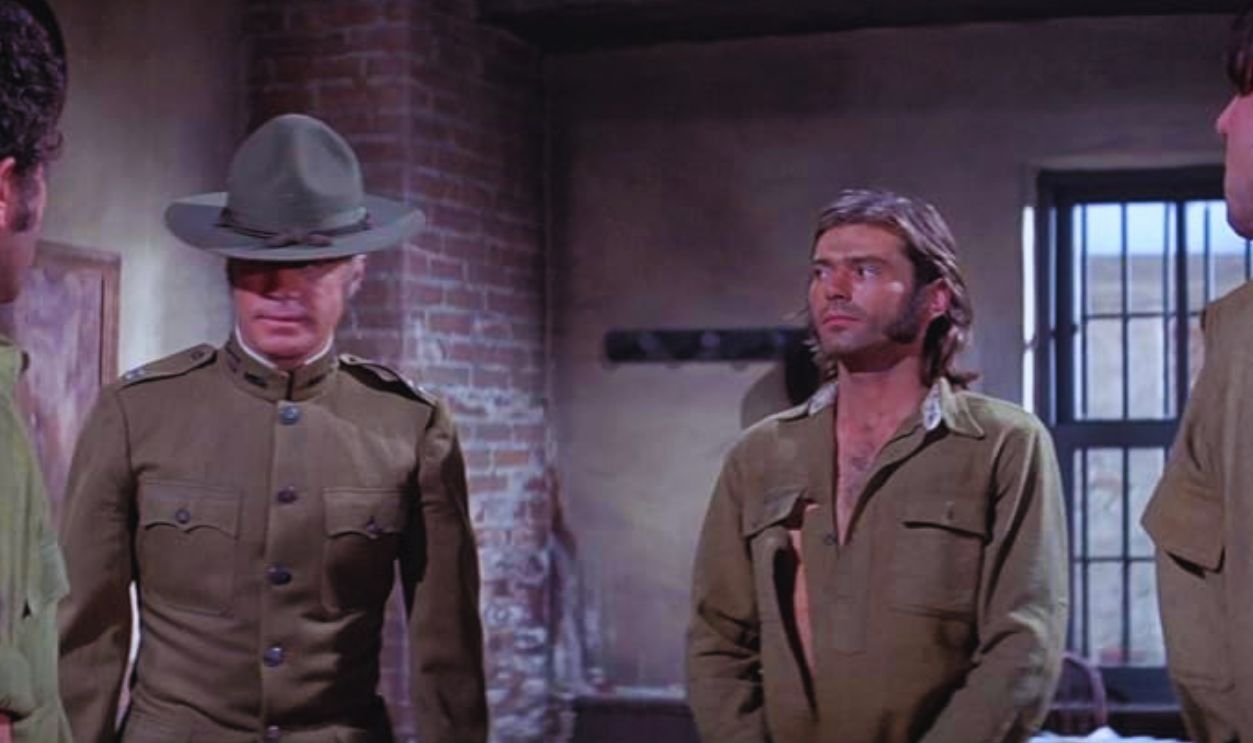
Duel appeared in the Western adventure Cannon for Cordoba (1970), starring George Peppard and directed by Paul Wendkos. He played Andy Rice, a member of a military expedition into Mexico. Although the film offered him another opportunity to work in a substantial production, it didn't really do much to advance his movie career. Television was still his most dependable source of employment.
 Screenshot from Cannon for Cordoba, United Artists (1970)
He Became Politically Active
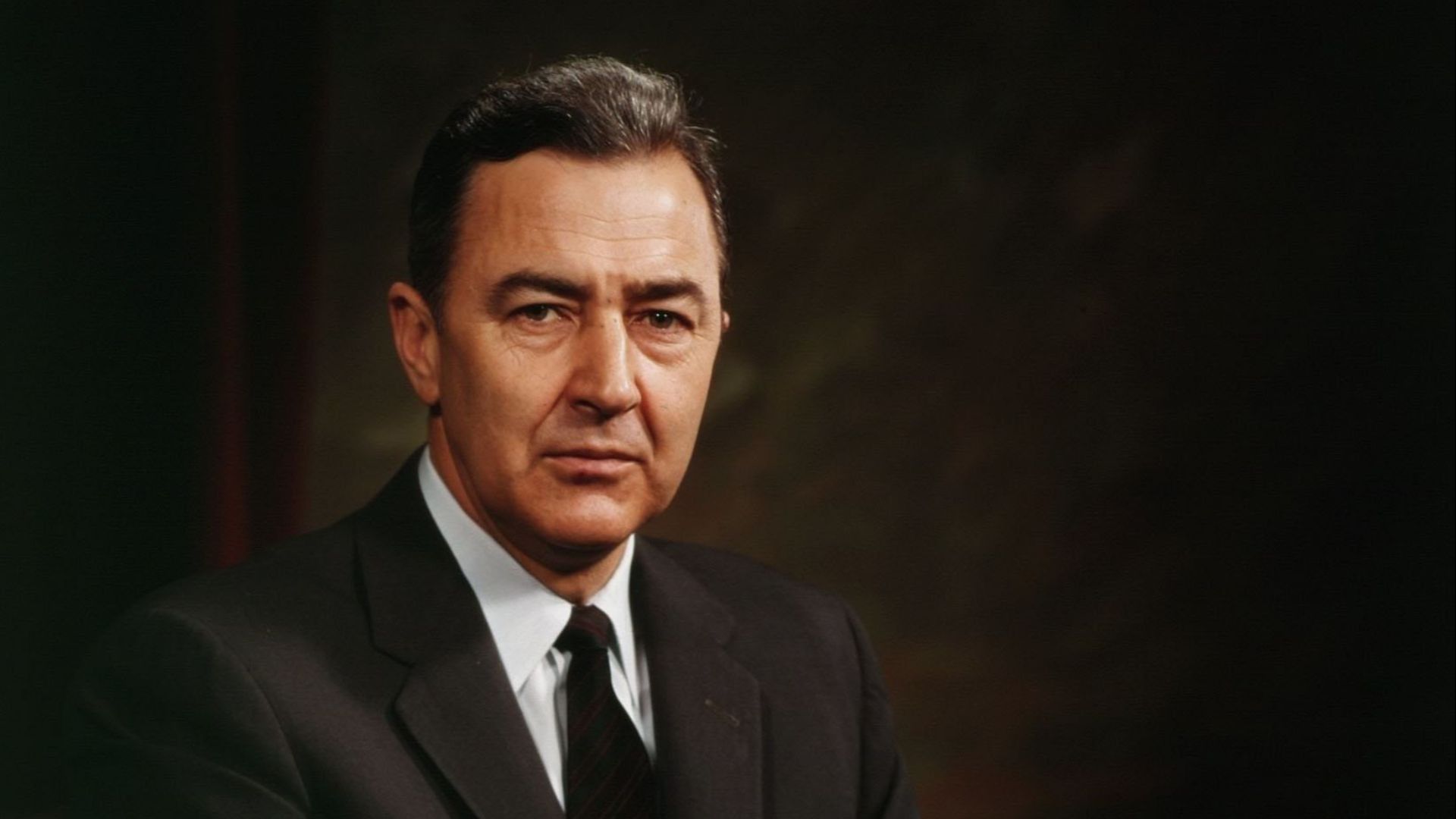
Outside acting, Duel developed strong interests in politics, environmental protection, and social causes. He supported Senator Eugene McCarthy's 1968 presidential campaign and witnessed the turmoil surrounding the Democratic National Convention in Chicago. His political convictions reflected a serious, sometimes idealistic personality that contrasted with the carefree image Hollywood frequently promoted.
 Louis Fabian Bachrach Jr., Wikimedia Commons
His Personal Life Was Complicated
Duel had several romantic relationships during his Hollywood years, including his widely publicized involvement with Kim Darby. By 1971, he was involved with Dianne Ray, a secretary and aspiring actress who became his companion during the final months of his life. Friends and relatives later described a man who could be warm and generous but also struggled with emotional difficulties and periods of unhappiness.
 Michael Ochs Archives, Getty Images
Another Western Opened Doors
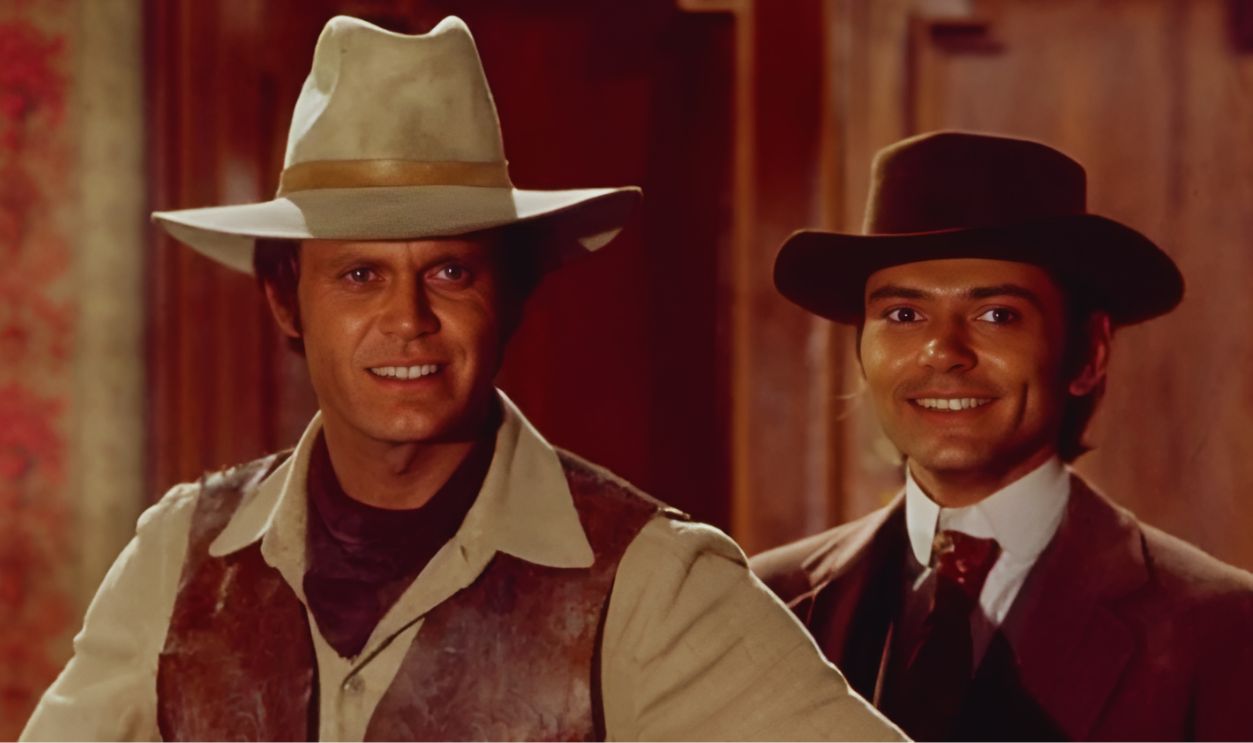
In 1970, Duel appeared in the television Western The Young Country, playing a charming gambler opposite Roger Davis. The production helped demonstrate his suitability for a lighter, more playful kind of Western. Around the same time, Universal was developing a new series that would capitalize on the popularity of Butch Cassidy and the Sundance Kid (1969).
 Screenshot from The Young Country, Universal Television (1970)
Alias Smith And Jones Arrived
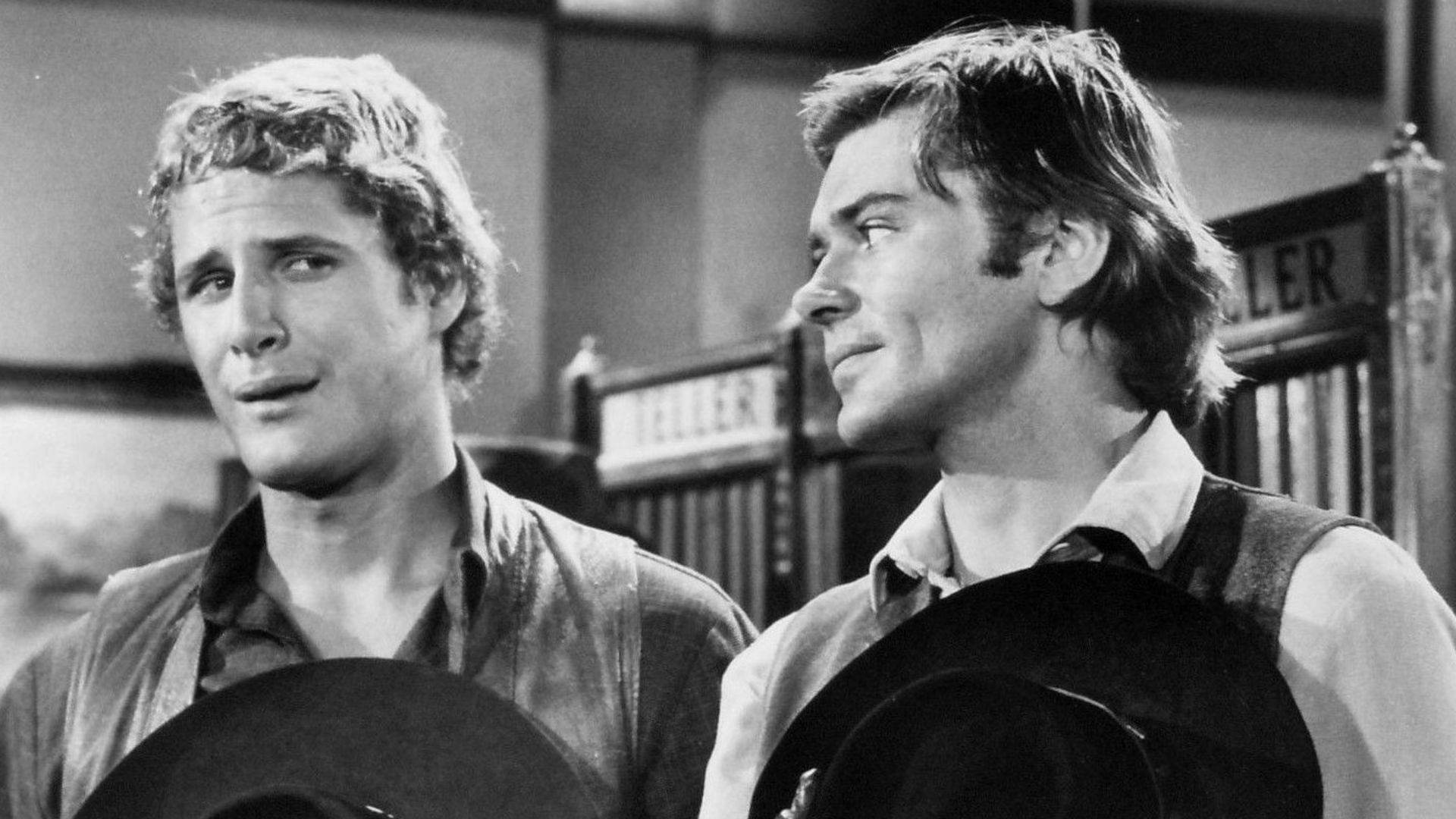
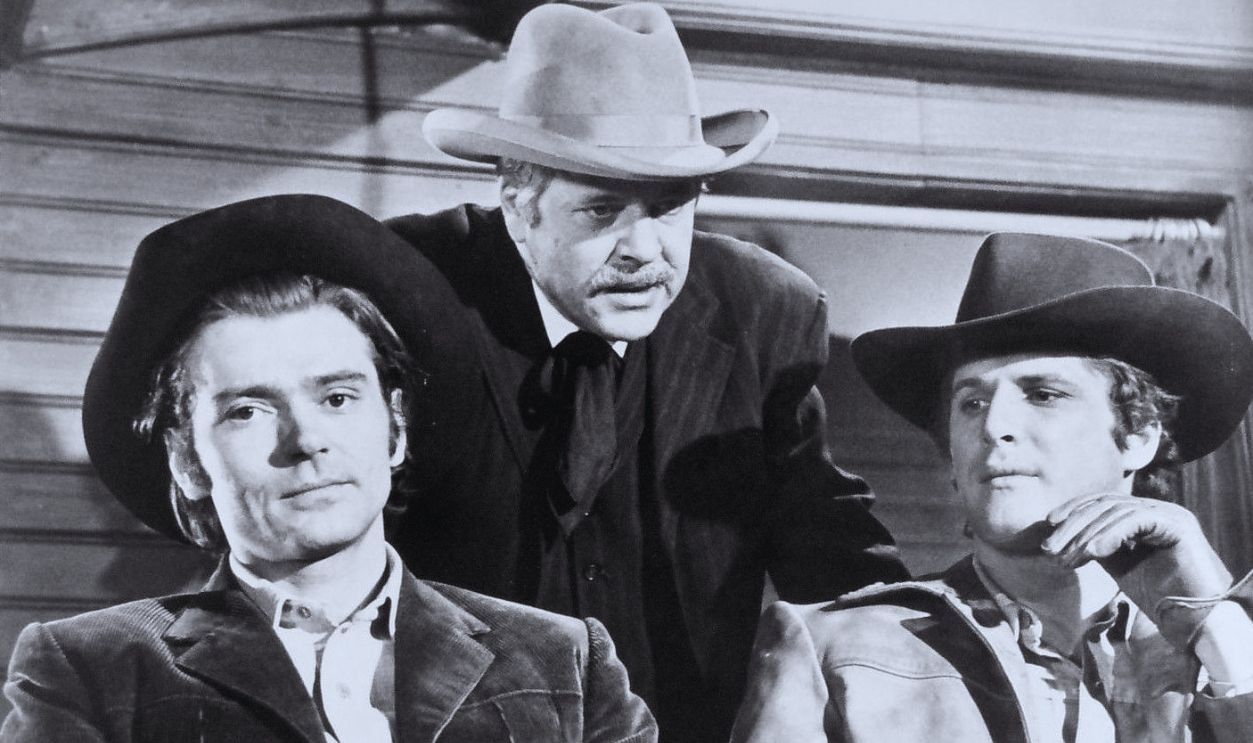
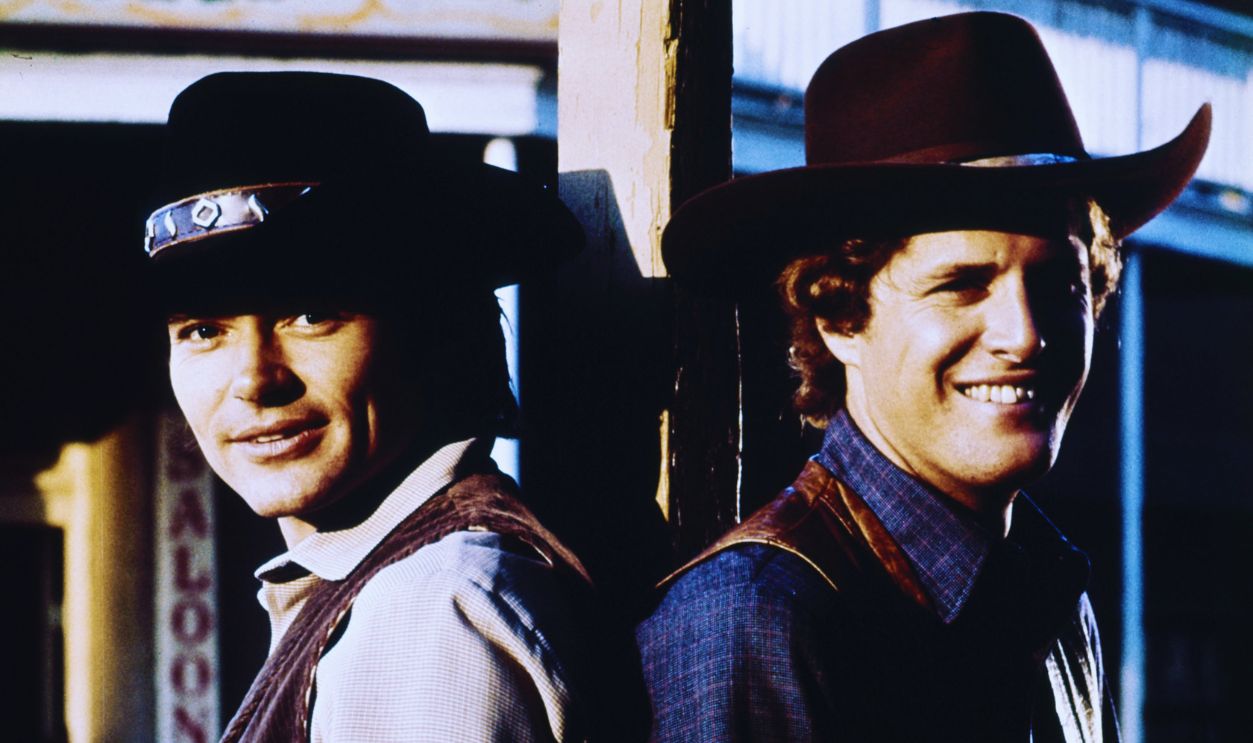
Alias Smith and Jones premiered on ABC on January 21, 1971. Created by Glen A. Larson, the comedy Western followed two former outlaws attempting to earn amnesty by staying out of trouble. Duel played Hannibal Heyes, who adopted the name Joshua Smith, while Ben Murphy portrayed Jedediah "Kid" Curry, traveling under the name Thaddeus Jones.
 ABC Television, Wikimedia Commons
He Played The Clever Outlaw
Hannibal Heyes was the more talkative and scheming member of the partnership, relying on charm, cleverness, and quick thinking to escape dangerous situations. Murphy's Kid Curry was quieter and exceptionally skilled with a revolver. Their contrasting personalities gave the series much of its appeal, creating an entertaining partnership built around humor, adventure, and narrow escapes.
 ABC Television, Wikimedia Commons
The Show Found An Audience
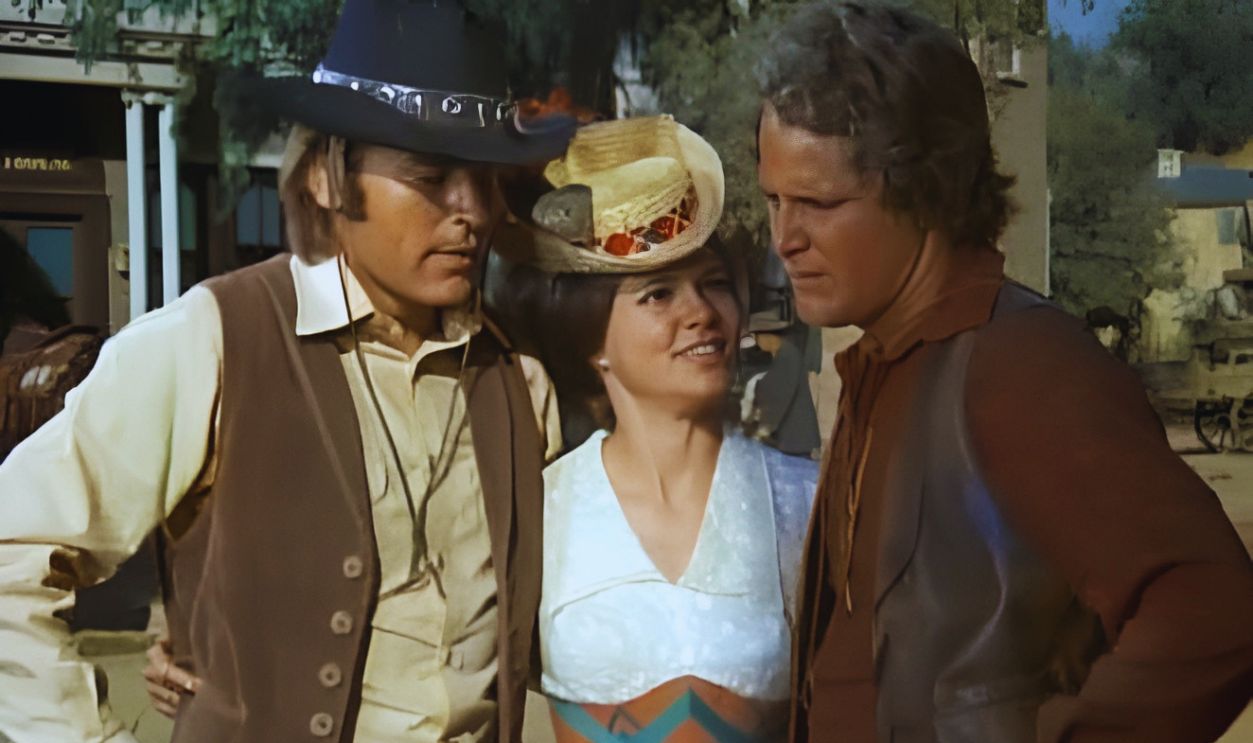
The series quickly built a loyal following, especially among viewers attracted to its handsome leading men and playful approach to the Western genre. Its guest stars included Sally Field, who reunited with Duel after Gidget, along with J.D. Cannon, Earl Holliman, and Burl Ives. The show's popularity suggested that Duel had finally found a lasting television success.
 Screenshot from Alias Smith and Jones, Universal Television (1971–1973)
He And Murphy Had Chemistry
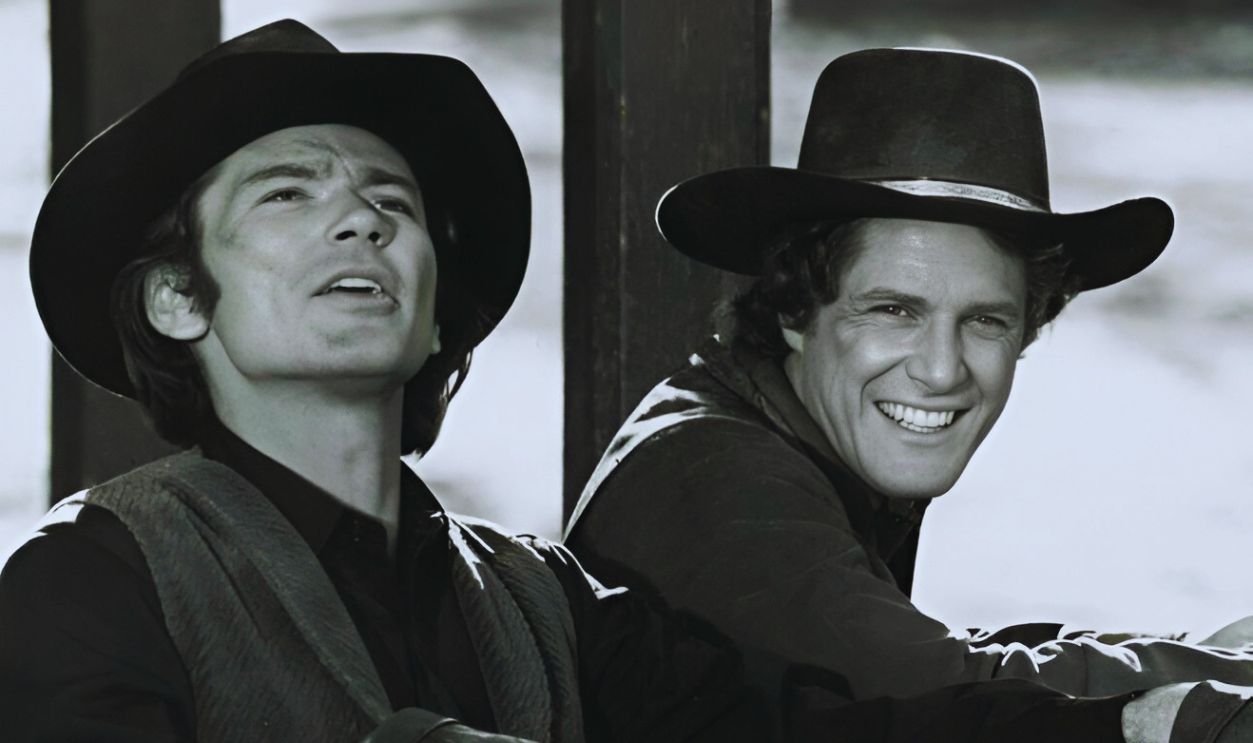
Ben Murphy later recalled that his onscreen partnership with Duel developed naturally, without lengthy discussions about their characters. Their contrasting performances created an effortless rhythm. Although the two men respected each other professionally, Murphy subsequently clarified that they were primarily colleagues rather than close personal friends. But their working relationship became one of the series' greatest strengths.
 Screenshot from Alias Smith and Jones, Universal Television (1971–1973)
Success Came With Pressure
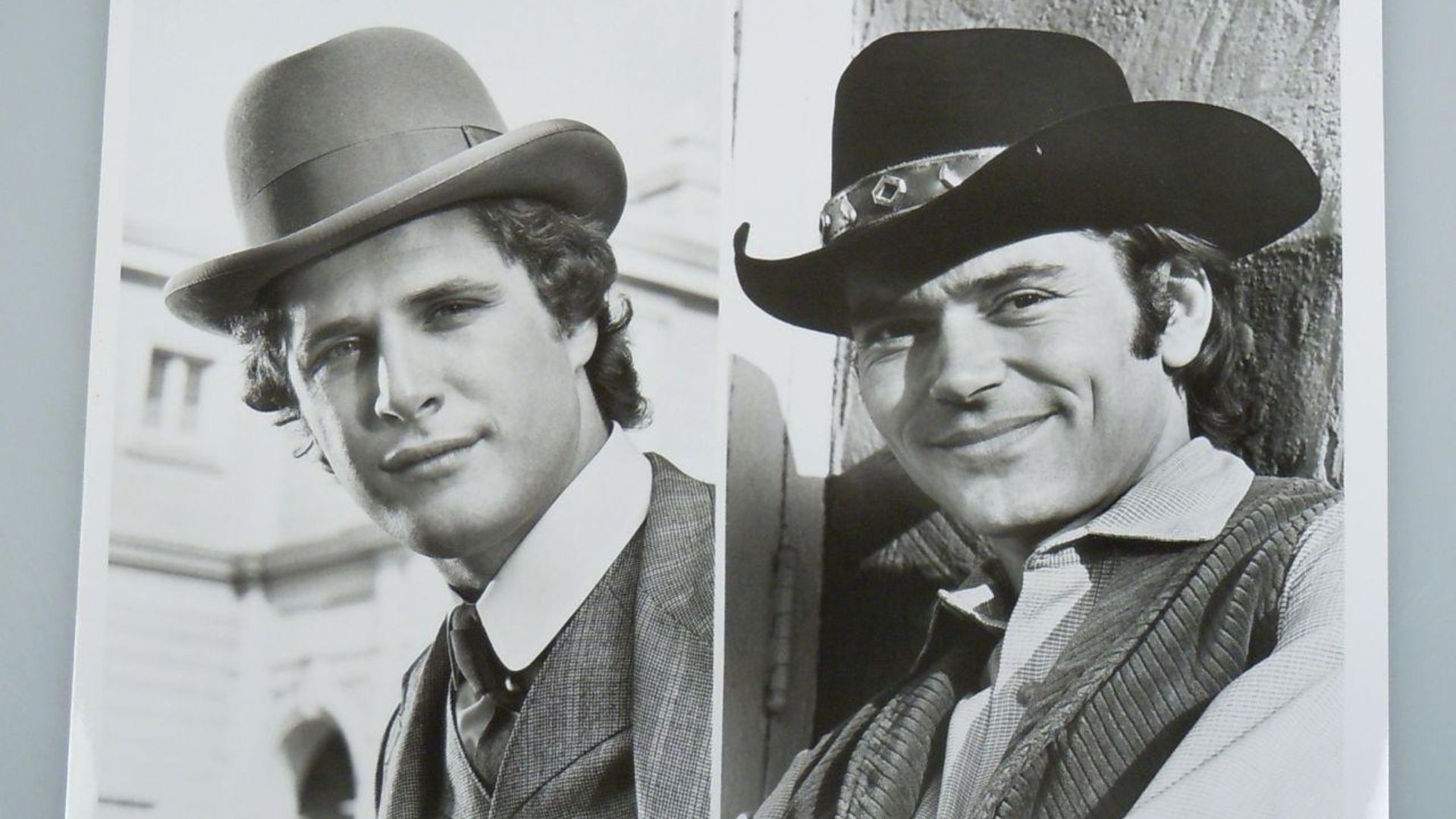
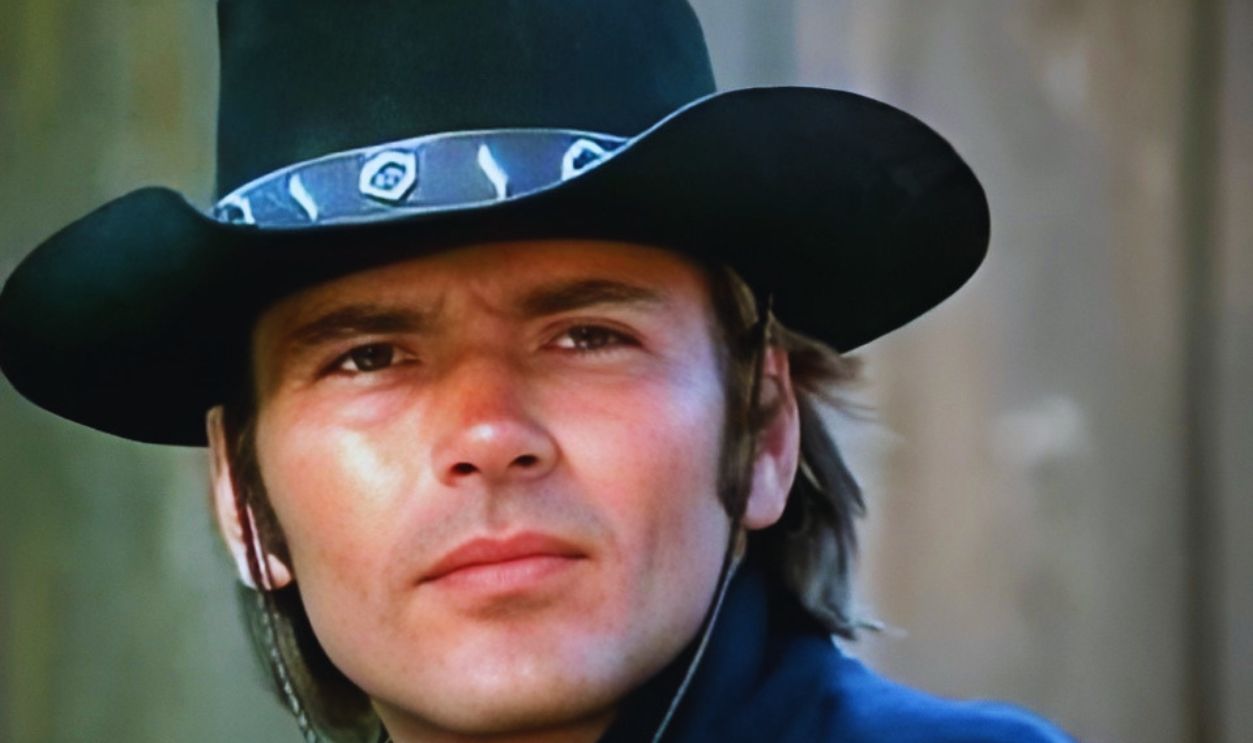
Despite the show's popularity, Duel found the demands of weekly television increasingly frustrating. He had hoped to develop a varied career in films and theater, but a successful series meant long working days and limited opportunities elsewhere. He spoke openly about feeling creatively restricted, even as audiences embraced the character that had finally made him famous.
 ABC Television, Wikimedia Commons
He Had A Serious Problem
Duel had struggled with drinking, and this began to cause him some serious difficulties. In 1971, he faced charges following an impaired-driving accident that injured two people. He was put on probation and expected to stay sober. Despite efforts to address his drinking, the problem persisted, adding to the pressures he was already experiencing in his personal and professional life.
 Screenshot from Alias Smith and Jones, Universal Television (1971–1973)
He Struggled With Depression
Those close to Duel described periods of depression, frustration, and emotional distress. He also experienced lingering health problems following an earlier car accident, including seizures and physical discomfort. The demanding production schedule of Alias Smith and Jones compounded his difficulties. Although he'd achieved the success he once wanted, he was more and more unhappy with aspects of his life and career.
 Silver Screen Collection, Getty Images
His Life Ended Tragically
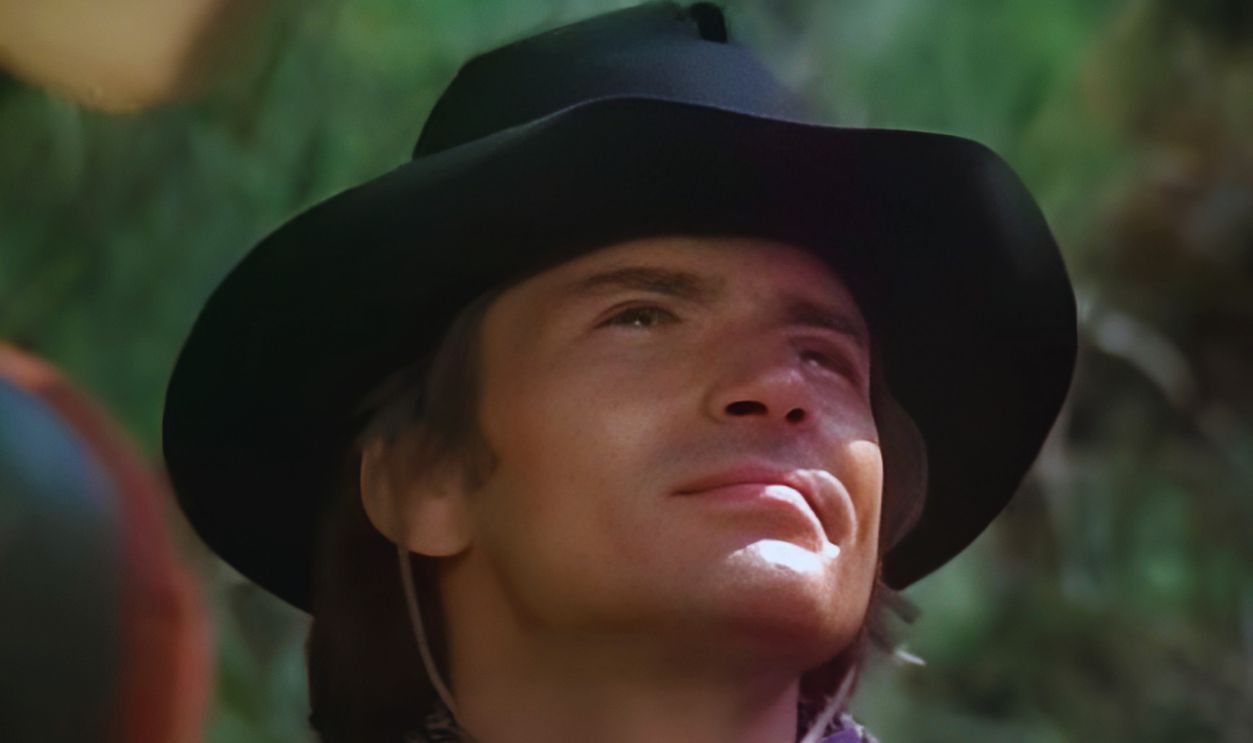
On December 31, 1971, Duel took his own life at his Hollywood Hills home. He was just 31 years old. His girlfriend, Dianne Ray, was at the house that night. The news devastated his family, colleagues, and fans, who had watched him become a television favorite only months earlier. His death brought a heartbreaking end to a promising career that had barely begun to reach its potential.
 Screenshot from Alias Smith and Jones, Universal Television (1971–1973)
The Show Continued Without Him
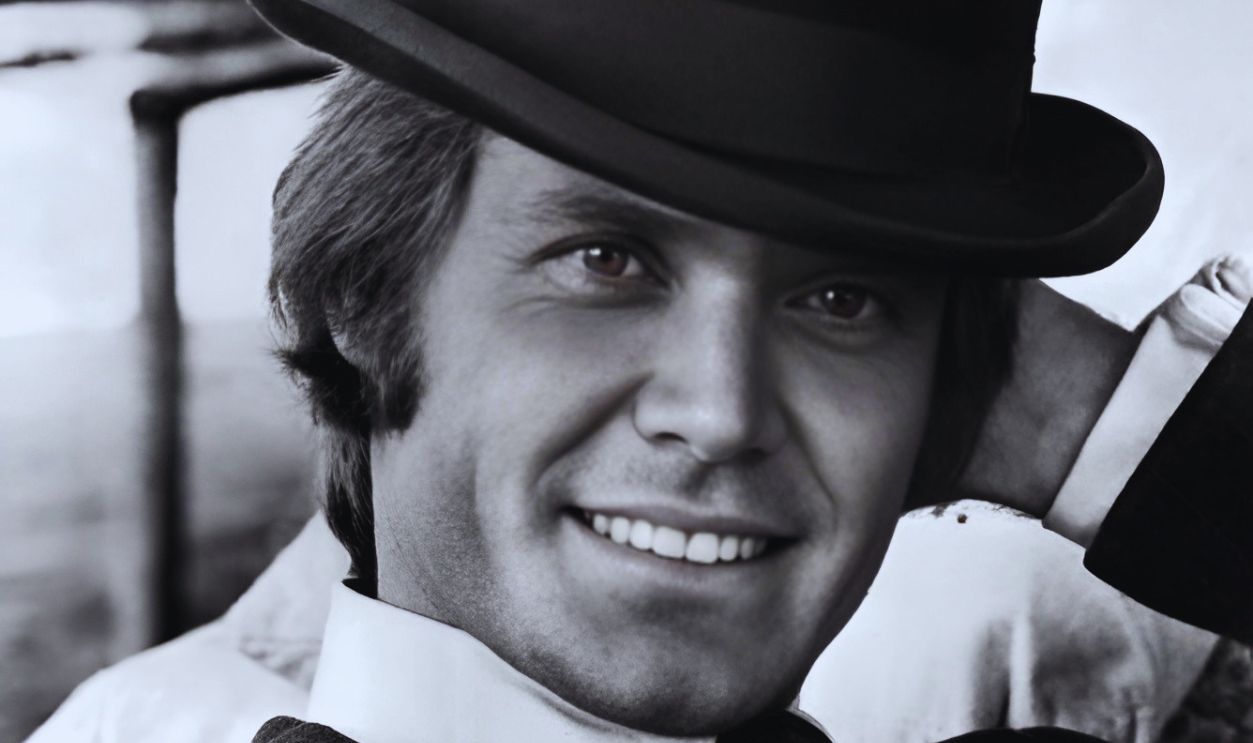
ABC decided to continue Alias Smith and Jones, replacing Duel with Roger Davis, who had previously narrated the series. Ben Murphy was deeply affected by the loss of his colleague, and the production struggled to adjust. The show went on until January 1973, ending after three seasons. Although Duel's time as Hannibal Heyes had lasted less than a year, his performance was still central to the series' enduring appeal. More than five decades later, he is remembered as a gifted actor whose career promised far more than he lived to accomplish.
 ABC Television, Wikimedia Commons
His Legacy Reached Tarantino
Decades after Duel's passing, Quentin Tarantino drew inspiration from his story while developing Rick Dalton, Leonardo DiCaprio's troubled television actor in Once Upon a Time in Hollywood (2019). Tarantino and Brad Pitt remembered watching Alias Smith and Jones as children, and Duel's struggles helped inspire Dalton's emotional instability and drinking. Although Dalton was based on several actors, Duel's story contributed to one of the film's most memorable characters.
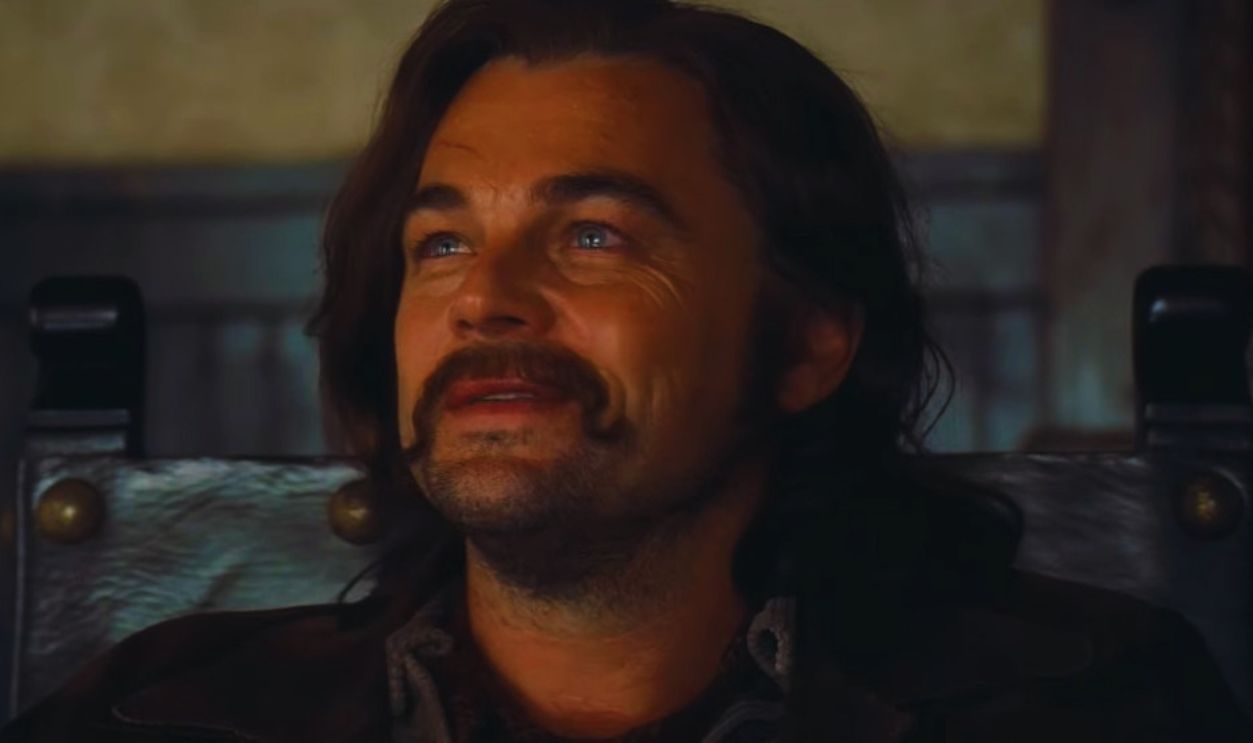 Screenshot from Once Upon a Time in Hollywood, Columbia Pictures (2019)
You May Also Like:
James Stacy Was A Rising TV Western Star, Then One Night Changed His Life Forever
60s TV Guest Stars Who Seemed To Be On Every Show. How Many Do You Remember?
Sources: 1, 2, 3, 4, 5, 6, 7, 8, 9, 10, 11, 12, 13, 14, 15, 16