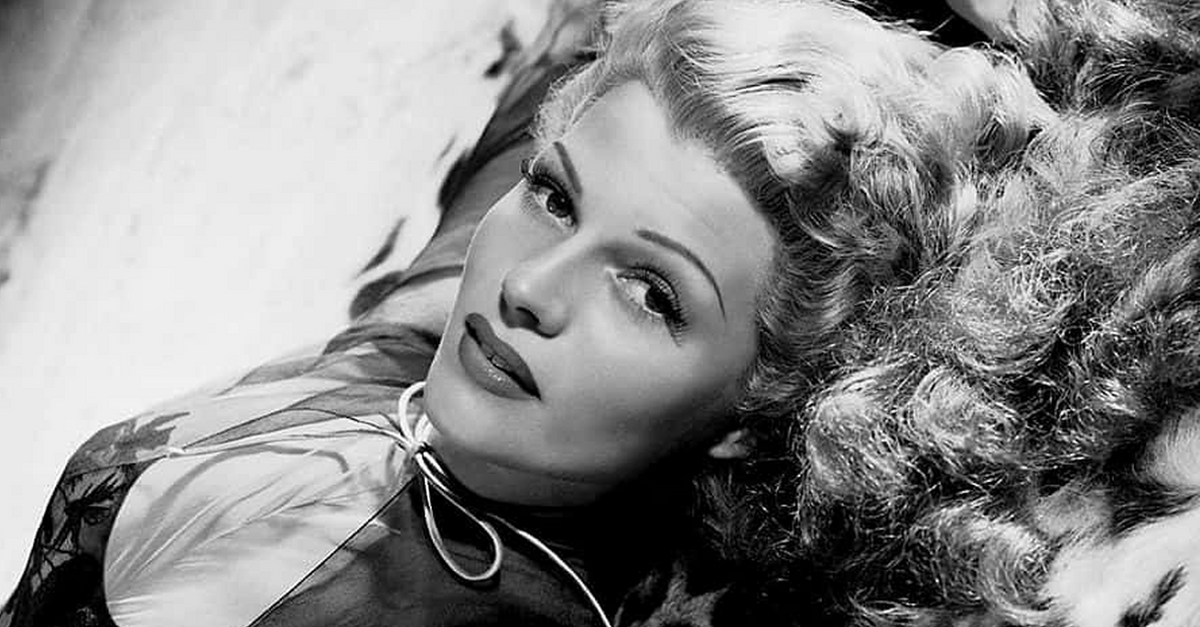
Hollywood Created A Star And Hid The Woman
Rita Hayworth became one of the most recognizable stars of Hollywood’s golden age, but the woman audiences adored was partly a studio creation. Her name, hair, appearance, and public identity were carefully redesigned for mass appeal. The transformation brought extraordinary fame while placing Margarita Cansino behind an image she could never fully escape.
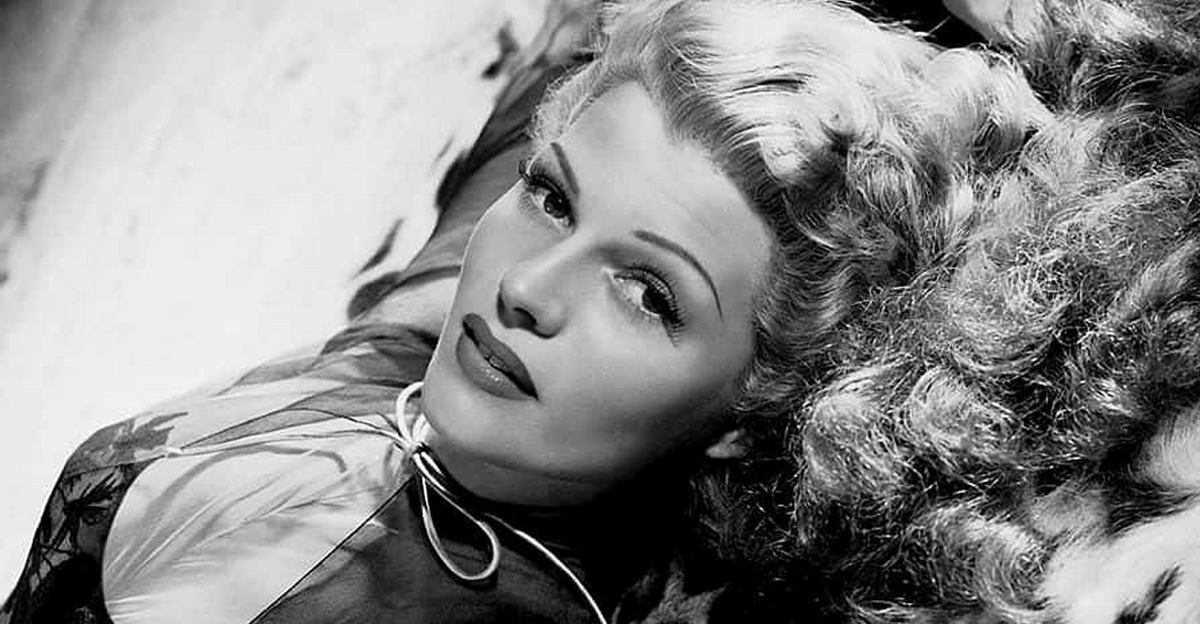 George Hurrell/John Kobal Foundation, Getty Images
She Was Born Margarita Cansino
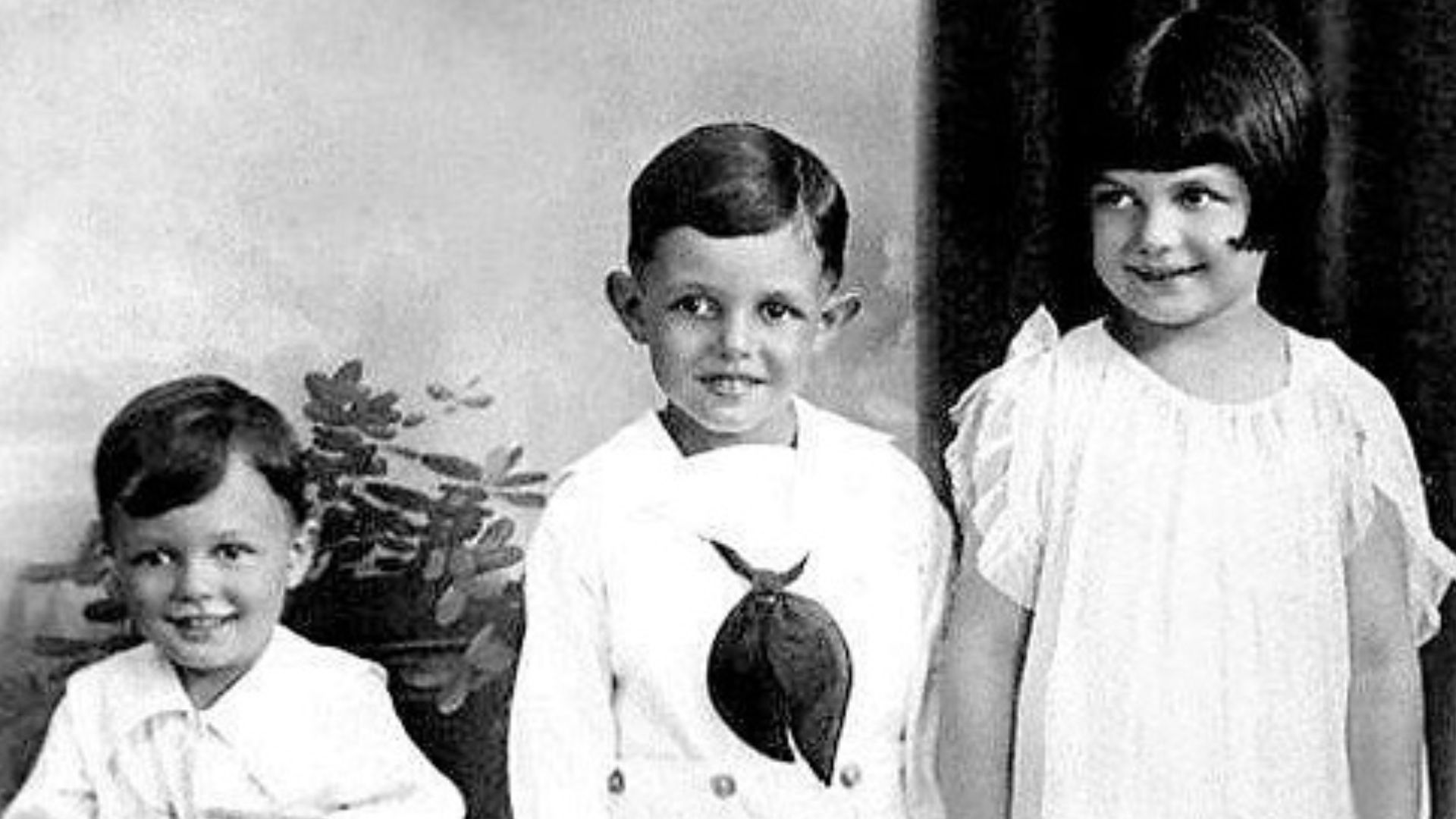
Margarita Carmen Cansino was born in Brooklyn on October 17, 1918. Her father, Eduardo Cansino, was a Spanish-born dancer, while her mother, Volga Hayworth, had performed with the Ziegfeld Follies. Long before Hollywood noticed her beauty, Margarita was being prepared for a life in show business.
 Unknown authorUnknown author, Wikimedia Commons
Dancing Was The Family Business
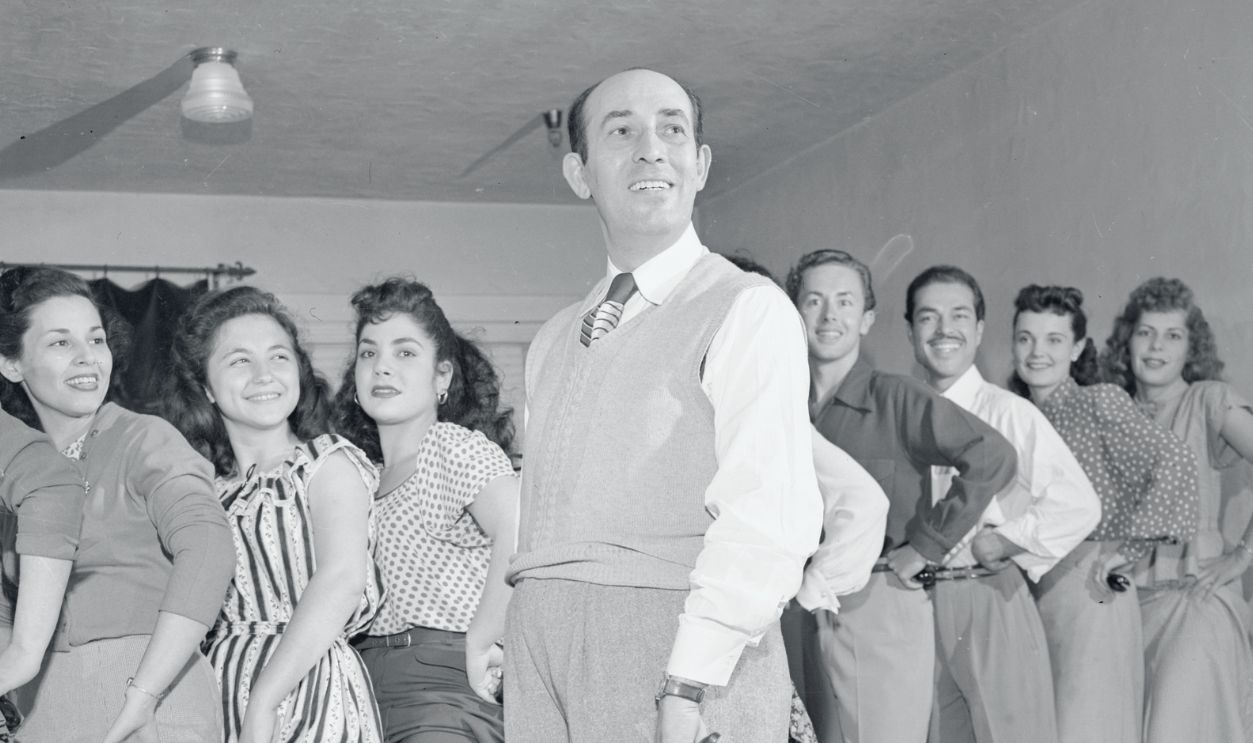
Eduardo taught his daughter to dance from an early age and expected her to take the craft seriously. After the family moved to California, he opened a dance studio in Los Angeles where he taught such stars as James Cagney and Jean Harlow. The studio struggled during the Great Depression, forcing the family to find other ways to earn money.
She Became Her Father’s Partner
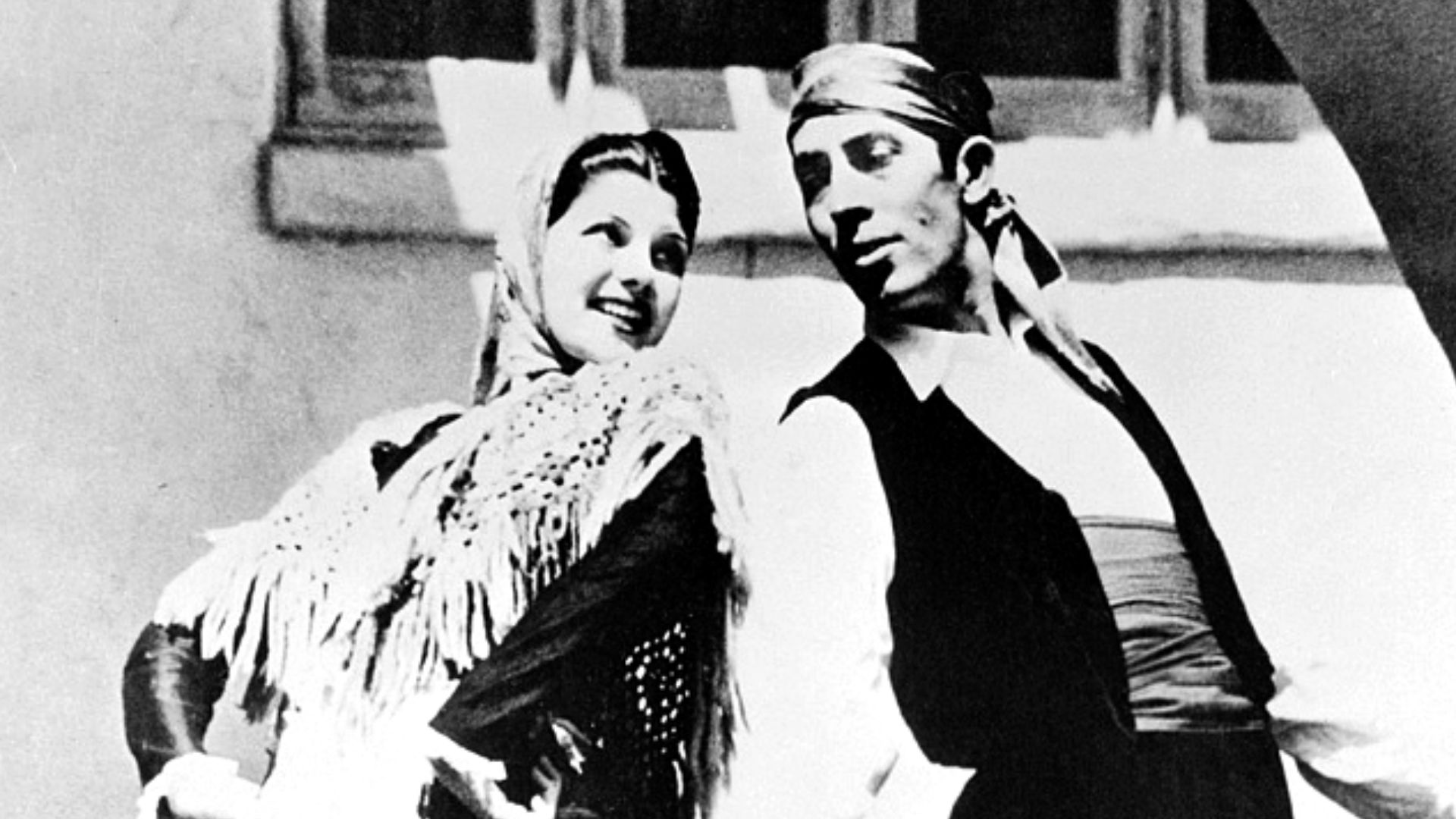
While still in her teens, Margarita joined Eduardo in a nightclub act called the Dancing Cansinos. They performed around Tijuana, Agua Caliente, and aboard the offshore gambling ship Rex. Costumes and makeup made the young dancer appear older, beginning a pattern in which her appearance was shaped to meet other people’s expectations.
 Macfadden Publications, Inc., Wikimedia Commons
A Studio Executive Spotted Her
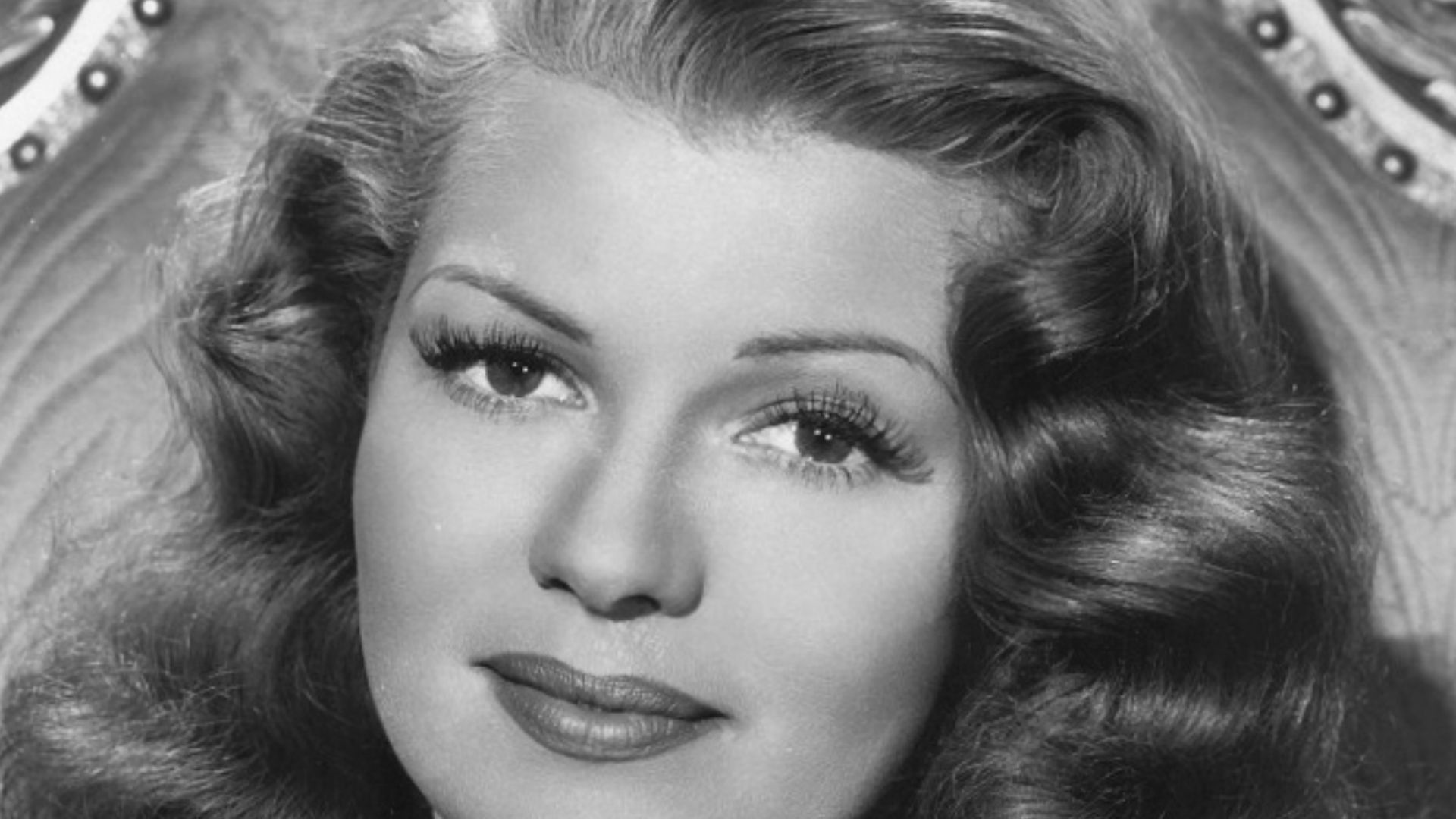
Fox executive Winfield Sheehan noticed Margarita performing and invited her to take a screen test. She received a short-term contract and began appearing under the name Rita Cansino. Hollywood initially marketed her as an exotic young dancer rather than treating her as a potential leading lady.
 Columbia Pictures, photograph by Ned Scott, Wikimedia Commons
Her Heritage Defined Her Early Roles
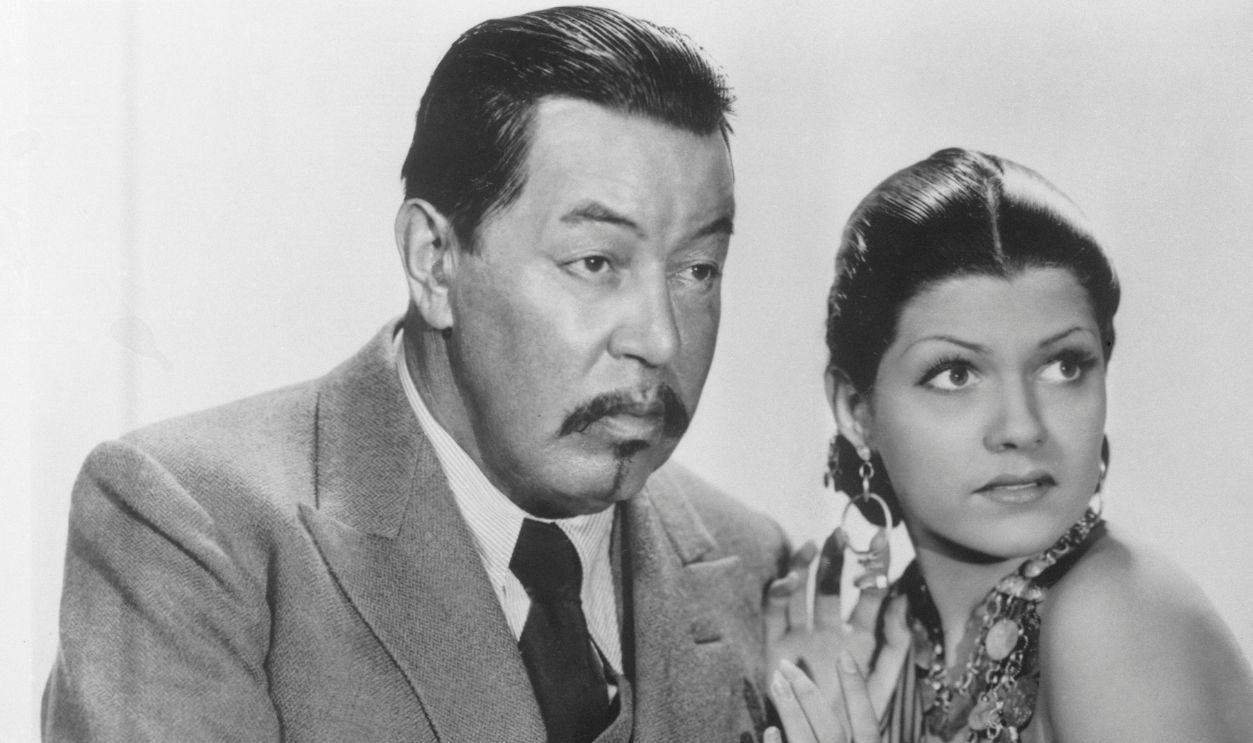
Rita’s dark hair and Spanish surname influenced the limited parts she received at Fox. She was frequently presented as a dancer or cast in characters coded as foreign, including roles in Under the Pampas Moon and Charlie Chan in Egypt. The industry saw her heritage as useful, but only within a narrow range of stereotypes.
The Fox Merger Cost Her A Contract
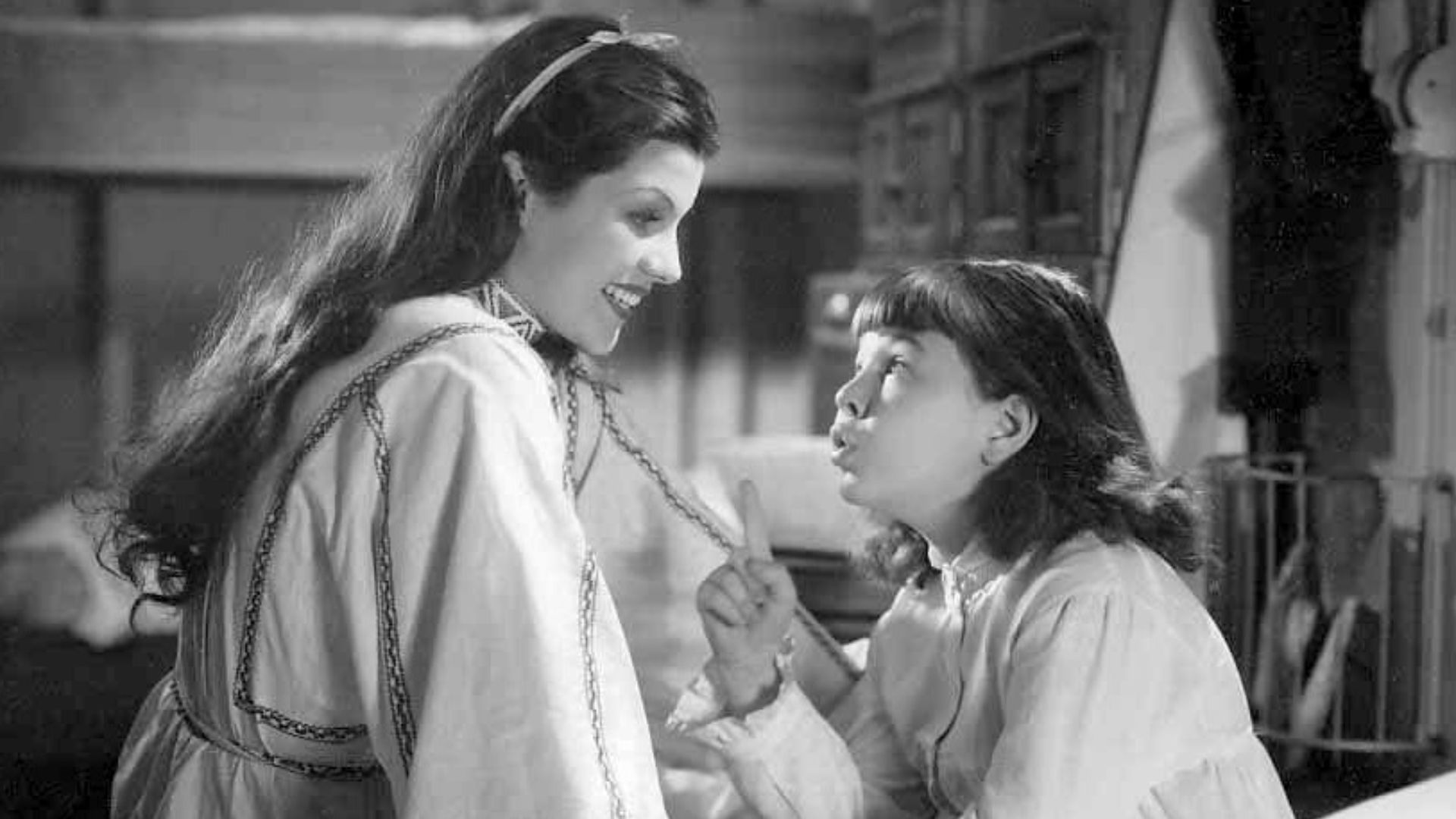
Rita appeared in several films during 1935 and earned a more substantial role in Paddy O’Day the following year. However, Fox merged with Twentieth Century Pictures, and studio chief Darryl F. Zanuck declined to renew her contract. She spent the next period working in low-budget productions while searching for another opportunity.
 Macfadden Publications, Inc.; no photographer credited, Wikimedia Commons
Edward Judson Took Control Of Her Career
In 1937, Rita married promoter Edward C. Judson, who was considerably older than she was. Judson became her manager and set about remaking her into someone Hollywood might accept as a mainstream star. Their professional partnership would alter nearly every aspect of how the public saw her.
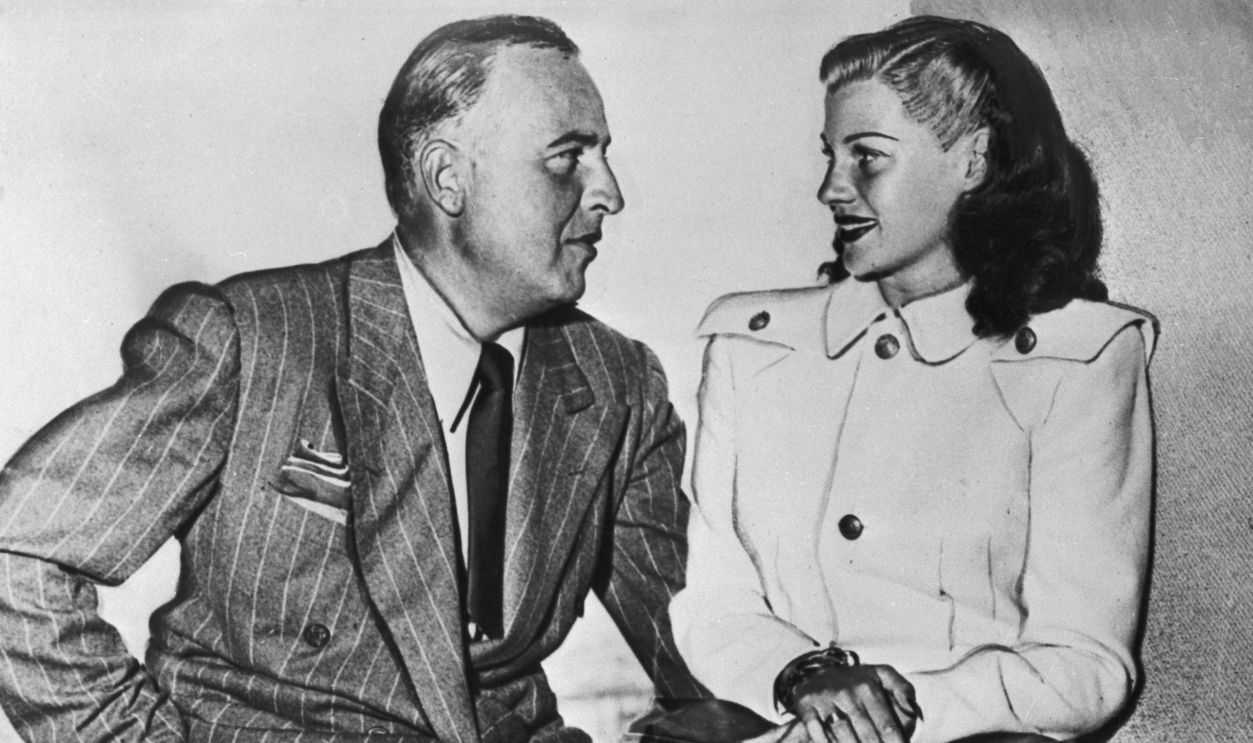
Margarita Cansino Became Rita Hayworth
Judson encouraged her to replace Cansino with her mother’s maiden name, Hayworth. The new name sounded less distinctly Spanish to studio executives and audiences, while “Rita” preserved a small connection to Margarita. It was a calculated attempt to move her beyond the ethnic roles that had restricted her career.
 Whitey Schafer, Wikimedia Commons
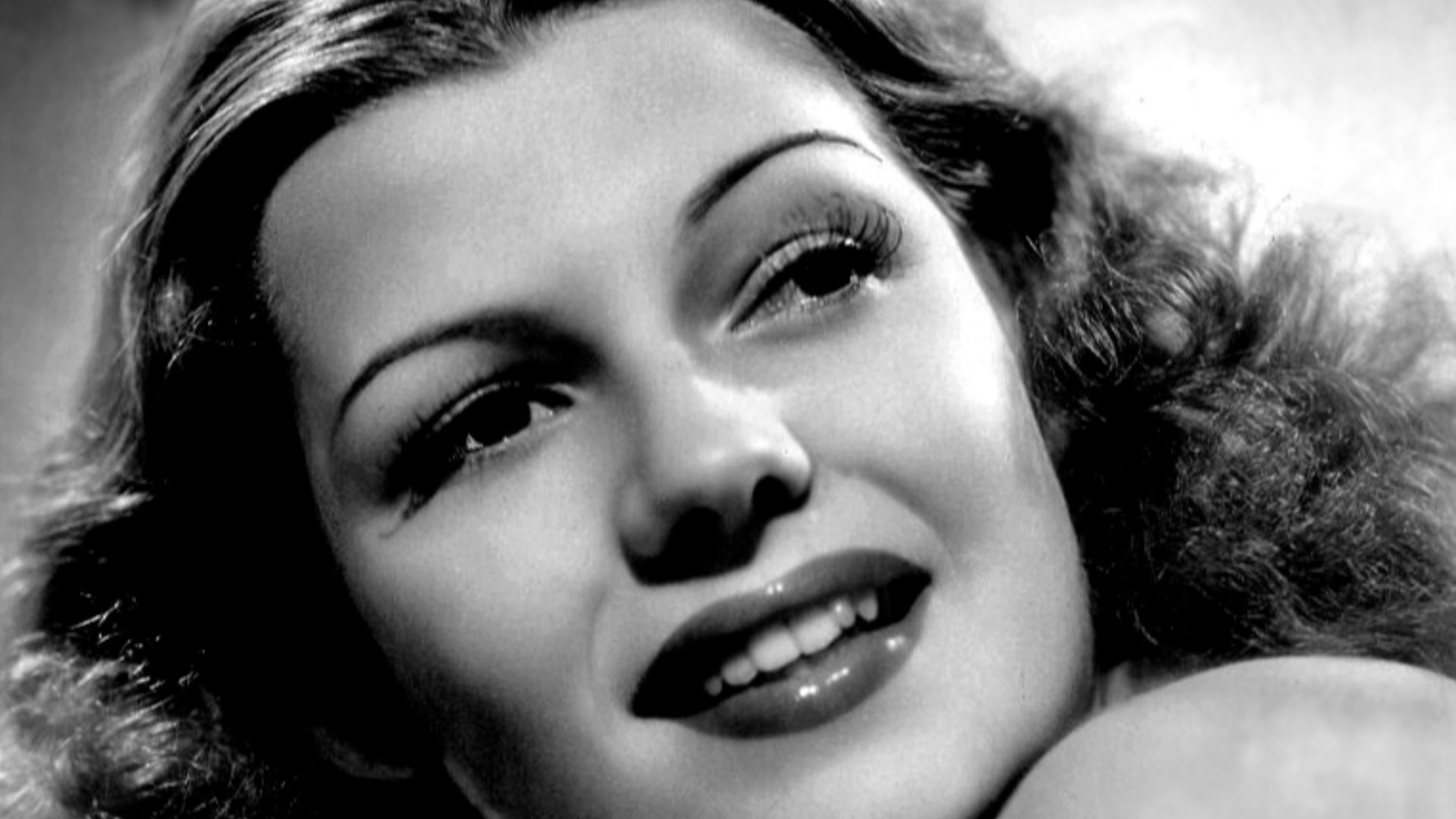
Her Hairline Was Painfully Altered
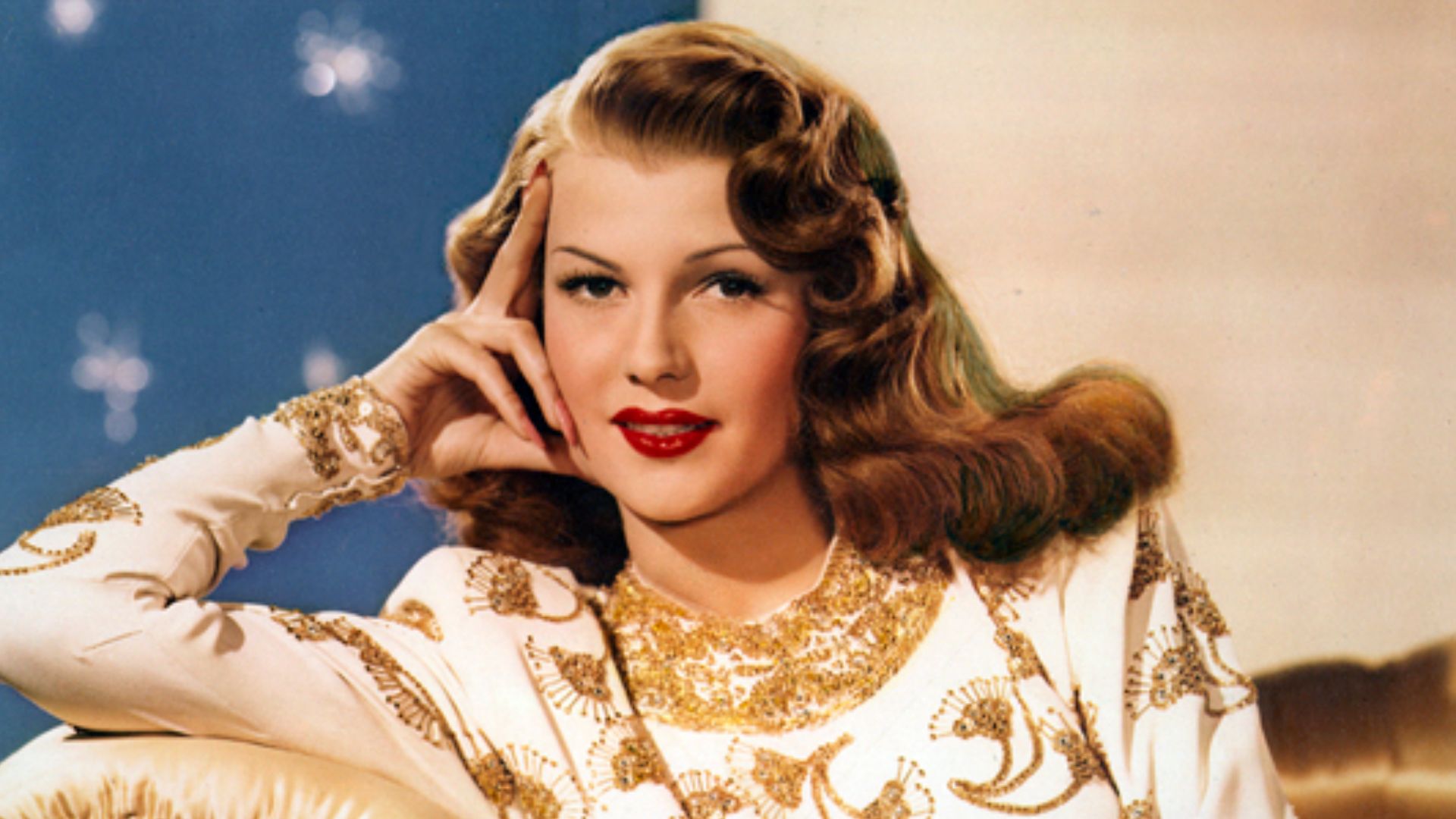
The transformation went far beyond a new screen name. Hayworth underwent electrolysis treatments to raise her hairline and create the higher forehead that became part of her famous appearance. Her naturally dark hair was lightened and eventually dyed the rich auburn shade associated with her screen image.
 Robert Coburn, Wikimedia Commons
Columbia Saw New Possibilities
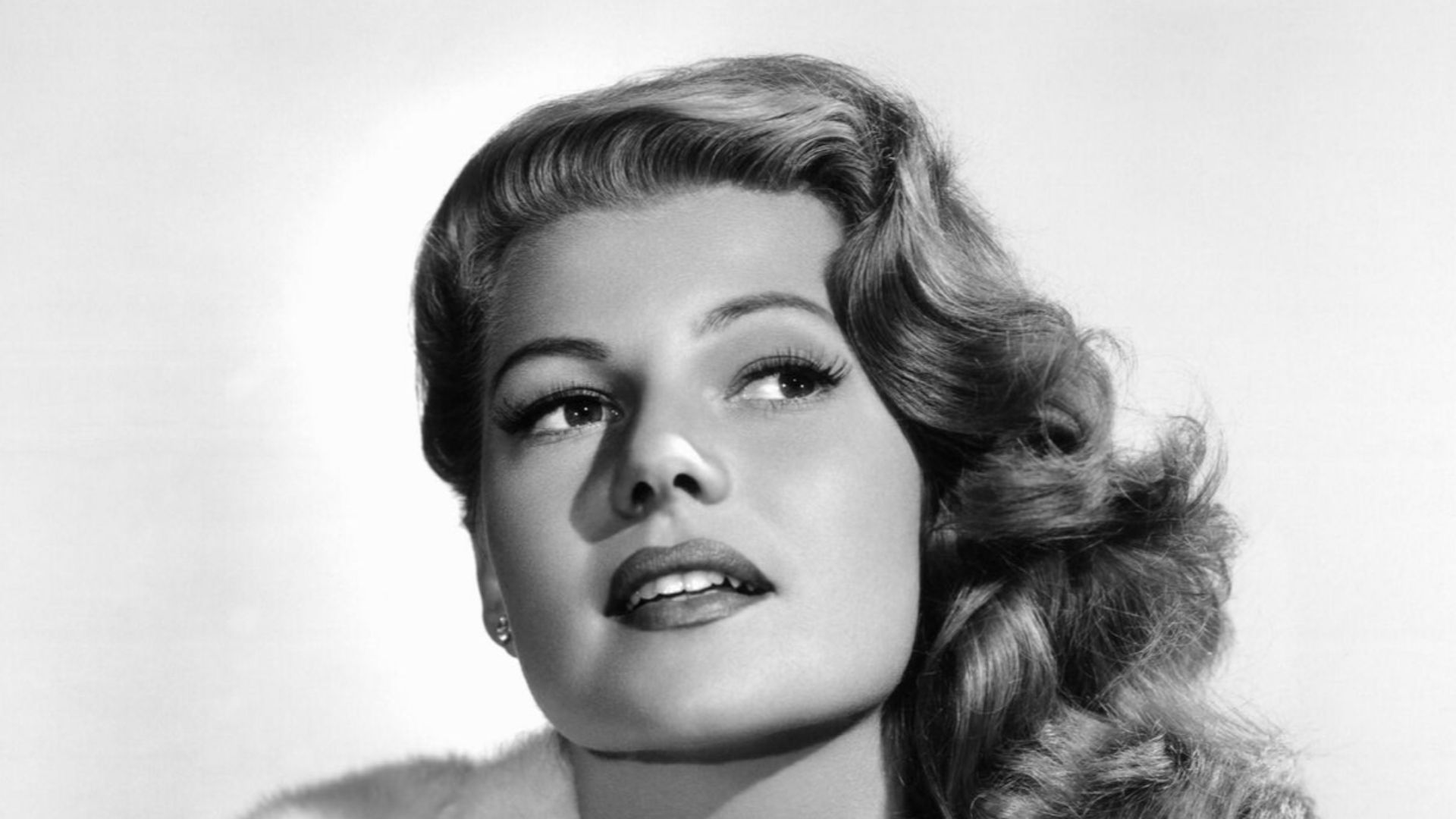
The makeover helped Hayworth secure a contract with Columbia Pictures, then run by studio chief Harry Cohn. She appeared in several modest productions while the studio refined her wardrobe, makeup, and presentation. Columbia was not simply hiring an actress. It was building a marketable personality.
 Unknown authorUnknown author, Wikimedia Commons
B Movies Became Her Training Ground
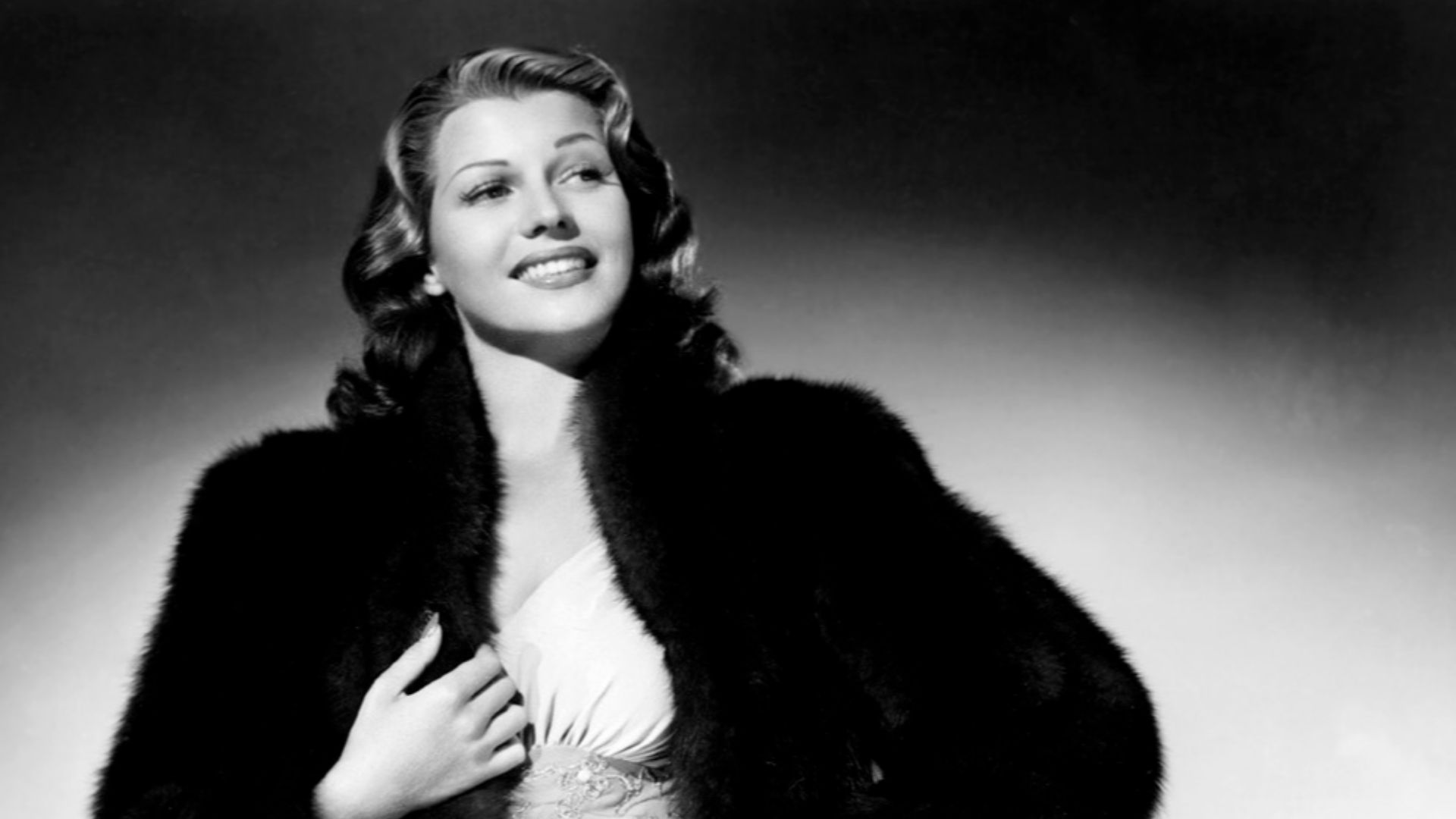
Hayworth spent her early Columbia years making crime pictures, comedies, and other inexpensive films. The roles rarely challenged her, but they gave her valuable experience in front of the camera. As her confidence grew, the studio began presenting her as more than a decorative dancer.
 Columbia Pictures, Wikimedia Commons
One Film Finally Put Her On The Map
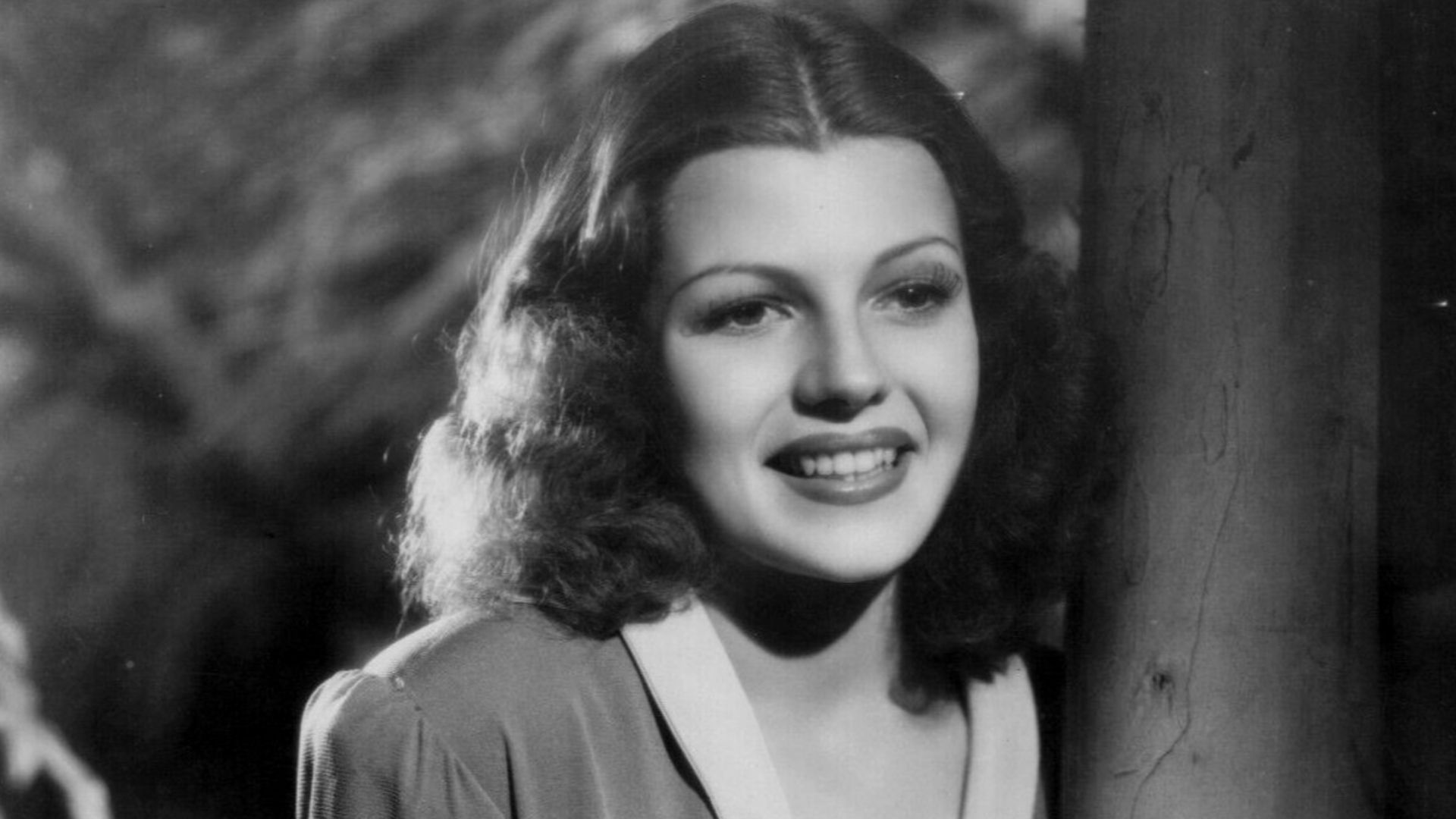
Howard Hawks cast Hayworth opposite Cary Grant and Jean Arthur in Only Angels Have Wings in 1939. Her supporting performance as a woman confronting a painful romantic past revealed a stronger dramatic presence than her earlier movies had allowed. The film raised her profile and encouraged other studios to request her services.
 Unknown authorUnknown author, Wikimedia Commons
Red Hair Completed The Reinvention
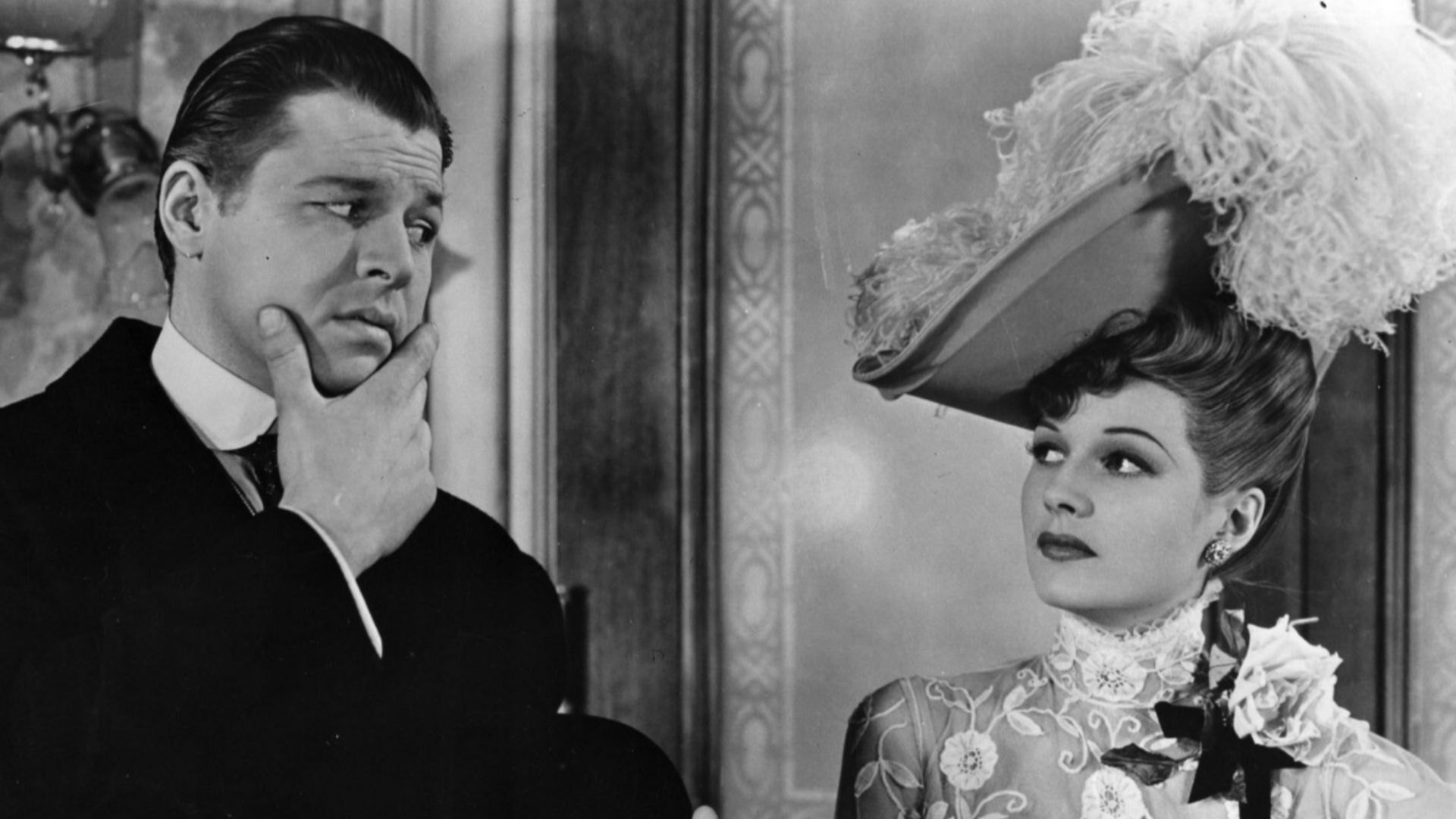
Hayworth appeared in The Strawberry Blonde, opposite James Cagney, and then made a striking Technicolor impression in Blood and Sand in 1941. Playing the seductive Doña Sol opposite Tyrone Power, she became one of the film’s biggest attractions. Her red hair now helped distinguish Rita Hayworth from the dark-haired Margarita Cansino audiences had first seen.
 Unknown authorUnknown author, distributed by: Warner Bros., Wikimedia Commons
Fred Astaire Revealed Her Real Strength
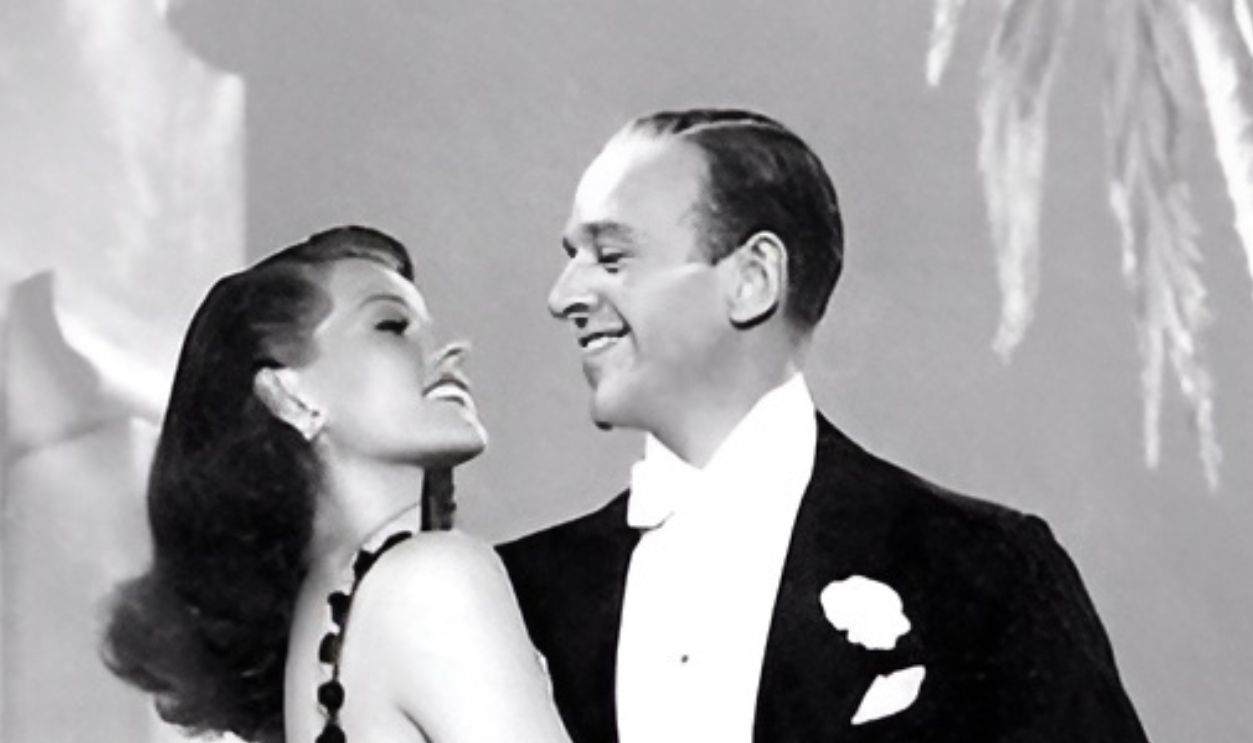
Columbia paired Hayworth with Fred Astaire in You’ll Never Get Rich and You Were Never Lovelier. Their routines demonstrated that she was not merely glamorous but an exceptionally skilled dancer capable of matching one of Hollywood’s greatest performers. Astaire later identified her as one of his favorite dancing partners.
 Unknown authorUnknown author, distributed by: Columbia Pictures, Wikimedia Commons, Modified
A Pinup Made Her A Wartime Symbol
A photograph of Hayworth kneeling on a bed in a negligee appeared in Life magazine in 1941. It became one of the most widely circulated pinup images of the Second World War and appeared in military barracks around the world. The shy dancer from Brooklyn had been transformed into a national fantasy.
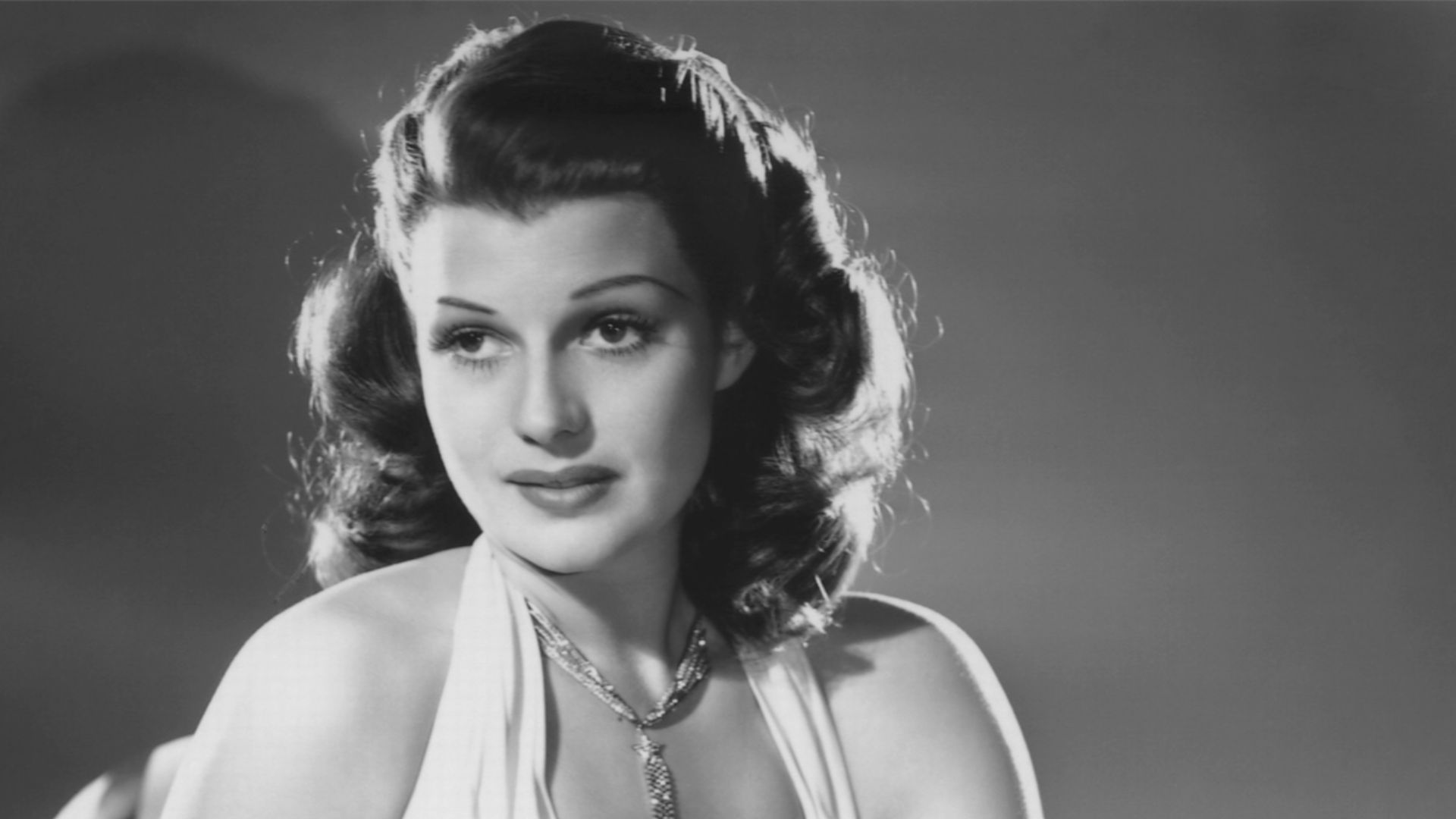 Studio publicity still. - 20th Century Fox, Wikimedia Commons
Cover Girl Made Her A Superstar
Hayworth starred opposite Gene Kelly in the lavish Technicolor musical Cover Girl in 1944. Its success confirmed that she could carry a major production and made her Columbia’s most important female star. By then, her dancing, red hair, costumes, and carefully photographed beauty had merged into one polished screen identity.
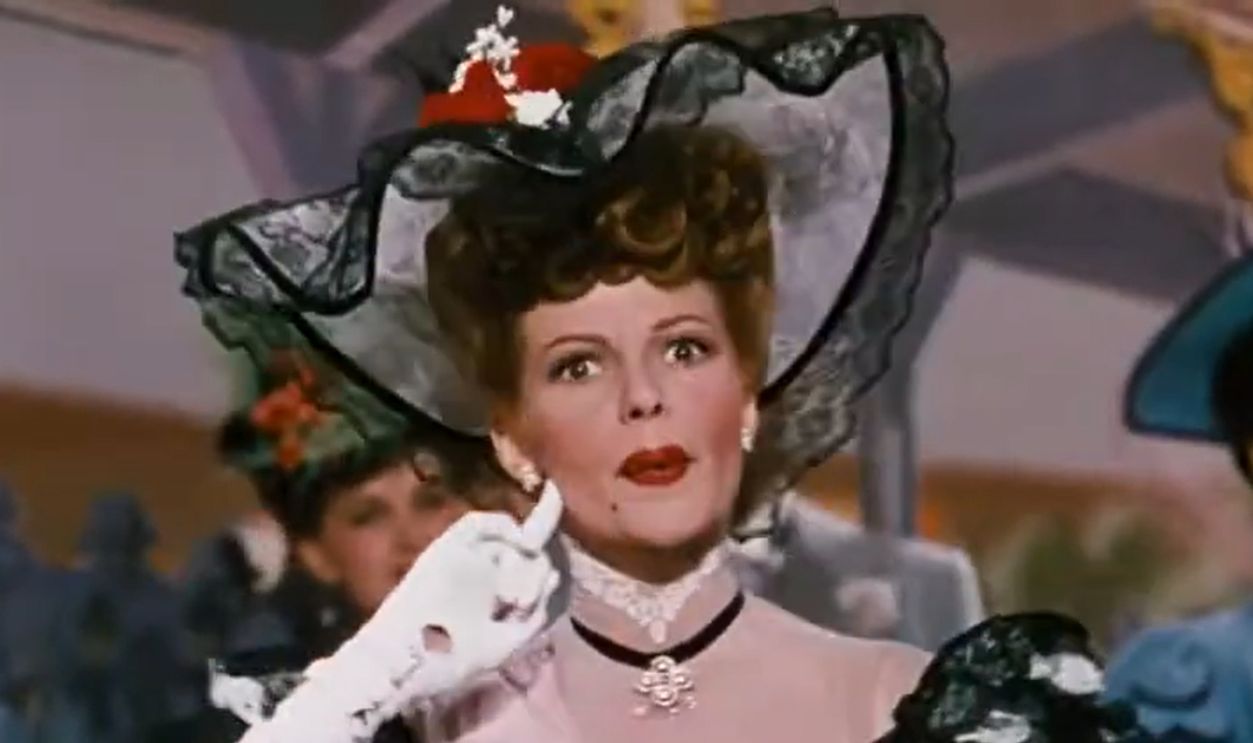 Screenshot from Cover Girl, Columbia Pictures (1944)
Harry Cohn Controlled The Image
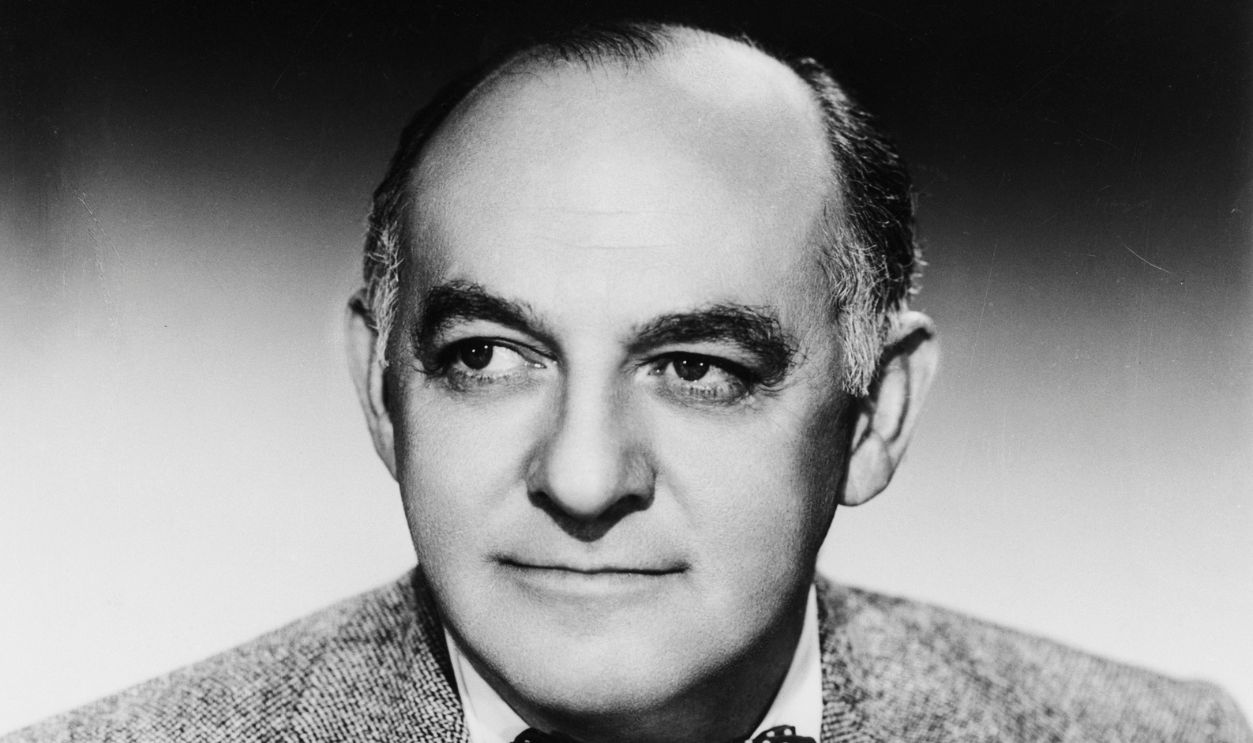
Hayworth’s success made her enormously valuable to Columbia, but it did not necessarily give her freedom. Harry Cohn maintained tight control over her assignments and remained a difficult presence throughout her years at the studio. Even after she became famous, Hayworth frequently had to fight for authority over her own career.
Gilda Turned Her Into A Legend
Everything Hollywood had created around Hayworth reached its peak in Gilda in 1946. Her entrance, marked by a toss of her hair, immediately established the character’s playful sexuality and confidence. The black dress, long gloves, and performance of “Put the Blame on Mame” became permanent pieces of Hollywood iconography.
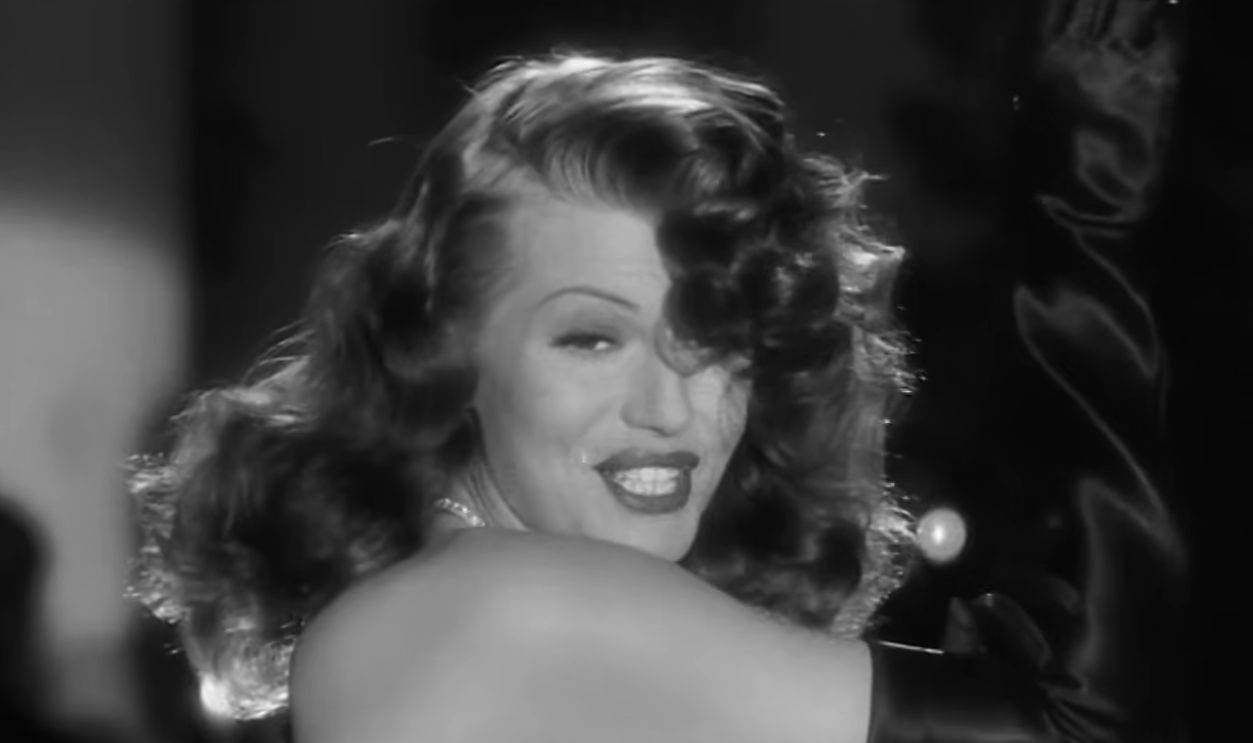 Screenshot from Gilda, Columbia Pictures (1946)
The Public Confused Her With Gilda
The success of Gilda made Hayworth synonymous with a sexually confident femme fatale, although that image differed sharply from her private personality. She was widely described as shy and sensitive away from the camera. Hayworth later expressed frustration that men fell in love with the fantasy of Gilda and were disappointed by the real woman.
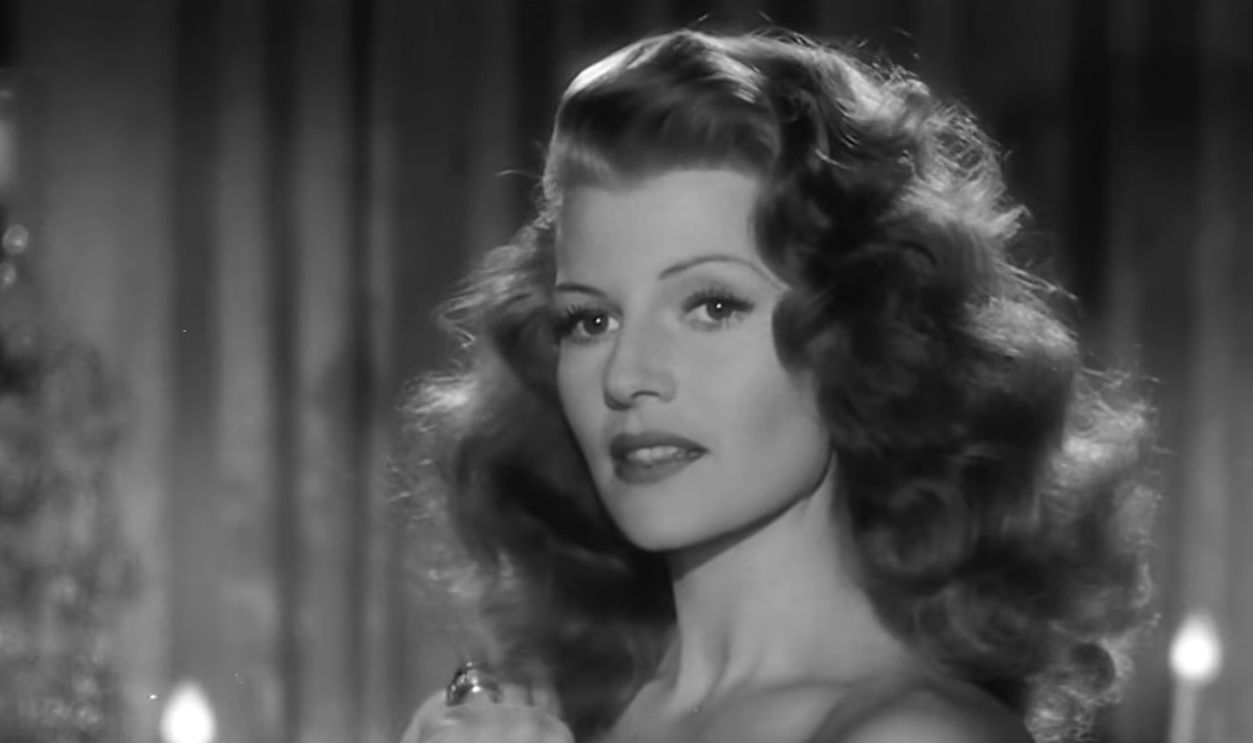 Screenshot from Gilda, Columbia Pictures (1946)
She Tried To Gain More Control
Following Gilda, Hayworth and her agent Johnny Hyde formed Beckworth Productions. A new arrangement with Columbia allowed her to share profits instead of simply collecting a salary. It was an unusually assertive move for an actress working within the studio system, but it did not completely free her from Columbia or Cohn.
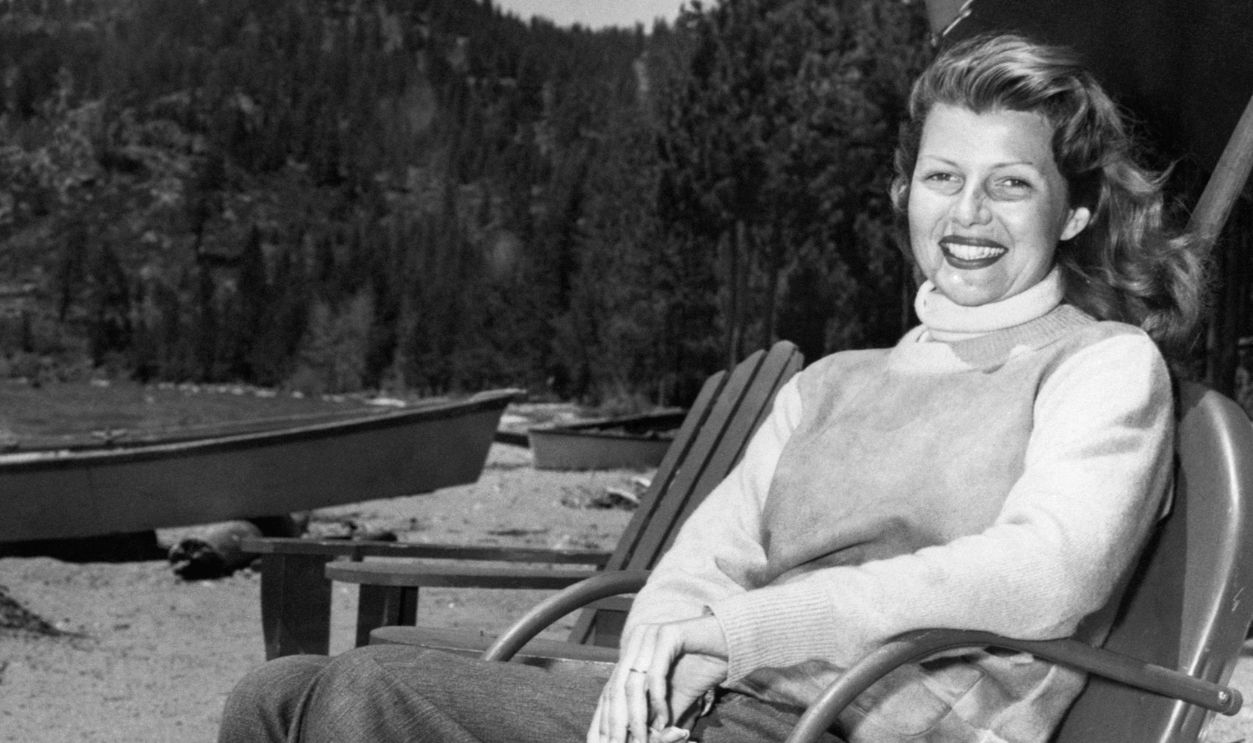
Orson Welles Changed Her Look Again
Hayworth married Orson Welles in 1943, and the couple eventually worked together on The Lady from Shanghai. For the film, her famous red hair was cut short and dyed blonde, infuriating Cohn and startling audiences. The movie struggled commercially upon release, although it later became recognized as a major film noir.
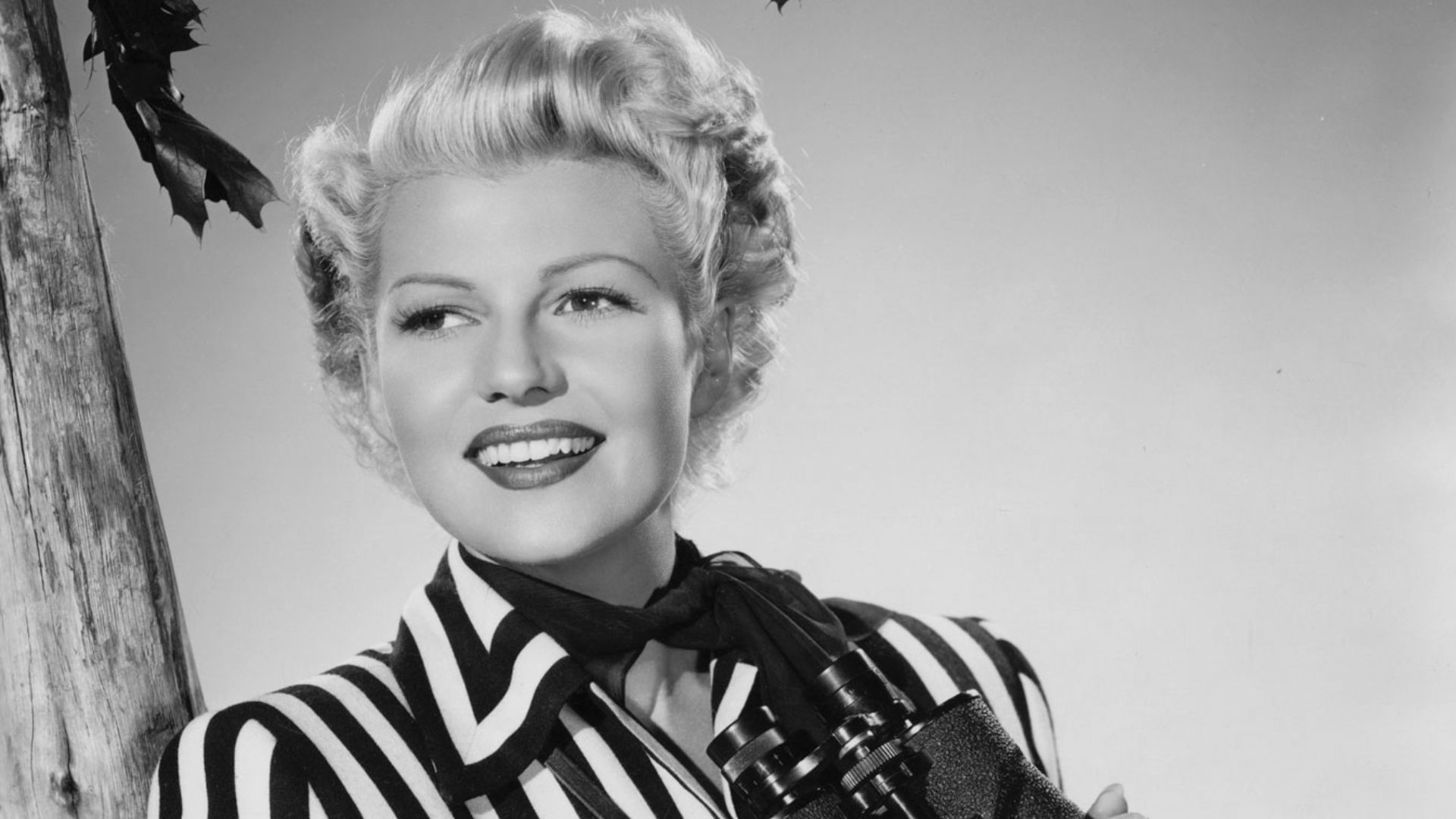 Robert Coburn, Wikimedia Commons
Becoming A Princess Offered No Escape
After her marriage to Welles ended, Hayworth married Prince Aly Khan in 1949 and stepped away from Hollywood. She gave birth to their daughter Yasmin and attempted to adapt to an international royal lifestyle. The marriage ended, however, and Hayworth returned to the same industry that had manufactured her public identity.
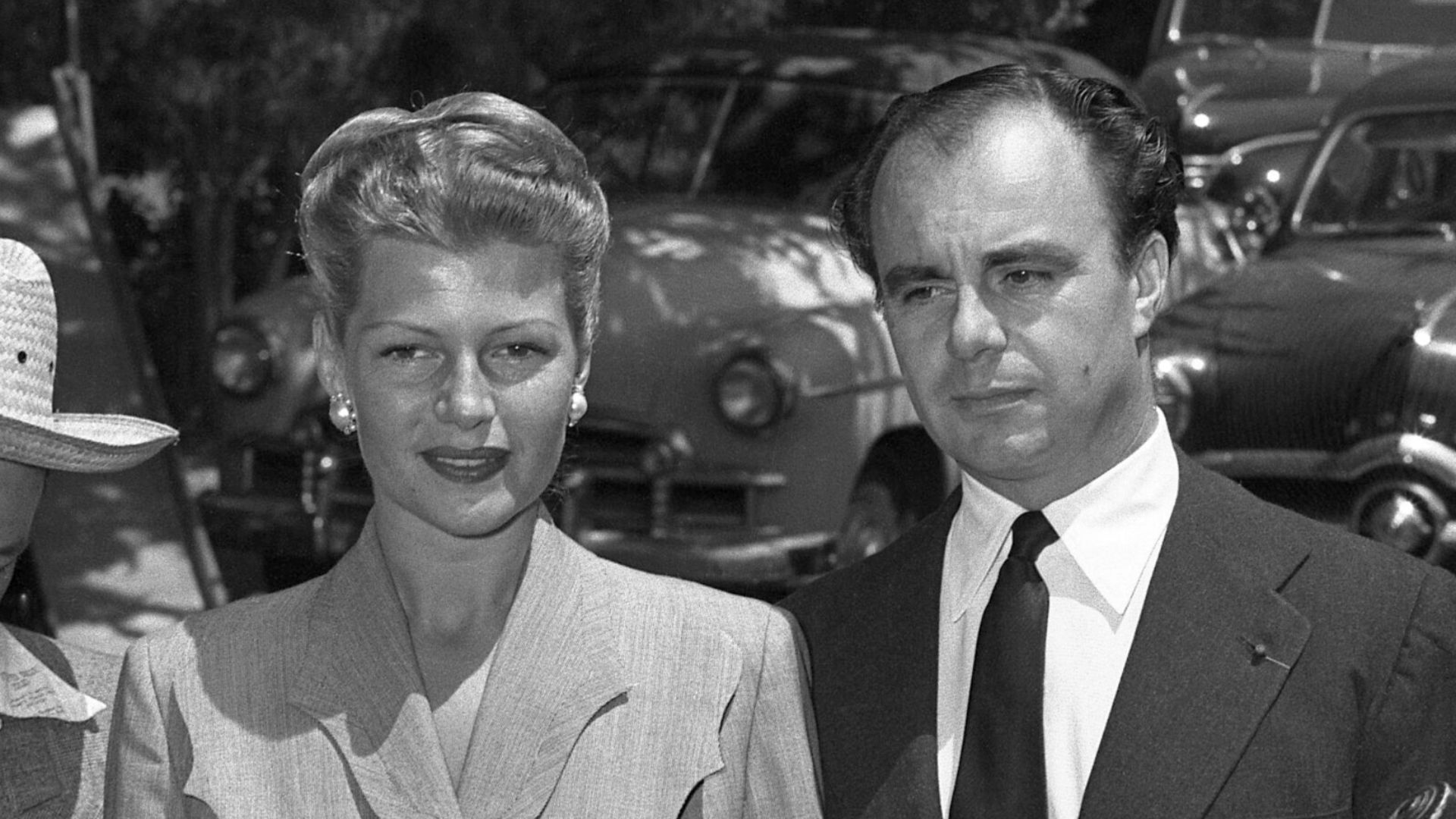 Los Angeles Times, Wikimedia Commons
Her Comeback Proved Her Star Power
Hayworth reunited with Glenn Ford for Affair in Trinidad in 1952 after four years away from the screen. The film became a major commercial success and demonstrated that audiences had not forgotten her. Columbia promoted the comeback by drawing heavily on the sensual image established by Gilda.
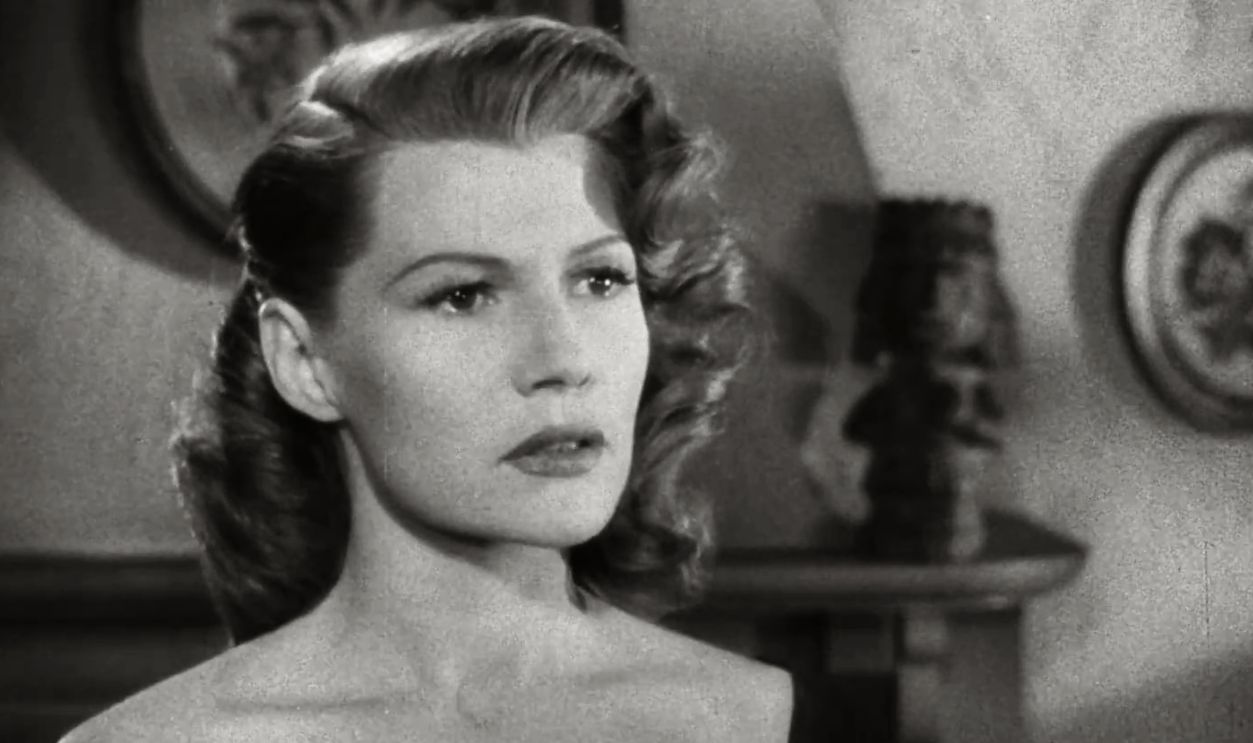 Screenshot from Affair in Trinidad, Columbia Pictures (1952)
Columbia Prepared To Replace Her
By the time Hayworth made Pal Joey in 1957, Columbia was promoting younger star Kim Novak as its next major screen beauty. Hayworth played an older, wealthy widow opposite Frank Sinatra, while Novak received the youthful romantic role. The casting reflected an industry that had built Hayworth around her appearance and was now measuring her against a younger replacement.
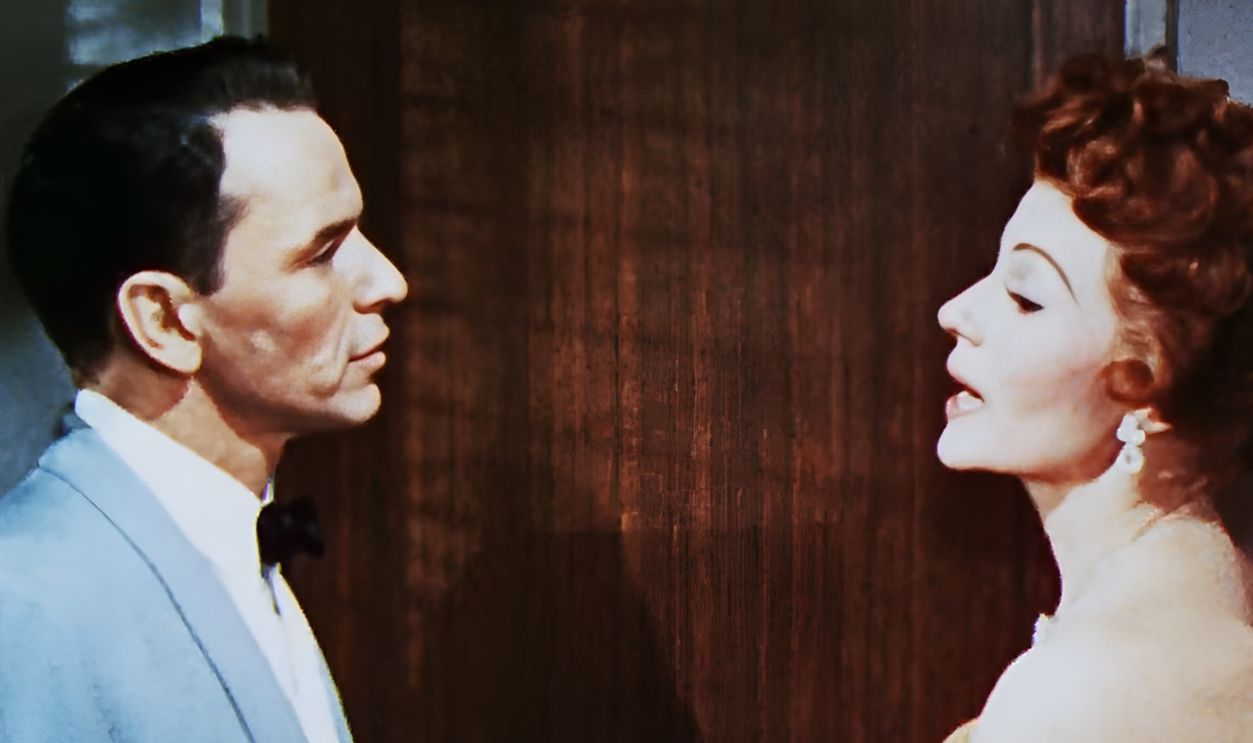 Screenshot from Pal Joey, Columbia Pictures (1957), Modified
Serious Roles Showed What Glamour Had Hidden
Once she was free of Columbia, Hayworth took on more dramatic work in films including Separate Tables and The Story on Page One. These performances allowed her to display vulnerability and emotional depth beyond the glamorous temptresses associated with her name. However, the industry never rewarded this side of her as enthusiastically as it had rewarded the “Love Goddess.”
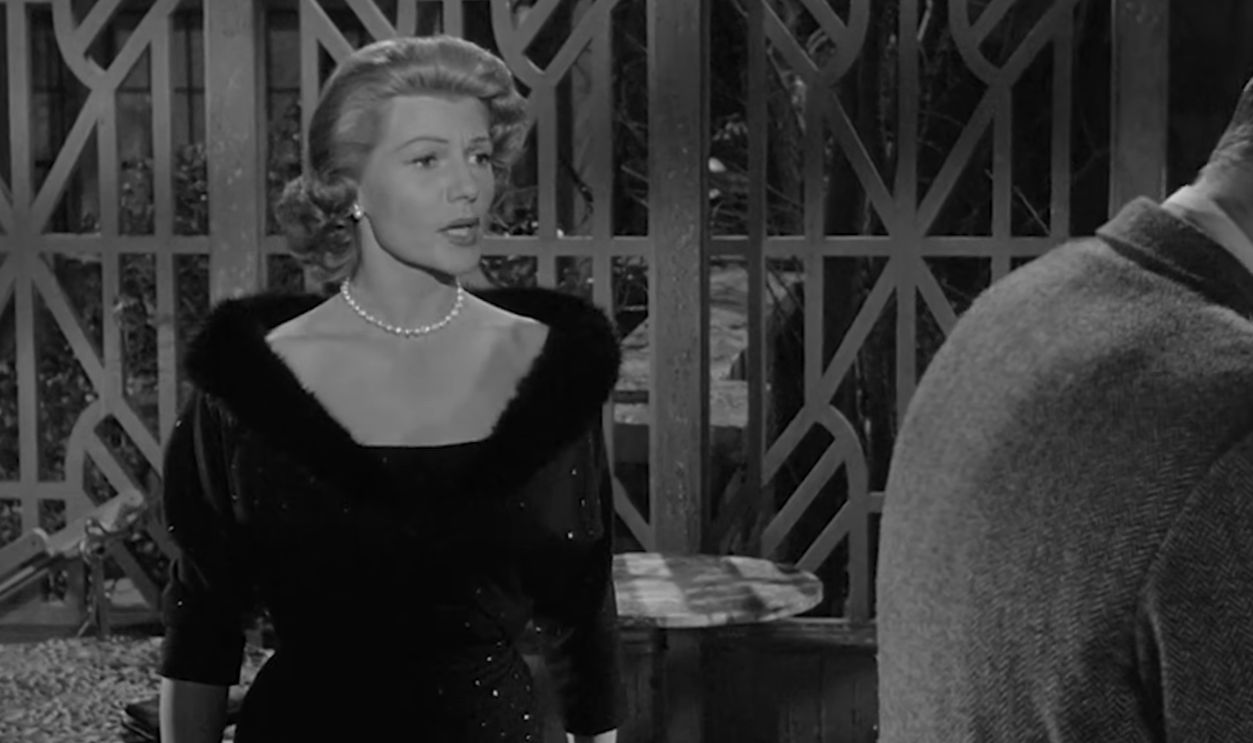 Screenshot from Separate Tables, United Artists (1958)
Her Decline Was Tragically Misunderstood
By the late 1960s and early 1970s, Hayworth was experiencing serious problems with memory and concentration. During The Wrath of God, released in 1972, her lines had to be filmed in small sections with special assistance. Her confusion and changes in behavior were misunderstood for years, with some observers attributing them to alcohol.
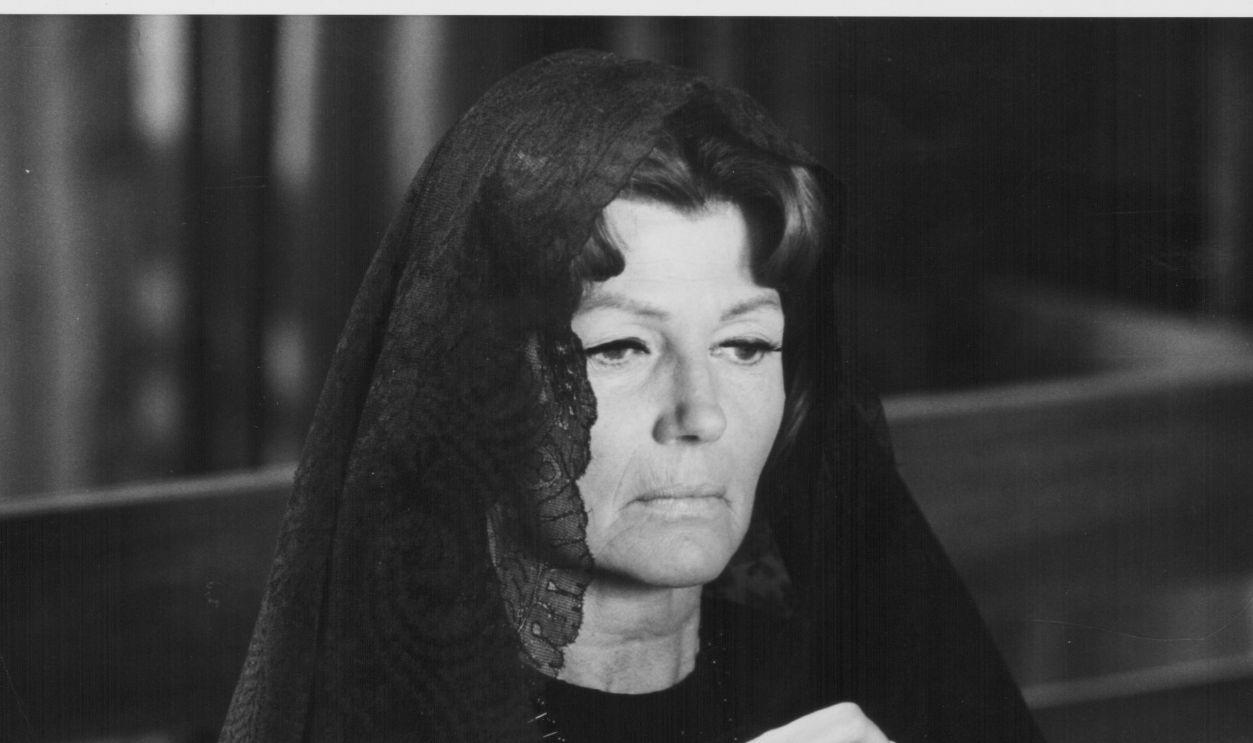 Stanley Bielecki Movie Collection, Getty Images
Her Final Years Raised Awareness
Hayworth was diagnosed with Alzheimer’s disease in 1981 and spent her final years near her daughter Yasmin in New York. She died on May 14, 1987, at age 68. The public attention surrounding her illness helped increase awareness and understanding of Alzheimer’s disease.
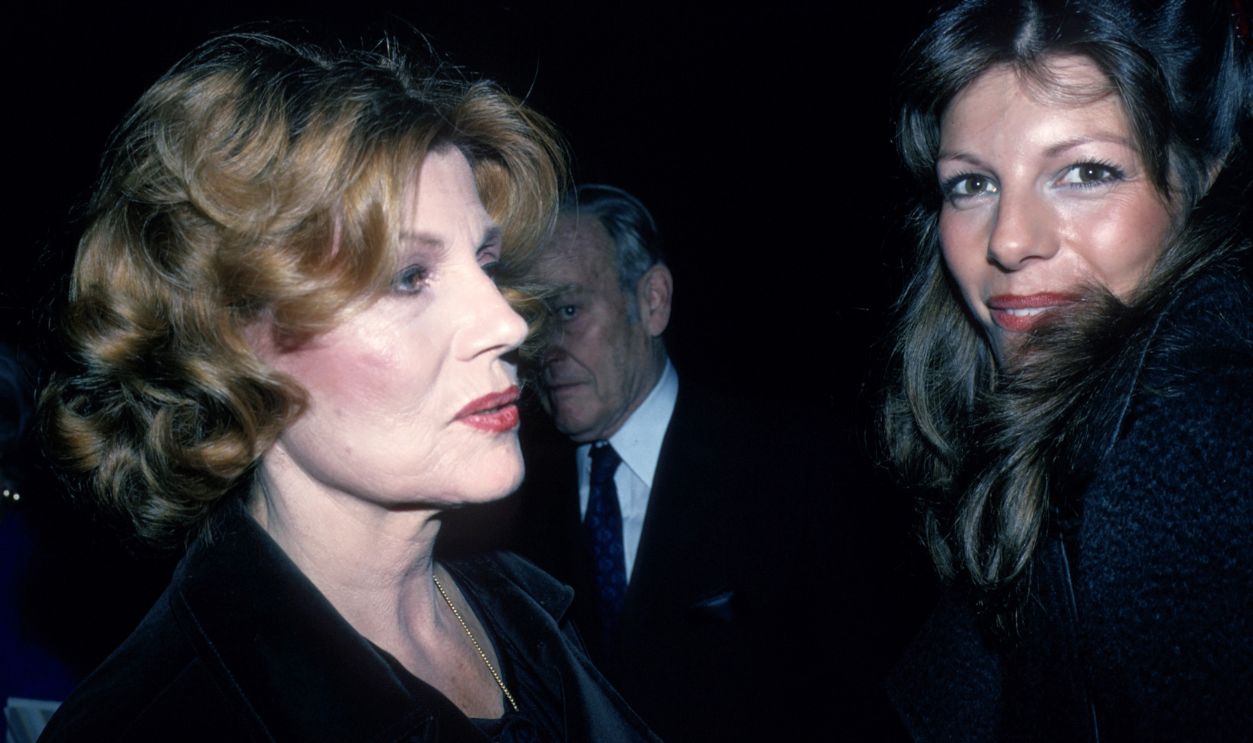
Margarita Left A Legacy Beyond Rita
Hollywood transformed Margarita Cansino into Rita Hayworth, but it never erased the talented dancer beneath the glamorous image. Her skill, resilience, and vulnerability gave her performances a depth that studio publicity could not manufacture. Decades later, the woman behind the “Love Goddess” remains as compelling as the legend itself.
You May Also Like:
Barbara Stanwyck Was a Screen Legend—But Her Surprising Choices Made Her Unique in Hollywood
The Hollywood Scandal That Nearly Ended Debbie Reynolds And Elizabeth Taylor's Friendship
Why Hollywood Betrayed Tab Hunter To Protect Rock Hudson's Image