Hollywood Had A Secret To Protect
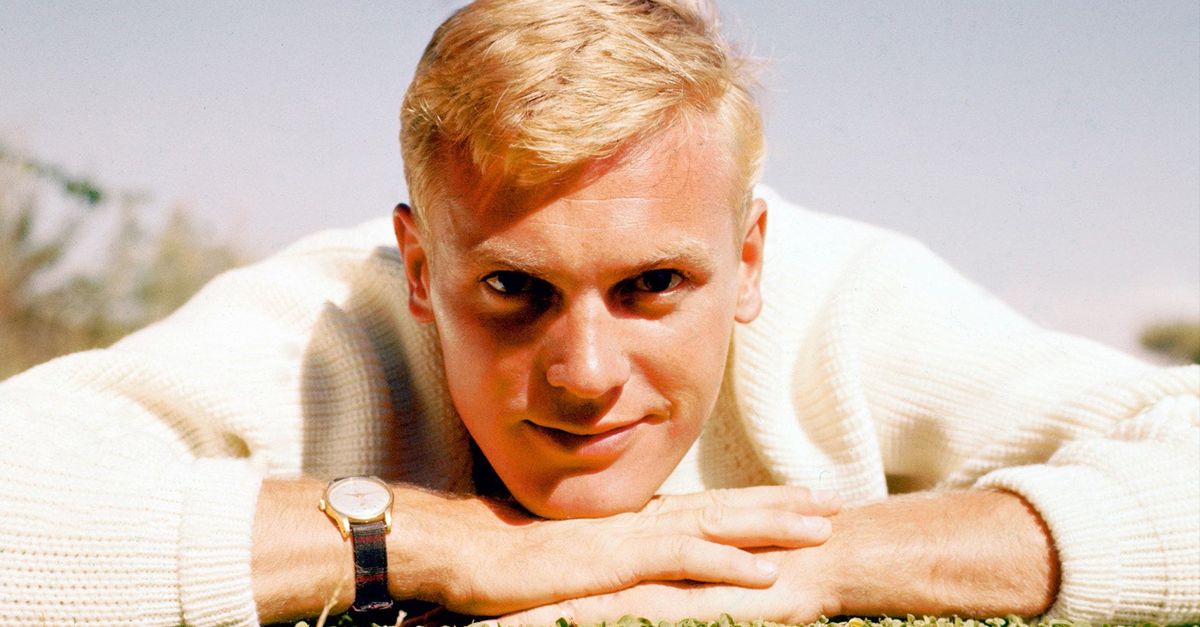
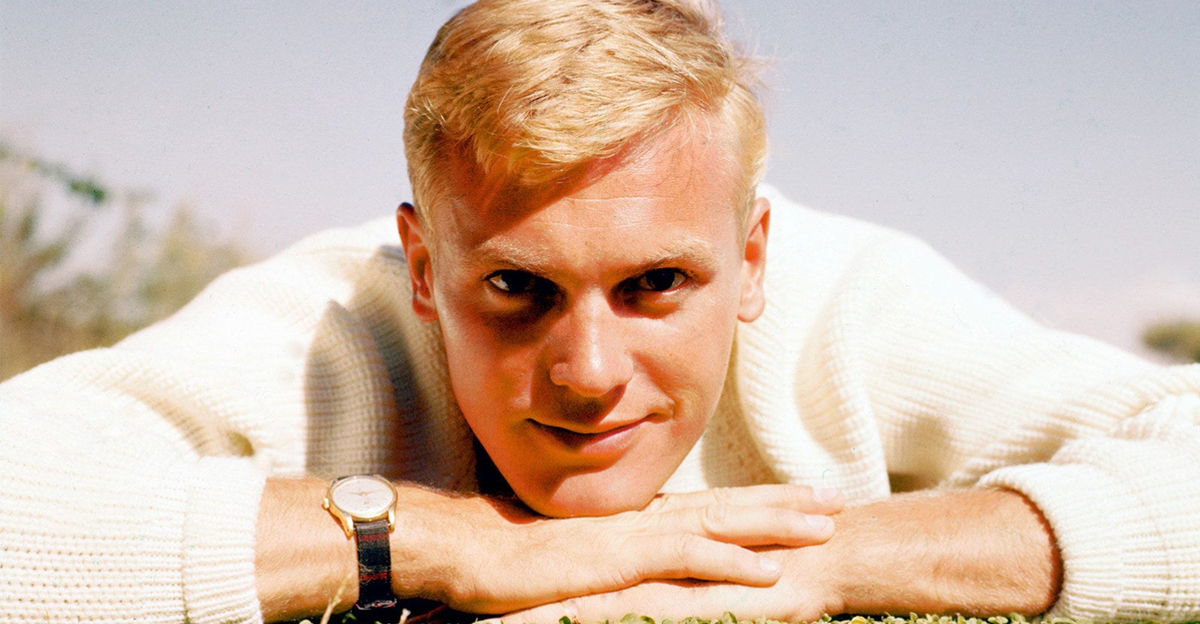
Tab Hunter and Rock Hudson became two of Hollywood's biggest leading men during the 1950s. Their studios carefully cultivated images of handsome, eligible bachelors while guarding closely held secrets about their private lives. Hunter later claimed that when a scandal magazine threatened Rock Hudson's public image, his own former agent protected the bigger star by sacrificing him instead.
 Silver Screen Collection, Getty Images
The Studio System Hid More Than It Revealed
Hollywood studios controlled far more than the movies their contracted performers made. Publicists managed interviews, romances, photographs, and almost every other detail that shaped a star’s reputation. For actors hiding their sexuality, that system offered protection while also forcing them to live two separate lives.

The Boy Who Became Tab Hunter
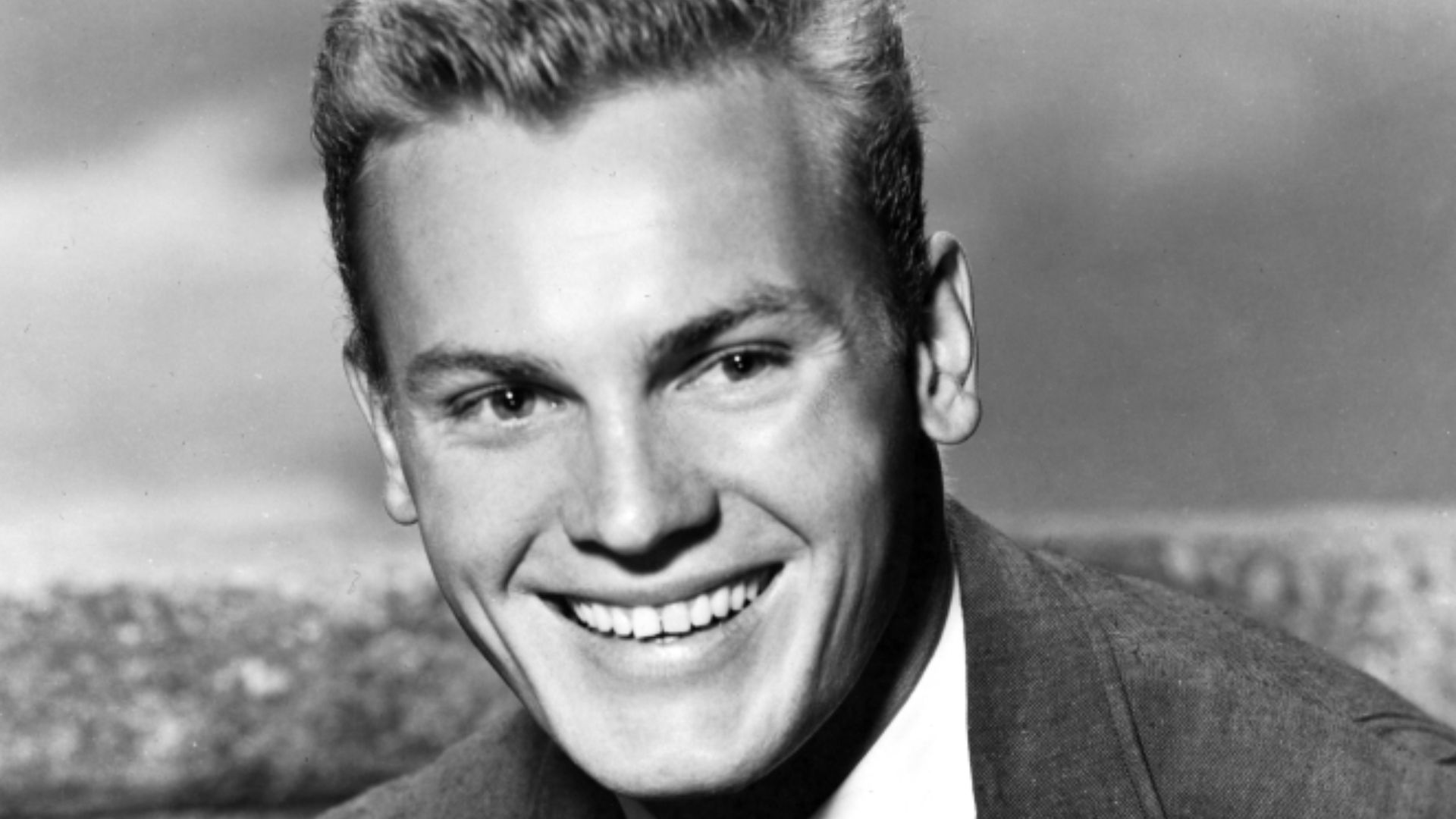
Hunter was born Arthur Andrew Kelm in New York City in 1931 and was largely raised in California. His parents separated while he was young, and he later used his mother’s maiden name, Gelien. He found comfort in horseback riding, figure skating, and other activities far removed from the attention he would eventually receive.
 Studio Publicity, Wikimedia Commons
Henry Willson Created Another Star
Talent agent Henry Willson specialized in finding handsome young men and transforming them into marketable actors. His roster eventually included Guy Madison, Rory Calhoun, Rock Hudson, Troy Donahue, and Hunter. Willson decided that Arthur Gelien needed a stronger screen identity and renamed him Tab Hunter.
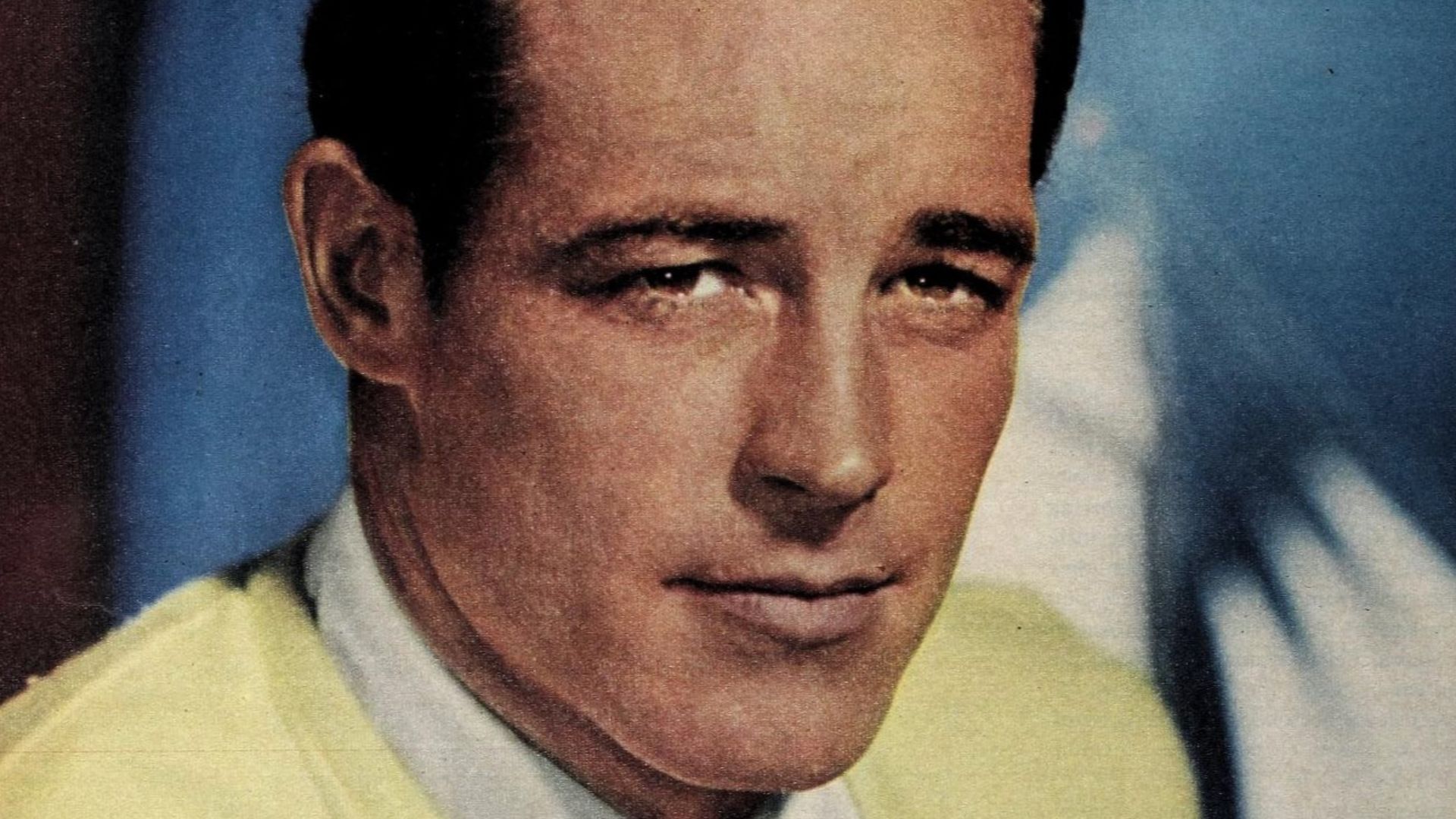 Don Ornitz (1920-1972) [1], Wikimedia Commons
Warner Bros. Found Its New Golden Boy
Hunter appeared in several early films before signing a contract with Warner Bros. His major breakthrough came in the studio’s 1955 war drama Battle Cry, based on Leon Uris’s bestselling novel. The film’s success established Hunter as one of Hollywood’s most promising young romantic leads.
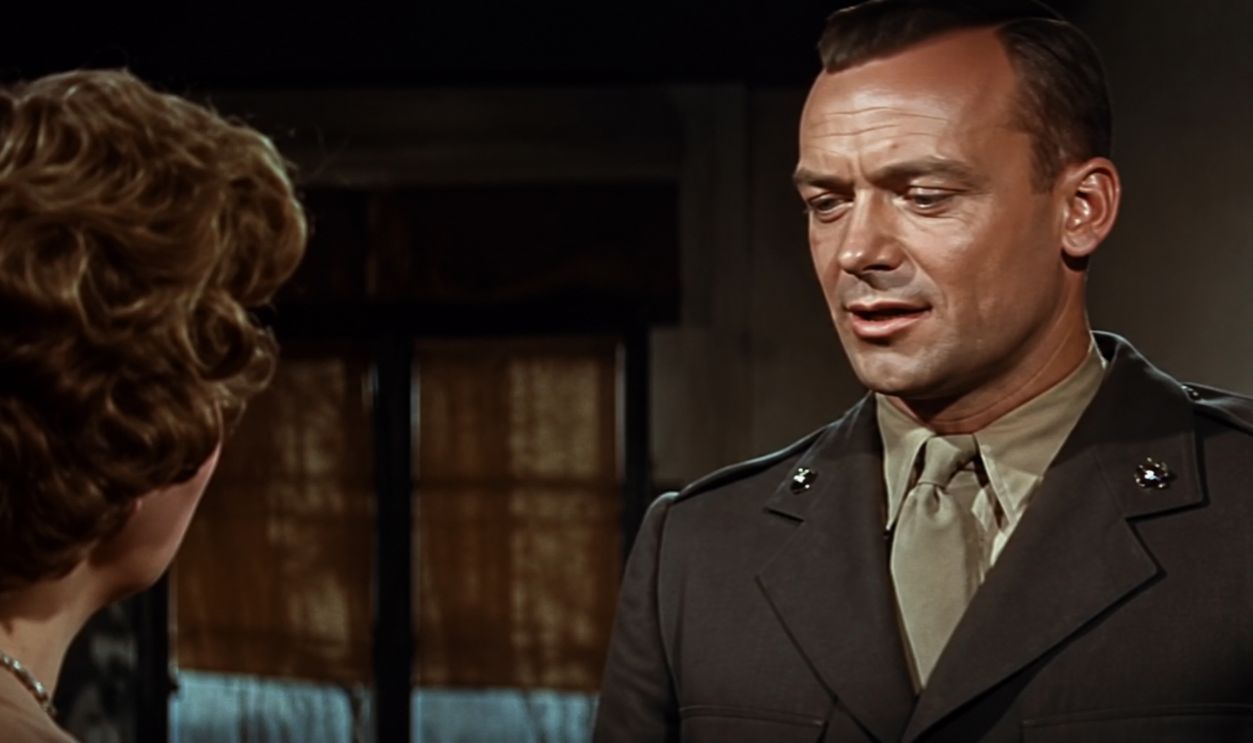 Screenshot from Battle Cry, Warner Bros. (1955)
Teenagers Could Not Get Enough Of Him
Hunter’s blond hair, athletic build, and clean-cut appearance made him enormously popular with teenage fans. His face appeared on magazine covers, posters, and bedroom walls across the country. Warner Bros. promoted him as a wholesome alternative to the more rebellious image represented by stars such as James Dean.
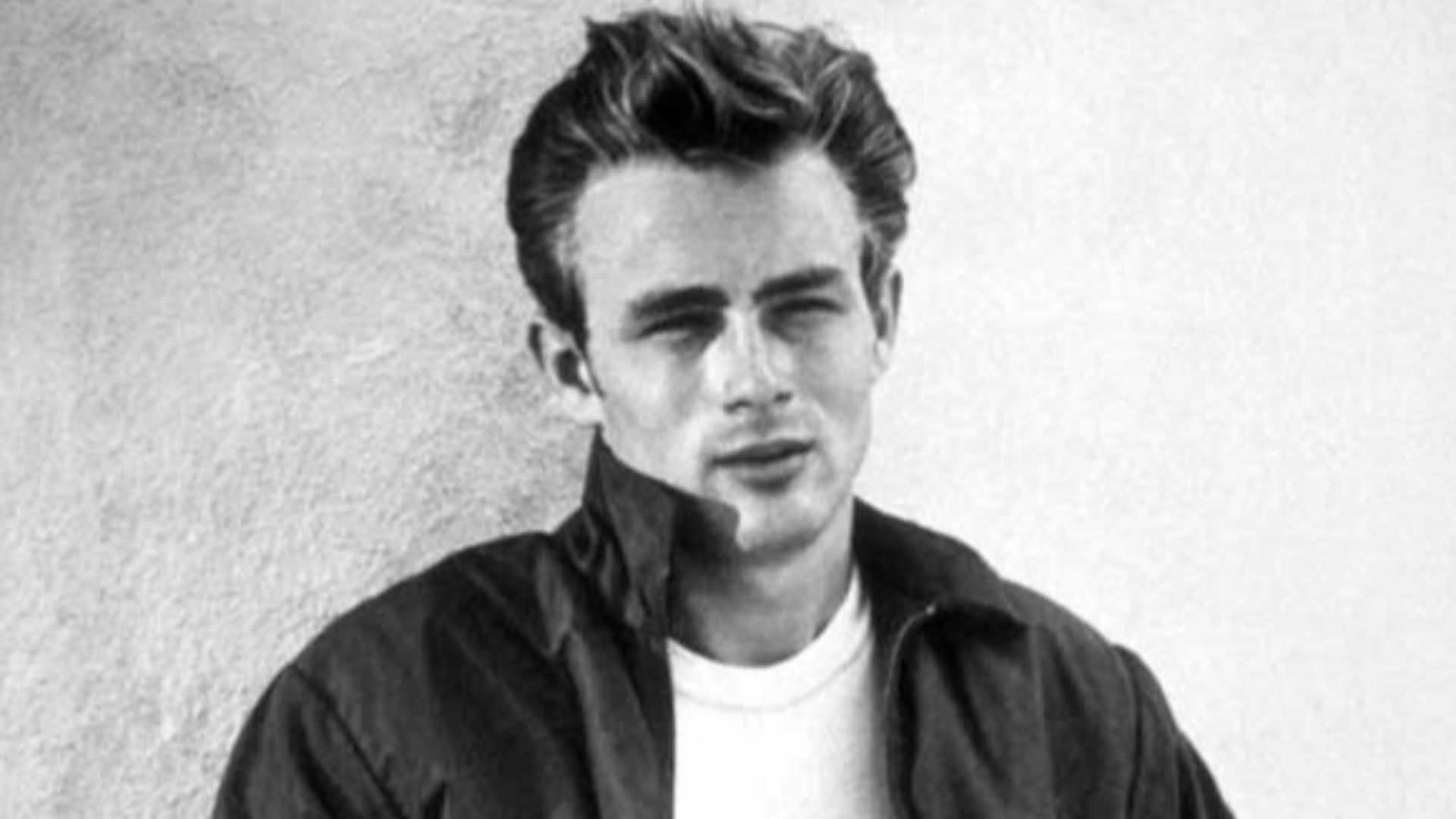 In-house publicity still, Wikimedia Commons
A Movie Star And Recording Star
Hunter proved that his popularity extended beyond the movie theatre when he recorded “Young Love” in late 1956. His version reached number one on several Billboard charts and remained a major hit for weeks. He later starred in the film version of the Broadway musical Damn Yankees!, further demonstrating his range as an entertainer.
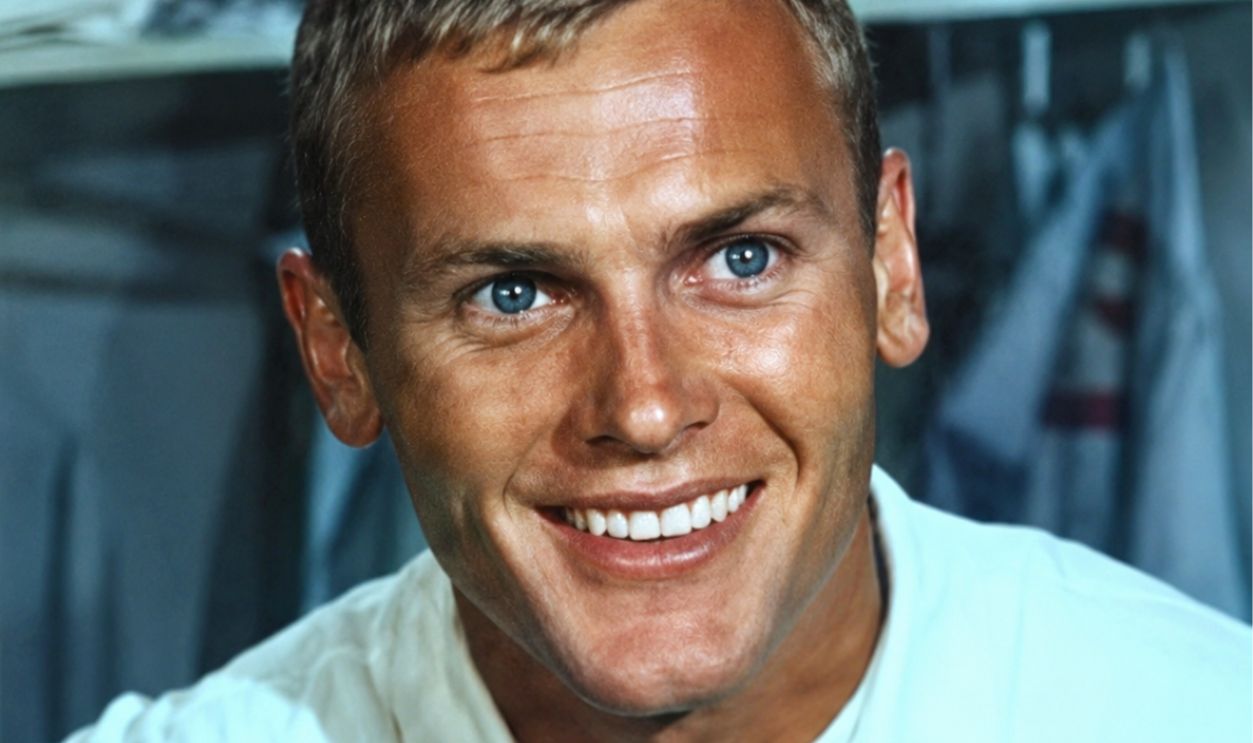 Trailer screenshot, Wikimedia Commons, Modified
Hollywood Wanted A Perfect Image
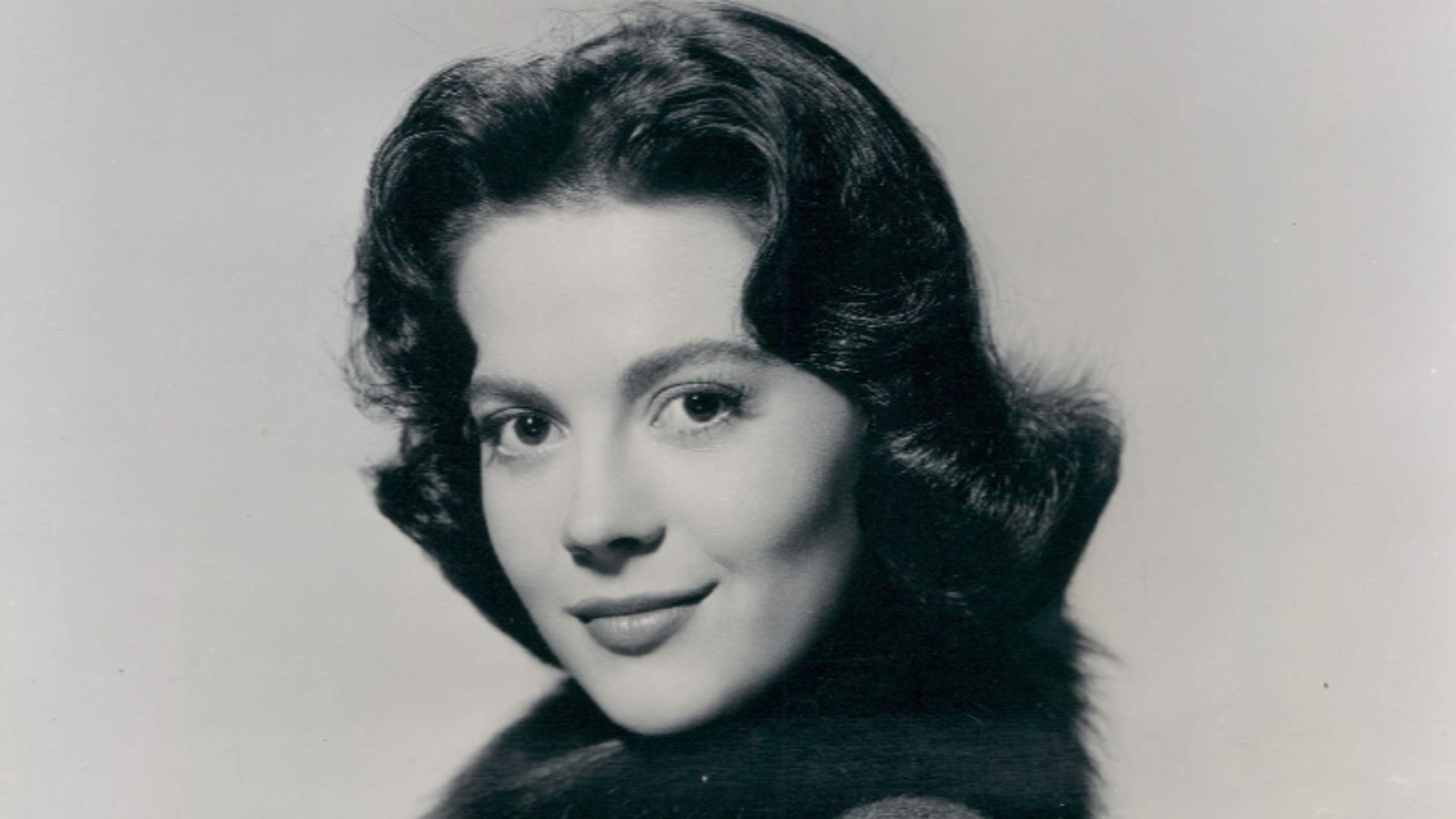
The studio marketed Hunter as an eligible bachelor who might fall in love with the right female fan. He was photographed with actresses including Natalie Wood and Debbie Reynolds, although many of those appearances were encouraged by publicists. Every carefully arranged outing helped reinforce the romantic image Warner Bros. wanted audiences to believe.
 Unknown publicity photographer, Wikimedia Commons
Why Tab Hunter Left Henry Willson
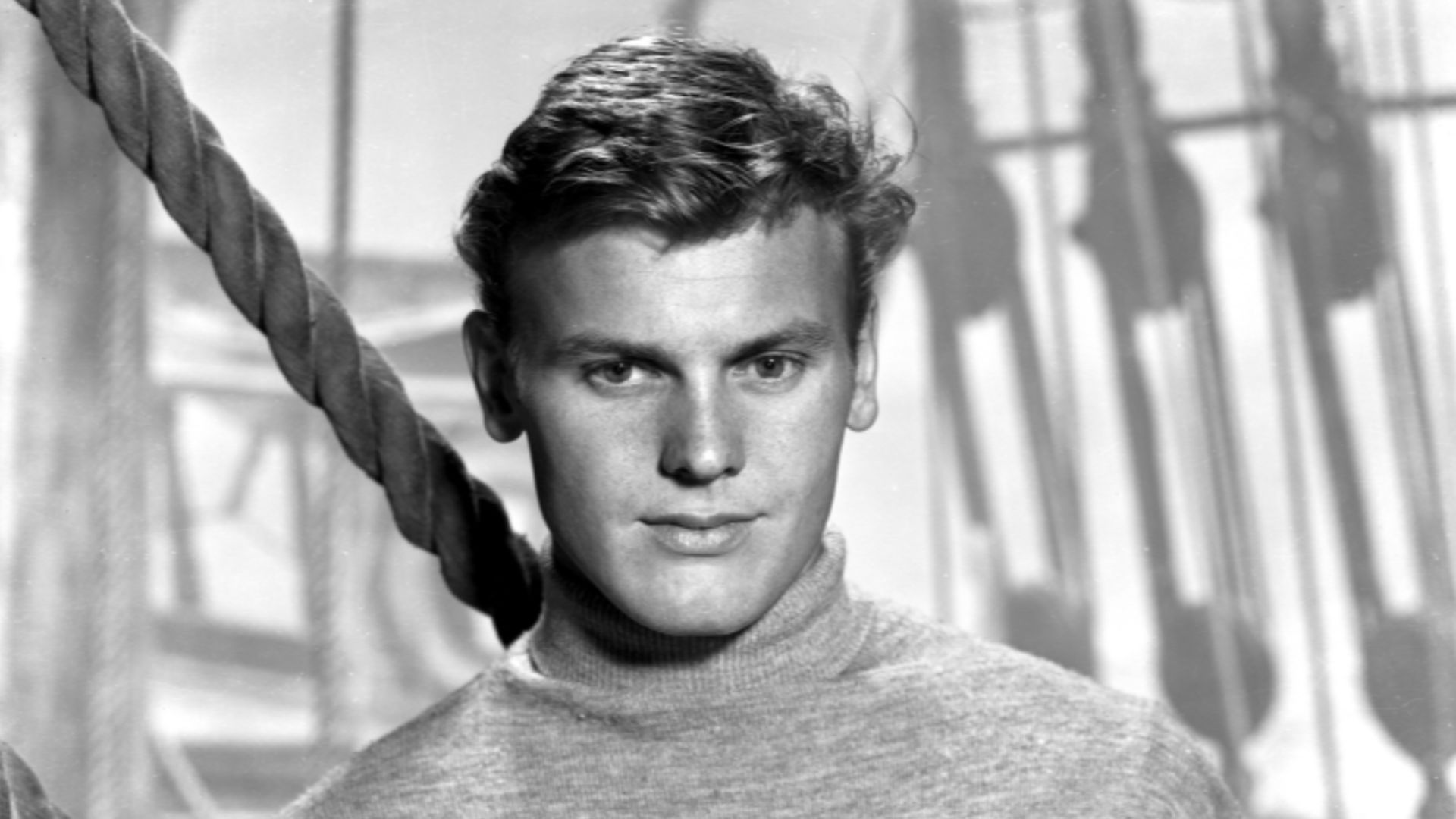
Hunter eventually became uncomfortable with Willson’s influence and moved to another agent. Leaving gave him more independence, but it also angered someone who possessed sensitive information about his private life. Willson remained connected to many rising actors, including one client whose career had become especially valuable.
 Studio Publicity, Wikimedia Commons
Rock Hudson Was Willson's Biggest Client
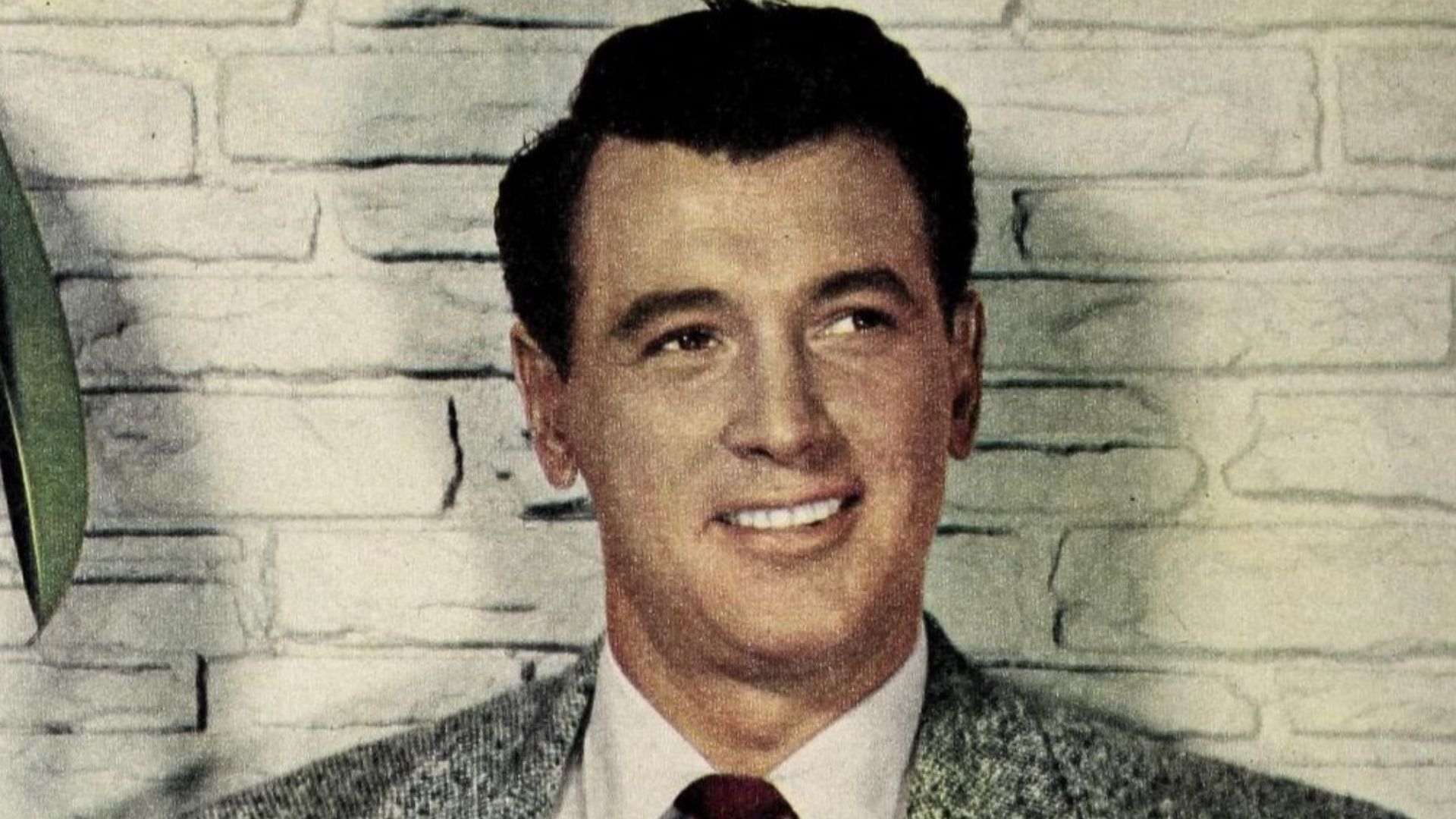
Willson had transformed Roy Scherer into Rock Hudson, complete with a commanding new name and a rugged public image. Hudson rose rapidly through Universal’s ranks and became a major attraction through films such as Magnificent Obsession and All That Heaven Allows. His growing success also made preserving his reputation one of Willson’s most important concerns.
 Photographer: Ray Jones (1892-1967), [1], Wikimedia Commons
Secrets Ruled 1950s Hollywood
Being identified as gay could destroy a leading man’s career during the 1950s. Same-sex relationships were heavily stigmatized, while police raids and morality laws created genuine legal dangers. Studios, agents, lawyers, and publicists therefore worked together to keep potentially damaging information away from the public.
 Shane Gritzinger, Getty Images
Confidential Magazine Changed Everything
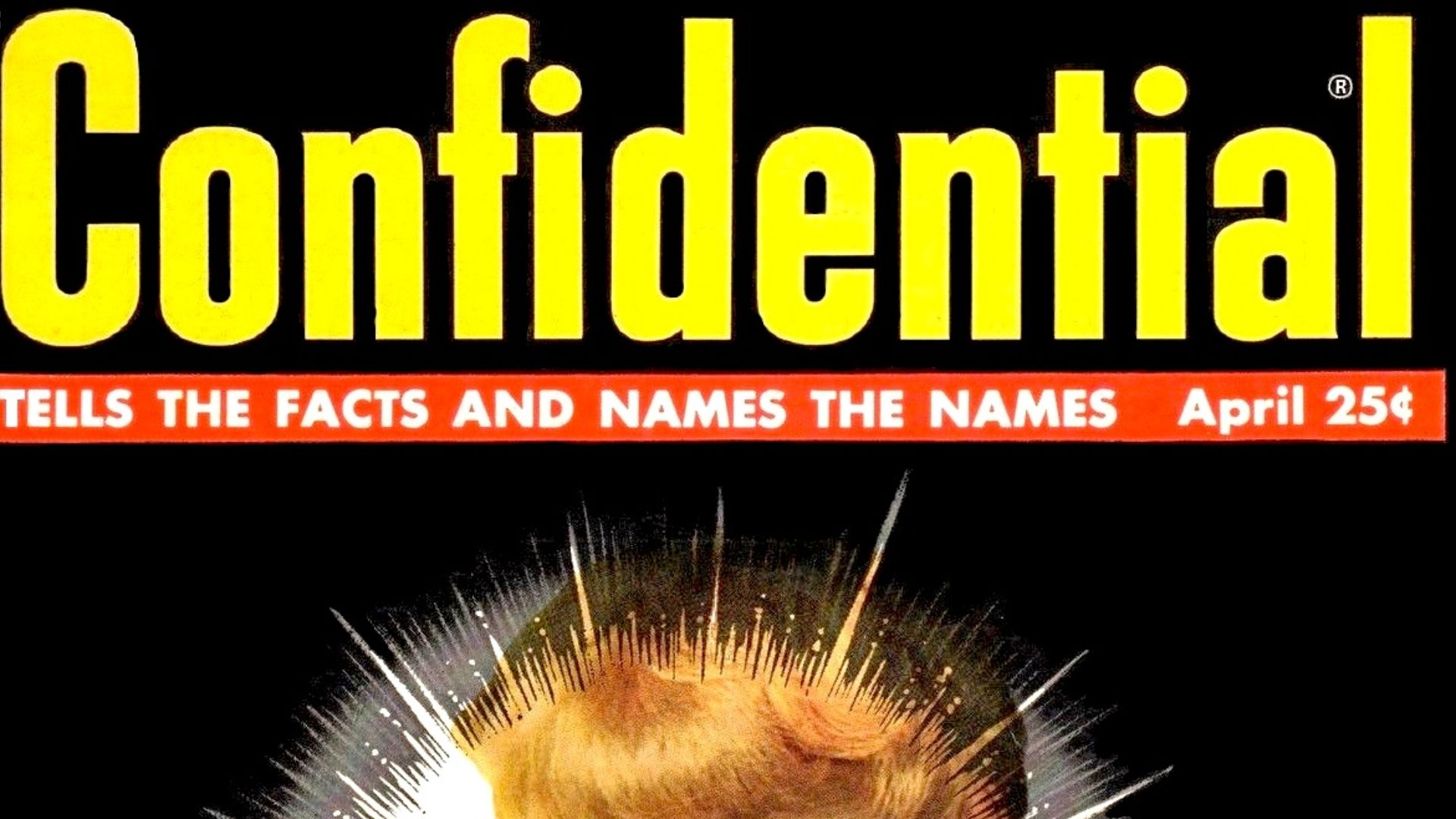
Hollywood’s traditional methods of controlling celebrity coverage were challenged by Confidential magazine. The publication used informants, private investigators, court documents, and provocative writing to reveal information that fan magazines would never print. Its circulation reportedly reached approximately 4.6 million at the height of its influence.
 Unknown authorUnknown author, Wikimedia Commons
Hollywood's Biggest Fear Was Exposure
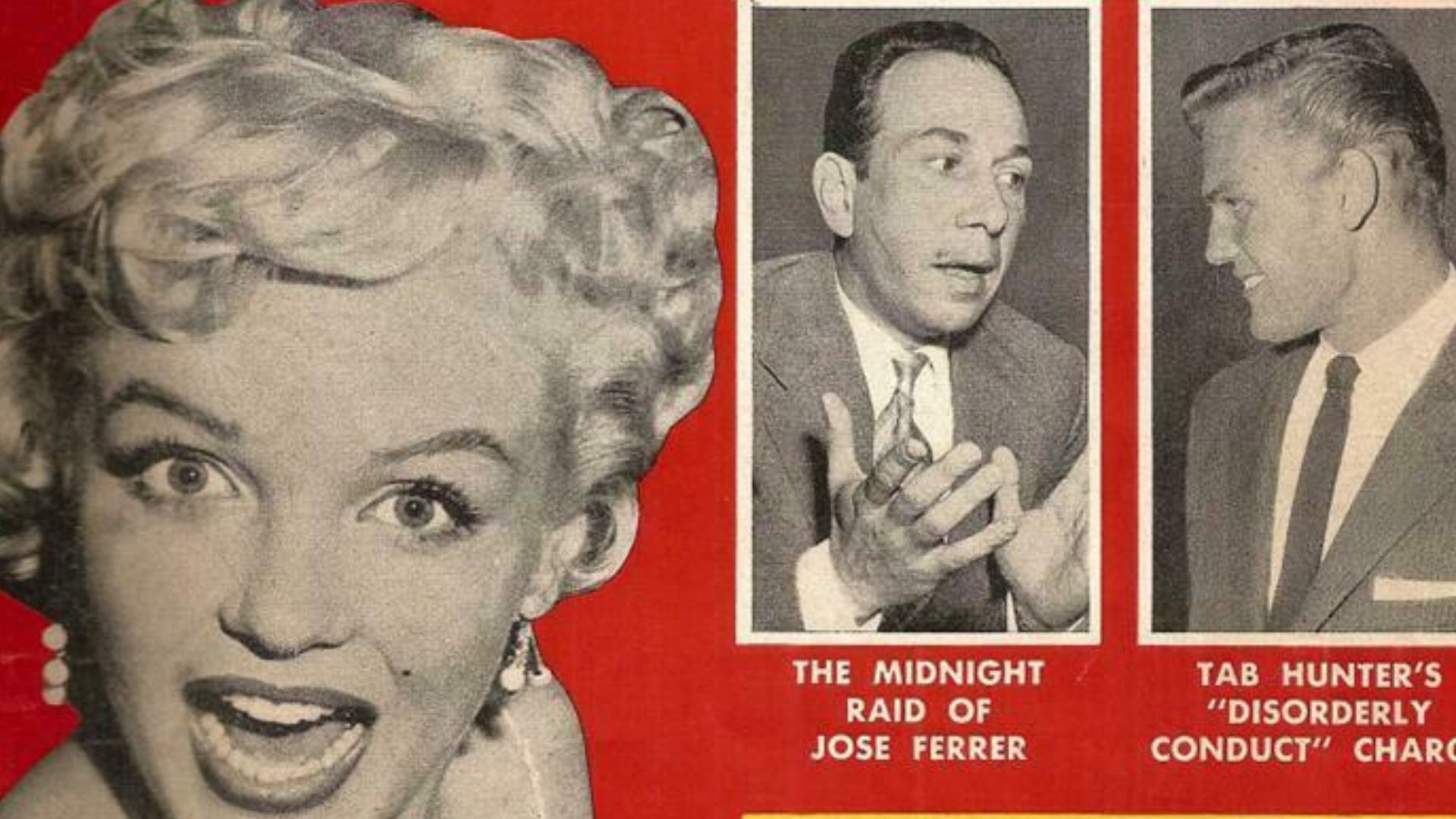
Confidential specialized in stories involving arrests, affairs, criminal histories, and private relationships. The magazine frequently relied on suggestive language that allowed readers to understand what it was implying without always making a direct accusation. For closeted actors, one headline could threaten years of carefully managed publicity.
 Confidential (magazine), Wikimedia Commons
The Arrest That Nearly Ended Hunter's Career
In 1950, police detained Hunter after responding to a gathering attended by several men. He was charged with disorderly conduct, but the incident attracted little attention while he was still an unknown teenager. Once Hunter became a major star, that forgotten arrest suddenly became valuable material for a scandal magazine.
How Henry Willson Allegedly Made A Deal
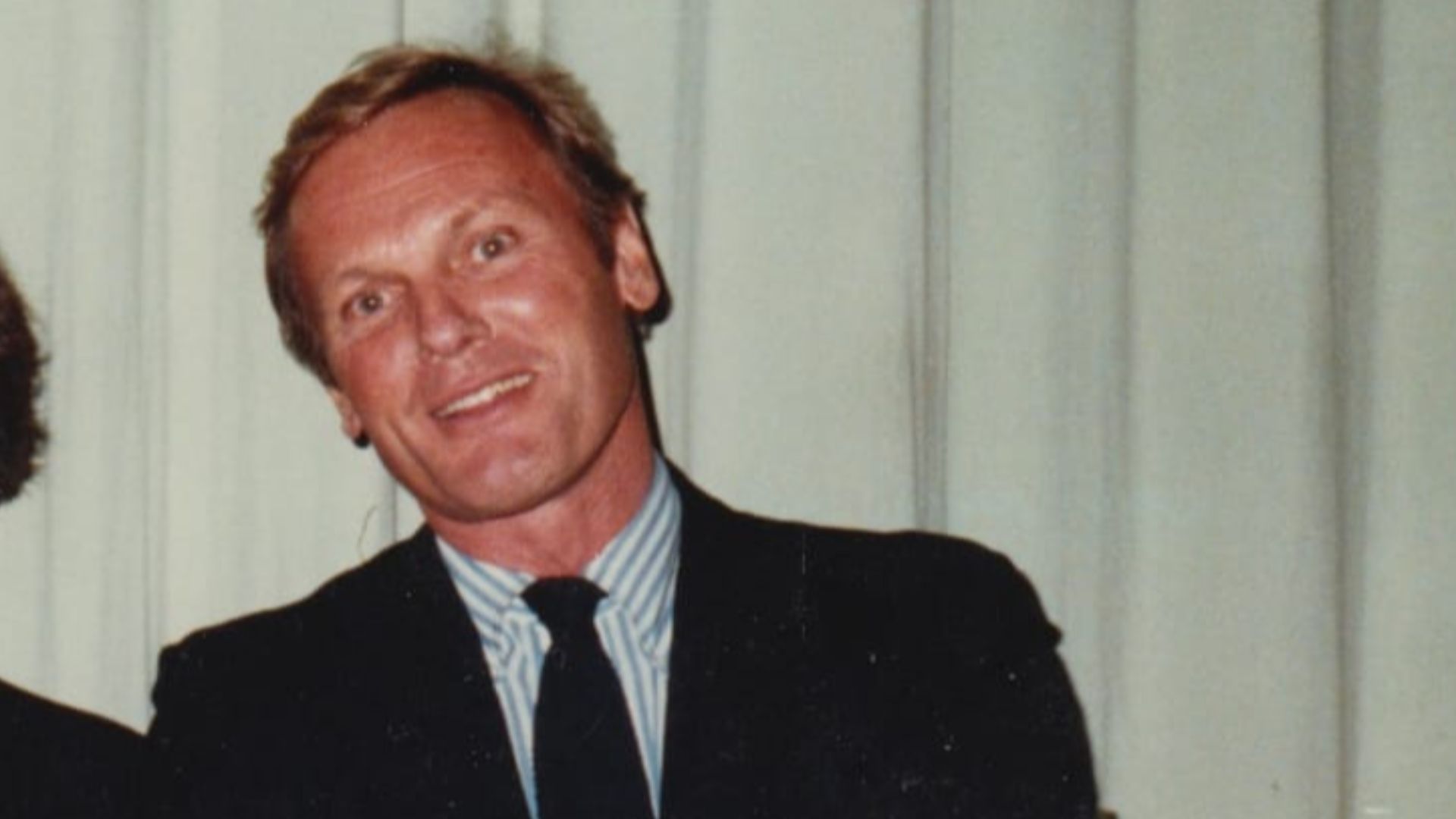
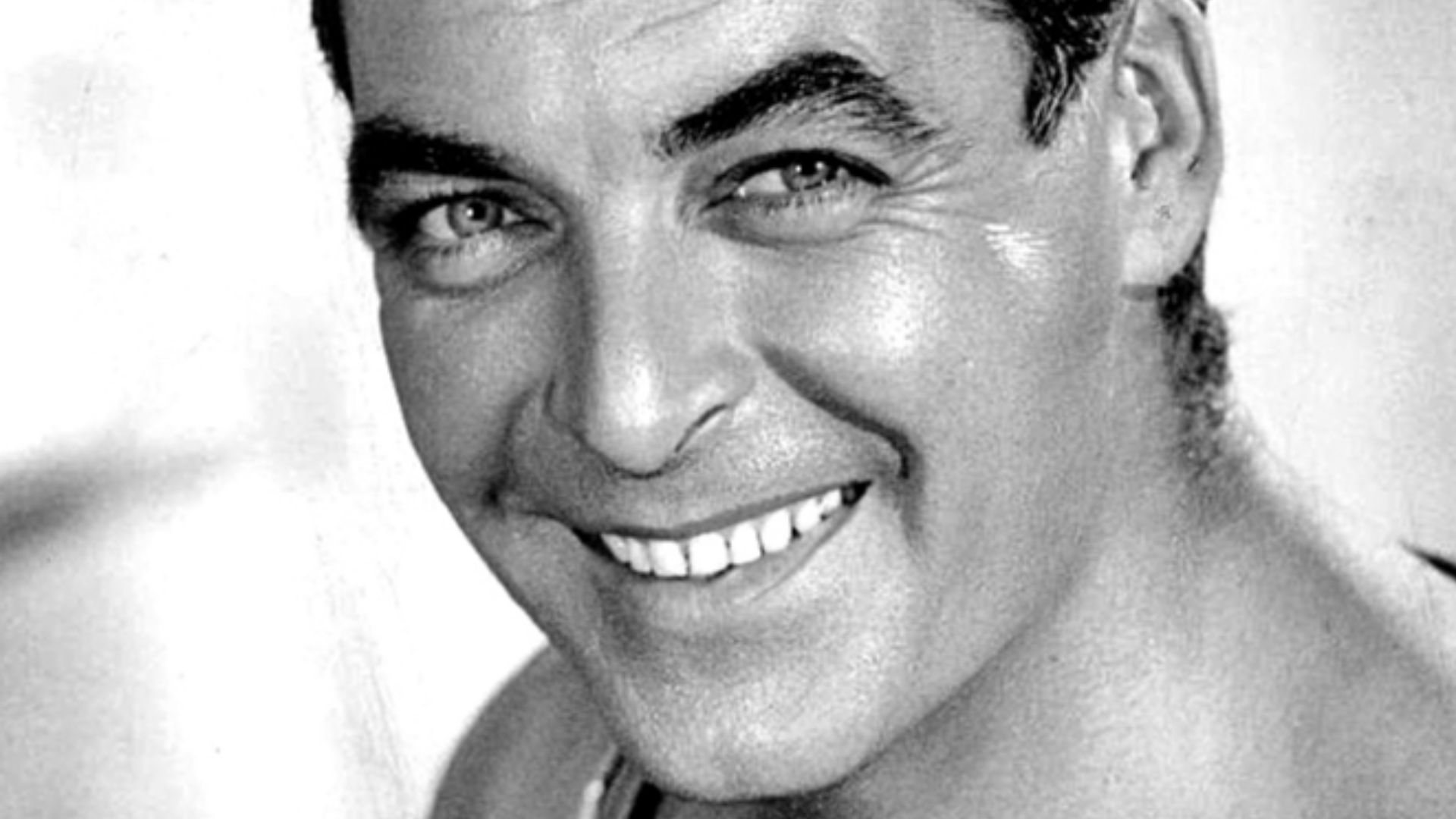
According to Hunter’s memoir and later accounts, Confidential was preparing damaging material involving Rock Hudson and a gathering at Willson’s home. Willson allegedly diverted the magazine by supplying stories about Hunter’s arrest and Rory Calhoun’s criminal past. The proposed Hudson story did not appear, while the information about Willson’s other clients reached newsstands.
 movie studio, Wikimedia Commons
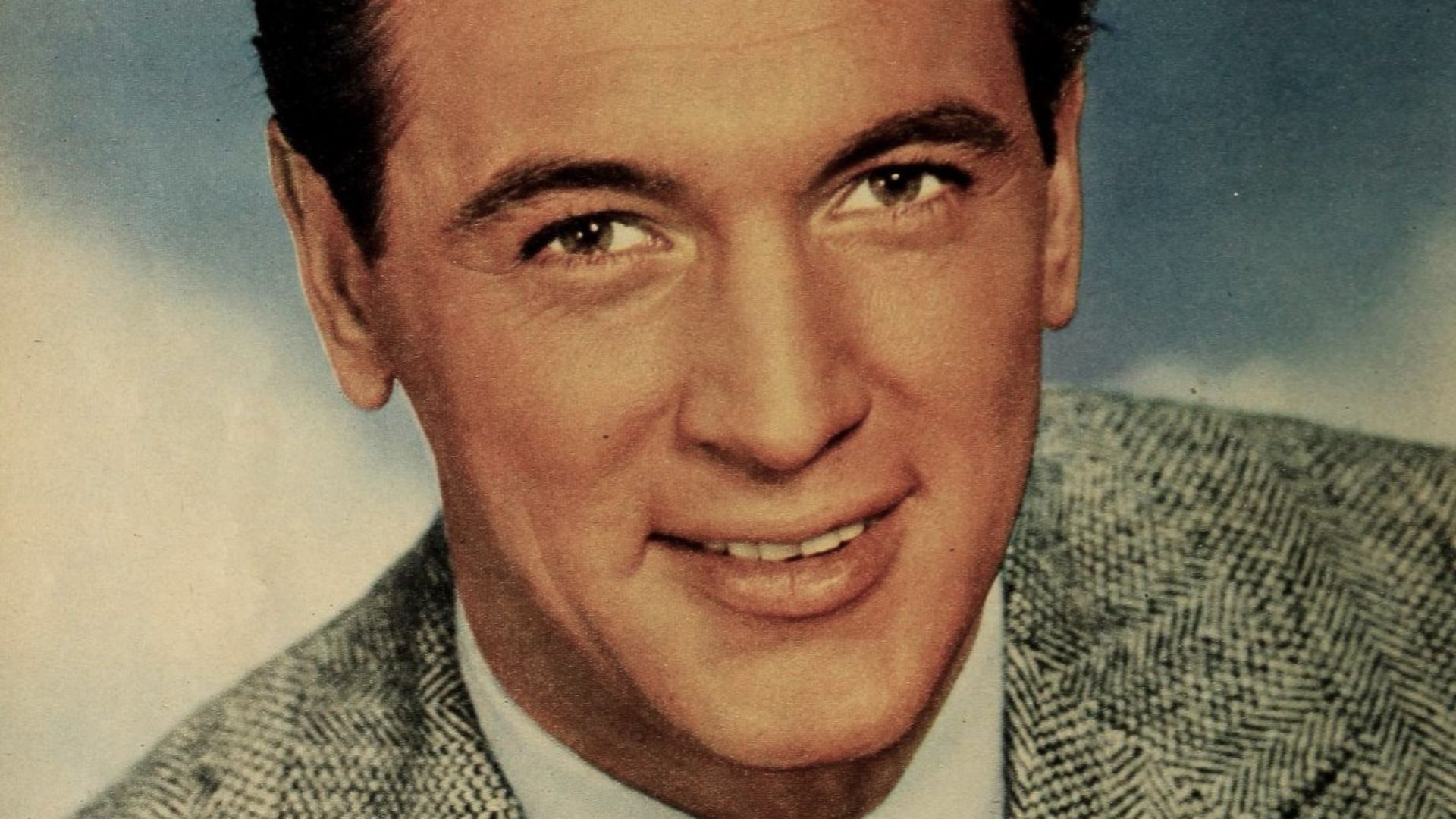
Why Rock Hudson Was Considered Too Valuable
By 1955, Hudson was becoming one of Universal’s most important leading men. His movies generated substantial revenue, and Willson had invested years in developing his career. Hunter believed those financial and professional interests made Hudson more valuable to Willson than a former client who had already walked away.
 Universal. Photographer not credited (page 32), Wikimedia Commons
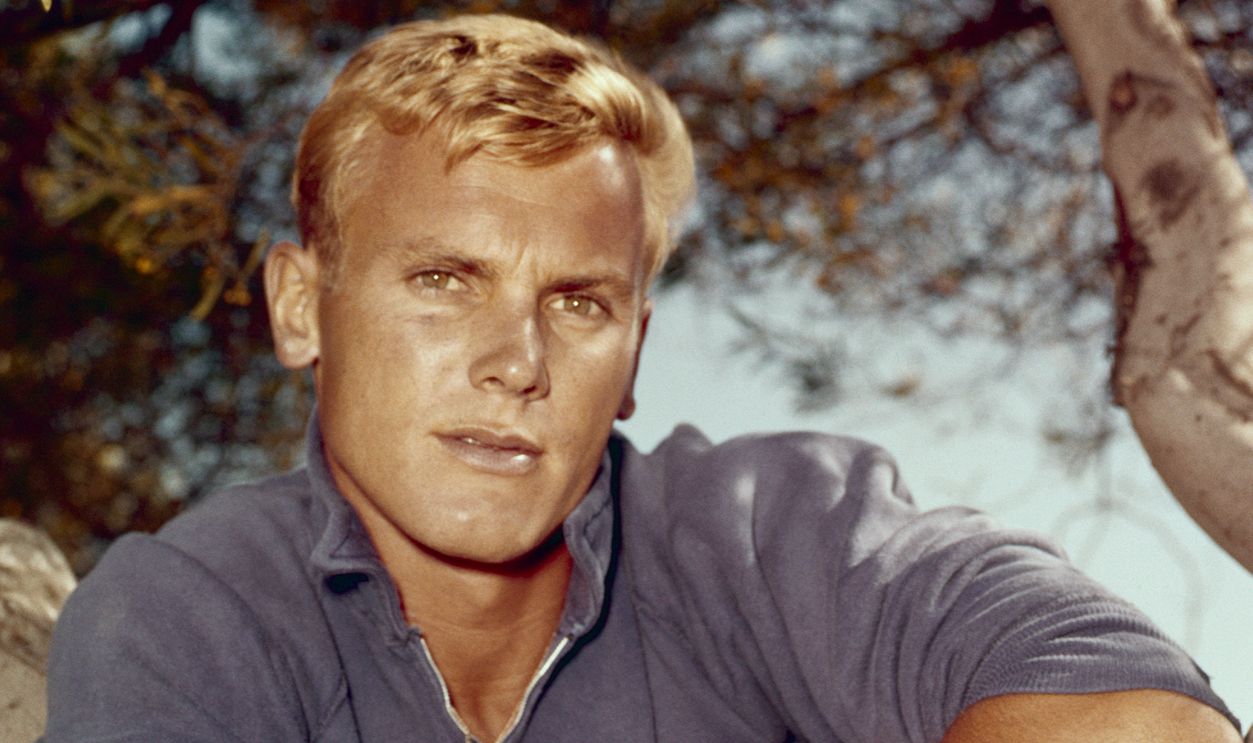
Tab Hunter Felt He Had Been Sacrificed
The alleged betrayal was especially painful because Willson had helped invent the Tab Hunter persona. He understood exactly how damaging the arrest could become once it was presented with suggestions about Hunter’s sexuality. Hunter later concluded that his private history had been traded away to protect someone considered more important.
 Silver Screen Collection, Getty Images
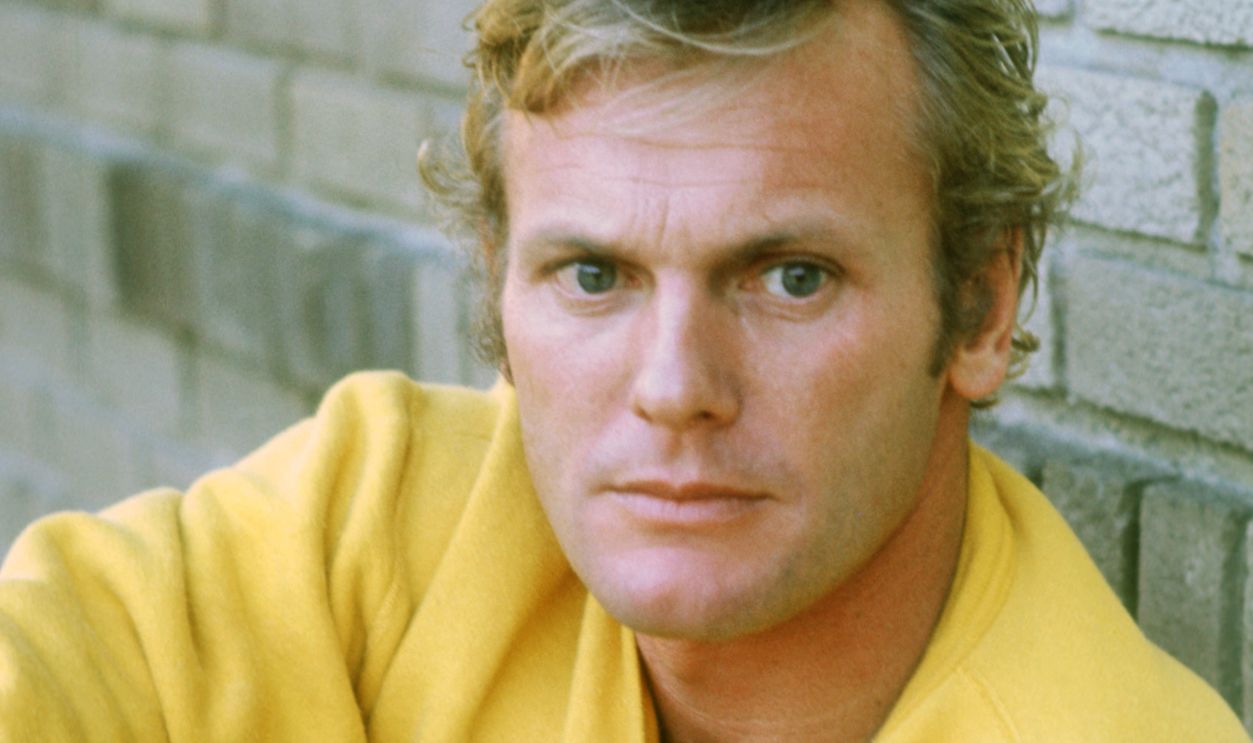
The Scandal Finally Broke
The September 1955 issue of Confidential published a story about Hunter’s disorderly conduct charge. Its wording invited readers to question whether the wholesome Warner Bros. heartthrob matched the man described in the police report. Hunter feared that the article would expose his sexuality and bring his rising career to an abrupt end.
 Michael Ochs Archives, Getty Images
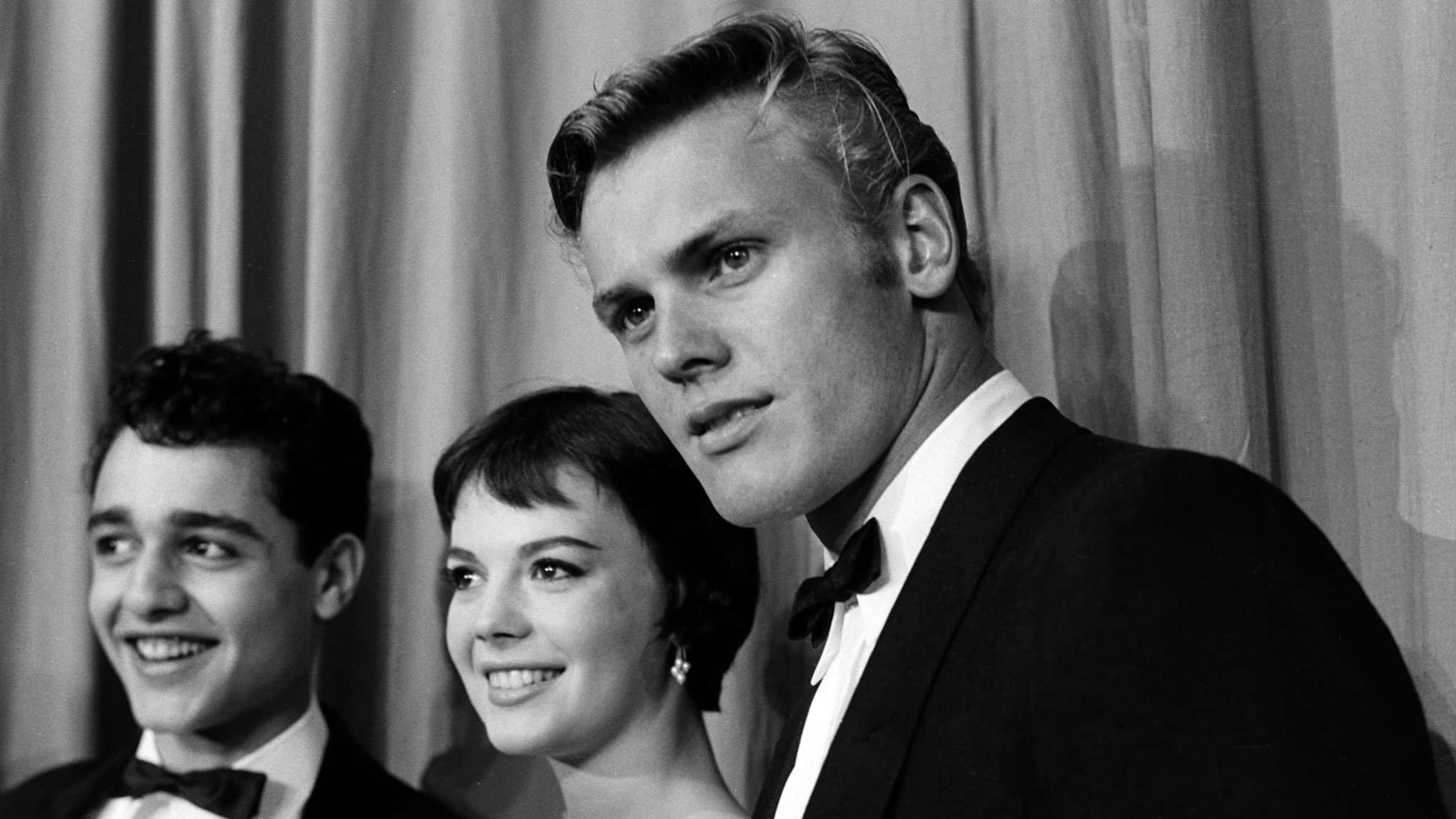
Why The Public Didn't Turn Against Him
The scandal did not produce the devastating response Hunter expected. Many readers apparently interpreted the episode as little more than a young man being caught at a loud party. His fan base remained loyal, and Warner Bros. continued presenting him as one of the studio’s brightest new stars.
 Michael Ochs Archives, Getty Images
A Career That Refused To Die
Hunter’s popularity grew after the article rather than disappearing. He starred with Natalie Wood in The Burning Hills and The Girl He Left Behind, then topped the music charts with “Young Love.” The scandal intended to damage his public image had failed to stop his transformation into a major celebrity.
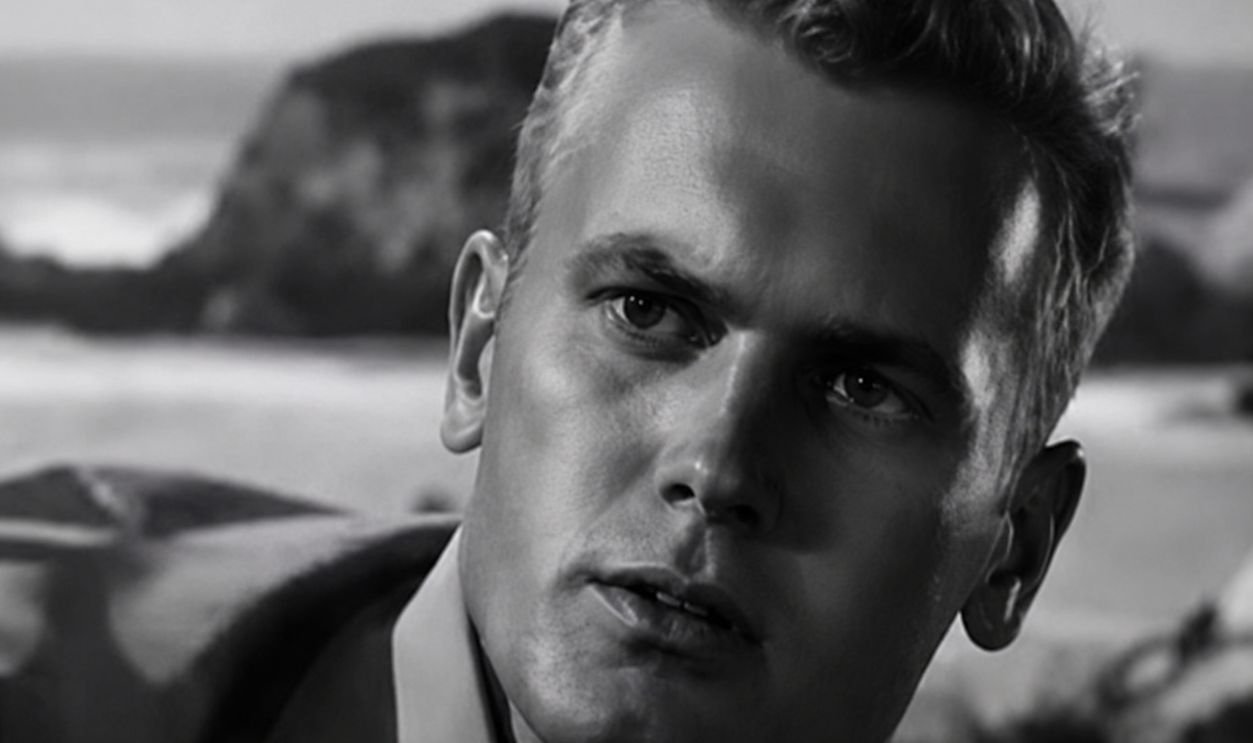 Screenshot from The Girl He Left Behind, Warner Bros. Pictures (1956)
The Industry Never Forgot
Surviving the article did not mean Hunter was suddenly free from Hollywood’s rules. He still had to conceal his relationships, appear publicly with women, and avoid anything that might revive questions about his sexuality. The experience also demonstrated that studio protection could disappear whenever powerful people decided another career mattered more.
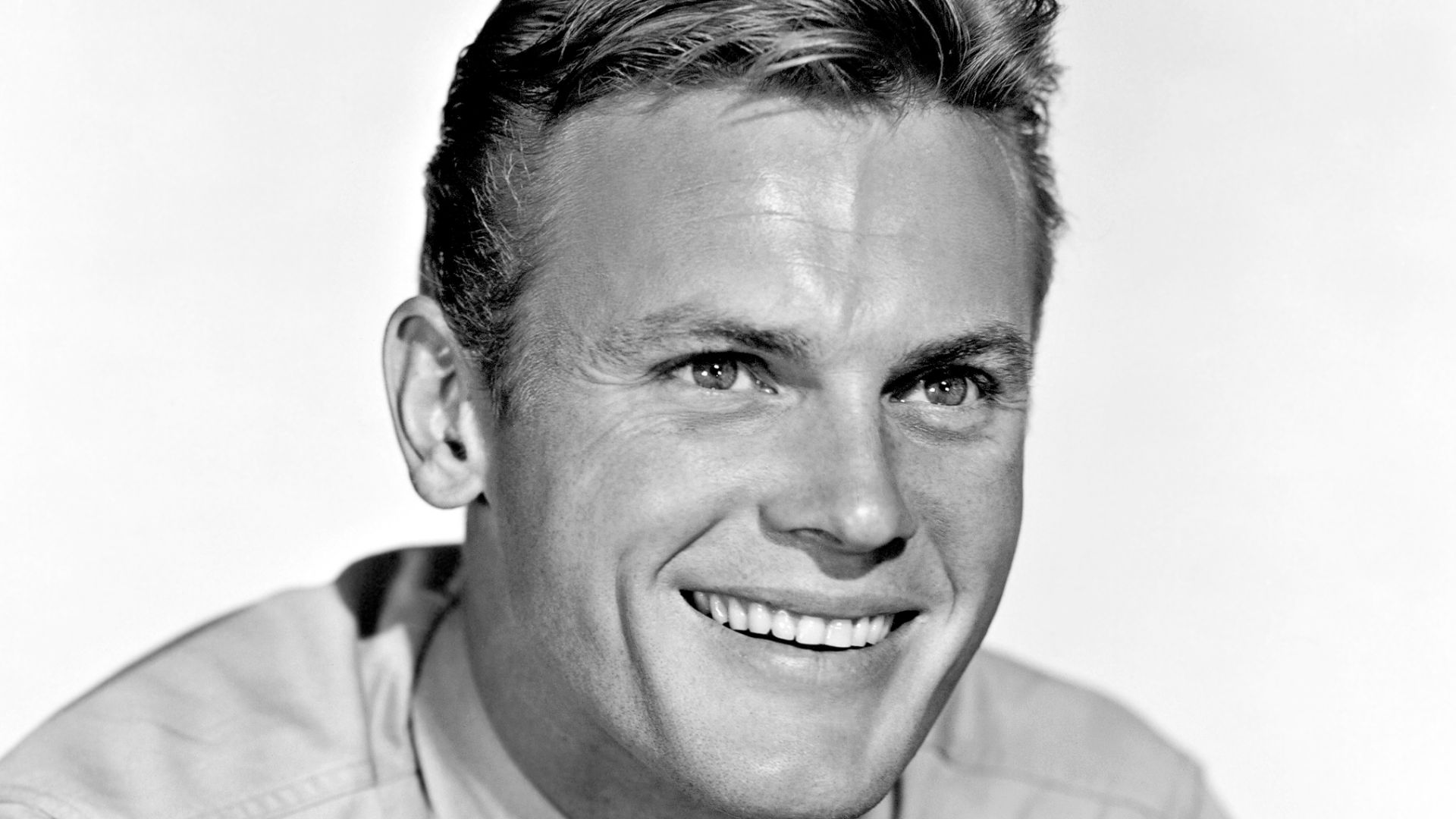 Studio Publicity by Warner Bros., Wikimedia Commons
Anthony Perkins Entered His Life
Hunter began a relationship with actor Anthony Perkins during the height of their fame. They spent time together privately while continuing to appear publicly as eligible bachelors. Their relationship remained secret because both men understood that disclosure could threaten the careers they were building.

Breaking Away From The Studio System
Hunter eventually bought his way out of his Warner Bros. contract because he wanted greater control over his work. The decision freed him from studio demands, but it also removed the powerful organization that arranged roles and contained bad publicity. Hunter later regarded leaving Warner Bros. as one of the most damaging professional decisions he made.
 Photographer not credited, Wikimedia Commons
The Career Slowed But Never Stopped
As the studio system weakened and audience tastes changed, Hunter’s carefully polished heartthrob image lost some of its commercial power. He continued working in films, television, stage productions, and dinner theatre, although major starring opportunities became less frequent. His willingness to keep performing allowed him to survive long after Hollywood had moved on to newer idols.
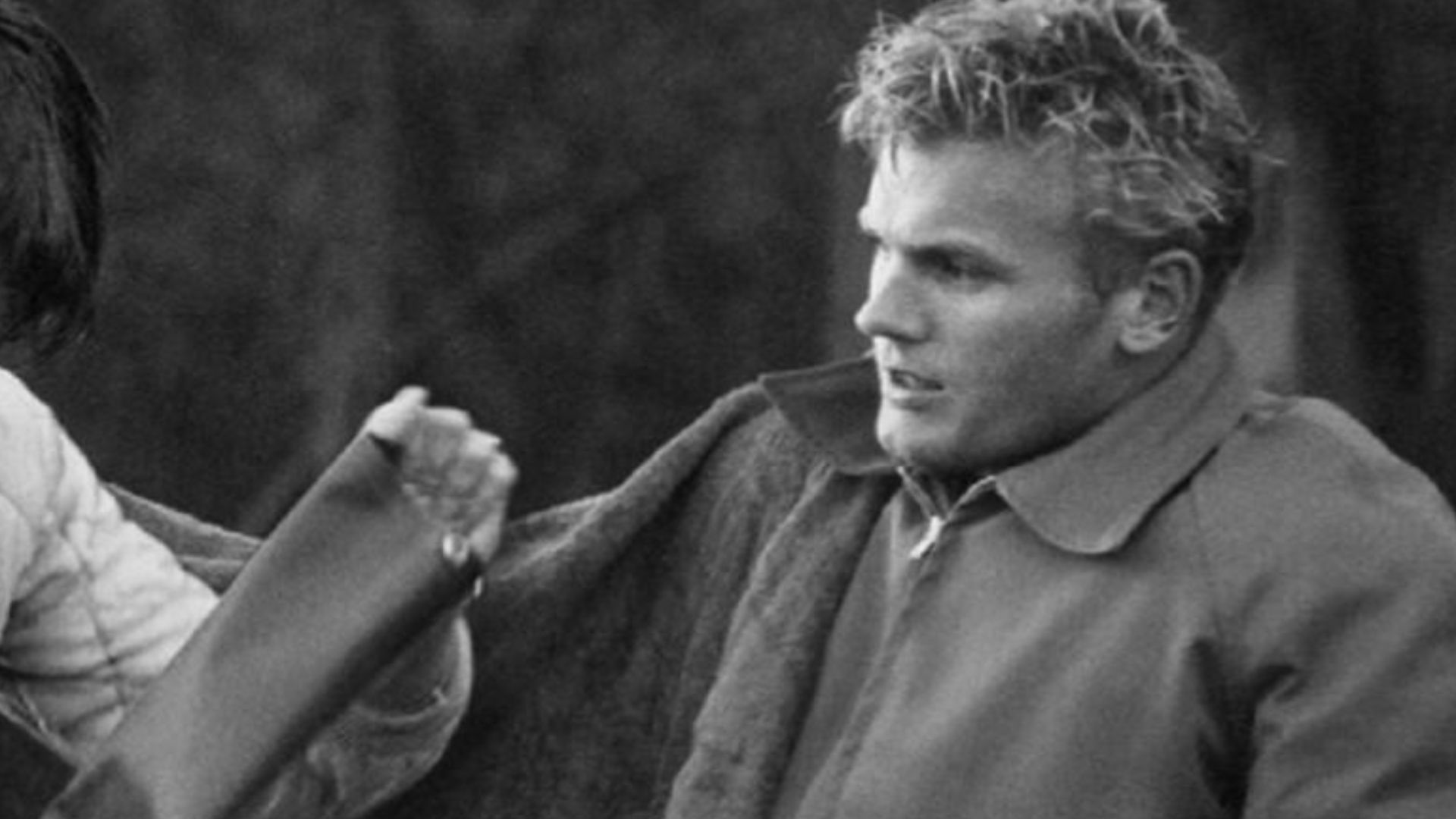
John Waters Brought Hunter Back
Director John Waters recognized that Hunter’s old-fashioned screen image could be used in an entirely new way. He cast Hunter opposite Divine in the 1981 comedy Polyester. Instead of pretending his heartthrob years had never happened, Hunter joined Waters in playfully turning that history into part of the joke.
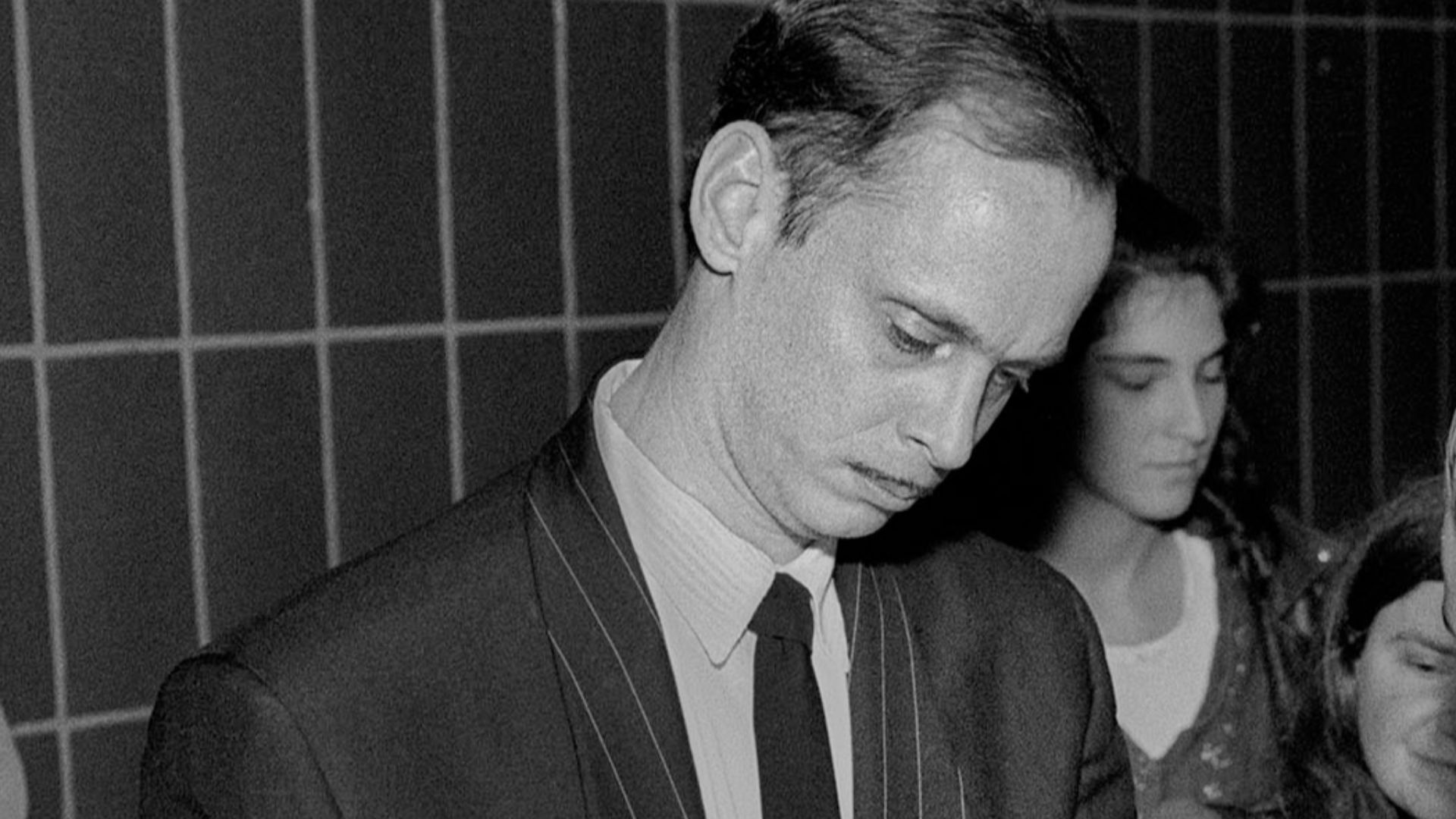 Davidphenry, Wikimedia Commons
Polyester Created A New Generation Of Fans
In Polyester, Hunter played Todd Tomorrow, a handsome drive-in theatre owner who appears to offer Divine’s character an escape from her chaotic life. The role deliberately echoed the romantic heroes Hunter had portrayed decades earlier. Its campy humor introduced him to younger viewers who knew little about his years as Warner Bros.’ golden boy.
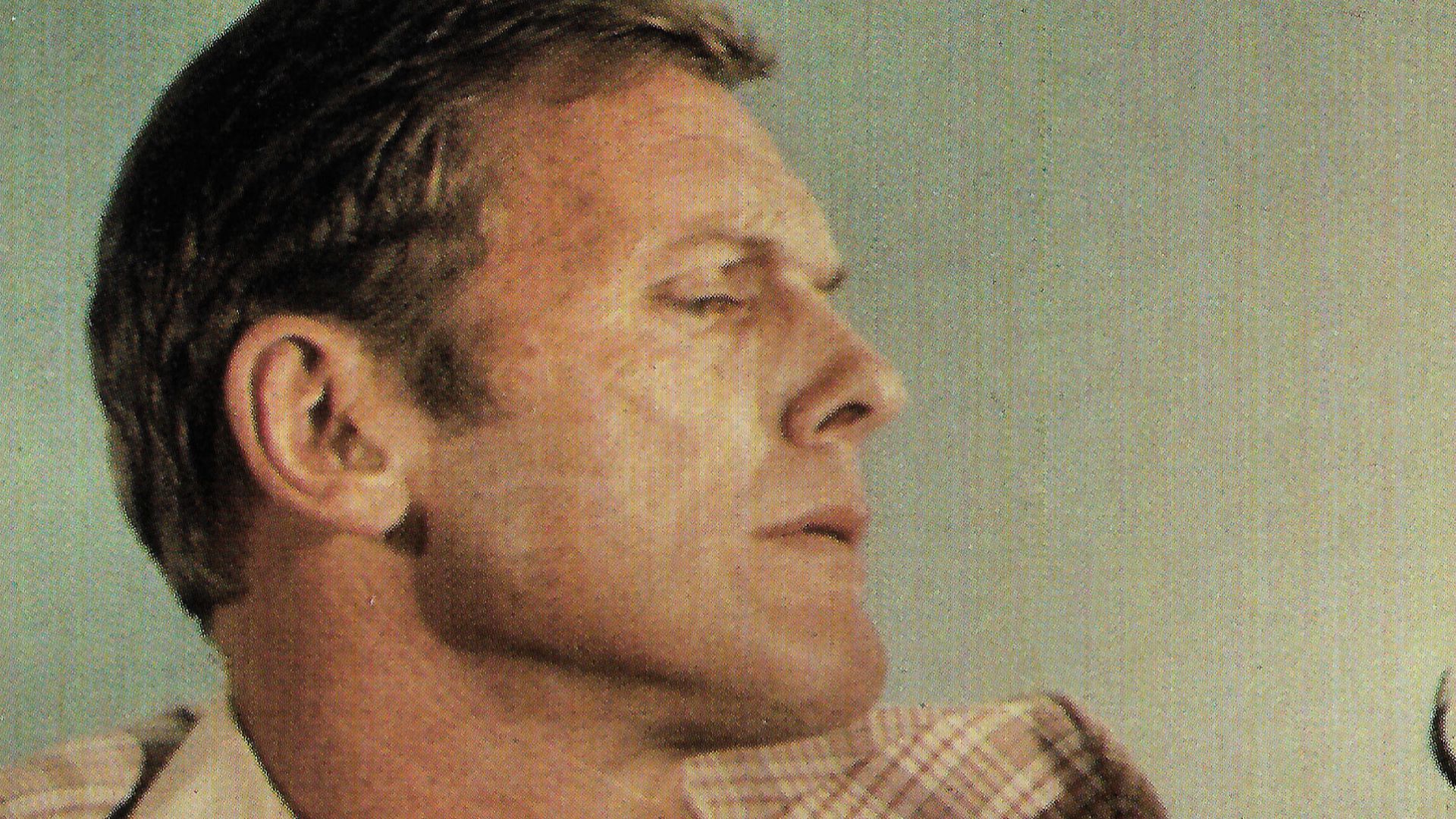 Unknown photographerUnknown photographer, Wikimedia Commons
Telling His Own Story
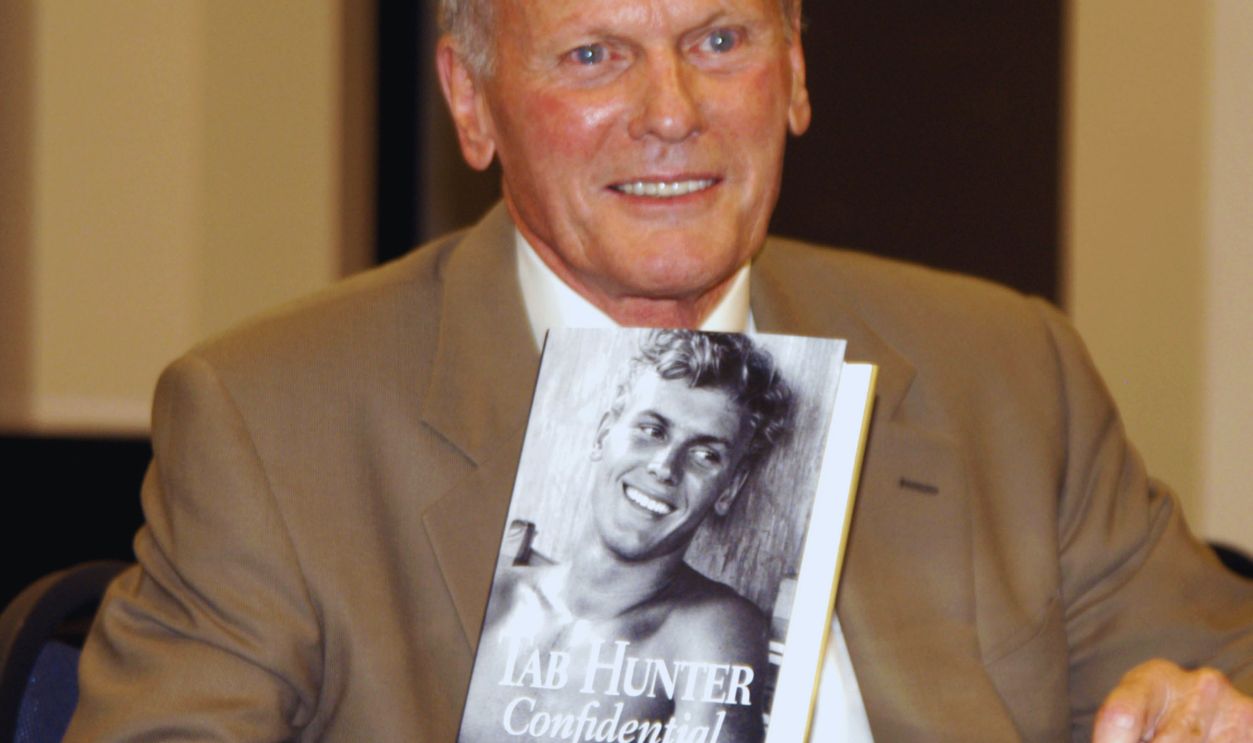
Hunter addressed his sexuality and Hollywood experiences in his 2005 memoir, Tab Hunter Confidential: The Making of a Movie Star. He decided to write the book after learning that someone else was planning an unauthorized account of his life. The memoir later inspired a 2015 documentary produced by his longtime partner, Allan Glaser, allowing Hunter to discuss his career on his own terms.
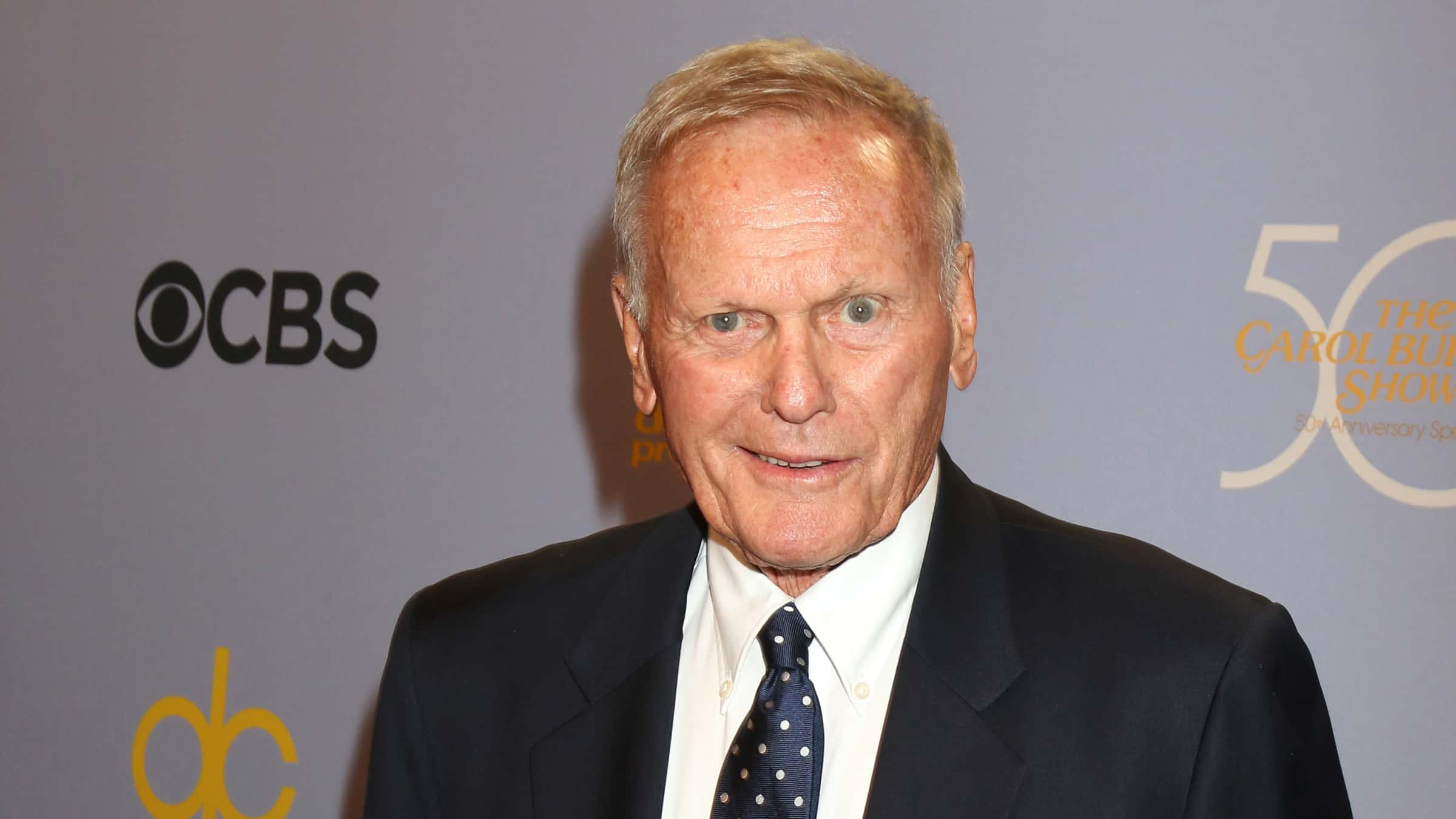
The Betrayal Became Part Of Hollywood History
Hunter died in 2018 after spending decades away from the studio machinery that had created his public identity. His account of Willson’s deal revealed how easily careers and private lives could become bargaining chips in old Hollywood. The scandal did not destroy Tab Hunter, but it exposed an industry that protected its most valuable images by deciding which people were expendable.

You May Also Like:
The Hollywood Scandal That Nearly Ended Debbie Reynolds And Elizabeth Taylor's Friendship
Barbara Stanwyck Was a Screen Legend—But Her Surprising Choices Made Her Unique in Hollywood