Hollywood’s Brightest Flame Burned Out Fast
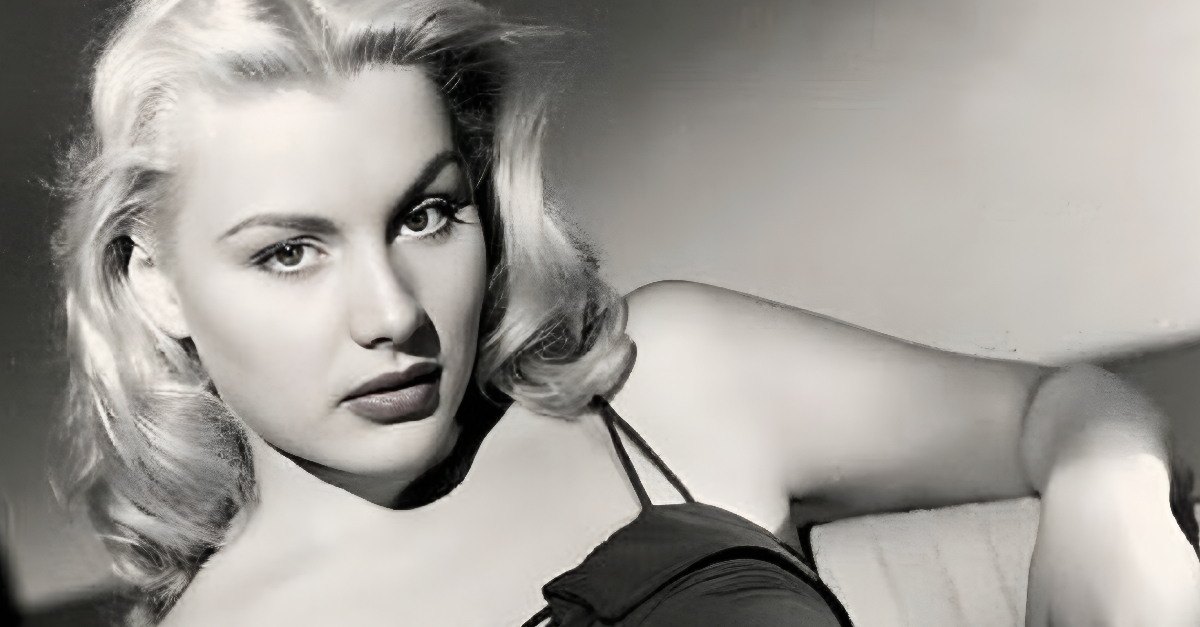
Barbara Payton looked destined for classic Hollywood stardom. She had the beauty, the confidence, and the kind of screen presence studios loved in the late 40s. But behind the glamorous premieres and magazine covers was a quick rise, a brutal fall, and a story that remains one of Hollywood’s most tragic cautionary tales.
Small-Town Dreams
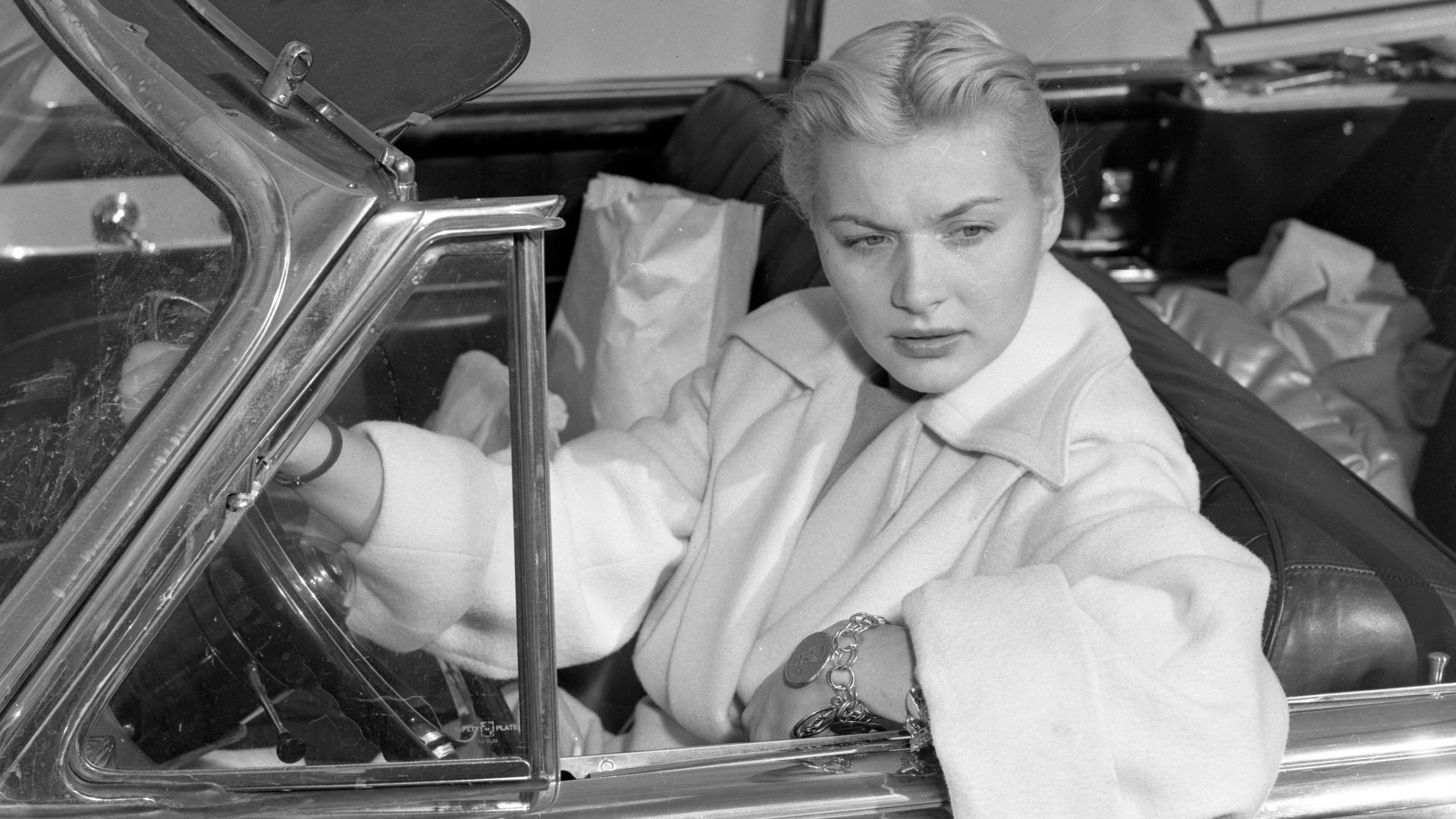
Barbara Payton was born in Texas in 1927 before her family eventually moved to California. Like many future stars, she grew up fascinated by movies and glamorous actresses on the silver screen. Friends later described her as confident and striking even as a teenager. It did not take long for people around her to notice she had the kind of looks that could open doors in Hollywood.
 Los Angeles Times, Wikimedia Commons
Beauty Contest Beginnings
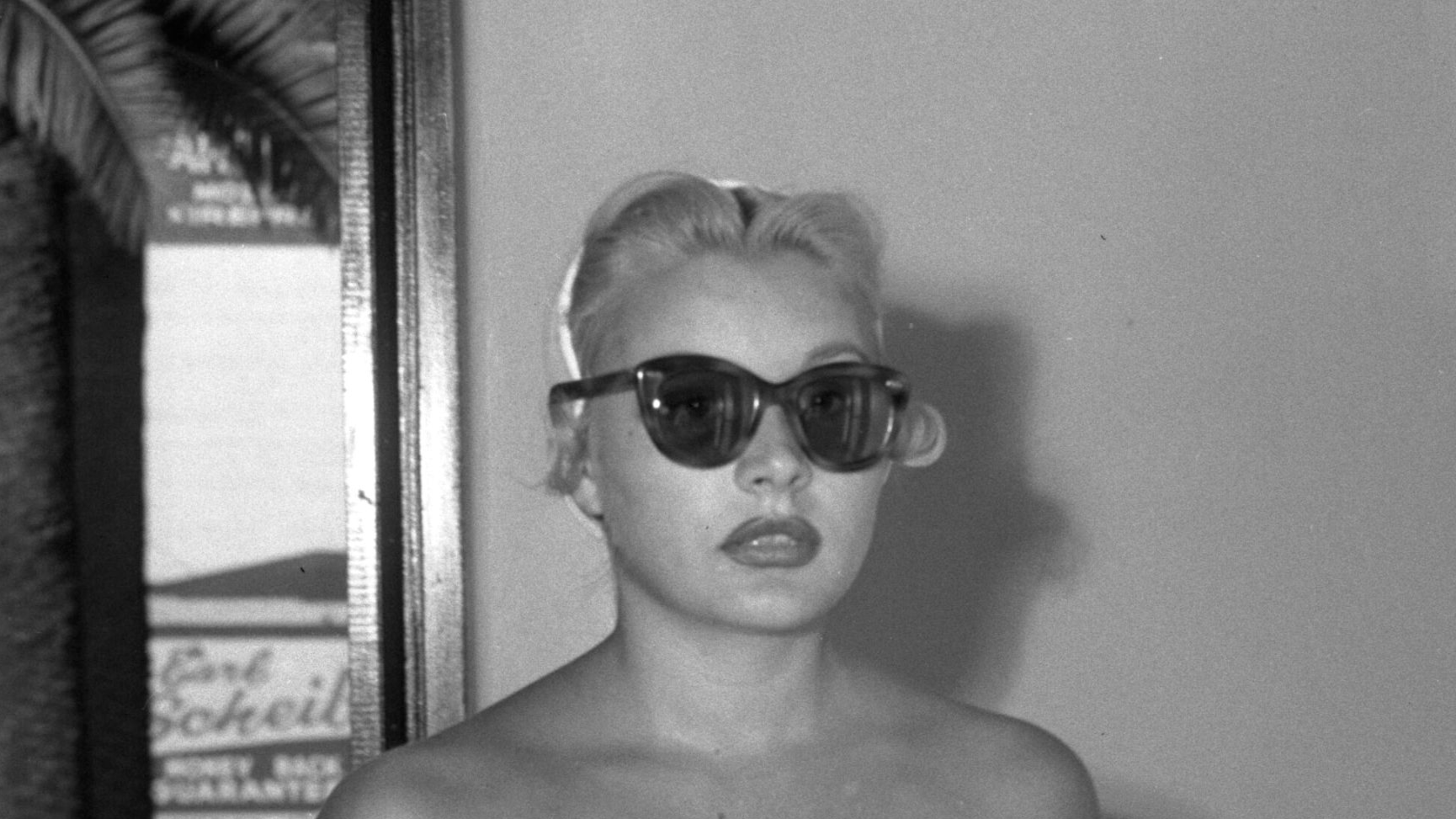
Before acting, Payton entered beauty contests and worked as a model. She quickly learned how to command attention in photographs, which helped her land promotional work around Los Angeles.
Hollywood studios were constantly searching for fresh faces during the late 40s, and Barbara stood out immediately. She had a mix of classic glamour and rebellious energy that made executives think they had found their next breakout star.
 Los Angeles Times, Wikimedia Commons
The Next Lana Turner?
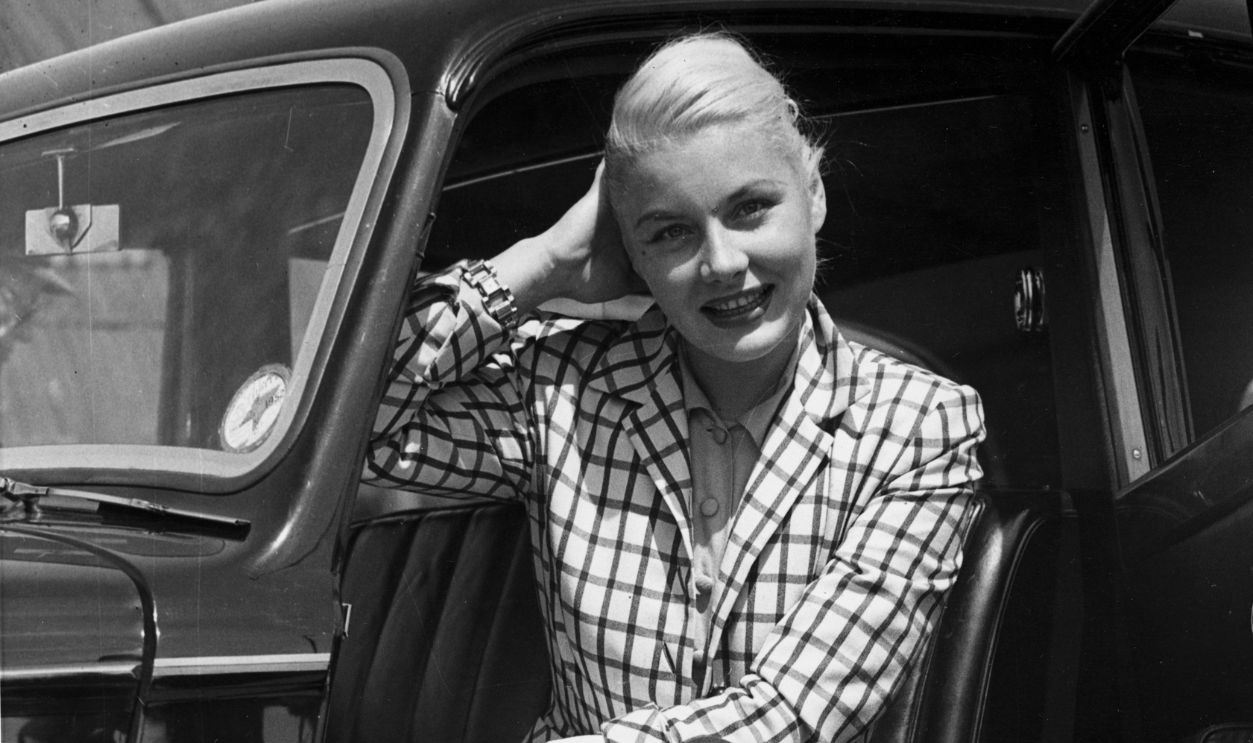
As Barbara’s popularity grew, her glamorous image led some reporters to compare her to stars like Lana Turner. Hollywood constantly searched for beautiful new bombshell actresses, and Barbara seemed to fit the mold perfectly.
She photographed beautifully, drew attention instantly, and had the kind of confidence studios loved selling to audiences during the golden age of film.
Universal Takes A Chance
Payton eventually signed with Universal Pictures and began receiving small film roles. Studios heavily promoted her appearance, often featuring her in publicity photos and magazine spreads. While she was still developing as an actress, executives believed audiences would fall in love with her onscreen presence. For a brief moment, it genuinely looked like she was headed toward major Hollywood success.
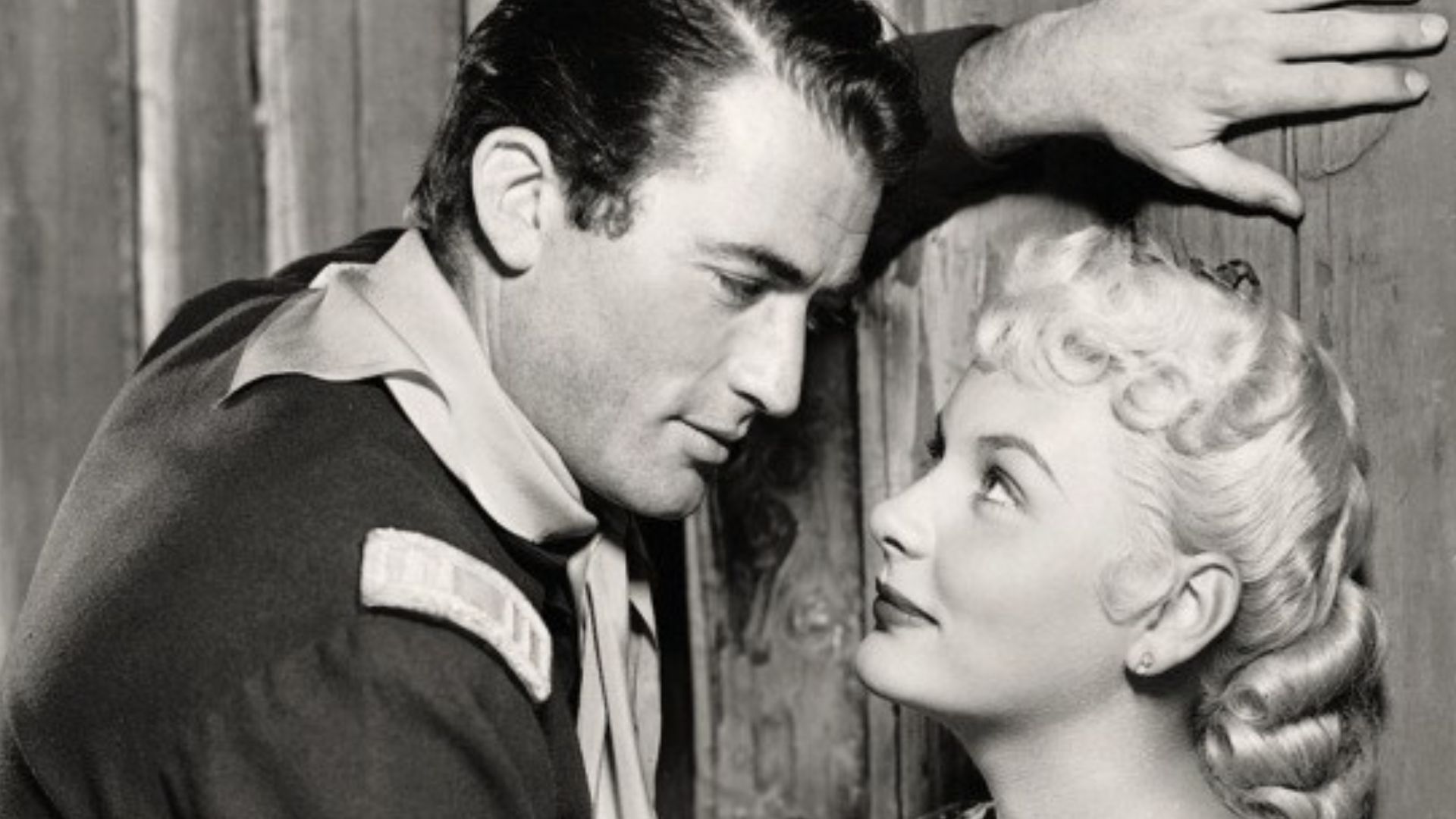 unknown (Warrner Bros.), Wikimedia Commons
Her First Big Break
One of Payton’s earliest notable films was Trapped in 1949. The noir thriller gave audiences a better look at her acting ability and helped raise her profile in Hollywood. Critics focused heavily on her beauty, but some reviewers also believed she showed real promise as a dramatic actress.
More opportunities soon followed as studios tried positioning her as a rising star.
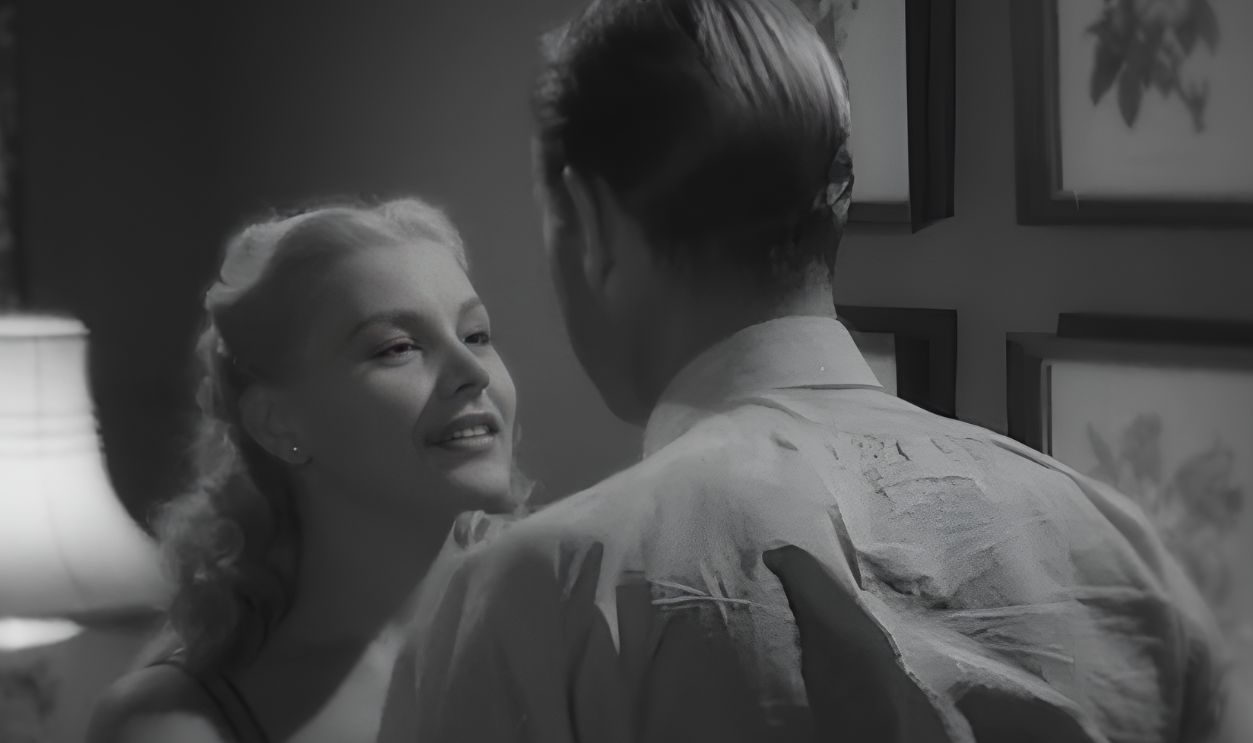 Screenshot from Trapped, Eagle-Lion Films (1949), Modified
Sharing The Screen With Legends
Barbara appeared alongside several established actors during her short career, including James Cagney in Kiss Tomorrow Goodbye. Working with stars of that level should have boosted her reputation even further. Instead, Hollywood gossip surrounding her private life slowly became more famous than her movies. The tabloids began treating her relationships like weekly drama serials.
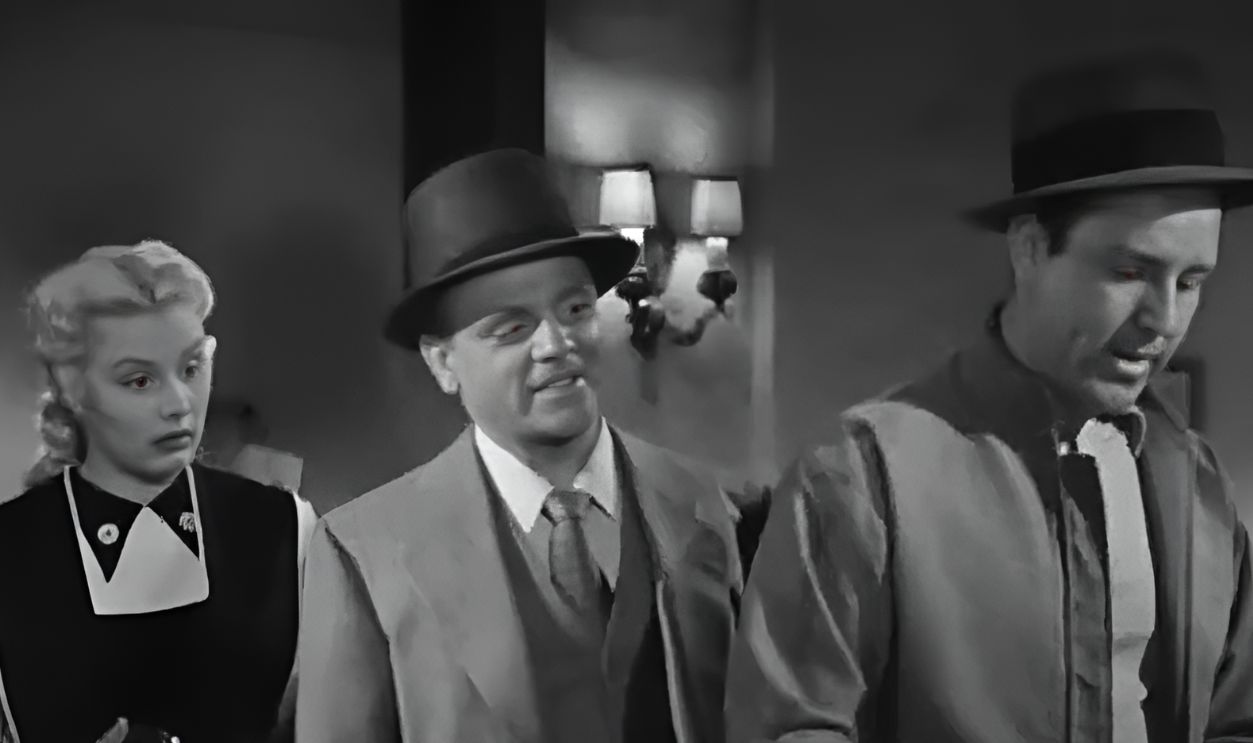 Screenshot from Kiss Tomorrow Goodbye, Warner Bros. (1950), Modified
Hollywood Loved Scandal
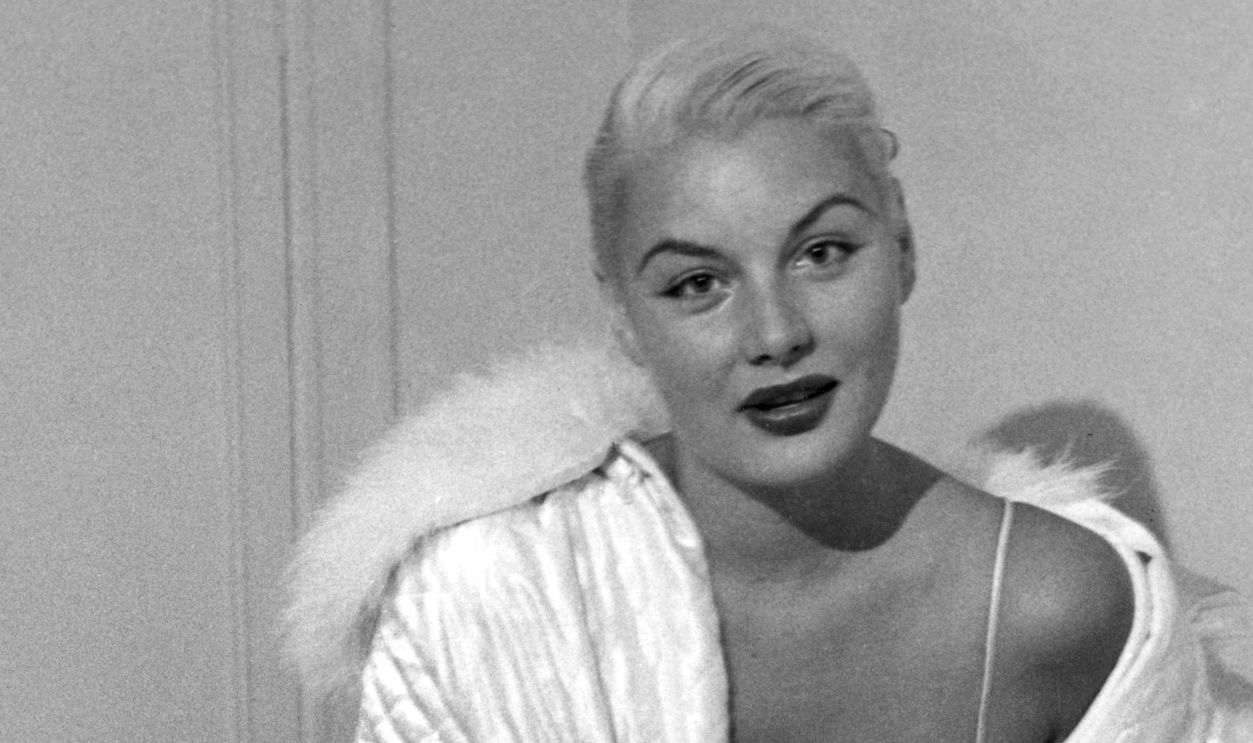
The studio era thrived on publicity, and Barbara Payton generated plenty of it. She became known for partying, drinking, and dating several actors at once. Reporters followed her constantly because she gave gossip columnists endless material.
While male stars often survived scandals with little damage, actresses faced much harsher judgment during that era.
A Reputation That Followed Her
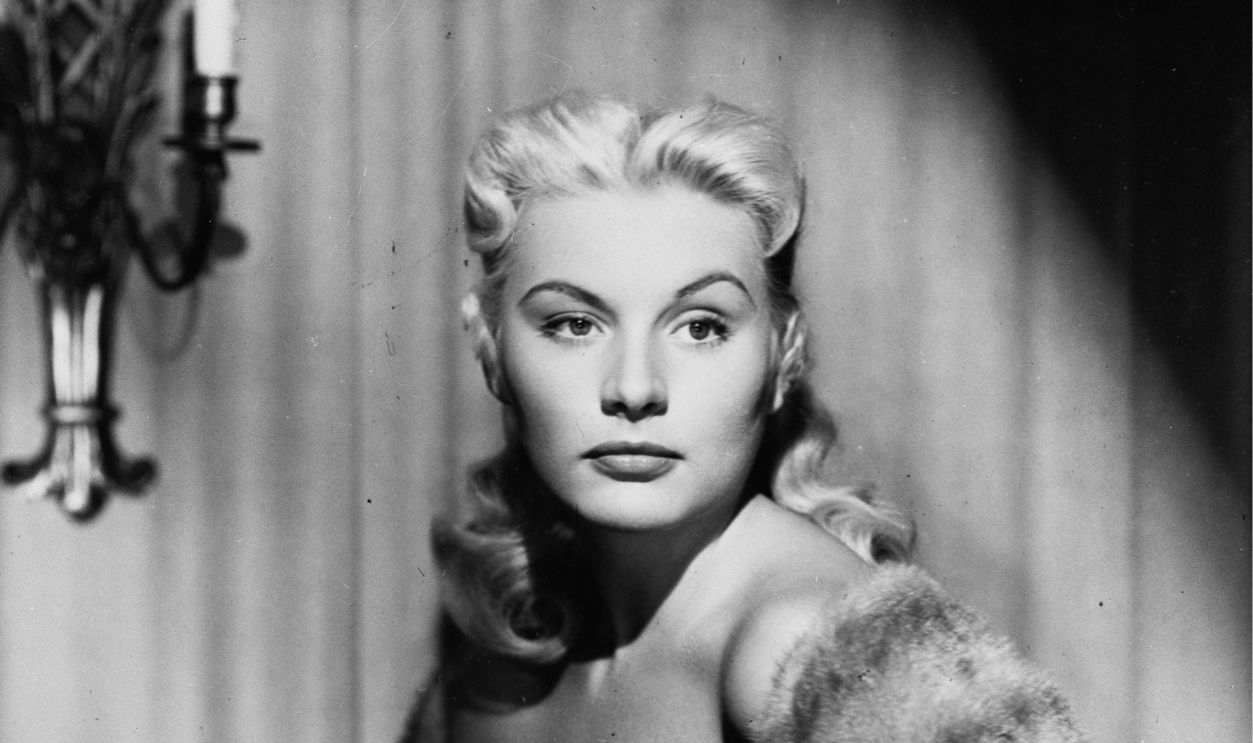
Barbara developed a reputation for numerous affairs with actors, athletes, and several married celebrities. Gossip columnists turned her dating life into nonstop tabloid material, which only increased her notoriety.
In another era, some of that behavior may have been dismissed as celebrity excess, but 50s Hollywood judged actresses much more harshly than male stars.
 University of Southern California, Getty Images
The Love Triangle Begins
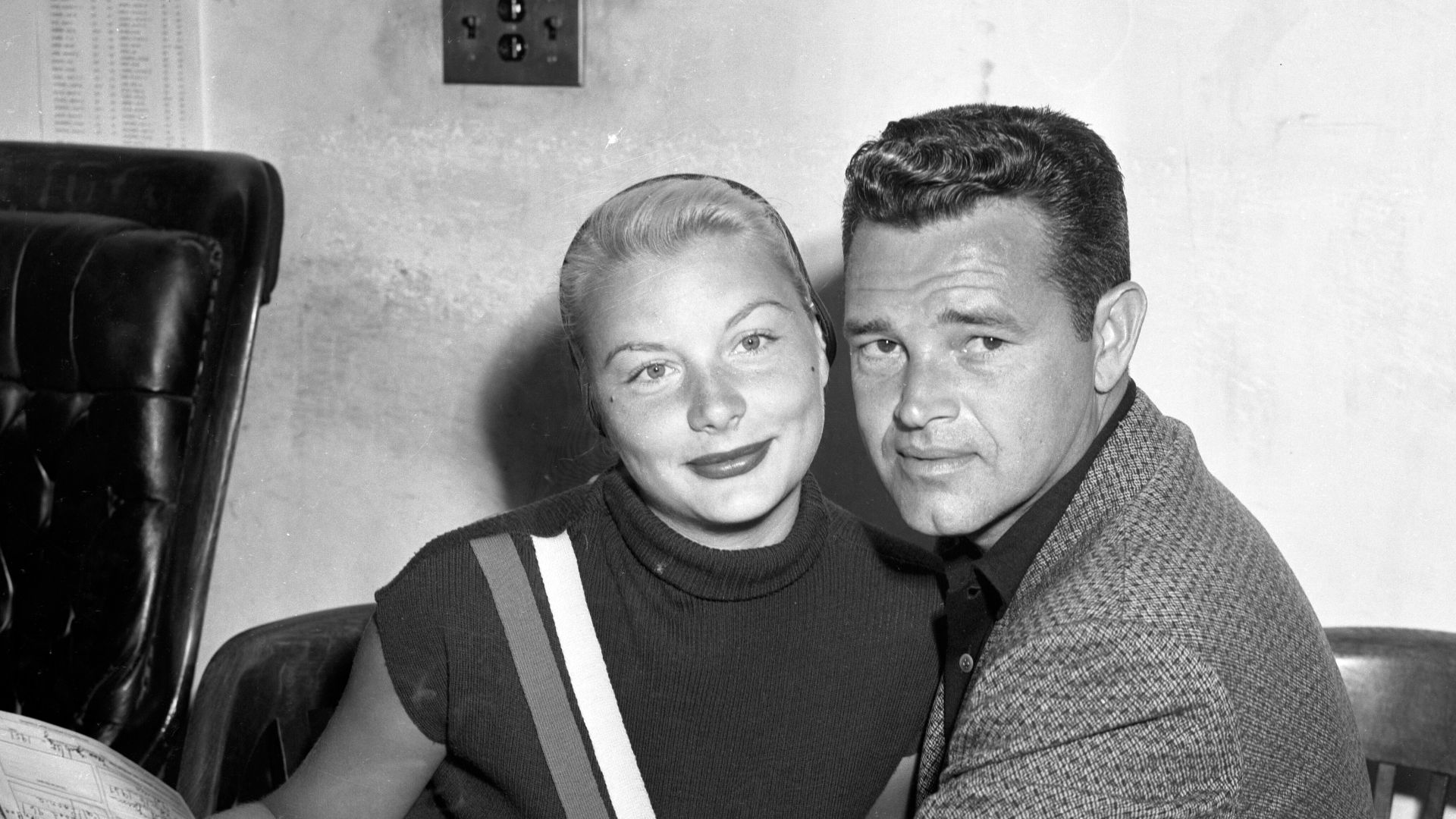
Barbara became romantically involved with actor Tom Neal while also seeing actor Franchot Tone. Both men were wildly different personalities, which only made the situation messier. Neal had a rough-edged reputation, while Tone was polished and well connected in Hollywood circles.
Newspapers quickly picked up on the unusual love triangle, and the story became impossible for gossip writers to ignore.
 Los Angeles Times, Wikimedia Commons
Hollywood Couldn’t Stop Watching
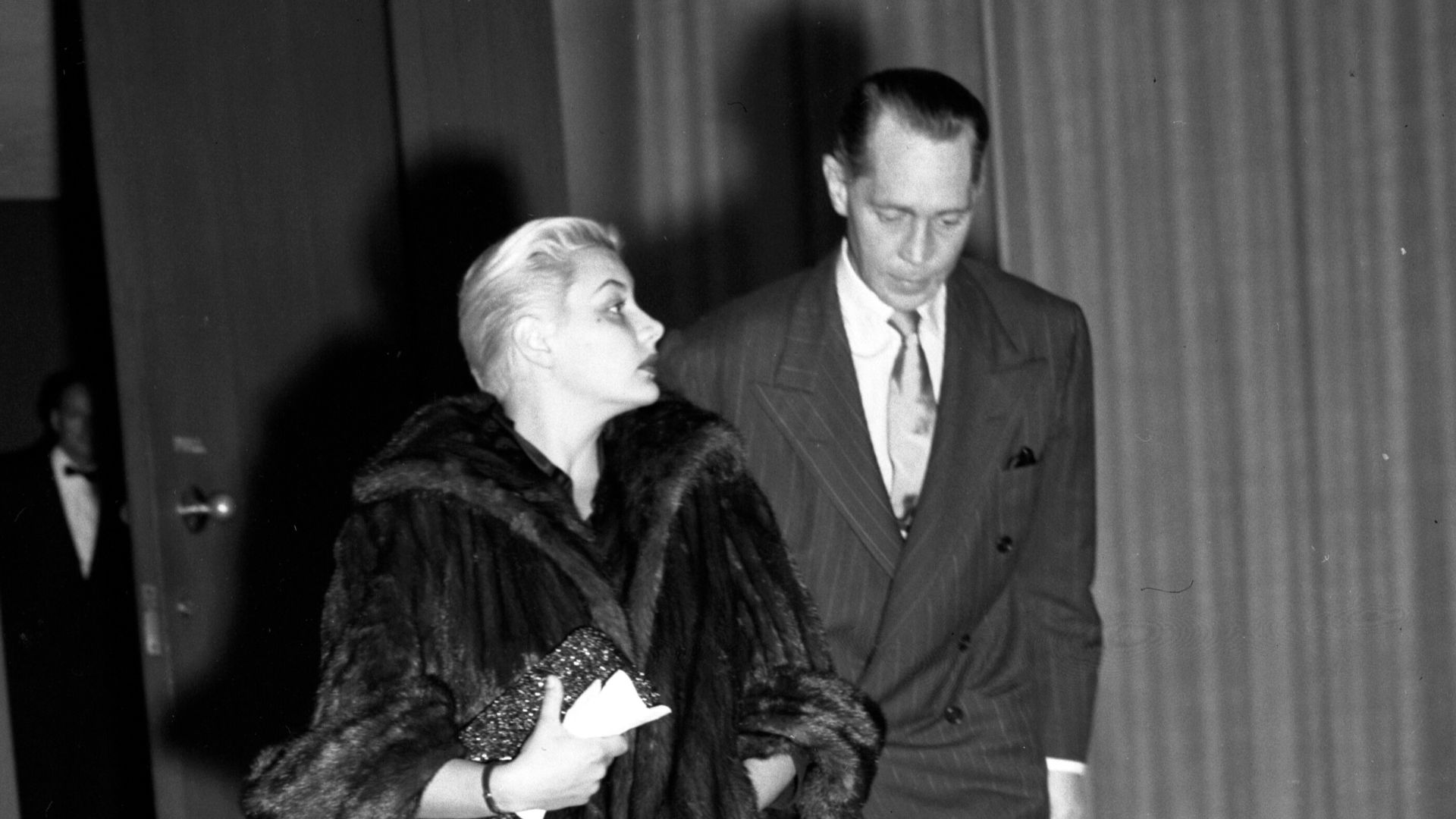
As details about the relationships leaked out, the tabloids treated the situation like a serialized drama. Reporters tracked Barbara’s dates, photographed public appearances, and speculated endlessly about which man she would choose. The publicity kept her name in headlines, but not for reasons studios wanted. Her acting career was slowly becoming secondary to her chaotic personal life.
 S. A. Hixon, Los Angeles Times, Wikimedia Commons
A Brutal Hollywood Fight
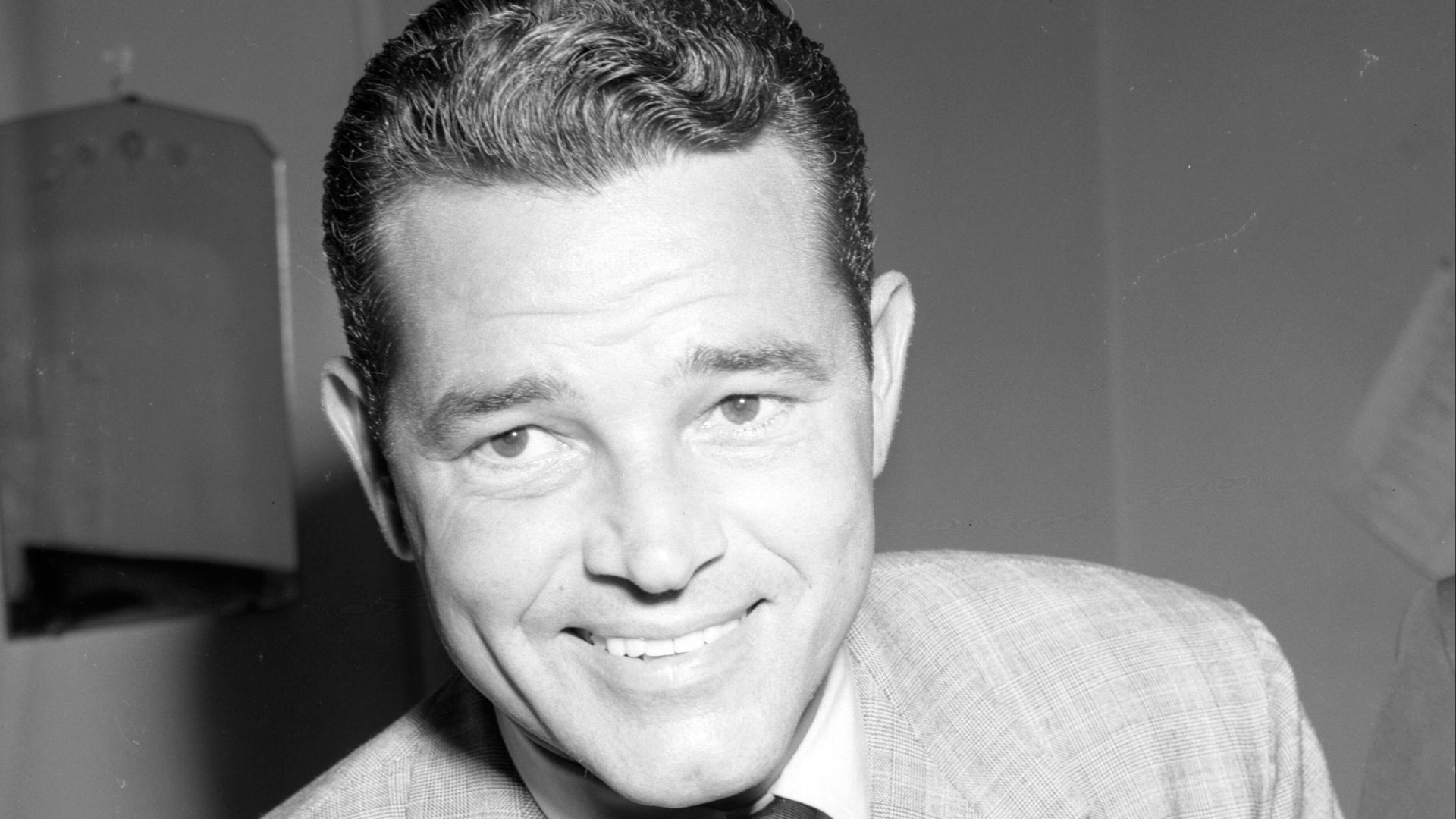
In 1951, Tom Neal and Franchot Tone got into a vicious fight over Barbara Payton. Neal badly beat Tone, leaving him hospitalized with serious injuries including facial fractures and a concussion.
The incident exploded across newspapers nationwide and instantly became one of Hollywood’s biggest scandals. Barbara suddenly found herself at the center of a public disaster that studios wanted no part of.
 Los Angeles Times, Wikimedia Commons
She Married Franchot Tone Anyway
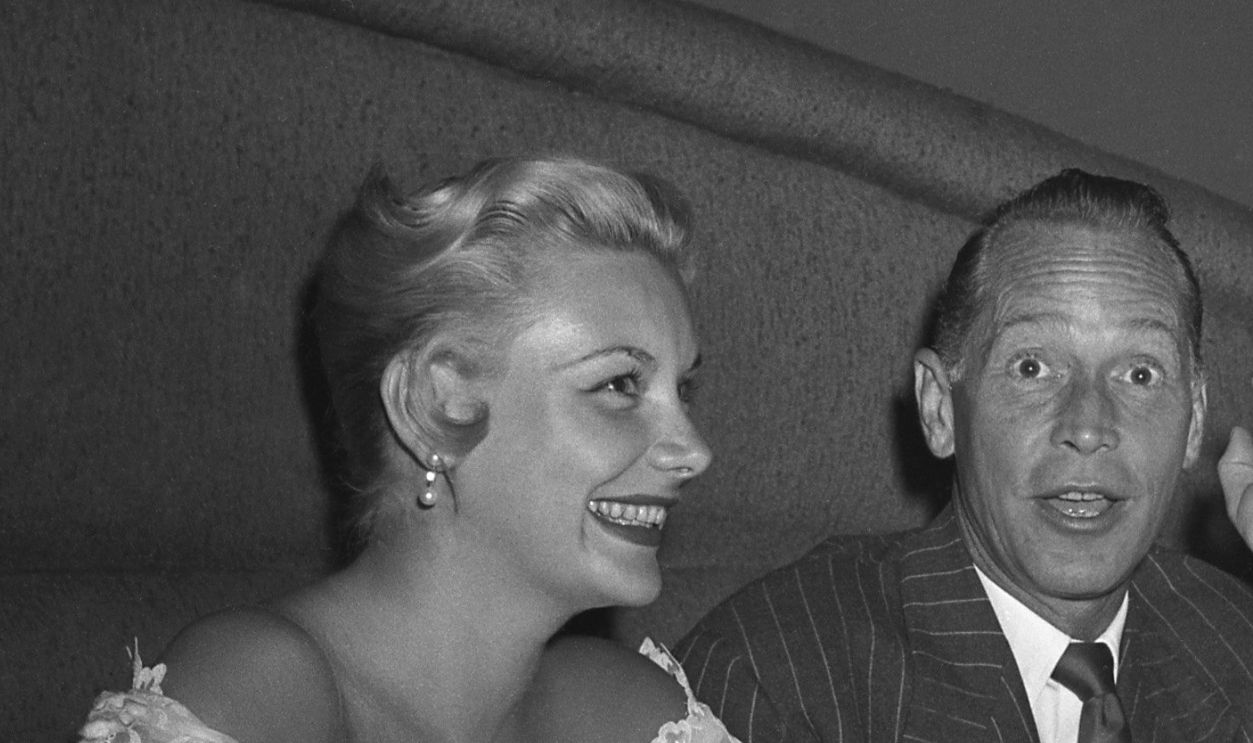
In one of the strangest twists of the entire scandal, Barbara eventually married Franchot Tone after the infamous fight. Many people assumed the violent love triangle would permanently end their relationship, but the two briefly tied the knot in 1951.
The marriage was chaotic from the beginning and did not last long, but it kept Barbara firmly planted in the gossip headlines.
 Michael Ochs Archives, Getty Images
The Public Couldn’t Look Away
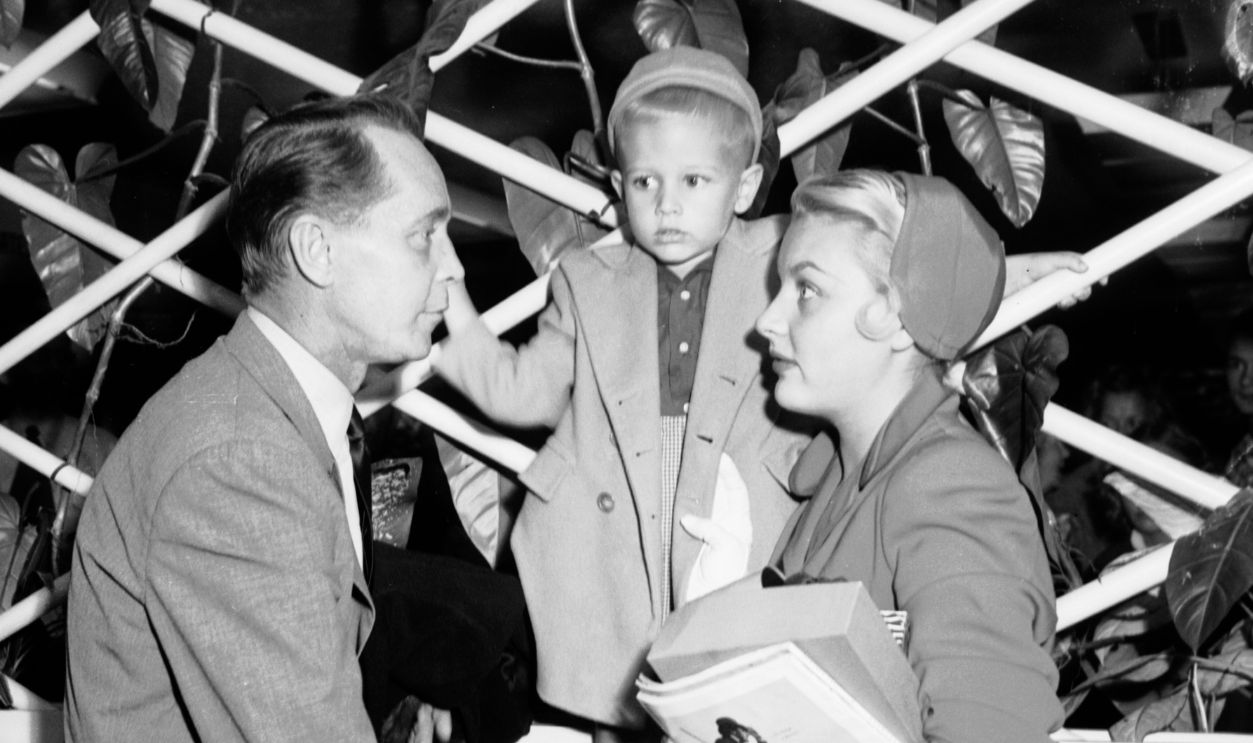
The scandal made Barbara more famous than ever, but not in the way she hoped. Gossip magazines obsessed over every detail of her love life and personal behavior. Instead of discussing her films, reporters focused on drunken nights, dramatic relationships, and public arguments. Her image shifted from rising actress to Hollywood troublemaker almost overnight.
 University of Southern California, Getty Images
Studios Began Pulling Back
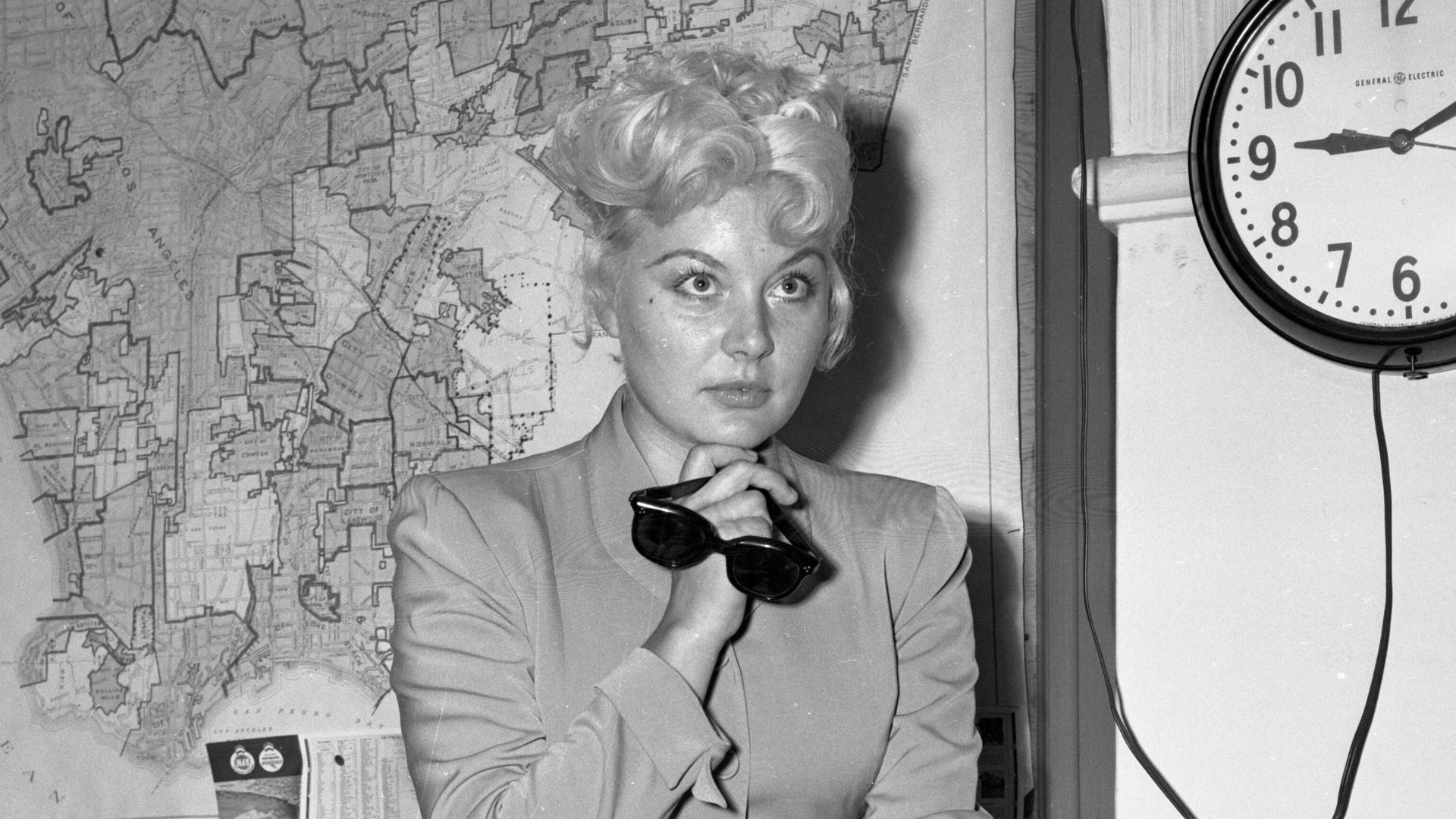
Hollywood studios were extremely protective of their stars’ reputations during the 50s. Executives worried Barbara’s scandals made her too risky to promote. Bigger film offers slowed down dramatically, and some producers avoided hiring her altogether. The same industry that once celebrated her beauty now treated her like a liability.
 Los Angeles Times, Wikimedia Commons
Easy Money, Fast Spending
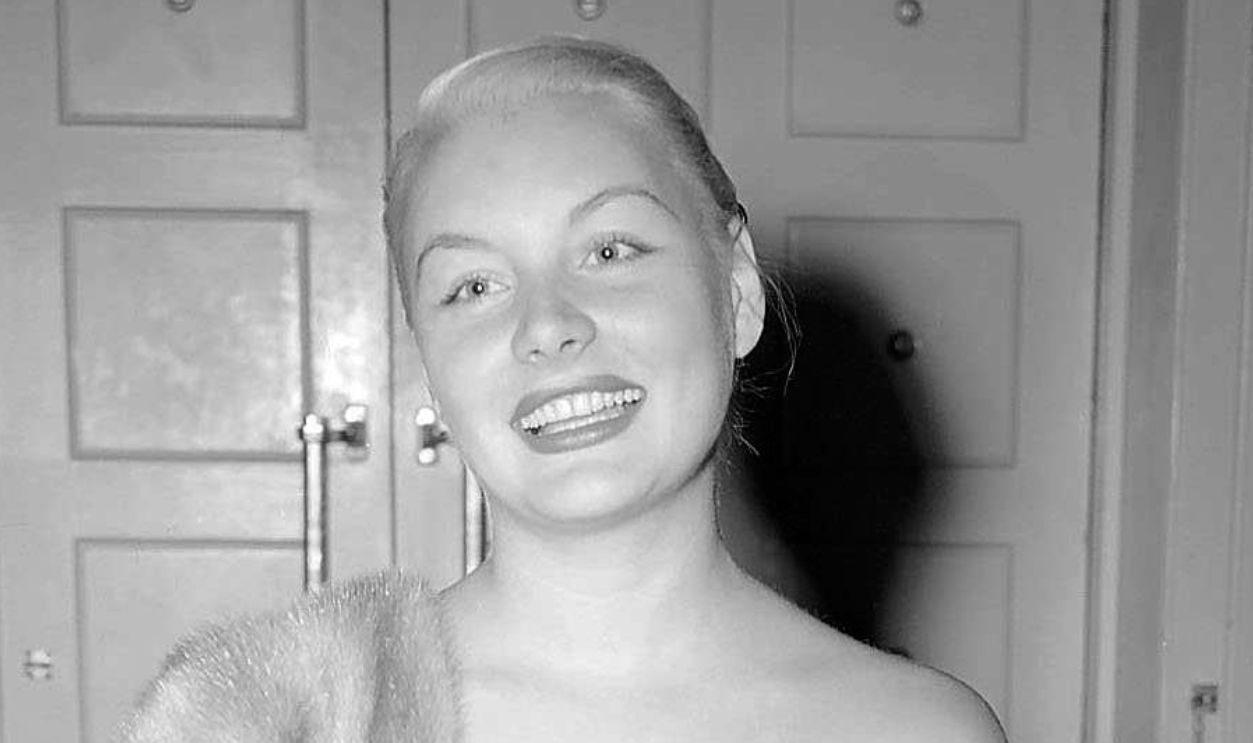
For a brief period, Barbara earned impressive money through films, publicity appearances, and studio contracts. But friends and reporters later claimed she spent recklessly on parties, nightlife, alcohol, and expensive living. Hollywood money came fast during her peak years, and it disappeared just as quickly. By the time her career declined, very little financial stability remained.
Alcohol Started Taking Over
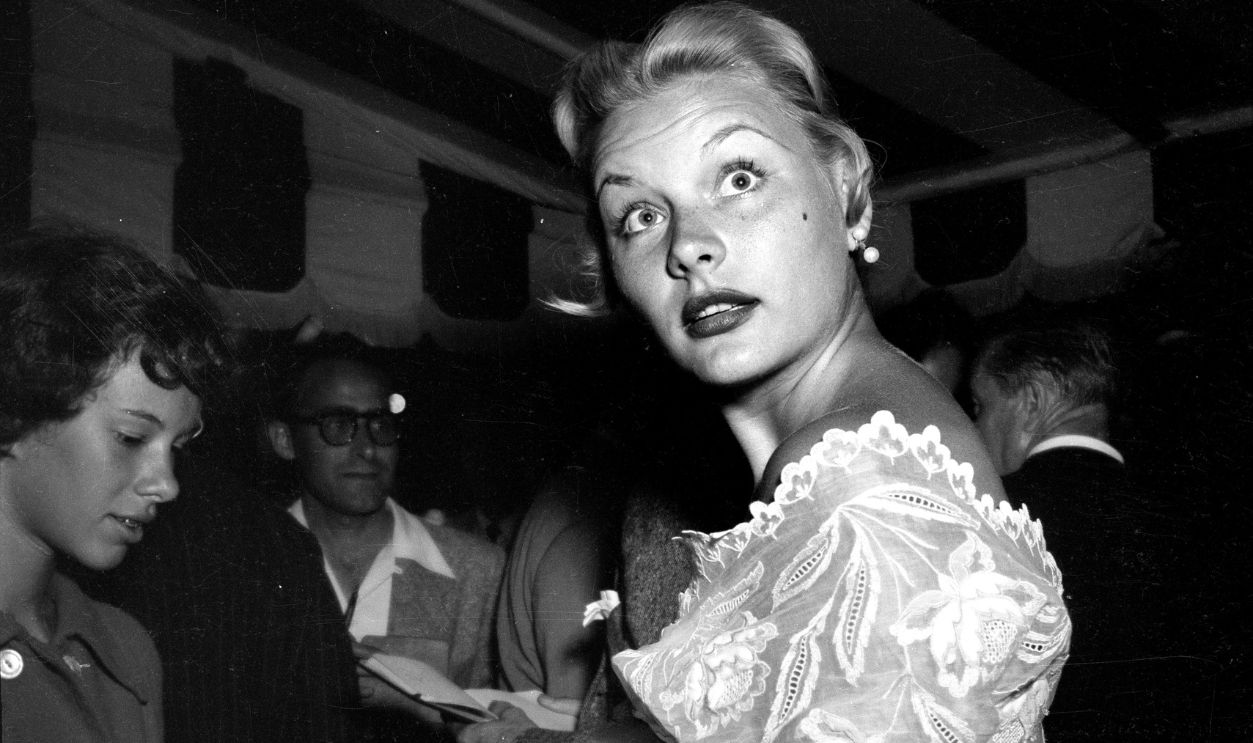
As her career stalled, Barbara’s drinking reportedly became much worse. Friends described increasingly erratic behavior and emotional outbursts. She missed opportunities, damaged professional relationships, and struggled to maintain stability.
Addiction slowly began controlling more and more of her life while her Hollywood prospects disappeared.
 Michael Ochs Archives, Getty Images
From Major Films To Cheap Productions
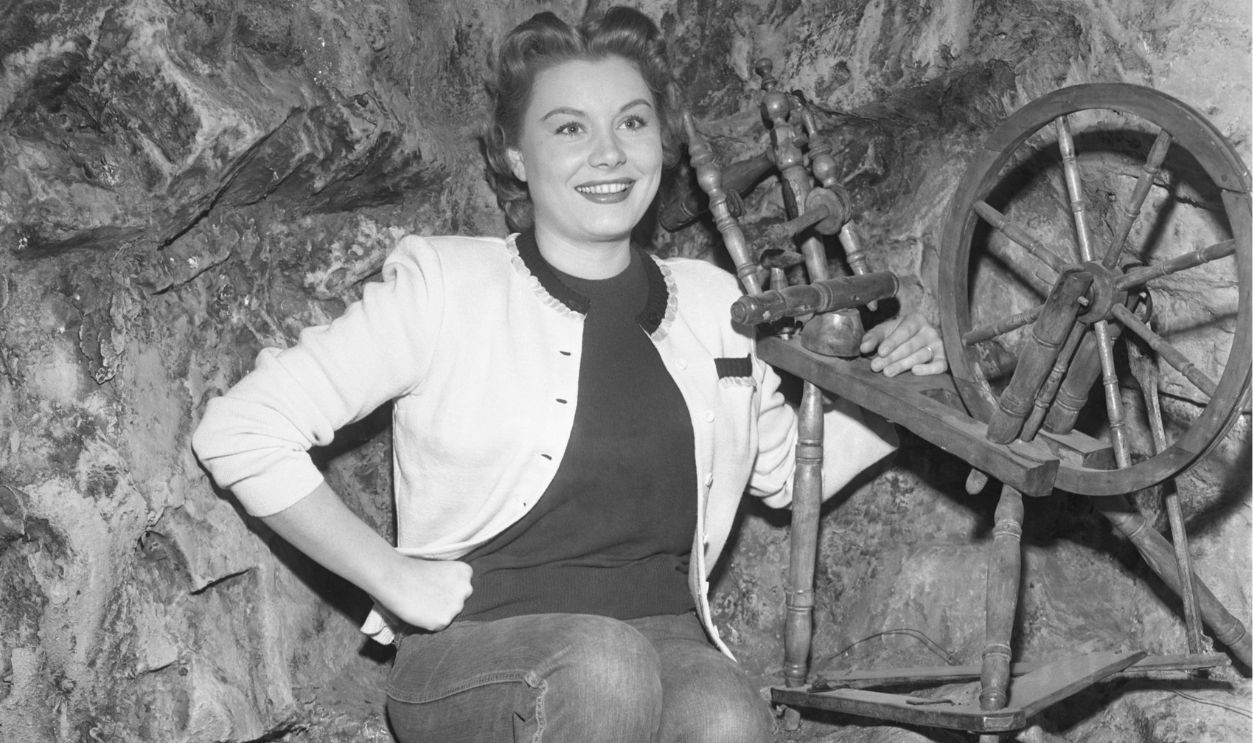
By the mid-50s, Barbara was mostly appearing in low-budget films instead of studio productions. The glamorous career trajectory everyone predicted for her had completely collapsed. She still had undeniable screen presence, but the industry no longer saw her as bankable. Her fall happened shockingly fast considering how much promise she once showed.
Hollywood Quickly Moved On
Classic Hollywood could be ruthless, especially toward actresses whose personal lives became public spectacles. New stars constantly arrived, and studios rarely waited for troubled performers to recover. Barbara discovered that fame could disappear just as quickly as it arrived. Within only a few years, many moviegoers barely remembered her name.
 Los Angeles Times, Wikimedia Commons
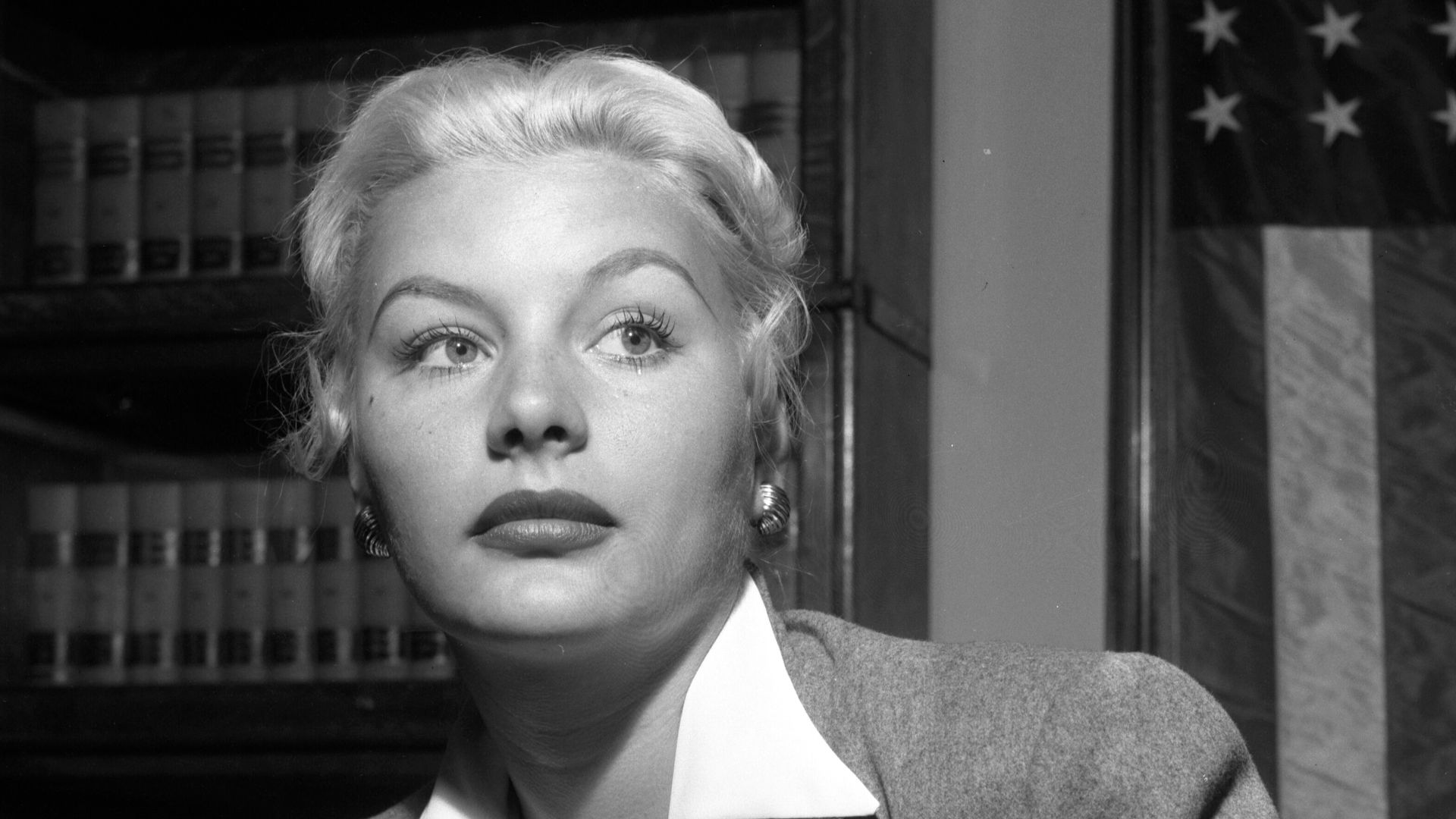
Financial Problems Piled Up
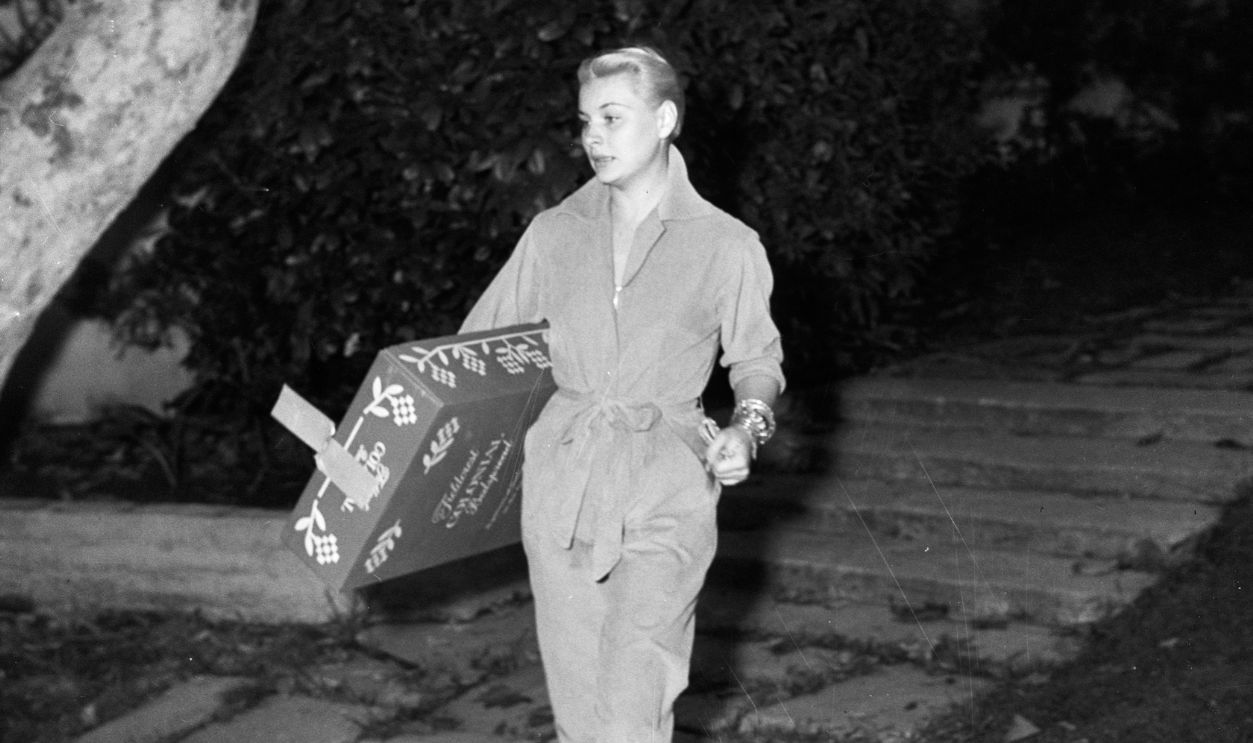
As acting jobs vanished, Barbara’s financial situation worsened badly. Reports described unpaid bills, unstable living conditions, and heavy drinking consuming what little money she had left. The glamorous lifestyle associated with old Hollywood completely disappeared from her reality. Her decline became increasingly difficult for the public to ignore.
 University of Southern California, Getty Images
Her Reputation Followed Her Everywhere
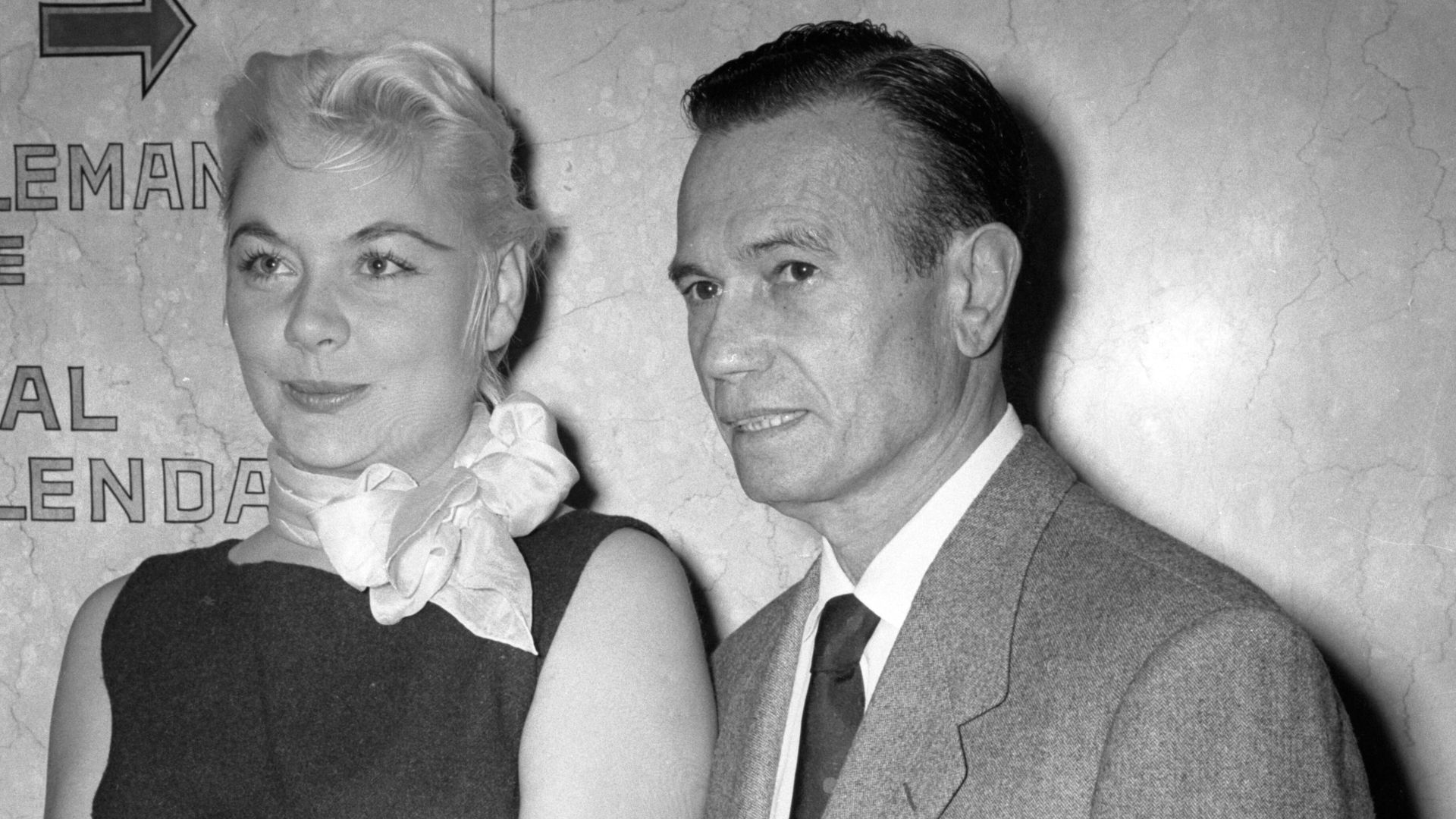
Even outside Hollywood, Barbara struggled to escape her reputation. Producers, directors, and reporters already viewed her as unreliable because of the endless scandals surrounding her. Stories about her behavior often overshadowed any attempt at career recovery. By then, she had become more famous for self-destruction than for acting.
 Los Angeles Times, Wikimedia Commons
The Industry Turned Cruel
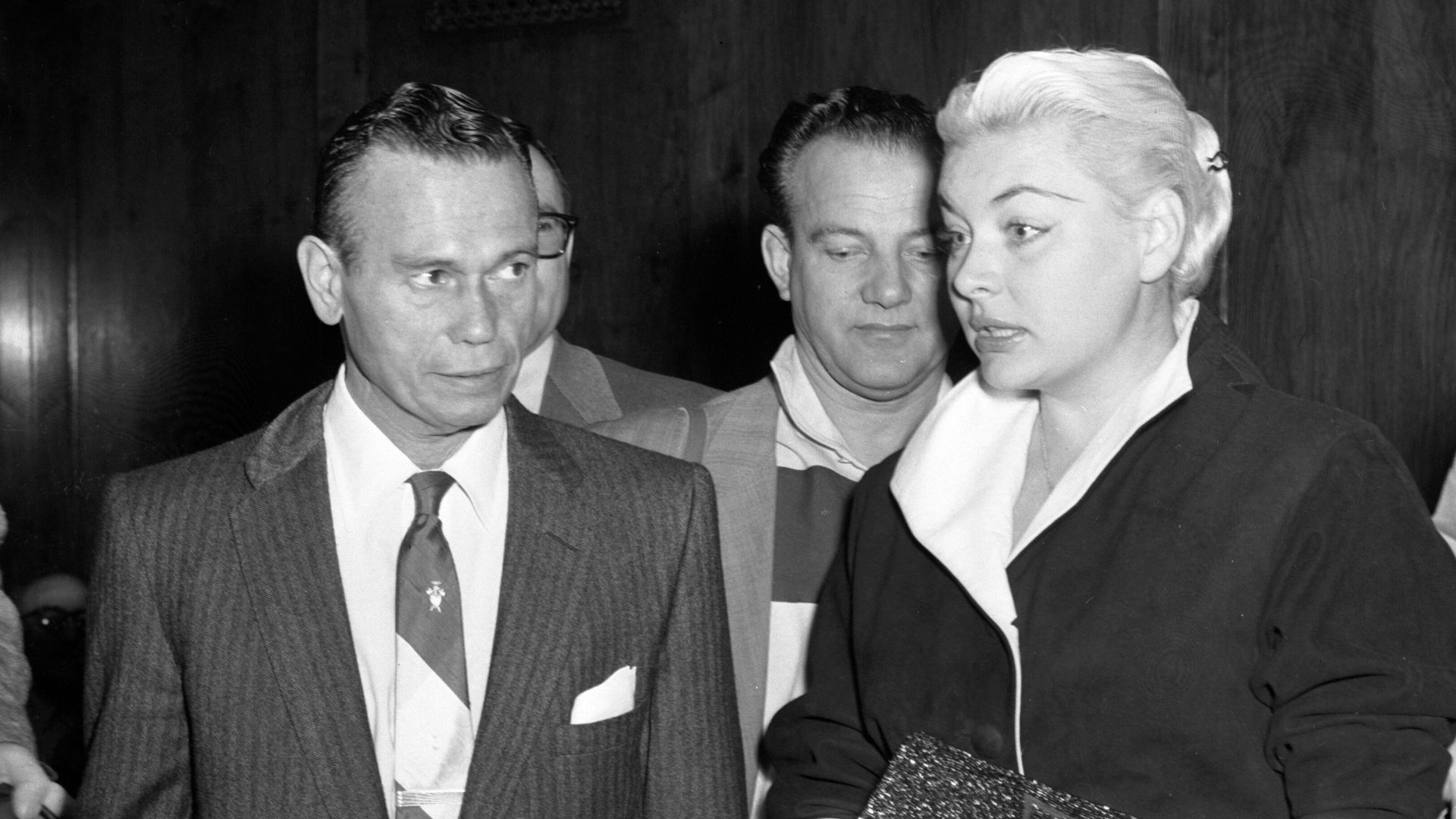
Hollywood tabloids that once praised Barbara’s beauty became merciless during her downfall. Newspapers published humiliating stories about her appearance, finances, and addictions. Instead of sympathy, she often became treated like entertainment for readers. The same publicity machine that helped create her fame now helped destroy her.
 Los Angeles Times, Wikimedia Commons
Living Far From Hollywood Glamour
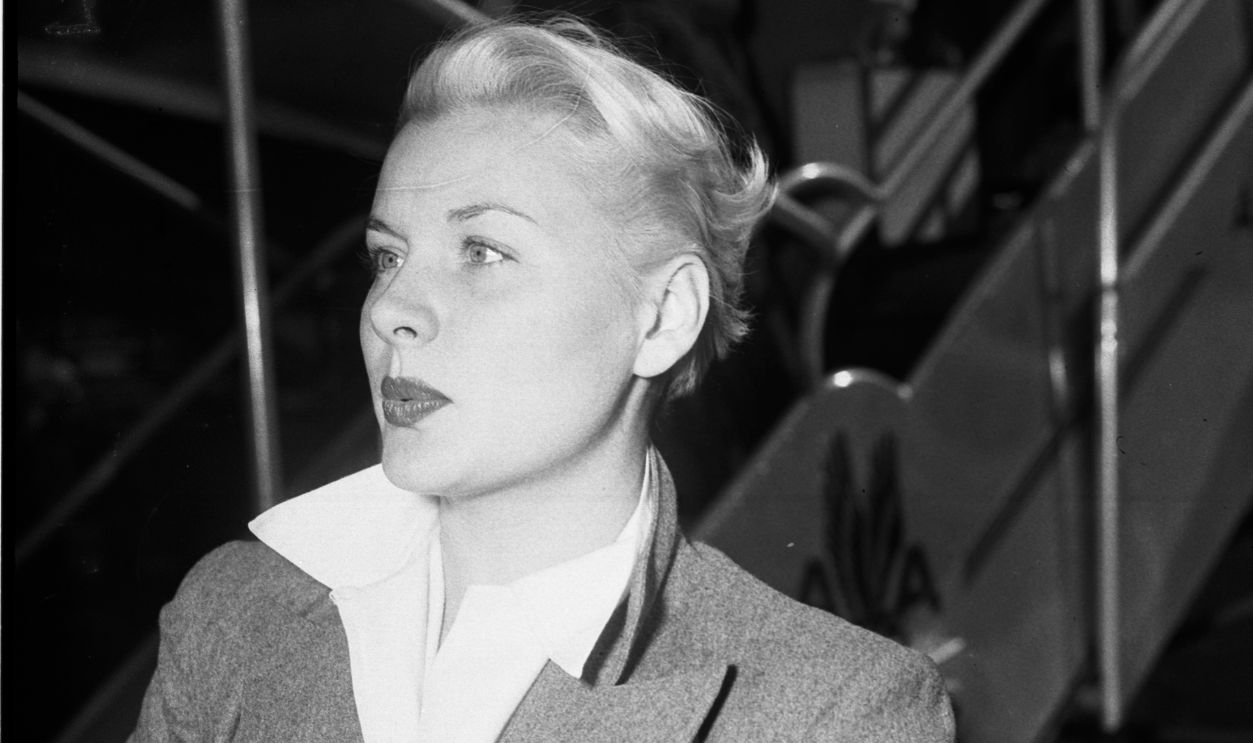
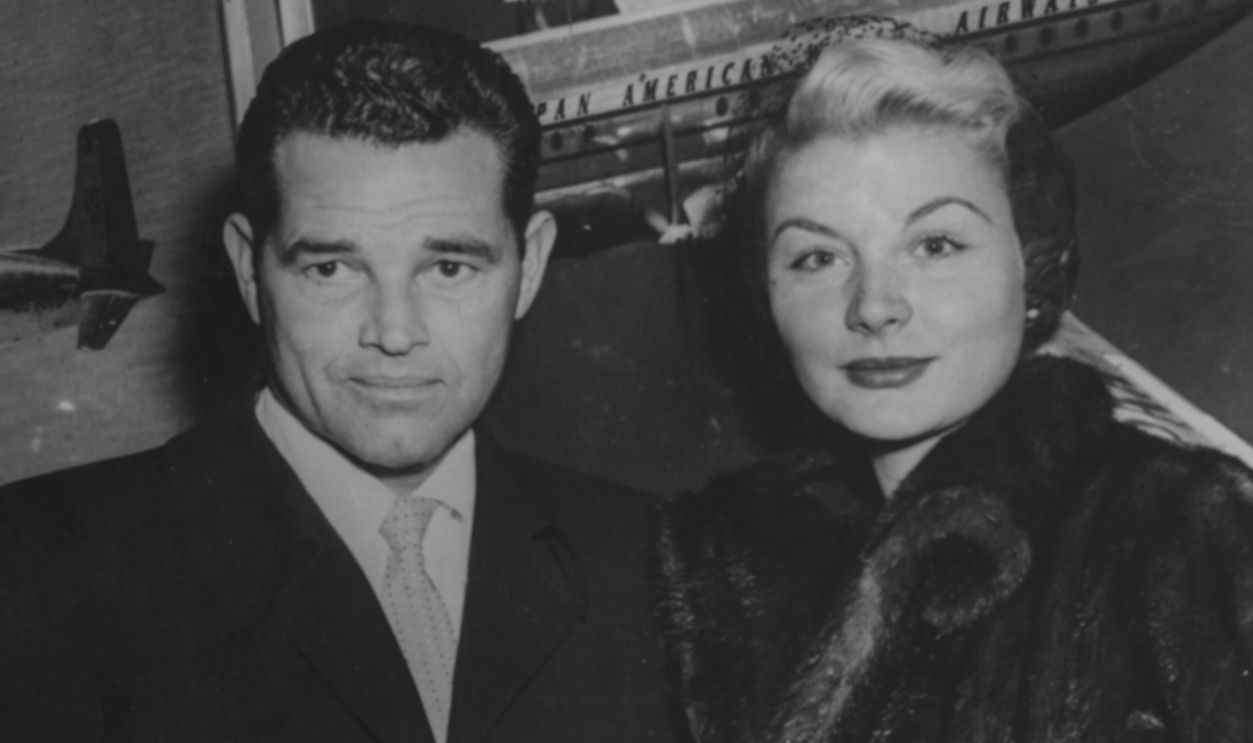
By the early 60s, Barbara Payton was living far from the glamorous image people remembered from movie magazines. Former Hollywood friends had largely disappeared from her life, and acting opportunities had almost completely dried up. The woman once photographed at premieres and studio events was now struggling simply to get by day to day.
 University of Southern California, Getty Images
Rock Bottom
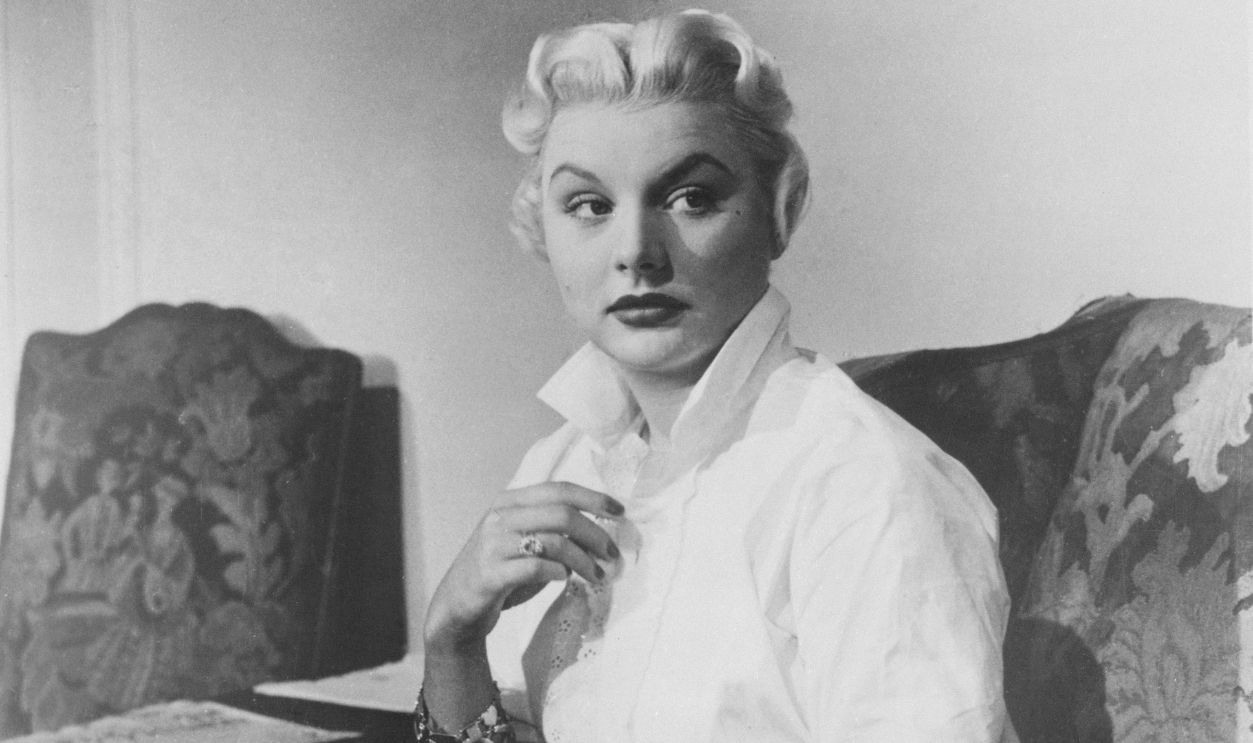
Reports from Barbara’s later years painted a heartbreaking picture. She reportedly battled severe alcoholism and occasionally turned to sex work to survive financially. Her decline shocked people who remembered her as one of Hollywood’s most beautiful rising actresses only a decade earlier. By then, her life had become one of the industry’s saddest cautionary tales.
Trying To Tell Her Side
In 1963, Barbara released a memoir titled I Am Not Ashamed. The book openly discussed her relationships, addictions, and personal collapse. Readers were shocked by how brutally honest the memoir felt for that era. Instead of hiding from her scandals, Barbara described them in painful detail.
A Shockingly Honest Memoir
Celebrity memoirs during that time were usually polished and carefully controlled, which made Barbara’s book stand out even more. She admitted to destructive behavior, alcoholism, and the chaos surrounding her relationships. Some readers saw the memoir as an attempt to reclaim control of her own story after years of tabloid coverage. Others viewed it as proof of just how badly her life had unraveled.
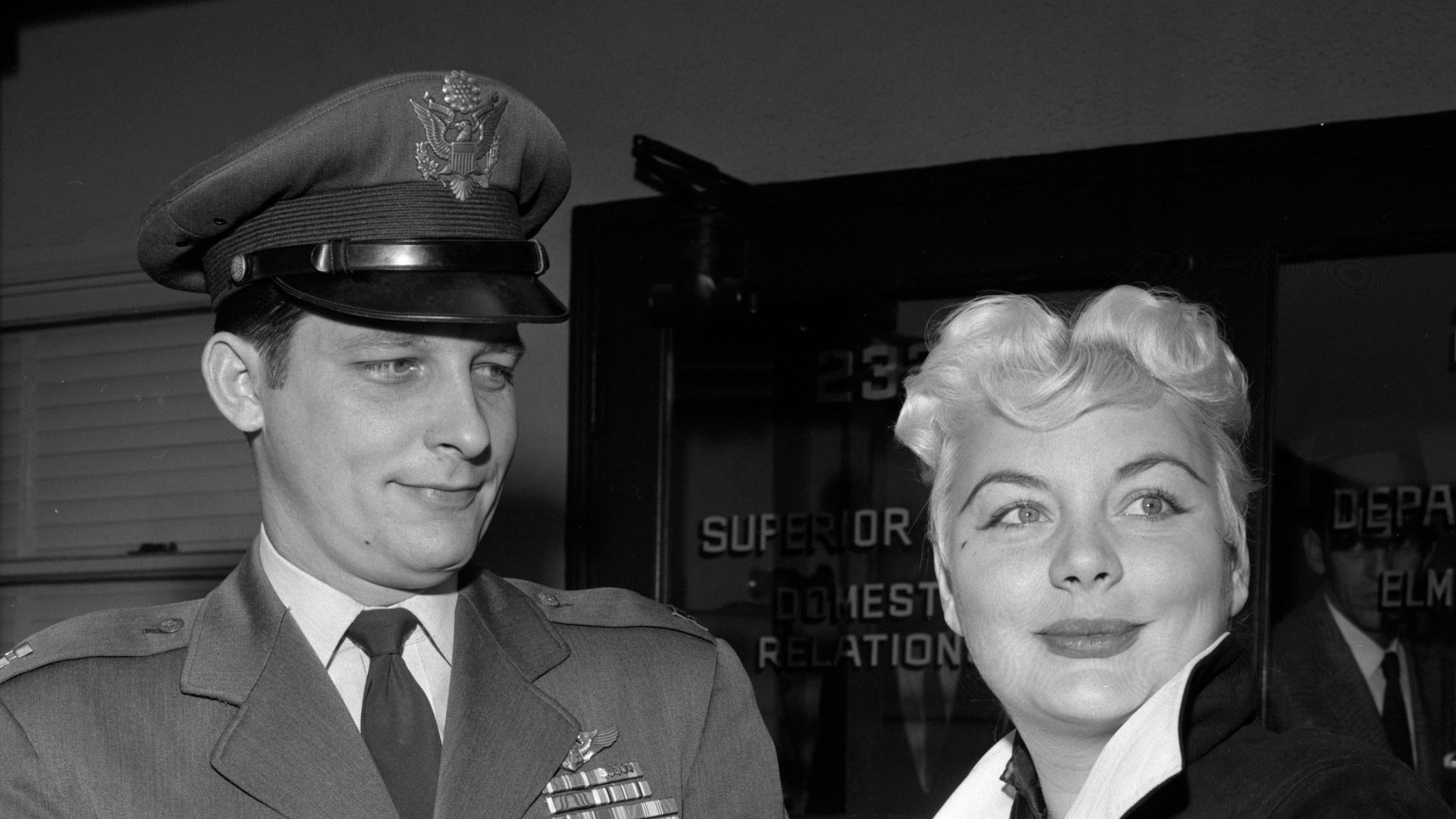 Los Angeles Times, Wikimedia Commons
The Public Reaction
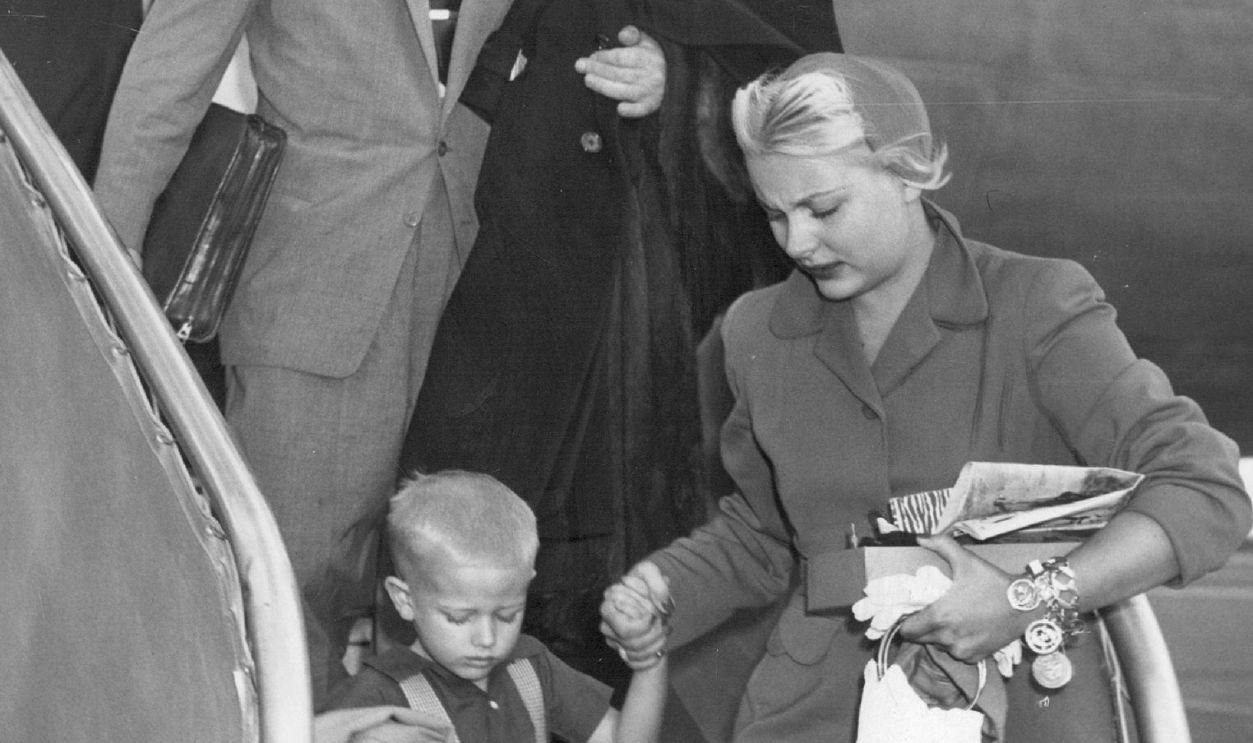
The memoir attracted attention largely because audiences were fascinated by fallen celebrities. Some readers felt sympathy for Barbara after learning how deeply addiction affected her life. Others still focused mainly on the scandalous details and treated the book like another piece of Hollywood gossip. Either way, it reinforced how dramatically her life had changed since her glamorous beginnings.
Health Problems Got Worse
Years of heavy alcohol abuse severely damaged Barbara’s health. By the mid-60s, friends described her as physically exhausted and emotionally broken. The glamorous young actress from the late 40s seemed almost unrecognizable compared to the woman struggling through her final years. Her body simply could not handle the years of addiction.
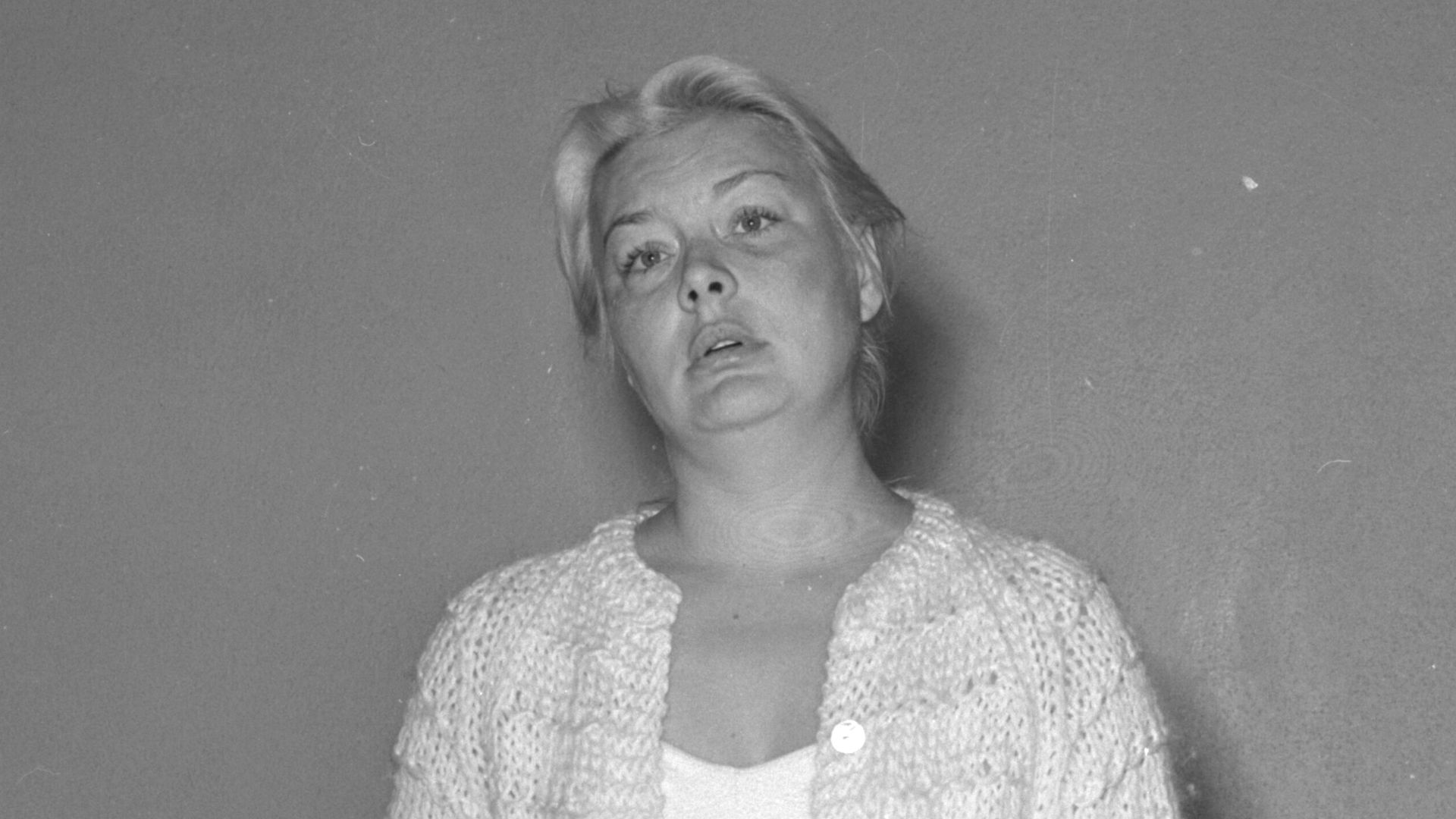 Gene Hackley, Los Angeles Times, Wikimedia Commons
A Tragic Ending
Barbara Payton died in 1967 at just 39 years old from heart and liver failure related to alcoholism. Her death received attention mainly because people remembered how famous and beautiful she once was. Many viewed her passing as the sad ending to a life filled with wasted potential and public self-destruction.
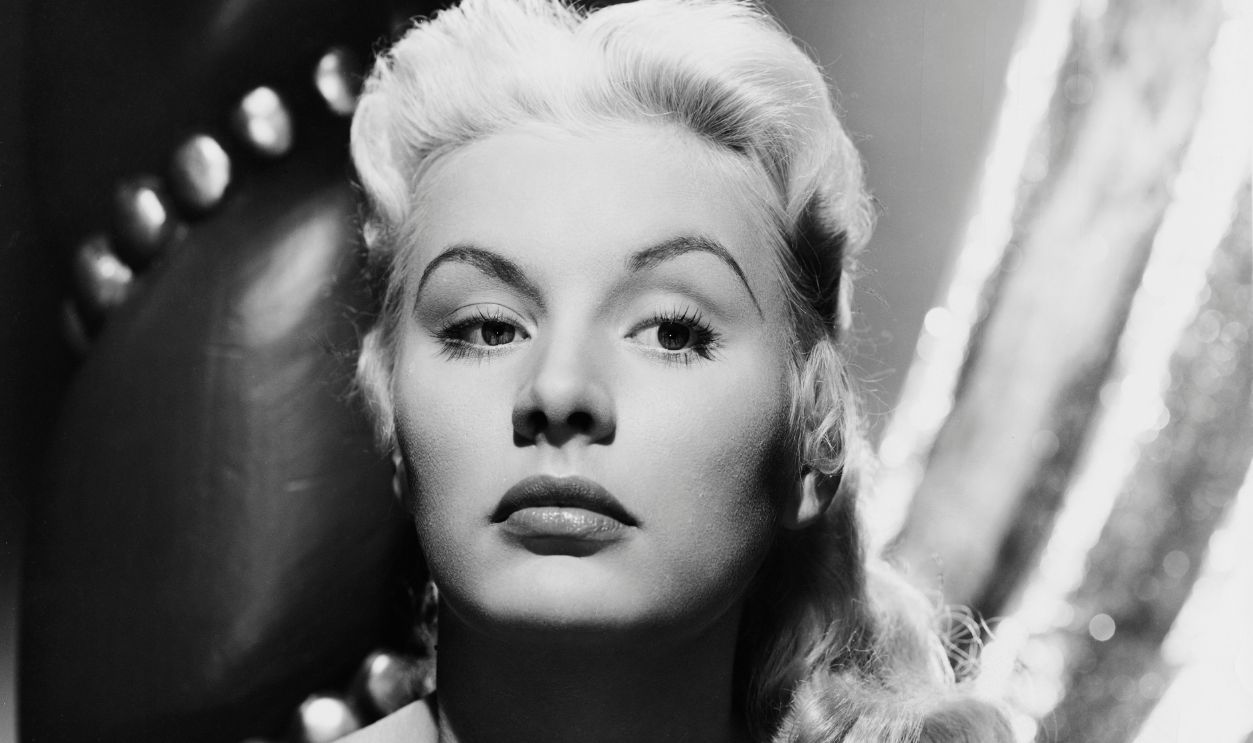 John Springer Collection, Getty Images
Hollywood’s Harshest Lesson
Barbara’s story became one of Hollywood’s ultimate cautionary tales. She had nearly everything needed for superstardom: beauty, opportunity, publicity, and major studio backing. But addiction, toxic relationships, and nonstop scandal destroyed the future that once seemed guaranteed. Her life showed how quickly Hollywood could build someone up and how quickly it could abandon them.
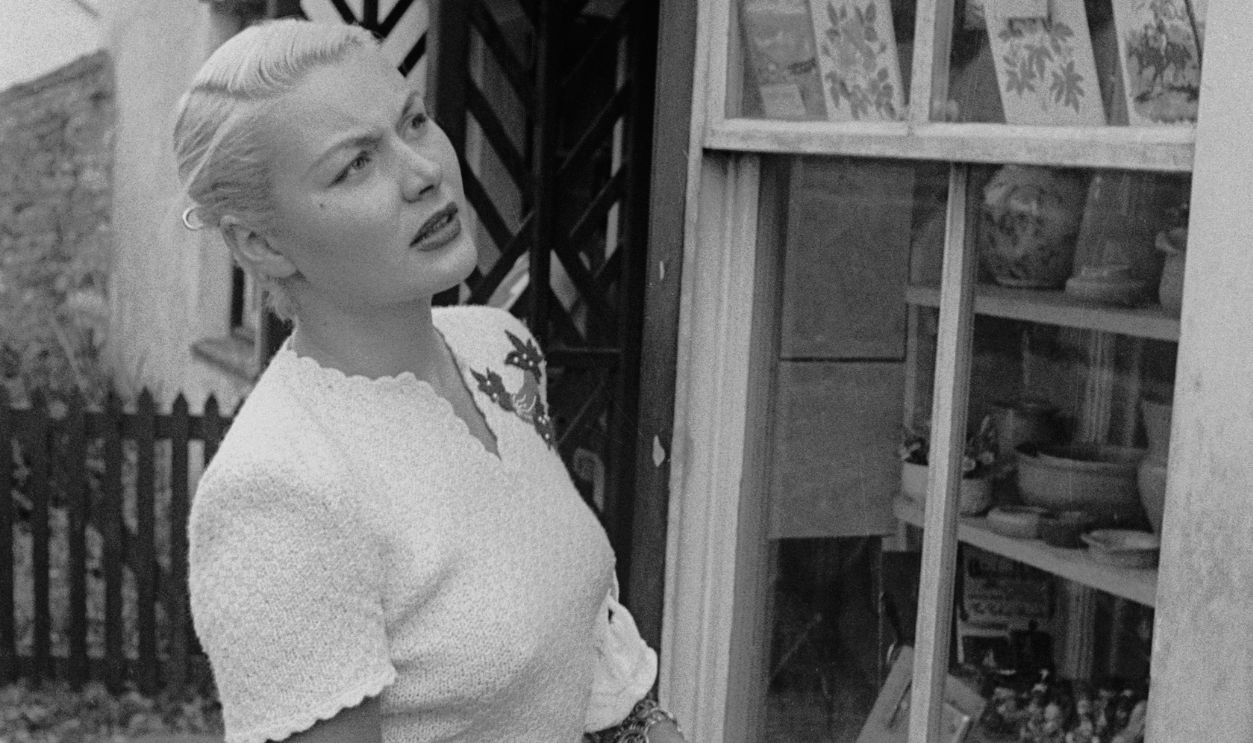
Why People Still Remember Her
Decades later, Barbara Payton still fascinates classic film fans because her story feels both glamorous and deeply tragic. She represents the darker side of old Hollywood fame, where studios controlled images while personal struggles were hidden until they exploded publicly. Her career was brief, but the rise-and-fall story remains unforgettable.
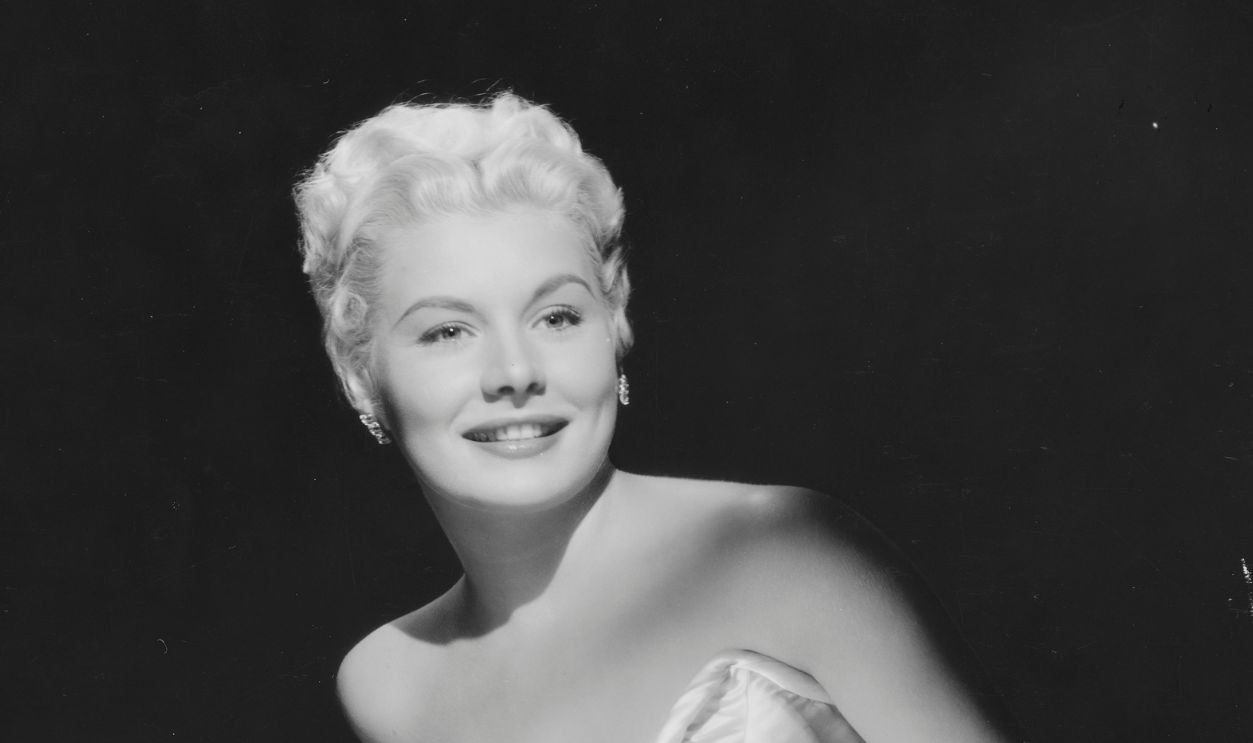 John Springer Collection, Getty Images
You Might Also Like:
The Most Expensive Hollywood Memorabilia
Actors Who Were Completely Miscast—And Even They Knew It