You Can Feel It (And So Could They)
Some performances don’t just miss—they feel off from the start. And here’s the twist: the actors knew it. Whether they admitted it right away or years later, these are the actors and roles that just never quite fit properly.
George Clooney (Batman & Robin, 1997)
Clooney has been relentless about this one. He once said, “I think we might have killed the franchise,” which is about as blunt as it gets. He’s admitted he didn’t understand how seriously fans took Batman and played it too lightly. Add in the campy tone and infamous costume choices, and it became a perfect storm of wrong fit and wrong approach.
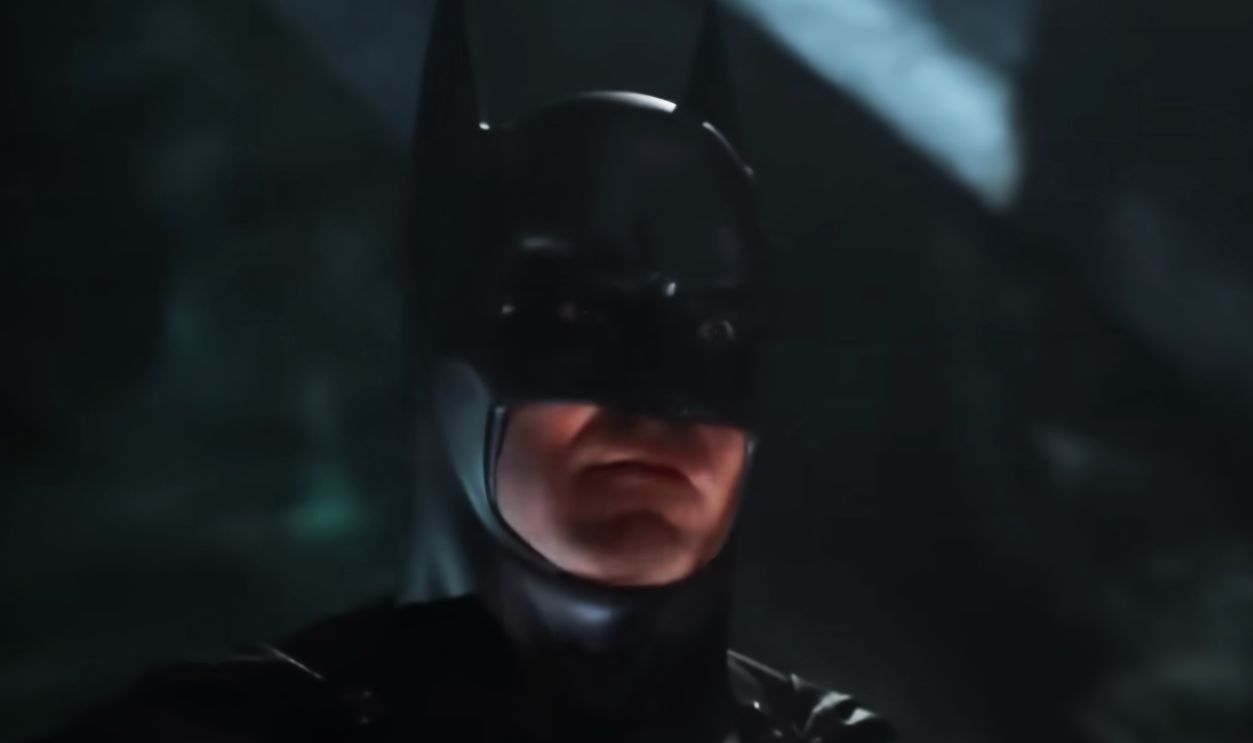 Screenshot from Batman & Robin, Warner Bros. Discovery (1997)
Halle Berry (Catwoman, 2004)
Berry showed up to accept her Razzie and thanked Warner Bros. for casting her in a really bad movie. That wasn’t just a joke, it was honesty. The film had no real connection to the comic character, went through multiple rewrites, and never found its tone. Berry has said she tried to make it work, but the role itself never gave her much to build on.
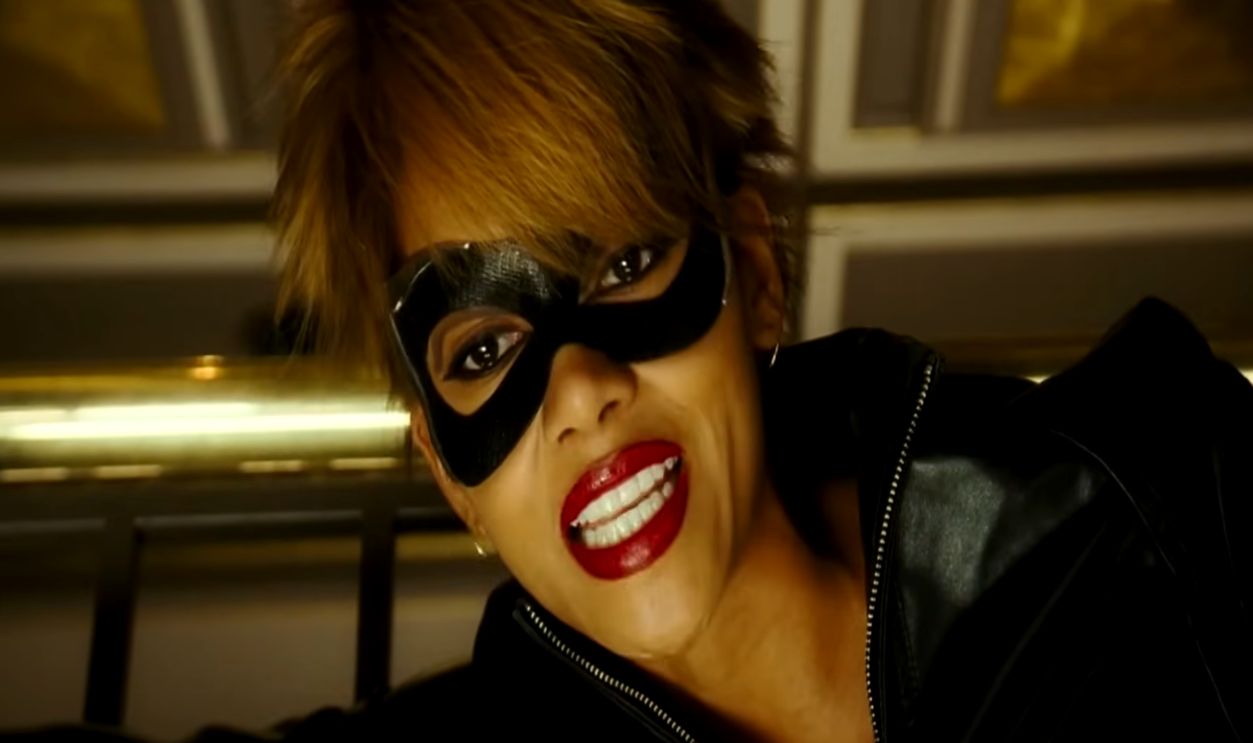 Screenshot from Catwoman, Warner Bros. Discovery (2004)
Ben Affleck (Daredevil, 2003)
Affleck has said, “Daredevil didn’t work,” and he’s pointed to more than just the script. The film bounced between dark and comic-book light, and he’s admitted he never fully locked into the character. That experience stuck with him so much that when he later took on Batman, he approached it with a completely different mindset.
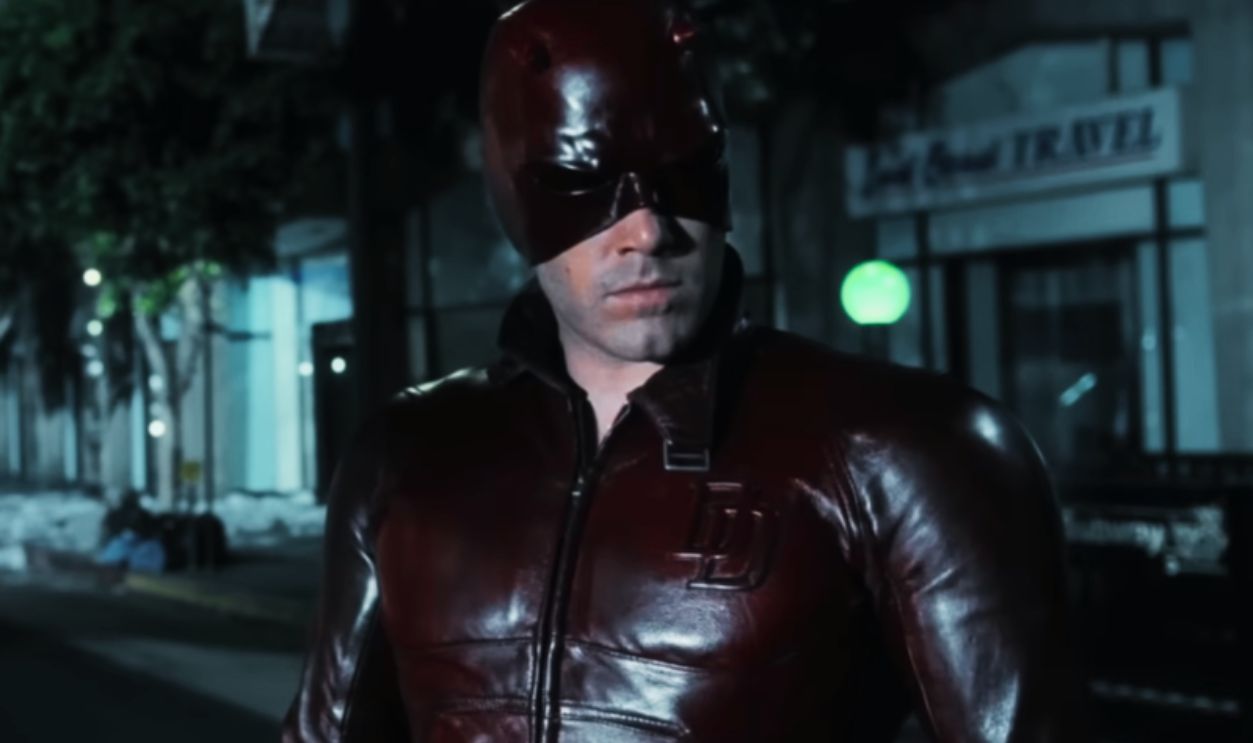 Screenshot from Daredevil, The Walt Disney Company (2003)
Robert Pattinson (Twilight, 2008)
During press, Pattinson openly questioned Edward Cullen, calling parts of the character “weird” and hard to understand. He’s said he didn’t relate to Edward’s intensity and struggled to ground it. The performance worked for the audience, but behind the scenes, he was clearly trying to figure it out in real time.
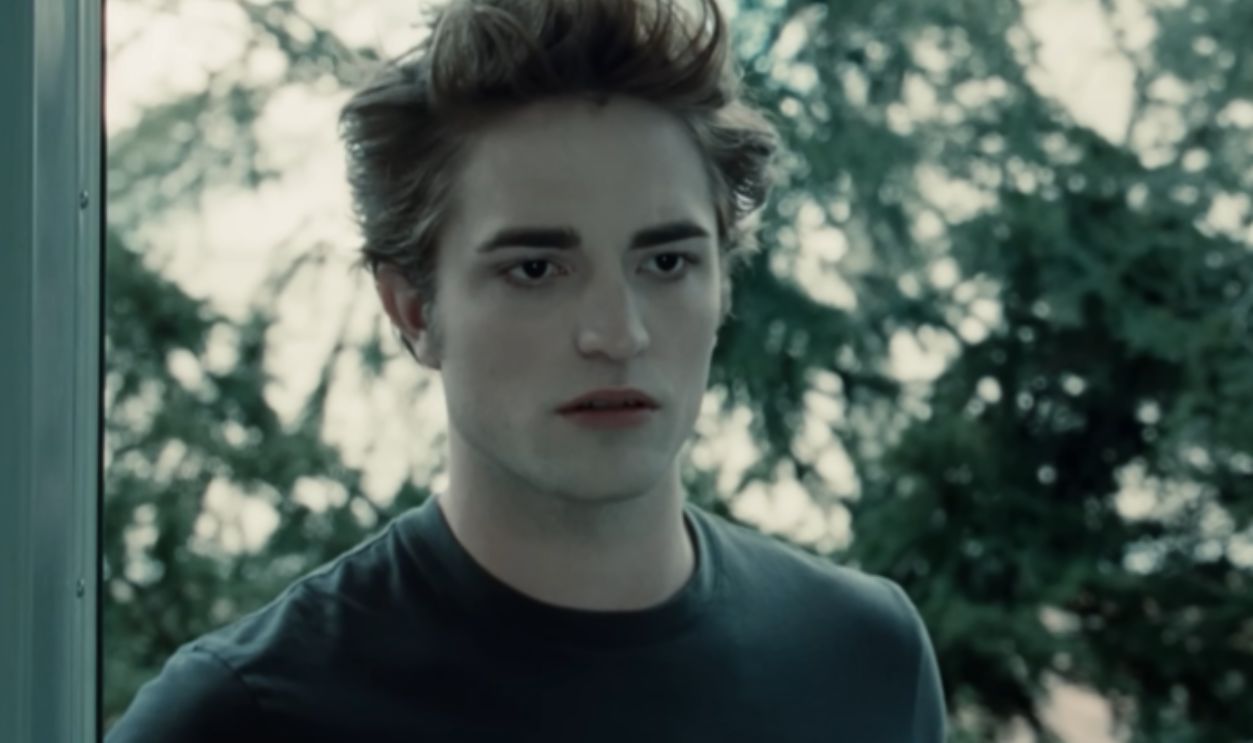 Screenshot from Twilight, Lionsgate (2008)
Keanu Reeves (Bram Stoker’s Dracula, 1992)
Reeves has admitted the accent didn’t land the way he hoped. The production itself was ambitious, with Francis Ford Coppola pushing for theatrical performances across the board. Surrounded by actors leaning fully into that style, Reeves’ more restrained approach stood out, and not in a way that helped the role.
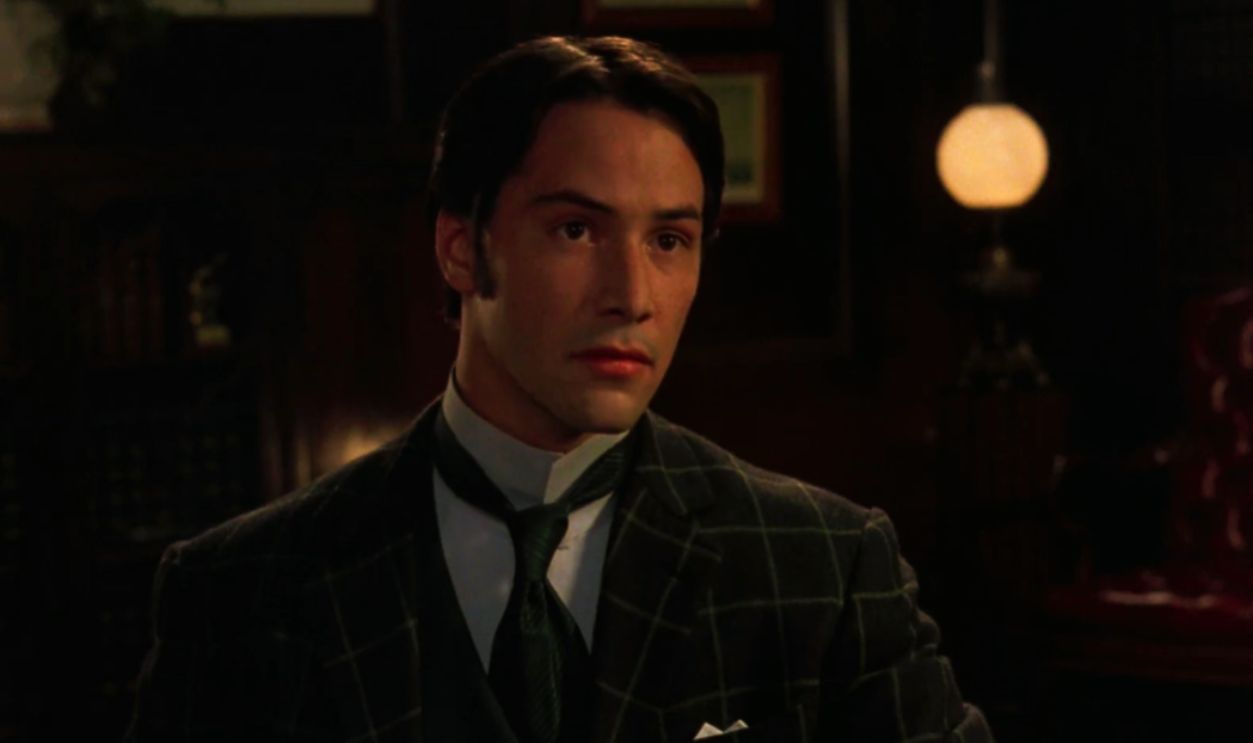 Screenshot from Bram Stoker’s Dracula, Sony Pictures Entertainment (1992)
Jessica Alba (Fantastic Four: Rise of the Silver Surfer, 2007)
Alba has said the director told her to cry “prettier,” not more realistically. That note stuck with her, and not in a good way. She later admitted it made her question whether her instincts as an actor even mattered. When you’re being pulled away from the emotional core of a scene like that, it’s hard to stay connected to the role.
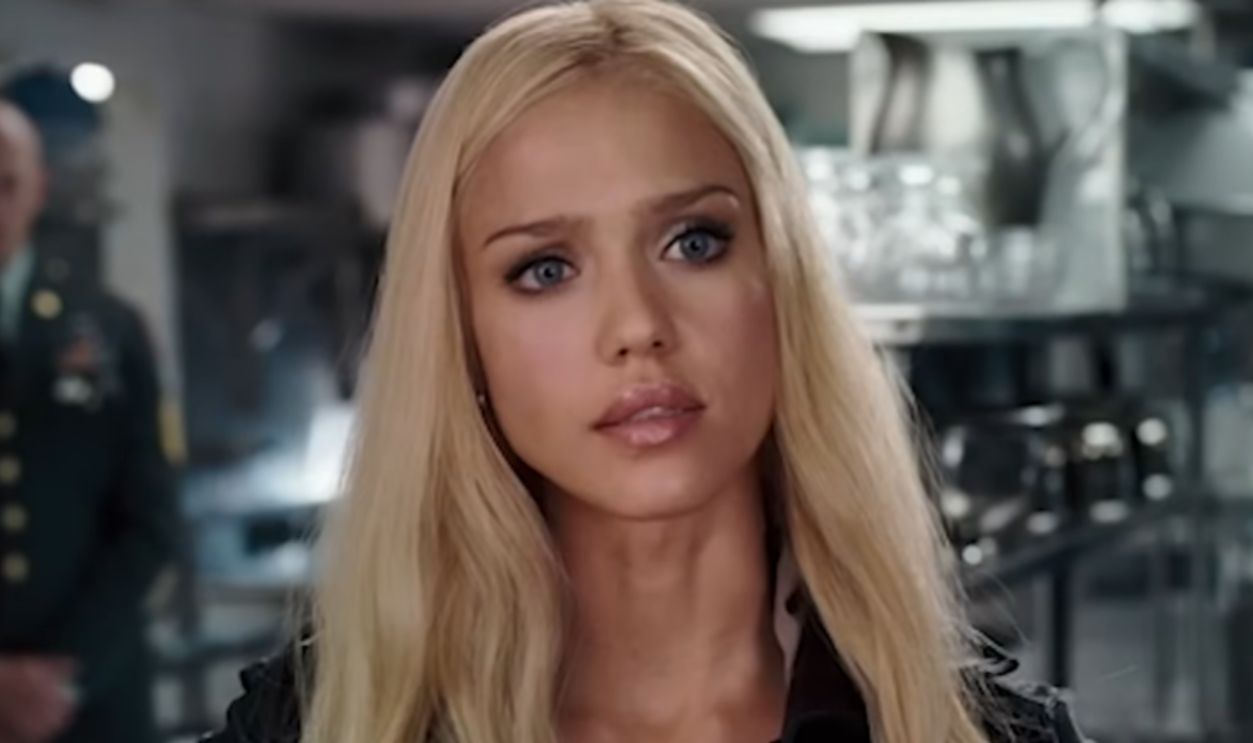 Screenshot from Fantastic Four: Rise of the Silver Surfer, The Walt Disney Company (2007)
Channing Tatum (G.I. Joe: The Rise of Cobra, 2009)
Tatum didn’t try to soften this one. “I hated that movie,” he said, explaining he took it because he was under contract. The film leaned heavily into CGI and spectacle, leaving little room for character work. When the lead actor is that disengaged going in, it’s tough for the performance to land.
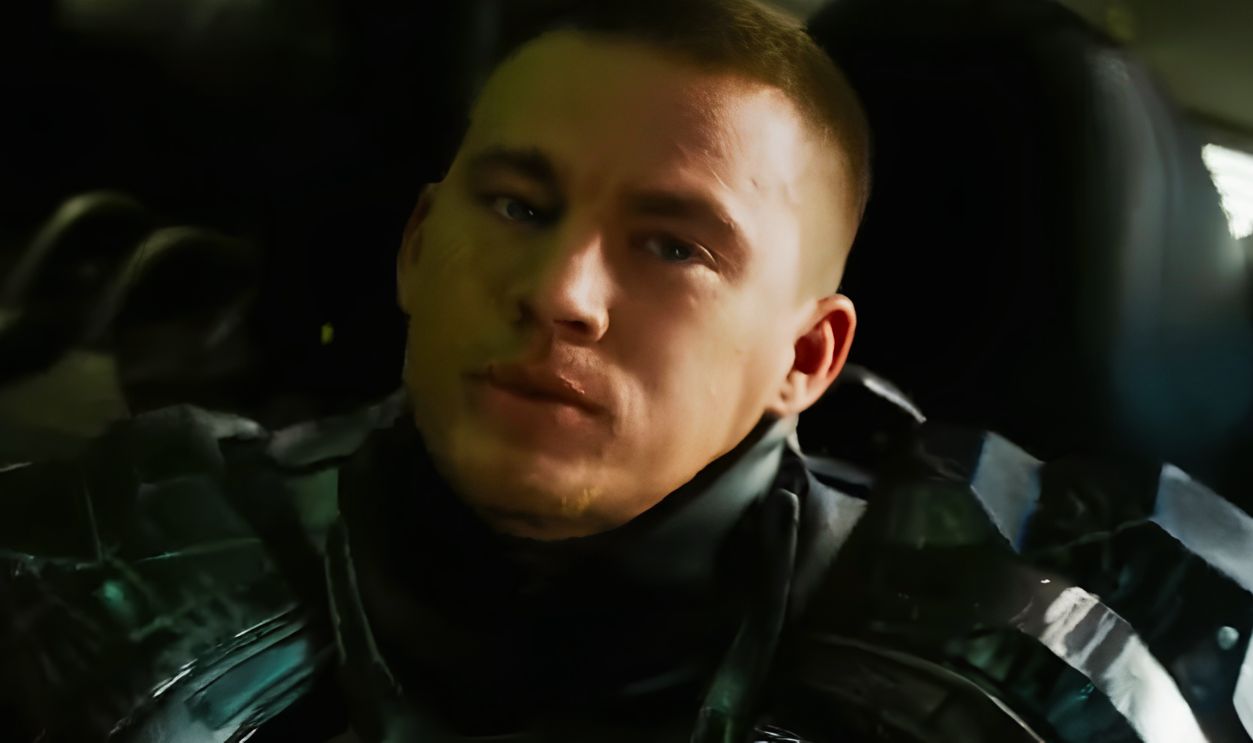 Screenshot from G.I. Joe: The Rise of Cobra, Paramount Global (2009)
Kate Winslet (Titanic, 1997)
Winslet has said, “Every single scene, I’m like, ‘Really? Really?’” when watching her performance back. She’s specifically pointed to the accent as something she wishes she could redo. Even in a film that became one of the biggest of all time, she’s been honest about feeling like she didn’t quite get Rose where she wanted.
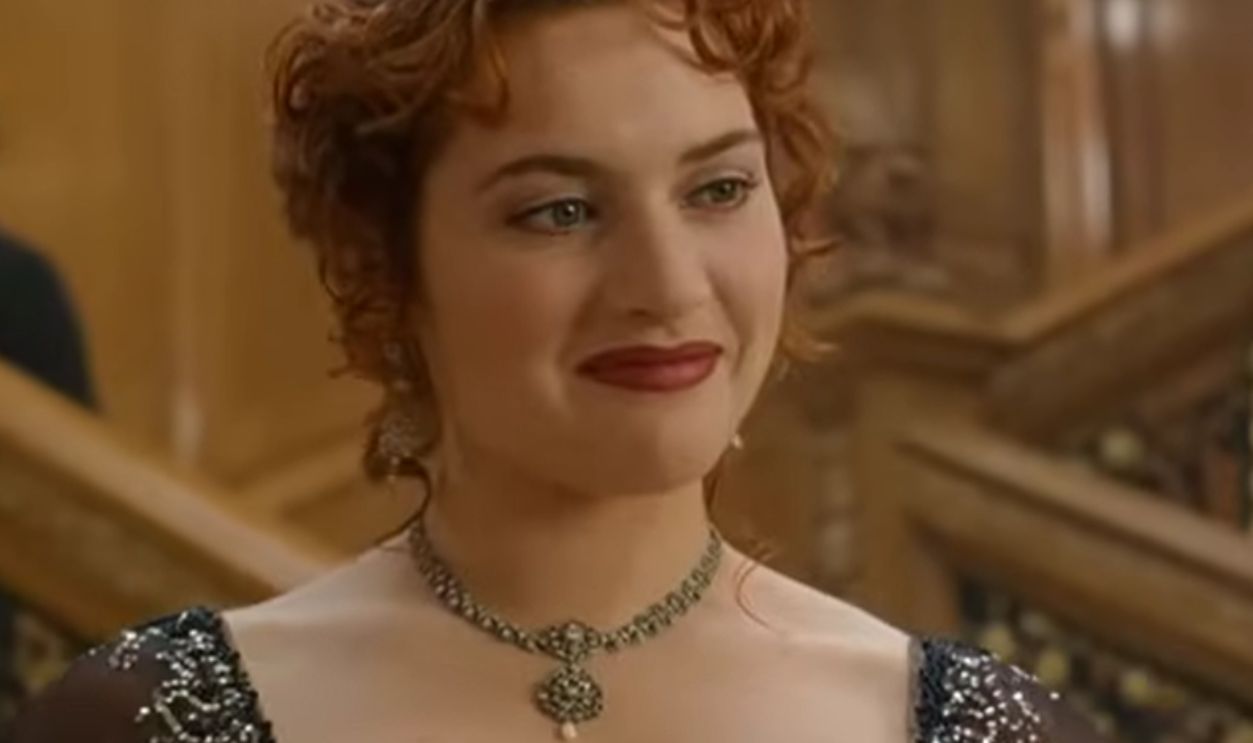 Screenshot from Titanic, Paramount Global (1997)
Alec Guinness (Star Wars, 1977)
Guinness famously called the dialogue “wooden” and had a complicated relationship with the role. While he appreciated the success, he didn’t feel naturally suited to the material. He approached it professionally, but never fully bought into the character in the way others did.
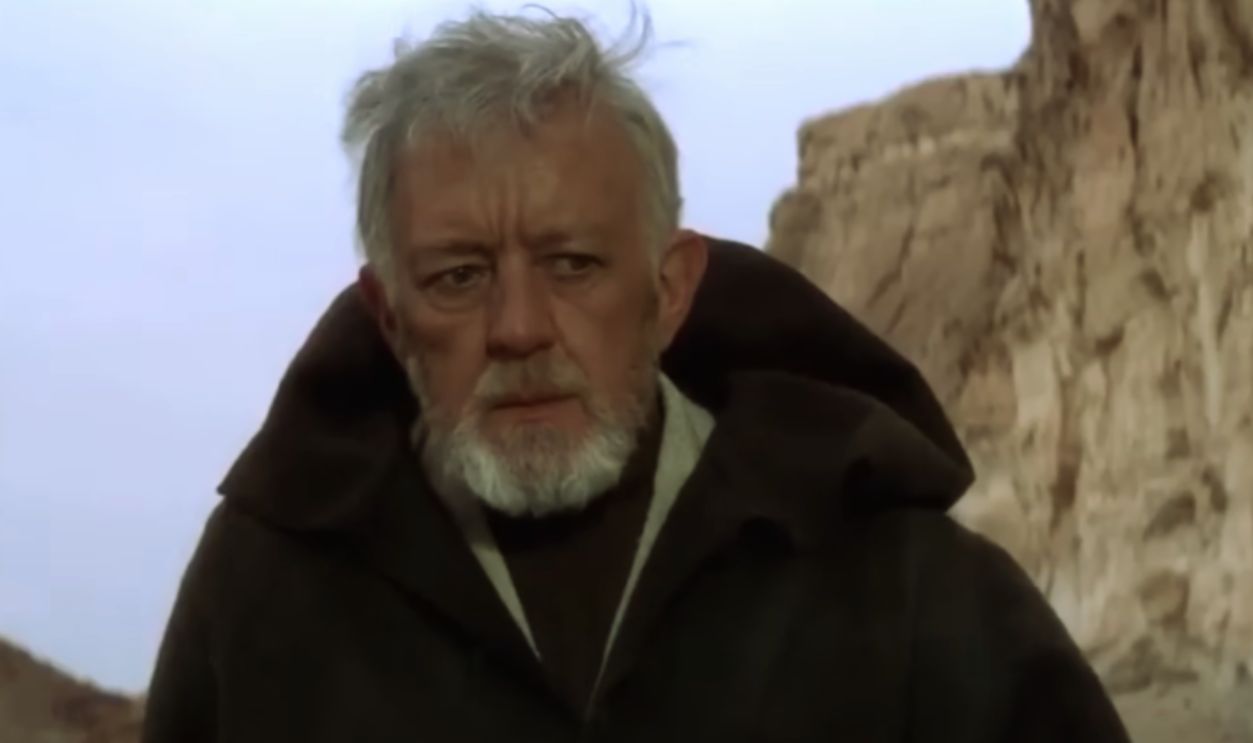 Screenshot from Star Wars: Episode IV - A New Hope, The Walt Disney Company (1977)
Jennifer Lawrence (X-Men series, 2011–2019)
Lawrence has said the long hours in makeup made her rethink continuing in the role, but it wasn’t just that. She’s talked about losing connection with Mystique over time as the character shifted direction. By the later films, the performance reflects that distance.
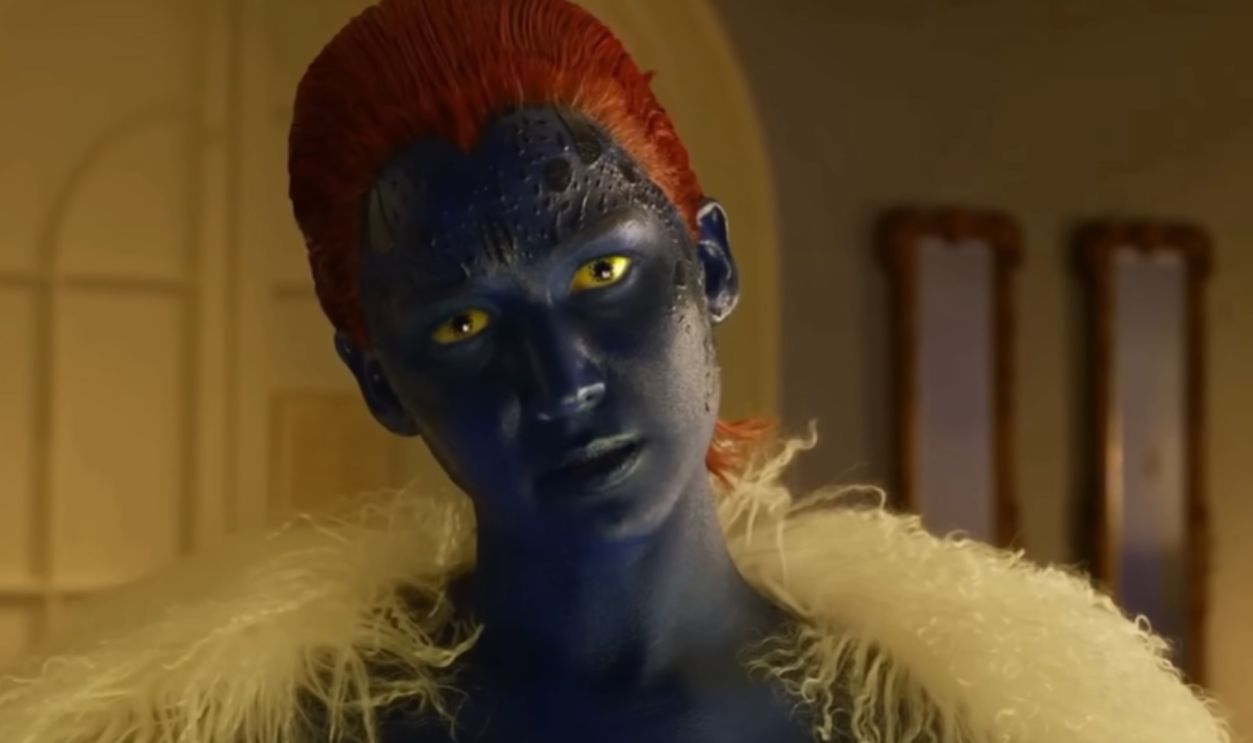 Screenshot from X-Men: Days of Future Past, The Walt Disney Company (2014)
Dakota Johnson (Fifty Shades of Grey, 2015)
Johnson has said, “It was always a battle,” referring to differences between how she approached the character and what the film became. The production went through director changes and tonal shifts, and she’s been open about how that made it harder to stay grounded in the role.
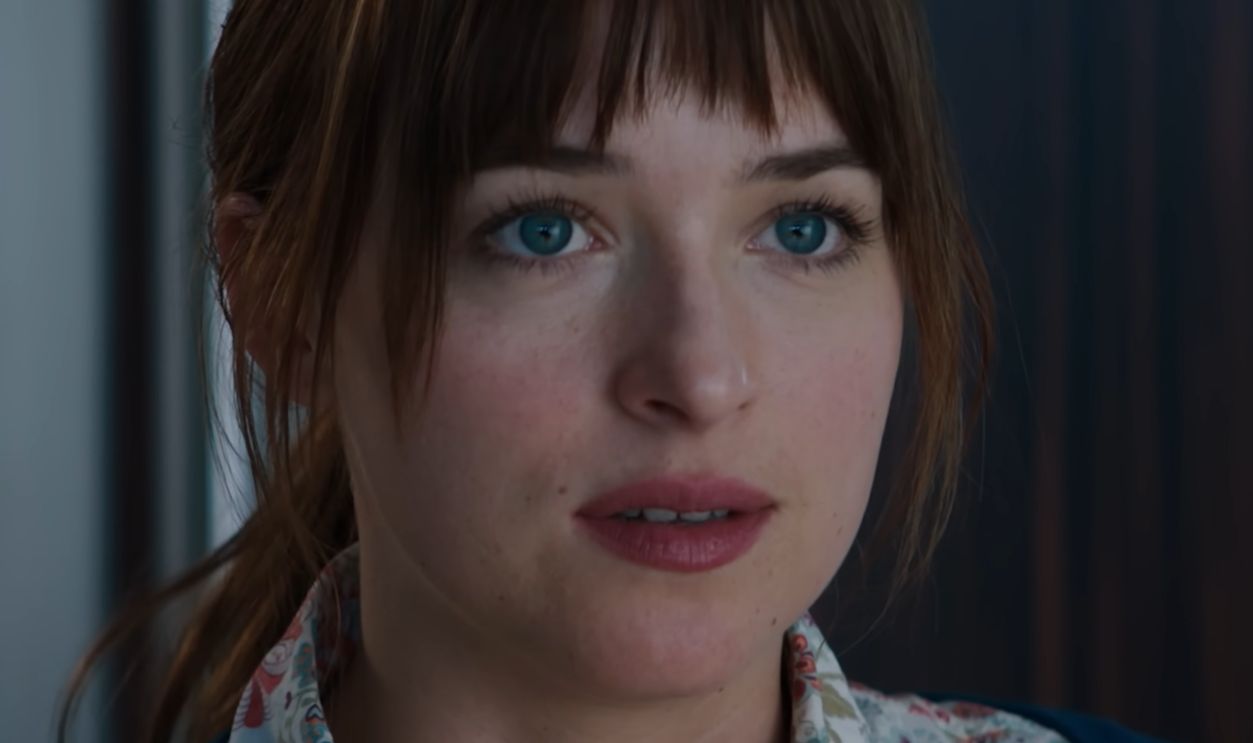 Screenshot from Fifty Shades of Grey, NBCUniversal (2015)
Ryan Reynolds (Green Lantern, 2011)
Reynolds has said, “I didn’t understand the tone,” which is about as clear as it gets. The film was caught between being serious and self-aware, and he’s admitted he never fully found the balance. It’s something he’s joked about for years, but there’s a real point behind it.
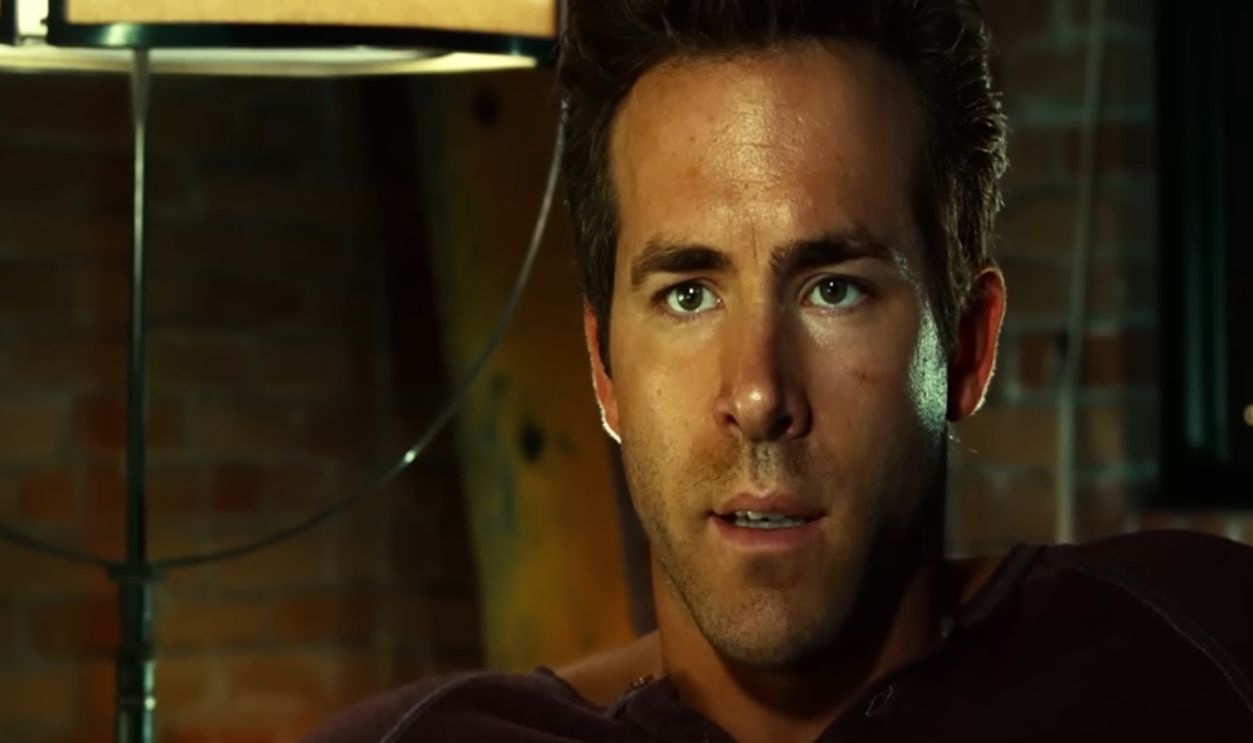 Screenshot from Green Lantern, Warner Bros. Discovery (2011)
Will Smith (After Earth, 2013)
Smith called it “the most painful failure” of his career. He pushed for the project and cast his son in a central role, which added another layer of pressure. When it didn’t connect, he took it personally and admitted the performance didn’t land the way he expected.
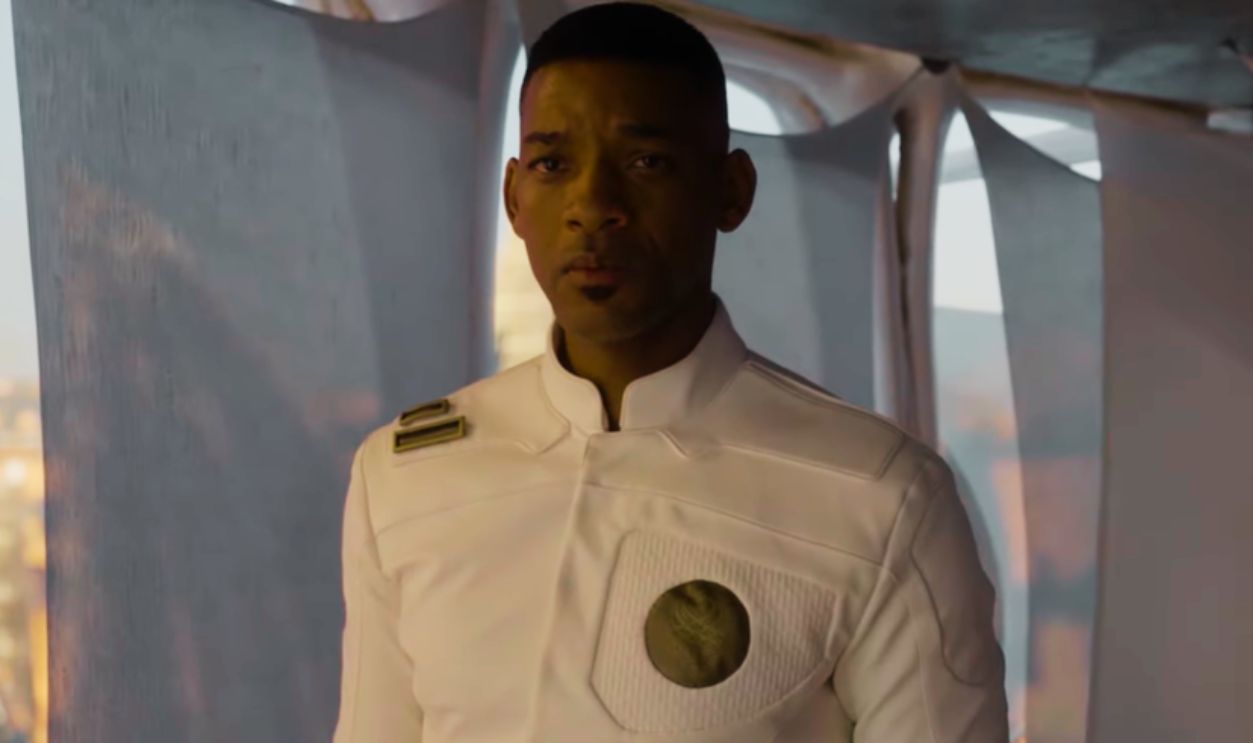 Screenshot from After Earth, Sony Pictures Entertainment (2013)
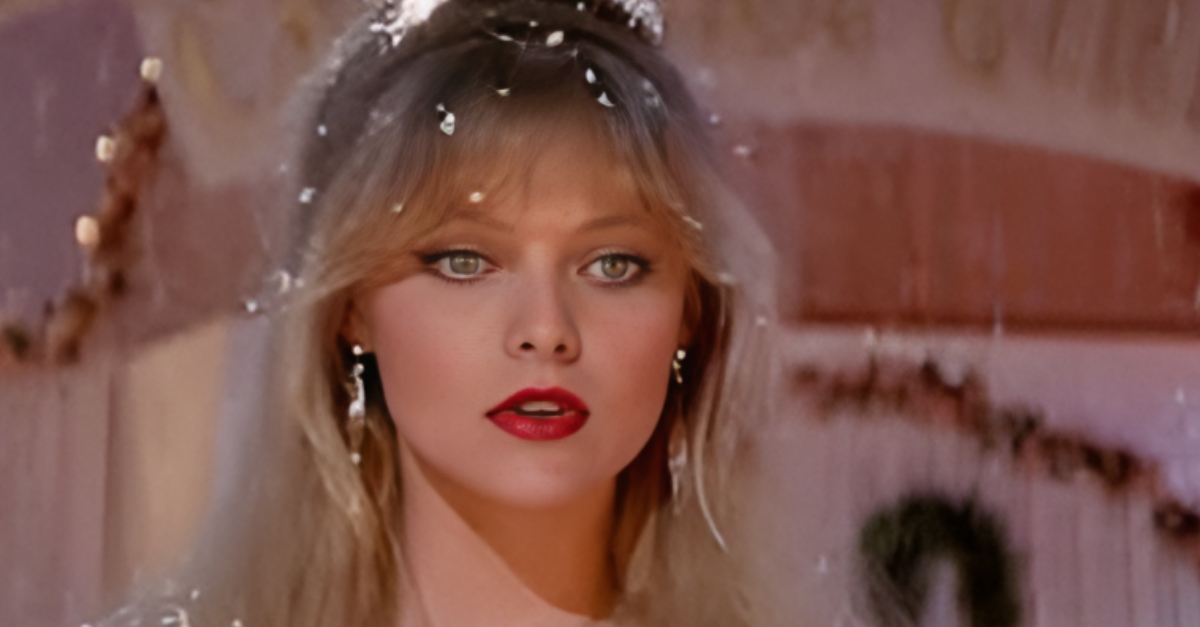
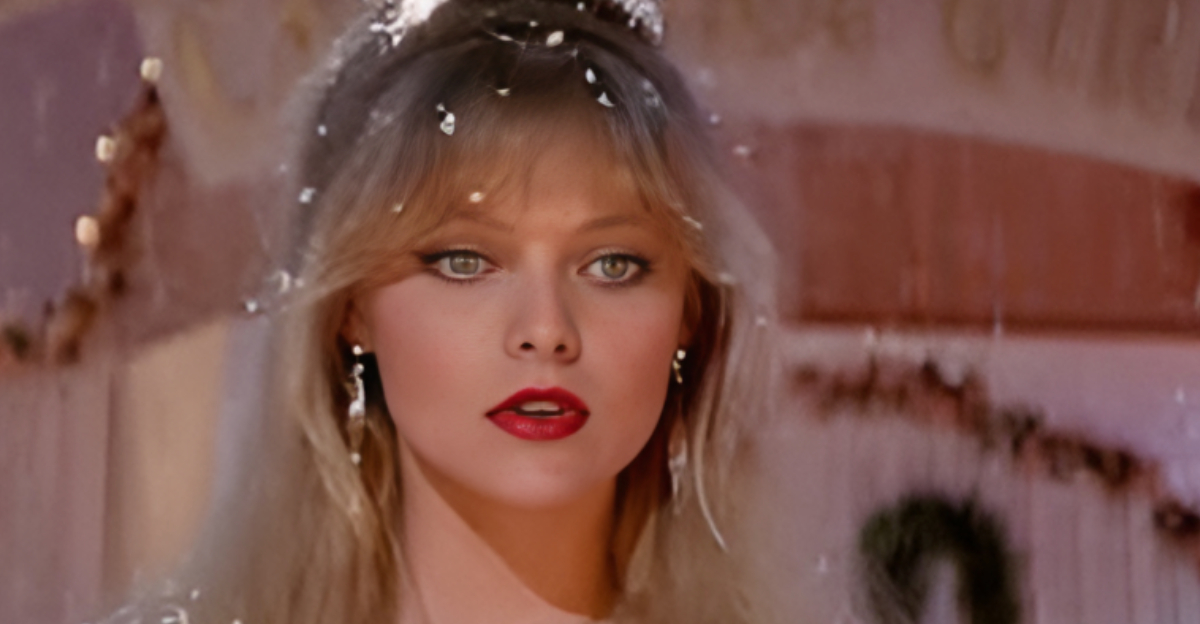
Michelle Pfeiffer (Grease 2, 1982)
Pfeiffer has said early in her career she was still figuring out what roles suited her. This was one of those cases where it didn’t quite line up. The film itself struggled to find an audience, and she’s acknowledged she didn’t feel fully connected to the role at the time.
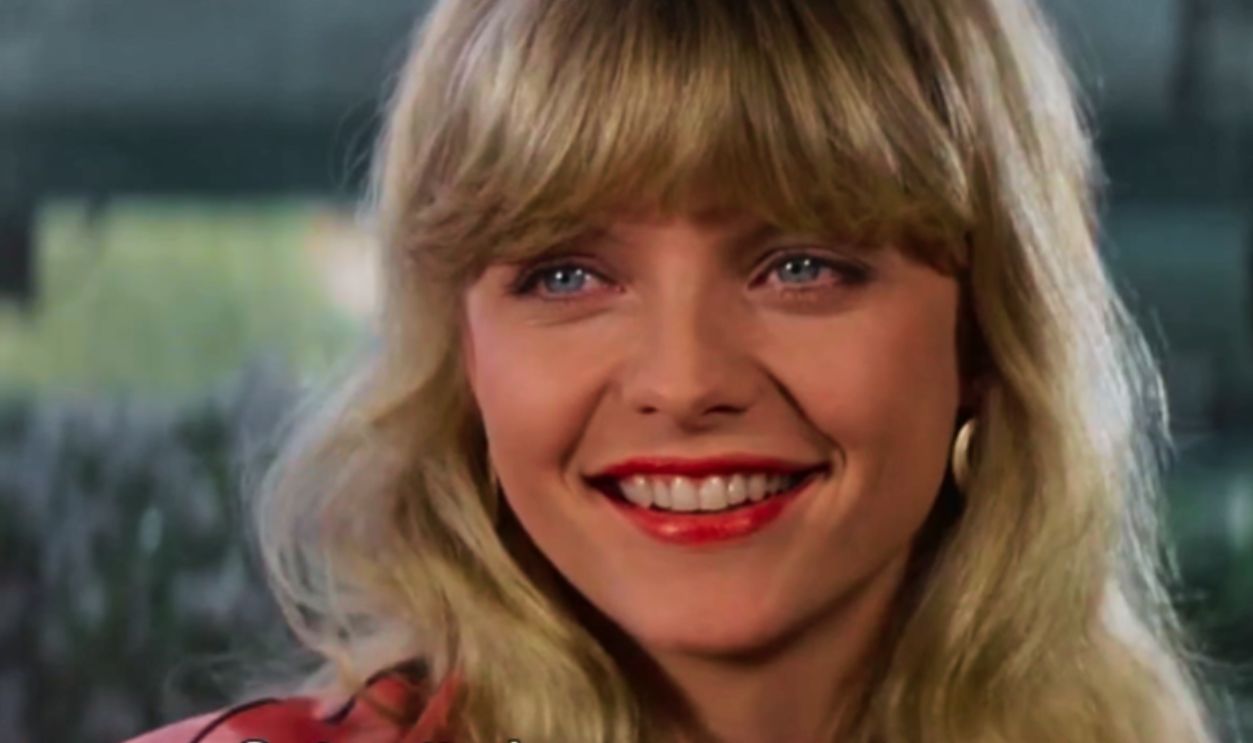 Screenshot from Grease 2, Paramount Global (1982)
Sean Connery (James Bond later films, 1967–1971)
Connery once said he was “fed up” with Bond and felt boxed in by the character. Over time, that frustration started to show. Even though he defined the role early on, by the end, it no longer felt like something he was fully invested in.
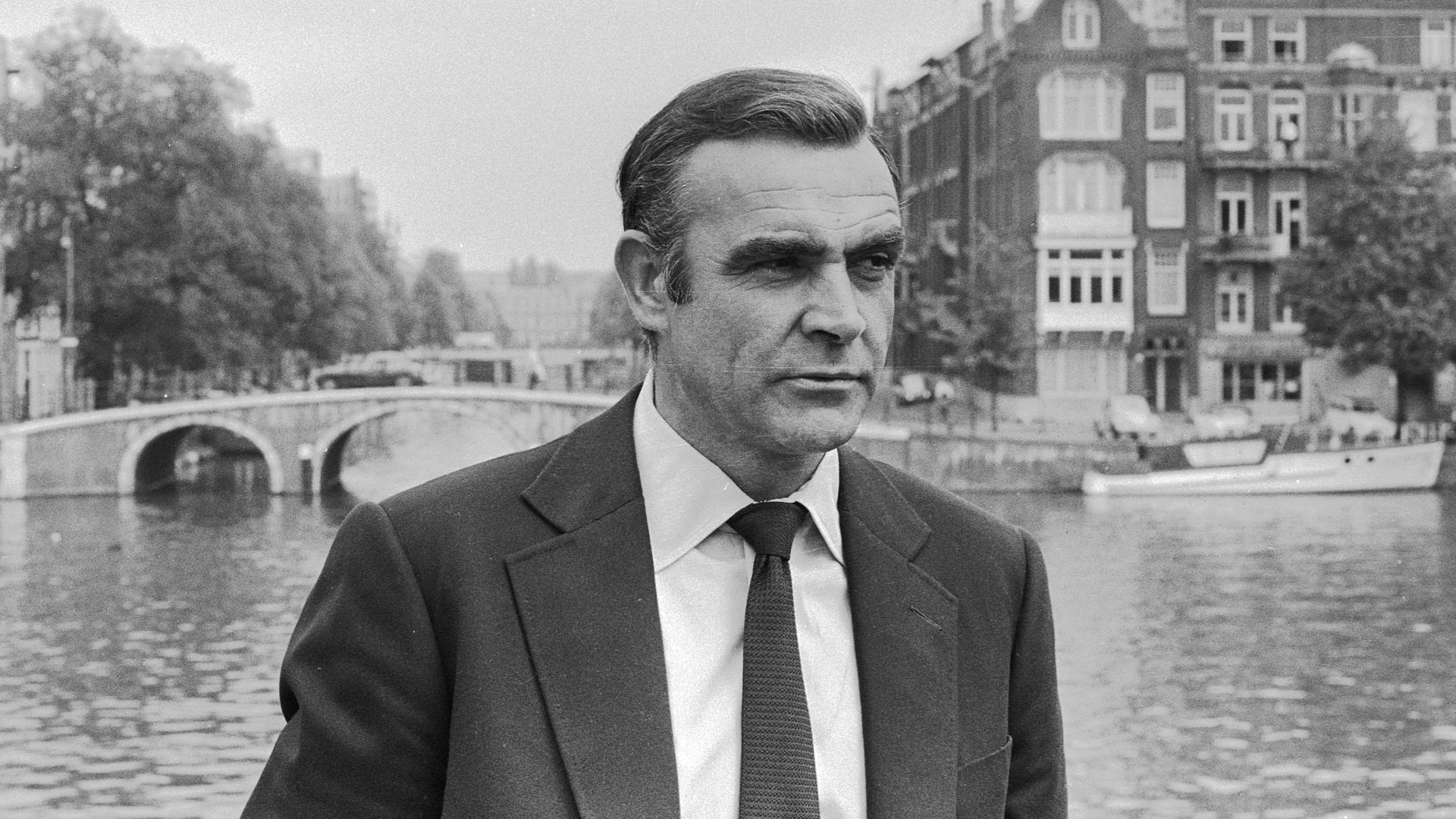 Rob Mieremet, Wikimedia Commons
Edward Norton (The Incredible Hulk, 2008)
Norton was deeply involved in shaping the script, but the final version didn’t reflect his approach. Reports of creative clashes weren’t exaggerated. He’s since distanced himself from the film, and it’s clear the version of the character on screen wasn’t the one he had in mind.
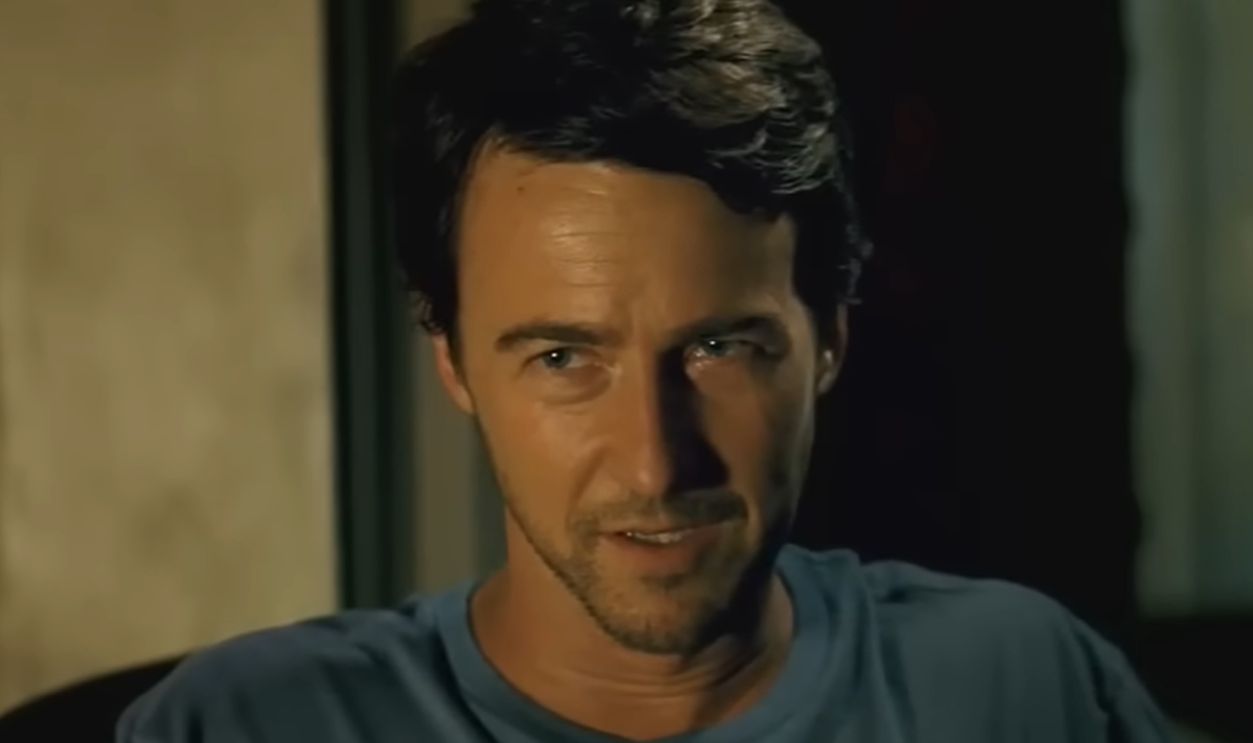 Screenshot from The Incredible Hulk, The Walt Disney Company (2008)
Kristen Stewart (Snow White and the Huntsman, 2012)
Stewart has said the scale of the film and expectations around it made the role harder to settle into. The production was massive, and she’s acknowledged that it affected how she approached the character. It never quite feels like a natural fit.
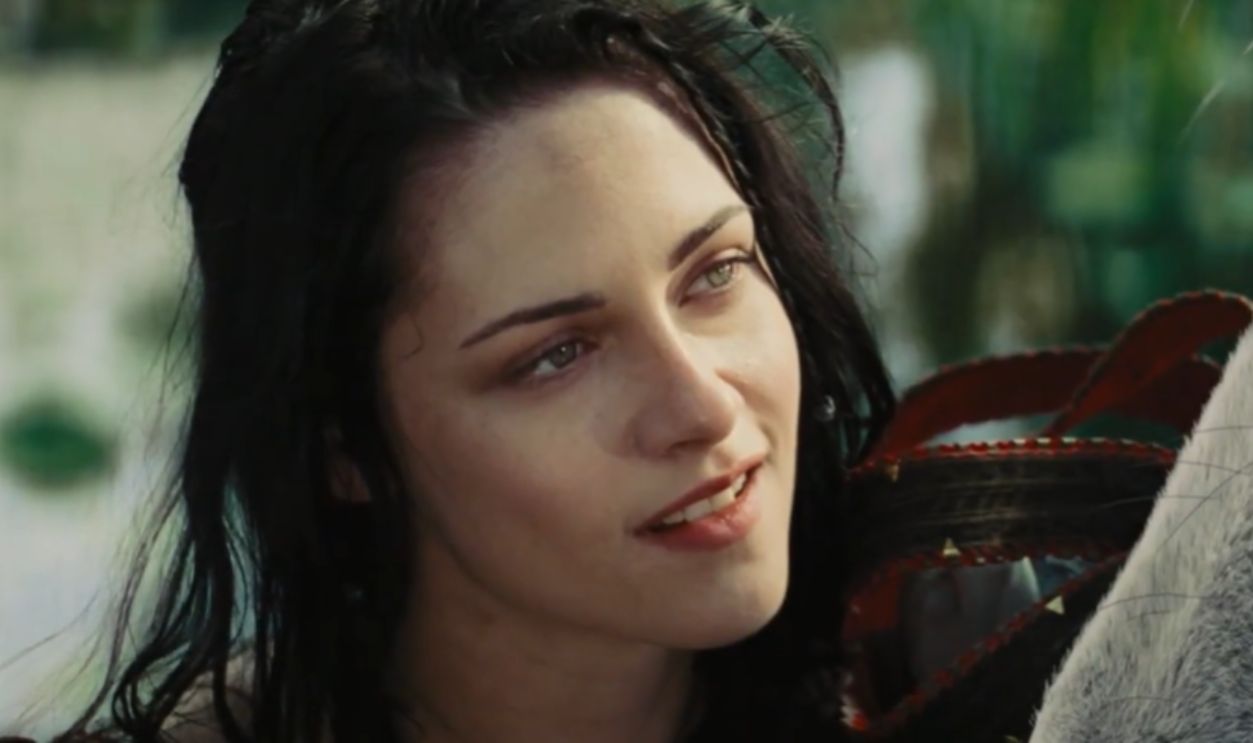 Screenshot from Snow White and the Huntsman, NBCUniversal (2012)
Burt Reynolds (Boogie Nights, 1997)
Reynolds didn’t understand the role at the time and was uncomfortable with the material. He fired his agent after seeing the film, even though it earned him an Oscar nomination. He later admitted he misjudged it, but during the process, he clearly felt out of place.
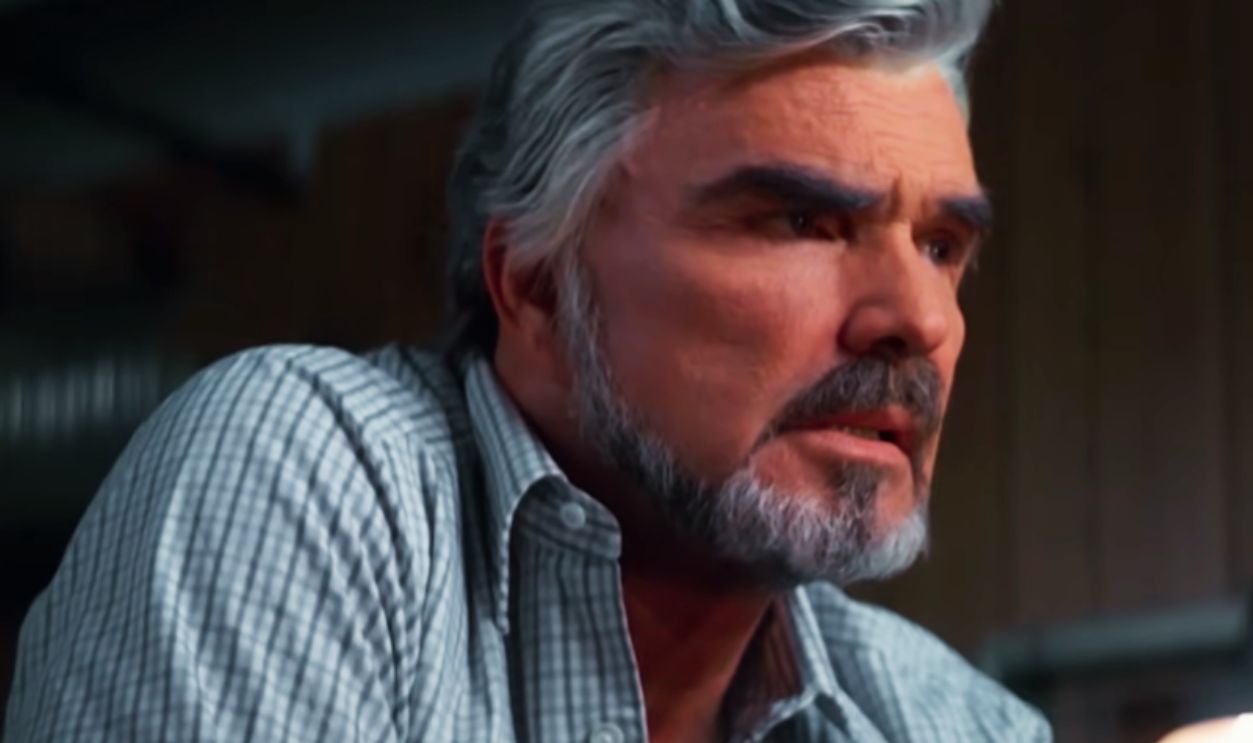 Screenshot from Boogie Nights, Warner Bros. Discovery (1997)
Shia LaBeouf (Indiana Jones and the Kingdom of the Crystal Skull, 2008)
LaBeouf said he felt like he “dropped the ball” on the role. Stepping into a legacy franchise comes with pressure, and he’s admitted he didn’t fully find his place in it. That kind of honesty makes it clear he knew it wasn’t the right fit.
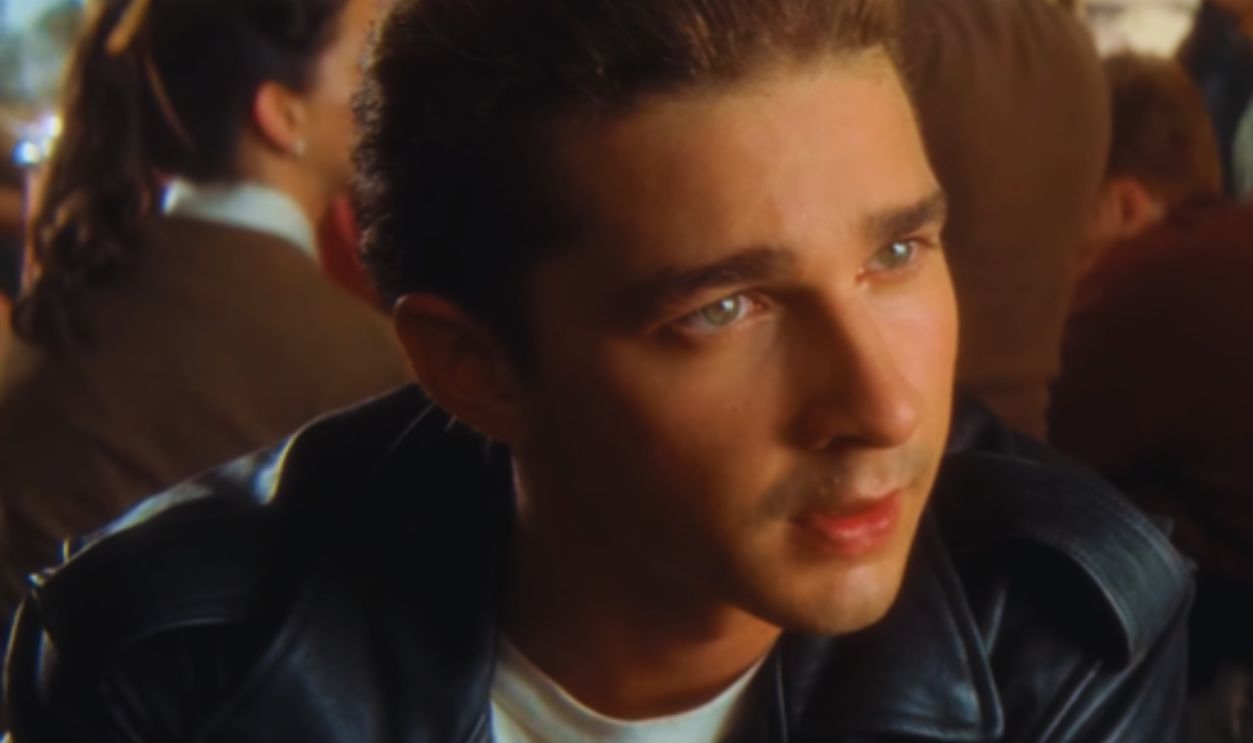 Screenshot from Indiana Jones and the Kingdom of the Crystal Skull, Paramount Global (2008)
Colin Farrell (Miami Vice, 2006)
Farrell has said he didn’t even fully understand the plot while filming, which is a tough starting point. The production was complicated, with script changes and a heavy stylistic approach. When the foundation isn’t clear, the performance usually reflects that.
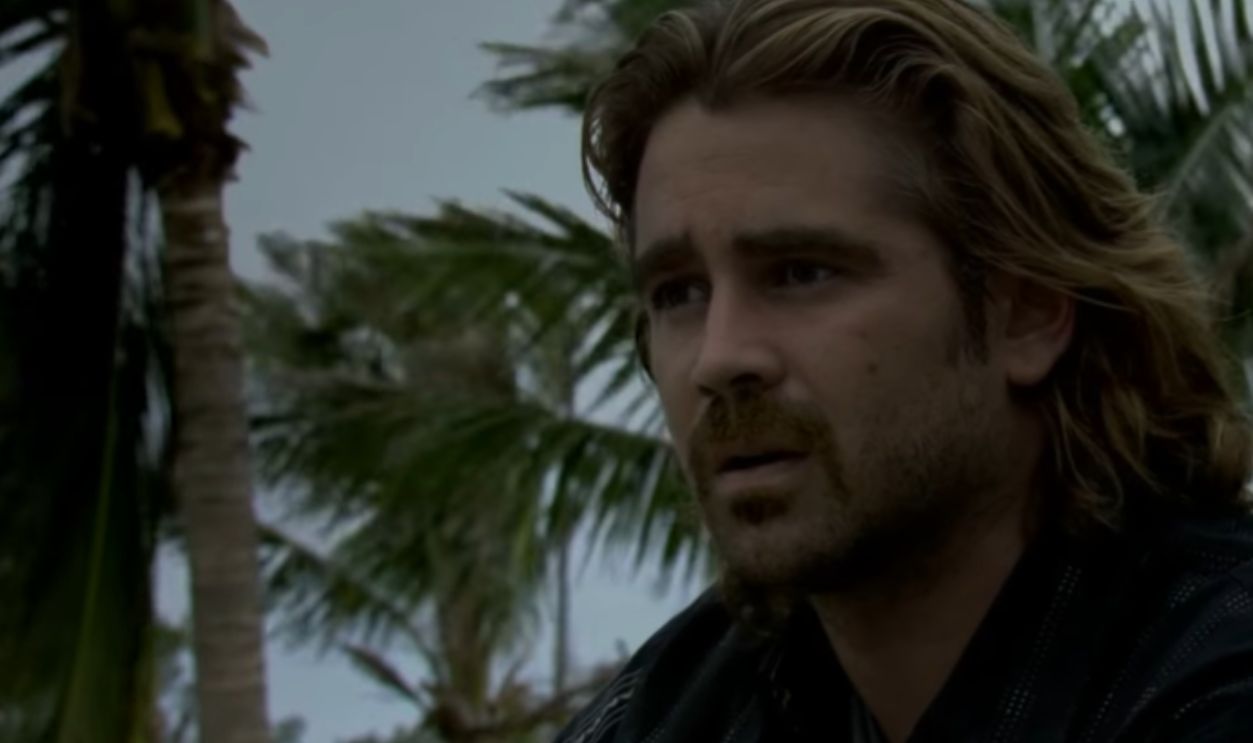 Screenshot from Miami Vice, NBCUniversal (2006)
January Jones (X-Men: First Class, 2011)
Jones has hinted that she didn’t fully connect with the character, and it shows in the performance. The role required a certain presence that never quite comes through. It’s one of those cases where the casting feels slightly off, and she hasn’t really argued otherwise.
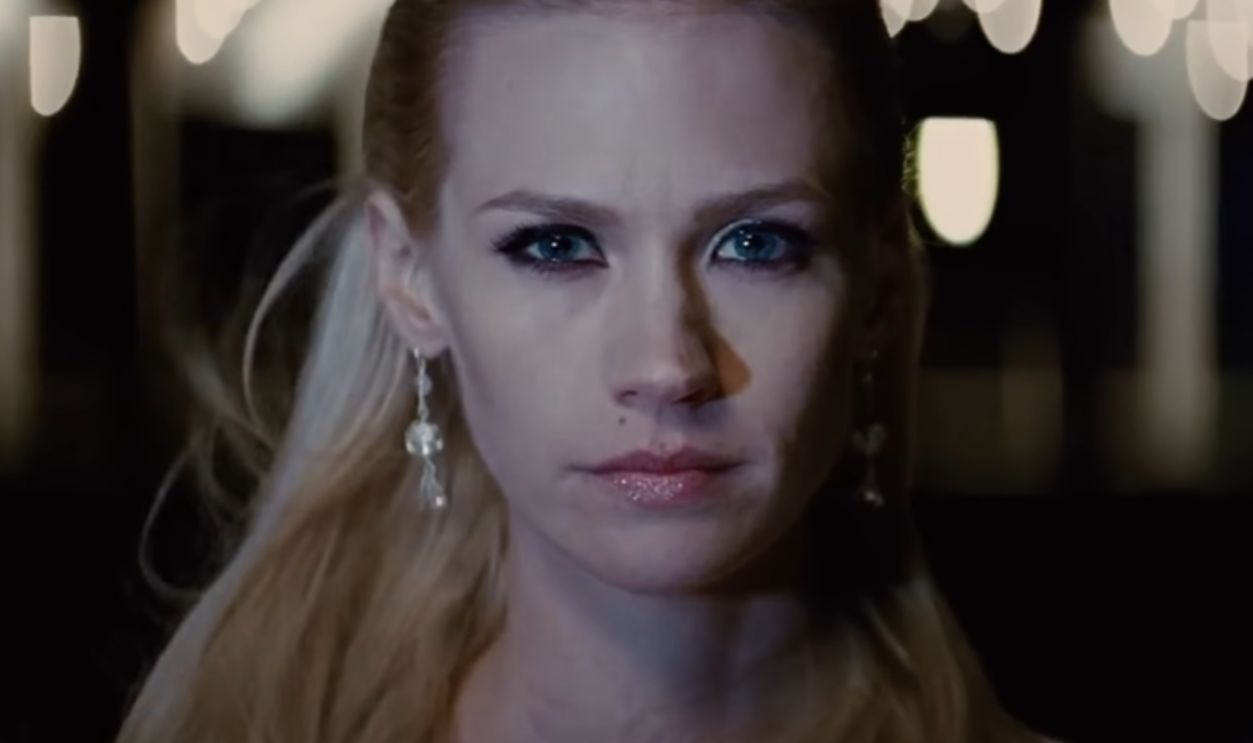 Screenshot from X-Men: First Class, The Walt Disney Company (2011)
You Might Also Like:
Actors Who Took Props From Set