
Hollywood's Wild Child Had A Dark Secret
Tuesday Weld became one of Hollywood's most notorious young stars, but behind her rebellious reputation was a childhood she later blamed on her own mother. Forced to support her family while barely old enough for school, Weld experienced a devastating emotional crisis before her teenage years were over, and her mother's response would leave lasting scars.
 Silver Screen Collection / Getty Images
She Was Born Into A Complicated Family
Tuesday Weld was born Susan Ker Weld on August 27, 1943, in New York City. Her father, Lathrop Motley Weld, came from a wealthy and socially prominent New England family, while her mother, Yosene Ker Weld, had a far less privileged background. Despite her father's distinguished connections, Tuesday's childhood would be marked by financial difficulties and family tensions.
 CBS-Photographer-Gabor Rona, Wikimedia Commons
Her Father Left Her With Nothing
When Tuesday was just three years old, her father died, leaving her mother responsible for raising three children. The family's financial situation deteriorated dramatically, forcing them to live in modest accommodations in New York. Although Tuesday was too young to understand the full consequences, her father's death would soon change virtually every aspect of her life.

Her Wealthy Relatives Made A Cruel Offer
According to Tuesday's later account, her father's wealthy relatives offered to provide financial support and education for the children under one extraordinary condition. Her mother would have to give up contact with them, effectively surrendering her role in their lives. Yosene refused the arrangement, a decision Tuesday would later acknowledge as an act of maternal loyalty despite their increasingly troubled relationship.
 Michael Ochs Archives, Getty Images
Her Mother Found An Unusual Solution
Rather than accepting help from her husband's family, Yosene began looking for ways to support the household herself. When a family acquaintance suggested that young Susan might become a successful child model, her mother pursued the opportunity. The little girl's appearance soon attracted commercial interest, placing her on a professional path she had never chosen.

She Became The Family Breadwinner
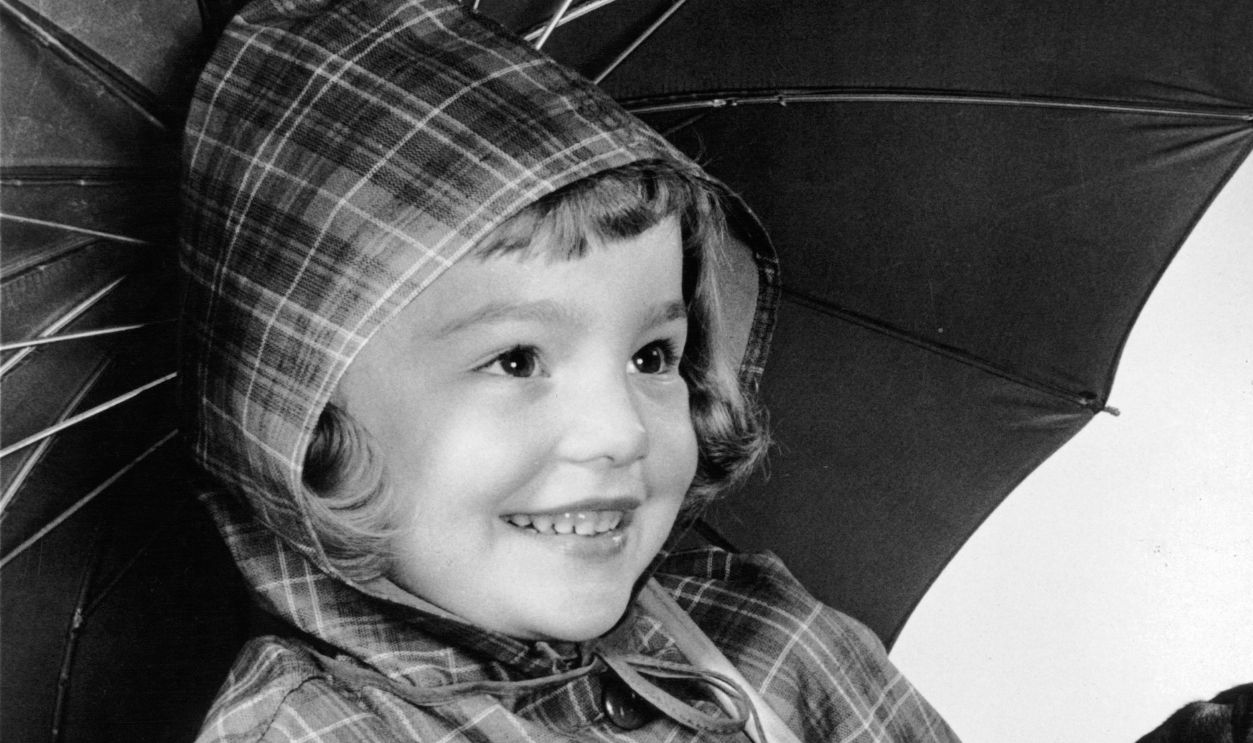
By the age of four, Tuesday was working regularly as a model, helping support her mother and two older siblings. Her assignments included commercial photographs and advertisements, making her one of New York's busy child performers. While other children spent their early years playing and attending school, Tuesday was already carrying responsibilities normally reserved for adults.
Her Mother Expected Far Too Much
In later interviews, Tuesday described feeling that she had been forced to replace her father as the family's principal provider. She believed her mother expected her to compensate for the disappointments and financial difficulties that had shaped Yosene's life. The pressure created a painful relationship in which Tuesday struggled to separate her own identity from her mother's ambitions.
She Never Felt Like A Normal Child
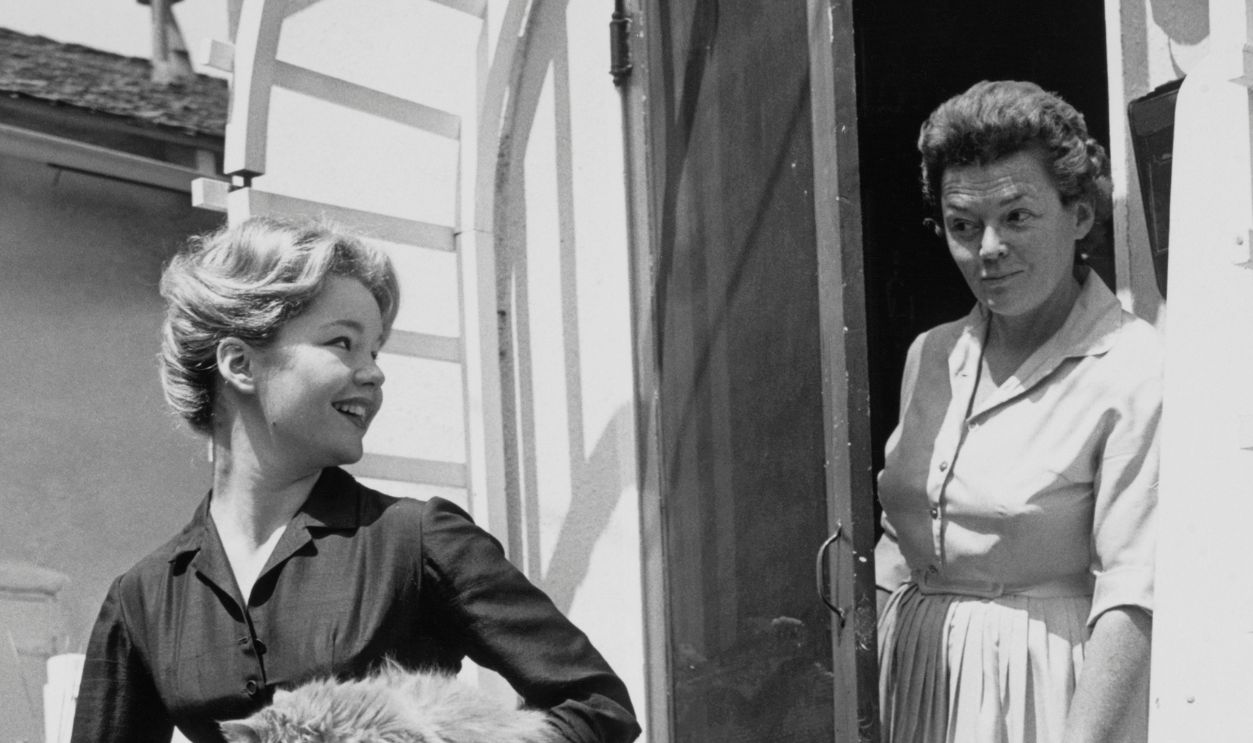
Tuesday's demanding work schedule made ordinary childhood friendships difficult to maintain. She later recalled feeling isolated from other children, who sometimes resented her fashionable clothing and professional success. Despite earning money and attracting adult admiration, she desperately wanted the simple acceptance that seemed to come naturally to her classmates.
 Silver Screen Collection, Getty Images
She Suffered A Breakdown At Nine
The pressure eventually became overwhelming, and Tuesday later revealed that she experienced a nervous breakdown at just nine years old. She remembered her mother being disappointed by the interruption to her career rather than recognizing how much she was struggling. The episode offered an early warning that Tuesday's professional success was coming at an enormous emotional cost.
 REPORTERS ASSOCIES, Getty Images
Her Mother Sent Her Away From Hollywood Dreams
During this period, the family spent time in Florida, temporarily removing Tuesday from her demanding professional routine in New York. She attended school more regularly, but the underlying difficulties in her relationship with her mother remained unresolved. When the family returned north, Tuesday resumed pursuing professional opportunities, eventually turning her attention from modeling toward acting.
 Silver Screen Collection, Getty Images
She Started Rebellling Before Her Teens
As she grew older, Tuesday began resisting the expectations imposed on her by her family and professional responsibilities. She later recalled skipping school and spending time in Greenwich Village, where she began drinking at an alarmingly young age. Her behavior was troubling, but she would eventually describe it as part of a childhood in which she had never felt truly protected.
 Silver Screen Collection, Getty Images
Her Private Crisis Became Life-Threatening
In a revealing 1971 interview, Tuesday disclosed that she had attempted to take her own life at just 12 years old. She explained that an intensely painful personal disappointment had overwhelmed her, leading to an incident that left her in a coma. The experience was particularly devastating because it followed years of emotional pressure that she already believed had robbed her of a normal childhood.
 Silver Screen Collection, Getty Images
Her Mother's Reaction Hurt Even More
After recovering, Tuesday reportedly wanted professional help to understand her emotional difficulties. According to her own account, Yosene did not believe such treatment was necessary and refused to arrange it. For Tuesday, the decision reinforced her feeling that her mother's priorities were fundamentally different from her own needs.
 Silver Screen Collection, Getty Images
Hollywood Offered Her An Escape
By 1956, Tuesday had begun appearing in films, including the musical Rock, Rock, Rock!. She also received a small part in Alfred Hitchcock's The Wrong Man, introducing her to a much larger entertainment industry. Her professional opportunities eventually brought her to California, where her striking appearance attracted attention from major studios.
 Silver Screen Collection, Getty Images
The Studio Saw A New Marilyn Monroe
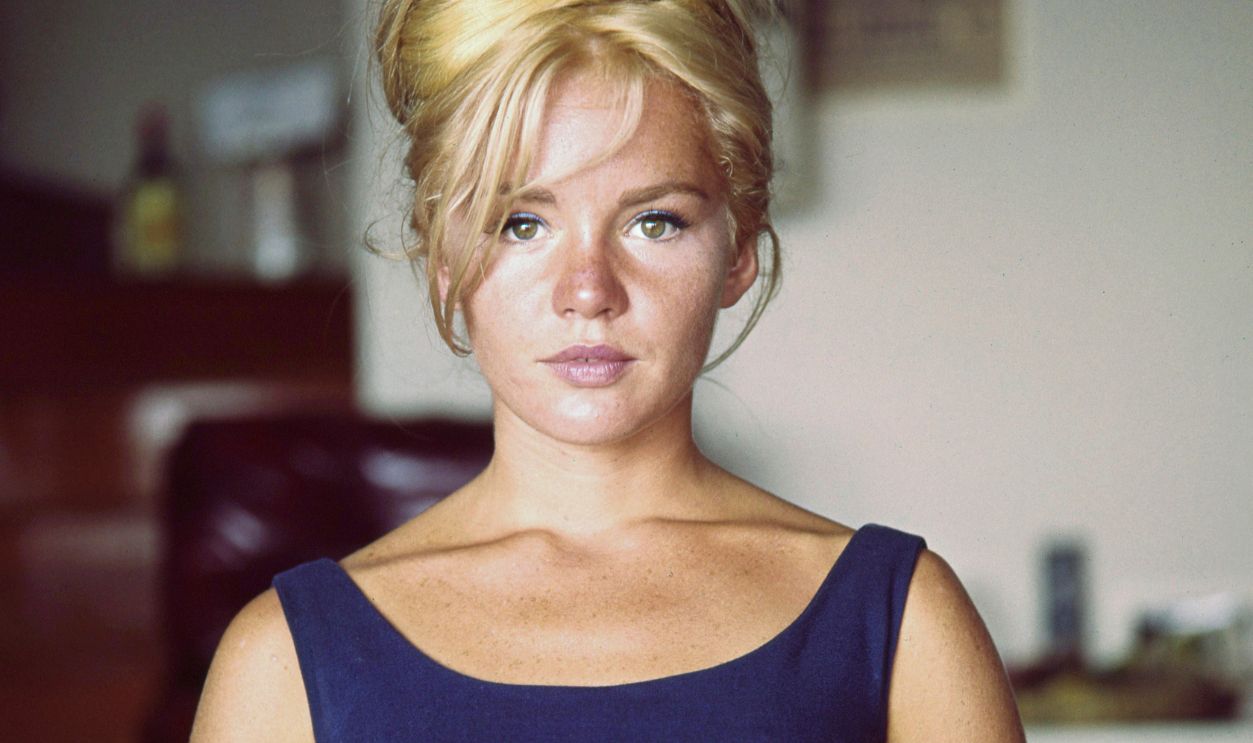
After signing with 20th Century Fox, Tuesday began receiving publicity that emphasized her beauty and unusual maturity. The studio promoted her as a possible successor to Marilyn Monroe, despite the fact that she was still a teenager. Her public image increasingly centered on provocative behavior and an appearance carefully designed to make her seem older than she was.
 Silver Screen Collection, Getty Images
Her Mother Helped Create The Scandal
According to later reporting, Yosene actively encouraged the publicity surrounding her daughter's mature image. She reportedly made remarks about Tuesday's appearance that reinforced the attention generated by studio publicists. Rather than protecting her daughter from an industry's increasingly intrusive interest, her mother appeared willing to use that attention to advance her career.
She Became A Teenage Television Sensation
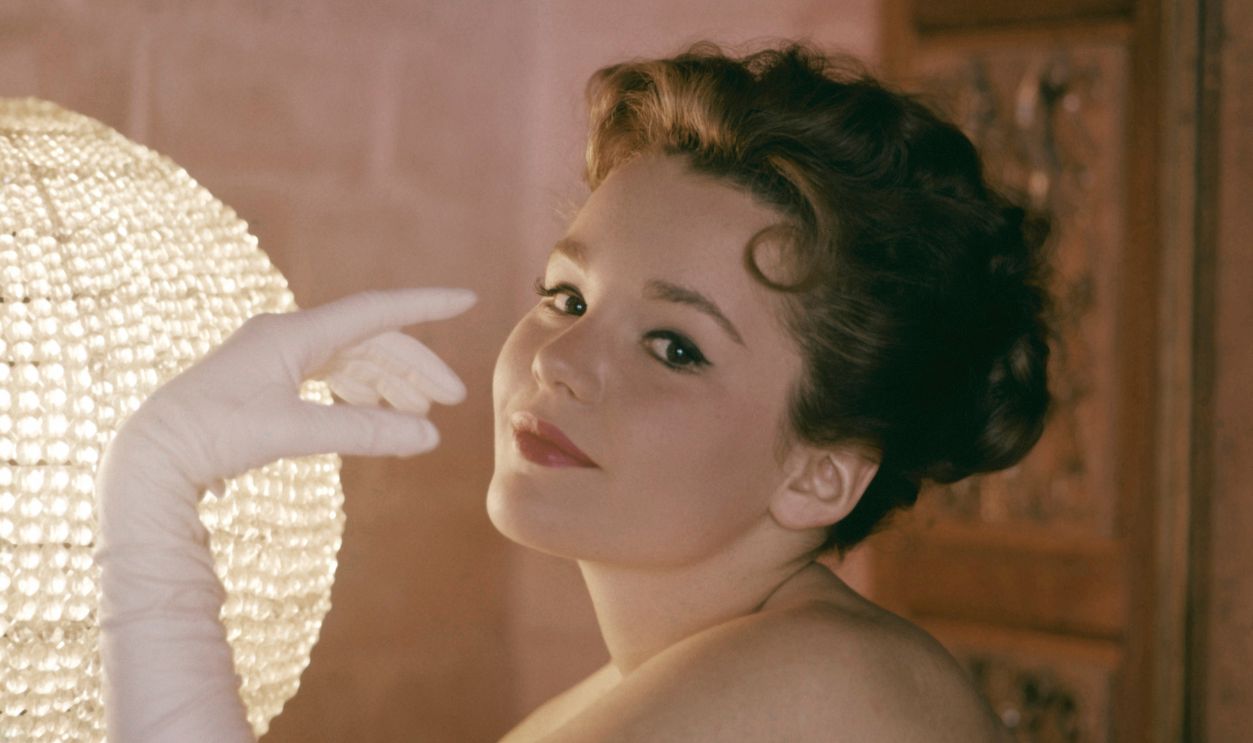
In 1959, Tuesday joined the popular sitcom The Many Loves of Dobie Gillis as Thalia Menninger. Her character was charming, ambitious, and far more calculating than the typical television sweetheart of the period. The role made Tuesday a recognizable young star, but her growing fame also intensified the controversy surrounding her personal life.
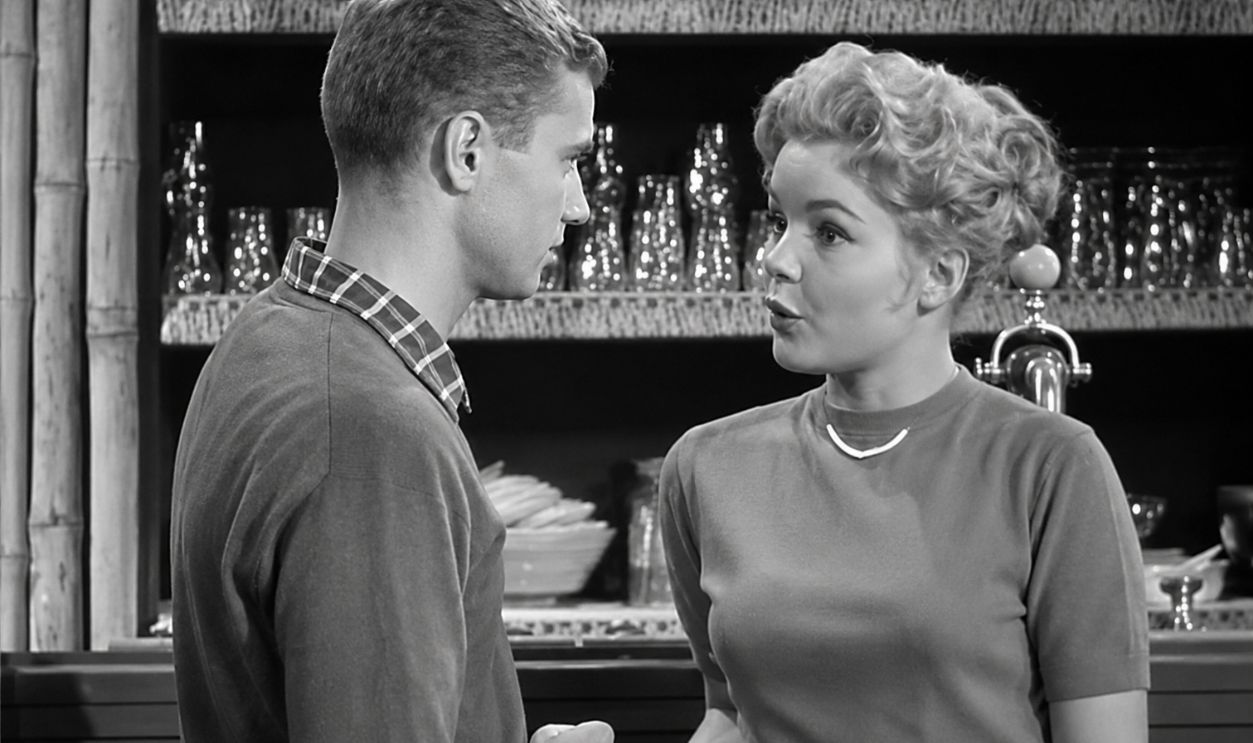 Screenshot from The Many Loves of Dobie Gillis, CBS (1959-1963)
Her Reputation Became Too Hot For Television
Tuesday's unconventional behavior soon attracted the attention of Hollywood gossip columnists. Veteran columnist Louella Parsons publicly criticized her, while TIME later reported that a sponsor considered her unsuitable for a family television program. What audiences saw as rebellious glamour was becoming a serious professional problem for a performer who was still only in her teens.
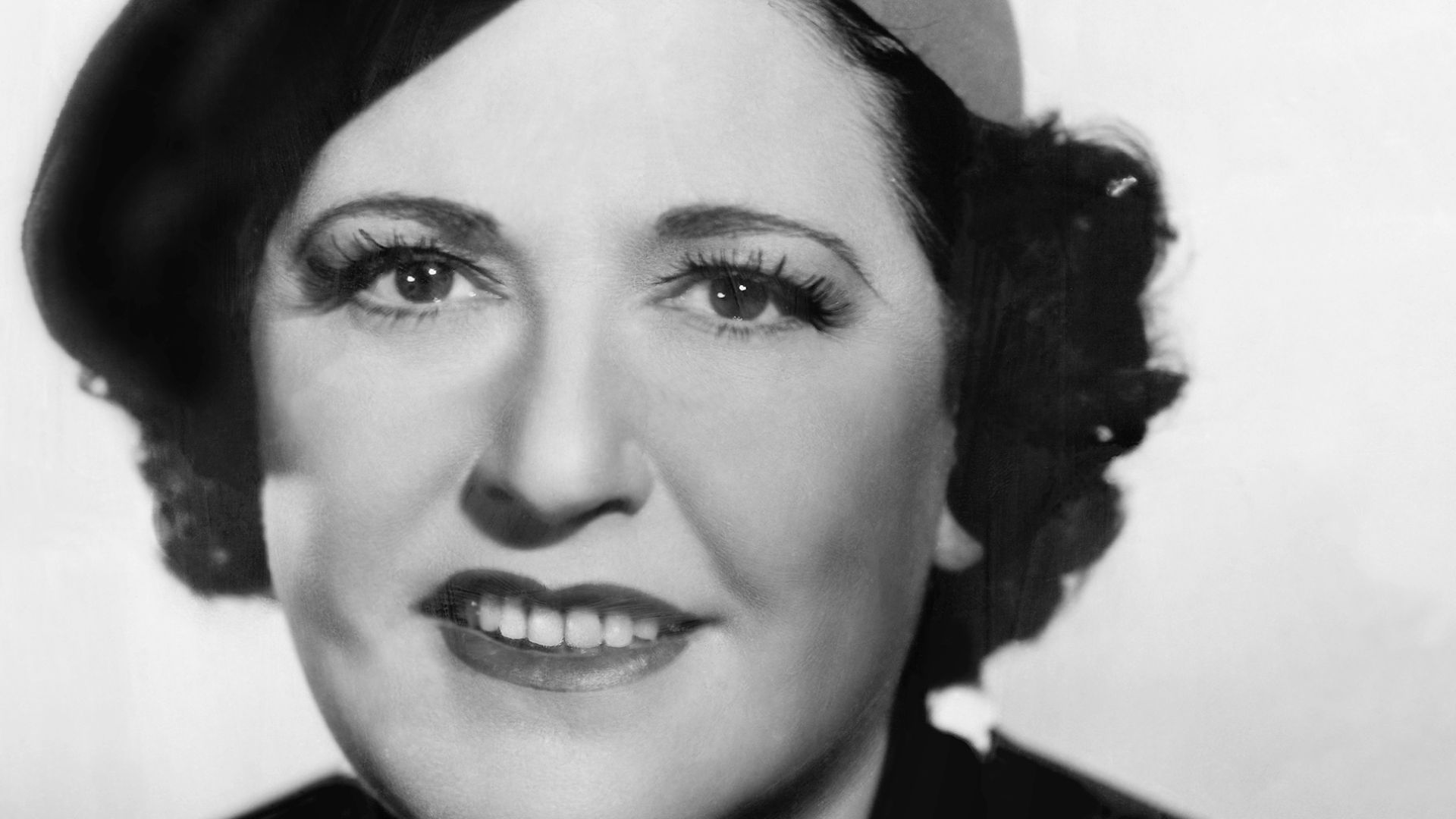
She Refused To Behave Like A Starlet
Tuesday increasingly rejected the carefully managed behavior expected of young Hollywood actresses. She appeared at public events in unconventional clothing, challenged interviewers, and refused to hide her independent personality. Although the resulting publicity could be damaging, it also distinguished her from the more polished young stars competing for similar roles.
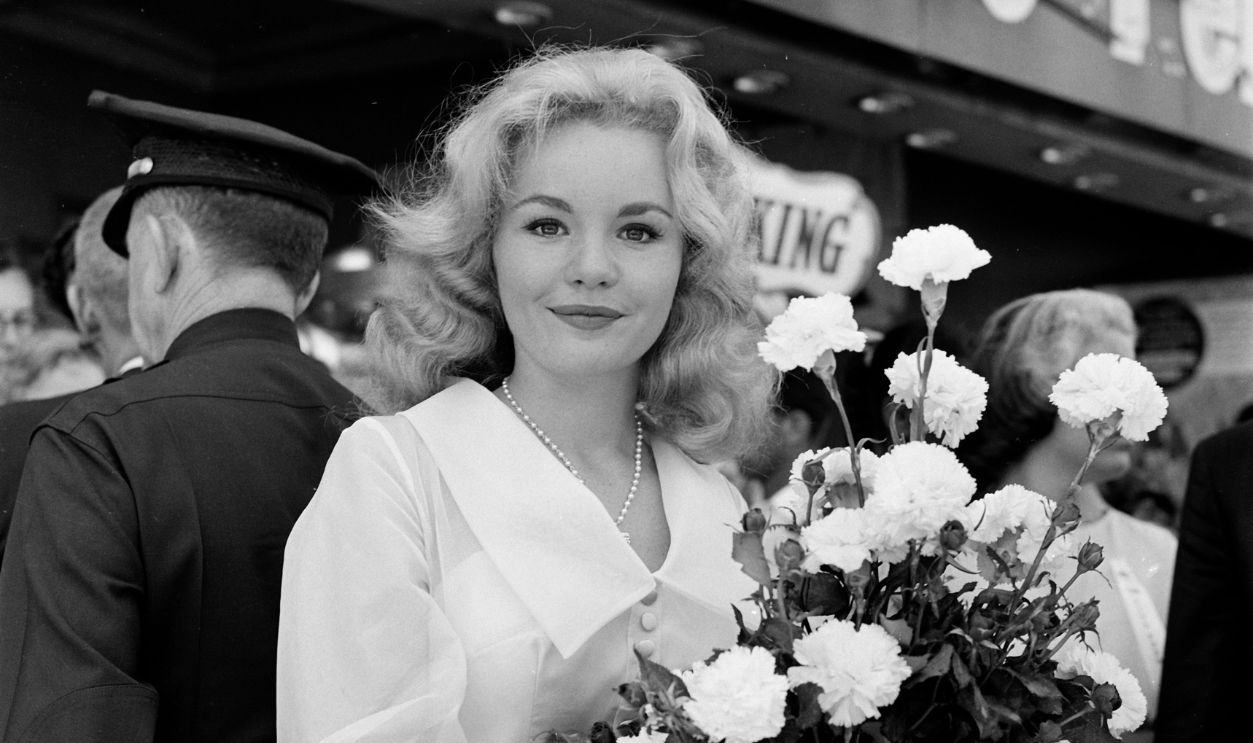 Michael Ochs Archives, Getty Images
She Finally Escaped Her Mother's House
At 16, Tuesday moved out of her mother's home, an extraordinary decision for someone still legally considered a minor. The move gave her greater personal independence, although she remained subject to California's education and employment requirements for young performers. After spending much of her childhood supporting her family, she was determined to begin making decisions for herself.

She Became Hollywood's Favorite Bad Girl
During the early 1960s, Tuesday appeared in a succession of films that reinforced her rebellious public image. These included Return to Peyton Place and Wild in the Country, the latter featuring Elvis Presley. Her screen characters were often unusually independent young women, making it increasingly difficult for critics to separate Tuesday from the personalities she portrayed.
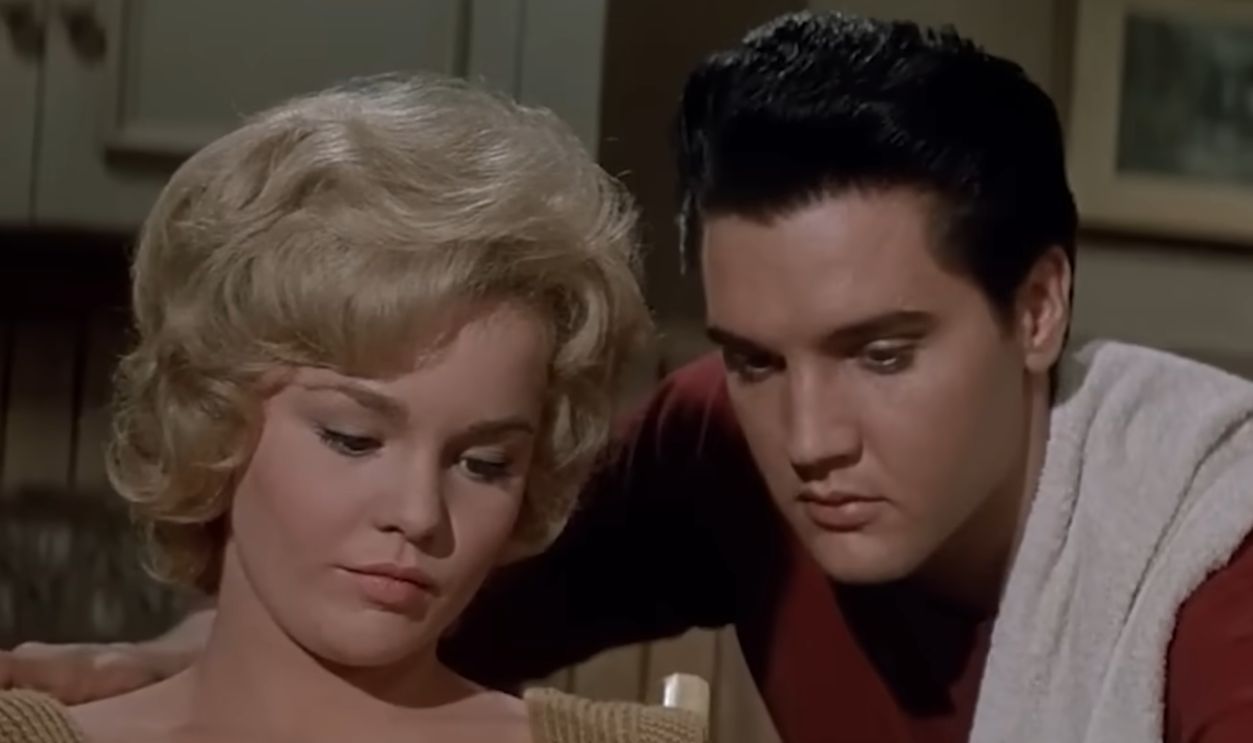 Screenshot from Wild in the Country, 20th Century Fox (1961)
She Turned Down Some Enormous Opportunities
Unlike many young actresses, Tuesday seemed remarkably uninterested in pursuing conventional Hollywood superstardom. She declined opportunities associated with major productions including Lolita, Bonnie and Clyde, and Rosemary's Baby. She later suggested that the prospect of enormous commercial success actually made certain projects less appealing to her.
 Michael Ochs Archives, Getty Images
She Had A Surprising Explanation
In a 1971 interview, Tuesday explained that she had rejected Bonnie and Clyde partly because she was caring for her young daughter. She also admitted that she had sensed the movie would become an enormous hit, something she found strangely unattractive. Her willingness to reject major opportunities strengthened her reputation as one of Hollywood's most unpredictable performers.

She Finally Proved Her Critics Wrong
In 1968, Tuesday starred opposite Anthony Perkins in Pretty Poison, portraying a seemingly innocent young woman whose behavior becomes increasingly dangerous. Her performance demonstrated a remarkable ability to combine charm with disturbing emotional complexity. Although the film initially received limited commercial attention, it later became one of the works most closely associated with her acting talent.
 Screenshot from Pretty Poison, 20th Century Fox (1968)
Her Darkest Role Felt Uncomfortably Familiar
Tuesday earned further critical attention for Play It as It Lays, an adaptation of Joan Didion's novel. She portrayed Maria Wyeth, an actress struggling with emotional isolation and an increasingly unstable life in California. Director Frank Perry believed Tuesday possessed an unusual understanding of the character, making her his preferred choice for the demanding role.
 Screenshot from Play It as It Lays, Universal Pictures (1972)
Hollywood Finally Recognized Her Talent
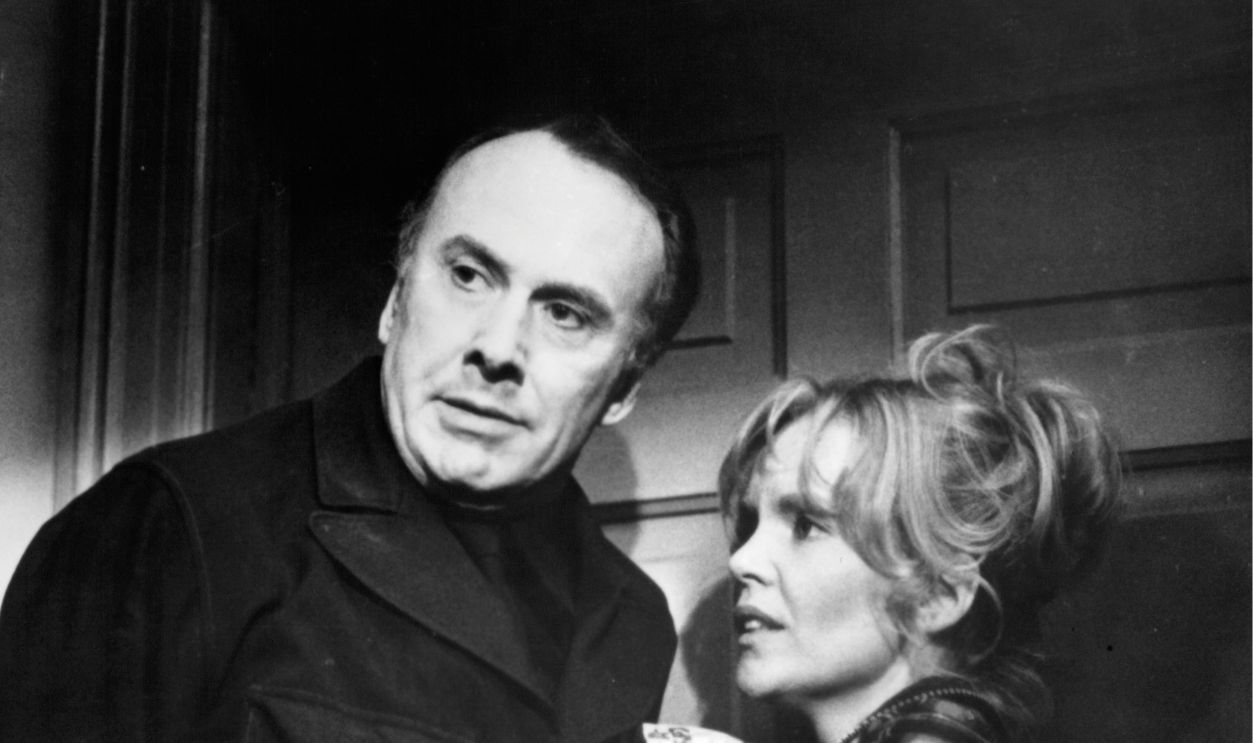
By the 1970s, critics were increasingly reassessing Tuesday's career and acknowledging the depth of her performances. In 1977, she appeared alongside Diane Keaton in Looking for Mr. Goodbar, earning an Academy Award nomination for Best Supporting Actress. The recognition demonstrated that the actress once dismissed as an unruly teenager had developed into a genuinely accomplished dramatic performer.
 Michael Ochs Archives, Getty Images
Her Relationship With Her Mother Remained Bitter
Despite her professional achievements, Tuesday's relationship with Yosene remained deeply troubled. In later interviews, she accused her mother of depriving her of a childhood and placing an unfair burden on her shoulders. Their disagreements extended into public statements, turning a painful private relationship into another subject of Hollywood fascination.

She Said Something Truly Shocking About Her Mother
During an interview, Tuesday reportedly spoke about her mother as though she had already died, even though Yosene was still alive. The remark created considerable confusion and reportedly upset her mother, who learned that her daughter had publicly described her that way. Their estrangement had reached a point where even the most basic details of their relationship became part of an extraordinary public dispute.
 Silver Screen Collection, Getty Images
Her Mother Eventually Told Her Own Story
In 2003, Yosene's memoir If It's Tuesday...I Must Be Dead offered her perspective on the troubled relationship. The book challenged elements of her daughter's public account and described the difficulties Yosene believed she had endured as a parent. Rather than resolving their decades-old disagreements, its publication showed how differently the two women remembered the same family history.

The Truth Behind Her Rebellion Was Heartbreaking
Tuesday Weld's teenage scandals once made her appear reckless, difficult, and determined to shock Hollywood. Yet her own accounts revealed a young girl who had been placed under extraordinary pressure, denied the ordinary protections of childhood, and left struggling with emotional problems long before she became famous. Her mother may have believed she was doing what was necessary to keep the family together, but Tuesday's story revealed the painful cost of expecting a child to carry an adult's burdens.

You May Also Like:
Photos Of Old Hollywood Actresses Who Aged Beautifully
Handsome 1960s Leading Men Who Never Quite Became The Superstars Hollywood Expected
Movie Masterpieces That Show Why So Many Critics Think Film Peaked In The 50s