Hollywood’s Most Famous Sister Feud Began at Birth
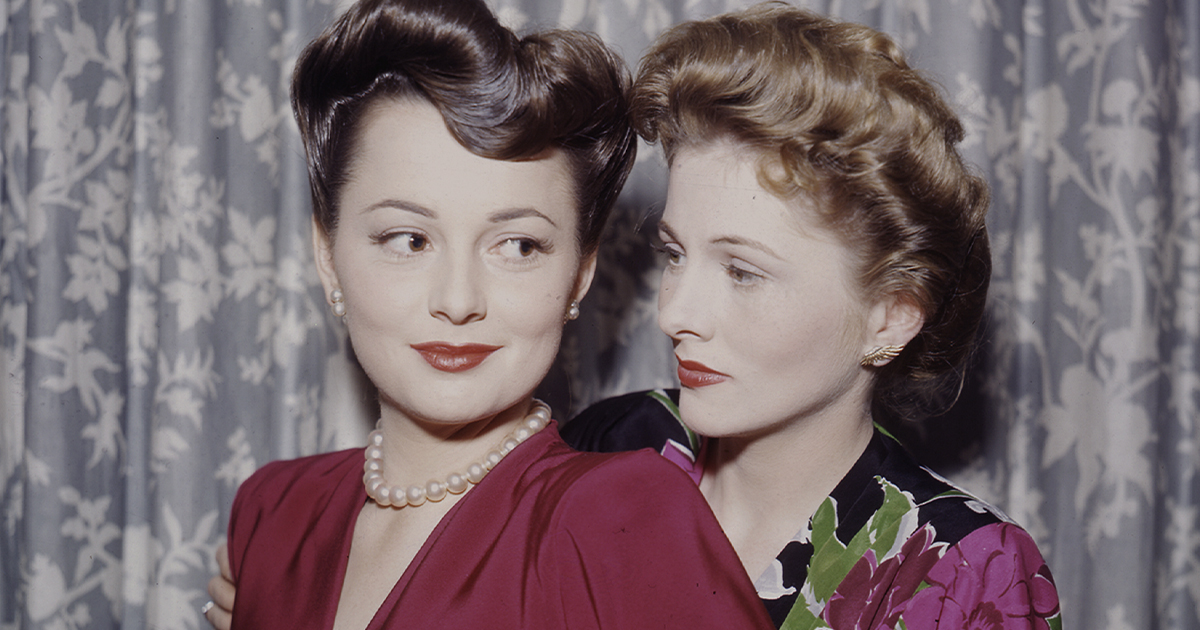
Long before tabloids tracked celebrity rivalries, Olivia de Havilland and Joan Fontaine were already at war. The sisters shared blood, beauty, and Oscars — but very little affection. Over the course of nearly 80 years, they traded insults, lawsuits, stolen boyfriends, and public humiliation.
And somehow, it all started in childhood.
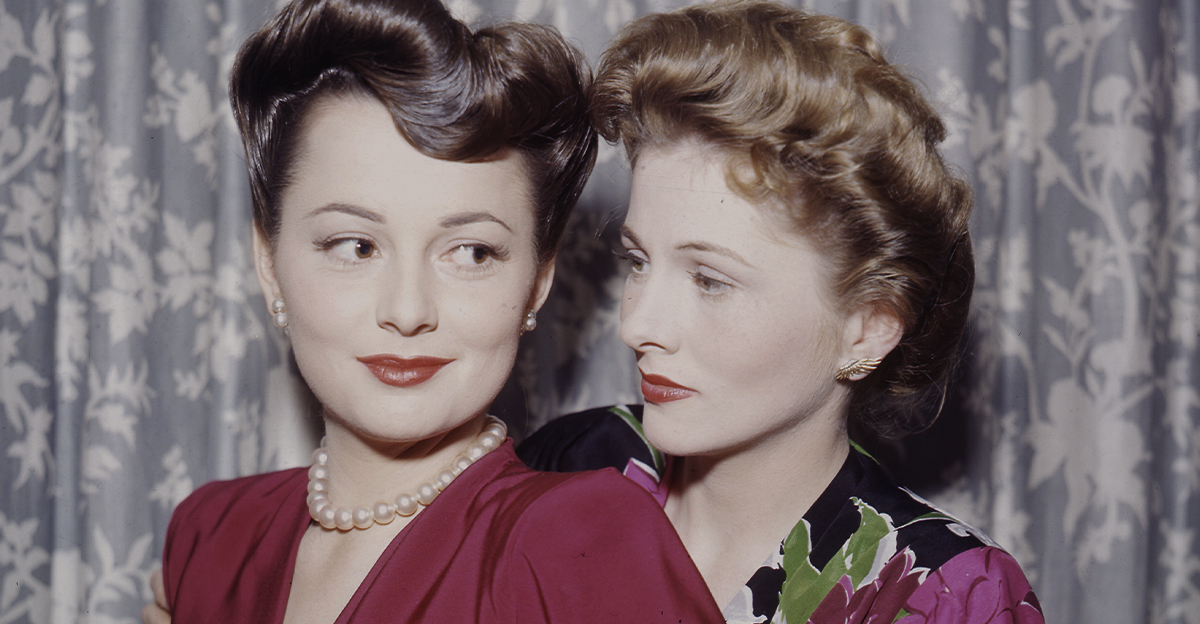 Silver Screen Collection / Contributor, Getty Images
Born Into a Complicated Family
Olivia de Havilland was born on July 1, 1916, in Tokyo, Japan. Her younger sister Joan Fontaine was born Joan de Beauvoir de Havilland on October 22, 1917, also in Tokyo. Their father, Walter de Havilland, was a British patent attorney. Their mother, Lilian Fontaine, was a stage actress. Sadly, their marriage collapsed early.
 Unknown authorUnknown author, Wikimedia Commons
Their Mother Chose Sides Early
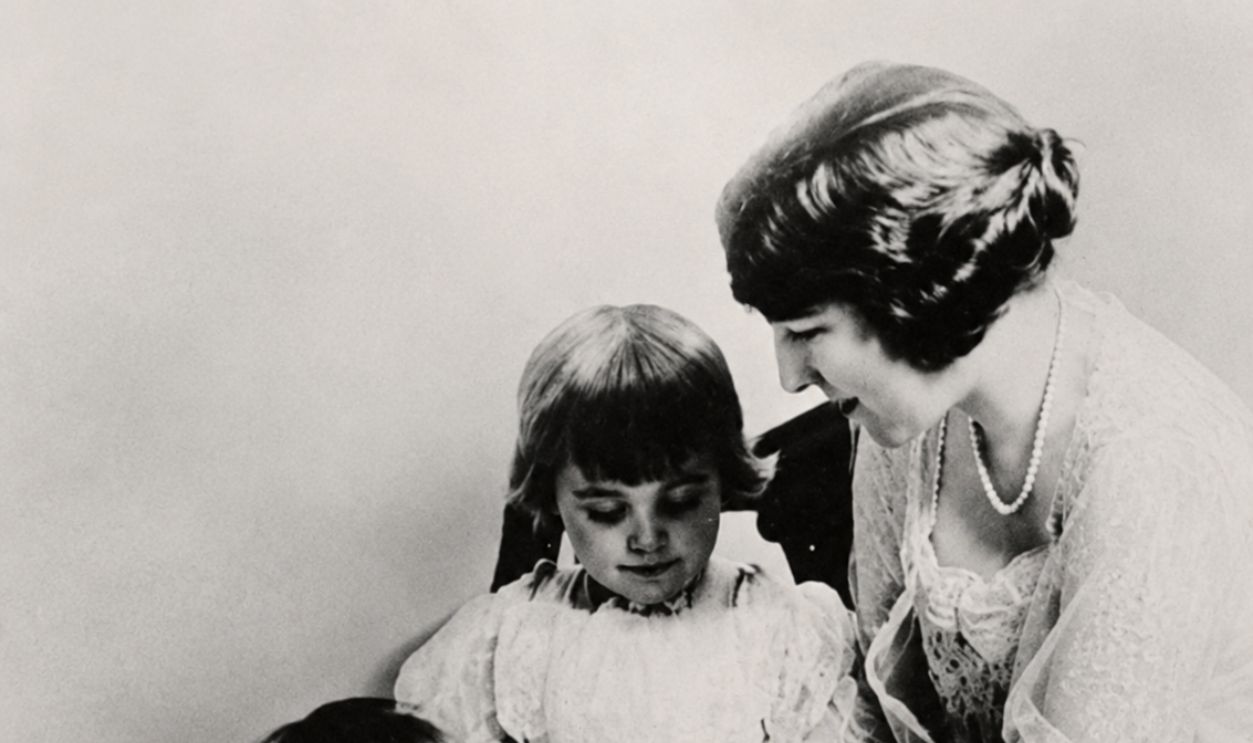
After discovering Walter had reportedly been unfaithful, Lilian moved the girls to Saratoga, California in 1919. According to Joan later in life, their mother openly favored Olivia from childhood onward. Joan claimed she often felt ignored and criticized. Resentment started young.
 Unknown author, Wikimedia Commons, Modified
“Dragon Lady”
Joan later described her mother as emotionally cold and controlling. In interviews and in her 1978 memoir No Bed of Roses, she claimed Lilian compared the sisters constantly. Olivia was praised. Joan was corrected.
The rivalry became personal before Hollywood ever entered the picture.
 Scotty Welbourne (1907-1979), Wikimedia Commons
A Name That Wasn’t Hers Anymore
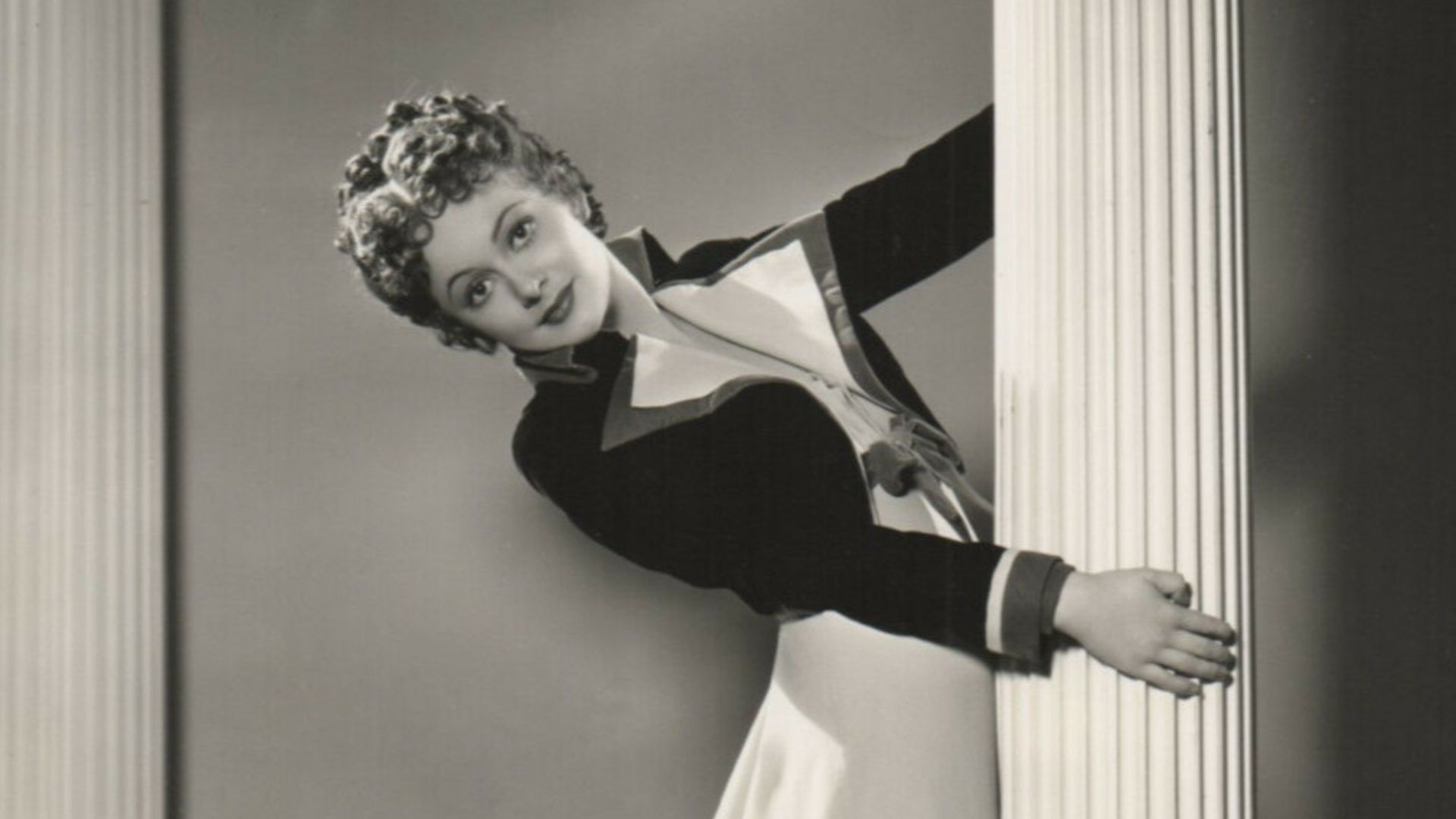
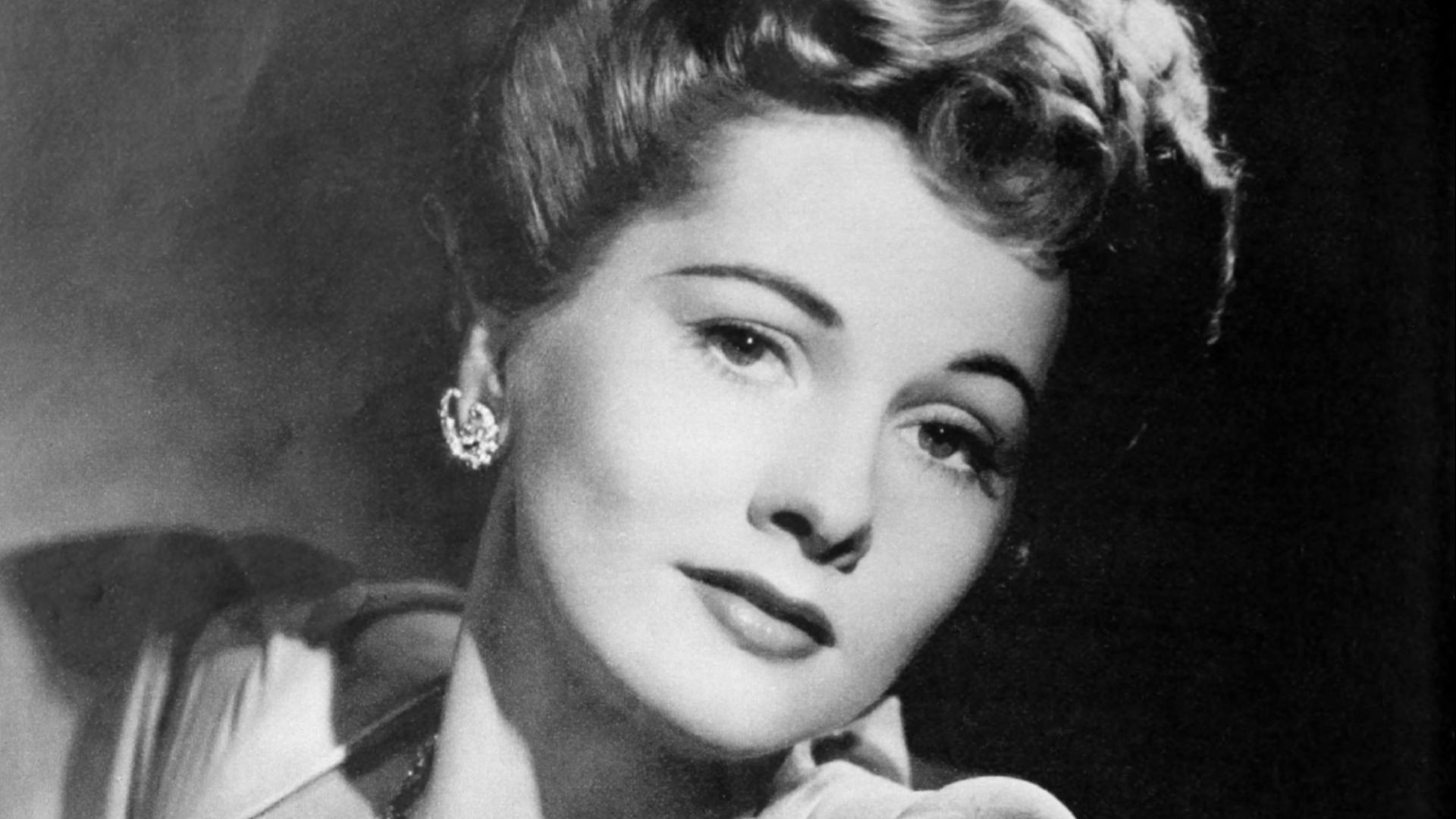
When Joan entered acting, Olivia reportedly objected to her using the family surname professionally. So, Joan changed her name to Joan Fontaine. It sounds small, but to Joan, it wasn’t.
 Macfadden Pulications page 2, Wikimedia Commons
Olivia Becomes a Star First
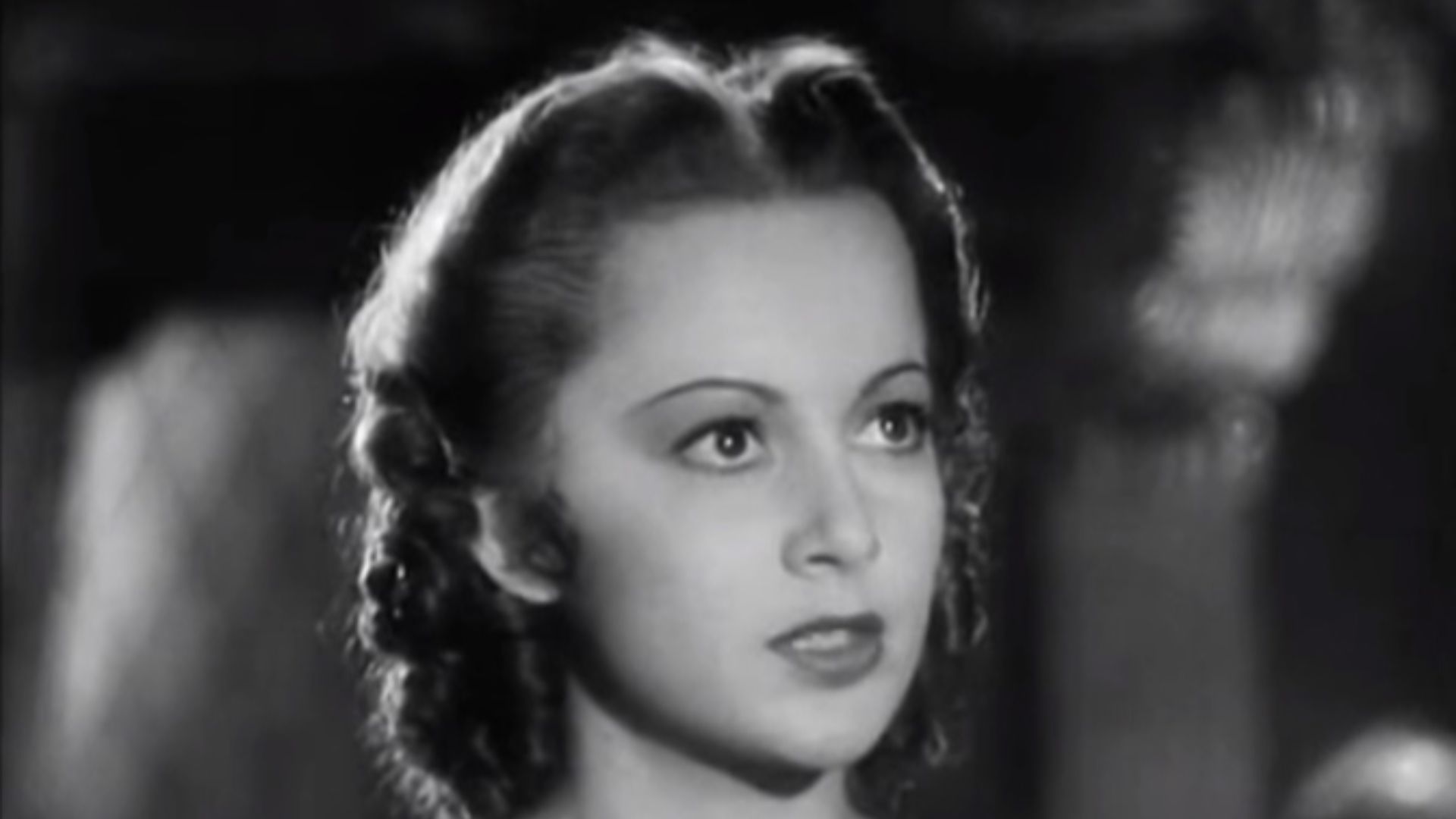
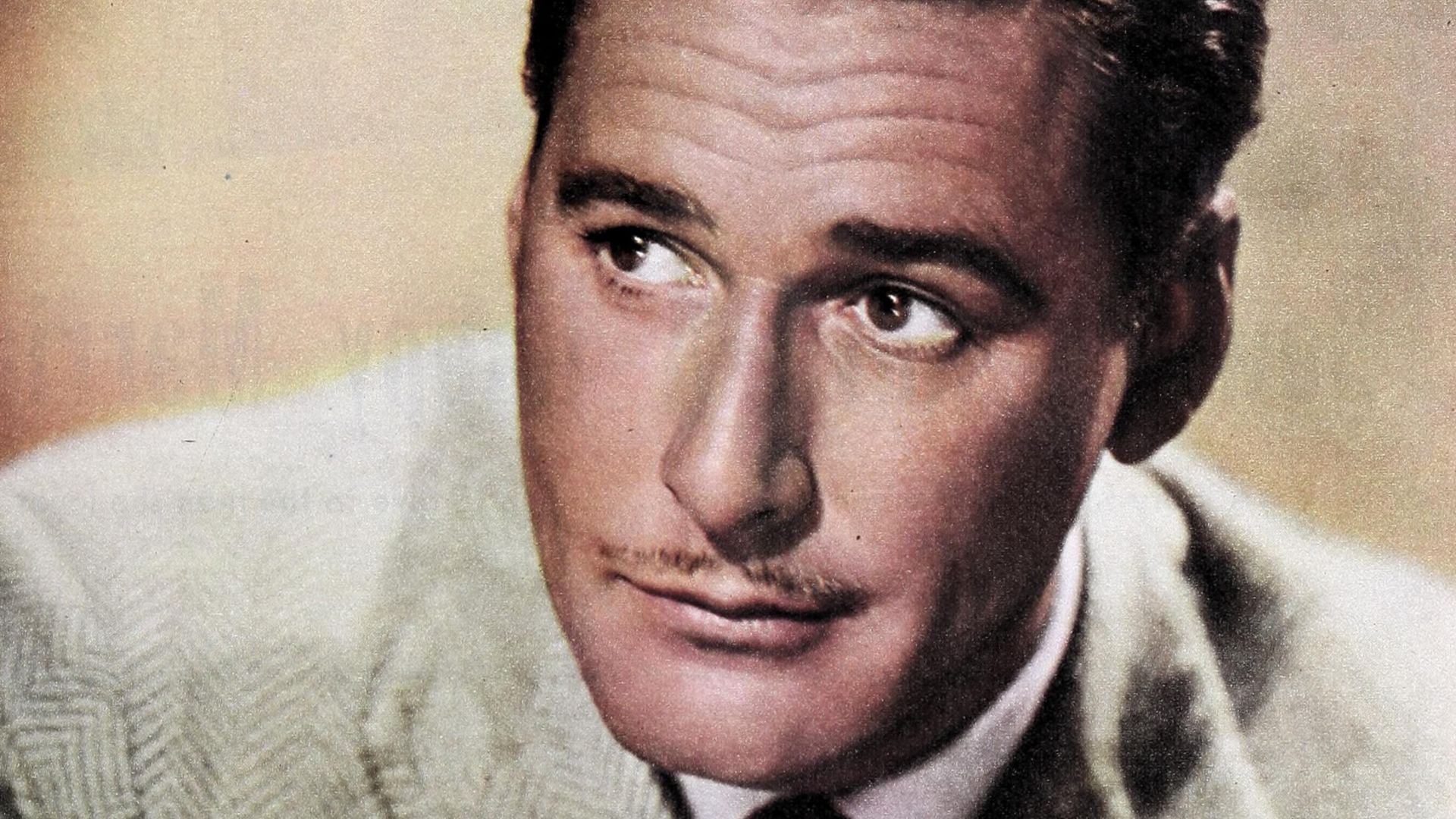
Olivia landed major success first with Captain Blood (1935) alongside Errol Flynn. Their chemistry made them one of Hollywood’s biggest on-screen pairings. Meanwhile, Joan struggled for years in smaller films and failed auditions. She watched her sister rise first.
 Warner Bros., Wikimedia Commons
The Errol Flynn Rumors
Hollywood gossip columns loved suggesting tension between Olivia and Flynn behind the scenes. Joan later hinted she had a crush on Flynn herself during the late 1930s. Whether serious or not, comparisons followed constantly.
The sisters competed professionally — and emotionally.
Joan Finally Breaks Through
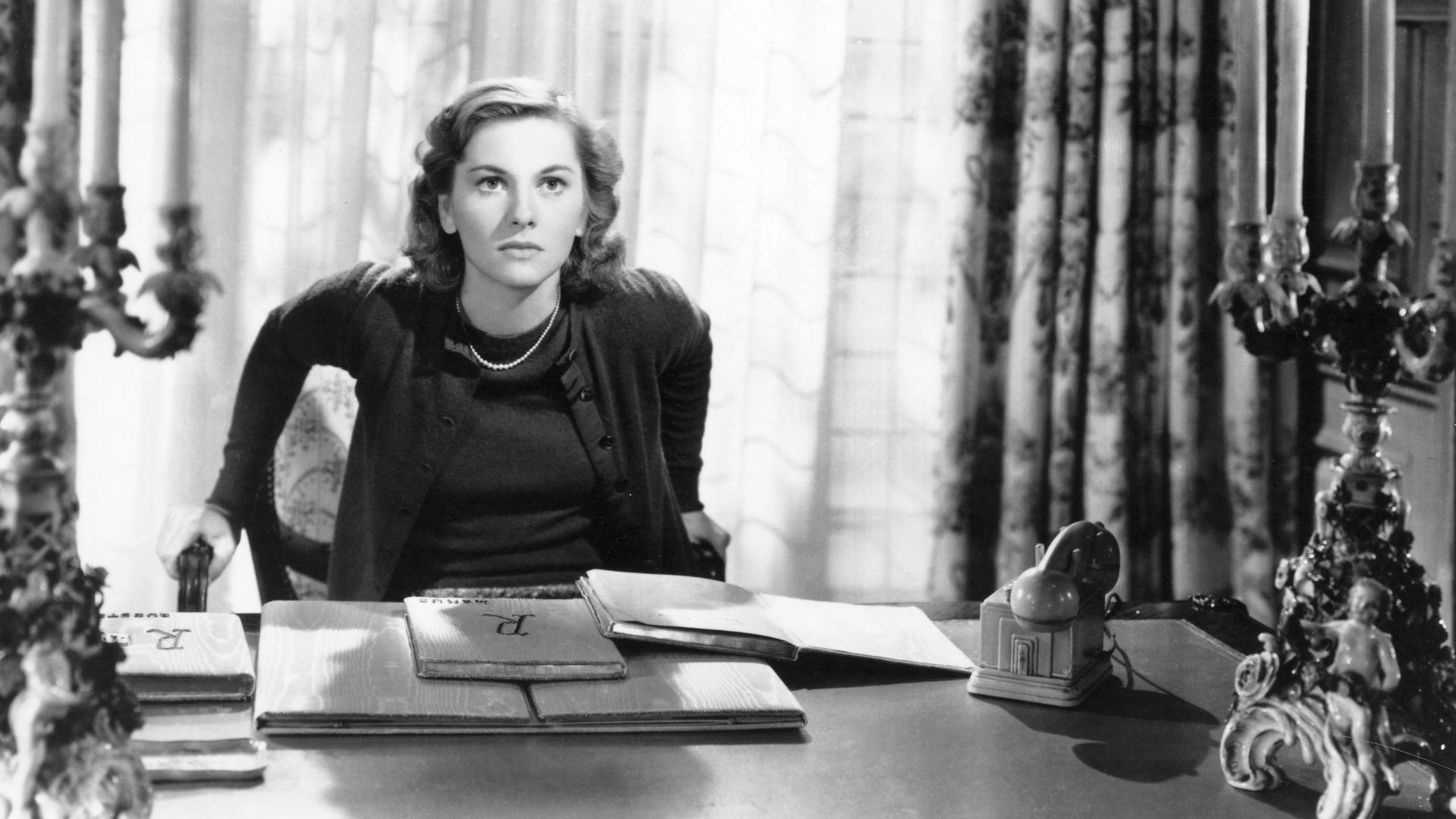
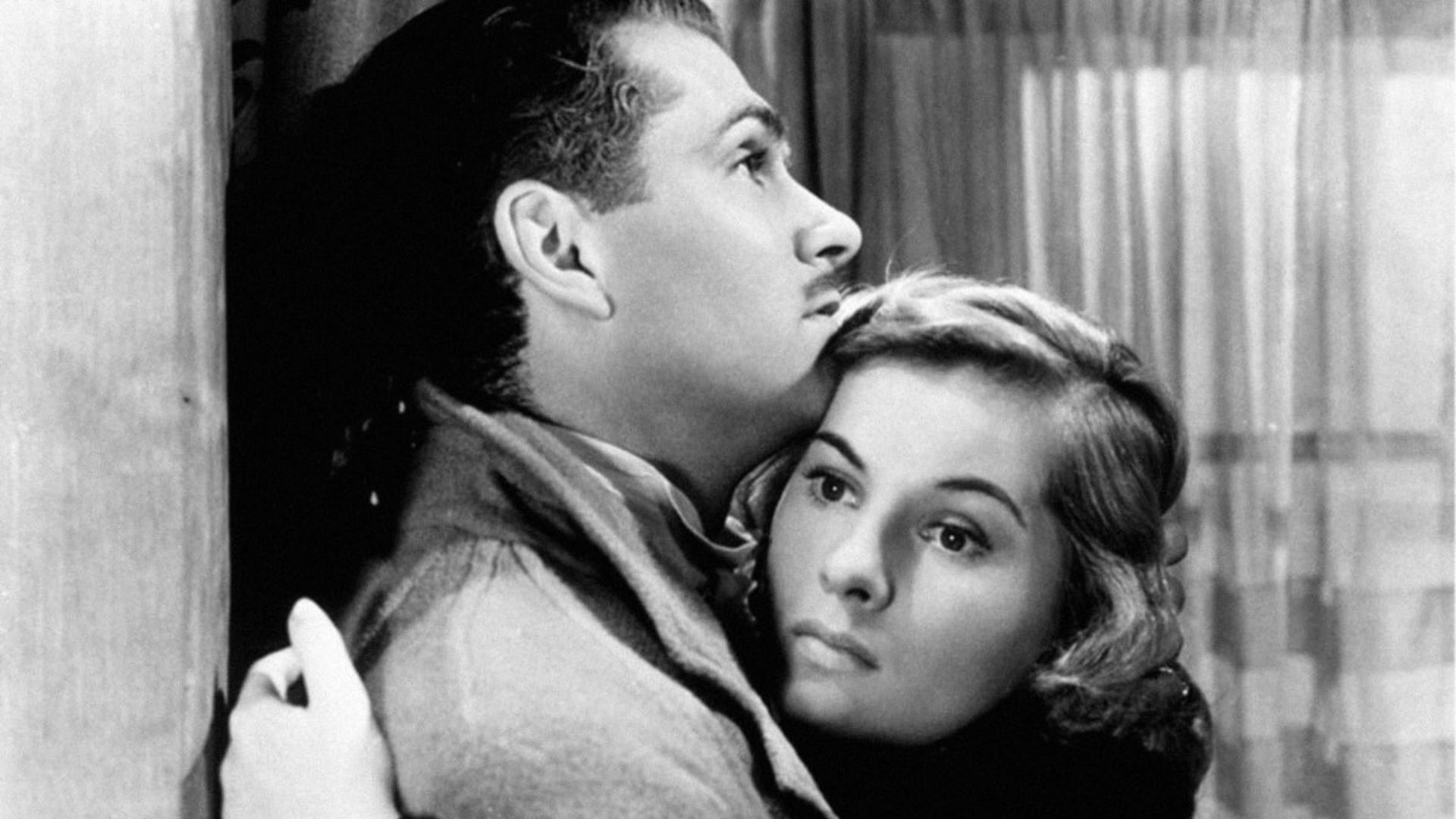
Everything changed in 1940 when Joan starred in Alfred Hitchcock’s Rebecca opposite Laurence Olivier. The film was a sensation. For the first time, Joan wasn’t “Olivia’s sister.” She was a star in her own right.
 Macfadden Publications, Inc.; Selznick International Pictures, United Artists, Wikimedia Commons
Oscar Night Disaster
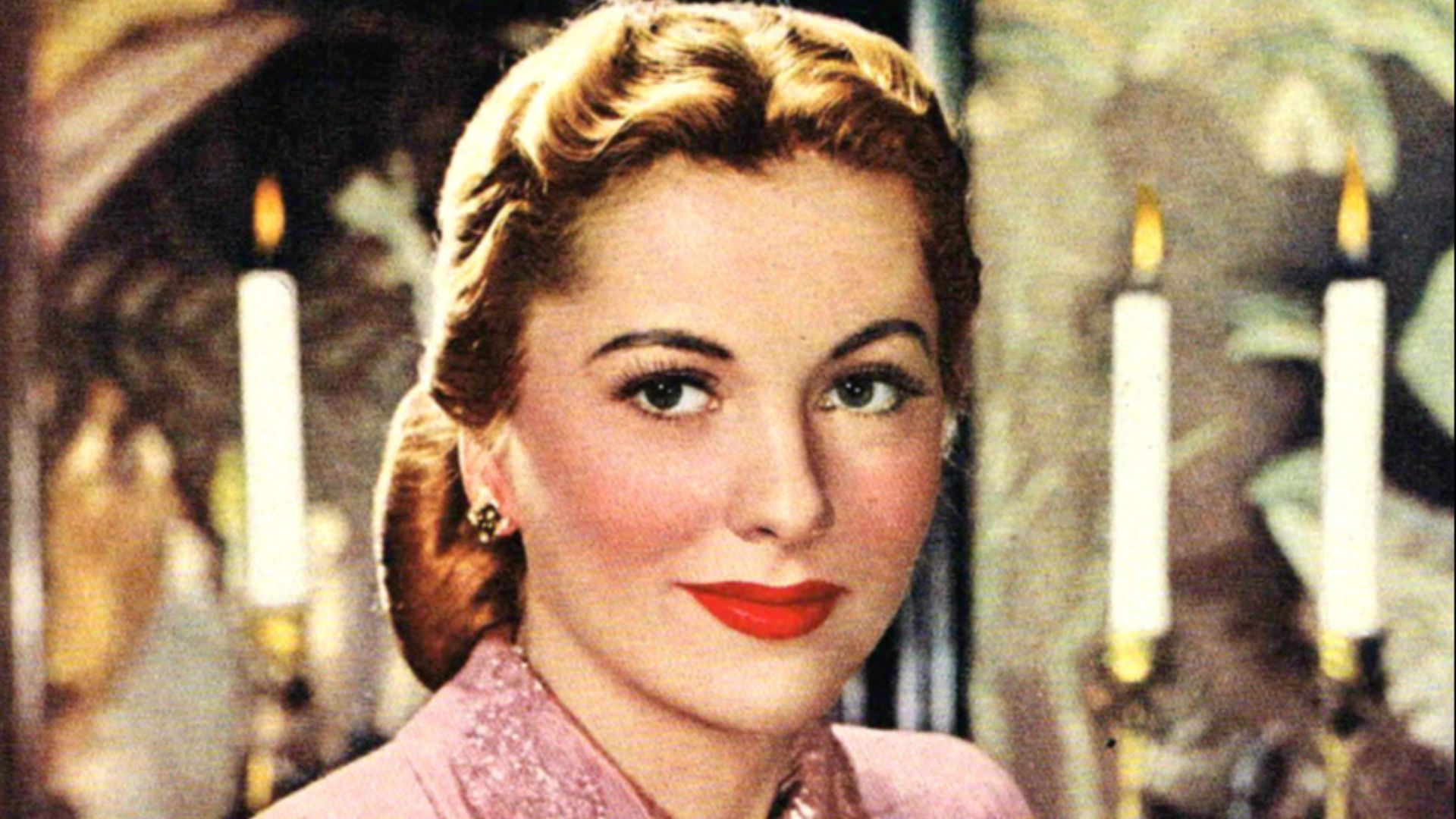
At the 1942 Academy Awards, both sisters were nominated for Best Actress. Olivia was nominated for Hold Back the Dawn. Joan was nominated for Suspicion. Joan won.
According to witnesses, Olivia attempted to congratulate her backstage — and Joan deliberately ignored her hand. Hollywood noticed.
 Rogers Bros. silver, Wikimedia Commons
“I Married First…”
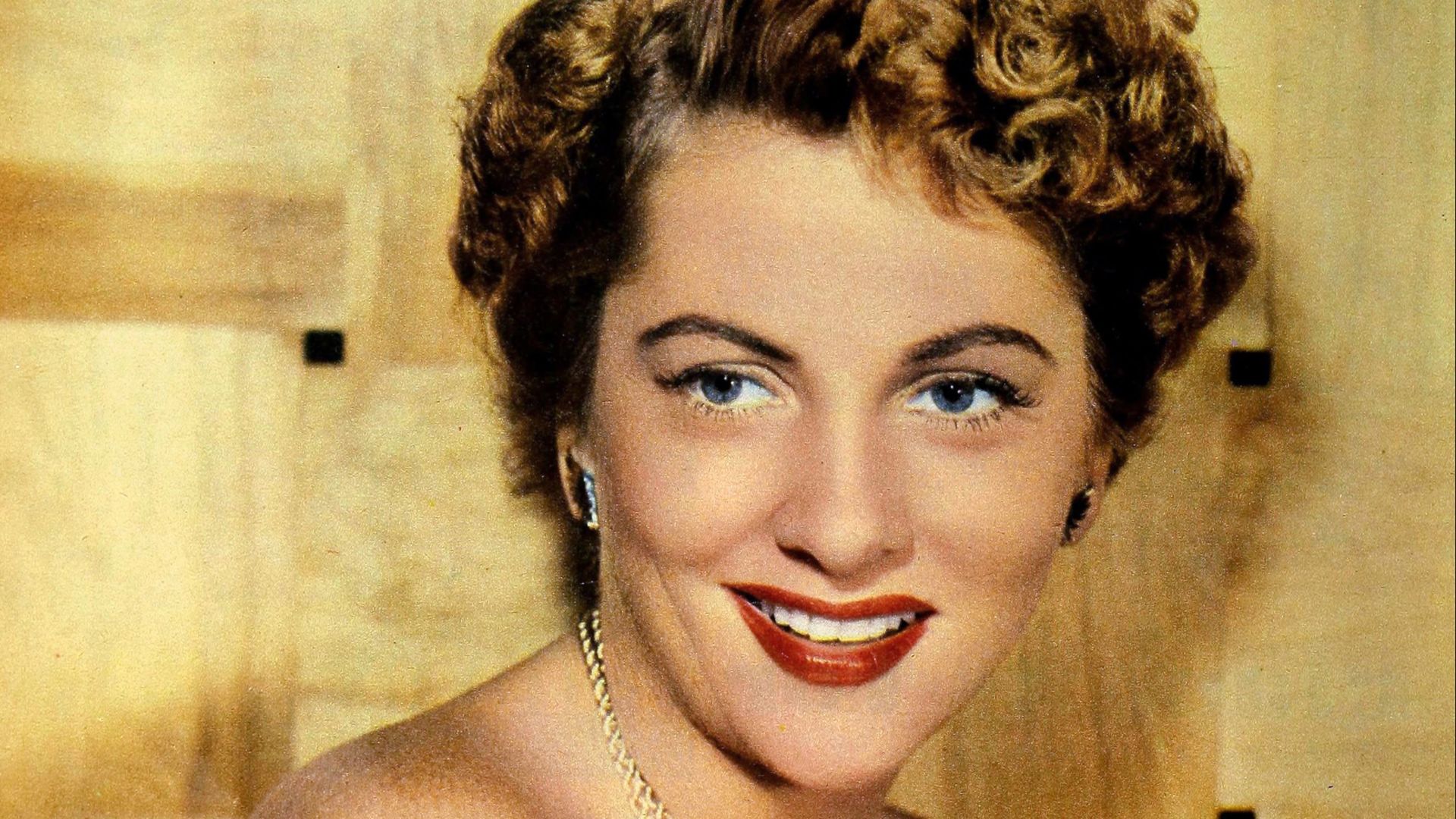
Joan later famously summarized the rivalry by saying: “I married first, won an Oscar first, had a child first. If I die first, she’ll undoubtedly be livid because I beat her to it.”
The quote became legendary. So did the bitterness behind it.
 J. Fred Henry, publisher, Wikimedia Commons
Olivia Finally Wins Her Oscar
In 1947, Olivia won Best Actress for To Each His Own. Joan reportedly applauded politely but remained emotionally distant. By then, the feud had become embedded in both women’s identities.
Success didn’t heal anything.
 20th Century Fox, Wikimedia Commons, Modified
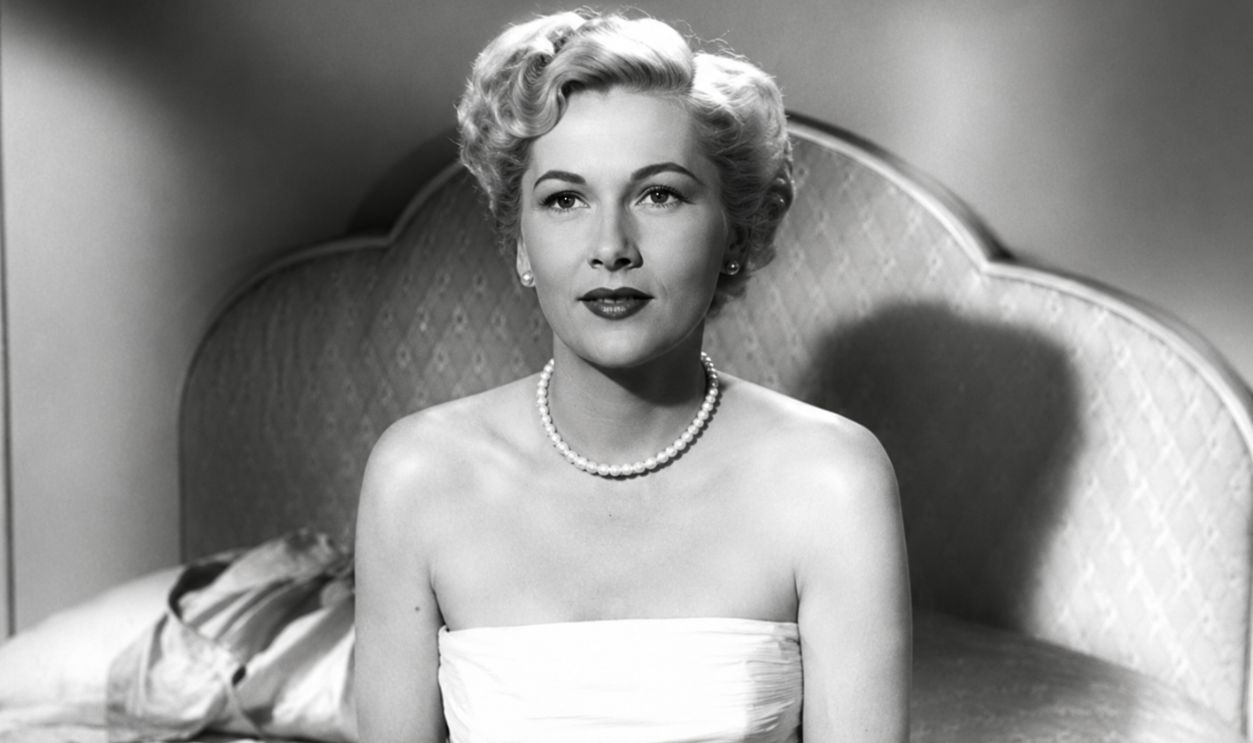
The Wedding Snub
When Olivia married writer Marcus Goodrich in 1946, Joan was reportedly not invited. Later, when Joan married producer William Dozier, Olivia attended but tension remained icy.
Public smiles. Private resentment.
 Trailer screenshot, Wikimedia Commons, Modified
Funeral Drama
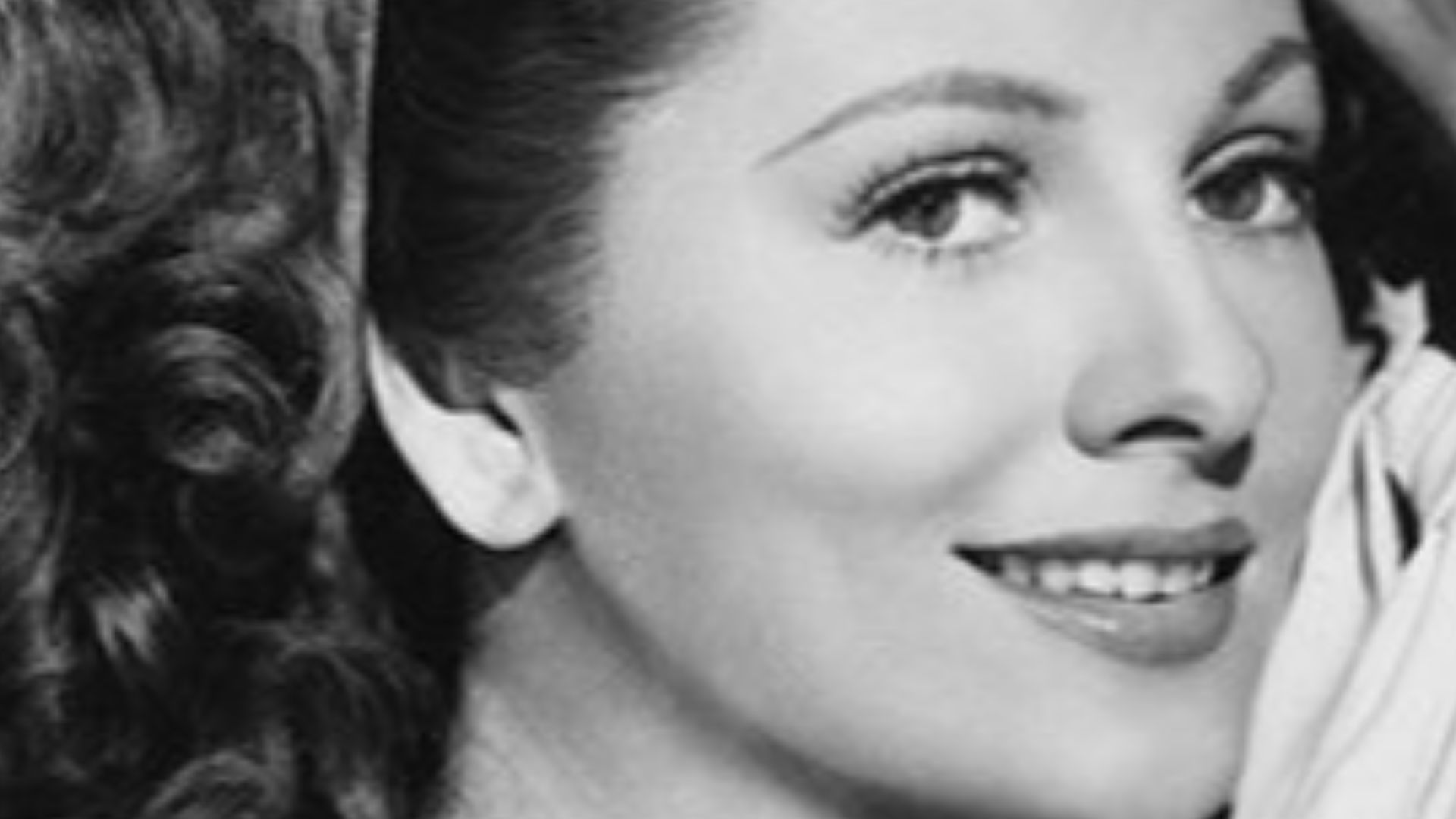
When their mother died in 1975, the sisters reportedly argued over funeral arrangements. Joan later claimed Olivia excluded her from certain decisions. Even grief became competition. That shocked many people close to the family.
 Unknown, none visible, probably Paramount Films, Wikimedia Commons
Joan’s Memoir Changes Everything
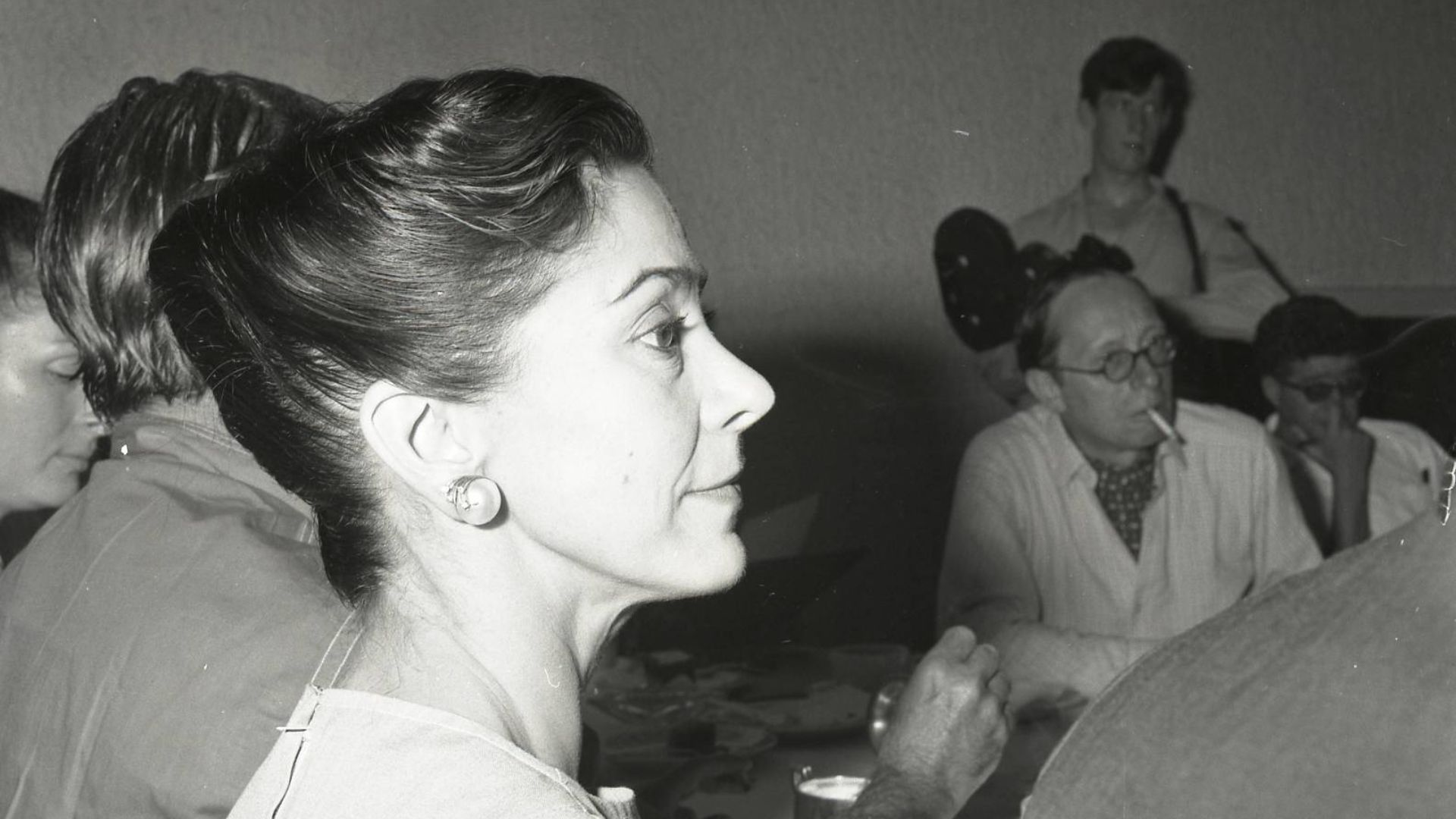
In 1978, Joan released No Bed of Roses, a memoir detailing the sisters’ fractured relationship. She accused Olivia of lifelong emotional cruelty and manipulation. Olivia was furious. The book reopened wounds publicly.
 Boris Carmi, Wikimedia Commons
“She Was Always Competitive”
Joan repeatedly claimed Olivia needed to dominate every room she entered. In interviews during the 1980s, she suggested Olivia treated her less like a sister and more like a rival contestant. Olivia rarely responded publicly.
That silence spoke volumes.
![Title: Olivia de Havilland [actress]
Creator(s): Gotfryd, Bernard, photographer
Date Created/Published: February 1985.
Medium: 1 photograph : color transparency ; 35mm (slide format)
Reproduction Number: LC-DIG-gtfy-01097 (digital file from original)
Righ](https://www.factinate.com/storage/app/media/theshot/2026/5/24/1779613726cfaabd9c0cd56ea81114dd75d407043b6ef7cbcb.jpg) Gotfryd, Bernard, photographer, Wikimedia Commons
Gotfryd, Bernard, photographer, Wikimedia Commons
Olivia’s Side of the Story
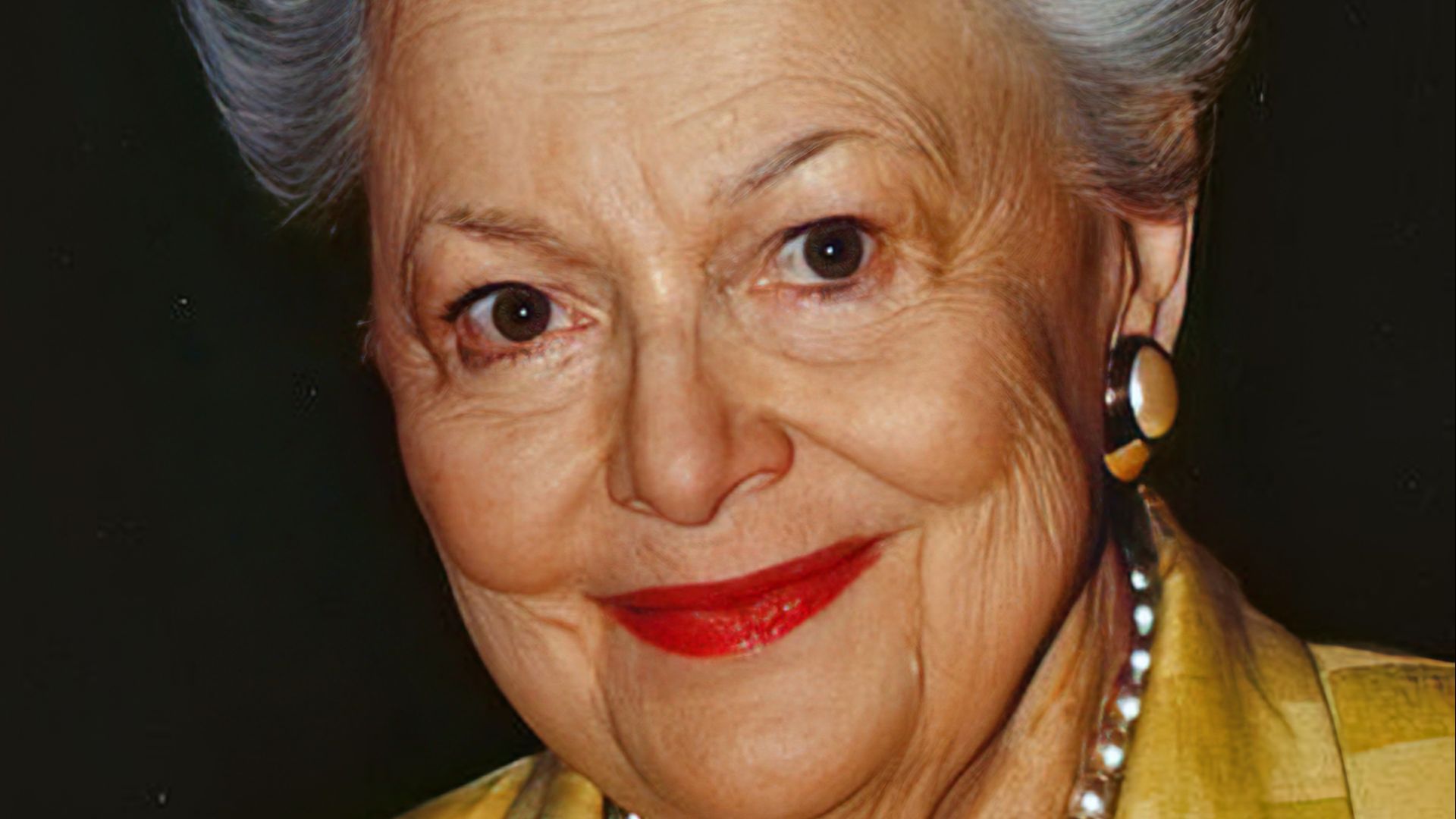
Unlike Joan, Olivia usually avoided public attacks. Friends described her as reserved and diplomatic. But according to several Hollywood insiders, Olivia quietly cut Joan out of her life completely by the late 1970s.
The damage appeared irreversible.
 John Mathew Smith & www.celebrity-photos.com, Wikimedia Commons
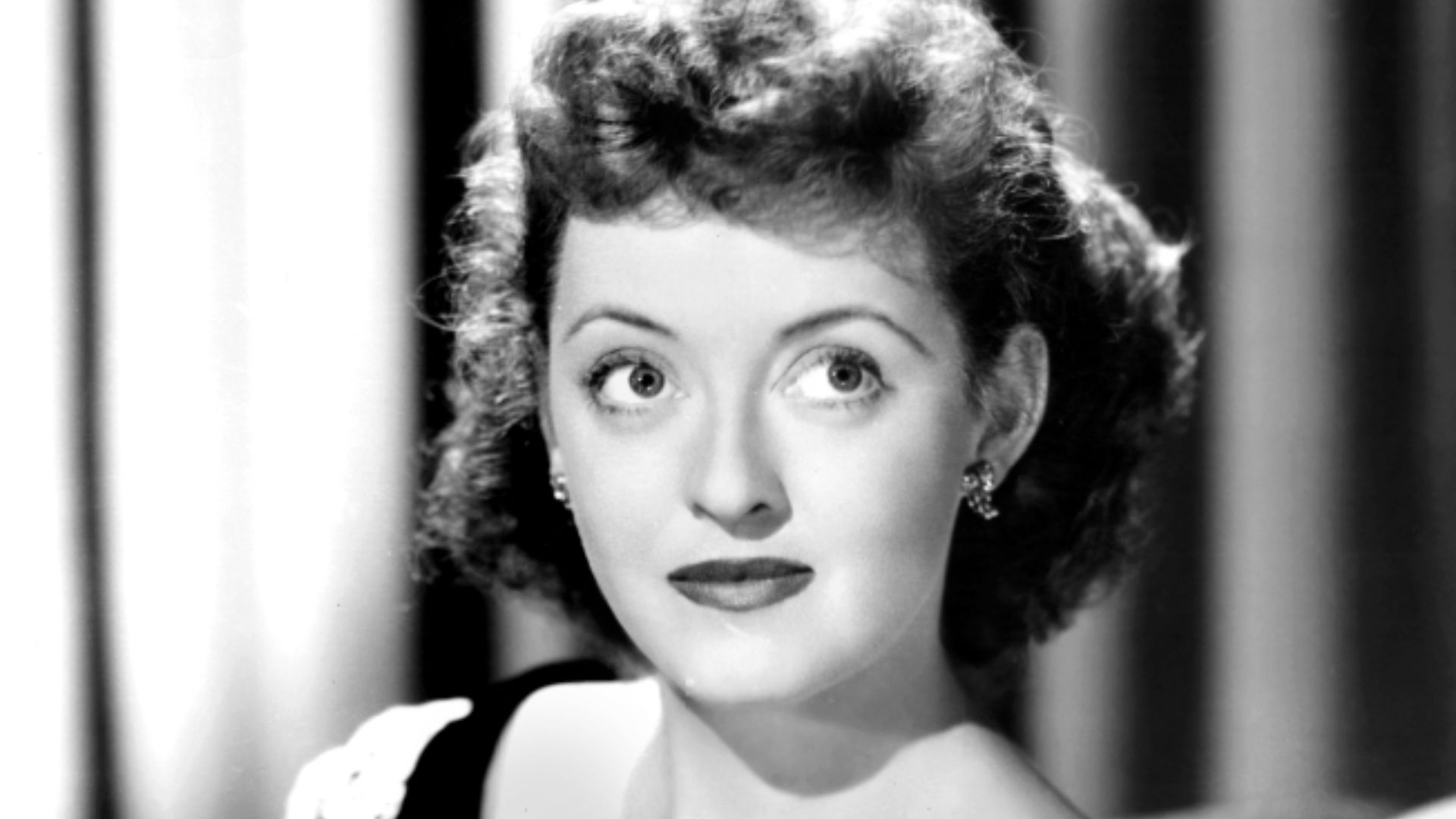
Hollywood Took Sides
Over the years, people in the industry quietly chose camps. Some viewed Joan as deeply wounded and emotionally honest. Others saw Olivia as dignified and unfairly targeted.
Bette Davis reportedly once joked that the sisters “made Whatever Happened to Baby Jane? look friendly.”
 Studio Publicity, Wikimedia Commons
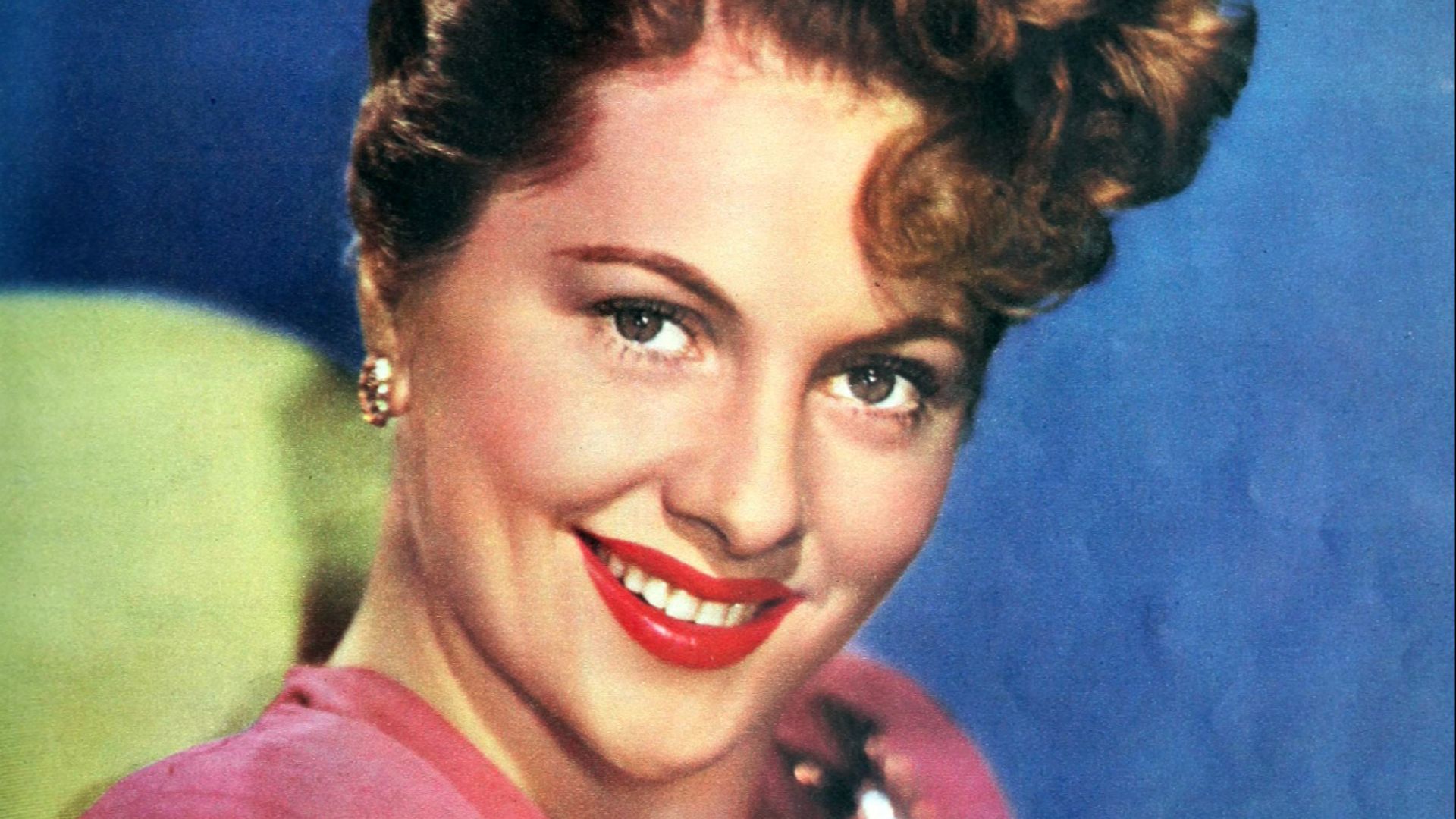
Joan’s Sharp Tongue
Joan became known for blunt interviews. In one interview, she said: “Olivia is not capable of love.” That line stunned readers.
It also permanently hardened public fascination with the feud.
 Macfadden Publications page 2, Wikimedia Commons
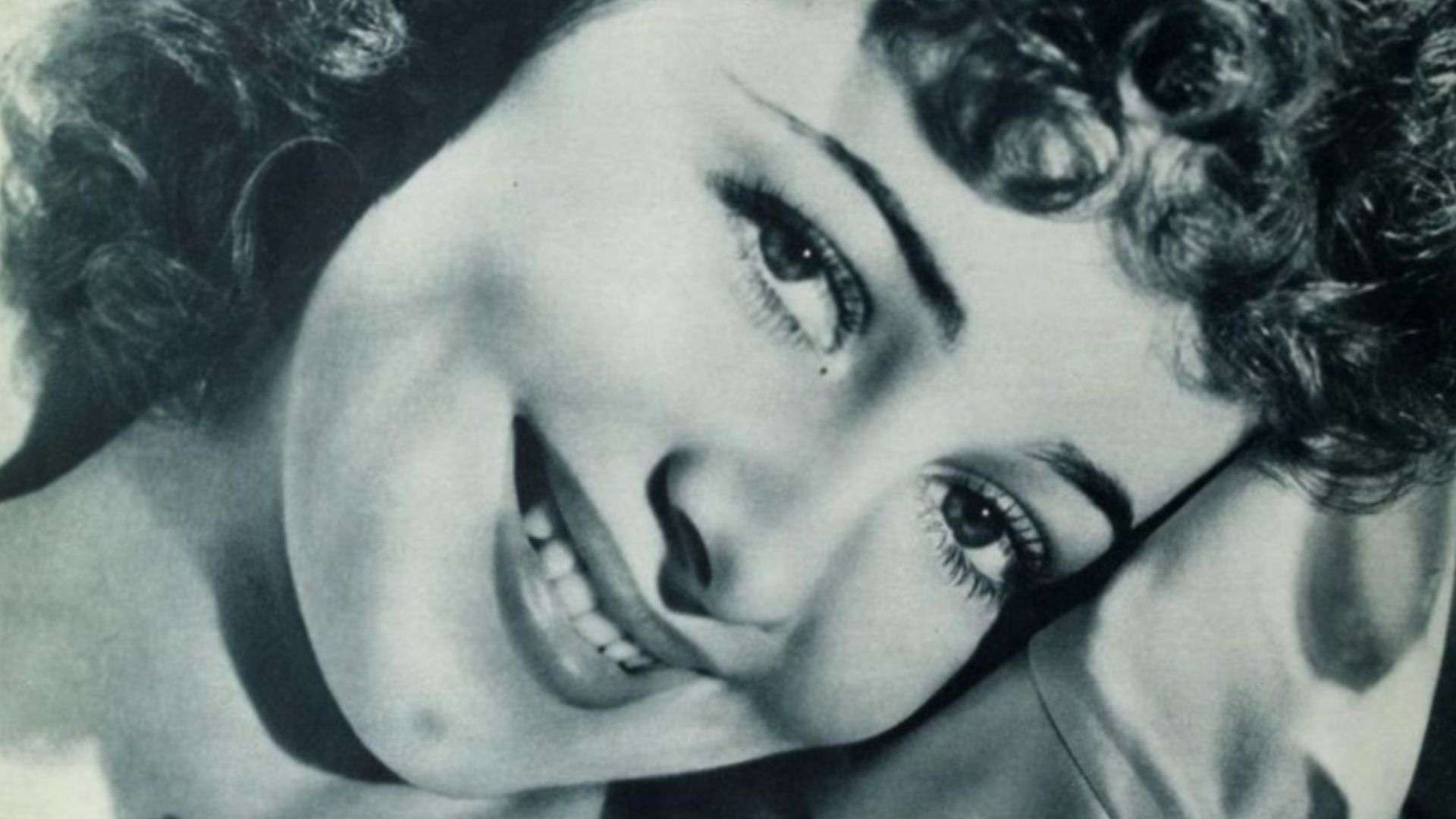
Separate Lives
By the 1980s, the sisters lived entirely separate lives. Olivia spent much of her later life in Paris, France. Joan lived primarily in Carmel Highlands, California.
They stopped speaking regularly. Years turned into decades.
 George Hurrell, Wikimedia Commons
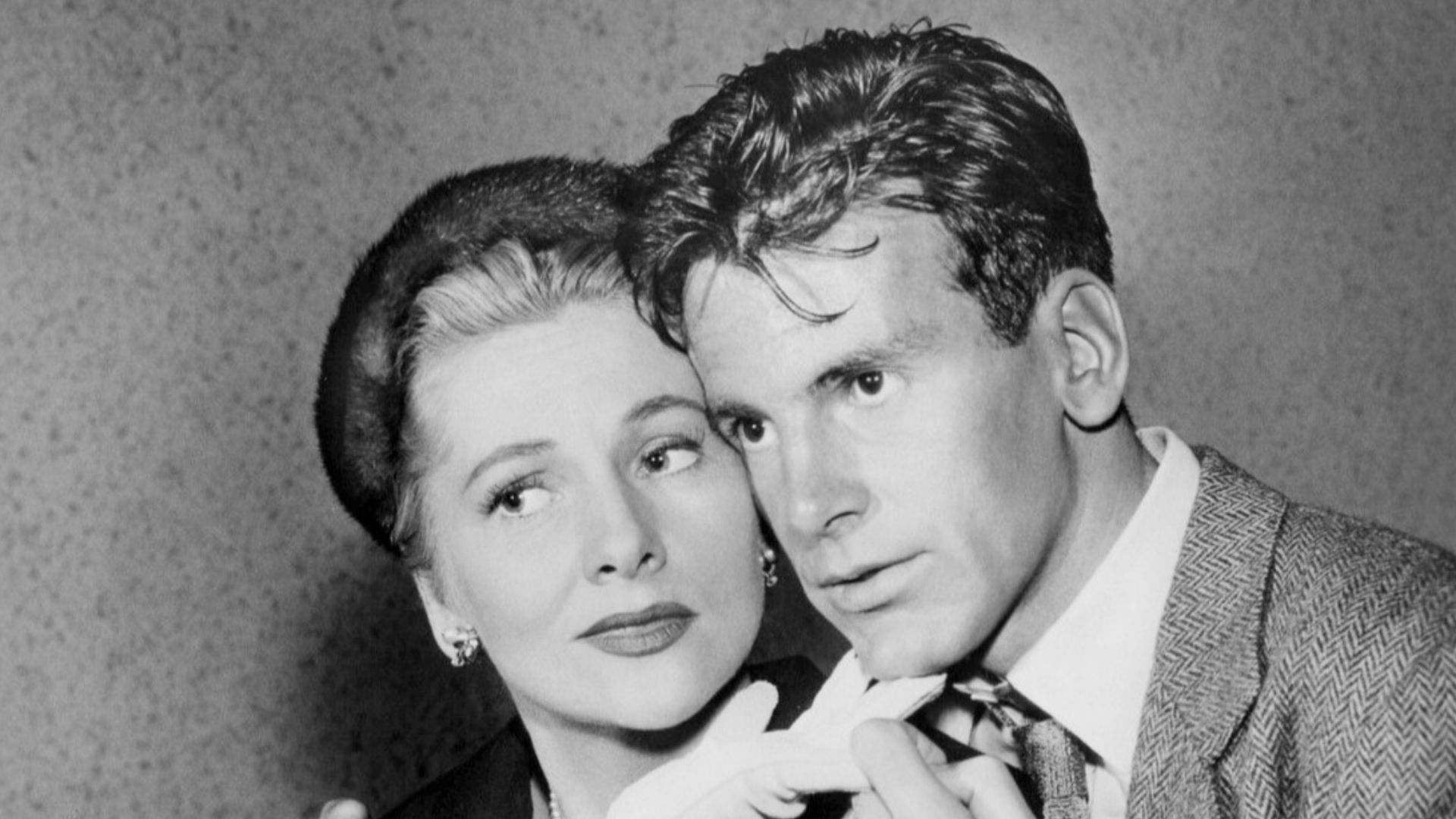
Joan’s Career Fades
While Olivia remained heavily respected in Hollywood history, Joan’s later career slowed significantly after the 1960s. Some biographers believe the rivalry haunted her emotionally long after the spotlight faded.
She never escaped comparison.
 CBS Television, Wikimedia Commons
Olivia’s Historic Lawsuit
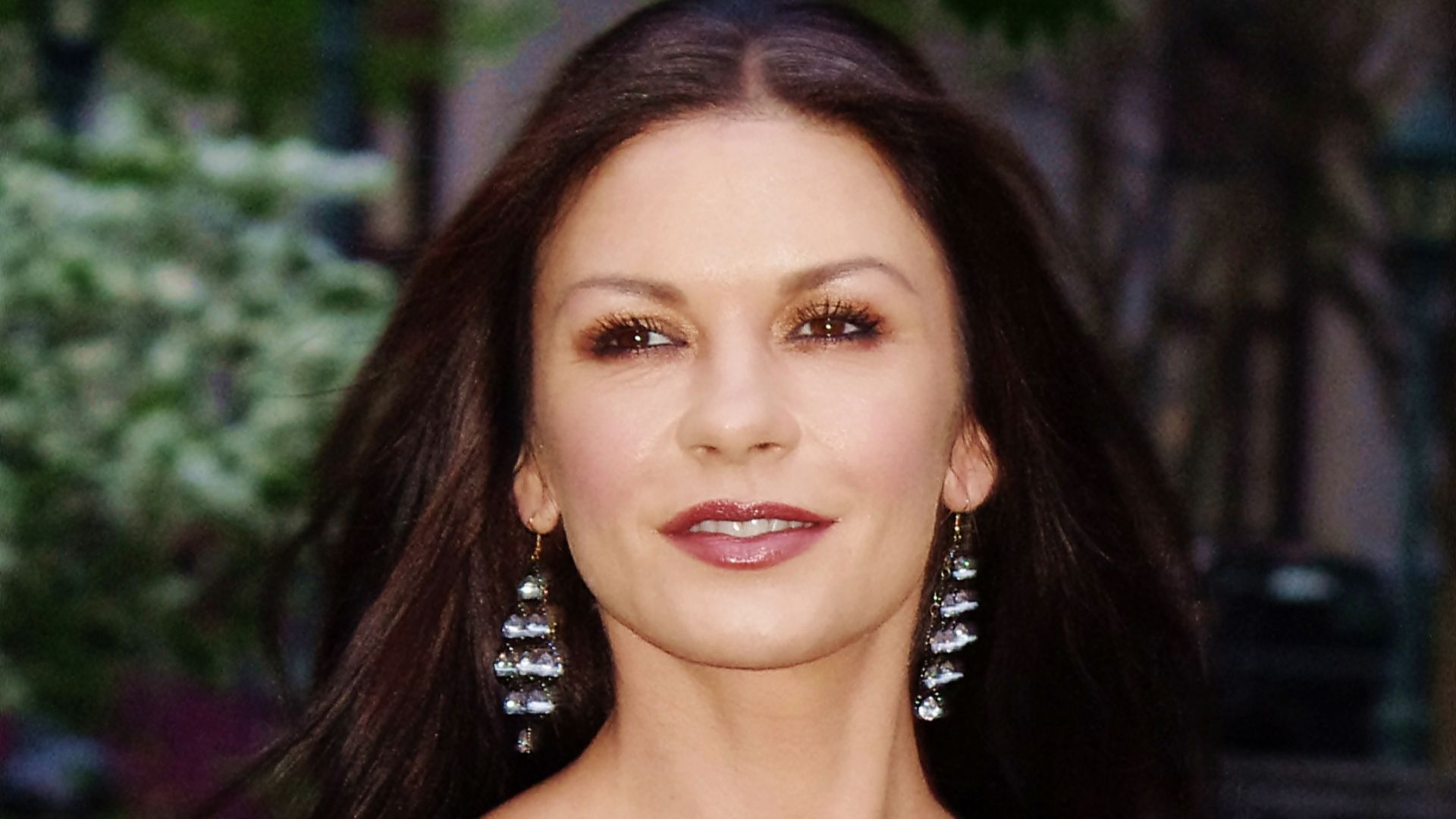
In 2017, at age 101, Olivia sued FX Networks over her portrayal in Feud: Bette and Joan. Actress Catherine Zeta-Jones portrayed her in the series. Olivia objected to language she claimed she never used. She lost the lawsuit in 2018.
 David Shankbone, Wikimedia Commons
Joan Dies First
Joan Fontaine died on December 15, 2013, at age 96 in Carmel, California. Reporters immediately wondered whether Olivia would publicly comment.
She barely did. Even death didn’t fully thaw the silence.
 Macfadden Publications, Inc.; Selznick International Pictures, United Artists, Wikimedia Commons
Olivia’s Final Years
Olivia de Havilland lived to 104 and died in Paris on July 26, 2020. She remained one of the last surviving stars of Hollywood’s Golden Age.
By the end, the sisters had spent decades estranged. The reconciliation never came.
 Selznick International Pictures; Fred Parrish, photographer, Wikimedia Commons
Back to Where It All Began
According to Joan, the feud began over something painfully simple: love and approval. She believed their mother adored Olivia more from the very beginning. That belief shaped every success, every Oscar, every slight, and every insult that followed.
Hollywood simply amplified the wound.
 Unknown authorUnknown author, Wikimedia Commons
“I Was Always Compared”
Joan once said, “I was always compared to Olivia, and I think that damaged me.” For audiences, the feud became fascinating entertainment. For the sisters, it was lifelong heartbreak disguised as competition.
 Studio Publicity, Wikimedia Commons
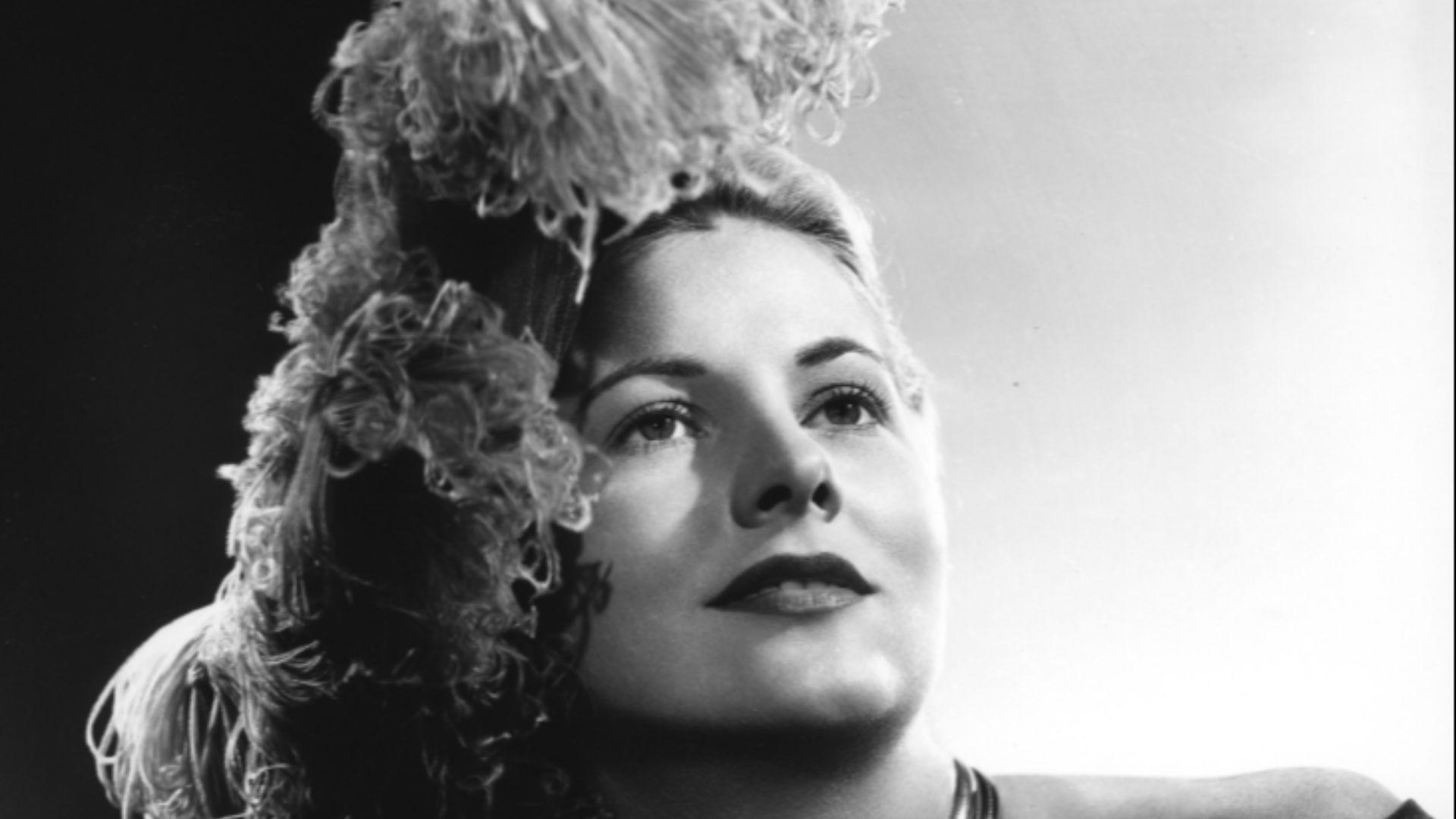
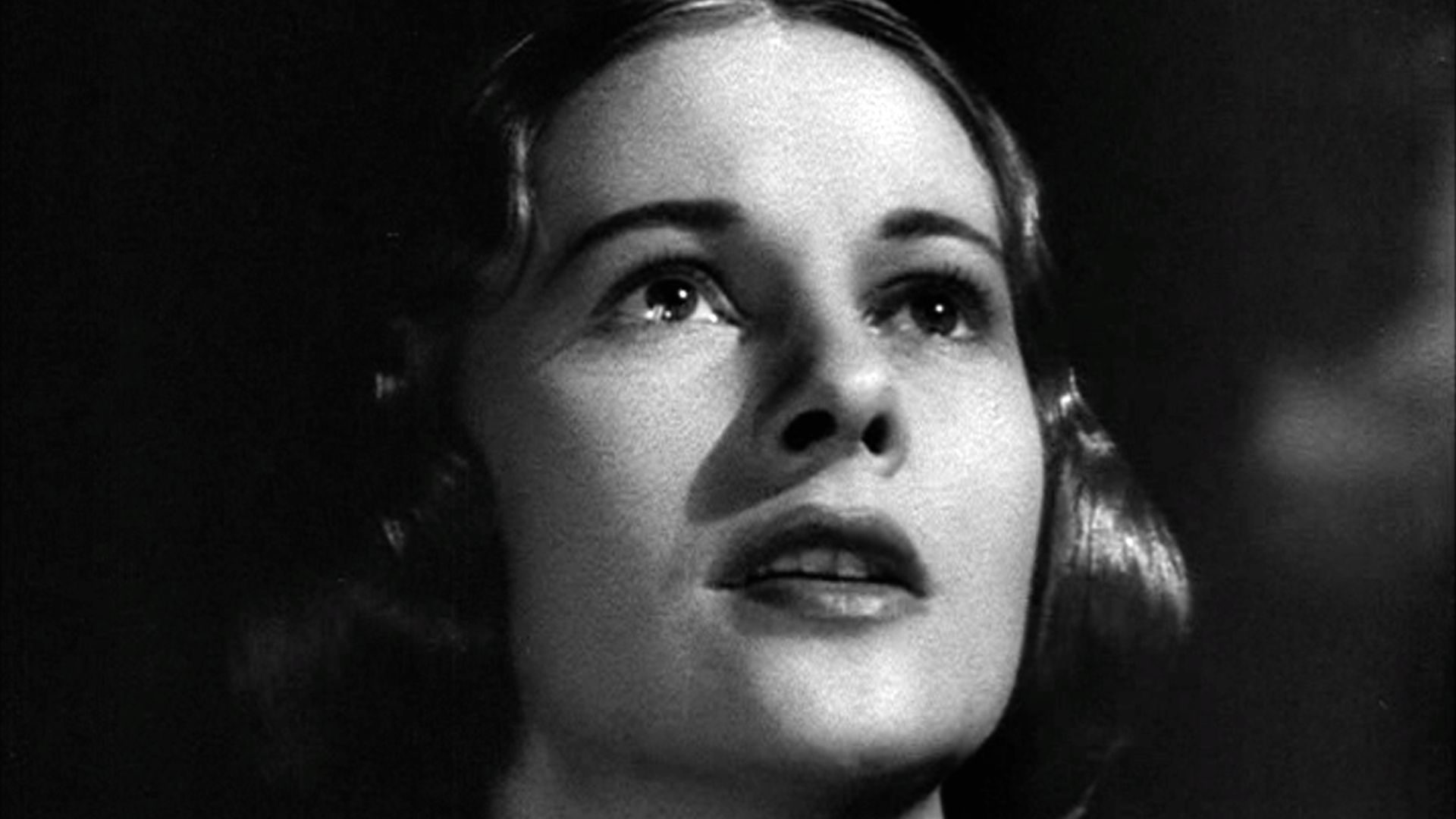
A Rivalry Bigger Than Hollywood
Joan Fontaine and Olivia de Havilland didn’t just become famous actresses. They became perhaps the most famous feuding sisters in Hollywood history.
Two Oscar winners. One family. And nearly a century of unresolved bitterness.
 20th Century Fox, Wikimedia Commons
You May Also Like:
Natalie Wood’s death was one of Hollywood’s most enduring mysteries—until the captain of her yacht changed his story.