Nobody Knew If Cheers Could Survive
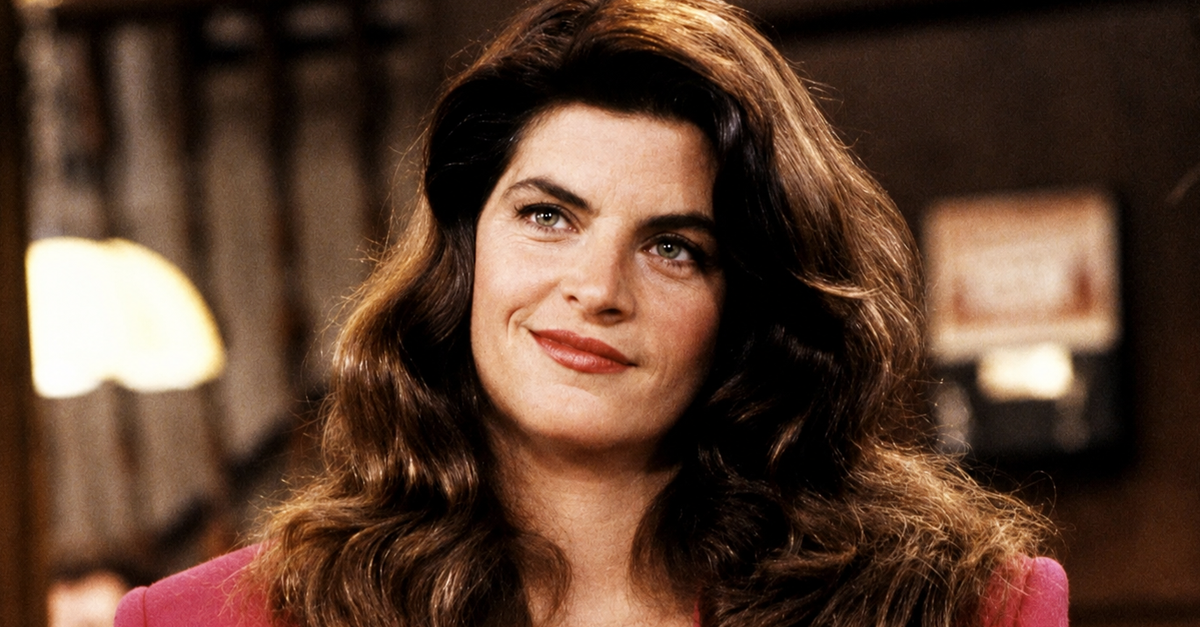
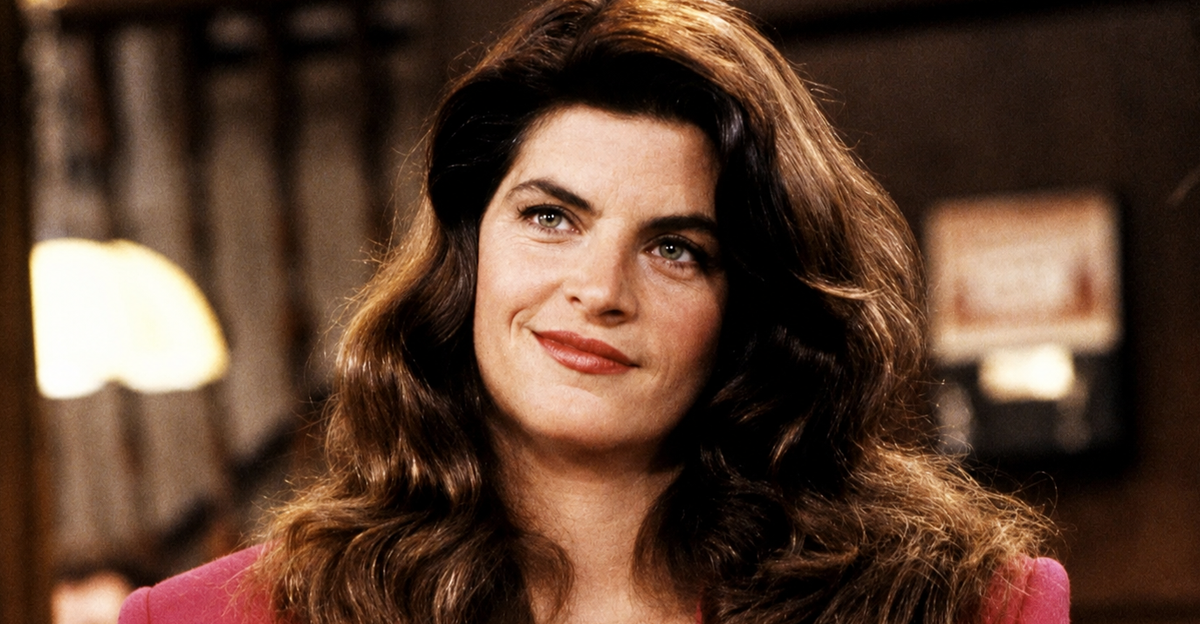
Kirstie Alley walked into one of television’s most intimidating vacancies when she joined Cheers in 1987. Shelley Long’s Diane Chambers had spent five seasons at the center of the show’s defining romance. Losing her threatened the chemistry that had transformed a struggling sitcom into one of NBC’s biggest hits.
 Screenshot from Cheers, NBC (1982-1993)
The Show Had Beaten The Odds
Cheers premiered in 1982 and nearly disappeared after one low-rated season. NBC kept it alive, allowing viewers to discover its sharp writing and perfectly balanced ensemble. By 1985, the series had become one of the most popular programs on television.
Sam And Diane Were The Main Attraction
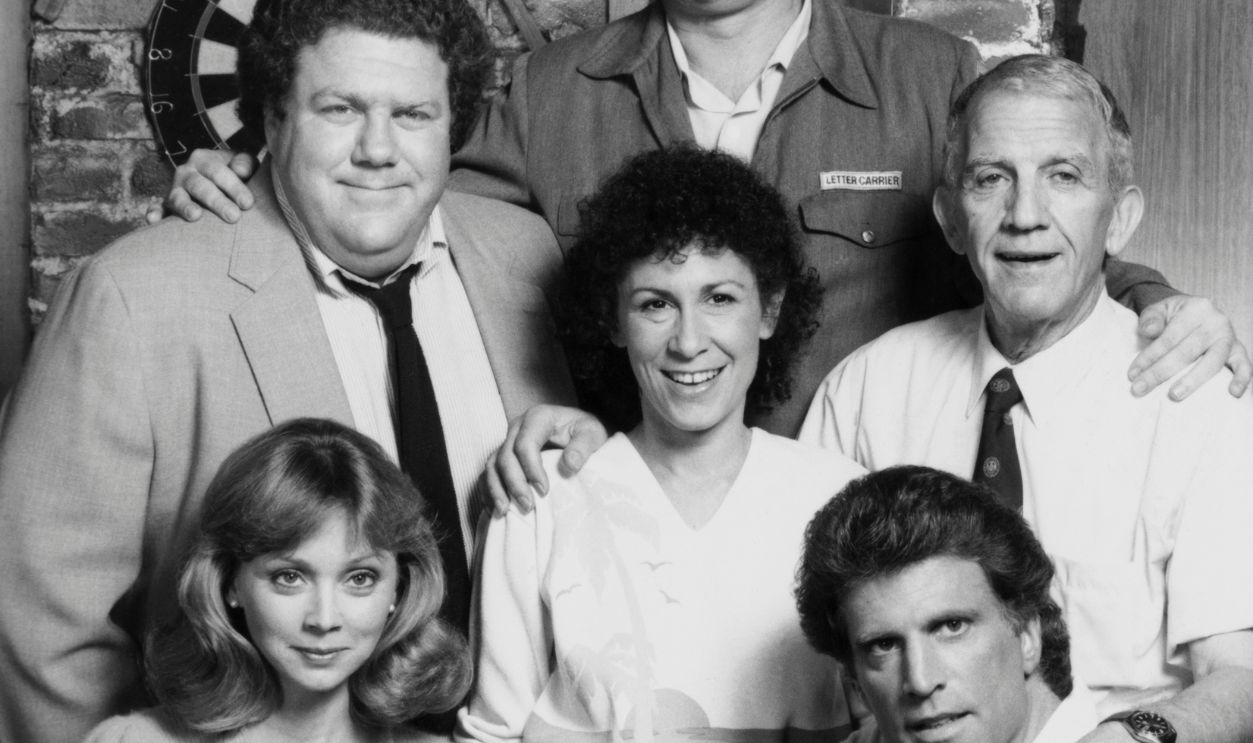
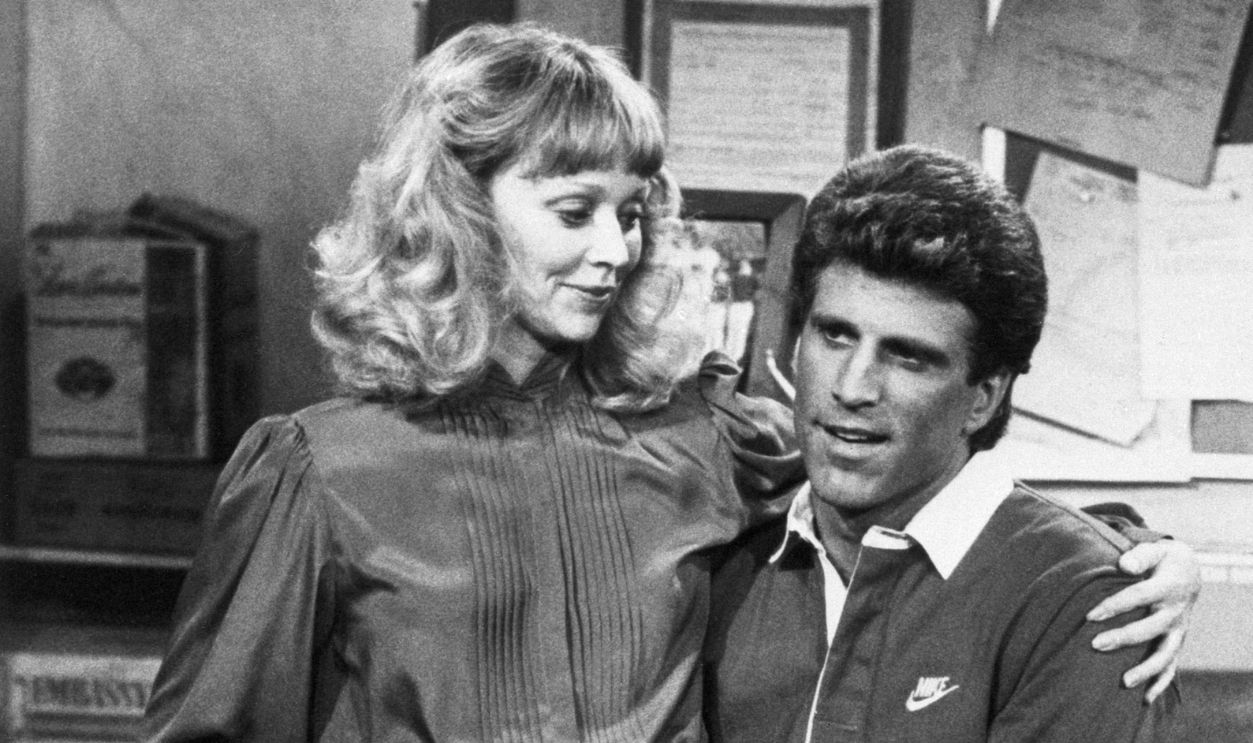
Much of the early fascination came from the volatile relationship between Sam Malone and Diane Chambers. Ted Danson played a confident former baseball player, while Long portrayed an intellectual waitress who challenged nearly everything about him. Their attraction gave the comedy an unusually strong continuing storyline.
Shelley Long Made A Shocking Decision
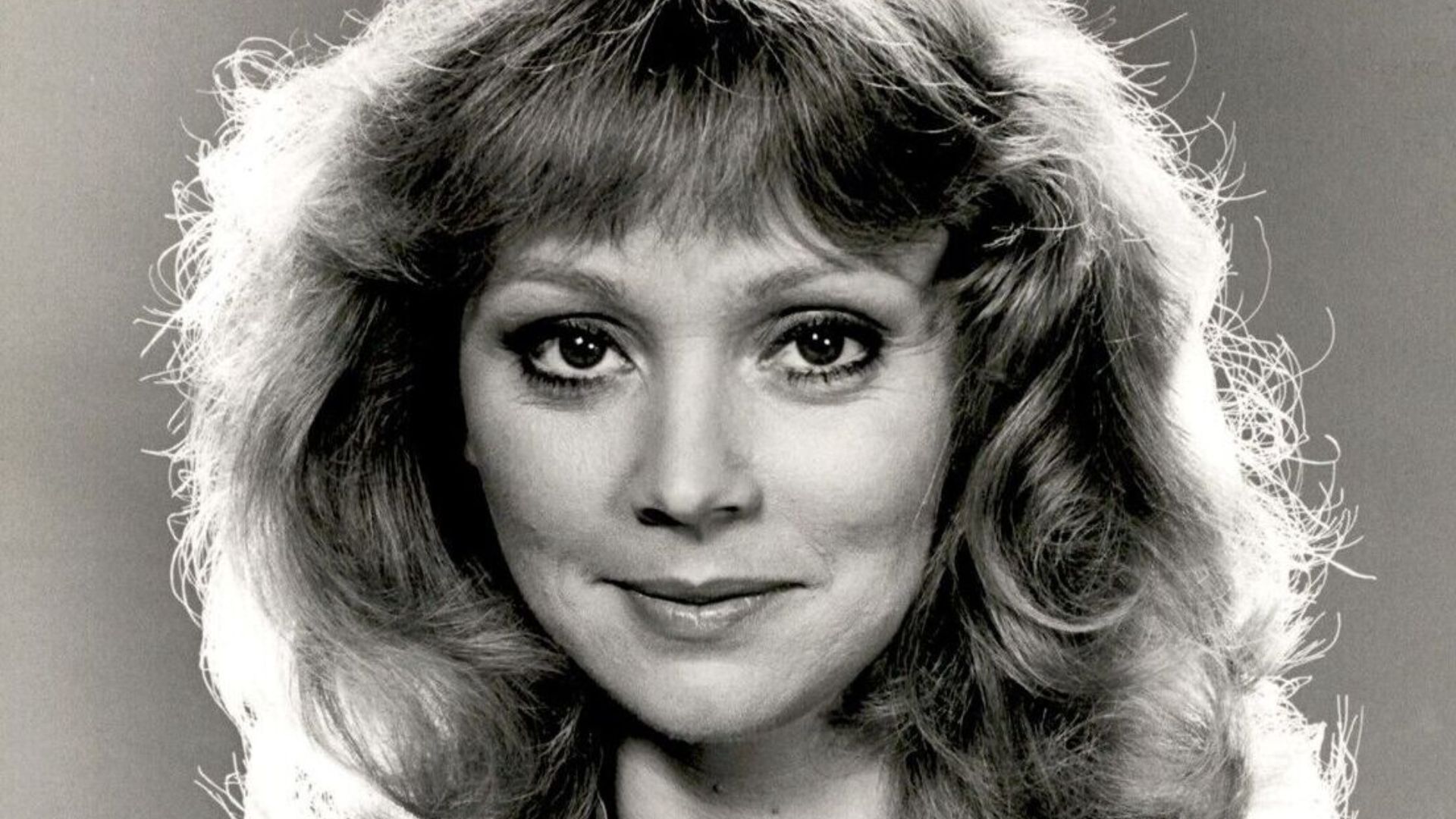
Long decided to leave Cheers after completing its fifth season. Diane’s departure was built into the 1987 finale, when she postponed her wedding to Sam and left Boston to pursue a writing opportunity. The character promised to return, but Sam quietly understood that their relationship was over.
 NBC Television, Wikimedia Commons
The Cast Feared The Worst
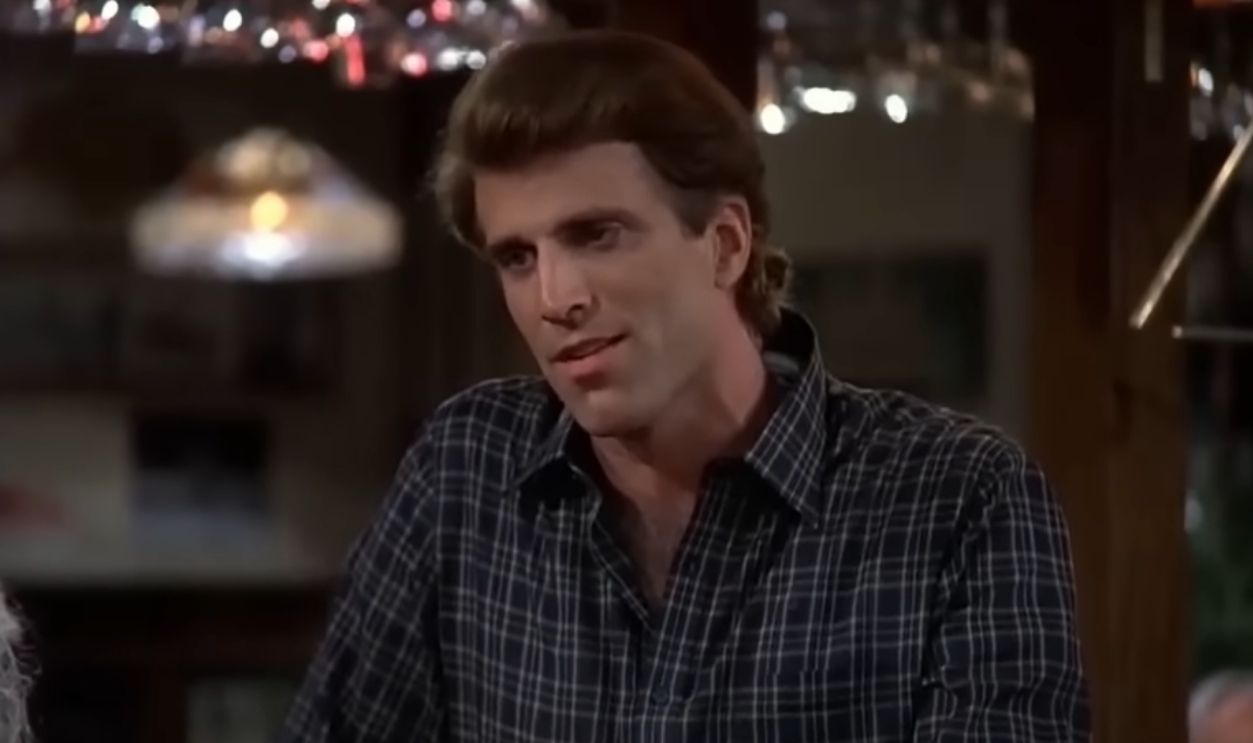
The people behind Cheers did not pretend that Long could be replaced easily. Danson later admitted that he was scared viewers might not want Sam without Diane, while writer and producer David Lee recalled that everyone’s jaws dropped when they learned she was leaving. Woody Harrelson described the loss as seemingly insurmountable, and co-creator Les Charles remembered the producers feeling sheer panic.
 Screenshot from Cheers, NBC (1982–1993)
Repeating Diane Was Never The Answer
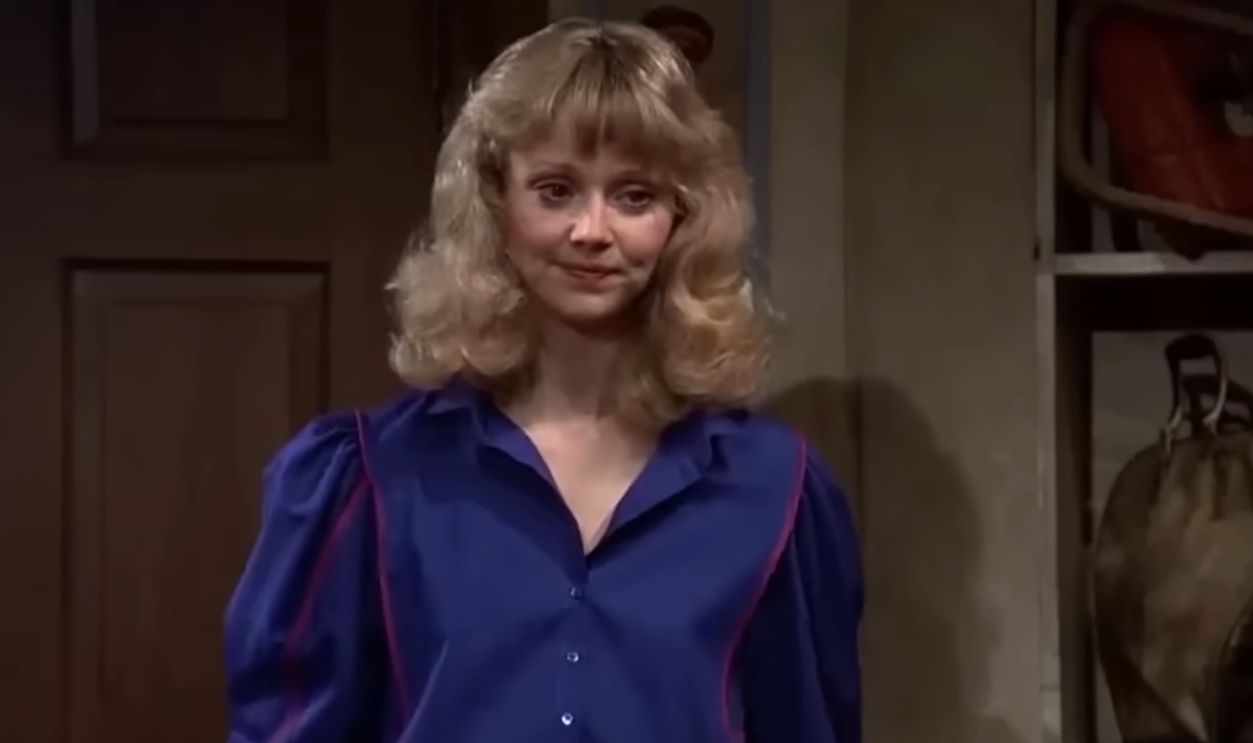
The creators knew that introducing another sophisticated blonde waitress would invite unforgiving comparisons. They instead wanted a woman who felt grounded, forceful, and completely different from Diane. That decision opened the door for Rebecca Howe and an entirely new version of Cheers.
 Screenshot from Cheers, NBC (1982–1993)
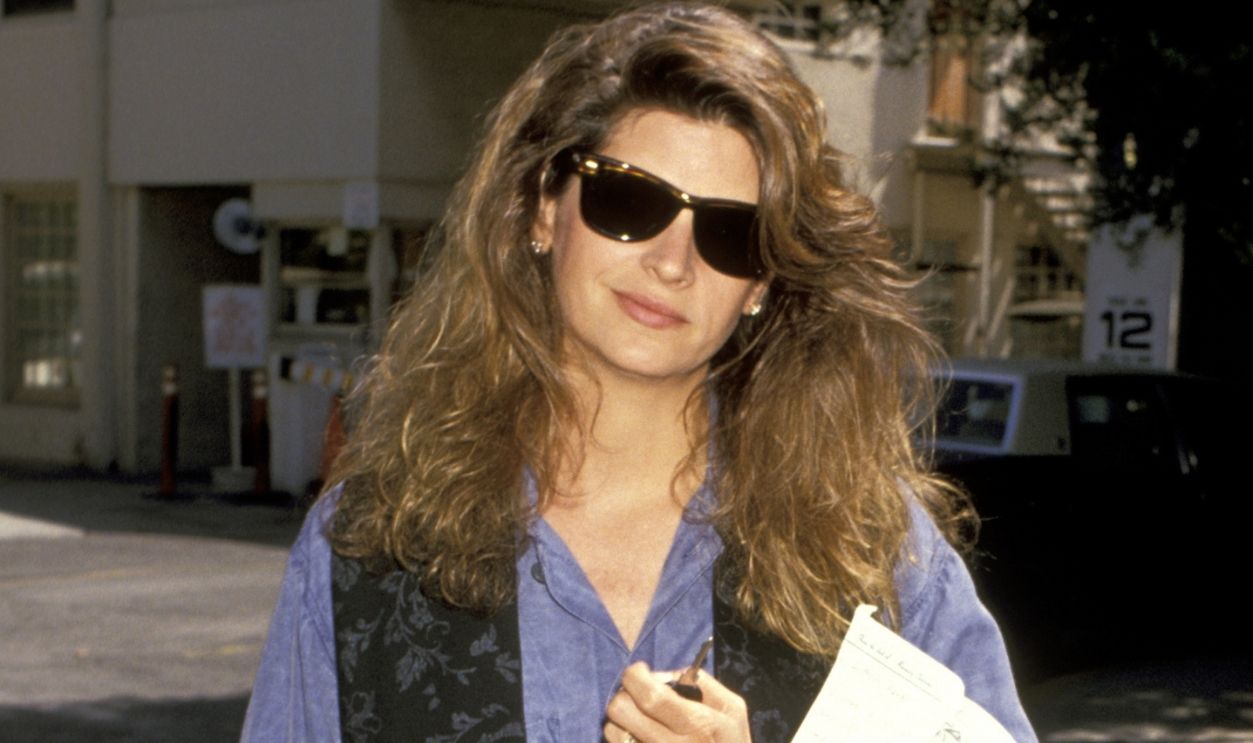
Kirstie Alley Had Already Turned Heads
Alley was not a sitcom star when Cheers began looking for its new female lead. She had made her feature-film debut as Lieutenant Saavik in Star Trek II: The Wrath of Khan. Her later credits included the television miniseries North and South and the 1987 comedy Summer School.
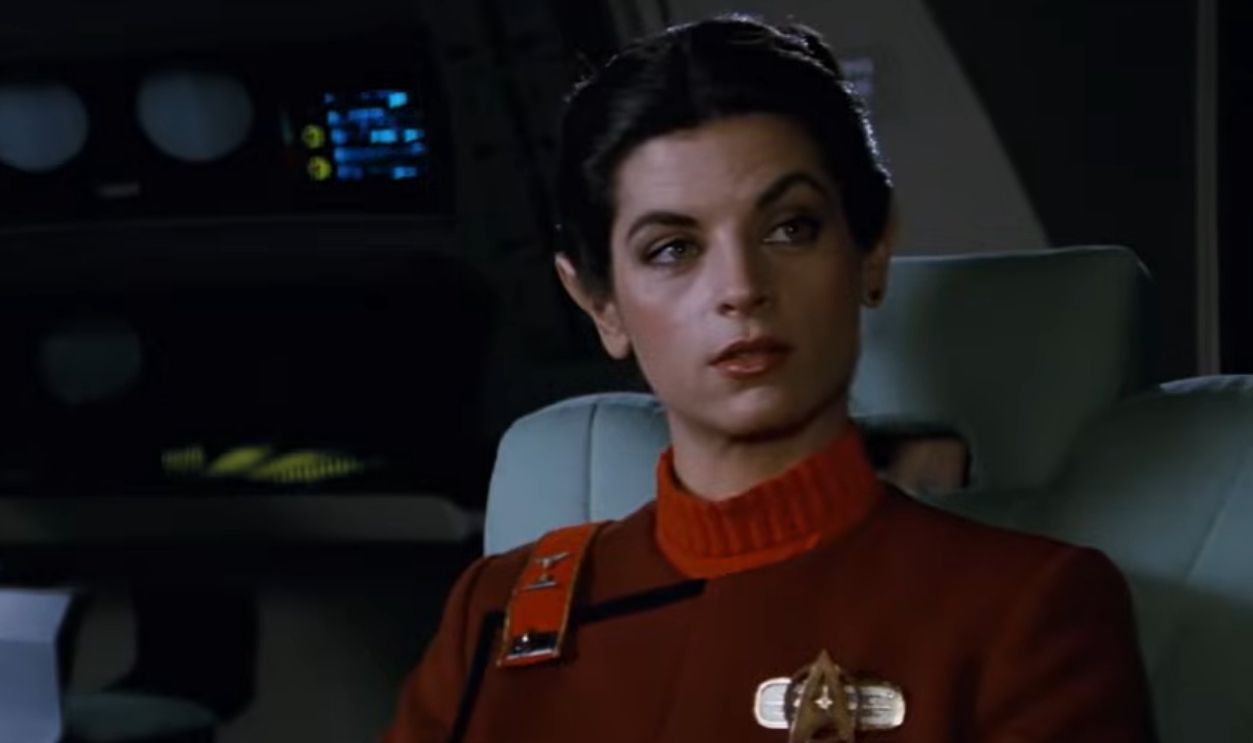 Screenshot from Star Trek II: The Wrath of Khan, Paramount Pictures (1982)
One Performance Revealed Her Potential
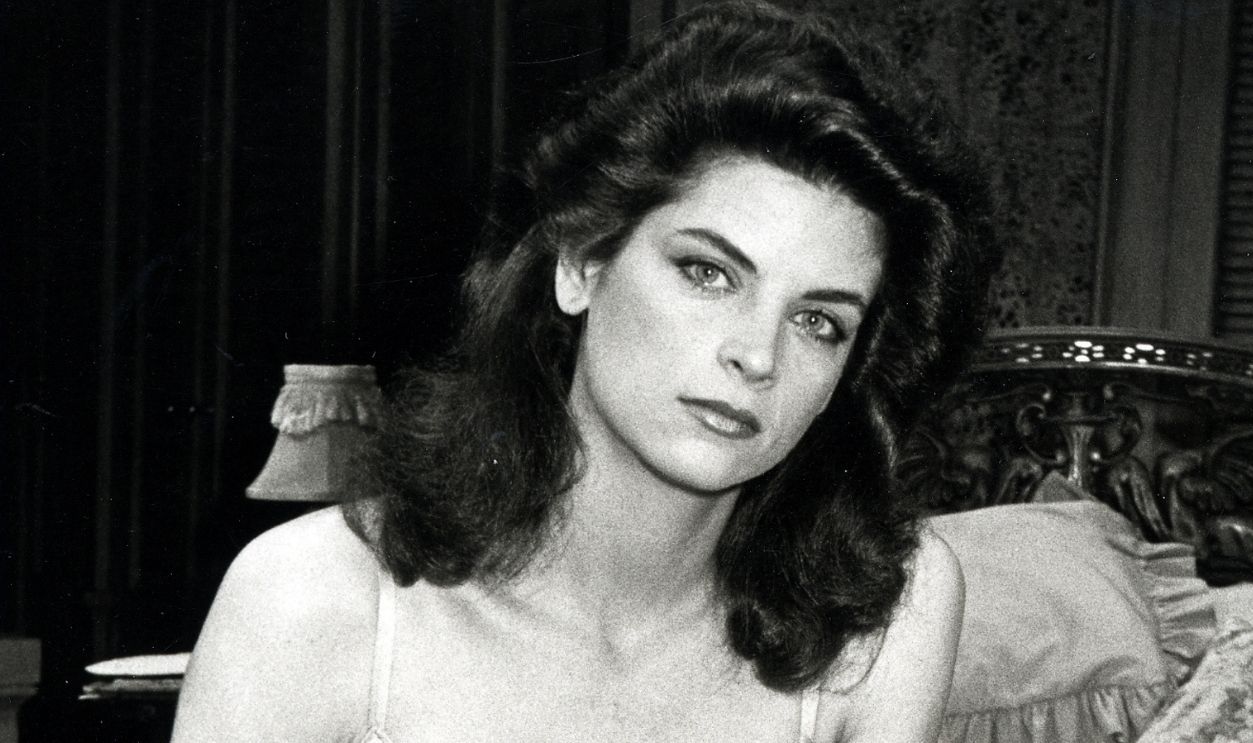
Casting director Jeff Greenberg had seen Alley perform in Cat On A Hot Tin Roof at Los Angeles’ Mark Taper Forum. He was impressed by the subtle humor she found in a dramatic role and immediately considered her for Cheers. Alley initially resisted offers to make a television series, but she was willing to discuss this particular show.
Everything Had To Remain Secret
The search began while Long was still working on her final season. Producers did not want her to feel as though a replacement was already waiting behind her. Greenberg therefore arranged private meetings without even telling his own assistant what was happening.
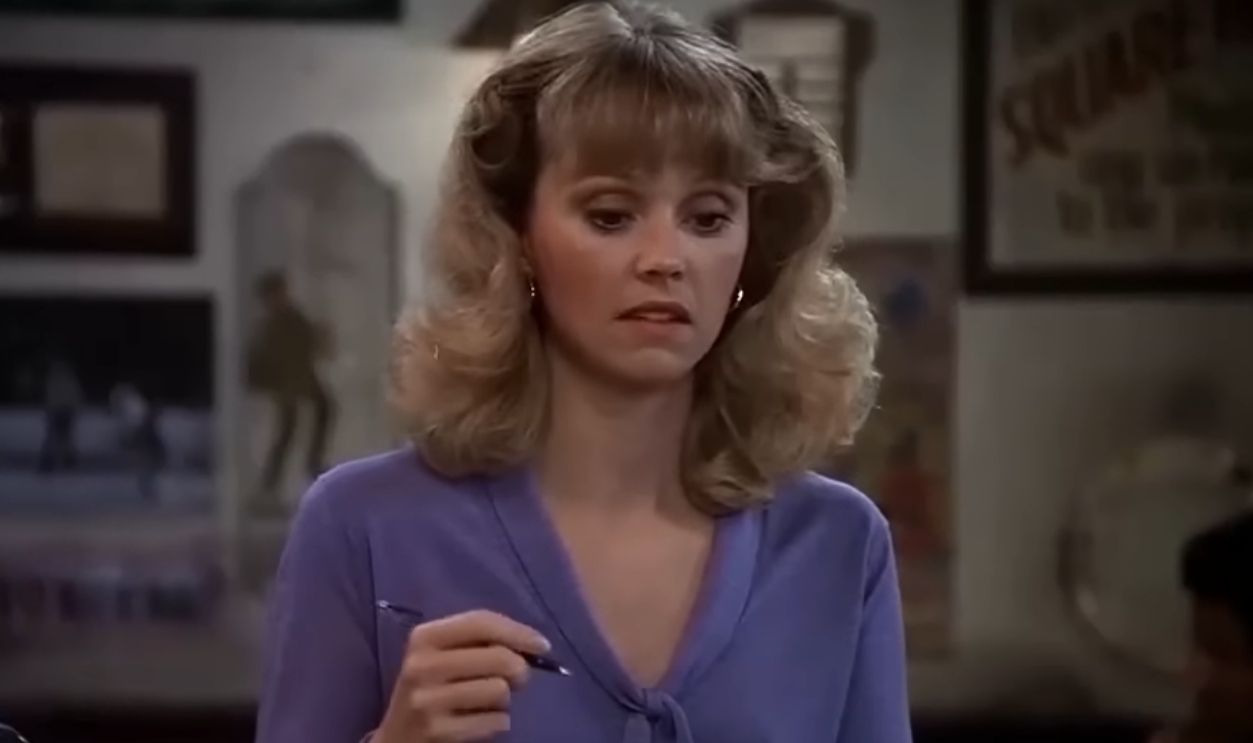 Screenshot from Cheers, NBC (1982–1993)
Her Chemistry Test Went Well
Alley met Danson for lunch, and the two actors immediately connected. She later attended a secret Saturday audition at the studio with Danson and Rhea Perlman. The creative team liked the chemistry, but nobody filmed the session for NBC executives to review.
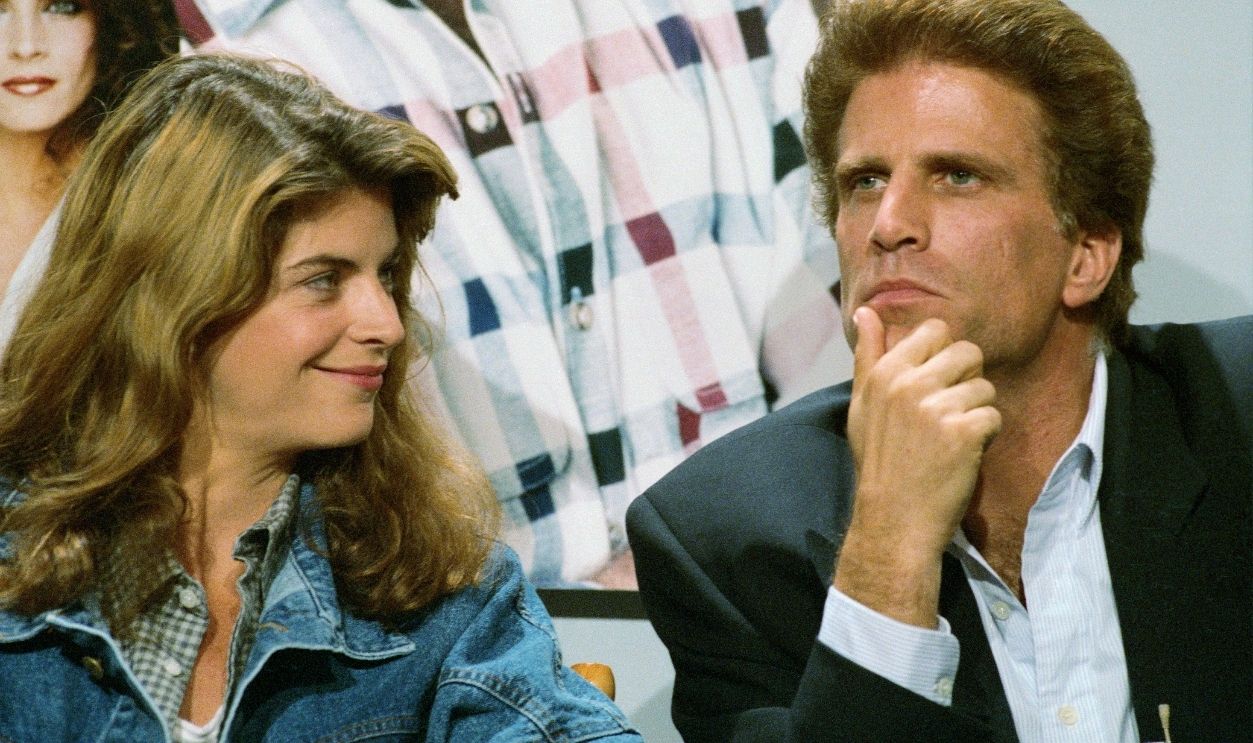
NBC Wanted Proof She Was Funny
The network liked Alley but questioned whether she could carry a major sitcom. Producers insisted that she was their choice, yet NBC asked them to consider more candidates. The private plan consequently became a lengthy and much more public casting search.
 Paul R. Burley, Wikimedia Commons
Hundreds Of Actresses Were Considered
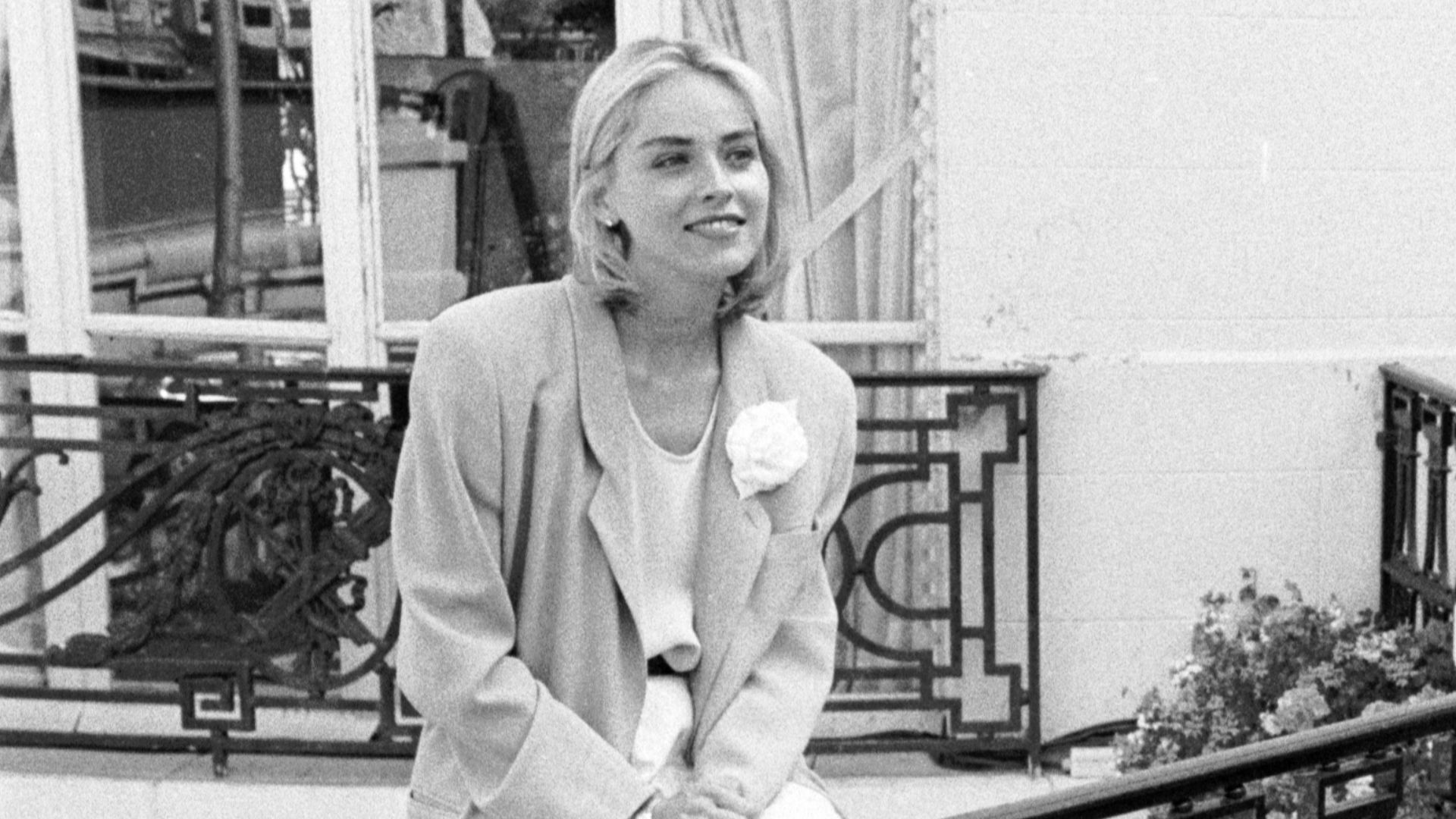
Greenberg recalled seeing hundreds of performers during a process that lasted approximately five months. Sharon Stone, Kim Cattrall, and Marg Helgenberger were among the actresses considered for Rebecca. Even after that exhaustive search, Glen and Les Charles and director James Burrows continued pushing for Alley.
 Roland Godefroy, Wikimedia Commons
The Producers Finally Won
NBC entertainment chief Brandon Tartikoff eventually decided to trust the team responsible for the network’s established hit. Alley received the part and prepared to enter a cast that had spent years working together. She still needed to convince everyone that the bar could thrive without Diane.
She Broke The Ice With A Wig
Alley confronted the uncomfortable comparison with Long through comedy. Danson later recalled that she arrived at an early table read wearing a blonde wig meant to resemble Diane’s hair. The joke relaxed the room and demonstrated that Alley understood exactly what everyone was thinking.
Rebecca Took Control Of The Bar
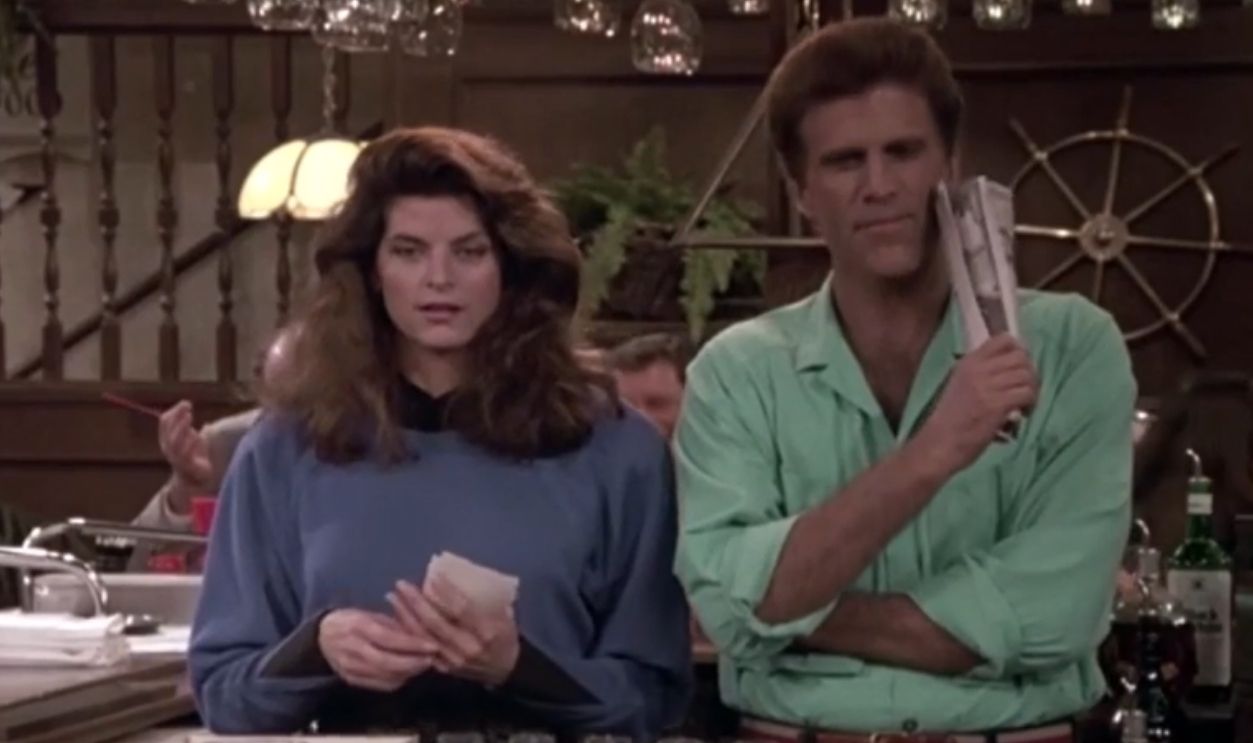
Season six opened after Sam had sold Cheers and attempted to sail around the world. He returned to discover that the bar belonged to a corporation and Rebecca Howe was its manager. Sam was forced to work for the formidable newcomer in the establishment he had once owned.
 Screenshot from Cheers, NBC (1982–1993)
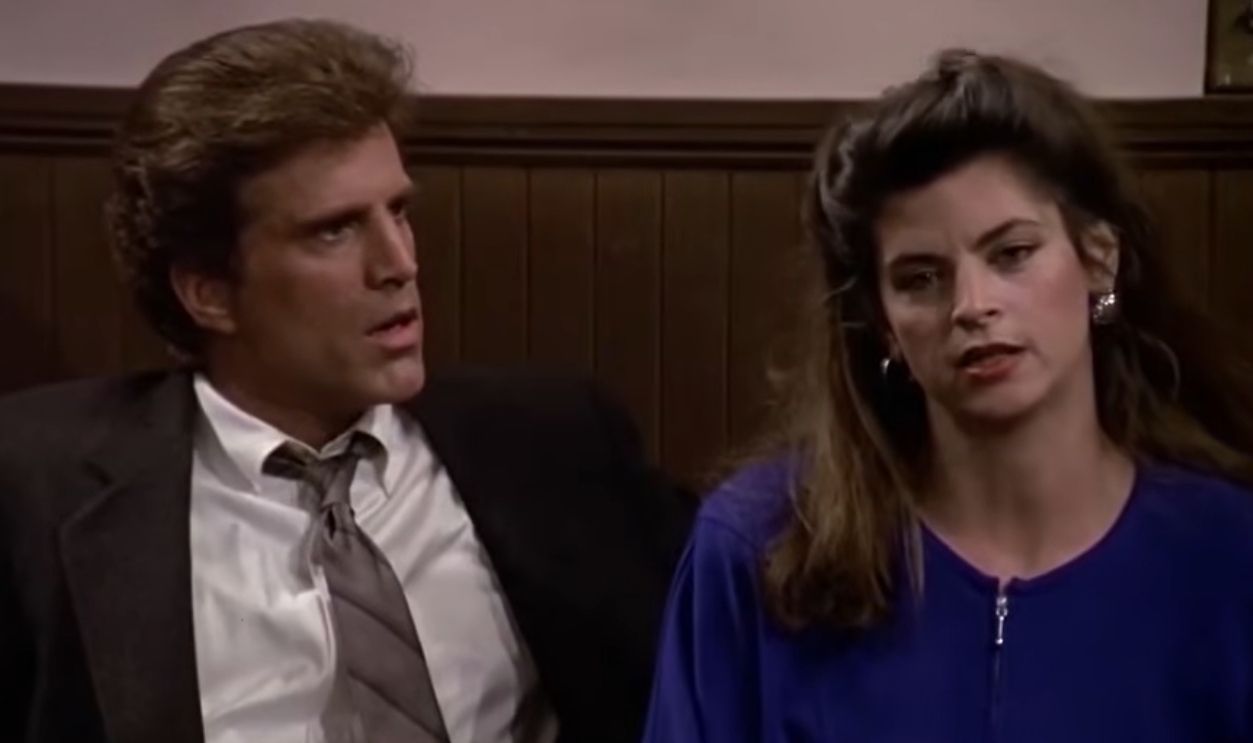
Sam Met A Very Different Woman
Rebecca initially appeared disciplined, ambitious, and largely immune to Sam’s familiar charm. She was his boss rather than a waitress stranded in the bar by circumstance. Their reversed power dynamic immediately separated her relationship with Sam from the old Sam and Diane courtship.
 Screenshot from Cheers, NBC (1982–1993)
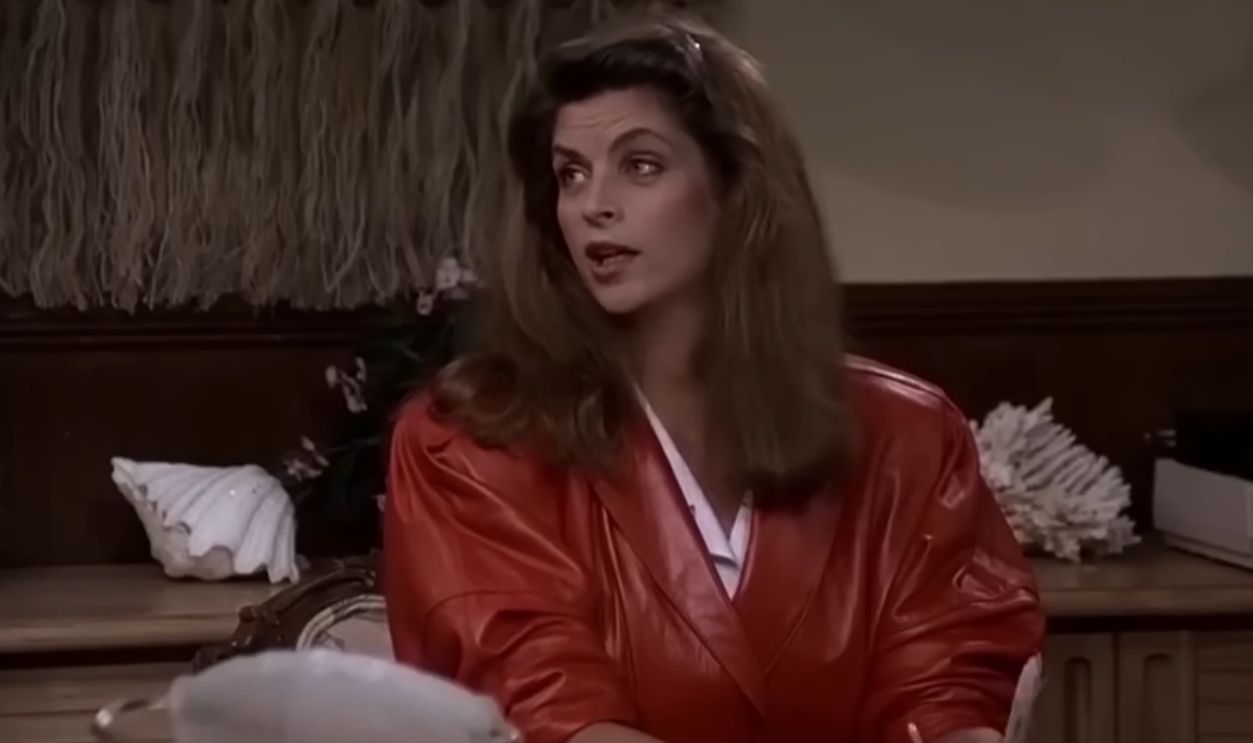
The Writers Built A Dragon Lady
The creators first imagined Rebecca as an intimidating executive who would make the other characters uncomfortable. Les Charles compared the early concept to a glamorous villain, while Glen Charles remained uncertain about Alley’s comic range. The writers expected Rebecca’s severity to generate laughs through the reactions of the established ensemble.
 Screenshot from Cheers, NBC (1982–1993)
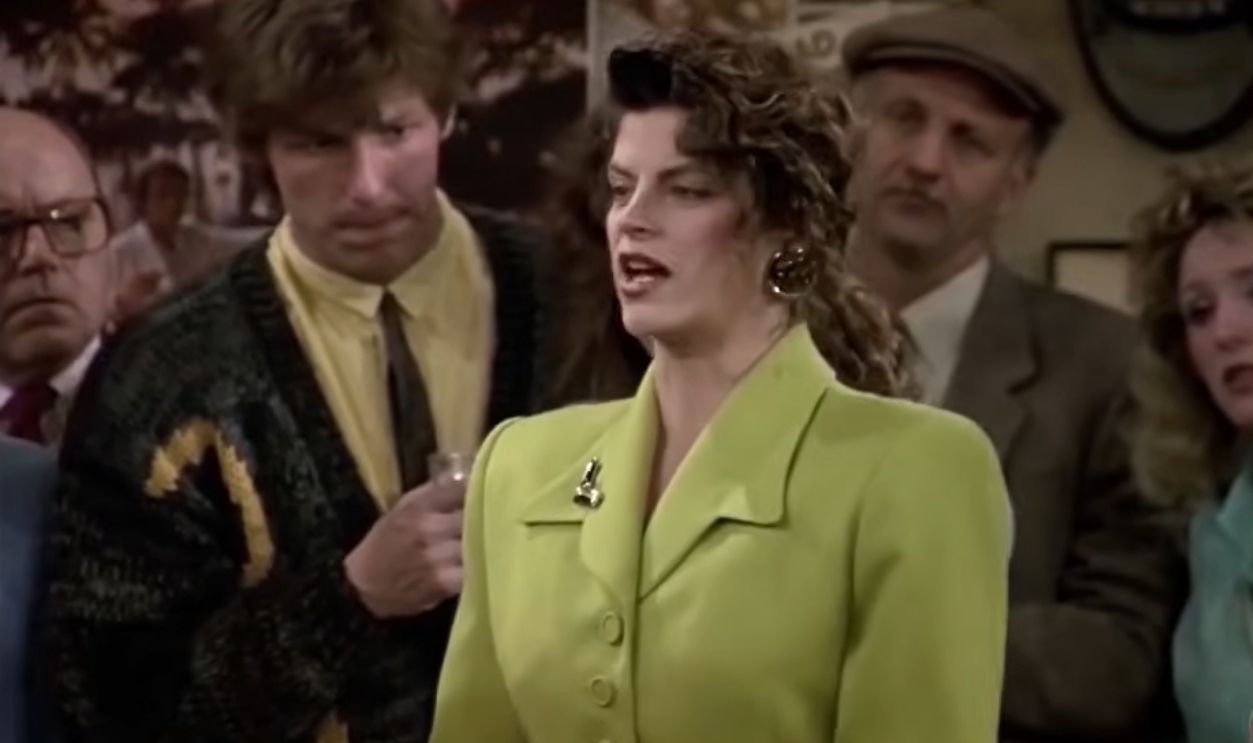
The Character Was Not Working Yet
Finding Rebecca’s comic voice took longer than the writers hoped. Producer Cheri Steinkellner recalled that early stories sometimes sent Rebecca into her office or out on errands so the action could return to familiar characters. Everyone understood that the writers were still trying to discover what made her funny.
 Screenshot from Cheers, NBC (1982–1993)
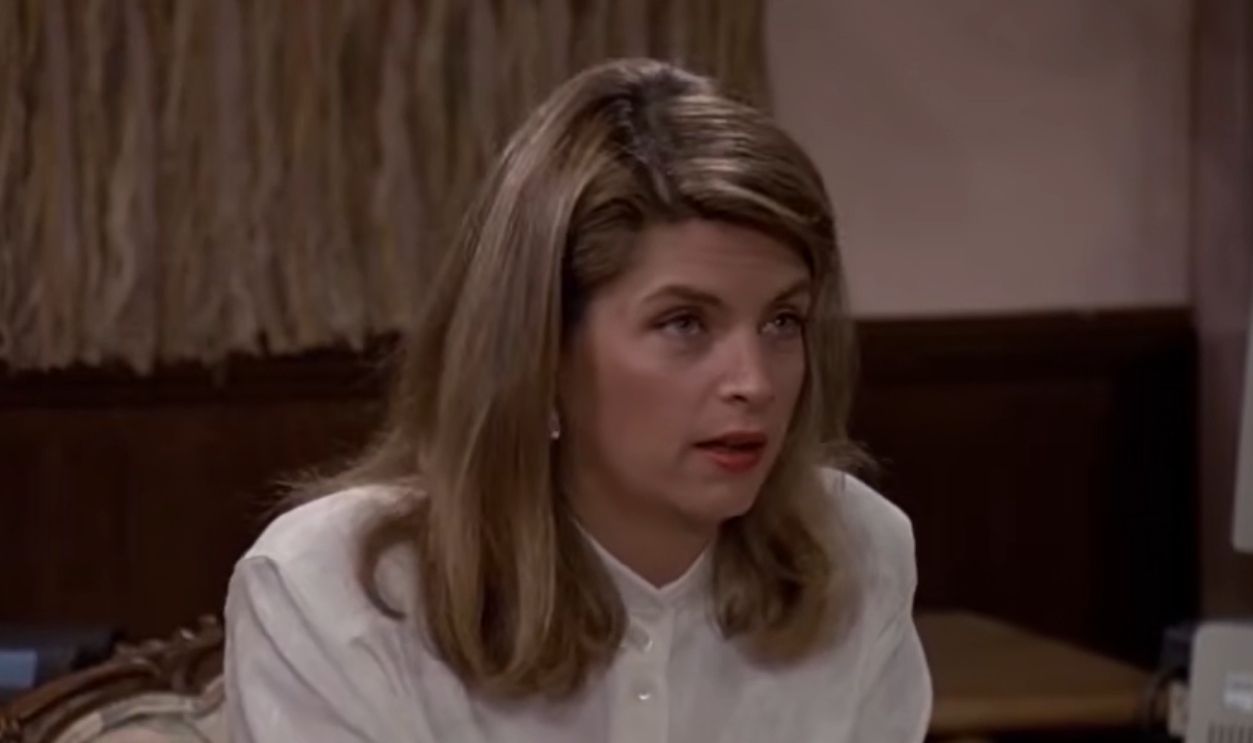
Her Nerves Became The Missing Ingredient
Glen Charles noticed that Alley seemed nervous during rehearsals despite her commanding screen presence. That contrast suggested a better approach to Rebecca. The writers began cracking her sophisticated exterior and revealing the insecure woman underneath it.
 Screenshot from Cheers, NBC (1982–1993)
One Tiny Mistake Changed Everything
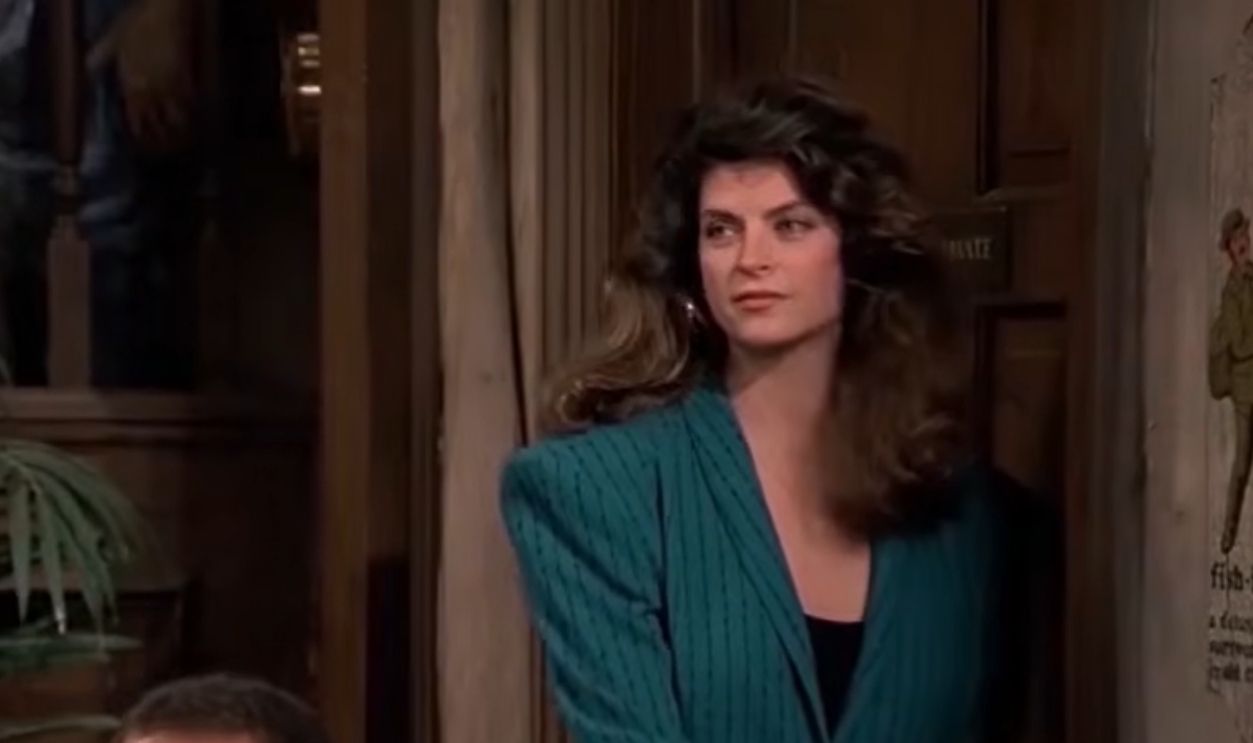
A breakthrough came when Rebecca hurried toward her office after receiving an important telephone call. Alley briefly struggled with the doorknob and improvised a flustered correction after thinking she had locked herself out. Les Charles remembered that small moment as the first clear glimpse of Rebecca’s full comic potential.
 Screenshot from Cheers, NBC (1982–1993)
Evan Drake Exposed Her Weakness
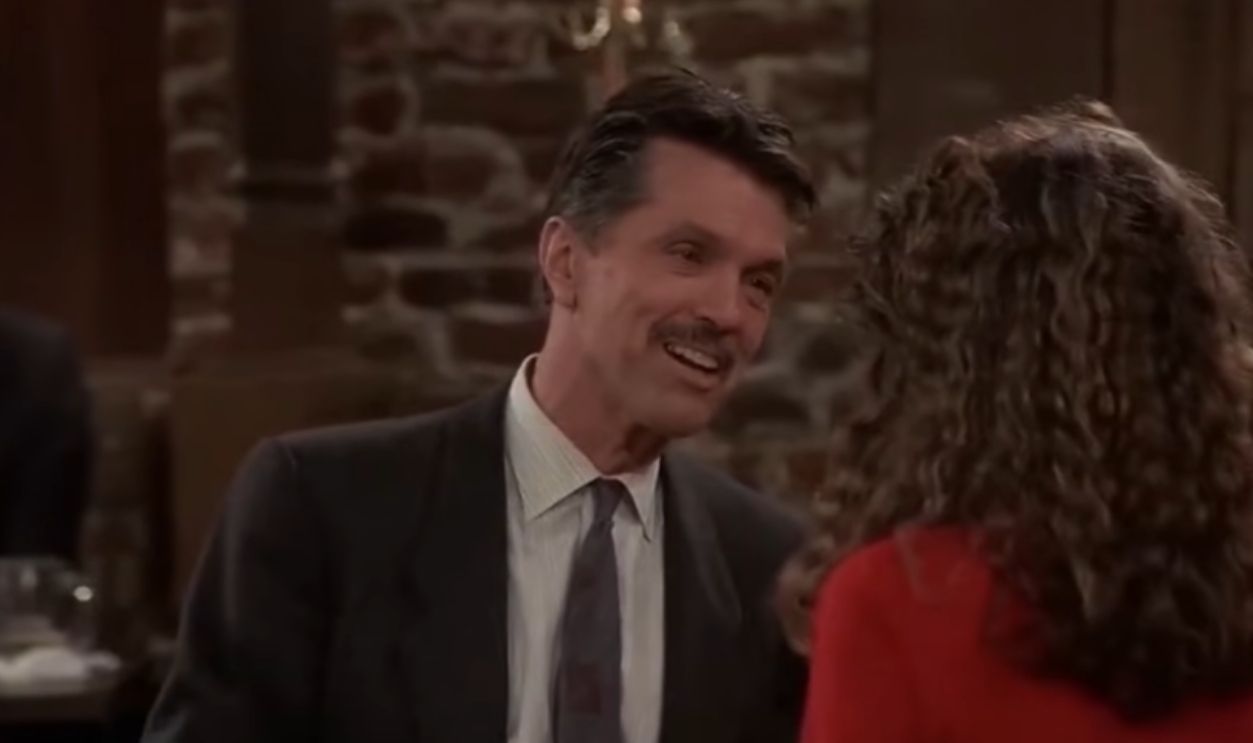
Rebecca’s infatuation with wealthy corporate executive Evan Drake gave the writers another way inside the character. She desperately wanted to impress him, although he rarely recognized the depth of her interest. Alley made Rebecca’s attempts to remain professional increasingly frantic and funny.
 Screenshot from Cheers, NBC (1982–1993)
Norm Helped Reveal The Real Rebecca
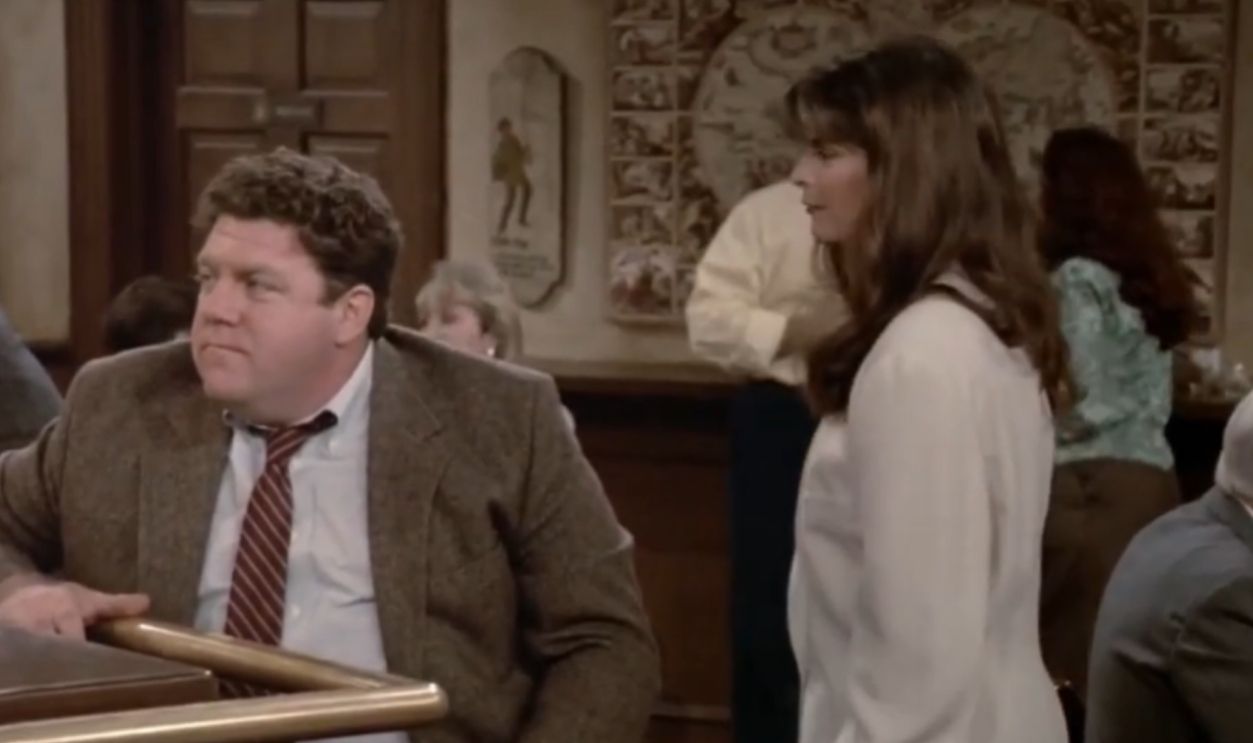
Another important scene placed Rebecca in her office with Norm, who had accepted a painting job. Her polished façade collapsed, and she began crying in front of him. The writers discovered that Alley could make Rebecca’s emotional breakdowns feel both believable and hilarious.
 Screenshot from Cheers, NBC (1982–1993)
She Finally Joined The Bar’s Misfits
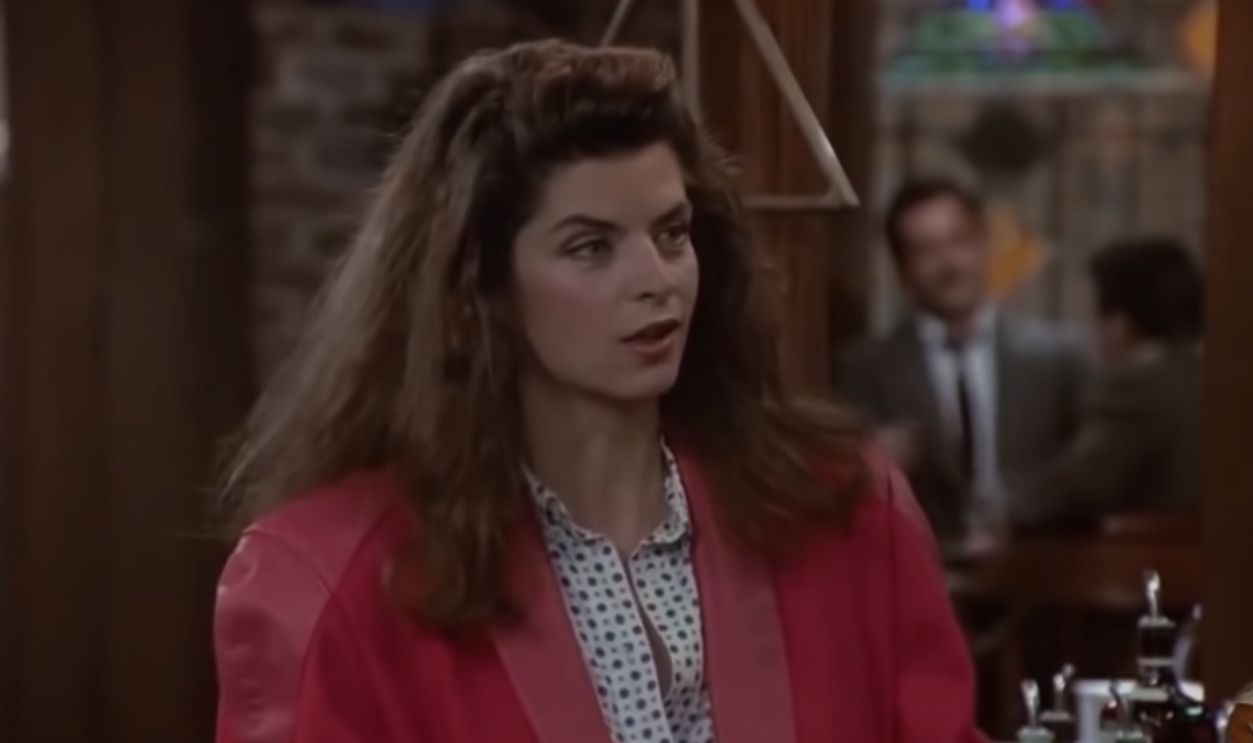
Rebecca gradually stopped functioning as an outsider who merely supervised the regulars. Her failed romances, professional disappointments, and emotional disasters revealed that she was as vulnerable as everyone around her. Steinkellner later joked that Rebecca became the bar’s biggest and saddest loser.
 Screenshot from Cheers, NBC (1982–1993)
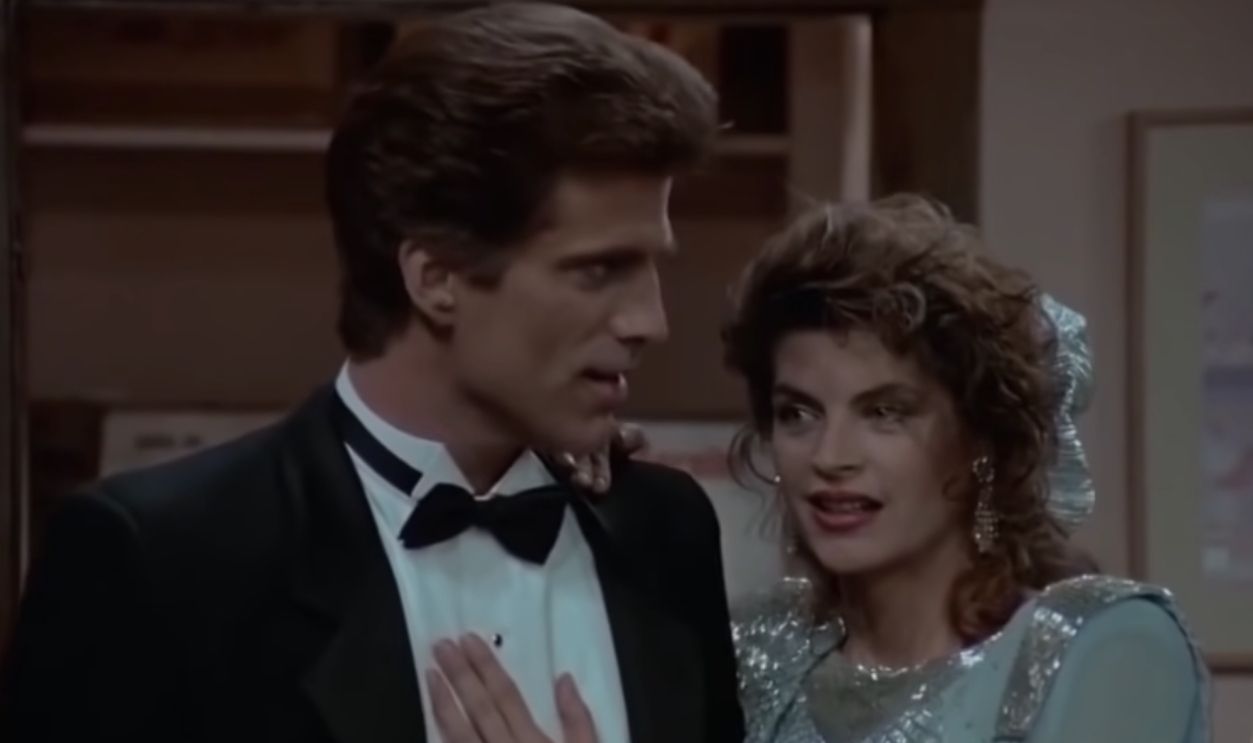
Sam Found A New Kind Of Partner
Sam and Rebecca continued flirting and arguing, but the series did not simply recreate his romance with Diane. Rebecca could challenge him as an employer, friend, and occasional object of attraction without becoming his defining love story. That change allowed Sam to participate more freely in the show’s broader ensemble comedy.
 Screenshot from Cheers, NBC (1982–1993)
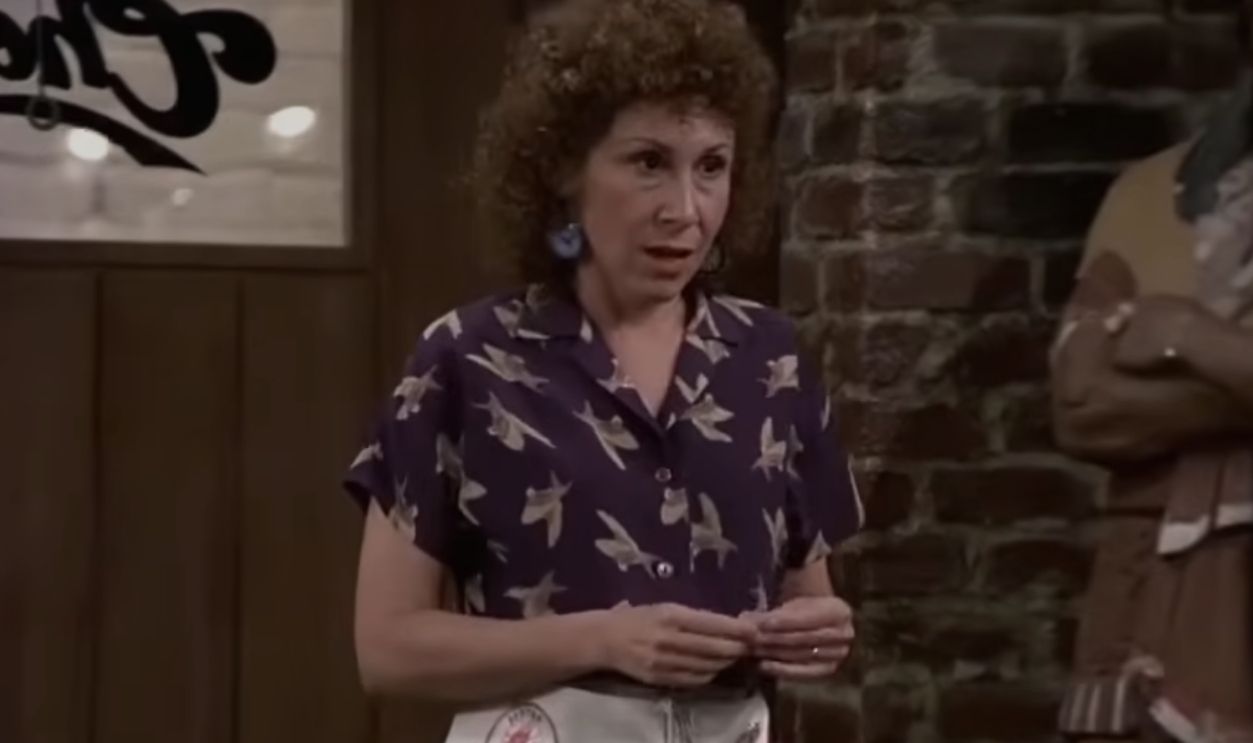
Alley Became Part Of The Family
Alley quickly formed real friendships with the people who had worried about the show’s future. Perlman later said they became friends almost immediately and remembered Alley hosting elaborate parties for cast members, crew members, and their families. The newcomer who faced an intimidating reception ultimately became one of the group’s most beloved personalities.
 Screenshot from Cheers, NBC (1982–1993)
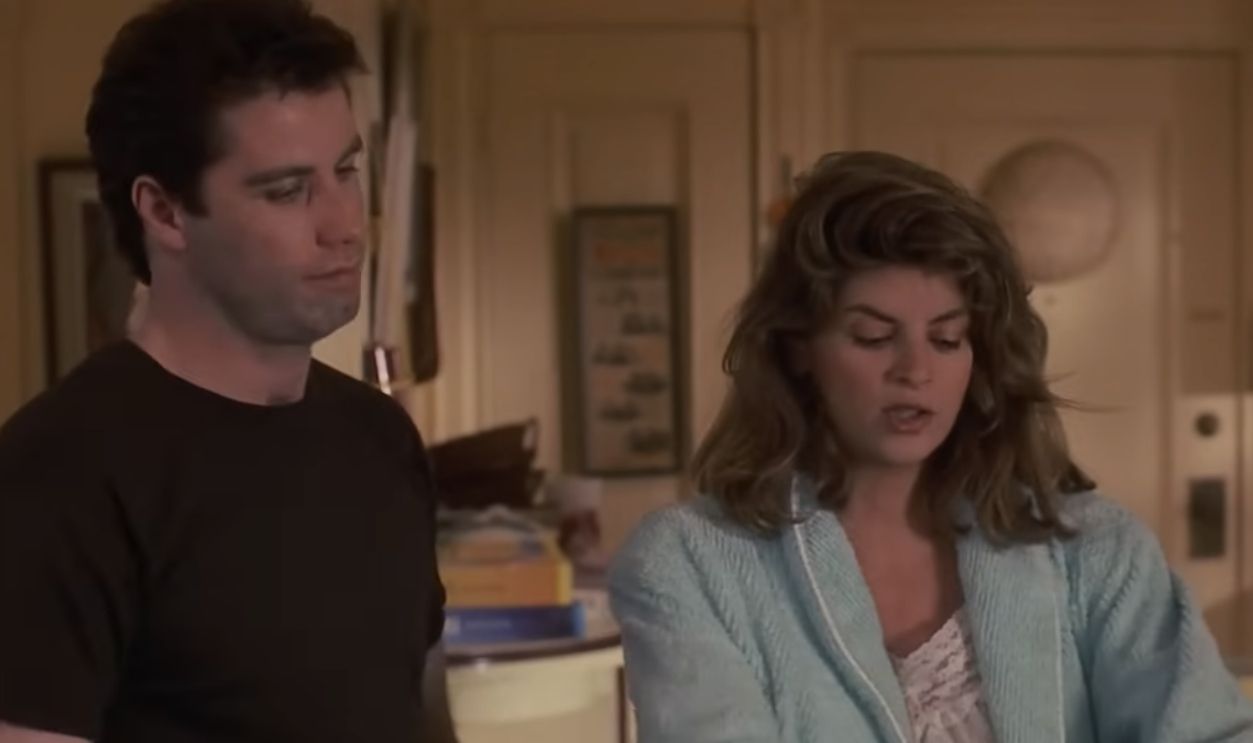
Her Movie Career Exploded Too
While starring on Cheers, Alley found major movie success opposite John Travolta in Look Who’s Talking. The 1989 comedy became a hit and produced two sequels featuring Alley. Her growing film career did not prevent her from remaining with Cheers through its conclusion.
 Screenshot from Look Who's Talking, Tri-Star Pictures (1989)
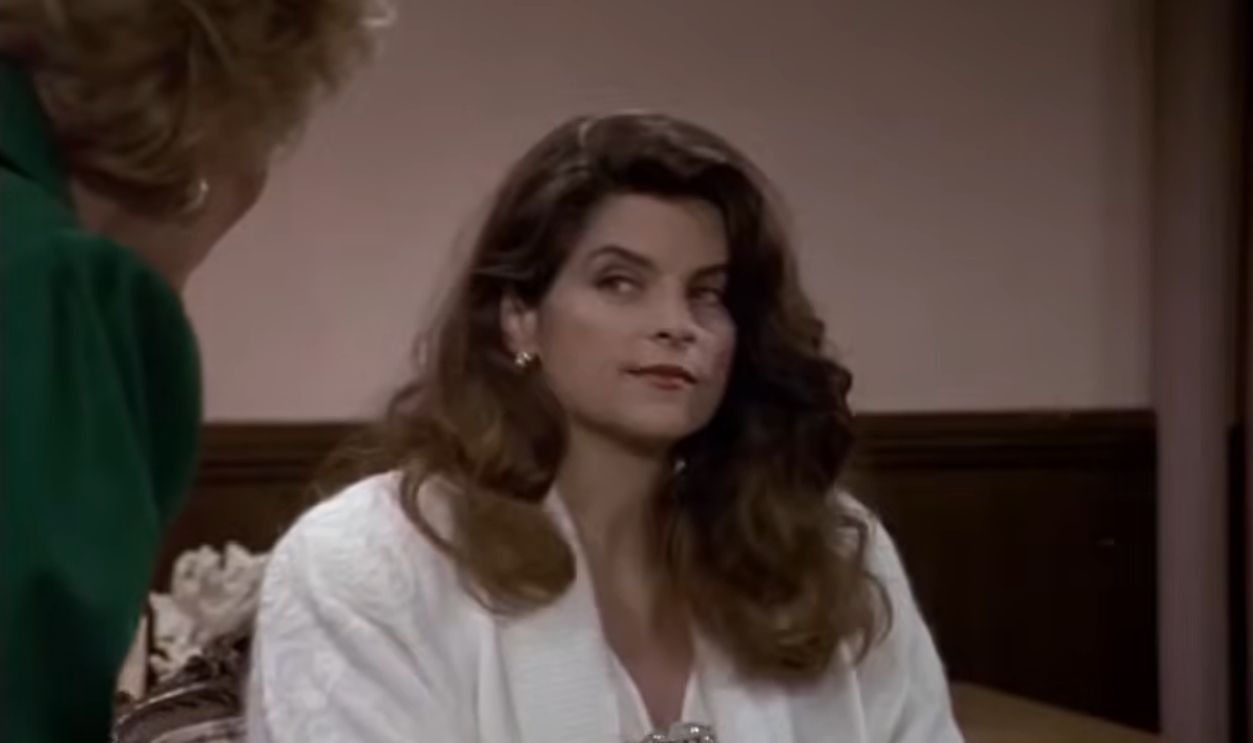
The Gamble Paid Off Spectacularly
Cheers stayed among television’s most successful comedies for years after Long departed. The Television Academy credits it with seven top-ten seasons during its 11-year run, while Greenberg remembered ratings climbing again after Alley joined. Rather than ending the series, the casting change helped it remain fresh for six additional seasons.
 Screenshot from Cheers, NBC (1982–1993)
Rebecca Became An Award-Winning Role
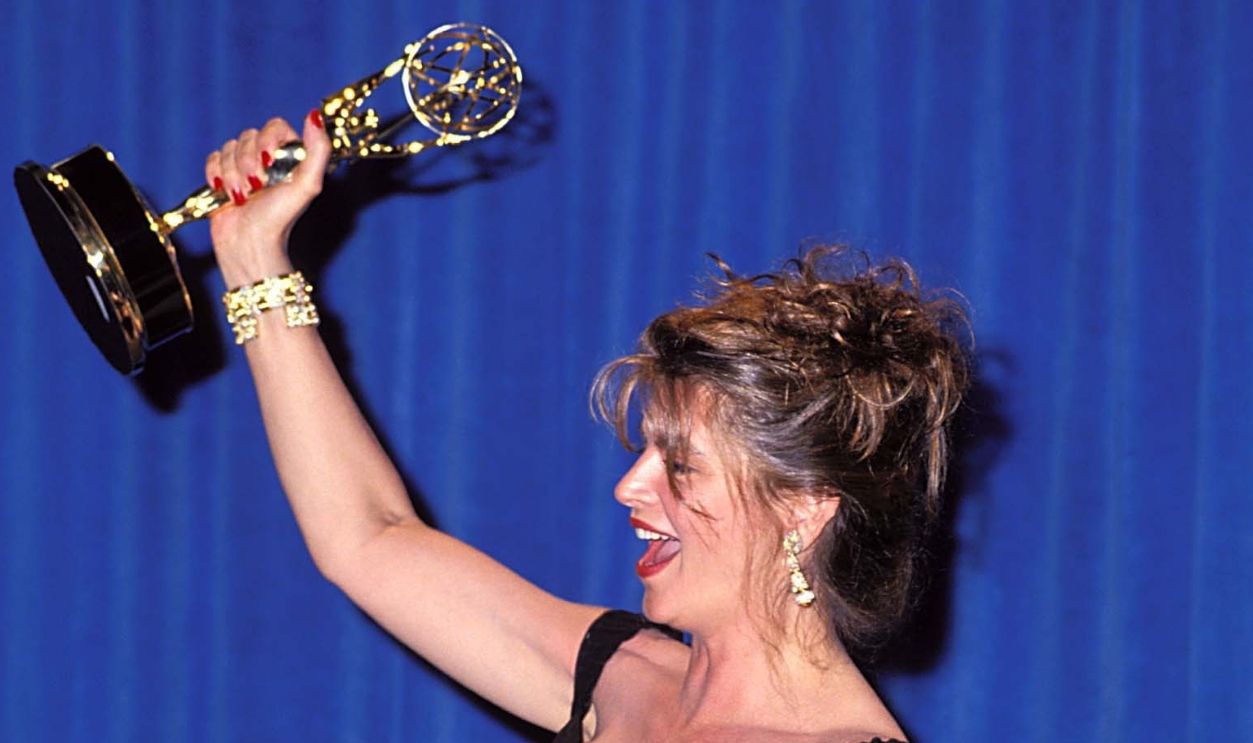
Alley earned an Emmy nomination during her first season on Cheers. She eventually won the 1991 Emmy for Outstanding Lead Actress in a Comedy Series and received the Golden Globe that same year. Her performance proved that Rebecca Howe had become much more than an emergency replacement.
She Left An Unmistakable Legacy
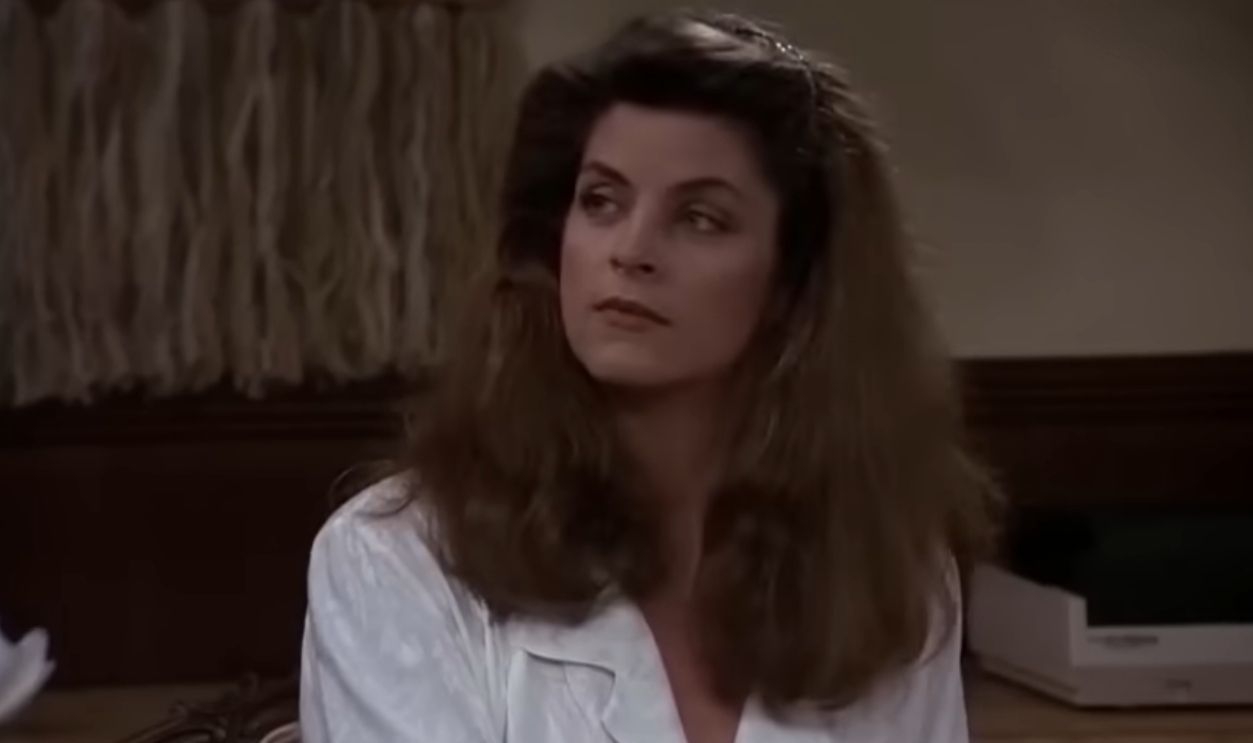
Alley remained with Cheers until its celebrated 1993 finale, which also brought Long back as Diane. After Alley died in 2022, Danson praised her ability to make Rebecca’s near-breakdowns moving and hysterically funny at the same time. The cast had once feared that nobody could follow Shelley Long, but Alley succeeded by making sure Rebecca Howe never tried to be Diane Chambers.
 Screenshot from Cheers, NBC (1982–1993)
You May Also Like:
What Happened To The Cast Of Cheers After The Series Ended?
Kelsey Grammer's Lifetime Of Grief
Loni Anderson Became A 1970s TV Bombshell, But She Was Always Sharper Than Her Image Suggested