Sometimes The Past Really Should Stay There
Rock reunions are supposed to restore something fans thought they'd lost. Sometimes they do. Other times the old feuds return, crucial members are missing, new albums expose how much the chemistry has faded, or the "reunion" turns out to be little more than an expensive nostalgia exercise. A few on this list even played brilliantly, which only made what happened afterward more frustrating.
The Doors Of The 21st Century Tried To Replace The Irreplaceable
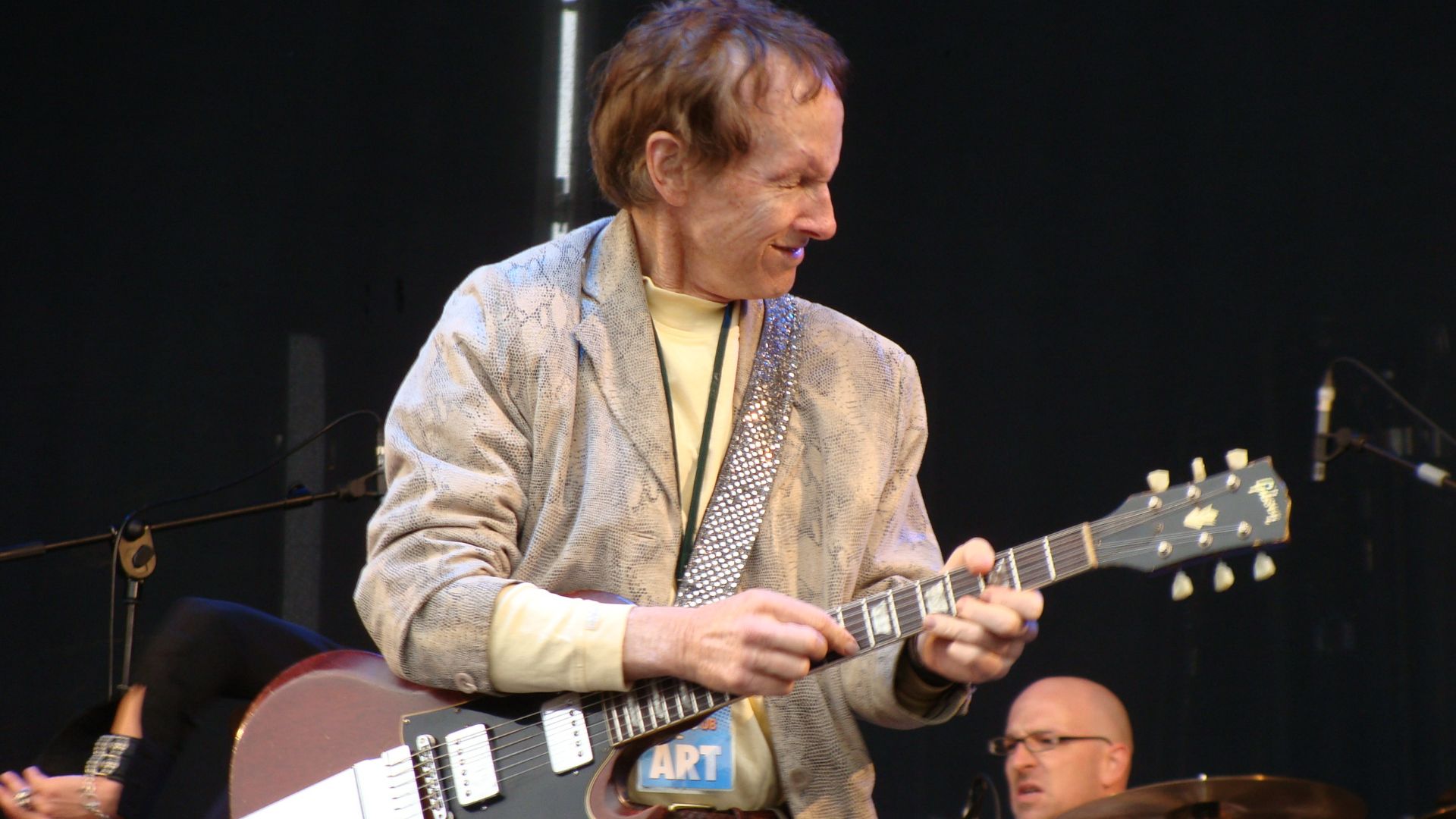
Ray Manzarek and Robby Krieger revived The Doors' music in 2002 with The Cult's Ian Astbury singing, while original drummer John Densmore declined to participate. The bigger problem was the name. Densmore and Jim Morrison's estate fought the use of The Doors branding, eventually forcing changes including Riders on the Storm. Astbury could handle the material, but a Doors reunion without Morrison was always going to feel fundamentally incomplete.
 Alberto Cabello, Wikimedia Commons
The Smiths Couldn't Even Make It To The Reunion
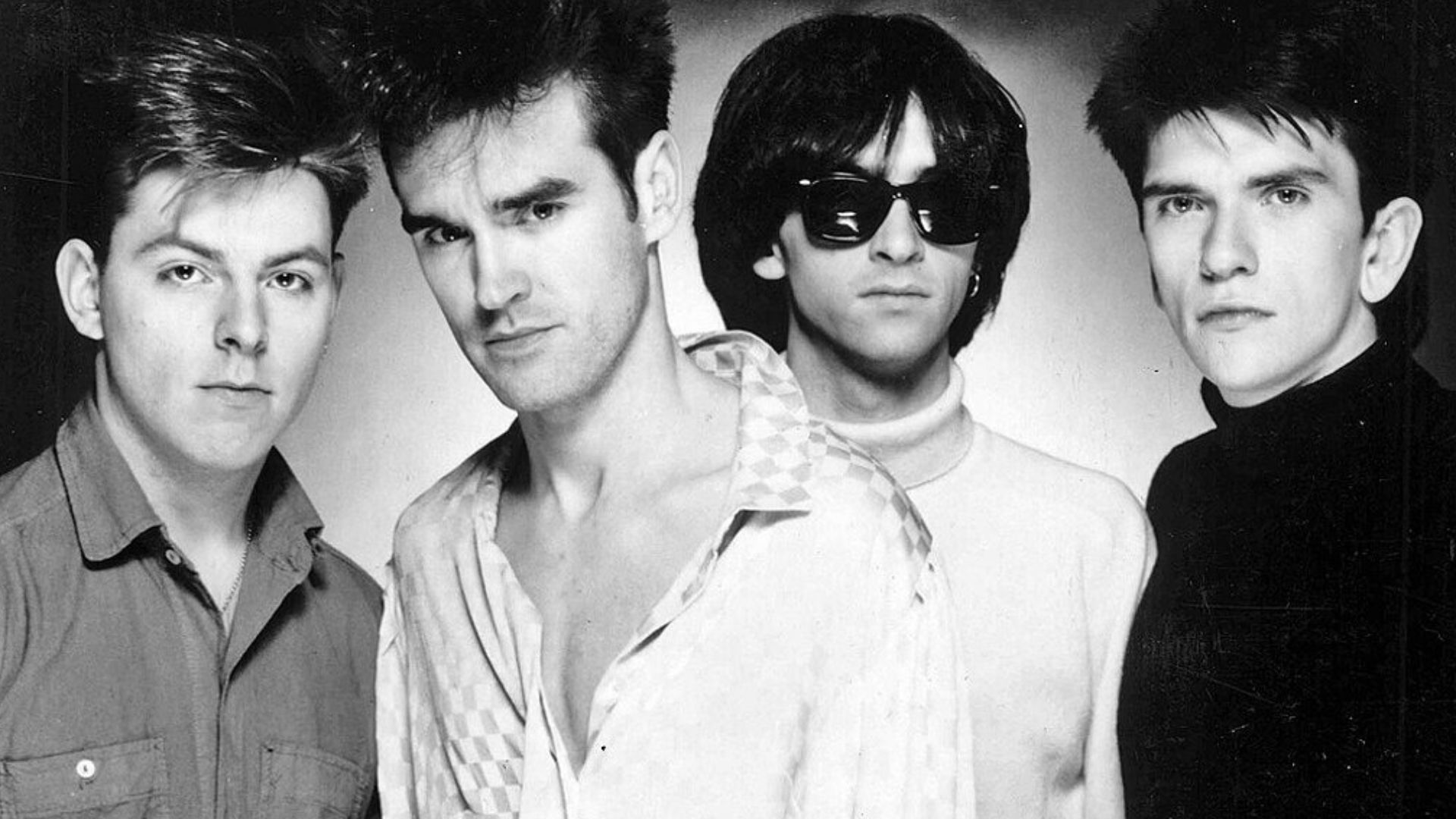
The Smiths have never managed a genuine reunion, which almost makes them uniquely qualified for a list like this. Morrissey repeatedly rejected lucrative offers to reunite with Johnny Marr, while a 2018 project called Classically Smiths proposed performances by Mike Joyce, Andy Rourke, and Craig Gannon with an orchestra. Rourke denied involvement almost immediately, and the entire project collapsed a day after being announced.
 Paul Cox; Distributed by Sire Records, Wikimedia Commons
Happy Mondays Turned Their 1999 Comeback Into Chaos
Happy Mondays had always thrived on disorder, but their 1999 reunion reportedly delivered too much of it. Shaun Ryder relied on a teleprompter for lyrics, confrontations erupted among band members, and long pauses interrupted shows. Their comeback single, a cover of Thin Lizzy's "The Boys Are Back in Town," didn't exactly announce a new creative chapter either. The reunion captured the band's instability more successfully than its original magic.
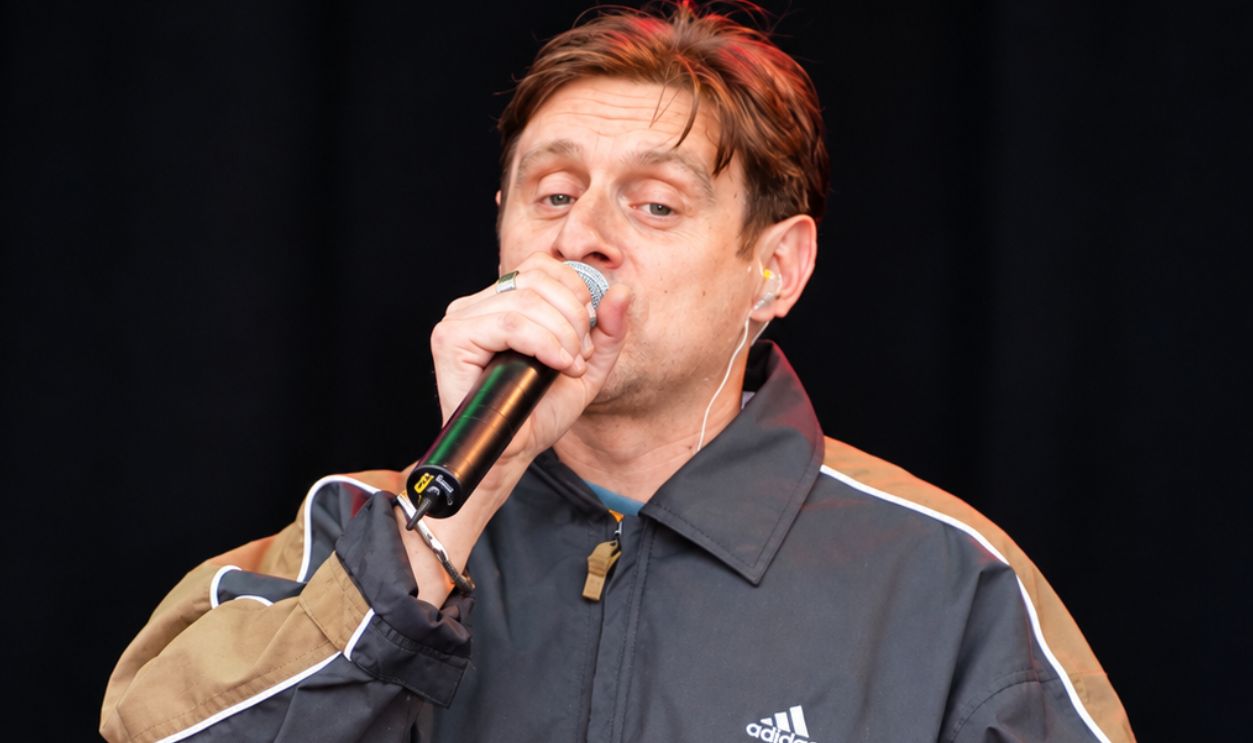 James Arnold - PA Images, Getty Images, Modified
Velvet Underground Reunited Just Long Enough To Fall Apart Again
Lou Reed and John Cale had repaired enough of their relationship to make Songs for Drella, which eventually led Reed, Cale, Sterling Morrison, and Moe Tucker back onto stages in 1993. The European tour was initially exciting, and plans developed for American dates and possibly new recordings. Then Reed and Cale's old struggles over control resurfaced. The peace collapsed before the reunion could become anything permanent.
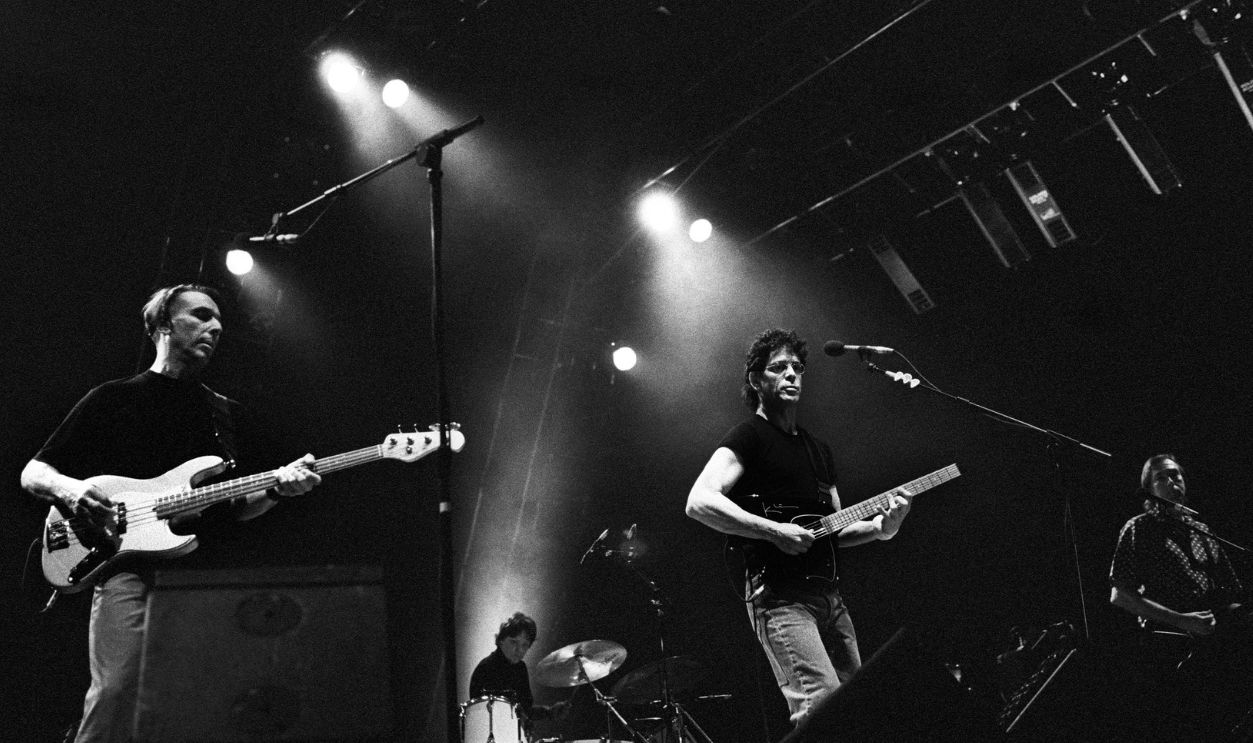
The Alarm Had To Pretend To Be Young To Get Heard
Mike Peters found a brutally clever way to revive interest in The Alarm in 2004. The new song "45 RPM" was released under the fictitious name the Poppy Fields, while a group of young musicians lip-synced in the video. Radio embraced the supposed newcomers and the single reached No. 28 in Britain. The stunt worked, but it also proved the uncomfortable point: The Alarm's comeback got attention only after hiding who made it.
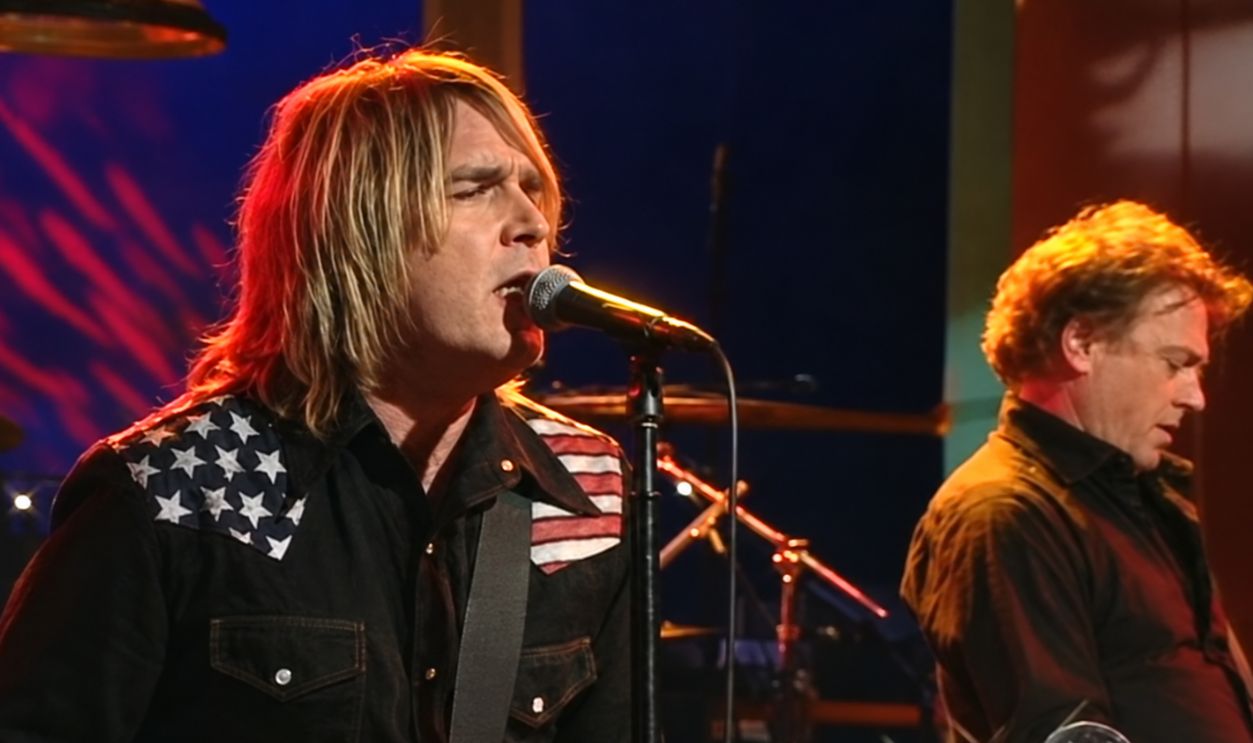 Screenshot from 45 RPM, Snapper Music (2004), Modified
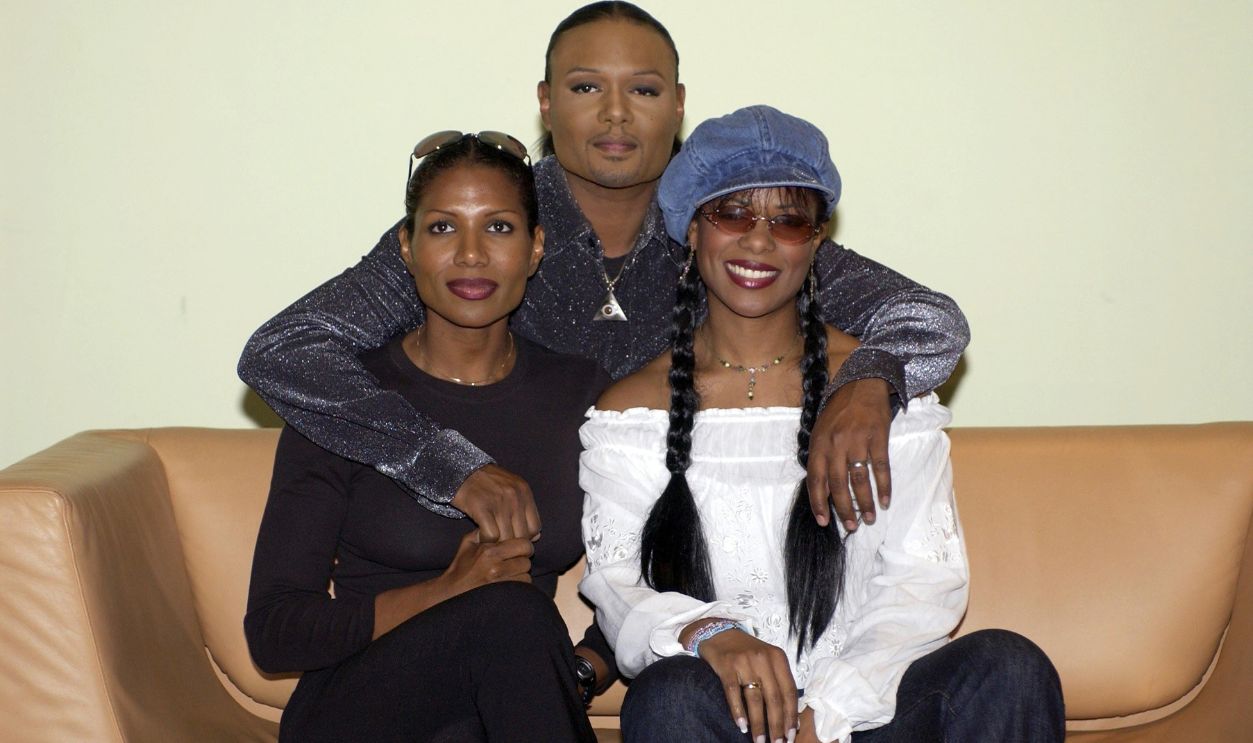
Five Star Came Back Without All Five Stars
Five Star's original appeal was built around the Pearson siblings operating as a polished family unit, so a partial revival was always going to create an identity problem. Around the beginning of the 2000s, versions of the group returned with fewer than all five siblings, eventually performing as a trio on nostalgia bills. New material failed to restore their old chart position, making the comeback feel increasingly like a memory of Five Star rather than Five Star itself.
The Beatles Reunited Around A Voice From The Past
The Beatles' 1995 "reunion" was technologically remarkable and emotionally strange. Paul McCartney, George Harrison, and Ringo Starr added new performances to John Lennon home demos, producing "Free as a Bird" and later "Real Love". The records were commercially successful and "Free as a Bird" even won a Grammy, but listeners remain divided over whether constructing new Beatles songs around a late bandmate's cassette recording felt moving or artificial.
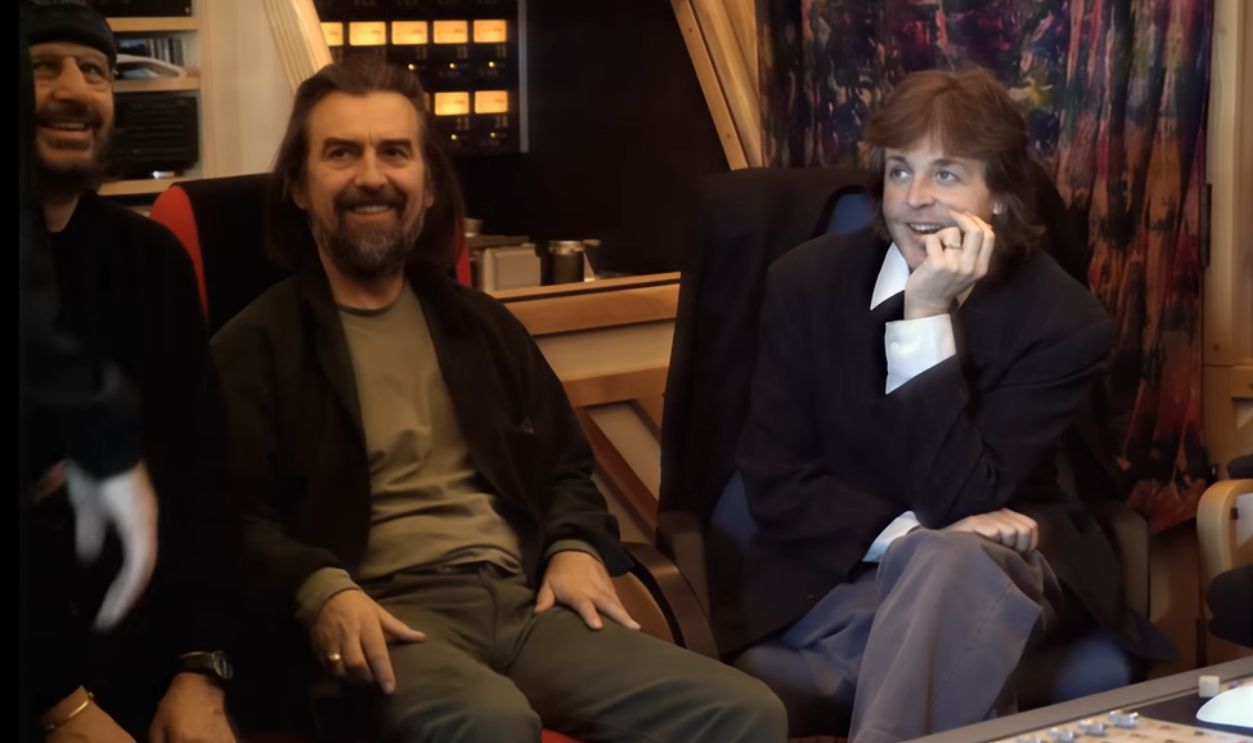 Screenshot from Real Love, Apple Records (1996)
Jesus Jones Discovered The Corporate-Reunion Circuit
Jesus Jones regrouped in the early 2000s after their late-1990s split, but one especially surreal part of the comeback involved lucrative corporate performances in America. Mike Edwards later openly described the strange world of conference gigs, including playing for business audiences whose event themes happened to fit "Right Here, Right Now". It wasn't necessarily musically disastrous, but it was a long way from the band that once seemed to embody the future.
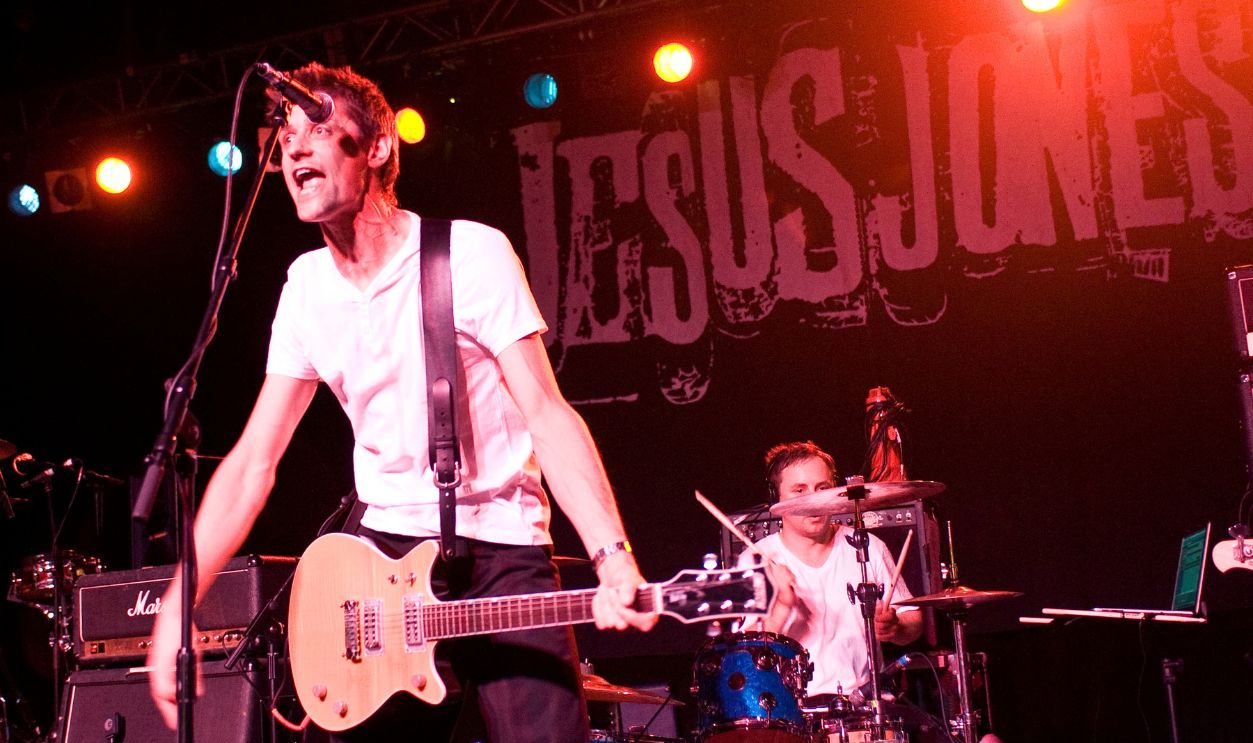
Fleetwood Mac's 1993 Reunion Lasted Basically One Song
Bill Clinton's use of "Don't Stop" as a campaign anthem accomplished something years of negotiation hadn't: it reunited Stevie Nicks, Lindsey Buckingham, Christine McVie, John McVie, and Mick Fleetwood. They performed the song at Clinton's 1993 inaugural gala, their first appearance as that lineup in years. The performance itself wasn't disastrous. The disappointment was that it was essentially ceremonial, after which Buckingham and Nicks returned to their separate careers.
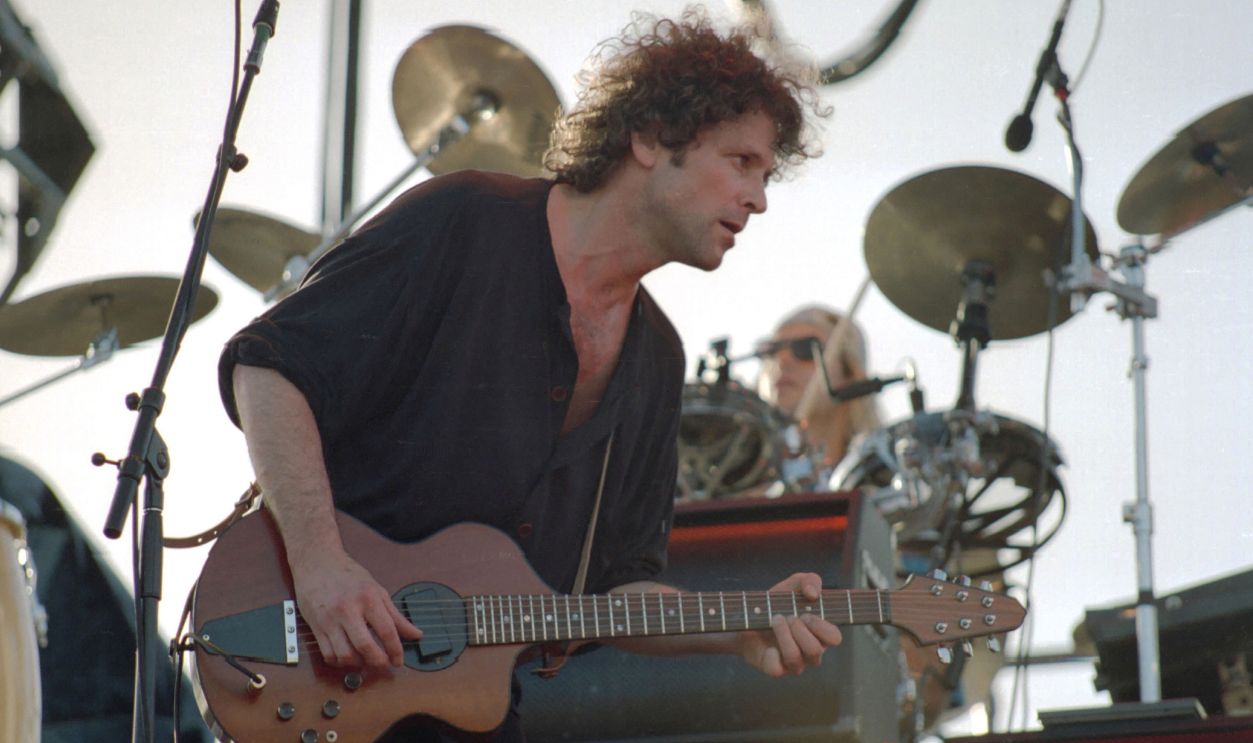
Musical Youth Returned As A Much Smaller Group
Musical Youth had been literal school-age performers when "Pass the Dutchie" became a global hit in 1982. By the early 2000s, Dennis Seaton and Michael Grant had revived the name as a duo, performing on nostalgia tours and later appearing on Pato Banton's 2004 reggae version of "Pretty Woman". The comeback could never reproduce the novelty or chemistry of the original young group because most of that group simply wasn't there anymore.
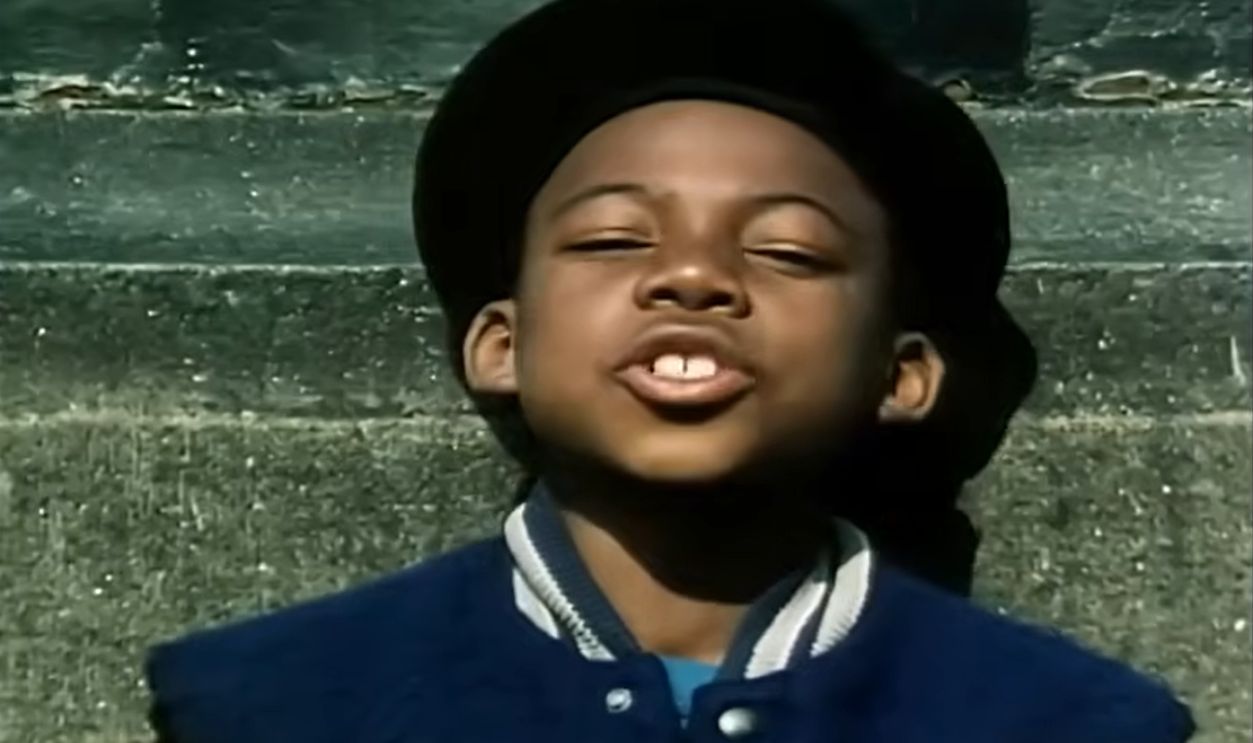 Screenshot from Pass the Dutchie, MCA Records (1982)
The Sex Pistols Turned Punk Into The Filthy Lucre Tour
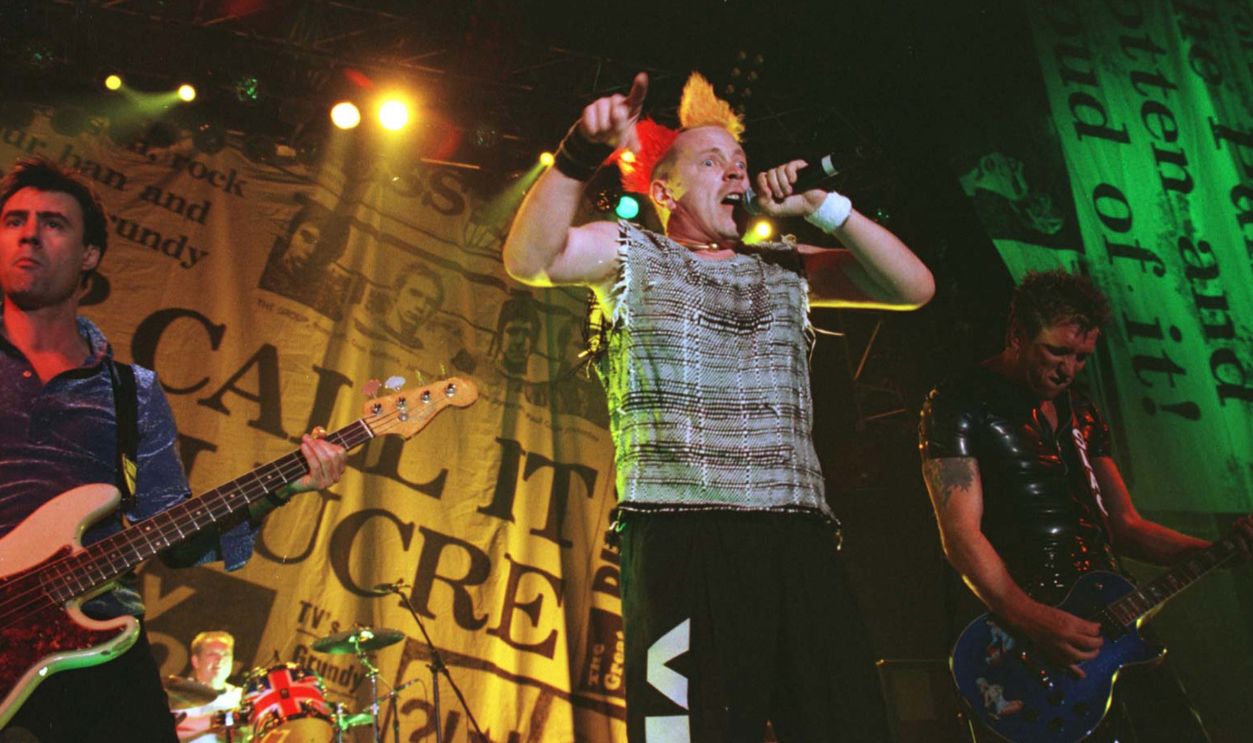
At least the band was honest. Their 1996 reunion was literally called the Filthy Lucre Tour, acknowledging the money behind a comeback by a band once synonymous with rejecting the rock establishment. The original Glen Matlock-era lineup could still play, and some reviews were surprisingly positive. Yet others saw a tightly rehearsed nostalgia act where danger had once been the whole point. Punk rebellion had become a reliable ticket seller.
Van Halen's 2004 Reunion Reopened Every Old Wound
Sammy Hagar returned to Van Halen in 2004 for a massive tour after eight years apart, but the reconciliation deteriorated almost immediately. Hagar and Eddie Van Halen clashed during rehearsals, and Eddie's substance problems became an increasing concern as the tour continued. What should have celebrated one of the band's most commercially successful eras instead ended with the relationship shattered again. Hagar never performed with Van Halen afterward.
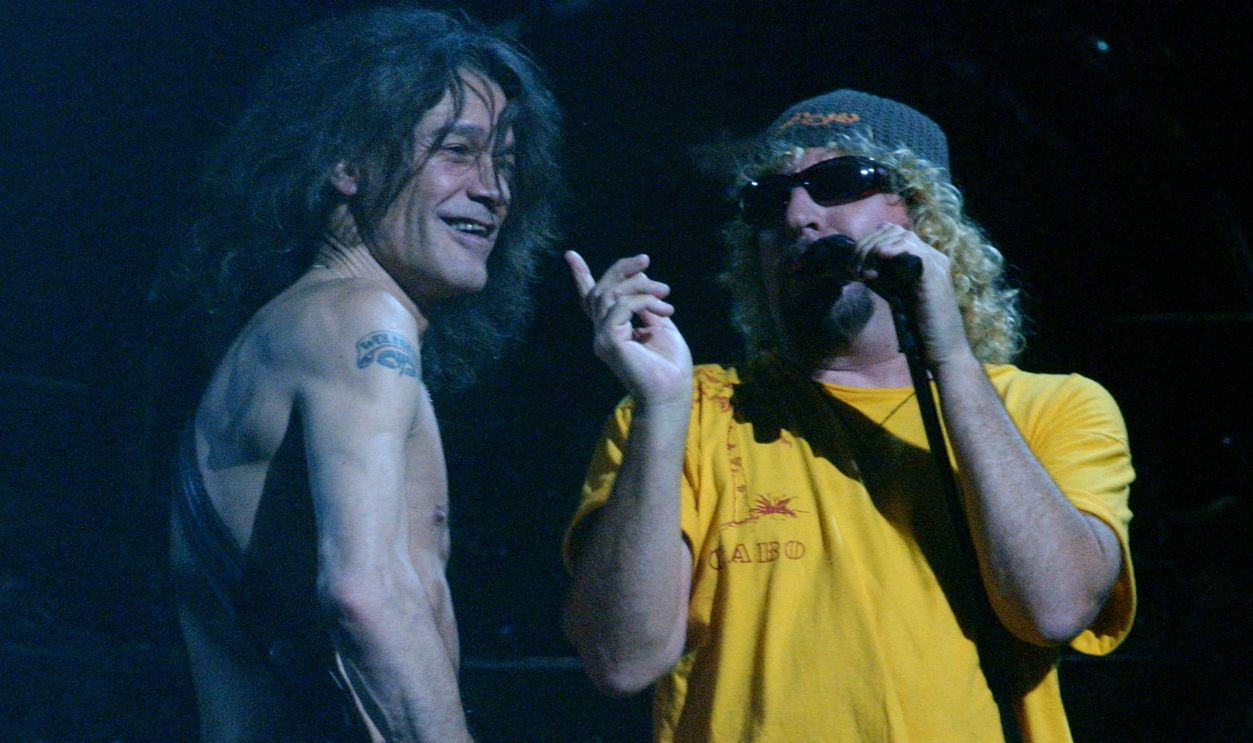 Debra L Rothenberg, Getty Images
The Byrds Sounded Like Five Solo Artists Sharing An Album
The original Byrds lineup reunited in 1972 to record the self-titled Byrds, released the following year. On paper, having Roger McGuinn, Gene Clark, David Crosby, Chris Hillman, and Michael Clarke together again should have been extraordinary. Instead, the album often lacked the chiming Rickenbacker guitar and unified harmonies associated with their peak. A planned tour never materialized, and the reunion ended as a one-album historical curiosity.
![Collectie / Archief : Fotocollectie Anefo
Reportage / Serie : [ onbekend ]
Beschrijving : Popgroep de](https://www.factinate.com/storage/app/media/theshot/2026/9/25/17903503577d34770c20ff5db7db37f88e6f8f9829d369a5a9.jpg) Joost Evers / Anefo, Wikimedia Commons
Joost Evers / Anefo, Wikimedia Commons
Flowered Up's Comeback Ended In A Medical Emergency
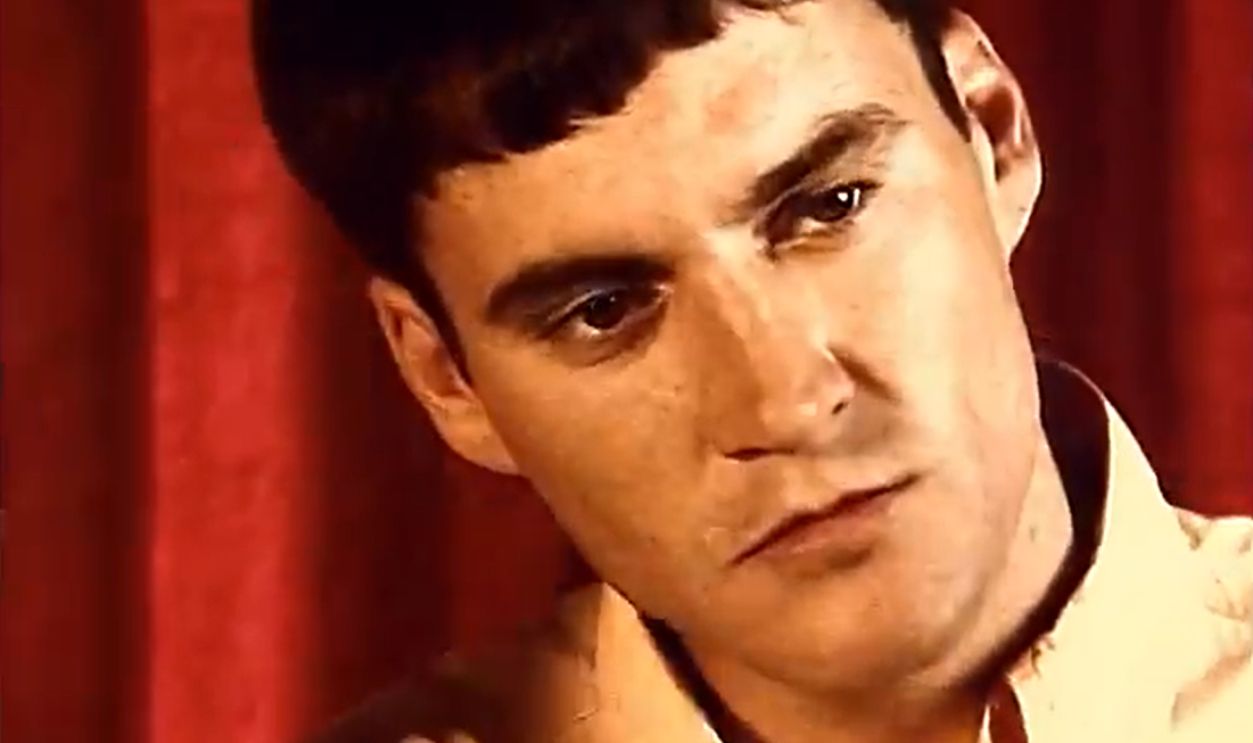
Flowered Up's 2005 reunion actually started promisingly, with rehearsals and warm-up shows suggesting the London group might have found its groove again. Then came a disastrous appearance with Happy Mondays at Clapham Common. Drummer John Tuvey later recalled guitarist Joe Maher playing the wrong songs before being taken away by St John Ambulance in a straitjacket. Tuvey emerged from the experience declaring there wouldn't be another comeback.
 Screenshot from Take It, London Records (1991)
The Cars Came Back Without One Of Their Most Important Voices
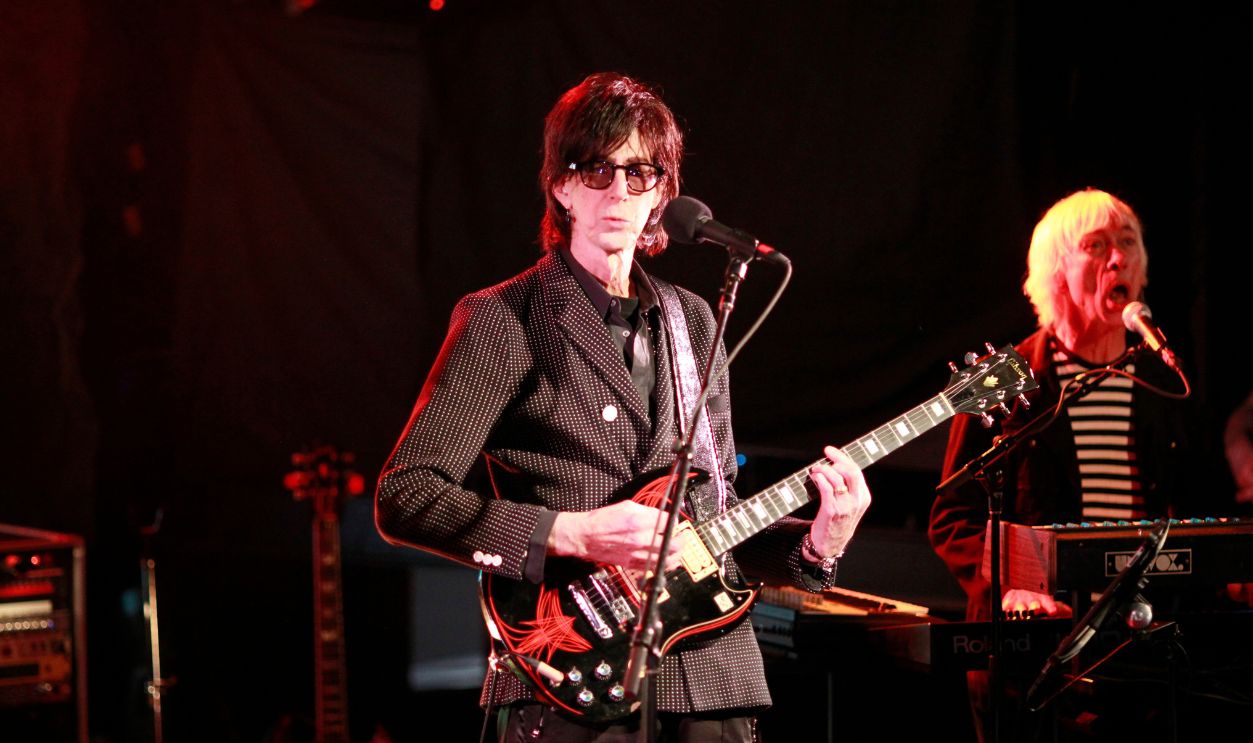
The surviving Cars finally reunited in 2010 and released Move Like This the following year. The album actually received some strong reviews, which makes this a more complicated entry. Benjamin Orr, who had passed on in 2000, was impossible to replace, and the reunion tour lasted only a handful of dates. Some critics also found the live performances emotionally chilly. It wasn't terrible so much as strangely brief and incomplete.
 Star Tribune via Getty Images, Getty Images
Led Zeppelin's 2007 Reunion Was Almost Too Good
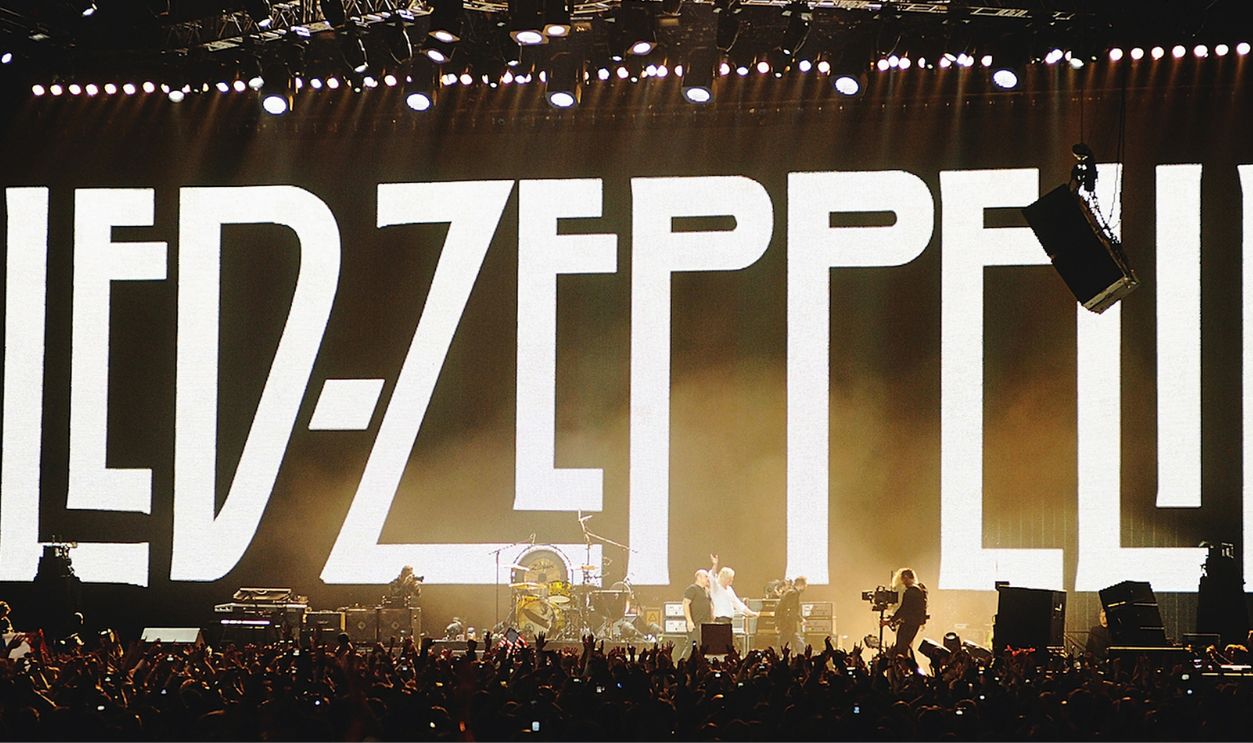
Led Zeppelin's O2 Arena reunion doesn't belong here because the performance was bad. Quite the opposite. Robert Plant, Jimmy Page, John Paul Jones, and Jason Bonham delivered a show critics widely praised, erasing memories of shakier earlier reunions. The frustration came afterward. Page, Jones, and Bonham wanted to continue, but Plant didn't, leaving millions of fans with one extraordinary night and an enormous sense of what might have been.
The Knack Returned To A World That Had Moved On
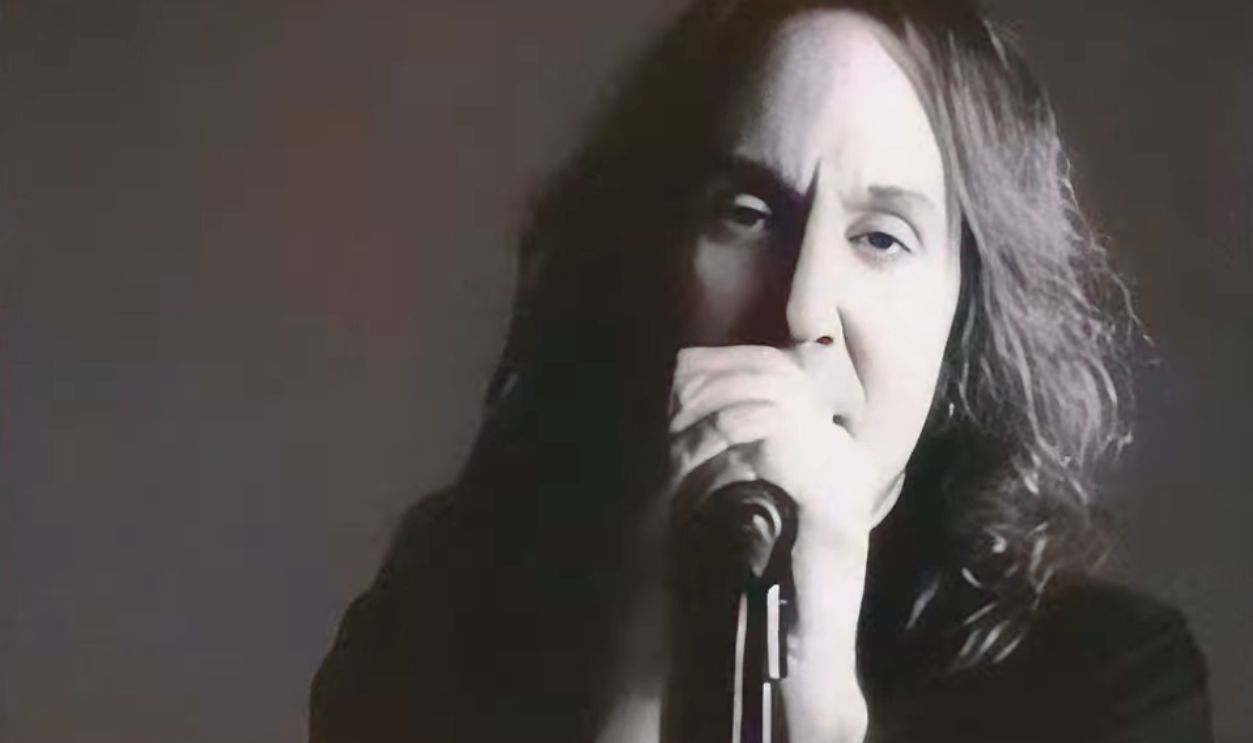
The Knack reunited for Serious Fun in 1991, a decade after their first breakup. Don Was produced the record, and "Rocket O' Love" reached the Top 10 on Billboard's Mainstream Rock chart, but the album failed to restore the band commercially. Their late-1970s power-pop style had once been everywhere. By the grunge era, the group suddenly sounded like an artifact from another music business entirely.
 Screenshot from Rocket O' Love, Charisma Records (1991), Modified
Creedence Clearwater Revival Reunited Without John Fogerty
Calling Creedence Clearwater Revisited a CCR reunion was always going to provoke arguments. Bassist Stu Cook and drummer Doug Clifford launched the project in 1995, but John Fogerty, the singer, songwriter, guitarist, and unmistakable voice behind the band's greatest records, wasn't involved. The touring group could perform the catalog capably, but for many listeners, CCR without Fogerty was closer to an officially connected tribute band than a real resurrection.
Emerson, Lake & Palmer Came Back In The Wrong Decade
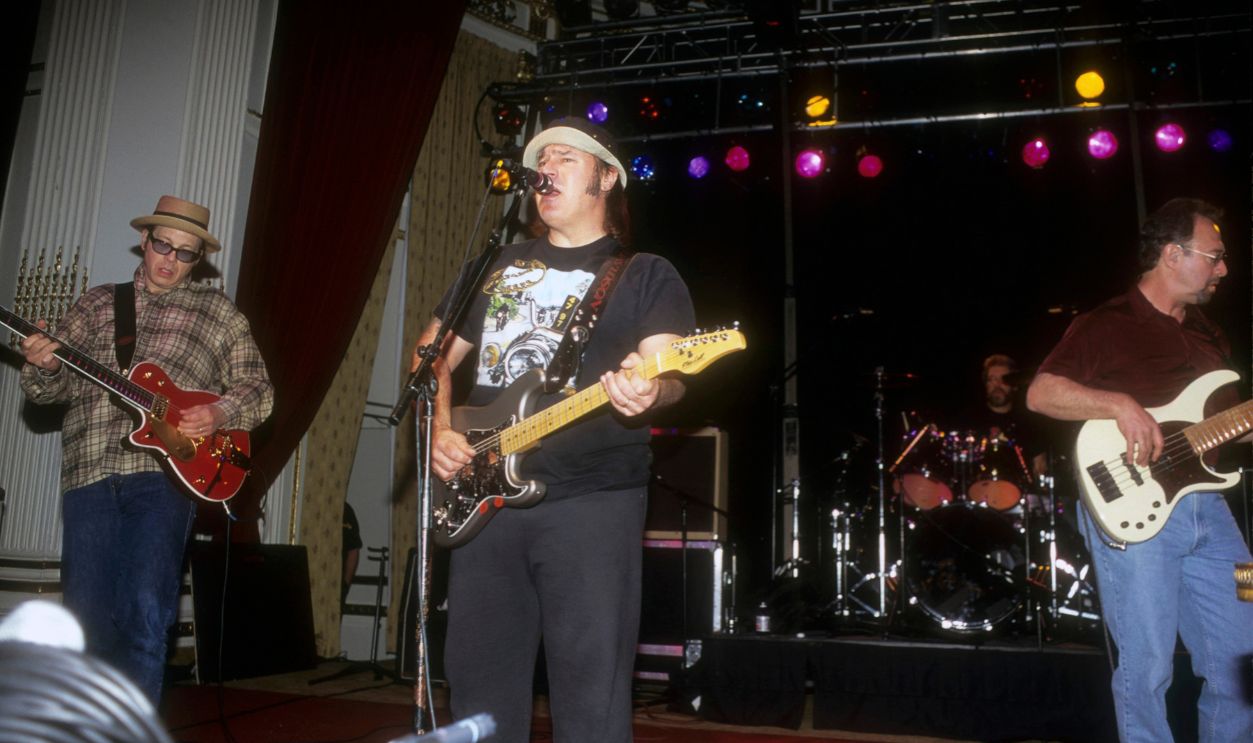
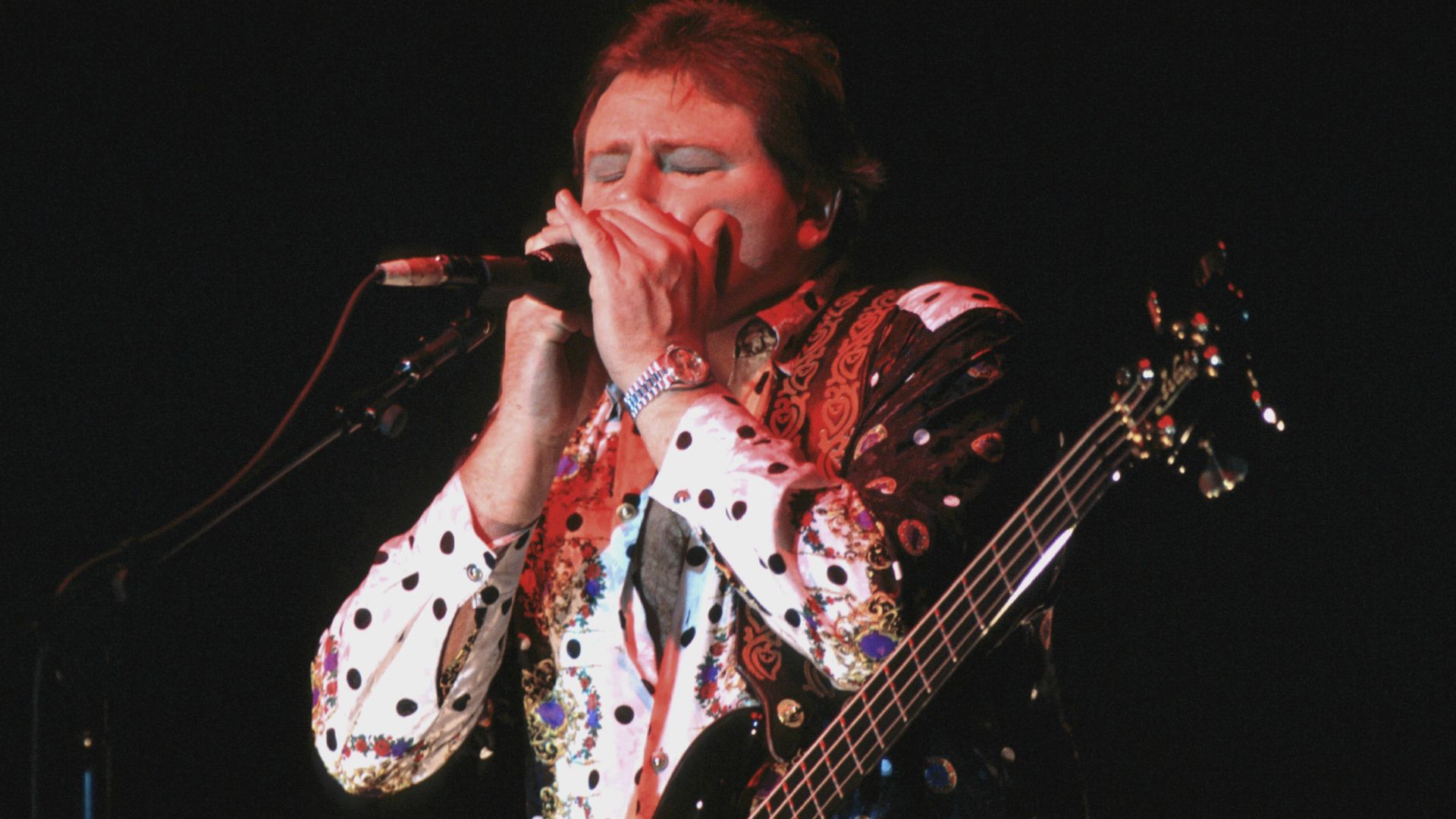
ELP reunited in 1992 with Black Moon, arriving at exactly the moment rock was moving toward stripped-down grunge and alternative music. Their musicianship hadn't disappeared, but Keith Emerson was beginning to suffer hand problems while Greg Lake's voice had changed considerably. The band that once filled arenas with enormous prog spectacle found itself playing smaller venues. The reunion wasn't humiliating, but it made the distance from their 1970s dominance impossible to ignore.
 Gorupdebesanez, Wikimedia Commons
Thin Lizzy Without Phil Lynott Was Always Going To Divide Fans
Scott Gorham and John Sykes revived Thin Lizzy as a touring act in 1996, 10 years after Phil Lynott's passing. Talented musicians passed through subsequent lineups, including original drummer Brian Downey, but the central problem never disappeared. Lynott hadn't merely sung and played bass. He wrote much of the material and embodied the band's personality. Eventually, new songs were released under the Black Star Riders name rather than pretending they were new Thin Lizzy music.
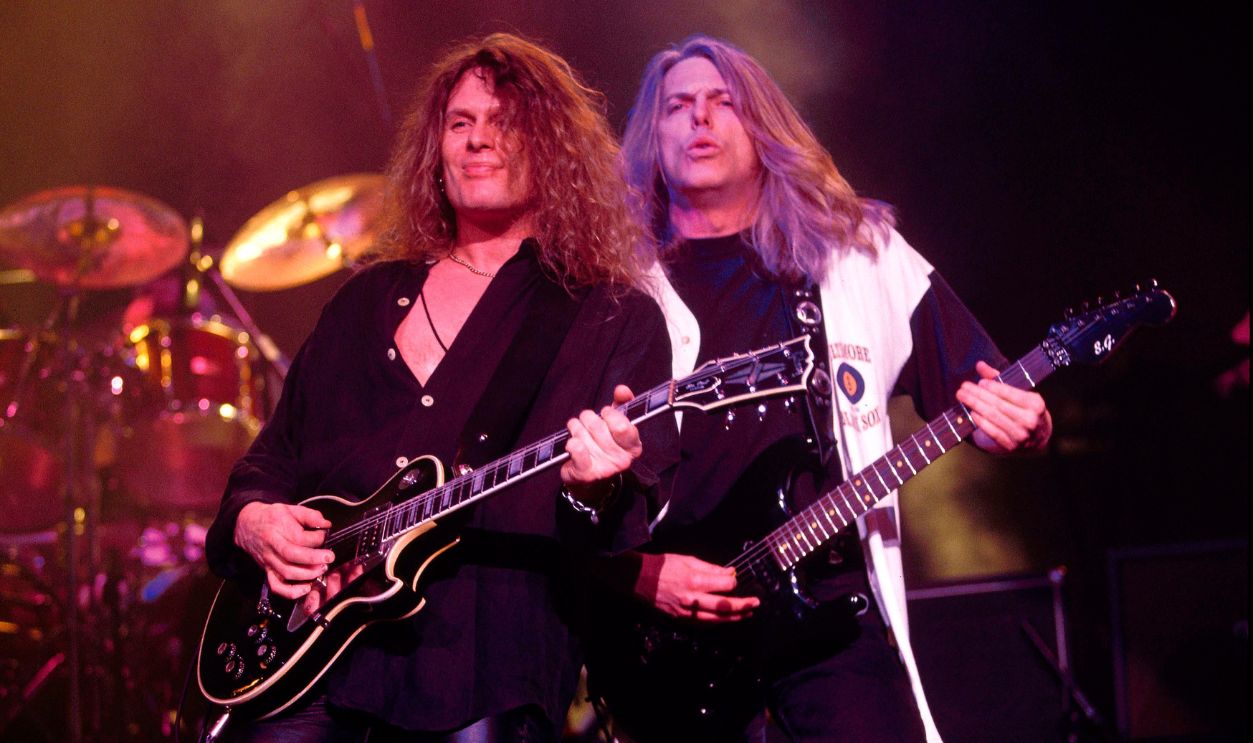
Jefferson Airplane Came Back With 1980s Production All Over Them
Grace Slick, Paul Kantner, Marty Balin, Jorma Kaukonen, and Jack Casady reunited in 1989 for the album Jefferson Airplane and a tour. The concerts drew interest, but the record peaked at only No. 85 in the USand was widely criticized for glossy contemporary production that clashed with the band's psychedelic identity. After the tour, they separated again, and Slick moved toward retirement.
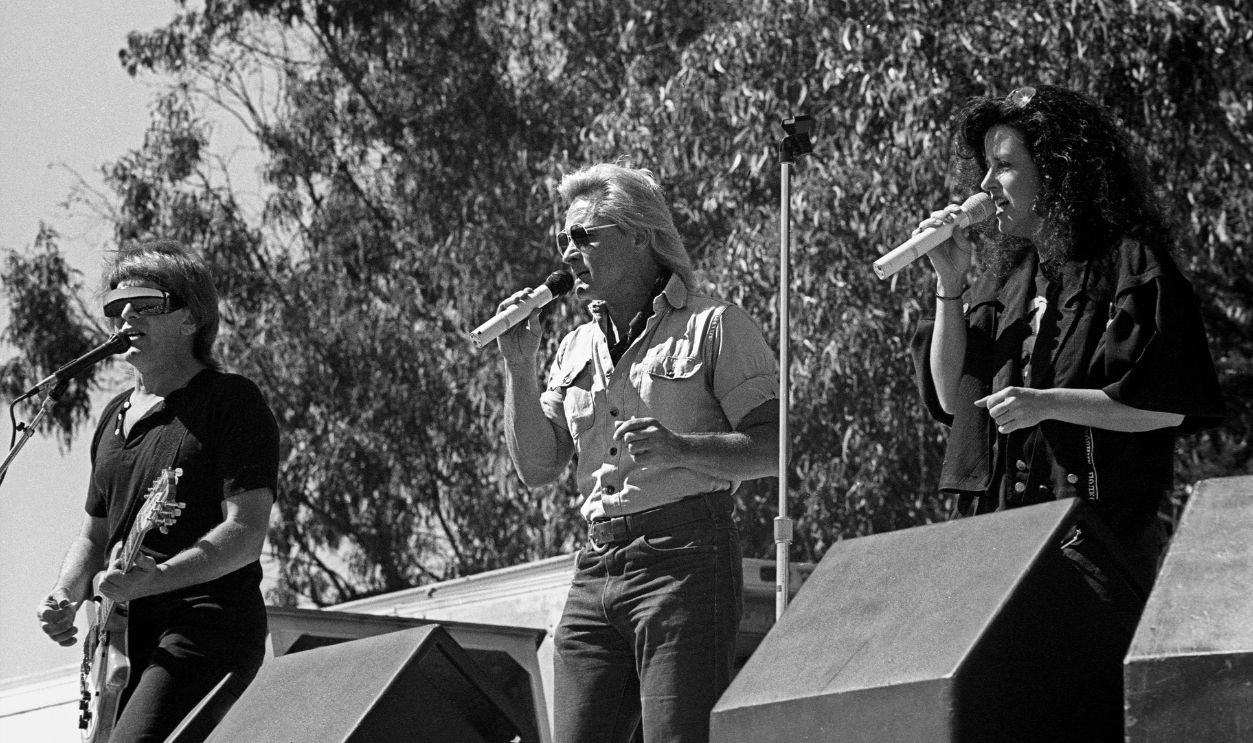
The Stooges Were Better Reunited Onstage Than In The Studio
The Stooges' 2003 live resurrection was initially a genuine success. Iggy Pop, Ron Asheton, Scott Asheton, and bassist Mike Watt could still produce startling noise onstage. Then they recorded The Weirdness in 2007. Critics were brutal, with Pitchfork giving it a zero and faulting its strained attempts at topical relevance. Ready to Die in 2013 fared somewhat better, but neither album threatened the band's original three-record legacy.
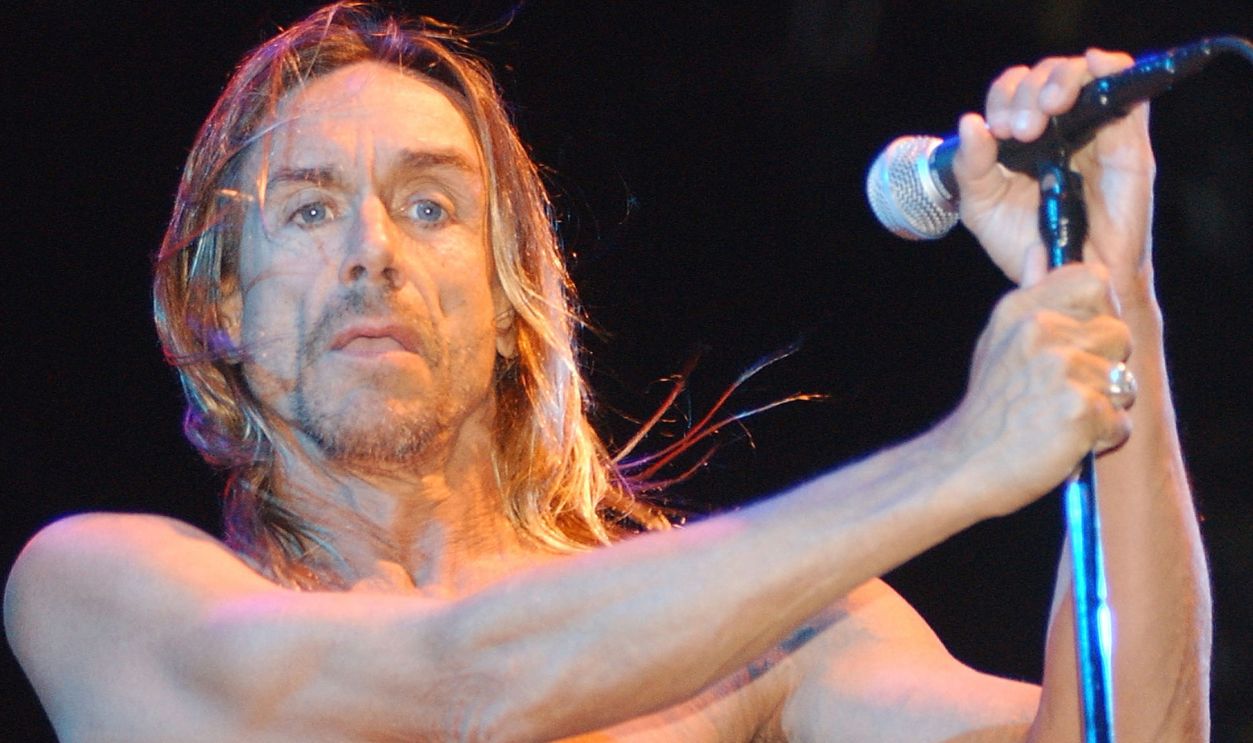
The Police Proved Great Musicians Can Still Irritate Each Other
The Police reunion tour of 2007 and 2008 was enormously successful and, musically, often excellent. That doesn't mean the reunion healed anything. Sting, Stewart Copeland, and Andy Summers discovered that the same tensions over arrangements, tempos, and control were still alive after more than two decades. They completed a huge world tour, but the chemistry could feel more professional than spontaneous. Once it ended, Sting showed little interest in doing it again.
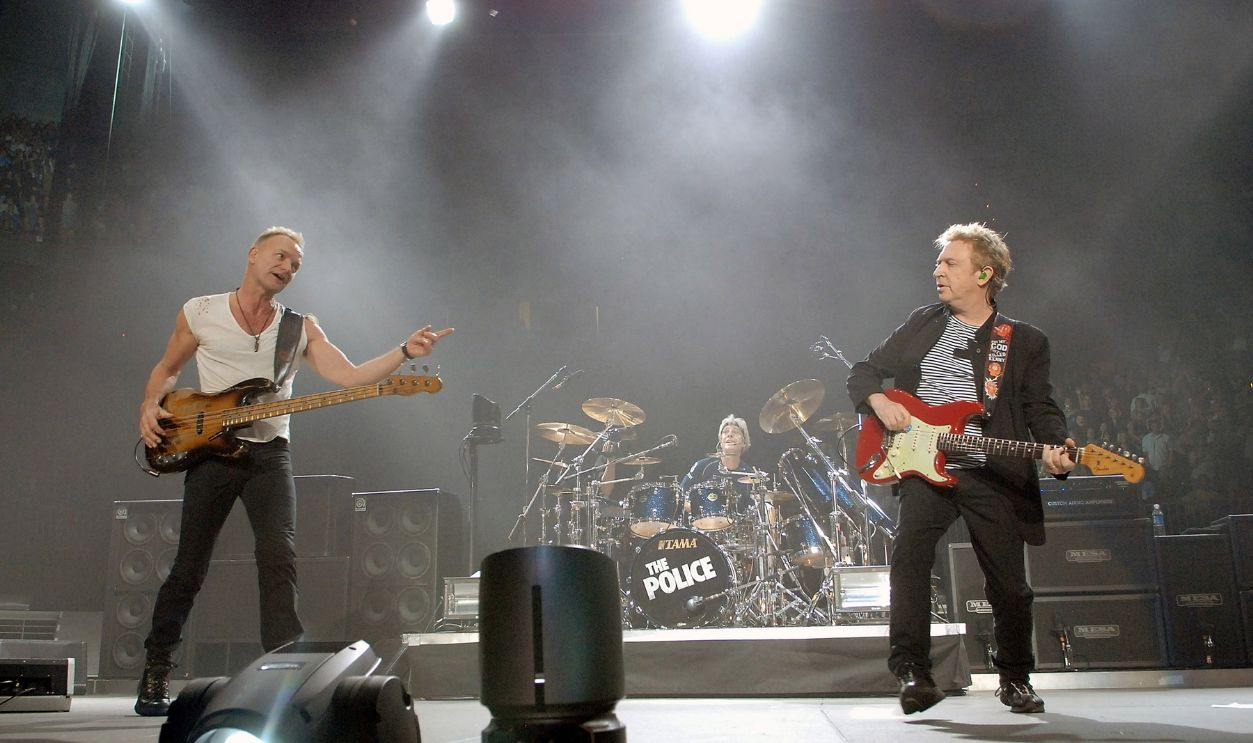
The Animals Tried To Put 1980s Polish On 1960s Blues
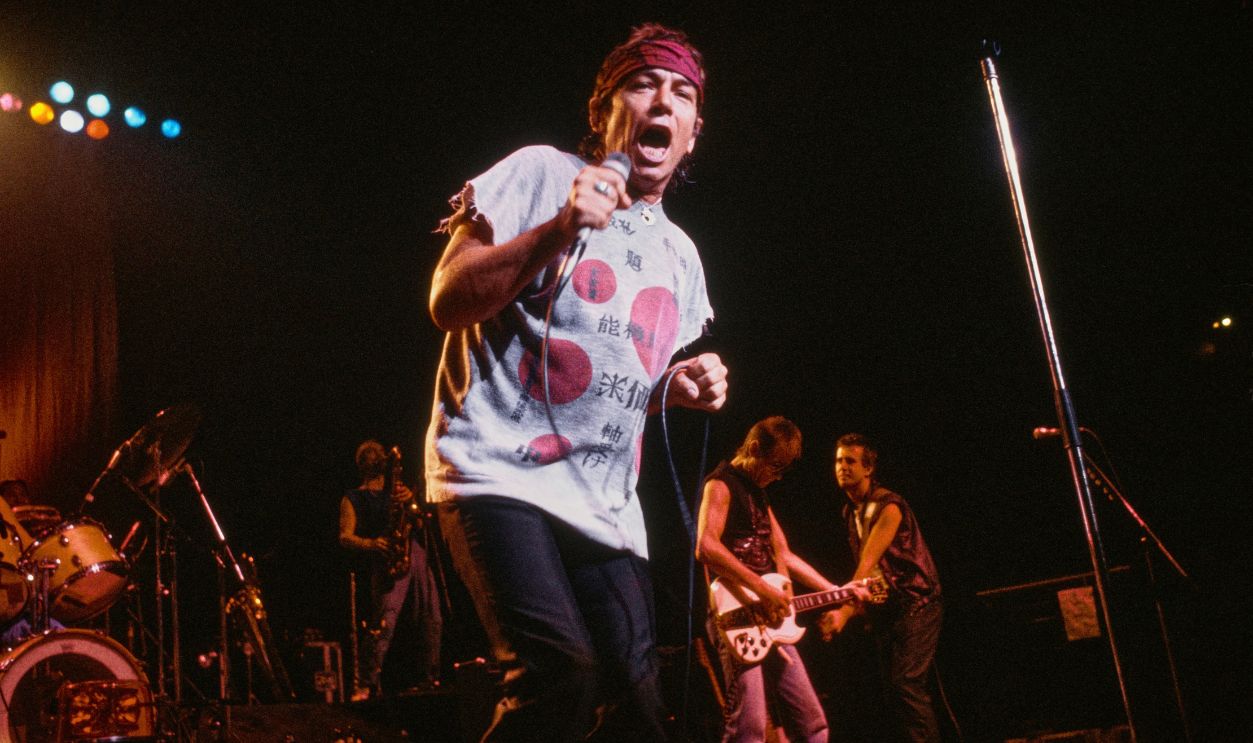
The original Animals had already reunited once in the 1970s before trying again in 1983 with Ark. Eric Burdon remained an imposing singer, and some reviews found plenty to enjoy, but the modern production divided listeners. Synthesizers and polished 1980s textures sat awkwardly beside a band whose legend had been built on raw R&B, organ, and blues. The tour was substantial, but the reunion didn't create a lasting second era.
Simon & Garfunkel Kept Reuniting Without Fixing The Friendship
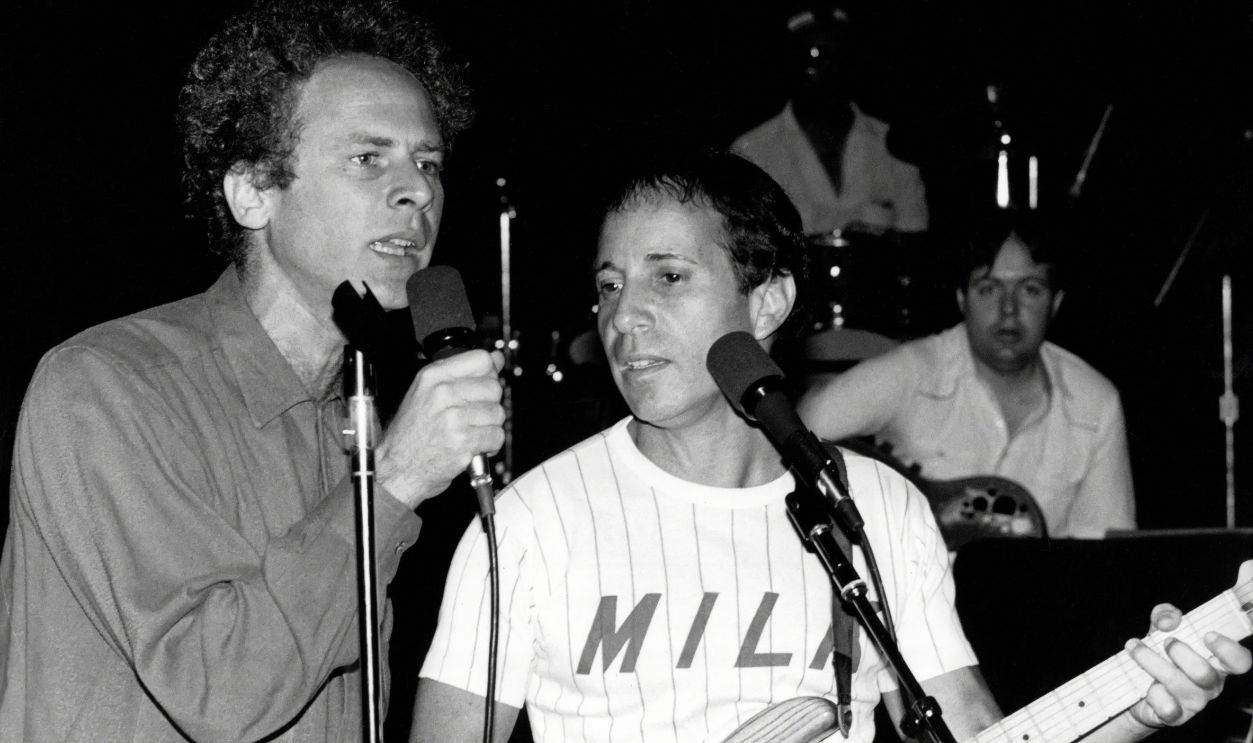
Their 1981 Central Park reunion was spectacular, drawing an enormous crowd and producing a beloved live album. The problem came afterward. Attempts to record together deteriorated, with material intended for a duo project eventually becoming Paul Simon's solo album Hearts and Bones. More reunions followed in the 1990s and during the successful 2003-04 Old Friends tour, yet the personal relationship repeatedly froze again once the performances ended.
You May Also Like:
Legendary Bands Who Reunited For One Night Only—And Left Fans Begging For More
Rock Albums From The 1980s That Fans Say Have No Weak Tracks, Even If They Weren't Popular Back Then