

When Willie Nelson Lost It All
Willie Nelson’s life has always sounded like a country song. There were long roads, bad breaks, stubborn hope, and a grin that refused to disappear. Long before he became a symbol of survival, there were warning signs that his easygoing spirit would be tested in ways few artists ever face.
 Wally McNamee / Contributor via Getty Images
A Texas Kid With a Restless Heart
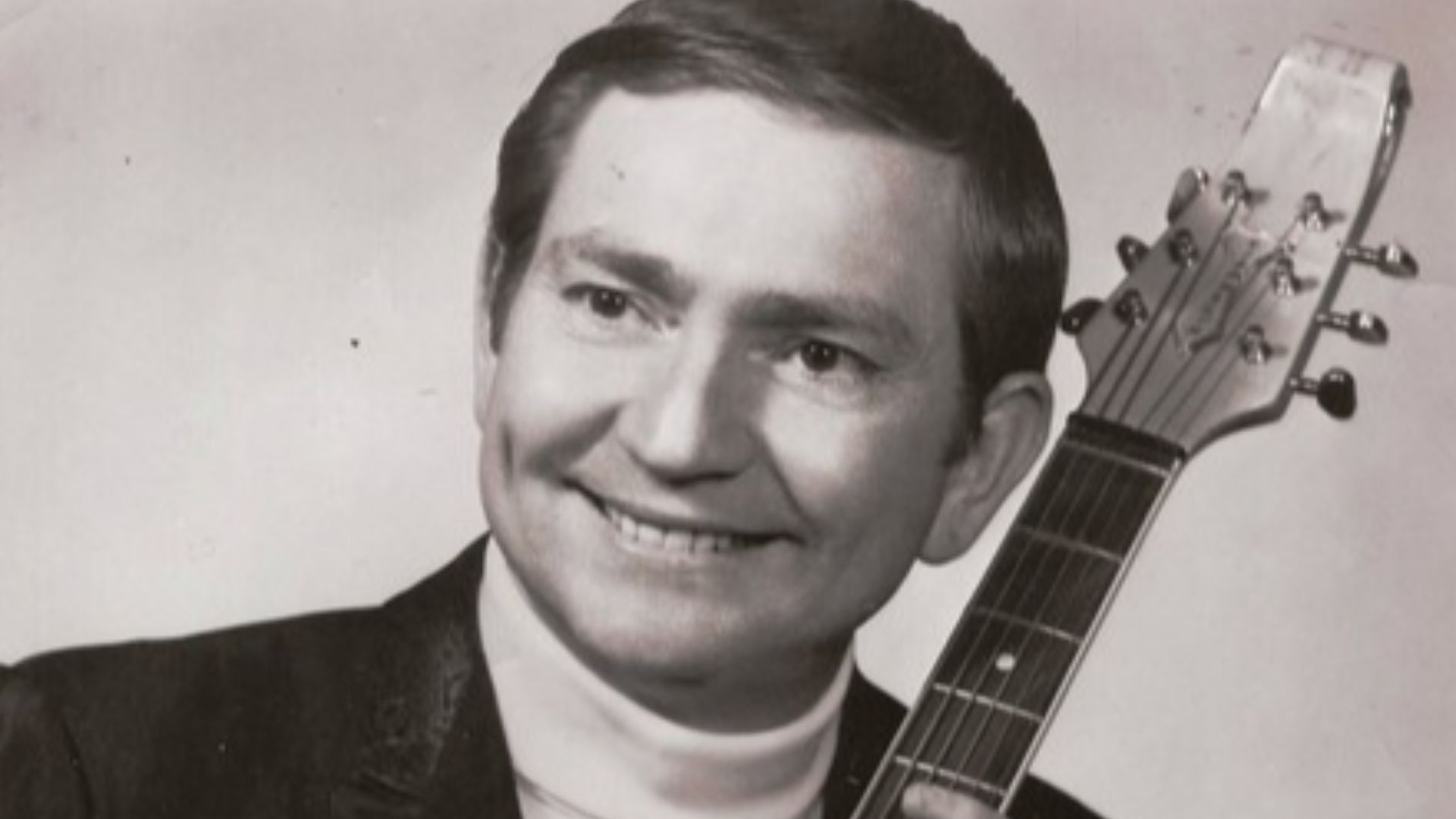
Willie Hugh Nelson was born on April 29, 1933, in Abbott, Texas. Raised by his grandparents during the Great Depression, Willie learned early that nothing was guaranteed. Music became his refuge. By the time he was a teenager, he was playing guitar in local bands and writing songs that sounded far older than he was.

Writing Hits While Barely Getting By
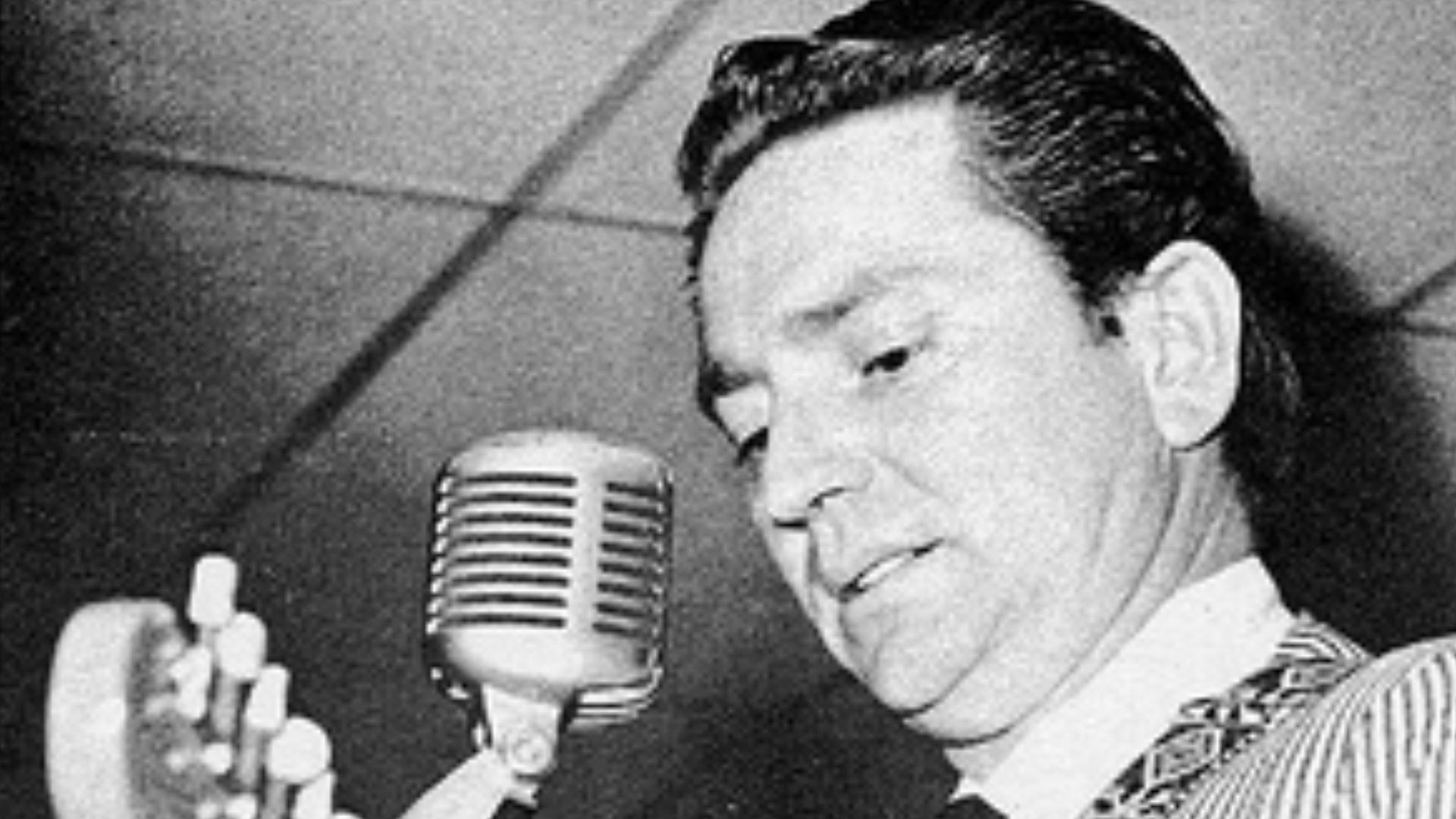
In the late 1950s and early 1960s, Willie moved to Nashville and found success as a songwriter, even when fame avoided him. He wrote “Crazy,” made famous by Patsy Cline in 1961, and “Hello Walls” for Faron Young. The songs paid the bills, but Willie felt boxed in by the industry’s expectations.

Never Quite Fitting the Mold
Willie’s look, voice, and phrasing didn’t match Nashville’s polished sound. Producers tried to smooth him out. He resisted. Years later, he admitted, “I was never comfortable doing what someone else thought I should do.” That tension would follow him for decades.
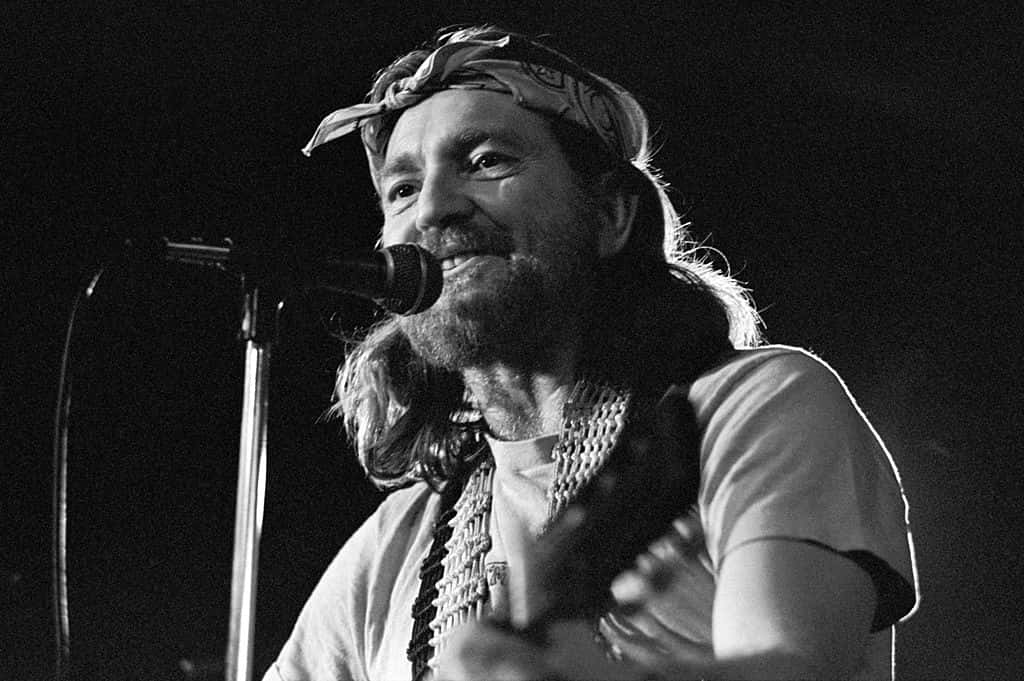
Burning Down a House, Starting Over Again
In 1969, Willie’s house in Ridgetop, Tennessee, burned down. He escaped with his life, his guitar Trigger, and a bag of Mary Jane. Instead of despairing, he saw it as freedom. He moved back to Texas, where the rules felt looser and the music felt honest.
 RCA Records, Wikimedia Commons
The Outlaw Era Takes Shape
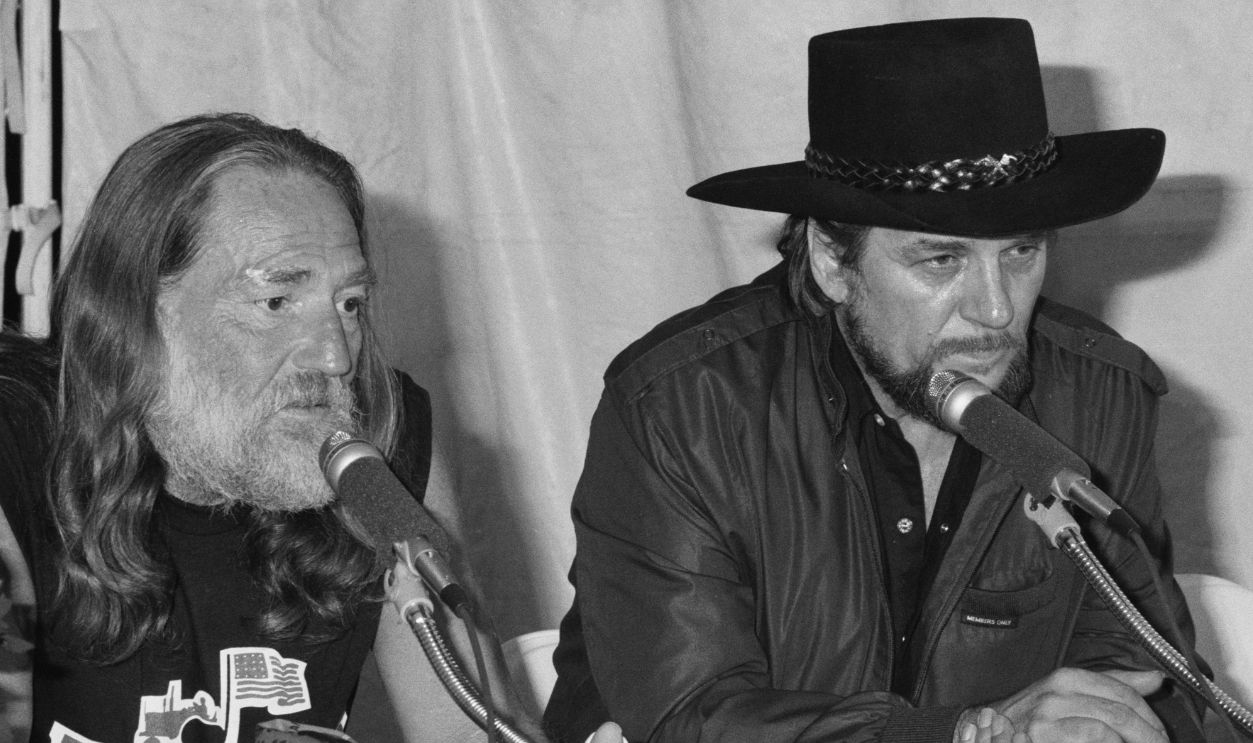
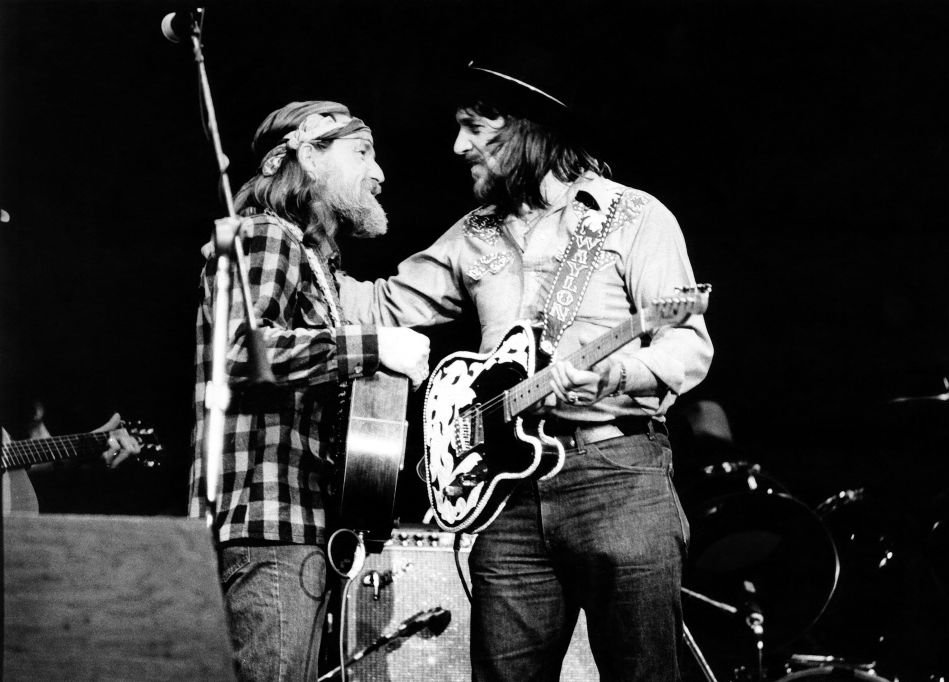
In the early 1970s, Willie helped define the Outlaw Country movement alongside Waylon Jennings, Johnny Cash, and Kris Kristofferson. Albums like Shotgun Willie in 1973 and Red Headed Stranger in 1975 made him a star on his own terms. Success came fast, but the business side stayed messy.
A Generous Spirit With a Loose Grip on Money
Friends and collaborators often joked that Willie never worried about finances. He paid people generously, trusted advisors too easily, and focused on the next song instead of the balance sheet. “Money comes and goes,” he once said. “Music stays.”
Living Large Without Looking Back
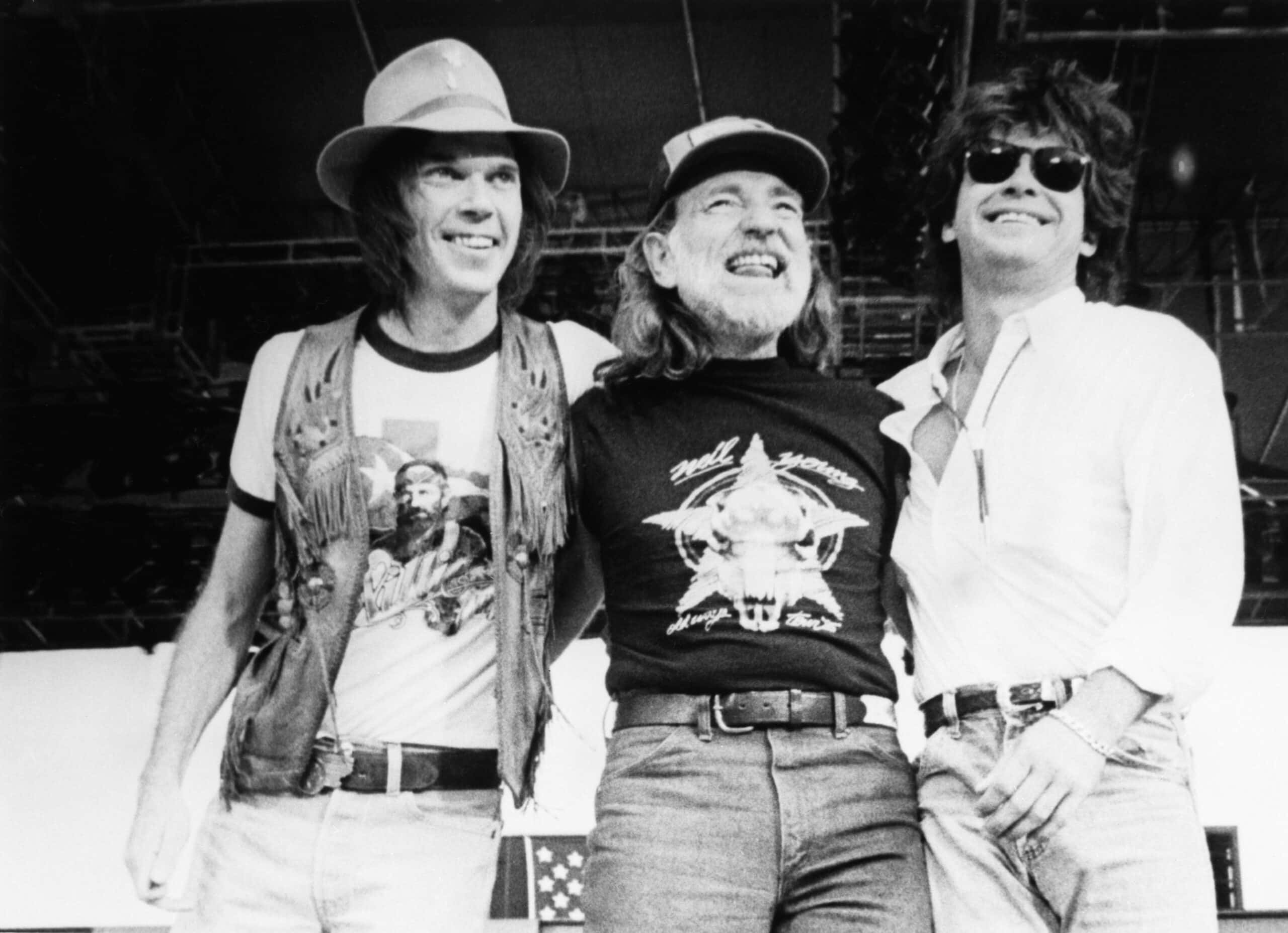
By the late 1970s, Willie was touring constantly, buying ranches, and hosting legendary Fourth of July picnics in Texas. The shows were massive. The crowds were loyal. Somewhere behind the scenes, paperwork was piling up, unnoticed and unchecked.
Trouble Lurking Quietly in the Background
Even as Willie smiled through interviews and benefit concerts, financial problems were building. Taxes, management decisions, and deferred payments began stacking up. Willie later admitted he didn’t fully understand what was happening at the time.
 Grand Ole Opry, Wikimedia Commons
Humor as a Survival Tool
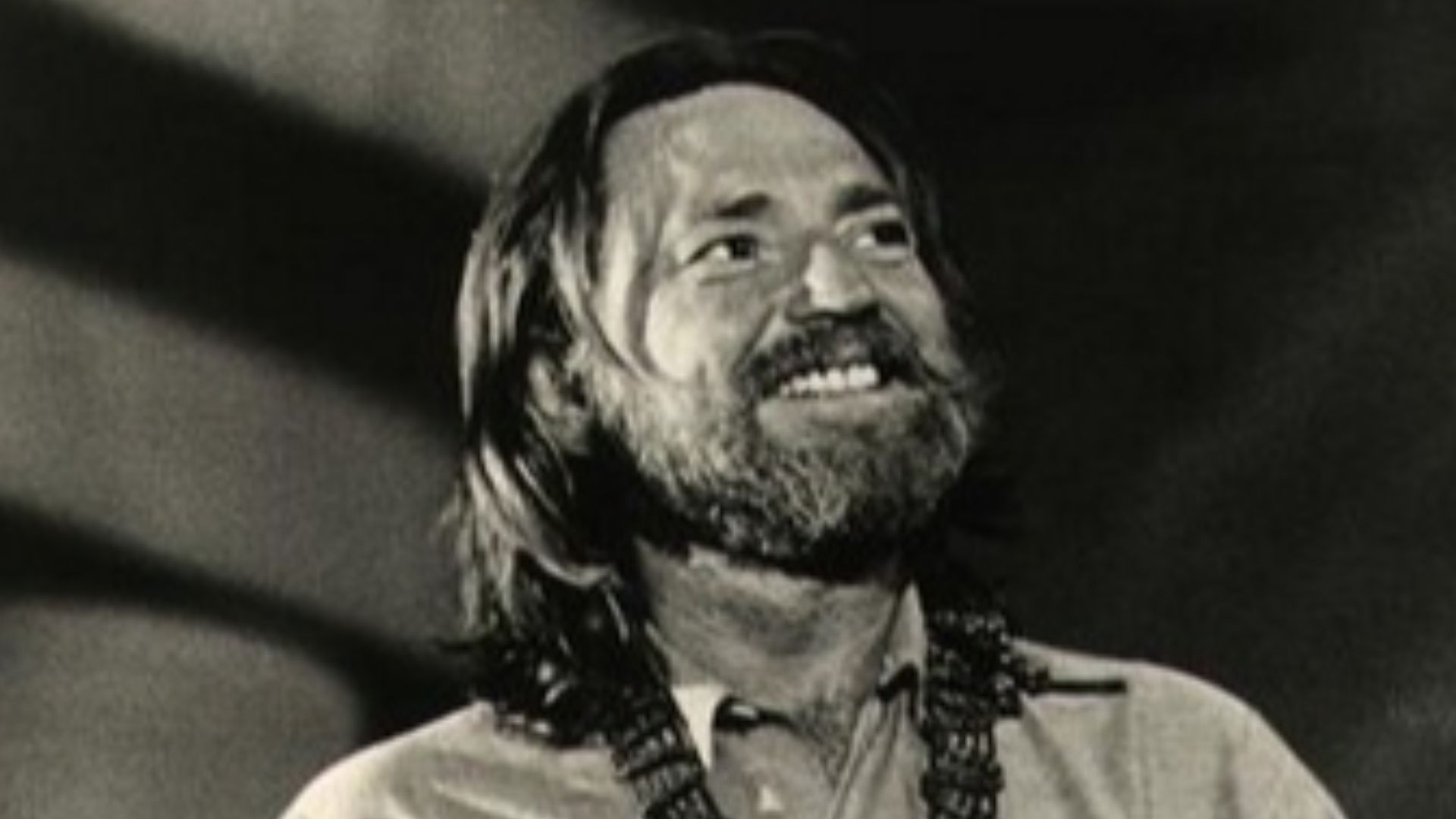
Those close to Willie noticed that he joked more whenever things got stressful. He leaned into humor as a shield. “If you can laugh,” he said, “you’re not beaten yet.” That attitude would soon be tested more than ever.
 Columbia Records, Wikimedia Commons
A Career Built on Connection
Willie’s bond with fans only deepened as he aged. He spoke openly about mistakes, aging, and resilience. His honesty made people root for him even harder, especially as whispers of trouble grew louder.
 Larry Philpot, CC BY 2.0 , Wikimedia Commons
The Man Who Wouldn’t Panic
Unlike many stars, Willie never lashed out when pressure mounted. He didn’t disappear. He kept touring, recording, and smiling for photos. In hindsight, that calm masked one of the biggest crises of his life. But he couldn't avoid it for long.

A Storm Finally Breaks
By the late 1980s, the situation could no longer be ignored. Letters arrived. Deadlines passed. What had been a quiet mess became unavoidable. Willie later said he realized then that “everything I owned was already gone.”
Then, things got so much worse.

Losing Everything on Paper
In 1990, the IRS seized Willie Nelson’s assets, claiming he owed roughly $16.7 million in unpaid taxes. Homes, property, and possessions were taken. Willie joked, “I was broke, but I was still breathing.”

Turning Disaster Into Defiance
Instead of hiding, Willie did something unexpected. He released an album in 1992 called The IRS Tapes: Who’ll Buy My Memories? The proceeds went directly toward paying his debt. It was equal parts humor, hustle, and survival.

Public Support Rolls In
Fans rallied behind him. Fellow musicians spoke out. Kris Kristofferson said Willie handled the situation “with more grace than most people would handle winning the lottery.” The public saw a man refusing to be embarrassed.

Paying It Off, Piece by Piece
By 1993, Willie had settled his debt with the IRS. He didn’t regain everything he lost, but he regained control. He later said the experience taught him humility and clarity about what really mattered.

Laughing Through the Loss
Years later, Willie joked that the IRS ordeal simplified his life. “They took everything,” he said, “so I didn’t have to worry about it anymore.” That humor became part of his legend.
 Pamela Smith, CC BY 2.0, Wikimedia Commons
A Survivor, Not a Victim
Willie Nelson’s story isn’t about financial ruin. It’s about refusing to be crushed by it. He lost homes, money, and security—but not his voice, his fans, or his joy.

Why Willie Endures
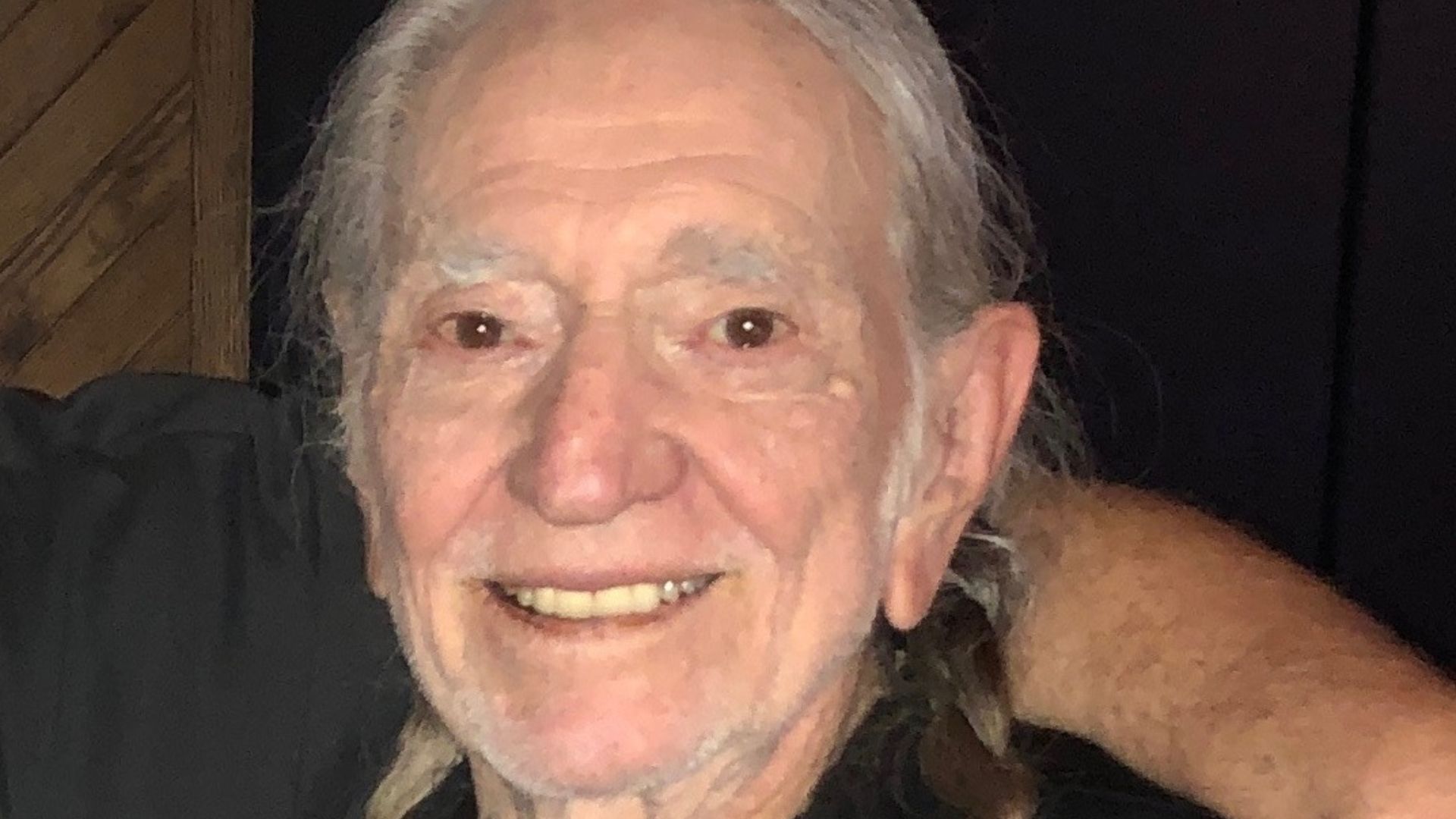
Willie Nelson remains beloved because he never pretended to be perfect. He stumbled, laughed, paid the price, and kept going. Losing everything didn’t end his story. It just proved how hard he was to knock down.
 Charlie Kramsky, Wikimedia Commons
You May Also Like:





.jpg)


.jpg)
_-_Pamela_Smith_06.jpg)