Great Solos Aren’t Always The Ones Everybody Talks About
Rock history has its untouchable guitar moments, but plenty of brilliant solos live just outside that familiar canon. Some changed how guitarists approached melody, distortion, effects, or sheer technique without ever becoming the obvious choices on “greatest solo” lists. Others have been hiding inside enormously famous songs all along.
 Ed Perlstein/Redferns/Getty Images
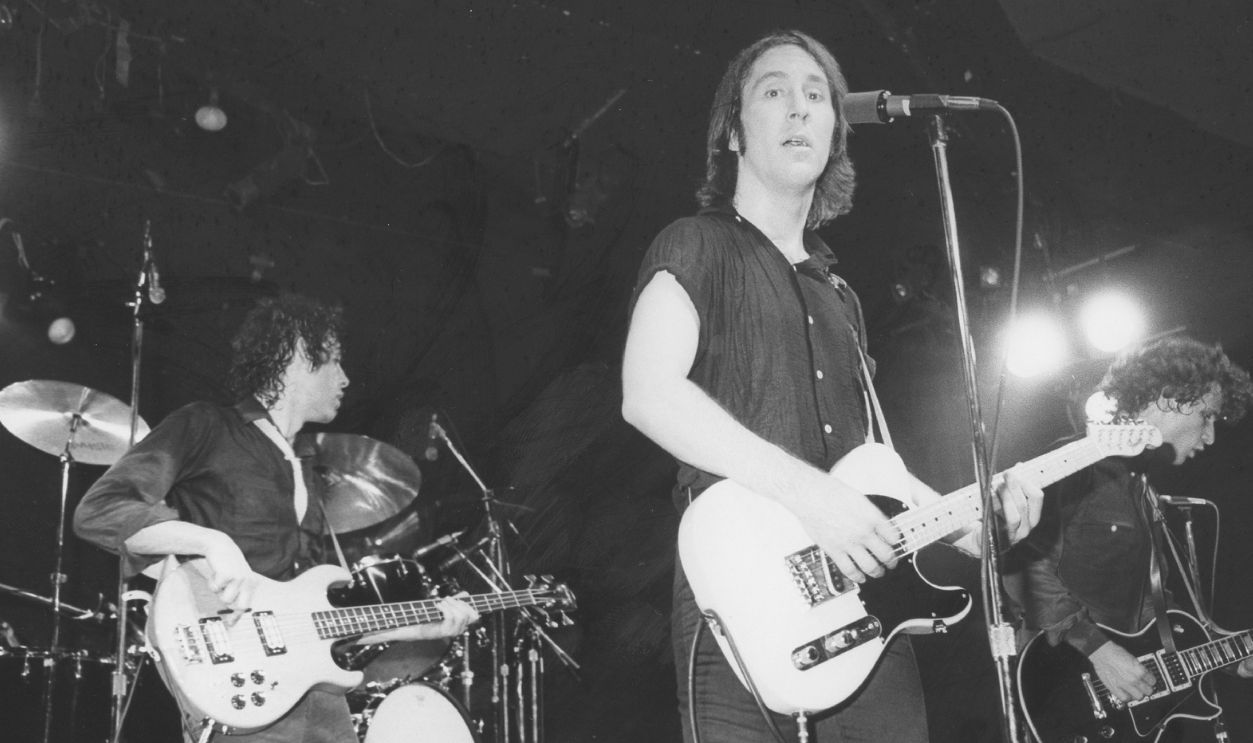
The Knack – “My Sharona”
Guitarist: Berton Averre
The riff gets almost all the attention, but Berton Averre quietly sneaks one of power pop’s best guitar solos into “My Sharona". On the full-length version, he gradually builds from melodic phrases into faster, increasingly aggressive runs without losing the song’s hook-heavy personality. It’s much more sophisticated than the track’s party-song reputation suggests, which may be exactly why it’s overlooked.
 Michael Ochs Archives, Getty Images
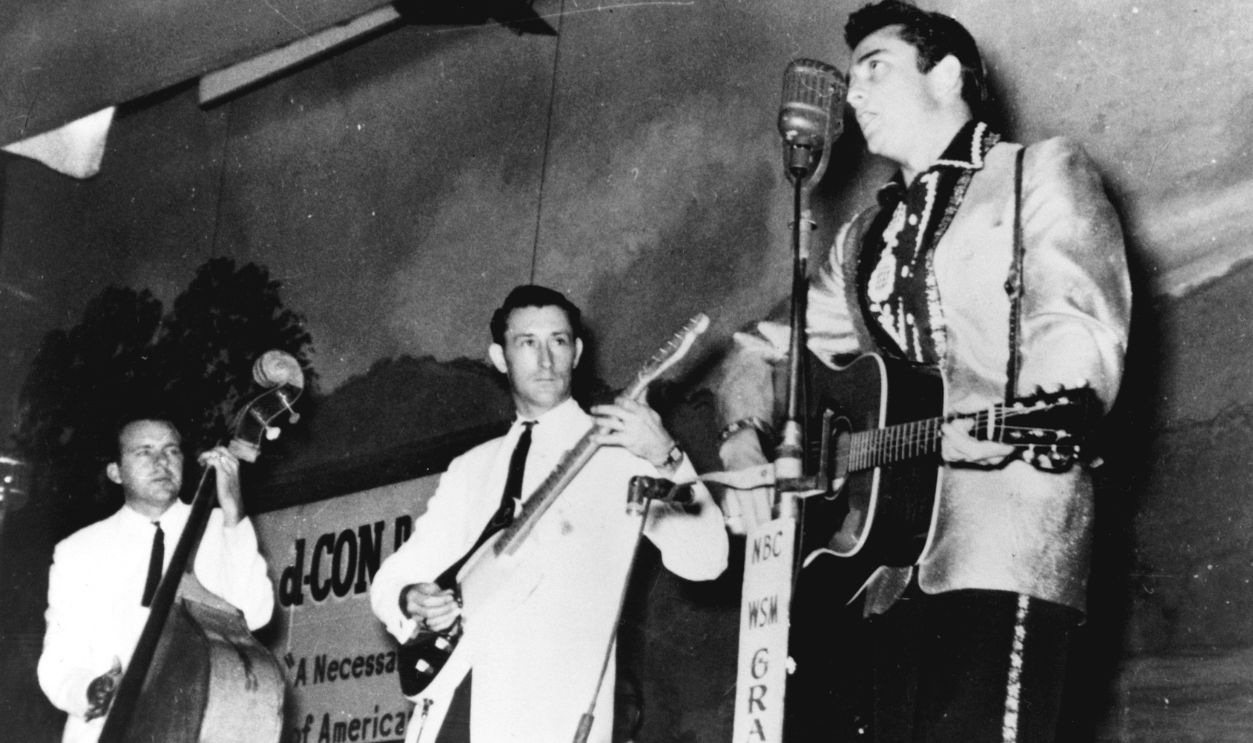
Johnny Cash – “Folsom Prison Blues”
Guitarist: Luther Perkins
Luther Perkins never needed a wall of amplifiers or dozens of notes to make a guitar part unforgettable. His sharp, economical lead work on “Folsom Prison Blues” helped define the famous “boom-chicka-boom” sound associated with Johnny Cash’s early records. Those clipped phrases helped pull country toward rock and roll while proving that attitude, timing, and tone could matter far more than speed.
 Michael Ochs Archives, Getty Images
Carly Simon – “You’re So Vain”
Guitarist: Jimmy Ryan
“You’re So Vain” is so dominated by Carly Simon’s lyrics and unmistakable vocal that Jimmy Ryan’s guitar work can slip by almost unnoticed. His solo is remarkably melodic, moving from carefully chosen bends into slide guitar without disturbing the song’s polished pop structure. Ryan remembered recording it quickly, while producer Richard Perry recalled a much longer process, but either way the finished part feels completely effortless.
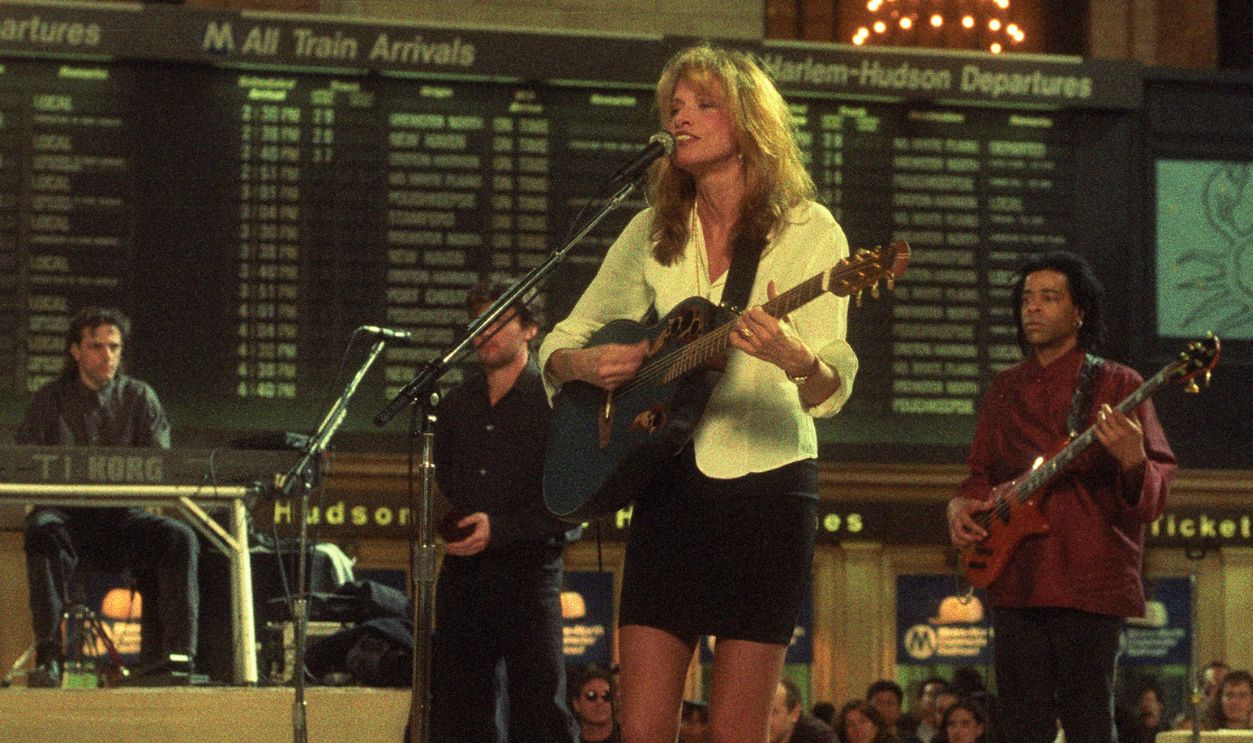
Heart – “Barracuda”
Guitarist: Roger Fisher
Everyone knows the galloping riff, but Roger Fisher’s lead playing deserves far more attention. “Barracuda” contains two major solo moments, with the second becoming especially experimental through delay, modulation, and Fisher’s willingness to create strange noises directly from his equipment. Heart helped establish how heavy, polished, and inventive mainstream rock guitar could sound before the arena-rock explosion of the 1980s fully arrived.
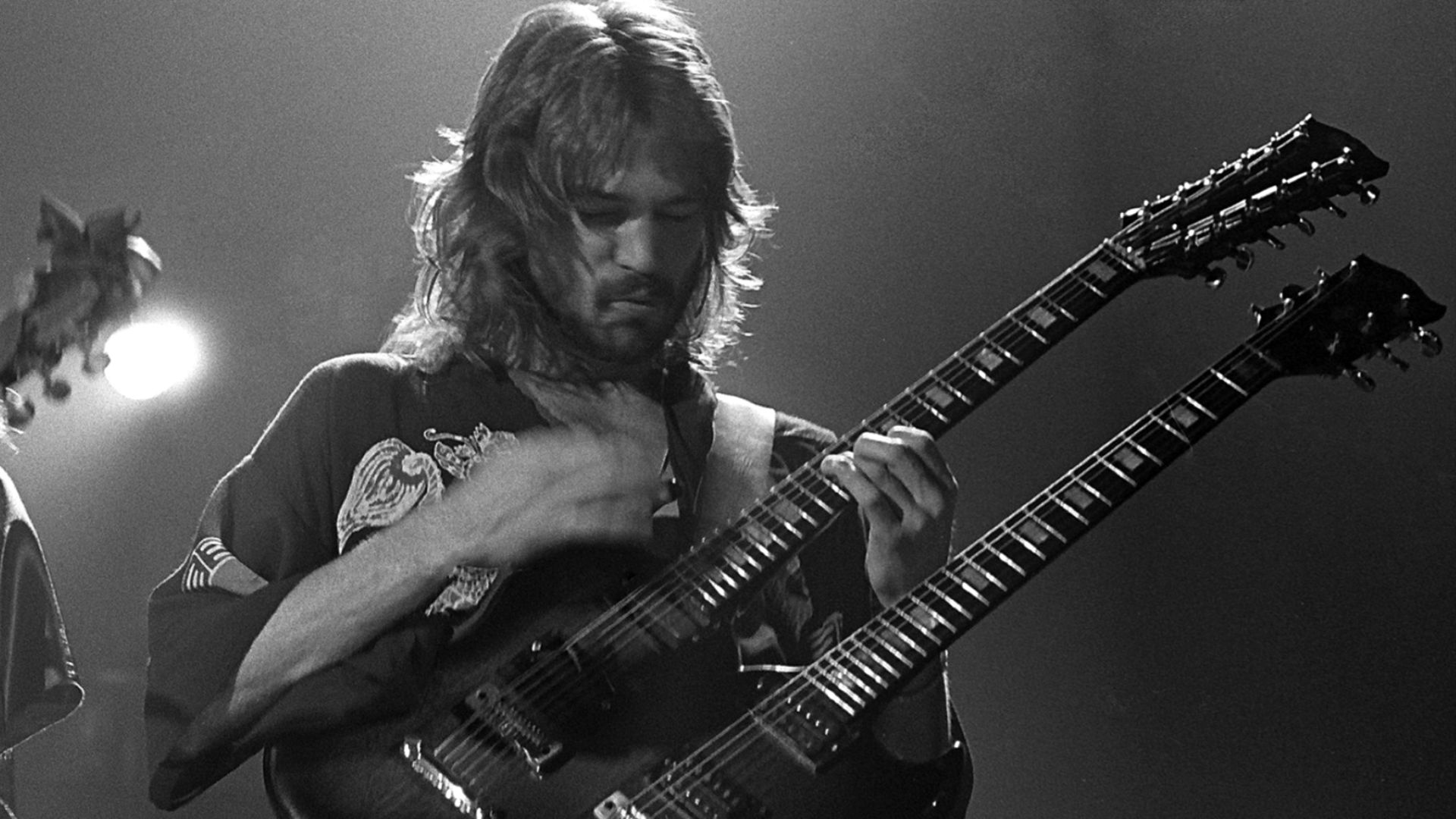 Jim Summaria, http://jimsummariaphoto.com, Wikimedia Commons
Nirvana – “Smells Like Teen Spirit”
Guitarist: Kurt Cobain
Kurt Cobain’s solo on “Smells Like Teen Spirit” is practically an argument against everything flashy guitar playing had become during the previous decade. Instead of shredding, Cobain essentially restates the vocal melody through thick distortion and a woozy chorus effect. Its simplicity was the point, helping show a generation of alternative guitarists that a solo could serve the song without becoming a technical exhibition.
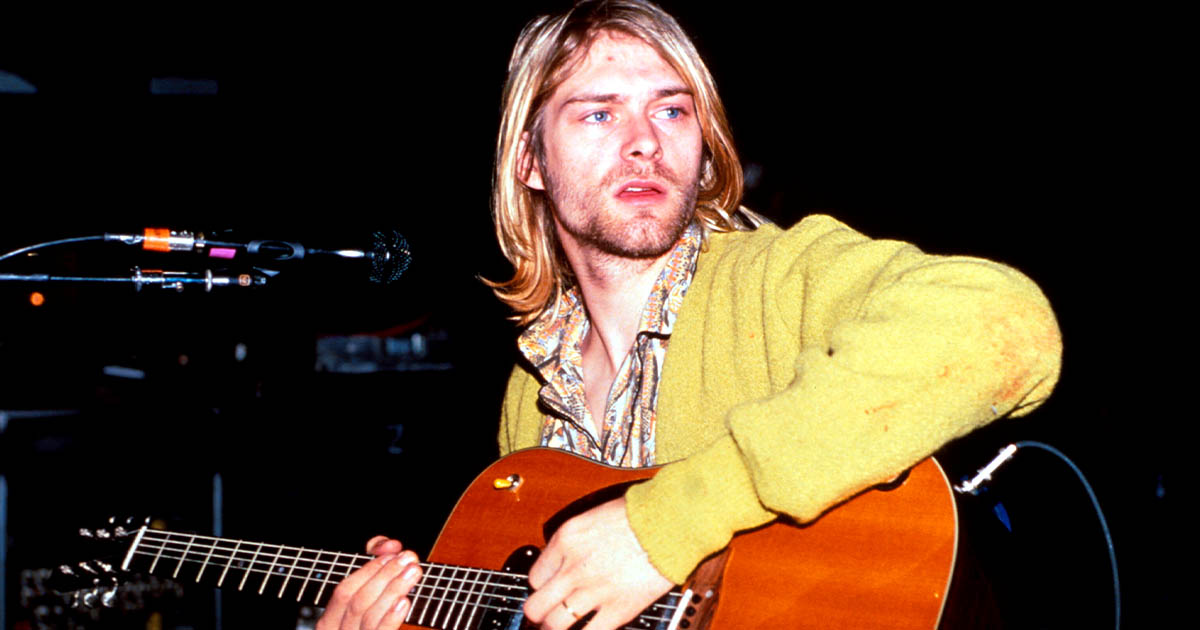
The Cramps – “The Way I Walk”
Guitarist: Poison Ivy
Poison Ivy’s playing is a reminder that guitar tone itself can become a personality. On the Cramps’ version of “The Way I Walk,” her solo leans into twang, reverb, echo, distortion, and an almost threatening sense of space. Rather than showing off conventional virtuosity, she turns rhythm and texture into something dangerous, helping establish the psychobilly guitar language countless bands later borrowed.
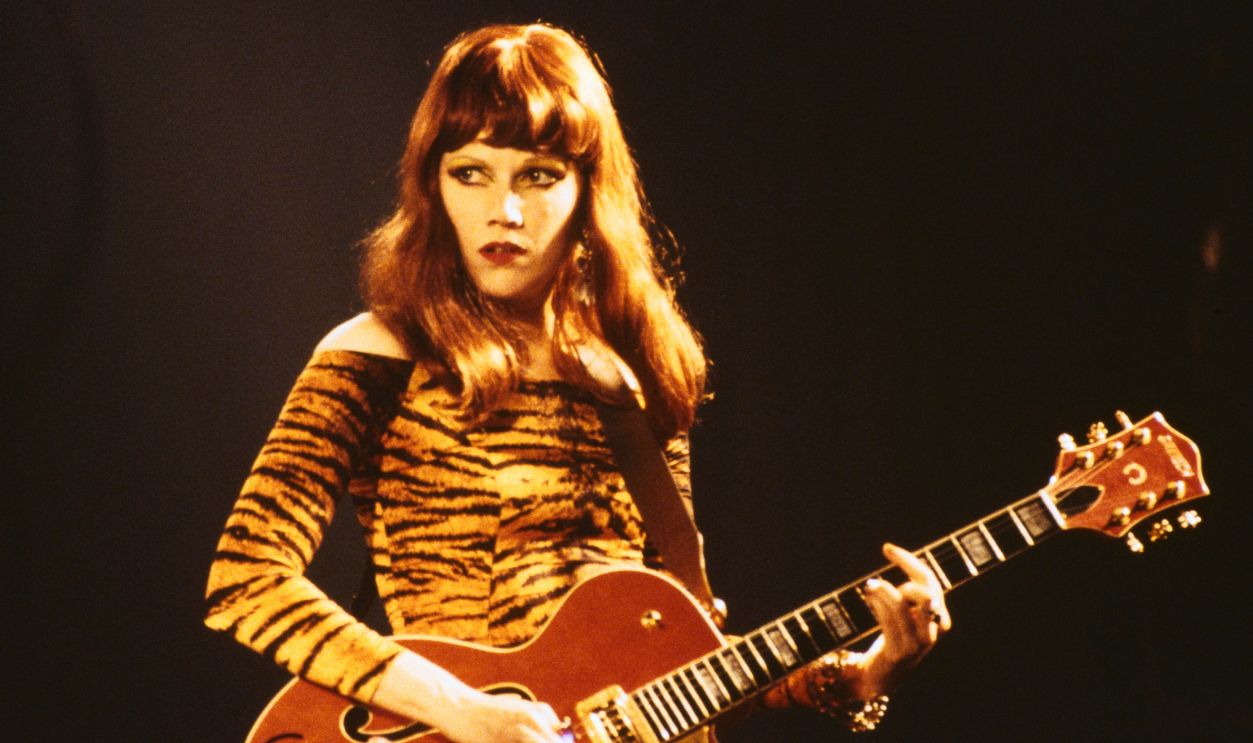
Helmet – “Ironhead”
Guitarist: Page Hamilton
Helmet built Meantime around brutally precise riffs, but Page Hamilton’s background in jazz and avant-garde music gave the band another weapon. His lead break on “Ironhead” deliberately sounds unstable and abrasive, full of dissonance rather than comforting blues-rock phrases. It helped establish a style of heavy alternative guitar where a solo could increase tension instead of providing release.
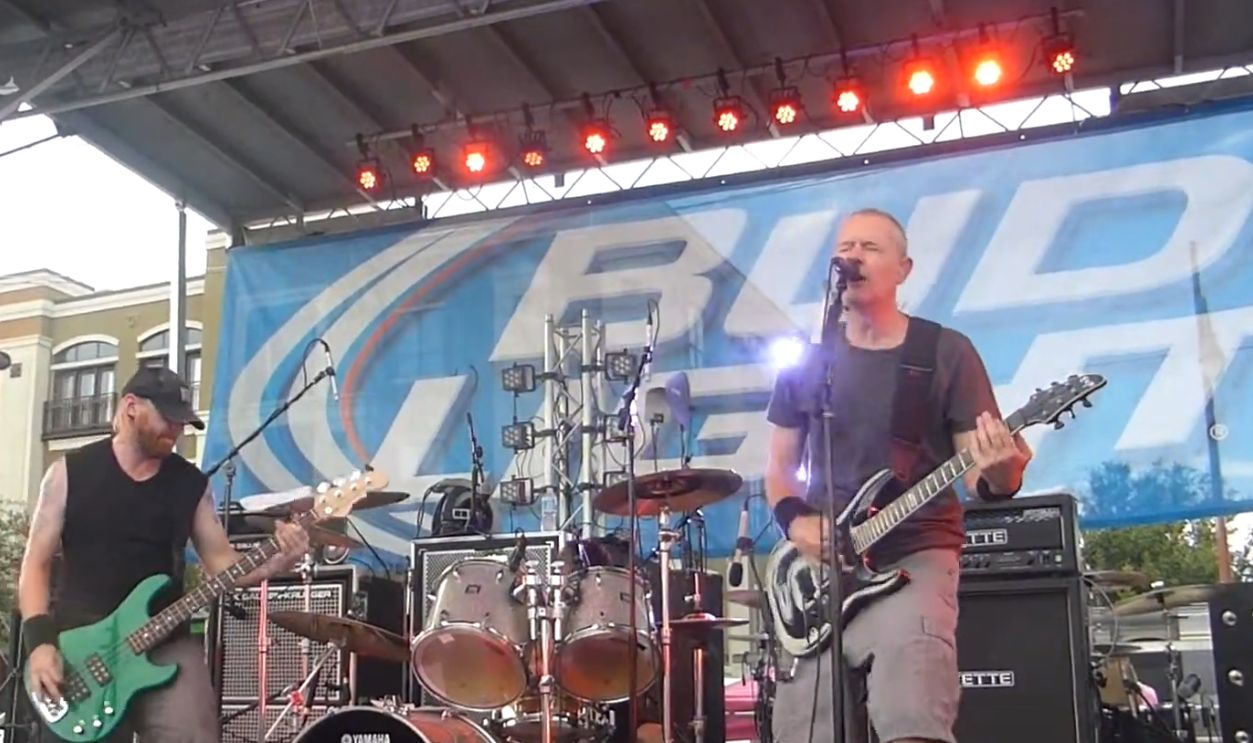 Screenshot from Ironhead, Interscope Records (1992)
Black Sabbath – “Master Of Insanity”
Guitarist: Tony Iommi
Released on 1992’s underrated Dehumanizer, “Master of Insanity” arrived long after Tony Iommi had already rewritten the rules of heavy guitar. Yet his solo proves there was still plenty left in the tank, moving from imposing melodic phrases into quicker, more aggressive playing. It’s a powerful example of Iommi evolving his lead style without abandoning the dark character that made Black Sabbath revolutionary.
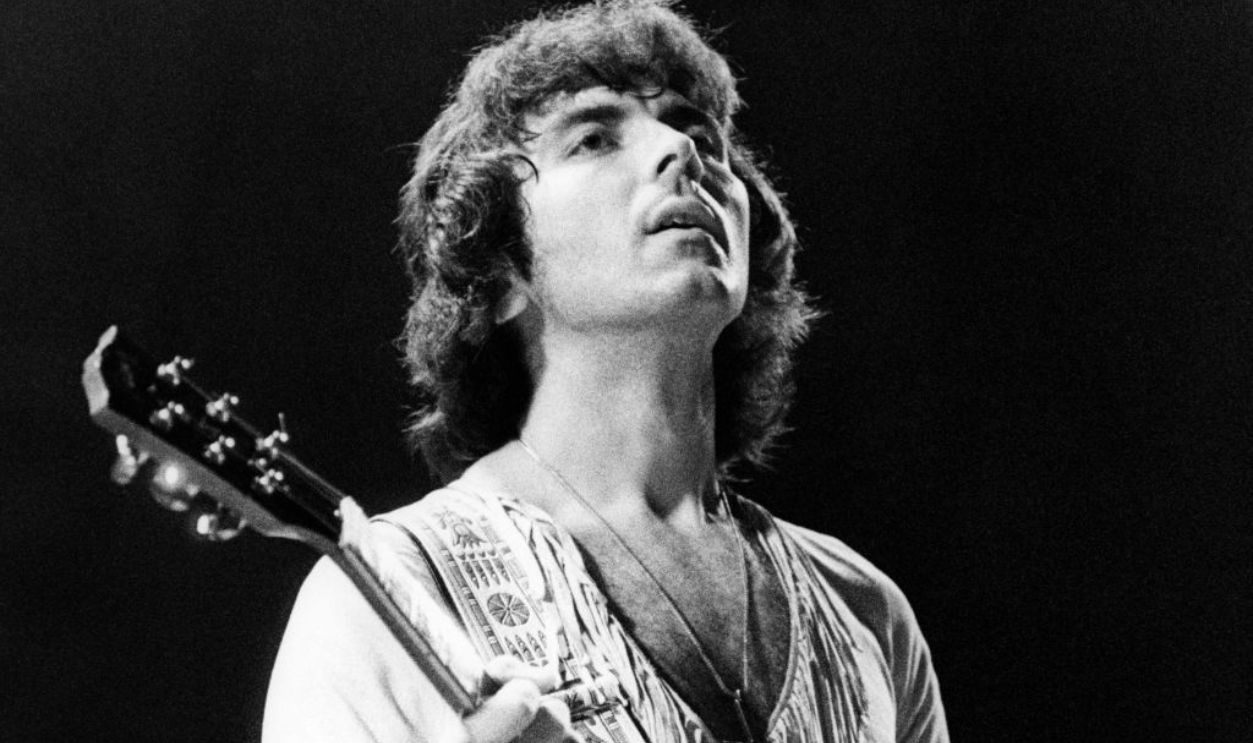 David Warner Ellis, Getty Images
St Vincent – “Rattlesnake”
Guitarist: St Vincent (Annie Clark)
Annie Clark has spent much of her career making listeners wonder whether what they’re hearing is even a guitar. “Rattlesnake” is a perfect example, with a bizarrely processed solo emerging from the song’s electronic art-pop landscape like some malfunctioning machine. Her use of fuzz and an Electro-Harmonix Micro Synth helped push the instrument beyond recognizable rock vocabulary without sacrificing melody.

Suicidal Tendencies – “How Will I Laugh Tomorrow If I Can’t Even Smile Today”
Guitarist: Rocky George
Rocky George brought genuine lead-guitar virtuosity into a band that had emerged from hardcore punk, and this track shows just how unusual that combination could be. His smooth legato, tapping, fast runs, and melodic instincts gave Suicidal Tendencies a technical dimension that separated them from many crossover peers. George demonstrated that punk aggression and accomplished metal guitar didn’t have to cancel each other out.
Silver Jews – “Random Rules”
Guitarist: Stephen Malkmus
Stephen Malkmus doesn’t approach “Random Rules” like somebody waiting impatiently for his turn to show off. His solo slips naturally into David Berman’s sparse, melancholy arrangement, using slightly ragged phrasing to deepen the mood rather than interrupt it. It’s an example of how indie rock developed its own guitar language, one where personality and emotional placement mattered more than immaculate technique.
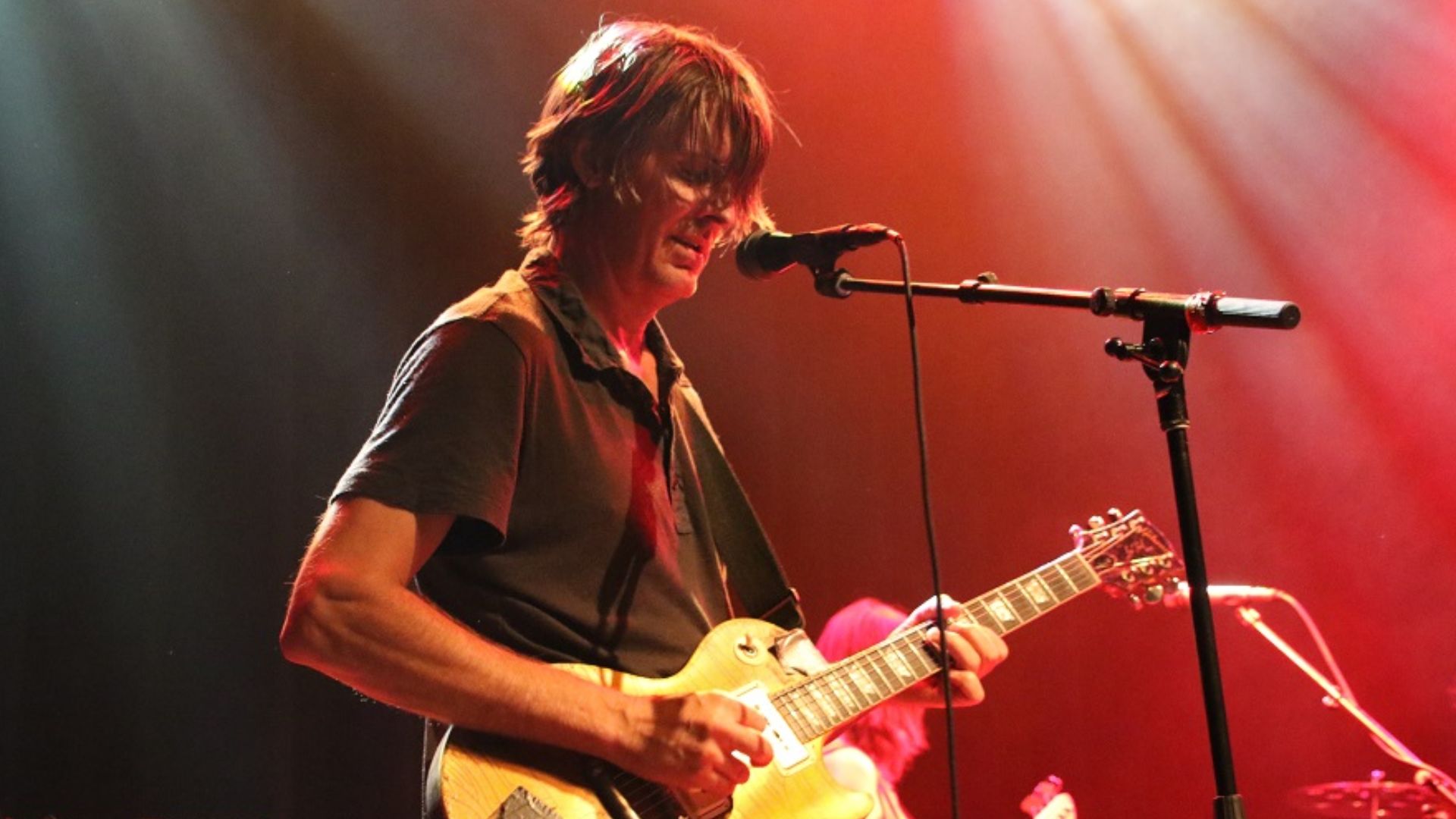 Julio Enriquez, Wikimedia Commons
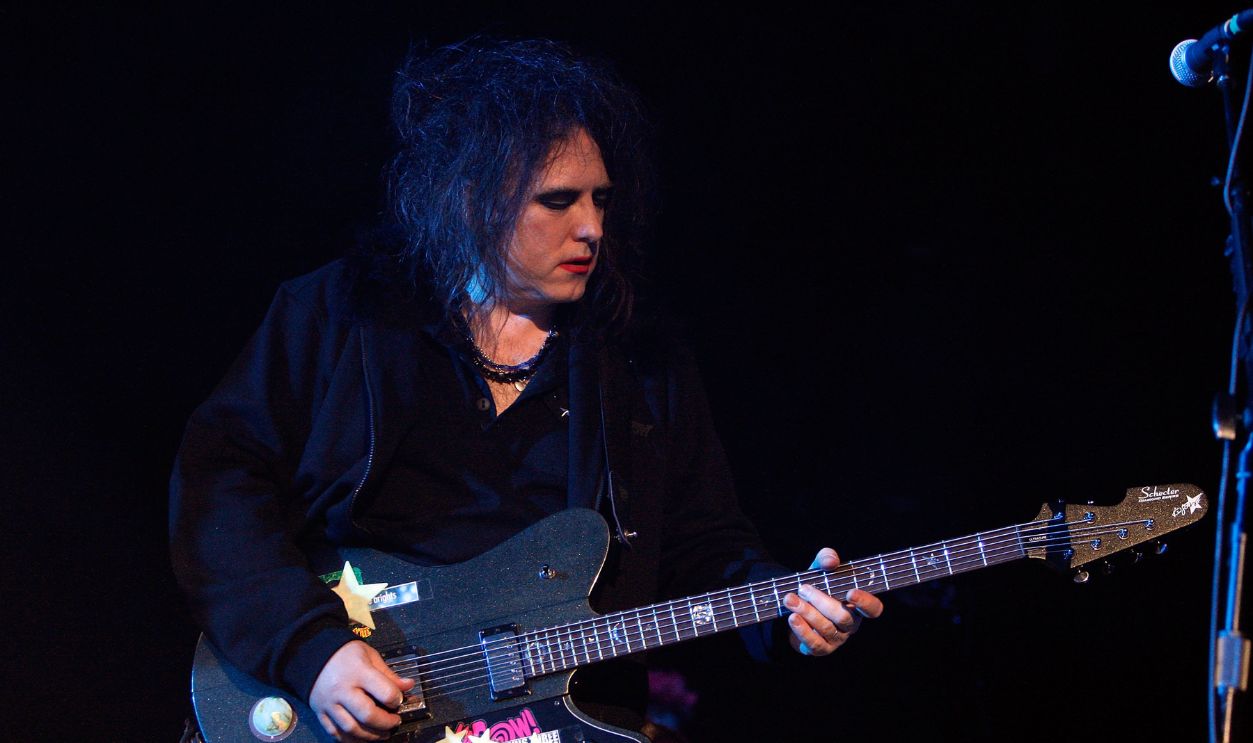
The Cure – “From The Edge Of The Deep Green Sea”
Guitarist: Porl Thompson
Robert Smith once spoke openly about disliking the traditional idea of flashy guitar solos, which makes Porl Thompson’s work here particularly fascinating. As “From the Edge of the Deep Green Sea” approaches its emotional peak, Thompson unleashes a long, expressive lead that feels less like an interruption than the song finally boiling over. It’s one of the great overlooked guitar moments in the Cure catalog.
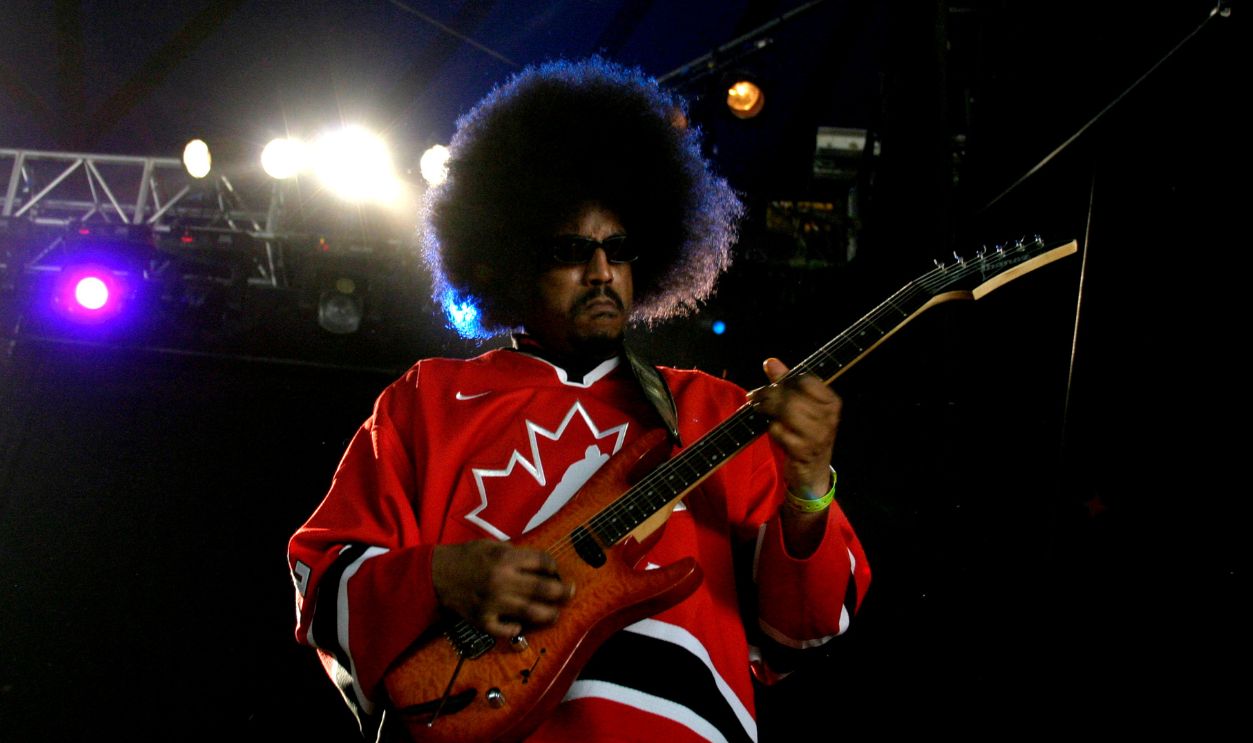
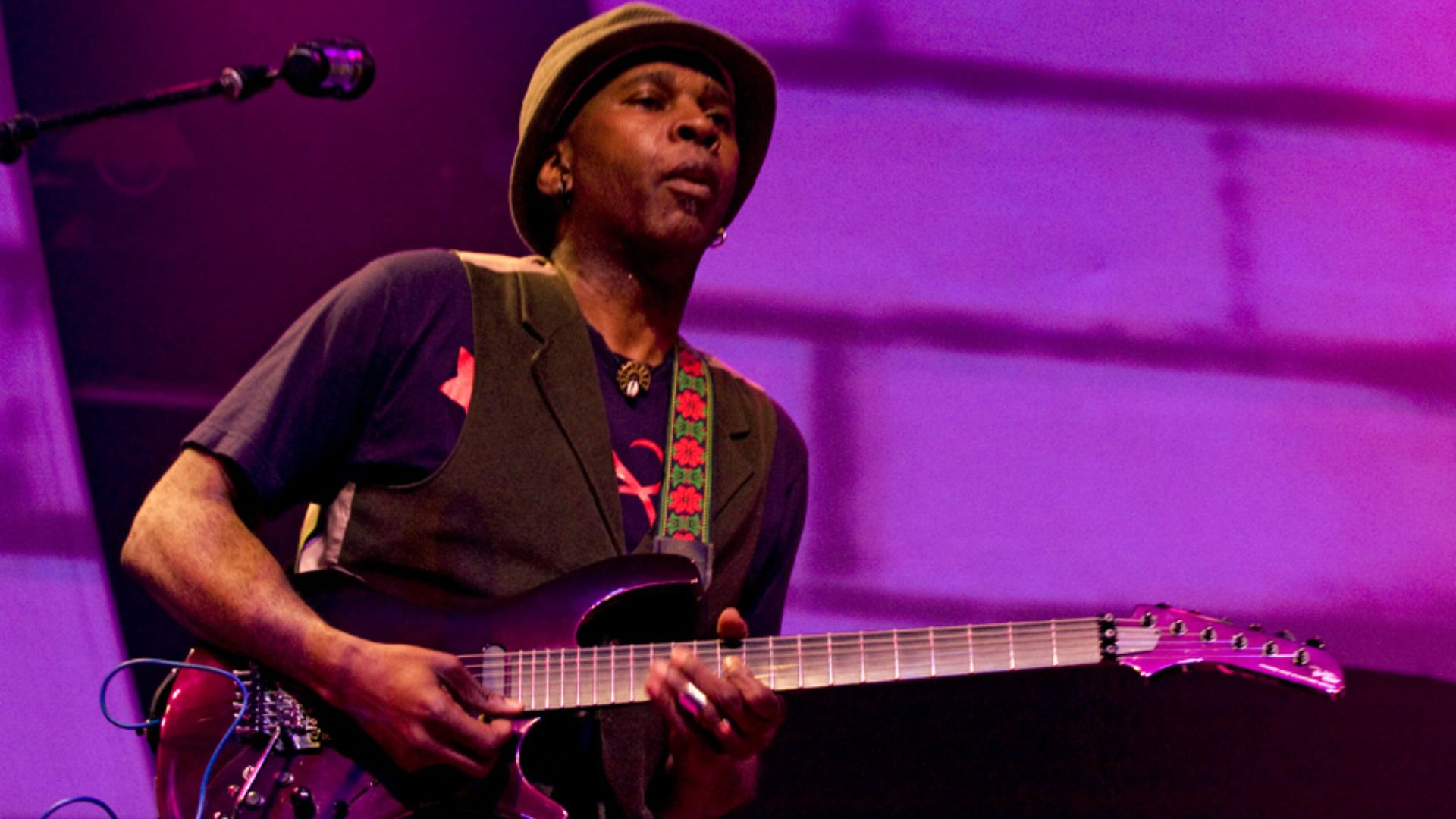
Living Colour – “Go Away”
Guitarist: Vernon Reid
Vernon Reid was never interested in keeping rock, funk, jazz, punk, and metal neatly separated. On “Go Away,” his solo uses frantic alternate picking, outside notes, and bursts of controlled chaos to make an already urgent song feel even less stable. Reid’s approach helped broaden the possibilities for hard-rock guitarists who wanted virtuosity without simply repeating the familiar language of 1980s metal.
 Nomo / michael hoefner http://www.zwo5.de, Wikimedia Commons
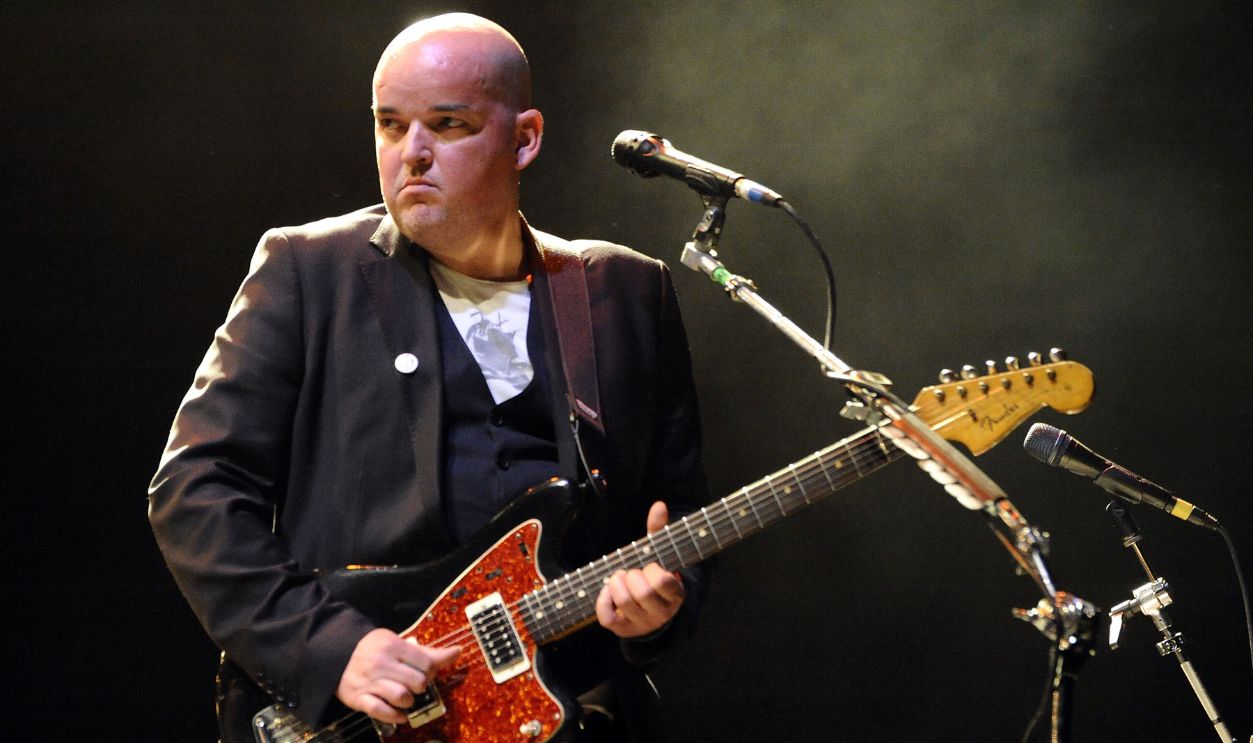
Chris Cornell – “Flutter Girl”
Guitarist: Alain Johannes
Alain Johannes had the difficult task of creating guitar parts distinctive enough to matter without competing with one of rock’s strongest singers. “Flutter Girl” succeeds because his psychedelic tremolo textures and wah-heavy solo seem to move around Chris Cornell’s voice rather than imitate it. The strange phrasing contributes to the hazy atmosphere of Euphoria Morning and shows why Johannes became such a respected musician’s musician.
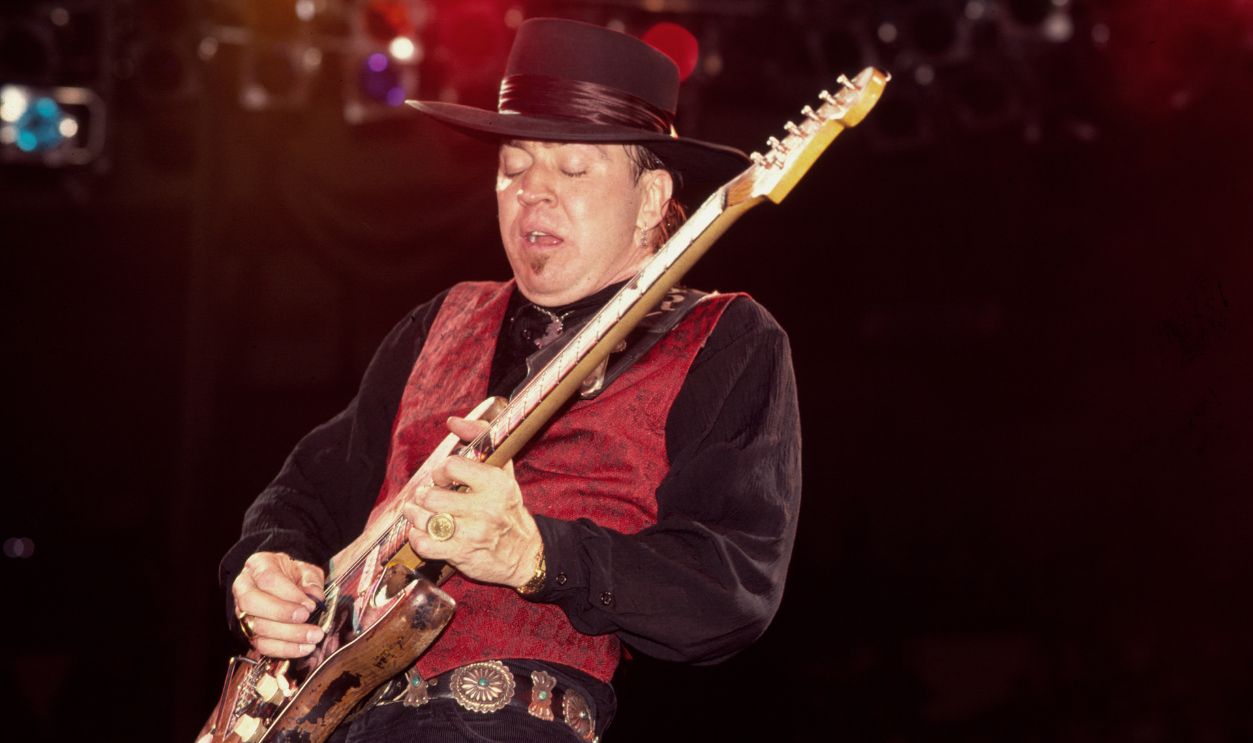
David Bowie – “Let’s Dance”
Guitarist: Stevie Ray Vaughan
Stevie Ray Vaughan’s playing on “Let’s Dance” remains remarkable because nothing about the sleek song sounds like his natural habitat. Nile Rodgers created an exceptionally tight pop-funk framework, while Vaughan dropped thick Texas blues guitar into the gaps. The contrast shouldn’t work as well as it does, yet his lead playing helped introduce his unmistakable tone to millions of listeners before his own breakthrough arrived.
Europe – “The Final Countdown”
Guitarist: John Norum
That giant keyboard hook has overshadowed almost everything else in “The Final Countdown,” including John Norum’s exceptional guitar solo. Norum combines fast picking, melodic runs, harmonized ideas, and bluesier phrasing in a compact burst that points toward the power-metal guitar style of the following decade. He recorded it using his treasured 1965 Fender Stratocaster, an instrument he has continued to regard as particularly significant.
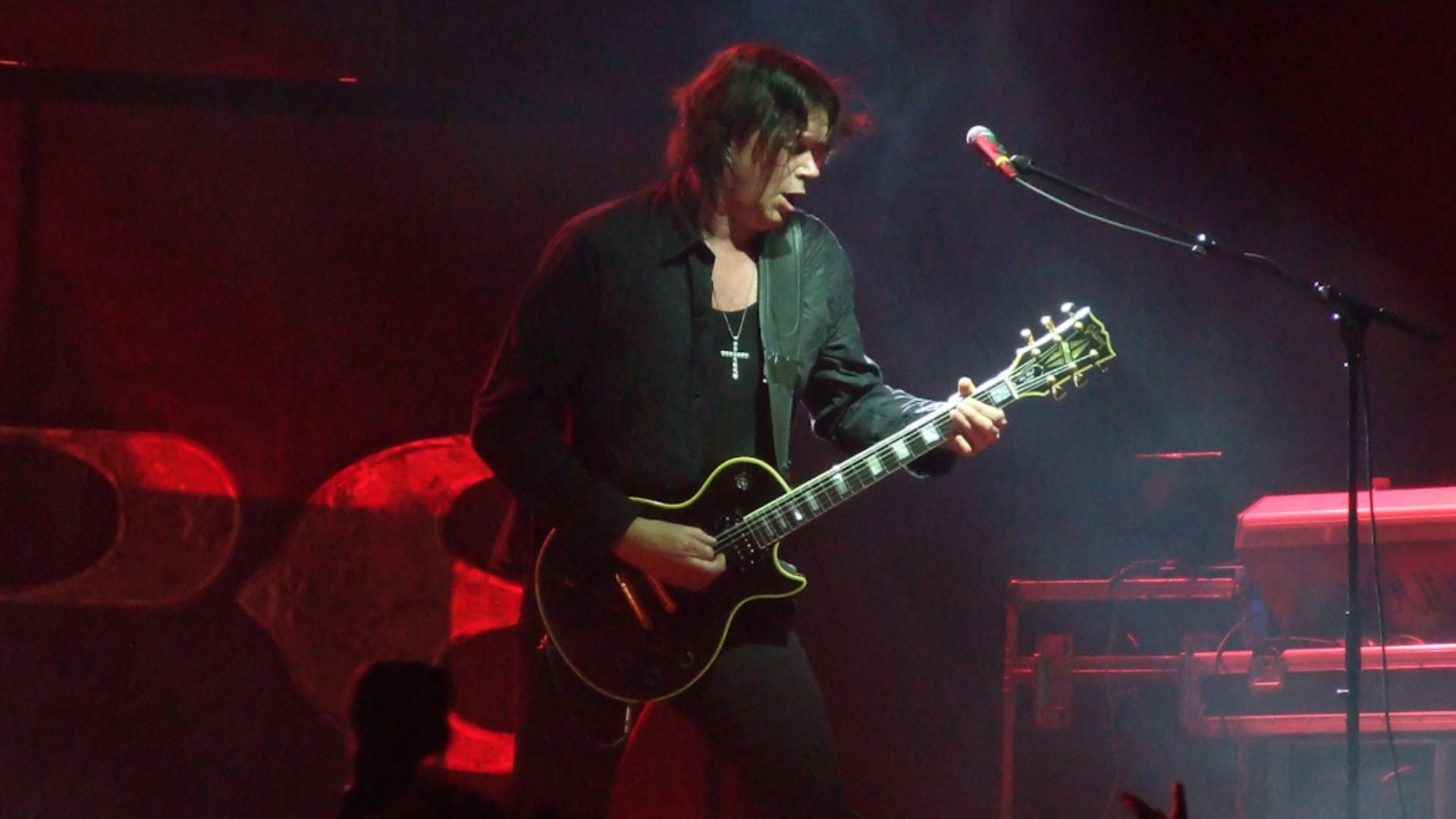
The Pretenders – “Kid”
Guitarist: James Honeyman-Scott
James Honeyman-Scott had a rare ability to make intricate guitar playing sound like an essential piece of a pop song rather than decoration. His beautifully clean solo on “Kid” was carefully composed and emphasizes melody over aggression. Johnny Marr later cited Honeyman-Scott as an influence, and it’s easy to hear why: these shimmering, carefully arranged guitar lines offered an alternative path for post-punk players.
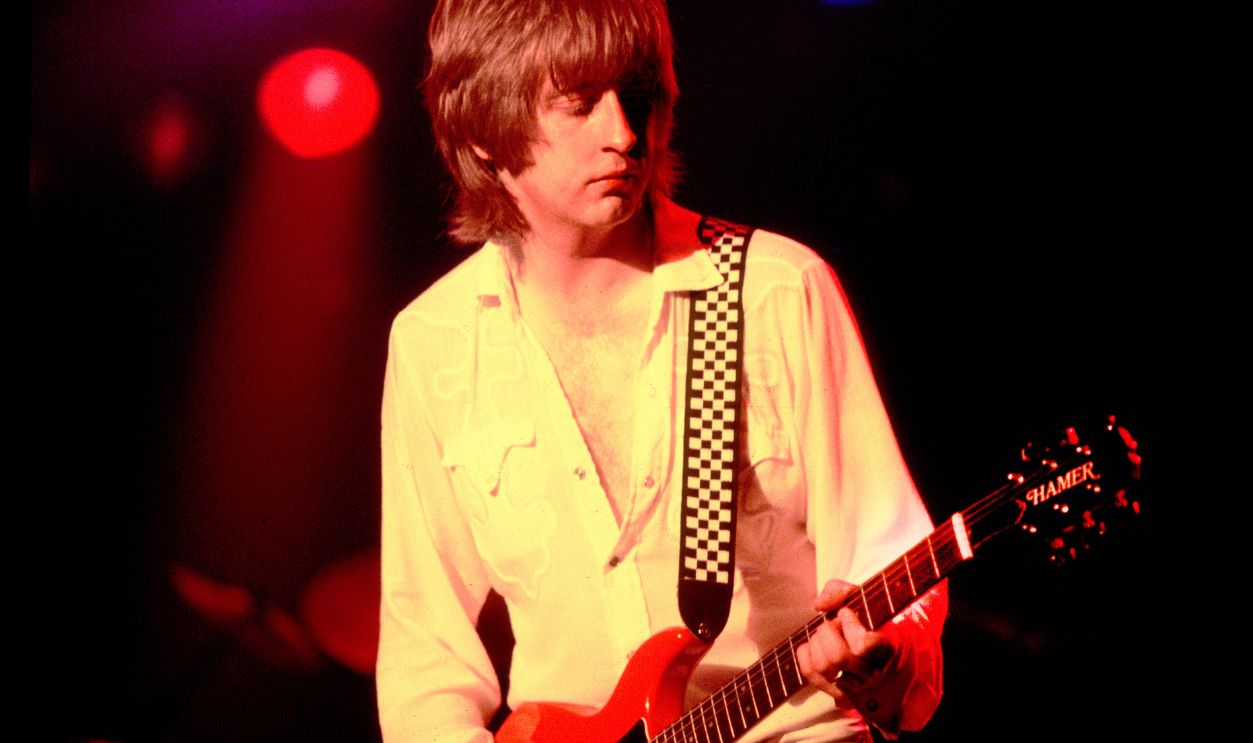
Johnny “Guitar” Watson – “Gangster Of Love”
Guitarist: Johnny “Guitar” Watson
Johnny “Guitar” Watson first recorded “Gangster of Love” during the 1950s, but his funky 1978 remake showed how dramatically his style had evolved. Watson could attack the strings with extraordinary force and theatrical confidence, yet his playing never lost its blues roots. His influence stretched far beyond his own commercial profile, with admirers including Frank Zappa and generations of funk, blues, and rock guitarists.
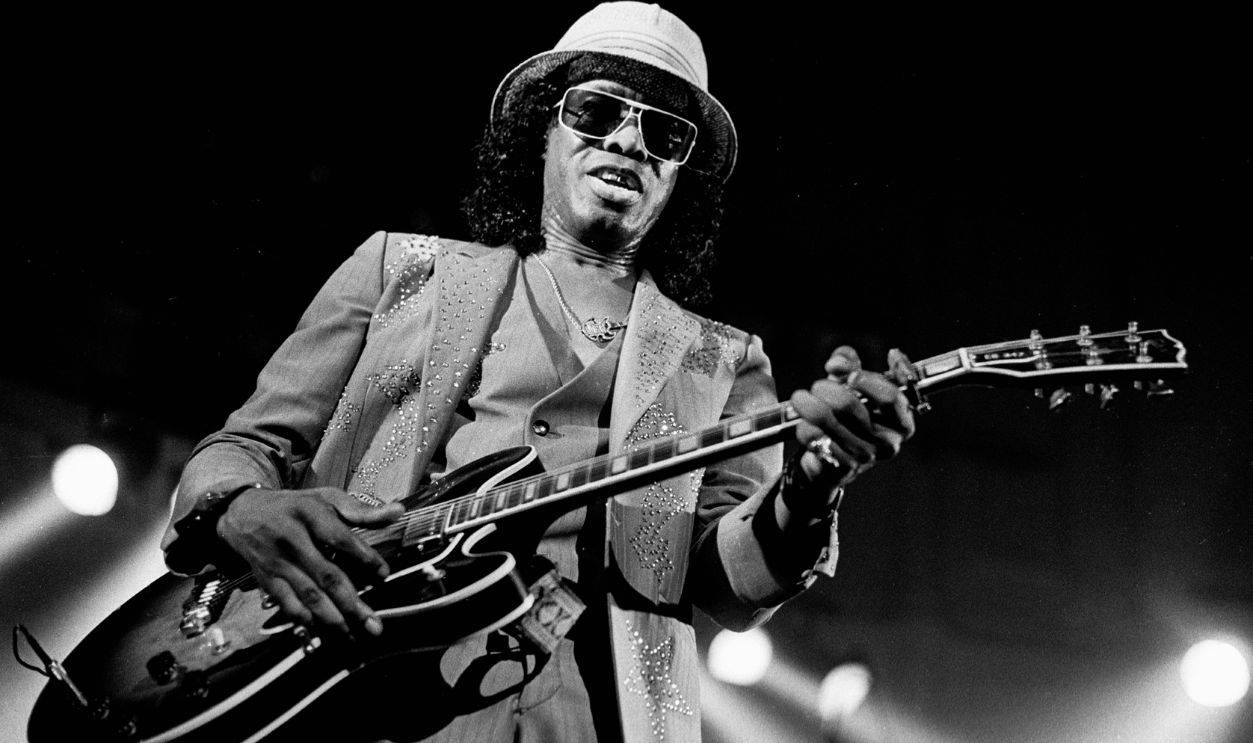
Baroness – “Borderlands”
Guitarist: Gina Gleason
When Gina Gleason joined Baroness, she brought an ability to combine technical skill with the band’s increasingly expansive approach to heavy music. Her solo on “Borderlands” is surprisingly restrained, flowing so naturally back into the surrounding guitar parts that the boundary between lead and rhythm nearly disappears. That refusal to make the solo feel like a separate event is part of what makes it so effective.
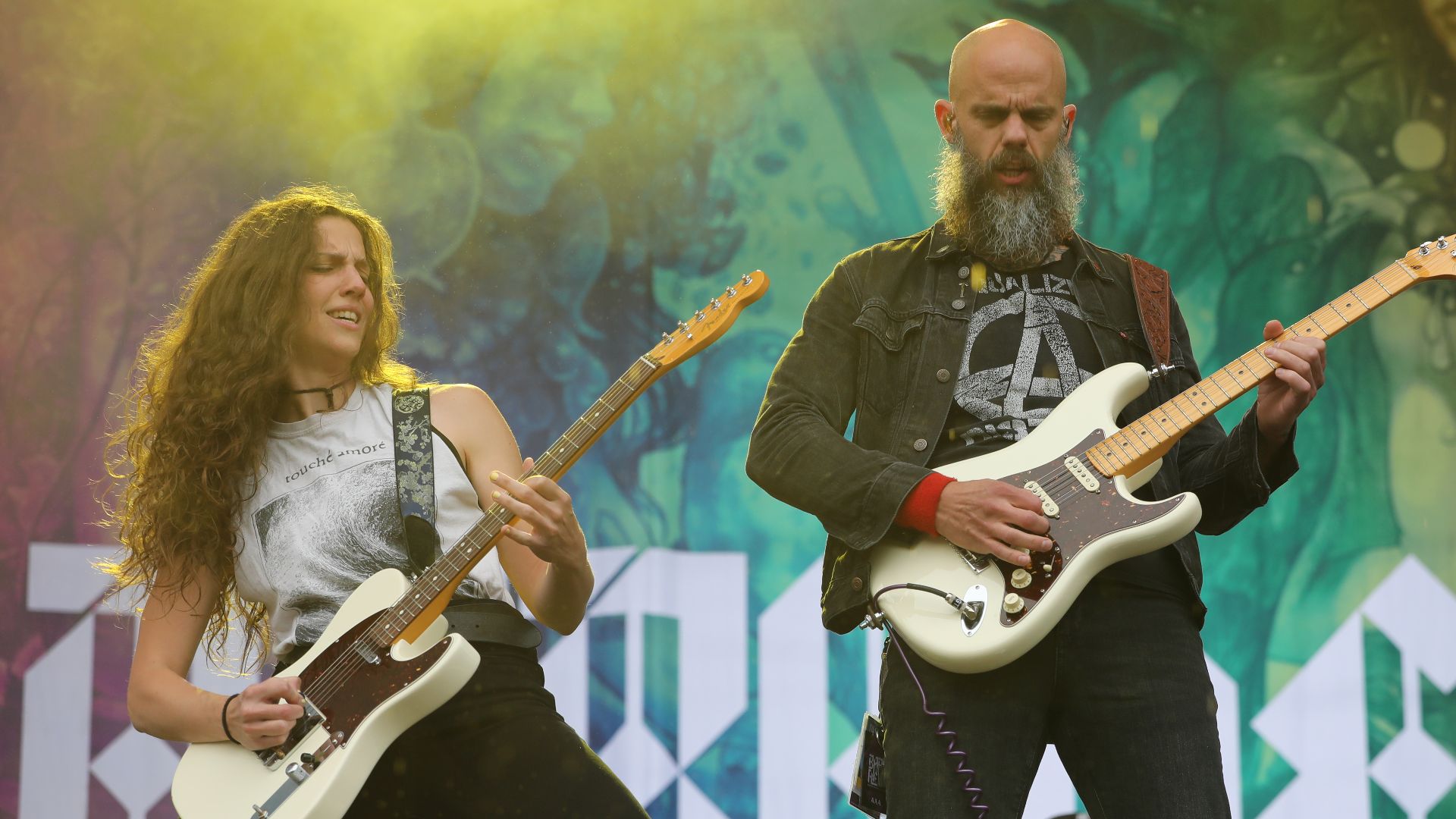
Tedeschi Trucks Band – “They Don’t Shine”
Guitarist: Susan Tedeschi
Susan Tedeschi’s singing is so commanding, and Derek Trucks is such an acclaimed slide guitarist, that her own lead playing can get unfairly overlooked. “They Don’t Shine” gives Tedeschi room to cut loose on Stratocaster, bringing a raw, direct rock-and-roll attack to the band’s roots-heavy sound. Even Trucks singled out the track for its fierce guitar soloing from Tedeschi.
 Xophersmith, Wikimedia Commons
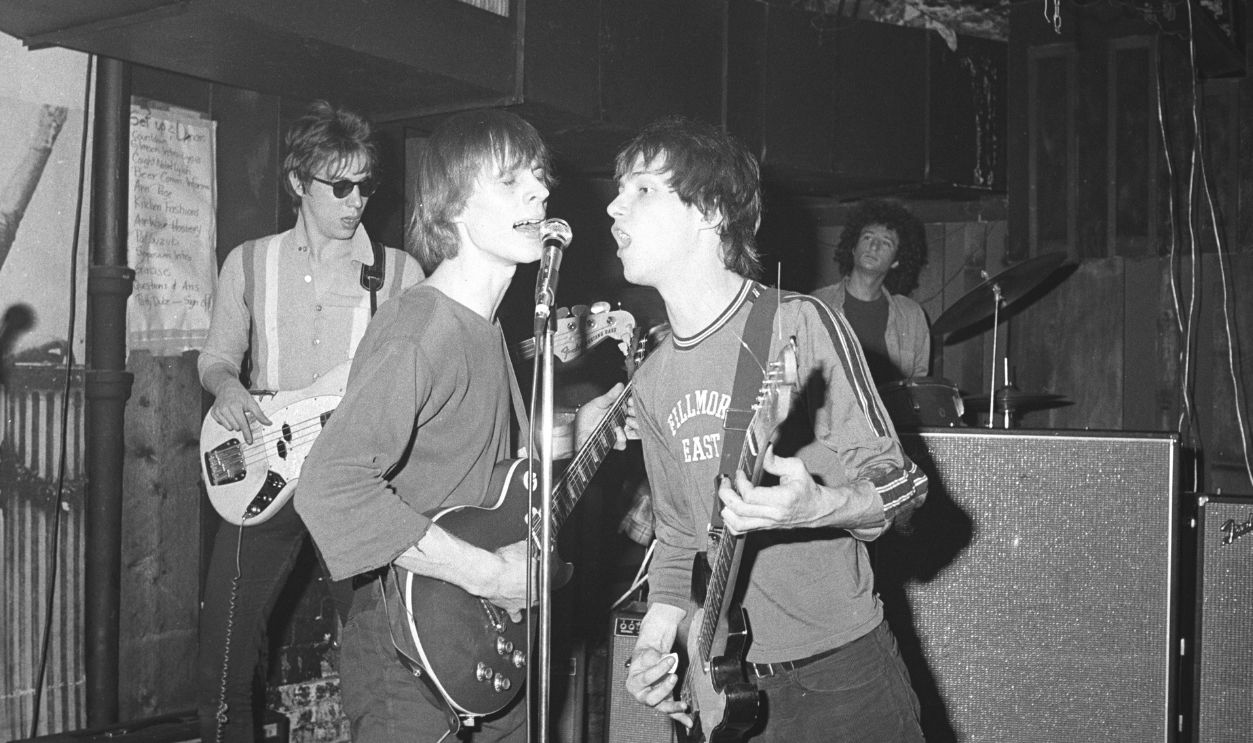
Television – “See No Evil”
Guitarist: Richard Lloyd
Television are usually celebrated for the intertwined guitars of Richard Lloyd and Tom Verlaine rather than for conventional soloing, which helps explain why Lloyd’s “See No Evil” break gets overlooked. His playing tears through the carefully constructed arrangement while still following the song’s unusual harmonic logic. That balance of punk urgency and sophisticated musicianship became hugely influential on the guitar bands that followed.
 Richard E. Aaron, Getty Images
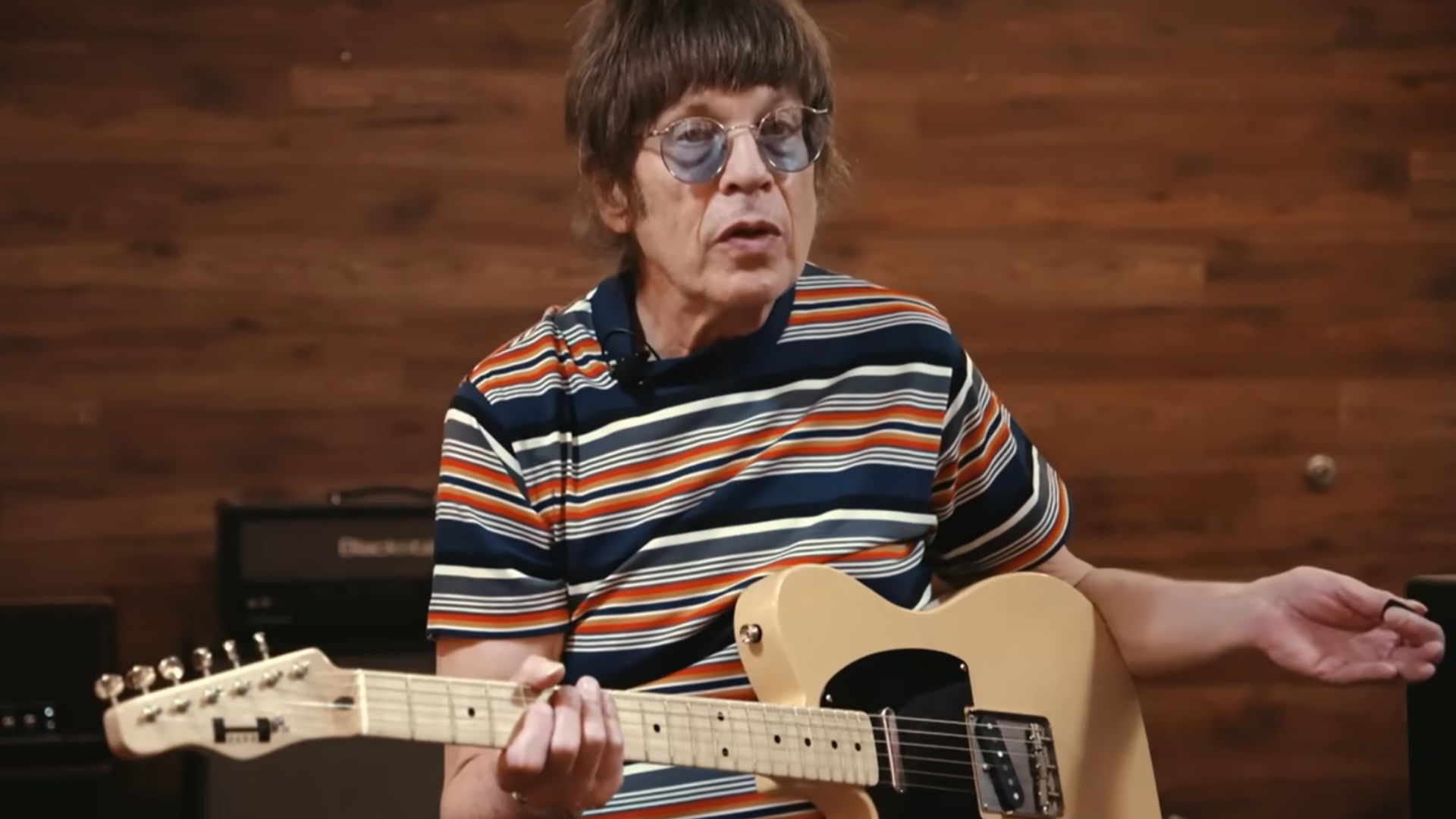
The Cars – “Tonight She Comes”
Guitarist: Elliot Easton
Elliot Easton specialized in squeezing astonishingly detailed guitar solos into concise pop songs, and “Tonight She Comes” may be one of his densest. The Cars spent weeks constructing the track, giving Easton time to carefully compose a part that moves through the chord changes almost like a jazz guitarist rather than simply staying in one rock scale. Steve Vai even transcribed the solo for Guitar Player shortly after its release.
 Blackstar Amplification, Wikimedia Commons
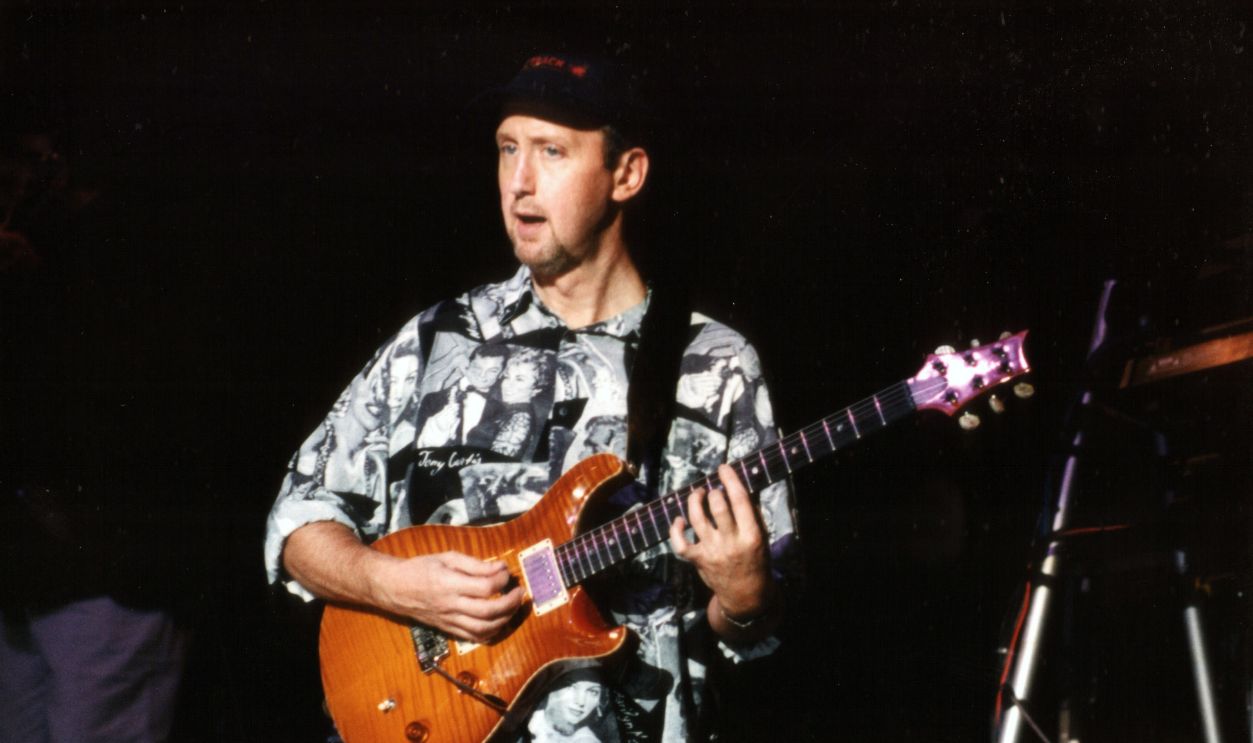
Kate Bush – “Wuthering Heights”
Guitarist: Ian Bairnson
Kate Bush’s astonishing vocal understandably dominates “Wuthering Heights,” which may be why Ian Bairnson’s closing guitar solo can feel like a secret hiding in one of the most famous British singles of the 1970s. Bairnson played his Les Paul through a Marshall setup and allowed the solo to wind around the final section of the song. Its lyrical phrasing gives the already otherworldly track one final emotional lift.
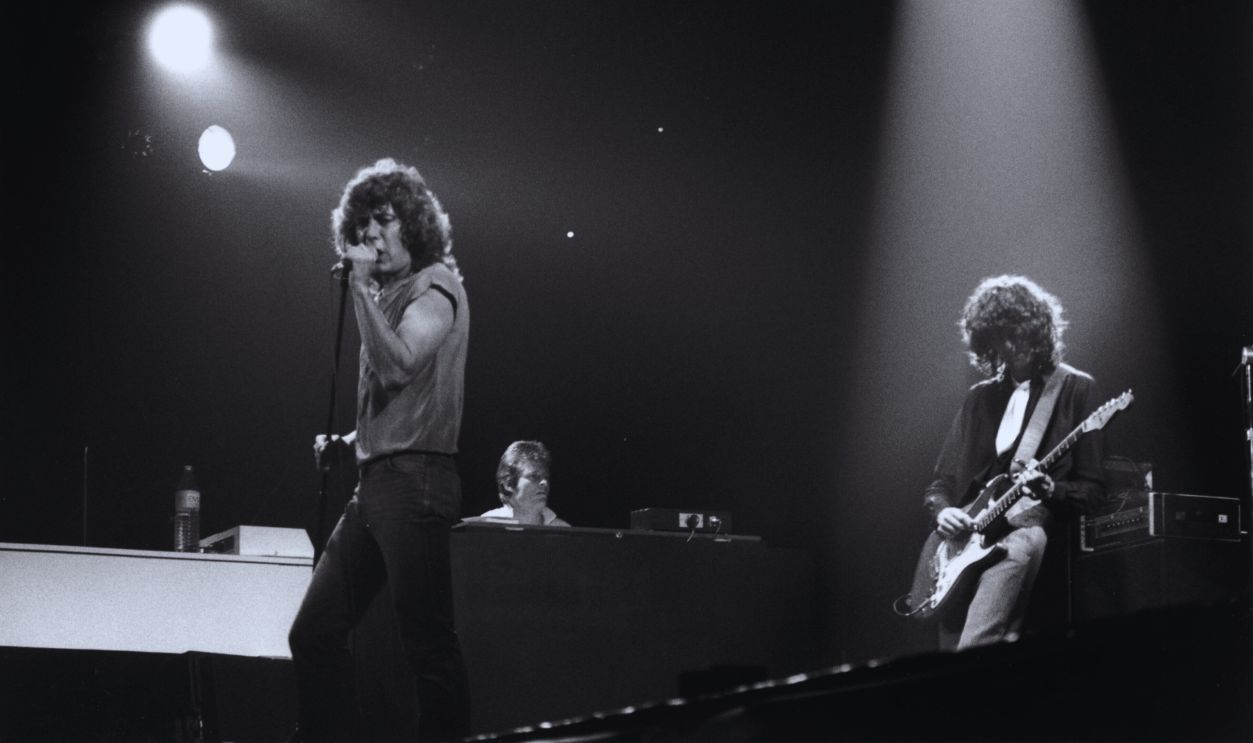
Led Zeppelin – “The Rover”
Guitarist: Jimmy Page
Jimmy Page has so many universally celebrated solos that something as good as “The Rover” can somehow become a deep cut. His playing throughout the track is full of small bends and variations, while the central solo combines blues phrasing with the heavier, more layered sound Zeppelin had developed by Physical Graffiti. It’s Page serving the groove rather than trying to create another “Stairway to Heaven” moment.
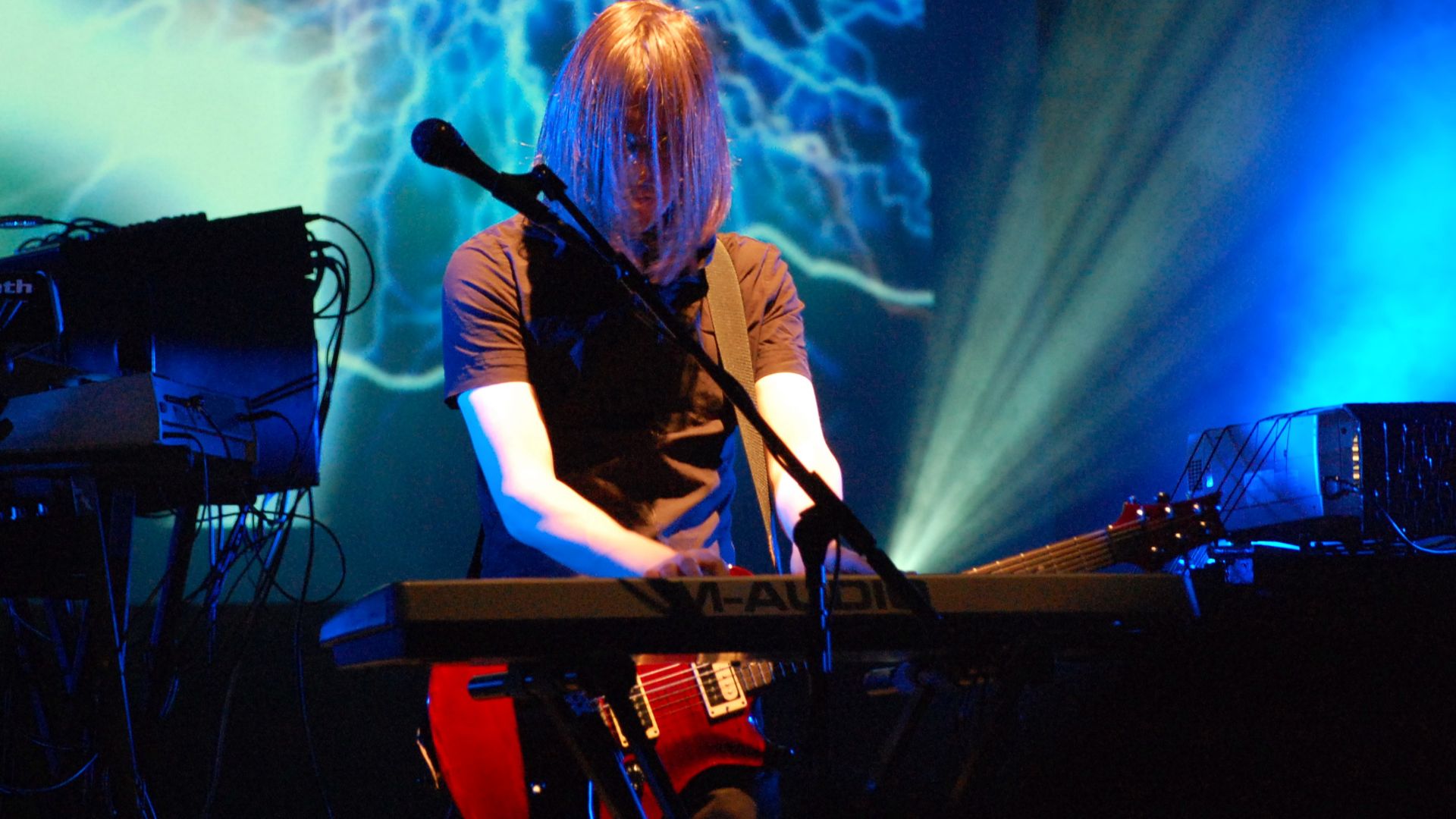
Porcupine Tree – “Dark Matter”
Guitarist: Steven Wilson
“Dark Matter” closes Porcupine Tree’s 1996 album Signify with nearly nine minutes of slowly accumulating atmosphere, and Steven Wilson’s closing guitar work provides the release. The solo is spacious, melodic, and deliberately unhurried, allowing notes to hang over the arrangement instead of attacking it with virtuosity. Its resemblance to David Gilmour’s more atmospheric playing is easy to hear, but the studio guitar credit belongs to Wilson himself.
 Grzegorz Chorus, Wikimedia Commons
You May Also Like:
Guitar Riffs That Defined The Golden Age Of Rock—How Many Do You Remember?