Songs That Carried Big Feelings And Outlived Their Era
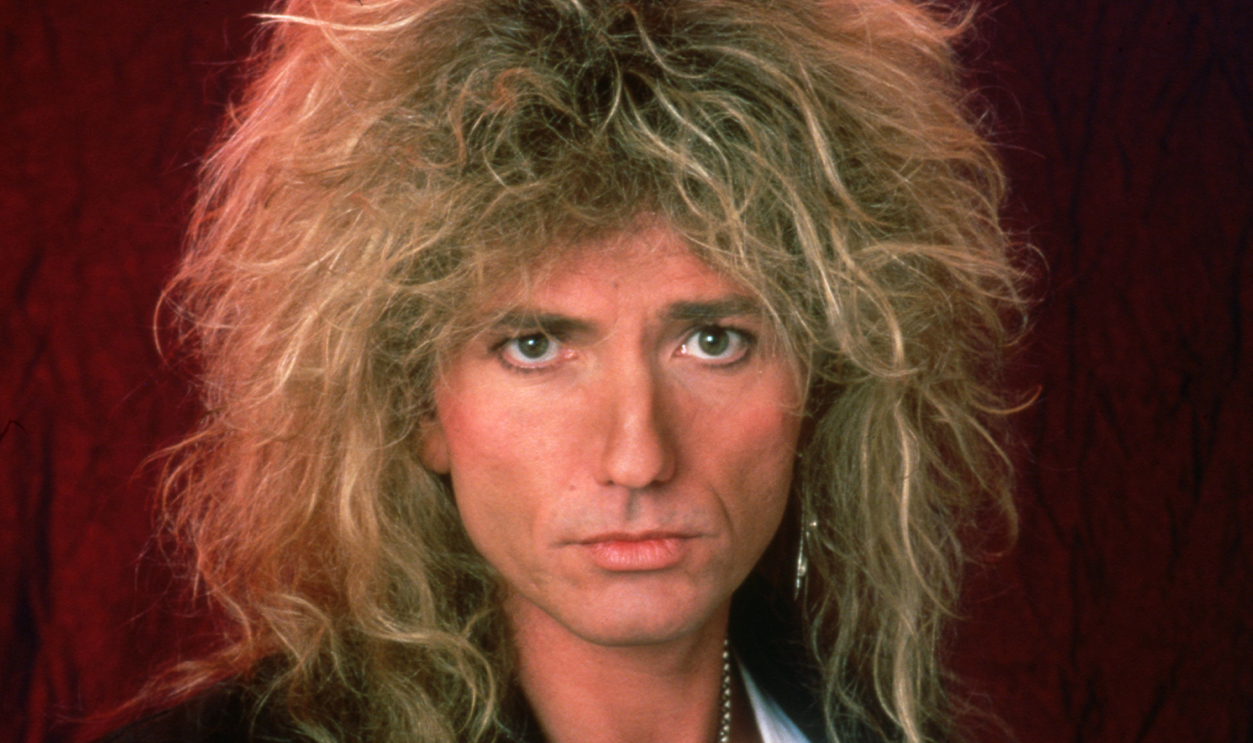
Rock ballads often get dismissed as overdramatic or too sentimental, especially when they’re tied to a very specific decade. But the best ones survive because they’re rooted in real emotion, personal stories, or moments bigger than the bands themselves. These songs became emotional reference points, shaped by heartbreak, ambition, loss, and lived experience, and they only hit harder as years the pass.
Guns N’ Roses – “Patience”
Written during a period of internal tension within the band, “Patience” stripped Guns N’ Roses down to acoustic guitars, whistles, and vulnerability. Axl Rose recorded much of it late at night, and the song’s success proved the band didn’t need chaos to connect. It became one of their most enduring tracks precisely because of its restraint.
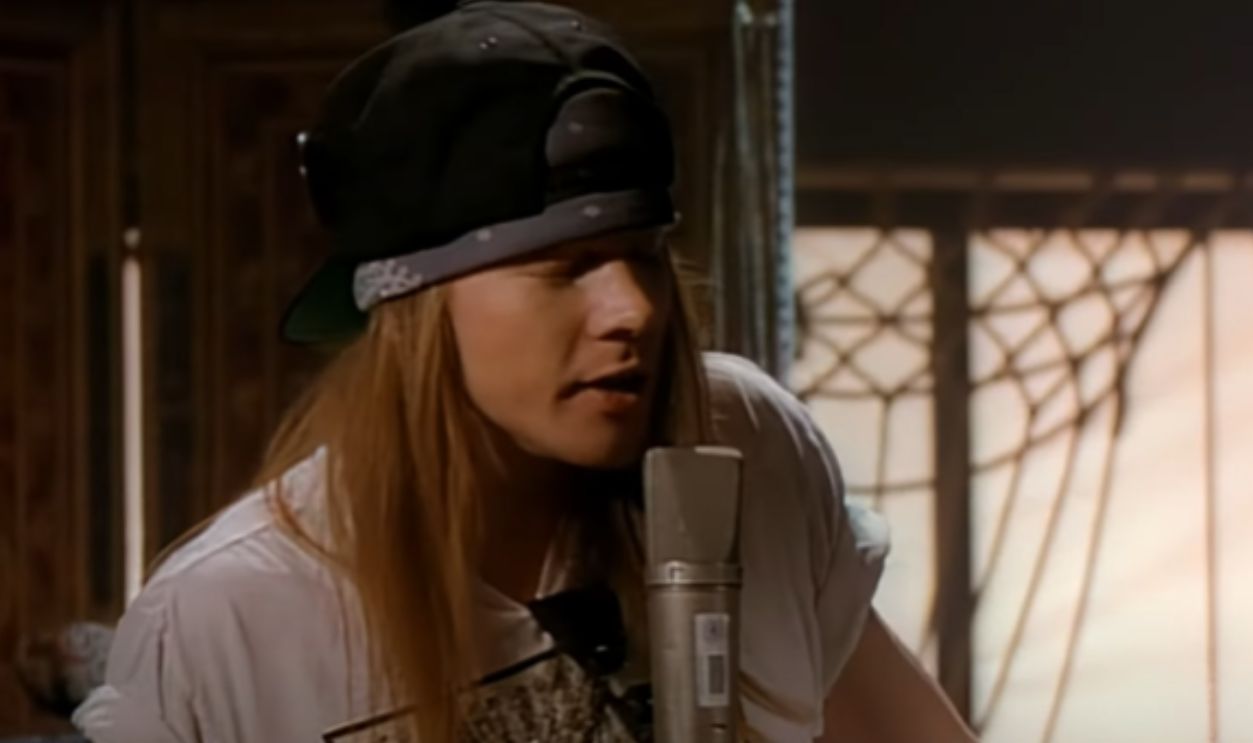 Screenshot from Guns N’ Roses – Patience, Geffen Records (1991)
Roxette – “Listen To Your Heart”
This song was inspired by classic power ballads but written with emotional ambiguity instead of certainty. Per Gessle has said it was meant to feel like standing at a crossroads. It became Roxette’s first US number-one hit, resonating far beyond pop radio because it captured emotional confusion rather than resolution.
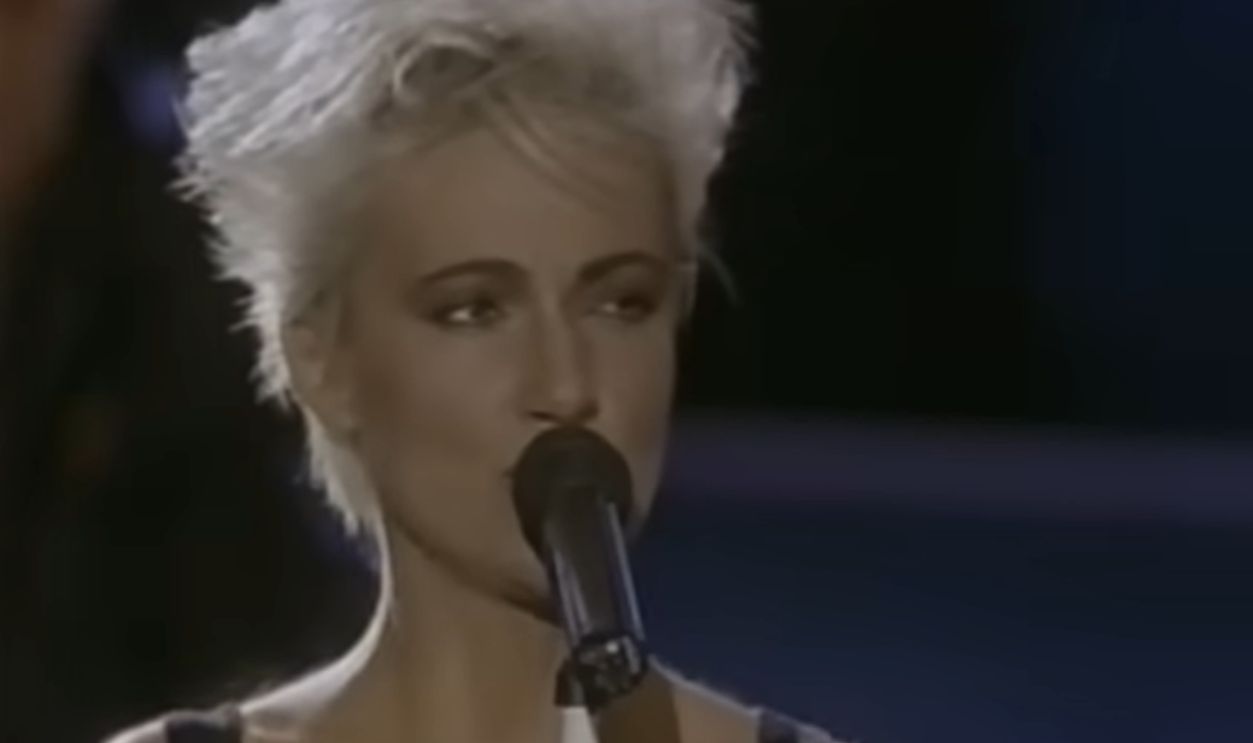 Screenshot from Roxette – Listen to Your Heart, EMI Records (1988)
Ozzy Osbourne – “Mama I’m Coming Home”
Co-written with Lemmy Kilmister, this song revealed a reflective side of Ozzy rarely heard before. It’s often interpreted as a message to Sharon Osbourne, acknowledging mistakes and seeking stability. Its stripped-back approach helped it become one of Ozzy’s most personal and accessible songs.
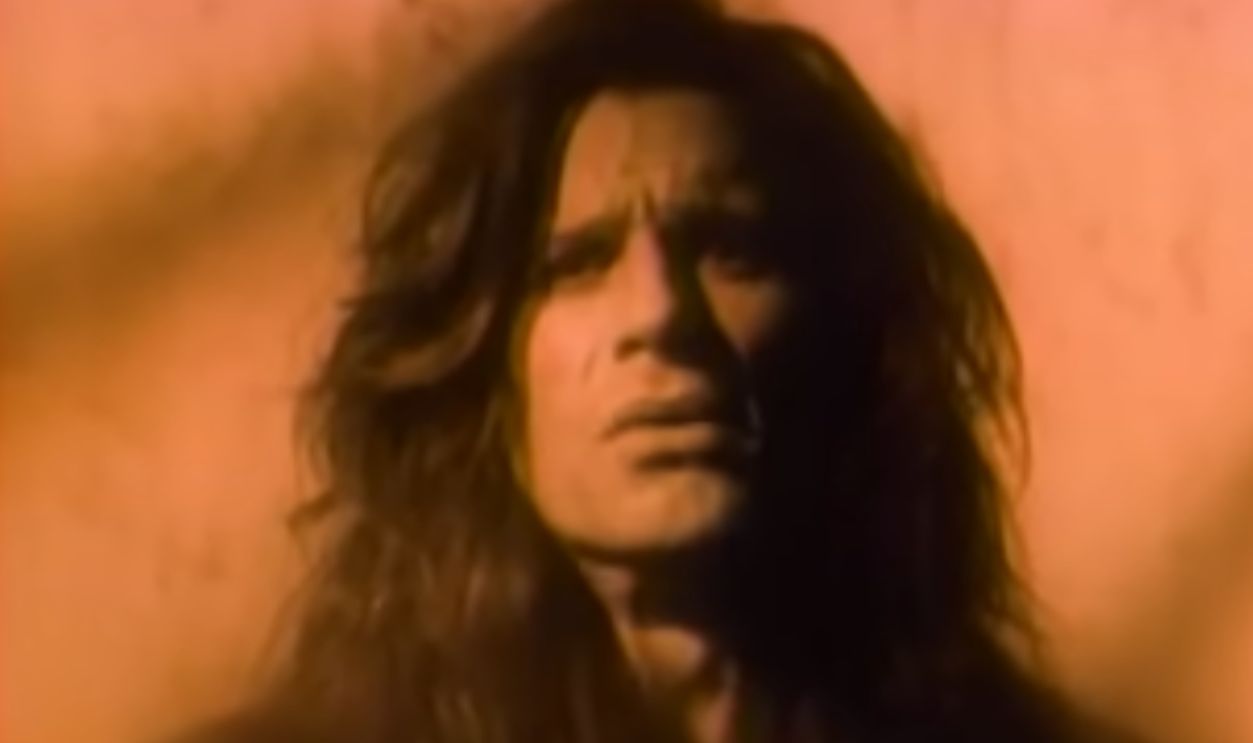 Screenshot from Ozzy Osbourne – Mama I’m Coming Home, Epic Records (1991)
Bon Jovi – “Always”
Originally written for the soundtrack to Romeo Is Bleeding, “Always” ended up becoming one of Bon Jovi’s biggest global hits. Jon Bon Jovi reportedly disliked how the film turned out, but the song took on a life of its own. Its theme of regret and unfinished love connected deeply with listeners worldwide.
 Screenshot from Bon Jovi – Always, Mercury Records (1994)
Journey – “Faithfully”
Keyboardist Jonathan Cain wrote “Faithfully” about the strain touring placed on his marriage. That honesty is why the song feels grounded rather than idealized. It became one of Journey’s most beloved tracks, often cited by fans as one of the most realistic portrayals of commitment in rock music.
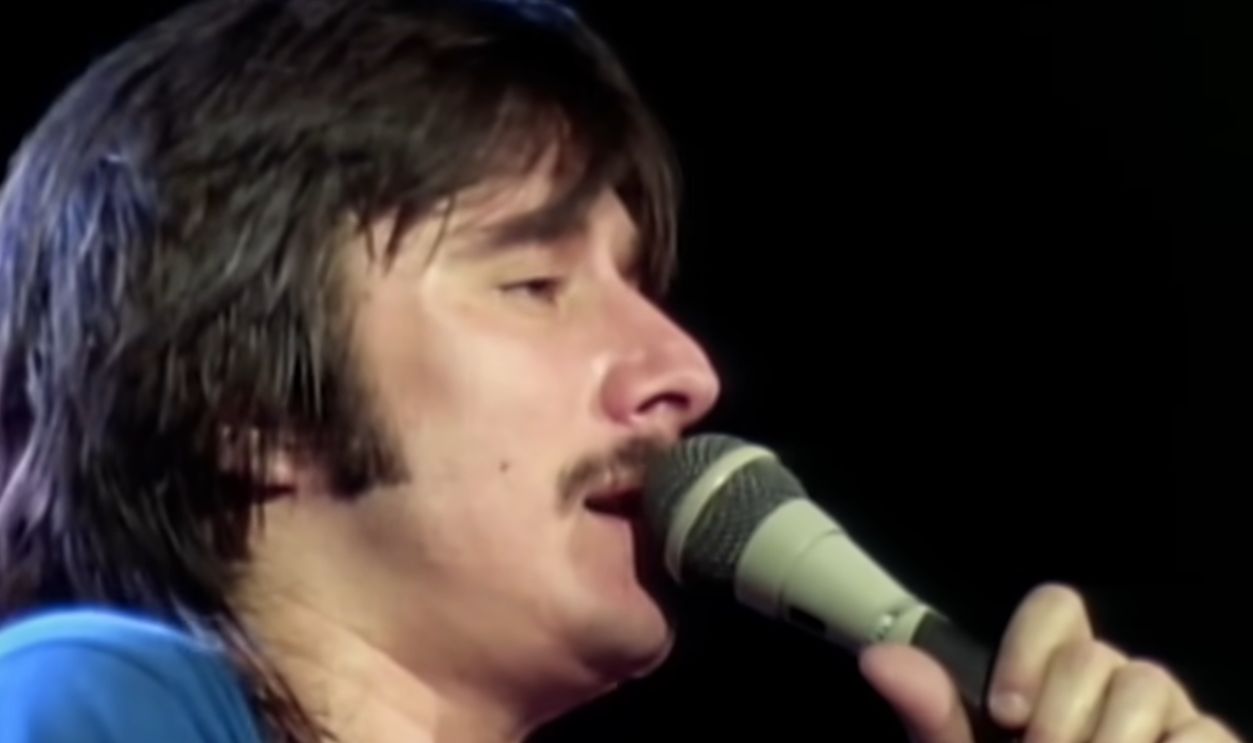 Screenshot from Journey – Faithfully, Columbia Records (1983)
Scorpions – “Wind Of Change”
Inspired by the fall of the Berlin Wall and the end of the Cold War, “Wind of Change” captured a rare moment of global optimism. Its whistle intro became instantly recognizable. The song remains a time capsule of political hope, frequently revisited during moments of reflection and transition.
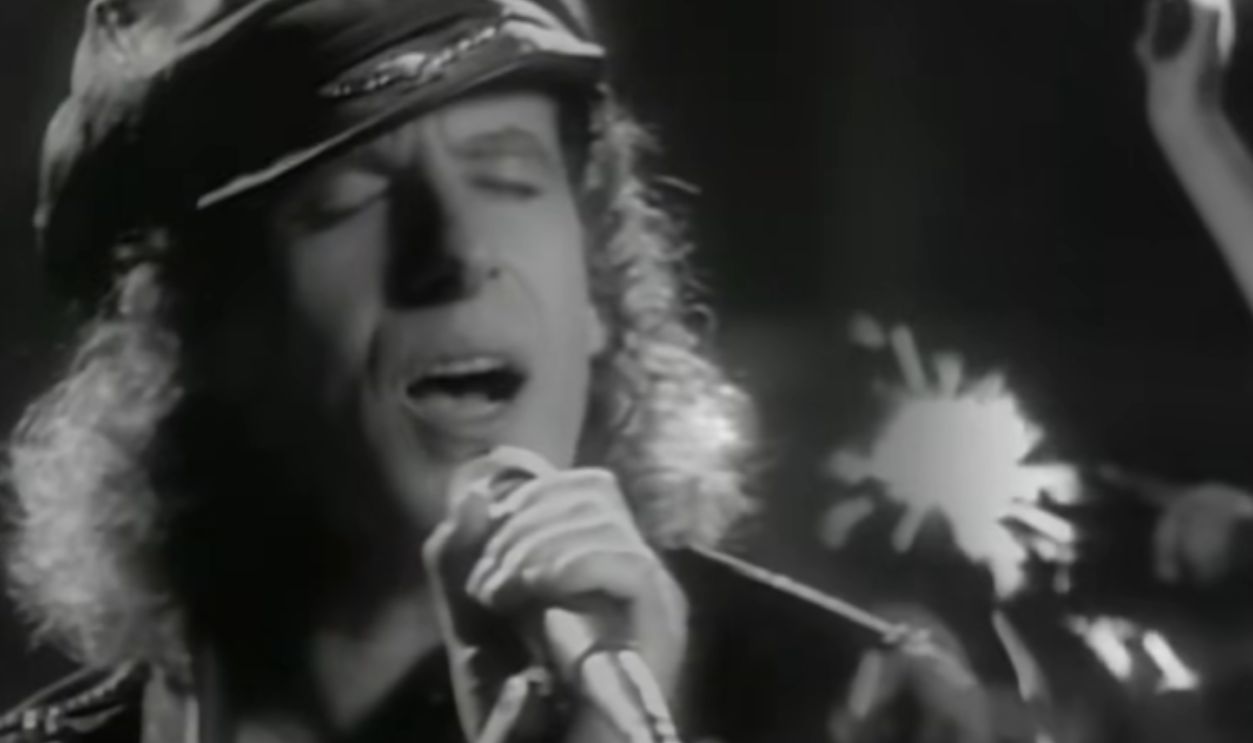 Screenshot from Scorpions – Wind of Change, Mercury Records (1990) (Official Music Video), Scorpions
Styx – “Lady”
Dennis DeYoung wrote “Lady” early in Styx’s career, and it took years to gain traction. When it finally broke through after a re-release, it transformed the band’s trajectory. Its success came from sincerity rather than flash, helping prove that heartfelt songwriting could compete with more bombastic rock trends.
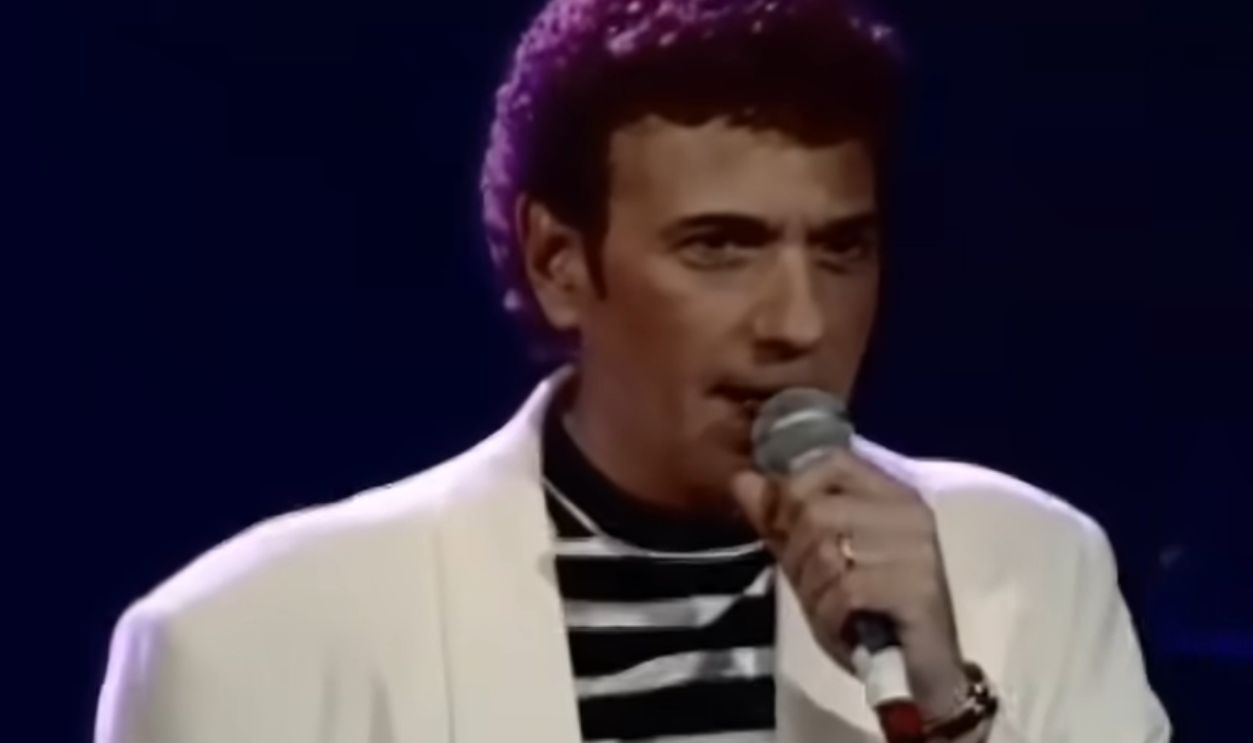 Screenshot from Styx – Lady, Wooden Nickel Records (1973)
Berlin – “Take My Breath Away”
Written by Giorgio Moroder and Tom Whitlock for Top Gun, the song became inseparable from the film’s emotional core. Its slow, sensual pacing and minimalist arrangement made it stand out in the 1980s. Winning an Academy Award only cemented its place as one of the most iconic ballads ever recorded.
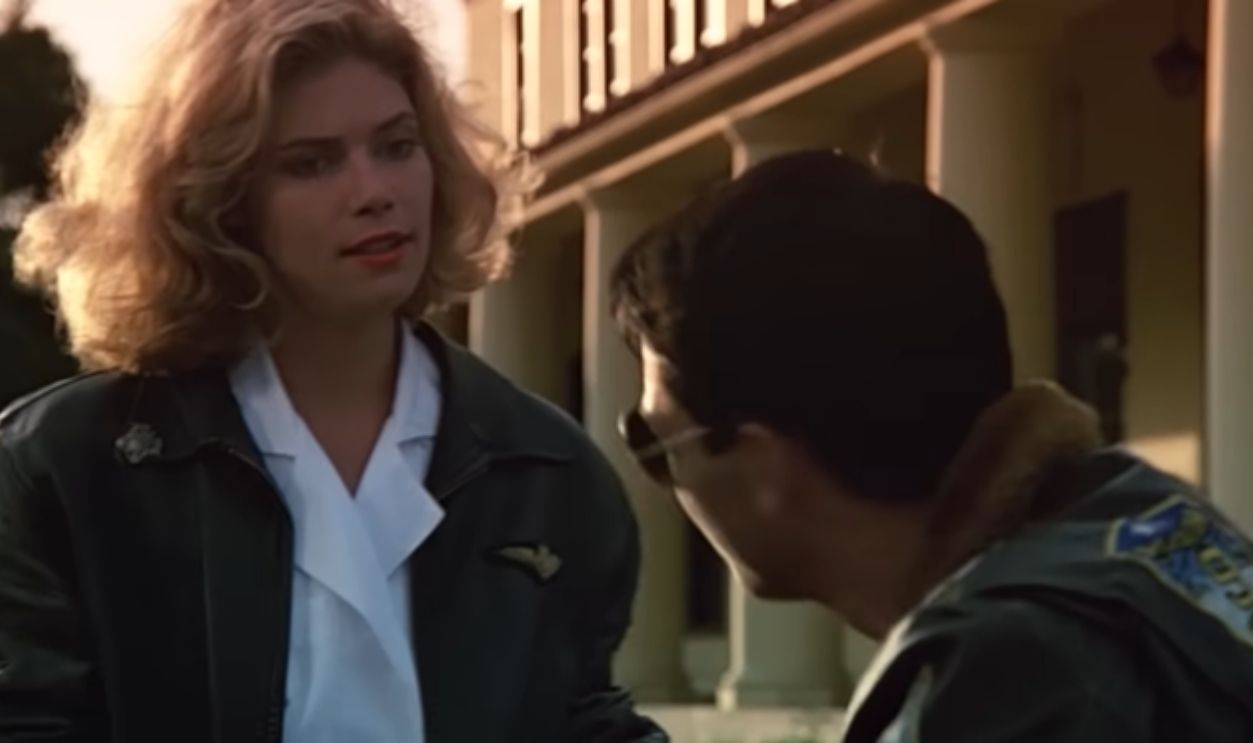 Screenshot from Top Gun, Paramount Pictures (1986)
Cutting Crew – “I Just Died In Your Arms Tonight”
Singer Nick Van Eede has said the song was inspired by a complicated personal relationship rather than a literal tragedy. That ambiguity helped fuel its mystique. The dramatic phrasing and unexpected emotional turns made it a defining hit of the era, lingering in pop culture far longer than the band itself.
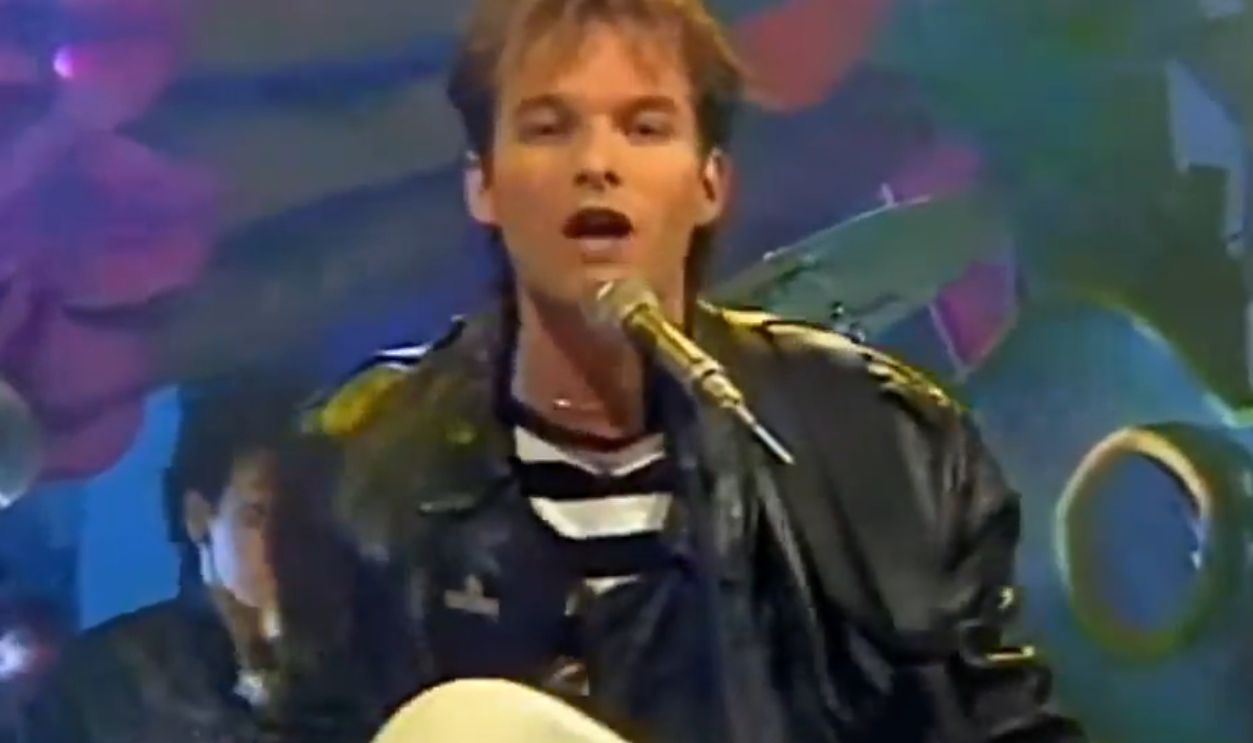 Screenshot from Cutting Crew – I Just Died In Your Arms Tonight, Virgin Records (1986)
Def Leppard – “Love Bites”
“Love Bites” marked a turning point for Def Leppard, becoming their first US number-one single. Built around vulnerability instead of aggression, the song showed a softer side of the band. Its success helped open the door for rock acts to explore emotional territory without sacrificing mainstream appeal.
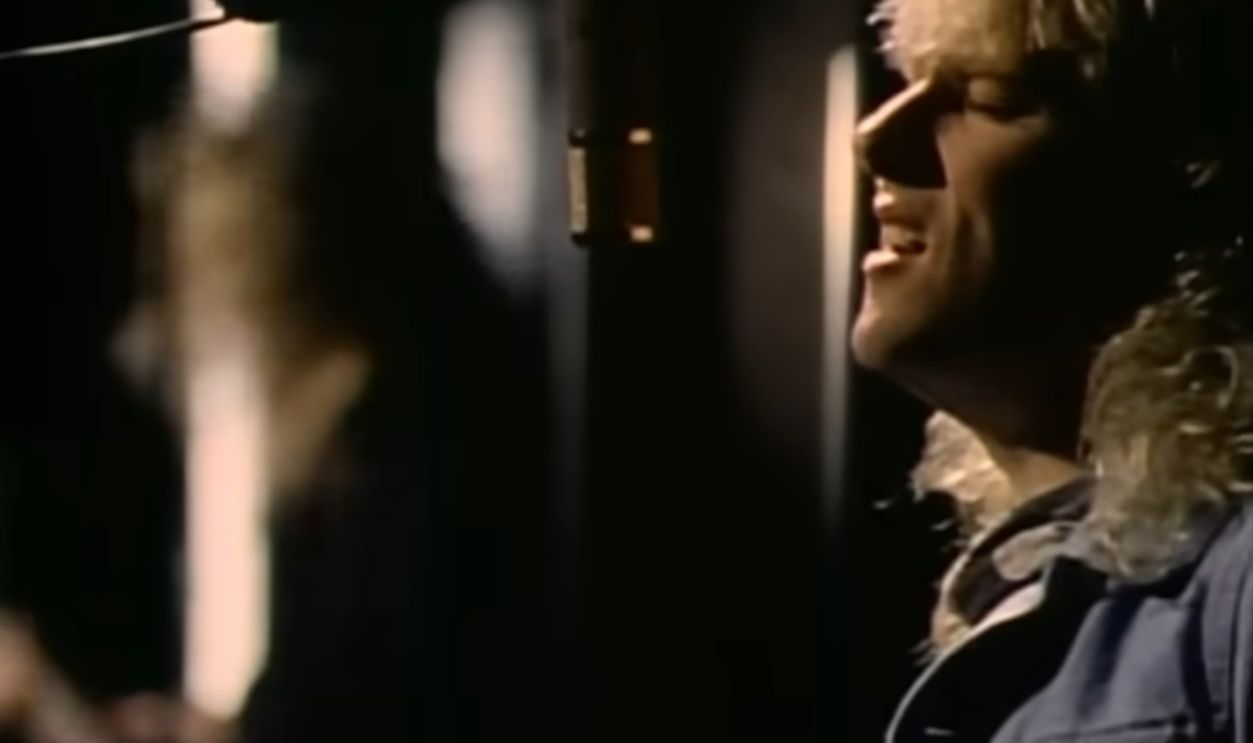 Screenshot from Def Leppard – Love Bites, Mercury Records (1987)
Bonnie Tyler – “Total Eclipse Of The Heart”
Written by Jim Steinman, the song was originally intended for a gothic musical concept. That theatrical DNA explains its dramatic shifts and intensity. Bonnie Tyler’s raspy voice gave it emotional grit, turning what could have been melodrama into something raw and unforgettable.
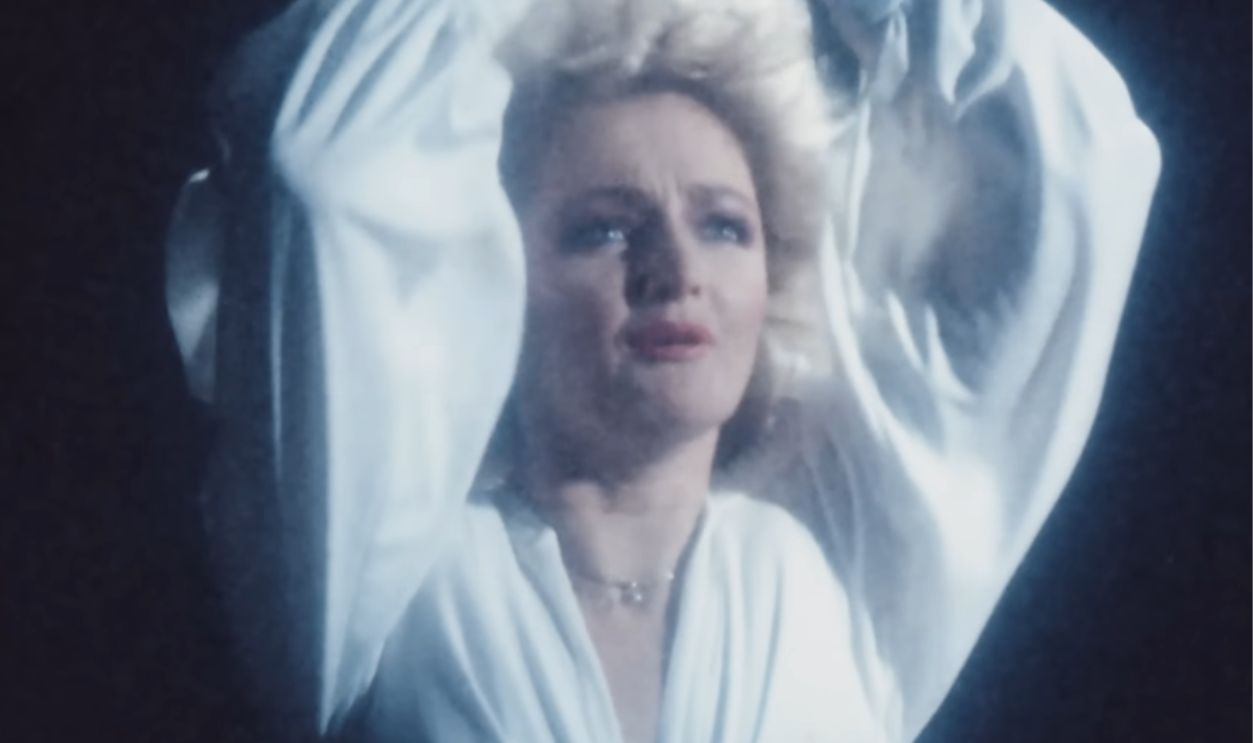 Screenshot from Total Eclipse of the Heart, Columbia Records (1983)
Meat Loaf – “I’d Do Anything For Love (But I Won’t Do That)”
Despite years of speculation, Jim Steinman always insisted the song’s central conflict was about emotional boundaries. Its length, drama, and structure mirror operatic storytelling more than traditional rock. The song topped charts worldwide, proving that excess and sincerity could coexist.
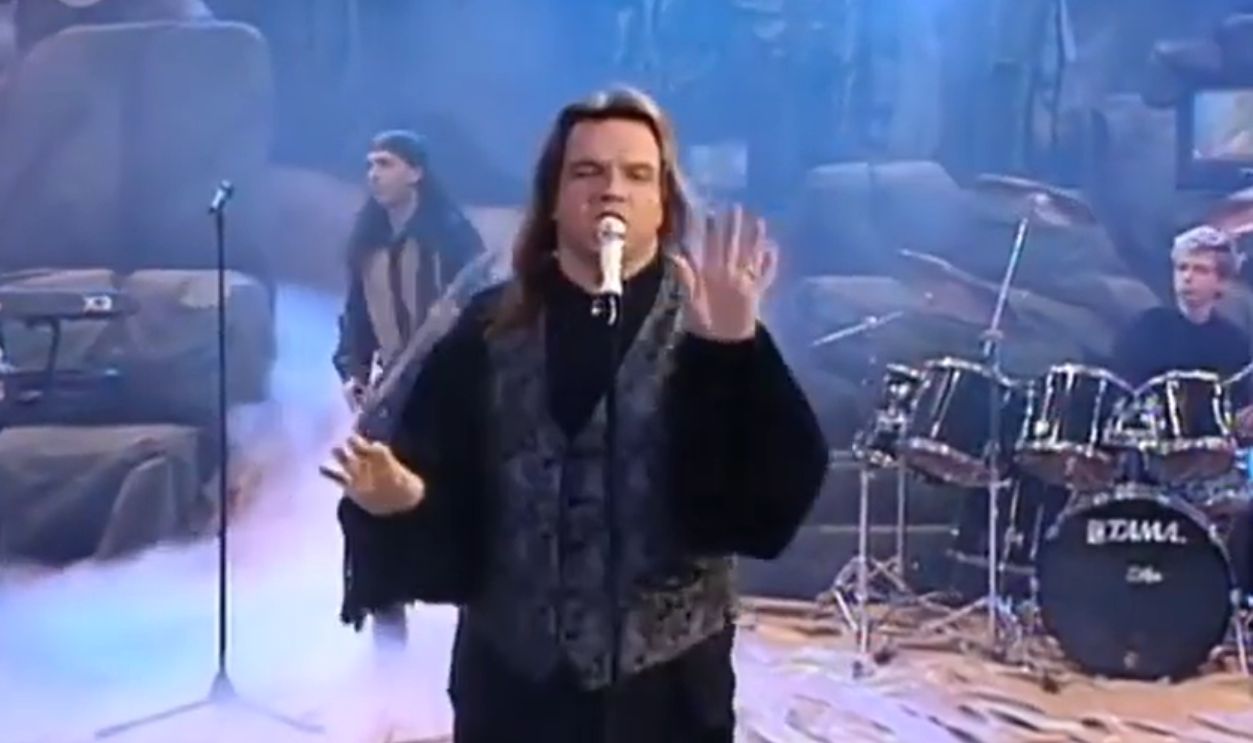 Screenshot from Meat Loaf – I’d Do Anything for Love (But I Won’t Do That), Virgin Records (1993)
Heart – “Alone”
Originally written by Billy Steinberg and Tom Kelly, “Alone” became iconic because of Ann Wilson’s vocal performance. Her delivery elevates the song from longing to desperation. It remains one of the most emotionally charged power ballads of the 1980s.
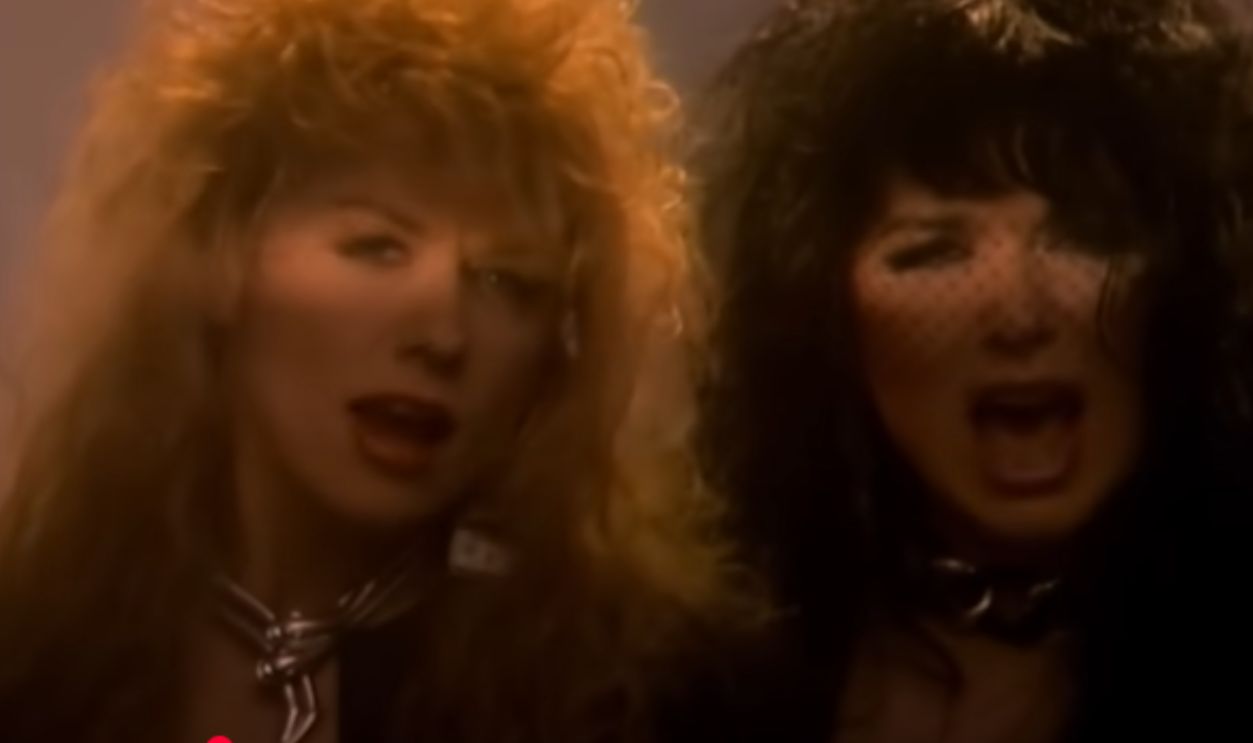 Screenshot from Heart – Alone, Capitol Records (1987)
Aerosmith – “Dream On”
Written by Steven Tyler as a teenager, “Dream On” gained popularity slowly rather than instantly. Its message of persistence resonated more deeply as the band’s own journey unfolded. The song became a reflection of ambition aging into acceptance, which helps explain its lasting relevance.
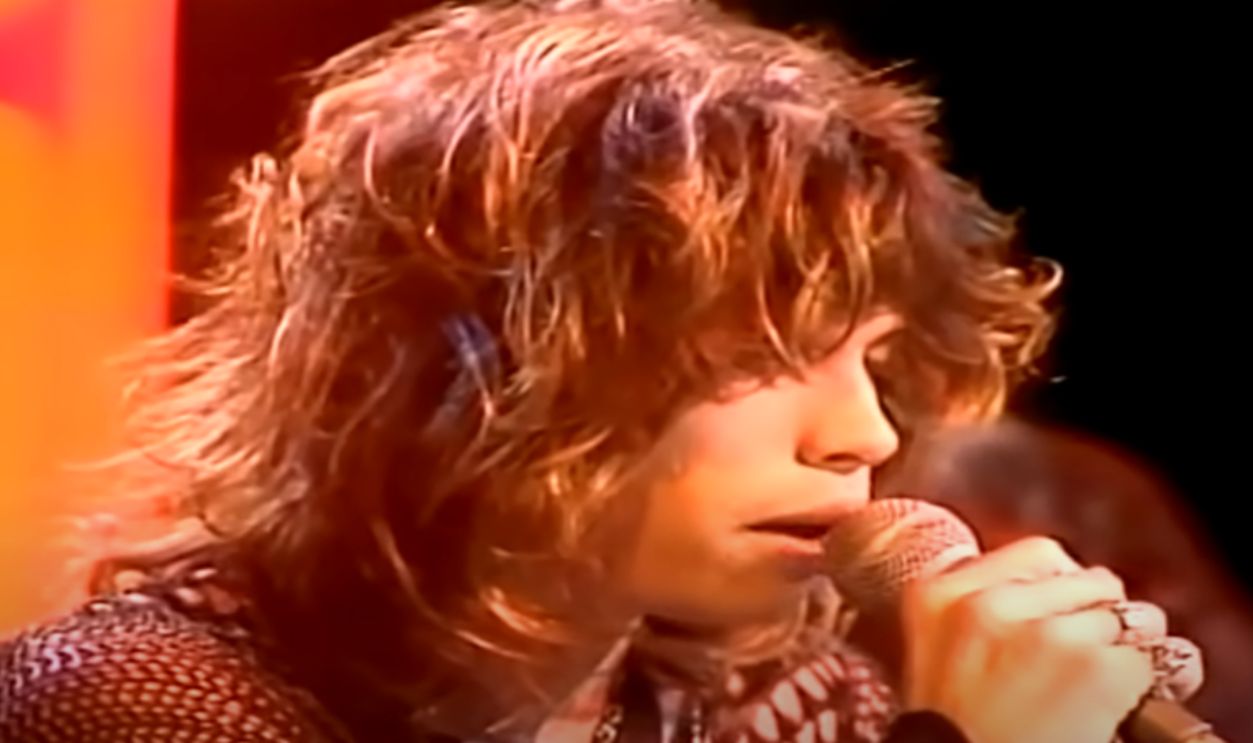 Screenshot from Aerosmith – Dream On, Columbia Records (1973)
Poison – “Every Rose Has Its Thorn”
Bret Michaels wrote this song after discovering his girlfriend’s infidelity while on tour. The honesty behind its simple metaphor is why it connected so strongly. It stripped glam metal down to something emotional and relatable, becoming Poison’s only number-one single.
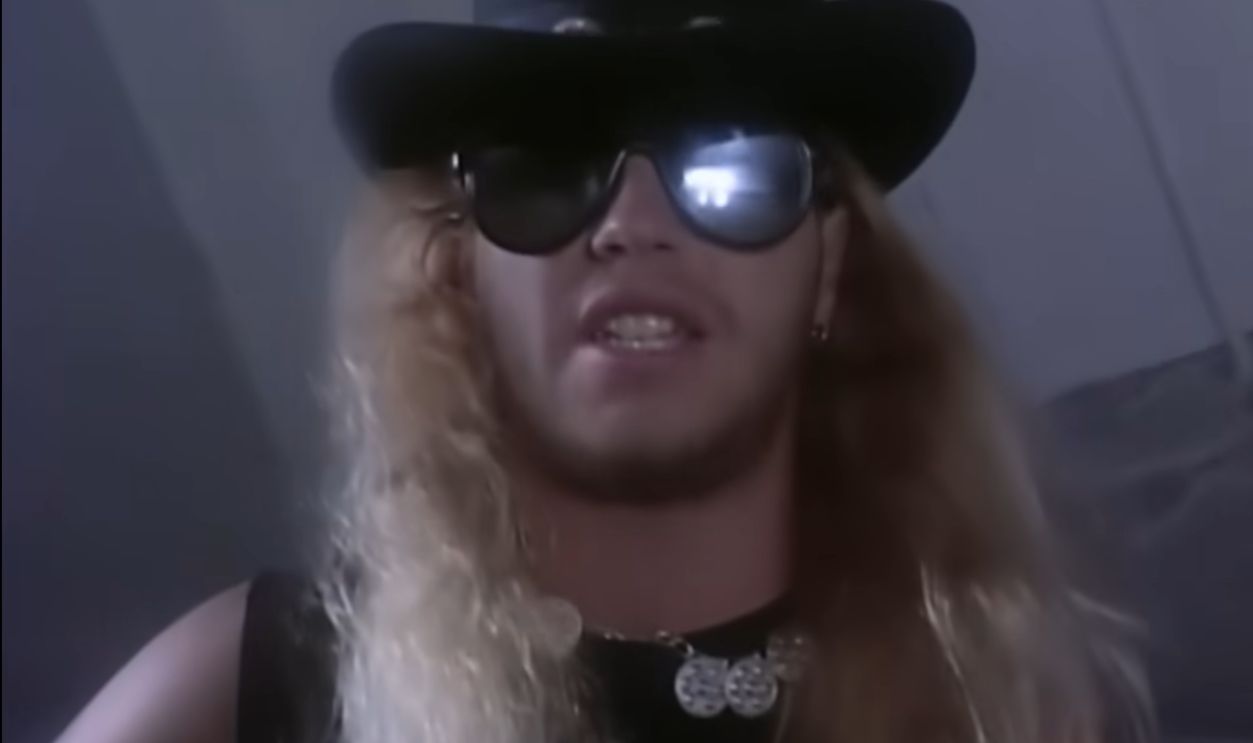 Screenshot from Every Rose Has Its Thorn, Capitol Records (1988)
Boston – “More Than A Feeling”
Tom Scholz wrote this song years before Boston’s debut album, obsessively refining its sound. The track’s nostalgic tone and soaring chorus helped define arena rock. Its emotional pull comes from longing rather than narrative, which allows listeners to attach their own memories to it.
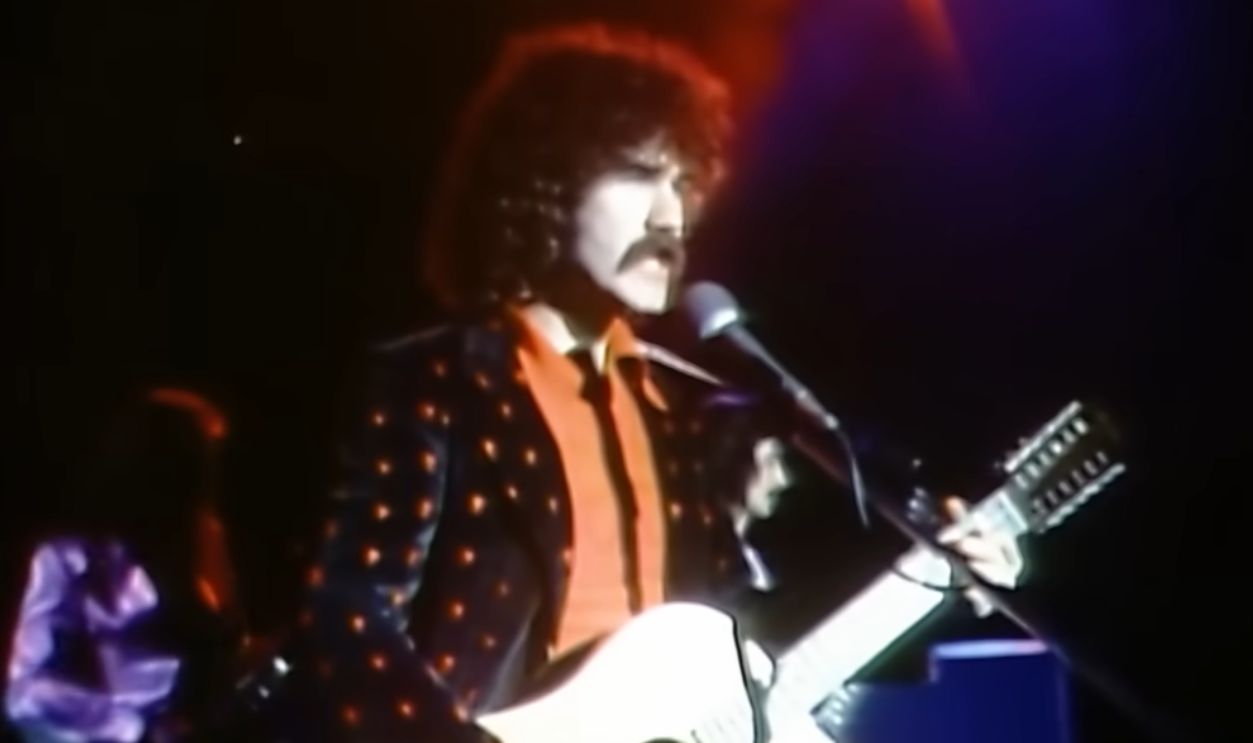 Screenshot from More Than a Feeling, Epic Records (1976)
REO Speedwagon – “Keep On Loving You”
Written as a response to infidelity, the song isn’t about blind devotion so much as emotional vulnerability. Kevin Cronin has described it as deeply personal. Its intensity made it stand out among softer ballads, helping it become one of the band’s signature tracks.
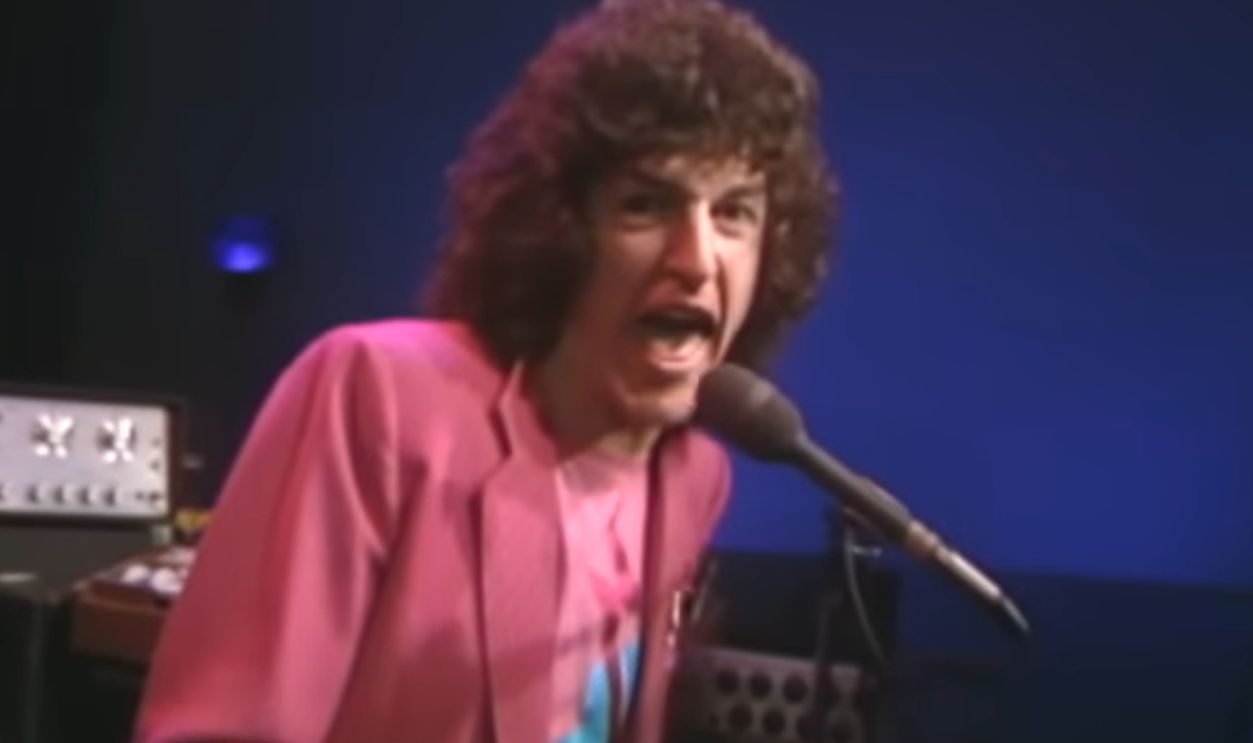 Screenshot from REO Speedwagon – Keep On Loving You, Epic Records (1980)
Mötley Crüe – “Home Sweet Home”
This song marked a shift in Mötley Crüe’s image, introducing introspection to a band known for excess. Written on tour, it reflected exhaustion and longing rather than celebration. Over time, it became a universal anthem for return and comfort.
 De-fexxx666, Wikimedia Commons
Whitesnake – “Is This Love”
David Coverdale originally wrote this song with Tina Turner in mind, which explains its soulful structure. Whitesnake kept it, and it became one of their biggest hits. The song’s uncertainty and openness give it emotional realism that outlasts its era.
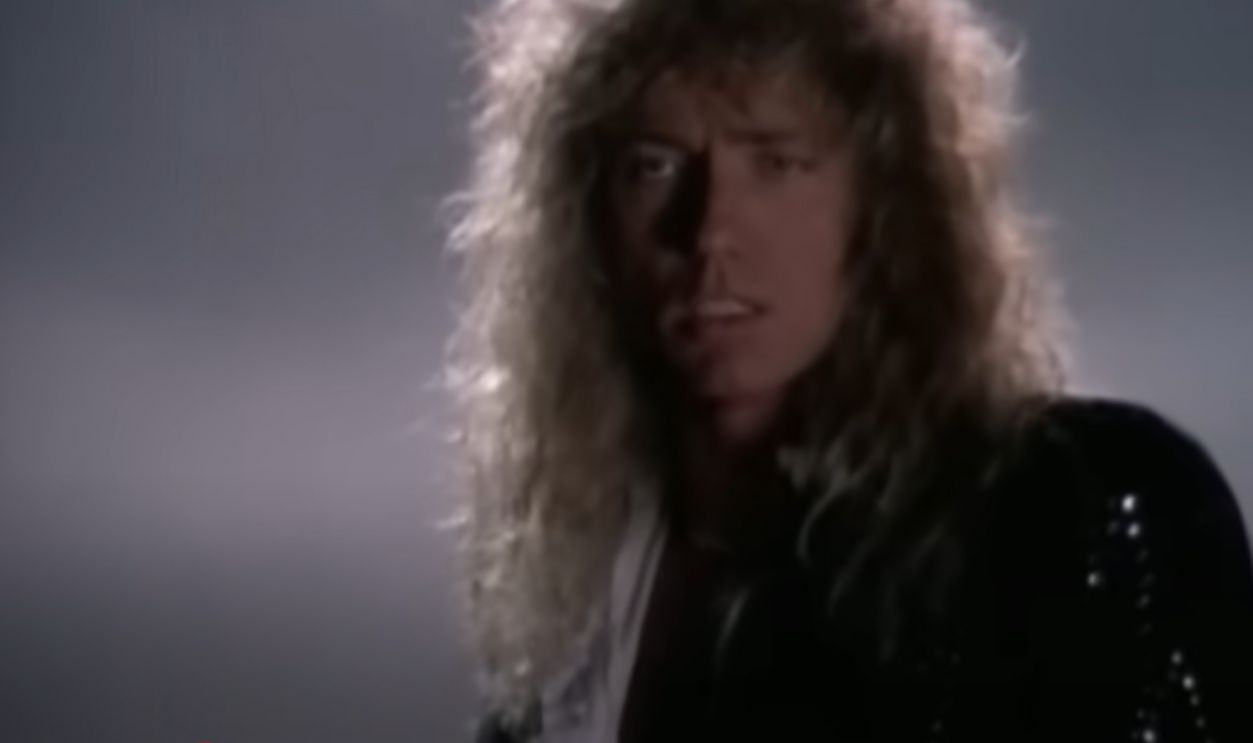 Screenshot from Whitesnake – Is This Love, Geffen Records (1987)
Foreigner – “I Want To Know What Love Is”
Inspired by Mick Jones’ spiritual exploration, the song blends rock with gospel influences. The inclusion of the New Jersey Mass Choir gave it emotional weight and universality. Its success came from asking questions rather than offering answers.
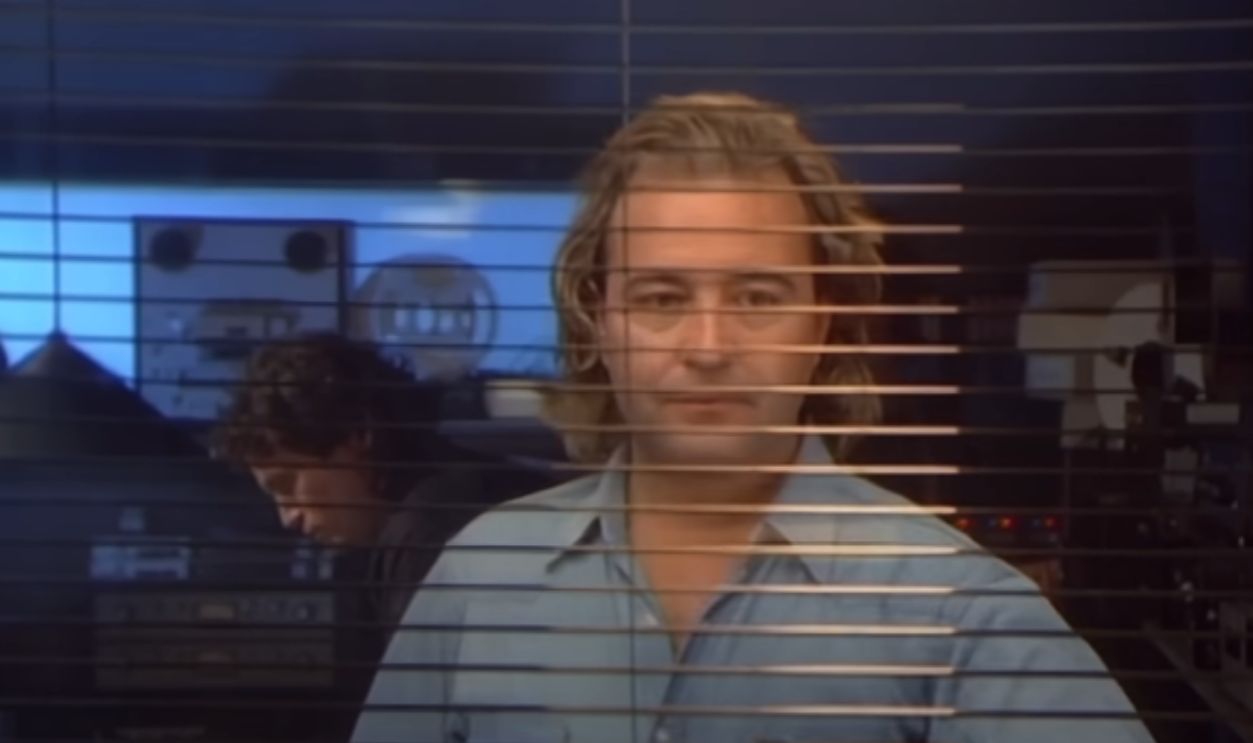 Screenshot from I Want to Know What Love Is, Atlantic Records (1984)
Journey – “Don’t Stop Believin’”
Initially not the band’s biggest hit, this song gained massive cultural longevity through films, television, and live performances. Its open-ended narrative allows listeners to see themselves in it, helping it evolve from radio staple to generational anthem.
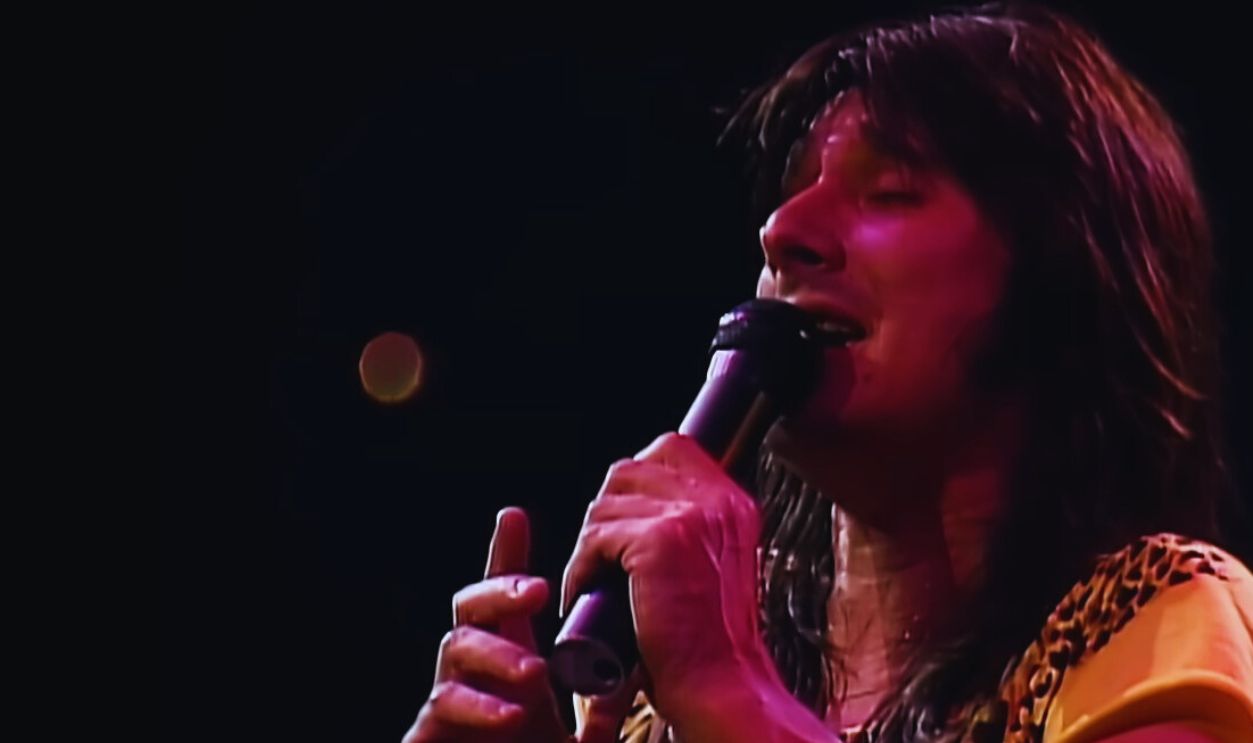 Screenshot from Don’t Stop Believin, Columbia Records (1981)
Guns N’ Roses – “November Rain”
One of the most expensive music videos of its time, “November Rain” was years in the making. Axl Rose had been developing it since his early songwriting days. Its length and emotional scope mirror the complexity of long-term relationships rather than tidy resolutions.
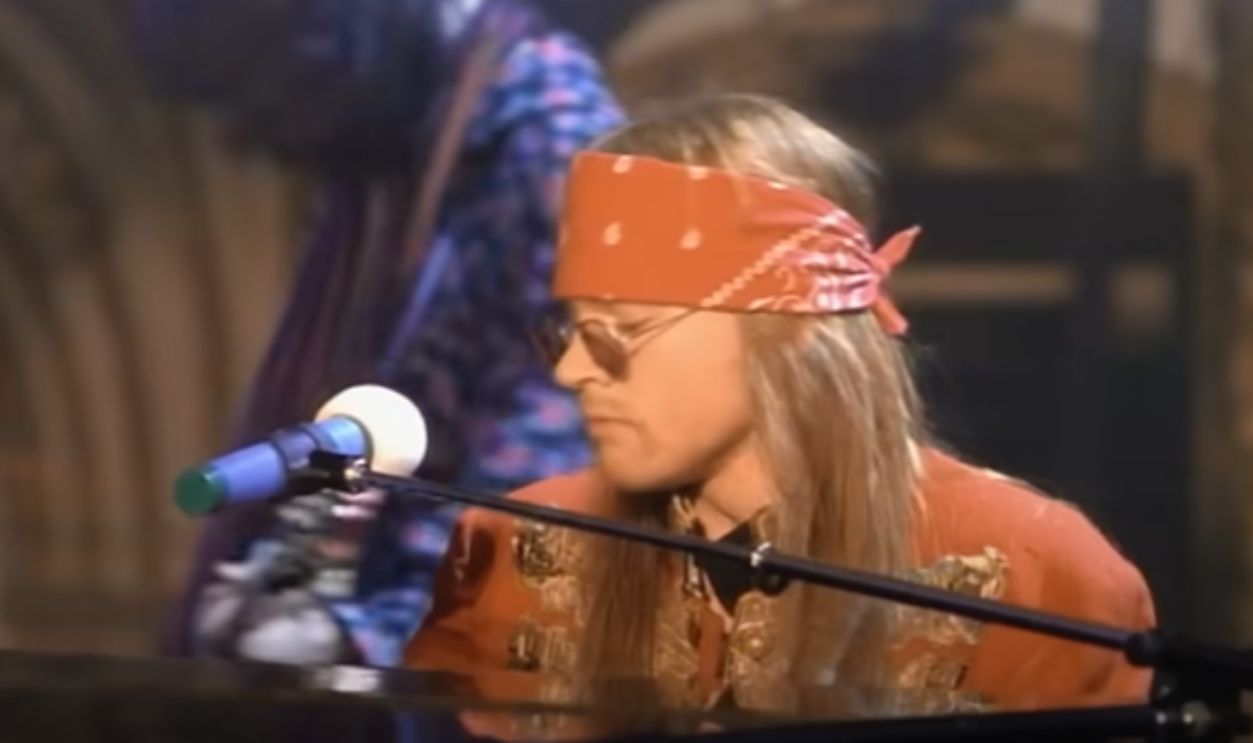 Screenshot from Guns N’ Roses – November Rain, Geffen Records (1991)
Prince – “Purple Rain”
Written as a blend of gospel, rock, and pop, “Purple Rain” was meant to feel communal and cathartic. Prince’s restraint and emotional control make the song feel intimate despite its scale. It has since become synonymous with remembrance and emotional release.
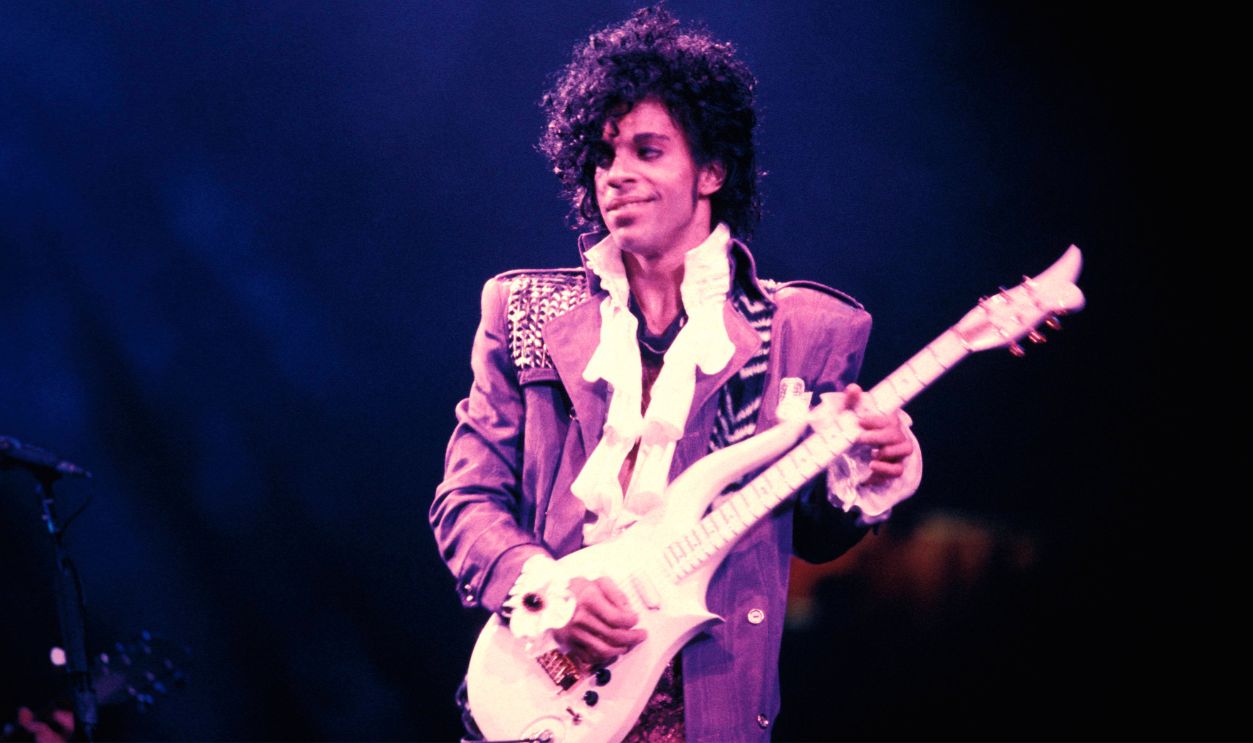 Richard E. Aaron, Getty Images
Aerosmith – “I Don’t Want To Miss A Thing”
Written by Diane Warren for the film Armageddon, this song introduced Aerosmith to a new generation. Its focus on ordinary moments rather than grand gestures gives it emotional durability. Over time, it became less about spectacle and more about intimacy.
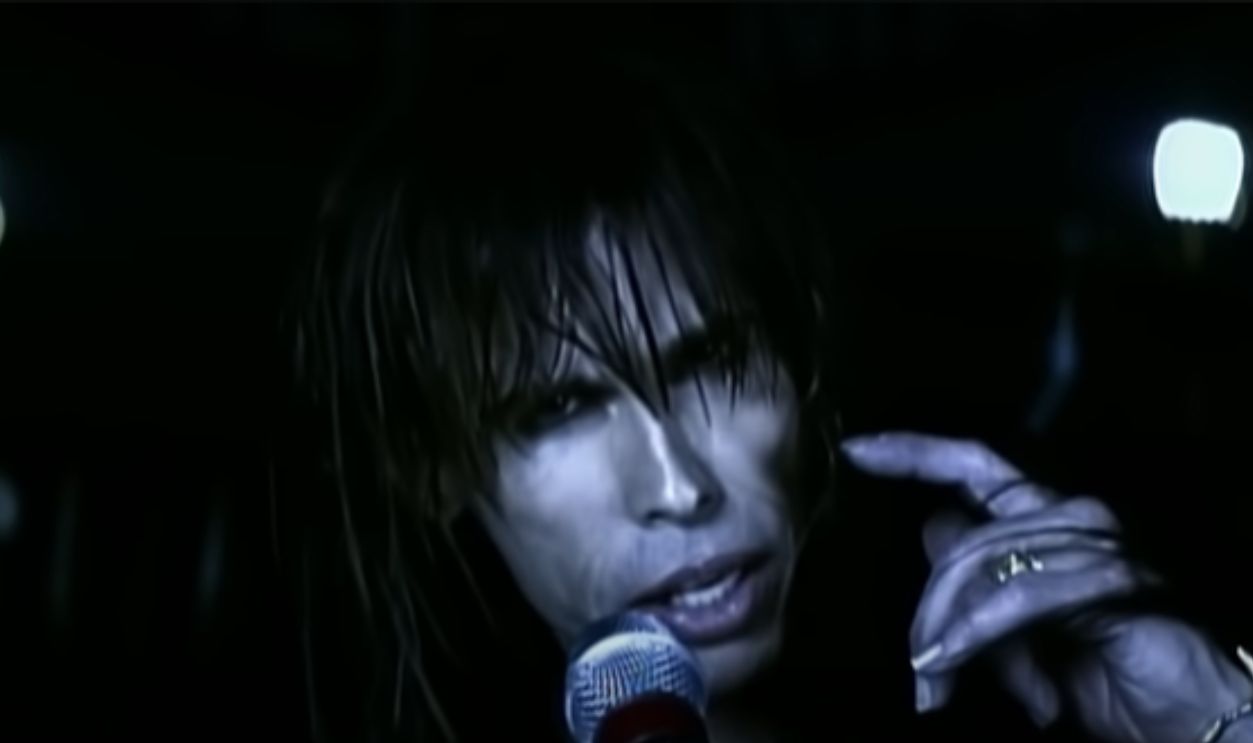 Screenshot from Aerosmith – I Don’t Want To Miss A Thing, Columbia Records (1998)
Pearl Jam – “Black”
Eddie Vedder famously resisted releasing “Black” as a single, believing it was too personal. That decision preserved its rawness. The song’s refusal to offer closure makes it one of the most emotionally devastating tracks in Pearl Jam’s catalog.
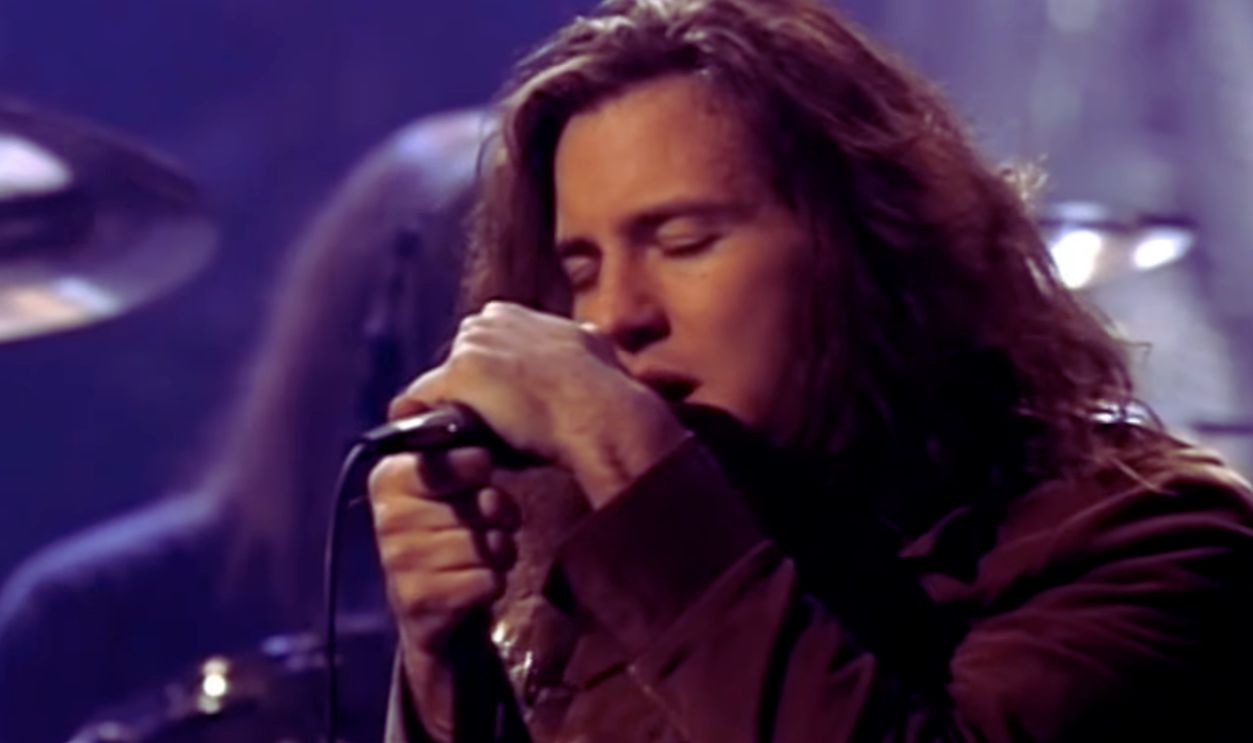 Screenshot from Black, Epic Records (1991)
You May Also Like:
R&B Ballads That Still Melt Hearts
Groundbreaking Albums That Mixed Rock, Rap, And Chaos
These Albums Defined The MTV Generation
Source: 1