
Long Story Short
Most albums can barely stay interesting for 45 minutes. So when one crosses the two-hour mark, it’s either a masterpiece…or a serious test of patience. Well, the ones we have here lean much more toward the former. These 21 albums went big (at least long) and actually pulled it off.
And yes—we ranked them…because of course we did. Do you agree?
21: Red (Taylor Swift–Taylor’s Version, 2021, 2h 10m)
This version turns Red into a full emotional marathon. The added tracks, especially All Too Well (10 Minute Version), add real weight instead of just padding. That said, you can feel the stretch at times. It’s strong, but not quite as tightly constructed as the albums higher on this list.
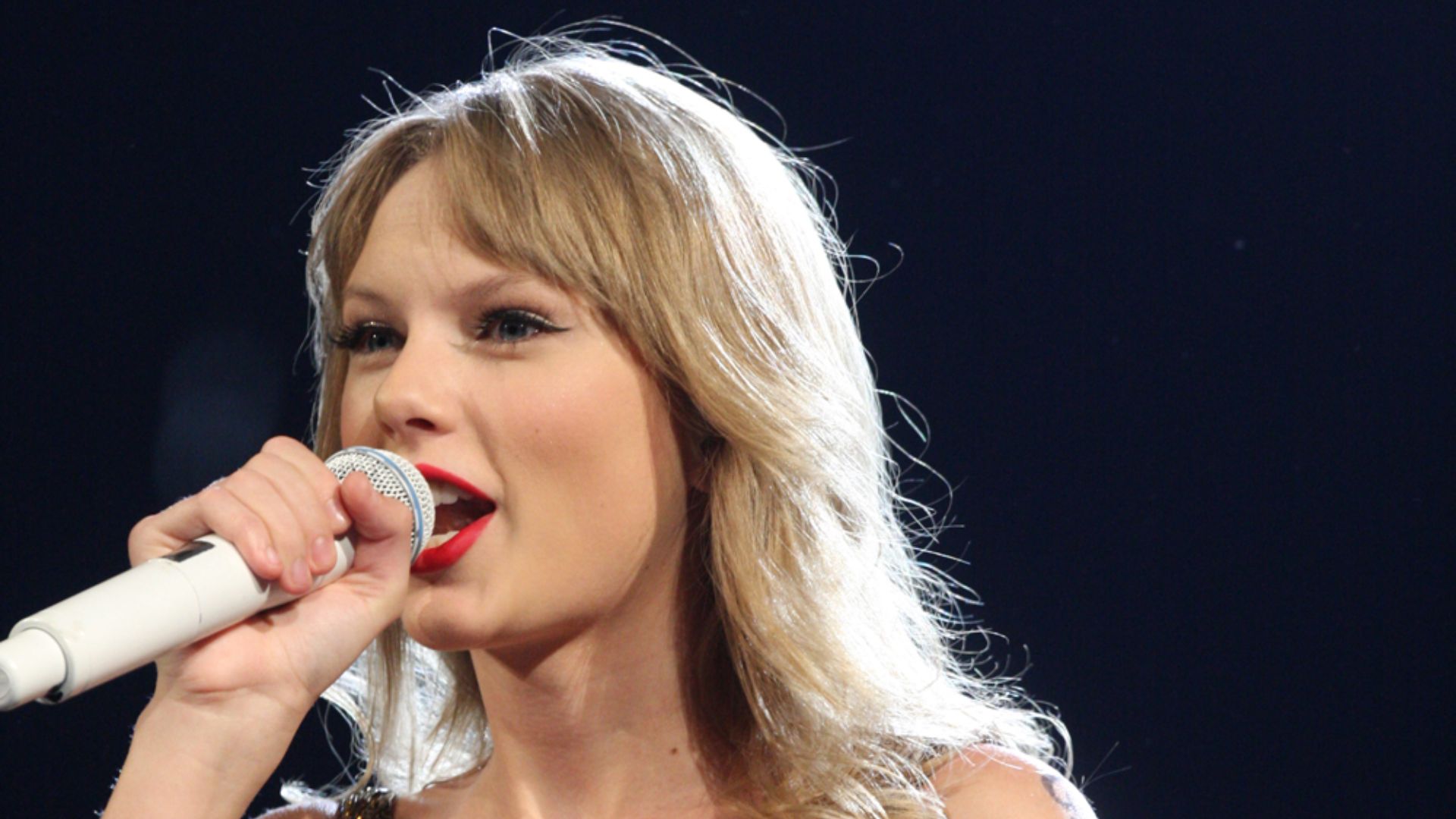 Eva Rinaldi, Wikimedia Commons
20: Songs for Christmas (Sufjan Stevens, 2006, 2h 3m)
A Christmas album this long shouldn’t work, but Sufjan makes it strange, personal, and surprisingly replayable. It’s less “holiday background music” and more “indie folk deep dive that happens to mention December a lot.”
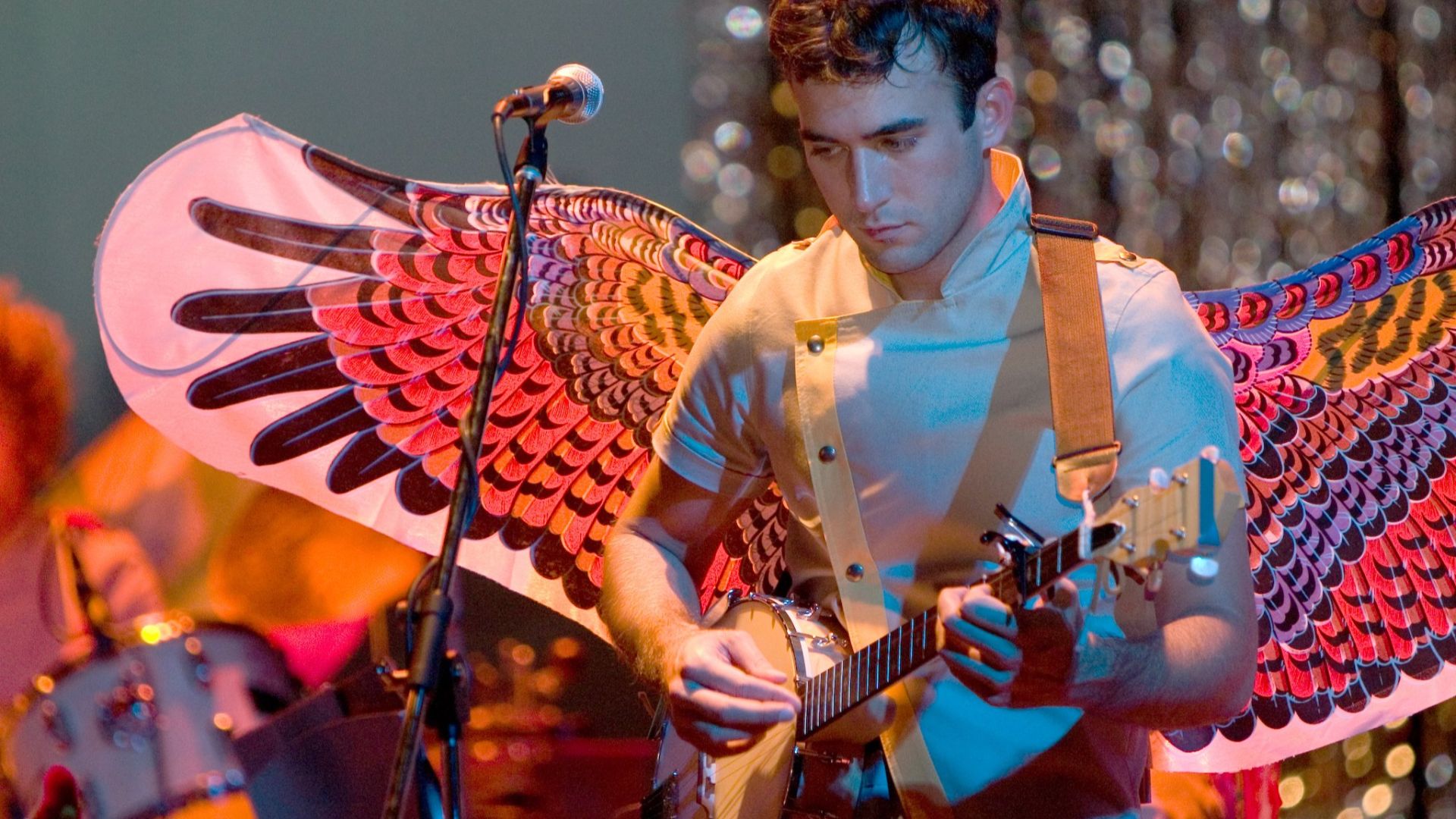 Sufjan Stevens playing banjo.jpg: Joe Lencioniderivative work: Antilived, Wikimedia Commons
19: Silver & Gold (Sufjan Stevens, 2012, 2h 42m)
This is what happens when you take the original idea and stop worrying about keeping it contained. It’s bigger, stranger, and more experimental, with moments that feel fully formed and others that feel like sketches. It doesn’t all land, but it never feels lazy, which matters at this length.
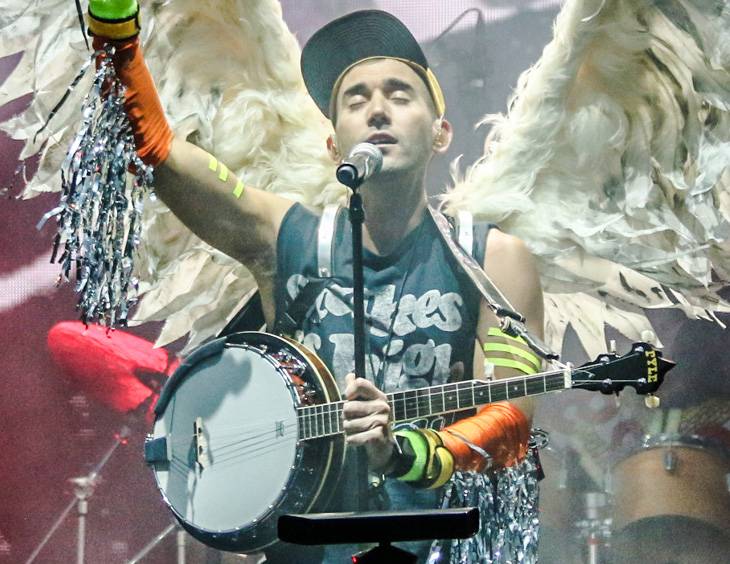 Nina Corcoran, CC BY 2.0 Wikimedia Commons
18: Nervous Young Man (Car Seat Headrest, 2013, 2h 9m)
There’s a point here where you realize this isn’t trying to be polished—and that’s the whole appeal. Some tracks sprawl, others hit harder than expected, and the whole thing feels like a raw document instead of a curated album. It’s messy, but it’s also honest in a way that carries it.
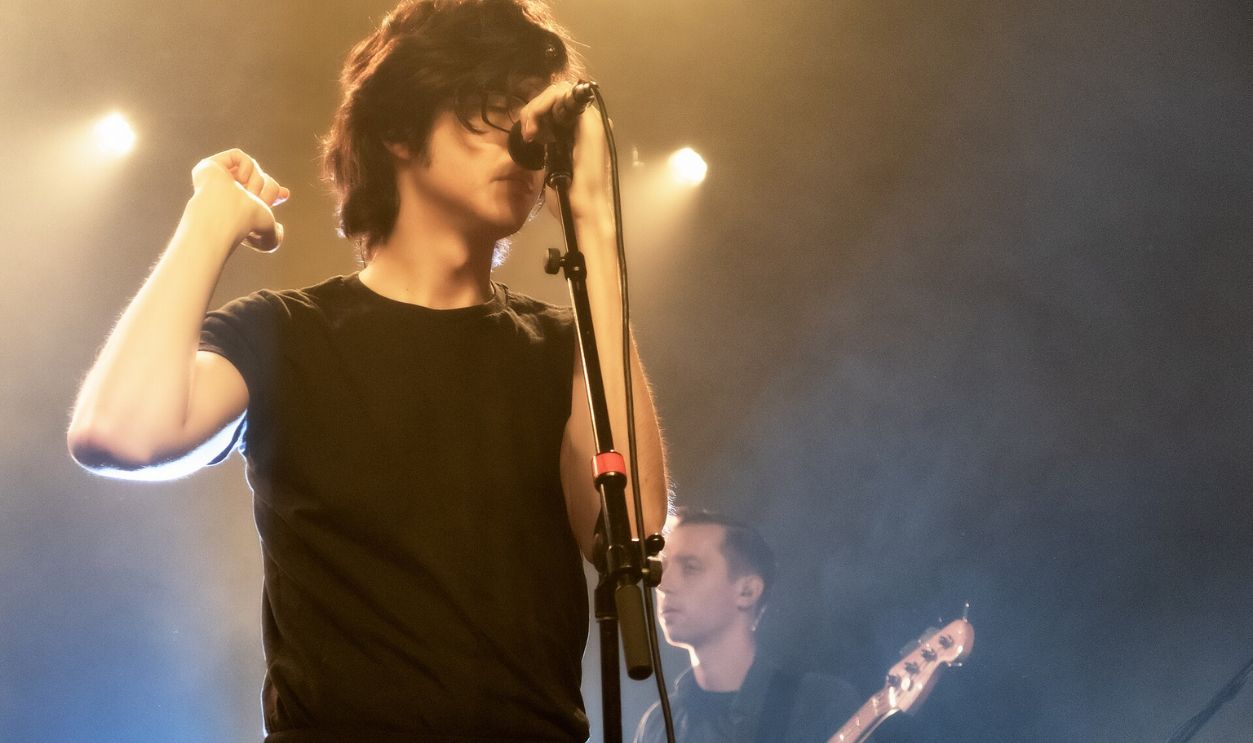 David Lee, CC BY-SA 2.0, Wikimedia Commons
17: And Their Refinement of the Decline (Stars of the Lid, 2007, 2h 1m)
This is the kind of album that quietly takes over without announcing itself. It builds slowly, almost invisibly, until you realize you’ve been sitting with it for a long time. Nothing here is trying to grab attention, but that restraint is exactly why it works.
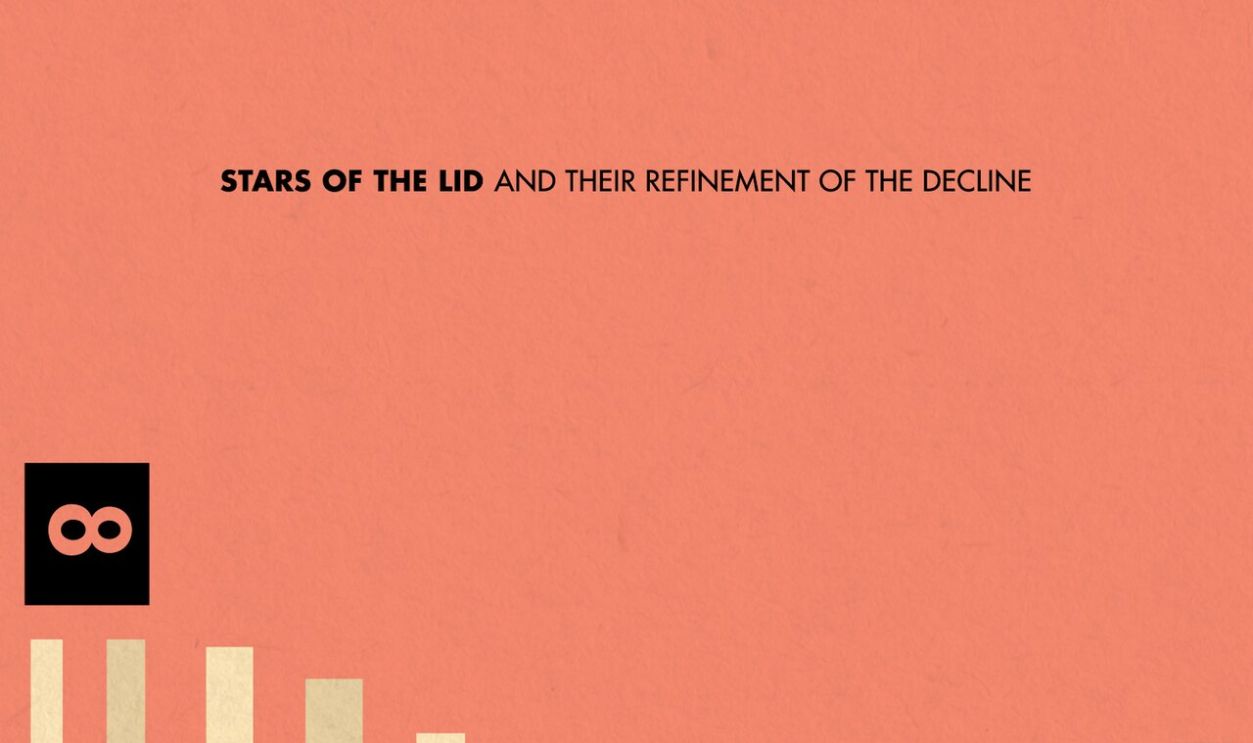 Stars of the Lid/Kranky (United States), Wikimedia Commons
16: Selected Ambient Works Volume II (Aphex Twin, 1994, 2h 36m)
Instead of chasing standout moments, this just creates a space and lets you sit in it. It’s eerie, slow, and deliberately minimal, but that’s the point. At this runtime, the lack of urgency actually becomes a strength rather than a weakness.
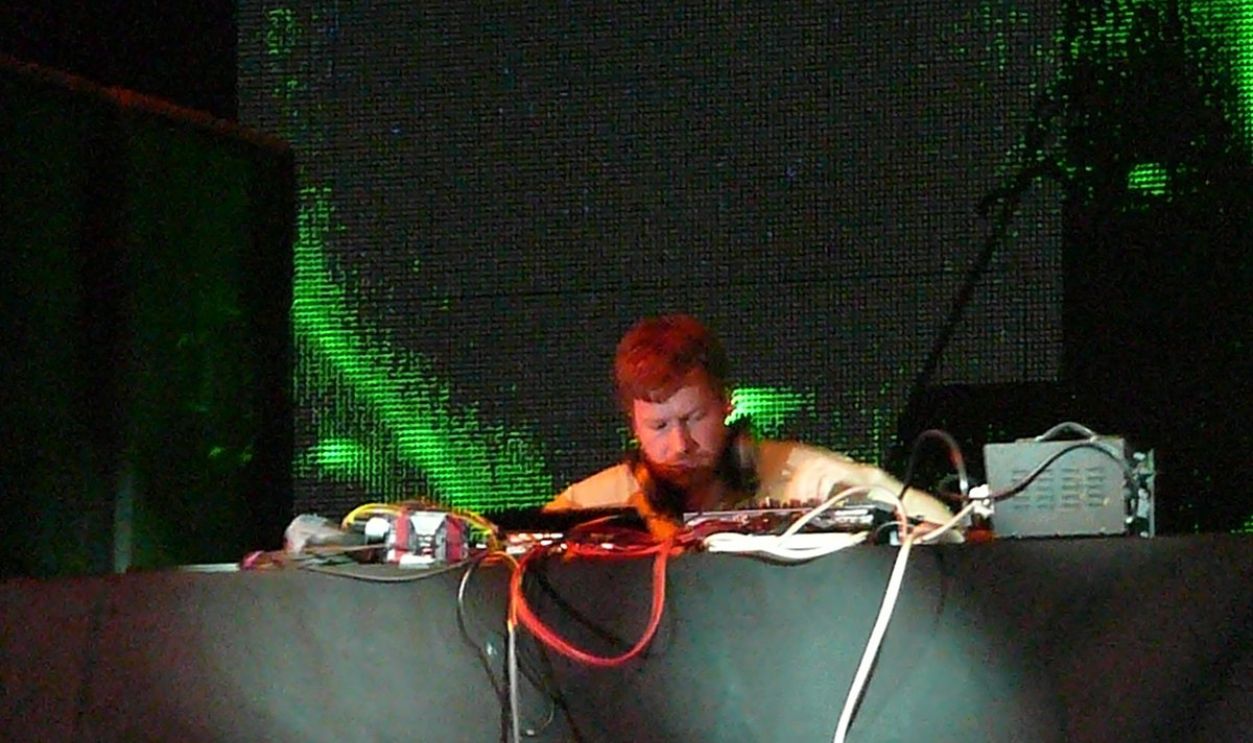 Octavio Ruiz Cervera, CC BY-SA 2.0, Wikimedia Commons
15: Get Up with It (Miles Davis, 1974, 2h 2m)
Miles Davis doesn’t ease you into anything here, he just explores. Tracks stretch and shift without worrying about structure, which makes it less accessible but more interesting. It’s the kind of album that rewards patience instead of demanding attention.
 Tom Palumbo from New York City, USA, Wikimedia Commons
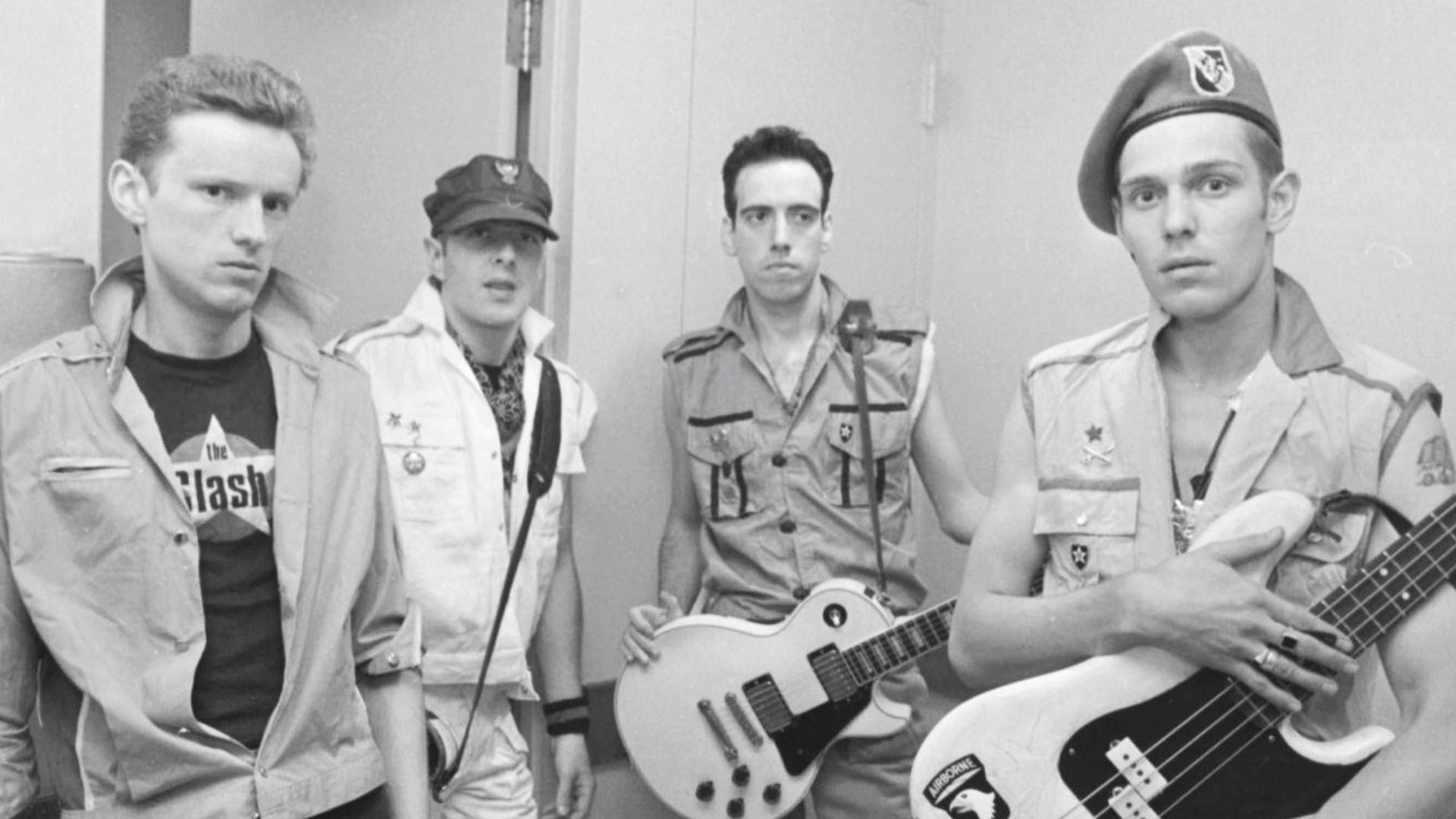
14: Sandinista! (The Clash, 1980, 2h 24m)
This feels like a band trying everything they can think of, and not bothering to cut anything. You’ll jump from punk to reggae to dub without warning, and somehow that unpredictability keeps it engaging. It’s uneven, but never boring, which is half the battle.
 UCLA Library Special Collections, Wikimedia Commons
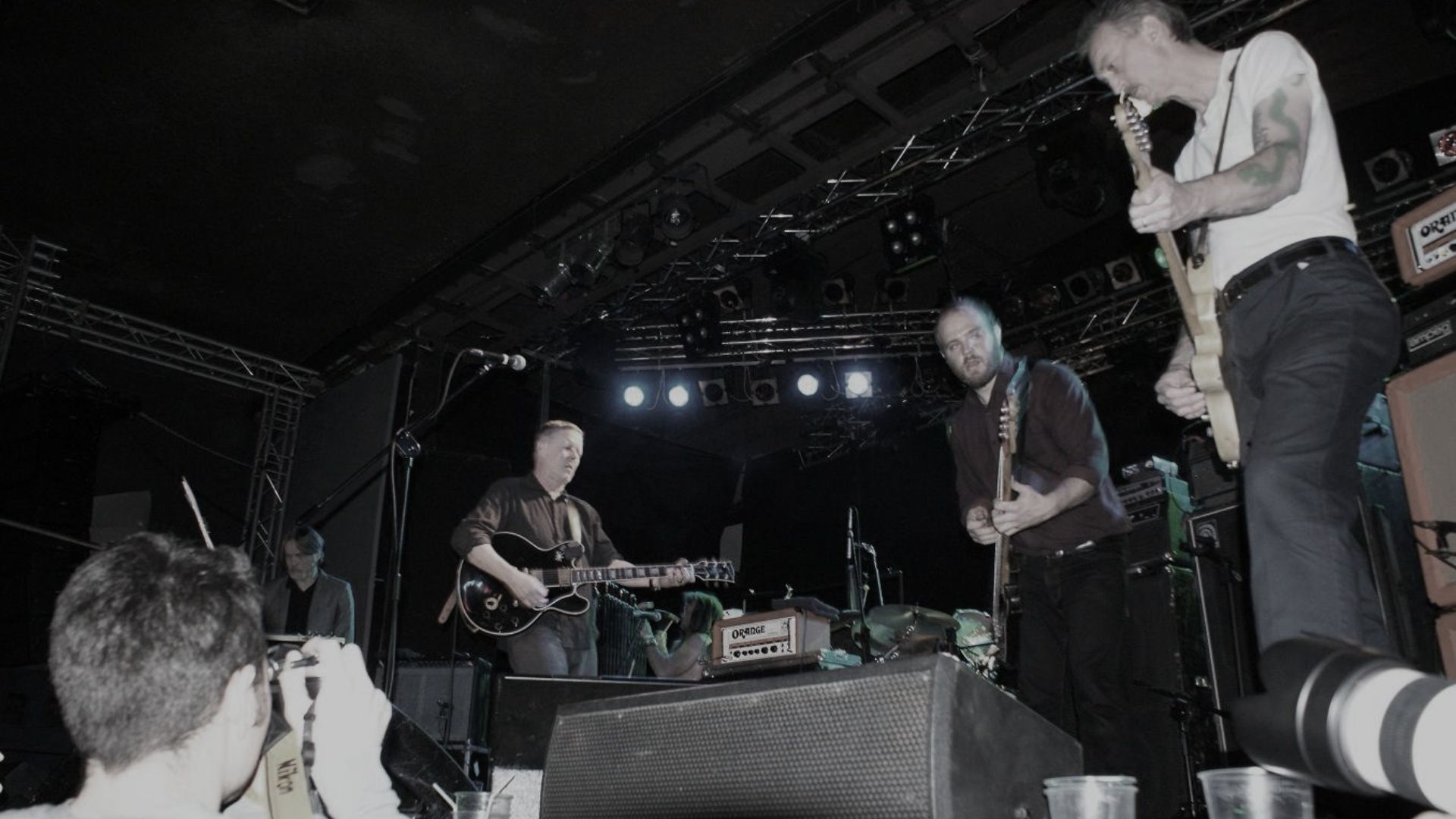
13: To Be Kind (Swans, 2014, 2h 1m)
Repetition is the whole game here. Tracks build slowly, loop, and stretch until they either lock you in or push you out. It’s intense, sometimes exhausting, but when it clicks, it’s hard to shake.
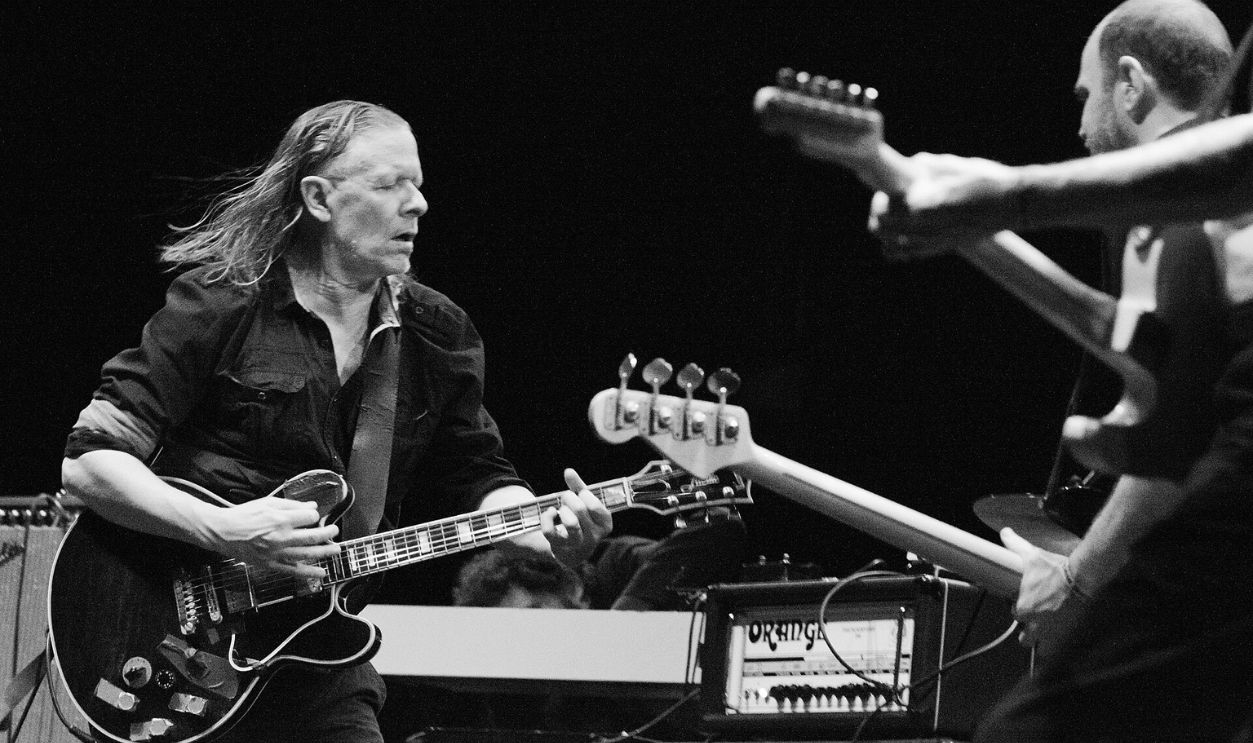
12: Soundtracks for the Blind (Swans, 1996, 2h 22m)
This doesn’t play like a traditional album, it feels more like stepping into something you’re not fully meant to understand. Moments like Helpless Child anchor it, but a lot of it works through atmosphere. The runtime is what makes that immersion possible.
 Dmitry Rozhkov, CC BY-SA 4.0, Wikimedia Commons
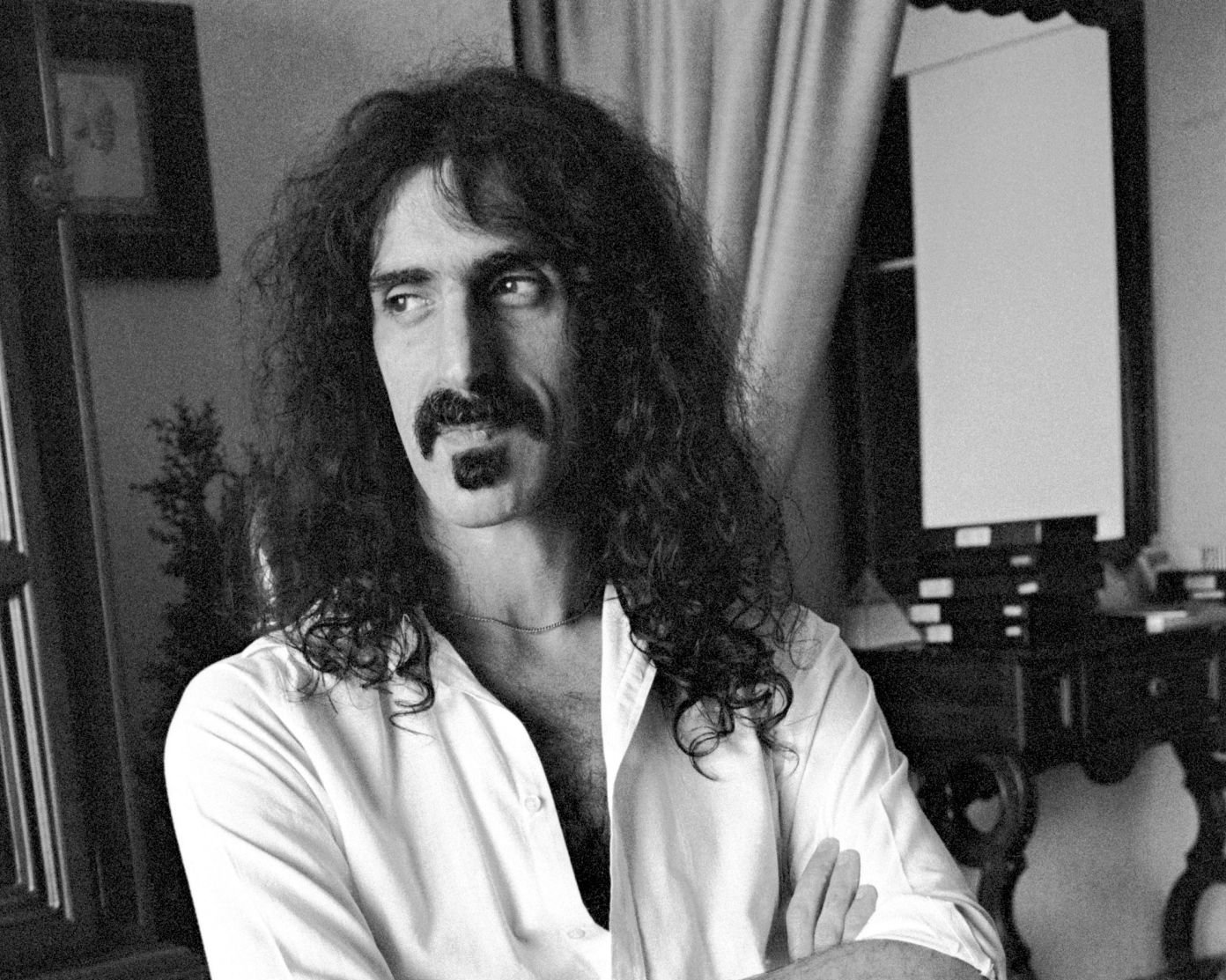
11: Läther (Frank Zappa, 1996, ~2h 15m)
Zappa doesn’t stay in one place for long, and that’s exactly the appeal. It jumps between styles and ideas constantly, sometimes within the same stretch. Not everything hits, but there’s always something interesting happening, which is what keeps it moving.
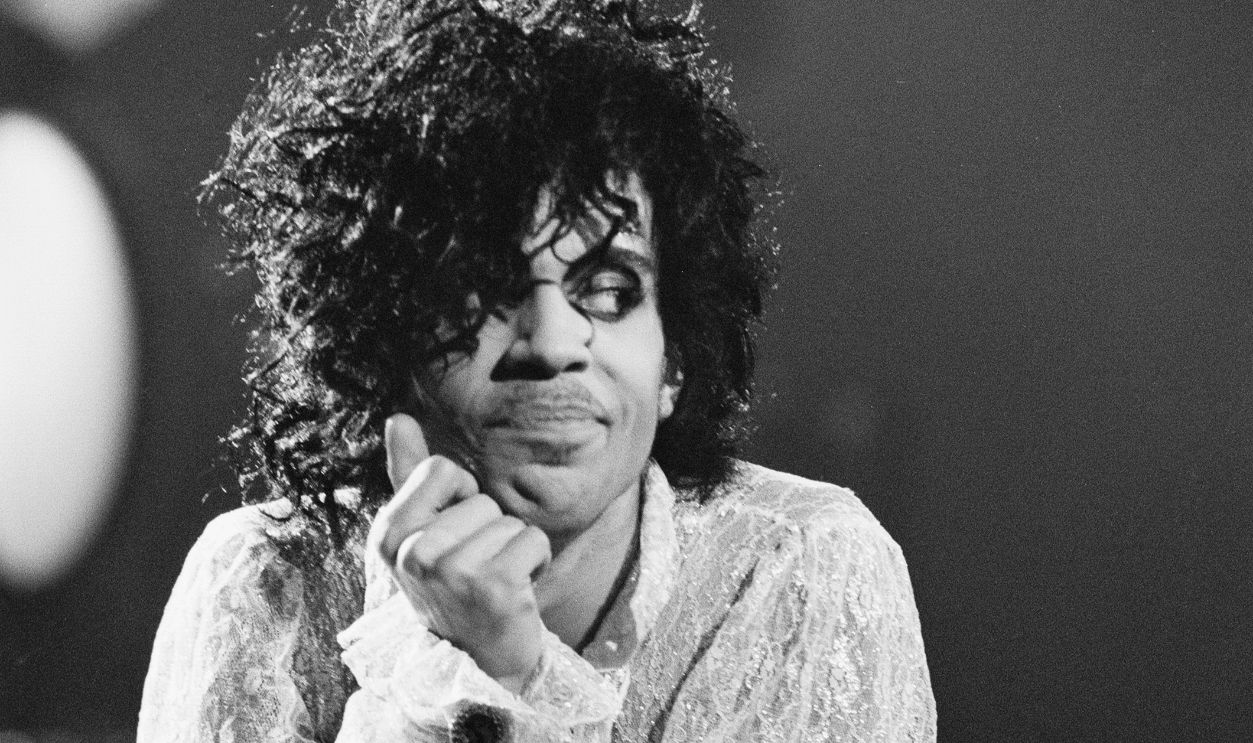
10: Emancipation (Prince, 1996, 3h 6m)
This is Prince with complete freedom, and you can hear it immediately. It’s big, ambitious, and yes, a little excessive. There are moments that could’ve been cut, but when it hits, it really hits, and that’s enough to justify the scale.
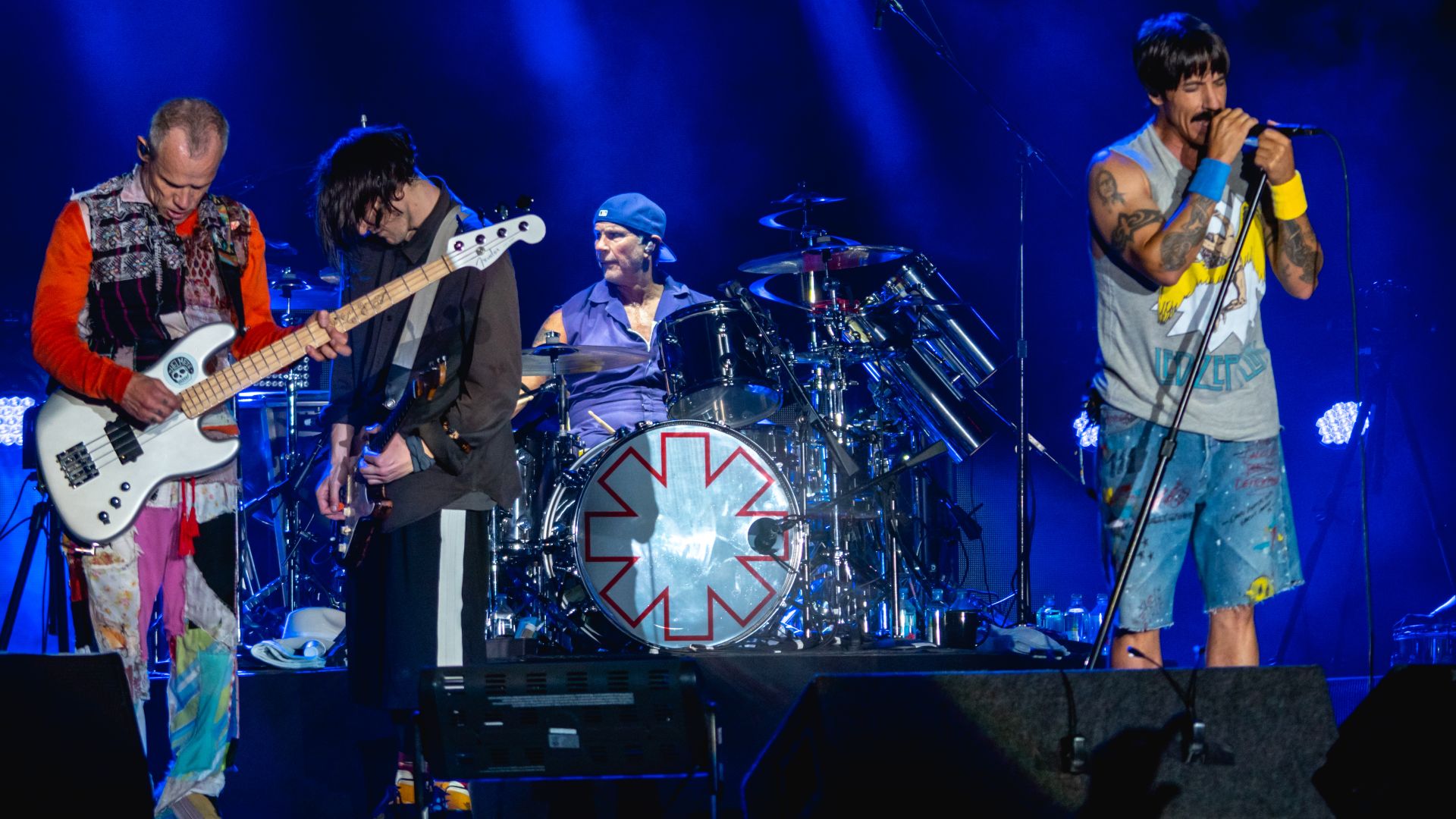
9: Stadium Arcadium (Red Hot Chili Peppers, 2006, 2h 2m)
Instead of feeling bloated, this plays like two solid albums that just happen to live together. Tracks like Snow (Hey Oh) and Dani California carry the front end, but the consistency is what stands out. It rarely drags, which is impressive at this length.
8: Heaven and Earth (Kamasi Washington, 2018, 3h 3m)
Going bigger after The Epic could’ve been risky, but this expands the sound without losing direction. It’s layered and cinematic, with enough structure underneath to keep everything from drifting too far.
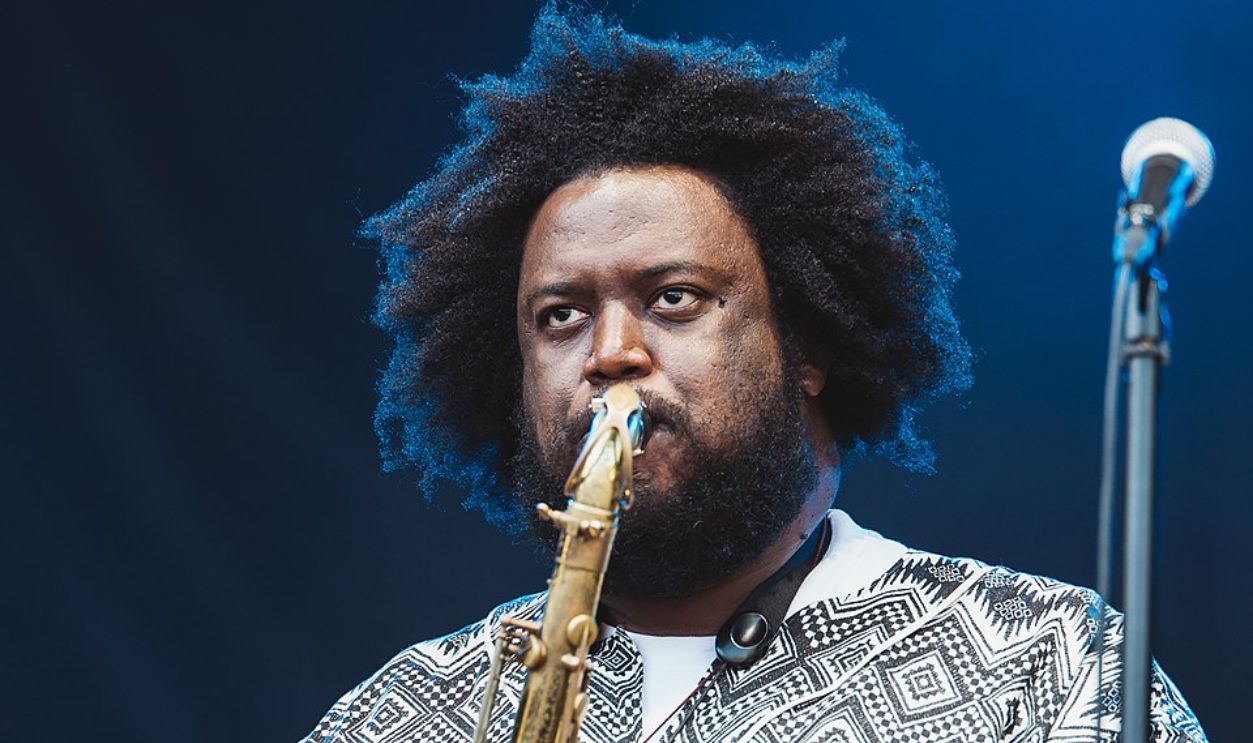 Krists Luhaers, CC BY 2.0, Wikimedia Commons
7: Use Your Illusion I & II (Guns N’ Roses, 1991, ~2h 15m combined)
This is what happens when a band refuses to scale things back. There’s a lot here (maybe too much) but songs like November Rain and Estranged show exactly why they went this big. It’s chaotic, but that’s part of the appeal.
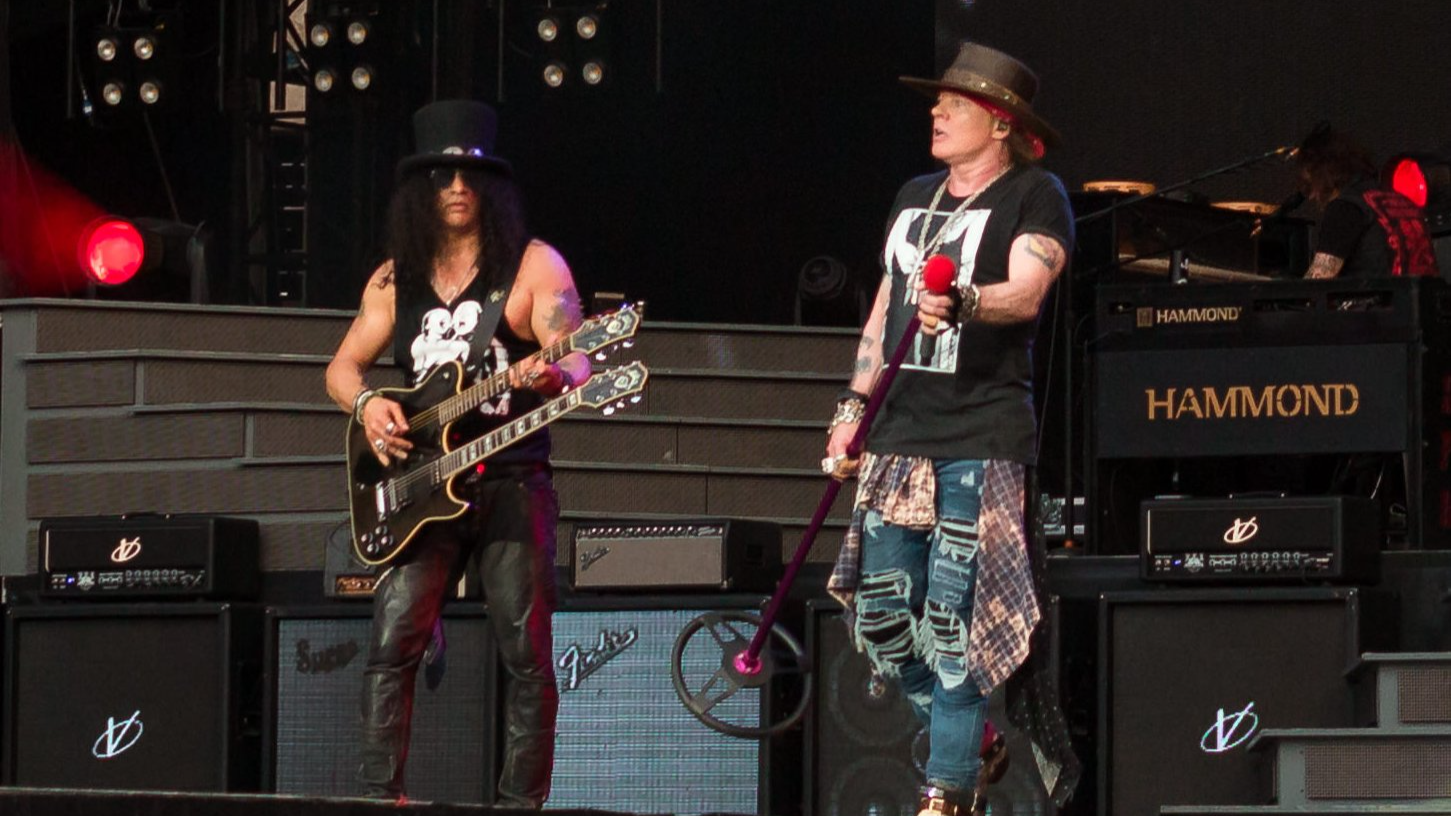 Kreepin Deth, CC BY-SA 4.0, Wikimedia Commons
6: 69 Love Songs (The Magnetic Fields, 1999, 2h 52m)
Sixty-nine songs sounds like a gimmick, but it works because nothing sticks around too long. You get something like The Book of Love, then something completely different right after. That constant reset keeps it engaging instead of overwhelming.
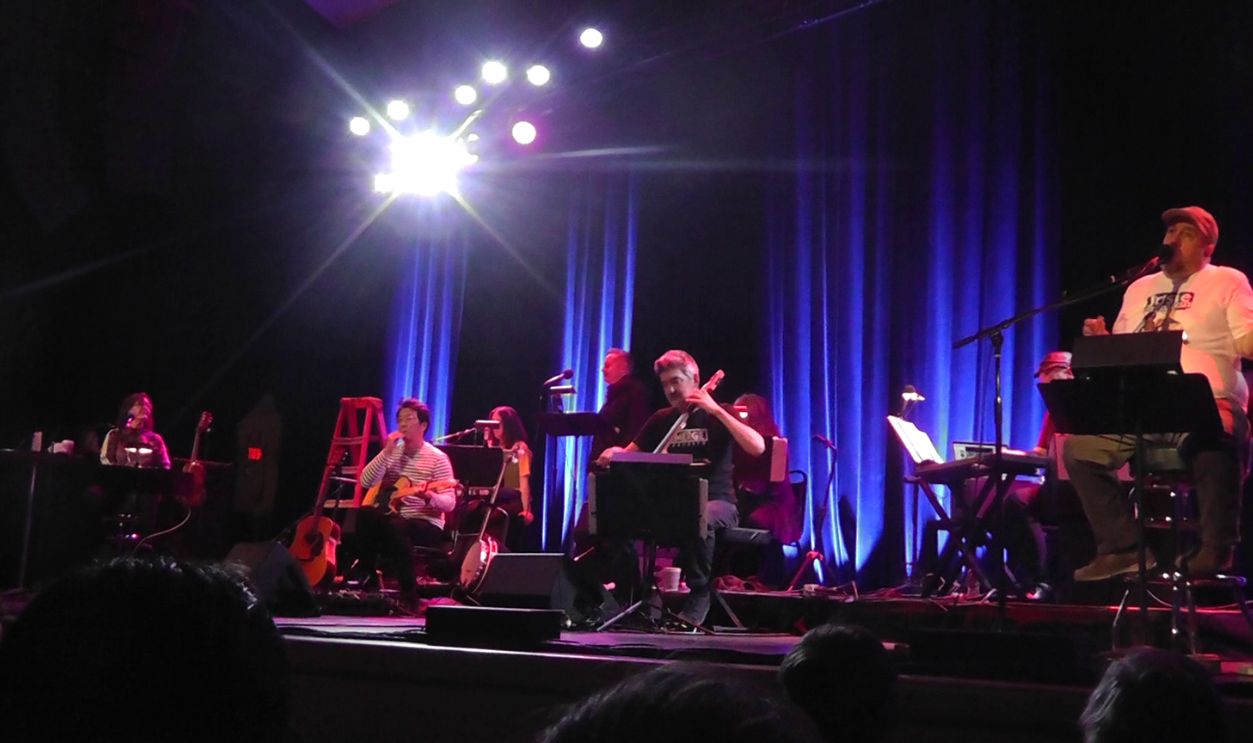
5: All Eyez on Me (2Pac, 1996, 2h 12m)
This album doesn’t build, it hits immediately and keeps going. The run from Ambitionz Az a Ridah into California Love sets the tone early. Even when it dips, Pac’s presence carries everything, which is why the length feels intentional instead of excessive.
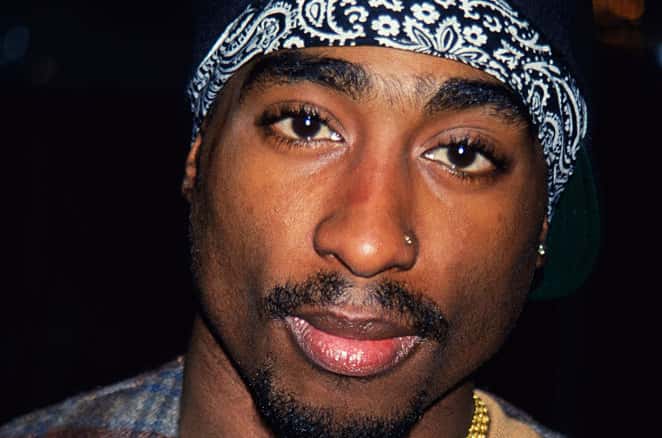
4: Mellon Collie and the Infinite Sadness (The Smashing Pumpkins, 1995, 2h 2m)
This is the rare double album that actually justifies being this long. Jumping from 1979 to something much heavier shouldn’t feel cohesive—but here it does. The range ends up being the strength, not the problem. Tracks like Tonight, Tonight help anchor it, while the shifts in tone keep it from ever feeling repetitive. By the end, it feels like a full arc, not just a long listen.
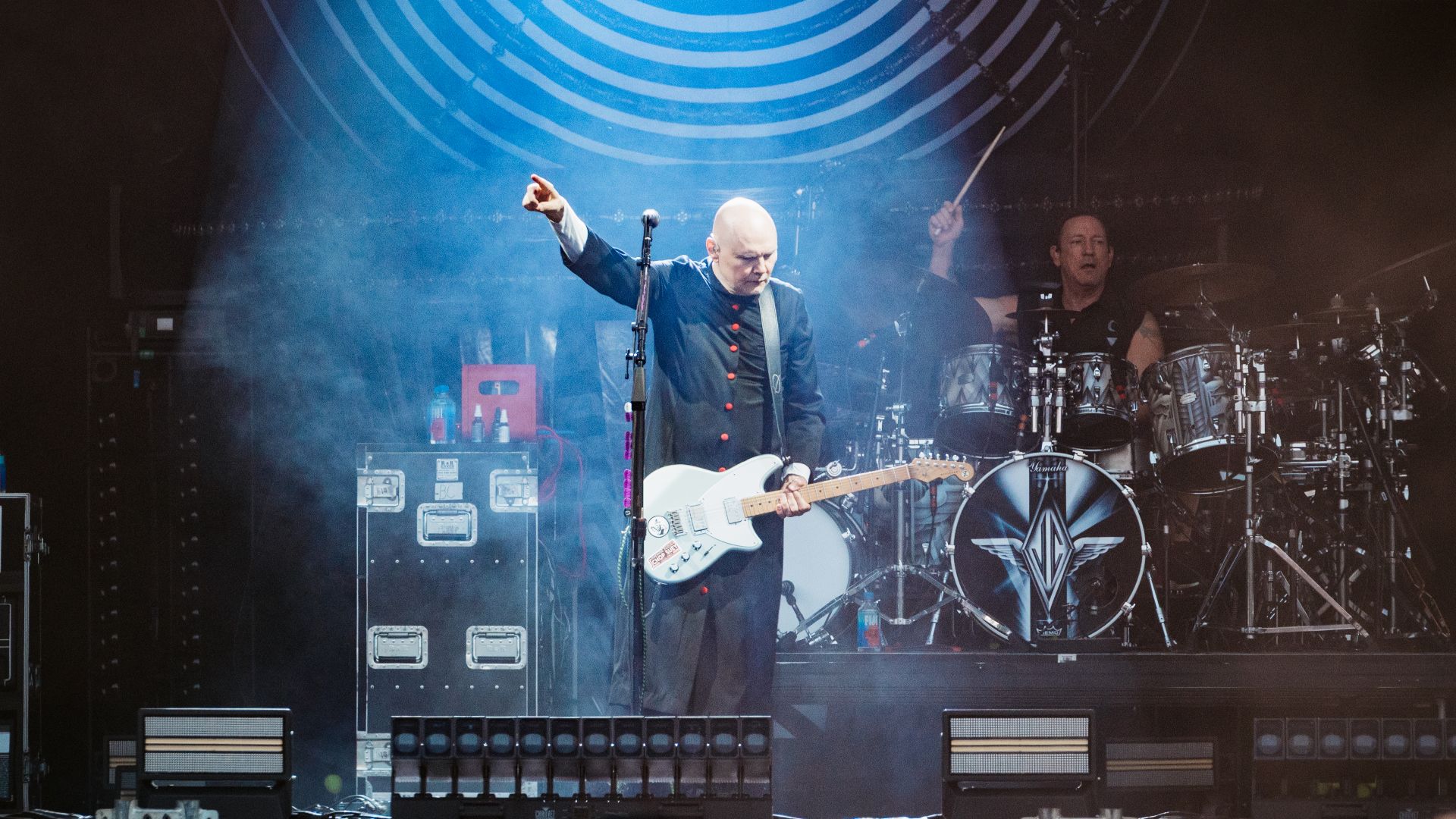 Sol Procter-Tarabanov, Wikimedia Commons
3: Soundtracks for the Blind (Swans, 1996, 2h 22m)
This doesn’t ease you in—it pulls you under. The deeper you go into this, the more it takes over, layering sounds and ideas in a way that feels deliberate rather than random. It’s not always easy to sit through, but that’s exactly what makes it stick. The length gives it room to build something immersive that shorter albums just wouldn’t have the space to create.
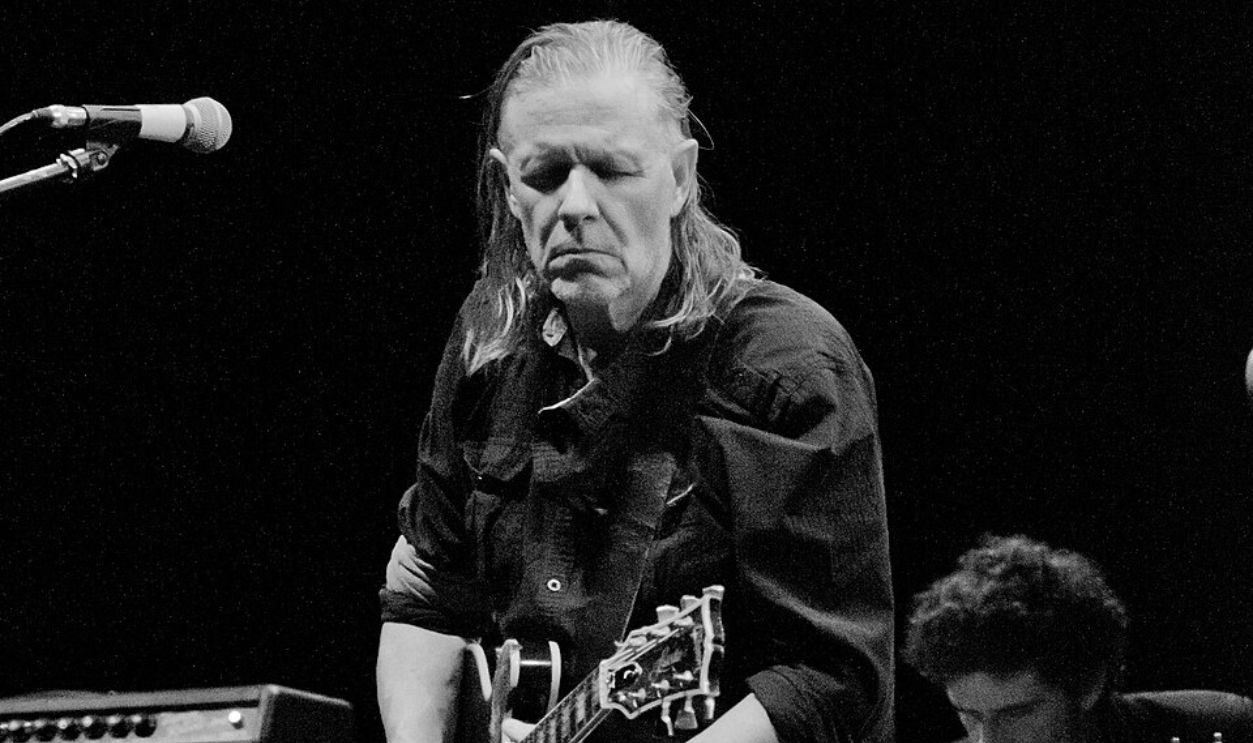 Dmitry Rozhkov, CC BY-SA 4.0, Wikimedia Commons
2: Speakerboxxx/The Love Below (OutKast, 2003, 2h 15m)
What keeps this working is the contrast. One minute you’re with Big Boi, the next André 3000 is doing something completely different. Tracks like Hey Ya! and The Way You Move shouldn’t live on the same album—but somehow they do.
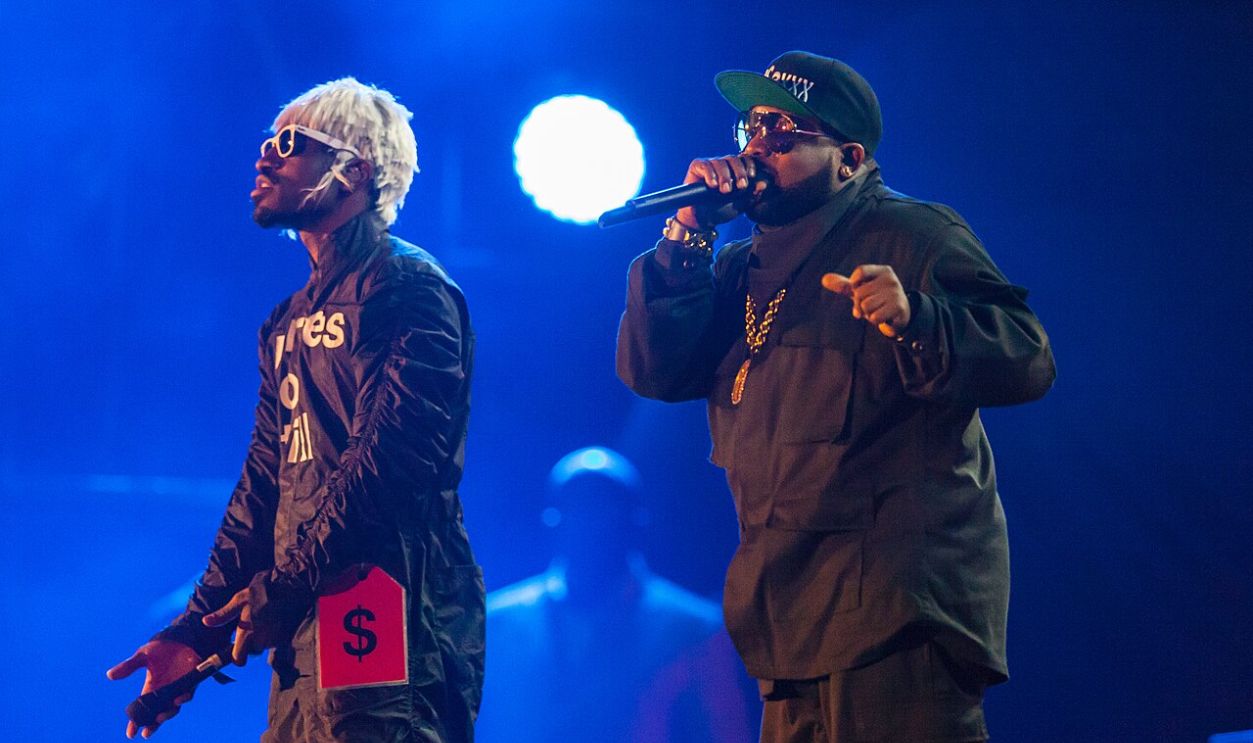 Sven Mandel, CC BY-SA 3.0, Wikimedia Commons,
1: The Epic (Kamasi Washington, 2015, 2h 53m)
This is how you justify a long album. Change of the Guard sets the tone early, but it’s how everything builds from there that matters. It keeps expanding without losing focus, and by the end, it feels complete—not just long.
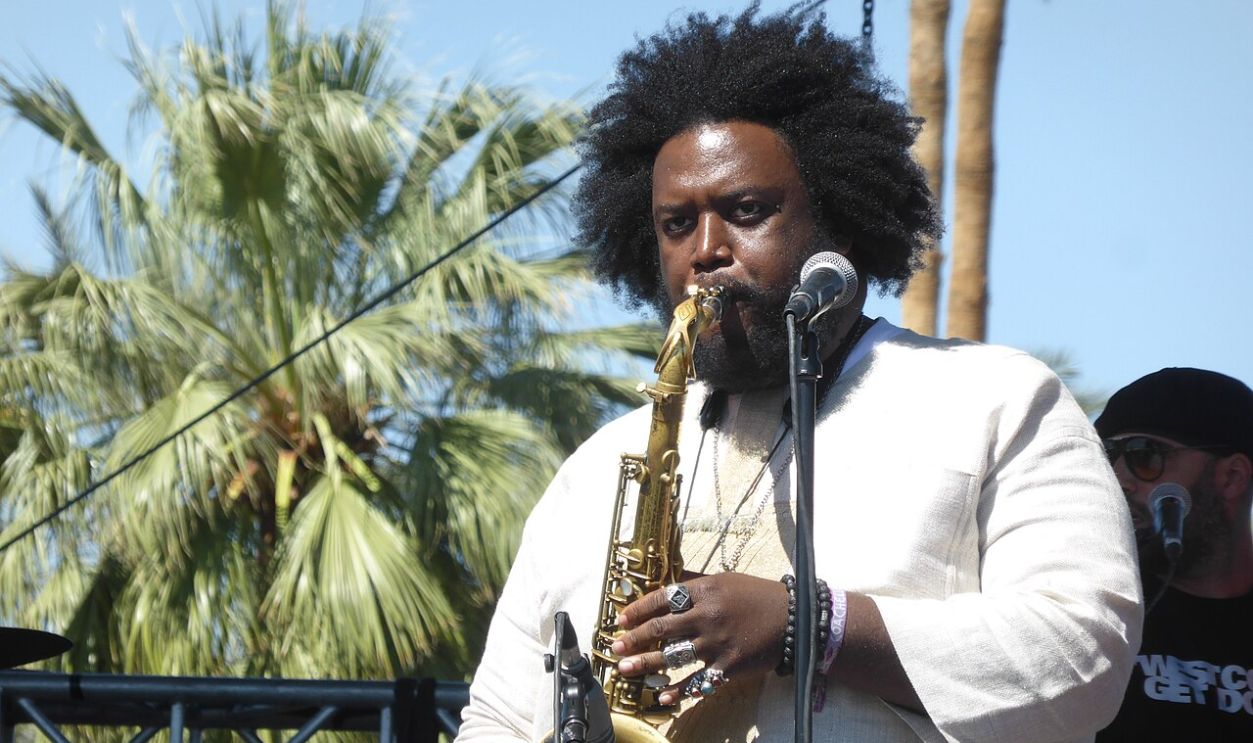 Fred von Lohmann, CC0, Wikimedia Commons
You Might Also Like:
Ranking The Best Rock Drummers Ever—What Do You Think?
Bands Who Ditched Their Old Sound And Changed Everything



_(cropped).jpg)


