The Career Gamble That Changed Mac Davis Forever
Long before television fame, sold-out concerts, and chart-topping hits, Mac Davis found himself facing a decision that would define his entire career. It seemed like a simple choice at the time, but it carried enormous consequences. Looking back, it became the moment that changed everything.
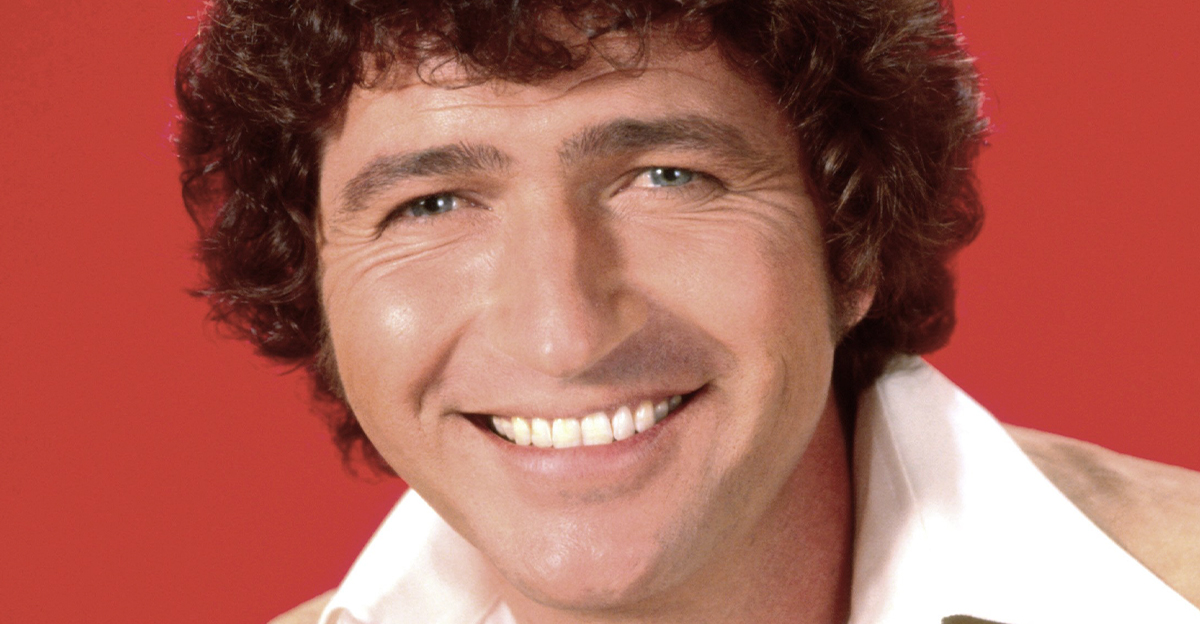
A Texas Boy With Big Ambitions
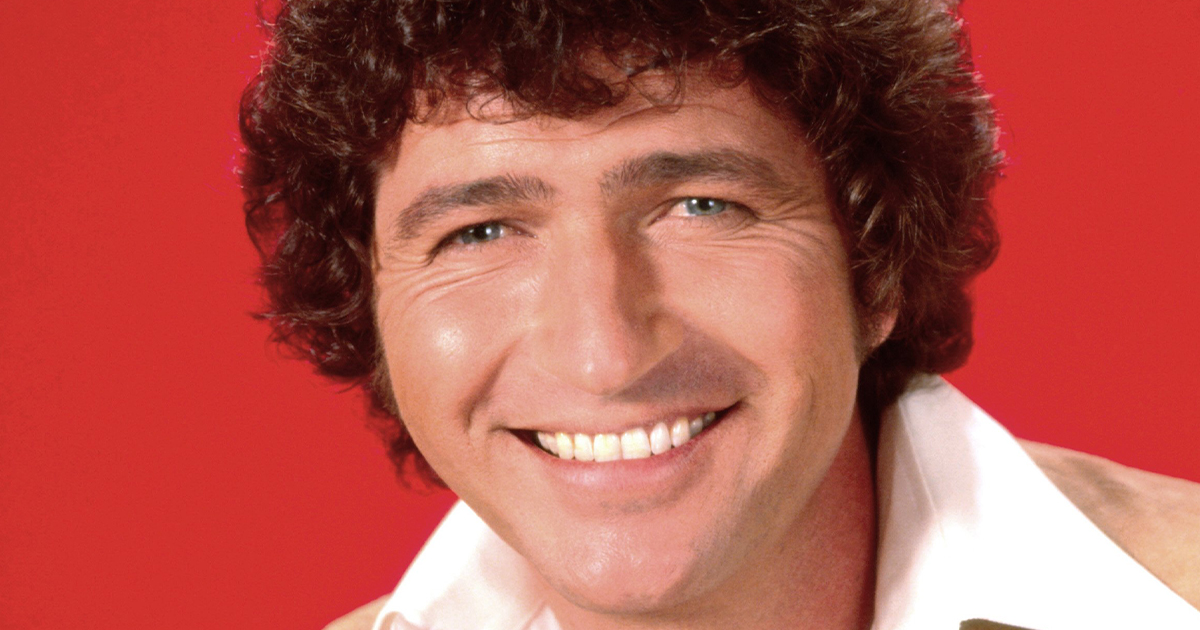
Morris Mac Davis was born on January 21, 1942, in Lubbock, Texas. Growing up in West Texas, he developed an early love for music and storytelling. The area had already produced stars like Buddy Holly, and Davis dreamed of finding his own place in the entertainment world.
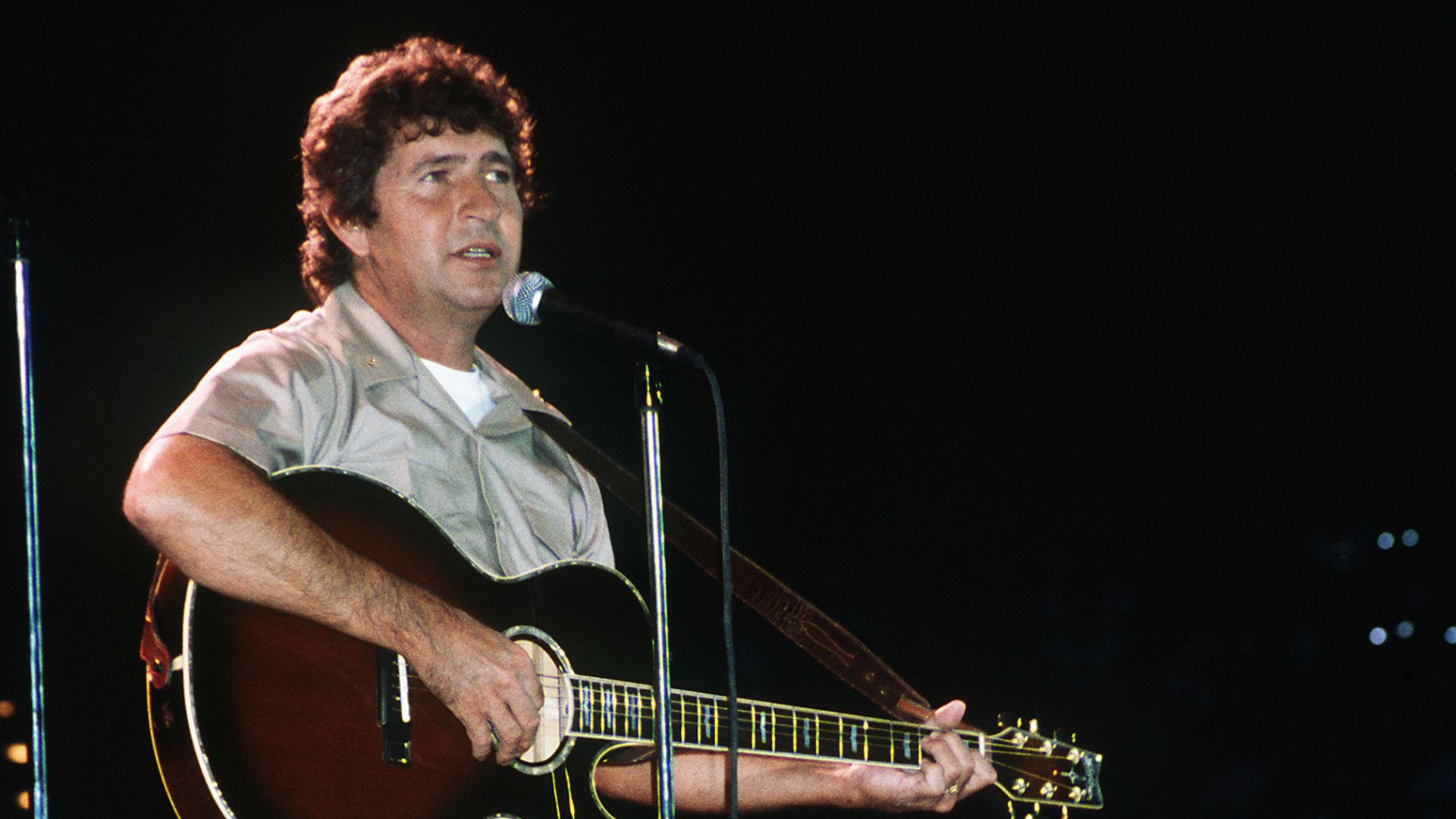
Chasing Opportunity
After briefly attending Texas Tech University, Davis left school and began searching for opportunities in the music business. Like many future stars, he spent years trying to figure out where he belonged. Nothing about his early career suggested the level of success that would eventually follow.
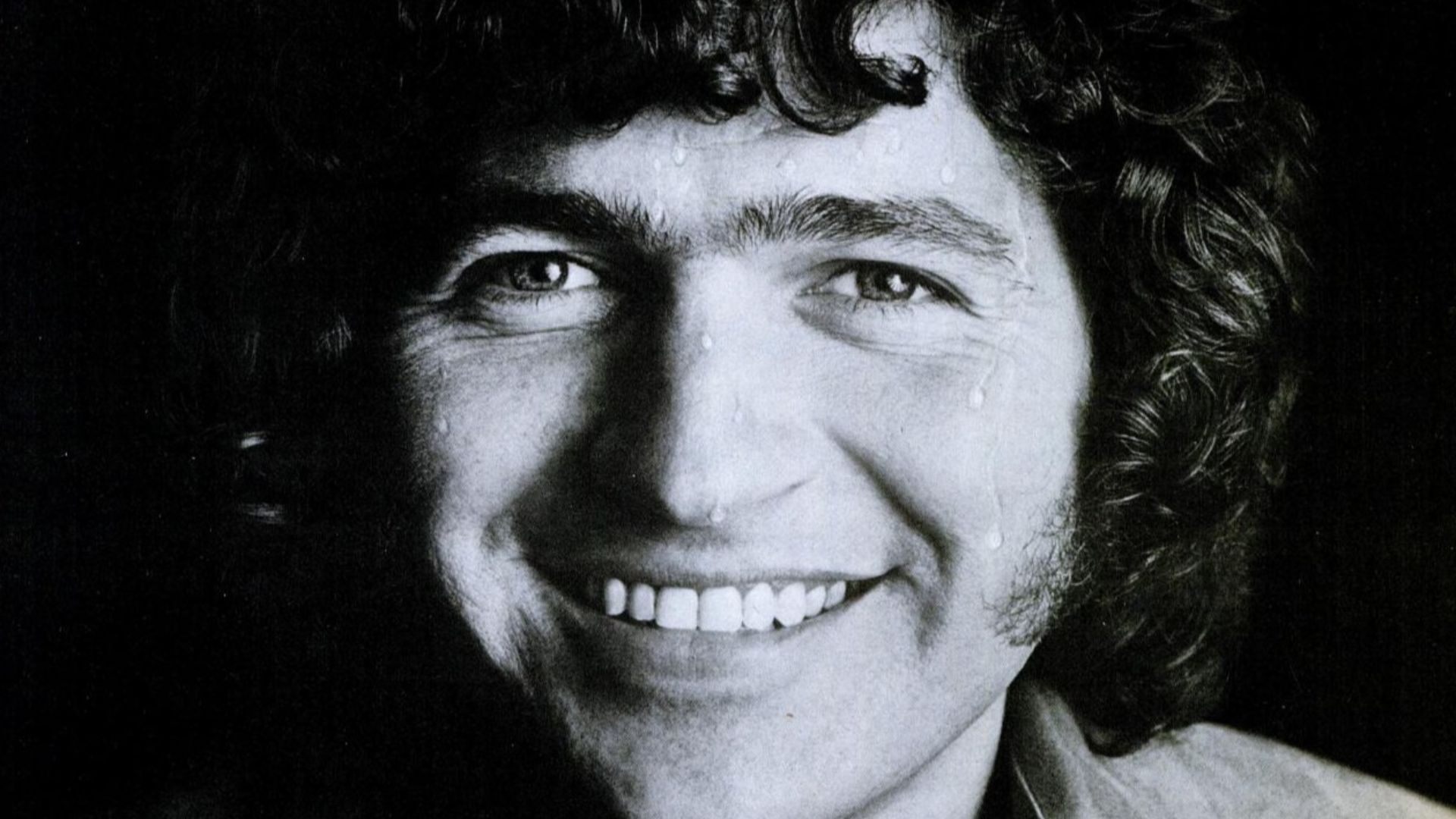
Learning the Business in Atlanta
One of Davis's first major moves was relocating to Atlanta, Georgia. There, he worked for Vee Jay Records and gained valuable experience in the recording industry. The job taught him how records were marketed and sold, giving him insight that would later prove invaluable.
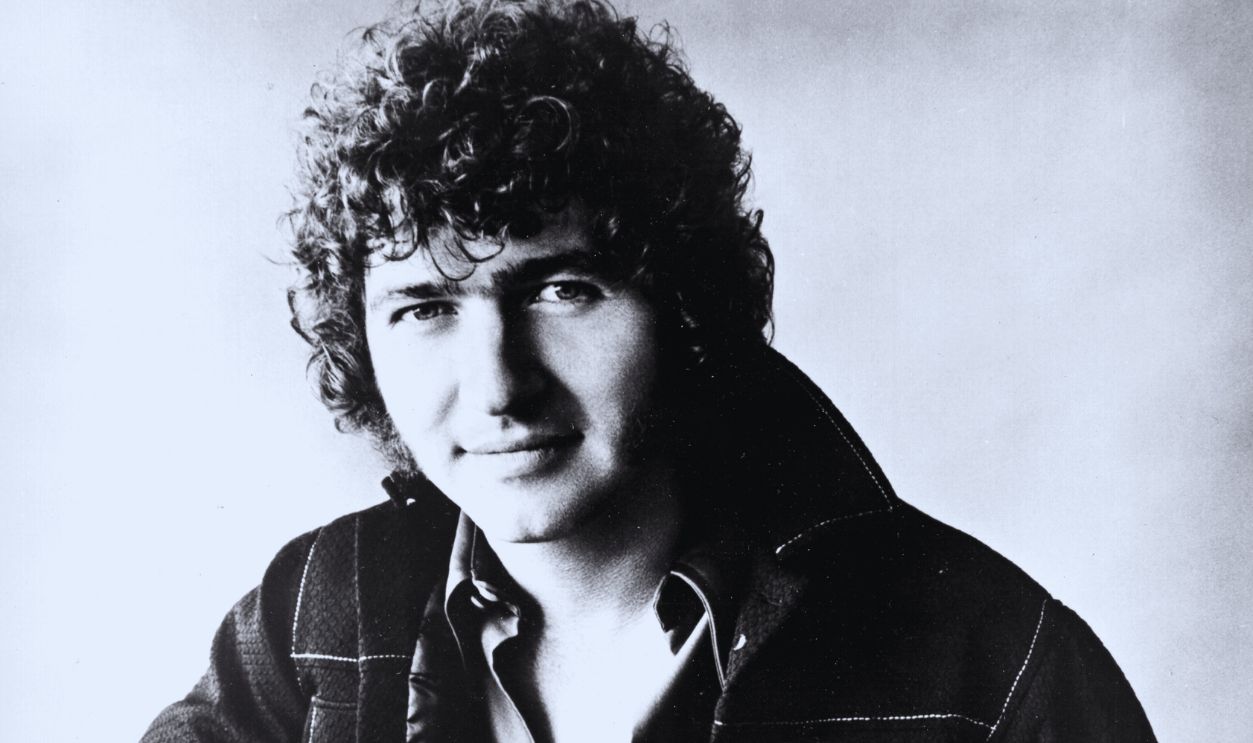 Michael Ochs Archives, Getty Images
A Risky Move to California
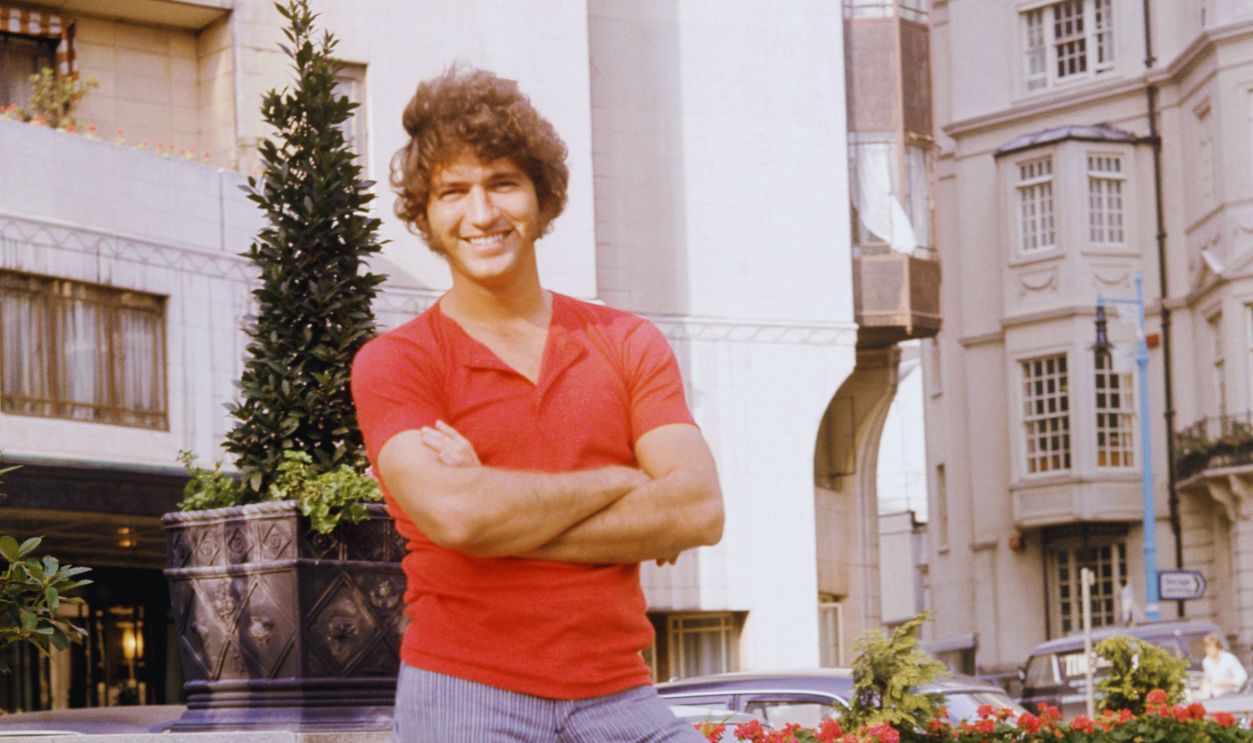
By the mid-1960s, Davis headed west to Los Angeles. The city was overflowing with aspiring musicians, actors, and songwriters. Competition was fierce, but Davis believed he had something special to offer and was willing to take the risk.
Finding His Footing
Los Angeles wasn't an instant success story. Davis spent years networking, writing songs, and trying to establish himself. Many talented writers never get their big break, but his persistence slowly began attracting attention.
A Lucky Break
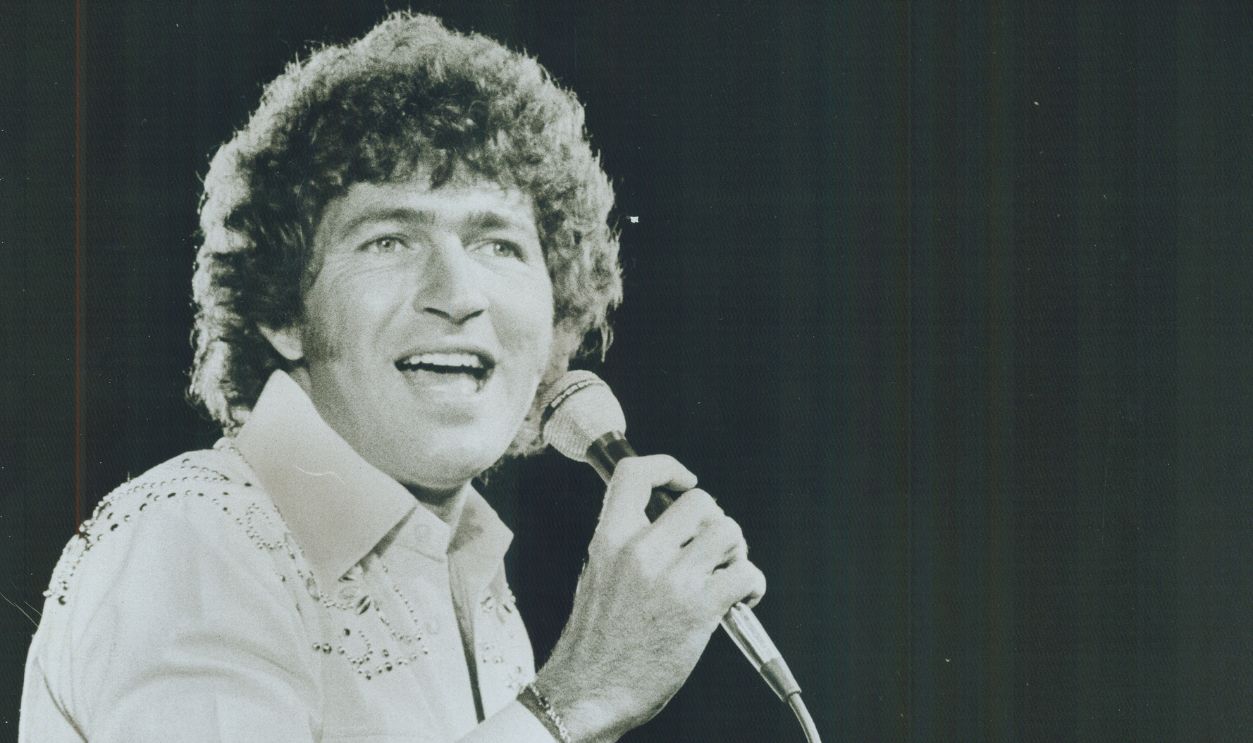
One of Davis's earliest opportunities came through Boots Enterprises, the publishing company run by Nancy Sinatra and producer Lee Hazlewood. Working there gave him access to industry professionals and a chance to focus on songwriting.
Becoming a Respected Songwriter
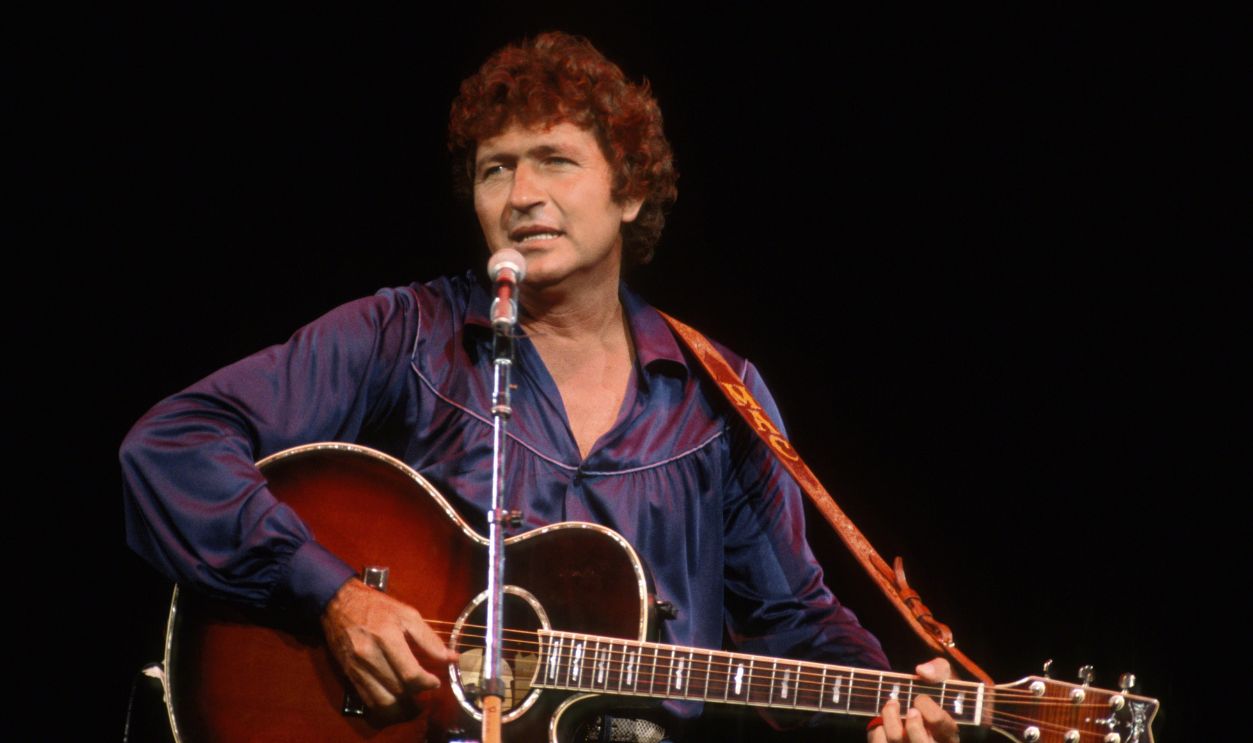
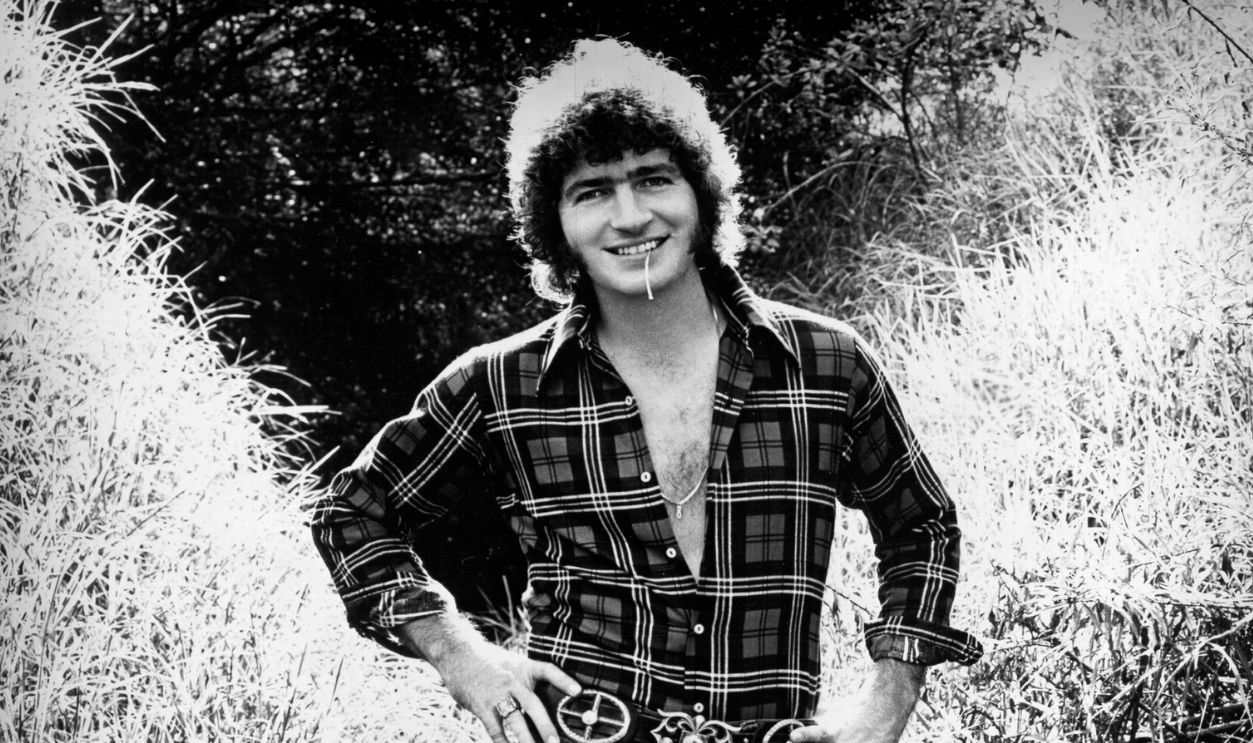
By the late 1960s, Davis had developed a reputation as a talented songwriter. He wasn't famous yet, but influential people in the music industry were beginning to notice his work. His future looked increasingly promising.
 Michael Ochs Archives, Getty Images
Enter Elvis Presley
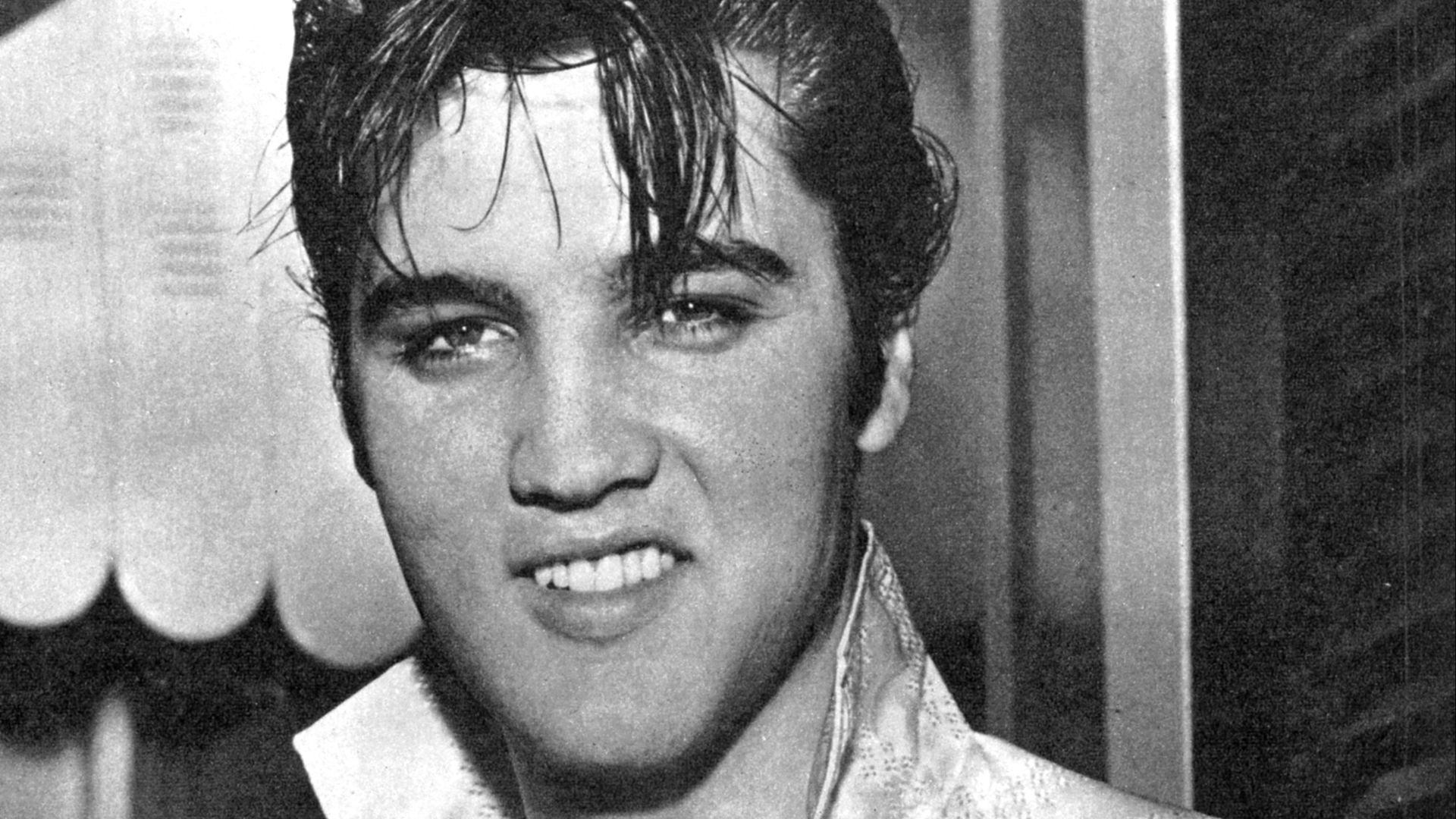
Then came the opportunity that changed everything. Elvis Presley began recording songs written by Davis. For a songwriter, having the King of Rock and Roll record your material was about as big as it got.
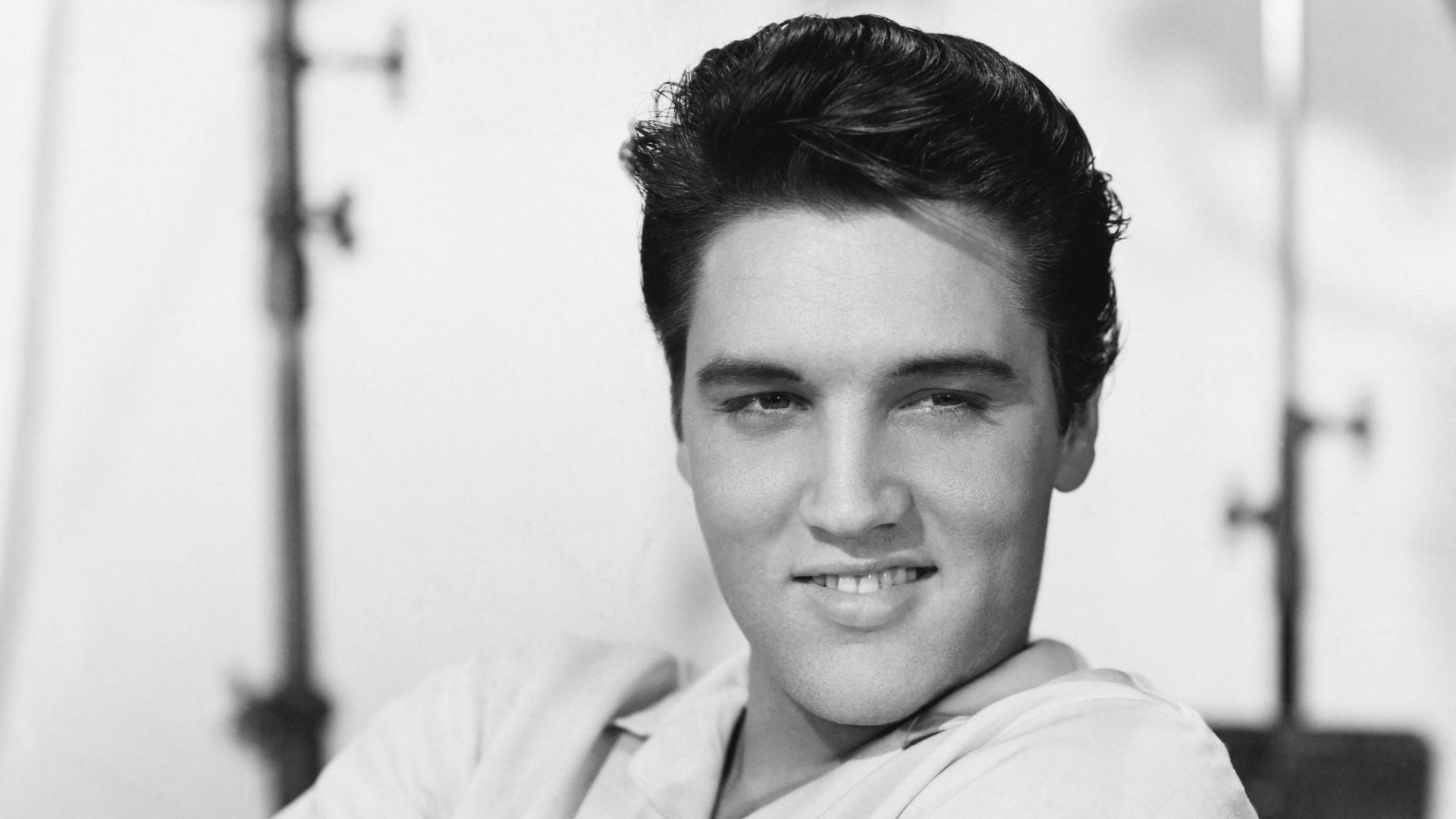 Unknown authorUnknown author, Wikimedia Commons
The Song That Opened Doors
In 1968, Elvis recorded 'Memories' for his NBC comeback special. The performance helped introduce Davis's songwriting to a national audience and strengthened his growing reputation.
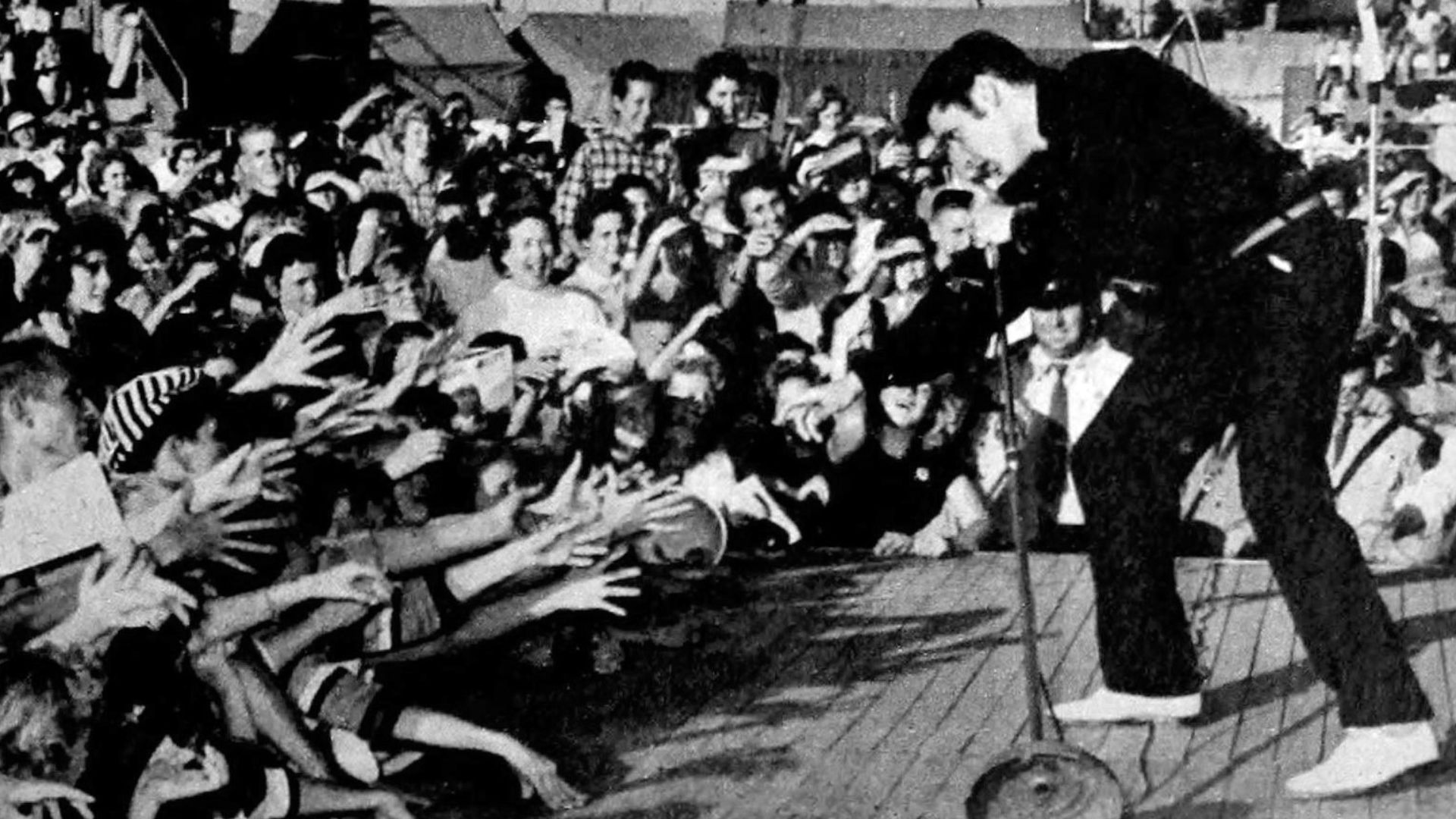
A Bigger Break Arrives
Soon afterward, Elvis recorded additional Davis compositions, including 'Don't Cry Daddy.' The songs performed well and demonstrated Davis's ability to connect emotionally with listeners.
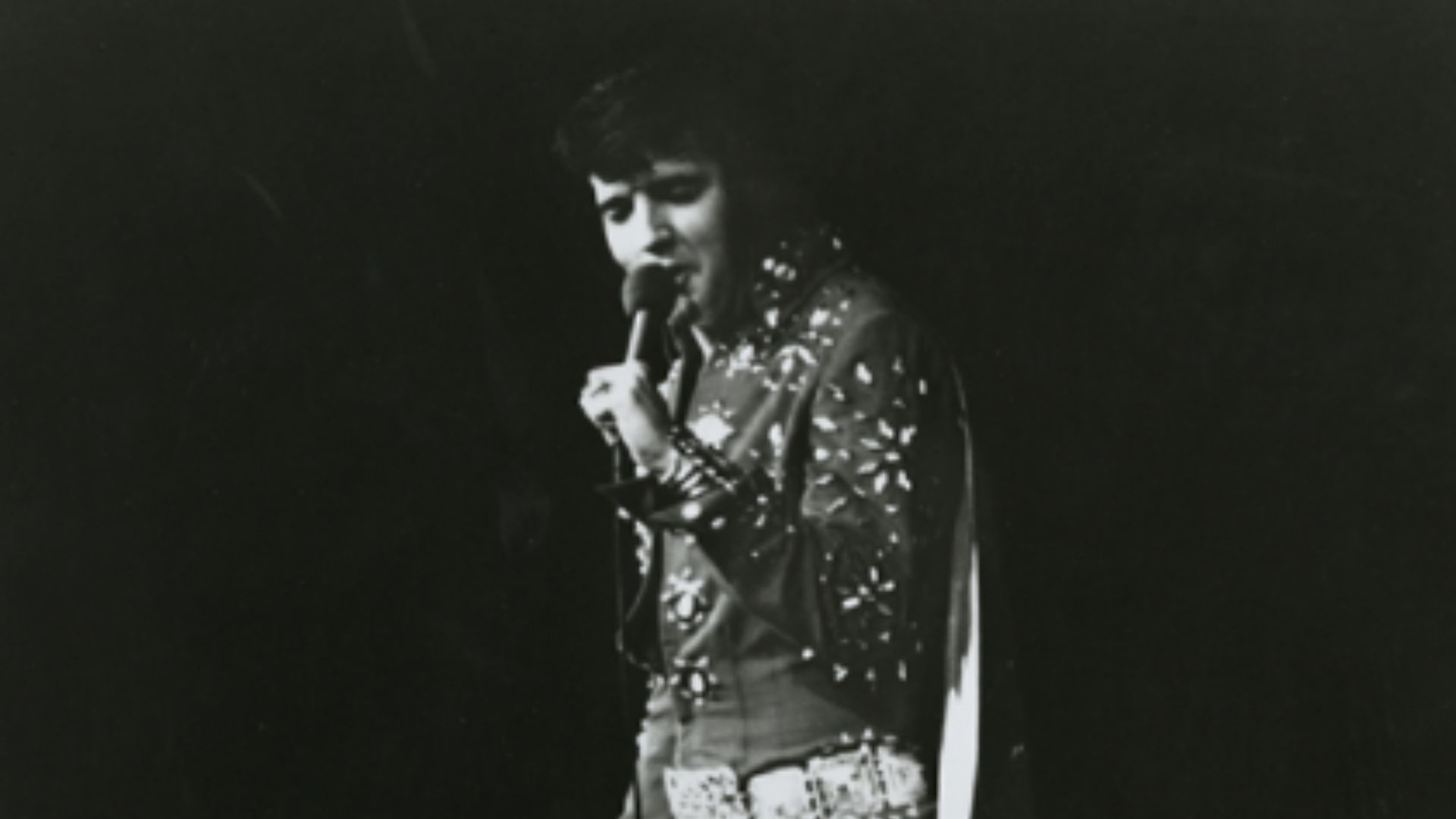 RCA Records, Wikimedia Commons
In the Ghetto Changes Everything
Released in 1969, 'In the Ghetto' became one of Elvis's most memorable recordings. The song reached No. 3 on the Billboard Hot 100 and tackled serious social issues. Davis suddenly found himself among the most respected songwriters in America.
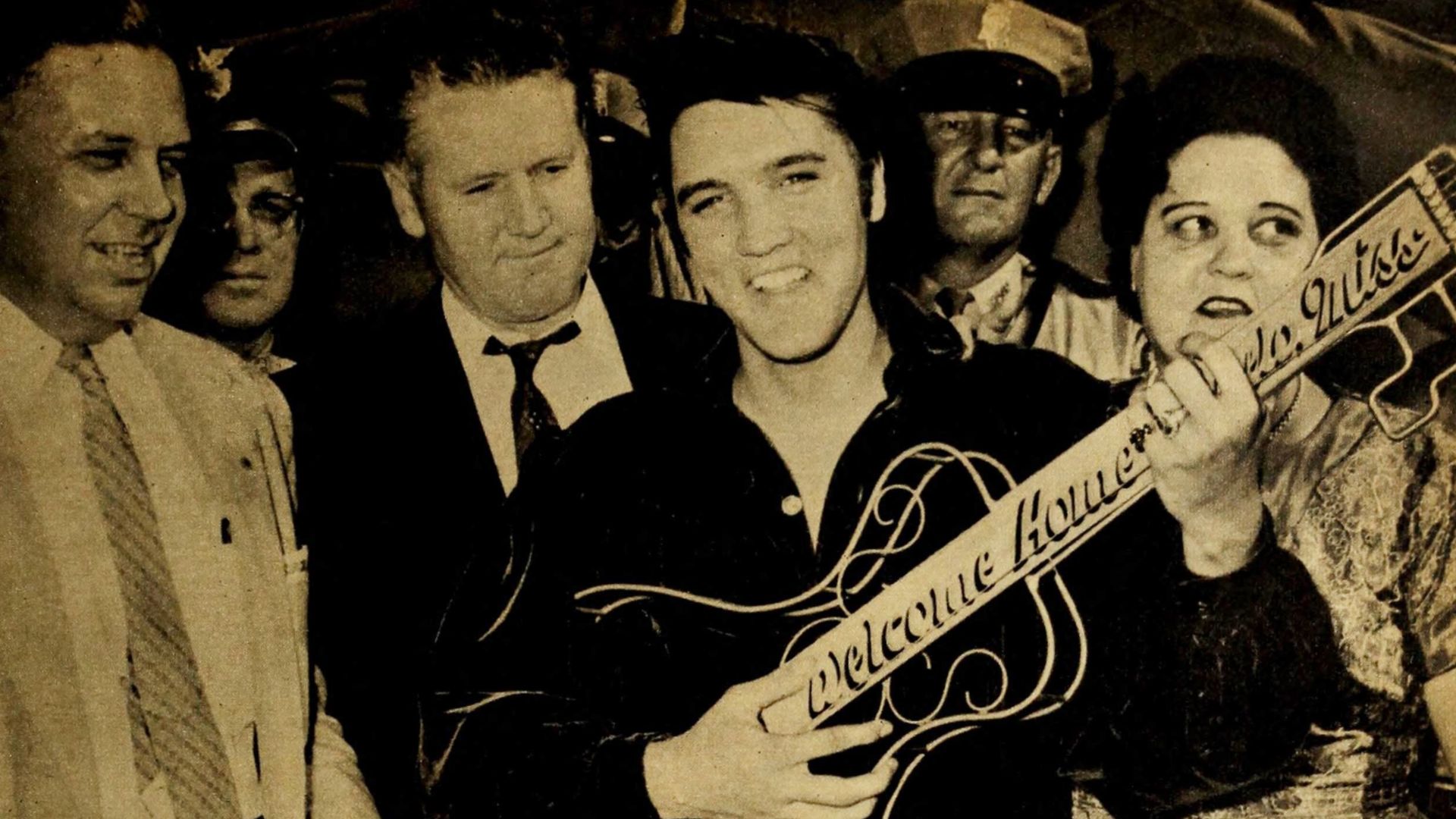
Success Comes Knocking
Following Elvis's success with his songs, Davis was in high demand. Artists wanted his material. Record executives wanted meetings. The future looked secure, even if most fans still didn't know his name.
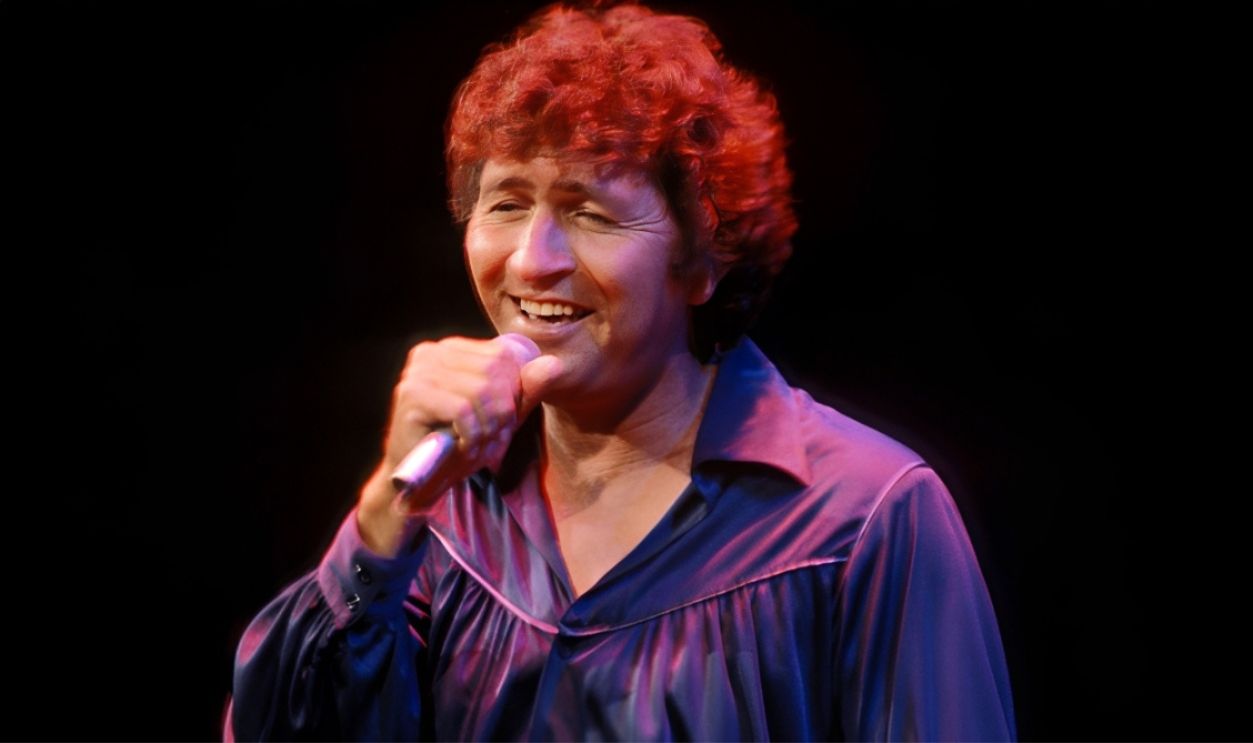
The Safe Career Path
At this point, Davis had every reason to stay exactly where he was. Songwriting paid well, earned respect, and offered stability. Many writers would have happily spent the rest of their careers creating hits for others.
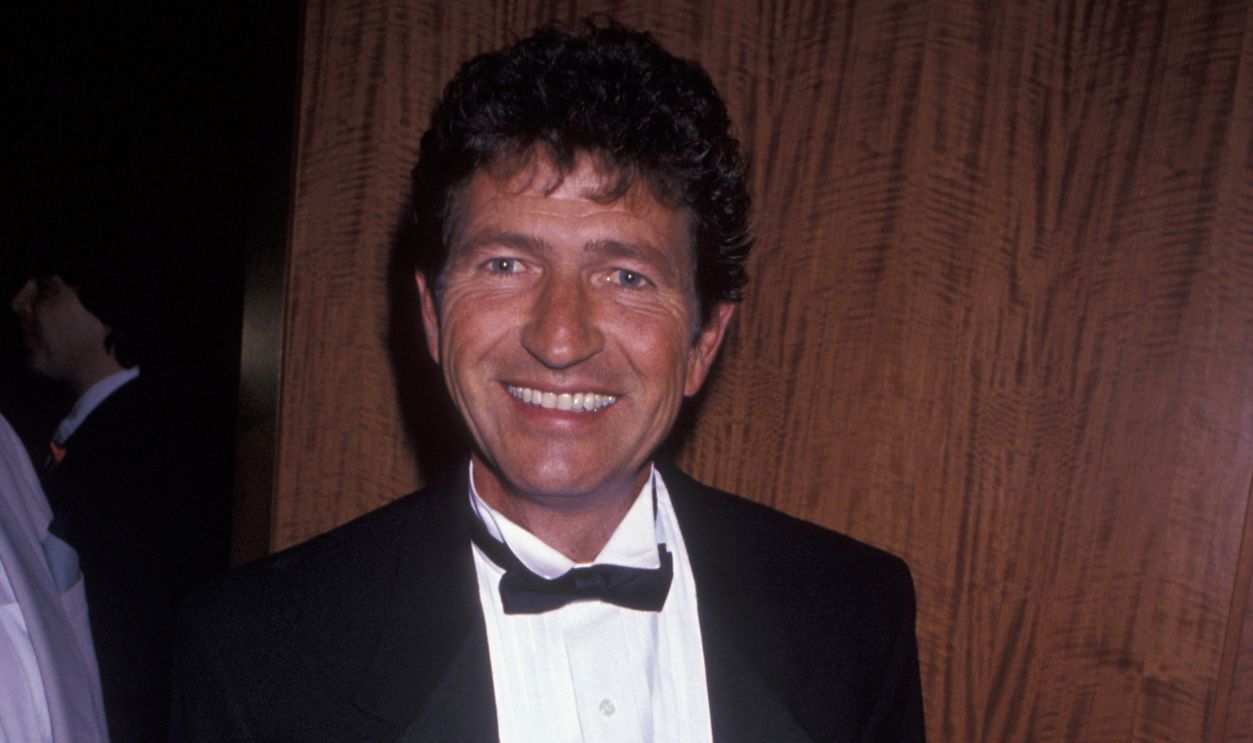 Ron Galella, Ltd., Getty Images
The Decision Nobody Expected
Instead, Davis began considering a different path. It wasn't necessarily the safest option, and there were no guarantees it would work. Friends and colleagues wondered whether he was taking an unnecessary gamble.
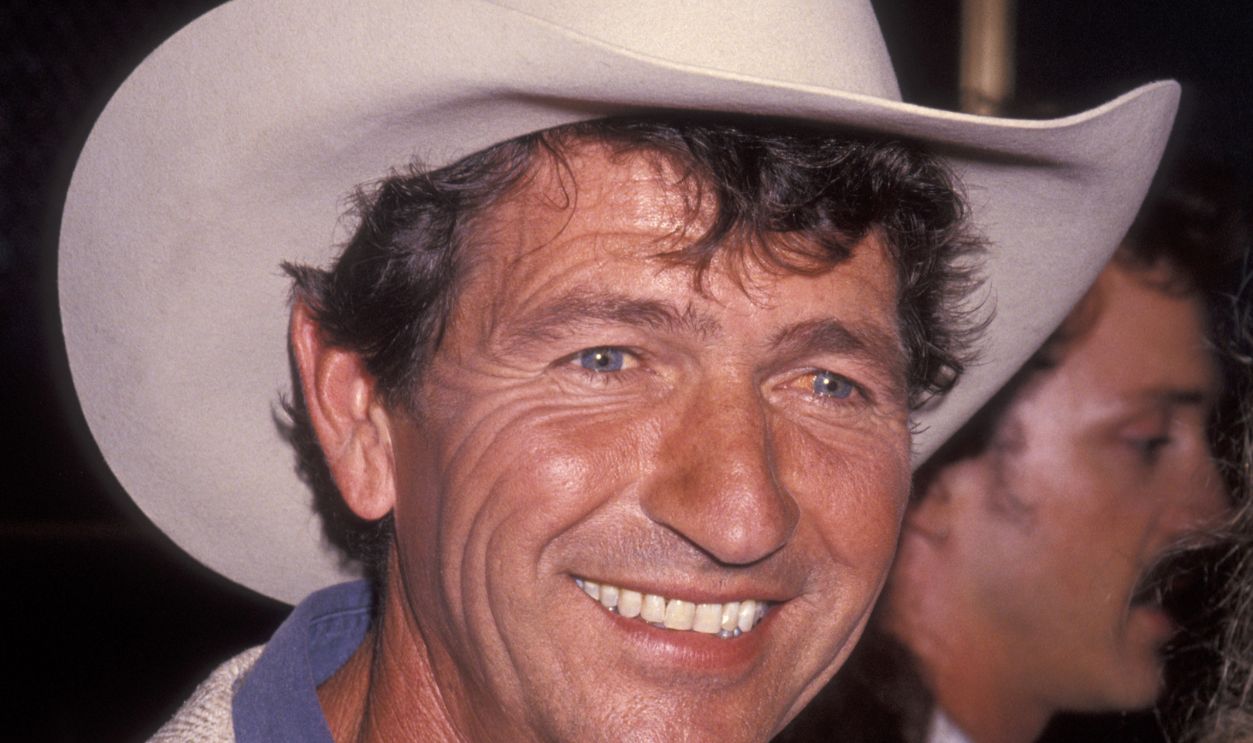 Ron Galella, Ltd., Getty Images
Betting on Himself
Rather than remain behind the scenes, Davis decided to pursue something bigger. He believed audiences might connect with his personality and his own performances. It was a leap of faith that could have easily failed.
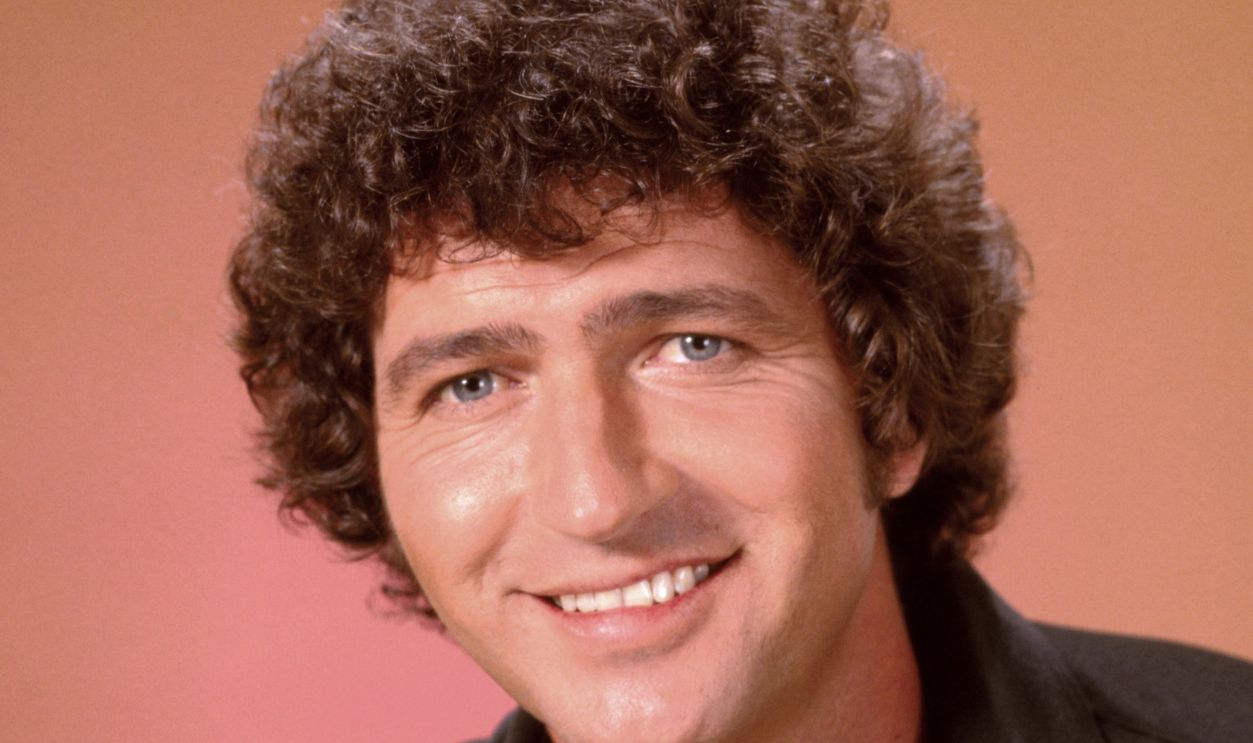
Testing the Waters
The transition wasn't immediate. Davis worked hard to establish himself as more than a songwriter. He began recording his own material and building confidence as a performer.
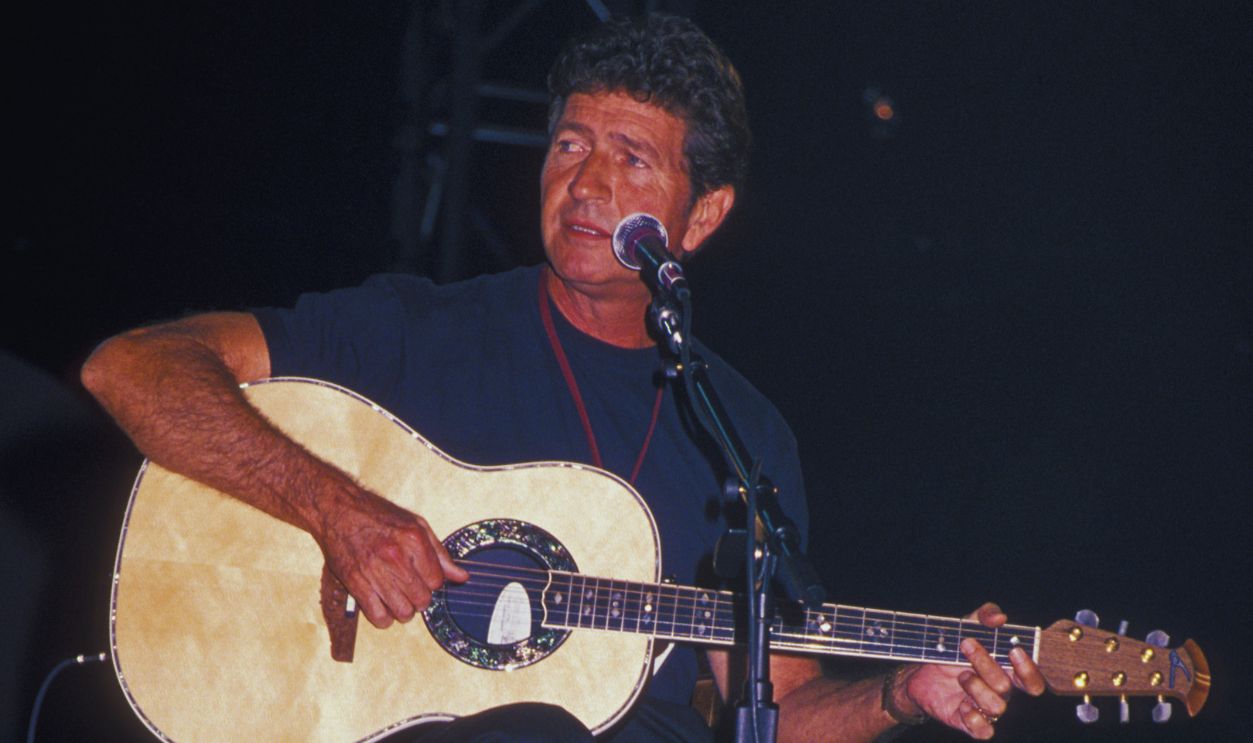 Ron Galella, Ltd., Getty Images
The Breakthrough Hit
Everything changed when 'Baby Don't Get Hooked on Me' became a major success. Released in 1972, the song climbed to No. 1 on the Billboard Hot 100 and turned Davis into a star in his own right.
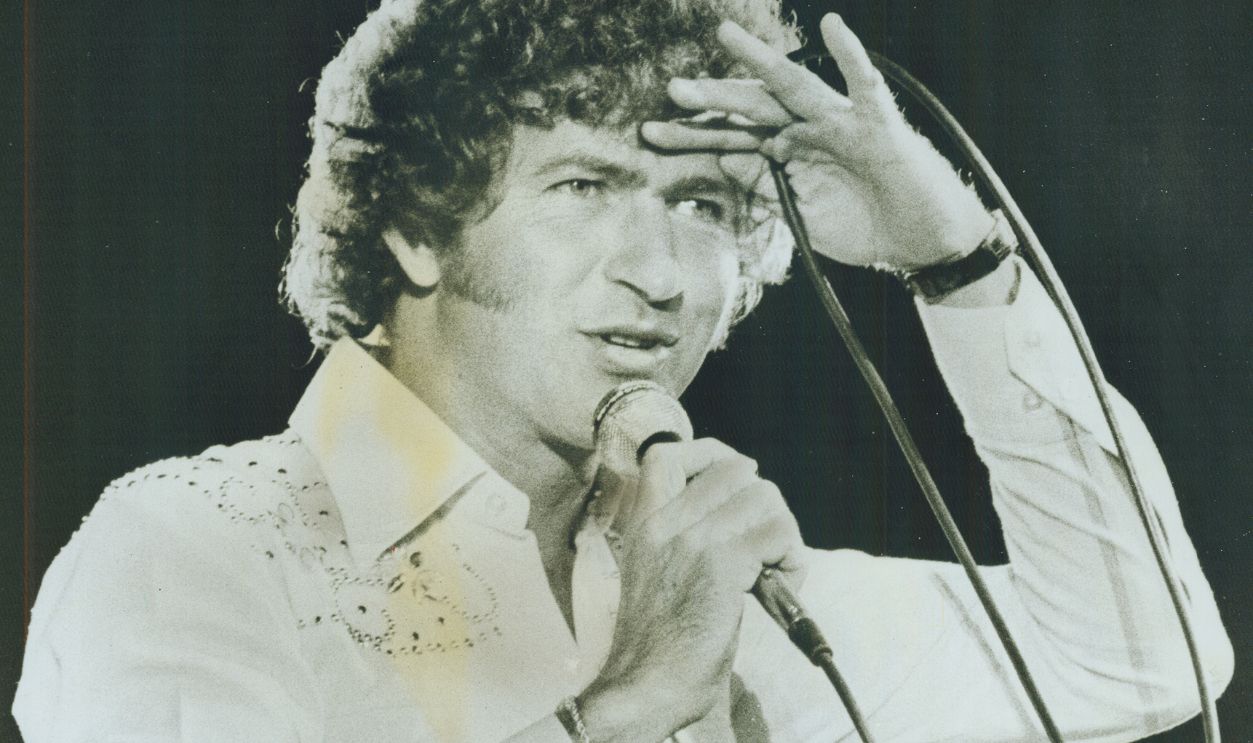
Suddenly Famous
The success of the song brought Davis a level of recognition he had never experienced before. Fans wanted concert tickets, television appearances increased, and opportunities seemed to arrive daily.
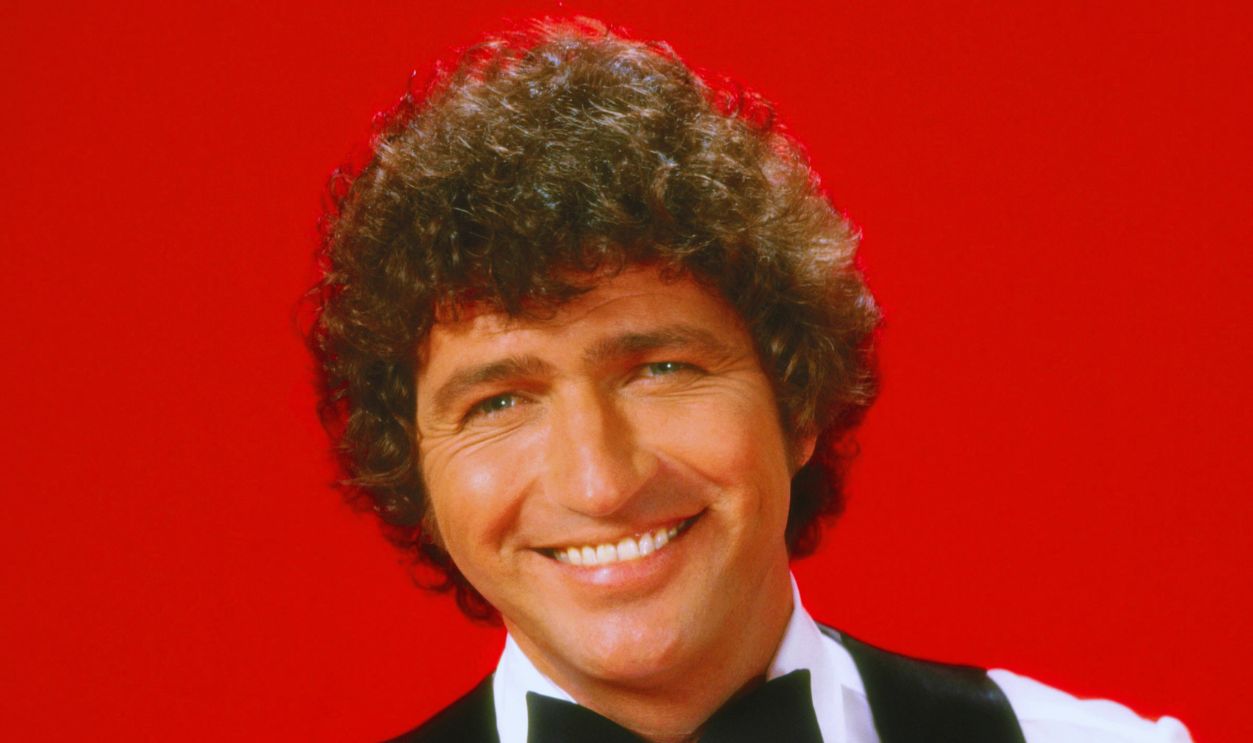
More Than Just a Songwriter
The gamble was paying off. Davis was no longer simply the man behind famous songs. He had become the face audiences associated with the music.
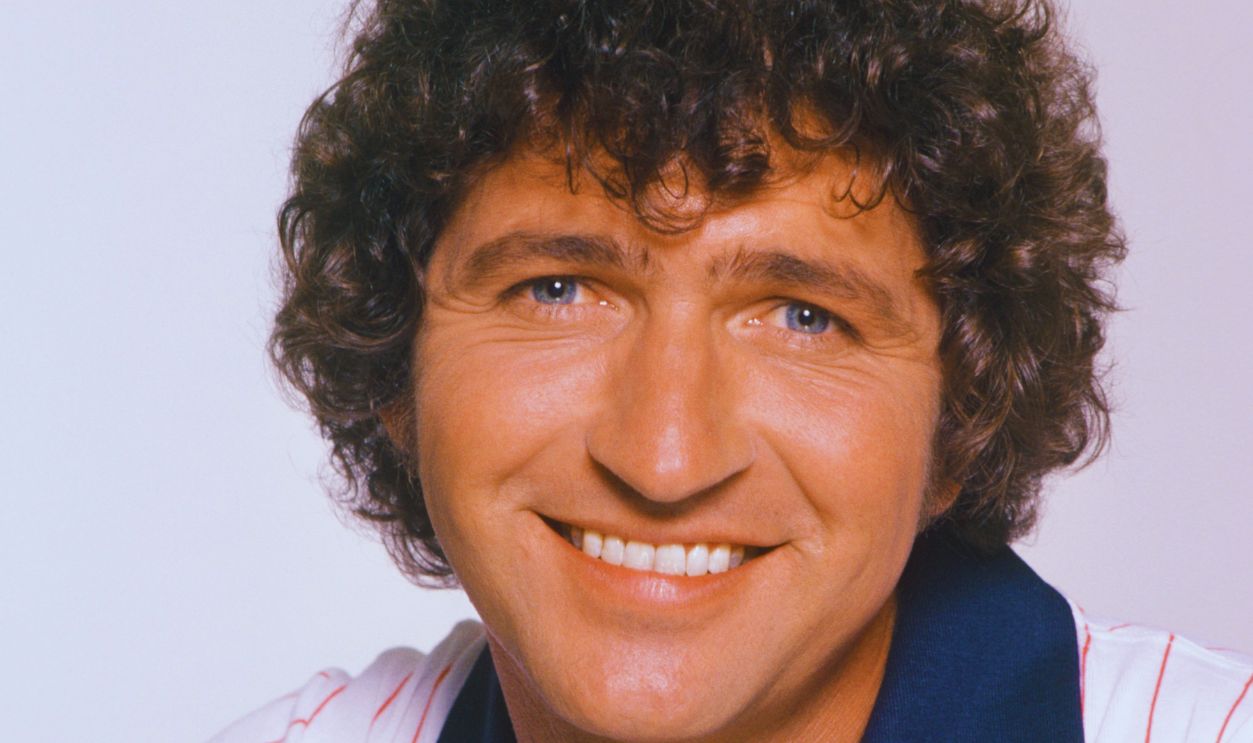 Gettyimages - 476744594, Mac Davis Portrait Session
Television Takes Notice
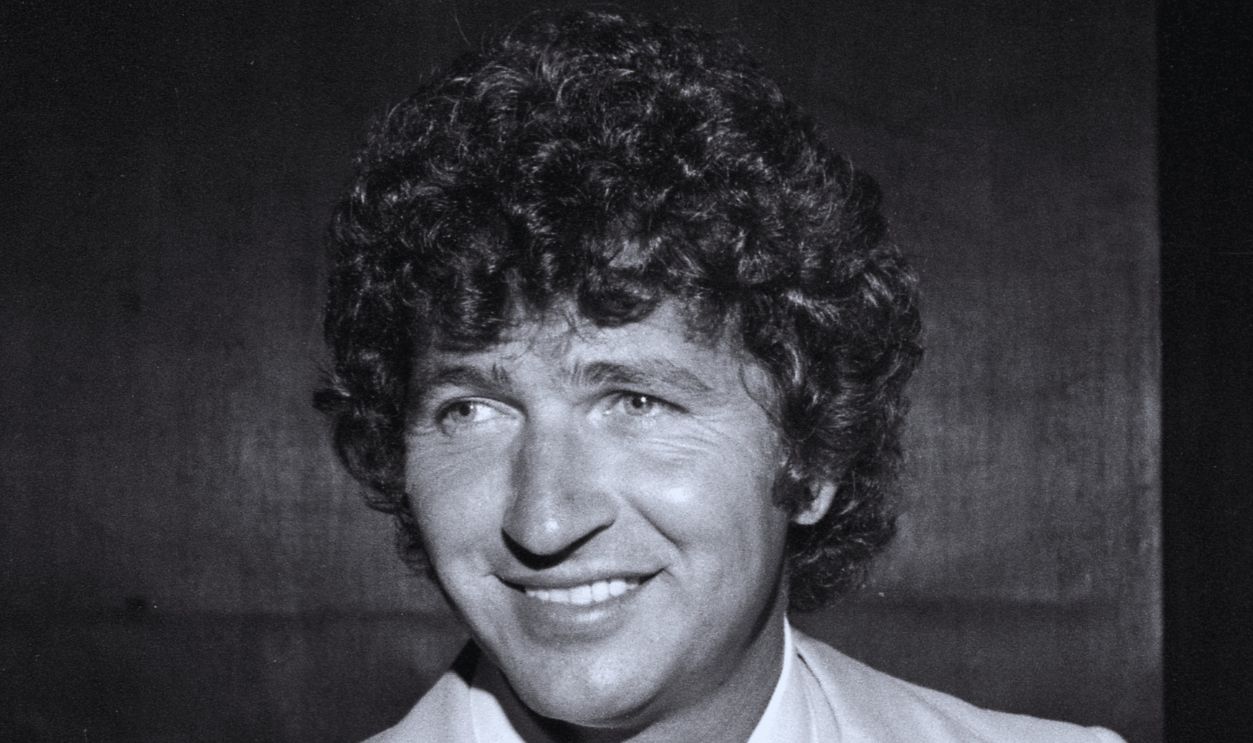
Davis's natural charm made him a favorite television guest. Producers quickly realized he was comfortable in front of a camera and had an easy rapport with audiences.
Hosting His Own Show
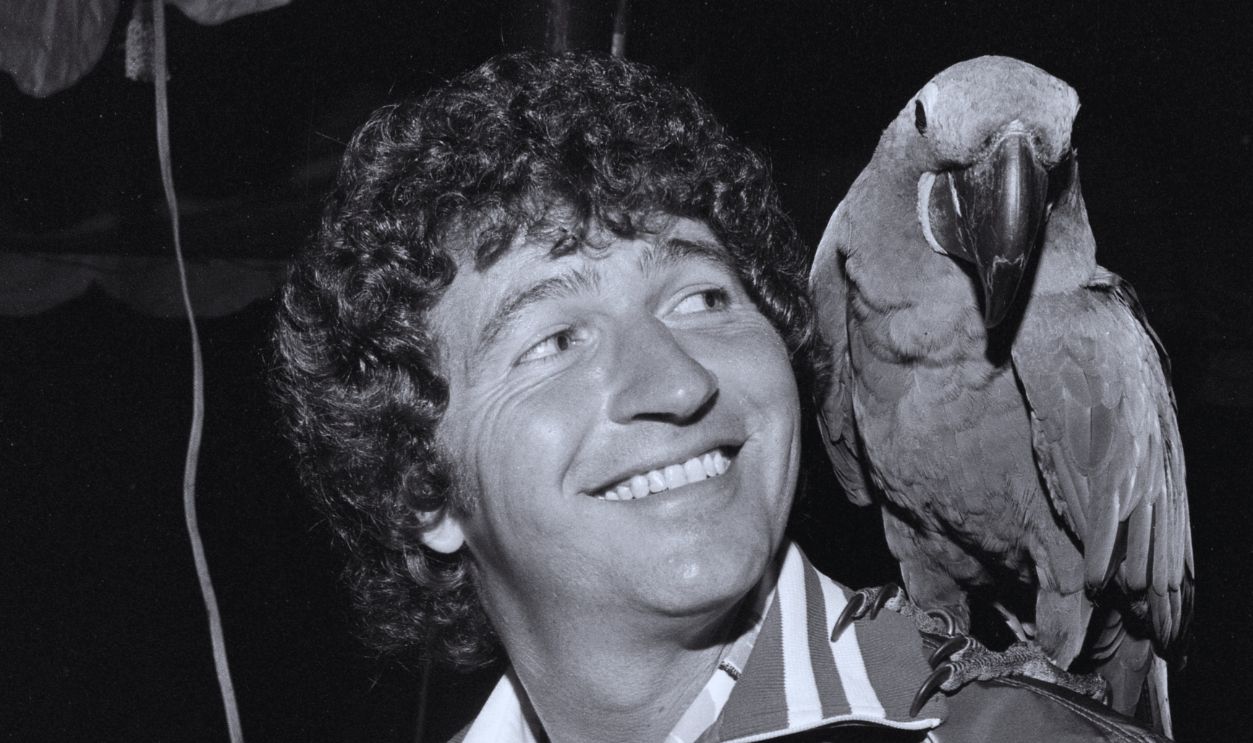
In 1974, NBC launched The Mac Davis Show. Hosting a national variety program elevated him to another level of celebrity and introduced him to viewers who might never have purchased one of his records.
Hollywood Comes Calling
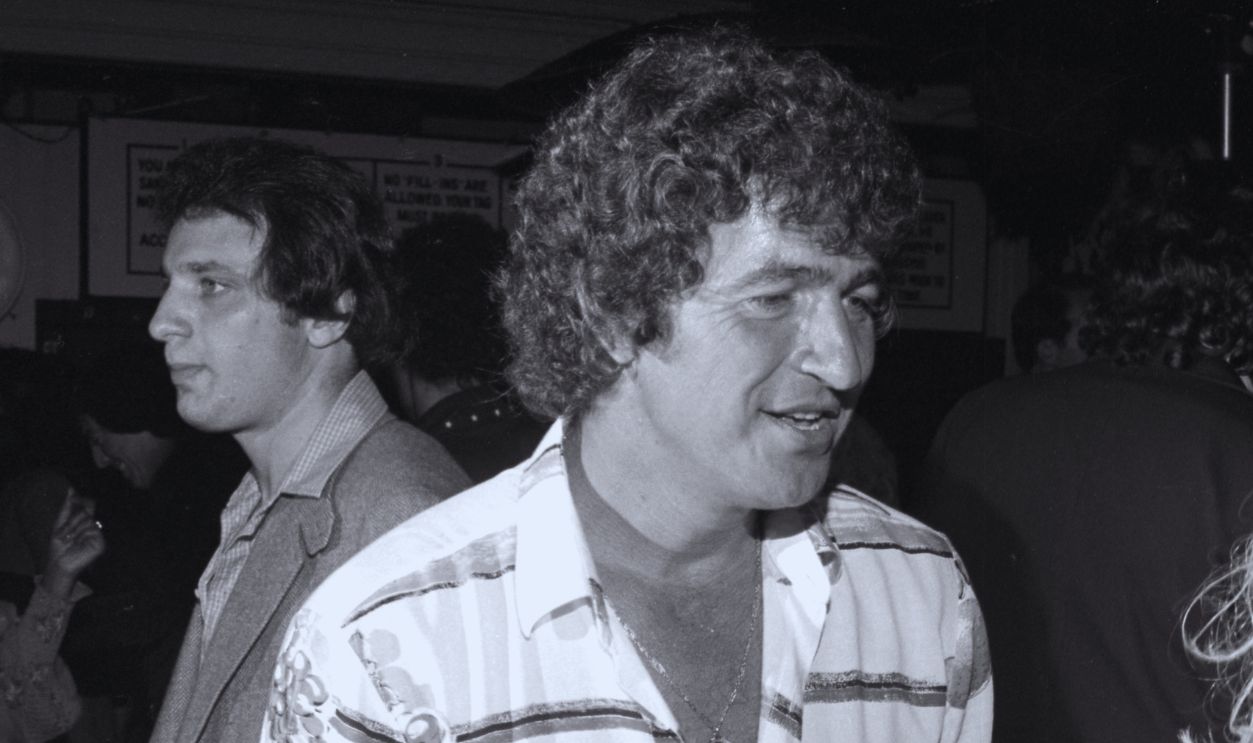
Television success opened additional doors. Davis began acting in films and television projects, demonstrating that his talents extended beyond music.
A Memorable Film Role
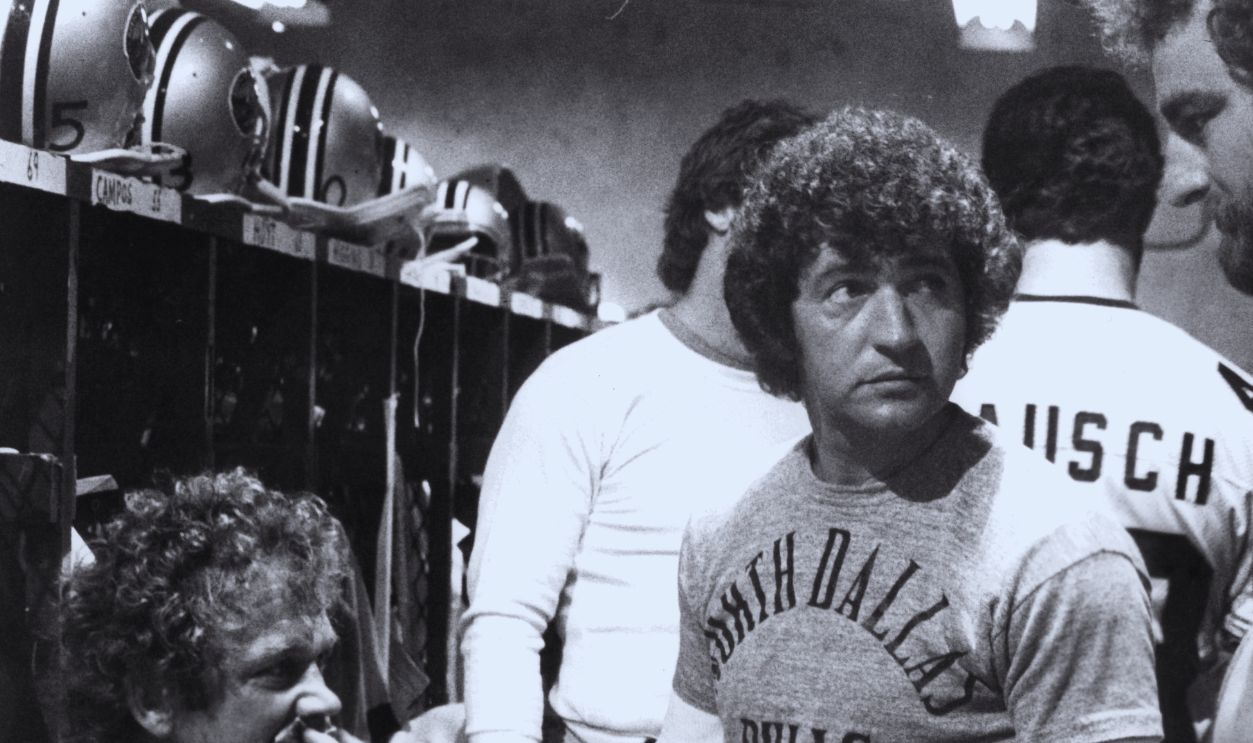
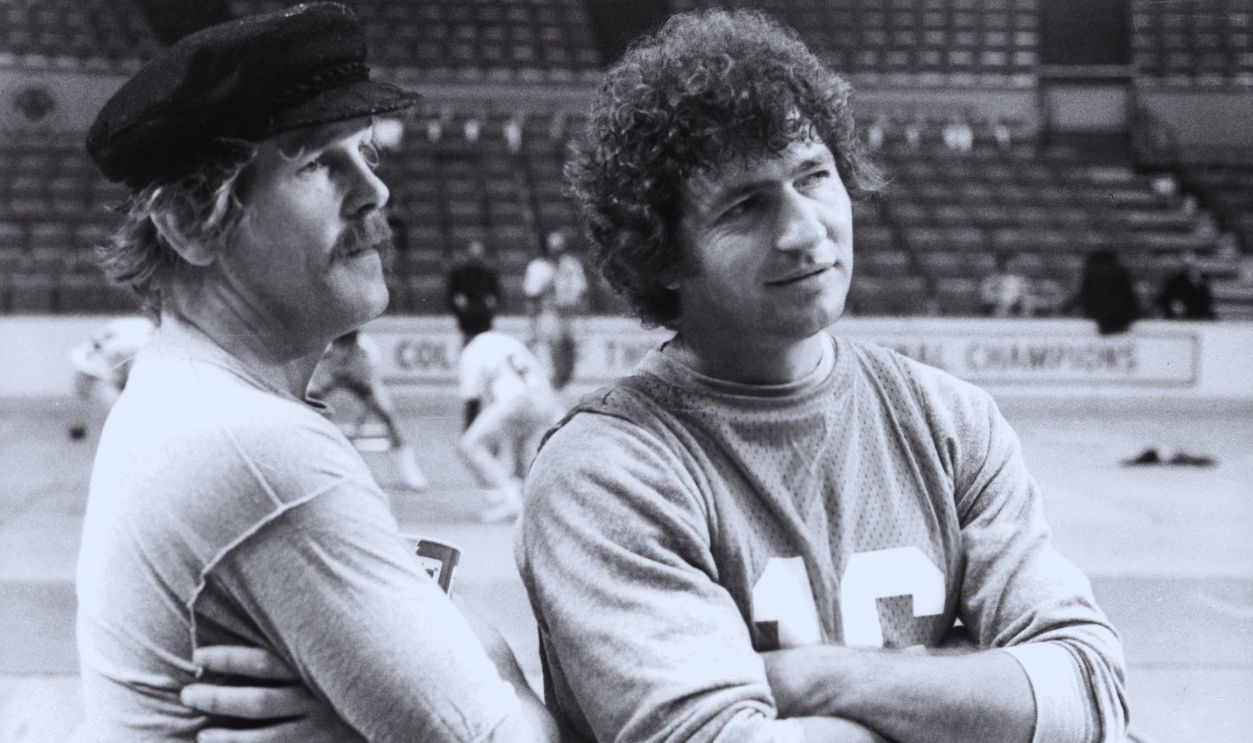
One of his best-known acting performances came in North Dallas Forty (1979), starring Nick Nolte. Critics praised Davis's work and further expanded his reputation as an entertainer.
 Michael Ochs Archives, Getty Images
Reinventing Himself Again
By the late 1970s, Davis had become something few performers achieve. He was simultaneously a successful songwriter, recording artist, television host, and actor.
 Michael Ochs Archives, Getty Images
The Cost of Success
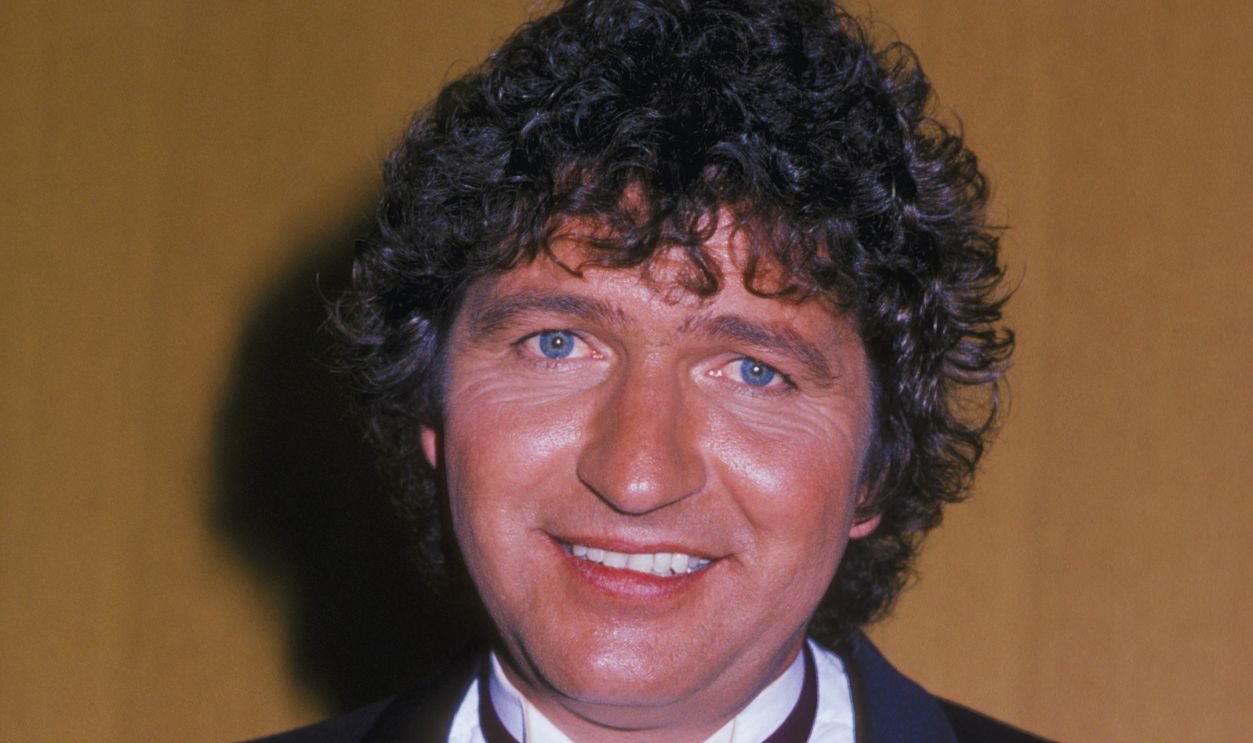
Fame brought pressure as well. Constant touring, television commitments, and public attention created challenges. Davis later spoke openly about the demands that came with success.
 Ron Galella, Ltd., Getty Images
Never Forgetting His Roots
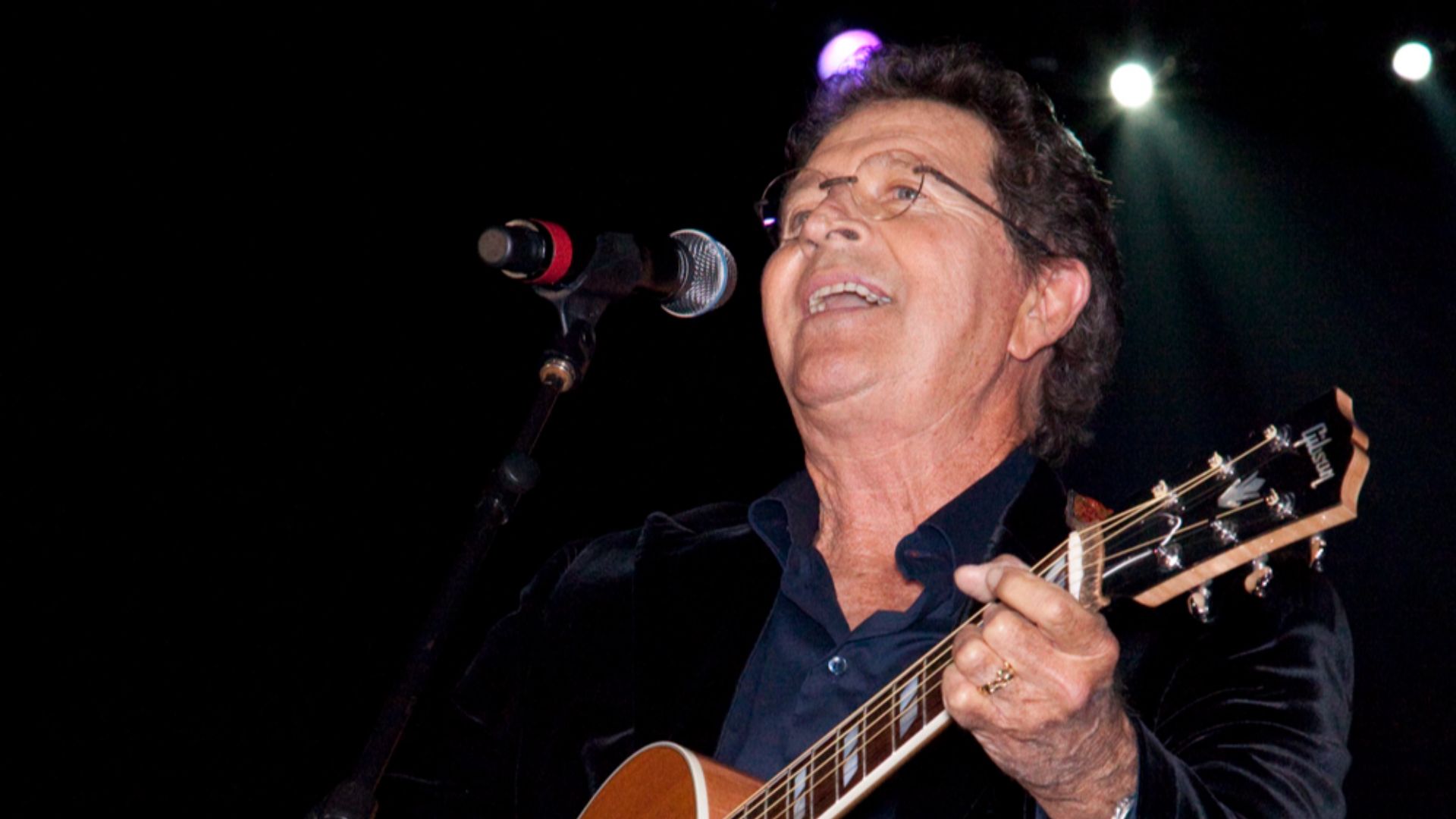
Even after becoming a star, Davis remained proud of his songwriting accomplishments. He frequently discussed his work with Elvis and the importance of those early opportunities.
 Rossano aka Bud Care, Wikimedia Commons
Looking Back on the Gamble
Years later, Davis often reflected on the risks he had taken. The decision seemed obvious in hindsight, but at the time it required tremendous confidence and courage.

The Choice That Changed His Life Forever
The most important moment in Mac Davis's career wasn't writing a hit song. It was deciding not to remain hidden behind the success of others. That choice transformed his future and reshaped his entire life.
 Carol M. Highsmith, Wikimedia Commons
A Legacy Beyond the Music
Mac Davis died on September 29, 2020, in Nashville, Tennessee, following complications from heart surgery. Yet his legacy continues because he proved that sometimes the biggest rewards come from taking the biggest risks.
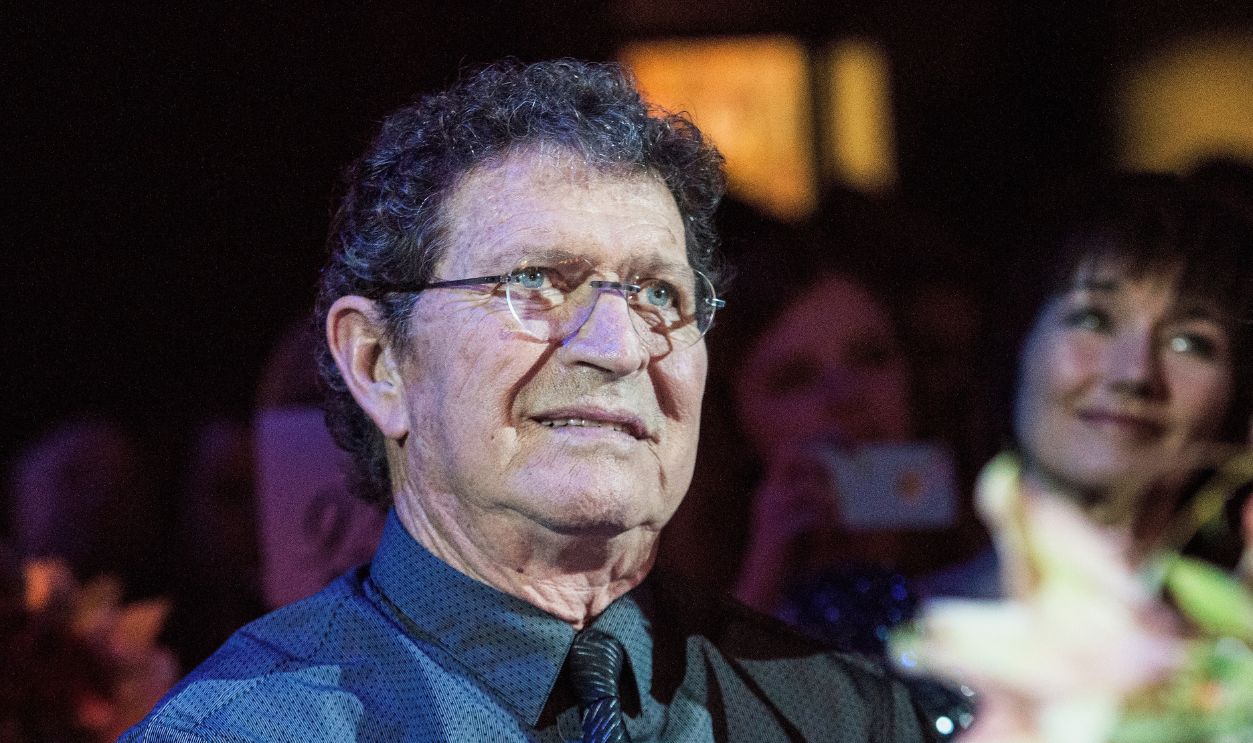
The Career Gamble That Paid Off
Had Mac Davis remained solely a songwriter, he still would have been respected. Instead, he chose a more uncertain path and became a household name. That single career decision changed everything.
You May Also Like:
While famous across America for his role as Uncle Jesse on The Dukes of Hazzard—Denver Pyle never truly lived like a Hollywood star.
Behind his wholesome television persona, Bob Crane led a double life that shocked even the darkest corners of Hollywood.