
Dolly Parton's Rise To Stardom Came With A Painful Price
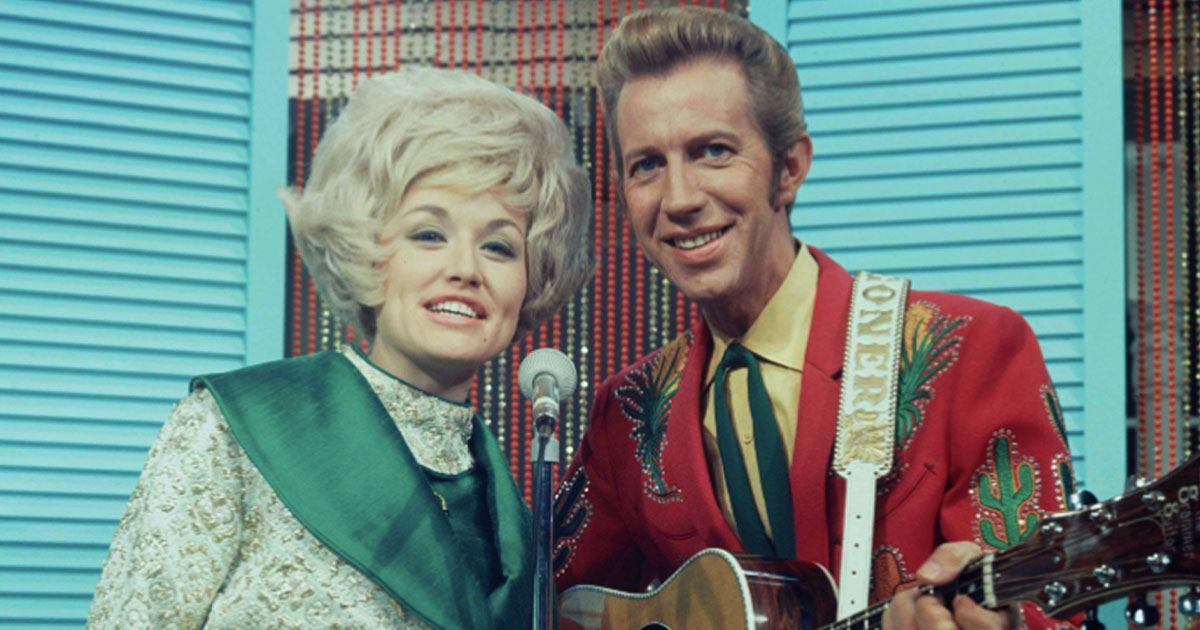
Dolly Parton entered Porter Wagoner’s television world as an unknown replacement whom many fans did not want. Seven years later, she had become too successful to remain in anyone else’s shadow. Their partnership created country-music history—but ambition, money, control, and one painful goodbye nearly destroyed everything they had built.
 RCA Records, Wikimedia Commons
She Came From The Tennessee Mountains
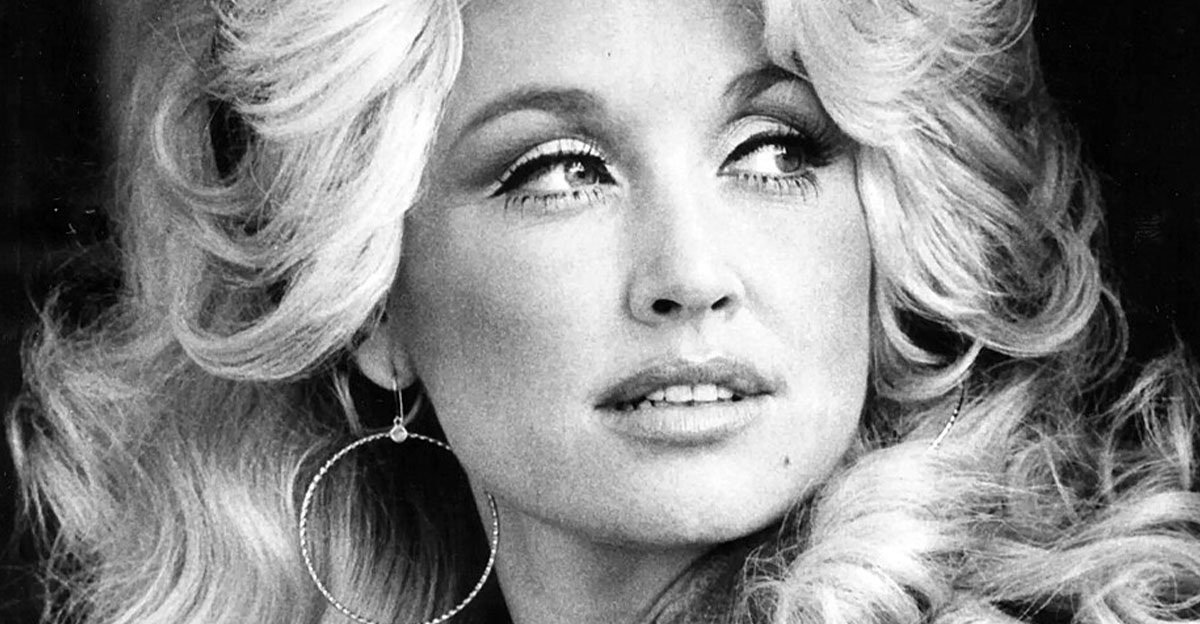
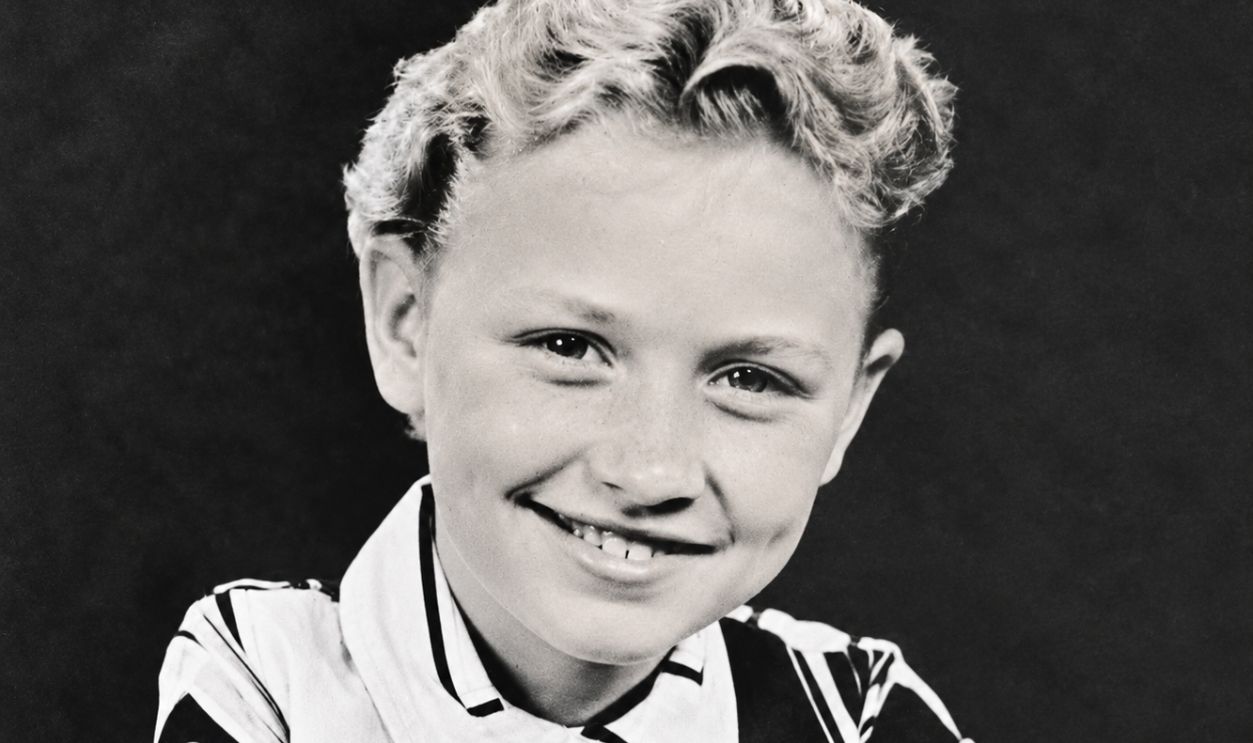
Dolly Rebecca Parton was born near Sevierville, Tennessee, on January 19, 1946. She was the fourth of 12 children raised by Robert Lee and Avie Lee Parton. The family had little money, but their home overflowed with music, stories, faith, and unusually strong personalities.
Nashville Had Always Been The Destination
Parton performed on local radio and television while still a child and appeared at the Grand Ole Opry at 13. After graduating from high school in 1964, she left for Nashville the following day. She arrived with songs, enormous determination, and no intention of returning home defeated.
 Goldband Records, Wikimedia Commons
The Music Industry Misread Her
Parton signed with Monument Records, but the label initially attempted to market her as a pop singer. She knew her mountain voice belonged in country music. The 1967 singles “Dumb Blonde” and “Something Fishy” finally gave her country-chart success—and caught the attention of someone with a much larger platform.
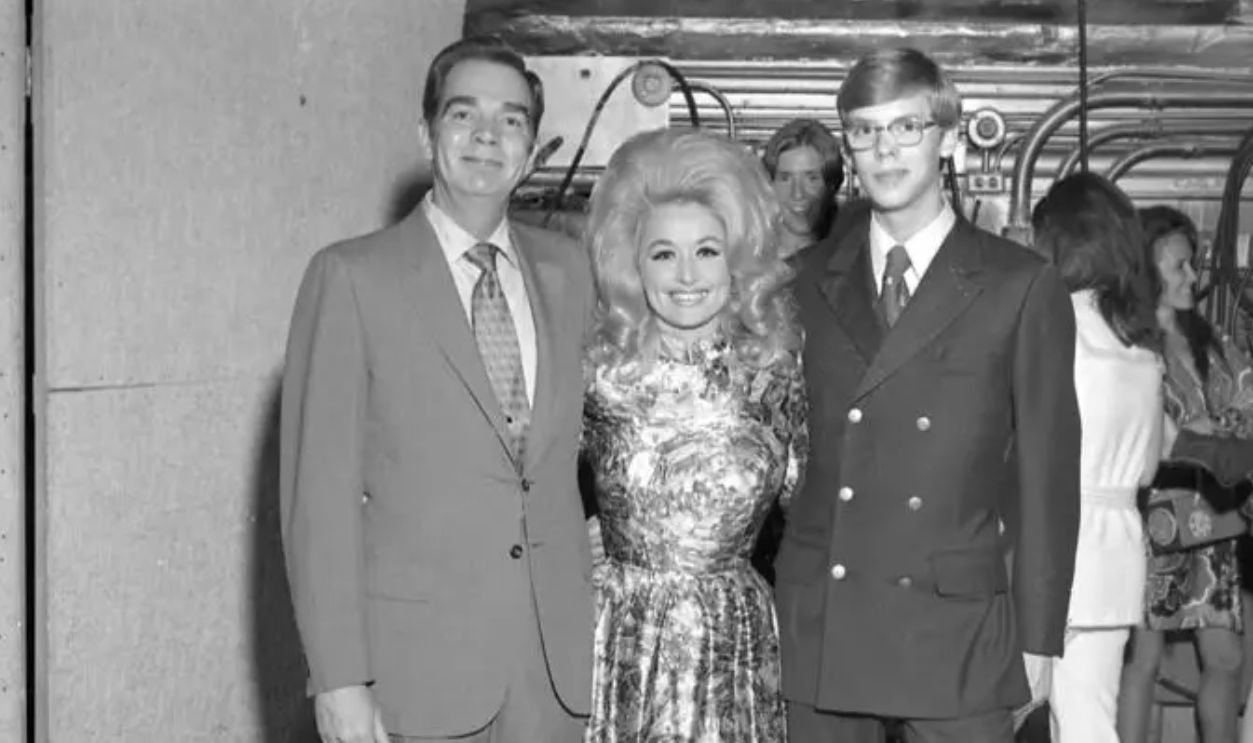
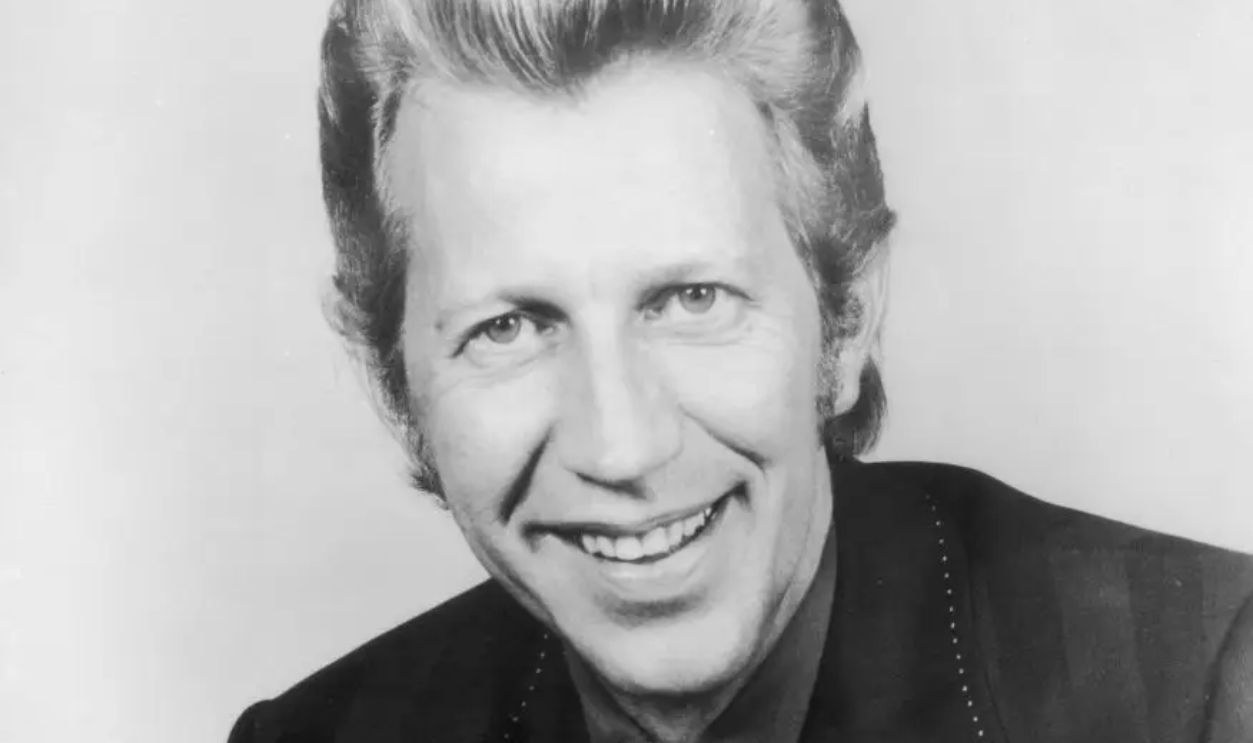
Porter Wagoner Was Already A Major Star
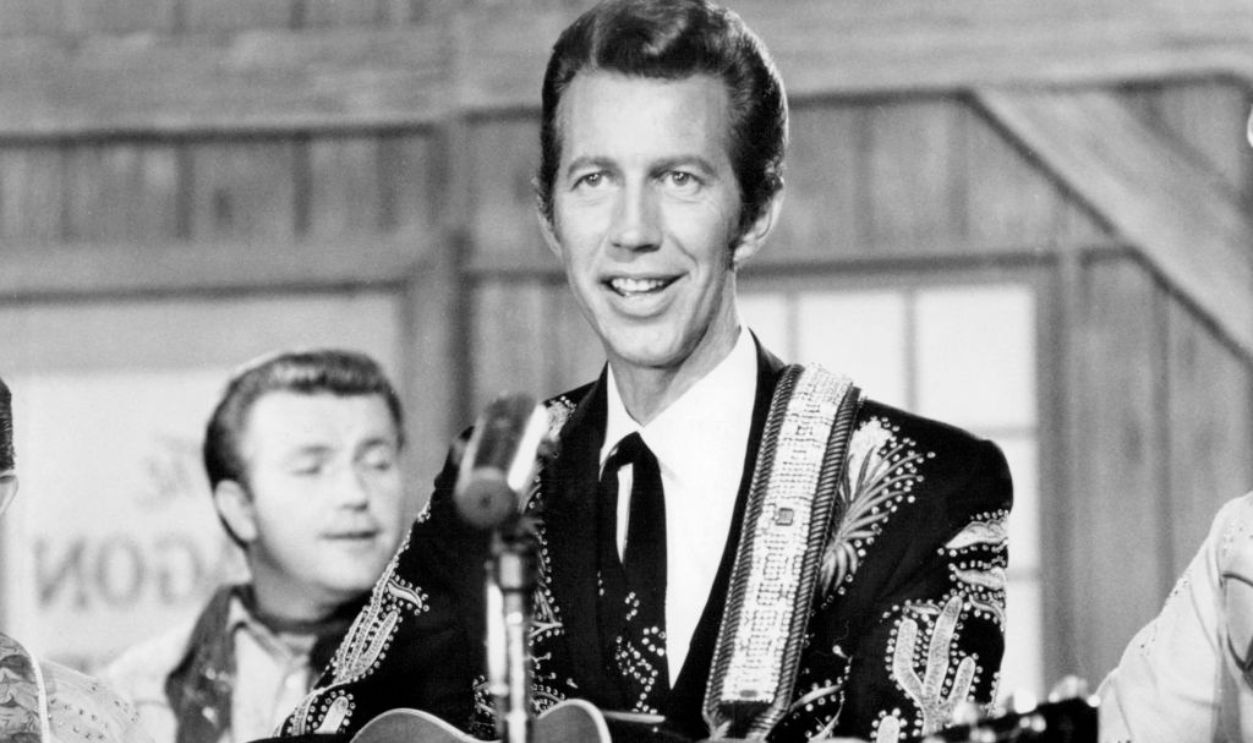
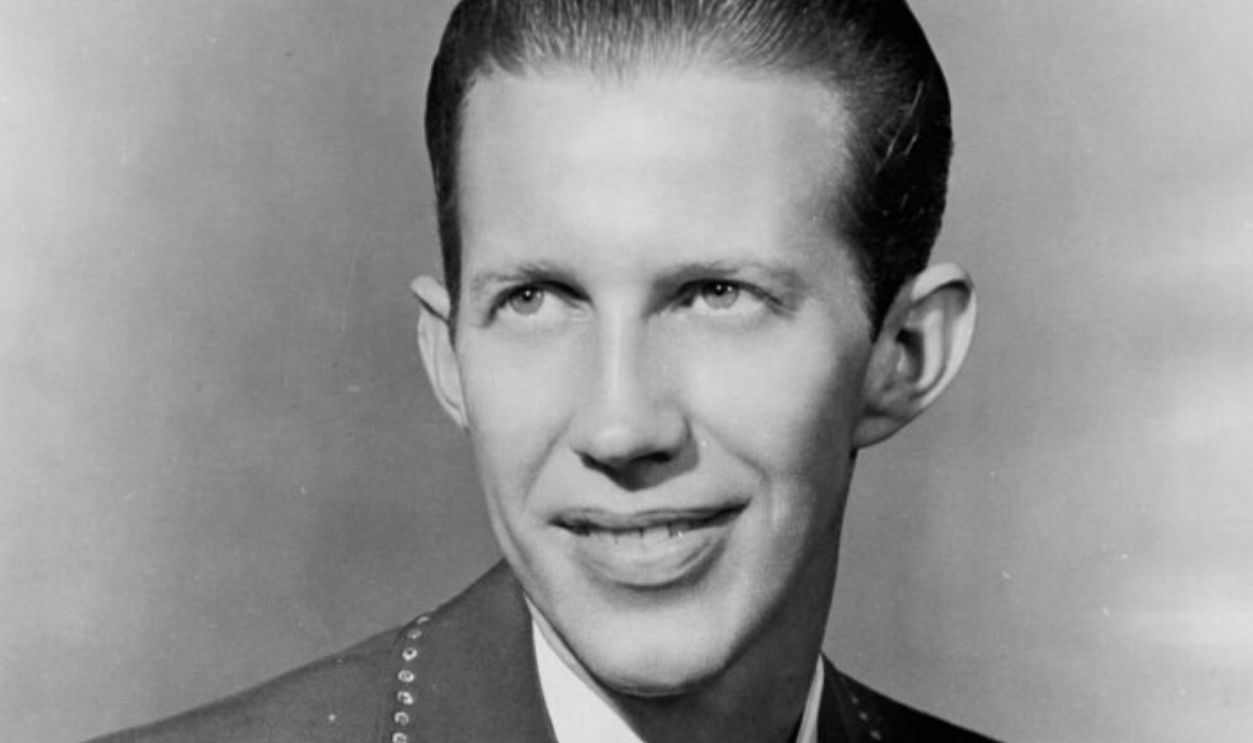
By 1967, Porter Wagoner was an established RCA recording artist, Grand Ole Opry member, and television personality. His tall frame, blond pompadour, and rhinestone-covered Nudie suits made him impossible to miss. More importantly, he possessed influence inside Nashville that a 21-year-old newcomer could only dream about.
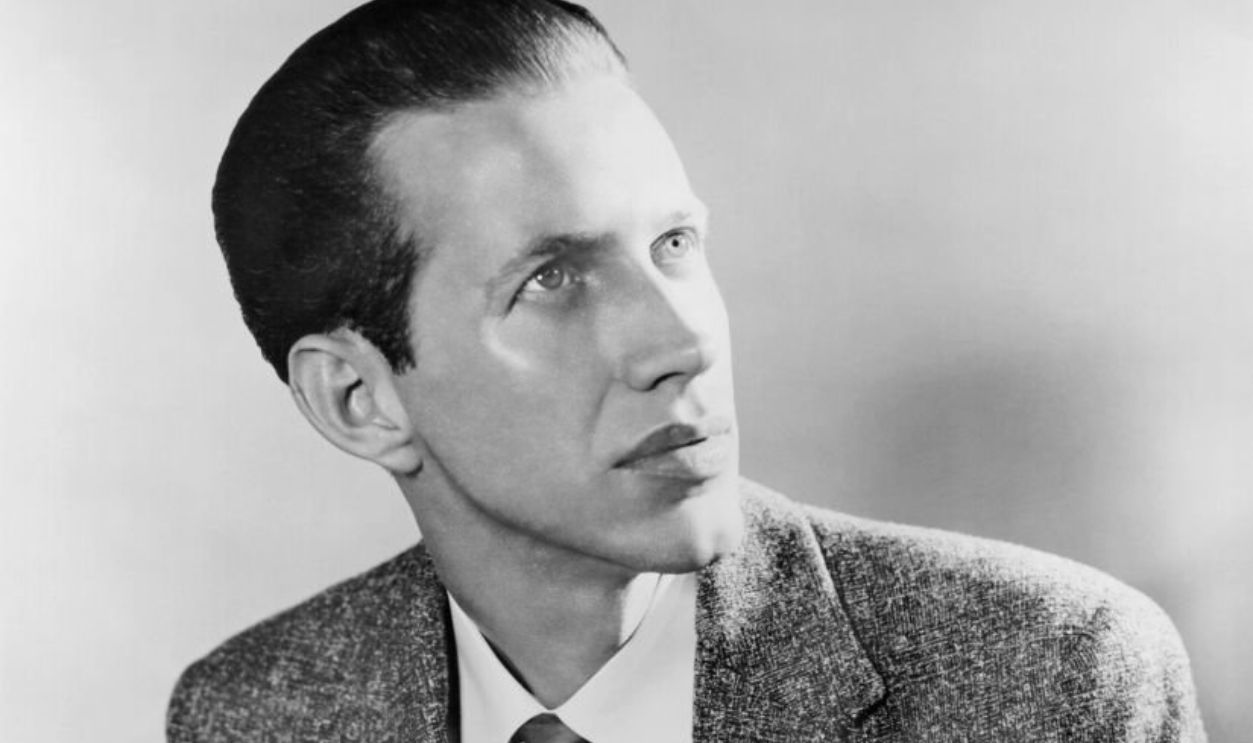 Michael Ochs Archives, Getty Images
His Television Show Reached Millions
The Porter Wagoner Show had begun in 1960 and expanded into nearly 100 television markets, reaching more than three million viewers. The program brought country music into homes far beyond Nashville. Appearing every week offered the kind of national exposure that radio airplay alone could not provide.
 Silver Screen Collection, Getty Images
Norma Jean Was Leaving
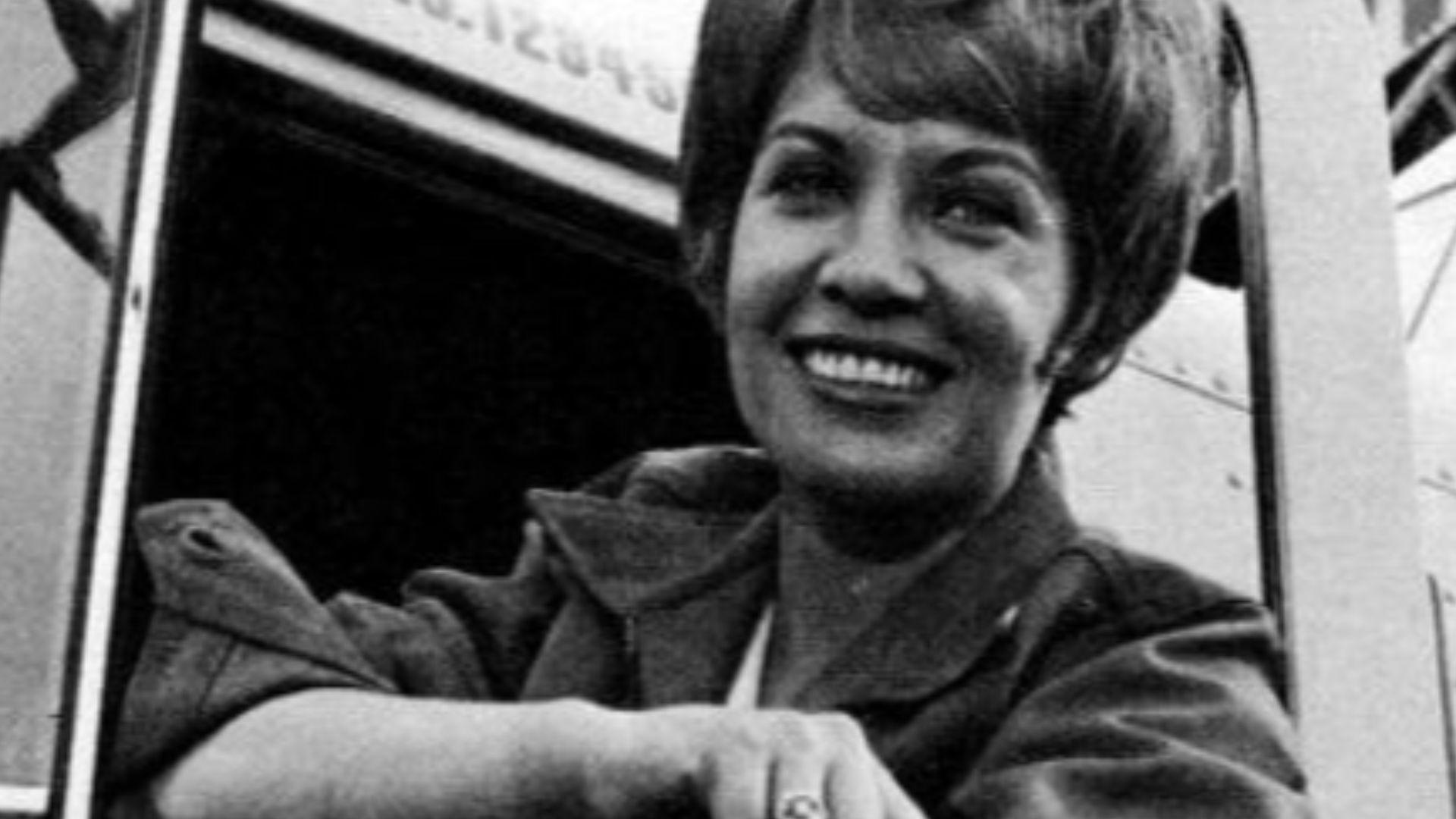
The program’s featured female singer, Norma Jean Beasler, had developed a loyal following during her years beside Wagoner. When she prepared to leave in 1967, Porter needed a replacement. Finding someone talented was one problem; convincing devoted Norma Jean fans to accept her was another matter entirely.
 RCA Records, Wikimedia Commons
Porter Had Noticed The New Girl
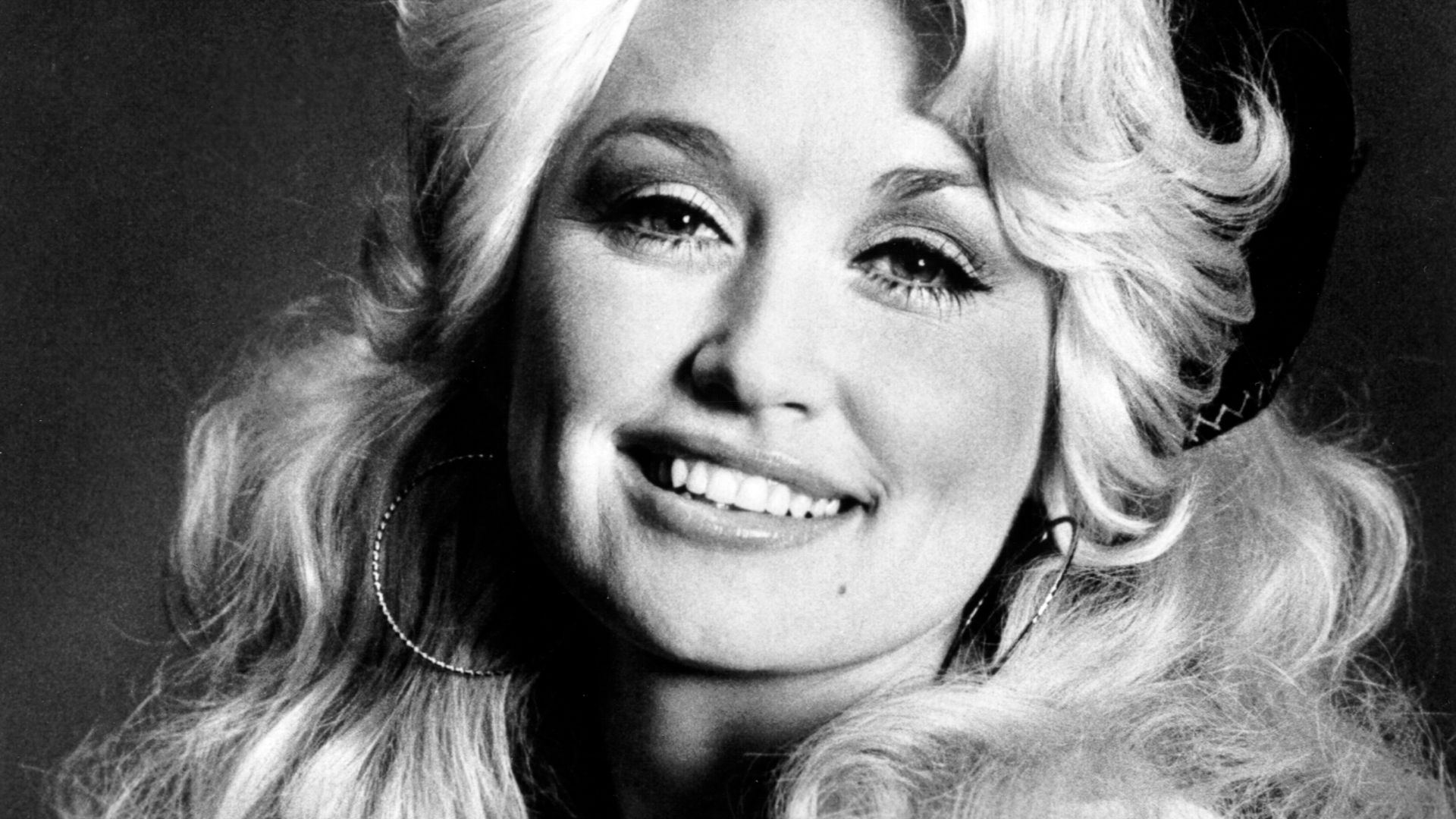
Wagoner heard Parton perform “Dumb Blonde” and invited her to his office. Dolly believed he might want to record one of the songs she had been sending him and Norma Jean. Instead, he offered her the featured position on his television program and touring show.
 RCA Records, Wikimedia Commons
The Offer Felt Enormous
Parton later recalled that Wagoner offered her approximately $60,000 per year—an extraordinary amount to a young singer from a poor Tennessee family. She accepted quickly. Whatever reservations Porter may have had about hiring someone so different from Norma Jean, Dolly had very few about taking the opportunity.
 Michael Ochs Archives, Getty Images
Her Debut Came In September 1967
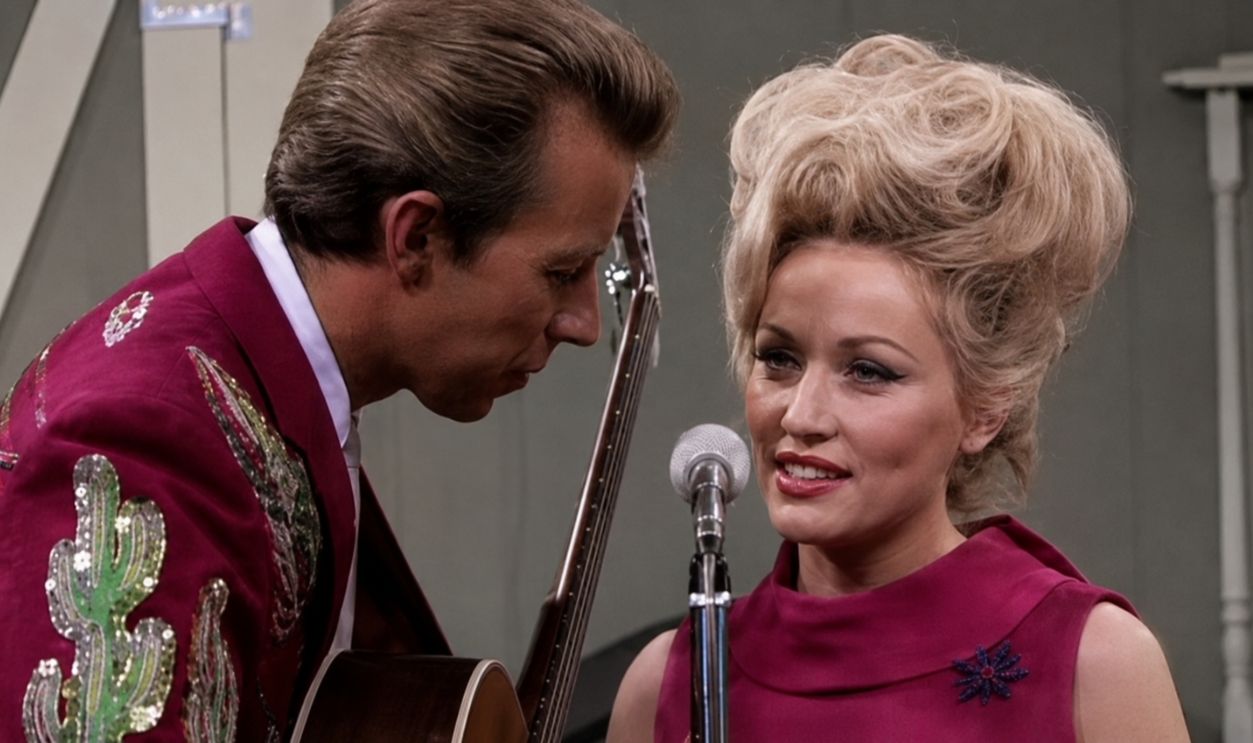
Parton made her debut on The Porter Wagoner Show on September 5, 1967. She arrived with towering blond hair, a bright wardrobe, a strong mountain vibrato, and a personality considerably larger than her tiny frame. Unfortunately, not everyone watching Porter’s show was ready to welcome her.
 Screenshot from The Porter Wagoner Show, Showbiz Inc. (1961-1979), Enhanced
Some Fans Wanted Norma Jean Back
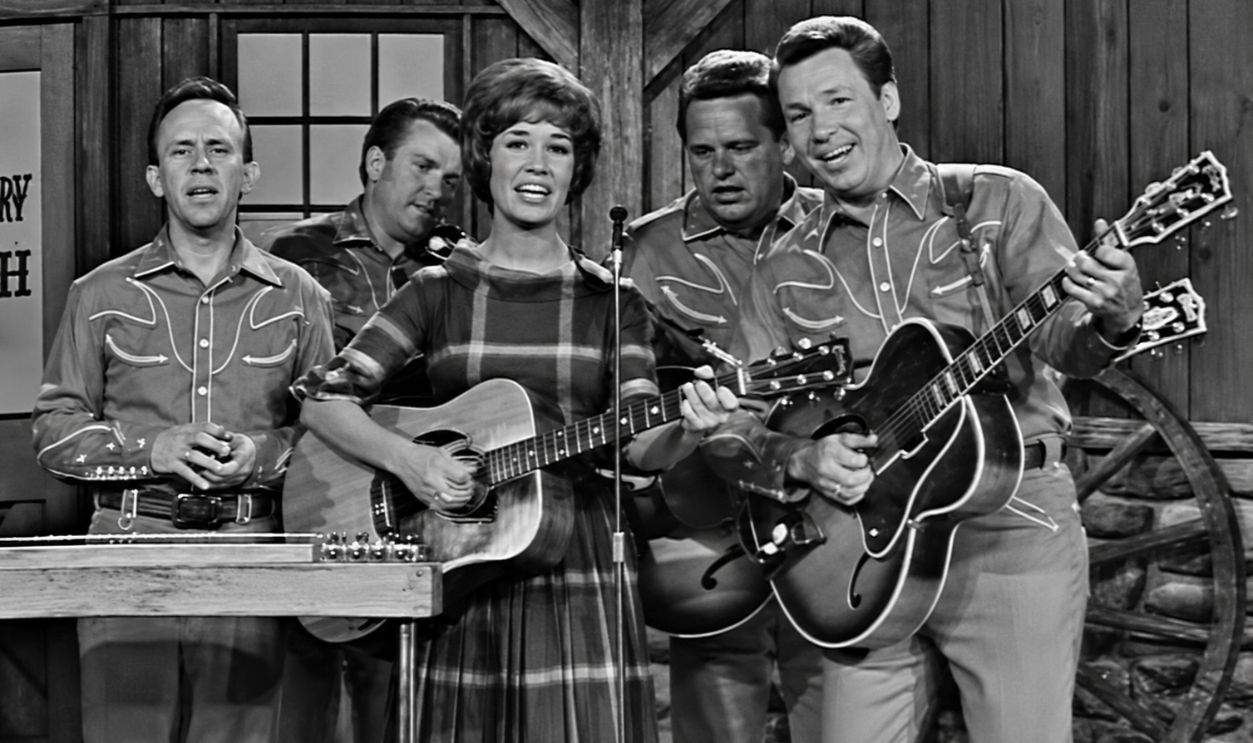
During early live appearances with the Wagonmasters, disappointed audience members reportedly booed and shouted for Norma Jean. Parton later remembered those first shows as painful and sometimes tearful. Becoming Dolly Parton may look inevitable in retrospect, but for a while, the crowd was not remotely convinced.
 Screenshot from The Porter Wagoner Show, Showbiz Inc. (1961-1979), Enhanced
Porter Defended His New Singer
Wagoner asked hostile audiences to give Parton a chance rather than rejecting her simply because she was new. His public support mattered. Porter could be demanding and controlling behind the scenes, but during Dolly’s difficult introduction, he placed his reputation behind her when she badly needed someone established to do so.
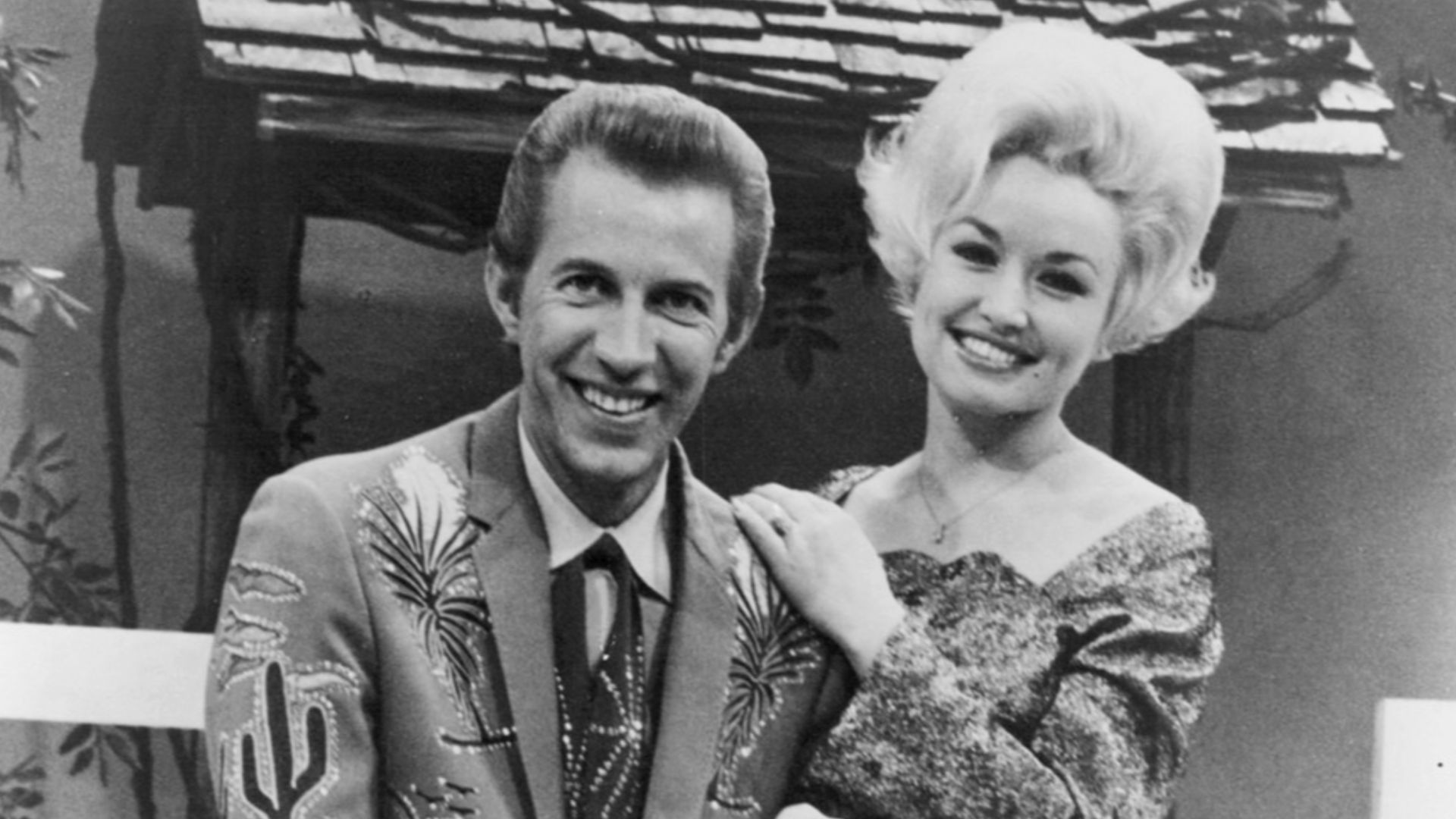 Moeller Talent, Inc. Nashville (management), Wikimedia Commons
She Gradually Won Them Over
Parton kept returning to the stage, singing until resistance weakened. Her humor helped, but the voice did most of the work. Audiences who had arrived demanding Norma Jean gradually began asking for Dolly. She had not imitated the woman she replaced—and that decision became one of her greatest strengths.
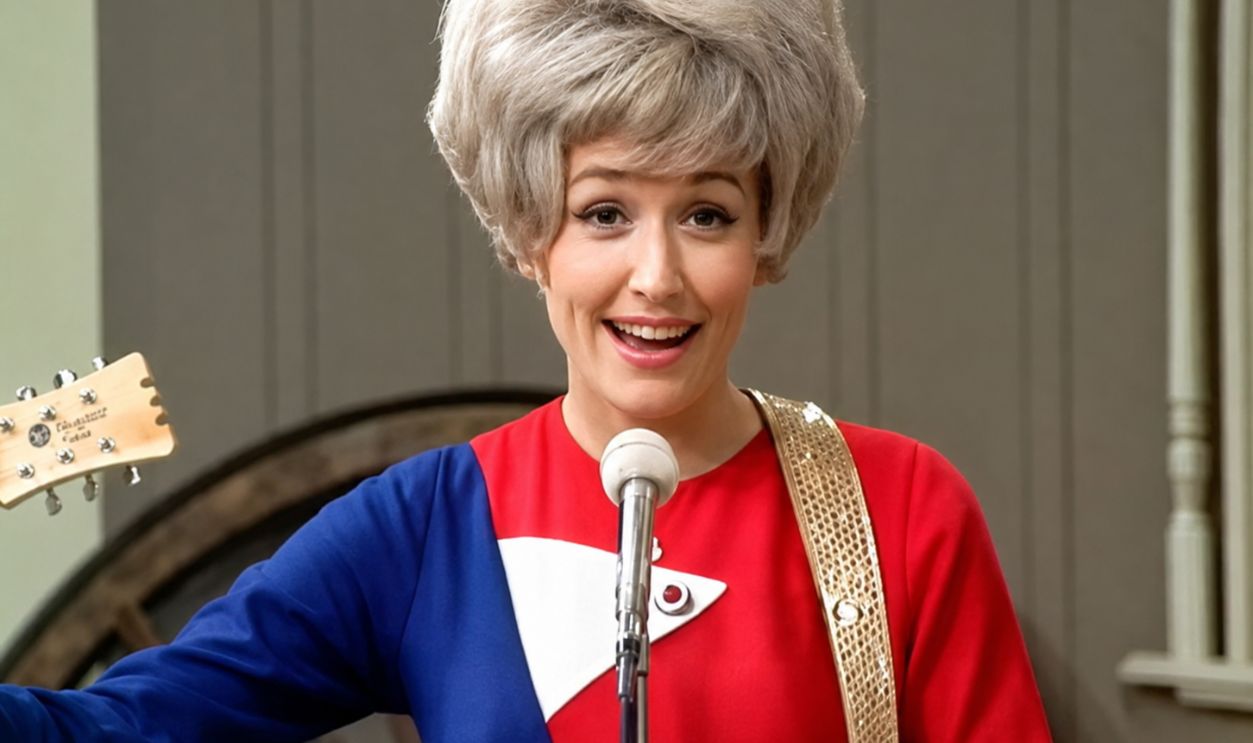 Screenshot from The Porter Wagoner Show, Showbiz Inc. (1961-1979), Enhanced
Weekly Television Changed Everything
Before joining Porter, Dolly had achieved modest chart success and worked as a songwriter. The show made her face, voice, and personality familiar across the country. Viewers saw her every week rather than occasionally hearing a record, creating a personal connection that transformed an emerging singer into a recognizable star.
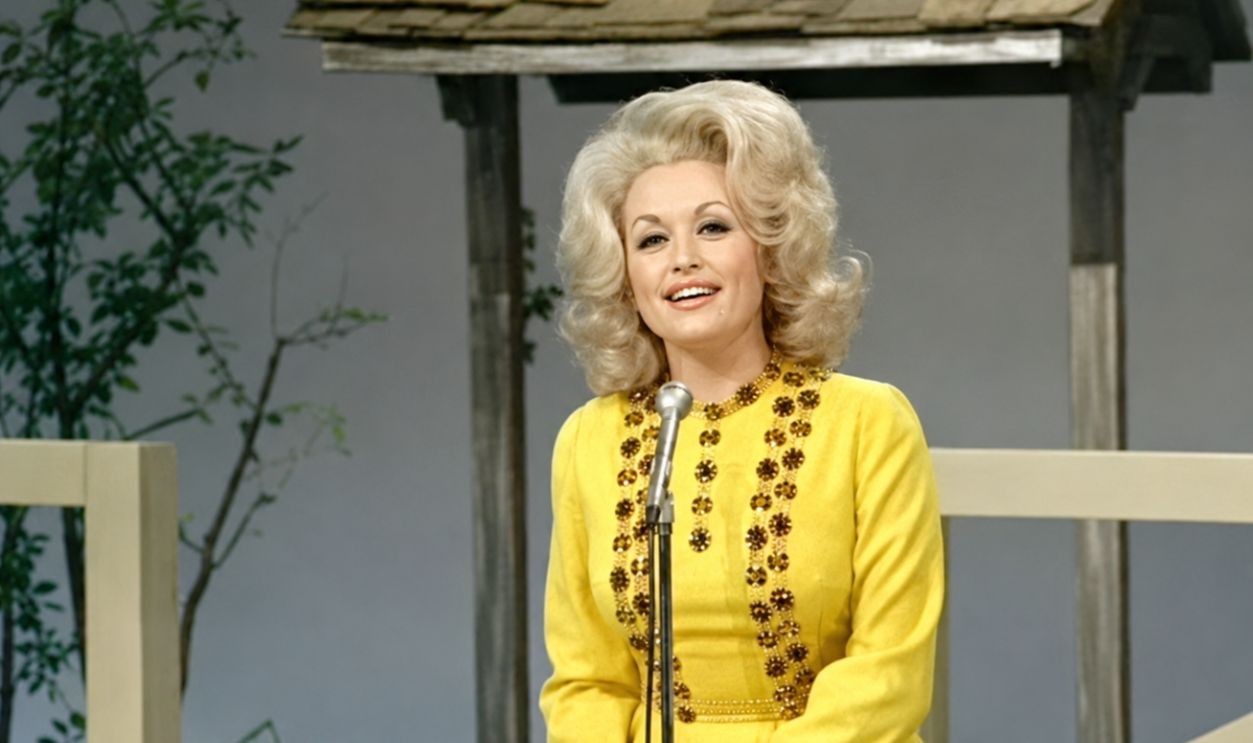 Screenshot from The Porter Wagoner Show, Showbiz Inc. (1961-1979), Enhanced
The Program Had A Comfortable Formula
Episodes mixed songs, comedy, gospel music, guest appearances, and performances by Porter’s band, the Wagonmasters. Speck Rhodes supplied the homespun comedy, while Wagoner presided in spectacular rhinestone suits. Dolly brought youth, humor, and an emotional singing style that made the familiar format feel newly exciting.
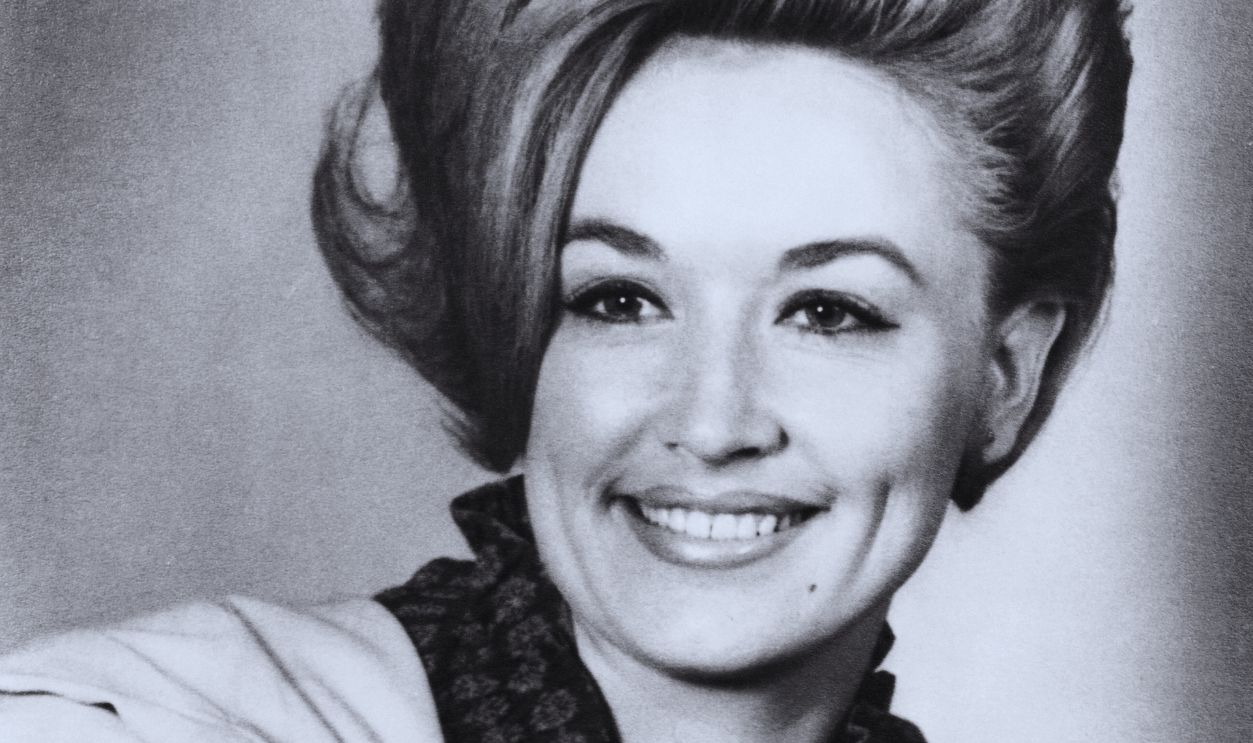 Michael Ochs Archives, Getty Images
Their Chemistry Was Immediate
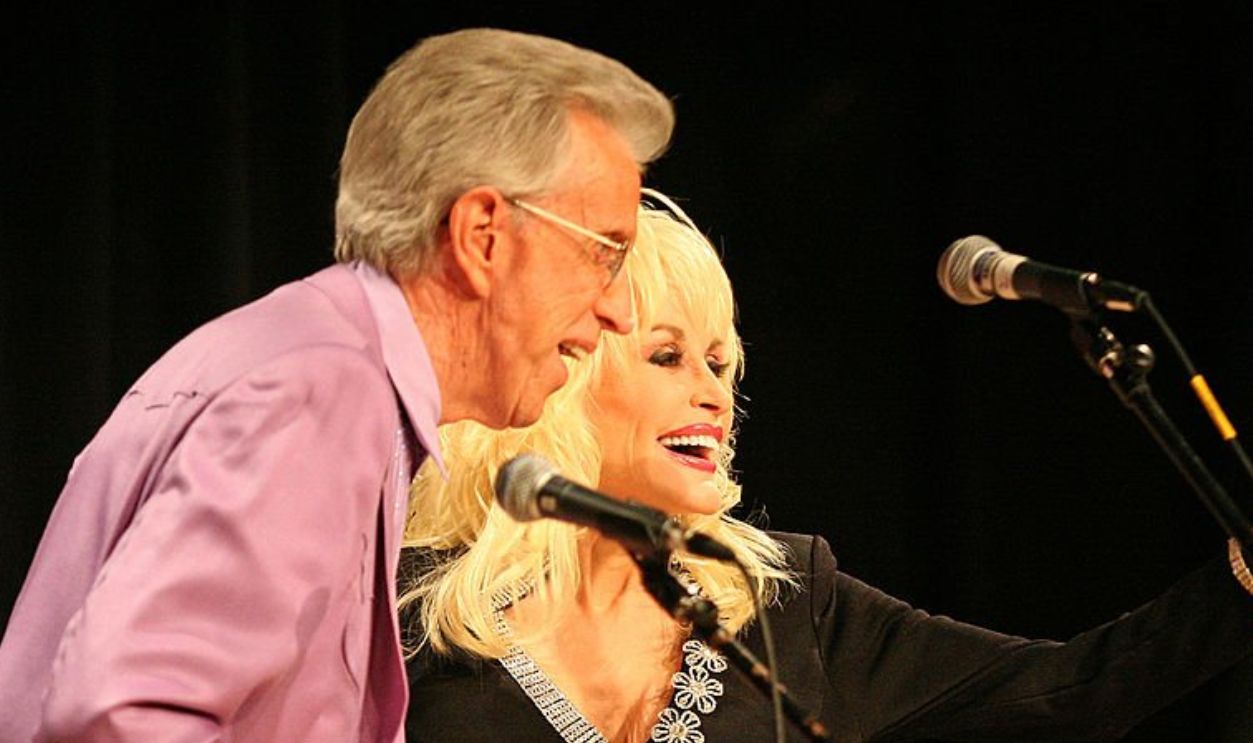
Porter’s steady baritone and Dolly’s soaring soprano created a striking contrast. He sounded weathered and authoritative; she sounded bright, vulnerable, and unmistakably Appalachian. Together, they could make a duet feel like an intimate argument between two people who loved each other but had already packed their suitcases.
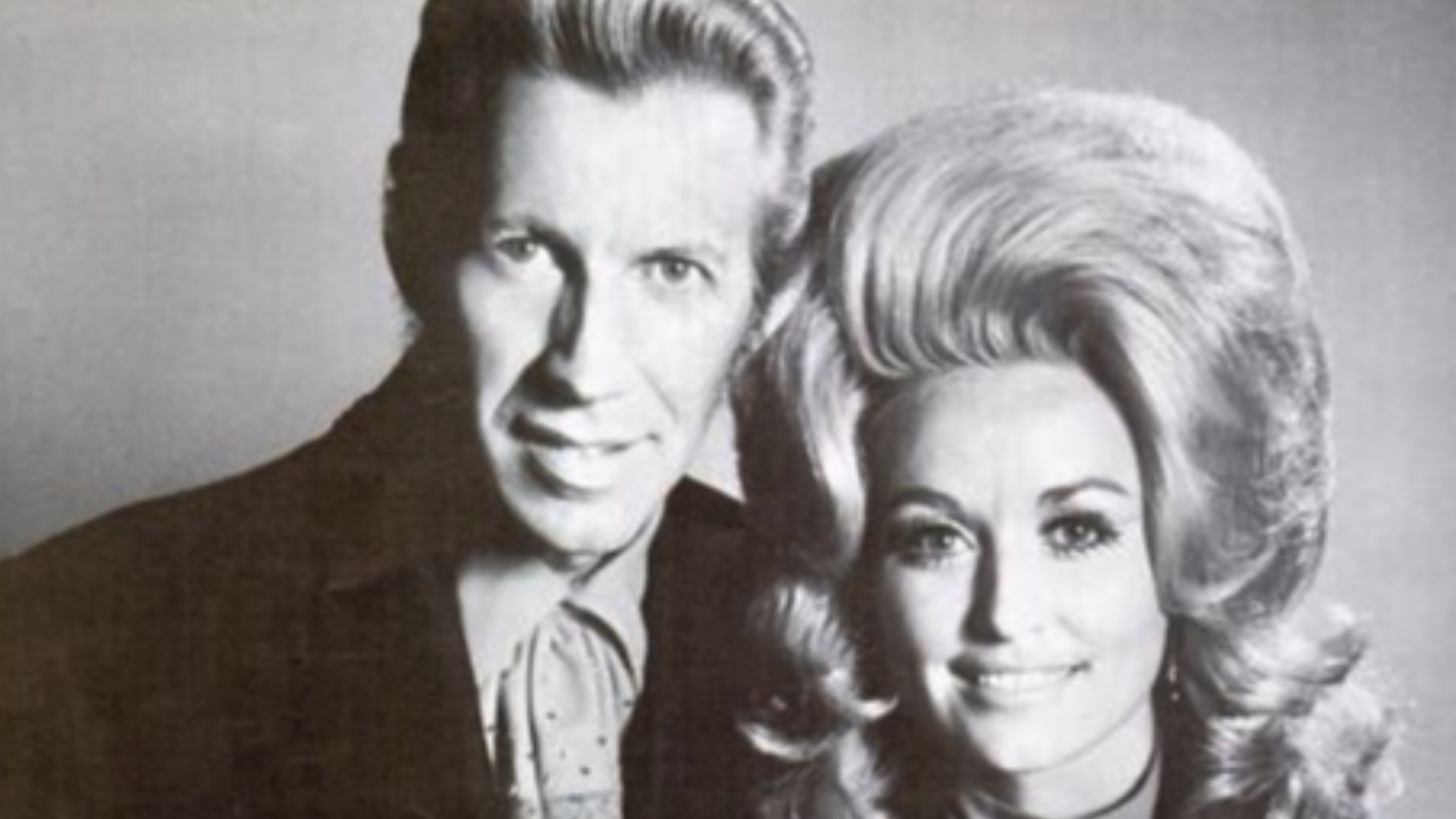
Fans Mistook Chemistry For Romance
Parton had married Carl Dean in 1966, while Wagoner was married to Ruth Williams. Nevertheless, viewers frequently assumed the television partners were also romantically involved. Dolly joked that she and Porter were both married—just not to each other. Their sometimes fiery connection kept the rumors alive.
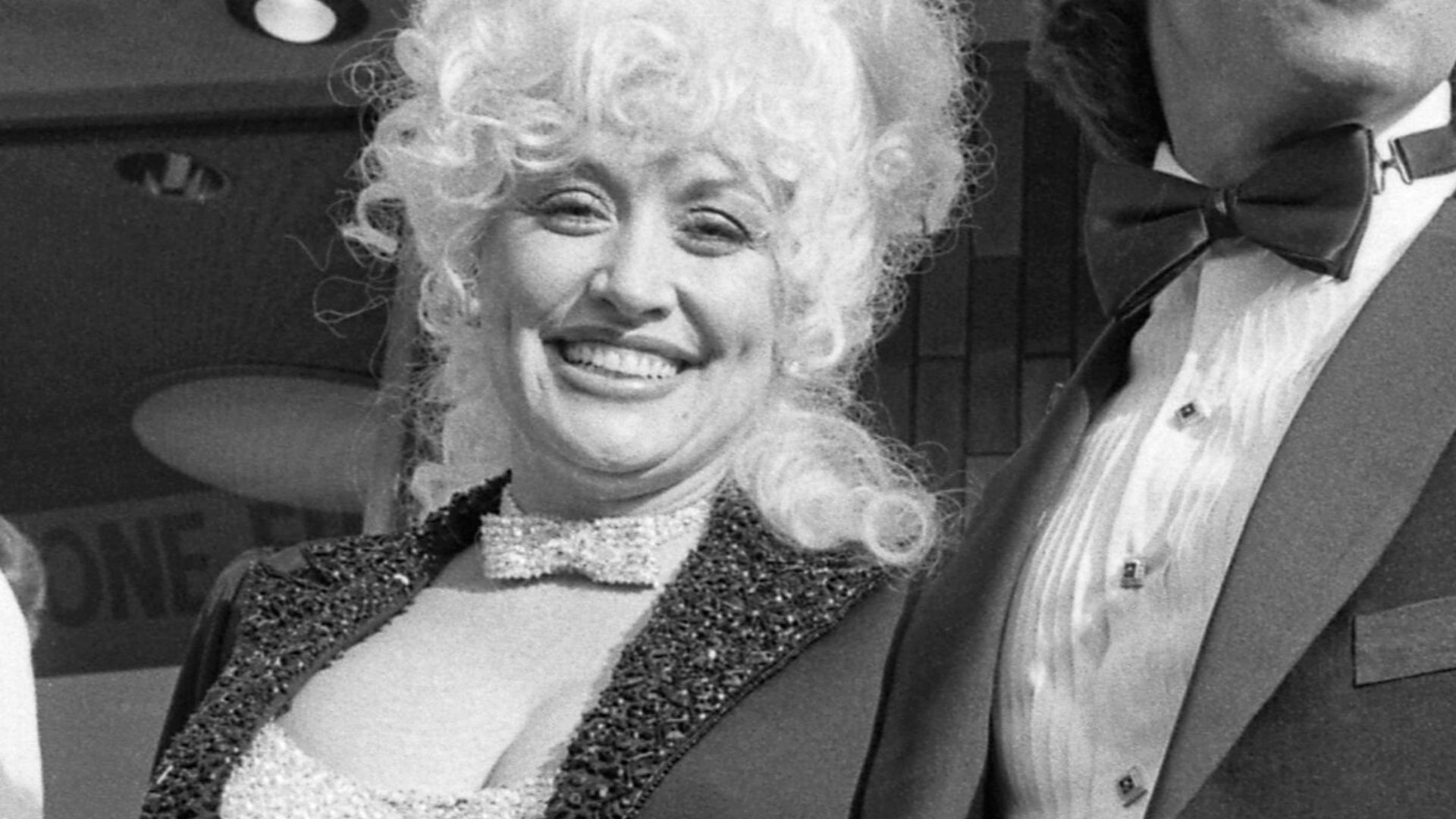 Mel Melcon, Los Angeles Times, Wikimedia Commons
Their First Duet Became A Hit
In late 1967, Dolly and Porter released “The Last Thing on My Mind,” written by Tom Paxton. The record reached the country Top 10 and established them as a recording duo. A television arrangement intended to replace one departing singer had suddenly become one of Nashville’s most promising musical partnerships.
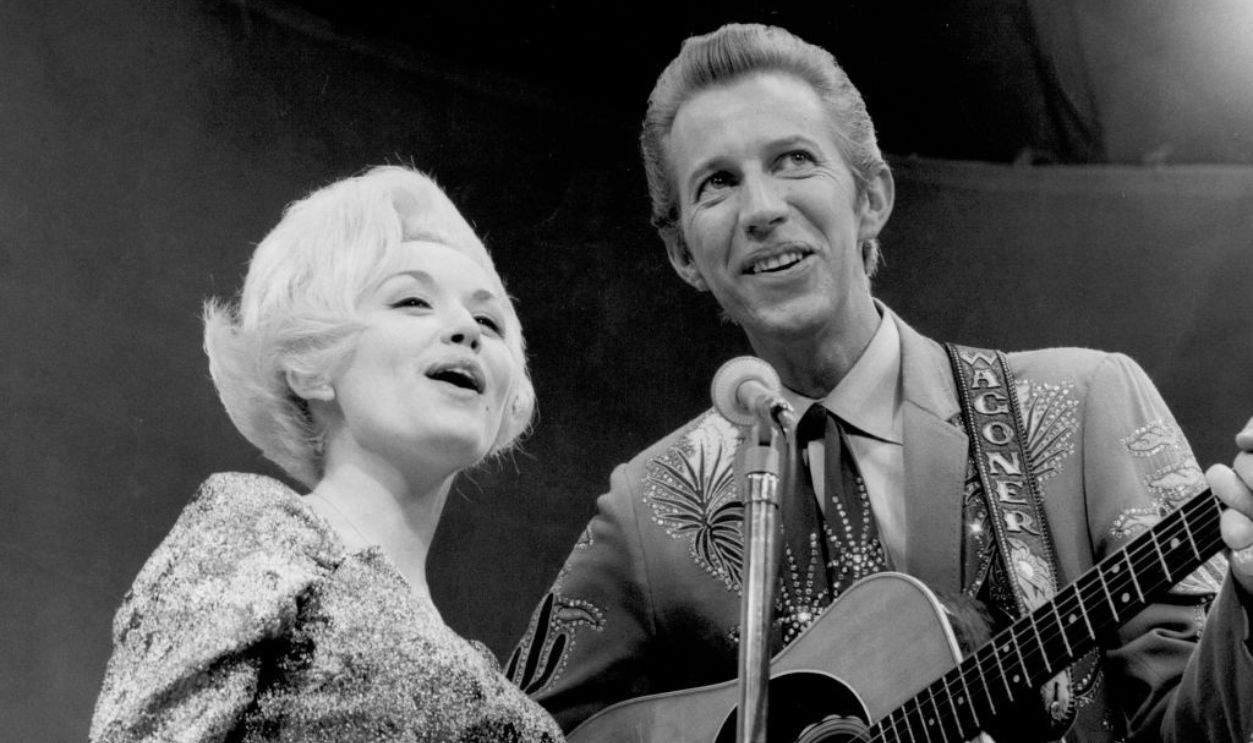 Screenshot from The Porter Wagoner Show, Showbiz Inc. (1961-1979), Enhanced
Their First Album Followed Quickly
The duo released Just Between You and Me in January 1968. Its title perfectly suited their public image: two singers sharing emotionally complicated stories directly with each other. The album began a lengthy series of recordings that made Porter and Dolly almost inseparable in the minds of country fans.
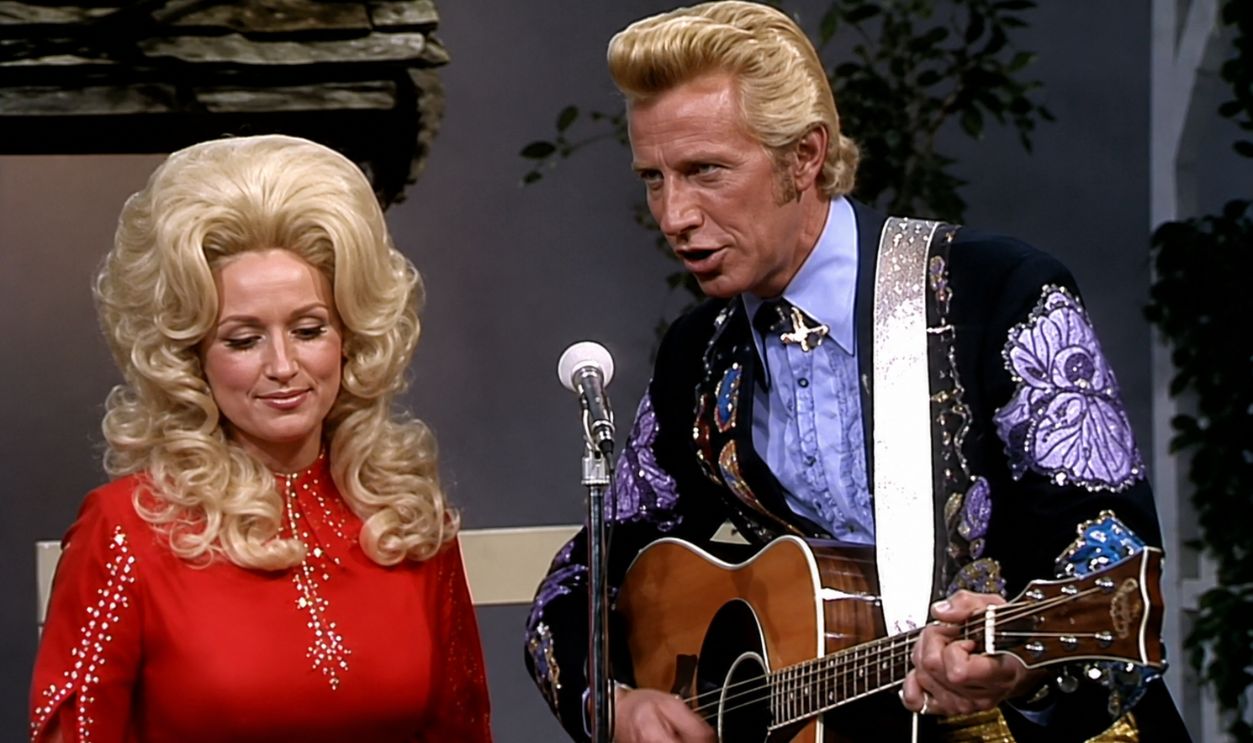 Screenshot from The Porter Wagoner Show, Showbiz Inc. (1961-1979), Enhanced
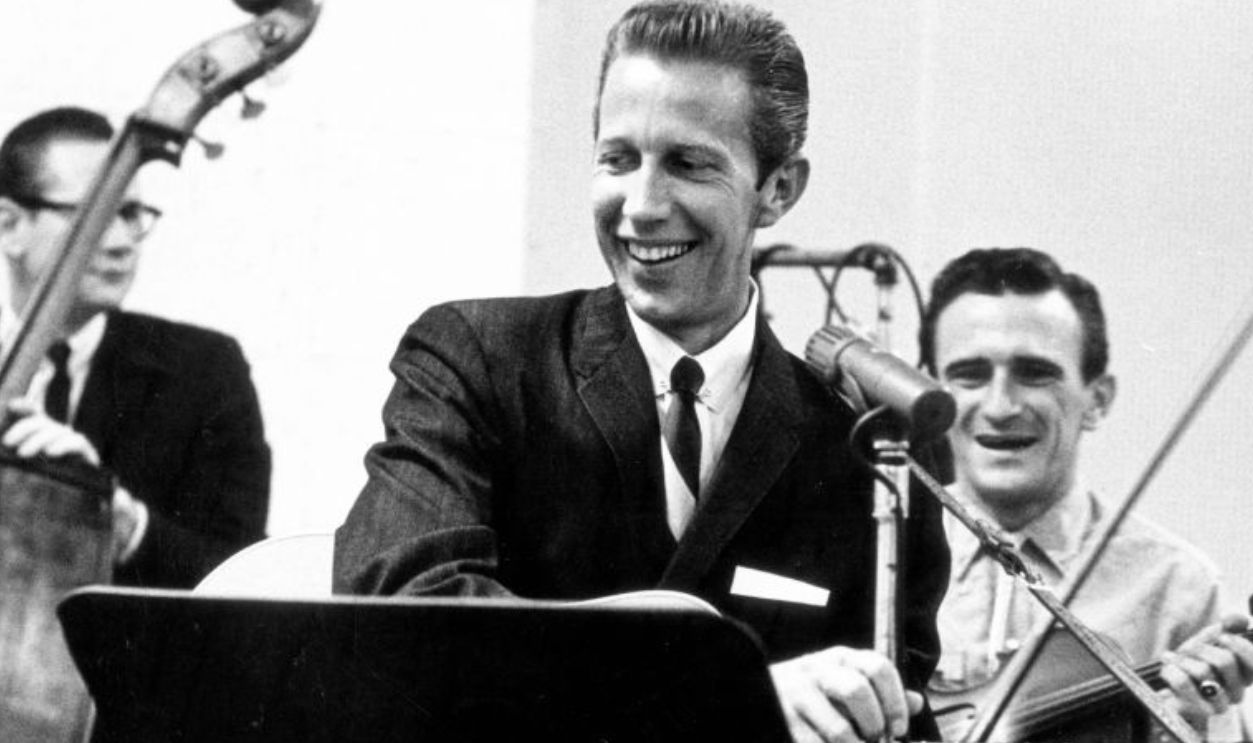
Porter Helped Bring Her To RCA
Wagoner pushed RCA Victor to sign Parton after she joined his show. Chet Atkins reportedly had doubts about her unusual voice, but Porter believed strongly enough to put his own royalties at risk if her records lost money. Dolly never forgot that he had supported her when powerful people remained unconvinced.
 Michael Ochs Archives, Getty Images
Their Voices Told Complete Stories
Porter and Dolly rarely sounded like two performers politely taking turns. Their best duets felt like conversations between husbands, wives, former lovers, or people clinging to troubled relationships. Songs such as “Holding On to Nothin’” and “Just Someone I Used to Know” turned domestic heartache into weekly entertainment.
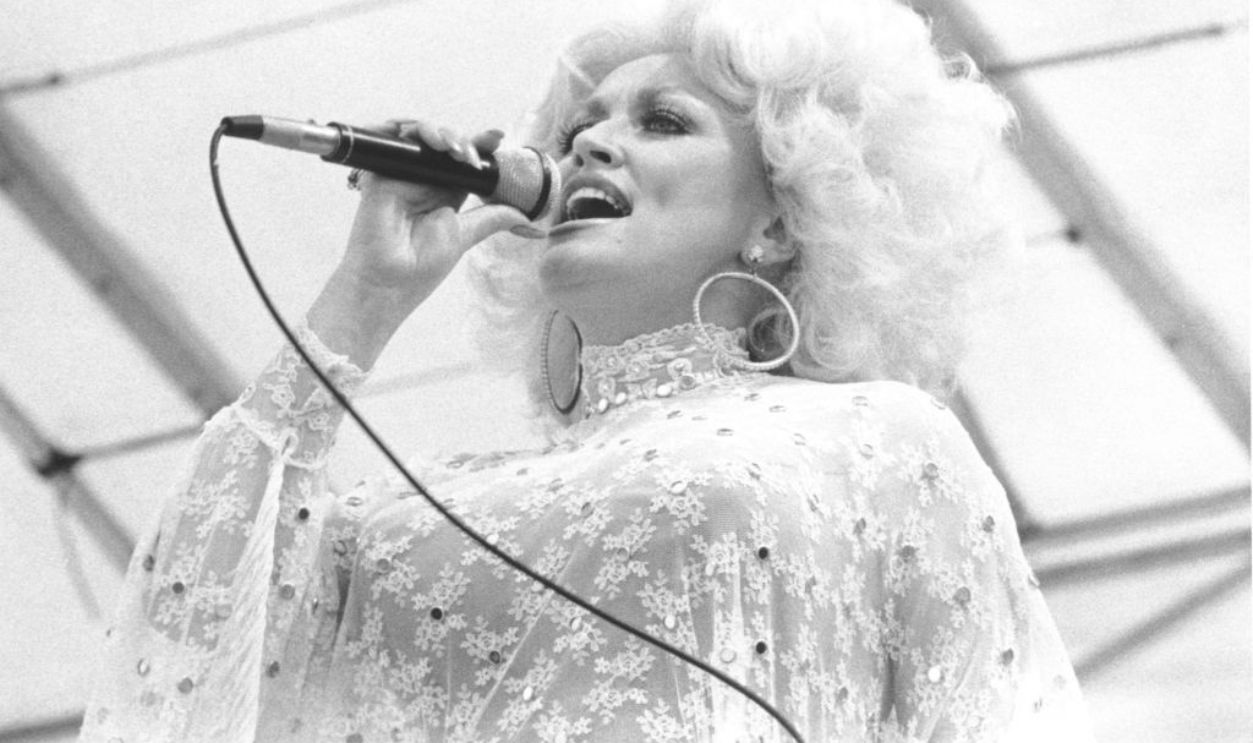
The Hits Kept Coming
The pair eventually accumulated 14 Top 10 country singles. Their recordings included “Yours Love,” “Tomorrow Is Forever,” “Better Move It on Home,” and “Lost Forever in Your Kiss.” Even when their real partnership became tense, their voices continued sounding almost unnervingly perfect together.
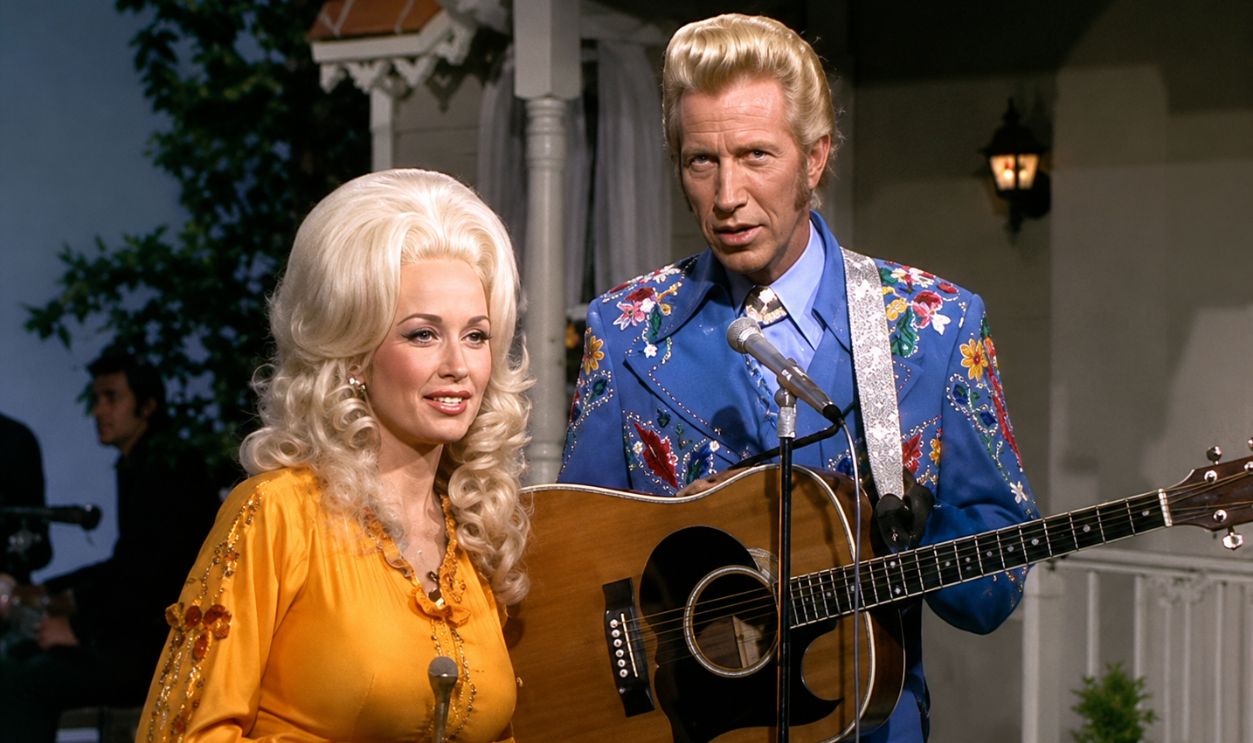 Screenshot from The Porter Wagoner Show, Showbiz Inc. (1961-1979), Enhanced
Country Music Rewarded The Partnership
Porter and Dolly became one of the era’s best-known country duos, receiving awards and repeated Grammy nominations. The success benefited both performers. Porter’s television empire gained an exciting young personality, while Dolly received a national audience and recording opportunities that might otherwise have taken years to secure.
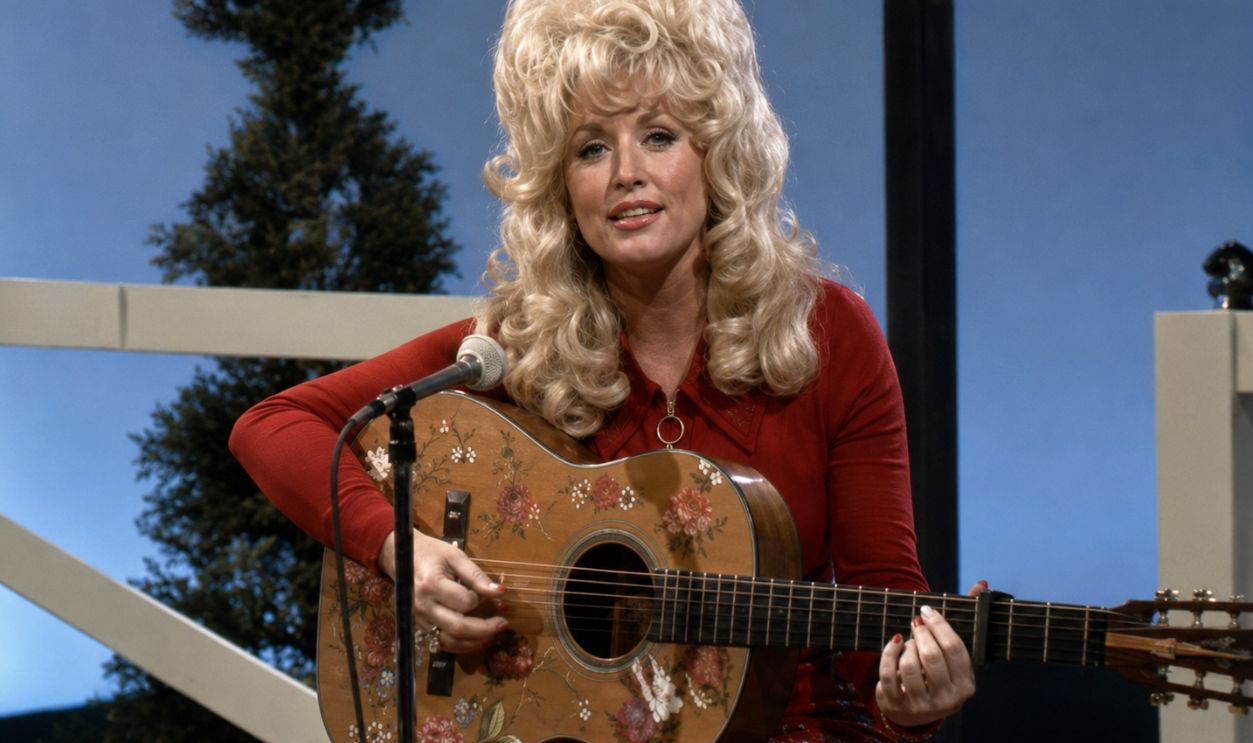 Screenshot from The Porter Wagoner Show, Showbiz Inc. (1961-1979), Enhanced
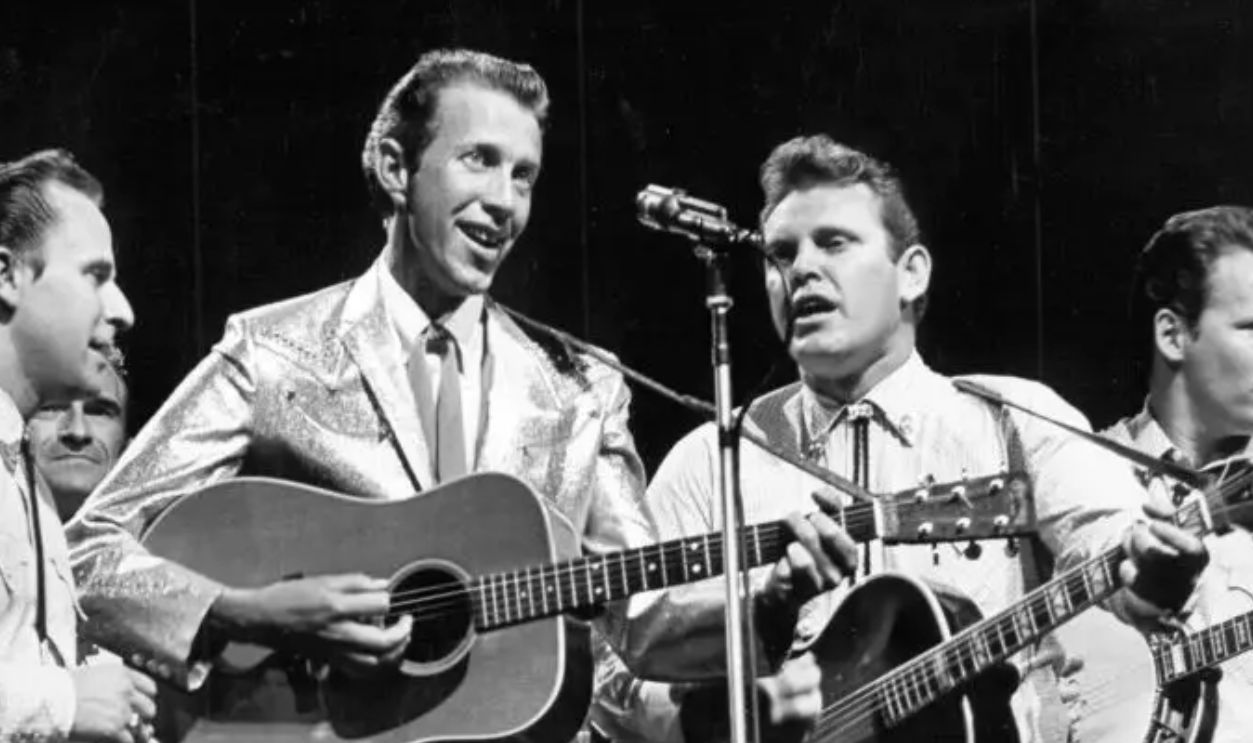
Porter Controlled Much Of The Machinery
Wagoner served as producer or co-producer on their duet albums and supervised much of Parton’s RCA solo work during their partnership. His experience helped shape her records, television appearances, and touring career. However, the arrangement also placed significant control over Dolly’s future in Porter’s hands.
 Michael Ochs Archives, Getty Images
Dolly Was Building A Solo Career Too
Alongside the duets, Parton continued releasing solo albums filled largely with her own compositions. Her songwriting explored poverty, judgment, pregnancy, family, religion, and rural life with unusual emotional directness. Porter had hired an entertaining “girl singer,” but he was helping introduce a major songwriter to the world.
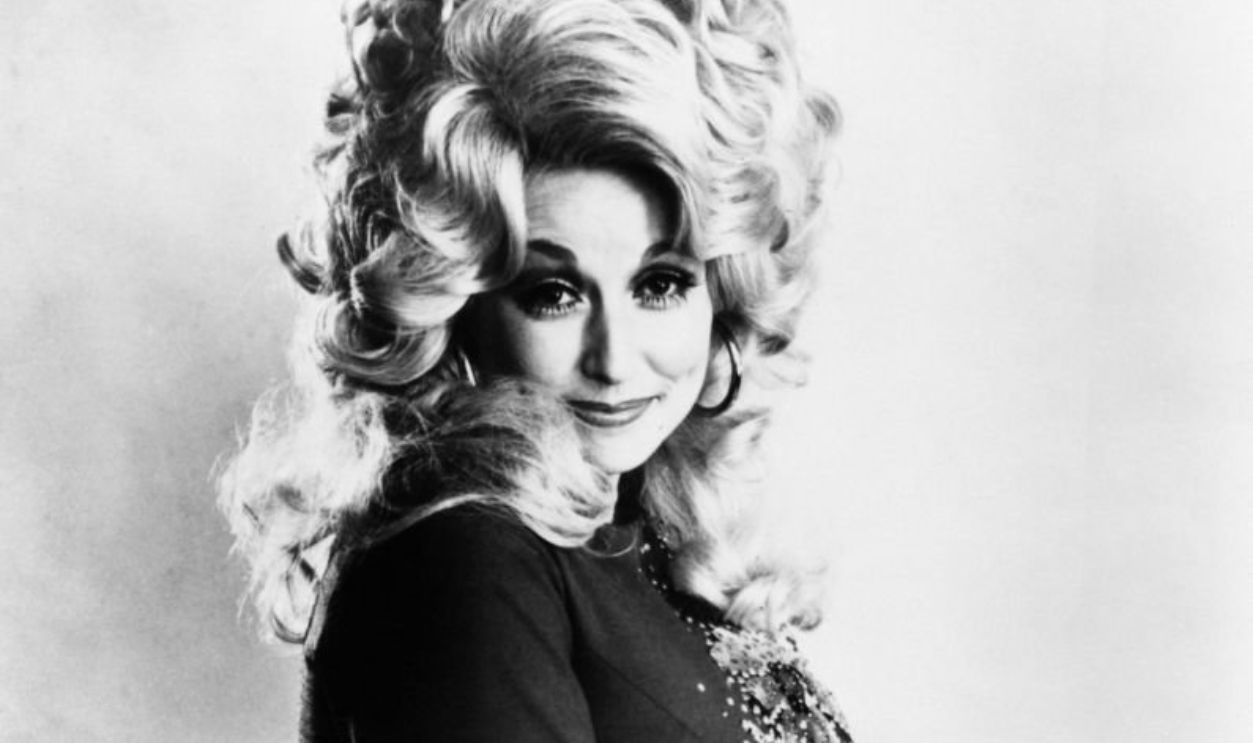
“Joshua” Proved She Could Stand Alone
Parton’s self-written “Joshua” became her first solo number-one country single in February 1971. Its success proved that audiences would buy Dolly Parton records without Porter Wagoner’s name attached. That was wonderful news for Dolly’s ambitions—and a warning that their professional balance was beginning to shift.
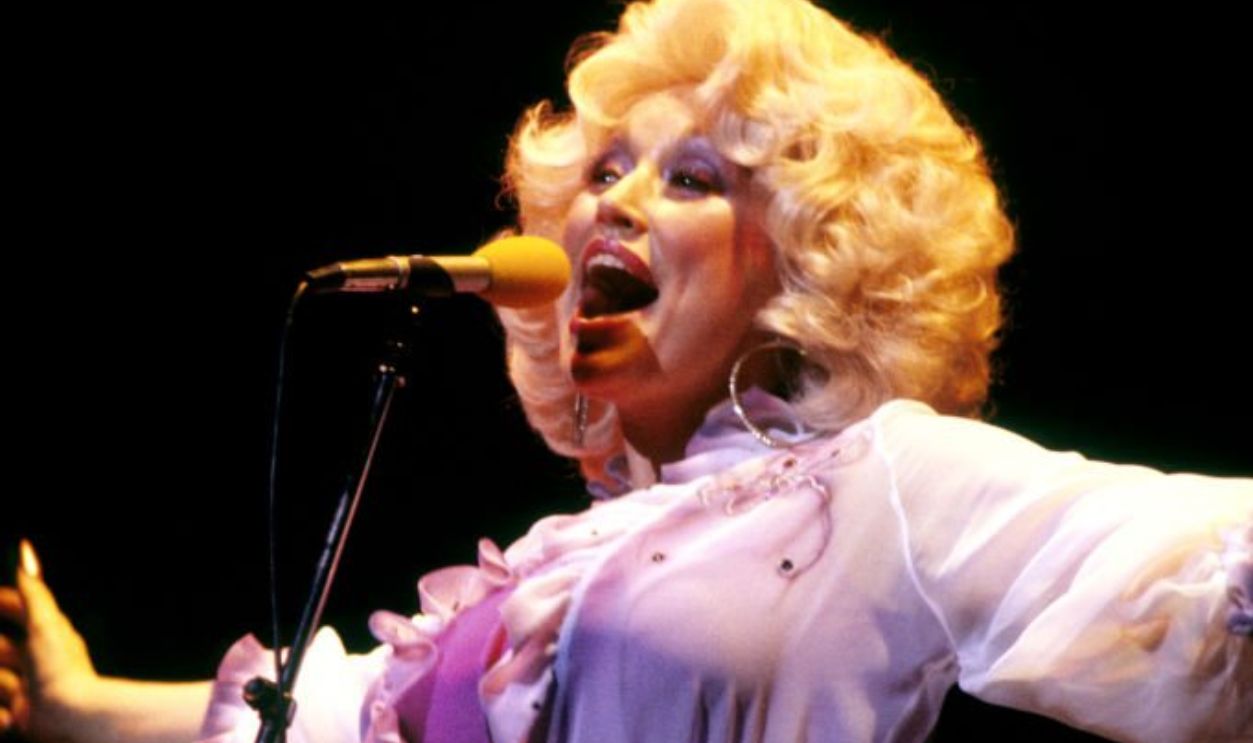 Richard E. Aaron, Getty Images
Coat Of Many Colors Deepened Her Reputation
Later in 1971, Parton released Coat of Many Colors, built around the autobiographical title song about her childhood. The single reached number four on the country chart. Dolly’s greatest strength was becoming increasingly obvious: she could turn private memories into songs that millions of strangers felt belonged to them.
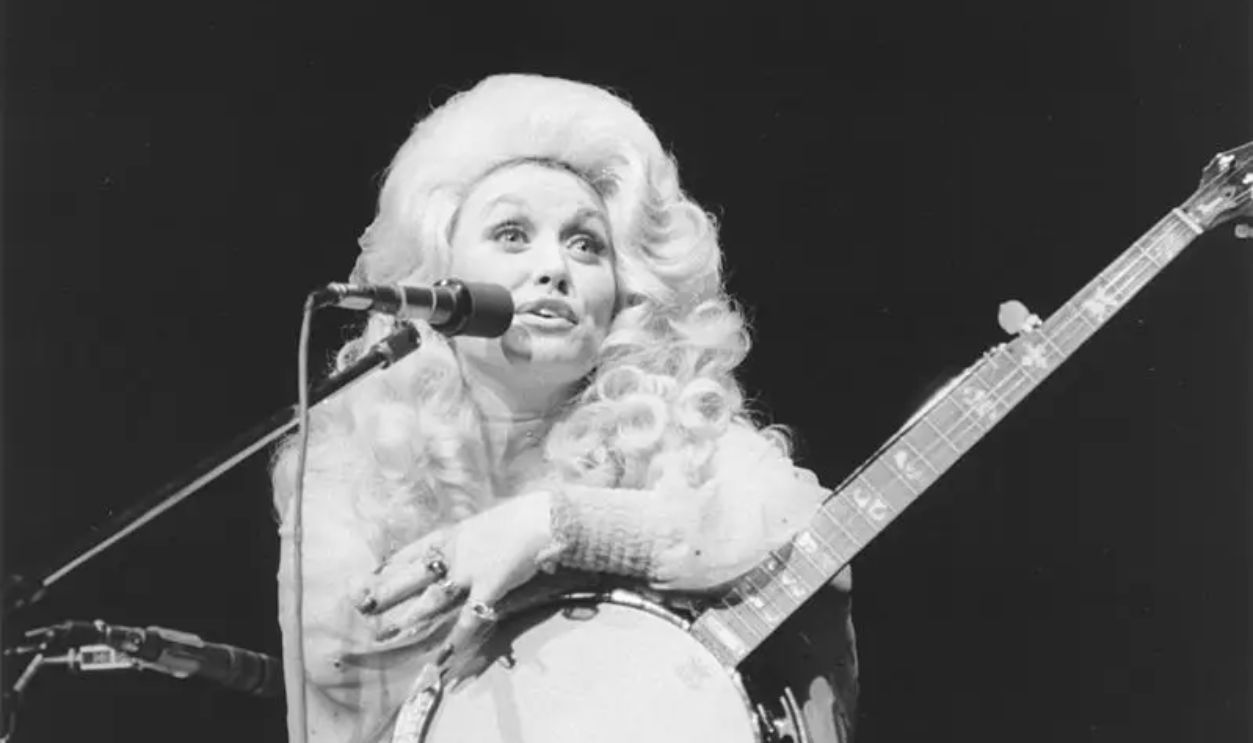
Her Success Changed The Relationship
As Parton attracted more attention, she believed Wagoner increasingly viewed her growth as a threat. She remained grateful for his help but wanted authority over her songs, performances, and business affairs. The partnership that once gave her room to grow eventually began feeling like the very thing restricting that growth.
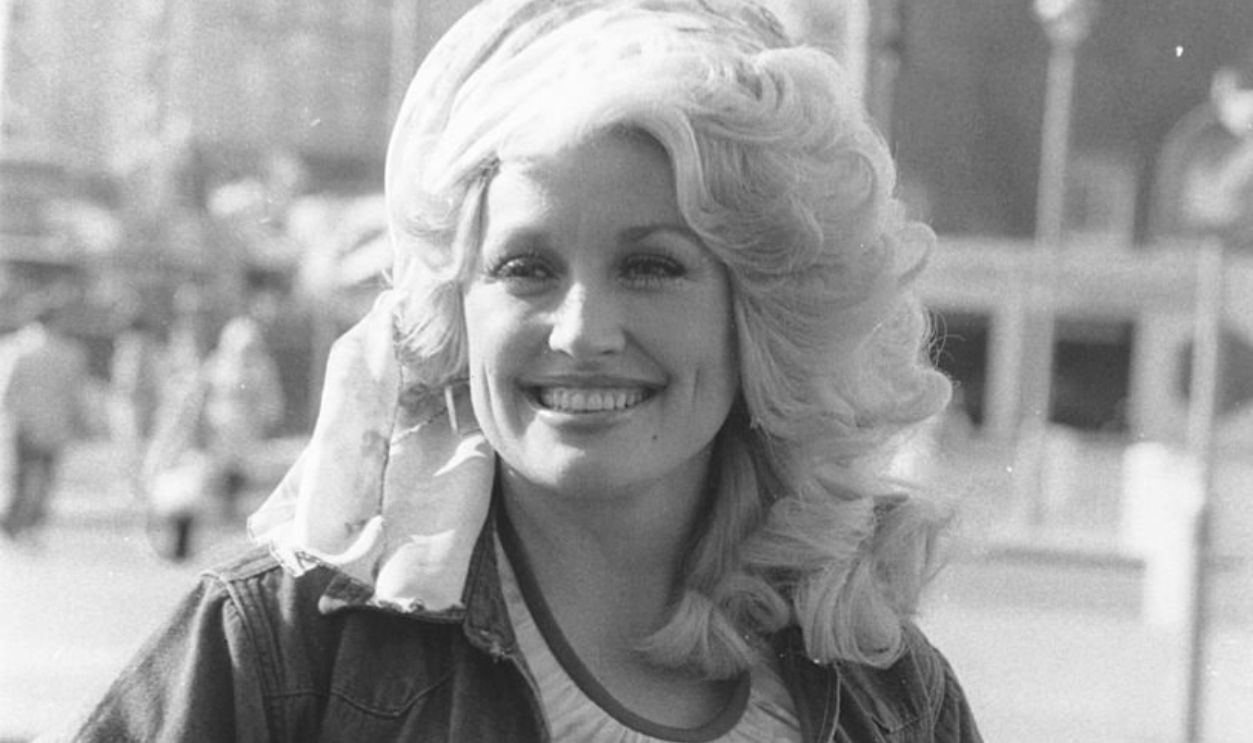
Gifts Could Not Replace A Raise
Parton later wrote that her original paycheck remained unchanged even as the act became more successful. Porter gave her jewelry, rings, and a Cadillac, telling her to consider the gifts her raise. Dolly’s response was characteristically practical: she wanted the money so she could purchase her own presents.
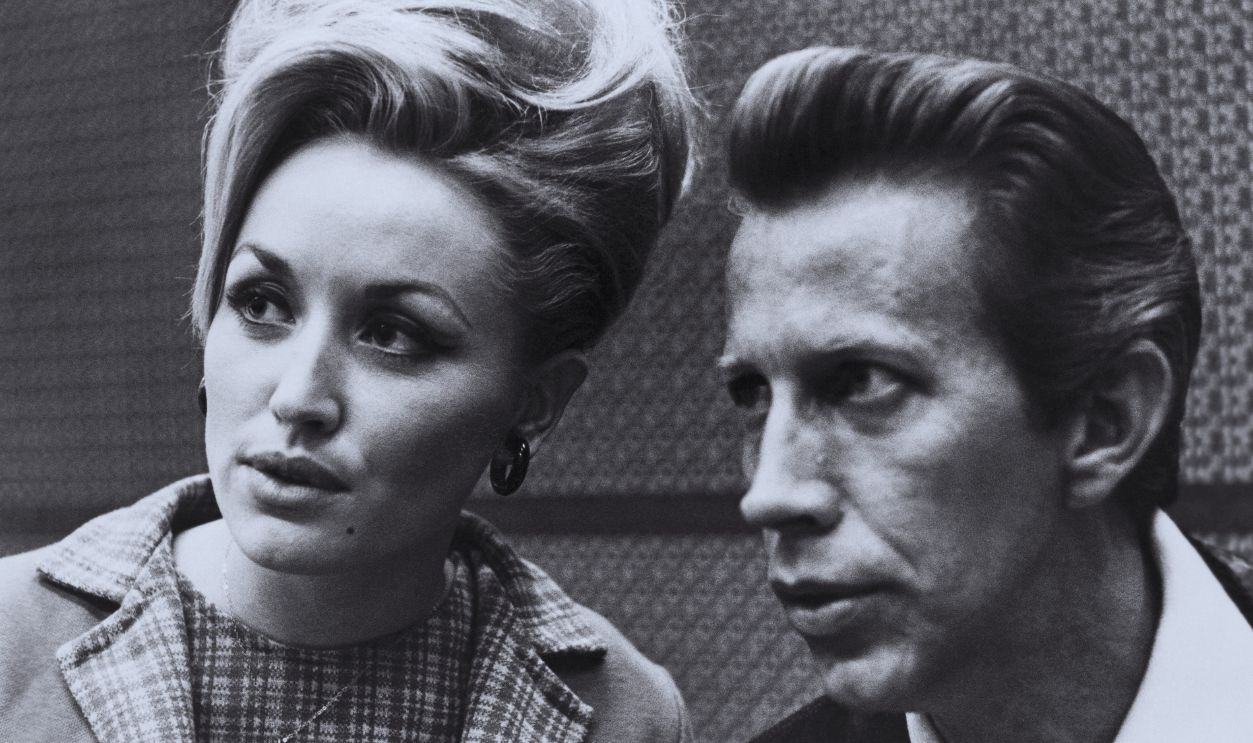 Michael Ochs Archives, Getty Images
Song Choices Became Battlegrounds
Wagoner sometimes attempted to dictate which songs Parton could perform or record. Porter saw himself as the experienced producer protecting a successful formula, while Dolly saw an artist’s identity being decided for her. Both were ambitious, stubborn, and accustomed to believing their instincts were correct.
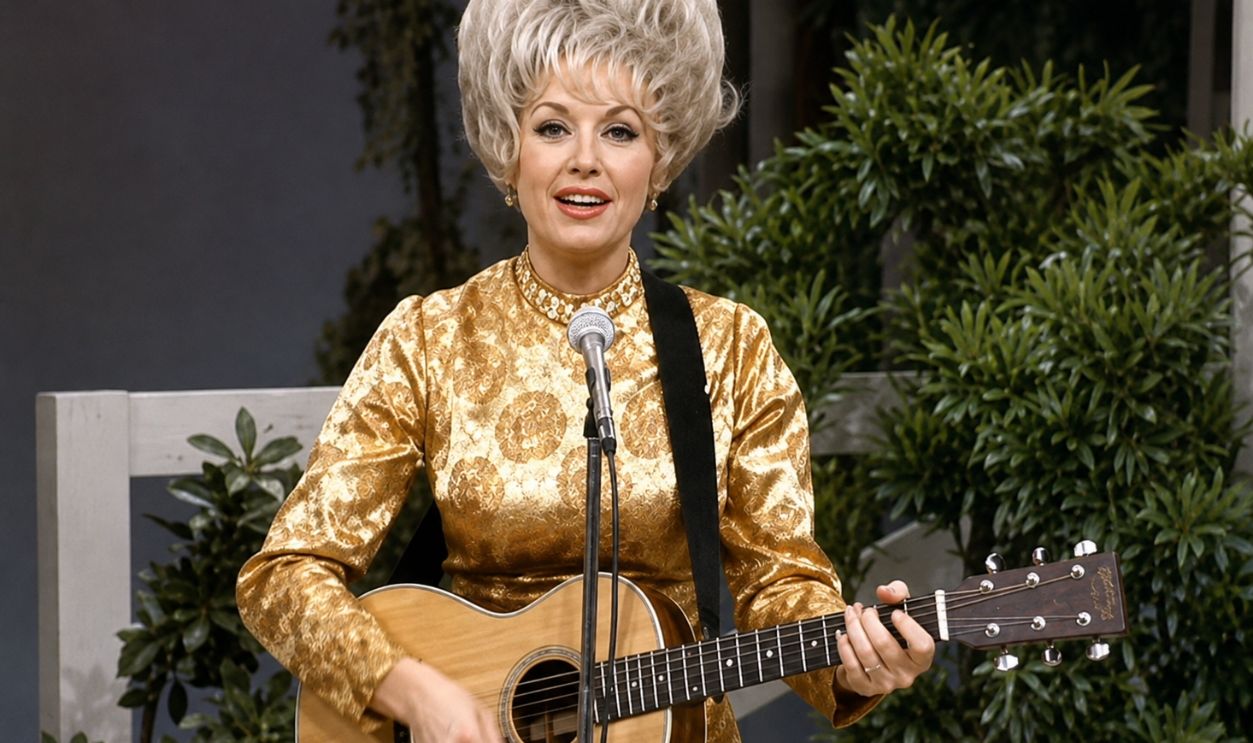 Screenshot from The Porter Wagoner Show, Showbiz Inc. (1961-1979), Enhanced
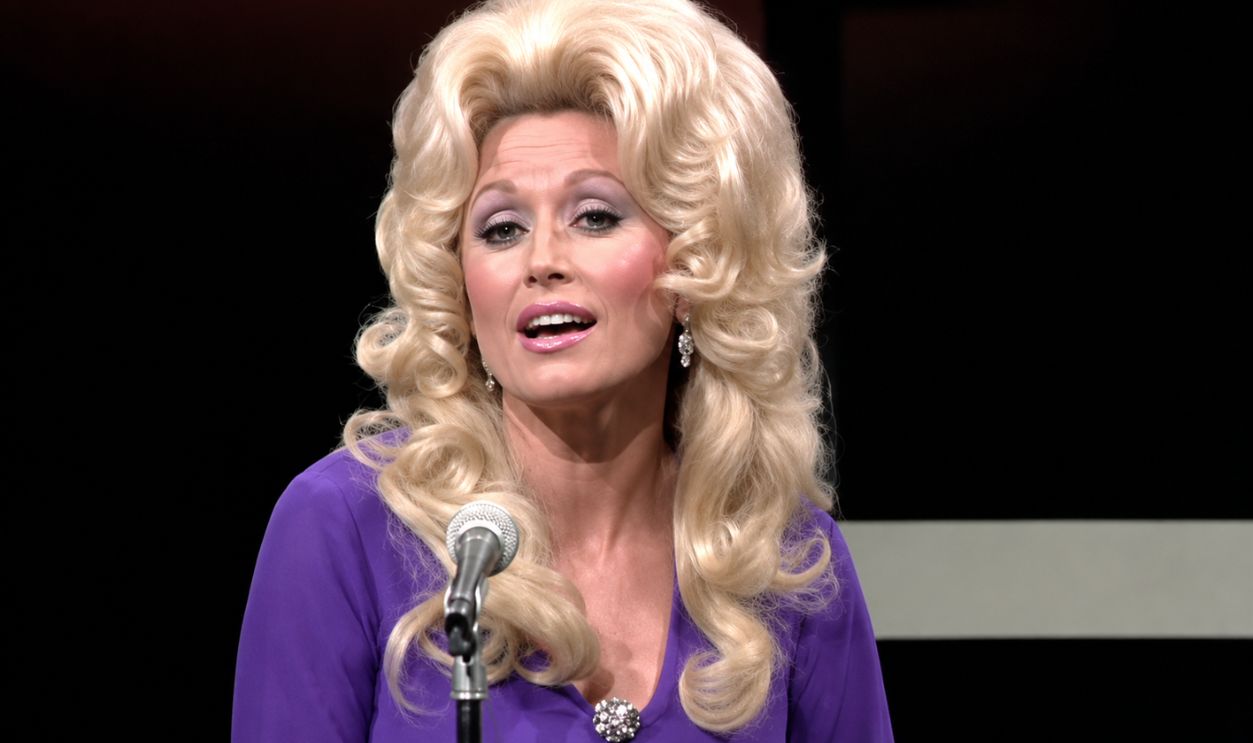
The Arguments Became Personal
Parton later acknowledged that the conflict was not entirely Porter’s fault. She said they began arguing about personal matters that had no place inside their working relationship. Their similarities may have worsened the problem: each wanted to lead, and neither was particularly skilled at quietly surrendering.
 Screenshot from The Porter Wagoner Show, Showbiz Inc. (1961-1979), Enhanced
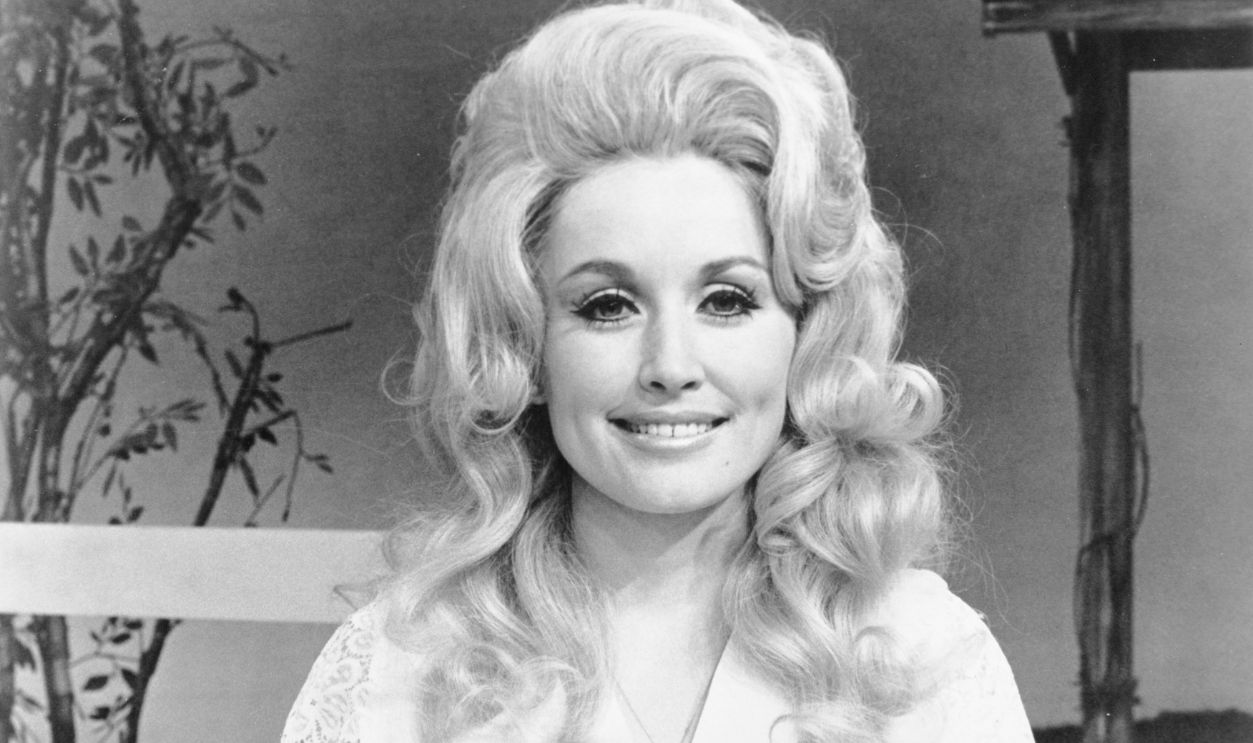
Dolly Decided She Had To Leave
By 1973, Parton knew she needed an independent career. She had originally expected to remain approximately five years but stayed for seven. Wagoner resisted her departure, believing he had invested heavily in making her successful. Conversations led to arguments, and arguments repeatedly led nowhere.
 Michael Ochs Archives, Getty Images
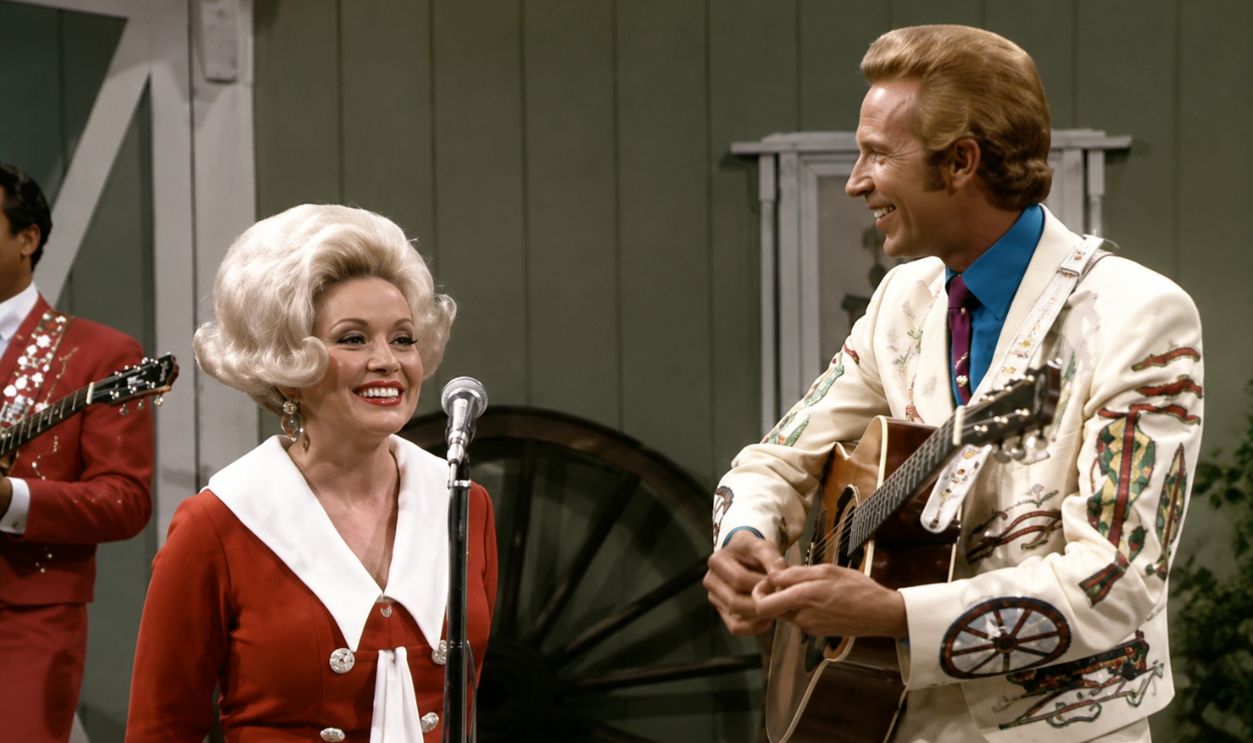
She Finally Let A Song Speak
Unable to make Porter understand, Parton went home and wrote “I Will Always Love You.” It was not a romantic breakup song. It expressed gratitude, affection, sadness, and a firm decision to leave. Dolly had found a way to say goodbye without pretending that their difficult years had erased the good ones.
 Screenshot from The Porter Wagoner Show, Showbiz Inc. (1961-1979), Enhanced
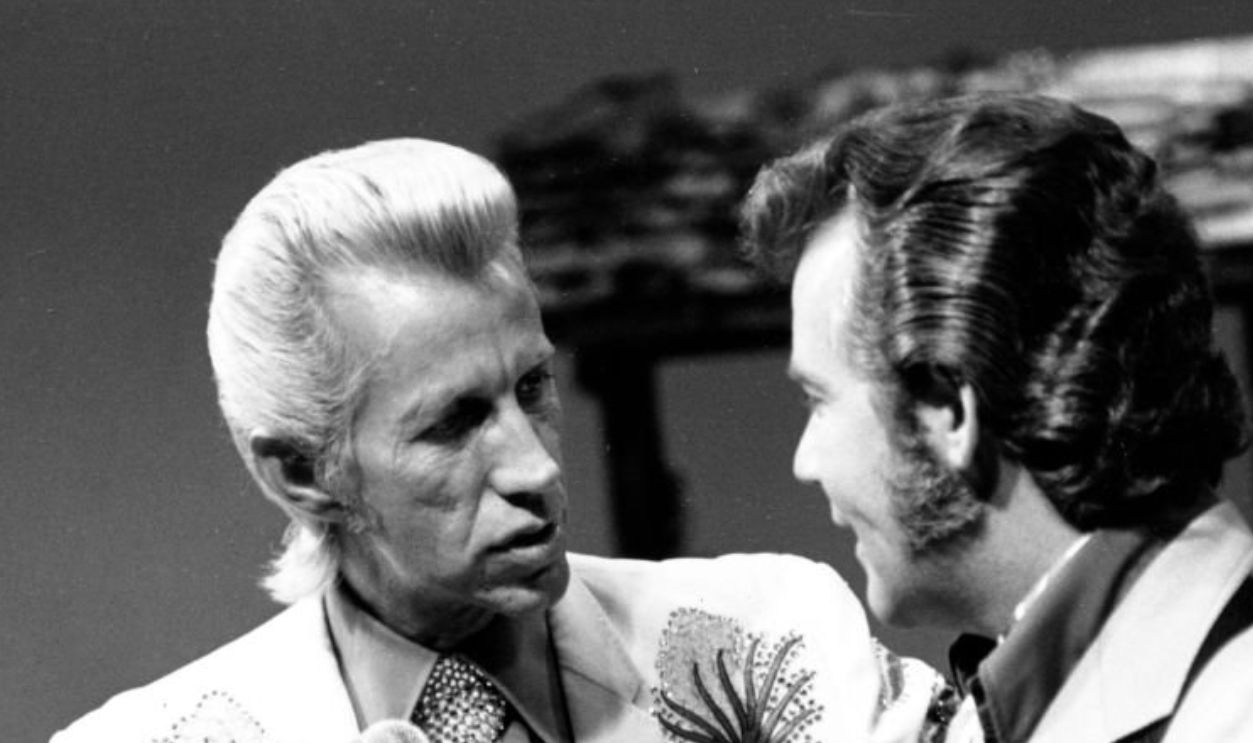
Porter Broke Down When He Heard It
Parton returned to Porter’s office and sang the new song. According to her account, Wagoner cried and called it the prettiest song she had ever written. He agreed that she could leave, reportedly asking only that he be allowed to produce the record. Music had accomplished what months of arguments could not.
 Michael Ochs Archives, Getty Images
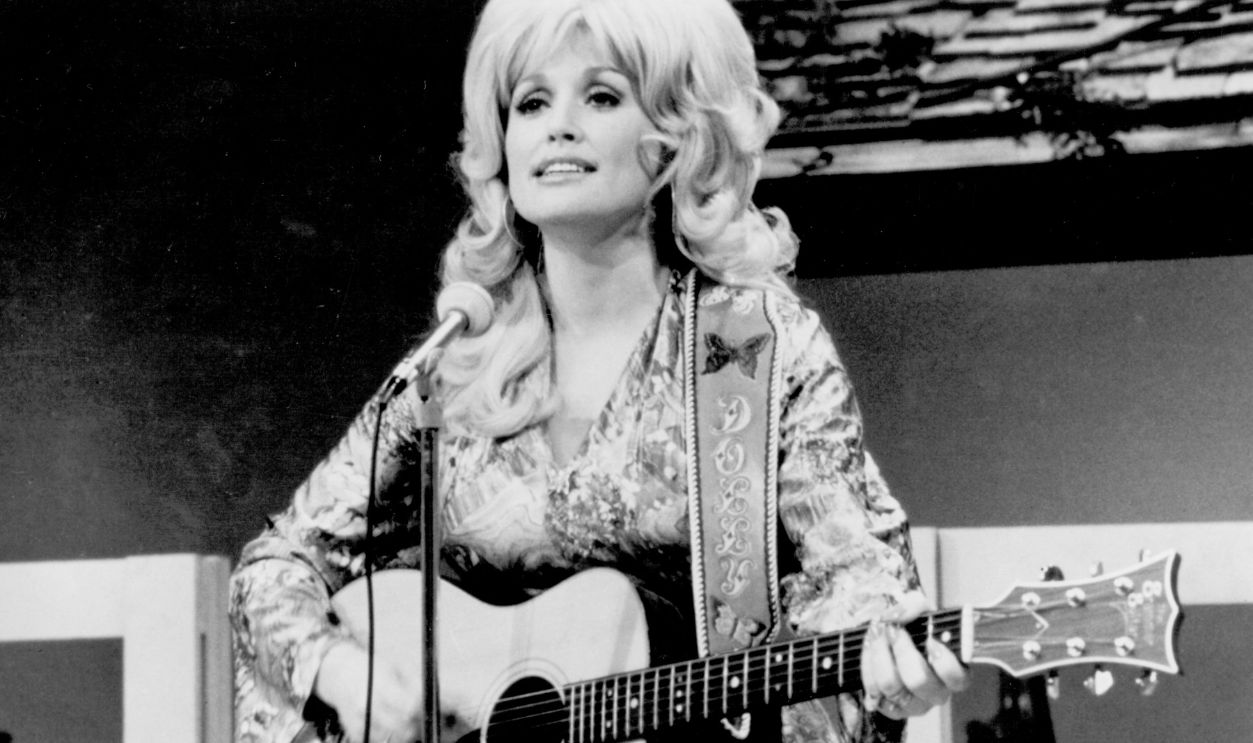
The Goodbye Became A Number-One Hit
“I Will Always Love You” entered the country chart in February 1974 and became Parton’s third solo number-one single. A private farewell to Porter was suddenly playing across America. Decades later, Whitney Houston would transform it into an international phenomenon—but its emotional beginning remained in Wagoner’s office.
 Michael Ochs Archives, Getty Images
Their Biggest Duet Arrived During The Goodbye
Ironically, Porter and Dolly achieved their only number-one duet with “Please Don’t Stop Loving Me” in 1974, just as their partnership was ending. Publicly, their voices sounded closer than ever. Privately, Dolly was preparing to step away from the man whose name had introduced her to America.
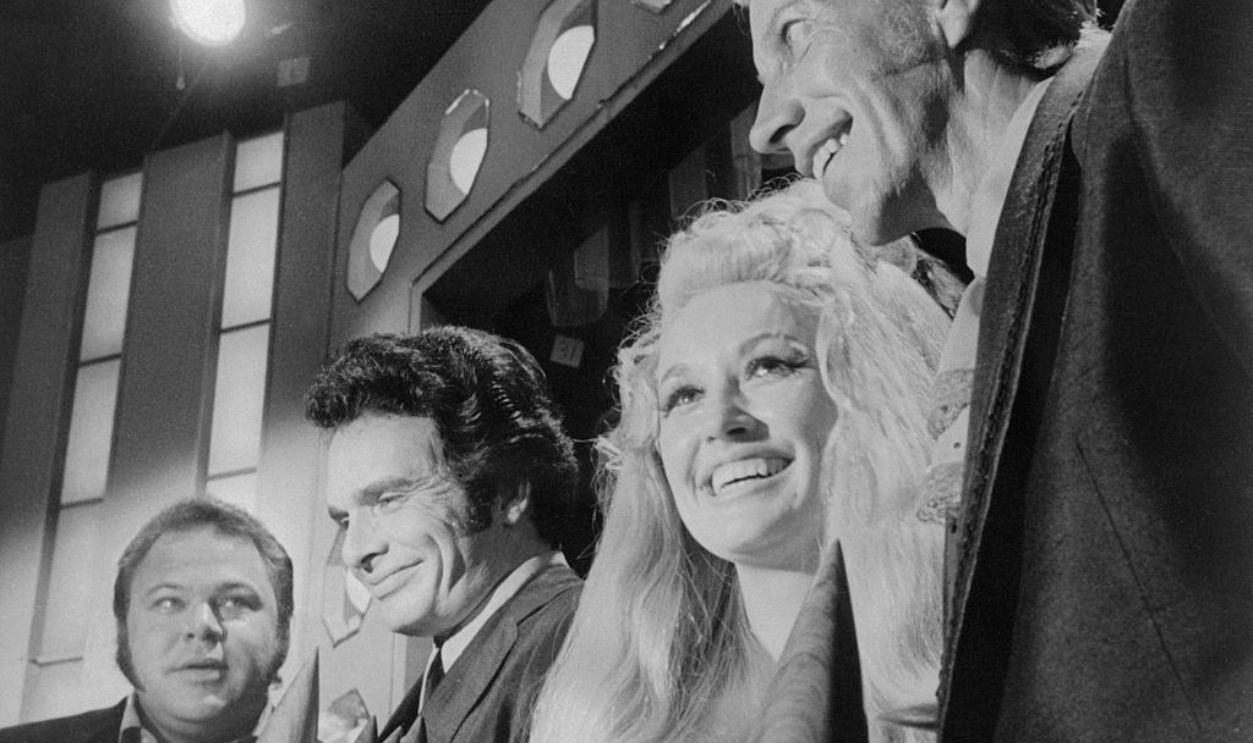
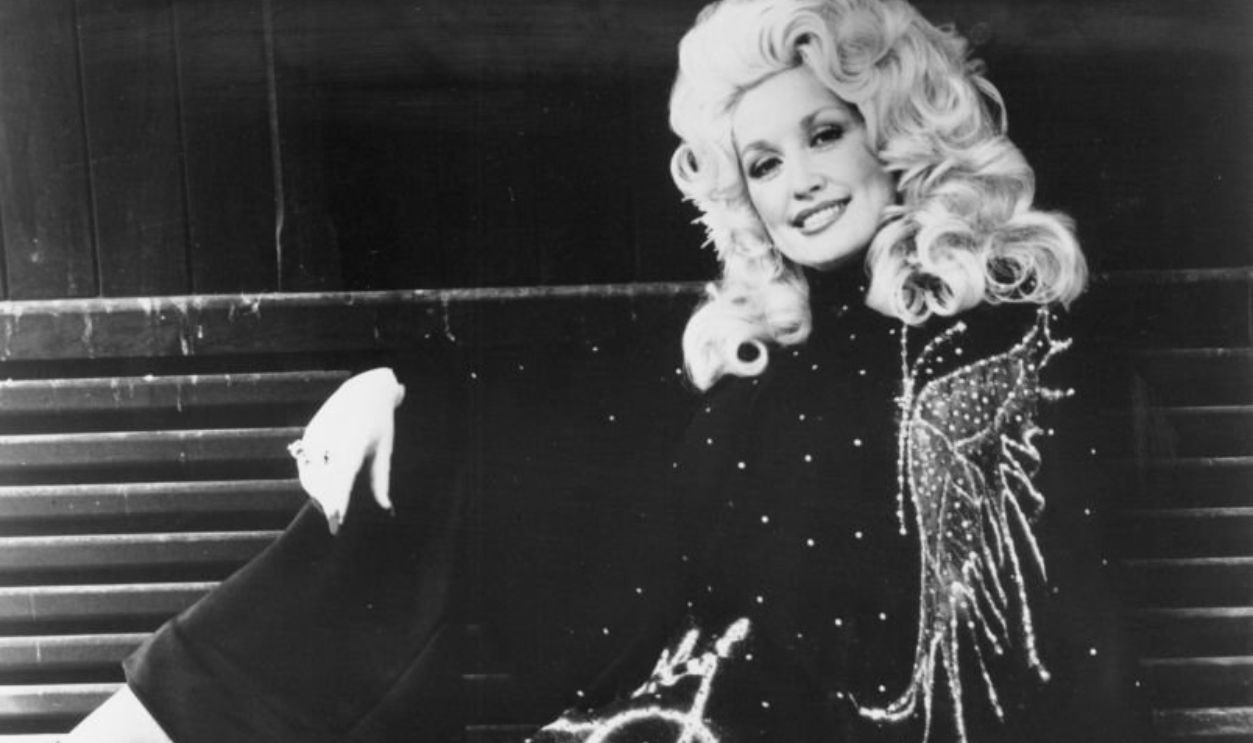
The Separation Was Not Completely Clean
Dolly left the television show in 1974, but their recording and business ties took longer to unwind. Porter remained involved with some subsequent releases, including co-producing her 1976 album All I Can Do. Ending seven years of contracts, royalties, management, recording, and personal history proved far harder than leaving a television set.
 Michael Ochs Archives, Getty Images
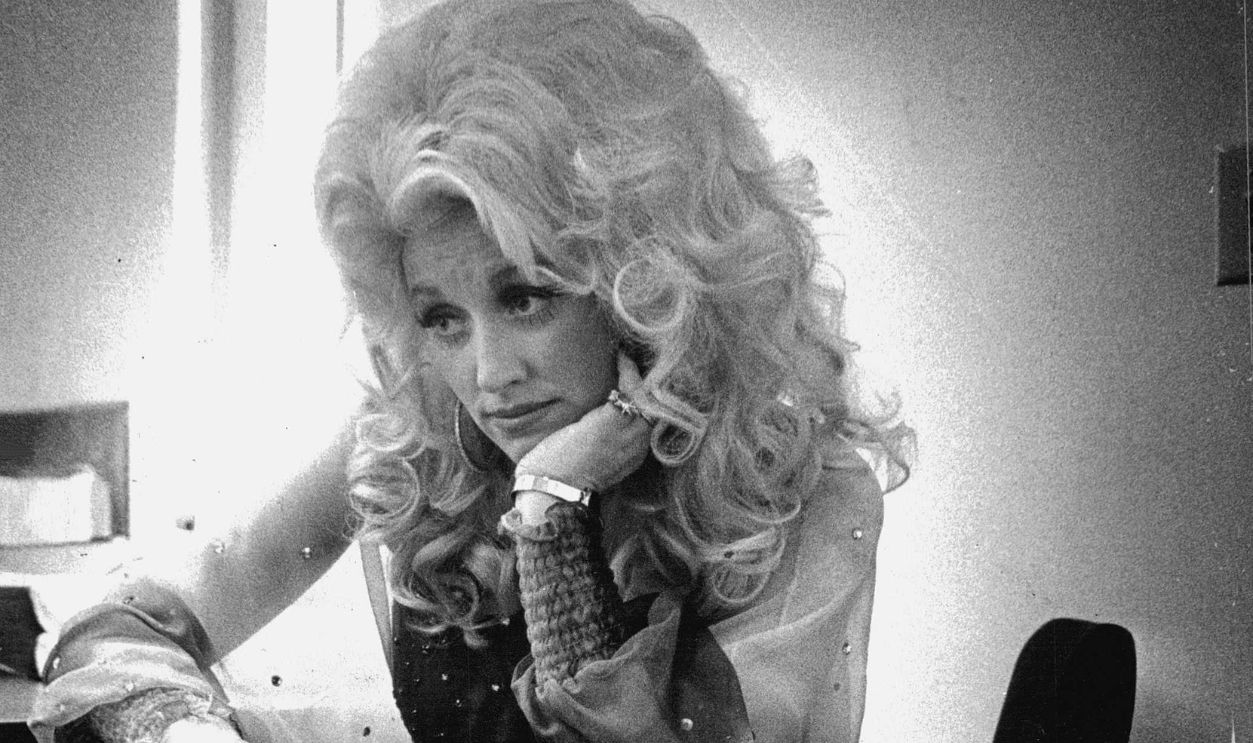
A Contract Became The Next Fight
Parton later said she had signed a 1970 agreement under what she described as “mental intimidation.” She also claimed Wagoner later tore up the document in front of her, which she interpreted as ending it. Porter saw the business arrangement differently—and eventually took their disagreement into court.
 Star Tribune via Getty Images, Getty Images
Porter Filed A $3 Million Lawsuit
In 1979, Wagoner sued Parton for approximately $3 million, alleging breach of contract and claiming compensation for his role in building her career. The lawsuit cut deeply because the dispute was not between strangers. Each could truthfully say that the other had contributed enormously to their success.
Dolly Chose To Settle
Parton said she settled for roughly $1 million rather than continue a prolonged legal battle. It took years to complete the payments, but she accepted the cost as the price of independence. Her reasoning was simple: if Porter could live with taking the money, she could live without it.
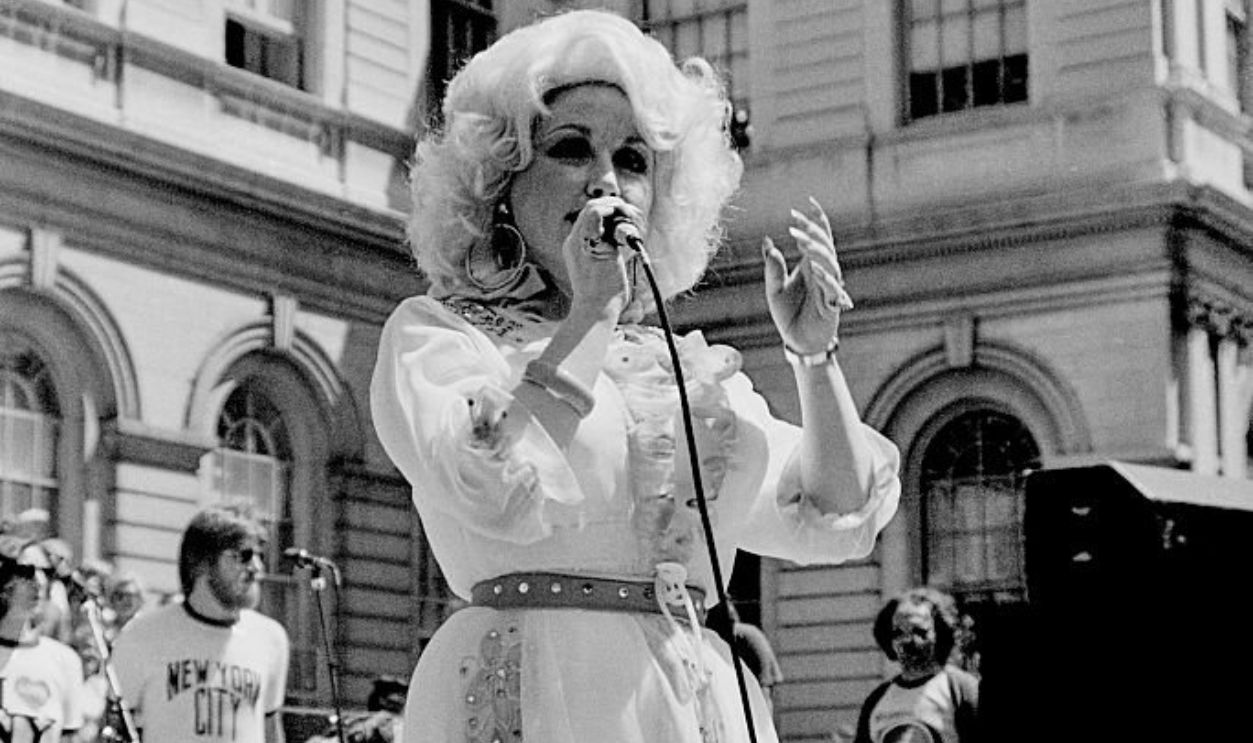
Independence Proved She Had Been Ready
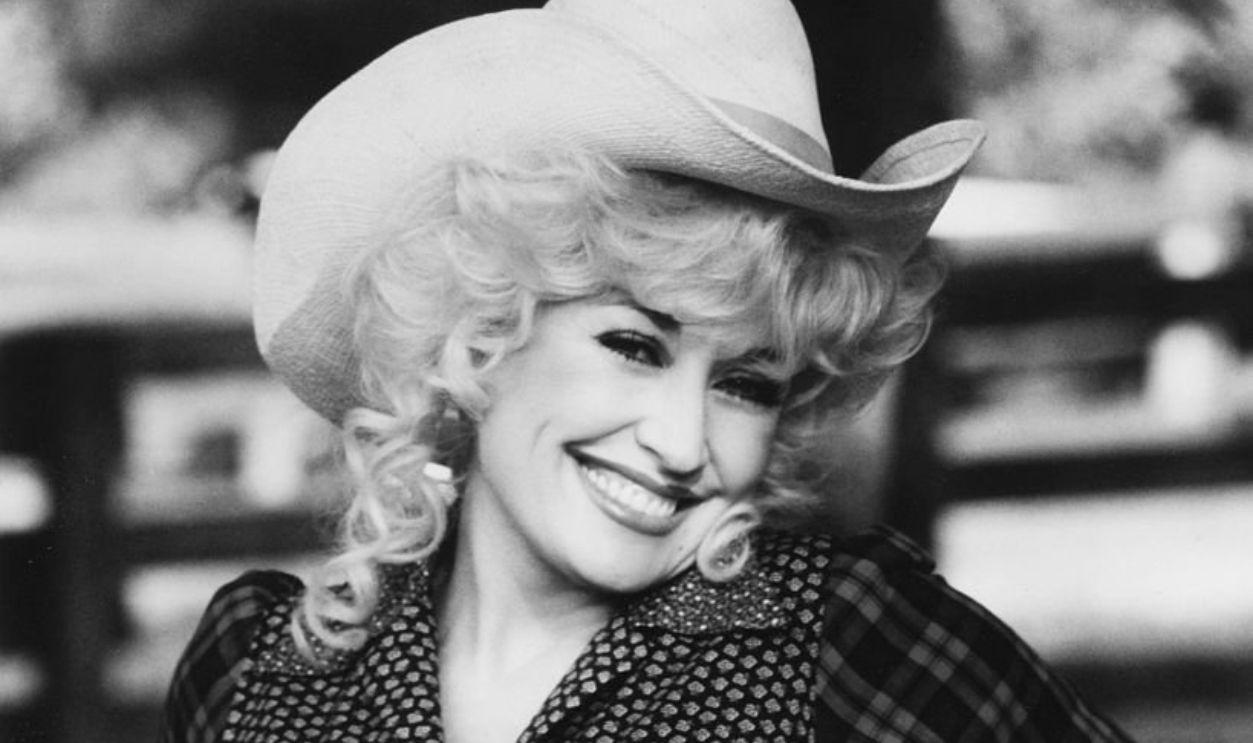
After leaving, Parton won consecutive CMA Female Vocalist of the Year awards in 1975 and 1976, then became CMA Entertainer of the Year in 1978. “Here You Come Again,” films, television, Dollywood, and decades of songwriting followed. Porter had launched her—but Dolly proved she could fly without him.
 Silver Screen Collection, Getty Images
They Finally Sang Together Again
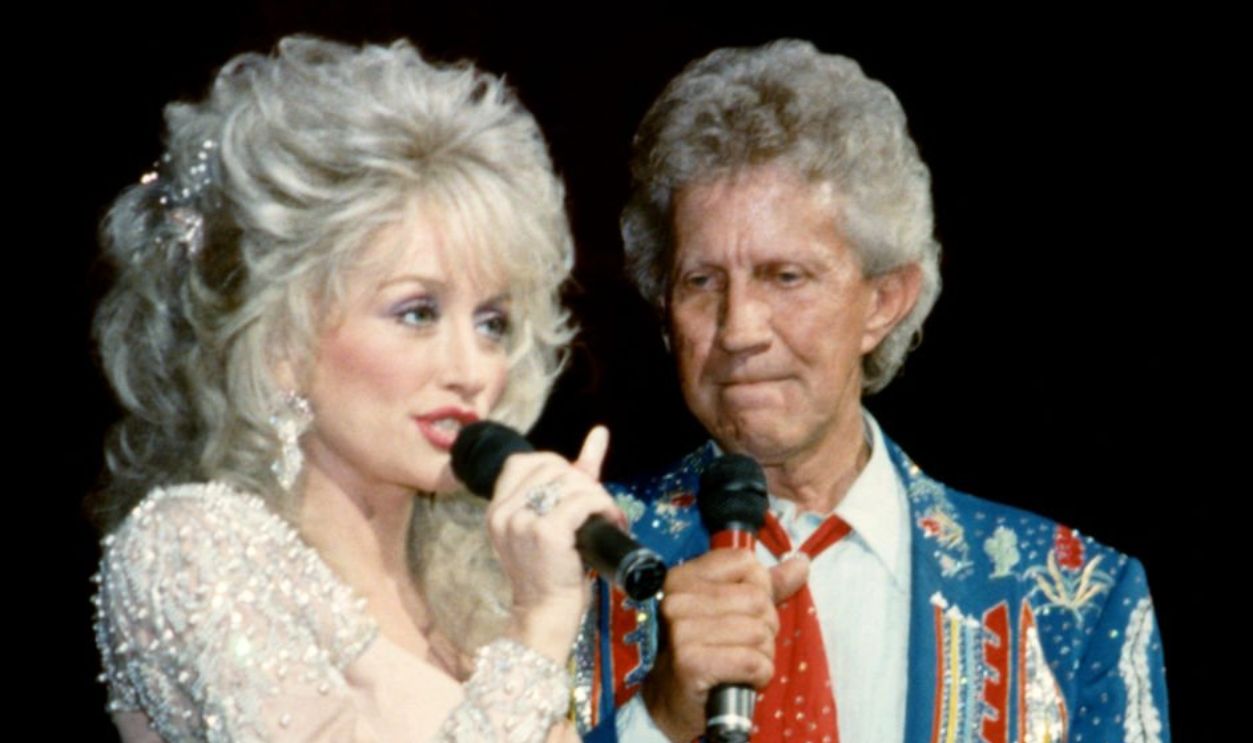
On February 18, 1988, Wagoner and the Wagonmasters appeared on Dolly’s television series for a special filmed at the Ryman Auditorium. Porter and Dolly performed together for the first time in 14 years, sharing old songs, memories, and gentle jokes. The bitterness had not vanished from history, but friendship had begun replacing it.
Dolly Publicly Honored Her Mentor
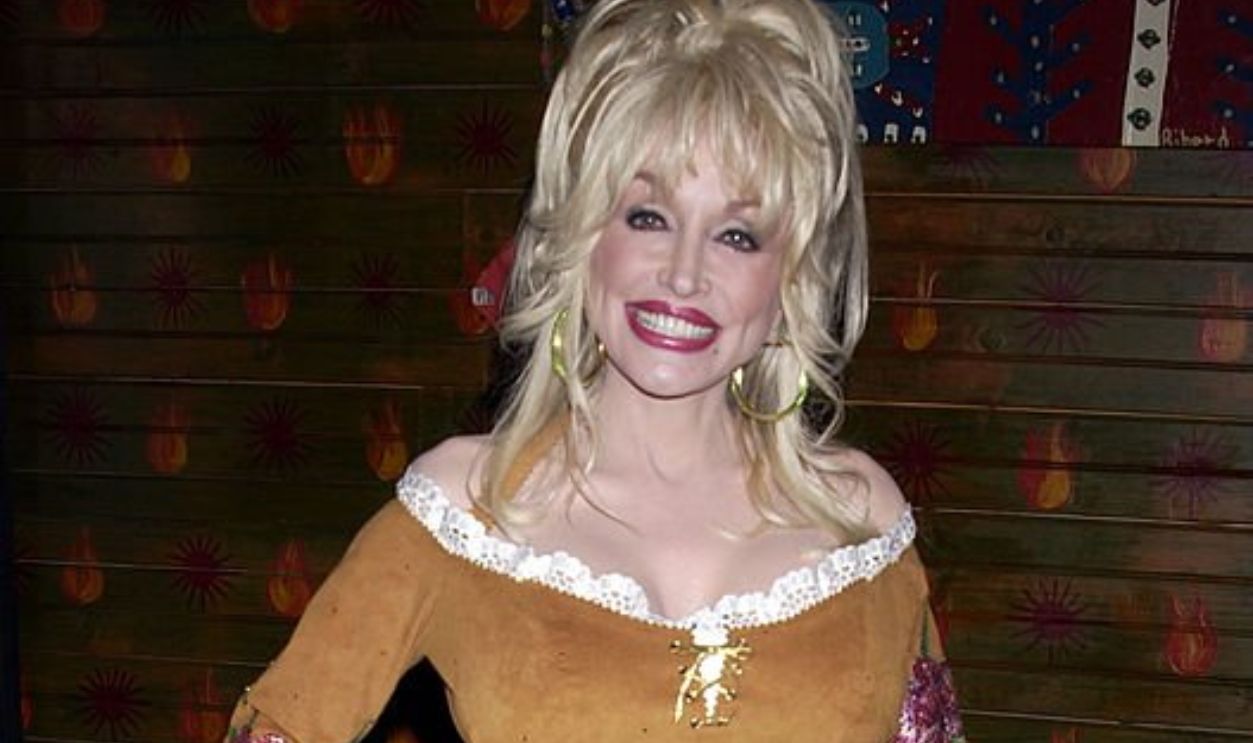
When Wagoner entered the Country Music Hall of Fame in 2002, Parton participated in the celebration and continued acknowledging his importance to her career. She never rewrote the story to make herself entirely the victim or Porter entirely the villain. Their relationship had always contained gratitude and hurt at the same time.
 Albert L. Ortega, Getty Images
One Final Opry Performance Brought Everything Home
On May 19, 2007, Dolly helped celebrate Porter’s 50th anniversary as a Grand Ole Opry member. She placed a hand on his shoulder and sang “I Will Always Love You” directly to him. The farewell that once helped her escape now became a public expression of forgiveness and affection.
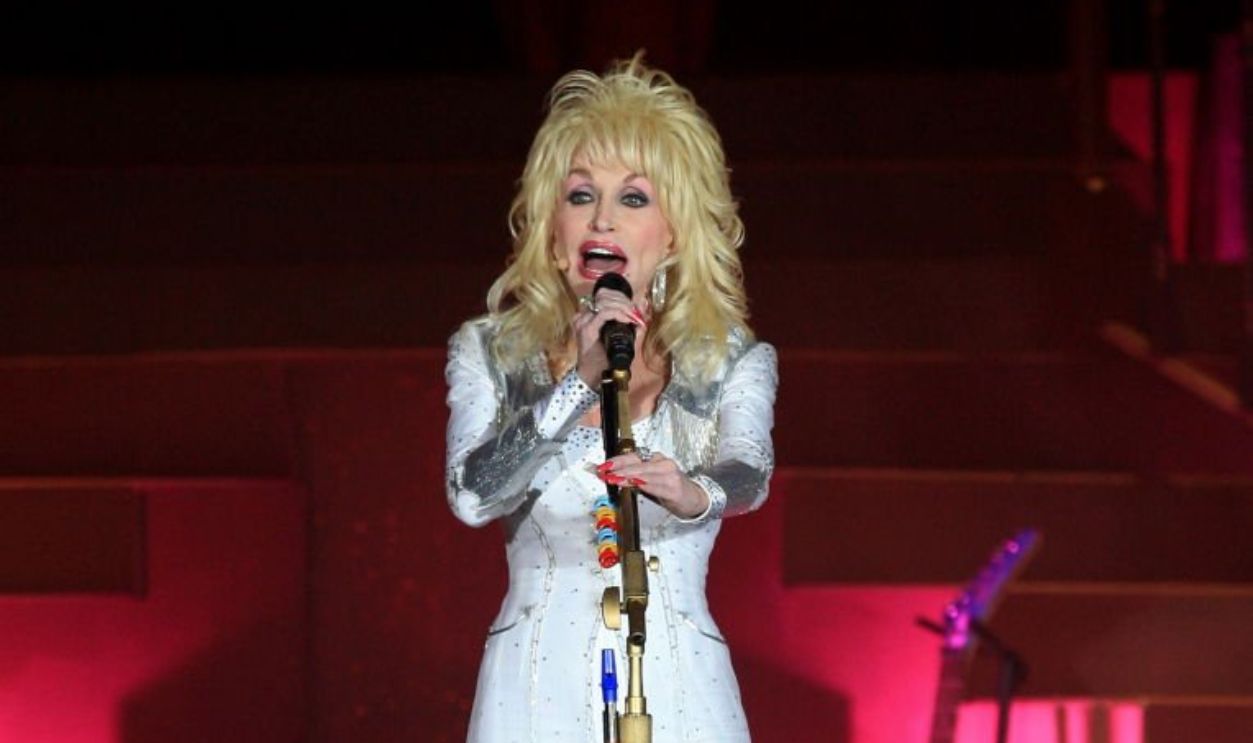
She Visited Him Near The End
As Wagoner lay in hospice later that year, Parton visited his bedside. She thanked him for the opportunities he had given her, forgave him, and asked his forgiveness in return. Porter could no longer speak clearly, but Dolly believed the movement of his hand showed that he understood.
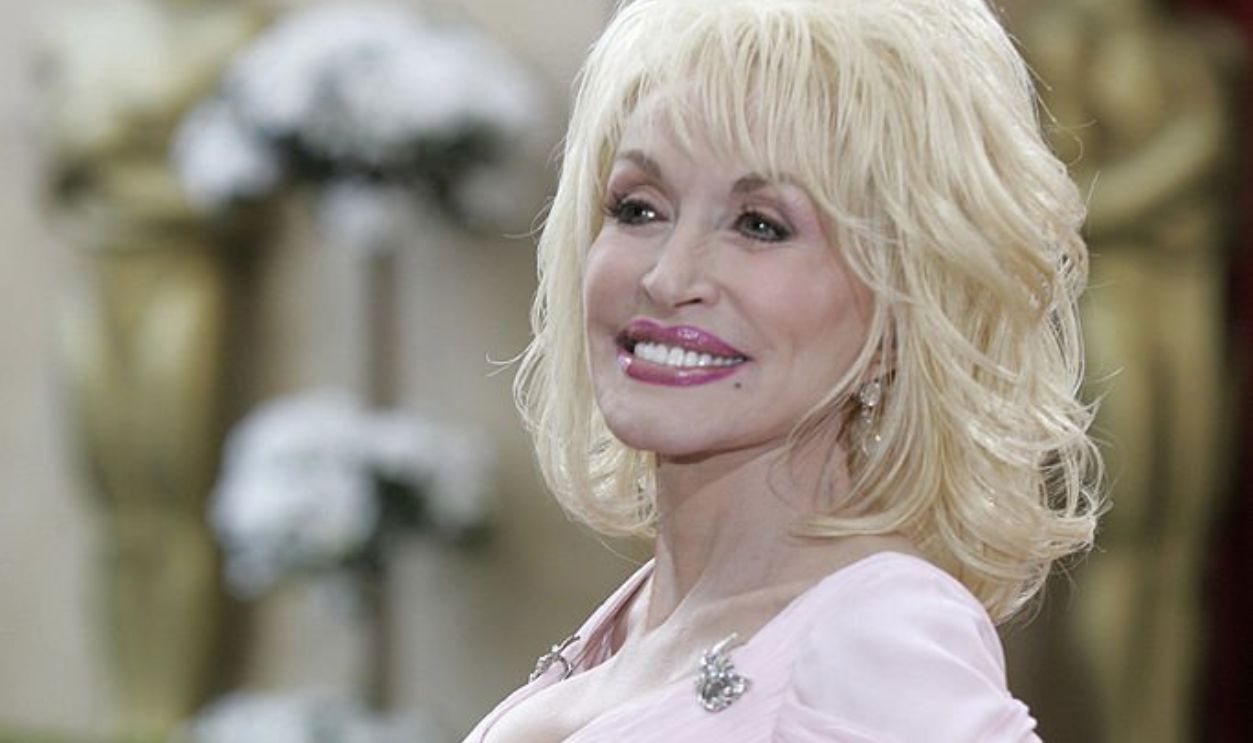
Porter Died Hours Later
Porter Wagoner died from lung cancer in Nashville on October 28, 2007, at age 80, only hours after Dolly’s final visit. Their last private encounter contained no contracts, television ratings, royalties, or arguments—just gratitude between two people who had profoundly changed one another’s lives.
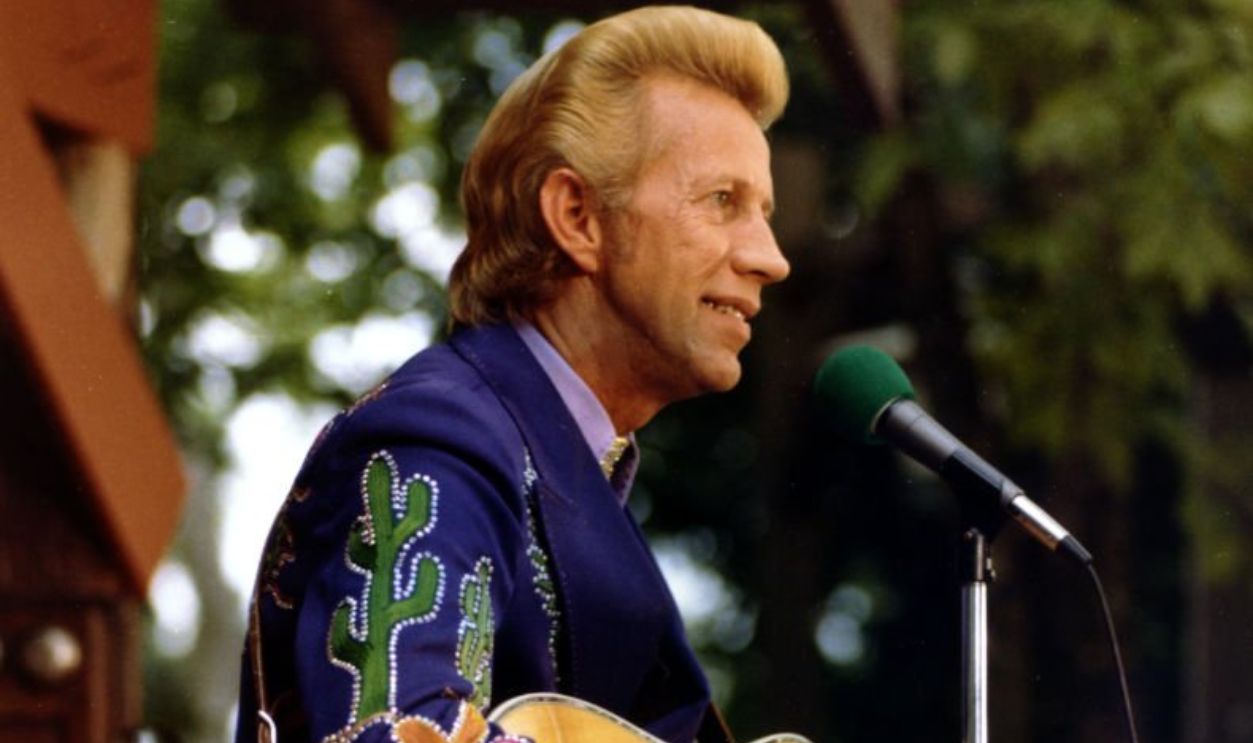 Michael Ochs Archives, Getty Images
Dolly Eventually Left The Stage Too
Dolly Parton died peacefully in Nashville on August 25, 2026, at age 80. Her seven-decade legacy included beloved songs, films, businesses, philanthropy, and millions of books placed into children’s hands. Yet the national career that made all of it possible had first taken flight beside Porter Wagoner.
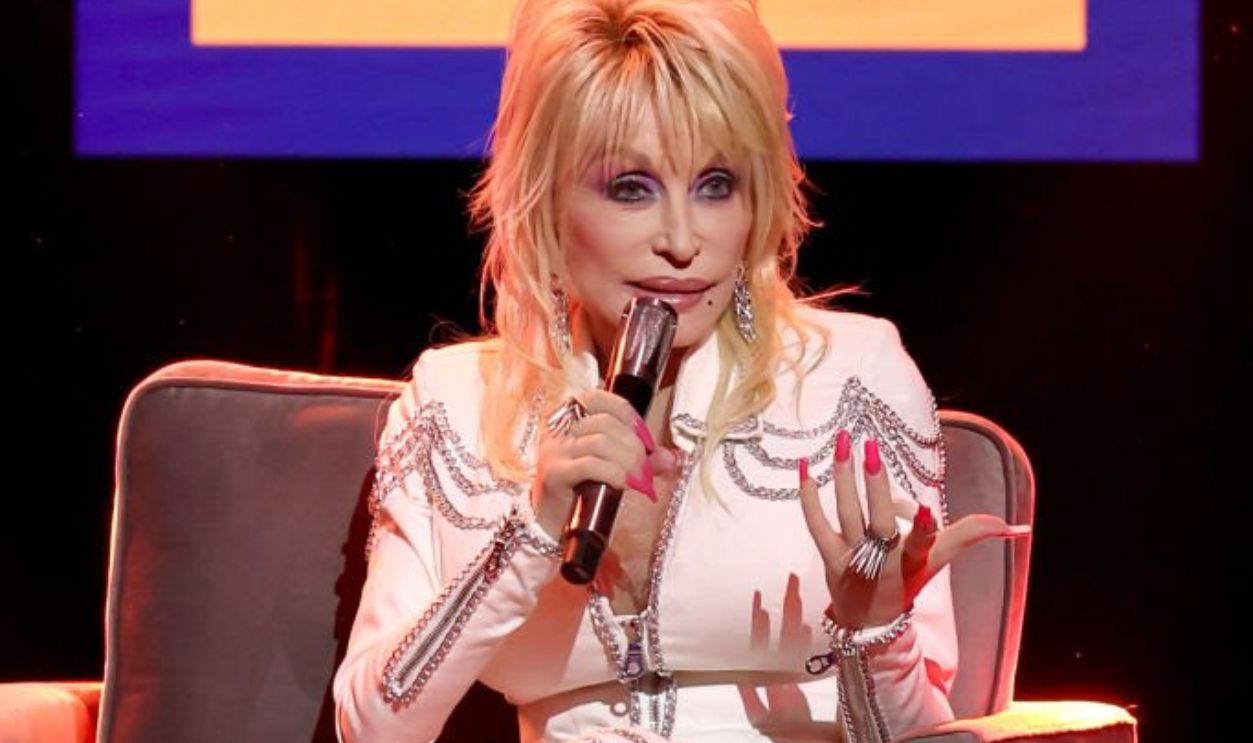
Two Stars Who Changed Each Other Forever
Porter gave a determined young songwriter the stage America needed to see her, and Dolly brought new energy, unforgettable songs, and lasting relevance to his show. They fought, separated, sued, forgave, and finally said goodbye with tenderness. Their partnership was imperfect—but country music would not be the same without either of them.
You May Also Like:
_(cropped).jpg)
.jpg)