The Songs That Always Get People Moving
Musical trends come and go, but great dance songs stick around forever. Whether they're powered by disco grooves, pop hooks, or electronic beats, these tracks all have one thing in common: standing still becomes much harder once they start playing.
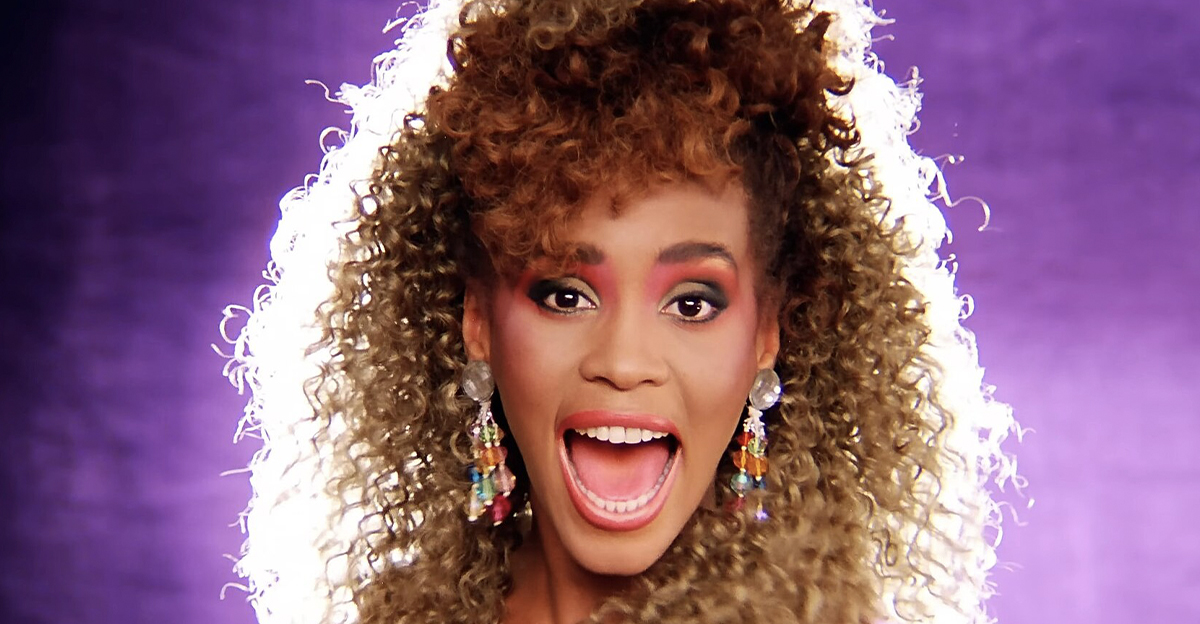
 Screenshot from I Wanna Dance with Somebody, Arista Records (1987)
Whitney Houston – “I Wanna Dance With Somebody” (1987)
Whitney Houston brought far more emotion to this song than its bright production initially suggests. Beneath the huge drums, glossy synthesizers, and joyful chorus is someone longing to find a real connection. Houston’s explosive delivery turned that loneliness into pure celebration, helping the single top charts internationally and become a dependable party starter across several generations.
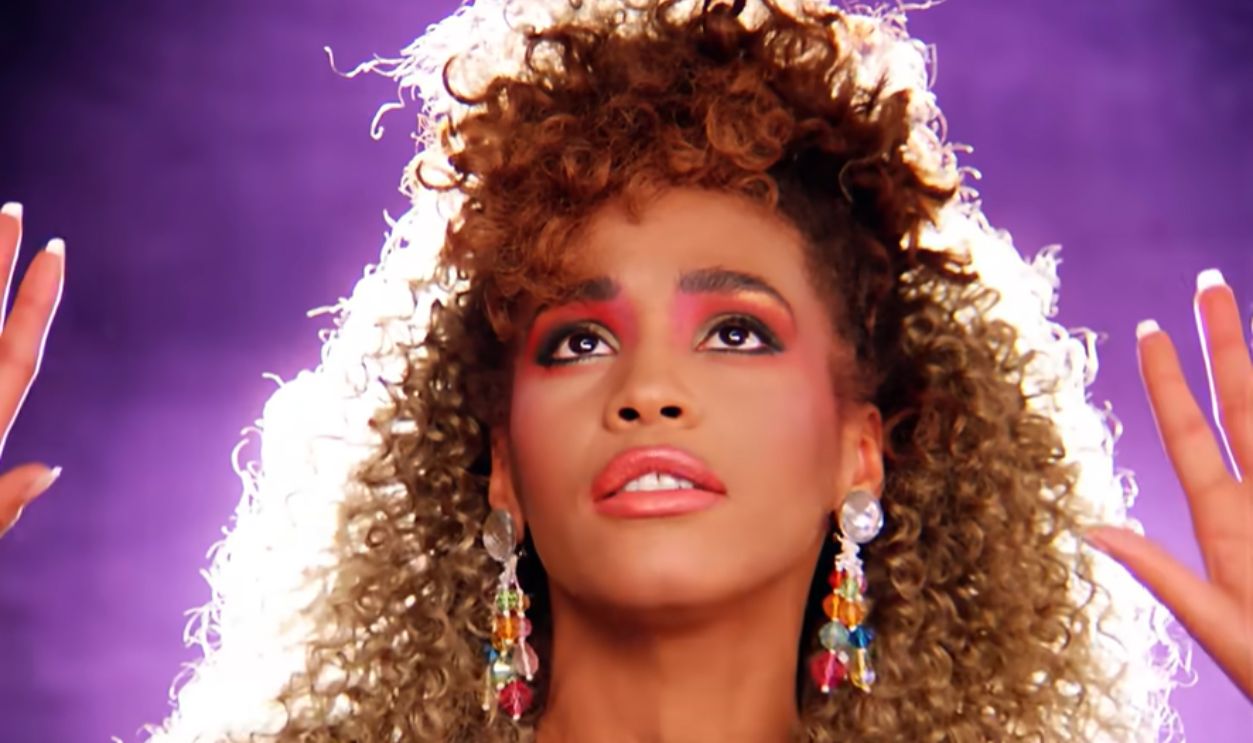 Screenshot from I Wanna Dance with Somebody, Arista Records (1987)
Robyn – “Dancing On My Own” (2010)
Robyn created one of pop’s greatest sad songs by setting heartbreak against a relentless electronic beat. The narrator watches someone she loves choose somebody else, yet the music keeps pushing forward as if the dance floor is the only place she can process it. That mix of loneliness and release helped establish the song as a modern pop classic.
 Screenshot from Dancing On My Own, Konichiwa Records (2010)
Gloria Gaynor – “I Will Survive” (1978)
“I Will Survive” begins with heartbreak, but Gloria Gaynor refuses to stay defeated for long. The dramatic piano introduction gives way to a rising disco arrangement as the narrator realizes she is stronger without her former partner. It became an anthem for resilience, independence, and LGBTQ+ communities while remaining one of the surest ways to unite an entire room.
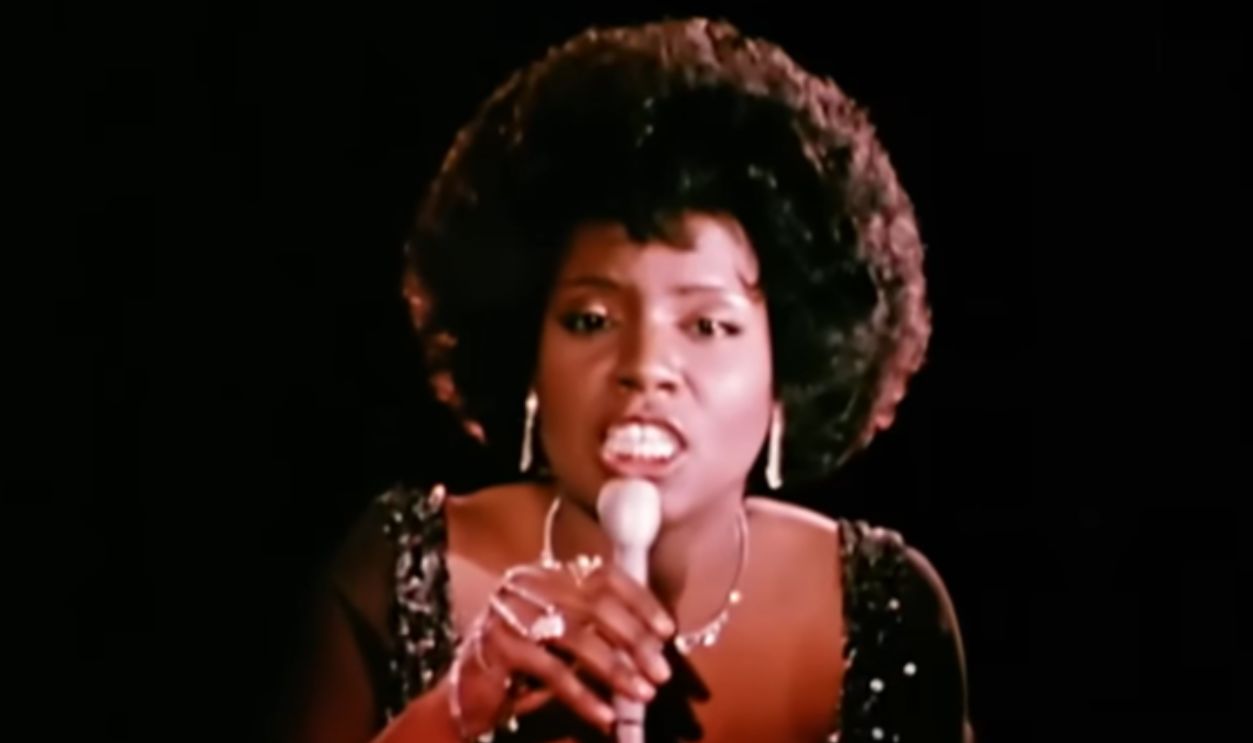 Screenshot from I Will Survive, Polydor Records (1978)
Sister Sledge – “We Are Family” (1979)
Written and produced by Nile Rodgers and Bernard Edwards of Chic, “We Are Family” turned Sister Sledge into international stars. Its rolling bassline and warm group vocals made it perfect for clubs, but the message extended beyond dancing. Families, sports teams, wedding parties, and activist communities all adopted the song because its celebration of solidarity feels instantly welcoming.
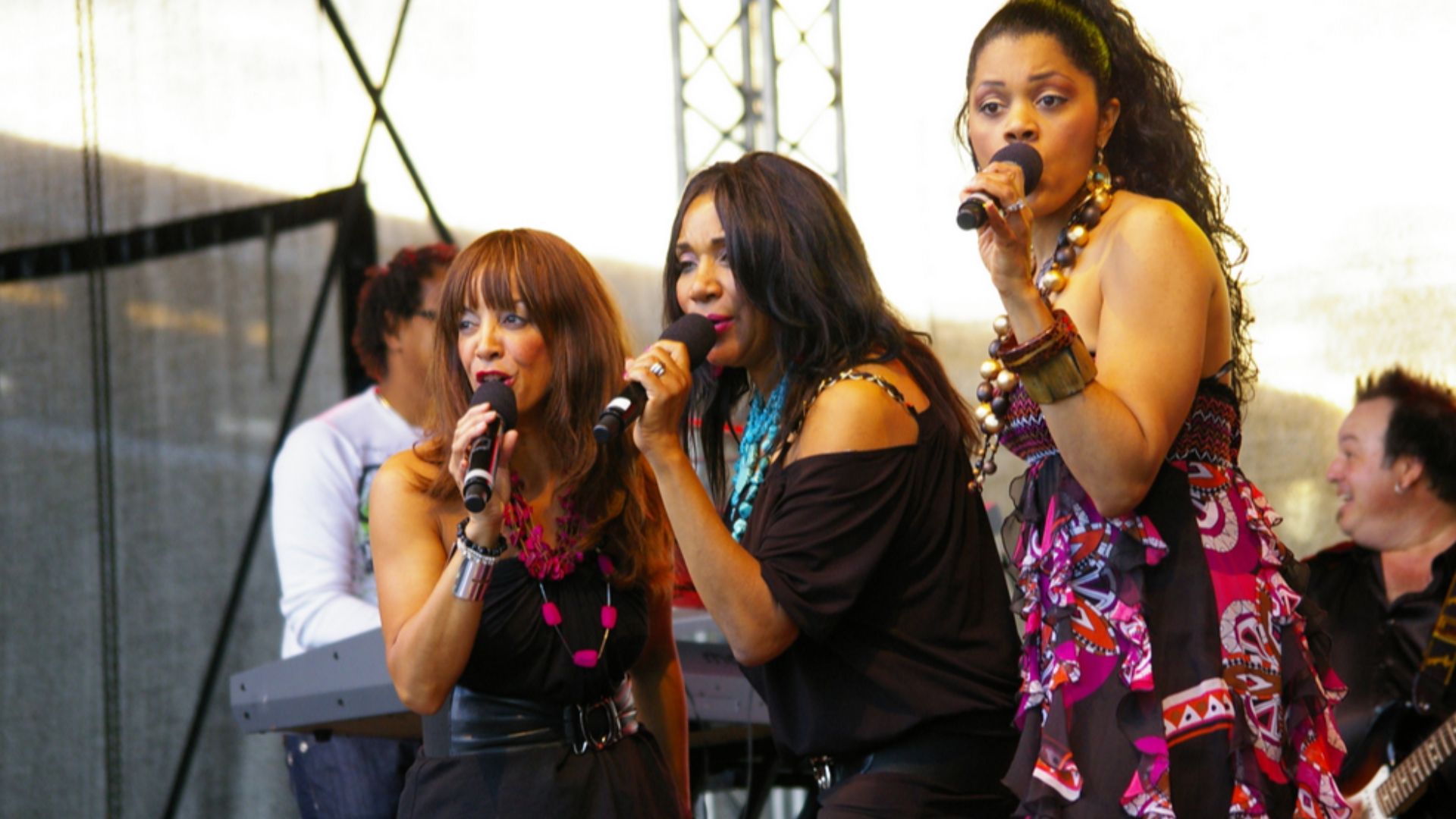 Shervin Sardari - www.stage1.at, Wikimedia Commons
Madonna – “Vogue” (1990)
Madonna brought New York’s ballroom culture into mainstream pop with “Vogue,” pairing house production with a spoken roll call of classic Hollywood stars. The music video and precise choreography made voguing visible to a massive global audience, although the dance had existed in queer Black and Latino communities for years. Few dance hits have carried such a recognizable visual language.
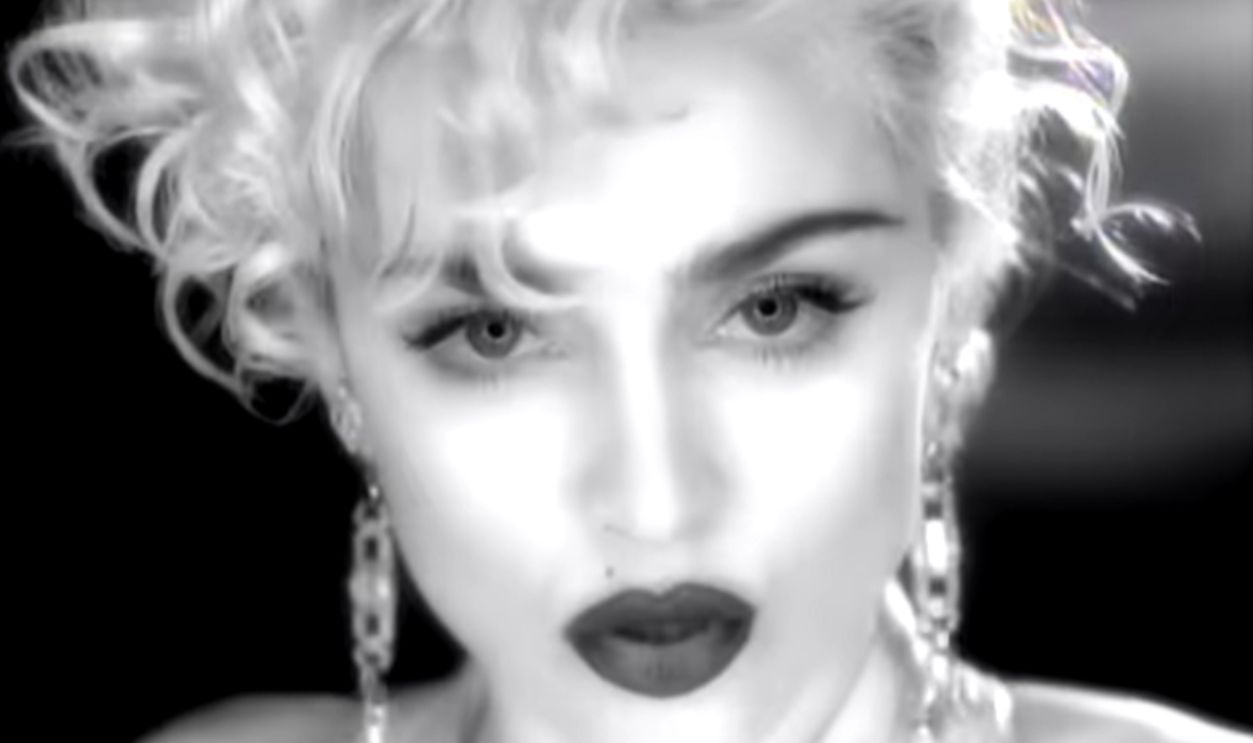 Screenshot from Vogue, Sire Records (1990)
Mark Ronson Featuring Bruno Mars – “Uptown Funk” (2014)
“Uptown Funk” borrows proudly from 1980s funk, Minneapolis sound, and old-school showmanship without feeling like a dusty imitation. Bruno Mars attacks every line with swagger while Mark Ronson’s production fills the track with horns, handclaps, bass, and sharp rhythmic breaks. Its ability to appeal to several age groups made it almost unavoidable at parties and weddings.
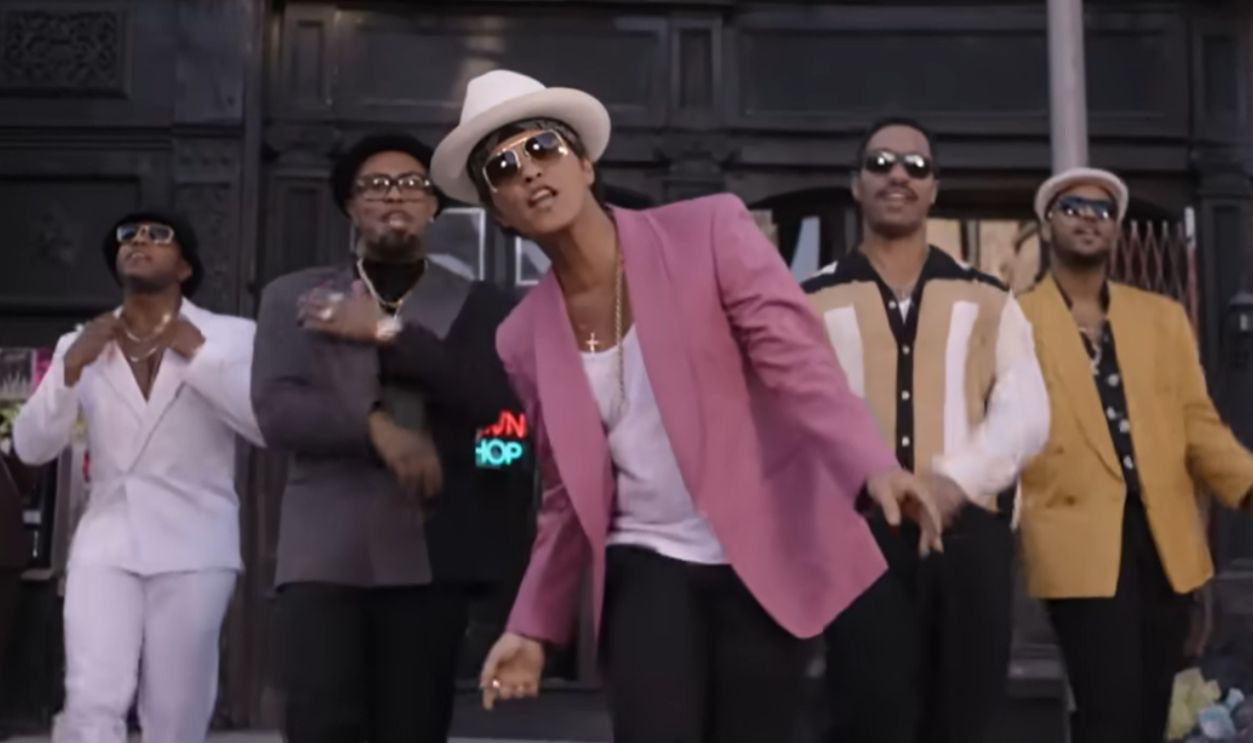 Screenshot from Uptown Funk, RCA Records (2014)
Earth, Wind & Fire – “September” (1978)
The opening question about the twenty-first night of September is enough to change the mood of a room. Earth, Wind & Fire combined bright horns, layered harmonies, and an irresistible bass groove with lyrics that value sound and feeling over literal meaning. The nonsense phrase “ba-dee-ya” somehow became one of the most joyful hooks in popular music.
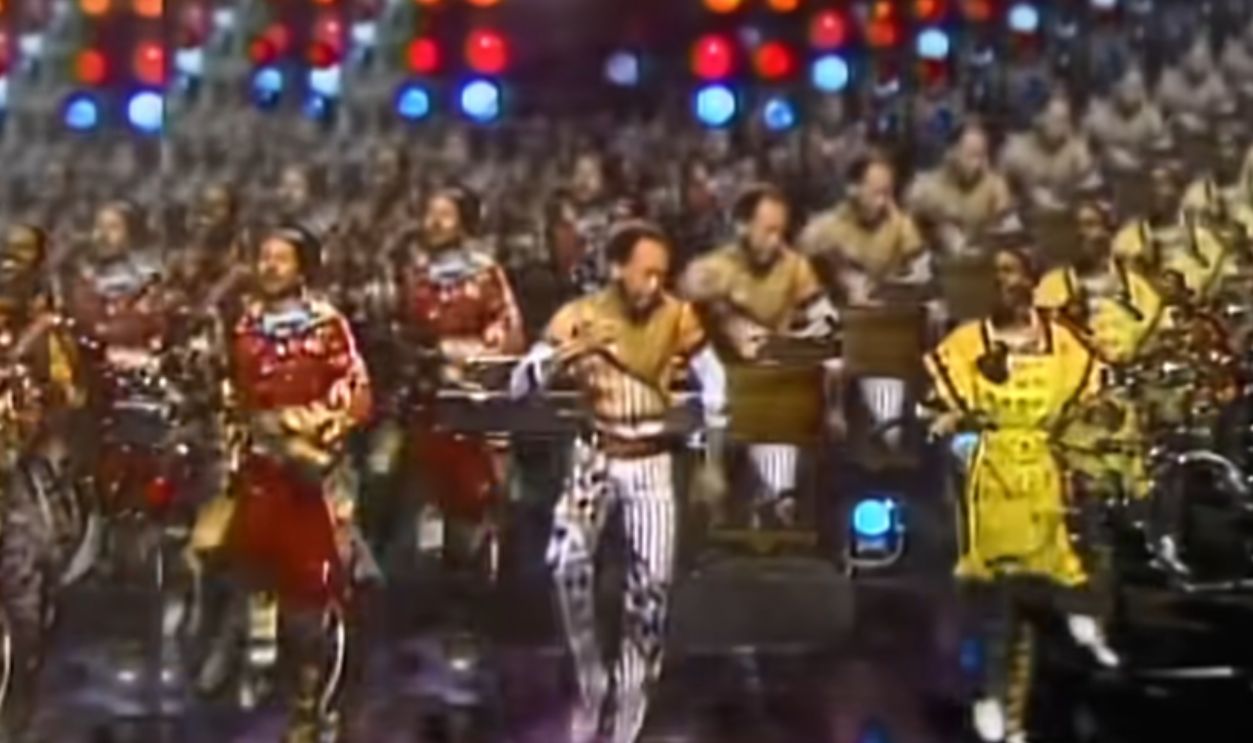 Screenshot from September, ARC Records (1978)
OutKast – “Hey Ya!” (2003)
“Hey Ya!” sounds like a carefree celebration, even though André 3000 is singing about relationships falling apart and people staying together because tradition expects them to. That contrast is part of the song’s strange brilliance. Its handclaps, guitar, rapid changes, and famous Polaroid instruction created a hit that crossed effortlessly between hip-hop, rock, pop, and dance floors.
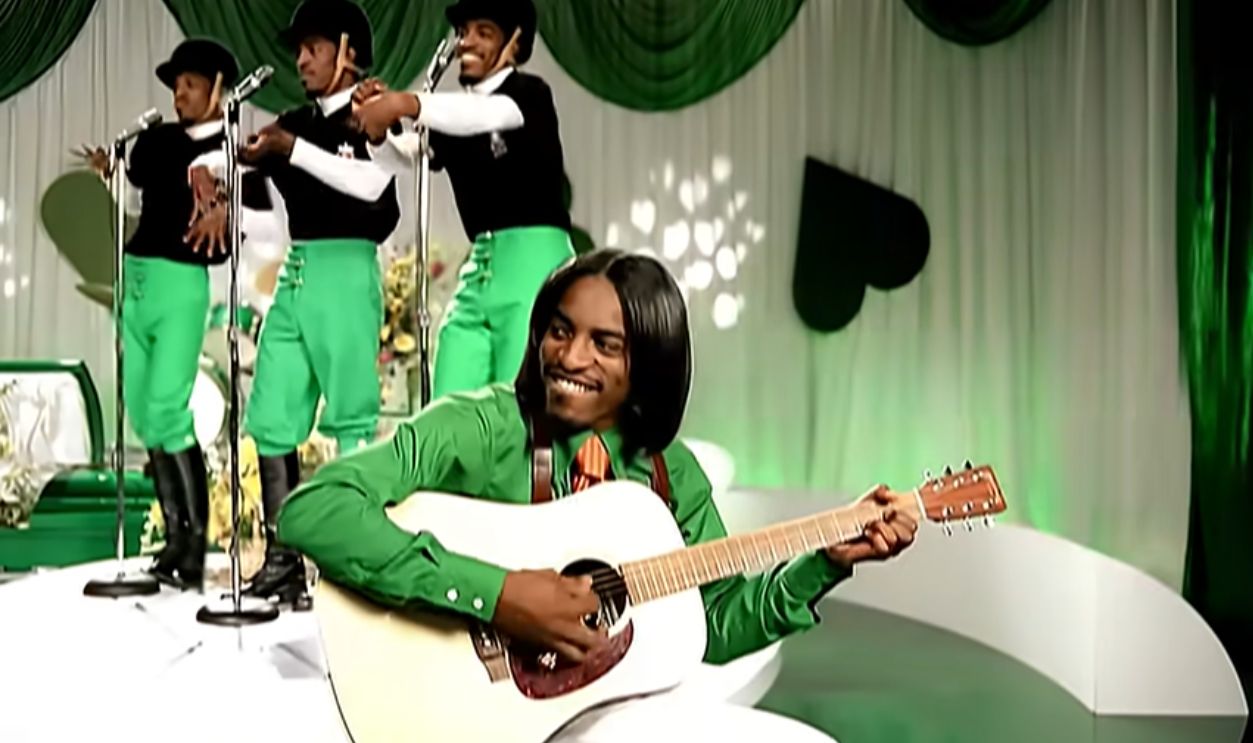 Screenshot from Hey Ya!, Arista Records (2003)
Bee Gees – “Stayin’ Alive” (1977)
The Bee Gees turned falsetto vocals, clipped guitar, and a steady disco pulse into one of the era’s defining recordings. Its association with Saturday Night Fever made it inseparable from the image of John Travolta striding through Brooklyn. The rhythm remains so recognizable that the song has even been used to teach the proper tempo for chest compressions during CPR.
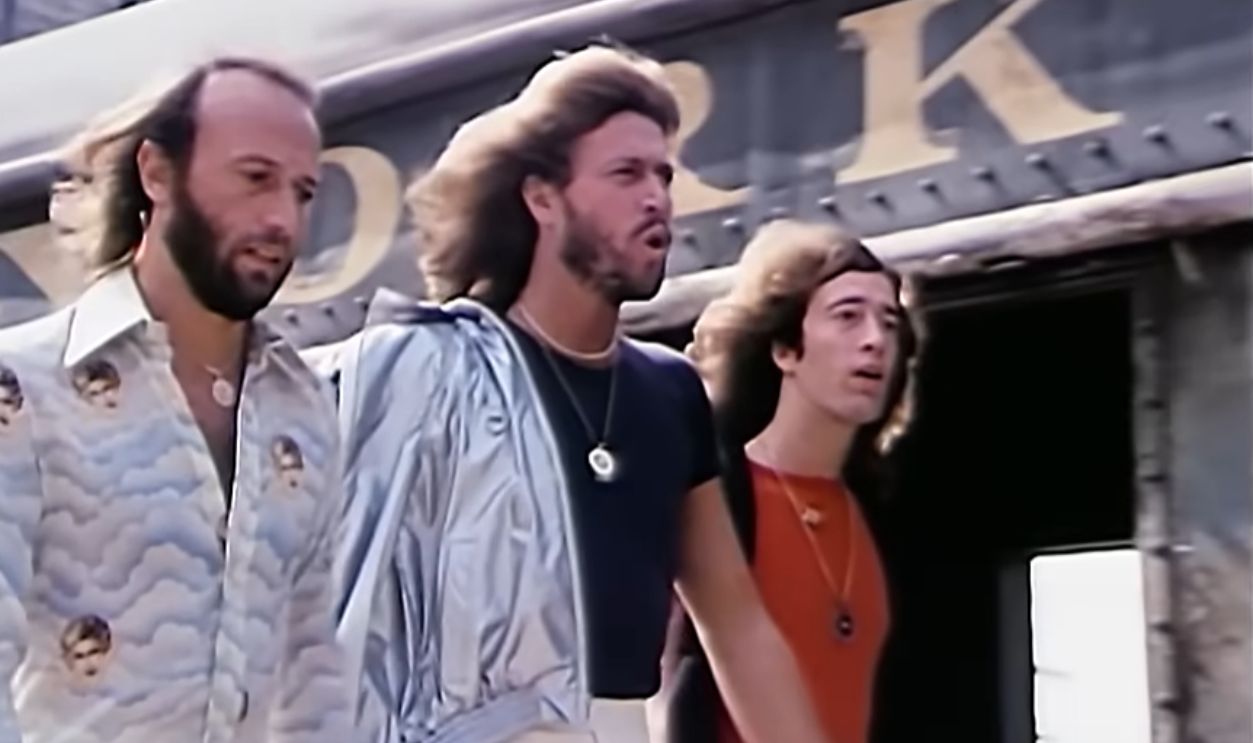 Screenshot from Stayin' Alive, RSO Records (1977)
Village People – “Y.M.C.A.” (1978)
“Y.M.C.A.” became much bigger than its original nightclub context. Village People delivered the song with campy character costumes, a booming chorus, and lyrics celebrating a place where young men could find community. Audiences eventually added the famous arm movements, turning it into one of the rare recordings that practically arrives with its own universally understood choreography.
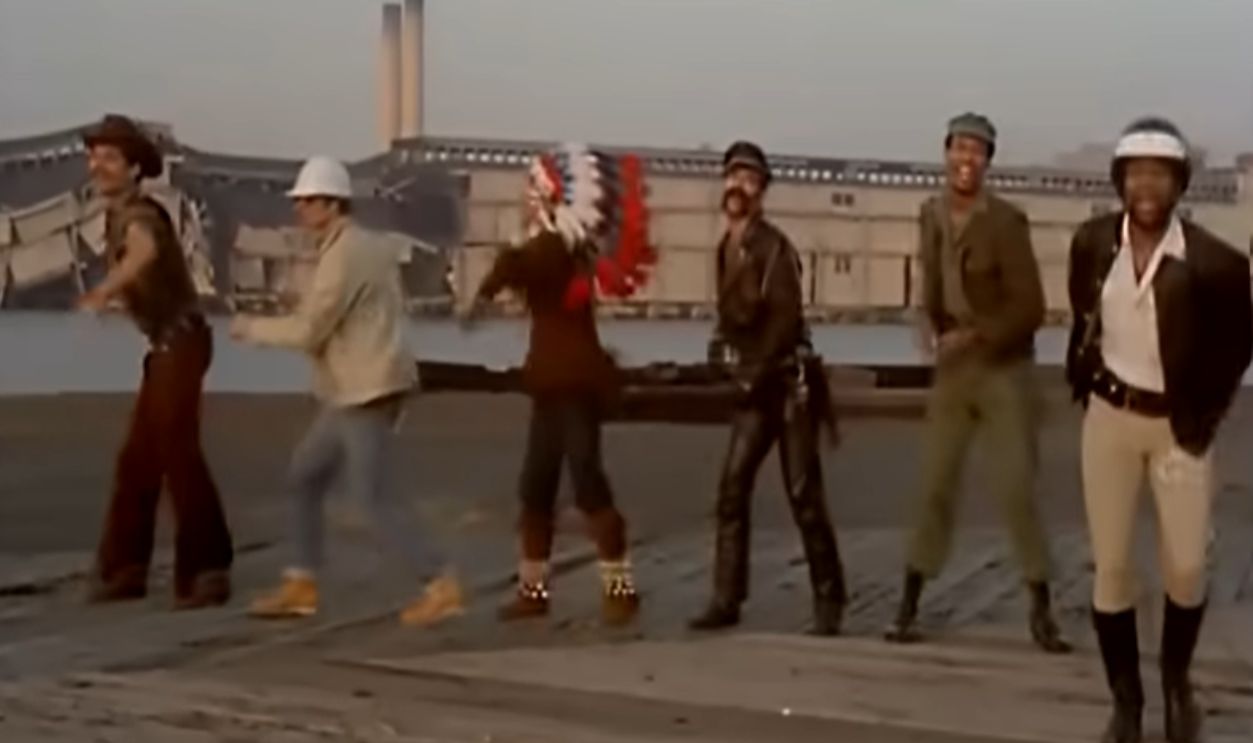 Screenshot from Y.M.C.A., Casablanca Records (1978)
Kylie Minogue – “Can’t Get You Out Of My Head” (2001)
Kylie Minogue’s greatest dance-pop hit is built around remarkably few elements: a throbbing electronic rhythm, an icy vocal, and a “la-la-la” refrain that lives up to the title. The production feels sleek and futuristic without becoming crowded. Its hypnotic repetition helped Minogue score a worldwide smash and reestablish herself as an international pop force.
 Screenshot from Can't Get You Out of My Head, Parlophone Records (2001)
Daft Punk – “One More Time” (2000)
Daft Punk opened the new millennium with a song that treated celebration almost like a spiritual necessity. Romanthony’s heavily processed vocals float over filtered disco samples and glowing house production, creating a track that feels both mechanical and deeply emotional. Rather than chasing a complicated message, “One More Time” simply asks listeners to keep the moment going a little longer.
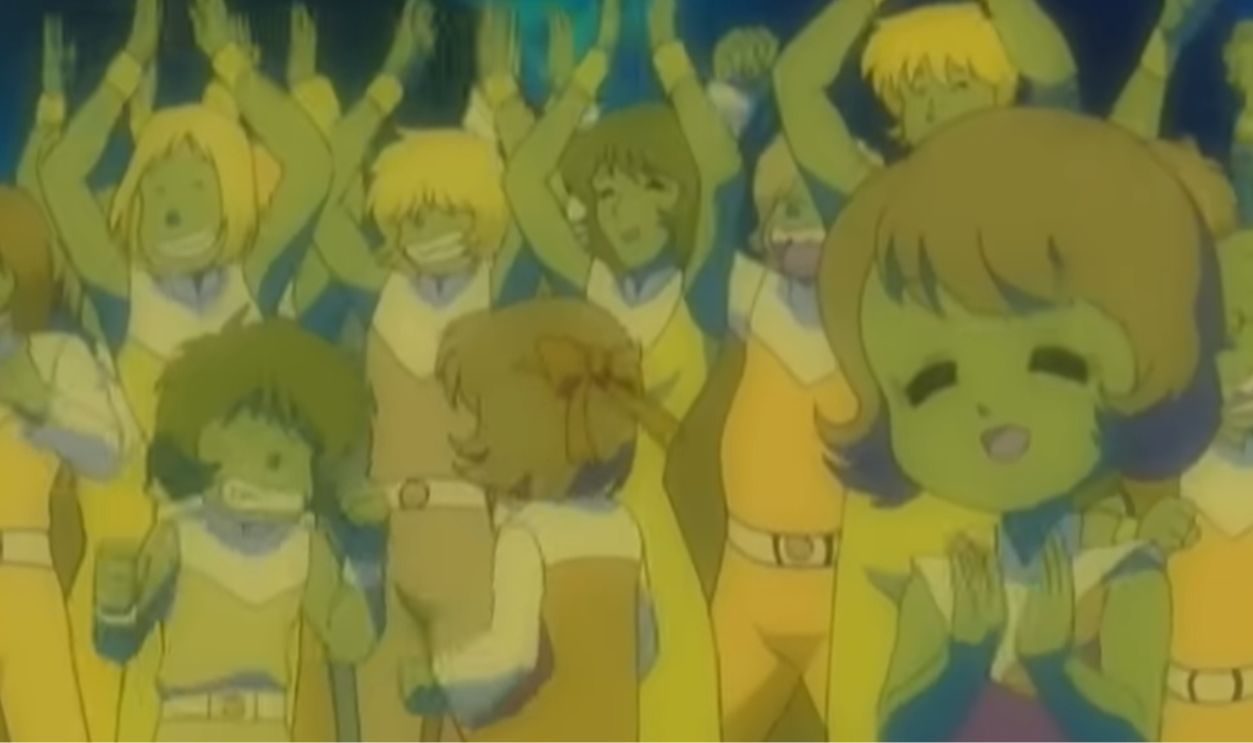 Screenshot from One More Time, Virgin Records (2000)
Charly Black – “Gyal You A Party Animal” (2014)
Charly Black’s dancehall hit grew gradually before becoming an international phenomenon. Its rolling rhythm and flirtatious chorus travelled from Jamaican parties to clubs across Latin America, Europe, and beyond. The song’s global rise showed how dancehall tracks could spread without following the traditional American pop route, eventually collecting enormous streaming numbers and inspiring numerous remixes.
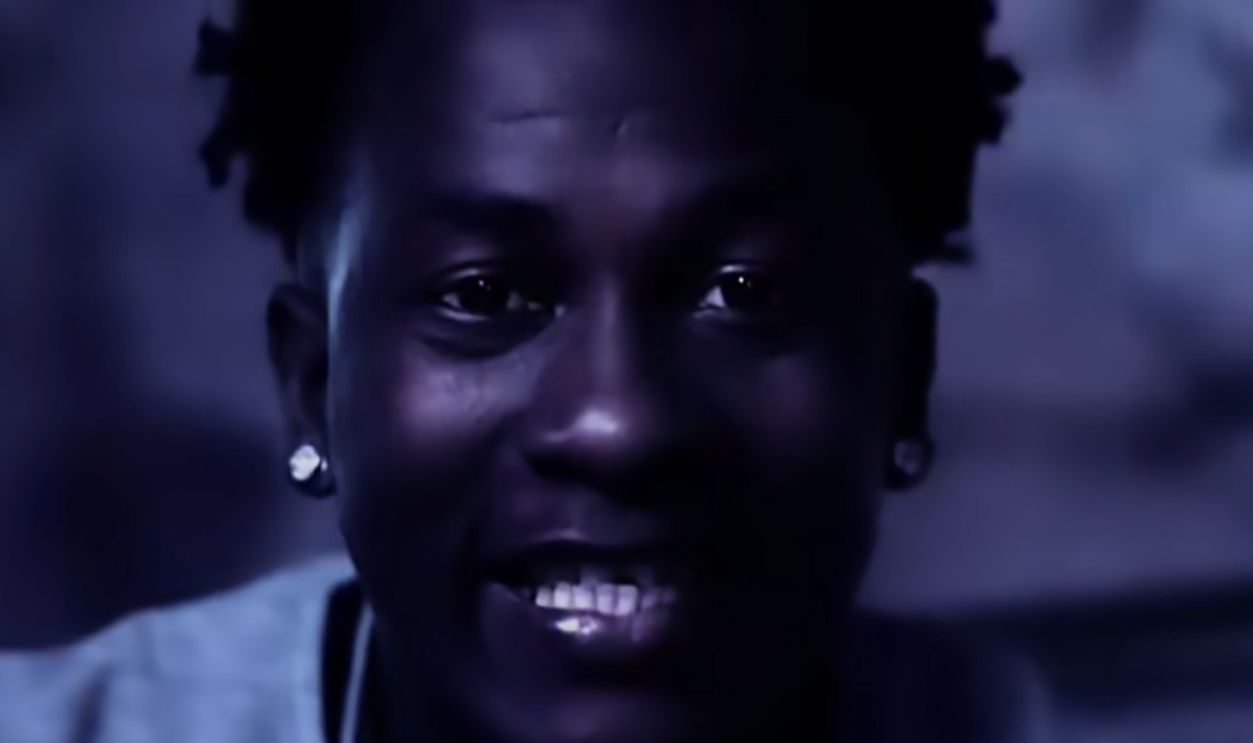 Screenshot from Gyal You a Party Animal, Kurt Riley Records (2014)
ABBA – “Dancing Queen” (1976)
ABBA’s only American number-one single begins with a shimmering piano slide that instantly promises something glamorous. “Dancing Queen” captures the thrill of being young, stepping onto a dance floor, and briefly feeling as though the whole room belongs to you. The production is polished and euphoric, yet a faint touch of melancholy keeps the song from feeling disposable.
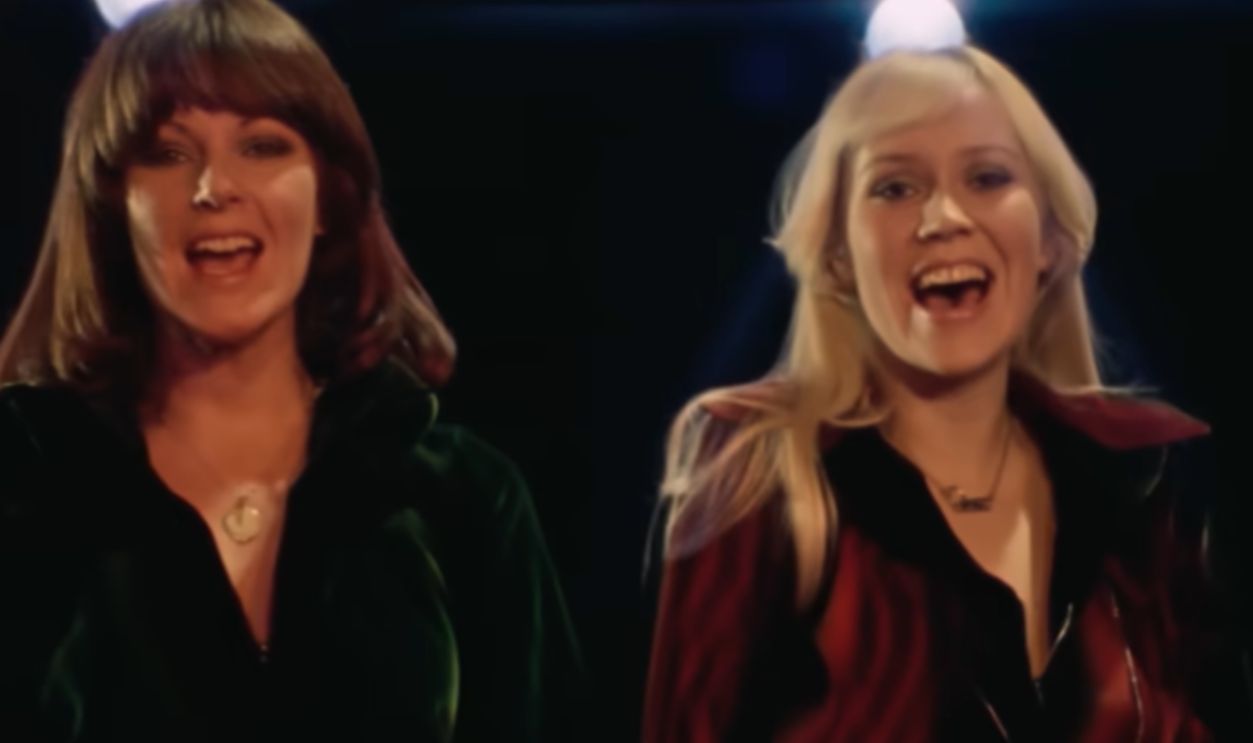 Screenshot from Dancing Queen, Polar Music (1976)
Aretha Franklin – “Respect” (1967)
“Respect” was not created as a dance record in the disco sense, but its rhythm, call-and-response vocals, and commanding performance have kept people moving for decades. Aretha Franklin transformed Otis Redding’s original into a declaration of dignity and female independence. Even the spelled-out chorus feels physical, inviting listeners to shout, clap, and answer her back.
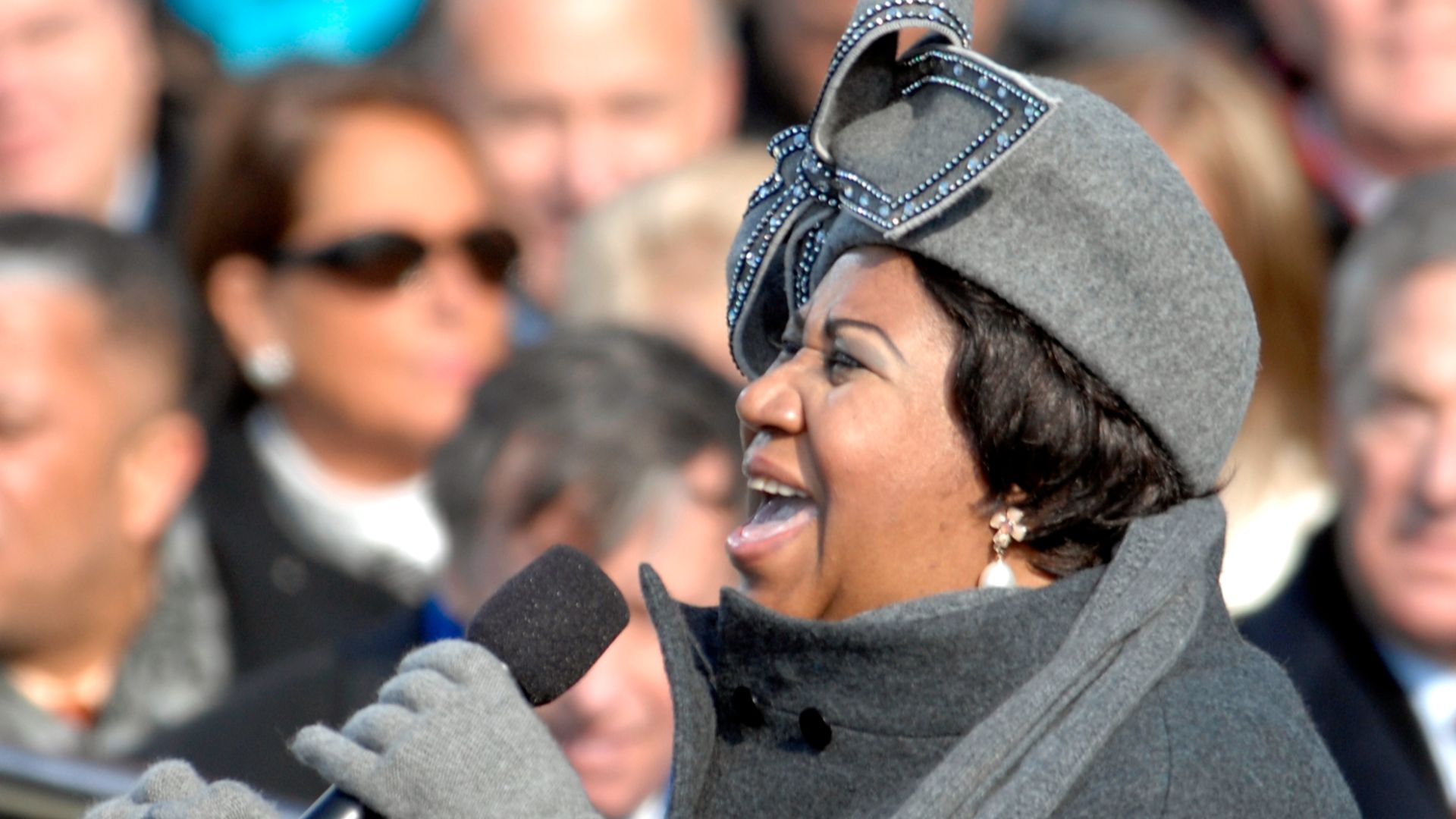 Cecilio Ricardo, U.S. Air Force, Wikimedia Commons
Disclosure Featuring Sam Smith – “Latch” (2012)
“Latch” introduced Disclosure’s sleek version of UK garage while giving Sam Smith one of their earliest major showcases. The production avoids the giant drops that dominated electronic pop at the time, relying instead on elastic bass, crisp percussion, and carefully layered vocals. Its slow-building sensuality made it equally effective through headphones, in clubs, and on mainstream radio.
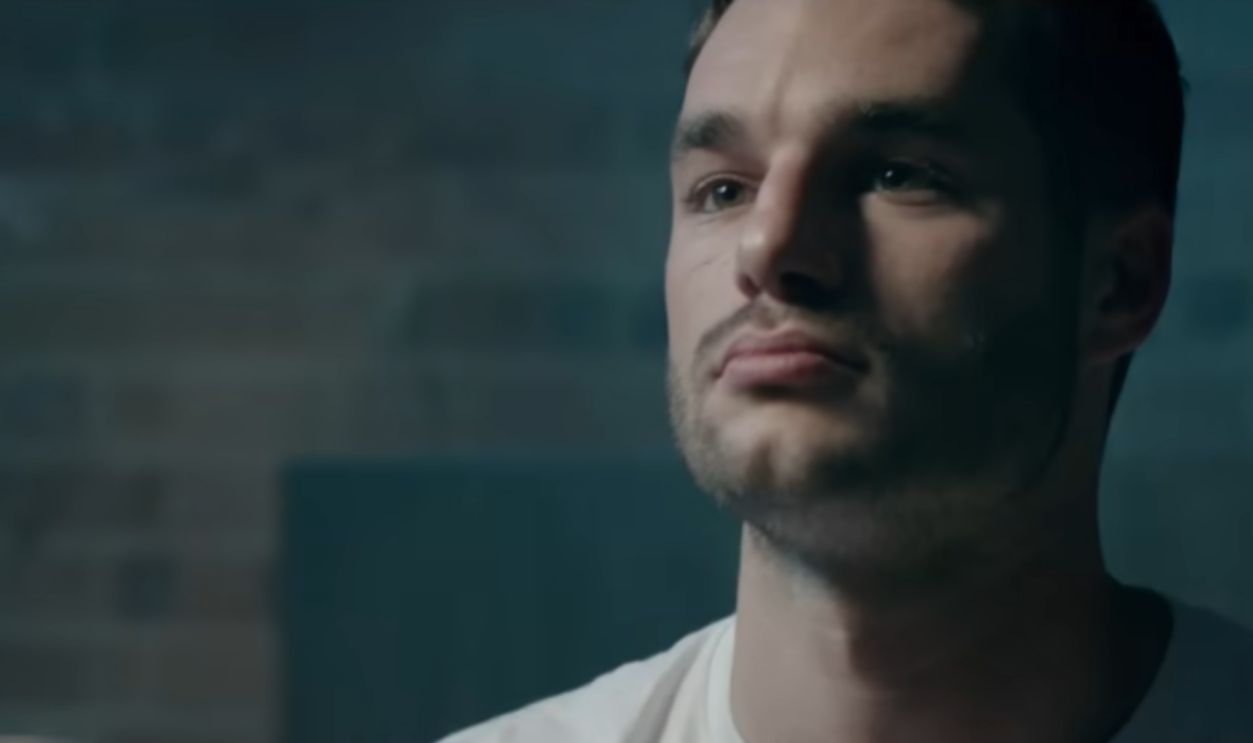 Screenshot from Latch, PMR Records (2012)
Rihanna Featuring Calvin Harris – “We Found Love” (2011)
Calvin Harris built “We Found Love” around a huge electronic rush, while Rihanna supplied a simple lyric about finding something beautiful in a hopeless place. The combination gave the song both emotional weight and festival-sized energy. When the chorus erupts, the instrumental release says almost as much as the words, helping define the EDM-pop boom of the early 2010s.
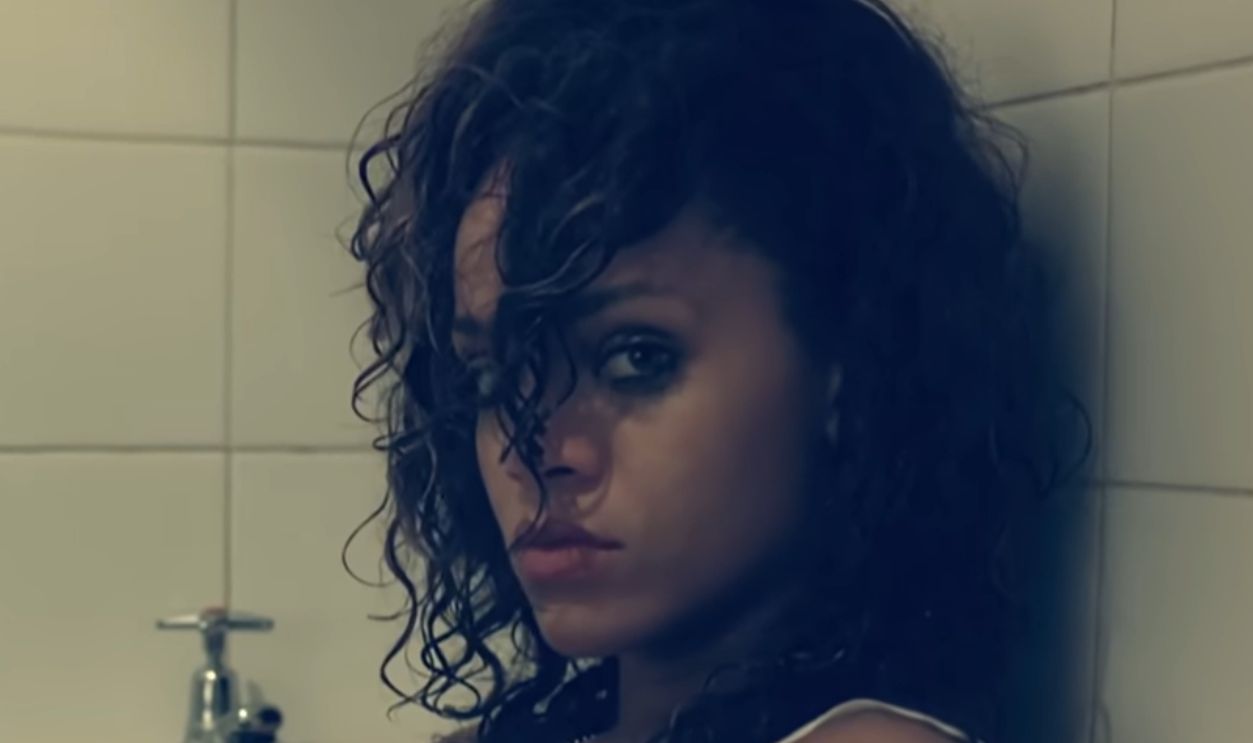 Screenshot from We Found Love, Def Jam Recordings (2011)
The Trammps – “Disco Inferno” (1976)
“Disco Inferno” stretches its central idea into nearly eleven minutes on the full album version, allowing the groove to grow hotter with every repetition. Inspired partly by the disaster film The Towering Inferno, the song turns fire into a metaphor for an uncontrollable party. Its inclusion on the Saturday Night Fever soundtrack gave it a permanent home in disco history.
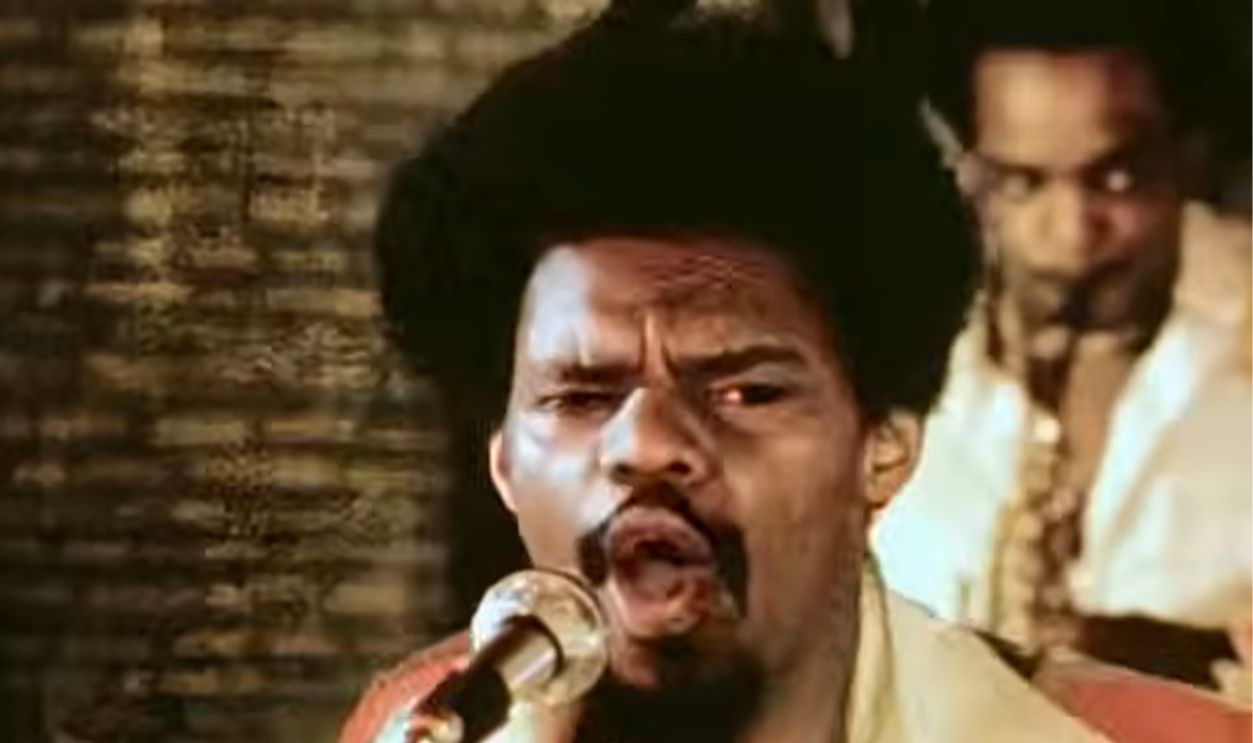 Screenshot from Disco Inferno, Atlantic Records (1976)
KC & The Sunshine Band – “That’s The Way (I Like It)” (1975)
Harry Wayne Casey and Richard Finch understood that dance music did not need complicated lyrics when the rhythm was this effective. “That’s the Way” runs on a clipped guitar line, bright horns, and a suggestive call-and-response chorus. Its playful simplicity helped KC & the Sunshine Band become one of disco’s biggest acts before the genre had fully conquered mainstream pop.
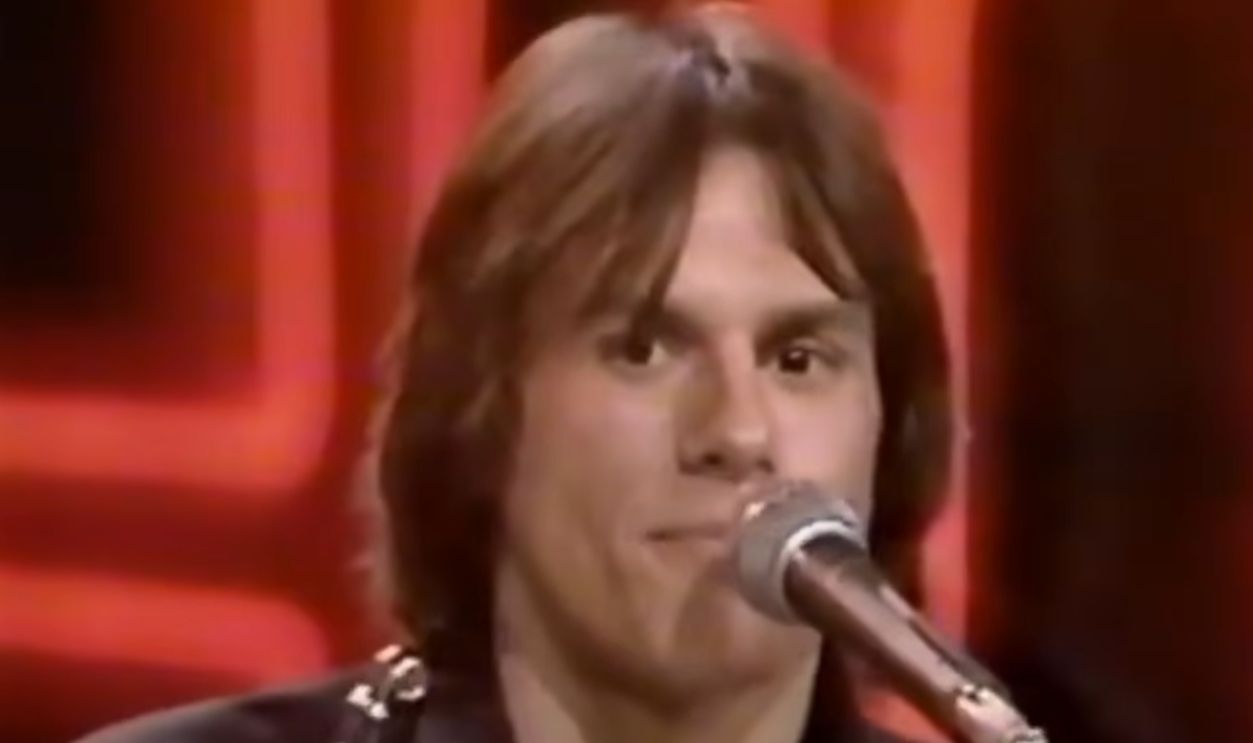 Screenshot from That's the Way (I Like It), TK Records (1975)
Cheryl Lynn – “Got To Be Real” (1978)
Cheryl Lynn announces herself with an enormous vocal run before “Got to Be Real” settles into its buoyant bassline and disco-funk groove. Written with David Paich and David Foster, the track combines serious musicianship with effortless joy. It later became closely associated with queer celebrations and remains a favorite for DJs who want something exuberant without losing its soulful edge.
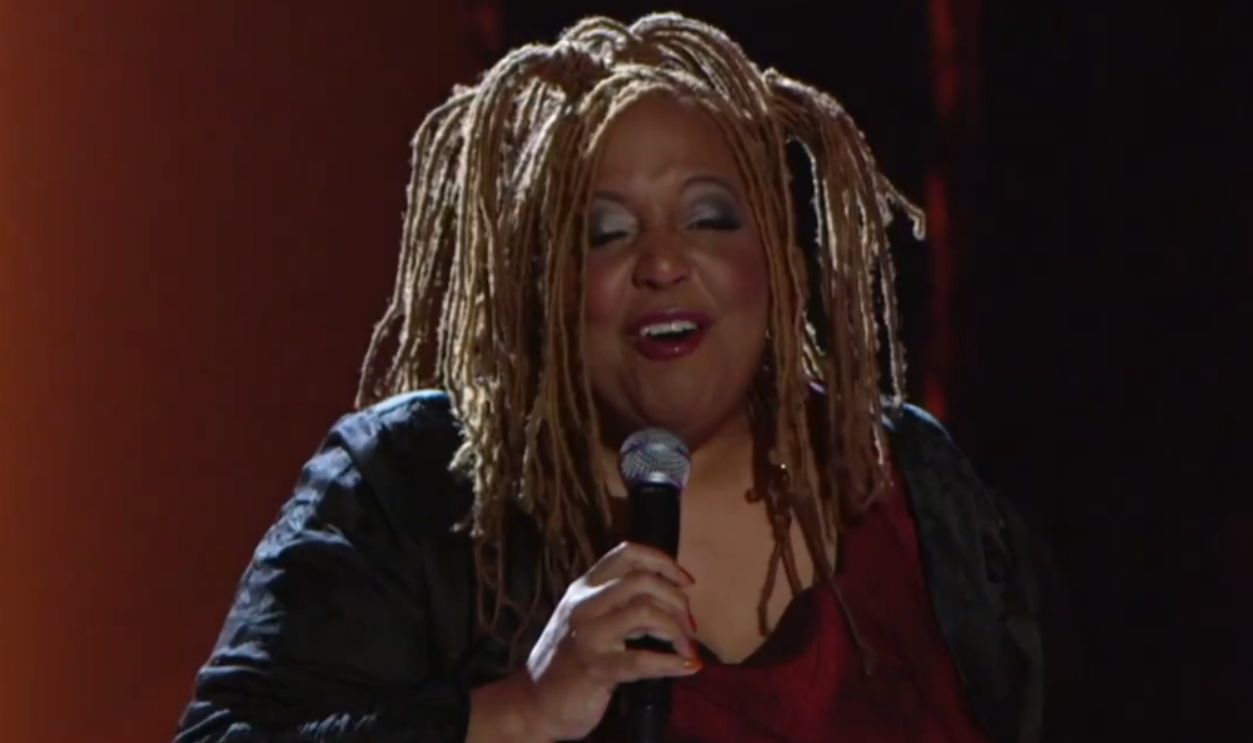 Screenshot from Got to Be Real, Columbia Records (1978)
CeCe Peniston – “Finally” (1991)
CeCe Peniston reportedly began writing “Finally” as a poem while thinking about the kind of romance she wanted. Producer Felipe Delgado and others helped turn those words into a sparkling house anthem driven by piano chords and Peniston’s powerful voice. The track became a defining crossover between underground club music and early-1990s pop radio.
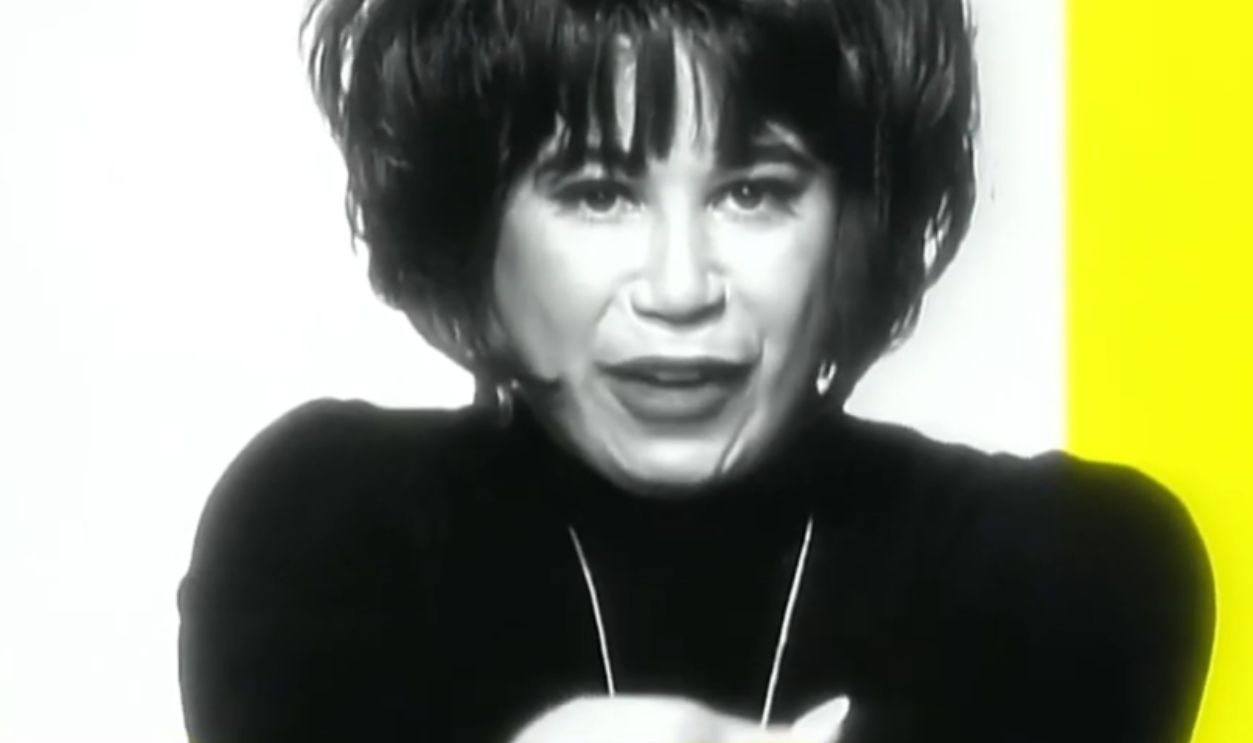 Screenshot from Finally, A&M Records (1991)
The Weather Girls – “It’s Raining Men” (1982)
Songwriters Paul Jabara and Paul Shaffer reportedly struggled to find a major singer willing to record this gloriously over-the-top concept before the Weather Girls embraced it. Martha Wash and Izora Armstead delivered every line with gospel-sized power, turning the absurd weather forecast into a camp classic. Its sheer commitment is why the joke never wears out.
 Screenshot from It's Raining Men, Columbia Records (1982)
Chaka Khan – “I’m Every Woman” (1978)
Chaka Khan launched her solo career with an anthem written by Ashford & Simpson. Her commanding performance balances confidence, warmth, and playful vocal flourishes over a polished disco-soul arrangement. Whitney Houston later introduced the song to another generation, but Khan’s original has a looseness and authority that make it sound like a personal declaration rather than an ordinary pop single.
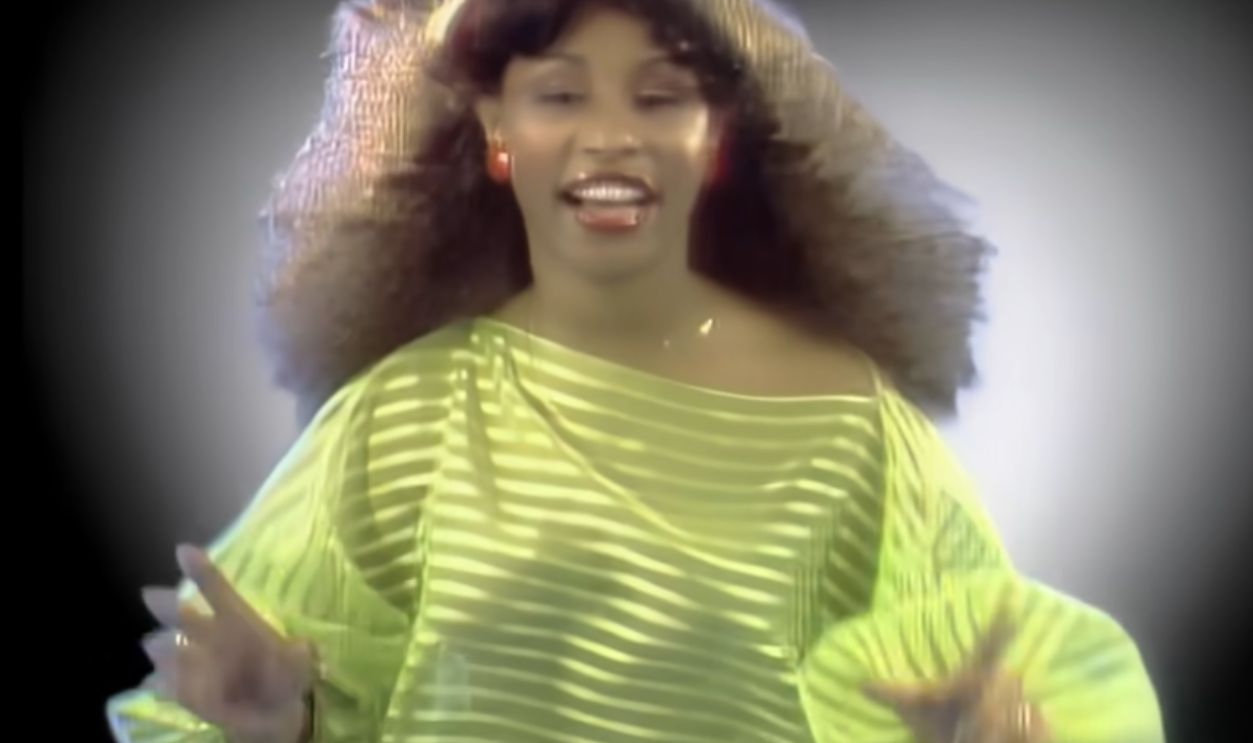 Screenshot from I'm Every Woman, Warner Bros. Records (1978)
Donna Summer – “I Feel Love” (1977)
Donna Summer and producer Giorgio Moroder changed the future of dance music by building “I Feel Love” around a pulsing Moog synthesizer rather than a conventional disco band. Summer’s airy vocal floats above the machine-driven rhythm, making the track sound sensual and futuristic at once. Its electronic blueprint can be heard throughout house, techno, synth-pop, and modern club production.
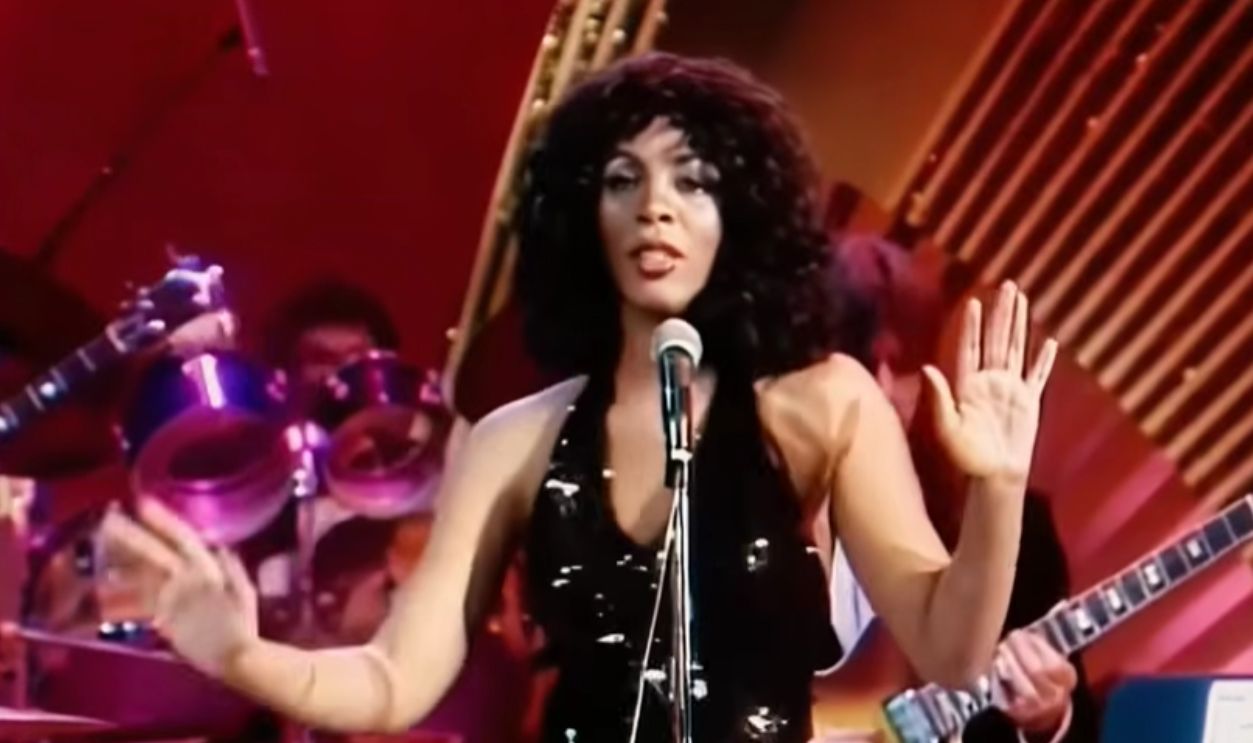 Screenshot from I Feel Love, Casablanca Records (1977)
Michael Jackson – “Don’t Stop ’Til You Get Enough” (1979)
“Don’t Stop ’Til You Get Enough” marked Michael Jackson’s first major step into creative independence as an adult solo artist. Produced by Quincy Jones, the song combines strings, horns, percussion, and Jackson’s breathless falsetto without allowing the arrangement to feel crowded. Its opening spoken passage delays the explosion just long enough to make the groove hit even harder.
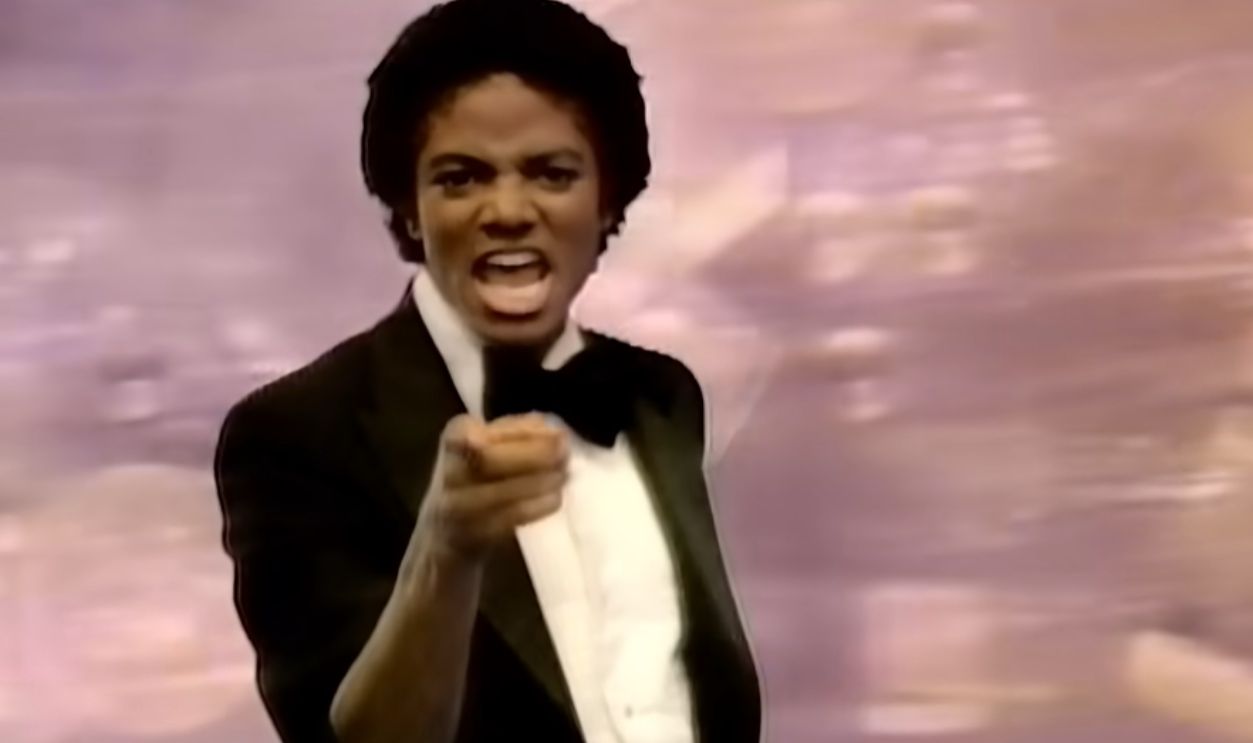 Screenshot from Don't Stop 'Til You Get Enough, Epic Records (1979)
You May Also Like:
Songs That Send Baby Boomers Running To The Dance Floor—And Millennials Running For The Exits