When Rap Met Roulade
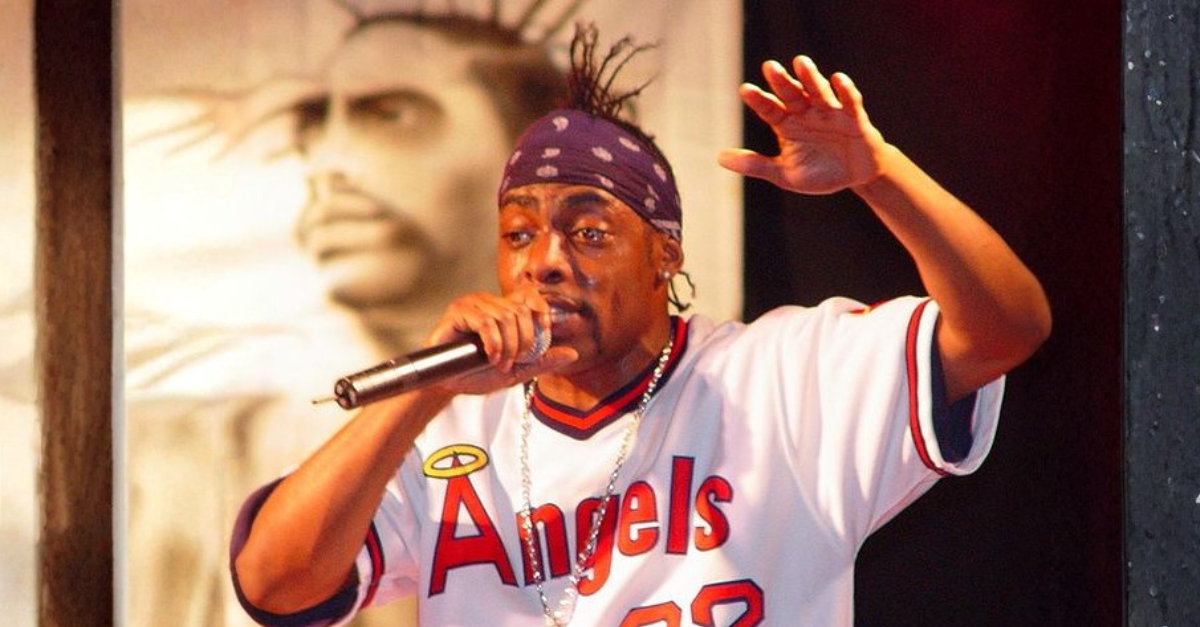
Before Food Network stars were household names and before celebrity cookbooks crowded every checkout aisle, Coolio was already stirring pots backstage. Yes, that Coolio—the Grammy-winning rapper with the gravity-defying braids and the unmistakable voice. Long before “celebrity chef” became a common career pivot, he was plating pasta for friends and crew members on tour buses and in borrowed kitchens.
Compton Beginnings
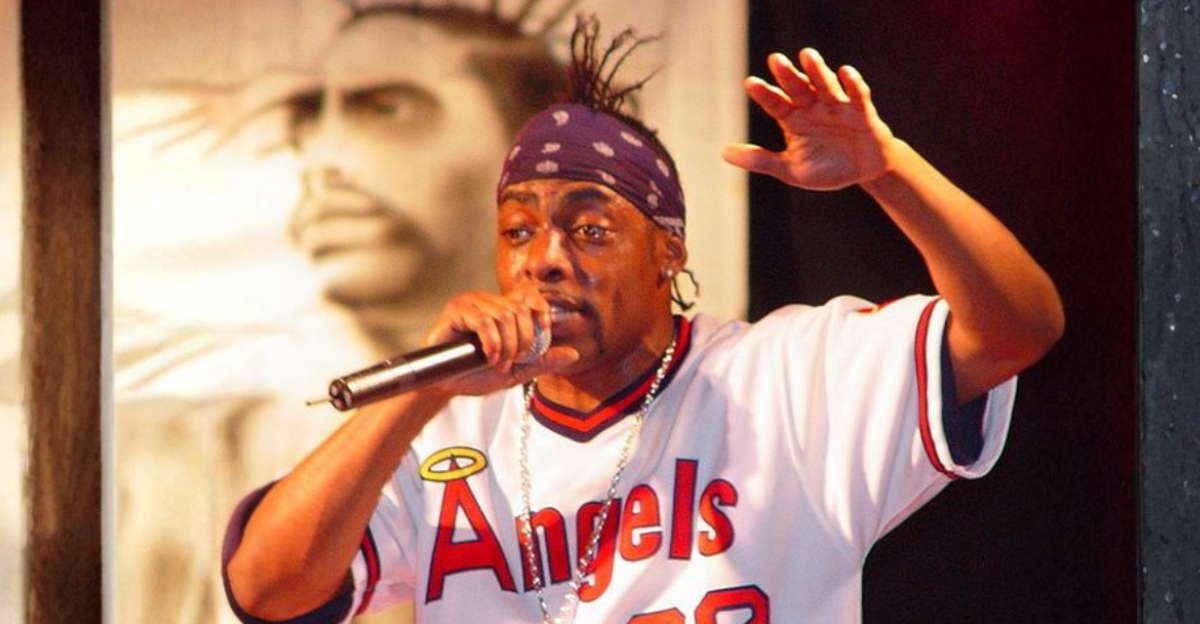
Born Artis Leon Ivey Jr. in Monessen, Pennsylvania, and raised in Compton, California, Coolio’s early life was shaped by a city that demanded resilience. He attended Compton Centennial High School and later studied at Compton Community College. Before music fully took over, he worked various jobs—including time as a volunteer firefighter.
From Firefighter To Mic Controller
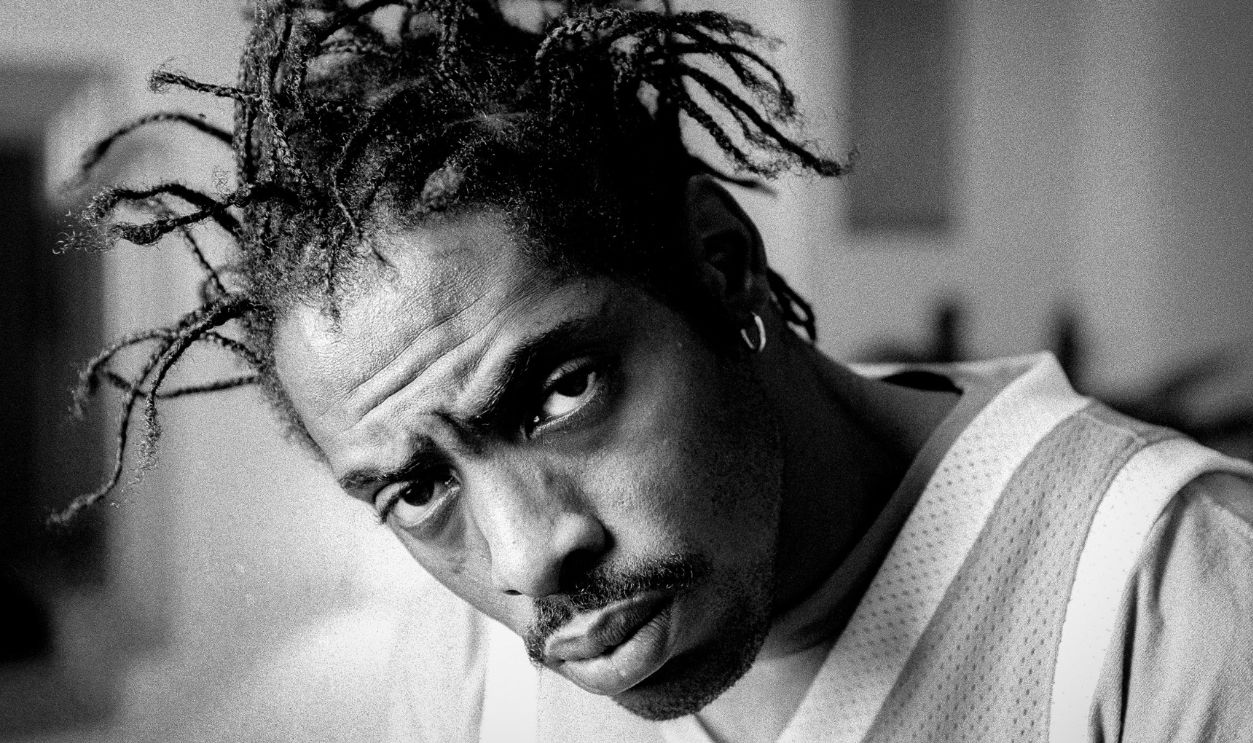
Coolio’s path into music wasn’t overnight magic. He spent time in the underground rap scene of Los Angeles in the late 1980s, building connections and sharpening his style. By the early 1990s, he joined the hip-hop collective WC and the Maad Circle, gaining industry exposure.
His solo debut album, It Takes a Thief, arrived in 1994 and featured the hit single “Fantastic Voyage.” Suddenly, Coolio wasn’t just another West Coast rapper—he was a mainstream voice with a playful edge and serious flow.
Gangsta’s Paradise Changes Everything
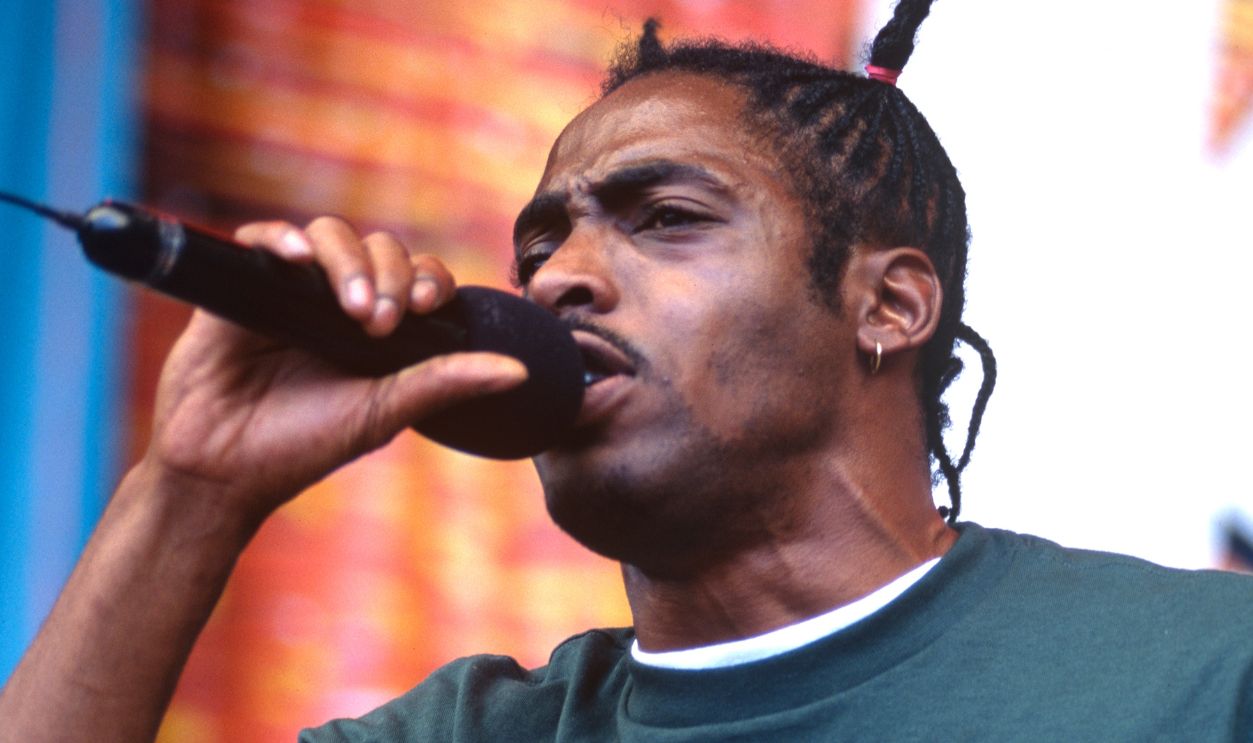
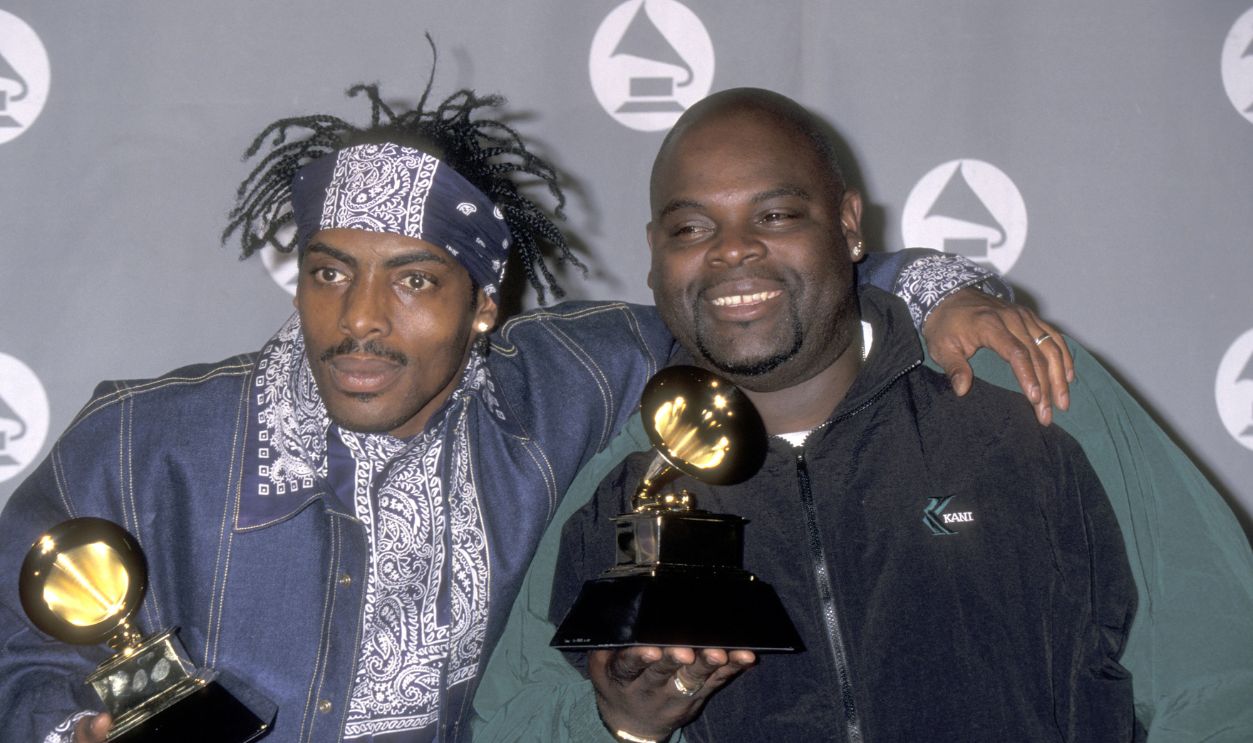
In 1995, Coolio released “Gangsta’s Paradise” for the film Dangerous Minds. Built around a Stevie Wonder sample, the track became a global phenomenon. It topped charts worldwide and earned him a Grammy Award for Best Rap Solo Performance.
The song’s success catapulted him into international fame. It also locked him into pop culture history in a way few artists achieve. But while the world replayed that haunting chorus, Coolio was still the guy who liked to cook for whoever was nearby.
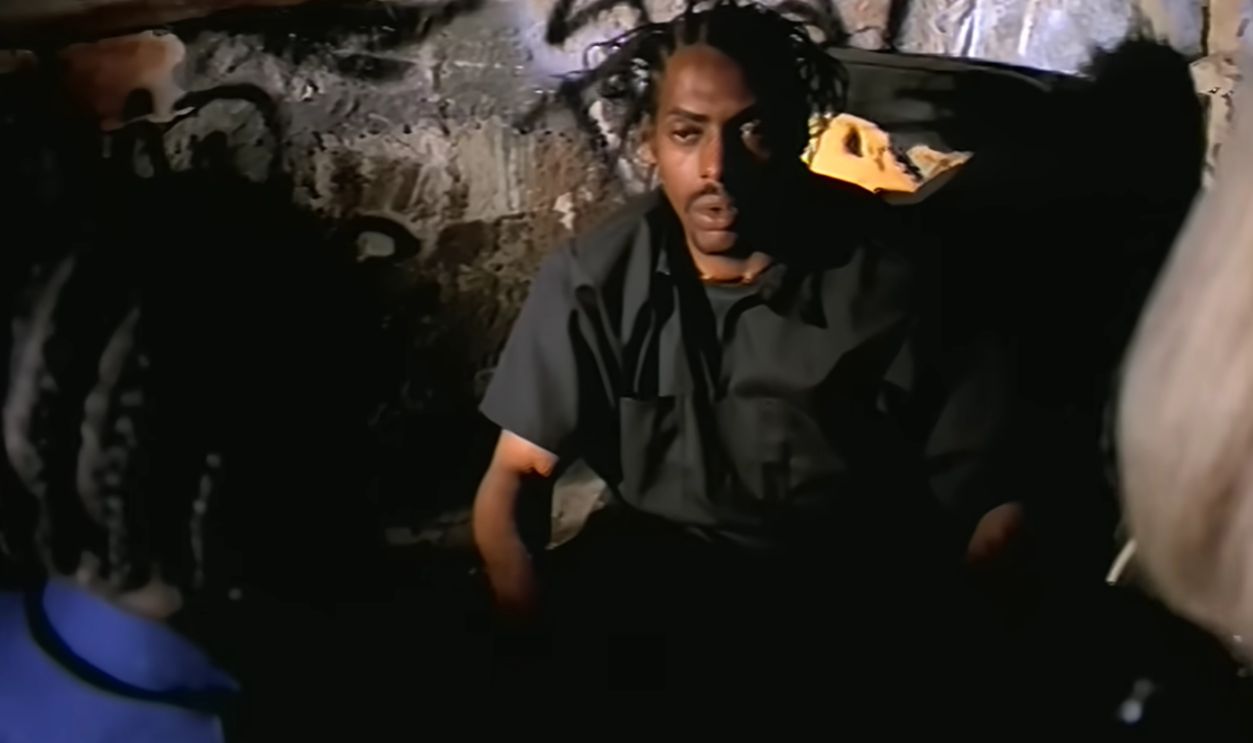 Screenshot from Gangsta’s Paradise, Warner Bros. (1995)
Awards, Accolades, And Airtime
Throughout the mid-1990s, Coolio stacked up accolades. Beyond his Grammy win, he received multiple nominations from the American Music Awards, MTV Video Music Awards, and Billboard Music Awards. He became a recognizable face on television and in film cameos.
 Ron Galella, Ltd., Getty Images
The Kitchen On Wheels
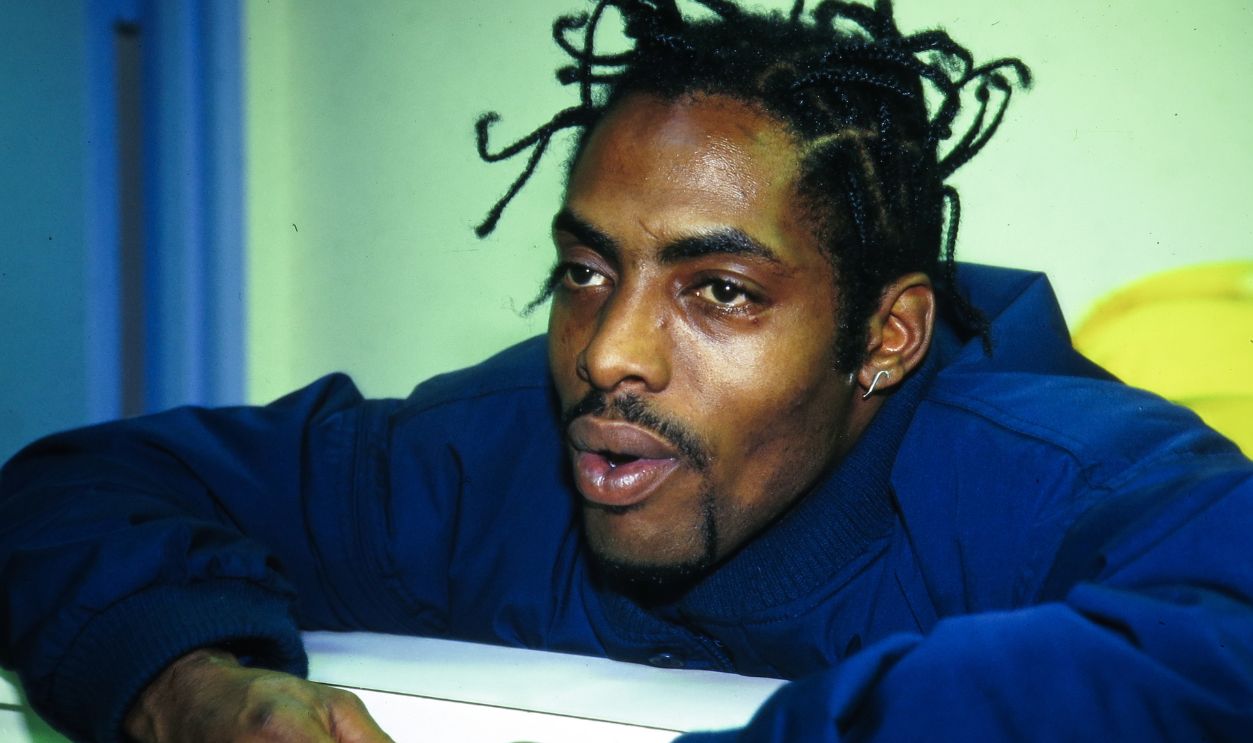
Tour life can be a blur of hotel rooms and fast food. Coolio rejected that routine. Instead, he brought ingredients on the road and cooked for friends, crew members, and sometimes fans. Pasta dishes, hearty comfort meals, bold seasoning—he treated backstage like his own pop-up restaurant.
He called it Ghetto Gourmet—a name that mixed humor, pride, and accessibility. The idea was simple: good food doesn’t need white tablecloths to matter.
Ghetto Gourmet Becomes A Show
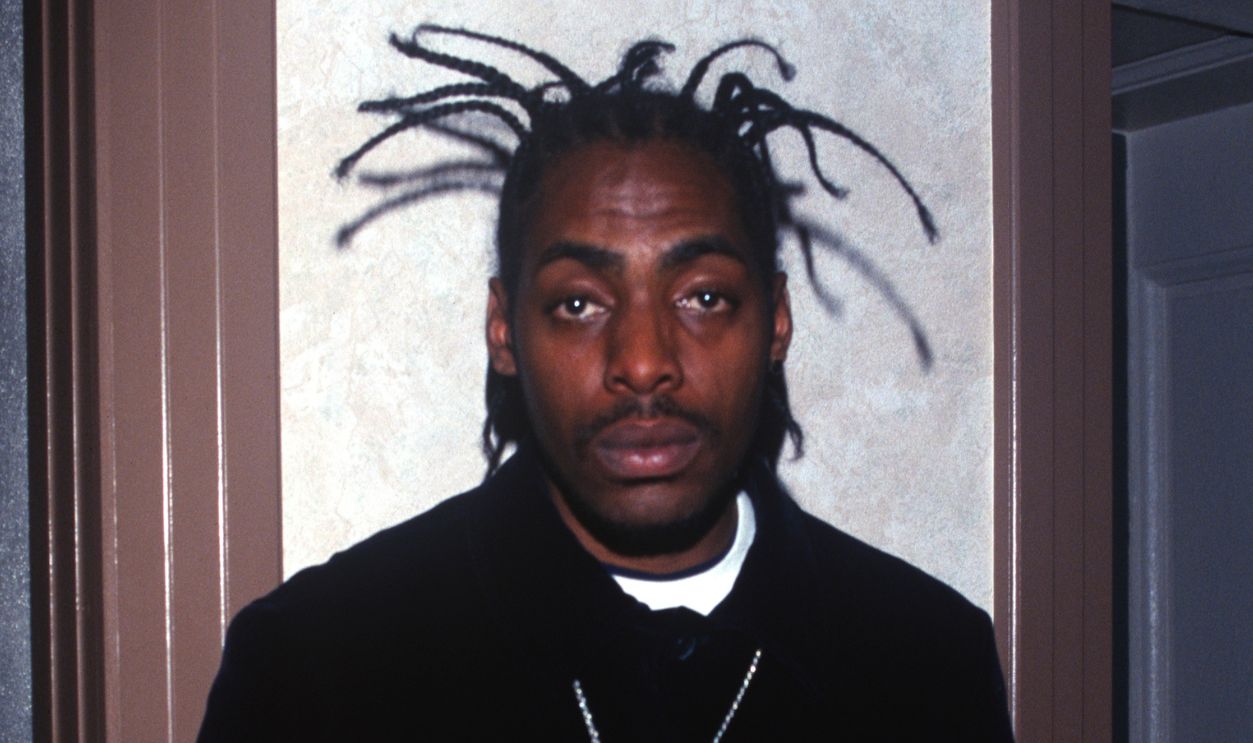
Eventually, his love of cooking became more than a backstage hobby. Coolio launched an online cooking show called Cookin’ with Coolio. In it, he prepared affordable, approachable meals with his signature laid-back style and plenty of jokes.
A Cookbook With Swagger
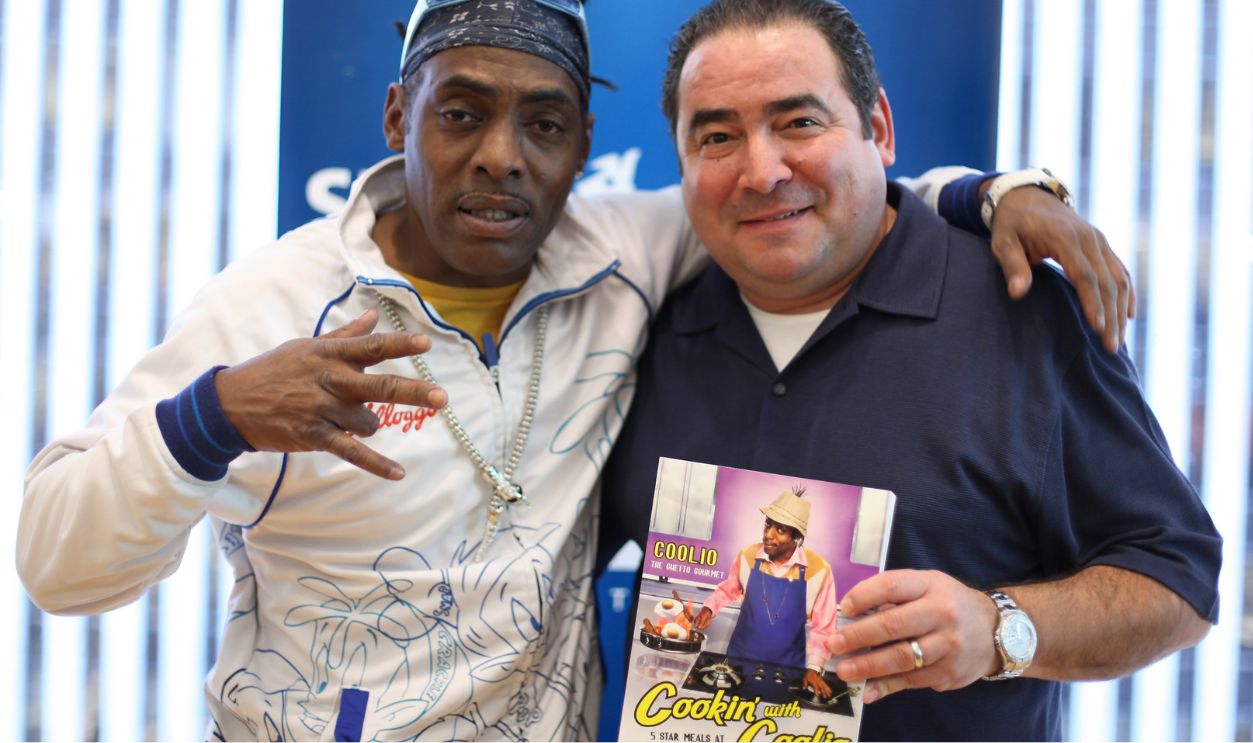
Coolio later released a cookbook titled Cookin’ with Coolio: 5 Star Meals at a 1 Star Price. The title said everything. He positioned himself as the guy who could elevate simple ingredients without draining your wallet.
The recipes were accessible and often playful, reflecting his personality. He wasn’t trying to out-Martha Martha Stewart. He was trying to show that creativity in the kitchen belonged to everyone.
Humor Was Always On The Menu
What made Coolio’s cooking persona work was authenticity. He didn’t pretend to be a classically trained chef. He joked, improvised, and embraced imperfection. His recipes came with commentary that felt like hanging out in a friend’s kitchen rather than attending culinary school.
That tone matched the way he approached music—confident, unfiltered, and distinctly his own.
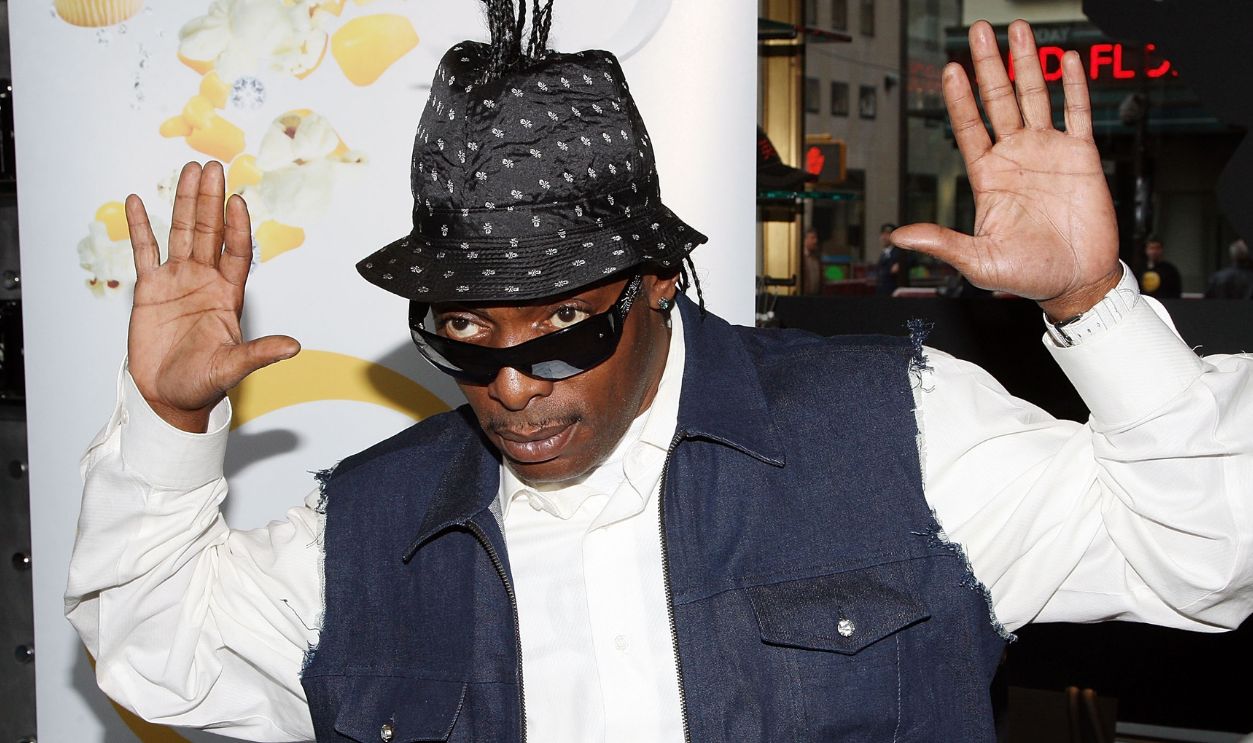 Andrew H. Walker, Getty Images
Reinventing The Rapper Archetype
At a time when rappers expanding into food culture wasn’t yet common, Coolio’s pivot felt unexpected. He proved an artist could evolve without abandoning who they were. There was no image overhaul, no polished rebrand—just a rapper who genuinely liked to cook.
In doing so, he quietly broadened what hip-hop stardom could look like.
 Gregory Bojorquez, Getty Images
Reality TV Regular
Coolio also became a familiar face on reality television. He appeared on shows like Celebrity Big Brother and other competition-based programs, leaning into his larger-than-life personality. Audiences got to see different sides of him—sometimes chaotic, often charming.
Through it all, he remained self-aware and game for the ride.
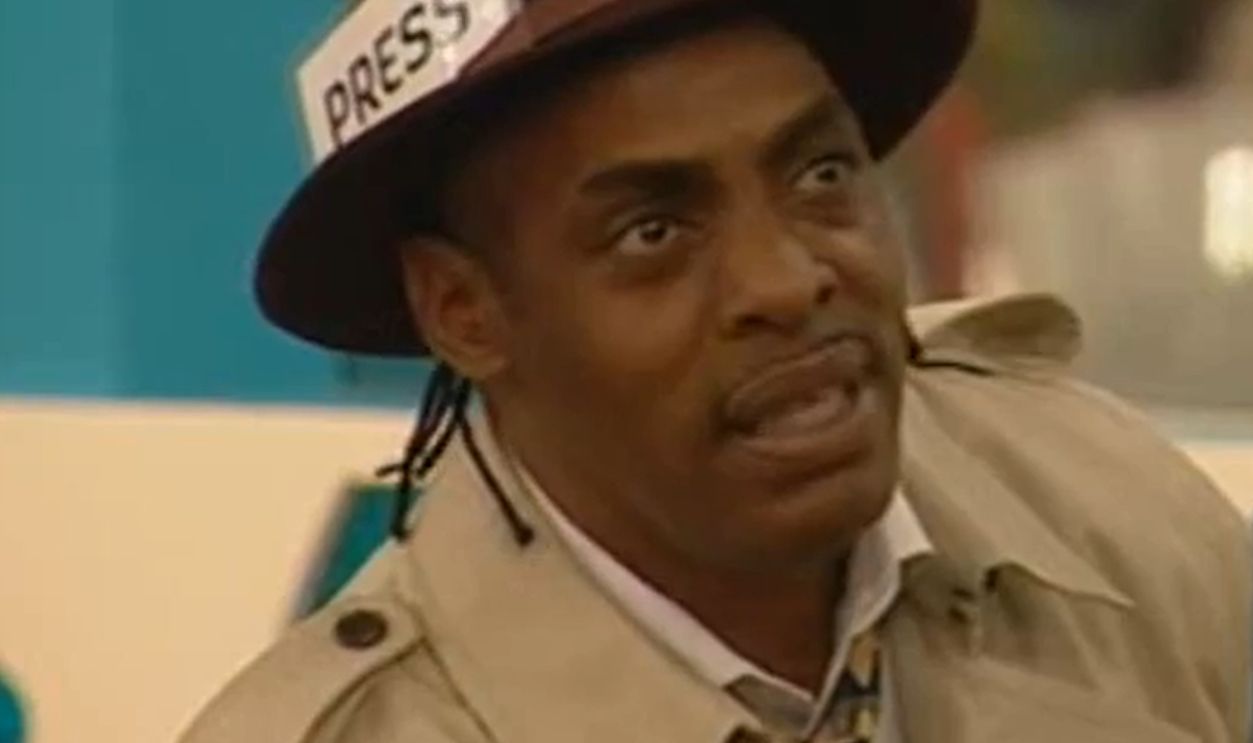 Screenshot from Celebrity Big Brother, CBS (2018–2022)
The Highs And The Hurdles
Like many artists who rise quickly to fame, Coolio experienced career fluctuations. The late 1990s and 2000s brought changes in the music industry and shifting trends in hip-hop. Court and financial challenges also surfaced at different points in his life.
Still, he continued recording music and performing internationally. He embraced the nostalgia circuit without becoming trapped by it.
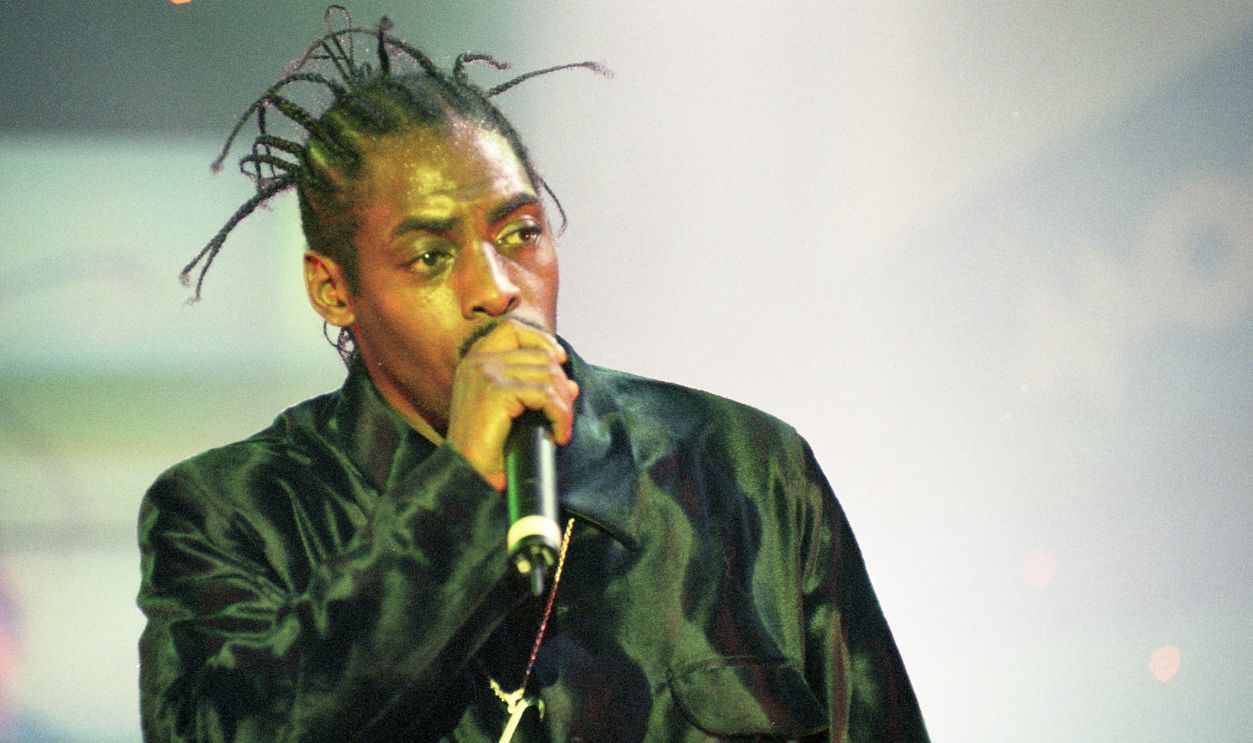
A Voice That Defined A Decade
Even for listeners who couldn’t name another Coolio track, “Gangsta’s Paradise” never really left the airwaves. It became shorthand for 1990s hip-hop, for moody cinematic rap, for that specific blend of introspection and intensity.
Few artists get a song that transcends its era. Coolio did—and then he kept living creatively beyond it.
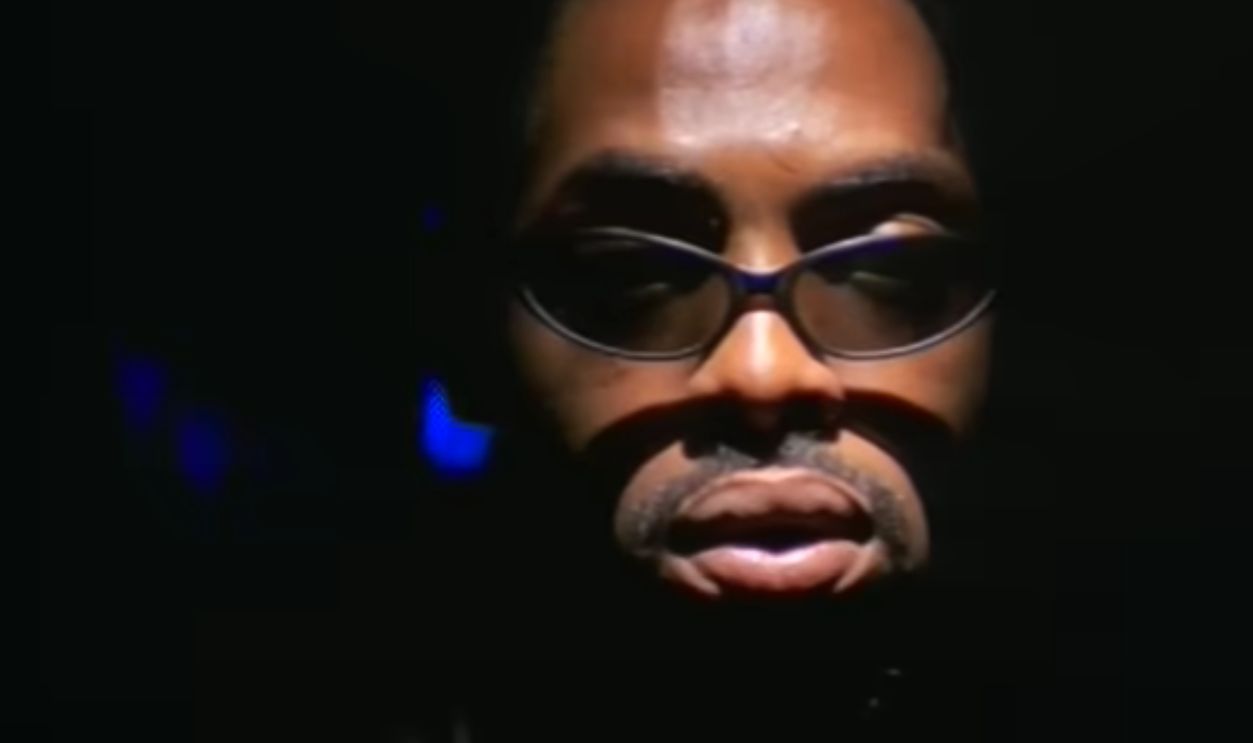 Screenshot from Gangsta’s Paradise, Warner Bros. (1995)
Family First
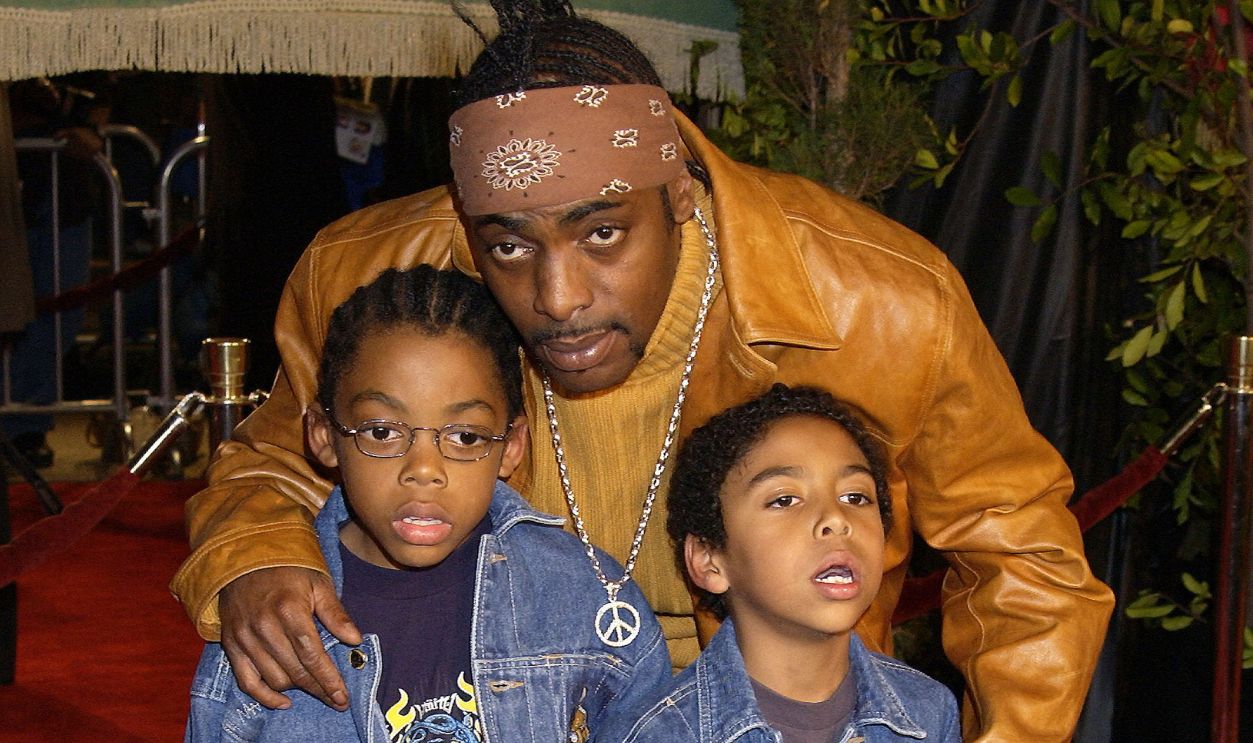
Coolio was also a father. He often spoke about his children and the importance of providing for them. Balancing fame with family life wasn’t always simple, but it remained a central part of his identity.
Behind the braids and bravado was someone navigating real-life responsibilities.
The Lasting Appeal Of Ghetto Gourmet
Years after its debut, Ghetto Gourmet still felt ahead of its time. Today, celebrity chefs and musicians routinely cross into each other’s lanes. But Coolio was experimenting with that blend long before it became standard branding practice.
He understood something fundamental—food is community. Music is too.
September 2022
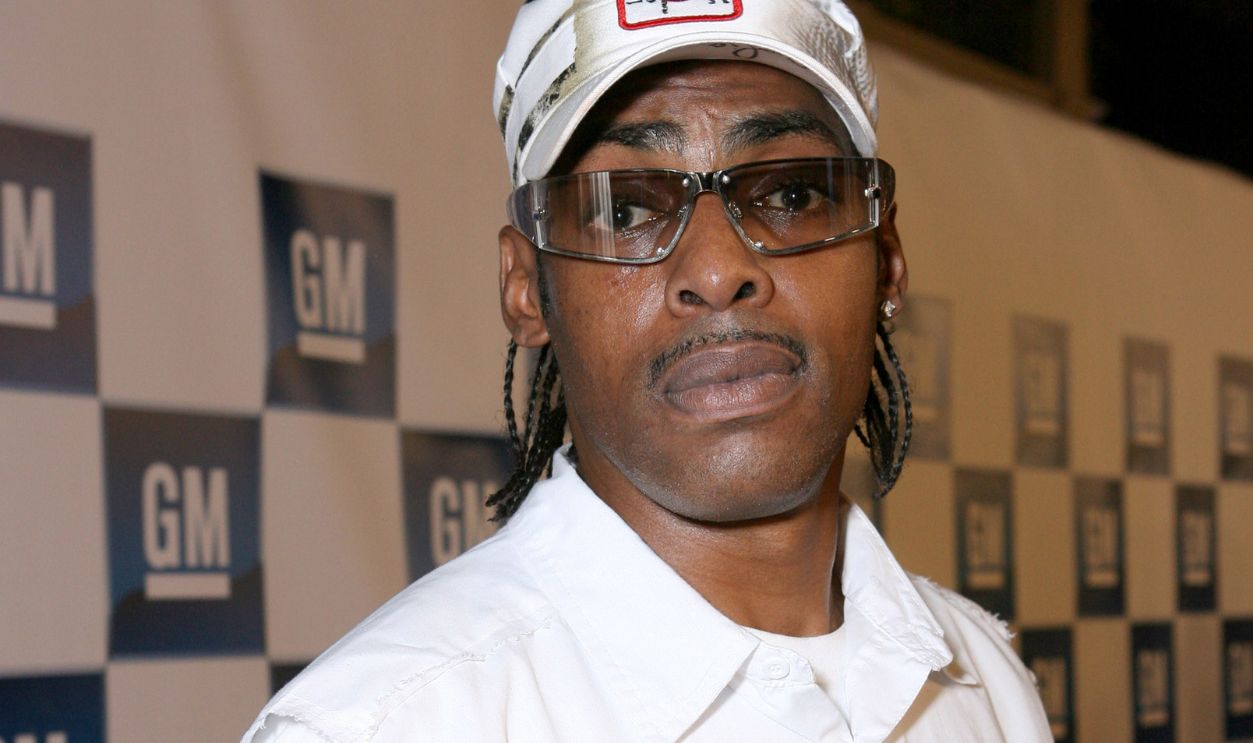
On September 28, 2022, Coolio was found unresponsive at a friend’s home in Los Angeles. He was 59 years old. The news rippled through the music world and beyond.
Fans mourned not just a rapper, but a personality who had colored their adolescence and playlists.
The Sad End
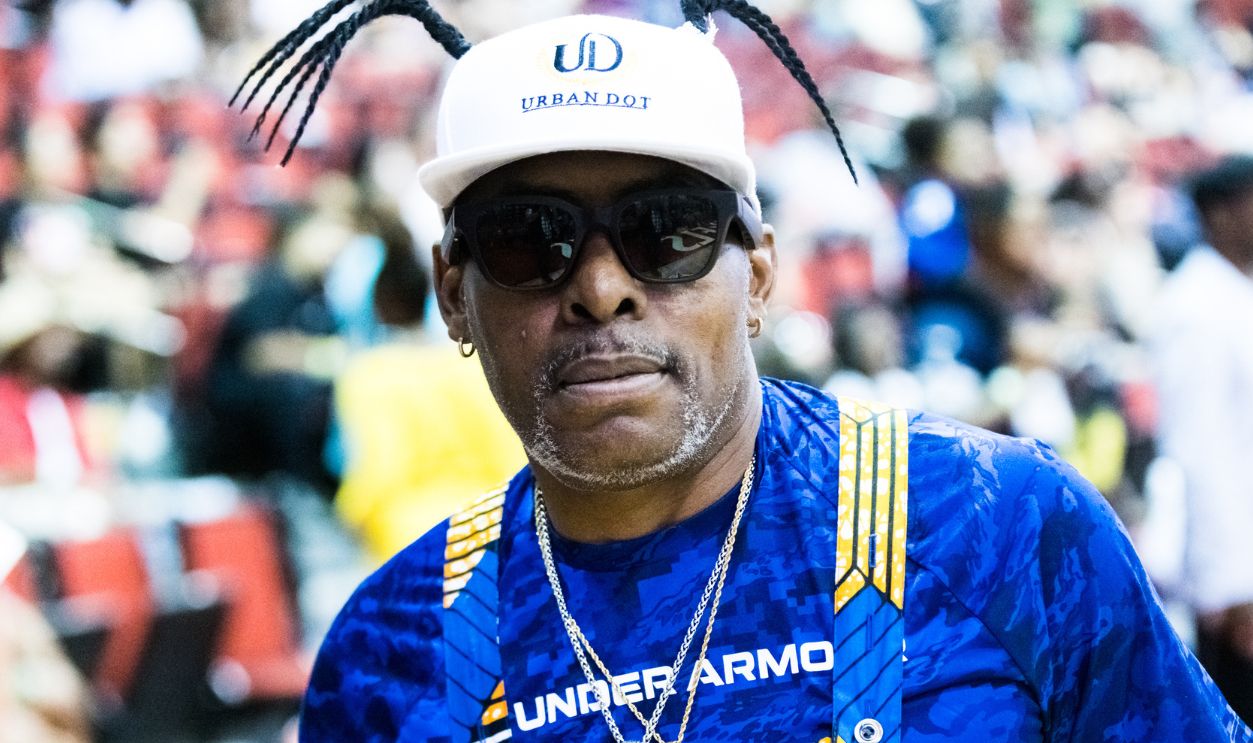
In 2023, it was reported that Coolio passed from the effects of fentanyl, with other substances contributing. His passing became part of a broader conversation about the ongoing opioid crisis in the United States.
The loss felt preventable, which made it heavier.
 Timothy Krause, Wikimedia Commons
Tributes From Every Corner
Artists across genres paid tribute. Fellow rappers, pop stars, actors, and fans shared memories of his kindness and humor. Many mentioned his generosity—how he would cook for people, how he would show up.
He wasn’t just remembered for a chart-topping hit. He was remembered for warmth.
More Than A One-Hit Wonder
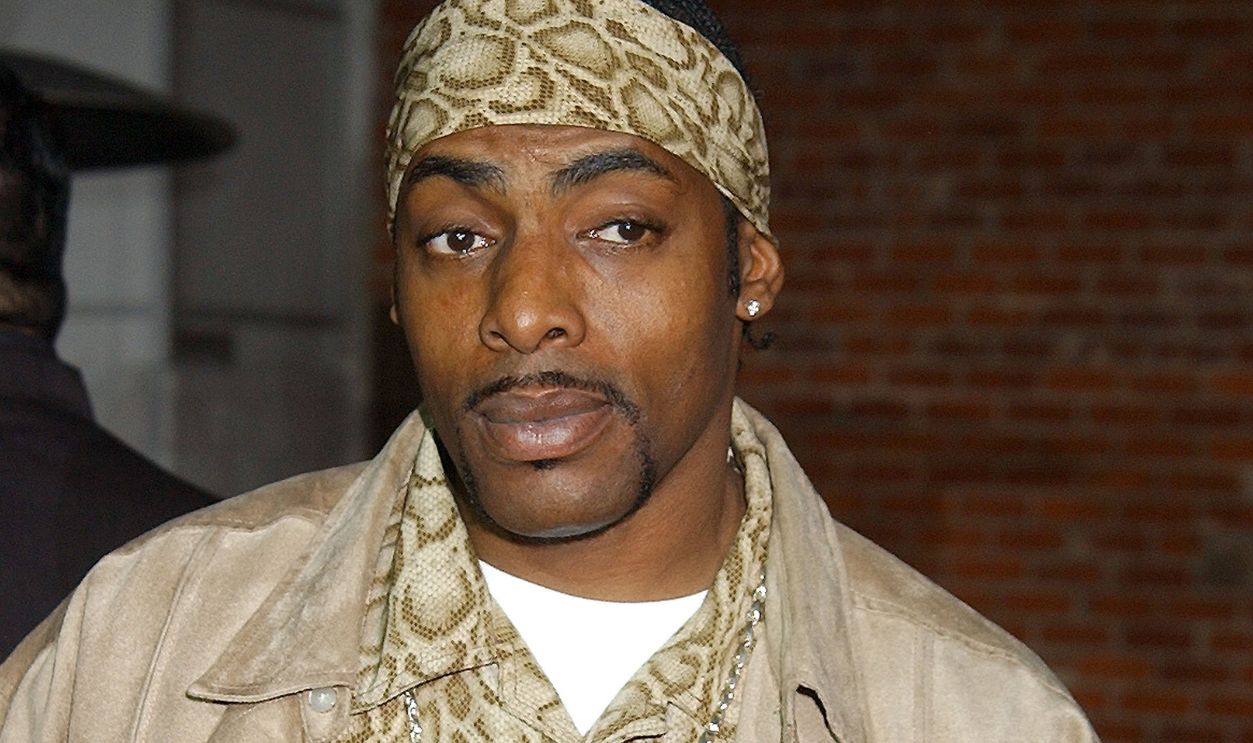
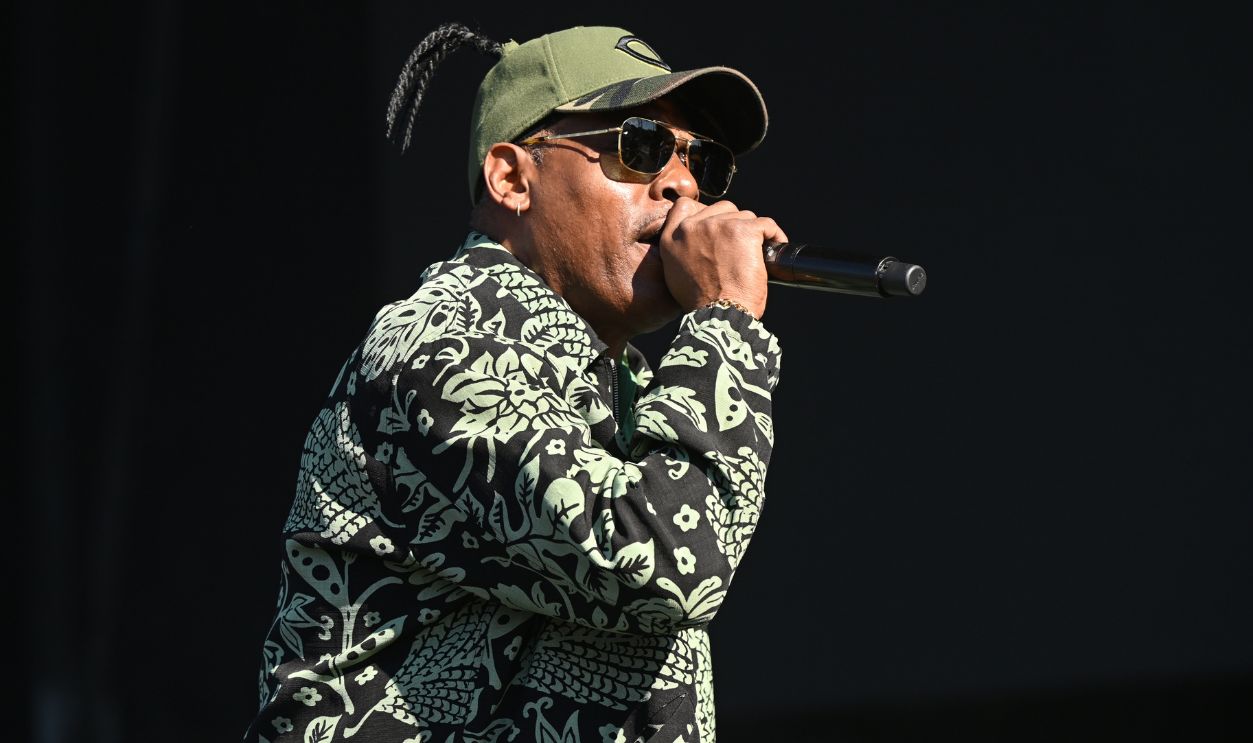
It’s easy to reduce an artist to their biggest song. But Coolio’s career spanned multiple albums, television appearances, collaborations, and creative experiments. He carved out a lane that blended grit with playfulness, seriousness with self-parody.
That balance made him memorable.
 Daniel Boczarski, Getty Images
A Flavorful Legacy
Coolio’s legacy isn’t confined to a single chorus or Grammy speech. It lives in playlists, in reruns, in dog-eared cookbooks splattered with sauce. It lives in the idea that reinvention doesn’t require abandoning your roots.
He once turned tour buses into kitchens and backstage hangouts into dinner parties. And in doing so, he reminded everyone that sometimes the best art—like the best meals—is meant to be shared.
You May Also Like:
Iconic Songs That Prove The 2010s Brought Hip Hop Back From The Grave