Money Talks—But Does It Sing?
Some great albums were made for less than the price of a used car. Not these. The albums on this list cost as much as a bunch of used cars, a whole lot of brand-new cars, houses, private jets, and, for some, a small island or two.
The costs are reported estimates, and we’ve ranked them roughly by their value in 2026 US dollars. But the real question is much simpler: Can you actually hear where all that money went?
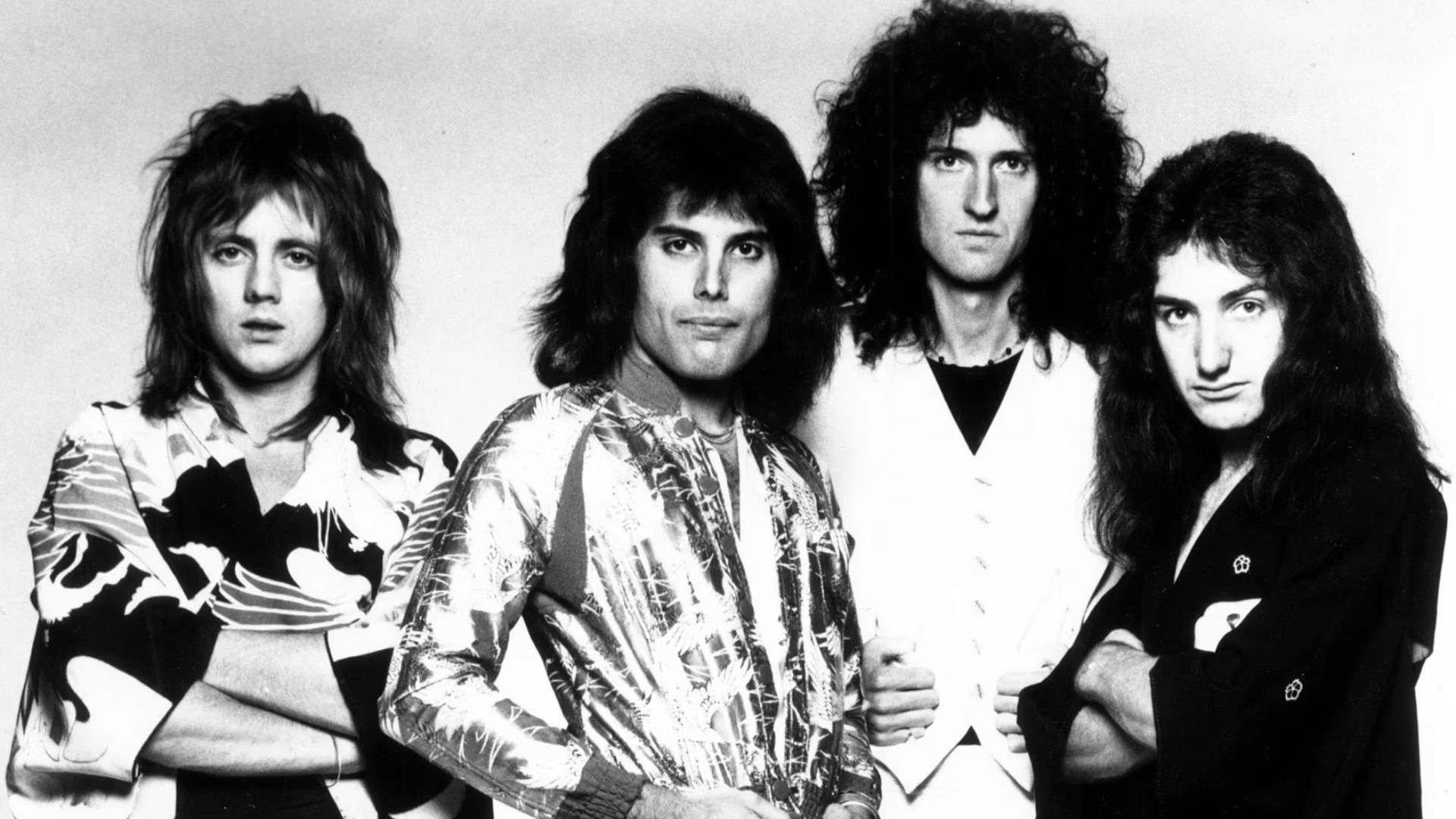
“A Night At The Opera” (Queen, 1975)
Reported cost: About £40,000 (roughly $550,000 in 2026 US dollars)
Queen moved between several studios, piled vocals on top of vocals, recreated entire instrumental sections with Brian May’s guitar, and approached tape as though nobody had bothered to mention there might be limits. It was widely considered the most expensive album ever recorded at the time.
Verdict: Just play Bohemian Rhapsody. Question answered.
 Koh Hasebe; Distributed by Elektra Records, Wikimedia Commons
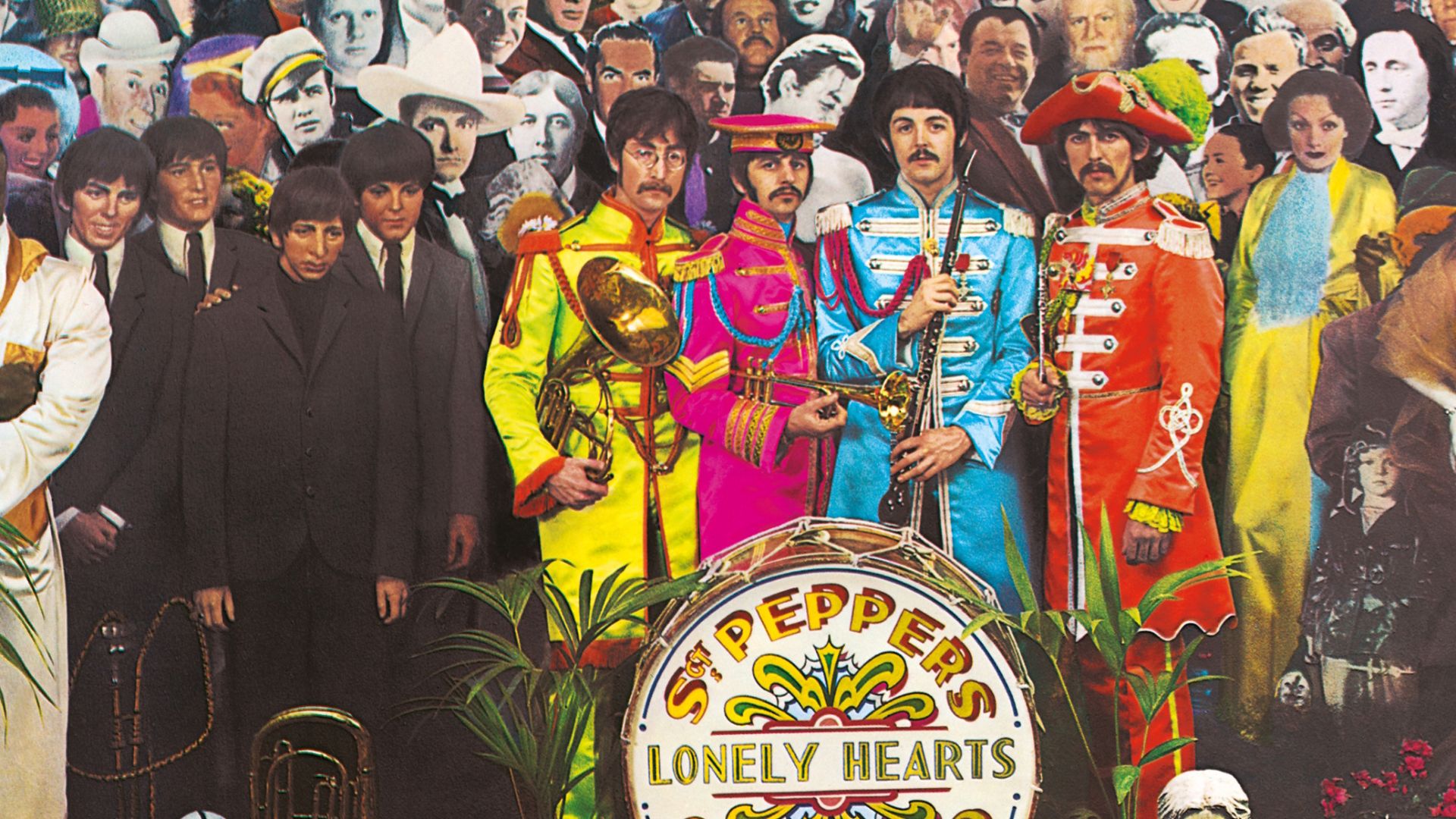
“Sgt. Pepper’s Lonely Hearts Club Band” (The Beatles, 1967)
Reported cost: About £25,000 (roughly $700,000 in 2026 US dollars)
The Beatles spent roughly 700 hours experimenting with orchestras, tape loops, sound effects, unusual instruments, and recording techniques that sometimes had to be invented as they went. It wasn’t outrageously costly by today’s standards, but it was extraordinary for 1967.
Verdict: Yes. The money helped turn the recording studio into an instrument.
 Peter Blake / Parlophone, Capitol Records, Wikimedia Commons
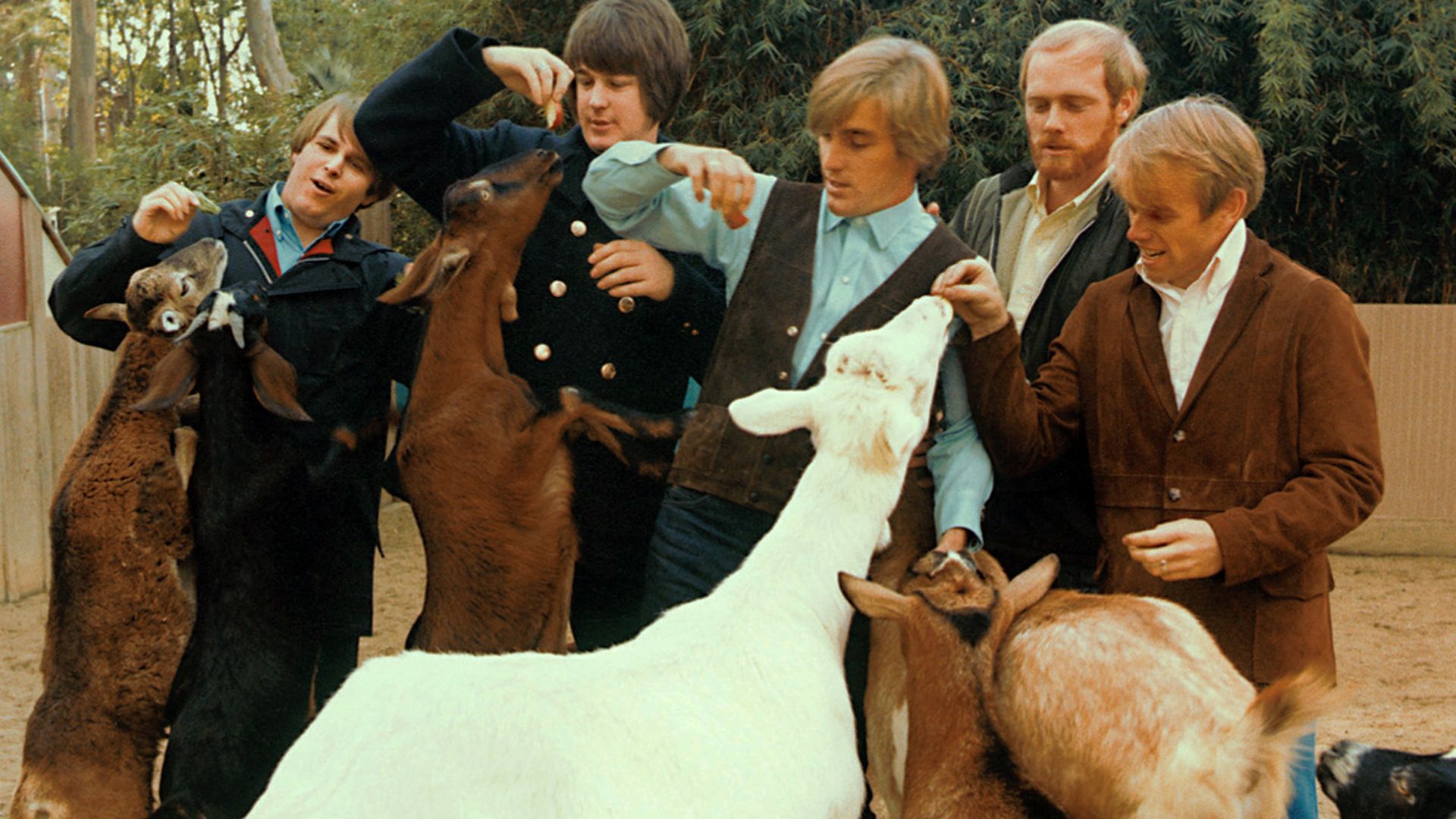
“Pet Sounds” (The Beach Boys, 1966)
Reported cost: About $70,000 (roughly $725,000 in 2026 dollars)
Brian Wilson used elite session musicians, several Los Angeles studios, layered vocal arrangements, and instruments rarely heard on pop records. Seventy thousand dollars was an extraordinary budget in 1966, but this isn’t one where you need to hunt very hard for the money.
Verdict: Completely. Musicians are still studying where Wilson placed every note.
 The Beach Boys, Wikimedia Commons
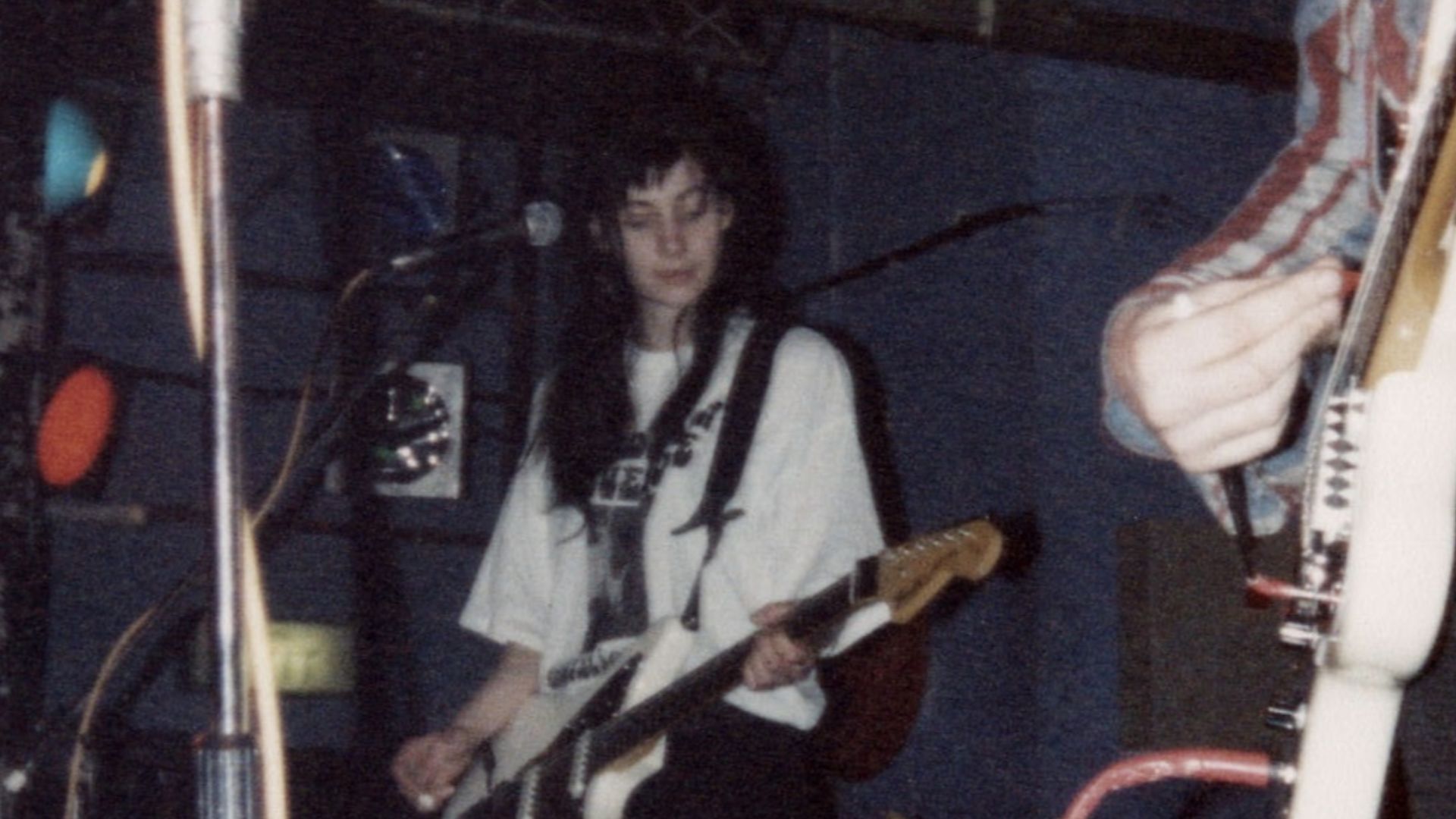
“Loveless” (My Bloody Valentine, 1991)
Reported cost: As much as £250,000 (roughly $1.1 million in 2026 US dollars)
That figure remains disputed by Kevin Shields, who has argued that the math doesn’t add up. What isn’t disputed is that My Bloody Valentine moved through 19 studios while developing the album’s strange, swirling guitar sound. Whatever the actual bill was, Loveless still sounds unlike almost anything else.
Verdict: The money helped create something thousands of cheaper albums have chased ever since.
 Graham Racher, Wikimedia Commons
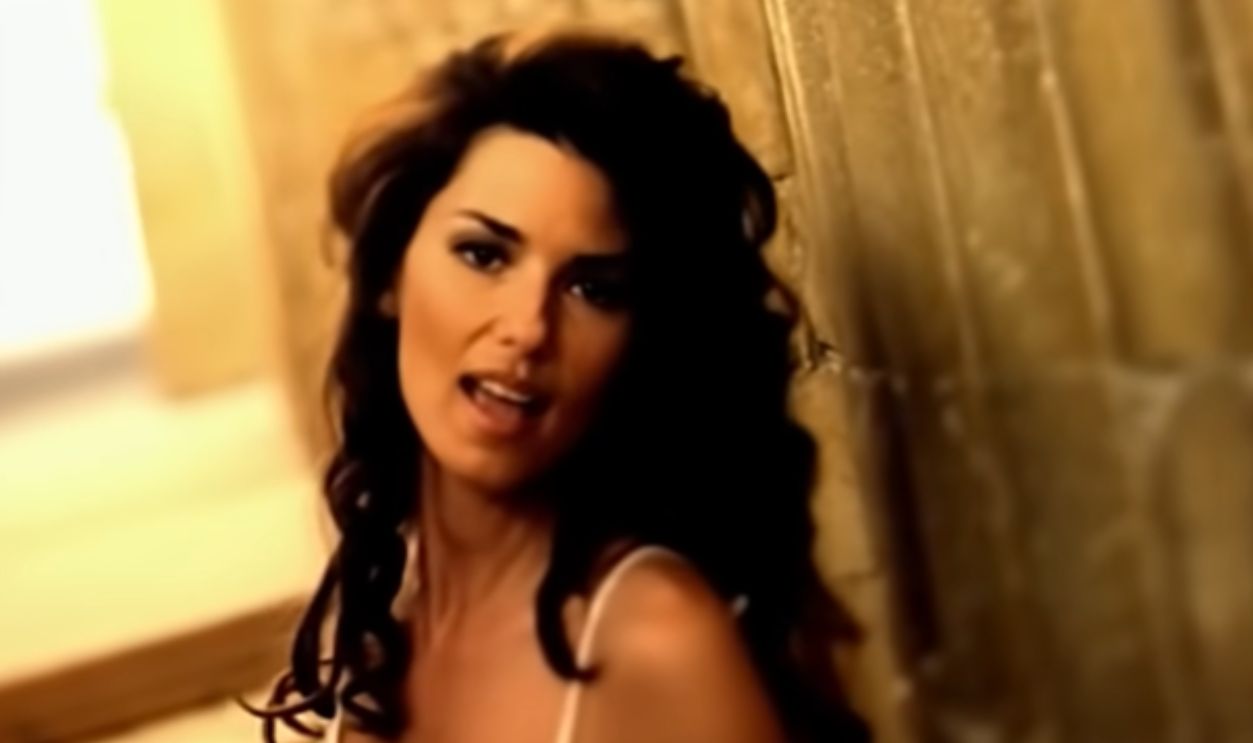
“The Woman In Me” (Shania Twain, 1995)
Reported cost: About $750,000–$1 million (roughly $1.6–2.2 million in 2026 dollars)
A million-dollar country album was a serious gamble in the mid-90s, especially for a singer whose debut had barely made an impact. Producer Mutt Lange gave Shania Twain enormous choruses, stacked harmonies, and a sound designed to travel far beyond country radio.
Verdict: Yes. The production helped change Twain’s career and mainstream country music.
 Screenshot from The Woman In Me, Universal Distribution (1995)
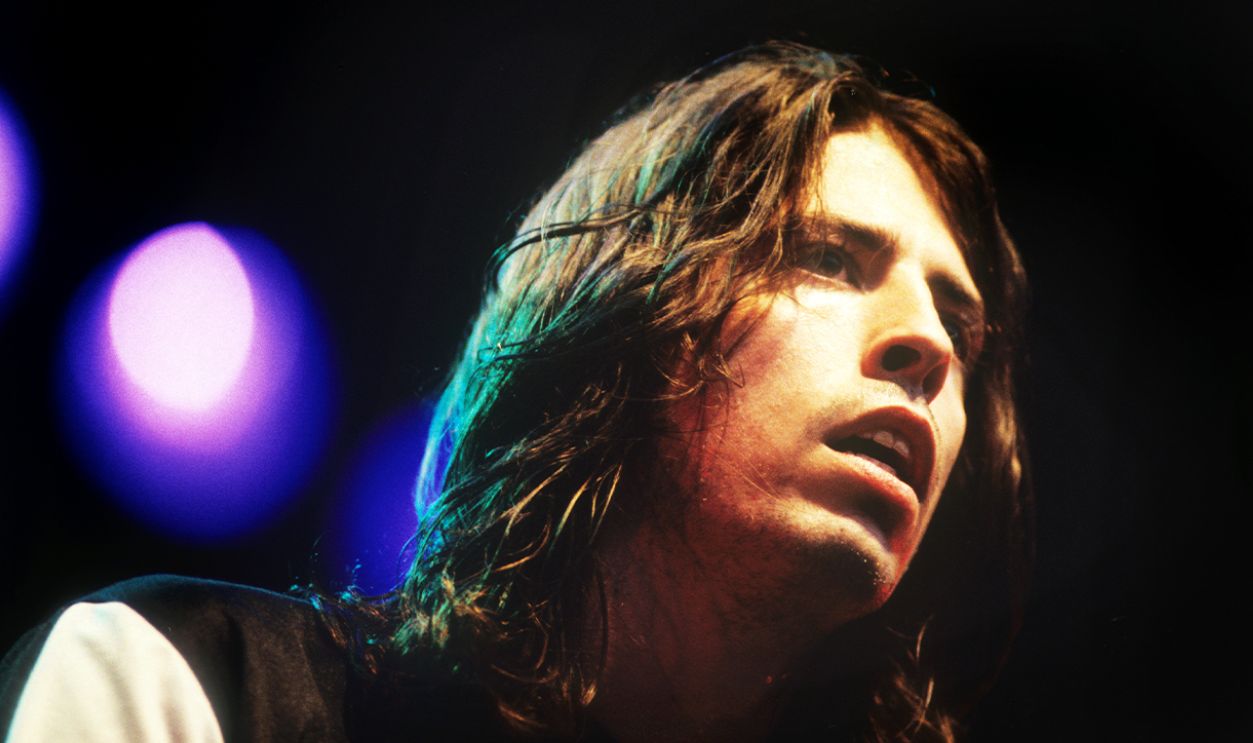
“One By One” (Foo Fighters, 2002)
Reported cost: More than $1 million for the original sessions (roughly $1.9 million in 2026 dollars)
Foo Fighters spent months recording 29 songs, listened back, and decided much of the material simply wasn’t good enough. The band eventually regrouped and re-recorded most of the album much more quickly at Dave Grohl’s Virginia studio.
Verdict: The best money spent on One by One may have been whatever it cost to abandon the expensive version.
“Metallica” (Metallica, 1991)
Reported cost: About $1 million (roughly $2.5 million in 2026 dollars)
Metallica spent months clashing with producer Bob Rock while building the heavier, clearer, more controlled sound of the Black Album. The difference from their earlier records was immediate. The drums thundered, the guitars were massive, and the songs reached an entirely new audience.
Verdict: Every dollar did its job—and then went out and earned several more dollars.
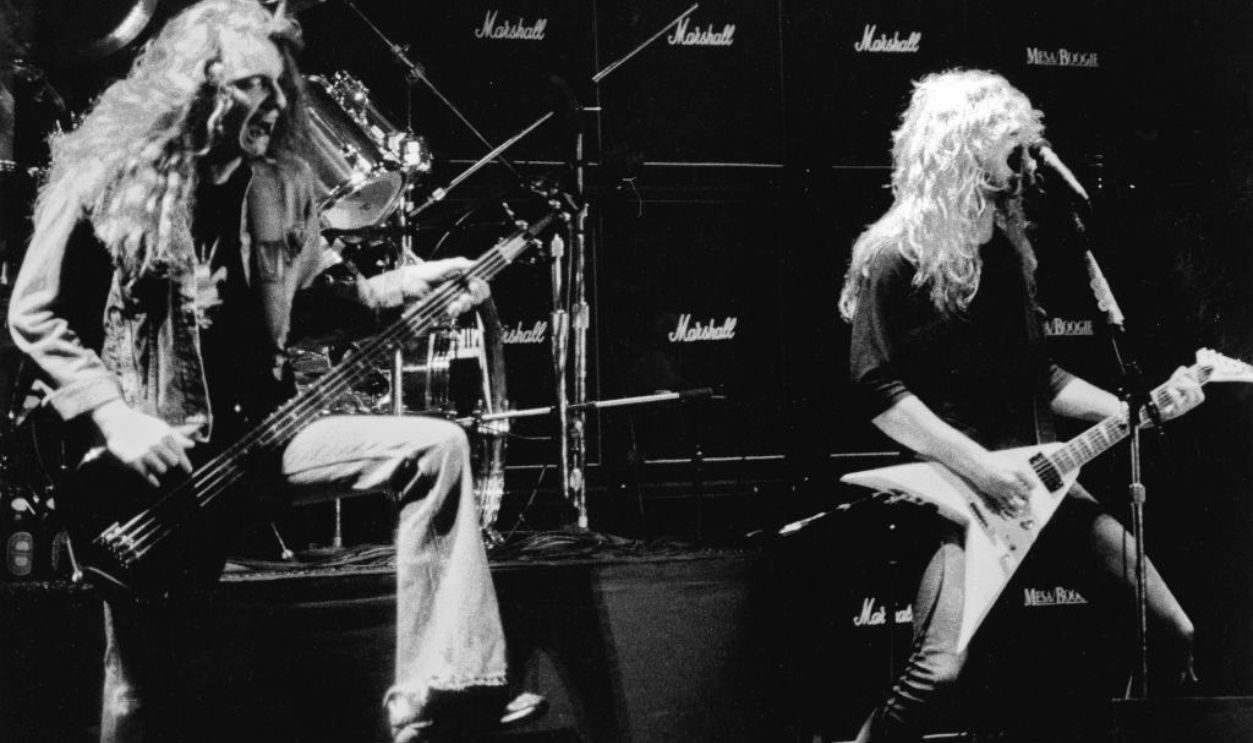
“One Way Ticket To Hell…And Back” (The Darkness, 2005)
Reported cost: About £1 million (roughly $3.1 million in 2026 US dollars)
The Darkness hired Queen producer Roy Thomas Baker and filled the album with orchestration, enormous vocal stacks, and wonderfully unnecessary studio experiments. Some tracks reportedly grew to more than 120 layers of guitars and vocals, which is one way to make a studio accountant feel needed.
Verdict: You can hear the money, but the much cheaper debut had better songs—which remains inconvenient.
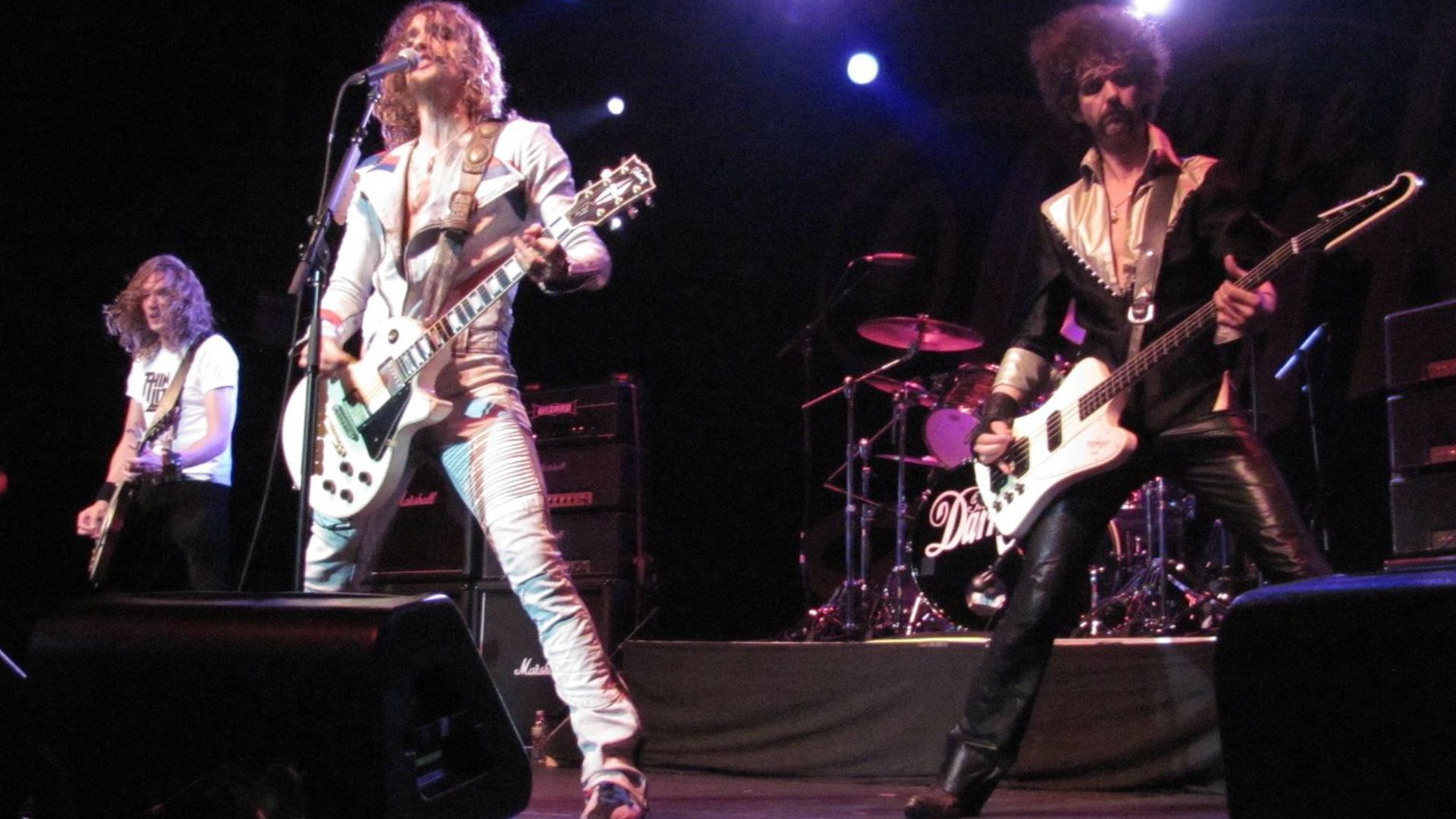
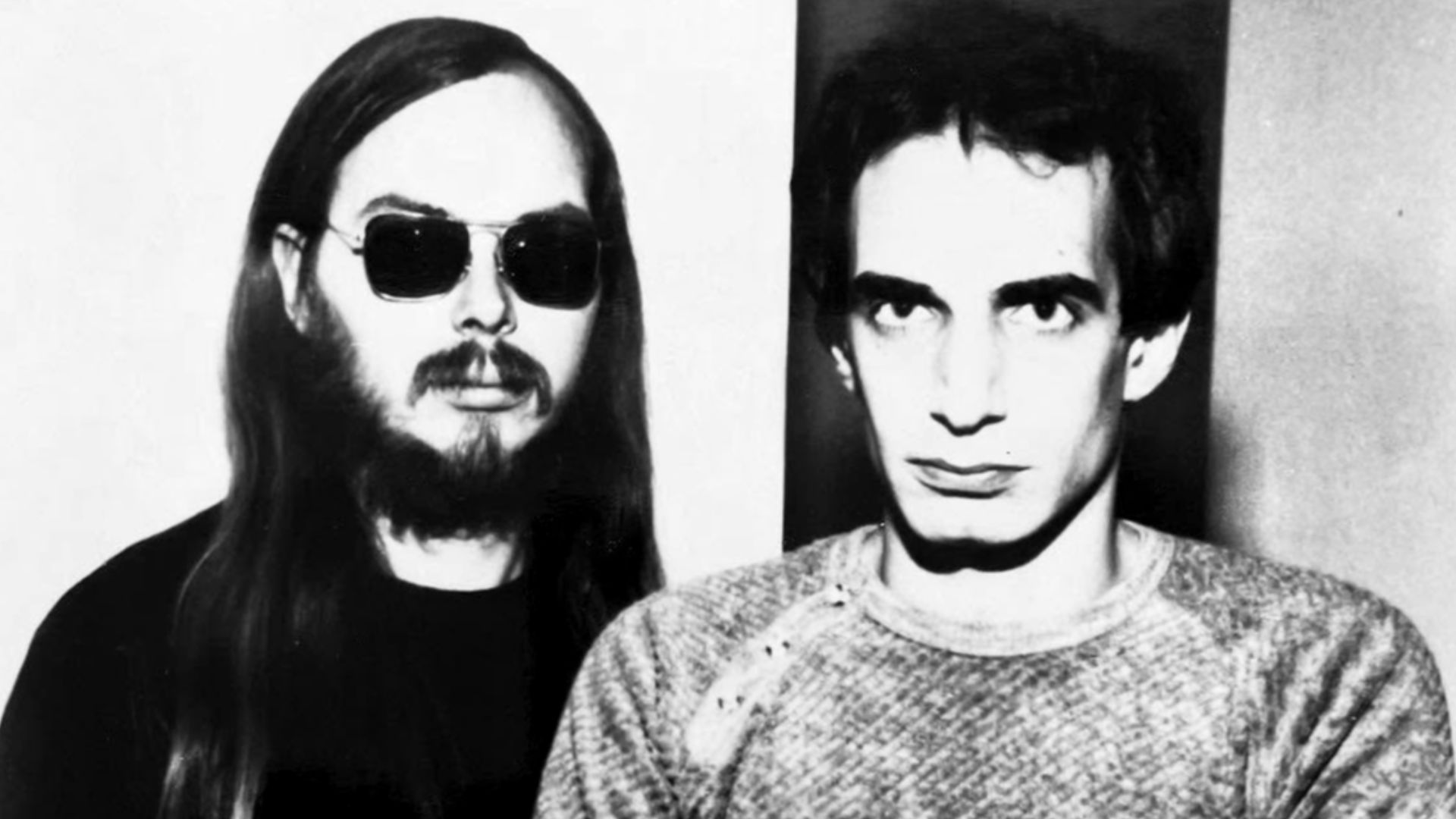
“Gaucho” (Steely Dan, 1980)
Reported cost: More than $1 million (more than $4 million in 2026 dollars)
Steely Dan’s perfectionism reached almost comic levels on Gaucho. Dozens of musicians cycled through the sessions, most of a completed song was accidentally erased, and engineer Roger Nichols received $150,000 to develop the custom Wendel drum system.
Verdict: Yes. Gaucho sounds like two men repeatedly rejecting expensive perfection in favor of slightly more expensive perfection.
 Distributed by MCA Records, Wikimedia Commons
“My Beautiful Dark Twisted Fantasy” (Kanye West, 2010)
Reported cost: About $3 million (roughly $4.6 million in 2026 dollars)
Kanye West reportedly block-booked Hawaiian studio space and assembled a sprawling guest list of singers, musicians, rappers, and producers. Unlike many albums here, the excess became part of the appeal. Every song seems determined to be the biggest song ever recorded.
Verdict: Yes. You can practically hear the invoices entering the room.
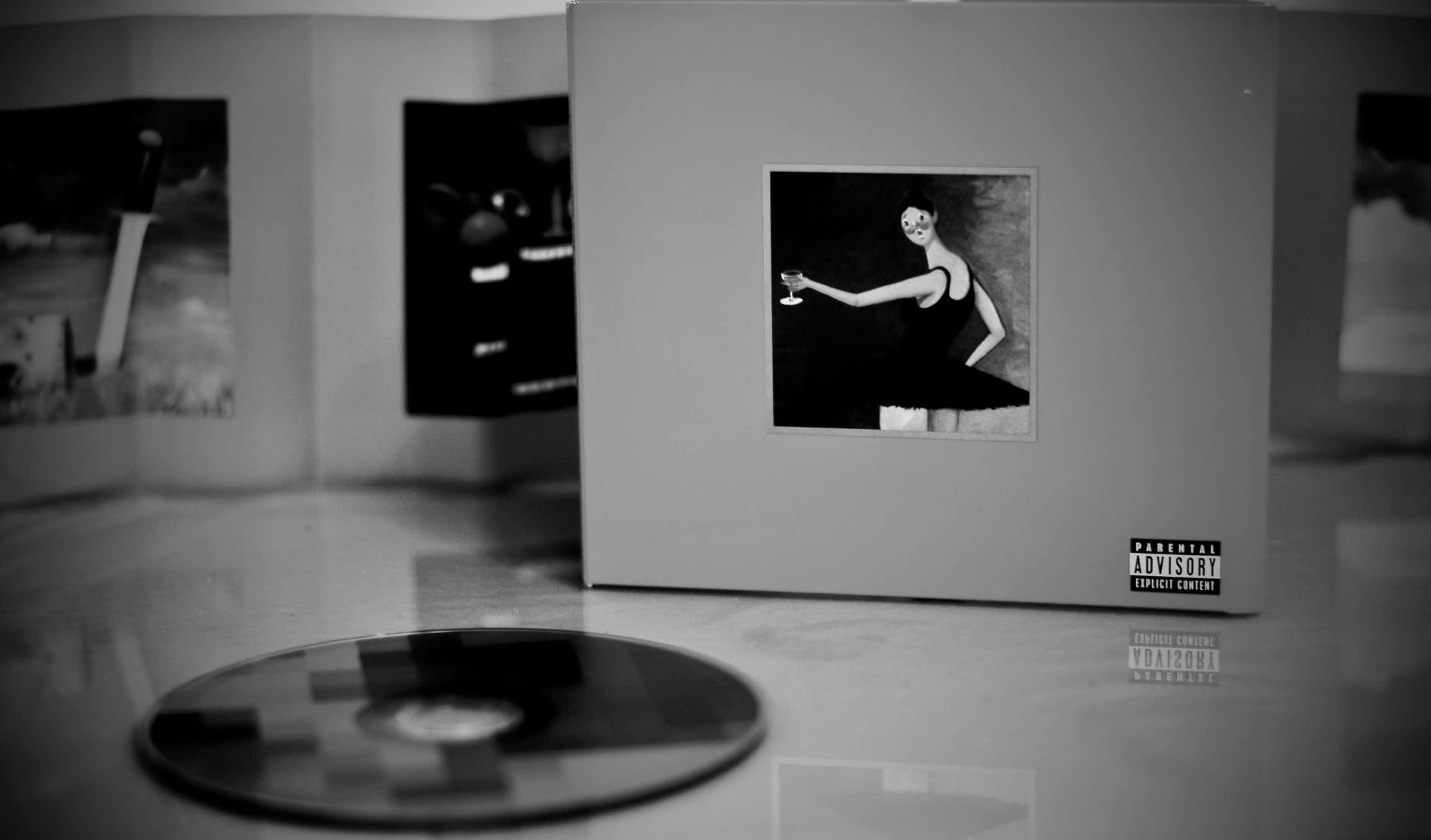
“Deftones” (Deftones, 2003)
Reported cost: About $2.5 million (roughly $4.6 million in 2026 dollars)
Frank Delgado explained that missed deadlines and monthly fines helped push the self-titled album’s cost to roughly $2.5 million. That changes the calculation considerably. The record sounds rich, heavy, and atmospheric, but late fees aren’t an instrument.
Verdict: Some of the money is audible. A surprising amount probably lived in the accounting department.
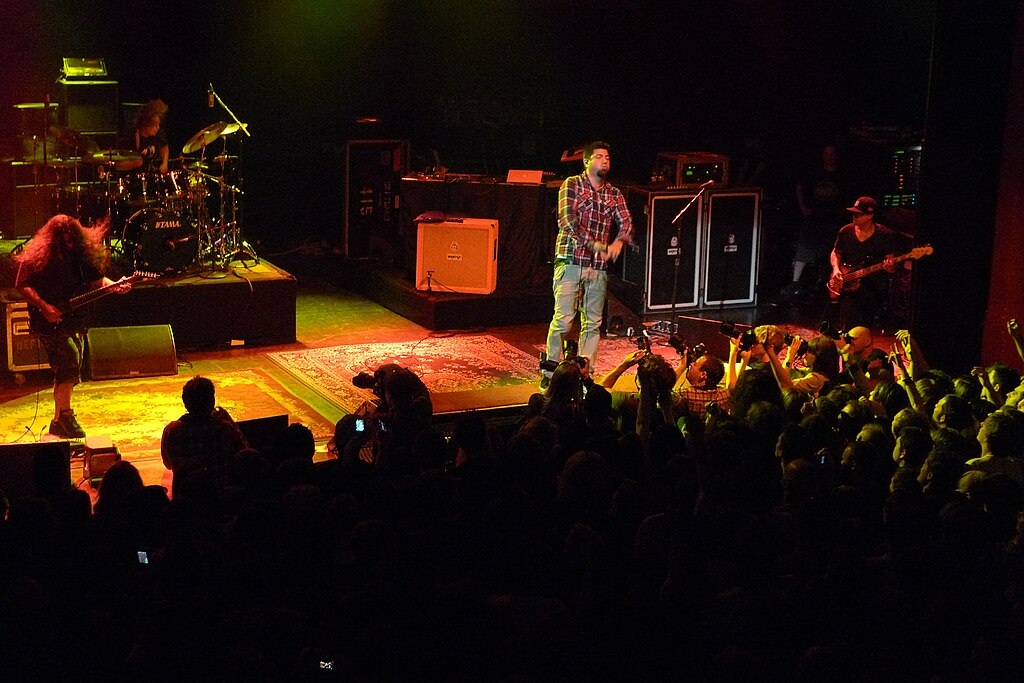 benjgibbs, CC BY 2.0, Wikimedia Commons
“Tusk” (Fleetwood Mac, 1979)
Reported cost: About $1.4 million (roughly $6.5 million in 2026 dollars)
After Rumours, Warner Bros. probably expected another collection of immaculate radio hits. Lindsey Buckingham instead helped deliver a strange, sprawling double album involving unusual recording techniques and a custom studio built inside the Village Recorder. Tusk doesn’t sound expensive in the usual glossy sense.
Verdict: The money made it onto the record—it just arrived wearing much weirder clothes.

“Untouchables” (Korn, 2002)
Reported total project cost: About $4 million (roughly $7.5 million in 2026 dollars)
Only part of that figure went directly into recording. Korn also kept a 15-person touring crew on retainer and rented multiple expensive houses while the album dragged on. Still, Untouchables sounds crushing, detailed, and unusually massive.
Verdict: Plenty of money made it onto the record. Plenty also made it into the luxury-rental market.
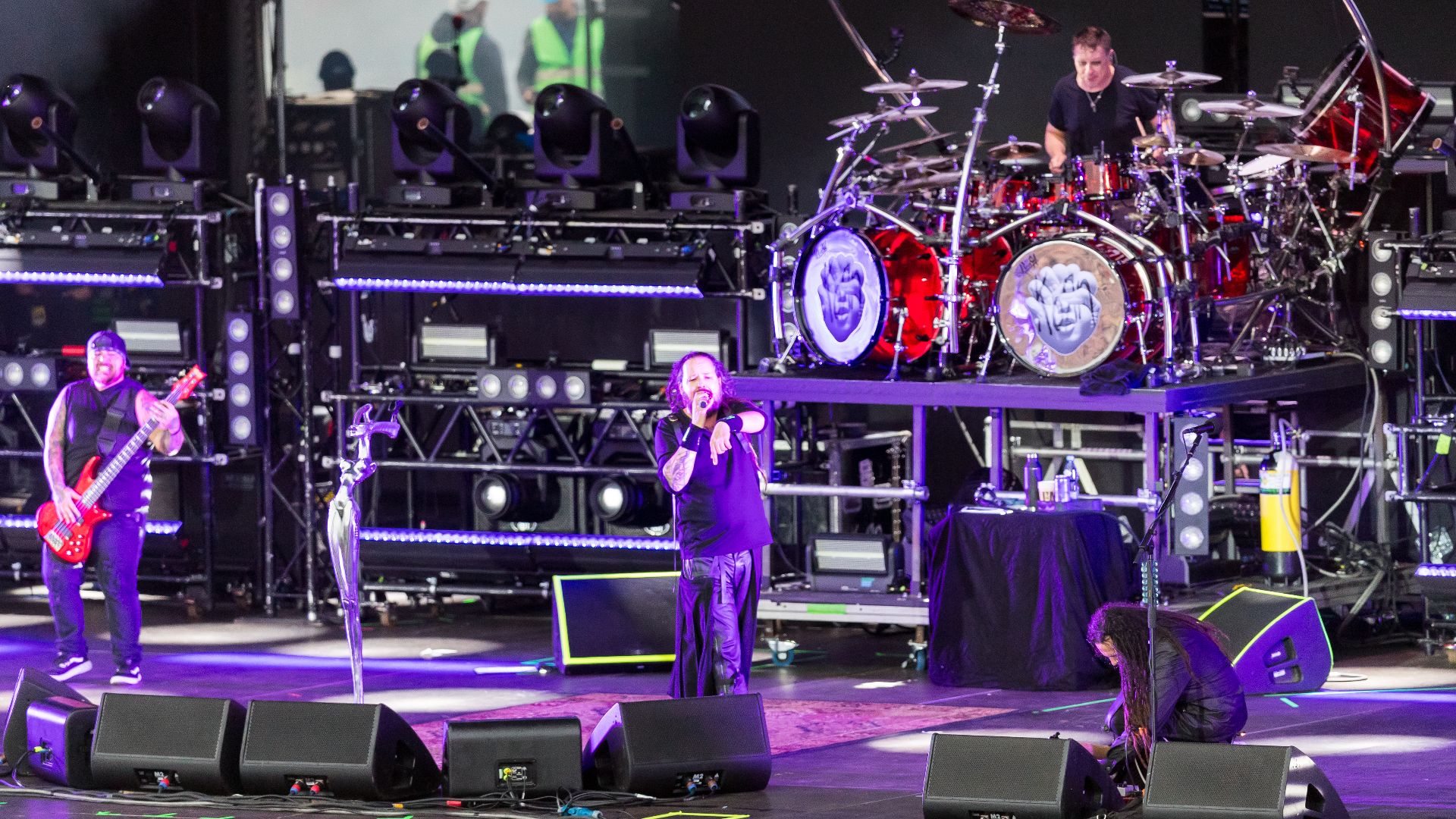 Sven Mandel, Wikimedia Commons
“Hysteria” (Def Leppard, 1987)
Estimated cost: About $4.5 million (roughly $13.3 million in 2026 dollars)
Def Leppard spent more than three years creating Hysteria, discarded a large amount of work, and reportedly needed to sell around five million copies just to break even. Luckily, the finished album sounds gigantic. Every drum, guitar, harmony, and handclap was engineered for maximum impact.
Verdict: Absolutely. This is what an expensive album is supposed to sound like.
 Screenshot from Hysteria, Mercury Records / Vertigo Records (1987)
“Victoria Beckham” (Victoria Beckham, 2001)
Reputed cost: About £5 million (roughly $13.6 million in 2026 US dollars)
Victoria Beckham’s only solo album reportedly involved a long list of writers and producers. The finished record sounds like perfectly respectable early-2000s pop—not a musical moon landing that consumed a small nation’s recording budget.
Verdict: That money is hiding somewhere, because it isn’t coming through the speakers.
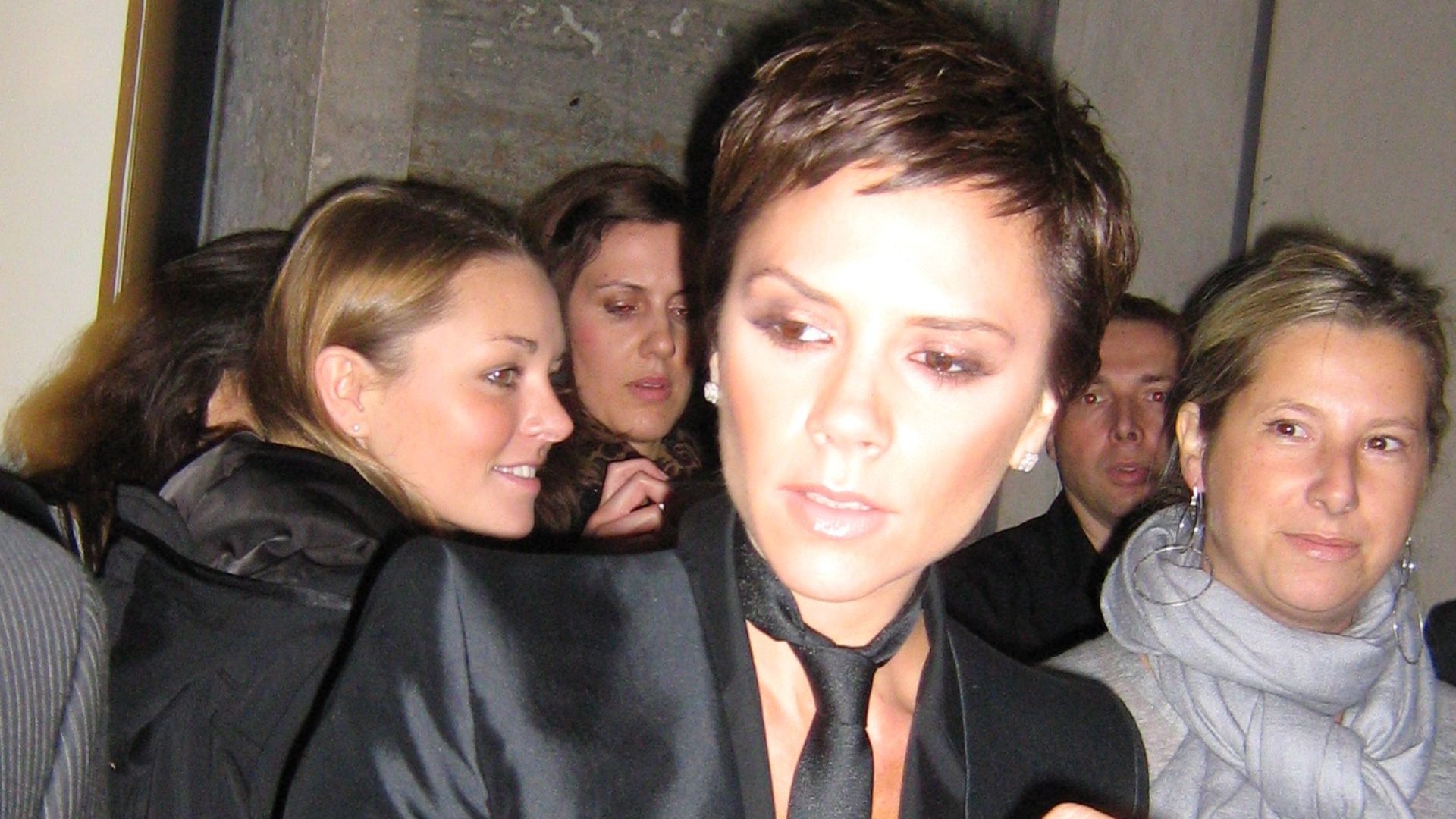
“Chinese Democracy” (Guns N’ Roses, 2008)
Reported cost: About $13 million (roughly $20.2 million in 2026 dollars)
A 2005 report estimated that Chinese Democracy had already cost about $13 million, although the band’s manager disputed the figure. Numerous studios, a constantly changing lineup, endless re-recording, and years of delays turned it into an expensive legend before anyone had even heard the finished album.
Verdict: You hear Axl Rose’s obsession. You don’t hear $20 million.
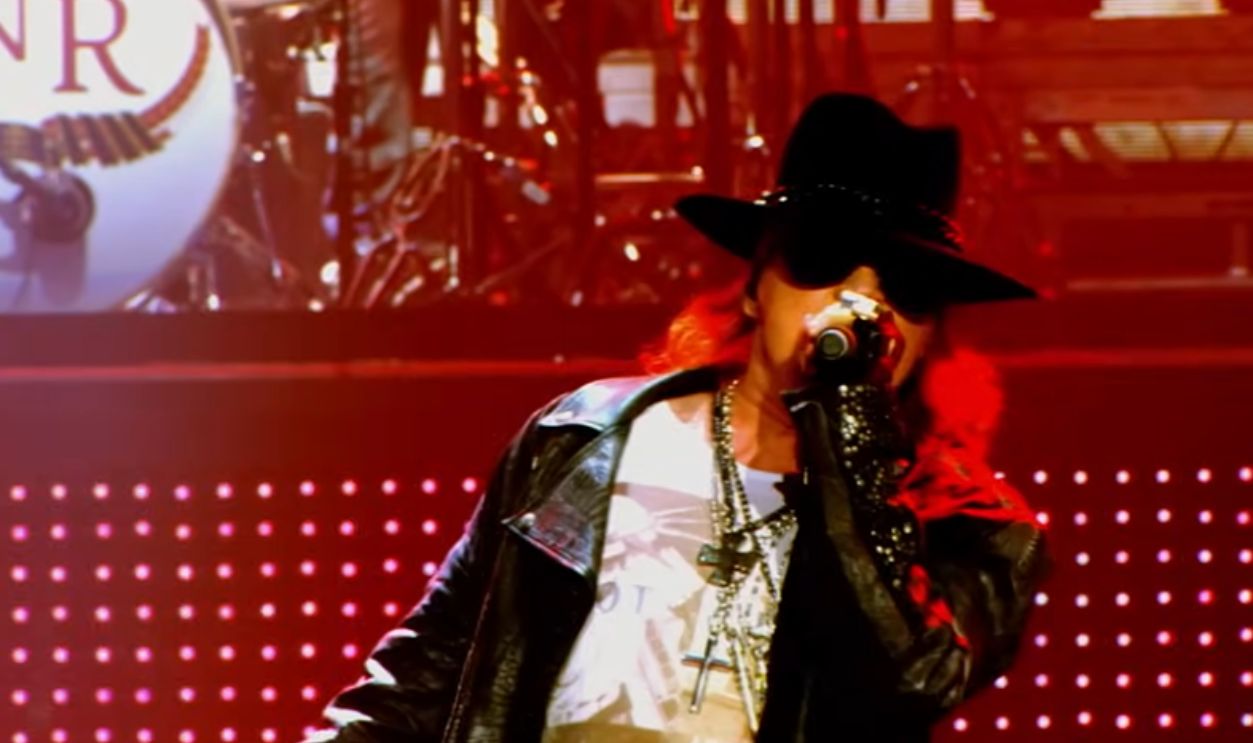 Screenshot from Chinese Democracy, Universal Music Distribution (2008)
“HIStory: Past, Present And Future, Book I” (Michael Jackson, 1995)
Widely reported recording cost: About $10 million (roughly $22 million in 2026 dollars)
Half greatest-hits collection and half new album, HIStory was designed less like a record and more like the unveiling of a national monument. The new material is huge, theatrical, defensive, and sometimes almost buried beneath its own production. A separate worldwide promotional campaign reportedly cost another $30 million.
Verdict: You can hear the money. You can also hear someone trying very hard to sound historically important.
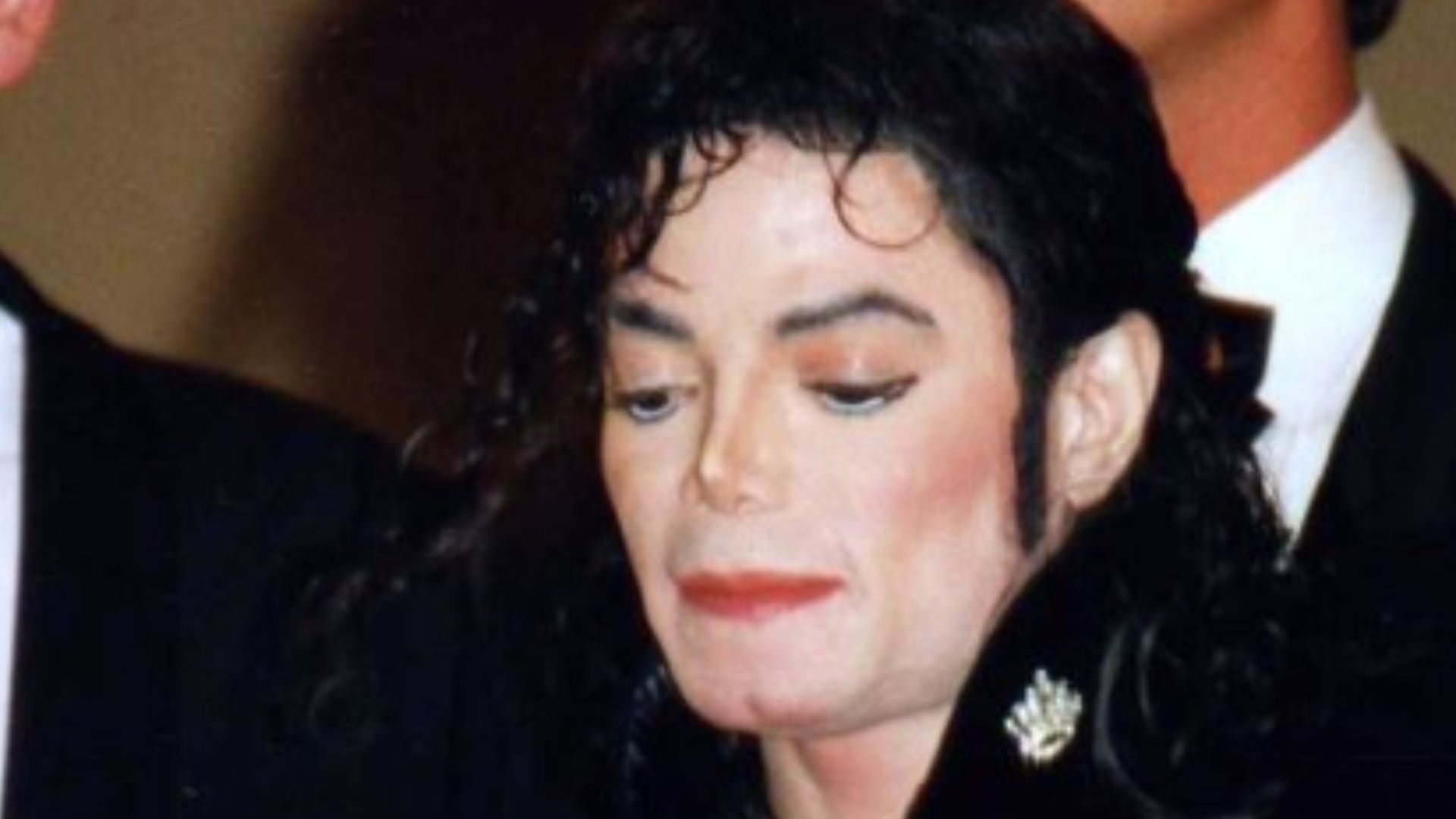 Georges Biard, Wikimedia Commons
“Dangerous” (Michael Jackson, 1991)
Reported cost: About $8–10 million (roughly $19.7–24.6 million in 2026 dollars)
Jackson reportedly spent as much as $10 million making Dangerous, his first album after ending his enormously successful partnership with Quincy Jones. This time, the money is easier to locate. The drums hit hard, the arrangements are enormous, and Remember the Time still sounds remarkably modern.
Verdict: Expensive, yes—but much of it made the record.
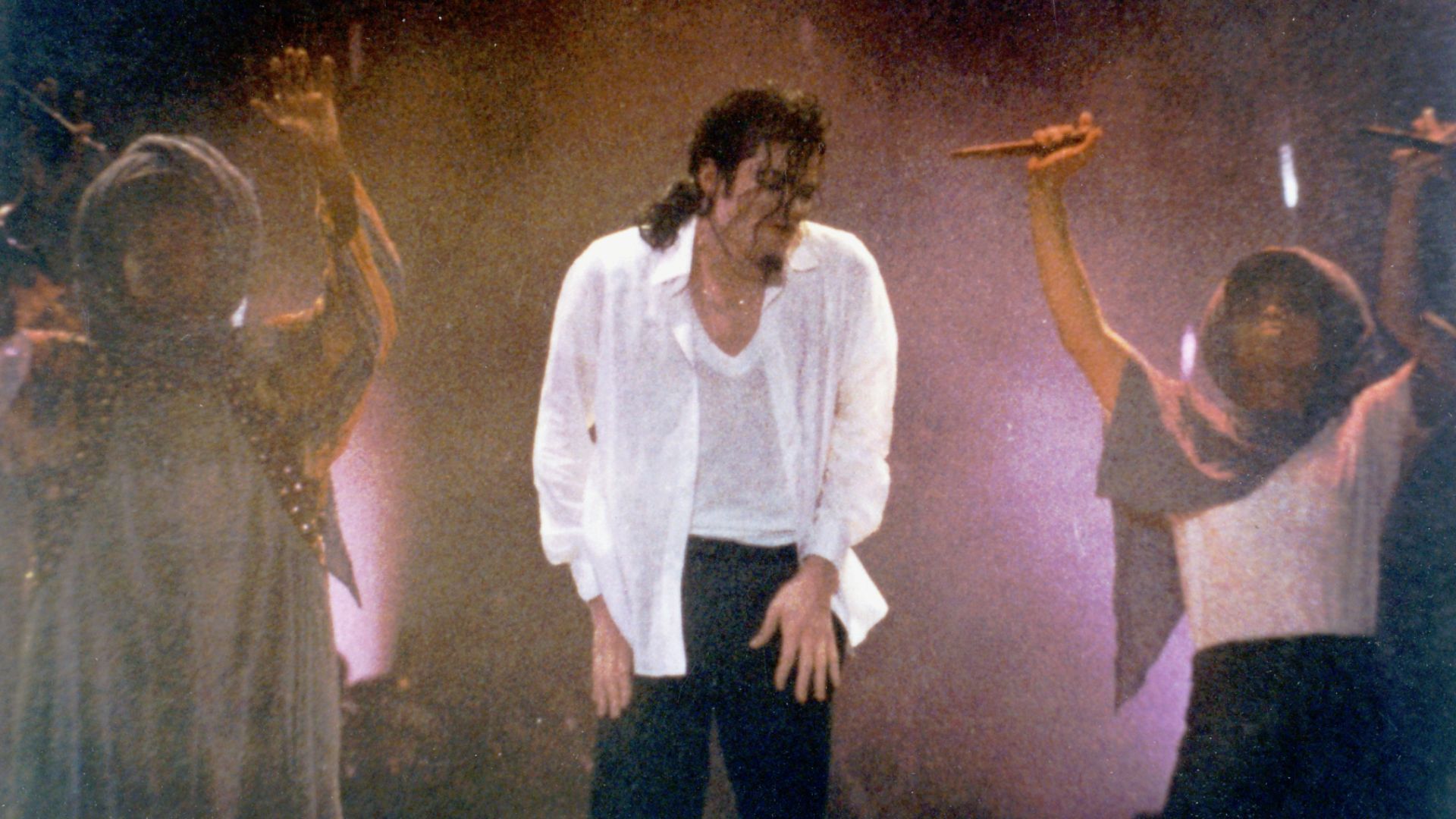 File:Michael Jackson (21024273069).jpg: BevinKaconderivative work: Adrian Jose, Wikimedia Commons
“Garth Brooks In…The Life Of Chris Gaines” (Garth Brooks, 1999)
Reported total project cost: As much as $20 million (roughly $40 million in 2026 dollars)
That figure wasn’t just for recording the album. The larger Chris Gaines experiment also included promotion, music videos, television appearances, an elaborate fictional backstory, and plans for a movie that was never made. The album itself sounds slick and expensive, but much of the money went into selling the character.
Verdict: Some money made it onto the record. A whole lot more went into the most expensive costume party in country-music history.
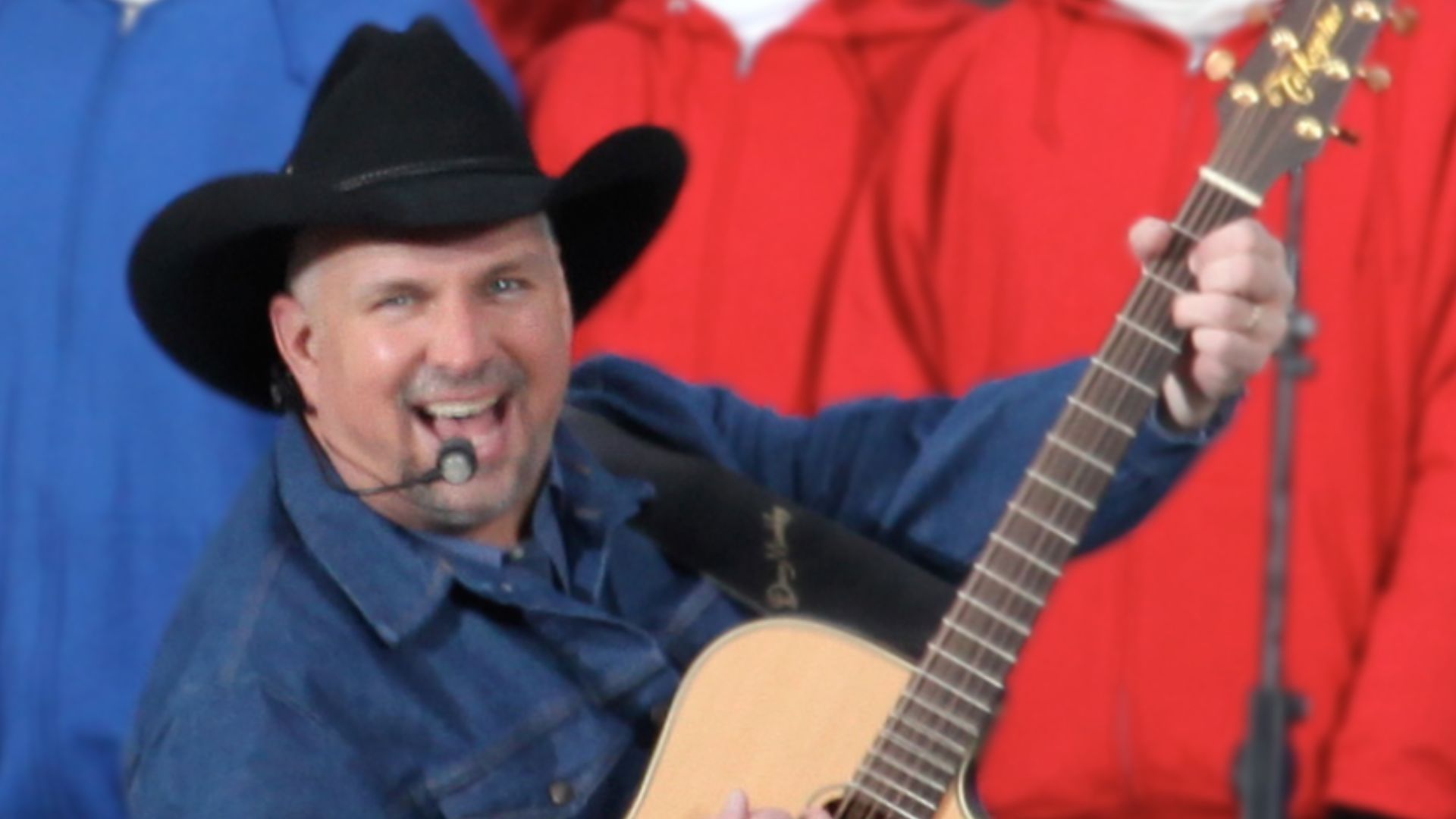 Steve Jurvetson - edited by CPacker, Wikimedia Commons
“Invincible” (Michael Jackson, 2001)
Reported cost: About $30 million (roughly $57 million in 2026 dollars)
Michael Jackson spent roughly four years making Invincible, moving through studios and working with producers including Rodney Jerkins, Teddy Riley, Babyface, and Dr. Freeze. The finished album is immaculately polished, but it doesn’t sound several times more expensive than Thriller.
Verdict: You can hear millions. Thirty million might be pushing it.
So, Can You Actually Hear Money?
Money works when it buys great musicians, experimentation, unusual arrangements, and enough studio time to create something genuinely new. It works less well when it buys years of indecision, luxury housing, missed deadlines, and the 14th attempt to rescue a song that probably wasn’t great after attempt three. Unfortunately, record labels usually discover the difference after they get the bill.
You Might Also Like:
Classic TV Families That Viewers Couldn't Get Enough Of
One-Hit Wonders That Everyone In The 1970s Had To Hear—But Almost No One Would Recognize Today