The Families That Made Television Feel Like Home
Long before prestige dramas and binge-watching took over, television was built around families. Week after week, audiences welcomed these characters into their living rooms, watching them navigate everything from sibling rivalries and family dinners to culture clashes and major life lessons. Some families were wholesome, some were chaotic, and some were downright bizarre, but all of them became unforgettable parts of television history.
The Cleavers (Leave It To Beaver)
For many viewers, the Cleavers became the gold standard of the American television family. Ward and June Cleaver guided sons Wally and Beaver through childhood mishaps, school troubles, and growing pains. While the show's idealized suburban world feels nostalgic today, its focus on family relationships helped make it one of television's most enduring classics.
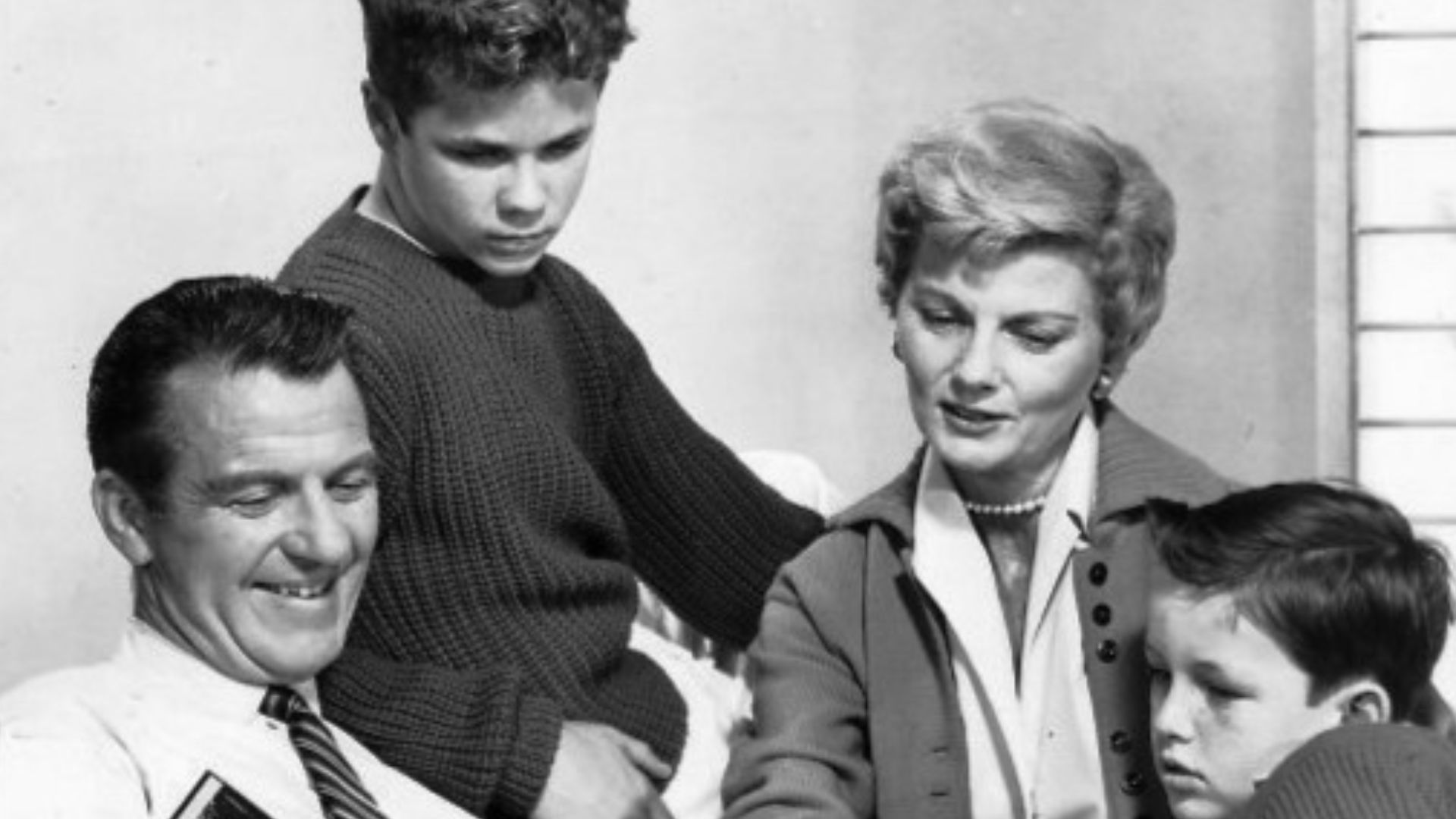 ABC Television, Wikimedia Commons
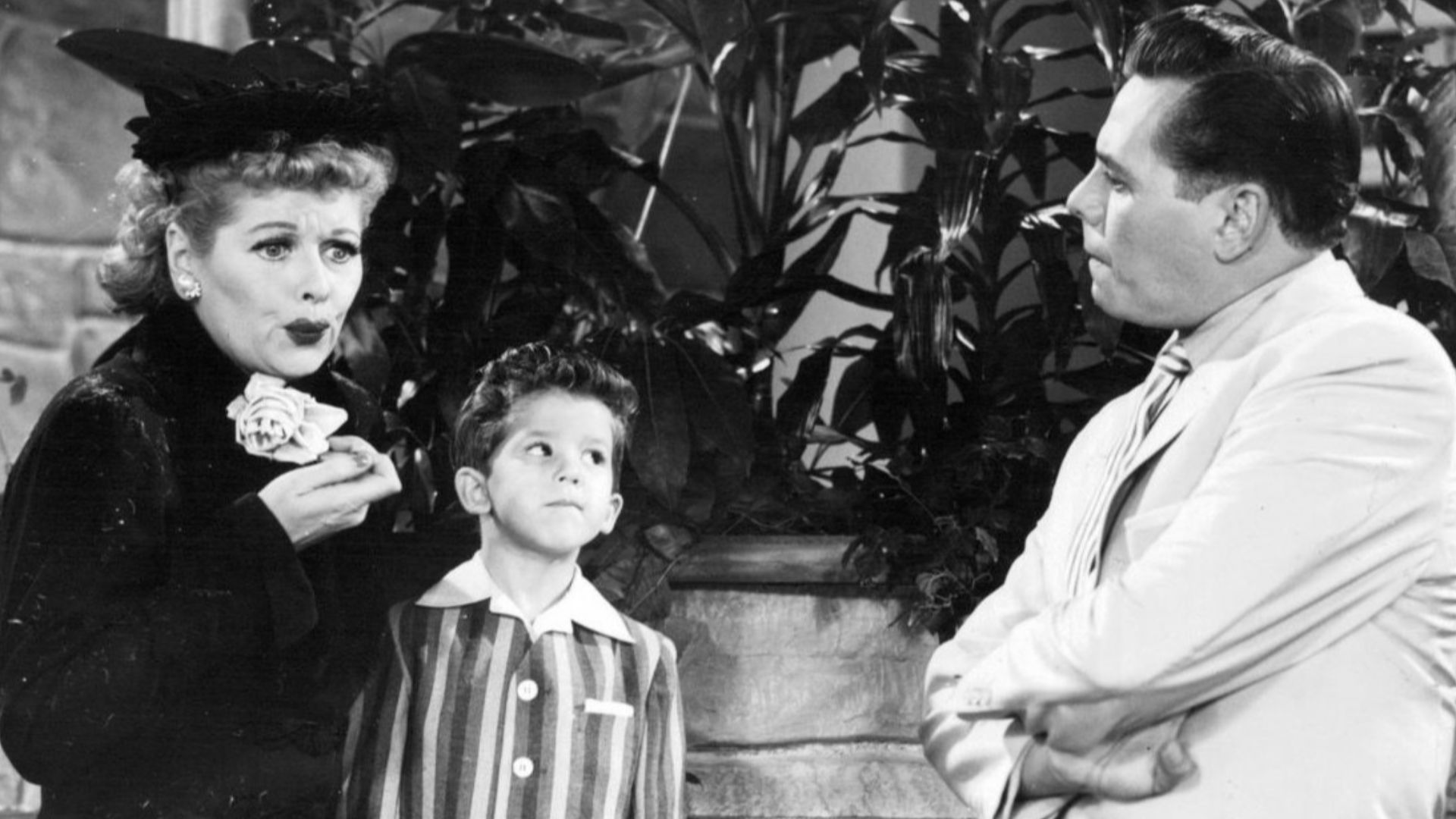
The Ricardos (I Love Lucy)
The Ricardos turned everyday married life into comedy gold. Lucy's endless schemes and Ricky's increasingly frustrated reactions created some of television's funniest moments. Audiences loved watching the couple stumble through misunderstandings and adventures, while their genuine affection for one another kept the comedy grounded and relatable.
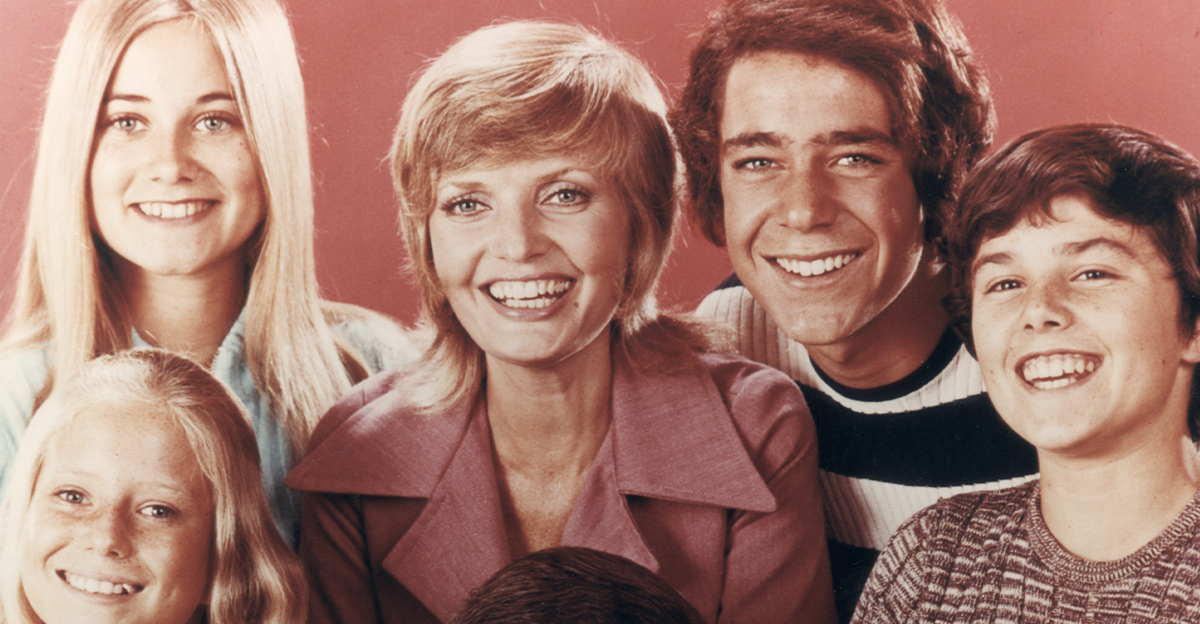
The Bradys (The Brady Bunch)
No blended family is more iconic than the Bradys. Mike and Carol Brady brought together six children under one roof, creating endless opportunities for sibling rivalries, awkward lessons, and heartwarming moments. The show became a cultural phenomenon, and decades later, people still know exactly what you mean when you mention "Marcia, Marcia, Marcia."
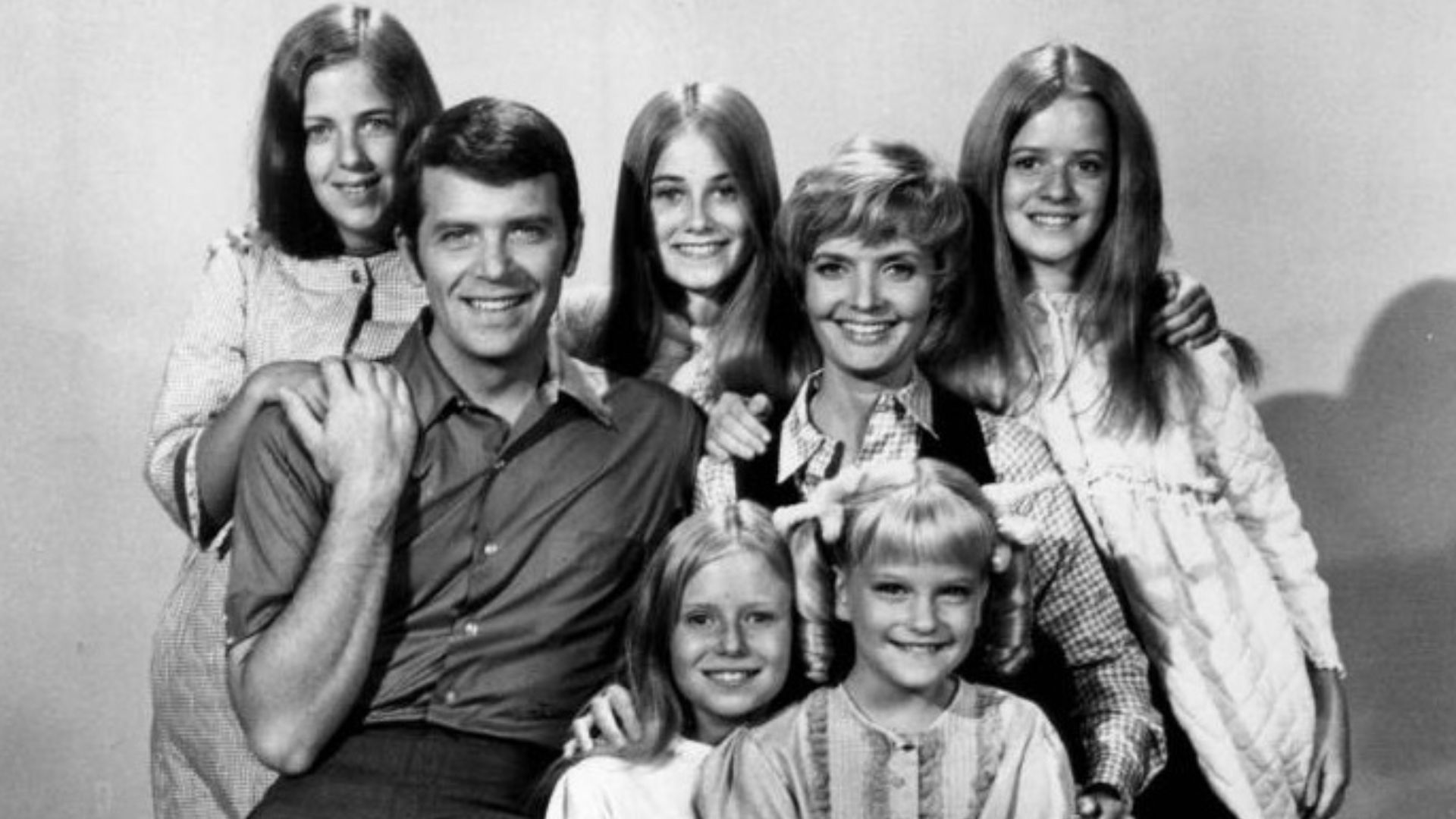 ABC Television., Wikimedia Commons
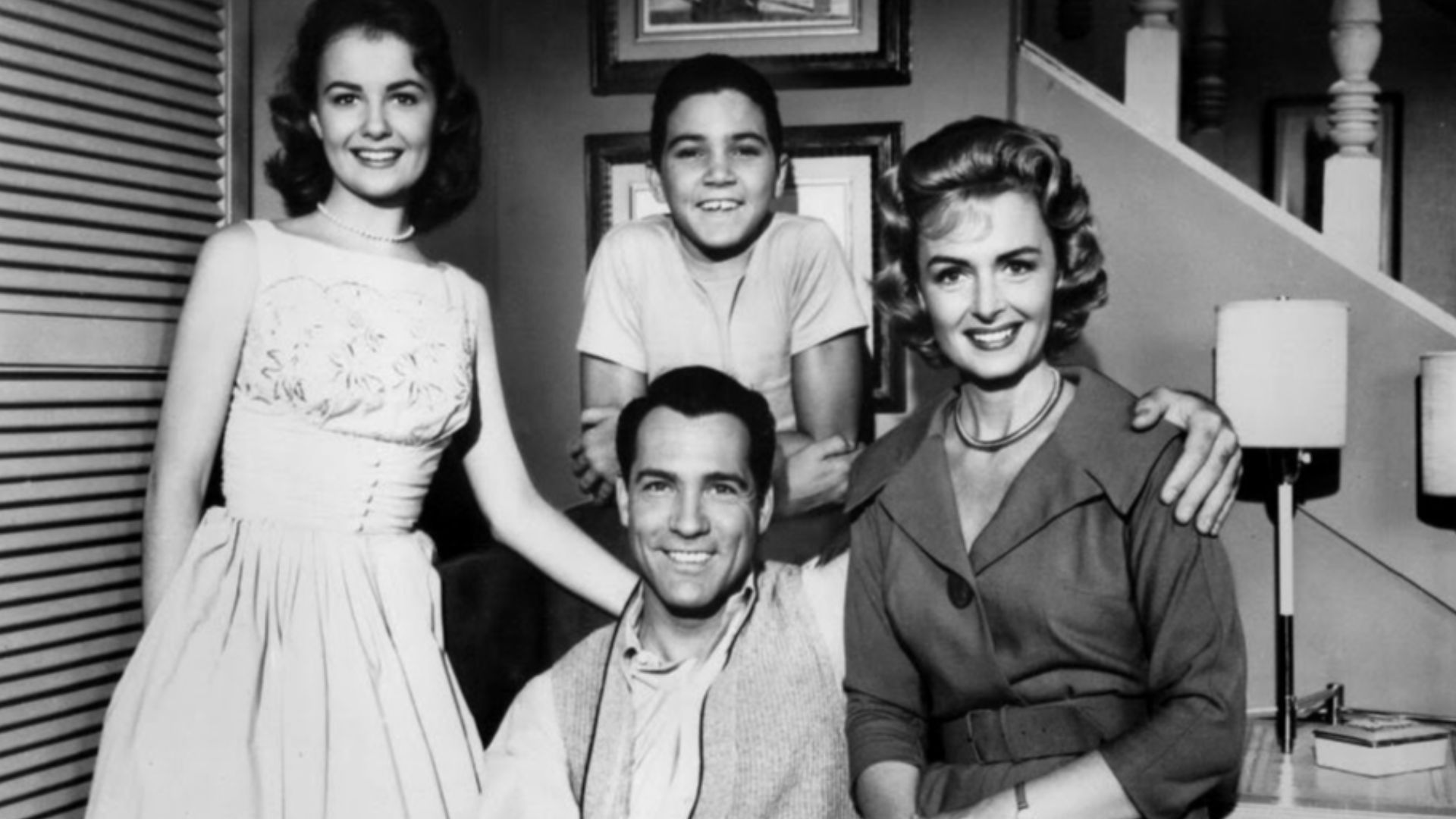
The Stones (The Donna Reed Show)
The Stone family represented the idealized American household of the late 1950s and early 1960s. Donna Stone balanced motherhood and family life with grace and humor, while husband Alex provided a steady presence. The show's warmth and optimism helped make it a staple of early television.
The Sanfords (Sanford And Son)
Fred and Lamont Sanford had one of the funniest father-son relationships in TV history. Fred's constant scams, exaggerated complaints, and legendary insults kept viewers laughing for years. Beneath the comedy, however, the show explored family loyalty and generational differences in ways that resonated with audiences.
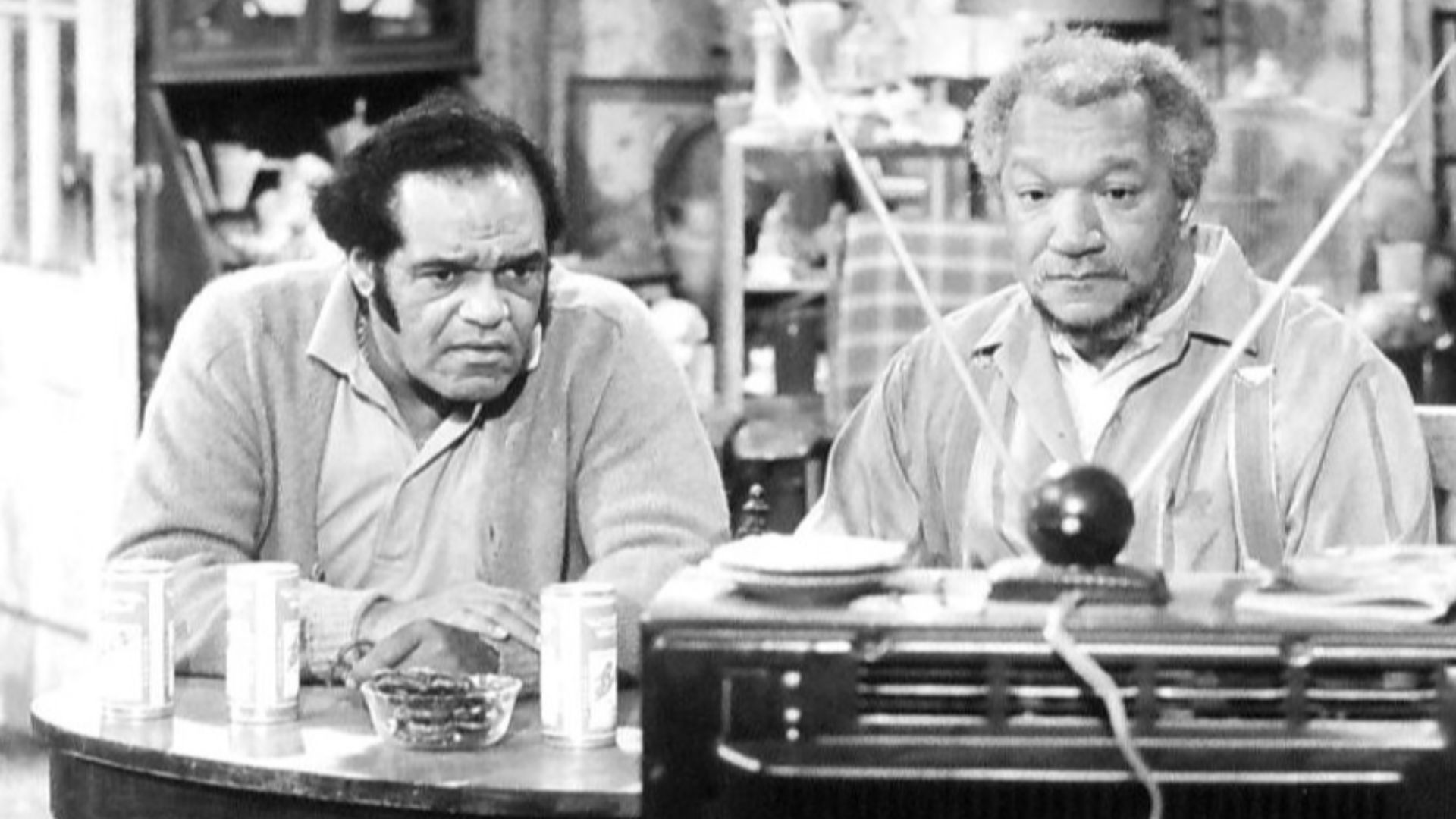 NBC Television, Wikimedia Commons
The Clampetts (The Beverly Hillbillies)
The Clampetts struck oil and suddenly found themselves living among Beverly Hills millionaires, but they never lost their country roots. Watching Jed, Granny, Jethro, and Elly May navigate high society created endless laughs. Their fish-out-of-water adventures helped make the show one of television's biggest hits.
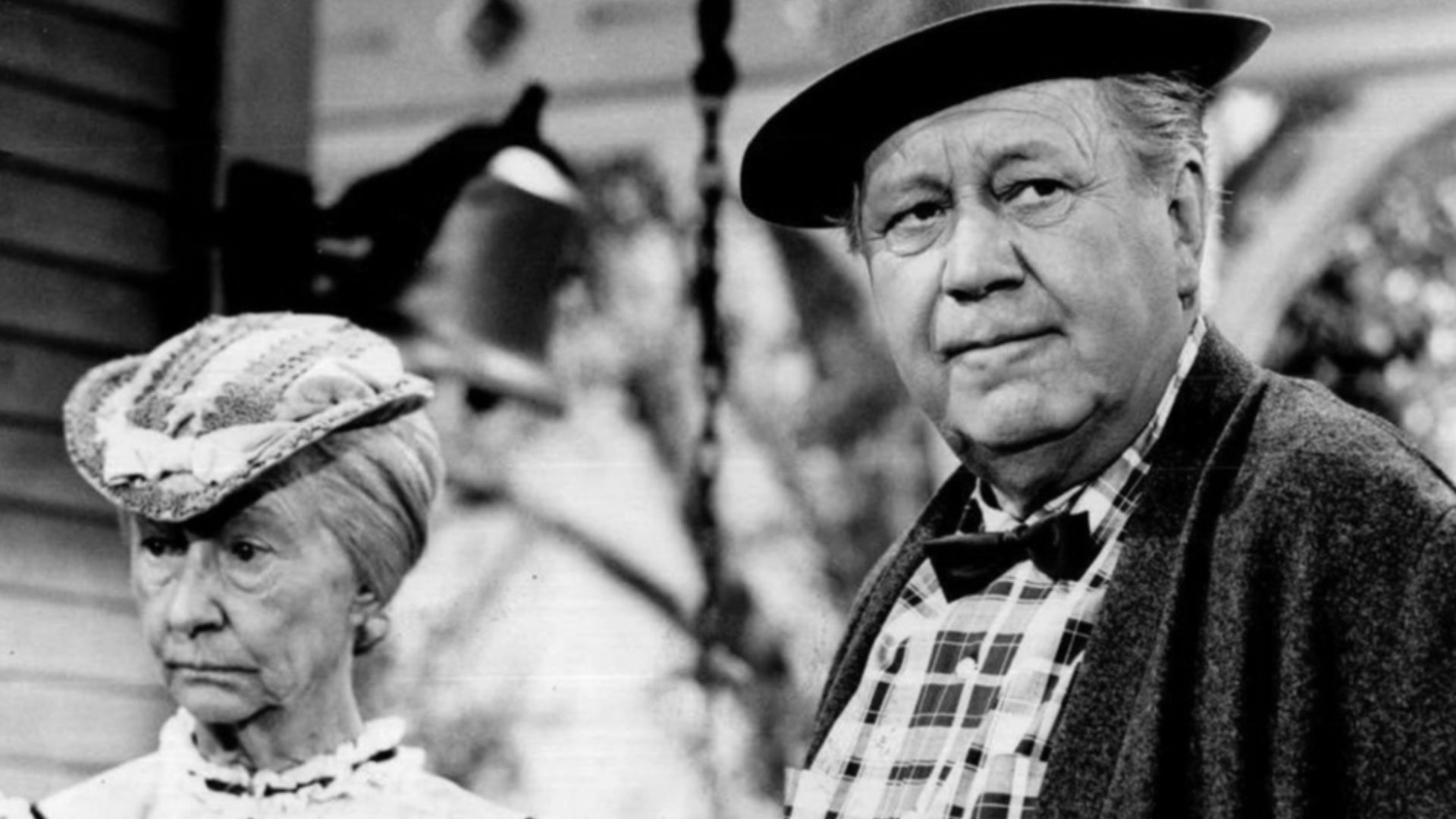 CBS Television, Wikimedia Commons
The Munsters (The Munsters)
The Munsters looked like monsters, but they behaved more like a typical suburban family than most sitcom characters. Herman, Lily, Grandpa, and Eddie approached everyday situations with complete sincerity, unaware that others found them terrifying. That contrast became the source of the show's unique and lasting charm.
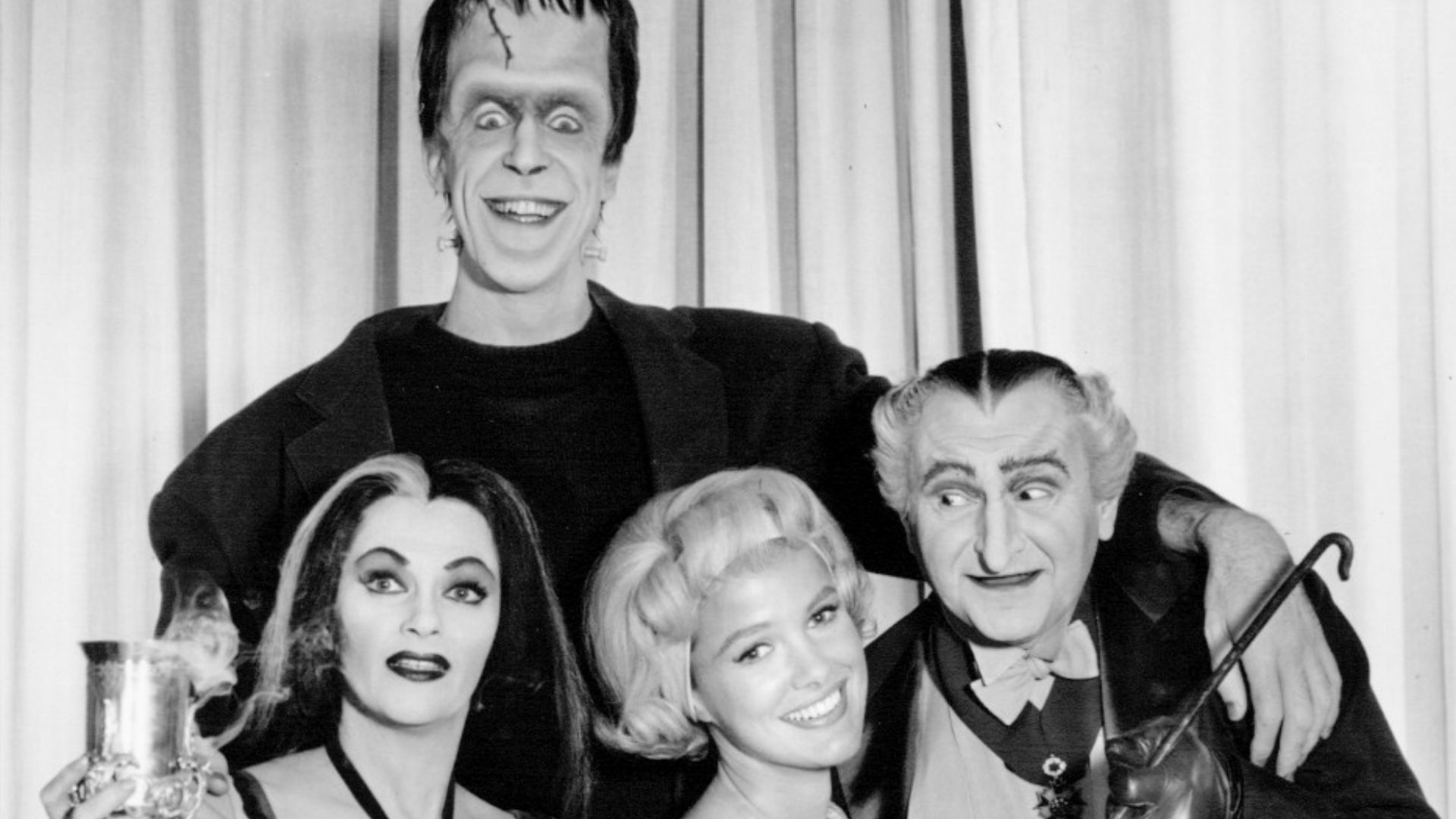 CBS Television, Wikimedia Commons
The Nelsons (The Adventures Of Ozzie And Harriet)
One of television's earliest family sitcoms, The Adventures of Ozzie and Harriet starred the real-life Nelson family playing versions of themselves. Audiences loved the show's relaxed, natural feel and its depiction of everyday family life. It ran for an astonishing 14 seasons and became a foundational television success.
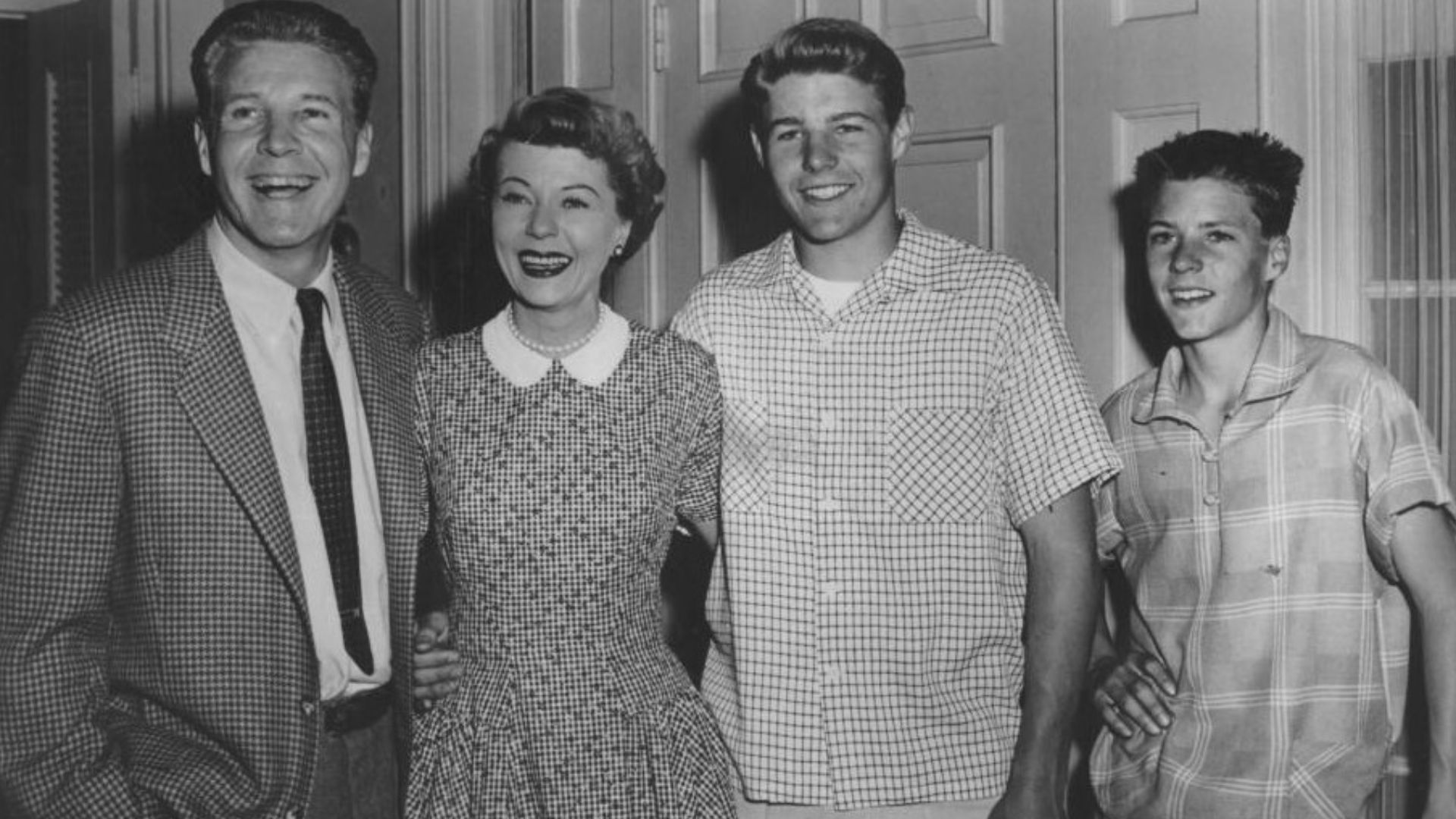
The Cunninghams (Happy Days)
The Cunninghams were the steady heart of Happy Days. Howard and Marion provided guidance while Richie and Joanie navigated adolescence in 1950s Milwaukee. Even with larger-than-life characters like Fonzie stealing scenes, the warmth and stability of the Cunningham household kept viewers emotionally invested.
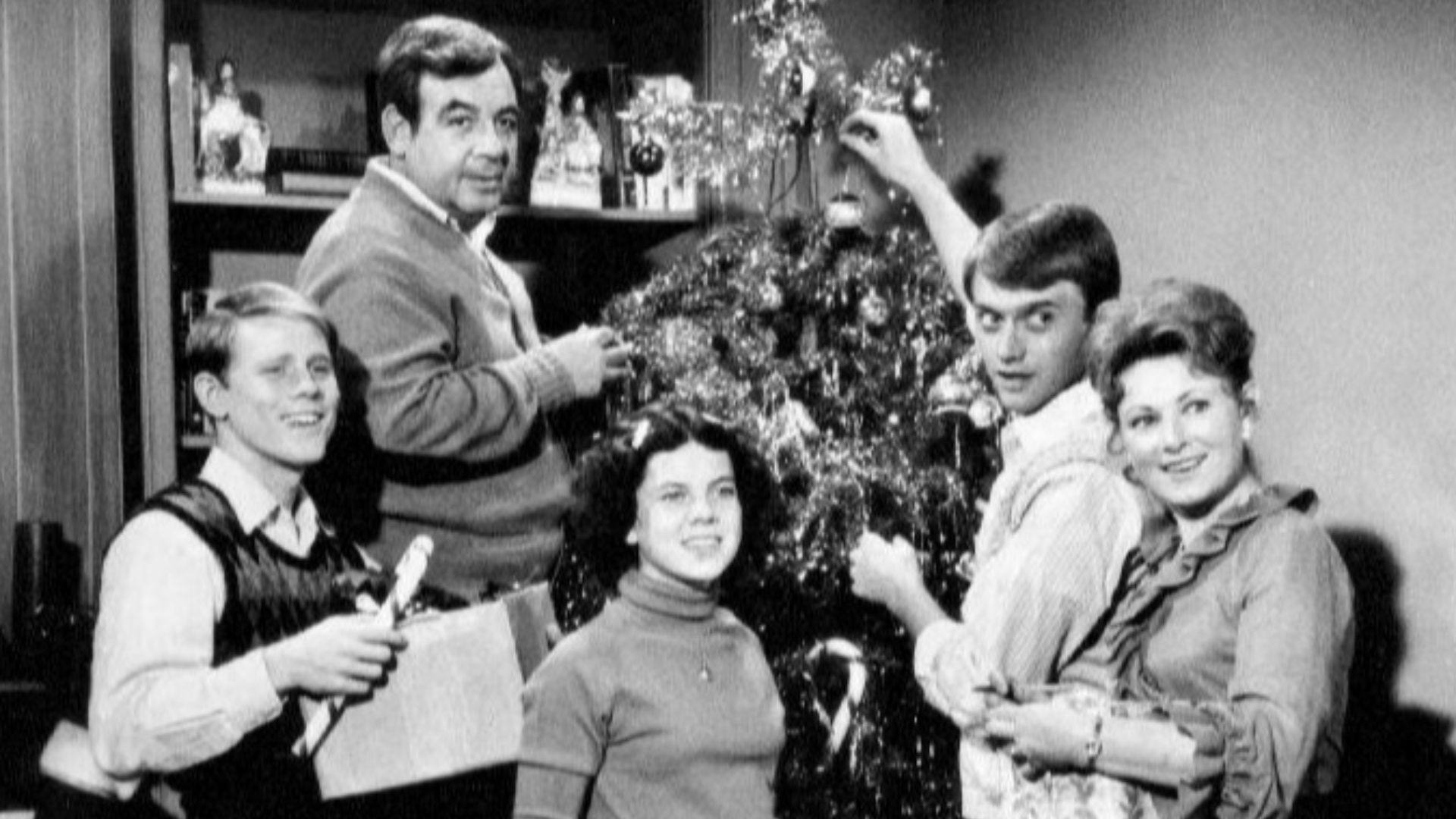 ABC Television, Wikimedia Commons
The Andersons (Father Knows Best)
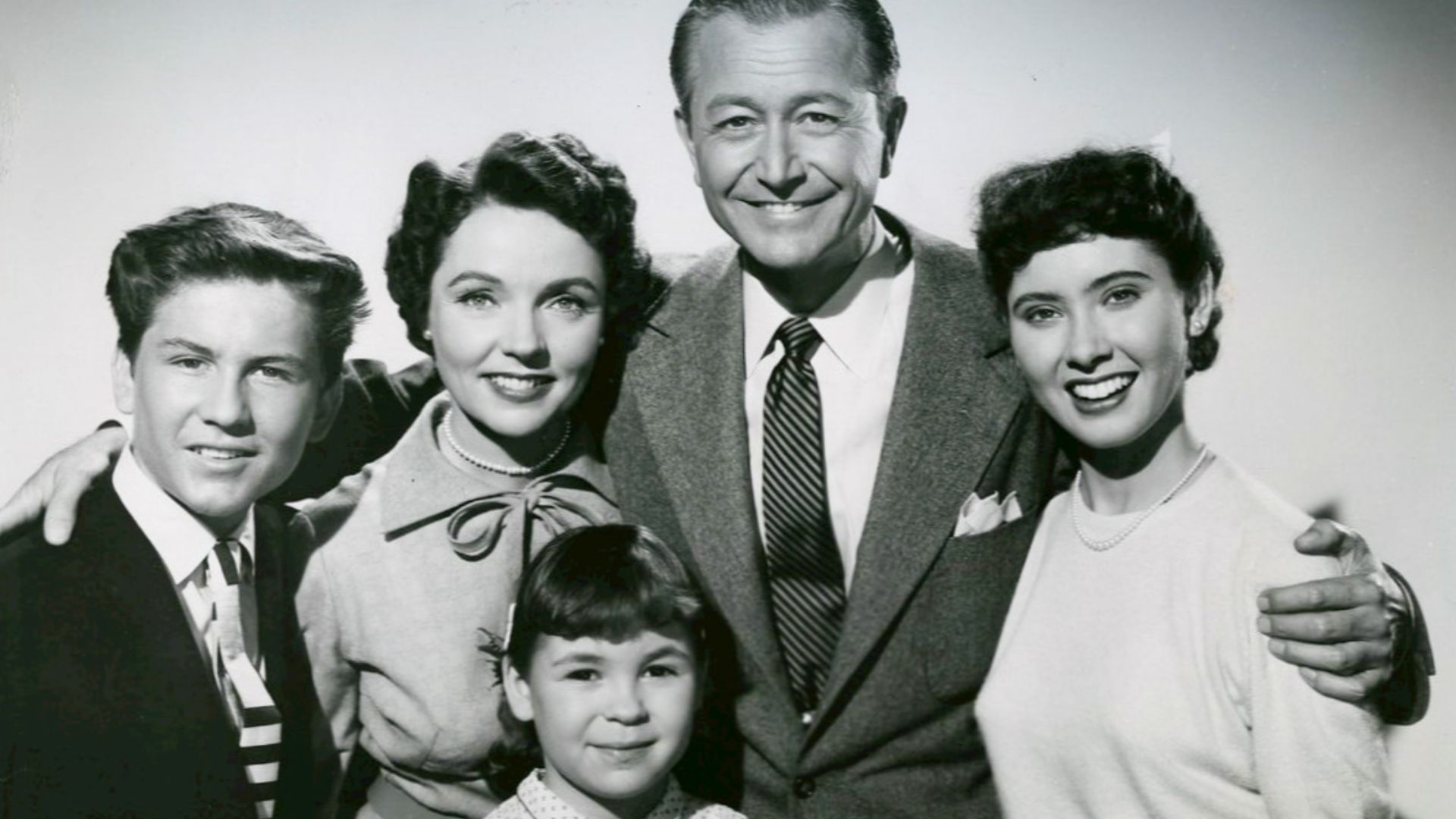
Jim Anderson embodied the wise television father during the golden age of family sitcoms. The series focused on relatable family challenges and everyday life, offering gentle lessons without becoming preachy. For many viewers, the Andersons represented the ideal family dynamic of postwar America.
The Flintstones (The Flintstones)
The Flintstones may have lived in the Stone Age, but their family life felt surprisingly modern. Fred and Wilma dealt with work, finances, and parenting while raising Pebbles in Bedrock. Their relatable struggles helped turn television's first primetime animated family into a lasting pop-culture icon.
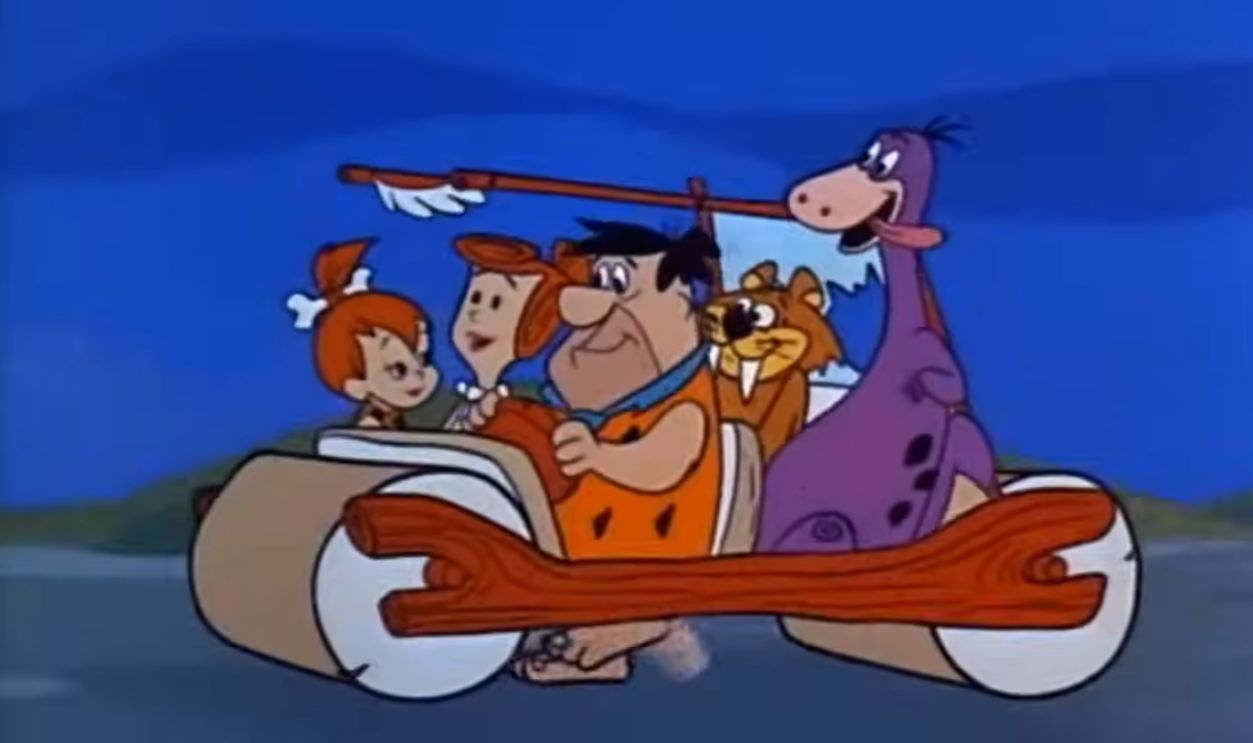 Screenshot from The Flintstones, ABC (1960–1966)
The Jeffersons (The Jeffersons)
George and Louise Jefferson brought sharp humor and social commentary to television every week. The series followed the family after they "moved on up" to a luxury apartment in Manhattan. George's stubborn personality and Louise's patience created one of sitcom history's most memorable marriages.
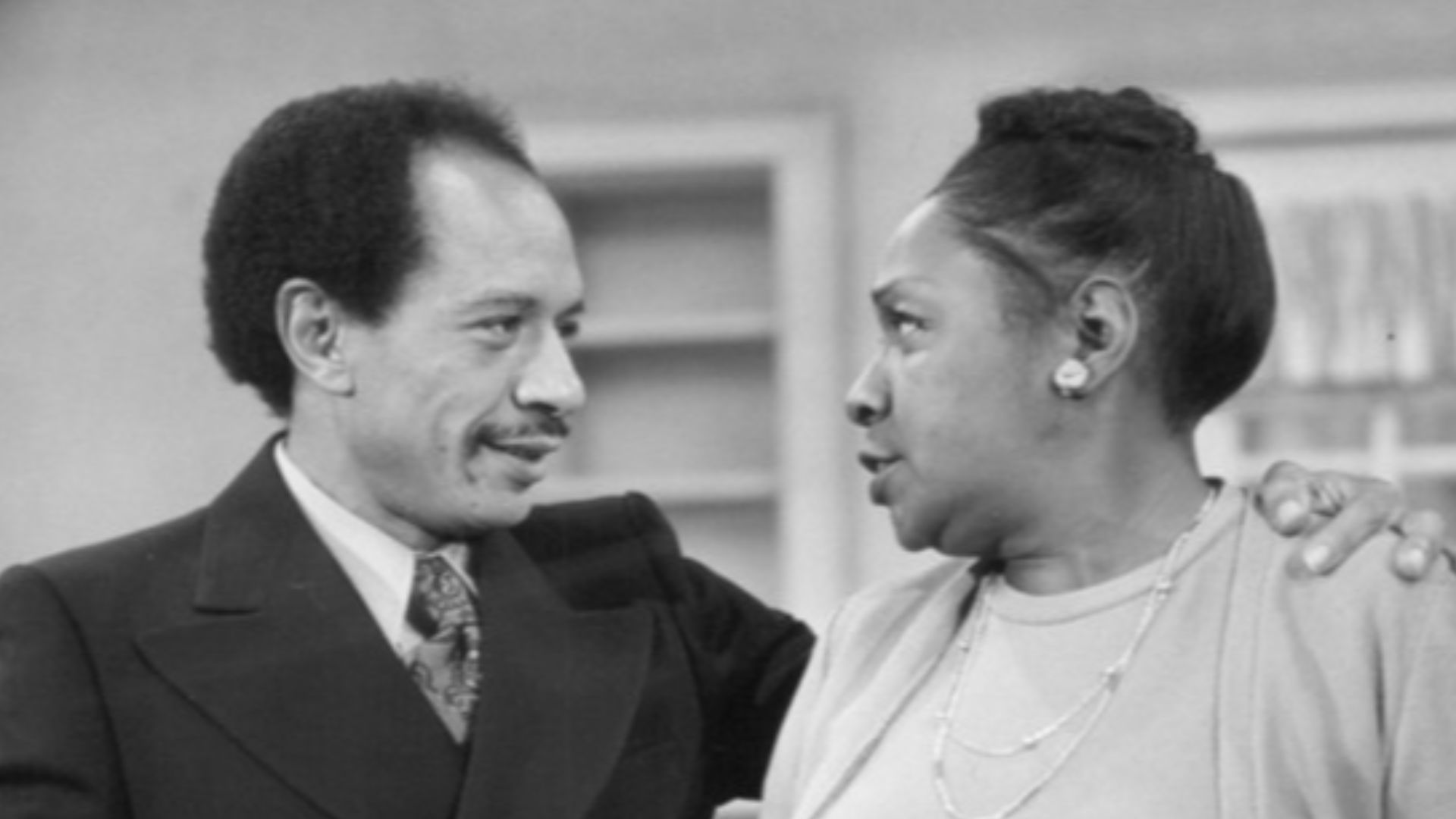 CBS TelevisionUploaded by We hope at en.wikipedia, Wikimedia Commons
The Ingallses (Little House On The Prairie)
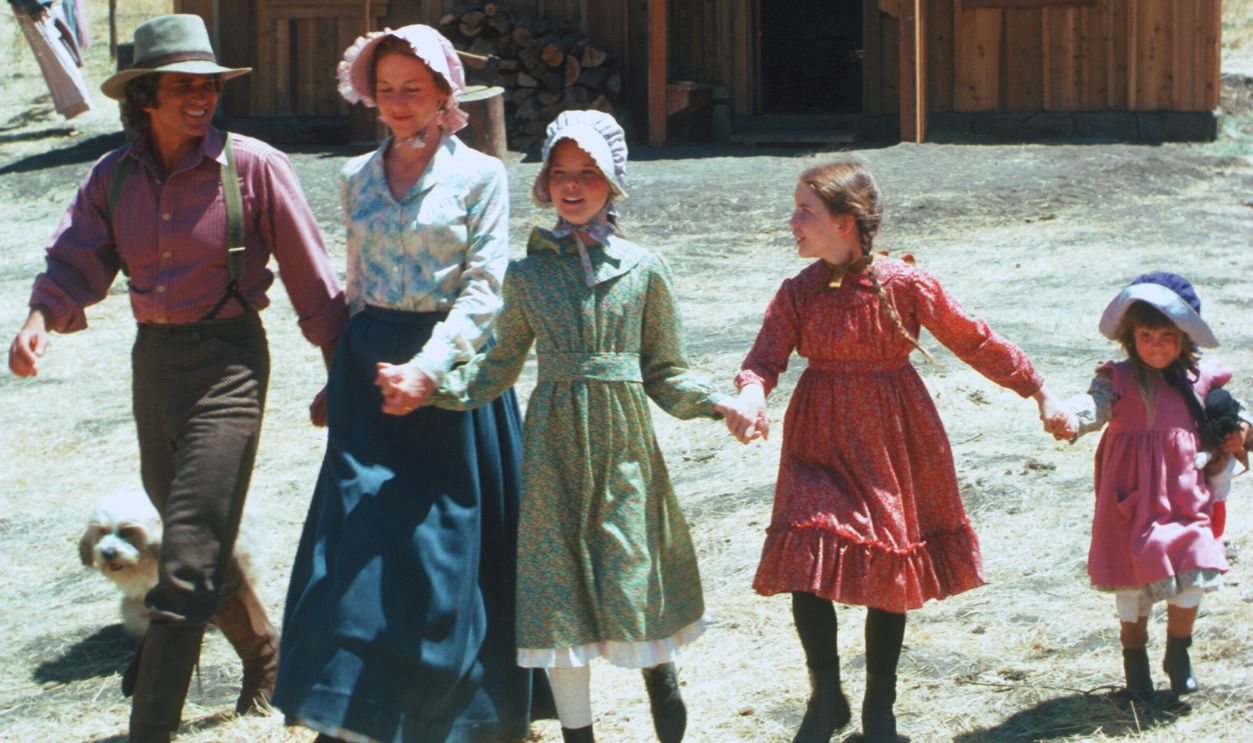
The Ingalls family endured hardships, heartbreak, and triumphs on the American frontier. Led by Charles and Caroline Ingalls, the family faced challenges with resilience and compassion. The show's emotional storytelling and strong family values helped it become one of television's most beloved dramas.
 Michael Ochs Archives, Getty Images
The Bunkers (All In The Family)
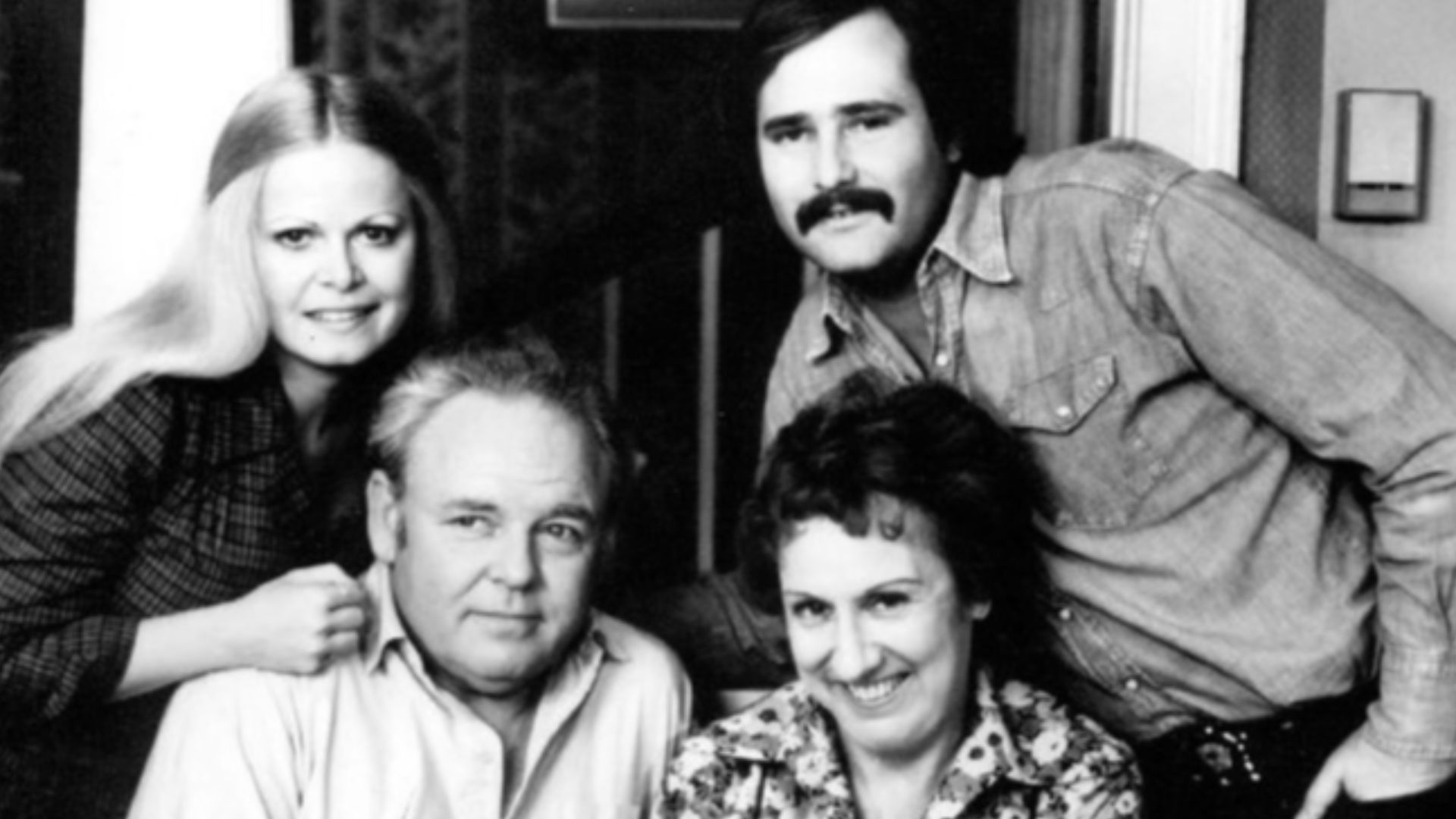
The Bunkers changed television forever. Archie Bunker's outspoken opinions often sparked conflict with wife Edith, daughter Gloria, and son-in-law Mike. While the show generated laughs, it also tackled serious social issues, making the family one of the most influential in TV history.
 CBS Television, Wikimedia Commons
The Conners (Roseanne)
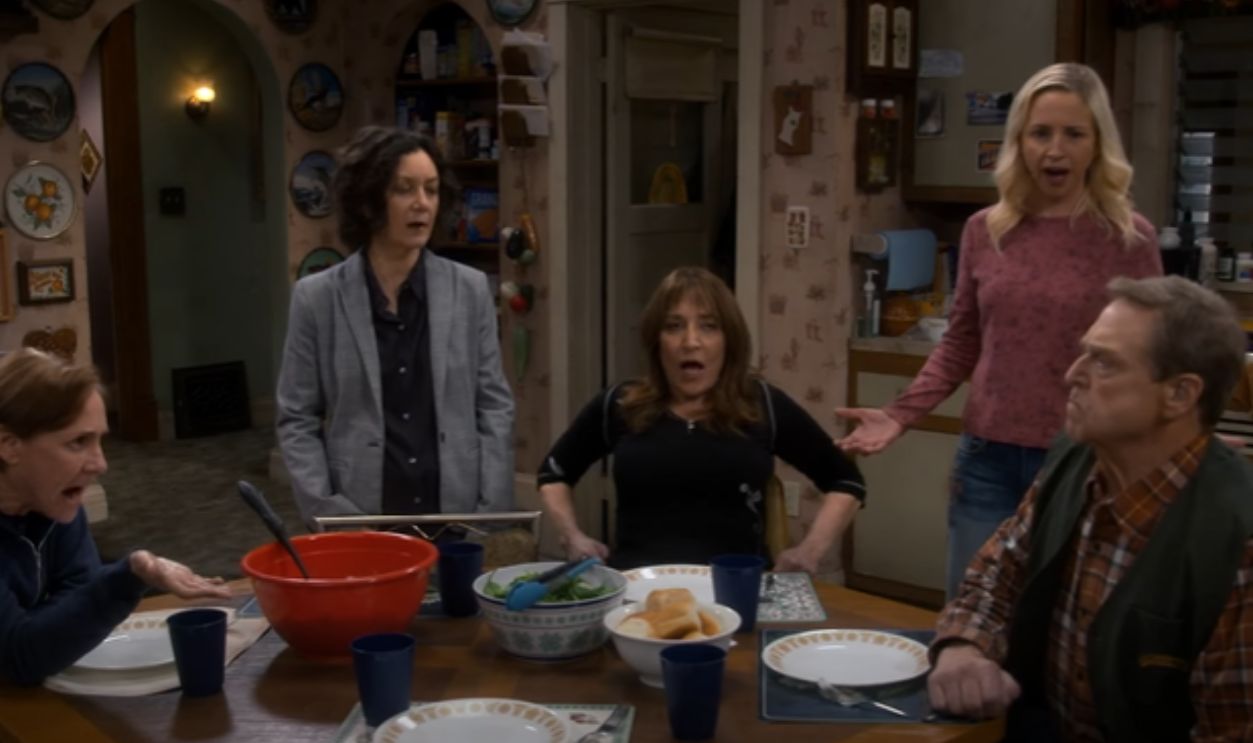
The Conners felt more real than almost any sitcom family before them. Financial struggles, marital problems, and everyday frustrations were part of life in the Conner household. Viewers connected with their authenticity, helping Roseanne become one of the defining family sitcoms of the late 1980s and early 1990s.
 Screenshot from Roseanne, ABC (1988–1997)
The Waltons (The Waltons)
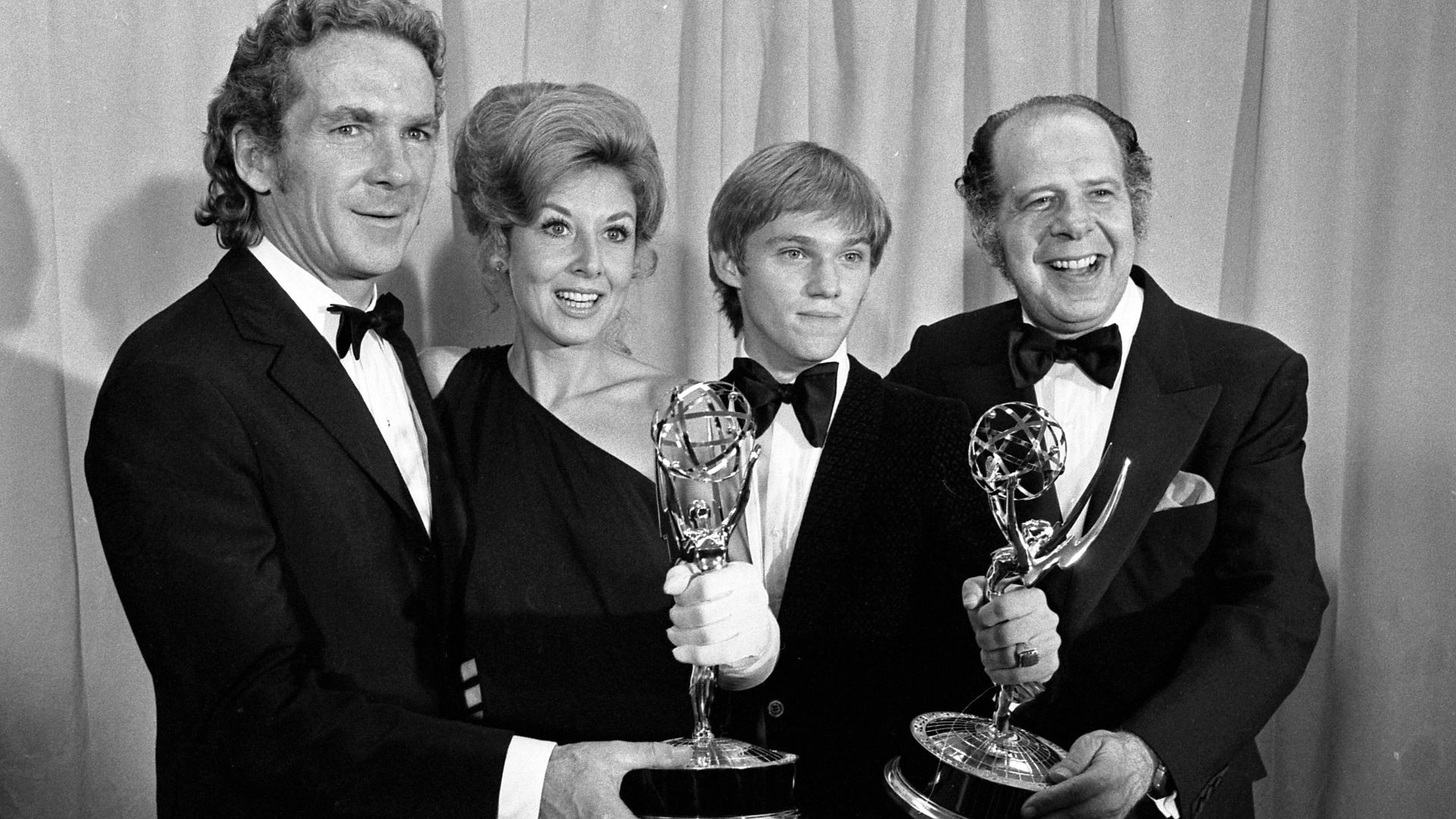
The Walton family weathered the Great Depression and World War II together while maintaining a strong sense of community and love. Their nightly goodnights became one of television's most recognizable traditions. The show's warmth and sincerity made it a favorite among audiences for years.
 Rick Browne, Los Angeles Times, Wikimedia Commons
The Addamses (The Addams Family)
Gomez, Morticia, Wednesday, Pugsley, and the rest of the Addams clan looked frightening but were surprisingly loving and supportive. Their delightfully strange outlook on life flipped traditional sitcom conventions upside down. Decades later, they remain one of television's most recognizable families.
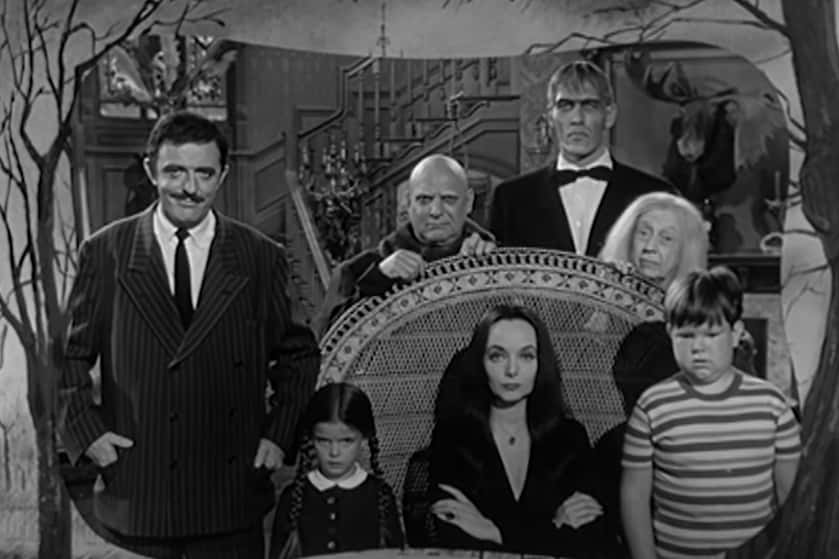 Screenshot from The Addams Family, ABC (1964–1966)
The Arnolds (The Wonder Years)
The Arnold family felt remarkably authentic. Through Kevin Arnold's eyes, viewers watched the ups and downs of growing up in suburban America during the late 1960s and early 1970s. The family's arguments, celebrations, and emotional moments felt so real that many viewers saw their own families reflected onscreen.
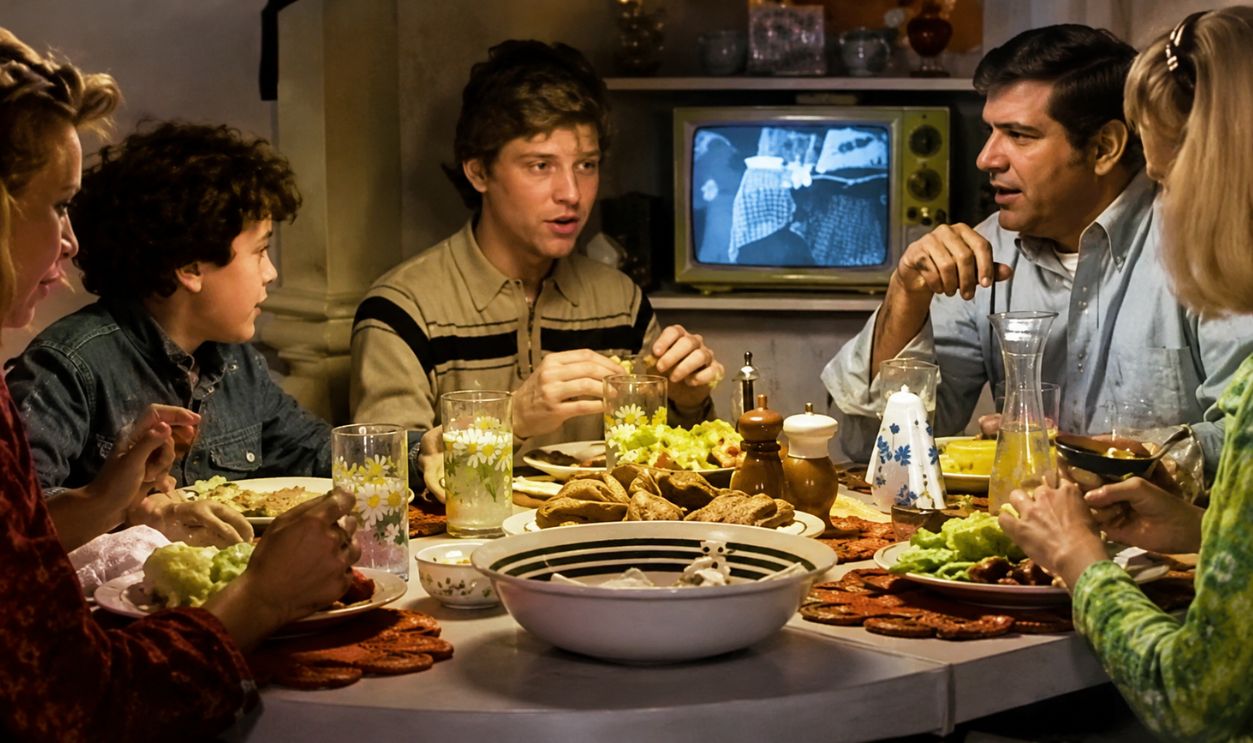 Screenshot from The Wonder Years, ABC (1988-1993)
The Lanes (The Patty Duke Show)
The Lane family had a unique challenge: identical cousins Patty and Cathy living together despite having completely different personalities. The contrast between Patty's energetic nature and Cathy's sophistication fueled much of the show's comedy. The family dynamic helped make the series a memorable part of 1960s television.
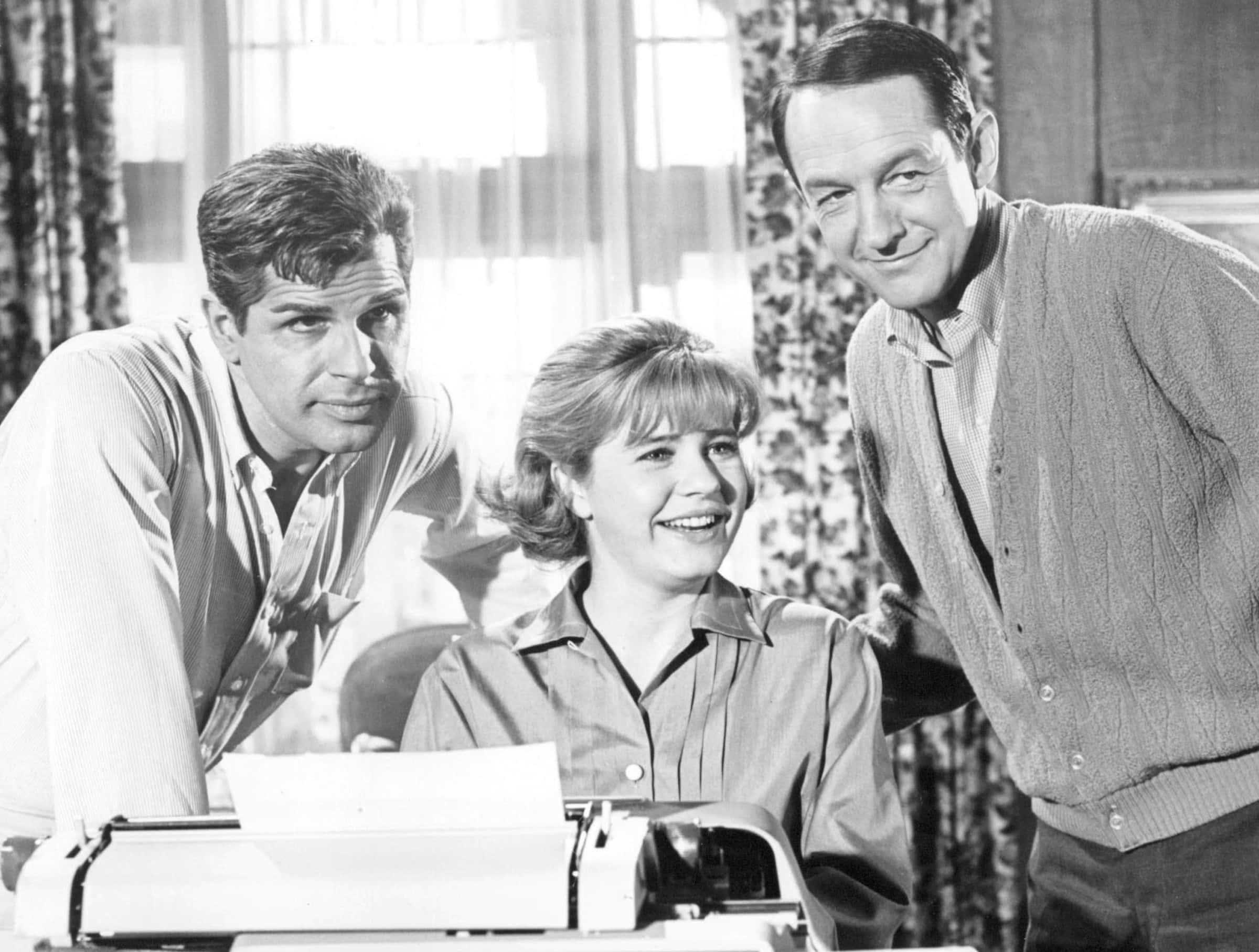
The Keatons (Family Ties)
The Keatons perfectly captured generational clashes in the 1980s. Former hippies Steven and Elyse often found themselves debating politics and values with their ambitious son Alex P. Keaton. The family's chemistry made those conflicts entertaining rather than divisive, helping the show become a huge success.
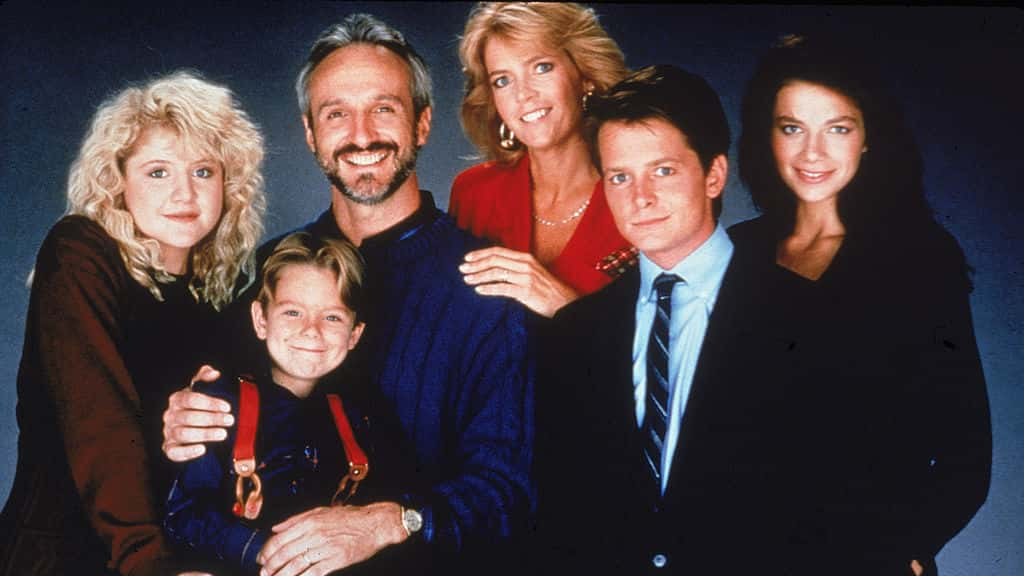 Fotos International, Getty Images
The Ewings (Dallas)
The Ewings brought wealth, power, and endless drama to primetime television. J.R. Ewing became one of TV's greatest villains, while the rest of the family battled over business deals, betrayals, and personal rivalries. Their larger-than-life conflicts kept audiences hooked for years.
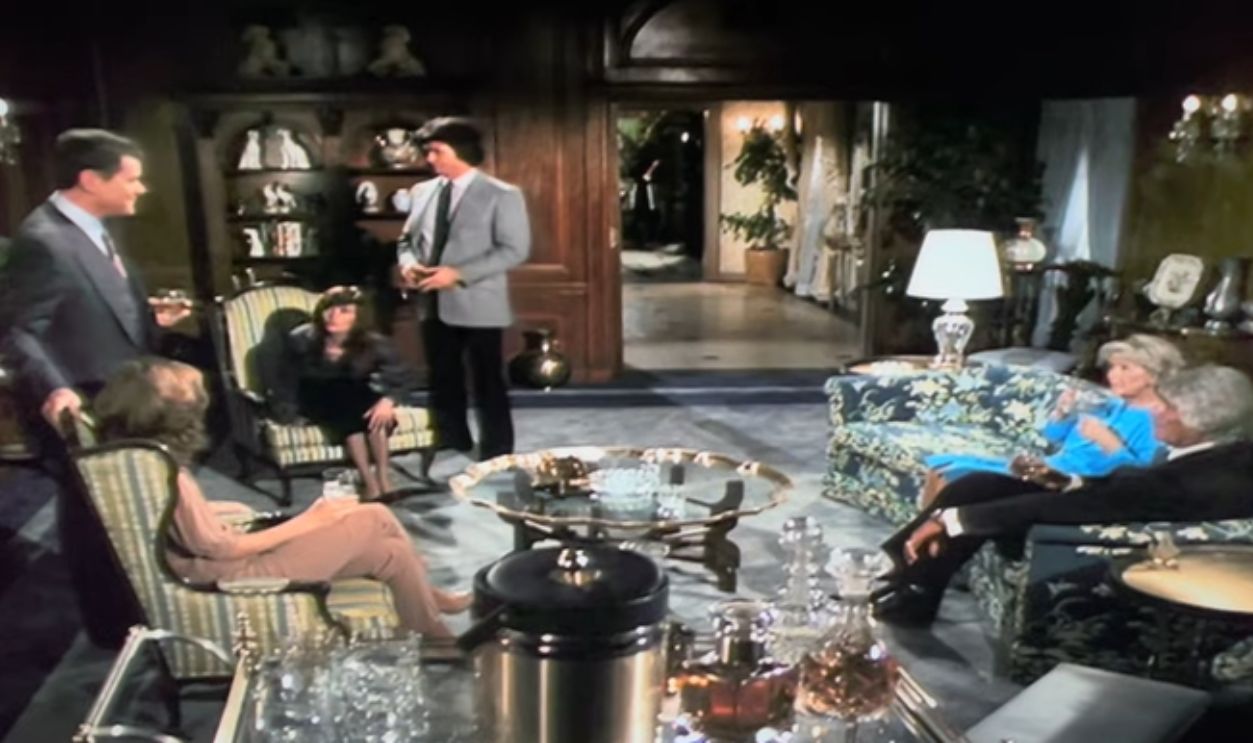 Screenshot from Dallas, Warner Bros. Television (1978–1991)
The Huxtables (The Cosby Show)
The Huxtables became one of television's most beloved families during the 1980s. Cliff and Clair Huxtable balanced successful careers while raising five children with humor, patience, and plenty of life lessons. The show's popularity helped redefine family sitcoms and influenced television for years afterward.
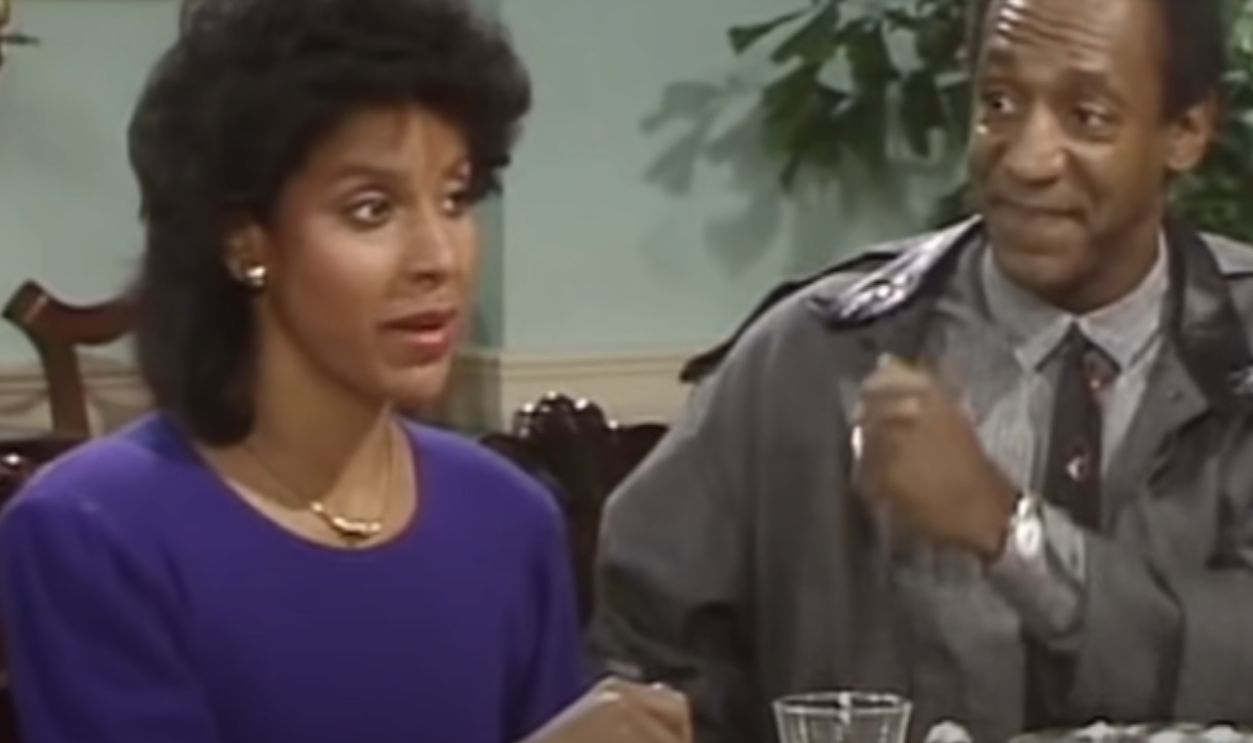 Screenshot from The Cosby Show, NBC (1984-1992)
You May Also Like:
Actors Who Appeared In More Classic TV Shows Than You Realized—How Many Do You Remember?
TV Comedies From The 1960s That Are Being Slowly Forgotten—Do You Remember Any Of These Classics?
Great Bands Baby Boomers Loved In The 1970s—And Guess What...Millennials Still Listen To Them Today