Life Of Unending Change
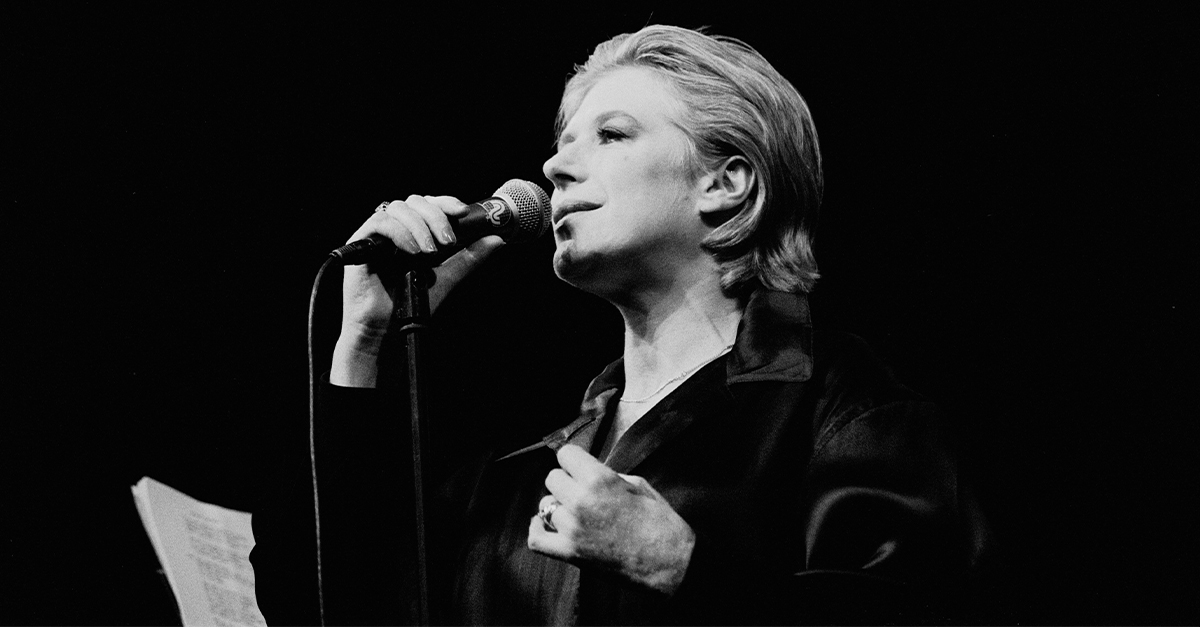
Marianne Faithfull had a promising start in the 60s as a pop singer, before her career and life went into a tailspin. Her surprising re-emergence in the late-70s and 80s was only one phase in the life of a person who never stopped evolving right to her final days.
Early Years
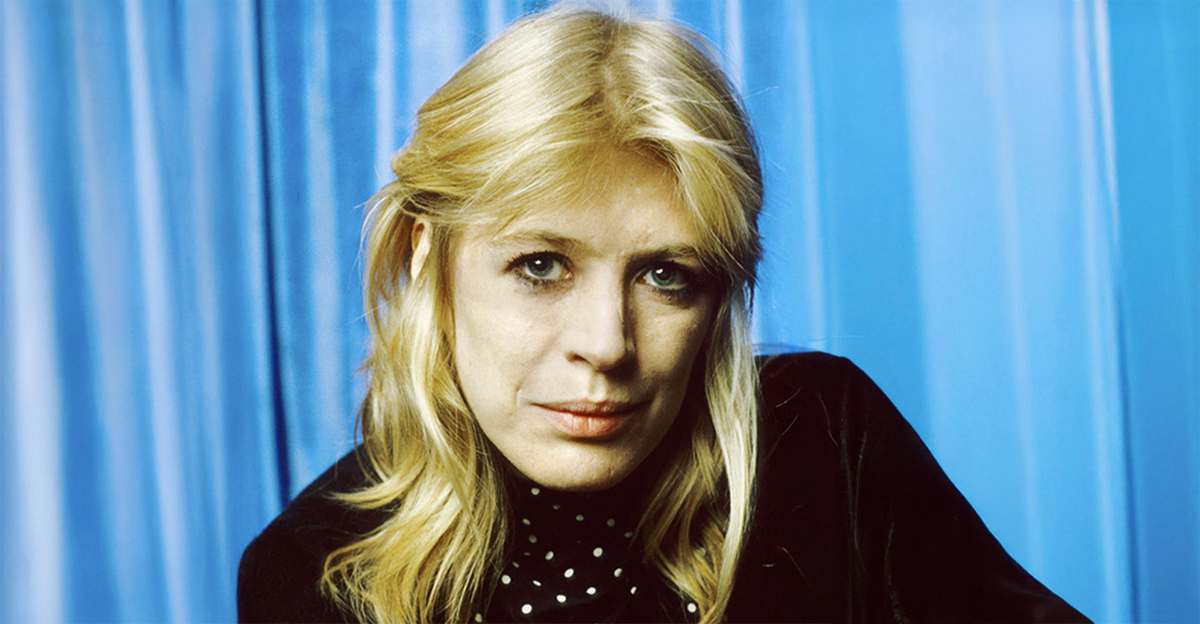
Born in London in 1946 to an artistic and unconventional family, Marianne Faithfull spent much of her childhood attending a convent school in Reading. The structure and discipline of her Catholic education was a striking contrast to the rebellious image she later embraced. This experience molded her stage presence, a blend of innocence and mystery that caught the attention of audiences.
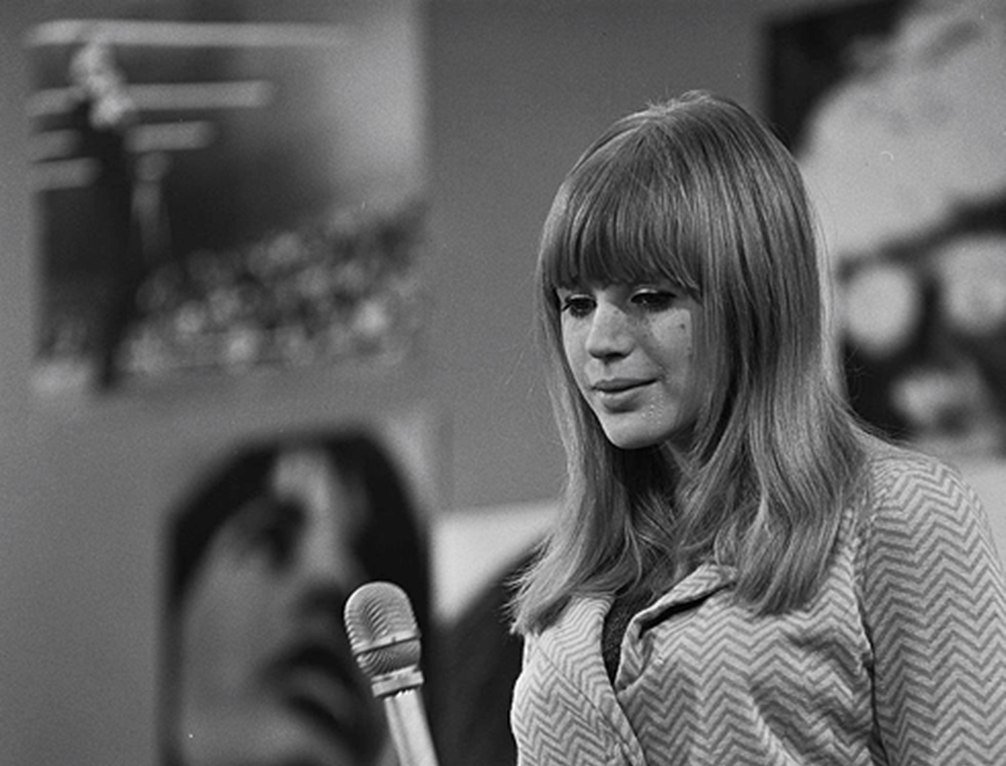 A. Vente, CC BY-SA 3.0, Wikimedia Commons
Discovery
Her career got going in 1964 when she was noticed at a Rolling Stones launch party. Stones manager and London gadfly Andrew Loog Oldham thought Marianne had star potential and signed her on the spot. Practically overnight, she became part of the buzzing London music scene and was thrust into a spotlight she never expected. It was a sudden success that would both elevate and nearly destroy her.
 deepskyobject, Wikimedia Commons
Breakthrough With “As Tears Go By”
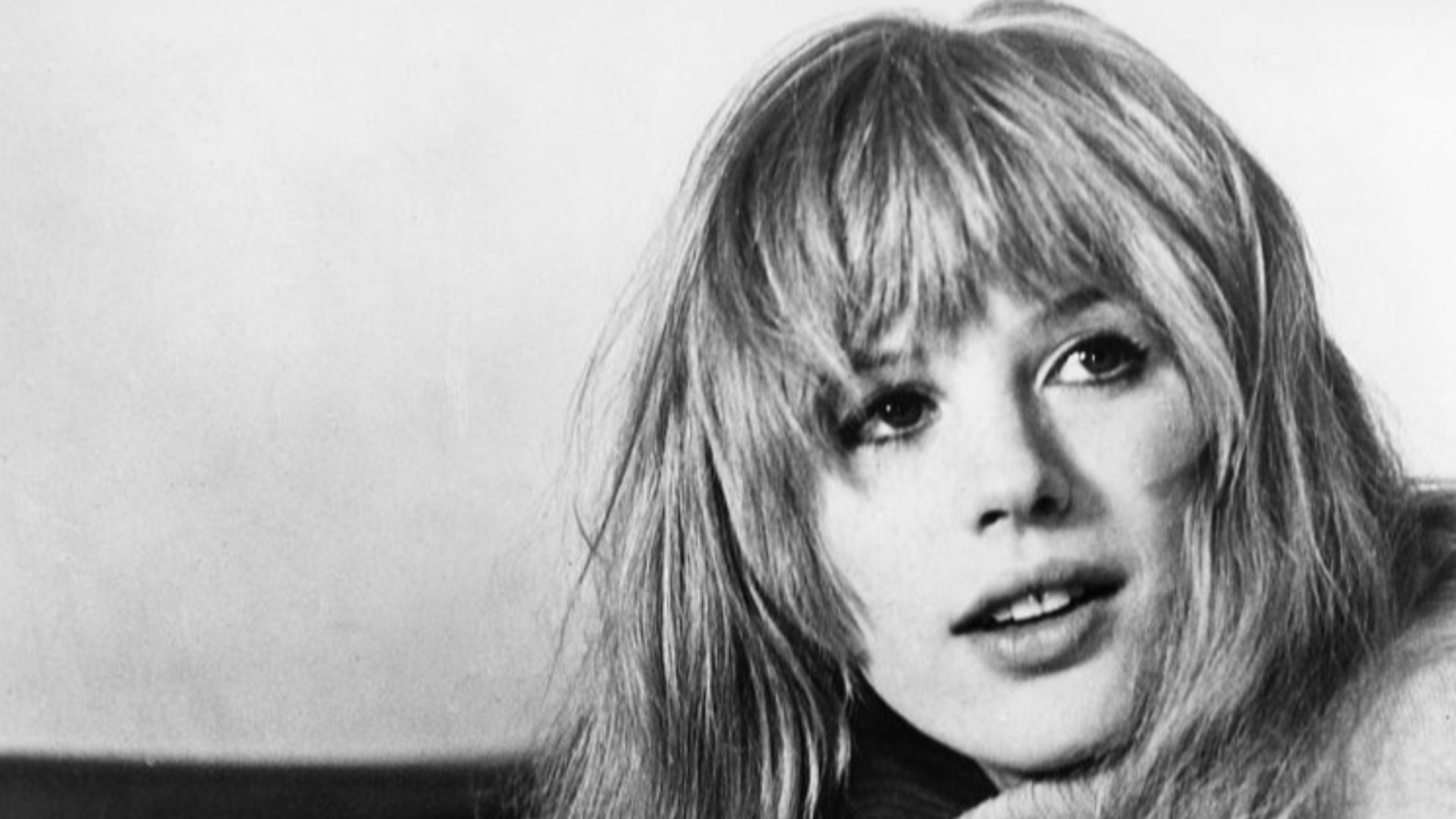
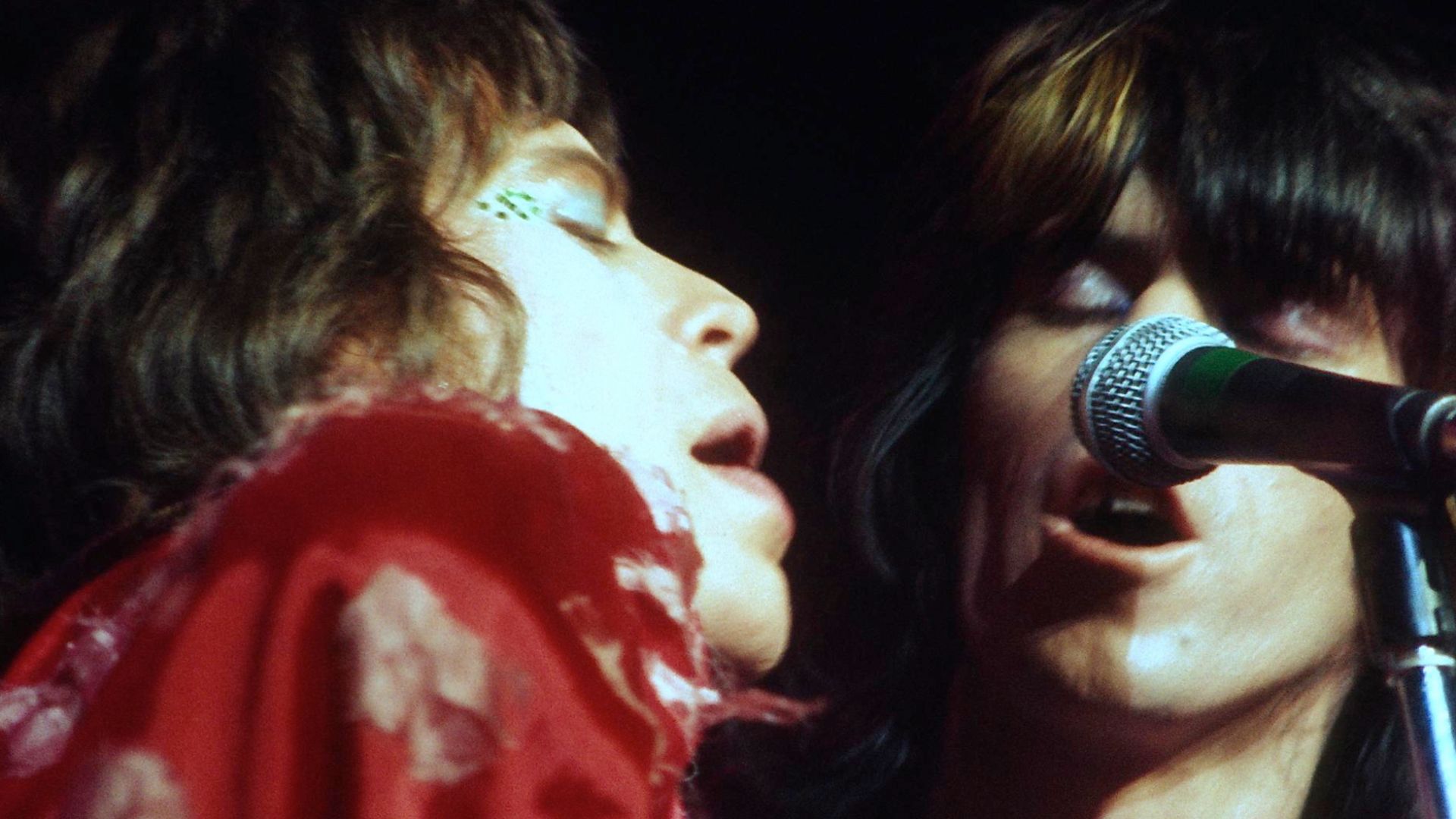
Her debut single, “As Tears Go By,” written by Mick Jagger and Keith Richards, became an international hit. The song’s tone of wistful resignation and her crystalline soprano voice set her apart from other British pop singers of the era. Audiences connected with her emotional delivery and image. Faithfull was a blonde, wide-eyed ingénue with a haunting softness wanted to see and hear more of.
 Larry Rogers, Wikimedia Commons
1960s Pop Career And Chart Success
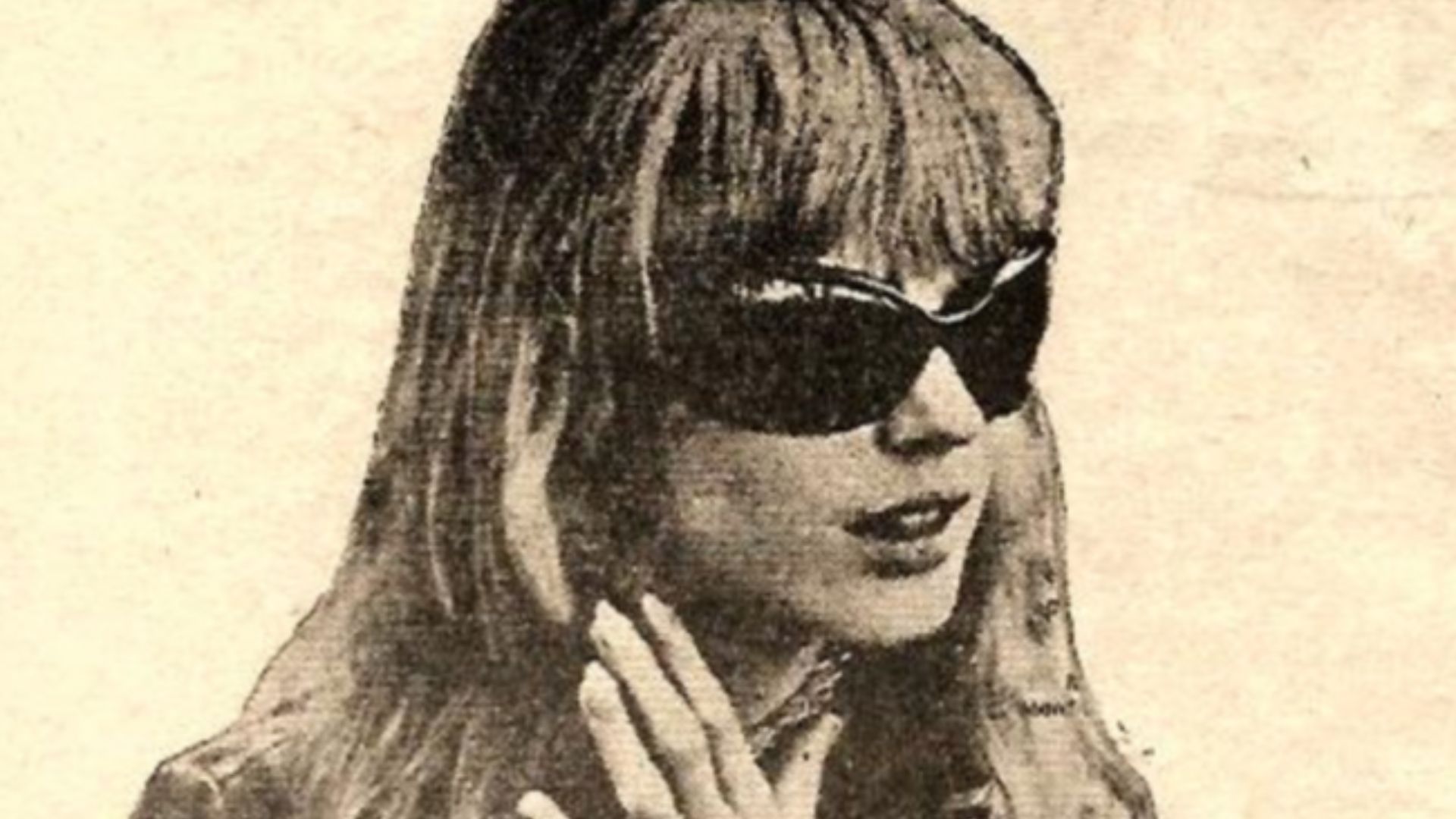
Throughout the mid-60s, Marianne released a series of hits, including “This Little Bird” and “Come and Stay With Me.” She quickly went from a flavor-of-the-month novelty to a genuine pop star. Her face graced magazine covers, TV screens, and film sets, a symbol of the glamorous side of Swinging London, even as pressure behind the scenes intensified.
 Majalah AKTUIL Edisi 11 Tahun 1968, Wikimedia Commons
Relationship With Mick Jagger
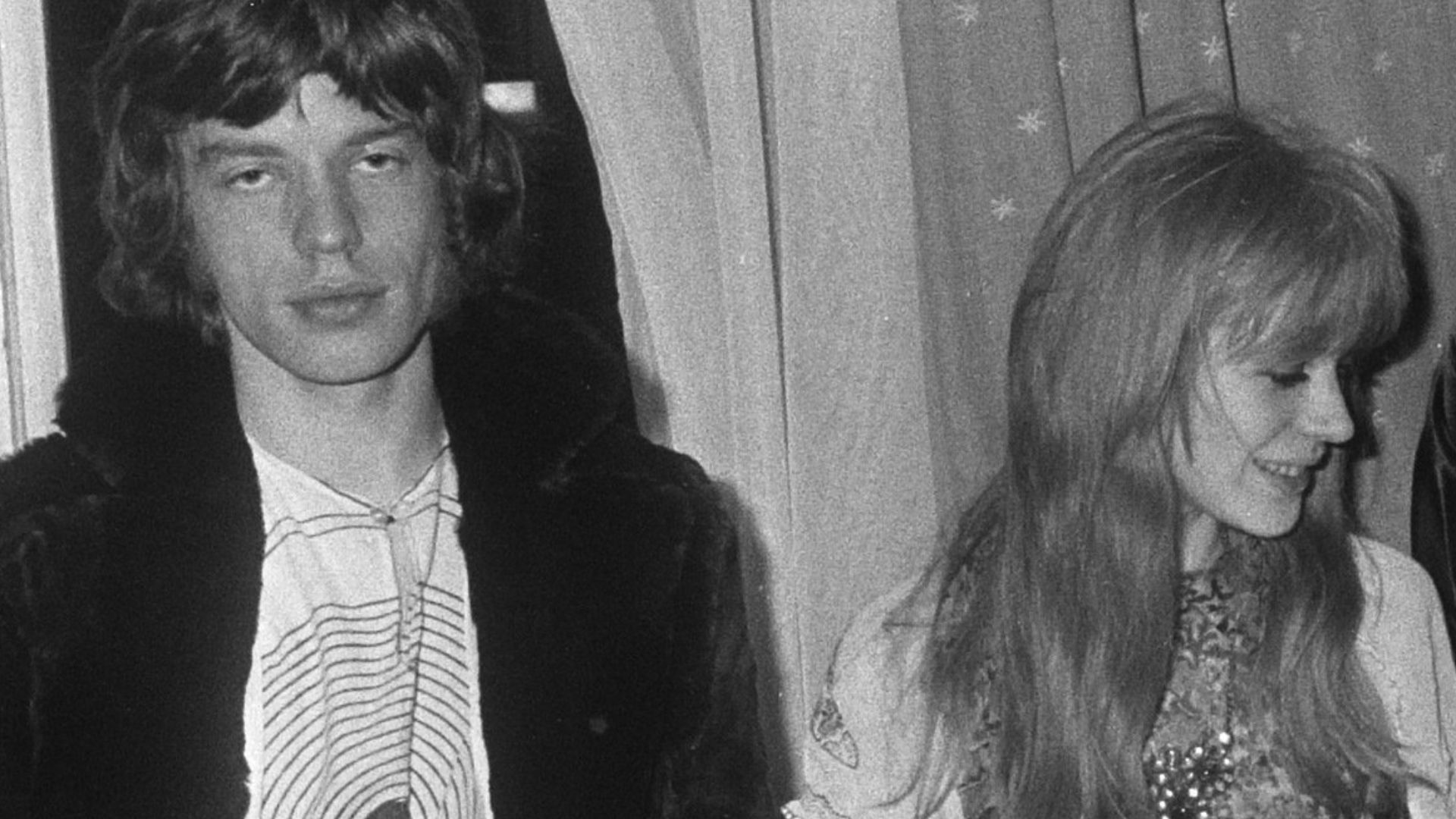
Marianne’s high-profile relationship with Mick Jagger entangled her life with The Rolling Stones at the height of their fame. She was a central figure in their social orbit, celebrated, envied, and scrutinized. Public fascination with the couple often pushed her own accomplishments to the background. It was part of a pattern of media narratives and stereotypes she would later fight hard to escape.
 Ben Merk (ANEFO), Wikimedia Commons
Scandal At Redlands
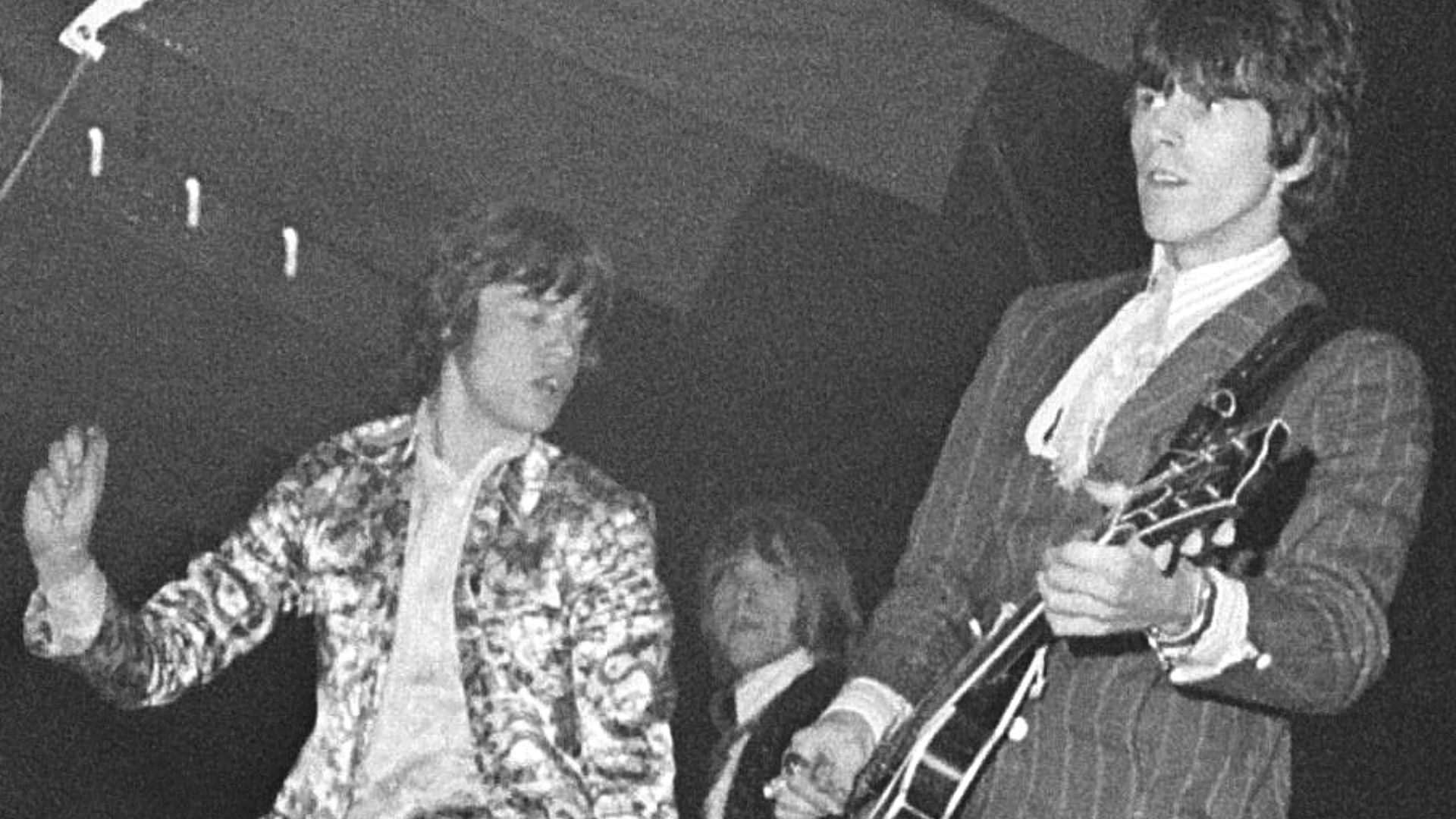
In February 1967, Faithfull was present during a highly publicized drug bust at Mick Jagger’s country home, Redlands, when law enforcement raided the property and arrested Jagger and Keith Richards. Sensationalized press reports damaged her reputation with the British public and turned her into a tabloid scandal figure. She never forgot how she was treated.
 Ben Merk (ANEFO), Wikimedia Commons
Parallel Acting Career
Alongside music, Marianne pursued acting, appearing in films like The Girl on a Motorcycle (1968), where she played a free-spirited biker, mirroring her growing interest and immersion in counterculture. Theatre roles soon followed. Despite her inexperience, she carried a natural charisma. Acting offered artistic opportunities but there were disturbing signs of her growing substance abuse.
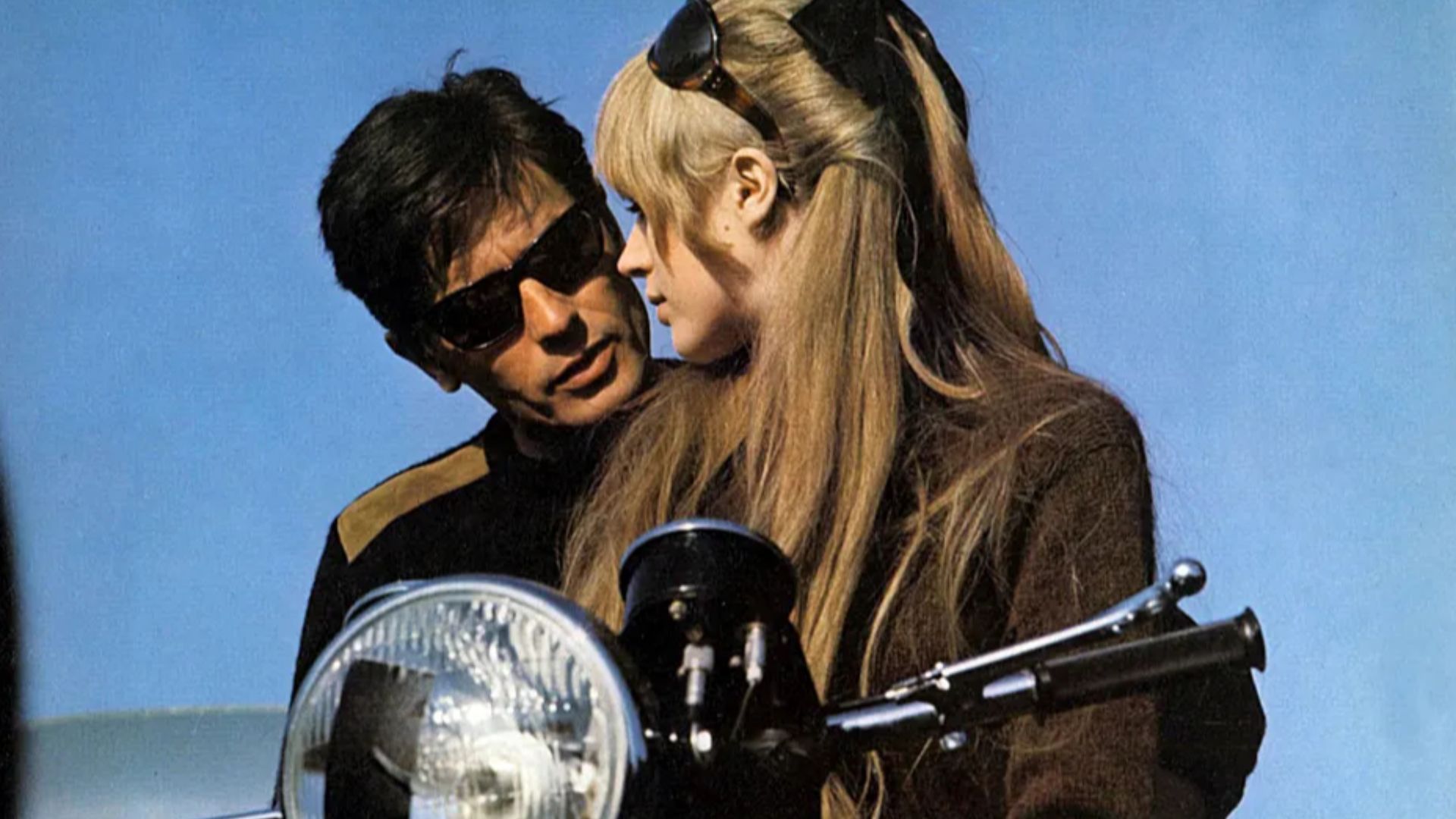 deepskyobject, Wikimedia Commons
Collapse
By the early 70s, her world had crashed. A breakup with Jagger, personal traumas, and helpless addiction to narcotics led to years of homelessness in London’s Soho district. Once a chart-topping singer, she found herself without a dollar to her name, struggling for survival, and often overlooked by the industry that once welcomed her presence.
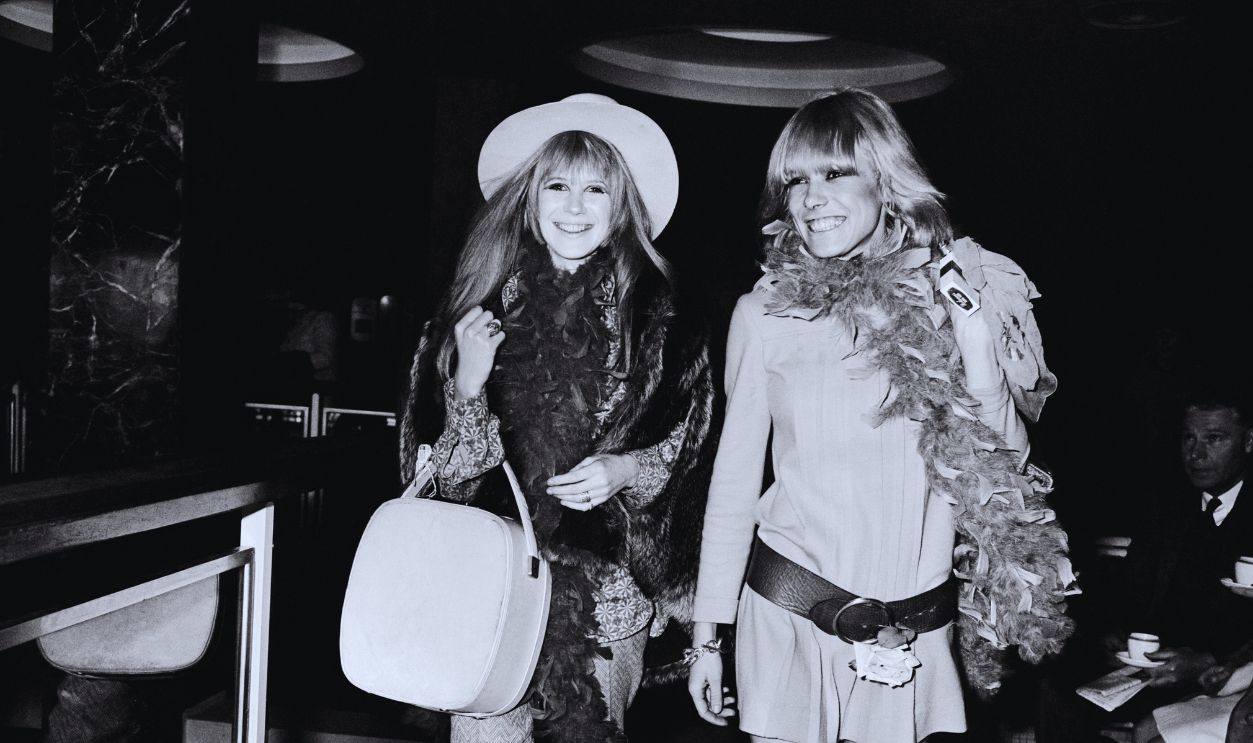
Transformation Of Her Singing Voice
Years of illness, smoking, and substance use permanently changed her voice. The once bright and clear tone became deeper and far rougher. Still, there was something compelling about it. That marked change to her voice would later define her artistic comeback. What seemed like a tragedy at first strangely became a tool that allowed her to perform songs of grit, defiance, and experience.
 Frans Schellekens/Redferns, Getty Images
Career In Limbo
During her lowest period, projects stalled and record labels hesitated. Her outstanding 1971 recording Rich Kid Blues went unreleased until 1985. Marianne felt written off by a business that favors youth and polish. But the setbacks also sharpened her determination to take control of her artistic identity when the opportunity arose.
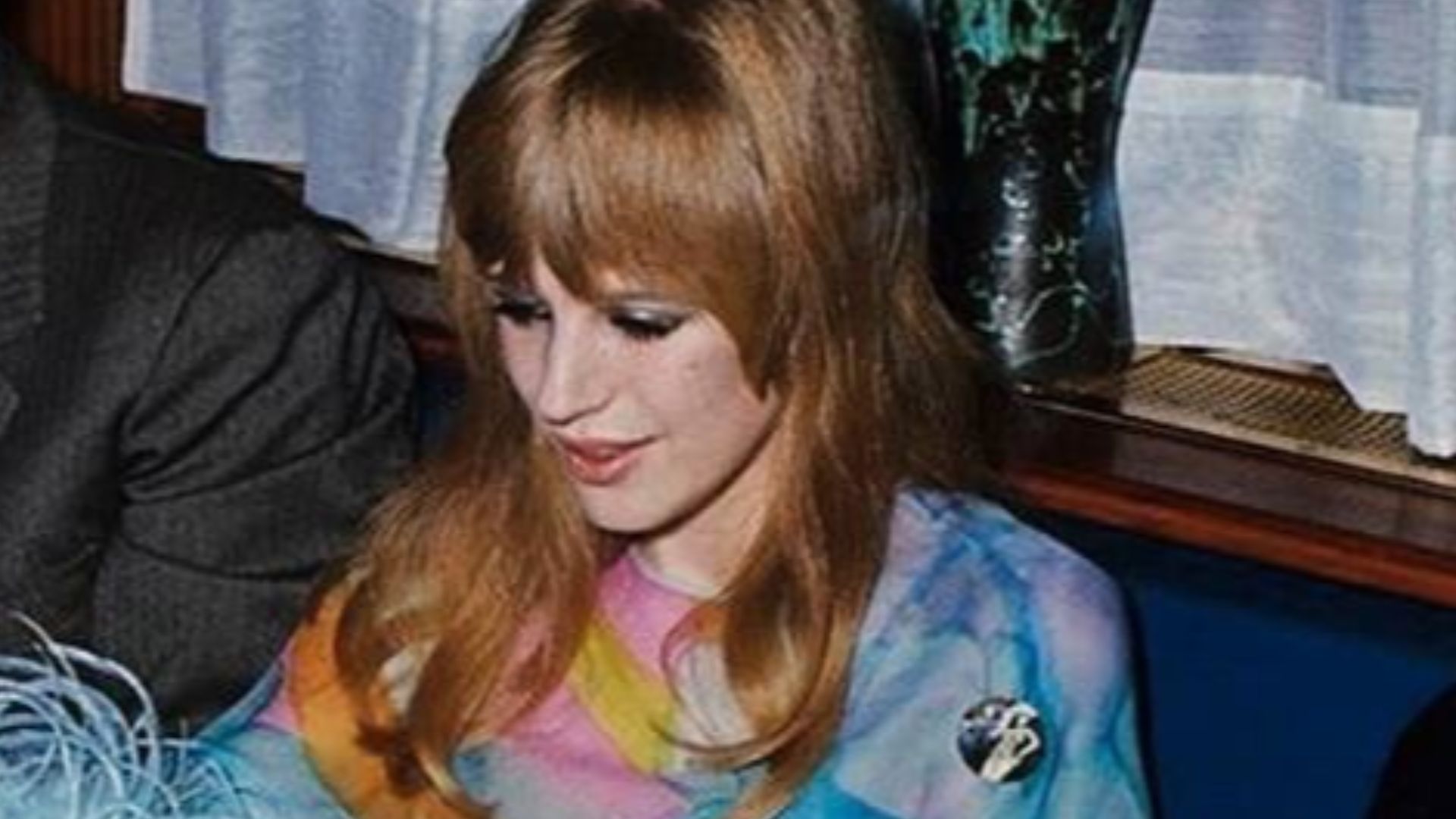 deepskyobject, Wikimedia Commons
Initial Comeback Attempt
Her 1976 album Dreamin’ My Dreams marked her first step back toward music. The collection of country and folk standards was a modest success, but more importantly it was proof that she still had something powerful left to say, even if the world wasn’t fully ready to hear it yet.
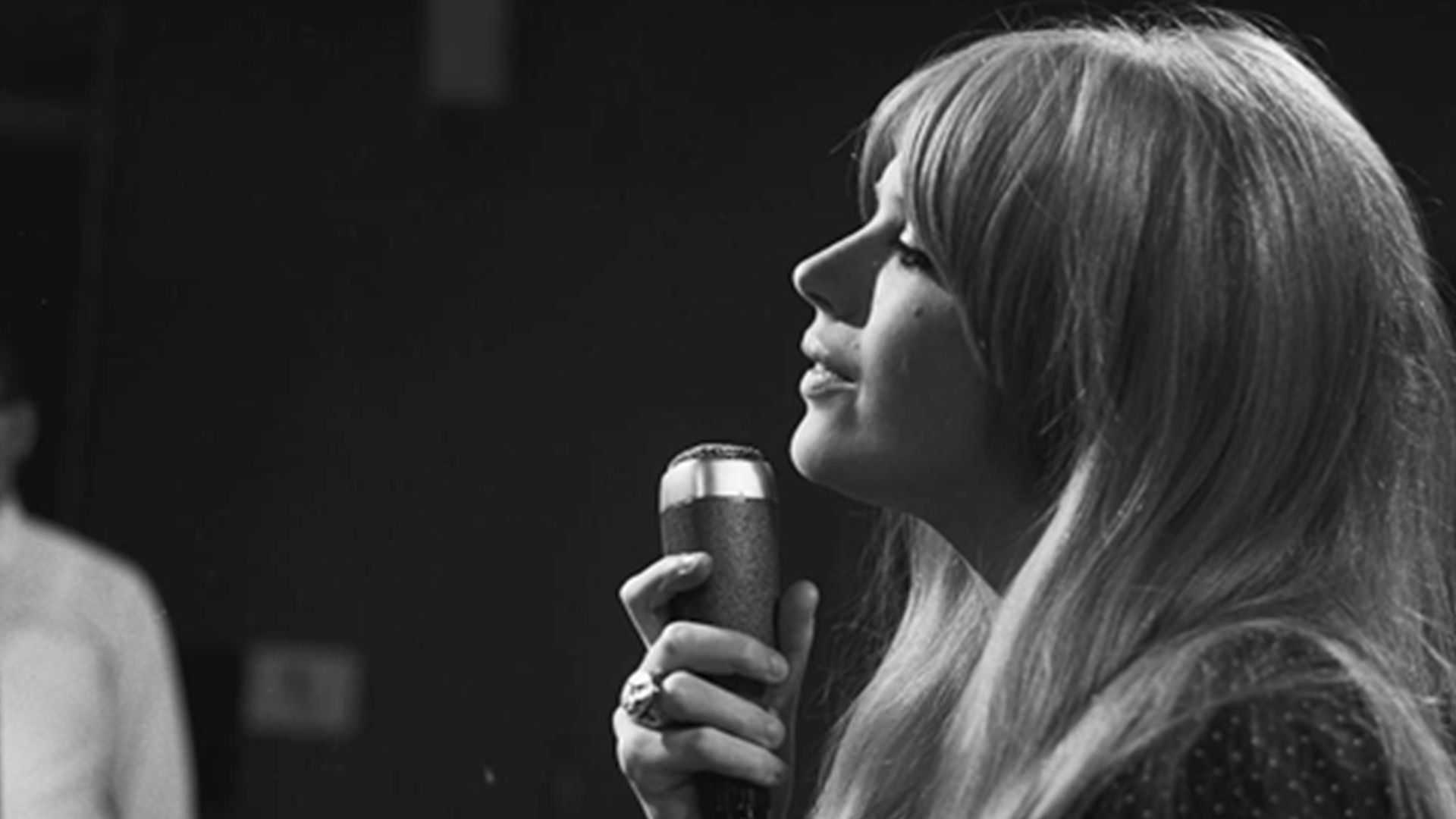 Photographer: A. Vente, Wikimedia Commons
Broken English: Defiant Rebirth
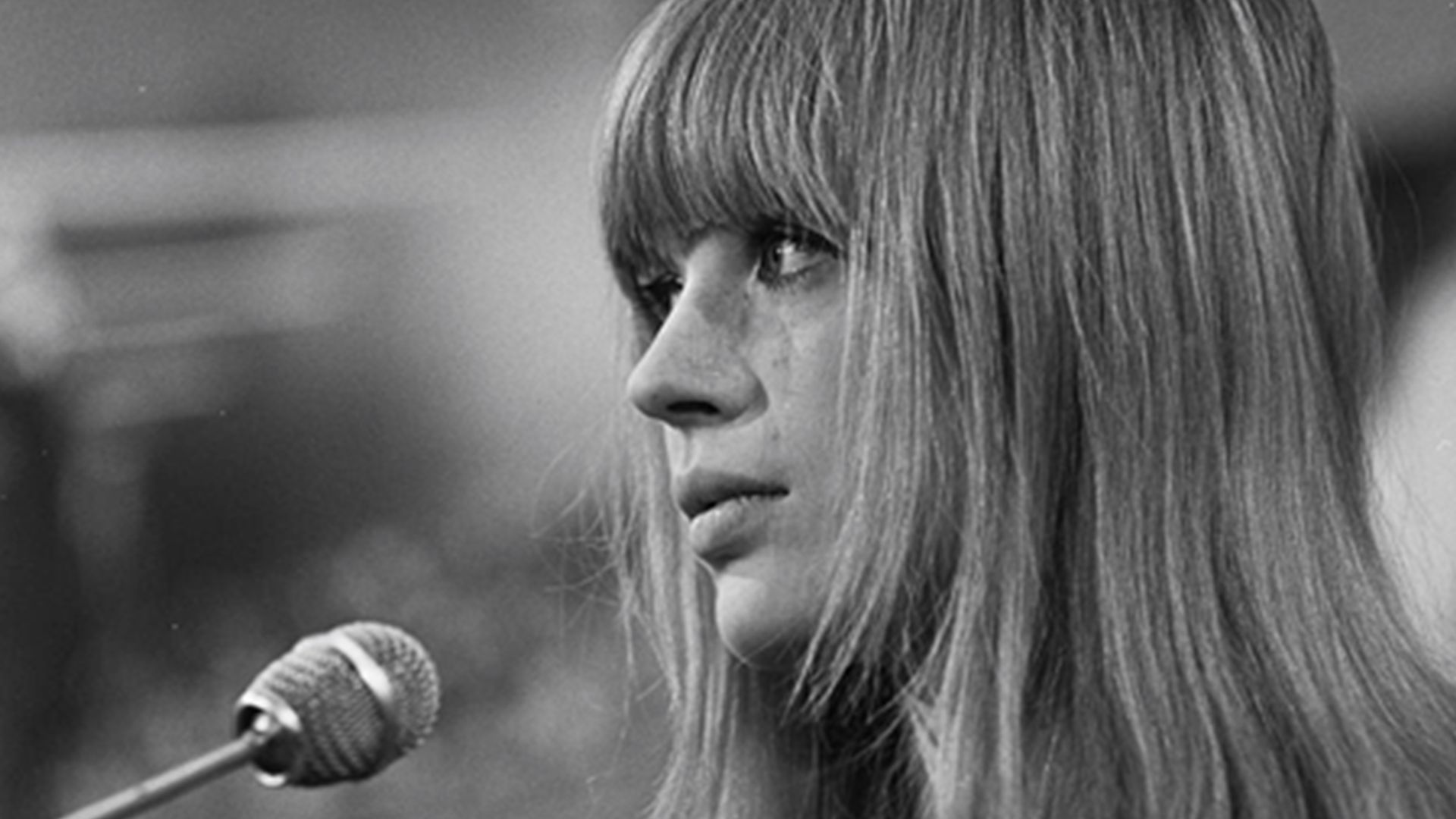
Her 1979 masterpiece Broken English reintroduced Marianne Faithfull as a drastically transformed artist. Its raw lyrics, new-wave production, and her weather-beaten voice delivered honesty that shocked critics and earned acclaim. The doe-eyed pop singer was long gone, replaced by the brooding intensity of a self-aware artist doing things on her terms.
 Photographer: A. Vente, Wikimedia Commons
A New Voice
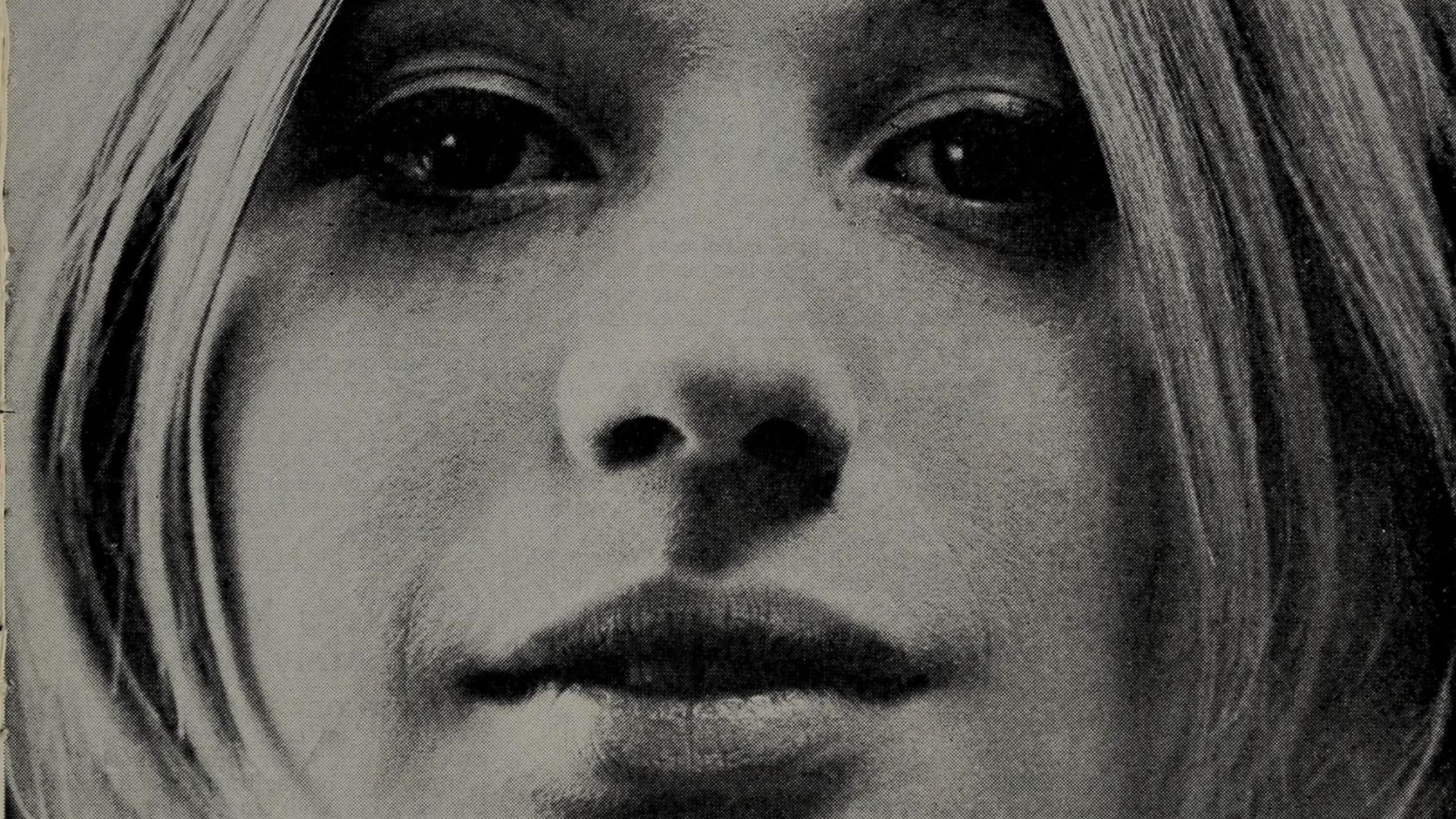
Where others might have mourned the loss of her vocal purity, Marianne embraced her ravaged sound as a mark of authenticity. Fans connected deeply with her pain-shaped performances, and Broken English re-established her as a creative force.
Continued Momentum
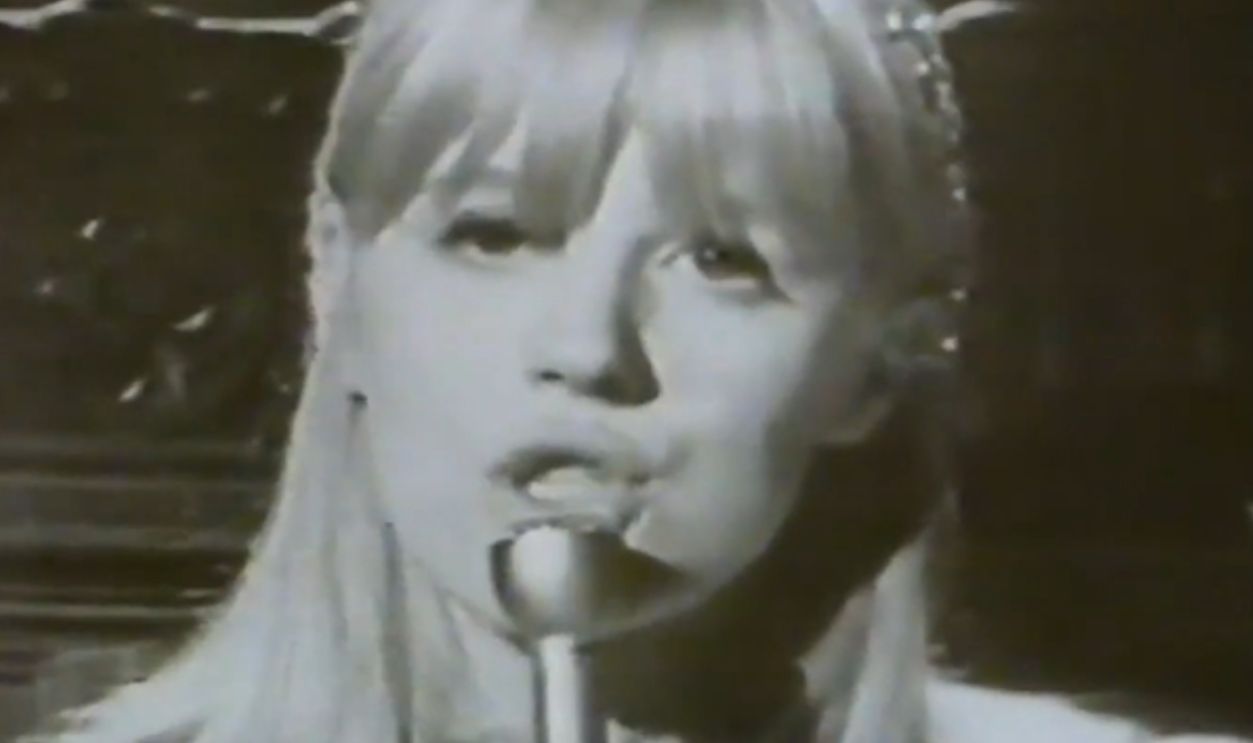
In 1981, she released Dangerous Acquaintances, a solid album, though without the hard edge of Broken English. While reactions were mixed, the album confirmed she was not a comeback gimmick. The release of another solid album, A Child's Adventure in 1983 was added testament that she was a working musician once again, leaving the chaos behind and pushing forward with artistic experimentation.
 Screenshot from Dangerous Acquaintances, Island (1981)
Struggles In The 80s
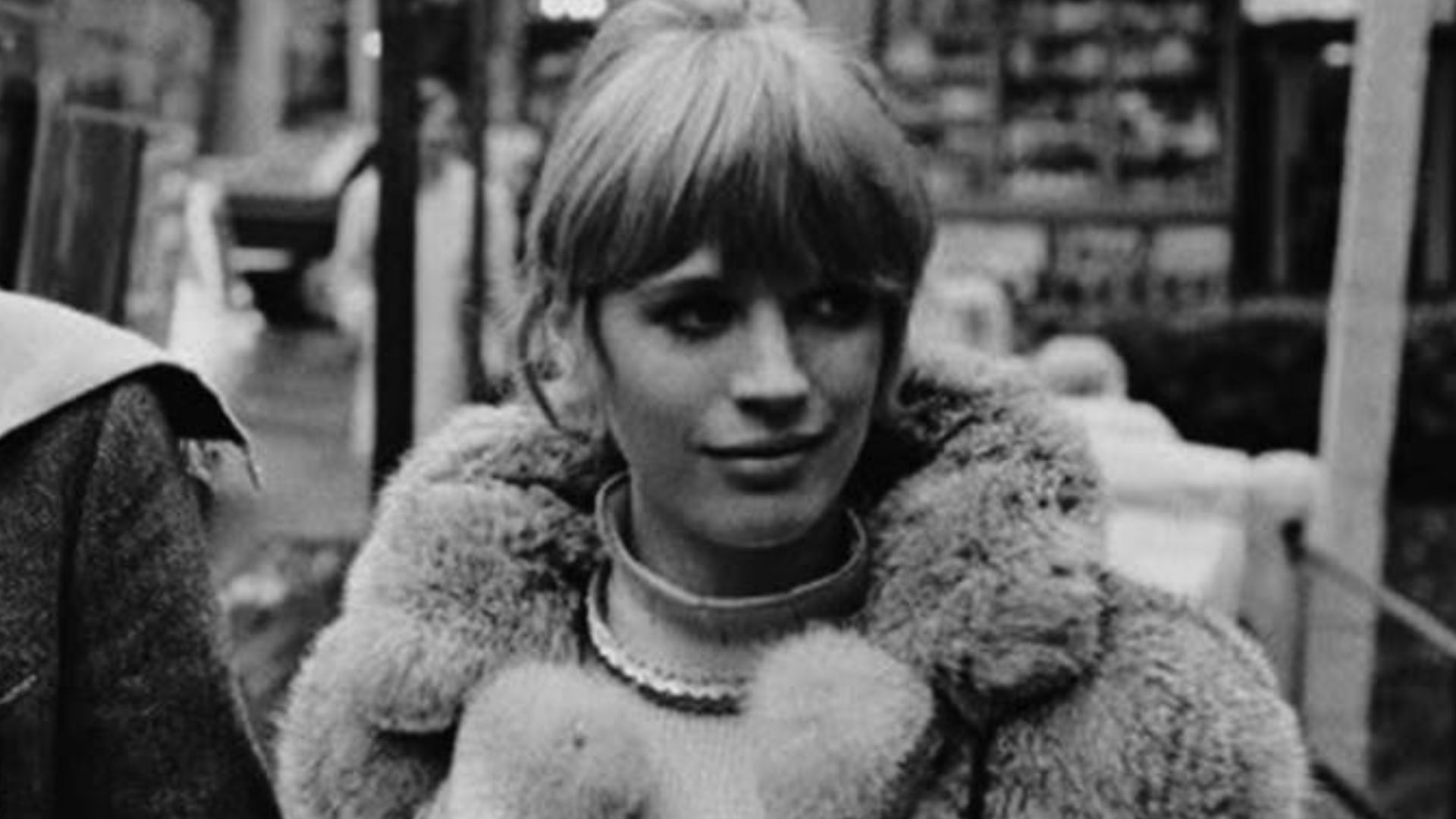
Despite the renewed success, Faithfull still struggled with substances and poor health. Touring, pressure, and the emotional aftermath of her earlier life kept her vulnerable. These years became a grinding battle in search of recovery and a determination to sustain her career.
 deepskyobject, Wikimedia Commons
Creative Persistence Through The 1990s
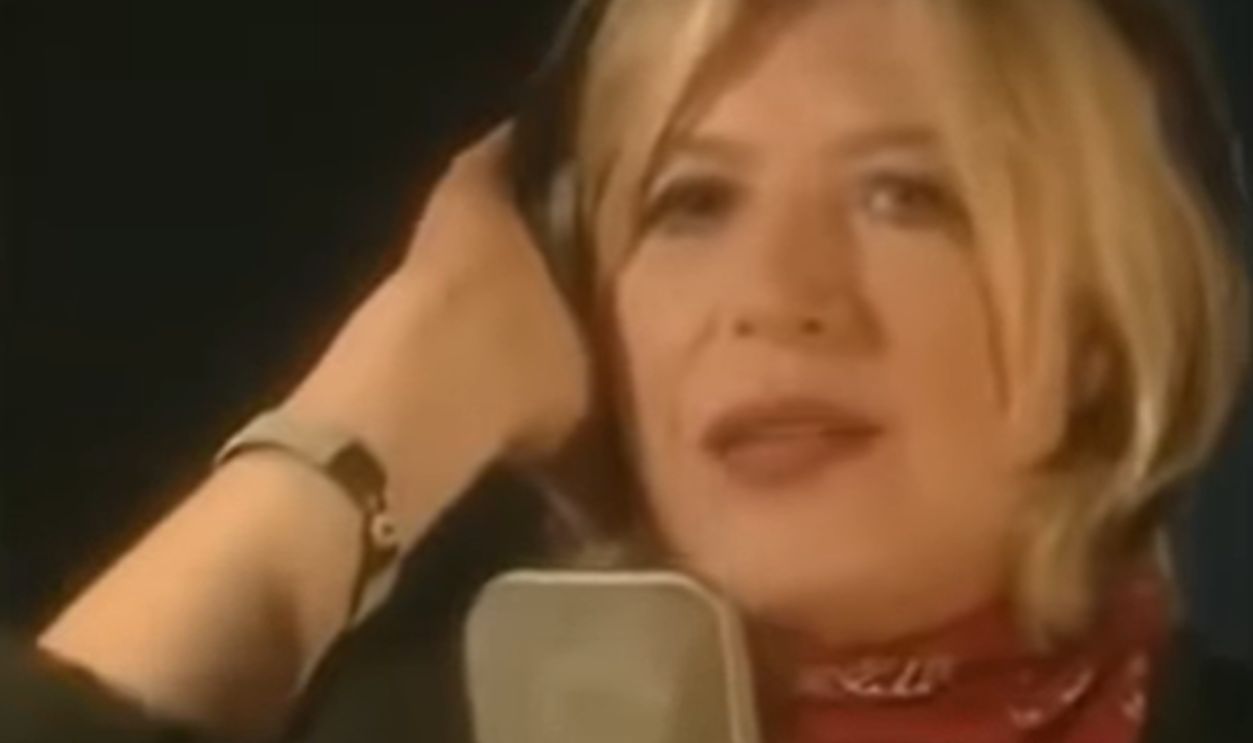
The 90s saw Faithfull enjoy a continue recording revival and a lot of collaborations with other artists. She got back into acting in the early 90s, with roles in Roger Waters’ The Wall Live in Berlin and Brecht’s The Threepenny Opera at the Gate Theatre in Dublin. The end of the decade saw the release of her best album in years, Vagabond Ways (1999)
 Screenshot from Vagabond Ways, EMI (1999)
Poetry, Spoken-Word, And Intellectual Exploration
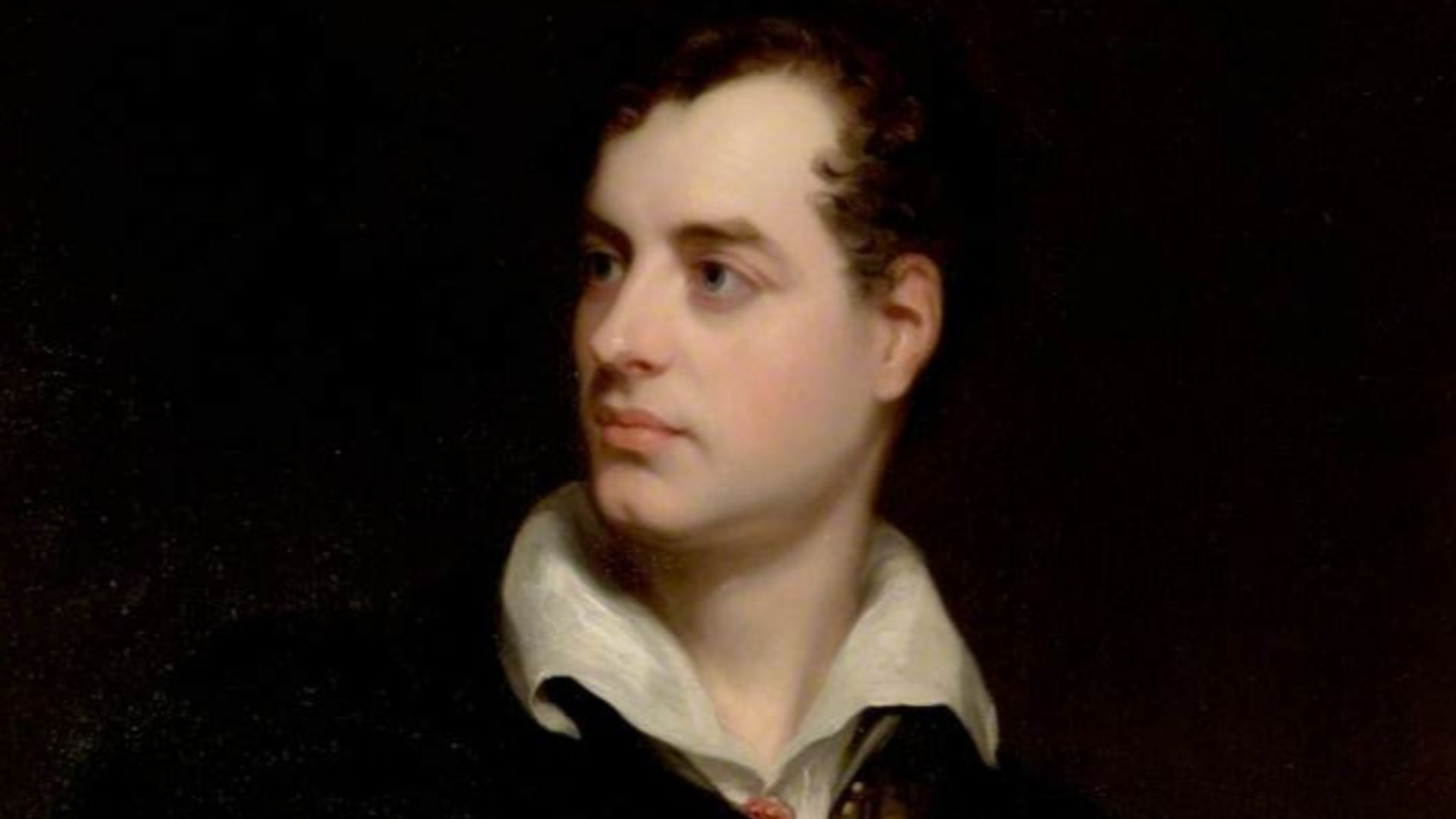
Later in life, Marianne developed spoken-word projects interpreting poets like Lord Byron. Her delivery offered emotional resonance that pure academic readings rarely reach. She embraced projects that valued interpretation over smoothly massaged vocal perfection. It was a celebration of storytelling as one of her core abilities.
 Thomas Phillips, Wikimedia Commons
Candid Reflections
Her acclaimed autobiographical memoir Faithfull (1994) was brutally honest, recounting all the old characters, incidents, and turning points of the past. Unlike many rock memoirs, it focused on reclaiming her own personal narrative from that told by journalists. Despite this she still refused to sugar-coat her past, instead confronting shame and survival with honesty.
 Claridge Pictures, Wikimedia Commons
Recognition From The Arts Communities
Over time, Marianne earned honors such as France’s Ordre des Arts et des Lettres. Artistic institutions that once wrote her off now celebrated her cultural impact. It was an overdue acknowledgment of her bold, sometimes painful evolution and the valuable work she’d done.
 Le Commissaire, Wikimedia Commons
An Eye For Visual Art And Collecting
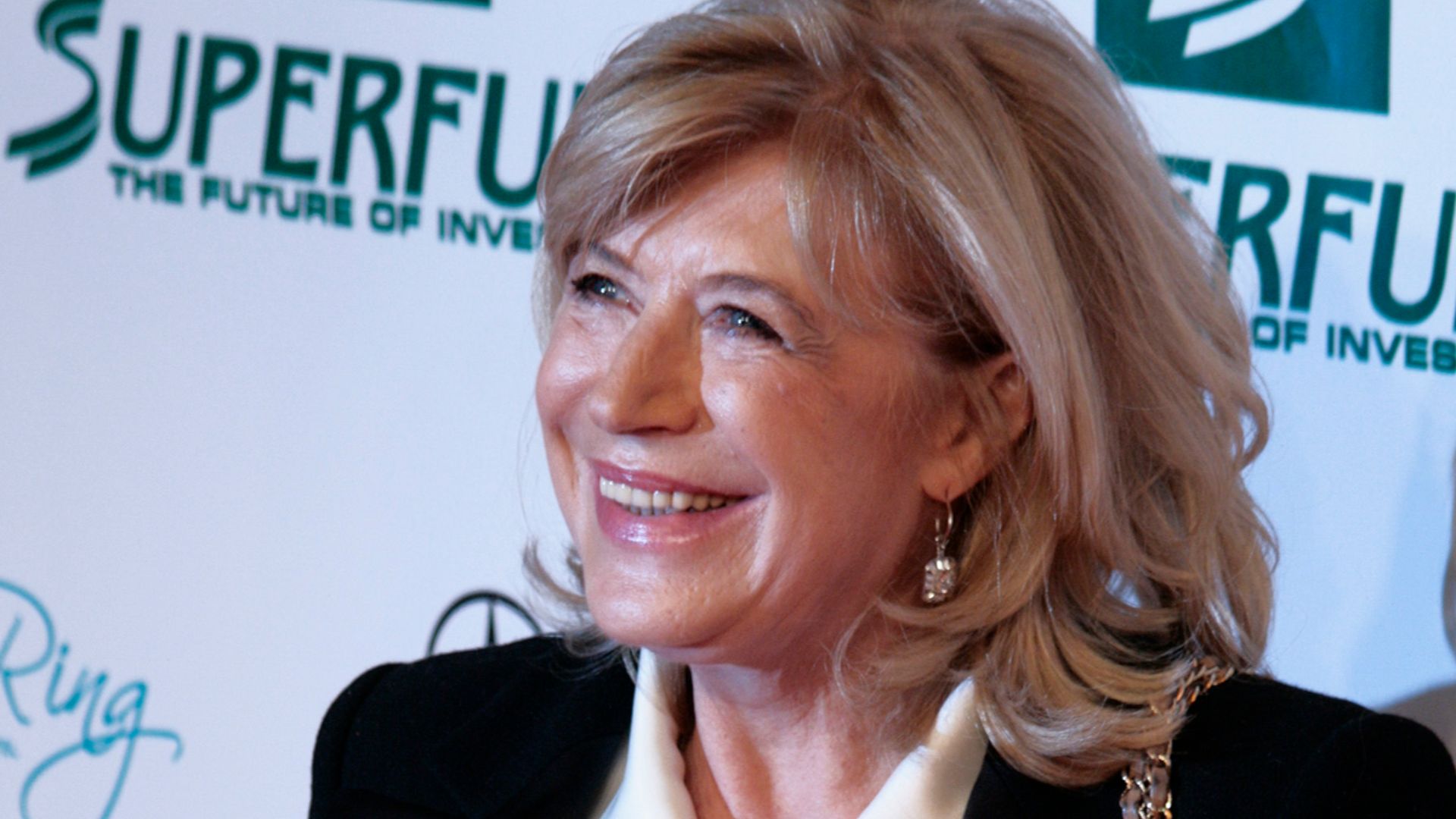
Marianne quietly developed a strong passion for art collecting. Her later-life collection included striking contemporary pieces, some of which were auctioned after her death in 2025. While music brought fame, visual art brought her simple moments of personal enjoyment.
 Manfred Werner - Tsui, Wikimedia Commons
Health Crises And Endurance
Faithfull lived with long-term health complications, including hepatitis C and lung problems from decades of smoking. She underwent surgery for breast cancer in 2006 and later was in 2014 was diagnosed with emphysema. Even during hospitalizations, she continued writing and planning new work.
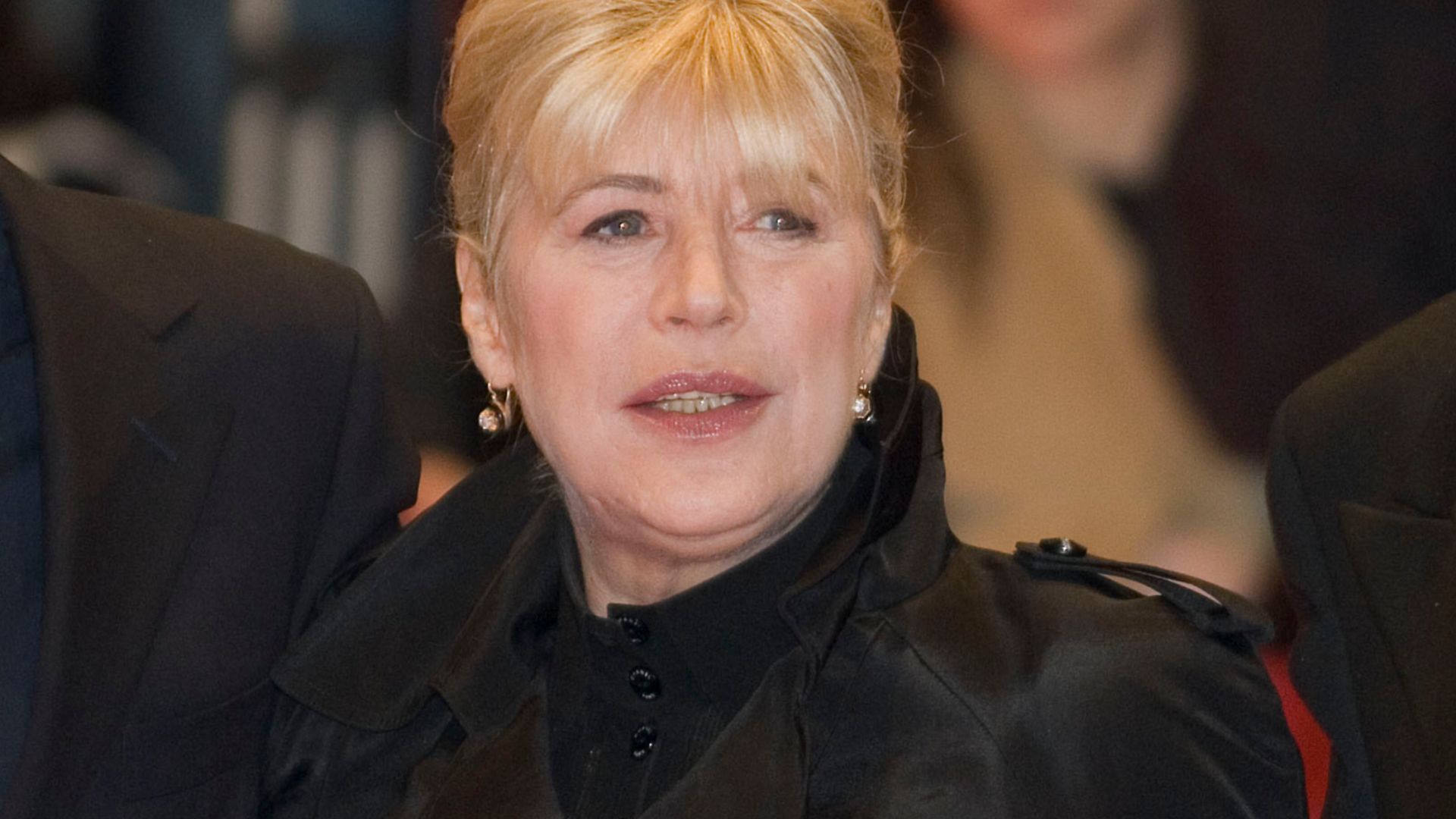 Thore Siebrands from Germany, Wikimedia Commons
A Career That Never Stopped Developing
Across more than five decades, Marianne refused to anchor herself in the deadweight of nostalgia. Every step of the way she revealed a different facet of her artistry. She showed that longevity isn’t about clinging to youth, but embracing change.
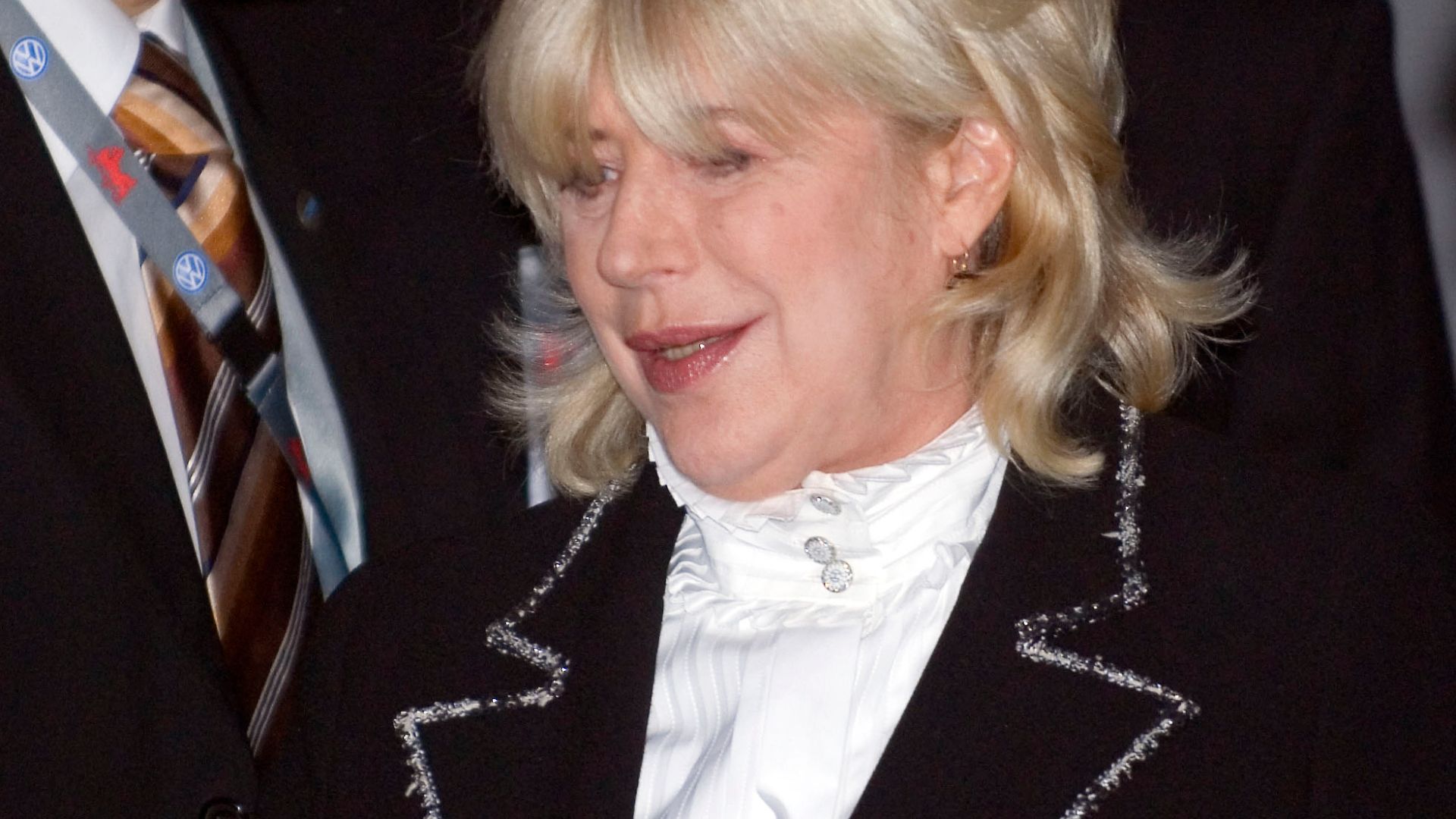 Thore Siebrands from Germany, Wikimedia Commons
Final Years
Even in her seventies, Faithfull collaborated with younger musicians, re-examined poetic influences, and reflected on memory as a creative lens. She turned late-career work into a space of contemplation shaped by decades of living, learning, and enduring.
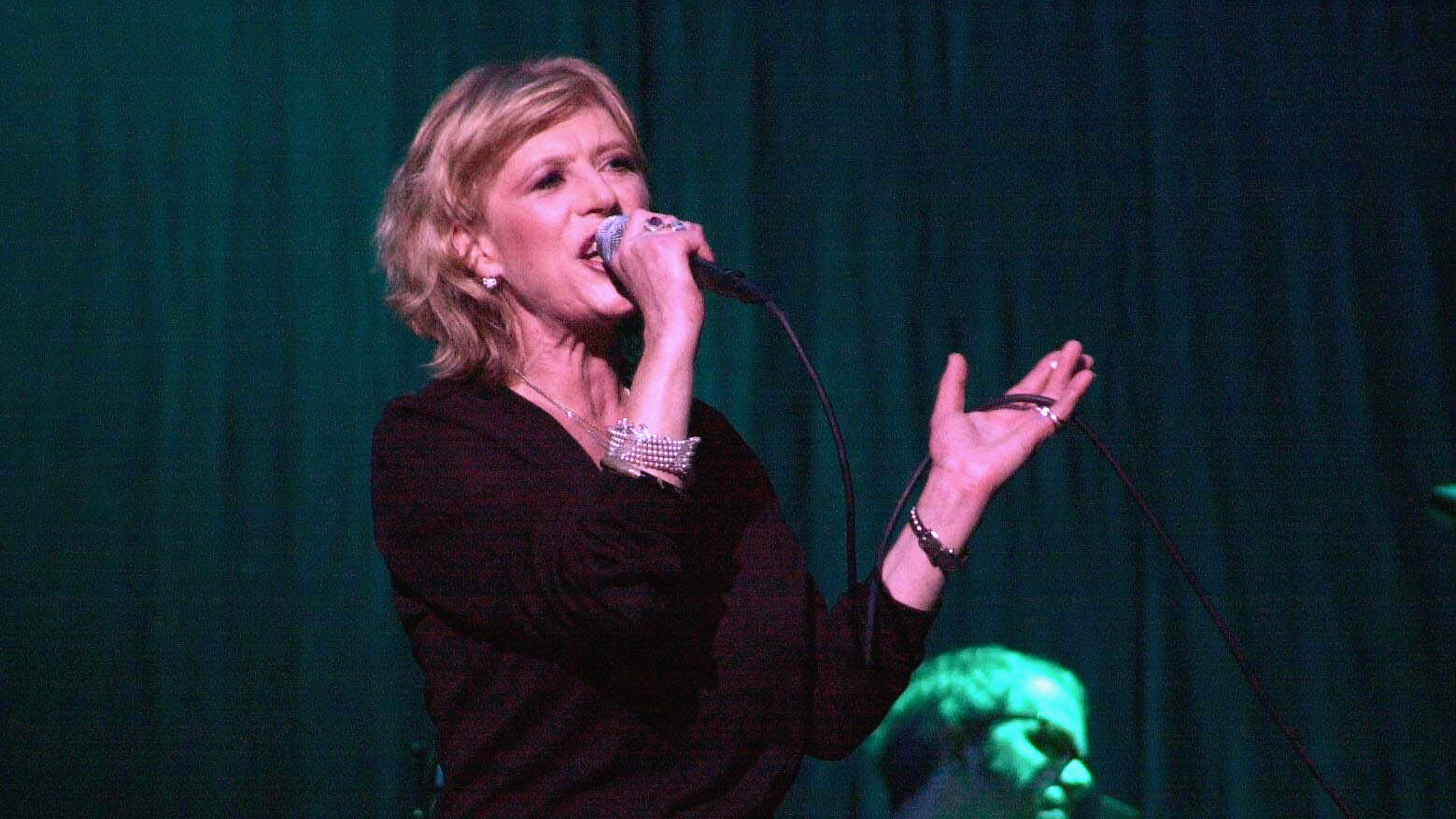 Photo by Dave Bennett/GettyImages
Legacy And Inspiration
Marianne Faithfull passed away January 30, 2025. Though plagued with misfortune and public judgment, she rebuilt herself repeatedly through her music and art. Her story isn’t about perfection but finding the will to carry on when all seems lost. She was an inspiration to others for her music, but also for her recovery from her life’s low points.
You May Also Like:
The Rock Legend Of Steve Marriott