One Of The Greats
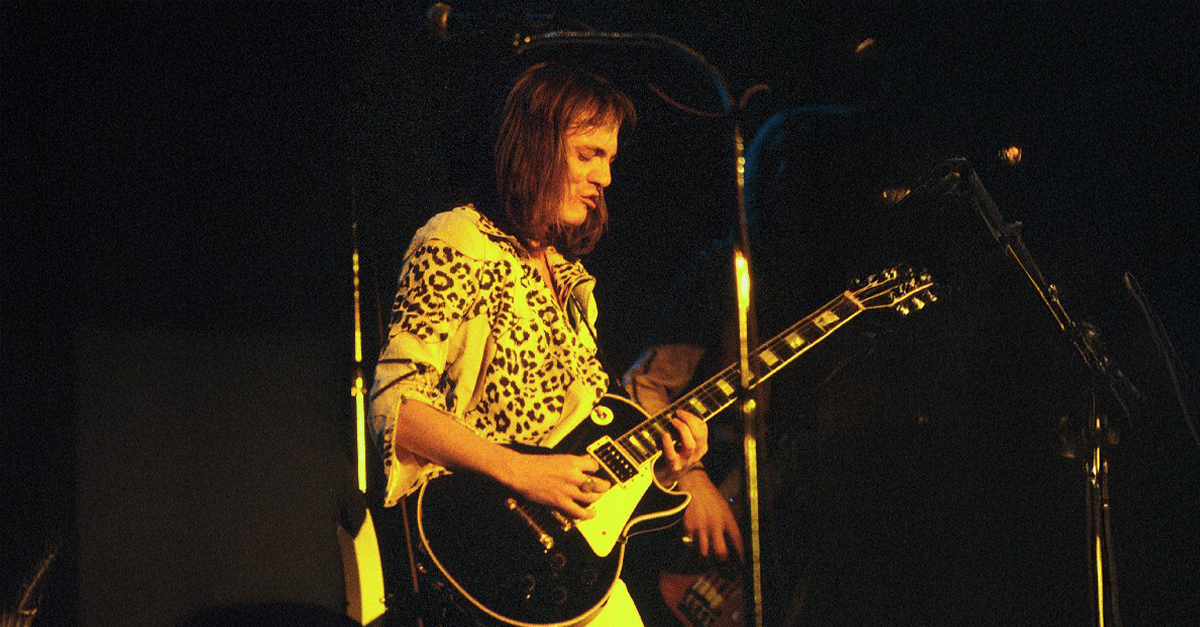
Steve Marriott was one of Britain’s most respected blues-rock performers of the 60s and 70s. He found success as singer and guitarist for the English rock band Small Faces and later with the band Humble Pie. But despite his extraordinary talents, he never quite broke through to the wider acclaim of other British rock artists of his generation. We look at the enduring rock legend of Steve Marriott.
Talent From The Start
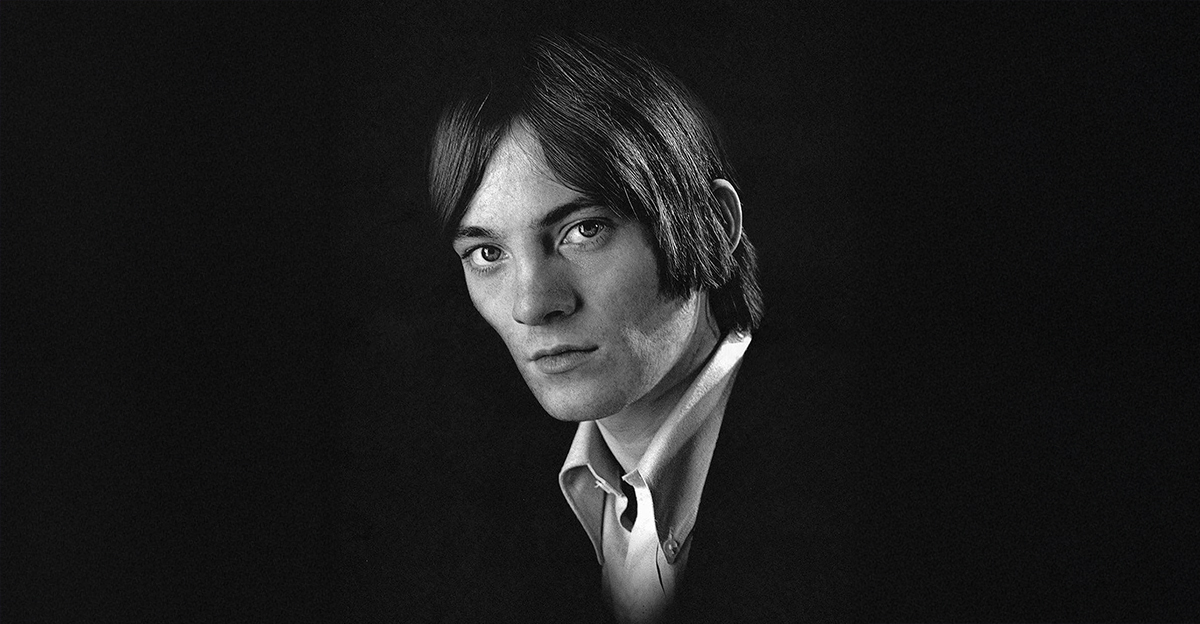
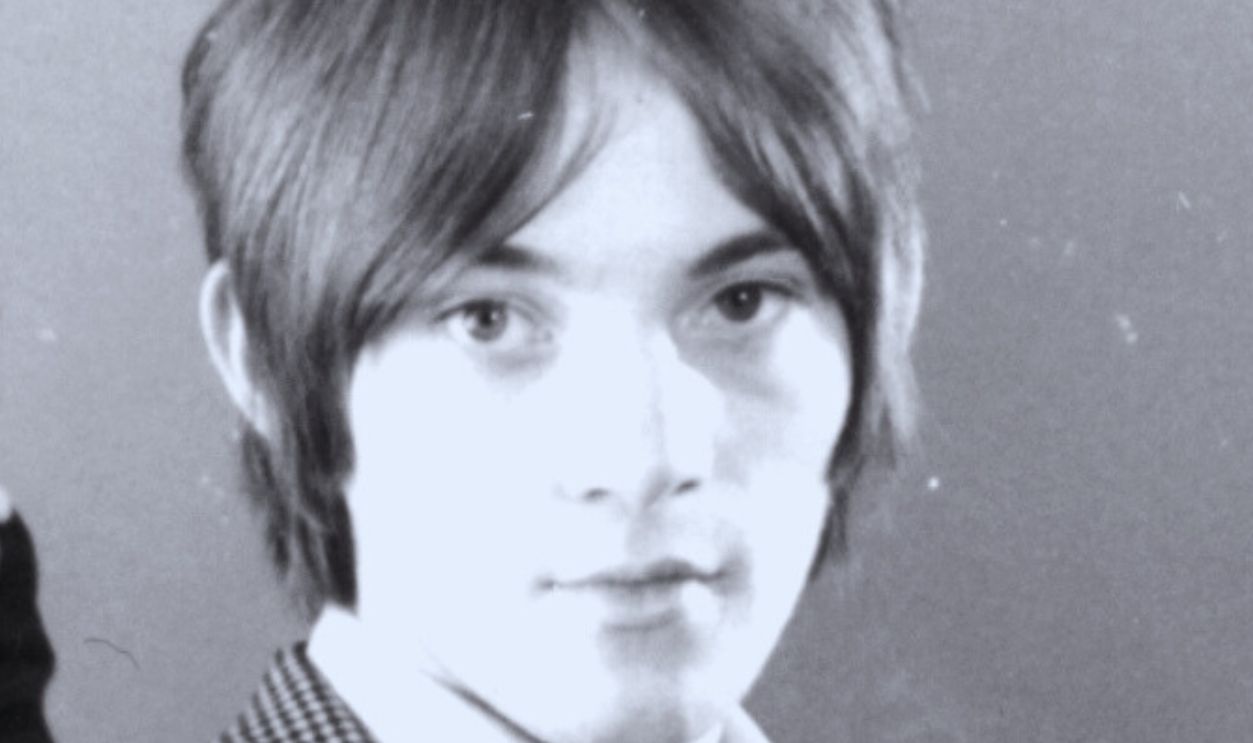
Steve Marriott was born in East Ham, London, in 1947. From a working-class background, Marriott took to performing as a child in the late 50s. He learned to play the ukulele, formed his first band, The Wheels, with a couple of friends, played gigs and busked in the local area. Marriott was a big fan of Buddy Holly, and took to wearing a pair of large horn-rimmed glasses with the lenses removed in honor of his idol.
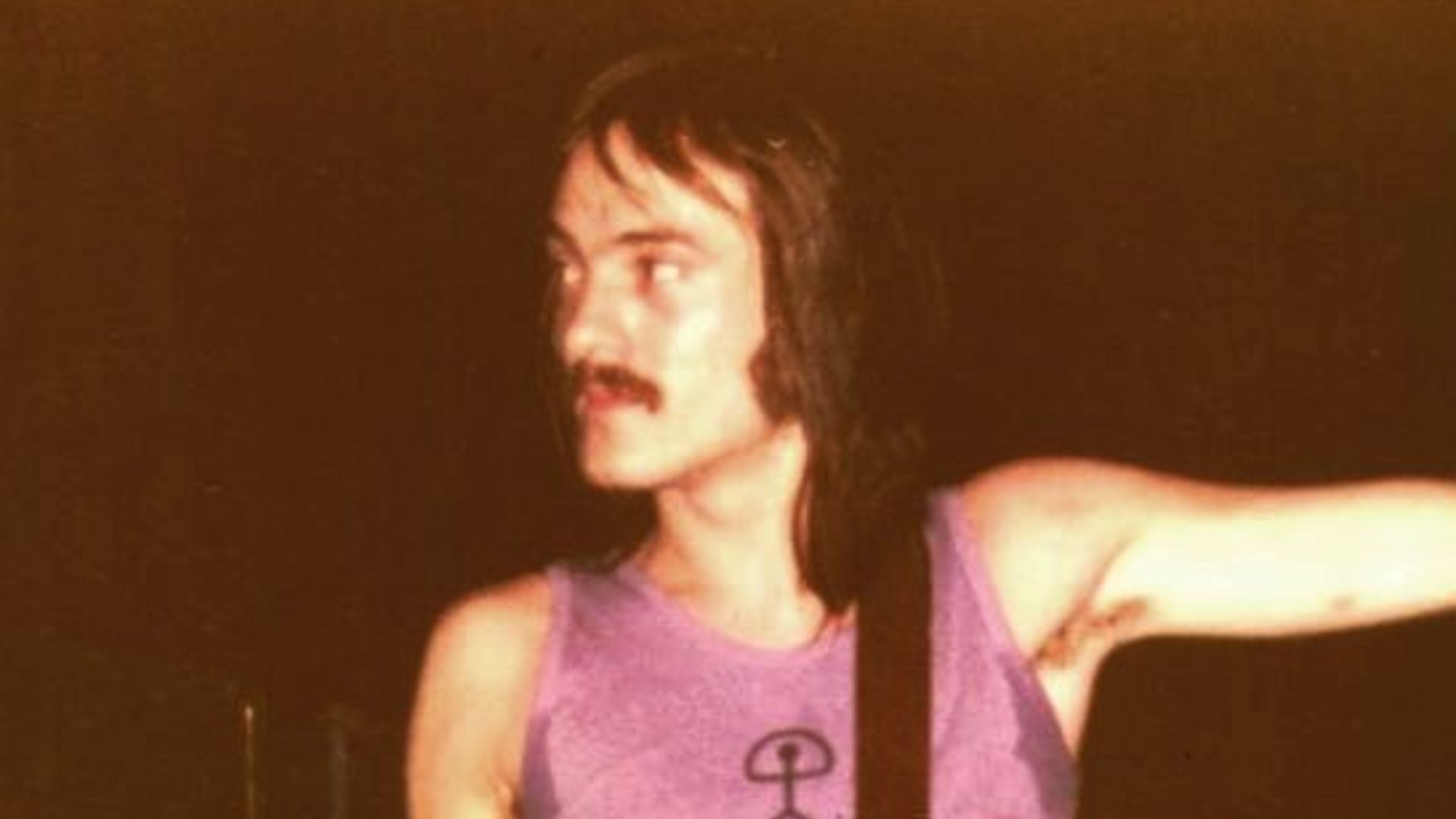 Klaus Hiltscher, Wikimedia Commons
Early Role In Oliver!
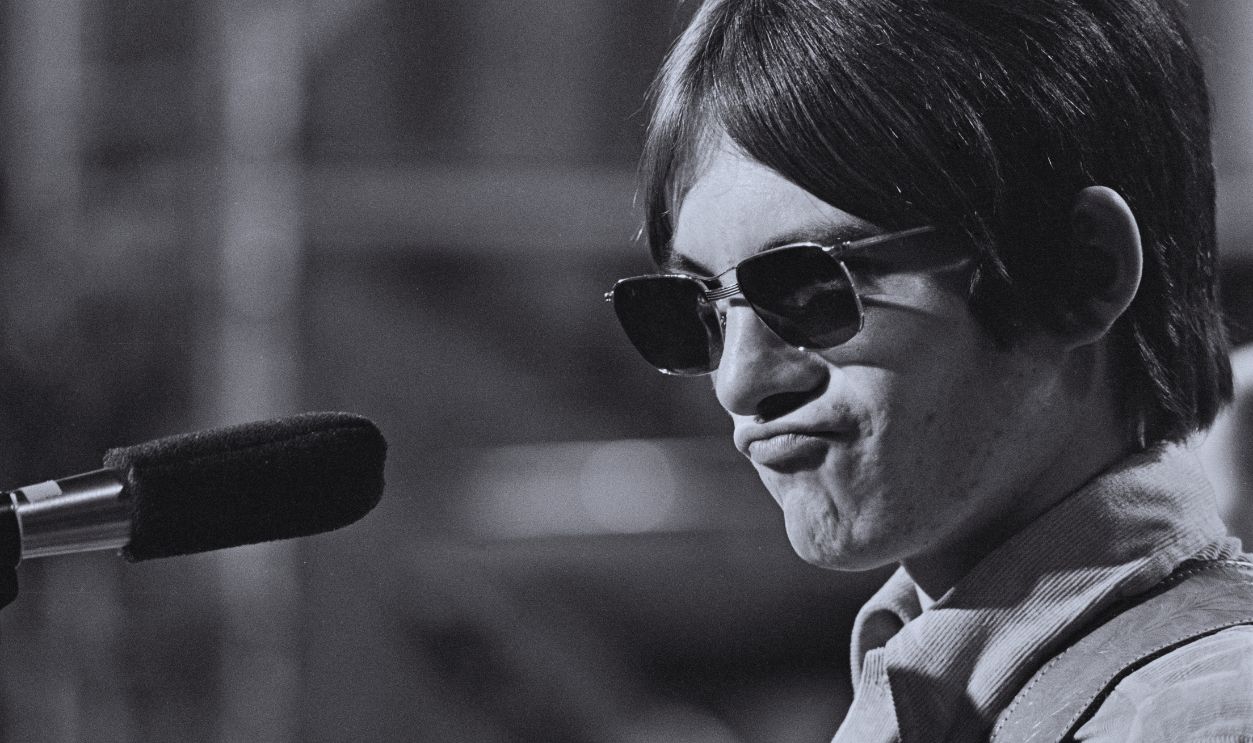
At age thirteen in 1960, Marriott’s singing ability helped him land a role in the West End production of Lionel Bart’s musical Oliver! This was the break that first pulled him out of London’s East End and onto a professional stage. Playing the Artful Dodger gave Marriott confidence, presence, and the belief that performing could be a real career path.
A Family’s Hopes
Marriott’s role in Oliver! encouraged his parents to enroll him in a private theatre academy. Unable to afford the tuition, the Marriotts agreed to pay by allowing the academy to farm out Marriott to different acting roles. This was how Marriott wound up in an uncredited part in the Peter Sellers film Heavens Above! (1963). But despite his clear talents, Steve was more interested in music.
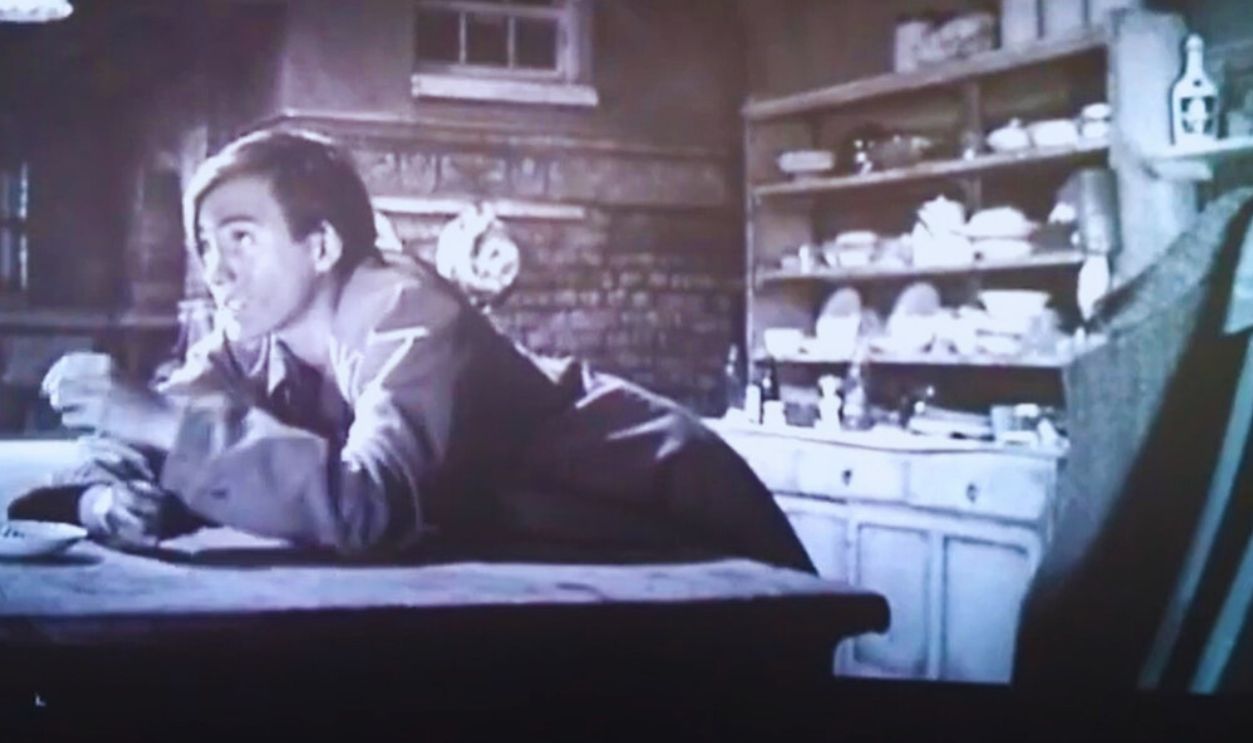 Screenshot from Heavens Above!, Columbia Pictures (1963)
He Hit The Ground Running
Marriott wrote the song “Imaginary Love” in 1963 and shopped it around to the London record labels. Decca Records signed him to a deal as a solo artist. His first single, a cover called “Give Her My Regards” with “Imaginary Love” as the B-side was released in July 1963 but failed to make a dent. Then Marriott made his next move.
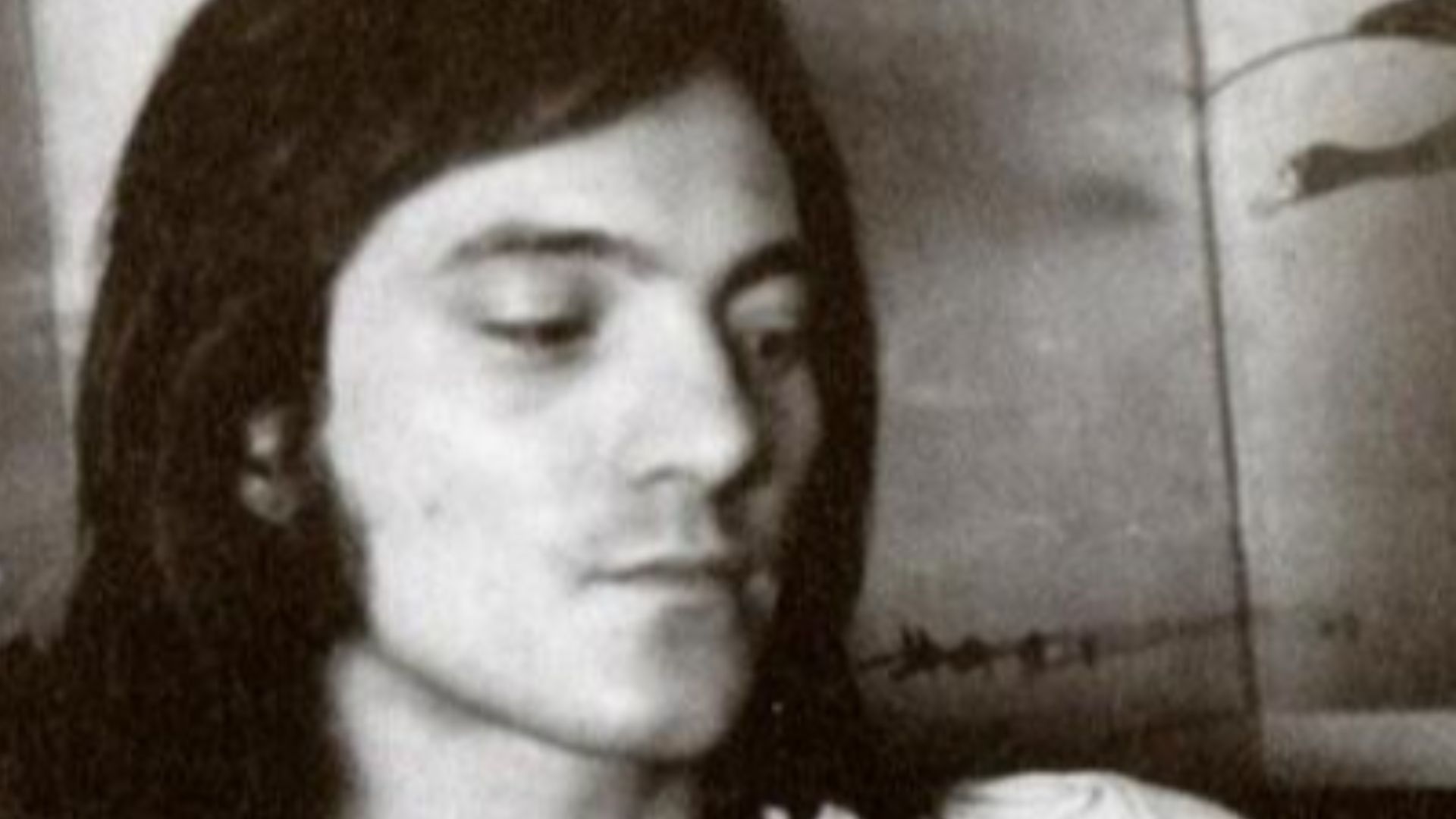 Acid Fusion, Wikimedia Commons
Just A Moment
Later in 1963 Marriott formed The Frantiks, later renamed The Moments. Mostly playing covers, The Moments played 80 gigs in 1964, opening for bands like the Animals and John Mayall. But Marriott was dropped from the band as his bandmates considered him to be too young to be a credible lead singer. Marriott was more determined than ever to get something going, including a project with his friend David Jones.
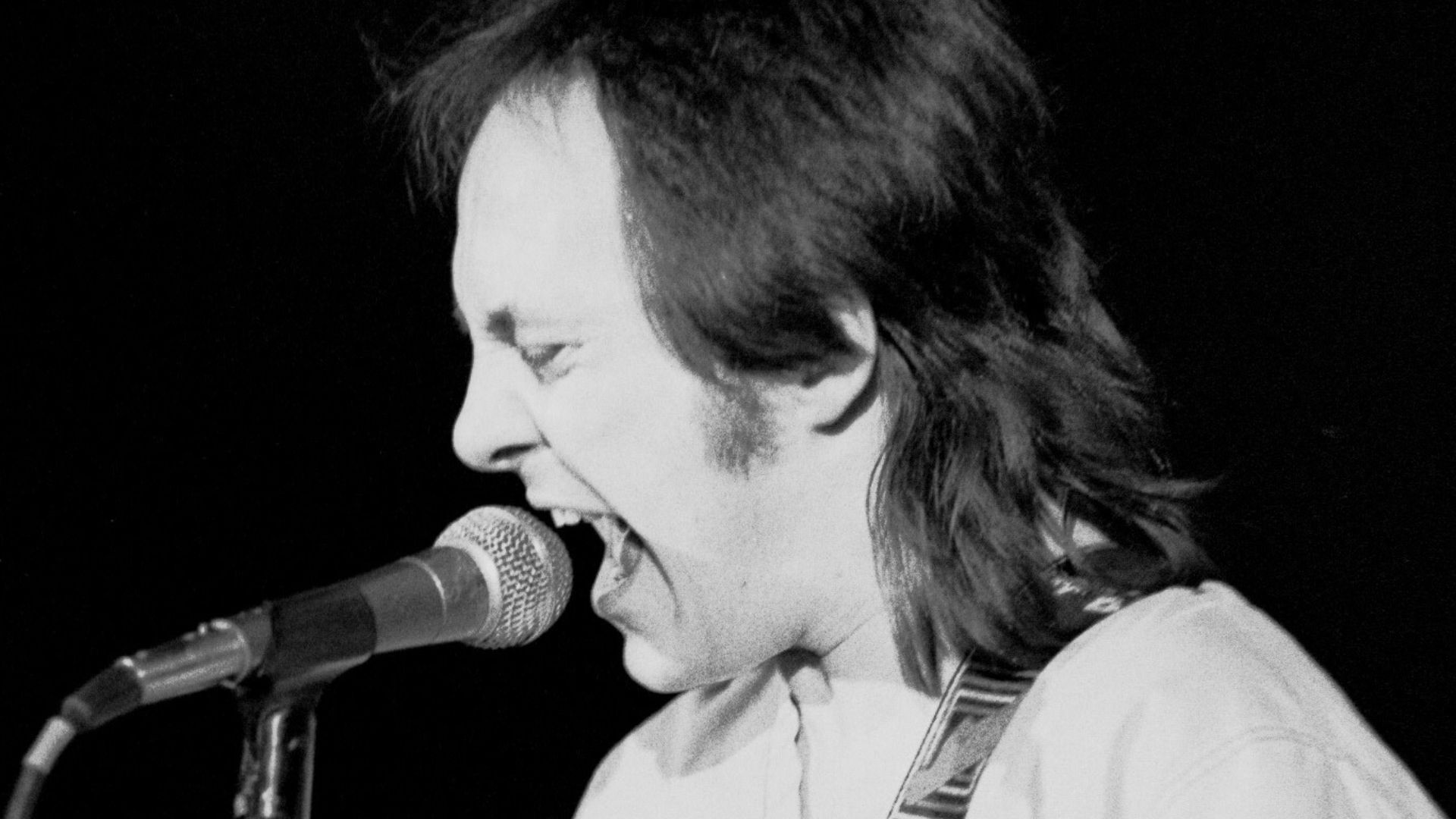
David & Goliath
Marriott at one point in 1964 planned to form an R & B band with David Jones called David & Goliath. But this plan fell through as Marriott now formed a new band with Ronnie Lane and Kenney Jones. David Jones would change his name to David Bowie the following year, and the idea of David & Goliath receded into obscurity. Meanwhile Marriott got to work with his new band, the Small Faces.
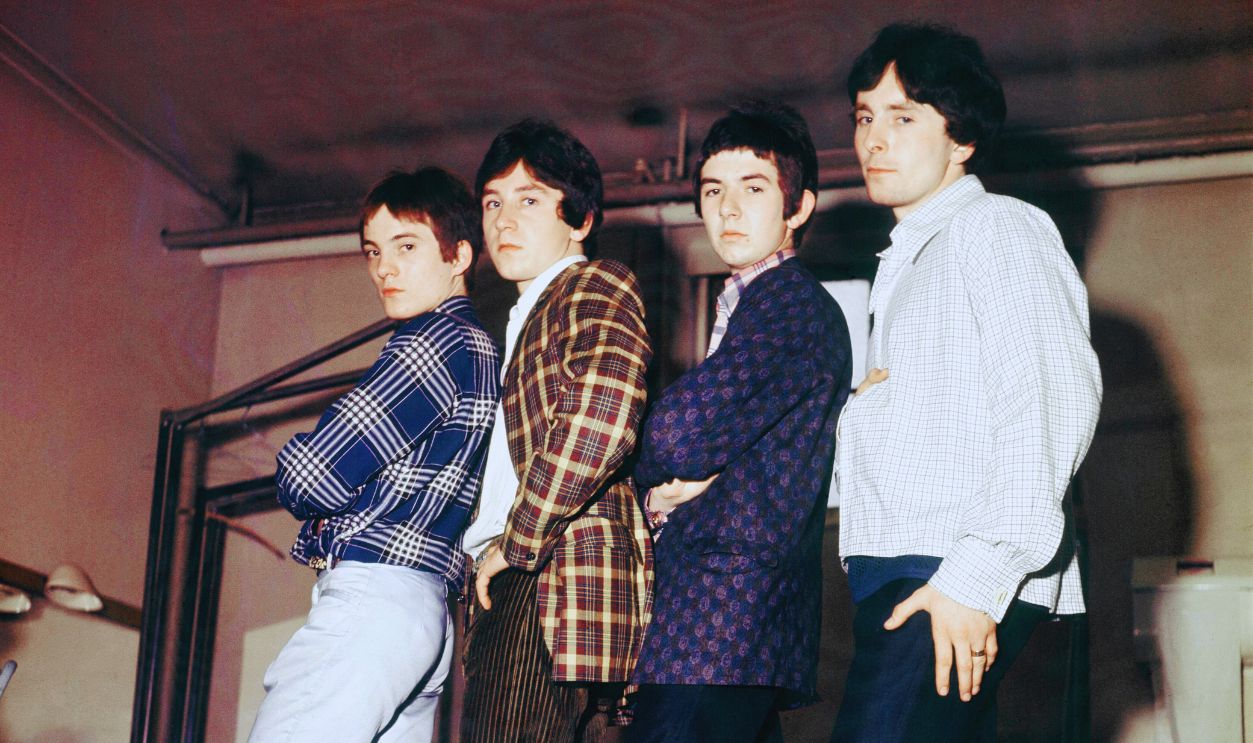
Founding The Small Faces
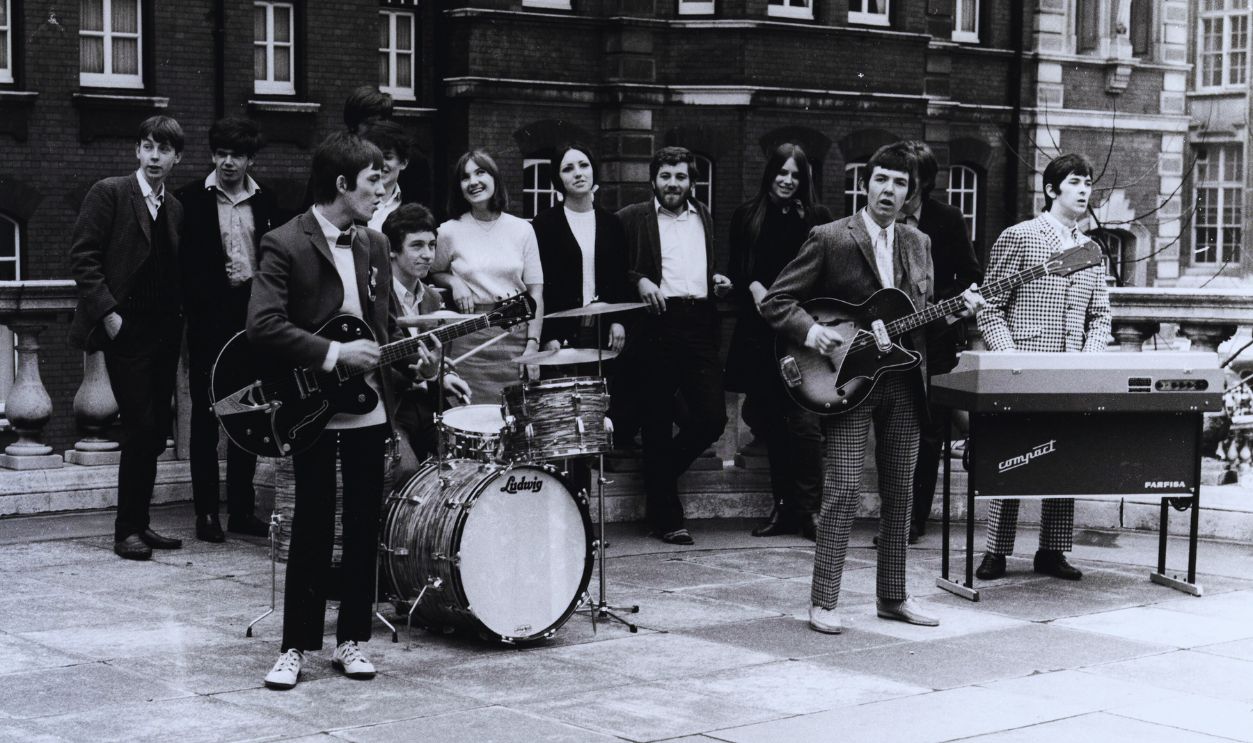
In 1965, Steve helped form the Small Faces, a high-energy mod band blending soul, R&B, and psychedelic rock. The band featured Ronnie Lane on bass, Kenney Jones on drums, and Ian McLagan on keyboards. With hits like “Tin Soldier,” “Sha La La Lee,” “All or Nothing,” and “Itchycoo Park,” the group became a cornerstone of 60s British pop-rock music. Marriott’s soaring vocals and gritty guitar work defined their sound.
Breaking Out
By the end of 1968, Marriott was tired of working under the pop image of the Small Faces. He was looking to play a more blues-oriented hard rock sound that was gaining in popularity at the time. He quit the Small Faces to join a new project. It was a time of change in the rock world, and Marriott wasn’t the only one looking to shake things up.
A Definite No
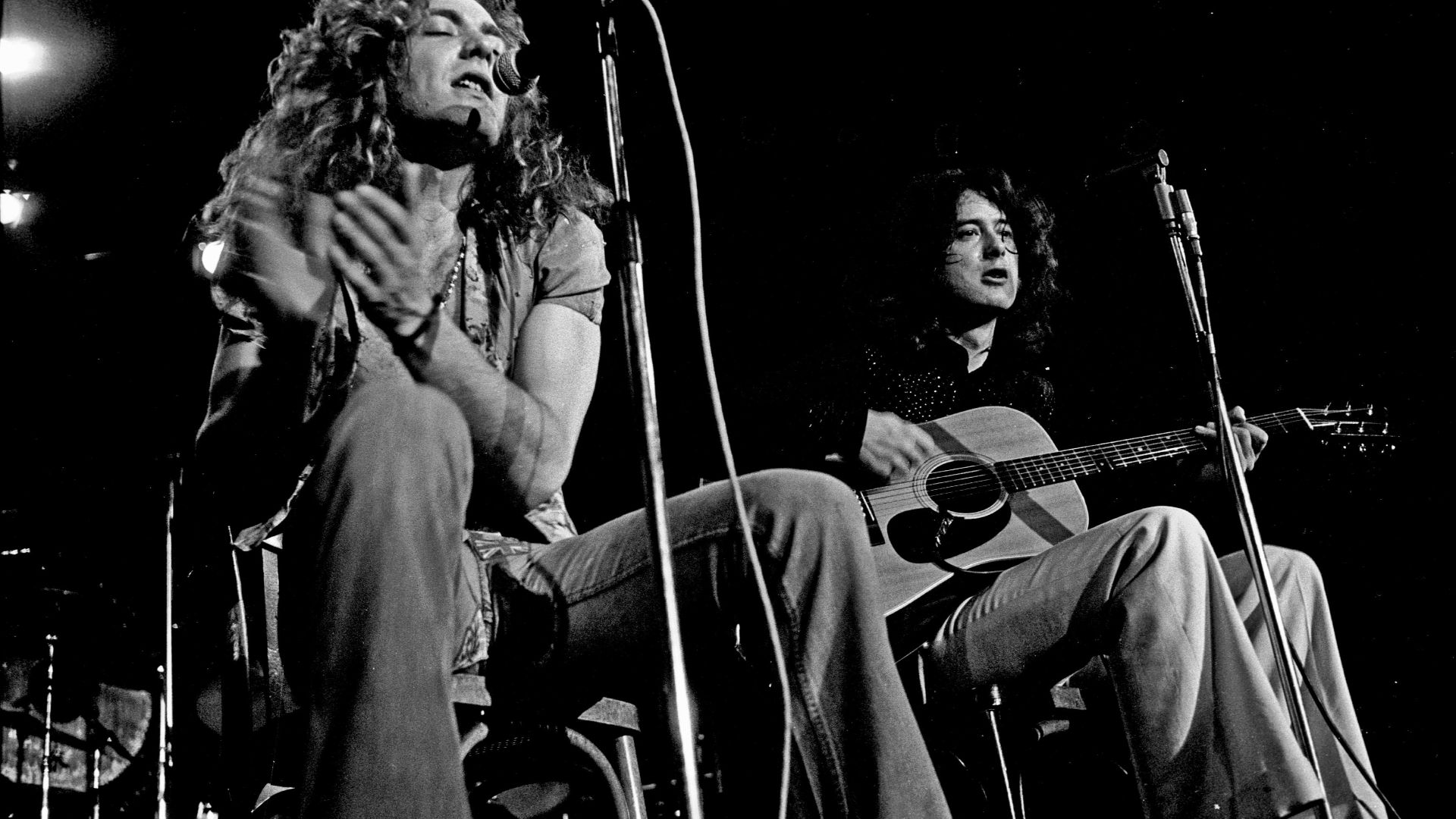
Jimmy Page was also looking to start a new band in 1968. He hadn’t found a lead vocalist and Marriott’s name came up as a possibility. But Marriott’s manager vetoed the idea, and apparently made physical threats against Page if he continued to push the issue. Page discovered Robert Plant and decided that he was the right voice for Led Zeppelin and the rest is history. But the Marriott influence can be heard on the Zeppelin hit "Whole Lotta Love", which echoes Steve's vocals on the Small Faces' "You Need Lovin'".
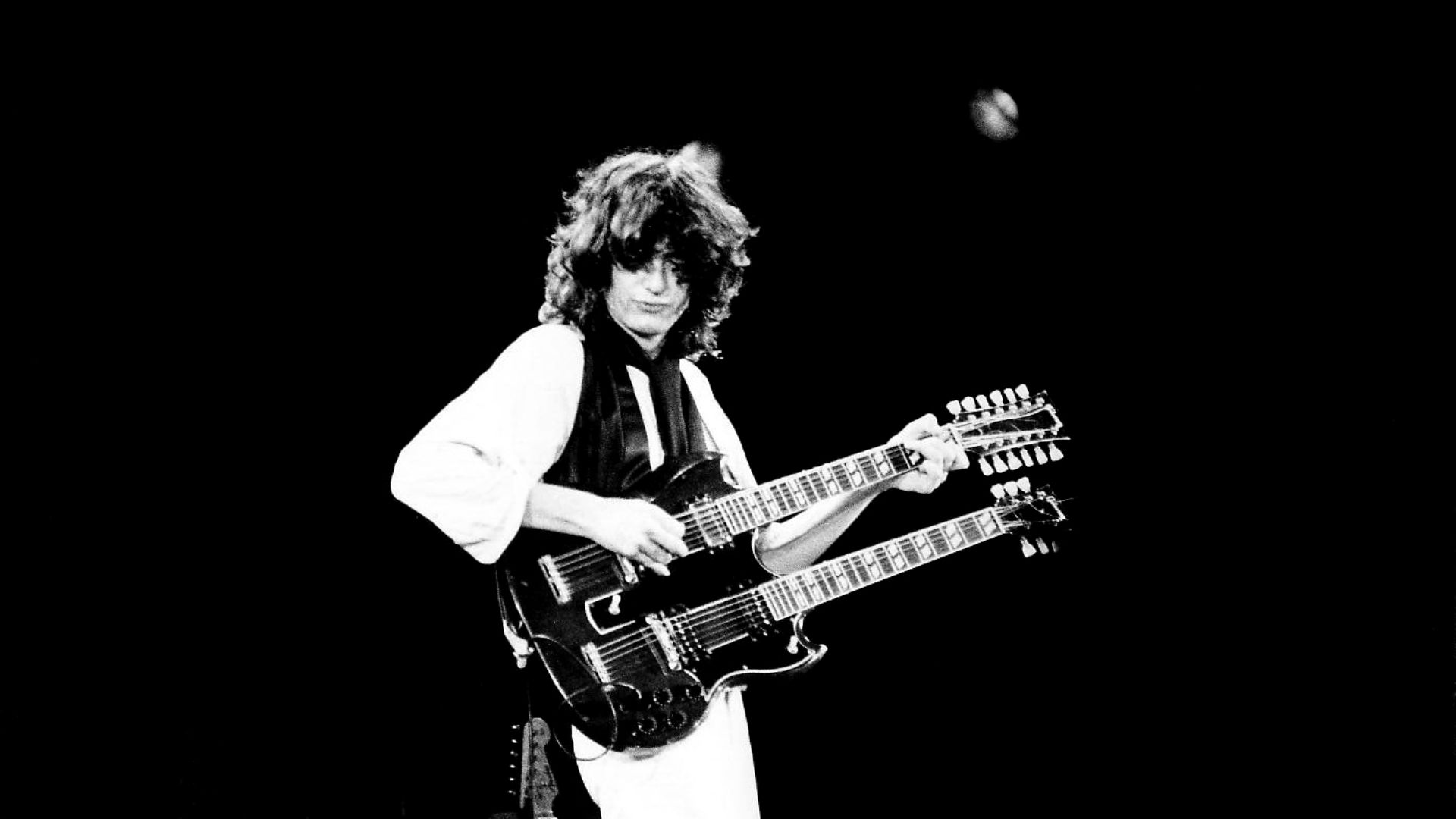 Andrew Smith, Wikimedia Commons
The Rise Of Humble Pie
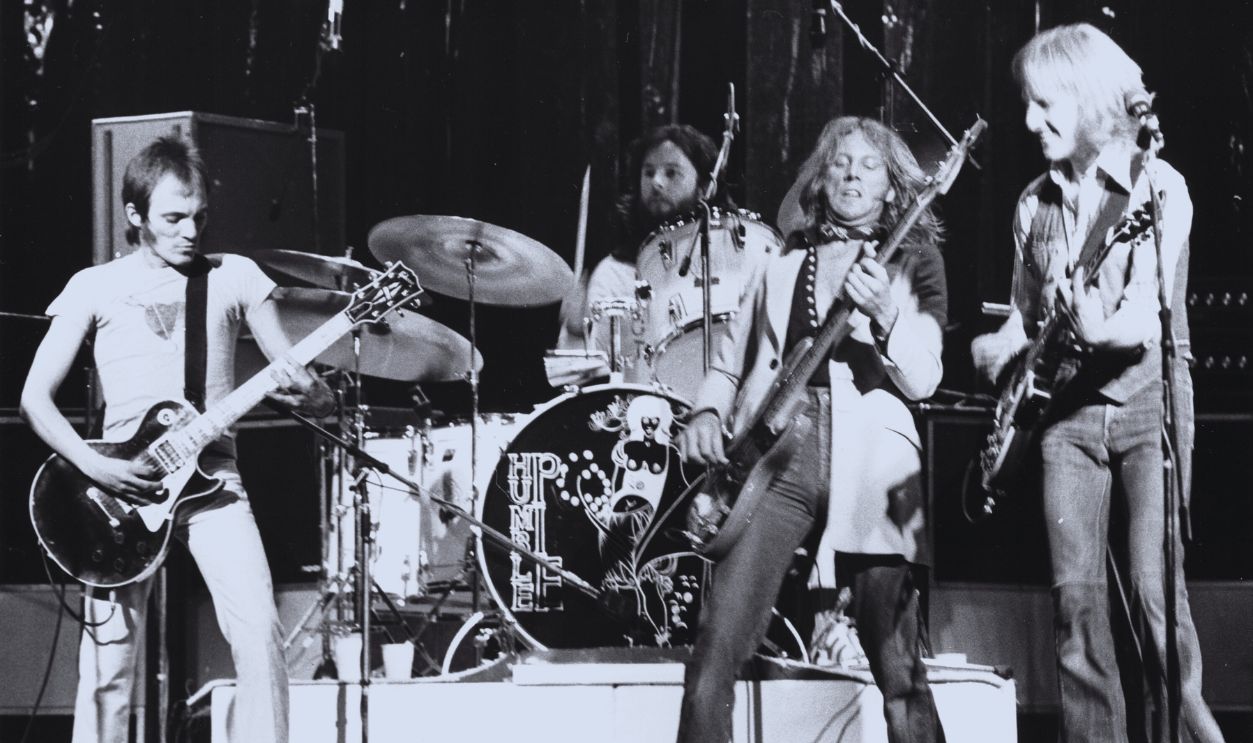
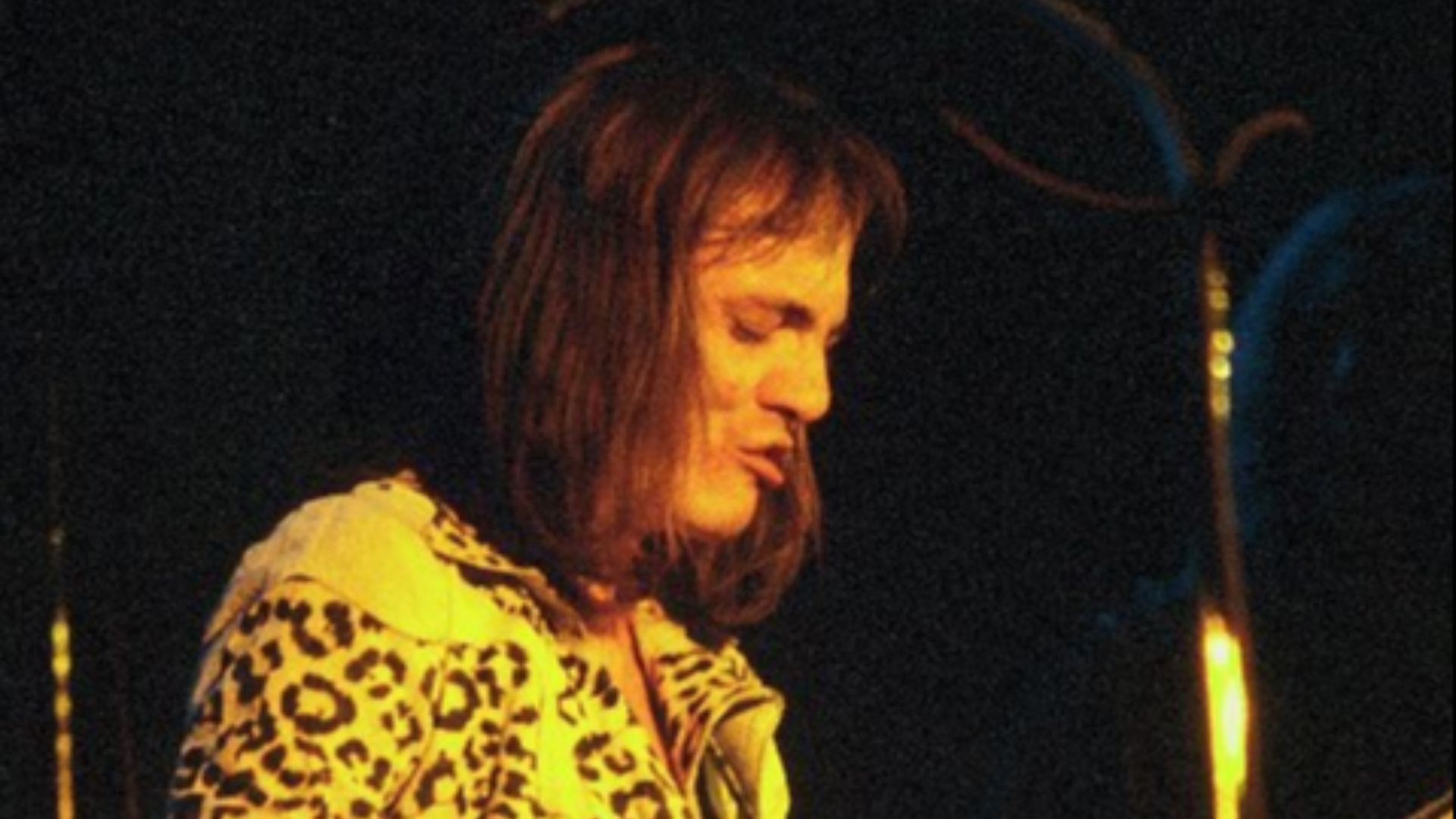
After leaving the Small Faces, Marriott joined guitarist Peter Frampton, bassist Greg Ridley, and drummer Jerry Shirley to form Humble Pie. Their heavier riffs, solid rhythm section, and blistering energy produced albums like As Safe As Yesterday Is (1969), Humble Pie (1970), and Rock On (1971). Marriott’s gritty vocals and fiery guitar helped power the band to international acclaim. especially as a live act.
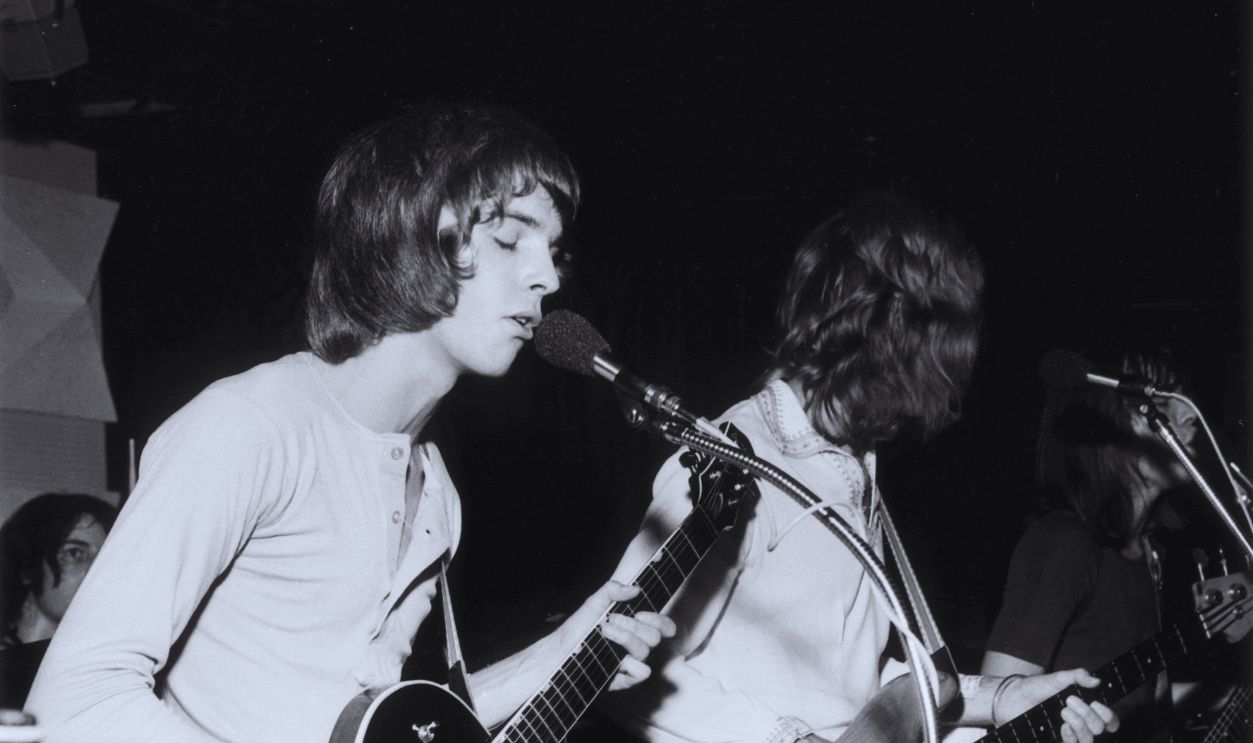
A Live Performer Who Set Stages On Fire
Humble Pie became known for explosive shows, especially the legendary 1971 live album Performance: Rockin’ the Fillmore, recorded live at Fillmore East in May of that year. Marriott’s stage presence was unmatched; he howled, shredded and commanded every square inch of the stage. Fans and critics agreed: live, he was a force of nature.
Spinning Their Wheels
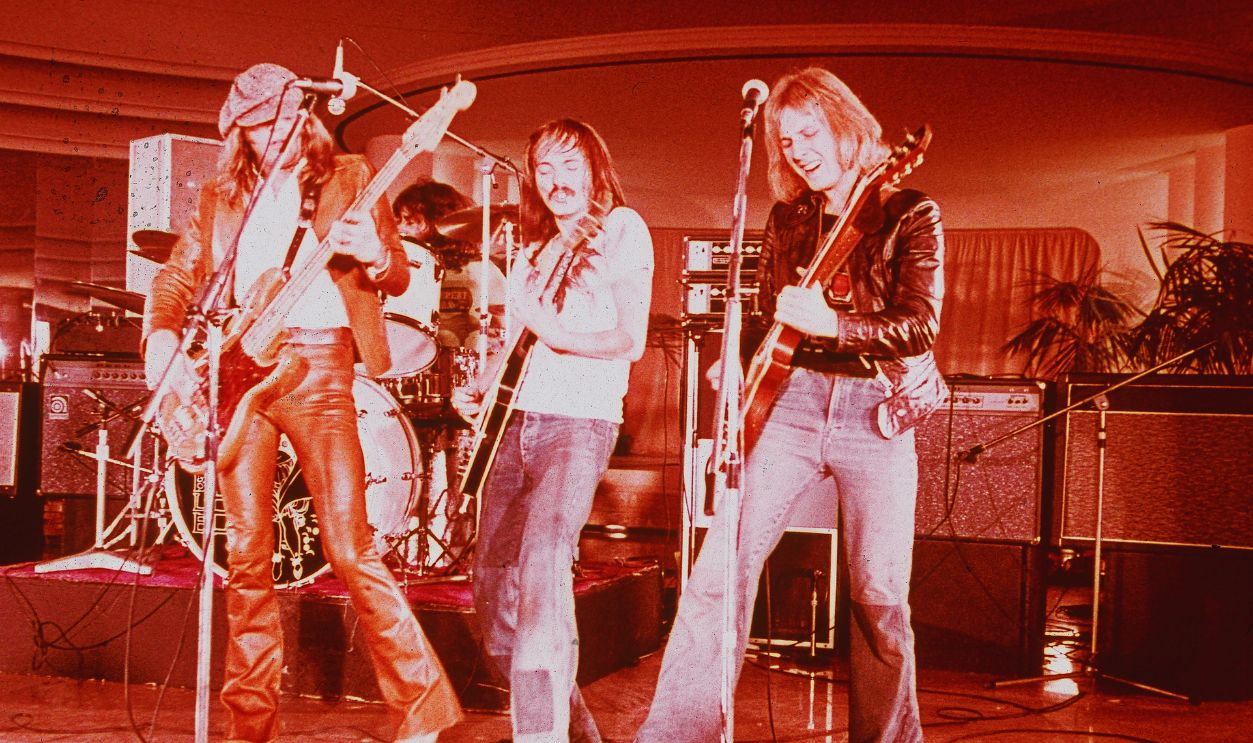
As the 70s went on, the band’s success didn’t turn into the wealth they expected. Management contracts and badly negotiated record deals meant much of the money flowed everywhere except to the musicians. Royalty payments were misallocated or never arrived at all, leaving the group struggling financially despite hit records and packed venues. For Marriott, it became a painful lesson in the business of rock.
Marriage And Breakup
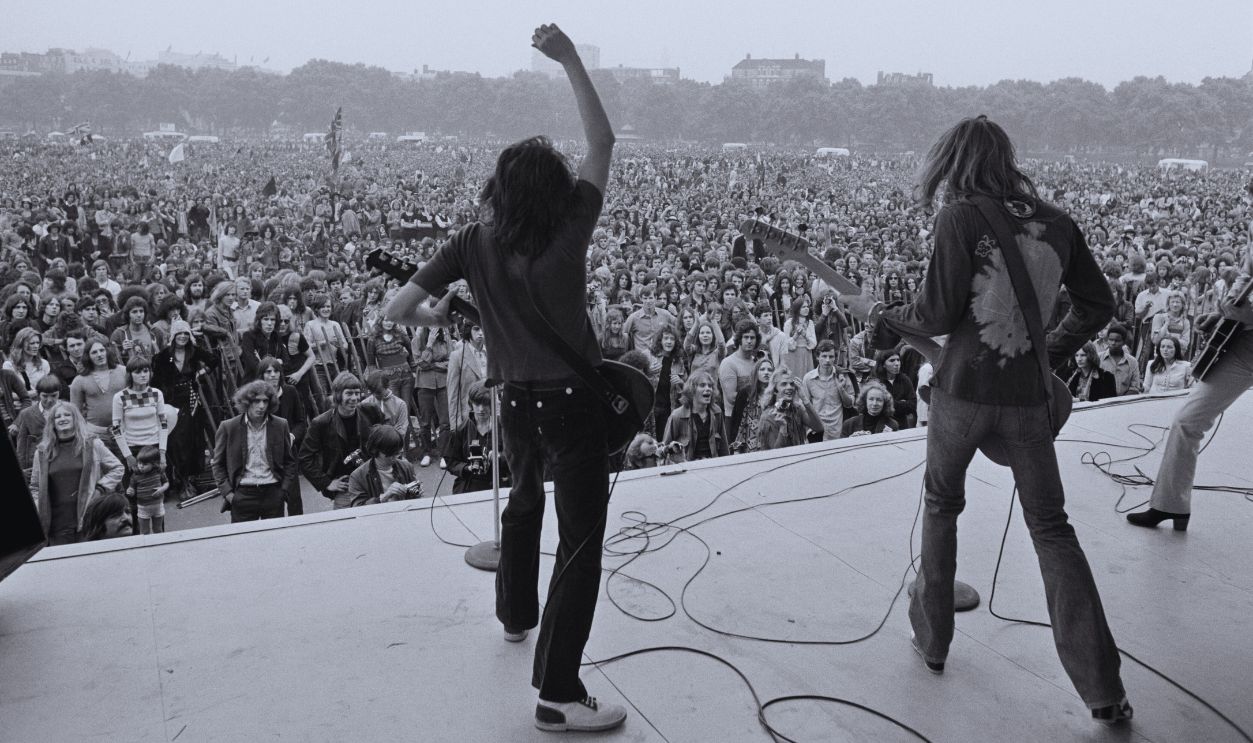
Steve Marriott’s marriage to Jenny Rylance, a successful fashion model, was filled with passion but also turbulence amplified by the rock 'n' roll lifestyle led. They married in 1968, but the pressures of constant touring, financial chaos, and Marriott’s growing instability eroded their bond. When Rylance left him, the heartbreak fueled Marriott’s emotional volatility and became yet another turning point in his chaotic personal life.
 Michael Ochs Archives, Getty Images
Humble Pie Breaks Up
Peter Frampton had left Humble Pie before the Rockin’ The Fillmore concert, replaced by Clem Clempson. The band found success on American shores with the album Smokin’ (1972), but though their live act was popular, they struggled to reach the same heights in the mid-70s. The band broke up in 1975 due to a combination of burnout from touring and a variety of personal and creative differences.
Keith Richards Takes Notice
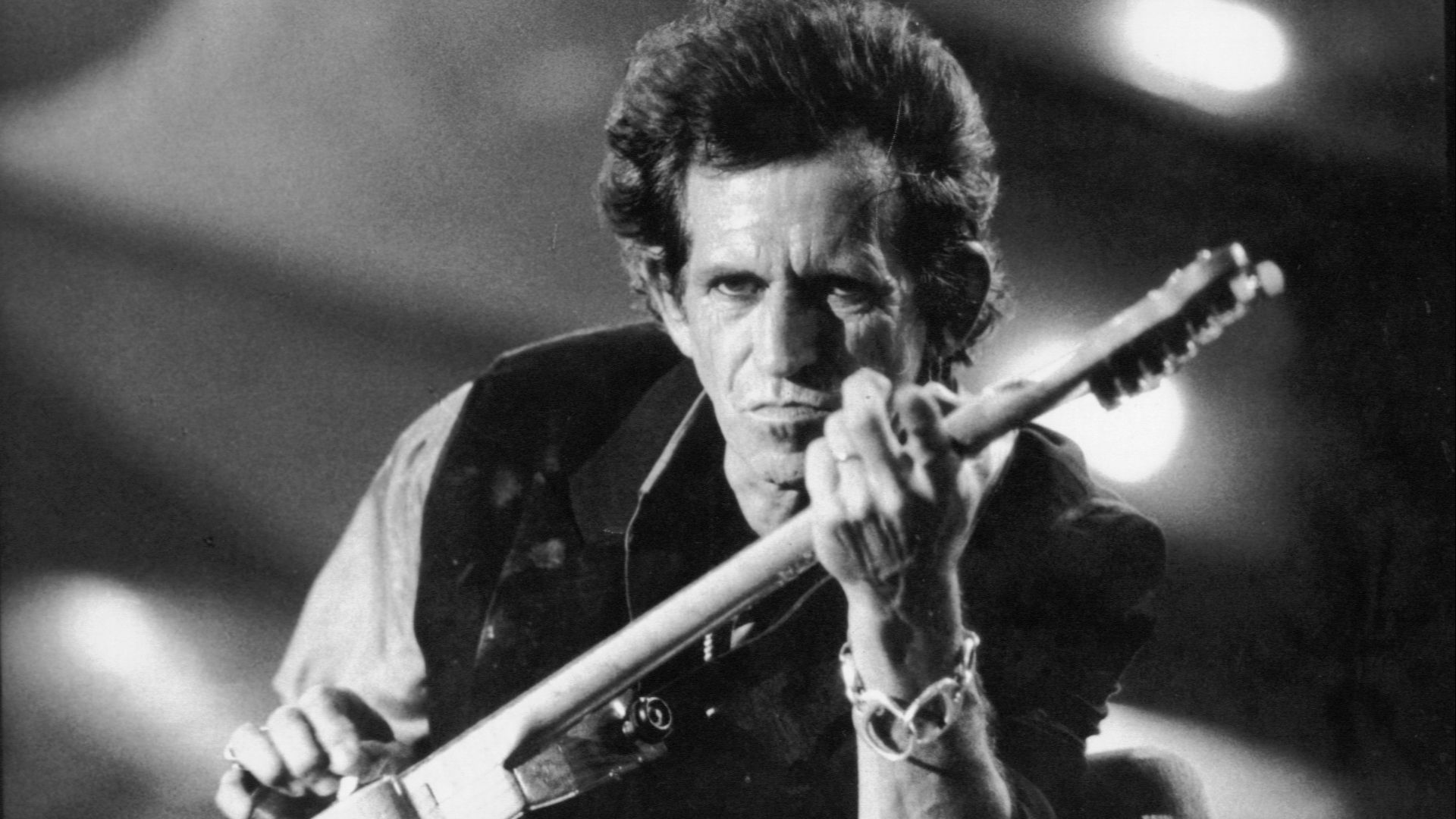
Marriott’s talent drew admiration from Rolling Stones guitarist Keith Richards, who openly praised his voice and musicianship. Their friendship grew from mutual respect, late-night jams, and a shared love of blues. Richards saw Marriott as one of Britain’s rawest and most honest rock performers.
 Machocarioca, Wikimedia Commons
The Rolling Stones Contemplate A New Member
When Mick Taylor left the Rolling Stones, Richards and others seriously considered Marriott as a replacement. His voice, swagger, and guitar work made him a compelling choice. On paper, he fit perfectly—perhaps too perfectly for the band’s delicate internal balance.
Why Steve Marriott Didn’t Join The Stones
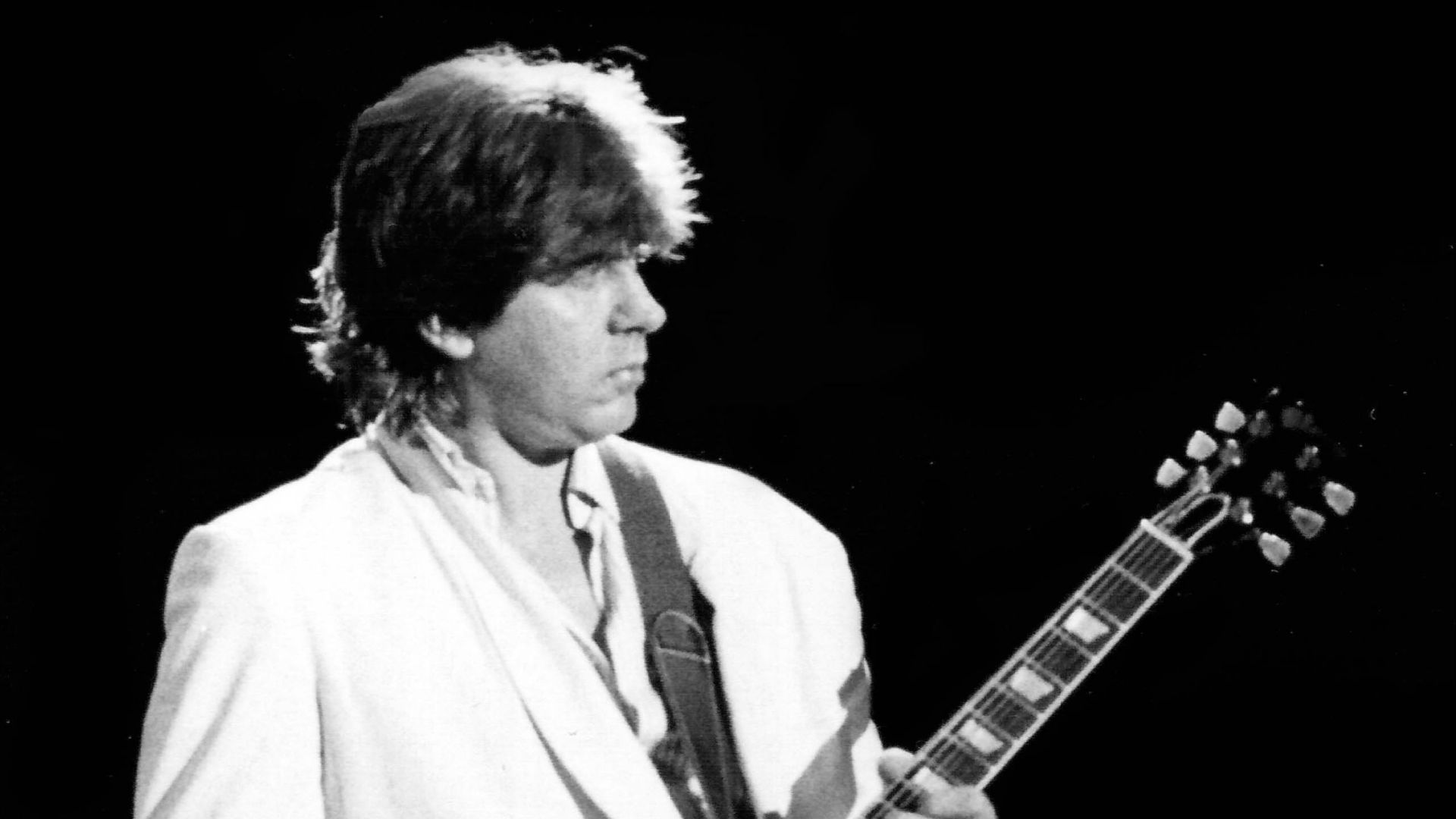
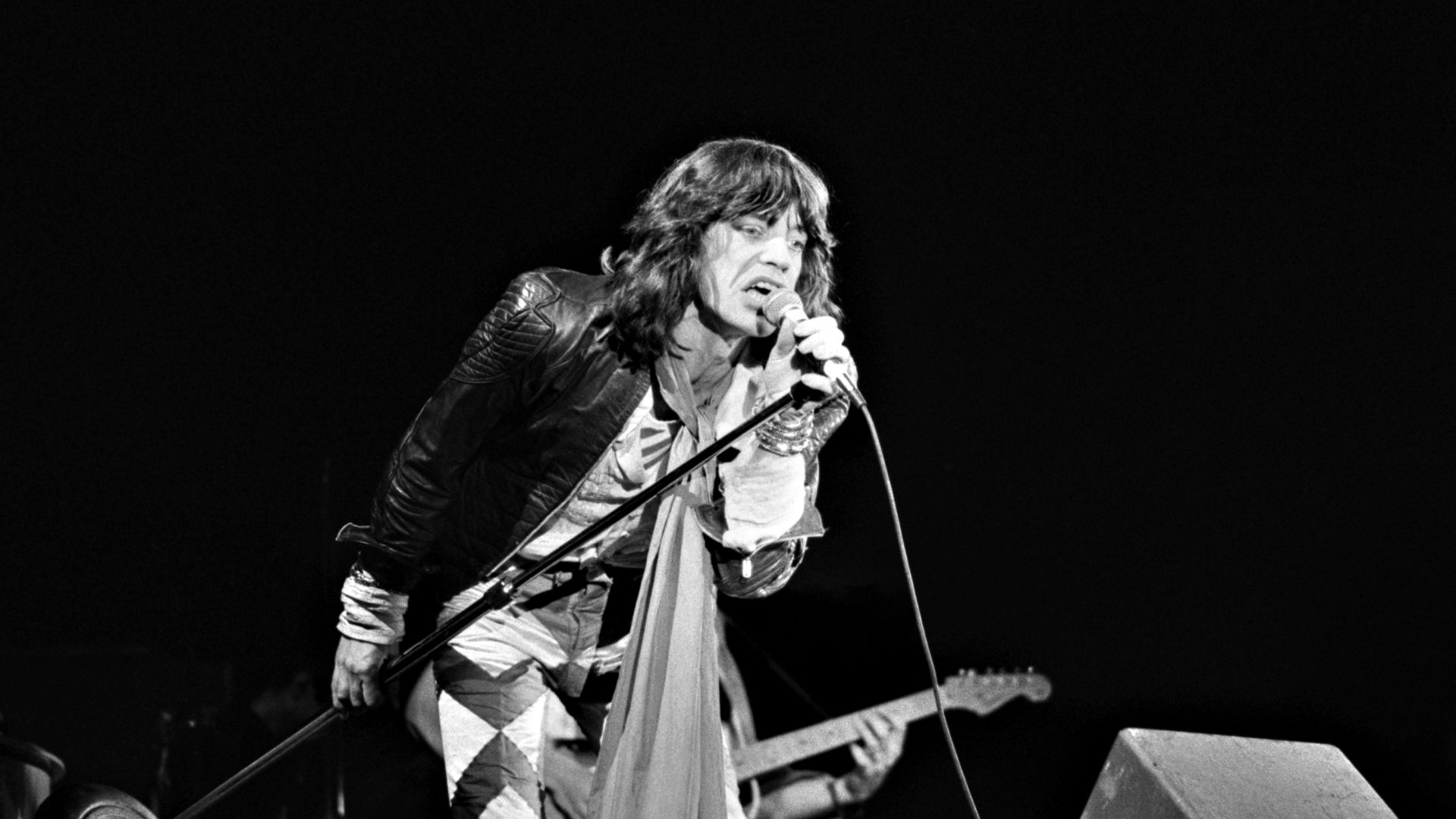
In the end, Marriott didn’t join because Mick Jagger feared his overpowering voice and personality would shift the band’s identity. It wasn’t about talent, as Marriott had plenty of that; rather, it was a matter of chemistry. His presence could have eclipsed the Stones’ dynamic.
 Bert Verhoeff for Anefo, Wikimedia Commons
A Respect That Never Faded
Though Marriott never joined the Stones, Richards’s admiration remained unwavering. He often cited the Small Faces as one of the greatest British bands, equal or better than giants like Zeppelin or The Who. To Richards, Marriott was a once-in-a-generation talent.
 Heinrich Klaffs, Wikimedia Commons
A Creative Force With A Chaotic Life
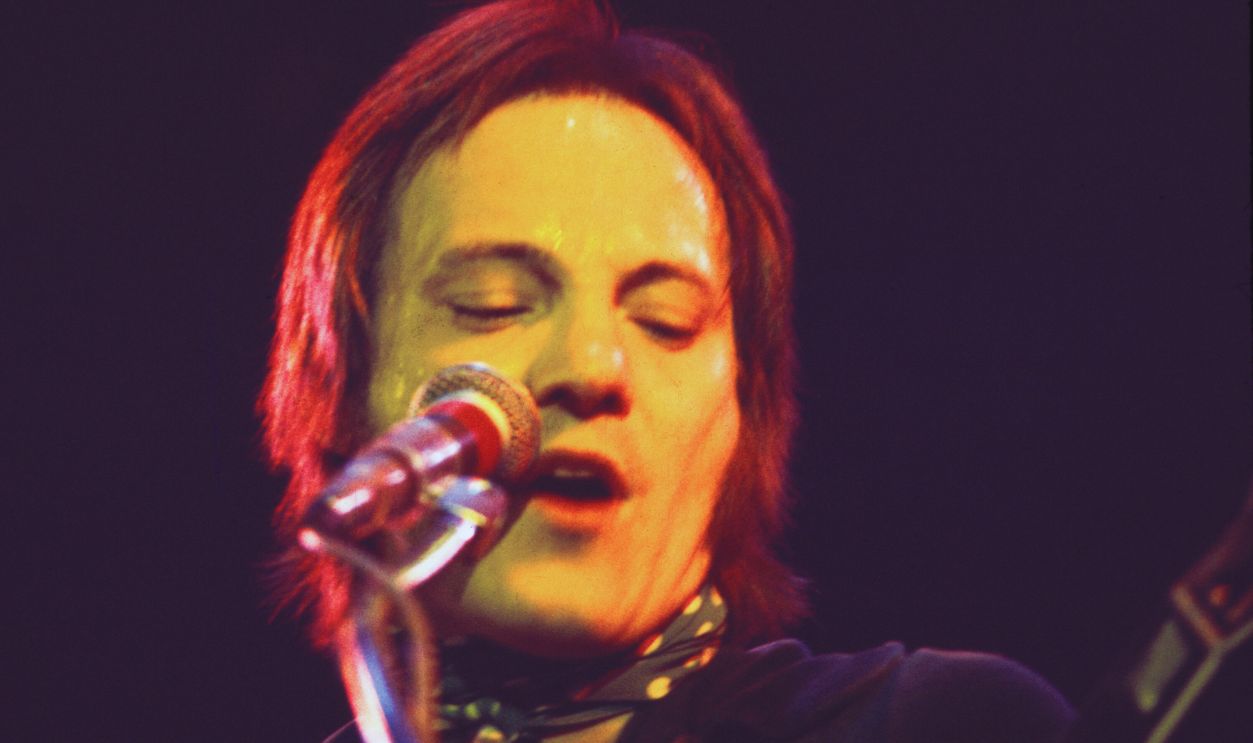
Marriott’s career swung between brilliance and volatility. Restless and impulsive, he chased new sounds and collaborations constantly. His creativity was volcanic but erratic; his personal life of abrupt decisions, band upheavals, and emotional friction often complicated his path. Many musicians who respected Marriott’s skills also admitted that he was not an easy guy to work with.
Battling Substance Abuse
Despite his immense gifts, Marriott struggled with alcohol and drug dependency throughout adulthood. These issues strained his friendships, fueled unpredictable behavior, and derailed business opportunities. His inner battles were a constant shadow behind the spotlight.
Financial Struggles Haunt A Rock Legend
Bad management, relentless touring, and personal instability left Marriott perpetually short on money, a situation that persisted into the 80s. Despite decades of hits and legendary performances, he spent a large part of his later life facing financial pressure, in painful contrast to his immense talent.
Marriott’s Late-80s Bands And Reinventions
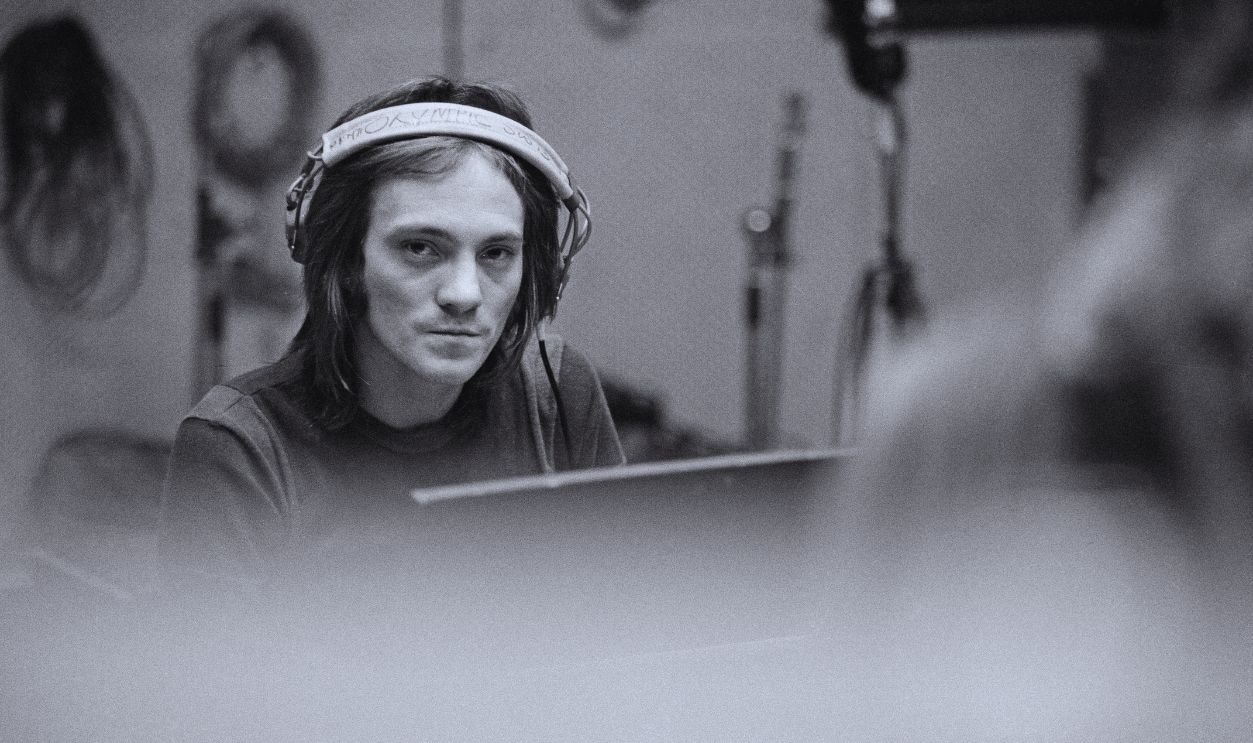
In the late 1980s, Marriott kept reinventing his sound. He fronted the DT’s, Packet of Three, and later versions of Humble Pie. These groups showcased the same raw, hard-edged blues-rock that highlighted his earlier heyday in the 60s and 70s.
Two Hundred Gigs A Year And No Slowing Down
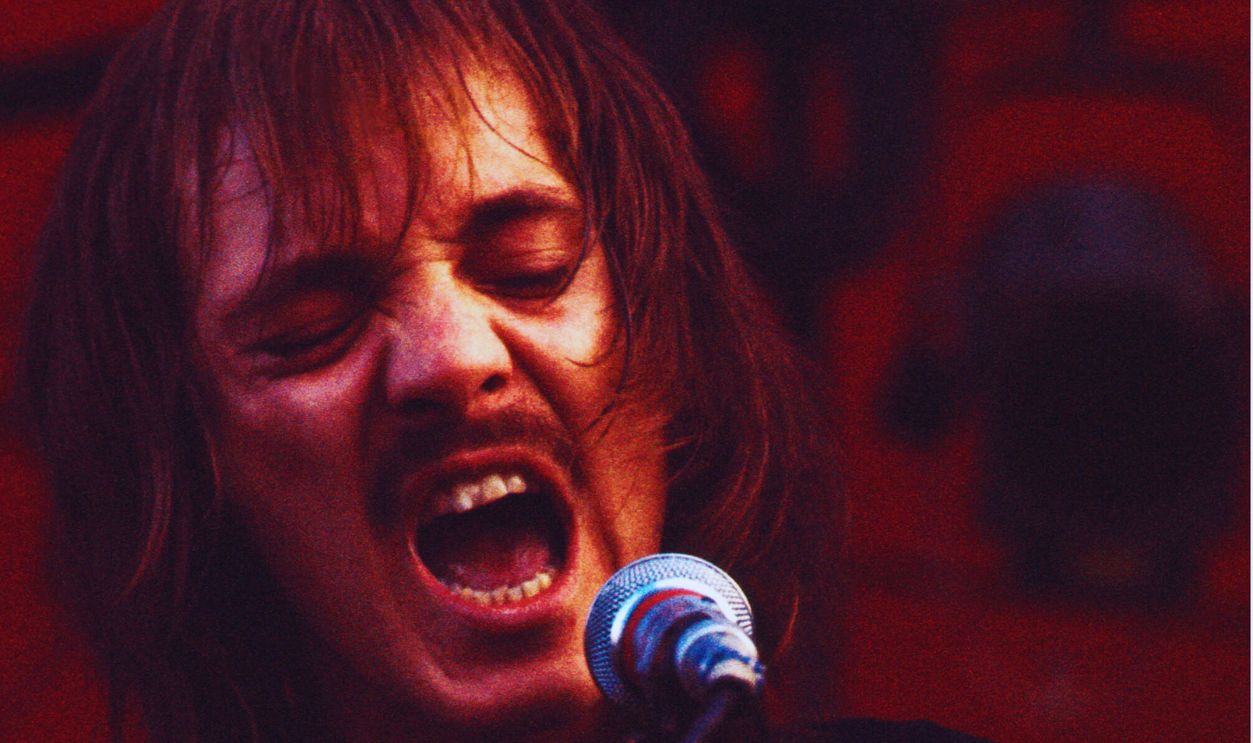
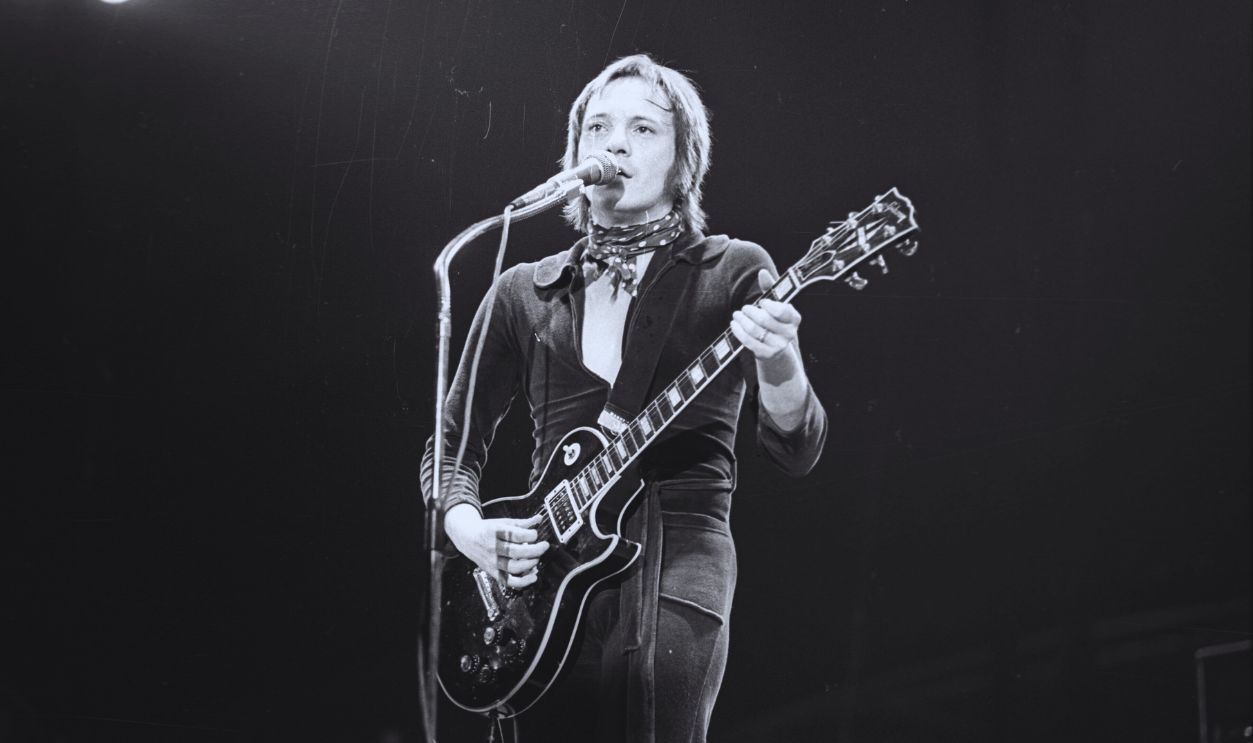
During the late 80s and early 90s, Marriott performed nearly two hundred gigs a year. He bounced between clubs, pubs, and theaters, delivering powerhouse performances night after night. Even with diminished fame, he sang with the ferocity of a stadium headliner.
 Watal Asanuma/Shinko Music, Getty Images
Buying The Cottage At Arkesden
During this era, Marriott purchased a quiet cottage in Arkesden, Essex. It became his sanctuary—a place to rehearse, write, and escape the chaos of touring. Tragically, it was also the home where he would later lose his life in a devastating fire.

Turbulent Love Story
In the mid-eighties, Marriott married Toni Poulton, marking his third marriage. Their relationship blended affection with volatility, complicated by Marriott’s substance struggles and financial stress. Despite the turmoil, Poulton remained one of the closest people in his life during his final years.
 Majalah Varianada, Wikimedia Commons
Musical Reawakening
Marriott experienced renewed artistic energy during his final decade. Collaborating with younger musicians and reworking older material, he reconnected with the soulful core of his music. His late-career performances showed an artist driven by passion rather than commercial ambition.
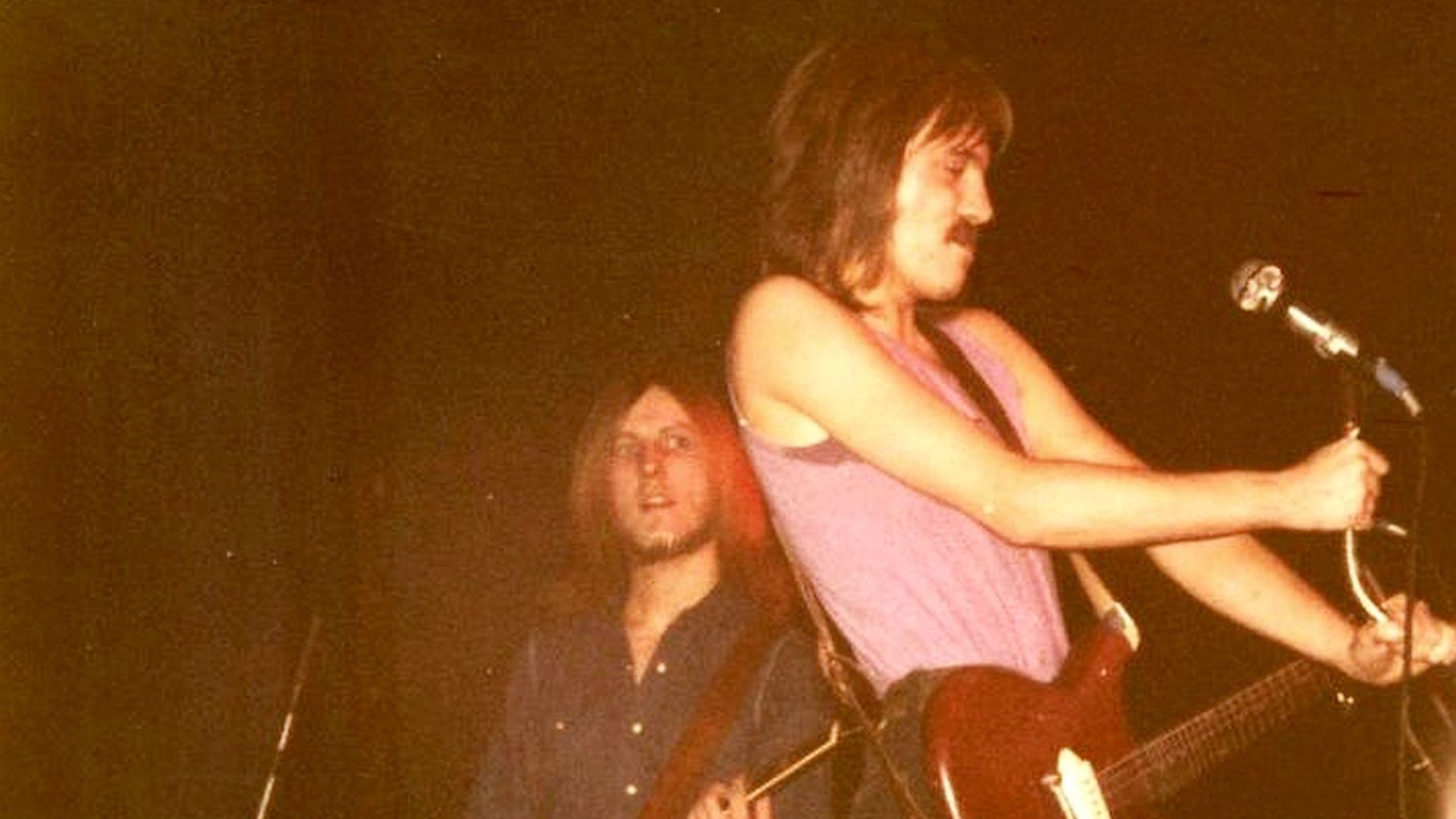 Klaus Hiltscher, Wikimedia Commons
Final Project
It was in the middle of this frenetic schedule of concerts and trying to make ends meet that Peter Frampton visited Marriott with the suggestion of reforming Humble Pie to record a new album. Marriott joined Frampton in the States in early 1991 to start working on songs, but changed his mind and flew back to the UK, with the idea of picking up the project again some time in the future. It would never happen.
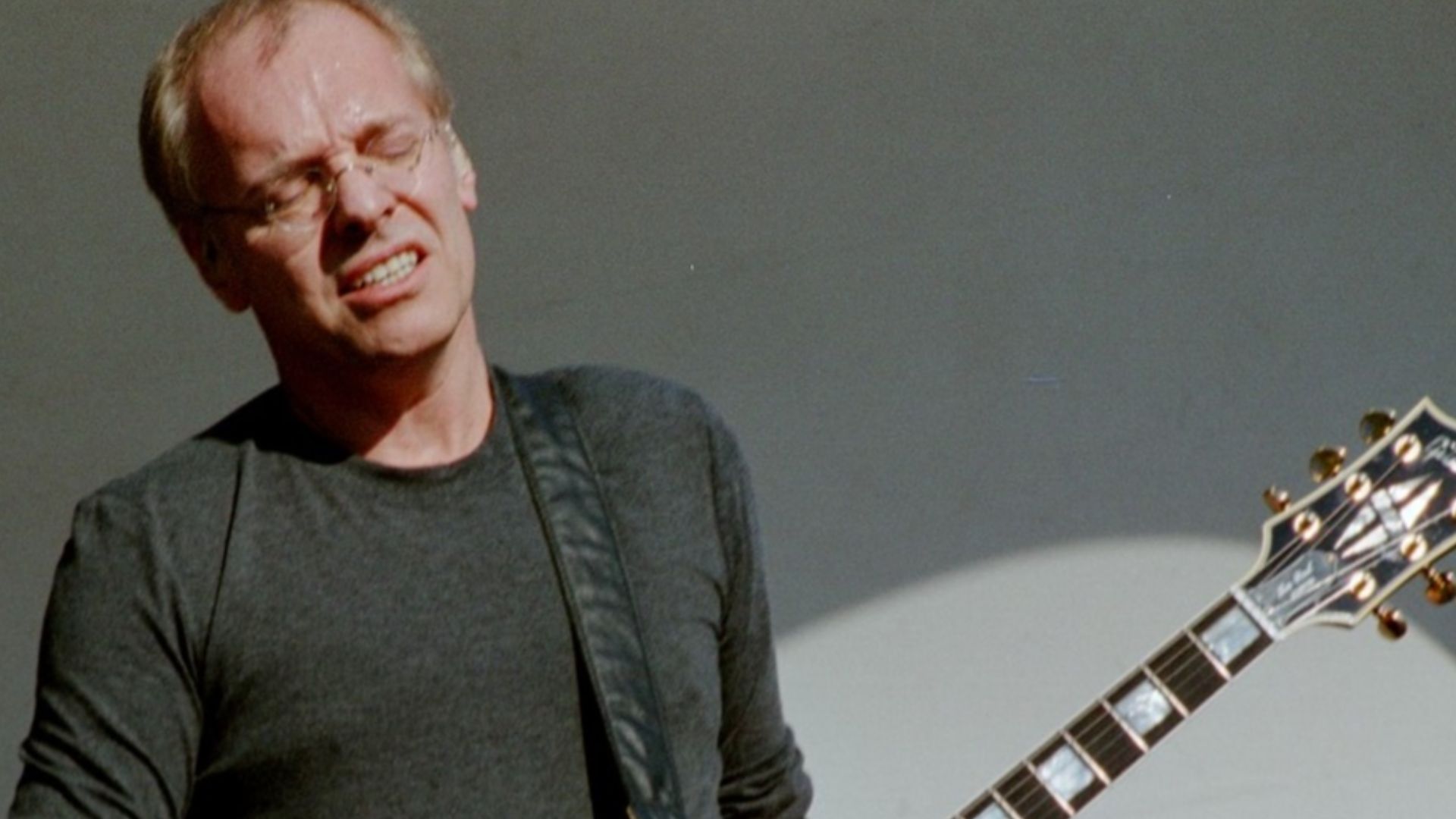 Carl Lender at https://www.flickr.com/photos/clender/, Wikimedia Commons
His Tragic Final Night
On April 20, 1991, after flying back from the US and the abandoned project with Frampton, Marriott fell asleep in his Arkesden cottage. A fire broke out overnight, and he never escaped. He was only forty-four. His sudden death devastated fans and cemented his status as a brilliant, troubled rock icon.
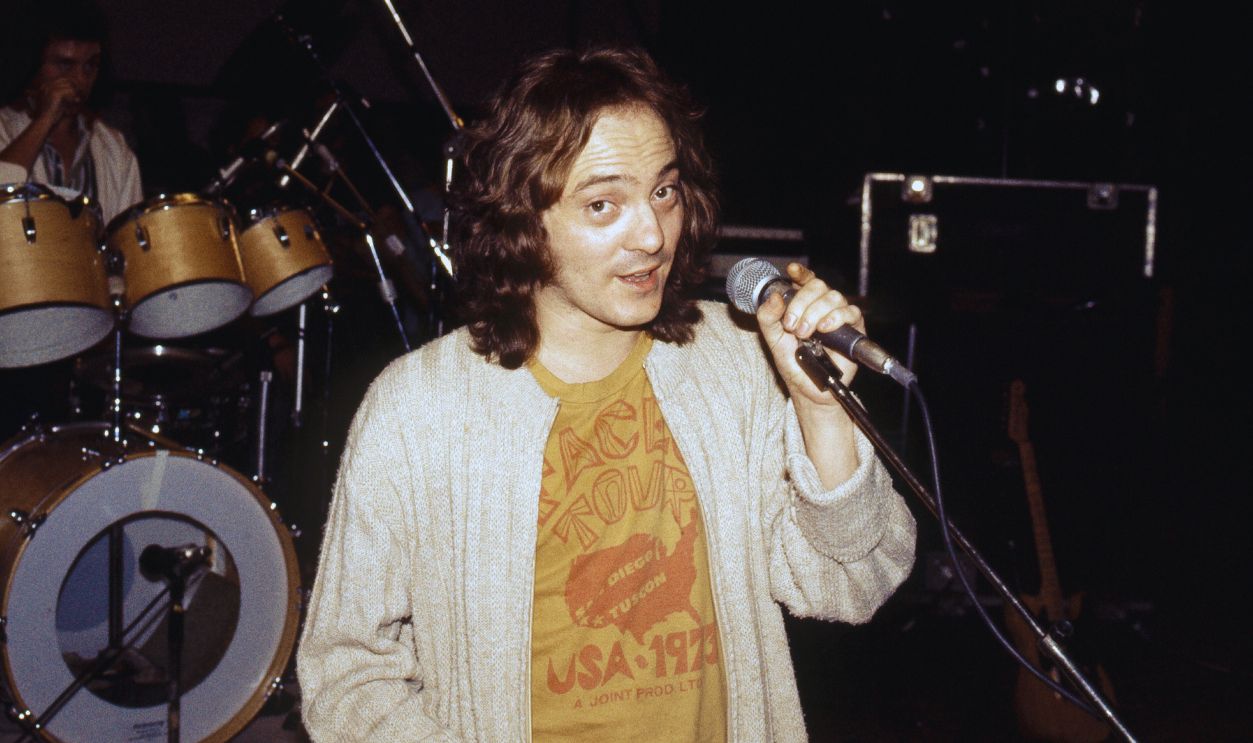 ullstein bild Dtl., Getty Images
Powerful Tributes
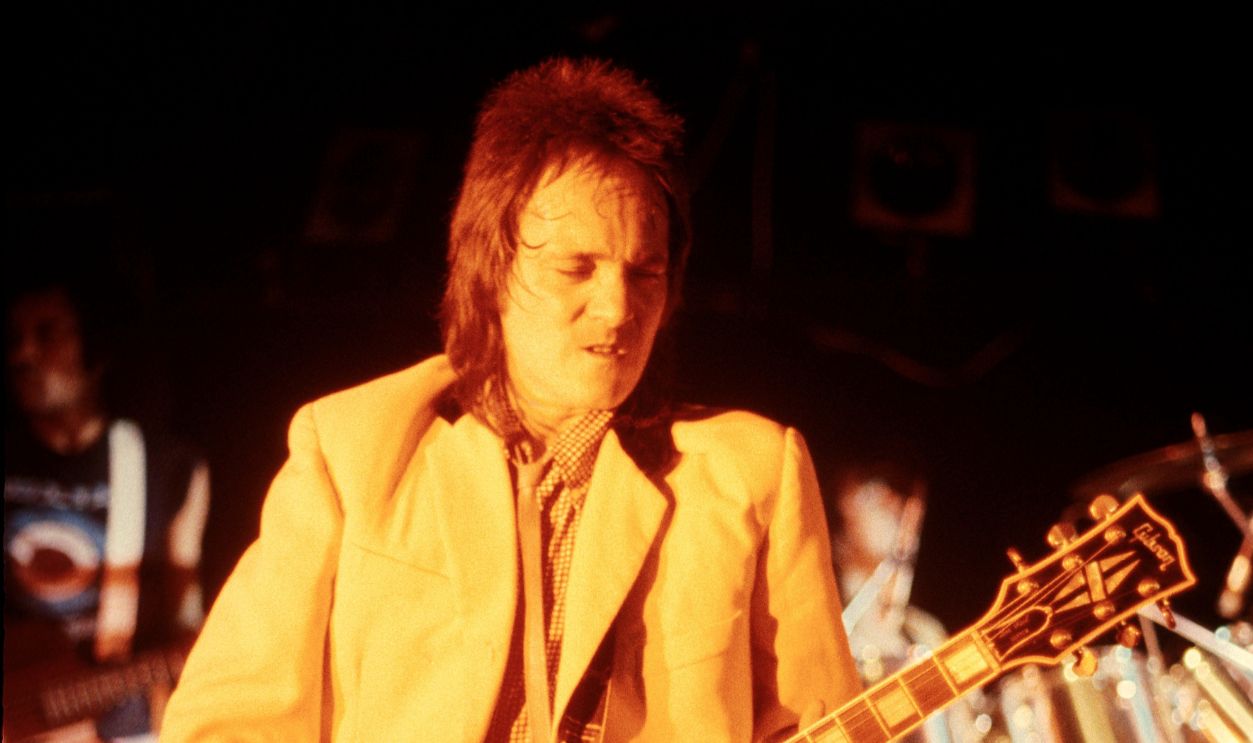
On the 10th anniversary of Marriott’s passing, musicians gathered for an emotional tribute concert at the London Astoria honoring Marriott’s enormous legacy. Former bandmates, friends, and admirers filled the stage, celebrating his energy, humor, and unmistakable voice. It reaffirmed Marriott’s place among Britain’s greatest rock performers.
Controversy Over AI-Generated Recordings
Recently, Marriott’s estate approved AI-generated recreations of his voice for a posthumous record. The move sparked fierce backlash from his family and former bandmates, who argued it violated the authenticity he lived for. To them, using Marriott’s voice to create artificial vocals was a distortion, and not a tribute at all. We probably haven’t heard the last of this kind of digital manipulation.
A Voice Unlike Any Other
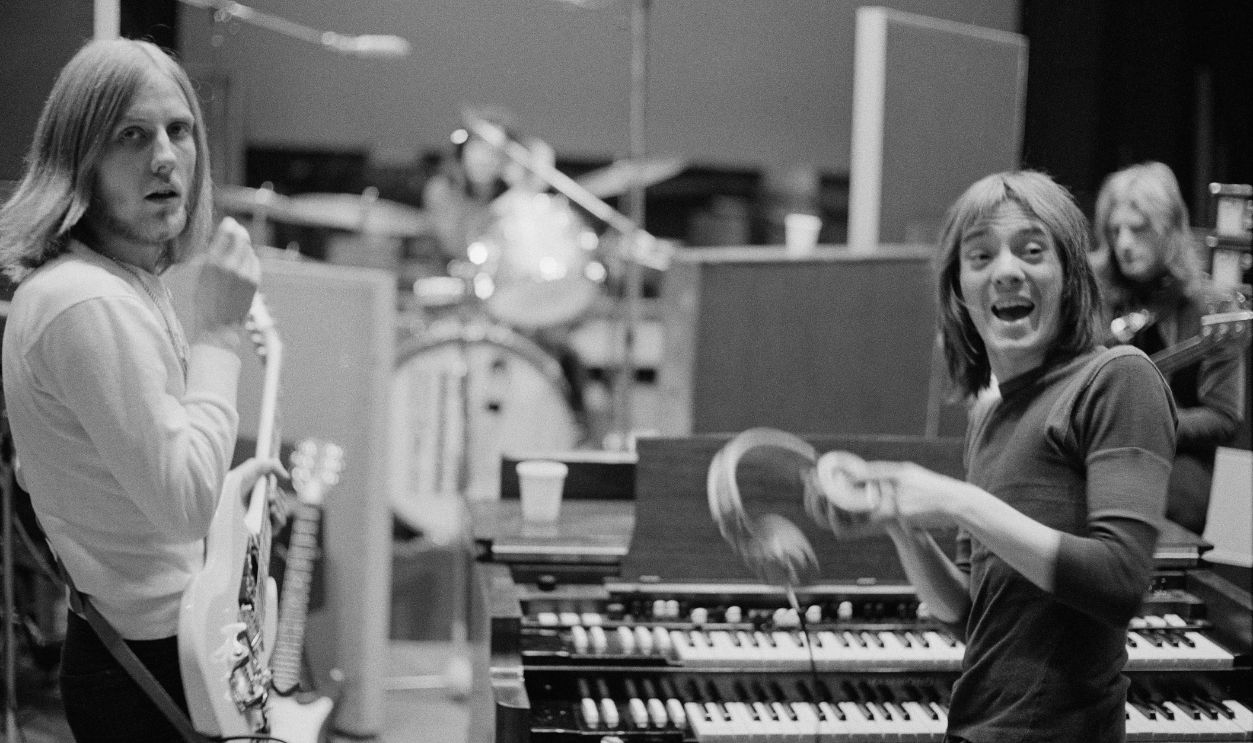
Marriott earned his reputation as one of the greatest rock and soul singers of his generation. His volcanic, blues-infused voice influenced legends like Robert Plant and Paul Rodgers. Even today, many consider him one of the best, if not the best, vocalists in British rock history. Put on one of his albums, turn up the volume on your stereo, and find out why.
 Jim Summaria, http://www.jimsummariaphoto.com/, Wikimedia Commons
You May Also Like: