Iggy Azalea Went From Global Breakout to Internet Backlash in Record Time
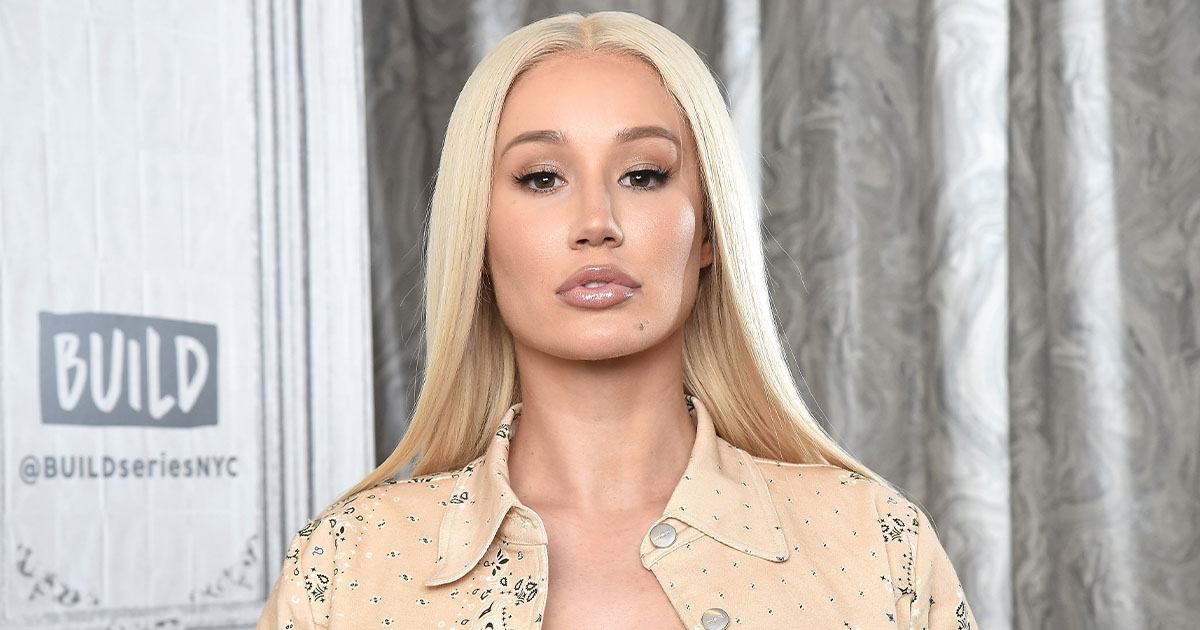
For a minute in the mid-2010s, Iggy Azalea felt unavoidable. She had the No. 1 hits, the fashion campaigns, and the kind of fame that moves faster than anyone can emotionally process. But just as quickly as she rose, the internet turned. What followed wasn’t just criticism — it was a full-scale digital revolt.
From Amethyst Kelly to Iggy Azalea
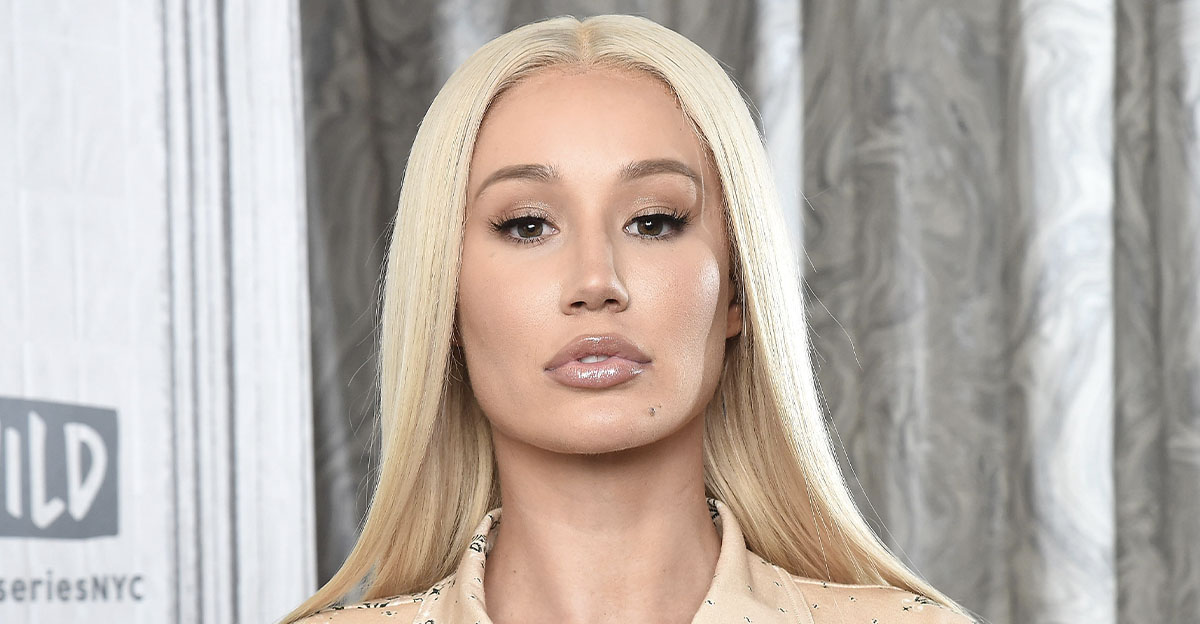
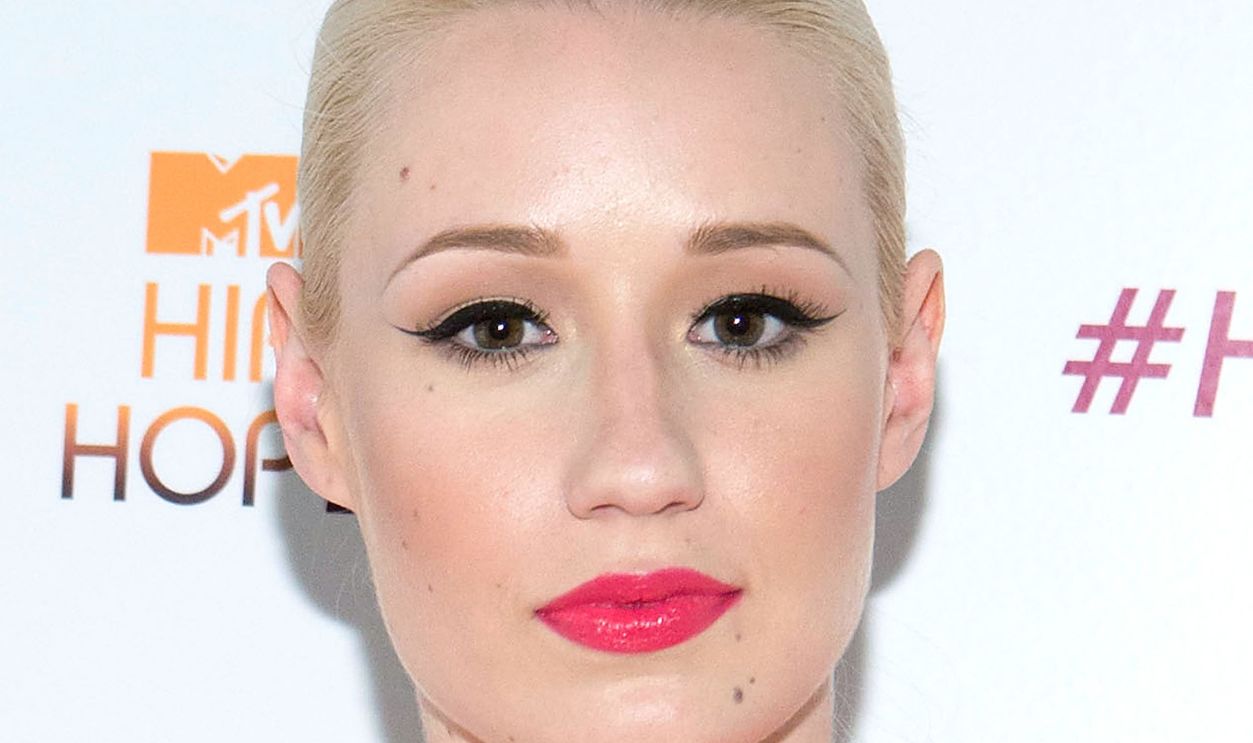
Born Amethyst Amelia Kelly on June 7, 1990, in Sydney, Australia, she didn’t grow up inside American hip-hop culture. As a teenager, she fell in love with rap music and decided she wanted more than local recognition. At just 16 years old, she left home and moved to the United States alone to chase that dream.
A Bold Move Into a Tough Industry
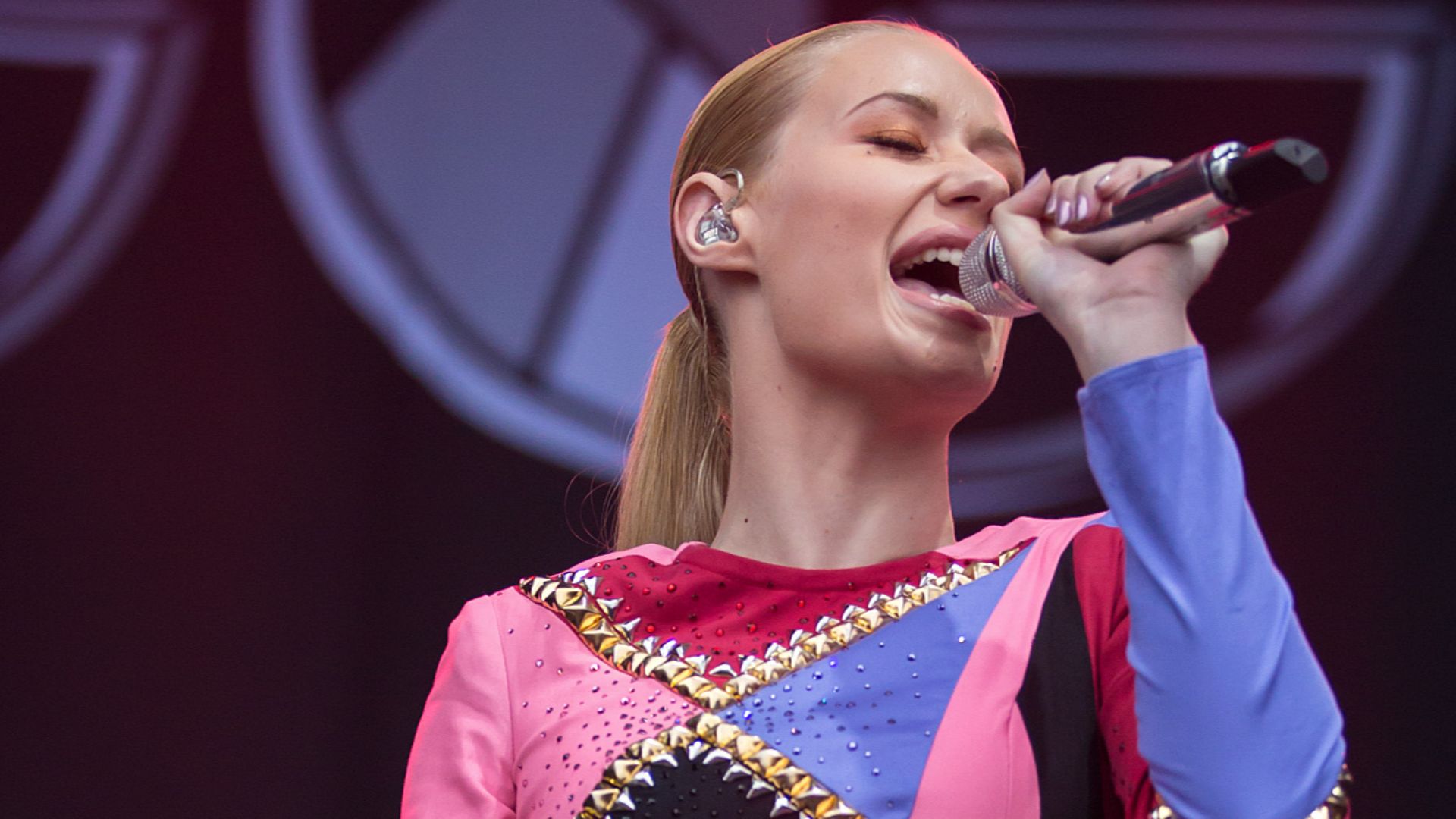
Relocating as a teenager to pursue a rap career wasn’t just ambitious — it was risky. Azalea entered a genre deeply rooted in Black American culture, which would later become part of the public conversation around her. At the time, though, she was simply focused on breaking in.
 Ralph Arvesen from Round Mountain, Texas, Wikimedia Commons
Viral Videos and Early Momentum (2011)
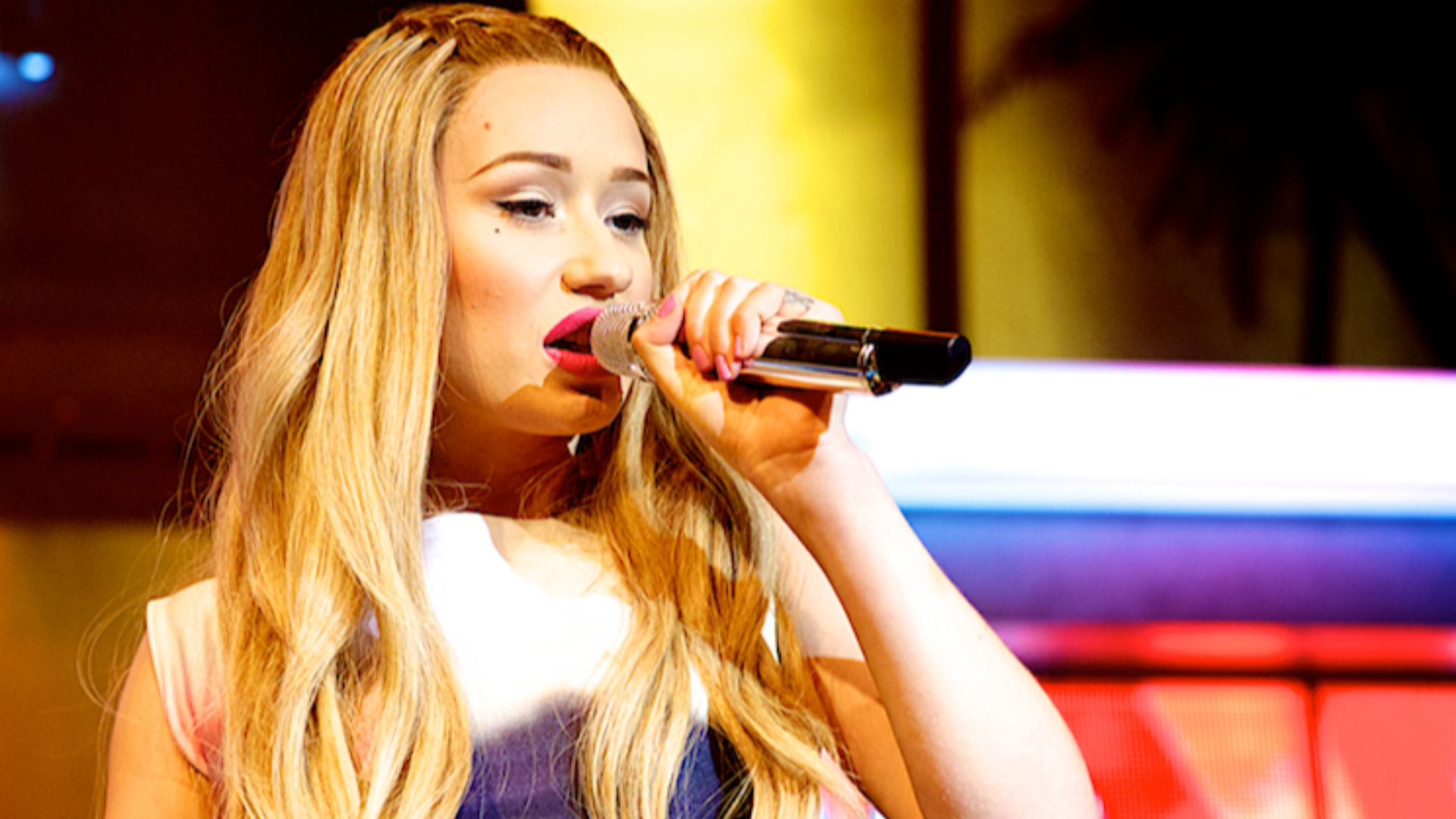
In 2011, her self-released music videos for “Pu$$y” and “Two Times” went viral on YouTube. The visuals were flashy and confident, and her Southern-influenced flow immediately caught attention. Industry figures began watching closely.
 Matt Klopot, Wikimedia Commons
T.I. Steps In
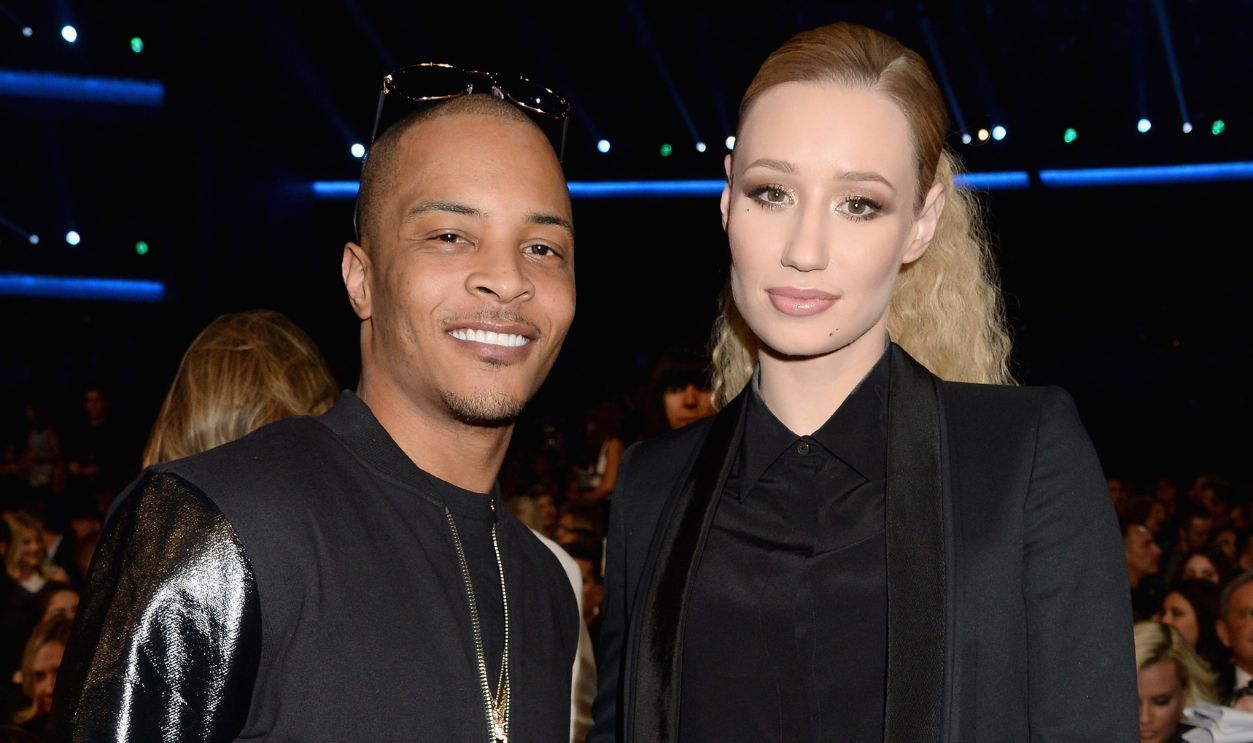
Rapper T.I. signed her to his Grand Hustle imprint, giving her both credibility and major-label backing. With co-signs from established artists, Azalea’s buzz turned into legitimate anticipation. She wasn’t just an internet personality anymore — she was positioned for mainstream success.
 Jeff Kravitz/AMA2014, Getty Images
“Fancy” Takes Over the World (2014)
In 2014, everything exploded. “Fancy,” featuring Charli XCX, became a cultural moment. The song topped the Billboard Hot 100 for seven consecutive weeks. At one point, Azalea held both the No. 1 and No. 2 spots — something Billboard noted hadn’t happened for a female act since The Beatles era comparisons.
She was suddenly everywhere.
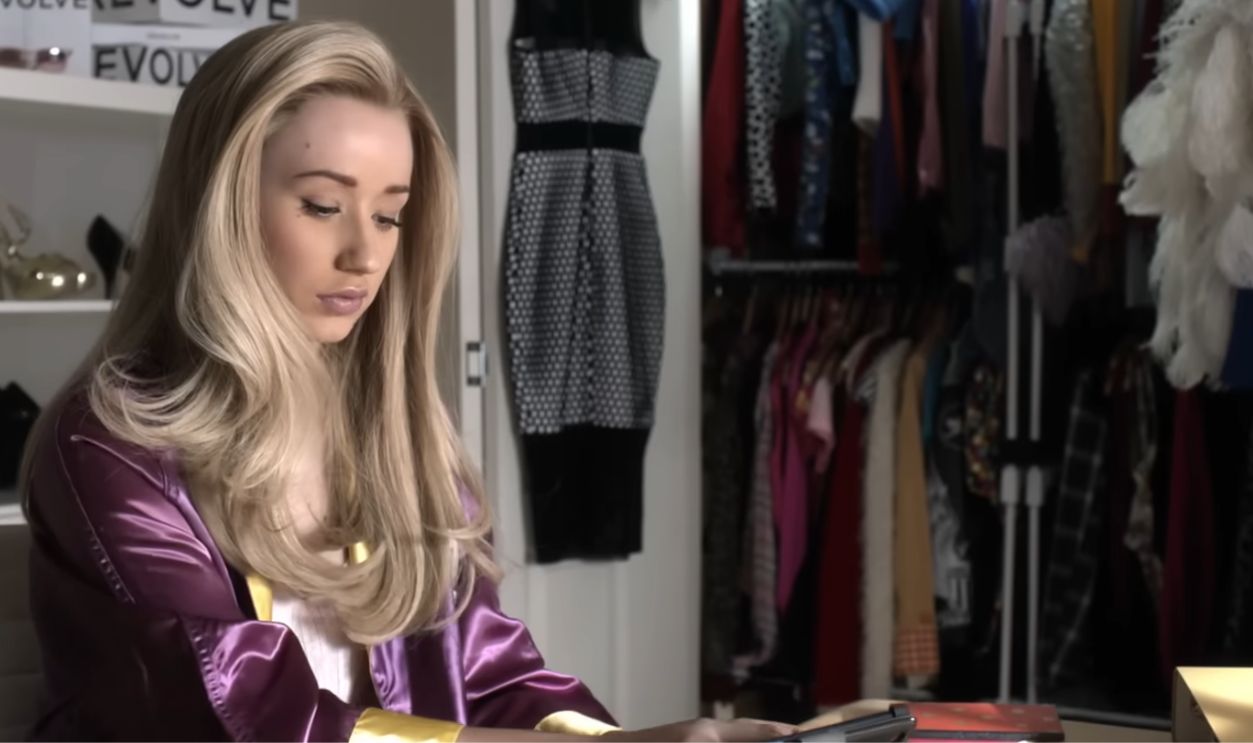 Screenshot from Fancy, Def Jam Recordings (2014)
The Height of Pop Stardom
Her debut album, The New Classic, went platinum. She performed at the Billboard Music Awards and the MTV VMAs. Brands lined up. Interviews multiplied. The fame was fast, glamorous, and relentless — and it didn’t leave much room to breathe.
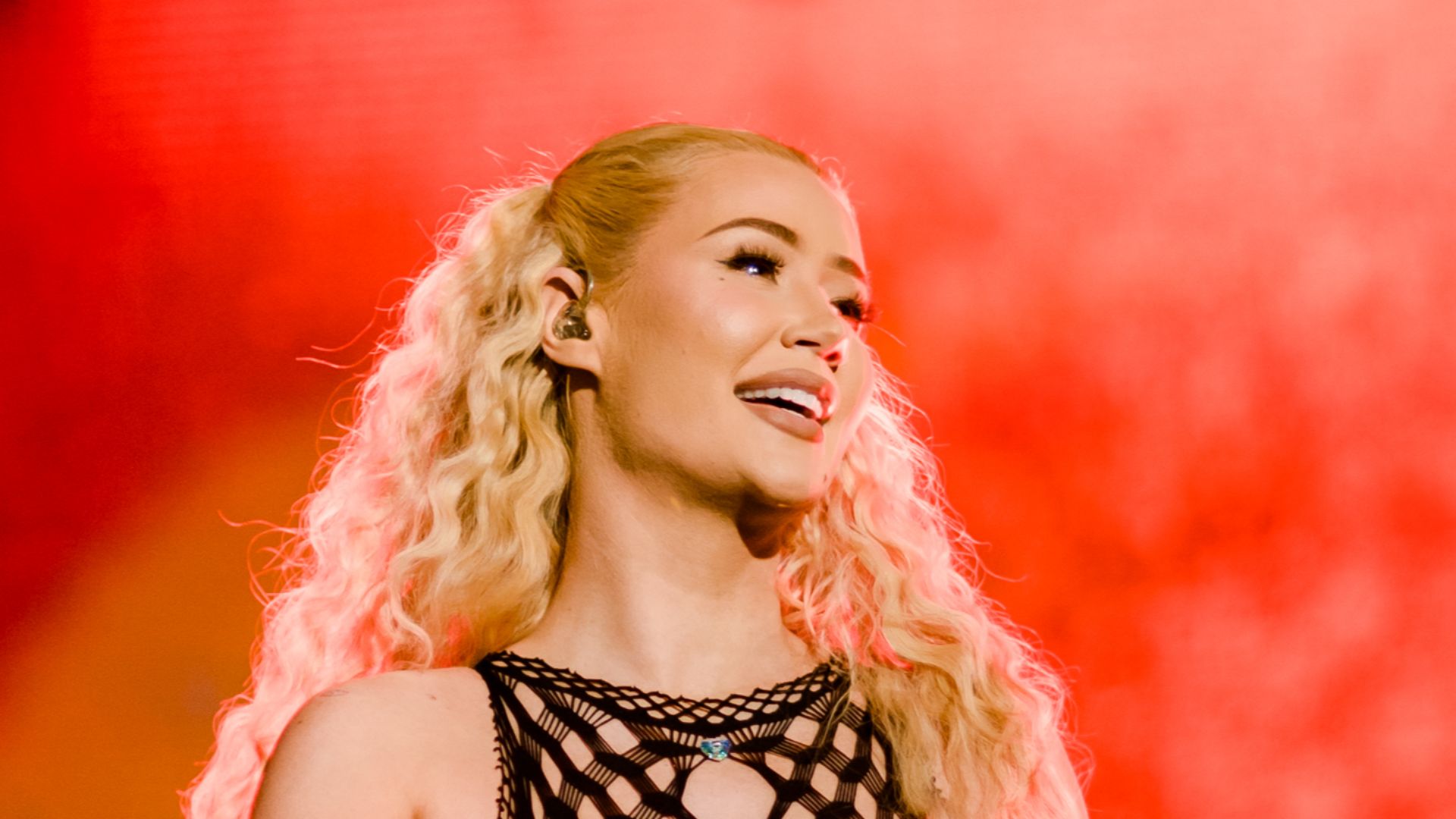 Matija Borbelj / EXIT photo team, Wikimedia Commons
The Accent Debate Begins
As her success grew, so did scrutiny. Critics questioned her use of a Southern American accent in her raps. Some argued she was adopting a sound rooted in Black culture without fully acknowledging its origins. The conversation about authenticity became louder than the music itself.
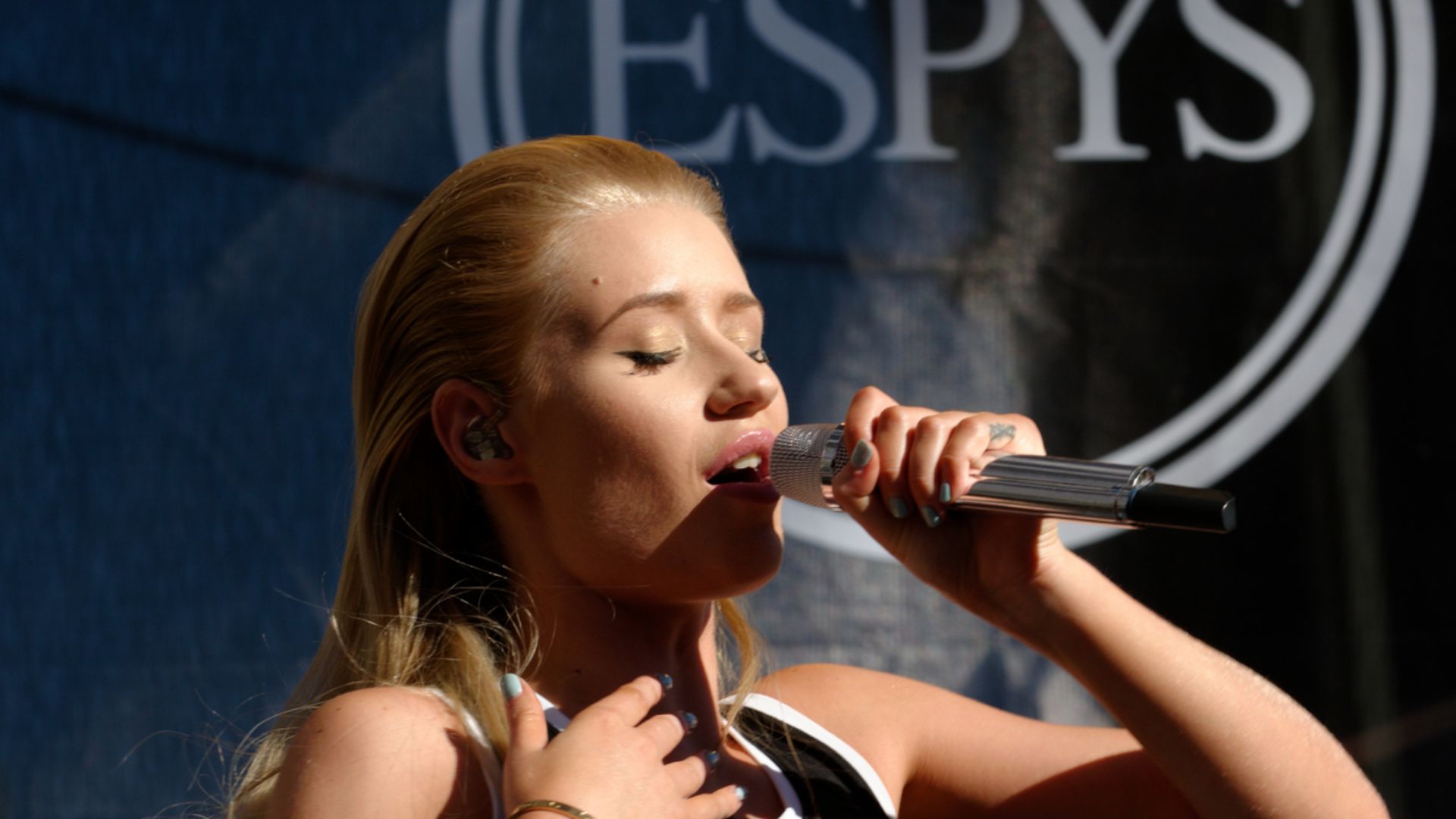 Justin Higuchi from Los Angeles, CA, USA, Wikimedia Commons
Cultural Criticism Intensifies
Discussions about cultural appropriation followed her through interviews and award shows. While Azalea defended herself by pointing to her musical influences and respect for hip-hop, many critics remained unconvinced. The backlash was no longer niche — it was mainstream.
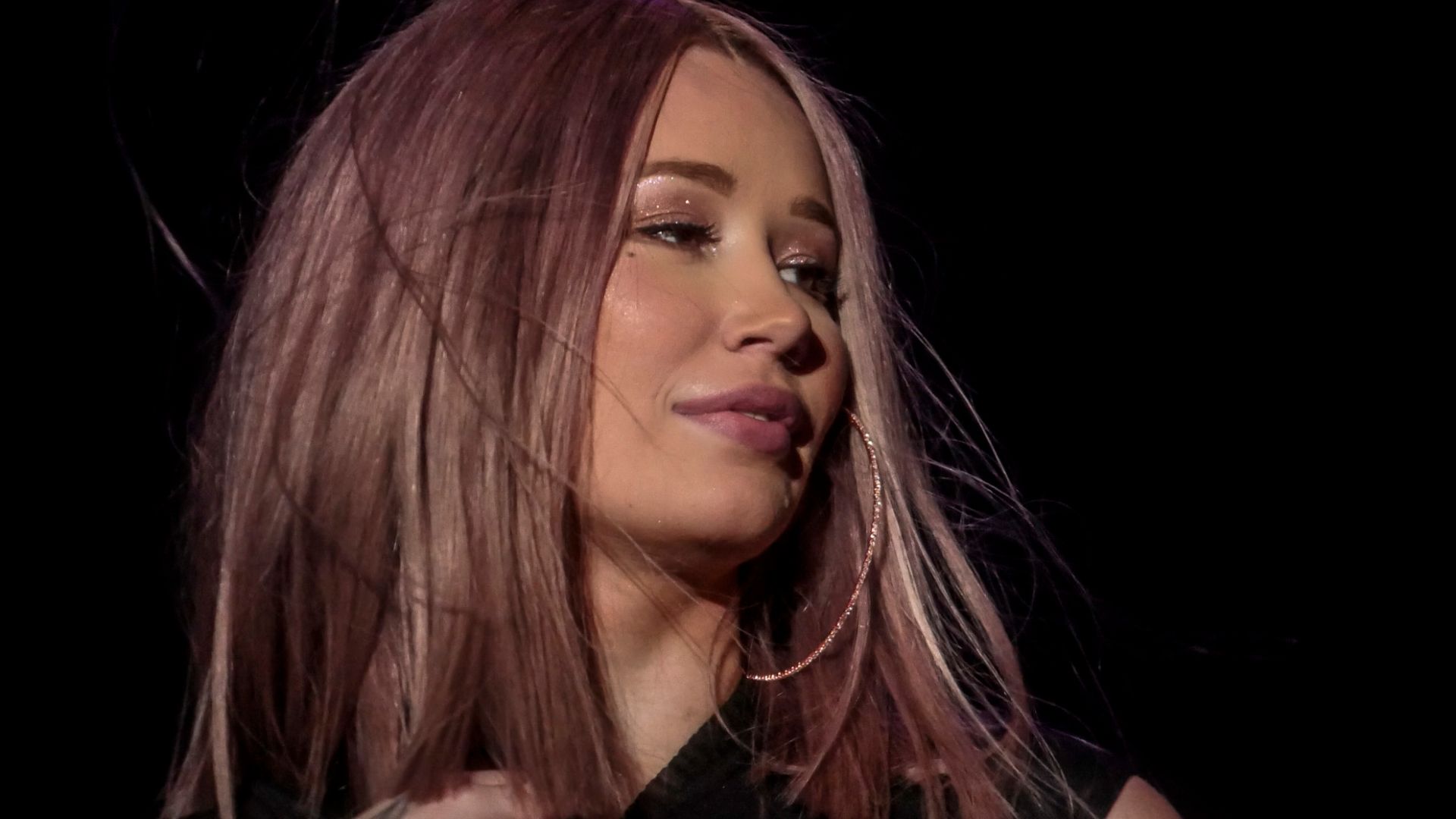
Social Media Turns Into a War Zone
Azalea rose during peak Twitter culture. Every comment, lyric, and performance was dissected instantly. She often responded directly to critics, sometimes emotionally. Those exchanges fueled headlines and escalated tension.
In later interviews, she admitted the negativity deeply affected her mental health.
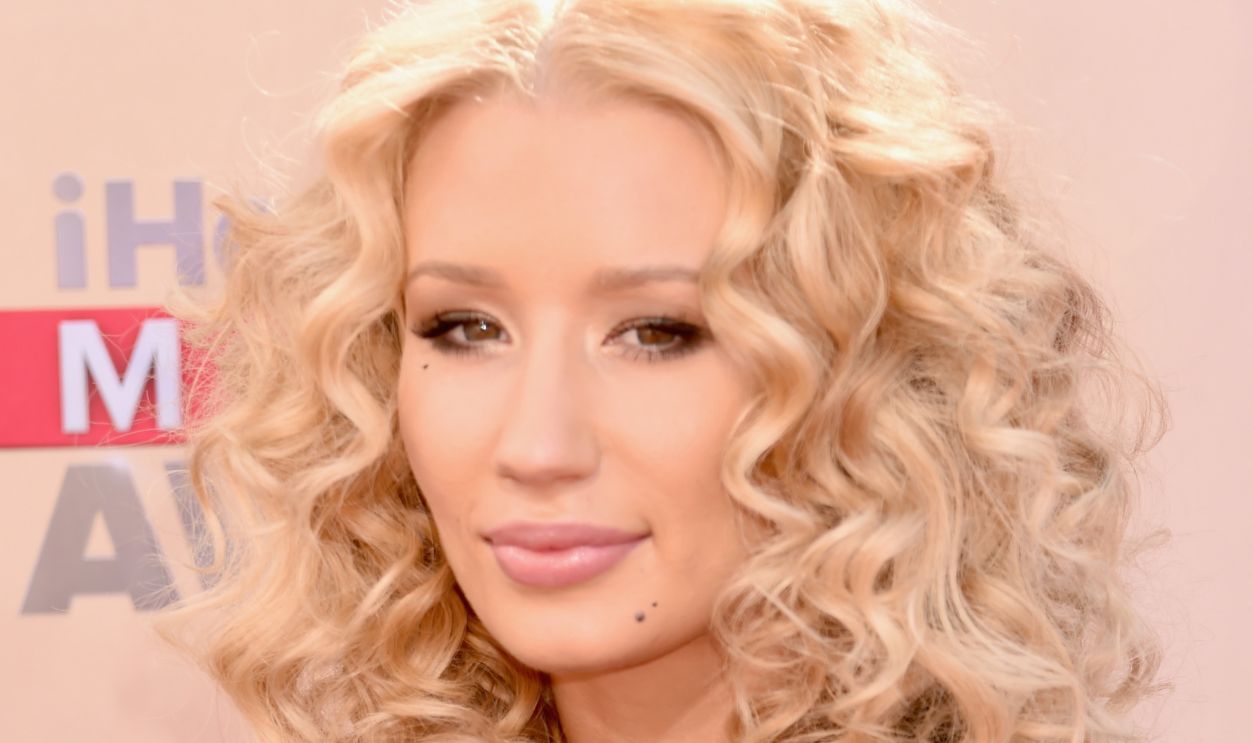
Grammy Nominations Spark Backlash (2015)
In 2015, she received four Grammy nominations, including Best New Artist. Instead of universal praise, the nominations triggered outrage from critics who believed other rappers were more deserving.
What should have been validation became controversy.
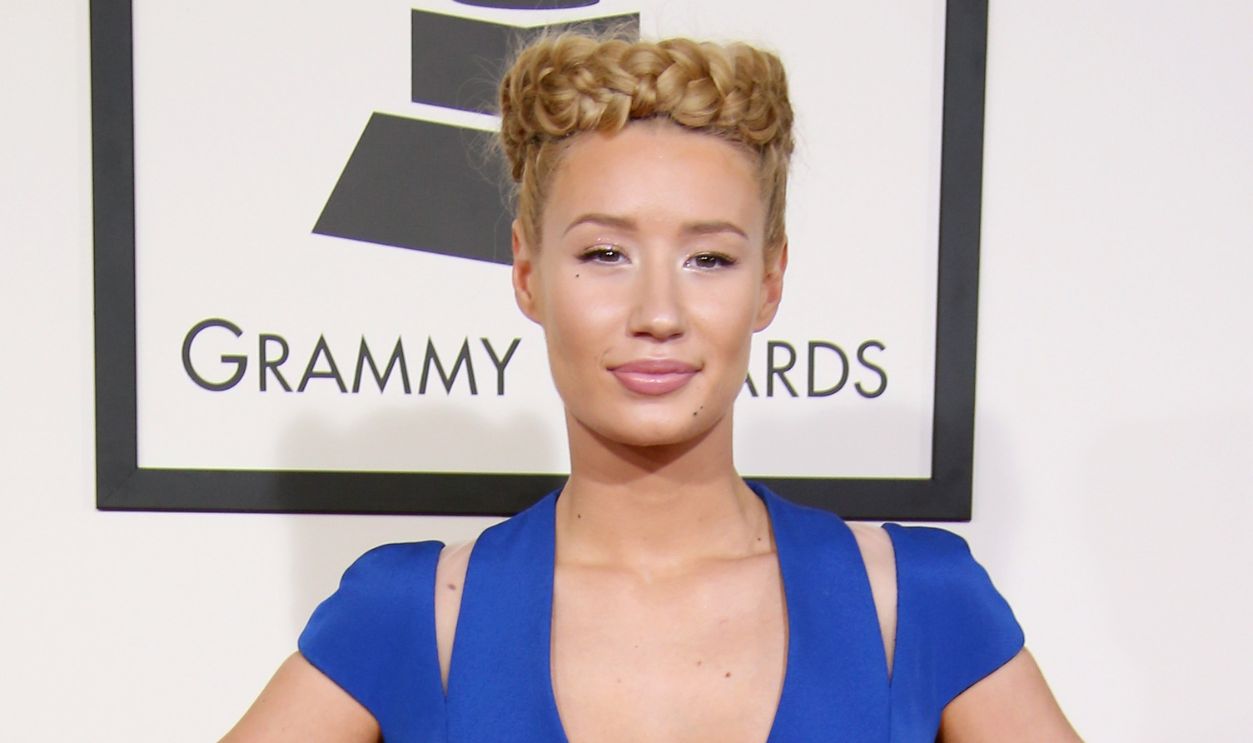
Public Feuds Dominate Headlines
Feuds with artists like Azealia Banks became headline material. Banks accused Azalea of benefiting from Black culture while staying silent on racial issues. The exchanges were sharp and very public — exactly the kind of drama that social media amplifies.
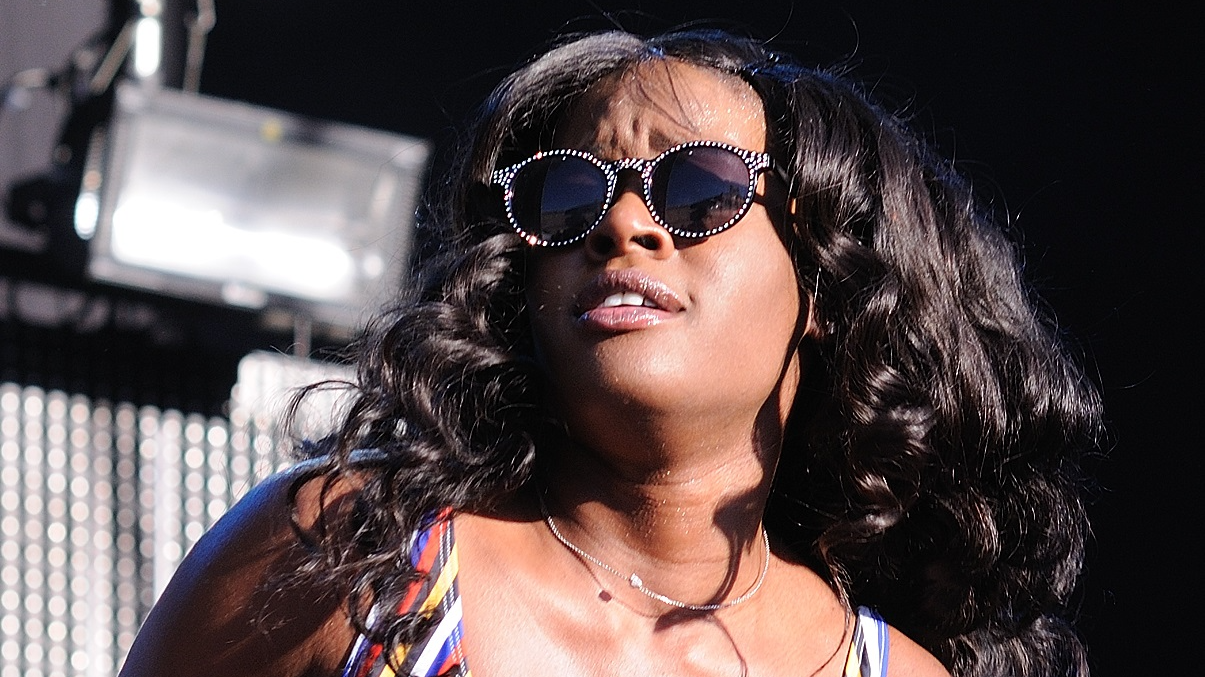 Christian Bertrand, Shutterstock
Viral Mockery and Meme Culture
By late 2015, memes mocking her freestyle attempts and live performances spread quickly. One criticized radio freestyle performance became viral for the wrong reasons. The tone of public conversation shifted from critique to ridicule.
The internet wasn’t just debating her — it was laughing at her.
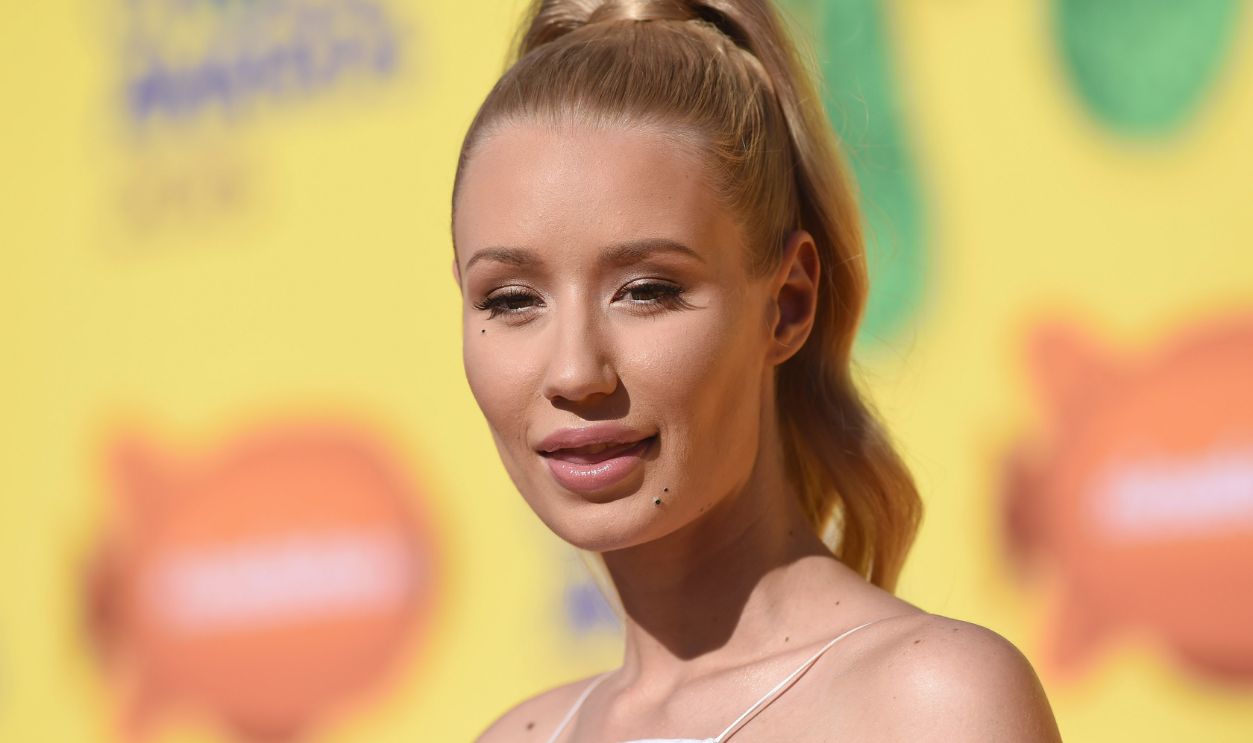 Axelle/Bauer-Griffin, Getty Images
Cancel Culture Before It Was a Buzzword
Old tweets resurfaced. Lyrics were reexamined. Apologies were demanded. Azalea issued statements acknowledging past insensitive remarks, but online opinion had already hardened. The cycle of backlash felt constant.
She became an early example of how quickly digital culture can turn on a celebrity.
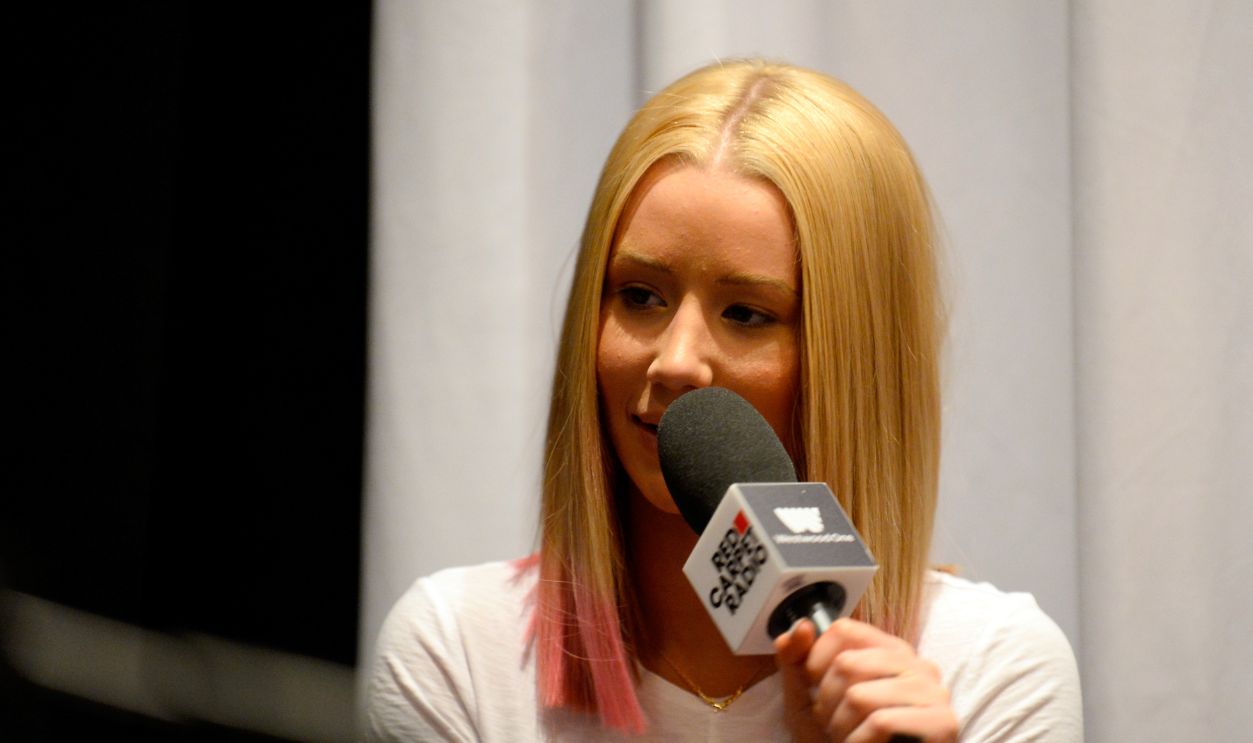 Bryan Steffy/BMA2015, Getty Images
Stepping Back for Survival
In 2015 and 2016, she canceled tour dates and stepped away from the spotlight. She later described feeling overwhelmed and emotionally drained. Fame that once felt thrilling had become suffocating.
She wasn’t quitting — she was trying to survive it.
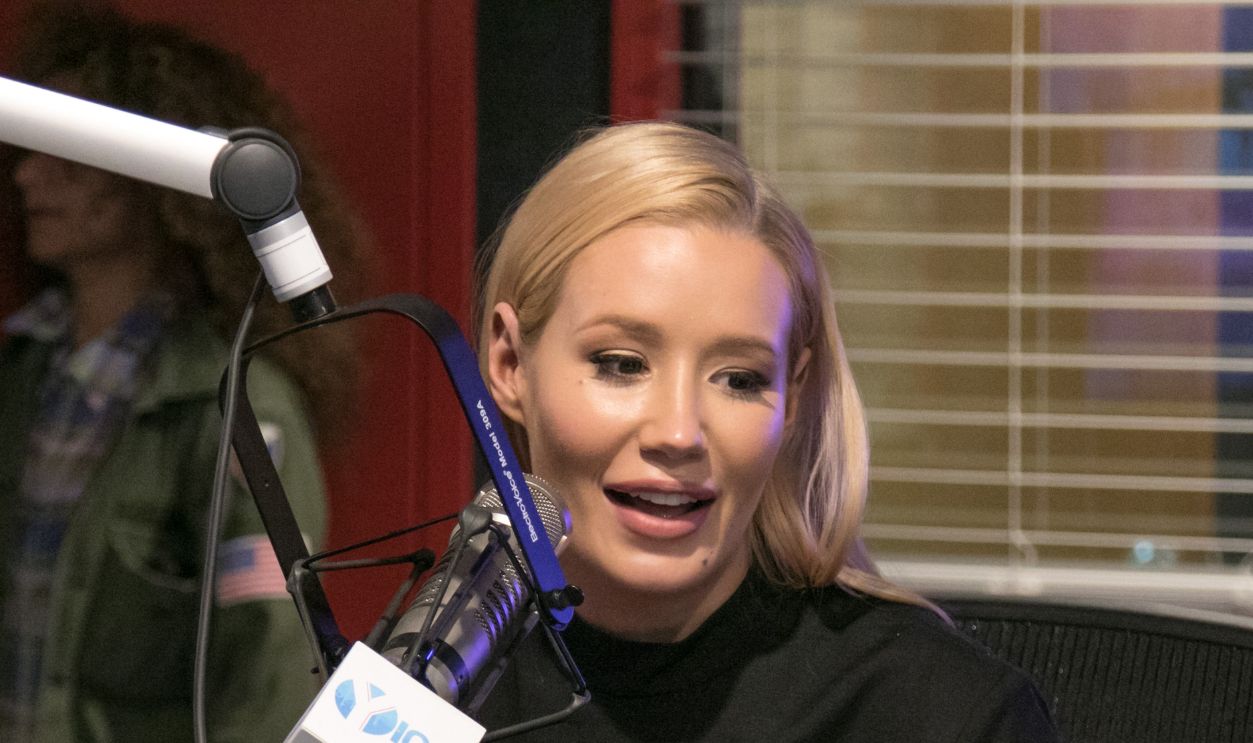
Label Delays and Career Stalls
Her second album faced multiple delays and label complications. Momentum slowed. The industry moved on to newer artists. For someone who had peaked so visibly, the stall felt just as public as the rise.
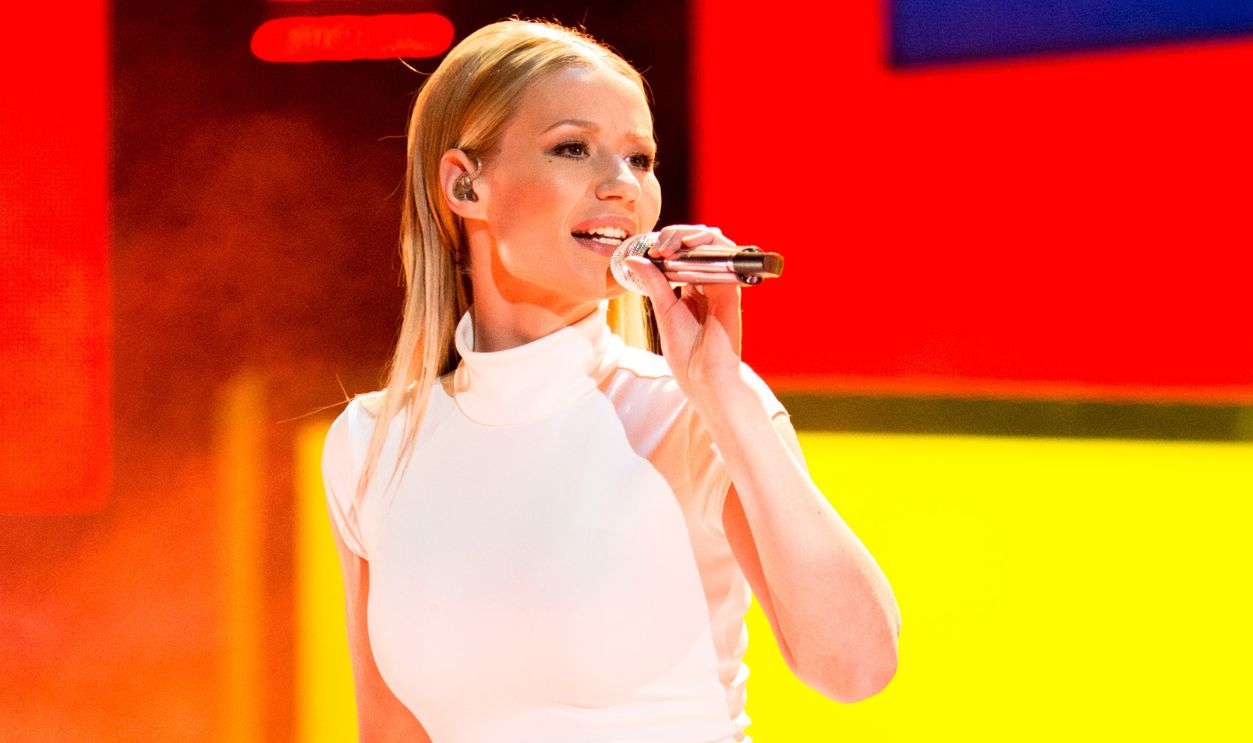 Christopher Polk, Getty Images
Choosing Independence
Eventually, Azalea launched her own label and began releasing music independently. The scale was different, but so was the pressure. She leaned into creative control rather than chasing mainstream validation.
Success, this time, looked quieter — and more self-defined.
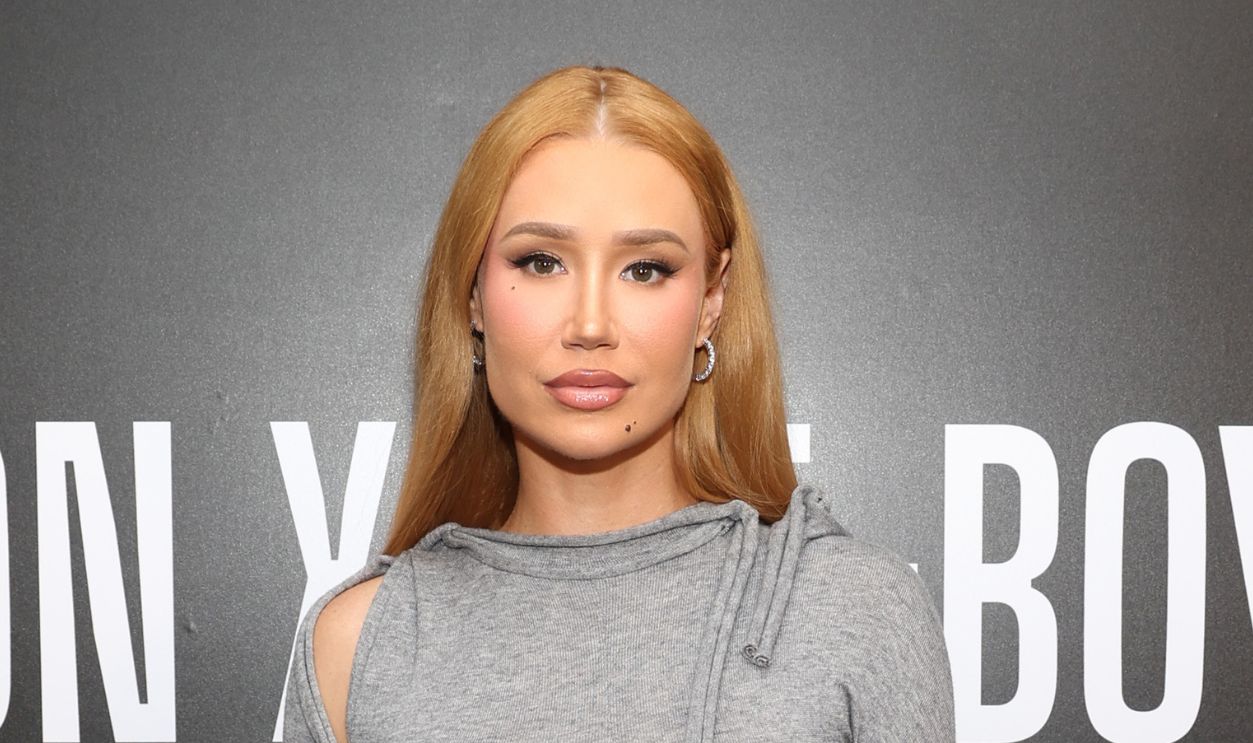
Motherhood Changes the Perspective (2020)
In 2020, she welcomed her son. She has since spoken about motherhood as grounding and transformative. The priorities shifted. Fame no longer felt like the only measure of success.
The Leaked Photo Scandal (2019)
In 2019, topless outtakes from a GQ Australia photoshoot were leaked without her consent. The images spread rapidly online. Azalea deactivated her social media accounts, calling the leak “a violation.”
She later wrote, “I feel blindsided, embarrassed, violated, angry, sad, and a million other things.” It wasn’t industry criticism — it was personal exploitation.
Still Here, Still Creating
Iggy Azalea’s fame peaked fast, and the backlash was loud. But she’s still here. Still creating. Still navigating an industry that built her up quickly and dismantled her just as fast.
Her story isn’t just about controversy. It’s about resilience in the digital age — and what it costs to go viral before you’re ready.
You May Also Like: