
Generation Gap
The Baby Boomer generation spans from 1946 to 1964, which is how one generation can pretty easily cover two completely different musical childhoods. These are the songs older Boomers remember—and still adore—while what younger Boomers remember about them is…absolutely nothing at all.
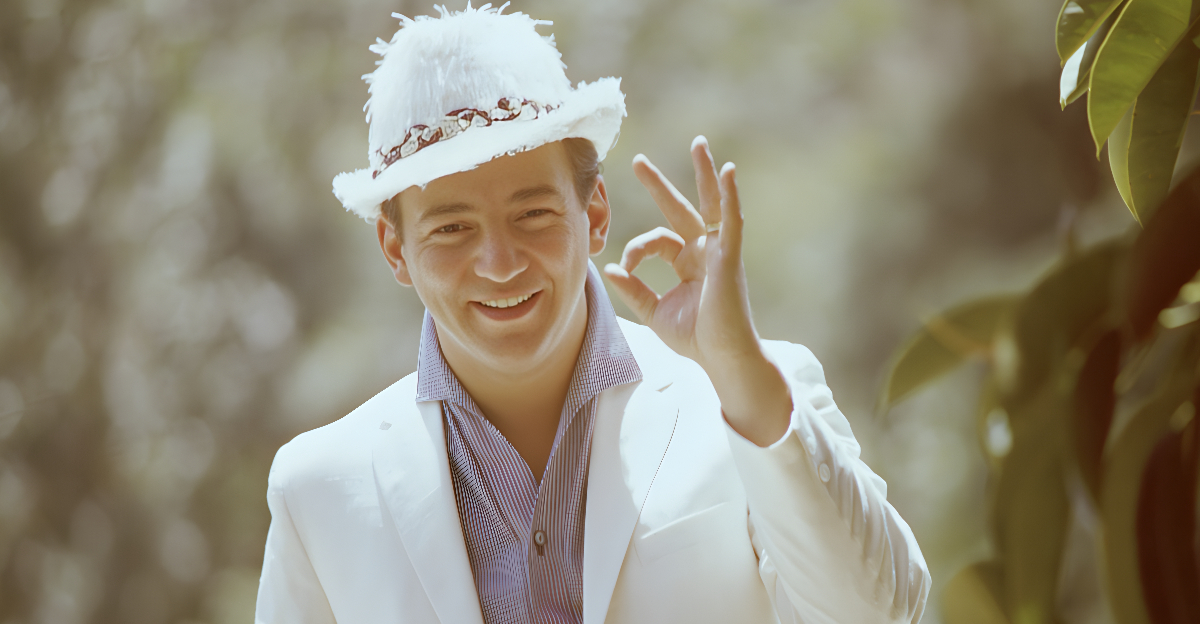
“Chances Are” (Johnny Mathis)
For older Boomers, Johnny Mathis was romance itself—slow dancing in the living room while parents pretended not to watch. For younger Boomers, this already felt like something that played before the good music came on. By the time album rock took over FM radio, this sound was firmly in the rearview mirror.
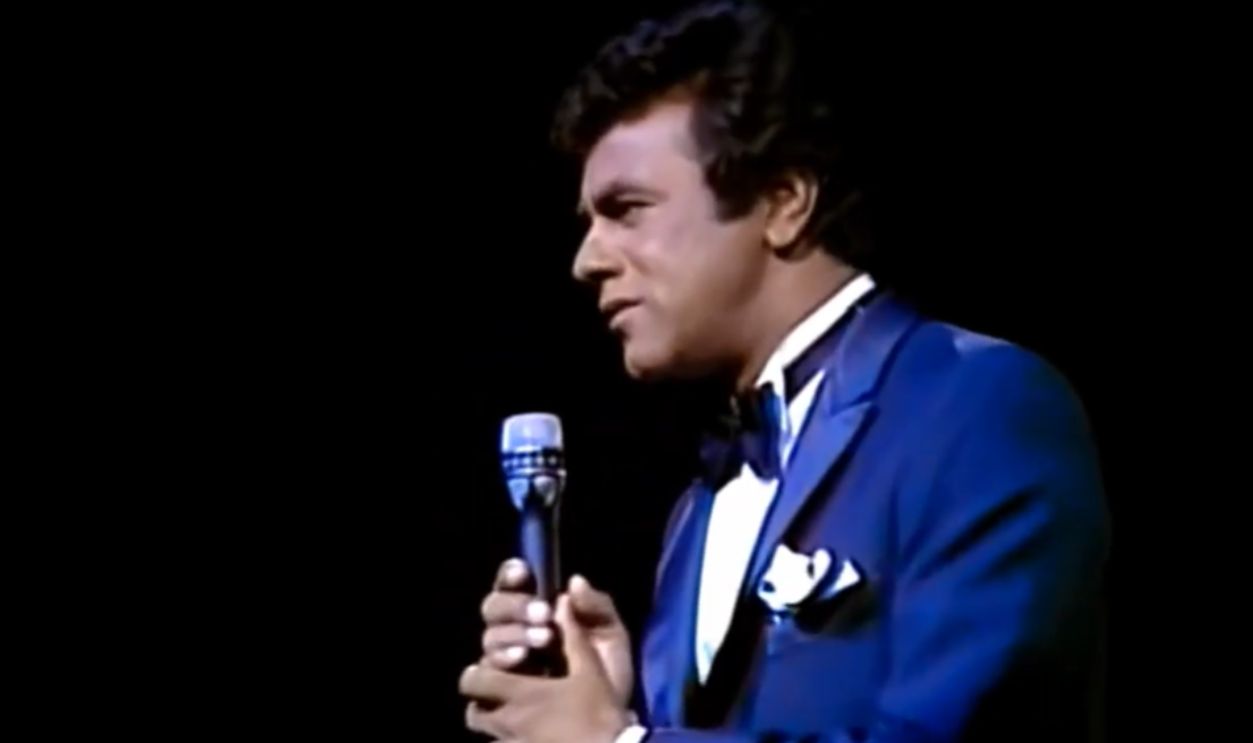 Screenshot from Chances Are, Columbia Records (1957)
“Itsy Bitsy Teenie Weenie Yellow Polkadot Bikini” (Brian Hyland)
This was an actual cultural event in 1960. Radio played it constantly, kids sang it endlessly, and adults clutched their pearls. Younger Boomers, meanwhile, grew up with Woodstock, Easy Rider, and music that took itself very seriously. This already sounded like a joke from a much cleaner, weirder past.
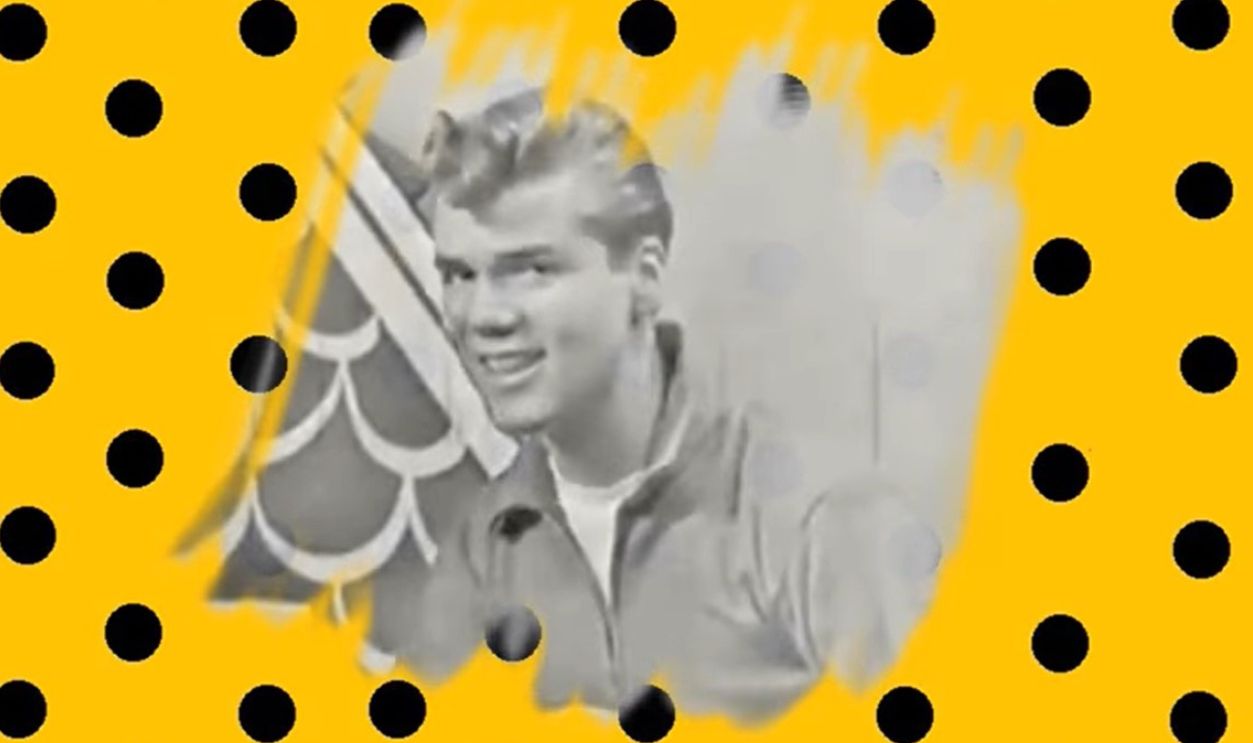 Screenshot from Itsy Bitsy Teenie Weenie Yellow Polkadot Bikini, Kapp Records (1960)
“A Summer Place” (Percy Faith)
This instrumental spent nine weeks at No. 1, which sounds fake until you remember how different radio was. Older Boomers remember it as emotional. Younger Boomers mostly remember this type of music as what played on TV right before Monday Night Football or during a scene change on Love, American Style.
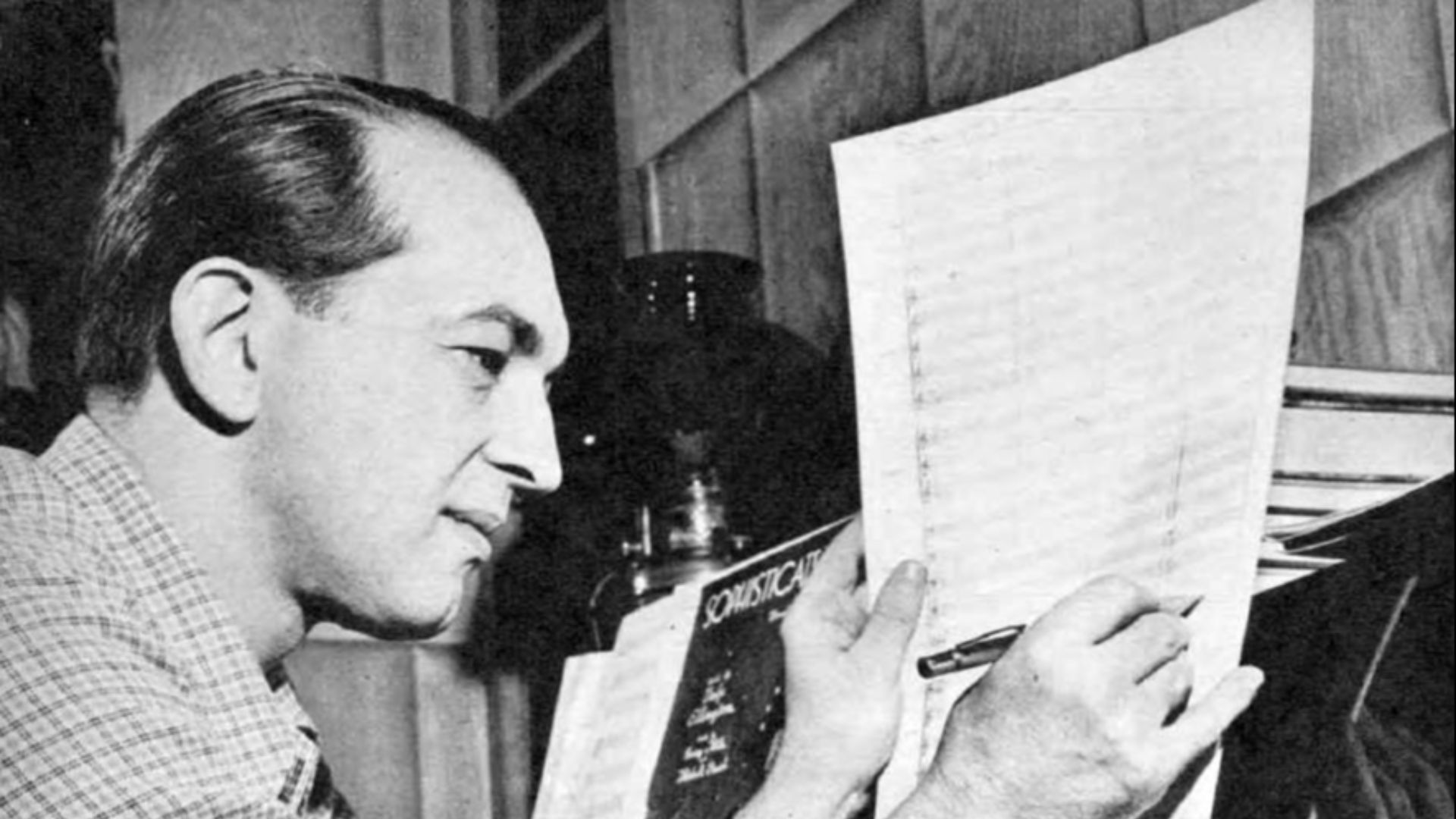
“Mr. Blue” (The Fleetwoods)
Soft, echo-heavy, and extremely early-60s, this song was everywhere for older Boomers. But by the mid-60s, music had moved on hard. Younger Boomers grew up with Fleetwood Mac, not The Fleetwoods (no, they are not related at all). No guitars, no drama, no Stevie Nicks—just a hit that vanished the moment rock showed up.
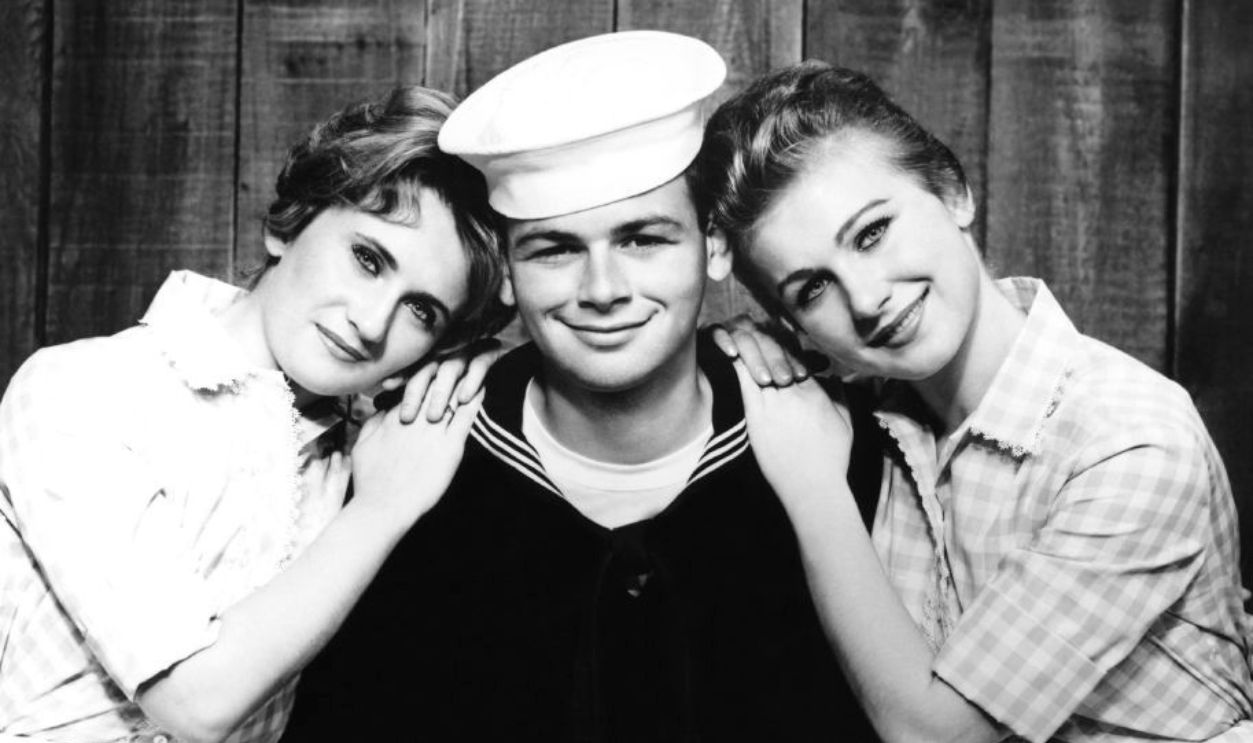 Michael Ochs Archives, Getty Images
“Alley Oop” (The Hollywood Argyles)
A caveman novelty song hitting No. 1 feels impossible now, but it happened. Older Boomers remember it as goofy fun. Younger Boomers mostly remember novelty songs as something AM radio did before FM stations started playing entire album sides without talking.
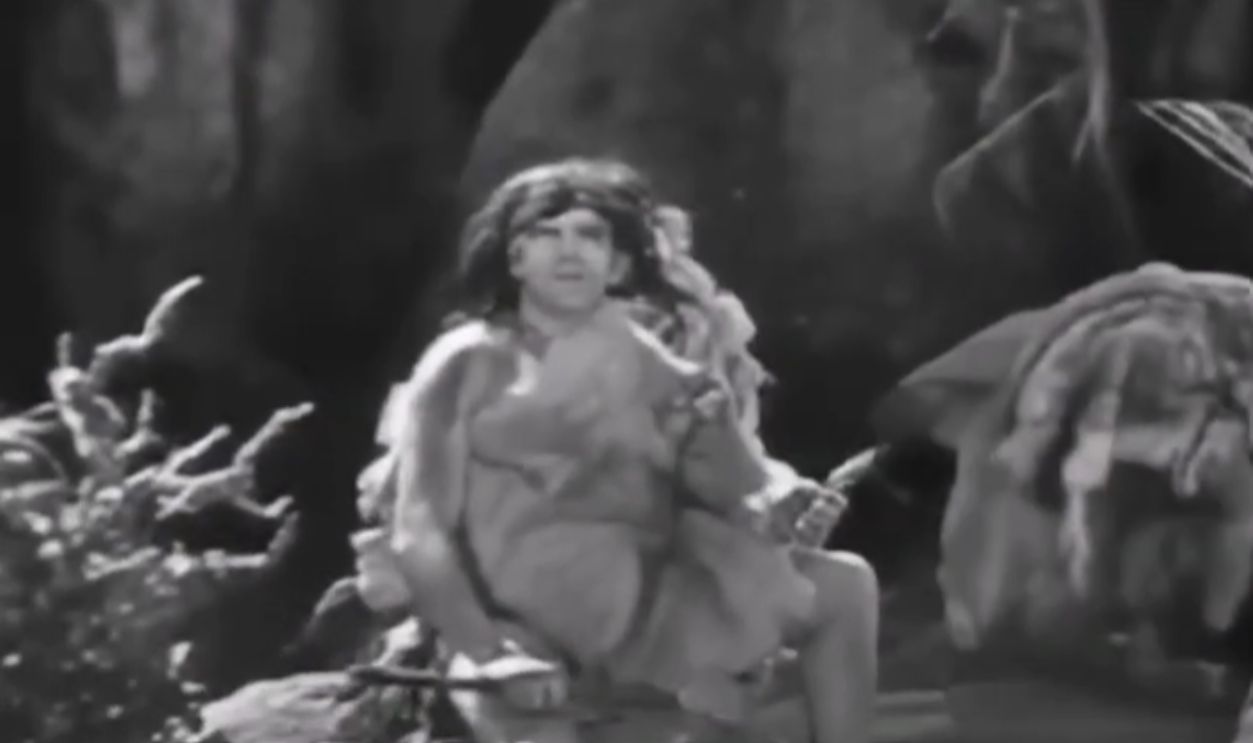 Screenshot from Alley Oop, Lute Records (1960)
“Come Softly to Me” (The Fleetwoods)
Another Fleetwoods hit that older Boomers remember fondly—and younger Boomers rarely recall at all. This gentle, polite sound was already fading once music got louder, longer, and more serious. By the time younger Boomers were discovering rock, this felt like something left behind on AM radio.
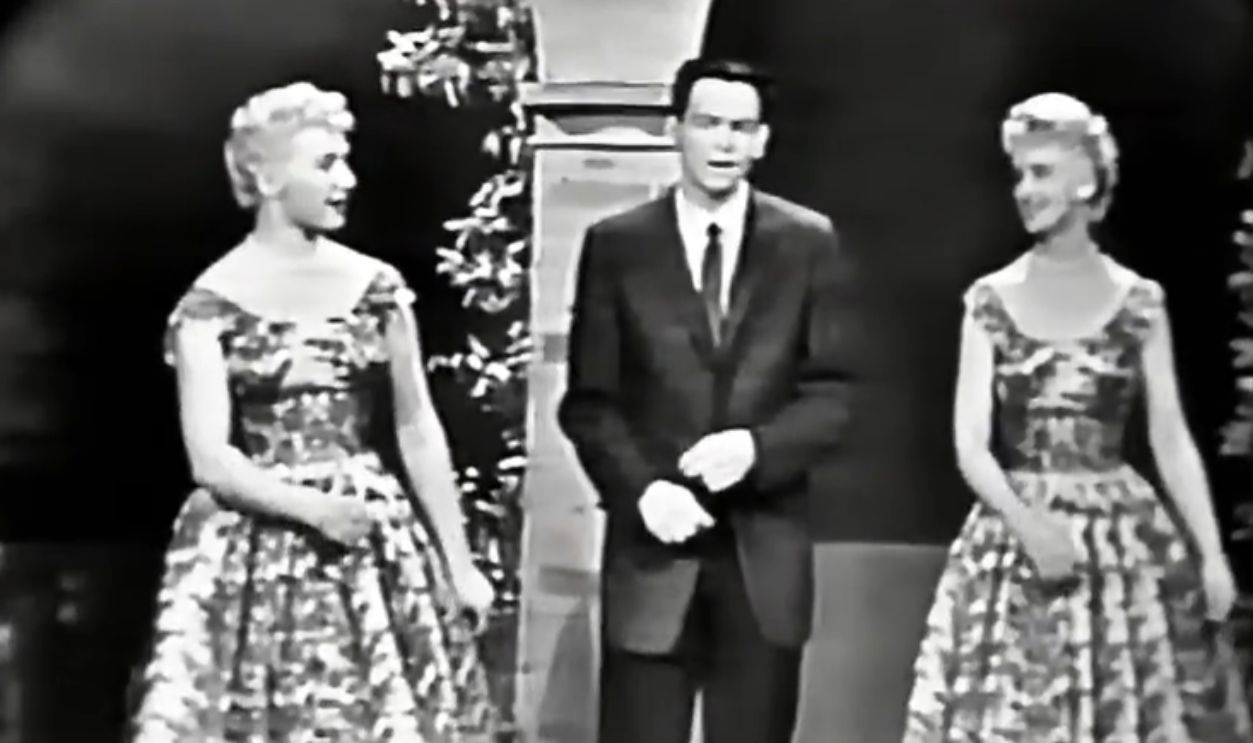 Screenshot from Come Softly to Me, Dolphin Records (1959)
“The Ballad of Davy Crockett” (Bill Hayes)
This song was inescapable in the mid-50s, tied to Disney, TV, and a full-blown racoon cap craze. Older Boomers lived through it. Younger Boomers, however, grew up on TV Westerns that were already darker—and then watched the whole genre collapse entirely.
 Columbia Pictures Television, Wikimedia Commons
“Poetry in Motion” (Johnny Tillotson)
Sweet, upbeat, and completely non-threatening, this was prime early-Boomer pop. Younger Boomers grew up when pop stars stopped smiling so much and started sounding restless. This song didn’t age badly—it just didn’t survive the shift to album-driven rock.
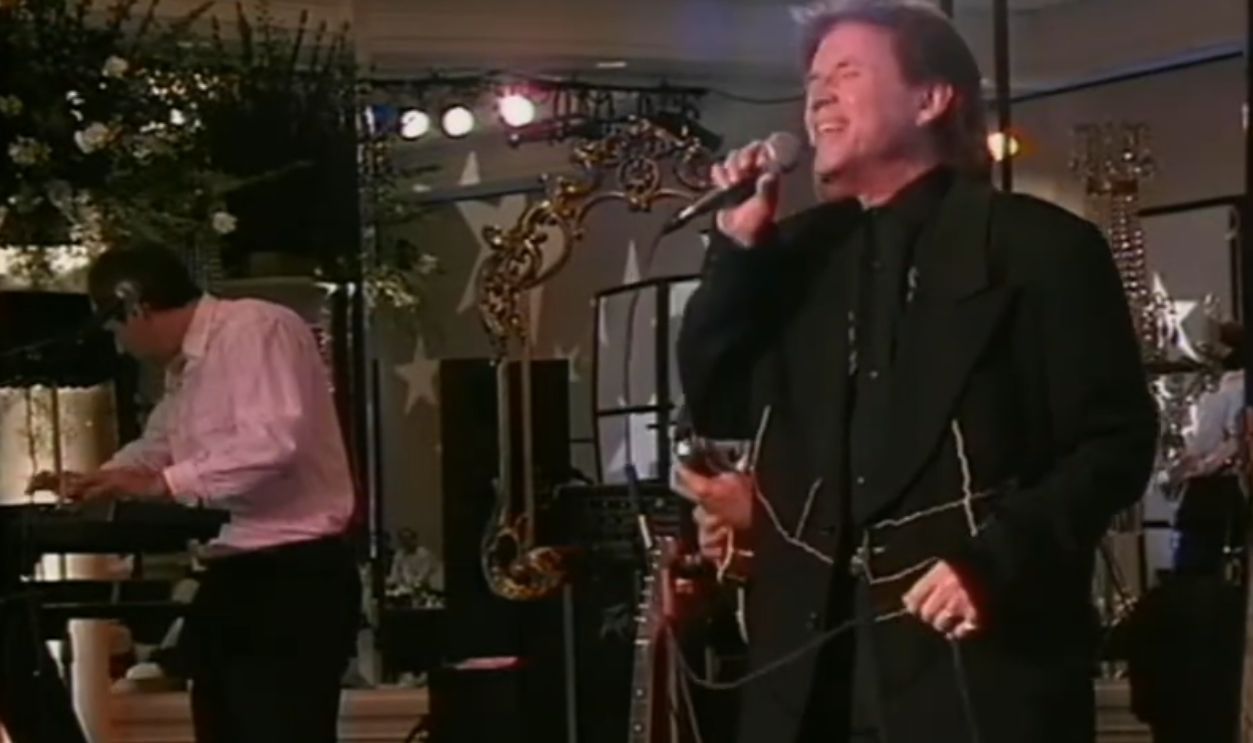 Screenshot from Poetry in Motion, London Recordings (1960)
“Running Bear” (Johnny Preston)
A tragic love story… between two teenagers who drown because they can’t swim across a river. Older Boomers remember it clearly. Younger Boomers were growing up on concept albums and protest songs, which made this straight-faced storytelling already feel oddly old-fashioned.
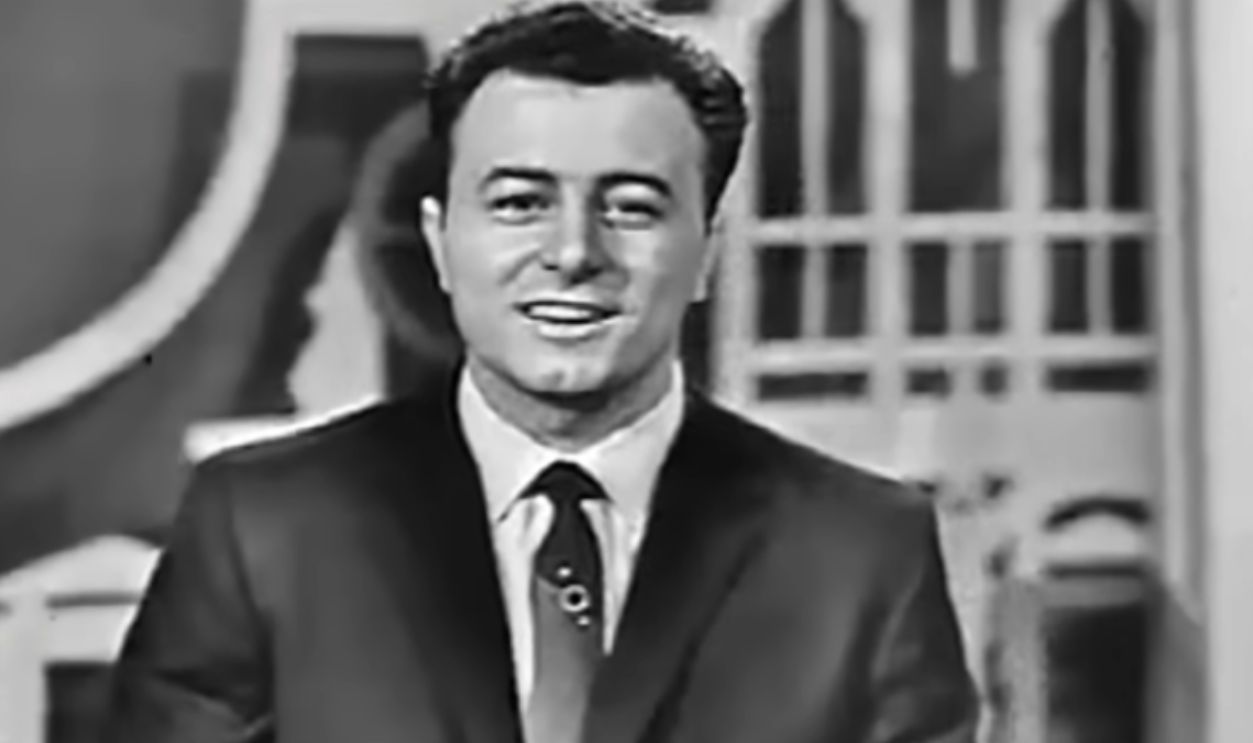 Screenshot from Running Bear, Mercury Records (1959)
“Little Star” (The Elegants)
Doo-wop was huge for older Boomers, but by the time younger Boomers came along, it already felt dated. This style didn’t survive the move from singles to albums, which is why so many of these songs quietly disappeared when listening habits changed.
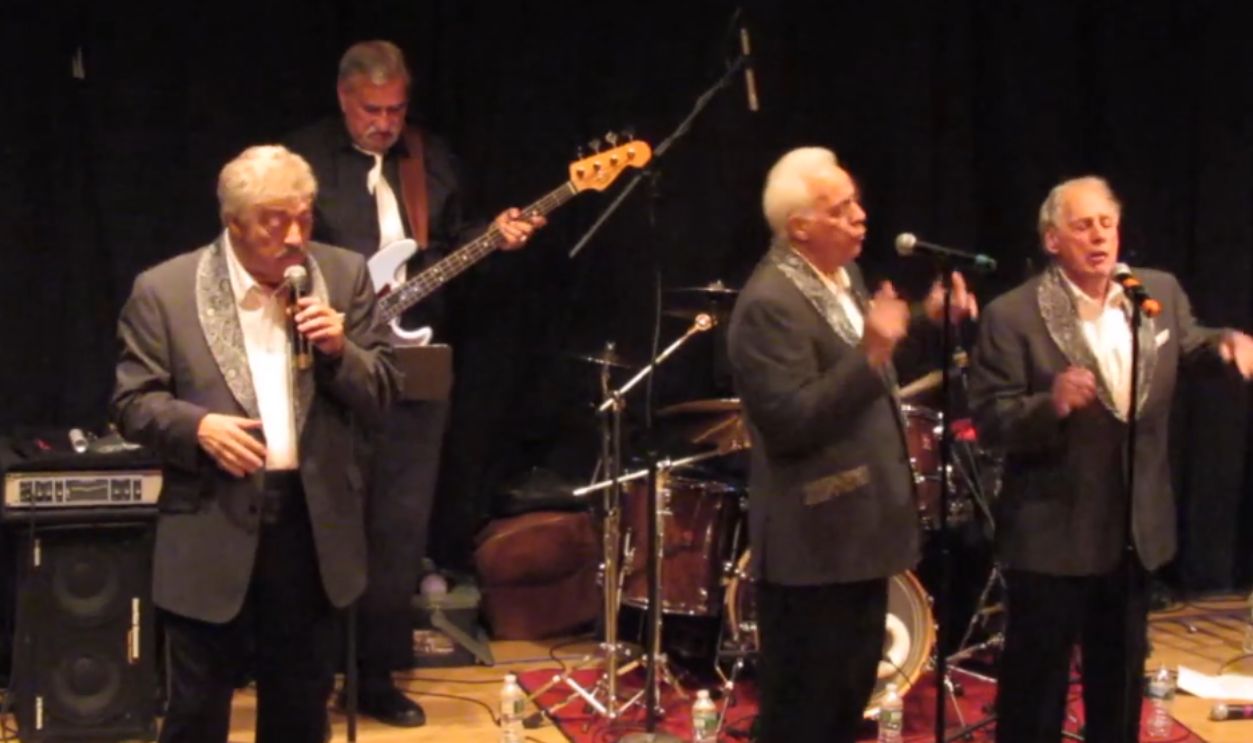 Screenshot from Little Star, Apt Records (1958)
“Sixteen Candles” (The Crests)
Older Boomers remember this as a slow-dance classic. Younger Boomers often recognize the title more than the song—thanks to the movie using it decades later. The track itself didn’t stick around once teen romance got louder and less polite.
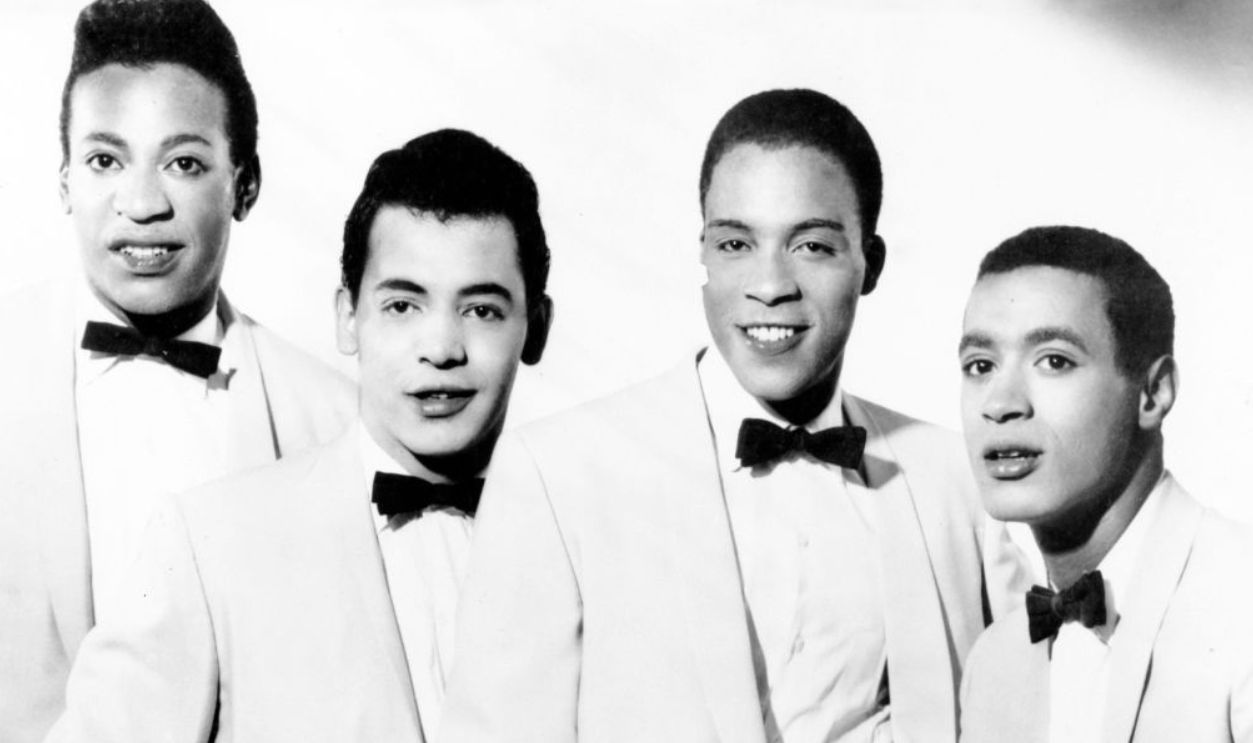 Michael Ochs Archives, Getty Images
“Catch a Falling Star” (Perry Como)
Perry Como was massive—calm, comforting, and everywhere. Older Boomers grew up with him as a constant presence. Younger Boomers mostly remember him as the guy whose songs played before the radio finally got to something longer, louder, and more interesting.
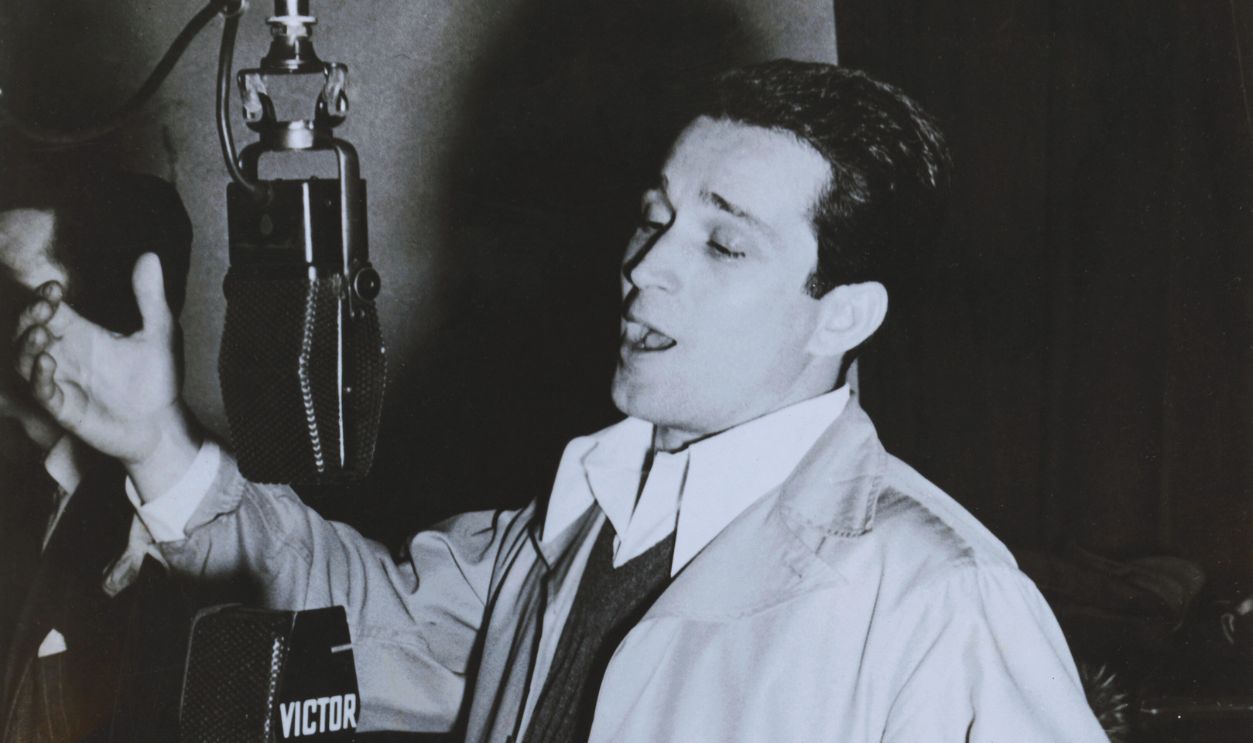
“Mack the Knife” (Bobby Darin)
This one technically survived, but its original impact didn’t. Older Boomers remember Darin’s version dominating radio. Younger Boomers encountered it later as a standard—something that existed alongside The Ed Sullivan Show, not alongside the rock bands they cared about.
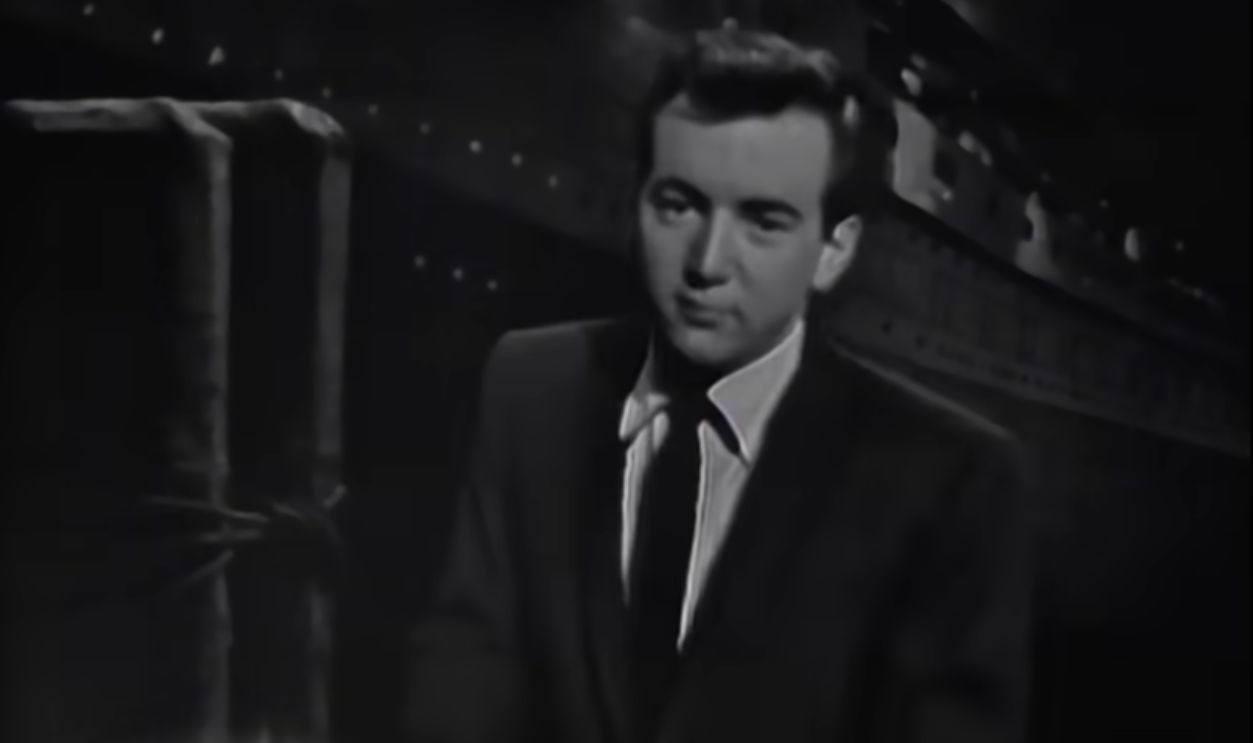 Screenshot from Mack the Knife, Atco Records (1959)
“Blueberry Hill” (Fats Domino)
Older Boomers remember this as warm, catchy, and unforgettable. Younger Boomers respect Fats Domino historically—but didn’t grow up hearing this song nonstop. Rock history mattered more than radio repetition by the time they were listening.
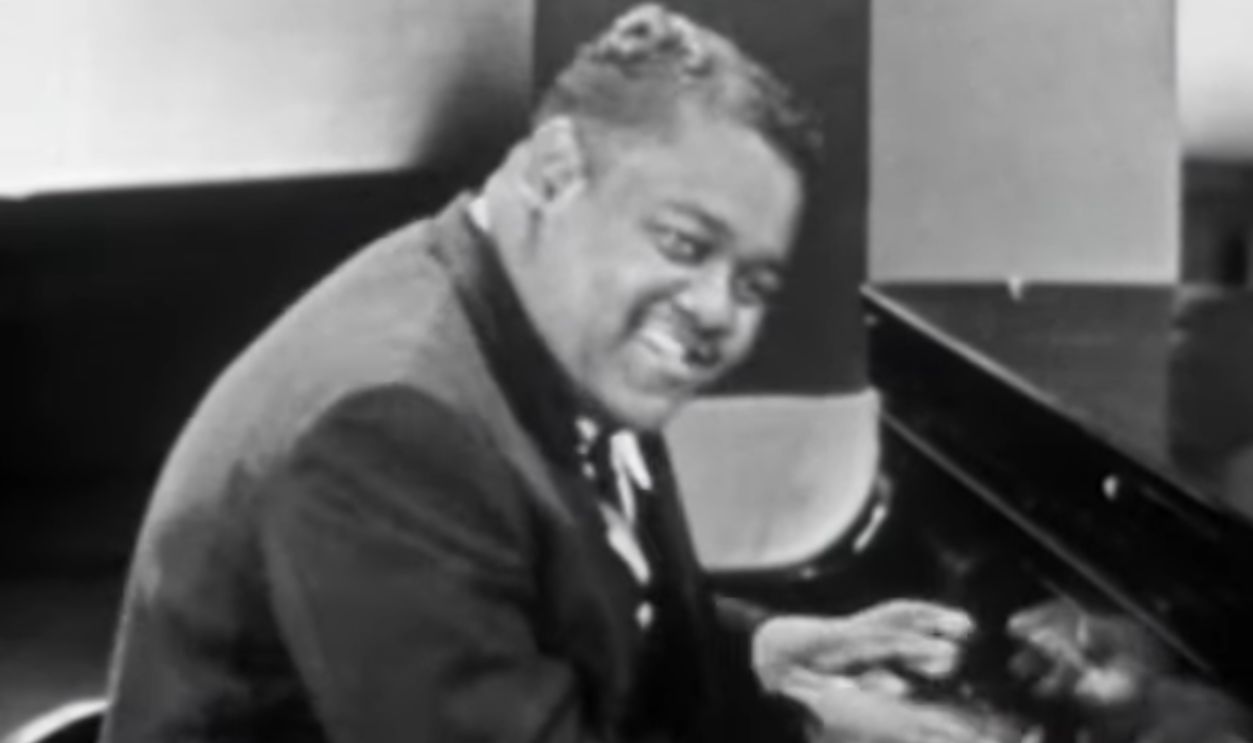 Screenshot from Blueberry Hill, Imperial Records (1956)
“The Purple People Eater” (Sheb Wooley)
A novelty song about a one-eyed monster eating people… except he only eats purple people. Older Boomers remember loving it. Younger Boomers grew up when novelty songs felt like something AM radio did while FM stations were busy playing full album sides.
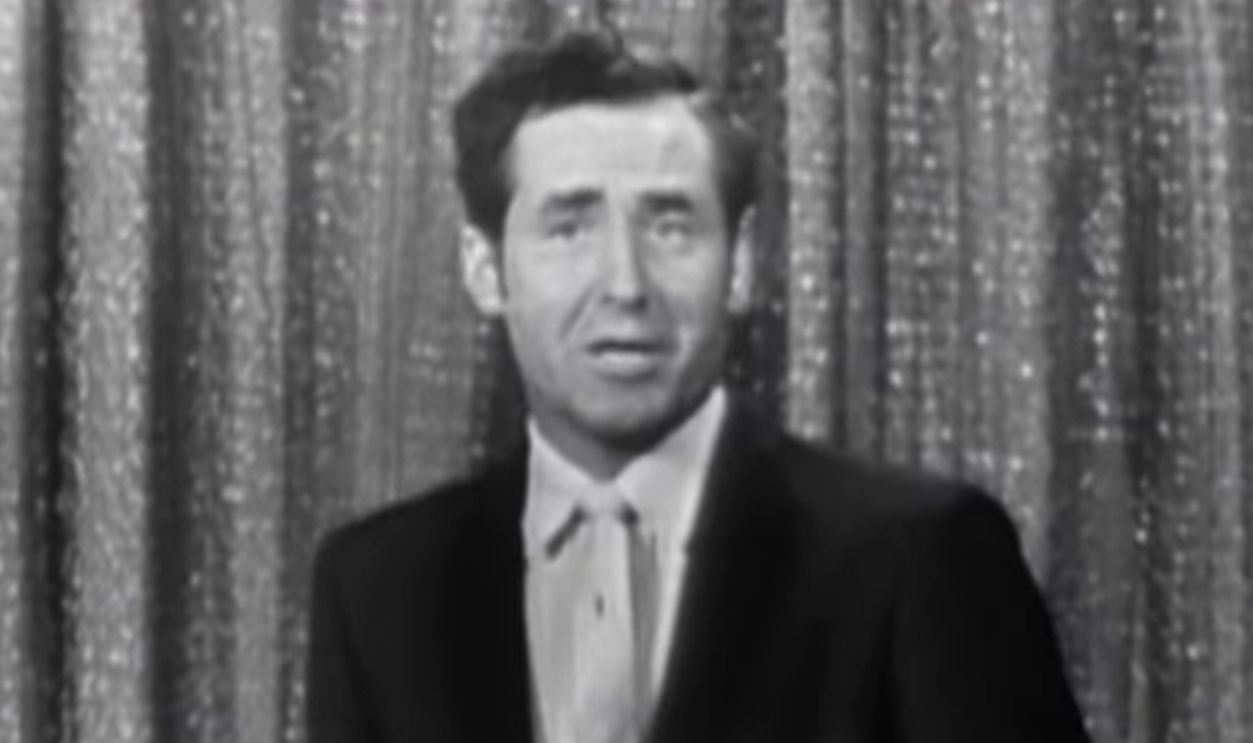 Screenshot from The Purple People Eater, MGM Records (1958)
“Dream Lover” (Bobby Darin)
Another Darin hit that felt huge at the time but slowly faded from memory. Younger Boomers remember Darin more as a transitional figure—someone who existed between clean-cut pop and the messier rock era they actually grew up with.
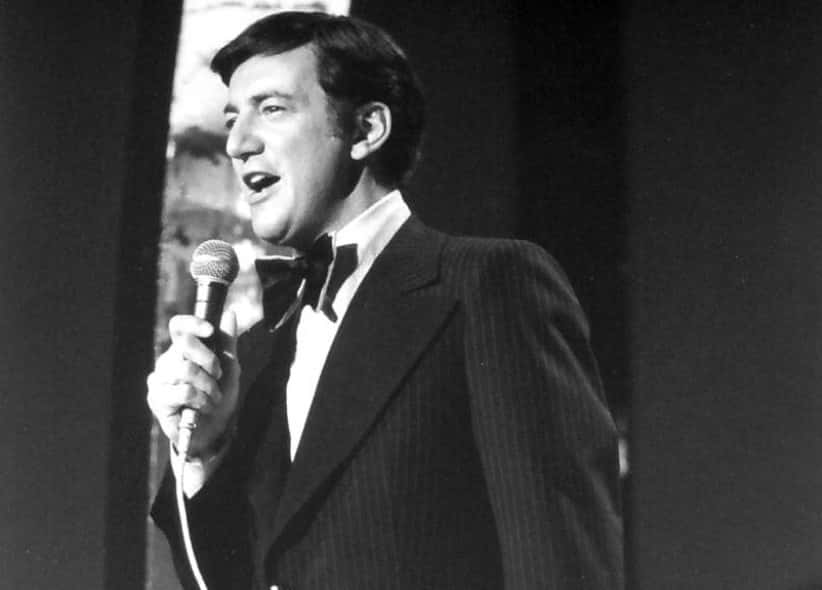
“The Lion Sleeps Tonight” (The Tokens)
Older Boomers heard this everywhere. Younger Boomers didn’t forget it—they just didn’t hear it then. They mostly encountered it later, recycled through movies, commercials, and endless reuses long after its original moment passed.
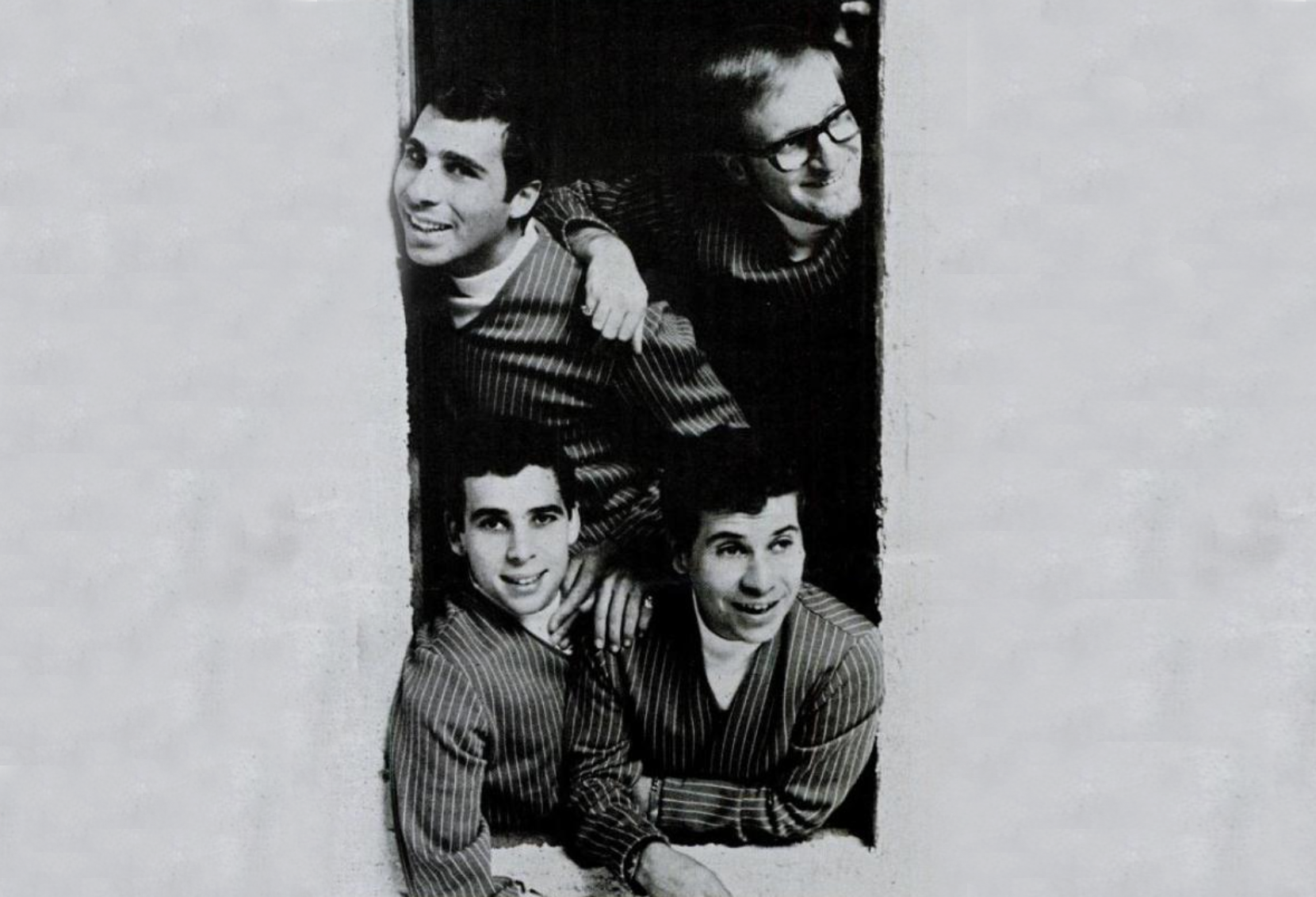 Warner Bros. Records, Wikimedia Commons
“Venus” (Frankie Avalon)
Frankie Avalon was a teen idol phenomenon for older Boomers. Younger Boomers missed the peak and mostly caught him later through nostalgia, beach movies, or Grease. The persona survived longer than the song.
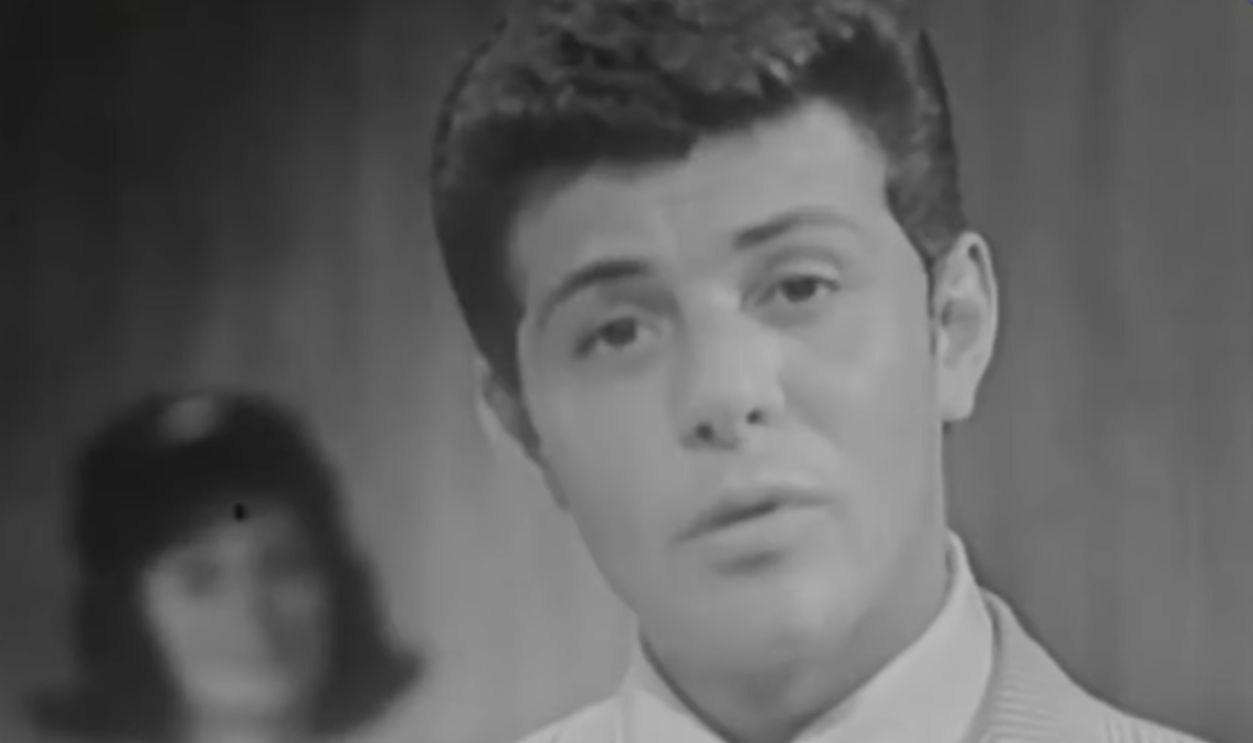 Screenshot from Venus, Chancellor Records (1959)
“Why Do Fools Fall in Love” (Frankie Lymon & the Teenagers)
This was foundational for older Boomers. Younger Boomers tend to know the story of Frankie Lymon more than the song itself. It became history before it became something they actually grew up hearing.
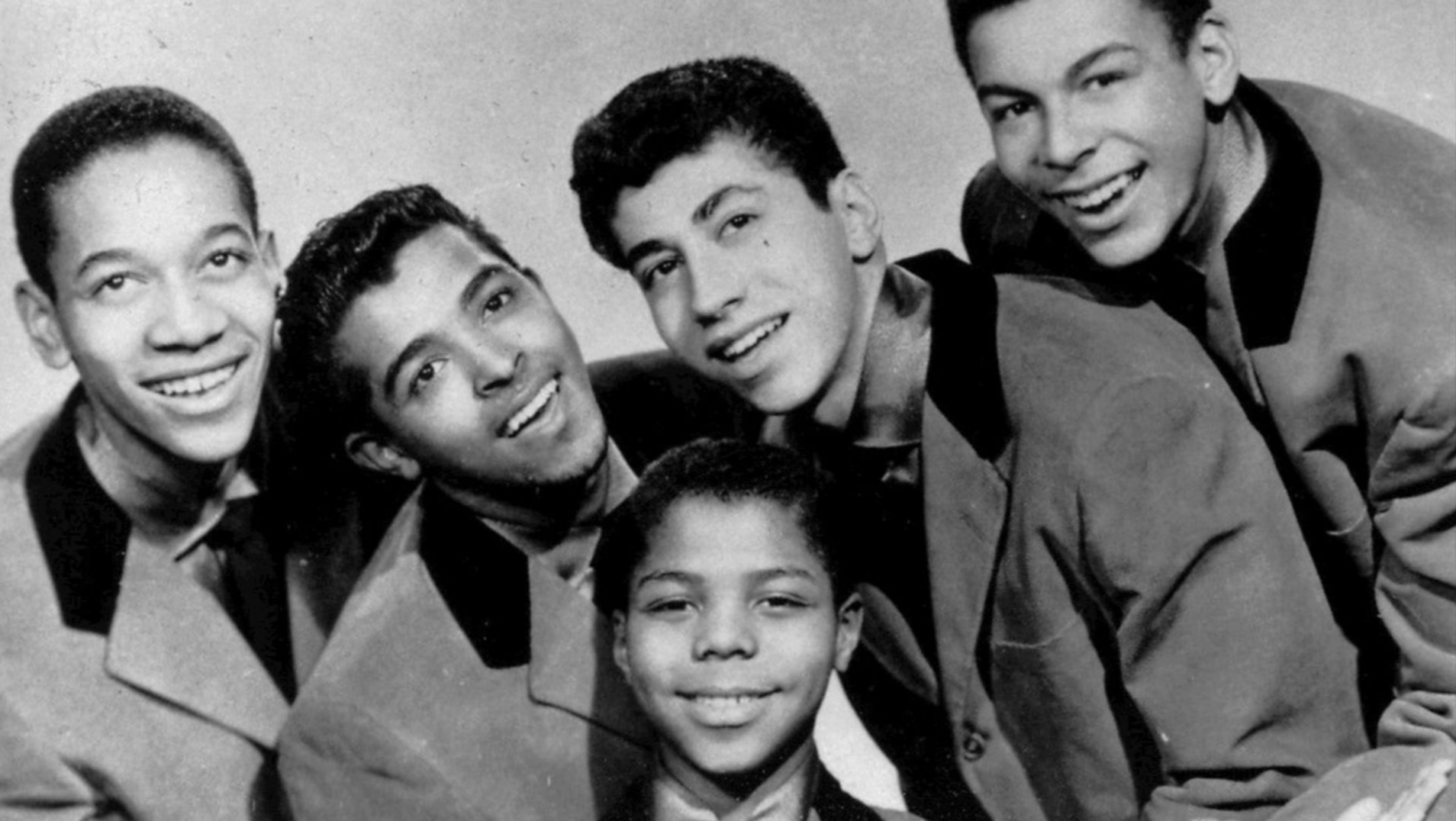 Gee Records, Wikimedia Commons
“The Big Hurt” (Toni Fisher)
This song was known for its early use of flanging—very cool at the time, very easy to forget later. Younger Boomers grew up when production tricks were everywhere, which made early experiments like this feel more like footnotes.
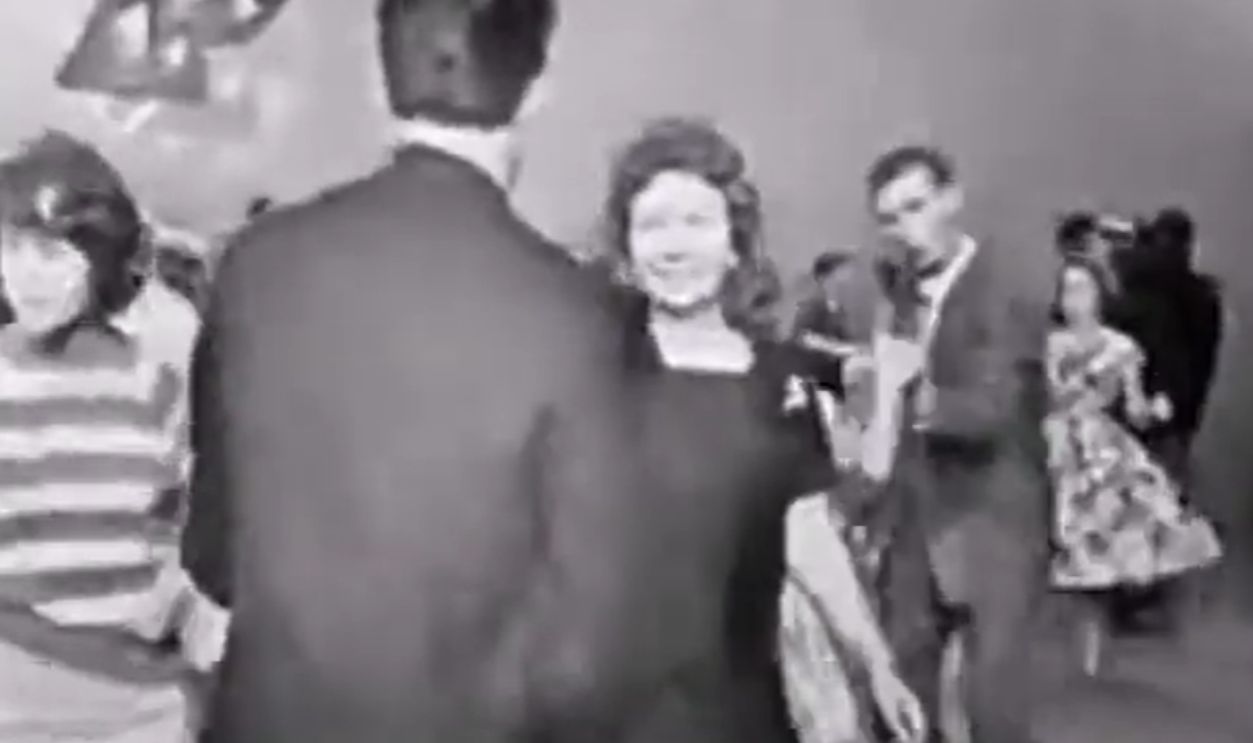 Screenshot from The Big Hurt, Signet Records (1959)
“Wake Up Little Susie” (The Everly Brothers)
Older Boomers remember the controversy. Younger Boomers lived through lyrics that genuinely freaked parents out, which made this feel tame in hindsight. Scandal moved fast in the 60s.
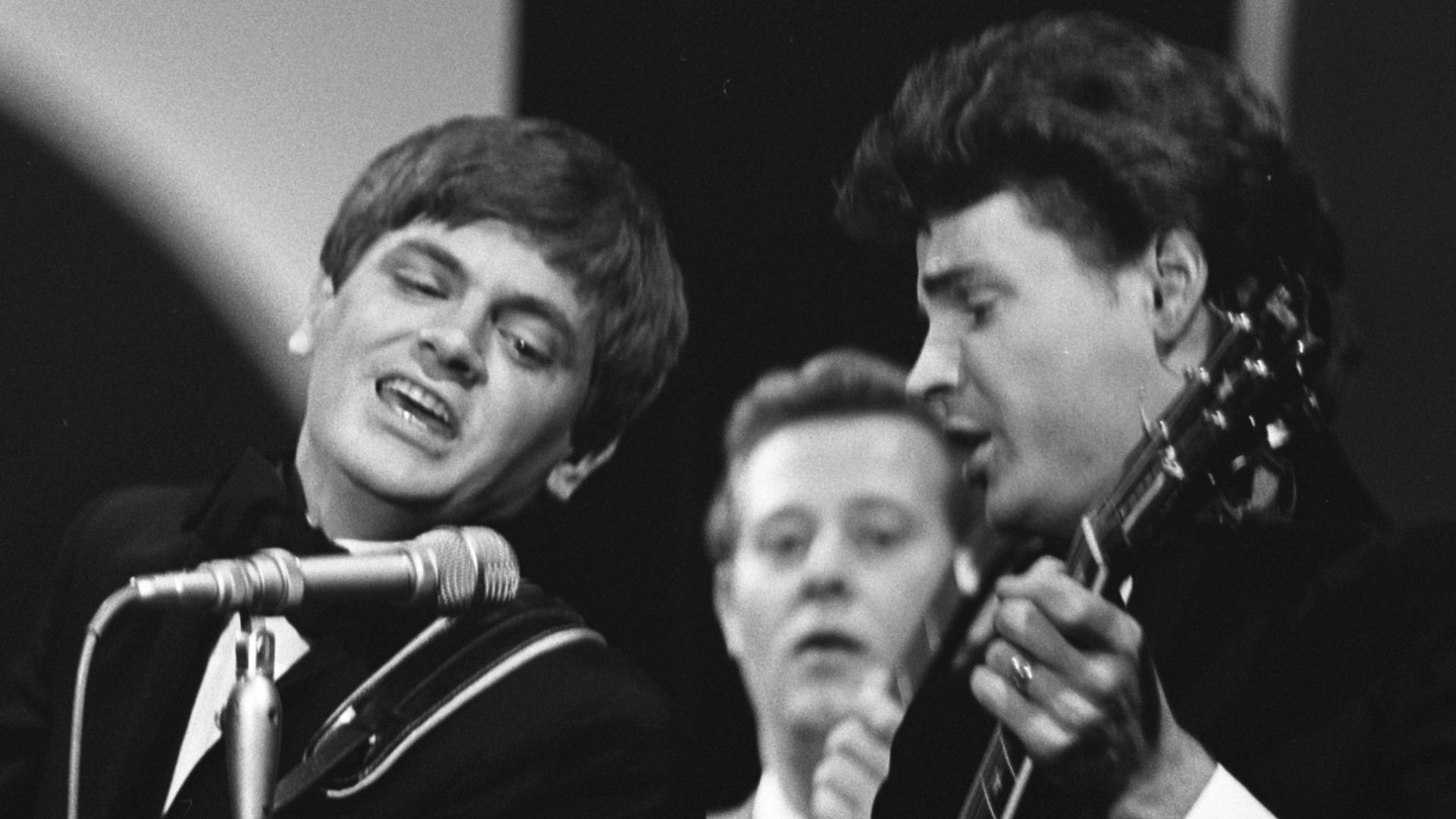 Eric Koch for Anefo, Wikimedia Commons
“Only You” (The Platters)
The Platters were massive, but this particular track didn’t stick equally across generations. Younger Boomers grew up after this sound stopped dominating the radio, which is why it faded while the influence remained.
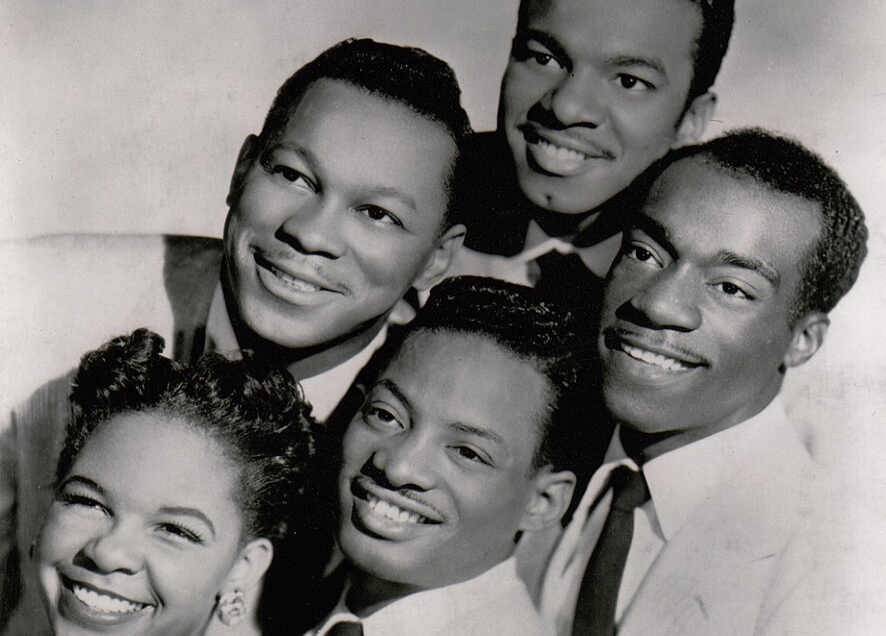 Martha Robi, CC BY-SA 3.0, Wikimedia Commons
“To Know Him Is to Love Him” (The Teddy Bears)
Written by a young Phil Spector, this was huge early on. Older Boomers remember it clearly. Younger Boomers usually encounter it as a piece of music history—important, influential, and not something they actually remember hearing growing up.
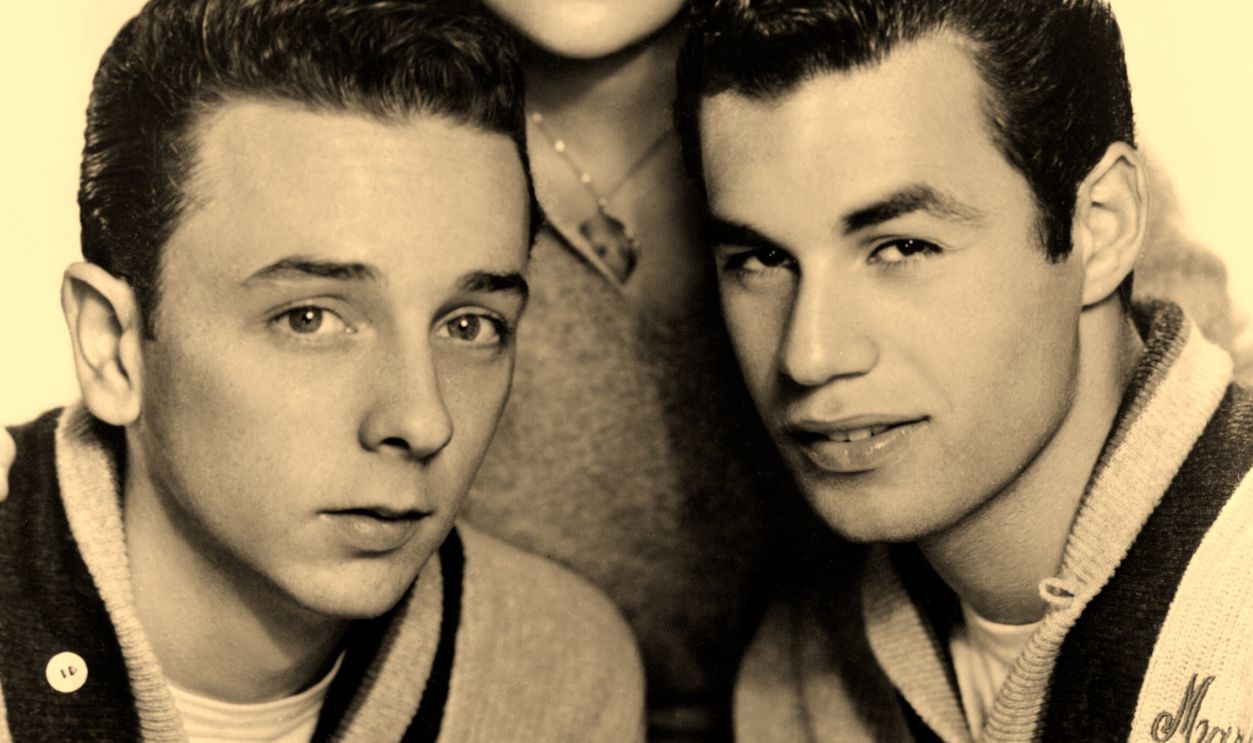 Michael Ochs Archives, Getty Images
You Might Also Like:
The Biggest Lies Rock Bands Told In The 70s (And Everyone Believed Them)
.jpg)


